Apr 8, 2024 – Total Solar Eclipse in Cape North, Prince Edward Island, CanadaApr 8, 2024 – Total Solar Eclipse in Cape North, Prince Edward Island, CanadaLaura and I drove to Cape North, Prince Edward Island, to view the total solar eclipse. It was a long day. We arrived at Cape North about three hours before the eclipse and the parking lot was already full. We searched the area unsuccessfully for a better location but returned to the Cape North interpretive centre (wind turbine farm) and parked beside the road. Some folks were sleeping in their cars, a testament to the length of their drive. The weather was excellent except for the gusty winds which played havoc with my video shooting. At the total eclipse a wisp of thin cloud passed over the sun but this did not deter from the experience. This was Laura's first total solar eclipse and my second.
This video is a rough start. I will upload more video from different angles and photo captures from the video, so stay tuned.
April 8, 2024 — Total Solar Eclipse —Cape North, Prince Edward Island, Canada
Max View in Seacow Pond, Prince Edward Island
Diving BirdsMost of our diving birds, ducks, loons and scoters can be photographed from shore. The problem as always is finding a safe place to park adjacent to the target birds. Common Goldeneye
Common Loon
Long-tailed Duck
Surf Scoter
Long-tailed Duck
Thick-billed Murre
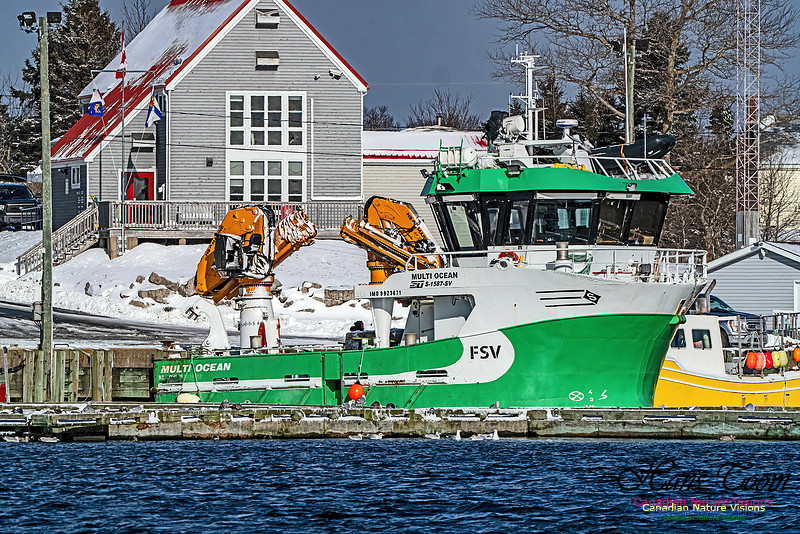
Multi Ocean, a Utility Ship From NorwayThis unusual, for me, utility ship, the Multi Ocean is visiting from Norway. It can be seen at Sambro Harbour. Multi Ocean
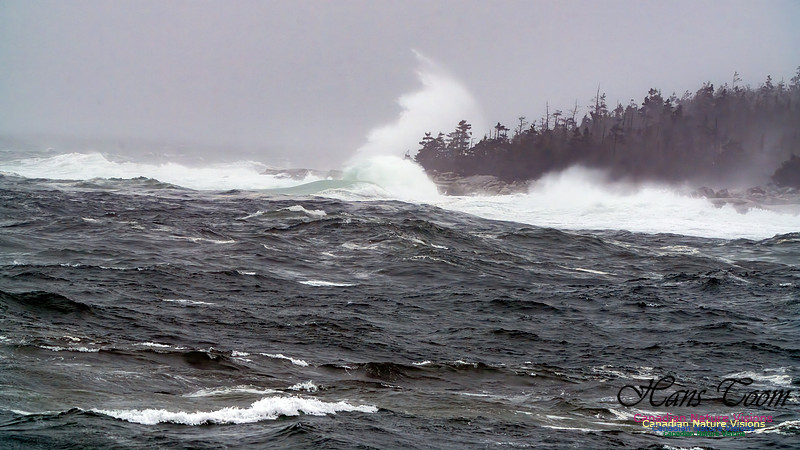
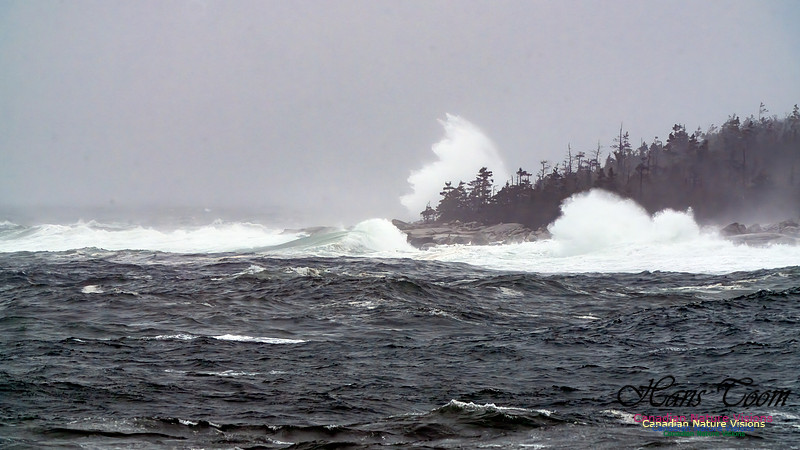
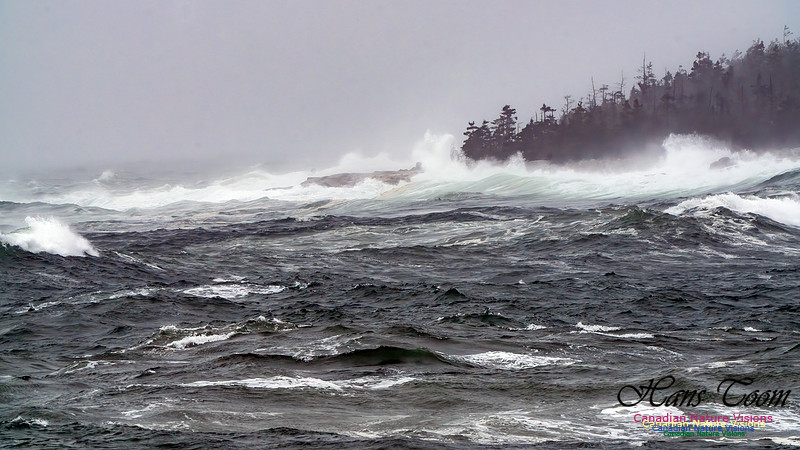
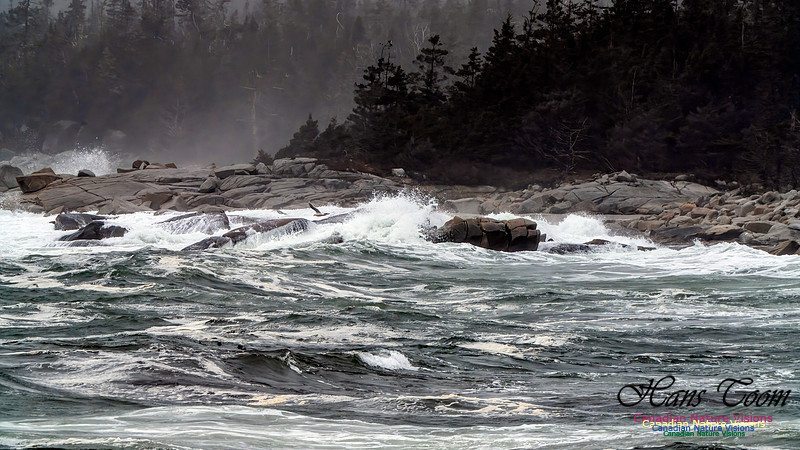
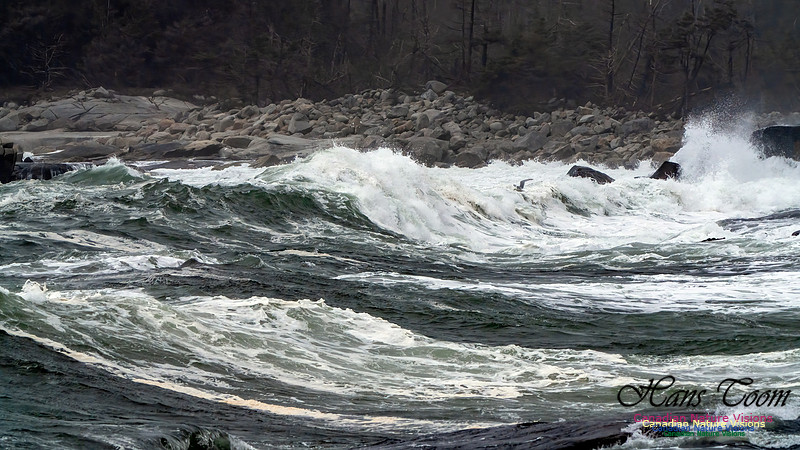
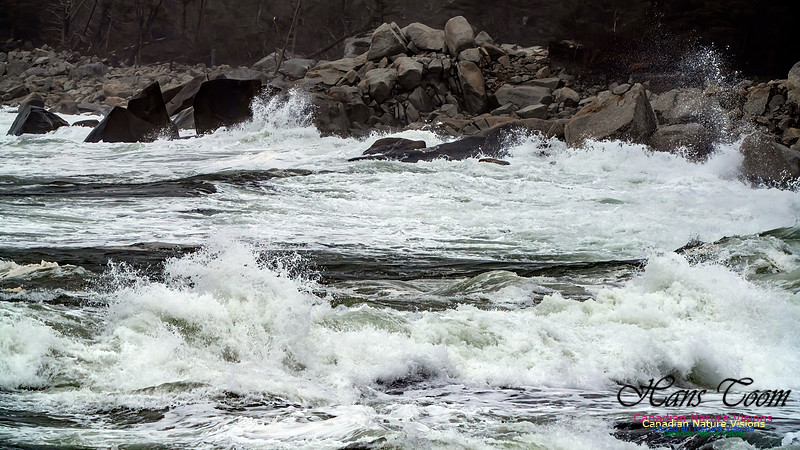
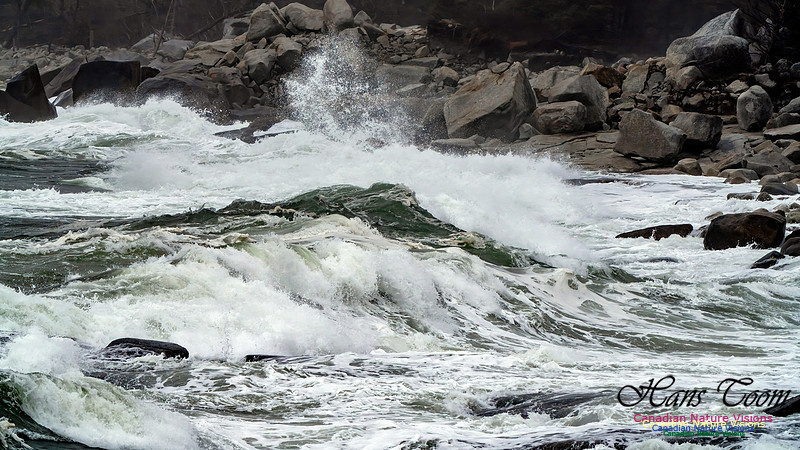
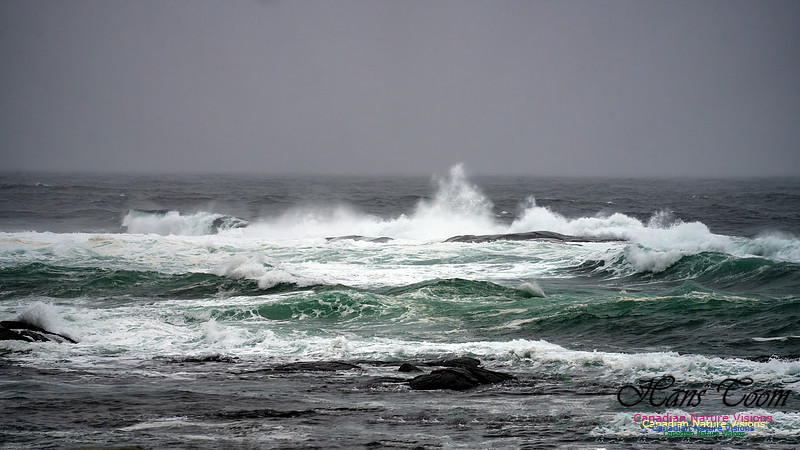
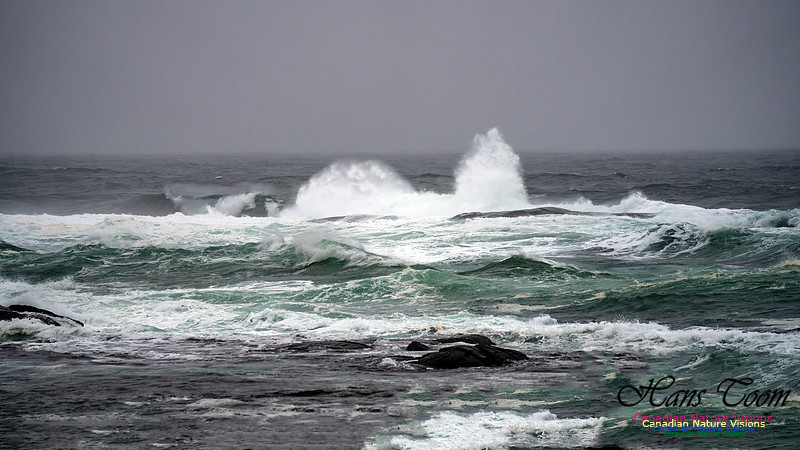
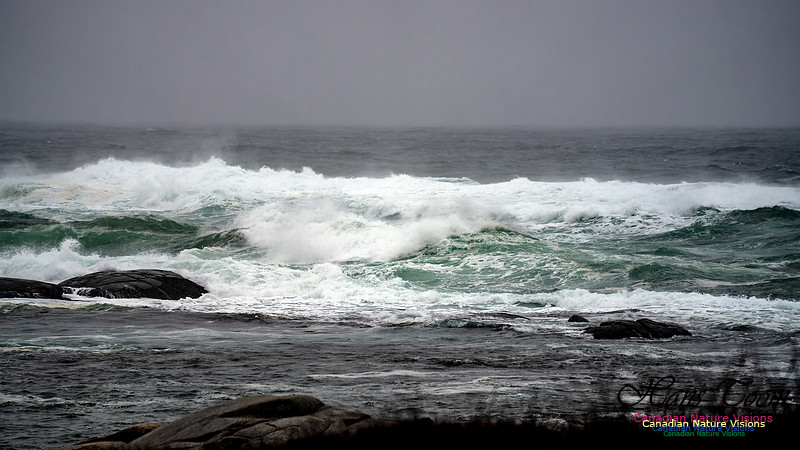
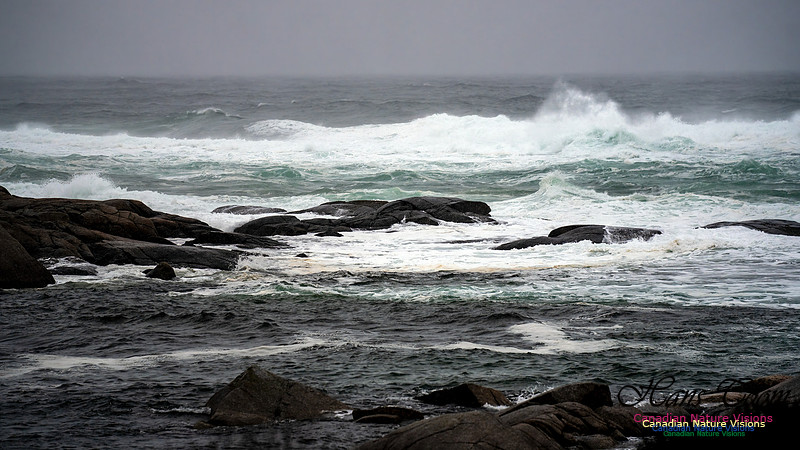
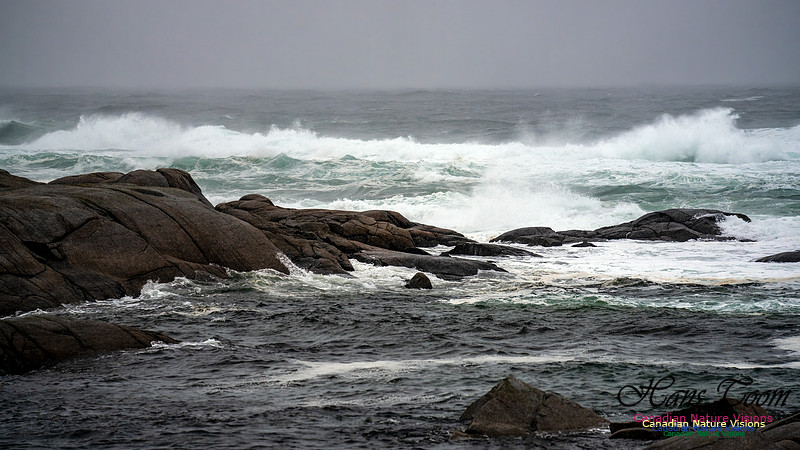
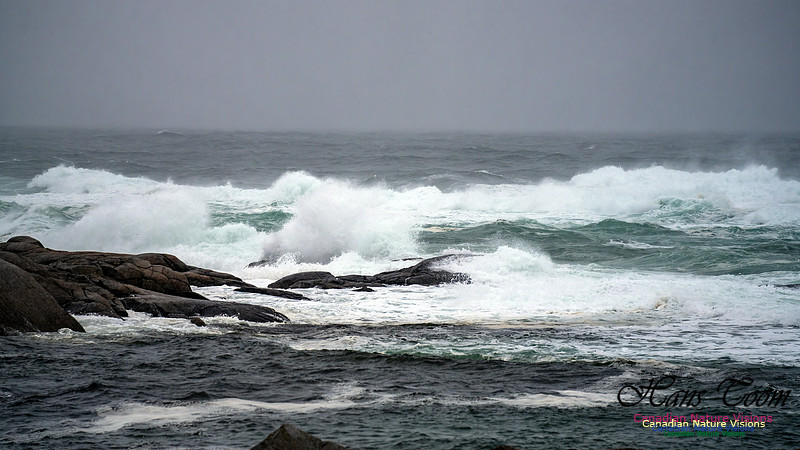
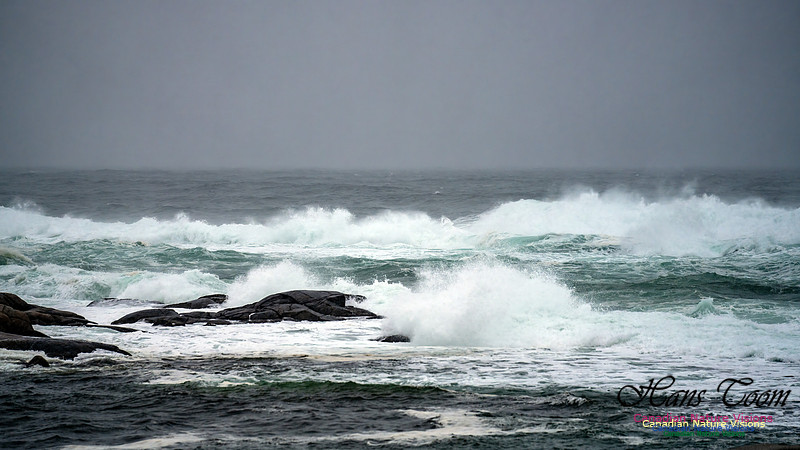
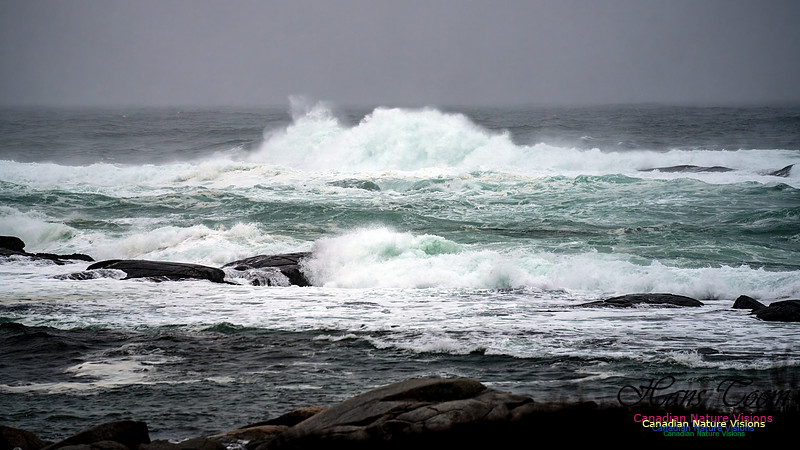
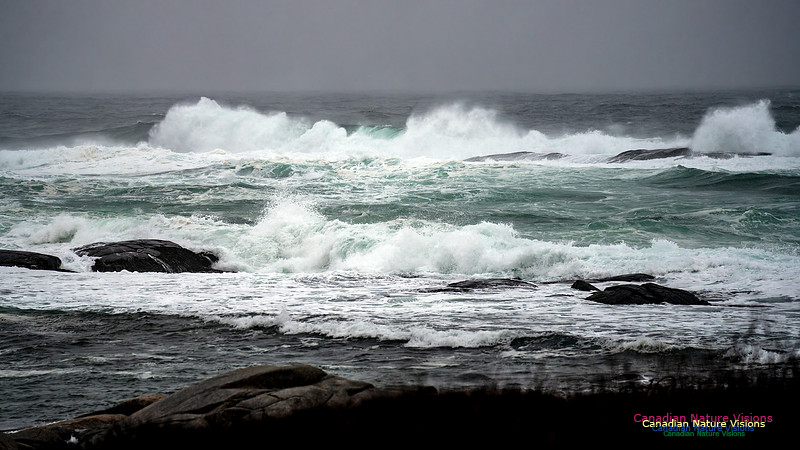
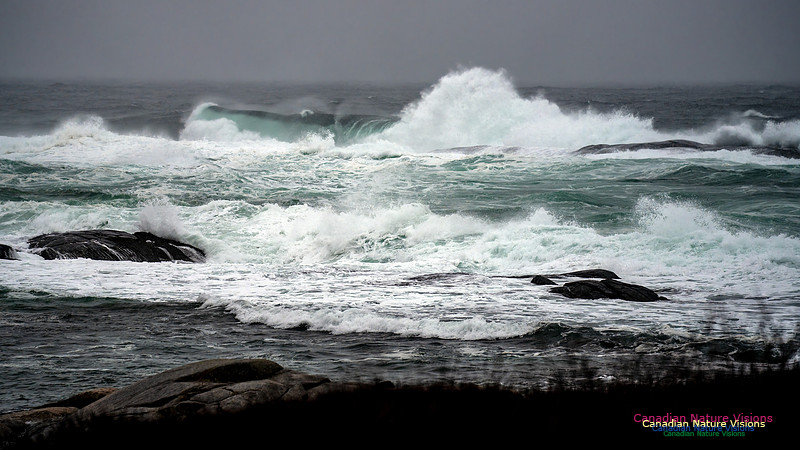
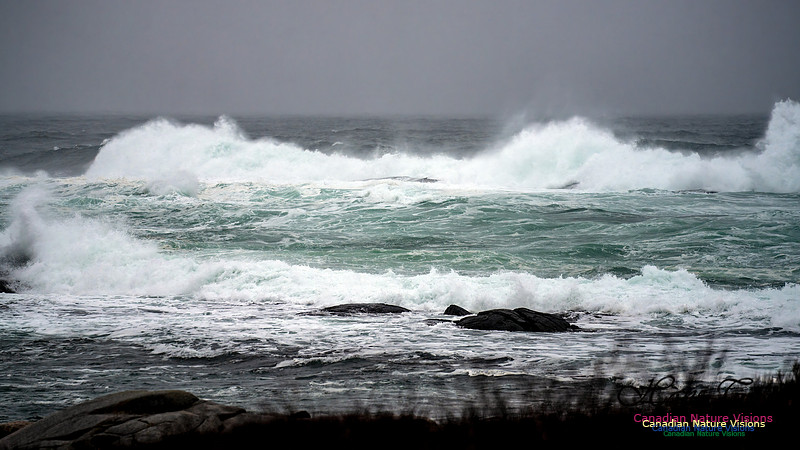
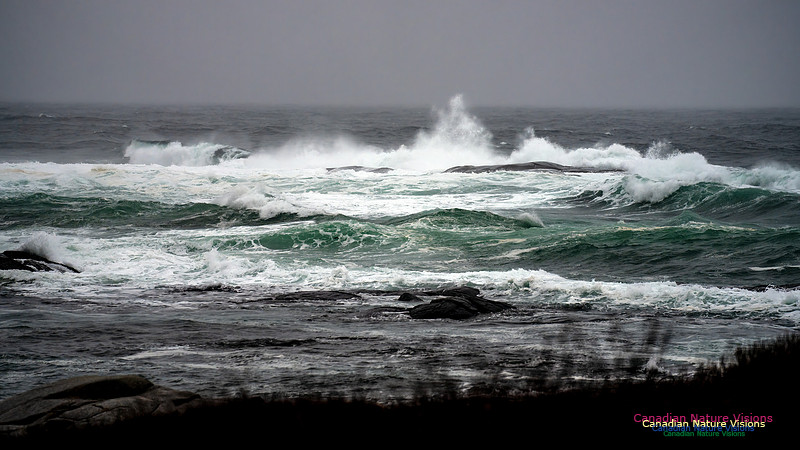
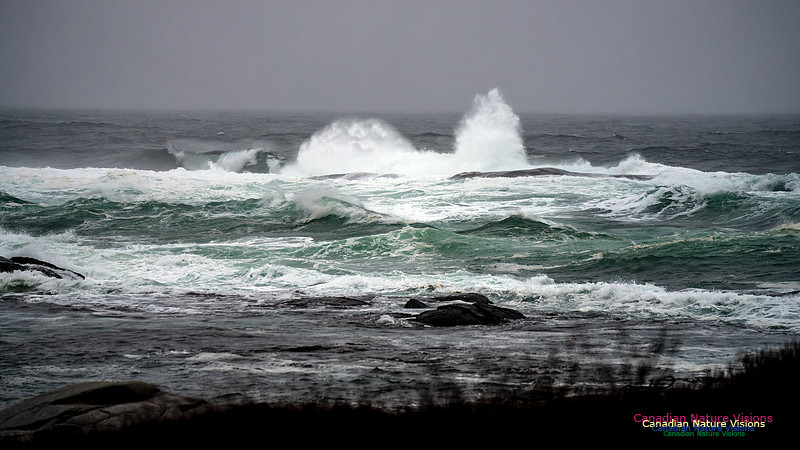
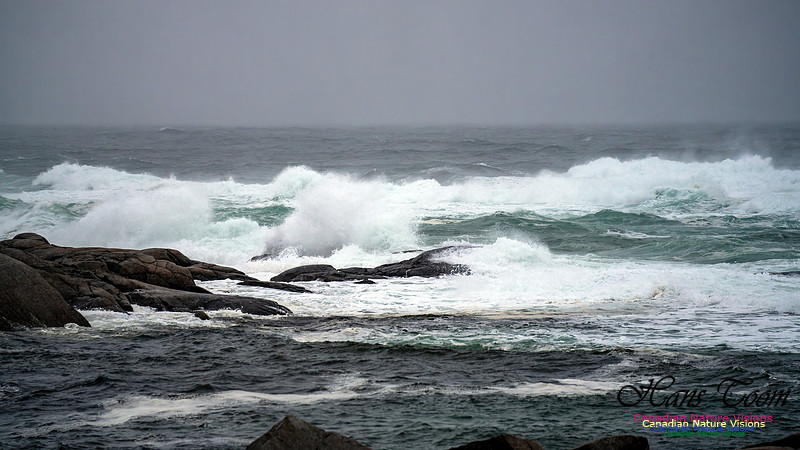
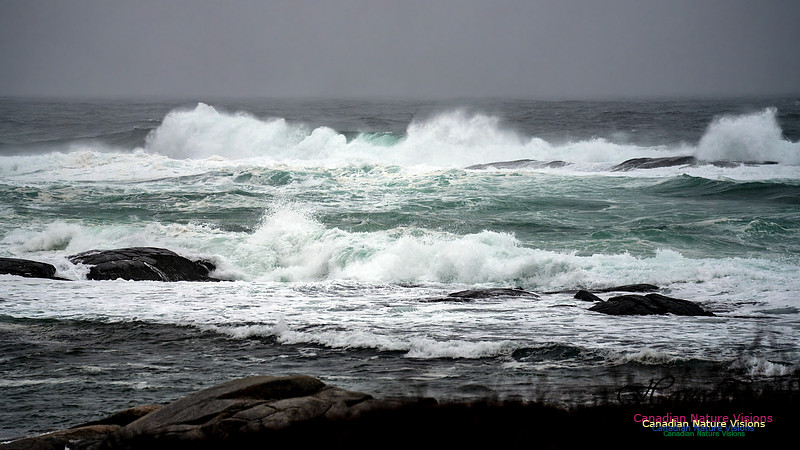
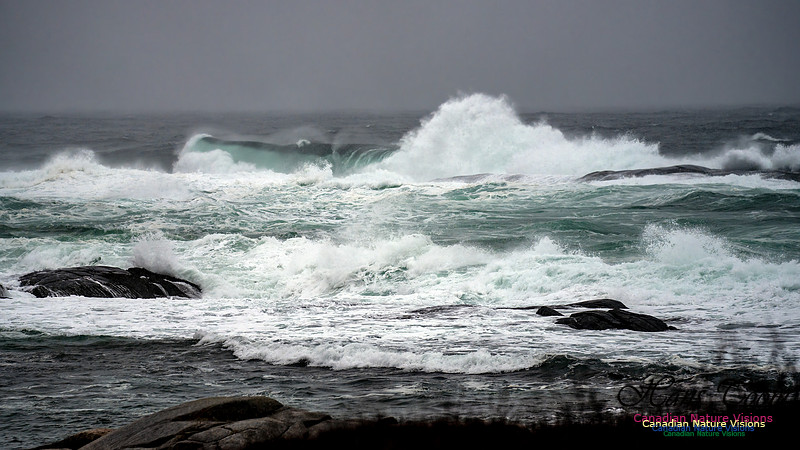
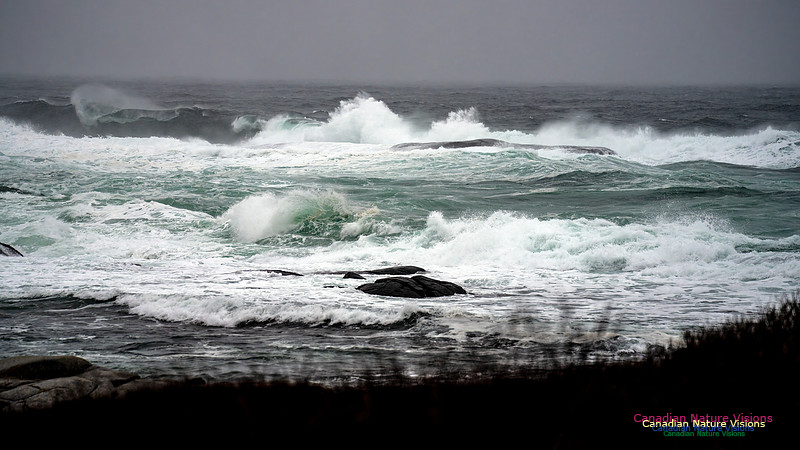
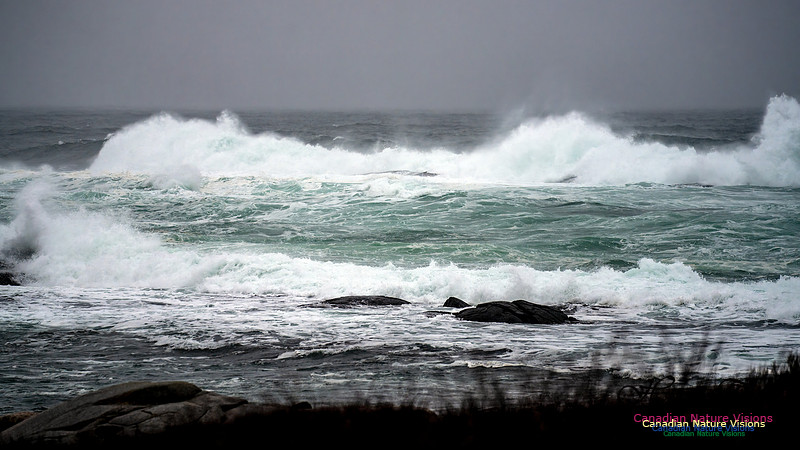
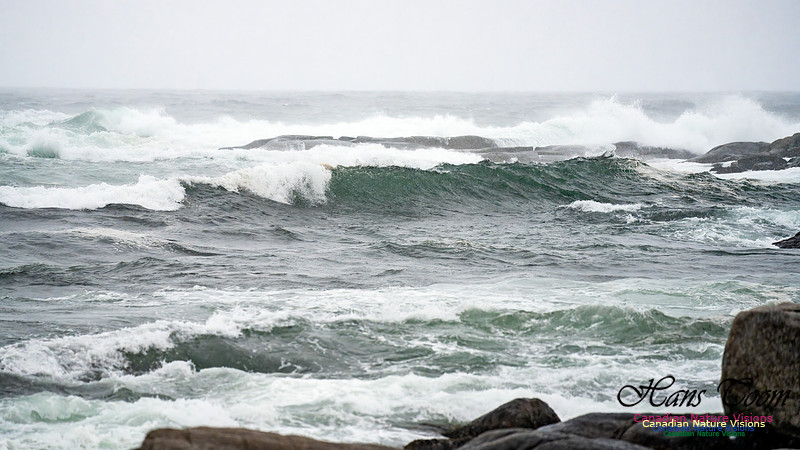
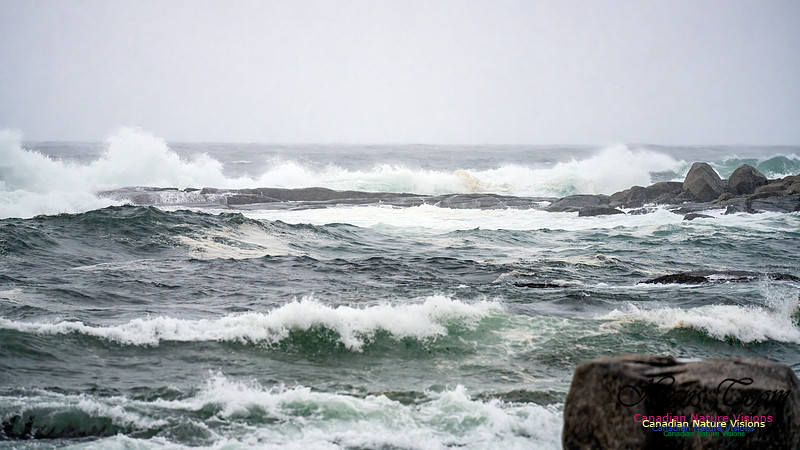
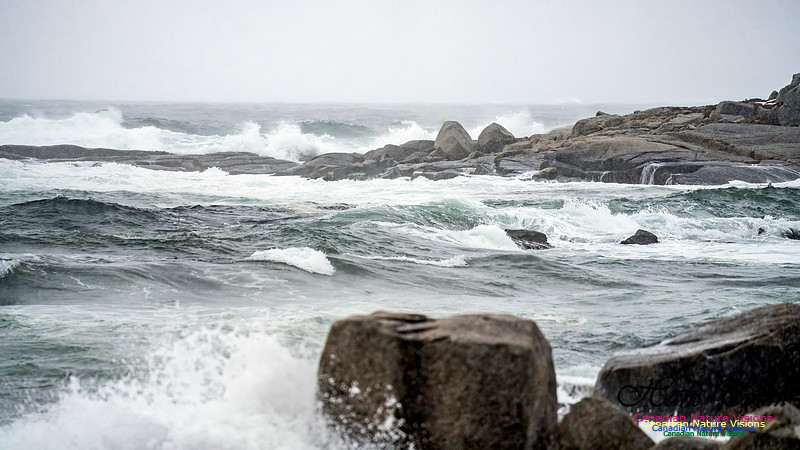
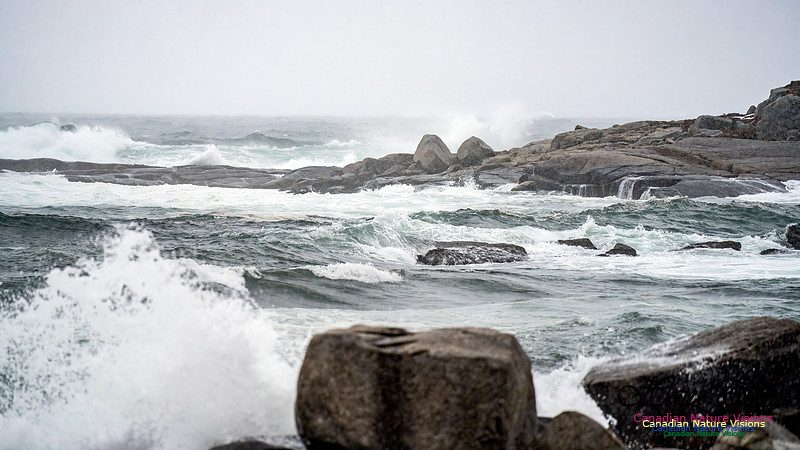
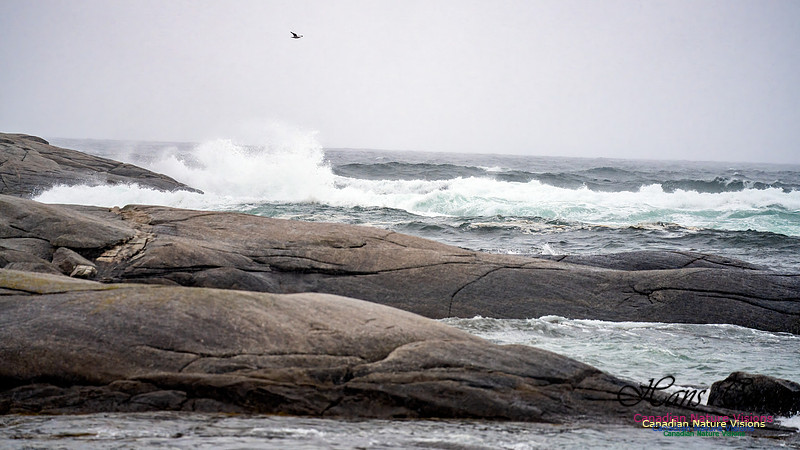
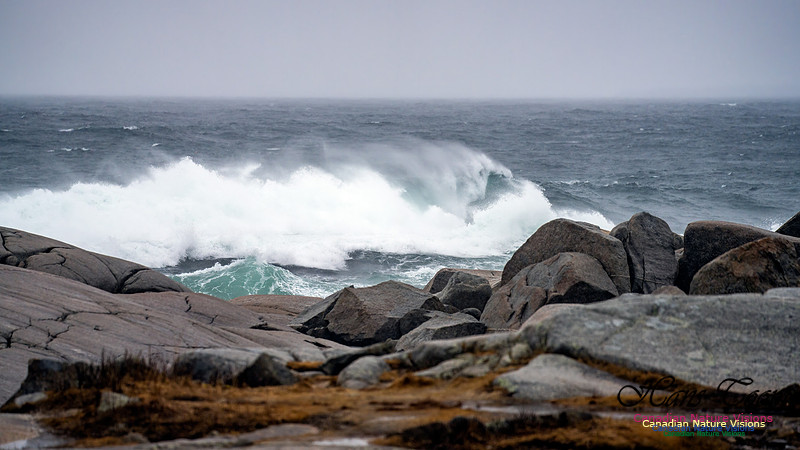
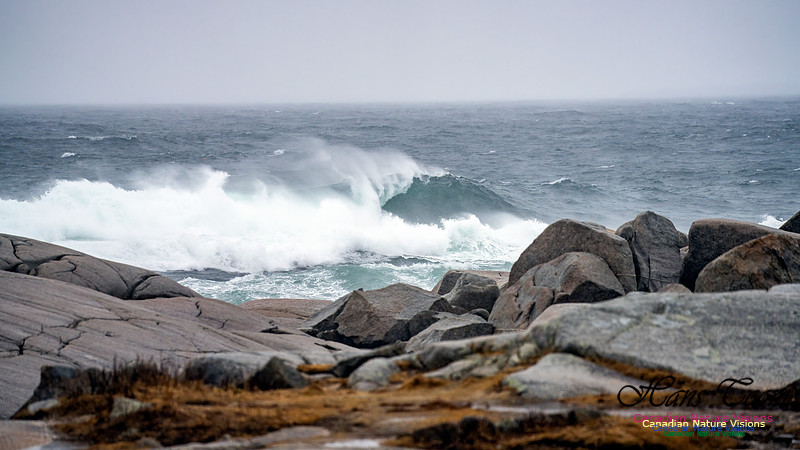
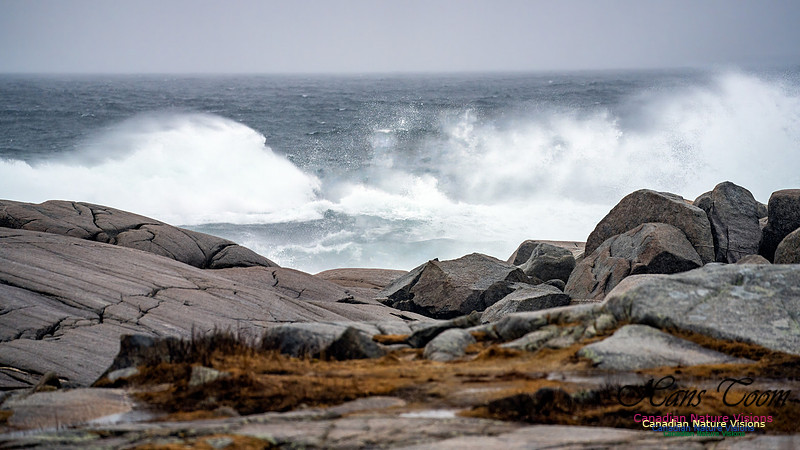
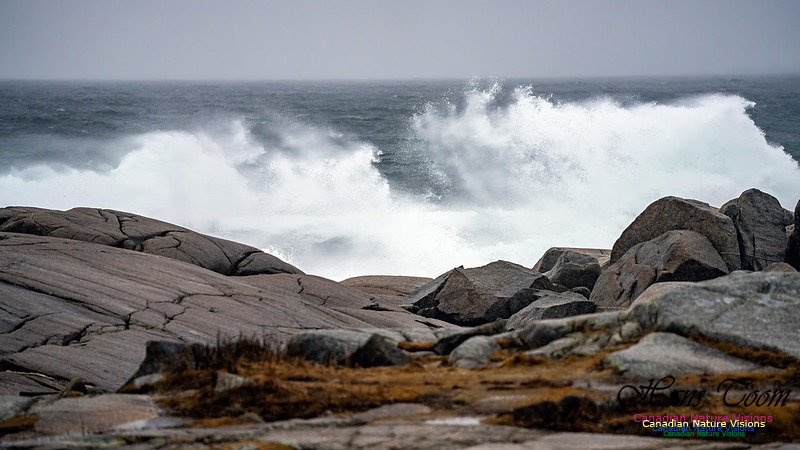
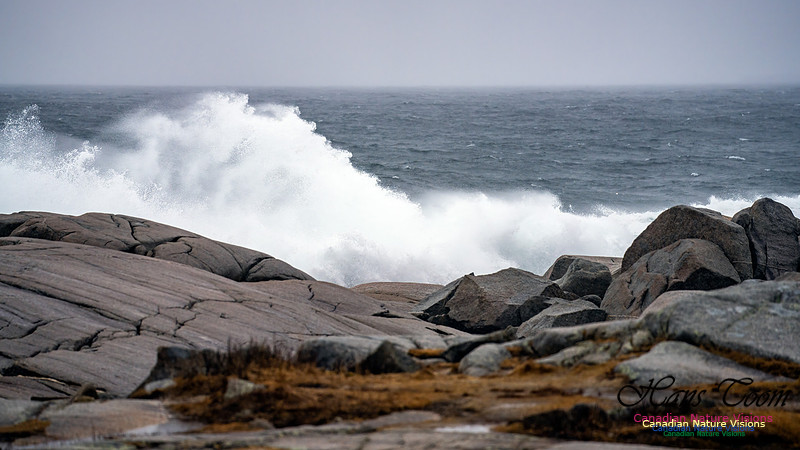
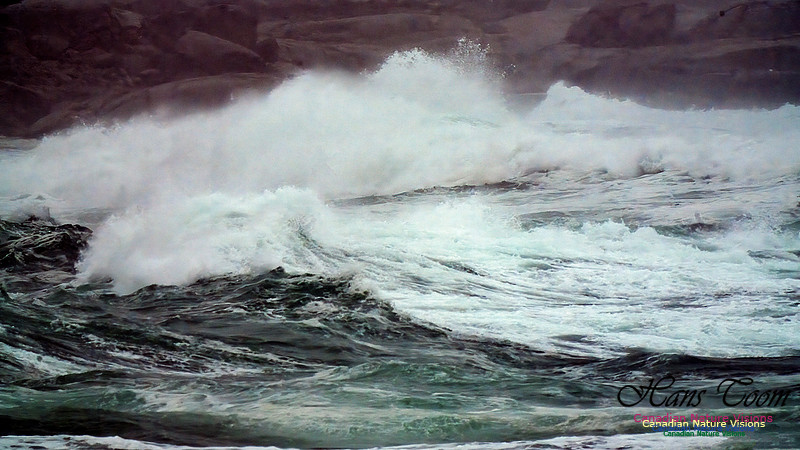
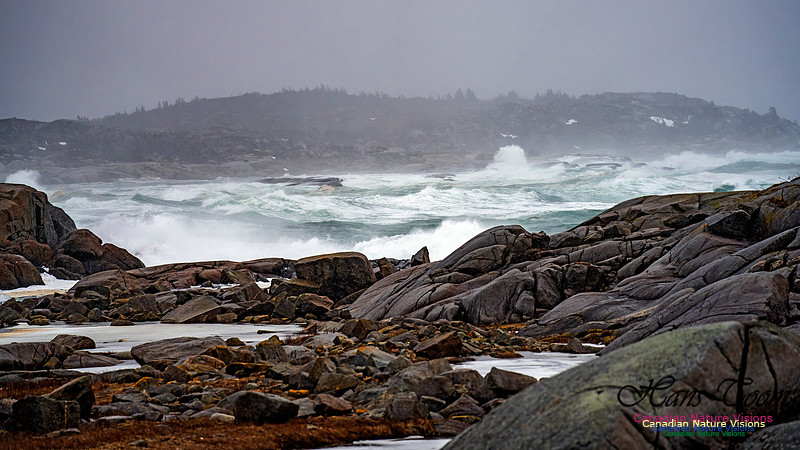
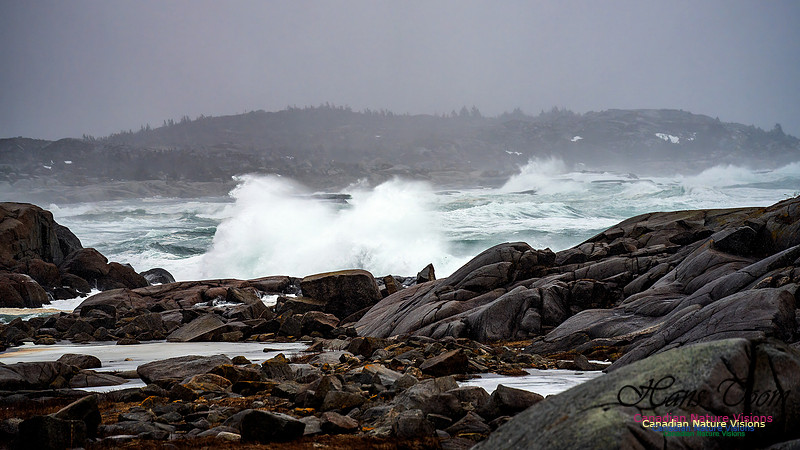
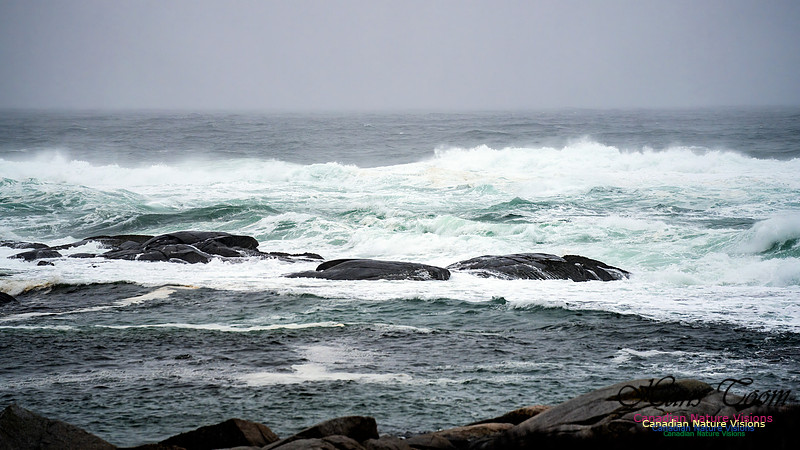
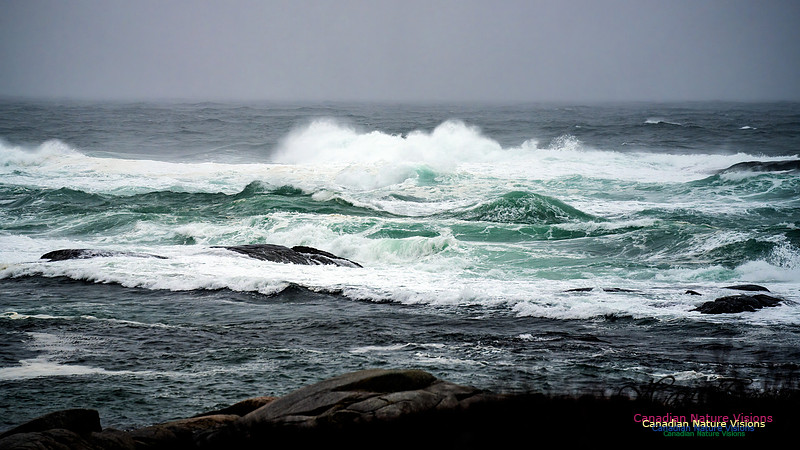
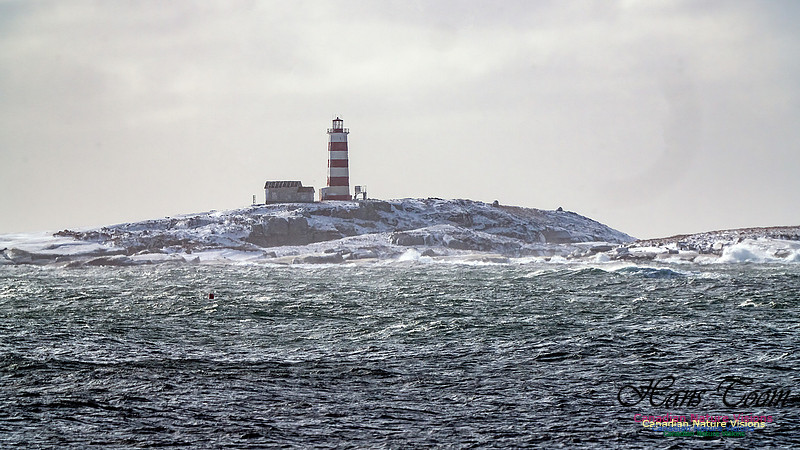
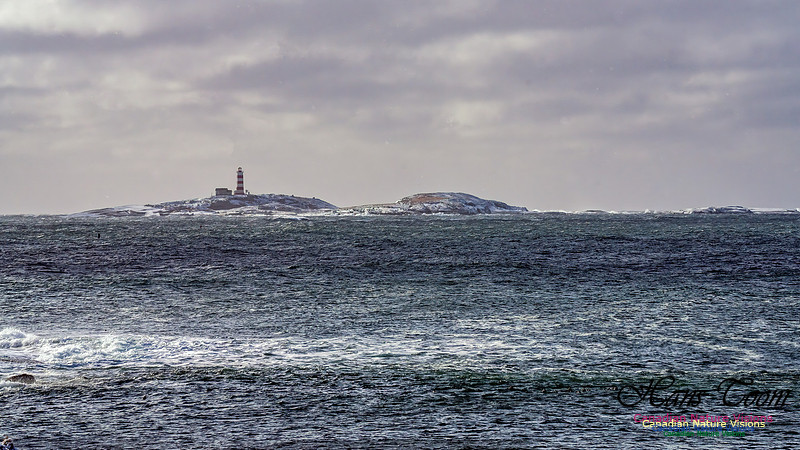
Oceanside SurfThere is a stretch of shoreline from the Fisheries Research Station at the end of Sandy Cove Road to Inner Sambro Island that is prone to spectacular surf when the wind is right. This stretch of shoreline is usually protected by Sambro Island but when the gales switch to north north-east this place is worth a visit. Oceanside Surf
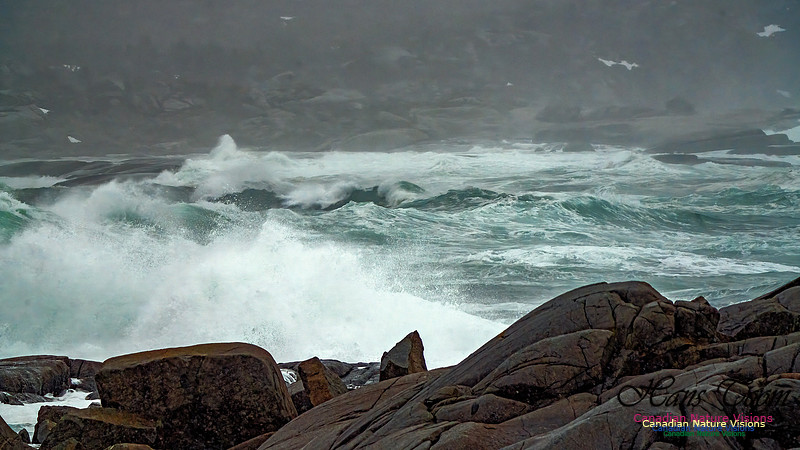
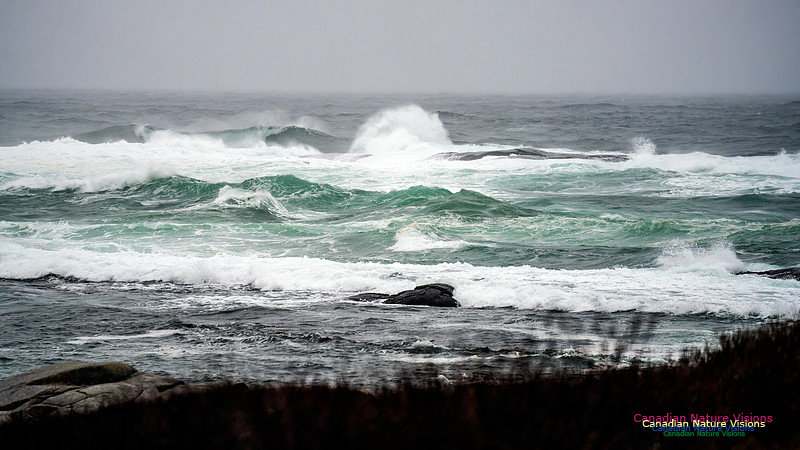
The Angry SeaThere was yet another gale along our coast in eastern Nova Scotia last week. The trick as always is to take photos in the wind and rain without ruining one's camera. The bold claims made by manufacturers; Canon, Nikon, Sony, Pentax, Panasonic, et al, about being water proof, does you no good when your expensive camera is destroyed by mold. Take care. The Angry Sea
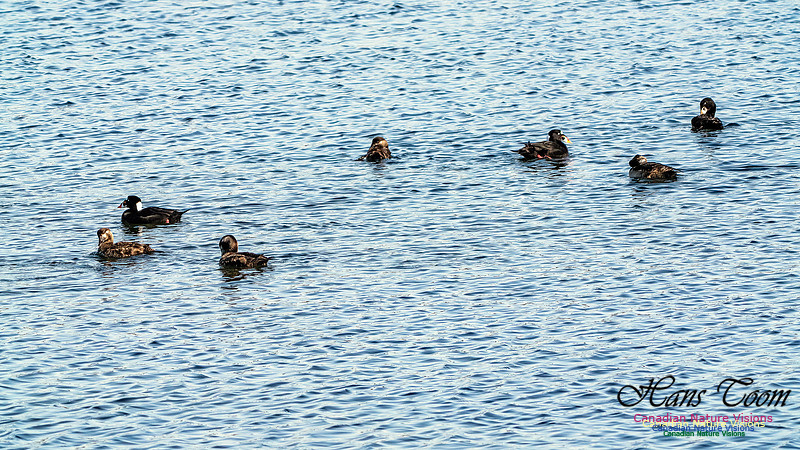
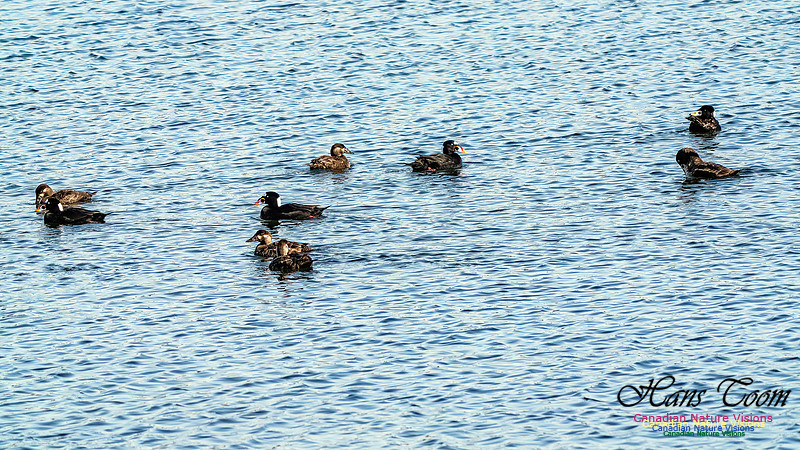
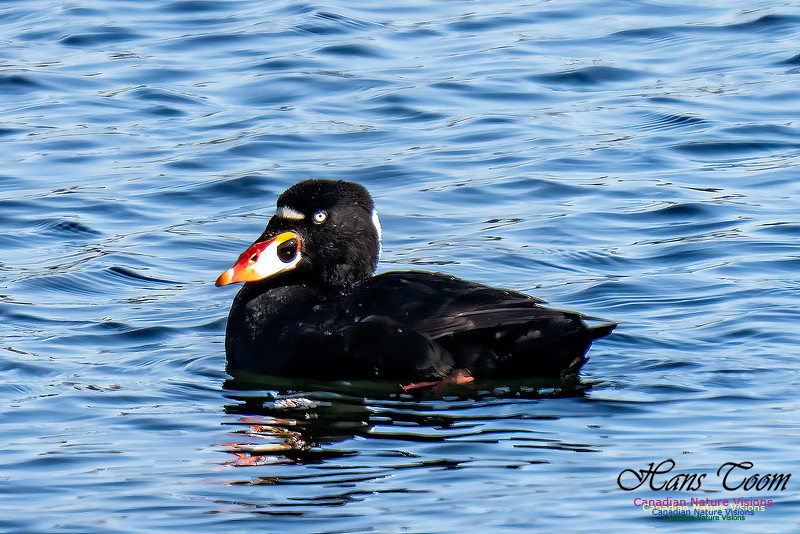
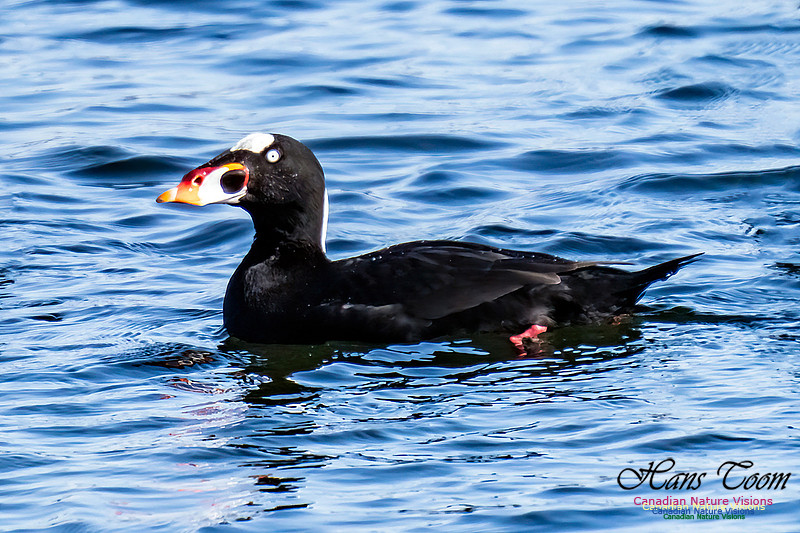
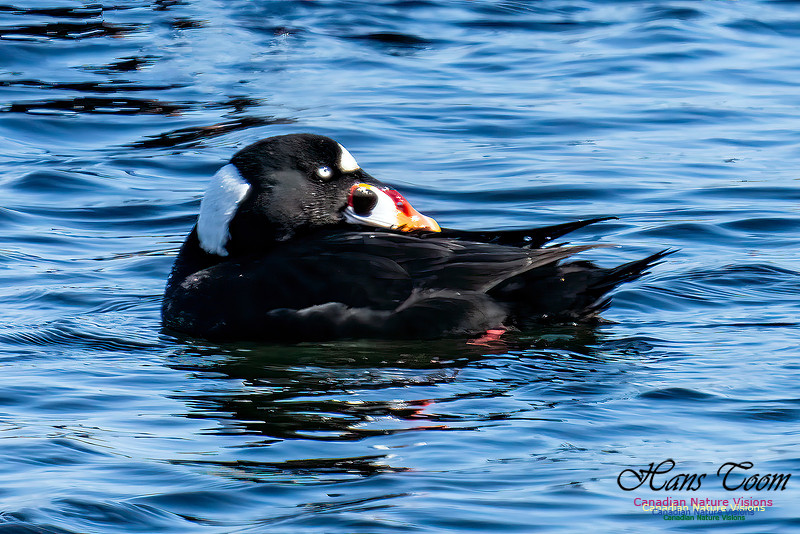
Surf ScoterI was lucky enough to find these Surf Scoters close enough to shore to photograph however definition is seriously lacking due to hand holding my 1200mm lens and camera coupled with the excitement of the opportunity. Surf Scoter
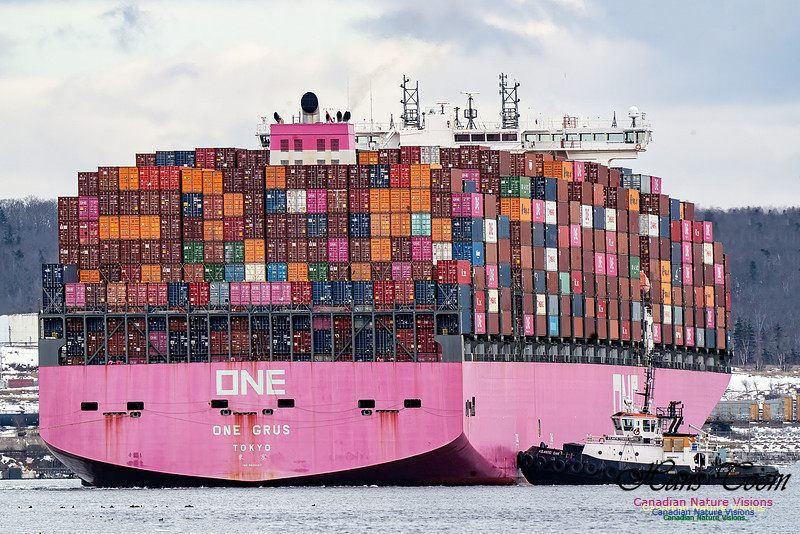
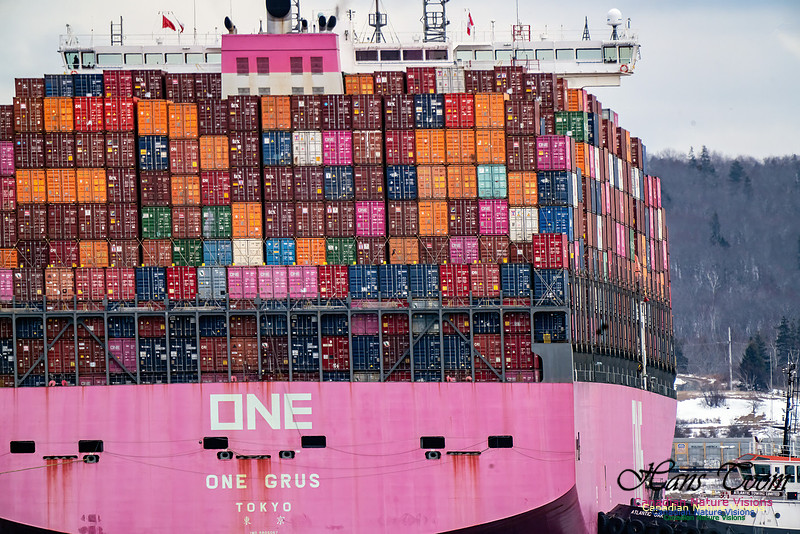
Ordinary Things Seen in a Different LightA container ship becomes a work of art if seen from a different perspective.
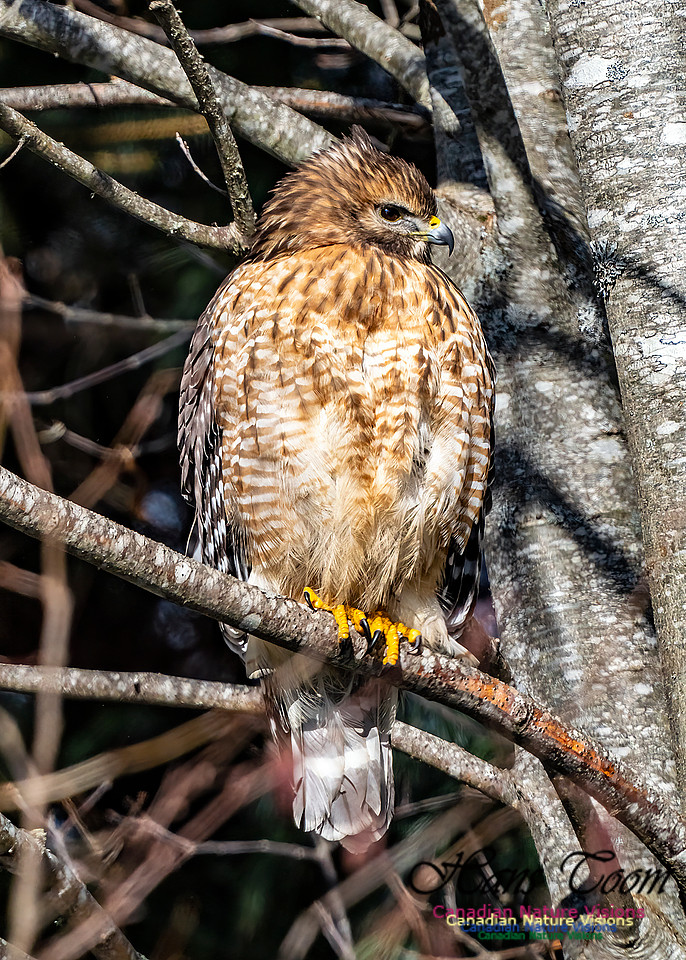
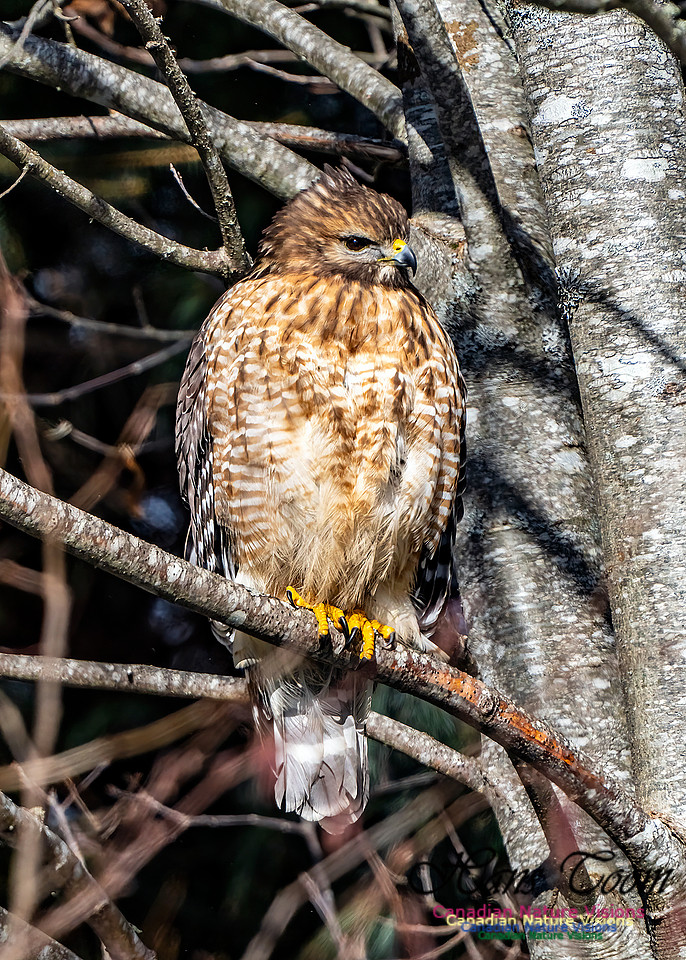
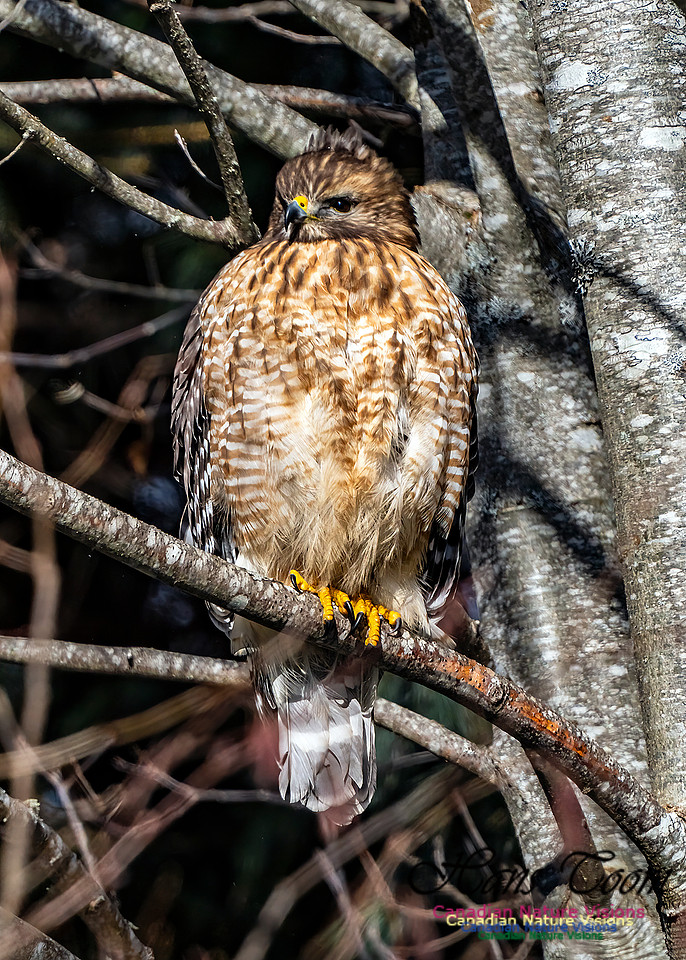
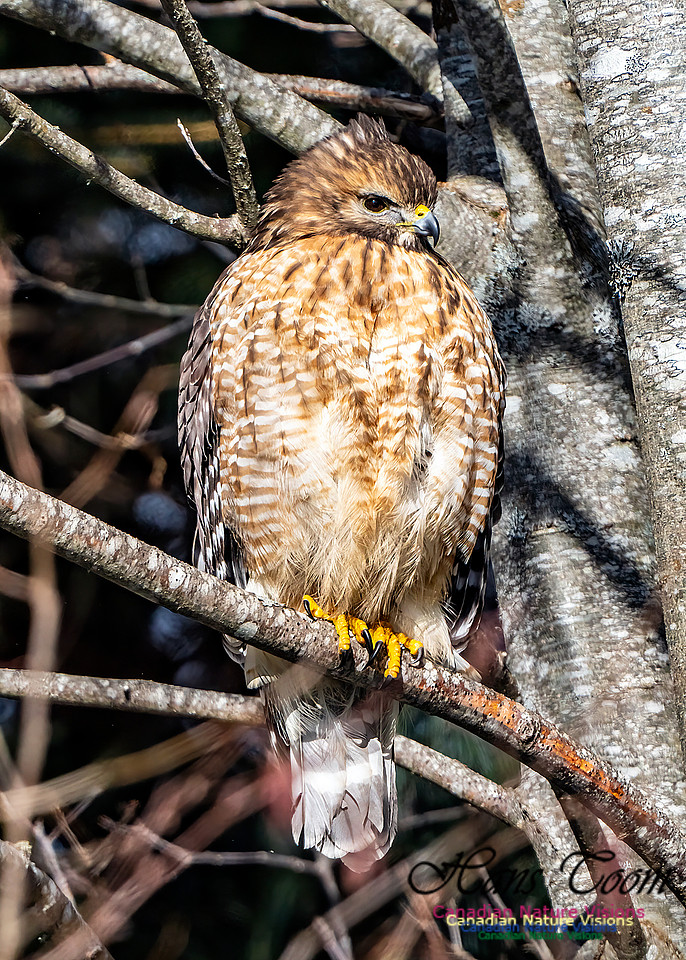
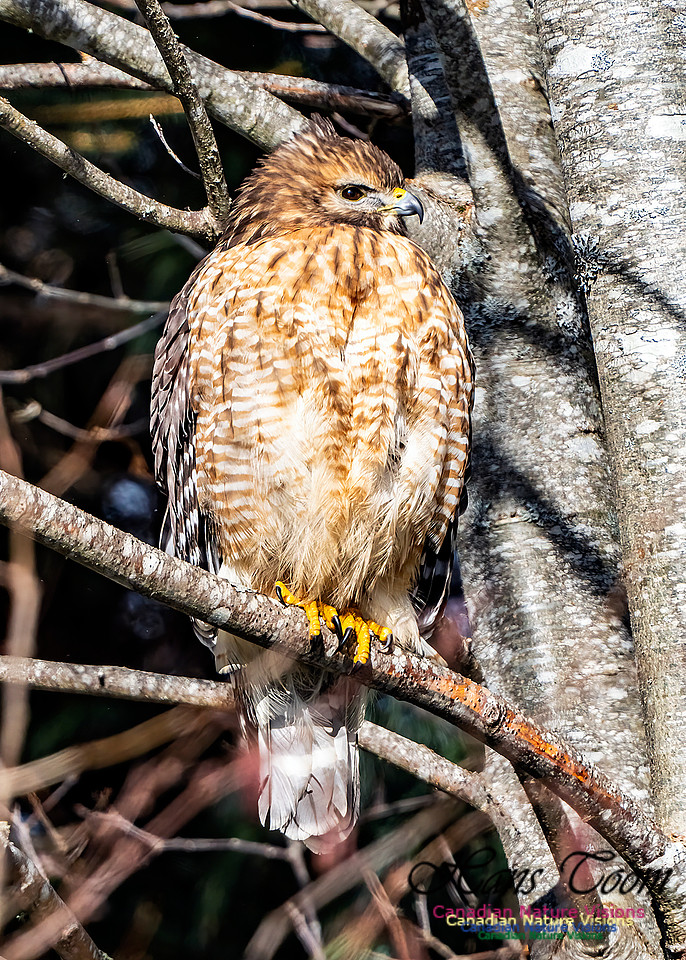
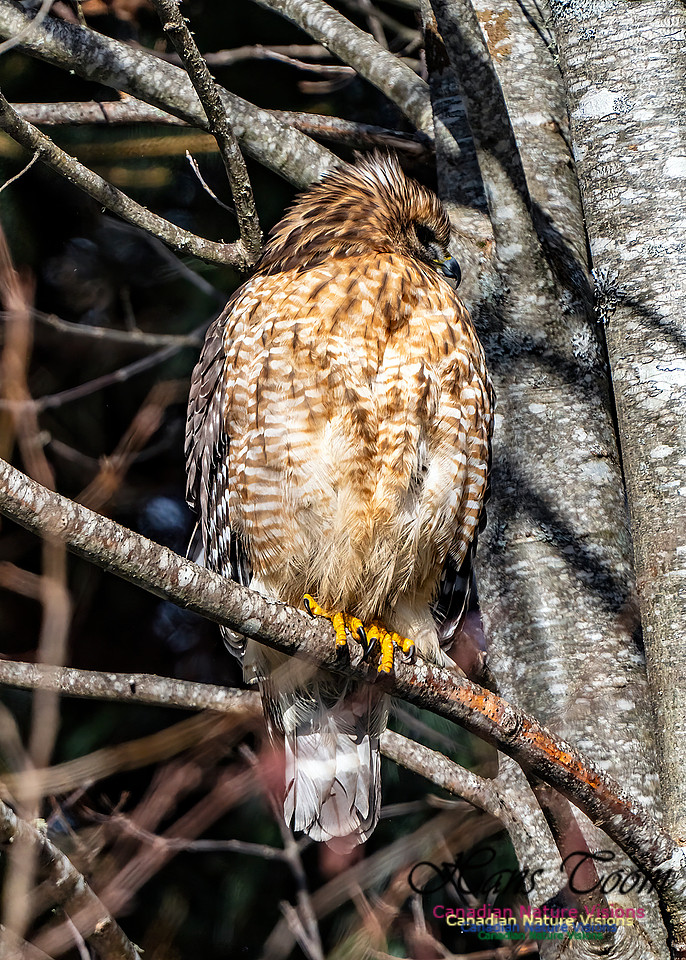
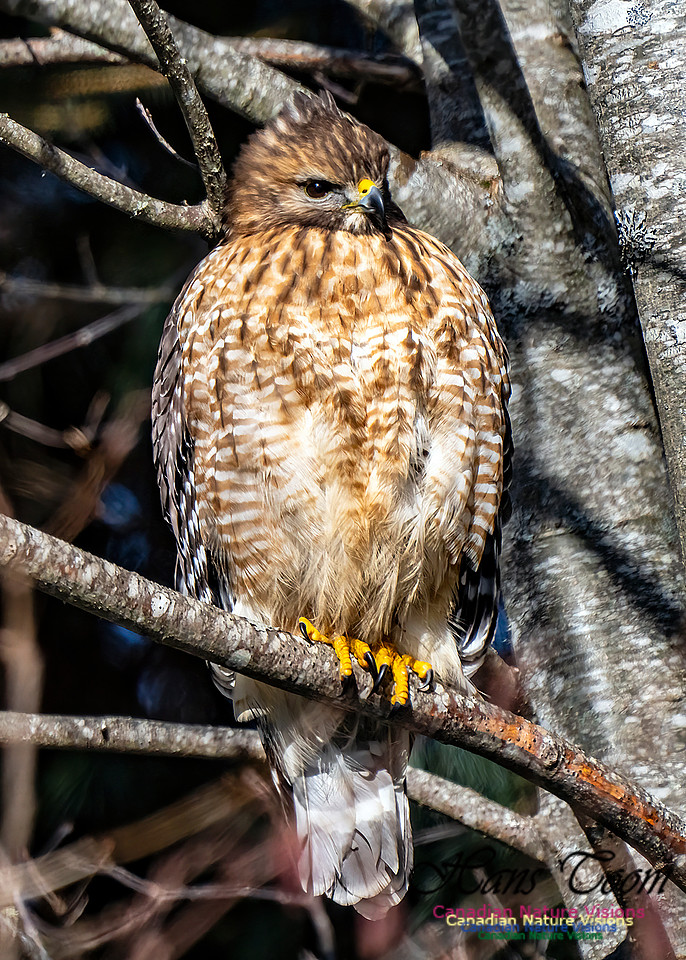
Red-shouldered HawkThe "runway model" hawk, the Red-shouldered Hawk, posed for me in good frontal light and minimal focus trashing branches. It sat intelligently facing the warming sun with its back protected from the wind by the forest. How smart? Any small mammal running across the field it faced is an easy target for this patient hawk. Red-shouldered Hawk
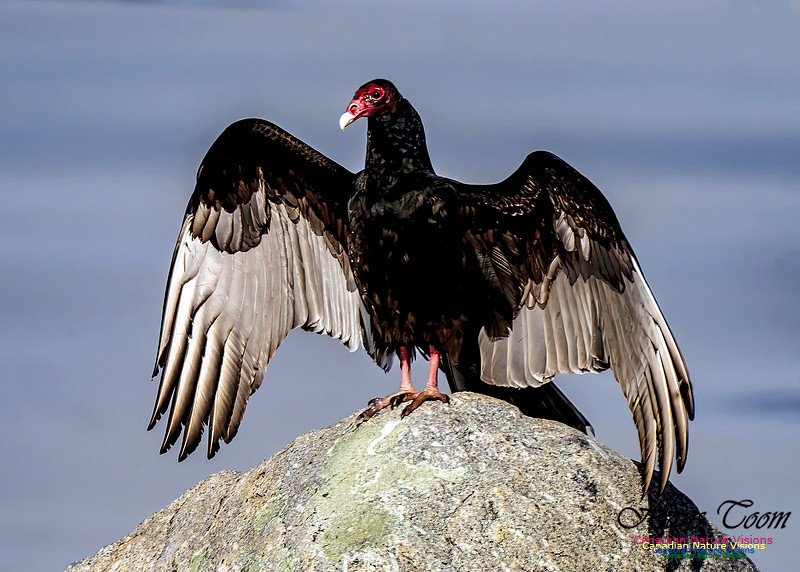
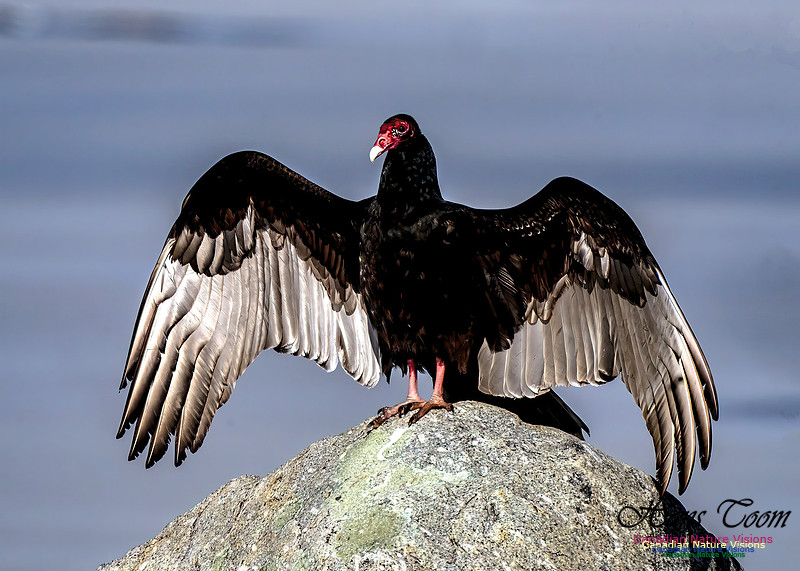
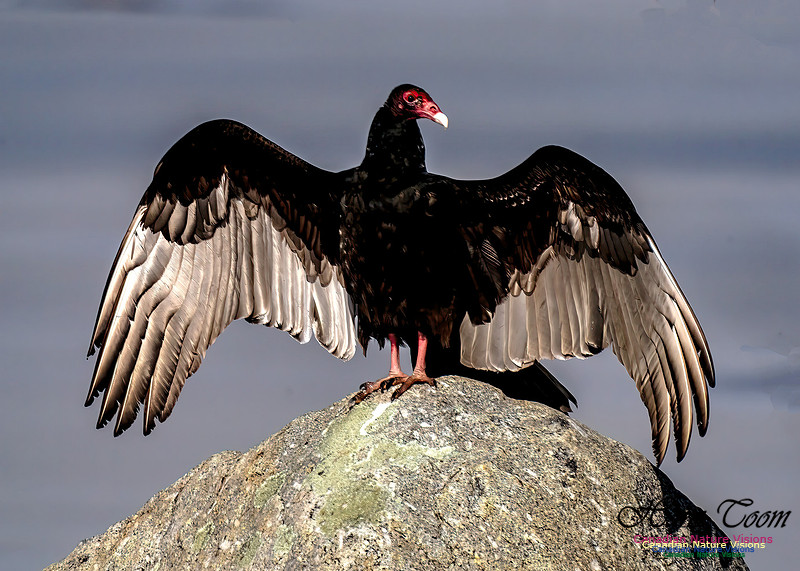
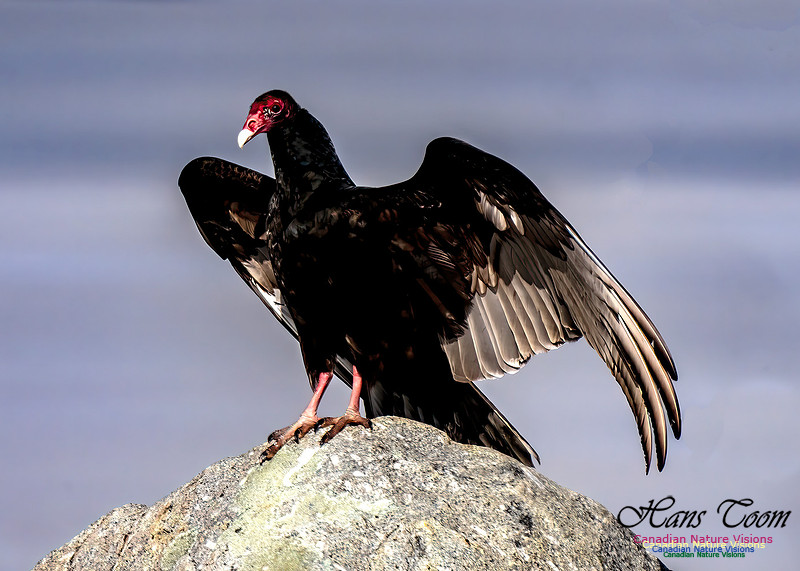
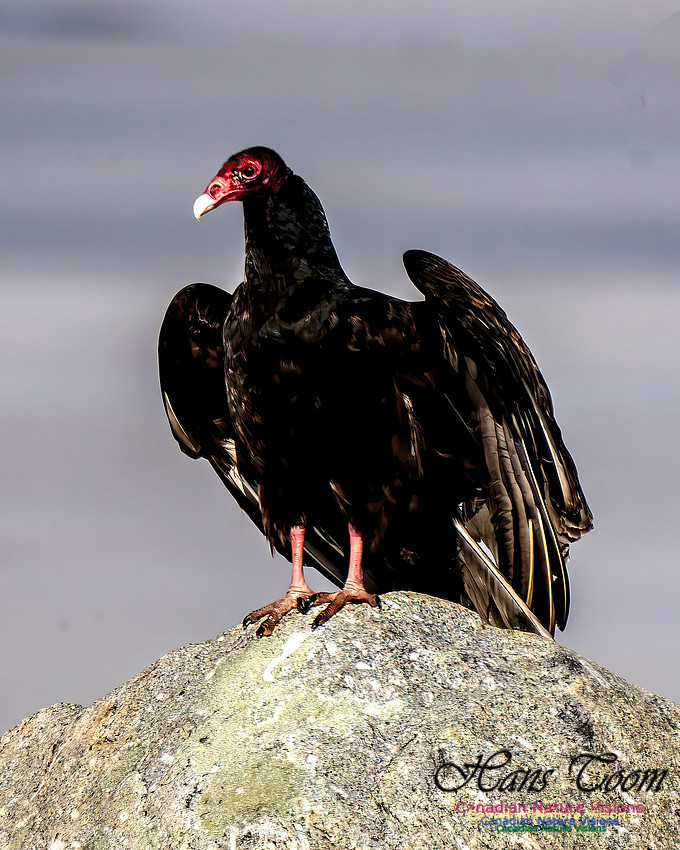
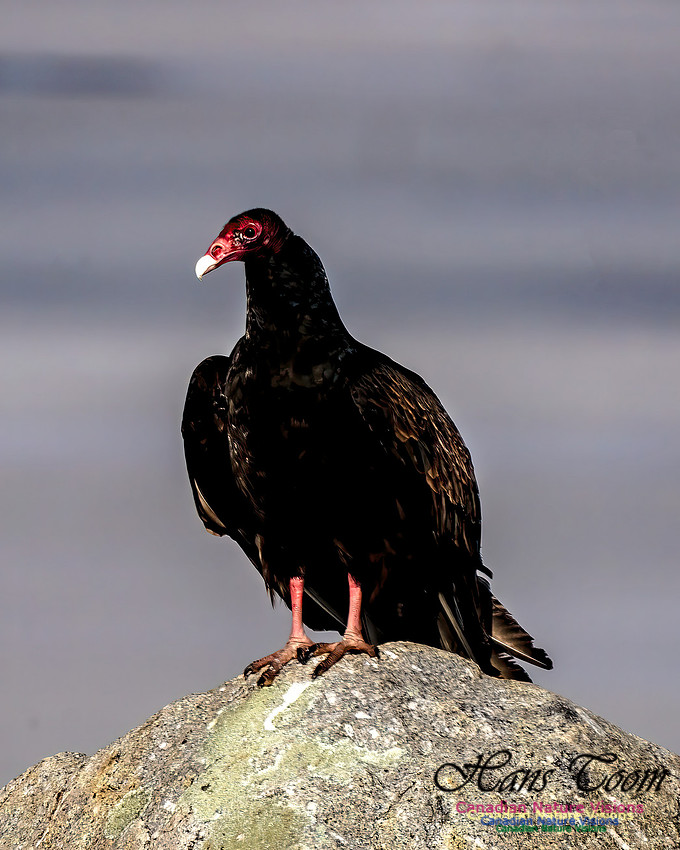
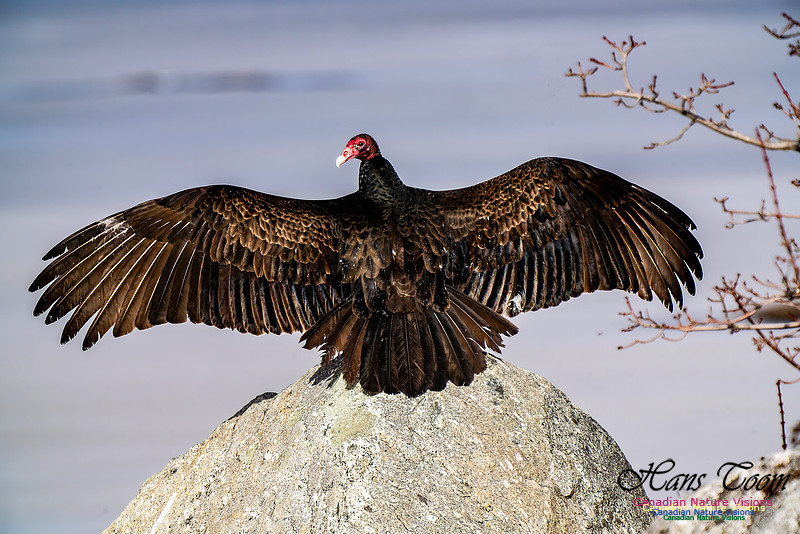
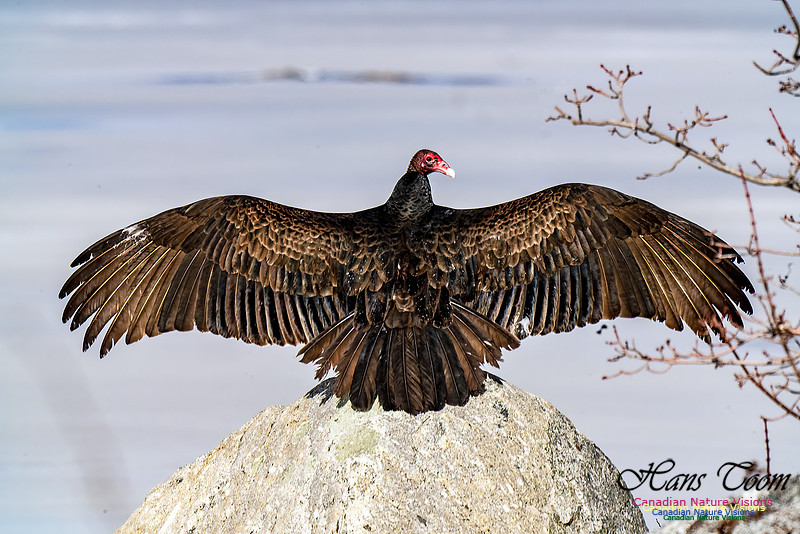
Turkey VultureI rounded the curve just outside of Sambro heading towards Grand Lake when I spotted a Turkey Vulture in display mode. I don't often see this and even when I do see them in display being close enough for decent photographs is rare. Someone had tossed a dozen or so fish onto the ice so a feast was to be had for two Turkey Vultures, five Bald Eagles and bunches of gulls, ravens and crows. Turkey Vulture
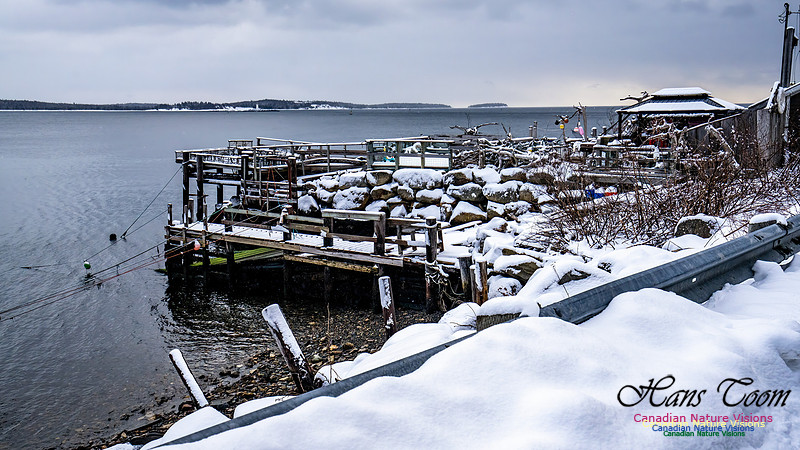
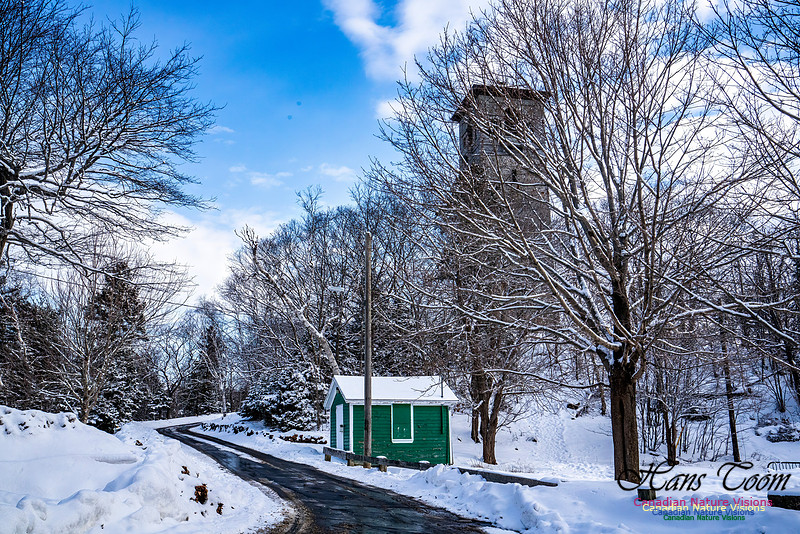
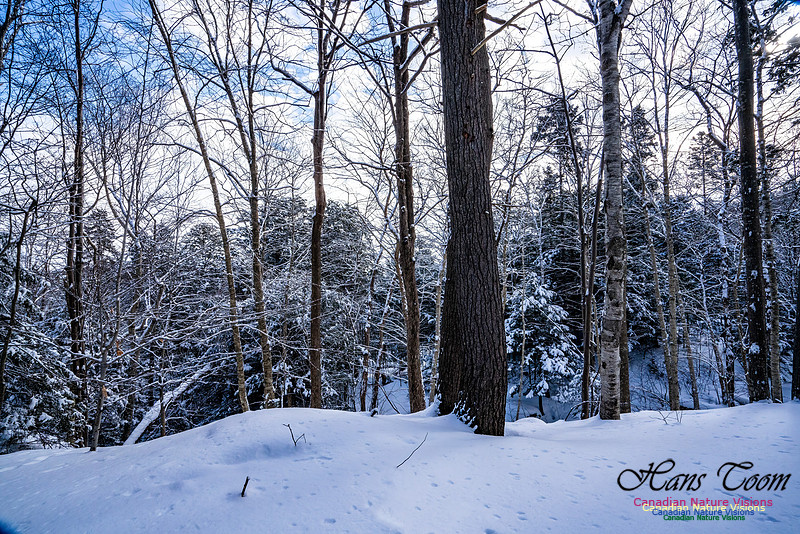
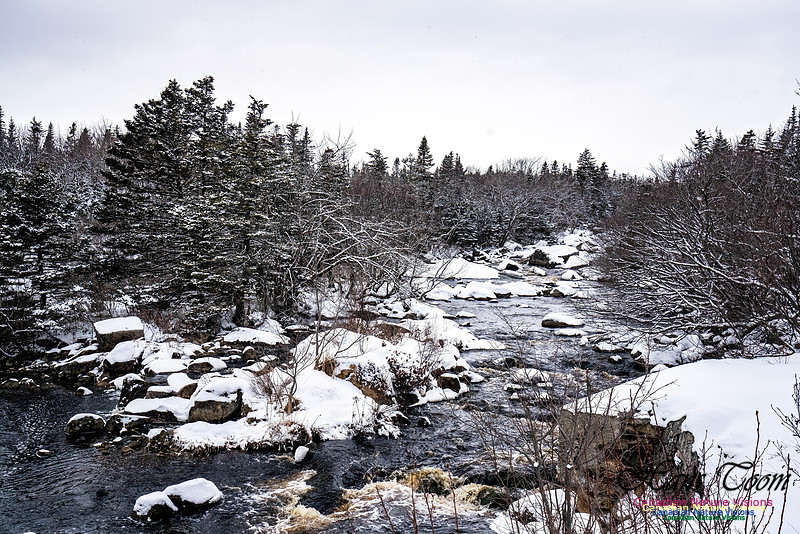
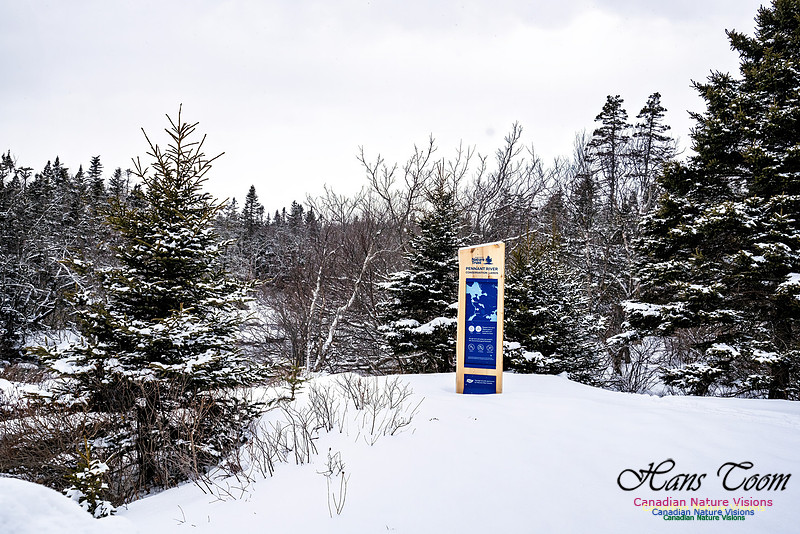
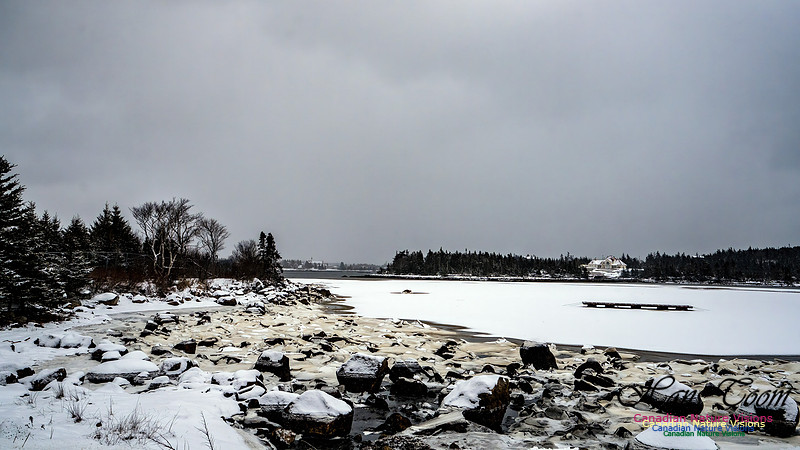
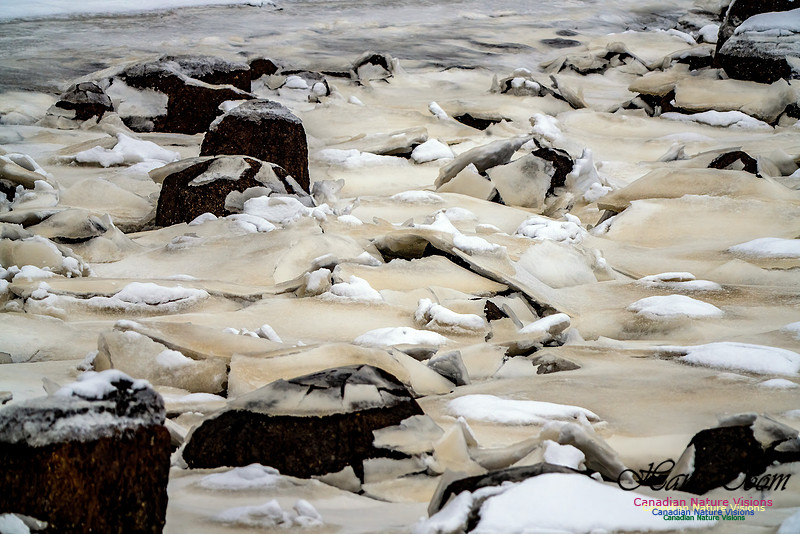
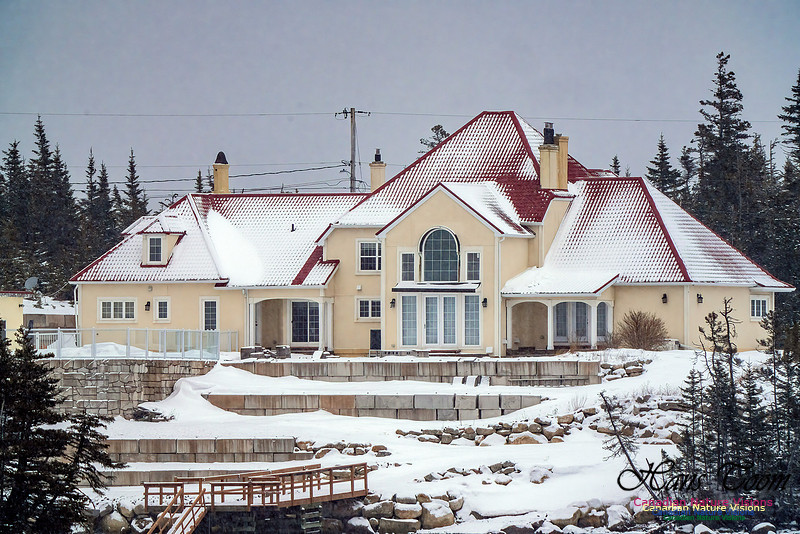
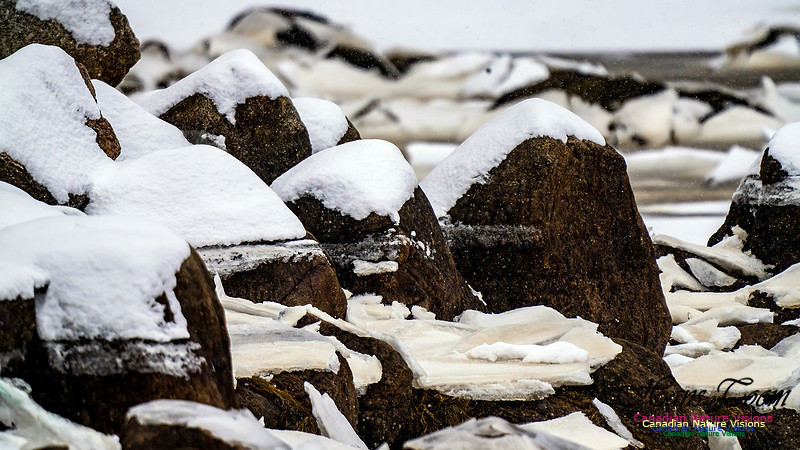
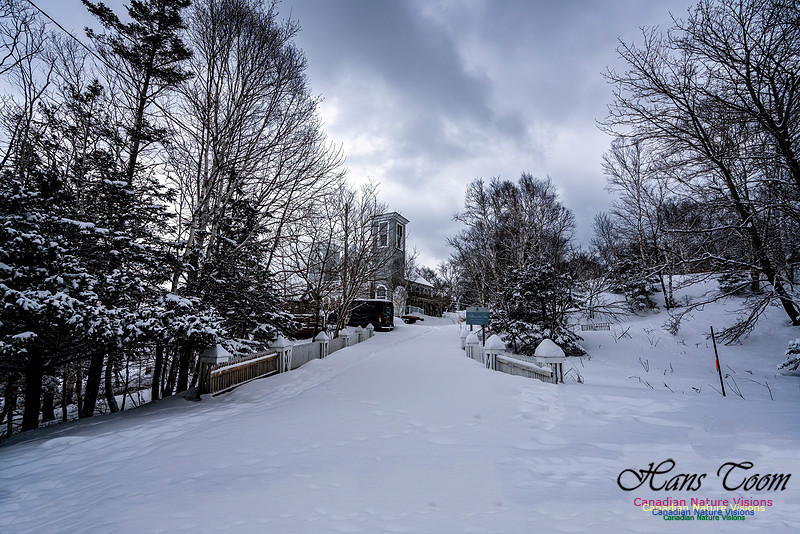
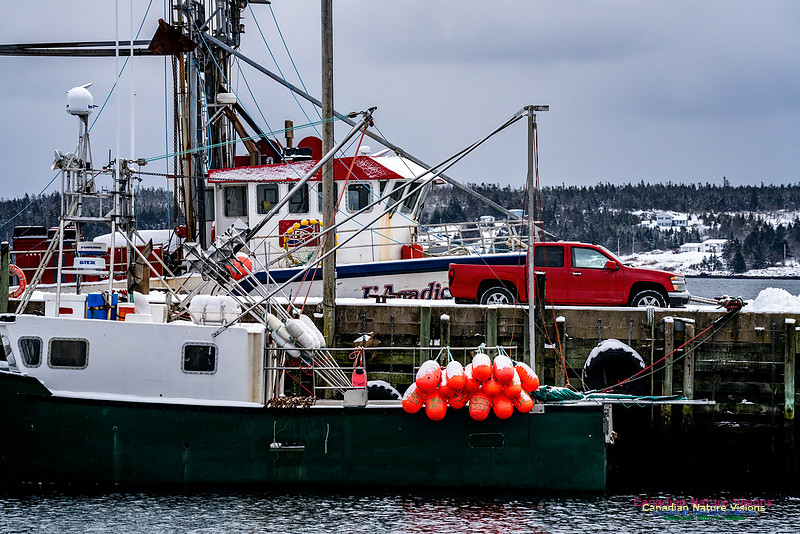
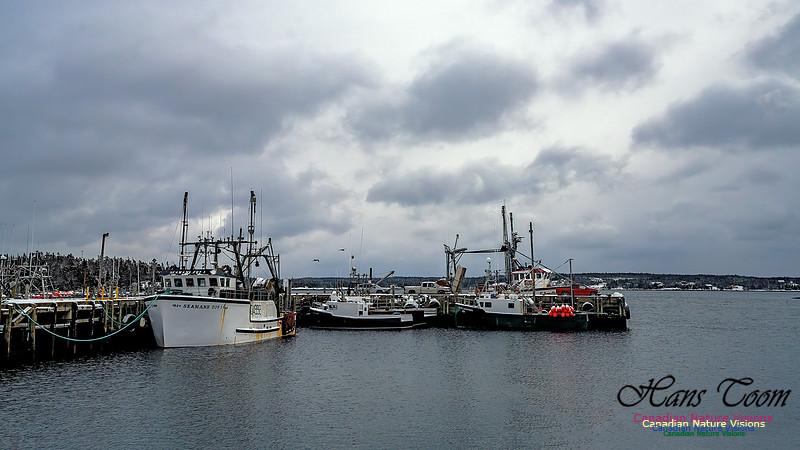
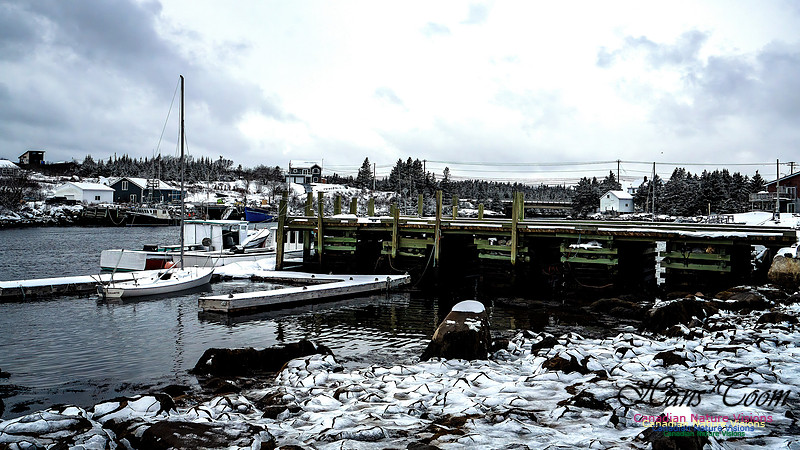
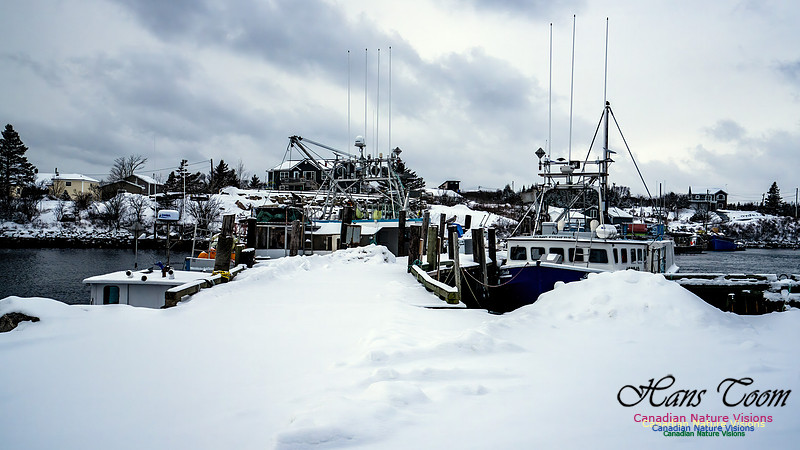
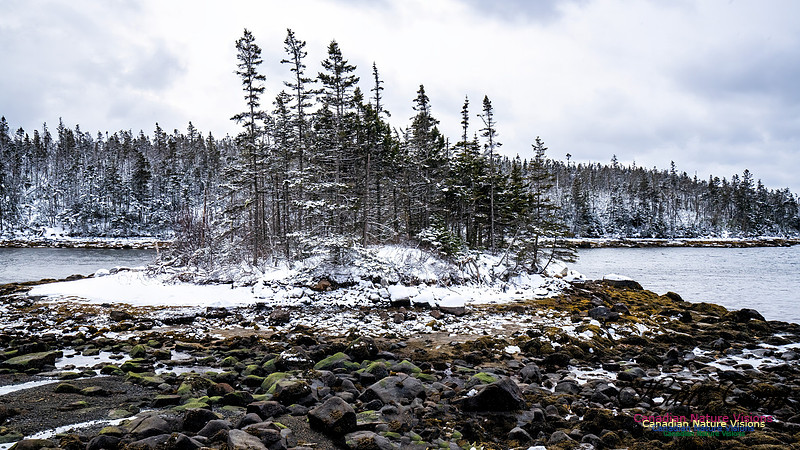
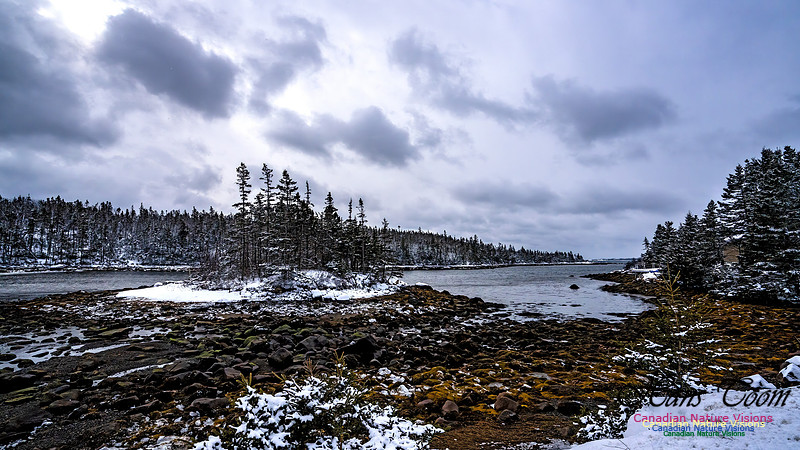
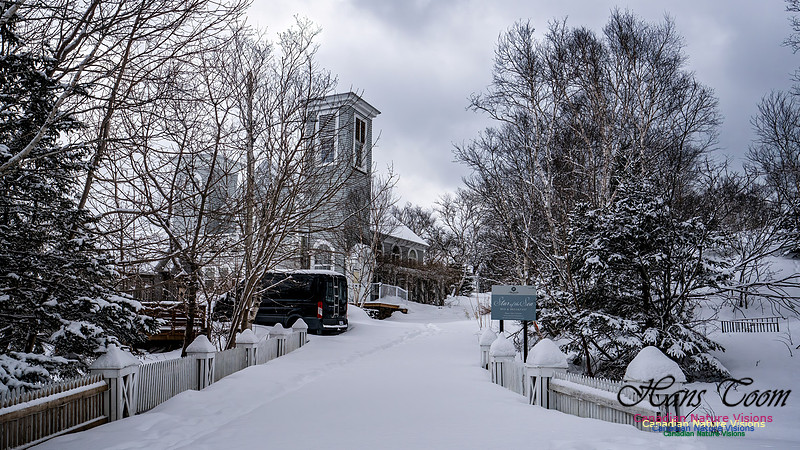
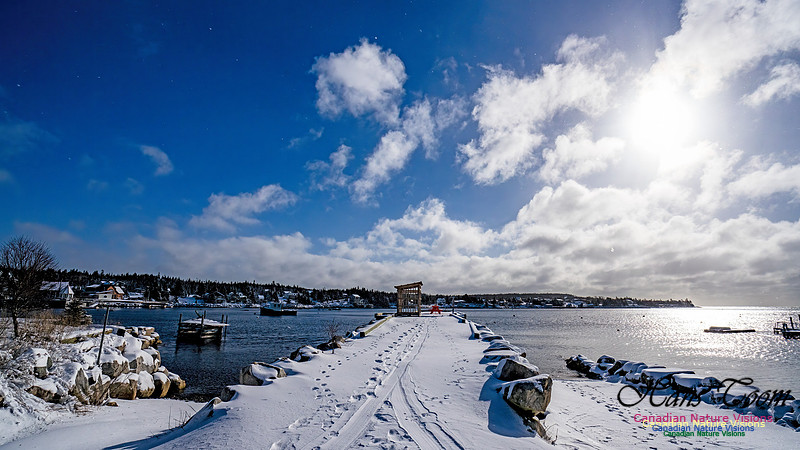
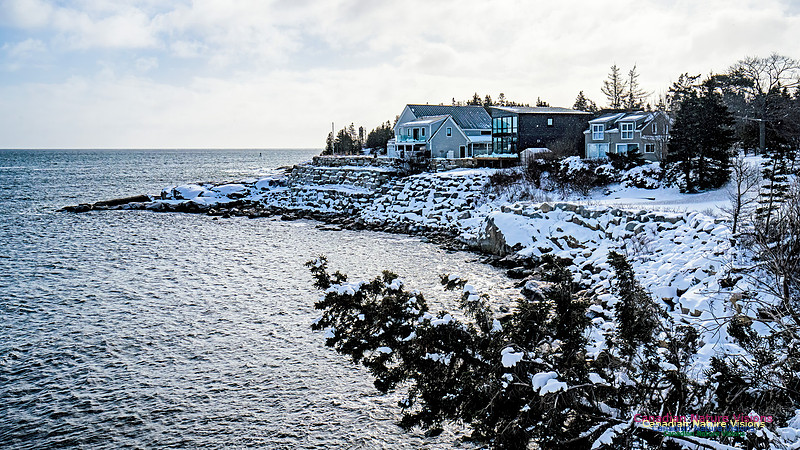
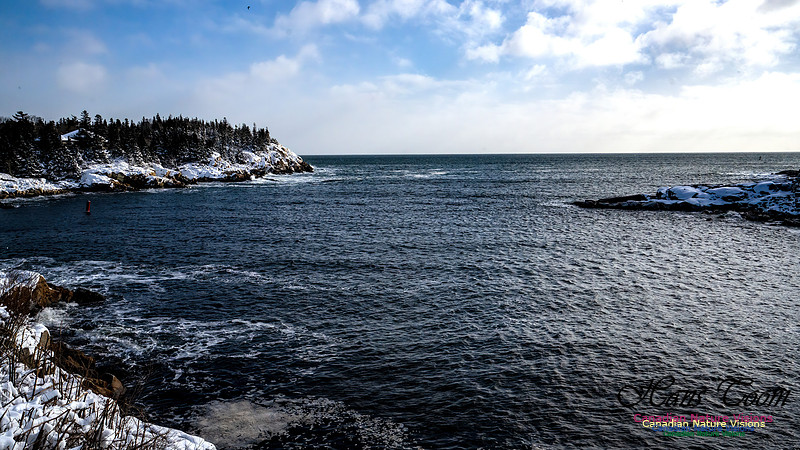
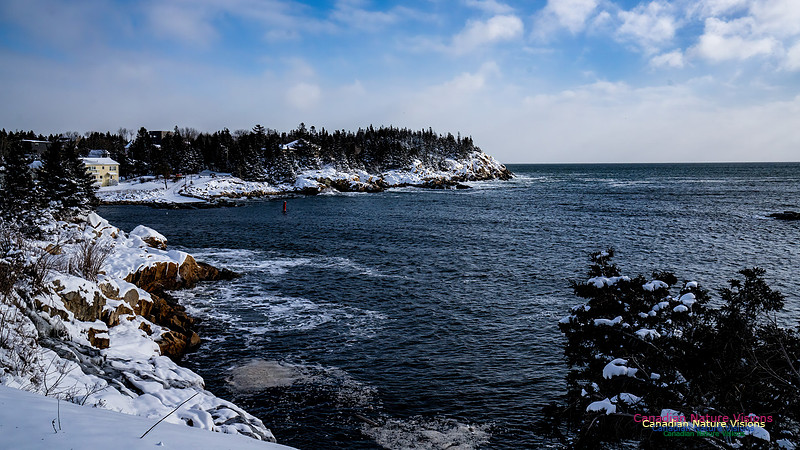
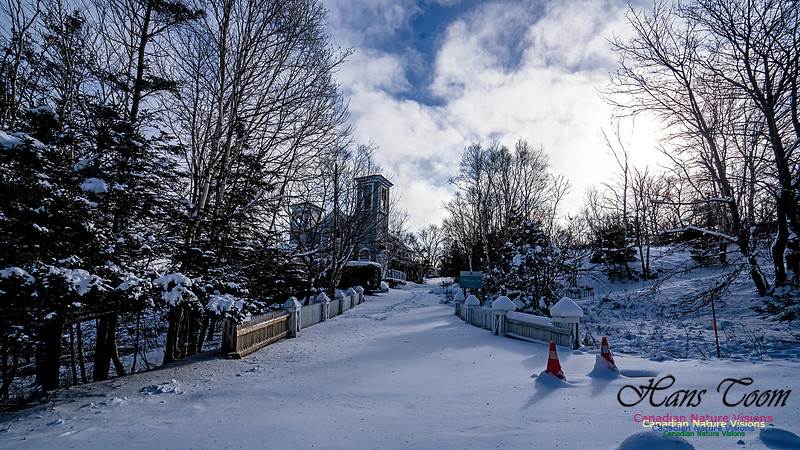
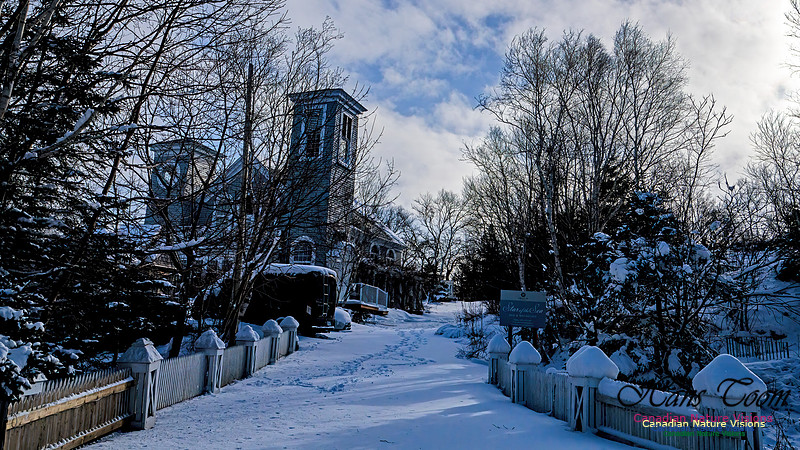
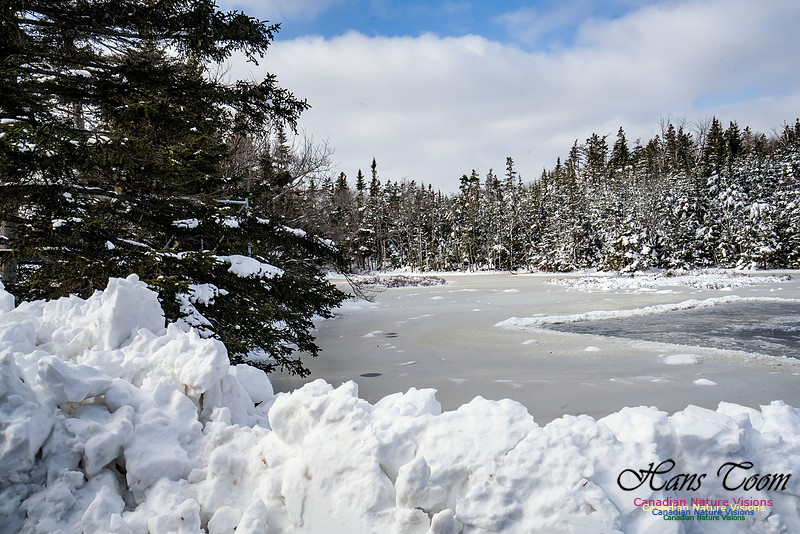
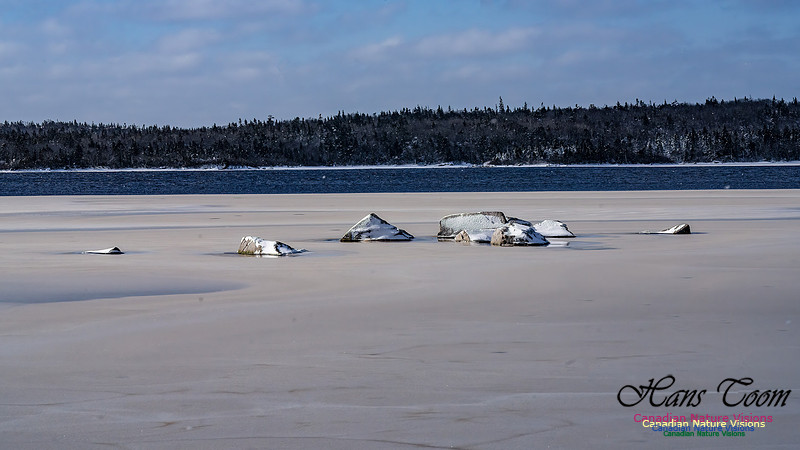
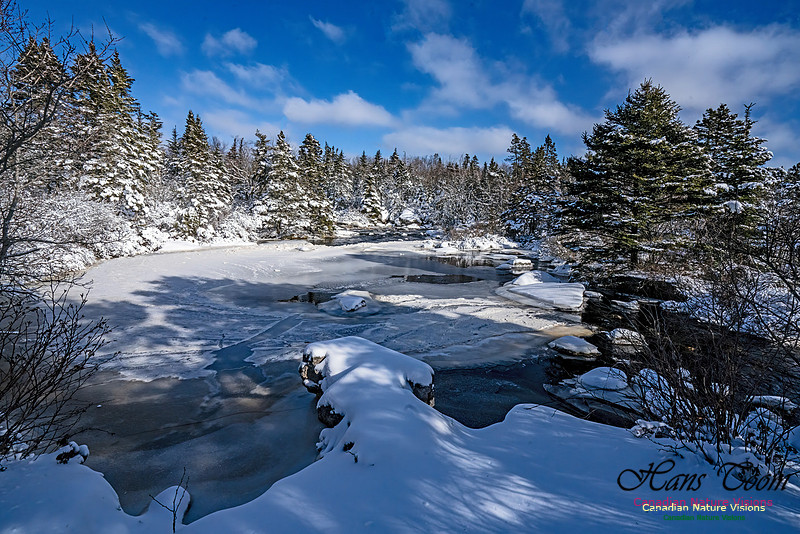
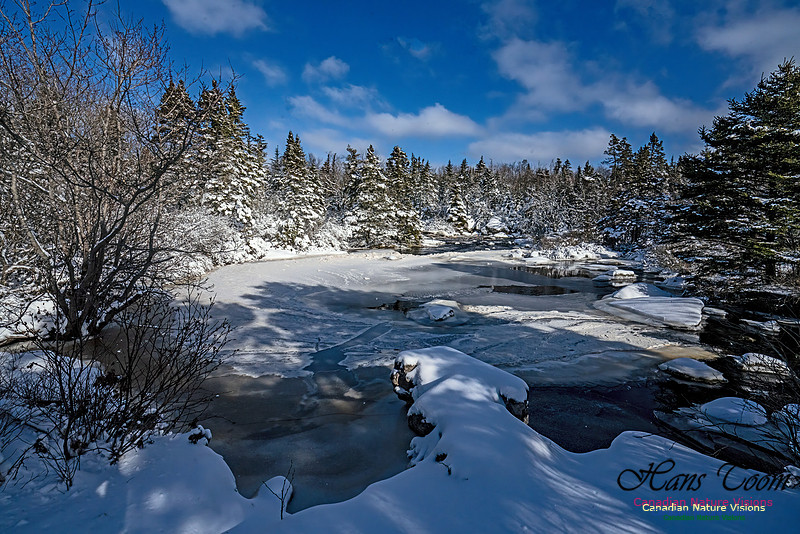
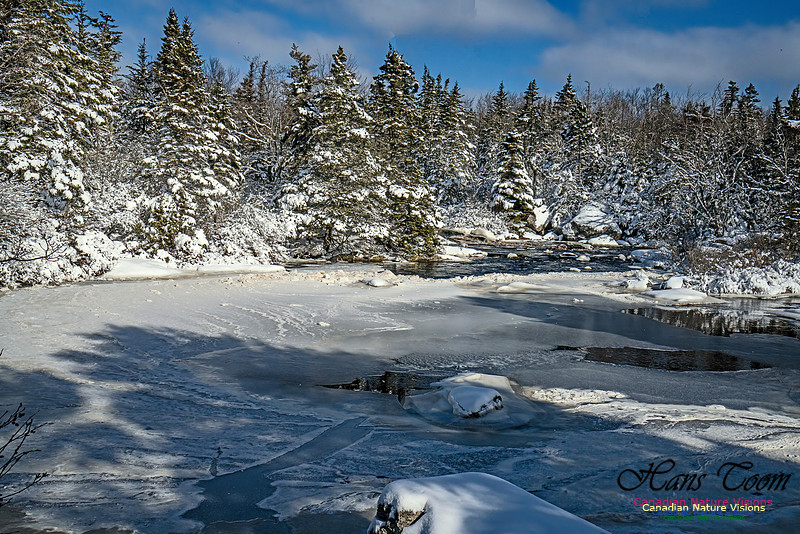
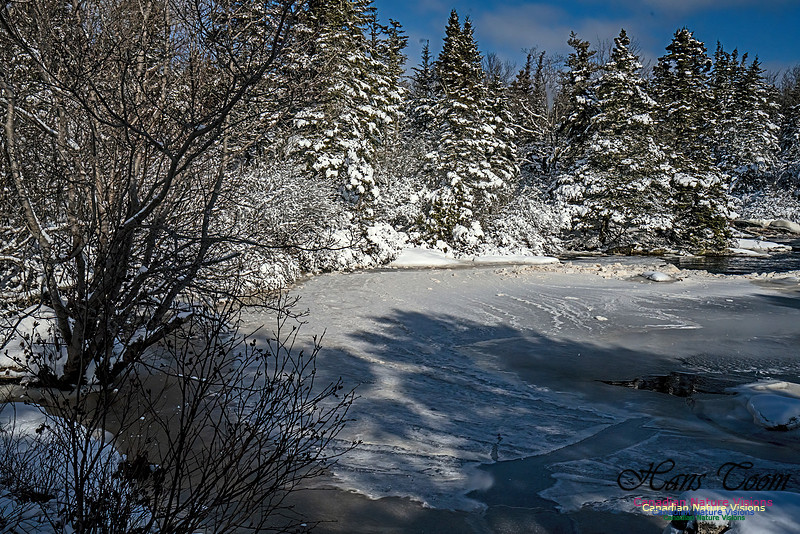
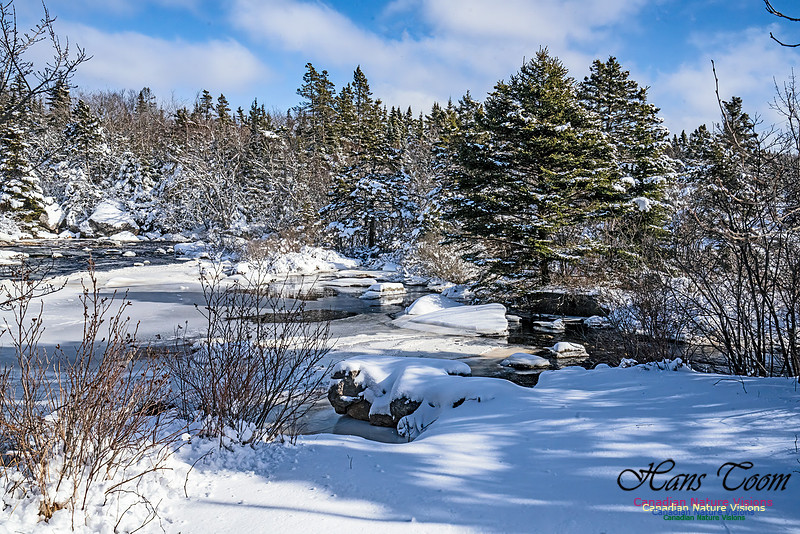
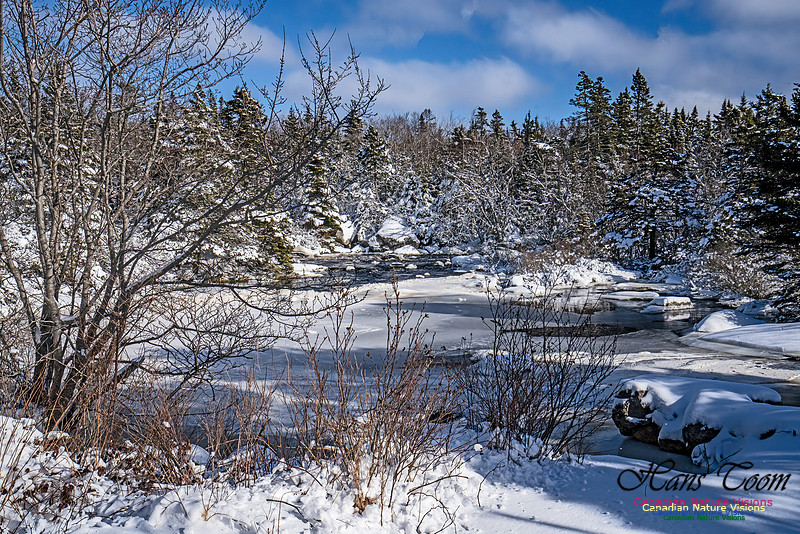
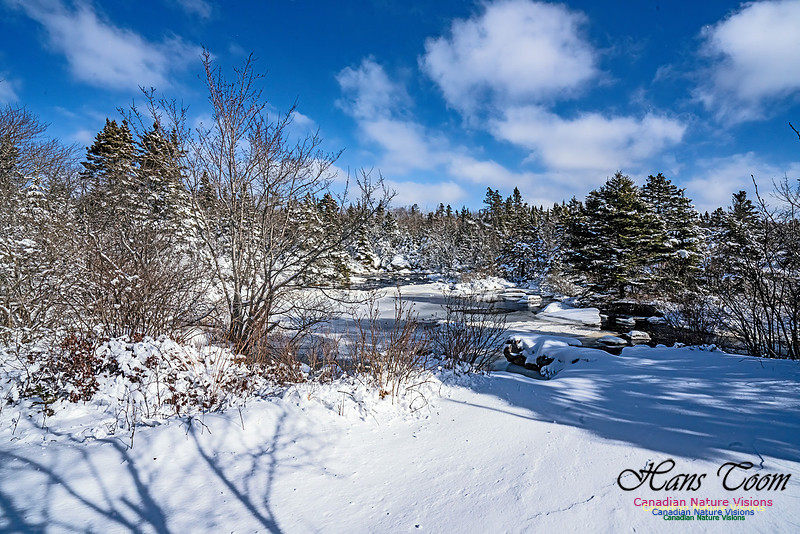
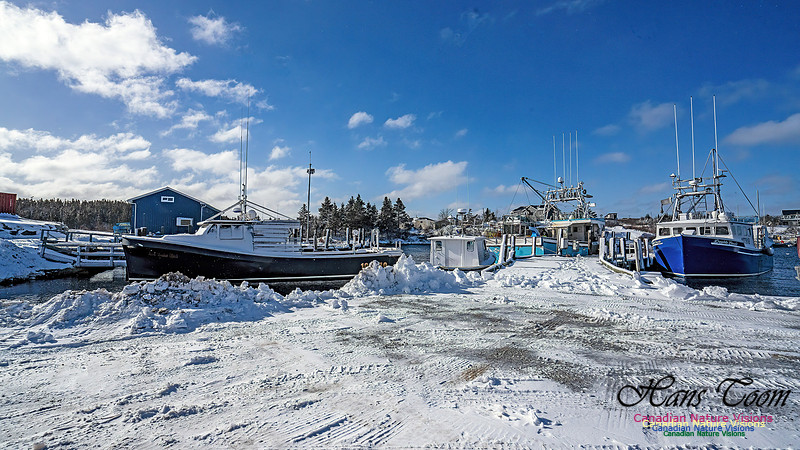
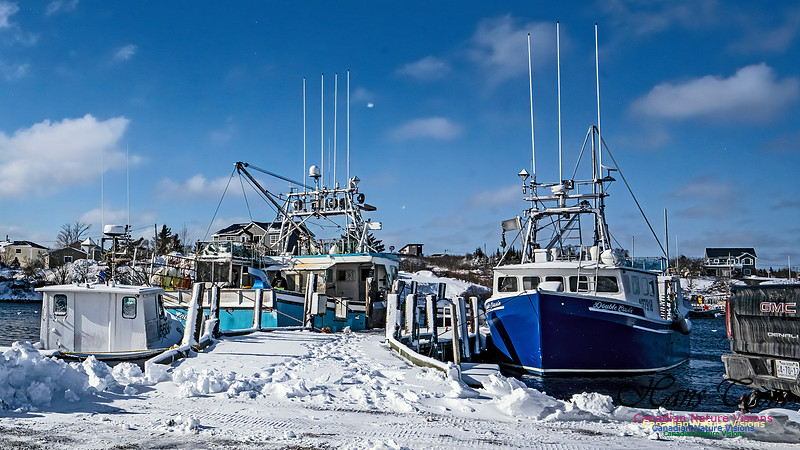
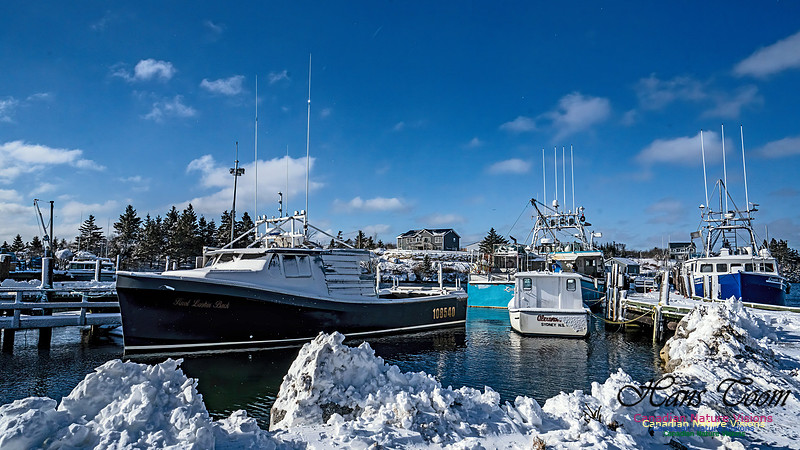
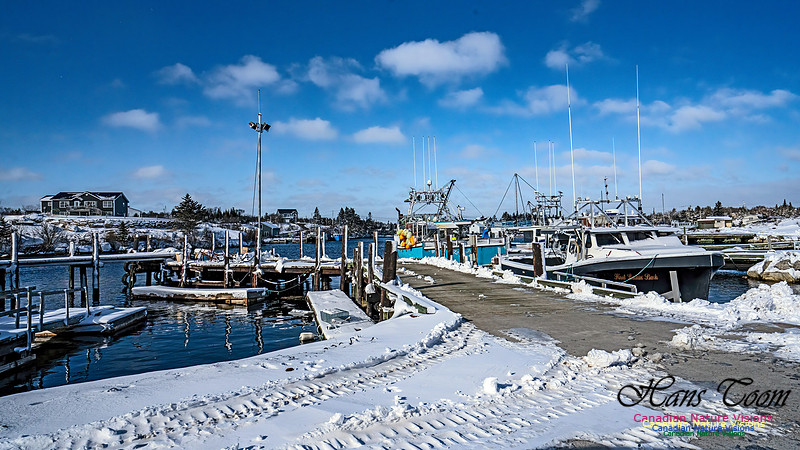
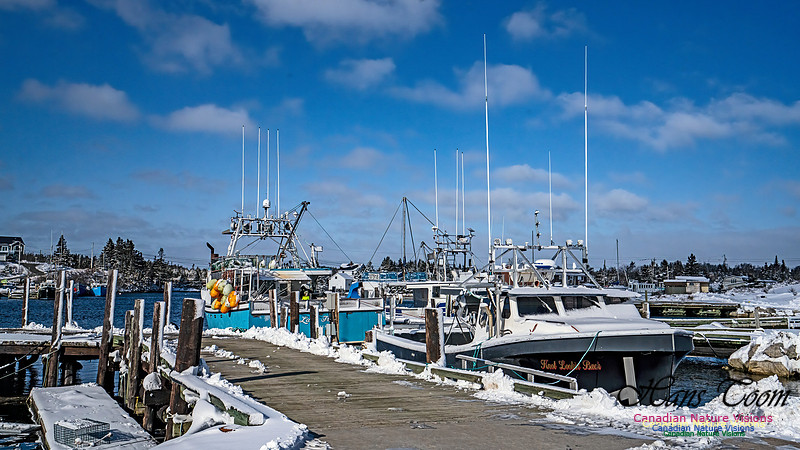
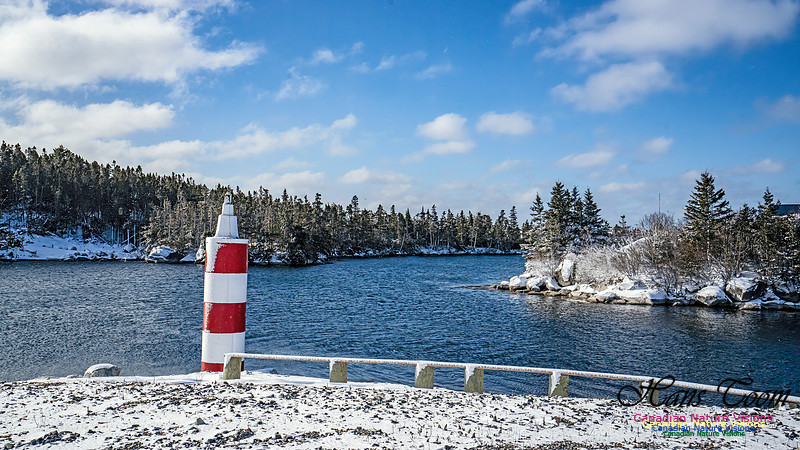
After a Snow Day in Nova ScotiaI toured the Sambro loop in search of winter photos. It was a pleasant day and the light was excellent. While I type this another three day winter storm has just visited Nova Scotia, depositing up to 150cm of snow in the north of the province to 50cm-ish of snow in much of the rest of the province. To add to this weather event the snow was blown around by 60-80 kph winds creating lofty drifts in some locations. I will venture forth tomorrow to capture some photos of this latest weather event. After a Snow Day in Nova Scotia
Diving Birds of Nova ScotiaDuring my recent circuit of the Sambro Loop I photographed a few diving birds. They are usually far off shore so the images require severe editing and enlarging. Sometimes one is in the right place as they surface and the photographer is not spotted. Nova Scotia diving birds are wary due to the Nova Scotia habit of killing them for sport. I never understood the need to kill diving birds since their flesh is necessarily fishy tasting and not in a pleasant way so I have been told. Bufflehead
Common Goldeneye
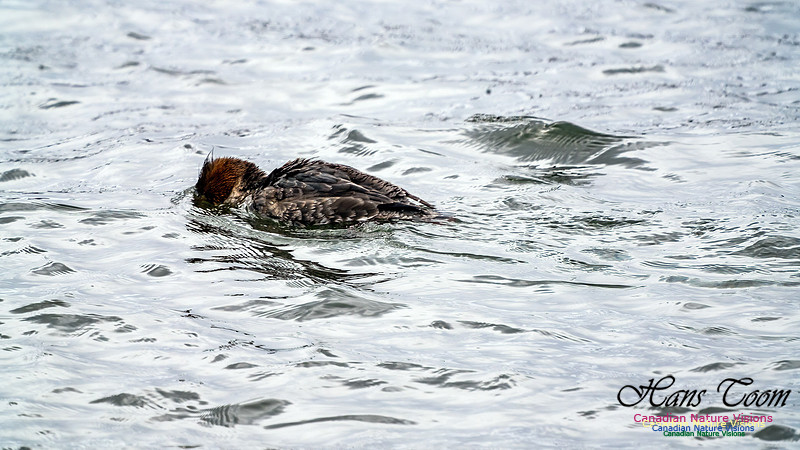
Red-breasted Merganser
Red-necked Grebe
Hooded Merganser
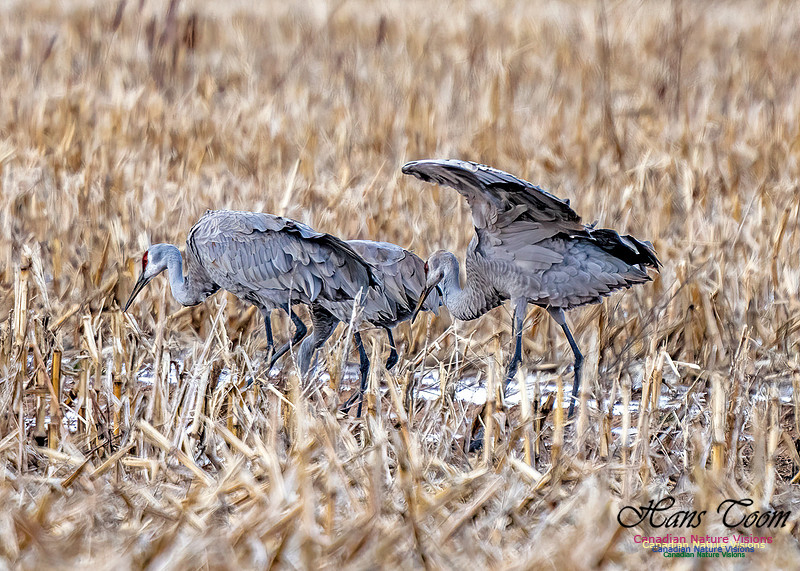
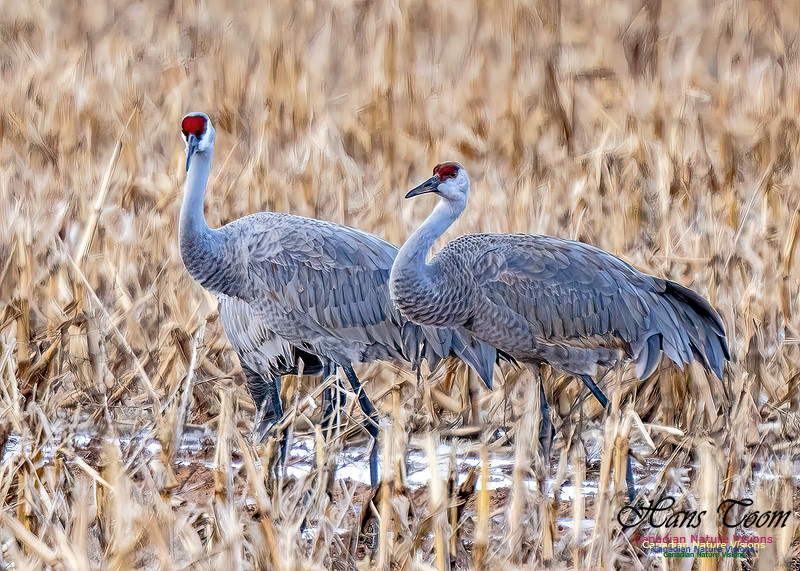
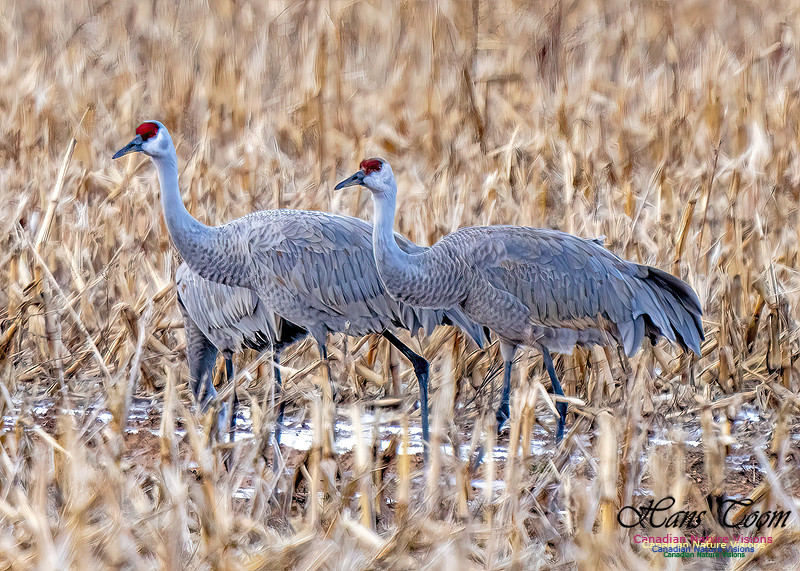
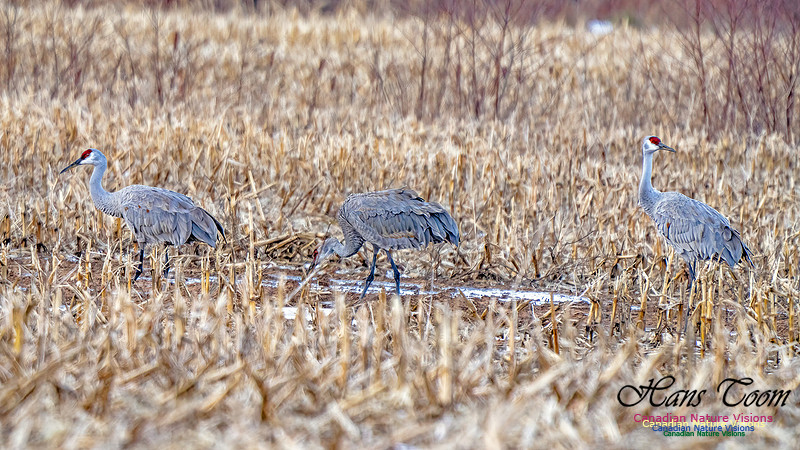
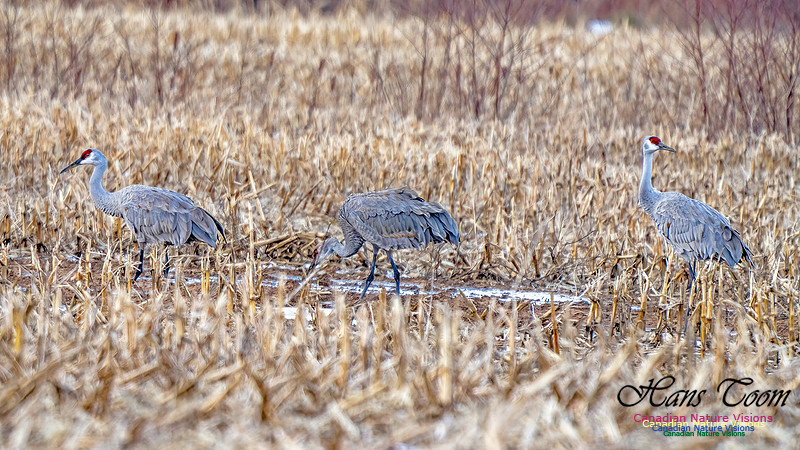
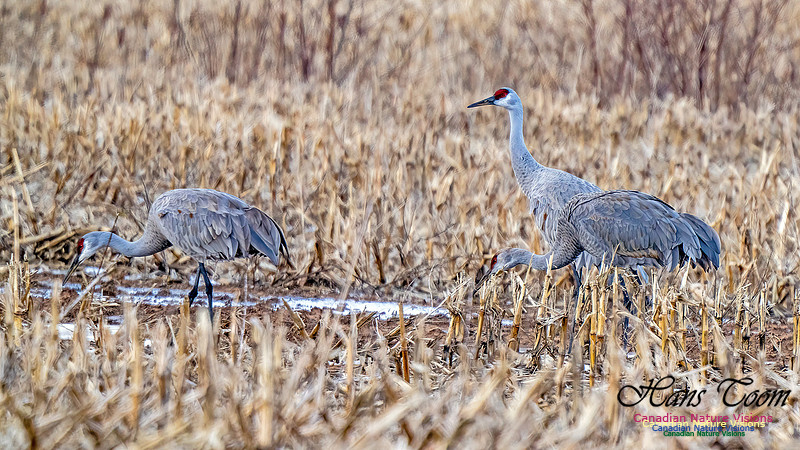
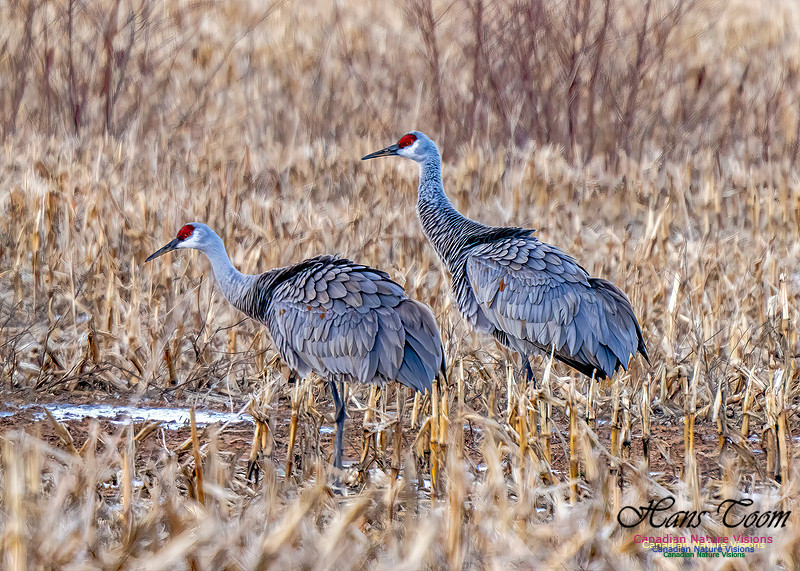
Sandhill CranesI photographed these Sandhill Cranes a couple of days ago west of Kentville. These cranes are very late but appear to be adjusting well to the cold weather as long as the corn continues to be easy to reach. I had an opportunity to catch the three cranes flying as they passed low over my car but alas my lens had too much power and there was no time to change lenses. It is easy to understand why some photographers have two cameras at the ready. Sandhill Cranes
HMCS Max BernaysThere was no planning here. I was driving the Sambro Loop past Portuguese Cove when I spotted the HMCS Max Bernays heading to sea past Chebucto Head so I drove down to Duncan's Cove where I photographed it. It was just luck. HMCS Max Bernays
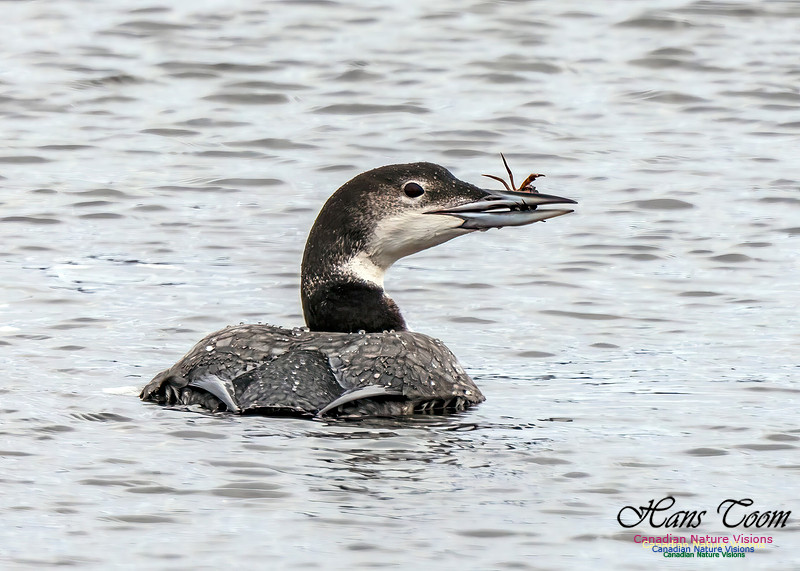
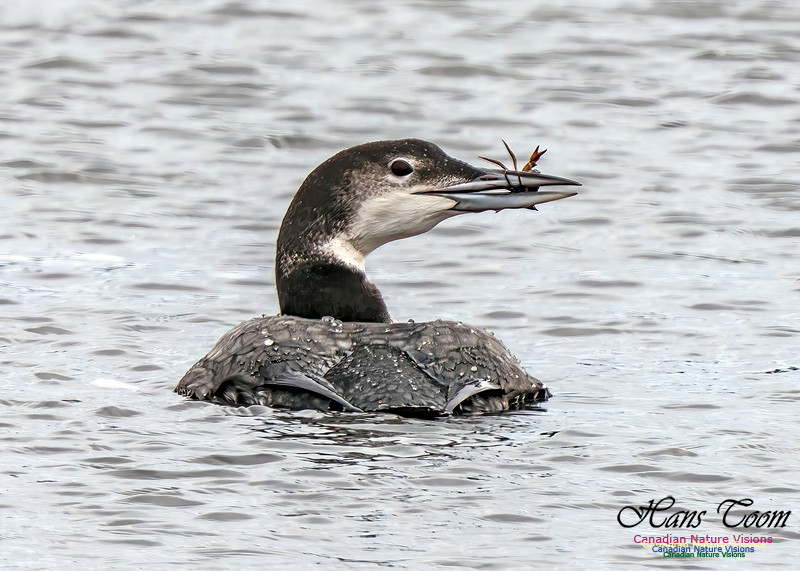
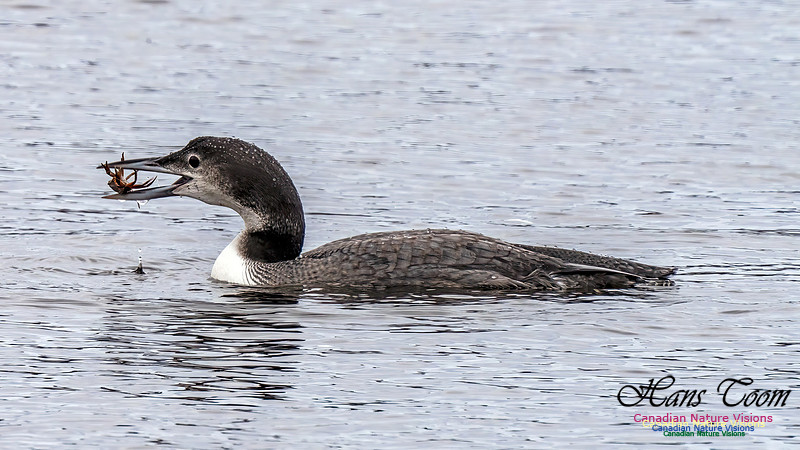
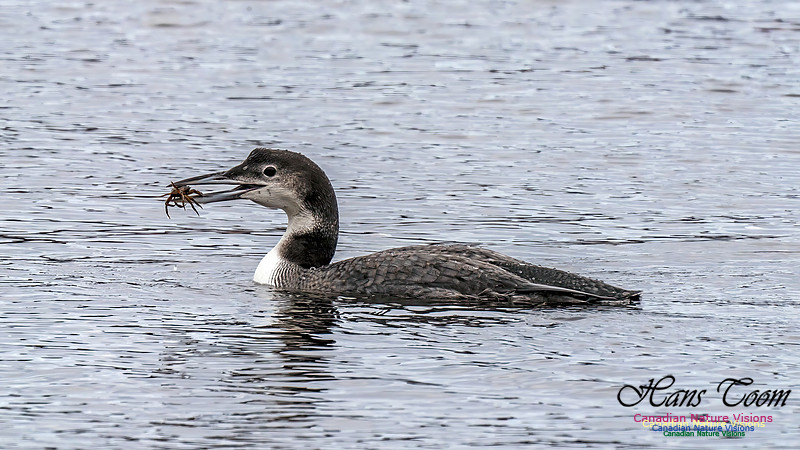
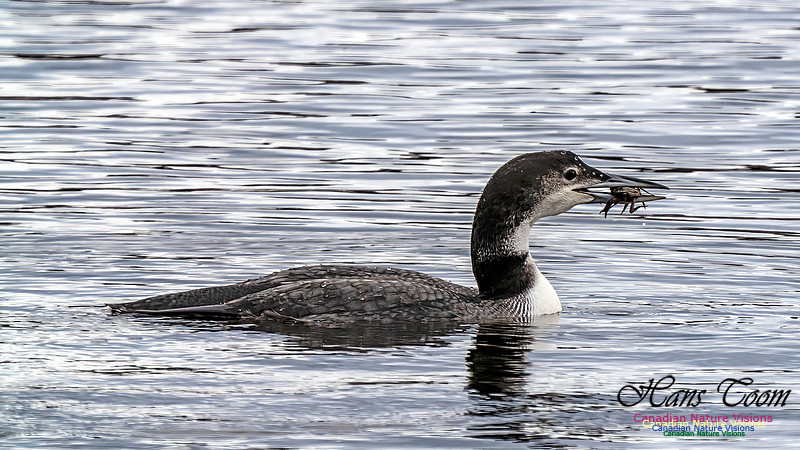
Max Bernays (AOPV 432) is the third Harry DeWolf-class offshore patrol vessel for the Royal Canadian Navy. The class was derived from the Arctic Offshore Patrol Ship project as part of the National Shipbuilding Procurement Strategy and is primarily designed for the patrol and support of Canada's Arctic regions. Design and descriptionThe Harry DeWolf-class offshore patrol vessels are designed for use in the Arctic regions of Canada for patrol and support within Canada's exclusive economic zone. The vessel is 103.6 m (339 ft 11 in) long overall with a beam of 19.0 m (62 ft 4 in). The ship will have a displacement of 6,615 metric tons (6,511 long tons). The ship has an enclosed foredeck that protects machinery and work spaces from Arctic climates. The vessel will be powered by a diesel-electric system composed of four 3.6-megawatt (4,800 hp) MAN 6L32/44CR[2] four-stroke medium-speed diesel generators and two electric propulsion motors rated at 4.5 megawatts (6,000 hp) driving two shafts. Max Bernays will be capable of 17 knots (31 km/h; 20 mph) in open water and 3 knots (5.6 km/h; 3.5 mph) in 1-metre (3 ft 3 in) first-year sea ice. The ship will also equipped with a bow thruster to aid during manoeuvres and docking procedures without requiring tugboat assistance. The ship will have a range of 6,800 nautical miles (12,600 km; 7,800 mi) and an endurance of 120 days. Max Bernays will be equipped with fin stabilizers to decrease roll in open water but can be retracted during icebreaking.[8][4][9] Max Bernays will be able to deploy with multiple payloads, including shipping containers, underwater survey equipment or landing craft. Payload operations are aided by a 20-metric-ton (20-long-ton; 22-short-ton) crane for loading and unloading. The ship is equipped with a vehicle bay which can hold pickup trucks, all-terrain vehicles and snowmobiles. The ship will also have two 8.5-metre (27 ft 11 in) multi-role rescue boats capable of over 35 knots (65 km/h; 40 mph). The ship will be armed with one BAE Mk 38 25 mm (0.98 in) gun and two M2 Browning machine guns. The patrol ship has an onboard hangar and flight deck for helicopters up to the size of a Sikorsky CH-148 Cyclone. Max Bernays will have a complement of 65 and accommodation for 85[8][4][9] or 87.[10] Construction and careerThe patrol vessel's keel was laid down on 5 December 2018 by Irving Shipbuilding at Halifax, Nova Scotia.[11] The ship was launched on 23 October 2021, and was delivered to the Royal Canadian Navy 2 September 2022.[12] The naming ceremony was conducted on 29 May 2022 in conjunction with that for sister ship Margaret Brooke.[13] The ship began sea trials in July 2022.[14] The ship was delivered to the RCN in September 2022 for post-acceptance trials and it was indicated that she would be the first vessel of her class to be based in the Pacific region, starting in 2023.[15][16] Common Loons CrabbingI was lucky enough when driving by Ketch Harbour, Nova Scotia, to spot this pair of Common Loons crabbing. I stopped and snapped a few photos before they moved further off shore. Common Loons Crabbing
|
|||||||||||||||||||||||||||||||||||||||||||||||||||||||||||||||||||||||