|
Subscribe
RSS
Archive
January
February
March
April
May
June
July
August
September
October
November
December
|
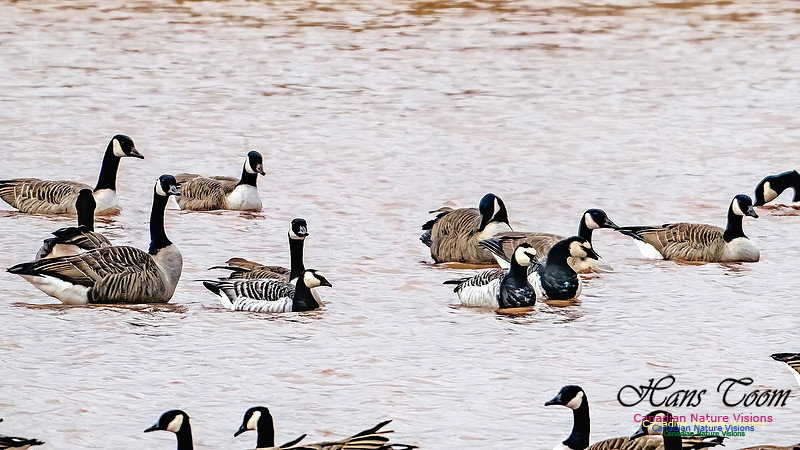
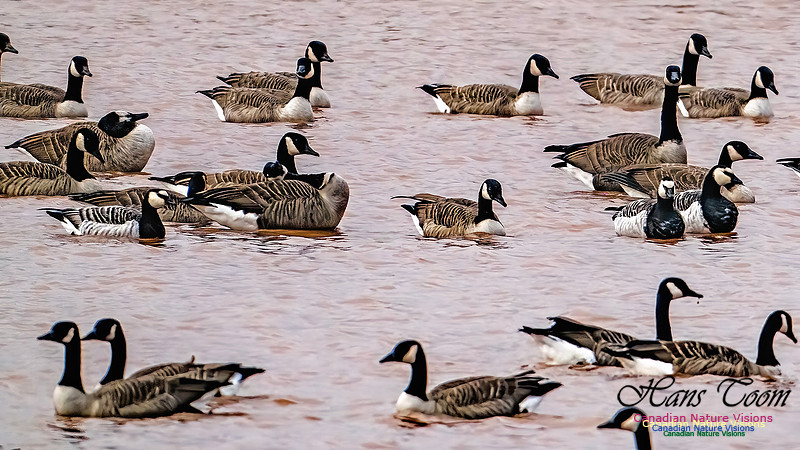
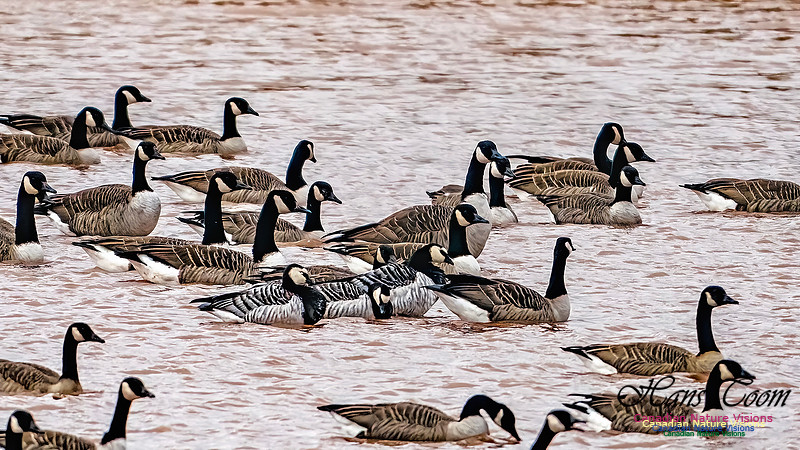
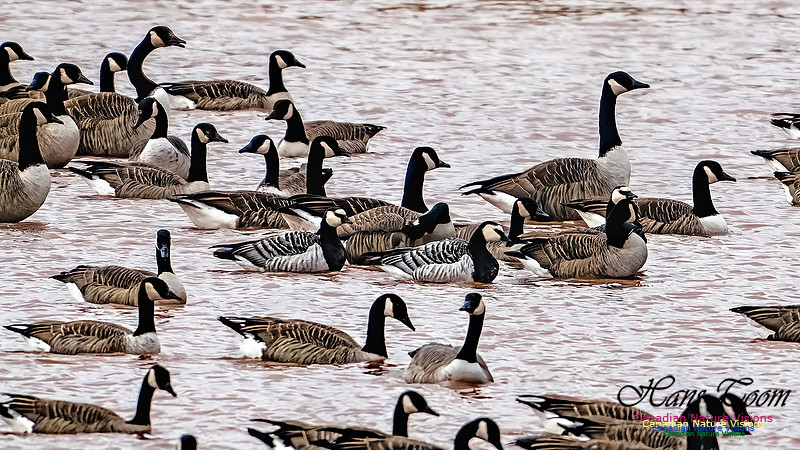
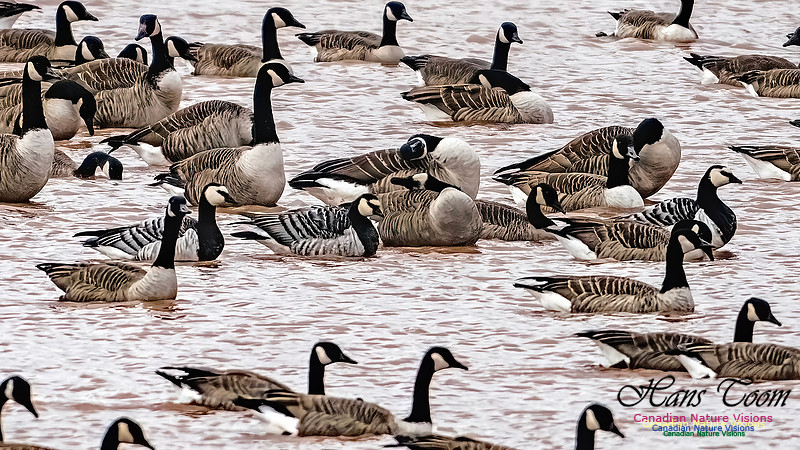
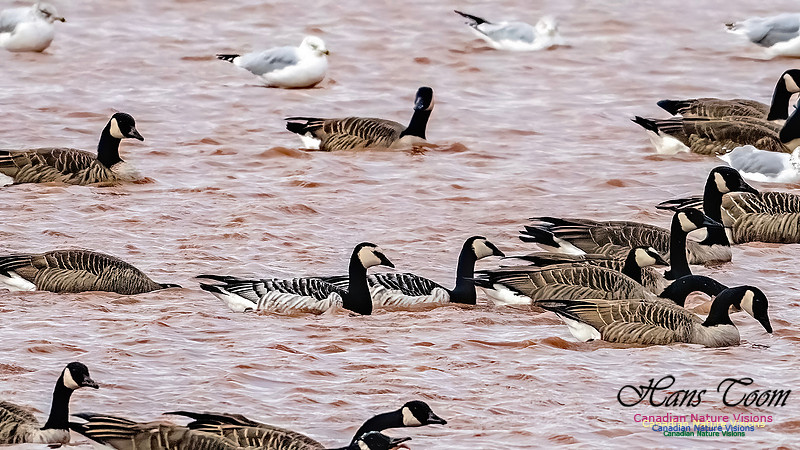
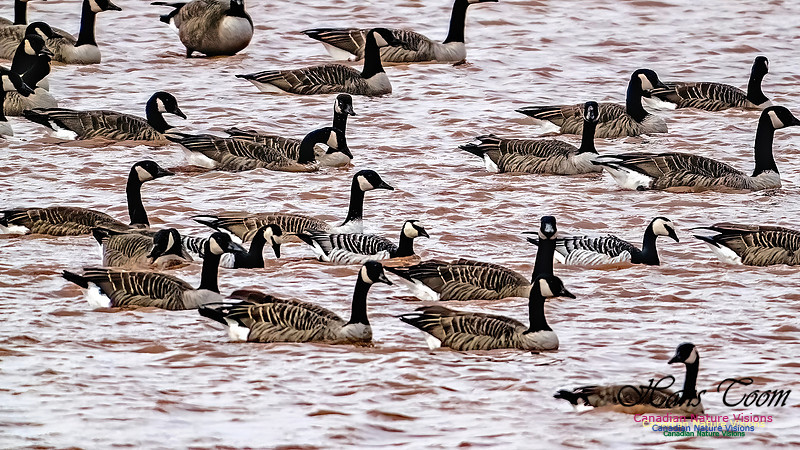
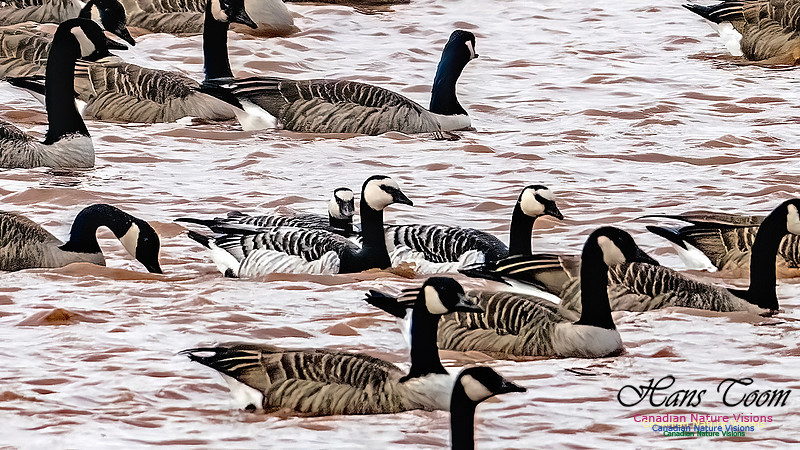
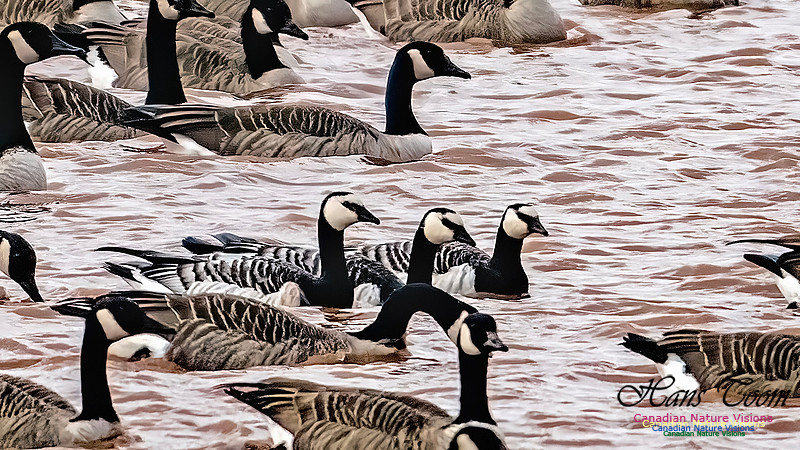
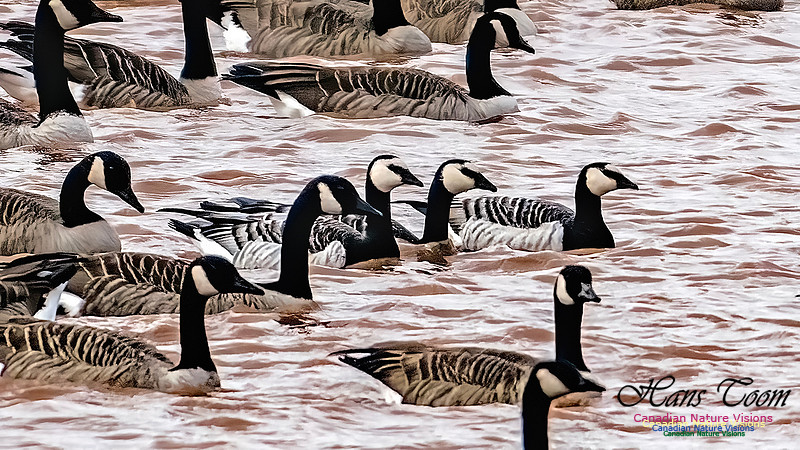
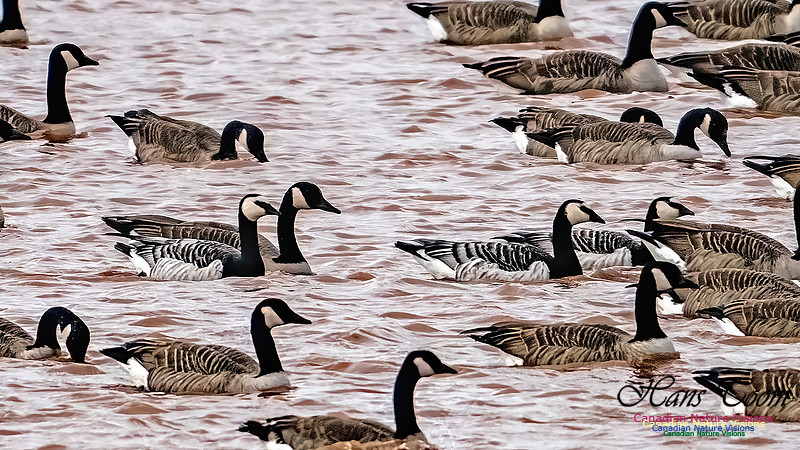
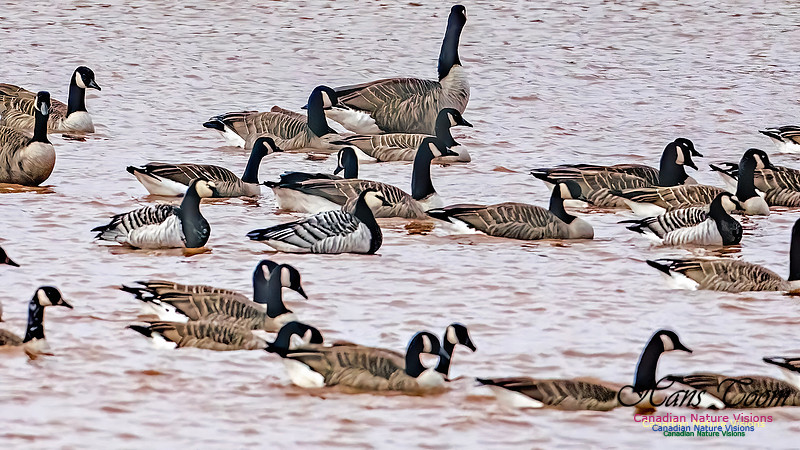
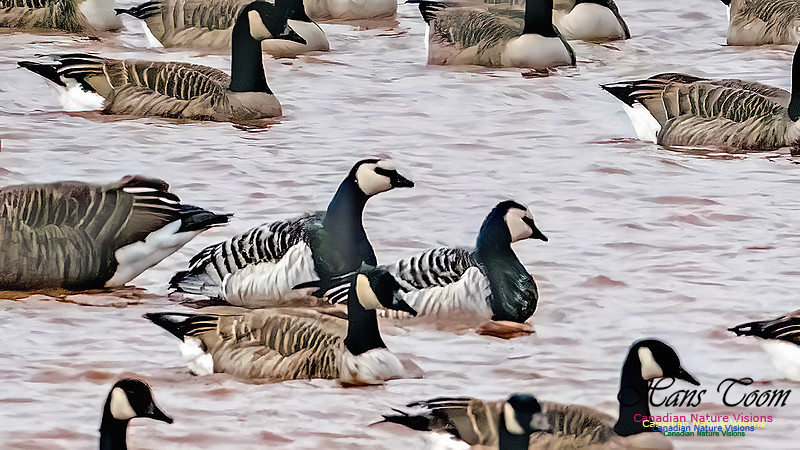
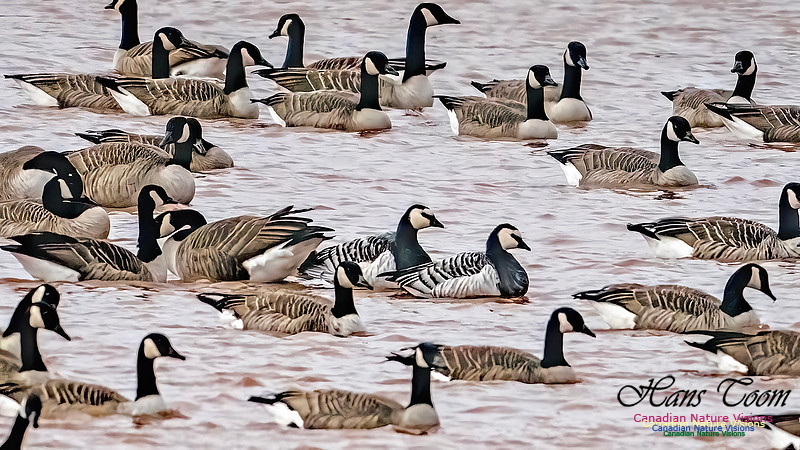
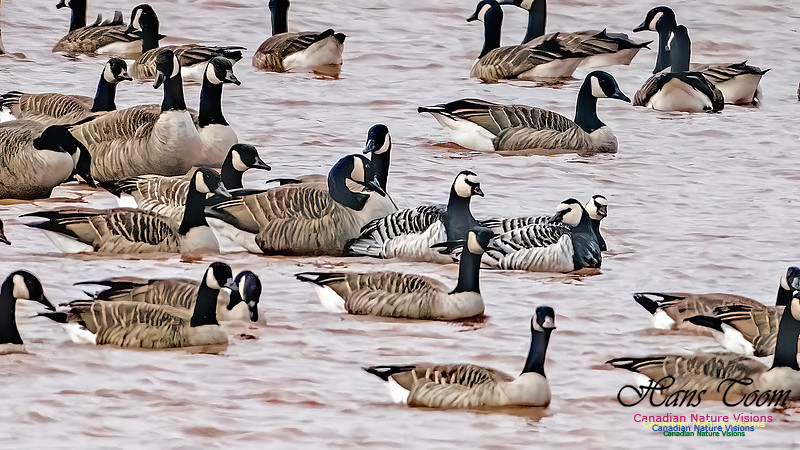
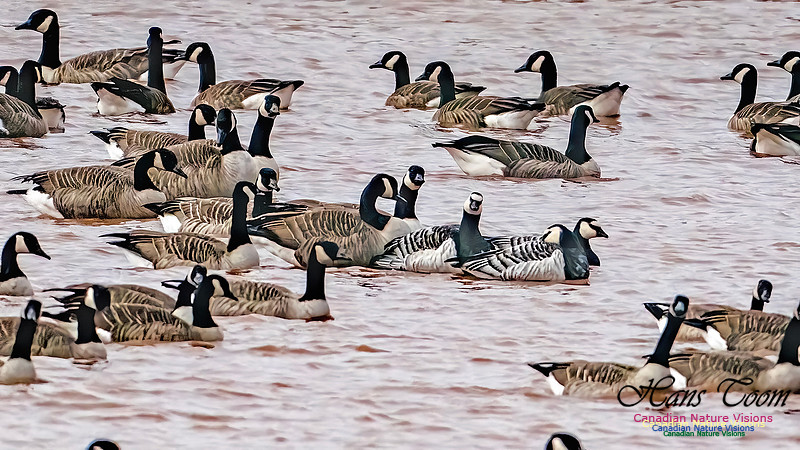
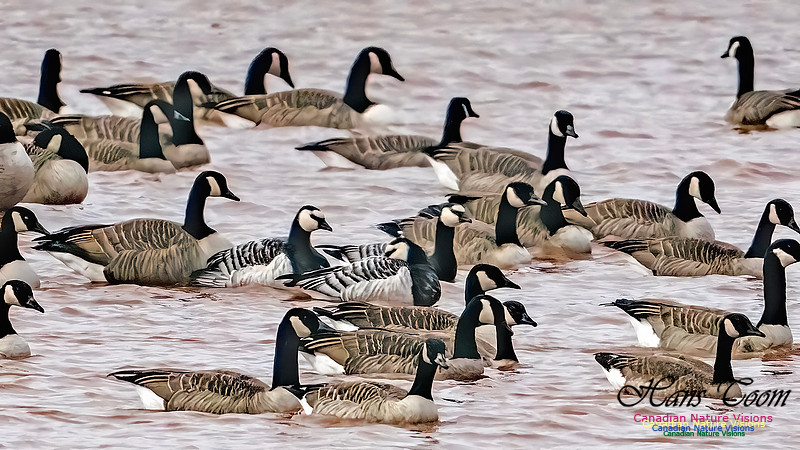
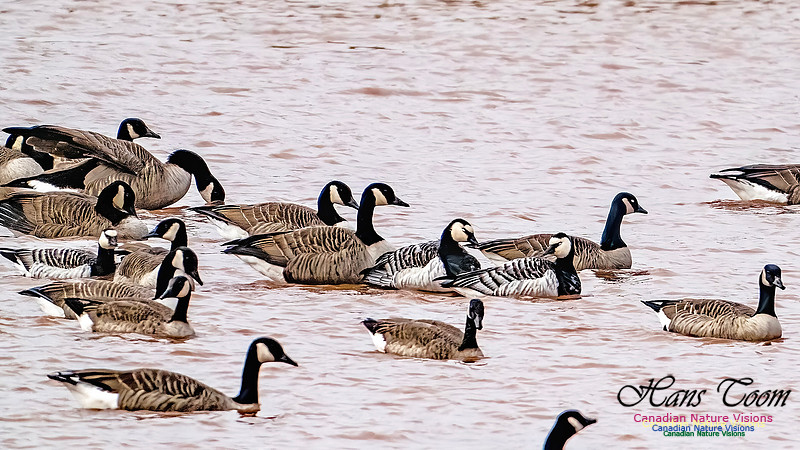
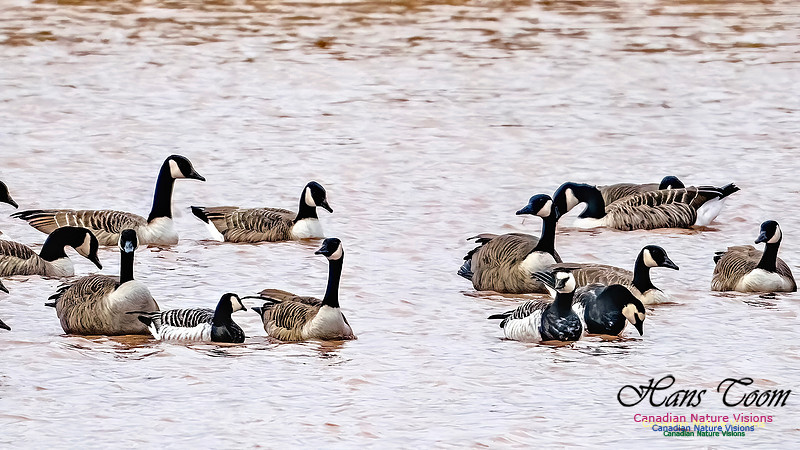
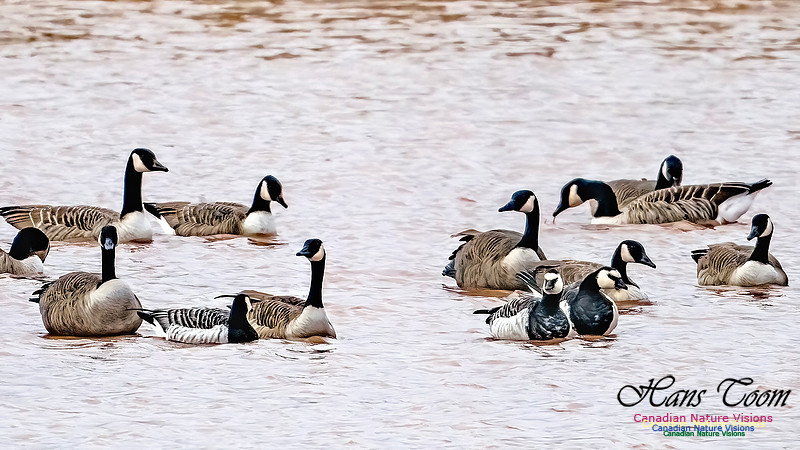
Three Barnacle GeeseWhen I arrived at the Salmon River look-off the tide was high and rising. I stayed for an hour and when I left there was no sand bar left and all the birds were floating. I had hoped for some standing on the bar but alas I will have to return at an earlier time for that opportunity. The three Barnacle Geese were together most of the time and intermingled with the Canada Geese. For listers this is a hard bird to count since there are escapees from time to time but the lateness of the year and the robustness of these Barnacle Geese would suggest that these are indeed wild birds. Three Barnacle Geese
From Wikipedia, the free encyclopedia
Not to be confused with Goose barnacle.
The barnacle goose (Branta leucopsis) is a species of goose that belongs to the genus Branta of black geese, which contains species with extensive black in the plumage, distinguishing them from the grey Anser species. Despite its superficial similarity to the brant goose, genetic analysis has shown its closest relative is the cackling goose.[2] Taxonomy and namingThe barnacle goose was first classified taxonomically by Johann Matthäus Bechstein in 1803. Branta is a Latinised form of Old Norse Brandgás, "burnt [black] goose" and the specific epithet is from the Ancient Greek leukos "white", and opsis "faced".[3] In the medieval period, the barnacle goose and the similar brant goose were not distinguished, and were formerly believed to spawn from the goose barnacle.[4] This gave rise to the English name of the barnacle goose and the scientific name of the brant goose.[3] The barnacle myth can be dated back to at least the 12th century. Gerald of Wales claimed to have seen these birds hanging down from pieces of timber, William Turner accepted the theory, and John Gerard claimed to have seen the birds emerging from their shells. The legend persisted until the end of the 18th century. In County Kerry, until relatively recently, Catholics abstaining from meat during Lent could still eat this bird because it was considered as fish.[5] It is sometimes claimed that the word comes from a Celtic word for "limpet", but the sense-history seems to go in the opposite direction.[6] DescriptionThe barnacle goose is a medium-sized goose, 55–70 cm (22–28 in) long, with a wingspan of 120–145 cm (47–57 in) and a weight of 1.21–2.23 kg (2.7–4.9 lb).[7][8][9][10] It has a white face and black head, neck, and upper breast. Its belly is white. The wings and its back are silver-grey with black-and-white bars that look like they are shining when the light reflects on it. During flight, a V-shaped white rump patch and the silver-grey underwing linings are visible. They look similar to cackling geese but have grey and white instead of brown bodies, and more extensive white on the head; from Canada geese they are additionally distinguished by being smaller, and having smaller beaks. The juveniles are similar to the adults, but like with all geese, can be distinguished by the rounded rather than square-ended mantle and flank feathers.[7] Distribution and population sizeThere are three original populations of barnacle geese, with separate breeding and wintering ranges. Since the 1960s, two new breeding populations have established themselves, both located along migration routes of two of the original populations. The five populations are:
The species has been recorded as a vagrant in eastern Canada, the Northeastern United States and India; care must be taken to distinguish these wild birds from escaped individuals, as barnacle geese are popular waterfowl with collectors.[22][23]

Comments
No comments posted.
Loading...
|
||||||||||||||||||||||||||||||||