
|
Subscribe
RSS
Archive
January
February
March
April
May
June
July
August
September
October
November
December
|
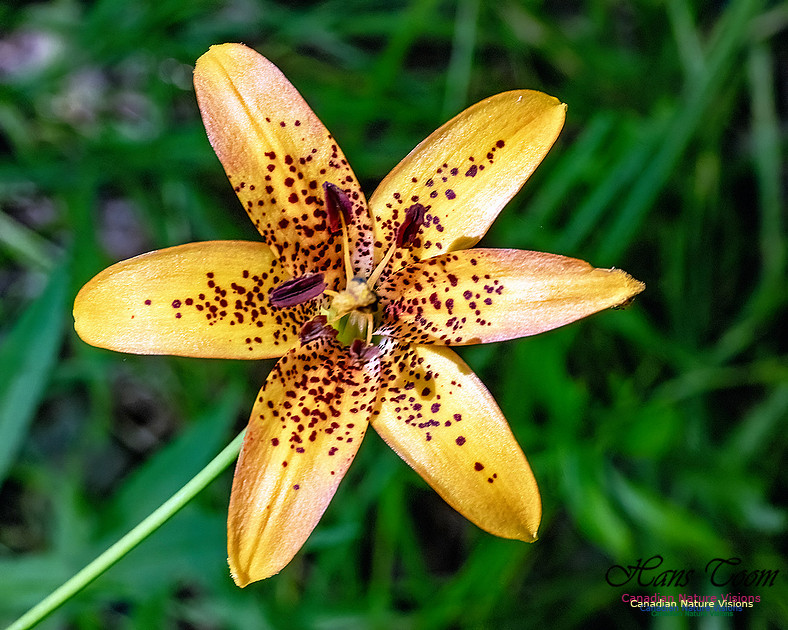
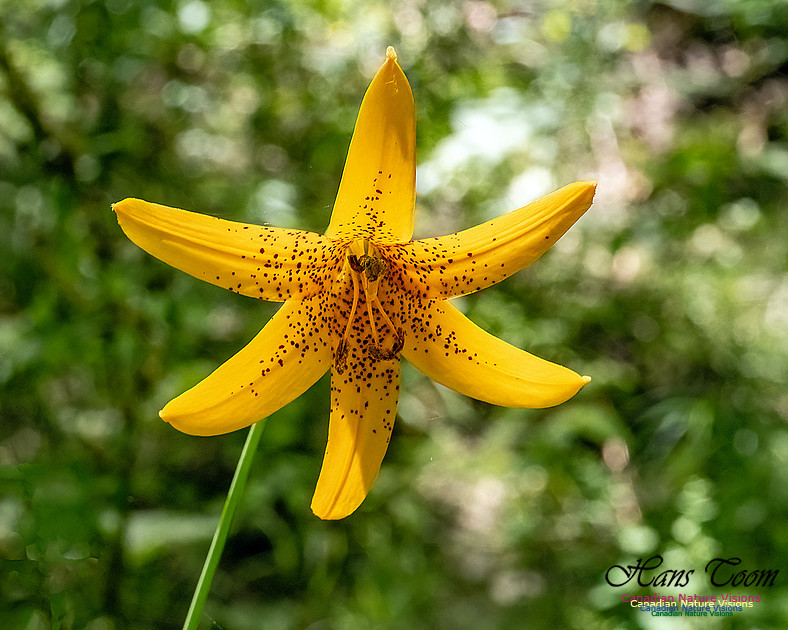
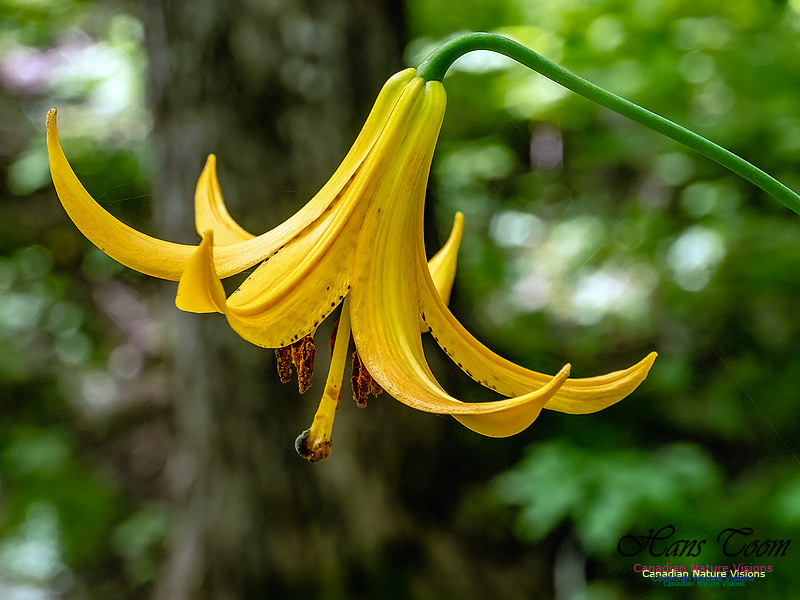
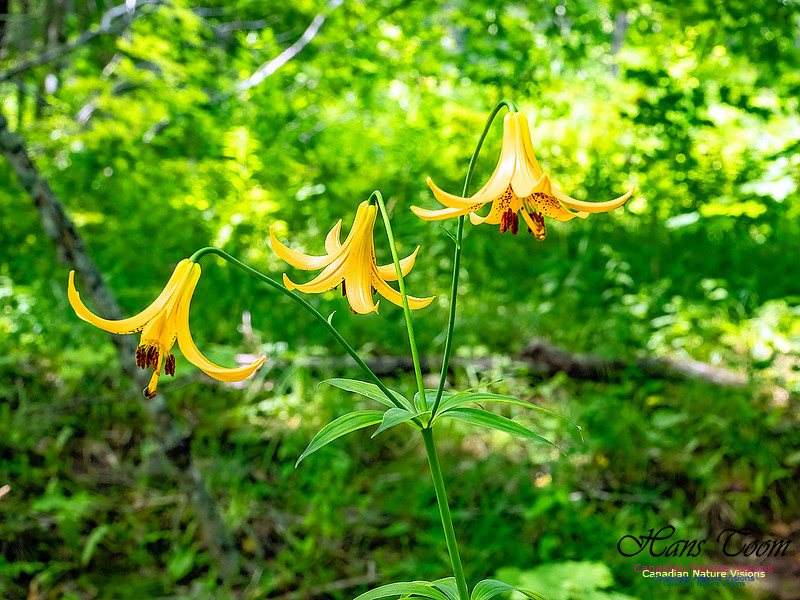
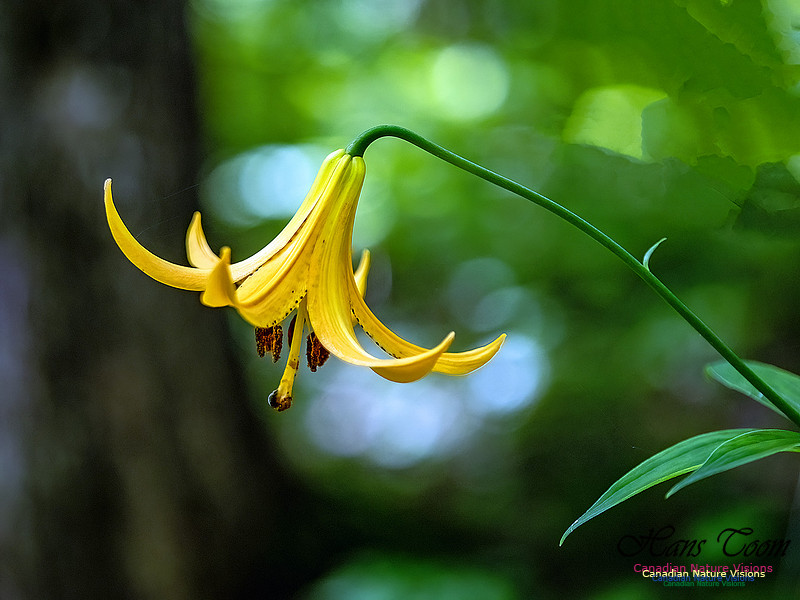
Canada LilyOne of our most beautiful native wildflowers, the Canada Lily, is disappearing from its easy to access locations due to poaching by irresponsible and inconsiderate people.
Lilium canadenseFrom Wikipedia, the free encyclopedia
Lilium canadense, commonly called the Canada lily,[4][5] wild yellow-lily, or meadow lily, is a native of eastern North America.[6] Its native range extends from Ontario to Nova Scotia south to Georgia and Alabama. It is most common in New England, the Appalachian Mountains, and the Canadian Maritimes.[7] It is also cultivated as an ornamental in Europe and other places.[8] Flowers emerge in June. They are nodding (hanging downward), yellow, orange or red, often with darker spots. The plant has become less common in urban and suburban areas due to heavy browsing by the white-tailed deer. DescriptionThese plants usually live in moist meadows and wood margins. They can grow up to 0.5–1.5 m (1.6–4.9 ft) with yellow, orange or red flowers 50–75 mm 50–75 mm (2.0–3.0 in) wide which emerge between June and July. Culinary usesThe flower buds and roots were traditionally gathered and eaten by North American indigenous peoples.[9] Conservation status in the United StatesIt is listed Rare in Indiana, as Exploitably Vulnerable in New York (state), and as Threatened in Rhode Island and Tennessee.[10

Comments
No comments posted.
Loading...
|
||||||||||||||||||||||||||||||||||||||||

.jpg)

