Surf and Sunset at Peggy's CovePeggy's Cove is a great location for astrophotography, capturing the angry sea and sunsets, often on the same late day outing. It is also not too bad for Nova Scotia fishing port culture. Surf and Sunset at Peggy's Cove
Super Blue Moon August 31, 2023The Super Blue Moon occurred on August 30 and August 31. It was slightly larger and more brightly illuminated on August 31, so take your choice. Blue moon refers to the second full moon in a month and super refers to its size or closeness to earth. The next such combination will occur in 2037 so capturing this event was special. As usual the moon rose through a layer of clouds on the eastern horizon. I photographed it from Peggy's Cove, Nova Scotia. Super Blue Moon, August 31, 2023, Peggy's Cove, Nova Scotia There is a whiff of clouds on the lower left of the image as it just cleared the cloud bank
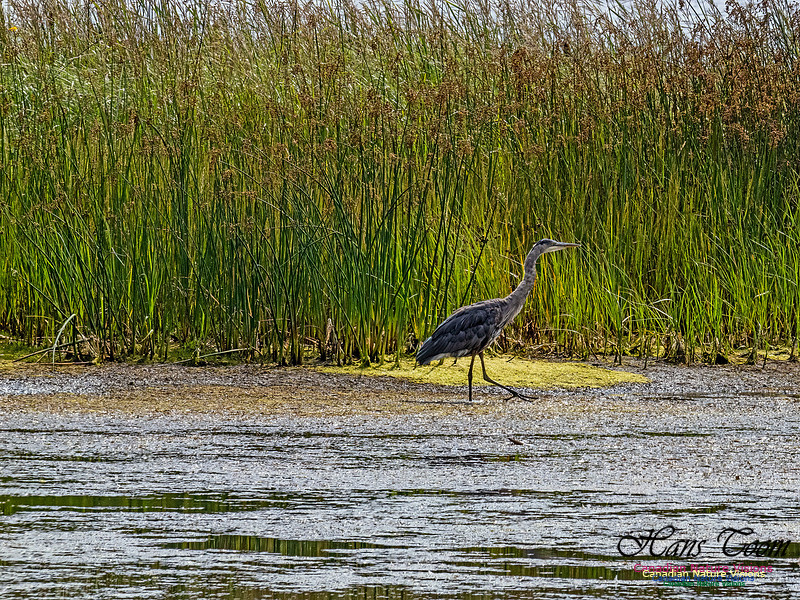
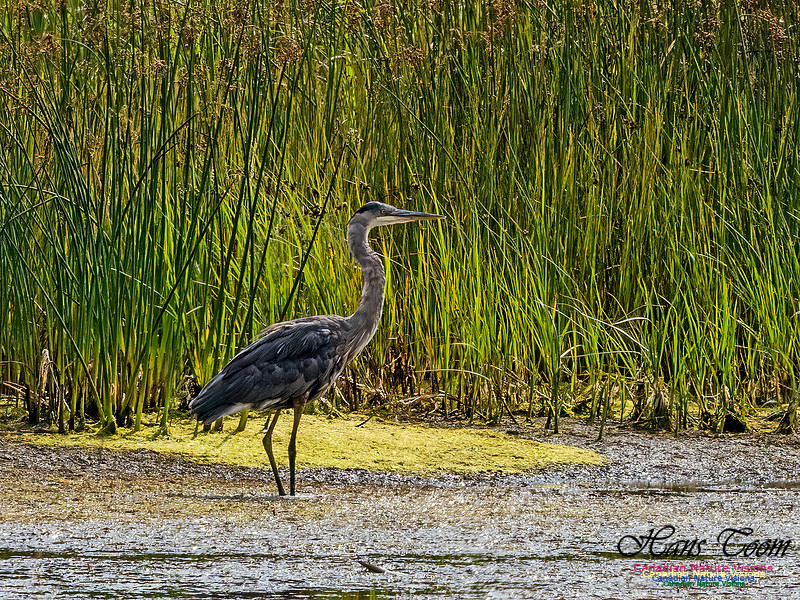
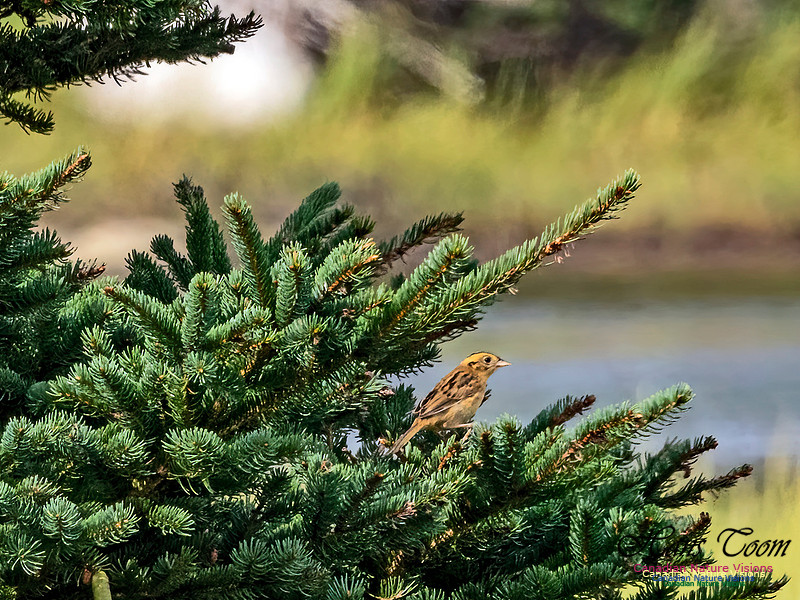
A Visit to West Chezzetcooke Salt MarshI visited West Chezzetcooke Salt Marsh in the hopes of finding some late Nelson's Sparrows. I only saw one and it was a long ways off. The photo posted herein is a severe crop. I'll try again in high resolution mode which will allow more detailed cropping. See blog, "A Test series of Handheld High Resolution Photos". Great Blue Heron
Nelson's Sparrow
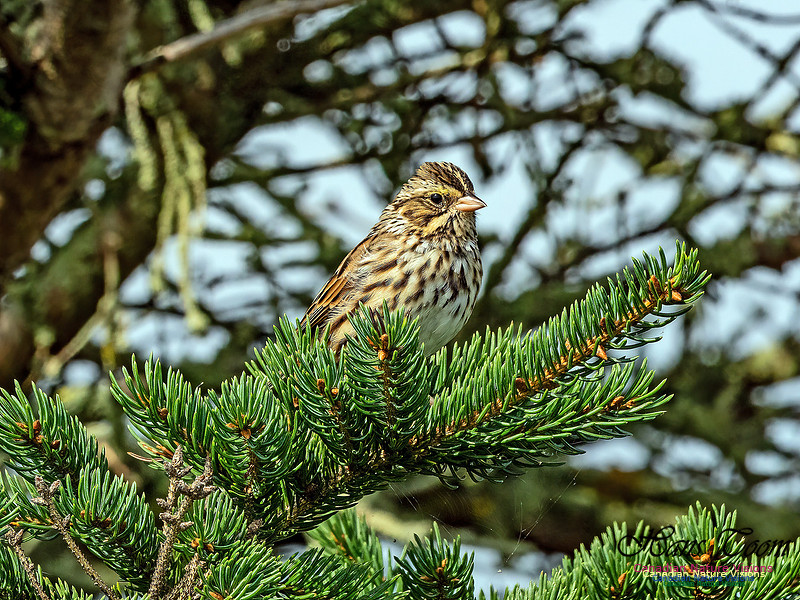
Savannah Sparrow
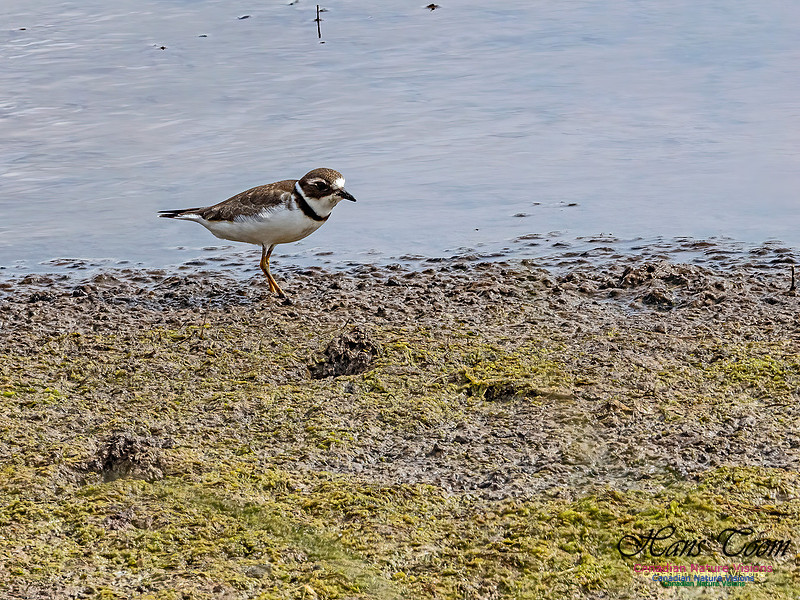
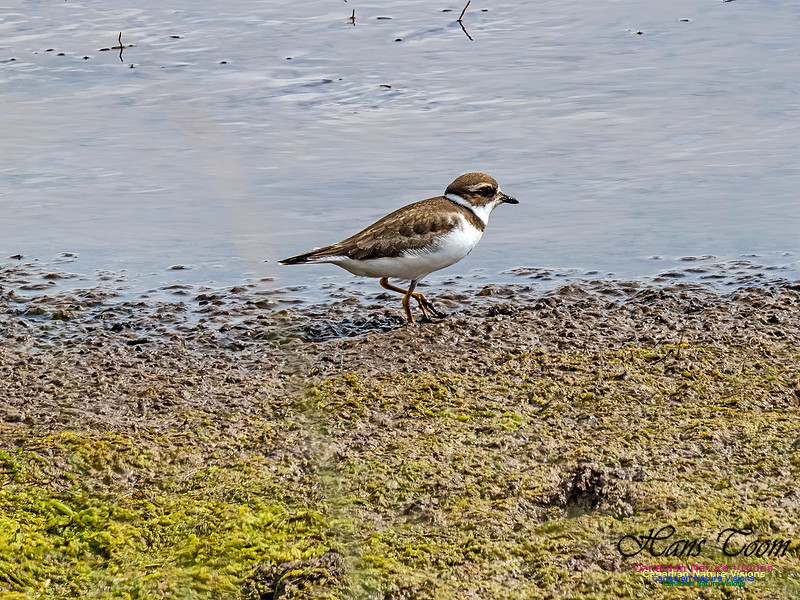
Semipalmated Plover
Monarch Butterfly and Red Darner DragonflyThe Monarch Butterfly has been hard to find this year although there are often larger numbers moving south in September. The Red Darner Dragonfly was happenstance. Monarch Butterfly
Red Darner Dragonfly
A Test series of Handheld High Resolution PhotosThe Lumix GH6 is an amazing camera. It has a stunning 7-1/2 stops of image stabilization. This is what makes shooting high resolution photos possible. These photos were over 150mp RAW out of the camera. After converting to JPEG and downsizing to 60mp, which is my upload limit, these photos are the result even though I am just starting to use this feature. The camera takes 8 RAW images each slightly offset in rapid succession and then combines them for the high resolution result. I'll be using this feature photographing the Super Blue Moon and Saturn tomorrow evening. Stay tuned. Hand Held High Resolution Images
Evangeline Beach Shorebird Migration Part FourIt's challenging and fun photographing the melee of shorebirds at Evangeline Beach. Balancing depth of field with shutter speed is the tricky part and there is no way to get it right for every circumstance and changing settings on the go is a beginners game. Speaking of beginners its amusing to see some folks with 800mm telephoto lens cannons some with 2X teleconverters photographing shorebirds handheld. The compressed depth of field these folks have makes it near impossible to get a good photo of a single bird. At 1200-1600mm the depth of field is near to 25-50mm depending on distance from the bird so the only way to get a single bird in focus is to find them in profile. My technique is to find a convenient rock to sit on and wait until they march by as the tide comes in. I've obtained my best shore bird photos sitting on a rock with 200-500mm lenses and my subjects within 10 metres thus minimizing the image degradation caused by dust, rising air currents and depth of field compression. Also the subject birds are not stressed as they continue foraging. Evangeline Beach Shorebird Migration Part Four
Wildflower DisplayNative wildflowers and imported escapees flowers of Nova Scotia. I always seem to neglect photographing the leaves which are essential for wildflower identification. Black-eyed Susan
Teasel
Bottlebrush Blazing Star
Teasel
Black-eyed Susan
Butter and Eggs
Wild Radish
Purple Vetch
Hawkweed
Marsh FloraAfter I photographed the Great Egret I photographed the trail-side wild flowers and vines. Some are marsh flowers while others are growing in the drier shoulder of the trail-side. Wild Cucumber
False Astilbe
Aster
Arrowhead
Bittercress
Joe Pye Weed
Purple Loosetrife
New England Aster
Joe Pye Weed
Goldenrod
Wild Cucumber Vine
Queen Anne's Lace
Blue Vervain
Evening Primrose
Jewelweed
Evening Primrose
Blue Vervain
Evangeline Beach Shorebird Migration Part ThreeI visited Evangeline Beach for the third time last Wednesday and it keeps getting more active. The shorebirds are moving in larger flocks, I'd say up to 10,000 birds each. The presence of Semipalmated Plovers is becoming more evident. Evangeline Beach Shorebird Migration
Semipalmated Plovers and Semipalmated Sandpipers
Evangeline Beach Shorebird Migration 2I tried again late this morning for a successful photoshoot at Evangeline Beach. It started out slow at the Guzzle but improved considerably at the main beach parking lot. I am starting to take videos. Its a learning experience not helped by some of the equipment suppliers. I purchased an external microphone for my camera but it extended so far back it bumped into my forehead so I couldn't use my viewfinder and my monitor was useless due to the harsh skylight. Some stupid! I have to purchase a bracket to move the microphone beside the camera and not hosted by the flash slot. Migrating Shorebirds at Evangeline Beach
Yellow Finger Coral Mushroom and Other Woodland OdditiesLaura and I took a stroll through Jerry Lawrence Provincial Park primarily on our annual quest for the Yellow Finger Coral Mushroom. We found it at our usual location near a picnic site facing Lewis Lake. An unwelcome sight was a pair of Japanese Beatles. Hopefully the park authorities are on the ball and will deal with the infestation. Yellow Finger Coral Mushroom
Fungus
Ghost Plant
Japanese Beatle
Evangeline Beach Shorebird MigrationI visited Evangeline Beach for the first time this year. There is no significant buildup of peeps yet. Peeps is a colloquial term for the grouping of migrating shorebirds, mostly Semipalmated Sandpipers but also Semipalmated Plovers, Least Sandpipers and White-rumped Sandpipers. Activity at the beach is currently relatively calm but should increase in the next week. The peak of the migration is usually the second and third weeks of August. Short Video of Feeding Semipalmated Sandpipers
Peeps in Motion
Great EgretThe Great Egret is an annual regular and I am sure its numbers will continue to increase due to climate change. This example was unusually shy, perhaps a trait peculiar to this bird or perhaps it has been harassed. I consider this bird uncommon and certainly not rare. It is likely that for every Great Egret seen or heard there are many others not discovered. Great Egret
Coastal Drive Around the Sambro LoopI enjoyed a coastal drive around the Sambro Loop from Spryfield to Ferguson's Cove, Herring Cove, Ketch Harbour, Sandy Cove, Sambro, West Pennant and Doyles Lake. It was my first test run with my Lumix GH6. I have phased out of Sony primarily due to size and weight. Lumix also has the distinct advantage of offering Leica lenses, generally considered the finest lenses available. A highlight was a singing Carolina Wren. Coastal Drive Around Sambro Loop
Supermoon August 1, 2023Laura and I went to Peggy's Cove to photograph the supermoon rising. As usual the horizon was obscured by a cloud bank so we couldn't see the Supermoon until it was higher in the sky. The Blue Supermoon will present itself later this month so hopefully we can try again. A Supermoon by definition is when it is closest to earth and appears larger, about 18%. A Blue Moon is the second full moon in a month.

A blue moon is an additional full moon that appears in a subdivision of a year: the third of four full moons in a season. The phrase in modern usage has nothing to do with the actual color of the Moon, although a visually blue Moon (the Moon appearing with a bluish tinge) may occur under certain atmospheric conditions—for instance, if volcanic eruptions or fires release particles in the atmosphere of just the right size to preferentially scatter red light.[1] Definition
The term has traditionally, in the Maine Farmer's Almanac, referred to an "extra" full moon, where a year which usually has 12 full moons has 13 instead. The "blue moon" reference is applied to the third full moon in a season with four full moons,[2] thus correcting the timing of the last month of a season that would have otherwise been expected too early. This happens every two to three years (seven times in the Metonic cycle of 19 years).[3] The author of a March 1946 article in Sky & Telescope attempted to decipher the traditional practice of the editors of the Maine Farmers' Almanac by examining old issues of the almanac. Without enough almanacs to see the correct pattern, he conjectured the wrong rule for 'blue moons', which led to the modern colloquial misunderstanding that a blue moon is a second full moon in a single solar calendar month, with no link to the order it occurs in a season. The phrase "once in a blue moon" is also used idiomatically, which means once after a long time. An example in a sentence: "My sister lives in Alaska, so I only see her once in a blue moon."[4] Owing to the rarity of a blue moon, the term "blue moon" is used colloquially to mean a rare event, as in the phrase "once in a blue moon".[5][6] One lunation (an average lunar cycle) is 29.53 days. There are about 365.24 days in a tropical year. Therefore, about 12.37 lunations (365.24 days divided by 29.53 days) occur in a tropical year. In the widely used Gregorian calendar, there are 12 months (the word month is derived from moon[7]) in a year, and normally there is one full moon each month, with the date of the full moon falling back by nearly one day every calendar month. Each calendar year contains roughly 11 days more than the number of days in 12 lunar cycles. The extra days accumulate, so every two or three years (seven times in the 19 year Metonic cycle), there is an extra full moon in the year. The extra full moon necessarily falls in one of the four seasons, giving that season four full moons instead of the usual three, and, hence, a "blue" moon.
Supermoon of August 1, 2023
Supermoon Rising Through the Clouds
|