|
Subscribe
RSS
Archive
January
February
March
April
May
June
July
August
September
October
November
December
|
Old Growth Forest on Troop Island
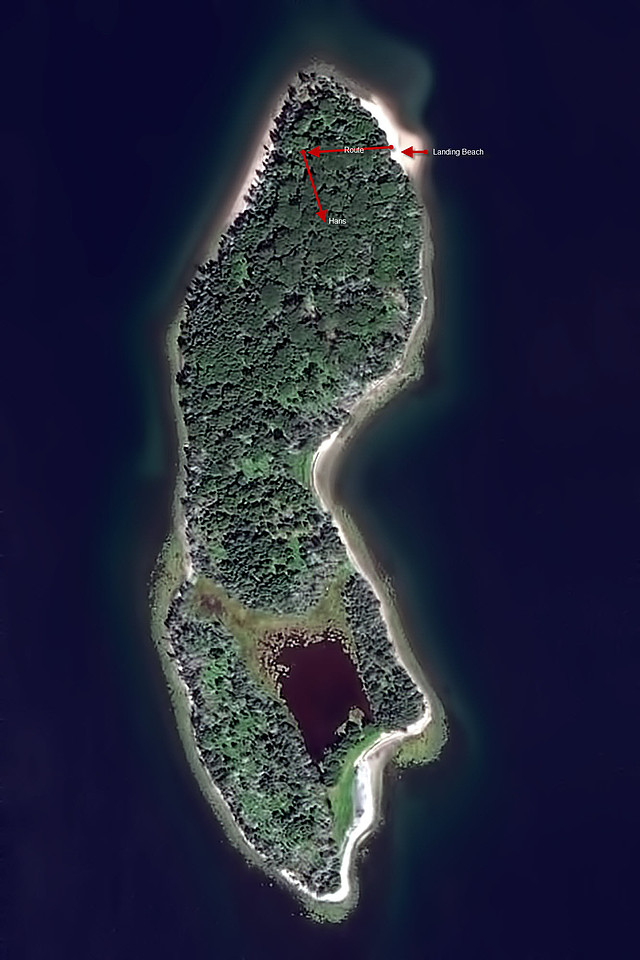
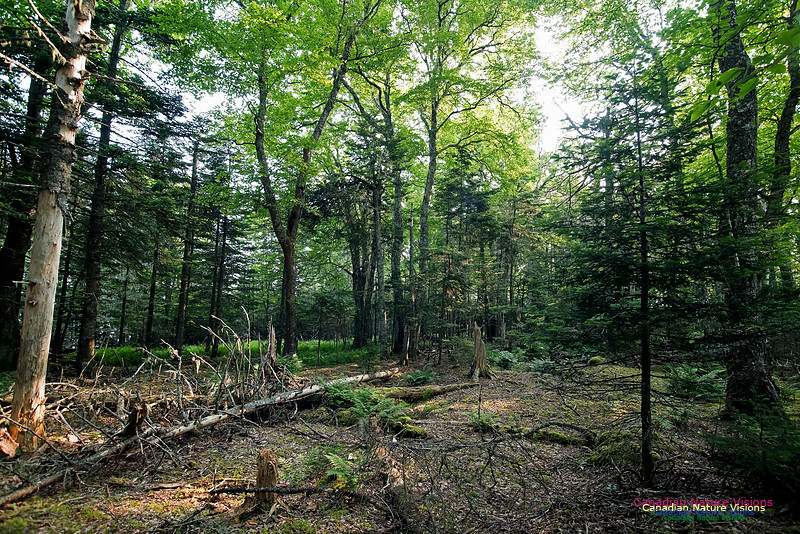
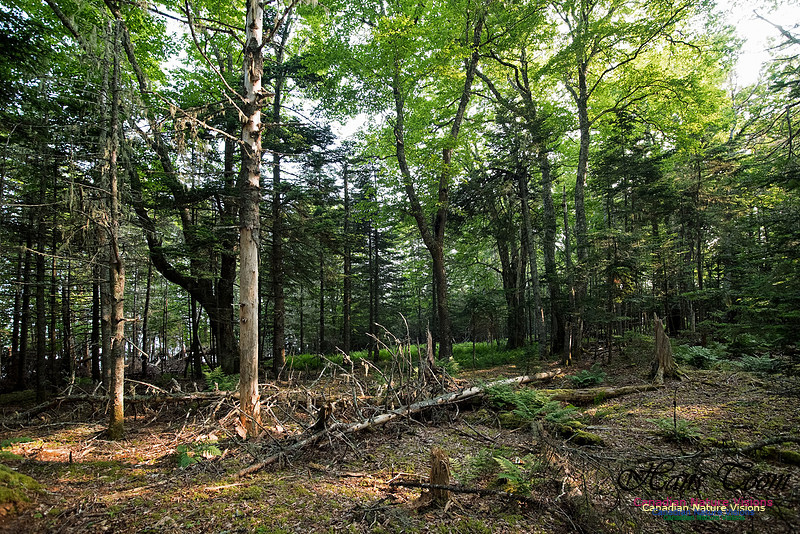
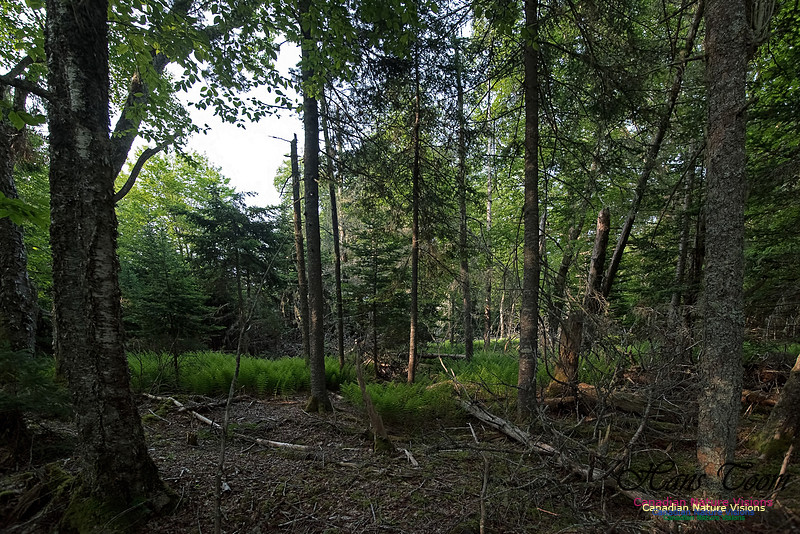
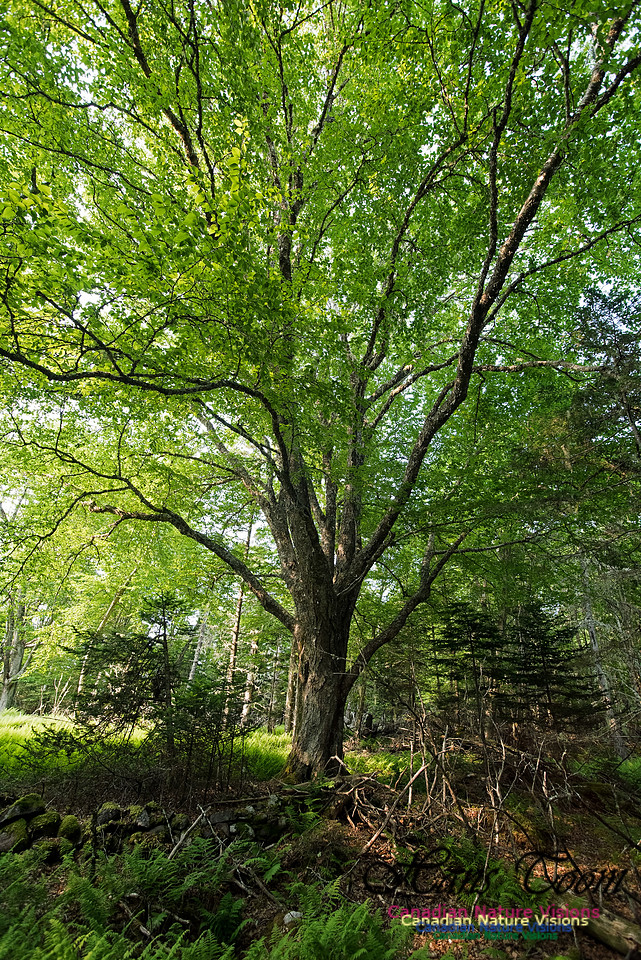
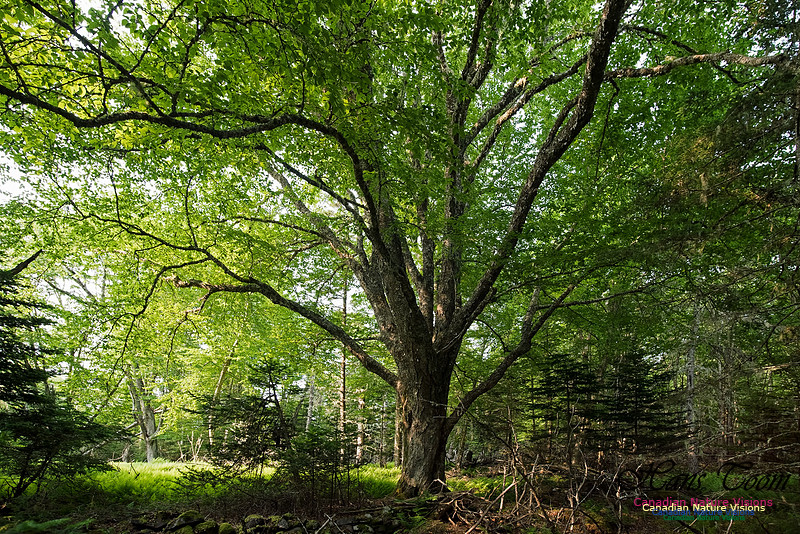
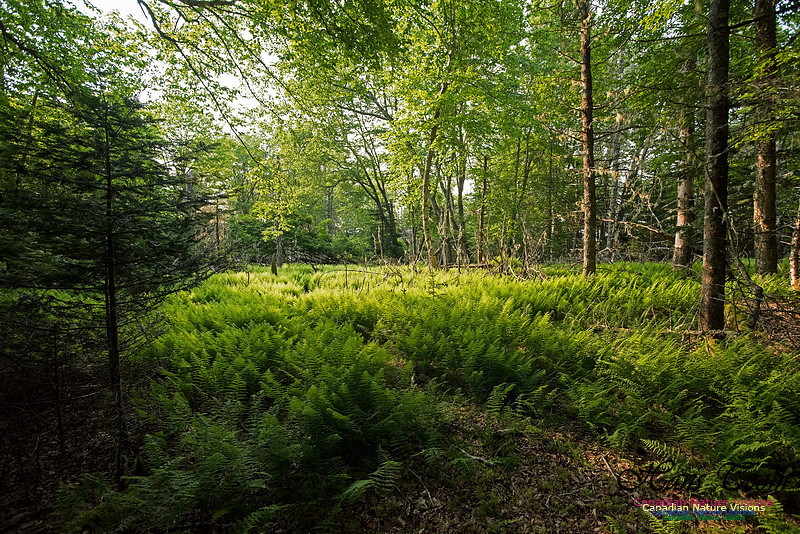
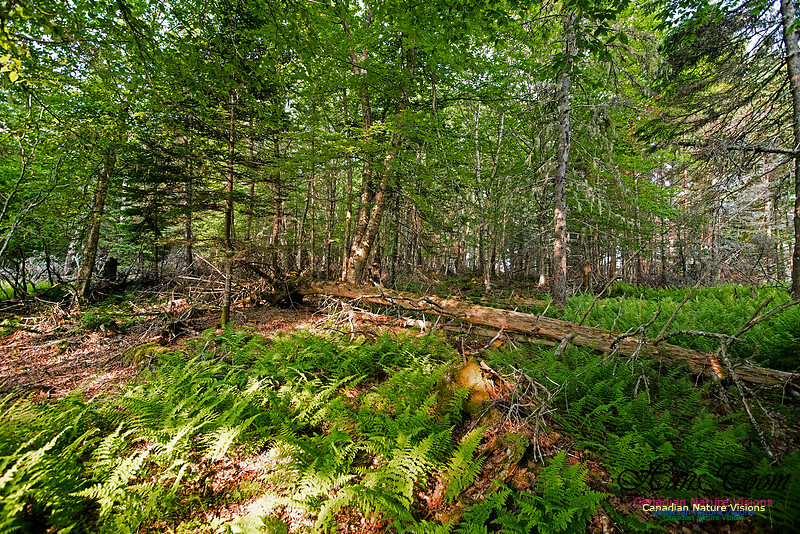
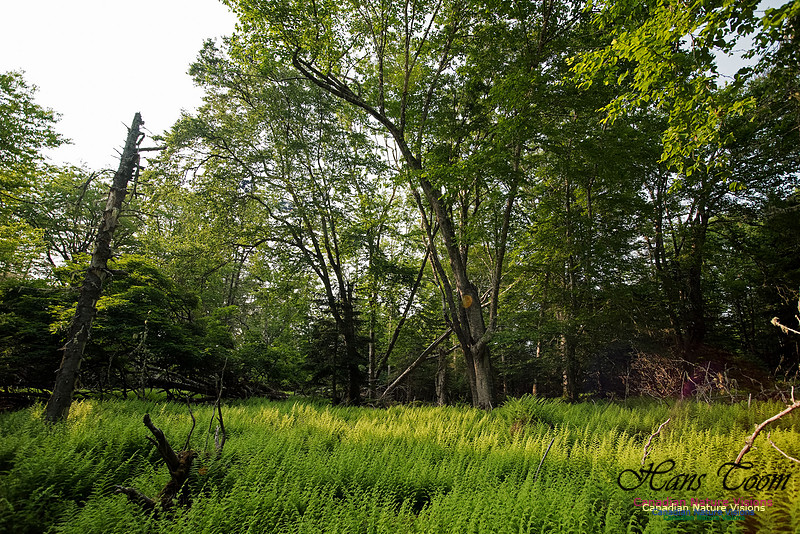
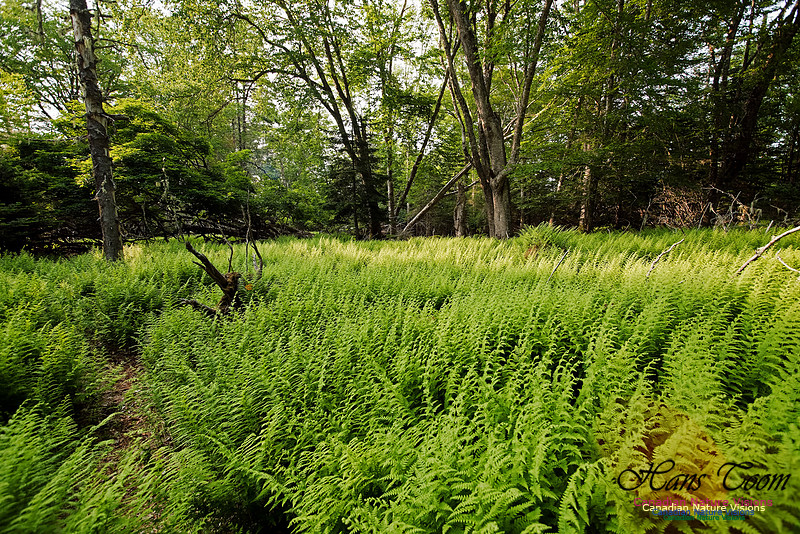
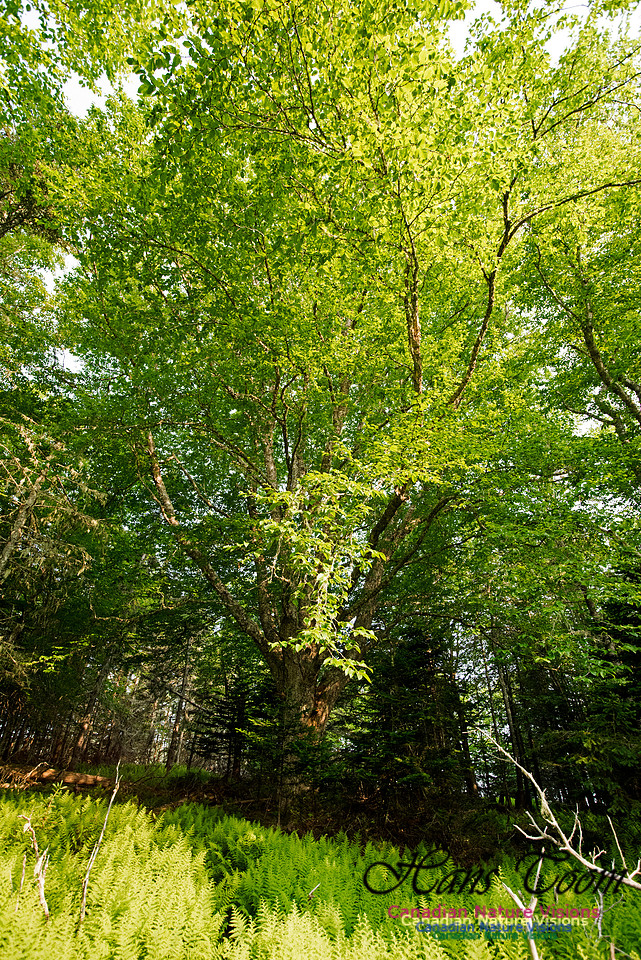
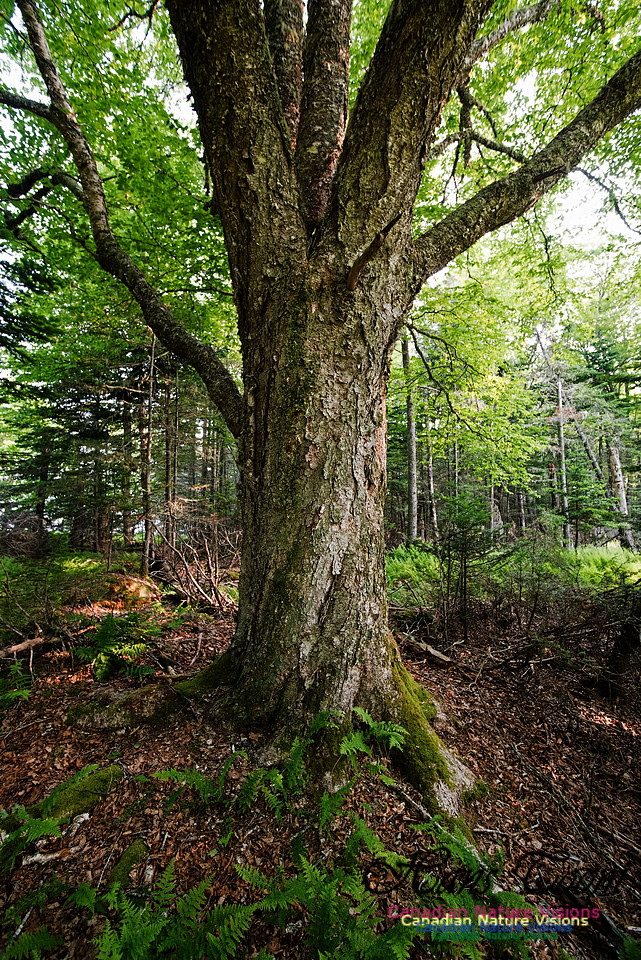
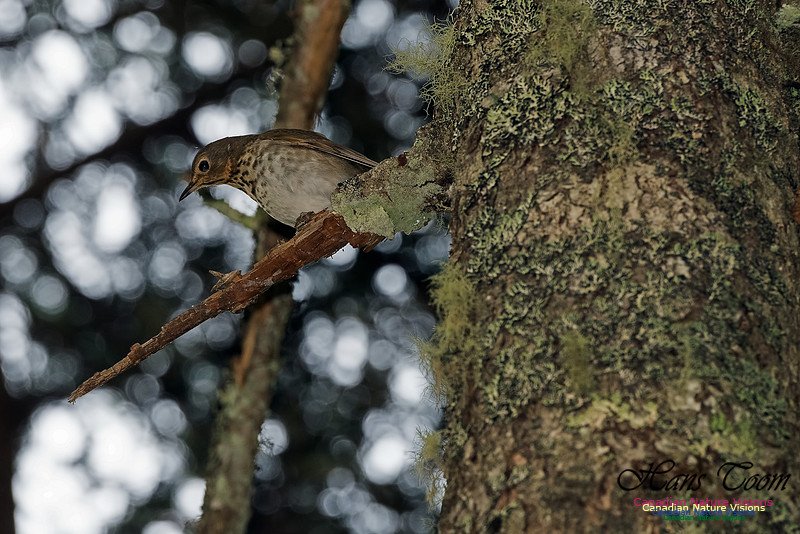
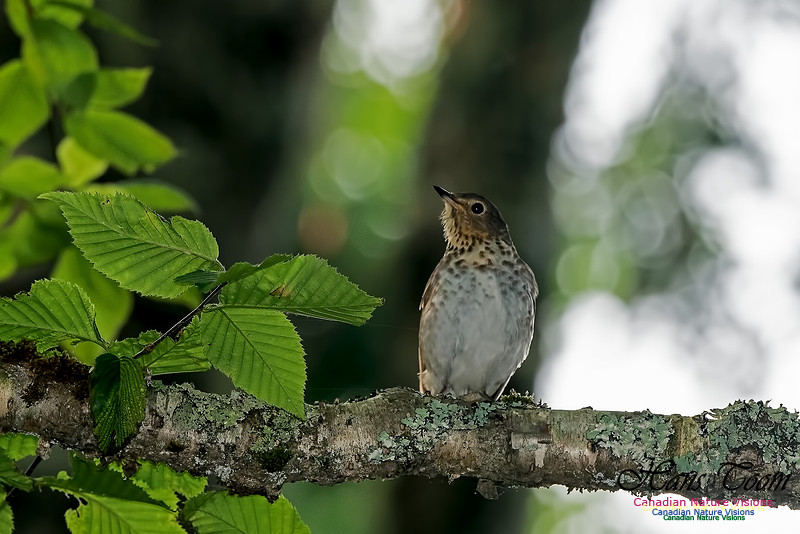
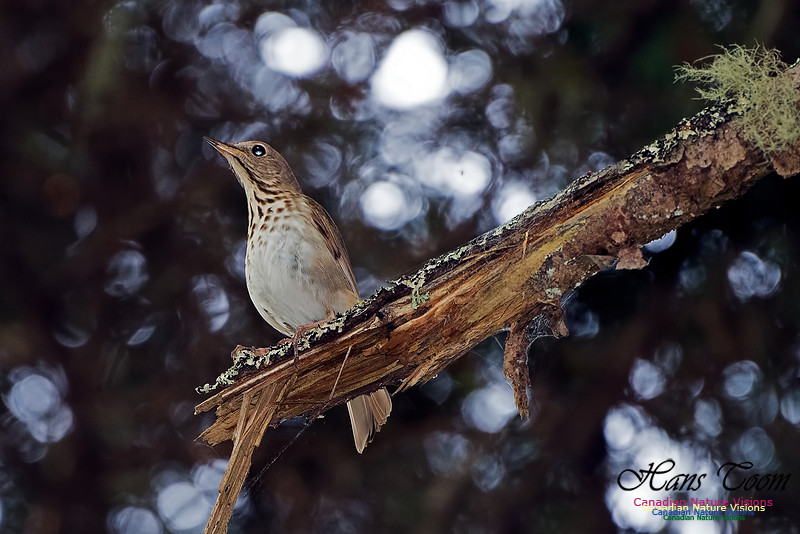
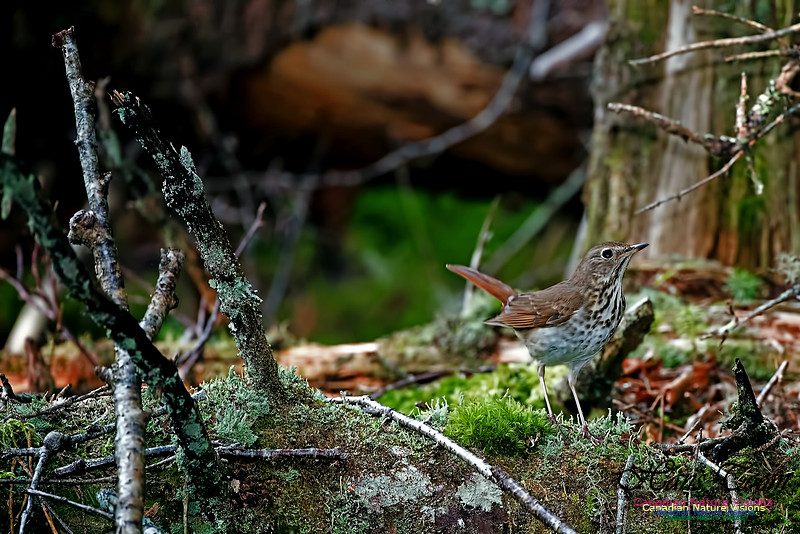
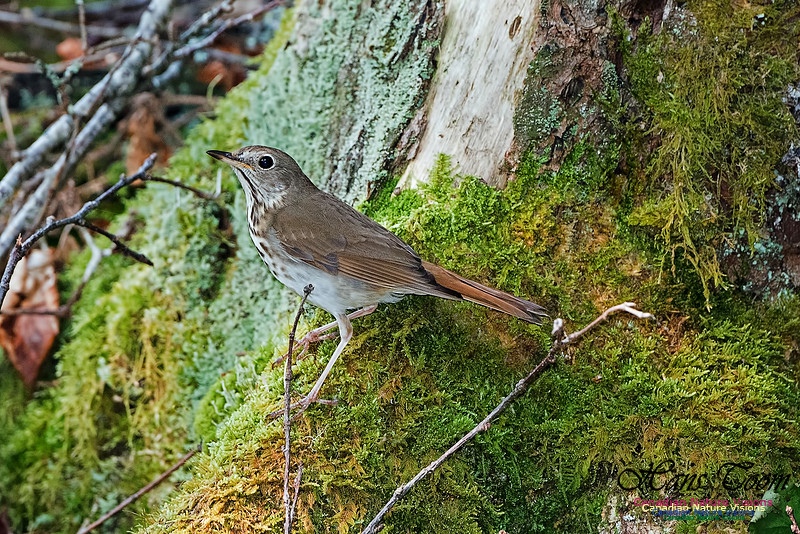
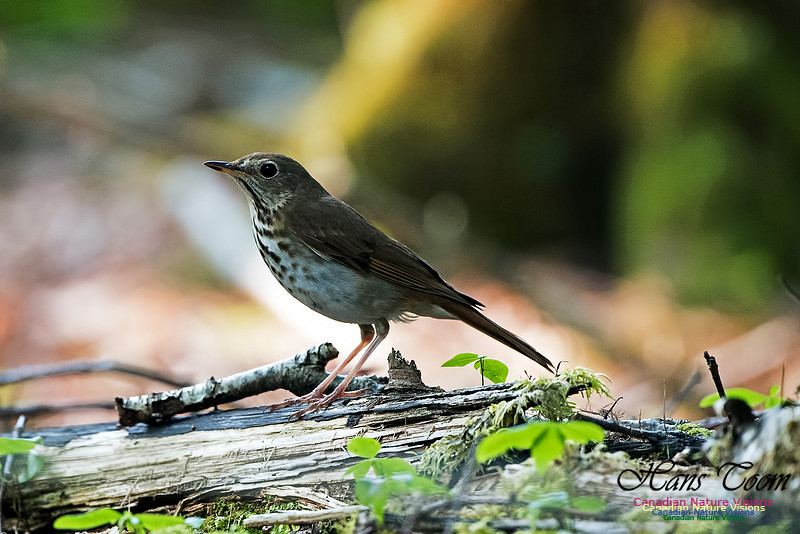
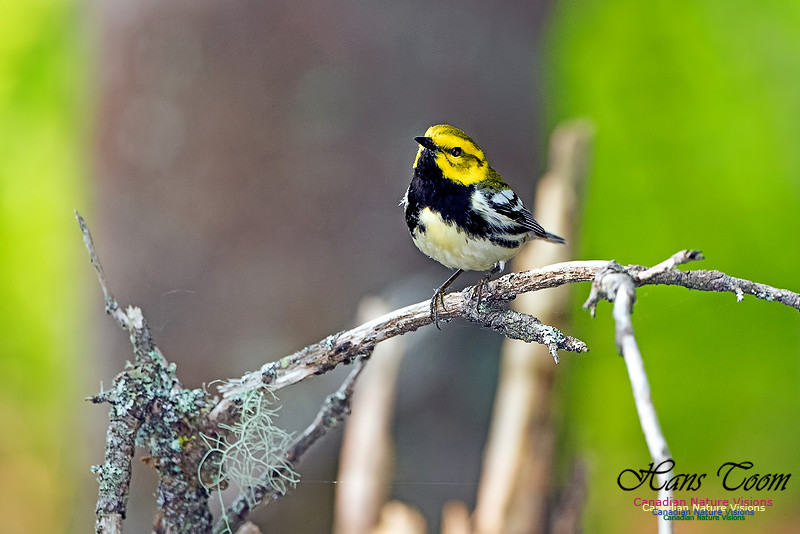
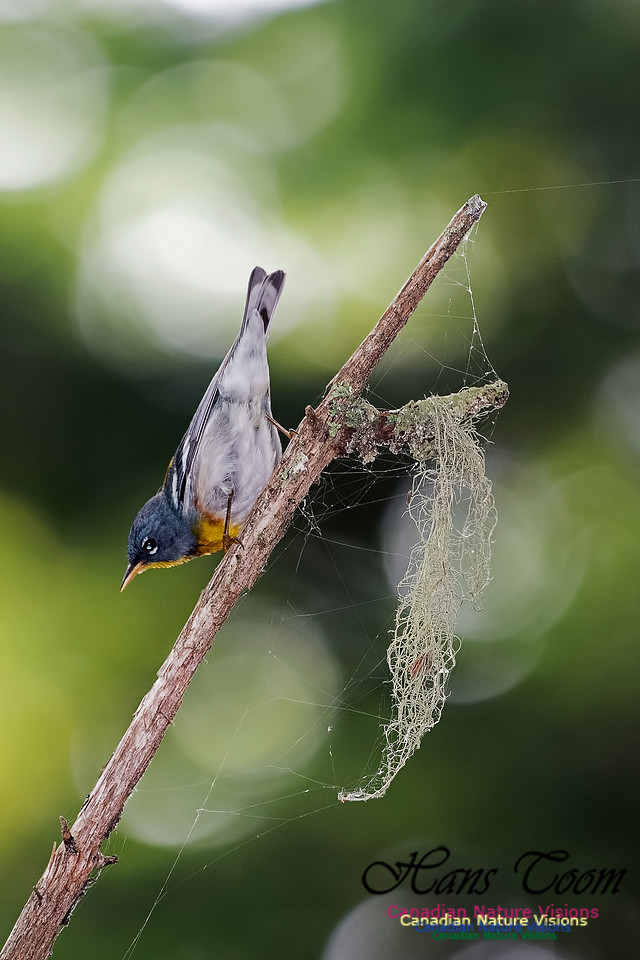
Beth McGee ferried me over to Troop('s) Island on Monday July 6. I didn't do a tour of the island or look for specific species of plant or bird. I wanted to spend time in the centre of the old growth forest near the giant yellow birch and just look and listen. I brought along a chair to sit in and just waited for things to happen. There was no disruptive noise present. The only sound emanating from the forest canopy was the sweet melody of the Swainson's Thrush. At times a Hermit Thrush joined the chorus. Other times Northern Parula and Black-throated Green Warbler would also join in. It was magical. I walked around the giant yellow birch and tried to photograph it but no lens can do it justice. I used a 15mm wide angle lens on a full frame sensor without vertical perspective correction but the top portion of the tree was still out of the frame. From where I was walking I could see the eastern and western shores of the island(St. Margaret's Bay). Troop Island
The Old Growth Forest
The Giant Yellow Birch Courtesy of Wikipedia Betula alleghaniensisFrom Wikipedia, the free encyclopedia
Betula alleghaniensis (Yellow Birch), is a species of birch native to eastern North America, from Newfoundland to Prince Edward Island, Nova Scotia, New Brunswick, southern Quebec and Ontario, and the southeast corner of Manitoba in Canada, west to Minnesota, and south in the Appalachian Mountains to northern Georgia. 
Yellow Birch bark
It is a medium-sized deciduous tree reaching 20 m tall (exceptionally to 30 m) with a trunk up to 80 cm diameter. The bark is smooth, yellow-bronze, flaking in fine horizontal strips, and often with small black marks and scars. The twigs, when scraped, have a slight scent of oil of wintergreen, though not as strongly so as the related Sweet Birch. The leaves are alternate, ovate, 6-12 cm long and 4-9 cm broad, with a finely serrated margin. The flowers are wind-pollinated catkins 3-6 cm long, the male catkins pendulous, the female catkins erect. The fruit, mature in fall, is composed of numerous tiny winged seeds packed between the catkin bracts. Betula alleghaniensis is the provincial tree of Quebec, where it is commonly called merisier, a name which in France is used for the wild cherry. The name "yellow birch" reflects the color of the tree's bark.[1] The wood of Betula alleghaniensis is extensively used for flooring, cabinetry and toothpicks. Most wood sold as birch in North America is from this tree. Several species of Lepidoptera use the species as a food plant for their caterpillars. See the list of Lepidoptera that feed on birches.
Here are two of my photographs from last year's visit to give perspective to the size of the tree. The model is Mike Lancaster. All the other photos are from this visit. Giant Yellow Birch
The Old Growth Forest
The Giant Yellow Birch
Swainson's Thrush
Hermit Thrush
Black-throated Green Warbler
Northern Parula
Keywords:
Birds of Nova Scotia,
Black-throated Green Warbler,
Canada,
Hermit Thrush,
Northern Parula,
Nova Scotia,
Swainson's Thrush,
Wildflowers of Nova Scotia,
Yellow Birch,
old growth forest
|
||||||||||||||||||||||||||||||||||||