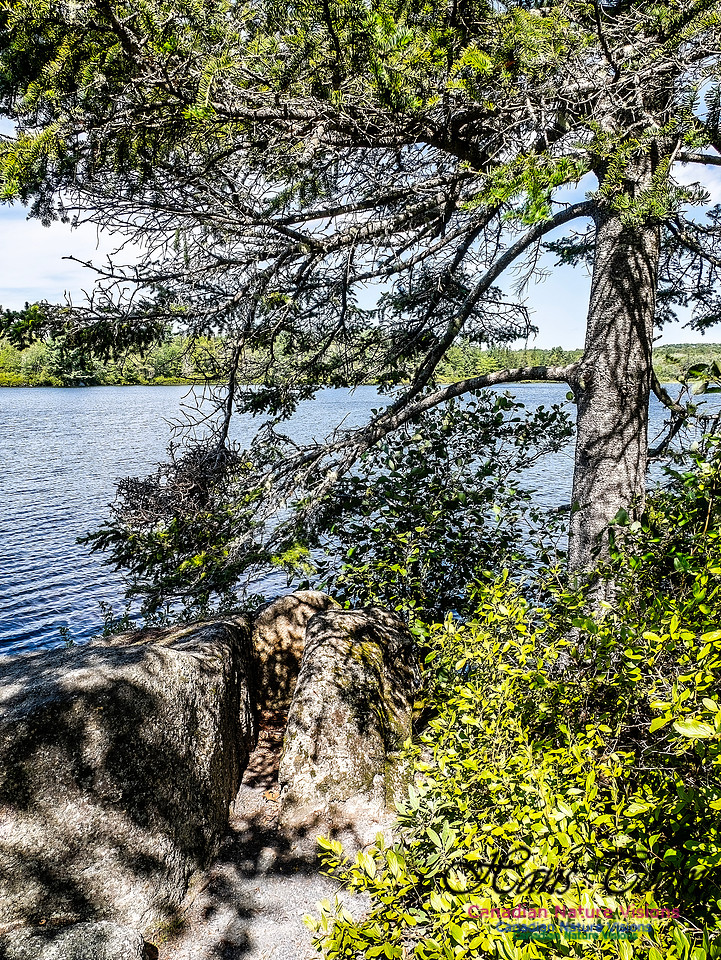
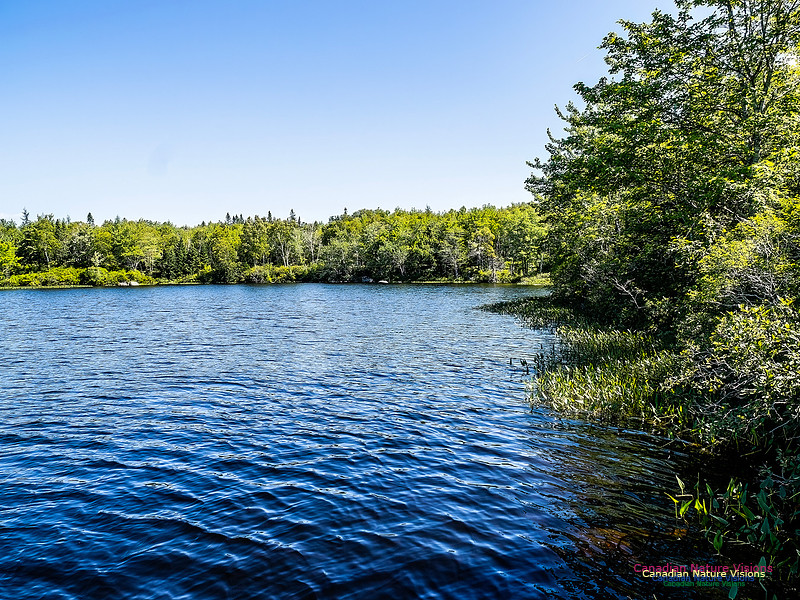
Laura and I enjoyed a one hour midday walk at Round Lake, Jerry Lawrence Provincial Park. The temperature was ideal with little wind and no biting or sucking insects. We followed the shoreline from the parking lot to to the St. Margaret's Bay trail. We only tallied three birds; Brown Creeper, Song Sparrow and Common Loon.
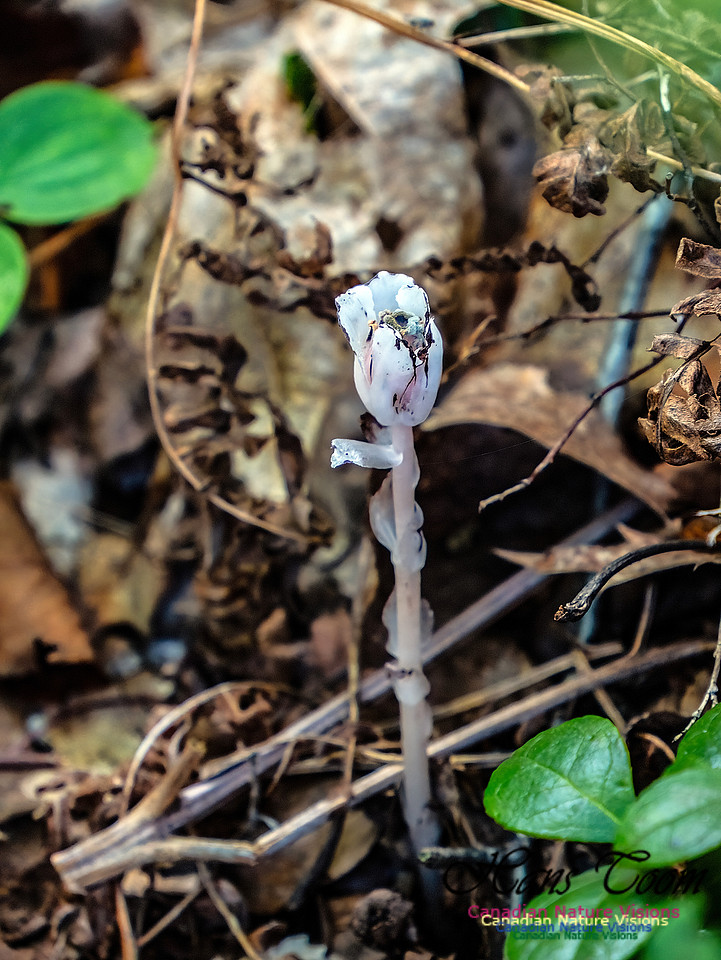
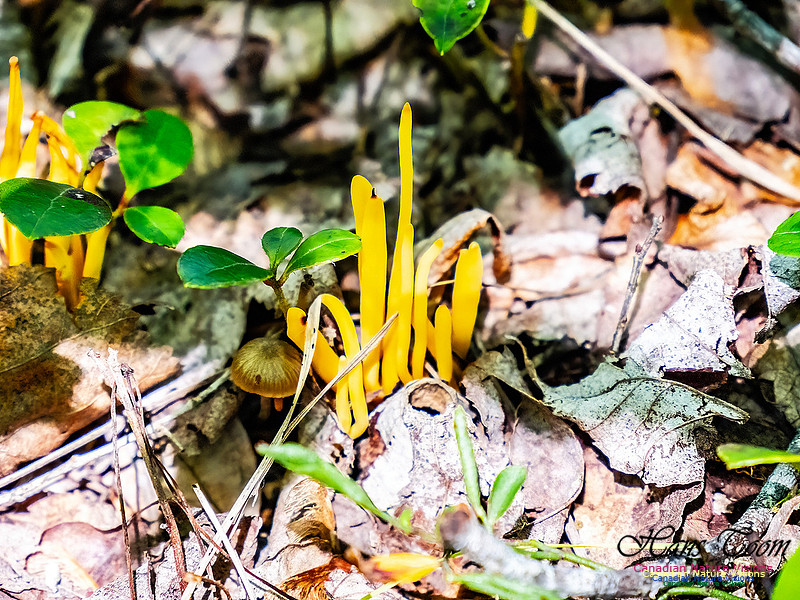
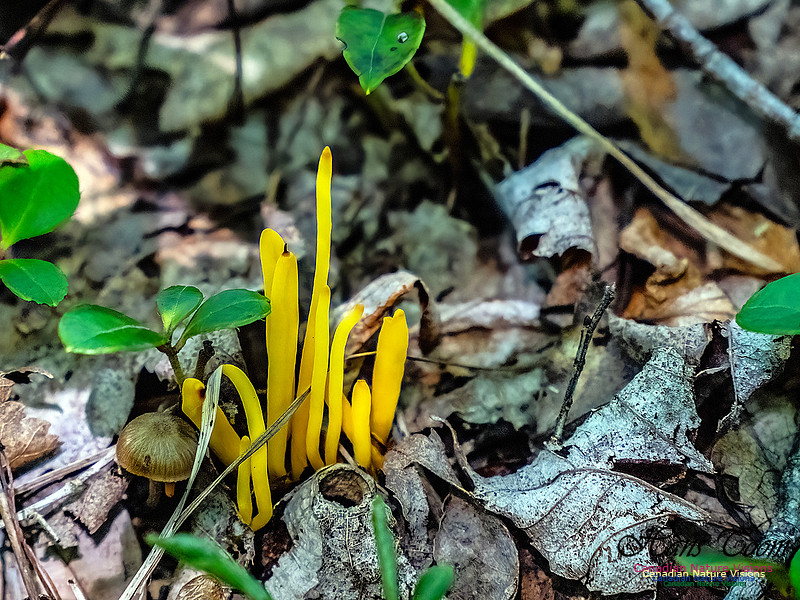
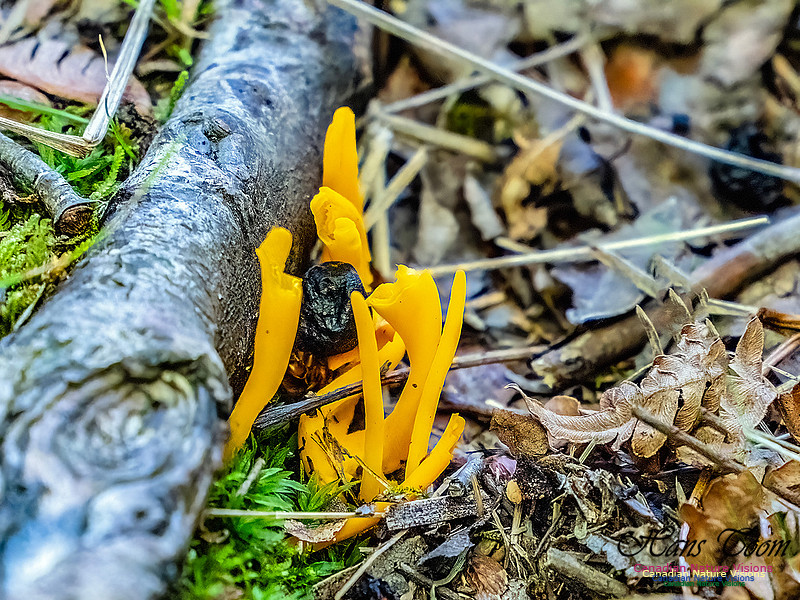
We did find yellow fingers fungus, indian pipe fungus but no luck finding Dead Man's Fingers.
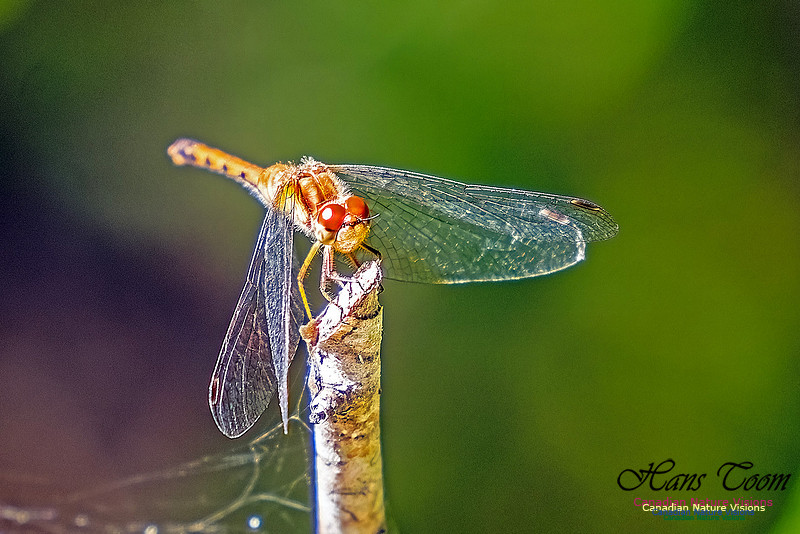
Dragonfly
This guy was about one inch long.
 Lewis Lake Walk 100
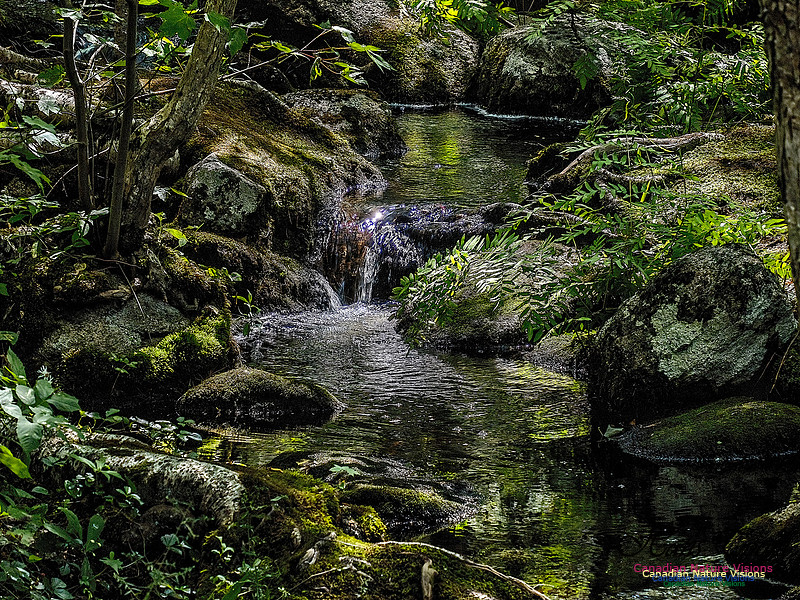
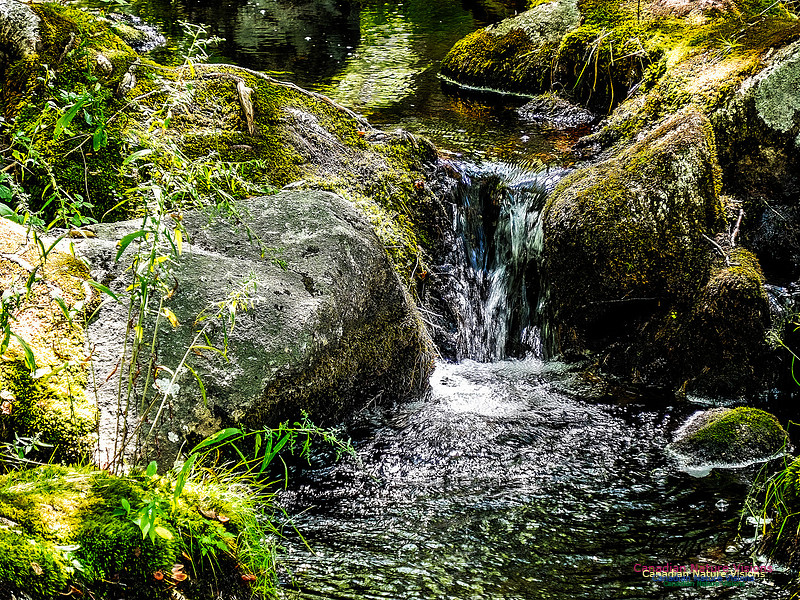
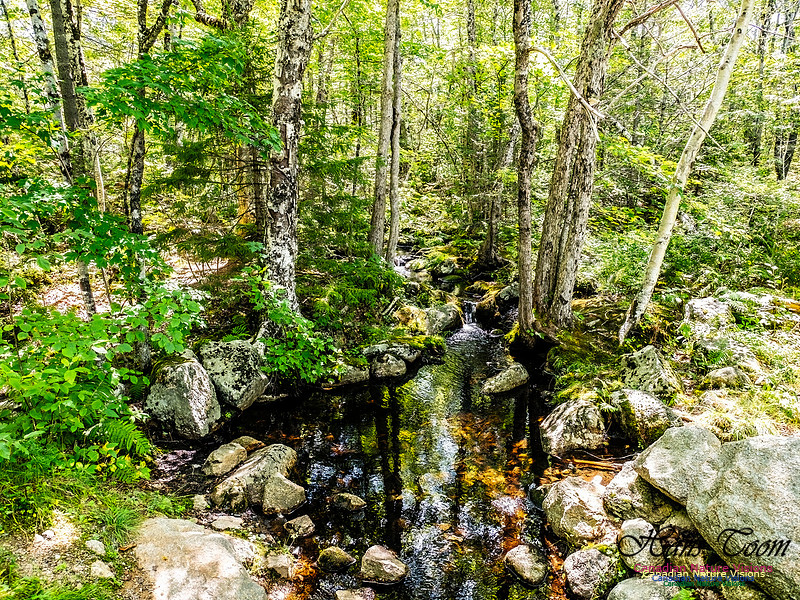
The creek flows from Lewis lake to Round Lake
 Lewis Lake Walk 101
 Lewis Lake Walk 102
 Lewis Lake Walk 103
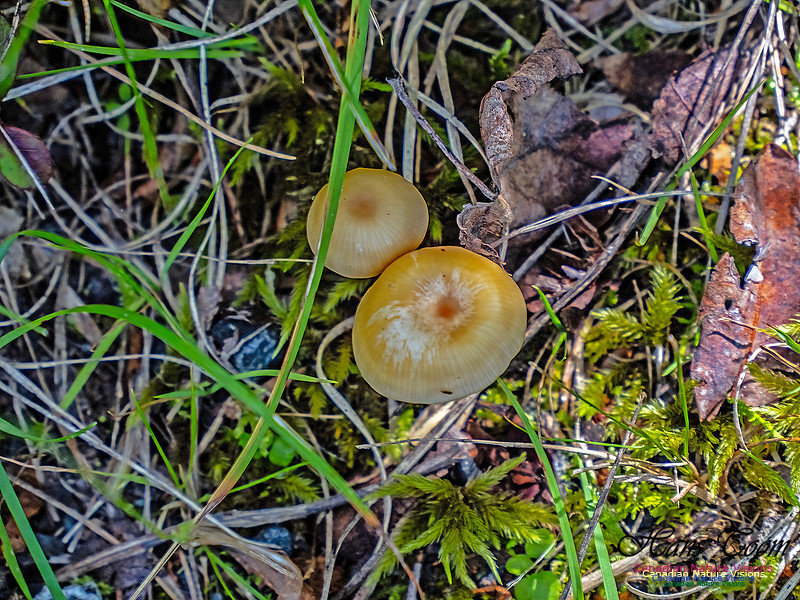
There were a few mushrooms along the way
 Lewis Lake Walk 104
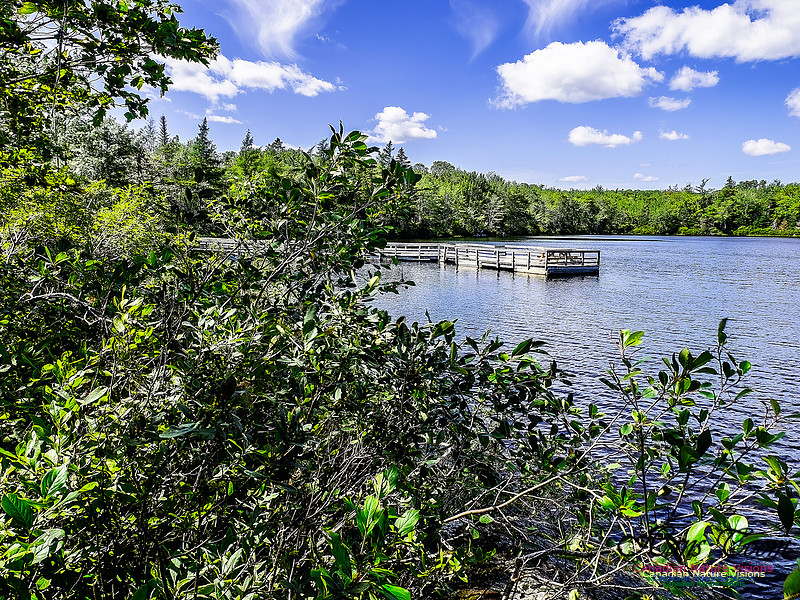
Round Lake
 Lewis Lake Walk 105
 Lewis Lake Walk 106
Indian Pipe
Monotropa uniflora, also known as the American Indian ghost pipe plant (shortened to ghost plant, ghost pipe, American Indian pipe, or Indian pipe), is a herbaceous, parasitic, non-photosynthesizing, perennial flowering plant native to North America, Latin America, and East Asia but with large gaps between areas.[1][2] The plant is waxy white, but some specimens have been described as having black flecks or pale pink coloration.[3] Rare variants may have a deep red color. The name "Monotropa" is Greek for "one turn" and "uniflora" is Latin for "one flowered" as there is one sharply curved stem for each single flower. M. uniflora is commonly found growing in clumps of 2 or more, with its fungal source nearby.
Description
The stems reach heights of 5–30 centimetres (2–12 in), sheathed with highly reduced leaves 5–10 millimetres (3⁄16–3⁄8 in) long, best identified as scales or bracts. These structures are small, thin, and translucent; they do not have petioles but instead extend in a sheath-like manner out of the stem.
As its scientific name suggests, and unlike the closely related Monotropa hypopitys (but like Monotropastrum humile), the stems bear a single flower 10–20 mm (3⁄8–13⁄16 in) long, with 3–8 translucent petals, 10–12 stamens and a single pistil.[4][5][6][7] It flowers from early summer to early autumn, often a few days after rainfall. The fruit, an oval capsule-like structure, enlarges and becomes upright when the seeds mature. After maturity the stem and capsule appear desiccated, and dark brown or black with a brittle texture.
The seeds of M. uniflora are small, ranging between 0.6–0.8 mm (3⁄128–1⁄32 in) in length.[8] Once the plant has been pollinated, the seeds are pushed through the petals in a tiny slit and dispersed via wind methods.
Unlike most plants, it is white and does not contain chlorophyll.[9] Instead of generating food using the energy from sunlight, it is parasitic, and more specifically a mycoheterotroph. Its hosts are in the Russulaceae family.[9] Most fungi are mycorrhizal, meaning that they grow symbiotically in association with tree roots. Through the fungal web of mycorrhizae, the M. uniflora roots ultimately sap food from where the host fungi are connected to the photosynthetic trees. The clustered node roots of this plant are covered in hairs called cystidium. The cystidia found on these roots allow easy attachment to fungi hyphae, such as can be seen in ectomycorrhiza.[10] Since it is not dependent on sunlight to grow, it can grow in very dark environments like in the understory of dense forests.[11] The complex relationship that allows this plant to grow makes propagation difficult.
 Lewis Lake Walk 107
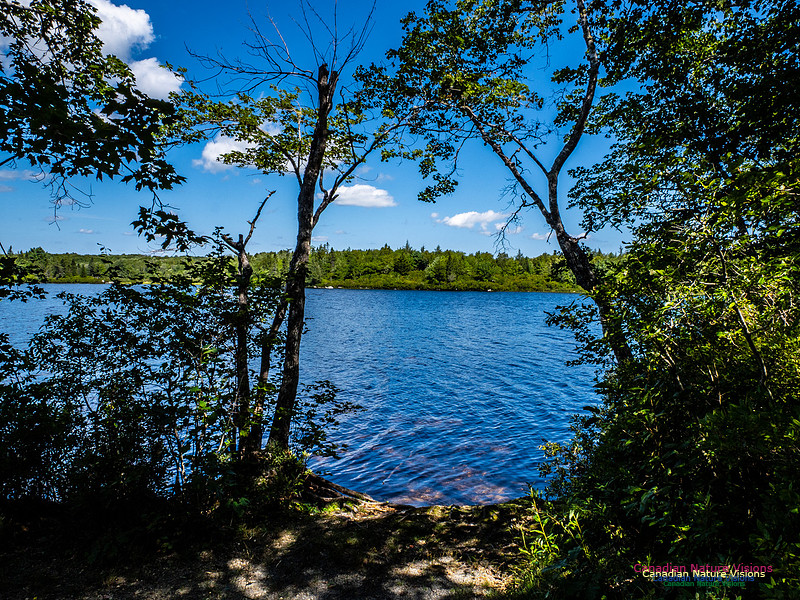 Lewis Lake Walk 108
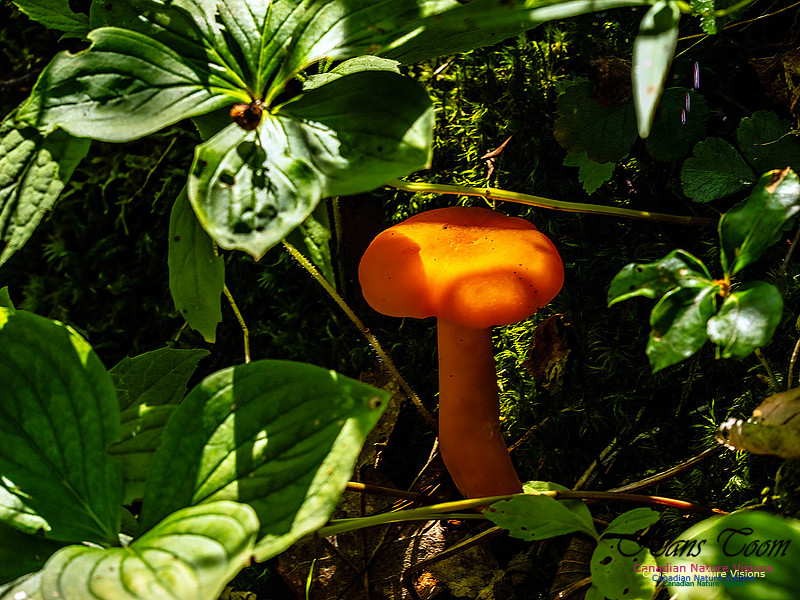 Lewis Lake Walk 109
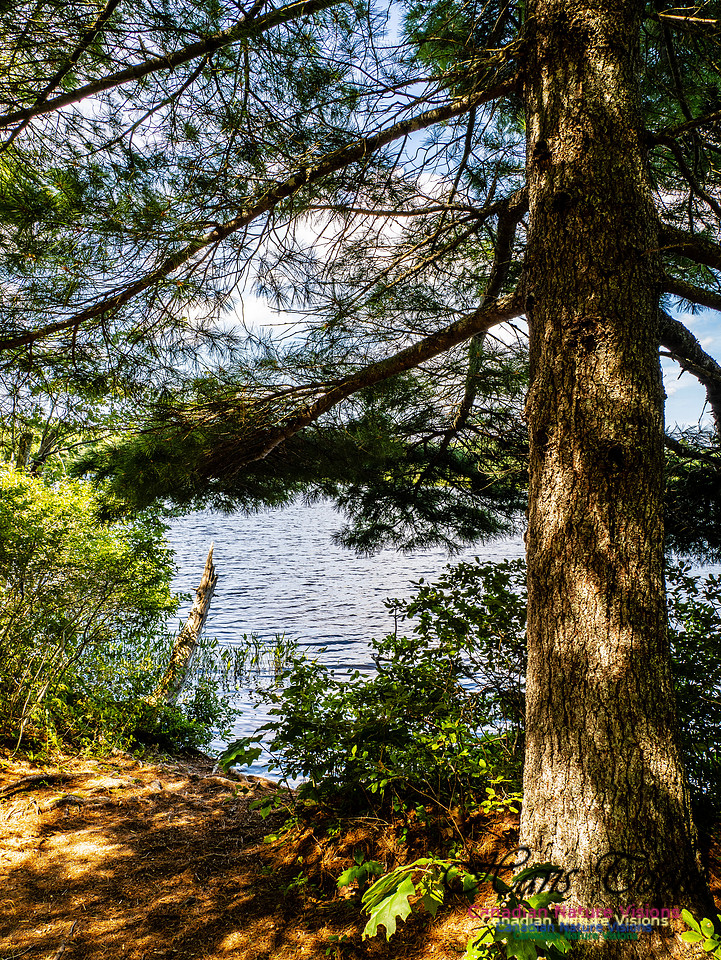 Lewis Lake Walk 110
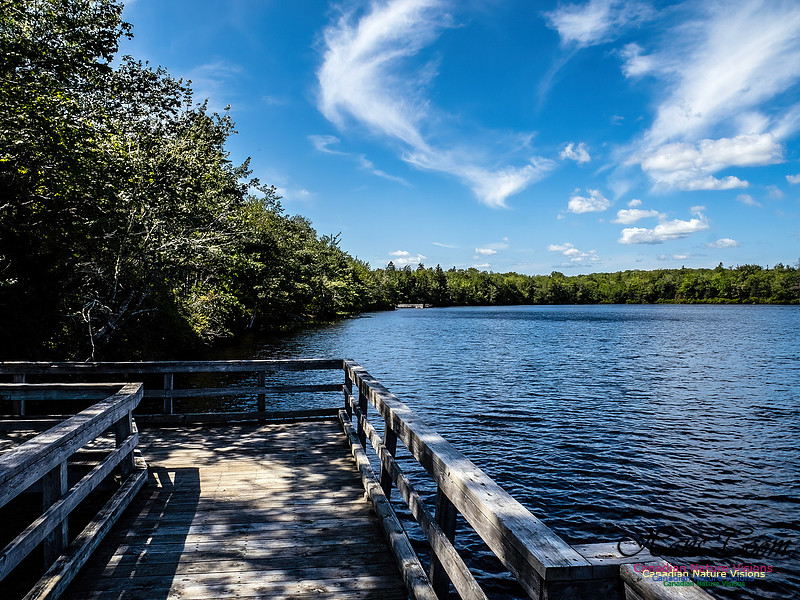 Lewis Lake Walk 111
 Lewis Lake Walk 112
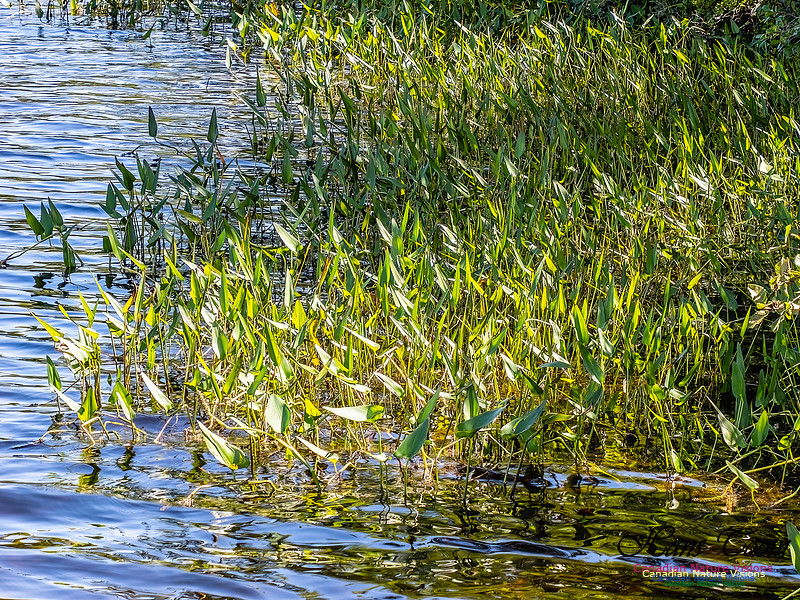
Pickerel Weed
 Lewis Lake Walk 113
 Lewis Lake Walk 114
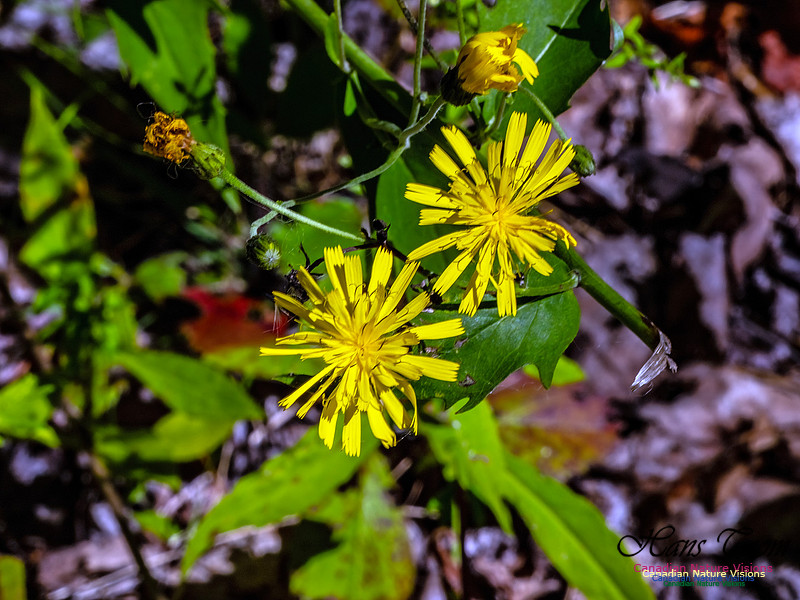
Hawkweed
 Lewis Lake Walk 115
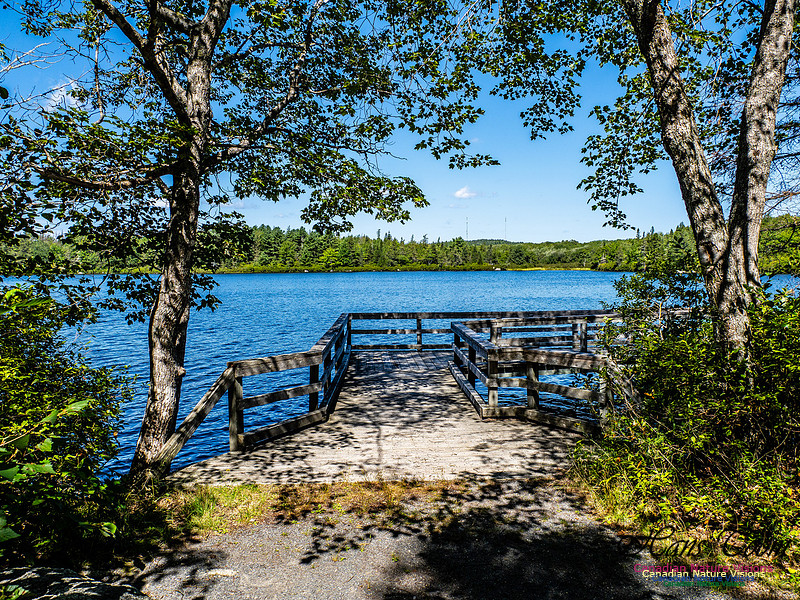 Lewis Lake Walk 116
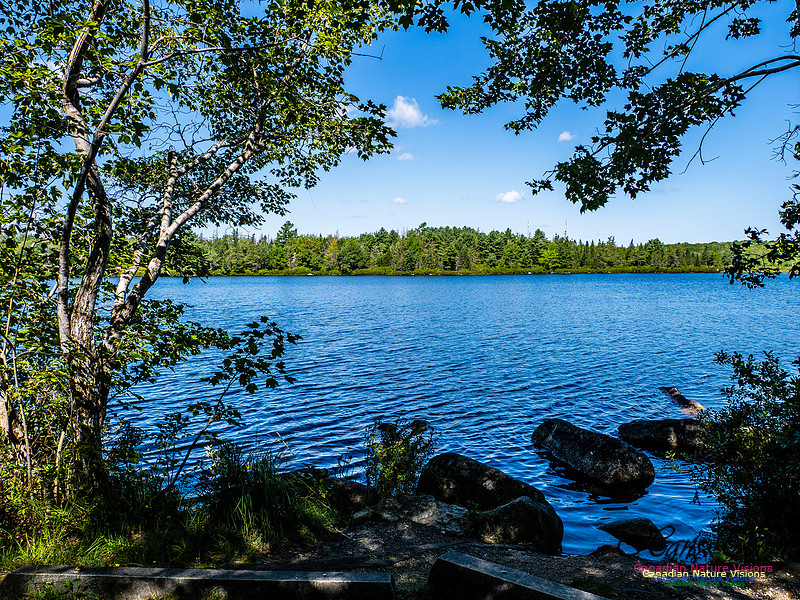 Lewis Lake Walk 117
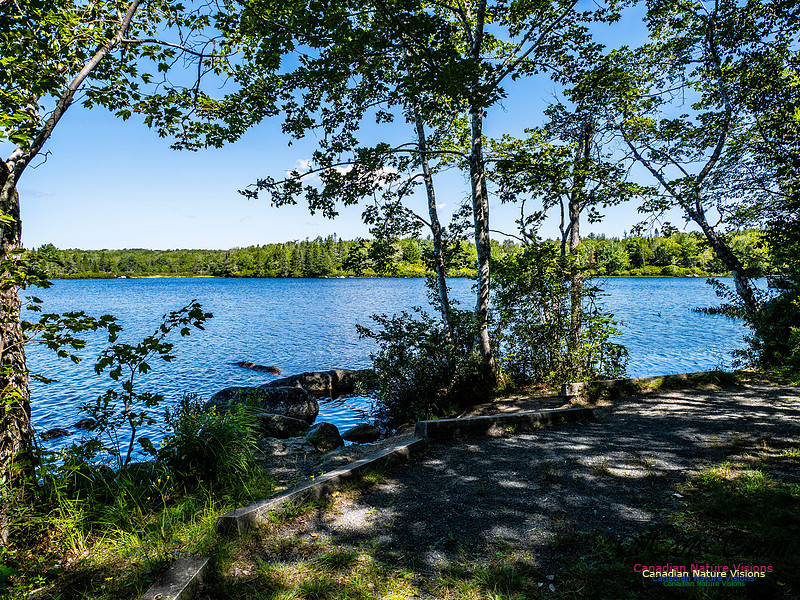 Lewis Lake Walk 118
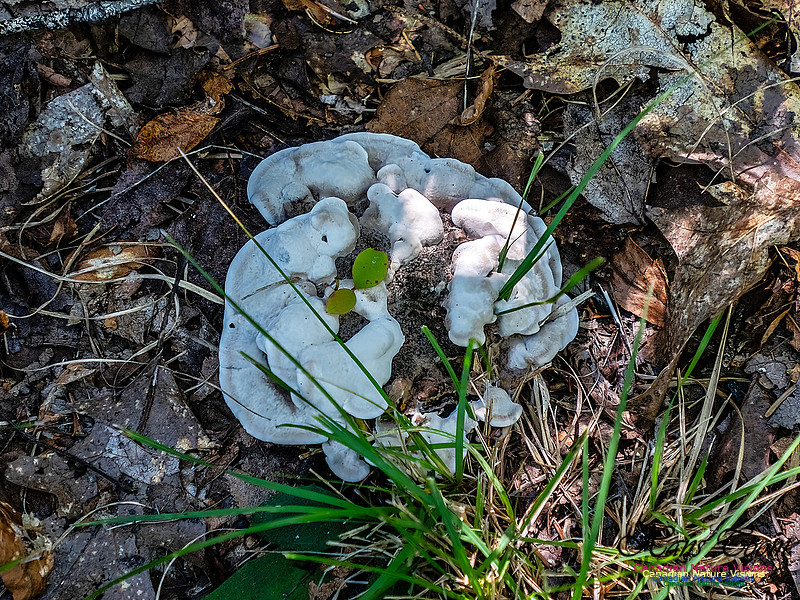 Lewis Lake Walk 119
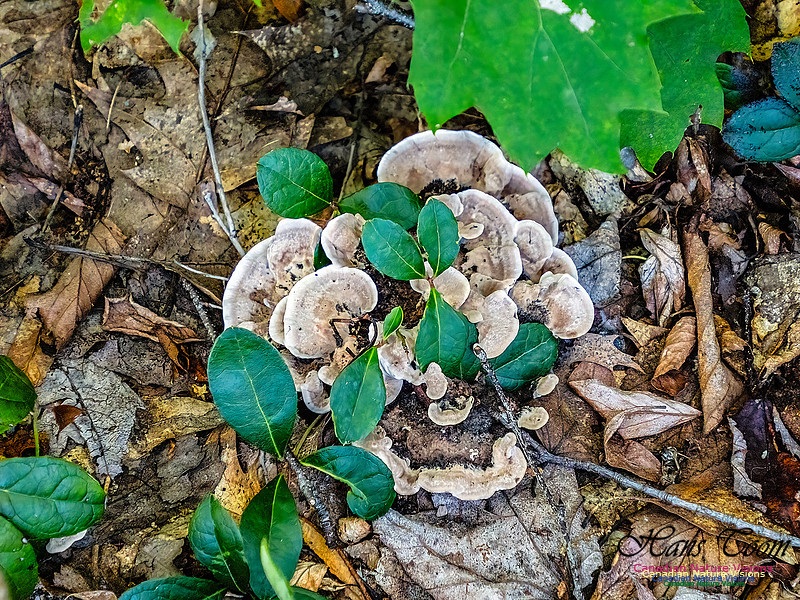 Lewis Lake Walk 120
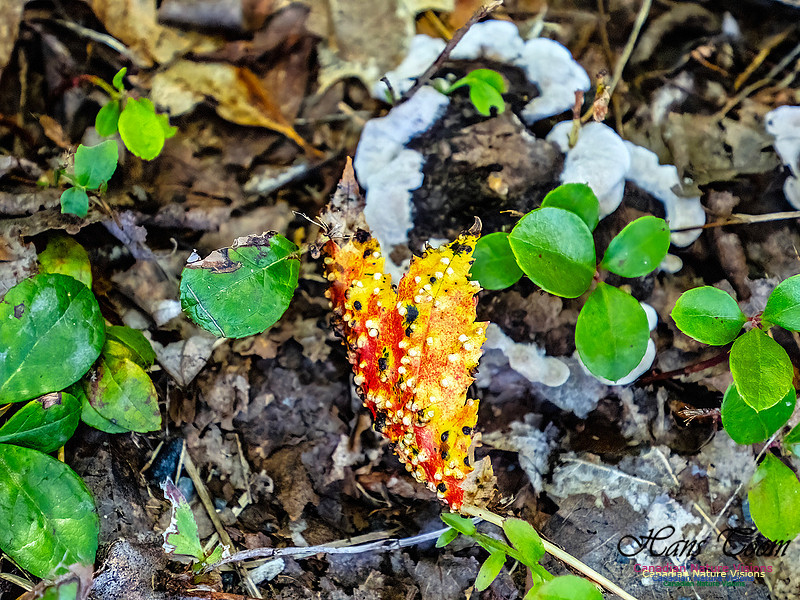 Lewis Lake Walk 121
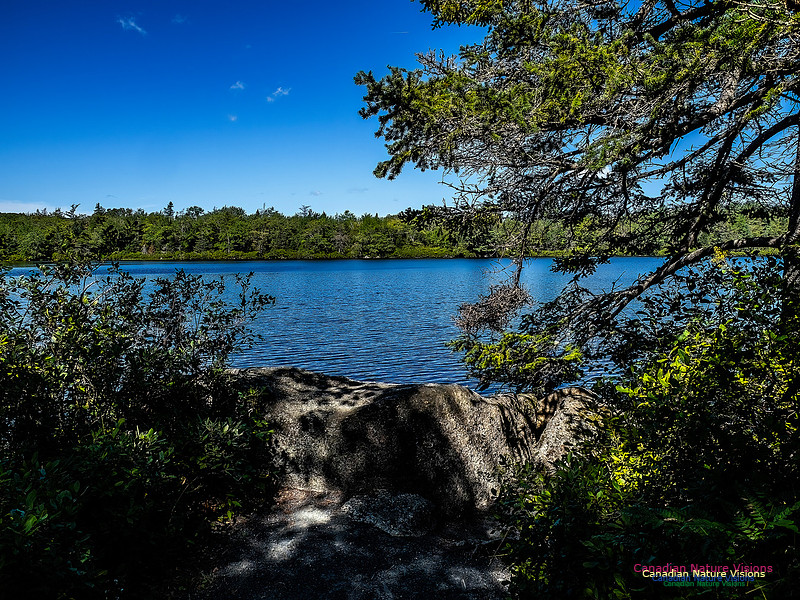 Lewis Lake Walk 122
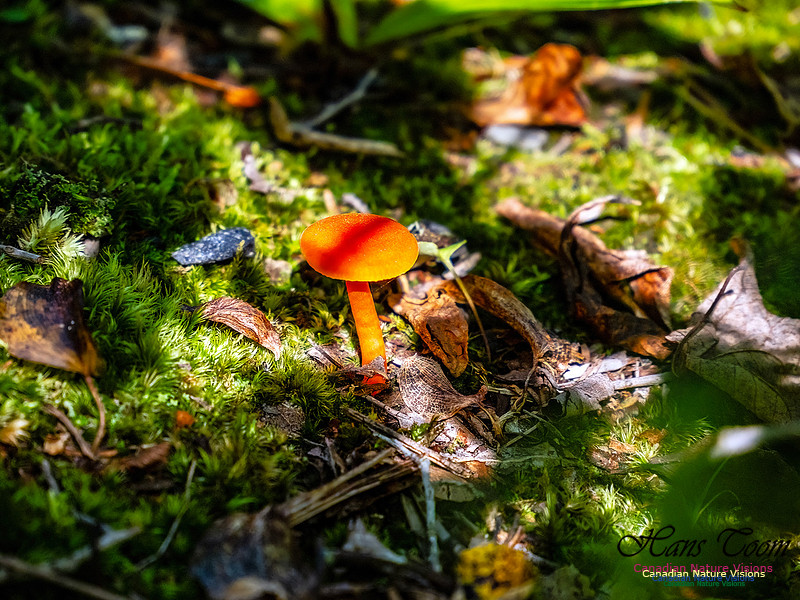 Lewis Lake Walk 123
Yellow Fingers
From Wikipedia, the free encyclopedia
Clavulinopsis fusiformis is a clavarioid fungus in the family Clavariaceae. In the UK, it has been given the recommended English name of golden spindles. In North America it has also been called spindle-shaped yellow coral[1] or golden fairy spindle.[2] It was originally described from England and is part of an unresolved species complex.
Clavulinopsis fusiformis forms cylindrical, bright yellow fruit bodies that grow in dense clusters on the ground in agriculturally unimproved grassland or in woodland litter.
Description
The fruit bodies are cylindrical, bright yellow, growing up to 11 centimetres (4+1⁄4 in) tall in fasciculate (densely crowded) clusters of unbranched 'fingers' under 1 cm thick.[7] Microscopically, the hyphae are hyaline, up to 12 μm in diameter, with clamp connections. The basidiospores are hyaline, smooth, globose to subglobose, 4.5 to 7.5 μm, with a large apiculus.[
 Lewis Lake Walk 124
 Lewis Lake Walk 125
 Lewis Lake Walk 126

