|
Subscribe
RSS
Archive
January
February
March
April
May
June
July
August
September
October
November
December
|
Cape Chignecto Provincial Park Adventure Day 14, July 12
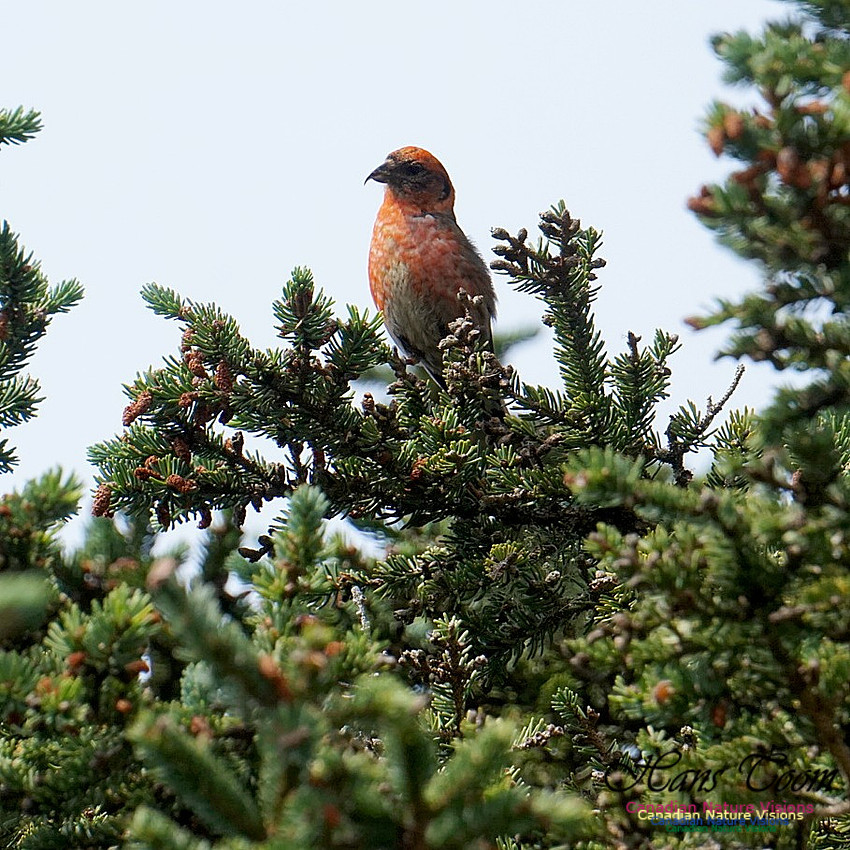
Today was another gorgeous day; no fog, mild temperature and lots of sunshine. We did the Squally Point Trail today a companion to yesterday's Three Sisters Trail. The highlights were finding Lycopods the oldest plant species known and still growing today. Where's a botanist when you need one? Another highlight was us meeting White-winged Crossbills. The crossed bills are an adaption to feeding off cone heads. It's interesting because while I was photographing the scenery I could hear plop...plop...plop as something was falling from above. I thought it was a wind effect but after the third plop I looked up and there they were, working the pine cones and dropping bits as they worked. Anderson's Cove
Eastern Bluebird There is no sign of youngsters emerging yet.
Lycopods _______________________________________________________________________________________________________ LycopodiopsidaFrom Wikipedia, the free encyclopedia
Jump to navigation Jump to search
This article is about a group of plants that excludes the extinct zosterophylls. For the more broadly defined group that includes the zosterophylls, see Lycophyte.
"Lycopod" redirects here. For other uses, see Lycopod (disambiguation).
Lycopodiopsida is a class of herbaceous vascular plants known as lycopods, lycophytes or other terms including the component lyco-. Members of the class are called clubmosses, firmosses and quillworts. They have dichotomously branching stems bearing simple leaves called microphylls and reproduce by means of spores borne in sporangia on the sides of the stems at the bases of the leaves. Although living species are small, during the Carboniferous, extinct tree-like forms formed huge forests that dominated the landscape and contributed to coal deposits. The nomenclature and classification of plants with microphylls varies substantially among authors. A consensus classification for extant (living) species was produced in 2016 by the Pteridophyte Phylogeny Group (PPG I), which places them all in the class Lycopodiopsida, which includes the classes Isoetopsida and Selaginellopsida used in other systems. (See Table 2.) Alternative classification systems have used ranks from division (phylum) to subclass. In the PPG I system, the class is divided into three orders, Lycopodiales, Isoetales and Selaginellales. ContentsCharacteristicsClub-mosses (Lycopodiales) are homosporous, but the genera Selaginella and Isoetes are heterosporous, with female spores larger than the male, and gametophytes forming entirely within the spore walls. A few species of Selaginella such as S. apoda and S. rupestris are also viviparous; the gametophyte develops on the mother plant, and only when the sporophyte's primary shoot and root is developed enough for independence is the new plant dropped to the ground.[1] Club-moss gametophytes are mycoheterotrophic and long-lived, residing underground for several years before emerging from the ground and progressing to the sporophyte stage.[2] ________________________________________________________________________________________________________________________________________________________ Lycopods
Mushrooms I don't even try to ID these guys.
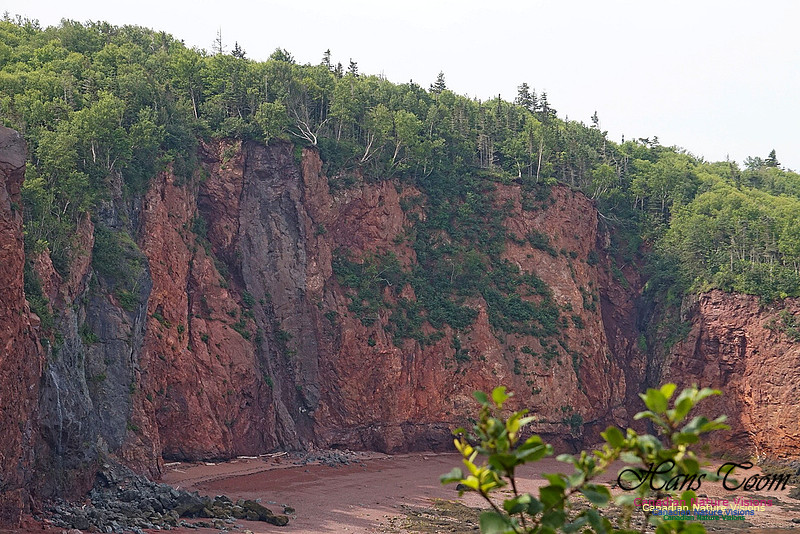
Ancient Beach Raised up by pressure probably caused by an ice age.
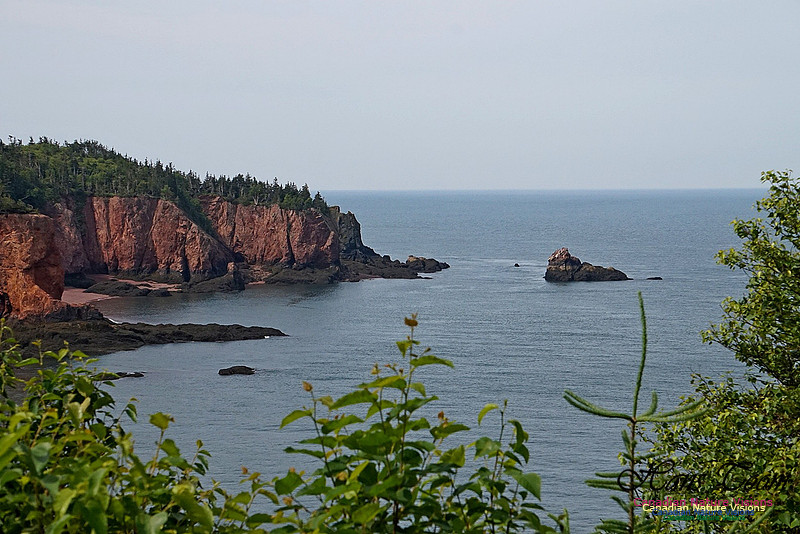
Pillars-caused by erosion of softer rock around a usually volcanic and harder centre.
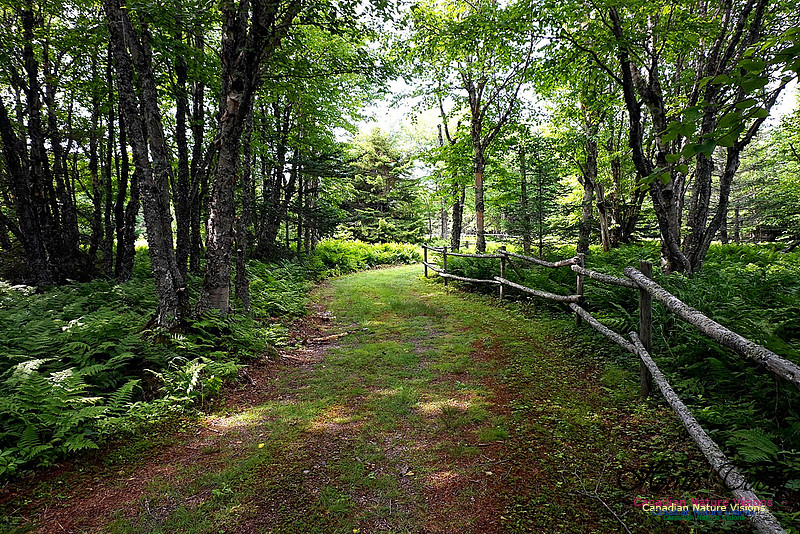
Squally Point Trail
Pillars
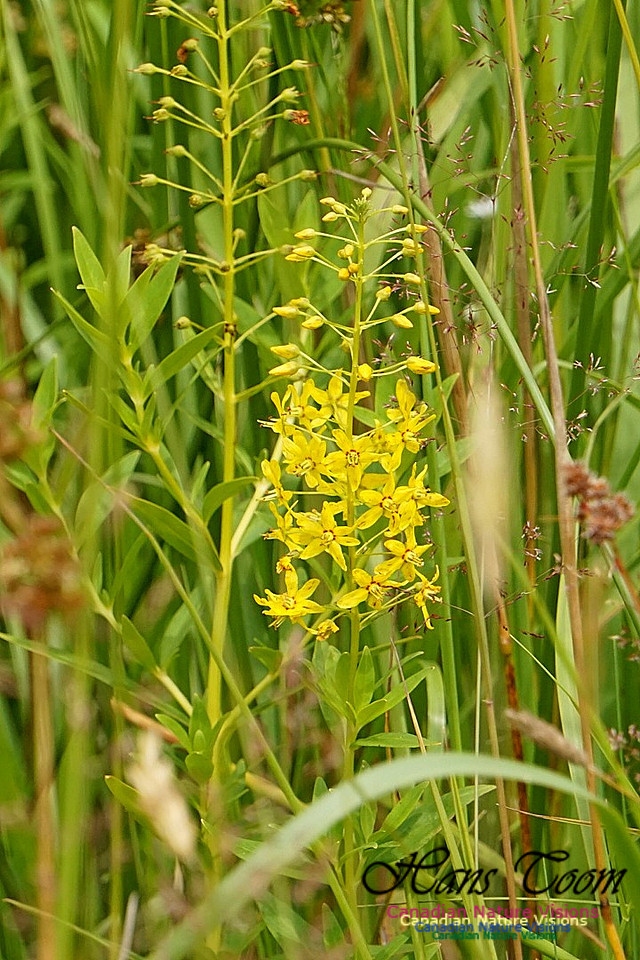
Swamp Candles
White-winged Crossbill
End of Another Fine Day
Keywords:
Birds of Nova Scotia,
Canada,
Lycopods,
Nova Scotia,
Pillars,
Squally Point Trail,
White-winged Crossbills
|
||||||||||||||||||||||||