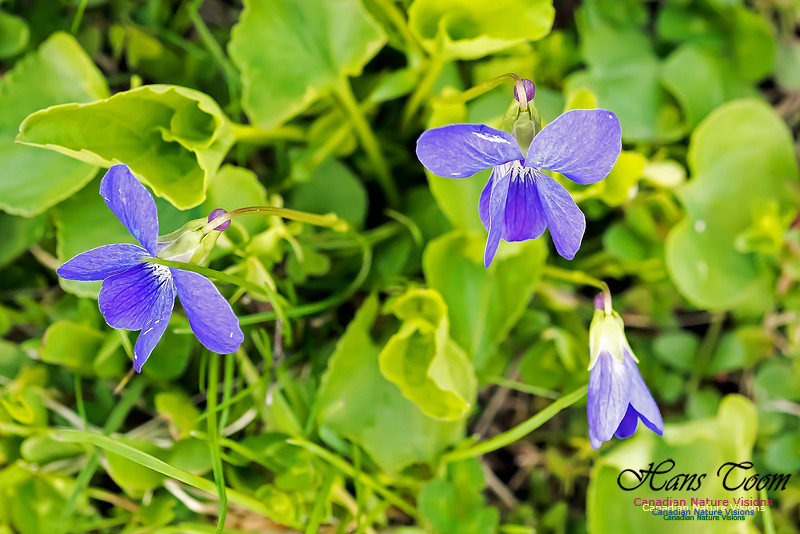
Compendium of Spring Wildflowers of Nova ScotiaThis is a compendium of spring wildflowers of Nova Scotia, and includes native species, introduced species and flowering shrubs and trees. Orchids are presented in a separate compendium due to my particular fondness for this family of wildflowers. The time span of this compendium goes from mid April for the Coltsfoot to June 21. Blue Violet It was photographed on my front yard lawn. Due to the absence of herbicides many grass lawns are becoming wildflower nurseries.
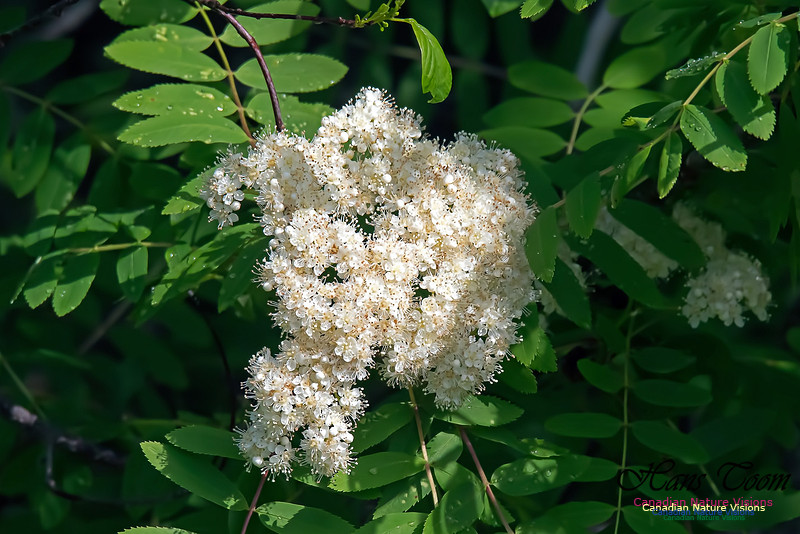
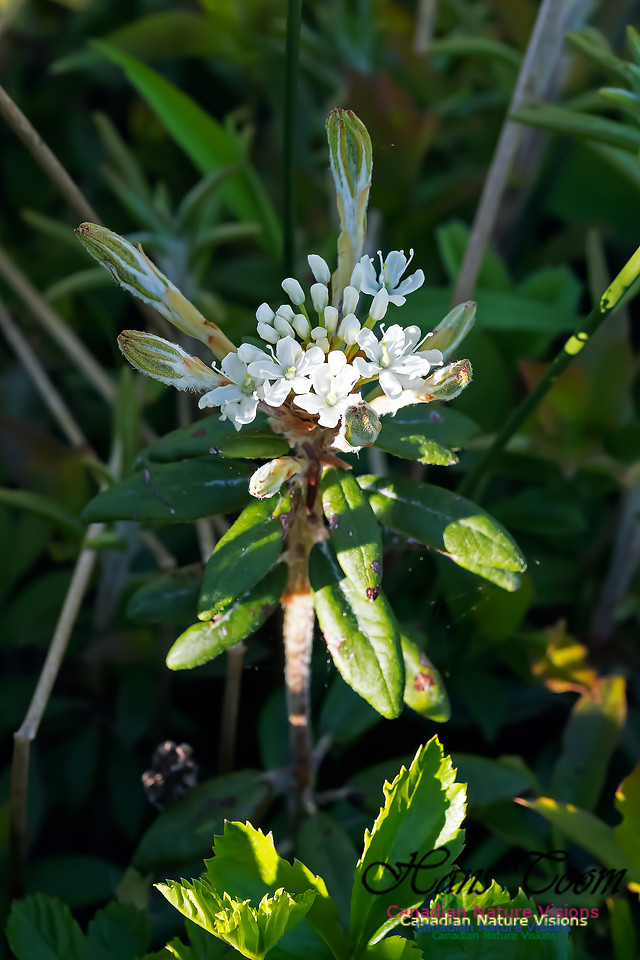
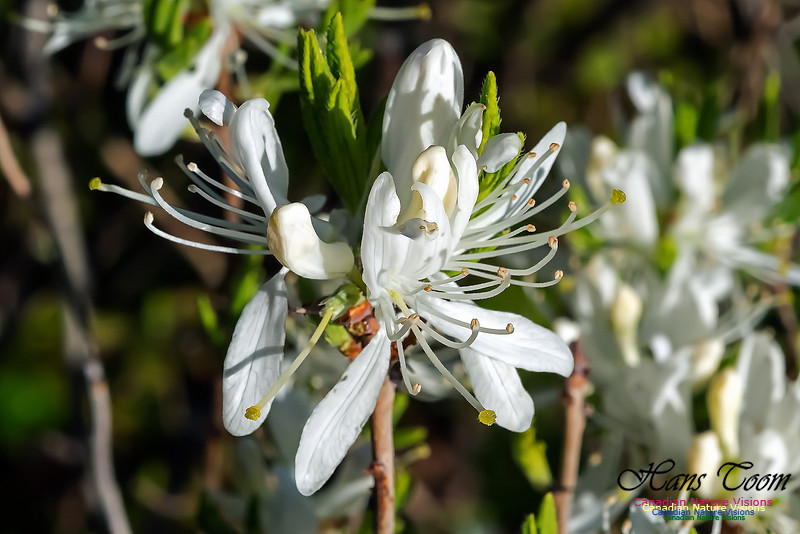
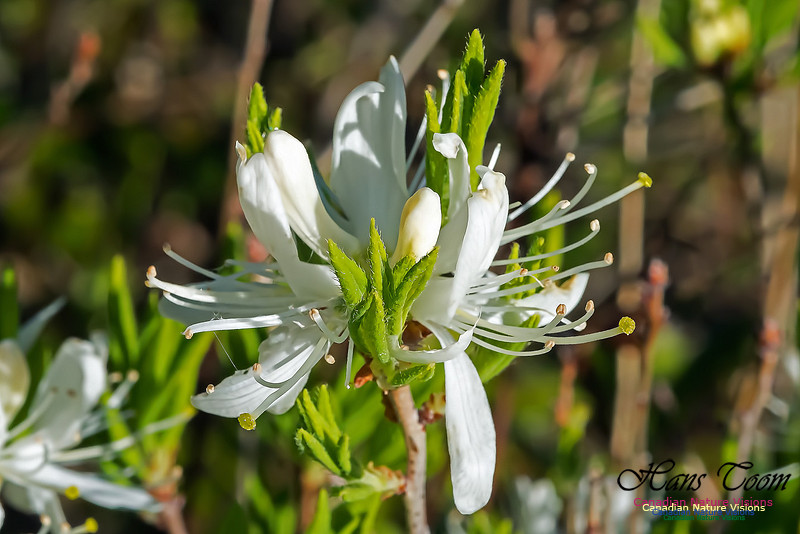
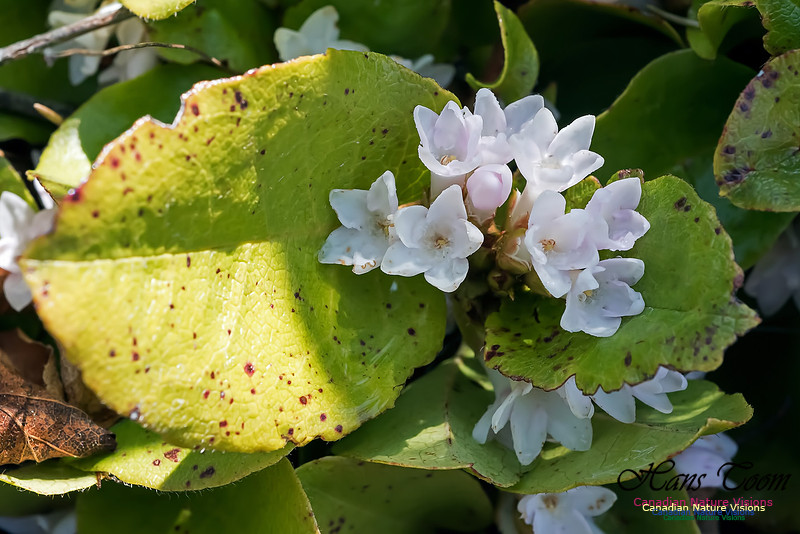
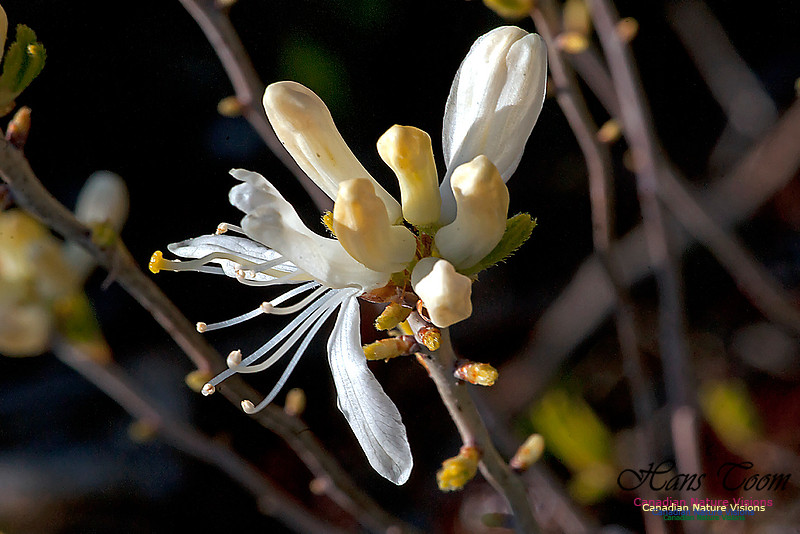
This flowering shrub is wide spread with a long blooming period.
Blue-eyed Grass It was photographed on my front lawn.
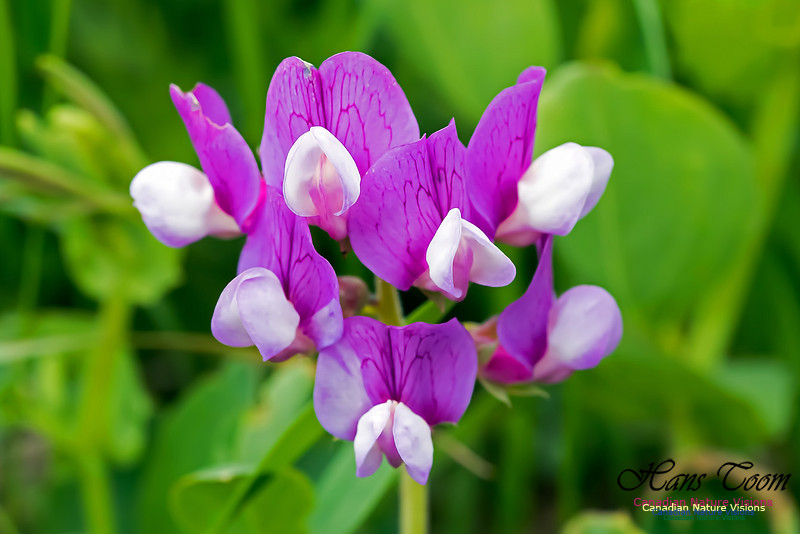
Seapea This example was photographed at Spicer's Cove
Luppin It is wide spread and found alongside roadsides everywhere. The legume seeds of lupins are edible.
Pitcher Plant It is a carnivorous plant and found everywhere in bogs.
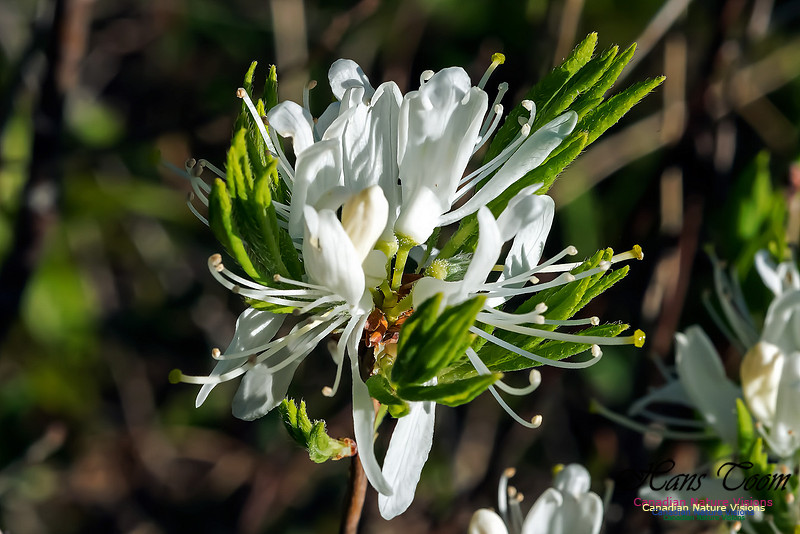
Rhodora It is widespread and with a long blooming period.
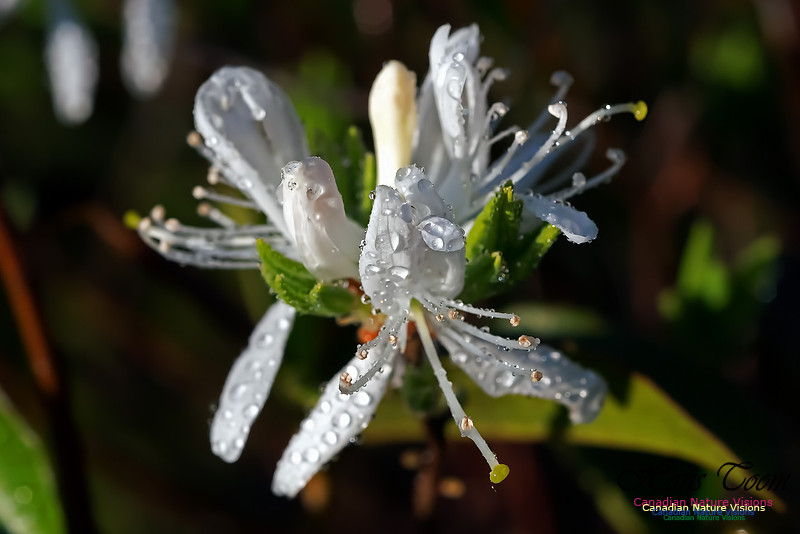
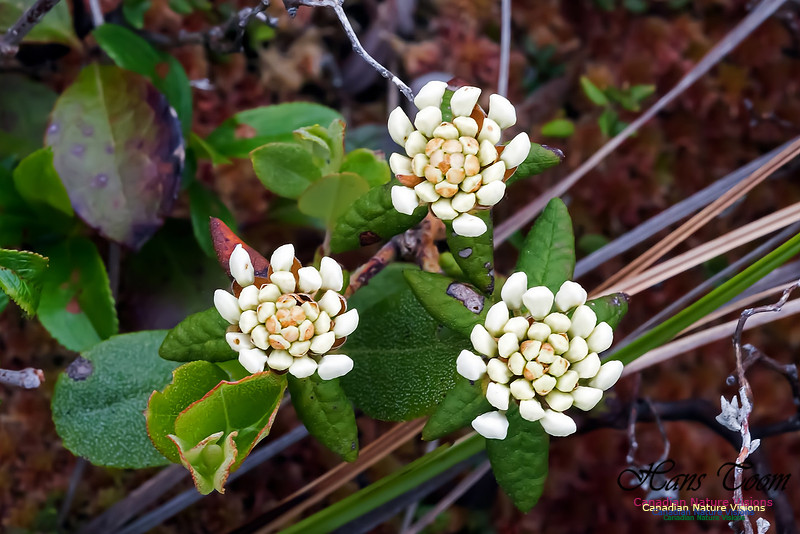
Twin Flower We found this example alongside Sandy Cove Road. This is a very difficult flower to photograph well.
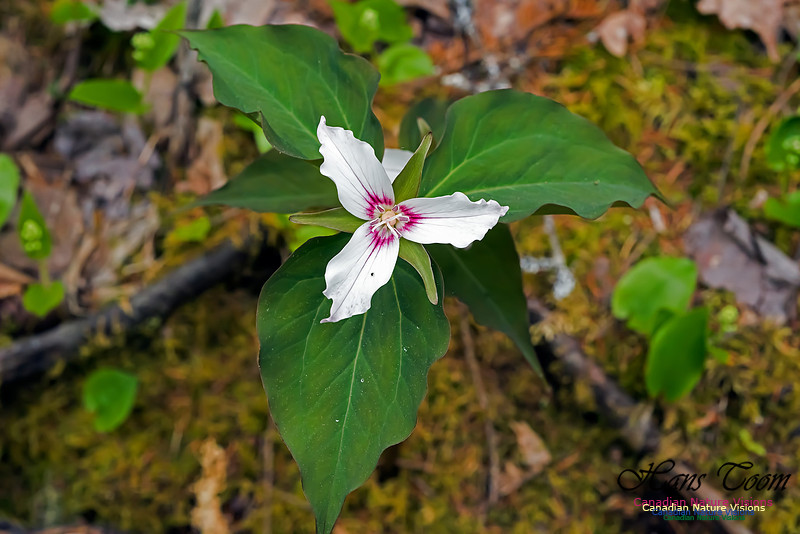
Painted Trillium We found this group alongside the Old Post Road, Mount Uniacke Estate.
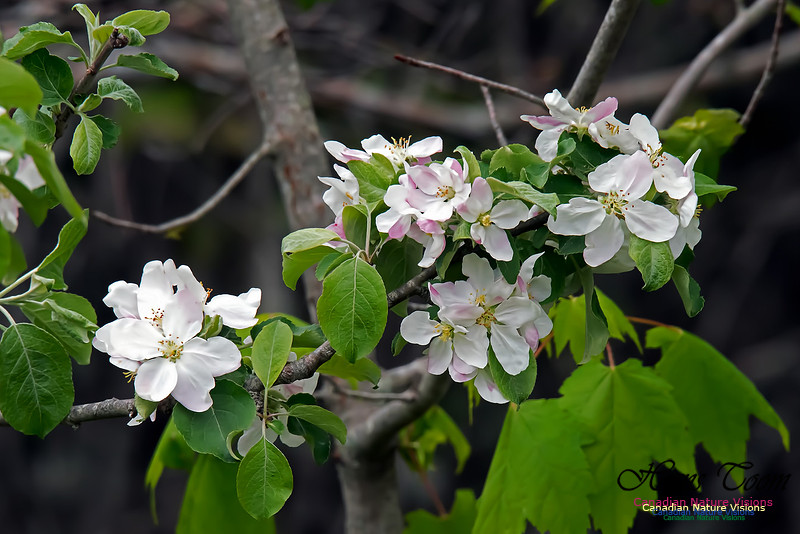
Apple Tree Blossom It is wide spread with a glorious blossom.
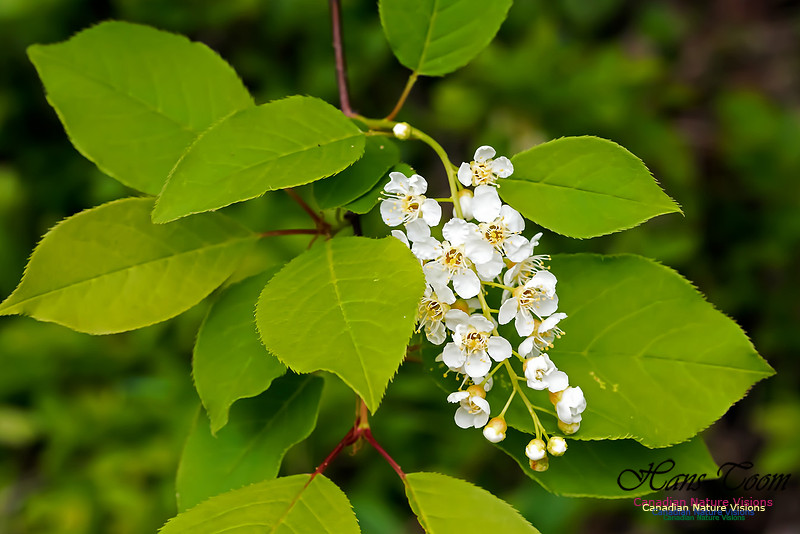
Pin Cherry It is wide spread alongside roads. The berries are edible in jams and jellies.
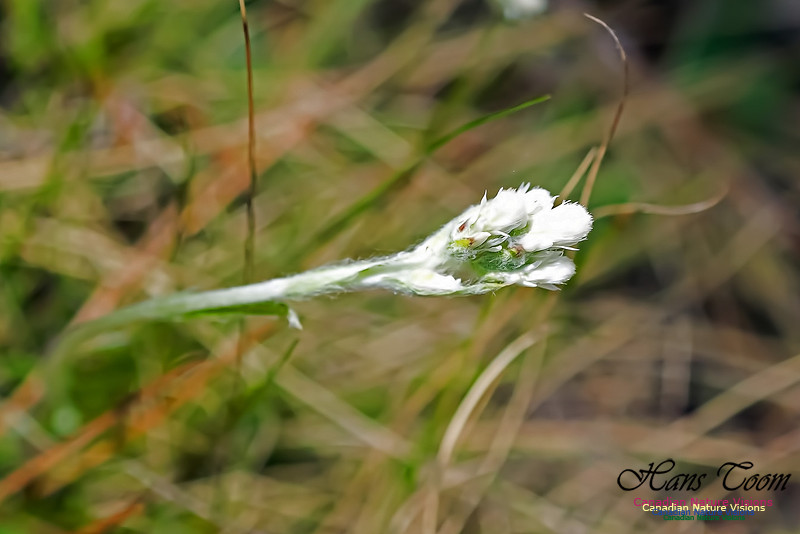
Pussytoes Yes it does look like a pussy's foot.
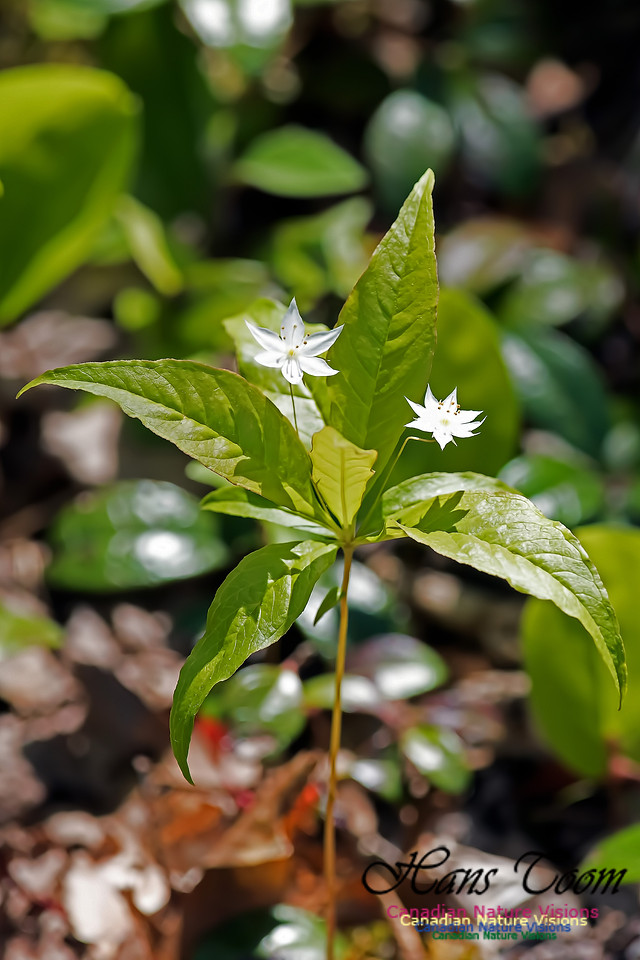
Starflower It is wide spread with a long flowering period.
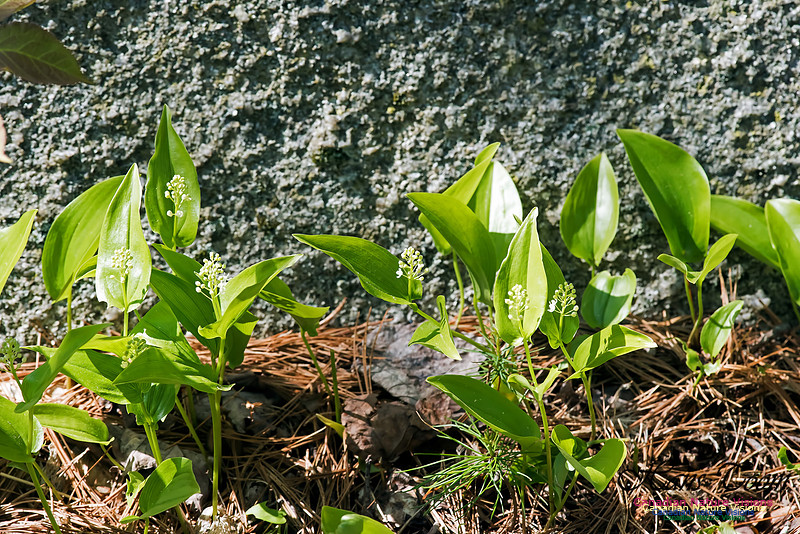
False Lily of the Valley We find it on the forest floor everywhere where there is dappled light.
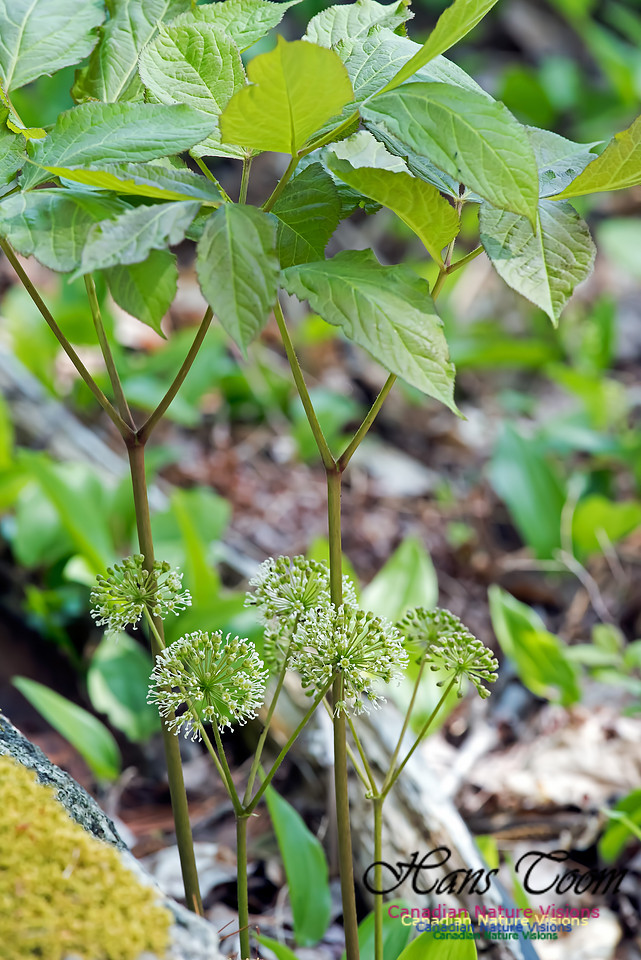
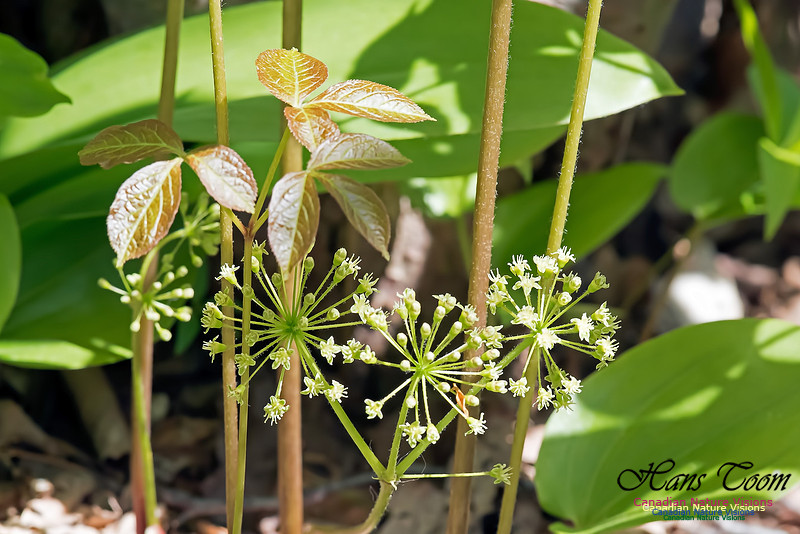
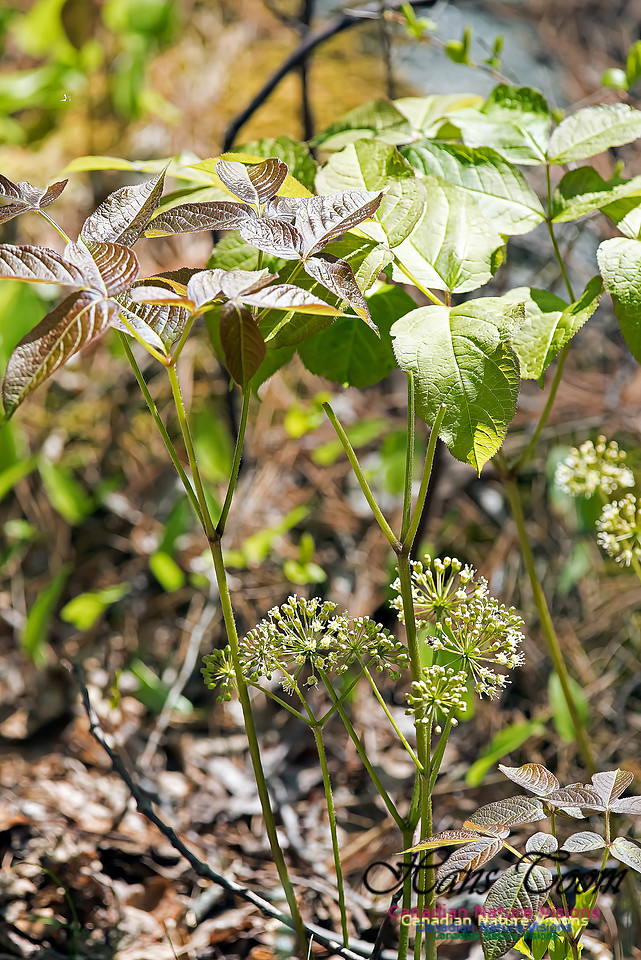
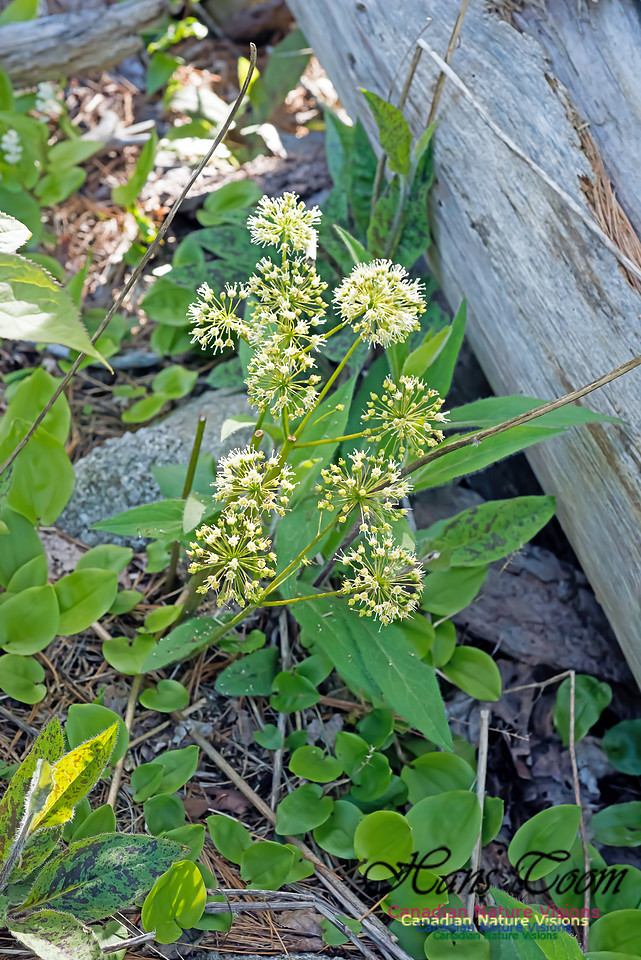
Sarasaparilla We find it on the forest floor everywhere where there is dappled light, often in company with False Lily of the Valley.
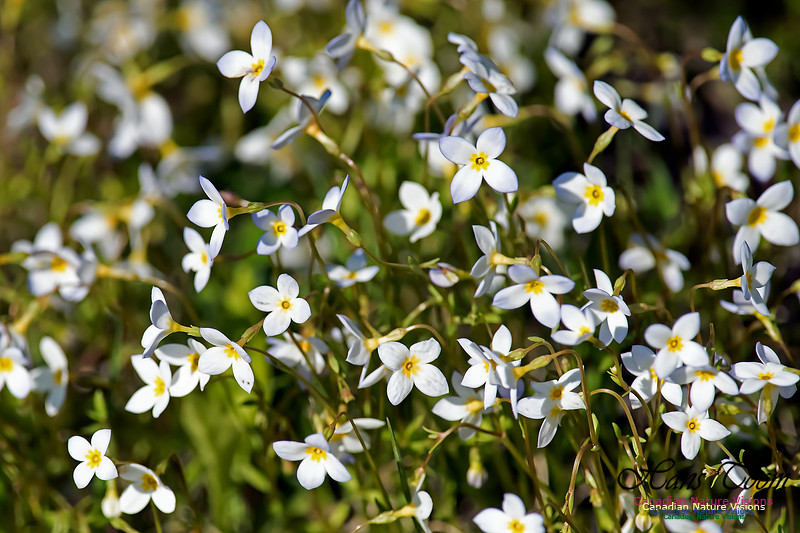
Bluet We found this group of Bluet at the entrance to Card Lake Provincial Park.
Sarsaparilla
False Lily of the Valley
Bunchberry It is wide spread with a lengthy blooming period. It is spectacular when growing in large groups.
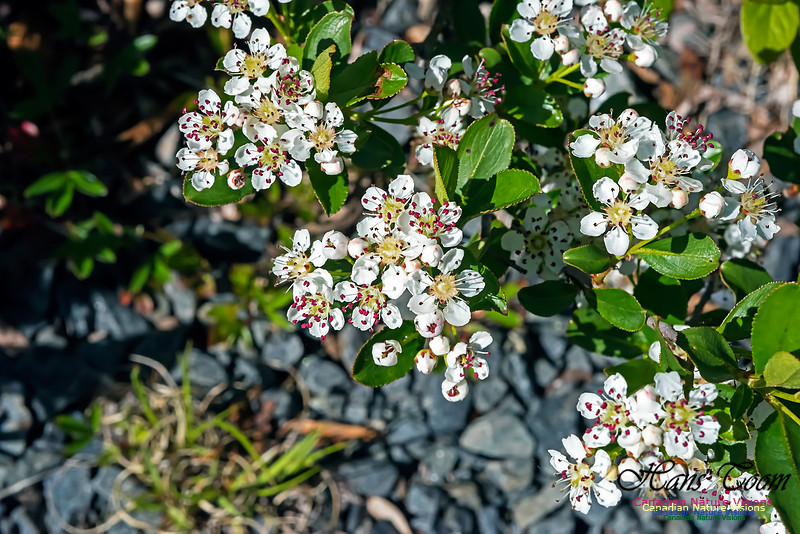
Red Chokeberry It is wide spread along almost every roadside.
Apple Tree Blossom
Bunchberry
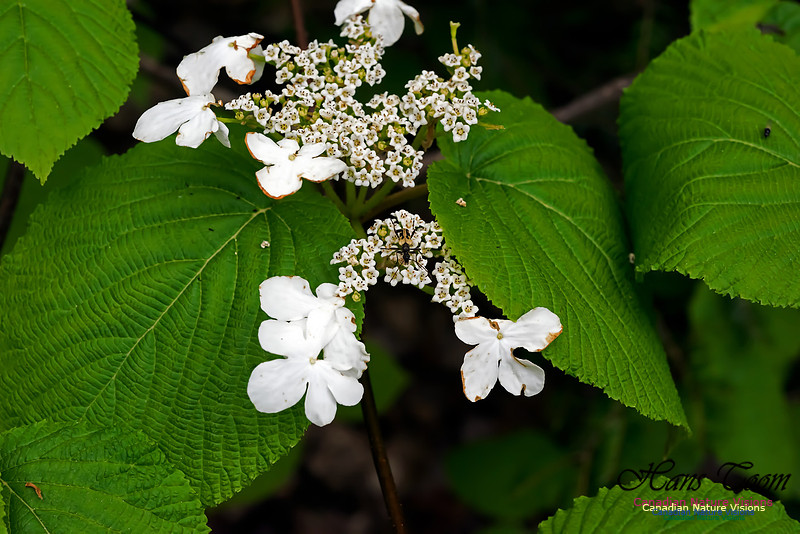
High Bush Cranberry
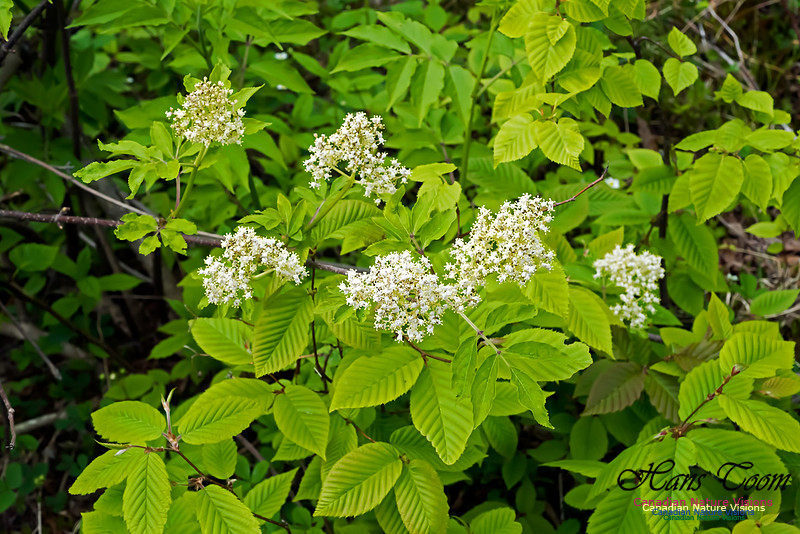
Elderberry
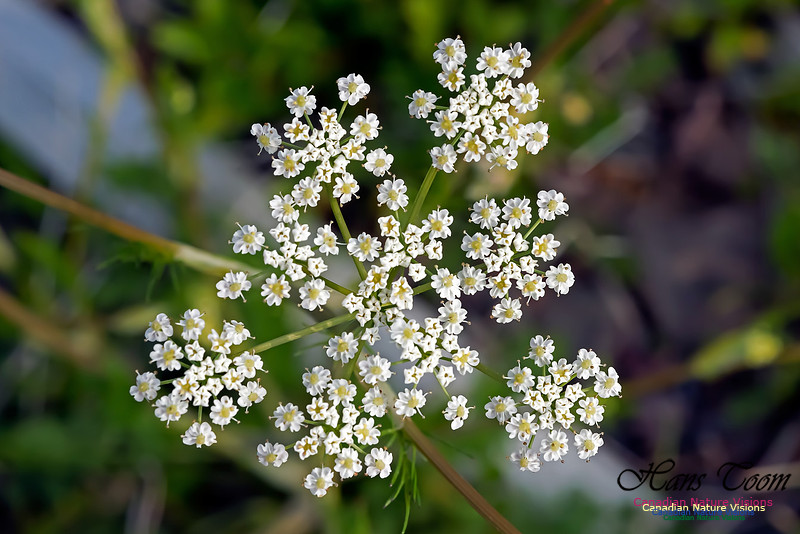
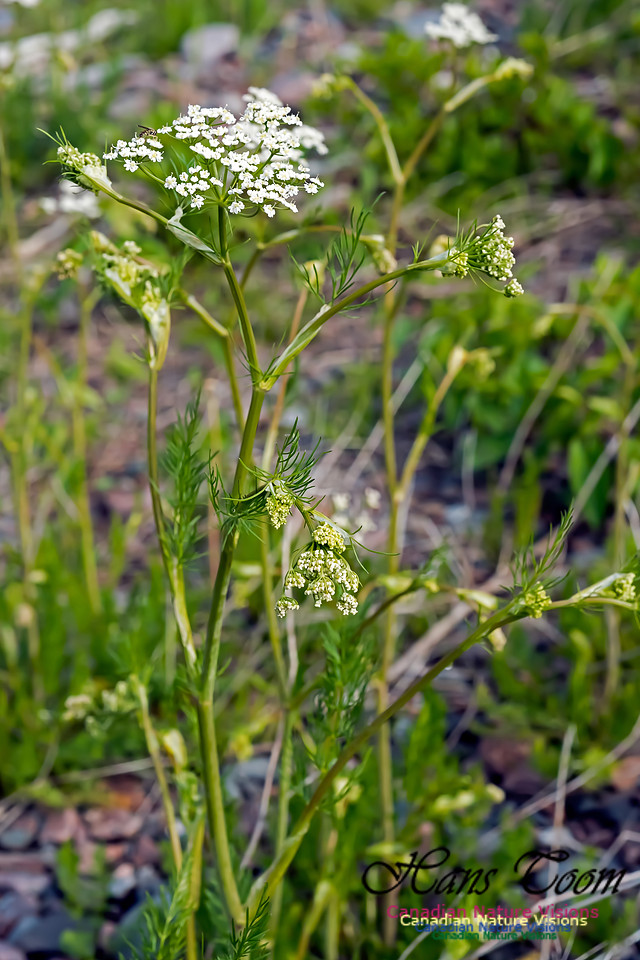
Mock Bishop's Weed
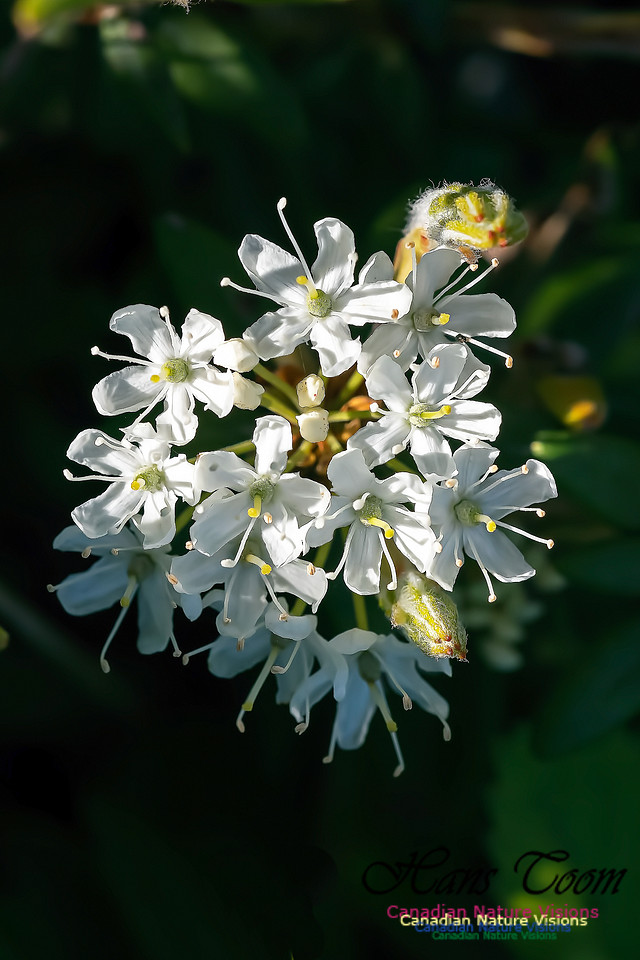
Witherod
Black Cherry
Red Chokeberry
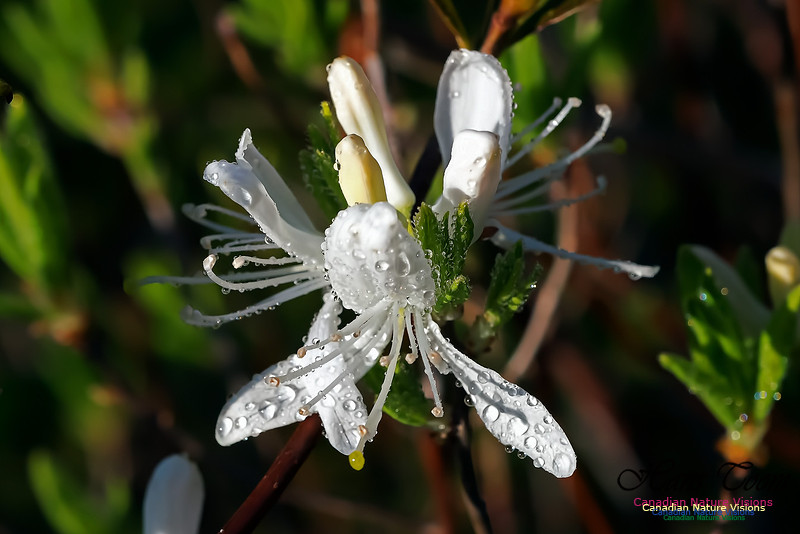
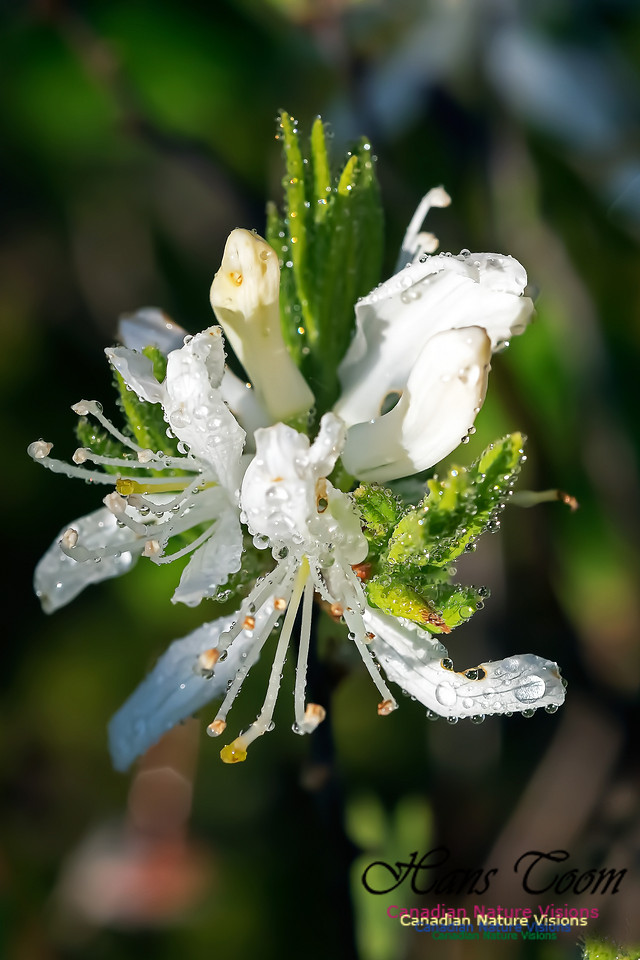
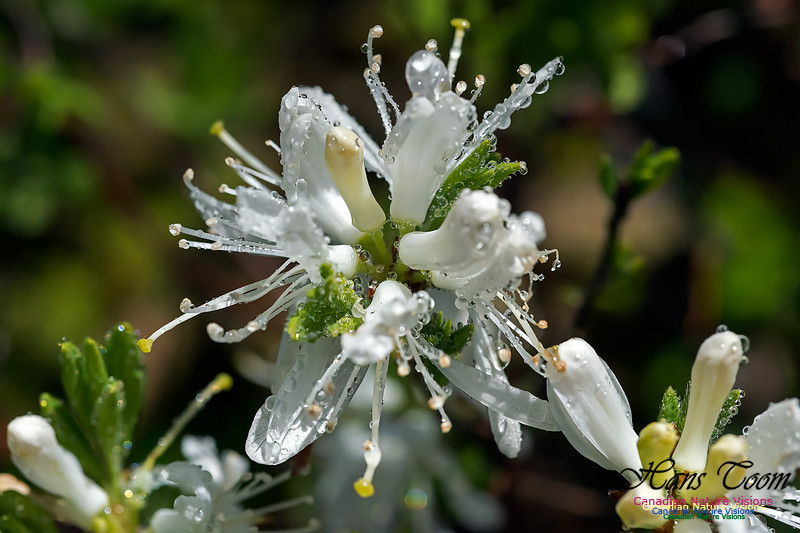
White Rhodora
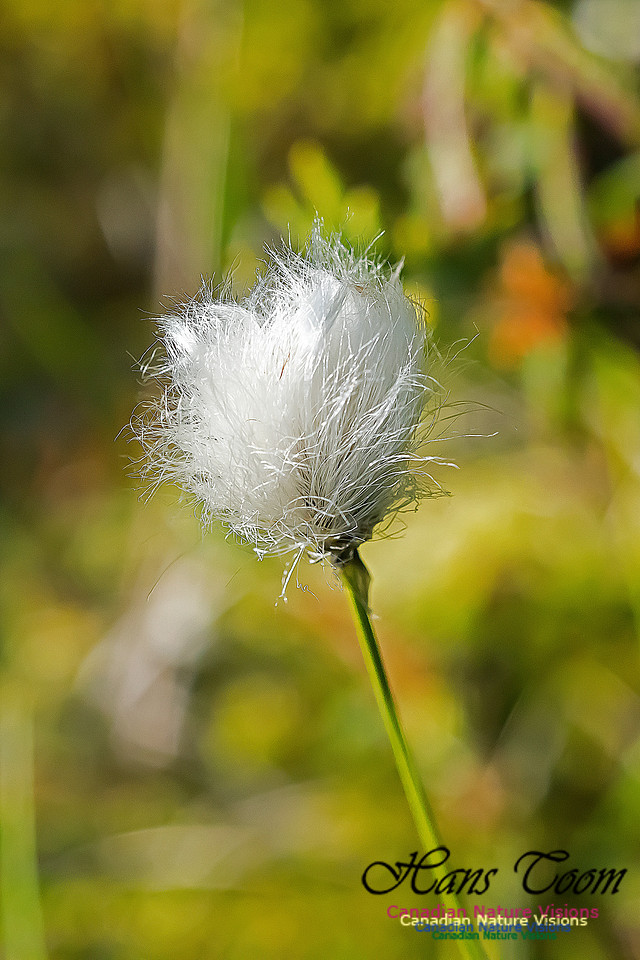
Cotton Grass
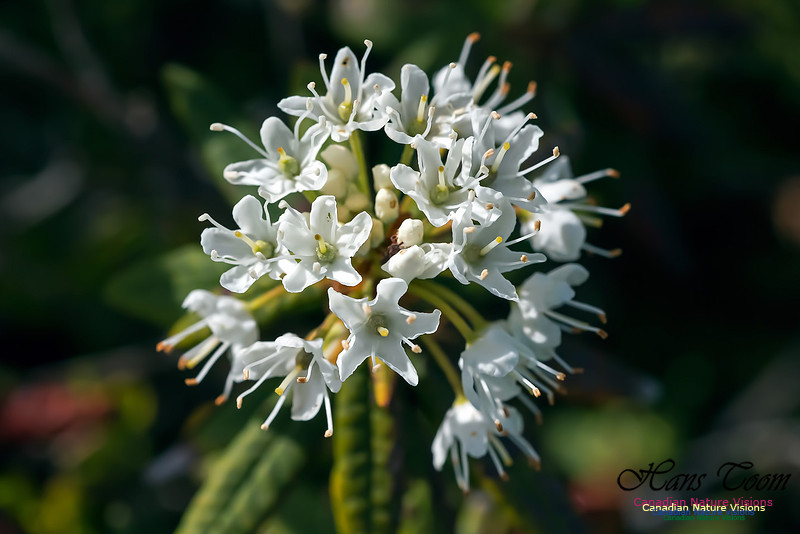
Labrador Tea
Cotton Grass Head
White Rhodora
Labrador Tea
Red Chokeberry
Labrador Tea
Coltsfoot It was a month late this year due to the awful winter we had.
Bullhead Lily or Yellow Water Lily
Marsh Marigold
Blue Bead Lily This is another wide spread denizen of the forest floor, thriving in dappled shade.
Buttercup
Golden Heather This year it flowered for one week! Timing is essential with this guy.
Mayflower Due to our awful winter the Mayflower which usually blooms in mid April was almost a month late this year.
Strawberry It is widespread along the gravel shoulders of roads. The berries are small but Laura loves them.
Leatherleaf I photographed this short bloomed flower along Sandy Cove Road.
Strawberry
Leatherleaf
Small White Violet It was in our front lawn, aka wildflower garden.
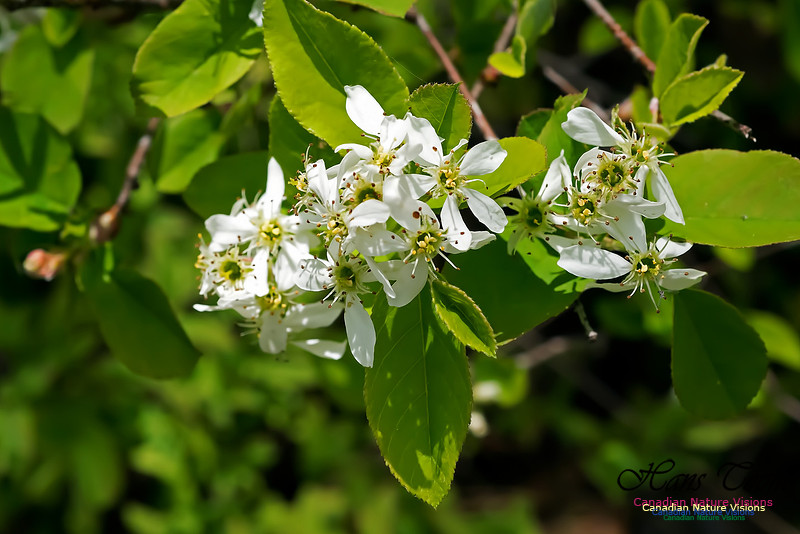
Indian Pear It is wide spread everywhere in May. It is also known as service berry and quite edible.
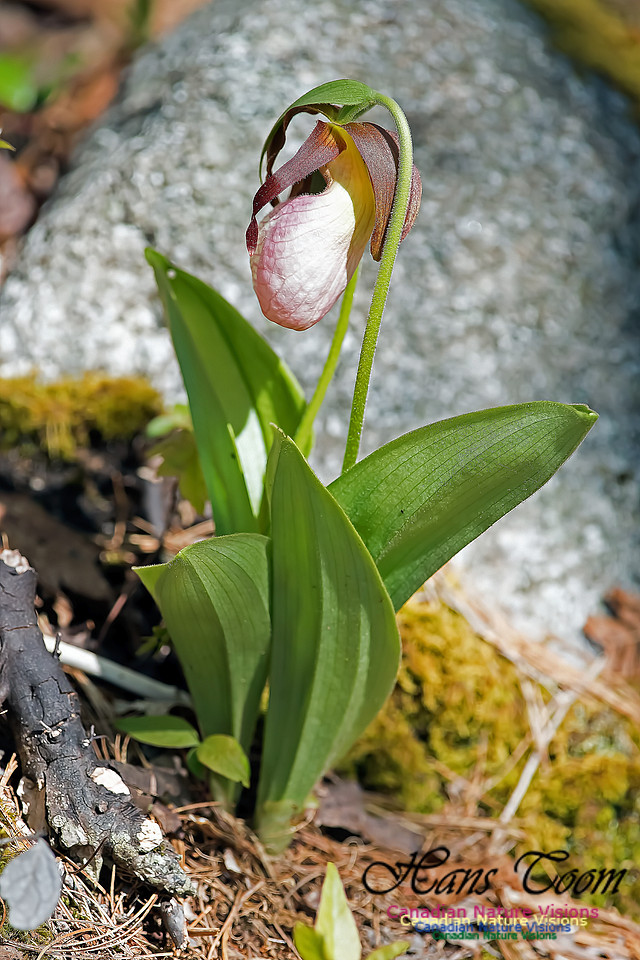
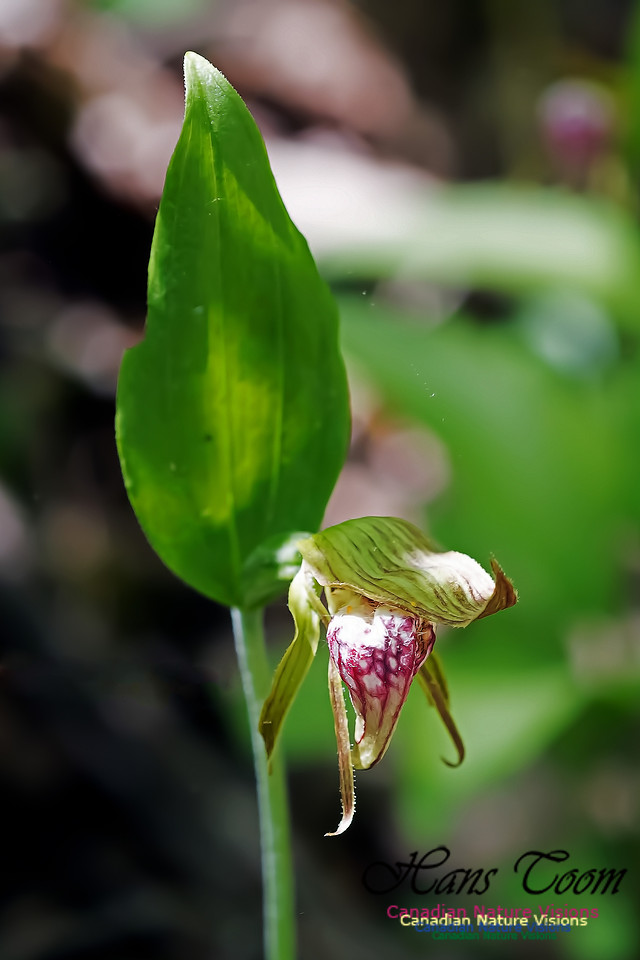
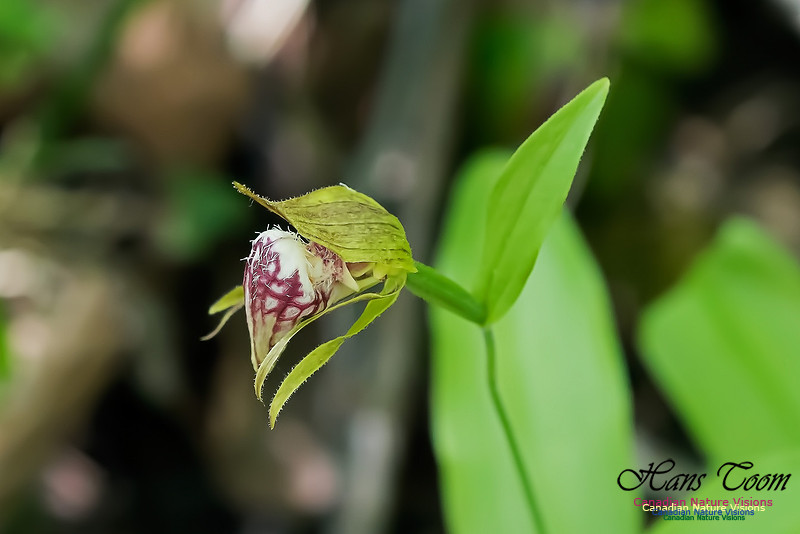
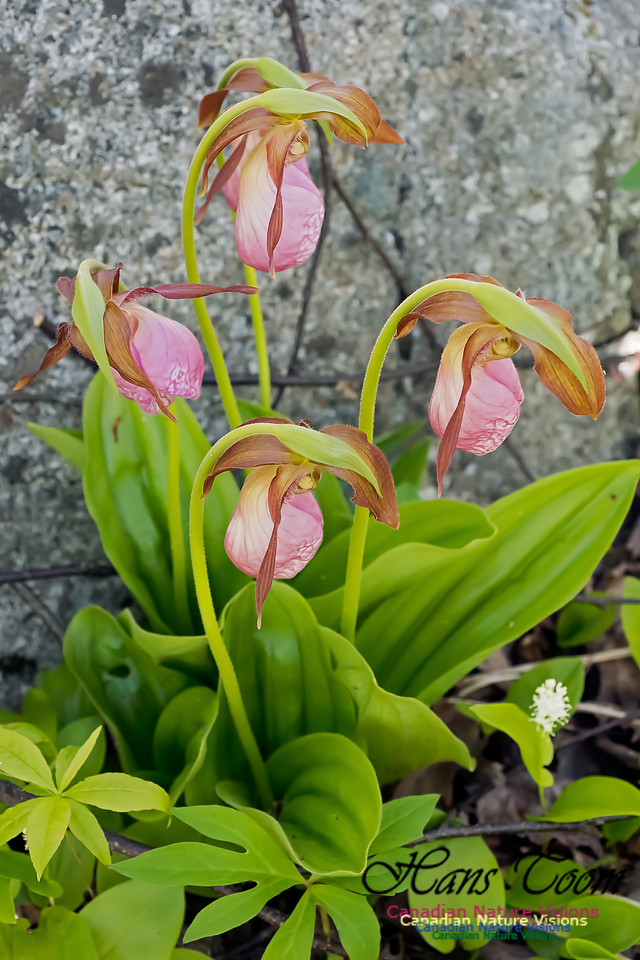
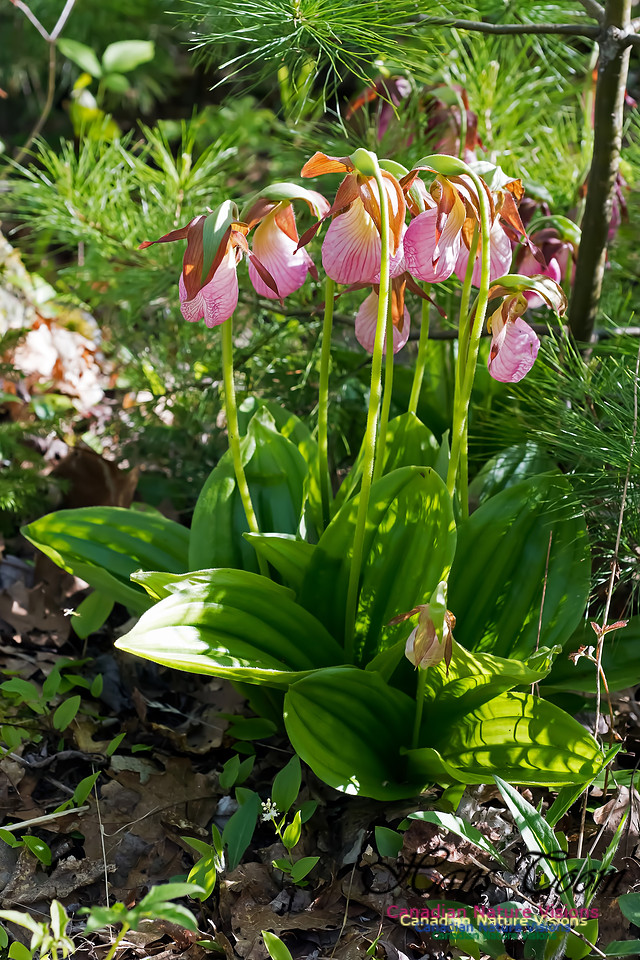
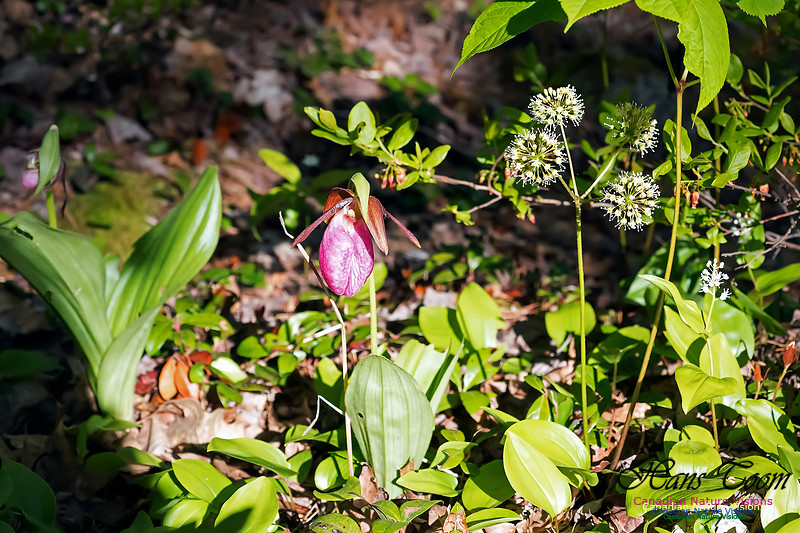
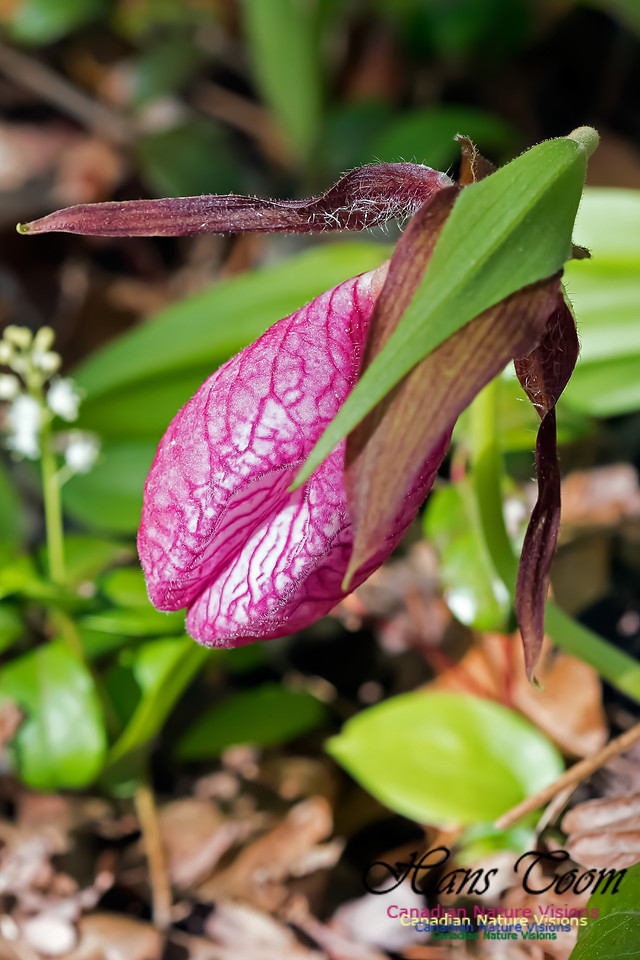
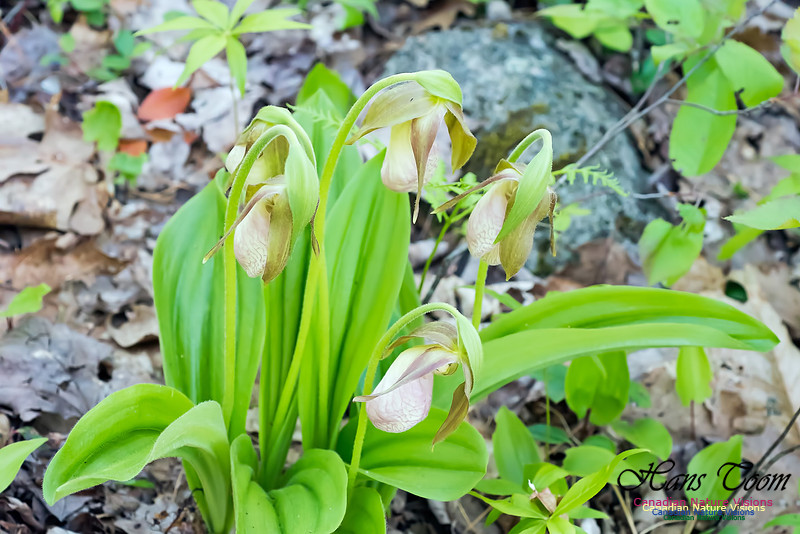
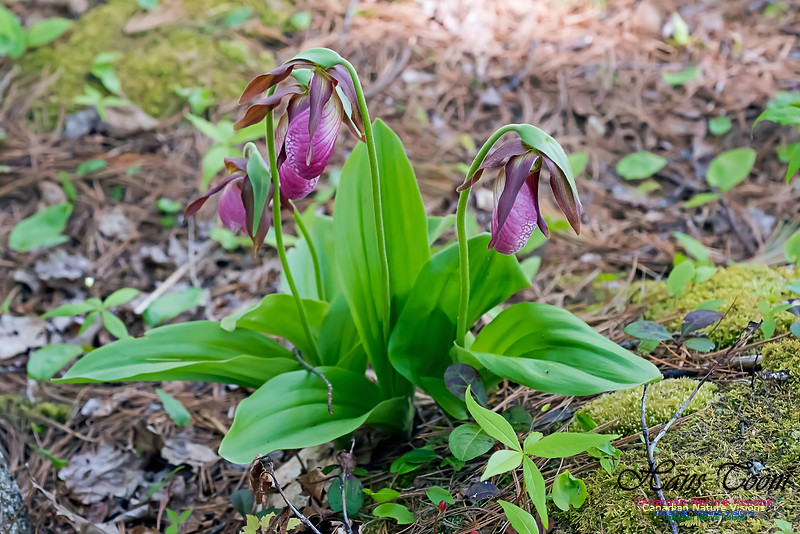
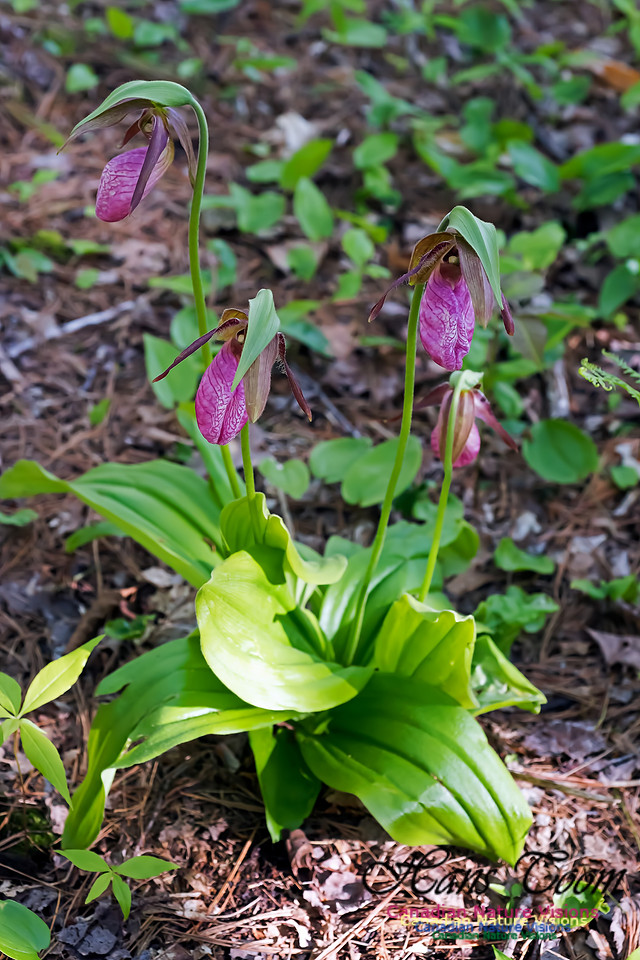
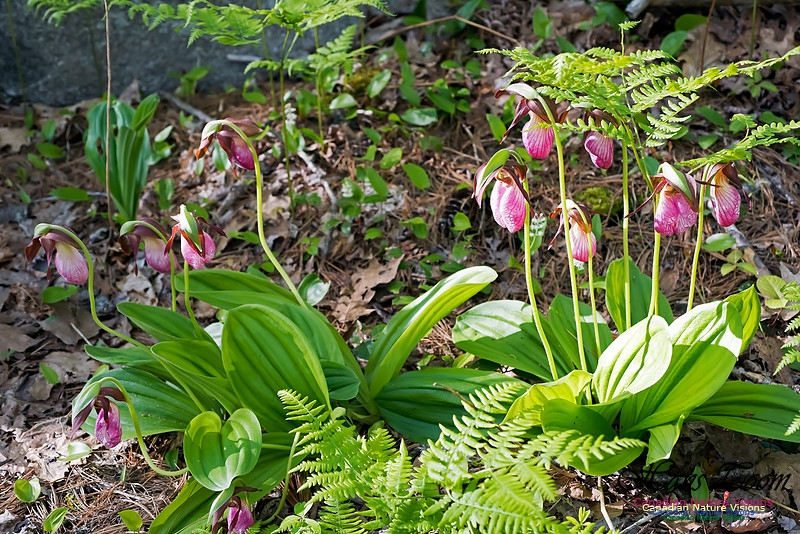
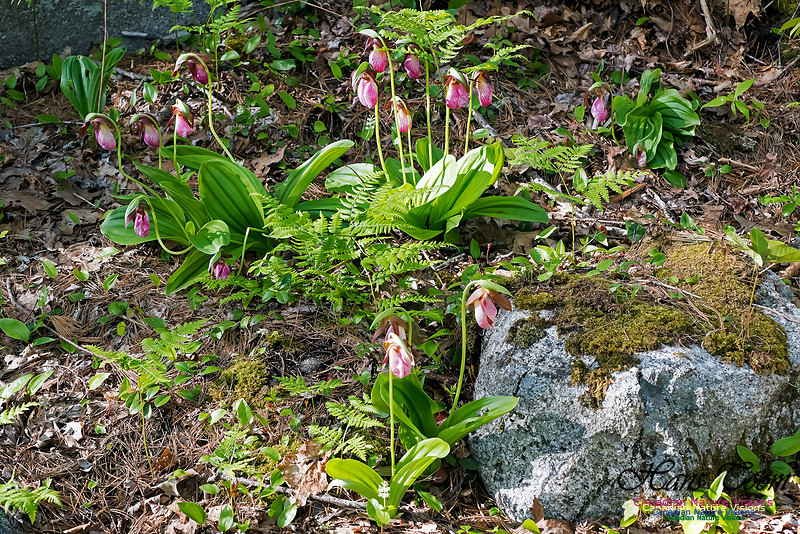
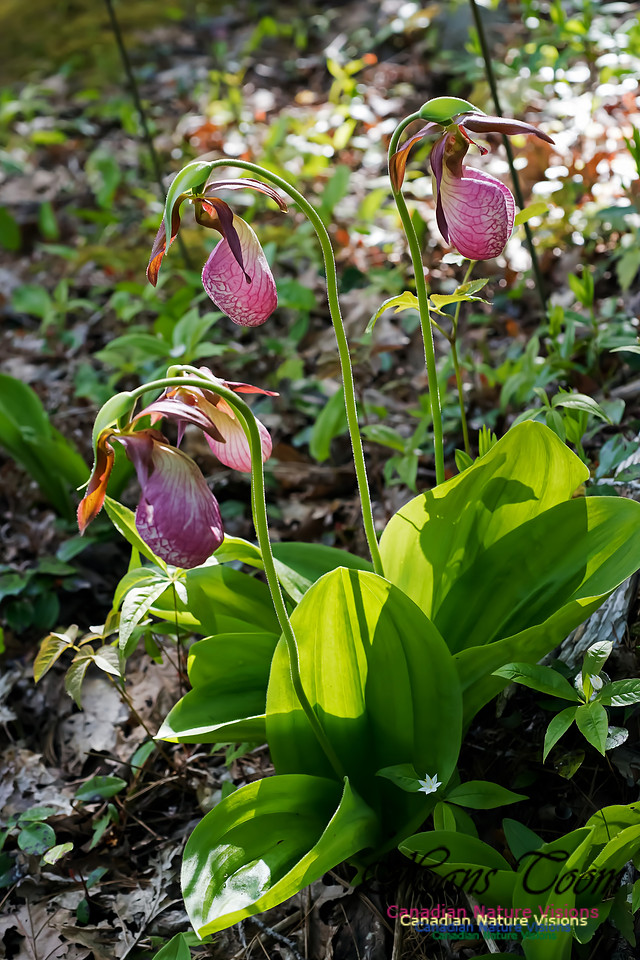
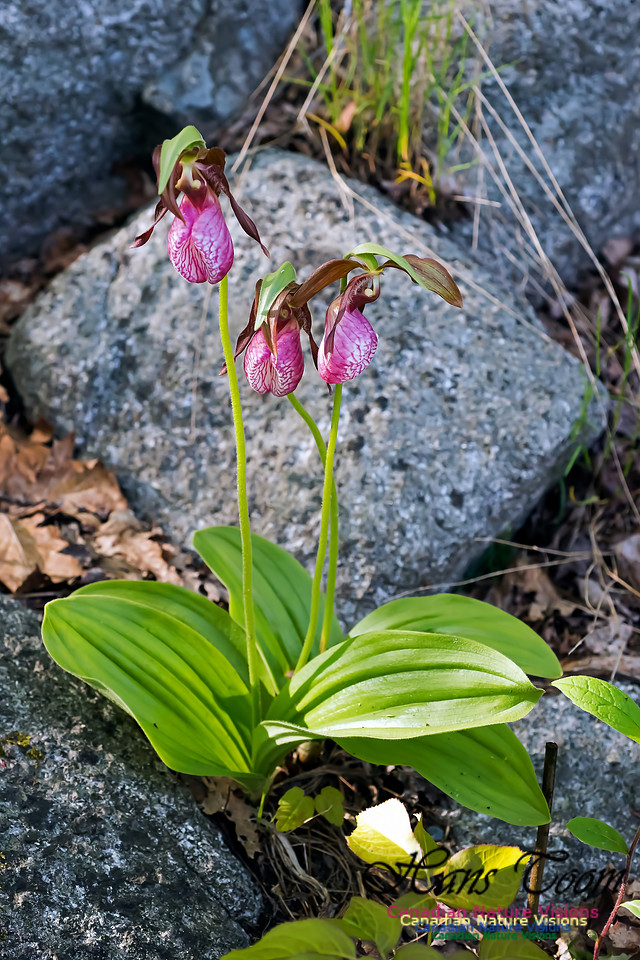
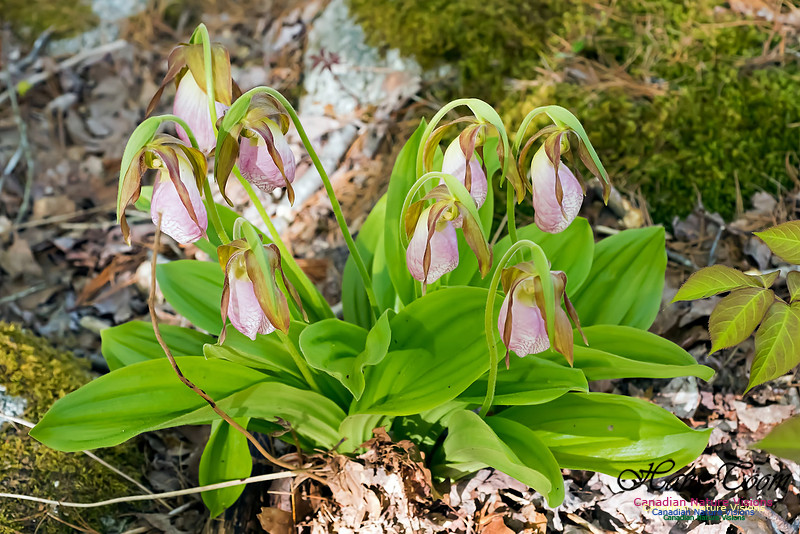
Compendium of Spring Orchids of Nova ScotiaCompendium of Nova Scotia's Spring Orchids Orchids and Warblers seem to go together. Both species thrive in Nova Scotia and are a treat to see and photograph. First up this year for the orchids is the Pink Lady's Slipper Orchid photographed in late May at the Frog Pond, Sir Sanford Fleming Park, Halifax. They are just beginning to open, but just wait a week. Pink Lady's Slipper Orchid
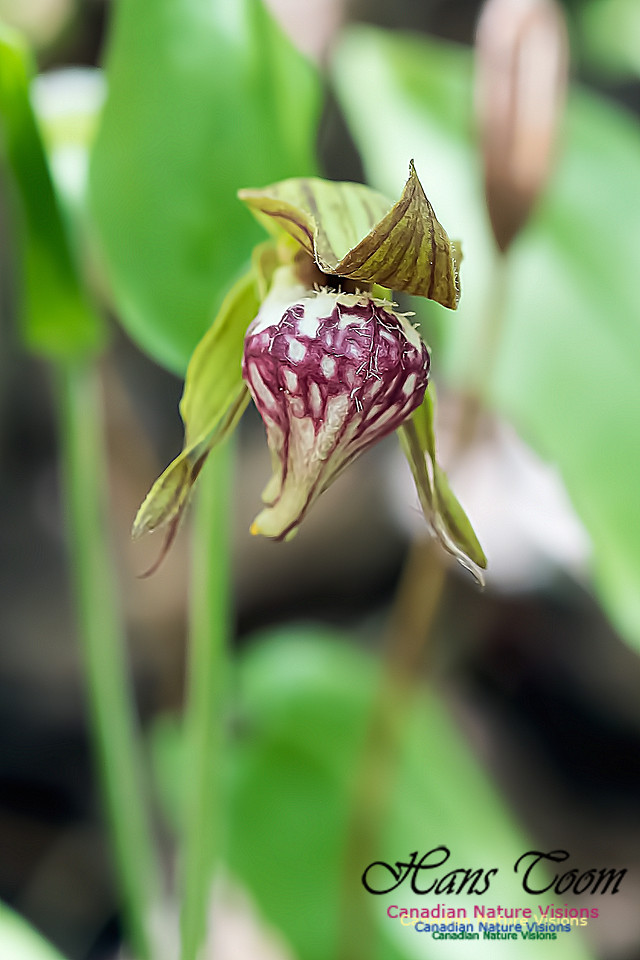
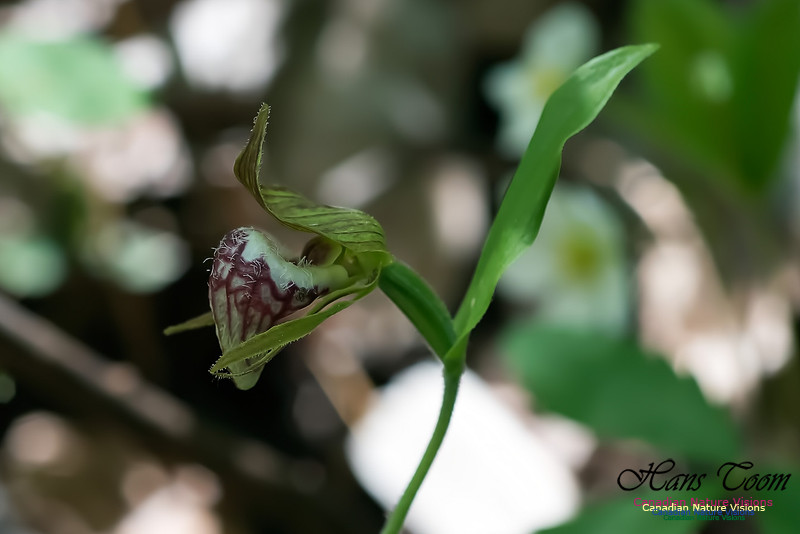
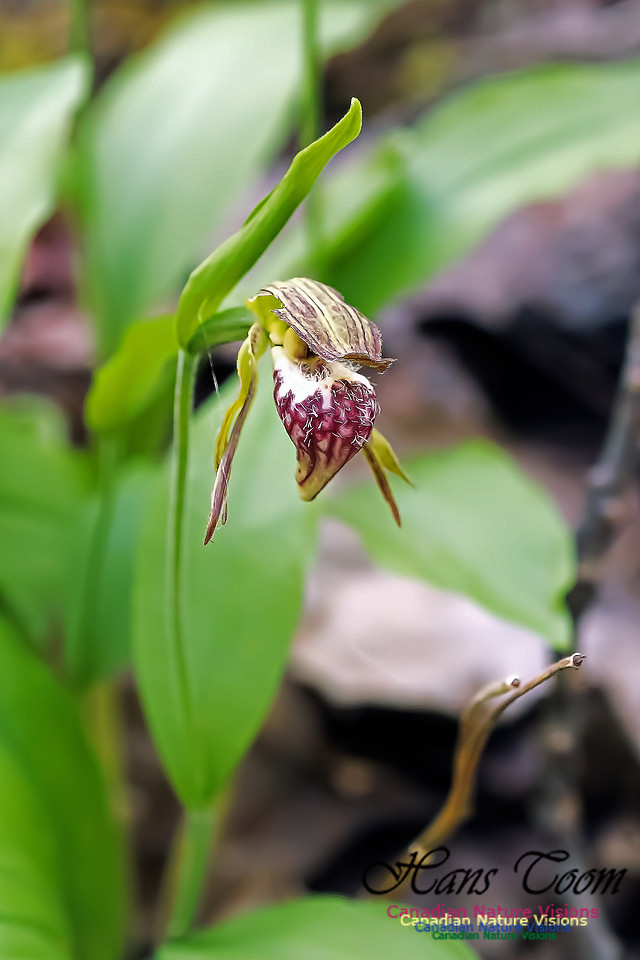
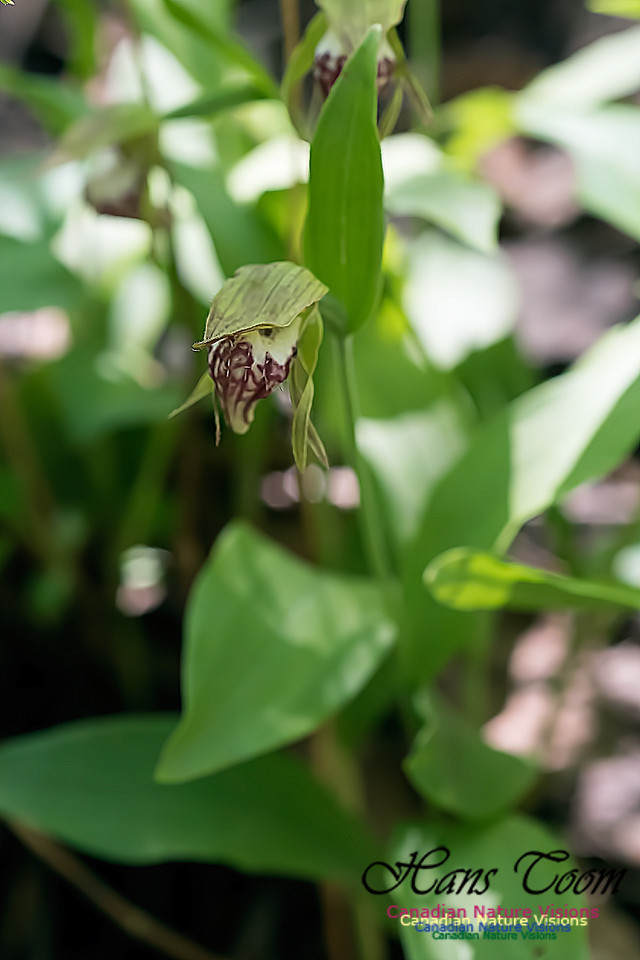
Ram's Head Orchid We made an effort to locate this orchid. It resides in dappled light along slopes in the gypsum lands of West Hants County. I walked past the orchid on my first pass but eventually I spotted it with my binoculars on the return leg and then there were lots of examples.
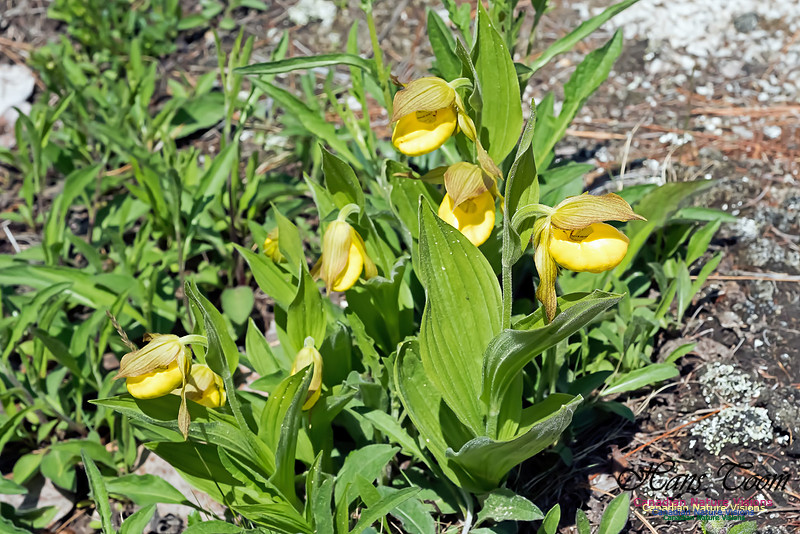
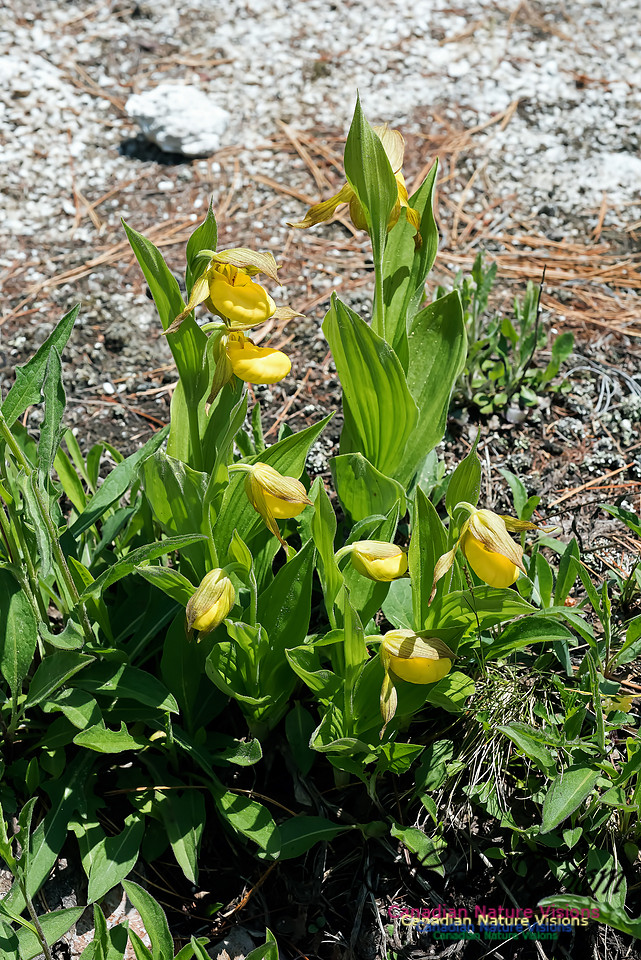
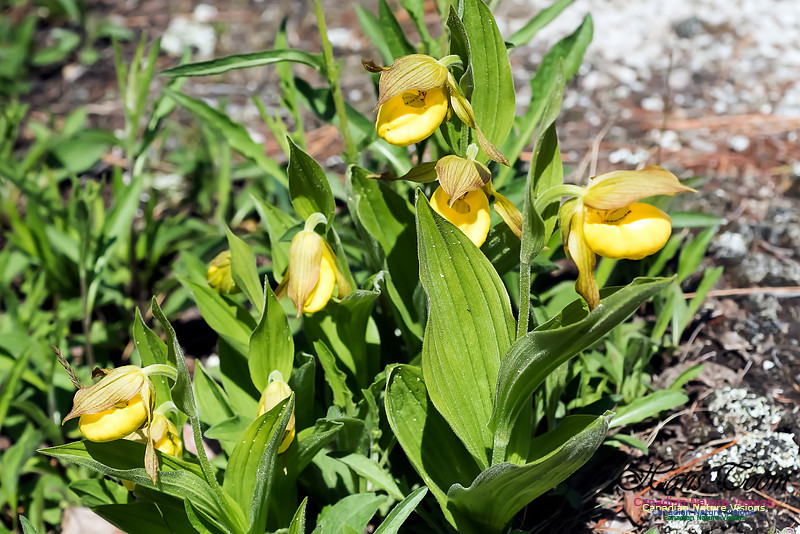
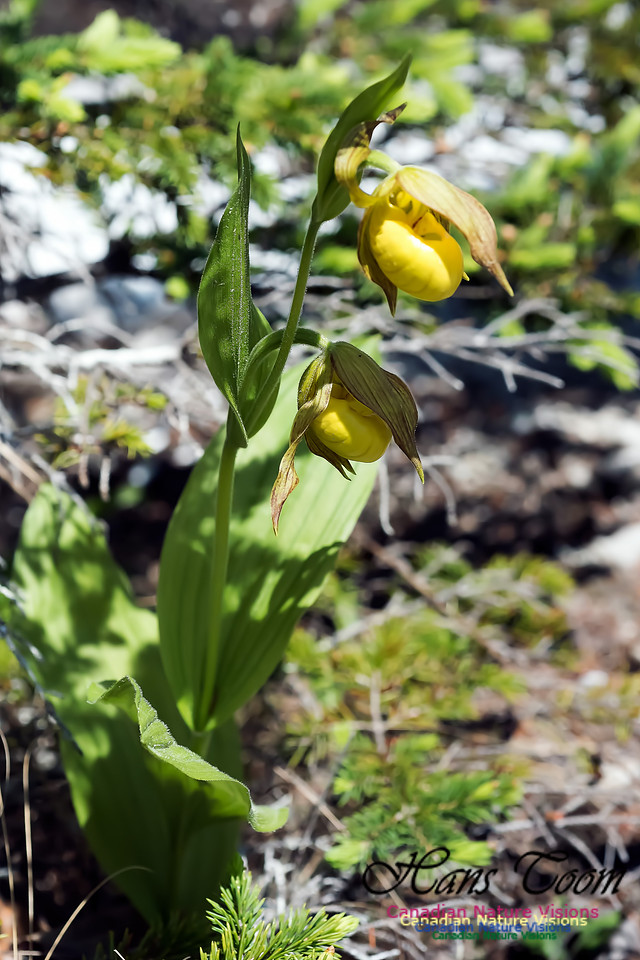
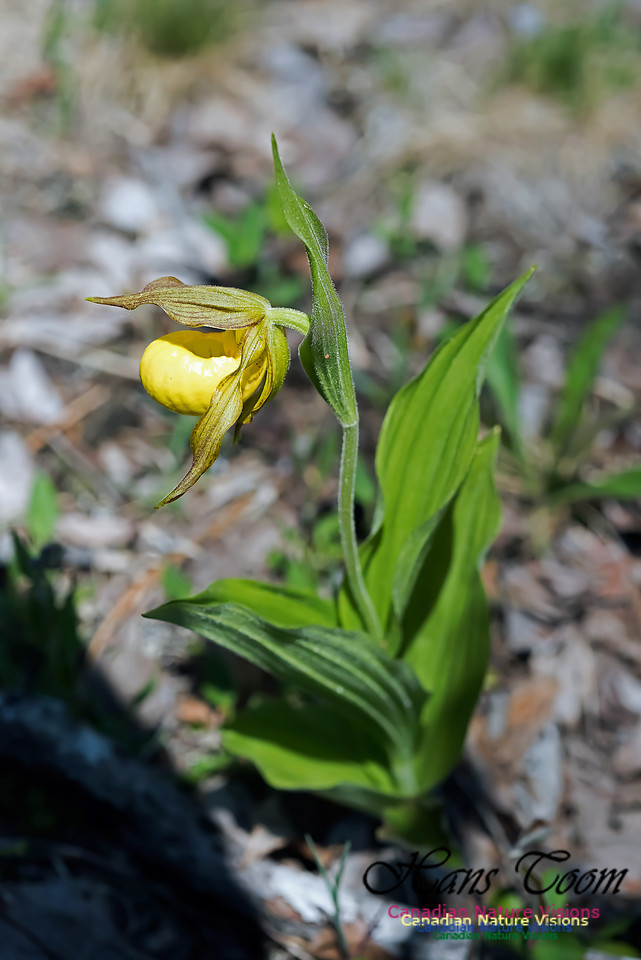
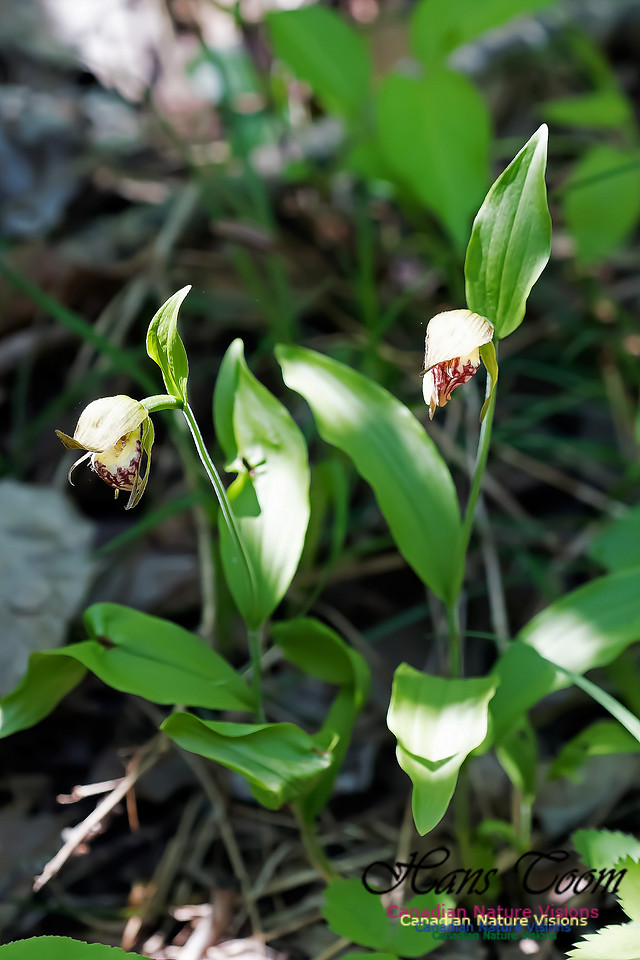
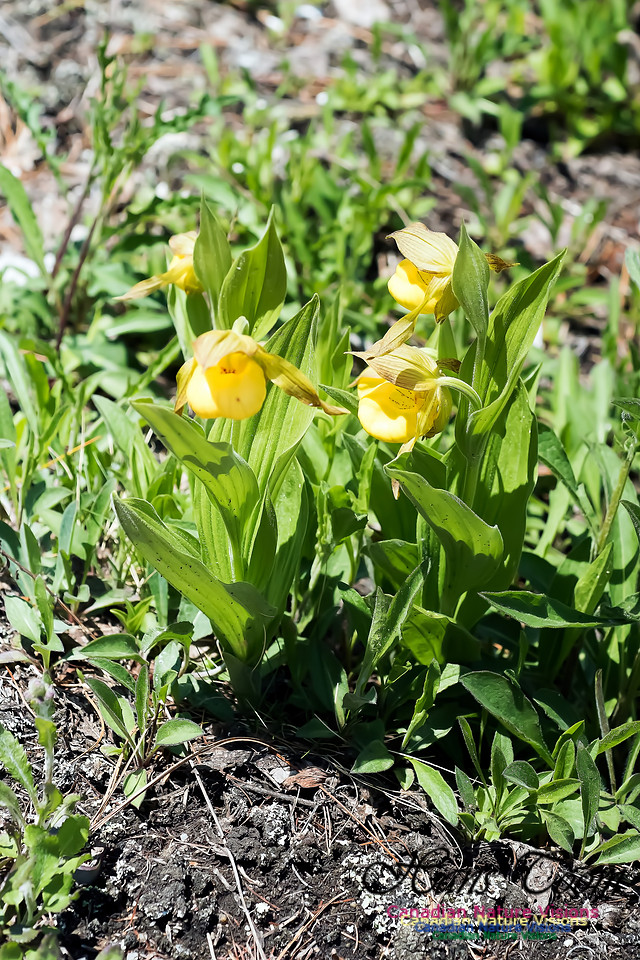
Yellow Lady's Slipper Orchid The Yellow Lady's Slipper Orchid thrives in the same soil conditions as the Ram's Head Lady's Slipper but it can withstand full sun so where the two orchids were co-located in the shade or dappled shade the Yellow Lady's Slipper Orchid was still closed. We found the Yellow Lady's Slipper Orchid on the gypsum flats in exposed and sun drenched grounds.
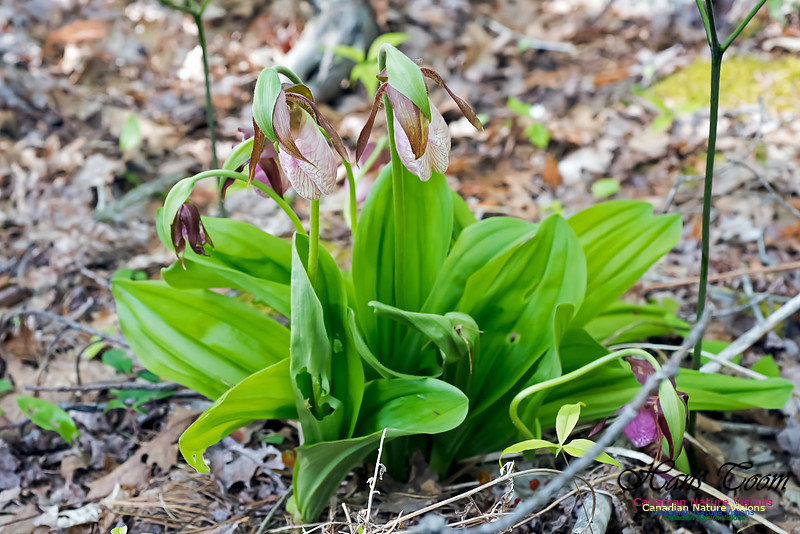
Pink Lady's Slipper Orchid We returned to the Frog Pond, Sir Sanford Fleming Park, to photograph the Pink Lady's Slipper Orchid in early June. They were mostly open or partly open now. They thrive in this environment of dappled to full shade under the forest canopy.
These are partial whites.
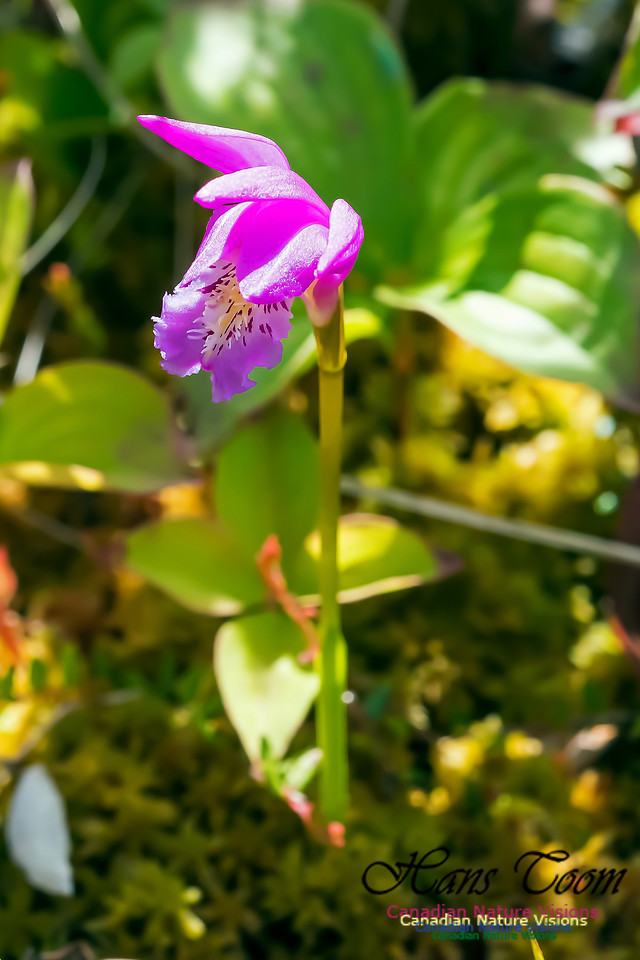
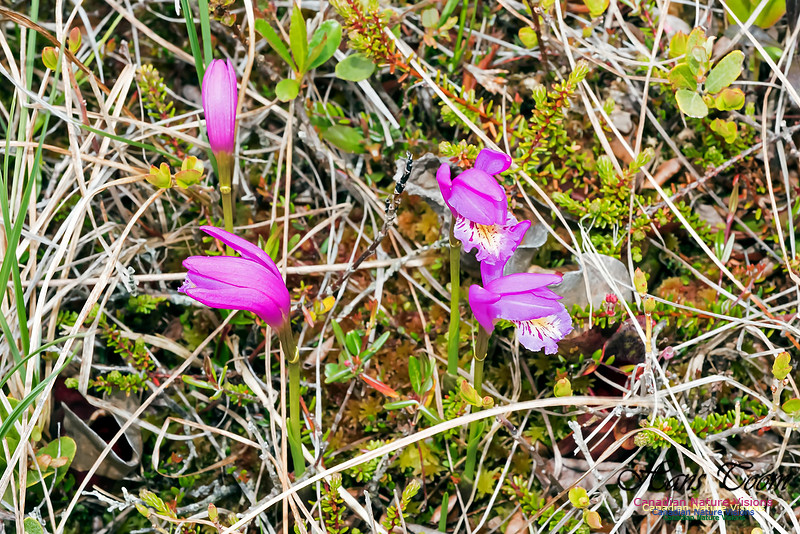
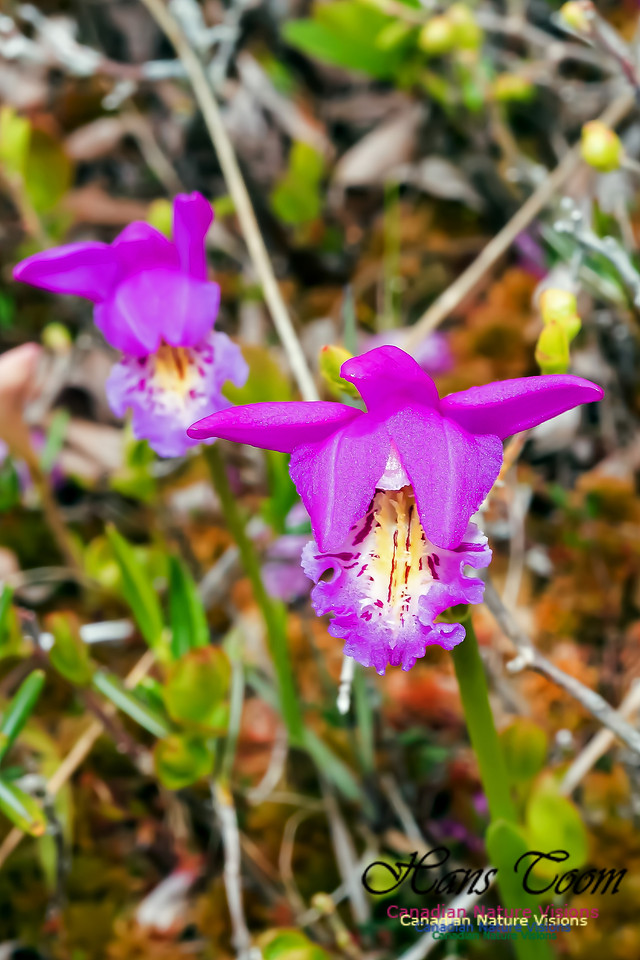
Dragon's Mouth Orchid This orchid just made it under the wire opening two days before the beginning of summer. In the first week or two of the summer season the wet bogs of the coastal barrens will be loaded up with this species.
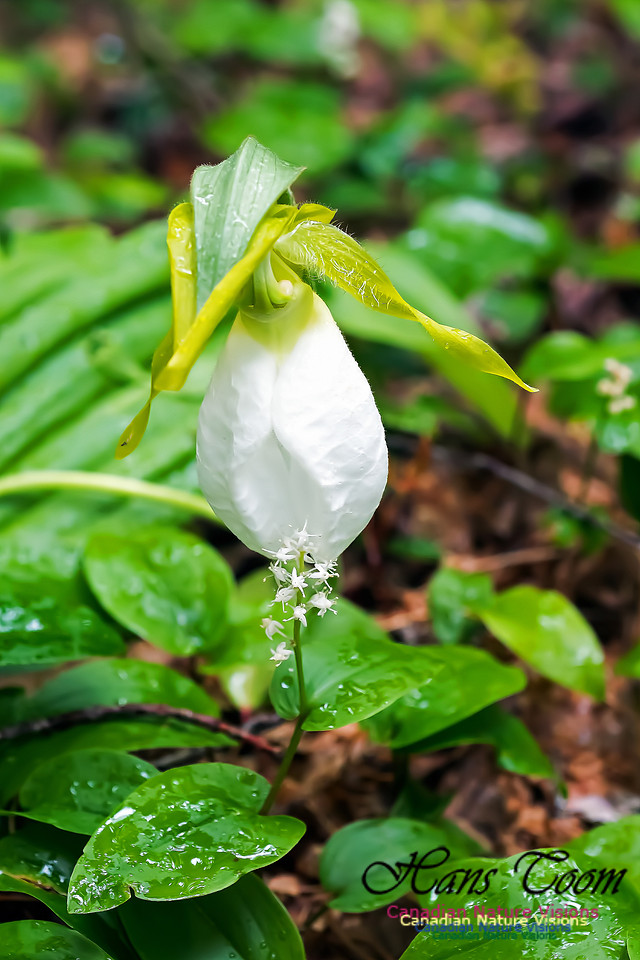
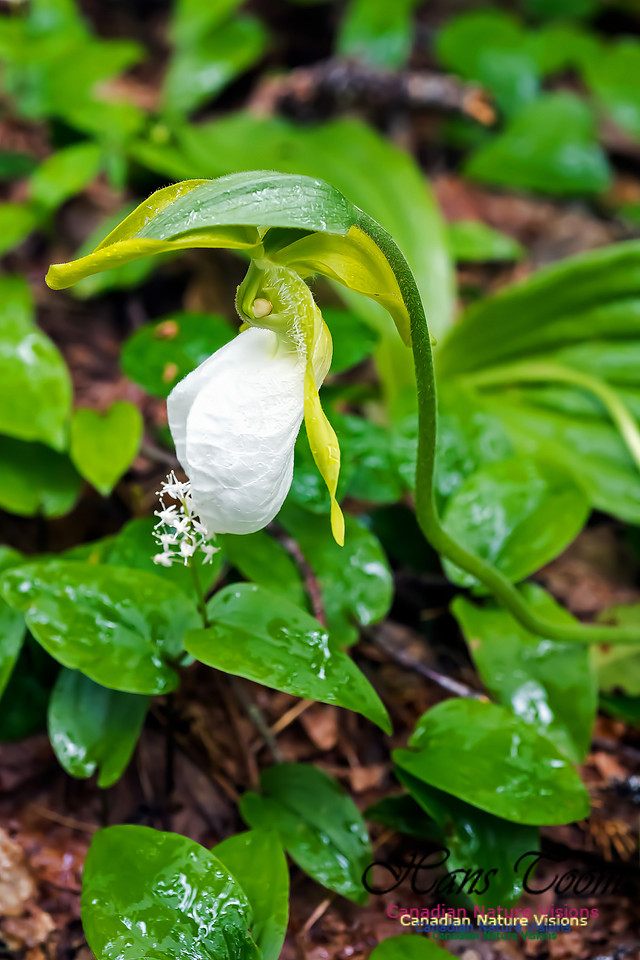
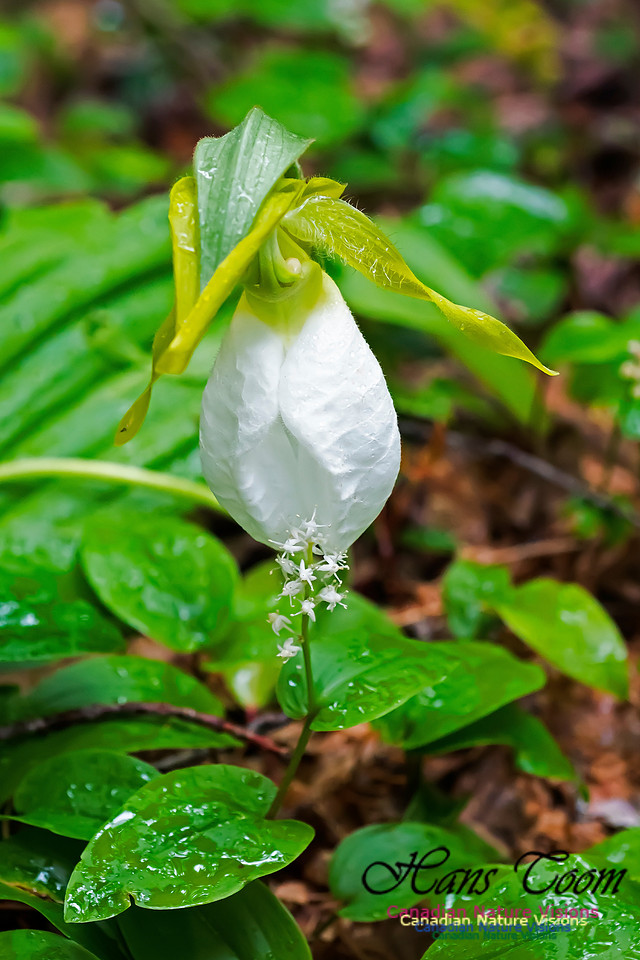
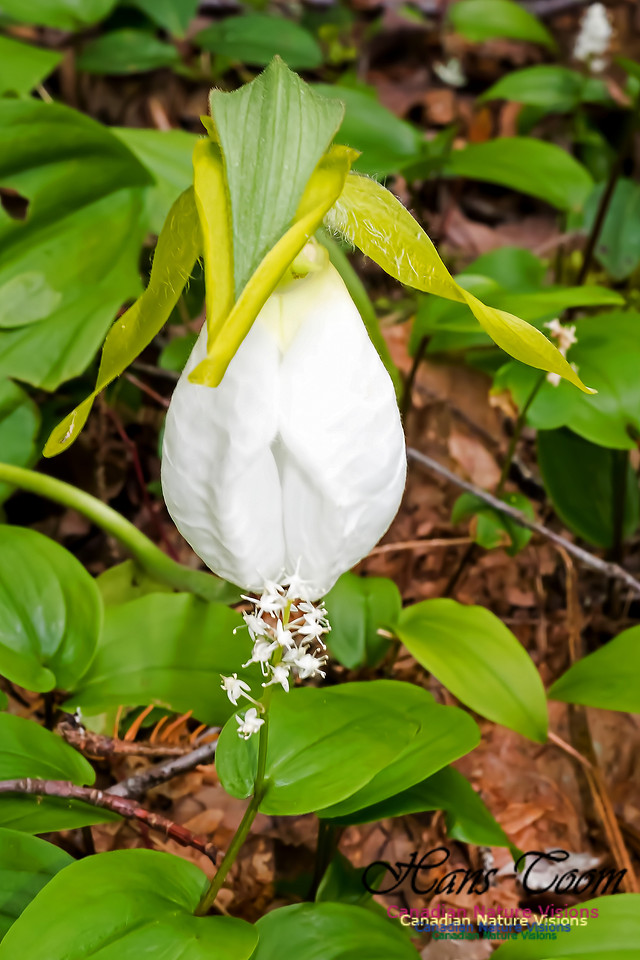
White Lady's Slipper Orchid The White Lady's Slipper Orchid is a colour morph of the Pink Lady's Slipper Orchid although it is certainly different in appearance. Finding partial whites is easy but finding a large pure white is hard. We lucked out at Card Lake Provincial Park about two hours before the beginning of summer.
Compendium of Spring Warblers of Nova ScotiaThis is my compendium of spring warblers as photographed up to June 20. I saw, heard and photographed a lot of other warblers but this sampling represents a good mix. Black-and-white Warbler Photographed in mid May at Jerry Lawrence Provincial Park.
Blackburnian Warbler I found this one in Oakfield Provincial Park in mid May
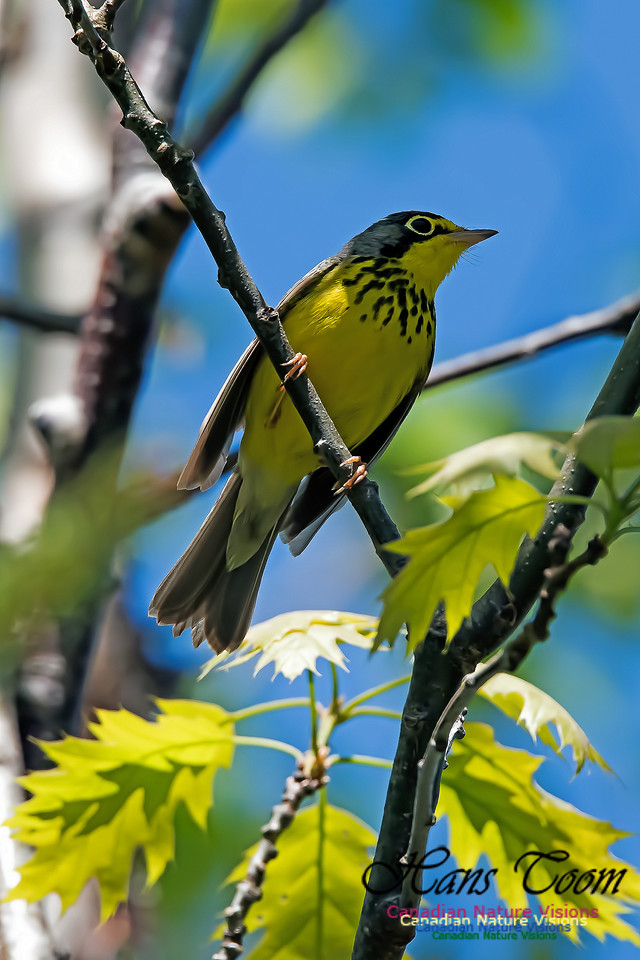
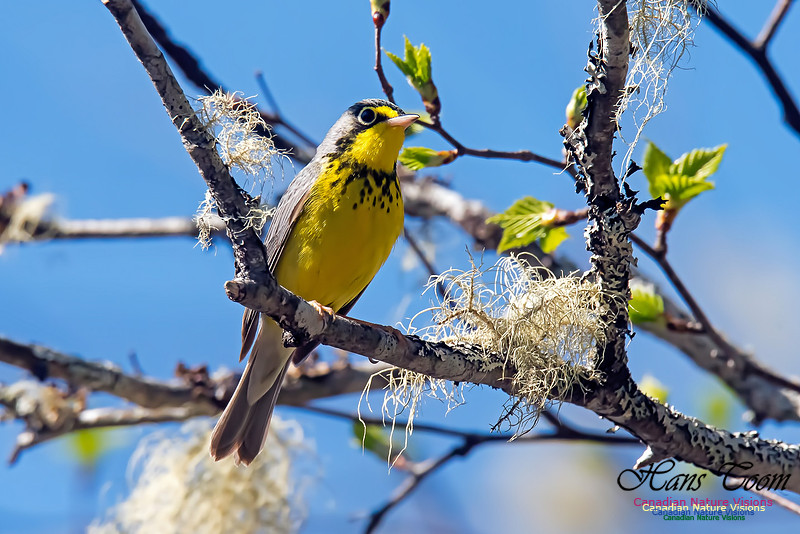
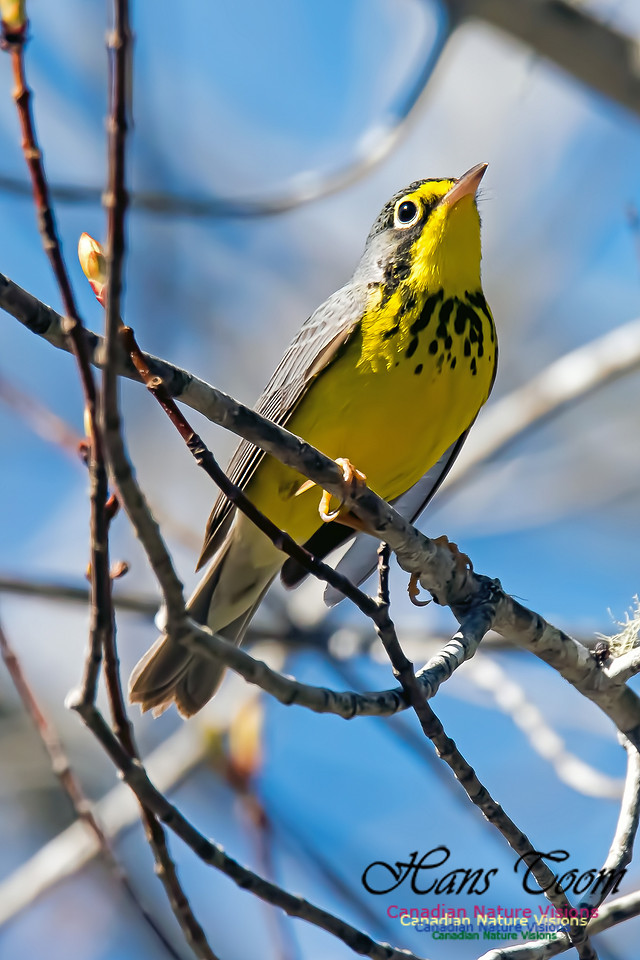
Canada Warbler A striking bird with a deep blue back, yellow spectacles and elegant necklace. I photographed this one in Jerry Lawrence Provincial Park wherein they nest every year.
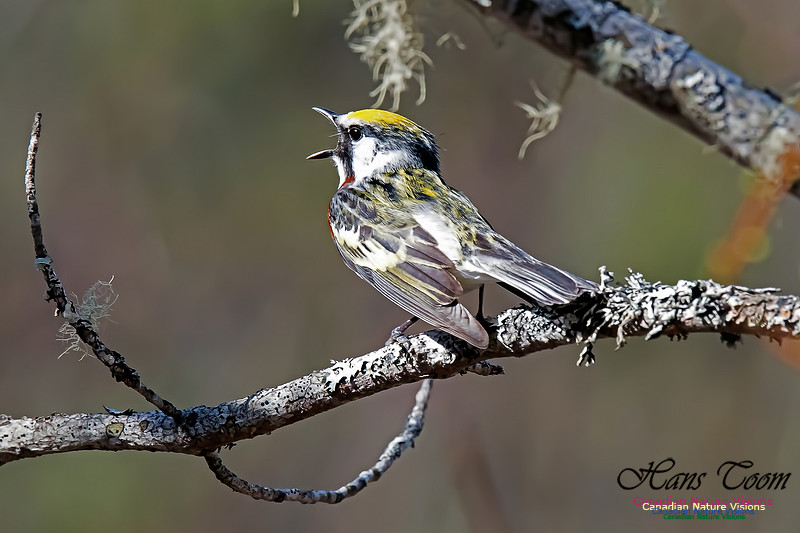
Chestnut-sided Warbler This common forest edge bird is thriving and is very beautiful with a strong singing voice. Photographed at Jerry Lawrence Park in mid May.
Northern Parula I photographed this example at Oakfield Provincial park in mid May. It's song is akin to climbing a stair case and falling off its end.
Ovenbird This warbler is among our earliest to arrive and sports a powerful and unmistakeable singing voice. Photographed in Jerry Lawrence Provincial Park in mid May.
Pine Warbler The Pine Warbler is a new nesting species for Nova Scotia.
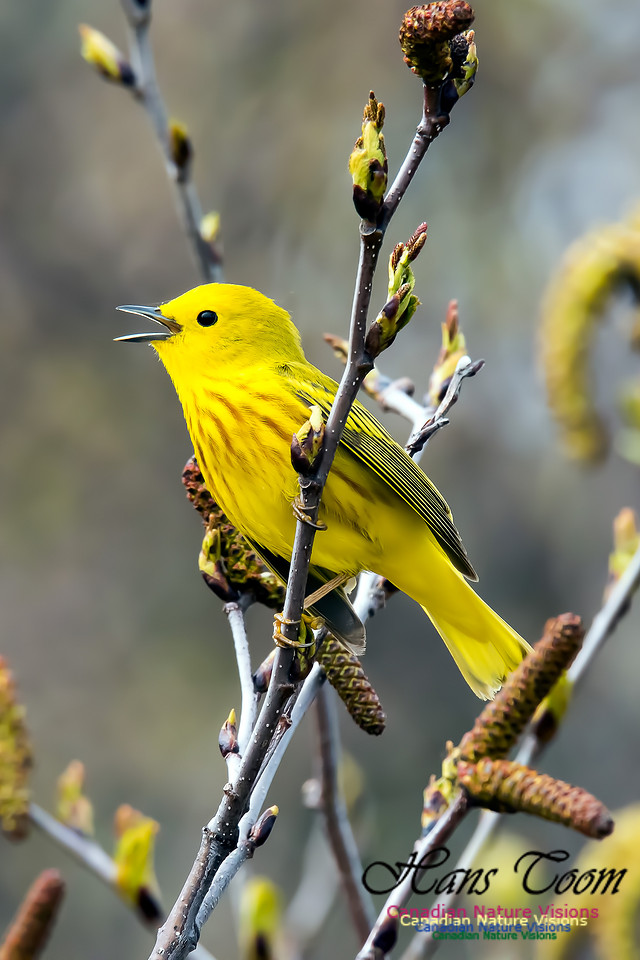
Yellow Warbler A common and widespread warbler found in almost unbelievable numbers in favorable marsh edge habitat. Photographed in late May almost everywhere.
Blackpoll Warbler This long distant migrant sports a high pitched voice, a good field test for human hearing, and nests in rugged coastal forests or boreal forests with a wet understory. Photographed in late May near East Chezzetcook.
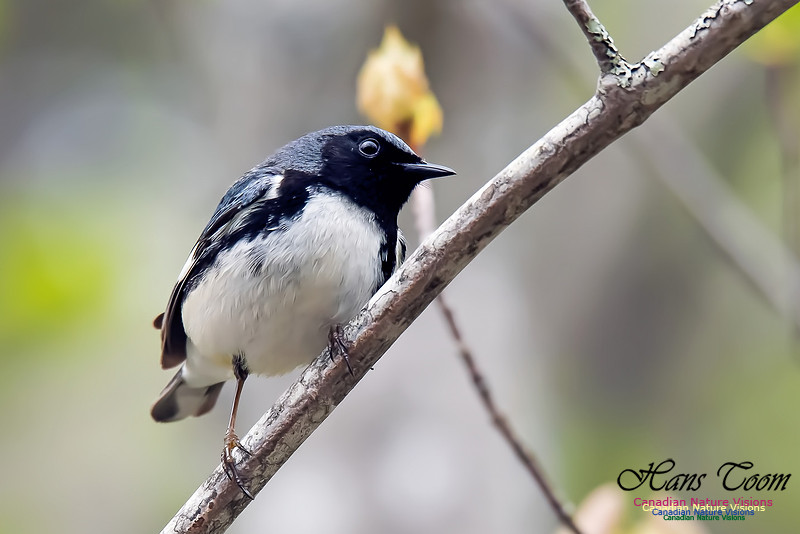
Black-throated Blue Warbler This one was photographed in mid May in Jerry Lawrence Provincial Park. It is a most elegant bird.
American Redstart This one was photographed alongside Sandy Cove Road in mid June.
Bay-breasted Warbler The Bay-breasted Warbler likes to forage high up in the forest so is a challenge to photograph, that is with a lens I could carry. Photographed in early June at the foot bridge of the Annapolis Royal trail.
Canada Warbler With a population that is 80-85% Canadian this bird is aptly named. It was photographed in Jerry Lawrence Provincial Park in late May.
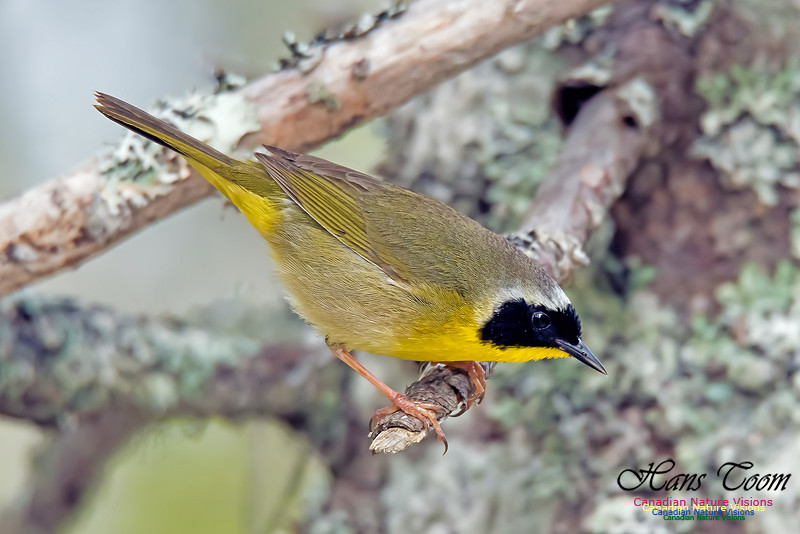
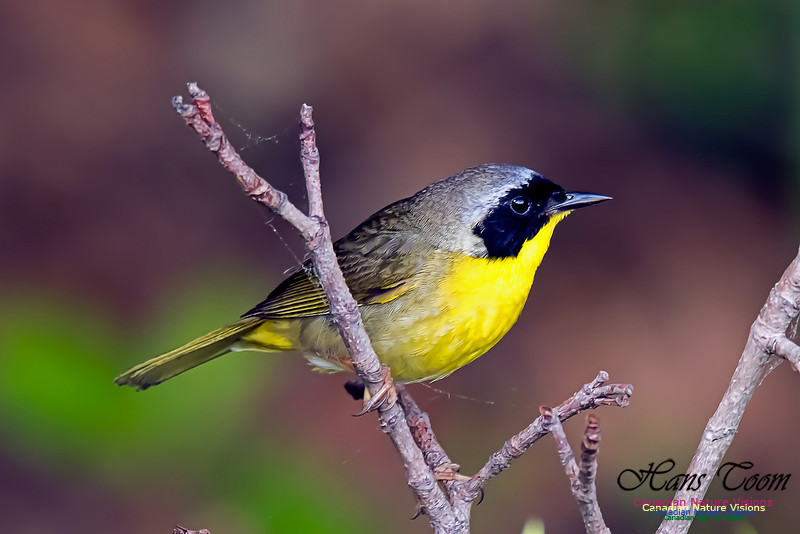
Common Yellowthroat This is a poorly named bird. Try Masked Yellowthroat on for size. Photographed in Jerry Lawrence Provincial Park in late May. Laura and I affectionately call it The Bandido.
Three Special Spring FlowersThere are three flowers I look for each spring, the White Rhodora, a colour morph of the Rhodora, the Golden Heather and the White Lady's Slipper Orchid, a colour morph of the Pink Lady's Slipper Orchid. I have found the White Rhodora in only one location. It blooms late, mid June, and quickly fades. This year it was decimated by the heavy rains of the last few days. White Rhodora
The Golden Heather blooms mid to late June in full sun on rough terrain, in this case an abandoned gravel driveway in the Duncan's Cove Nature Reserve. It is also found in the Herring Cove back lands. Golden Heather
My last special wildflower is the White Lady's Slipper Orchid, a colour morph of the Pink Lady's Slipper Orchid. It is easy to find "almost pure white" Pink Lady's Slipper Orchids but they are usually small and show slivers of pink. This year Laura and I were very lucky to find this large White Lady's Slipper Orchid, pure white, at Card Lake Provincial Park. White Lady's Slipper Orchid
Ram's Head and Yellow Lady's Slipper OrchidRam's Head and Yellow Lady's Slipper Orchids, June 7, 2015 After the Lewis Lake Warbler Walk Ray Staszko, Laura Elliott and I went to the gypsum lands of West Hants County to look for some of our rare orchids. The Ram's Head Orchid, aptly named, is found along slopes in dappled light. We found about 20 plants before we left although many more were likely in the area. The head of this orchid is about the size of a nickel. Ram's Head Orchid
The Yellow Lady's Slipper Orchid is a much smaller variant than is found on the prairies with a head about the size of a loonie. It was closed along the slopes in full shade and dappled light but fully open on the gypsum flats where it was exposed to full sun. This orchid deserves to be photographed on a cloudy day because the full sun destroyed highlights of the plant. Here is a bunch of photos: Yellow Lady's Slipper Orchid
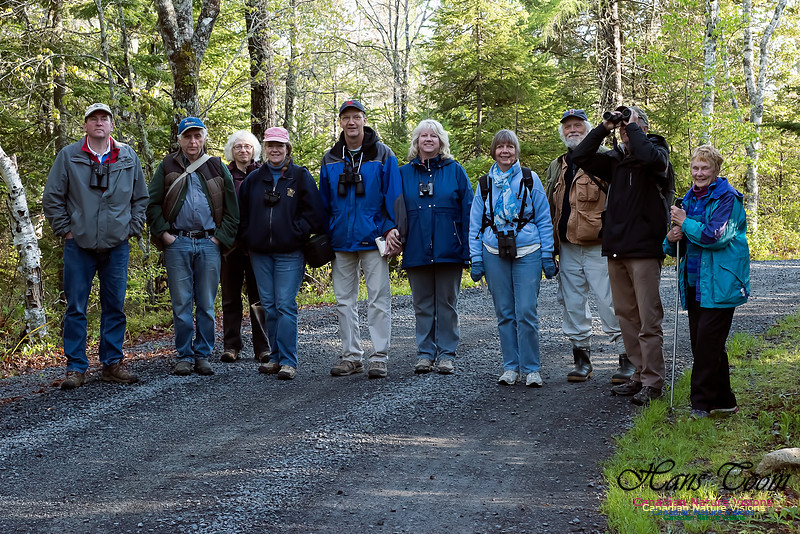
Lewis Lake Warbler Walk, June 7, 2015Lewis Lake Warbler Walk, June 7, 2015 I led my annual Lewis Lake Warbler Walk at Jerry Lawrence Provincial Park, June 7, starting at 7AM. This walk is sponsored annually by the Five Bridges Wilderness Heritage Trust. The weather was perfect with clear blue skies and a respectable coolness in the morning to keep the black flies down. Our group of 12 birders and naturalists was a mix of the experienced and the novice. We found by sight or ear 13 warbler species. The Palm Warbler which breeds here in prodigious numbers was neither seen or heard. Among all the warblers here in this park it becomes the hardest to locate when breeding and rearing young begins. It remains almost totally silent. Here's our group with two photographers unseen.
I will post a blog of the "Spring Warblers of Nova Scotia" around June 20 but here are a few photographs taken from Jerry Lawrence Provincial Park earlier this month. Black-throated Blue Warbler
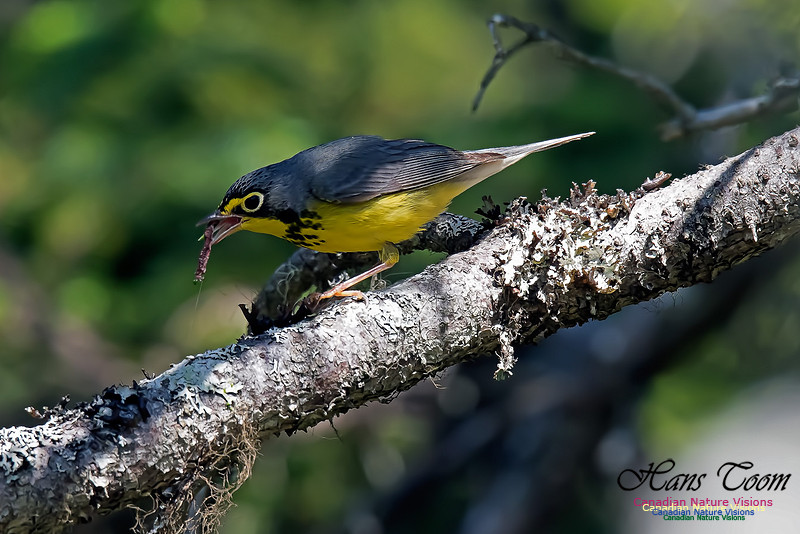
Canada Warbler This Canada Warbler is engaged in a tug of war with a worm.
Pine Warbler and Least SandpiperLaura and I visited Oakfield Provincial Park on May 16 to search for the Pine Warblers. This park was our first stop on a long day of cross country driving and photography, plus two picnics. We heard a male singing in the park and I photographed the female. These warblers are usually high up in the pine trees and hard to spot and even harder to photograph. Their song is similar to that of a Dark-eyed Junco so ear tuning is a prerequisite. The record to date is: -2015- Female seen and photographed by Hans Toom and Laura Elliott, also a male was heard singing; -2014- Male heard singing on territory, others seen and photographed by Hans Toom; -2013- Male seen carrying food, others photographed by Hans Toom and seen by Fulton Lavender and Richard Hatch; -2012- Juvenile, recently fledged, seen by Fulton Lavender. Courtesy of Wikipedia: Their breeding habitats are open pine woods in eastern North America. These birds are permanent residents in southern Florida. Some of them, however, migrate to northeastern Mexico and islands in the Caribbean. The first record for South America was a vagrant wintering female seen at Vista Nieve, Colombia, on 20 November 2002; this bird was foraging as part of a mixed-species feeding flock that also included wintering Blackburnian and Tennessee warblers. They forage slowly on tree trunks and branches by poking their bill into pine cones. These birds also find food by searching for it on the ground. These birds mainly eat insects, seeds and berries. Their nests are deep, open cups, which are placed near the end of a tree branch. Pine warblers prefer to nest in pine trees, hence their names. Three to five blotched white eggs are laid Pine Warbler
At Brookfield Marsh we found a Least Sandpiper foraging in the mud and successfully pulling out little red worms to munch on. The Least Sandpiper is rare for mid May.
Canada Warbler at Jerry Lawrence Provincial ParkI have found the Canada Warbler at Jerry Lawrence Provincial Park on territory in two locations, so far. I expect more Canada Warblers will set up housekeeping as this is still early in their migration. These birds are easy to find thanks to their distinctive and musical song. As of May 21 there are only 13 warbler species on territory in Jerry Lawrence Provincial Park with the notable absence of the American Redstart although I did find the American Redstart in Oakfield Provincial Park on May 18. Stay tuned! Courtesy of Wikepedia: Canada warblers' numbers have declined due to loss of suitable habitat and the species has been assessed as "threatened" by the Committee on the Status of Endangered Wildlife in Canada.[4] The IUCN, however, ranks the Canada warbler as a species of least concern.[1] The Canadian population, which accounts for 85% of the global population, is estimated at roughly 2.7 million individuals.[3] The Canada warbler is protected at the federal level in both Canada and the United States.[3] Canada warblers have been seen twice in Europe. The first record was seen in Iceland, and the second was of a first-winter female which was found in Kilbaha, County Clare, Ireland in October 2006.
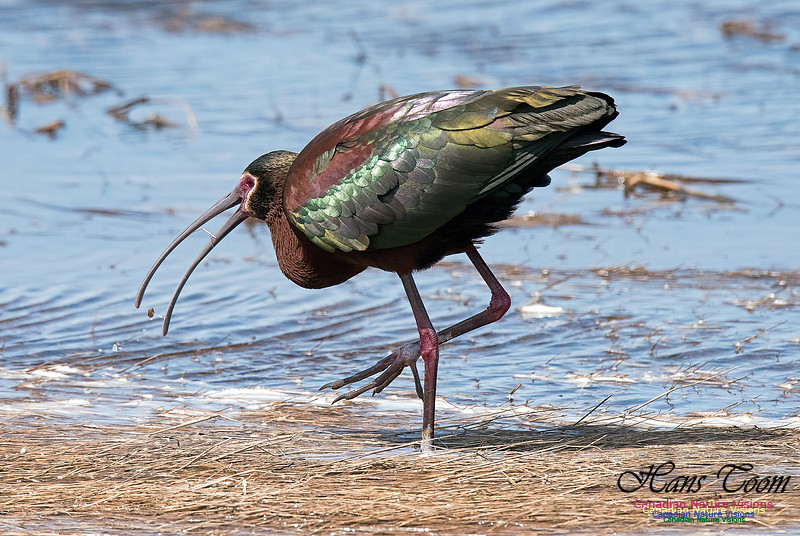
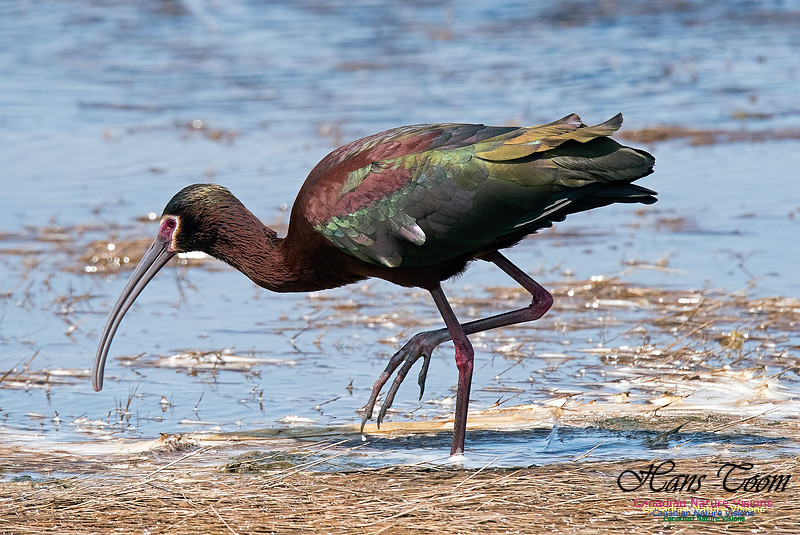
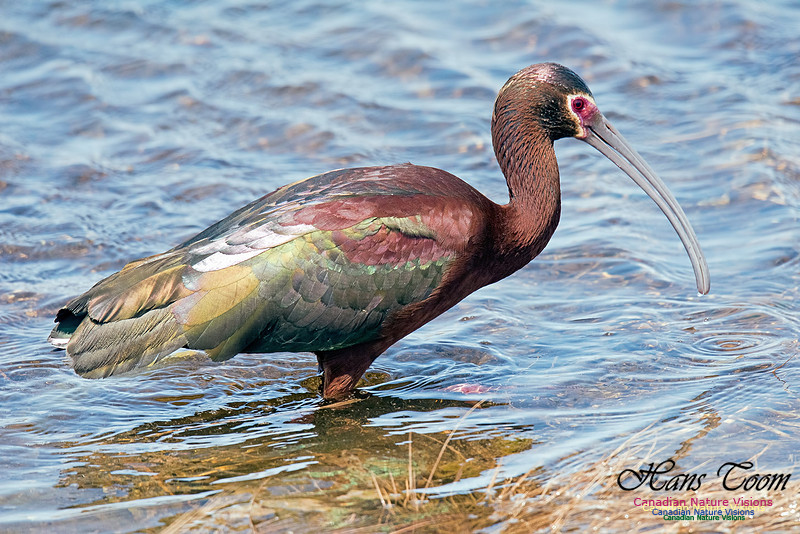
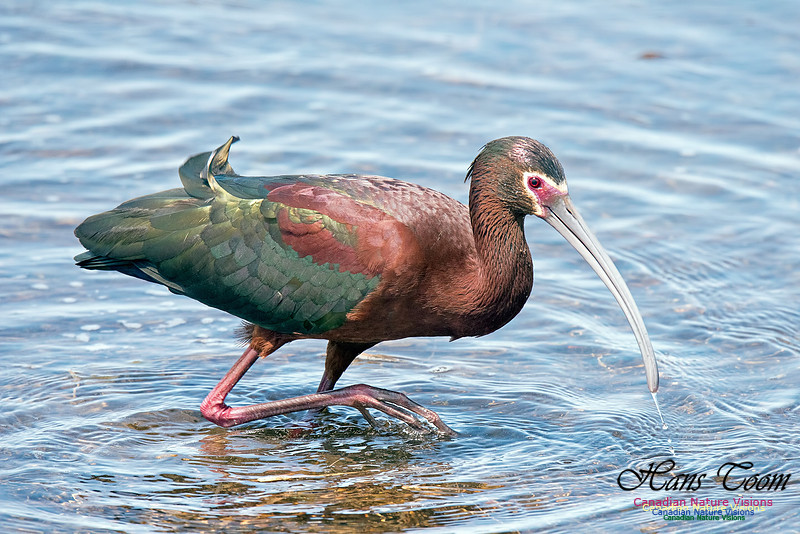
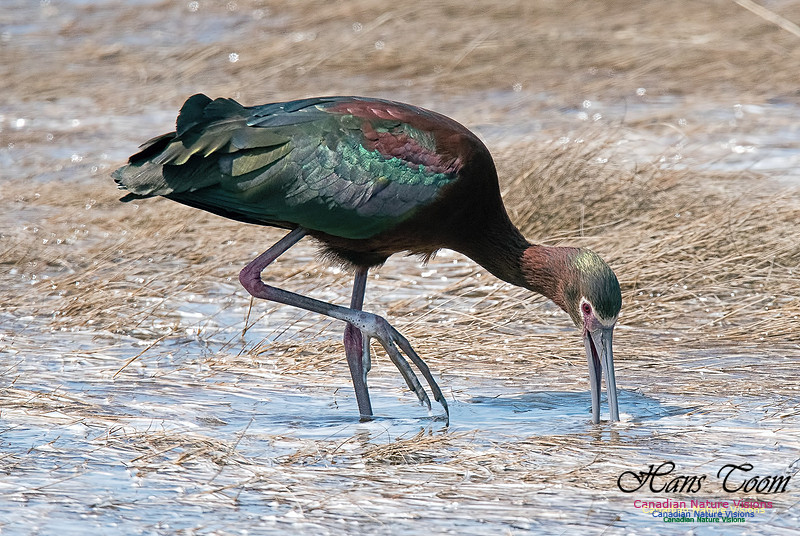
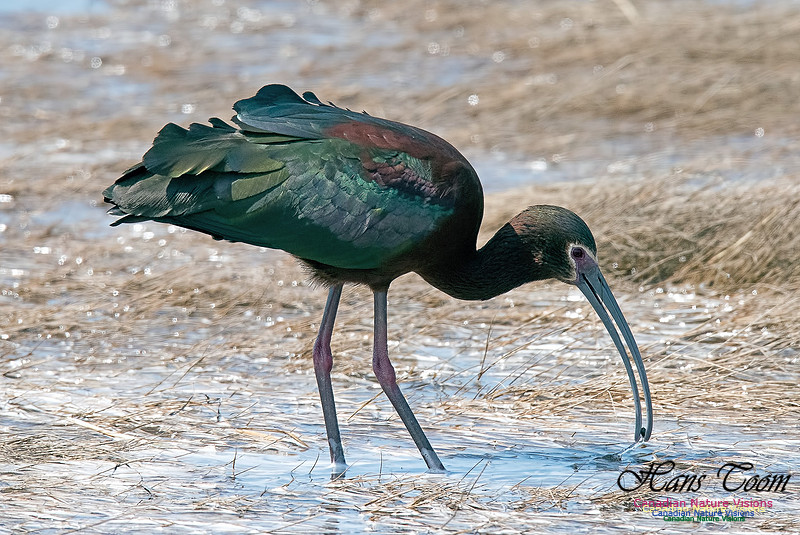
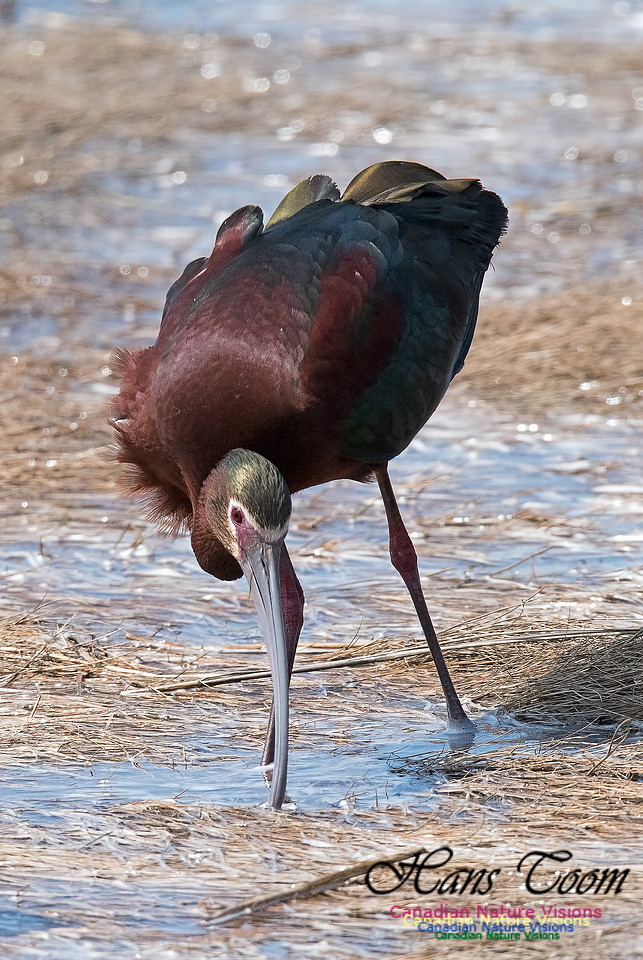
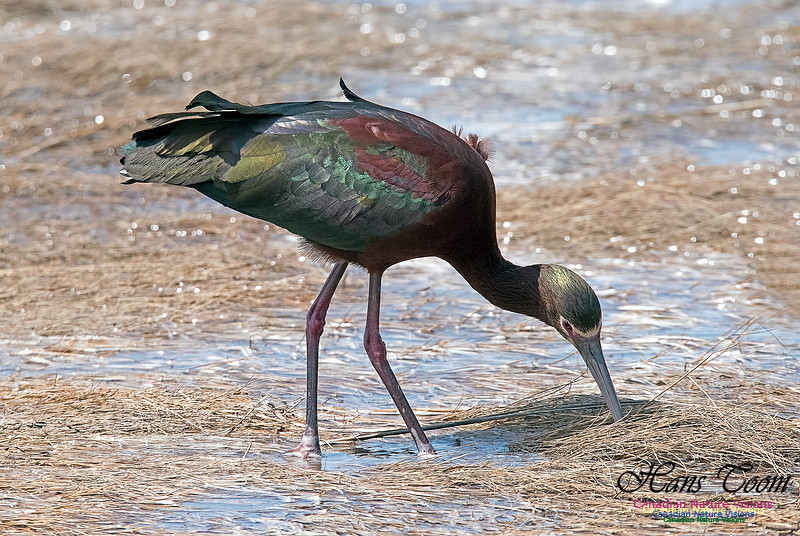
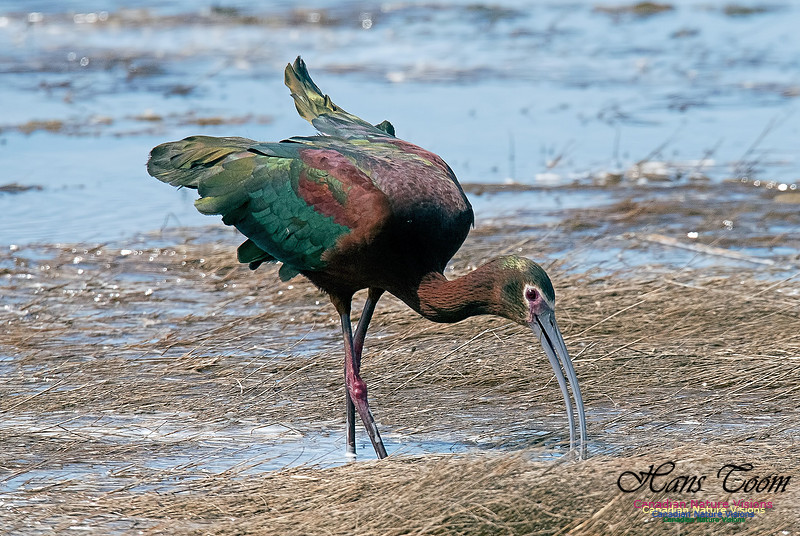
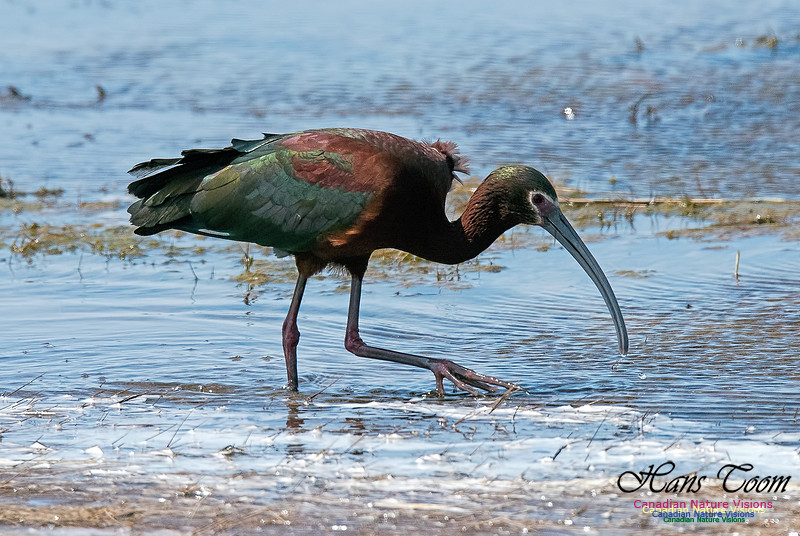
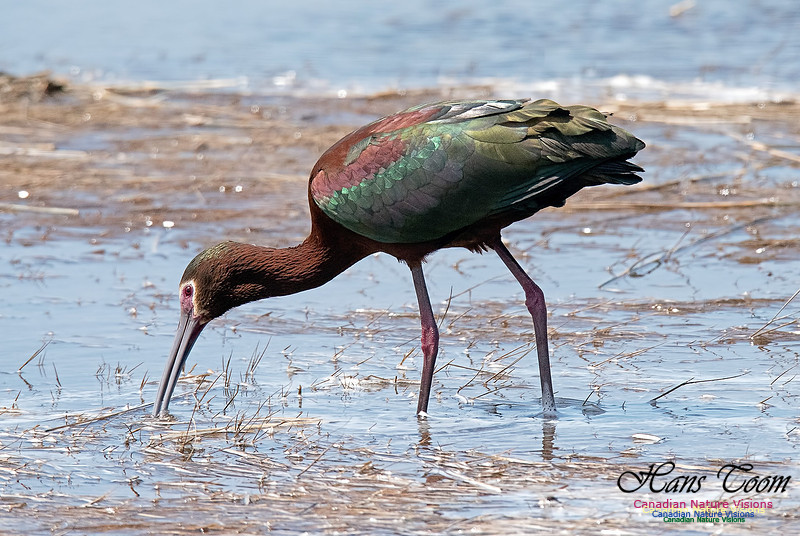
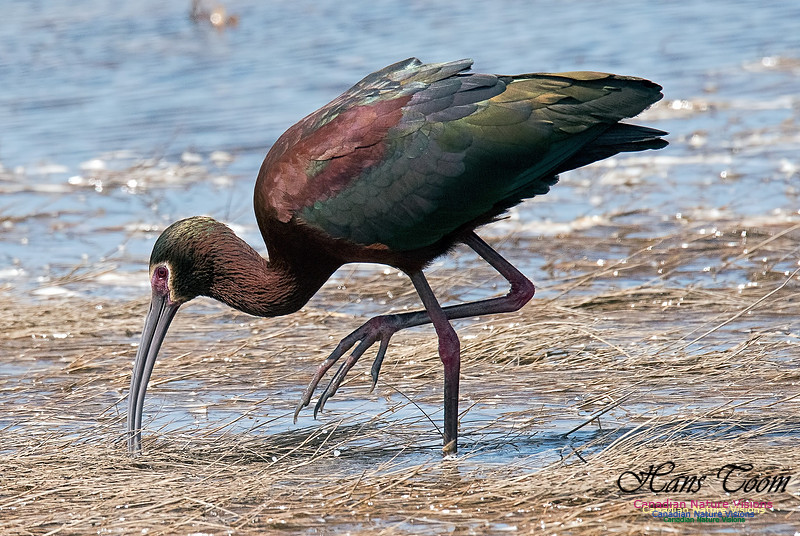
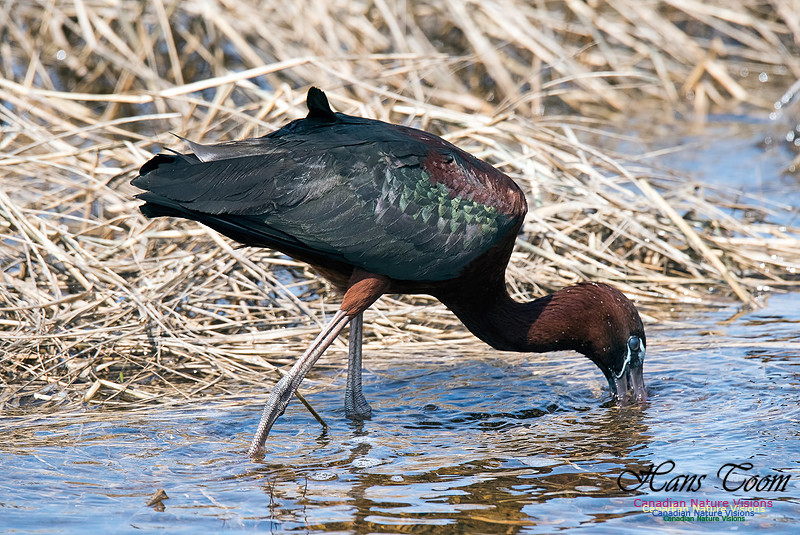
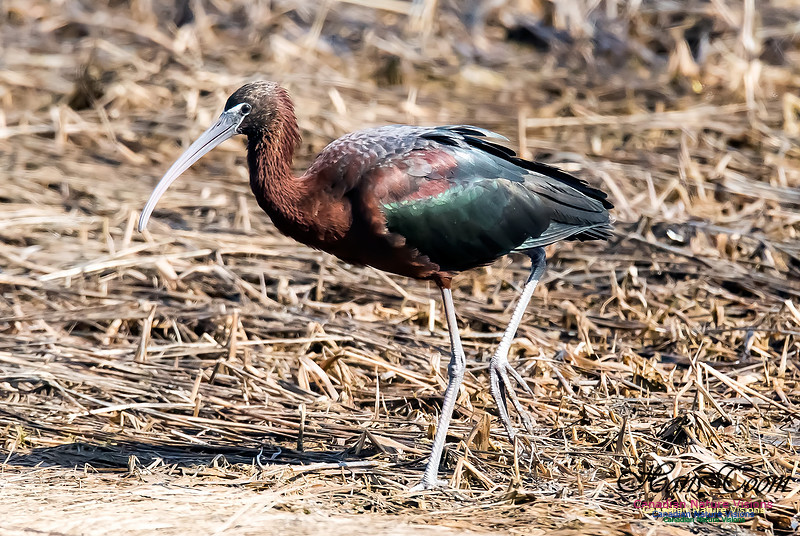
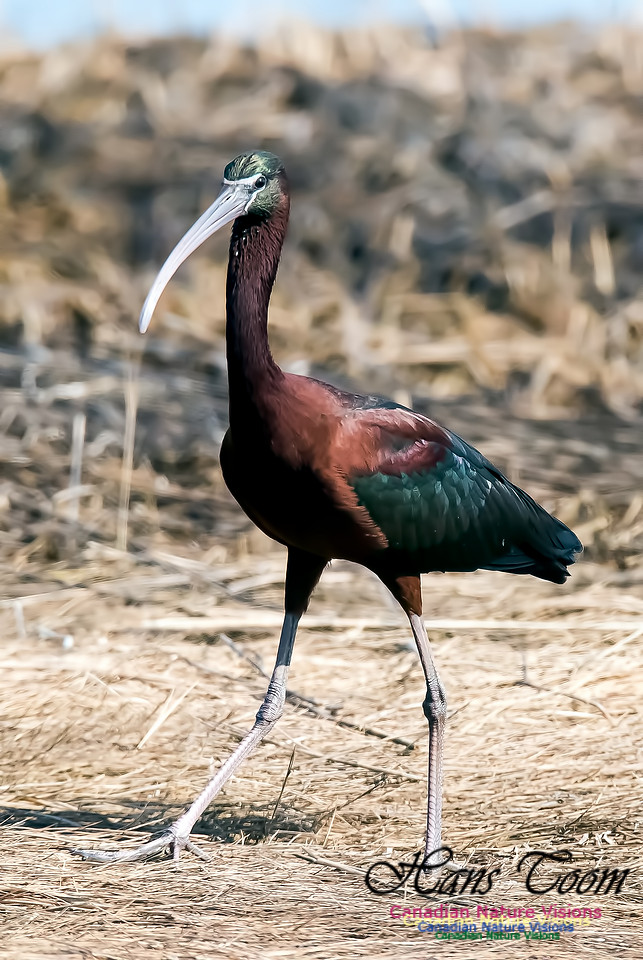
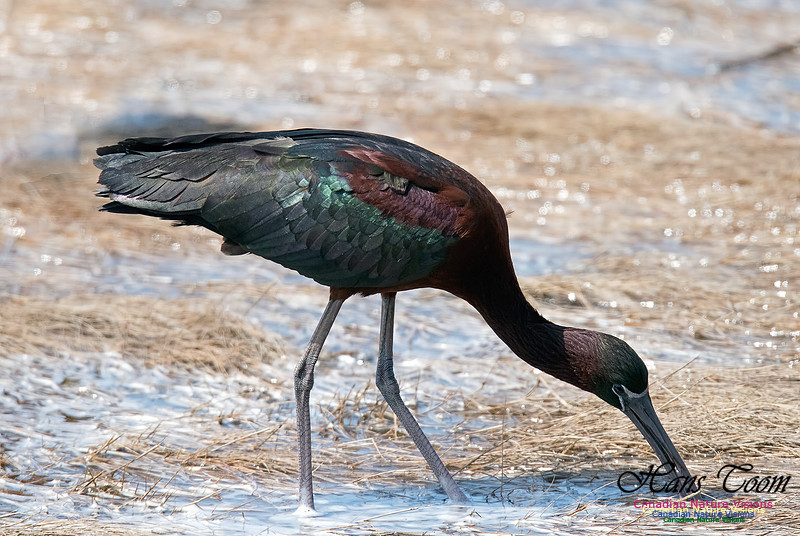
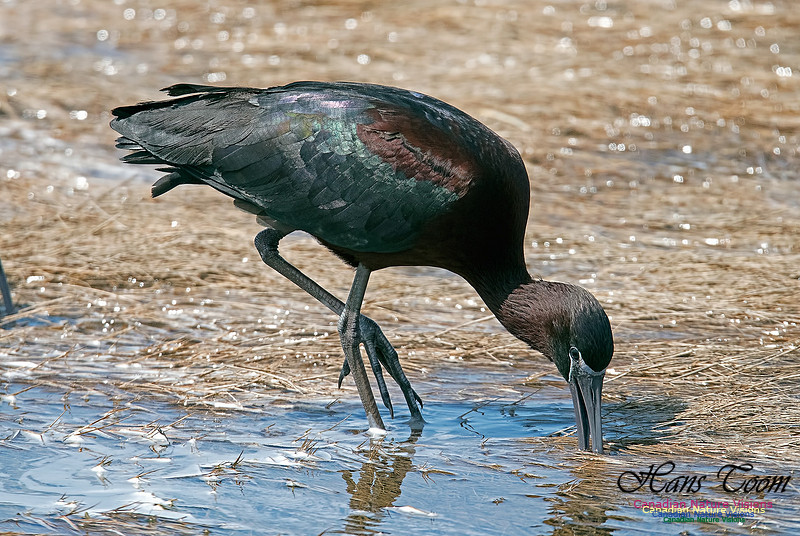
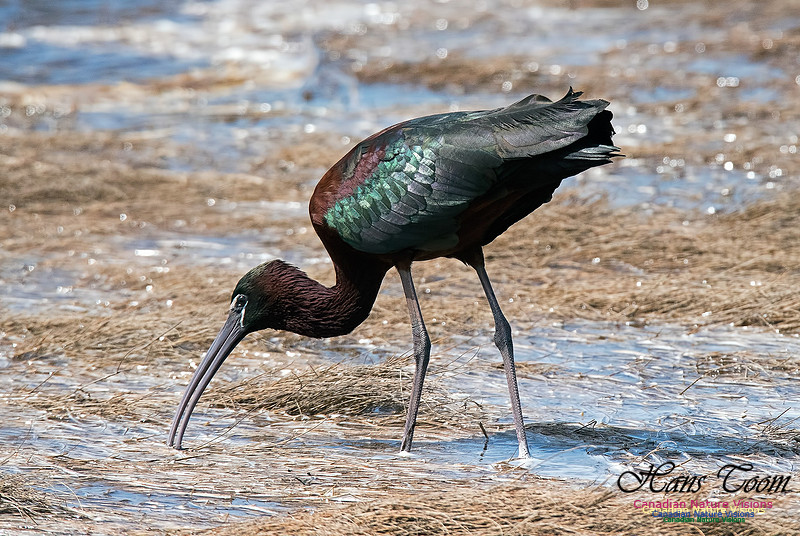
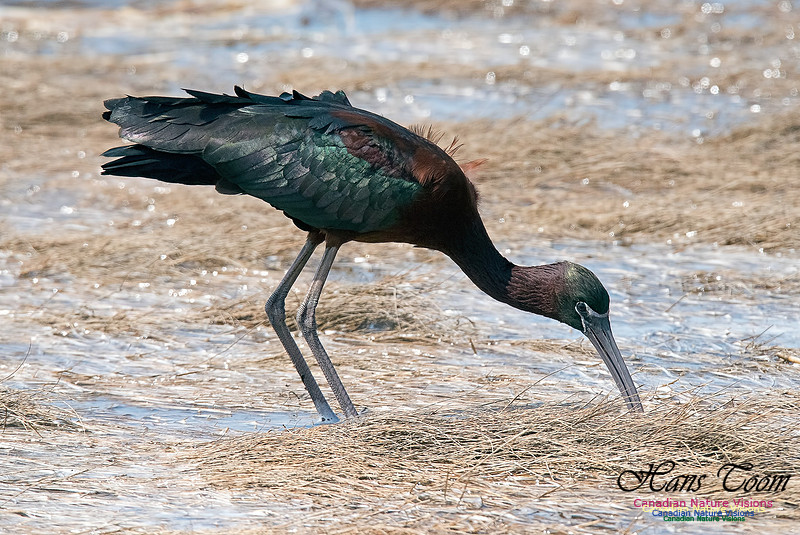
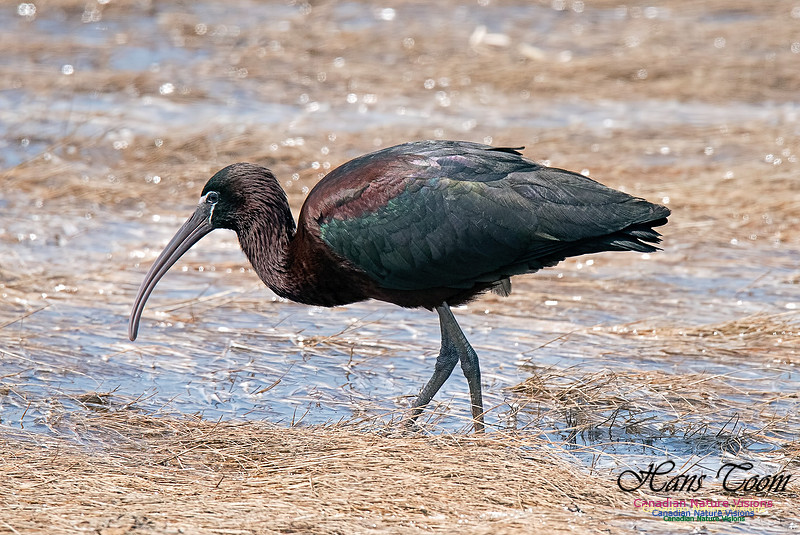
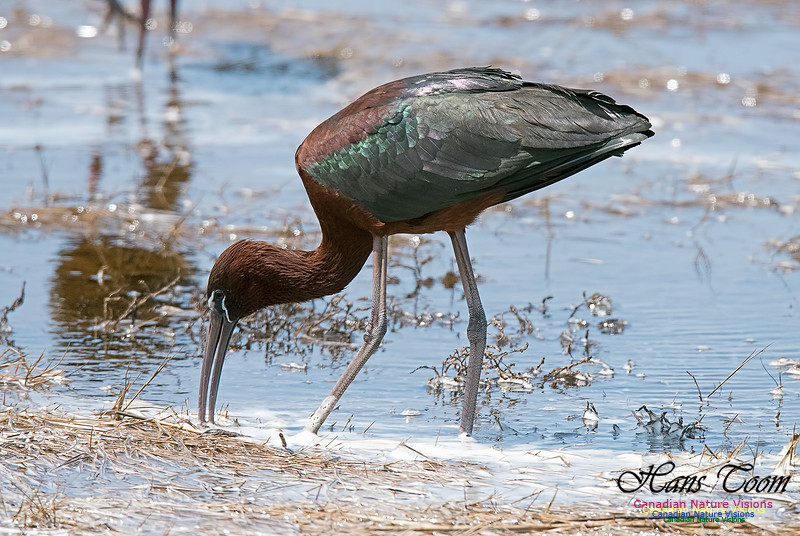
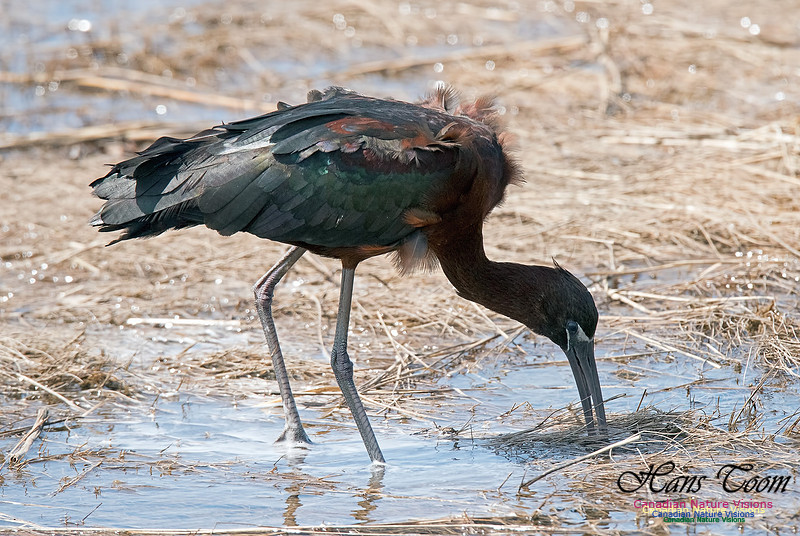
The Ibis of Seaside Provincial ParkLaura and I made the trip to Waterside Beach Provincial Park on Monday May 4, Nova Scotia, to see the White-faced Ibis(1), Glossy Ibis(5) and many Great Blue Heron. We got an early start and arrived at the location before 9AM. By then a convoy of vehicles was already lined up with a camera hanging out of the window of each one. We knew we had come to the right place. I took a lot of photos in bright sun and then we proceeded to Big Island. We stopped at New Glascow for lunch, and then headed south to Middle Musquodoboit, and along the eastern shore. It was a long day with eleven hours on the road. Unfortunately, my photos of the ibis lacked the definition necessary to sort through the ibis species so I returned the following day and had much better luck. The White-faced Ibis was the premier bird of the trip and may be the first Nova Scotia record. I photographed a hybrid White-faced/Glossy ibis at Rainbow Haven Provincial Park in November 2005. I have about 900 images from the two days so I'll be sorting through the visual records for some time and this blog will have many updates. Here is the White-faced Ibis.
The ibis at Rainbow Haven Provincial Park was seen and photographed by many folks after November 5, 2005. At the time the internet was in its infancy, relative to today, so technical jargon and images were hard to find especially of juvenile White-faced Ibis. I took the following photo using antiquated equipment by today's standard; low resolution camera and low definition optics. Note the red eye and wash in front of the eye and reddish legs. This bird is a perfect match for many photos online of juvenile White-faced Ibis. The decision in 2005 was that the Rainbow Haven Provincial Park ibis was a hybrid. Highlight the following link to review research undertaken on this matter: http://www.hanstoom.com/nab-v57-n1-2003-glossy-whitefaced-hybridization-new.pdf
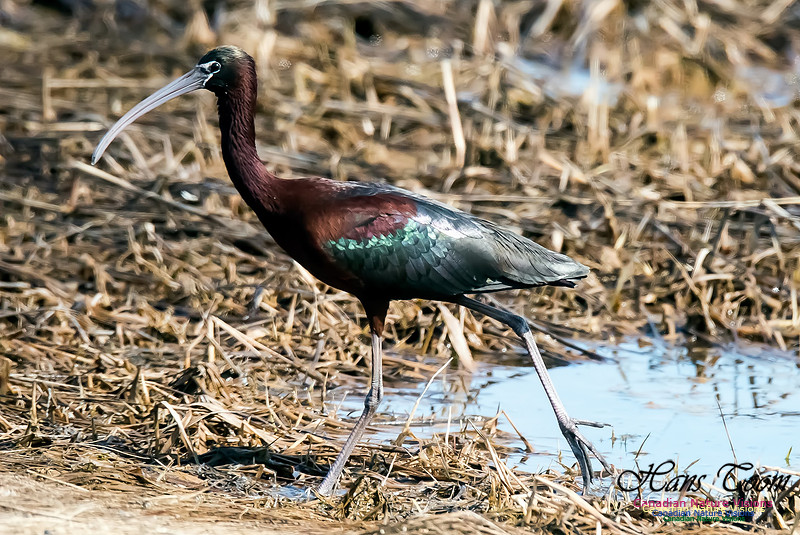
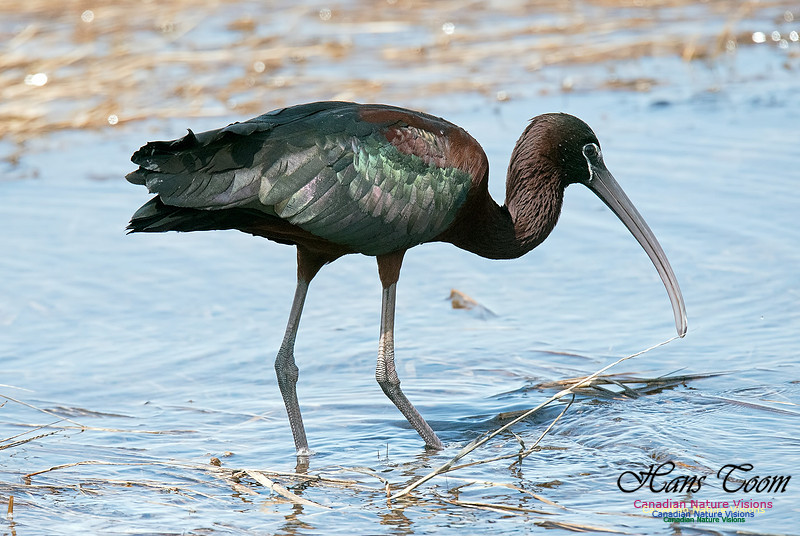
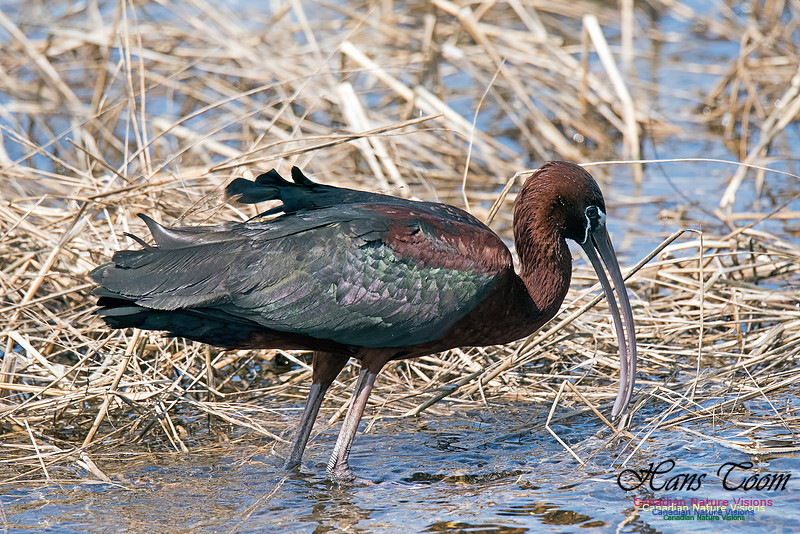
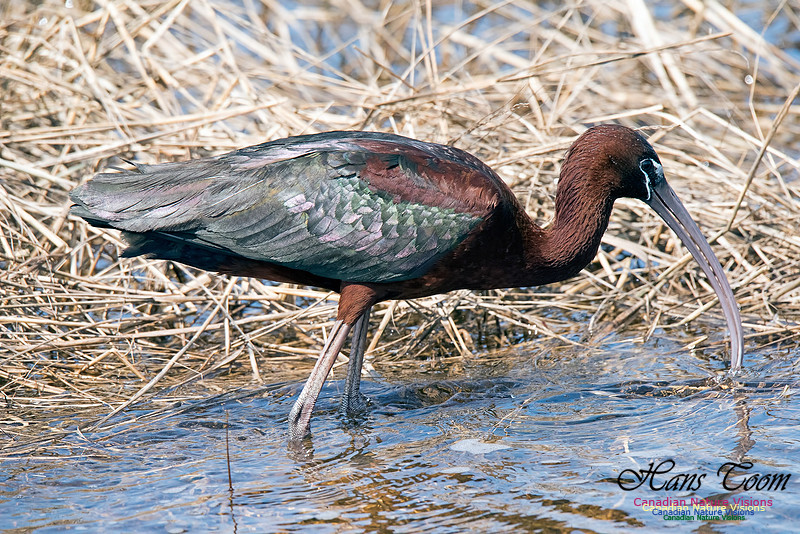
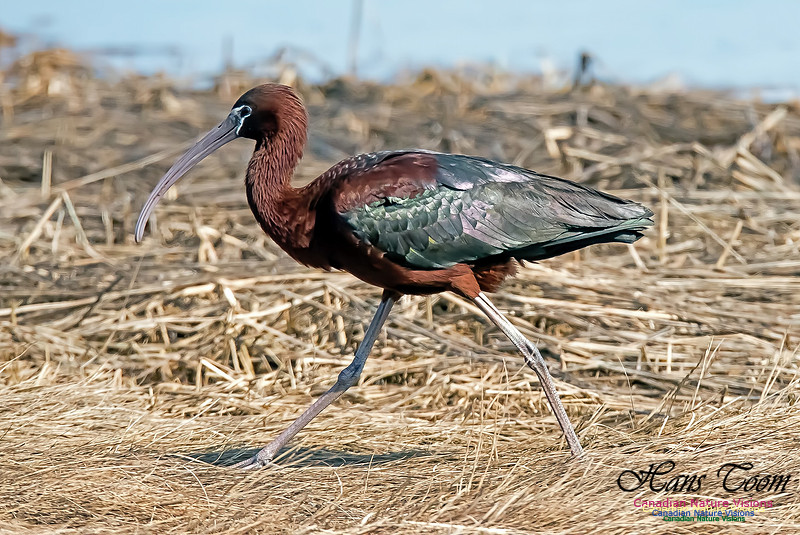
Here is a bunch of photos of Glossy Ibis.
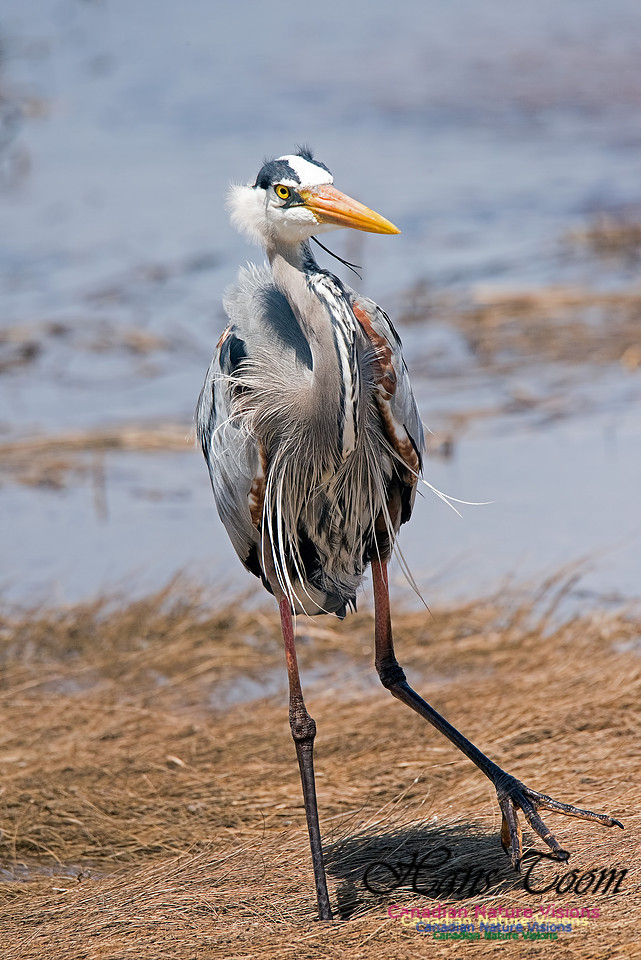
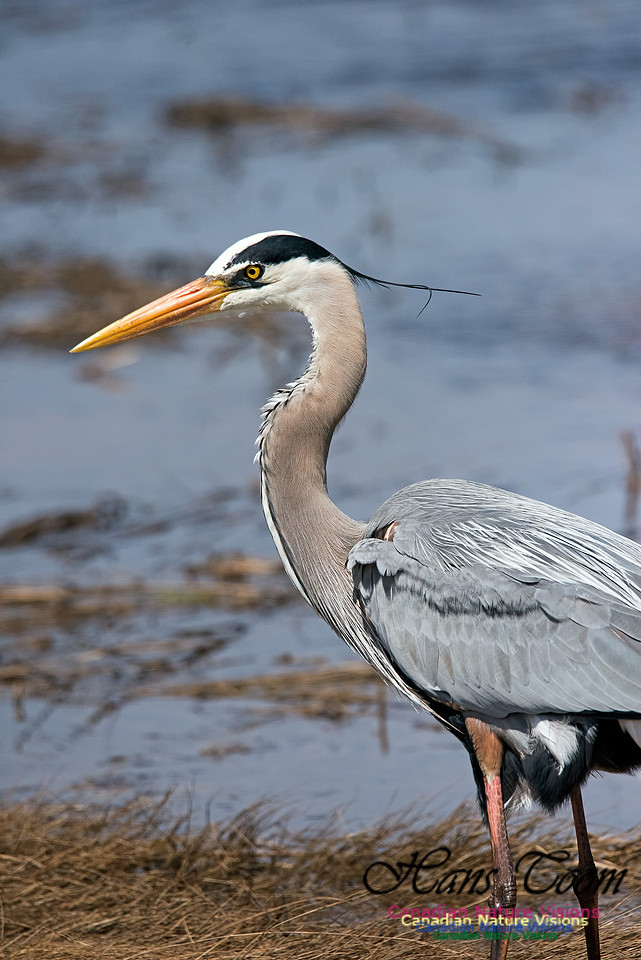
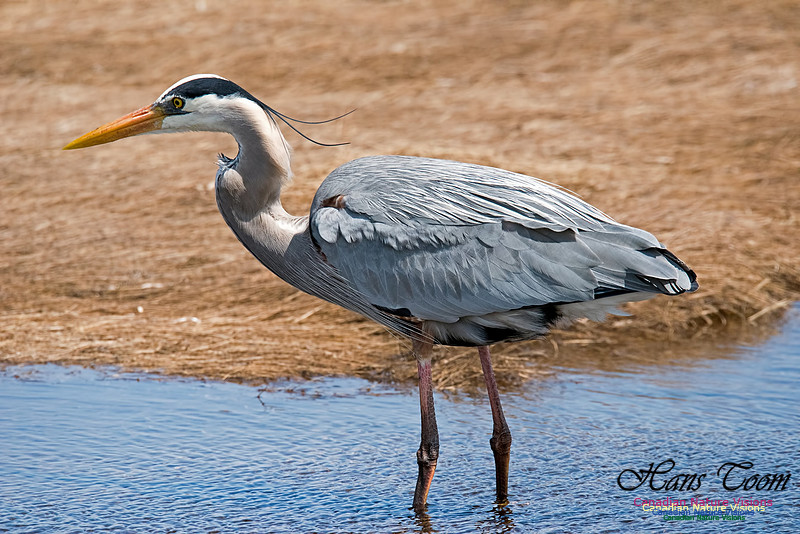
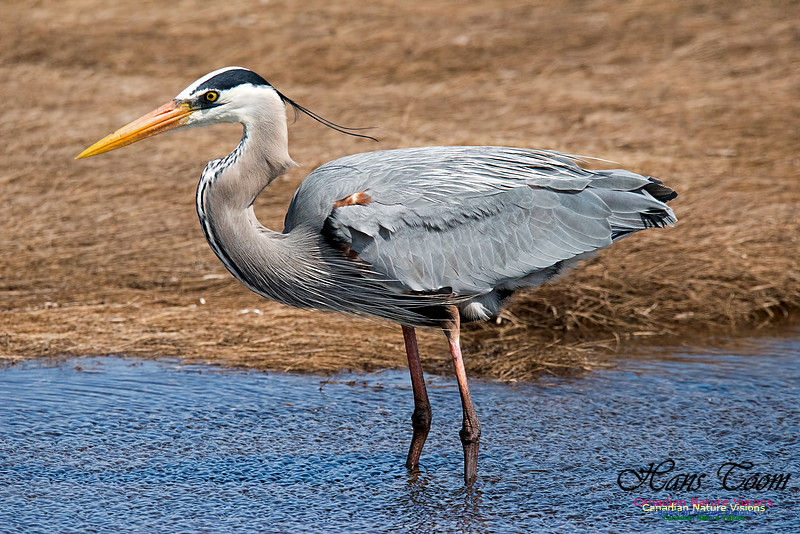
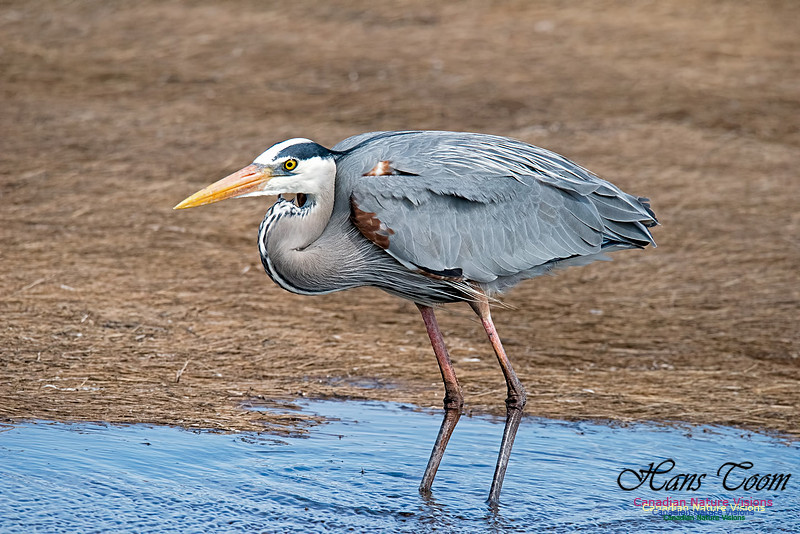
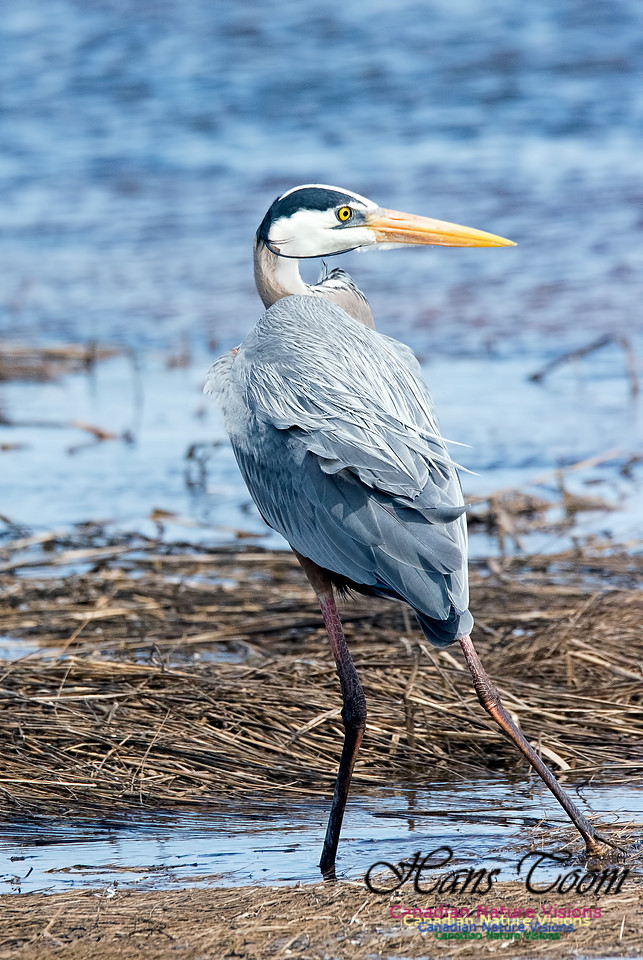
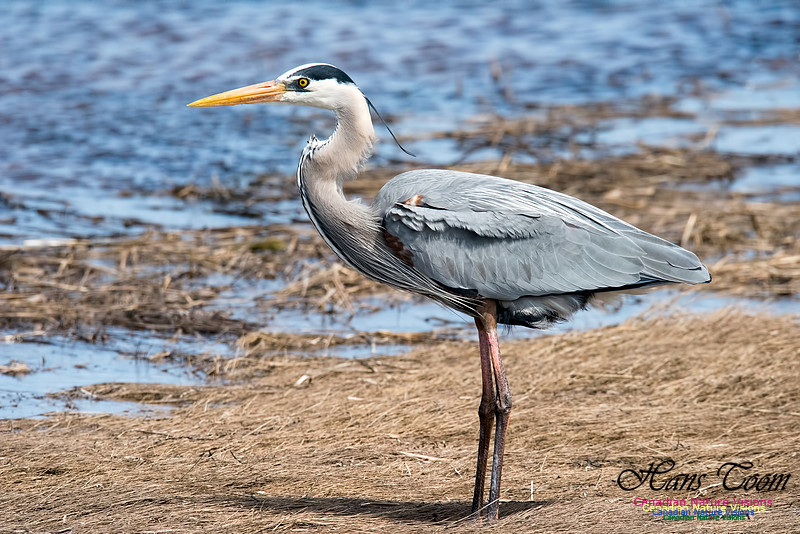
The Great Blue Heron posed as well.
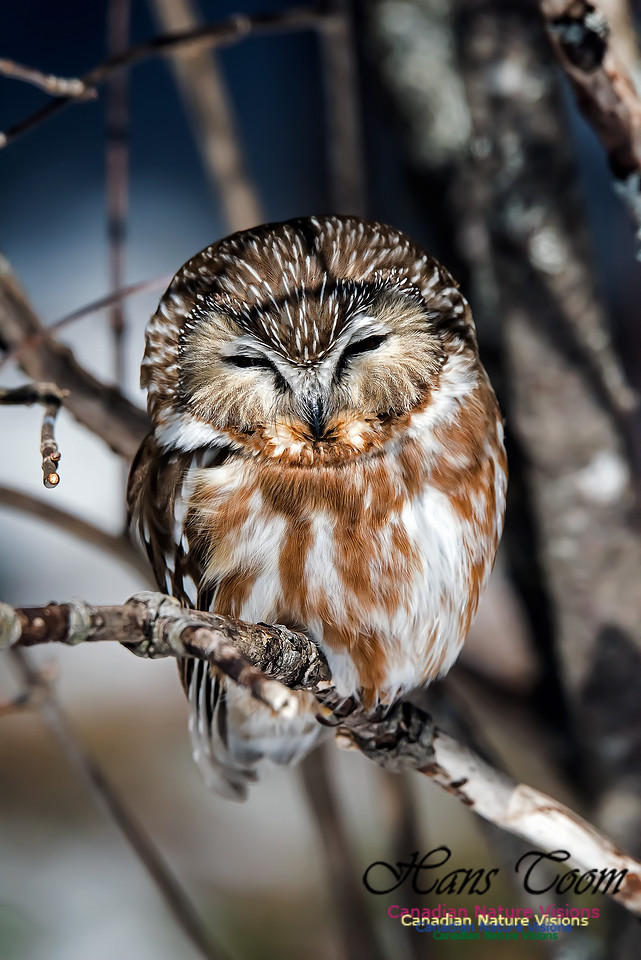
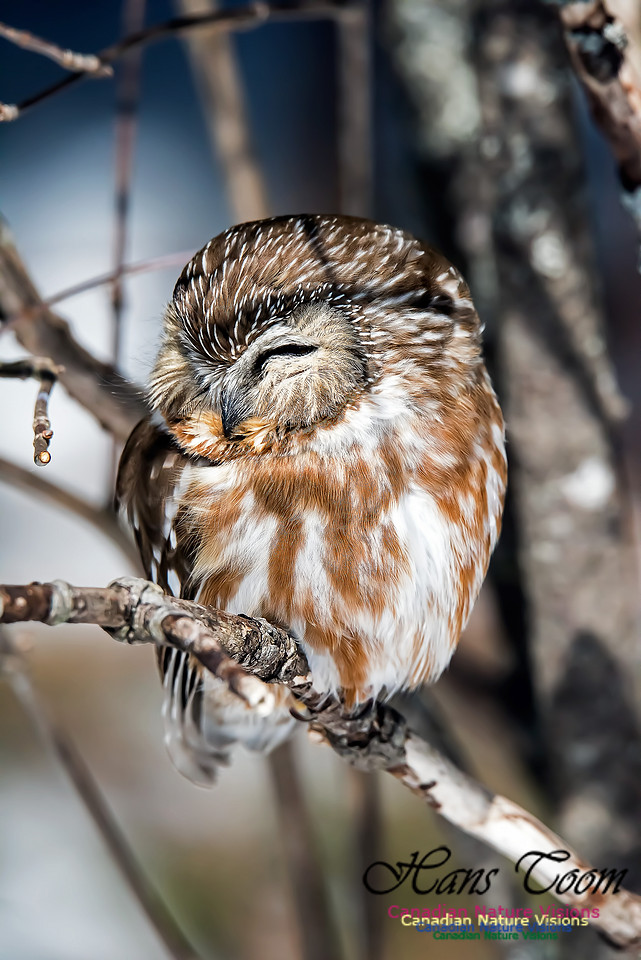
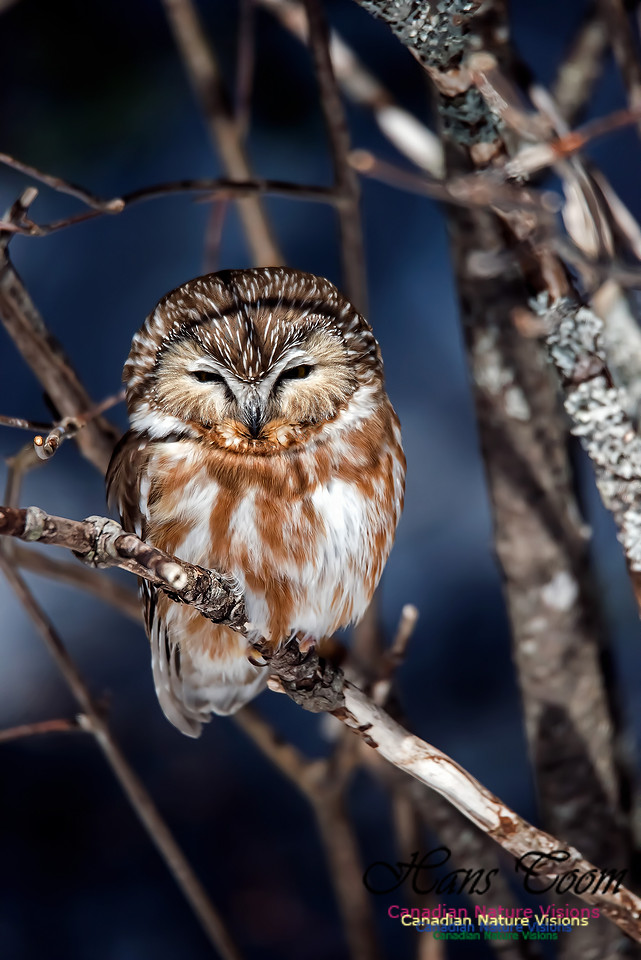
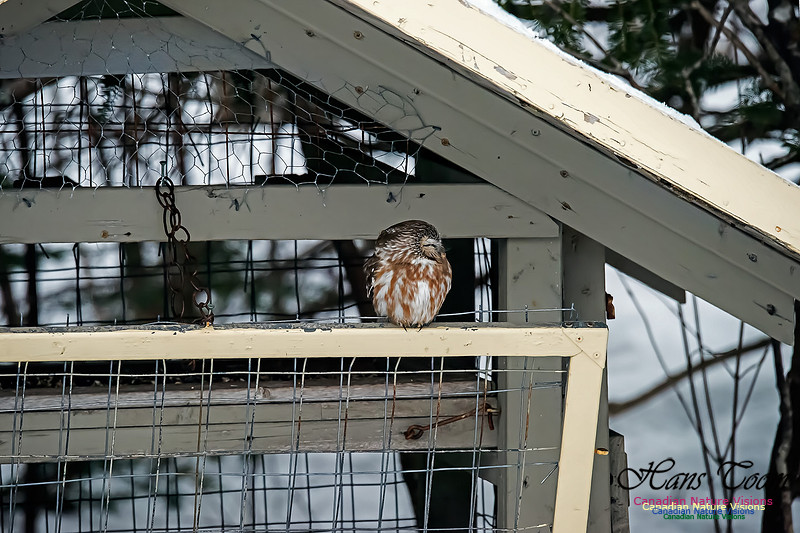
The Killer WinterThe winter of 2015 was the worst in our experience and the worst for most folks in Nova Scotia. White Juan, a major storm of a few years ago, dumped a metre of snow but snowblowers cut easily through it. The current winter comprising most of January, February and March was a killer, not so much for the snowfall but for the ice. Snow came in waves followed by rain followed by flash freezes. The result was a solid block of ice on our driveway and in the surrounding forest making it impossible for many birds to eat, both predator and forager. At our driveway's juncture with Ketch Harbour Road there was a solid block of triangular shaped ice. Some folks rented jack hammers to cut through this block of ice. Others used chain saws. Hundreds of thousands of birds died and many mammals suffered horrible distress including bobcats and deer. Thankfully, diligent bird lovers provided relief and saved the lives of hundreds of thousands of birds by operating feeding stations and keeping them available to birds during the worst weather conditions. One chap purchased $5000 worth of feed, bagged it, and gave it away free to anyone that would feed the birds. Incredible! This blog is a summary of our experience in Portuguese Cove. Northern Saw-whet Owl The winter was notable for the absence of accipiters in our area. The only raptors we saw were Northern Harriers and a single Northern Saw-whet Owl which I first spotted sitting on the edge of my back yard platform feeder's door. The owls both large and small suffered because feed species such as voles were impossible to find due to the inpenetrable ice protecting the roof of their tunnels. One Great Horned Owl was rescued with a face full of porcupine quills. Many small owls were found at death's door and delivered by folks all over Nova Scotia to rehabilition facilities. I approached my Northern Saw-whet Owl, wearing welding gloves, just in case I had to rescue it. I got to within a metre of the bird when it took to wing. It returned a short while later and sat in a tree near the feeding station. The problem with this owl is that it is extremely tame and even healthy birds can be closely approached and even picked up in hand so tameness which is usually an indication of a bird in distress is not a useful rule with this bird. I approached again and this time I could easily have picked it up in hand but it was lounging in the sun and appeared not to be in distress so I left it. There was a small pile of feathers by the feeder below where the owl was sitting so it is possible it ate a small bird. Nevertheless, l went to the pet store and returned with some frozen mice and I waved the mouse in front of the owl but it took no interest in the rodent. The owl eventually disappeared without the mouse although the mouse disappeared eventually as well although I cannot say who took it. I hope I did the right thing by not capturing the Northern Saw-whet Owl. There is no way to know but I will be haunted by my decision nonetheless.
Ring-necked Pheasant We have Ring-necked Pheasants all year round at our place in Portuguese Cove. They use the platform feeder by slotting their head between the protective page wire and munching away much to our delight. This winter was unusual since not only was the ground inaccessible but the platform feeder they normally foraged at also became buried in snow. So for the first time in our experience this very wary bird came up on our deck and deck railing to feed with the other much smaller birds which they never bullied. There were two male and six female Ring-necked Pheasants. 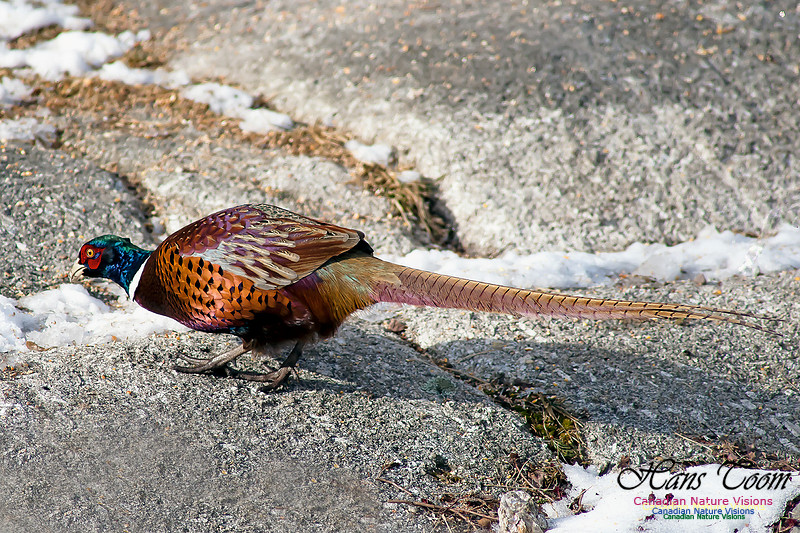 
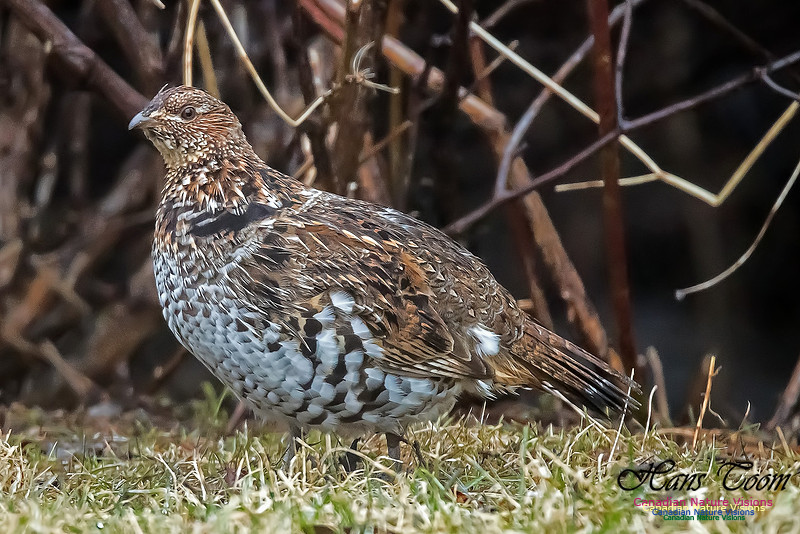
Ruffed Grouse The Ruffed Grouse is both a ground forager and a tree forager so its survival is a bit more assured than many other bird species yet it also took advantage of scattered seed spread about often on top of hard ice crusted snow. It was a chore staying ahead of the bird's needs during snow storms as the seeds kept getting buried by fresh snow, so I kept adding more and more seed. It got expensive! This photograph of the Ruffed Grouse was taken after the worst of the winter was over and ground was beginning to become exposed.
American Tree Sparrow The American Tree Sparrow is a regular over-wintering bird here in Portuguese Cove. We usually have between 10-20 of this species although they are hard to count accurately as one has to rush from window to window to spot them. As usual most are seen during stormy weather. As an exclusive ground forager it requires special attention. This meant I had to go out and clear off the deck in places to scatter seed, time and time again, during snow storms. This effort of course benefited all the other species as well.
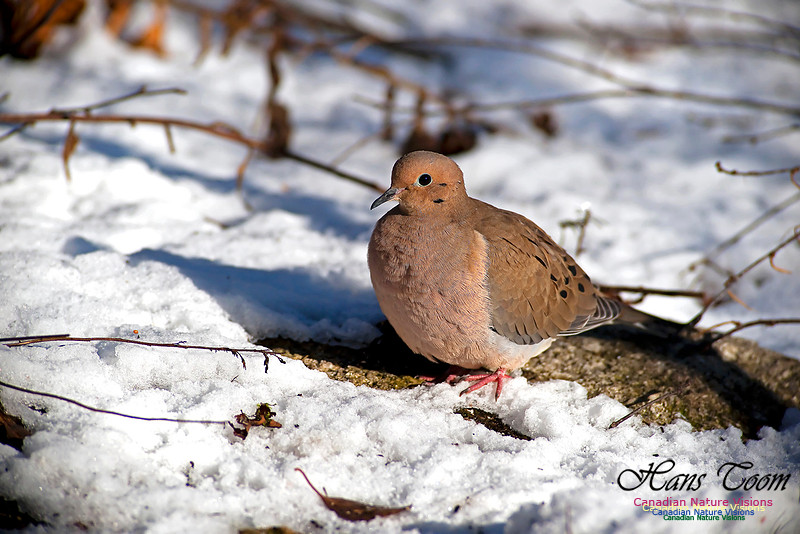
Mourning Dove The Mourning Dove as a ground forager is a particularly vulnerable species and our over-wintering population of about 50 individual birds would probably have all died were it not for my efforts. As with the American Tree Sparrow constant grooming of the deck and railing was required and a fresh supply of seed scattered throughout the storms.
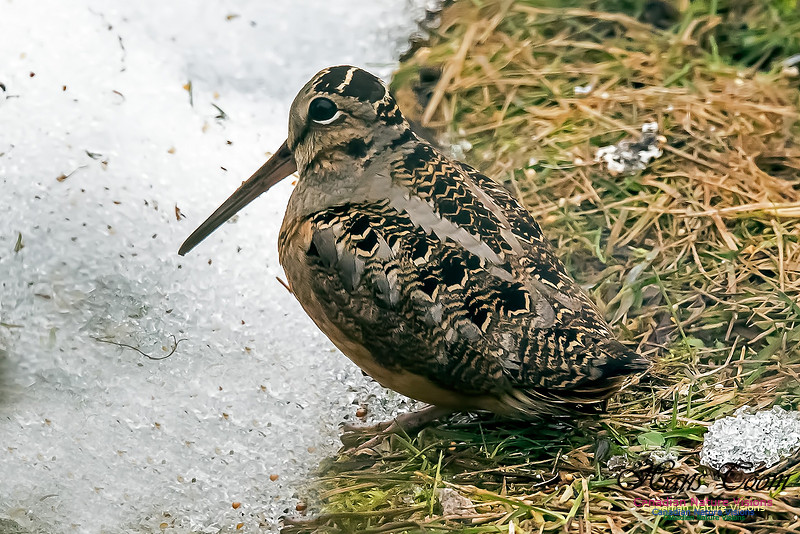
We have three principle feeding areas for birds; the low level platform feeder at the front of the house shrouded by multiflora brambles, the high platform feeder in the back yard and the feeders around the house and of course the back deck. The front yard feeder was useless for most of the three winter months due to snow cover. The back yard feeder was always available for most birds but I had to don snow shoes to replenish it during the latter part of the winter. The back yard deck and railings was the life saver for many ground feeding birds when the front feeder was buried in snow. The birds that used it were; White-throated Sparrow(~30), Song Sparrow(~20), Dark-eyed Junco(~30), American Tree Sparrow(~20), Mourning Dove(~50), Ring-necked Pheasant(~8) and all of the upper level feeder birds on occasion. Upper Level Feeding Species The least vulnerable of all the species are those that come to feeders above the snow pack; Black-capped Chickadee, Boreal Chickadee, American Goldfinch, Pine Siskin, Downy Woodpecker, Hairy Woodpecker, Blue Jays and Red-breasted Nuthatch. These birds frequent the sunflower seed feeder, the niger feeder, the suet feeders and the the peanut feeder. Keeping these feeders clear during snow storms is essential but not as tedious as working the back yard deck. White-tailed Deer Our resident population of deer varied between about 8-12 animals, mostly females and young. They became so desperate in mid winter that they actually came up onto our back yard deck to feed on the seeds. Normally they work the front yard platform feeder tonguing the seeds through the page wire, but this feeder was eventually buried in snow. The Early Migrant Species The winter snow cover lasted into the arrival period for our early migrants affecting; Fox Sparrow, American Robin and American Woodcock. All of these species depend on unfrozen and exposed ground upon their return especially since many are exhausted from their flight and their fat reserves are depleted. American Woodcock The American Woodcock requires several inches of unfrozen and exposed ground to forage for buried goodies. Most woodcocks were denied this and simply perished. The luckier ones frequented human habitation where unfrozen and open ground was easier to find such as the edge of buildings and around septic tanks. We only had one American Woodcock and it found favourable foraging around the edge of our septic tank and it appeared to be successfully extracting food so it may have survived.
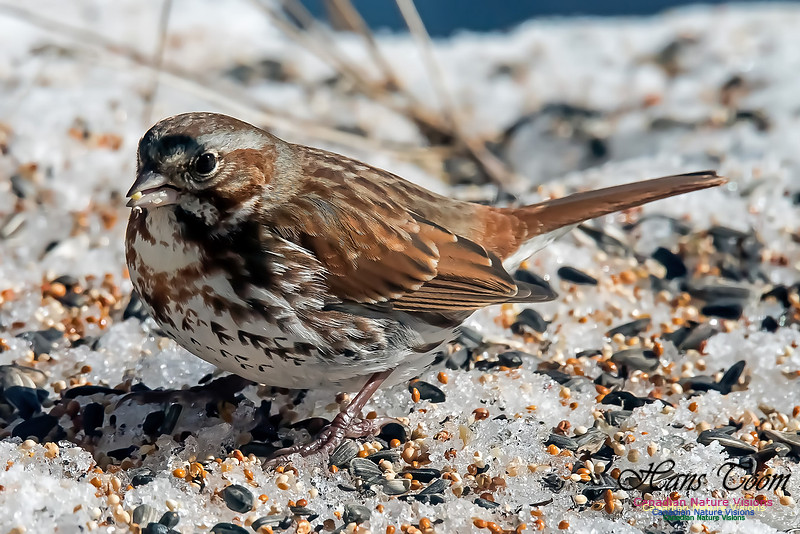
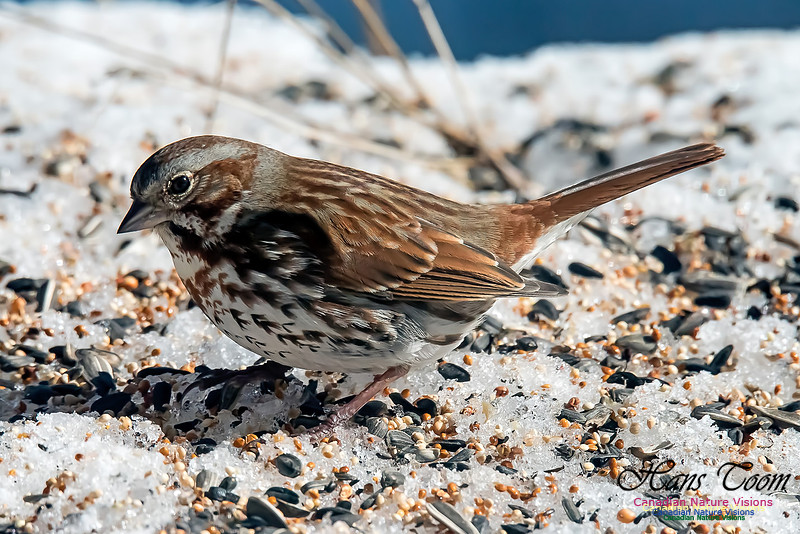
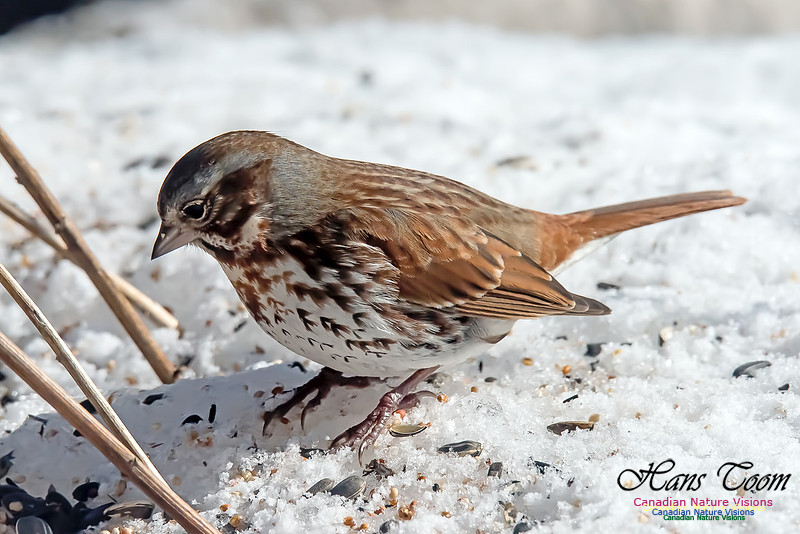
American Robin The American Robin has similar requirements to the American Woodcock although it can forage on berries and other fruit if they can find it. We usually have two families of American Robins at our place, one in the front yard and one in the back yard. But there was no unfrozen and open ground so the robins were desperate. Folks all along my street were visiting Canadian Tire stores and buying up supplies of fishing worms much to the delight of trout I'm sure. On my second visit to Canadian Tire they had actually run out of stock. Bird feeding folks had cleaned them out I was told. My faith in the goodness of human nature was bolstered. Unfortunately, the American Woodcock was very hard to feed worms but the American Robin dug right in and literally became like a pet awaiting its feed of blueberries and worms twice a day. Fox Sparrow The Fox Sparrow arrived here at our place in ones and twos and then between 10-20 individuals daily, all feasting on the scattered seed on the snow, back yard platform feeder and our backyard deck. We've never had so many Fox Sparrows and I'm confident they all survived. All the photos following are taken through our windows so lack definition.
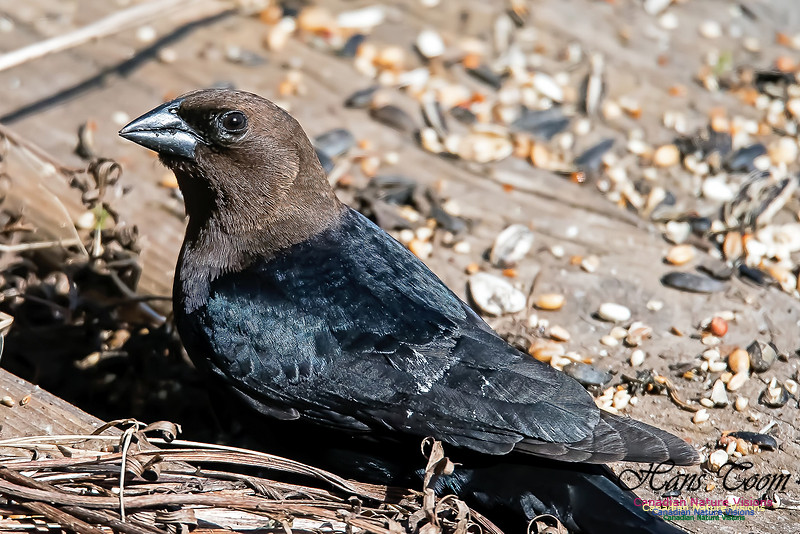
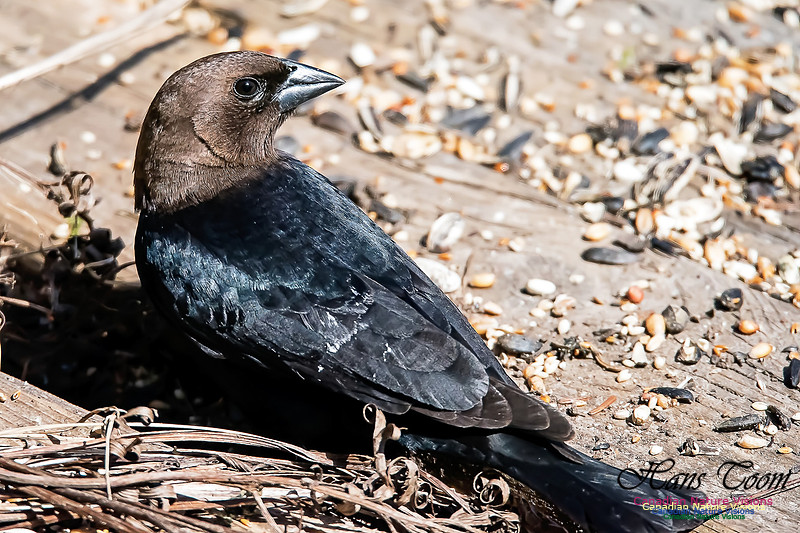
Later Arriving Migrants Later arriving migrants like the Brown-headed Cowbird, Common Grackle and Red-winged Blackbird missed the worst of the snow cover so were enjoying open ground upon their arrival.
It was a terrible killing winter and were it not for thousands of bird and nature lovers stocking feeders and going to extraordinary lengths to help the over-wintering and migrant birds it would have been much worse. Thank you all!!
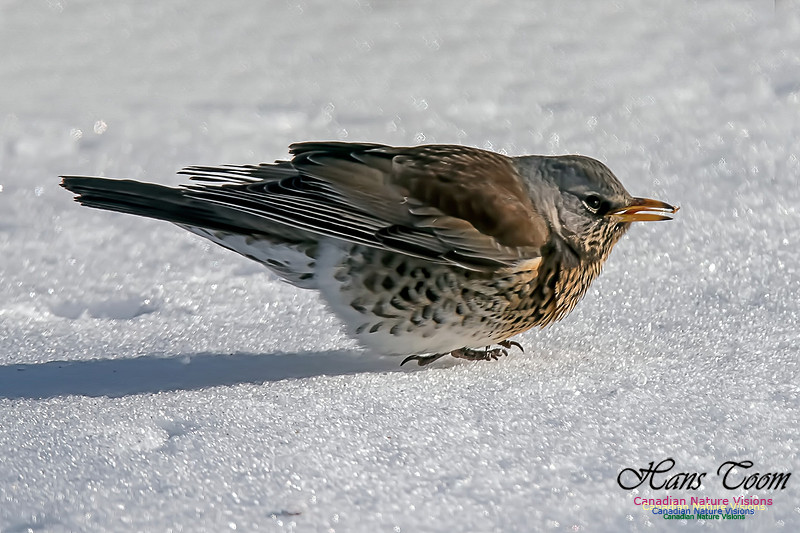
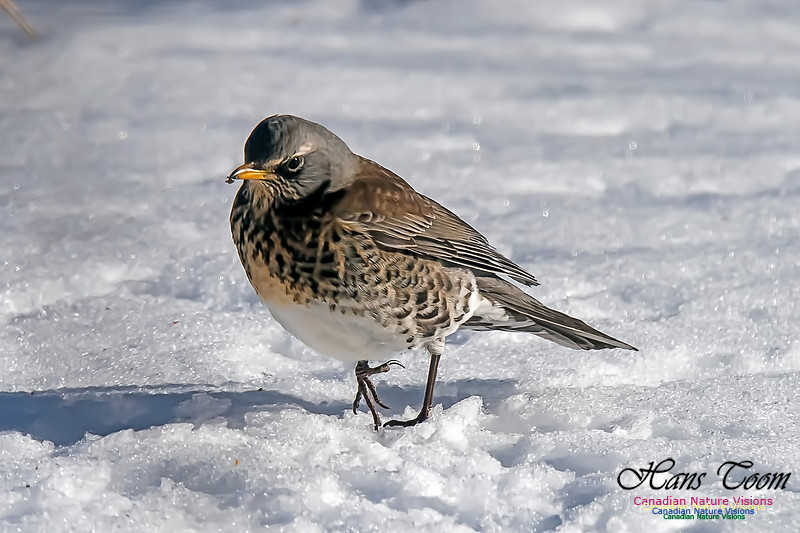
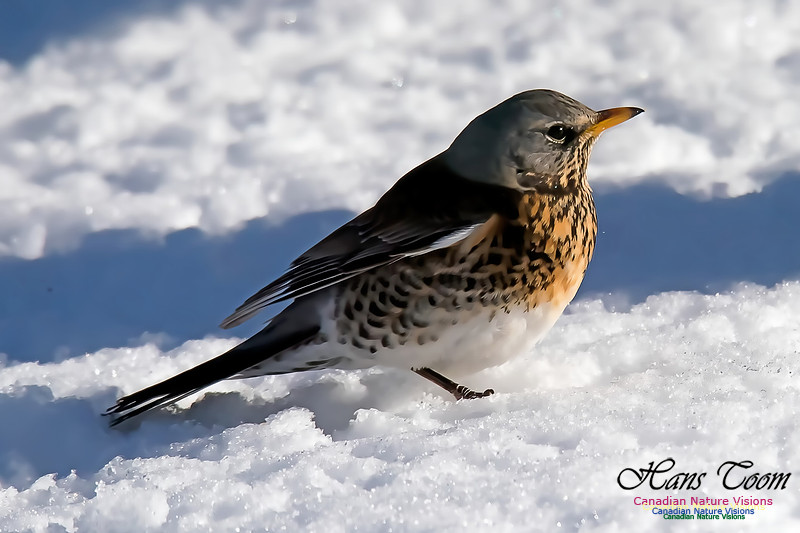
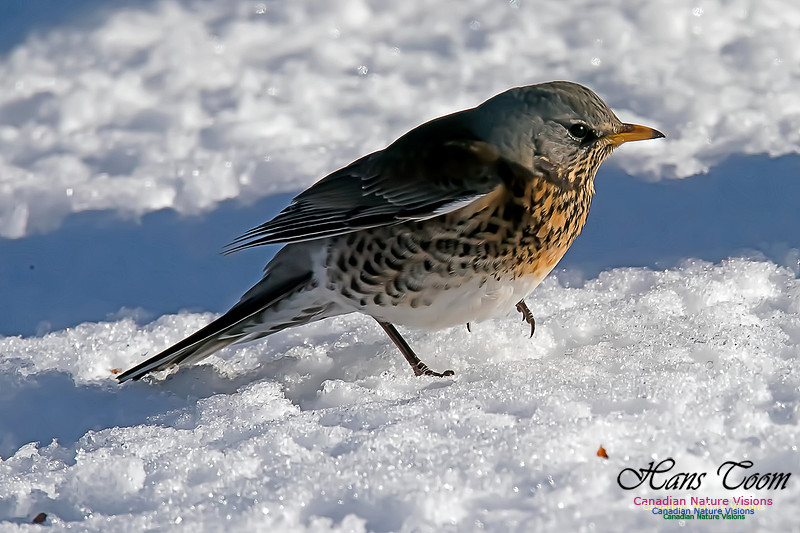
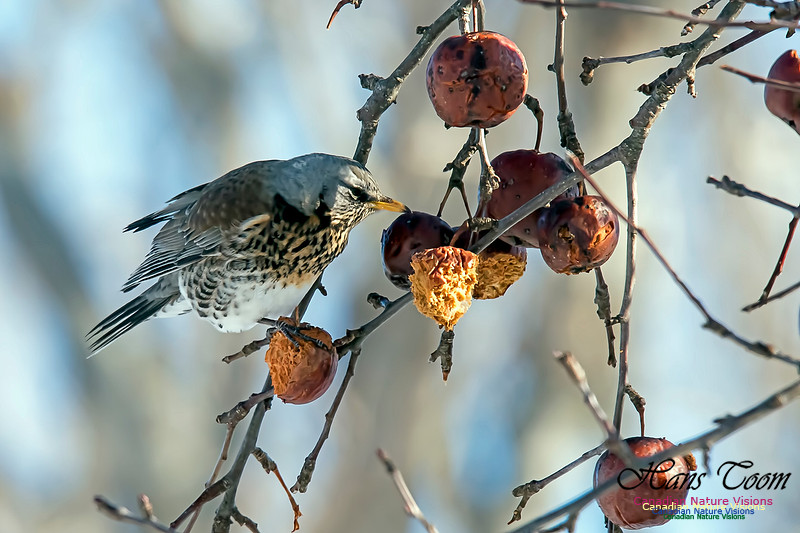
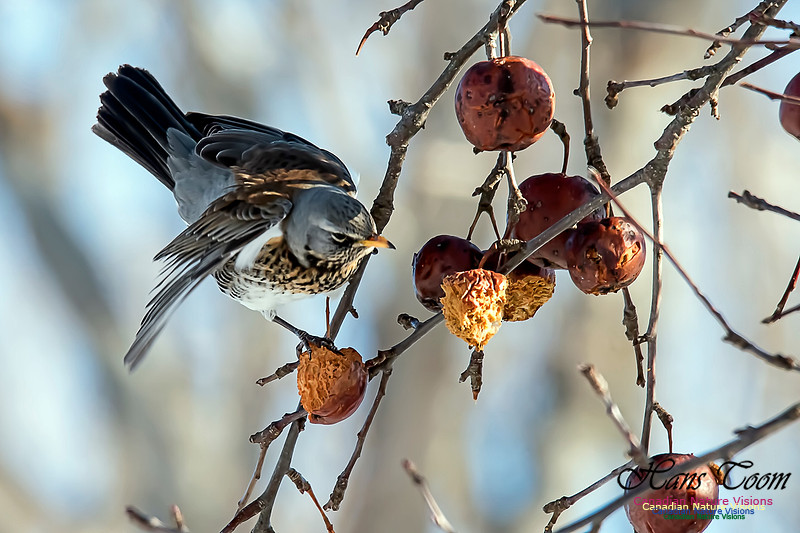
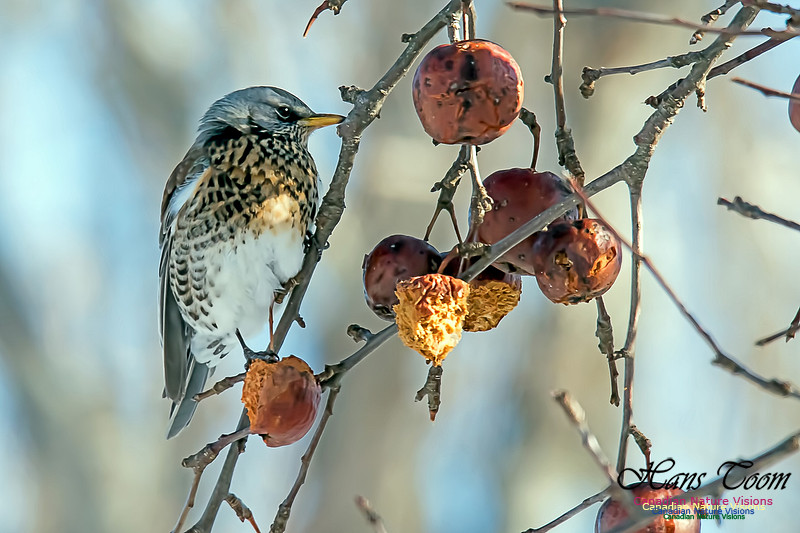
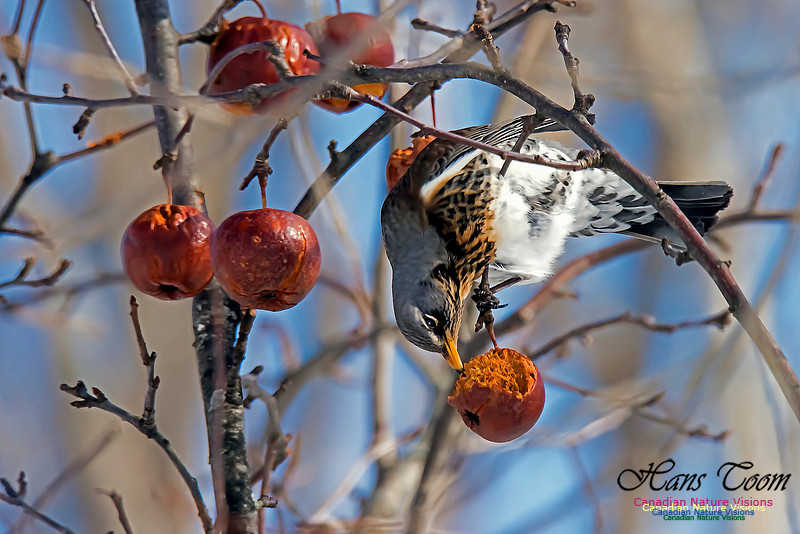
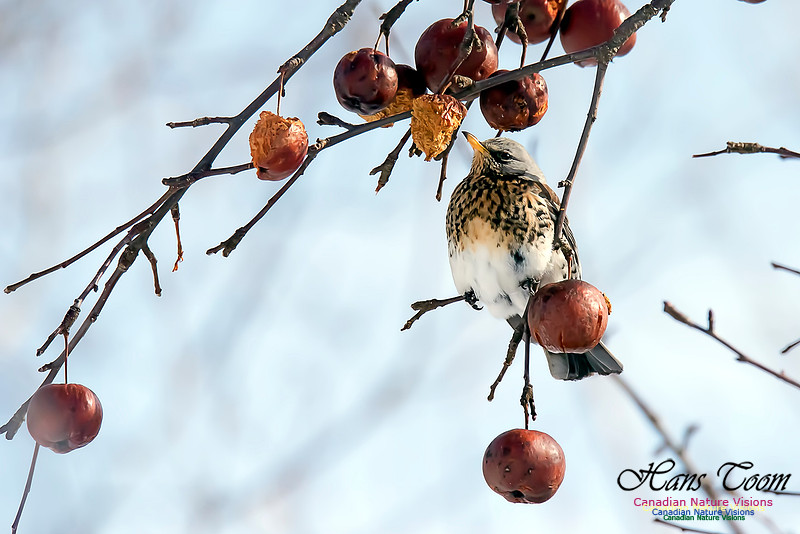
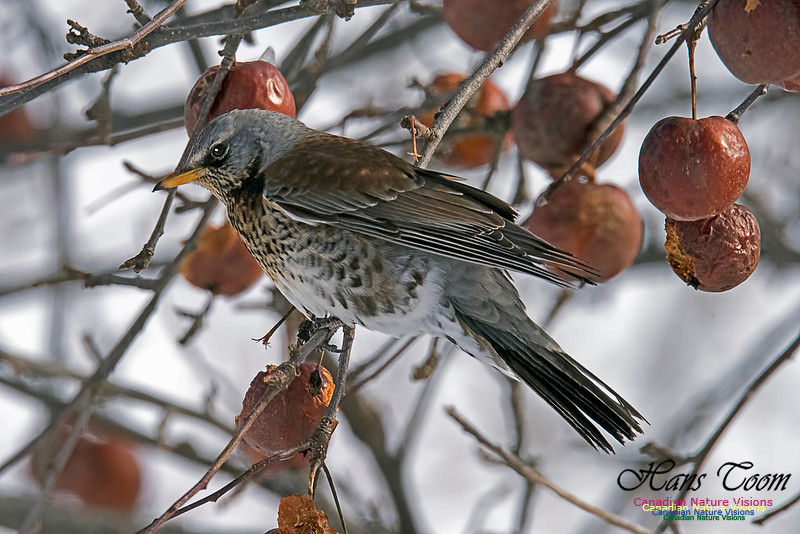
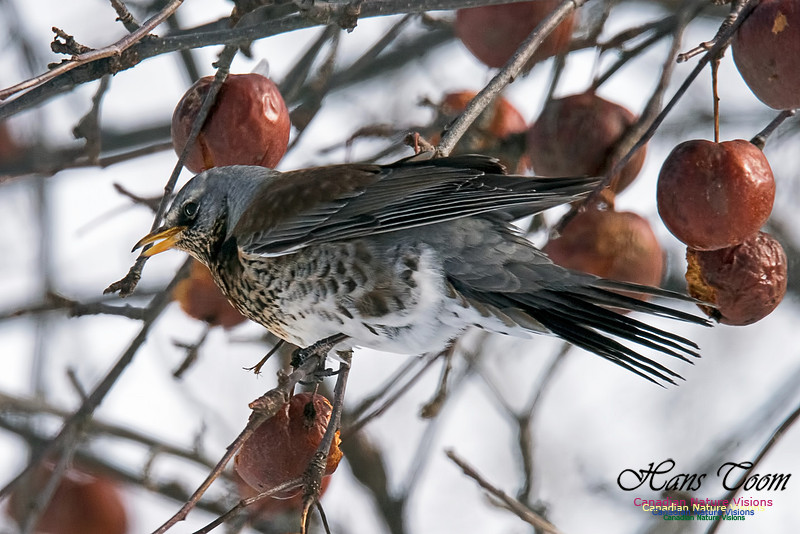
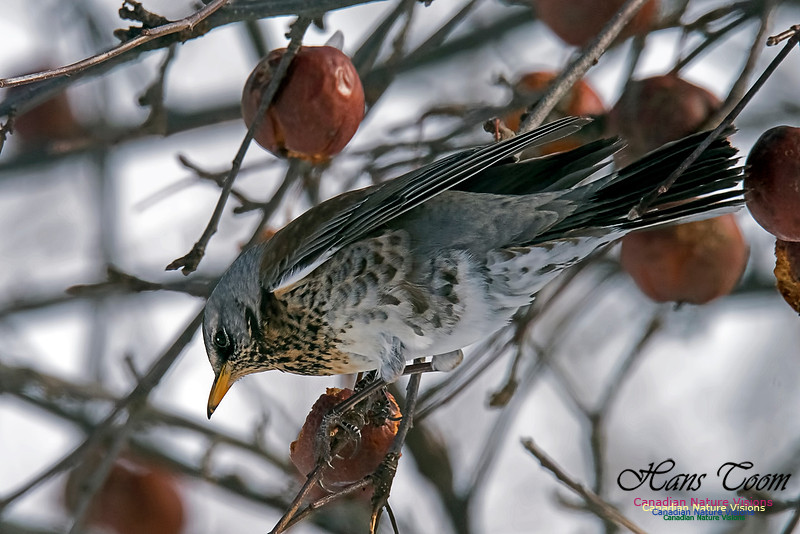
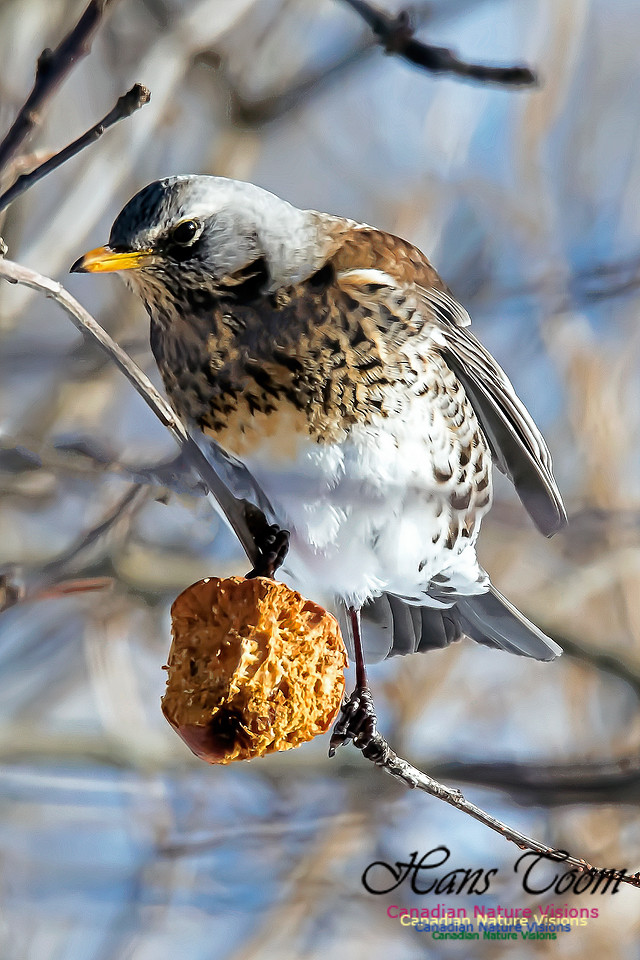
Fieldfare in Apple River, Nova ScotiaI visited the Fieldfare in Apple River, Nova Scotia, February 27, for the second time. This was a day trip with a 6AM departure from Portuguese Cove. This is a probably the only one I'll ever see here so it was well worth the effort of a second trip. The roads were not as good as on my first visit but the weather was greatly improved with bright sun and occasional cloud cover. The bird was hard to photograph even though it was cooperative. The problem is all those intervening twigs and branches on the apple tree that compromise focusing. It did come out into the open occasionally, a few times on a branch and once on the snow. When it was on the snow it was picking up dropped bits of apple, a very tidy bird. I stayed for about two hours and headed home satisfied that I couldn't accomplish much more. Fieldfare
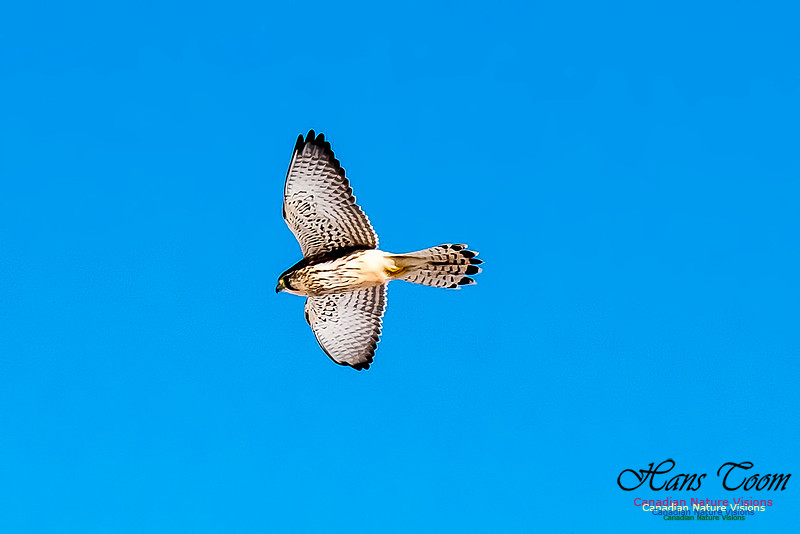
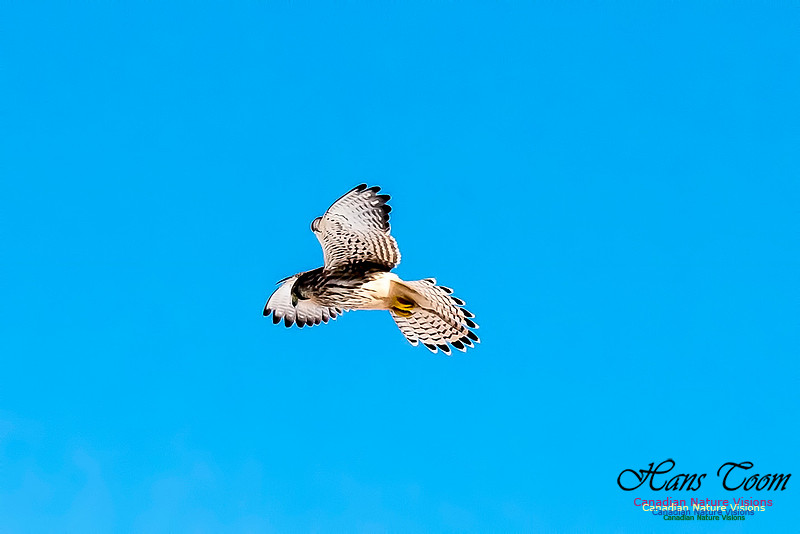
Eurasian Kestrel, Eurasian Wigeon and OthersThis sunny morning motivated me to tour around Halifax. My stops were Hartlen Point, The Dingle, Purcell's Cove, Ketch Harbour, Sambro Harbour, Fawson Cove and West Pennant. The Eurasian Kestrel made an appearance near the shore line at Hartlen Point, my first stop. It was eating a bird, not surprising since rodents will be harder to find under these conditions of snow and ice. Sparrows and starlings are easy pickings for a falcon along the ocean shore. Eurasian Kestrel
After its meal the kestrel returned to its usual perch in the tall spruce by the settling pond at the golf course's clubhouse.
There were lots of ducks at Sullivan's Pond including American and Eurasian Wigeon, Green-winged Teal and American Coot. The Hooded Mergansers were scared off by some birders that went too close to the open water at the south end of Lake Banook. Eurasian Wigeon
The Green-winged Teal was a pleasant surprise on Sullivan's Pond. Green-winged Teal
American Coot
I went to The Dingle along a treacherous single lane road with lots of loose snow. The only place to park was at the concession area so I left and was thankful I didn't meet anyone going up the hill. Purcell's Cove hosted the usual suspects; goldeyes, scaups, eiders, black ducks and mallards. Ketch Harbour was quiet save for a single Canada Goose, possibly injured, and a Horned Grebe. The road to Sandy Cove was not worth the risk due to loose snow and compacted ice. Sambro Harbour had a Dovekie this morning but I missed it. I did manage some decent photos of Black Guillemot. Black Guillemot
The Glaucous Gull was still present on the rocks west of Martins Point in Sambro Harbour. It was too far away for photos but two Iceland Gulls did pose for me. Iceland Gull
Fawson Cove had a surprising amount of open water and hosted a group of Common Loons, Common Mergansers and Black Ducks. Common Loon
It was a good trip! Fieldfare in Apple River, Nova ScotiaI pondered a trip to Apple River, Nova Scotia, for days to see and photograph the Fieldfare but the weather has been dreadful this winter. I opted to go when a break in the weather coincided with opportunity. Since the trip can be challenging this time of year I decided to overnight in Amherst, Nova Scotia and then get an early morning start for the balance of the journey hoping to arrive near sunrise. I left Amherst the morning of February 12, 2015, at 5:45AM and headed south. The drive was uneventful until I passed the Joggin's Fossil Cliffs. Although the road is paved and moderately snow covered slow going was still necessary because of black ice, nevertheless I was surprised by snow drifts across the road in places. I did not meet another vehicle from Joggins until I got to Apple River at 7:10AM, a period of one hour. I was driving in the dark most of the way so it was somewhat unnerving. I followed Highway 2, then country roads 242 and 209.
I found the home of Kathleen Spicer almost immediately and was greated warmly as I entered their driveway. After a brief discussion with Kathleen I parked my car beside the driveway facing the apple tree the Fieldfare was visiting. It was about 7:20AM so I settled in for a wait but I didn't wait long since the Fieldfare arrived in the apple tree at 7:30AM. It was still quite dark so I start shooting at low shutter speeds and ISO 6400. The darkness of this early morning visit made for some interesting photos. Fieldfare at Early Morning Light
The low light photographs above despite the challenges they invited are probably my most compelling. I added a lens extender and lowered my speed to ISO 1600 by 8AM but although the images got larger the quality did not. There was no direct light on the Fieldfare so the eye was always dark. I took a break when the Fieldfare departed and visited the Spicers to sign their guest book and thank them for their gracious hospitality.
The Spicers have about twenty species frequenting their place including, Common Redpolls(about 100+), Pine Siskins, Horned Larks, Purple Finches and Hairy and Downy Woodpecker. I resumed my stakeout about 8:15AM but at 8:30AM all the birds scattered probably due to a Sharp-shinned Hawk or Northern Shrike. I left for home having accomplished my mission and was home before noon after taking the shoreline route through Advocate Harbour and Parrsborro. It is best both for the observer and the bird if you remain in your car. The Fieldfare is not bothered by the rumble of the car's engine and photographing with a bean bag on your door will produce good results(turn your engine off to photograph). If you get out of your car and walk about the birds will scatter and you will get cold. More photographs of the Fieldfare can be found in my Rare Birds gallery: http://www.hanstoom.com/rarities
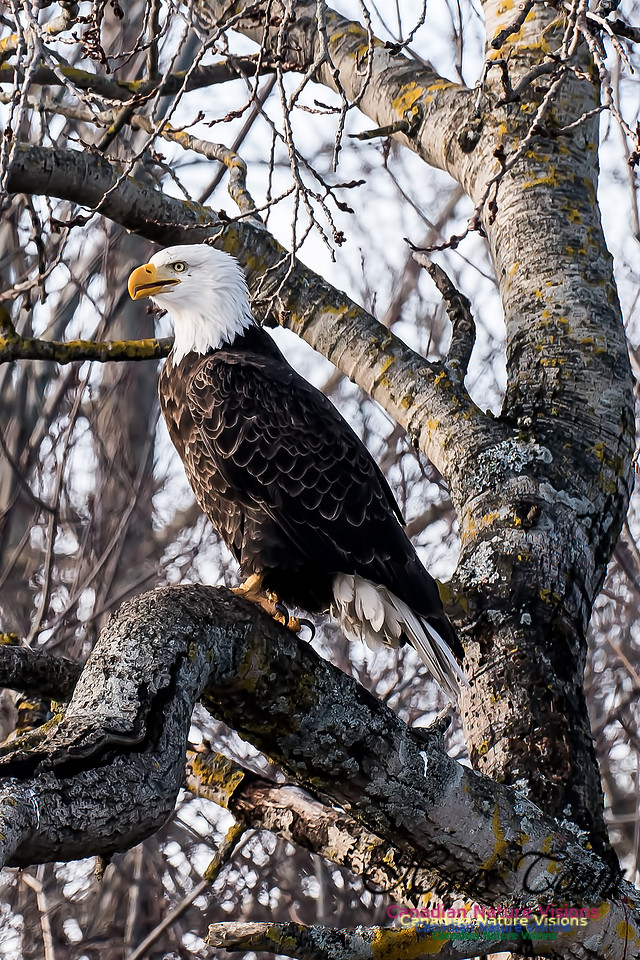
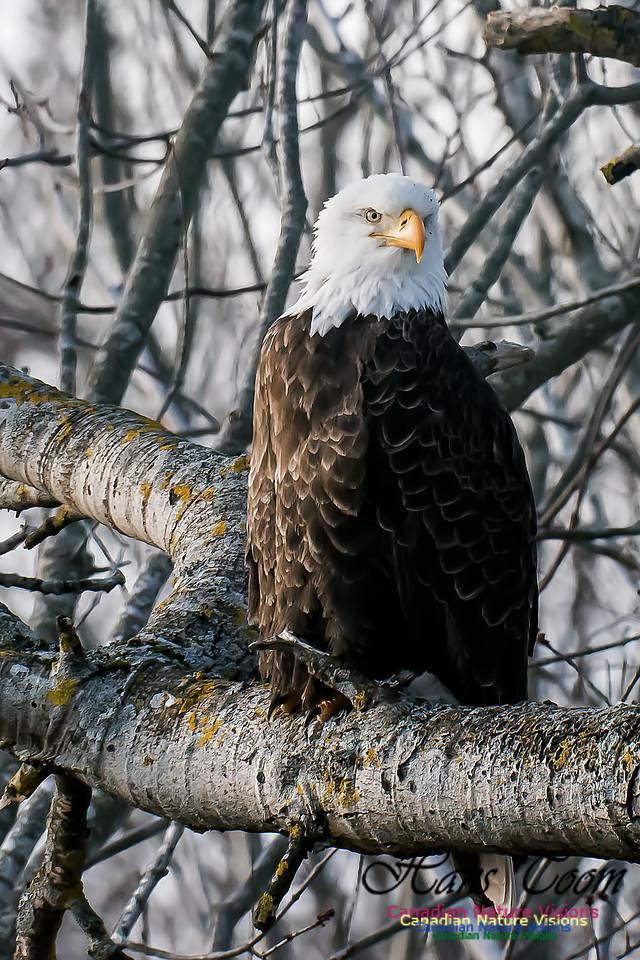
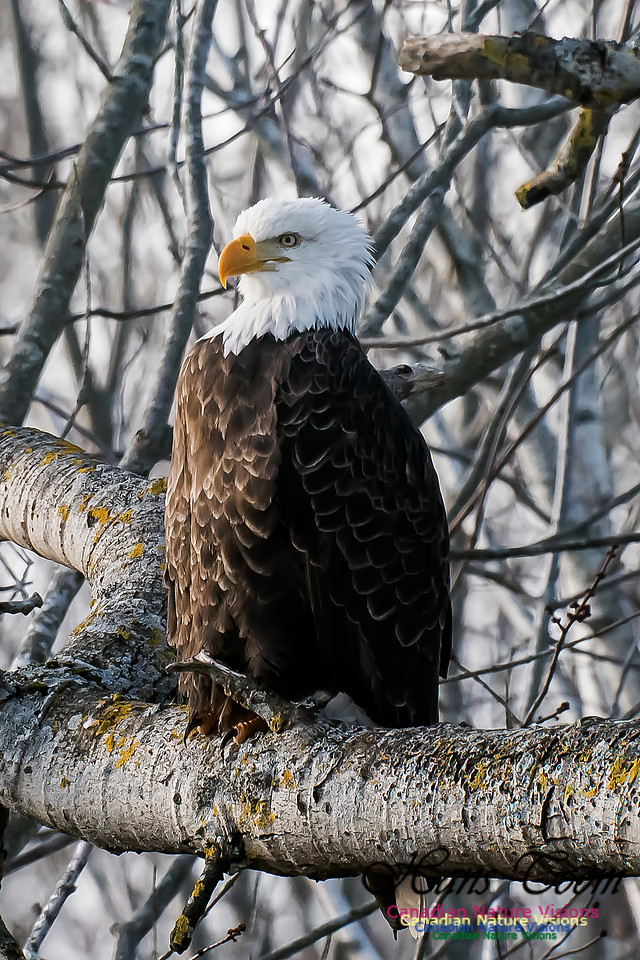
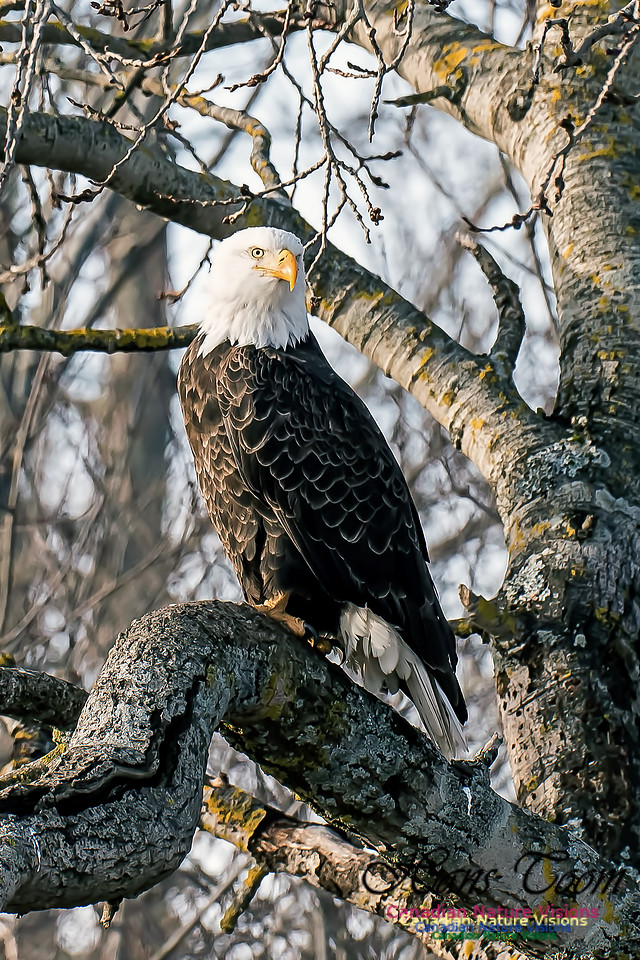
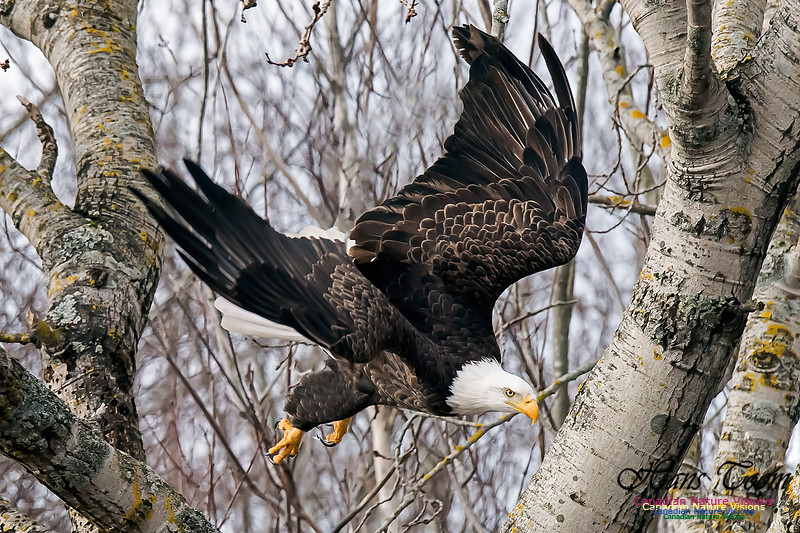
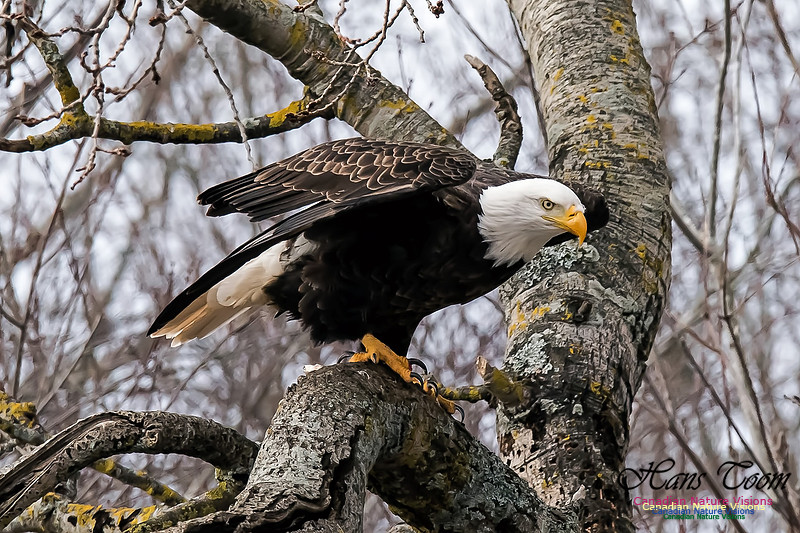
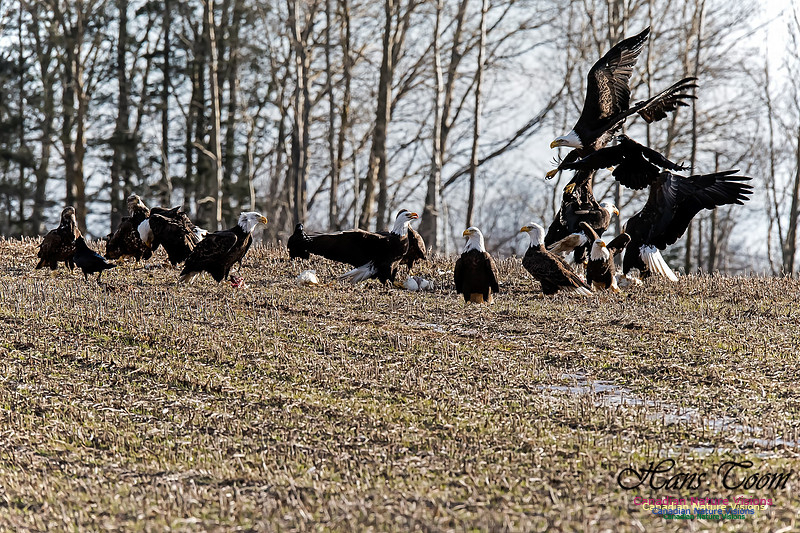
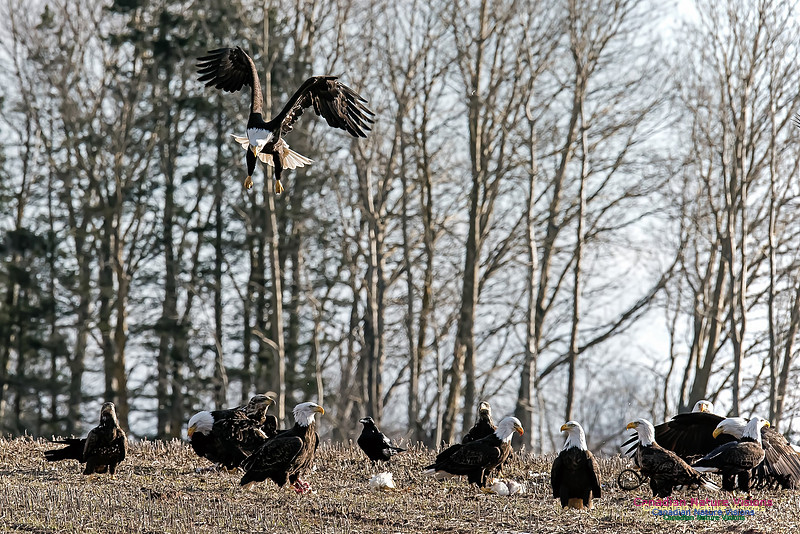
Raptors AplentyYesterday, January 23, was predicted to be the last good day of decent weather for a while so I decided to try and search out and photograph some of our winter raptors. Ray Staszko joined my excursion and we arrived at our first stop, Sheffield Mills, at 9:45AM, to try for some more Bald Eagle photos. Alas, although the table was set the eagles chose to sit and watch and we had other places to visit so we departed at 10:30AM, after obtaining some tree shots of this magnificent bird. Bald Eagle
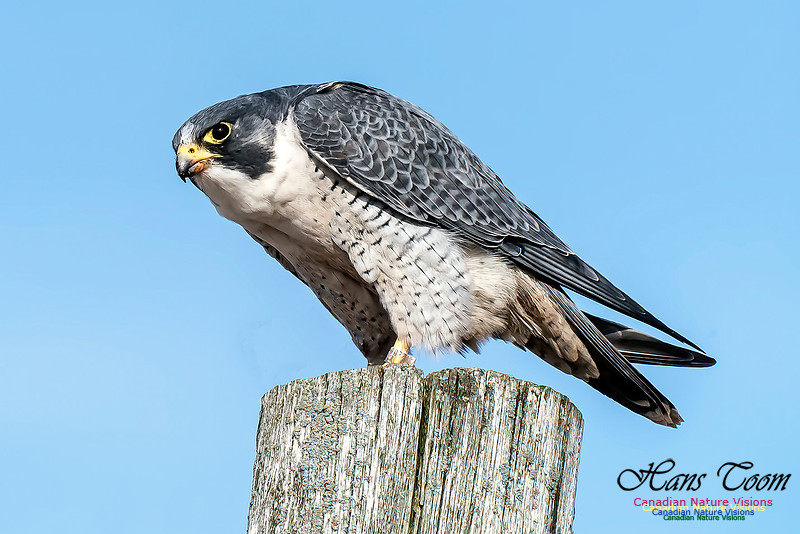
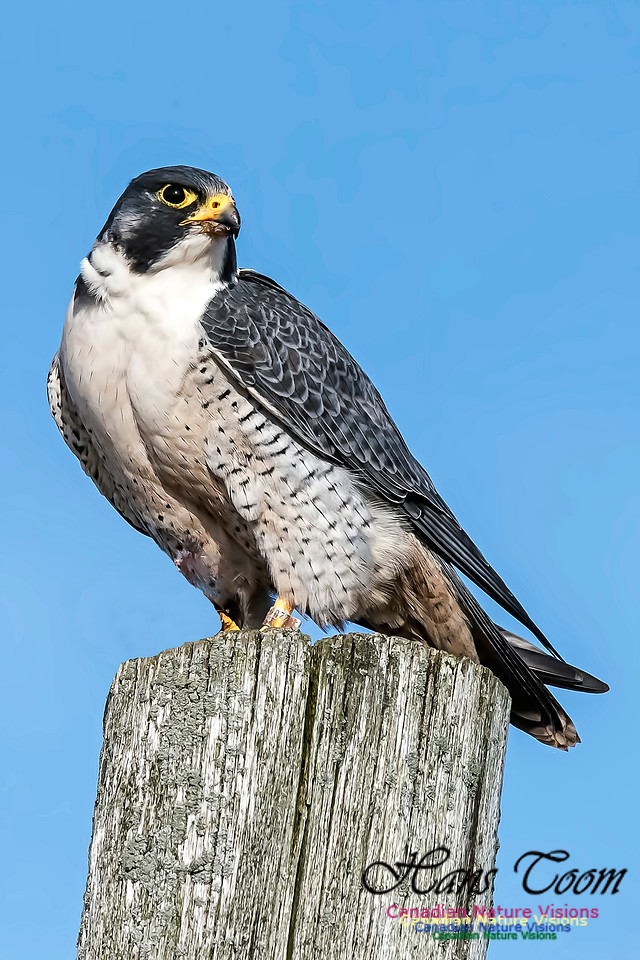
We were delighted to find a Peregrine Falcon atop a utility pole and so we stopped for some images. This bird by itself made the trip worthwhile. Peregrine Falcon
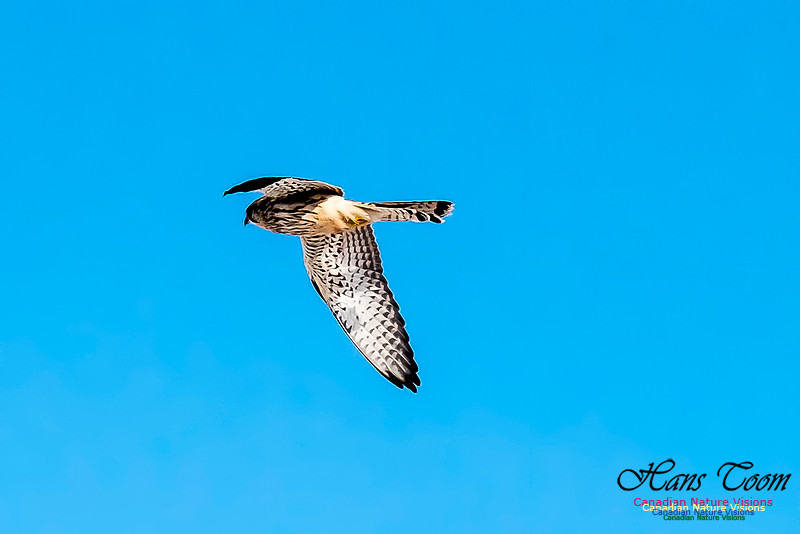
The Falcon was banded but unfortunately it is not possible to read all of the numbers on the band. Our next visit was The Guzzle at Grand-Pre. We had high hopes of spotting a Snowy or Short-eared Owl but unfortunately dyke work had several big hoes working atop the dykes and fourteen wheel dump trucks rumbling down the road frequently so if there were any owls around an extensive search of the fields would have been required and we had no time. We stopped at Just Us Coffee for a brew and a delicious frittata. Our final stop of the day was Hartlen Point where we easily and quickly found the Eurasian Kestrel sitting in a spruce tree beside the settling pond near the the Golf Club's Clubhouse. It didn't remain sitting for long and was soon hunting along the western shoulder of the golf course. The ground was partially obscured by snow but not enough to hinder the kestrel in its quest. Eurasian Kestrel
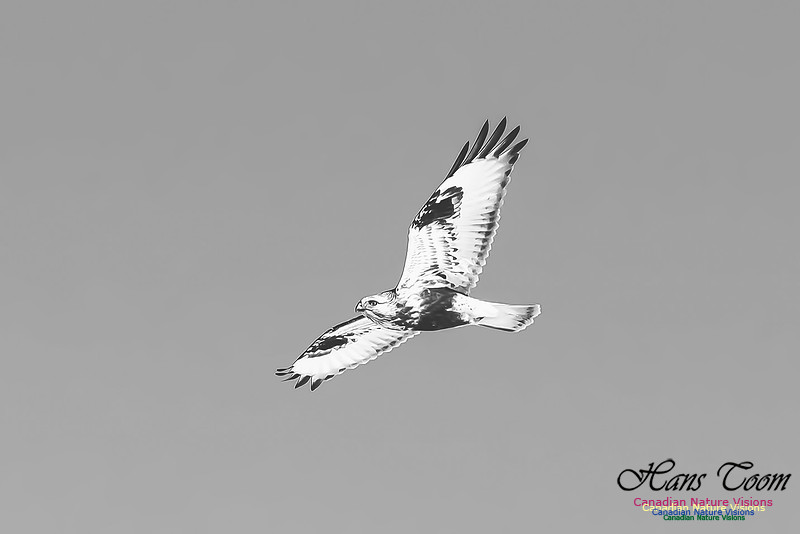
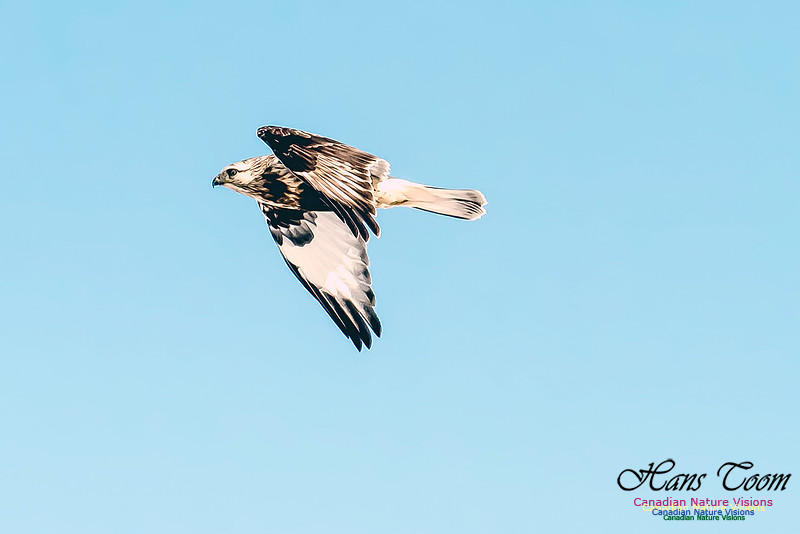
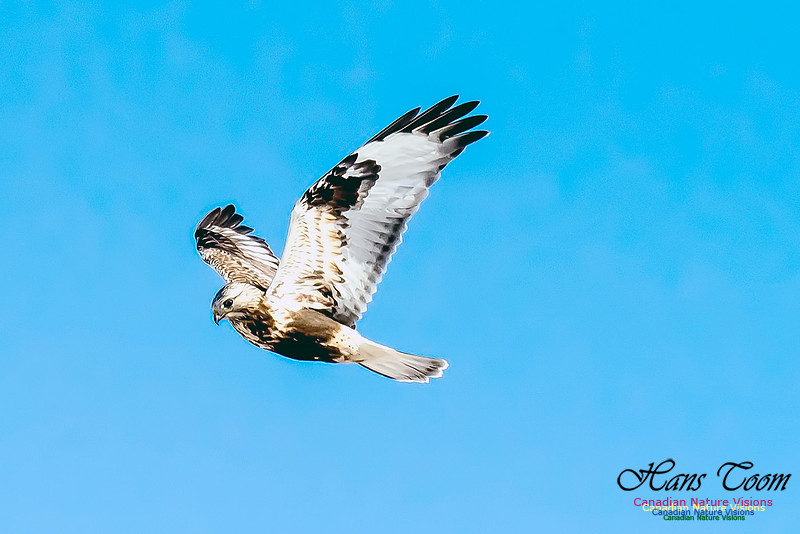
My final photo capture of the day was the Rough-legged Hawk which has a very similar hunting style as the Eurasian Kestrel; soar, hover and plunge. Rough-legged Hawk
With the addition of Northern Harrier and Red-tailed Hawk, both seen several times but not photographed, it was a six raptor species day and well worth the effort.
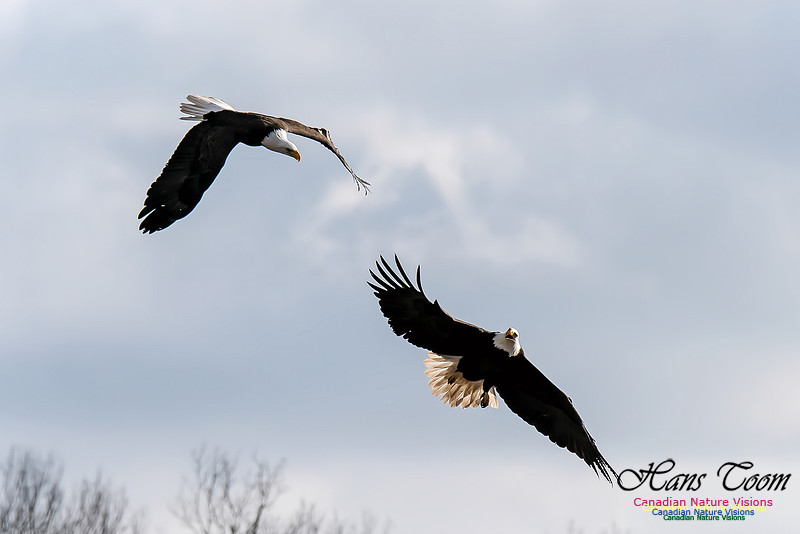
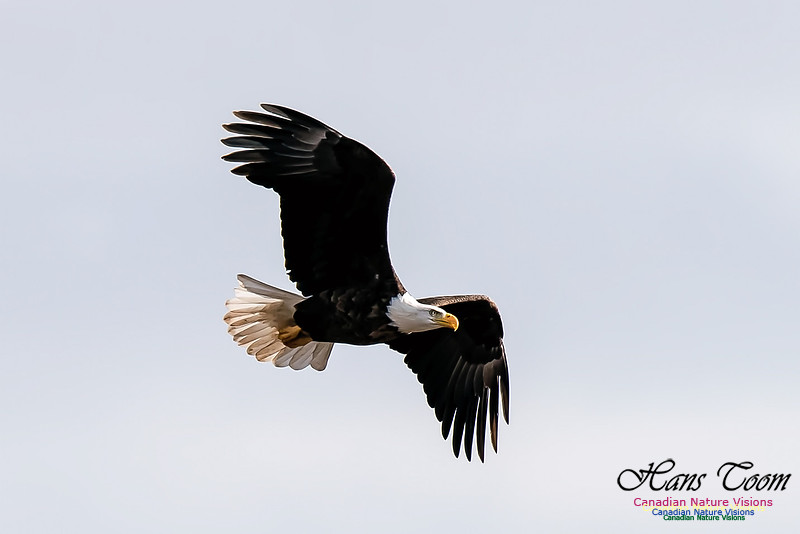
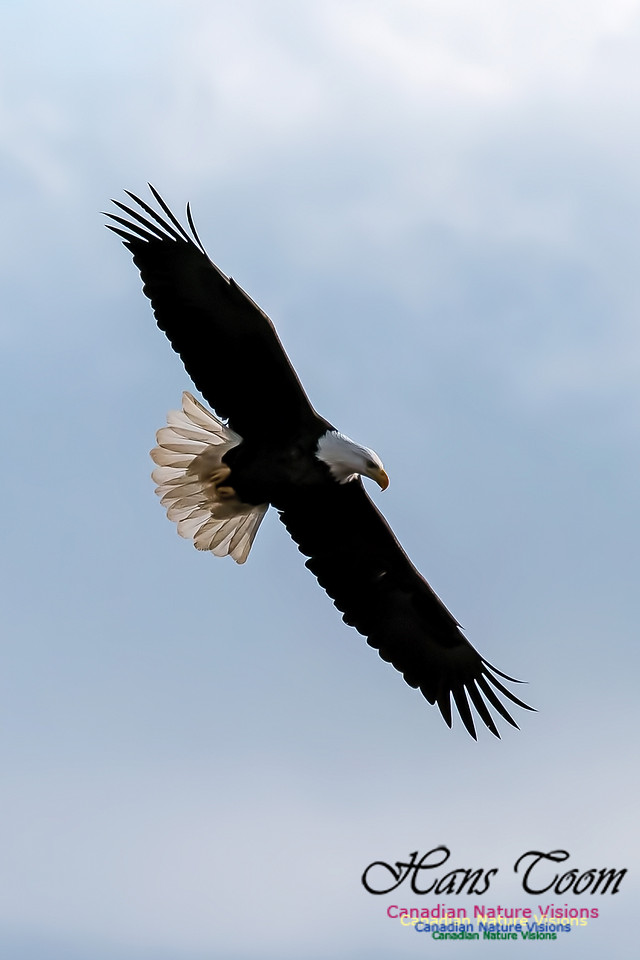
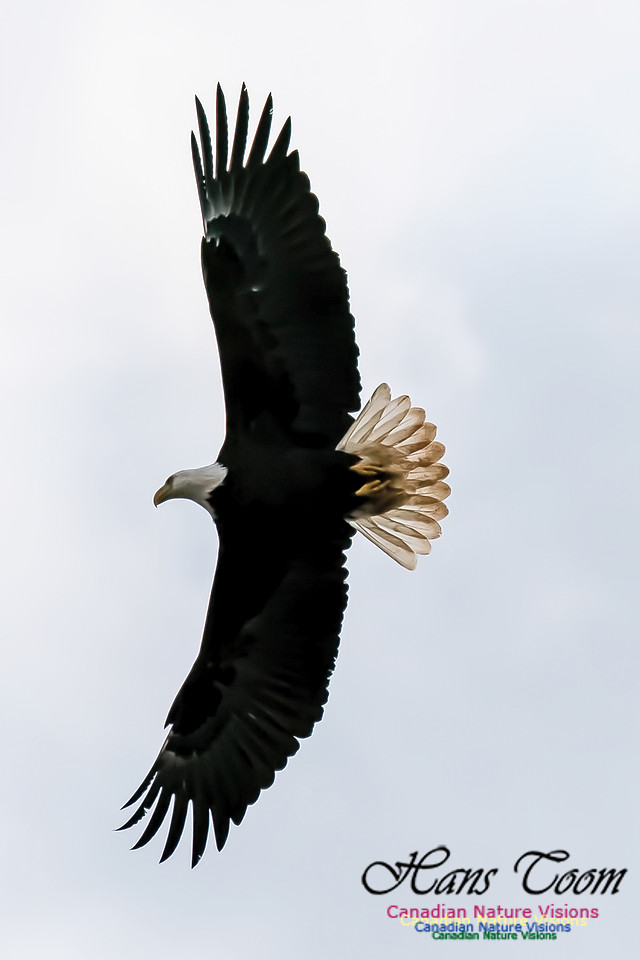
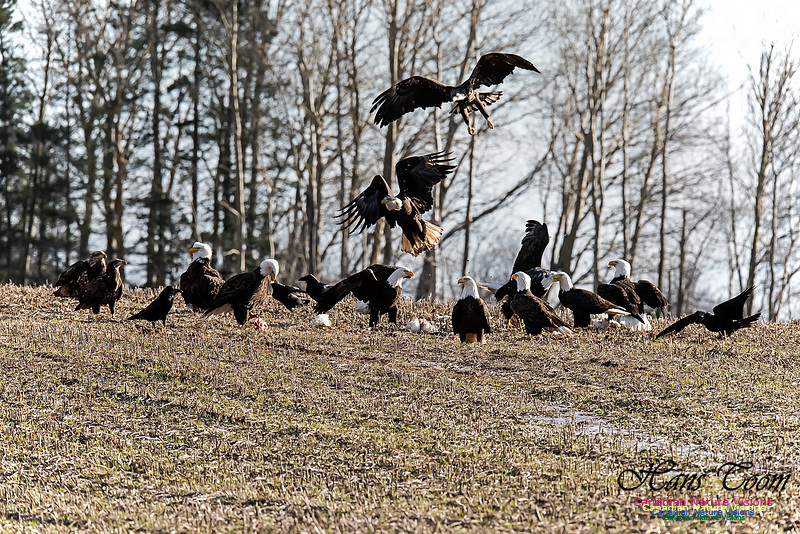
Gathering of Bald EaglesI took a reconnaissance trip to Sheffield Mills, January 20, to view the assembling eagles. It was bitterly cold thanks to a biting wind but the skies were partly cloudy so photographic conditions were good save for the dreaded back lighting when shooting up into the sky. There were about ten people, all photographers, present. Since the eagles are baited the photographs are not natural so do not qualify as nature photographs in my opinion but its good fun nonetheless to photograph these magnificent birds, especially in flight. Bald Eagle in a Takeoff Plunge
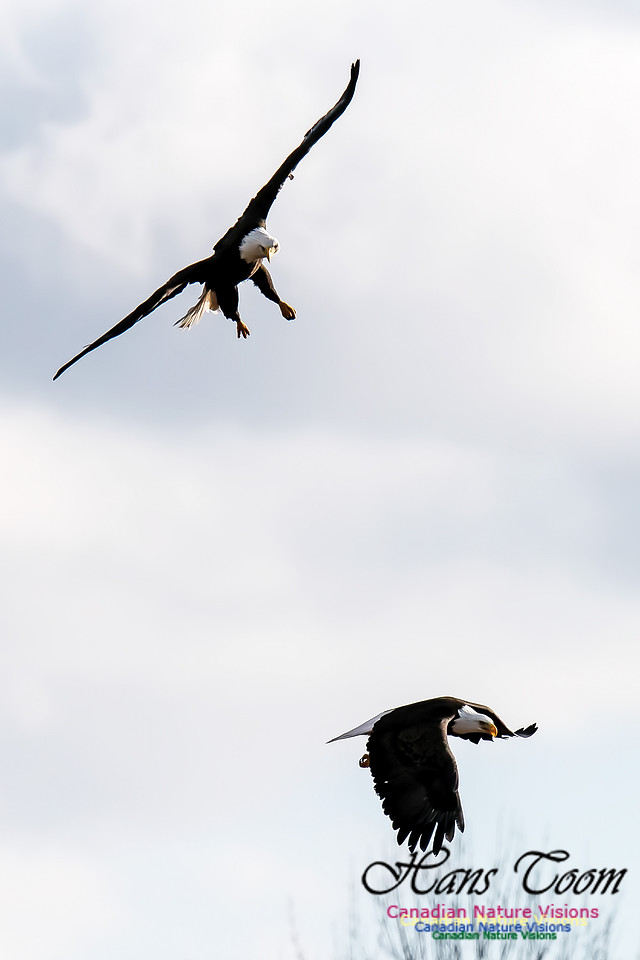
It Gets a Little Crowded
|