HMCS Max BernaysThere was no planning here. I was driving the Sambro Loop past Portuguese Cove when I spotted the HMCS Max Bernays heading to sea past Chebucto Head so I drove down to Duncan's Cove where I photographed it. It was just luck. HMCS Max Bernays
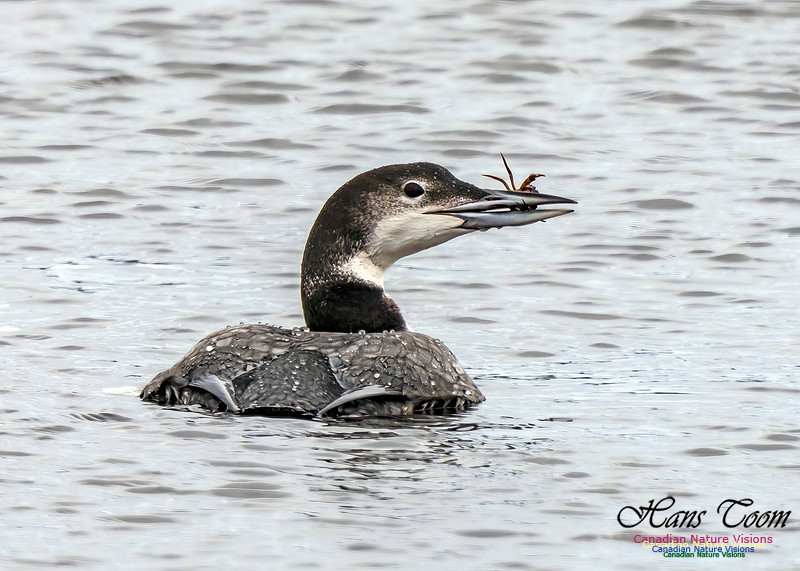
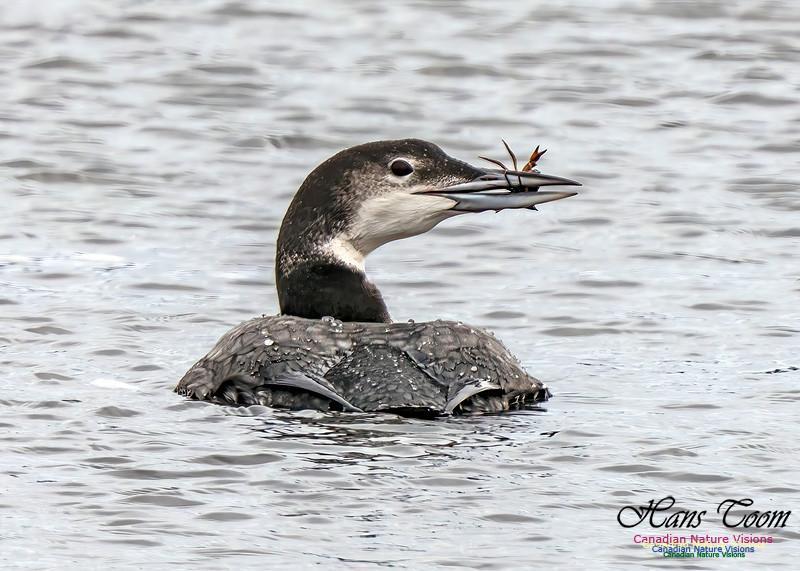
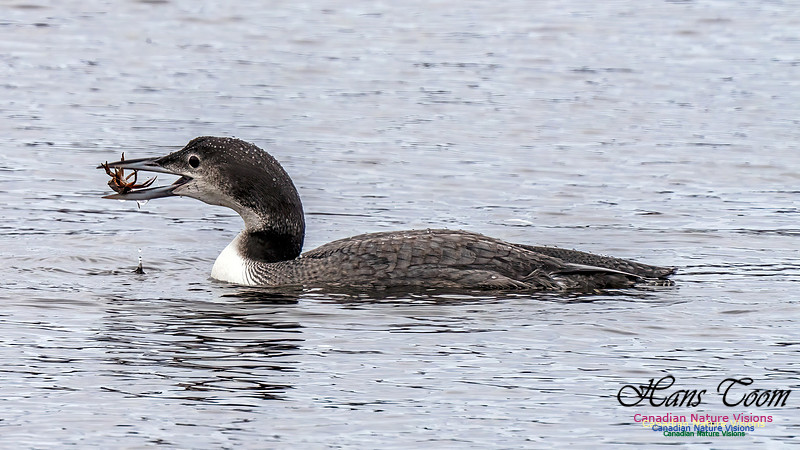
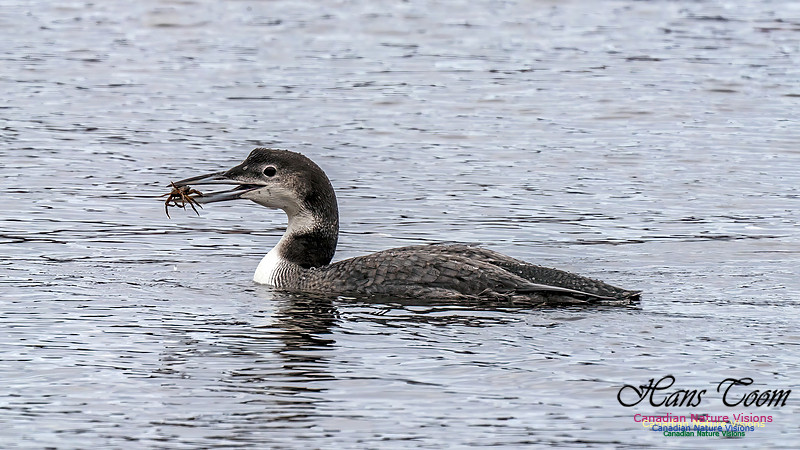
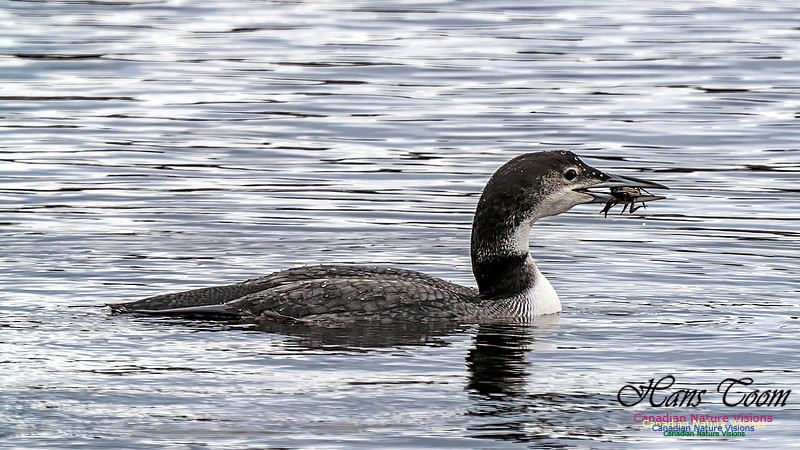
Max Bernays (AOPV 432) is the third Harry DeWolf-class offshore patrol vessel for the Royal Canadian Navy. The class was derived from the Arctic Offshore Patrol Ship project as part of the National Shipbuilding Procurement Strategy and is primarily designed for the patrol and support of Canada's Arctic regions. Design and descriptionThe Harry DeWolf-class offshore patrol vessels are designed for use in the Arctic regions of Canada for patrol and support within Canada's exclusive economic zone. The vessel is 103.6 m (339 ft 11 in) long overall with a beam of 19.0 m (62 ft 4 in). The ship will have a displacement of 6,615 metric tons (6,511 long tons). The ship has an enclosed foredeck that protects machinery and work spaces from Arctic climates. The vessel will be powered by a diesel-electric system composed of four 3.6-megawatt (4,800 hp) MAN 6L32/44CR[2] four-stroke medium-speed diesel generators and two electric propulsion motors rated at 4.5 megawatts (6,000 hp) driving two shafts. Max Bernays will be capable of 17 knots (31 km/h; 20 mph) in open water and 3 knots (5.6 km/h; 3.5 mph) in 1-metre (3 ft 3 in) first-year sea ice. The ship will also equipped with a bow thruster to aid during manoeuvres and docking procedures without requiring tugboat assistance. The ship will have a range of 6,800 nautical miles (12,600 km; 7,800 mi) and an endurance of 120 days. Max Bernays will be equipped with fin stabilizers to decrease roll in open water but can be retracted during icebreaking.[8][4][9] Max Bernays will be able to deploy with multiple payloads, including shipping containers, underwater survey equipment or landing craft. Payload operations are aided by a 20-metric-ton (20-long-ton; 22-short-ton) crane for loading and unloading. The ship is equipped with a vehicle bay which can hold pickup trucks, all-terrain vehicles and snowmobiles. The ship will also have two 8.5-metre (27 ft 11 in) multi-role rescue boats capable of over 35 knots (65 km/h; 40 mph). The ship will be armed with one BAE Mk 38 25 mm (0.98 in) gun and two M2 Browning machine guns. The patrol ship has an onboard hangar and flight deck for helicopters up to the size of a Sikorsky CH-148 Cyclone. Max Bernays will have a complement of 65 and accommodation for 85[8][4][9] or 87.[10] Construction and careerThe patrol vessel's keel was laid down on 5 December 2018 by Irving Shipbuilding at Halifax, Nova Scotia.[11] The ship was launched on 23 October 2021, and was delivered to the Royal Canadian Navy 2 September 2022.[12] The naming ceremony was conducted on 29 May 2022 in conjunction with that for sister ship Margaret Brooke.[13] The ship began sea trials in July 2022.[14] The ship was delivered to the RCN in September 2022 for post-acceptance trials and it was indicated that she would be the first vessel of her class to be based in the Pacific region, starting in 2023.[15][16] Common Loons CrabbingI was lucky enough when driving by Ketch Harbour, Nova Scotia, to spot this pair of Common Loons crabbing. I stopped and snapped a few photos before they moved further off shore. Common Loons Crabbing
Sharp-shinned HawkThe Sharp-shinned Hawk is a nasty bird. Surely the raptors of the Jurassic Parks movies were modelled after this Accipiter, a true hawk with all the nasty characteristics as portrayed in the movies. Sharp-shinned Hawk
Peregrine Falcon, Second SightingThese photos of the Peregrine Falcon near Canning, Nova Scotia, are an exercise in editing. The original RAW images show the falcons as all black since they were backlit by the sun brightening the sky through thin cloud. Peregrine Falcon
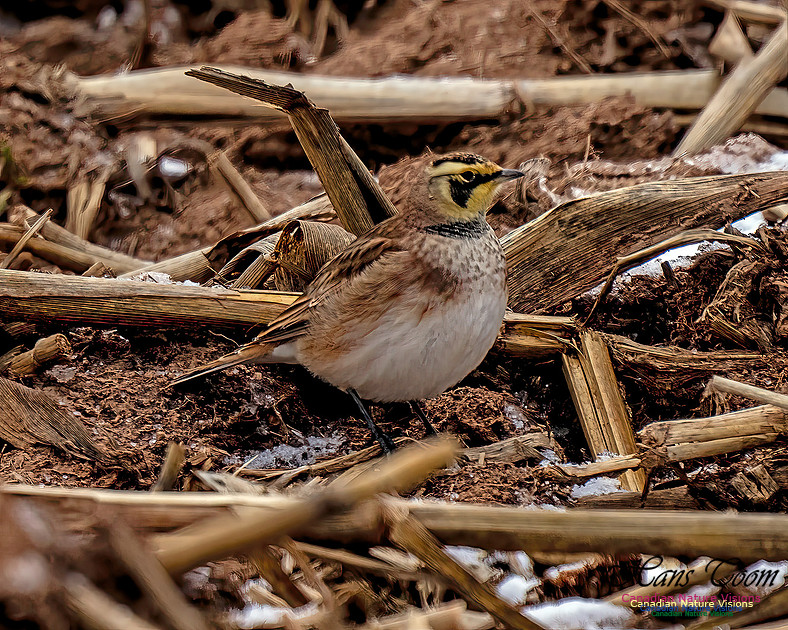
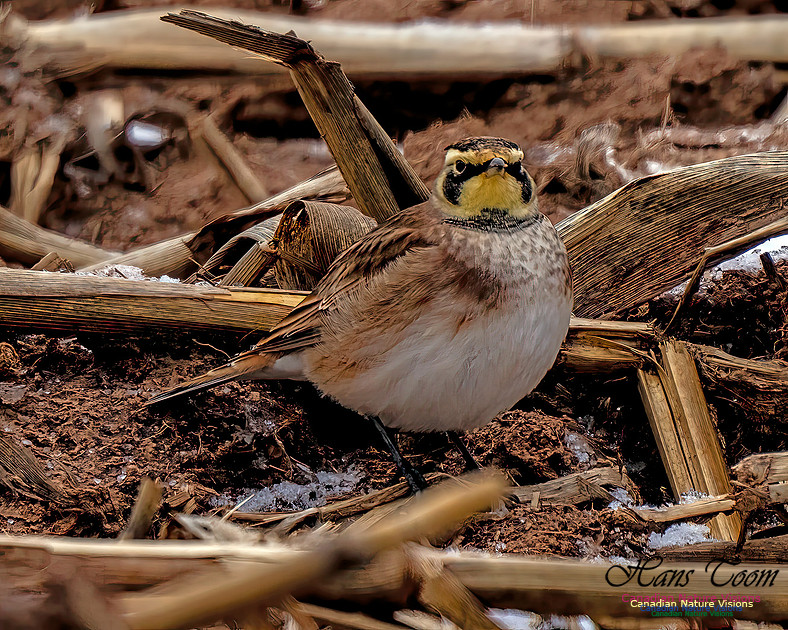
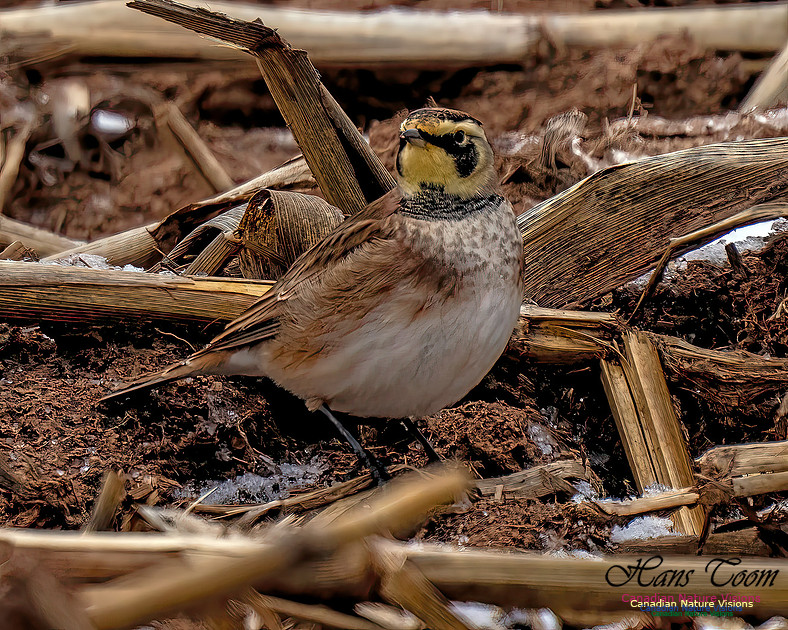
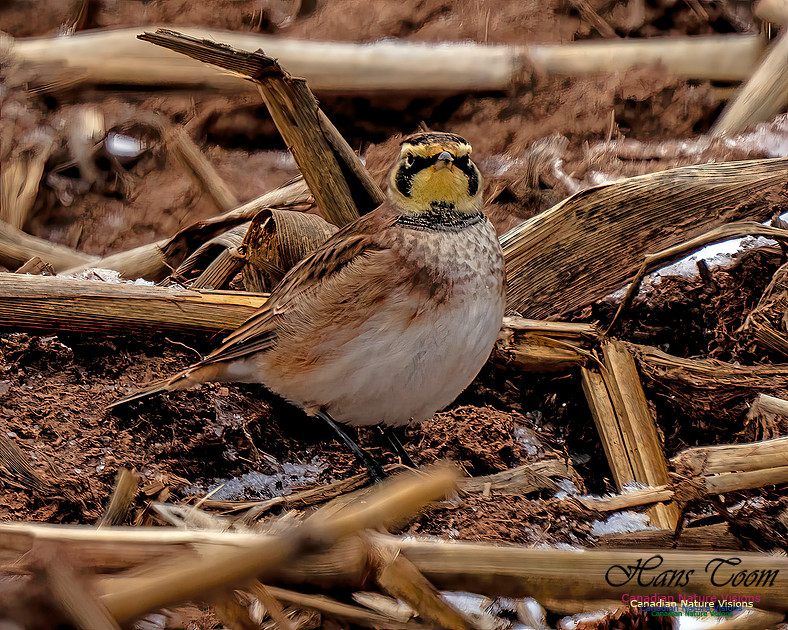
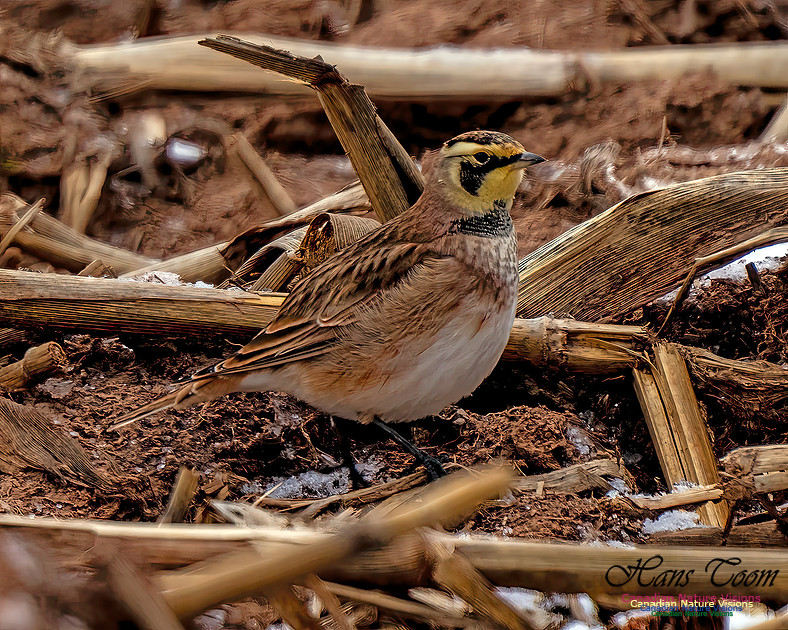
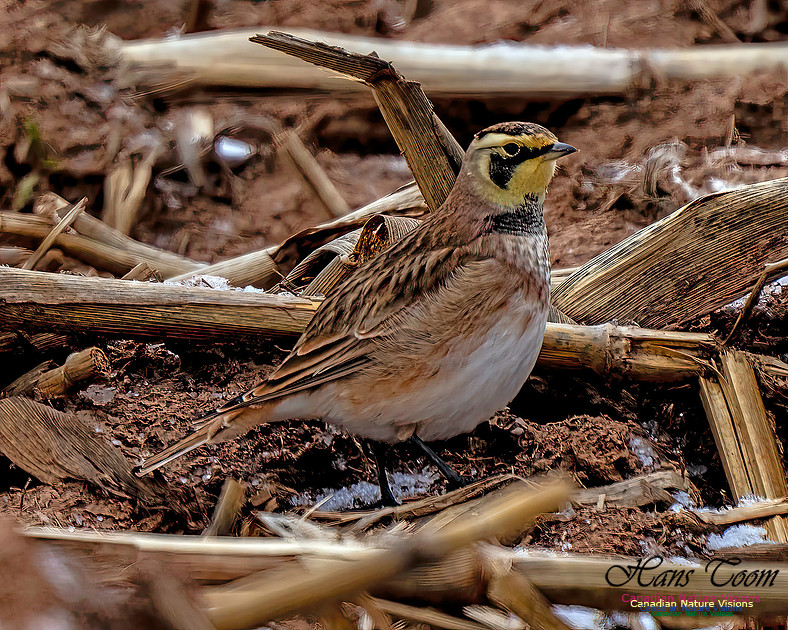
Horned LarkHorned Larks are tricky to photograph as they hop between the plowed hummocks at Grand-Pré National Historic Site, Nova Scotia. The fields the Horned Larks work are below sea level, the sea being held back by the dykes build by the Acadians, the original settlers of this area. These little titans are hardy birds toughing out the winters here with us in Nova Scotia. I visited their vast nesting grounds on Newfoundland, mostly open grassy fields. They were singing away their bright nesting songs and popping up to view on occasion. Horned Lark
Peregrine FalconWhat better way is there to start the 2024 nature photography year then photographs of the world's fastest bird, the Peregrine Falcon? Peregrine Falcon
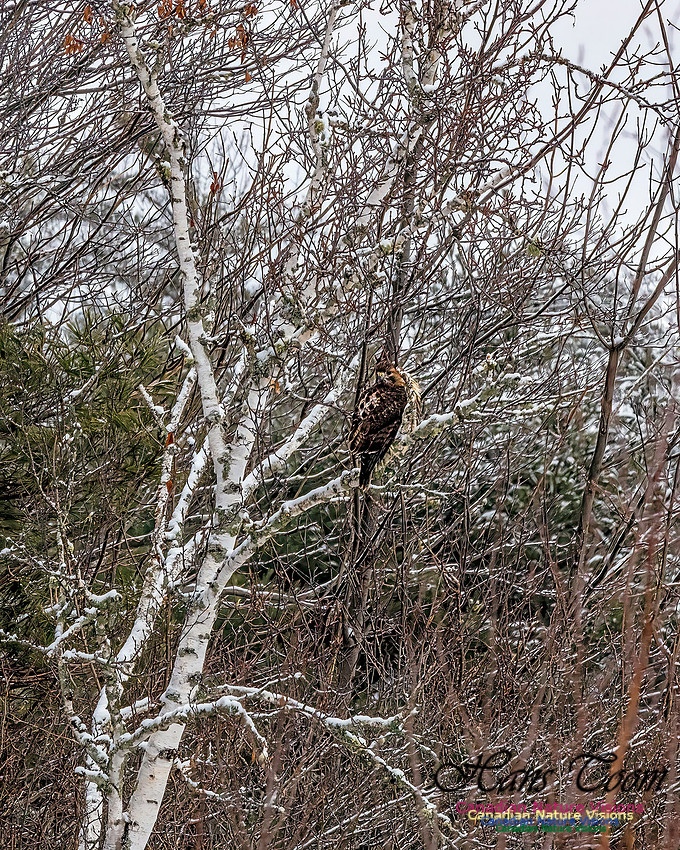
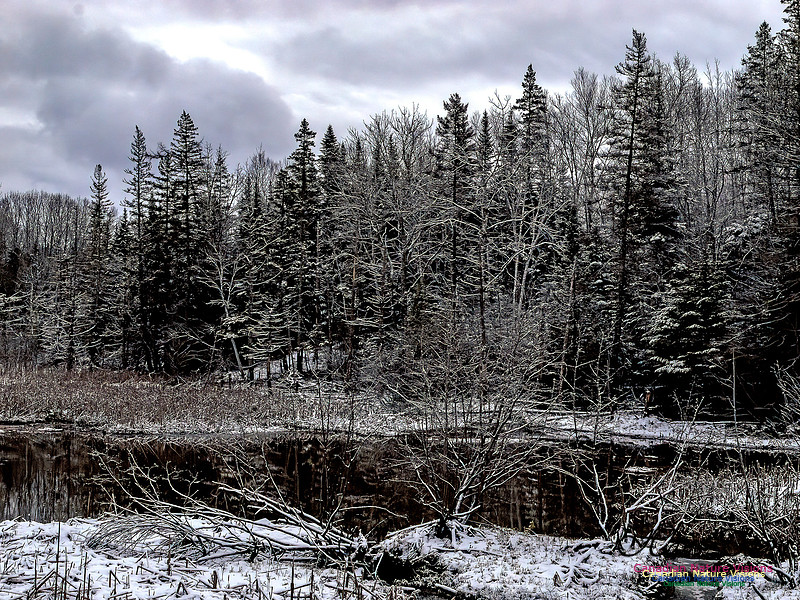
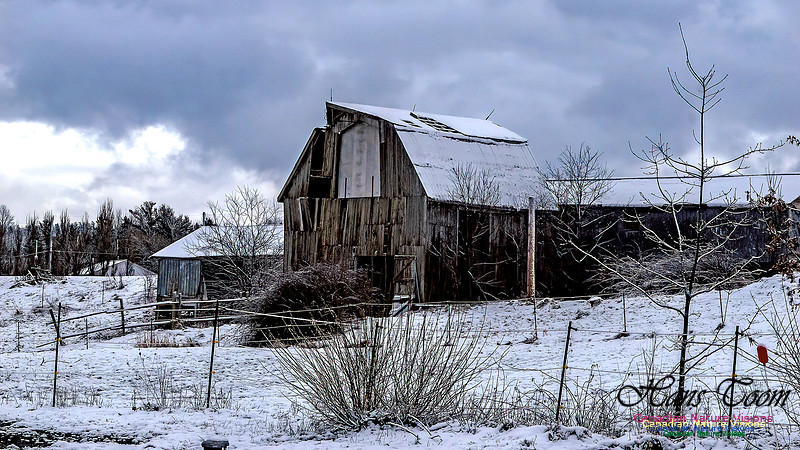
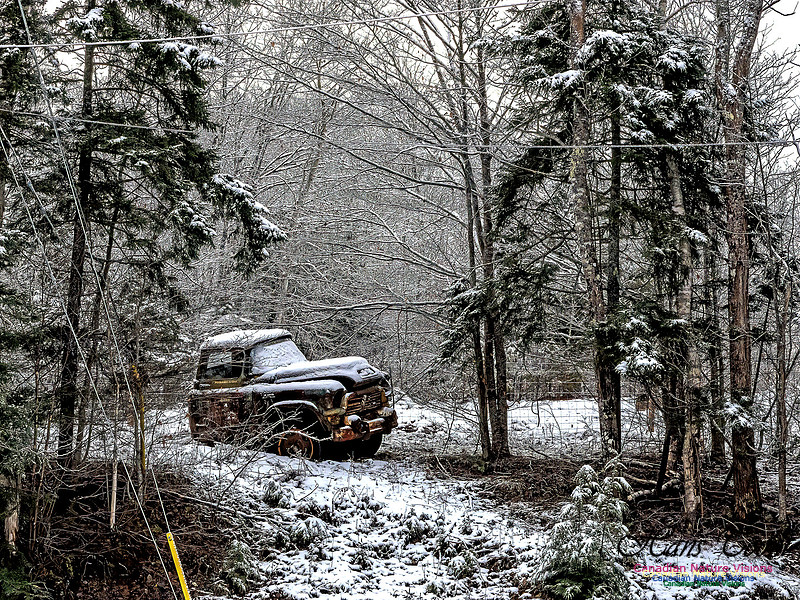
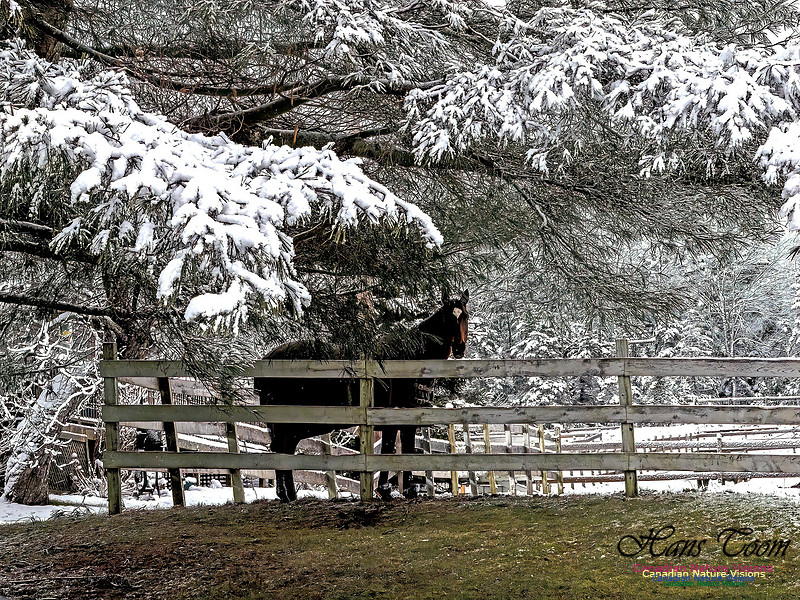
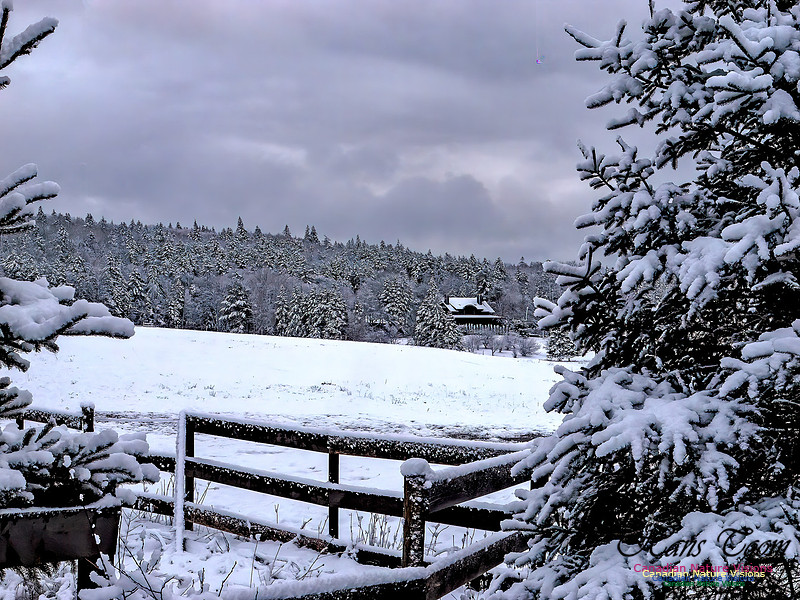
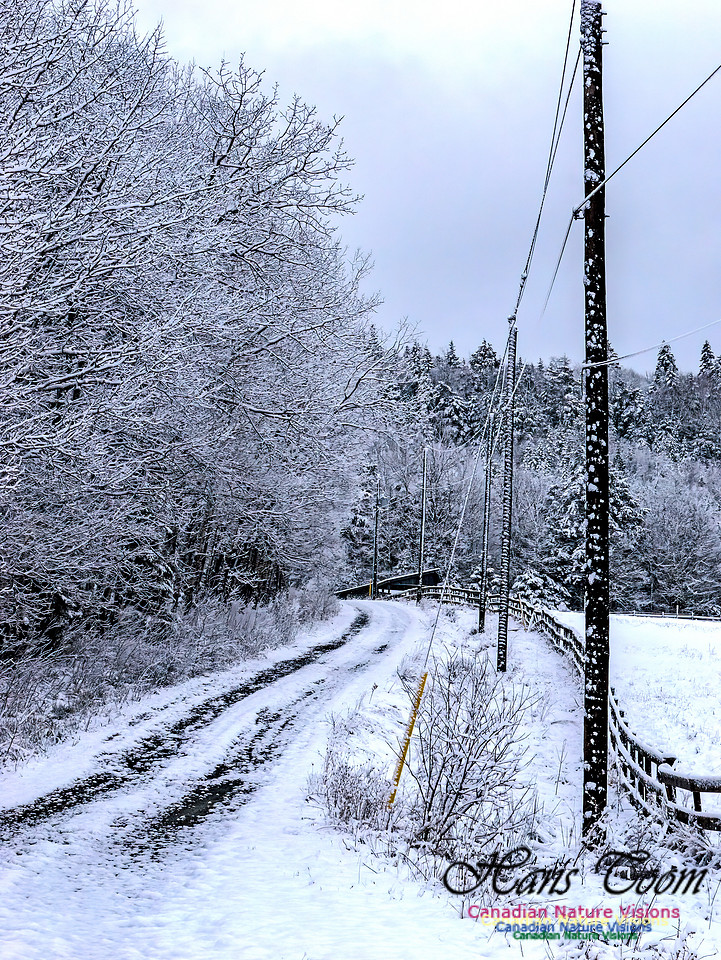
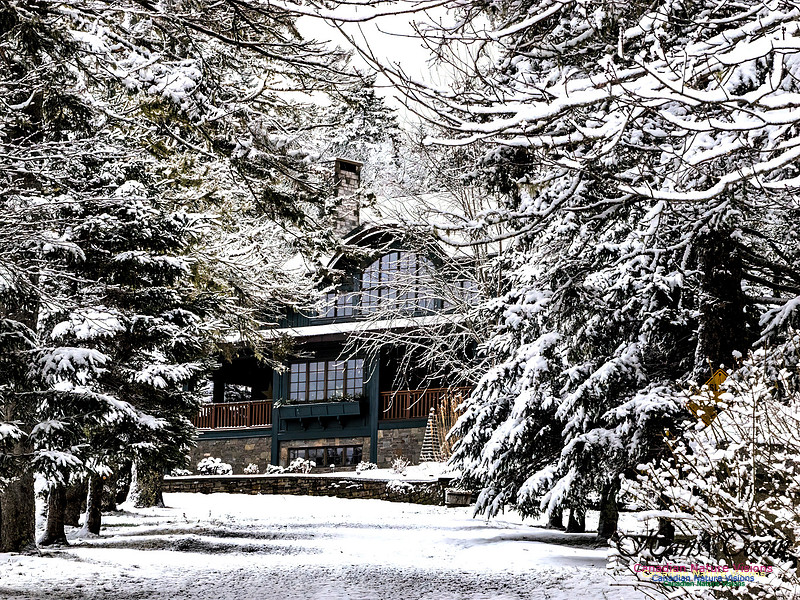
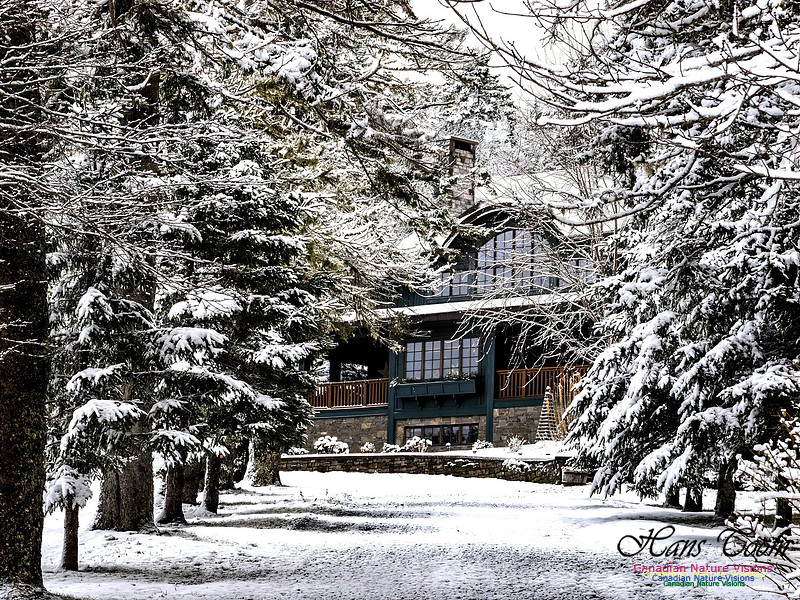
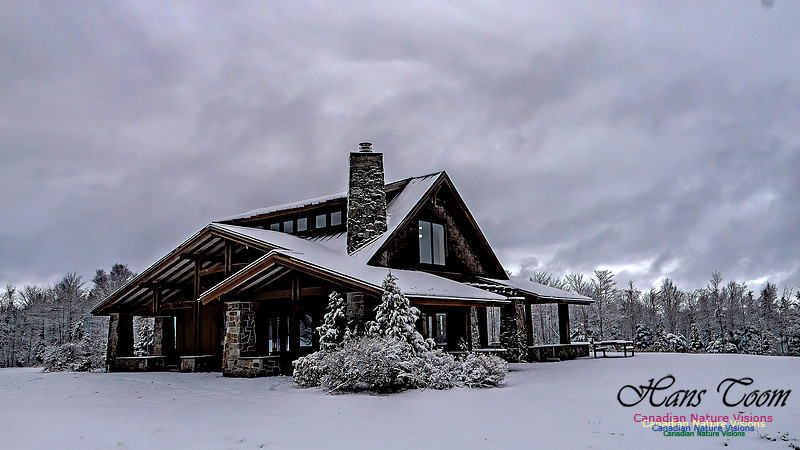
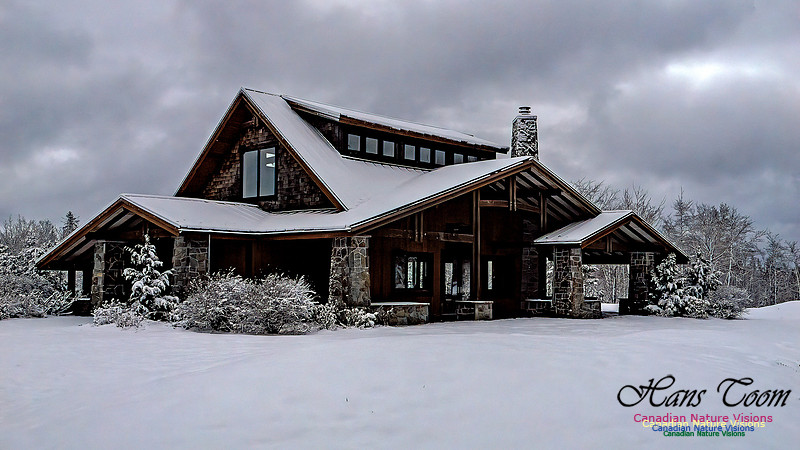
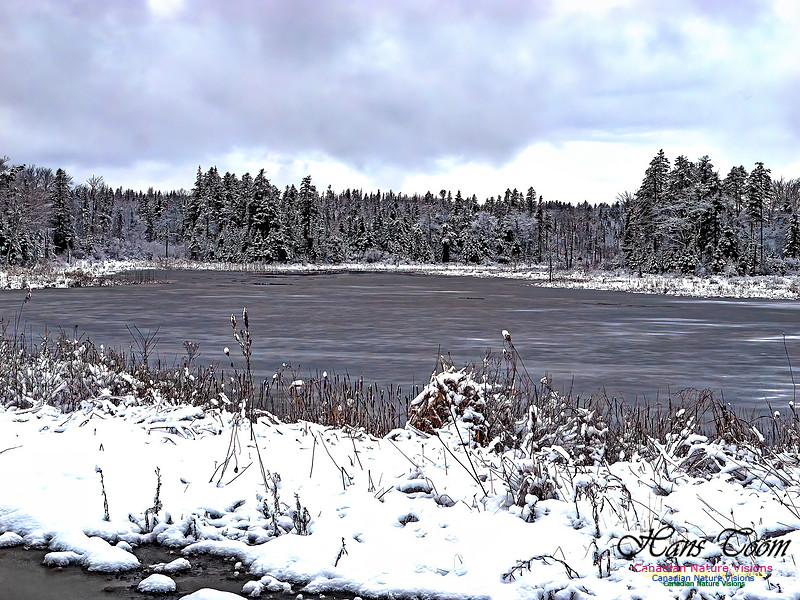
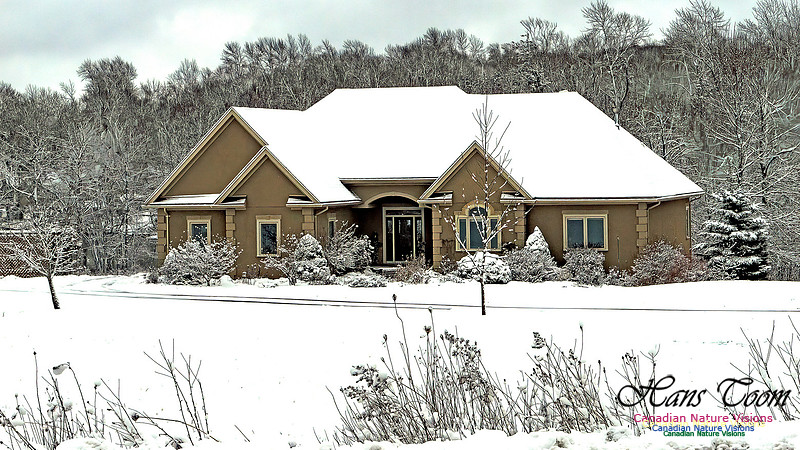
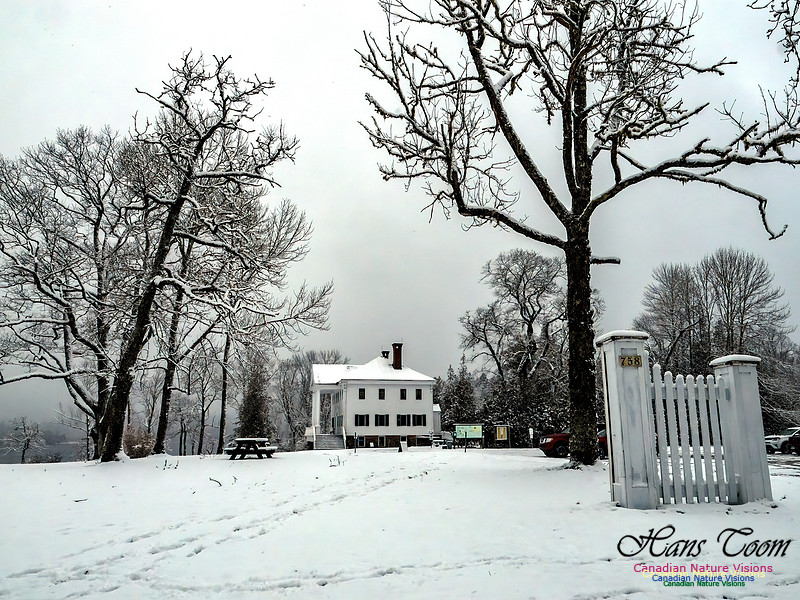
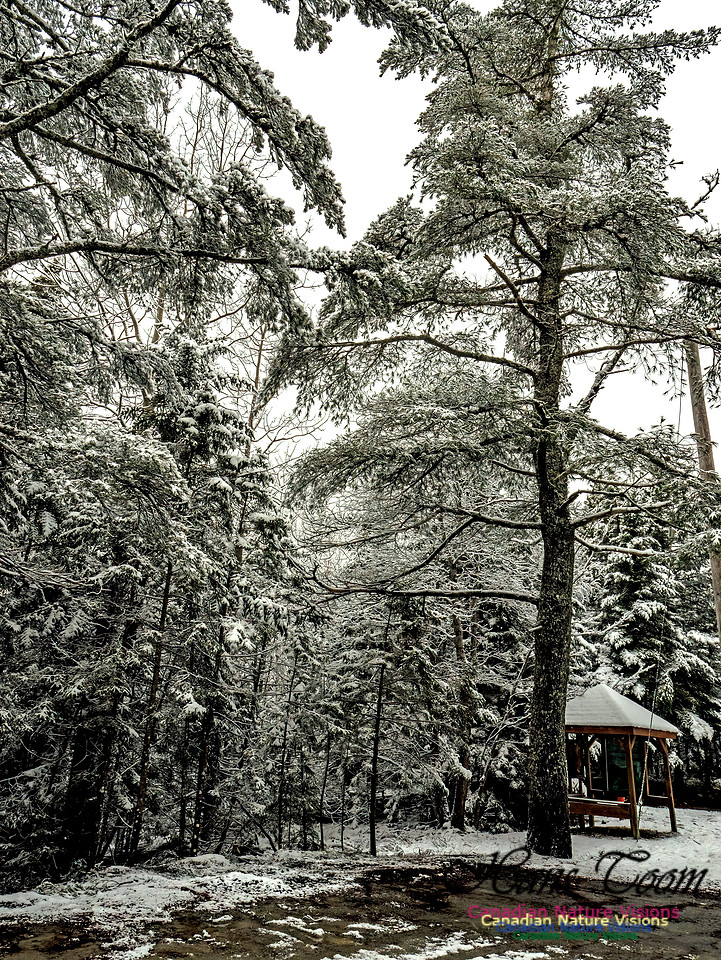
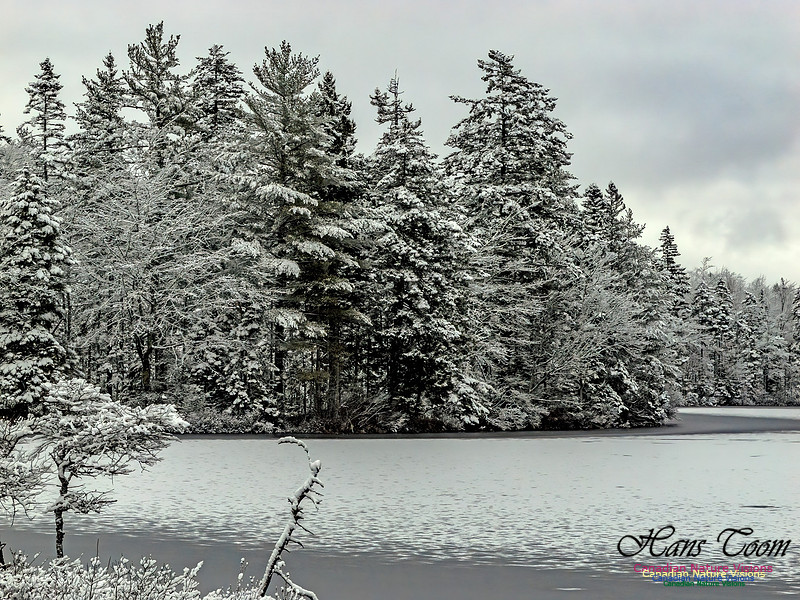
Broad-winged Hawk and Last Photos of 2023I ventured out after a light snowfall in search of memories. One of my favourite winter subjects is architecture and of course wildlife. I did find a Broad-winged Hawk. The hawk looked like a witches broom since it was so far away but the broad wings and loping flight gave it away. I spent all my time in West Hants County which is a pain to get around in due to the many destroyed bridges thanks to our tropical monsoon adventure in the fall. Broad-winged Hawk
Waterfowl Patrol at the Head of St. Margaret's BayLaura and I toured the head of St. Margaret's Bay to check out the open ocean waterfowl and what opportunities and locations there are for winter waterfowl photography. The opportunities look promising. I left my big telephoto lens at home, (1200mm at 61mp) on this trip and used my walk about telephoto lens, (800mm at 25mp). I should get much better quality photos later this winter. I didn't photograph the dabbling ducks on this trip. The photos shown herein are severe crops since the birds are diving off in deep water. Bufflehead
Common Loon
Red-breasted Merganser
Hooded Merganser
Horned Grebe
Red-breasted Merganser
Red-necked Grebe
Surf Scoter
White-winged Scoter
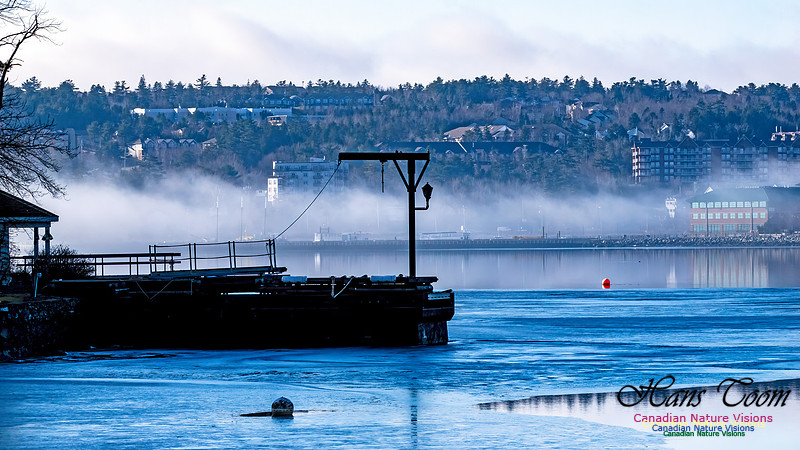
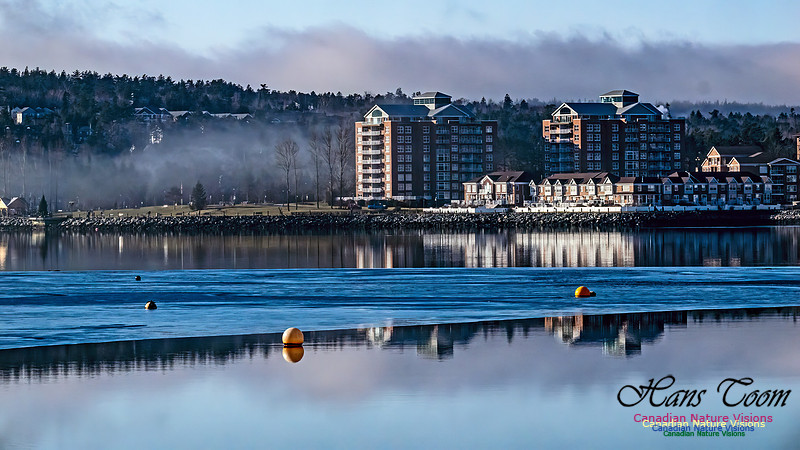
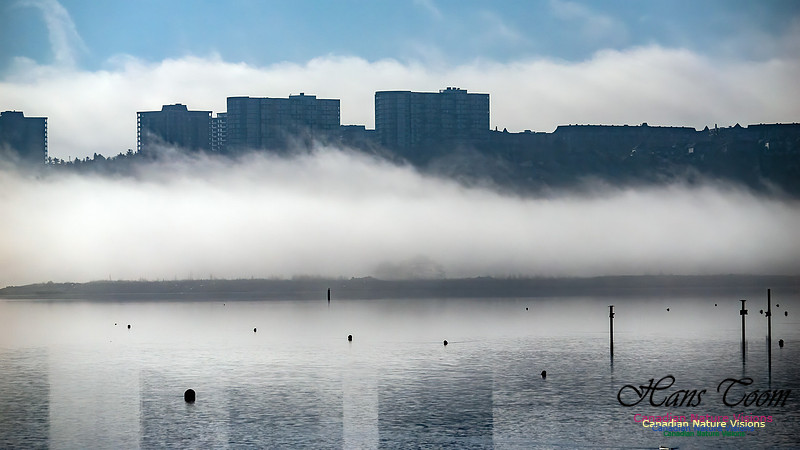
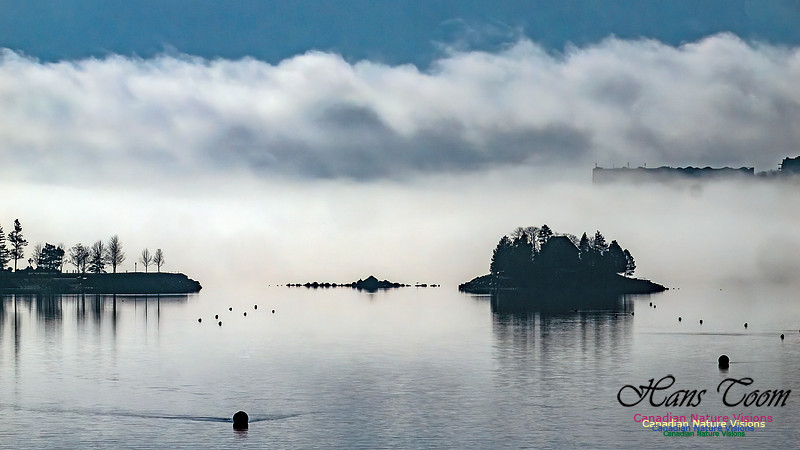
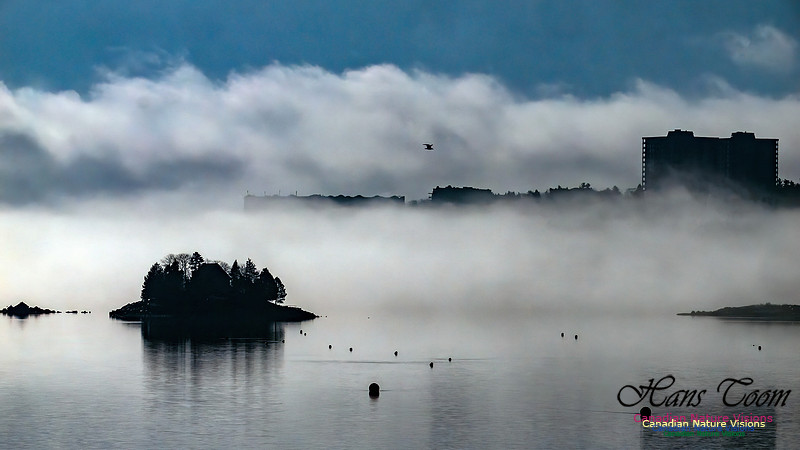
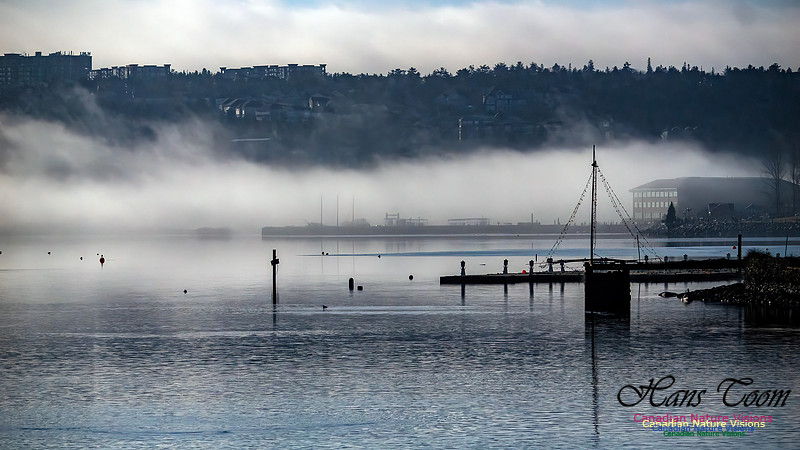
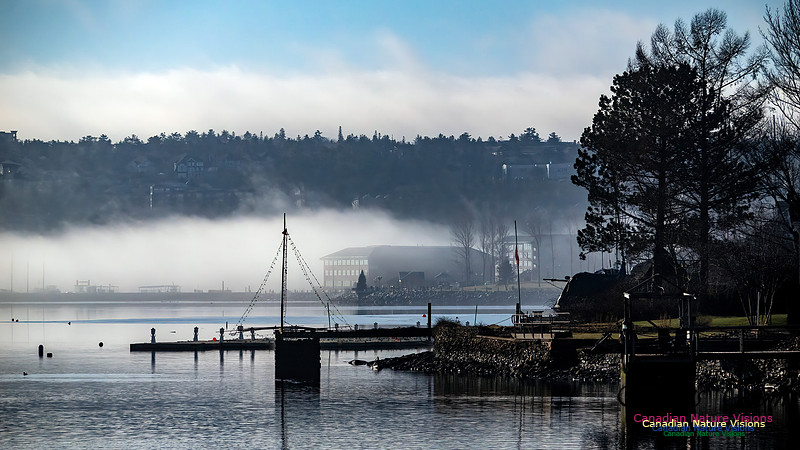
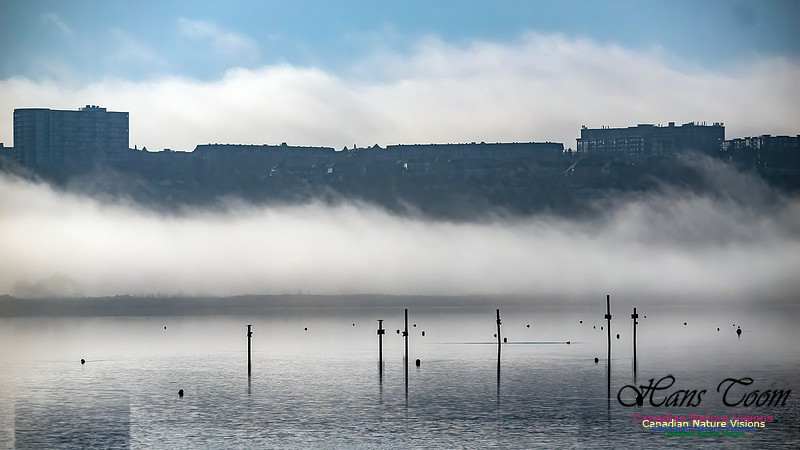
Christmas Morning at the Bedford BasinOn Christmas Morning I snapped these photographs of haze and fog over the head of the Bedford Basin. The Bedford Basin was a major staging area for convoys getting ready to cross the Atlantic Ocean during World War II. Head of Bedford Basin on Christmas Morning
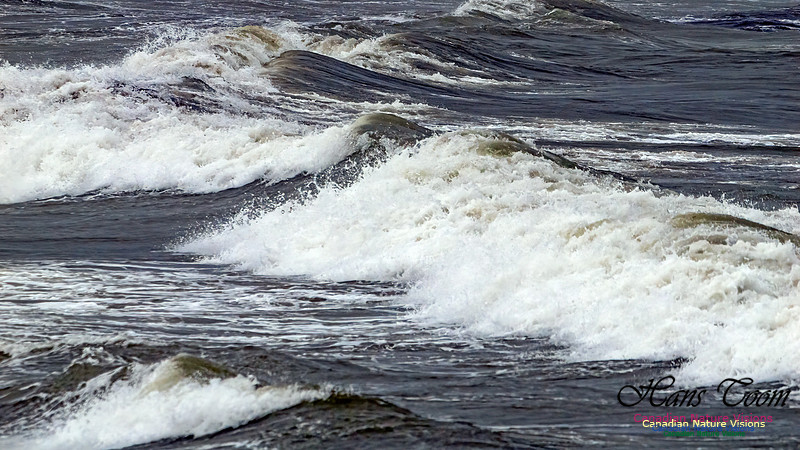
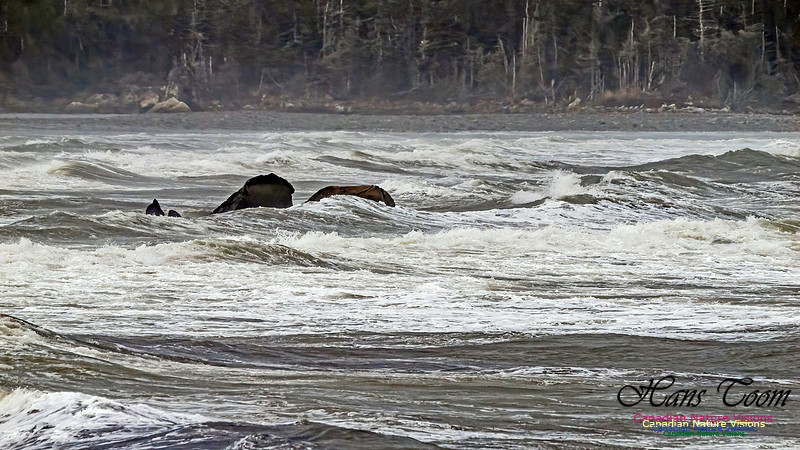
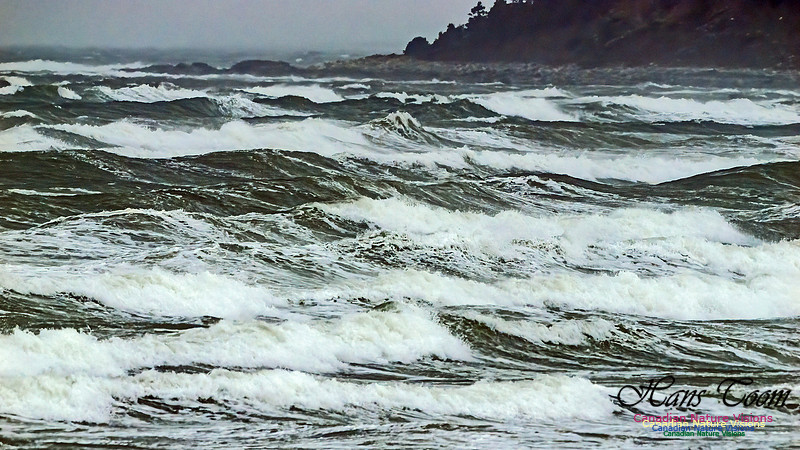
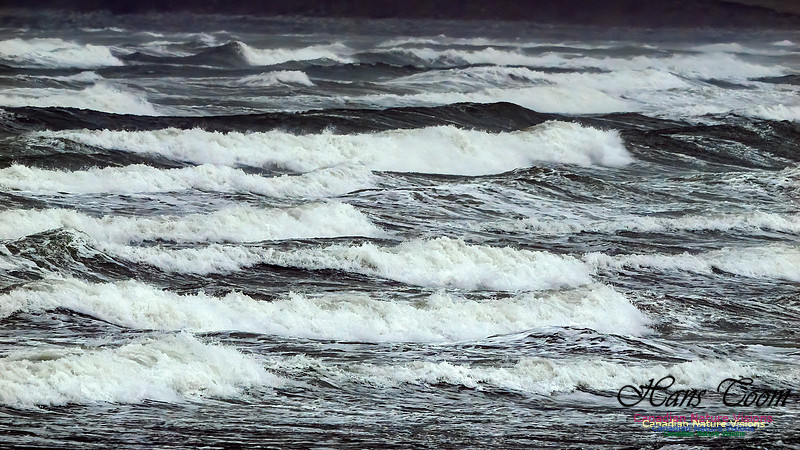
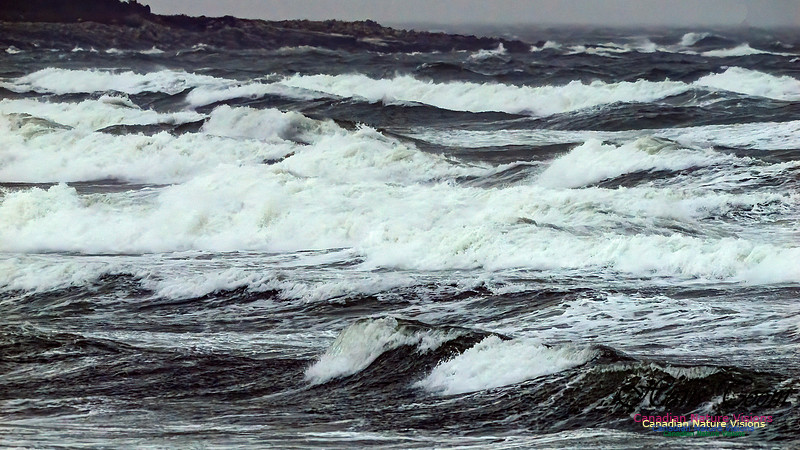
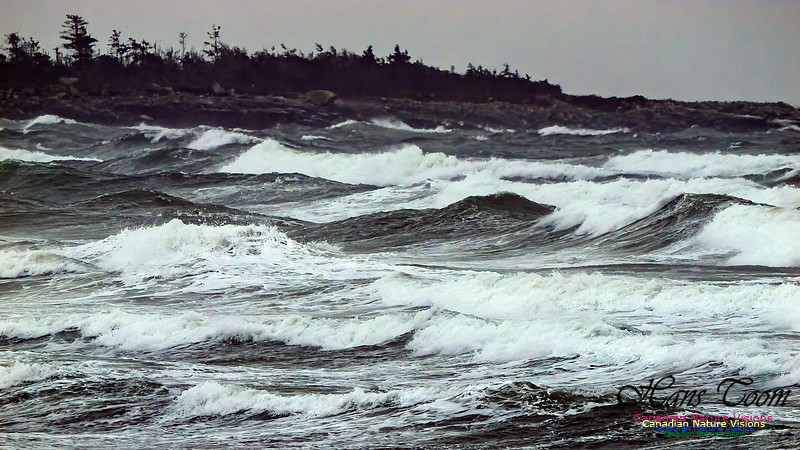
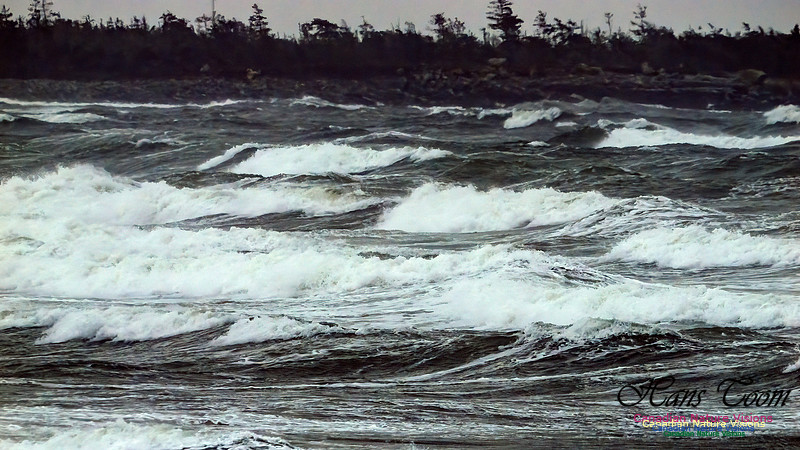
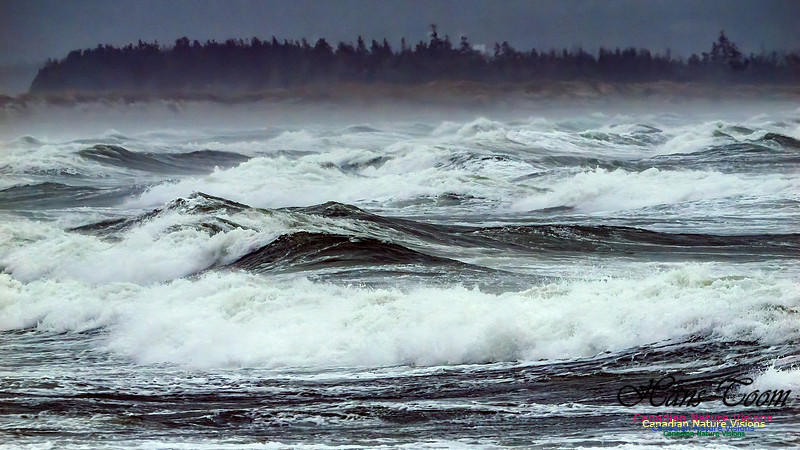
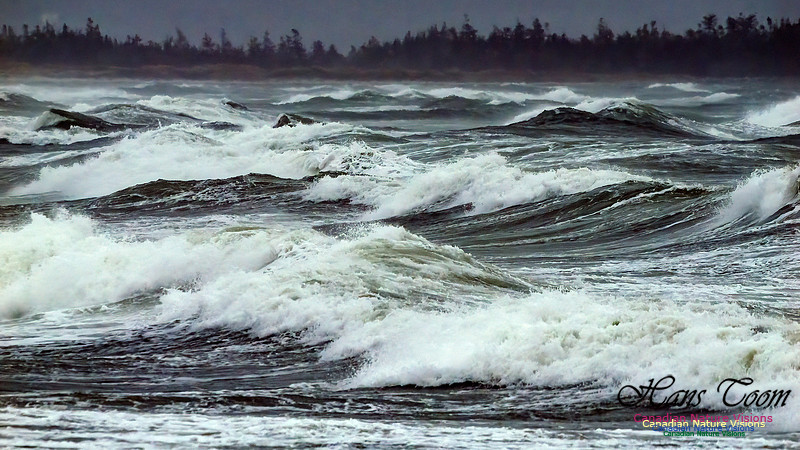
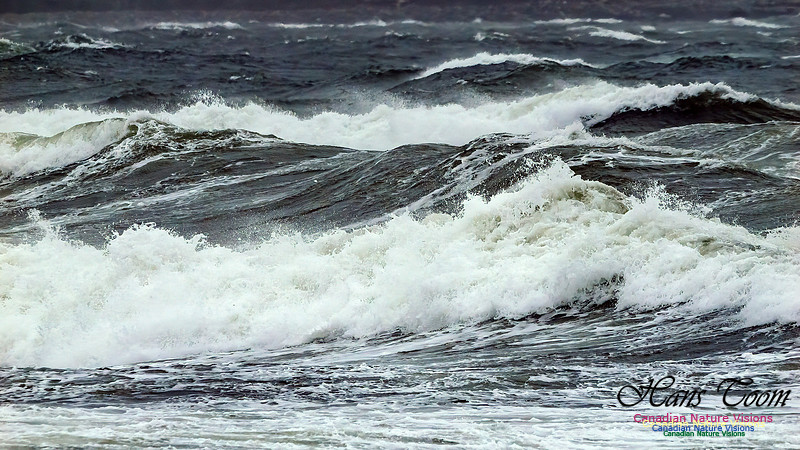
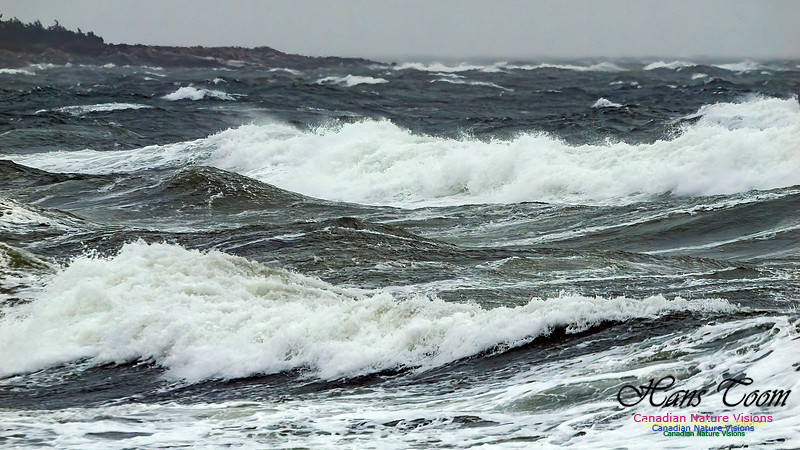
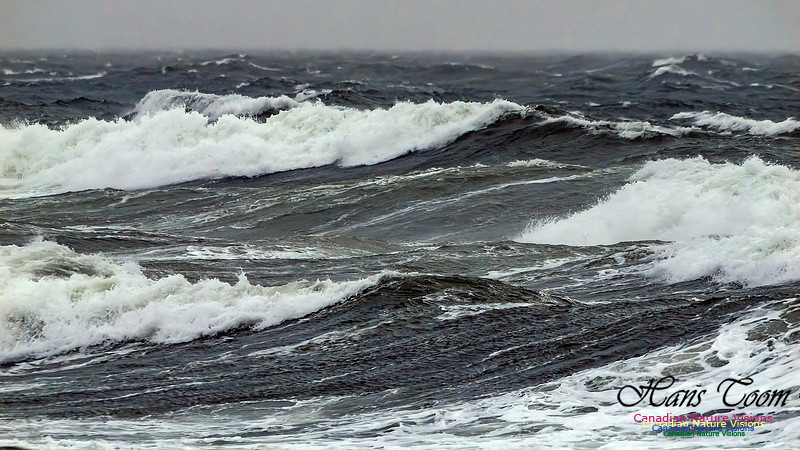
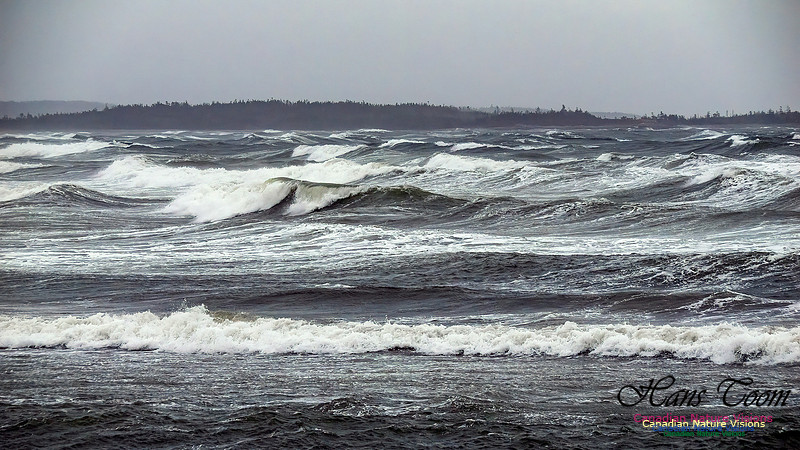
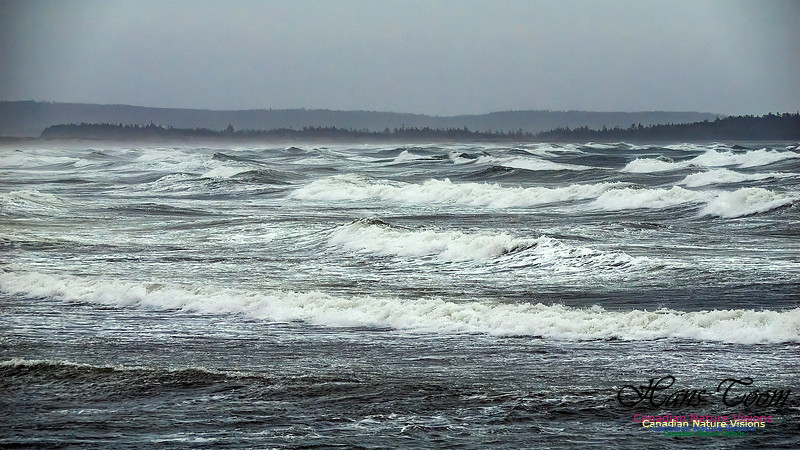
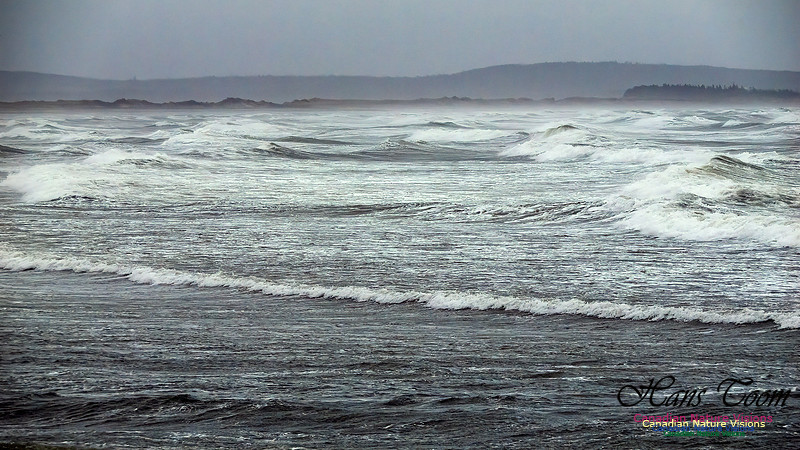
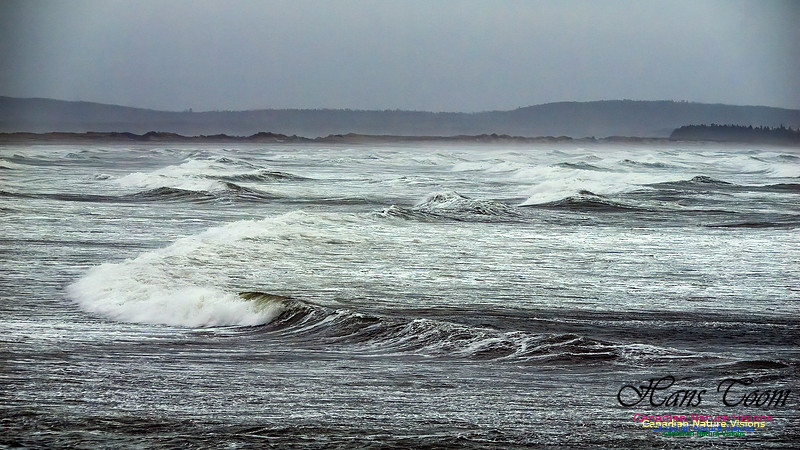
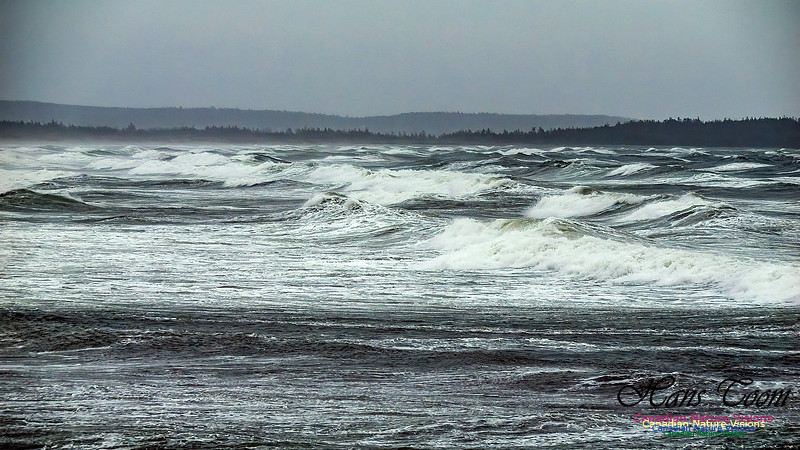
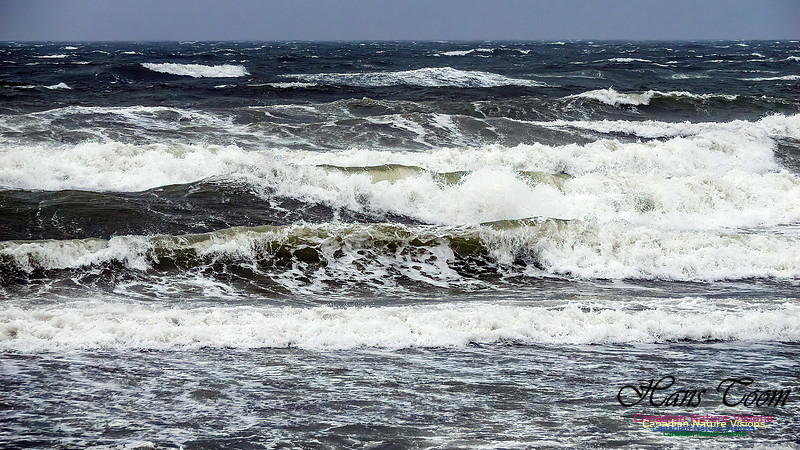
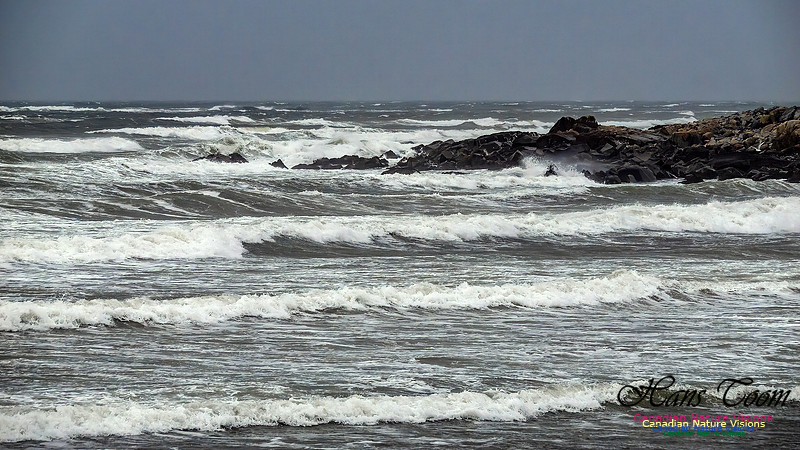
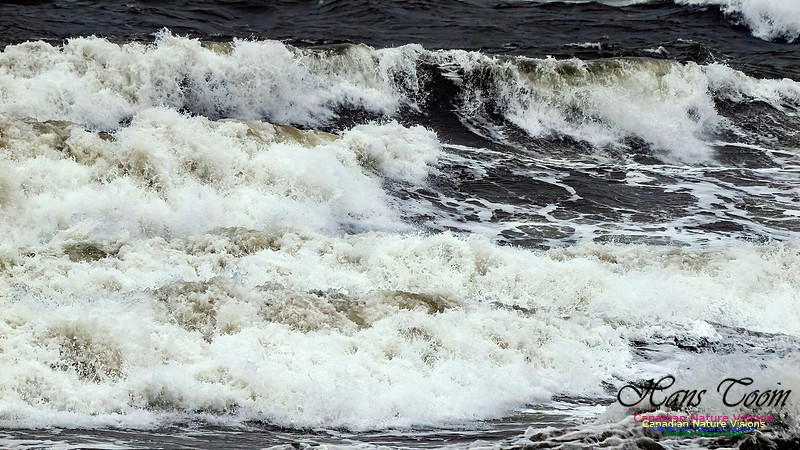
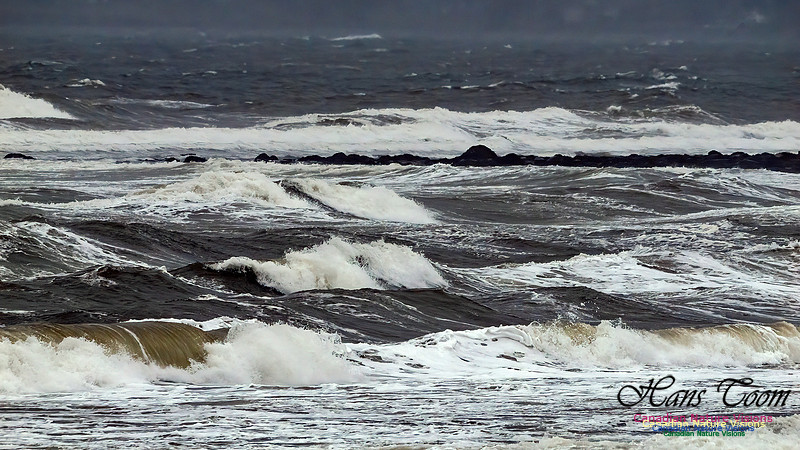
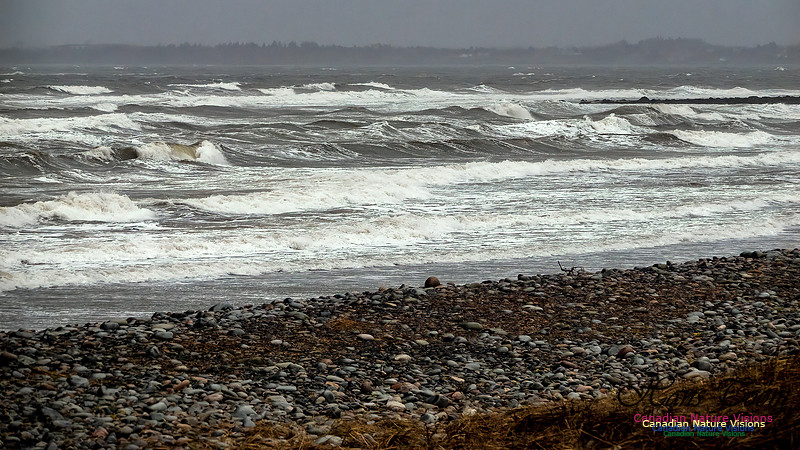
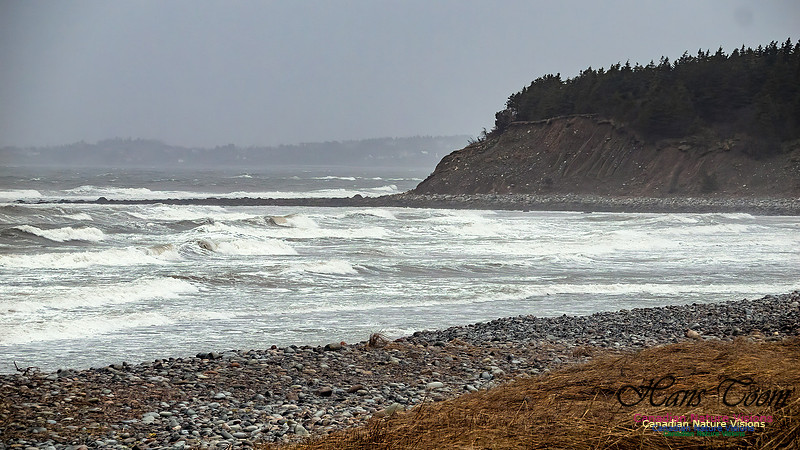
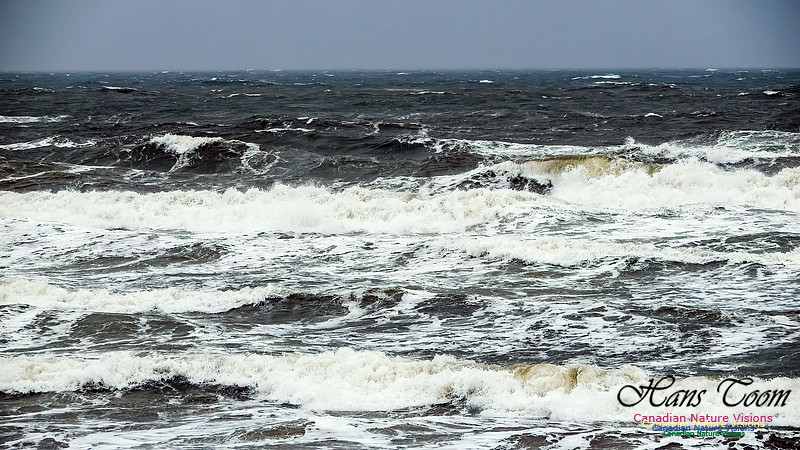
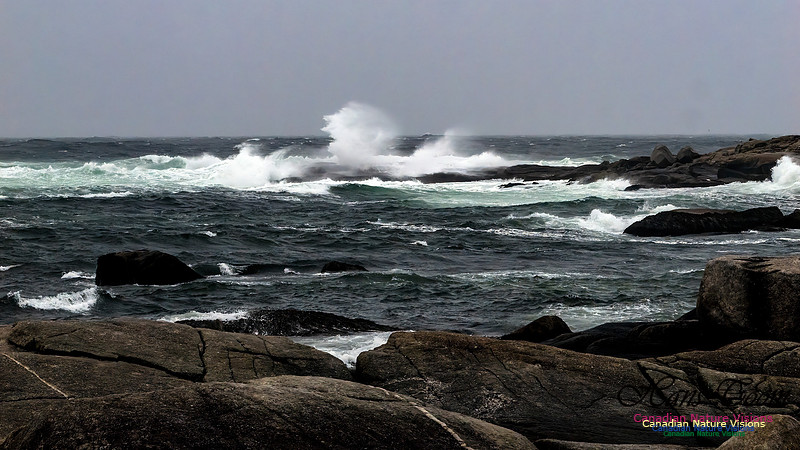
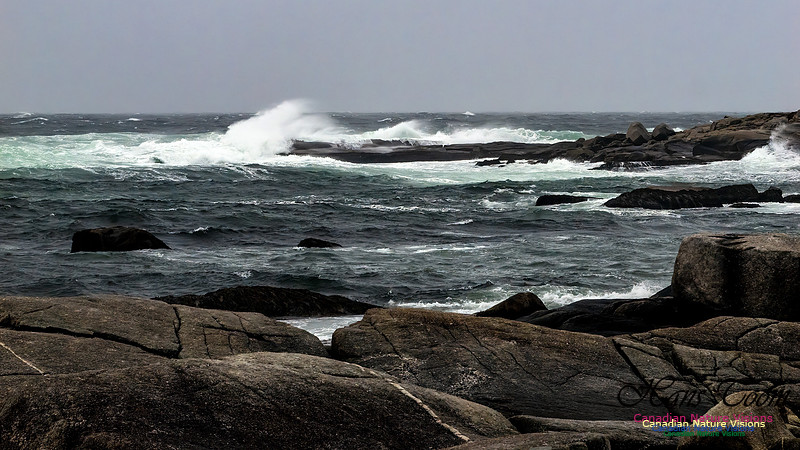
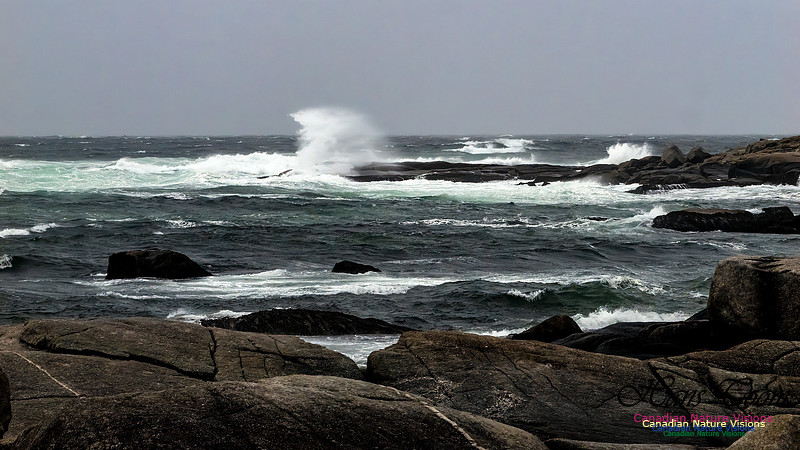
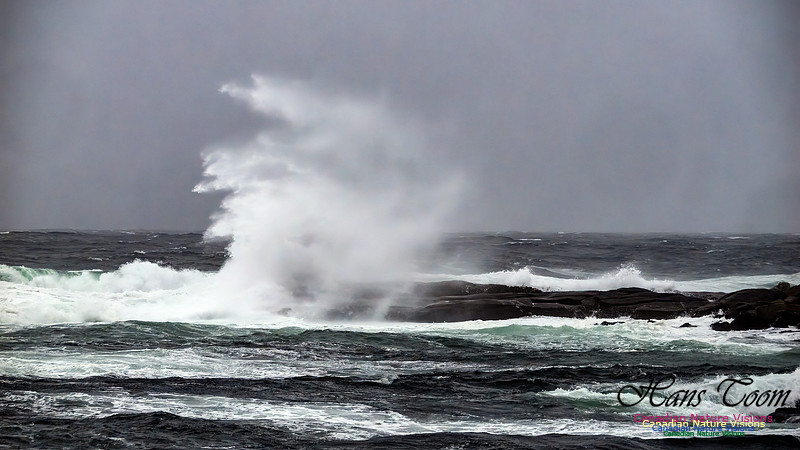
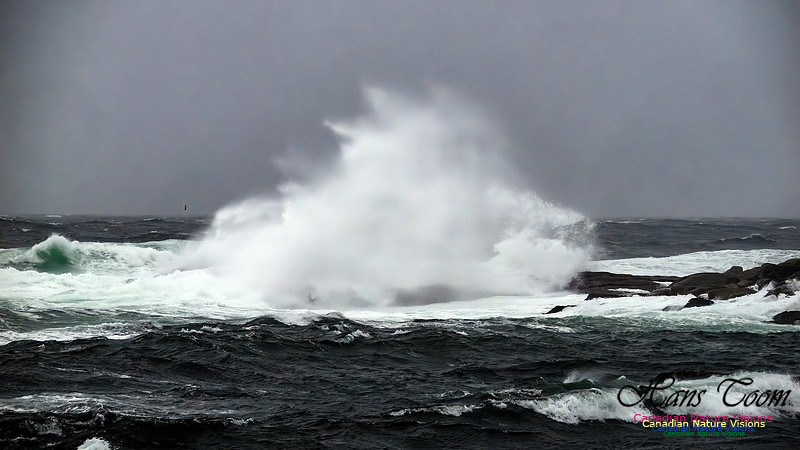
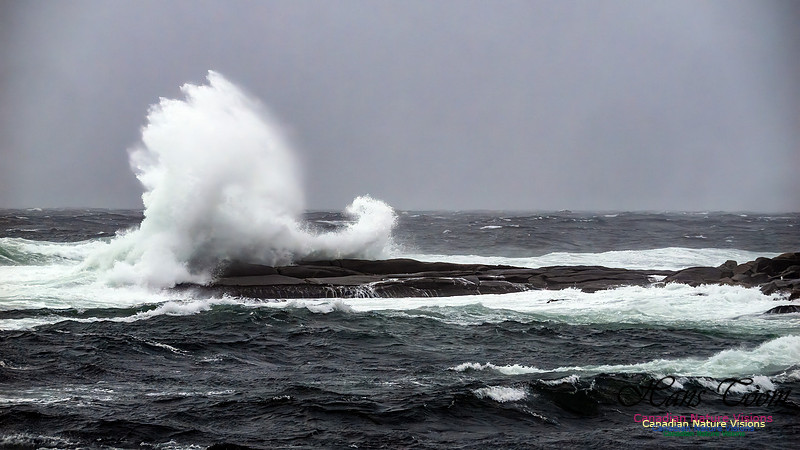
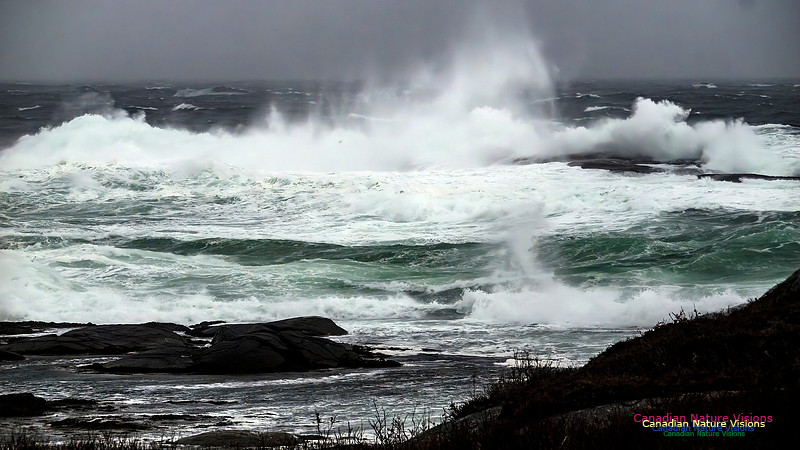
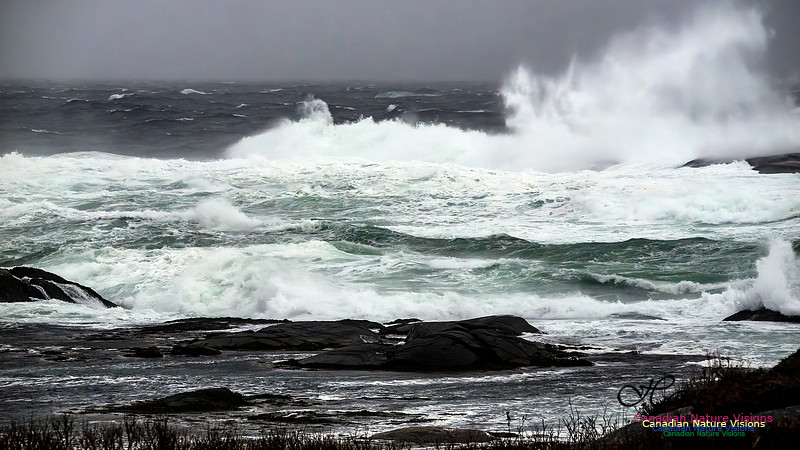
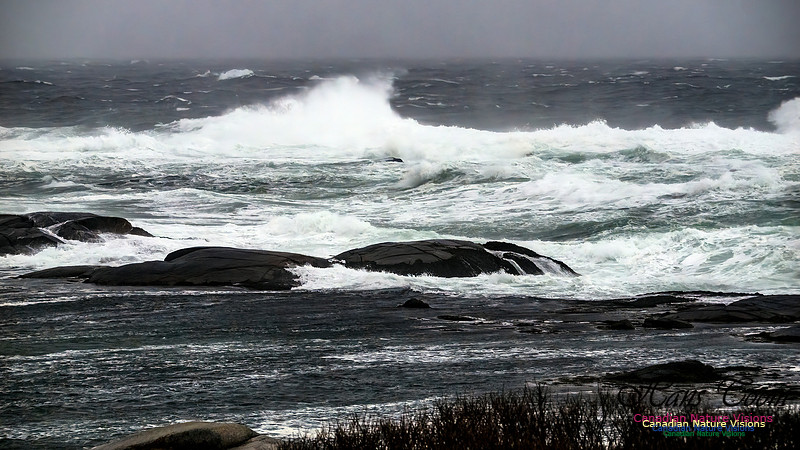
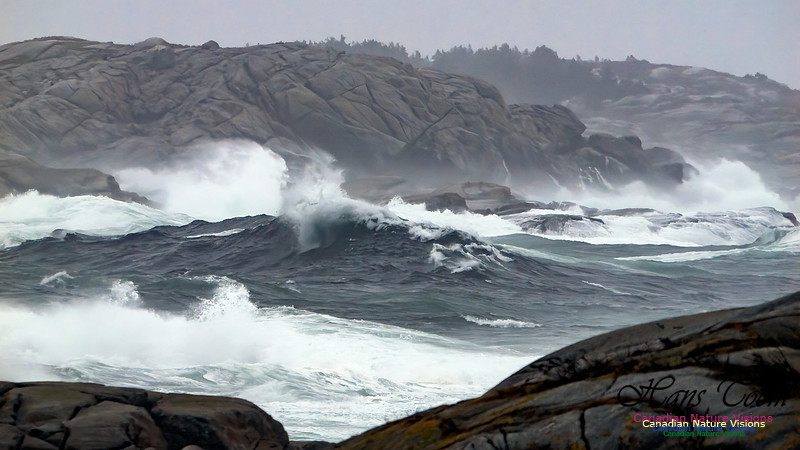
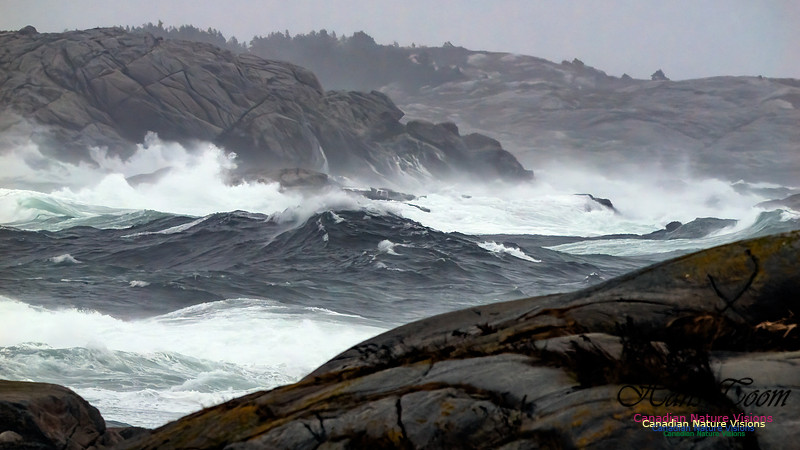
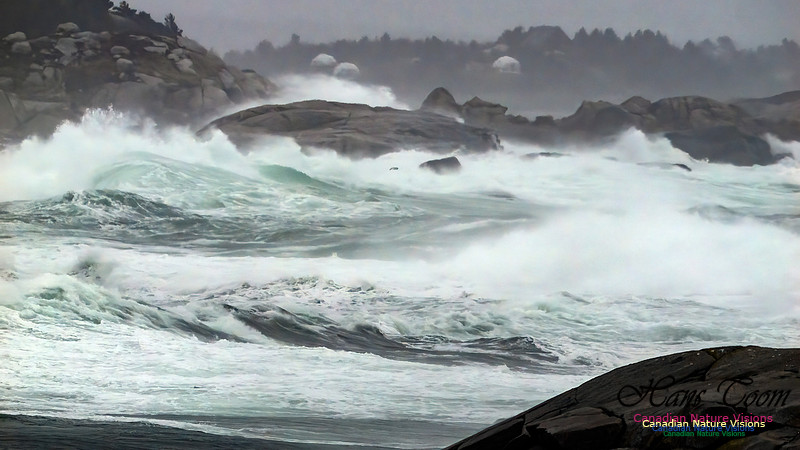
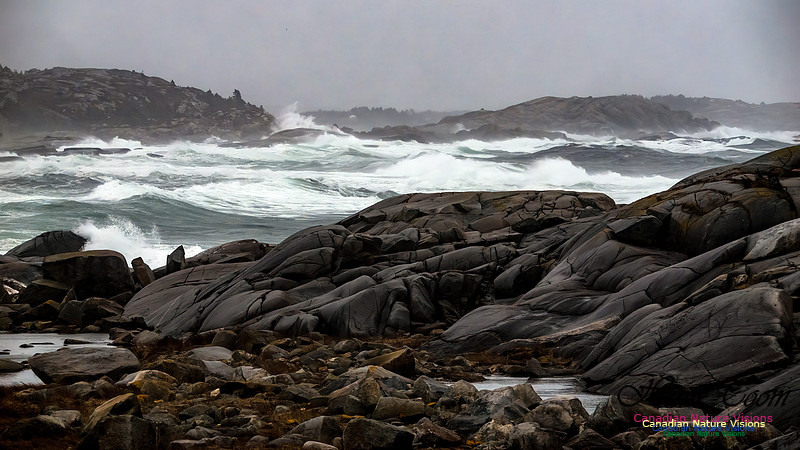
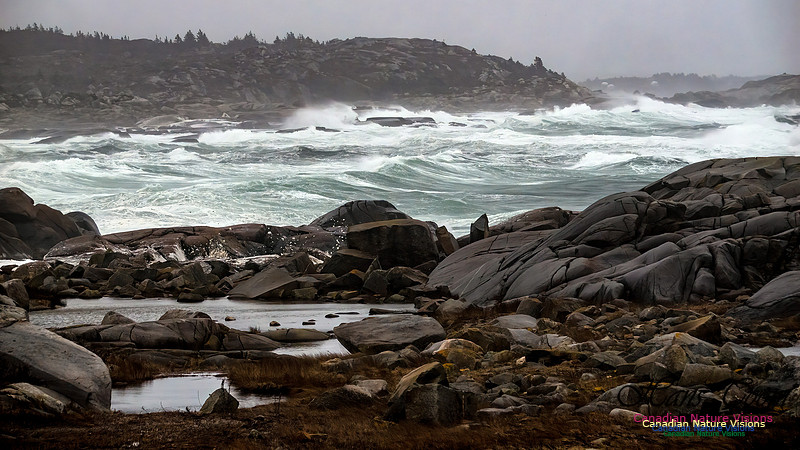
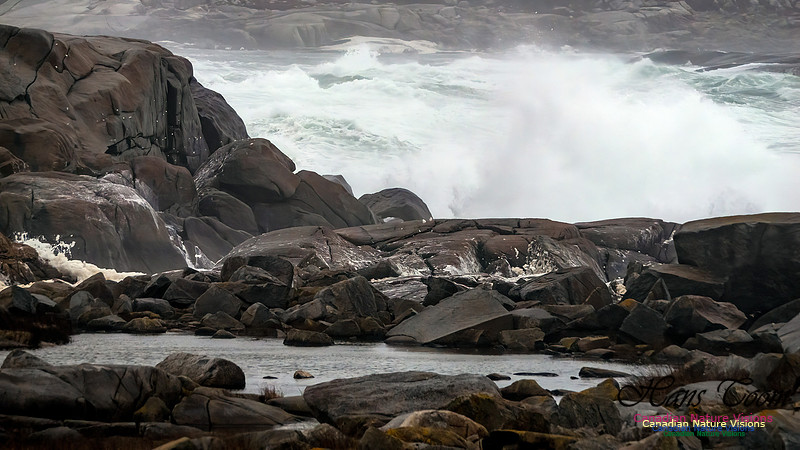
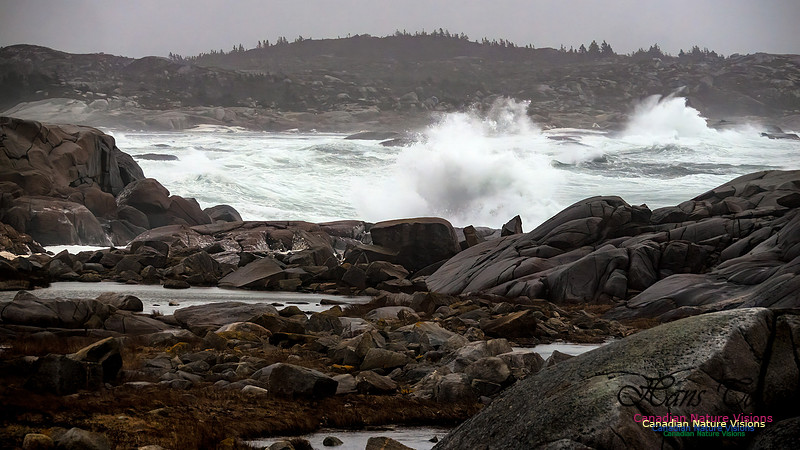
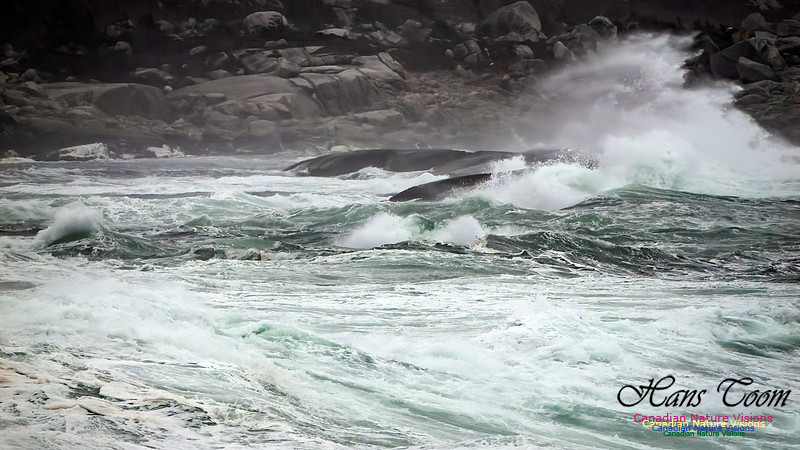
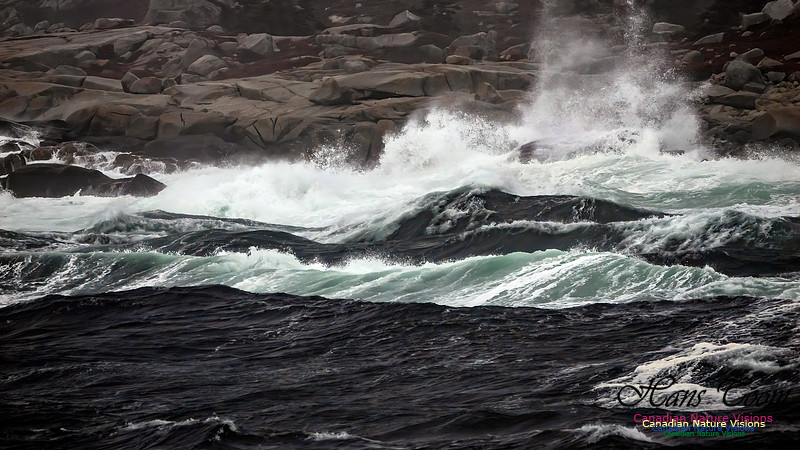
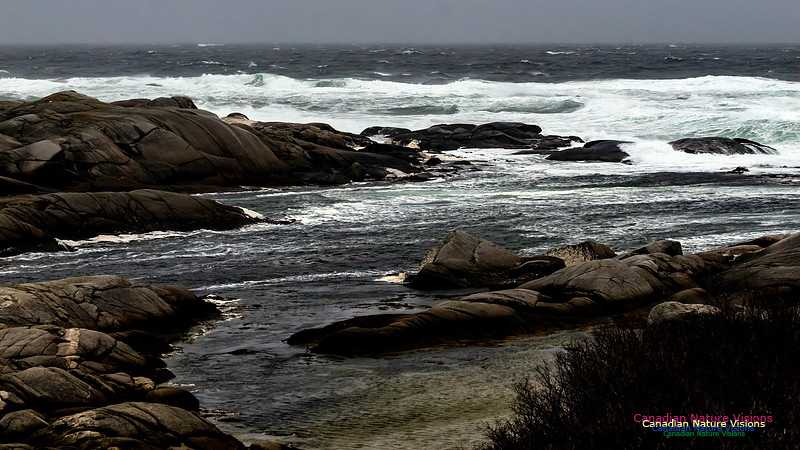
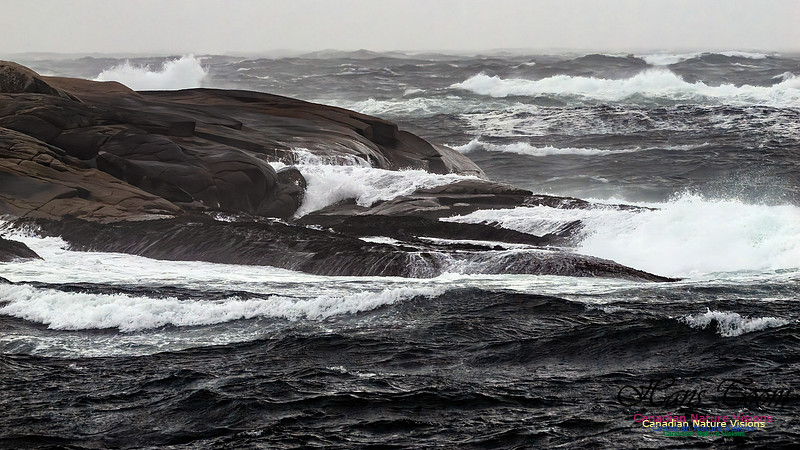
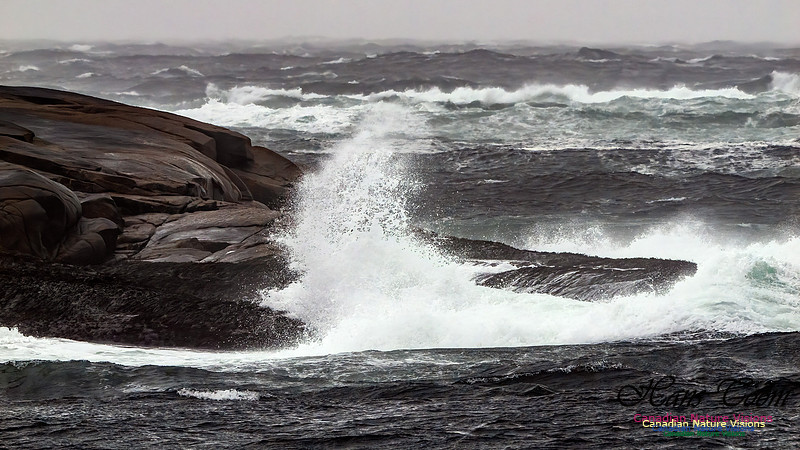
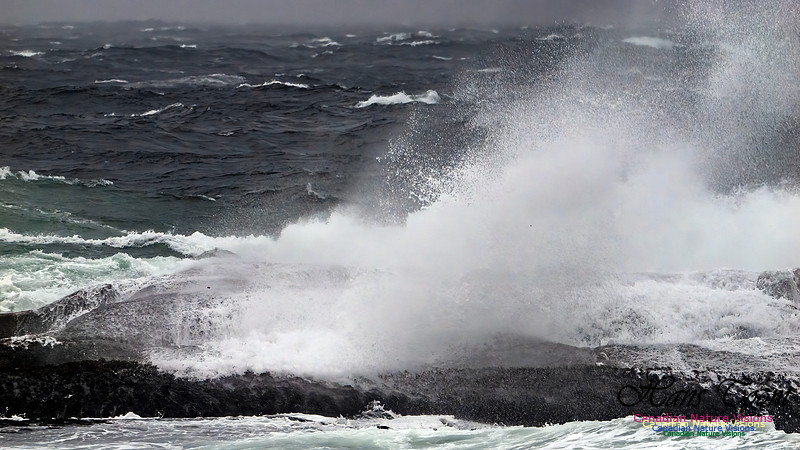
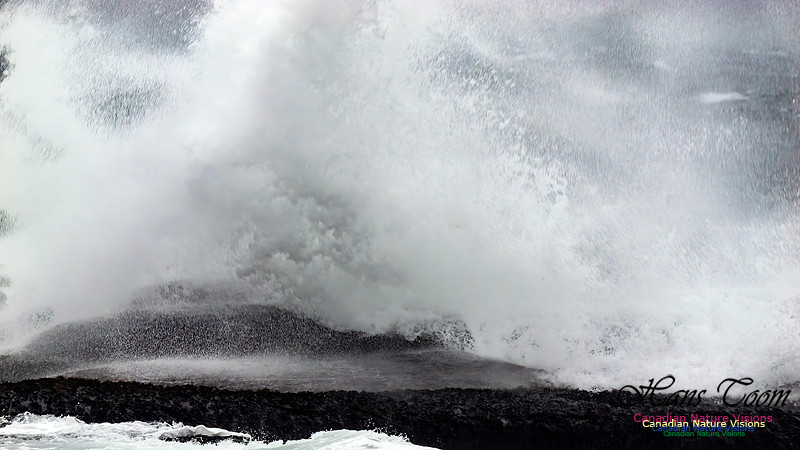
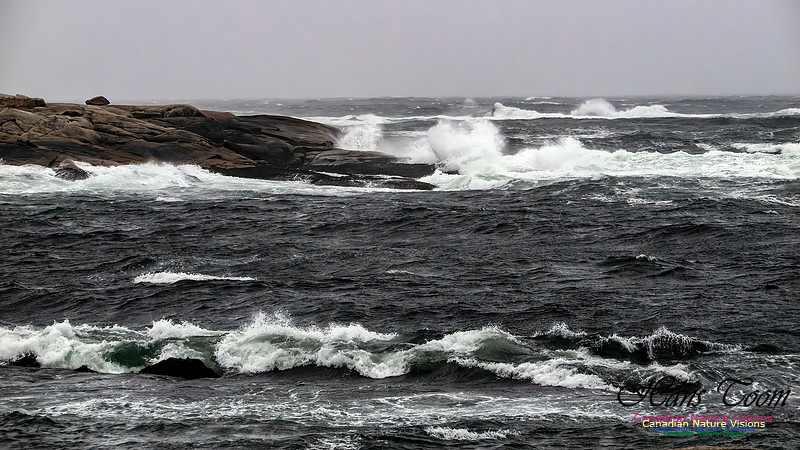
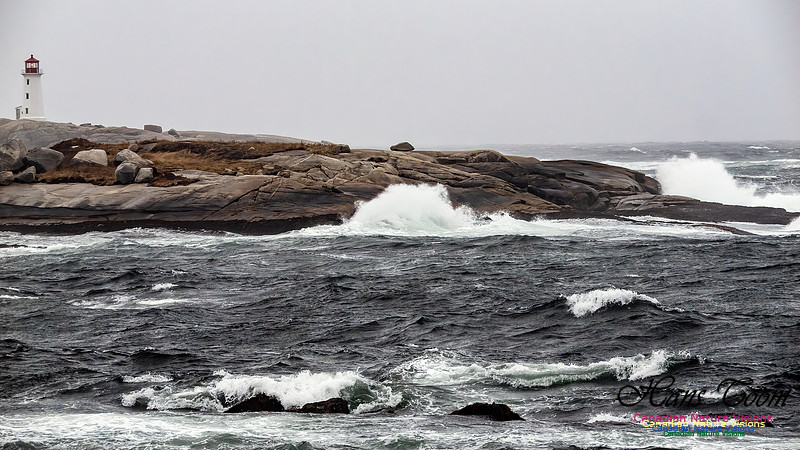
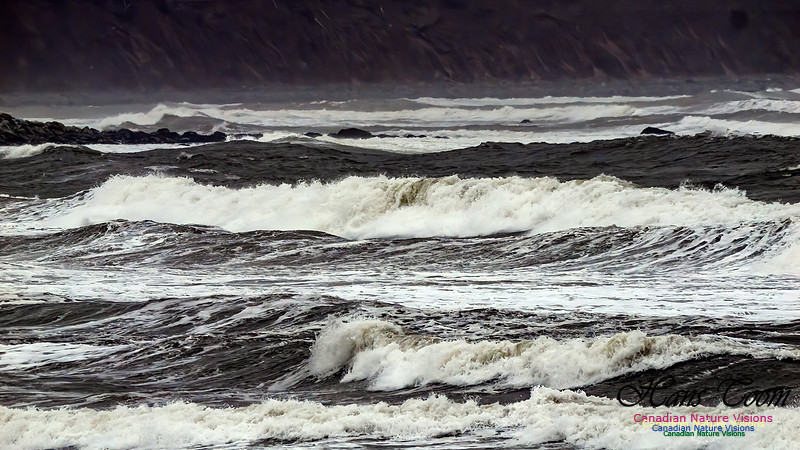
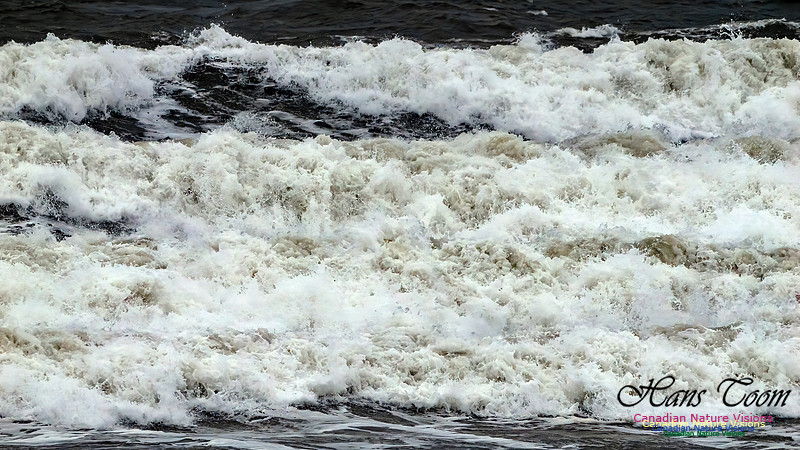
Nova Scotia's Second December GaleWe had another major gale, force 8, with hurricane strength gusts. Unfortunately the coastline was mostly fogged in so I had few opportunities for good shots. Another annoying issue in Nova Scotia is the shortage of good ocean views where one can safely park away from traffic. Nova Scotia's Second December Gale
Long-tailed Duck and Black GuillemotWinter photography is here. I've shot one winter gale and the second one is in the hopper. With the woodlands mostly empty of easy to find birds and other wildlife the ocean beckons me now with its wild weather and sea birds. The woodlands await the first heavy snow always a joy but one has to get to the scenic places before the foot prints and tire tracks spoil the show. I lucked out today when I found two pairs of Long-tailed Ducks, an elegant bird with a inane name. Sea ducks are tricky to photograph since they seldom come close to shore and long distance photography over water is usually a disaster due to fog, haze and waves. Long-tailed Duck
Black Guillemot
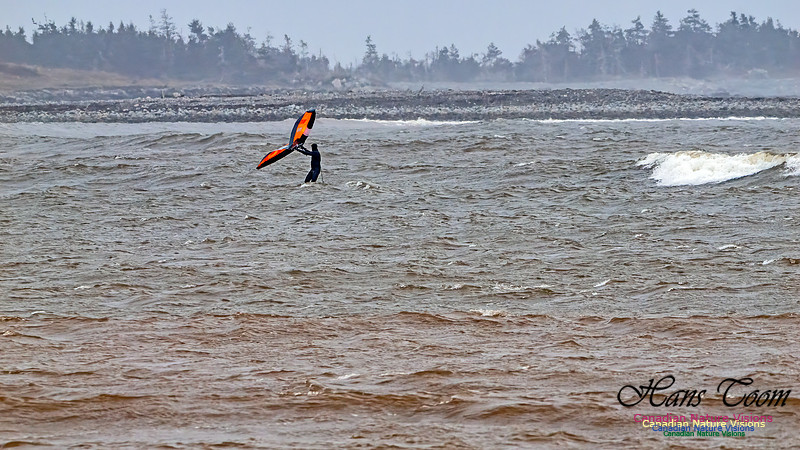
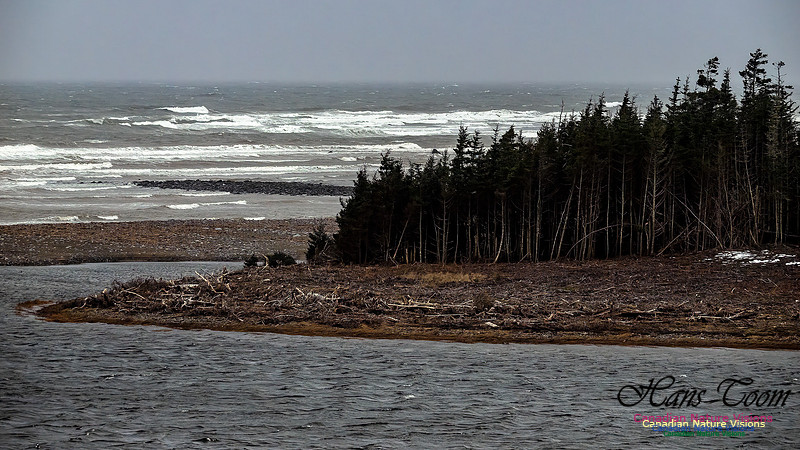
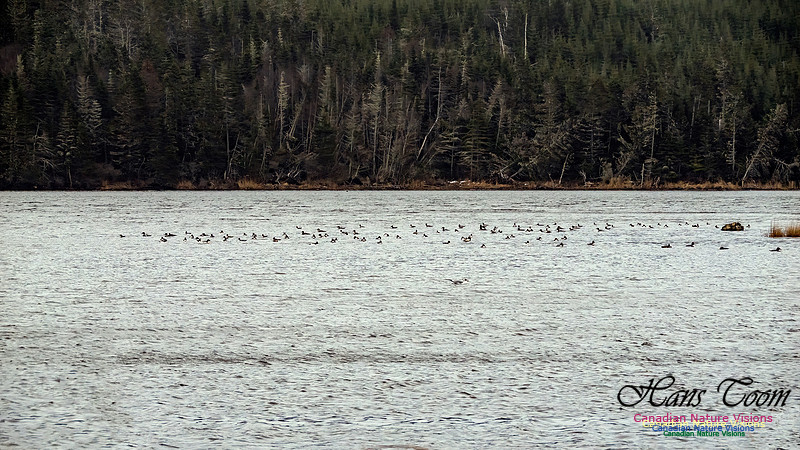
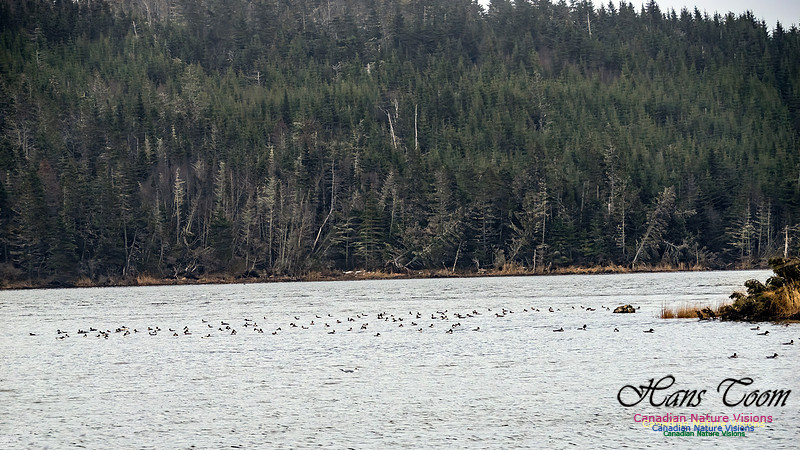
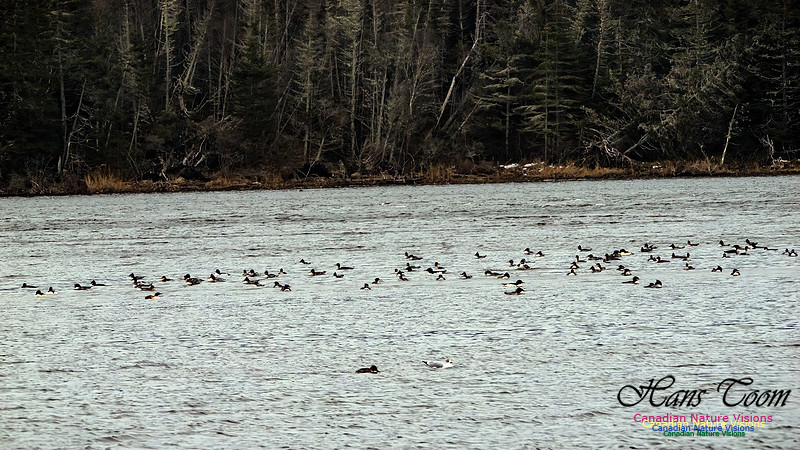
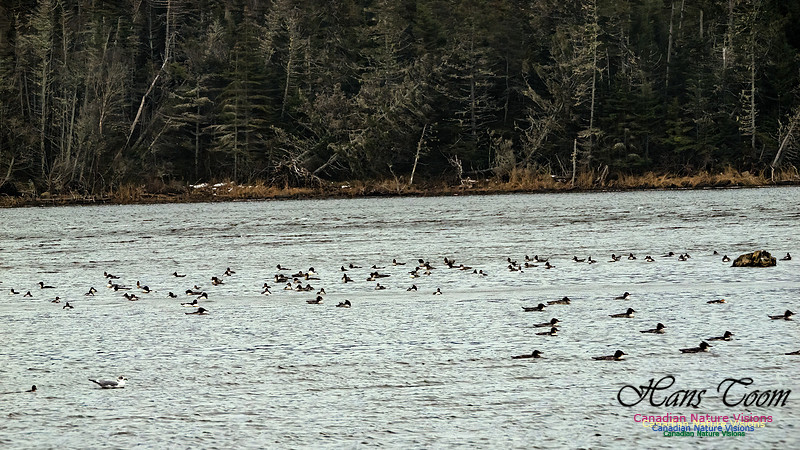
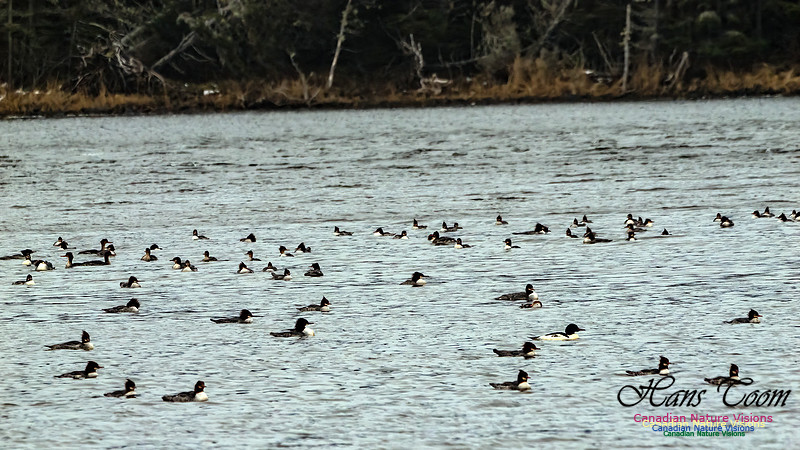
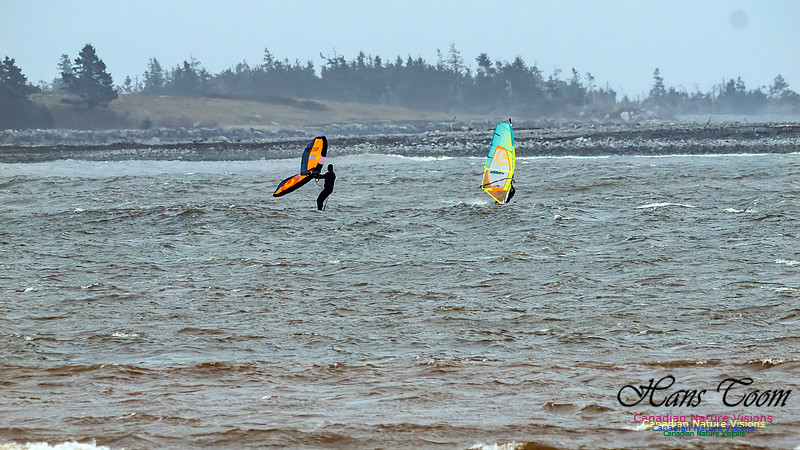
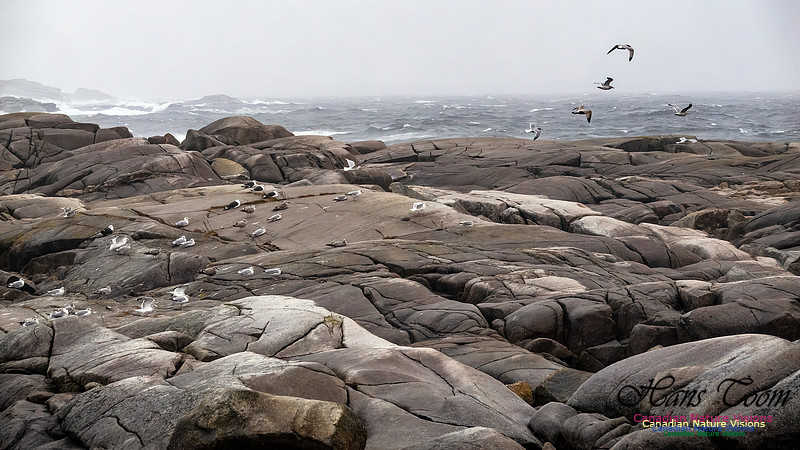
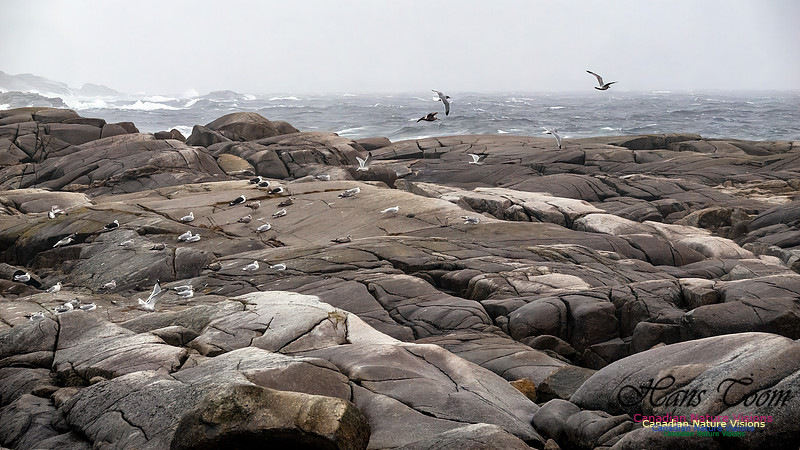
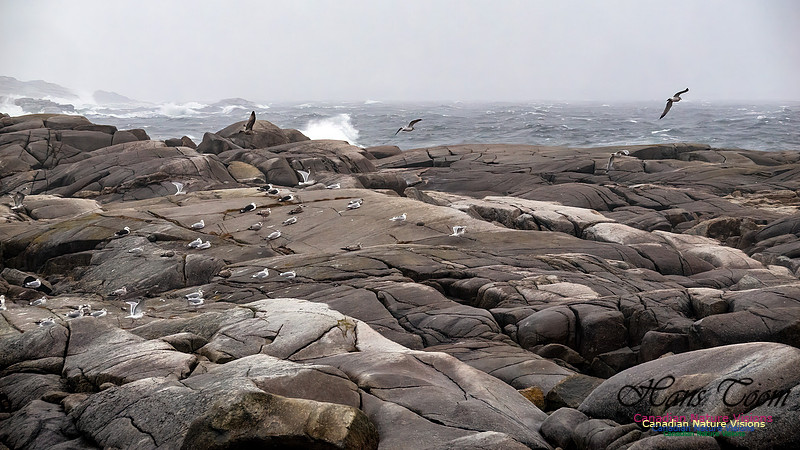
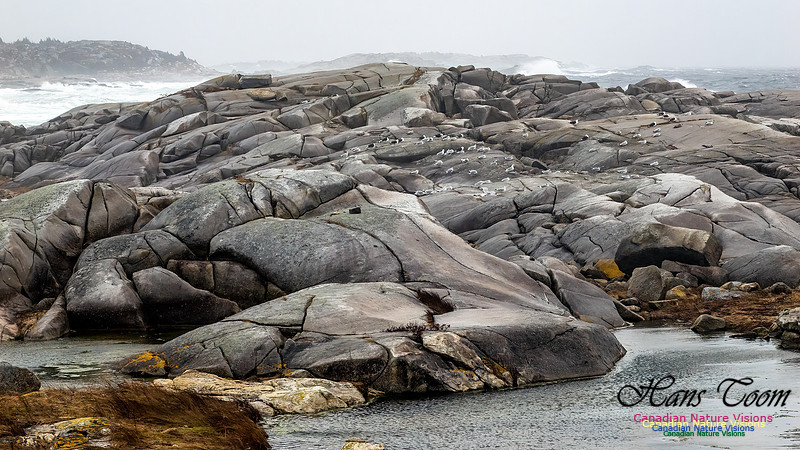
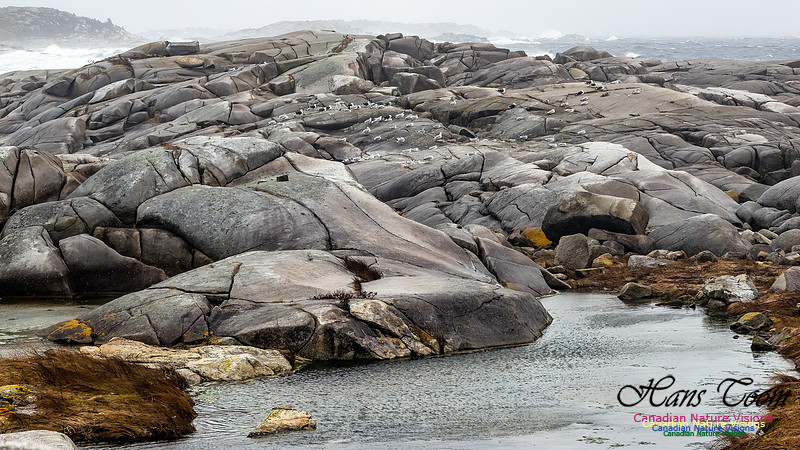
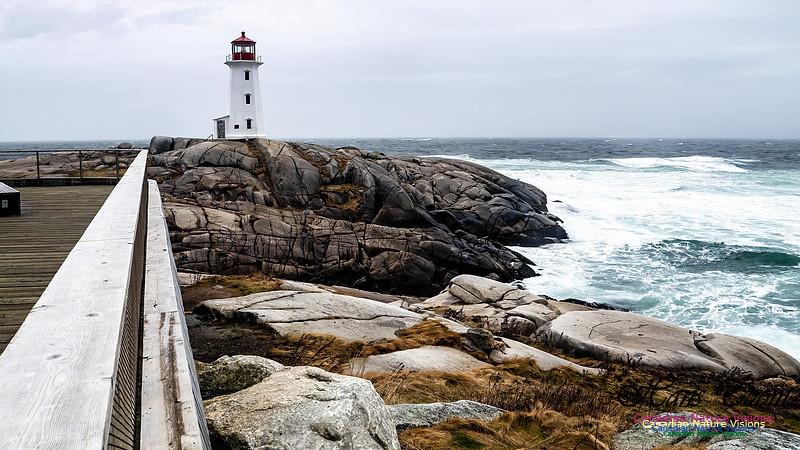
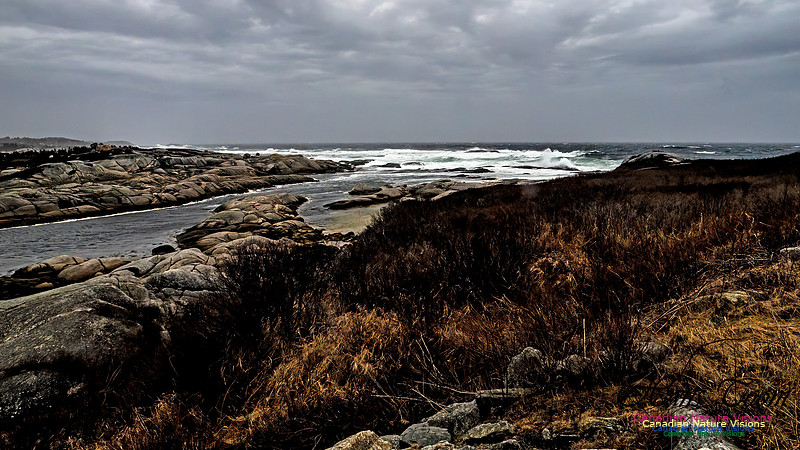
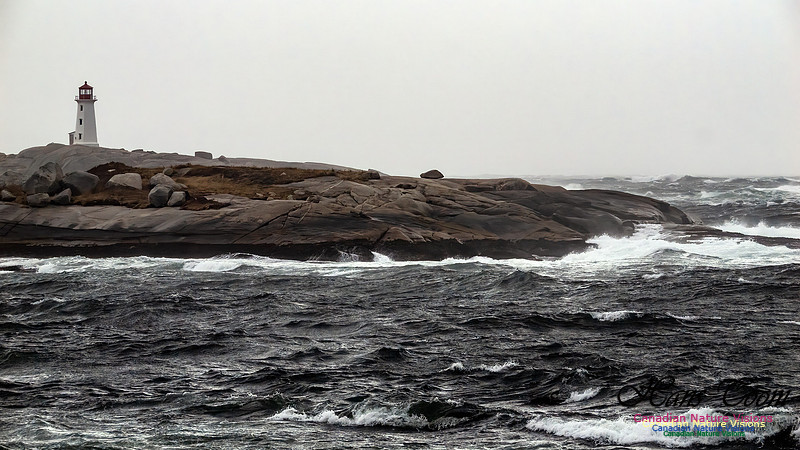
Nova Scotia Coast in a GaleI toured the eastern shore of Nova Scotia during a December gale from Martinique Beach Provincial Park, to East Chezzetcook, West Chezzetcook, Lawrencetown Beach, Conrad's Beach, Cole Harbour and finally finishing at Peggy's Cove. The highlight of the tour was meeting a gathering of Common Mergansers, the largest such gatherings I have ever witnessed. No doubt they were sheltering away from the coastal surf. Wind gusts up to 100kph sandblasting my face was a reminder of Nature's fury. I was almost blown over at Martinique Beach West Chezzetcook Wind Surfers at Play
Gathering of Common Mergansers
Wind Surfers at West Chezzetcook
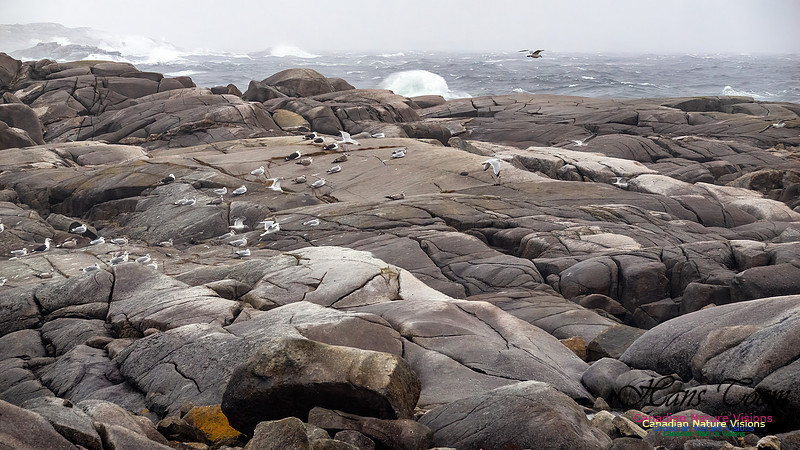
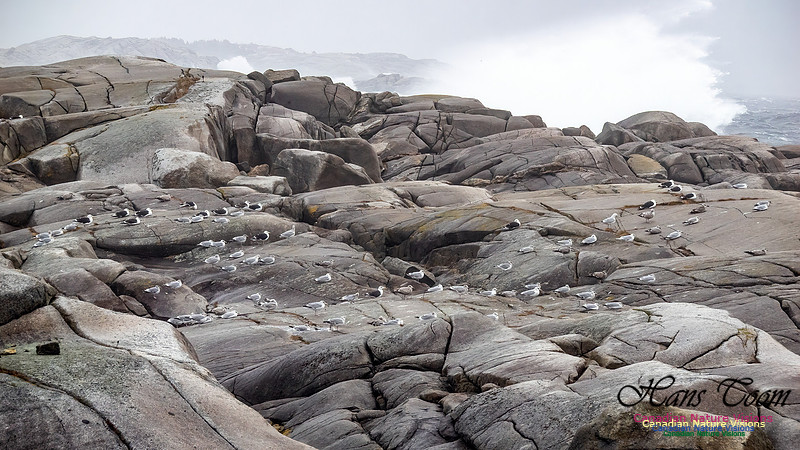
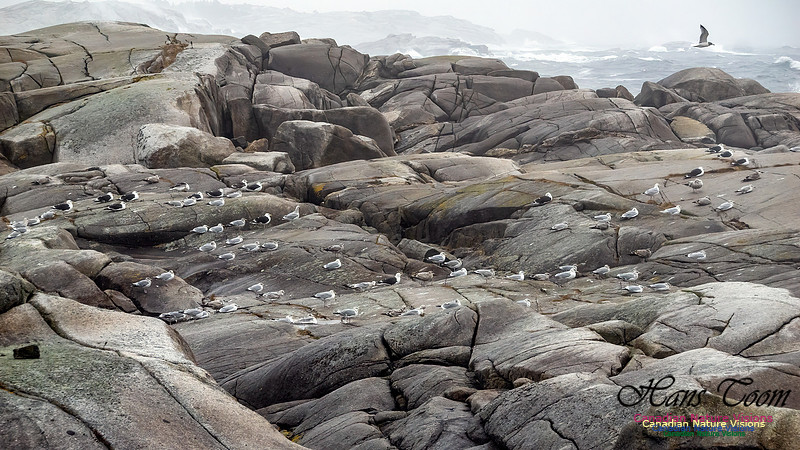
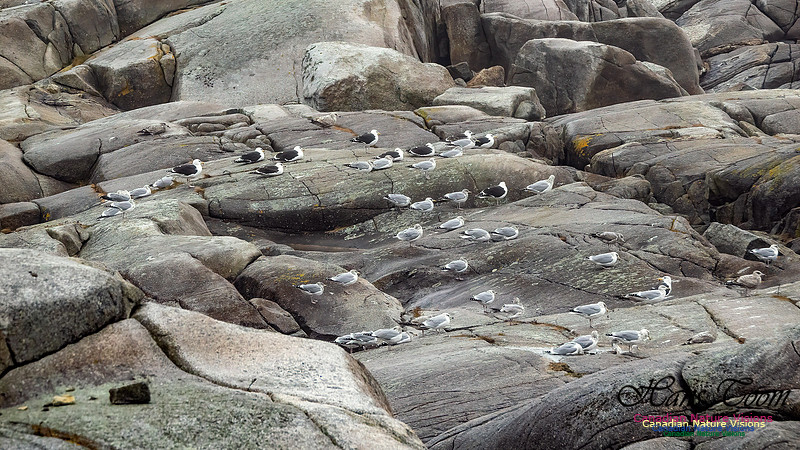
Gulls Hunkered Down From the Wind
Peggy's Cove Light
Red-shouldered HawkThe Red-shouldered Hawk is now a Nova Scotia nesting bird and a year round resident. This example has returned from its summer time wanderings to over winter at the same nursery I photographed it at last year. The personality of a bird is normally not a diagnostic tool but the personality differences between the Red-shouldered Hawk and the closely related Red-tailed Hawk is striking. The Red-tailed Hawk is a flighty bird flying away at the slightest provocation whereas the Red-shouldered Hawk will sit and look at you or ignore you as it scans the area for its next meal. Red-shouldered Hawk
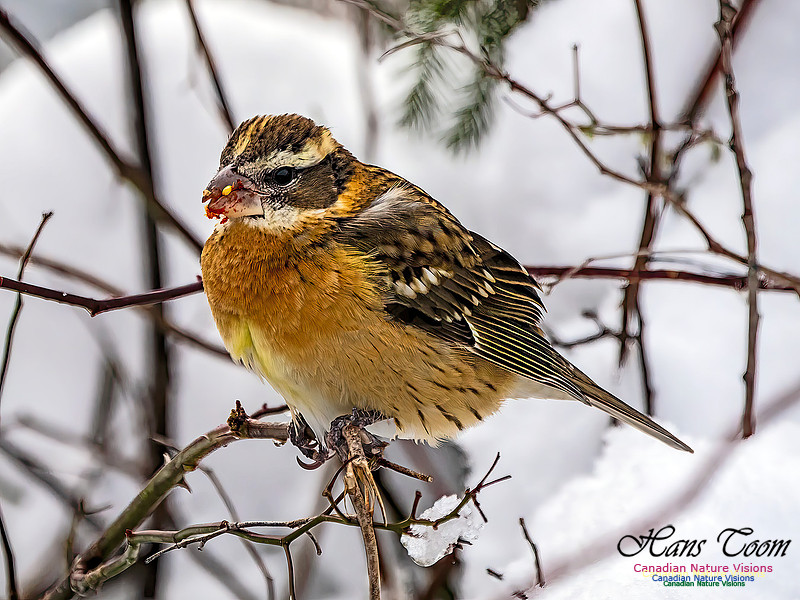
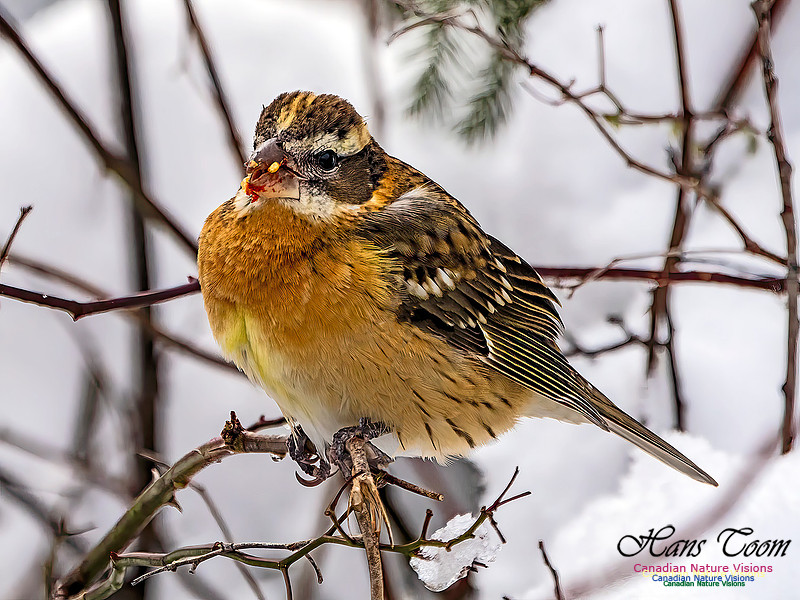
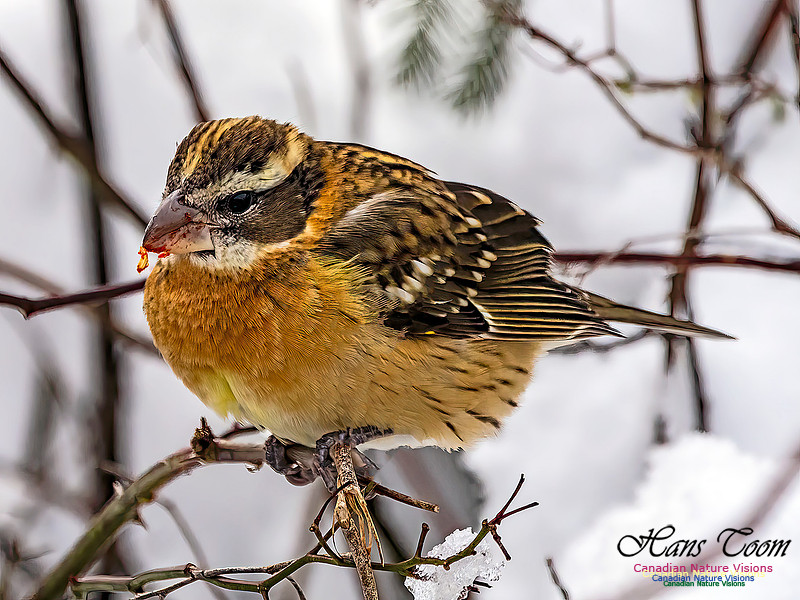
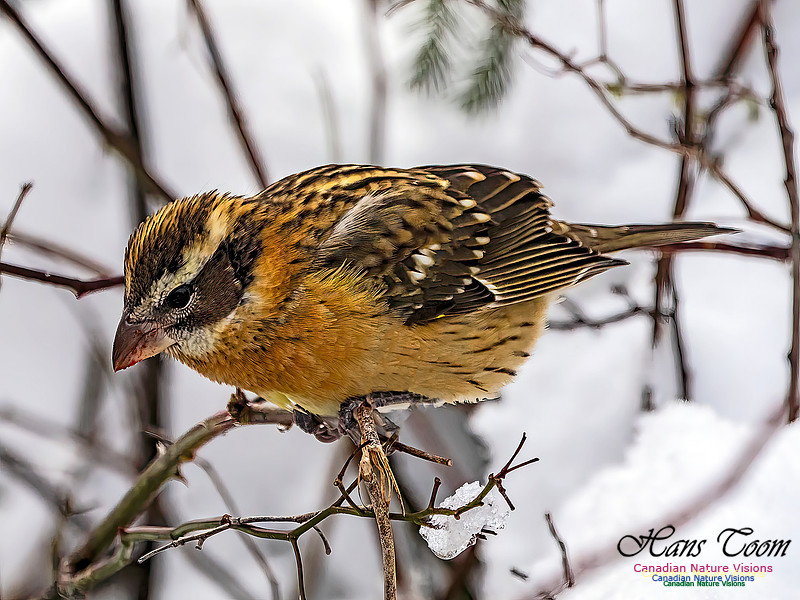
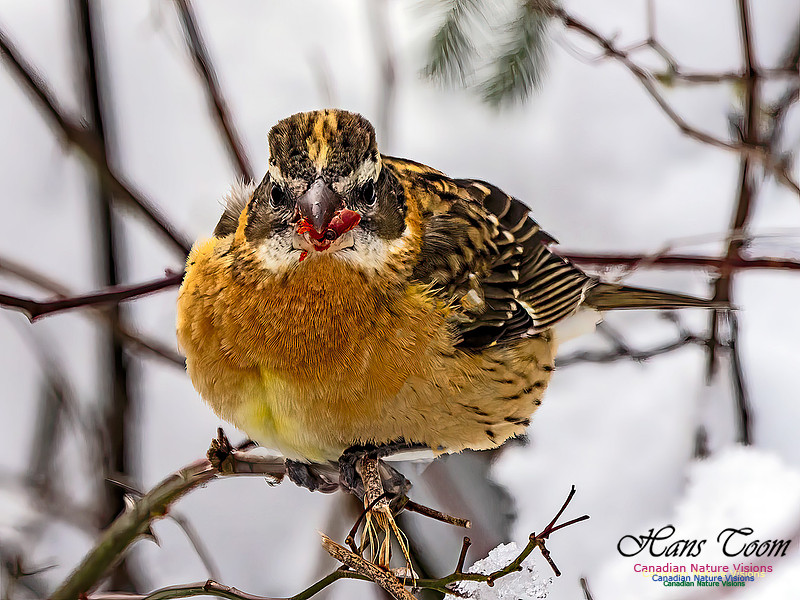
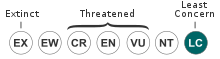
Black-headed GrosbeakThis rare bird almost turned into a tale of woe for me. I set up with a view of the feeder from the road expecting some distant photos. But wait! The Black-headed Grosbeak popped up in front of me in a multiflora tangle almost void of fruit. This intrepid forager found some of the last remaining offerings. This supplements the bird and the winter bird photographic opportunity. So.......my camera would not focus no matter what I did. I managed these photos using manual focus. Somewhere along the way I touched the wrong key or software button. This camera will be leaving my service since this should not happen,...ever. This visit of the Black-headed Grosbeak is a 16th record for Nova Scotia and the first for December. In all likelihood it will stay all winter. Black-headed Grosbeak
The black-headed grosbeak (Pheucticus melanocephalus) is a medium-sized, seed-eating bird in the family Cardinalidae. It is sometimes considered conspecific with the rose-breasted grosbeak (P. ludovicianus) with which it hybridizes on the American Great Plains. The 19 cm (7.5 in) long, 47 g (1.7 oz) black-headed grosbeak is a migratory bird, with nesting grounds from southwestern British Columbia, through the western half of the United States, into central Mexico. It occurs as a vagrant further south in Central America. Description
Measurements:[2]
The black-headed grosbeak is similar in size to a common starling. As per its name, the male has a black head, and black wings and tail with prominent white patches. Its breast is dark to tawny orange in color, and its belly is yellow. The female has a brown head, neck, and back with sparrow-like black streaks. She also has white streaks down the middle of her head, over her eyes, and on her cheeks. Her breast is white, and wings and tail are grayish-brown with two white wing bars and yellowish wing edges.
Nova Scotia's 2023 Premier Bird, the Grey-crowned Rosy FinchI first photographed the Grey-crowned Rosy Finch January 23, 2023. It is Nova Scotia's first confirmed record. I was not satisfied with my edits from the original posting so I went back to my RAW images of last January and tried again. The finch was consuming sunflower seeds as it should to survive our nasty winter and these seeds do compromise the photos around the beak, but who cares? Grey-crowned Rosy Finch
|
|||||||||||||||||||||||||||||||||||||||||||||||||||||||||||||||||||||||||||||||||||||||||||||||