Subscribe to Blog
RSS
Archive
January February March April May June July August September October November December (2)

Queen Mary 2 & Yellow Ladies' Tresses Orchid

September 11, 2016  •  Leave a Comment

Prior to our jaunt up to Chebucto Head(Shoal Point) yesterday evening to watch this grand ship passing on its way to Southampton, Laura, Gabriela and Alzena joined me in a visit with the Yellow Ladies' Tresses Orchid. This orchid is our latest blooming, flowering up to the first frost. This orchid is very similar to the Nodding Ladies' Tresses Orchid but the 'nodding" prefers moist conditions whereas the "yellow"prefers dry conditions and usually blooms much later although they do flower together along Sandy Cove Road, Halifax. The Yellow Ladies' Tresses Orchid flower flares open like a trumpet and the lower petal droops.

Yellow Ladies' Tresses Orchid​

Sept10-2016-32Sept10-2016-32

After visiting the orchids we went to our favourite looking off place and enjoyed the late evening.

The Queen Mary 2 rounds Shoal Point.

Queen Mary 2 Sept10-2016-19Sept10-2016-19 Sept10-2016-10Sept10-2016-10 Sept10-2016-11Sept10-2016-11 Sept10-2016-13Sept10-2016-13 Sept10-2016-15Sept10-2016-15 Sept10-2016-16Sept10-2016-16 Sept10-2016-17Sept10-2016-17 After our trip to Chebucto Head the four of us returned to our home in Portuguese Cove to enjoy a late evening fondue. The ladies enjoyed scallops, salmon, cheese and a vegetable platter in a cilantro clam broth.


Northern Cardinal and Vegetable Garden Raiding Buck

September 07, 2016  •  Leave a Comment

Northern Cardinal and Vegetable Garden Raiding Buck

In 16 years at our place in Portuguese Cove we've never had more than a single cardinal at a time and they only stayed for a few days. The proximity to the coastal barrens is a likely deterrent but over the years our deciduous trees have grown taller and fuller. There has always been excellent roosting locations in our mature mutltiflora rose hedges and dense ornamental shrubs, plus the forest itself.

Our home has always been a migrant trap. Its close to the coastal migration route of many birds and provides excellent cover. Over the years we've tallied perhaps 160+ species. I don't keep count any more but when I last did about fourteen years ago we had 126 species and a lot has happened since then. If I invested in a good telescope I could probably tally another 20-30 ocean and pelagic species but I prefer to photograph nature and invest my time and money there.

Five weeks ago the cardinal situation changed when a single juvenile female arrived and stayed. Now low and behold a juvenile male arrived a few days ago and the two have become a couple so we may have resident cardinals here after all. I wish them well here or wherever they choose to set up house keeping. They will never lack for food at our place.

The photos were taken through two layers of window glass so they do lack definition.

Juvenile Female Northern Cardinal

NorthernCardinal12NorthernCardinal12

Juvenile Male Northern Cardinal

It just visited our sunflower seed feeder.

NorthernCardinal13NorthernCardinal13

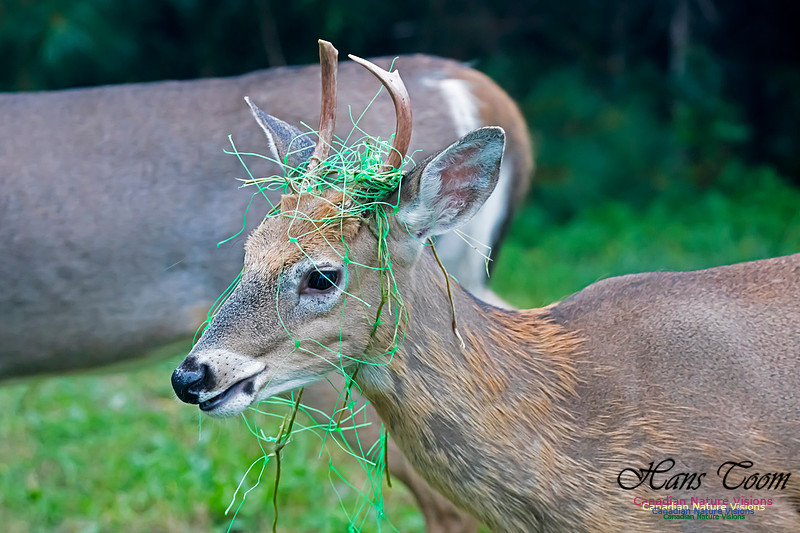
Yesterday we had a unique experience when three young bucks arrived two festooned with netting probably after a recent vegetable garden raid. To my chagrin one of the garden raiders was chowing down on my Rose of Sharon which is normally 12 feet feet high but with the weight of the blooms it was drooping down to munching height.

Fortunately the netting is flimsy and will disappear over time.

Vegetable Garden Raiding Young Buck

White-tailed DeerWhite-tailed Deer


Evangeline Beach, Grand Pre', the gardens and the Church of Evangeline

September 03, 2016  •  Leave a Comment

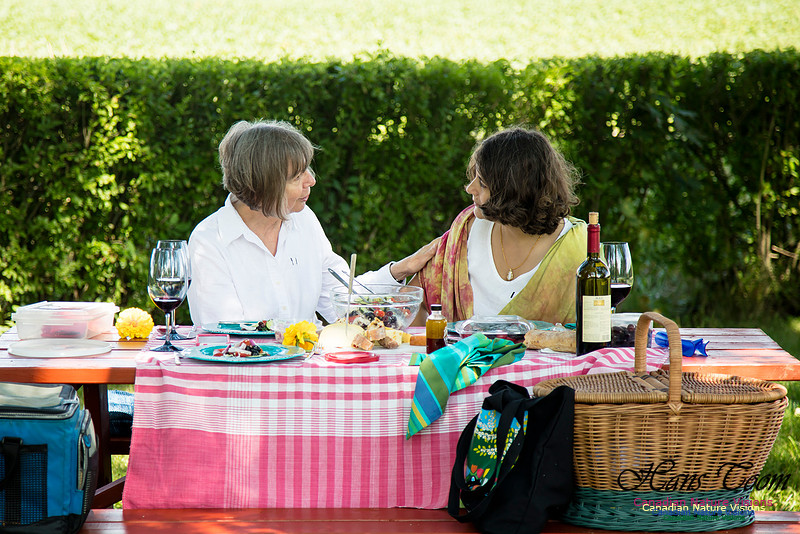
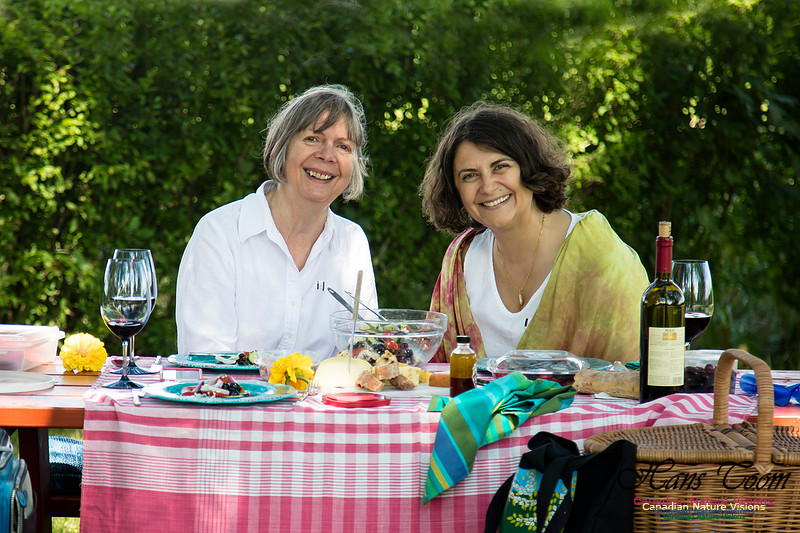
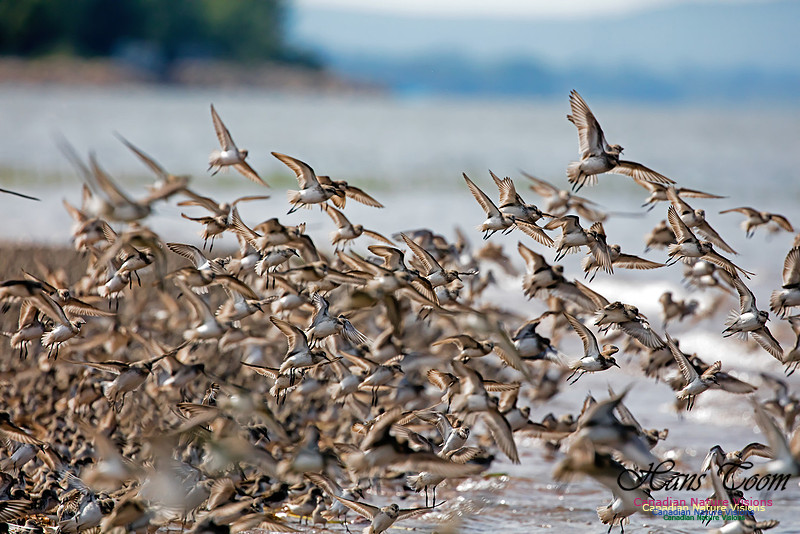
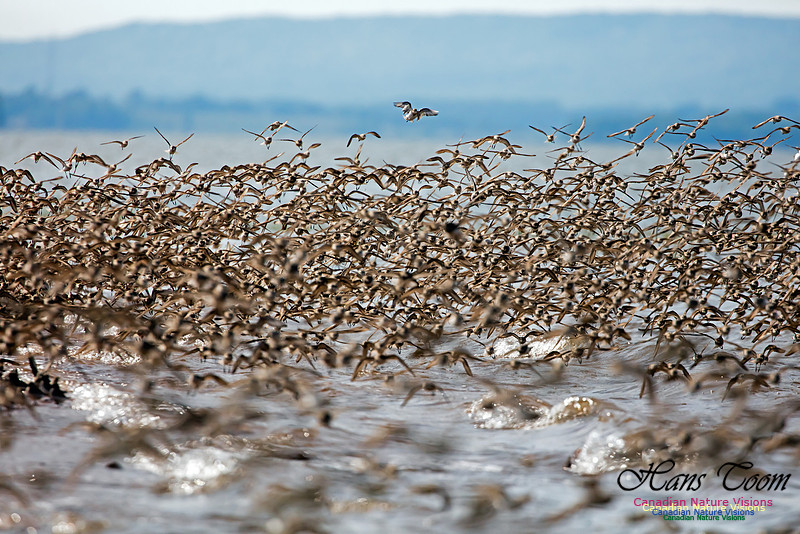
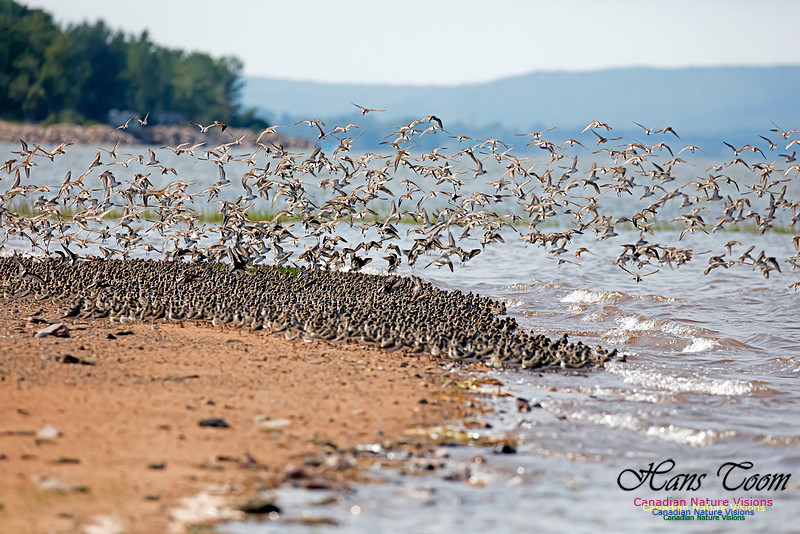
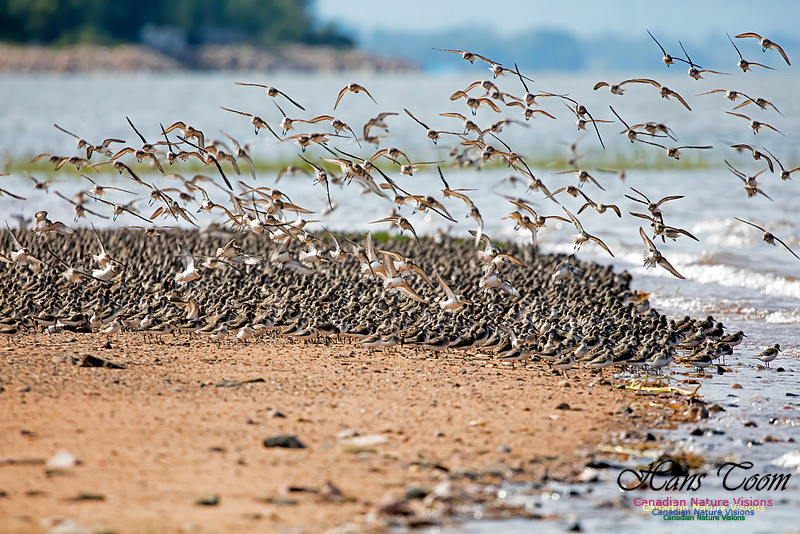
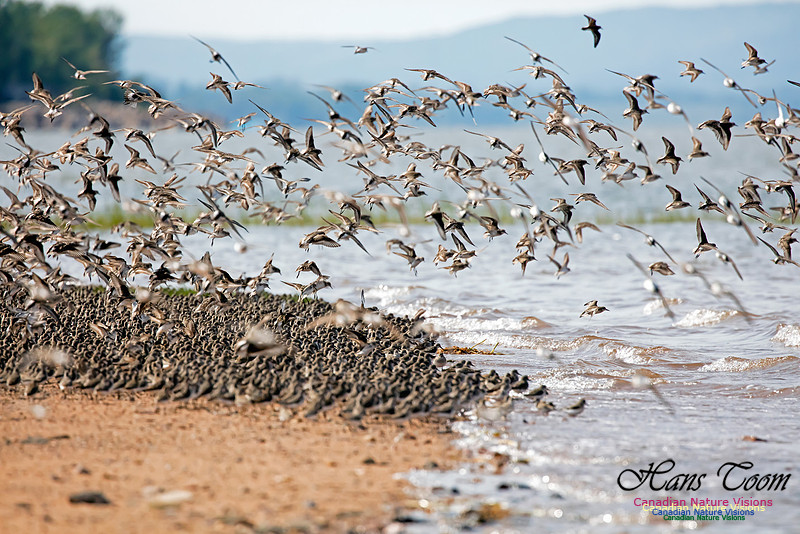
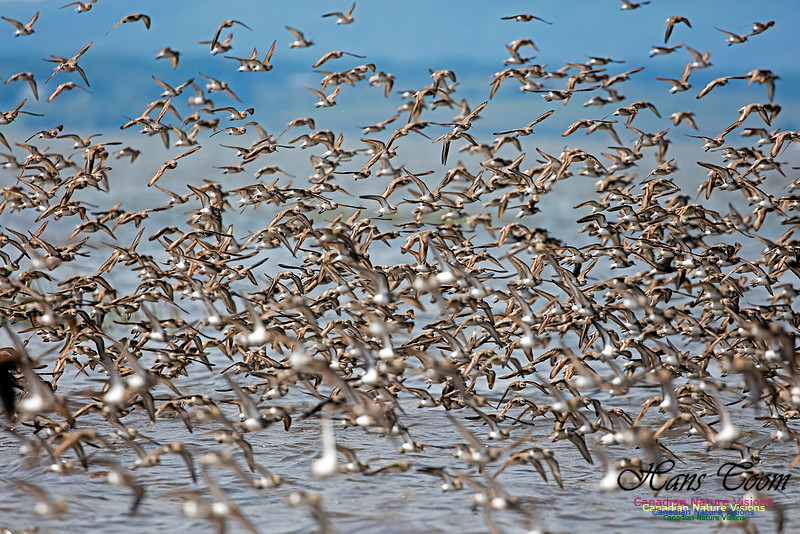
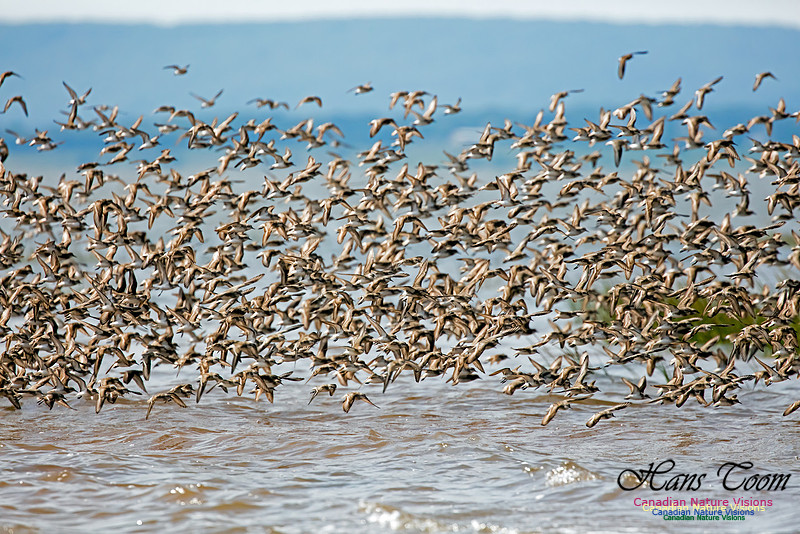
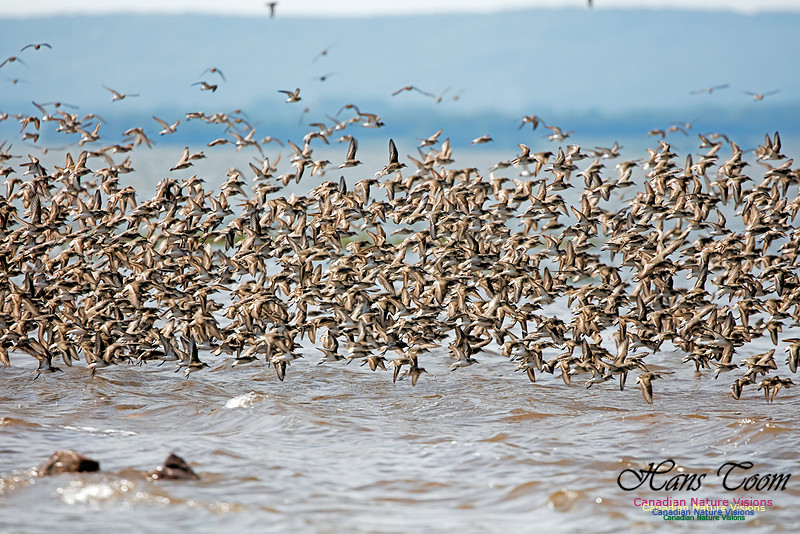
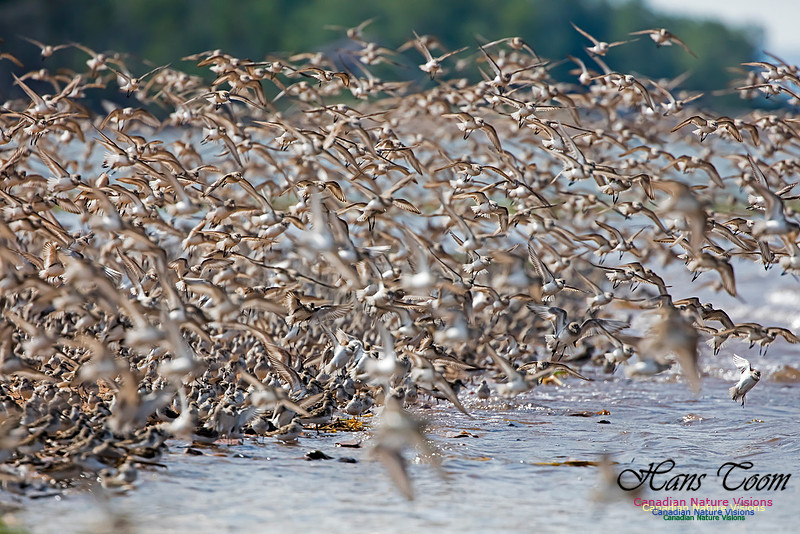
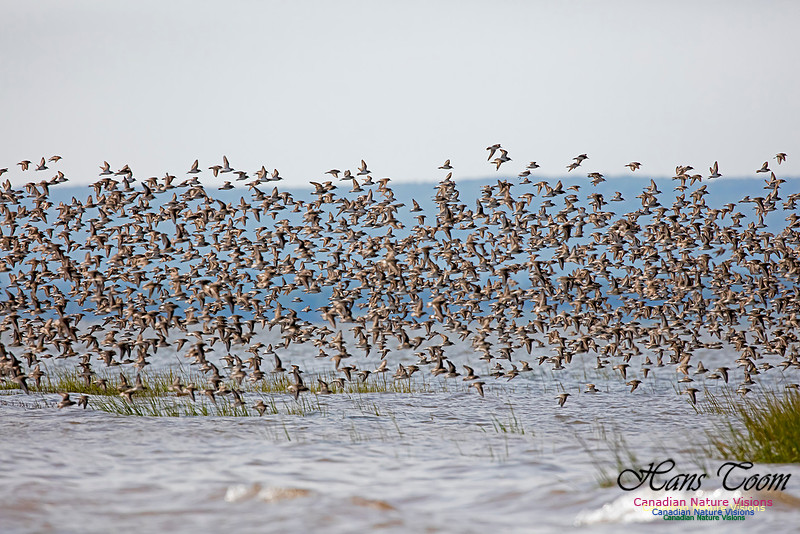
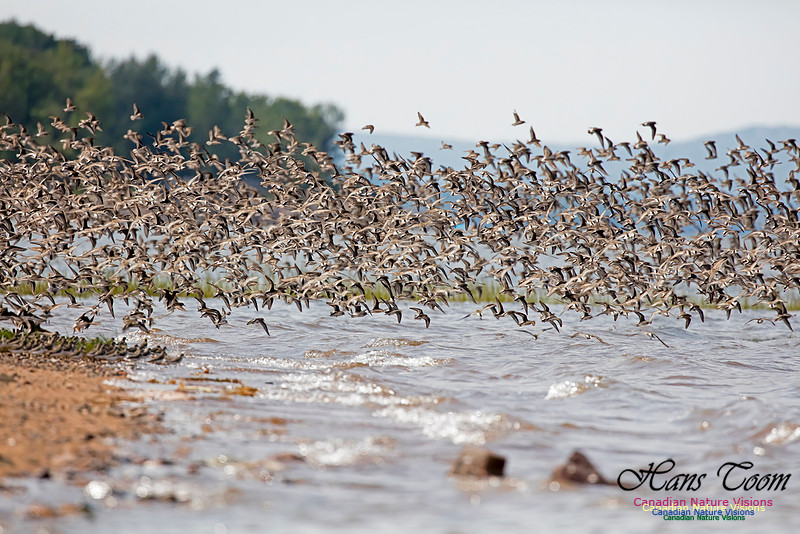
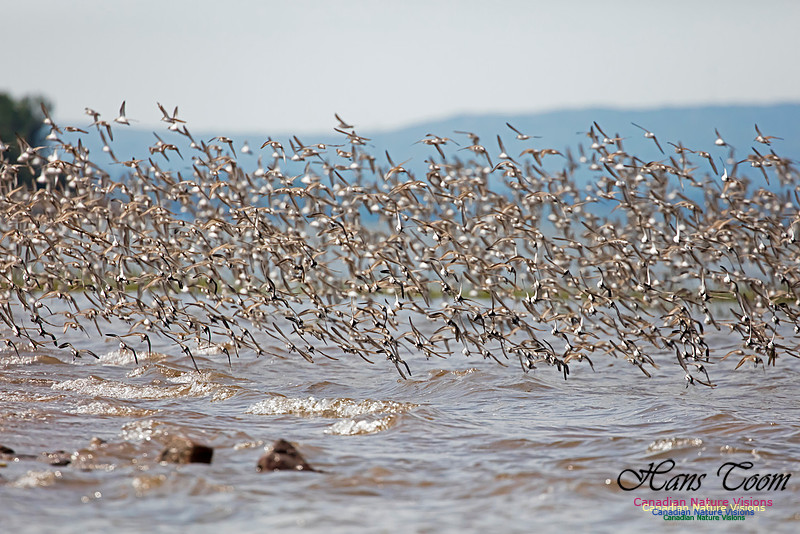
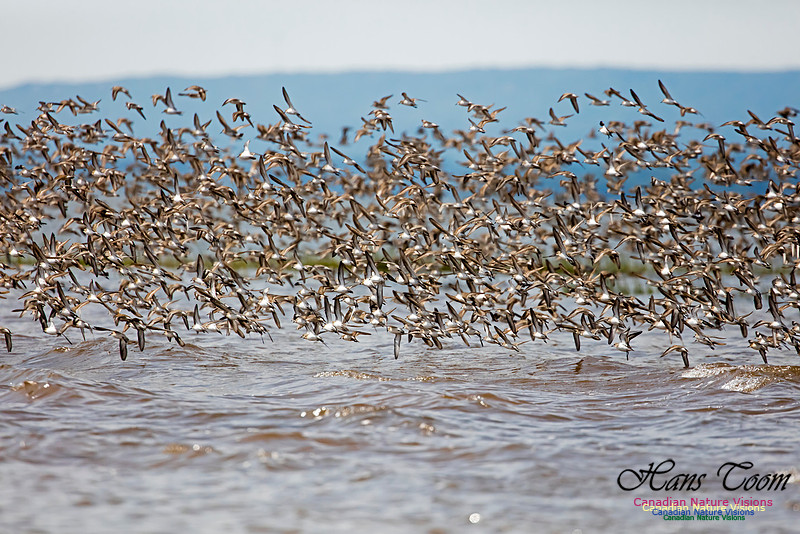
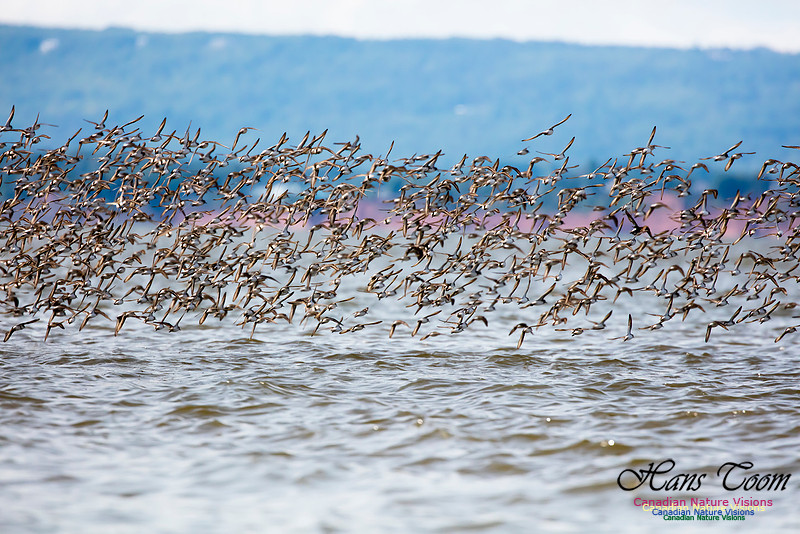
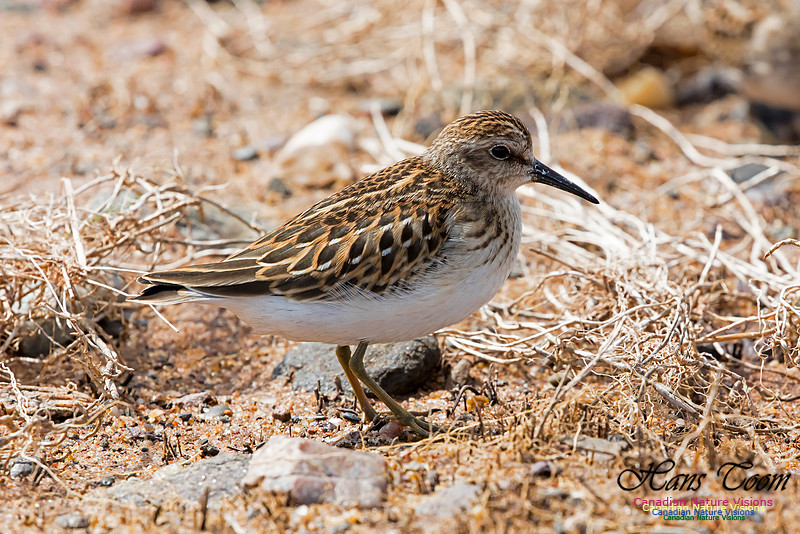
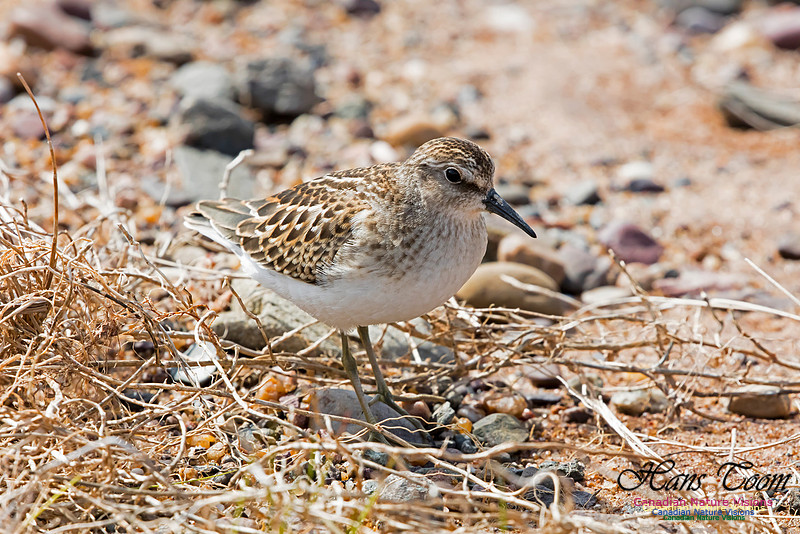
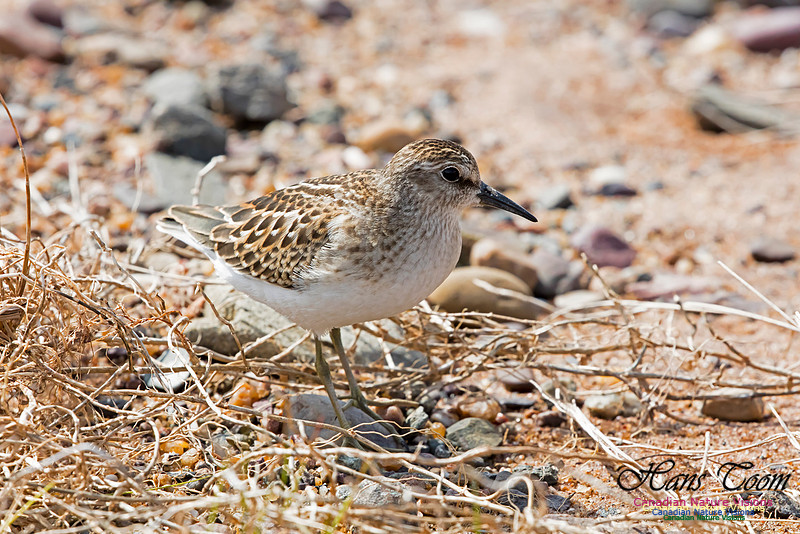
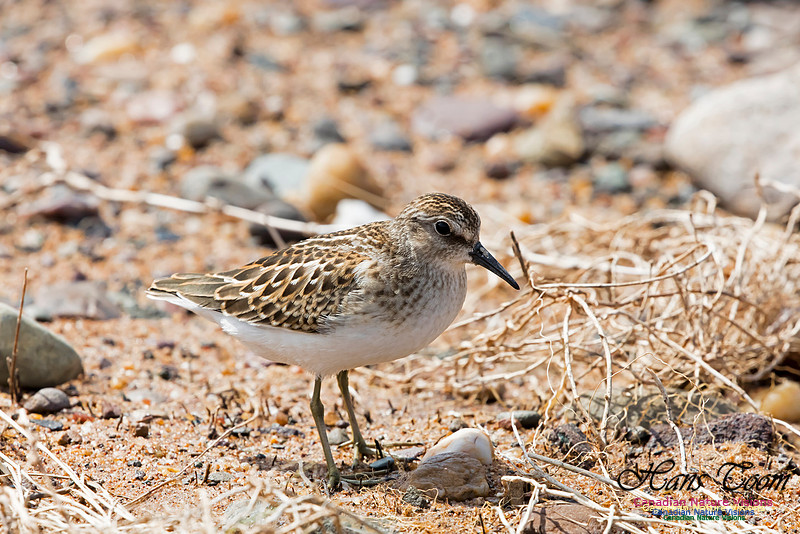
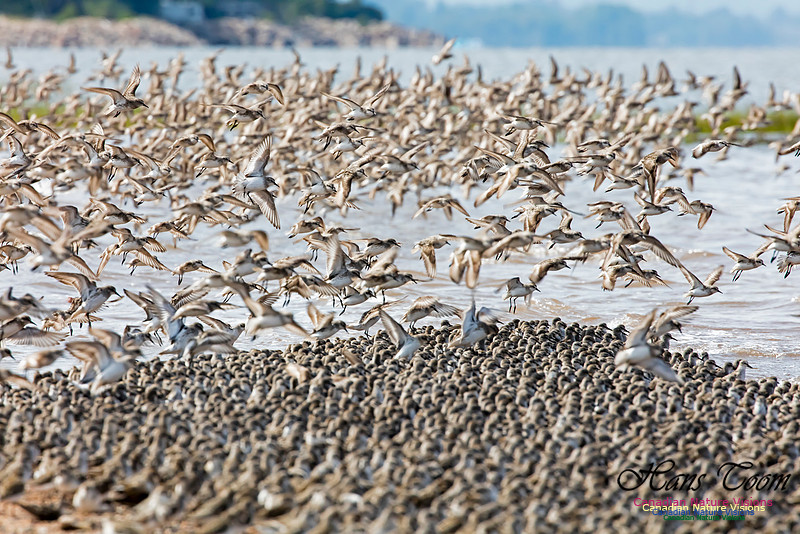
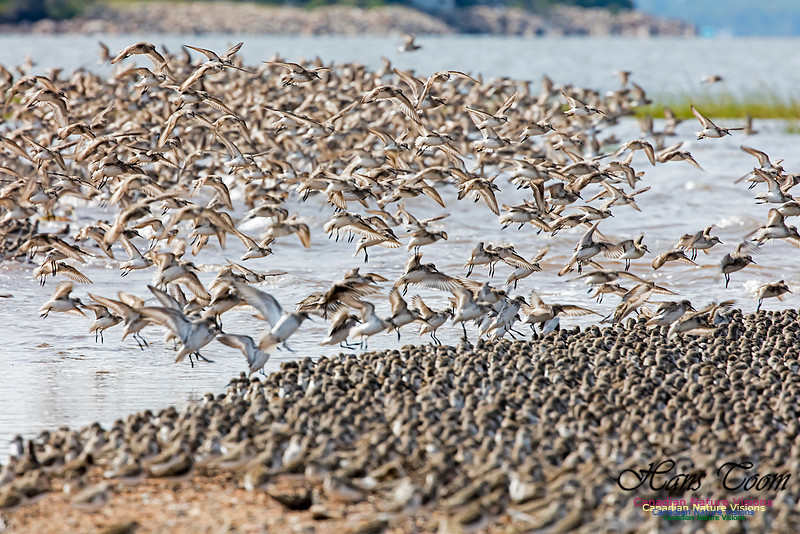
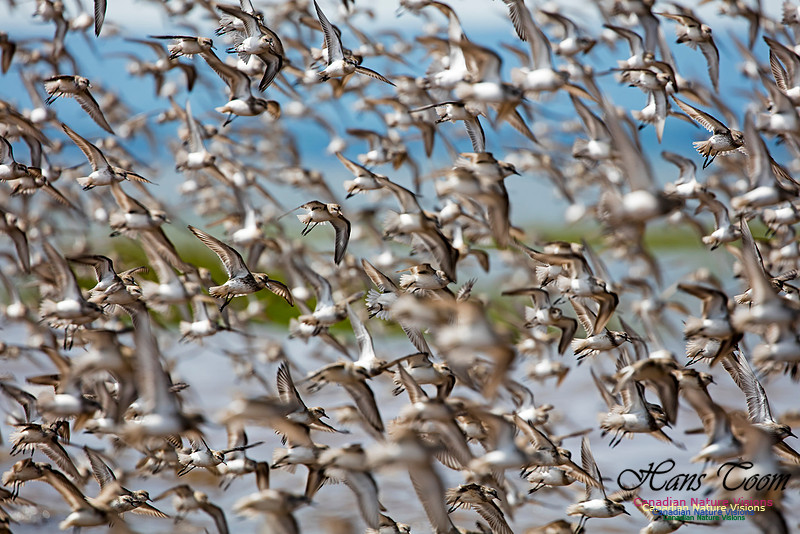
Laura and Gabriela joined me on the annual pilgrimage to Evangeline Beach. We visited the museum at Grand Pre, thence the gardens and the Church of Evangeline before settling down for the obligatory picnic. After our picnic we went to The Guzzle at Evangeline Beach and settled into our beach chairs to enjoy the show and what a show it was. Thousands of Semipalmated Sandpipers and several very tame Least Sandpipers that approached within two metres of our chairs. After the shorebird show we enjoyed more fly pasts at the ice cream stand, also obligatory.

Do we know how to have a picnic or do we? EvangelineBeach2016-9EvangelineBeach2016-9

EvangelineBeach2016-25EvangelineBeach2016-25

Semipalmated Sandpipers

EvangelineBeach2016-1EvangelineBeach2016-1 EvangelineBeach2016-2EvangelineBeach2016-2 EvangelineBeach2016-3EvangelineBeach2016-3 EvangelineBeach2016-4EvangelineBeach2016-4 EvangelineBeach2016-5EvangelineBeach2016-5 EvangelineBeach2016-6EvangelineBeach2016-6 EvangelineBeach2016-7EvangelineBeach2016-7 EvangelineBeach2016-8EvangelineBeach2016-8 EvangelineBeach2016-10EvangelineBeach2016-10 EvangelineBeach2016-11EvangelineBeach2016-11 EvangelineBeach2016-12EvangelineBeach2016-12 EvangelineBeach2016-13EvangelineBeach2016-13 EvangelineBeach2016-14EvangelineBeach2016-14 EvangelineBeach2016-15EvangelineBeach2016-15

Least Sandpipers EvangelineBeach2016-17EvangelineBeach2016-17 EvangelineBeach2016-18EvangelineBeach2016-18 EvangelineBeach2016-19EvangelineBeach2016-19 EvangelineBeach2016-20EvangelineBeach2016-20

Semipalmated Sandpipers EvangelineBeach2016-21EvangelineBeach2016-21 EvangelineBeach2016-22EvangelineBeach2016-22 EvangelineBeach2016-23EvangelineBeach2016-23 EvangelineBeach2016-24EvangelineBeach2016-24


Anthem of the Seas

September 02, 2016  •  Leave a Comment

We hoofed it up Chebucto Head Light, Shoal Point, yesterday to see and photograph the Anthem of the Seas. She cruises at 22 knots. She is the largest cruise ship to ever visit Halifax, basically a hotel built on a motorized barge, 169,000 gross tons and accomodation for 4900.

She is a magnificent vessel but not in the same league as the Queen Mary 2, the only ocean liner in the world. The Queen Mary 2 is stronger, faster and has greater freeboard, a ship able to withstand year round trans Atlantic crossings. The Queen Mary 2 will be leaving about the same time September 10 and we will be there along with some good friends to witness and photograph the event.

Anthem of the Seas

Anthem of the SeasAnthem of the Seas

Anthem of the SeasAnthem of the Seas Anthem of the SeasAnthem of the Seas Anthem of the SeasAnthem of the Seas Anthem of the SeasAnthem of the Seas


Day 8-9 of Our Newfoundland Adventure-St. John's, Cape Spear & Signal Hill

September 01, 2016  •  Leave a Comment

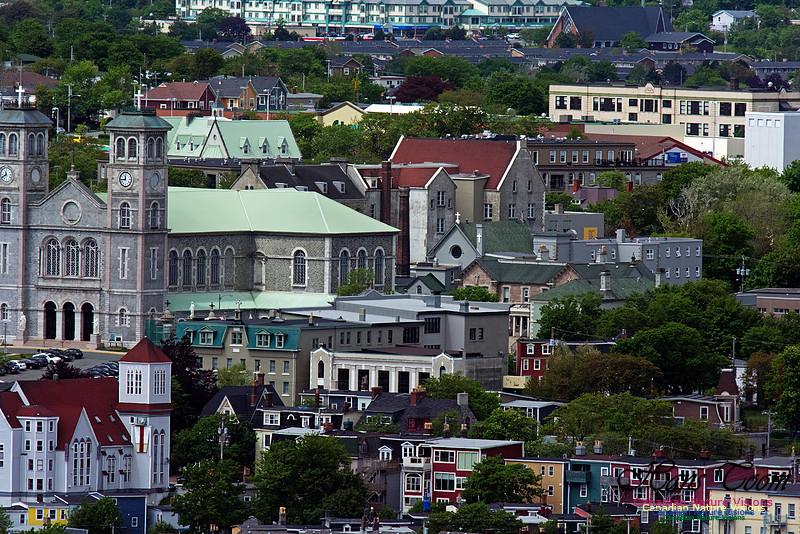
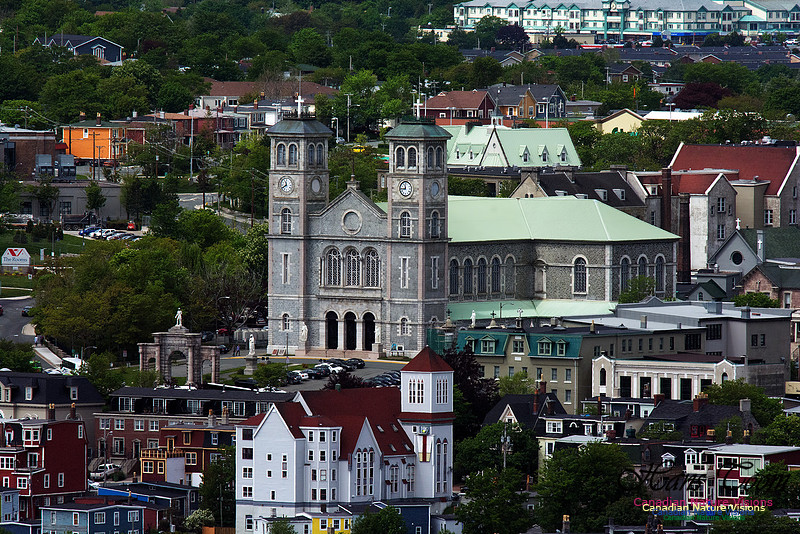
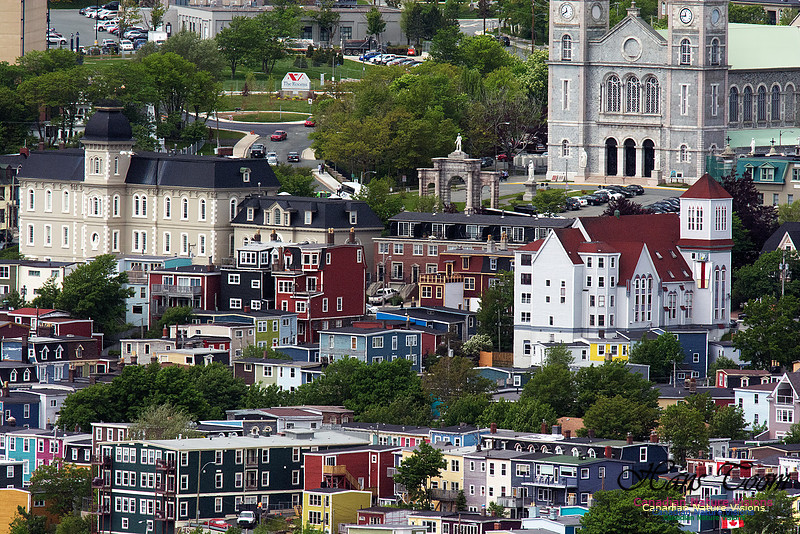
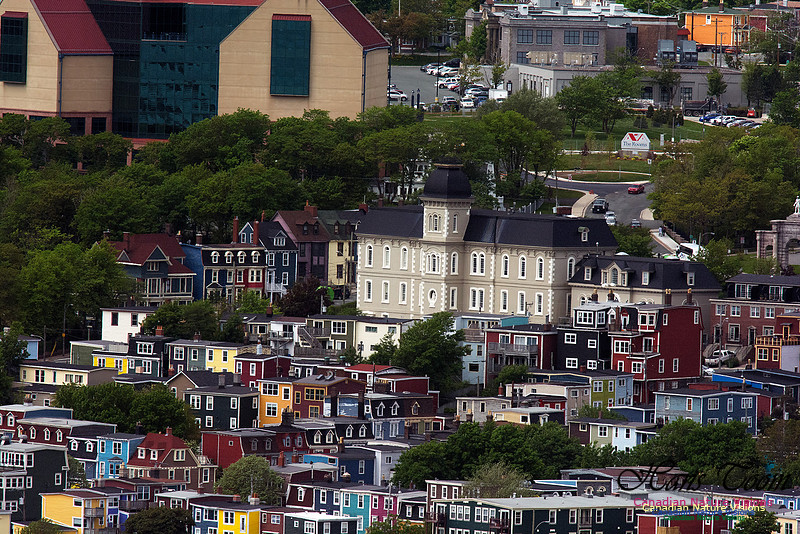
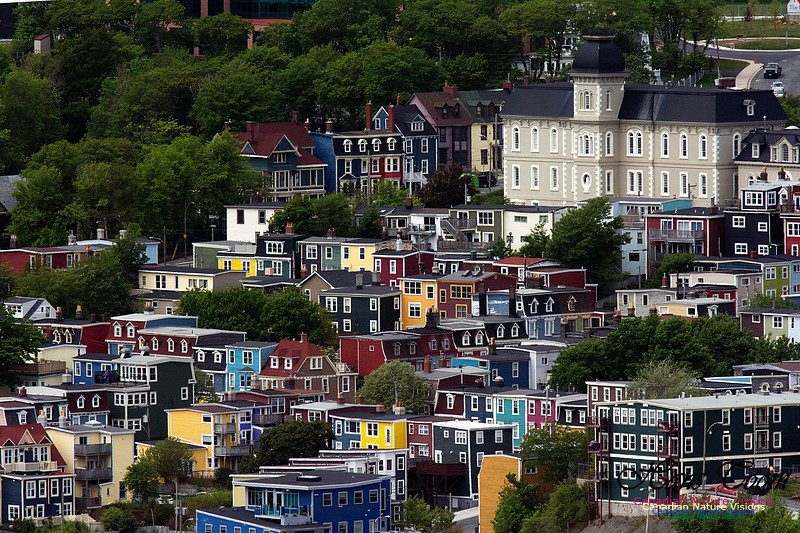
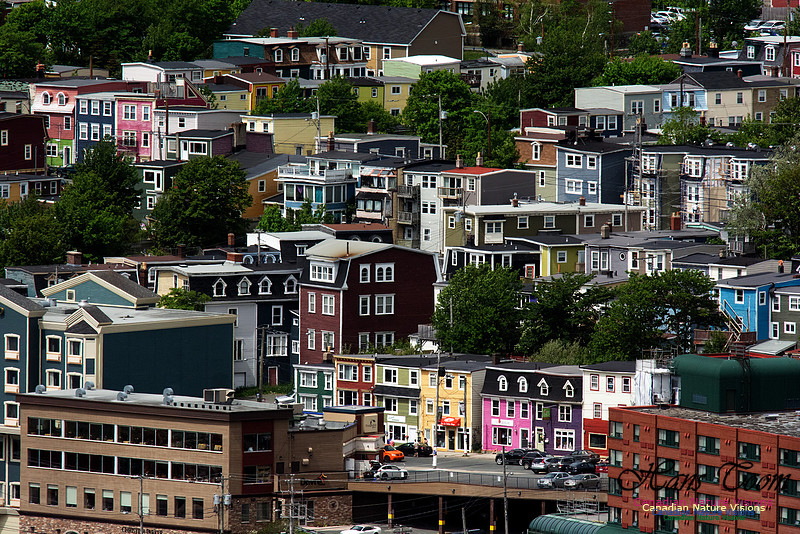
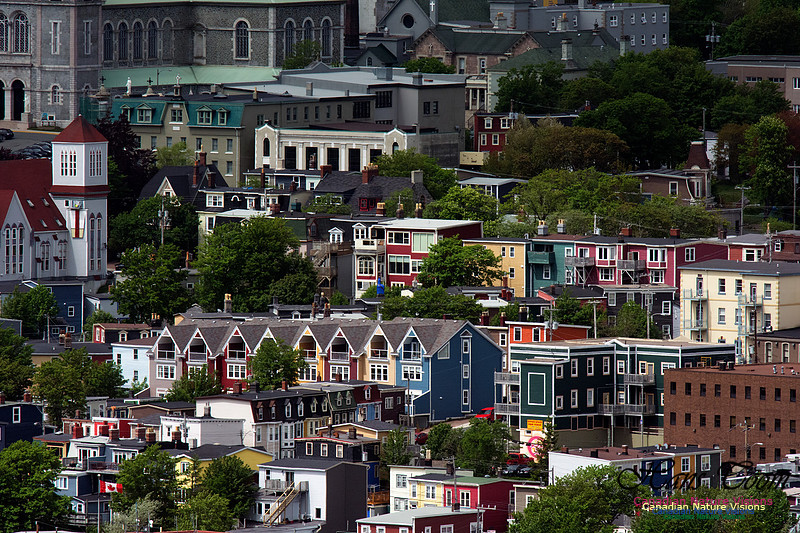
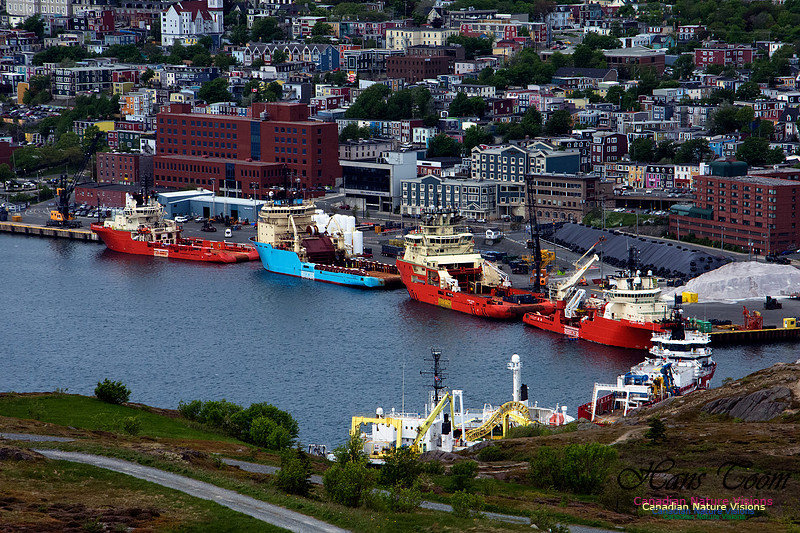
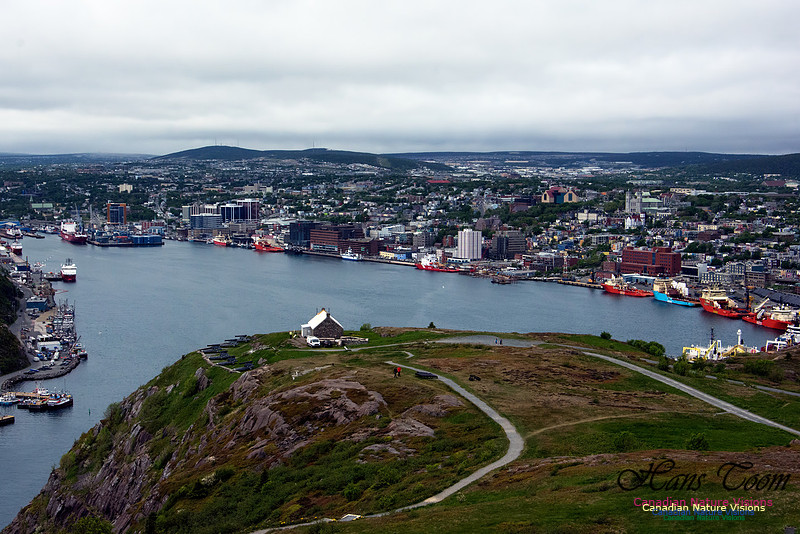
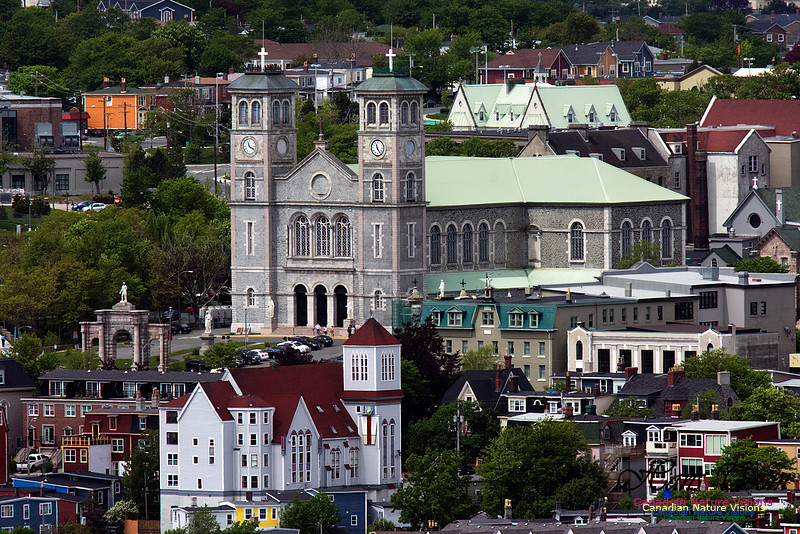
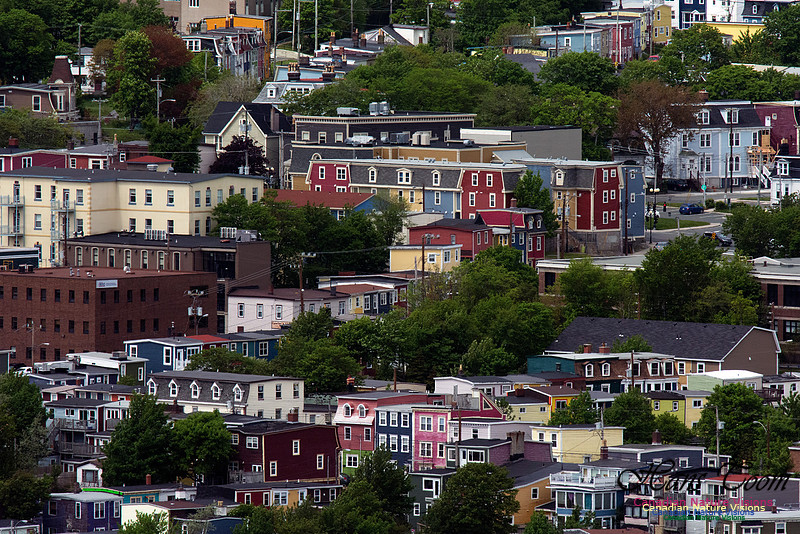
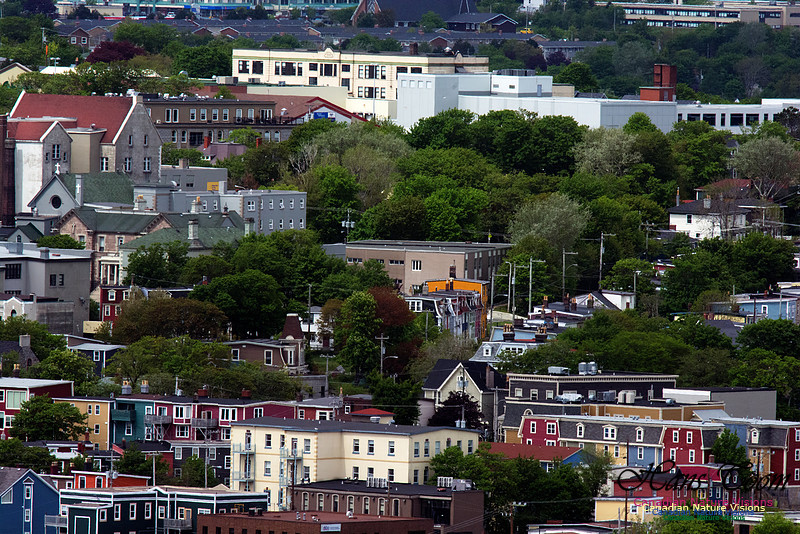
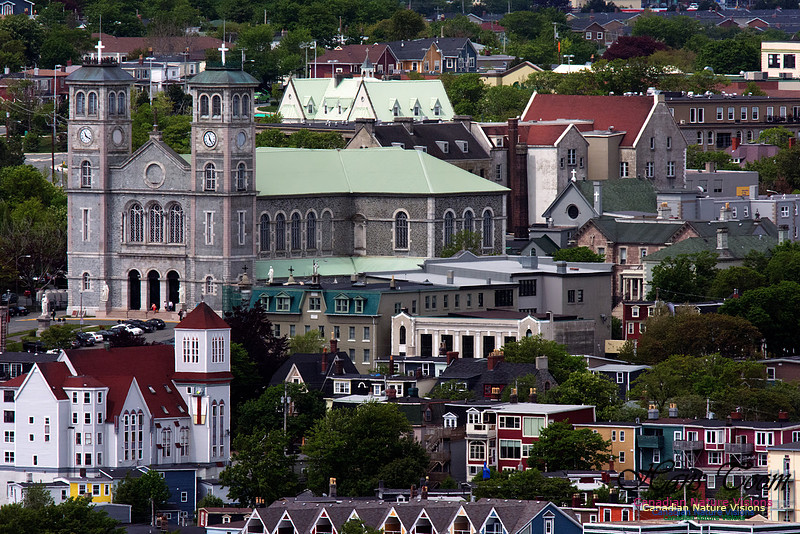
We visited St. John's, Newfoundland, Cape Spear and Signal Hill. I took a series of photos of St. John's from Signal Hill. Street level photography is impossible due to the absence of parking spaces for anything larger than a subcompact.

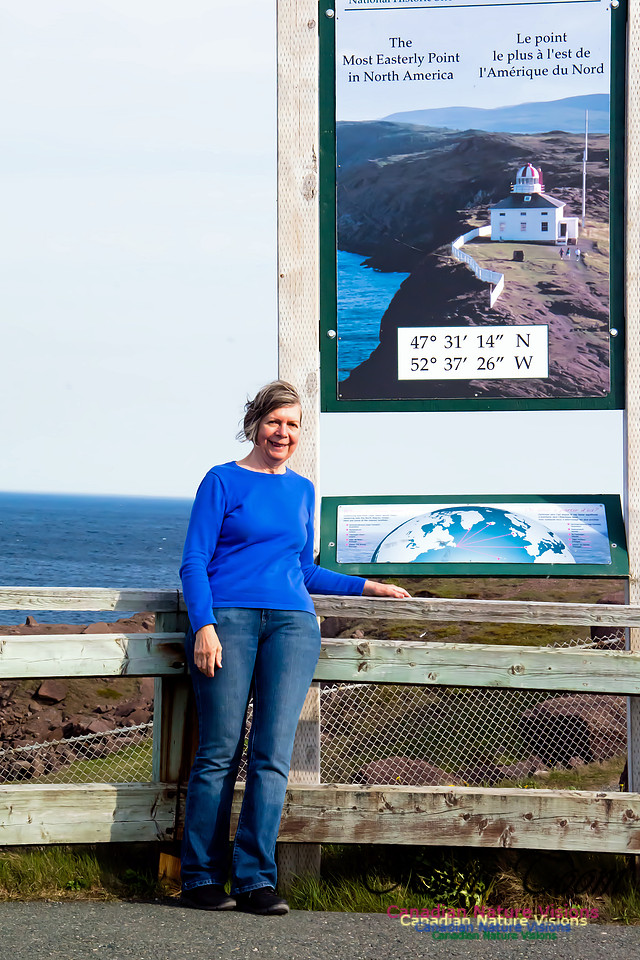
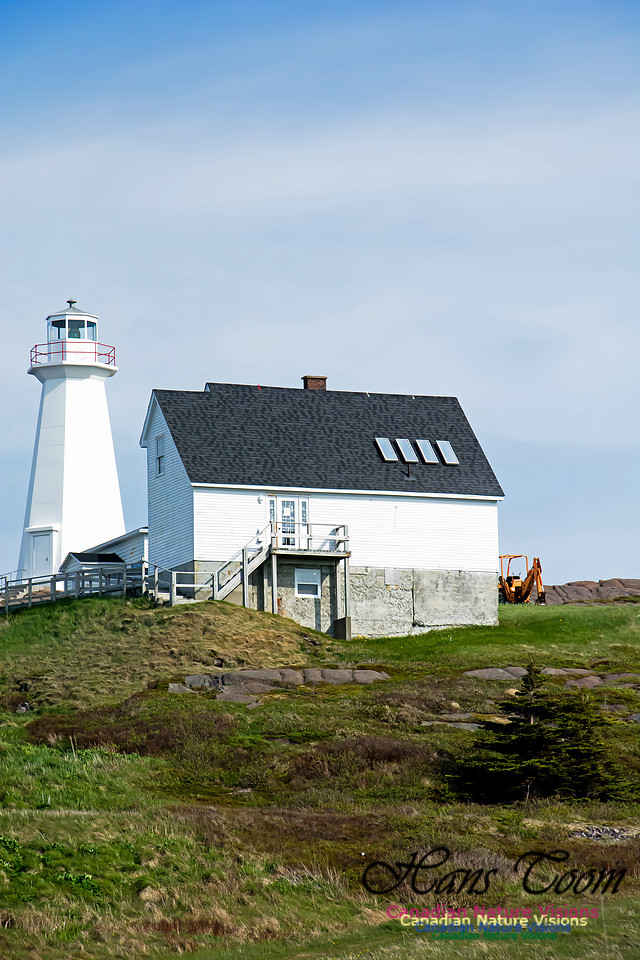
Our first stop was Cape Spear the most eastern point of North America. 

Cape Spear Light NFLDay8-149NFLDay8-149 NFLDay8-150NFLDay8-150 NFLDay8-152NFLDay8-152

Icebergs off Cape Spear NFLDay8-153NFLDay8-153 NFLDay8-155NFLDay8-155 NFLDay8-157NFLDay8-157 NFLDay8-158NFLDay8-158

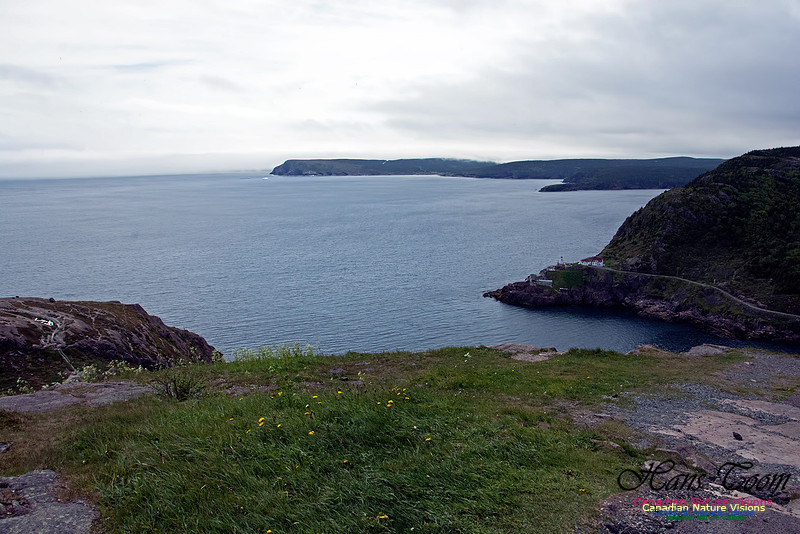
Signal Hill is visible in the distance, upper left on the far shore.  NFLDay8-159NFLDay8-159 NFLDay8-160NFLDay8-160 NFLDay8-161NFLDay8-161

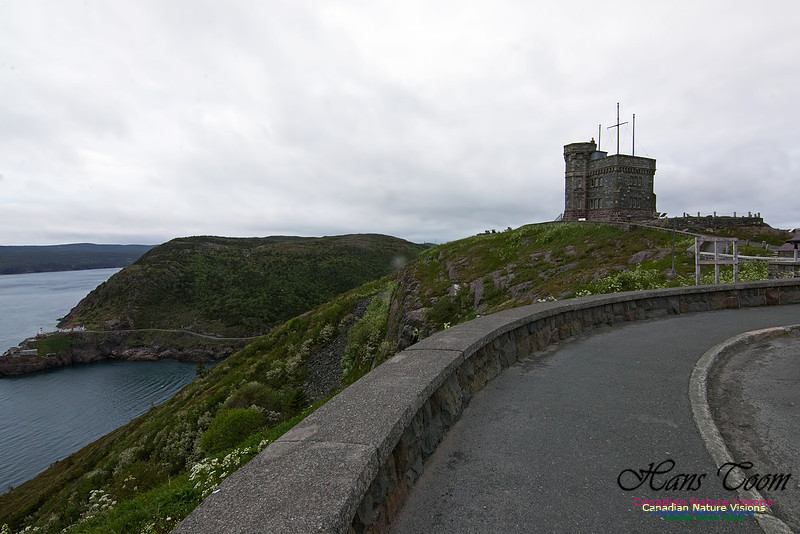
Signal Hill

Signal Hill, NLSignal Hill, NL

Cape Spear is visible in the distance, upper left of photograph. Signal Hill, NLSignal Hill, NL

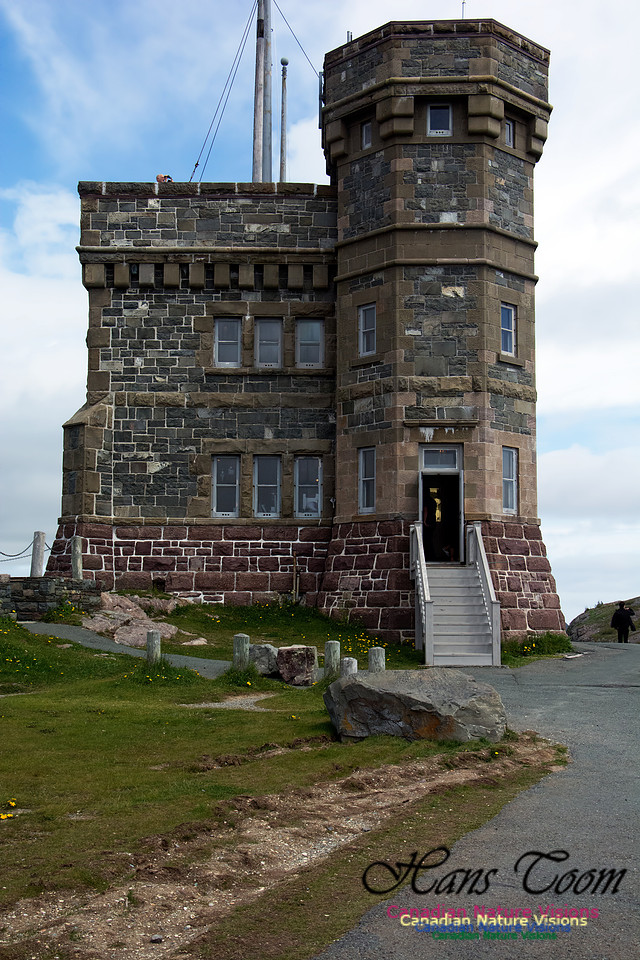
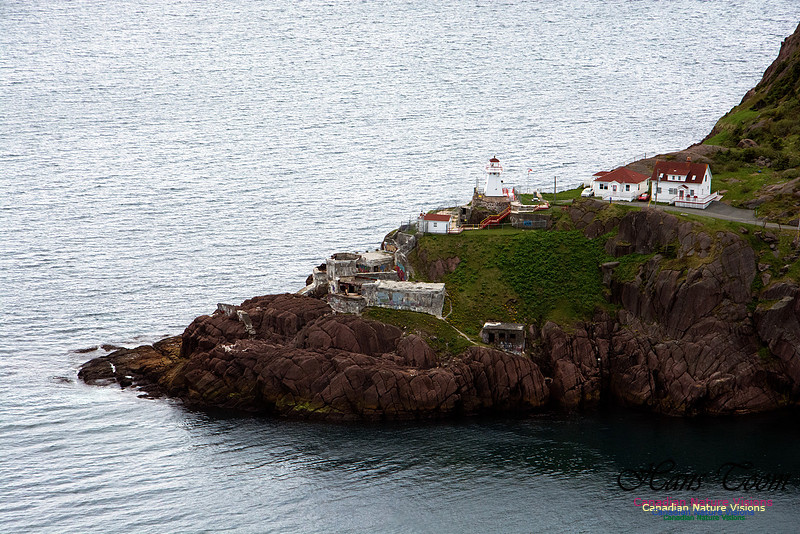
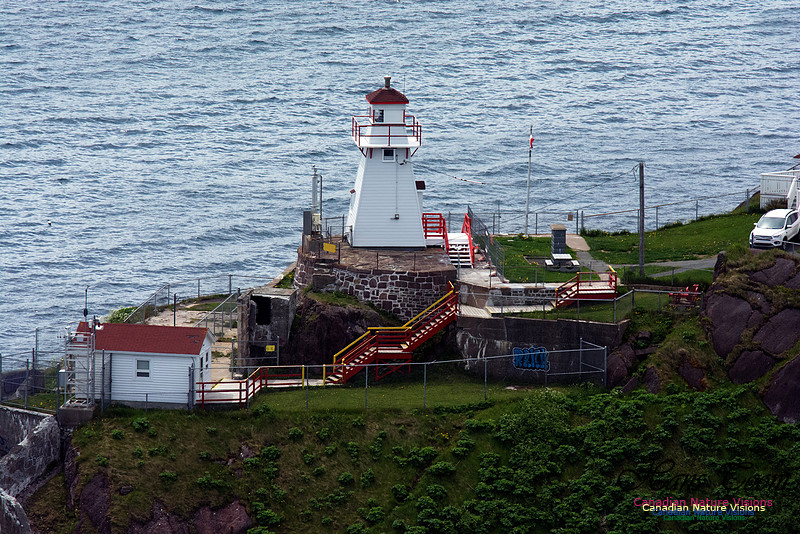
Cahill Point, Fort Amherst and Cahill Point Light

At the southern entrance of St. John's harbour.

Signal Hill, NLSignal Hill, NL Signal Hill, NLSignal Hill, NL

Signal Hill Signal Hill, NLSignal Hill, NL

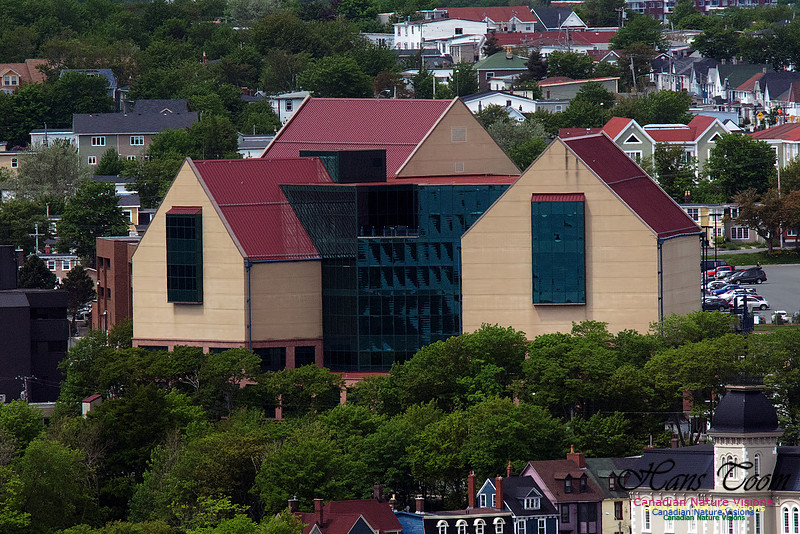
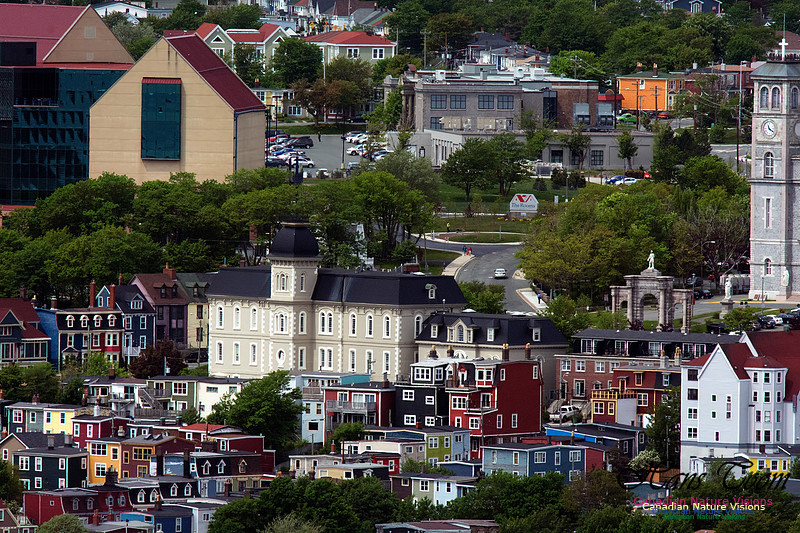
I tried to capture the colours of St. John's from Signal Hill, a city renowned for its use of vibrant colours.

St. John's, Newfoundland and LabradorSt. John's, Newfoundland and Labrador St. John's, Newfoundland and LabradorSt. John's, Newfoundland and Labrador St. John's, Newfoundland and LabradorSt. John's, Newfoundland and Labrador St. John's, Newfoundland and LabradorSt. John's, Newfoundland and Labrador St. John's, Newfoundland and LabradorSt. John's, Newfoundland and Labrador St. John's, Newfoundland and LabradorSt. John's, Newfoundland and Labrador St. John's, Newfoundland and LabradorSt. John's, Newfoundland and Labrador St. John's, Newfoundland and LabradorSt. John's, Newfoundland and Labrador St. John's, Newfoundland and LabradorSt. John's, Newfoundland and Labrador St. John's, Newfoundland and LabradorSt. John's, Newfoundland and Labrador

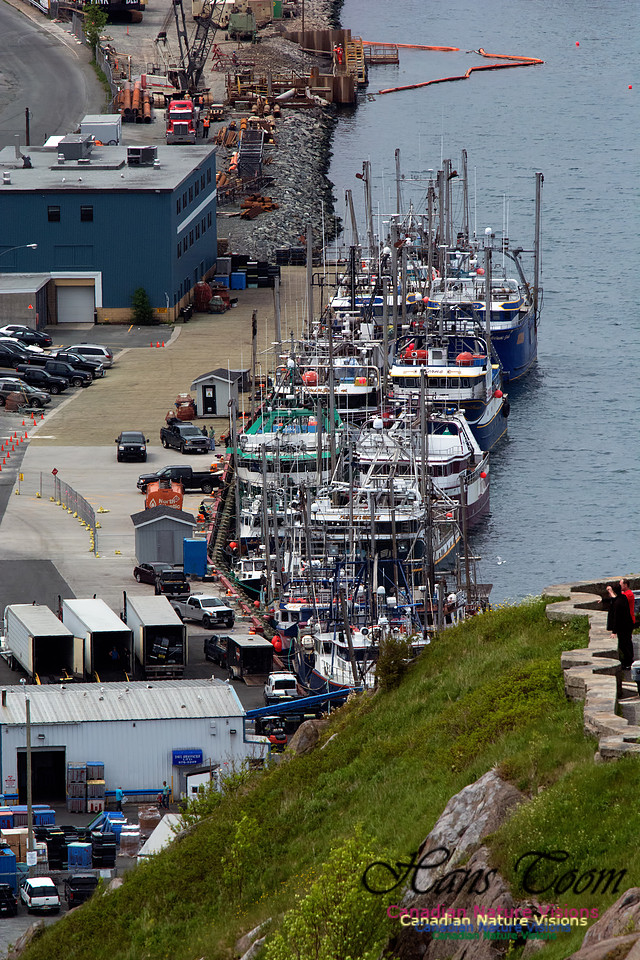
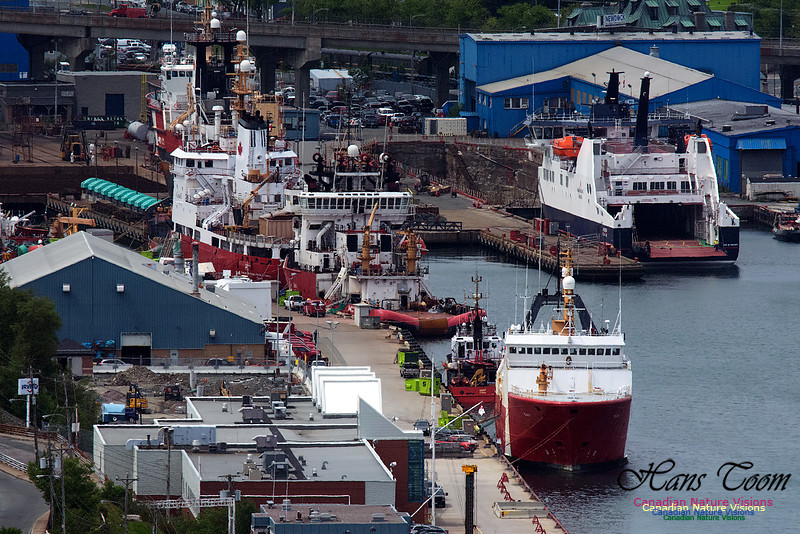
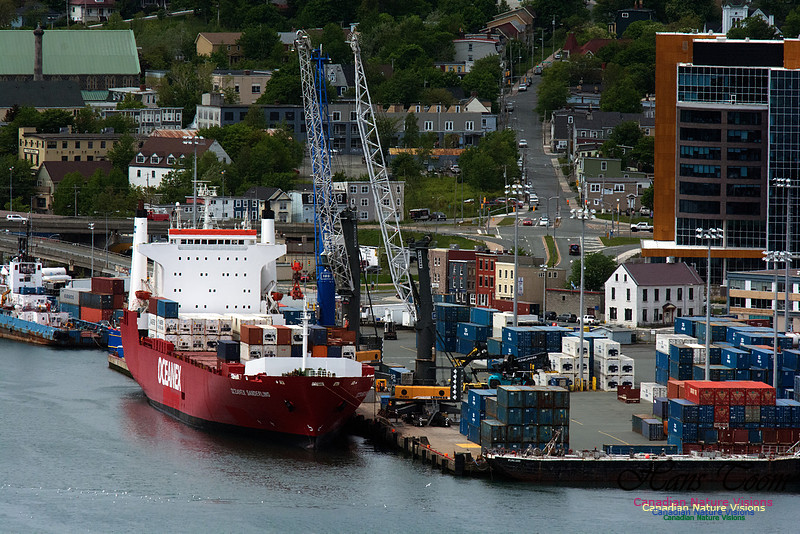
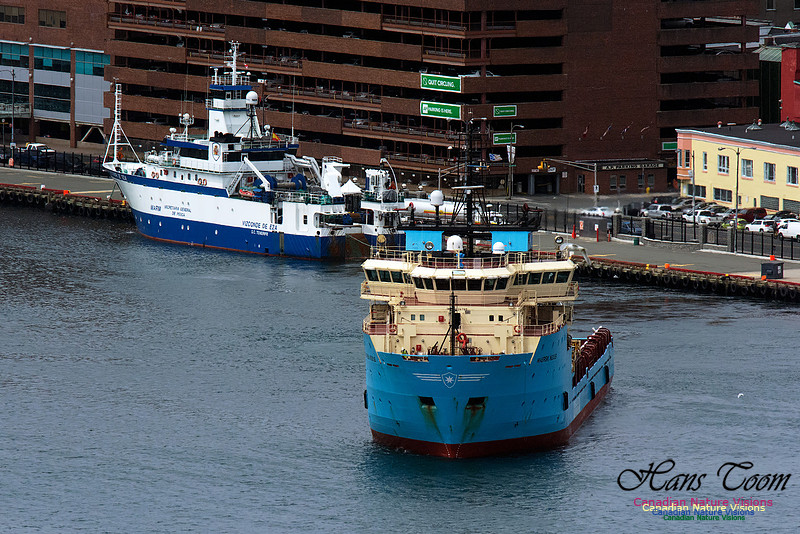
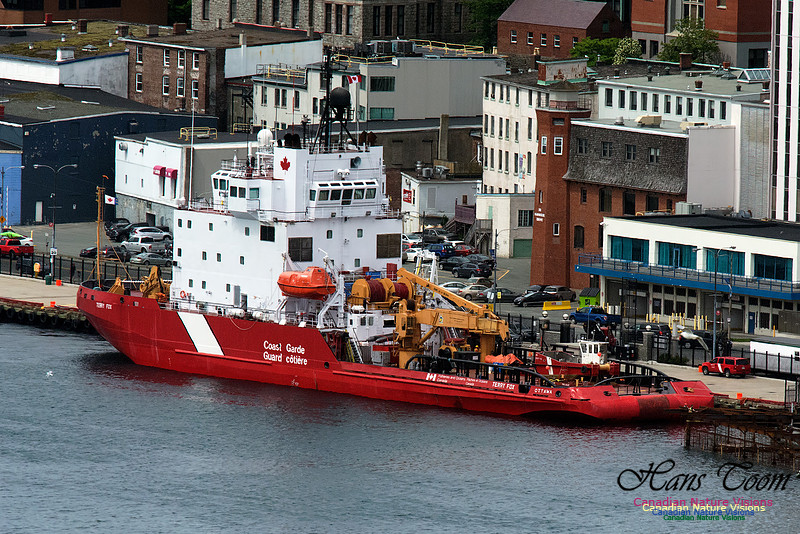
It's a small harbour but well stocked with Coast Guard Ships, offshore supply ships and fishing vessels.  St. John's, Newfoundland and LabradorSt. John's, Newfoundland and Labrador St. John's, Newfoundland and LabradorSt. John's, Newfoundland and Labrador NFLDay9-32NFLDay9-32 NFLDay9-33NFLDay9-33 NFLDay9-34NFLDay9-34 NFLDay9-35NFLDay9-35 NFLDay9-36NFLDay9-36 NFLDay9-37NFLDay9-37 NFLDay9-38NFLDay9-38 NFLDay9-39NFLDay9-39 NFLDay9-40NFLDay9-40 NFLDay9-41NFLDay9-41 NFLDay9-42NFLDay9-42 NFLDay9-43NFLDay9-43


Day 8 of Our Newfoundland Adventure-Cape Spear

August 28, 2016  •  Leave a Comment

After visiting the Witless Bay Ecological Reserve Laura and I ascended the hill to Cape Spear, the most easterly point of Canada and North America. There were two icebergs or a single one with a calf in the bay. It's always windy up there.

The Light at Cape Spear NFLDay8-149NFLDay8-149

Canada Begins or Ends Here(your choice)

....or Middle Island, Ontario or Boundary Peak, Yukon or Cape Columbia, Nunavut depending on your direction. NFLDay8-150NFLDay8-150

Laura at Cape Spear

The Icebergs NFLDay8-153NFLDay8-153 NFLDay8-154NFLDay8-154 NFLDay8-155NFLDay8-155 NFLDay8-157NFLDay8-157 NFLDay8-158NFLDay8-158

Signal Hill in the Distance NFLDay8-159NFLDay8-159 NFLDay8-160NFLDay8-160 NFLDay8-162NFLDay8-162 NFLDay8-163NFLDay8-163


Witless Bay Ecological Reserve Day 8 of Our Newfoundland Adventure-Rookeries

August 26, 2016  •  Leave a Comment

Common Murres do not build nests. They simply deposit their eggs on cliff ledges. The Common Murres we saw were not nesting yet but rather standing about looking at each other and the ocean. The Black-legged Kittiwakes were nesting with nests built on sloping cliff edges, a feat of architectural design and a lot of crazy glue.

Common Murre
NFLDay8-6NFLDay8-6 NFLDay8-21NFLDay8-21 NFLDay8-48NFLDay8-48 NFLDay8-94NFLDay8-94 NFLDay8-97NFLDay8-97 NFLDay8-98NFLDay8-98 NFLDay8-99NFLDay8-99

Black-legged Kittiwake

Common Murre NFLDay8-103NFLDay8-103 NFLDay8-105NFLDay8-105 NFLDay8-106NFLDay8-106 NFLDay8-123NFLDay8-123 NFLDay8-141NFLDay8-141 NFLDay8-145NFLDay8-145 NFLDay8-177NFLDay8-177 NFLDay8-179NFLDay8-179 NFLDay8-191NFLDay8-191 NFLDay8-192NFLDay8-192 NFLDay8-193NFLDay8-193

Common Murres and Black-legged Kittiwakes NFLDay8-194NFLDay8-194 NFLDay8-195NFLDay8-195 NFLDay8-196NFLDay8-196 NFLDay8-139NFLDay8-139 NFLDay8-140NFLDay8-140


Witless Bay Ecological Reserve Day 8 of Our Newfoundland Adventure-Aerial Clouds

August 24, 2016  •  Leave a Comment

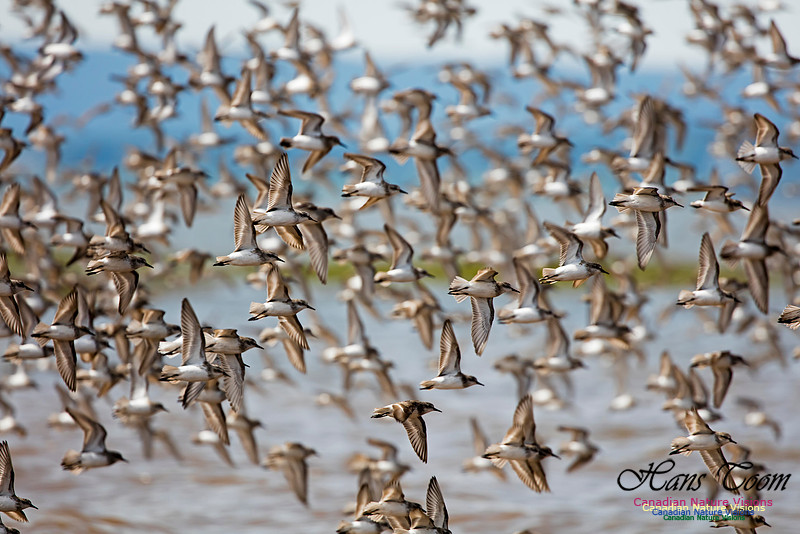
Aerial clouds of birds are composed of Common Murres, Atlantic Puffins, Black Guillemots, Black-legged Kittiwakes and Razorbills. The worlds's second largest colony of Leach's Storm-petrel also nest here but we didn't see them on this visit.

Competent photography is difficult due to the lack of depth of field of telephoto lenses. Wider angle lenses would capture more in focus birds but alas the images would look like a spray of gnats.

If you study the images you might pick out birds other than the Common Murre. Good luck!

This photo has at least one Atlantic Puffin.

Black Guillemot

Common Murre


Witless Bay Ecological Reserve Day 8 of Our Newfoundland Adventure-Puffins & Razorbills

August 23, 2016  •  Leave a Comment

Atlantic Puffins and Razorbills are elegant birds notable for their specialized and decorated bills.

The Atlantic Puffin is a small bird about eleven inches long, perhaps a tad larger than an American Robin. The serrated bill allows it continue fishing while holding onto its earlier catch.

The Atlantic Puffin lives for about 30 years and does not breed until its three to six years old. It is the provincial bird of Newfoundland and Labrador.

The Razorbill is the closest living relative of the Great Auk and at 17 inches in length is larger than the Atlantic Puffin.

As usual both species have been decimated by man or its minions of rats and dogs introduced onto breeding islands.

Atlantic Puffin

NFLDay8-7NFLDay8-7 The Atlantic Puffin burrows into the soft soil of steep hillsides sometimes three metres deep, all in an effort to deter predators. We didn't see any chicks or adults carrying food so it is likely the eggs have not hatched yet.

NFLDay8-124NFLDay8-124 NFLDay8-125NFLDay8-125 NFLDay8-126NFLDay8-126 NFLDay8-127NFLDay8-127 NFLDay8-128NFLDay8-128 NFLDay8-129NFLDay8-129 NFLDay8-130NFLDay8-130 NFLDay8-173NFLDay8-173

Razorbill

NFLDay8-174NFLDay8-174 NFLDay8-175NFLDay8-175 NFLDay8-176NFLDay8-176 NFLDay8-178NFLDay8-178 NFLDay8-181NFLDay8-181 NFLDay8-182NFLDay8-182 NFLDay8-183NFLDay8-183 NFLDay8-184NFLDay8-184

This is my favourite photo.

NFLDay8-186NFLDay8-186 NFLDay8-187NFLDay8-187 NFLDay8-188NFLDay8-188 NFLDay8-189NFLDay8-189


Witless Bay Ecological Reserve Day 8 of Our Newfoundland Adventure-Humpback Whales

August 12, 2016  •  Leave a Comment

We set up our base of operations at La Manche Provincial Park south of St. John's. From here we planned several excursions; Witless Bay Ecological Reserve, Cape Spear, Signal Hill and the Irish loop.

Our first trip started by boarding the tour boat at Bull Bay for a tour of the Witless Bay Ecological reserve looking for alcids, including Atlantic Puffin, Black-legged Kittiwake and Humpback Whales. The trip on this blustery and wavy day was amazing thanks to brilliant blue skies and lots of birds. Photography on a vessel which was jumping up and down in the waves was a challenge. One tries to get the best vantage yet avoid the flying salt spray. The many photographs are shown in several blog posts; 1)Humpback Whales, 2)Alcid flight swarms, 3)Alcids nesting, 4)Alcids swimming and diving and the crowd favourite, 5)Atlantic Puffin

NFLMapDay8-10NFLMapDay8-10

Humpback Whales

The whale photographs were taken at an effective focal length of 630mm at a distance of about 500 metres,  hand held of course.

Humpback WhaleHumpback Whale Humpback WhaleHumpback Whale

The most amazing photos were of a Humpback Whale coursing the shoreline very closely, possibly to corral fish or to remove surface parasites.  Humpback WhaleHumpback Whale Humpback WhaleHumpback Whale Humpback WhaleHumpback Whale Humpback WhaleHumpback Whale Humpback WhaleHumpback Whale Humpback WhaleHumpback Whale Humpback WhaleHumpback Whale Humpback WhaleHumpback Whale Humpback WhaleHumpback Whale Humpback WhaleHumpback Whale Humpback WhaleHumpback Whale Humpback WhaleHumpback Whale Humpback WhaleHumpback Whale

After the shoreline experience the whale proceeded off shore.  Humpback WhaleHumpback Whale Humpback WhaleHumpback Whale


Razorbills, Kittiwakes and Common Murre Day 7 of Our Newfoundland Adventure at Cape St. Mary's

August 05, 2016  •  Leave a Comment

My fourth group of photos from Cape St. Mary's Ecological Reserve is Razorbills, Black-legged Kittiwakes and Common Murre. There are other species present including Thick-billed Murre, Black Guillemot and Black-backed and Herring Gulls but these nesters are less common on the cliff face. Indeed one risks life and limb by trying to get decent photos of the Thick-billed Murre colony which is way down below closer to the water.

Razorbill

NFLDay7-25NFLDay7-25 NFLDay7-24NFLDay7-24

Common Murre

Note the sharp pointed bill which is excellent for stabbing rather than grabbing prey. NFLDay7-13NFLDay7-13 NFLDay7-14NFLDay7-14 NFLDay7-15NFLDay7-15 NFLDay7-16NFLDay7-16 NFLDay7-17NFLDay7-17

Black-legged Kittiwake 

This smallish gull has an interesting flight pattern allowing for easy identification. It has a swift graceful flight with several rapid shallow wing-beats interspersed with glides. It also hovers over water before diving for prey.


Gannets Nesting Day 7 of Our Newfoundland Adventure at Cape St. Mary's

August 04, 2016  •  Leave a Comment

This is my third set of photos, Northern Gannets Nesting, from our visit to Cape St. Mary's Ecological Reserve. 

Gannet courtship includes bill clapping and a back and forth motion best captured on video.

Despite all the nesting activity we never saw eggs or chicks. We were probably a week or two early.


Gannets Flying Day 7 of Our Newfoundland Adventure at Cape St. Mary's

August 03, 2016  •  Leave a Comment

The second in my series of photos from Cape St. Mary's Ecological Reserve is "Gannets Flying". These majestic fliers and divers are present off our coast here at Portuguese Cove every year but getting decent photos of them in flight is very difficult. At Cape St. Mary's it is a different story where they soar past close to shore, albeit at high speeds powered by the wind.

The Newfoundland folk call this bird, "The Great Northern Gannet", appropriate indeed.


Cape St. Mary's Ecological Reserve Day 7 Morning of Our Newfoundland Adventure

August 03, 2016  •  Leave a Comment

Laura and I woke early at Terra Nova National Park and headed south full of promise for an exciting morning and afternoon at Cape St. Mary's Ecological Reserve. Although the sky was clear and the sun bright this is not an indication of conditions at Cape St. Mary's which is notorious for continuous and thick summertime fog. When we arrived it was delightfull with bright blue skies and stiff winds. These are the best conditions one could expect.

Our Route South

NFLDay7CapeStMarysNFLDay7CapeStMarys

Everything you need to know and more is on the website for the ecological reserve. I've copied a summary here:

Located about 200 km southwest of St. John's, Cape St. Mary's Ecological Reserve also known as "the Cape" is one of Newfoundland and Labrador's major seabird colonies. During the breeding season, it is home to 24,000 Northern gannet, 20,000 black-legged kittiwake, 20,000 common murre, and 2,000 thick-billed murre. In addition, more than 100 pairs of razorbill, more than 60 pairs of black guillemot, plus double-crested and great cormorant, and Northern fulmar nest there.

What makes it so spectacular, however, is that all these birds can be seen from land, as close as 10 metres away.


Most of the Northern gannets, for example, make their nests on "Bird Rock"—a 100-metre-tall stack of sandstone that is separated from the viewing area by a chasm only a few metres wide. The gannets' courtship, nesting, and feeding behaviours, interactions, and delicate flying manoeuvres over the crowded sea stack are endlessly fascinating and easily observed from the natural, cliff-top viewing area.

Bird Rock is reached by a 1-km footpath through the open meadows that top steep cliffs, where wild iris grow and sheep sometimes graze. Cape St. Mary's is within the Eastern Hyper-oceanic Barrens ecoregion PDF (861 KB), one of the world's most southerly expanses of sub-Arctic tundra. Mosses, lichens, alpine wildflowers, and low-growing shrubs carpet the seemingly treeless plateau over which visitors walk. The area has ponds, bogs, brooks-and sheer cliffs plunging down to the sea. Offshore, during the summer, whale spouts can often be spotted.

Particularly in the early part of the breeding season (April through June), the weather at Cape St. Mary's can be damp, foggy, and cool. The average temperature in July is 14º C and there are 200 days of fog a year, on average, at the Cape. On such days, the attractions of the modern, bright Interpretive Centre are particularly strong. The birds and their environment are interpreted inside. Access to the Reserve and Interpretation Centre is free of charge. The building is located near the parking lot and Coast Guard operated lighthouse, which was originally built in 1860.


Visitors should take care when walking in the fog, particularly near cliffs and when and where the trails are slippery. Check with staff at the Interpretive Centre for trail conditions before setting out.

Cape St. Mary's Ecological Reserve covers 64 km2; 54 km2 of this is the marine portion. The waters offshore are an important wintering site for thousands of sea ducks, including harlequin, common eider, scoter, and long-tailed duck.

Cape St. Mary's was established as an ecological reserve in 1983.

http://www.env.gov.nl.ca/env/parks/wer/r_csme/

I have 450 photos of this event so condensing them into a single blog is too difficult. Instead I will post four blogs of this experience; 1)the colony, 2)gannets in flight, 3)murres, razorbills and black-legged kittiwakes and 4)gannets nesting.

Here's the colony where the photos speak for themselves.

We finished our day by driving to La Manche Provincial Park which would become our centre of operations for three excursions in the coming days.

NFLDay7AfternoonNFLDay7Afternoon


Gros Morne National Park Day 6 of Our Newfoundland Adventure- Going East

July 29, 2016  •  Leave a Comment

After visiting Berry Hill Pond we headed east to Terra Nova National Park where we saw three bears. After overnighting at Terra Nova National Park we will set off for Cape St. Mary's one of the most remarkable breeding colonies of sea birds in the world; Northern Gannets, Thick-billed Murre, Common Murre, Razorbill and Black-legged Kittiwake.

All the photographs below are taken in Gros Morne National Park, mostly scenery.

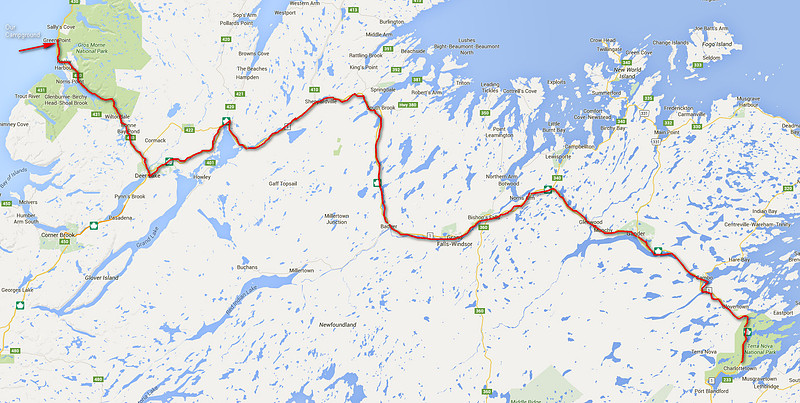
The Route East

NFLDay6NFLDay6

Lobster Cove Head Light

The Grandeur of Gros Morne National Park

Rocky Harbour

Southeast Brook Falls