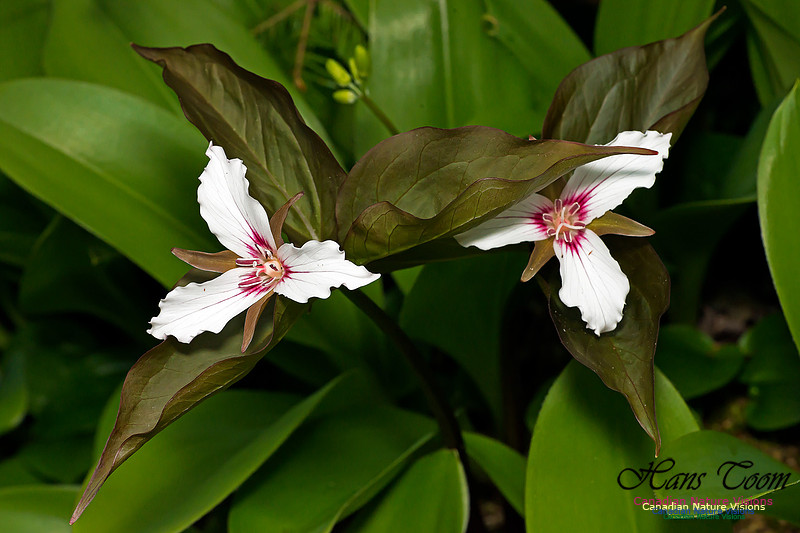
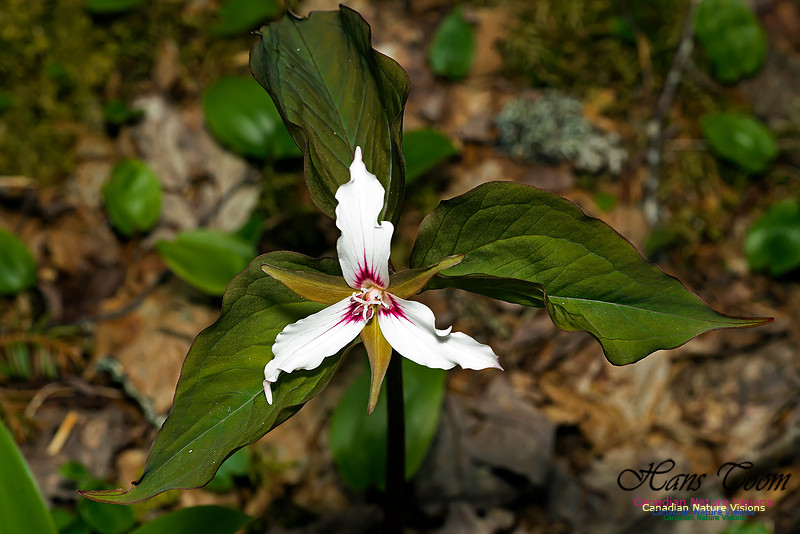
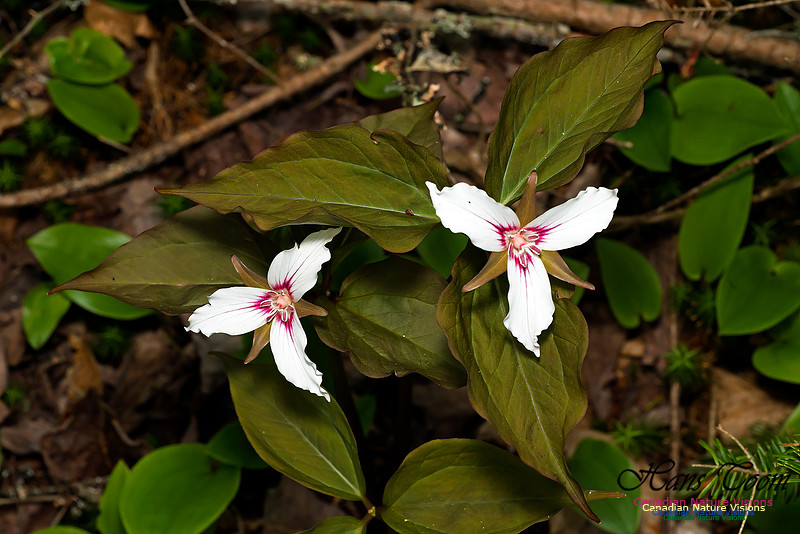
Painted TrilliumYesterday, Laura and I went to look at the Painted Trilliums along the Post Road, Mount Uniacke Museum Estate Park. There is a congregation of dozens near the intersection with the western end of the Wetland's Trail.
Bay-breasted Warbler and Swainson's ThrushI took a drive on May 24 up to The Old Annapolis Road Trail system with Bay-breasted Warbler and Swainson's Thrush as my primary subjects. I found a Bay-breasted Warbler near the foot bridge but alas there was no photographic opportunity. Some selfish idiots that drive ATV's removed the hand rail along both sides of the bridge creating a safety hazard for hikers, presumably for their own convenience in driving their dirty noisy machines across the creek and along the Old Annapolis Road, also destroying the road for hiking in the process. A portion of the Old Annapolis Road skirts a bog known for Olive-sided Flycatcher.
Further down the hill is a spot where American Redstart breed every year. I heard them singing in passing and stopped for some decent photos of this handsome guy.
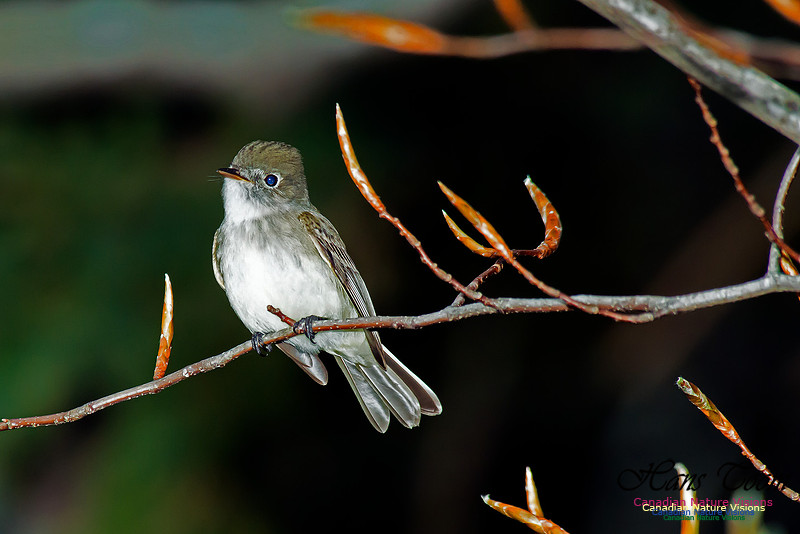
Pine Warbler and Least FlycatchersThere are at least two generations of Pine Warblers that may have bred at their breeding site. Two years ago Fulton Lavender saw a fledgling and last year Fulton, Richard Hatch and myself saw and heard them and on a return visit alone I saw and photographed a Pine Warbler carrying food. I checked out the breeding area today and I believe I heard them singing albeit very high in the pines and quite invisible to my eye. The problem is that its early in the warbler season for me, just the second day actually, and confusion amongst trillers is easily made. Unfortunately, the park is full of trucks and mobile homes so I suspect a movie set is being set up which may prohibit access to some locations. Due to the sensitivity of this situation and the possiblity that Pine Warblers are establishing a breeding colony in Nova Scotia I will not disclose the location. Crowds of well intentioned birders "pishing" and using recorded song may potentially compromise the location and lead to nesting failure. This has happened before. I note that the use of recorded bird song is prohibited in many state and all national US parks. Canada and Nova Scotia should follow suit. Here's an example from the US National Park Service: Responsible Birding in Yosemite Yosemite National Park’s scientists ask that you respect and help protect Yosemite’s birds by following these rules when birding in order to avoid a negative impact on the park’s birds. 1. Do not use any audio or mechanical device to attract birds and other wildlife (Code of Federal Regulations). State law strictly prohibits broadcasting recorded vocalizations of an endangered species, such as the great gray owl (California Code of Resources). The use of such devices may induce stress and disrupt mating/nesting activities of wildlife. 2. Do not view birds or other wildlife with a flashlight or spotlight (Code of Federal Regulations). 3. Do not divulge locations of any special status species observed in the park, particularly distribution over the Internet. Note: The National Park Service is authorized to withhold information about endangered, threatened, and rare species in order to protect the species and their habitats from harm (National Parks Omnibus Management Act). Violation of federal regulations may result in a fine of up to $5,000 and/or up to six months in jail.
The park is loaded up with Least Flycatchers and I managed to photograph one.
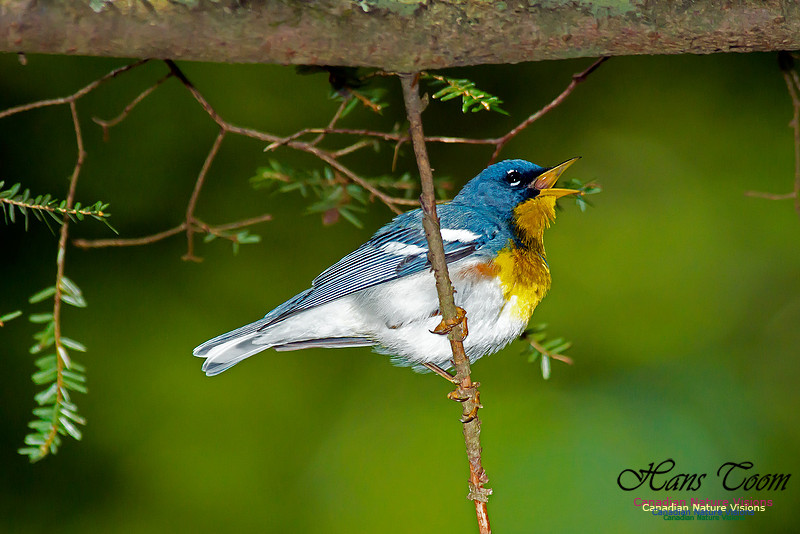
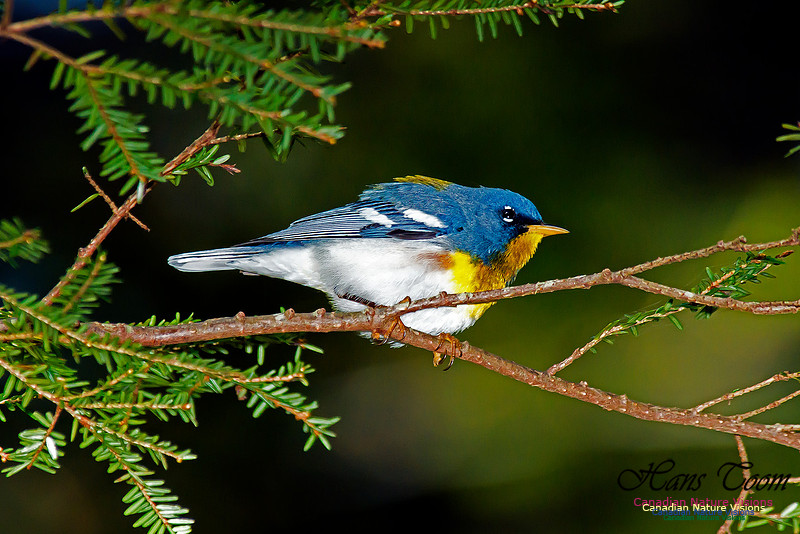
A Northern Parula also posed.
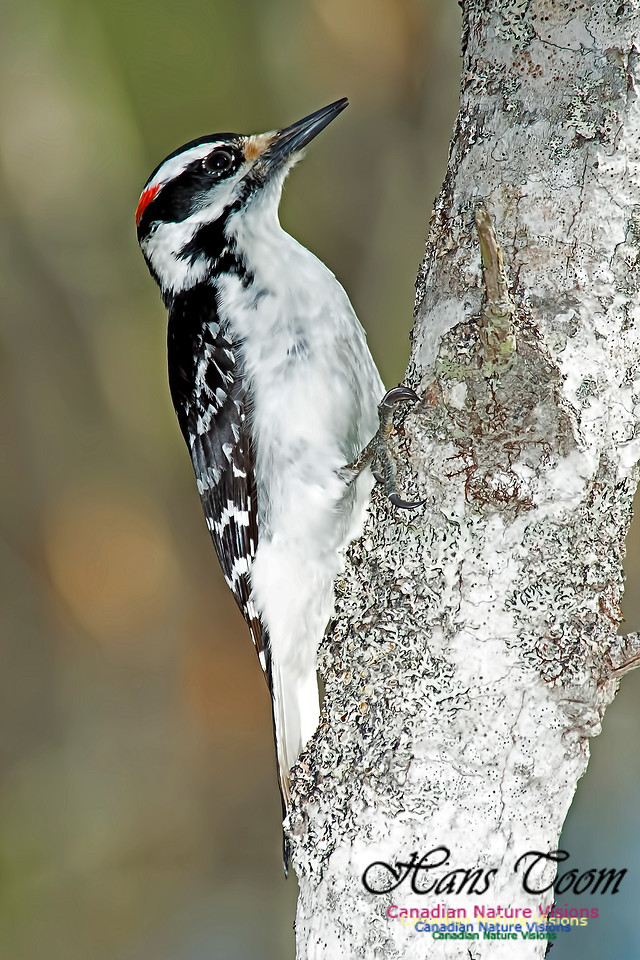
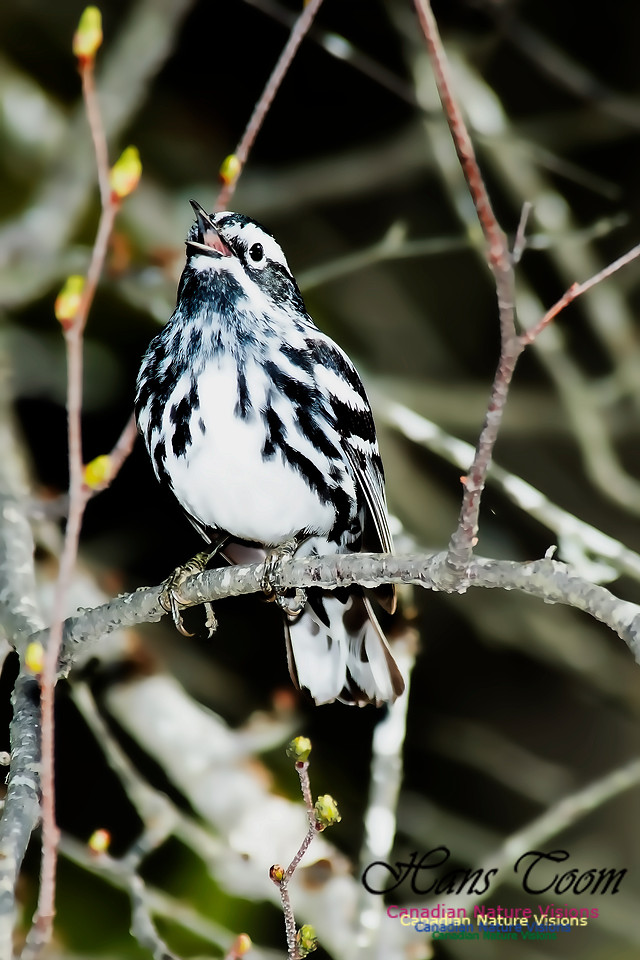
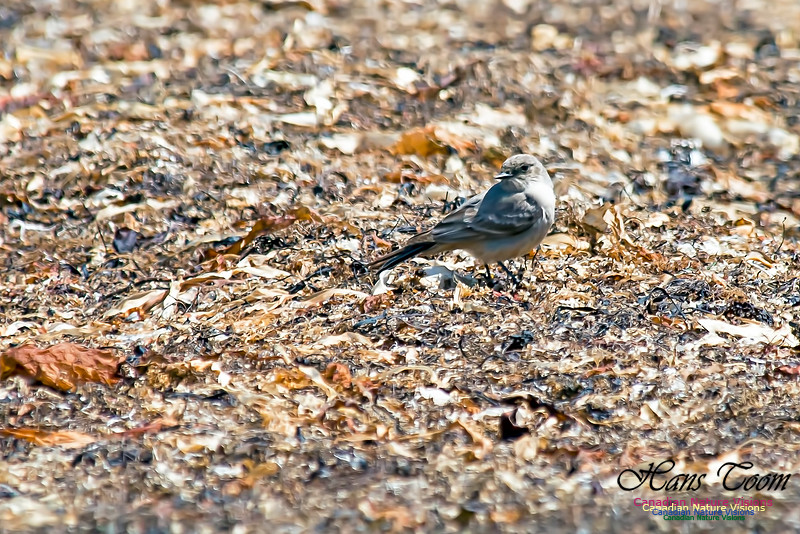
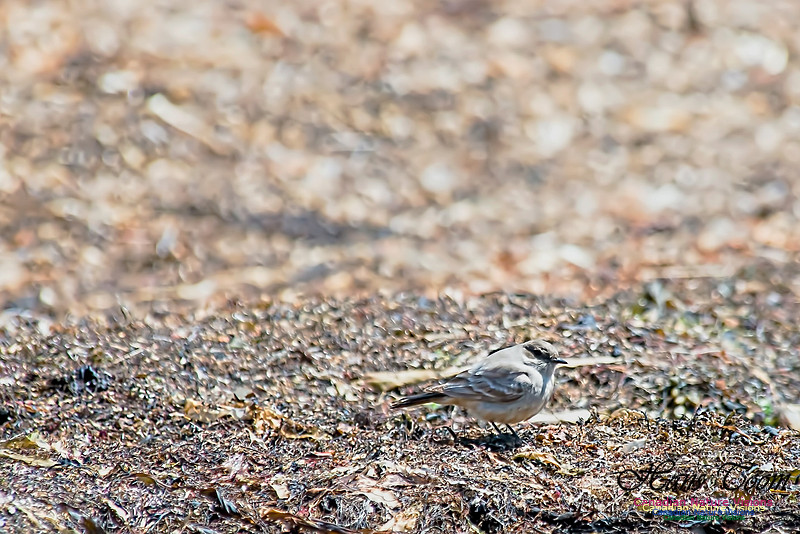
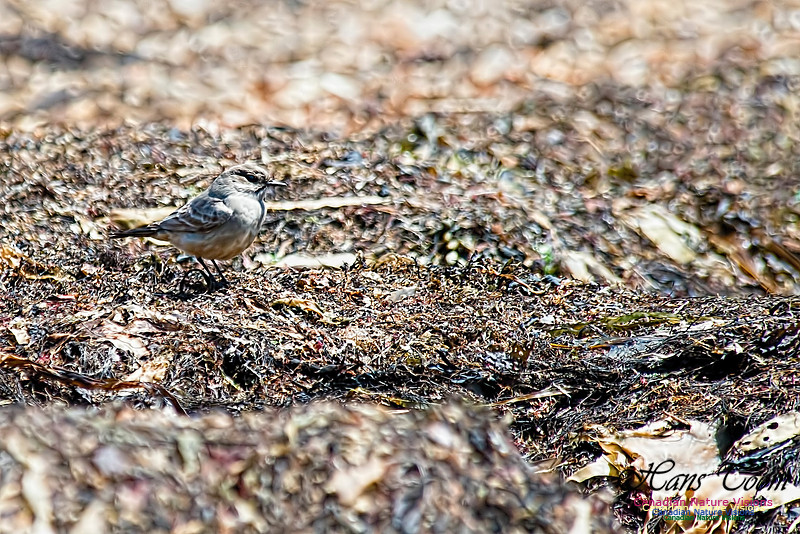
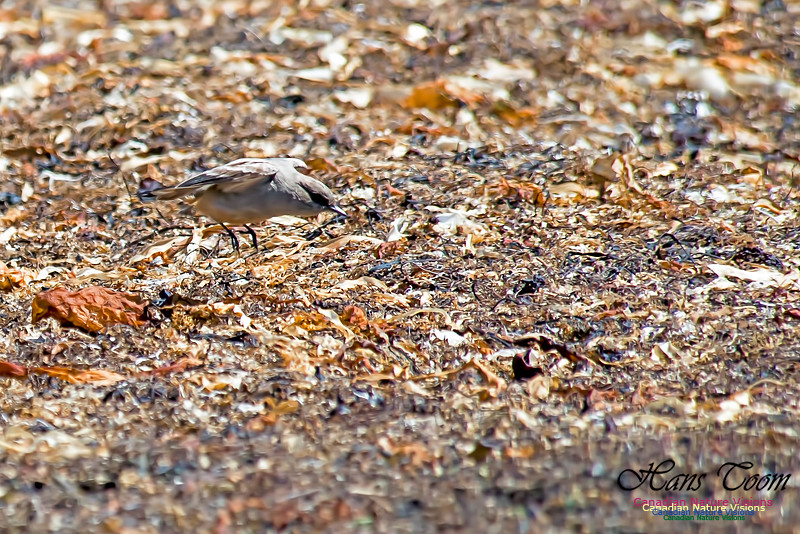
Yesterday whilst returning from Jerry Lawrence Provincial Park I spotted a Turkey Vulture overhead Highway 103. The Warblers of Jerry Lawrence Provincial ParkI visited Jerry Lawrence Provincial Park for the first time this year. The gates which were supposed to be open at 8AM were locked so I walked into the park. I encountered ten warbler species; Northern Parula, Magnolia, Black-throated Blue, Yellow-rumped, Black-throated Green, Palm, Black-and-White, American Redstart, Ovenbird and Common Yellowthroat. The Broad-winged Hawk was visible in the woods, an annual summer resident. Other common attendees included Ruby-crowned Kinglet, Hairy and Downy Woodpeckers, Northern Flicker, Hermit Thrush and Blue-headed Vireo. I didn't walk down the St. Margaret's Bay Trail to the bog so I probably missed Yellow Warbler, Nashville Warbler and Swamp Sparrow. Next time. The gates were open when I left at 11AM. It was the first day of the season after all. Say's Phoebe at Sandy Cove's BeachOn May 13 Richard Hatch phoned my house, Laura answered, at 8:45AM about a Say's Phoebe at Sandy Cove's Beach. I of course was at Bridgewater buying an SUV so I didn't get to the scene of the action until 11:30AM, as usual the last person on the scene. I saw the Say's Phoebe, the Eastern Kingbirds(6+), White-crowned Sparrow, Grey Catbird and Ipswich Sparrow. Other attendees on the kelp heaps were many American Robins, Dark-eyed Juncos and a few Yellow-rumped Warblers. The Say's Phobe was a tough customer moving back and forth from the trees and shrubs to the shoreline rocks and the kelp heaps. My only hope was the sit on a rock and wait technique which didn't work so all my photos are distant and severly cropped, little better than record quality. As described by others the phobe was pale and washed out. It would have taken someone very competent at field birding such as Fulton Lavender to have identified this bird at a distance.
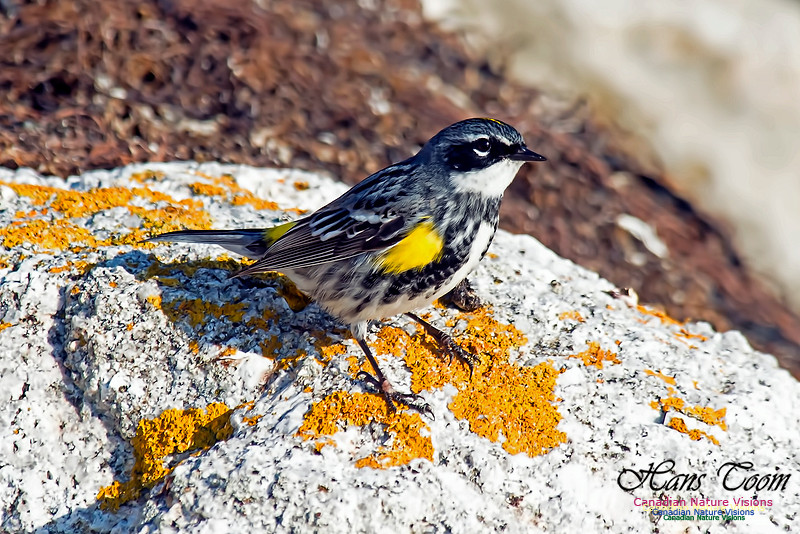
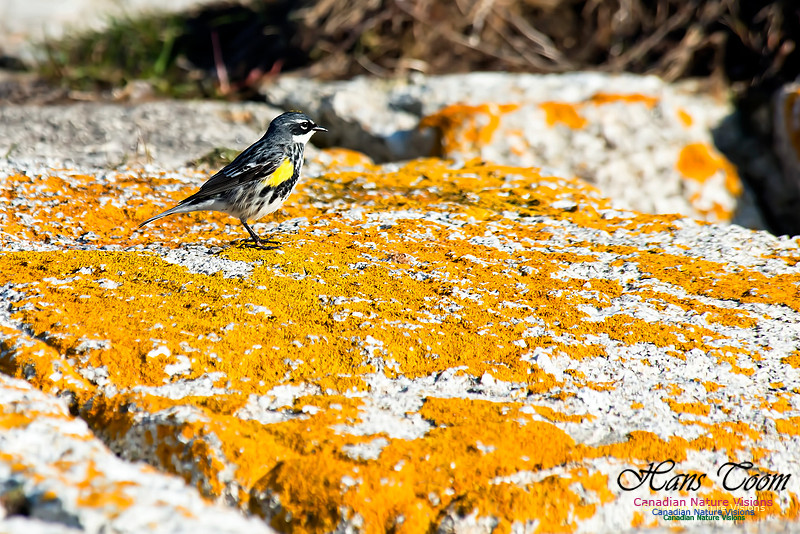
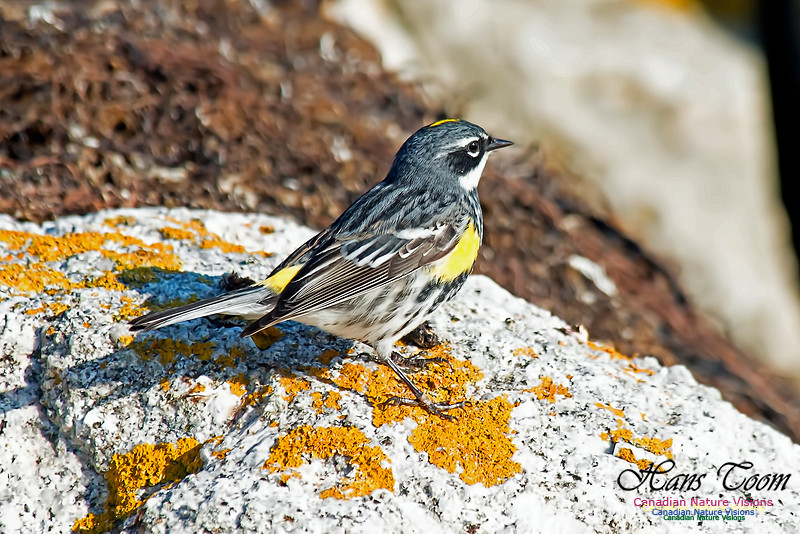
A Yellow-rumped Warbler was kind enough to pose for some photos.
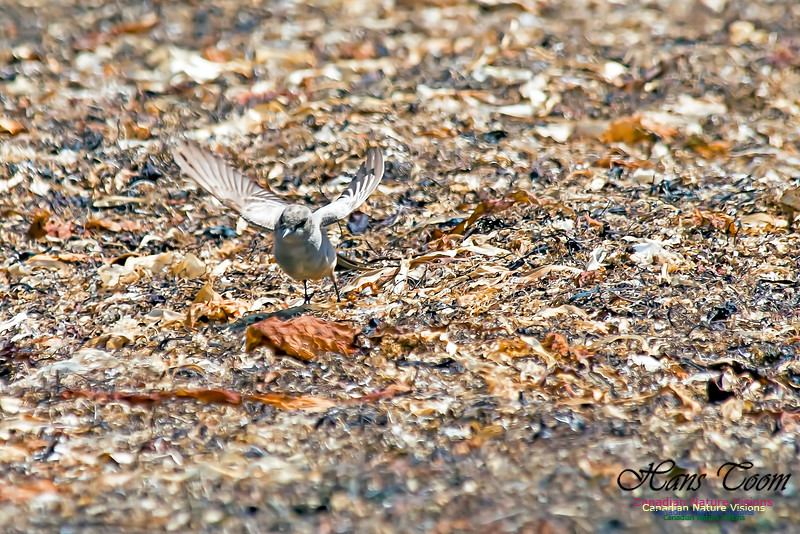
Happy landings Say's Phoebe!
Master of Light and Dark·Hans Toom: Master of light and darkBy Beverly Clarkson, Chebucto News May 2014 If you happen to be a senior who is looking for a hobby and you haven't tried birding yet, you could do worse than google https://www.hanstoom.com a fairly new blog, to see what you're missing. If you are a wildlife lover, or nature artist, I would say the same. Our neighbour from Portuguese Cove, who chose our community in 2000, has a precise eye, scientific patience and the heart of an artist. Before setting up his own site he posted some exquisite photos on http://www.worldphoto.org/profile/HansToom/. Many a dull day in our endless bitter winter, I've gone there for some beauty to ease the relentless darkness, and am always delighted and awed by what I discover there. Many attempt to capture chiaroscuro, the unending play of light and dark that tells a story, on water, in the winds and sun; the violent movement of little creatures making their lives in the rough world of nature, killing their dinner for their own survival. Few master it. Rembrandt was one. Toom makes me think of him. Not just his photographs but also the patterns of life. The picture window of his glowing, wood panelled, wood-heated living room full of cat furniture and rescued mousers (Norwegian Forest cat and Maine Coons, closest to my own heart) is a safe haven to watch the wildness go by. He moved here in 2000, a centenary project, for the sake of his beloved wife Laura, from Mount Hanley. He had led her a merry life in many places throughout Canada. His parents escaped Estonia in the second world war as it was ravaged by both Soviets and Germans, and after his birth in Sweden, his father chose British Columbia as a safe place to raise his family. Little Hans studied engineering physics and conducted oceanographic surveys on the famous CGSC Hudson. He served Canada as manager of airports in many locations, memorably Greneda, where he created a management structure for their international airport, Manitoba, and Winnipeg where he and Laura started birding around 1995 on the Forks where the Red River and Assiniboine meet. Photography just followed the birds. Digital cameras are changing everything and he finds it exciting to keep up with new possibilities they offer. He belongs to many organizations and takes long wet stumbling hikes in our wild coast-lands and parks, where nature still manifests despite all the building and mechanization of our 21 century world At 15, he asked himself “what will I be in the year 2000?”, and while horrified to wake up and to find it was 50 years later, was also amazed to find he doesn't feel any differently. Well, maybe a few more aches and pains. Maybe he wouldn't start out on a 15 km hike quite so carefree now. He is also not so worried about decline of the local species. They lose a portion of their numbers every year but mostly they come back. “Two birds breed and become six, they head south and two return and start over”, he observes. “Darwin tells us the number of young try to compensate for attrition and seasonal variations.” “You start by song. Get some dvds and listen, then you can recognize them by song, and follow up with experience in the woods. This time of year until late June, they are active”. But he also shoots anything that's out and about when he is: animals, butterflies, flowers. “If I don't know their name I come home and look them up”, he smiles. One builds a life bird list in the world; I suspect there are such lists for the other forms of life in our magical province. He also know there is one rule for retirement: keep active! While having a life partner is always important, he feels it is crucial in your senior years. The most important thing he would tell young people is: plan for your retirement! Not just financially but for what you will do. Have a passion, do not sit at home, keep your body and mind active, and above all find what you love and do it. I want him to sign and sell me a print of the saw whet-owl. Check it out.
Harlequin Ducks at Duck ReefI walked the reef loop this morning starting from Duncan's Cove then along the high ridge to the WW2 bunker and then down to the ocean opposite Duck Reef, continuing to Duncan Reef and returning back to Duncan's Cove. Between Duck Reef and the shore a matched set of Harlequin Ducks were fishing. They rode the surf managing quite remarkably to always remain the same distance from shore just a few metres from the breakers. I was hoping to find Lincoln's Sparrows in their nesting area but it seems they have not returned home as yet from their winter vacation.
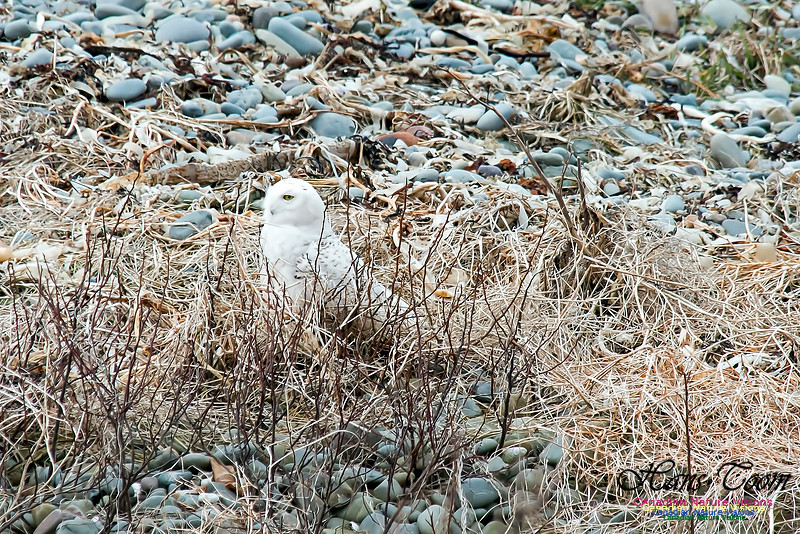
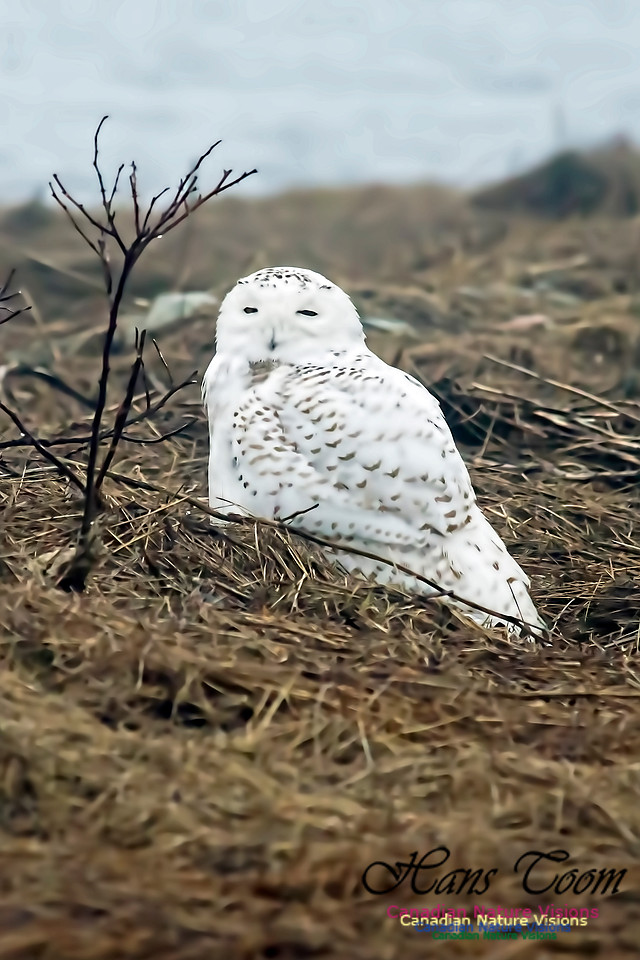
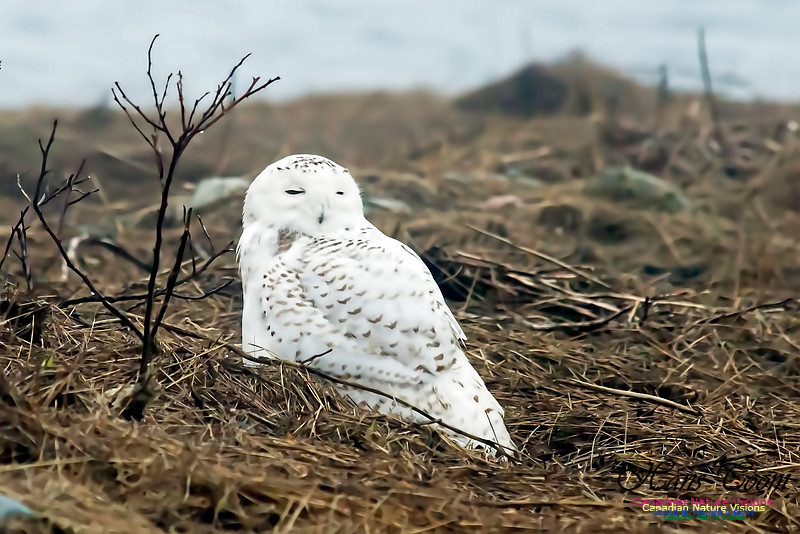
Snowy Owl at Hartlen PointI made another tour of the eastern shore yesterday from Hartlen Point to Grand Desert and the Dyke Road. Everything started out well with a Snowy Owl just behind the beach ridge opposite the entrance to the golf club's service road. This was an alert, indeed wary, bird probably due to being chased by birders and photographers all winter. Nevertheless it was healthy and flew with authority. I captured a few distant images before it moved over to a private lot and a howling dog.
I continued my travels to Rainbow Haven Provincial Park and found a Willet, Lesser Yellowlegs and two flocks of Canada Geese. The Lesser Yellowlegs was odd in that its bill appeared too long and there was a lot of belly striping. The bill was straight and there was no mistaking the overall size of the bird at 10".
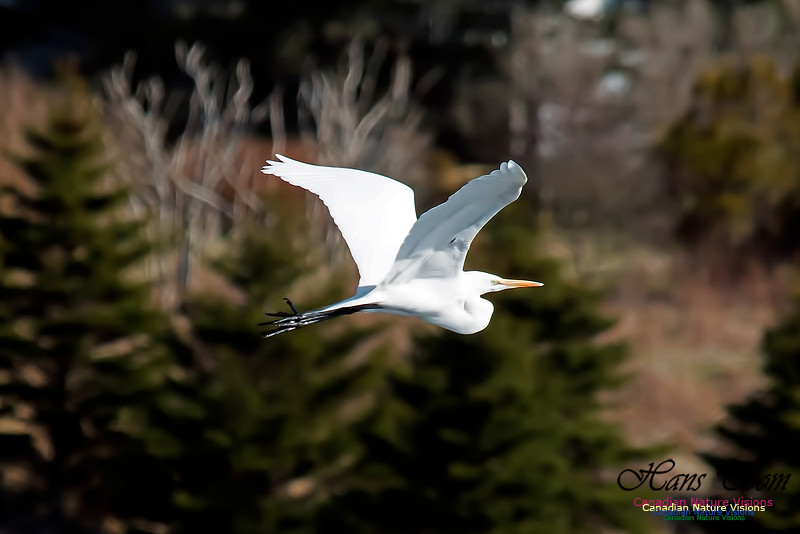
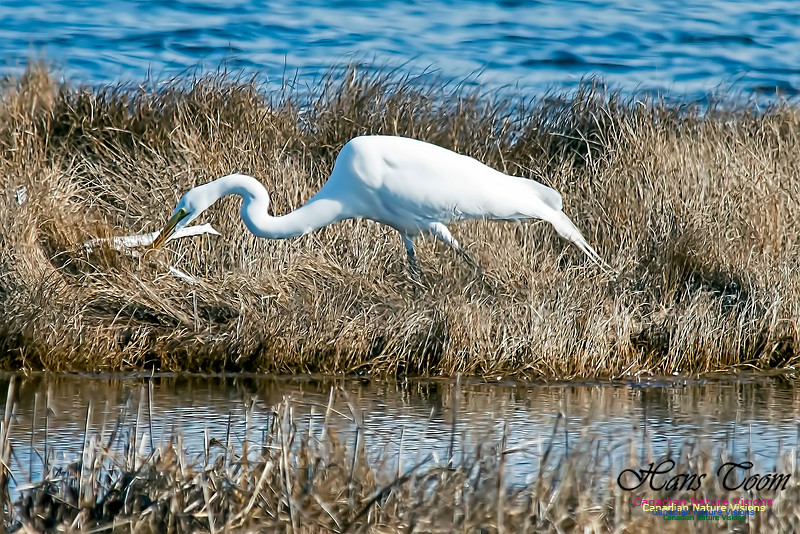
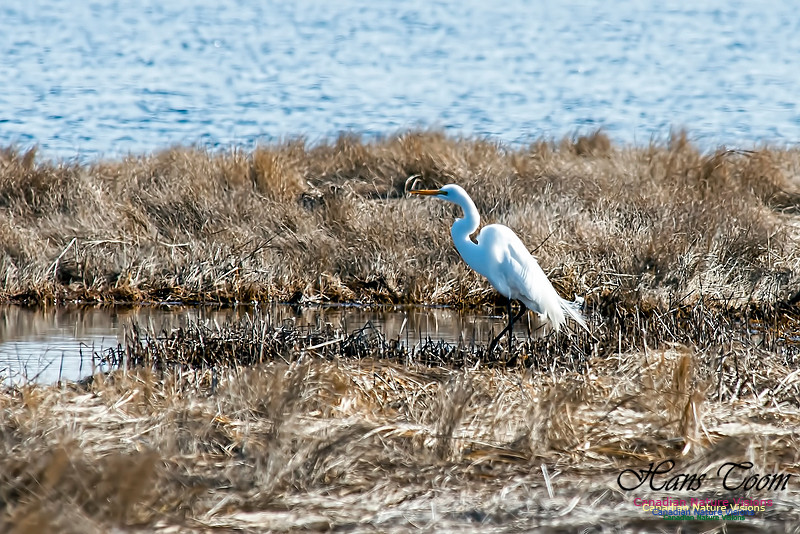
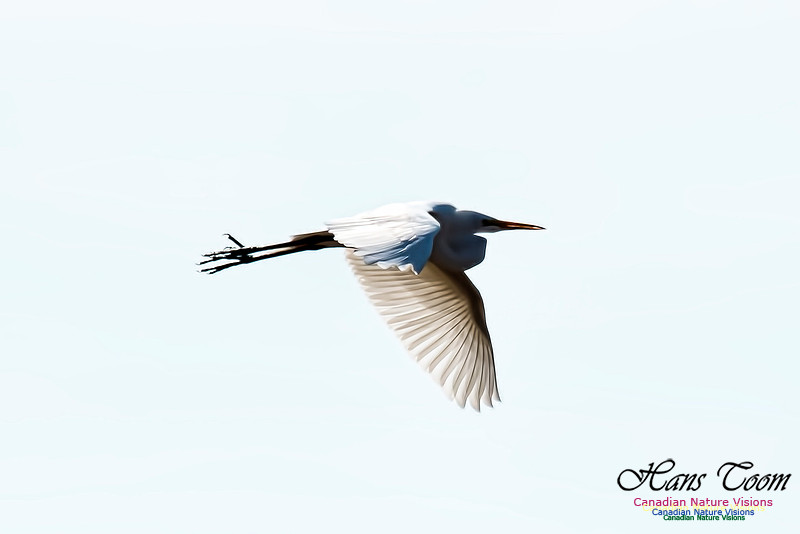
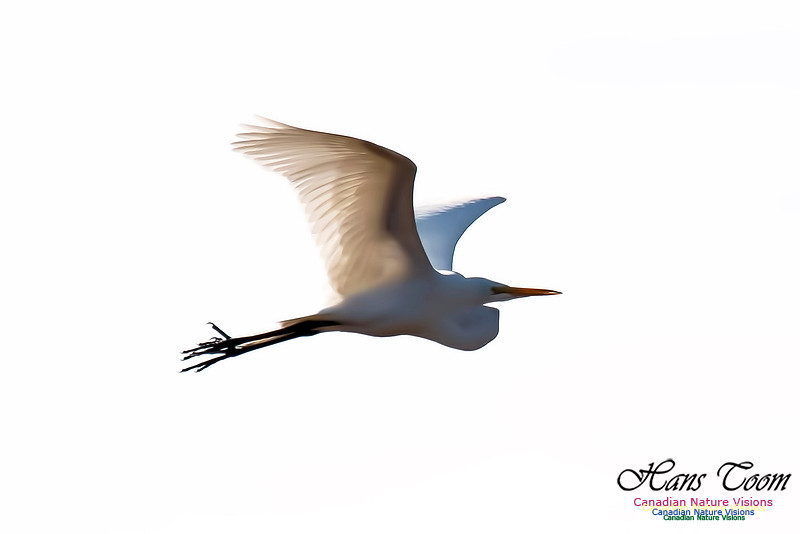
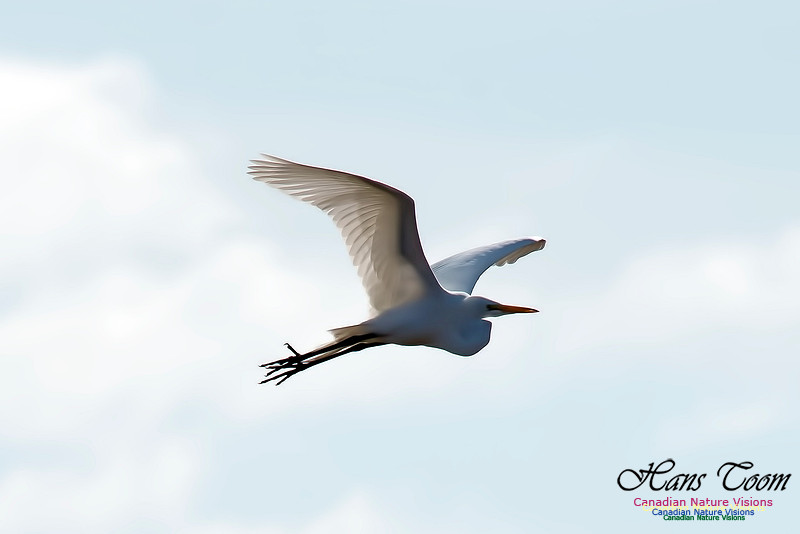
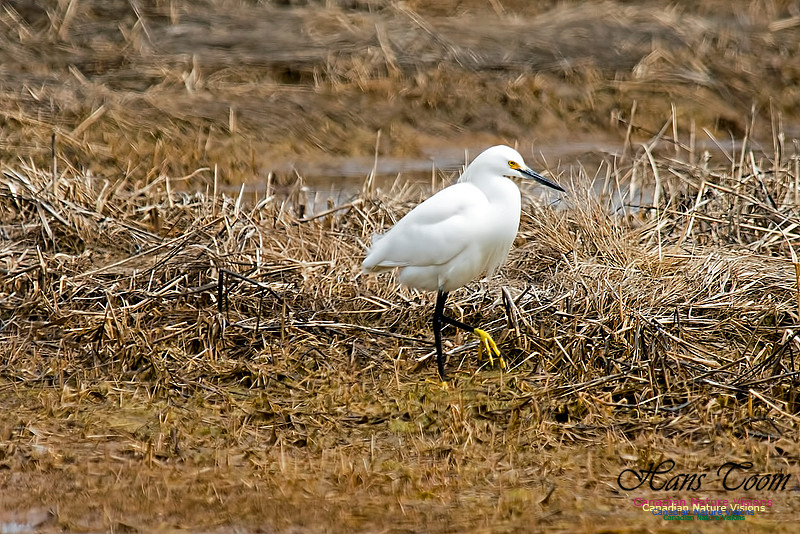
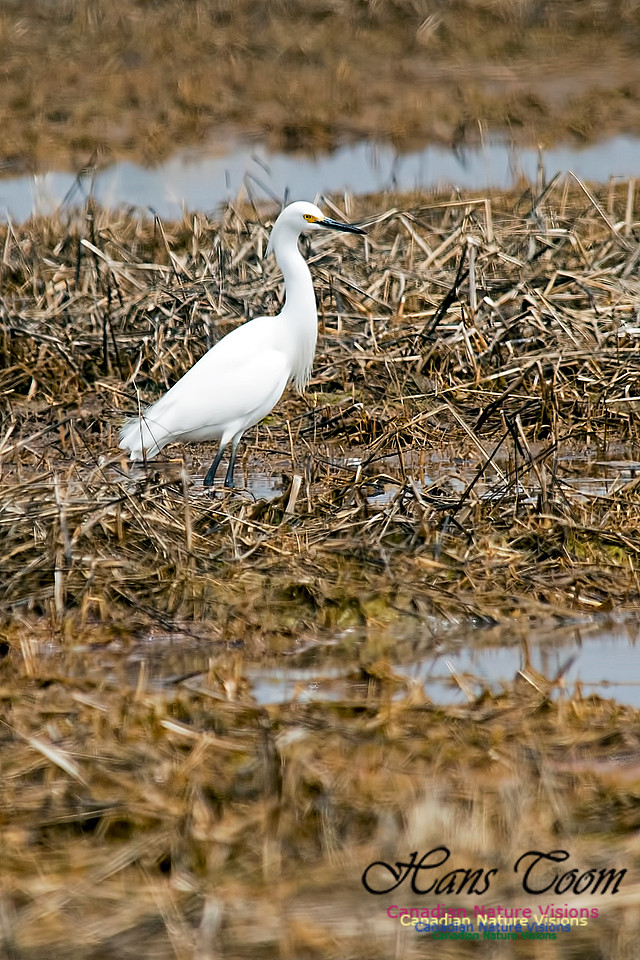
Great Egret and Snowy EgretI visited Conrad's Beach yesterday morning at 8:30AM. After parking my car a quick scan revealed a Great Egret in the north-eastern corner of the salt marsh. I followed the shore line path and was not visible to the egret so I was surprised when I spotted it flying south-west towards the boardwalk. This was an active bird; flying one to two hundred metres, landing, stabbing at the water and moving on again. All my photographs are enlarged from severe crops.
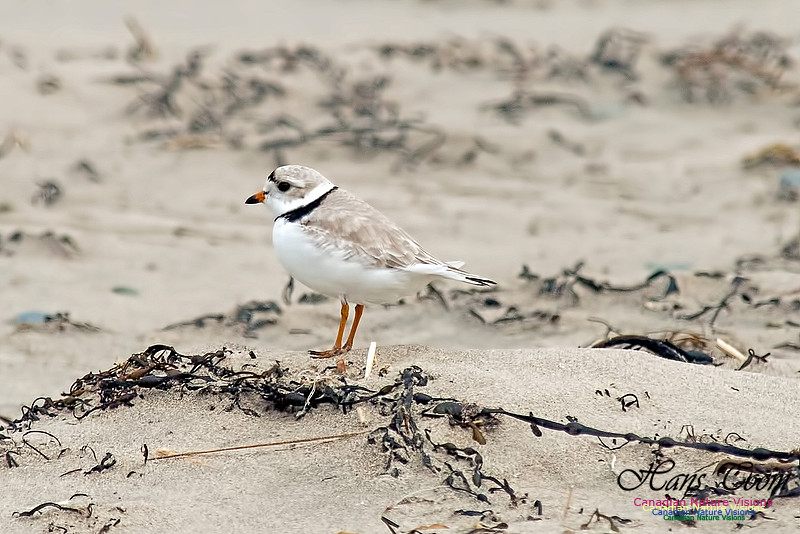
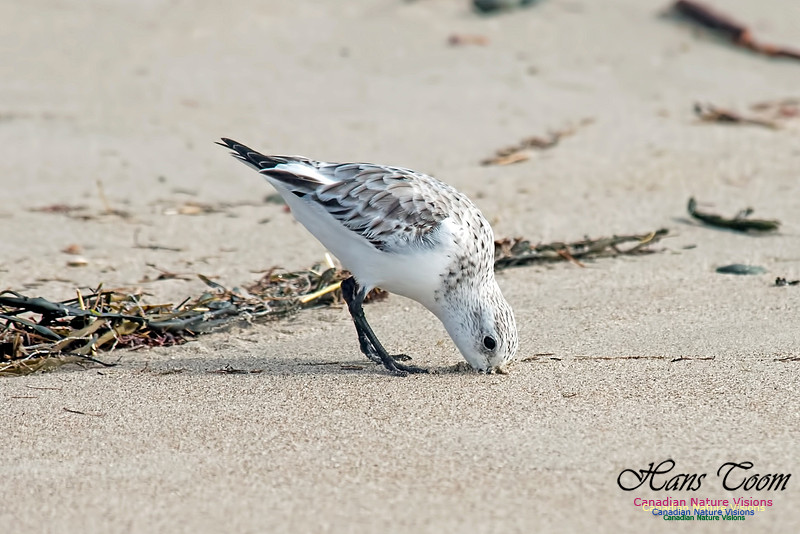
Birds of the Eastern ShoreI took a trip along the eastern shore between Martinique Beach and Cole Harbour yesterday. My first stop at Martinique Beach, in the fog as usual, turned up two non breeding Semipalmated Sandpipers, one Semipalmated Plover and one Piping Plover plus lots of Savannah Sparrows along the way. I found no Ipswich Sparrows today. They often congregate on the kelp heaps at the east end of the beach. There may have been two Piping Plovers but since I saw just one going up the beach and one coming down the beach there is no way to know if it was the same bird or not. This used to be one of the premier breeding beachs for the Piping Plover on the east coast of Nova Scotia. Just four to five years ago I counted up to 30 Piping Plovers along this beach but in recent years there has been a complete collapse in the breeding population. I've watched Piping Plover chicks, describable as golf balls on tooth picks, running around the beach in easy view of predatory gulls and corvids. A captive breeding program followed by distribution of the new birds on beachs with low populations of gulls may be the answer.
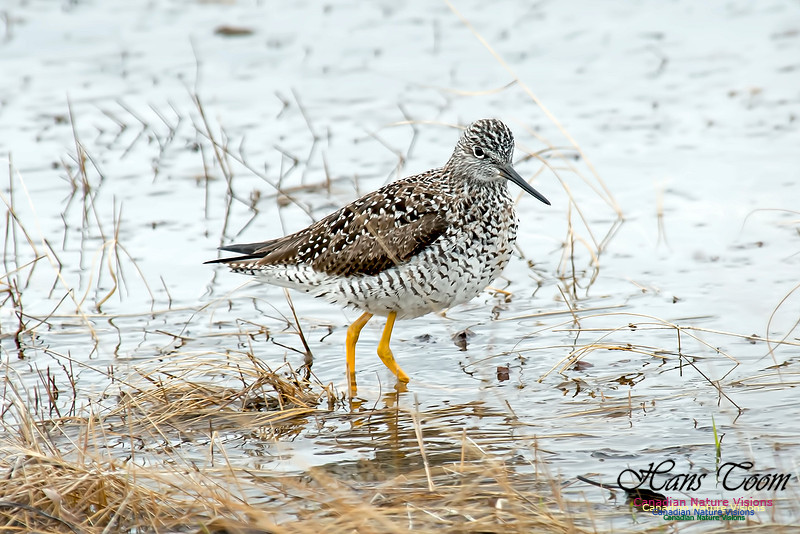
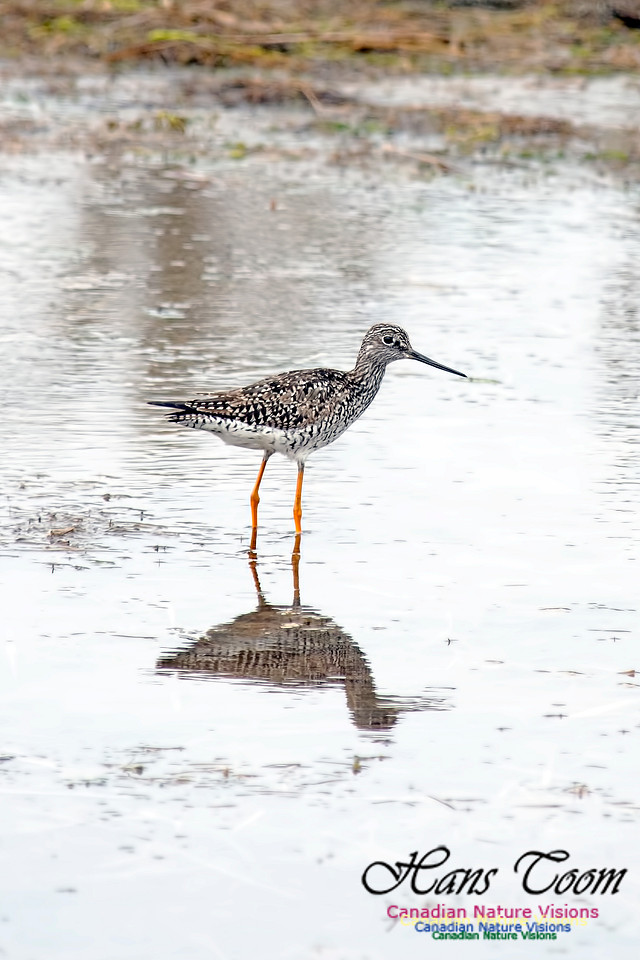
Along the route between Martinique Beach and Cole Harbour Greater Yellowlegs turned up in several roadside ponds.
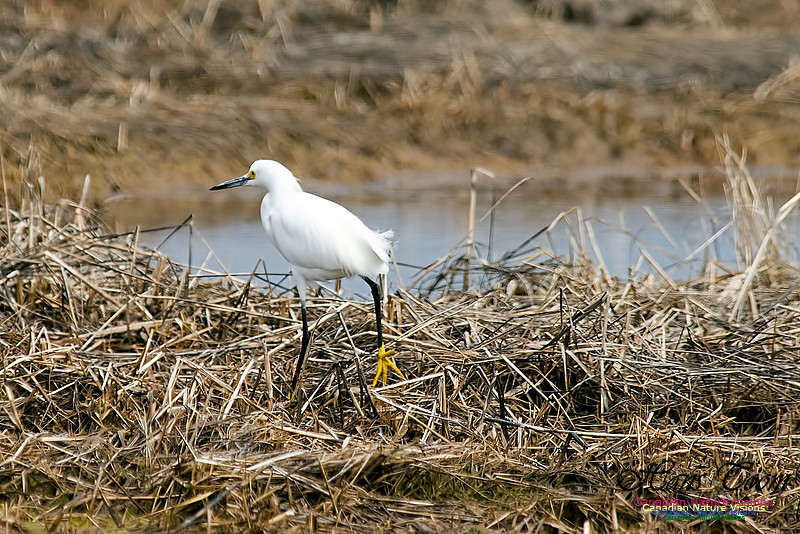
I encountered my first Tree Swallow of the year at the Dyke Road, Seaforth. The tide was high now so very little else was present except gulls. Conrads's Beach turned out to be the most productive stop, showing Snowy Egret, Northern Pintail, Merlin, a possible Ipswich Sparrow(poor photos) and lots of ducks, dabblers and divers.
Rainbow Haven was unproductive thanks to the high tide and shot guns. The rest of the route including Cole Harbour was fogged in.
Snowy Owl and FogI took a trip up the eastern shore yesterday as far as Dyke Road, East Chezzetcook, and back to Lawrencetown Marshes, Rainbow Haven Provinical Park, Cow Bay and Hartlen Point. The morning started with drizzle but soon the fog rolled in and continued to get worse during the morning. I saw several Great Blue Herons and Canada Geese however the fog degraded the images so much that they were useless. The only success I had was a Snowy Owl at Lawrencetown Beach. It seemed oblivious to me but I kept my distance nonetheless. Continued examination of their diet would be interesting. So far gulls, small rodents and even a Ring-necked Pheasant have been confirmed though I suspect snow shoe hares, squirrels and other small mammals would be fair game. The Snowy Owl is the heaviest by far and consequently the strongest of all our owls. When in Manitoba I was told that the Snowy Owl even preyed on the Great Grey Owl, a larger owl than itself, although much lighter in weight. I cannot confirm this of course.
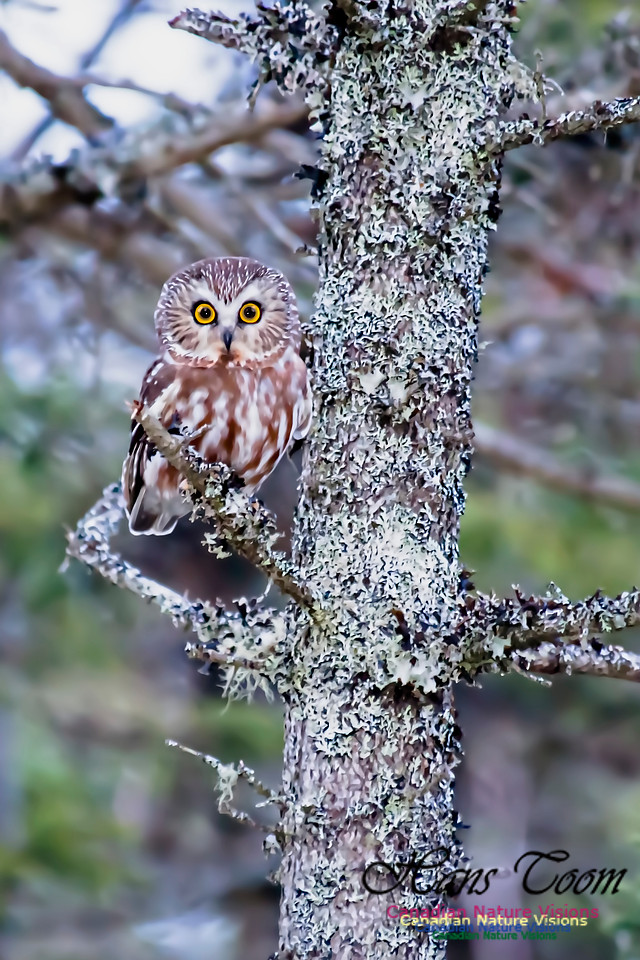
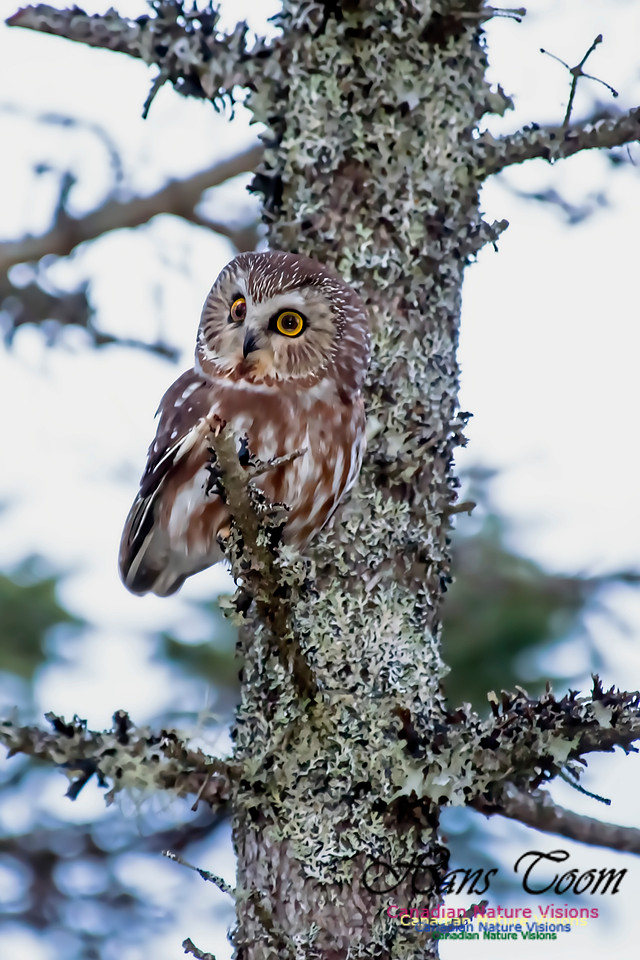
Northern Saw-whet Owl and Other Recent Highlights
On our evening walk along Sandy Cove Road, Halifax Regional Municipality we heard a Northern Saw-whet Owl calling agressively from the forest. I didn't have my camera with me so after dropping Laura off at home I returned and tried to get some photos. It was near dusk and the remaining light was fading fast so I tasked my lowly Nikon 80-400mm lens without tripod and hoped for the best. The results approached the limits of my technology; 1/15 second exposures, hand-held, 6400 ISO, underexposed one stop, and with the lens wide open. The images posted here are severely cropped but nonetheless I'm happy to get the results I did manage. I will continue to check this location for more opportunities to photograph this bird. It figures that before I got back into photography ten years ago I had this bird sitting in a tree three metres from my home driveway, oblivious to all human existence.
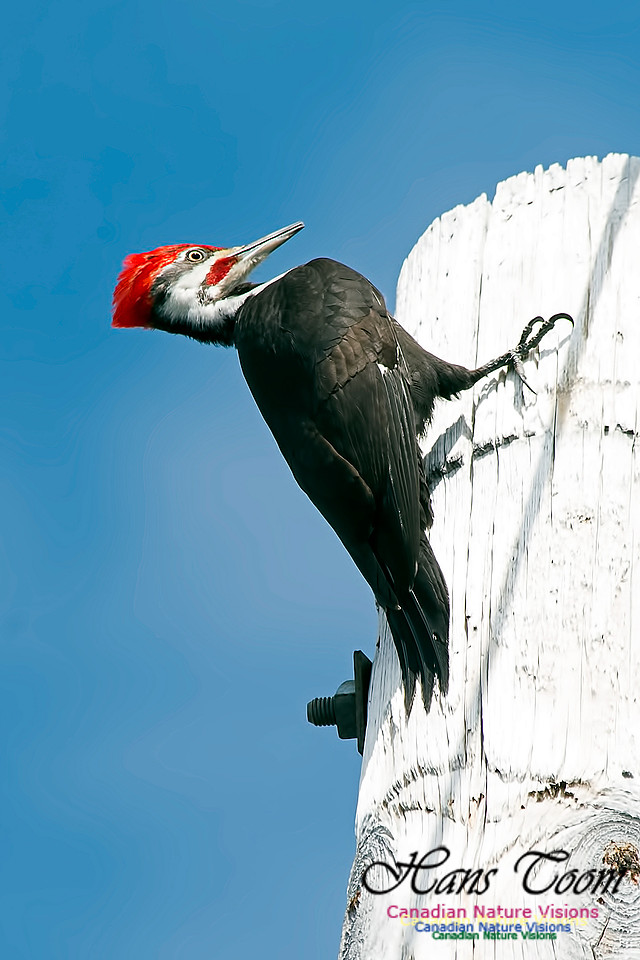
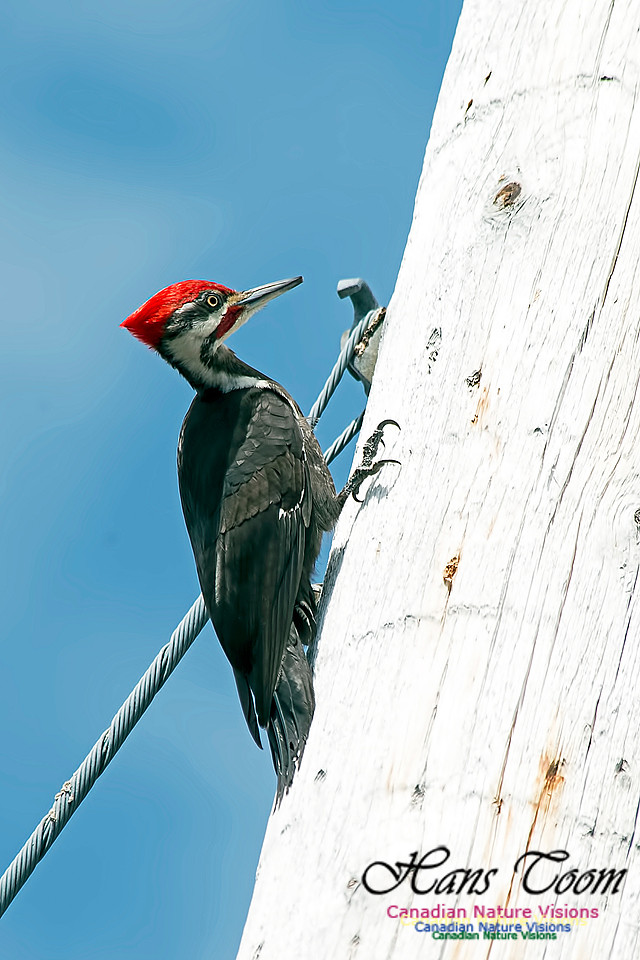
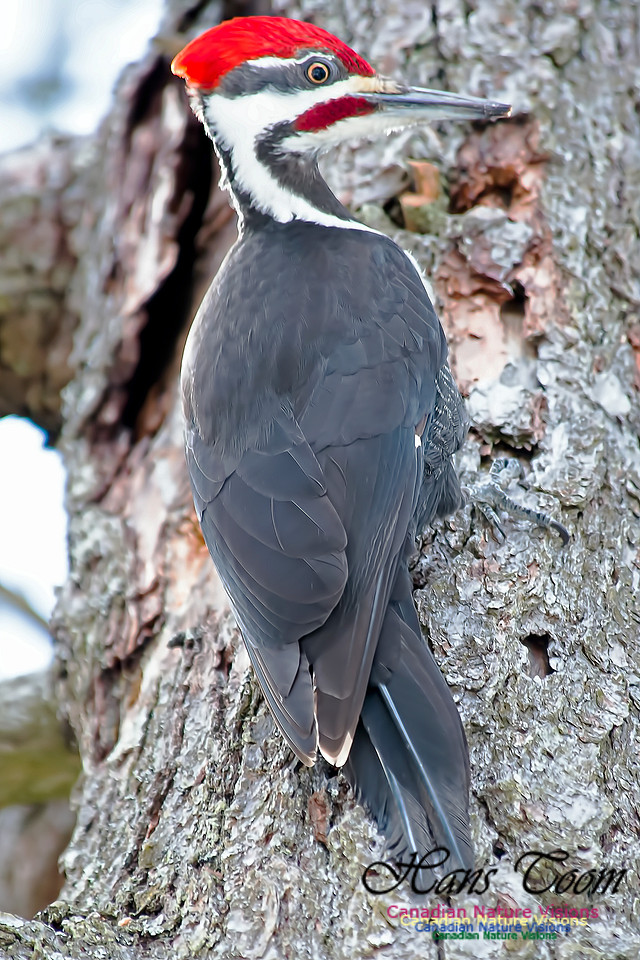
Last Sunday on our midday walk around the Frog Pond, Sir Sanford Fleming Park, Halifax, we encountered a Pileated Woodpecker, the first we've found on this route in fourteen years of walking it. As usual the woodpecker was high up so decent profiles were not presented but here's one photo where it did allow a profile.
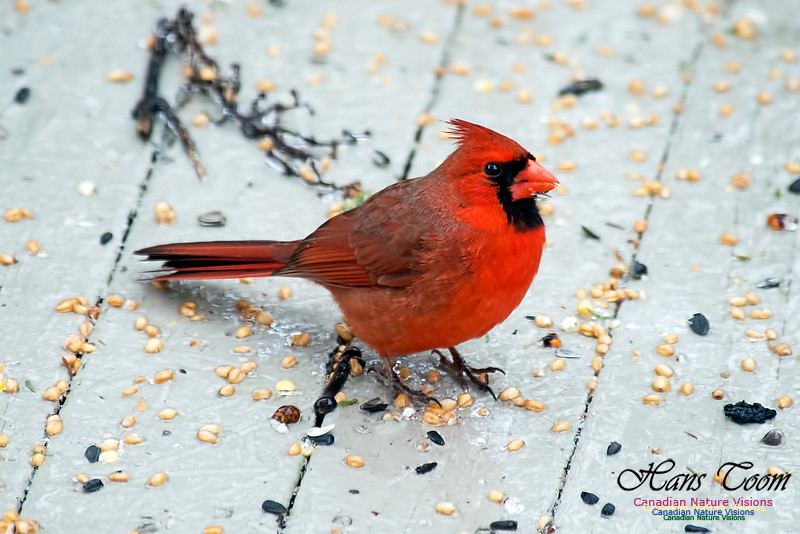
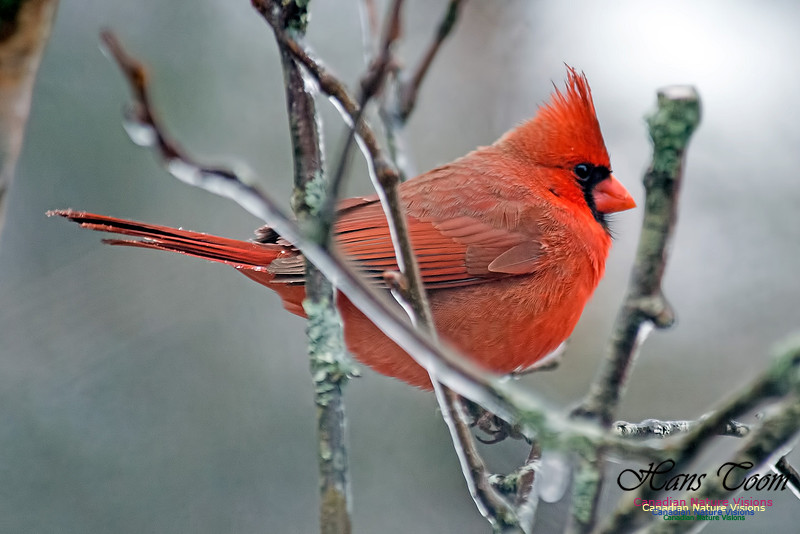
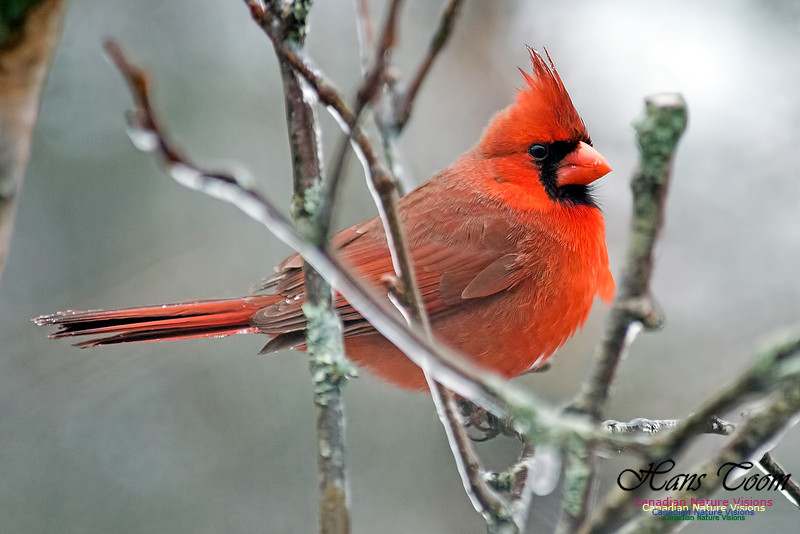
Northern Cardinal at Portuguese CoveNorthern Cardinals are not often seen here in Portuguese Cove. Our home faces the coastal barrens and the surrounding forest is boreal; composed of spruce, tamarack, maple and bog. This terrain is not to the bird's liking. One male Northern Cardinal arrived during the ice storm of March 30 and only stayed the one day. I was compelled to photograph the bird through icy glass since any attempt at opening the window would have scattered the bird.
March 2014 Edition of the BridgePlease find attached a link to the March 2014 edition of The Bridge. Highlight link to open. http://www.hanstoom.com/d874714166.pdf
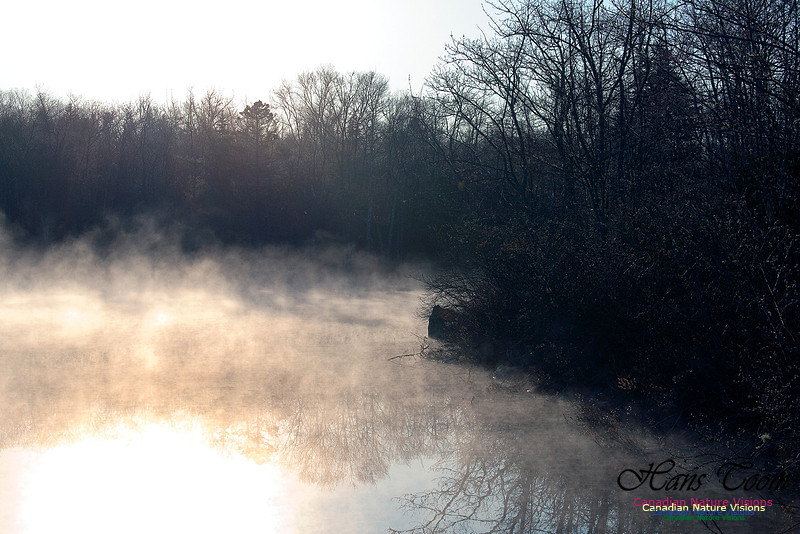
The Photo below shows a misty morning on Lewis Lake in Jerry Lawrence Provincial Park. The cove leads to a principal nesting area of the Canada Warbler.
Snowy Owl at Hartlen PointIt's always sad when a mass invasion of Snowy Owls happens. It usually means they are either starving on their breeding grounds due to a collapse in the lemming population or there is a sudden increase in the owl population due to a temporary explosion of the lemming population. In either case many Snowy Owls are forced to head south in search of food or new territory. This boom to bust cycle is not one of Mother Nature's most pleasant events. I hadn't tried to photograph these birds until today. I arrived at Hartlen Point, Dartmouth, a couple of hours after sunrise and after some searching found a single bird on the edge of the golf course. It appeared to be in decent shape but it is hard to tell by just looking at one from a distance. I returned home by way of the Sambro Loop. I spotted a Northern Goshawk overhead the Old Sambro Road and Hooded Mergansers in the small cove by the Sambro fish plant.
|