Kentucky WarblerI photographed a juvenile Kentucky Warbler last fall along with several other provincial goodies, including Prothonatory Warbler and Cape May Warbler all in one location. The Cape May Warbler is not rare but is hard to find. These fall migrants were all located together in a spot where rarities and hard to find birds show up every year. The following photograph of a adult Kentucky Warbler was taken near dusk at a very slow shutter speed, 1/30 second and hand held. I should have done better but I was a little excited so the camera shake could not be corrected. Kentucky Warbler
White-crowned SparrowThe White-crowned Sparrow is an enigma for me. Its almost an annual regular for me in our back yard but I've never taken decent yard photos of it. This may be the year I spend a lot more time on our property. Its a great birding property, perhaps 170 species tallied over the years, but I'm not a birder so I don't keep records. I stopped counting yard species at about 140 some 15 years ago. White-crowned Sparrow
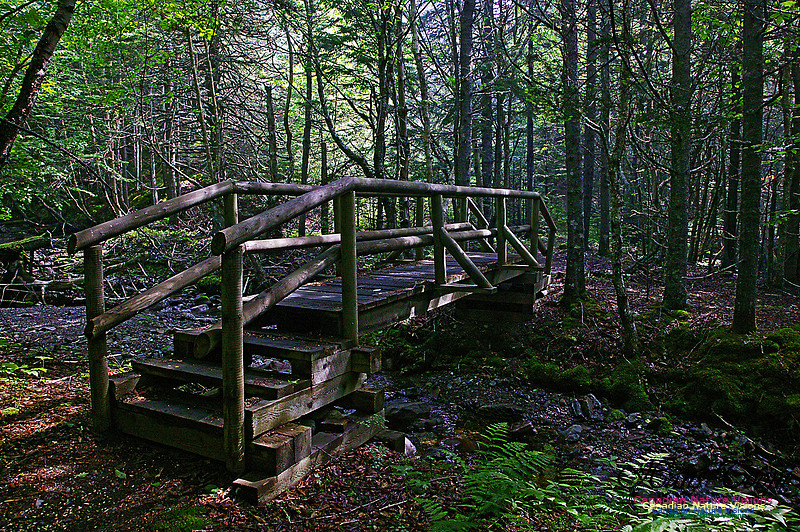
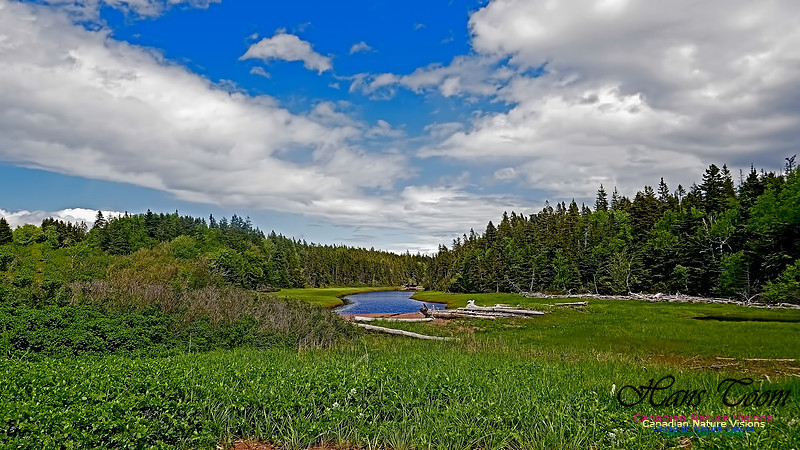
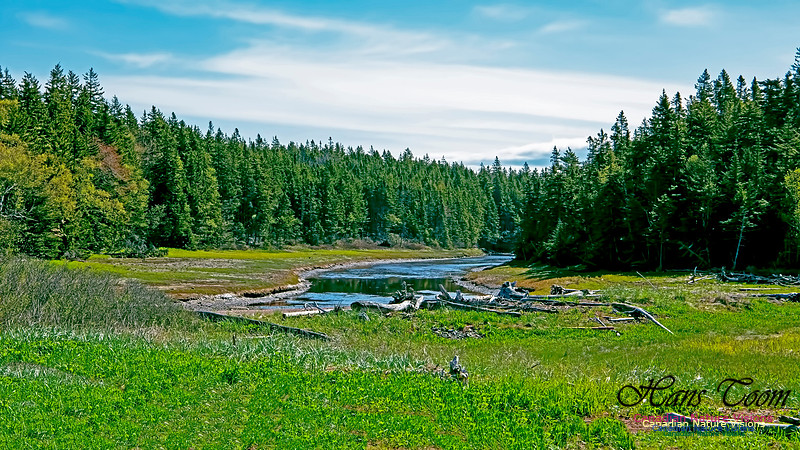
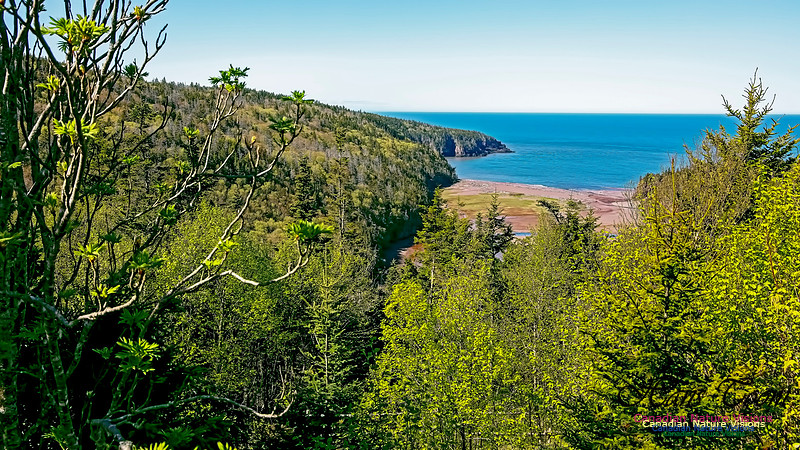
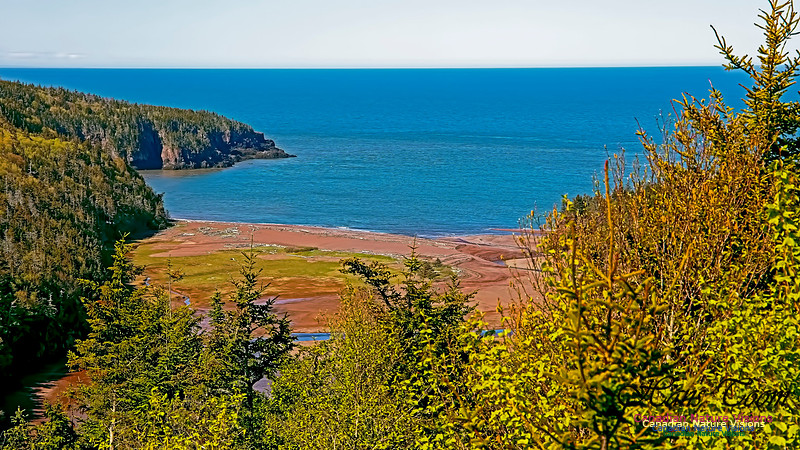
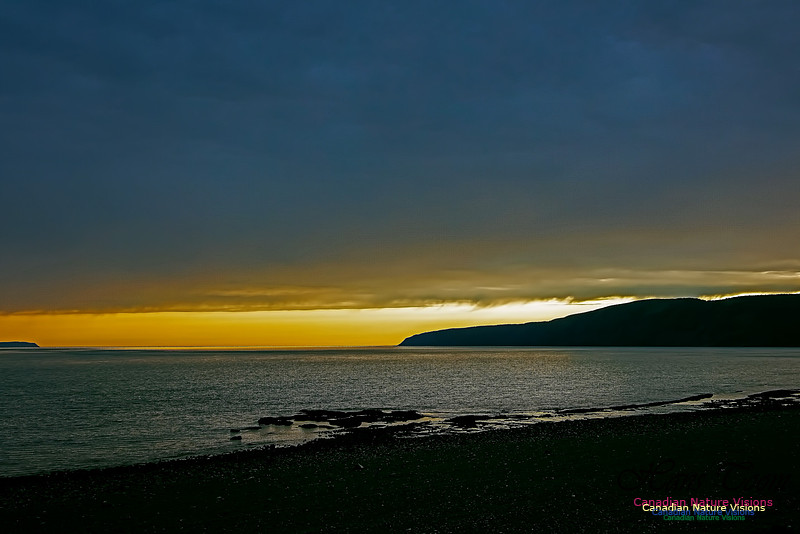
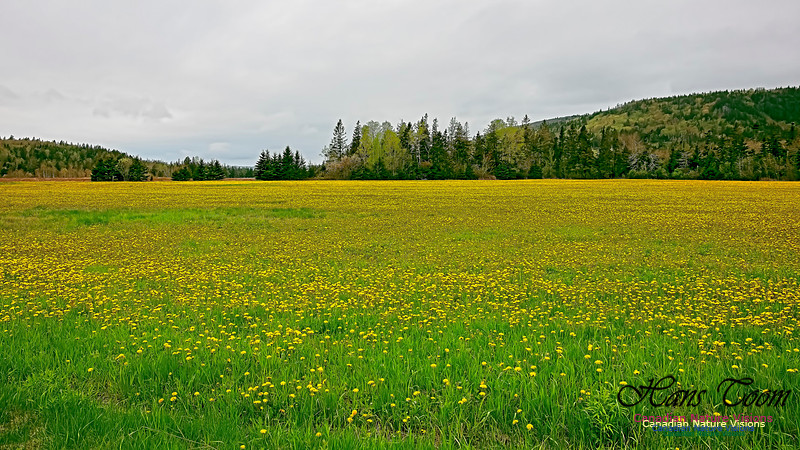
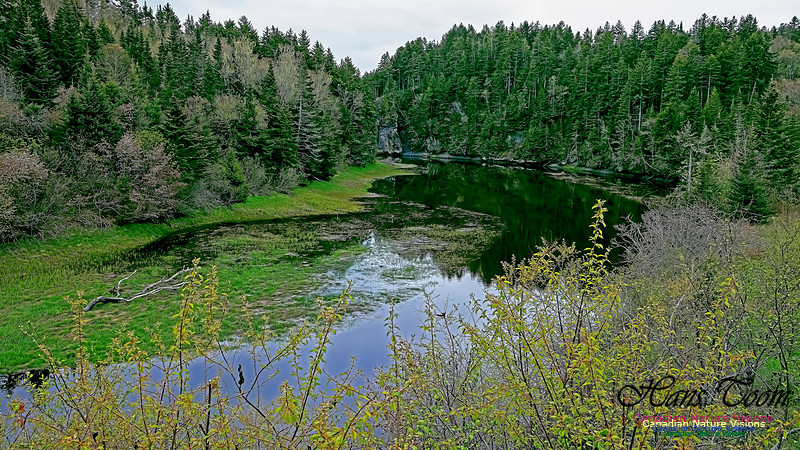
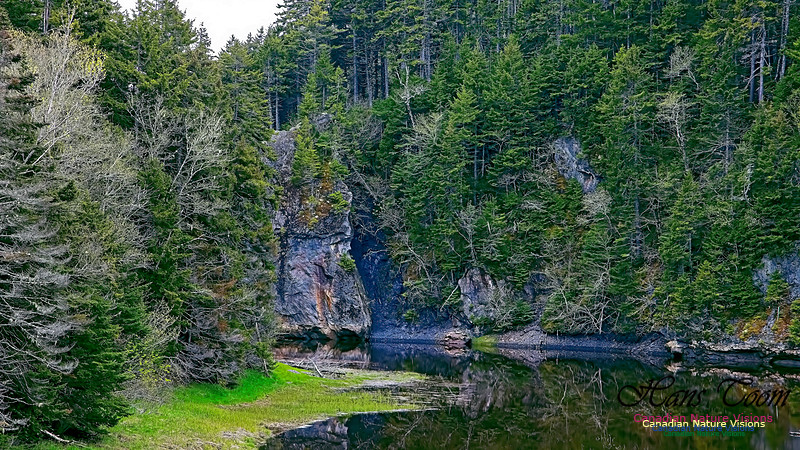
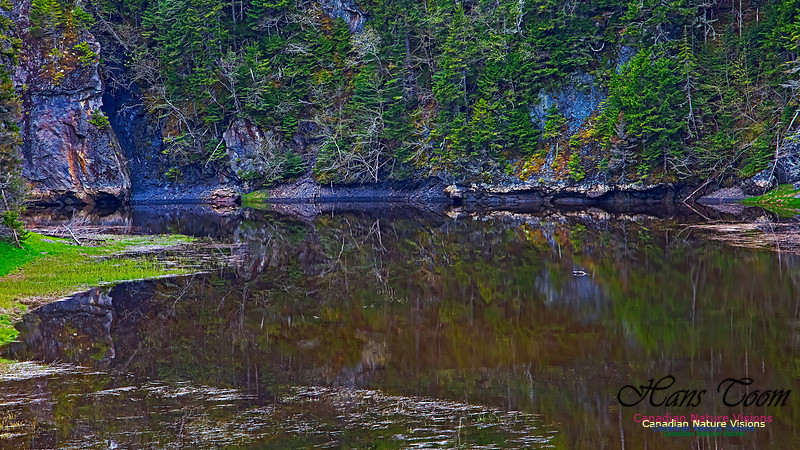
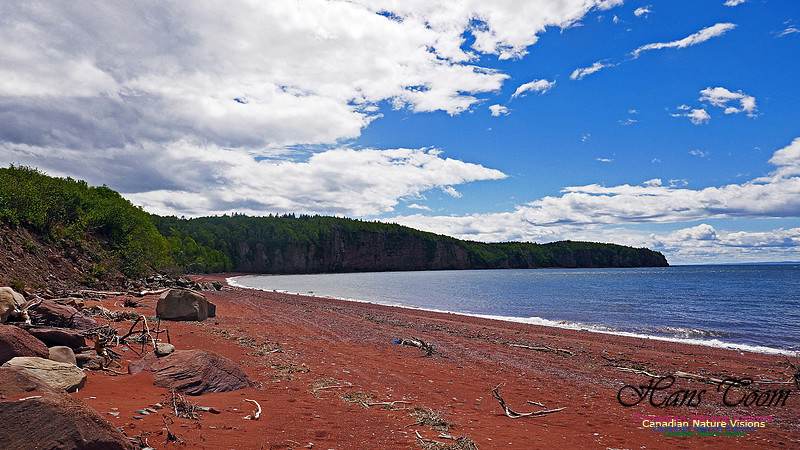
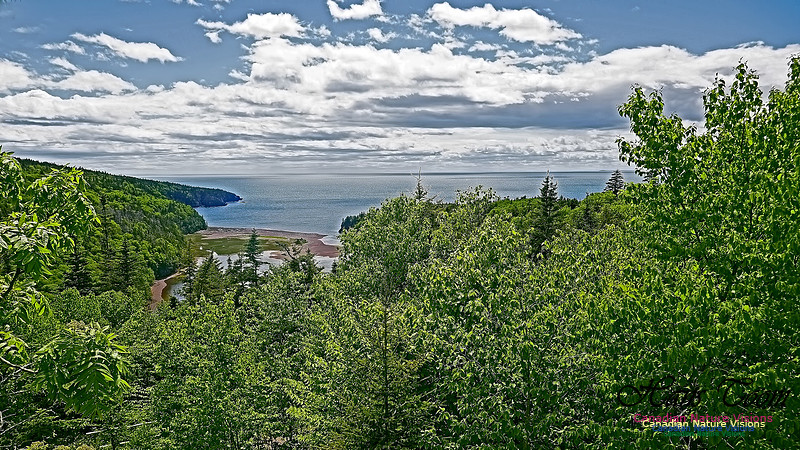
Cape Chignecto Provincial ParkIt figures that this would be the year that I was going to rent a back country yurt at Cape Chignecto Provincial Park. Well, maybe next year if there is a vaccine. There is a lot of wildlife in Cape Chignecto Provincial Park; including, bears, coyotes(I've met them), moose(I've met them too), birds and of course ticks, black flies, mosquitoes, gnats, no-see-ums, deer flies and probably horse flies Here's a few photos from previous visits: Cape Chignecto Provincial Park
Snowy EgretI used excellent equipment for these photos in the harsh light of the mid day sun and at long focal lengths. I cannot improve on my images without hiding in a blind and shooting at shorter focal lengths on a bright cloudy day without shadows. The performance of long focal length lenses is greatly exaggerated especially by beginners. One can get excellent quality, probably the best images possible, by using 300mm F2.8 or 400mm F2.8 lenses. Use high resolution full frame cameras and put the lens extenders in your camera bag. Unfortunately, one has to become invisible to the bird. Hiding under a camouflaged blanket and coasting in a punt on a lake is a good technique or sitting in a secluded spot and waiting for the birds to march by. This is my favourite technique. Snowy Egret
Snowy EgretSnowy Egrets and most herons and egrets will stay on a productive location where eels are plentiful. Sometimes they are close and sometimes they are on the far side of the marsh. Its all luck but the best time is usually two hours before low tide to two hours after low tide. The larger egrets like the Great Blue Heron are less sensitive to these guidelines but most salt marshes have fresh water streams that are available for foraging at higher tides. Snowy Egret
Nova Scotia Woodlands in WinterJust in case you were wondering what we left behind last winter here's a sampling of some Nova Scotia Woodlands in snow. One hardly needs colour to bring out the ambience of the scenes. Nova Scotia Woodlands in Snow
Brown CreeperThe Brown Creeper is the hardest non flying bird to photograph with perhaps the Winter Wren as a close second. This brown bird scurries up brown tree trunks in the shadows of the deep woods and then flies to the bottom of the next tree and starts again. Getting this little guy to pose in good light is quite the challenge. Its easy to use a flash which I have used but this disqualifies the photographs as nature photographs, well because they are not natural. I'll keep trying since its a year round resident that nests in colonies or bunches especially in mature eastern hemlock forests. I know of one colony that is just loaded up with this bird. Brown Creeper
Purple FinchThe Purple Finch has been with us all winter in small numbers but now they are beginning to return in bunches. This handsome finch feeds voraciously in company with the Goldfinch. Unfortunately they drop seed parts to the ground which attract mice, no rats thanks, and raccoons which like to dig up the area plus the garden in the hunt for grubs and june bugs. Purple Finch
Snowy EgretThe Snowy Egret is an annual regular and always welcome. Its good looks are complemented by it fishing antics, the up and down motions, and the always popular wing shadow maneuver, all intended to shock prey from their hiding places. Snowy Egret
Prairie WarblerThe Prairie Warbler is an annual regular to Nova Scotia, occurring infrequently in the spring and mostly in the fall. Sometimes it arrives in considerable numbers and is reported all over the province. This warbler primarily nests in the United States with a few small nesting colonies in southern Ontario. Its song is a series of rising buzzes, quite musical in presentation. Prairie Warbler
My Spirit Animal, The Pine SiskinI do not presume to understand cultures that embrace spirit animals, nor do I presume to understand or feel anything of their spirituality, intent or validity. I am however an expert on one thing,............myself,..............and maybe I understand and feel more than I think I do. I was with a conference in Gimli Manitoba many years ago at a delightful hotel beside Lake Winnipeg. During a break I took a stroll and ran across an ornamental shrub loaded up with berries. The shrub was also loaded up with a small delightful bird that was tame enough to ignore me entirely as it fed on the berries. I had no bird identification book so I phoned Laura and between my description and her study of the birds in the book we concluded that the bird was a Pine Siskin. That was the day that I was introduced to and felt the spirit of Nature. I had been on many wilderness hikes and experiences previous to this event but nothing stuck to me like this day did. I became a naturalist that day. As I developed my interest in birds and other aspects of nature I also became a back yard bird feeder. This can be a very expensive hobby. Our backyard was invaded by Pine Siskins and I had to keep adding niger feeders to keep up with the influx of siskins until I had eight niger feeders in a circle perhaps encompassing a four metre diameter. Well, I couldn't resist so I placed a chair in the centre of this feeding melee and just sat there. Sure enough the Pine Siskins flew about me, landing on my arms, shoulders, my lap and the top of my head and constantly singing their "weeeee" song. It was right out of a fairy tale. Eventually, after a month or so they left save for a few stragglers. Thank goodness since one to two hundred Pine Siskins can consume a lot of very expensive niger seed. This is where the story and my experience gets interesting and for me, spiritual. One of the Pine Siskins flew into a window and broke its collar bone and could no longer fly. I took it to a veterinarian at the Winnipeg Zoo and after about four weeks she phoned me to tell me that they would be releasing the bird at my front yard. Releasing a healed bird at the location where it was found is standard procedure and has surprising results as I soon found out. I watched her release the Pine Siskin and it flew without hesitation to our backyard and landed on a wire, and believe this or not, it touched bills at the tip with another Pine Siskin that was waiting there for it, or so it seemed. Was the second Pine Siskin a mate? Since the injury caused the wing to droop slightly on the side where the collar bone broke we could always identify this Pine Siskin. "Cee..cee", our name for the Pine Siskin, remained with us for another month and its flight was not impaired in any way that we could see. And so as the story ends the Pine Siskin became Hans's Spirit animal. Pine Siskin
Blue-grey GnatcatcherThe Blue-grey Gnatcatcher is a nifty little bird squeaking its jumbled song as it happily forages, tail aloft. It's tame and easy to photograph if you can find one. In Nova Scotia this is usually a late fall bird probably a migrant from southern Ontario whereas in Southern Ontario its a early spring bird, usually arriving in bunches by late April. Blue-grey Gnatcatcher
Tree SparrowThe Tree Sparrow is a regular and reliable over-wintering bird at our feeders. It has a marvelous whistled song easily remembered once heard. The song is only heard at our place in the spring when its ready to migrate to its northern nesting sites. It is primarily a Canadian bird, almost all are born in Canada, with some breeding in Alaska. Americans call it the American Tree Sparrow? We usually have 20-40 that overwinter at our place. Canadian Tree Sparrow
Magnolia WarblerI expect to do a lot of backyard photography this year; birds, butterflies, orchids and wildflowers. One of our backyard and front yard annual regulars is the Magnolia Warbler. This is one of Nova Scotia's most numerous warbler species. The song is easy to identify but simple. I guess good looks is enough! Magnolia Warbler
OK, so I had a bath!
White-rumped SandpiperTHe White-rumped Sandpiper is common and widspread during the southward migration. It is easy to find with other shorebirds along the coastal kelp heaps where it feeds with the Least Sandpiper, Semipalmated Sandpiper and Semipalmated Plover and occasionally the Spotted and Baird's Sandpipers. It is relatively tame and easy to photograph although it spends a lot of time in the shadows of boulders that host the kelp bundles and the goodies therein. The long curved bill and white rump are field marks. White-rumped Sandpiper
|