Little Blue HeronThis Little Blue Heron was at the Annapolis Royal marsh. The juvenile is all white. Little Blue Heron
American AvocetPhotographing these Avocets was a challenge and at the limit of my technology. I used a 1200mm lens in awful lighting but still had to do severe crops and upscaling to get these copies. A smarter move would be to photograph these Avocets later in the day with the sun at my back. American Avocet
American avocet

The American avocet (Recurvirostra americana) is a large wader in the avocet and stilt family, Recurvirostridae, found in North America. It spends much of its time foraging in shallow water or on mud flats, often sweeping its bill from side to side in water as it seeks crustacean and insect prey. TaxonomyThe American avocet was formally described in 1789 by the German naturalist Johann Friedrich Gmelin in his revised and expanded edition of Carl Linnaeus's Systema Naturae. He placed it with the pied avocet in the genus Recurvirostra and coined the binomial name Recurvirostra americana.[2] Gmelin based his description on that by the English ornithologist John Latham who in 1785 had described and illustrated the American avocet in his A General Synopsis of Birds.[3] Latham cited the earlier publication by William Dampier and also that by Thomas Pennant.[4][5] The genus name combines the Latin recurvus meaning 'bent' or 'curved backwards' with rostrum meaning 'bill'.[6] The species is monotypic: no subspecies are recognised.[7] The American avocet is a member of the order Charadriiformes, which includes shorebirds, gulls, and alcids. Its family, Recurvirostridae, includes stilts and avocets. The genus Recurvirostra includes three other species: the Andean avocet, the pied avocet, and the red-necked avocet.[7]
The American avocet (Recurvirostra americana) is a large wader in the avocet and stilt family, Recurvirostridae, found in North America. It spends much of its time foraging in shallow water or on mud flats, often sweeping its bill from side to side in water as it seeks crustacean and insect prey. Taxonomy
The American avocet was formally described in 1789 by the German naturalist Johann Friedrich Gmelin in his revised and expanded edition of Carl Linnaeus's Systema Naturae. He placed it with the pied avocet in the genus Recurvirostra and coined the binomial name Recurvirostra americana.[2] Gmelin based his description on that by the English ornithologist John Latham who in 1785 had described and illustrated the American avocet in his A General Synopsis of Birds.[3] Latham cited the earlier publication by William Dampier and also that by Thomas Pennant.[4][5] The genus name combines the Latin recurvus meaning 'bent' or 'curved backwards' with rostrum meaning 'bill'.[6] The species is monotypic: no subspecies are recognised.[7] The American avocet is a member of the order Charadriiformes, which includes shorebirds, gulls, and alcids. Its family, Recurvirostridae, includes stilts and avocets. The genus Recurvirostra includes three other species: the Andean avocet, the pied avocet, and the red-necked avocet.[7]
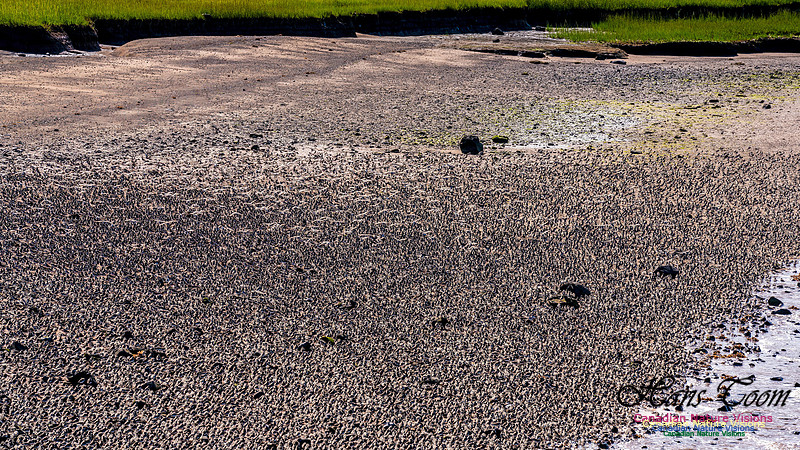
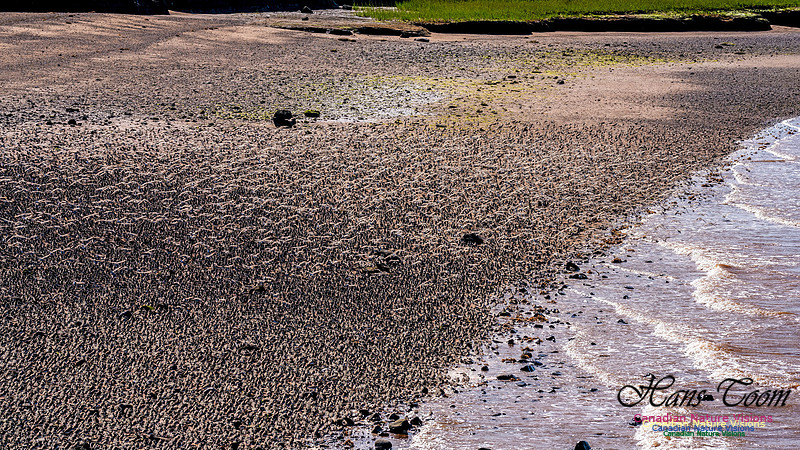
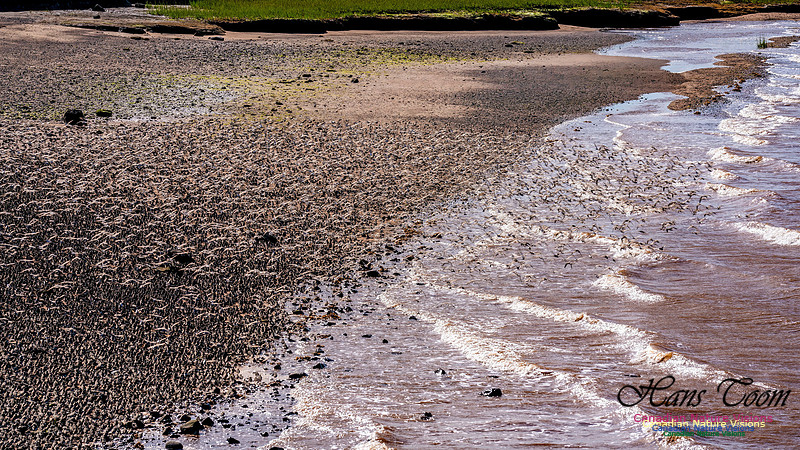
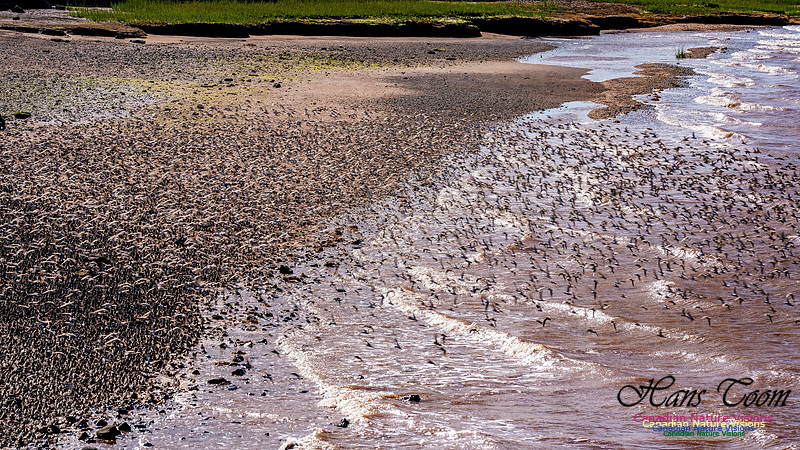
Evangeline Beach Shorebirds Aerial Display 2024 Part Two
Evangeline Beach Shorebirds Aerial Display 2024 Part Two
Yellow Lady's Tresses OrchidThe Yellow Lady's Tresses Orchid is early this year. It's Nova Scotia's latest blooming orchid showing flower heads up to the first frost. The stalk has a spiraling growth pattern and nodding flower heads. They are more abundant this year so it seams. Yellow Lady's Tresses Orchid
Spiranthes ochroleuca
Spiranthes ochroleuca, commonly called the yellow nodding lady's tresses,[2] is a species of orchid occurring from southeastern Canada to the eastern United States. Distribution and habitatSpiranthes ochroleuca is native in eastern Canada (New Brunswick, Nova Scotia, Ontario and Prince Edward Island), throughout the Northeastern United States, and in the southeastern United States (Kentucky, Maryland, North Carolina, South Carolina, Tennessee and Virginia).[1] Its habitats include open woodlands, thickets, meadows, barrens, ledges, outcrops, banks and roadsides.
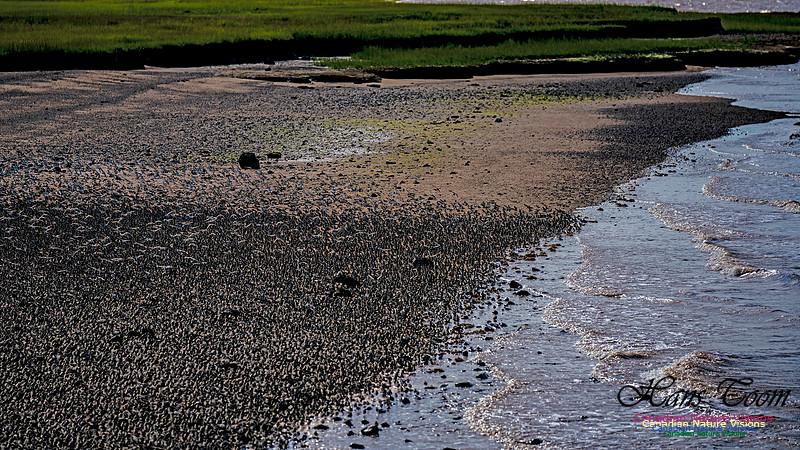
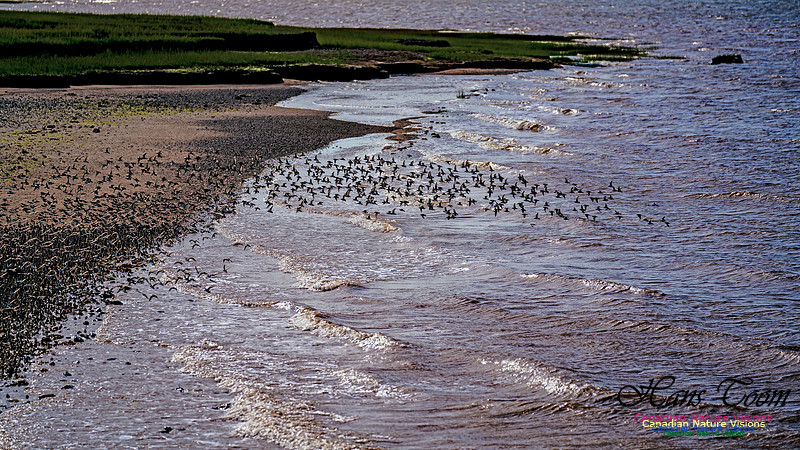
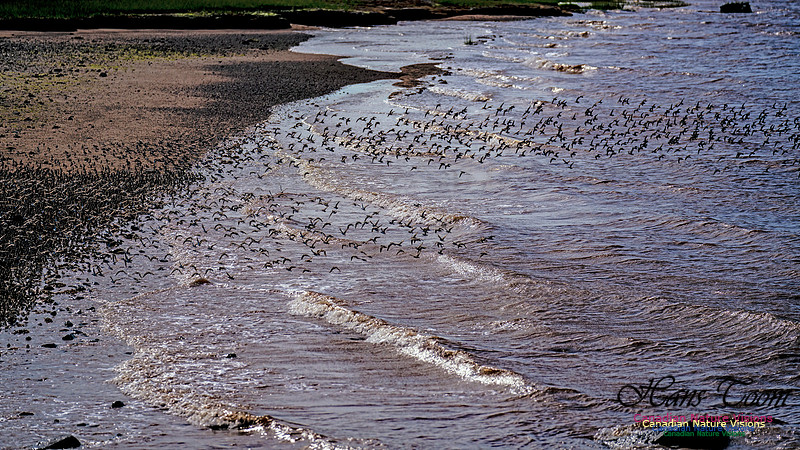
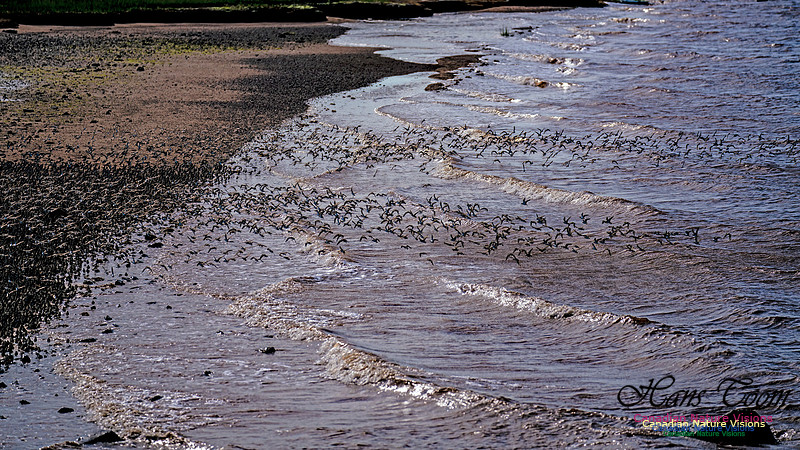
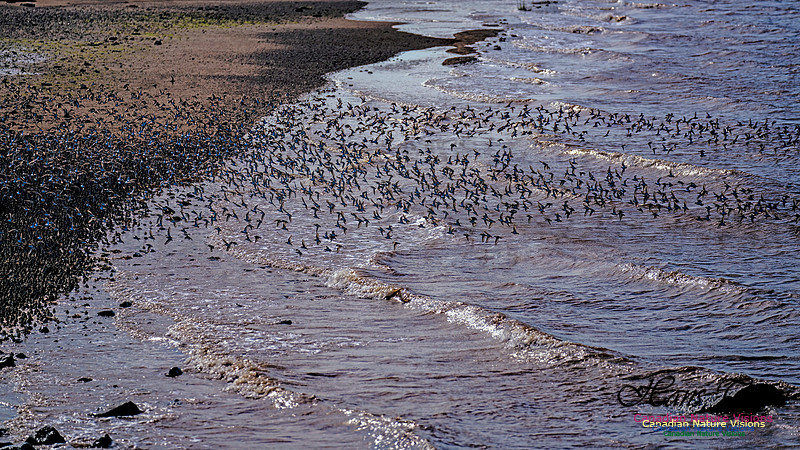
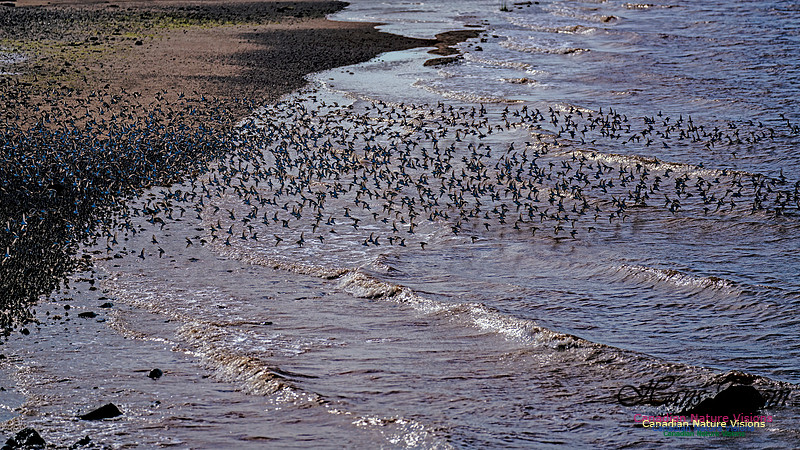
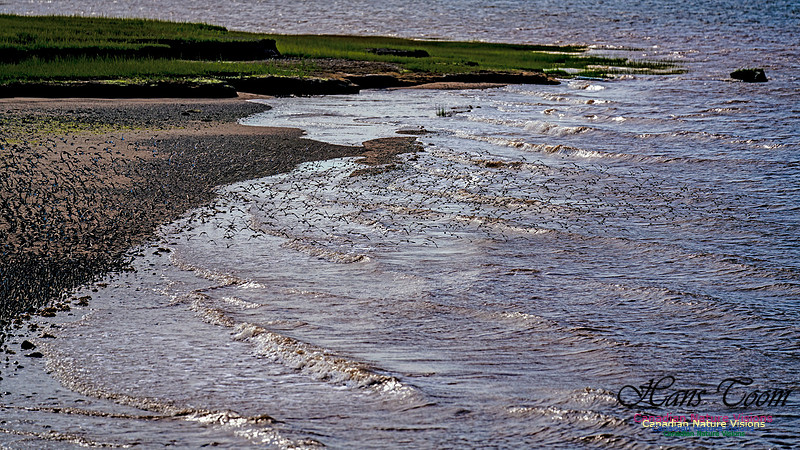
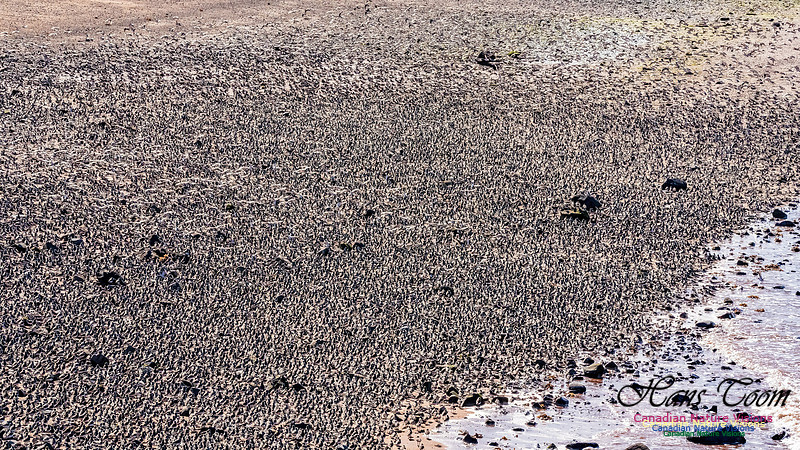
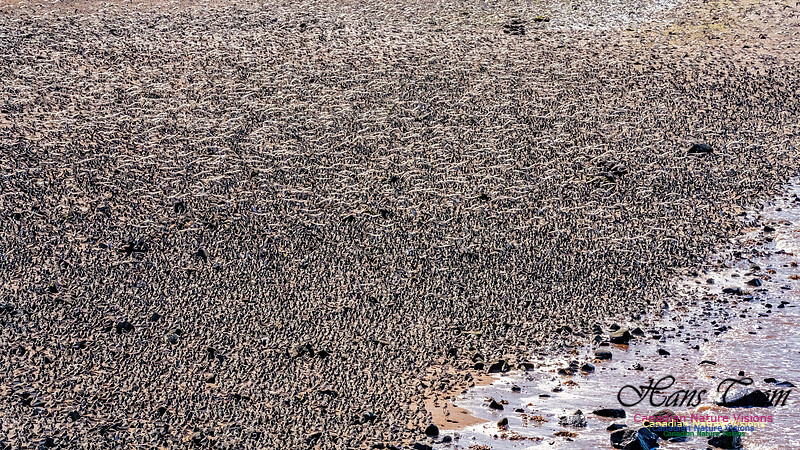
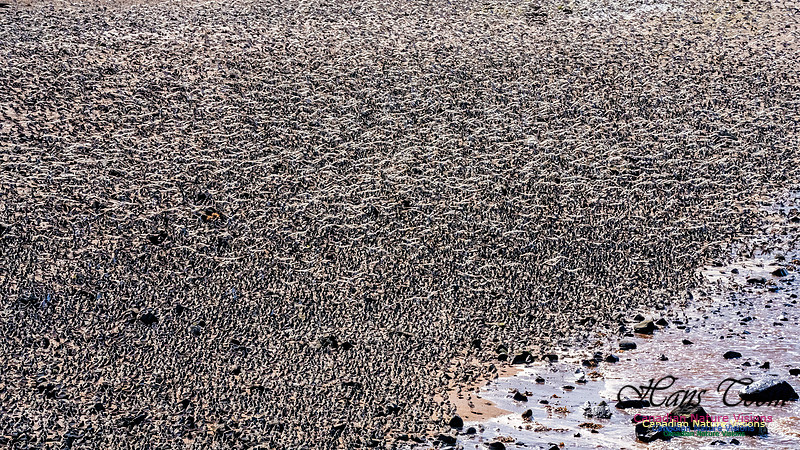
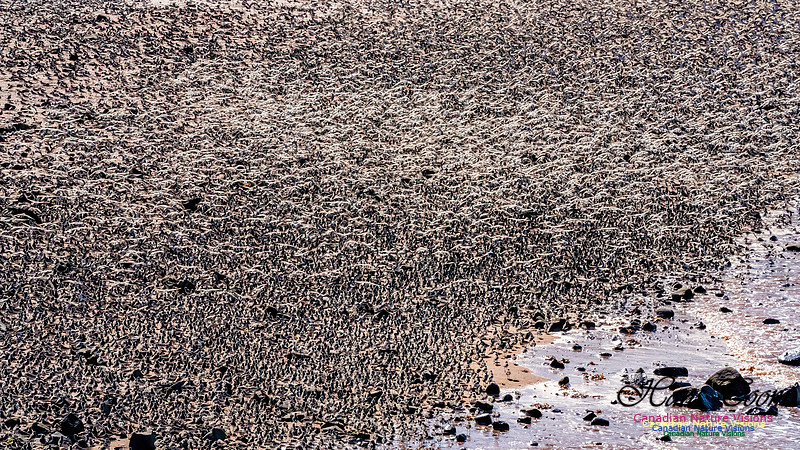
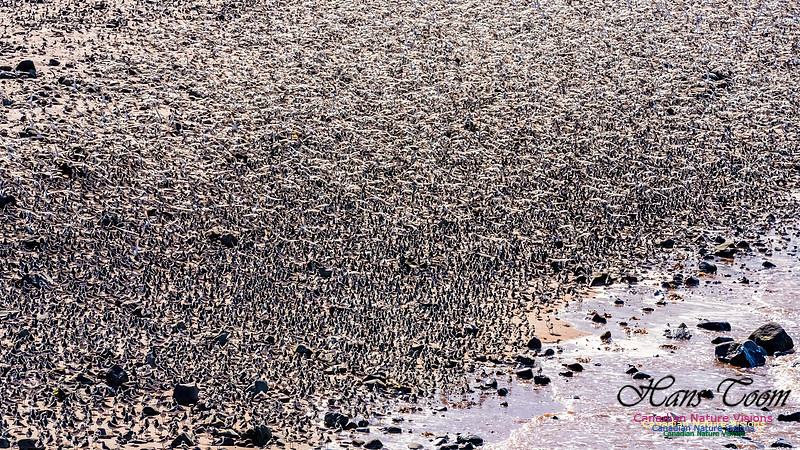
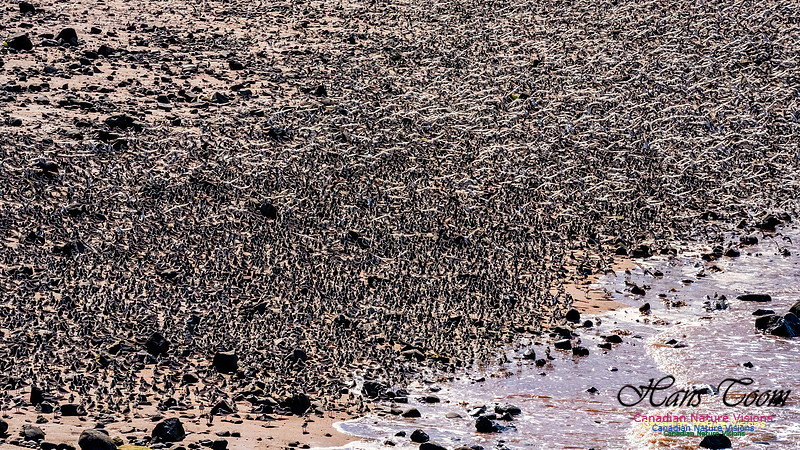
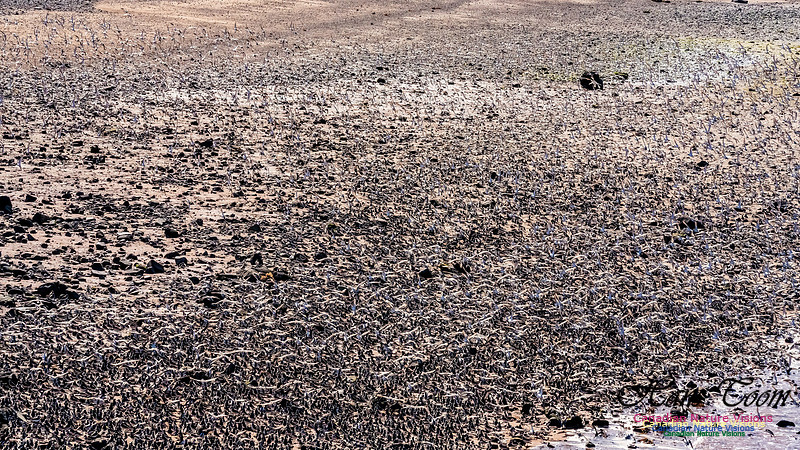
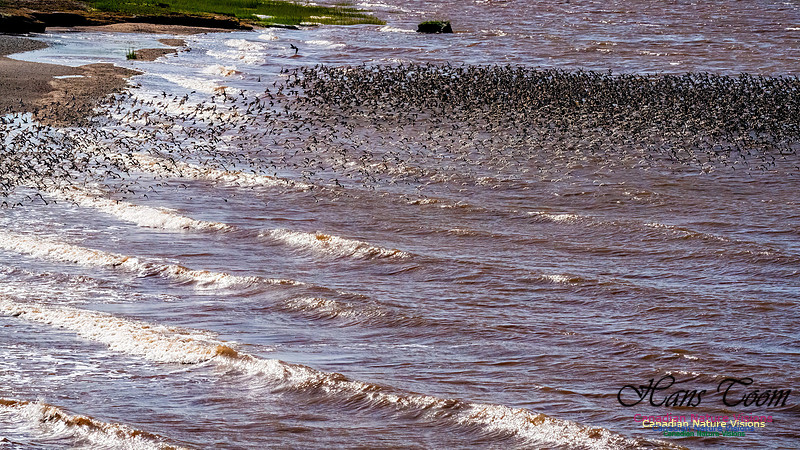
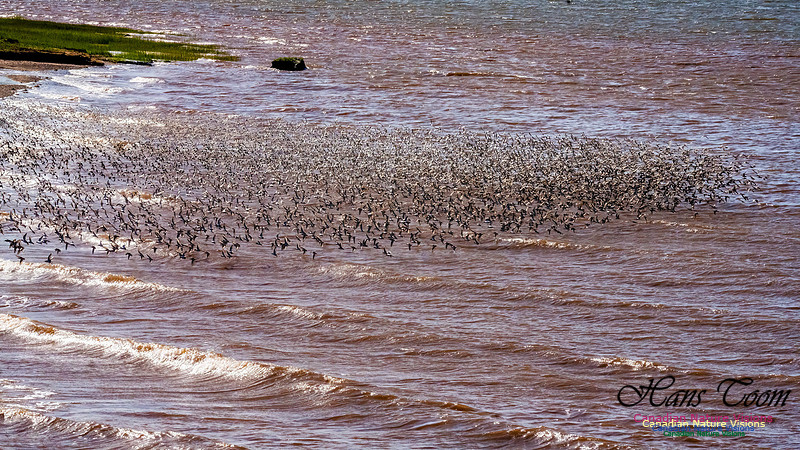
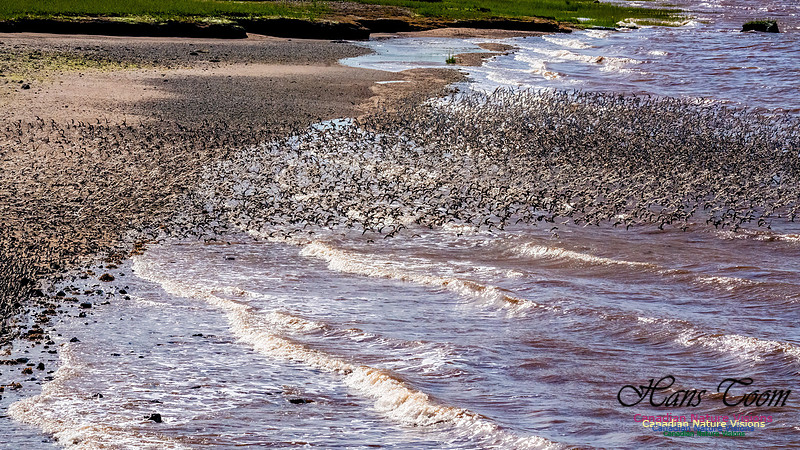
Evangeline Beach Shorebirds Aerial Display 2024 Part OneThis is my first of several photographic essays on the amazing shorebirds of Evangeline Beach during their aerial displays. There was no falcon around that I could see and no people disturbed the birds but they took off for whatever reason that no human can understand, flew around with a few loops and landed again. I used a 600mm lens, shutter priority 1/8000 second and auto ISO. Evangeline Beach Shorebirds Aerial Display 2024
Evangeline Beach Shorebirds Part TwoI used my 70-300mm lens to photograph these peeps at Evangeline Beach. The next series will be with a 600mm lens with an emphasis on aerial displays. The best displays occur an hour before and after high tide. Peeps at Evangeline Beach
Ghost PlantThe Ghost Plant or more commonly known as the Indian Pipe is a true plant without chlorophyll. I find them in small clumps in deep forest under heavy shade. In this case I photographed them in Jerry Lawrence Provincial Park. Ghost Plant
Monotropa uniflora, also known as ghost plant, ghost pipe, or Indian pipe, is an herbaceous perennial flowering plant native to temperate regions of Asia, North America, and northern South America, but with large gaps between areas.[1][2] The plant is waxy white, but some specimens have been described as having black flecks or pale pink coloration.[3] Rare variants may have a deep red color. The name "Monotropa" is Greek for "one turn" and "uniflora" is Latin for "one flowered" as there is one sharply curved stem for each single flower. M.uniflora is commonly found growing in clumps of 2 or more, with its fungal source nearby. DescriptionThe stems reach heights of 5–30 centimetres (2–12 in), sheathed with highly reduced leaves 5–10 millimetres (3⁄16–3⁄8 in) long, best identified as scales or bracts. These structures are small, thin, and translucent; they do not have petioles but instead extend in a sheath-like manner out of the stem. As its scientific name suggests, and unlike the related Monotropa hypopitys (but like the close relation Monotropastrum humile), the stems bear a single flower 10–20 mm (3⁄8–13⁄16 in) long, with 3–8 translucent petals, 10–12 stamens and a single pistil.[4][5][6][7] It flowers from early summer to early autumn, often a few days after rainfall. The fruit, an oval capsule-like structure, enlarges and becomes upright when the seeds mature. Past maturity the stem and capsule look desiccated, and dark brown or black with a brittle texture. The seeds of M. uniflora are small, ranging between 0.6–0.8 mm (3⁄128–1⁄32 in) in length.[8] Once the plant has been pollinated, the seeds are pushed through the petals in a tiny slit and dispersed via wind methods. Unlike most plants, it is white and does not contain chlorophyll.[9] Instead of generating food using the energy from sunlight, it is parasitic, and more specifically a mycoheterotroph. Its hosts are in the Russulaceae family.[9] Most fungi are mycorrhizal, meaning that they grow symbiotically in association with tree roots. Through the fungal web of mycorrhizae, the M. uniflora roots ultimately sap food from where the host fungi are connected to the photosynthetic trees. The clustered node roots of this plant are covered in hairs called cystidium. The cystidia found on these roots allow easy attachment to fungi hyphae, such as can be seen in ectomycorrhiza.[10] Since it is not dependent on sunlight to grow, it can grow in very dark environments like in the understory of dense forests.[11] The complex relationship that allows this plant to grow makes propagation difficult. The stems reach heights of 5–30 centimetres (2–12 in), sheathed with highly reduced leaves 5–10 millimetres (3⁄16–3⁄8 in) long, best identified as scales or bracts. These structures are small, thin, and translucent; they do not have petioles but instead extend in a sheath-like manner out of the stem. As its scientific name suggests, and unlike the related Monotropa hypopitys (but like the close relation Monotropastrum humile), the stems bear a single flower 10–20 mm (3⁄8–13⁄16 in) long, with 3–8 translucent petals, 10–12 stamens and a single pistil.[4][5][6][7] It flowers from early summer to early autumn, often a few days after rainfall. The fruit, an oval capsule-like structure, enlarges and becomes upright when the seeds mature. Past maturity the stem and capsule look desiccated, and dark brown or black with a brittle texture. The seeds of M. uniflora are small, ranging between 0.6–0.8 mm (3⁄128–1⁄32 in) in length.[8] Once the plant has been pollinated, the seeds are pushed through the petals in a tiny slit and dispersed via wind methods. Unlike most plants, it is white and does not contain chlorophyll.[9] Instead of generating food using the energy from sunlight, it is parasitic, and more specifically a mycoheterotroph. Its hosts are in the Russulaceae family.[9] Most fungi are mycorrhizal, meaning that they grow symbiotically in association with tree roots. Through the fungal web of mycorrhizae, the M. uniflora roots ultimately sap food from where the host fungi are connected to the photosynthetic trees. The clustered node roots of this plant are covered in hairs called cystidium. The cystidia found on these roots allow easy attachment to fungi hyphae, such as can be seen in ectomycorrhiza.[10] Since it is not dependent on sunlight to grow, it can grow in very dark environments like in the understory of dense forests.[11] The complex relationship that allows this plant to grow makes propagation difficult.
Boreal ChickadeeThis Boreal Chickadee must have just got out of a shower. A little ruffled but still elegant. This is a chickadee of the deep woods with a song akin to a Black-capped Chickadee with a cold. Boreal Chickadee
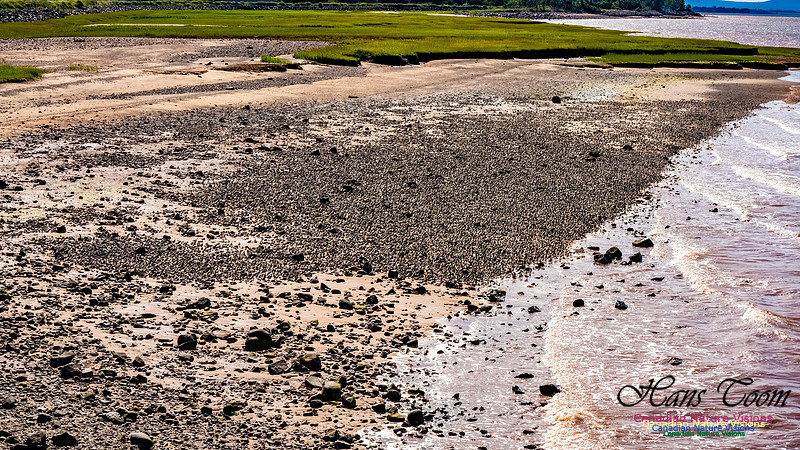
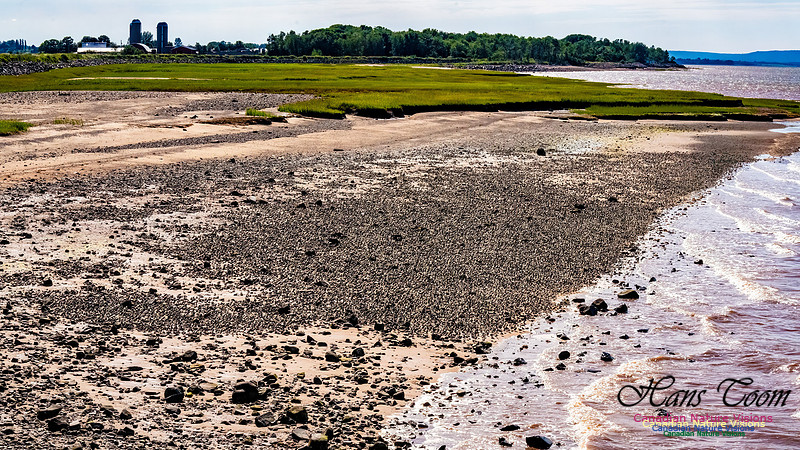
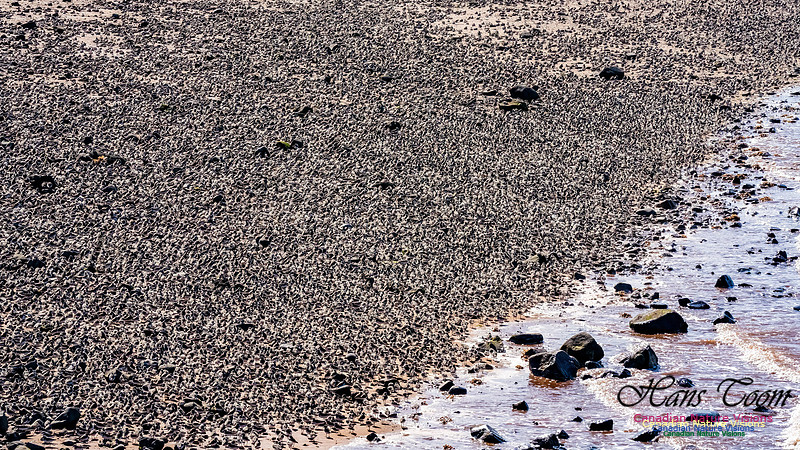
Evangeline Beach Shorebirds Part OneLaura and I enjoyed an hour at the Guzzle, the eastern end of Evangeline Beach, to see and photograph the shorebird migration. Most of the shorebirds are Semipalmated Sandpipers but there are also lesser numbers of Least Sandpipers, Semipalmated Plovers, White-rumped Sandpipers, and Baird's Sandpiper. This was the largest gathering of shorebirds we have seen at this spot, absolutely spectacular. The shorebirds triple their weight here over two weeks before undertaking their non stop over water flight south to their wintering grounds. I will post more photos of this melee in the coming days. Evangeline Beach Shorebirds (melee of peeps)
Sandhill CranesThis pair of Sandhill Cranes were cackling constantly. I wasn't doing anything usual, just sitting in my Bronco, with my telephoto lens resting on a bean bag on the window sill. I never got out of the Bronco. They didn't appear to be nervous though certainly cautious. I left after five minutes of photographs. Sandhill Crane
Eastern Bluebird Feeding YoungThis female Eastern Bluebird has been very busy. According to the home owner this is her third brood of the season. There are four youngsters in the box. This corner of Nova Scotia has become a hotbed of bluebird activity thanks to caring bird lovers that build and tend nest boxes. I was only there for five minutes since I did not want to interfere with her motherly duties. Eastern Bluebird
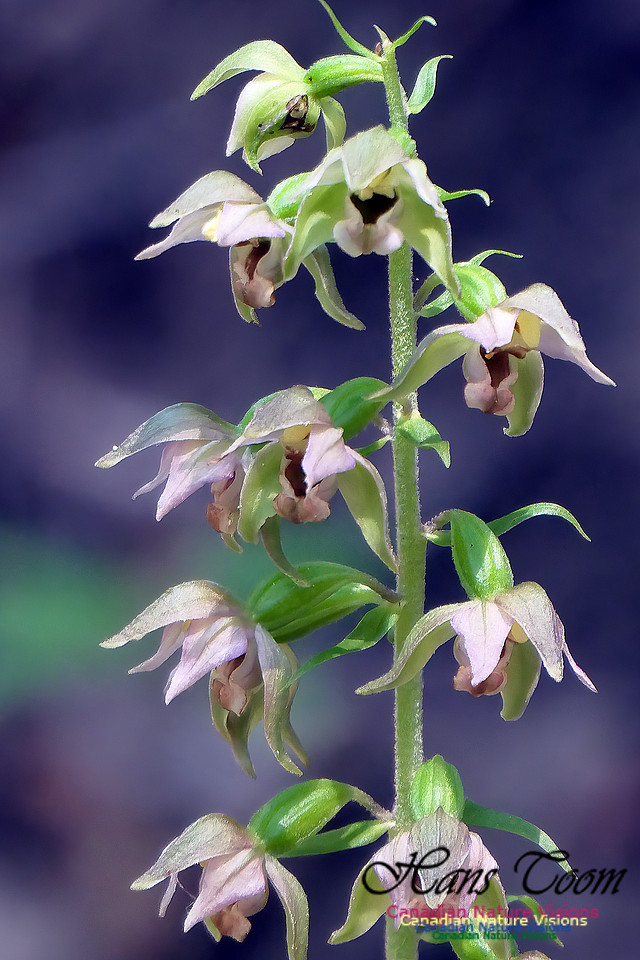
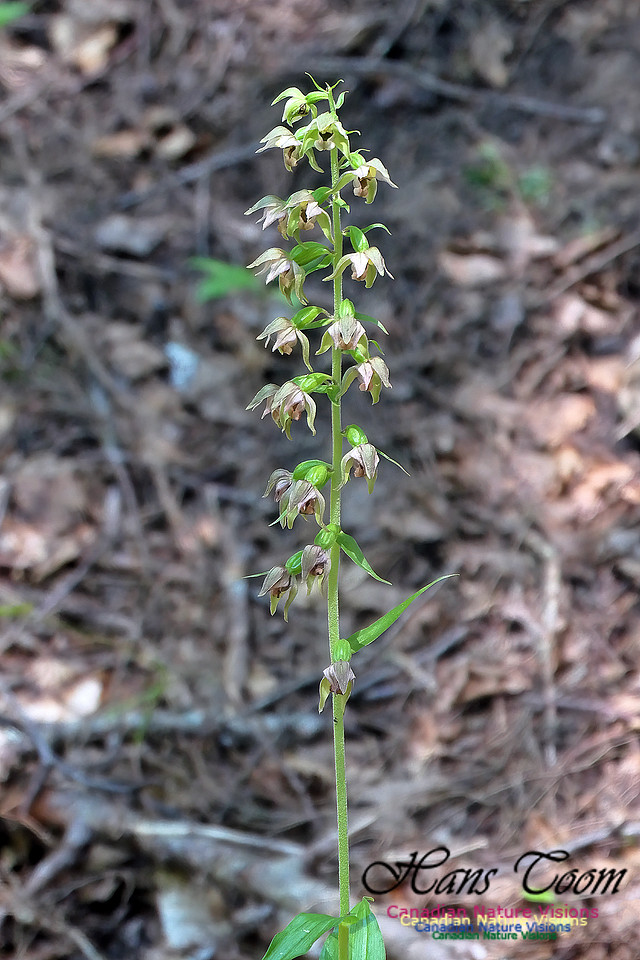
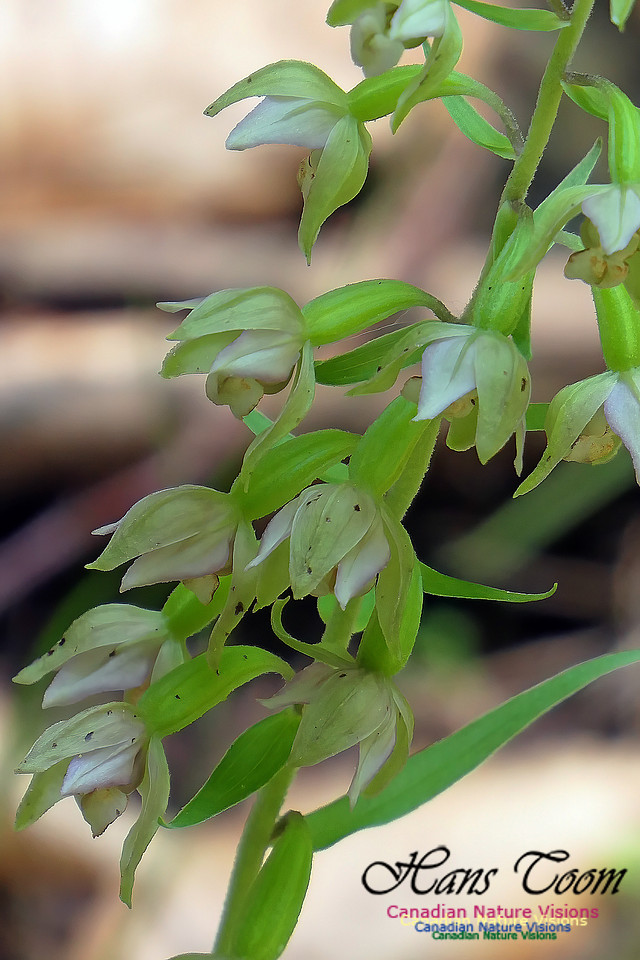
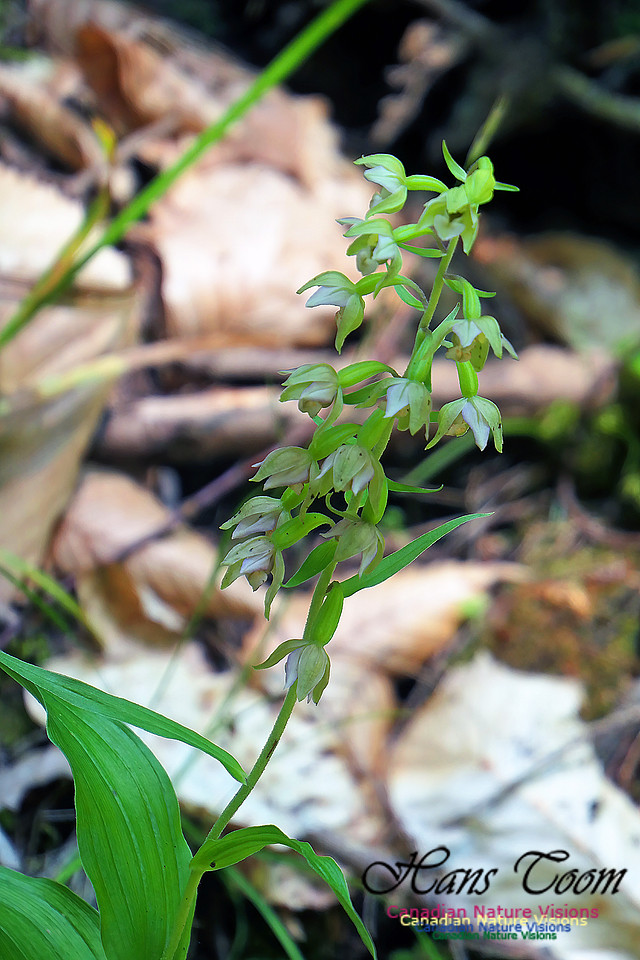
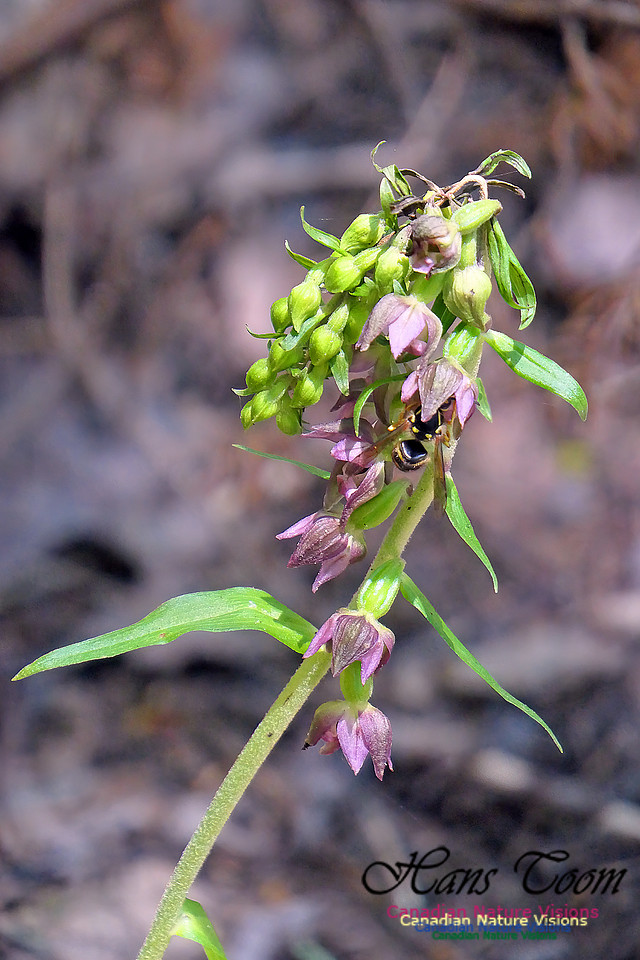
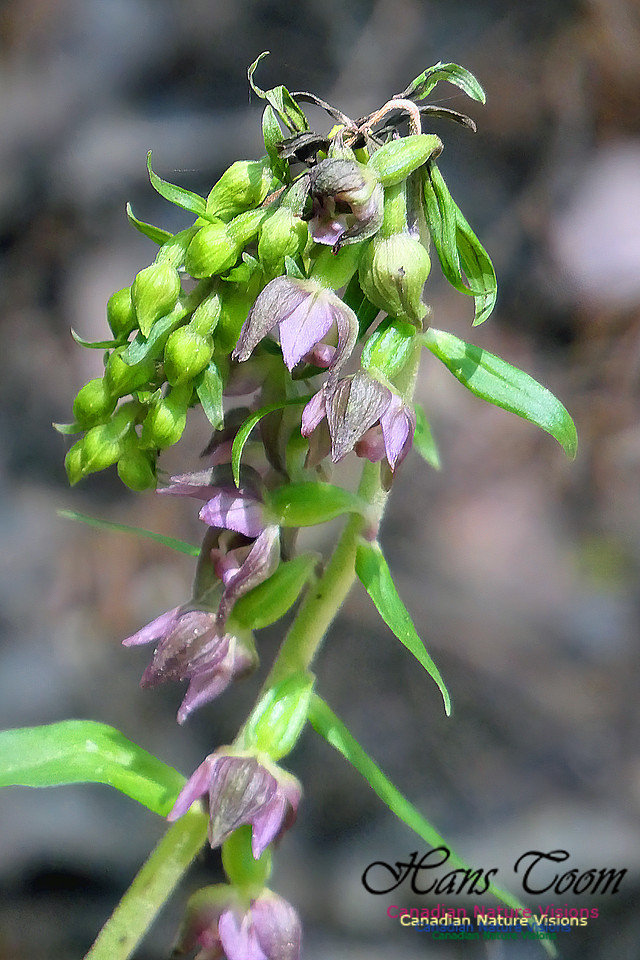
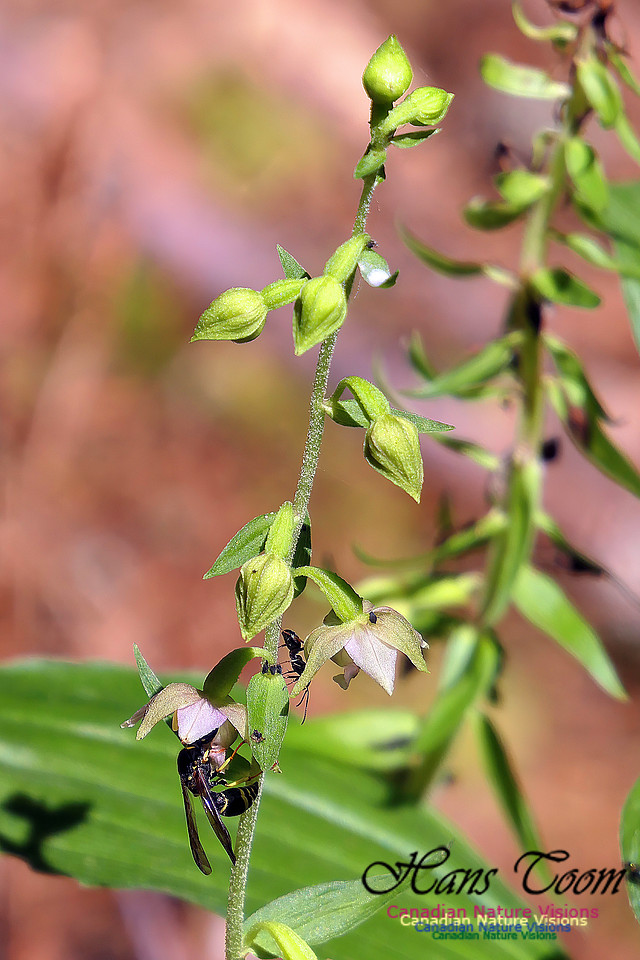
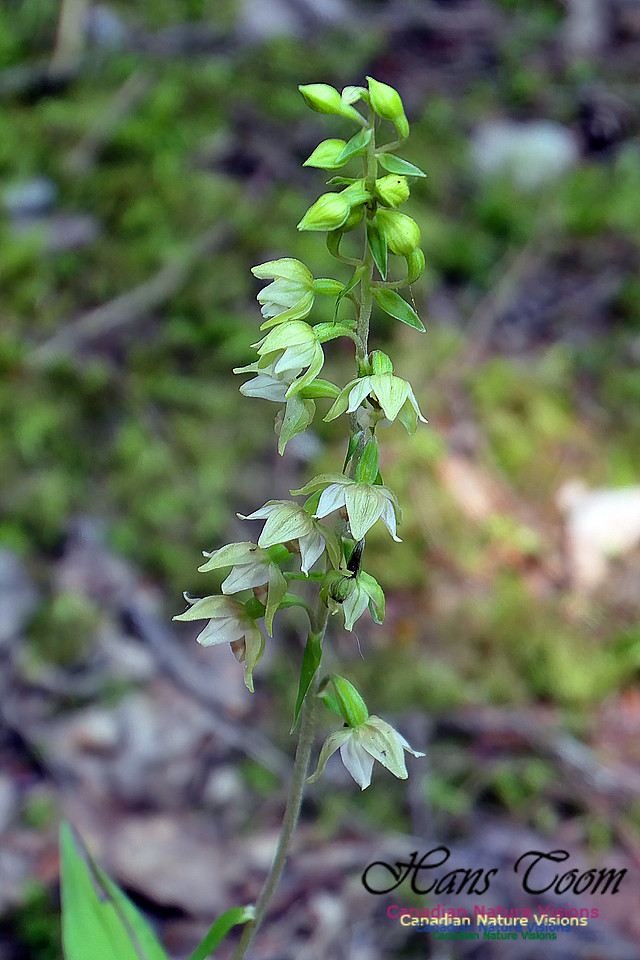
Helleborine OrchidLaura and I enjoyed a morning stroll in Smiley's Provincial Park. We were looking for the Helleborine Orchid and to our delight there were many in flawless bloom. I only had my pocket camera with me to record the event. I hope to return soon. Also present were Eastern Wood-pewee, White-breasted Nuthatch and Brown Creeper. Helleborine Orchid
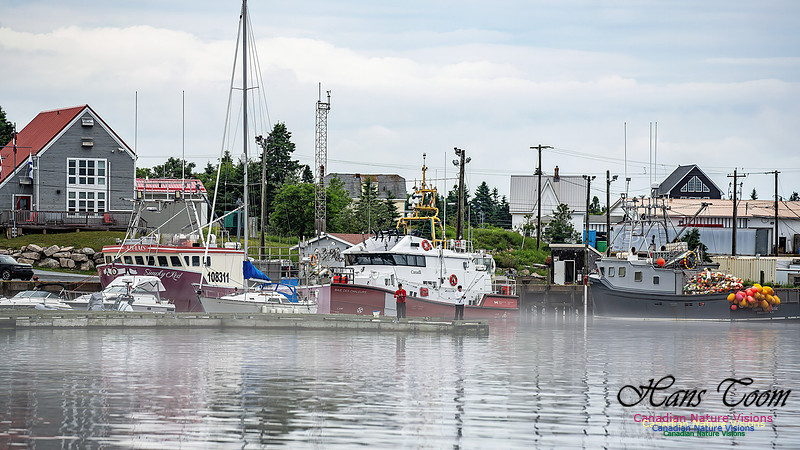
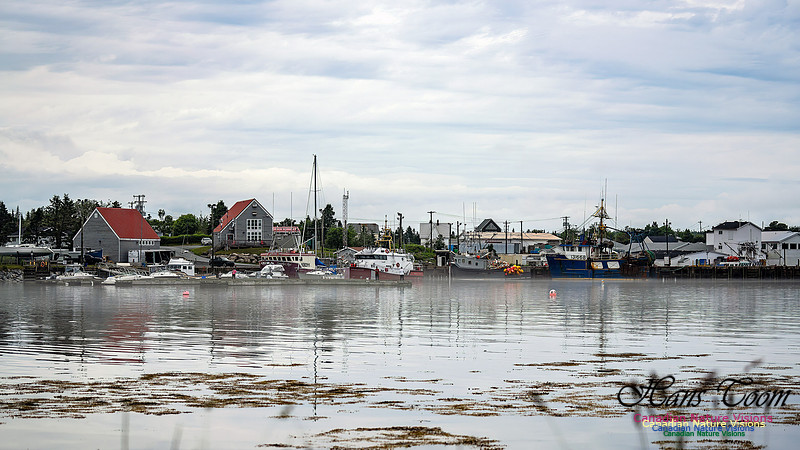
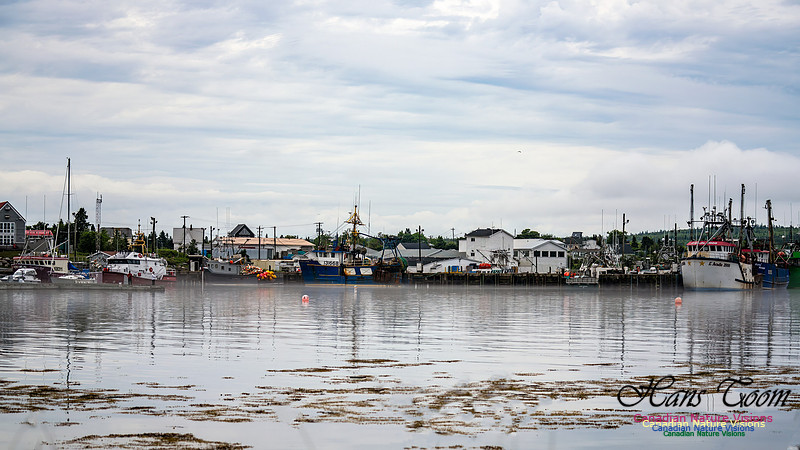
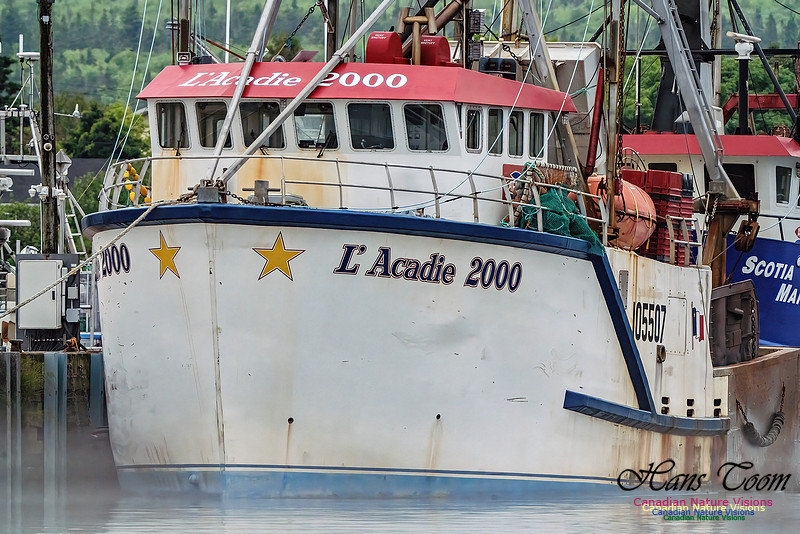
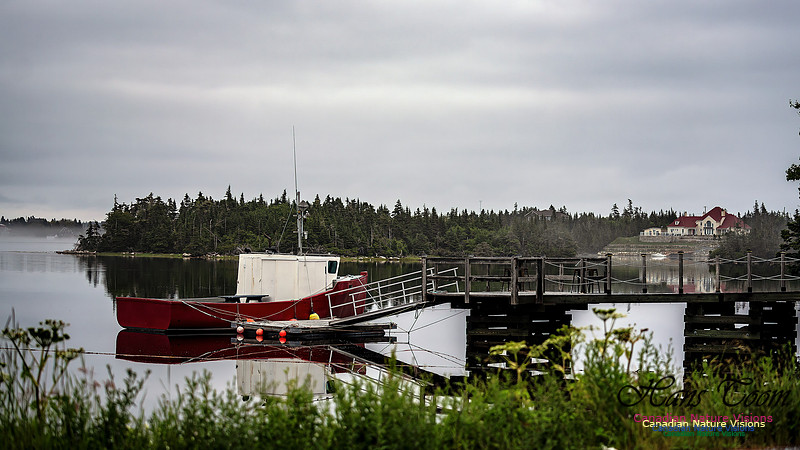
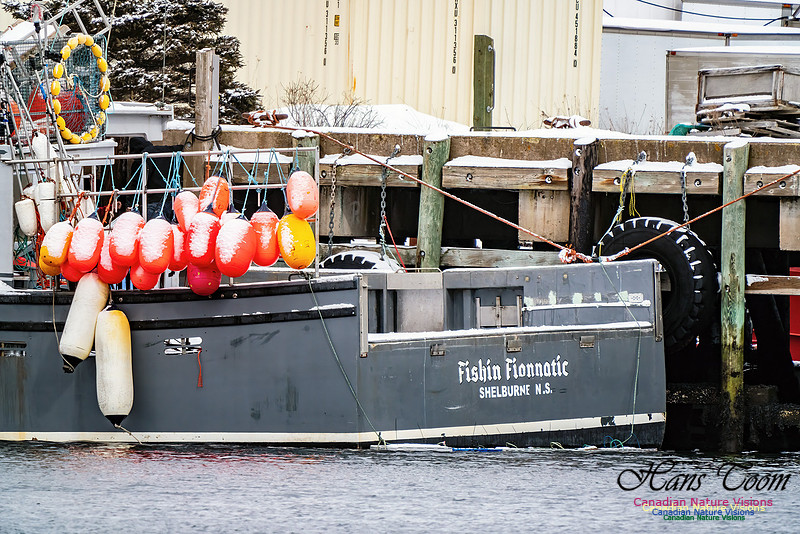
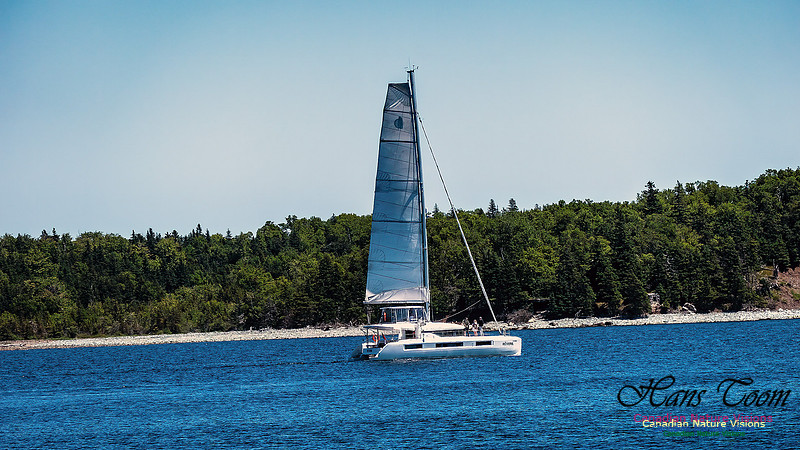
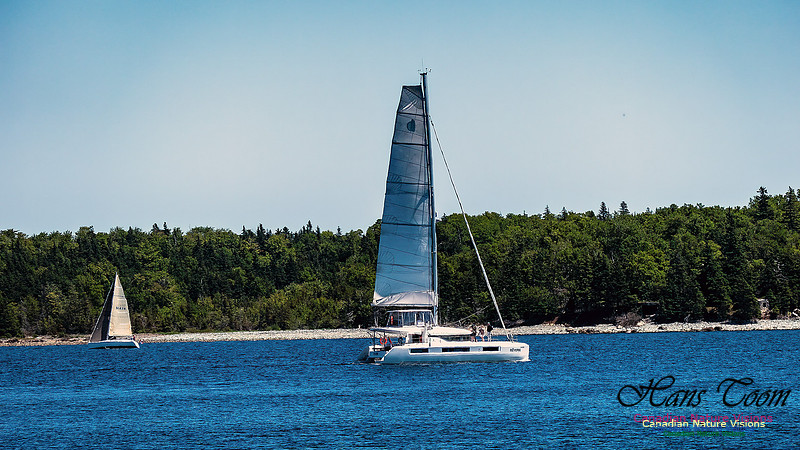
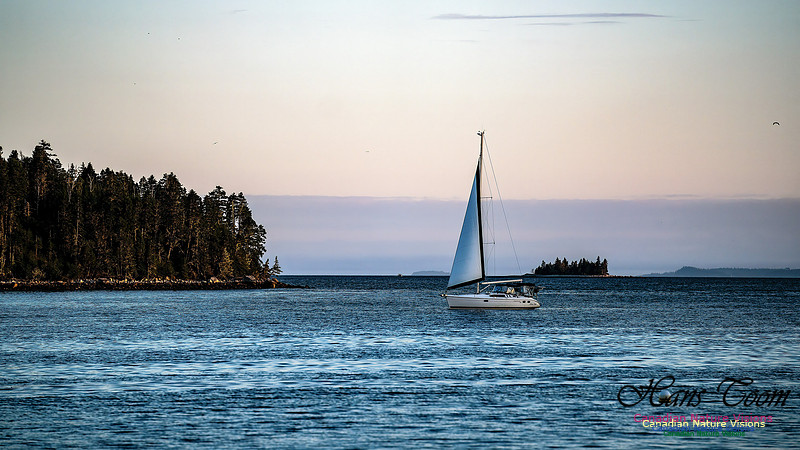
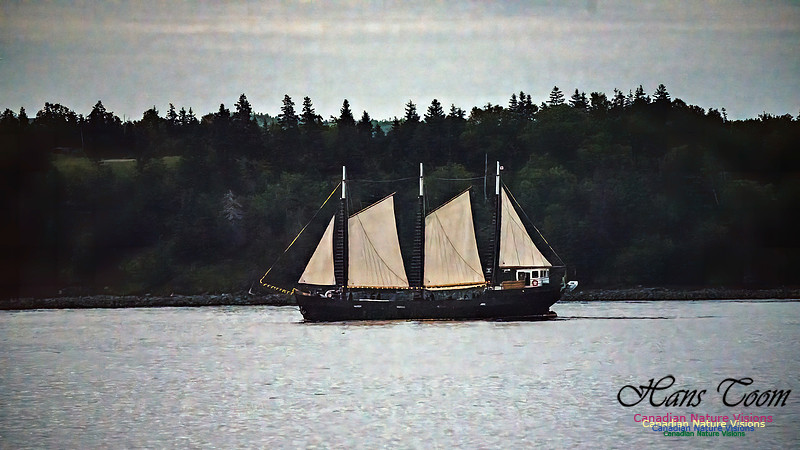
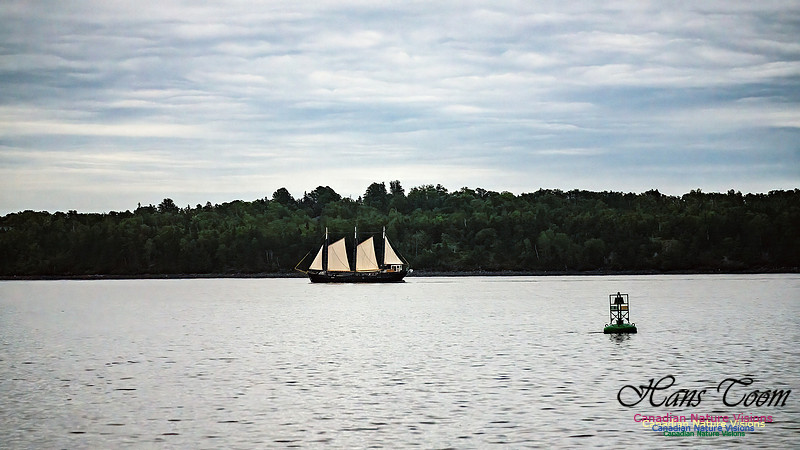
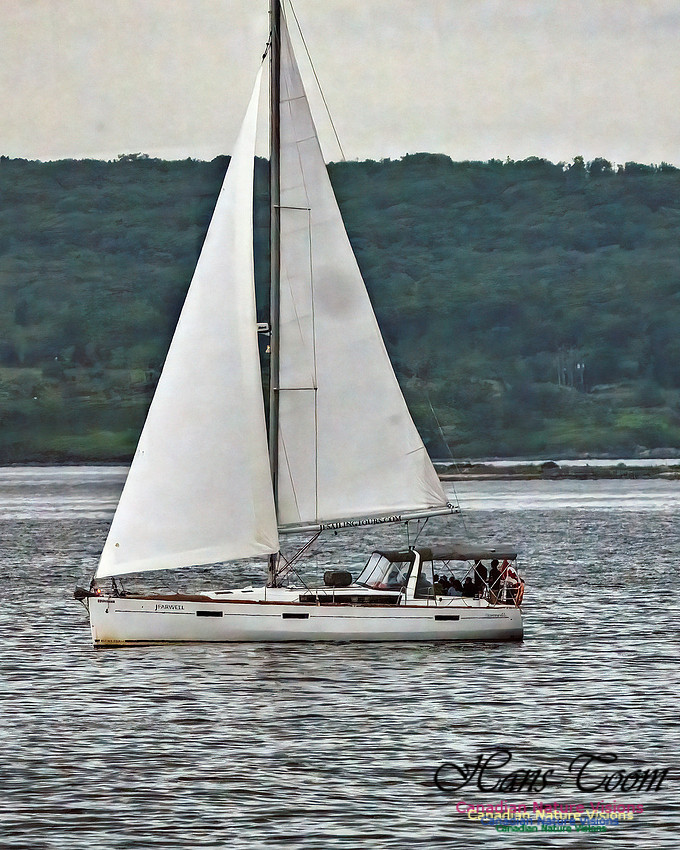
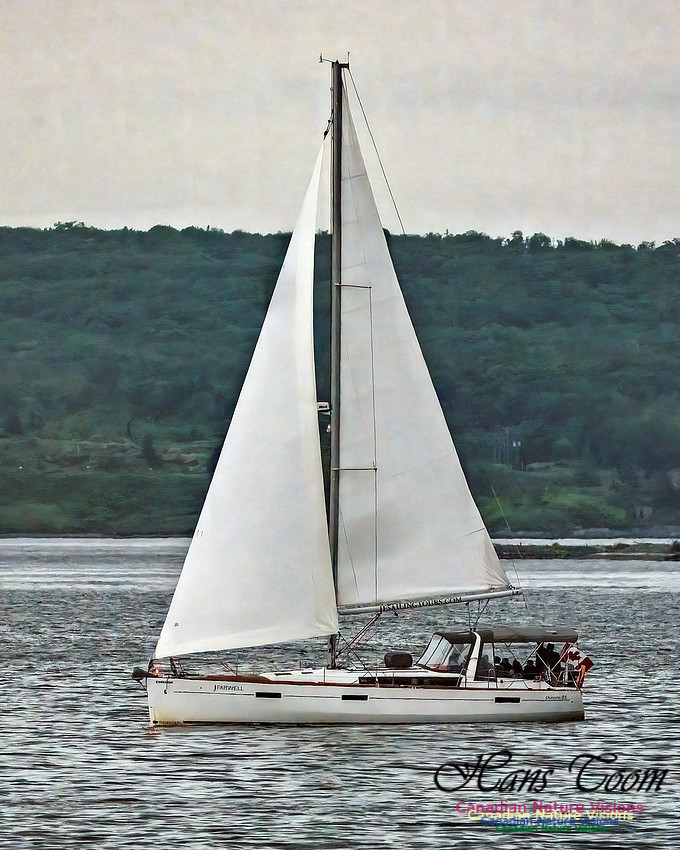
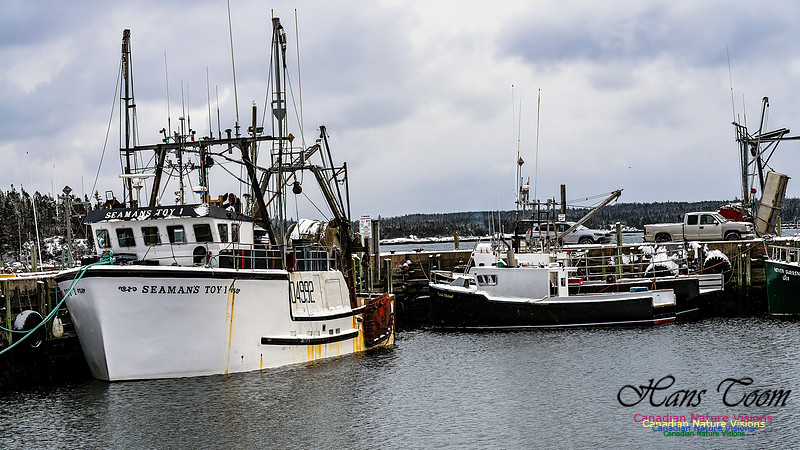
Halifax Harbour TrafficIn my travels around Halifax Harbour I photograph harbour traffic both docked and moving. Halifax Harbour Traffic
Wilson's WarblerWilson's Warbler can be hard to find although its powerful trill is a giveaway to its location. I find them much easier to find in Newfoundland which may be a sign of our nesting warblers moving further north to set up housekeeping. The drop in sightings of all warbler species in Nova Scotia parks is a testament to this movement, all thanks to global warming. Wilson's Warbler
Ragged Fringed OrchidLaura pointed out these Ragged Fringed Orchids beside the road on our evening walk. Now here's the thing. There is a treacherous ditch I won't cross between me and the orchids so macro lenses are out of play. Also I have a reluctance to mingle with ticks since there was even more news yesterday on the nasty pathogens they carry. I photographed the orchids using my 1200mm telephoto lens followed by lots of cropping and enlarging. Ragged Fringed Orchids
|
|||||||||||||||||||||||||||||||||||||||||||||||||||||||||||||||||||||||||||||||||||||||||||||||||||||||||||||||||||