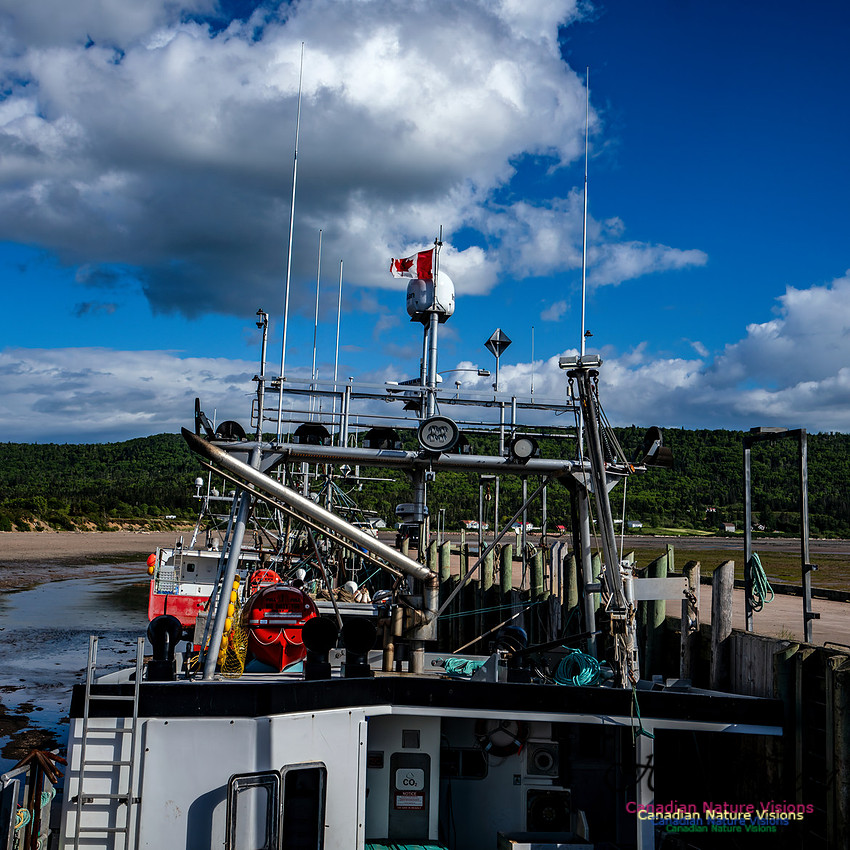
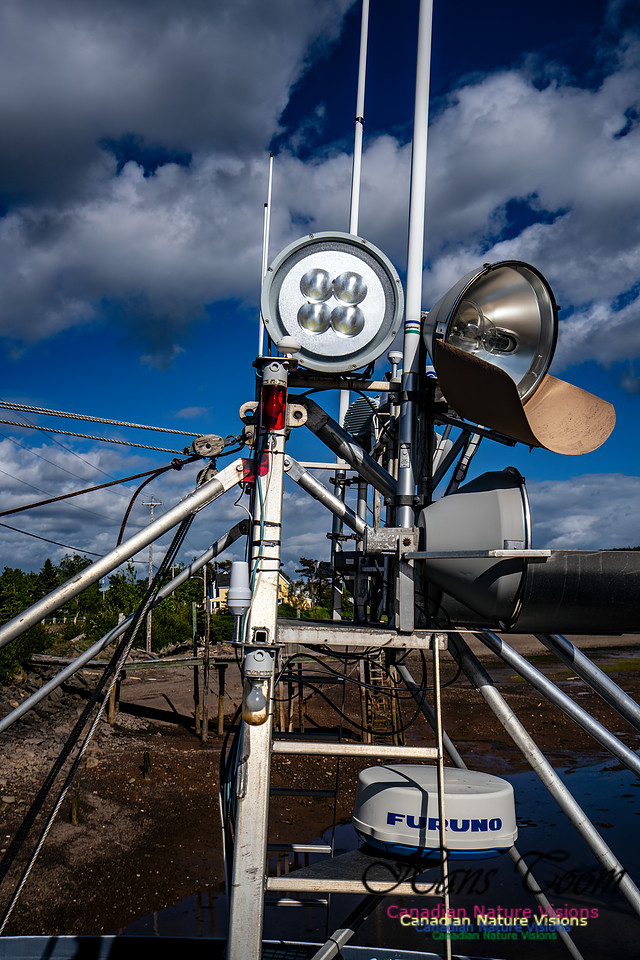
Harbour Cranes in Fog or Sunset............and for something different how about our harbour cranes in fog or sunset? Harbour Cranes in Fog or Sunset
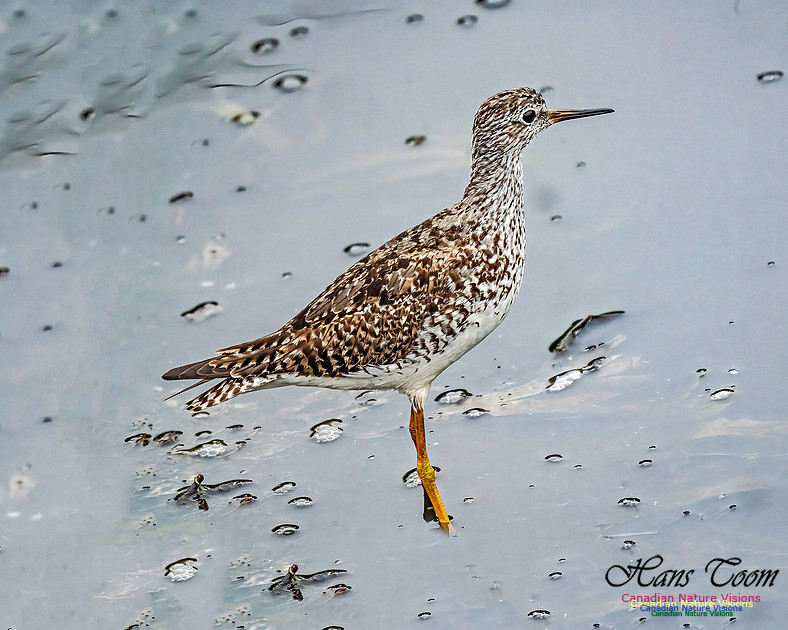
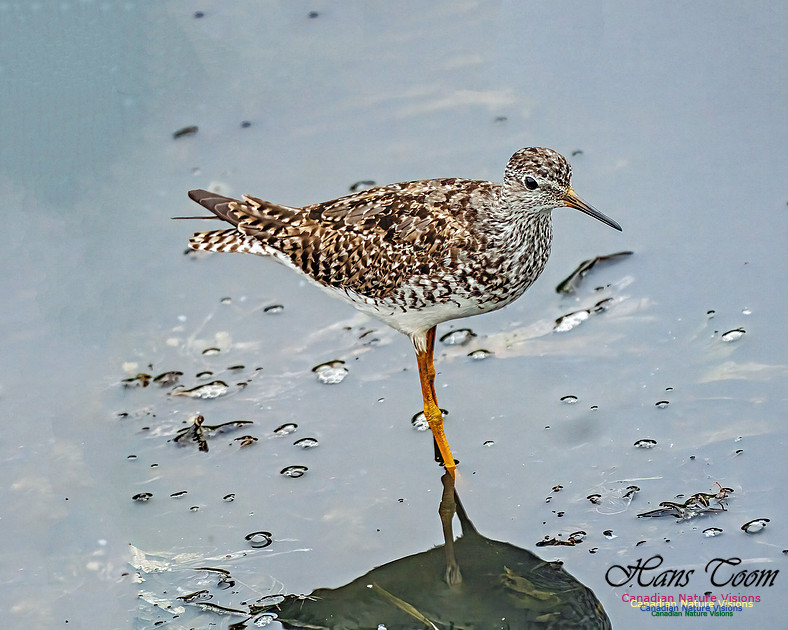
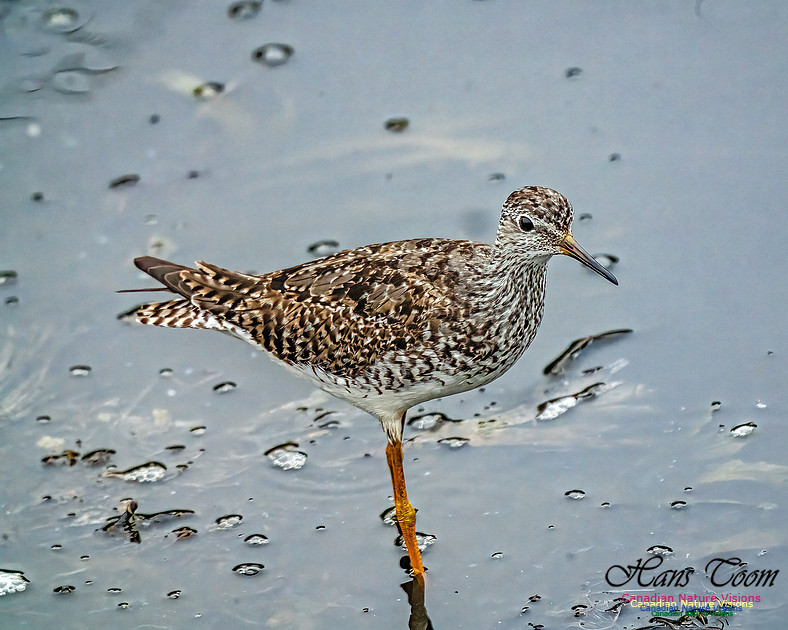
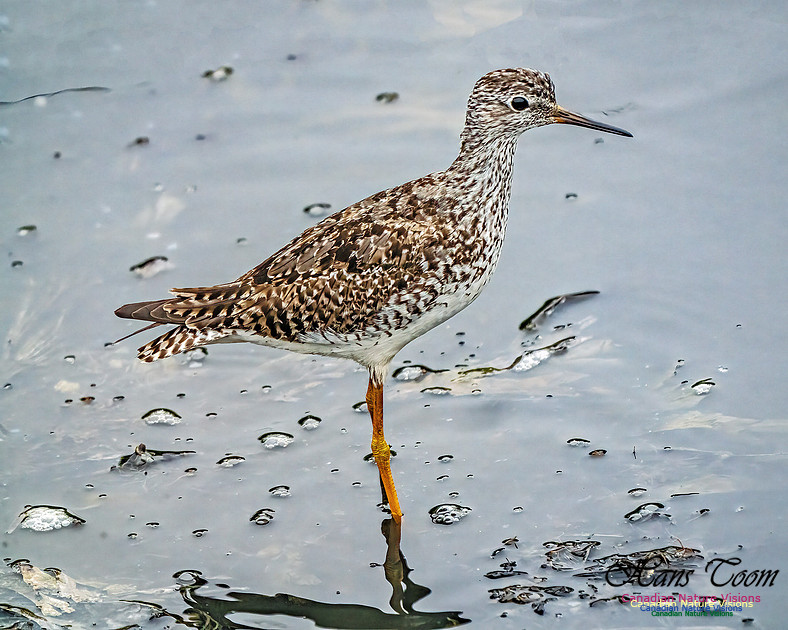
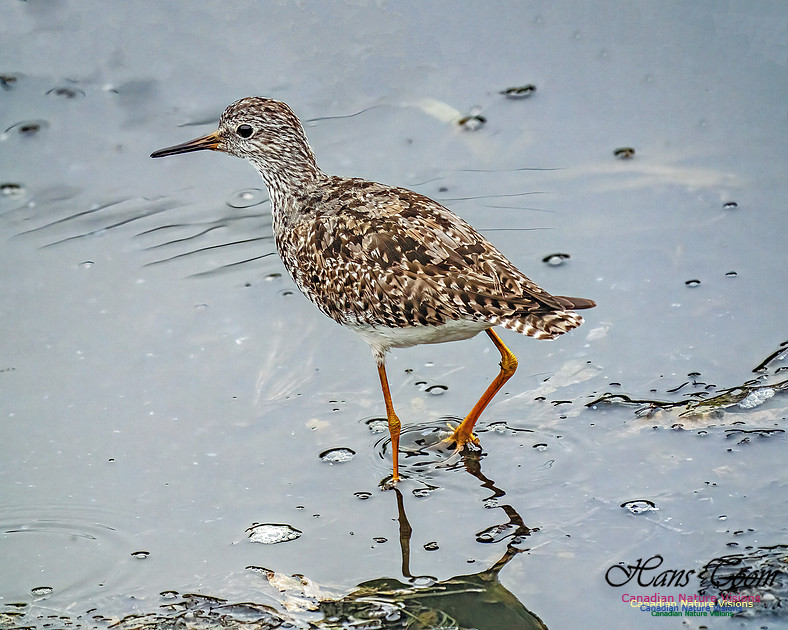
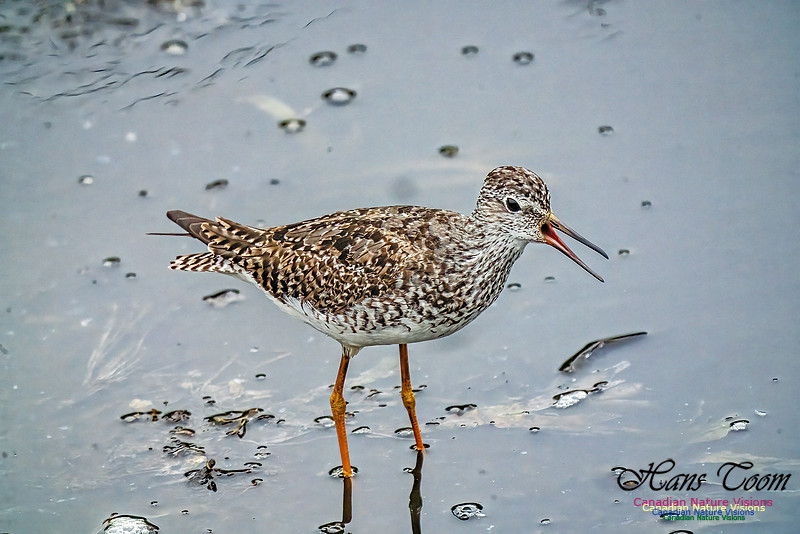
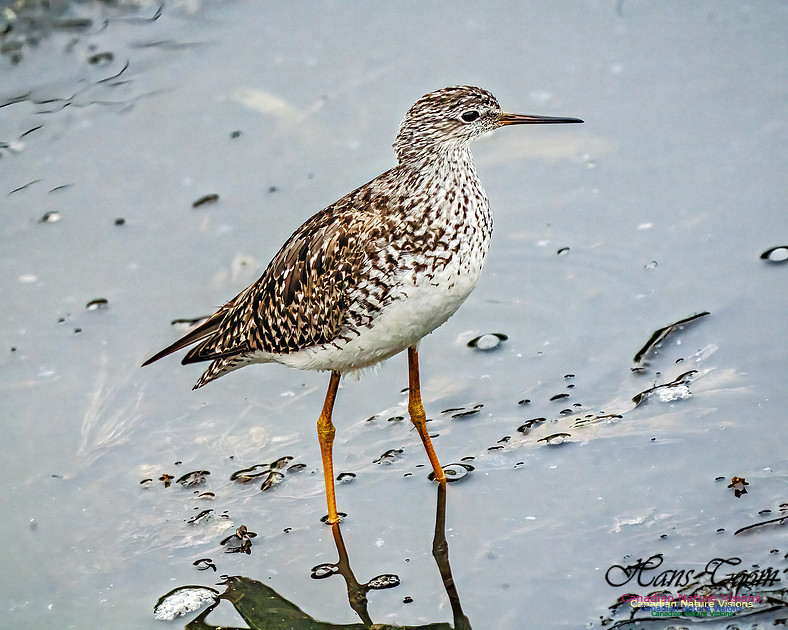
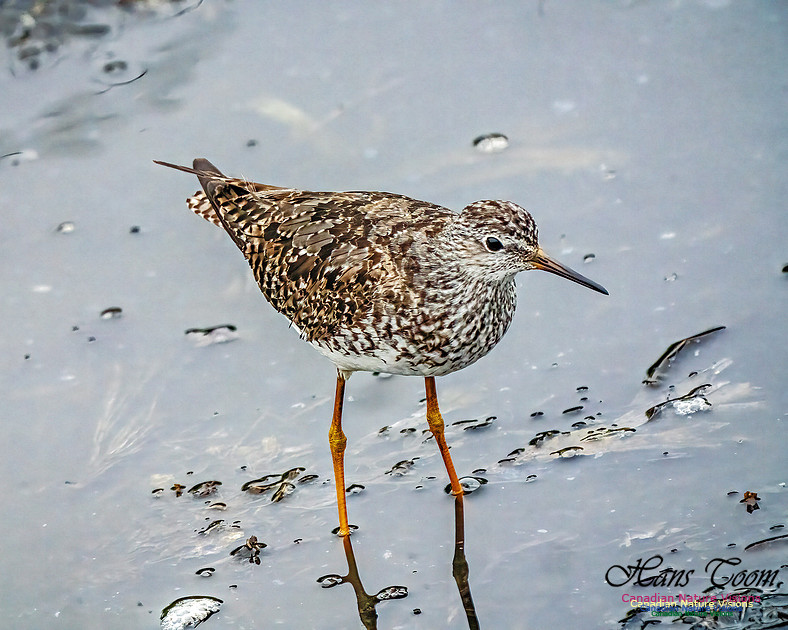
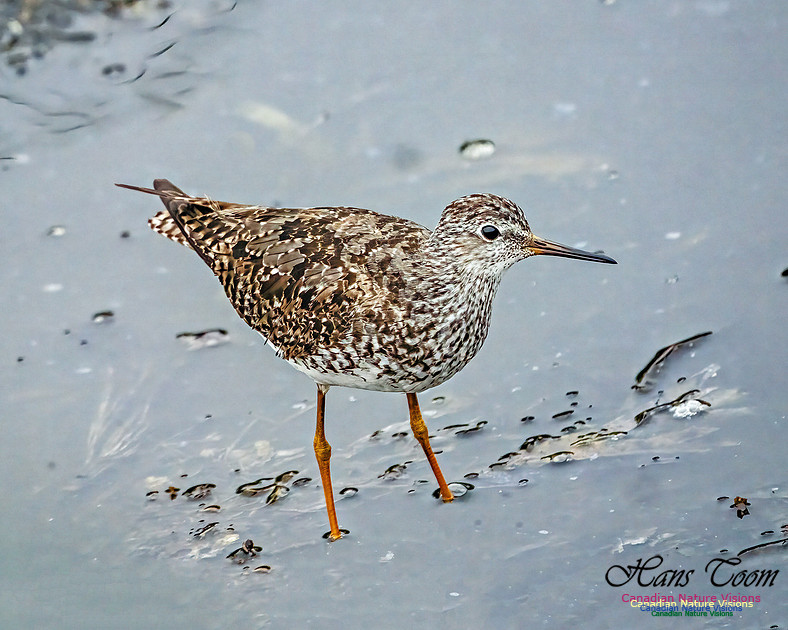
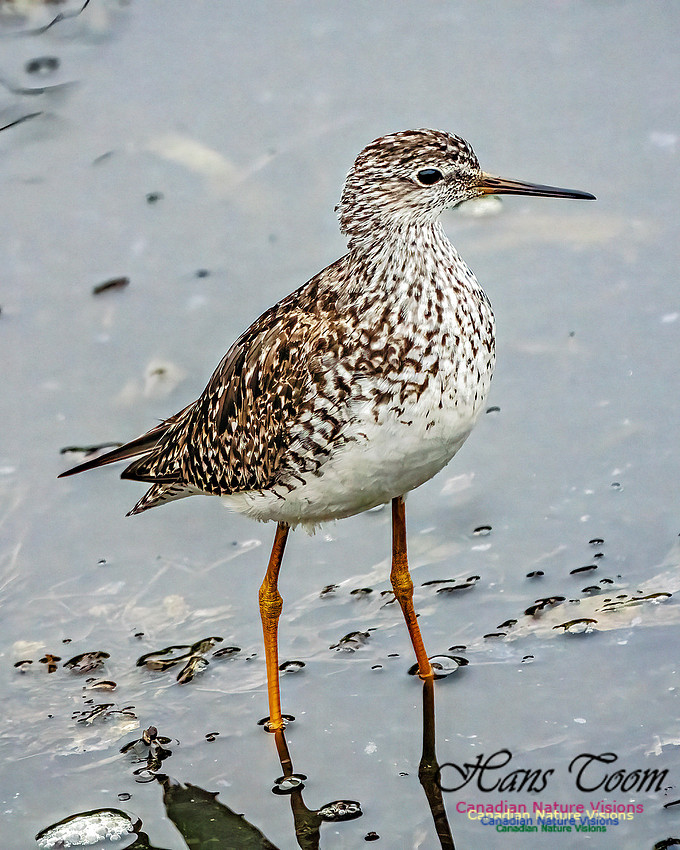
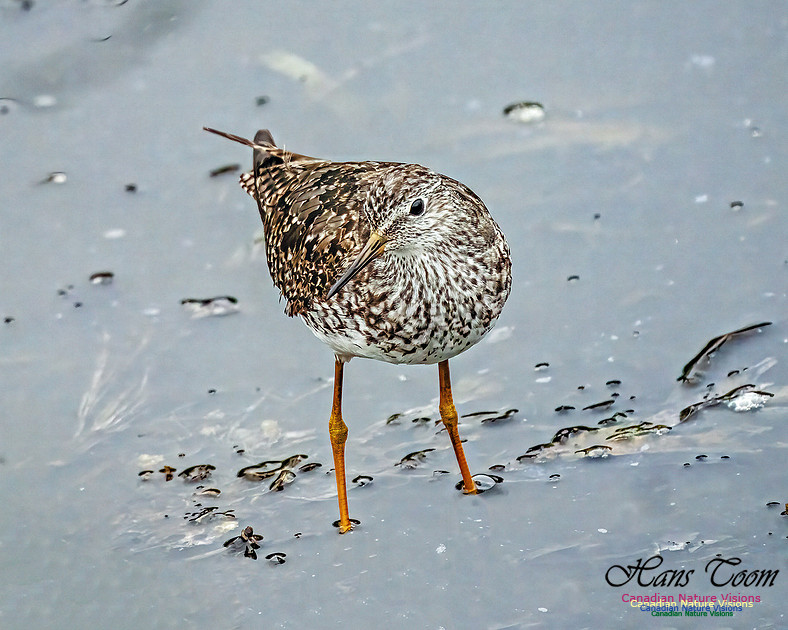
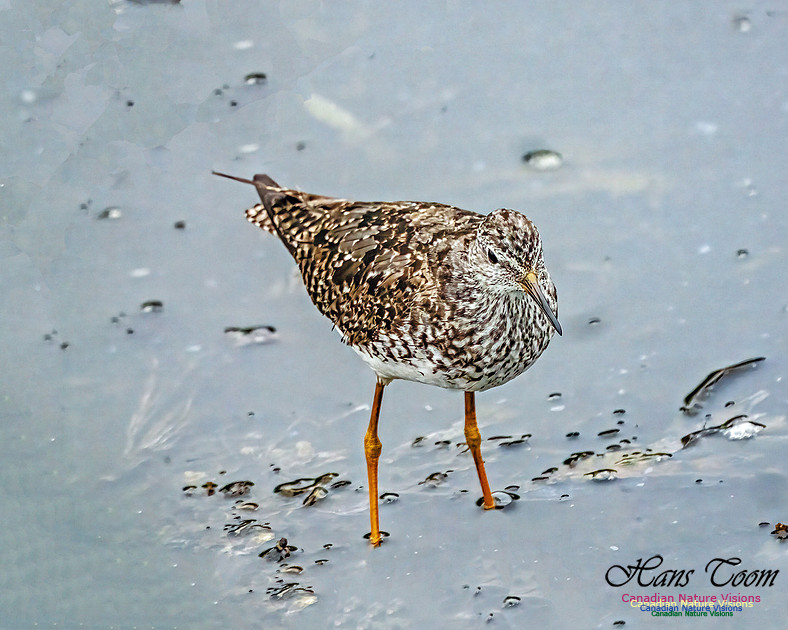
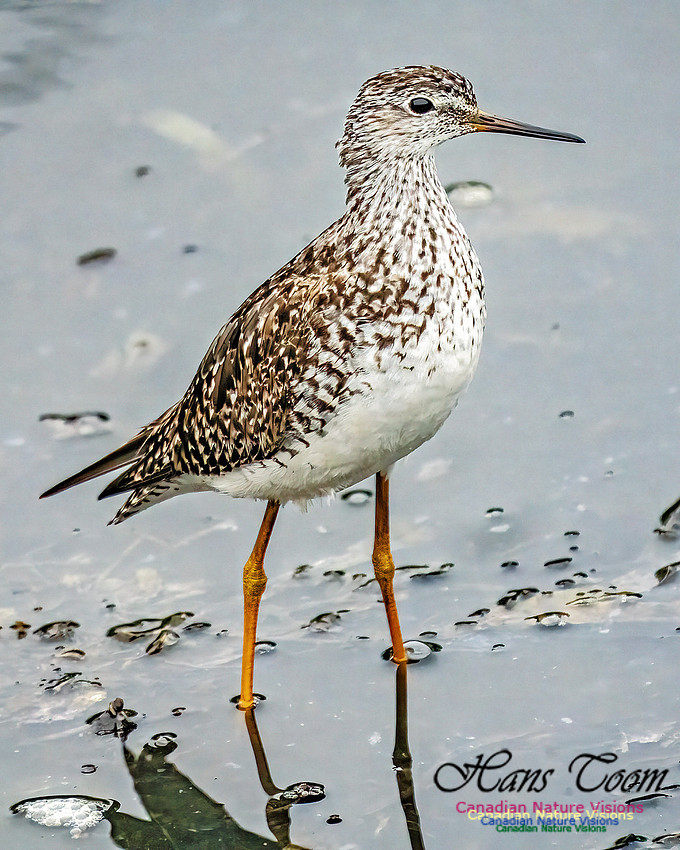
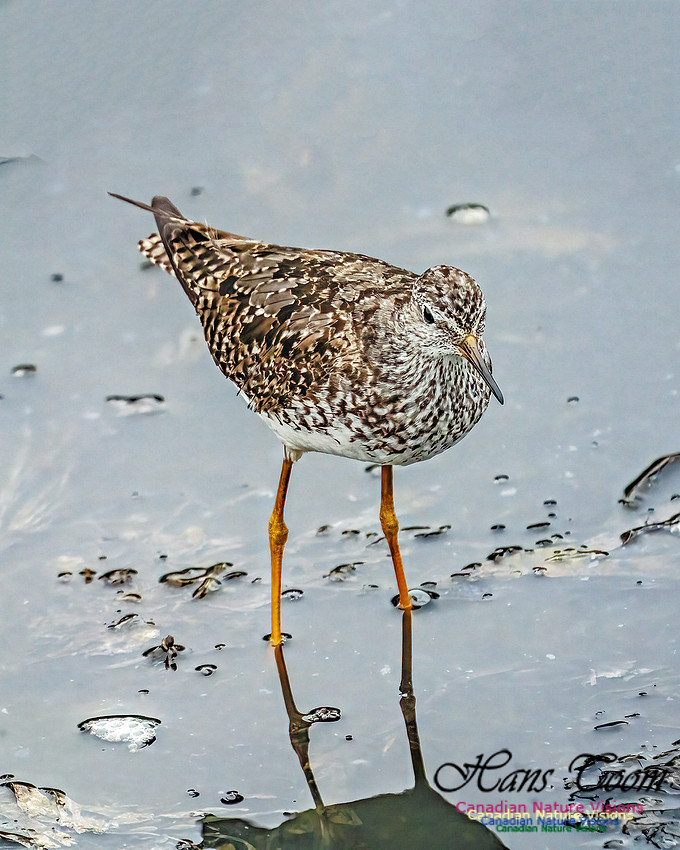
Lesser YellowlegsOur shorebird migration comes in three phases. The first phase hosts among others the Lesser Yellowlegs. The second phase in the second half of August is primarily composed of hundreds of thousands of peeps; the Least sandpiper(our smallest and friendliest), the Semipalmated Plover, the Semipalmated Sandpiper, the White-rumped and Baird's Sandpiper and numerous rarer shorebirds. The Lesser Yellowlegs is easily distinguished from its larger lookalike, the Greater Yellowlegs, (a local nester) by its bill length. The bill length of the Lesser Yellowlegs is between 1.25 to 1.5 times the length of the head and straight whereas the bill of the Greater Yellowlegs is double the length of the head and slightly curved up at the tip. Both yellowlegs will often feed together. Lesser Yellowlegs
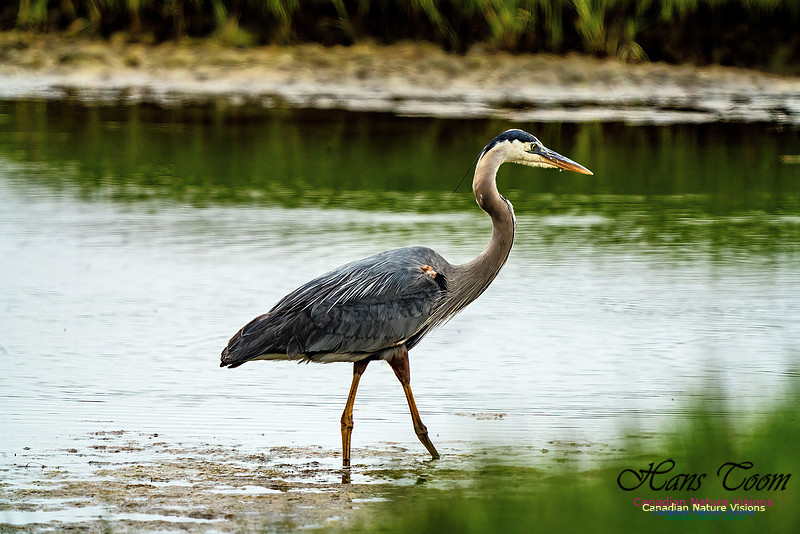
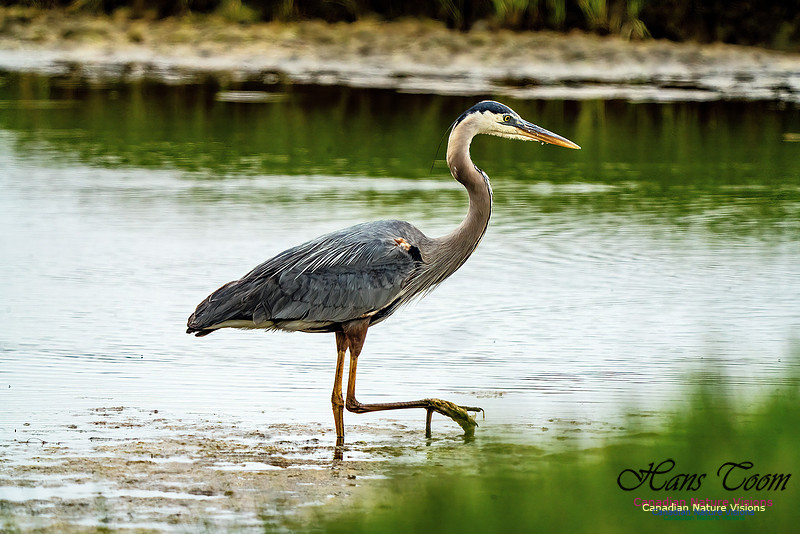
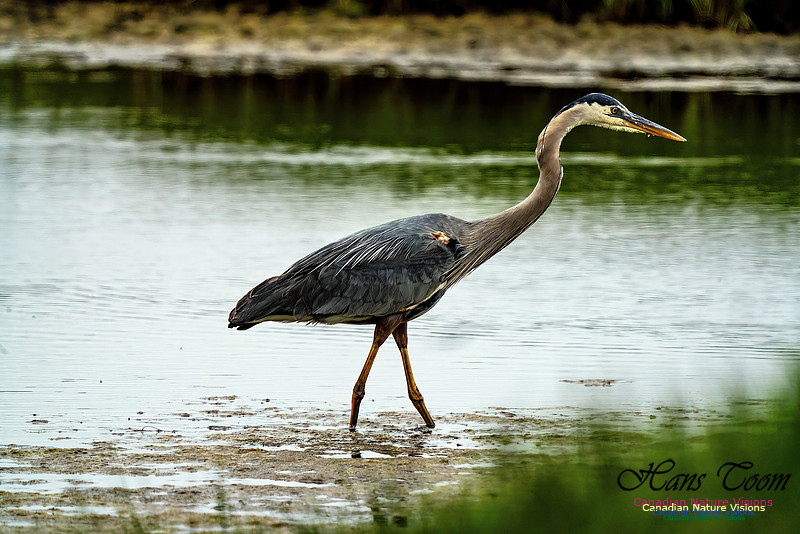
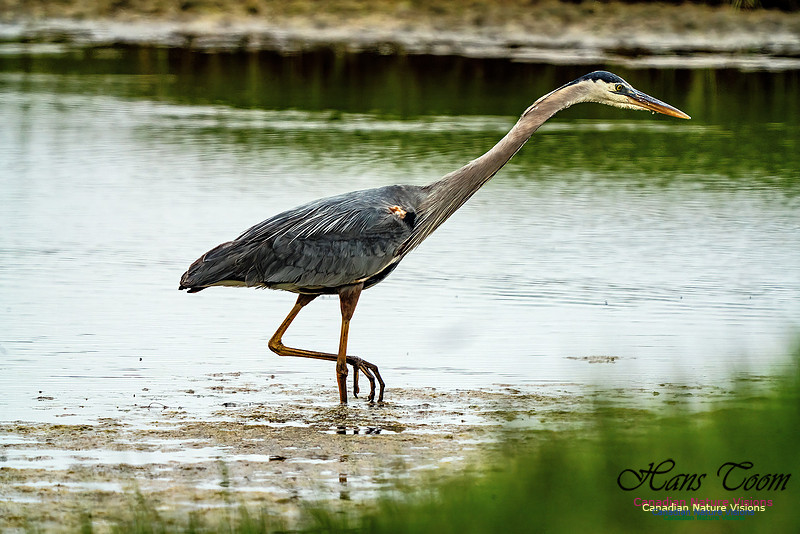
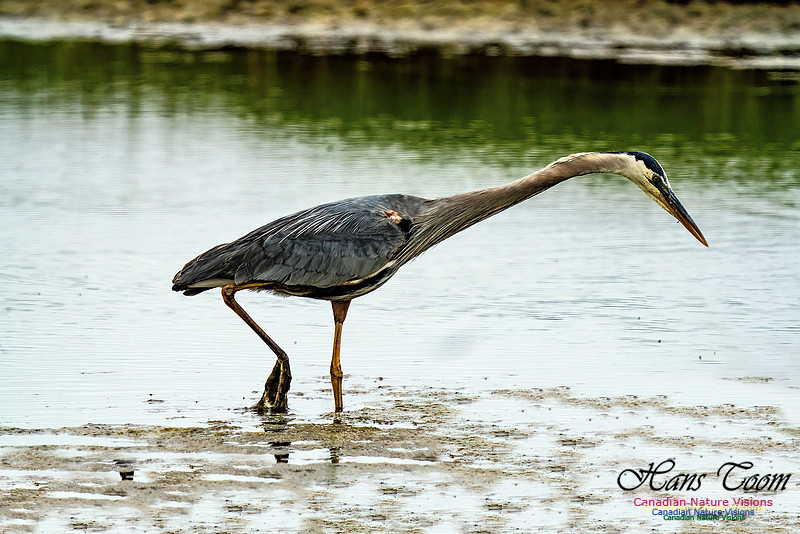
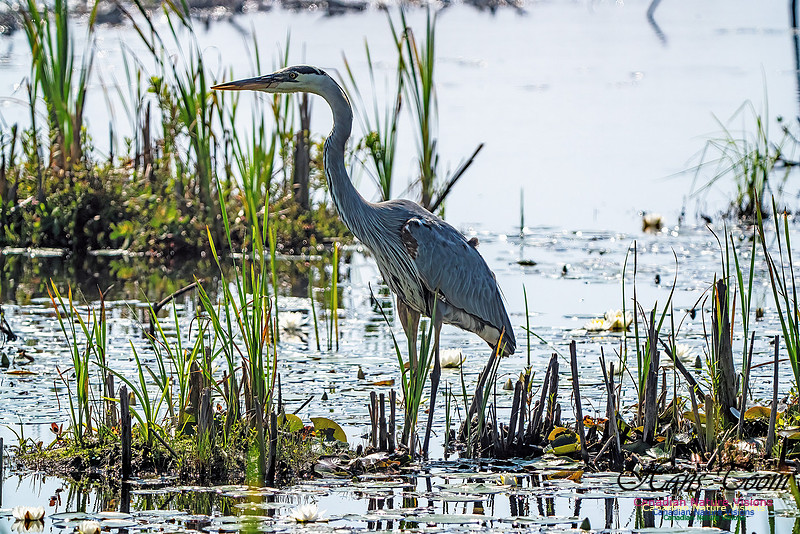
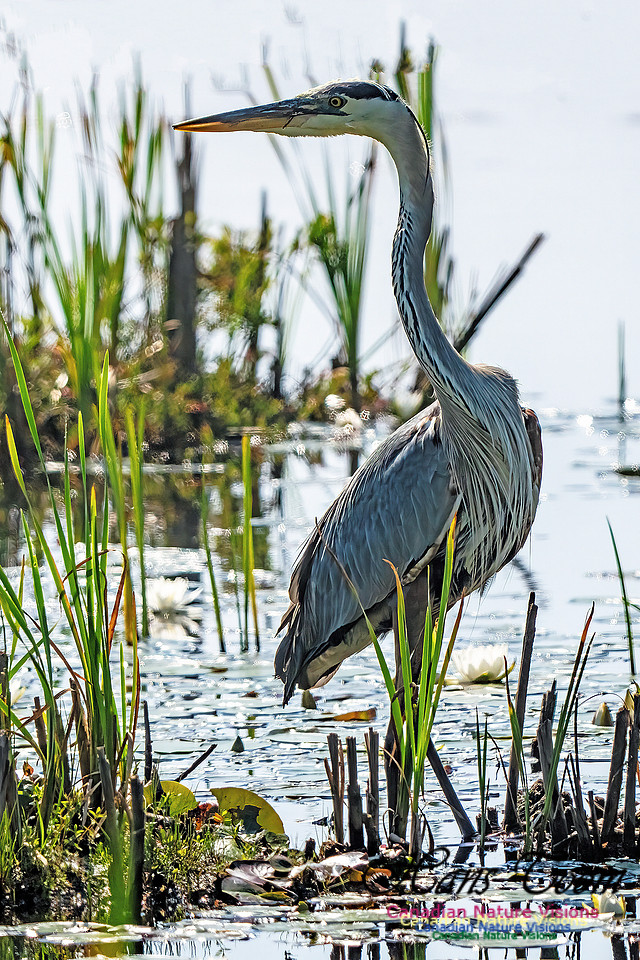
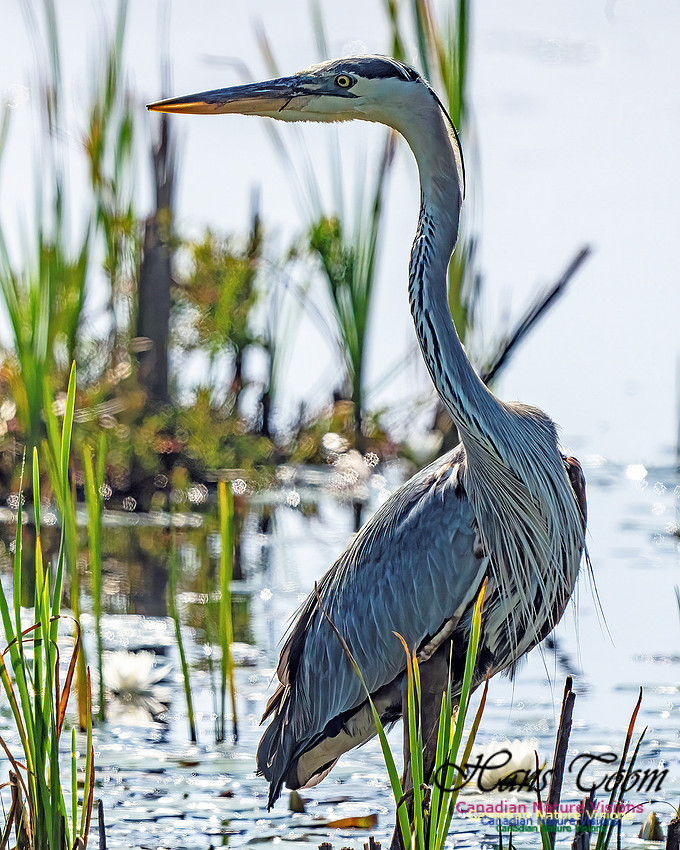
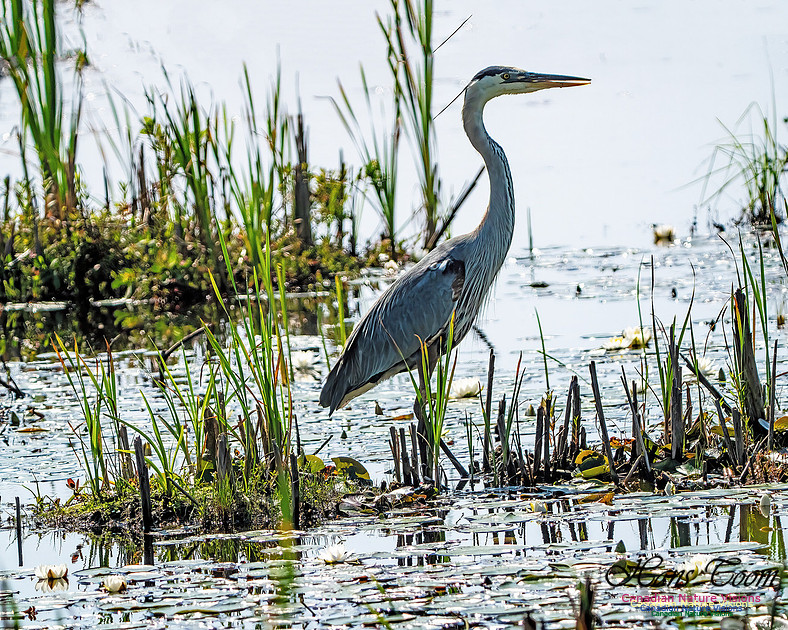
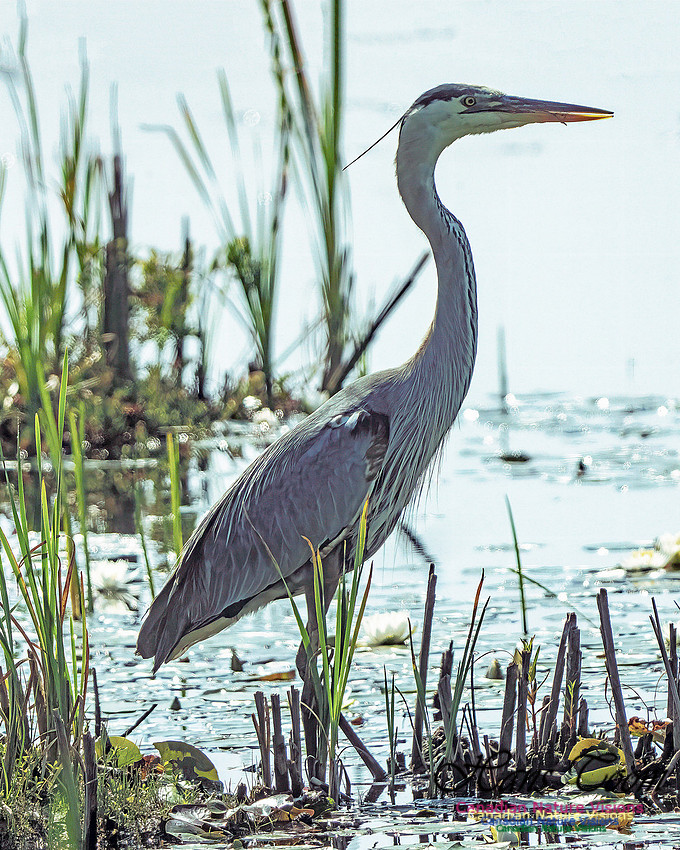
Great Blue HeronOften the most beautiful birds we have in Nova Scotia are the most common. One example of this is the Great Blue Heron, an elegant and stately bird. It is usually quite shy but occasionally when preoccupied by hunting or other distraction it allows for attractive photographs. Great Blue Heron
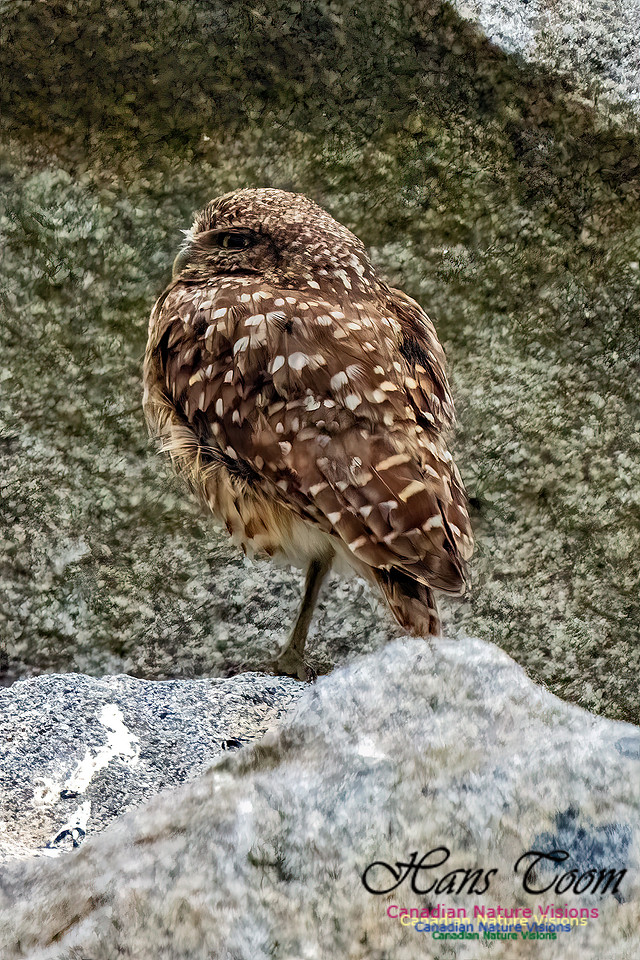
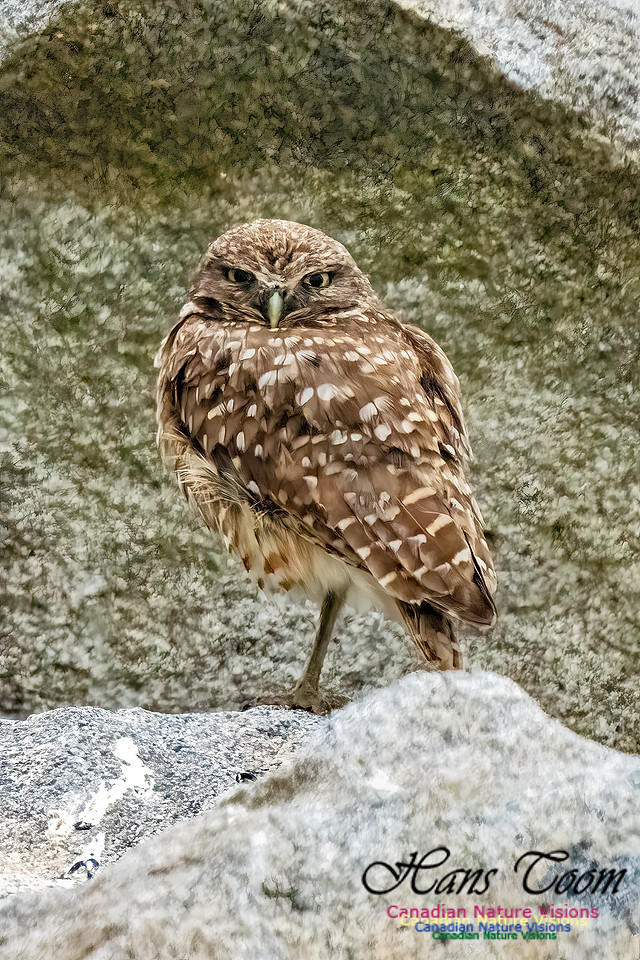
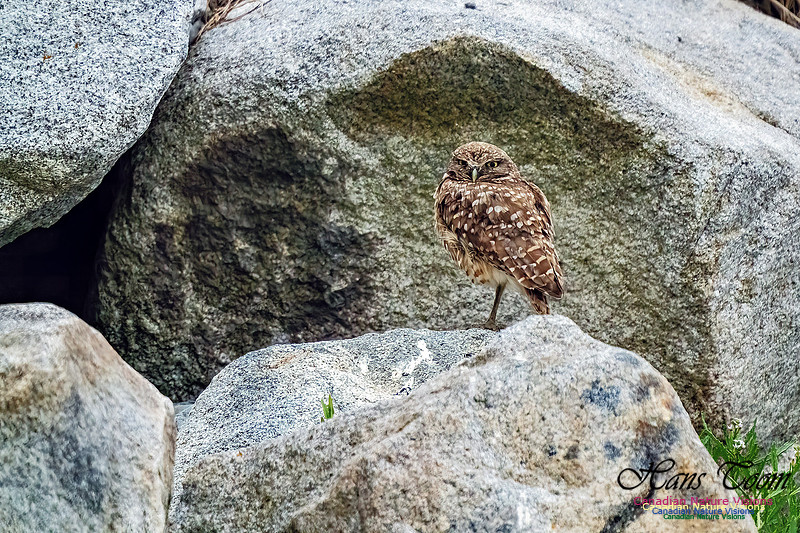
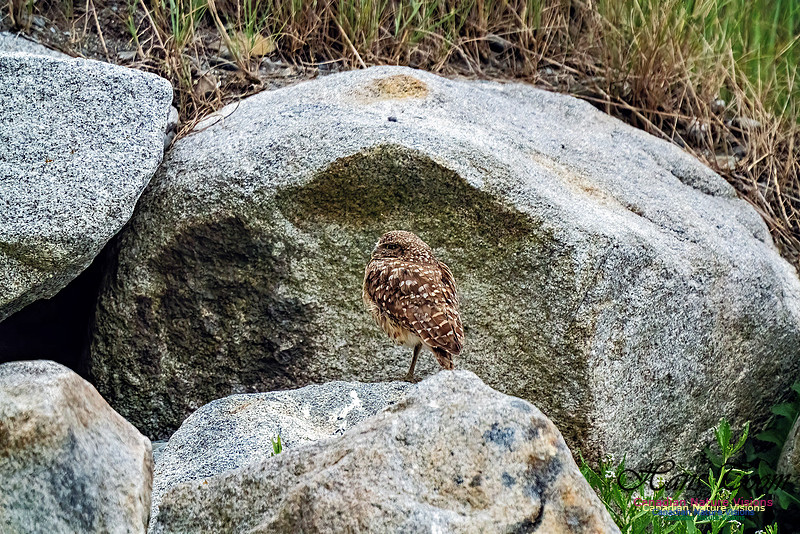
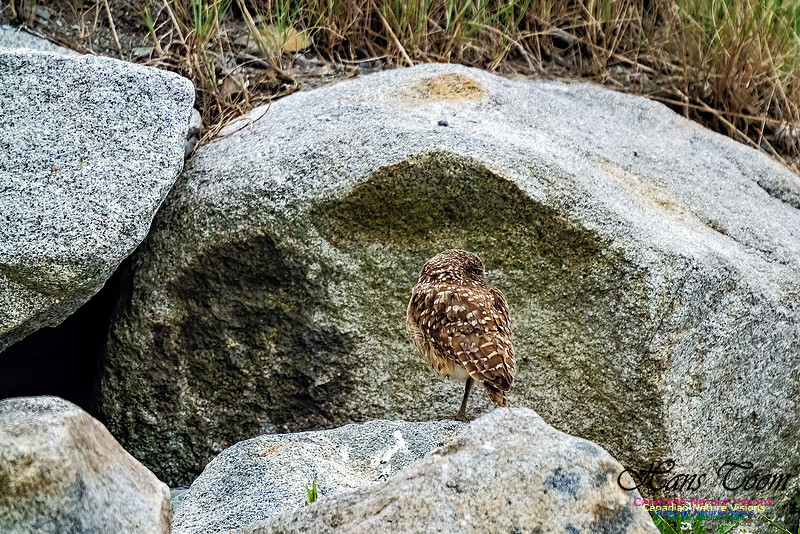
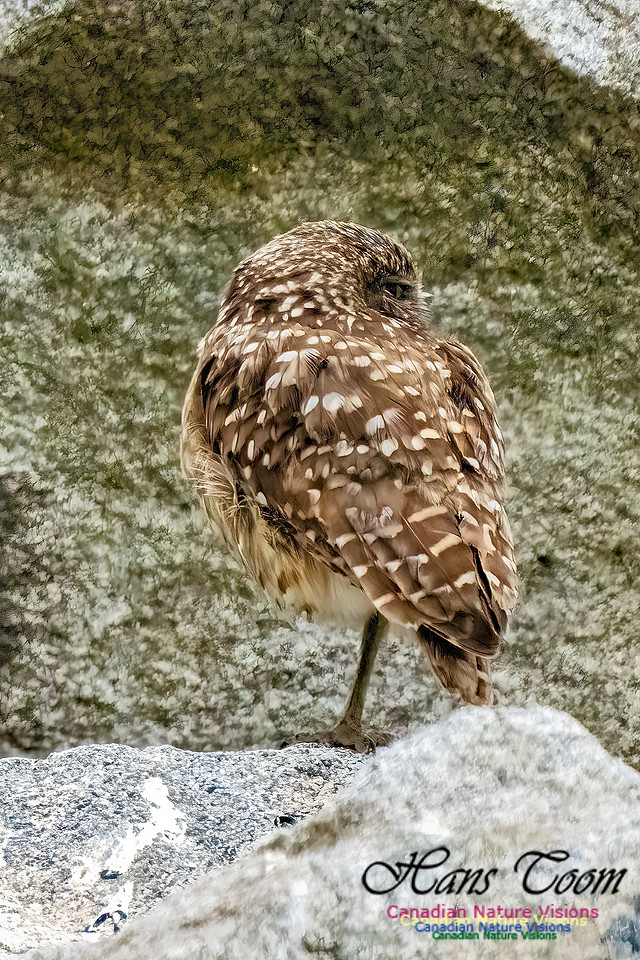
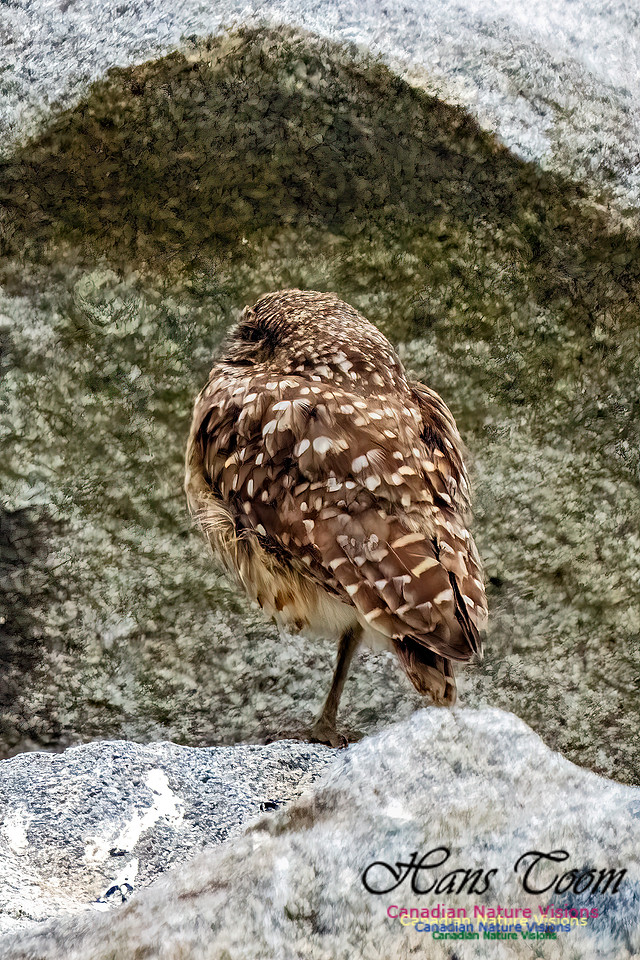
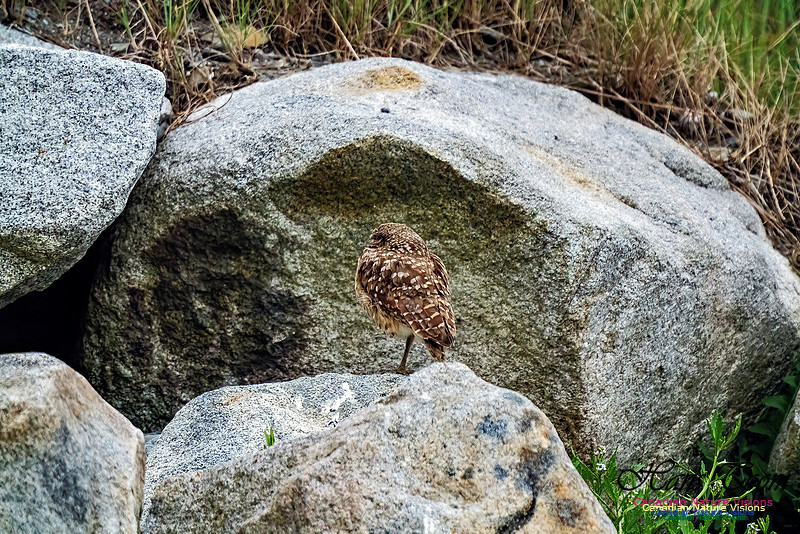
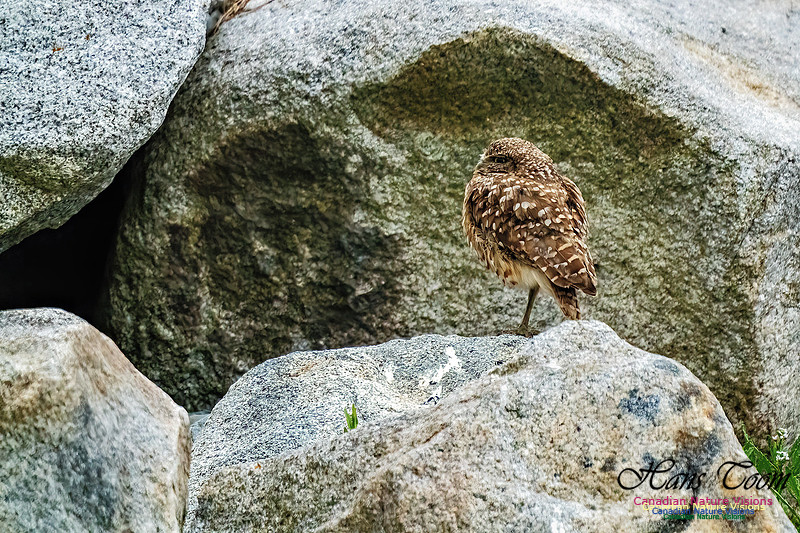
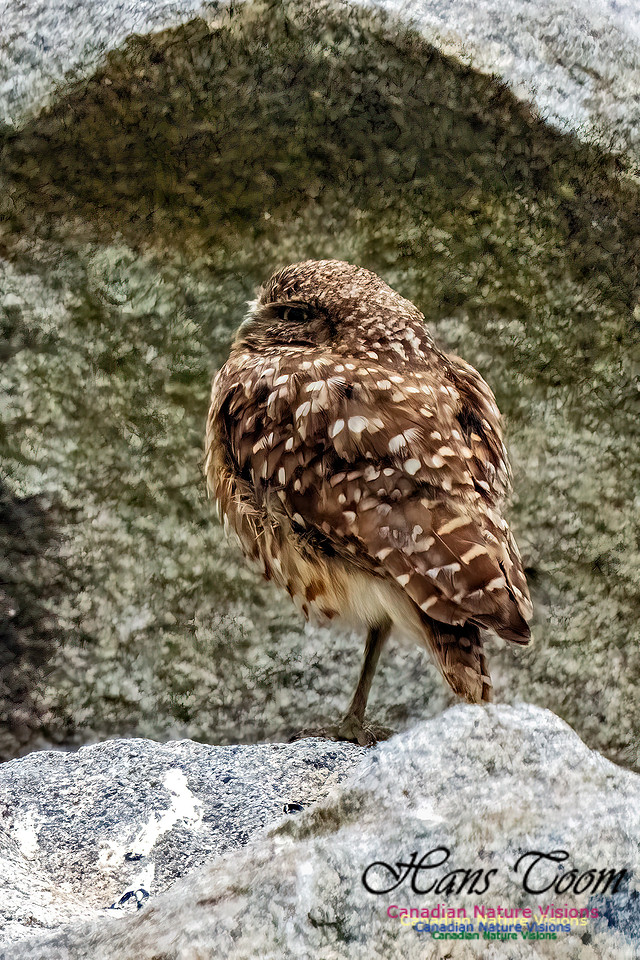
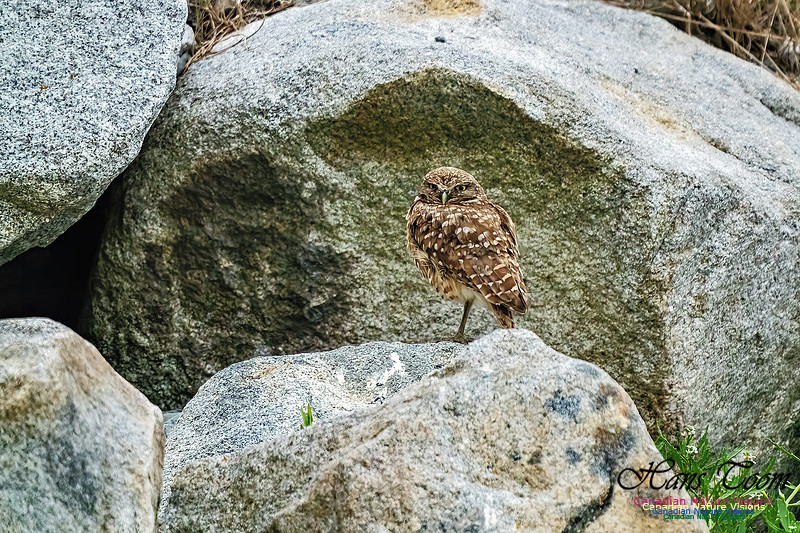
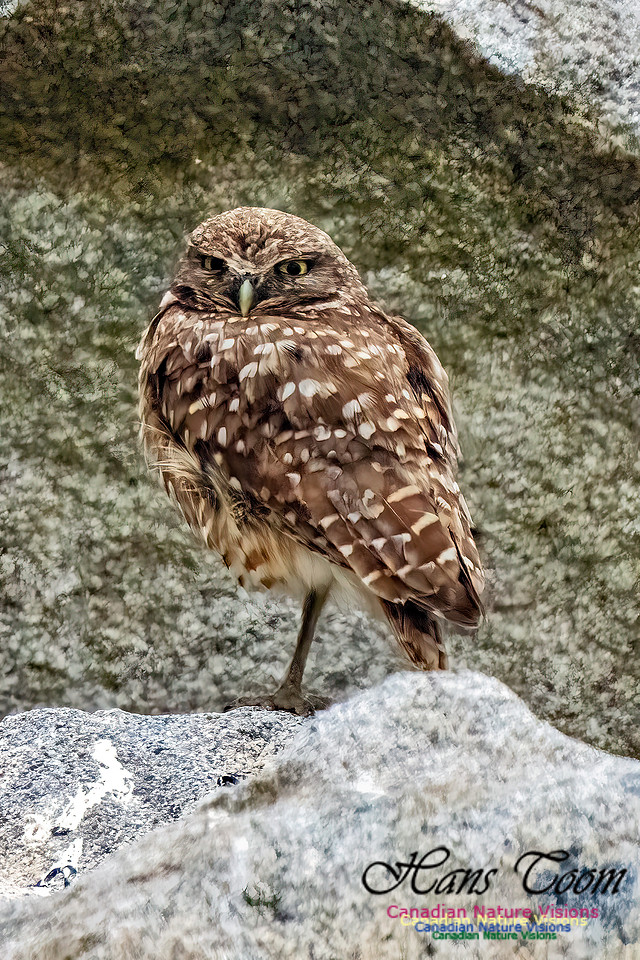
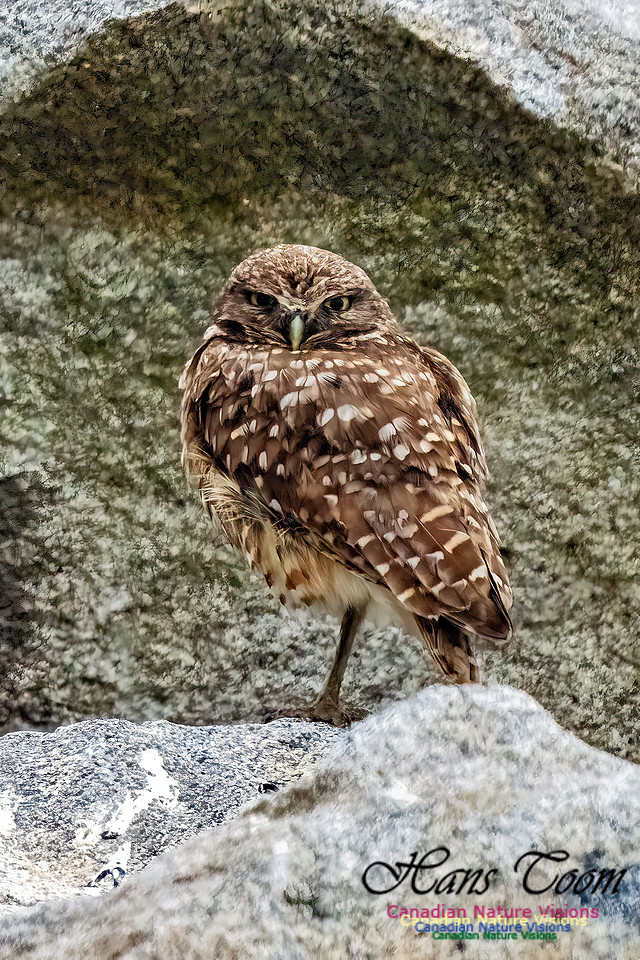
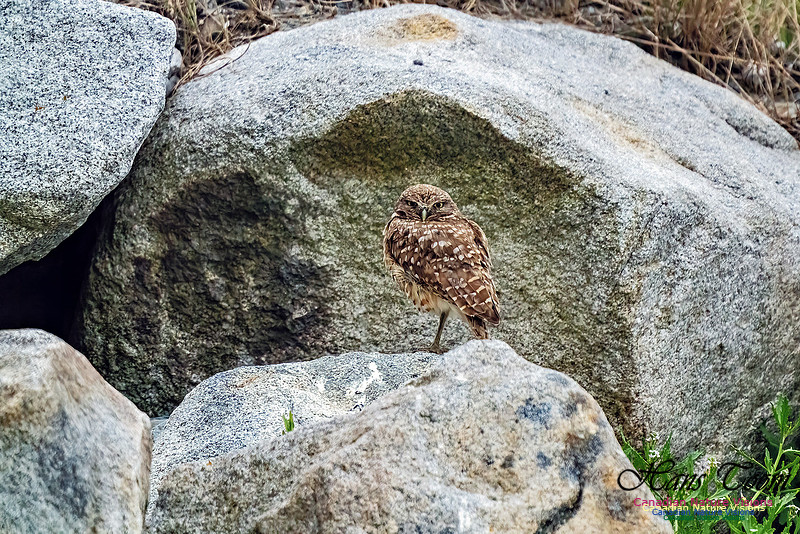
Burrowing Owl Video 1The Blanche Video Owl is likely making its last stand at this location. The cavity behind the perching location is likely its home. It may be habitable quite a ways in. Certainly this cavity (home) will provide protection from aerial predators but not from terrestrial predators. It may have staked out other locations for habitation. It is probably feeding on shore birds, small sparrows, large inscects and voles and mice so food should be plentiful. It is critical that birders and photographers not disturb the owl and force it to move. Burrowing Owl
Burrowing OwlBurrowing Owl The last time I saw a Burrowing Owl was in Saskatchewan at the Moose Jaw Exhibition Grounds when Laura and I visited from Manitoba. https://www.skburrowingowl.ca/
This Burrowing Owl currently at the Blanche Peninsula is Nova Scotia's first recorded record.
Most of these photographs are severely cropped.
Burrowing Owl
Courtesy of Wikipedia
DescriptionBurrowing owls have bright eyes; their beaks can be dark yellow or gray depending on the subspecies. They lack ear tufts and have a flattened facial disc. The owls have prominent white eyebrows and a white "chin" patch which they expand and display during certain behaviors, such as a bobbing of the head when agitated. Adults have brown heads and wings with white spotting. Their chests and abdomens are white with variable brown spotting or barring, also depending on the subspecies. Juvenile owls are similar in appearance, but they lack most of the white spotting above and brown barring below. The juveniles have a buff bar across their upper wings and their breasts may be buff-colored rather than white. Burrowing owls of all ages have grayish legs longer than those of other owls. Males and females are similar in size and appearance, so display little sexual dimorphism. Females tend to be heavier, but males tend to have longer linear measurements (wing length, tail length, etc.). Adult males appear lighter in color than females because they spend more time outside the burrow during daylight, and their feathers become "sun-bleached". The burrowing owl measures 19–28 cm (7–11 in) long and spans 50.8–61 cm (20–24 in) across the wings, and weighs 140–240 g (5–8 oz).[3][13][14] As a size comparison, an average adult is slightly larger than an American robin (Turdus migratorius).[3][failed verification]
Distribution and habitatBefore European colonization, burrowing owls probably inhabited every suitable area of the New World, but in North America, they have experienced some restrictions in distribution since then. In parts of South America, they are expanding their range due to deforestation.[15] The western burrowing owls (A. c. hypugaea) are most common in the Rocky Mountain Arsenal National Wildlife Refuge, as well as in most of the western states. Known resident populations inhabit areas of Colorado, Arizona, New Mexico, Texas and California, where their population is reportedly threatened by human encroachment and construction.[16][17] Burrowing owls range from the southern portions of the western Canadian provinces (British Columbia, Alberta, Saskatchewan, Manitoba) and all the way through Mexico to western Panamá. They are also found across the state of Florida, as well as some Caribbean islands. In South America, they are fairly common, and are known to inhabit every country on the continent, with the exception of the dense Amazon rainforest interior and the highest ranges of the Andes Mountains. Their preference is for the cooler, possibly sub-tropical coastal and temperate regions. South of the Amazon, their population seems to again rebound, as they are widely distributed from southern Brazil and the Pantanal down to Patagonia and Tierra del Fuego. Burrowing owls are year-round residents in most of their range. Birds that breed in Canada and the northern U.S. usually migrate south to Mexico and the southern U.S. during winter months. Behaviour and ecology
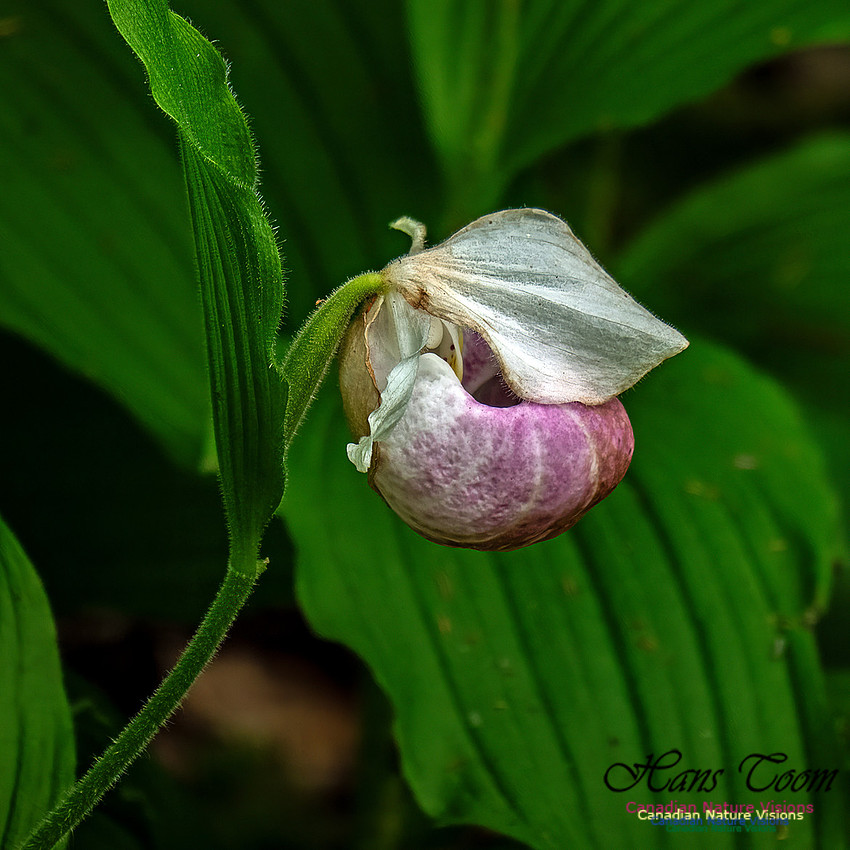
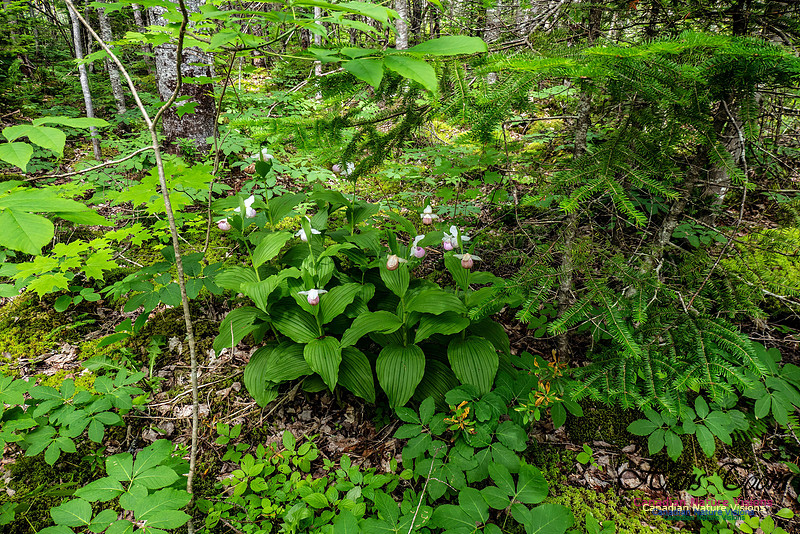
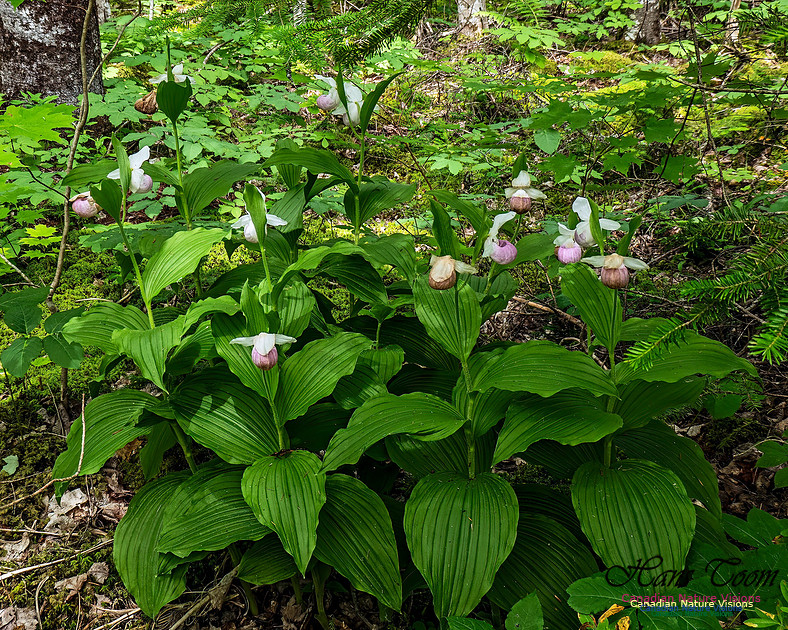
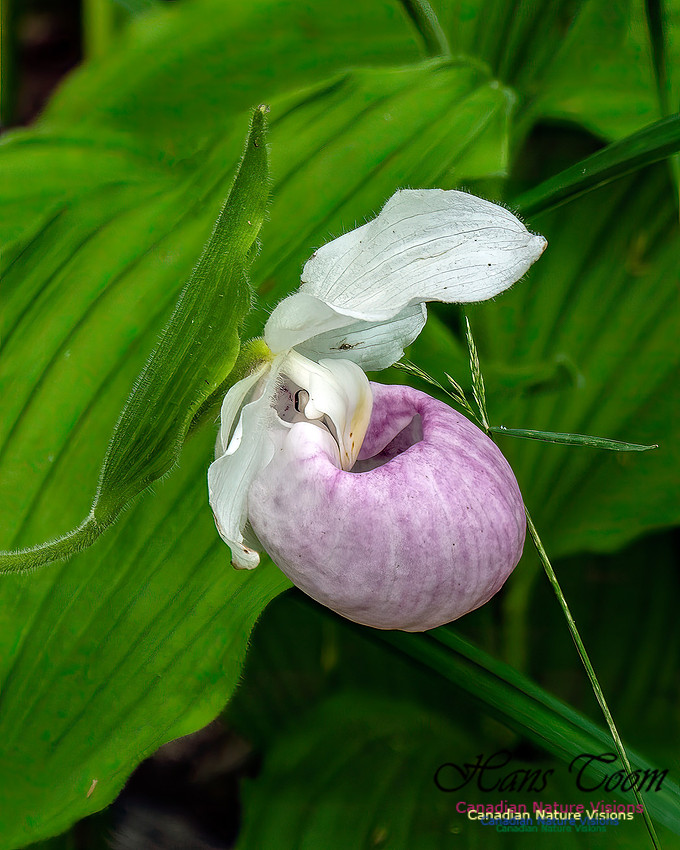
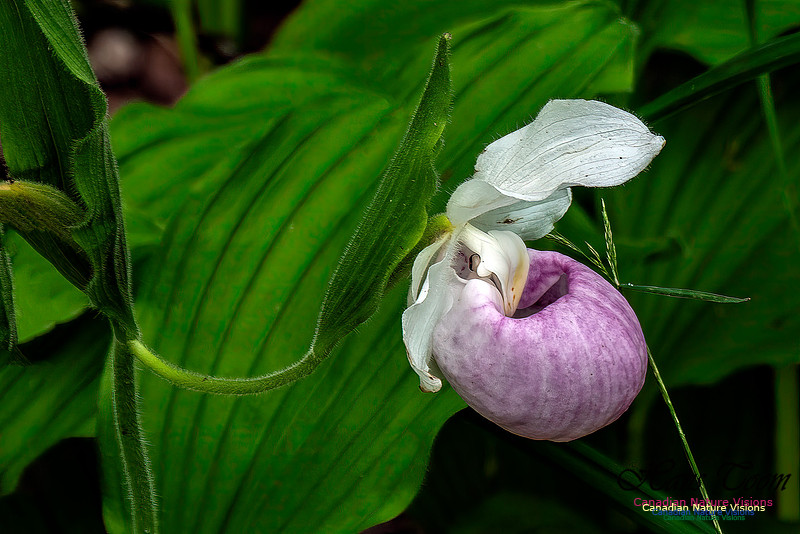
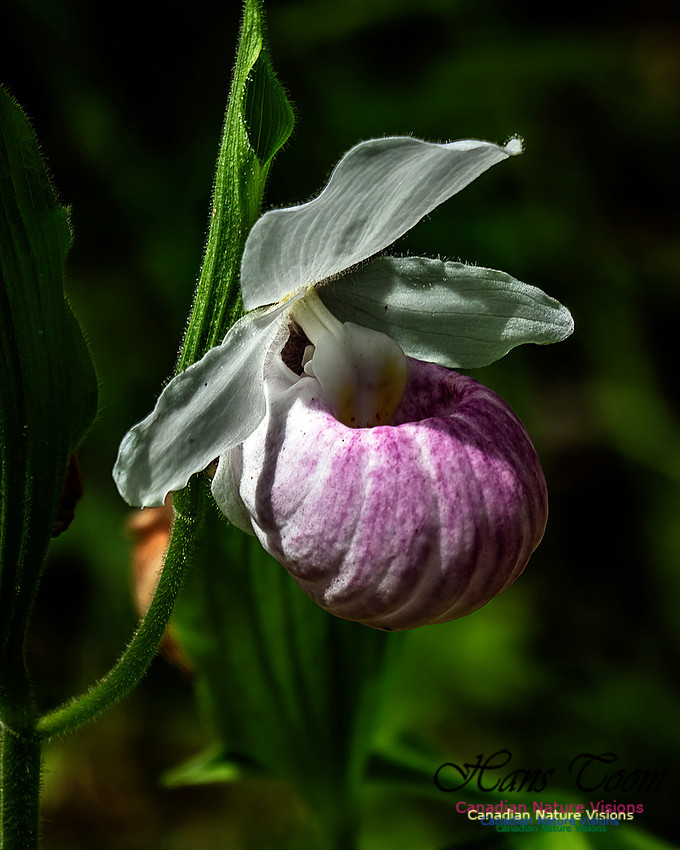
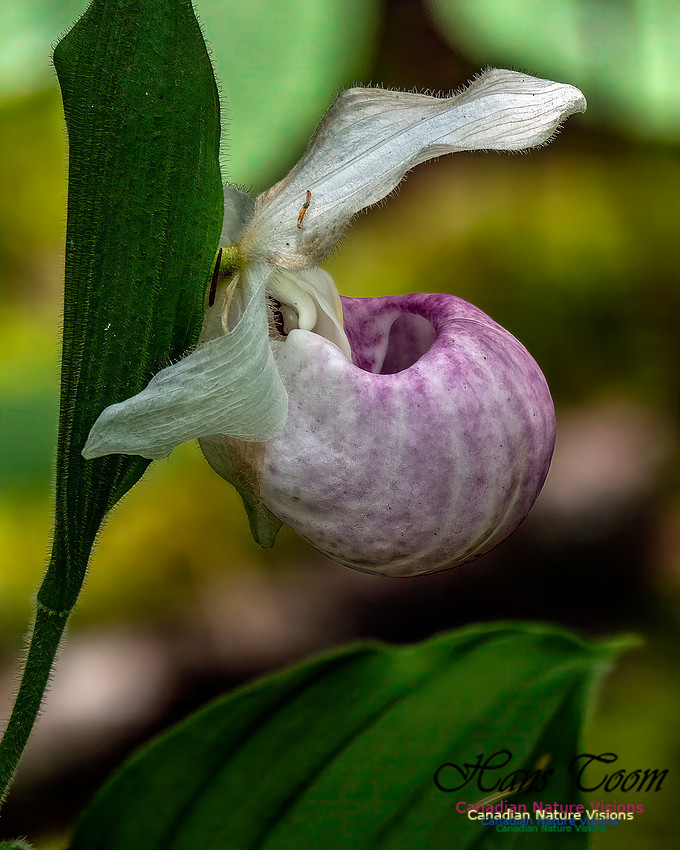
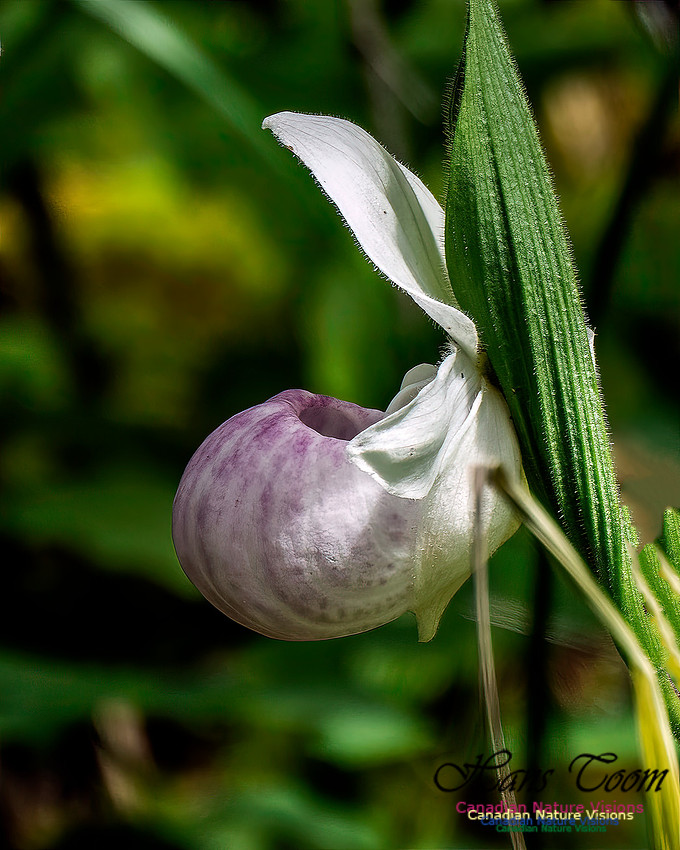
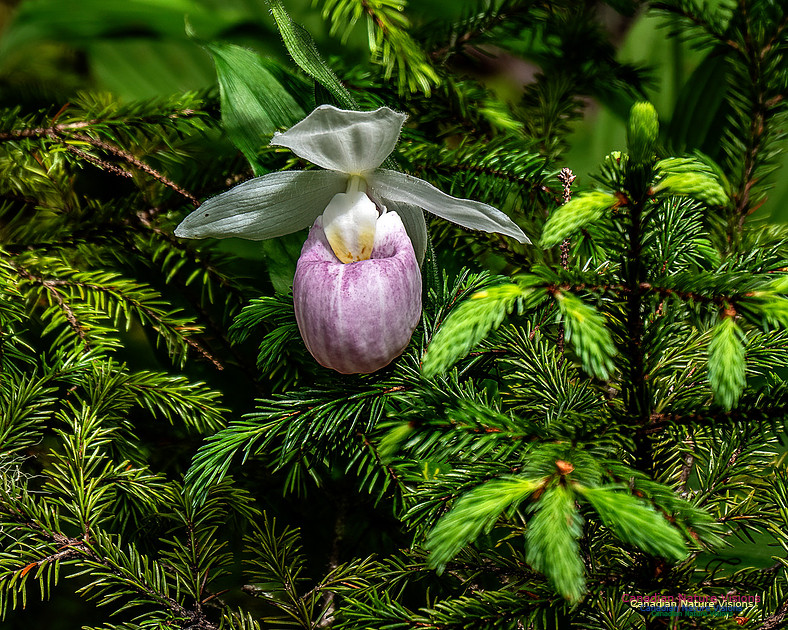
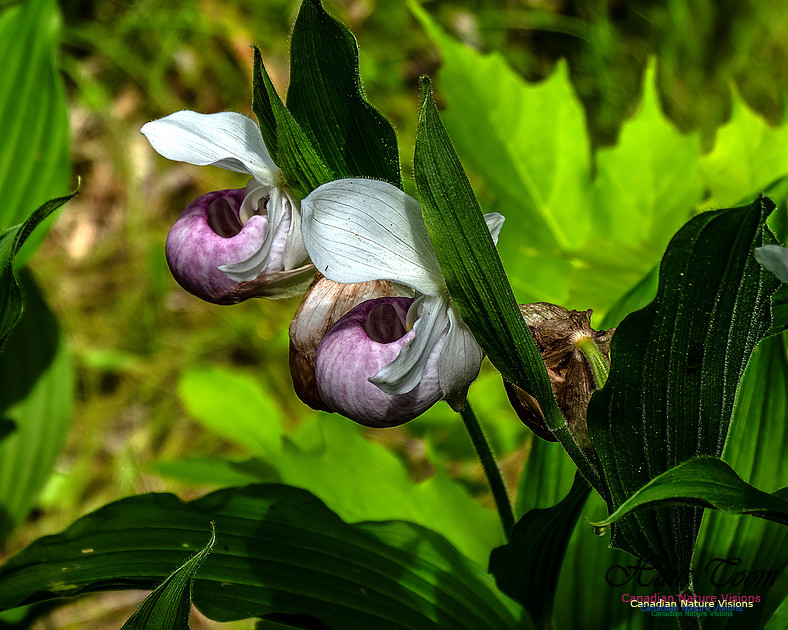
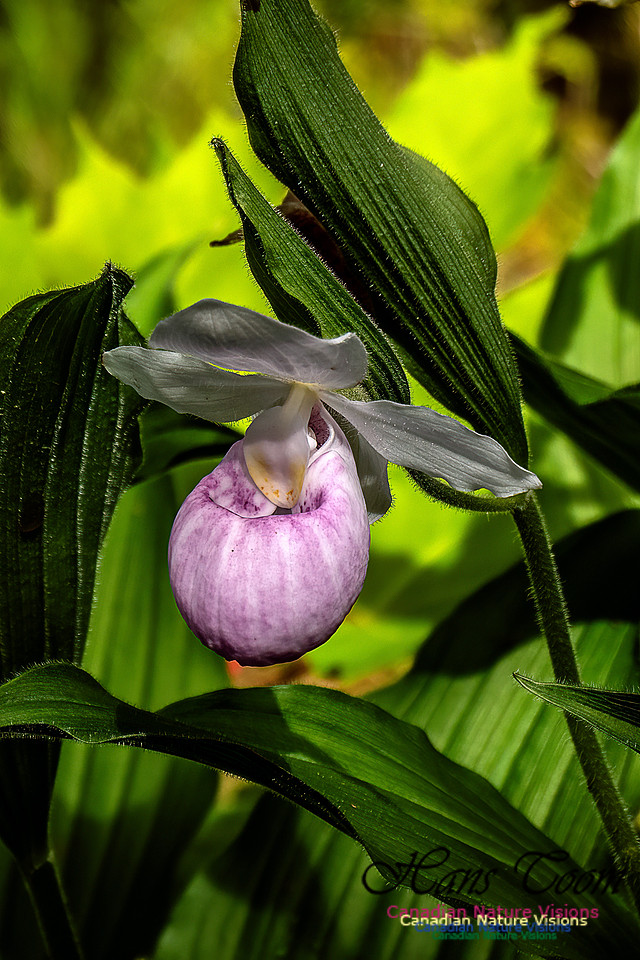
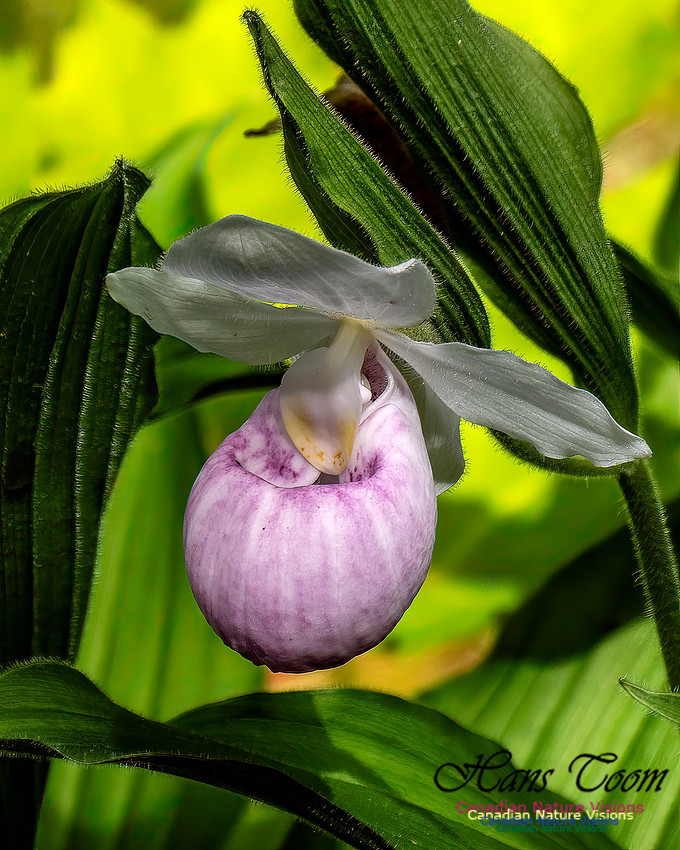
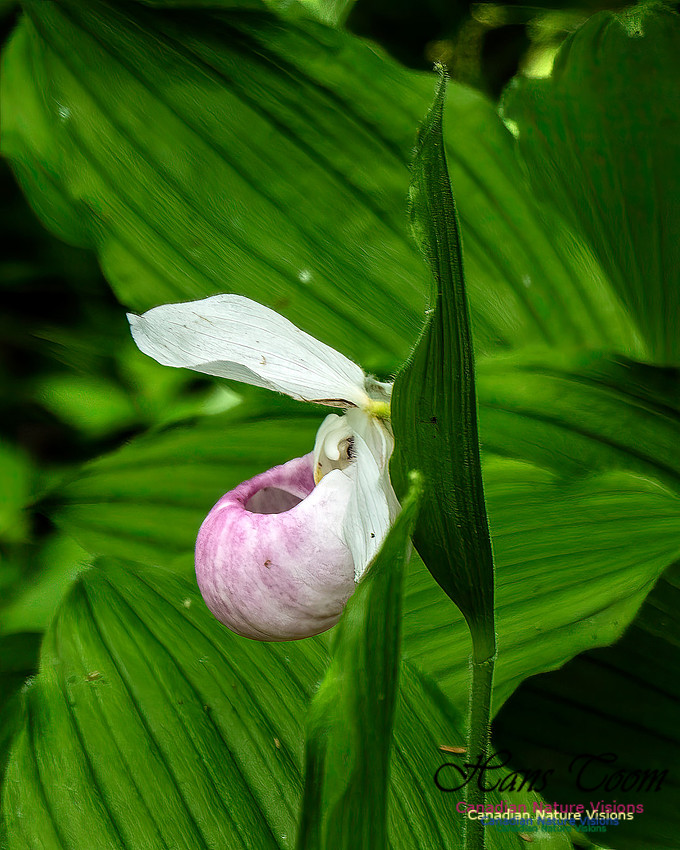
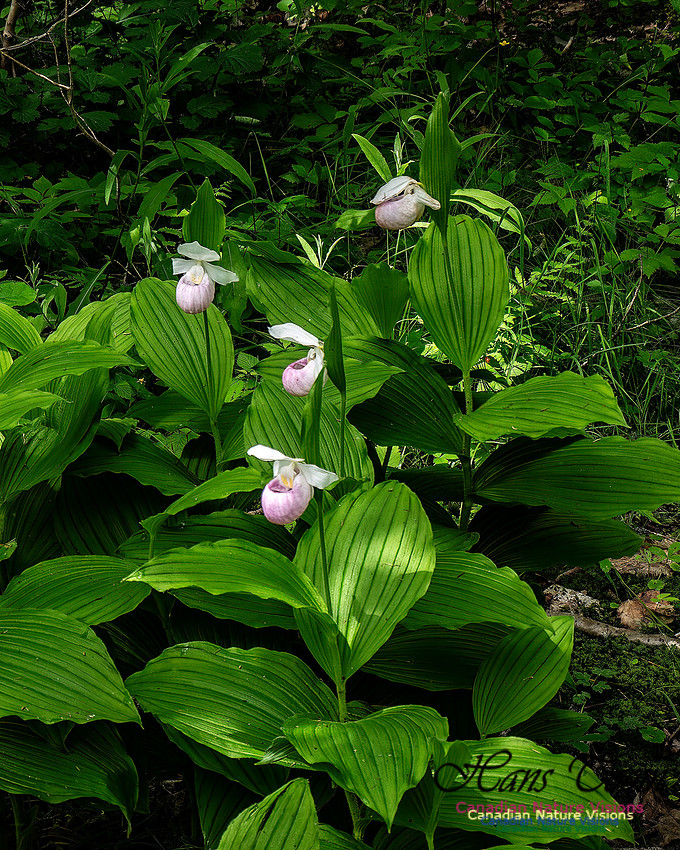
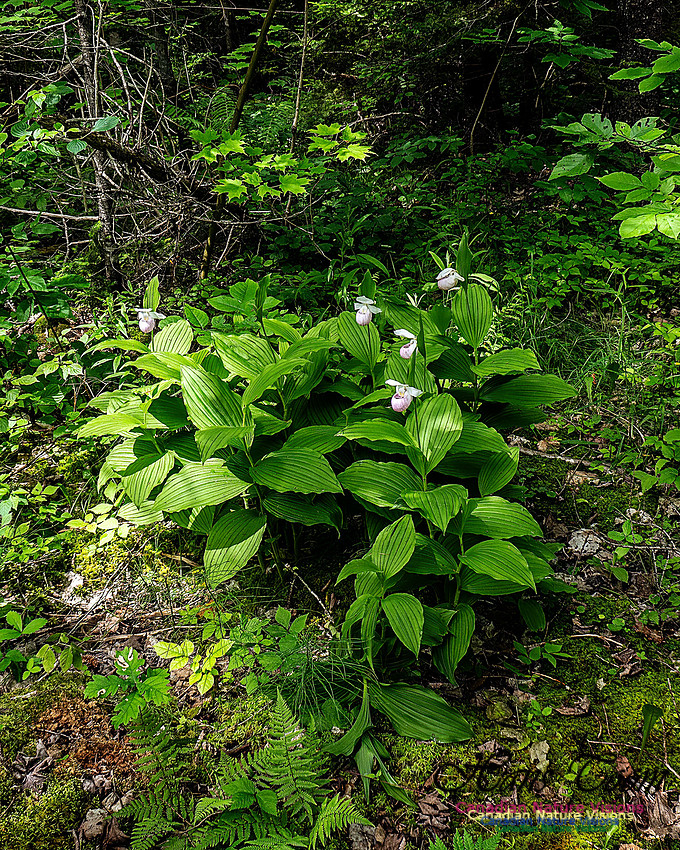
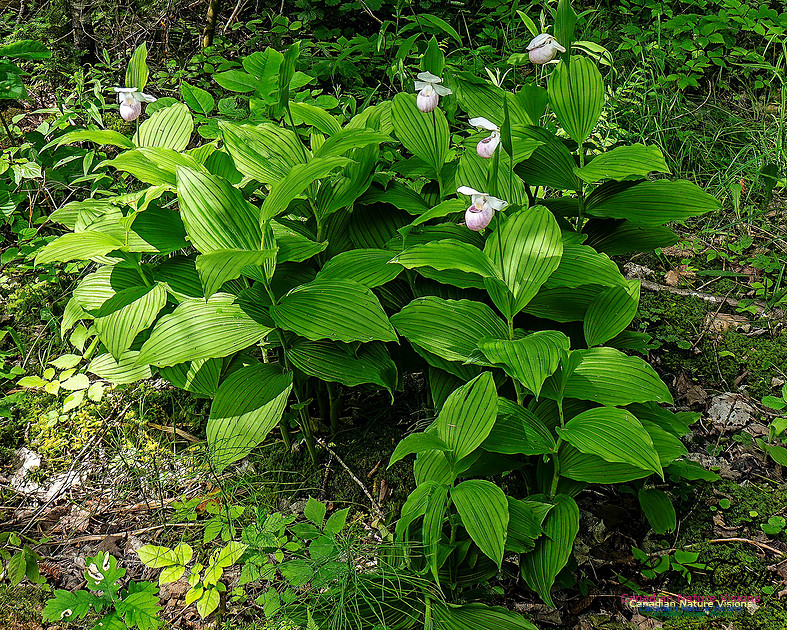
This species can live for at least 9 years in the wild and over 10 years in captivity.[3] They are often killed by vehicles when crossing roads, and have many natural enemies, including badgers, coyotes, and snakes.[18] They are also killed by both feral and domestic cats and dogs. Two birds studied in the Parque Nacional de La Macarena of Colombia were free of blood parasites.[19] Burrowing owls often nest and roost in the burrows made by ground squirrels, a strategy also used by rattlesnakes.[18] When threatened, the owl retreats to the burrow and produces rattling and hissing sounds similar to those of a rattlesnake. The behavior is suggested to be an example of acoustic Batesian mimicry and has been observed to be an effective strategy against animals that are familiar with the dangers posed by rattlesnakes.[20] Showy Lady's Slipper OrchidLaura and I enjoyed a walk in Smiley's Provincial Park yesterday. This park was flooded out during the torrential downpour last year. The bridge is still out but the campsites are open. We came to visit the Showy Lady's Slipper Orchid, a rare and endangered orchid in Nova Scotia. For some reason the orchid which always blooms brightly on the first of July was a week or two early this year, whether it was the flood that changed the soil conditions or the three days of tropical weather (very hot and humid) that caused the changed or simply the shift of all things due to global warming we know not nor does anyone. A few single orchids were in reasonable condition but the broad floral spreads so remarkable in this location were absent. Showy Lady's Slipper Orchid
Bay-breasted WarblerLook for the Bay-breasted Warbler in dense coniferous forests at your highest local altitude. Its not a shy bird but the business of nesting and then feeding young keeps them silent and out of sight. Finding and photographing this warbler is an annual pilgrimage for me. Bay-breasted Warbler

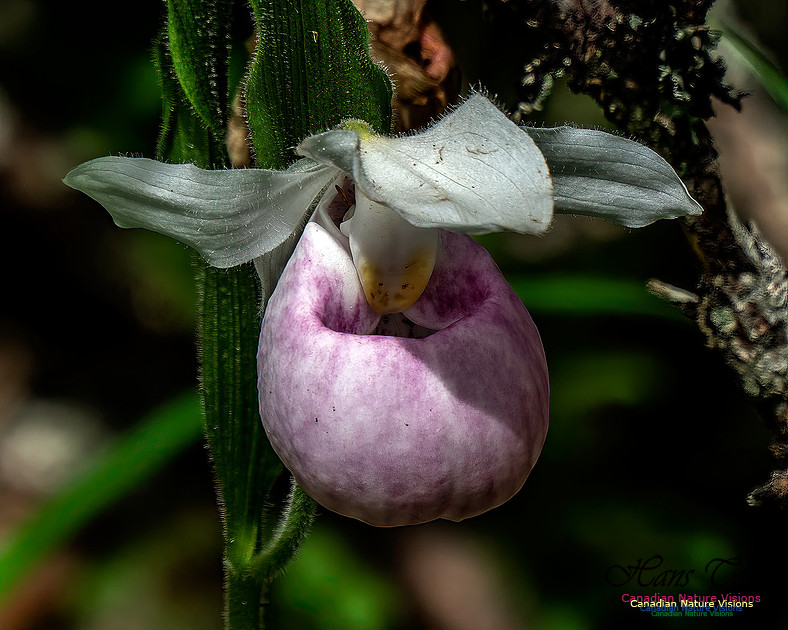
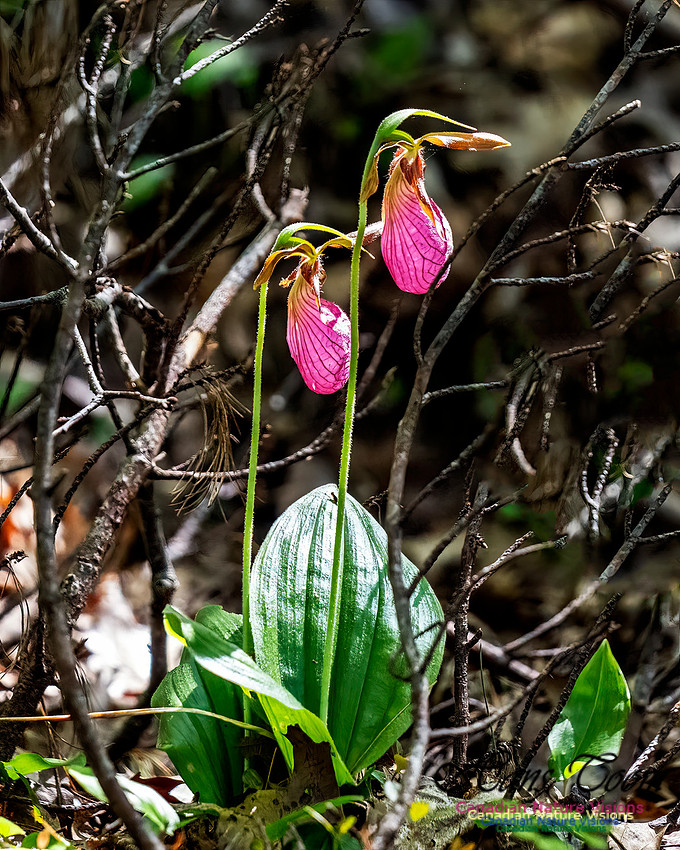
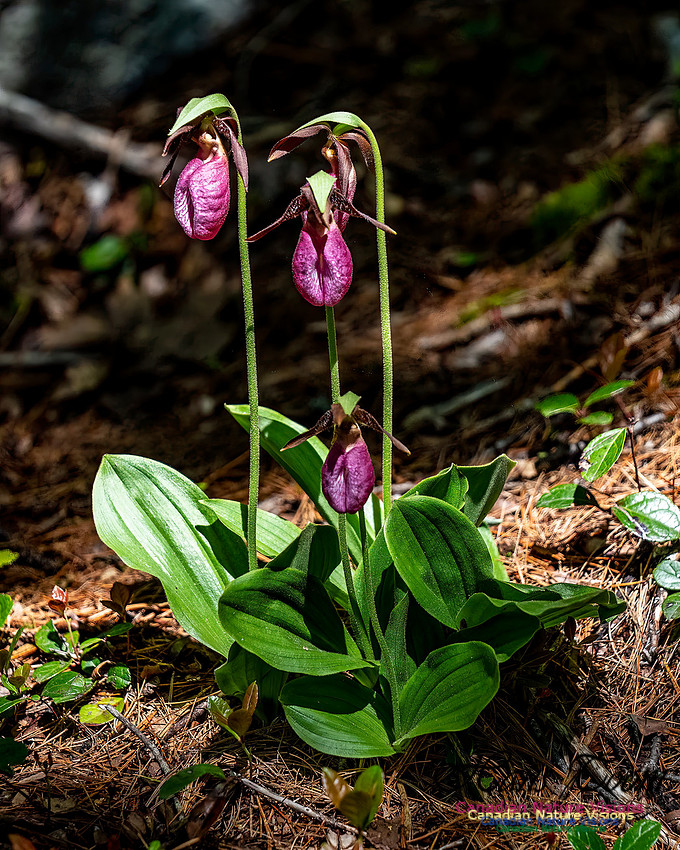
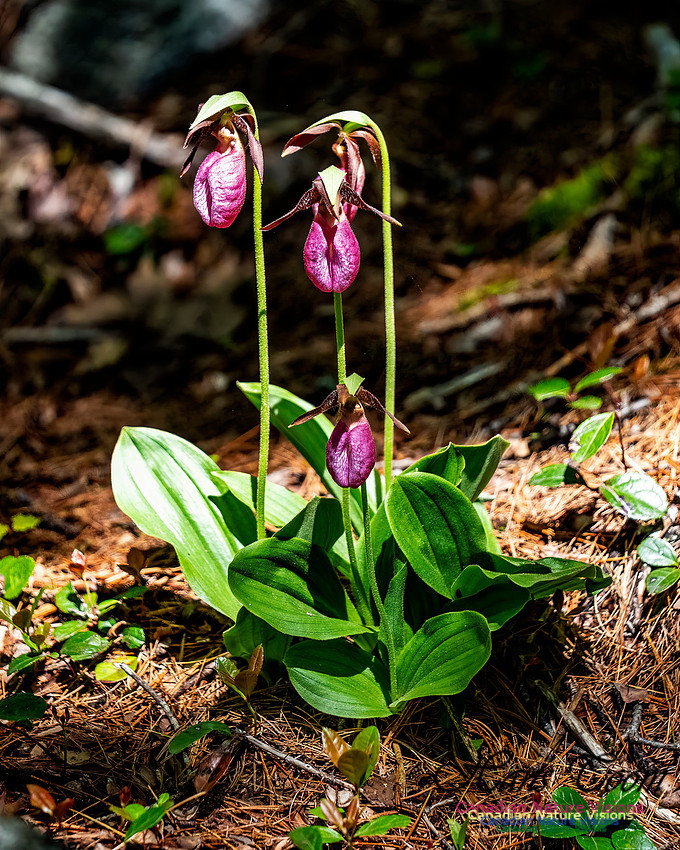
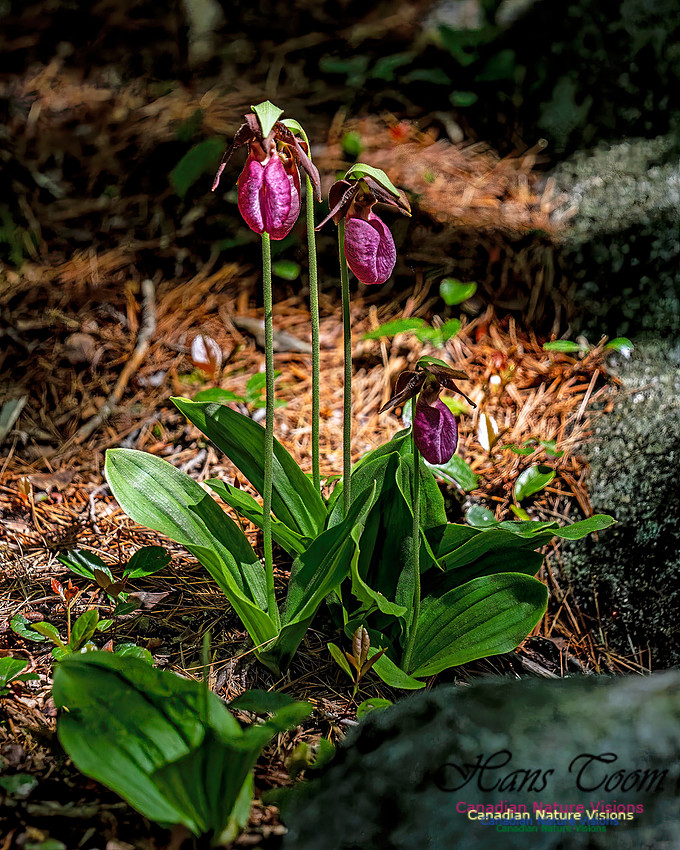
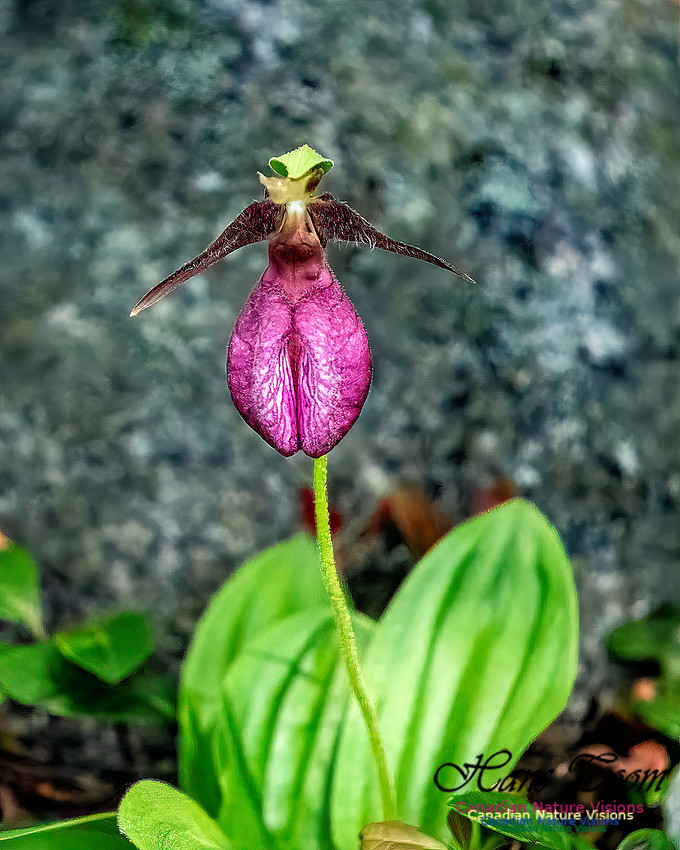
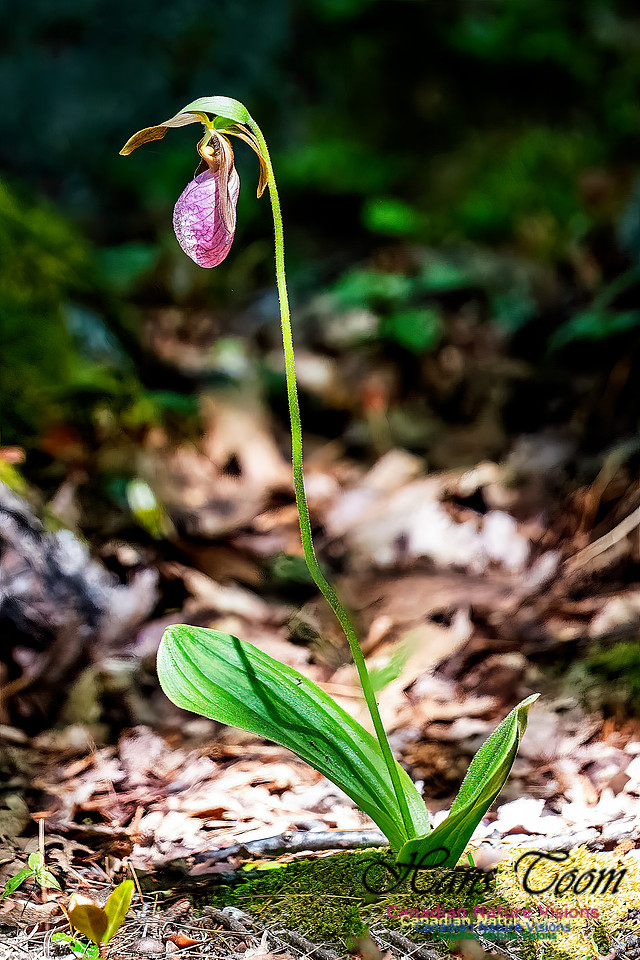
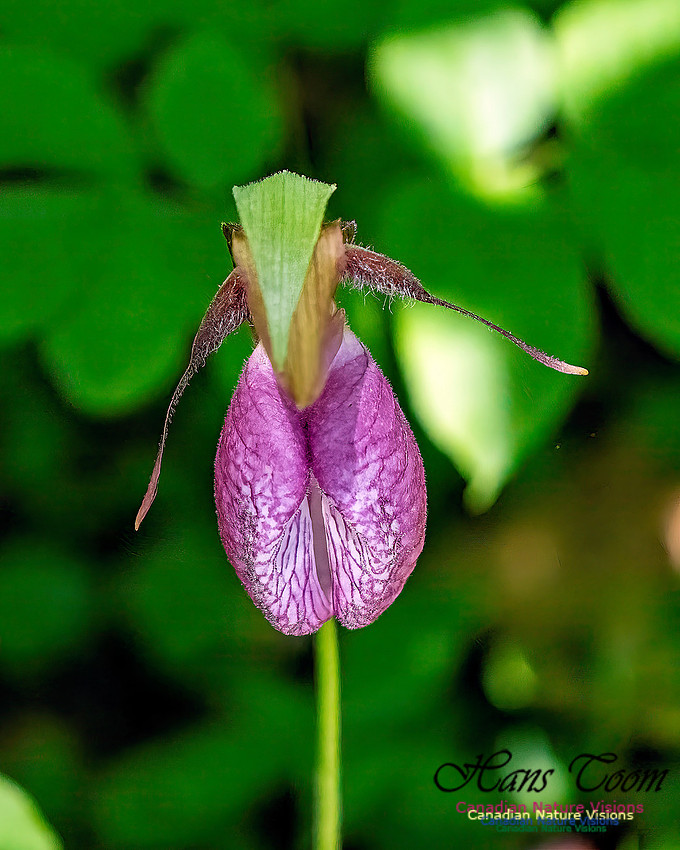
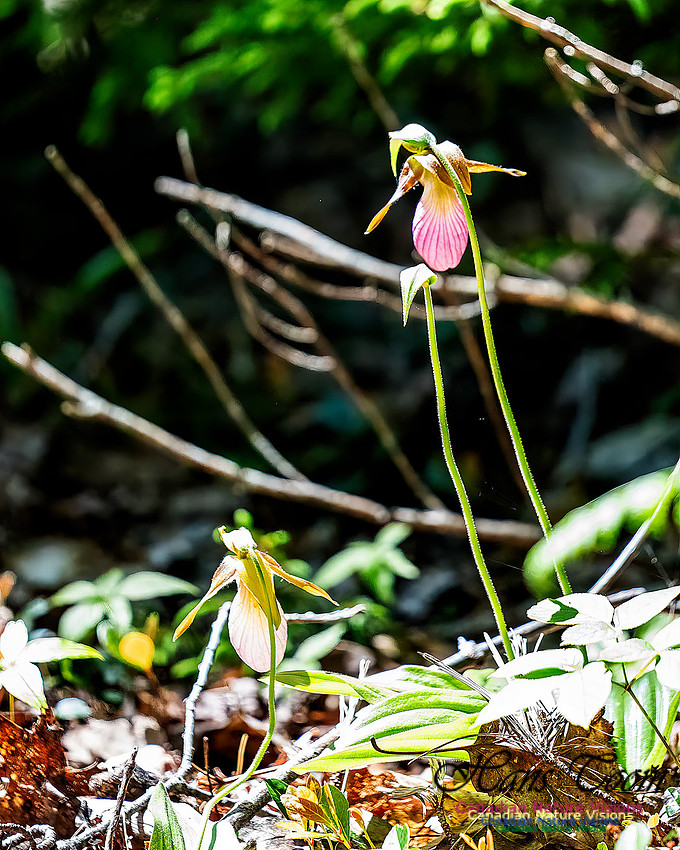
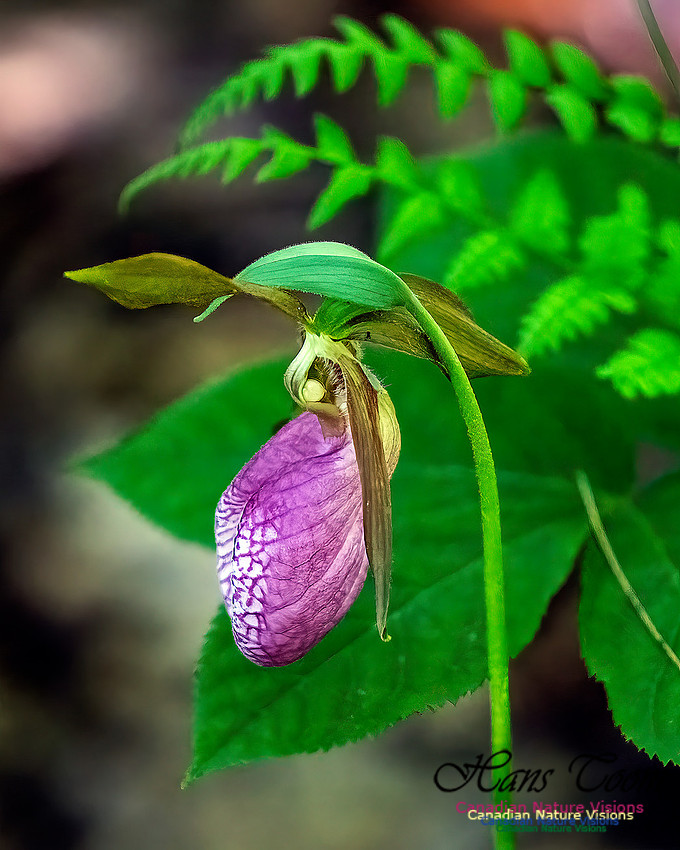
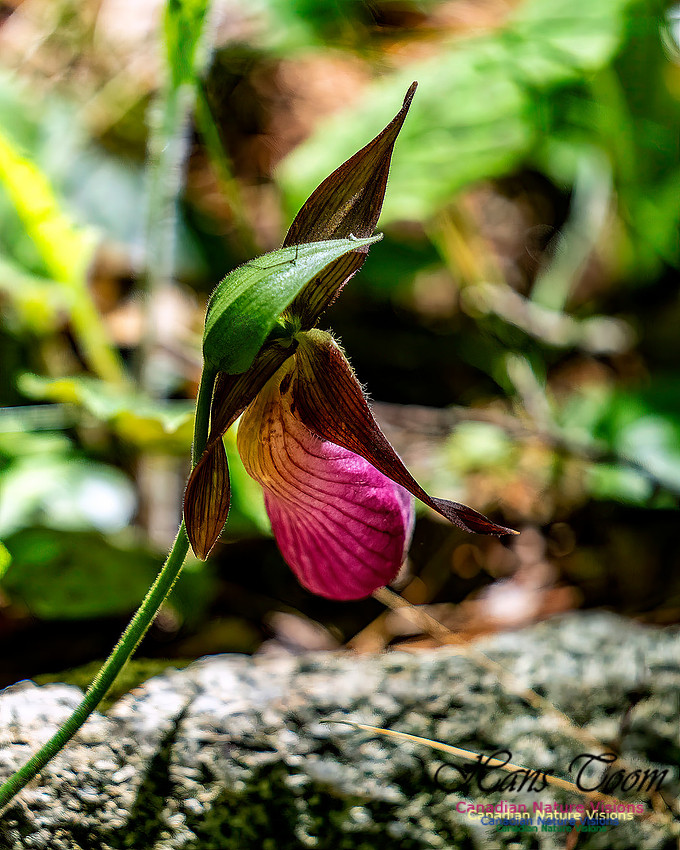
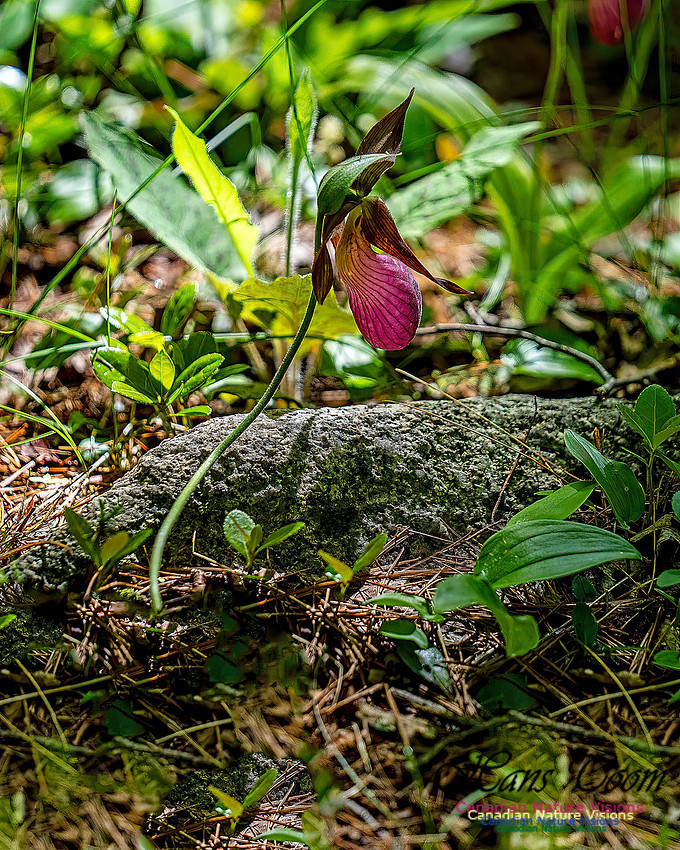
Pink Lady's Slipper Orchid WalkLaura and I enjoyed a walk around the Frog Pond at Sir Sanford Fleming Park. It was a pleasant day, mostly sunny and mild. Our target species for the walk was the Pink Lady's Slipper Orchid which was unusually scarce. This location hosts lots of this orchid, indeed the most prolific location we know of in Nova Scotia, but not this year Pink Lady's Slipper Orchid
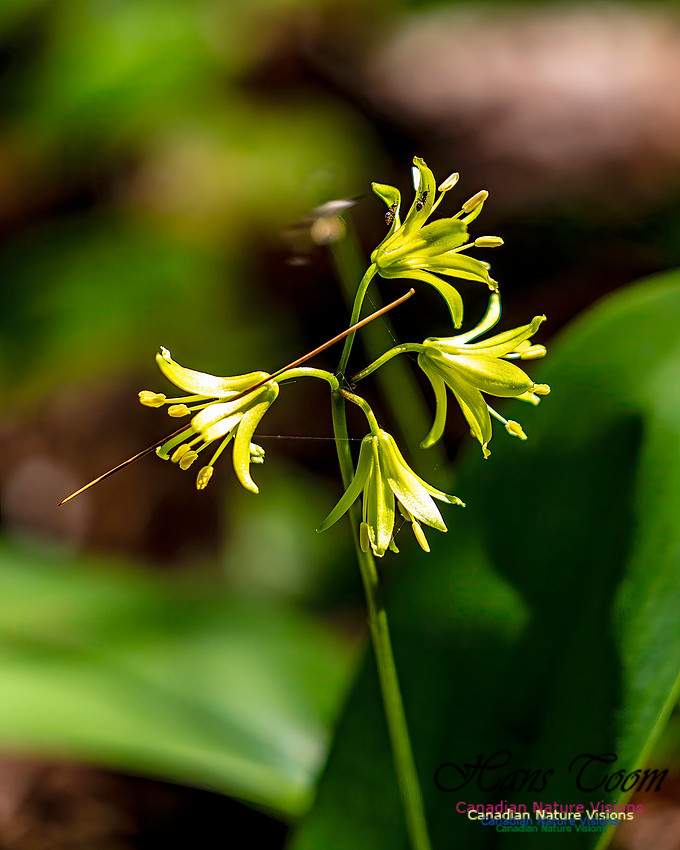
Blue Bead Lily
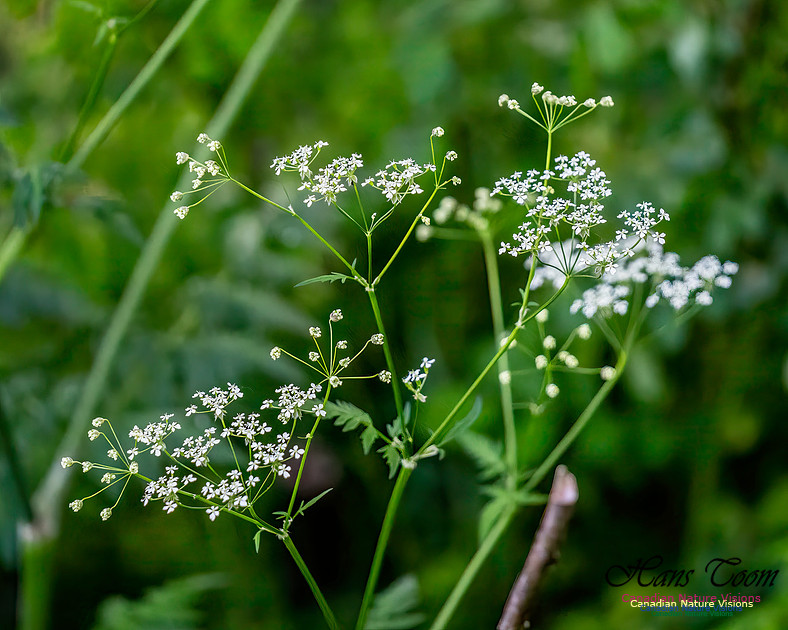
Sweet Cicely
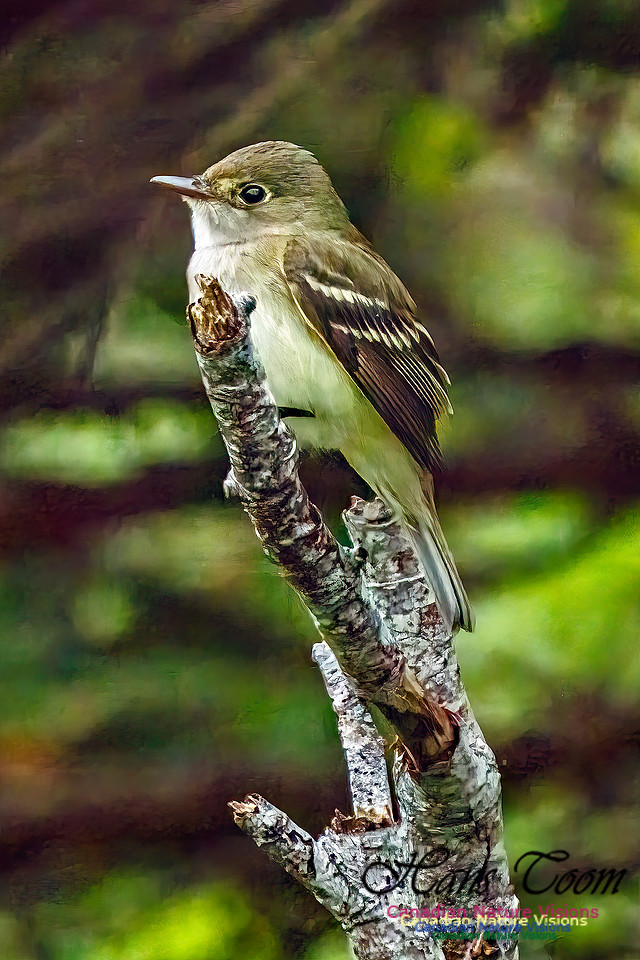
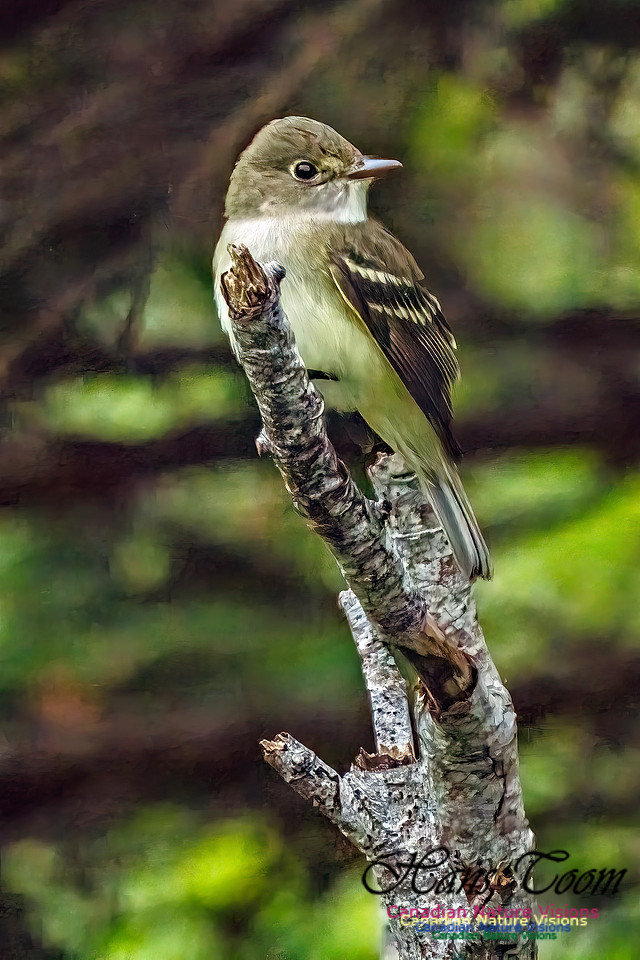
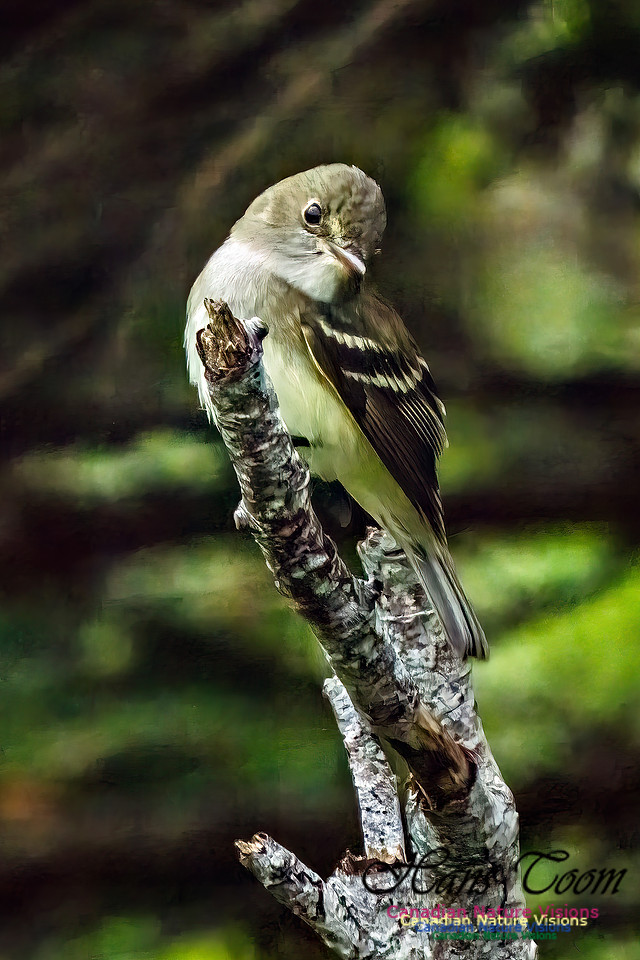
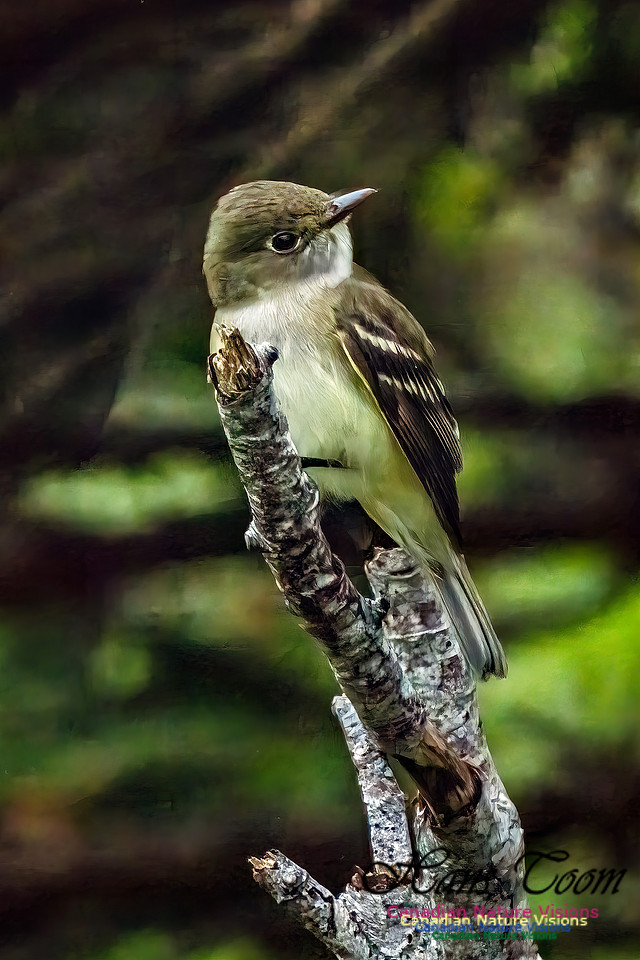
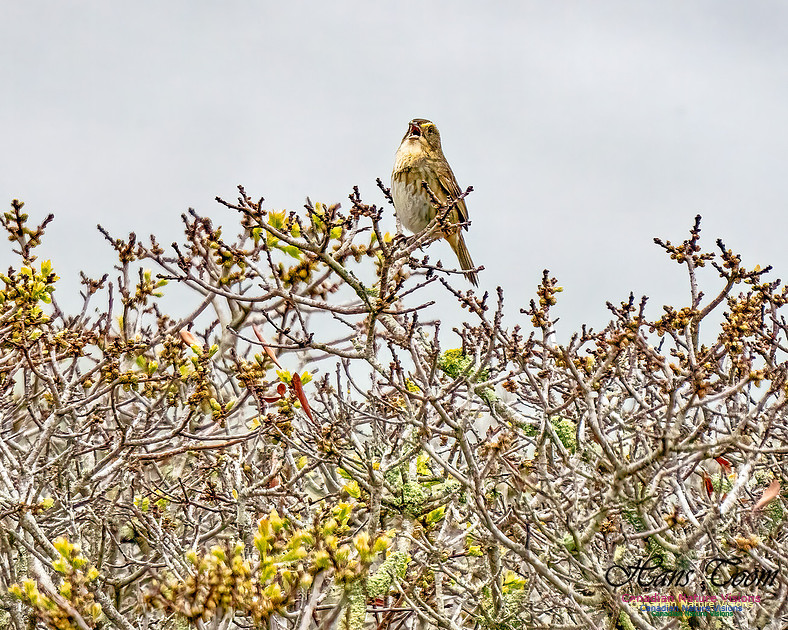
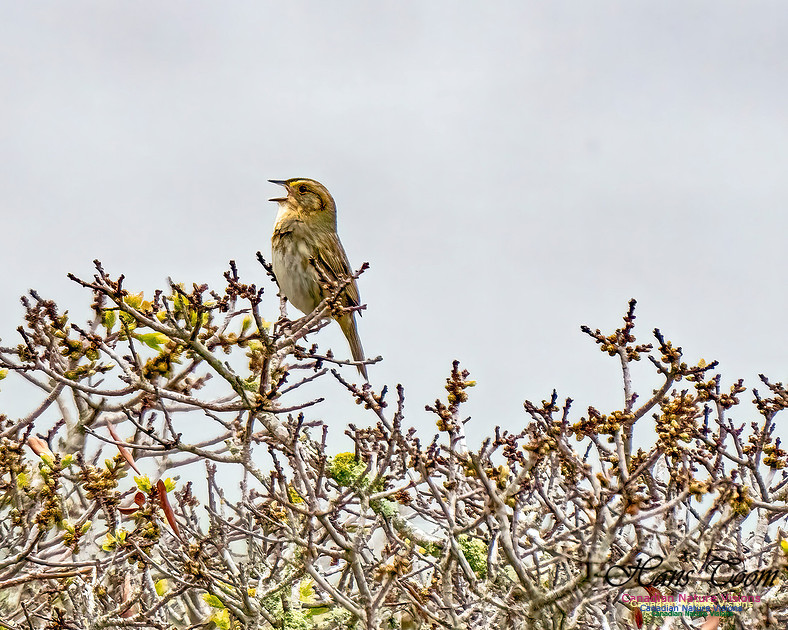
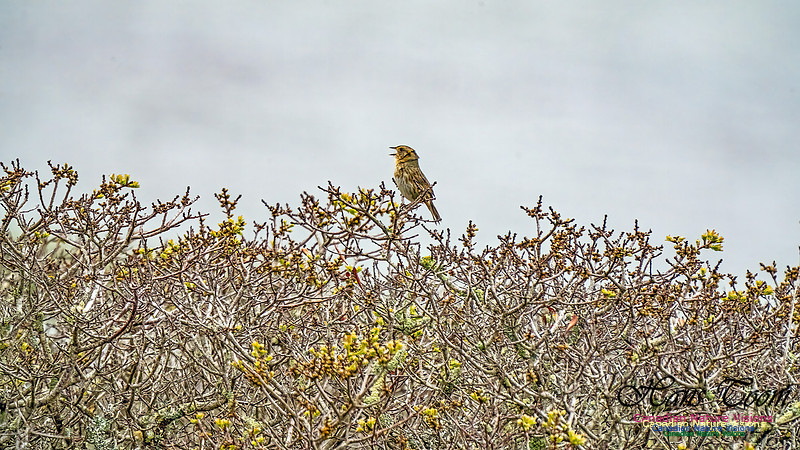
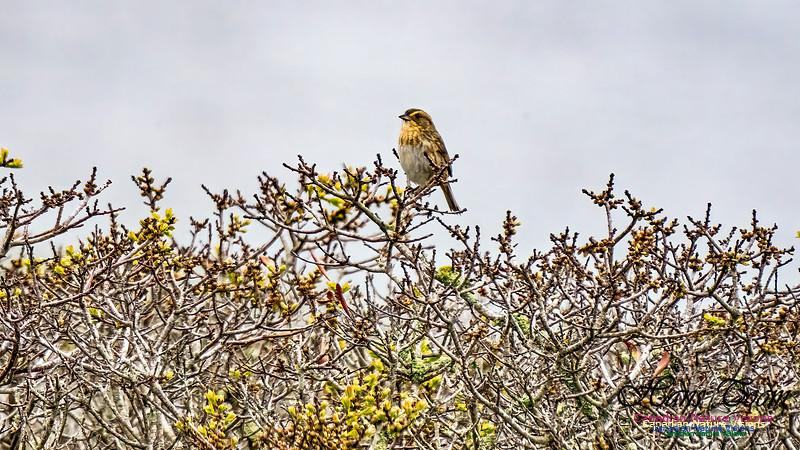
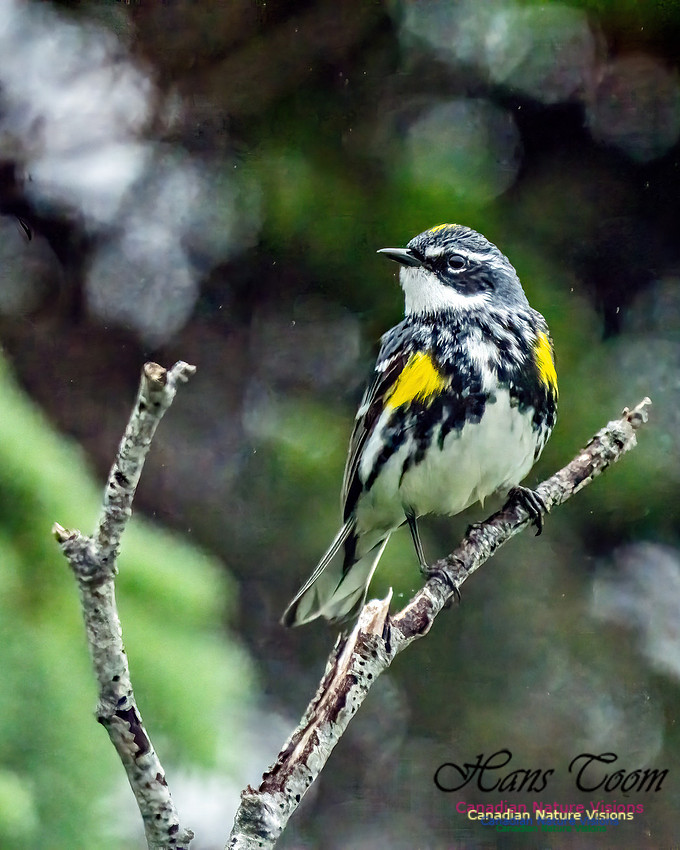
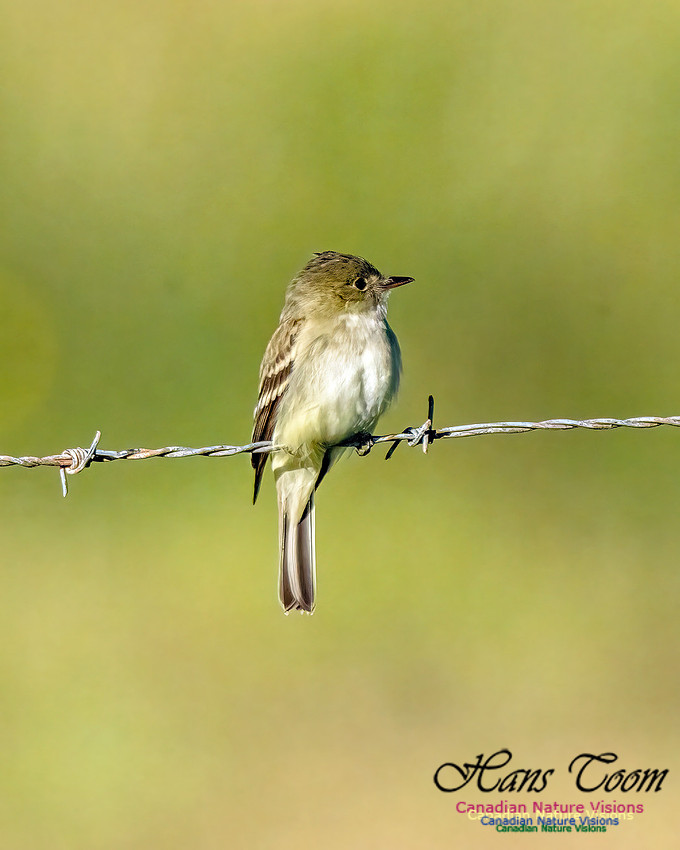
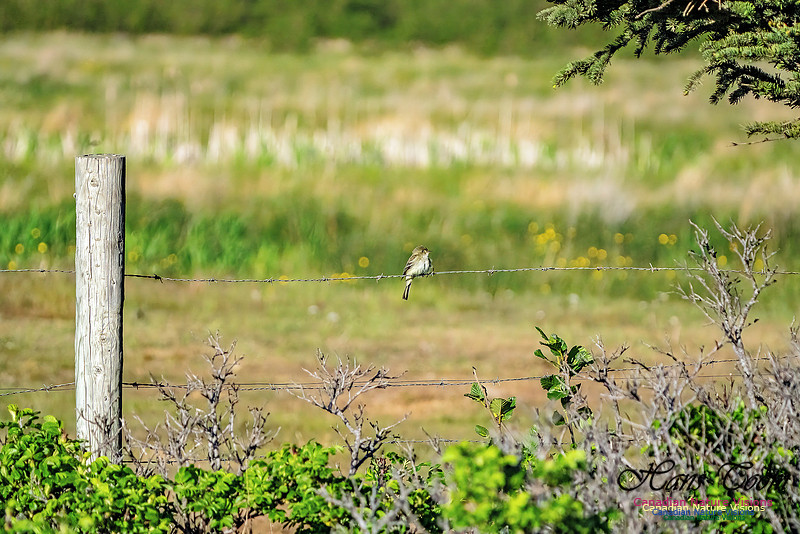
Nelson's Sparrow and Alder FlycatcherI visited a coastal salt marsh looking for Nelson's Sparrow. It's easy to find thanks to its distinctive buzzy trill song. Since it nests low in the marsh it can be hard to see. This one I photographed was a long ways away and the photos despite being shot with a 1200mm lens still needed cropping. Also present were Alder Flycatchers and Yellow-rumped Warblers. Alder Flycatcher
Nelson's Sparrow
Yellow-rumped Warbler
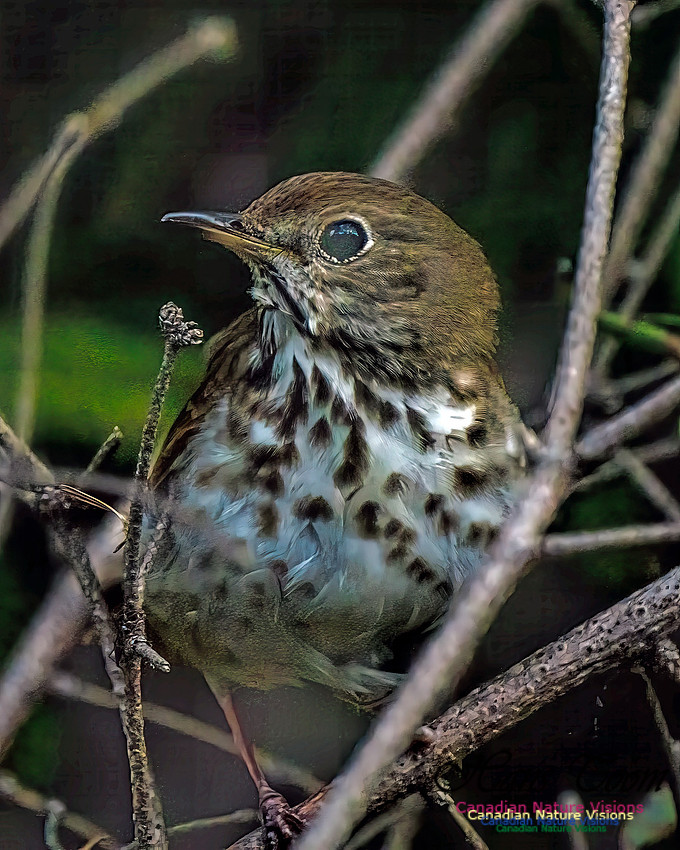
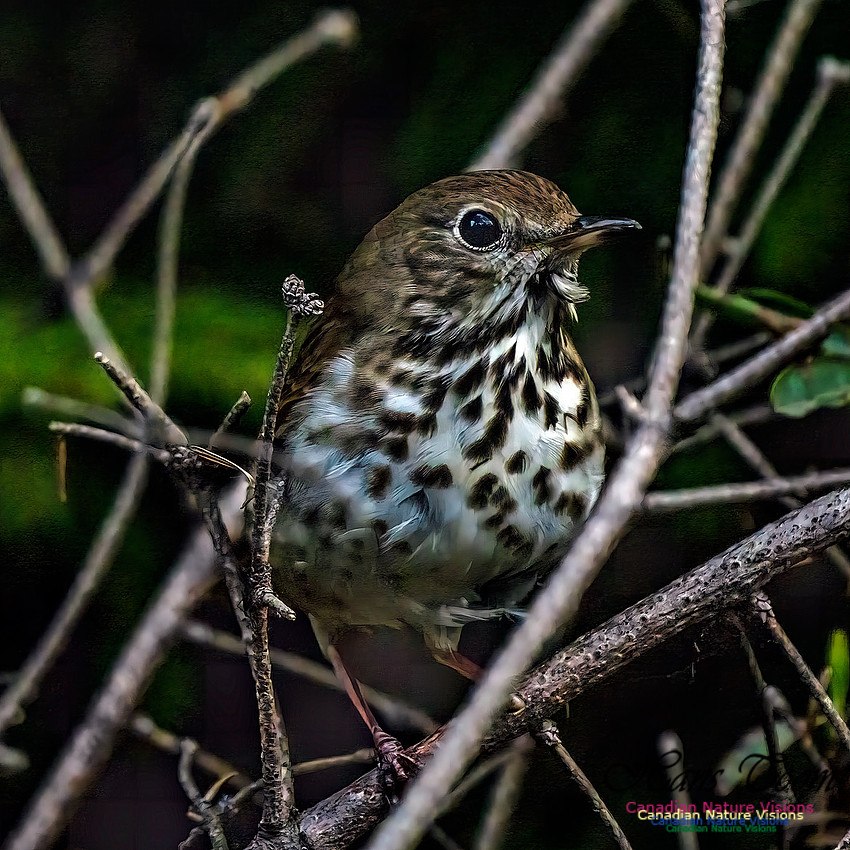
Hermit ThrushI was on the hunt for Canada Warbler in a location where they have nested in past years. To my surprise whilst parked in a picnic spot a Hermit Thrush appeared close by. The Hermit Thrush has a musical song almost always started with a long opening note. It's our most common thrush in Nova Scotia but not always easy to see though it is often heard especially at dawn or at dusk. Hermit Thrush
Eastern Wood-PeweeI didn't see or hear the Eastern Wood-Pewee on my travels to and from Cape Chignecto Provincial Park this week but I did find it where it nests locally. It is a easy bird to find due to its constant and boisterous song. Eastern Wood-Pewee
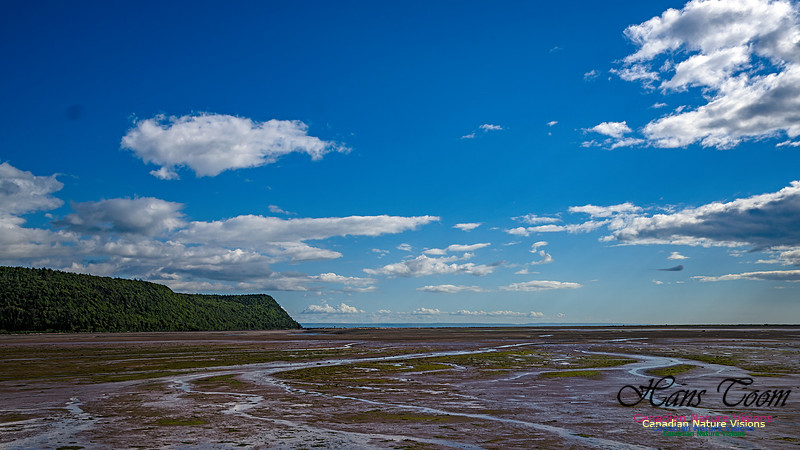
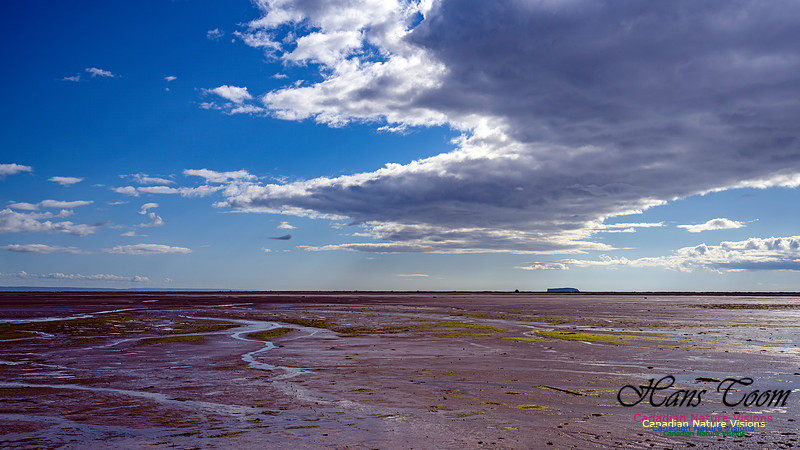
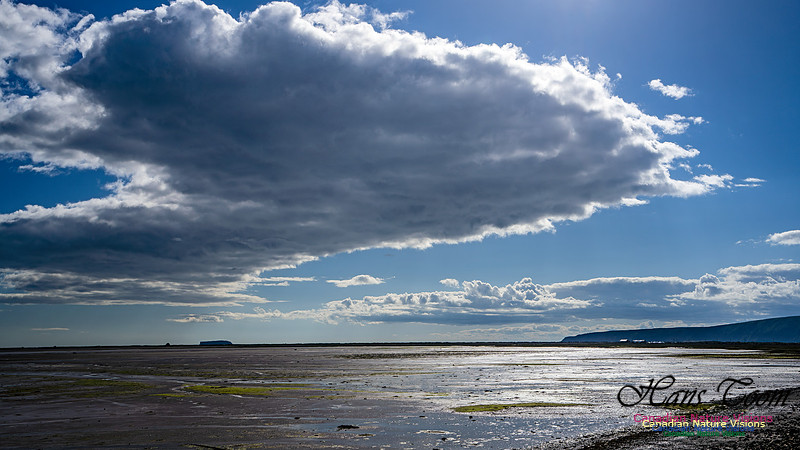
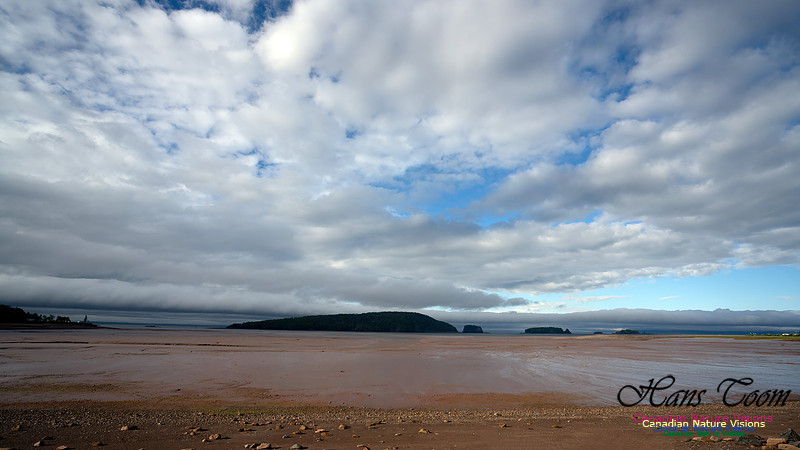
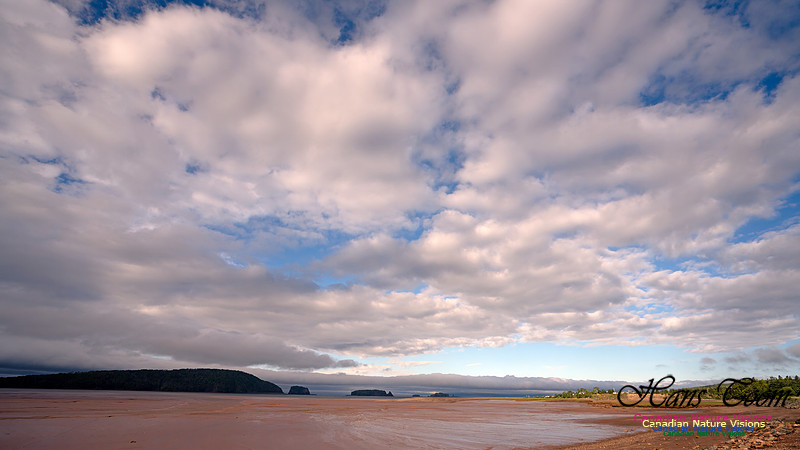
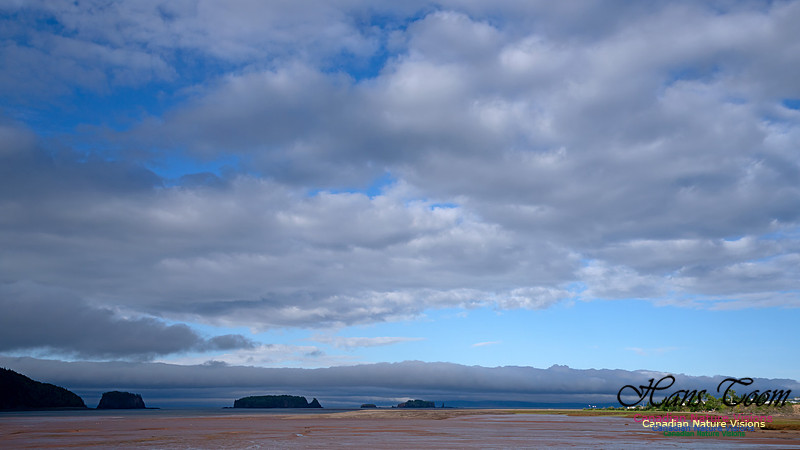
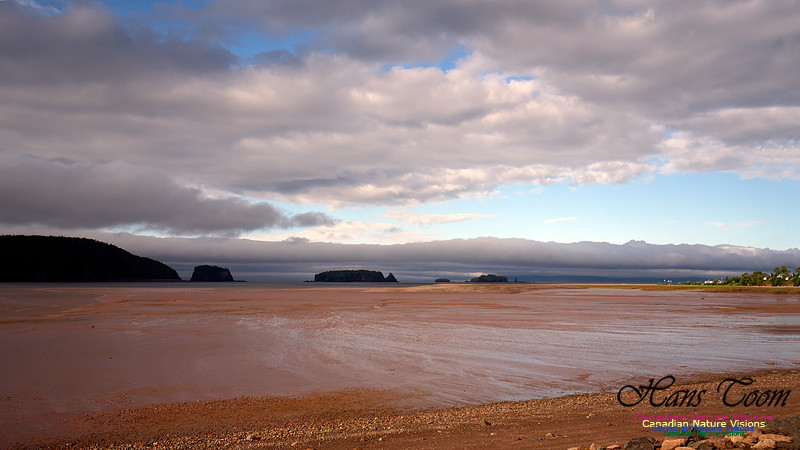
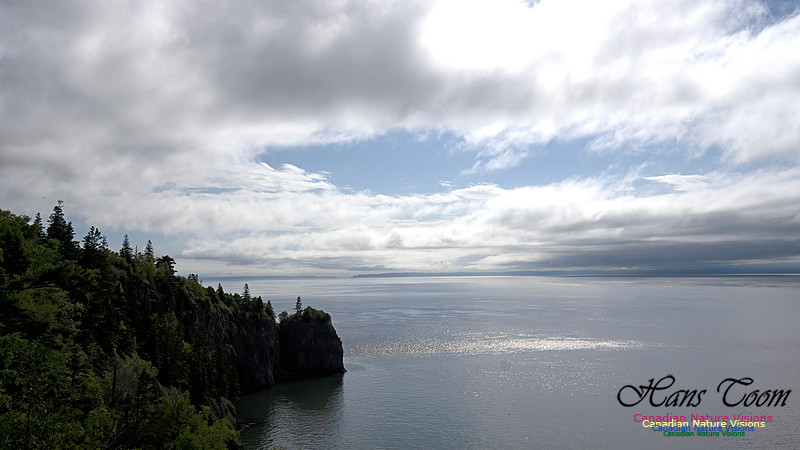
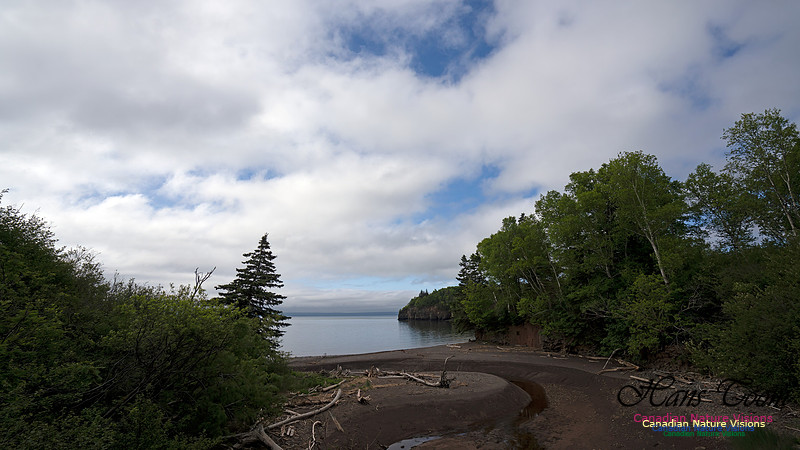
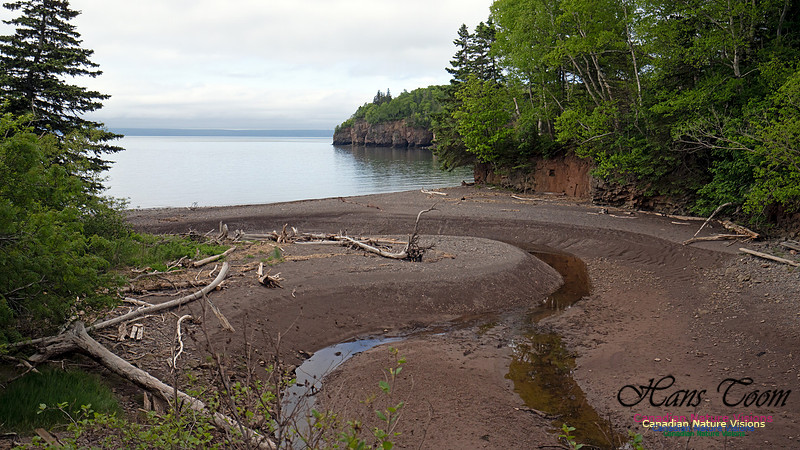
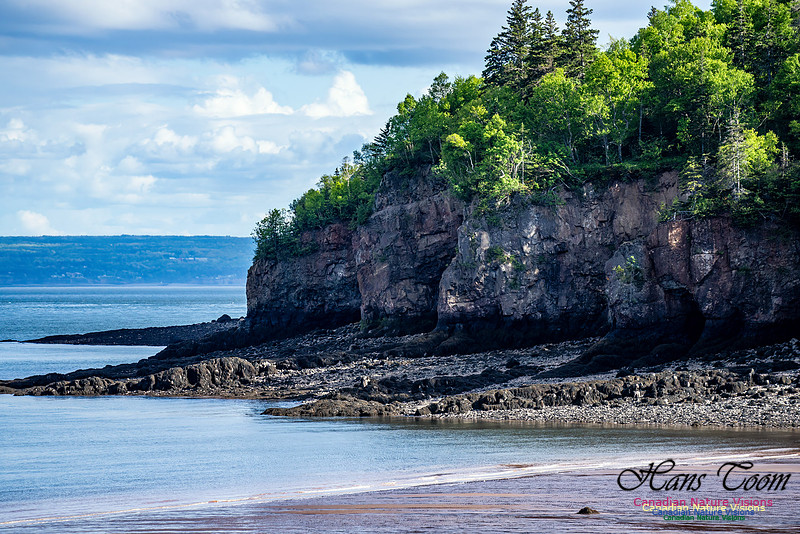
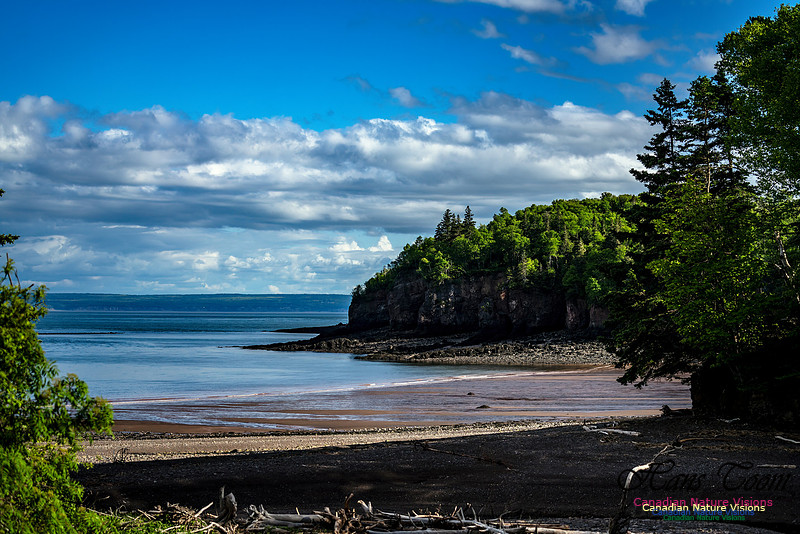
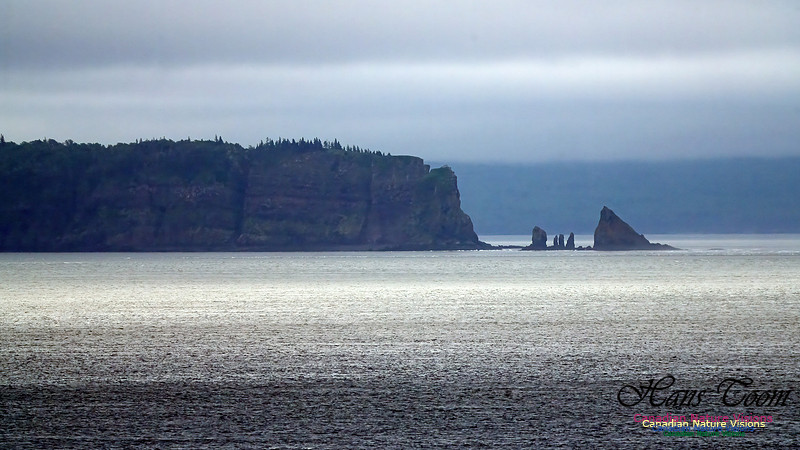
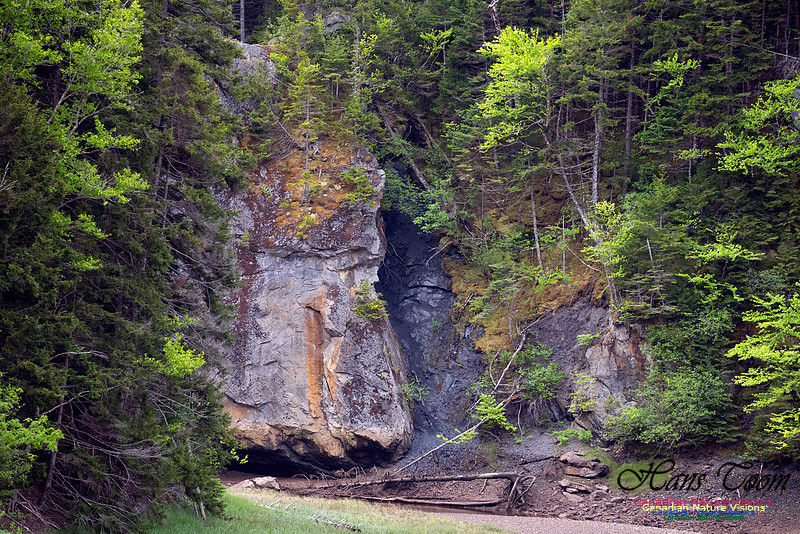
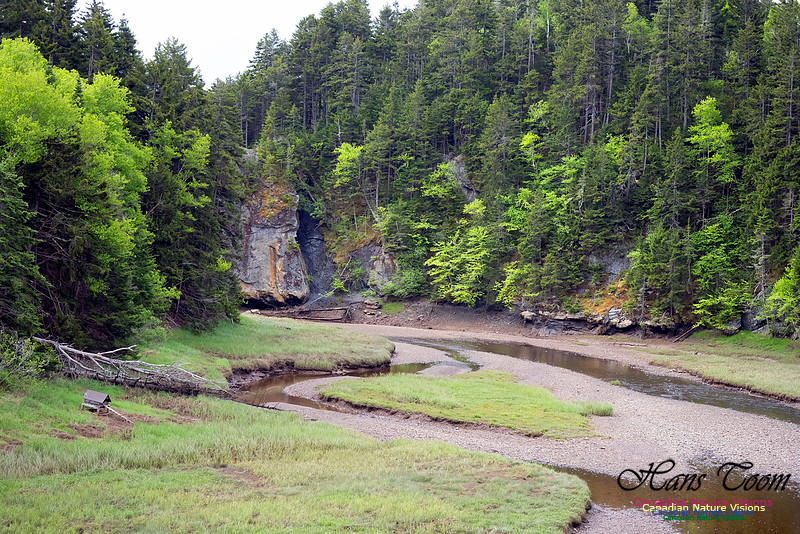
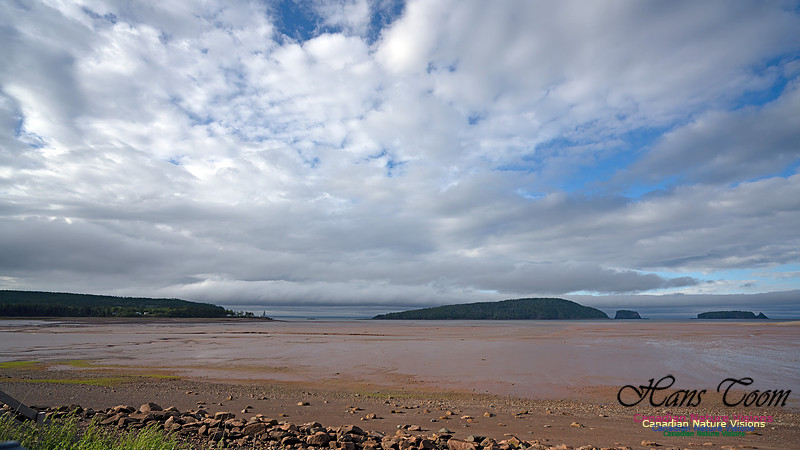
The Cape Chignecto Provincial Park ExpeditionI took my annual Cape Chignecto Provincial Park adventure last Tuesday. I left early, 6AM, from Halifax and spent the day birding and photographing in the park despite the unmarked road closures. I returned on Wednesday and visited a few locations on the way home. Despite the cooperative weather, cloudy bright, birds were not plentiful or active. I particularly missed seeing or hearing Mourning Warbler, Swainson's Thrush and Eastern Wood-pewee, my target species for the trip. The Usual Spectacular Clouds between Cape d'Or and Cape Chignecto
Alder Flycatcher
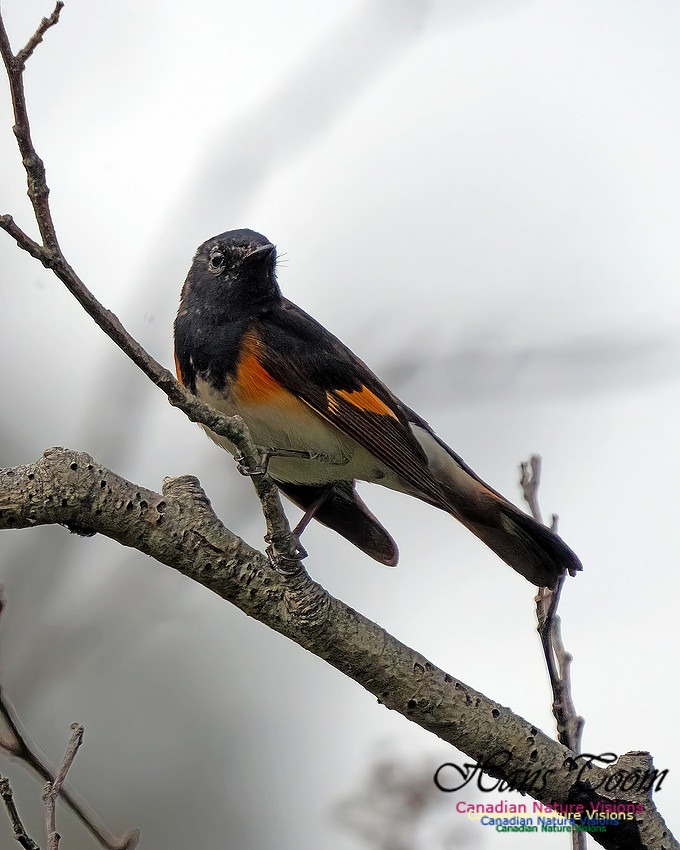
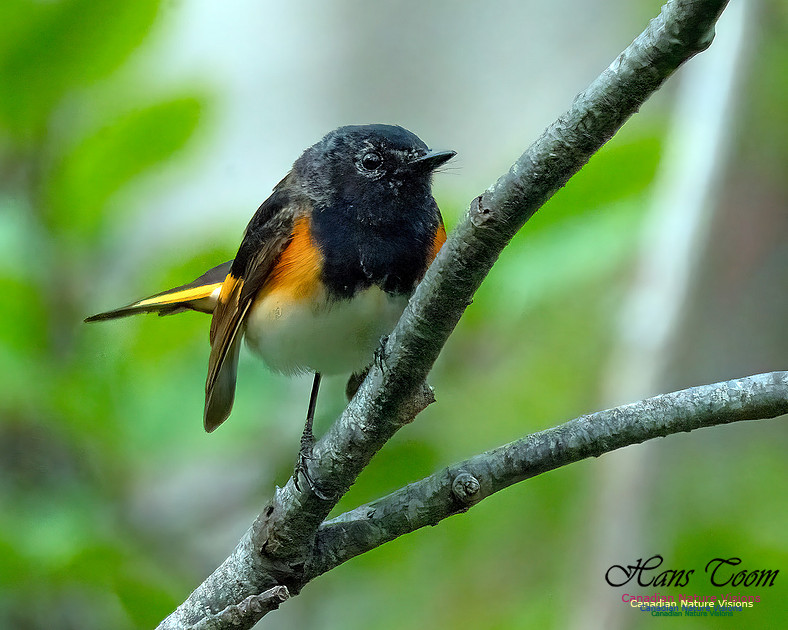
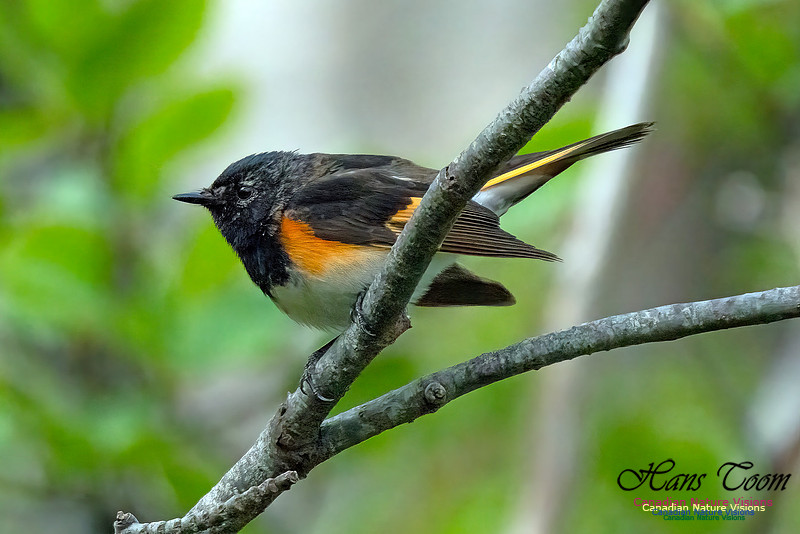
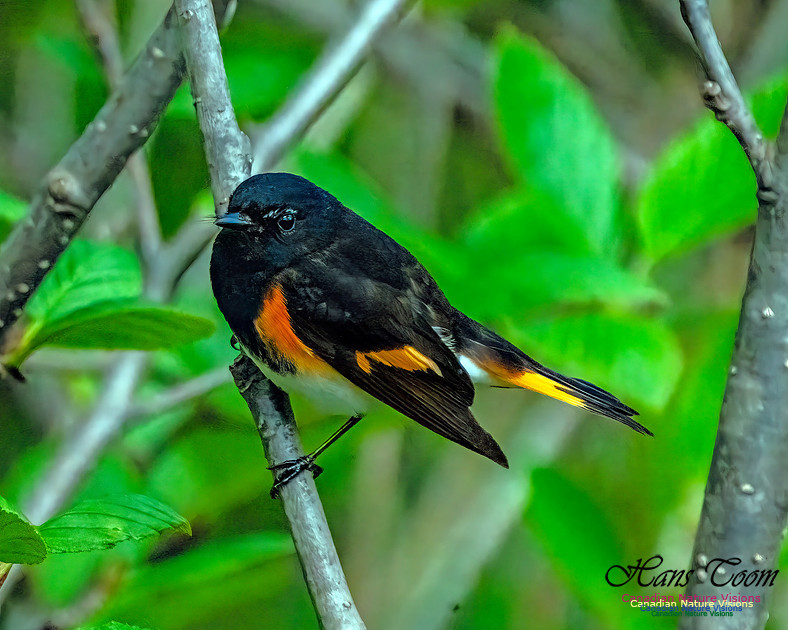
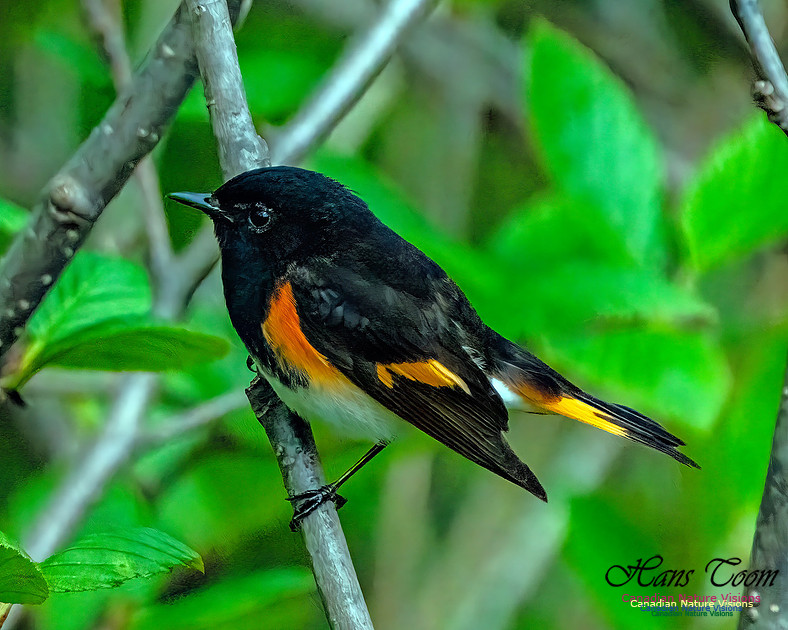
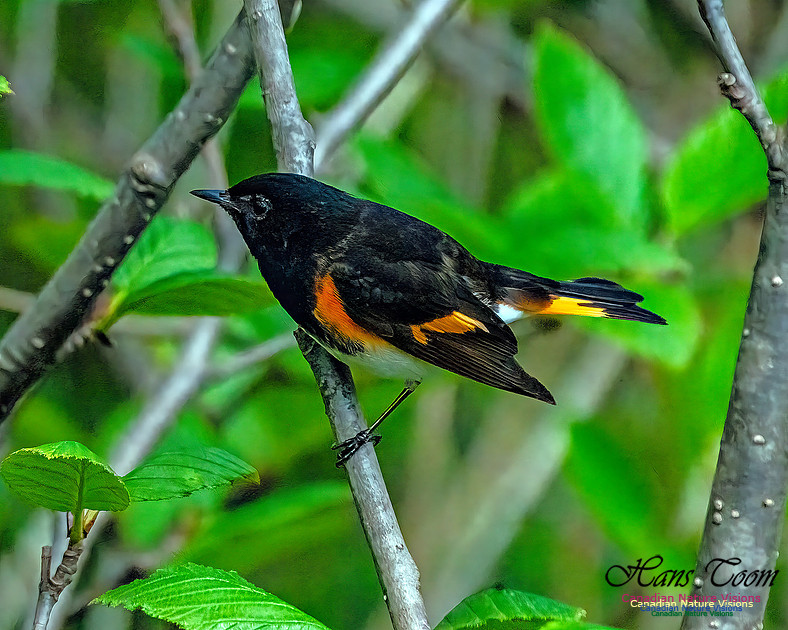
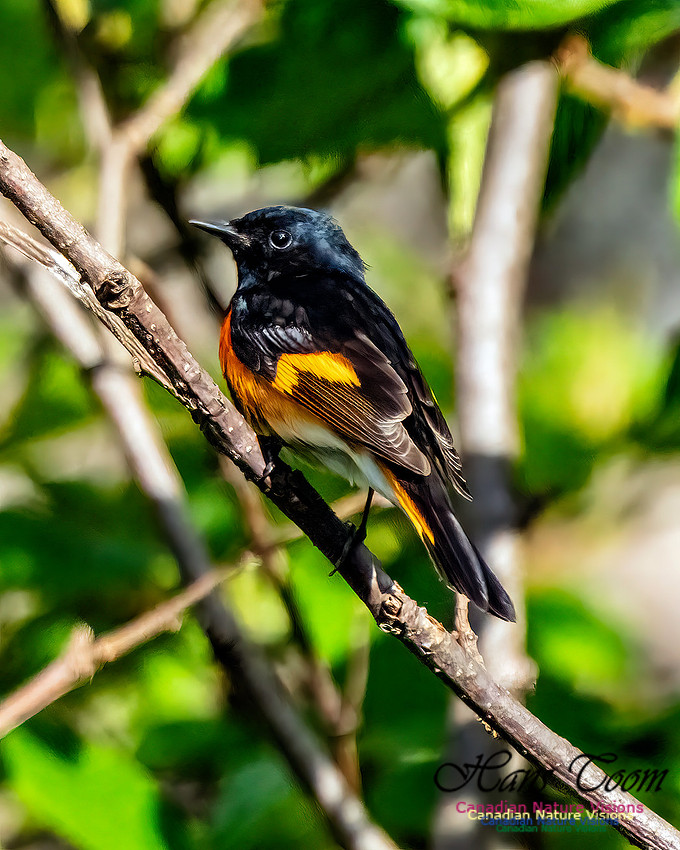
American Redstart
The Minas Basin at Low Tide
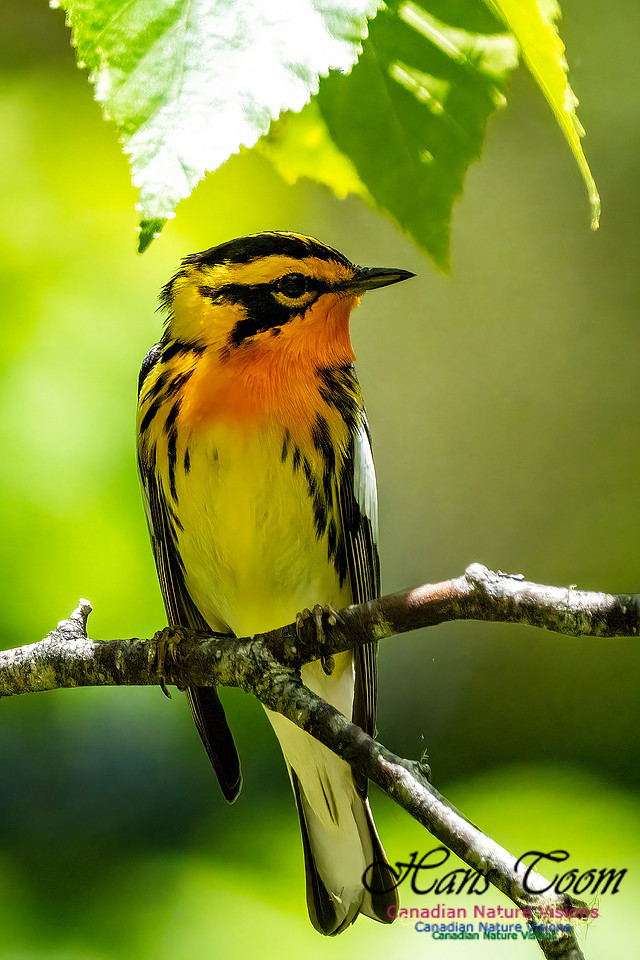
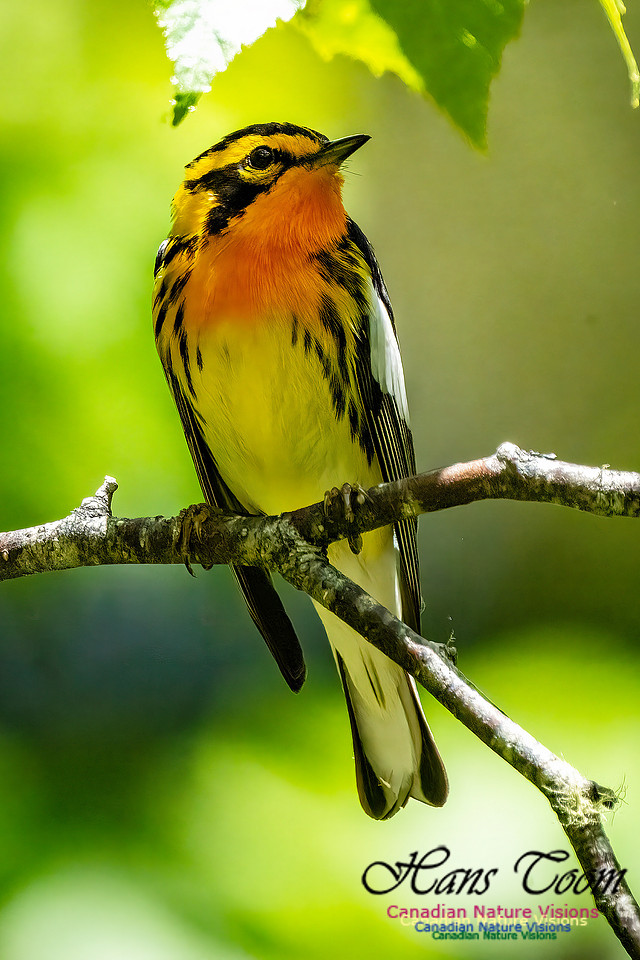
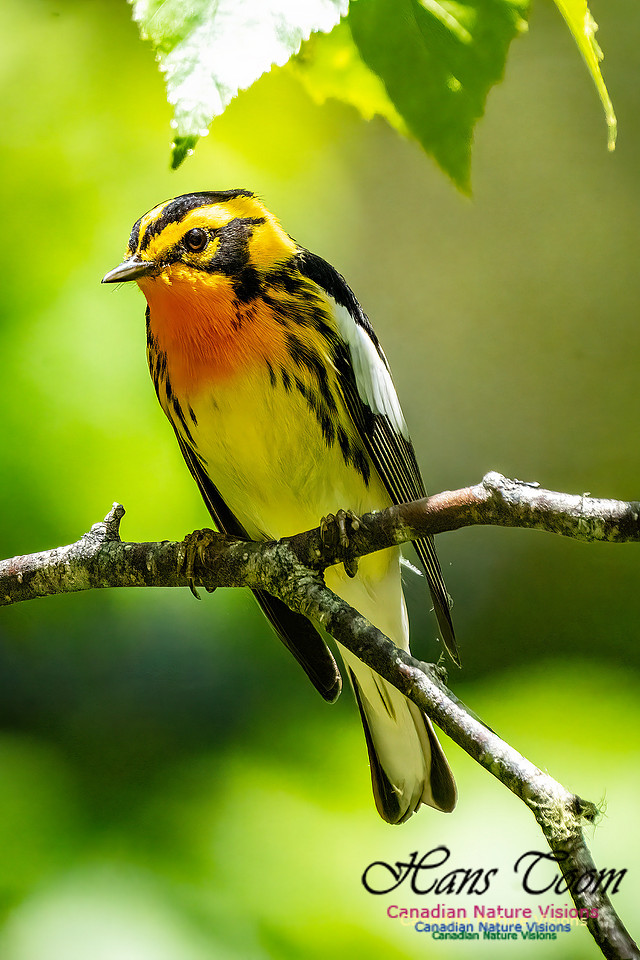
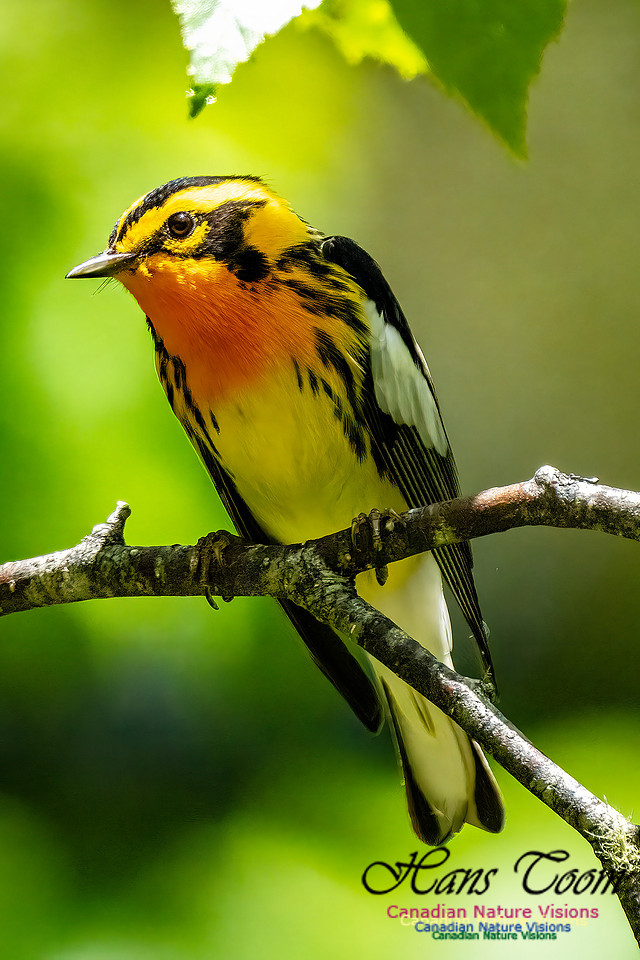
Blackburnian Warbler
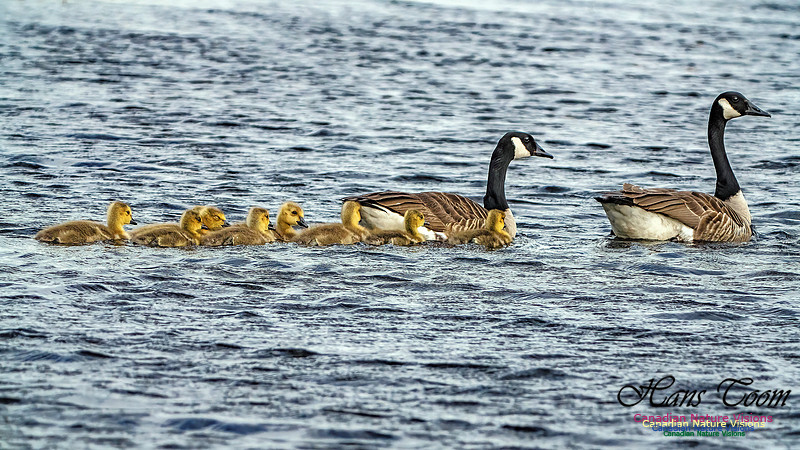
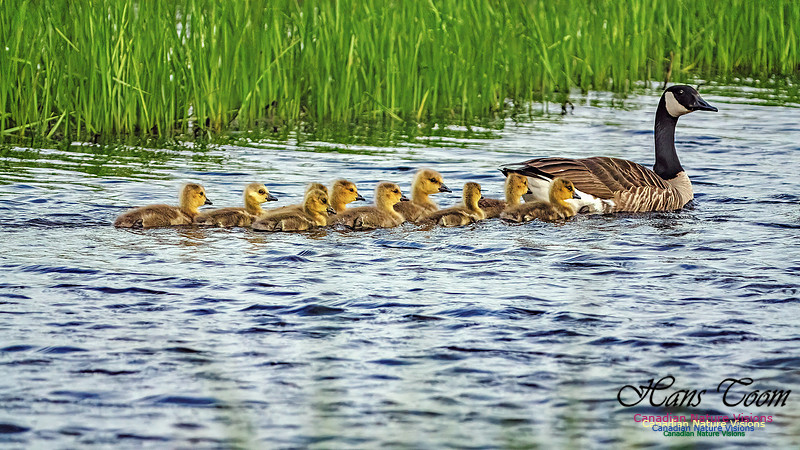
Canada Geese Family on Parade
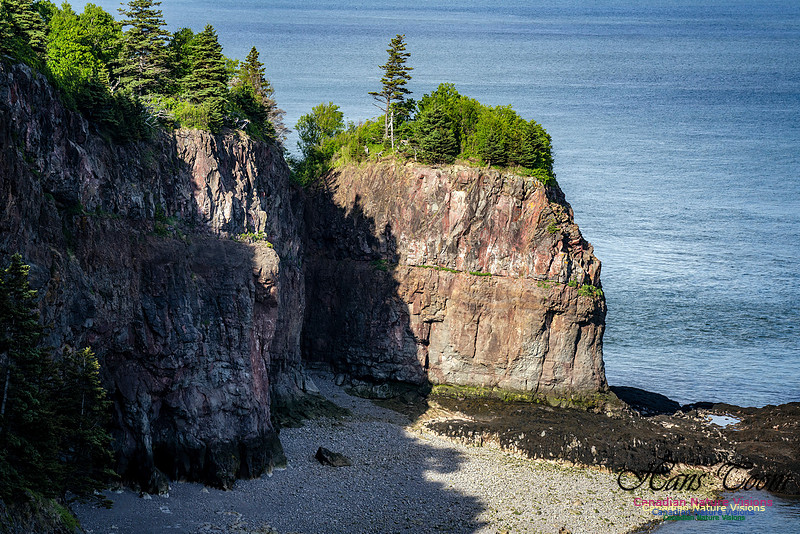
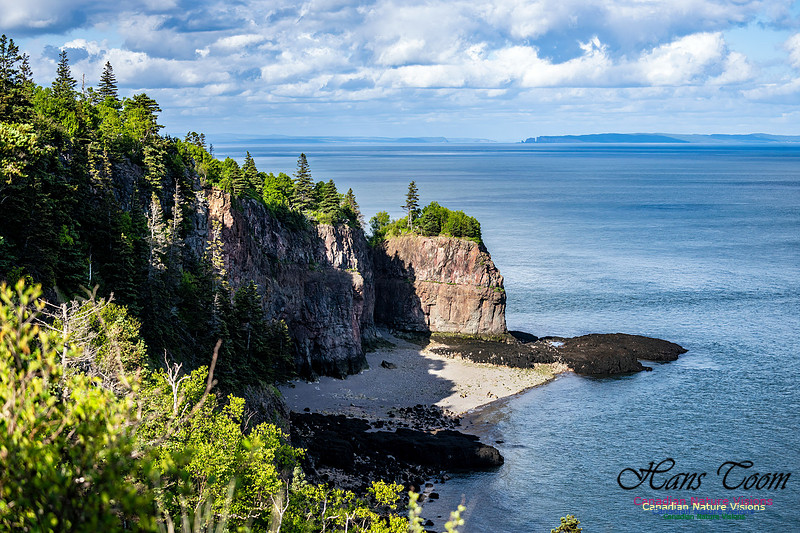
Cape d'Or
Cape Split
Eastern Bluebird at Feeder not Bird House
Advocate Harbour Wharf and Fishing Vessels
Five Islands Provincial Park
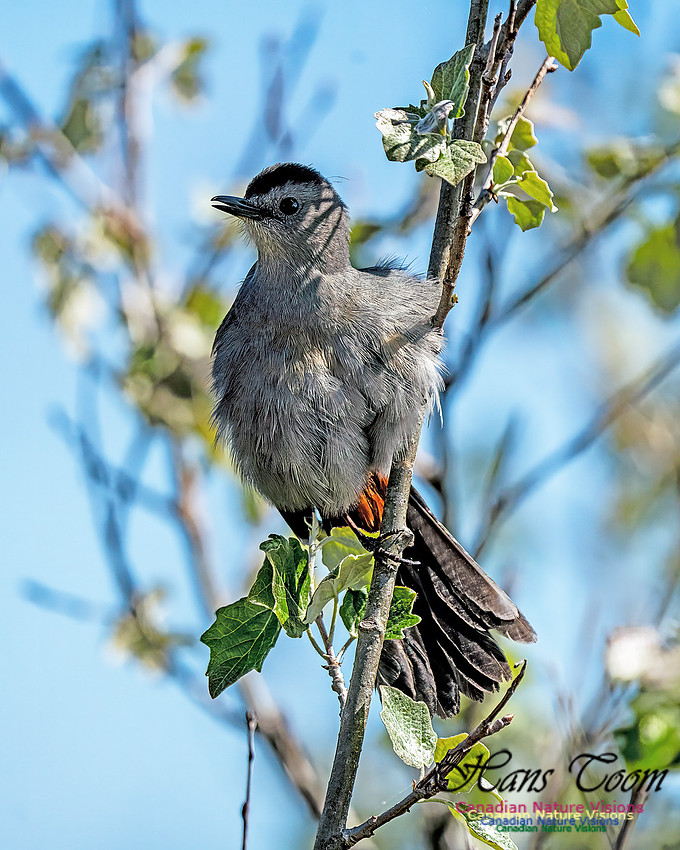
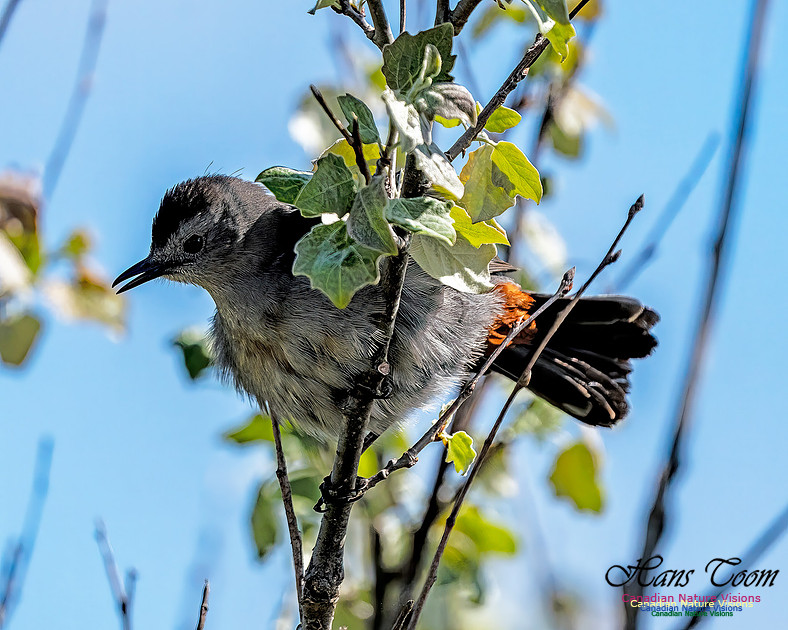
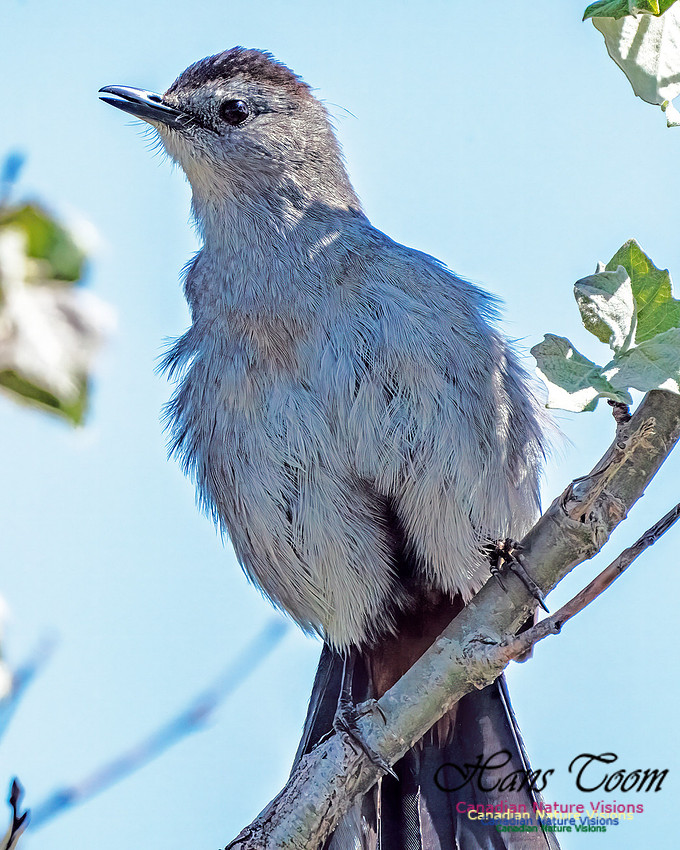
Grey Catbird
Hermit Thrush
Scenes on Route
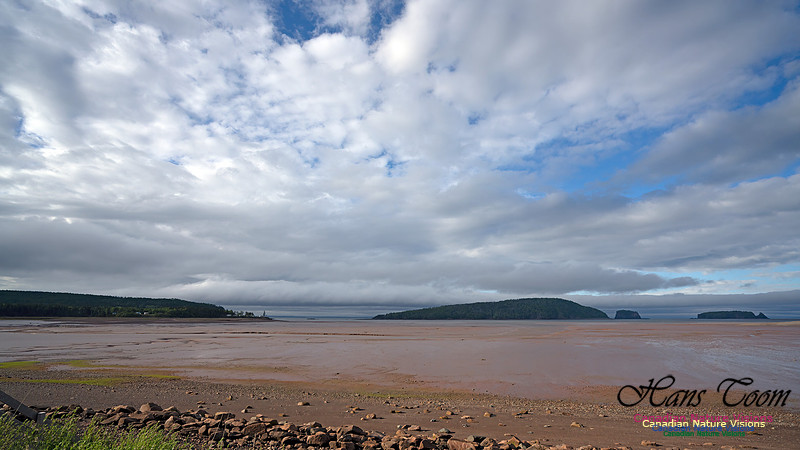
Minas Basin at Low Tide
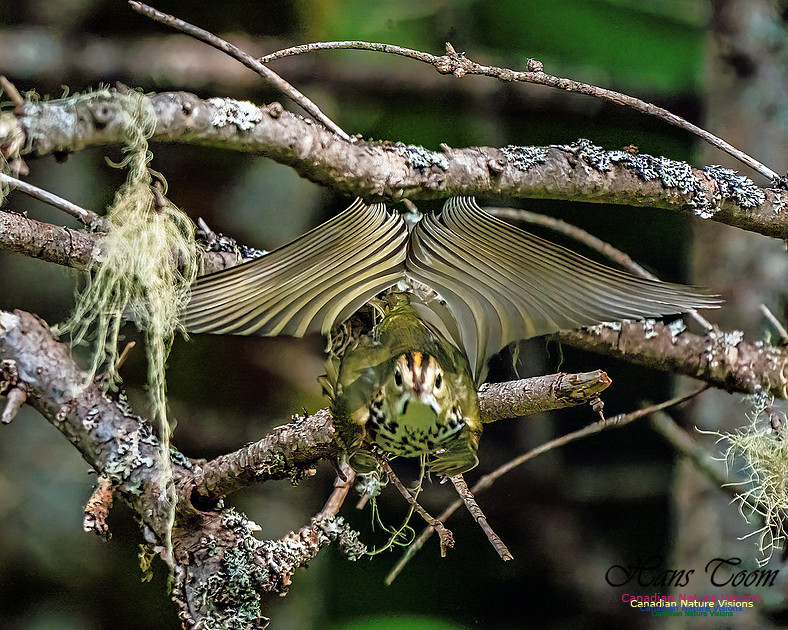
Ovenbird in Motion
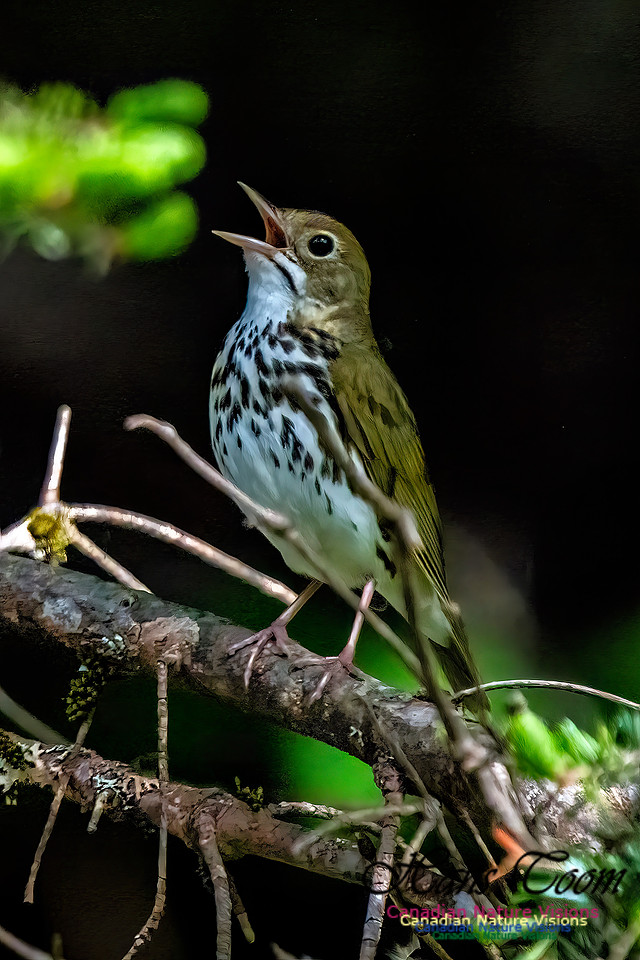
Ovenbird
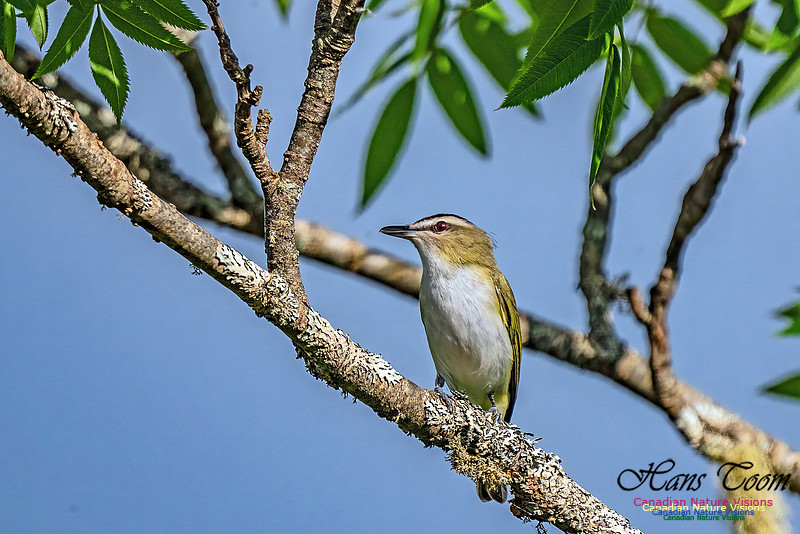
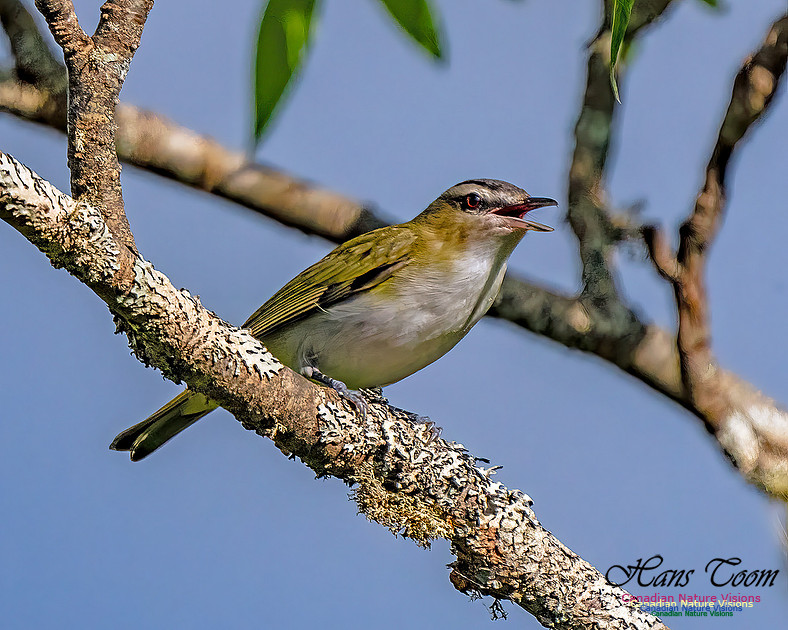
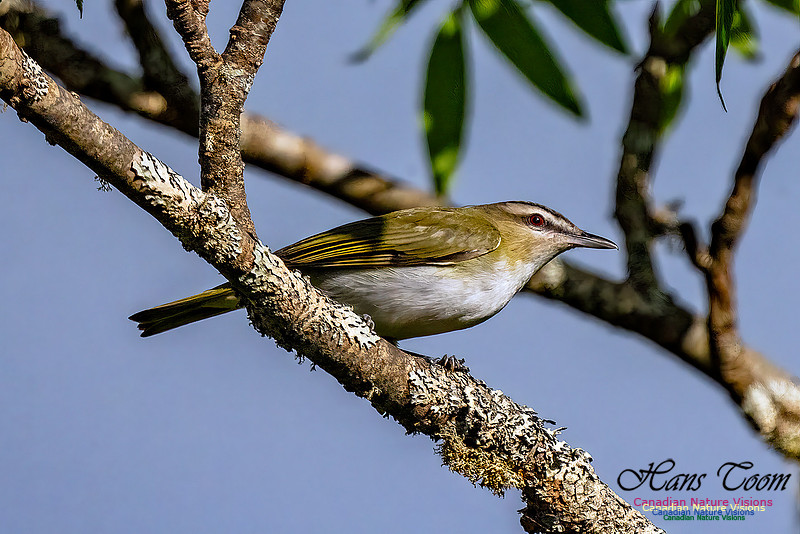
Red-eyed Vireo
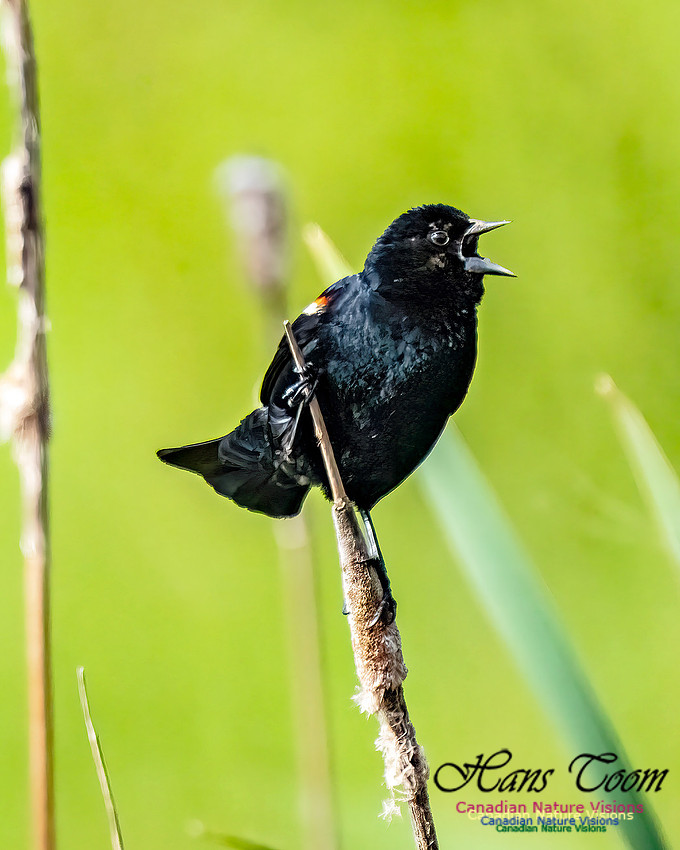
Red-winged Blackbird
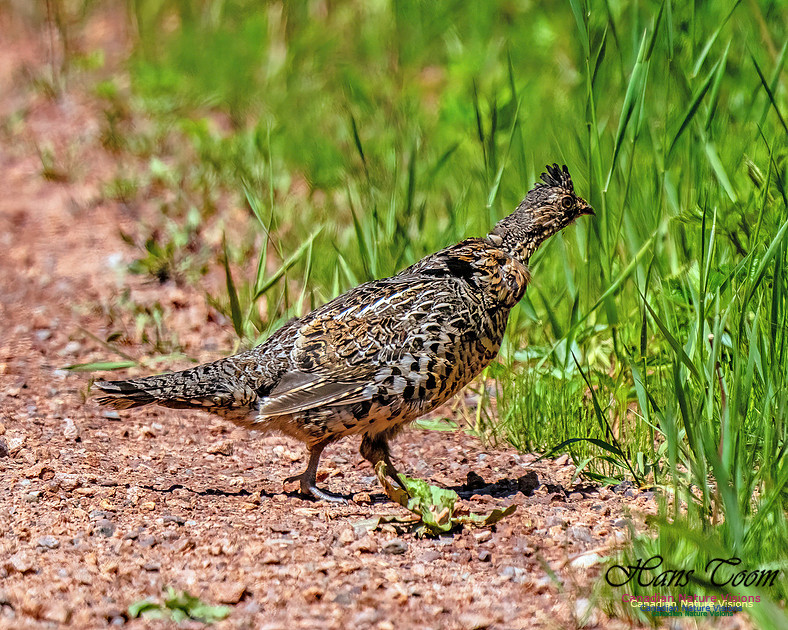
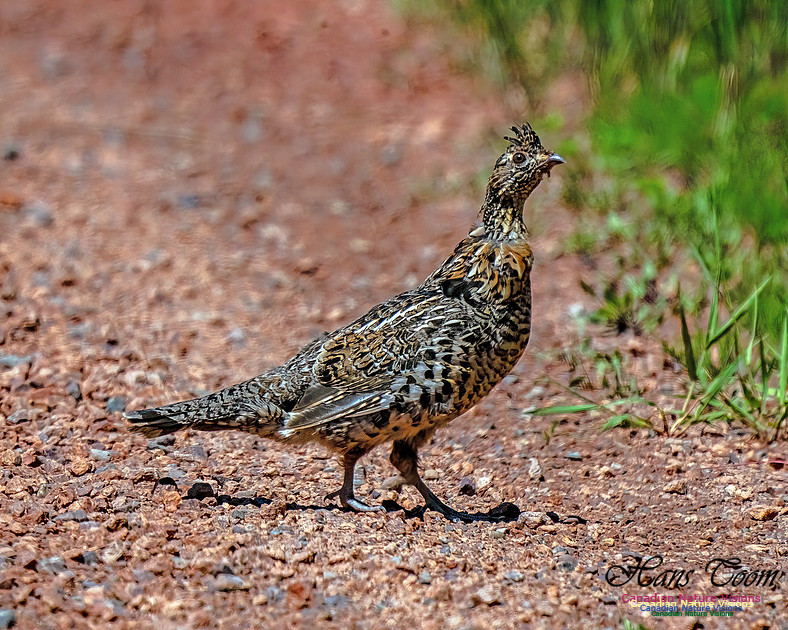
Ruffed Grouse
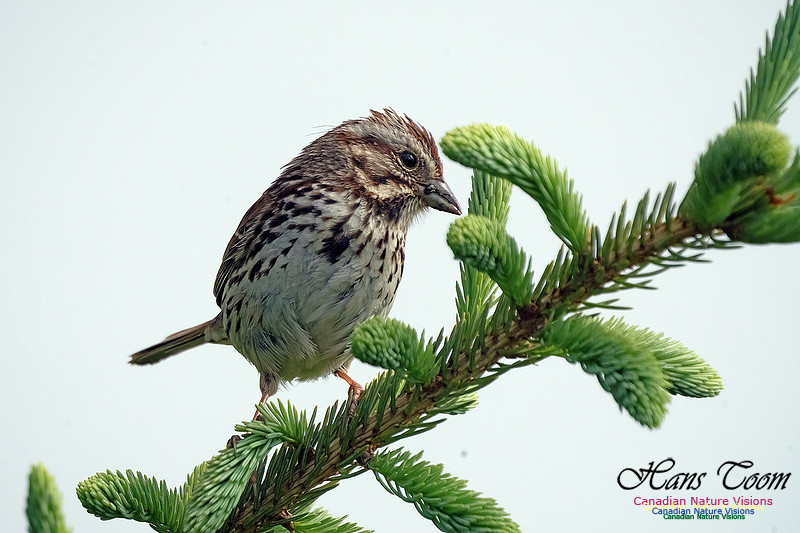
Song Sparrow
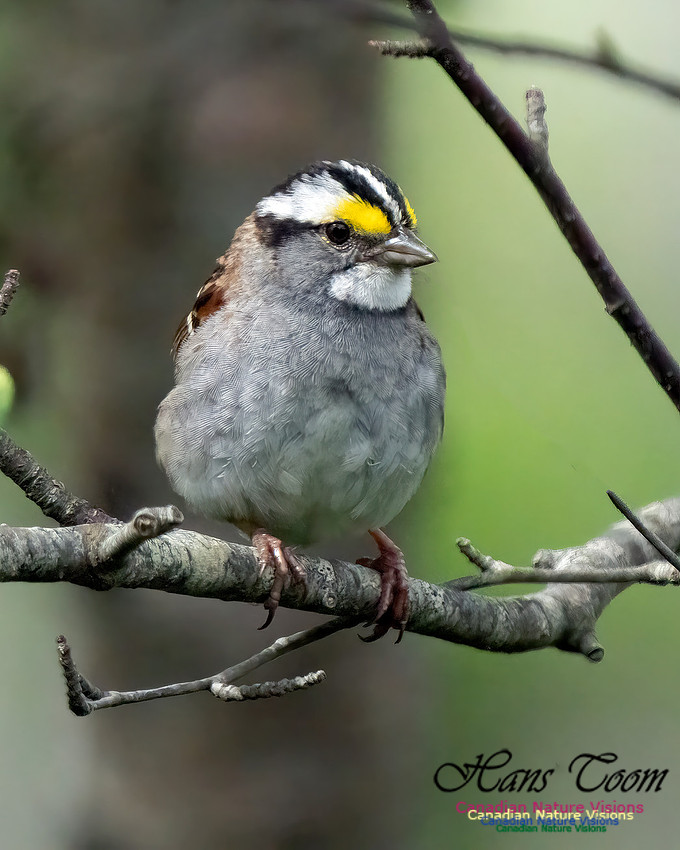
White-throated Sparrow
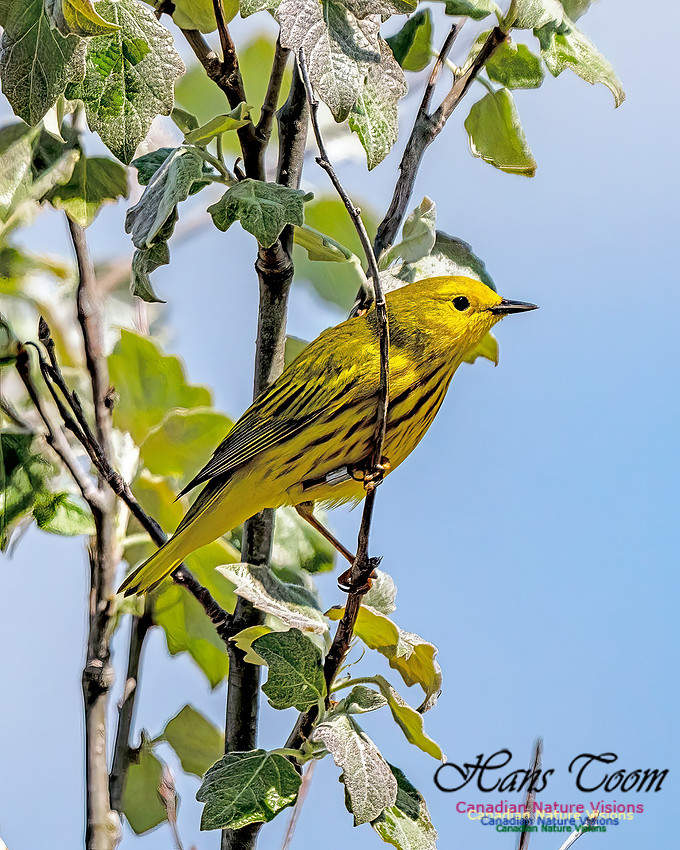
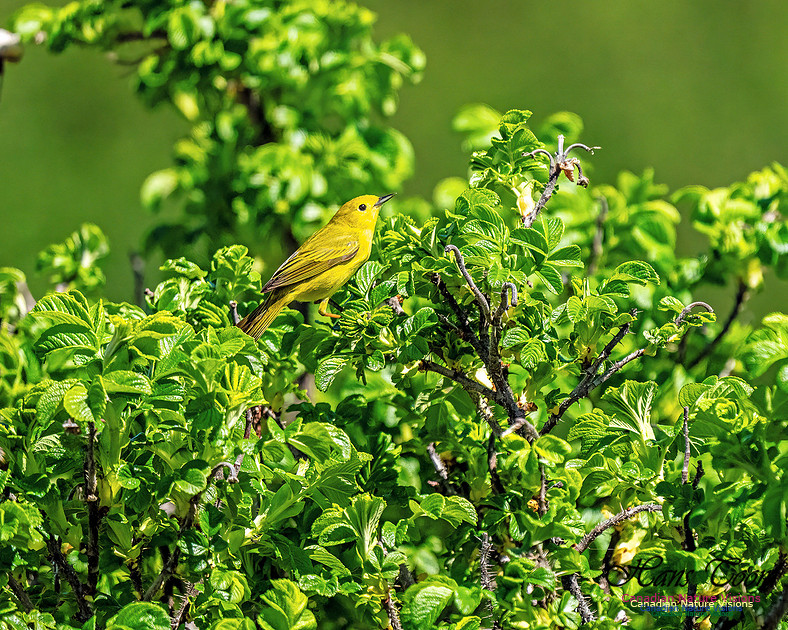
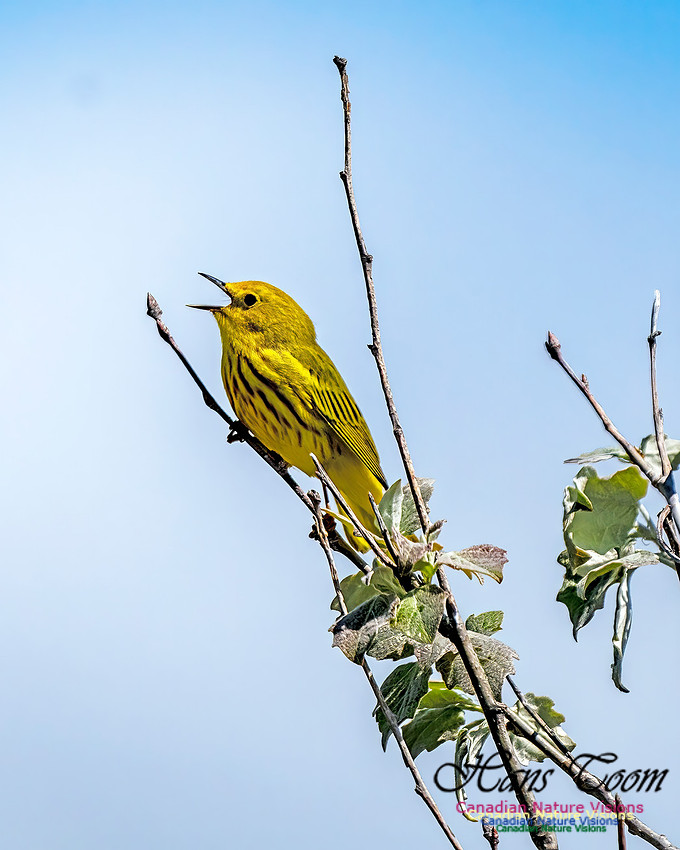
Yellow Warbler
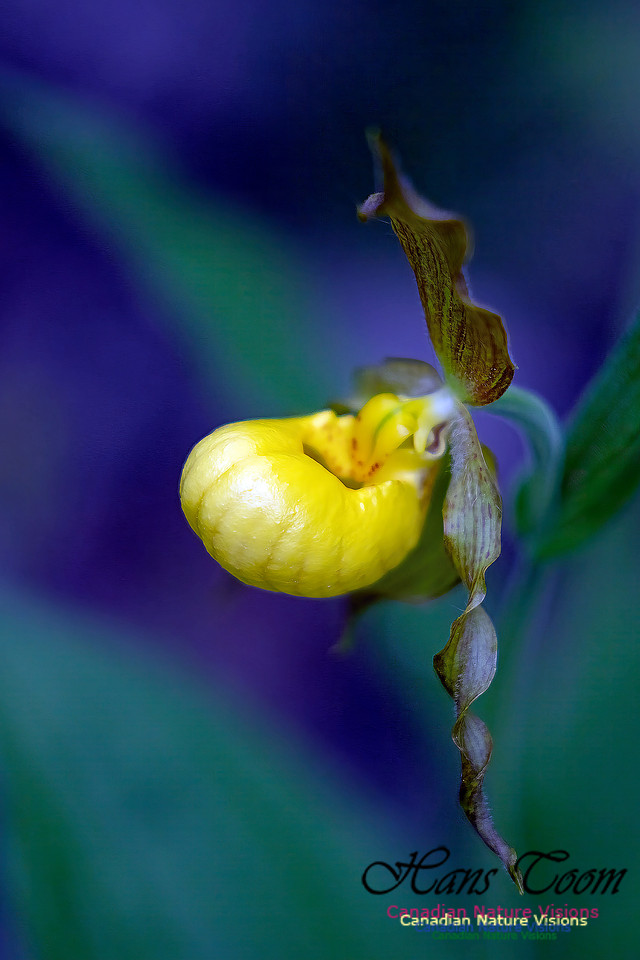
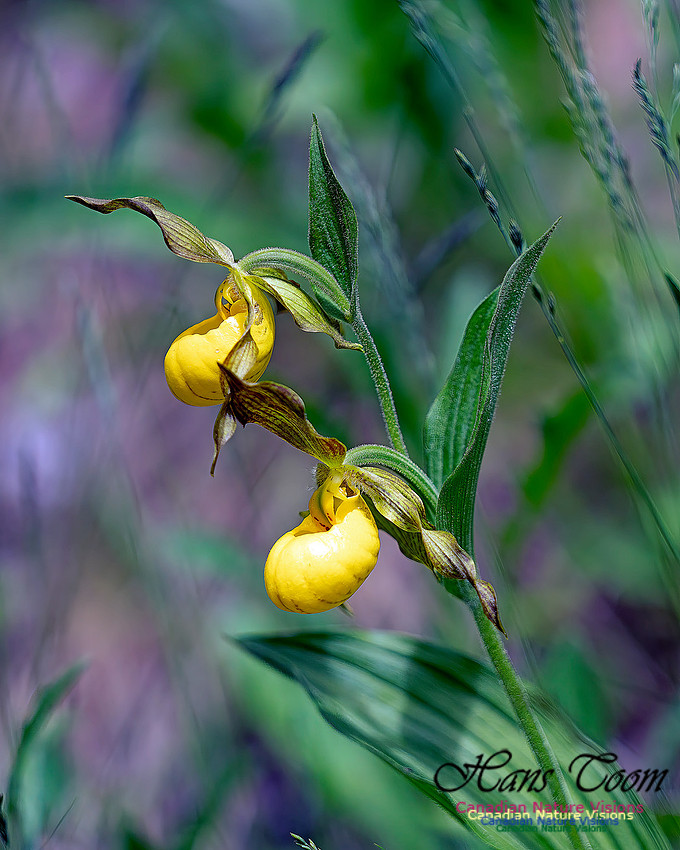
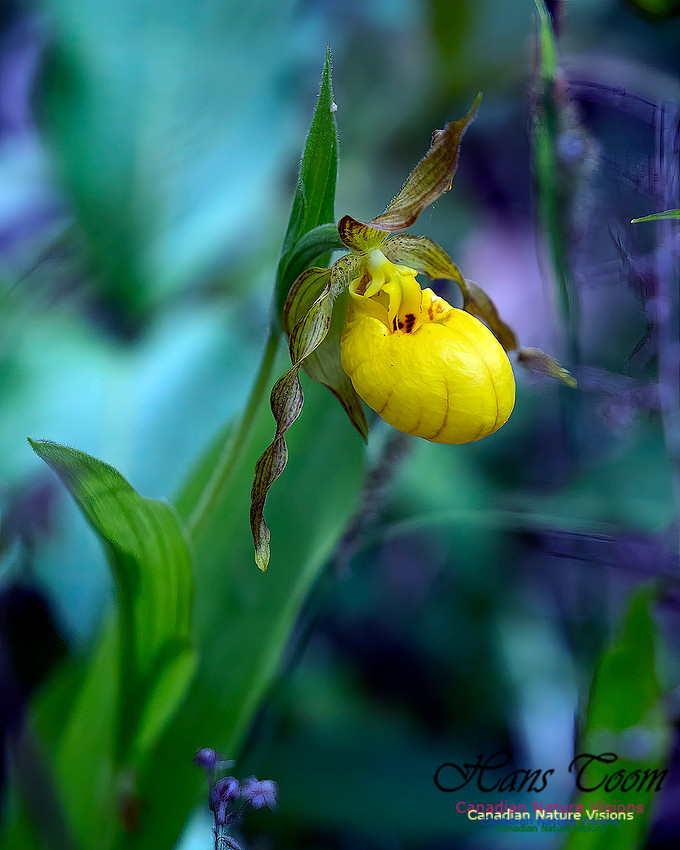
Yellow Lady's Slipper OrchidThe Yellow Lady's Slipper Orchid is a rare and endangered flower whose location once found should never be revealed for the wild flora terrorists will dig them up and try to transplant them almost always unsucessfully. These flowers occur annually on the gysum lands of Nova Scotia. Yellow Lady's Slipper Orchid
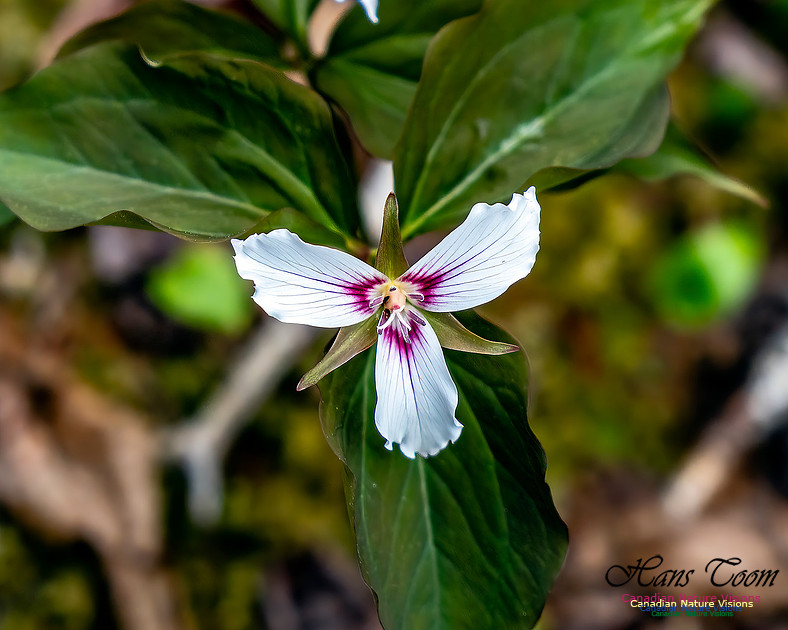
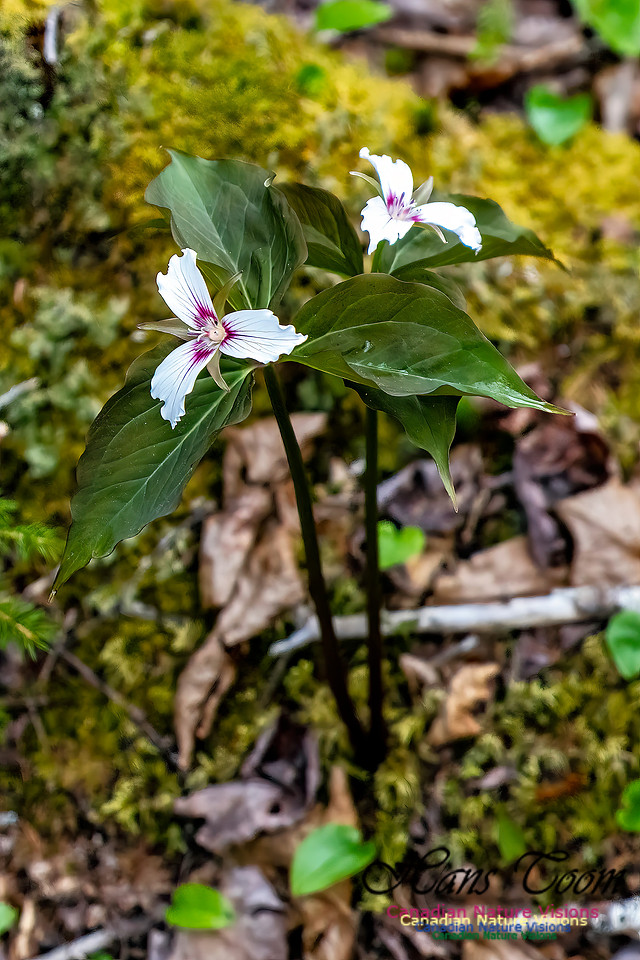
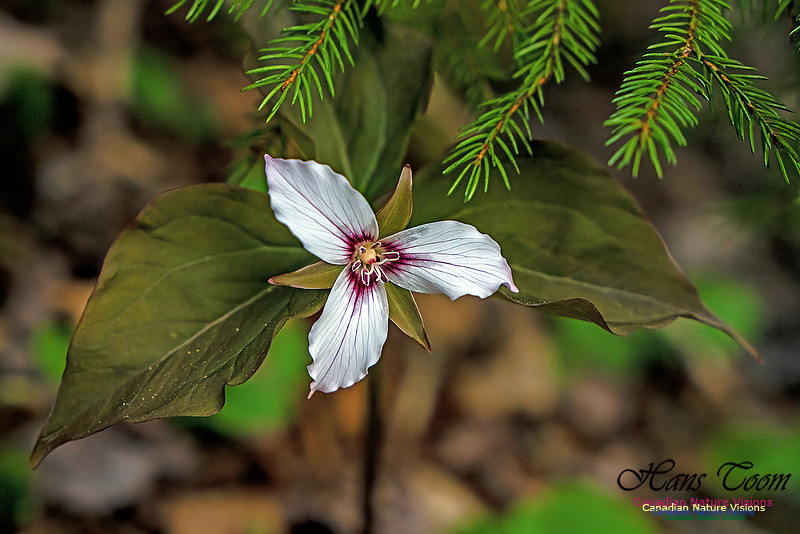
Painted TrilliumLaura and I often go to Mount Uniacke Museum Estate in the spring to visit with the Painted Trillium. Timing is important with this elegant flower since it has a short flowering season. Last year we went too late and they were spent. This year we were too early and only found a few in flower. Nevertheless its always worth the effort. Painted Trillium
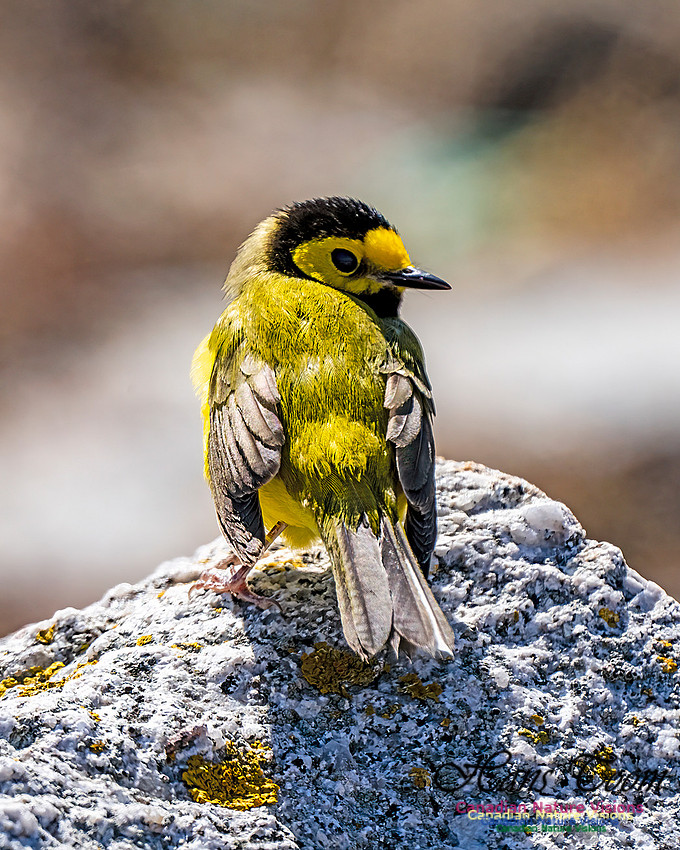
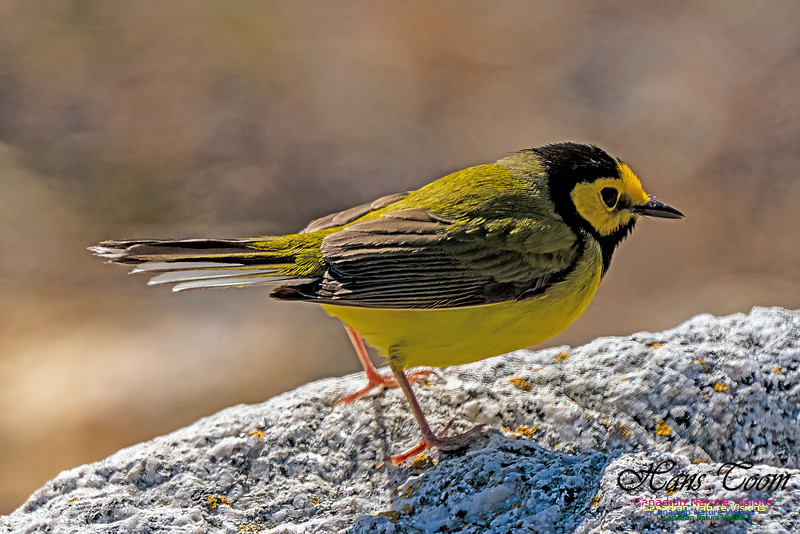
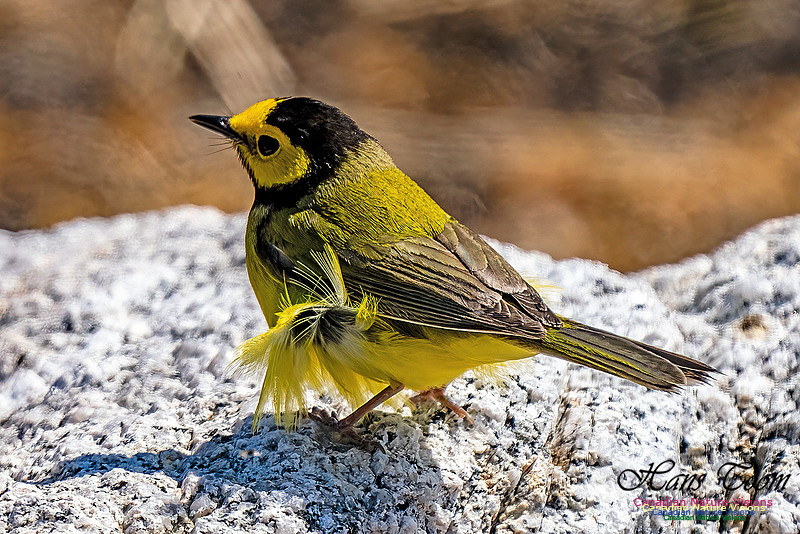
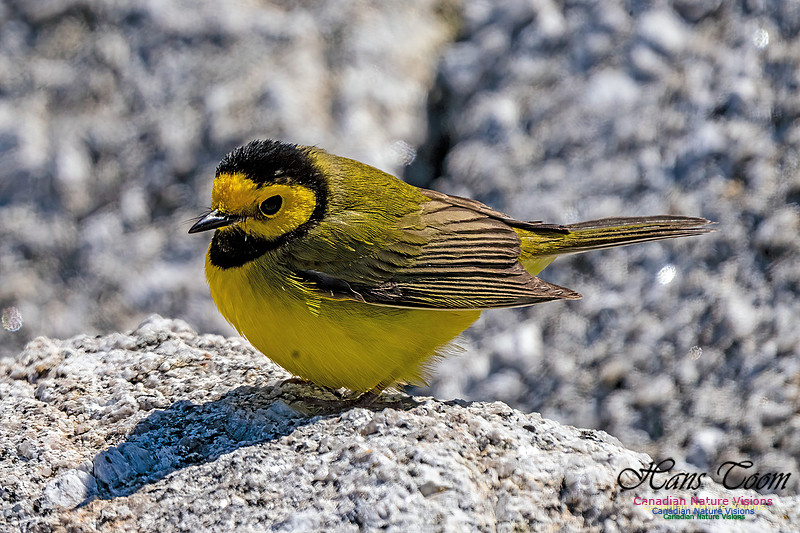
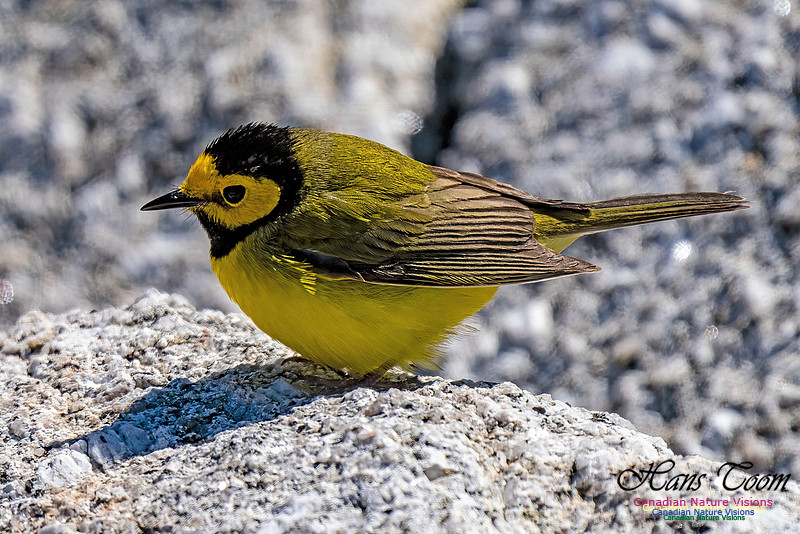
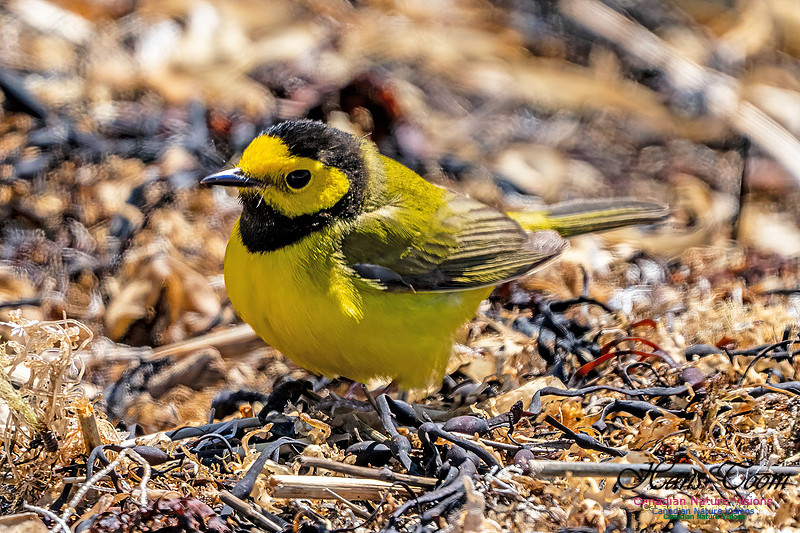
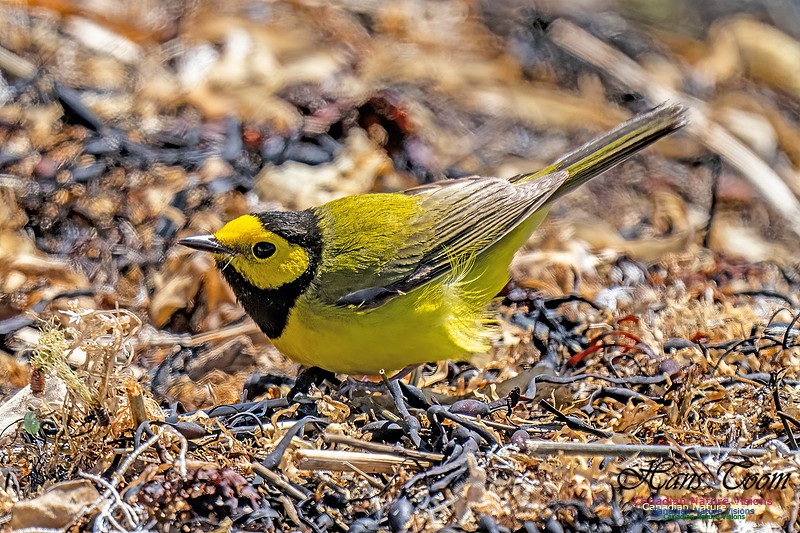
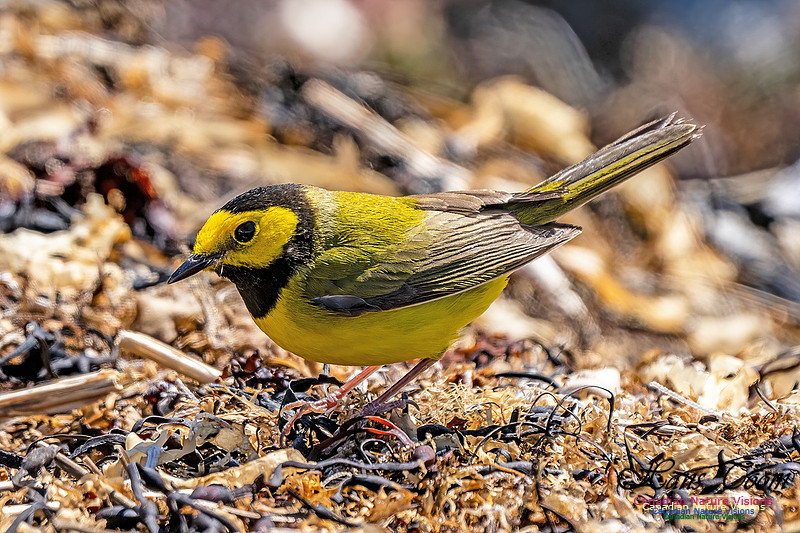
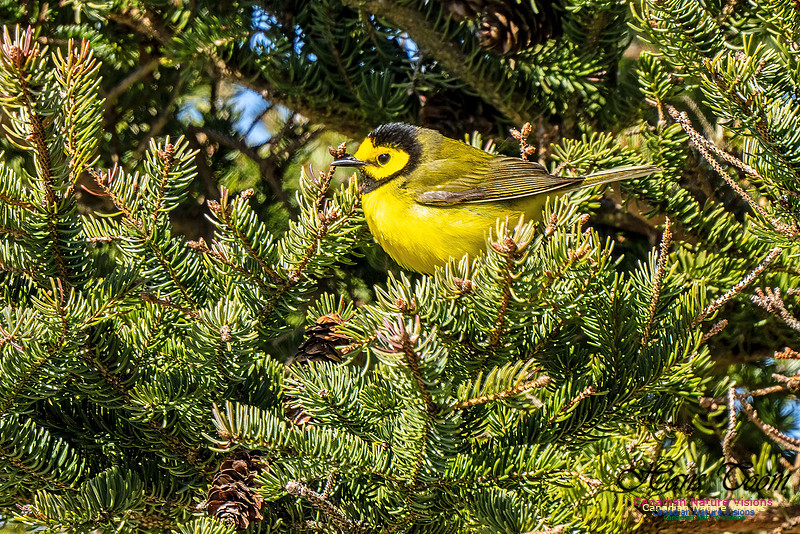
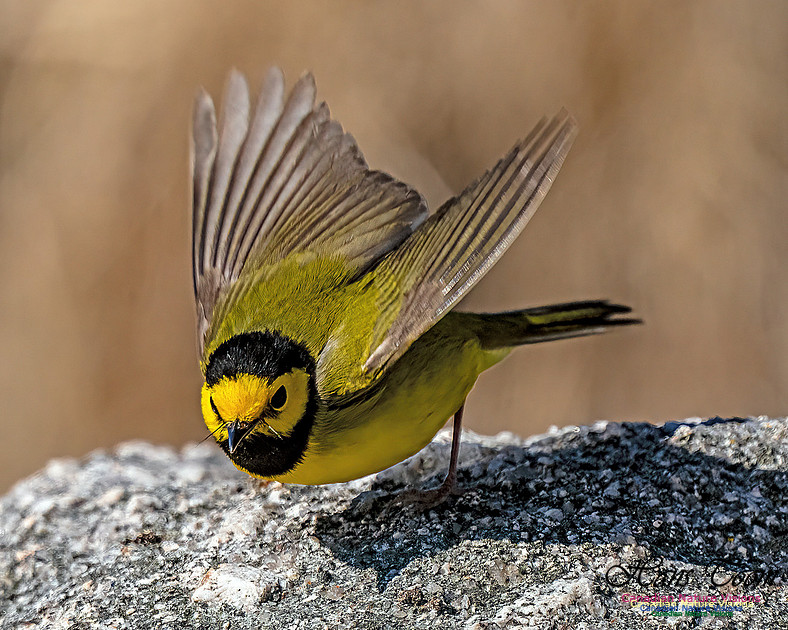
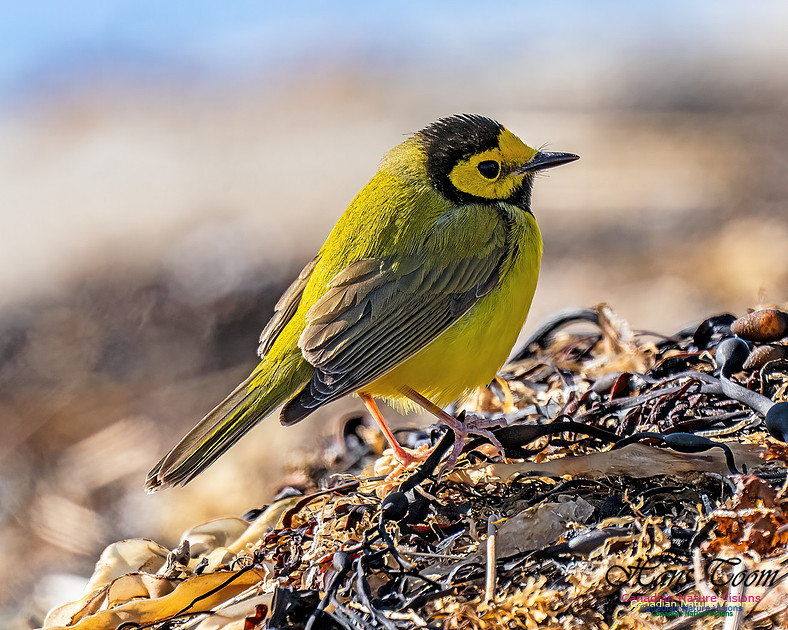
Hooded Warbler and Sandy Cove's BeachI have been visiting Sandy Cove's Beach since 2000 and every year a rare bird or two shows up and often many uncommon species. The area has a special ecosystem that fosters marine flora and fauna. The National Research Council of Canada has a research station here and no wonder considering the abundance of marine life; https://nrc.canada.ca/en/research-development/nrc-facilities/marine-research-station. The kelp heaps team with maggots and various coastal fly species that are so abundant here that birds feed non stop. My rarest species found here is the Loggerhead Shrike which I couldn't even find in Manitoba. The photos are from the recent visit of the Hooded Warbler from late April. This beach and Hooded Warbler are doubly rare since not only is the bird rare but finding it feeding out in the open and easily photographed is also rare. Hooded Warbler
|


.jpg)