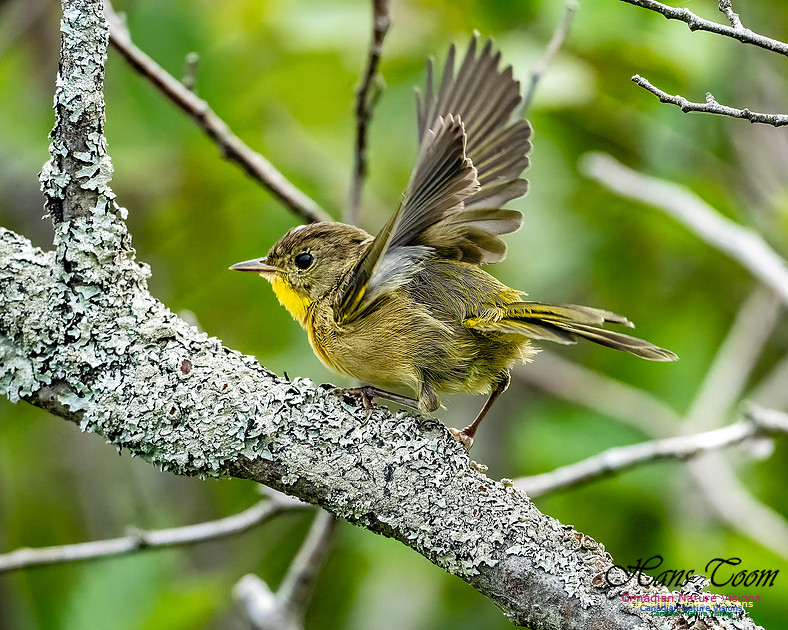
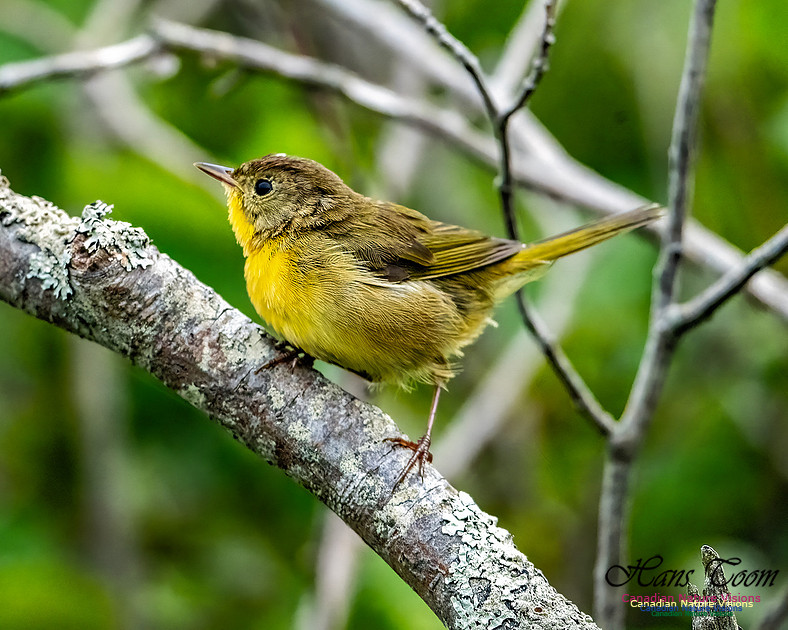
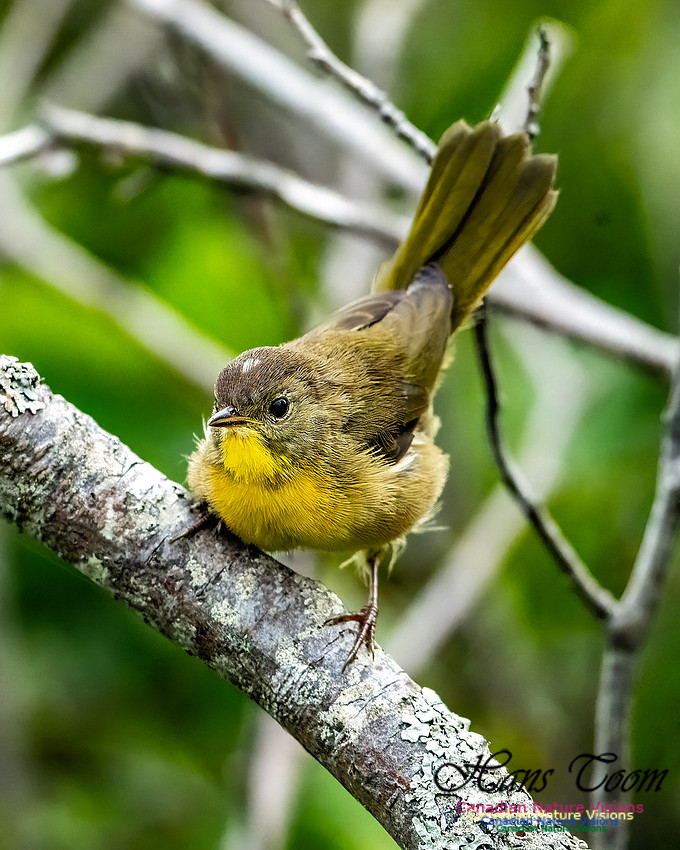
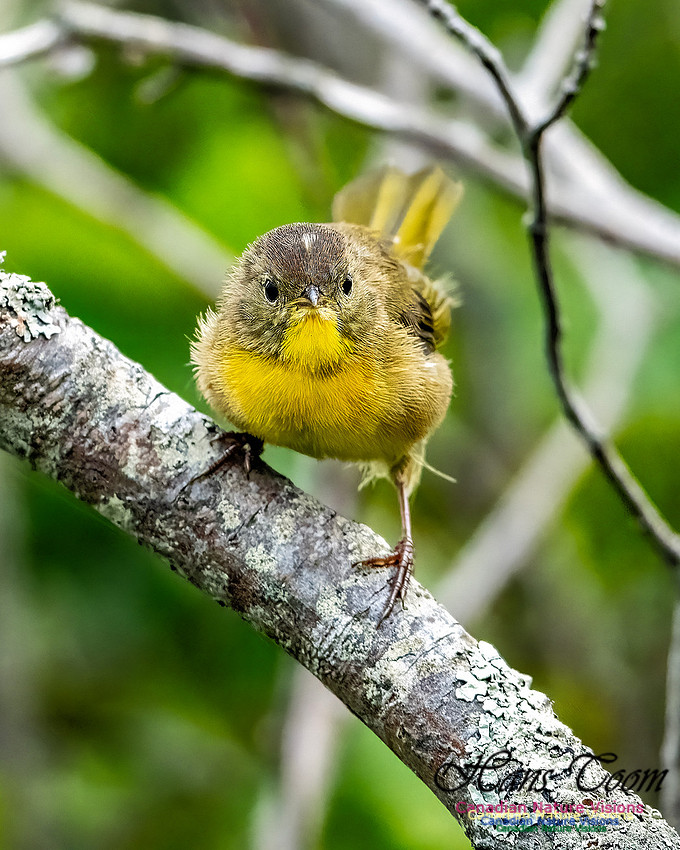
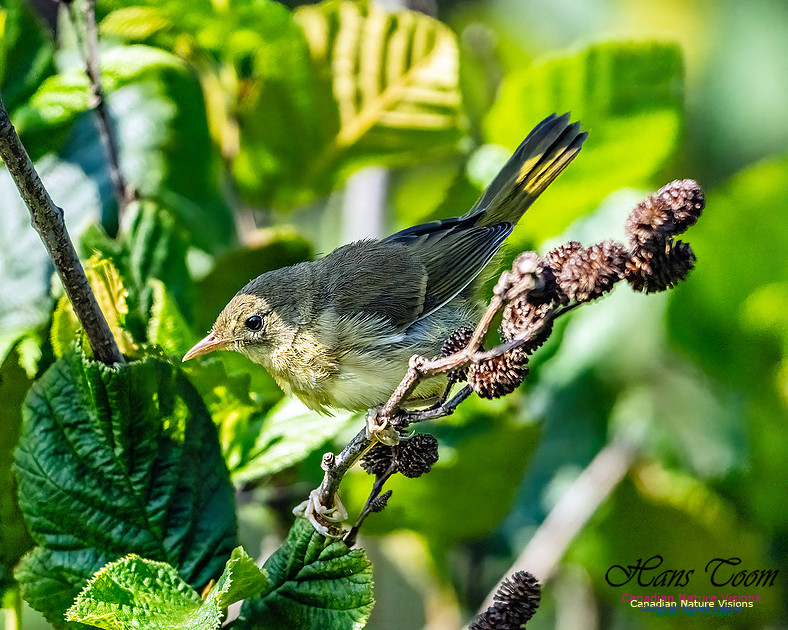
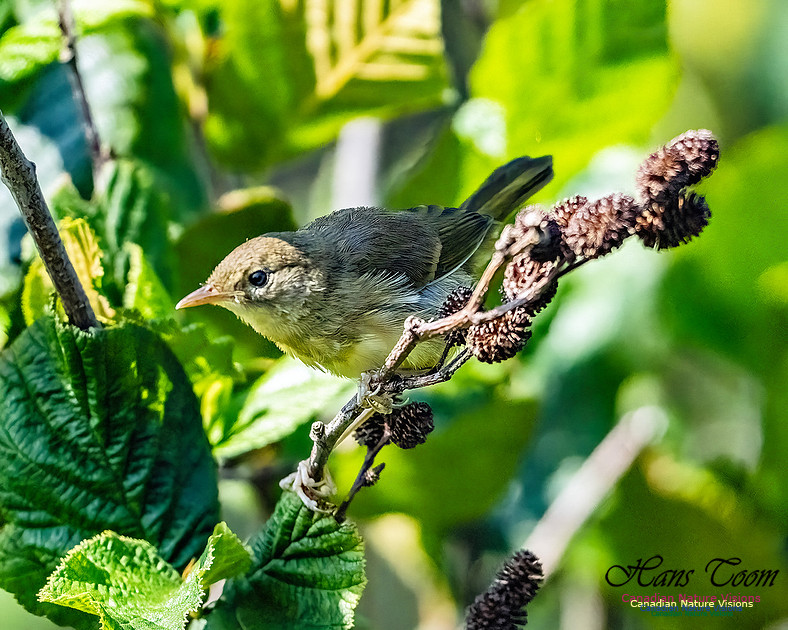
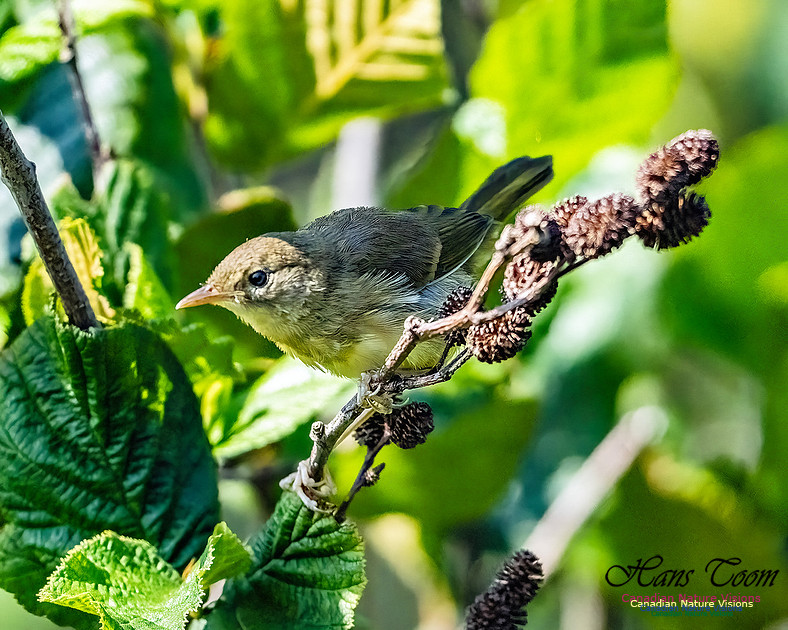
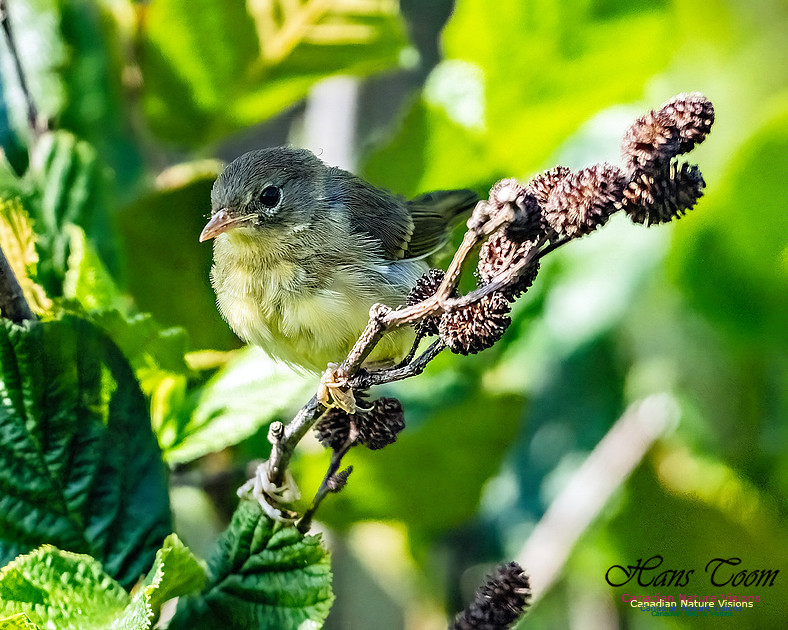
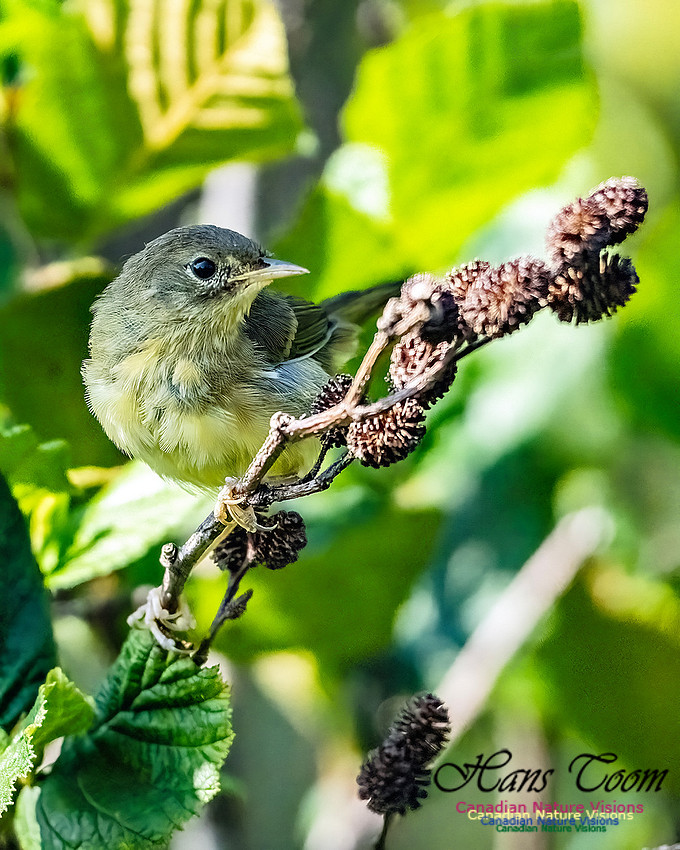
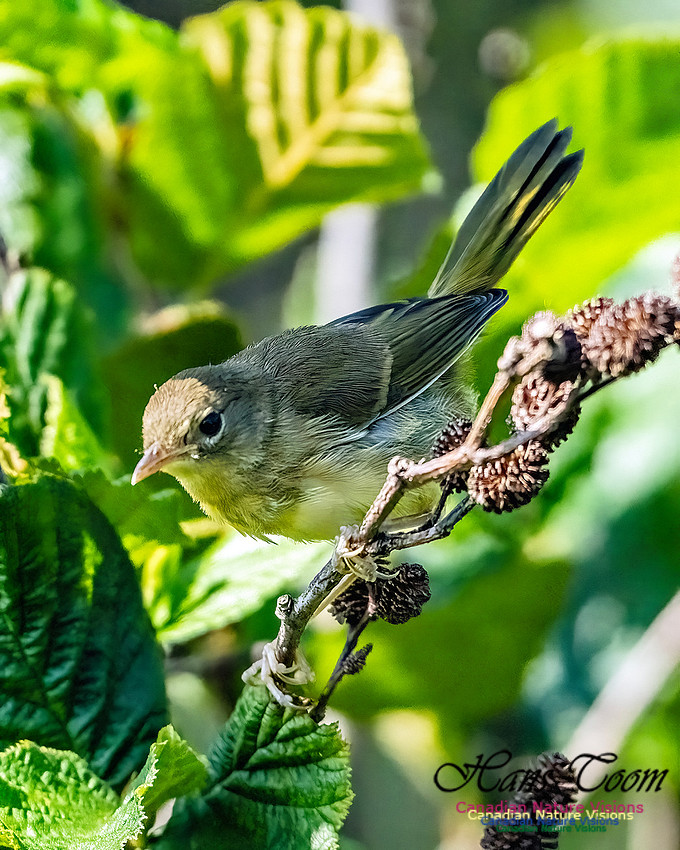
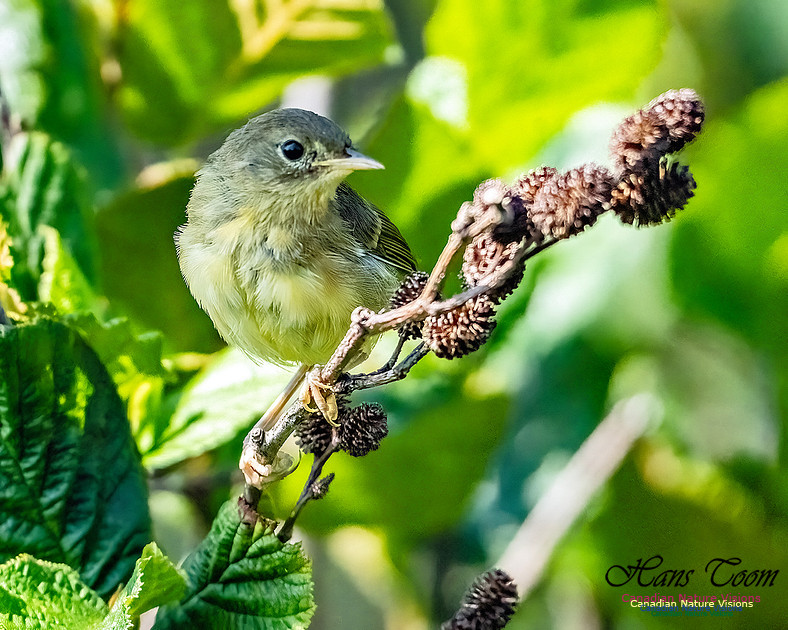
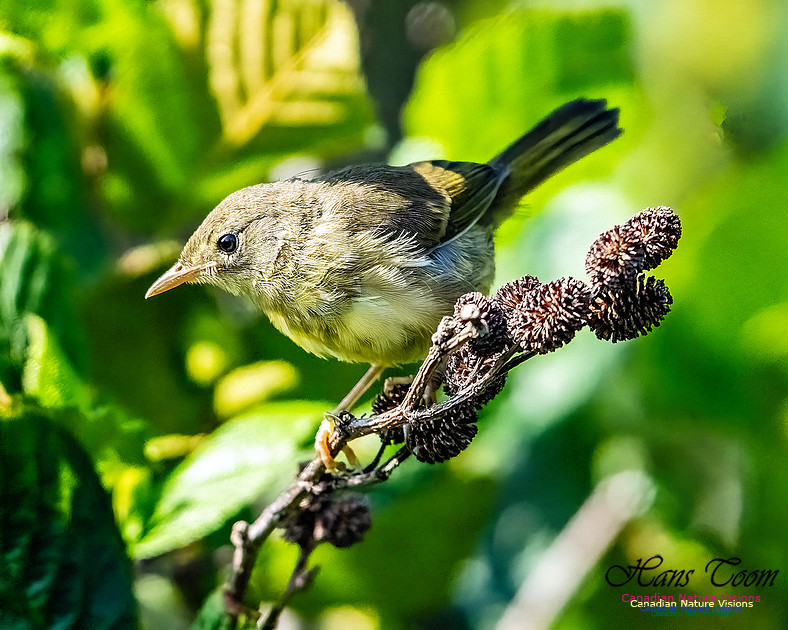
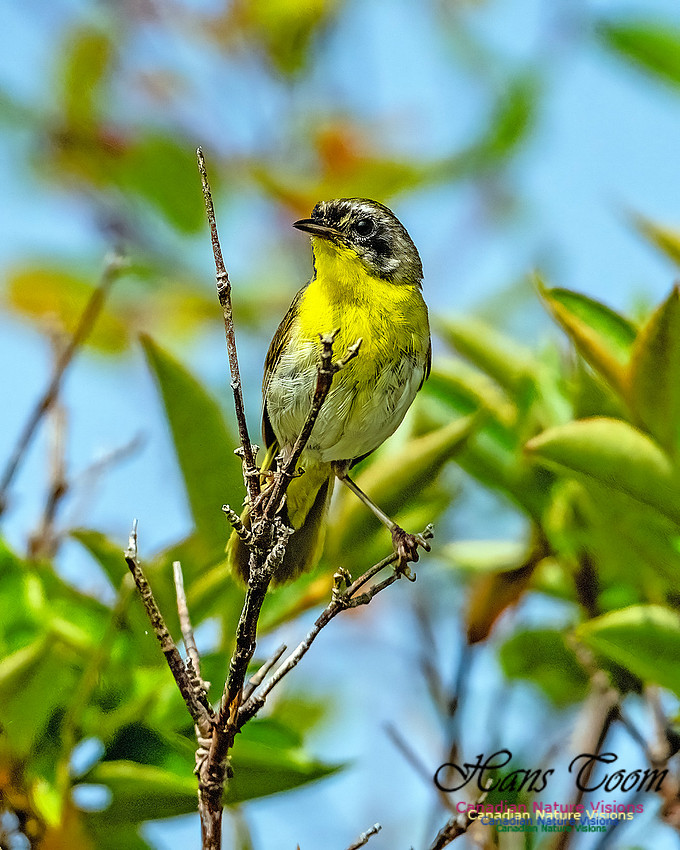
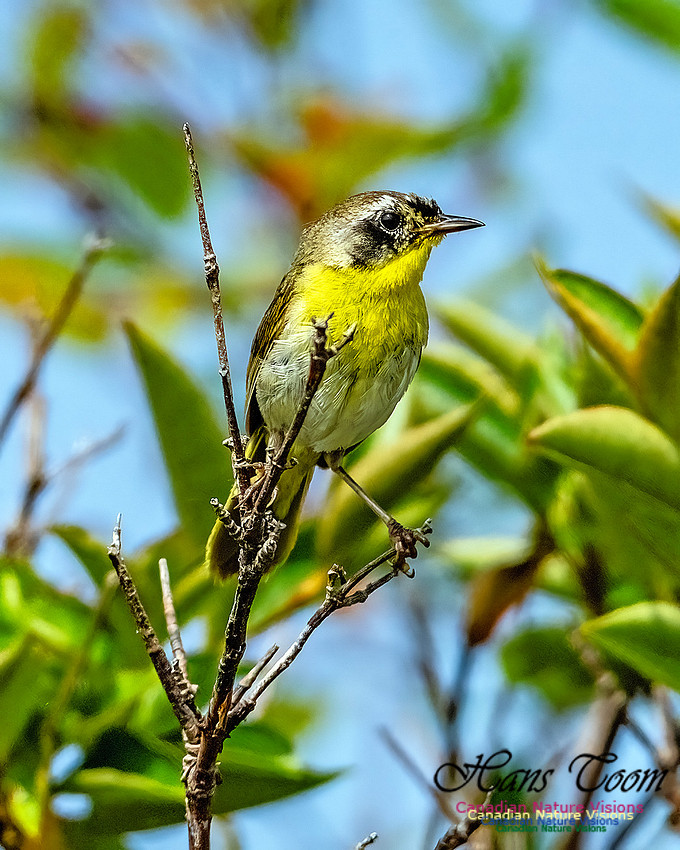
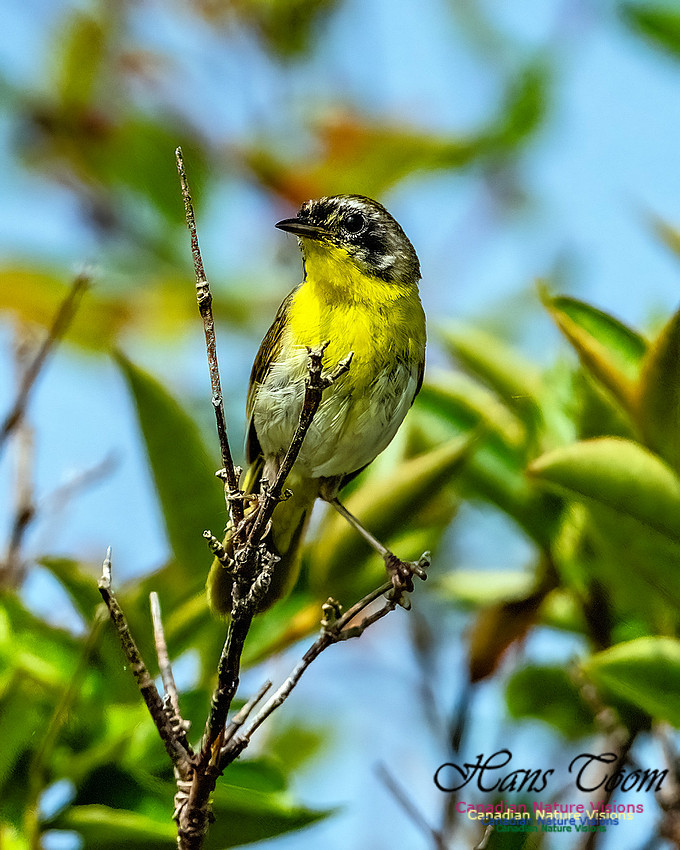
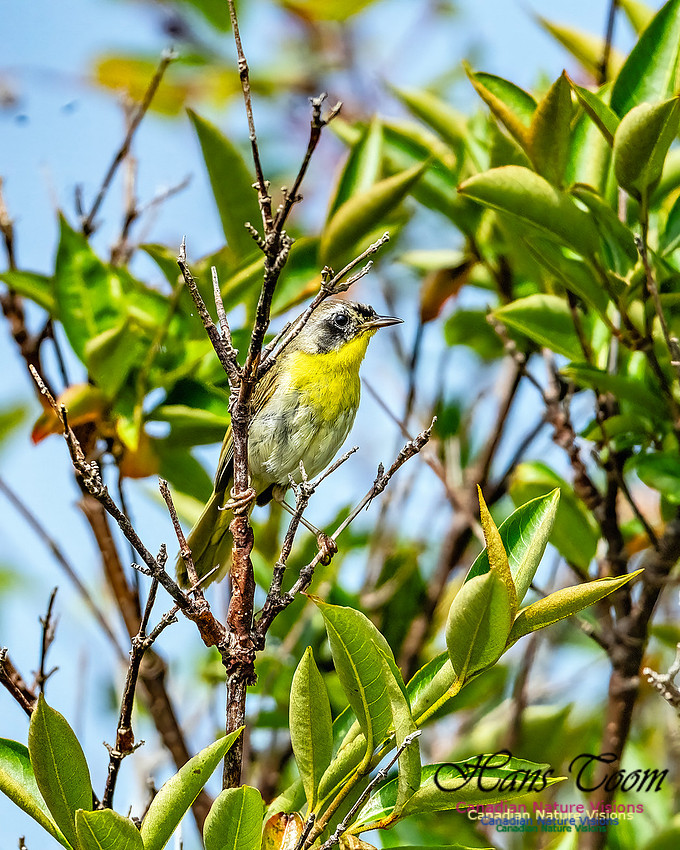
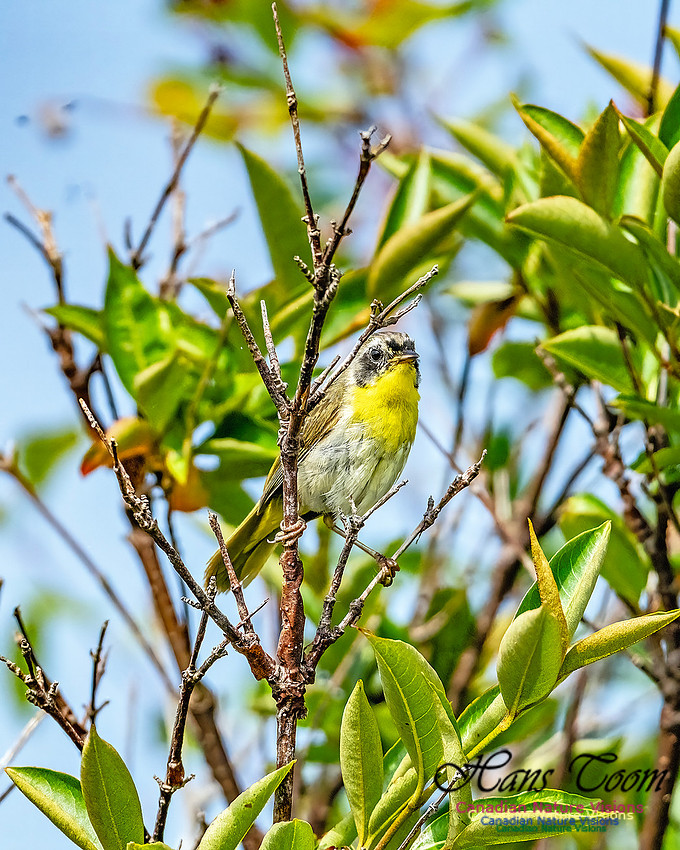
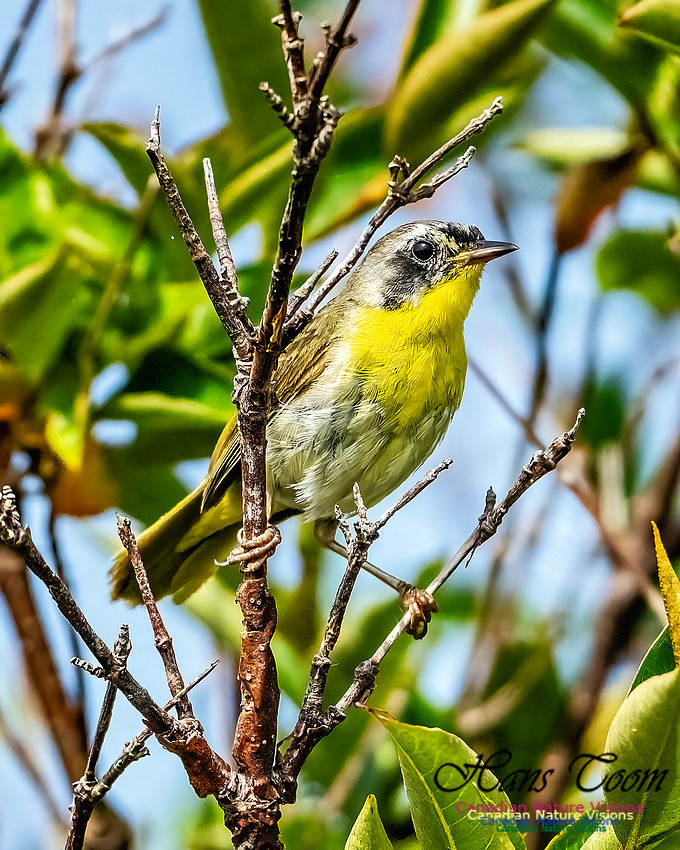
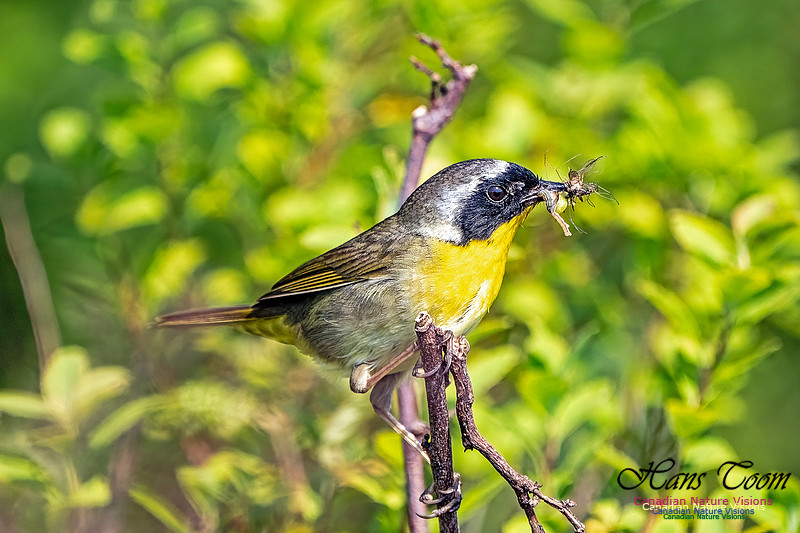
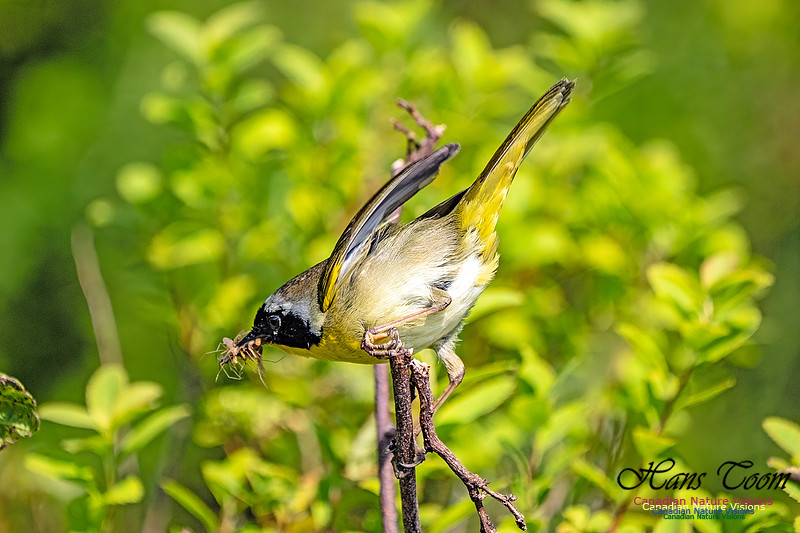
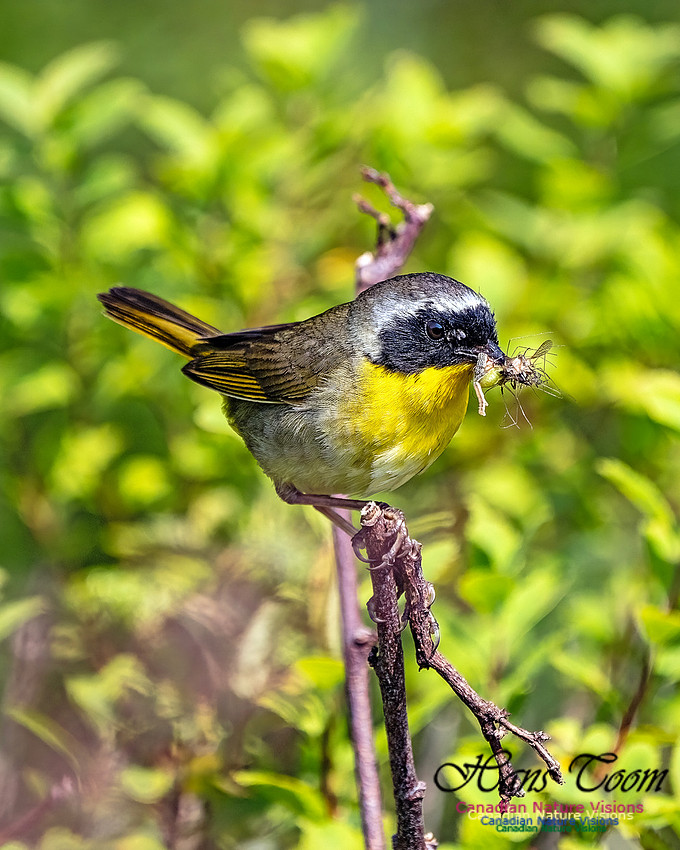
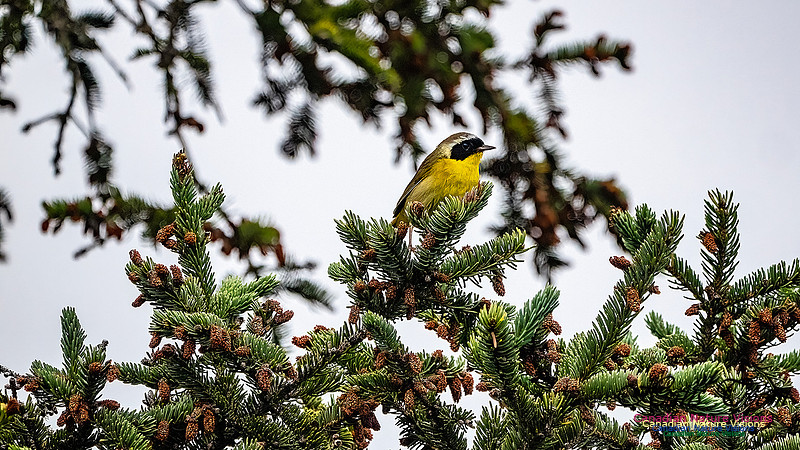
Juvenile Common YellowthroatThe Common Yellowthroat is one of our latest departures often lingering into October. Most warblers are on the move or assembled in flocks by mid July so by early August they can be hard to find. Late departing warblers are Common Yellowthroat, Yellow-rumped Warbler, Blackpoll Warbler and Black-and-White Warbler. Most others spotted in August are migrants from the north or vagrants from the west. Common Yellowthroat
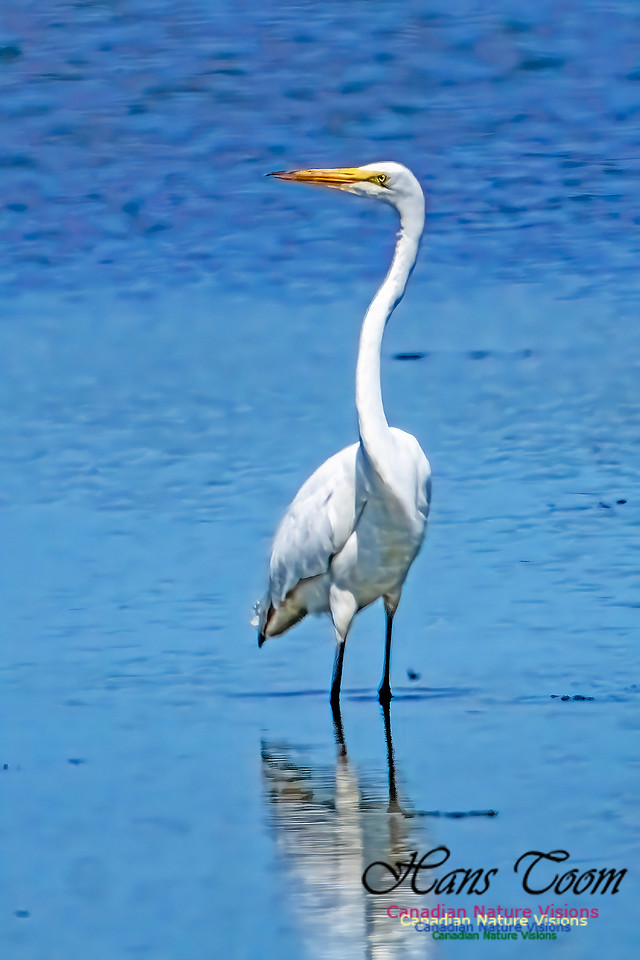
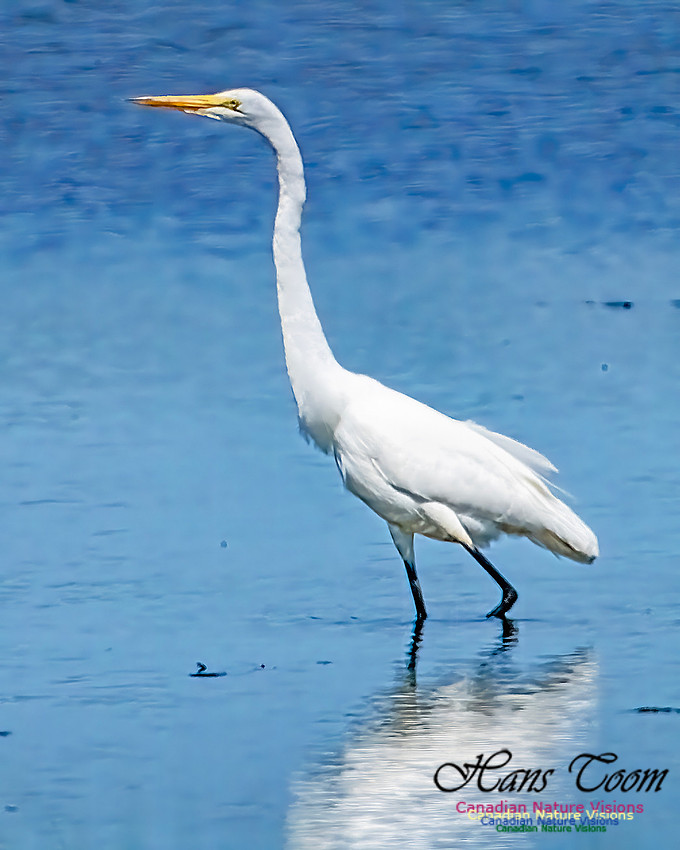
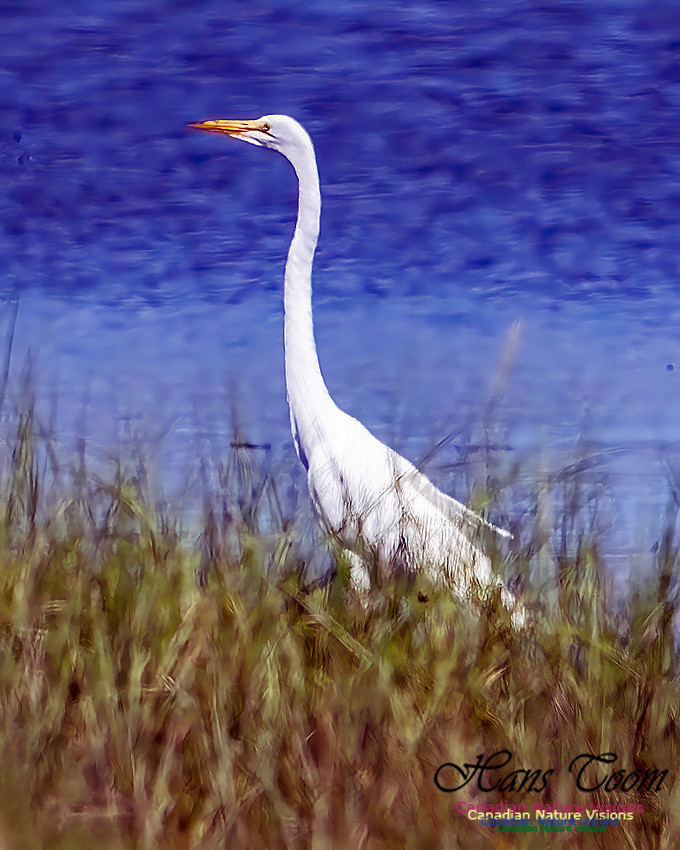
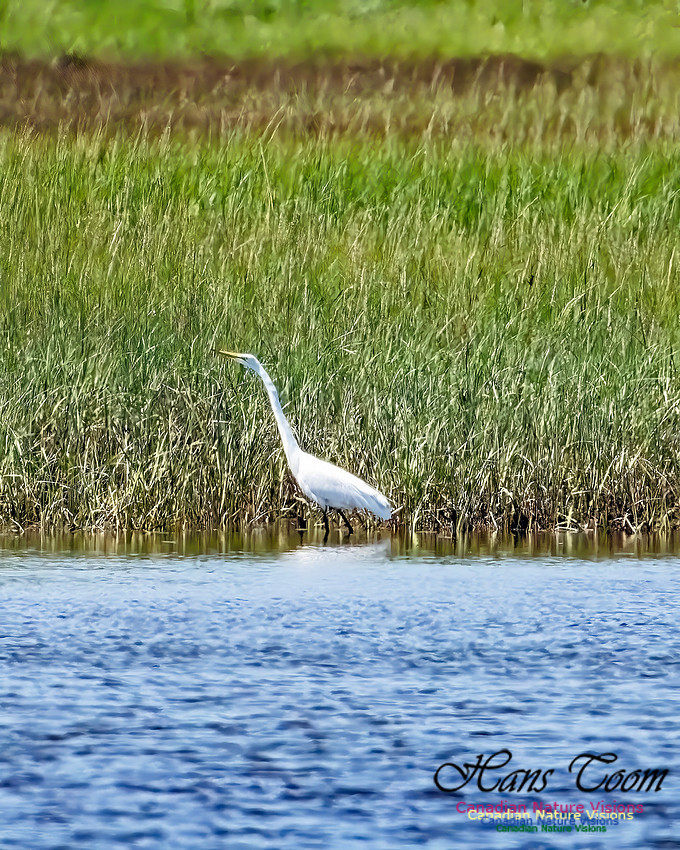
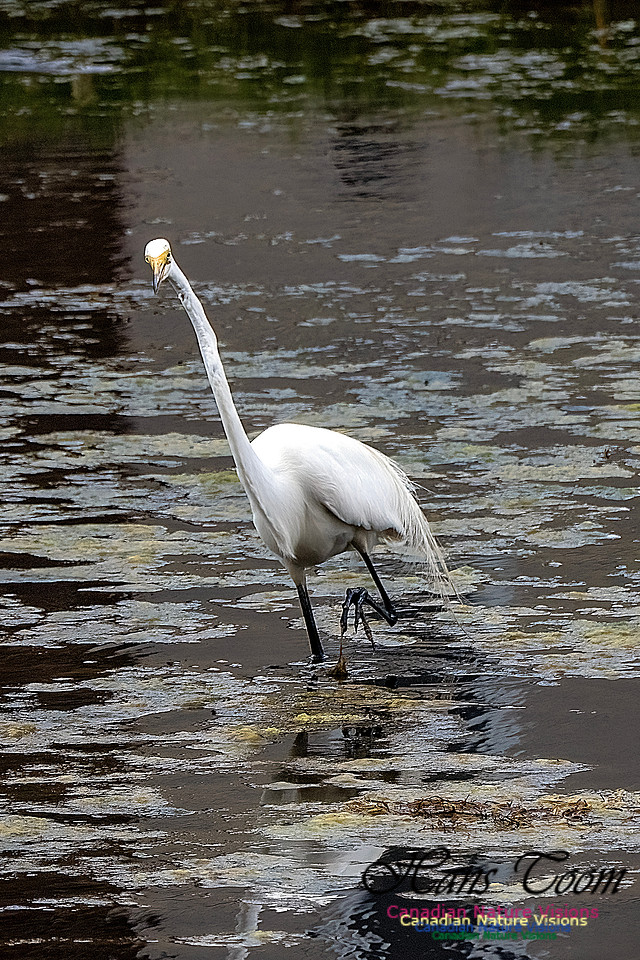
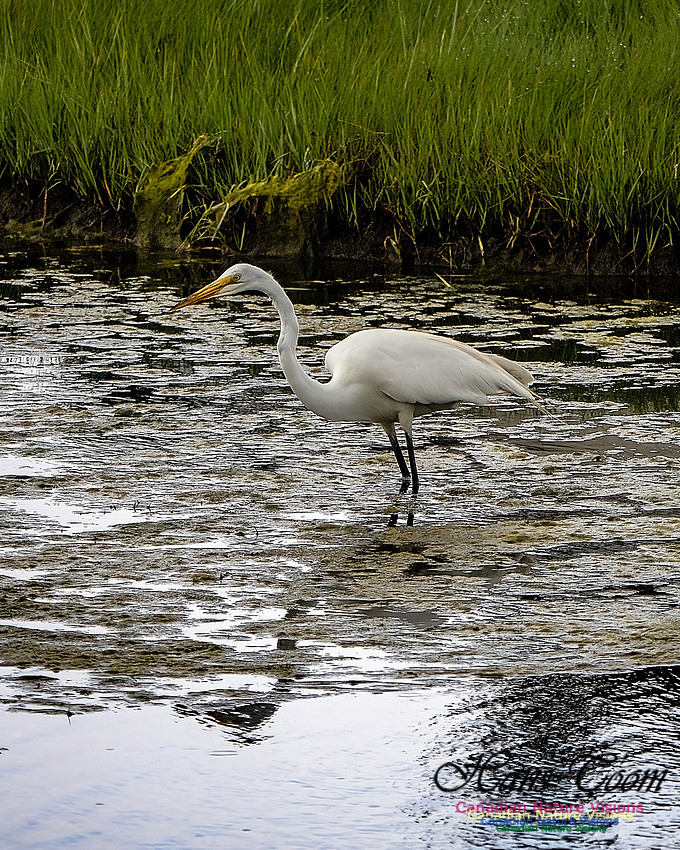
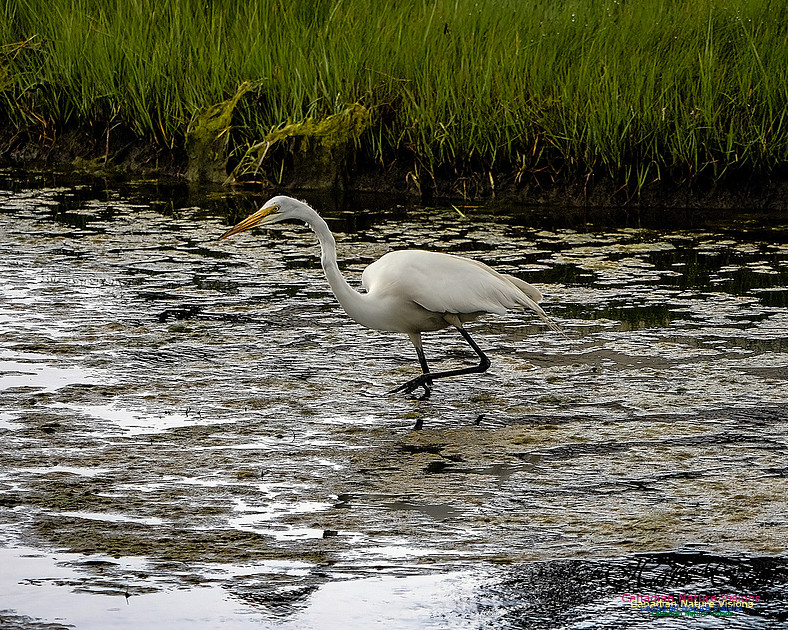
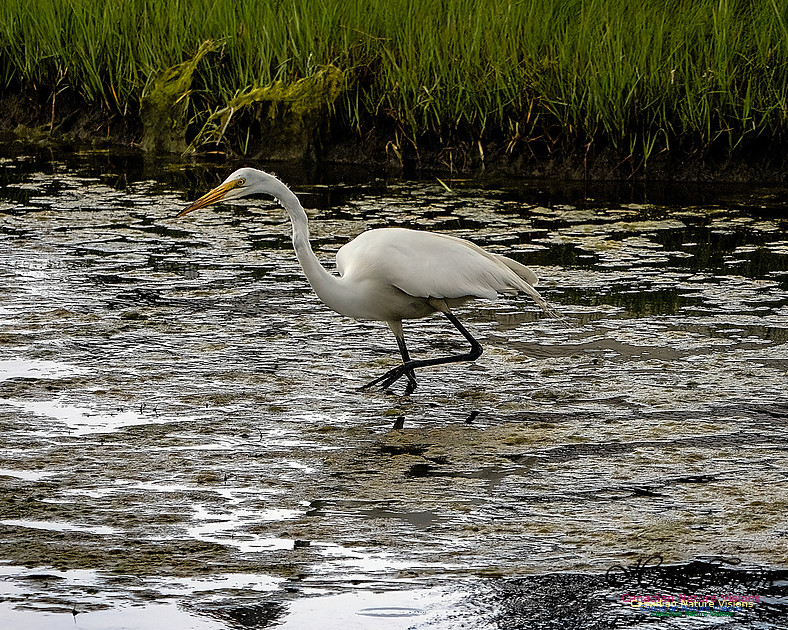
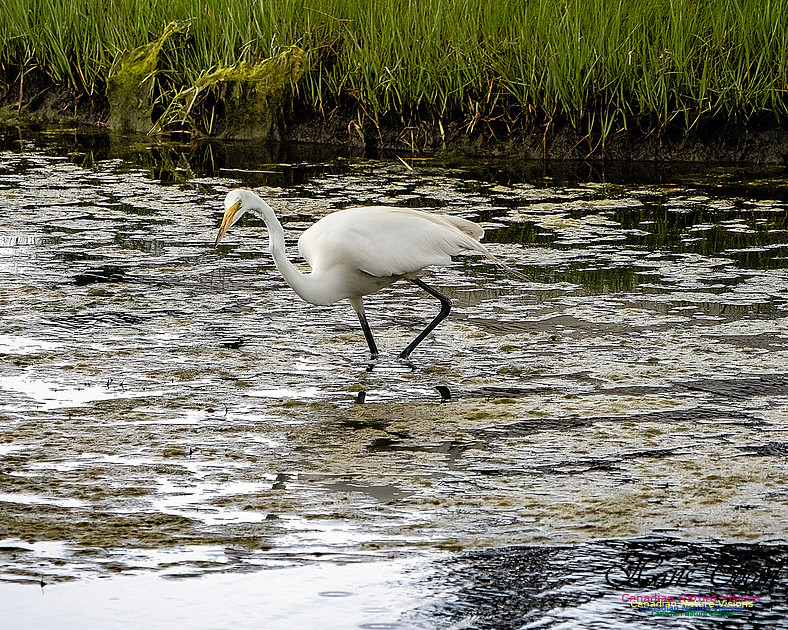
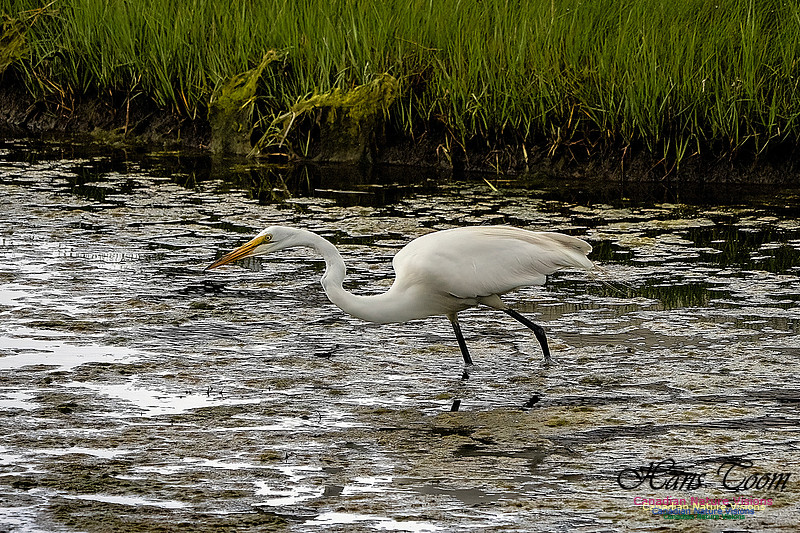
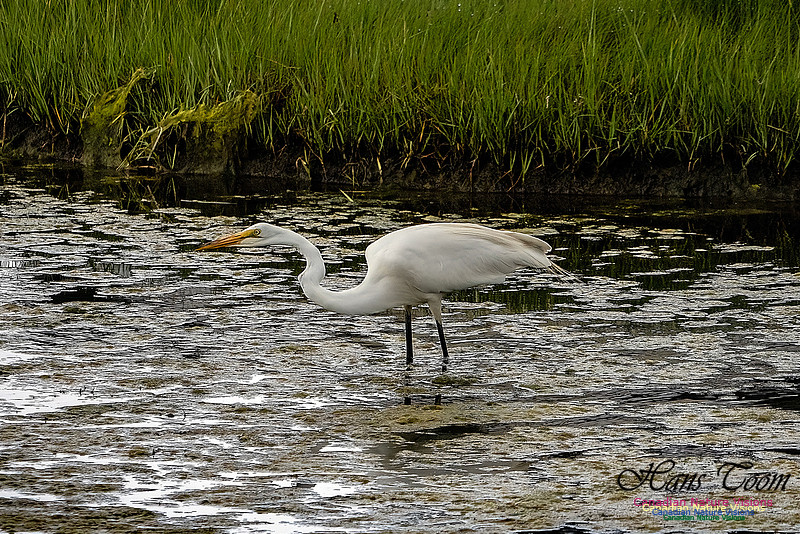
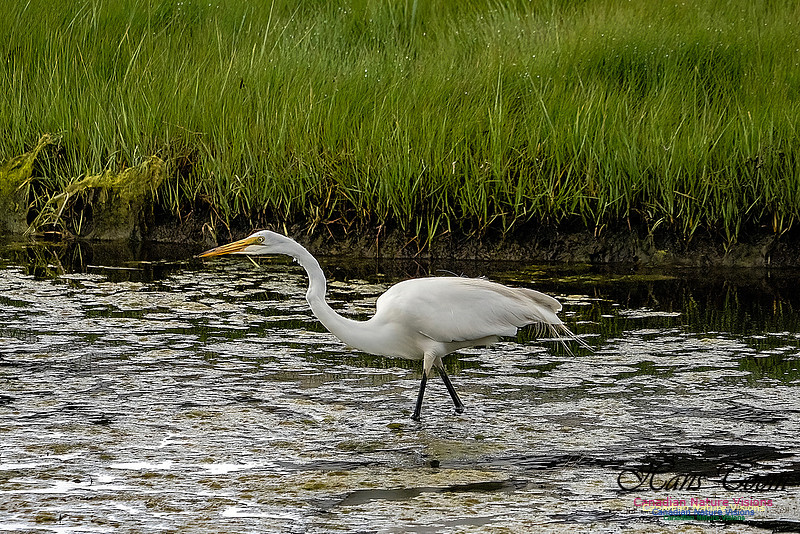
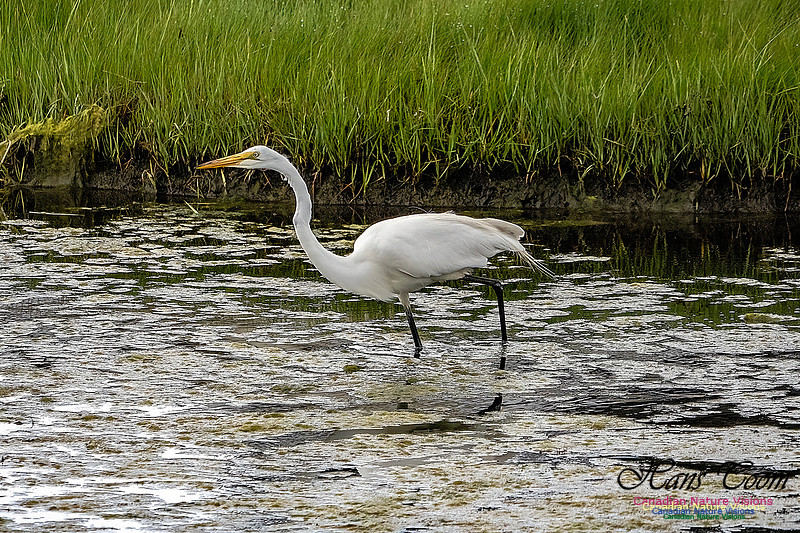
Great Egret at Rainbow Haven Salt MarshThe Great Egret was a ways off so I had to shoot at 1600mm which causes all the dust and haze between the camera and the bird to compress onto the image. Also, rising air currents of warm air create air waves that light from the egret must travel through further degrading the image. This is why stars twinkle. To make matters even more challenging the long focal length provides almost no depth of field. Great Egret
Mourning WarblerI usually go to Cape Chignecto Provincial Park to look for the elusive Mourning Warbler. So, I was surprised to find a juvenile posing for me at Duncan's Cove. The hint of a wing bar is a problem since the adult mourning Mourning Warbler has none. The faint white edging to the primaries is not a problem. The faint split eye ring eliminates a lot of contenders as does the full under chin and body yellow. Note the dark smudge forming on the chest, a feature of the adult Mourning Warbler. Mourning Warbler
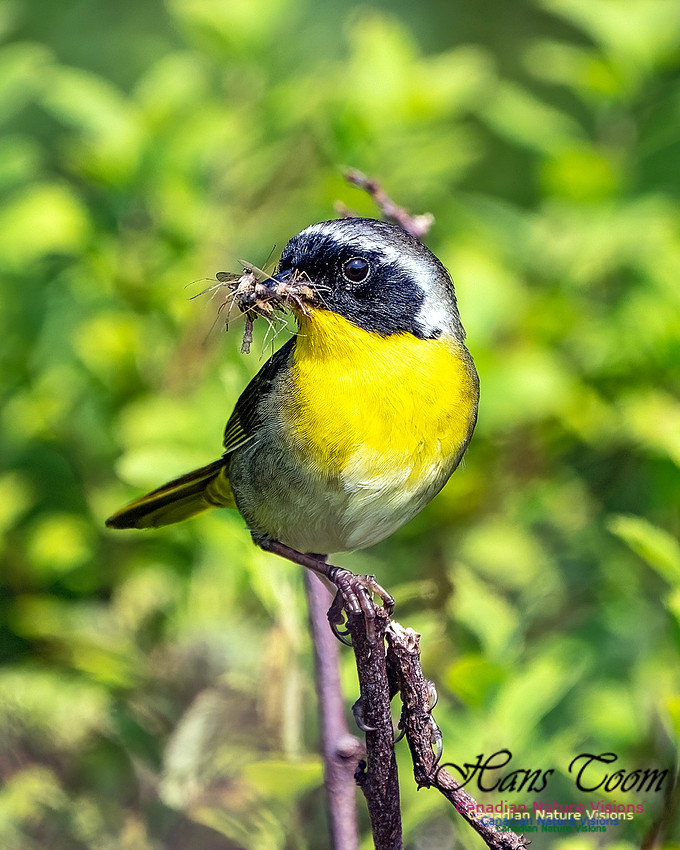
Common YellowthroatThe Common Yellowthroat, is well common, but it does photograph well when it poses. Common Yellowthroat
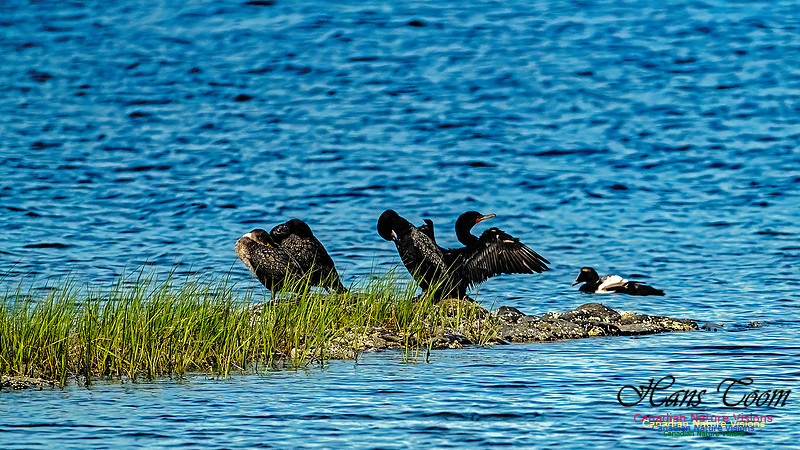
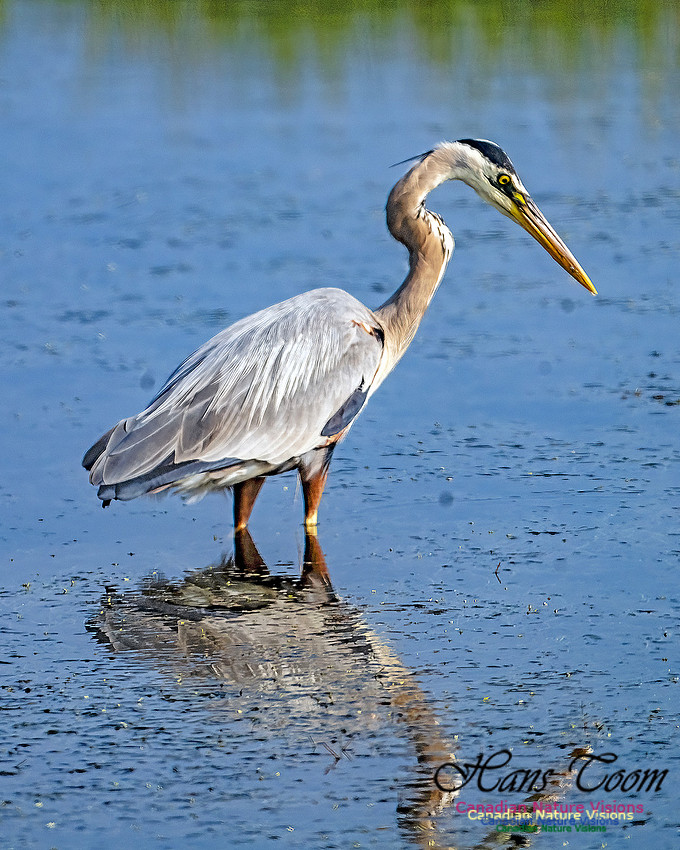
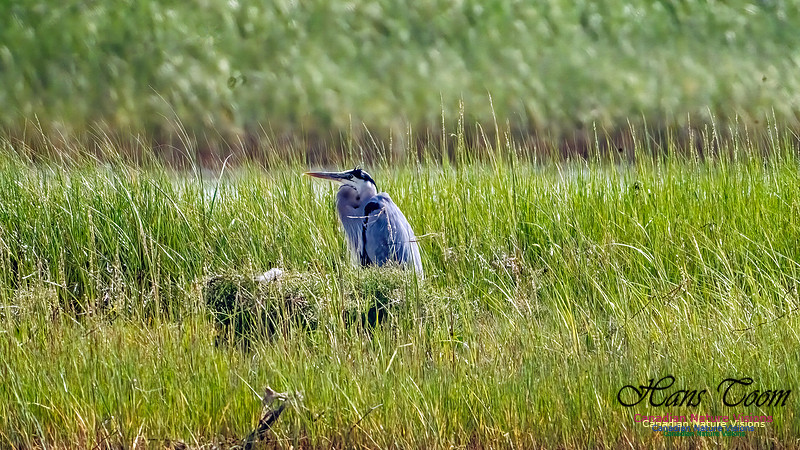
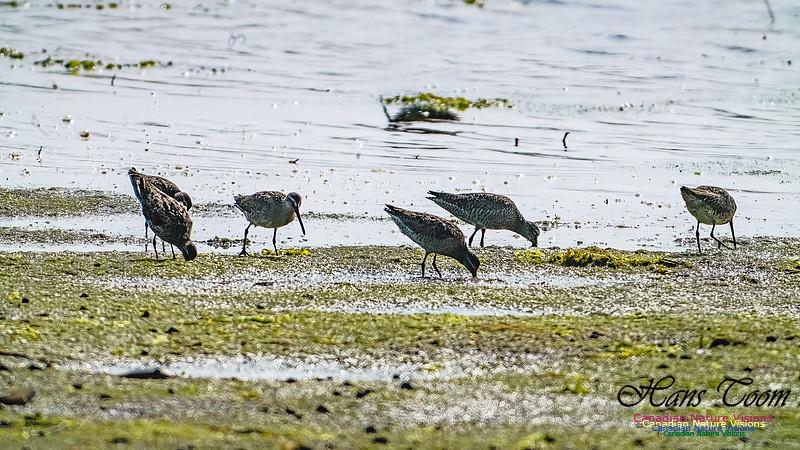
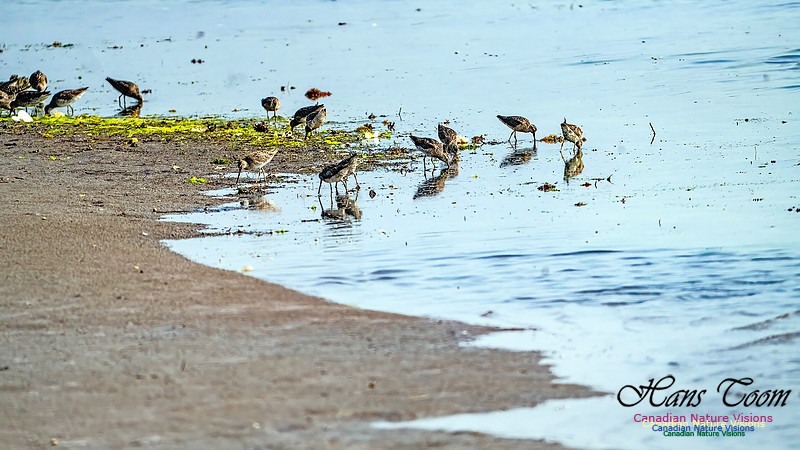
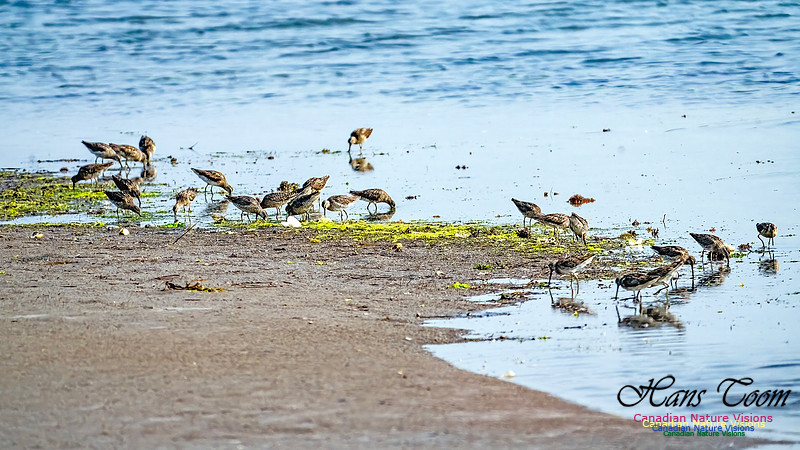
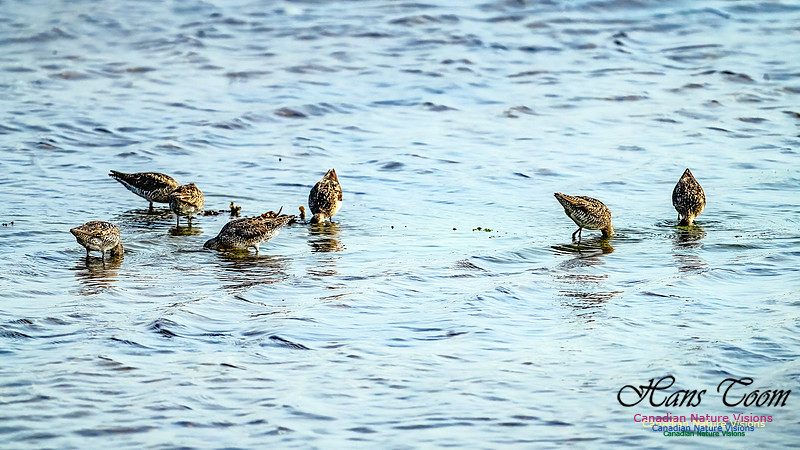
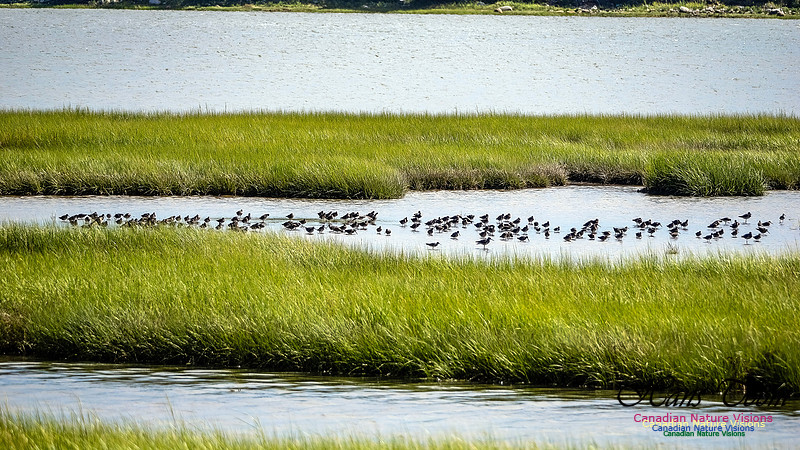
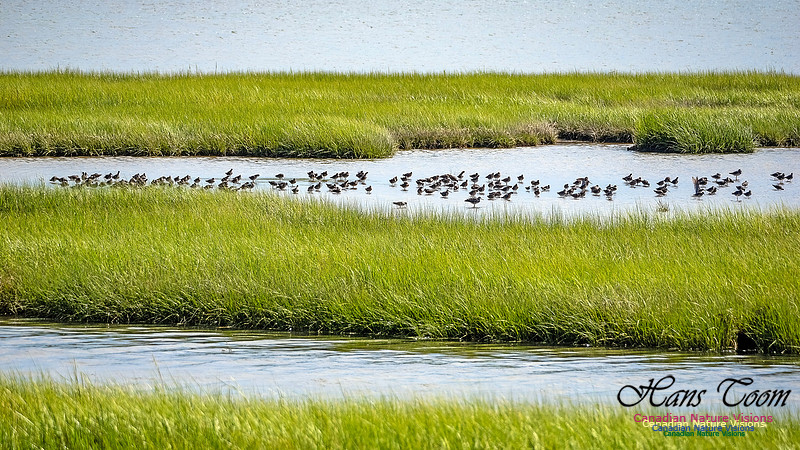
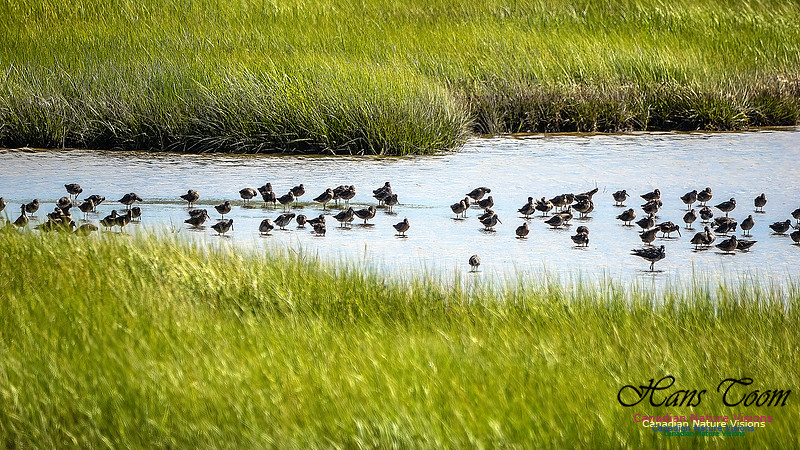
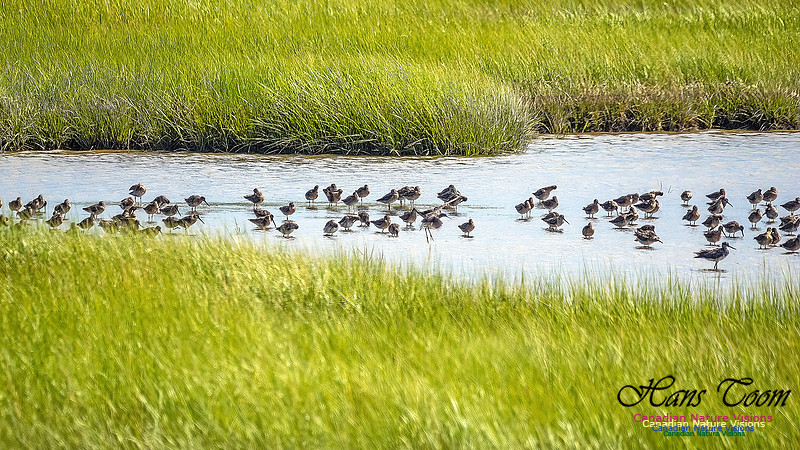
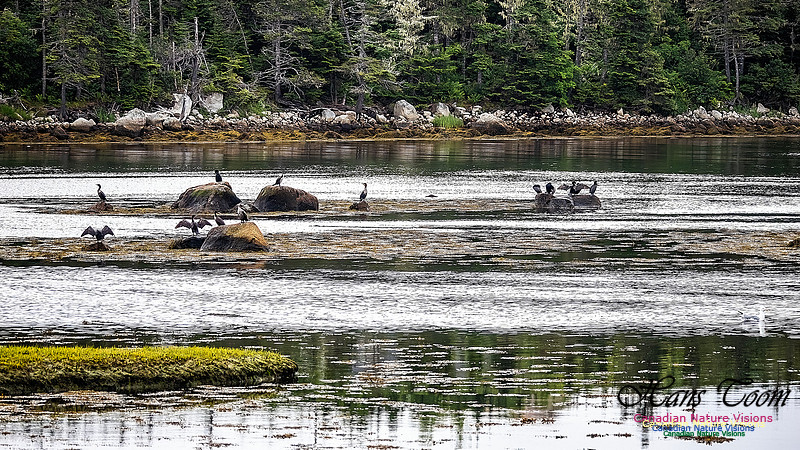
Rainbow Haven ShorebirdsMy second shorebird venture was to the Rainbow Haven Salt Marsh. Alas early morning visits after the rising sun creates nasty back lighting but one has no choice since the best time to photograph shore birds is the last three hours before high tide. Cormorants, eiders and herons were also in attendance. Double Crested Cormorant and Common Eider
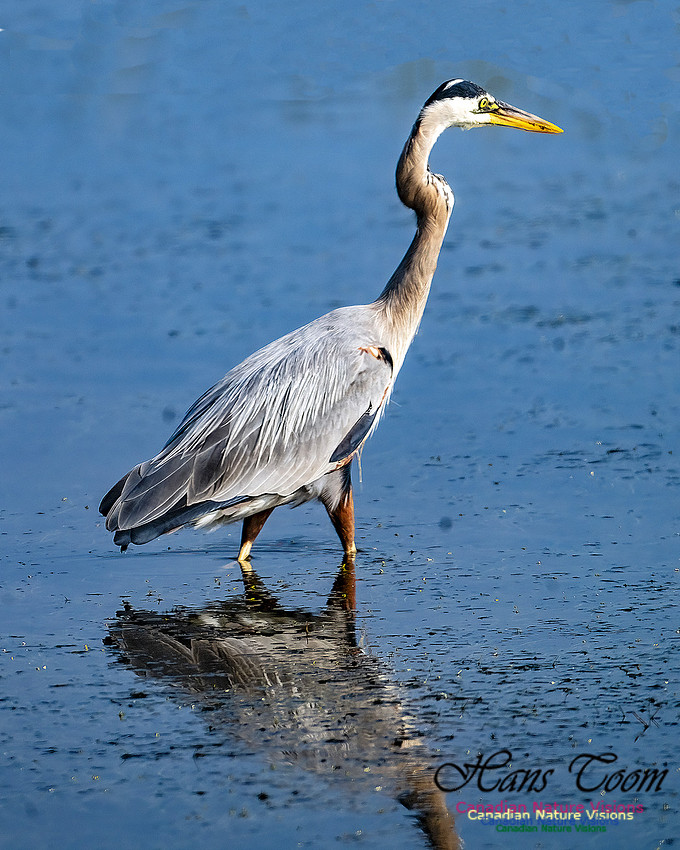
Great Blue Heron
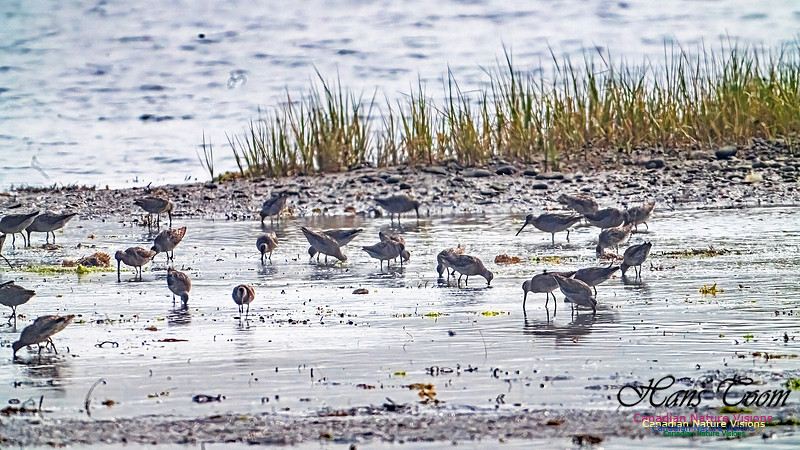
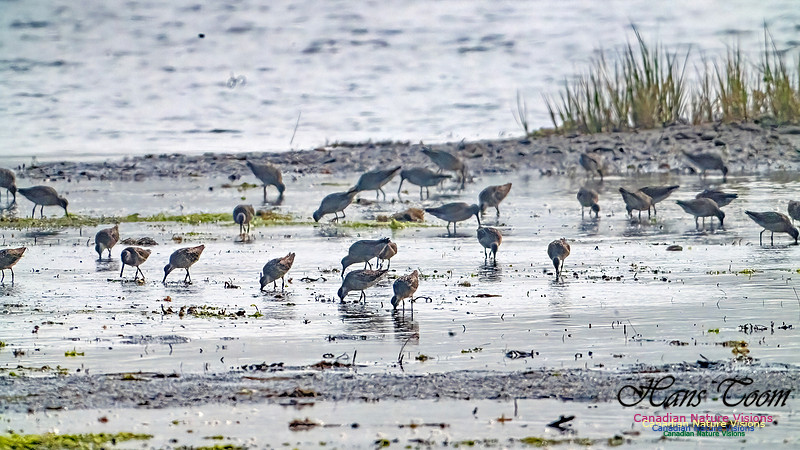
Short-billed Dowitcher
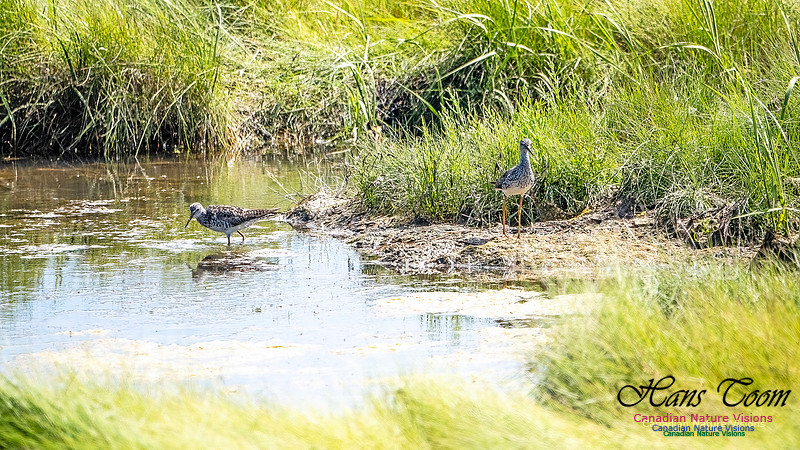
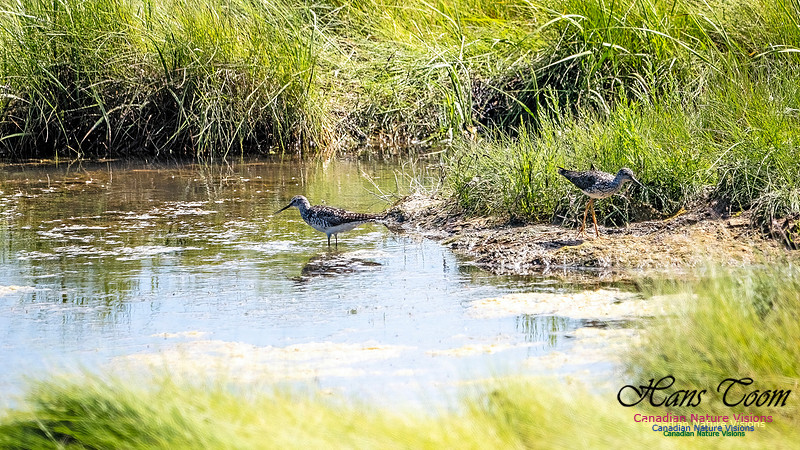
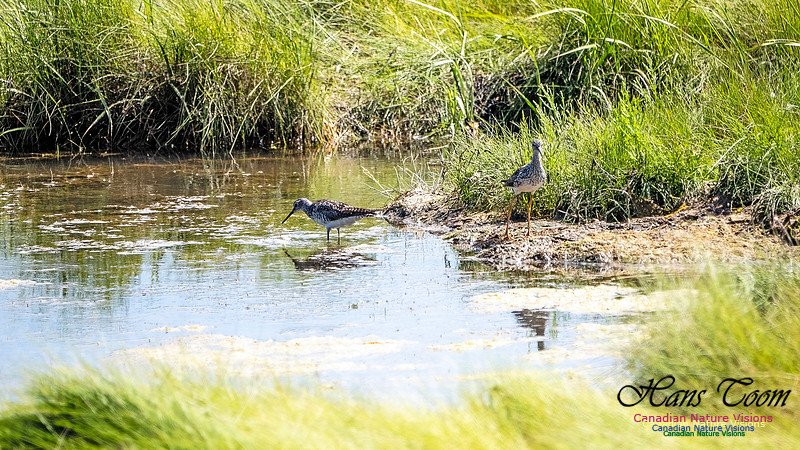
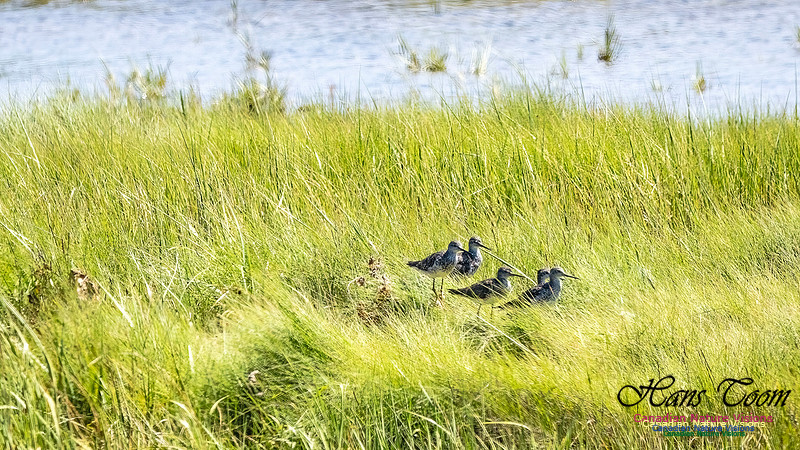
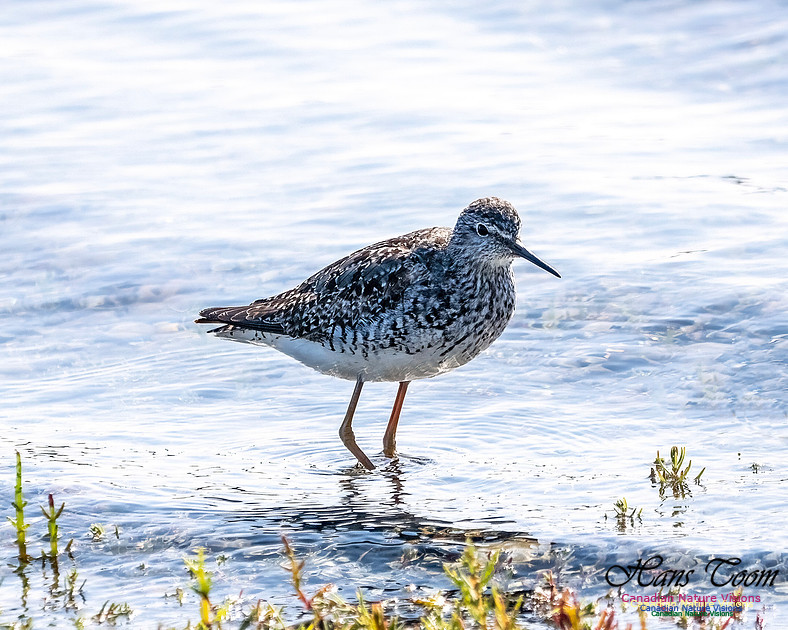
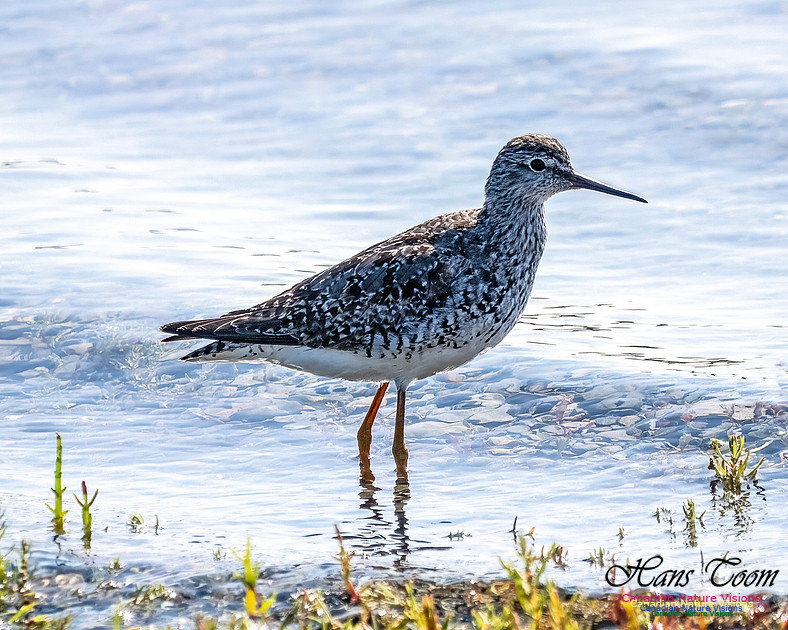
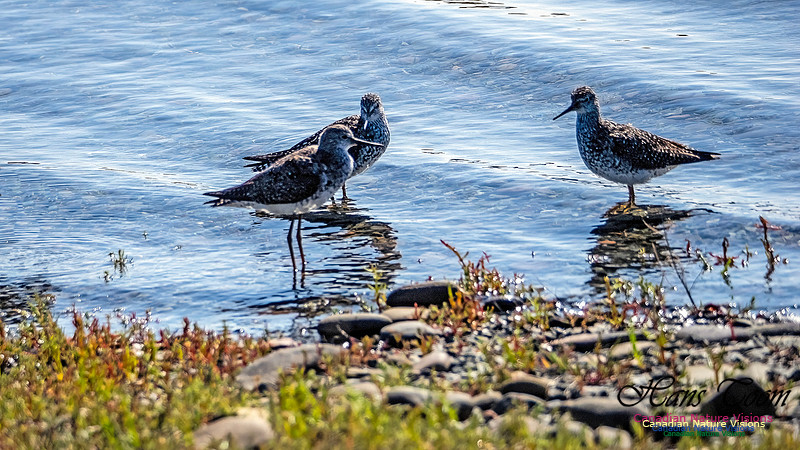
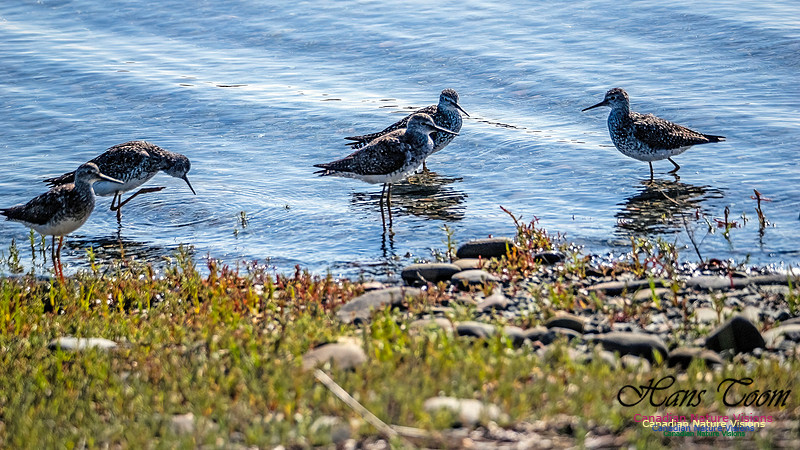
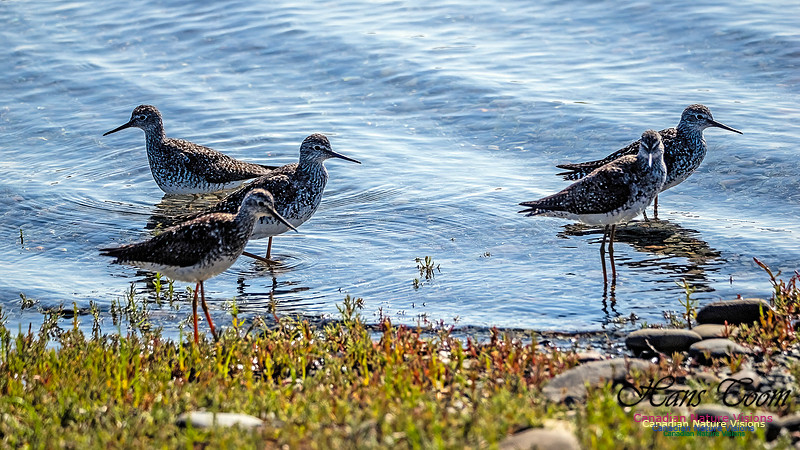
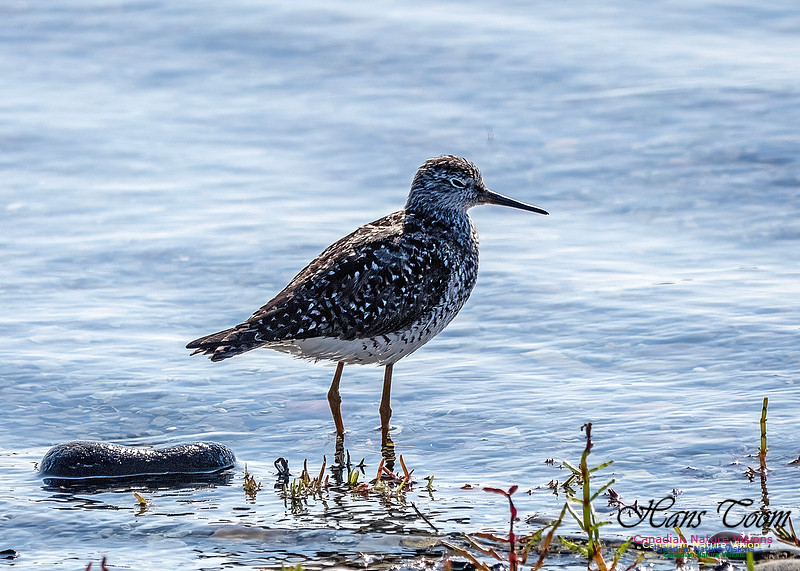
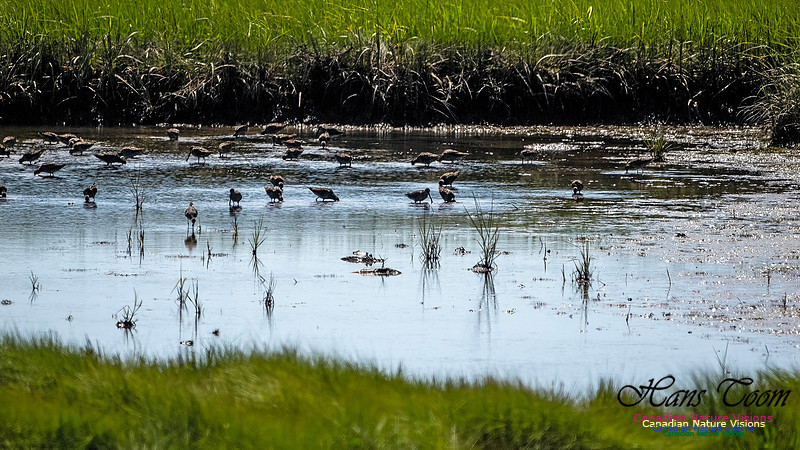
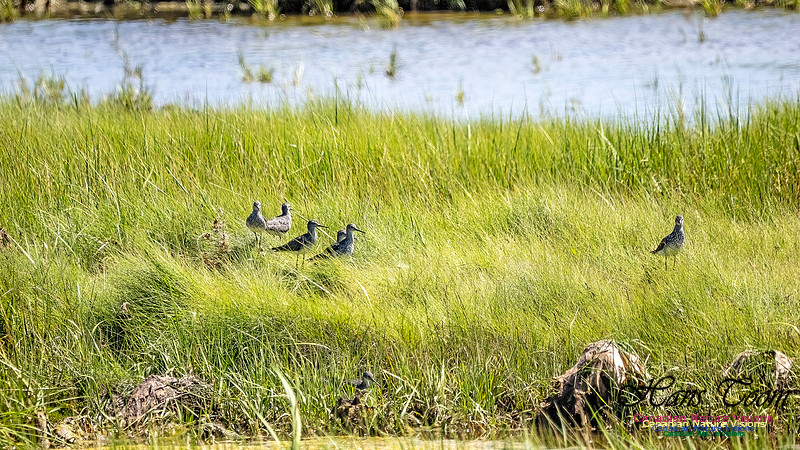
Return of the ShorebirdsI went to the West Chezzetcook Salt Marsh in mid July to photograph the arrival of the first shore birds. Broadly speaking the larger shore birds start to arrive in mid July and the smaller shorebirds, the peeps, arrive a couple of weeks later. Greater Yellowlegs These Greater Yellowlegs may have nested in Nova Scotia or Newfoundland.
Lesser Yellowlegs
Short-billed Dowitcher
Lesser Yellowlegs
Mostly Short-billed Dowitchers
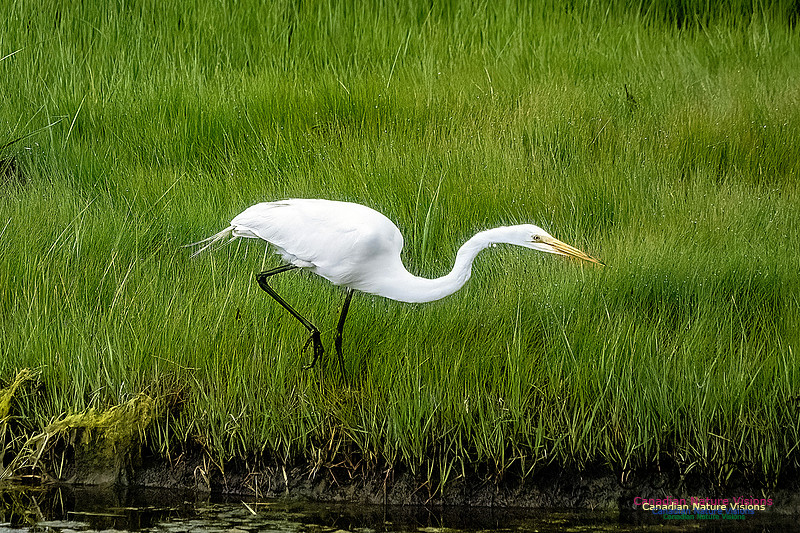
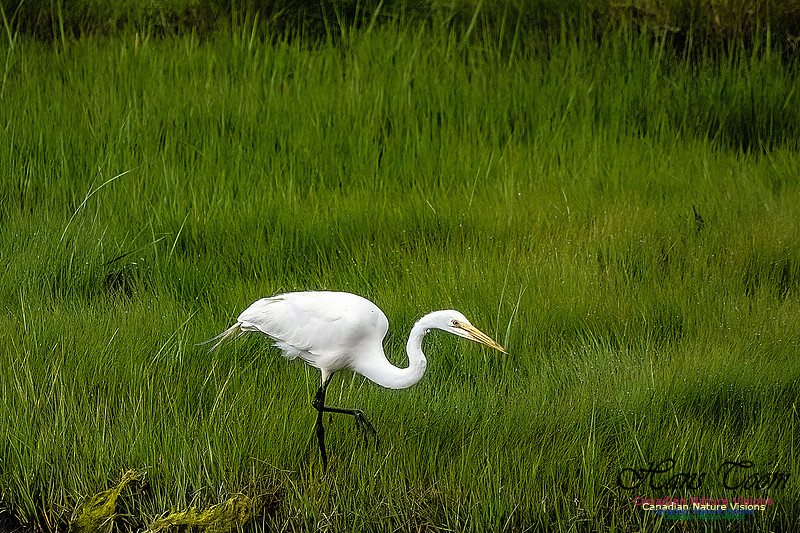
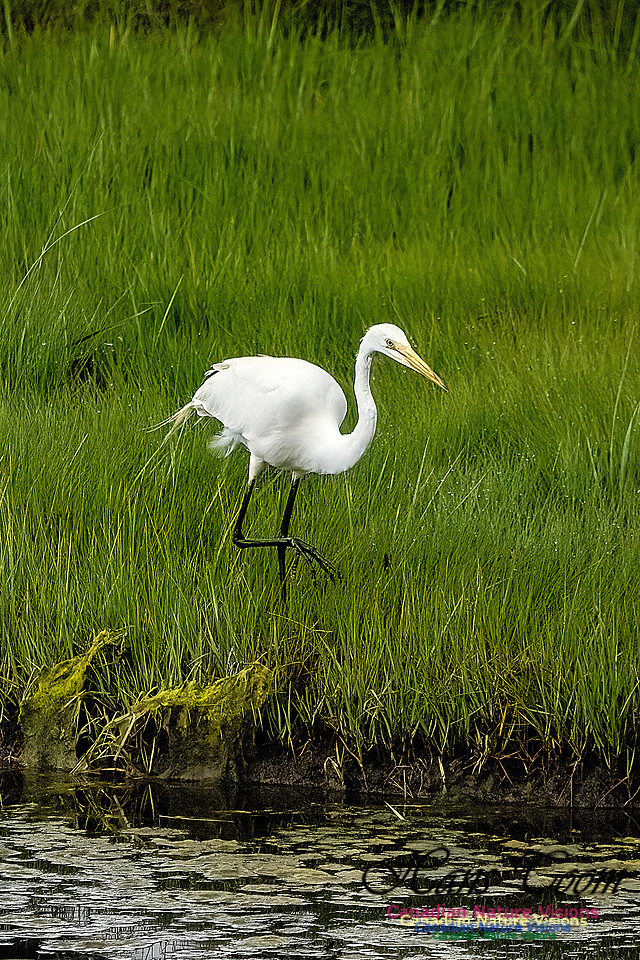
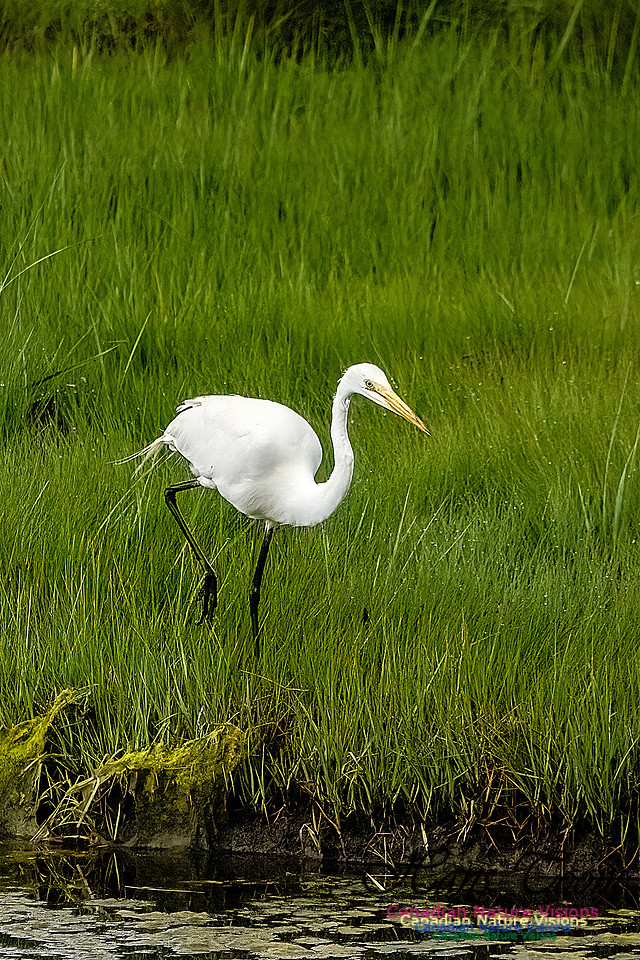
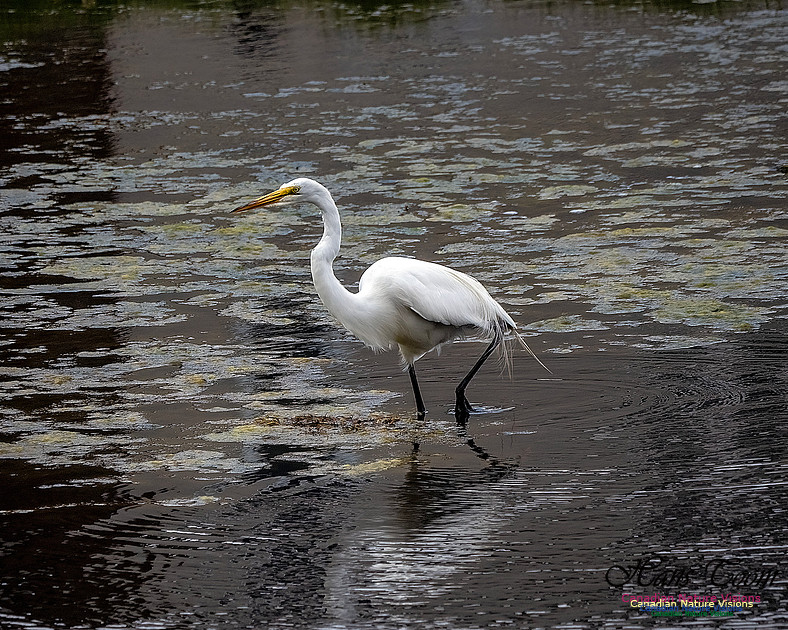
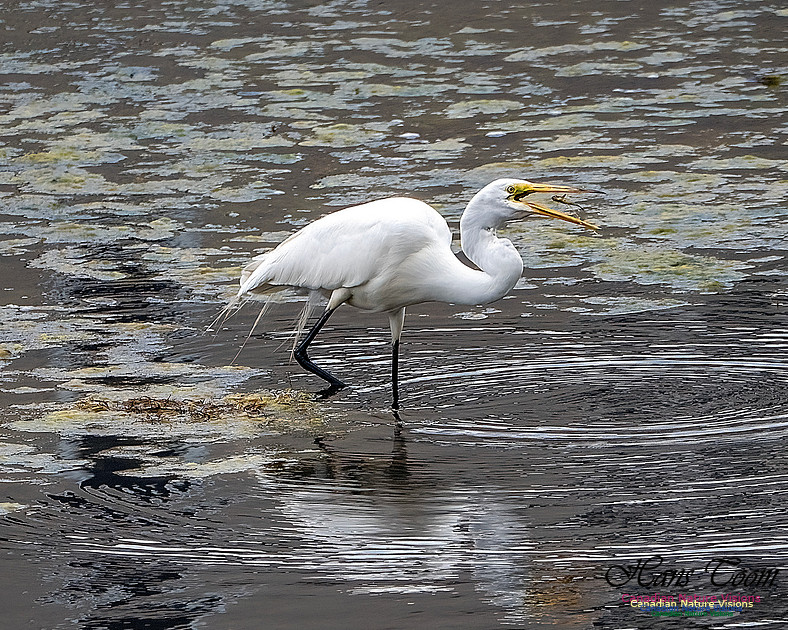
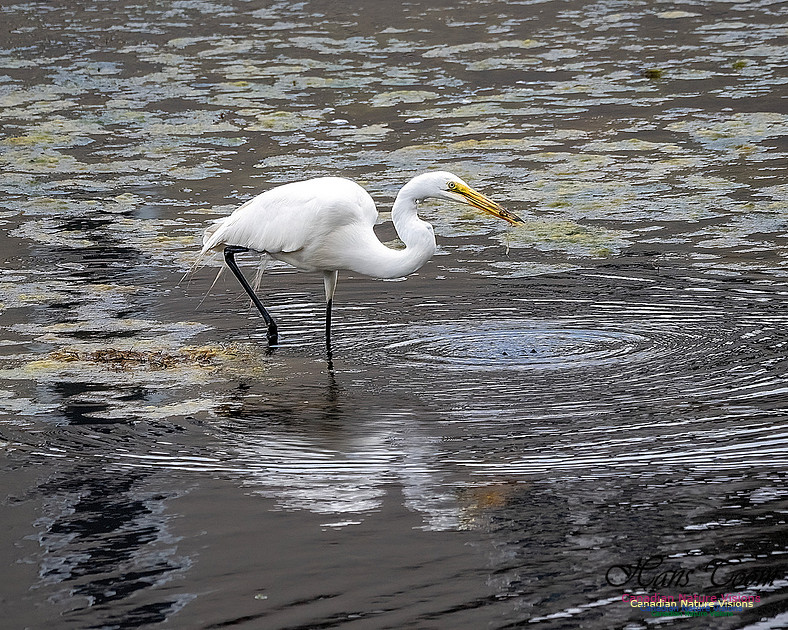
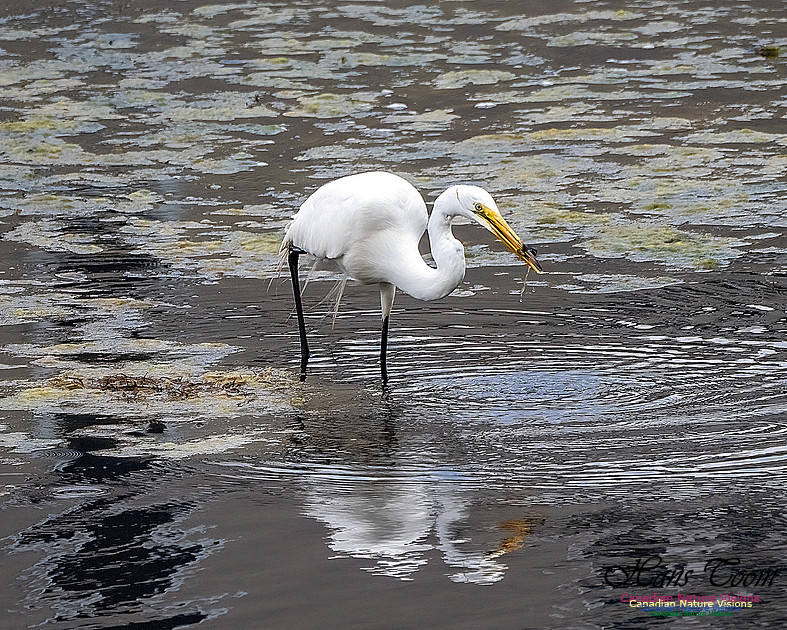
Great EgretThere are marshes within the eastern half of the Chebucto Peninsula which are not easily accessible except by a major expedition through brush and forest. The Great Egret moves about these marshes and occasionally comes to a coastal salt marsh where it can be photographed. This is likely the same bird I photographed earlier. Great Egret
Down the Hatch
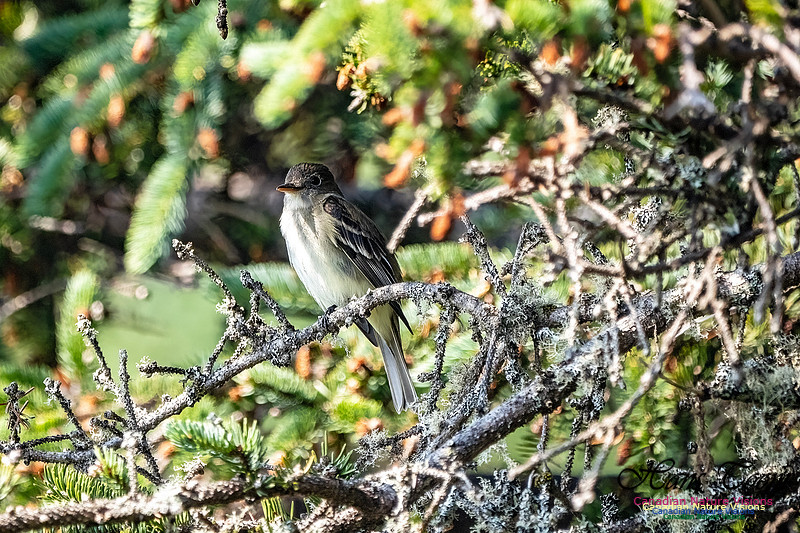
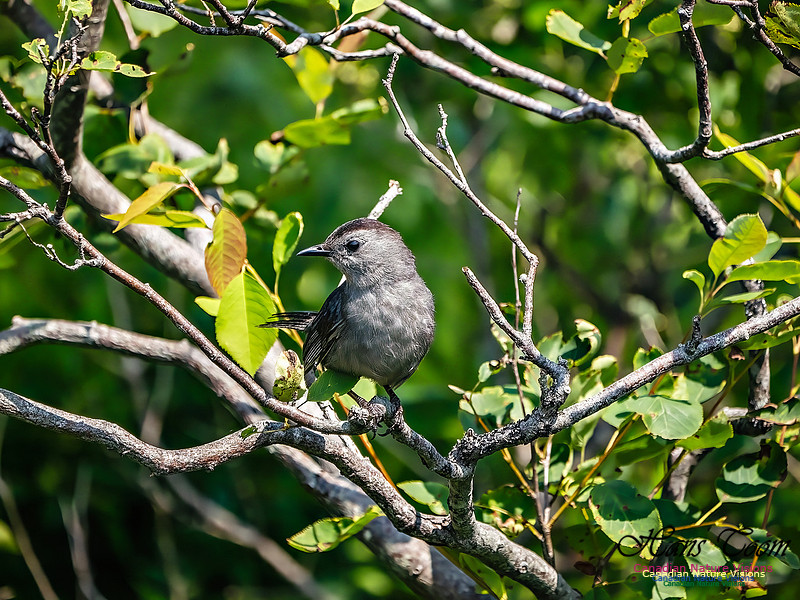
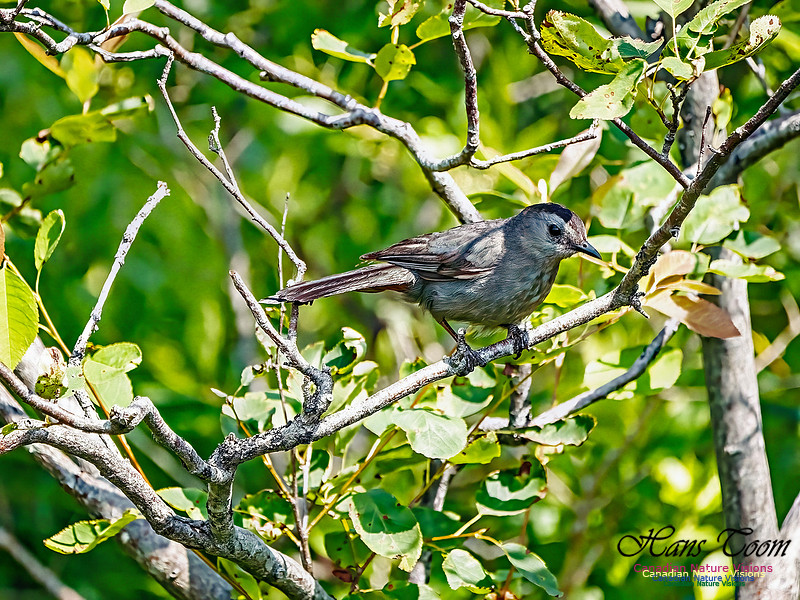
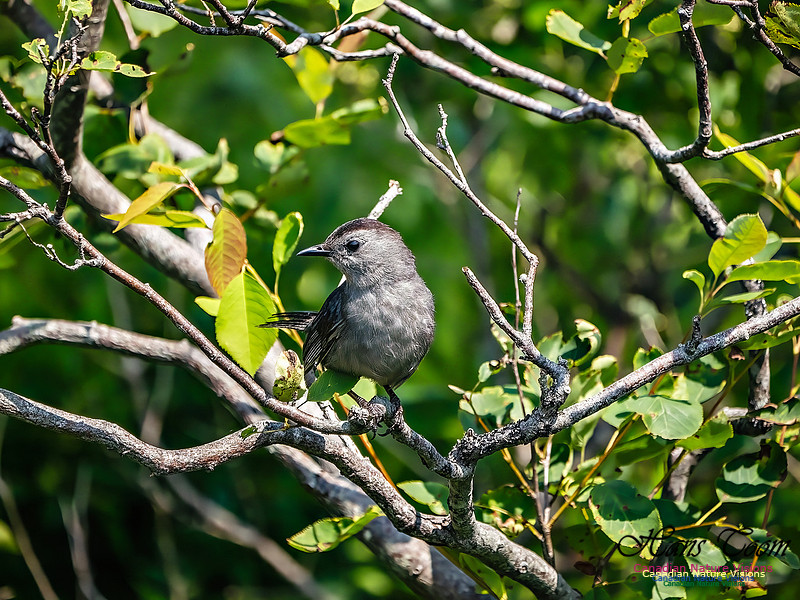
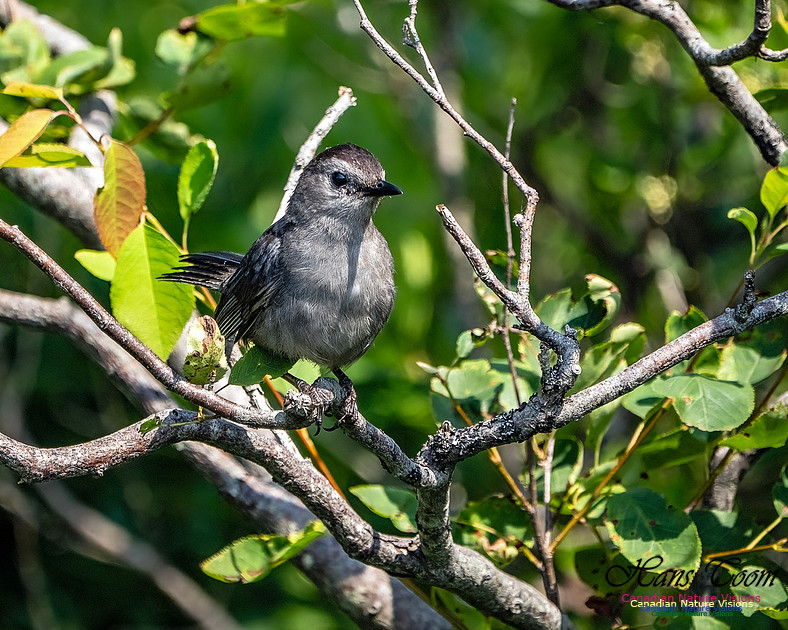
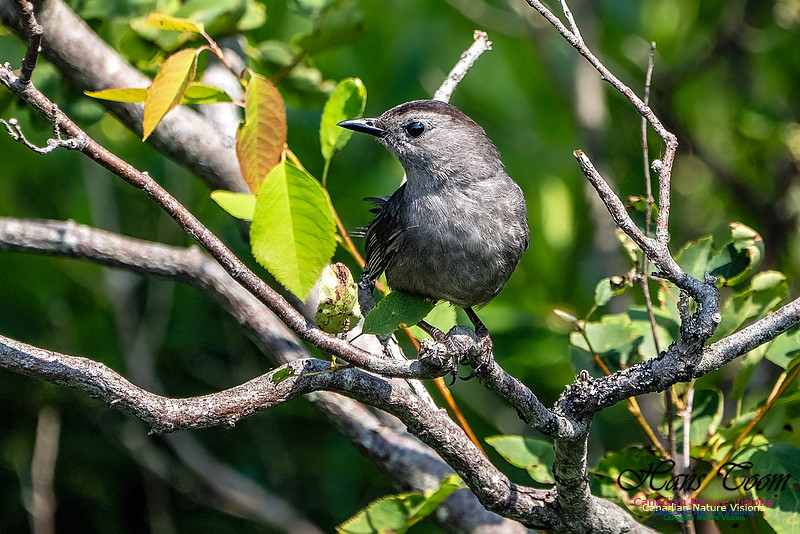
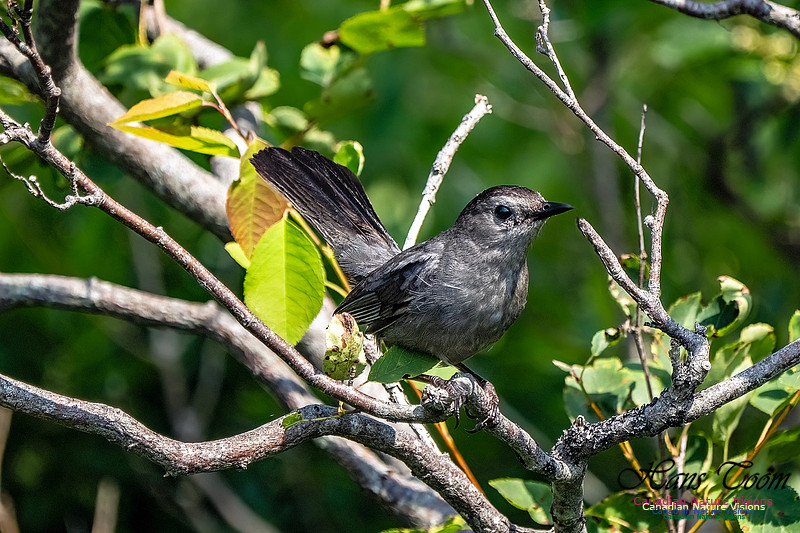
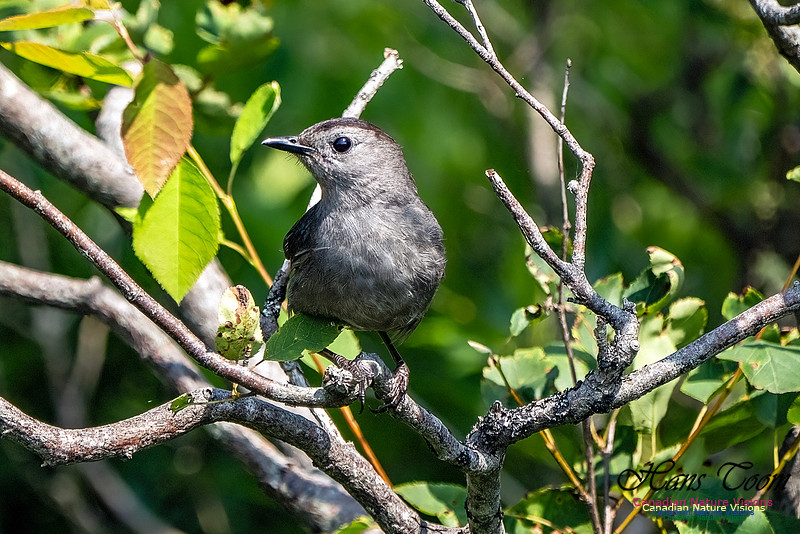
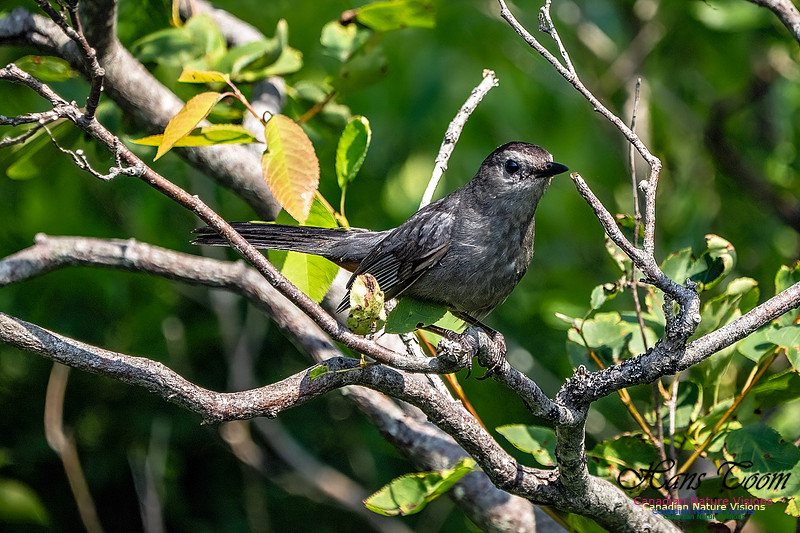
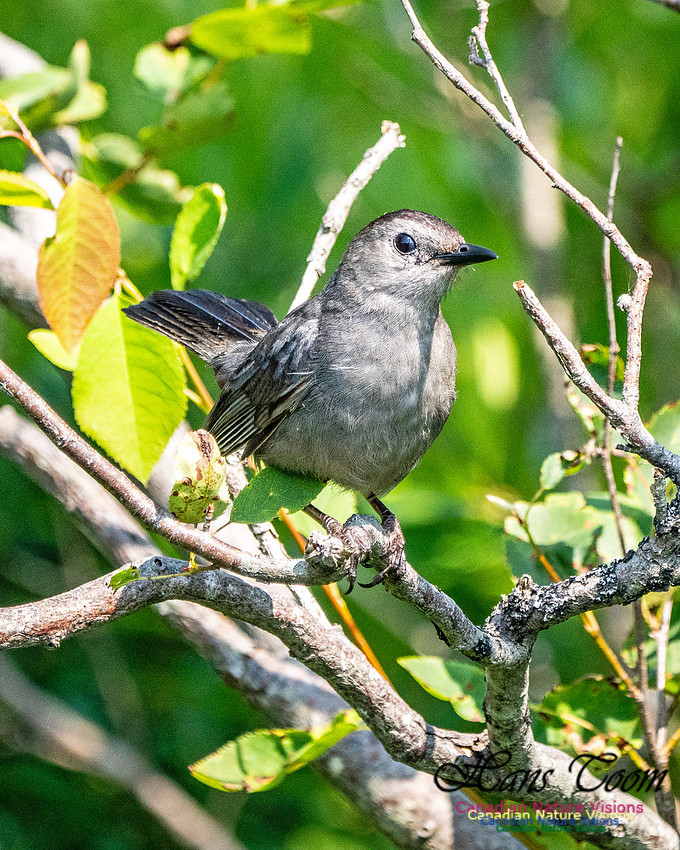
Eastern Wood-Pewee, Common Yellowthroat and Grey CatbirdThe Common Yellowthroat is still feeding young. This is likely his/her second brood or perhaps a replacement for a failed first brood. Edibles look good, eh? I was surprised by the Eastern Wood-Pewee. I didn't expect to see it in a coastal location near Duncan's Cove Road. The Grey Catbird was near Chebucto Head Road Common Yellowthroat
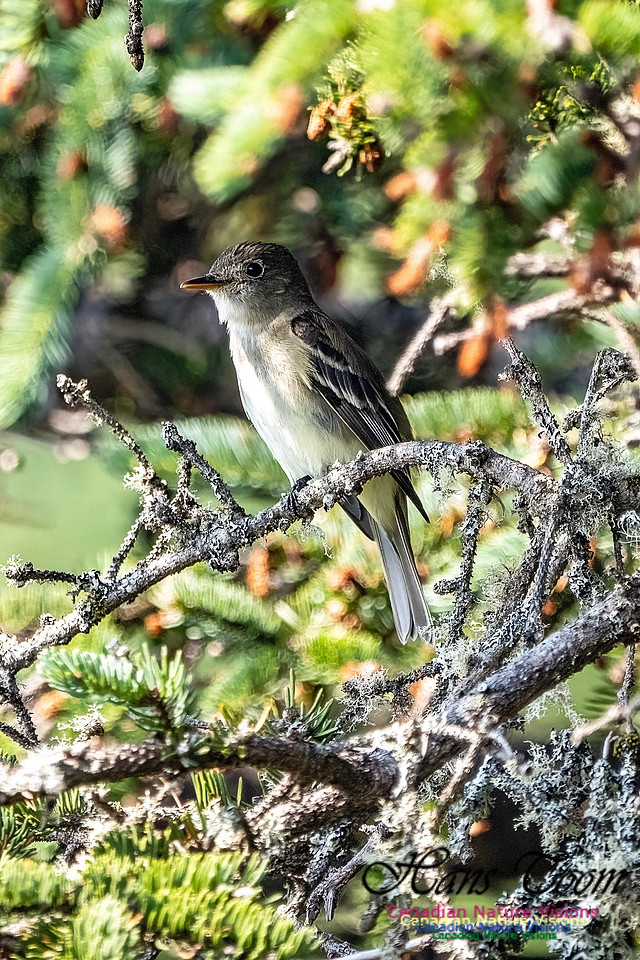
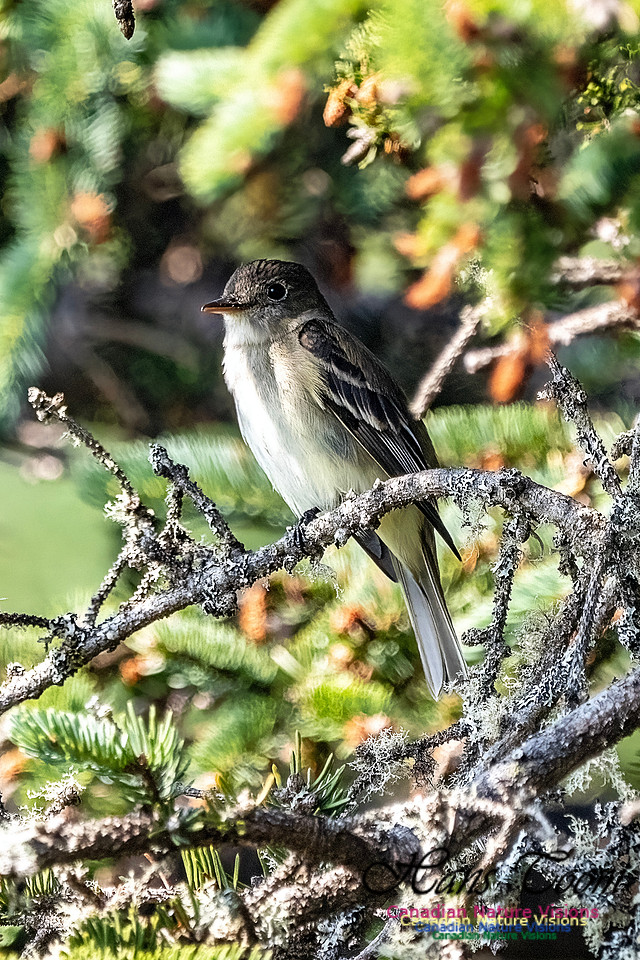
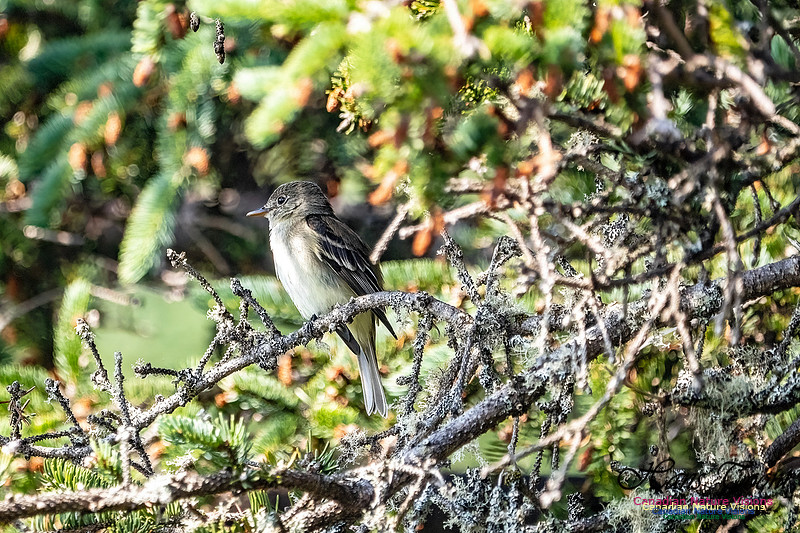
Eastern Wood-Pewee
Grey Catbird
Sandhill CranesI found these Sandhill Cranes in an awkward location, back lit and on the top of a rise. I then went to visit a friend and when I returned they posed nicely in a much better location, and better lighting. Sandhill Cranes
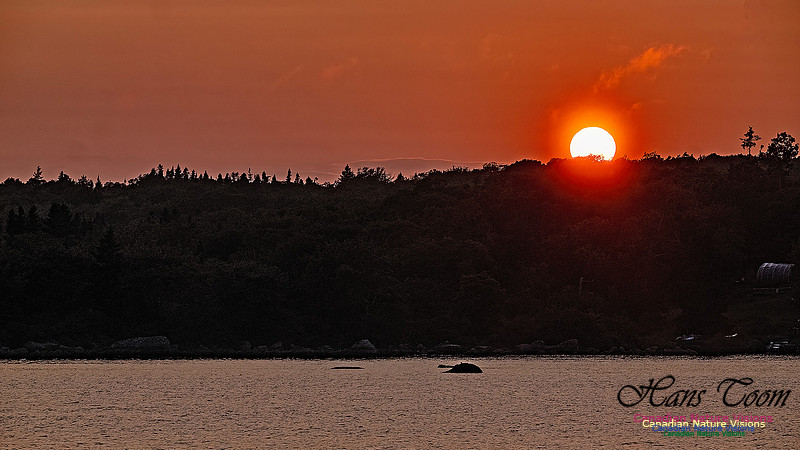
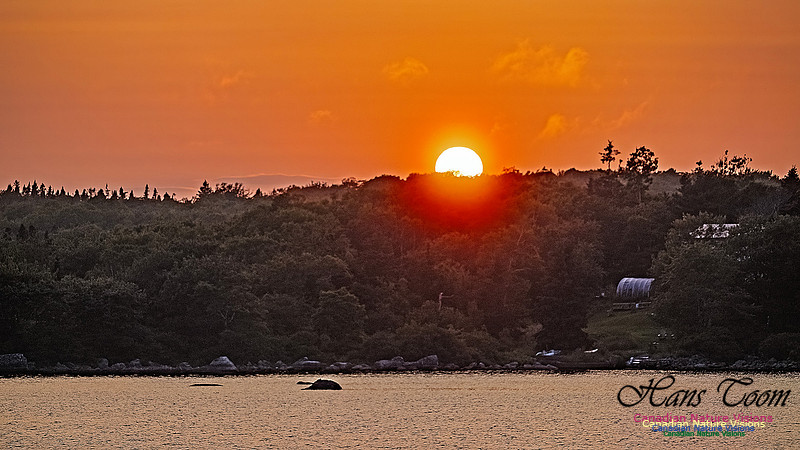
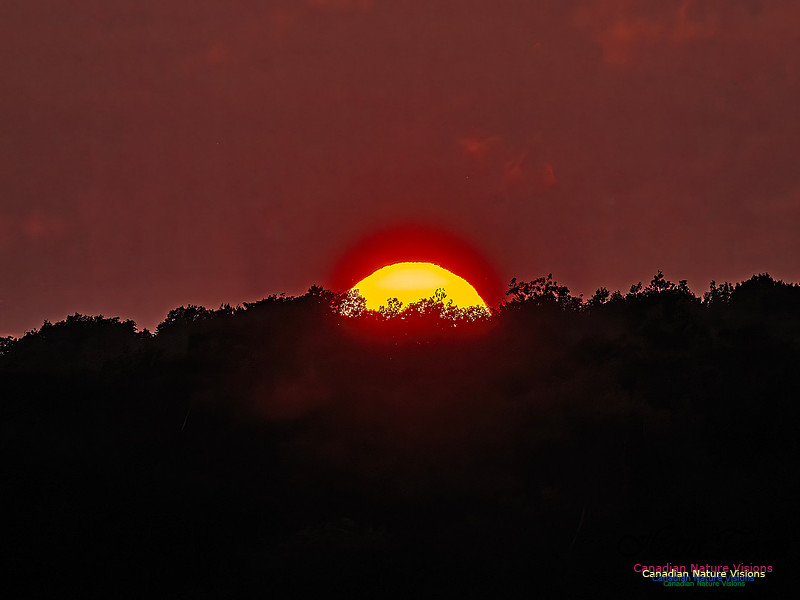
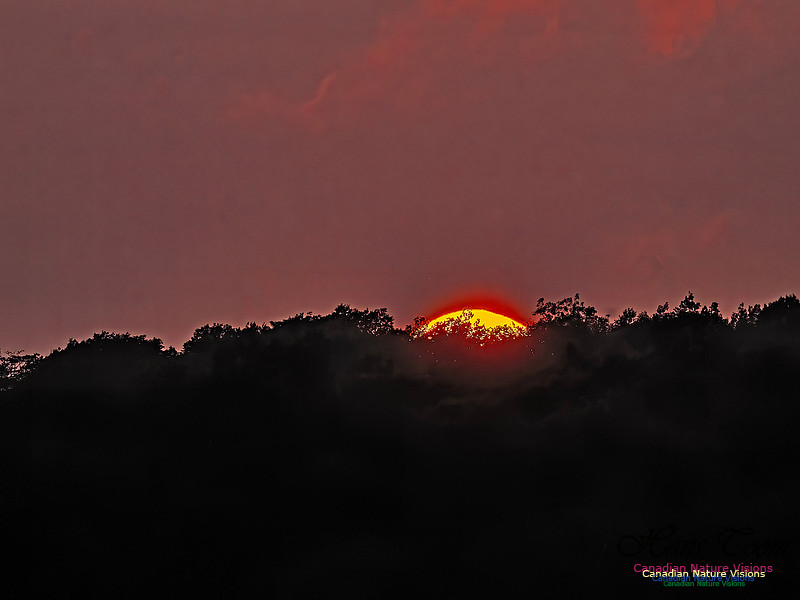
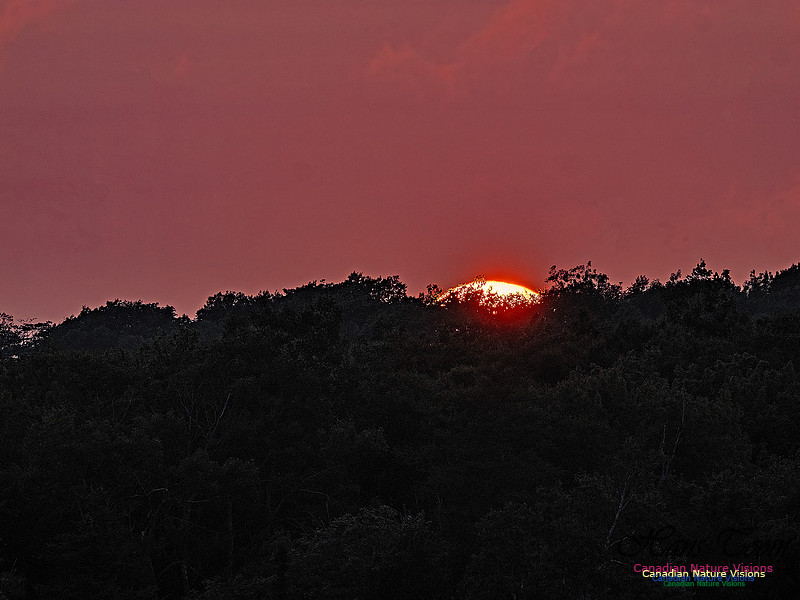
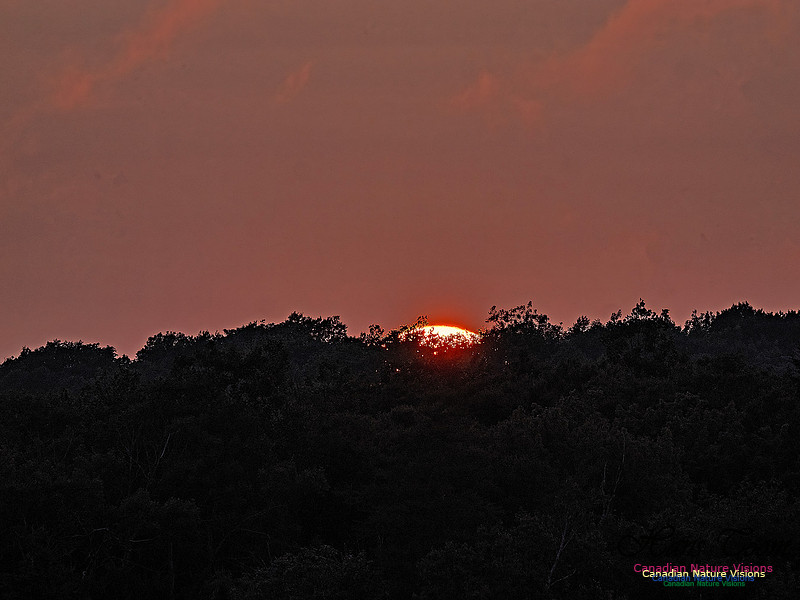
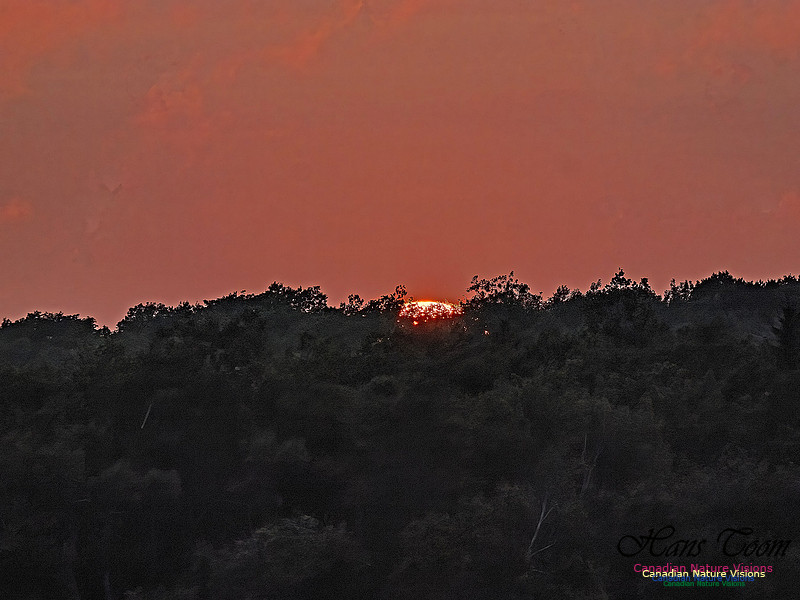
Edge of DayFinding the right spot for sunset photos can be a tricky affair. I missed my opportunity this time as after I took these photos the sunset burst into a bright red over the ocean. I should have been at Peggy's Cove Road. Well, next time. Edge of Day
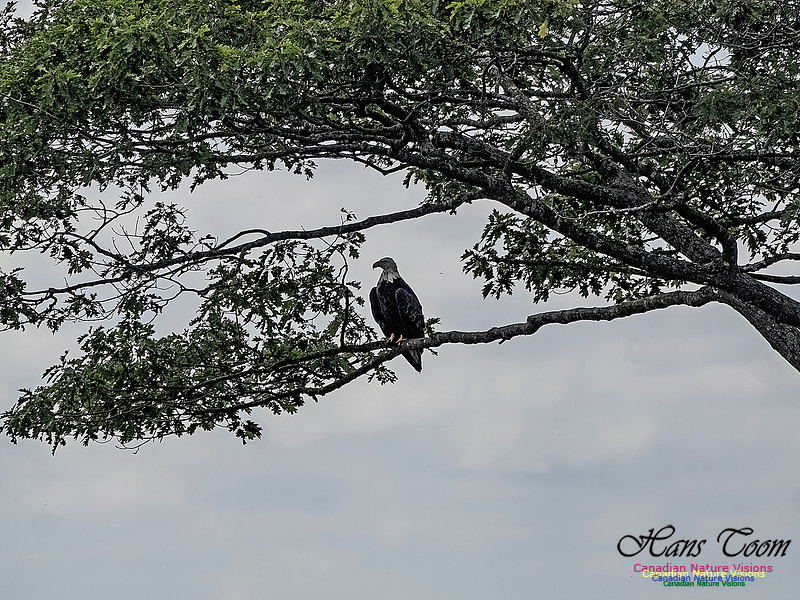
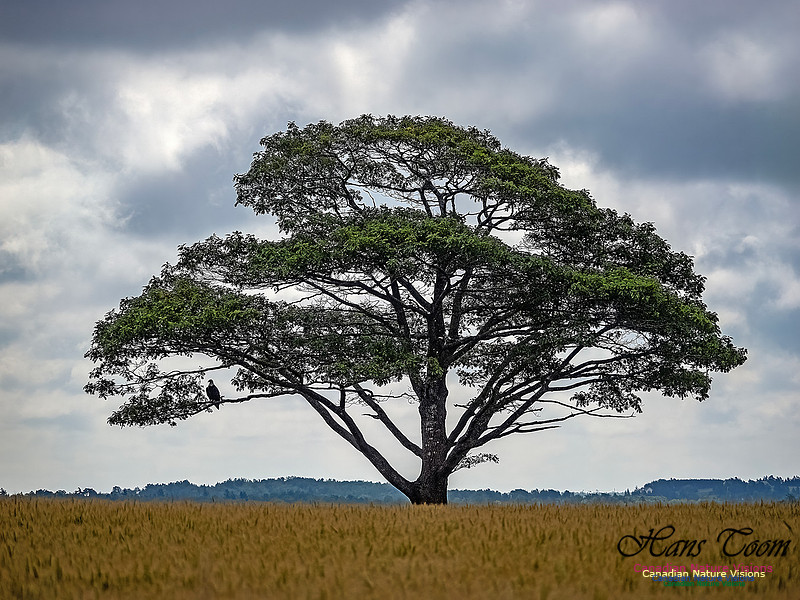
The Perfect Tree With GuestMy Perfect Tree is in full leaf now with a welcome guest. Bald Eagle in Perfect Tree
Perfect Tree with Guest
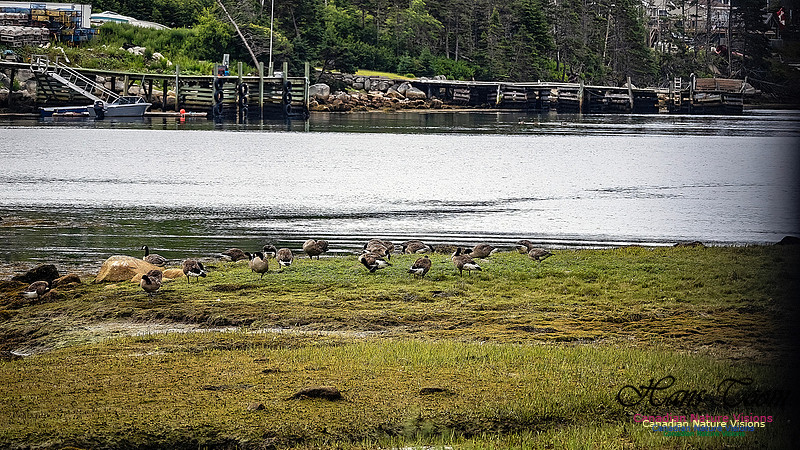
Some Nova Scotia ScenesThis is a collection of Nova Scotia scenes gathered over the last couple of days. Canada Geese at West Pennant Inlet
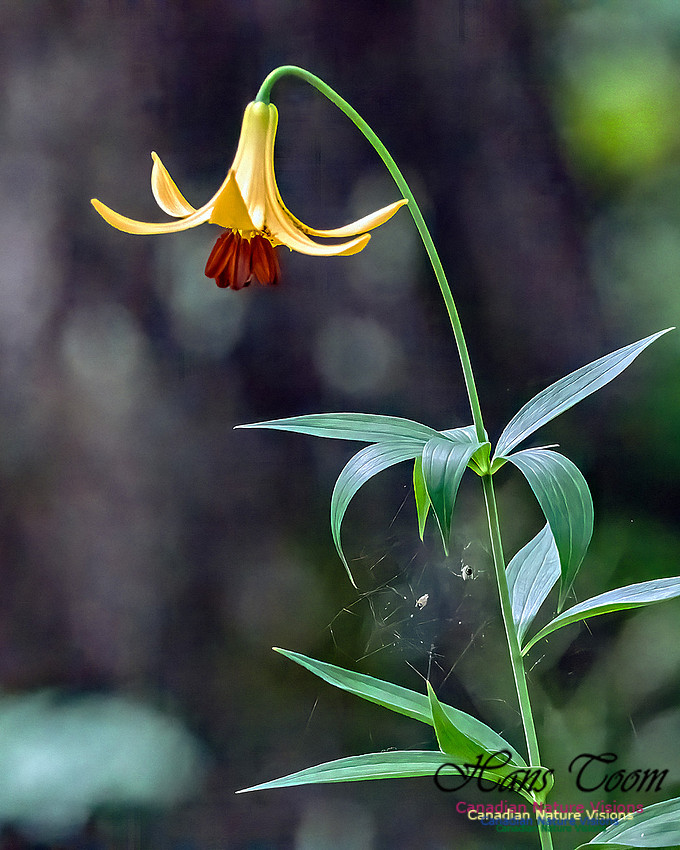
The Magnificent Canada Lily
Common Yellowthroat
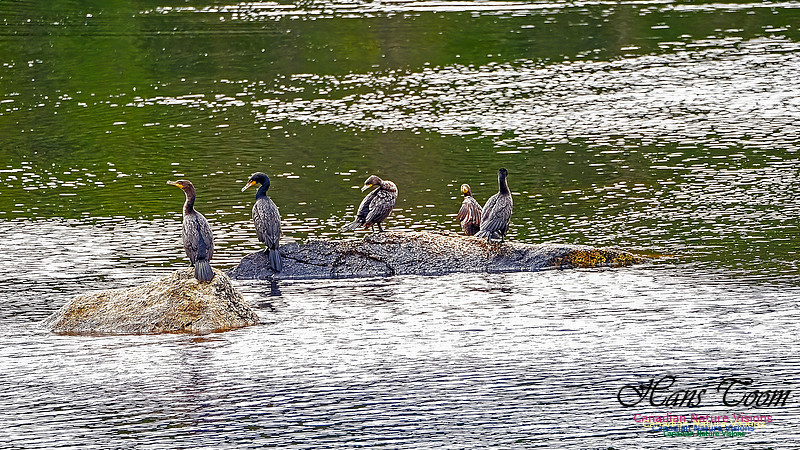
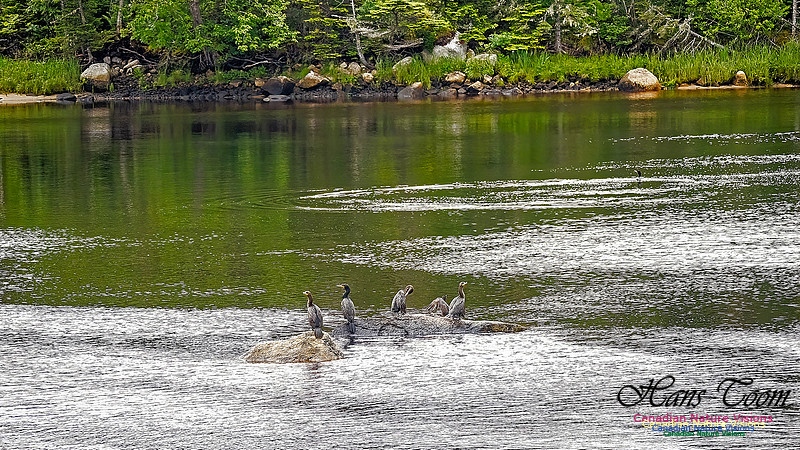
Cormorants Drying Their Wings
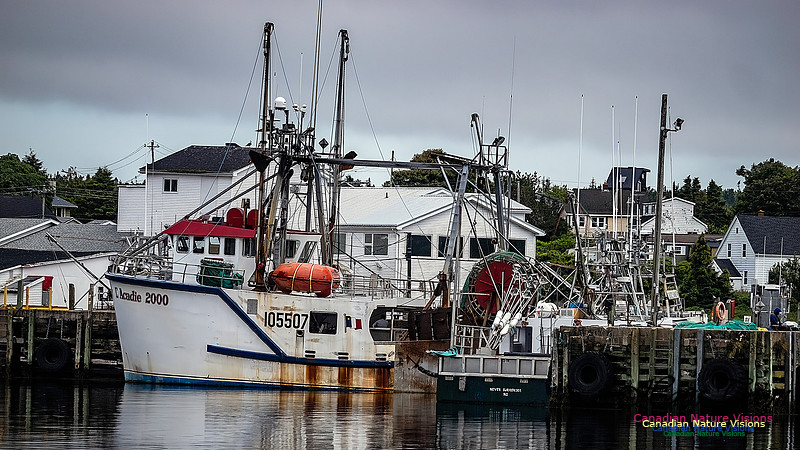
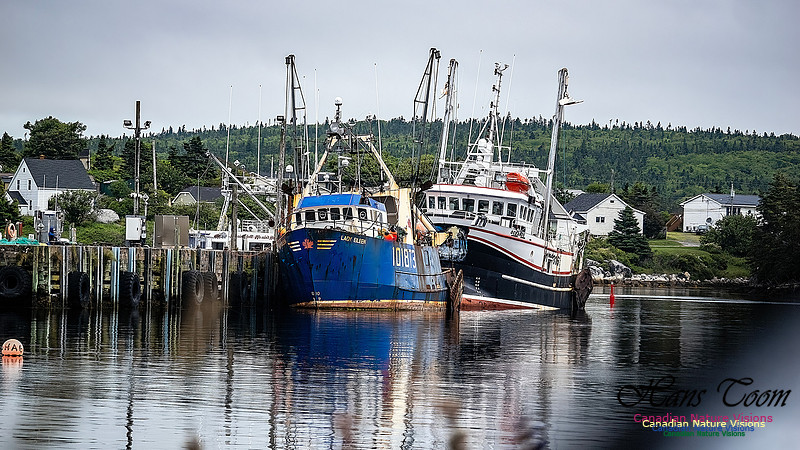
Sambro Harbour
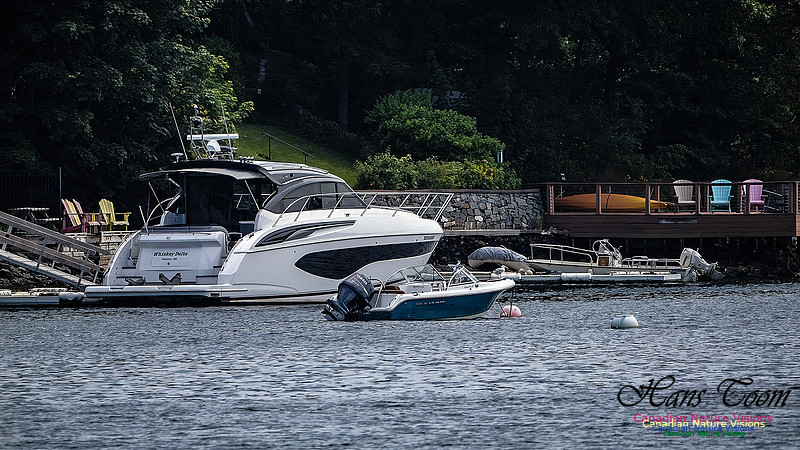
Luxury at North-west Arm
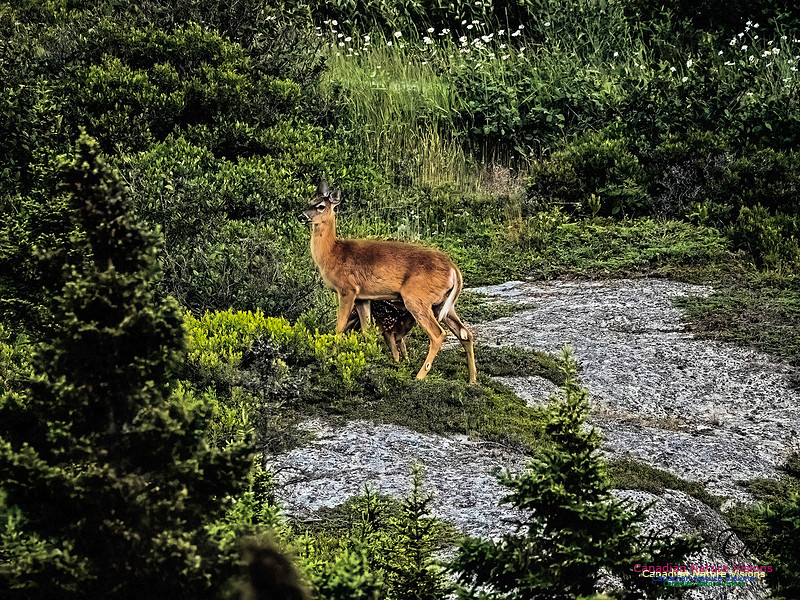
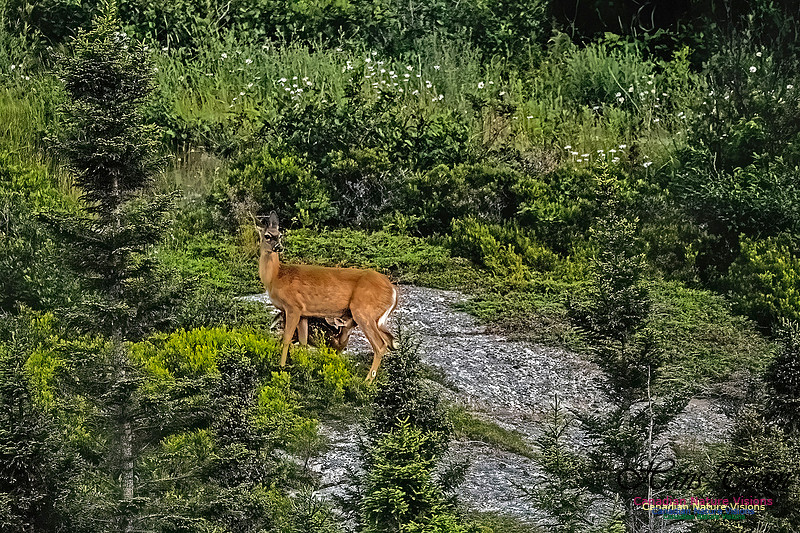
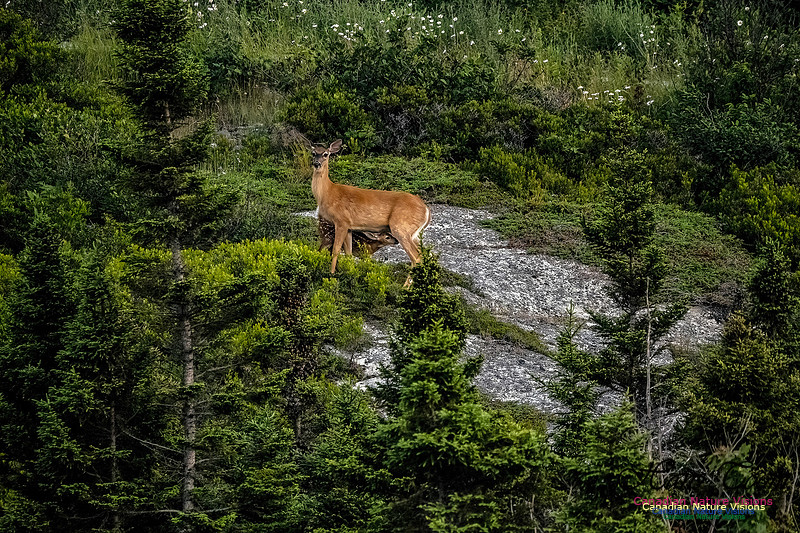
Feeding Time for Fawn
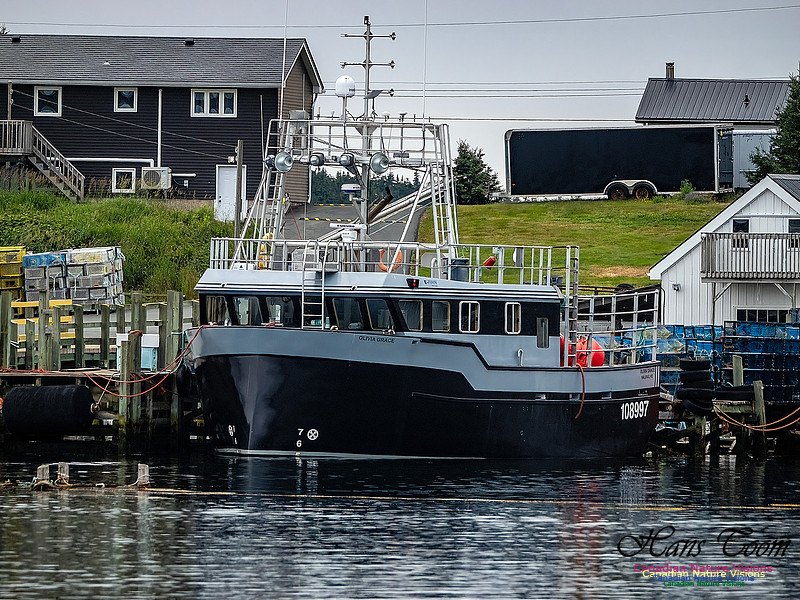
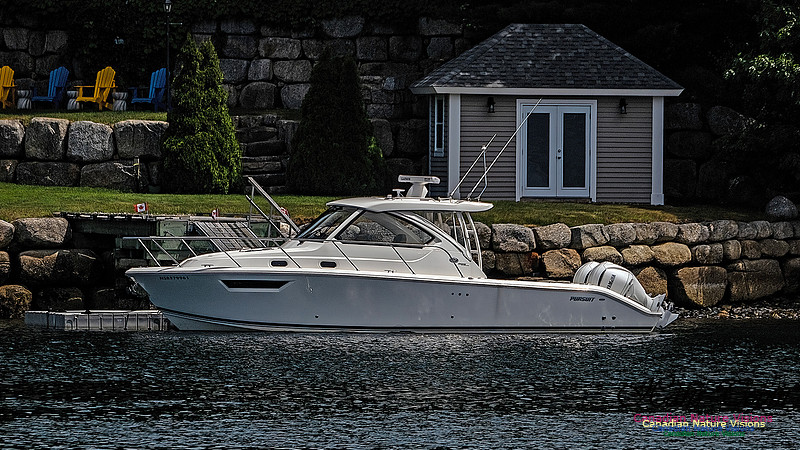
If Ever a Blue Water Fisher Needed Conversion to a Luxury Yacht
Sambro Harbour
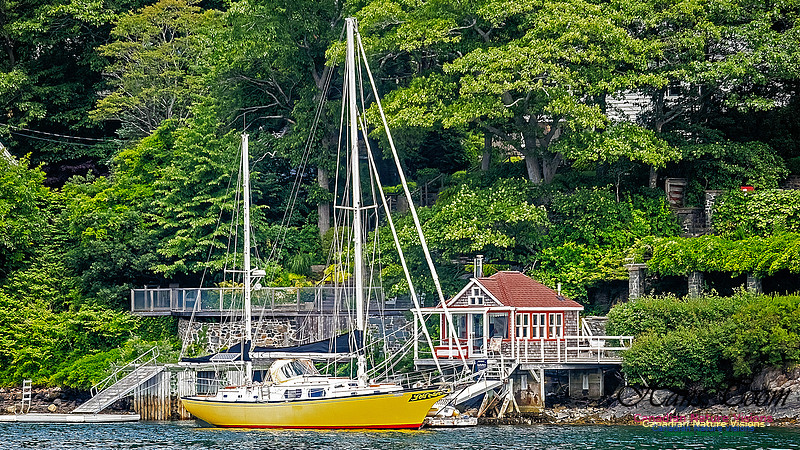
Yachts Moored at North-west Arm
Overindulgence
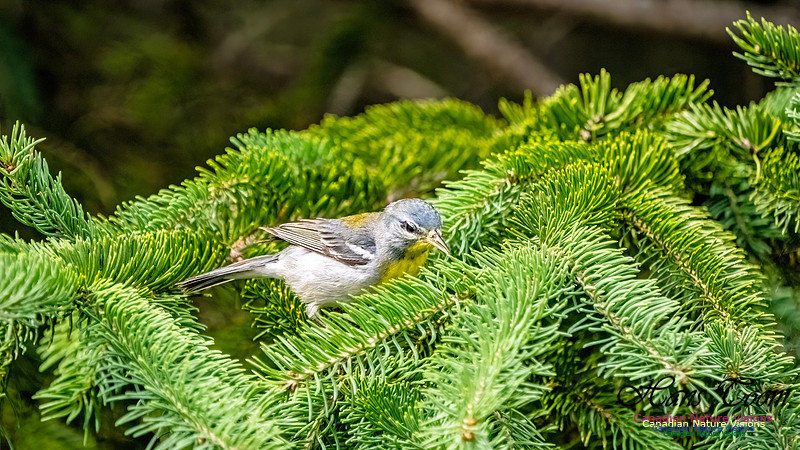
Northern Parula
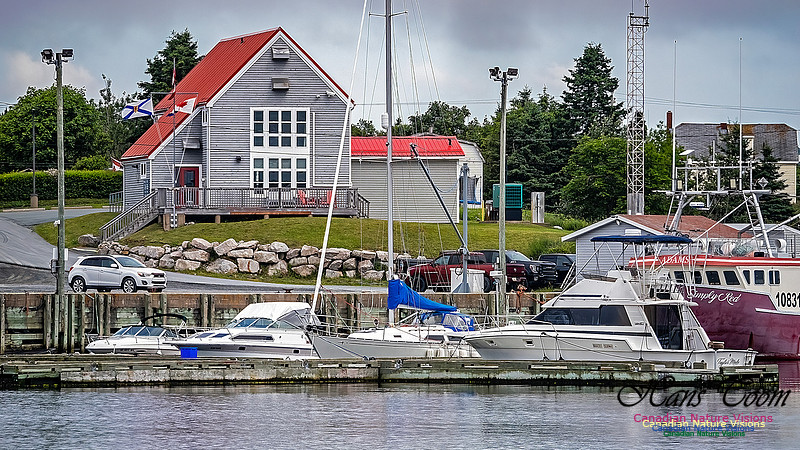
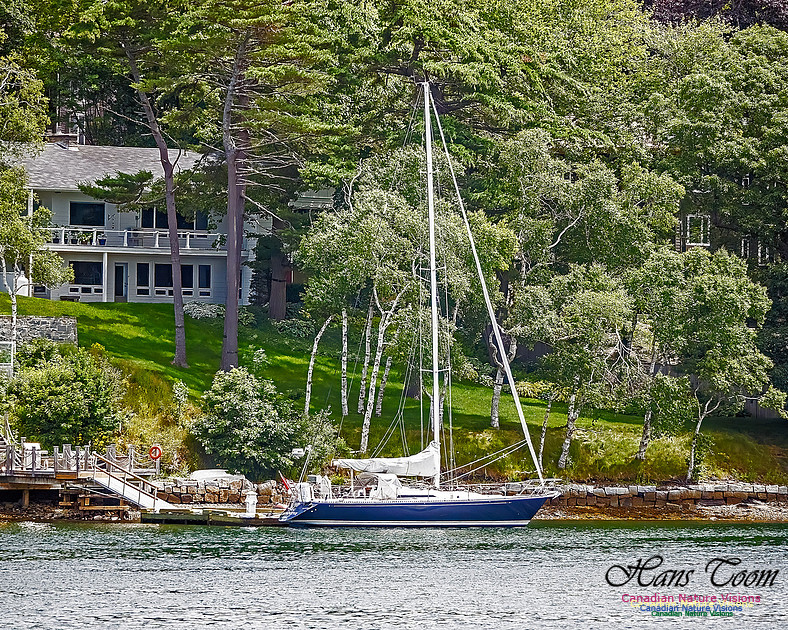
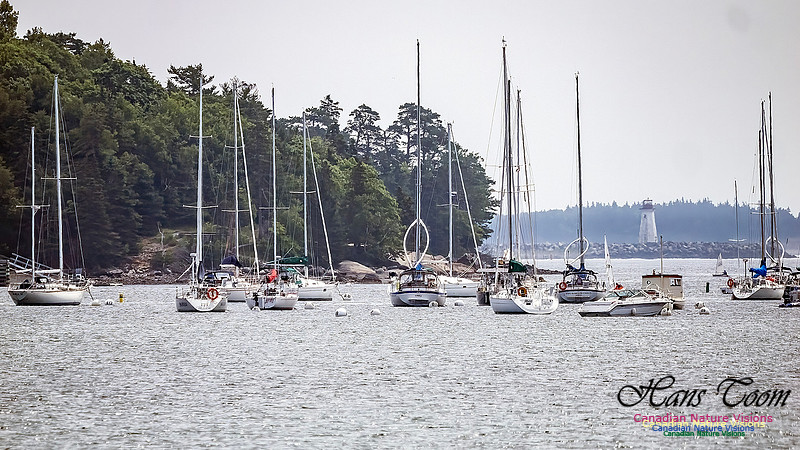
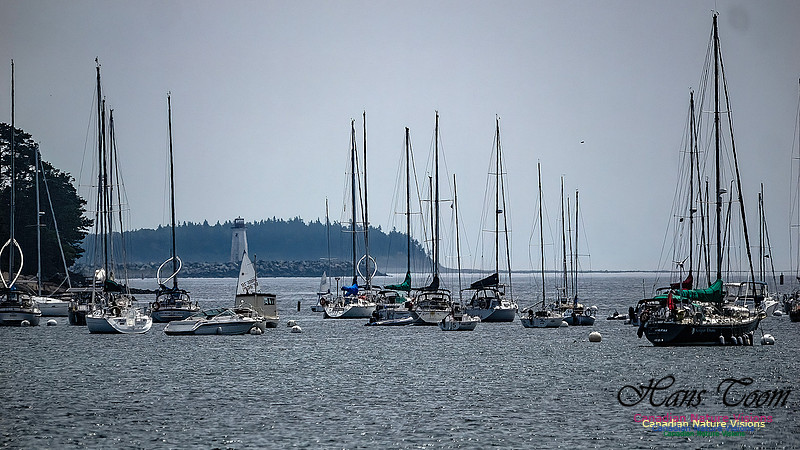
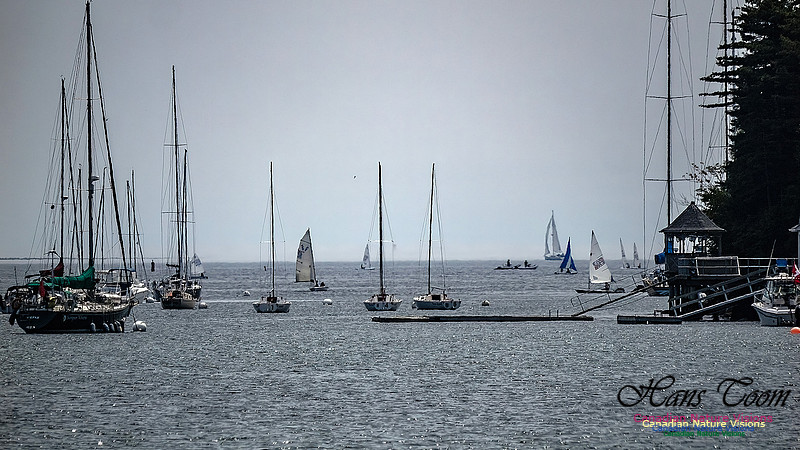
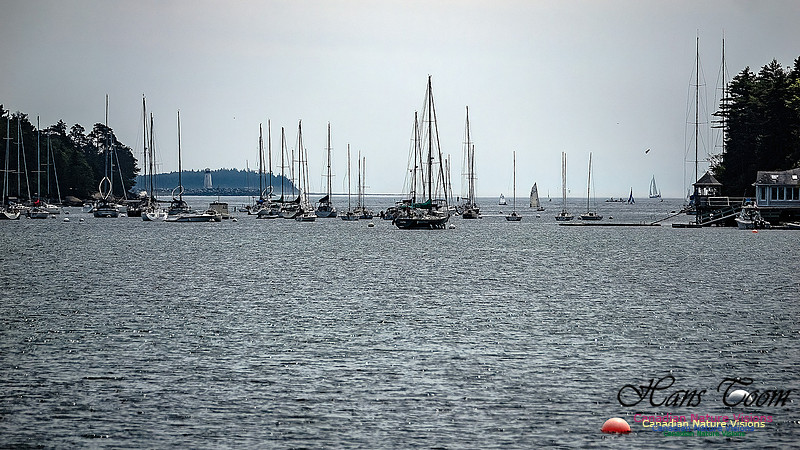
Sailboats at the Entrance to the North-west Arm
The Need for Speed to the Fishing Spot
Sambro Harbour
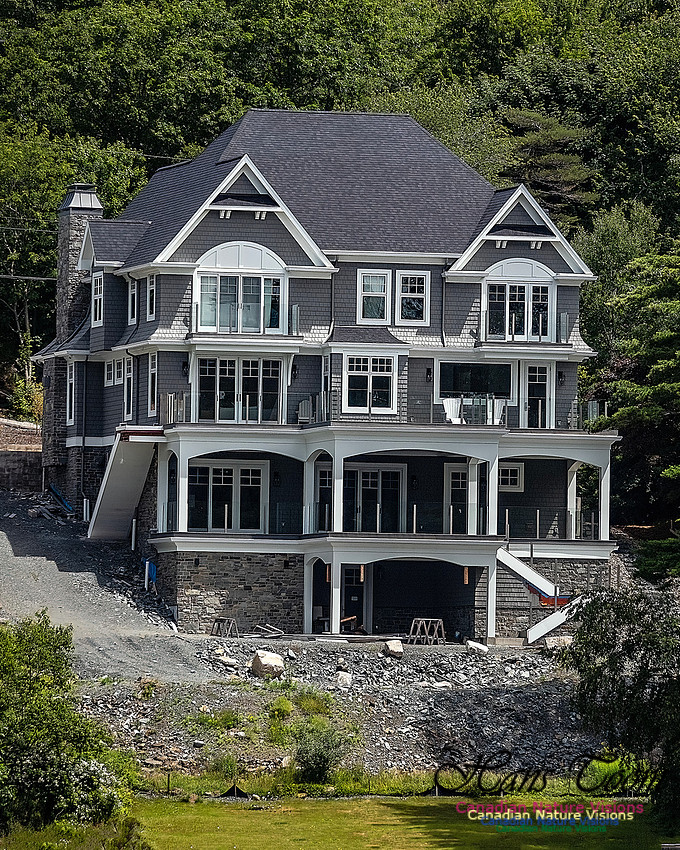
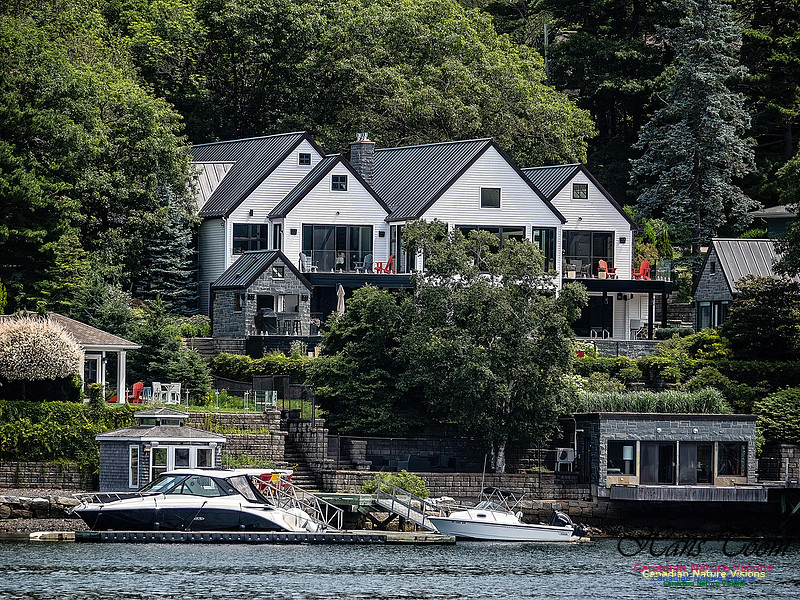
A Tasteful Home on the North-west Arm
Queen Mary 2Laura and I went to our usual viewing place below Chebucto Head Light. A winter coat would have been appropriate as the south-west wind was brutal but thankfully the Queen Mary 2 left on time at 6PM and we photographed it at 7 PM. This elegant ship is the only ocean liner in the world. It is capable of year round trans ocean crossings at 26 knots. It's faster and stronger than the cruise ships that commonly visit Halifax. The photographic conditions were not favourable due to haze. A bright sunset shining through the ship as it departs is preferred. Courtesy Wikipedia RMS Queen Mary 2 (QM2) is a British ocean liner. She has served as the flagship of the Cunard Line since April 2004,[9] and as of 2025, is the only active, purpose-built ocean liner still in service.[10][11] Queen Mary 2 sails regular transatlantic crossings between Southampton and New York City, in addition to short cruises and an annual world voyage.[12][13] She was designed by a team of British naval architects led by Stephen Payne, and was constructed in Brittany by Chantiers de l'Atlantique. At the time of her construction, Queen Mary 2 was the longest, at 1,131.99 ft (345.03 m), and largest, with a gross tonnage of 148,528 GT, passenger ship ever built. She no longer holds these records after the construction of Royal Caribbean International's 154,407 GT Freedom of the Seas (a cruise ship) in April 2006, but remains the largest ocean liner ever built. Queen Mary 2 was intended for some crossings of the Atlantic Ocean; the final construction cost was approximately $300,000 per berth. The cost was increased by the high quality of materials; having been designed as an ocean liner, 40% more steel was required for a cruise liner than for a standard cruise ship.[14] Queen Mary 2 has a maximum speed of just over 30 knots (56 km/h; 35 mph) and a cruising speed of 26 knots (48 km/h; 30 mph), which is faster than a contemporary cruise ship. Instead of the common diesel-electric configuration, Queen Mary 2 uses integrated electric propulsion to achieve her top speed. Diesel engines, augmented by gas turbines, are used to generate electricity for electric motors for propulsion and for on-board use. Queen Mary 2's facilities include fifteen restaurants and bars, five swimming pools, a casino, a ballroom, a theatre, and the first planetarium at sea. Queen Mary 2
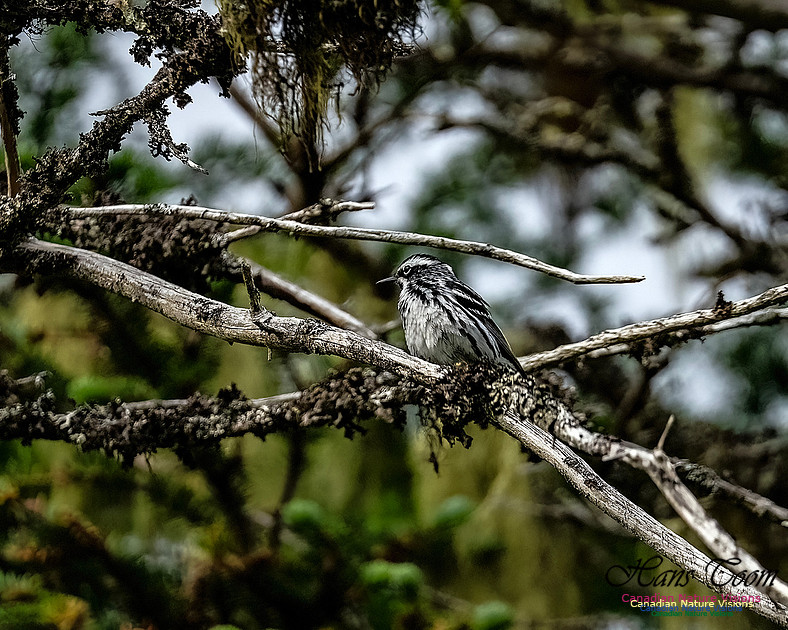
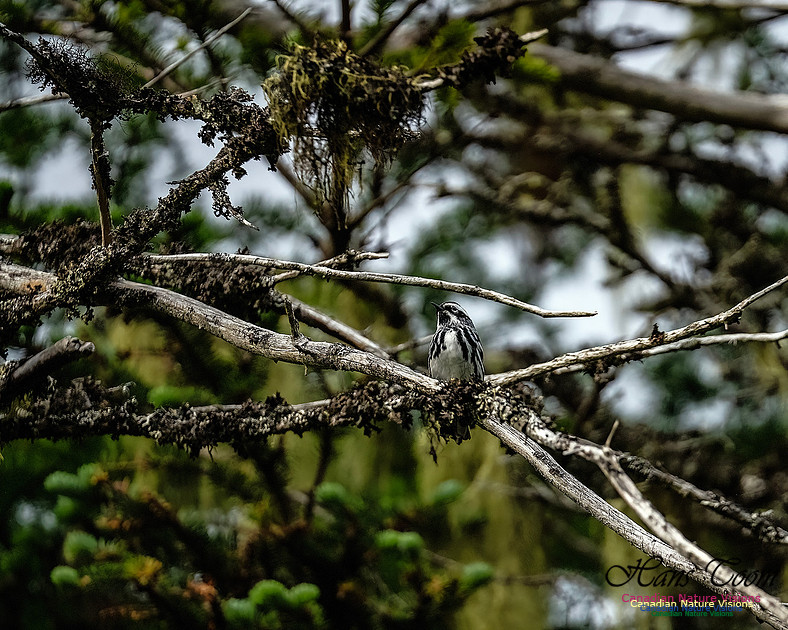
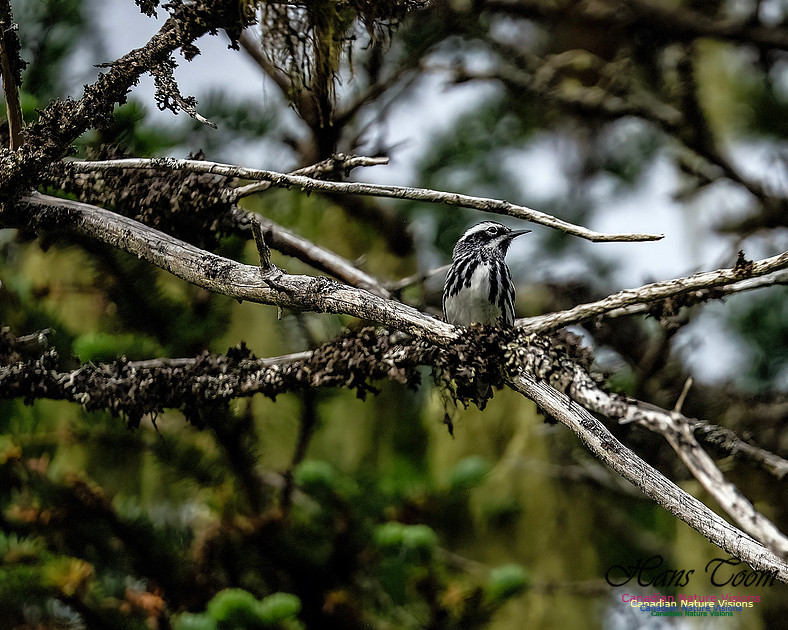
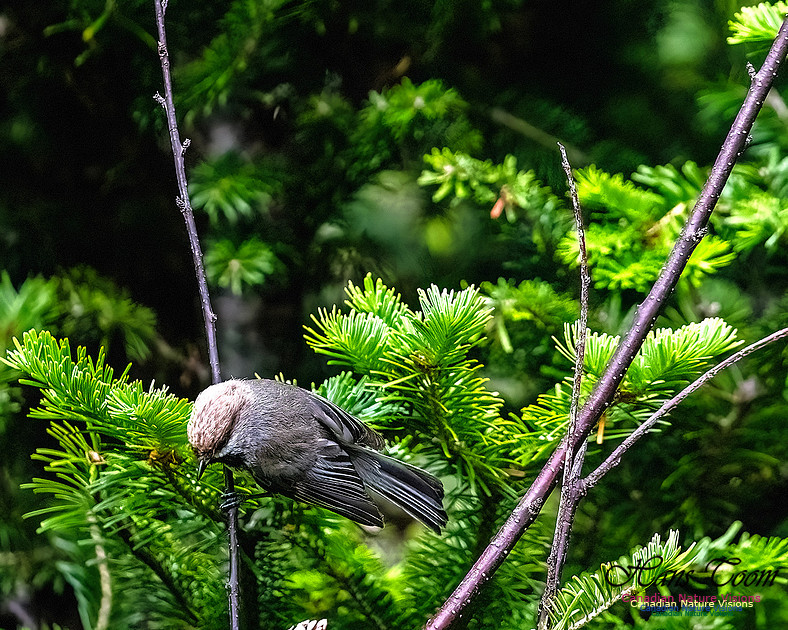
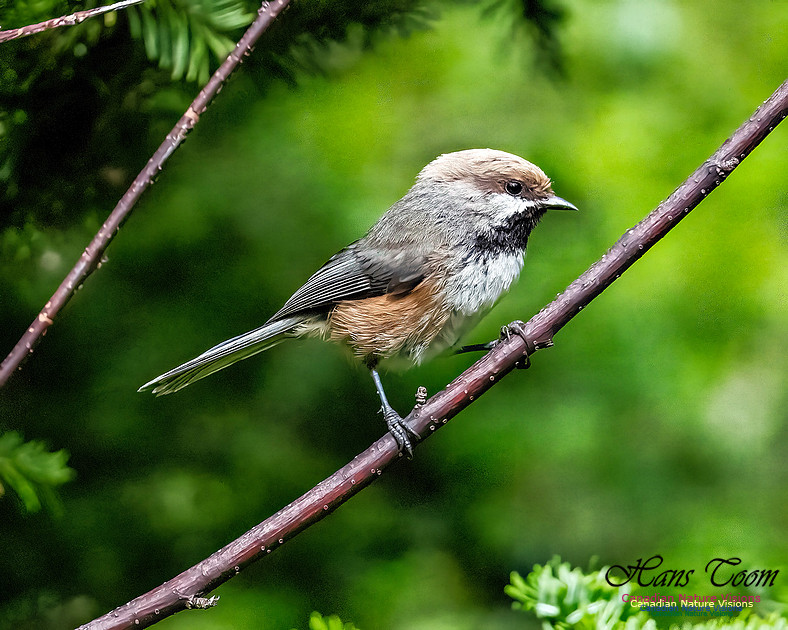
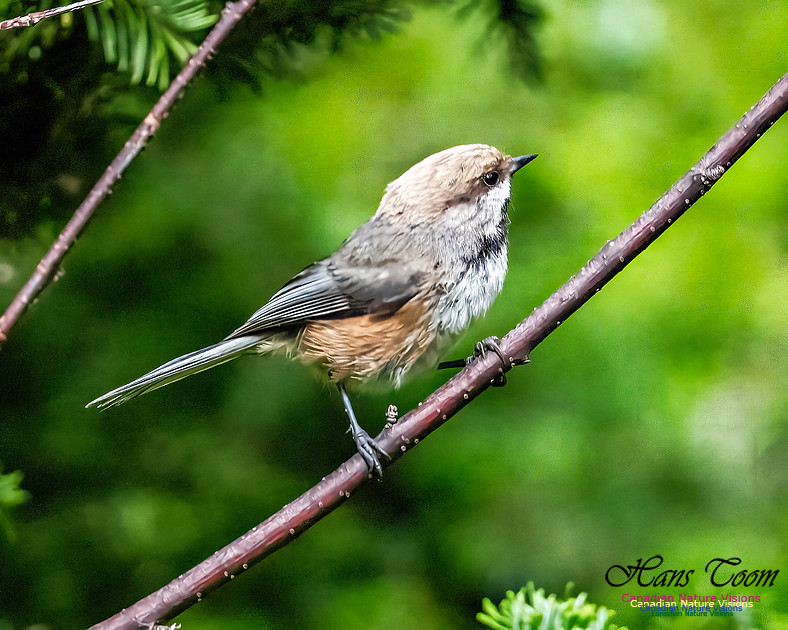
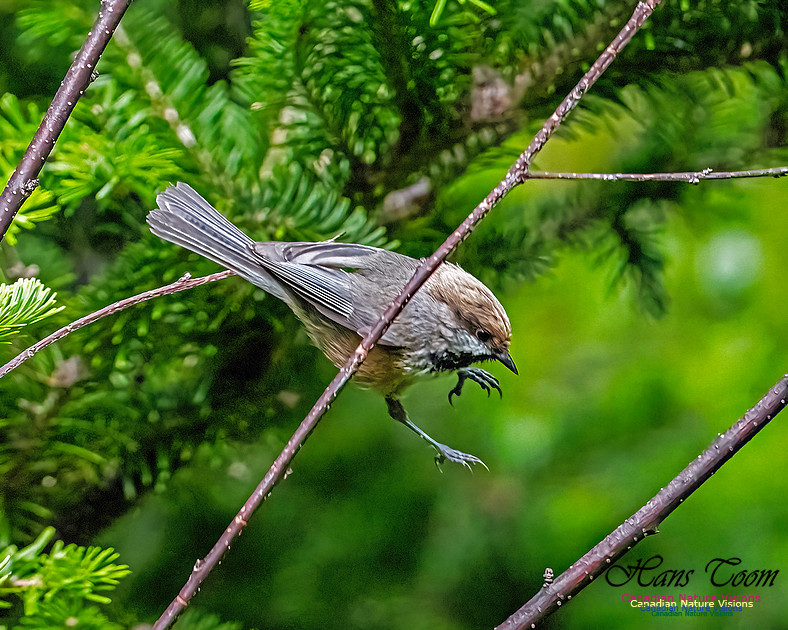
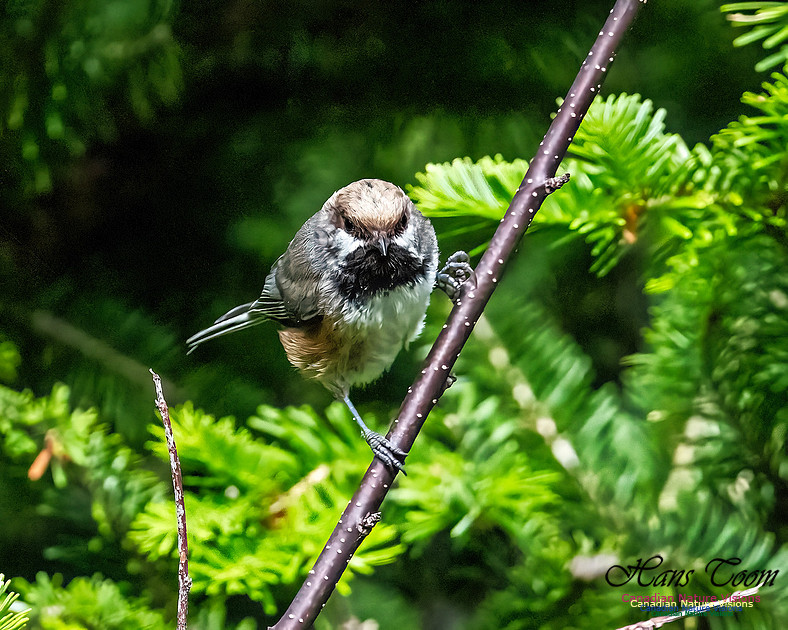
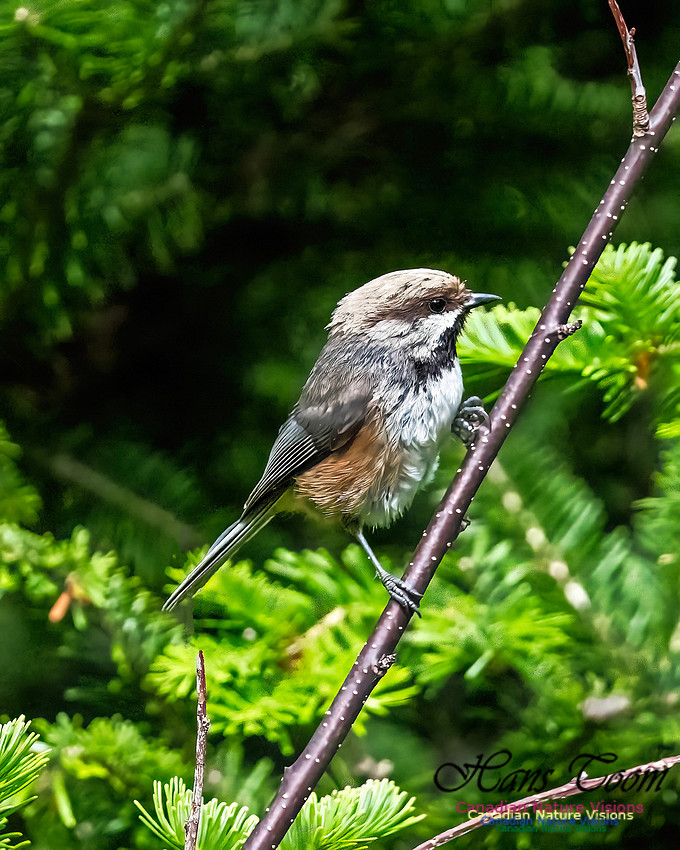
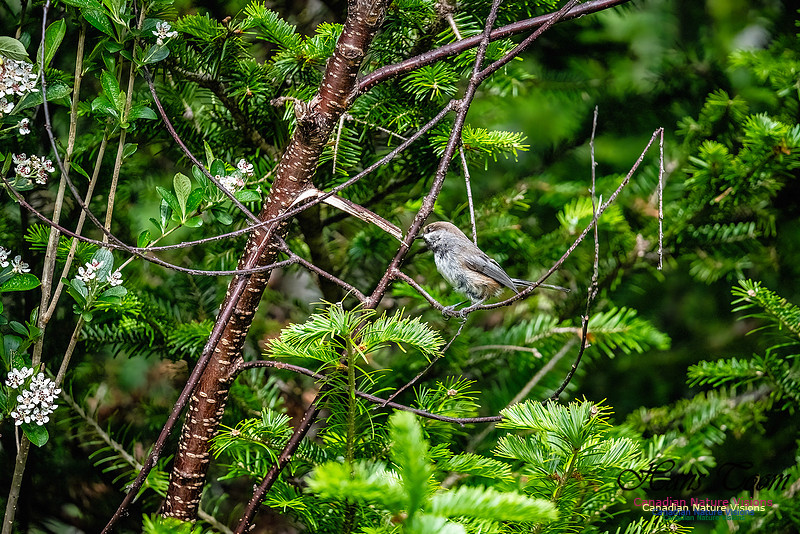
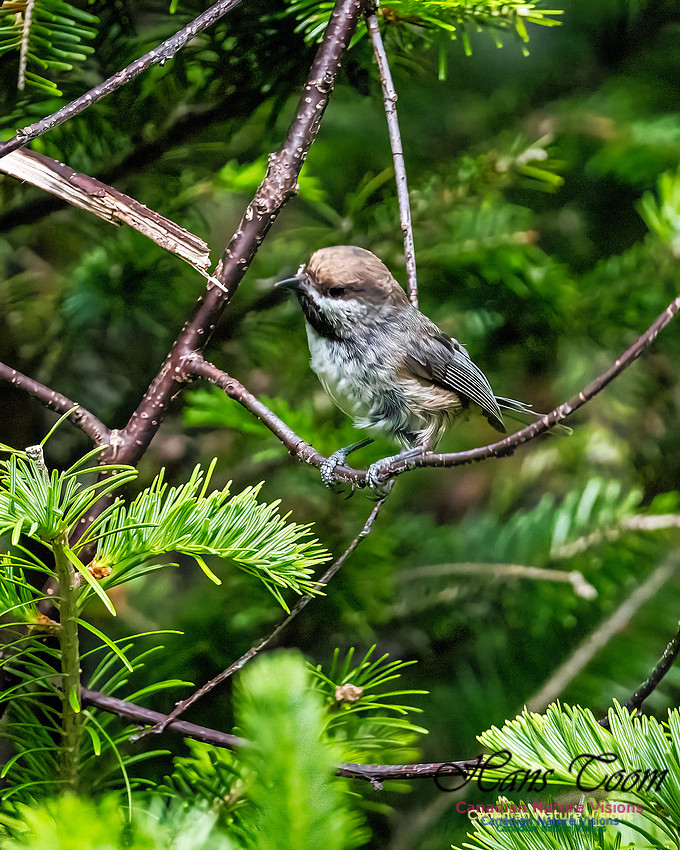
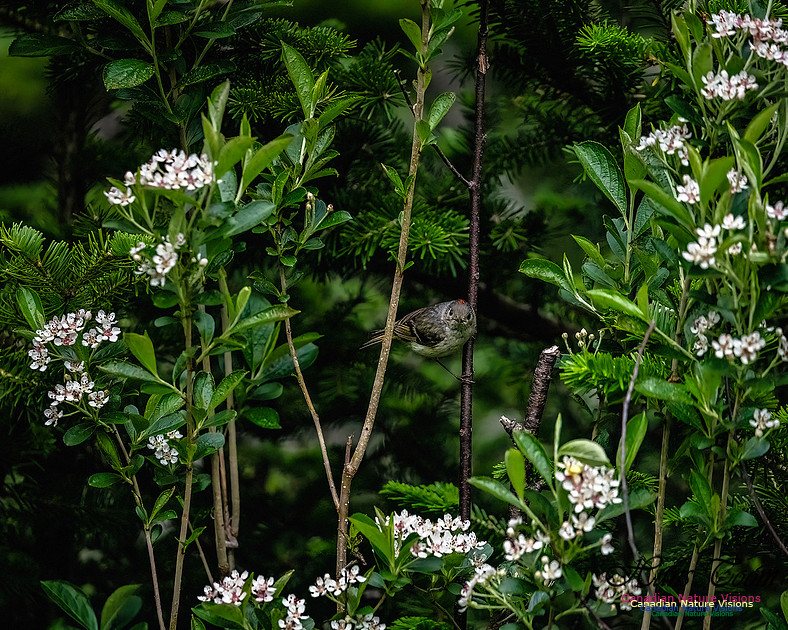
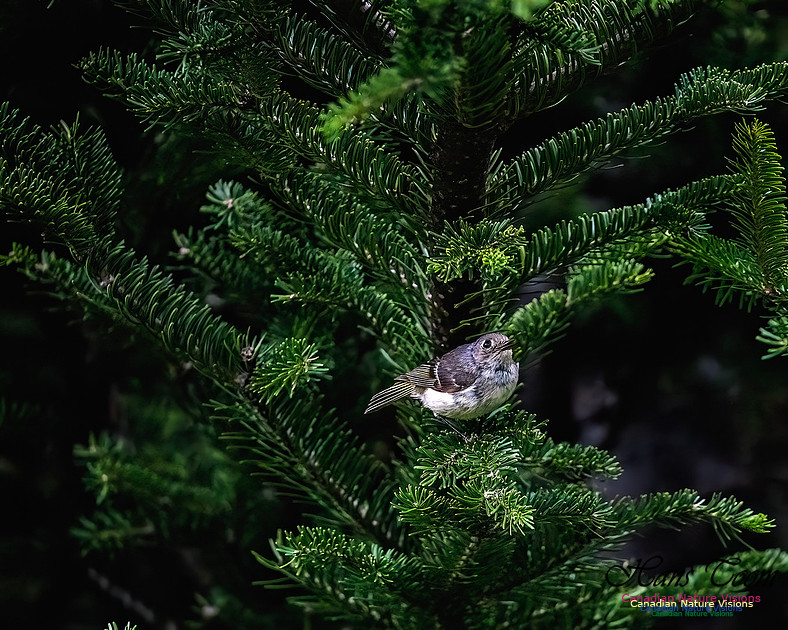
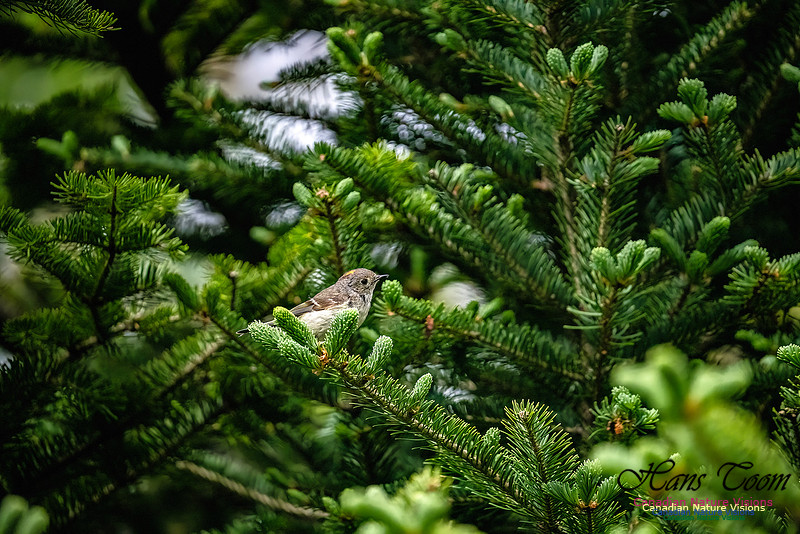
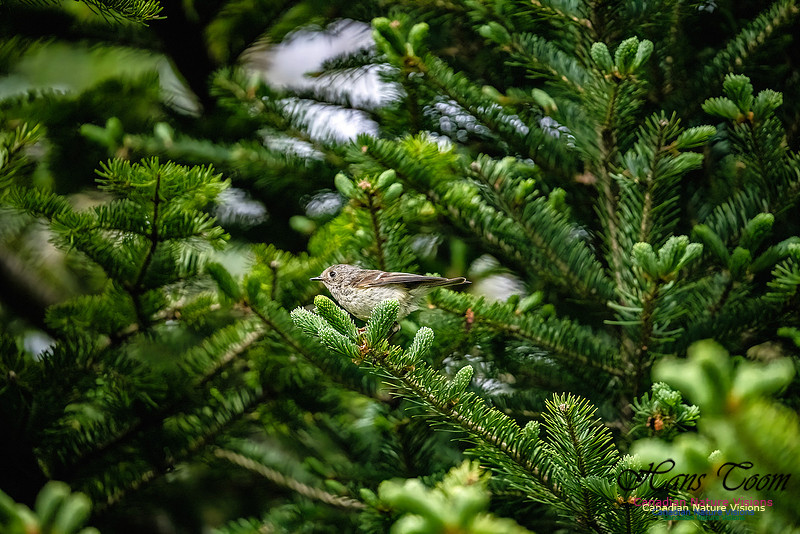
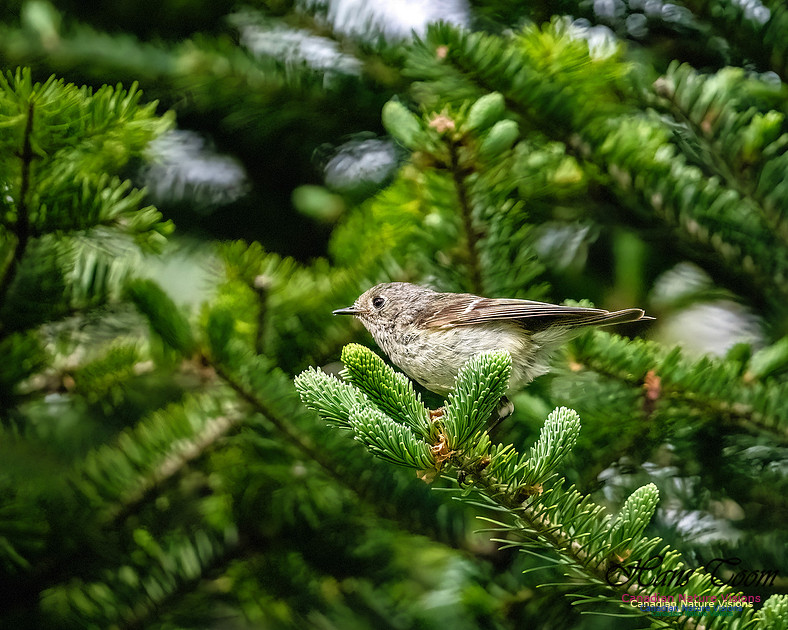
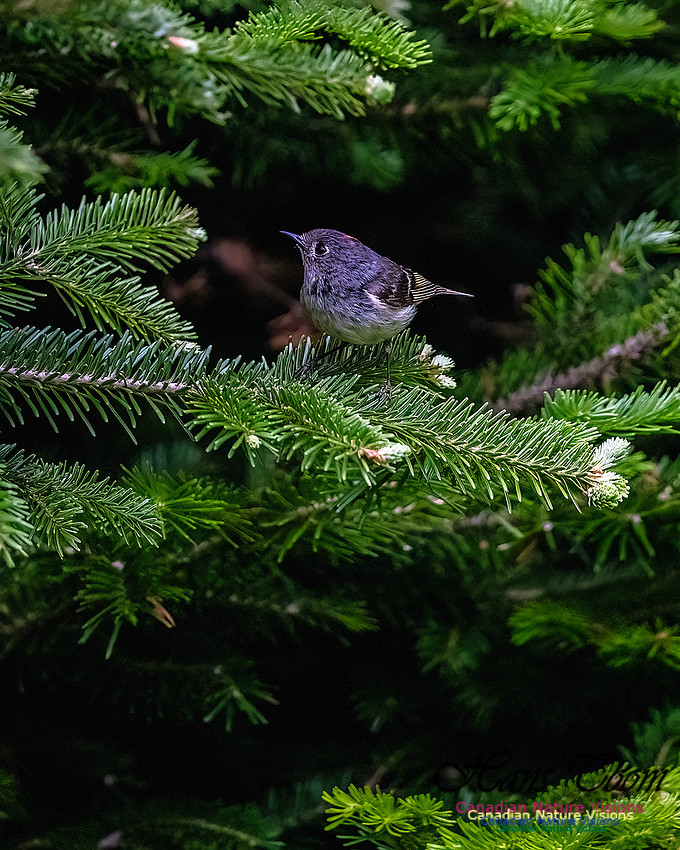
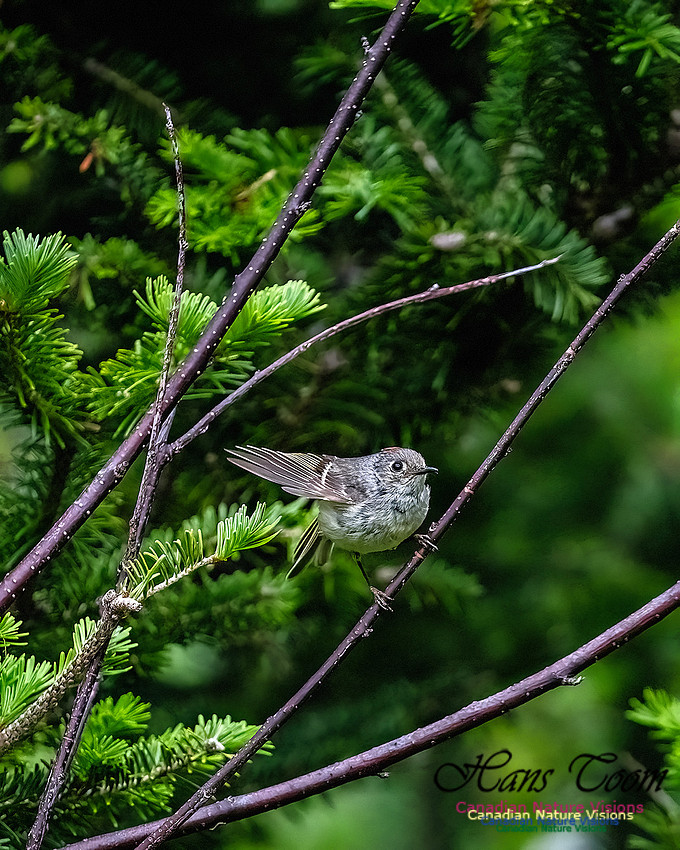
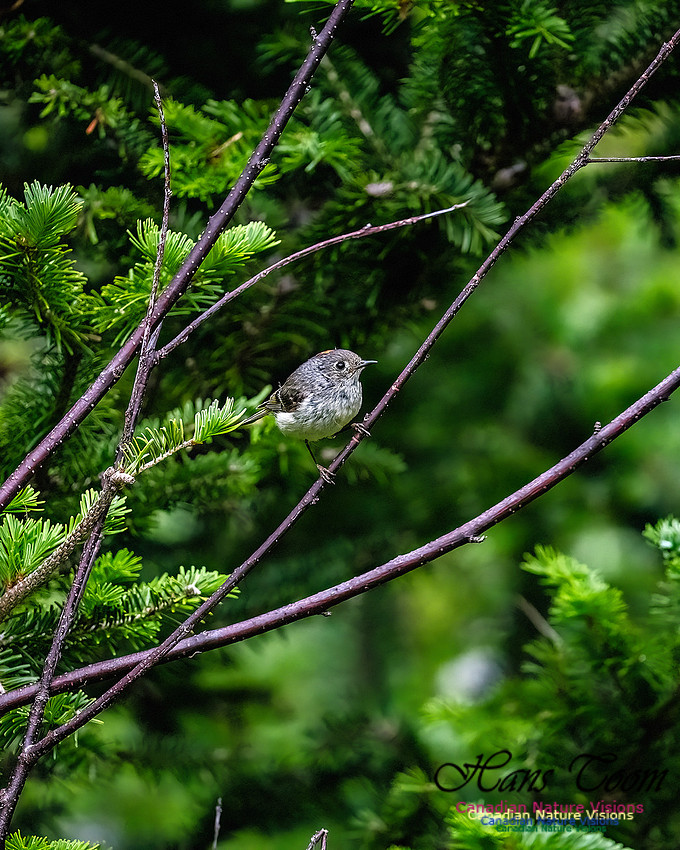
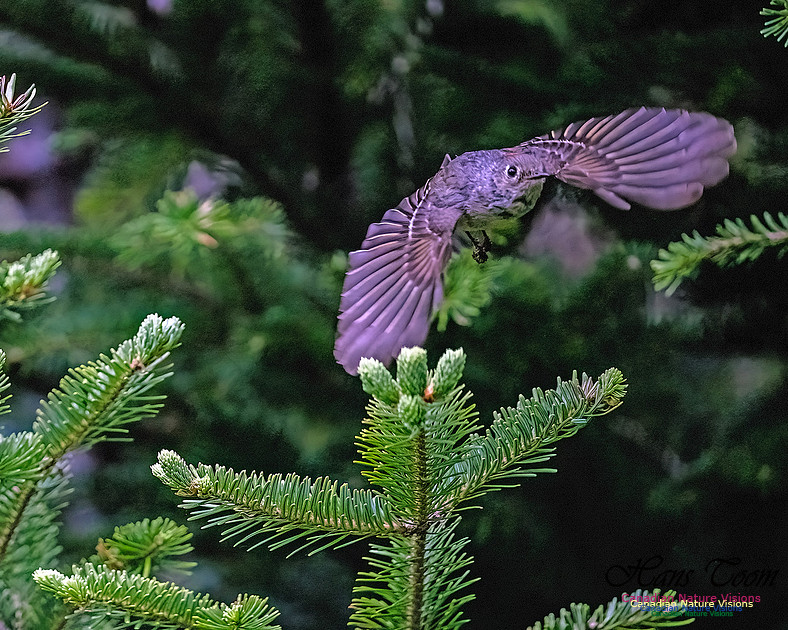
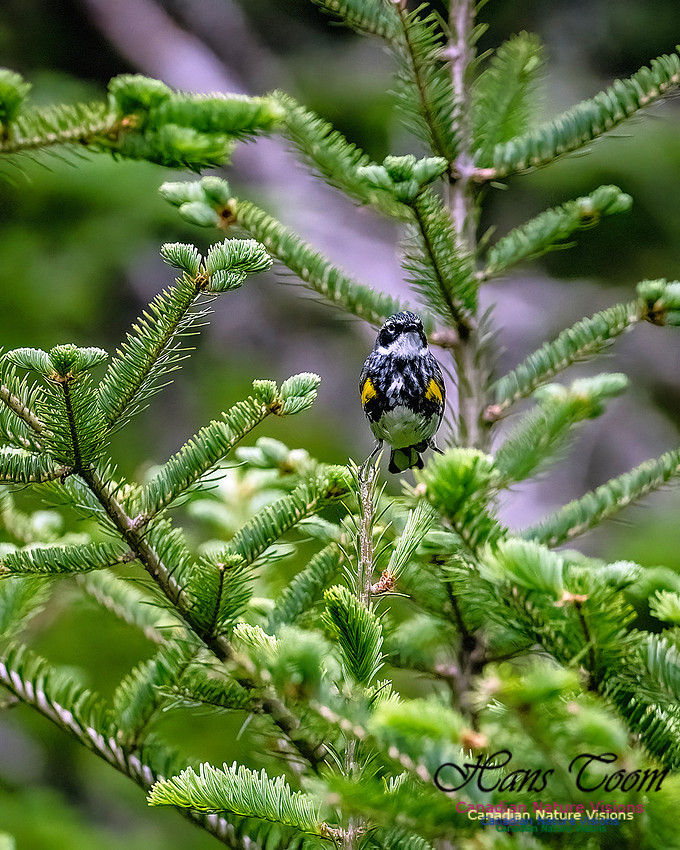
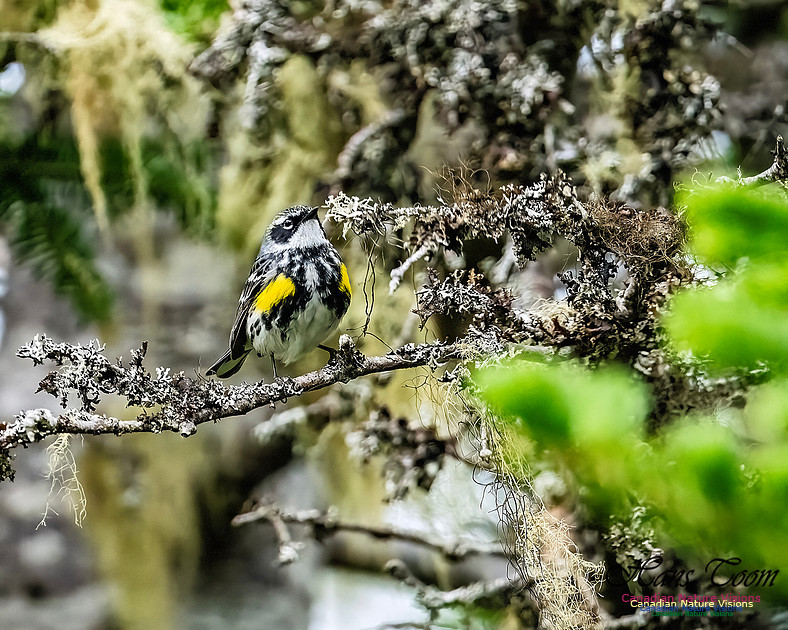
Newfoundland Adventure 2025-Campsite BirdsI usually arrived late in the day at my campsite or roadside clearing to spend the night in my motor home. This afforded little opportunity for photographing woodland or grassland birds although I could hear them. The Canada Jay was the highlight that I posted earlier. The Boreal Chickadee has taken over the role assumed by the Black-capped Chickadee in Nova Scotia although there are Black-capped Chickadees in Newfoundland. I had to cut short my trip when I ran out of propane. Propane runs most everything in a motor home; heater, stove, oven, fridge and freezer. It gets very cold very fast without the furnace especially when one is parked by the ocean and the offshore wind is howling. This is my last posting from my trip to Newfoundland in June of 2025. Campsite Birds Black-and-White Warbler
Boreal Chickadee
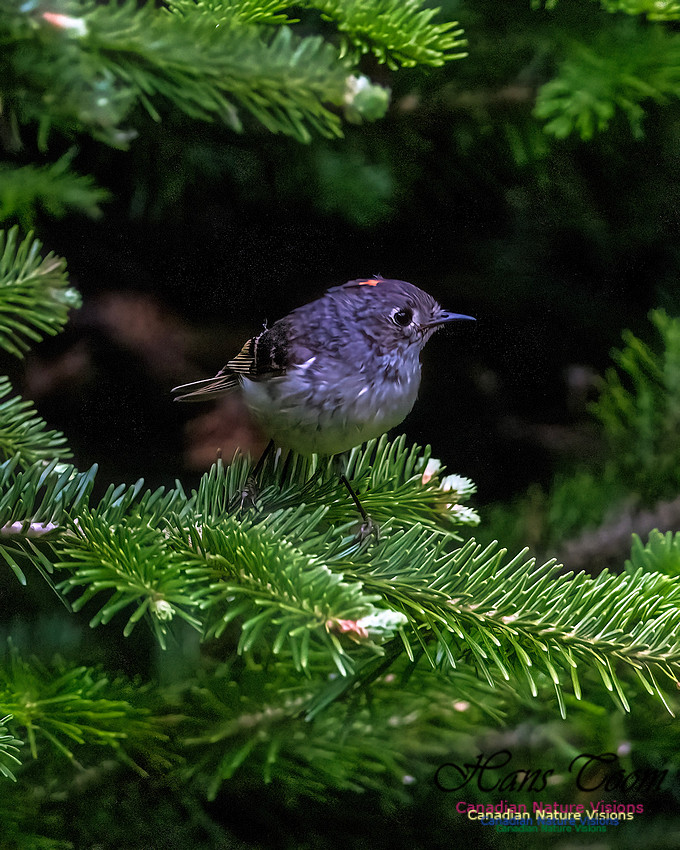
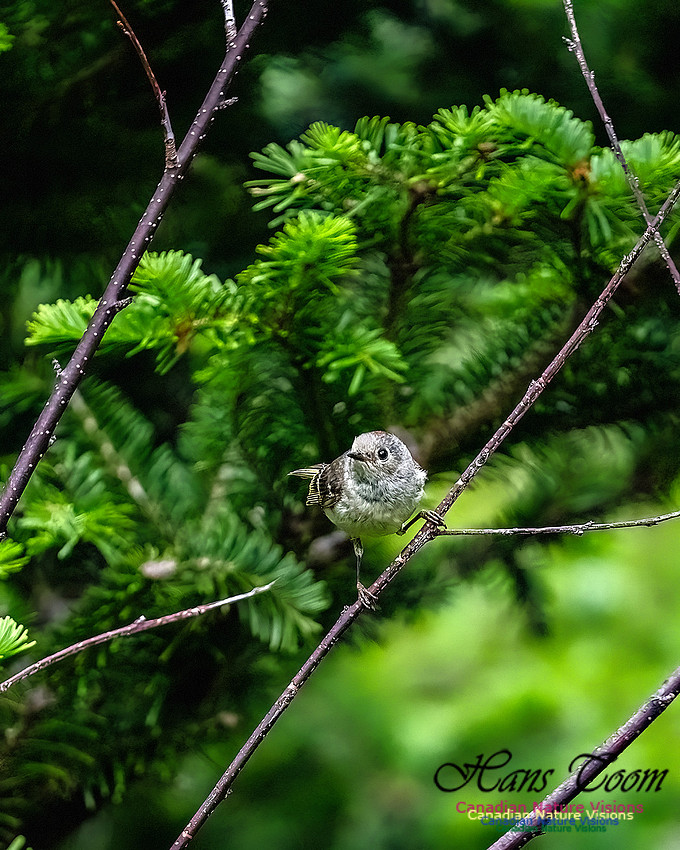
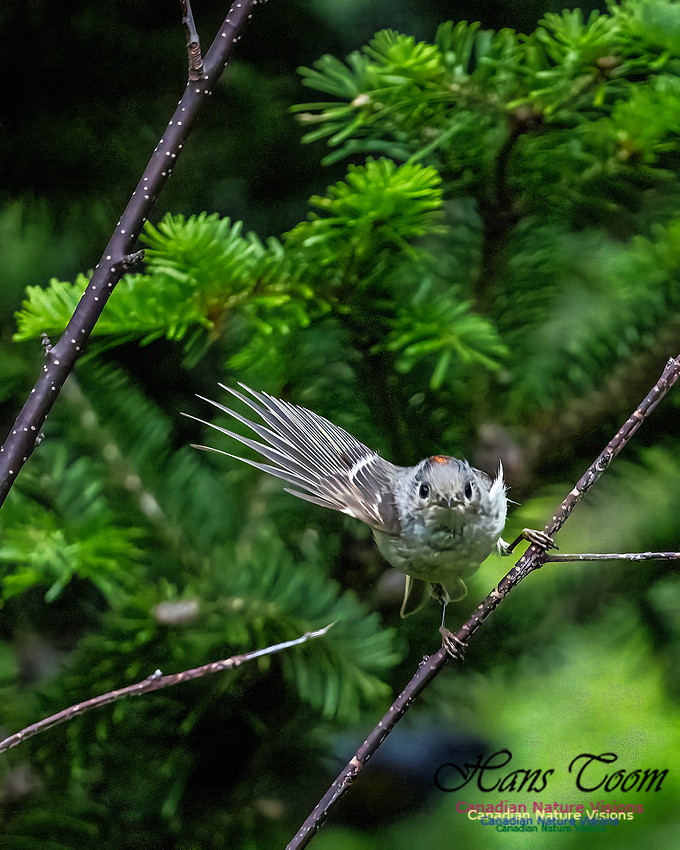
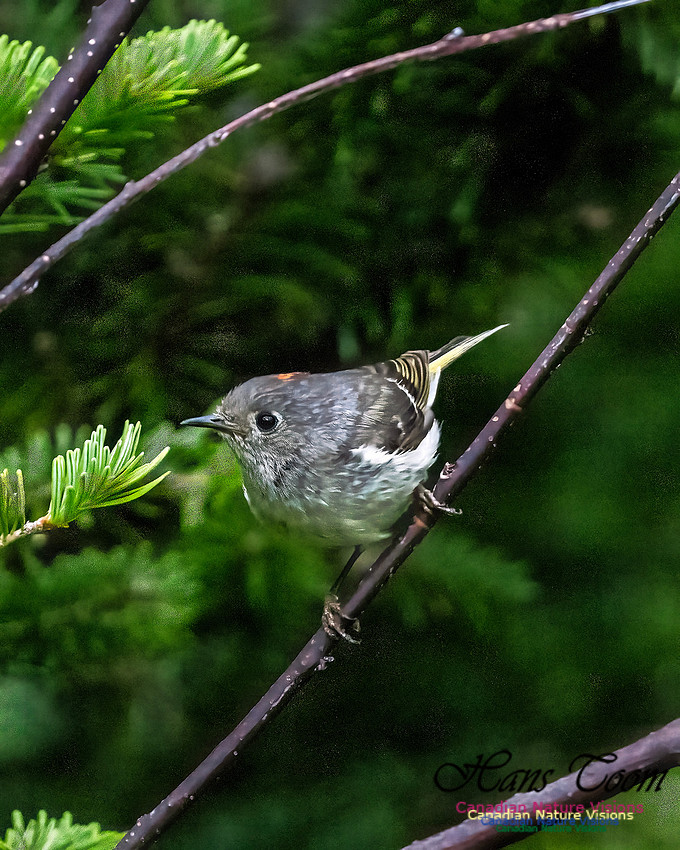
Ruby-crowned Kinglet
Yellow-rumped Warbler
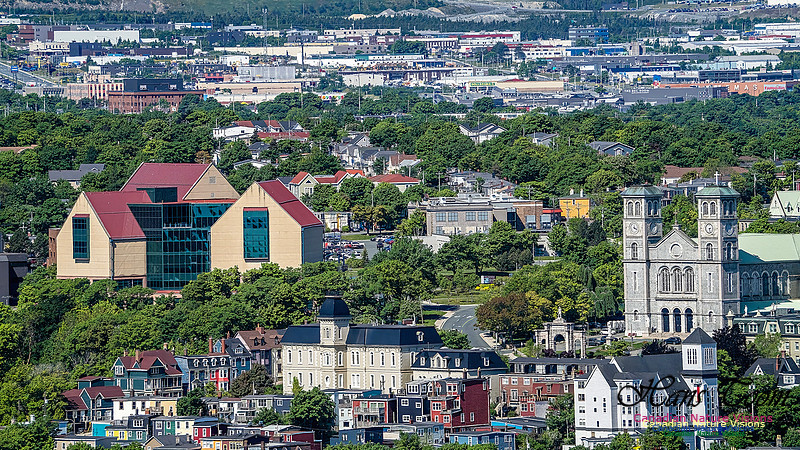
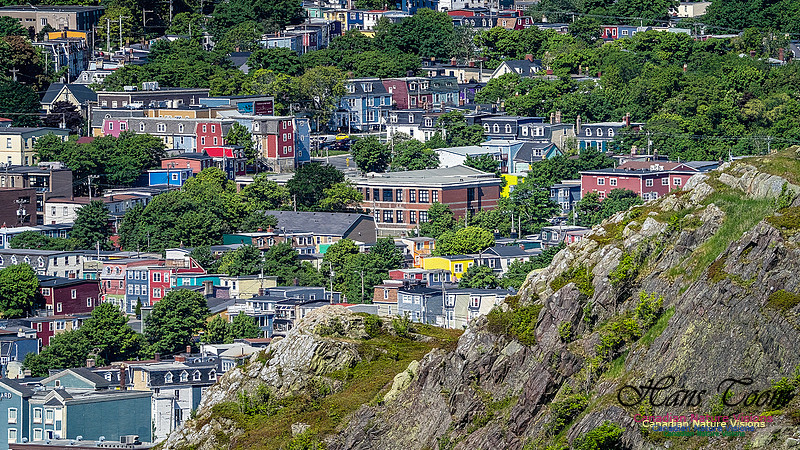
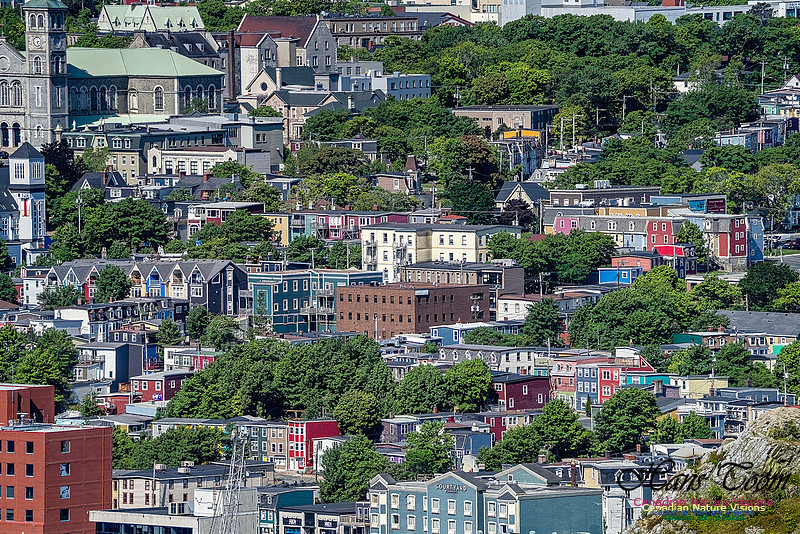
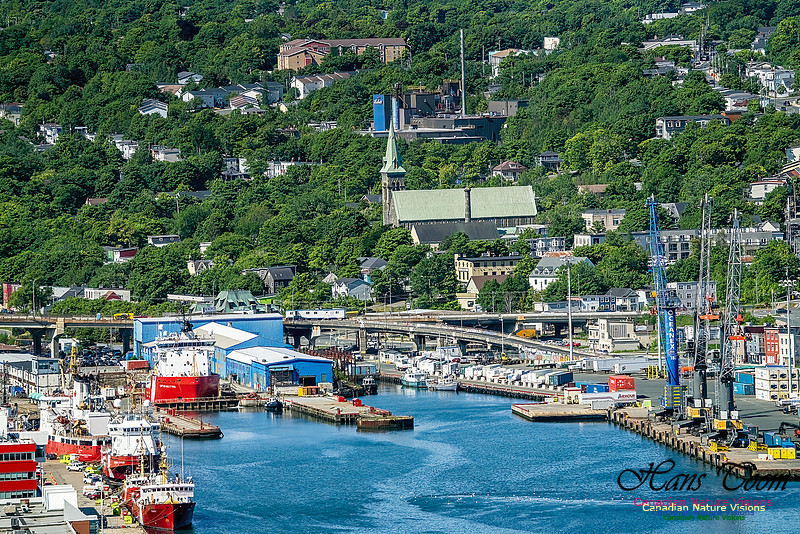
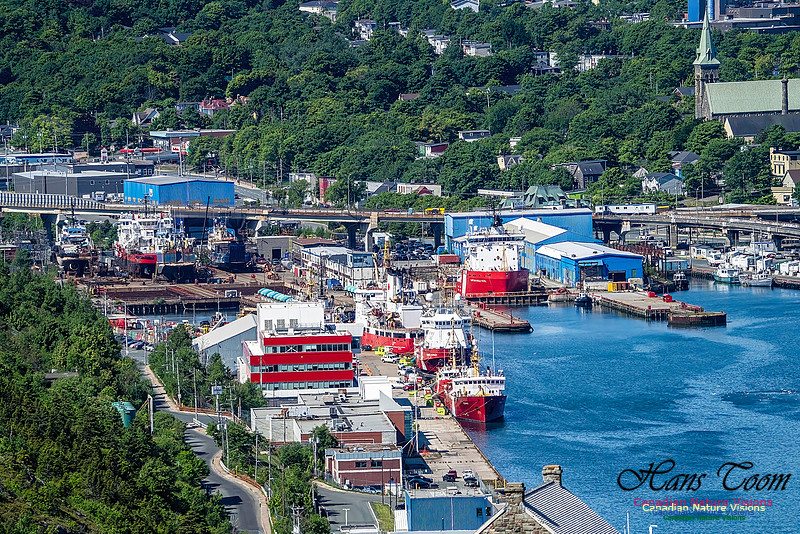
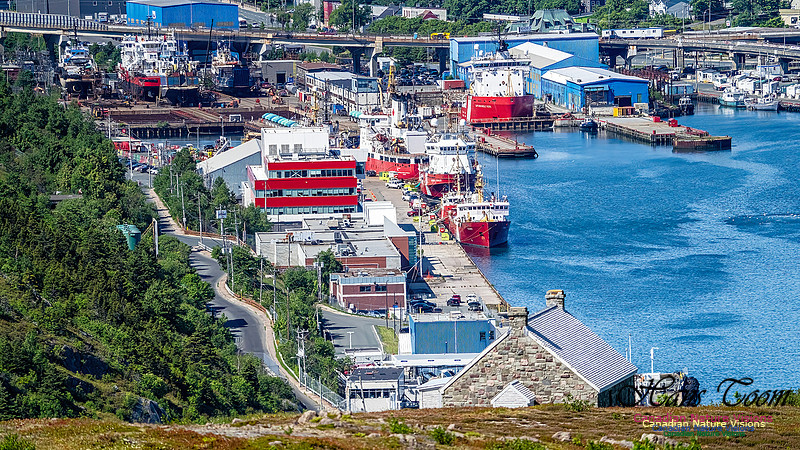
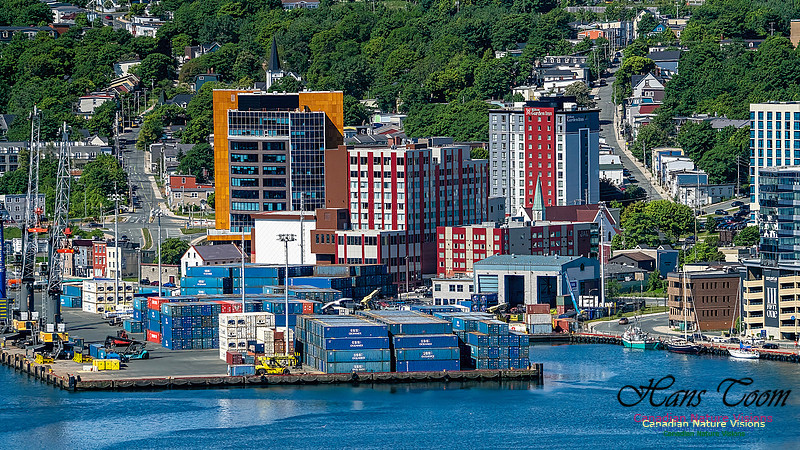
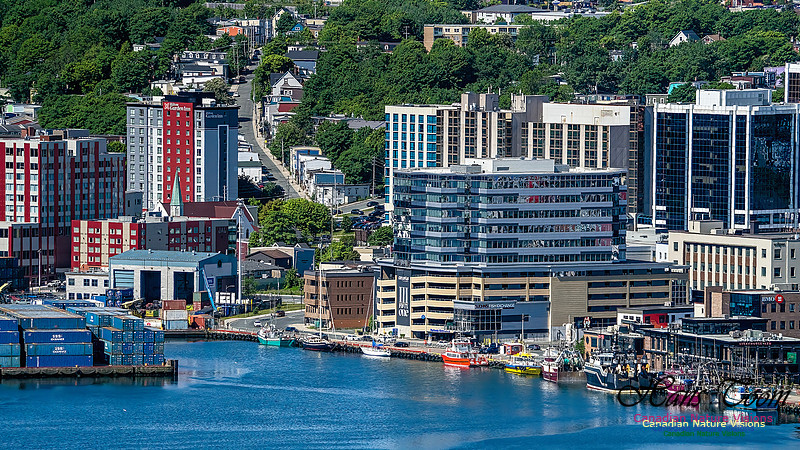
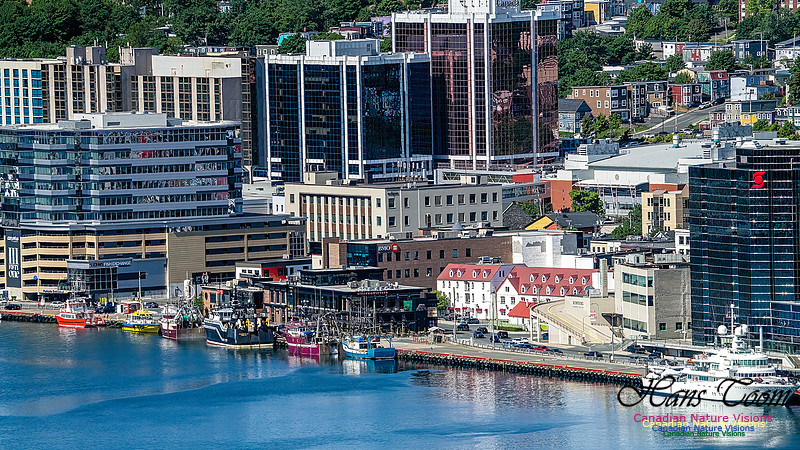
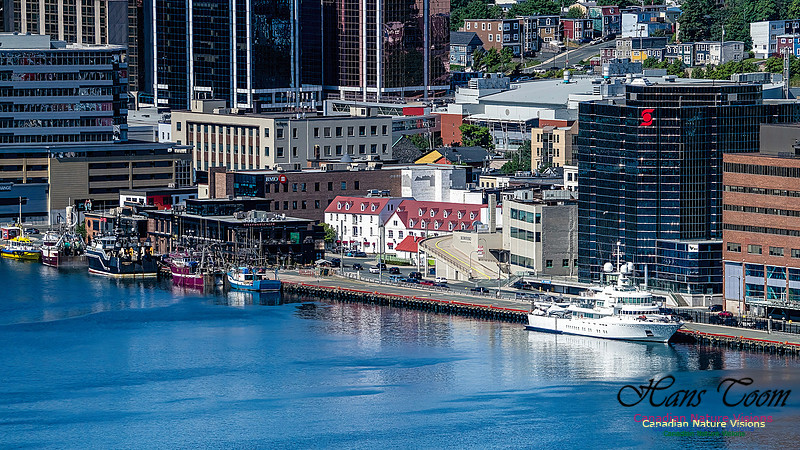
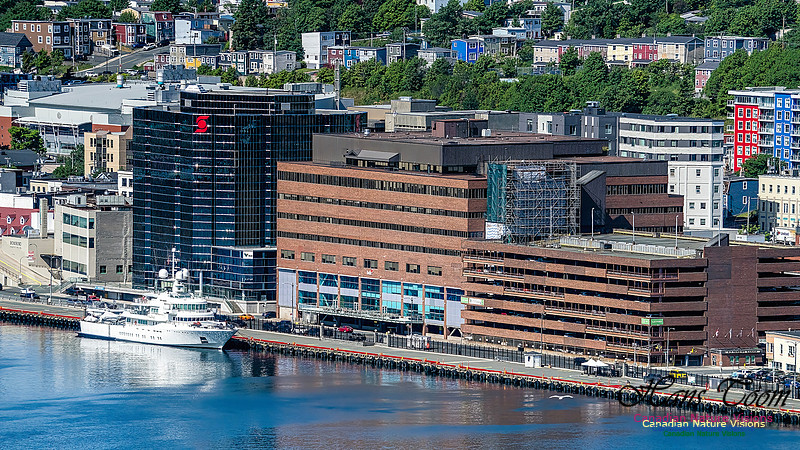
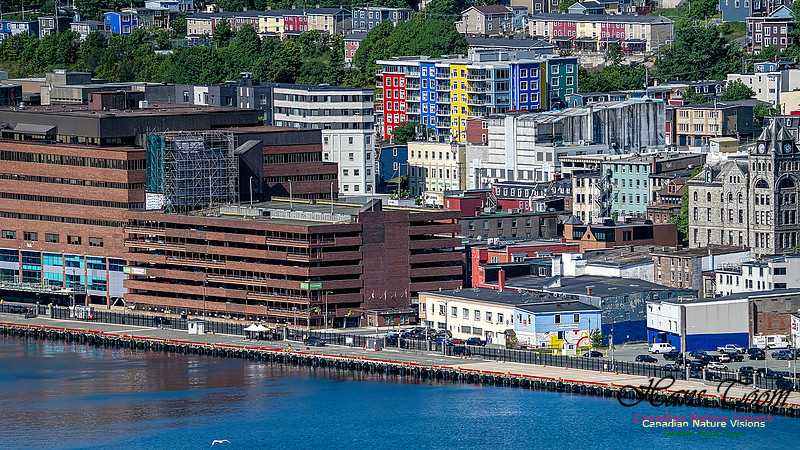
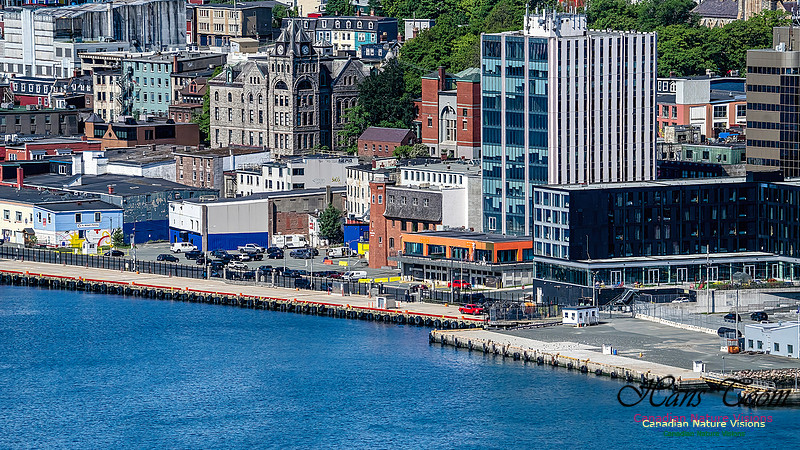
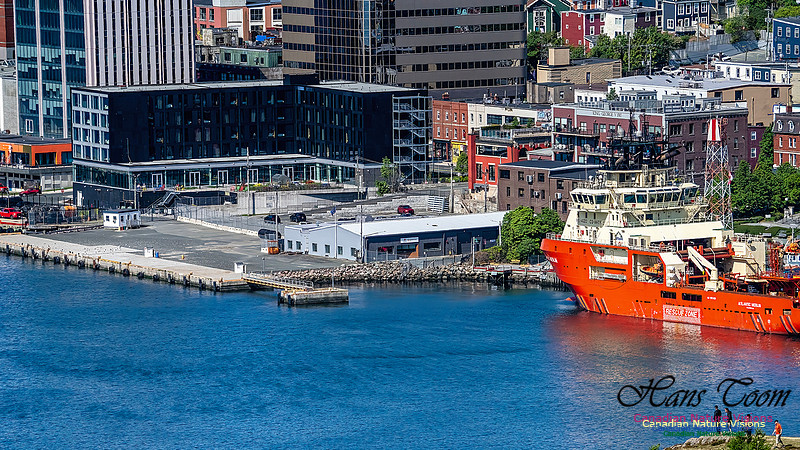
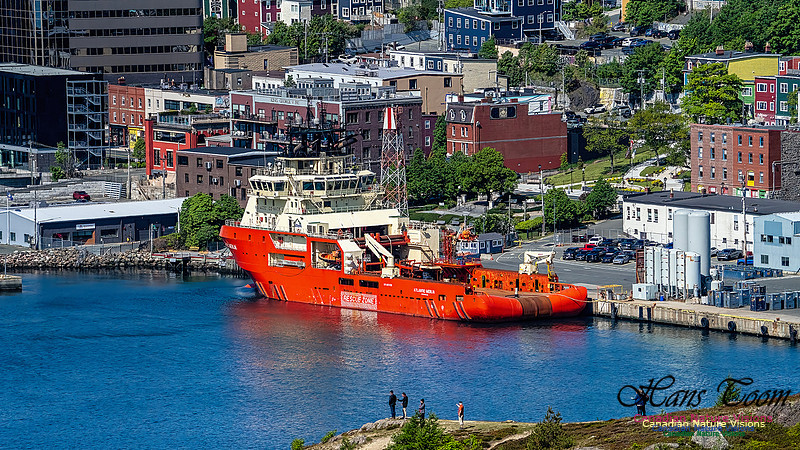
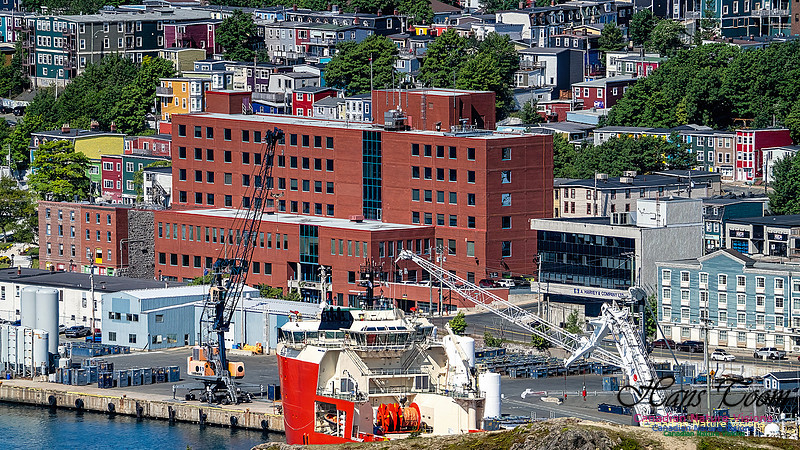
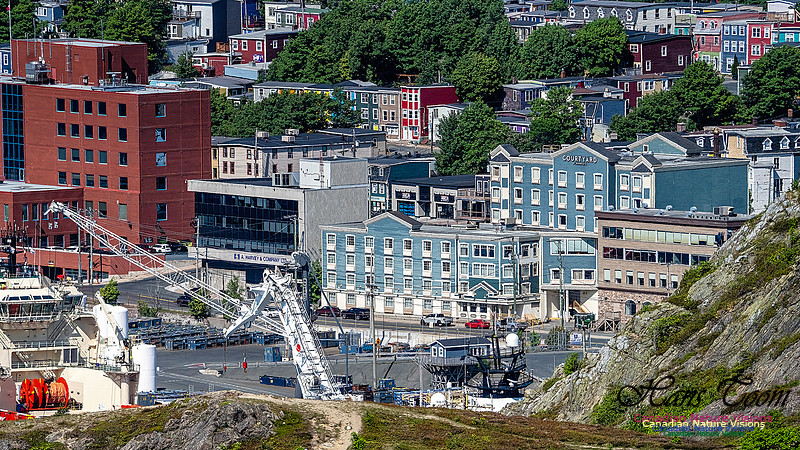
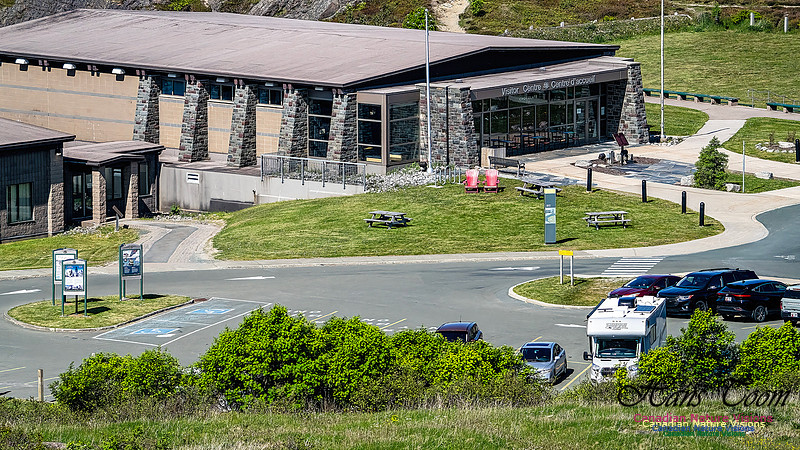
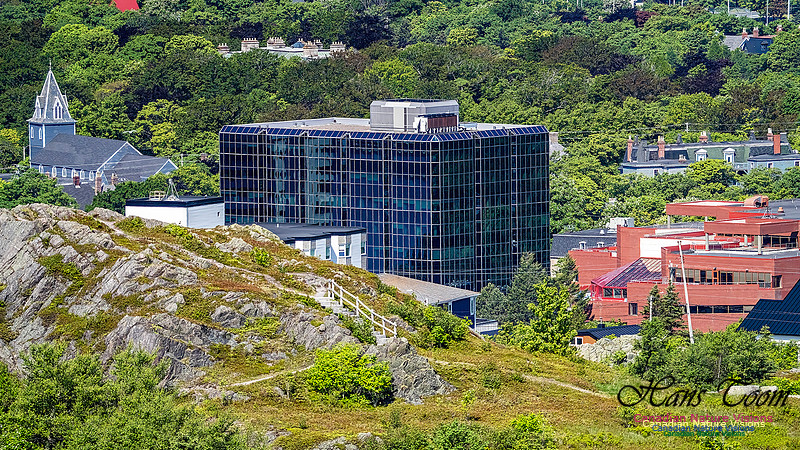
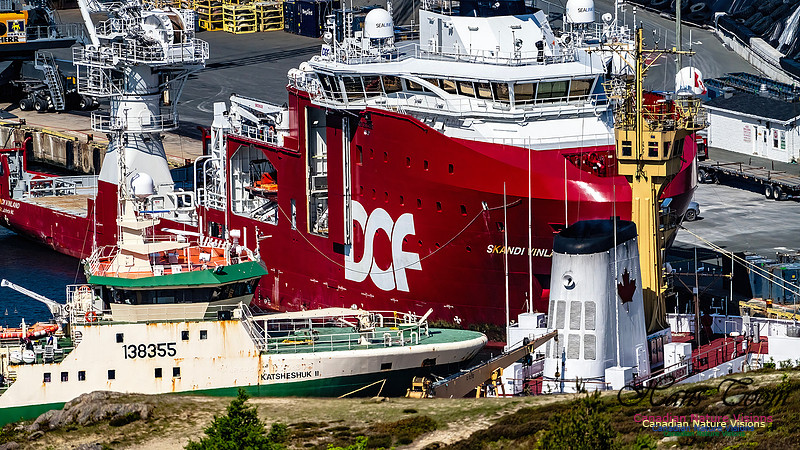
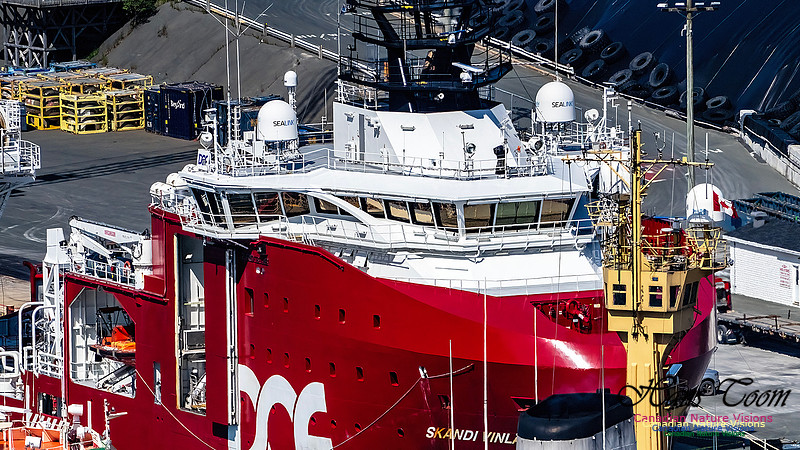
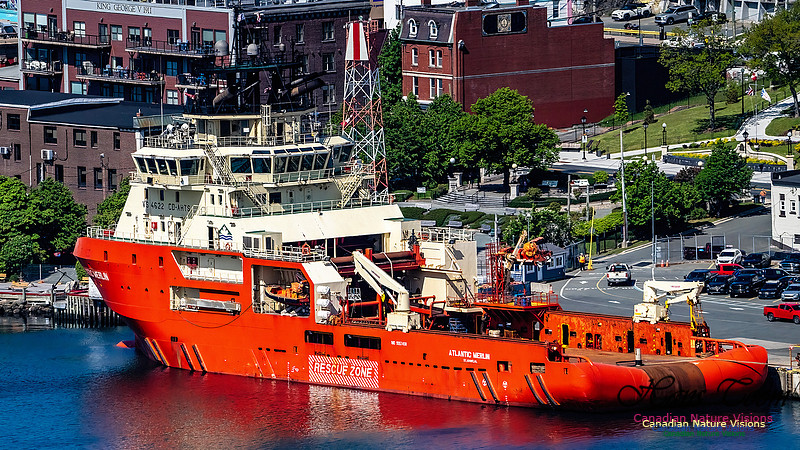
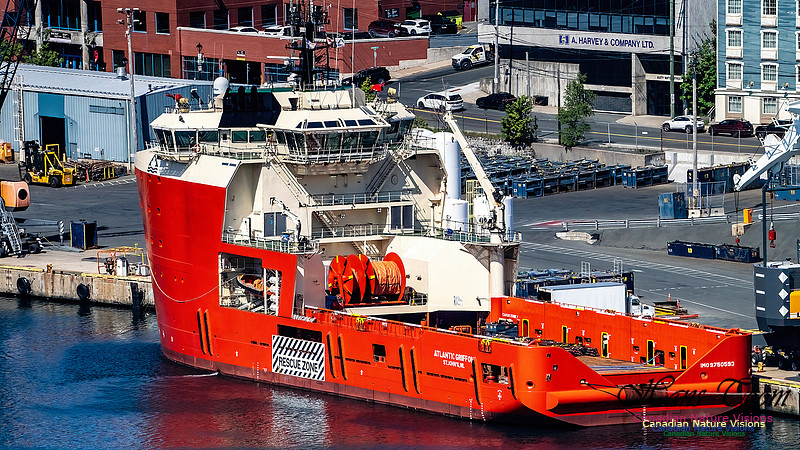
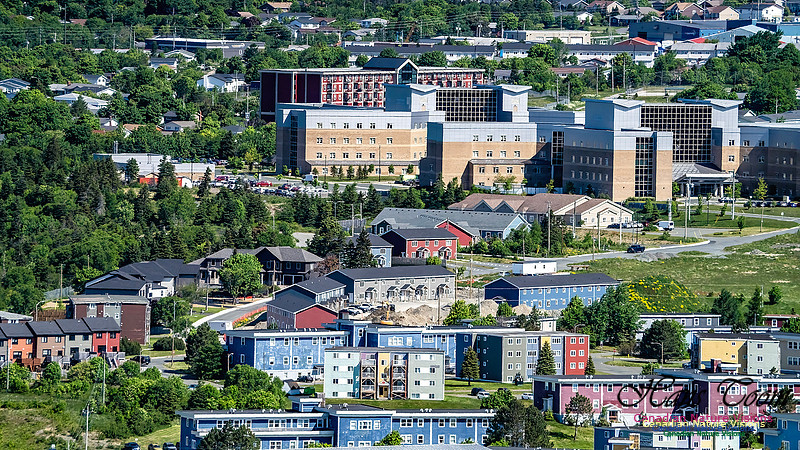
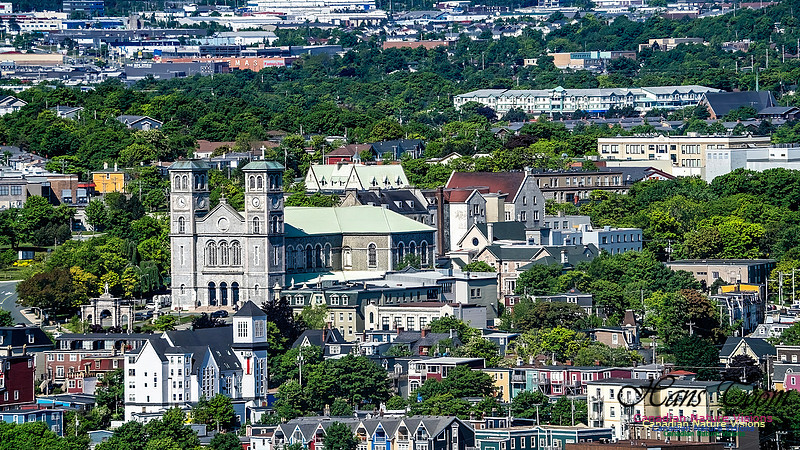
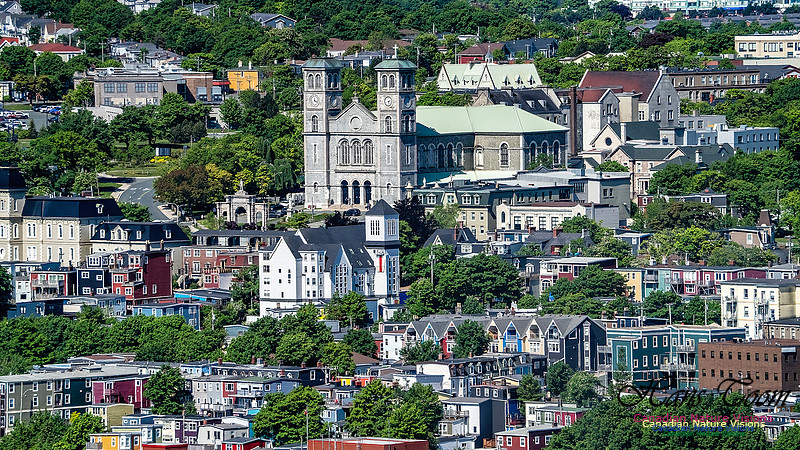
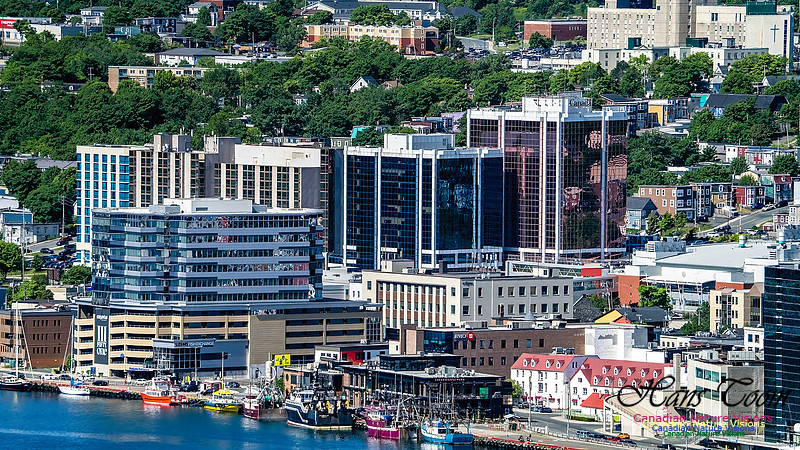
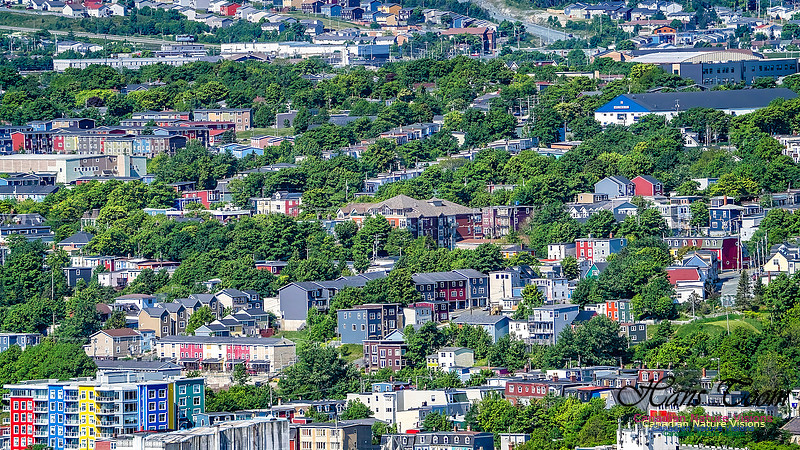
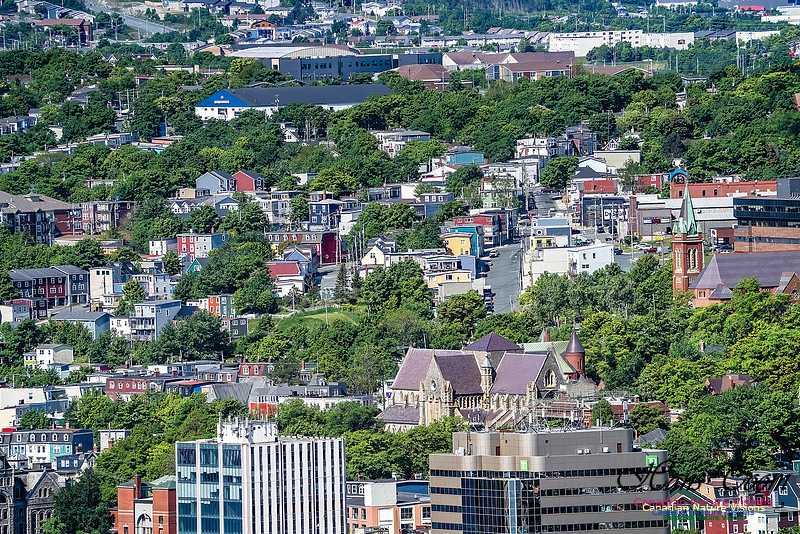
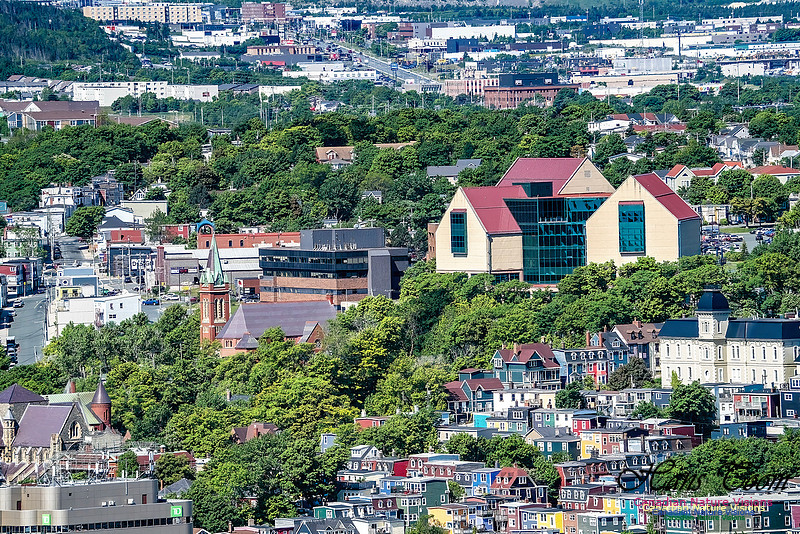
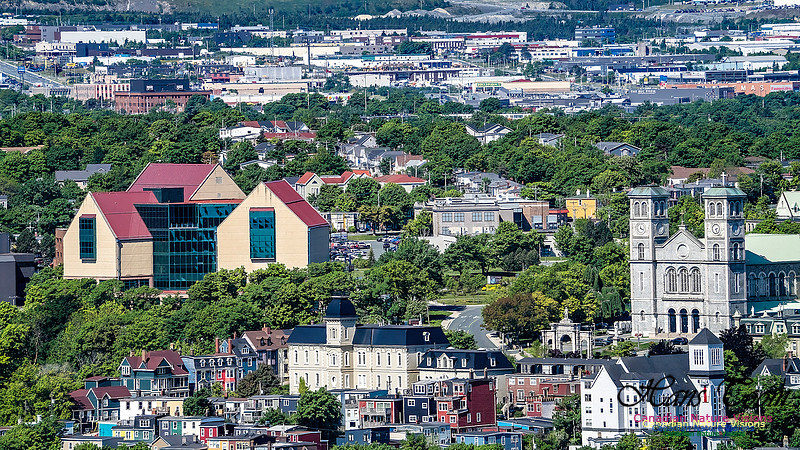
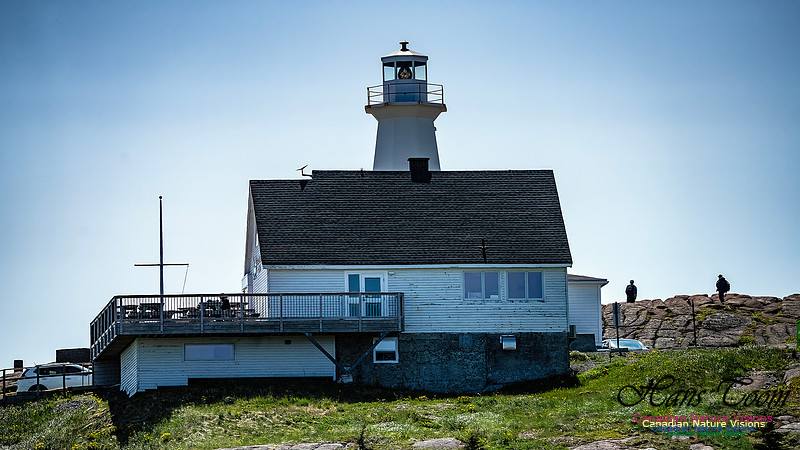
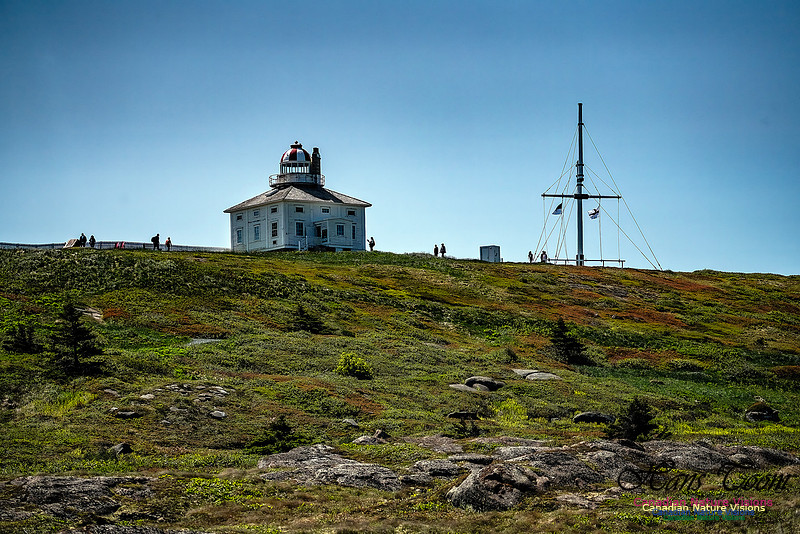
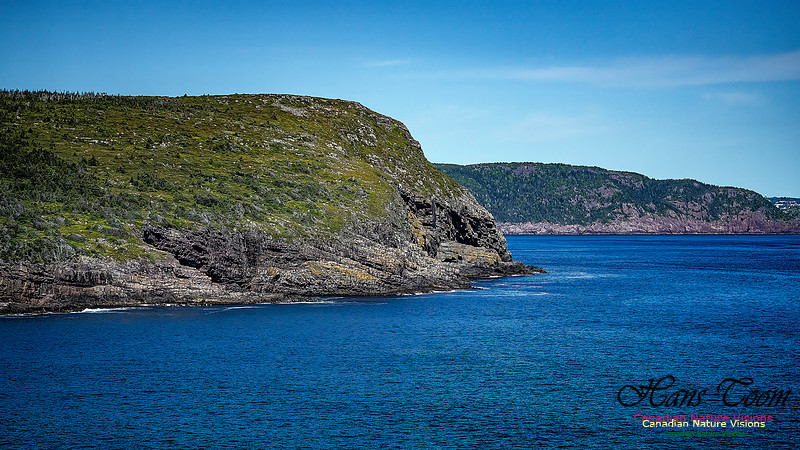
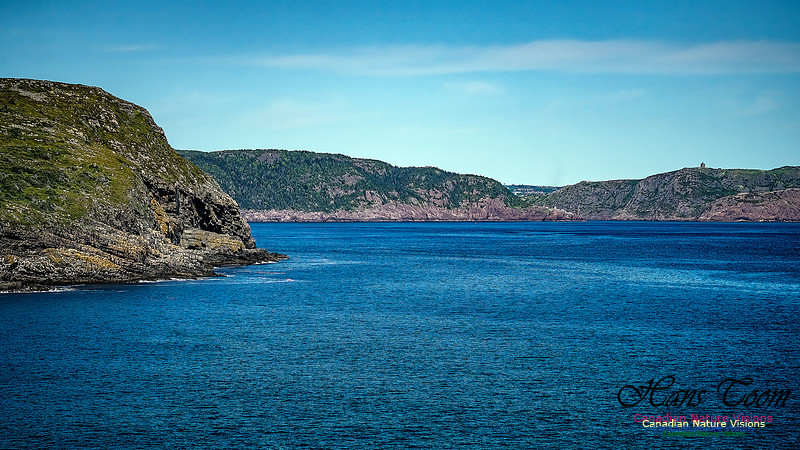
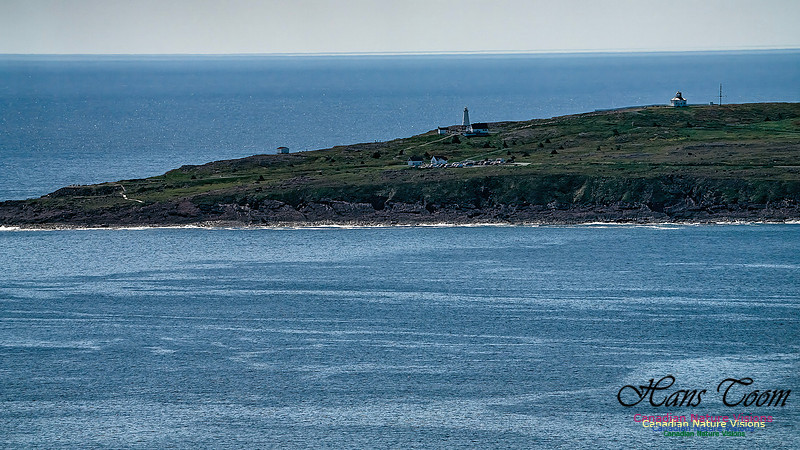
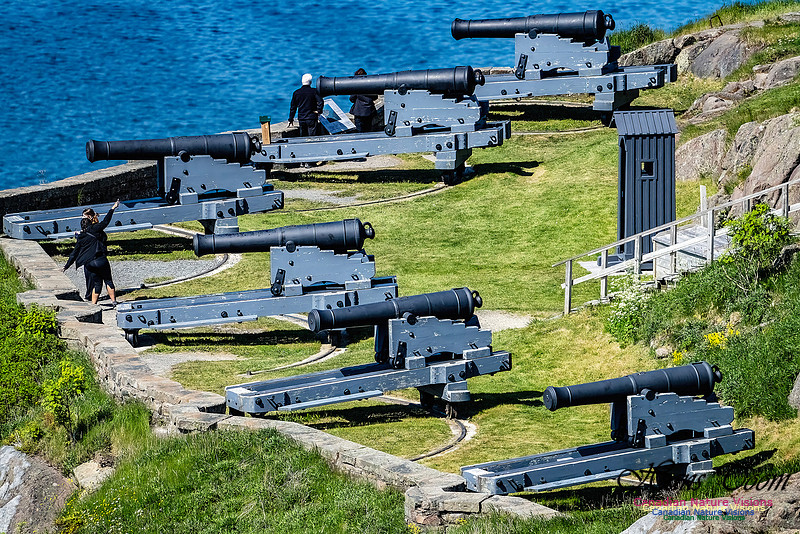
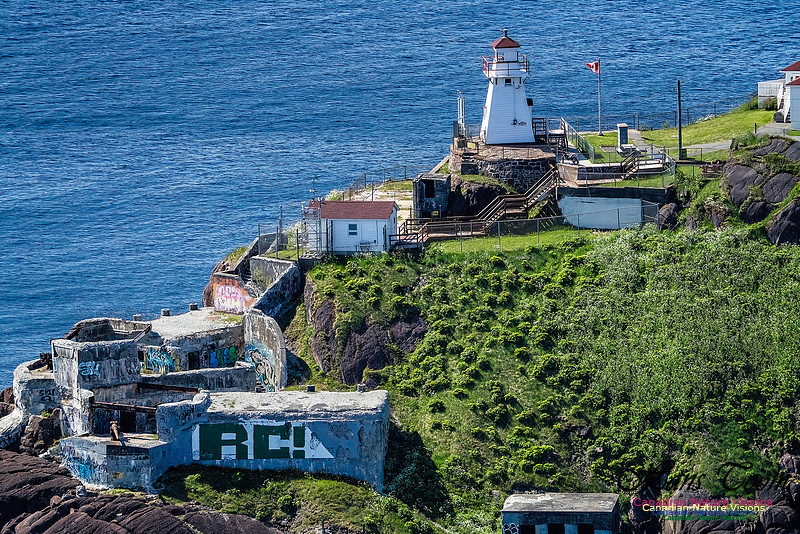
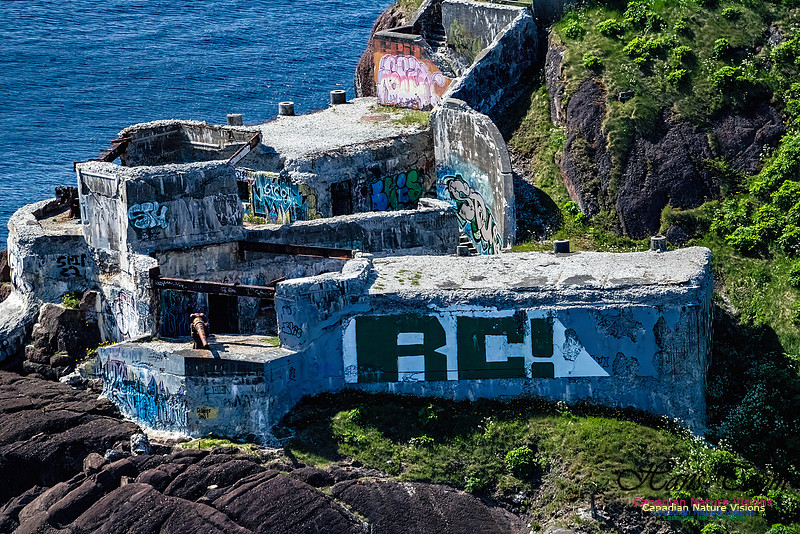
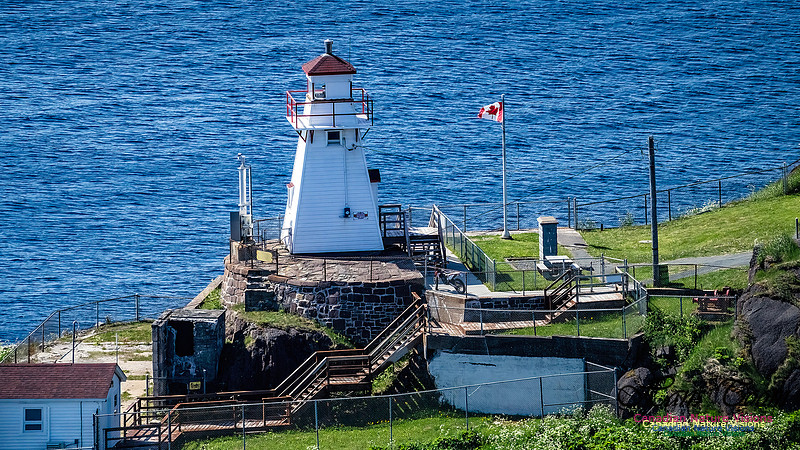
Newfoundland Adventure 2025-St. John's, NewfoundlandSt. John's is best viewed from the Signal Tower overlooking the harbour and entrance. Fort Amherst and Light are just below the Signal Tower and Cape Spear is visible in the distance, where Canada begins. St. John's Courtesy Wikipedia St. John's is the capital and largest city of the Canadian province of Newfoundland and Labrador. It is located on the eastern tip of the Avalon Peninsula on the island of Newfoundland. The city spans 446.04 km2 (172.22 sq mi) and is the easternmost city in North America (excluding Greenland).[8][9][10][11] The closest European settlement is Fajã Grande, Azores, Portugal, about 2,000 kilometres (1,100 nautical miles) away. Its name has been attributed to the belief that John Cabot sailed into the harbour on the Nativity of John the Baptist in 1497, although it is most likely a legend that came with British settlement. A more realistic possibility is that a fishing village with the same name existed without a permanent settlement for most of the 16th century.[12] Indicated as São João on a Portuguese map from 1519, it is one of the oldest cities in North America.[13][failed verification] It was officially incorporated as a city in 1888. With a metropolitan population of approximately 239,316 (as of 16 January 2025), the St. John's Metropolitan Area is Canada's 22nd-largest metropolitan area and the second-largest Census Metropolitan Area (CMA) in Atlantic Canada, after Halifax, Nova Scotia.[14] The city has a rich history, having played a role in the Seven Years' War, the American Revolutionary War, and the War of 1812. Italian inventor Guglielmo Marconi received the first transatlantic wireless signal in St. John's.[15] Its history and culture have made it into an important tourist destination.[16] St. John's was referred to as Baile Sheáin (Johnstown), in the poetry of Donnchadh Ruadh Mac Conmara (1715–1810), and among speakers of the Irish language in Newfoundland.[17]
The Light at Fort Amherst
Cape Spear, where Canada begins
Signal Hill as seen from Cape Spear
Cape Spear, as seen from Signal Hill
Fort Amherst and Light
|