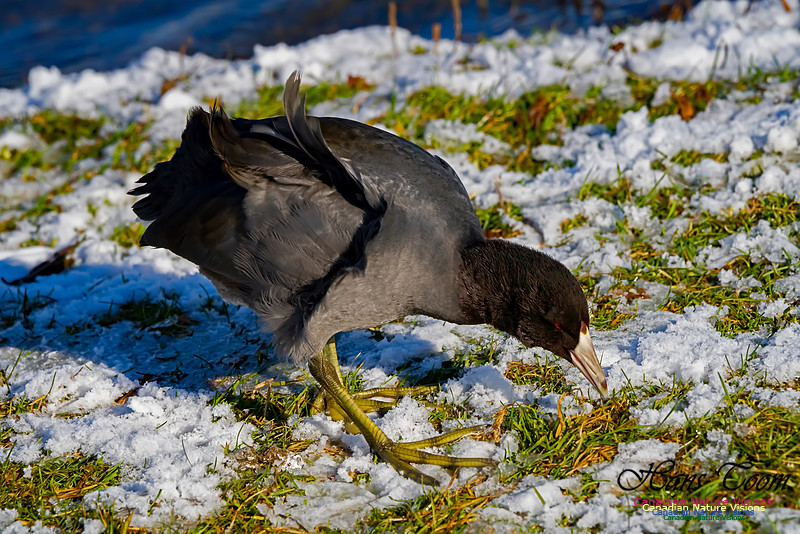
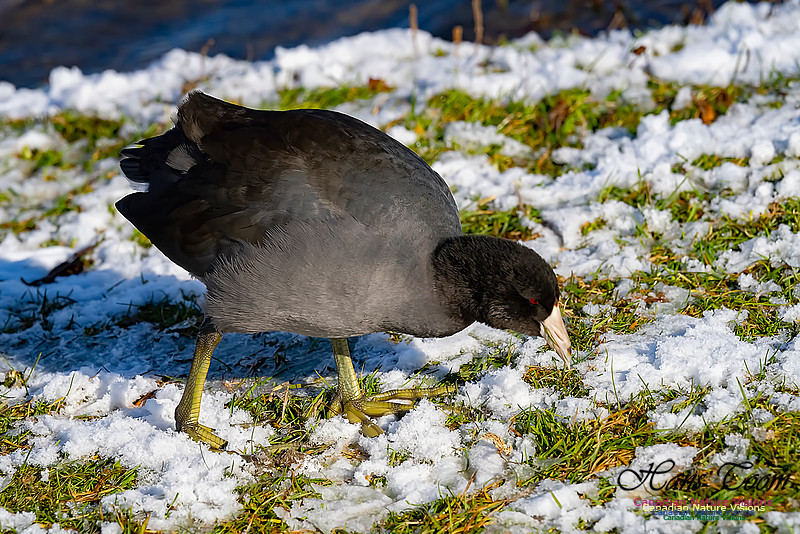
American CootThe American Coot (misnamed as usual) is not at all shy. Unfortunately this invites abuse from Nova Scotia Birders who approach too close. It will easily survive our winter as long as it can find grass to munch on. It is not a duck but a ground foraging bird of the family of Gruiformes which includes the rails and gallinules American Coot
My Photographic EquipmentThis is my current inventory of photography equipment. Not shown here is my carbon fibre tripod and carbon fibre gimbal head, backpack, hip pack and flashes and filters. The Sony a7r iv is my prime mover with the Sony a6000 and its three lenses relegated to my hip pack when I go on hikes. Sony a7r IV 61.2MP BSI CMOS full-frame sensor Powerful yet easy-to-use AF tracking system 10 fps burst shooting (JPEG or Compressed Raw from 12-bit readout) 5.76M dot OLED viewfinder 4K video from full sensor width (sub-sampled) or oversampled from roughly-Super35 crops 4 or 16-shot high resolution modes (up to 240MP images for static subjects) S-Log 2, S-Log 3 and 'HLG' video modes (8-bit only)
Go to Digital Lens Comparisons at https://www.the-digital-picture.com/Reviews/ISO-12233-Sample-Crops.aspx and compare the Sony 200-600mm with the latest Nikon 600mm F4 and Canon 600mm F4, all at 1200mm. Pushing the lenses with their 2X teleconverter provides the best comparison. The Sony 200-600mm at 1200mm is every bit as good as the mega priced Nikon and Sony primes although slower. The sharpest 600mm F4 by far is the Sony 600mm F4. I use the Sony 200-600mm at 200-600mm, 840mm and 1200mm all with auto focus. This is my principle wildlife lens and a great buy considering its superb performance. Sony 200-600mm
Sony 70-200mm F4
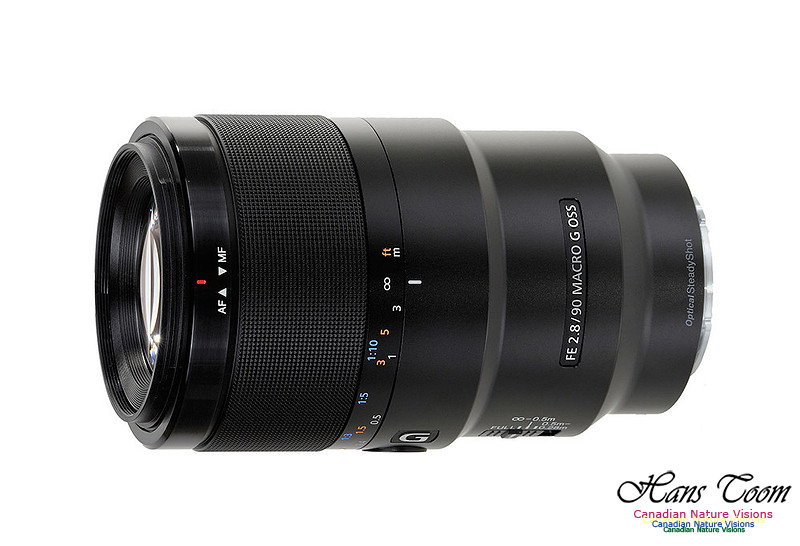
Sony 90mm Macro
Sony Zeiss 24-70mm F4
Sony 16-35mm
Sony 2X Teleconverter
Sony 1.4X Teleconverter
When I go for hikes on the coastal barrens, beaches or woodlands I use the Sony a6000 camera body with the Sony 70-350mm (105mm-525mm, full frame equivalent) and the Tamron 17-70mm ( 26mm-105mm, full frame equivalent). I also have the 16-50mm PZ (24-75mm, full frame equivalent) which I rarely use except when I try to look less geeky or conspicuous especially for street photography. Sony a6000
Sony 70-350mm
Tamron 17-70mm Focal length: 17-70mm (25.5-105mm full-frame equivalent) Aperture range: F2.8 Stabilization: Yes, Tamron Vibration Compensation Filter thread: 67mm Close focus: 0.19m (7.5″) wide / 0.39m (15.4") Maximum magnification: 0.21x (wide) / 0.19x Diaphragm blades: 9 Hood: Included Weight: 525 g (1.16 lb) Optical construction: 16 elements in 12 groups
Sony 16-50mm PZ Lens
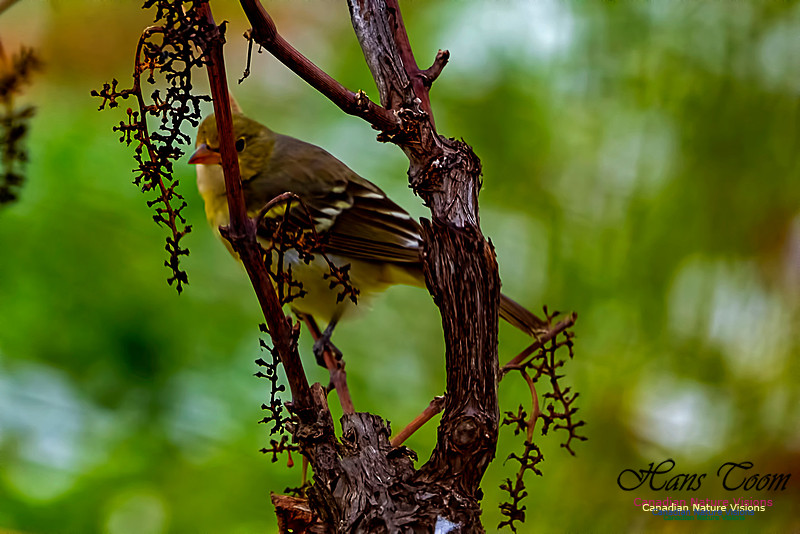
Western TanagerI only had seconds to photograph the Western Tanager. I was hand holding 840mm in a gloomy day at ISO 6400 as I tried to steady myself on a vineyard wire. The tanager would not come out in the open and I had no time to switch to manual focus so the bird is out of focus behind the vines. I tried LAB and High Pass sharpening but I couldn't save the images so consider this as a record shot of a rare bird. The adult male in breeding plumage is stunning Western Tanager
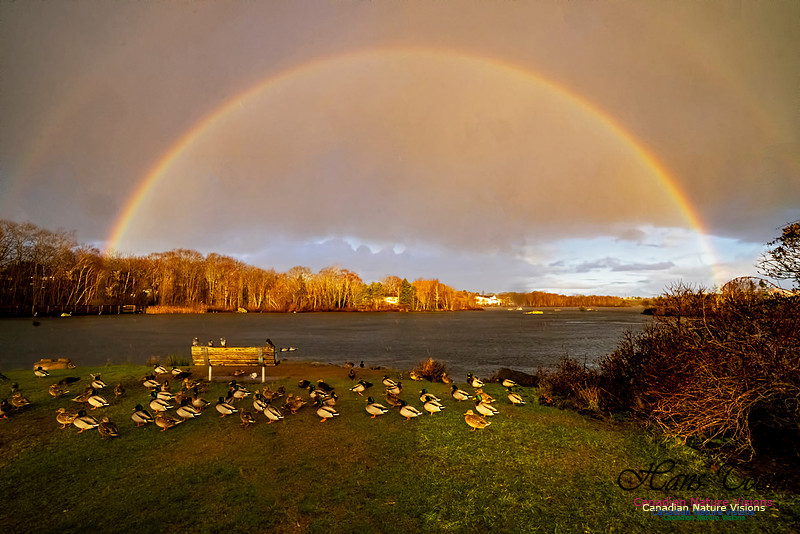
Rainbow at Albro LakeI photographed this spectacular rainbow at Albro Lake in the rain. The first three shots were salvageable but then the rain splotches became too numerous to clean especially when they covered the bow itself. These moments are fleeting, lasting a few seconds to minutes. I had to change lenses in the rain and to make matters worse I was still shooting at ISO 6400 after removing my telephoto lens. Rainbow at Albro Lake
Mandarin DuckThe Mandarin Duck is not native to North America although feral colonies have popped up in places resulting from ill conceived population introductions or escapees from collections. This is no different than the European Starling and Ring-necked Pheasant populations which were also introduced. Here's a list of ten introduced species. Some species like the House Sparrow, European Starling and Rock Pigeon would likely have made it here in any case by hitching rides on grain ships or the like.
This male Mandarin Duck was and probably still is at Albro Lake, Dartmouth. I do not believe it can survive our winter unless recaptured or constantly fed. Mandarin duck
The mandarin duck (Aix galericulata) is a perching duck species native to the East Palearctic. It is medium-sized, at 41–49 cm (16–19 in) long with a 65–75 cm (26–30 in) wingspan. It is closely related to the North American wood duck, the only other member of the genus Aix. 'Aix' is an Ancient Greek word which was used by Aristotle to refer to an unknown diving bird, and 'galericulata' is the Latin for a wig, derived from galerum, a cap or bonnet.[2] DescriptionThe adult male has a red bill, large white crescent above the eye and reddish face and "whiskers". The male's breast is purple with two vertical white bars, and the flanks ruddy, and he has two orange "sails" at the back (large feathers that stick up like boat sails). The female is similar to the female wood duck, with a white eye-ring and stripe running back from the eye, but is paler below, has a small white flank stripe, and a pale tip to its bill.[3] Both the males and females have crests, but the purple crest is more pronounced on the male. Like many other species of ducks, the male undergoes a moult after the mating season into eclipse plumage. When in eclipse plumage, the male looks similar to the female, but can be told apart by its bright yellow-orange or red beak, lack of any crest, and a less-pronounced eye-stripe. Mandarin ducklings are almost identical in appearance to wood ducklings, and very similar to mallard ducklings. The ducklings can be distinguished from mallard ducklings because the eye-stripe of mandarin ducklings (and wood ducklings) stops at the eye, while in mallard ducklings it reaches all the way to the bill.[citation needed] Mandarin Duck
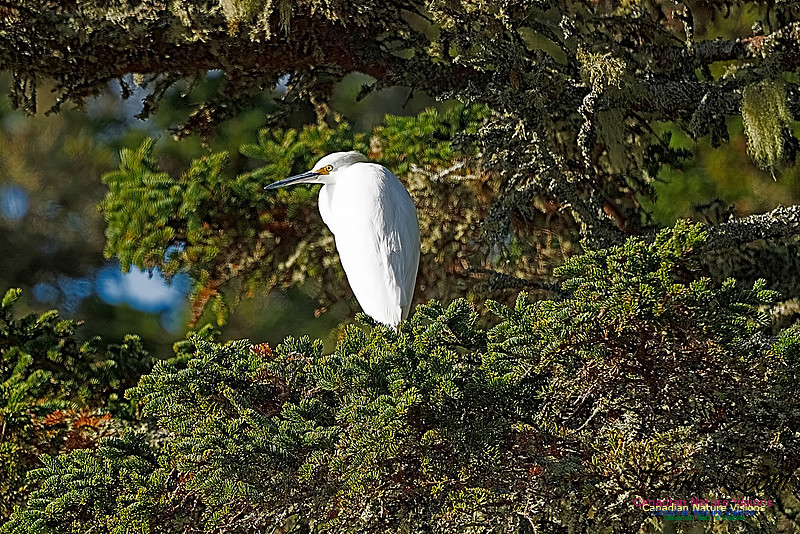
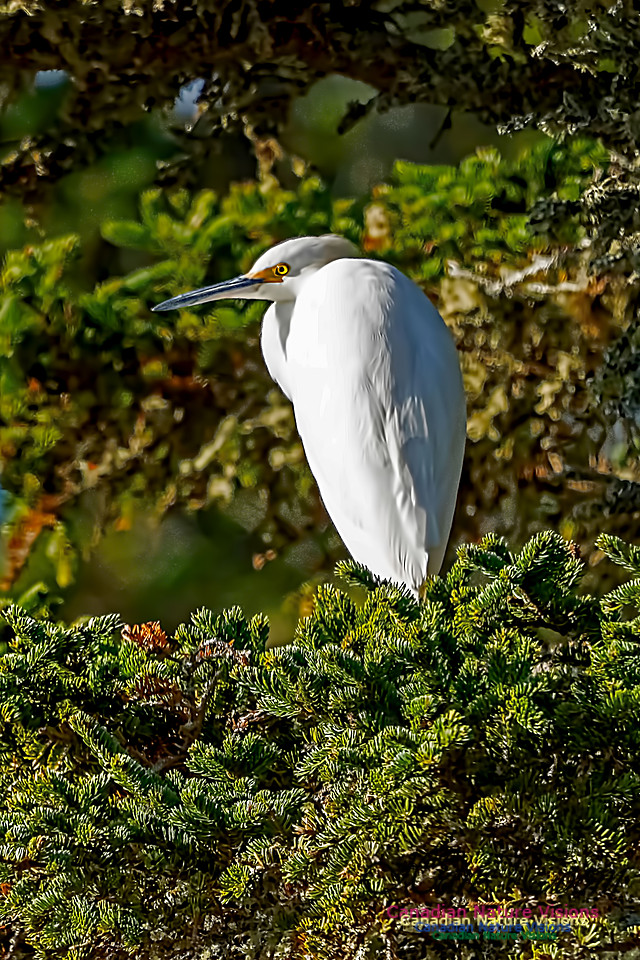
Great EgretI seldom visit Cape Sable Island or Brier Island these days. The time and expense involved is seldom worth the results. It is also environmentally irresponsible to be blowing hydro carbons into our air for a bird photo or two. Birders in general do not share this ethic. I found the Snowy and Great Egrets on Cape Sable Island almost immediately but they were perched in a tree and useful photographs were not to be had. I was compelled to hand hold my camera at 1200mm just to get these photos of the Great Egret, photographs that pale in comparison to ones I have already. So my ethical concern was justified. Great Egret
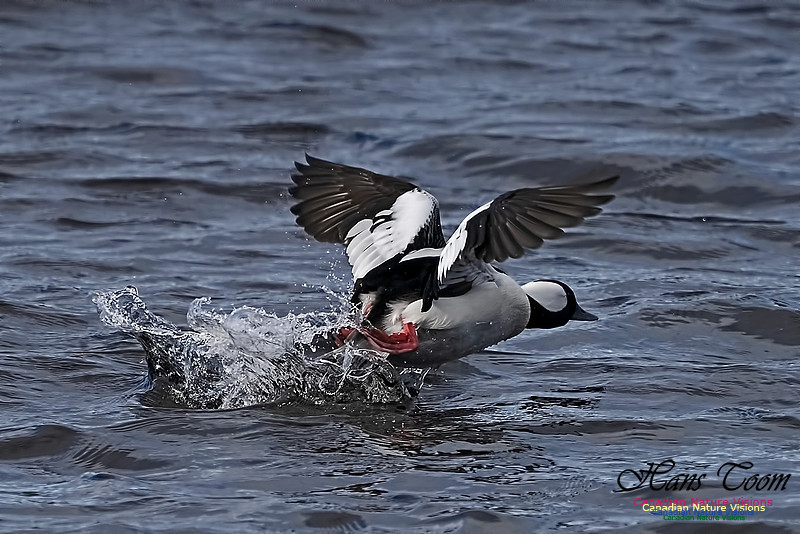
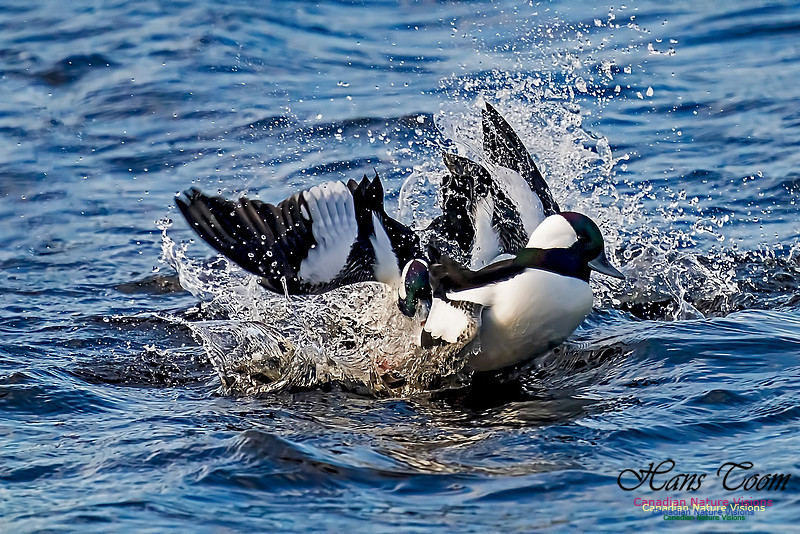
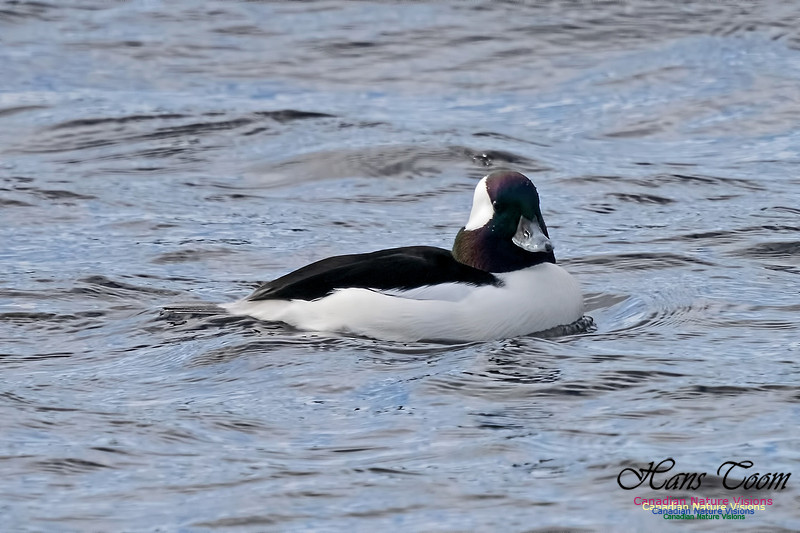
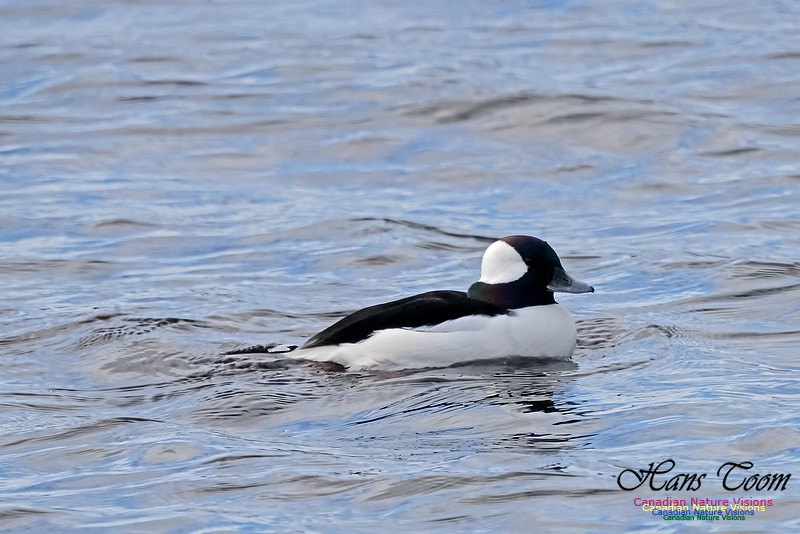
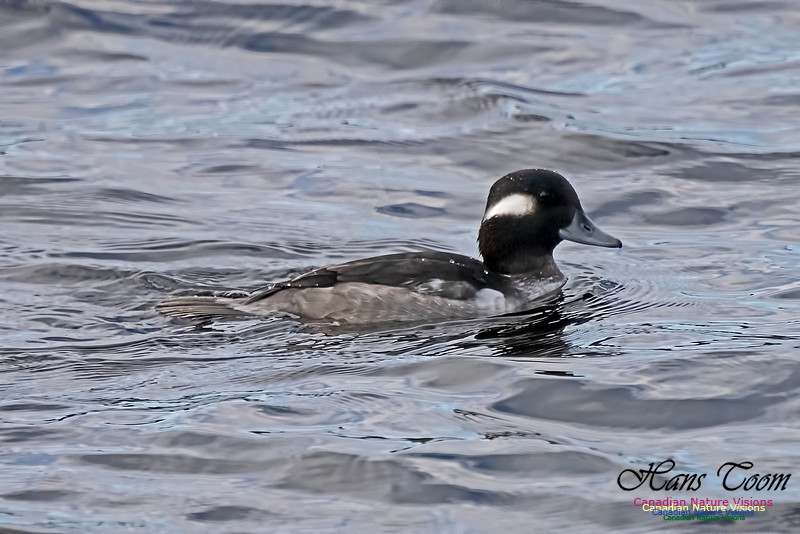
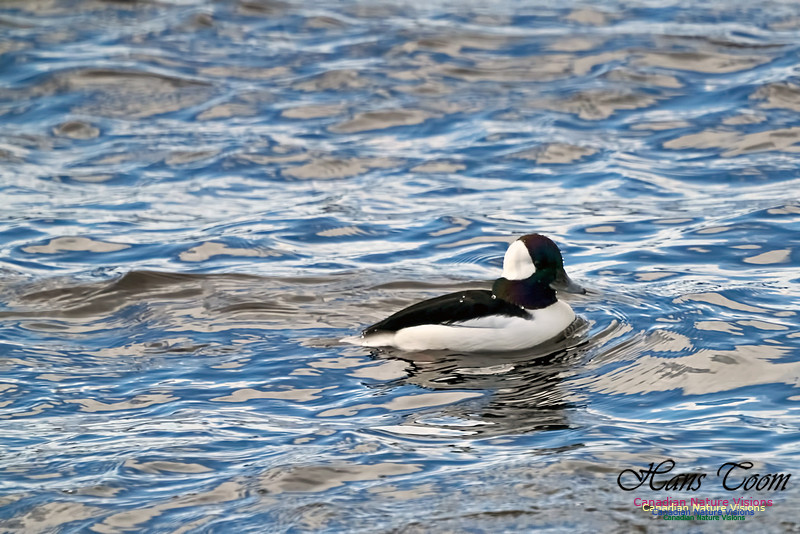
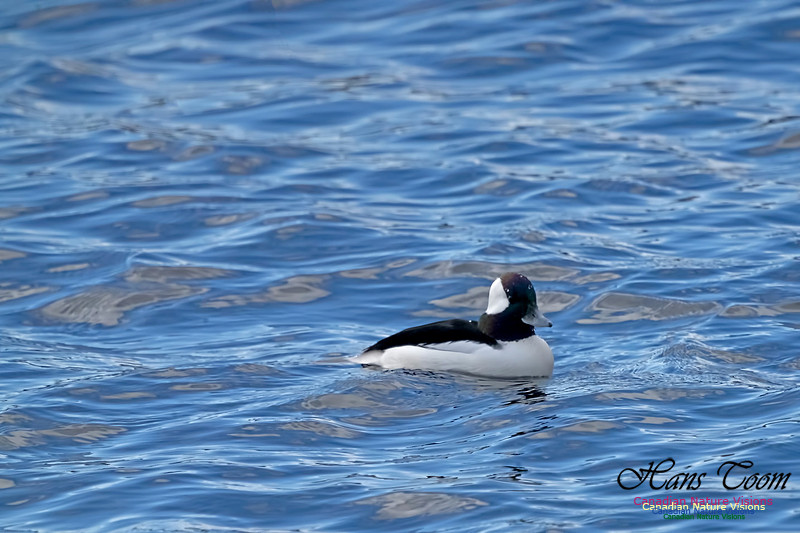
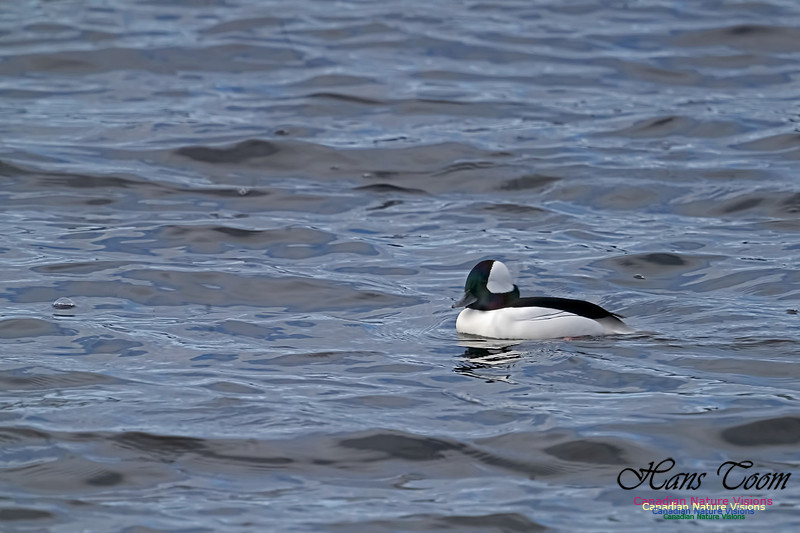
BuffleheadI encountered a small cluster of Buffleheads in St. Margaret's Bay this morning. It is very challenging to get good photos of black and white ducks in a dark background. These Buffleheads were fishing and frolicking with what seemed like courtship or bonding behaviour with the males raising and bobbing their bills and the females doing their best to ignore same. Buffleheads
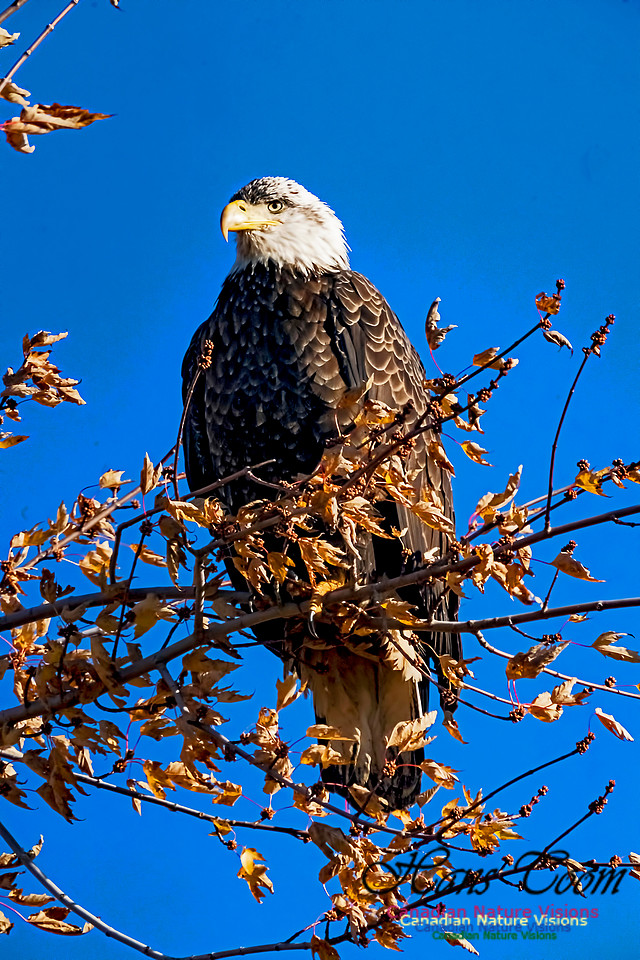
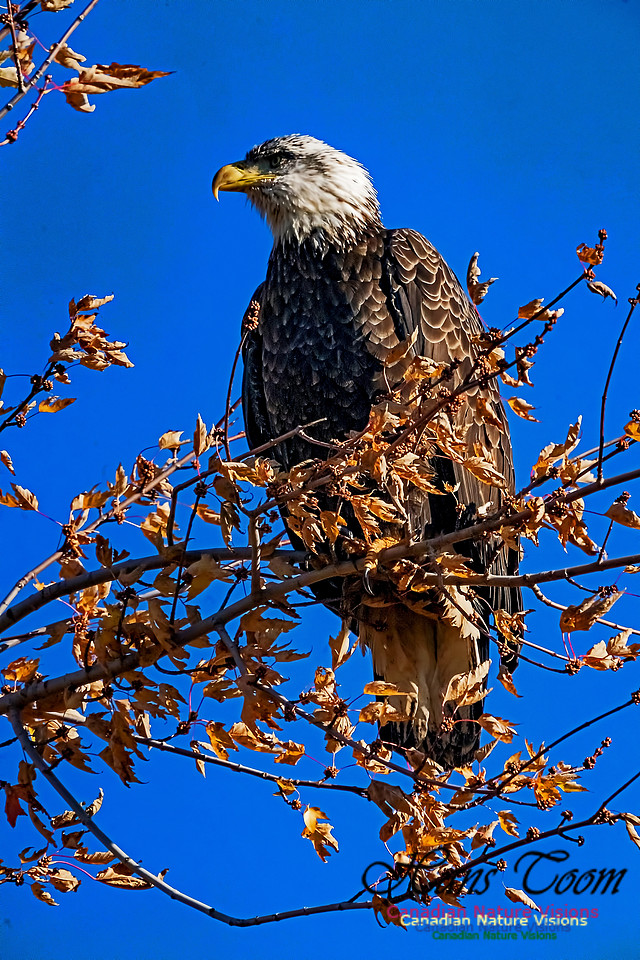
Bald EagleA Bald Eagle at Grand Pre was not crouching behind a tangle of branches. Usually they are high, back lit and behind branches but this one posed albeit at a distance. Bald Eagle
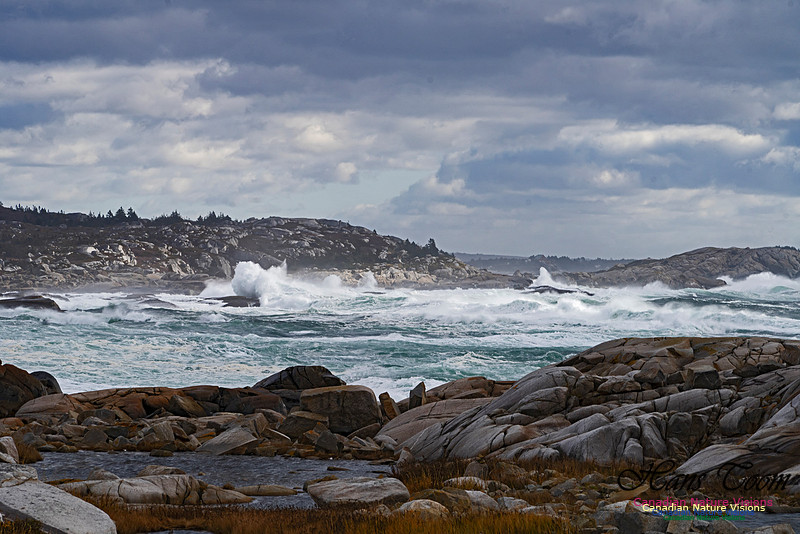
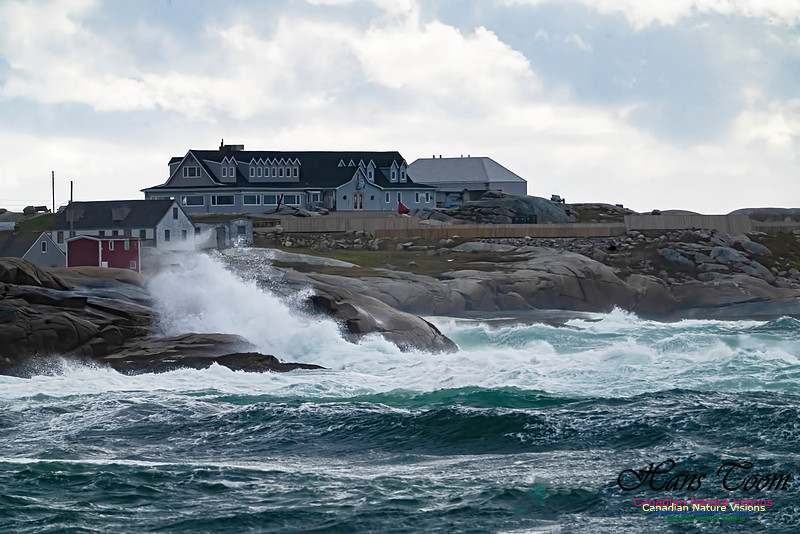
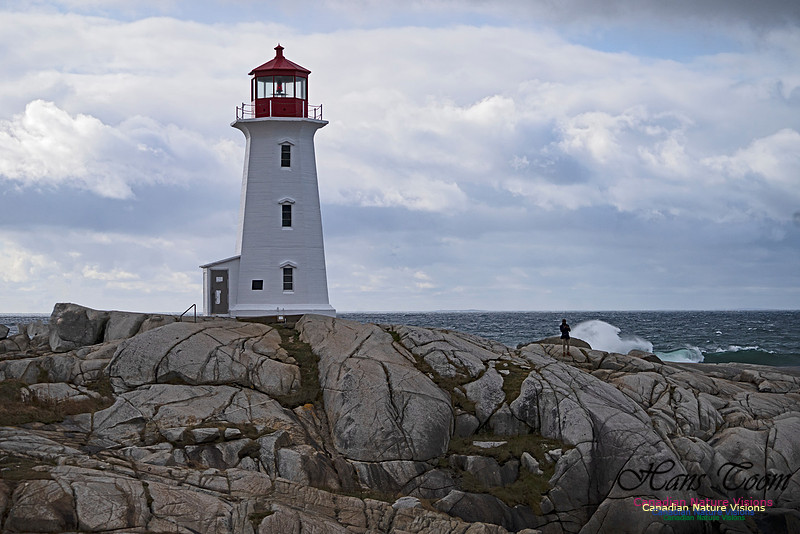
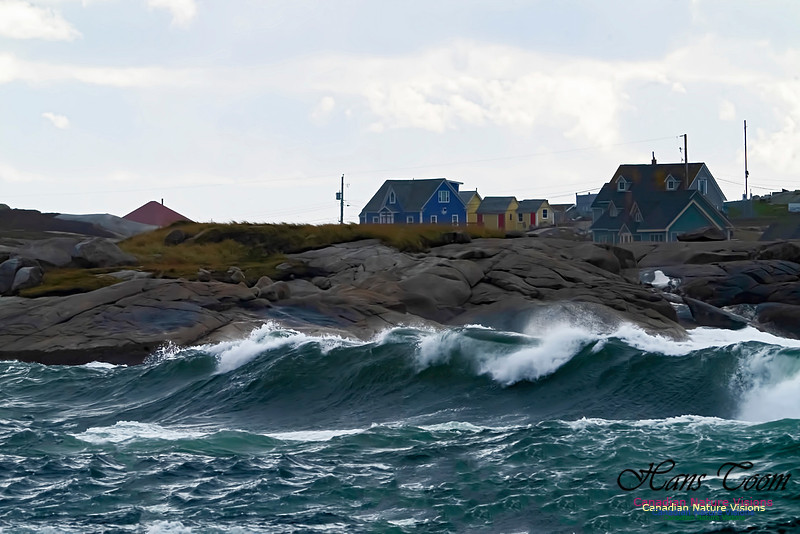
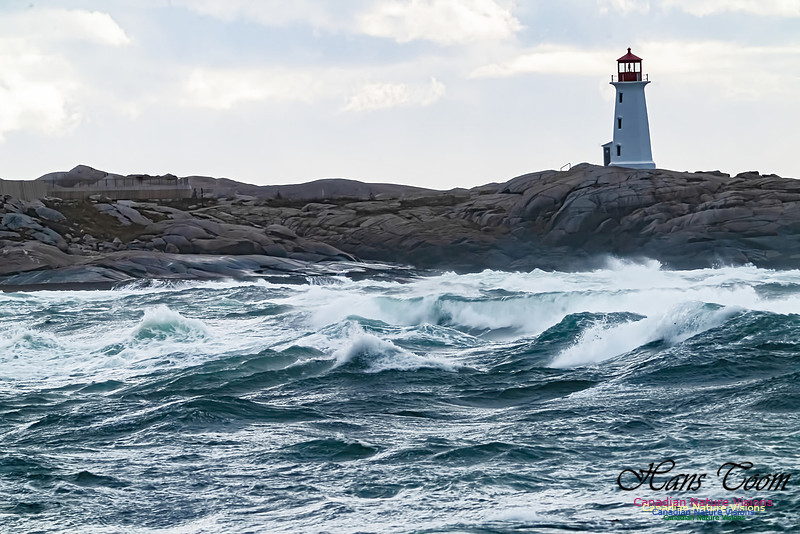
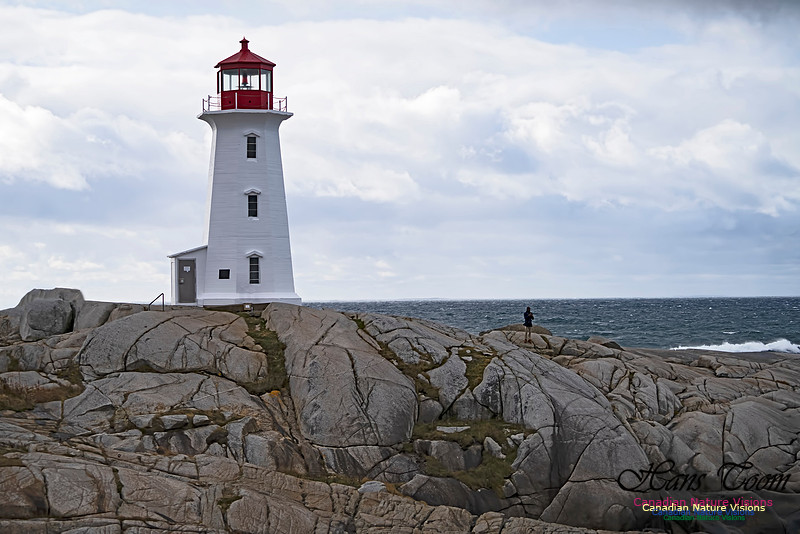
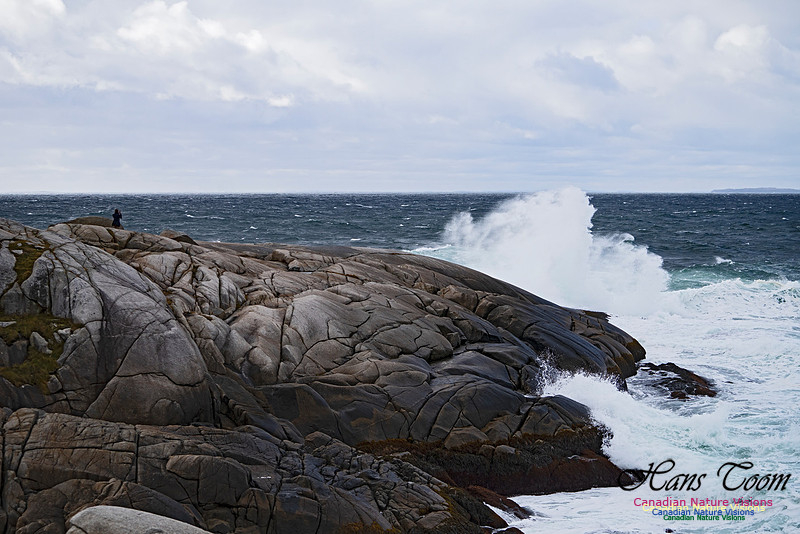
Blustery Day at Peggy's CoveA blustery day at Peggy's Cove is always worth a visit. Winter scenes are even more spectacular but watch your step and stay away from the shoreline rocks since they can ice up quite a ways from the surf line due to spray. A Blustery Day at Peggy's Cove
Cattle EgretThis Cattle Egret at Horton Landing spent a great deal of time in the cattle feeding trough probably due to the abundance of insects and maggots. I just missed photographing it as it stood atop a cow. My battery died so I had to return to my car to get a spare. Cattle Egret
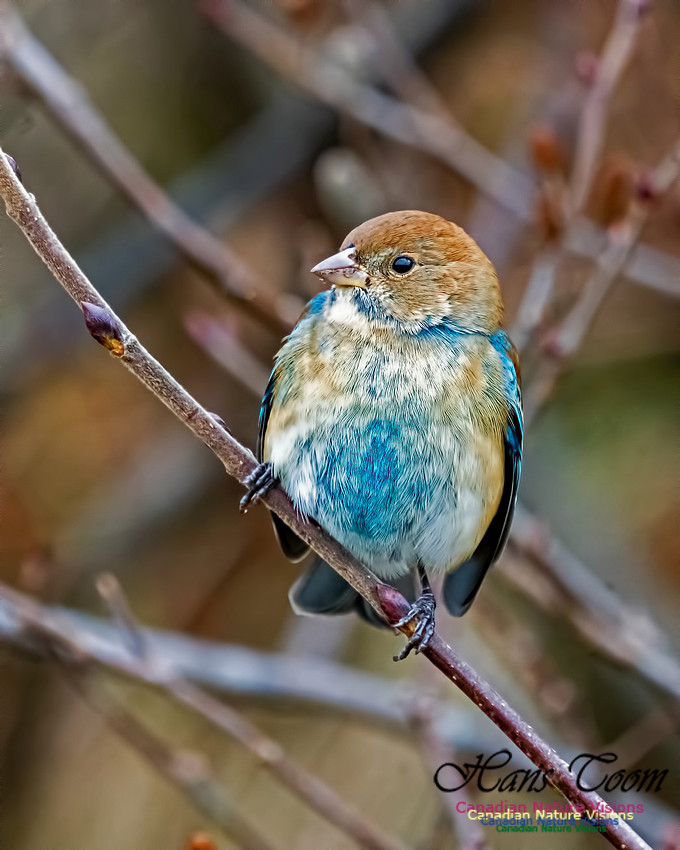
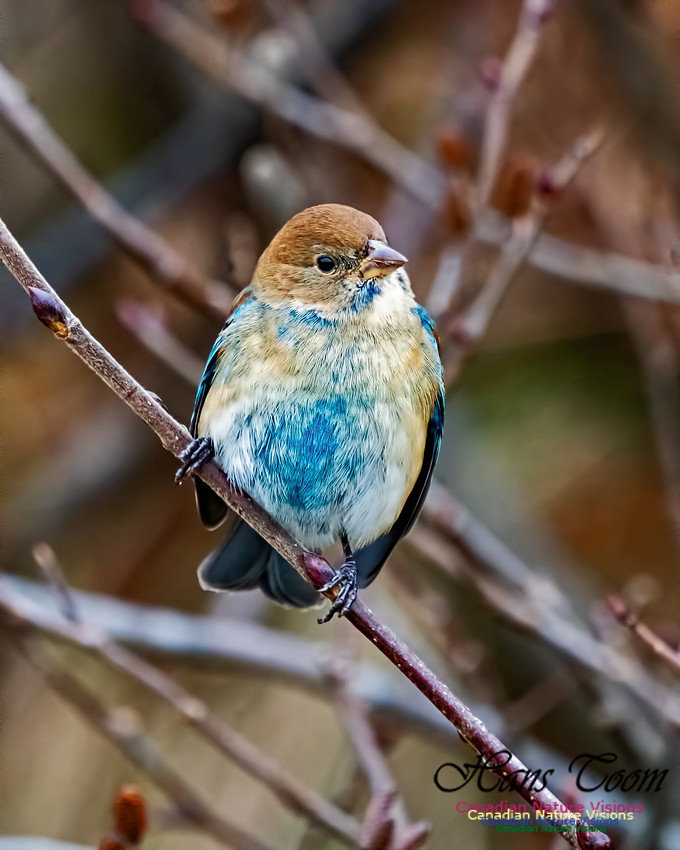
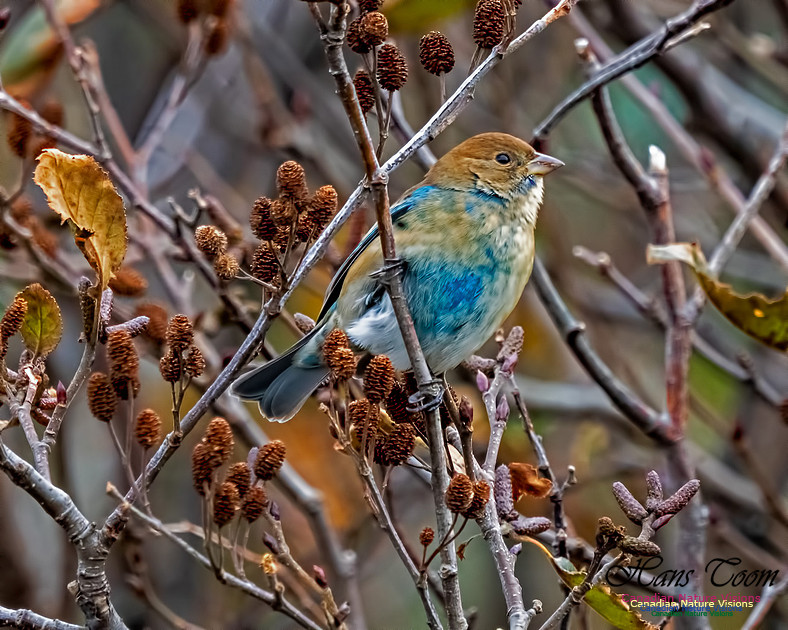
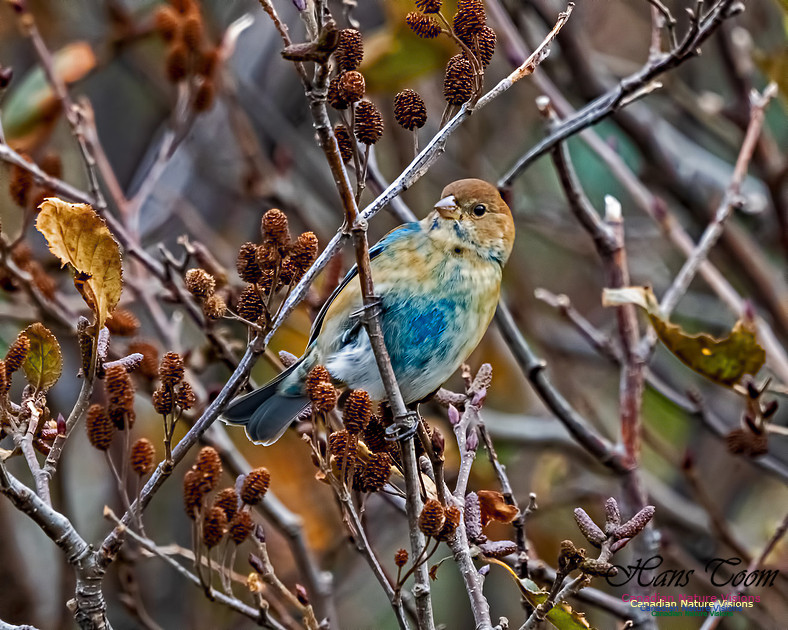
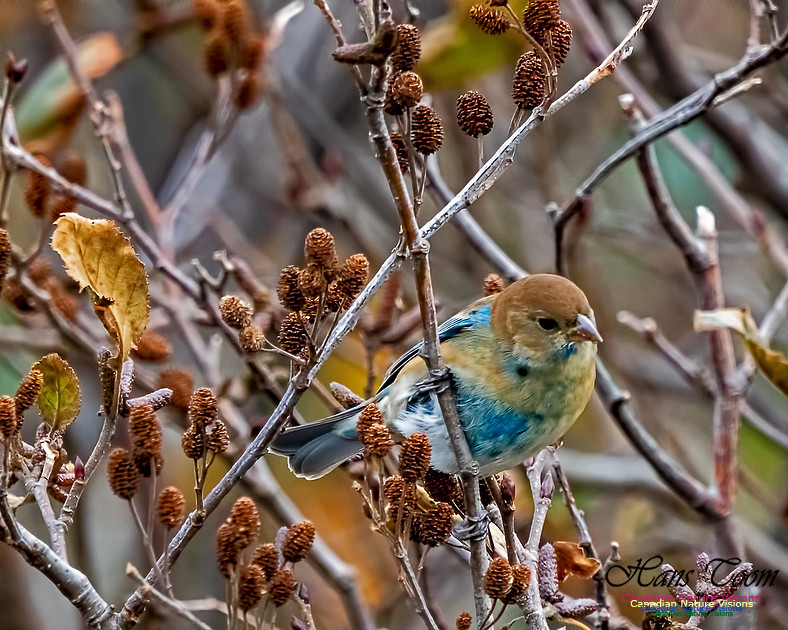
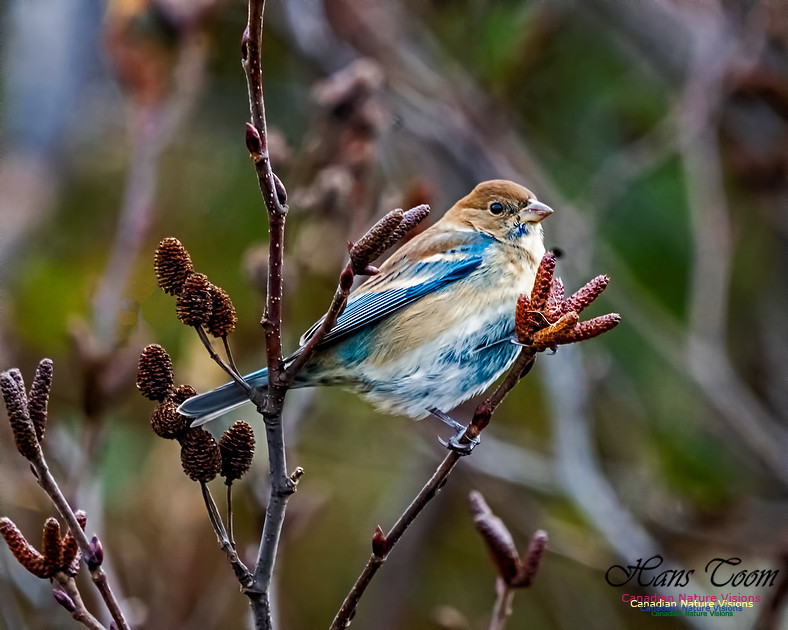
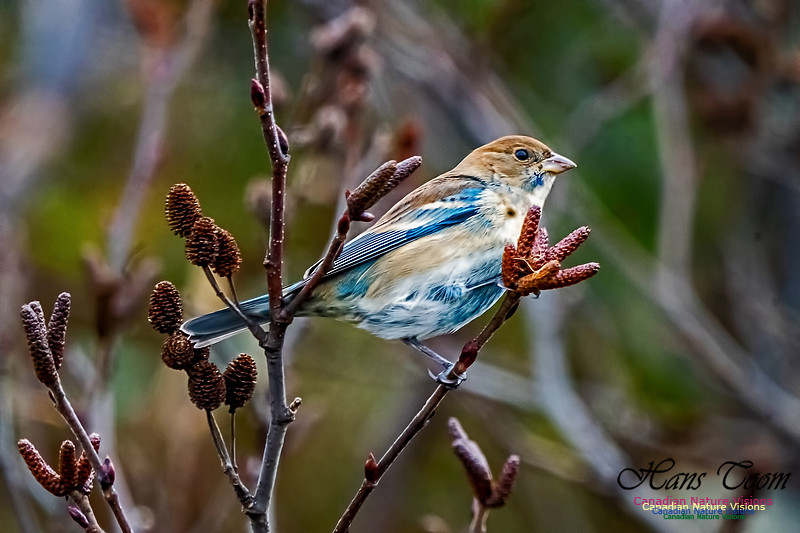
Indigo BuntingThis Indigo Bunting is a young male hopefully on its way south. There were several examples along the beach end of Sandy Cove Road, Halifax. Indigo Bunting
Steller's Sea EagleThere is no record of the Steller's Sea Eagle for Nova Scotia that I can find. The late Dr. Ian McLaren's, "All the Birds of Nova Scotia", which is our best record and resource for Nova Scotia birds makes no mention of this bird. I arrived early as usual but alas there was no Steller's Sea Eagle to be seen. It arrived about an hour later but was too far away except for record shots. Later it posed in another location and about a dozen cameras captured the record including mine. Steller's sea eagleJump to navigation Jump to search
Steller's sea eagle (Haliaeetus pelagicus) is a large diurnal bird of prey in the family Accipitridae. It was originally described by Peter Simon Pallas in 1811. No subspecies are recognised. A sturdy eagle, it has dark brown plumage with white wings and tail, and yellow beak and talons. On average, it is the heaviest eagle in the world, at about 5 to 9 kg (11 to 20 lb), but may be below the harpy eagle (Harpia harpyja) and Philippine eagle (Pithecophaga jefferyi) in some standard measurements.[3] The Steller's sea eagle lives in coastal northeastern Asia and mainly preys on fish and water birds. The Kamchatka Peninsula in Far Eastern Russia is known for its relatively large population of these birds. Around 4,000 of these eagles live there.[4] Steller's sea eagle is listed as vulnerable on the International Union for Conservation of Nature (IUCN)'s Red List of threatened species.
Steller's Sea Eagle
This is a lesson to be learned by vacillation,...missed opportunities. I said to myself the eagle will soon depart and a photo of it in flight would be a coup. So all I had to do was lock my lens on the bird and widen my field of view and wait for it to depart. I didn't do it so this photograph is the result. I should listen to my own best judgment.
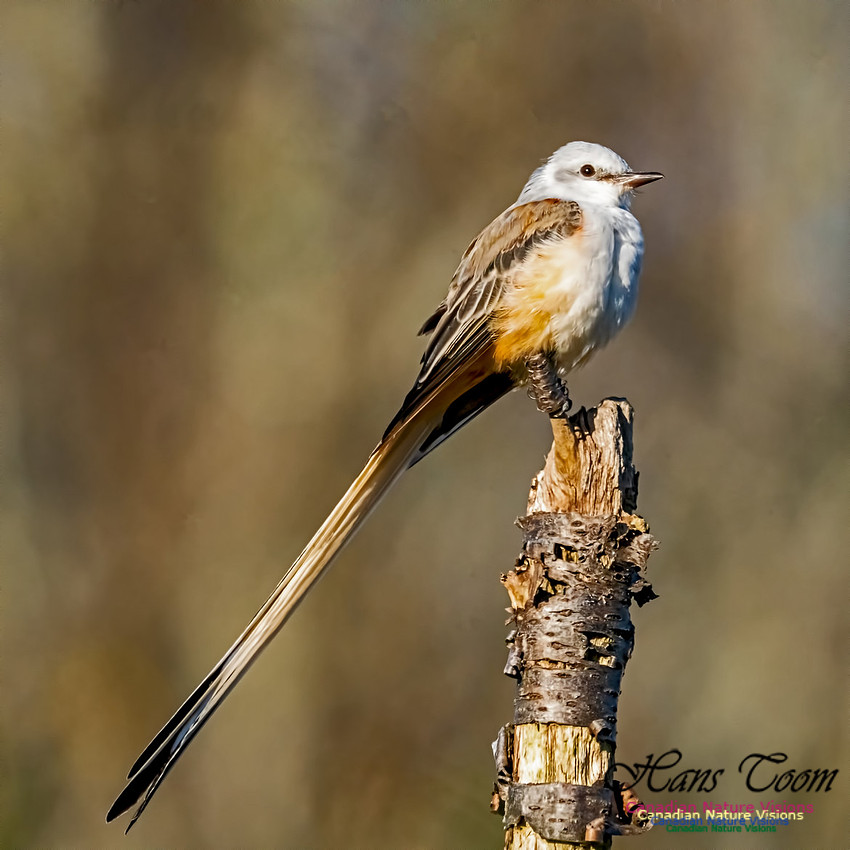
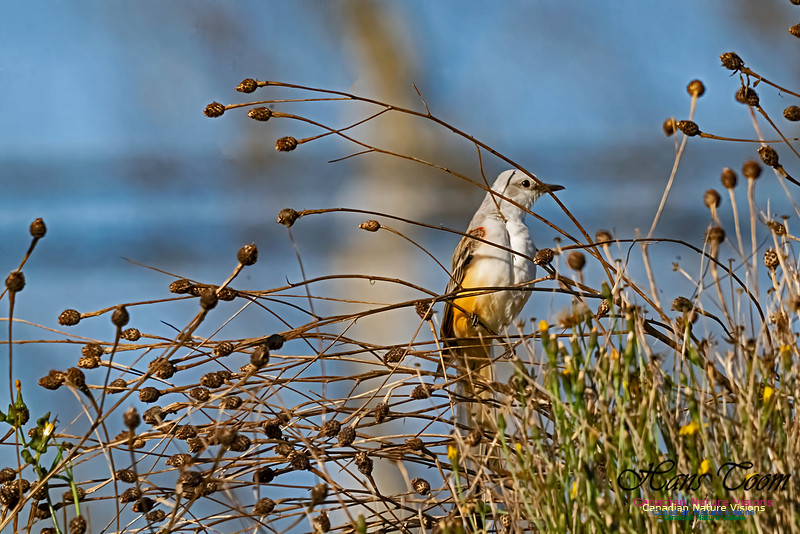
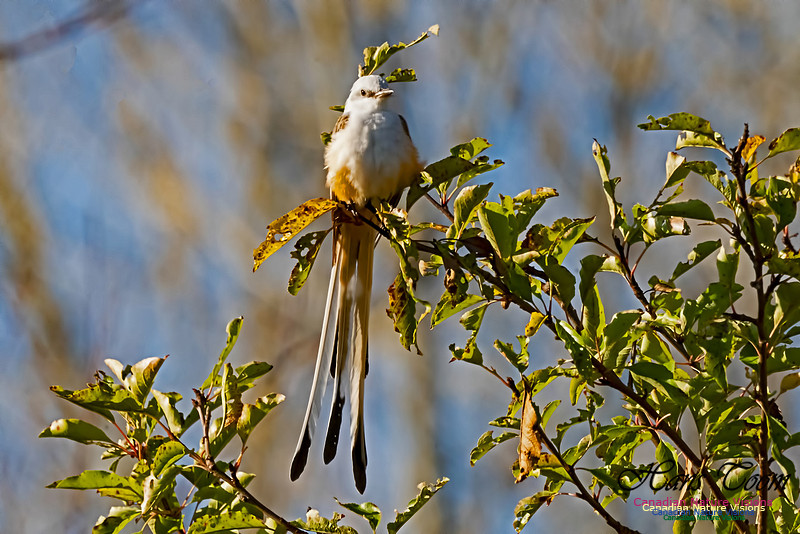
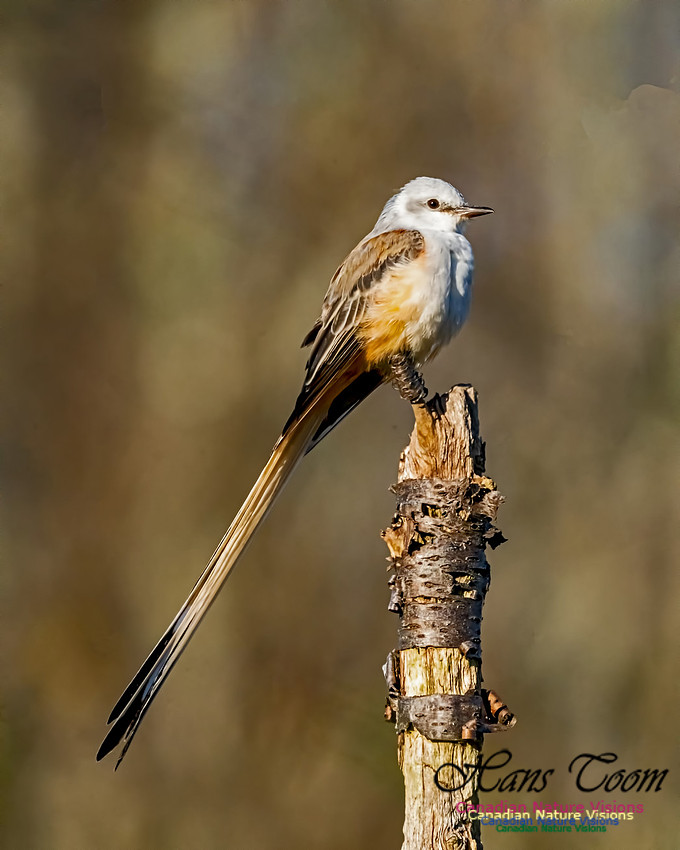
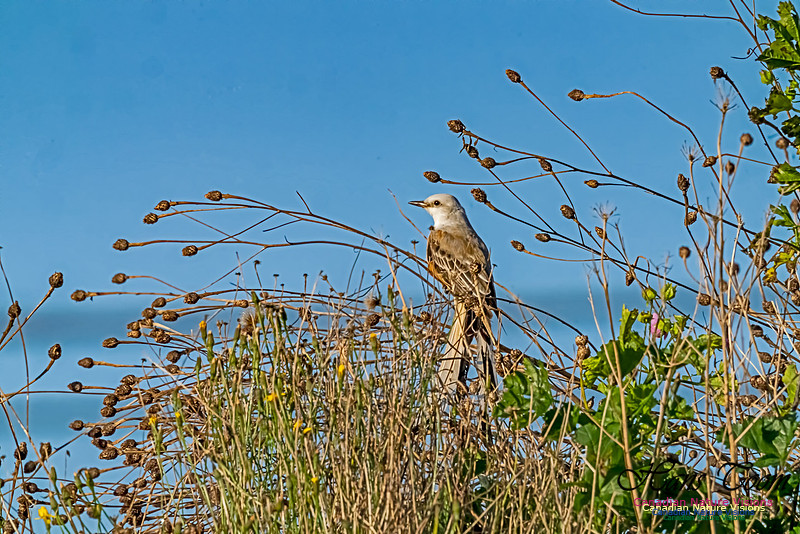
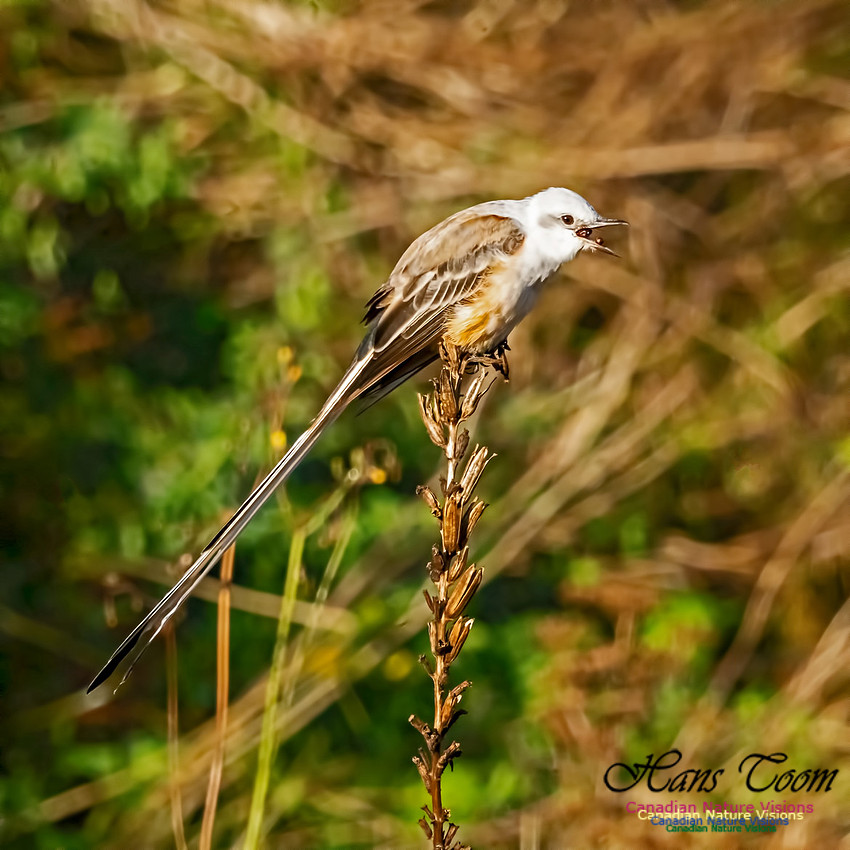
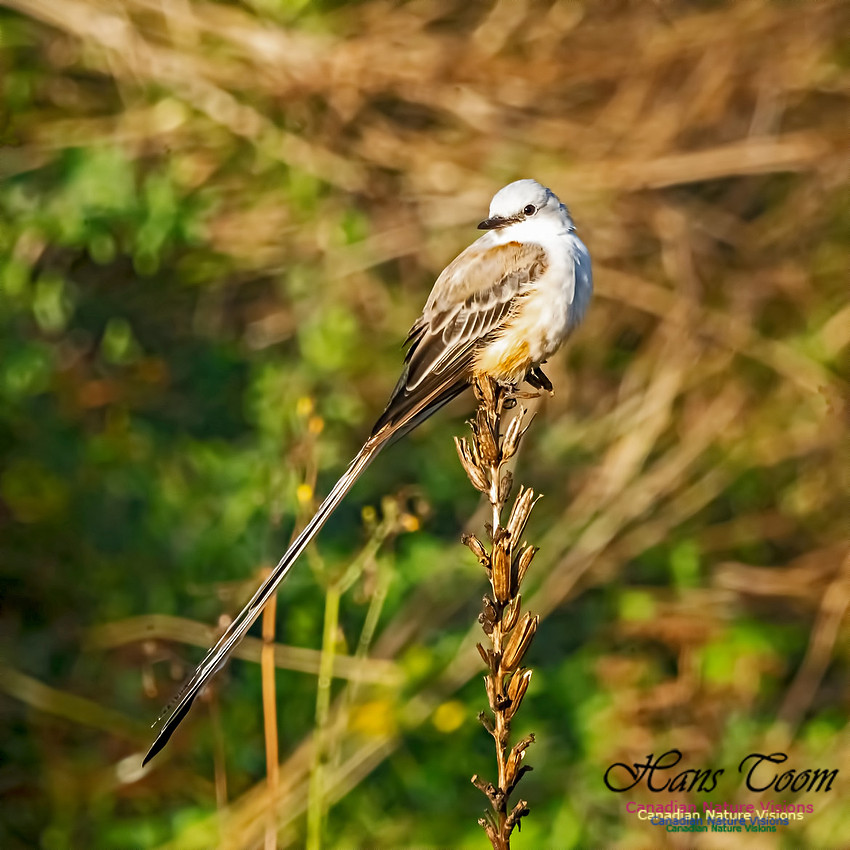
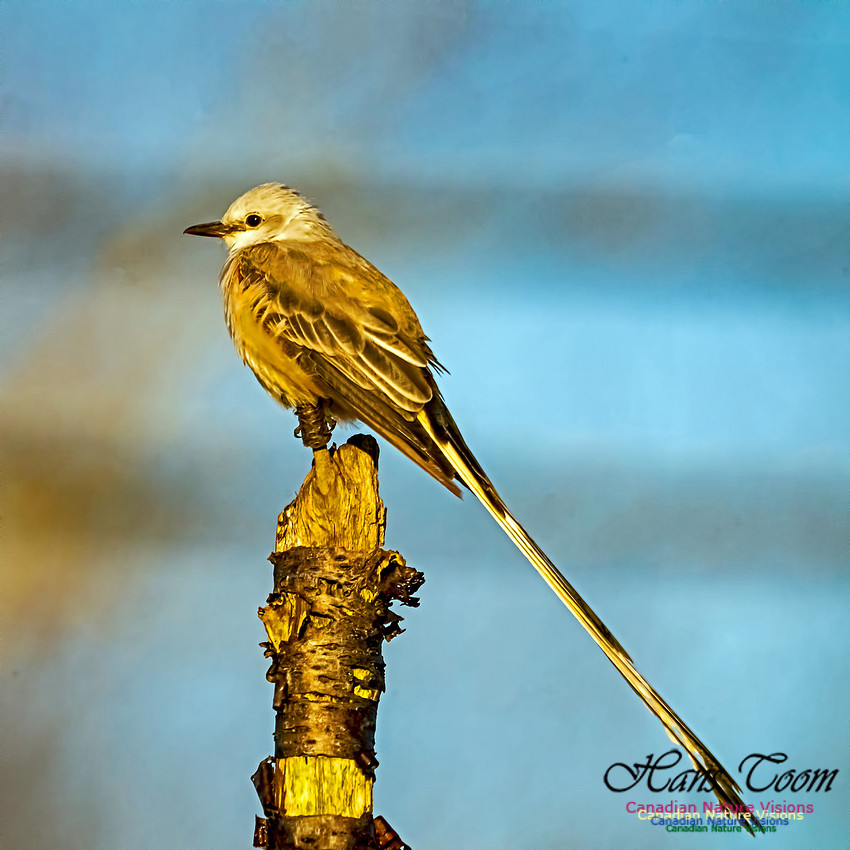
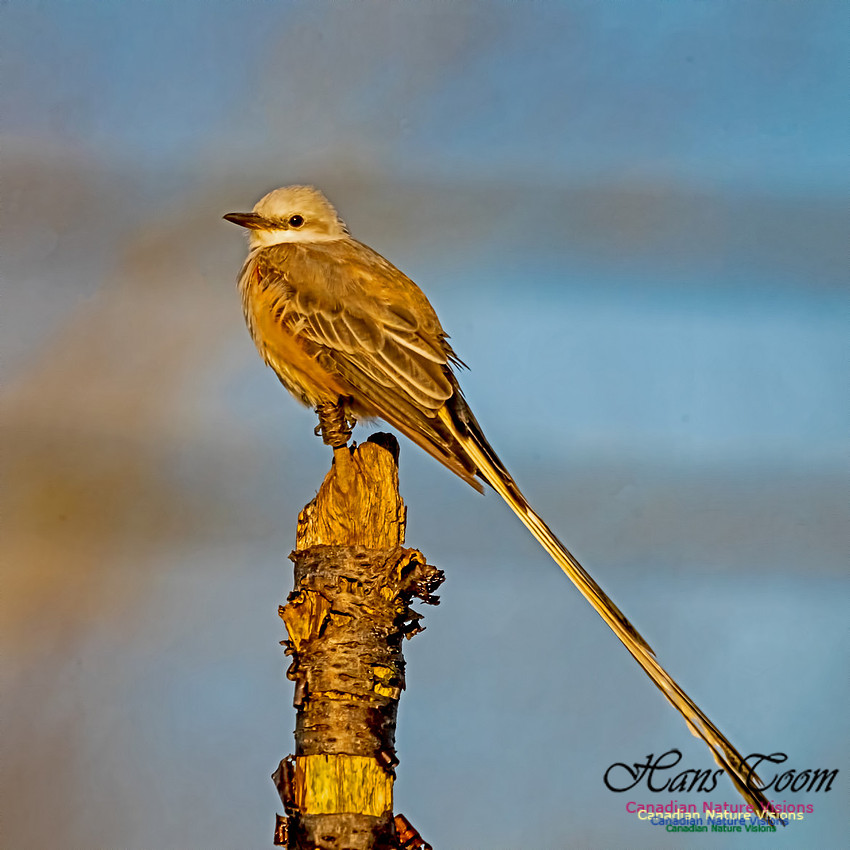
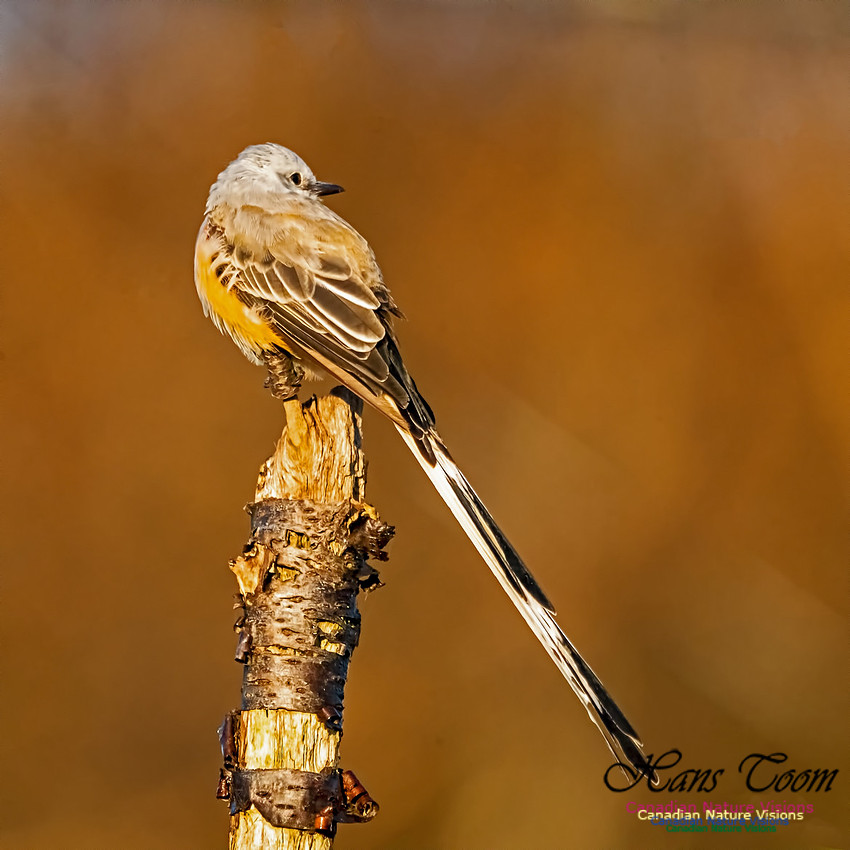
Scissor-tailed FlycatcherI got off on a early start so that I could photograph the Scissor-tailed Flycatcher in the morning light. On route I photographed the waning crescent moon and arrived in Liverpool early enough to enjoy a spectacular sunrise. The yellow-ochre cast on the flycatcher in some photos is from the early morning sun. These photos are a sampling of some 250 photos I took of this bird so expect to see more photos in the days ahead. Scissor-tailed flycatcher
Jump to navigation Jump to search
The scissor-tailed flycatcher (Tyrannus forficatus), also known as the Texas bird-of-paradise and swallow-tailed flycatcher, is a long-tailed bird of the genus Tyrannus, whose members are collectively referred to as kingbirds. The kingbirds are a group of large insectivorous (insect-eating) birds in the tyrant flycatcher (Tyrannidae) family. The scissor-tailed flycatcher is found in North and Central America. Latin name and etymologyIts former Latin name was Muscivora forficata. The former genus name Muscivora derives from the Latin words for 'fly' (musca) and 'to devour' (vorare), while the species name forficata derives from the Latin word for 'scissors' (forfex). The scissortail is now considered to be a member of the Tyrannus, or 'tyrant-like' genus. This genus earned its name because several of its species are extremely aggressive on their breeding territories, where they will attack larger birds such as crows, hawks and owls. DescriptionAdult birds have pale gray heads and upper parts, light underparts, salmon-pink flanks and undertail coverts, and dark gray wings. Axillars and patch on underwing coverts are red.[2] Their extremely long, forked tails, which are black on top and white on the underside, are characteristic and unmistakable. At maturity, the male may be up to 15 in (38 cm) in length, while the female's tail is up to 30% shorter. The wingspan is 15 cm (5.9 in) and the weight is up to 43 g (1.5 oz).[3] Immature birds are duller in color and have shorter tails. A lot of these birds have been reported to be more than 40 cm (16 in).[citation needed] They build a cup nest in isolated trees or shrubs, sometimes using artificial sites such as telephone poles near towns. The male performs a spectacular aerial display during courtship with his long tail forks streaming out behind him. Both parents feed the young. Like other kingbirds, they are very aggressive in defending their nest. Clutches contain three to six eggs. In the summer, scissor-tailed flycatchers feed mainly on insects (grasshoppers, robber-flies, and dragonflies), which they may catch by waiting on a perch and then flying out to catch them in flight (hawking). For additional food in the winter they will also eat some berries. Their breeding habitat is open shrubby country with scattered trees in the south-central states of Texas, Oklahoma, Kansas; western portions of Louisiana, Arkansas, and Missouri; far eastern New Mexico; and northeastern Mexico. Reported sightings record occasional stray visitors as far north as southern Canada and as far east as Florida and Georgia. They migrate through Texas and eastern Mexico to their winter non-breeding range, from southern Mexico to Panama. Pre-migratory roosts and flocks flying south may contain as many as 1000 birds.[4] The scissor-tailed flycatcher is the state bird of Oklahoma, and is displayed in flight with tail feathers spread on the reverse of the Oklahoma Commemorative Quarter. Professional soccer team FC Tulsa features a scissor-tailed flycatcher on their crest. The scissor-tailed flycatcher is also displayed in the background of the current license plate. In eastern Arkansas and western Tennessee, USA there is a hybrid zone between Scissor-tailed Flycatchers and Western Kingbirds, which are sympatric, ecologically similar sister species.[5] Both these species have simultaneously expanded their breeding ranges eastward over the past 50 years
Scissor-tailed Flycatcher
The Scissor-tailed Flycatcher is either eating seed heads or an insect it gleaned from the seed head. You can decide.
Common GallinuleI found the Common Gallinule after about 20 minutes of circling the pond. This bird gleans food from marsh grasses and lily pads with a particular fondness for snails. During one winter several years ago I fed a Common Gallinule after it almost lost all of its open pond due to ice. Fortunately there was water flow into the pond all winter that kept a corner of the pond ice free. Three or four times a week I showed up with canned snails and suet. The bird survived the winter. Courtesy of Wikipedia The common gallinule (Gallinula galeata) is a bird in the family Rallidae. It was split from the common moorhen by the American Ornithologists' Union in July 2011.[3] It lives around well-vegetated marshes, ponds, canals, and other wetlands in the Americas. The species is not found in the polar regions or many tropical rainforests. Elsewhere, the common gallinule is likely the most commonly seen rail species in much of North America, except for the American coot in some regions. Description and ecologyThe gallinule has dark plumage apart from the white undertail, yellow legs and a red frontal shield. The young are browner and lack the red shield. It has a wide range of gargling calls and will emit loud hisses when threatened.[4] Measurements:[5]
This is a common breeding bird in marsh environments and well-vegetated lakes. Populations in areas where the waters freeze, such as southern Canada and the northern USA, will migrate to more temperate climes. This species will consume a wide variety of vegetable material and small aquatic creatures. It forages beside or in the water, sometimes upending in the water to feed. Its wide feet allow it to hop about on lily pads. It is often secretive, but can become tame in some areas. Despite loss of habitat in parts of its range, the common gallinule remains plentiful and widespread. The common gallinule will fight to defend its territory. The nest is a basket built on the ground in dense vegetation. Laying starts in spring, between mid-March and mid-May in northern hemisphere temperate regions. About 8 eggs are usually laid per female early in the season; a brood later in the year usually has only 5–8 or even fewer eggs. Nests may be re-used by different females. Incubation lasts about three weeks. Both parents incubate and feed the young. These fledge after 40–50 days, become independent usually a few weeks thereafter, and may raise their first brood the next spring. When threatened, the young may cling to a parent's body, after which the adult birds fly away to safety, carrying their offspring with them.[4][6] This species is parasitized by the moorhen flea, Dasypsyllus gallinulae.[7 Common Gallinule
Liverpool SunriseOn my recent Liverpool expedition in search of the Scissor-tailed Flycatcher I made an early start from Halifax. I hoped I could add the Liverpool sunrise to my visit. I'm glad I did. It was a spectacular sunrise. Liverpool Sunrise
|
|||||||||||||||||||||||||||||||||||||||||||||||||||||||||||||||||||||||||||||||||||||||||||||||||||||||||||||||||||||||||||||||||||||||||||||||||||||||||||||||||||||||||||||||||||||||||||||||||||||||||||||||||||||||||||||||||||||||||||||||||||||||||||||||||||||||||||||||||||||||||||||||||||||||||||





















.jpg)