Grass Pink OrchidThe Grass Pink Orchid is a wide spread and common orchid of Nova Scotia bogs, blooming later but overlapping with the Dragon's Mouth Orchid. The flower head is about the size of a loonie, 15-20mm. I use my telephoto lens to photographic these beauties and then do severe crops, about 10% of original frame. Grass Pink Orchid
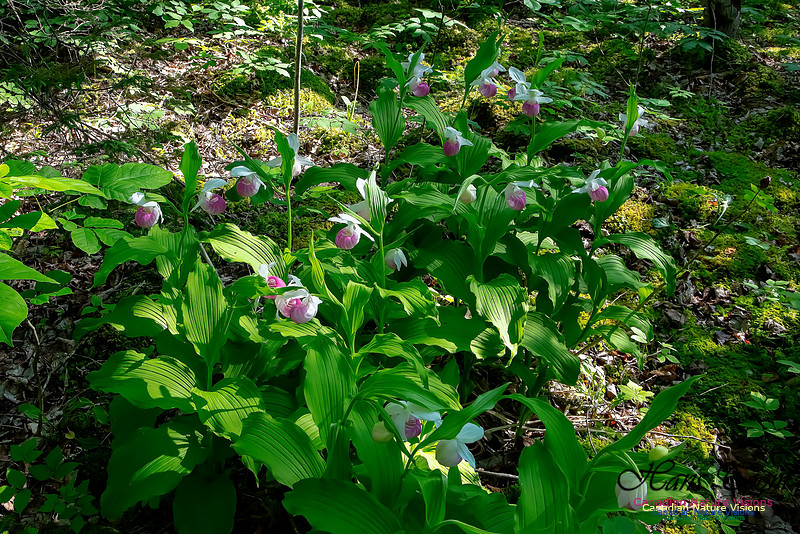
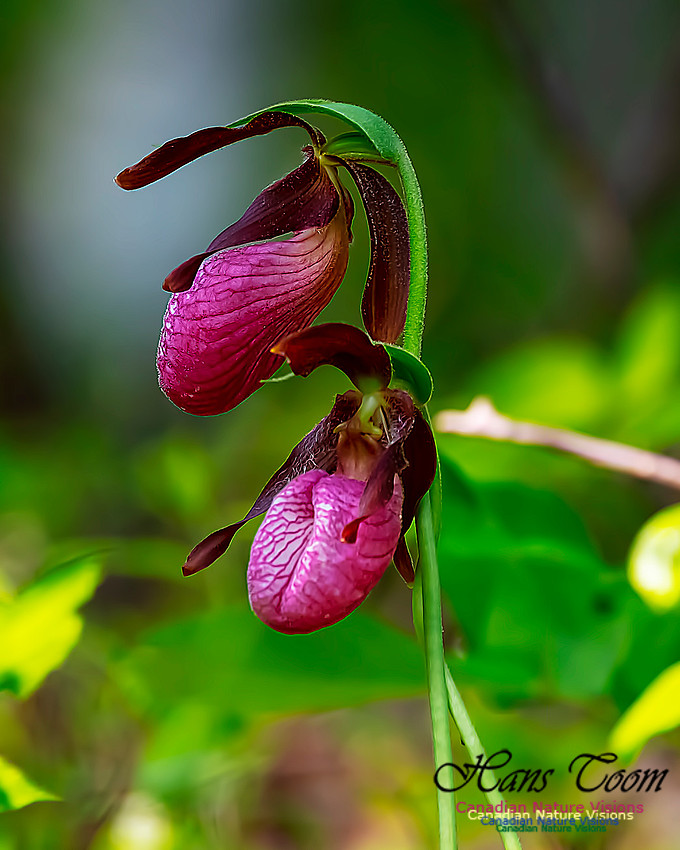
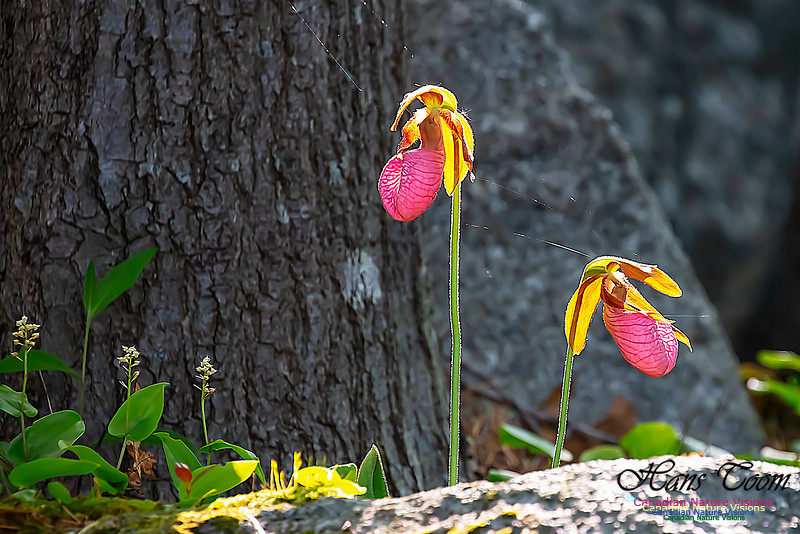
Showy Lady's Slipper OrchidI visited the Showy Lady's Slipper Orchid colony about two weeks ago just prior to its usual blooming. Only two orchid heads were open. Many of the rest of the colony did not even have their flower head stalks exposed. Like many of our spring flowers they were late due to the awful spring weather. I returned to the colony 10 days later and almost all of the orchids were in bloom. They recovered quickly from the late start. This is a rare Nova Scotia orchid growing to as high as one meter in wet alkaline soil. Showy Lady's Slipper Orchid
Wildflowers of the Coastal BarrensWhen I hike up to the coastal barrens to photograph cruise ships coming and going it is also an opportunity to photograph the wildflowers. This sampling is just a few of the wildflowers on view in early summer Golden Heather
Cotton Grass
Dragon's Mouth Orchid
Pitcher Plant(a predator)
Yellow Water Lily The rocky terrain on the barrens form natural pools.
ZaandamZaandaam is a medium sized cruise ship, attractively designed. I photographed it off Chebucto Head/Shoal Point, Nova Scotia. MS Zaandam is a cruise ship owned and operated by Holland America Line, named for the city of Zaandam, Netherlands near Amsterdam. She was built by Italy’s Fincantieri in Venice, and delivered in 2000. Zaandam is part of the Rotterdam class and a sister ship to MS Volendam, MS Rotterdam, and MS Amsterdam. Wikipedia Length: 778′ Capacity: 1,432 passengers Crew: 615 Yard number: 6036 Christened: May 2000; by Mary-Kate and Ashley Olsen Did you know: MS Zaandam was christened by Mary-Kate and Ashley Olsen, in May 2000. wikipedia.org Zaandam
Little Blue HeronI encountered two adult and one second year(mostly white) blue Herons. The photographic framing was not as good as my first visit when the heron was much closer to me. But due to the better light, crops of less than 10% or the original frame were possible although some detail was lost. The Little Blue Heron is not rare in Nova Scotia. It is a annual visitor popping up in salt water marshes all over the province of Nova Scotia. The images vary in contrast and brightness depending on how the clouds moved over the sun. With good framing and light the adult Little Blue Heron is magnificent. Little Blue Heron Adult and second year birds. Dragon's Mouth OrchidThe Dragon's Mouth Orchid is a small bog orchid, abundant and wide spread in suitable habitat. These photos were taken using a fill flash, a nasty mistake since it washes out detail. I will return and use natural light as I always should. Dragon's Mouth Orchid
Queen Mary 2The Queen Mary 2 has made her second visit to Halifax, Nova Scotia this year. This ship and possibly her smaller siblings, the Queen Elizabeth and the Queen Victoria have the distinction of being the only ocean liners in the world. Ocean liners are strong, 40% heavier per passenger than cruise ships, much faster at 30 knots and built to sustain the rigors of continuous all season crossings of the ocean. Cruise ships are slower at about 20 knots and built like hotels on motorized barges. The arctic/antarctic cruise ships although much smaller are strong enough to handle ice. Some even have ice breaking capability. We're in for a special treat later in the month when the Queen Mary 2 and Queen Elizabeth arrive together for a visit to Halifax. I'll be on the coastal barrens capturing the event rain or shine. Queen Mary 2
Insignia
Snapping TurtleThis Snapping Turtle was beside the road, perhaps considering a place to scratch out a hole in gravel and lay eggs. There are two things one should know about Snapping Turtles: One: Never, never pick one up by the tail. The resulting crunch you hear will be the spine of this endangered species snapping. Ignore the idiots who tell you its OK. Two: Never pick it up by the shell unless you are an expert since it can swing its jaws around on its long extendable neck and snap your fingers off. If you encounter one guide it to the grass beside the road and hope for the best or simply provide guard duty until it moves on. Snapping Turtle
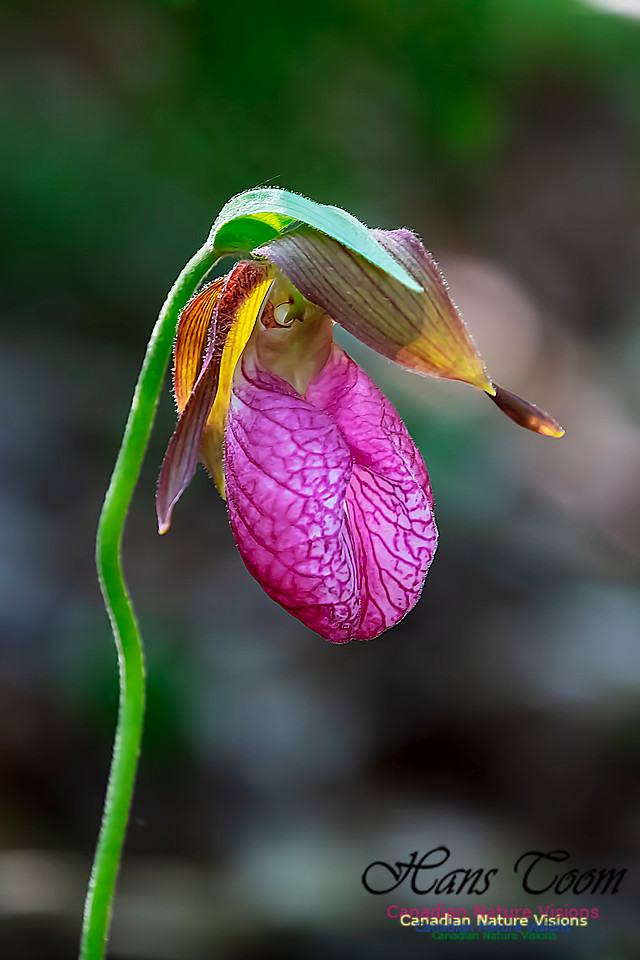
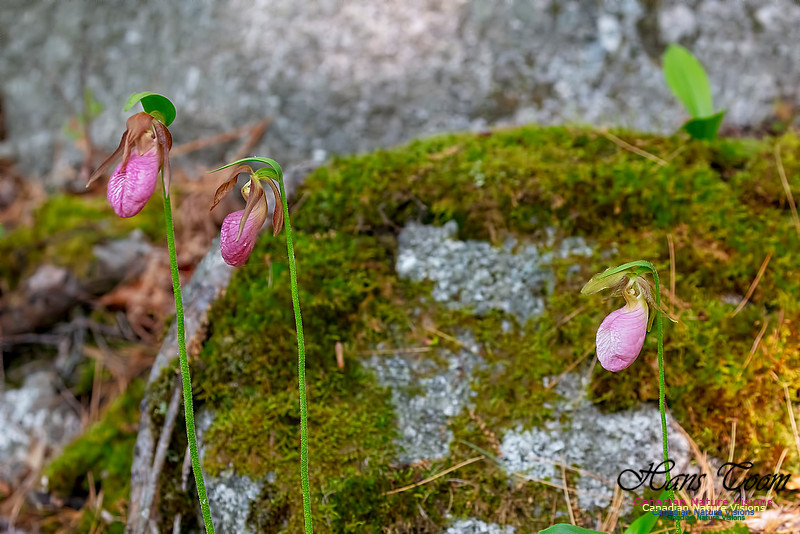
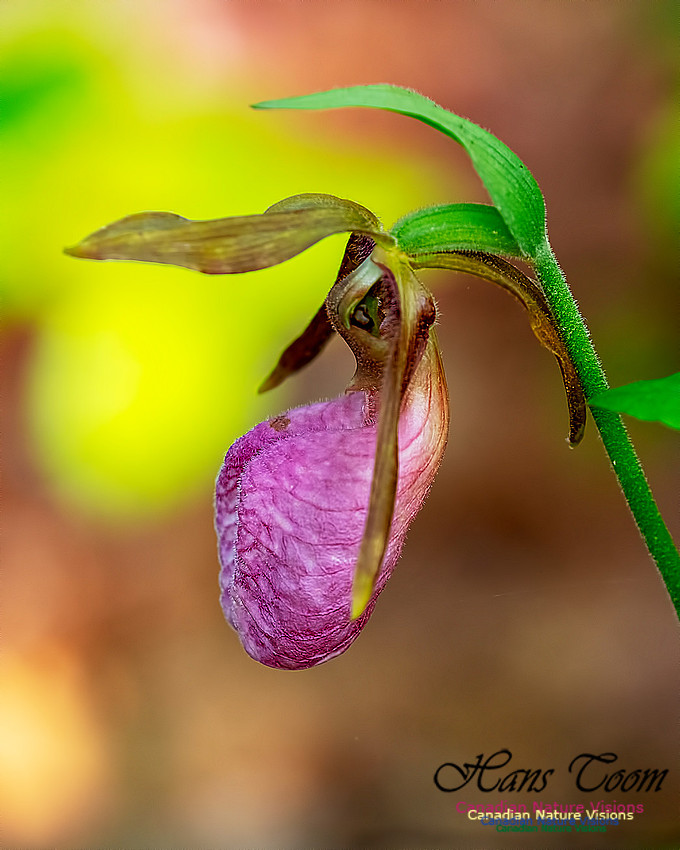
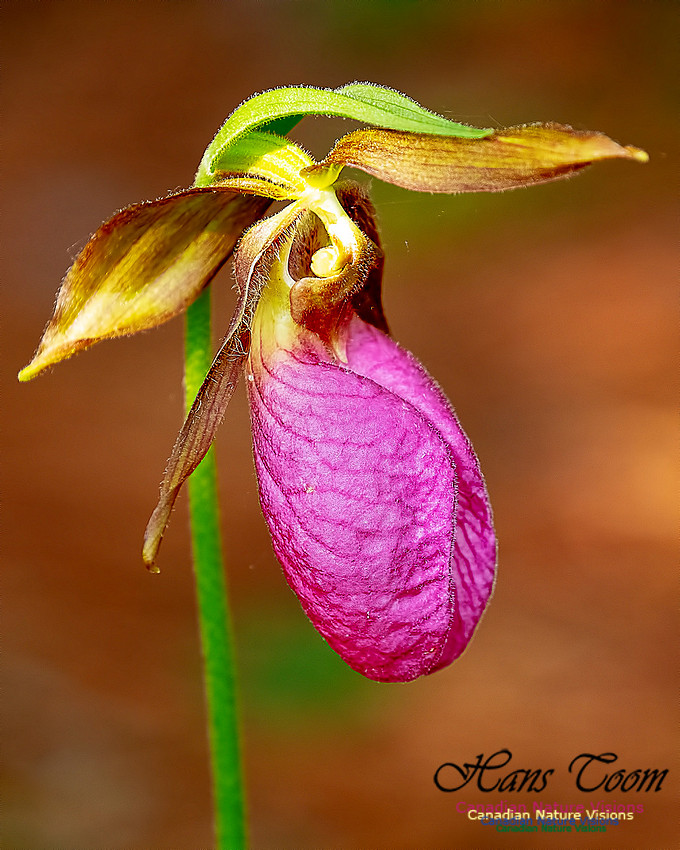
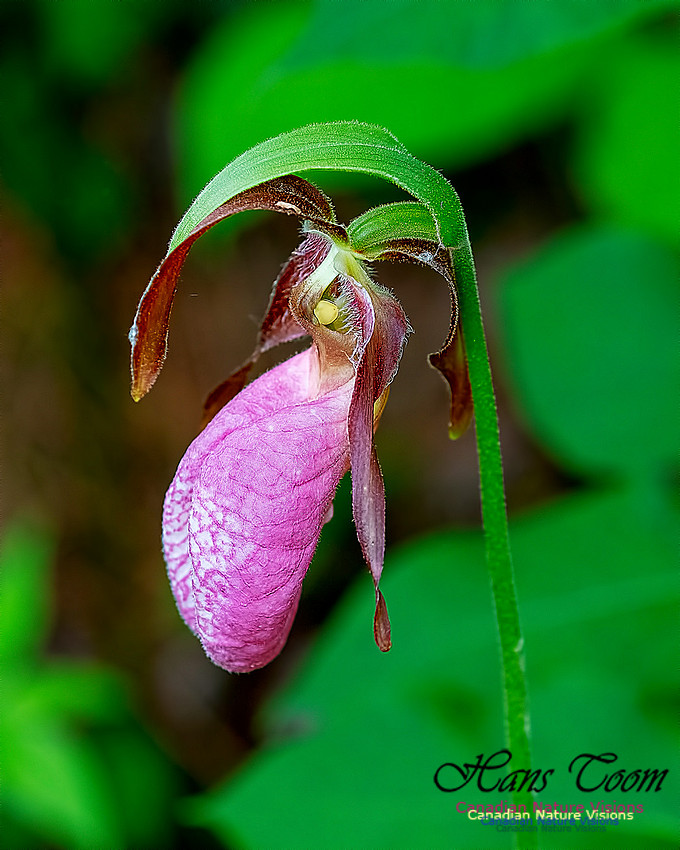
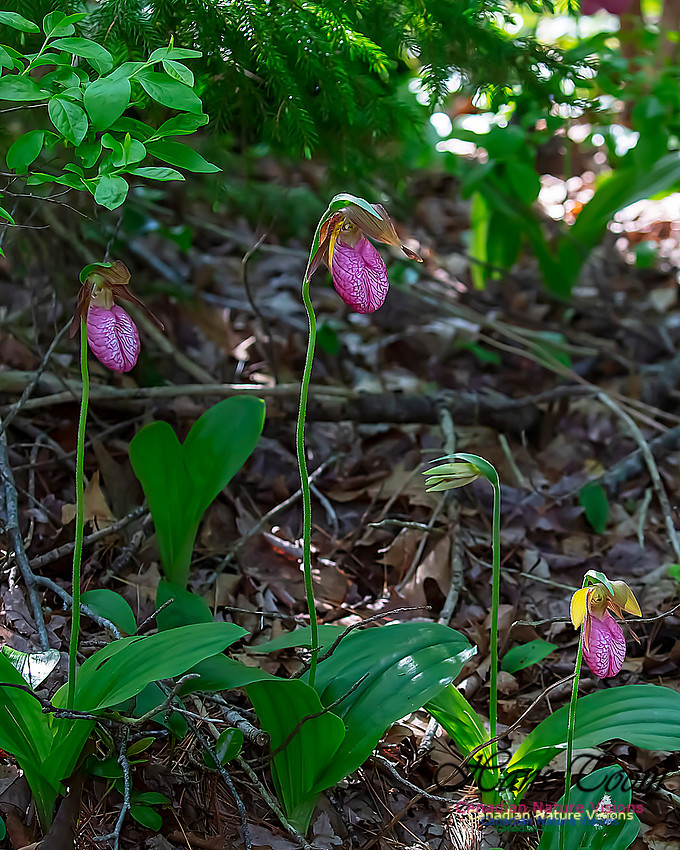
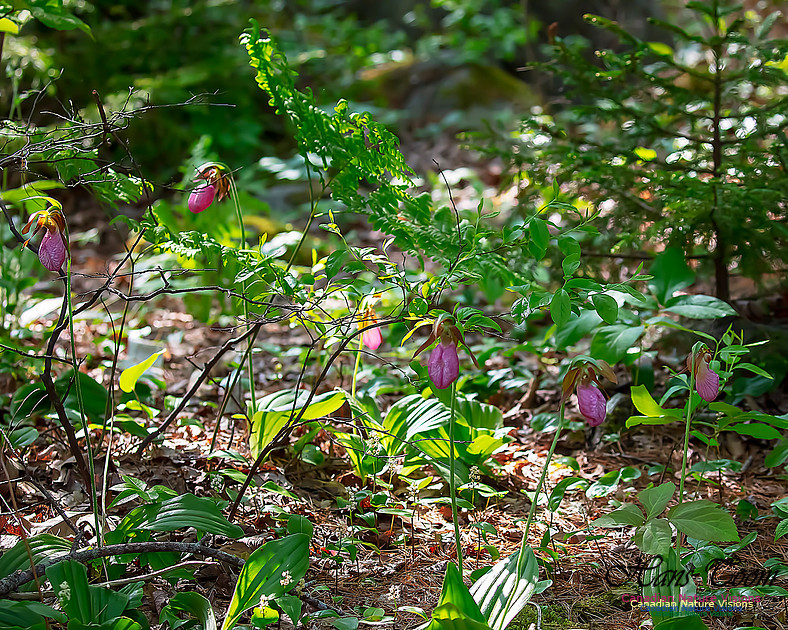
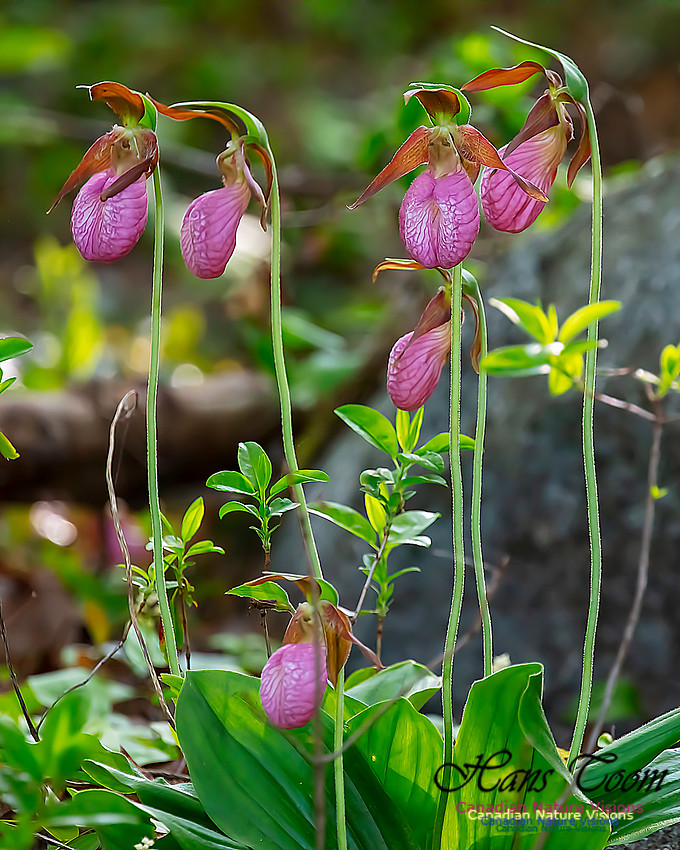
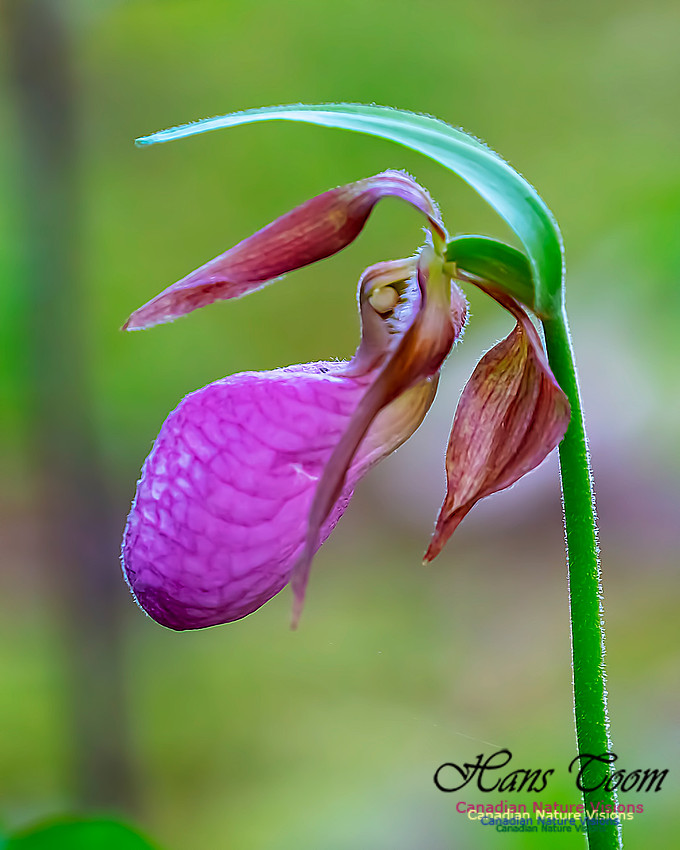
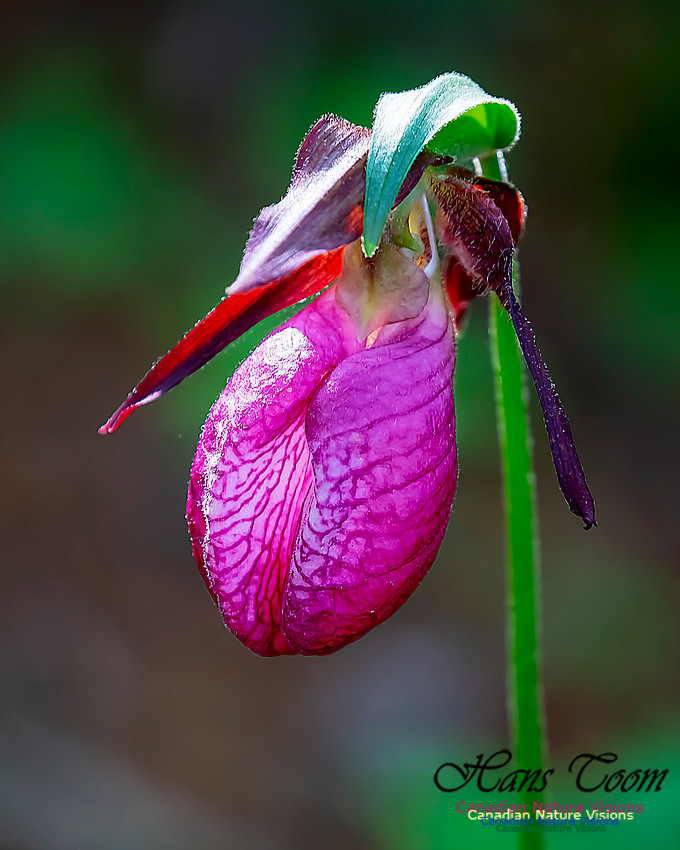
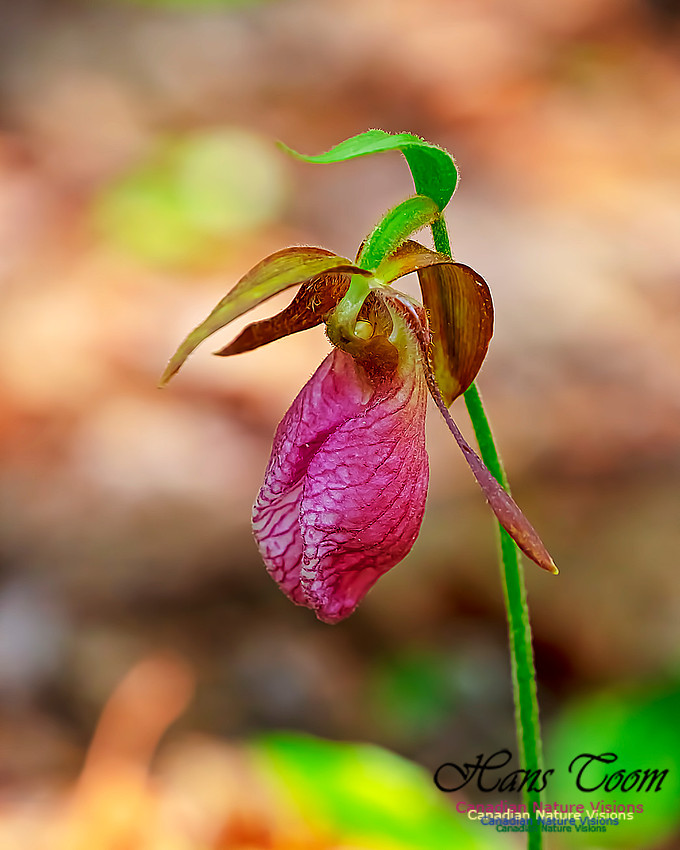
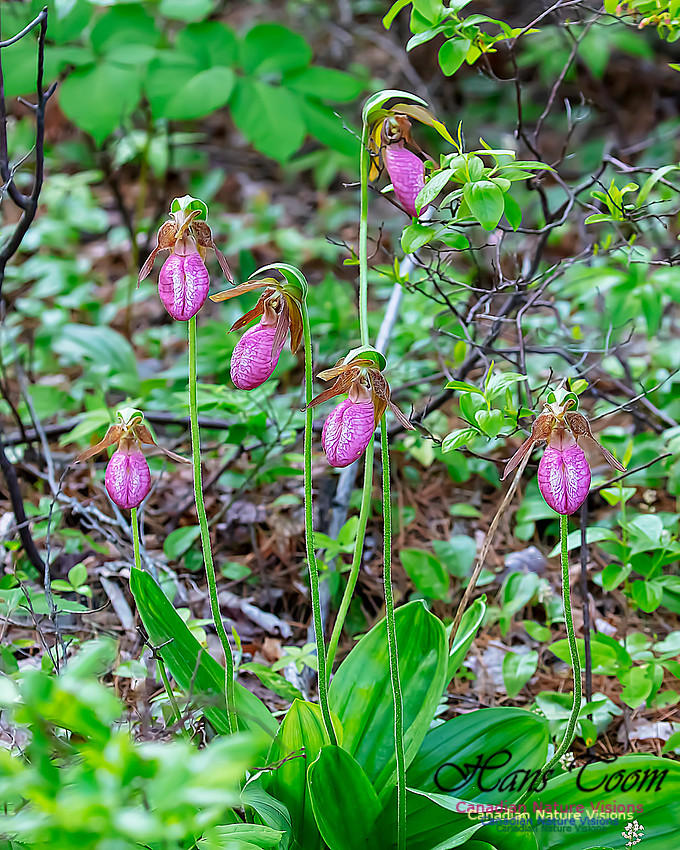
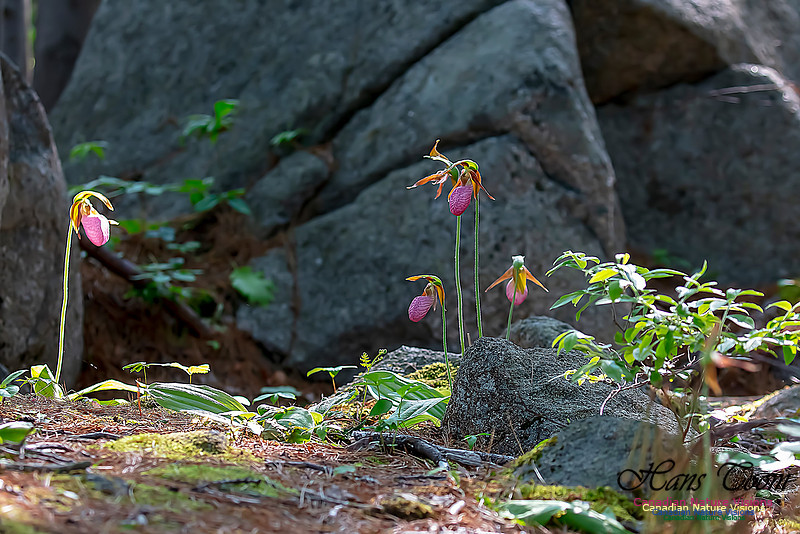
Pink Lady's Slipper OrchidThe Pink Lady's Slipper Orchid is one of the most common orchids in Nova Scotia rivaling the bog orchids in numbers. A great place to view this orchid is almost any woodland park or in my case a visit to the Frog Pond loop at Sir Sanford Fleming Park in Halifax. I almost missed the blooming this year as some of the orchids were already beginning to fade. Pink Lady's Slipper Orchid
Painted TurtleWe visited Kejimkujik National Park last Sunday in delightfully warm and sunny weather. We were hosted by battalions of mosquitos. We spotted what we hoped was a rare and endangered Blanding's Turtle but it turned out to be a Painted Turtle, our best looking but more common turtle. As usual the turtle was marching across a road but eventually it made its way into the grass and went to sleep, or so it seemed. The bird life present on our route, singing, feeding young and carrying on as birds are apt to do was amazing. Painted Turtle
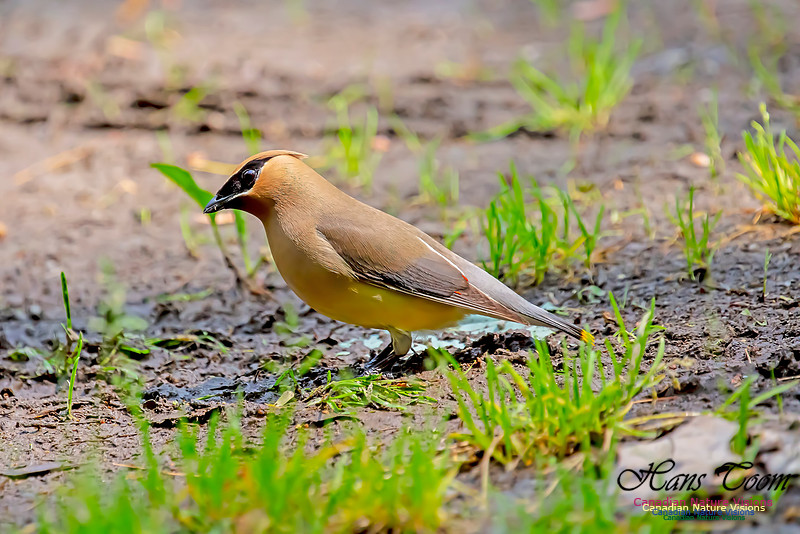
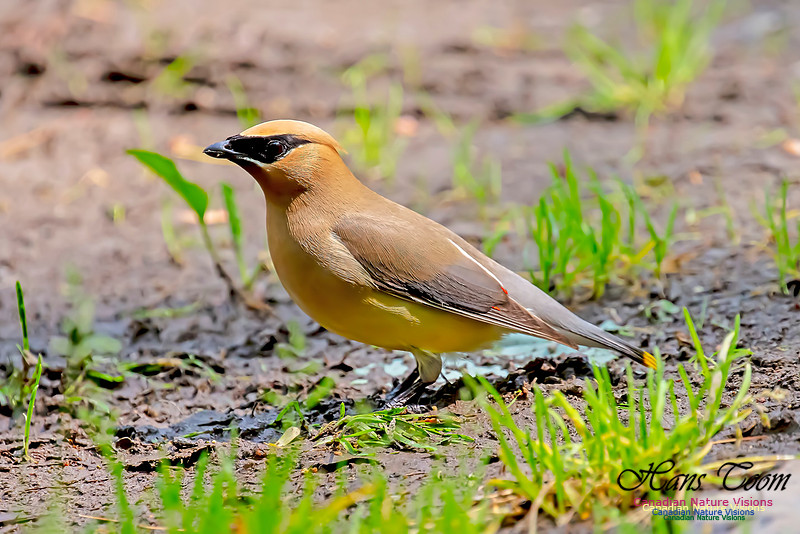
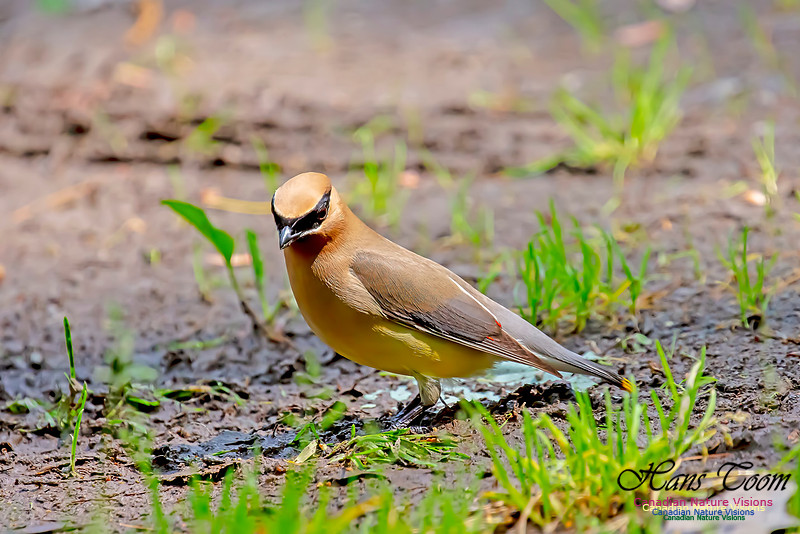
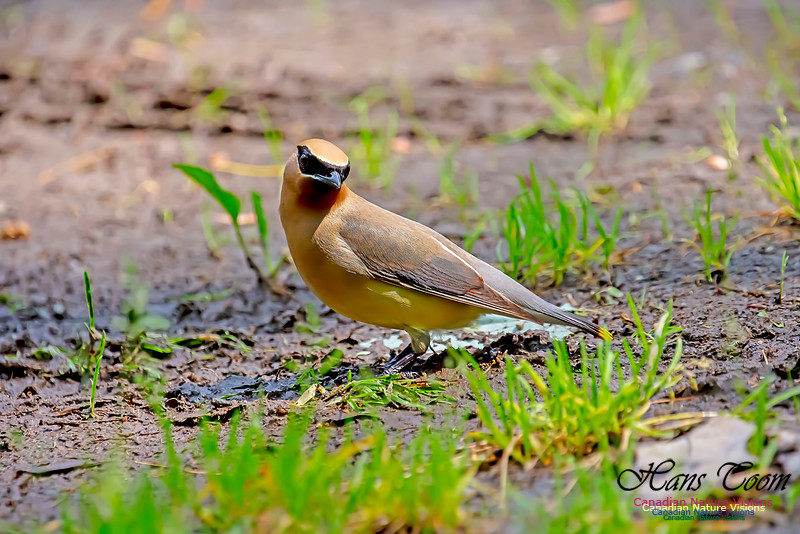
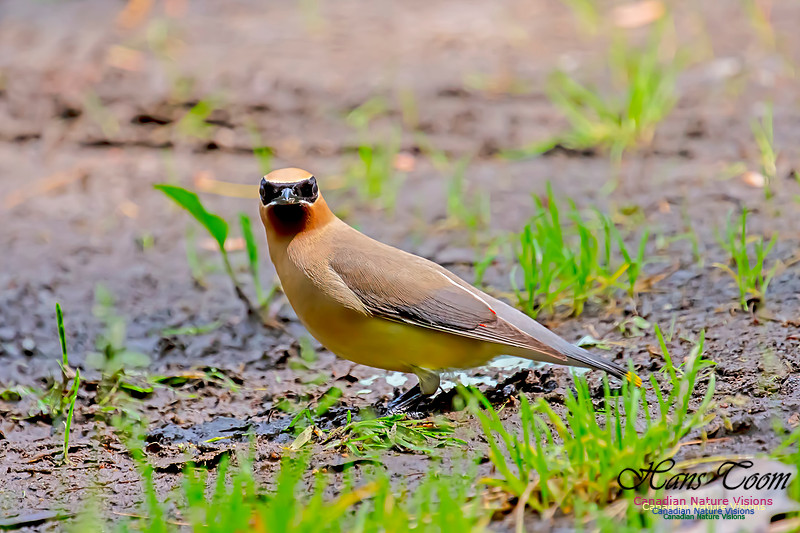
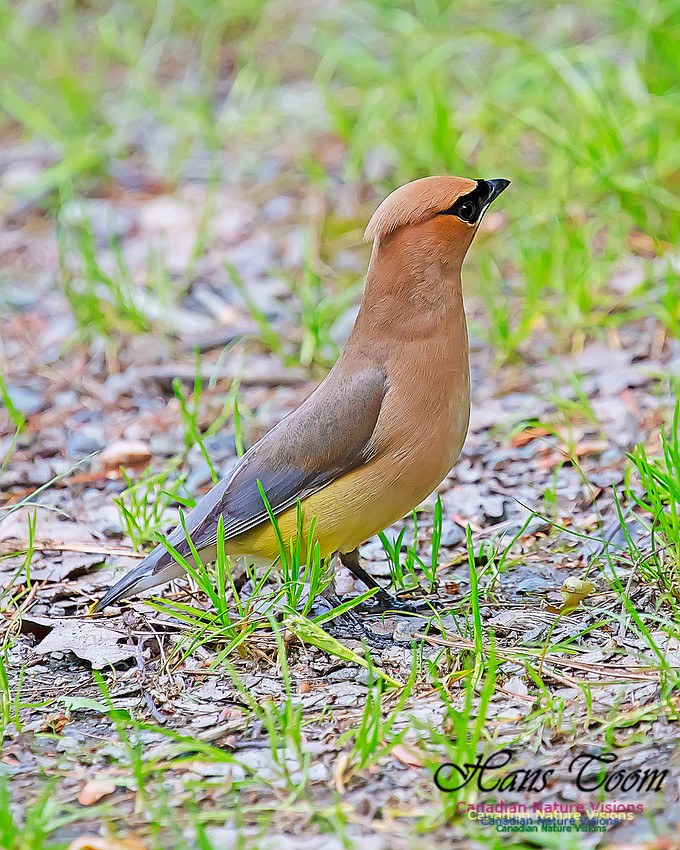
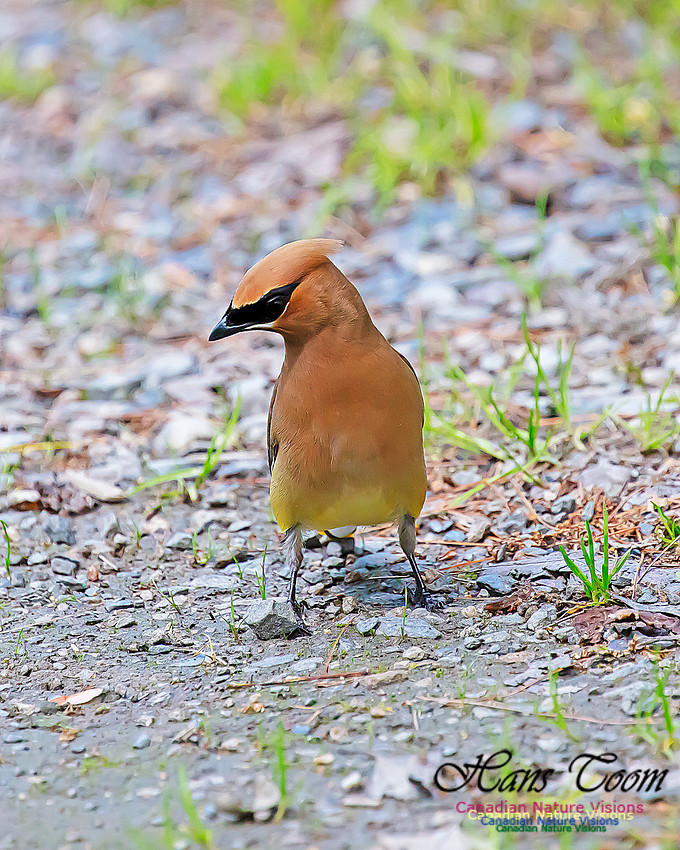
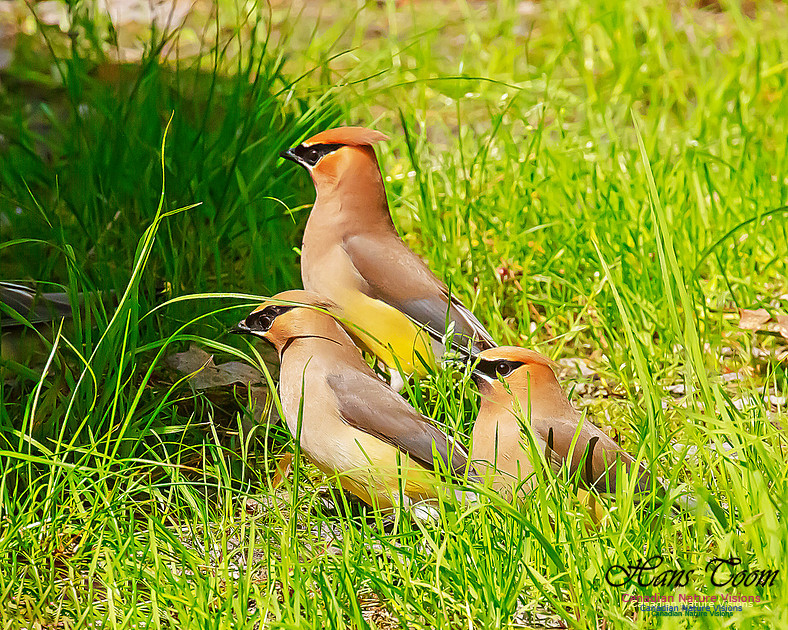
Cedar WaxwingThe Audrey Hepburn of birds displaying the most beauty and grace is the Bohemian Waxwing. unfortunately it is a winter visitor. It's smaller cousin, the Cedar Waxwing, featured here also shows these characteristics. soft pastels of understated elegance. It is a gregarious bird flocking together and nesting late sometimes not until August and lingering well into winter and sometimes overwintering near sources of food, usually berries and crab apples. Even its flight is a compact mass of birds all glad to be in each others company. Cedar Waxwing
Little Blue HeronI photographed this Little Blue Heron in terrible backlighting conditions, the curse of all photographers. Nevertheless, I am satisfied with what I could accomplish under the conditions but I will do some research on dealing with backlighting. Unfortunately in nature photography you cannot conveniently move to another position. You get what you get! The Little Blue Heron is an annual regular to Nova Scotia, not rare, but certainly hard to find at times. The immature is mostly white. Little Blue Heron
Painted TrilliumWhereas spring was two to three weeks late in Nova Scotia this year it did not seem to effect the later flowering wildflower species. The Ram's Head Orchid for example was three weeks late but the Painted Trillium was on time or perhaps a few days late. It's amazing how Nature catches up. Painted Trillium
Blackpoll WarblerThe Blackpoll Warbler is a common nesting species in Nova Scotia along coastal boreal forests, the wilder and wetter the better. The habitat usually has gnarled and bent spruce trees, well weathered by the constant salty onshore winds. It is almost exclusively a Canadian born bird. Blackpoll Warbler
Spring Warblers of Nova ScotiaHere's my roundup of the spring warblers of Nova Scotia. The general rules apply; I identify 95% of what I hear, see 15% of what I identify, photograph 5% of what I identify and then keep maybe 1% of the photos. I found and photographed the Canada Warbler through trees collecting food but alas photos were useless. Others like the Wilson's Warbler and Nashville Warbler are hard to photograph at the best of times, so no luck there either. Chestnut-sided Warbler
Yellow Warbler
Blackpoll Warbler
Black-and-White Warbler
Black-throated Blue Warbler
American Redstart
Black-throated Blue Warbler
Black-throated Green Warbler
Magnolia Warbler
Northern Parula
Ovenbird
Yellow-rumped Warbler
American Redstart
Bay-breasted Warbler
Black-and-White Warbler
Yellow-rumped Warbler
Common Yellowthroat
Magnolia Warbler
Palm Warbler
Yellow-rumped Warbler
|