Wood TurtleThe Wood Turtle is listed as endangered by the federal government. Their forest and watercourse habitat has been systematically destroyed by sanctioned strip logging and development. The Nova Scotia provincial government stupidly put the protection of our natural wilderness areas; provincial parks and wilderness protected areas, under the jurisdiction of the Department of Natural resources who also manage the strip logging and strip mining, a clear conflict of interest. They even allow strip logging in wilderness protected areas! Thank goodness we still have responsible management of our national parks by the federal Environment Department and the good work of our NGOs that buy up private land to protect it for future generations. The department of the environment or whatever it is called in your part of the world should manage your wilderness areas and parks, and also be given the teeth to enforce infractions. Here in Nova Scotia we even permit strip logging during the woodland bird nesting season of May, June and July. Sigh! As is well said in Jurassic Park this place, our earth, needs our absence. I found this Wood Turtle crossing a paved road. I waited until it had safely crossed the road by protecting it with my car, emergency signals flashing, until it had crossed into the grasses in the direction it was heading. I wish it well. Wood Turtle
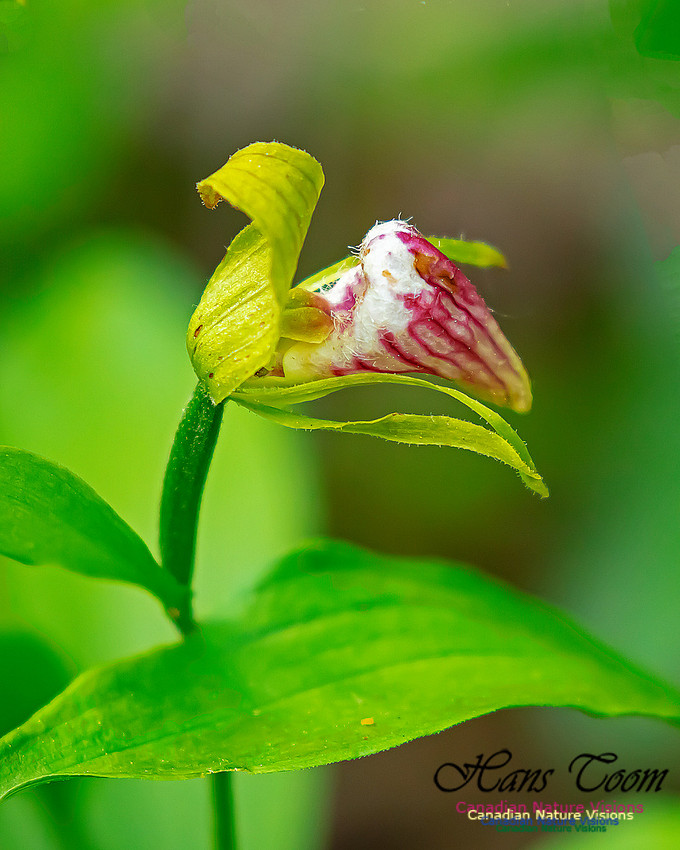
Ram's Head OrchidThe Ram's Head Orchid is Nova Scotia rarest or hardest to find native orchid. It prefers dappled light into alkaline soil usually on well drained side slopes. I went three times to find this orchid. No I'm not insane. The problem was the awful spring weather delaying the orchid by almost three weeks. When I found it June 16 some were already fading so clearly timing is everything with this orchid. The orchid itself is the size of the fingernail on your little finger. It's small and often shrouded by a mantle of leaves. It also resides in tick infested areas so sensible precautions have to be taken. I used a telephoto lens(560mm F8, full frame) at slow shutter speeds due to the overcasting clouds and shady conditions. The plus side to the conditions is that there was no shadow to diminish the image quality. The antishake filter on my editing software kept crashing so I couldn't use it but I have no regrets. It was well worth the effort. Ram's Head Orchid
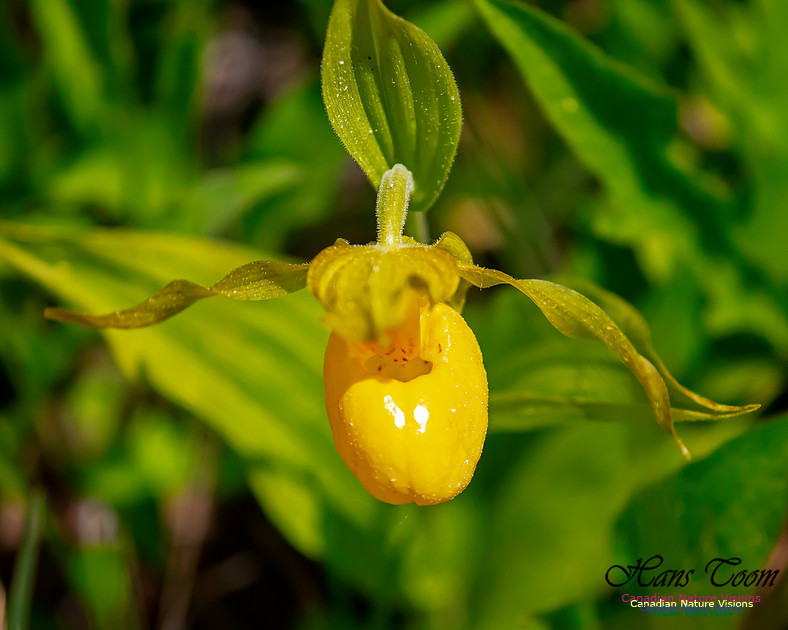
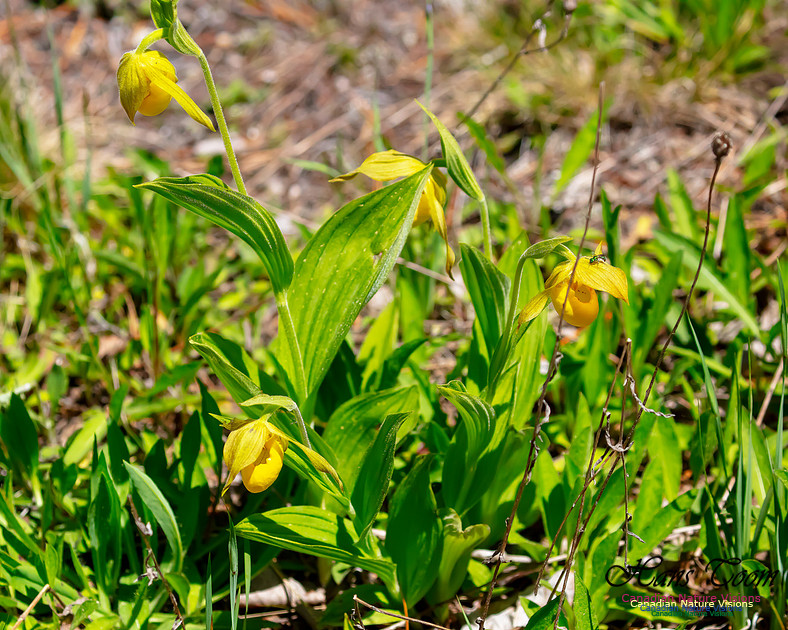
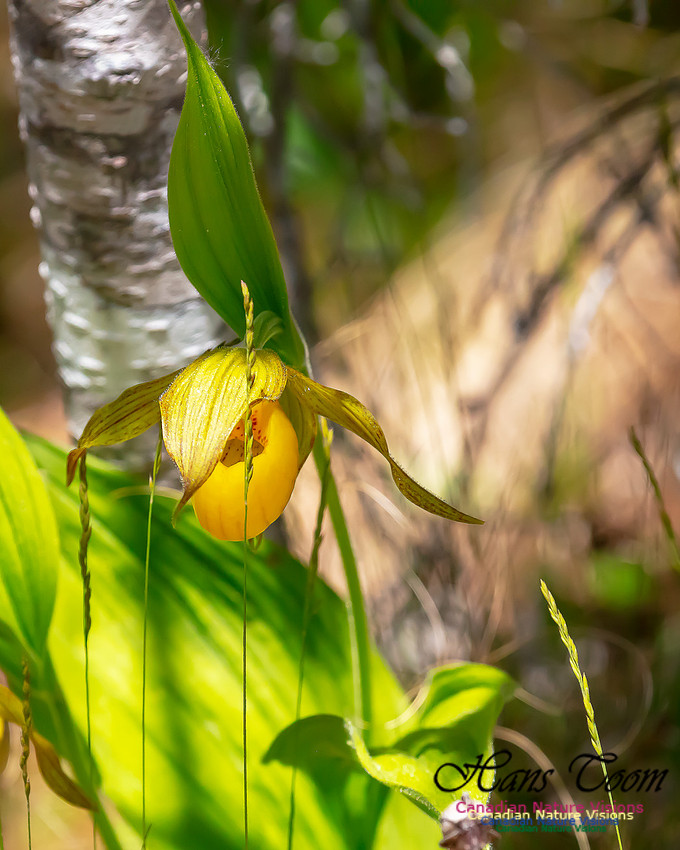
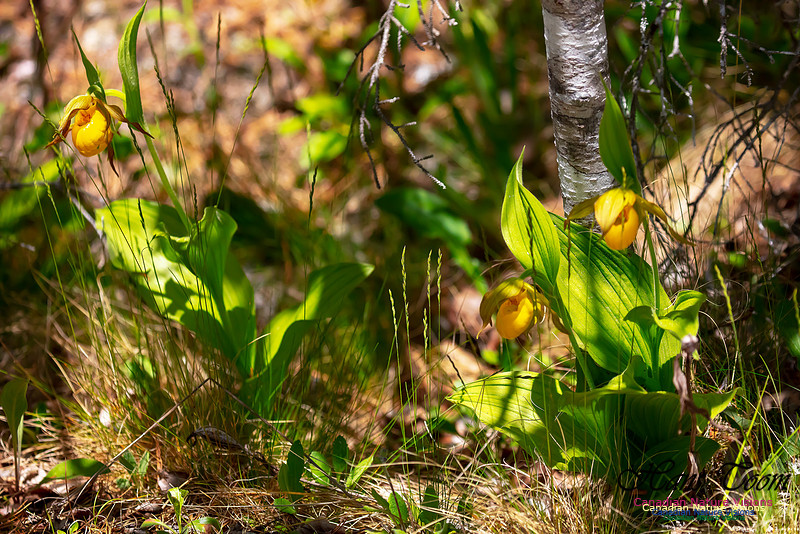
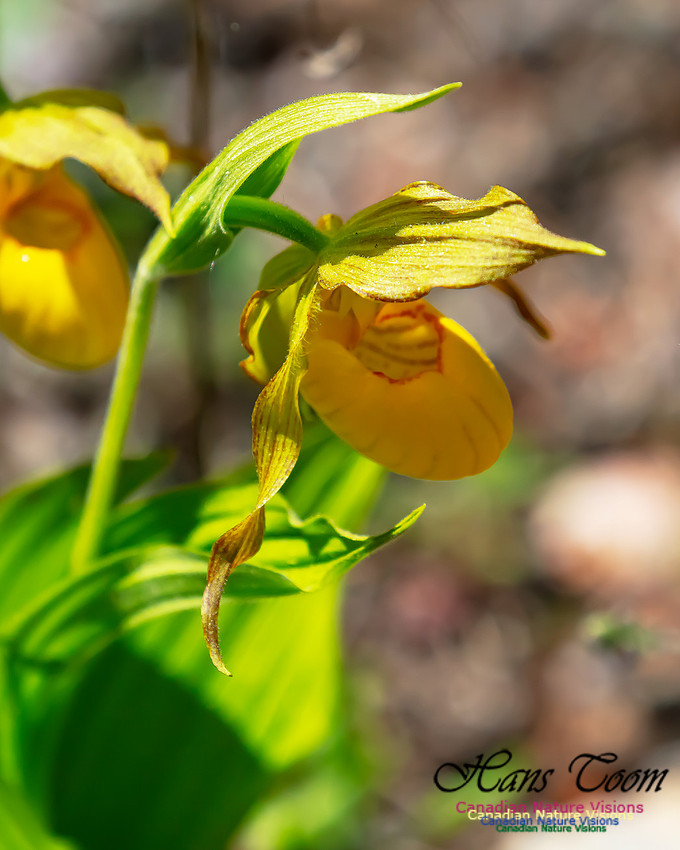
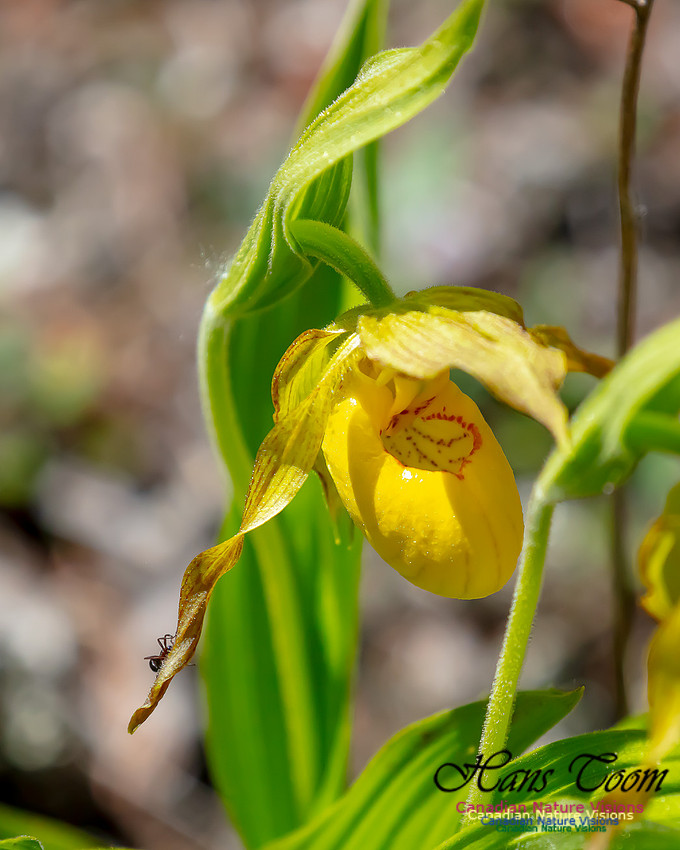
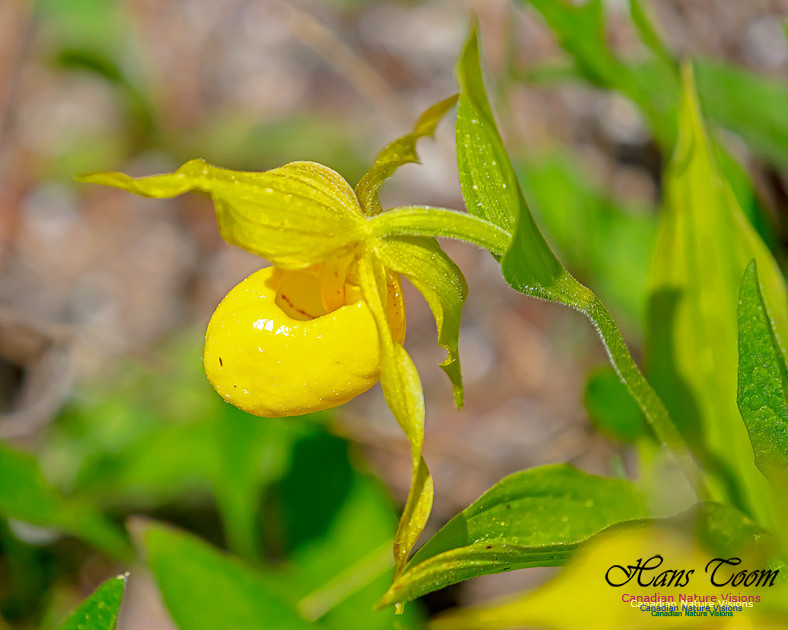
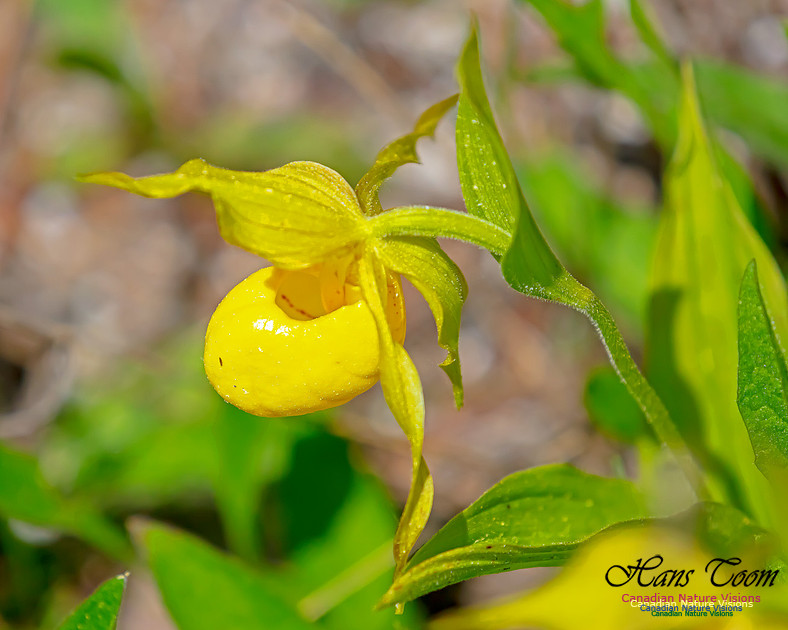
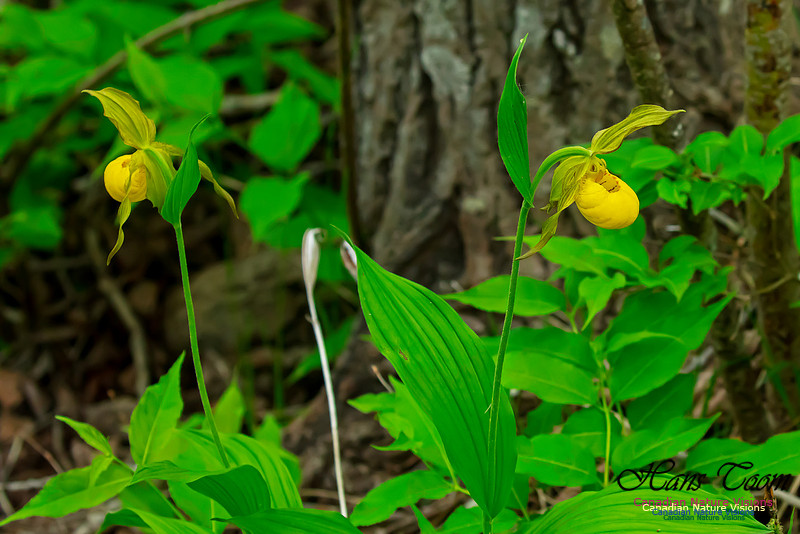
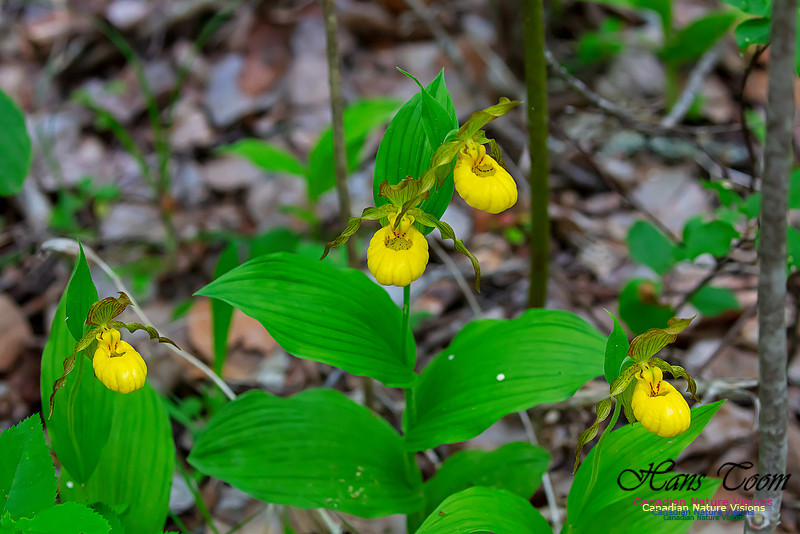
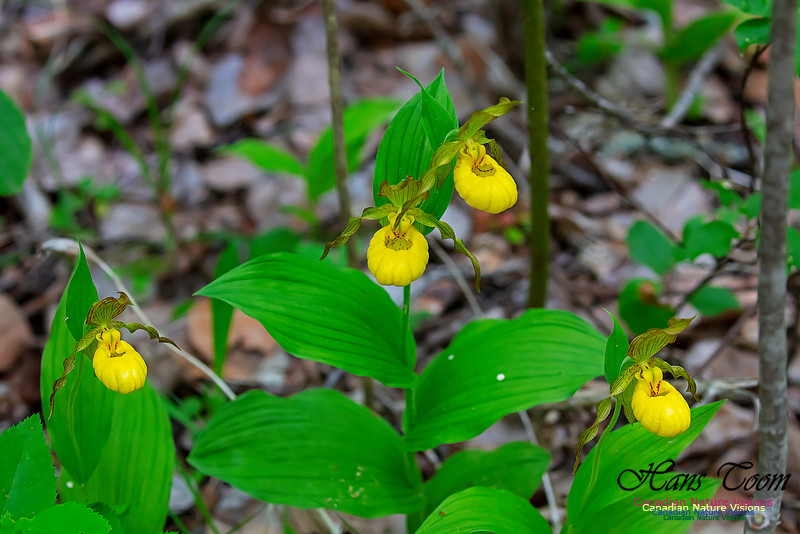
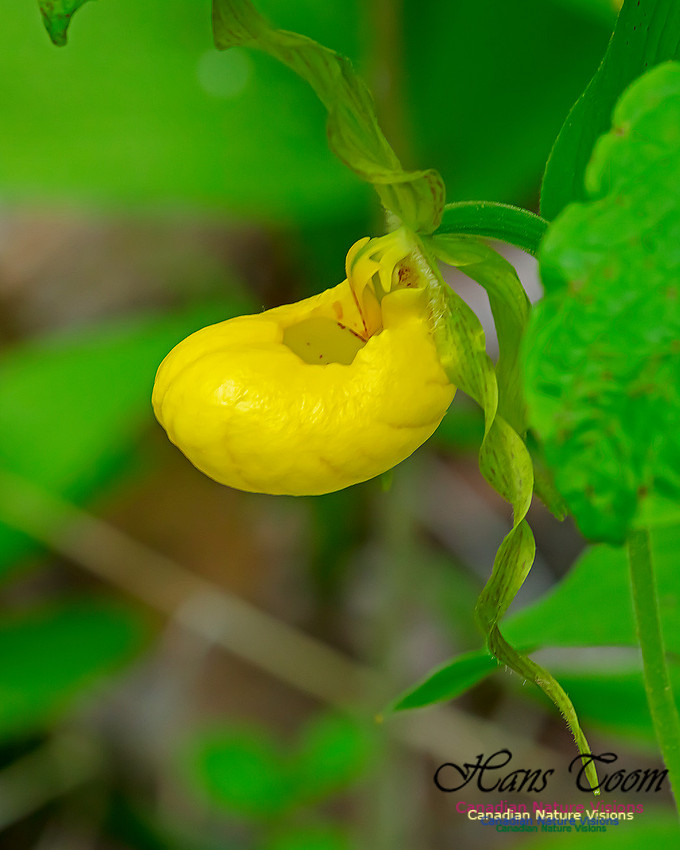
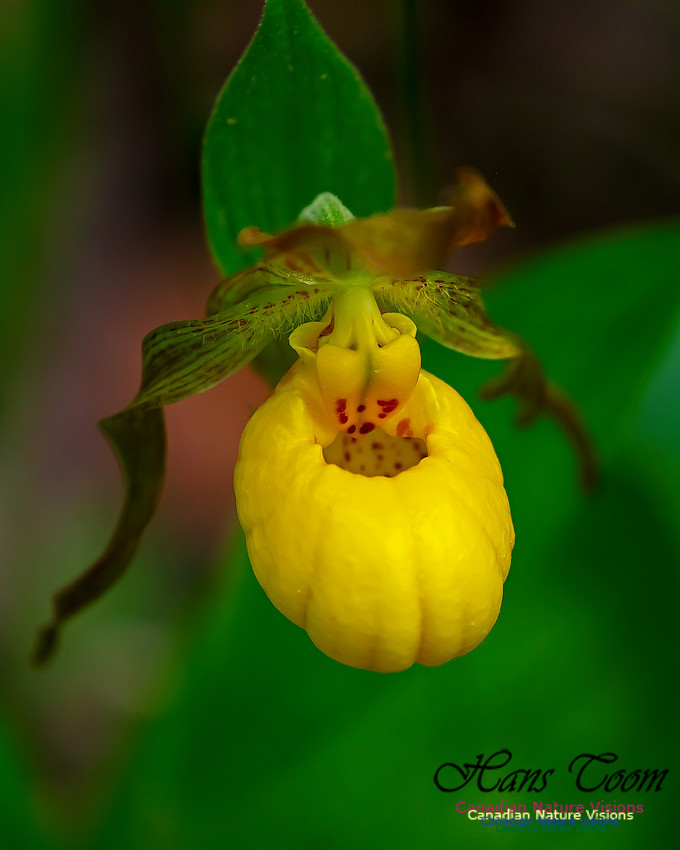
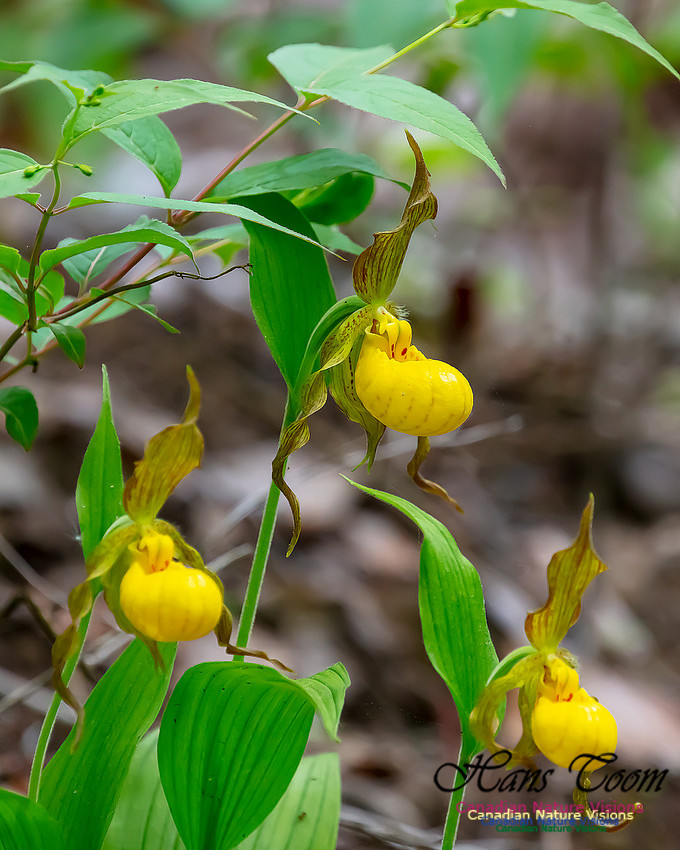
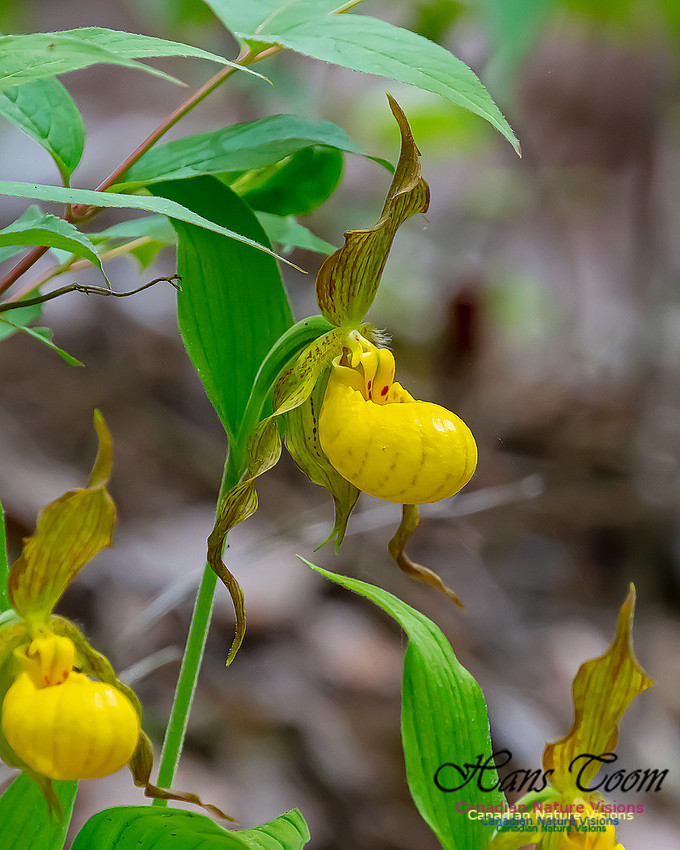
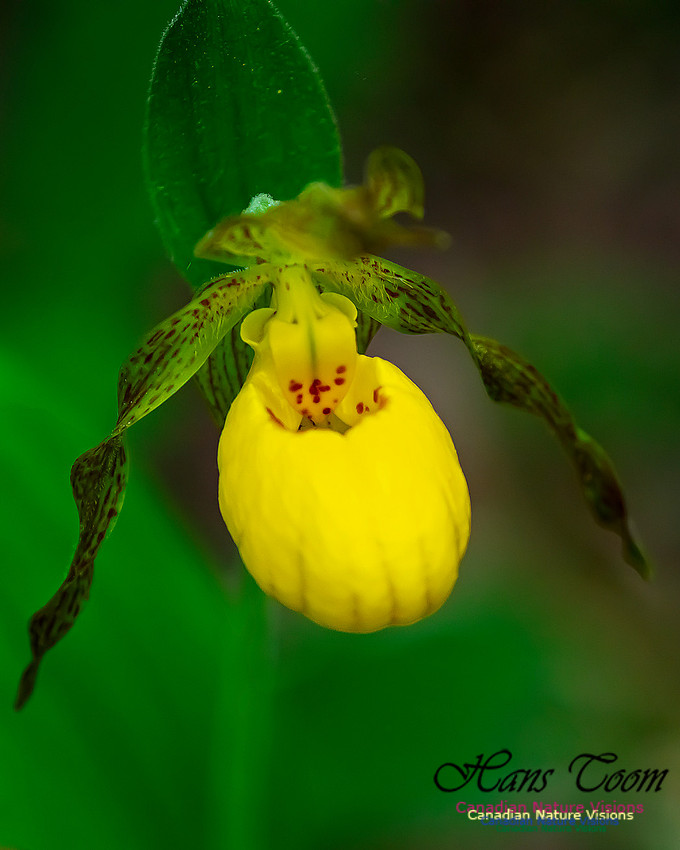
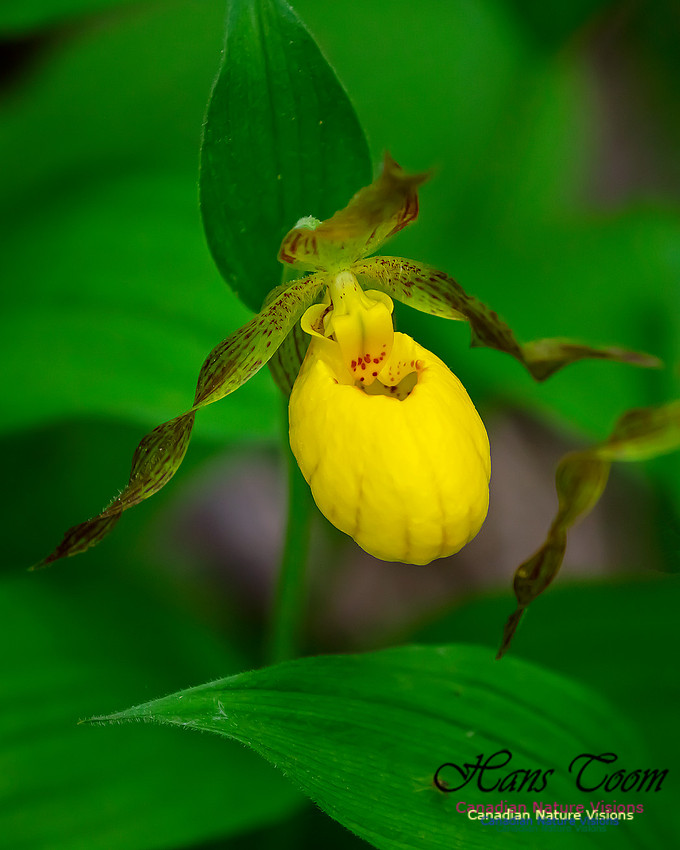
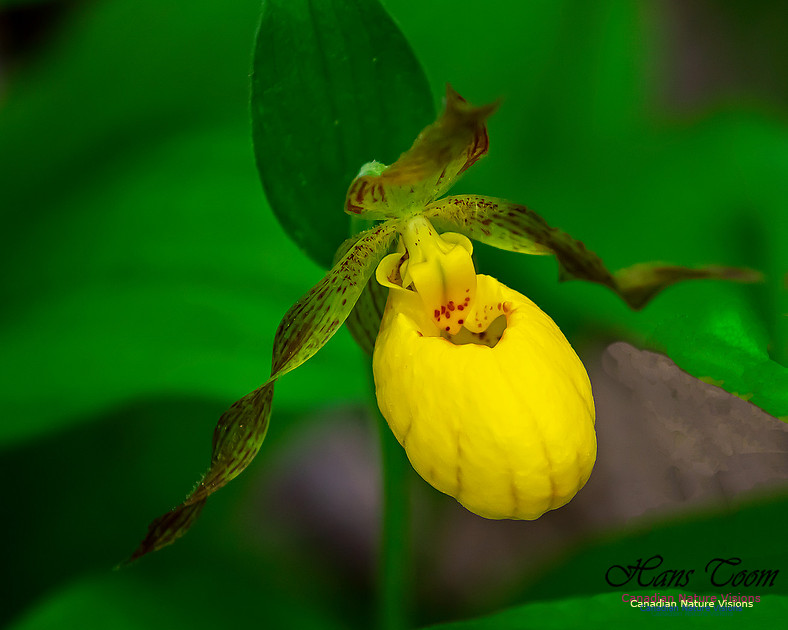
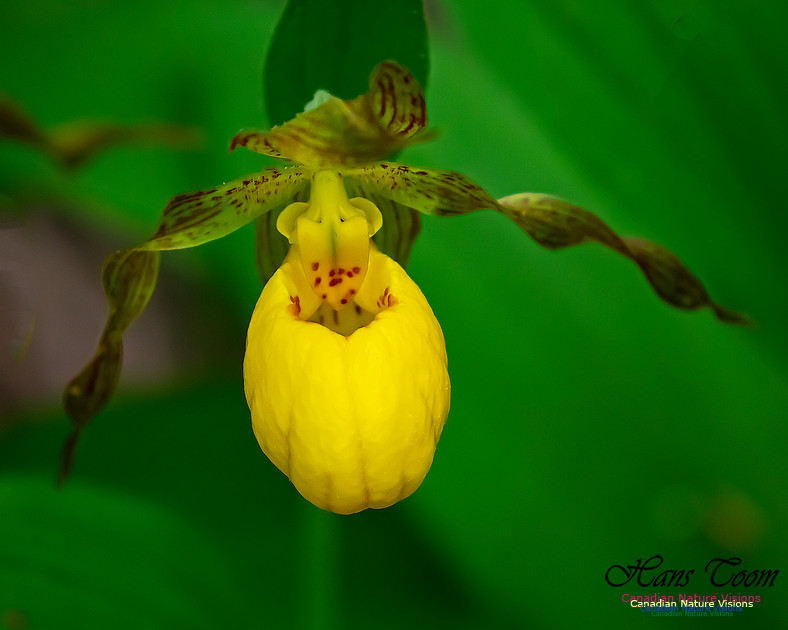
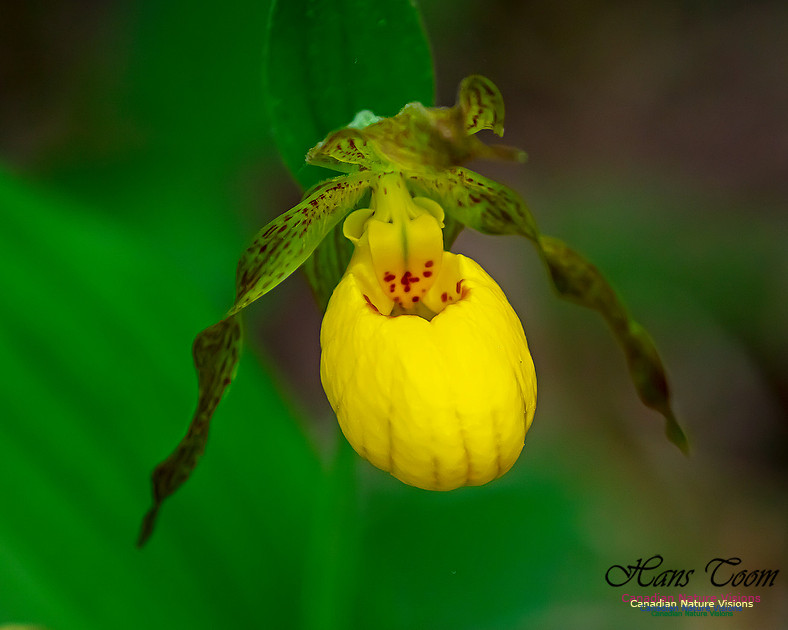
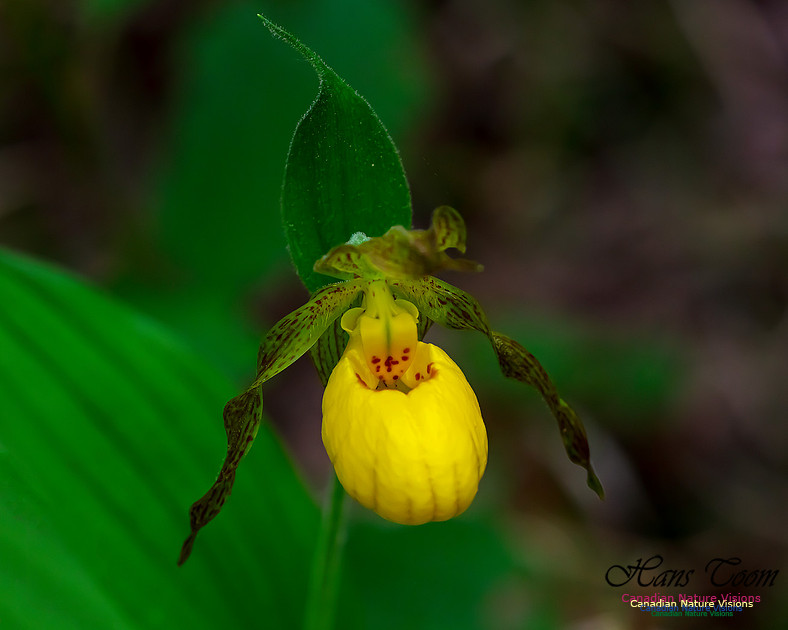
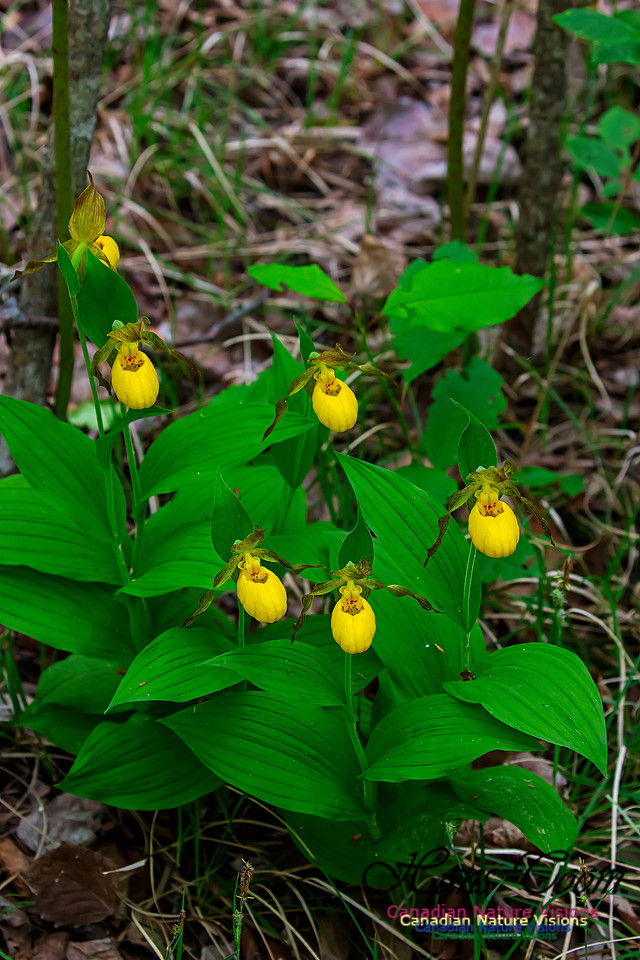
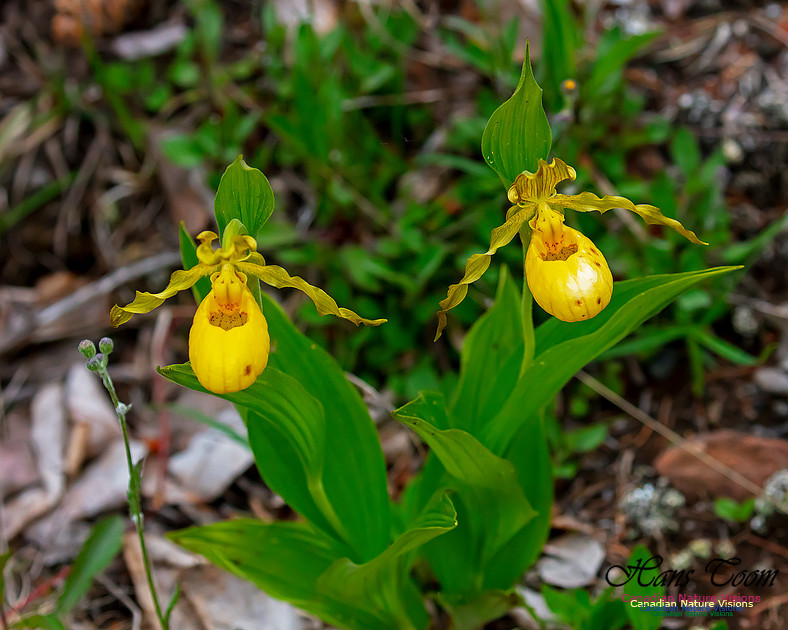
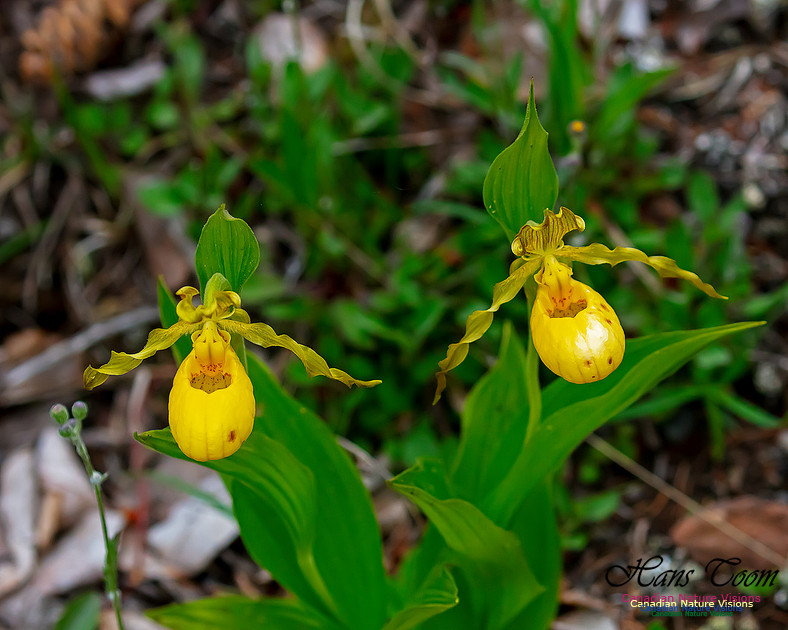
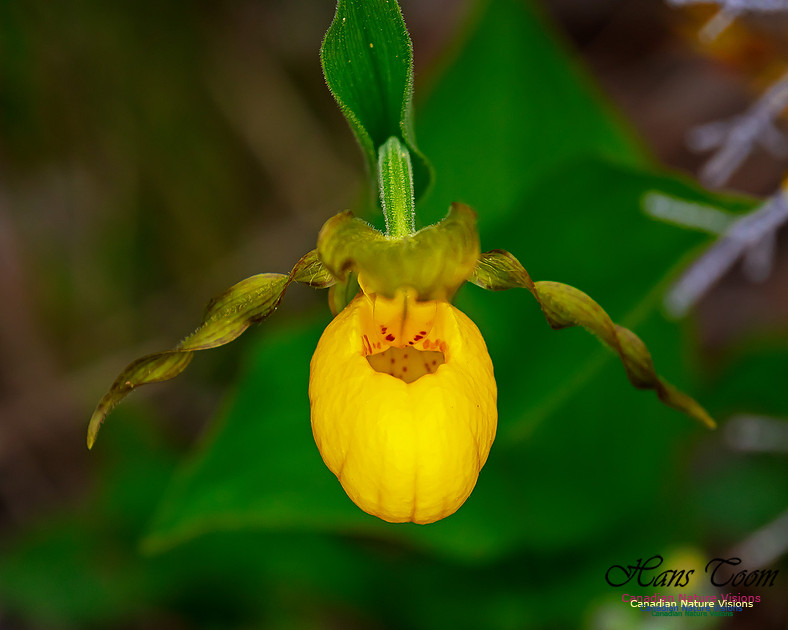
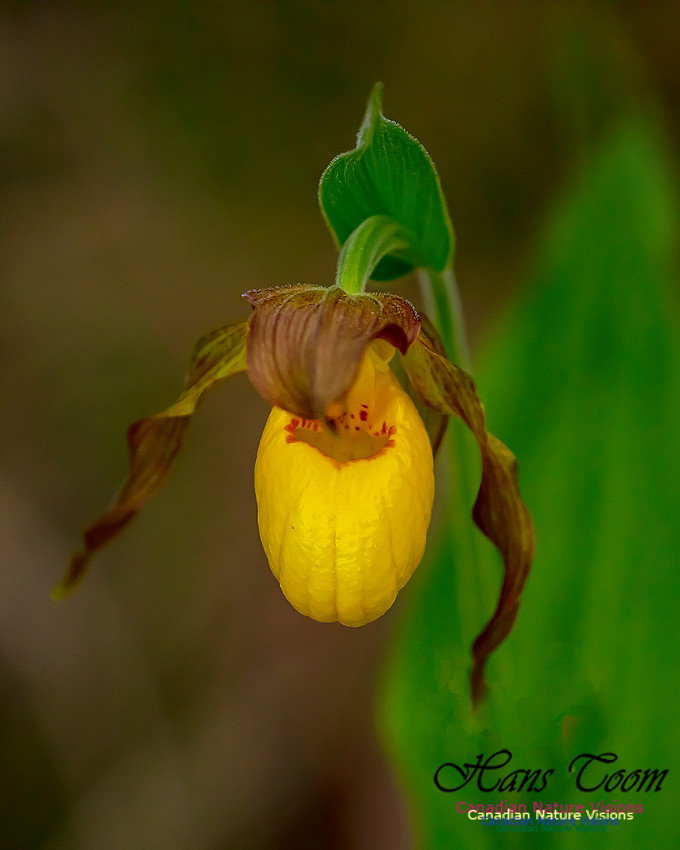
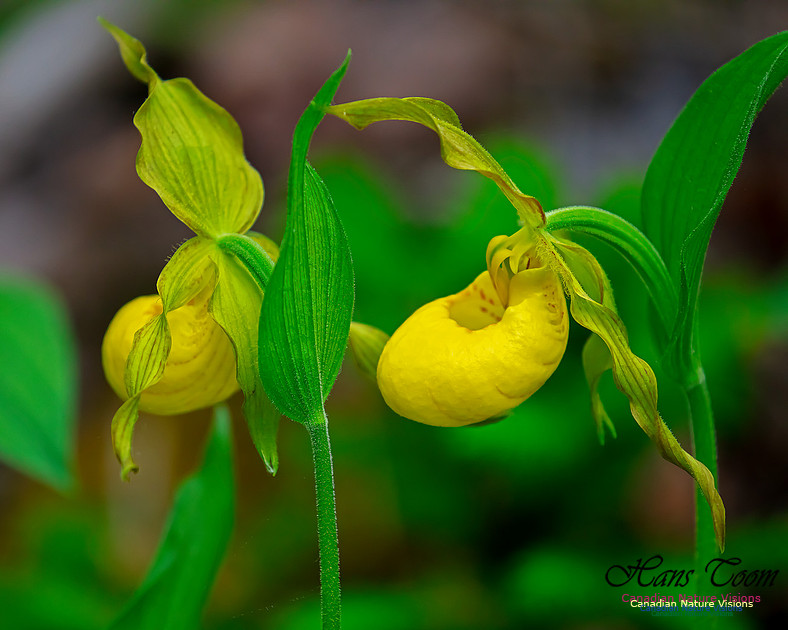
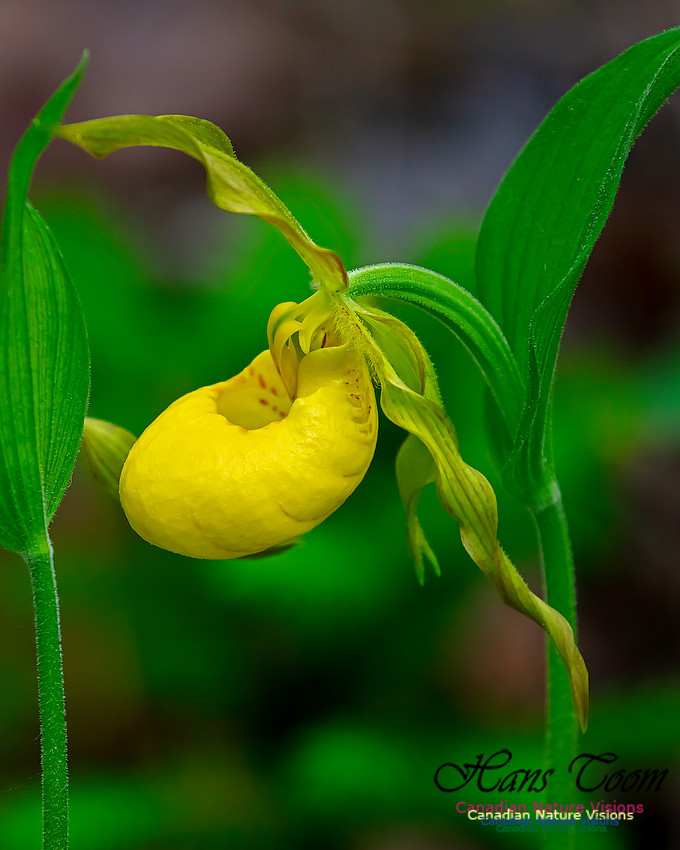
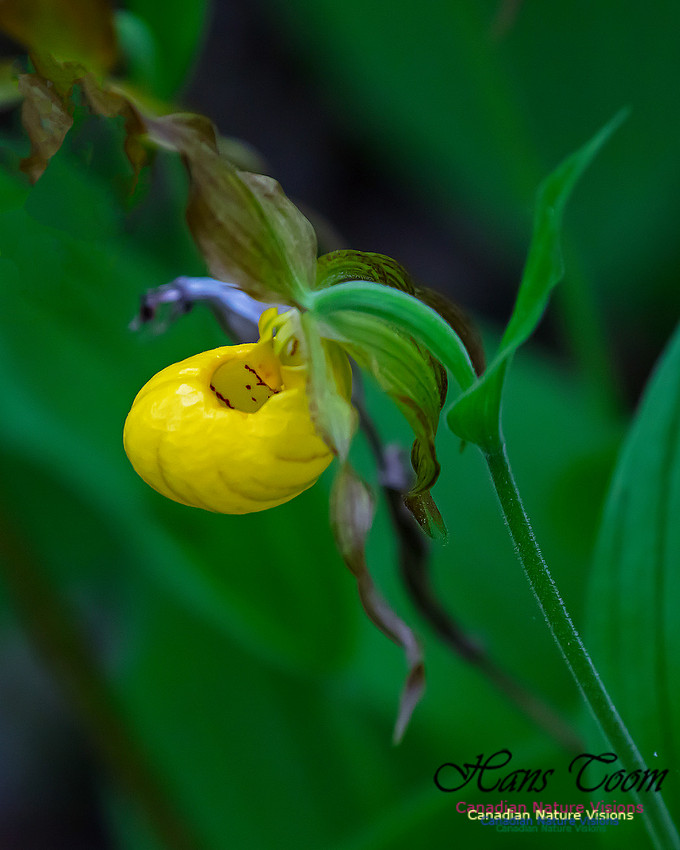
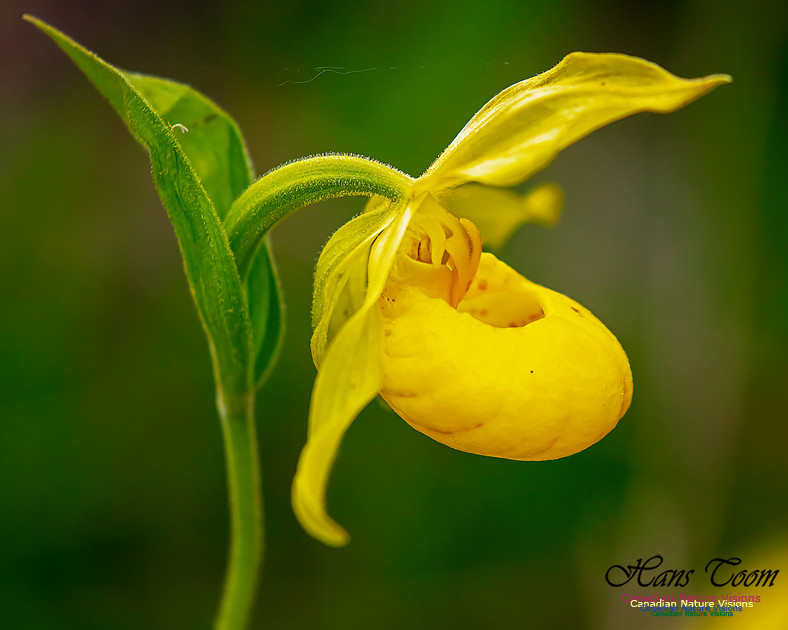
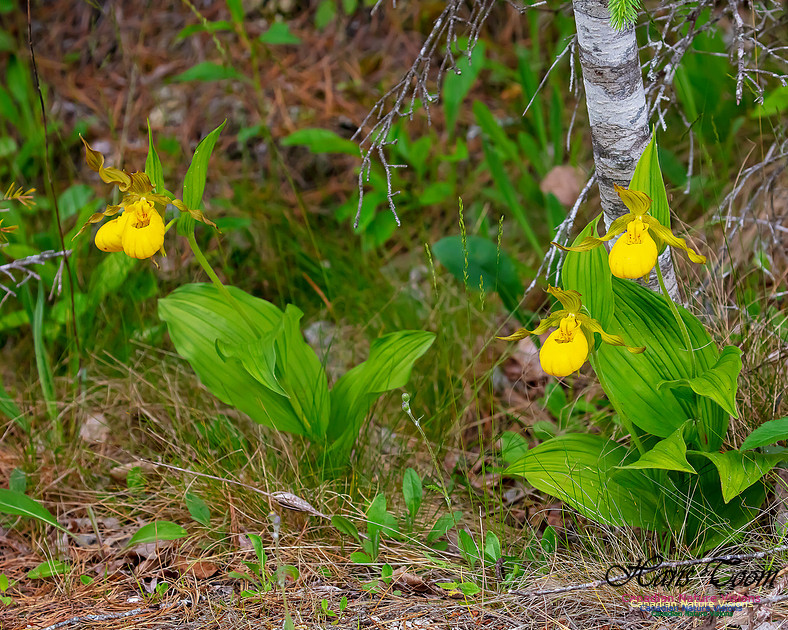
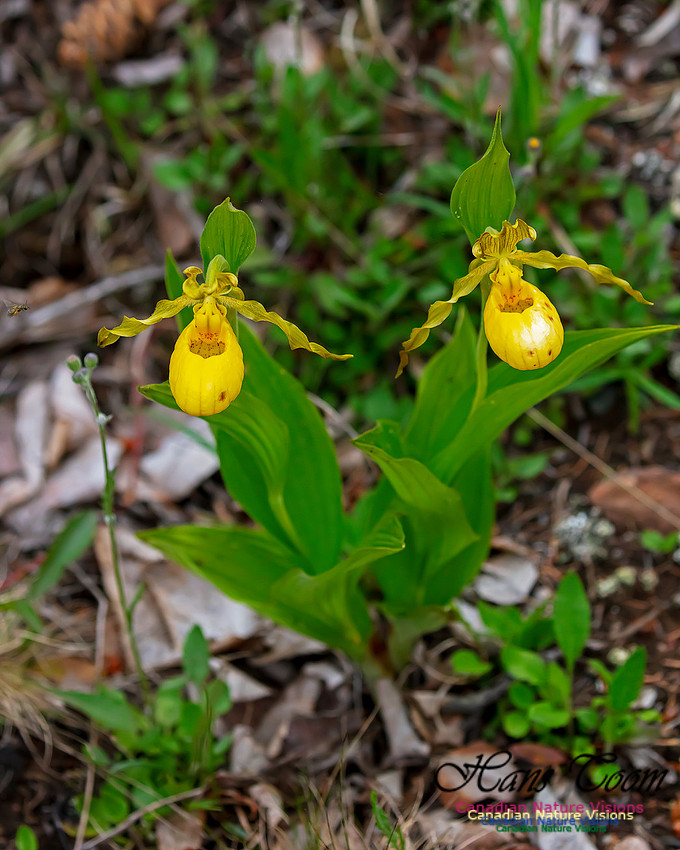
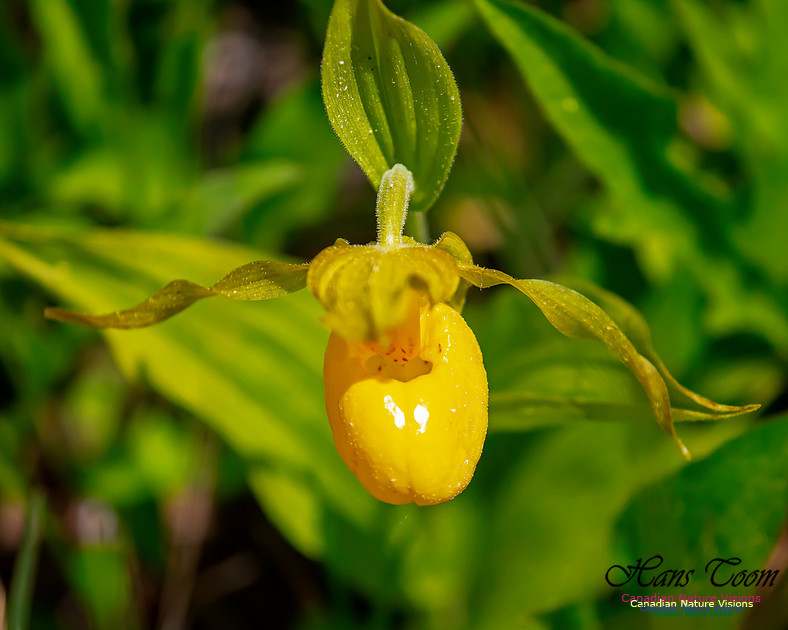
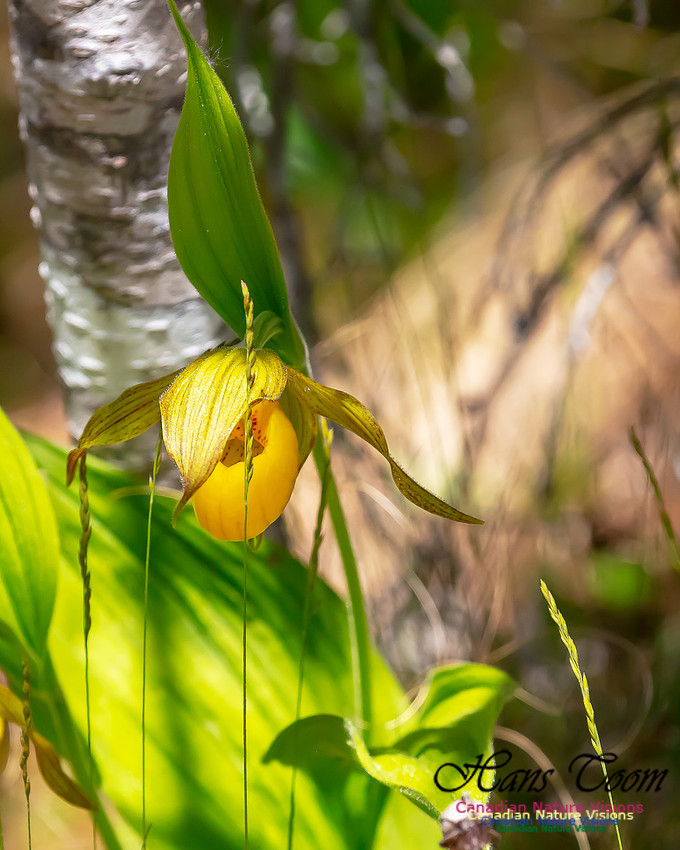
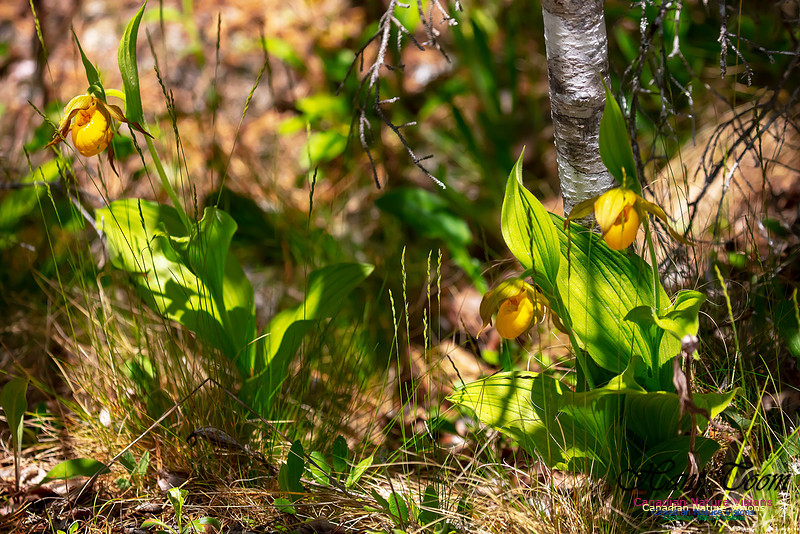
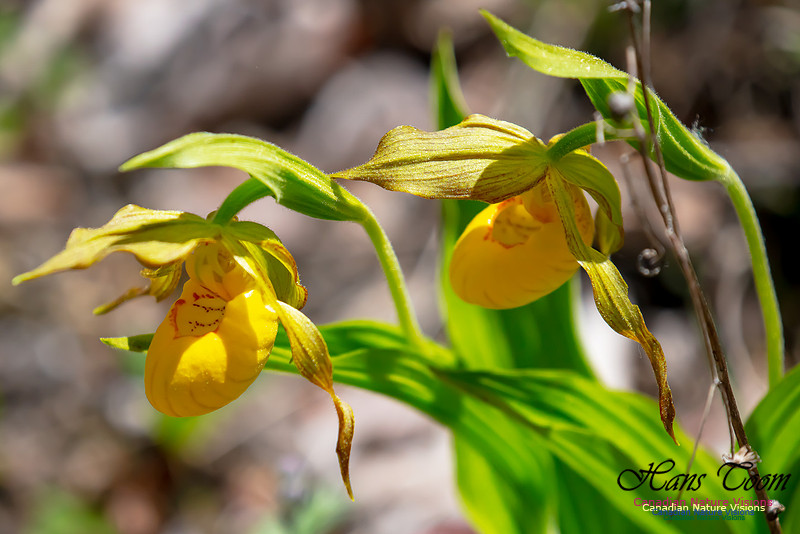
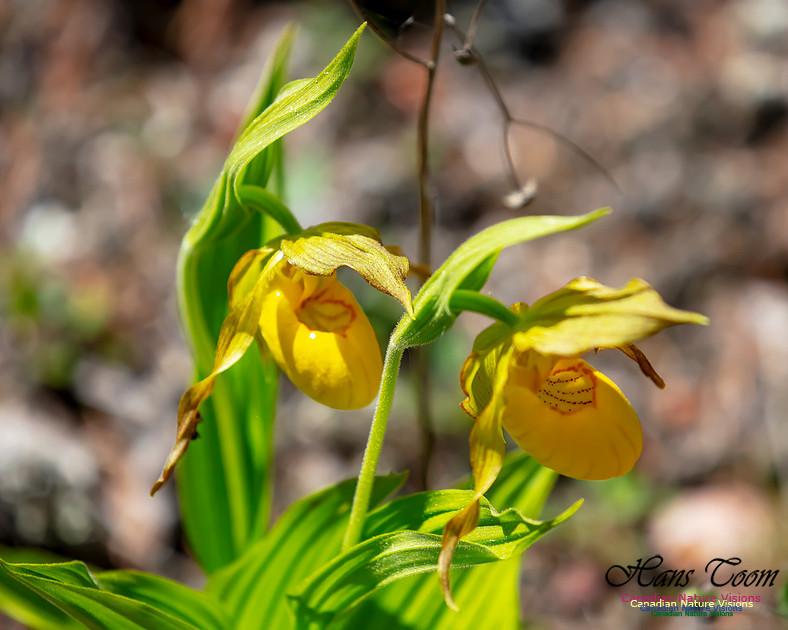
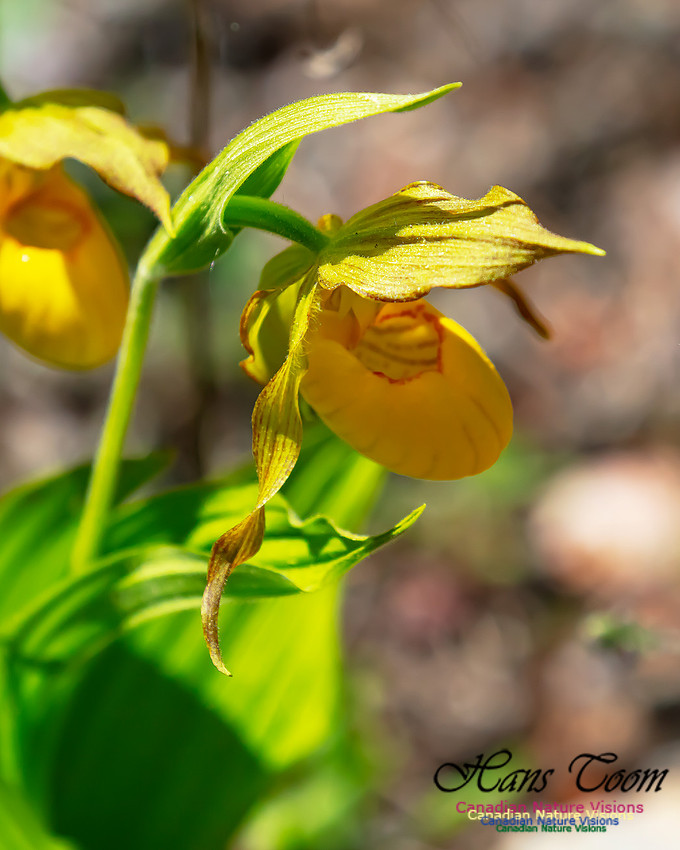
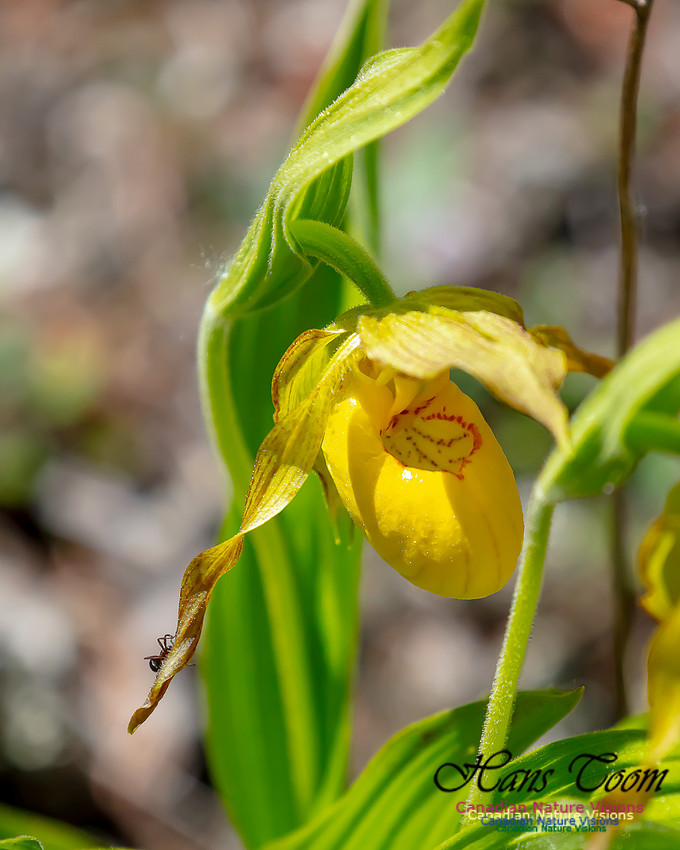
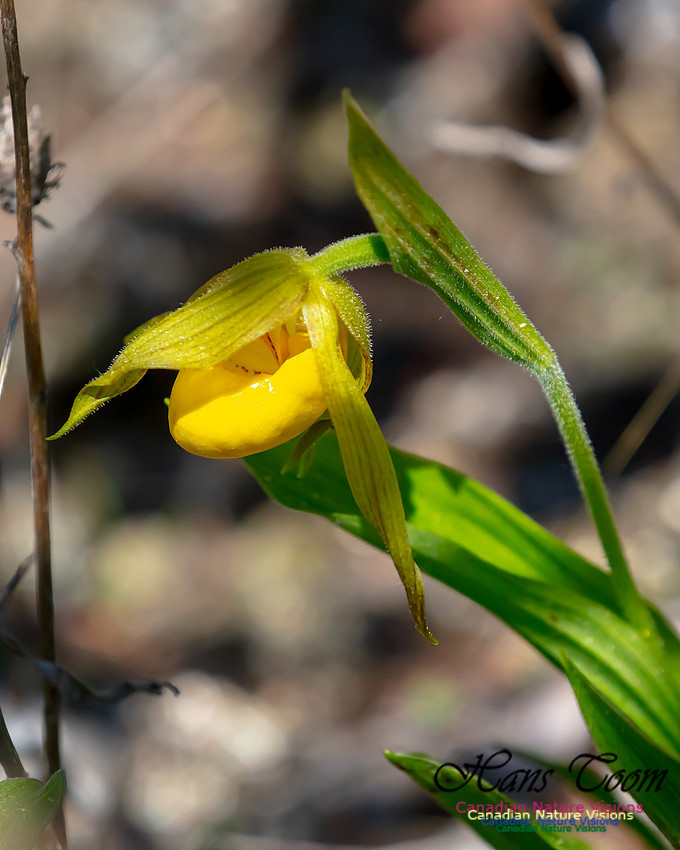
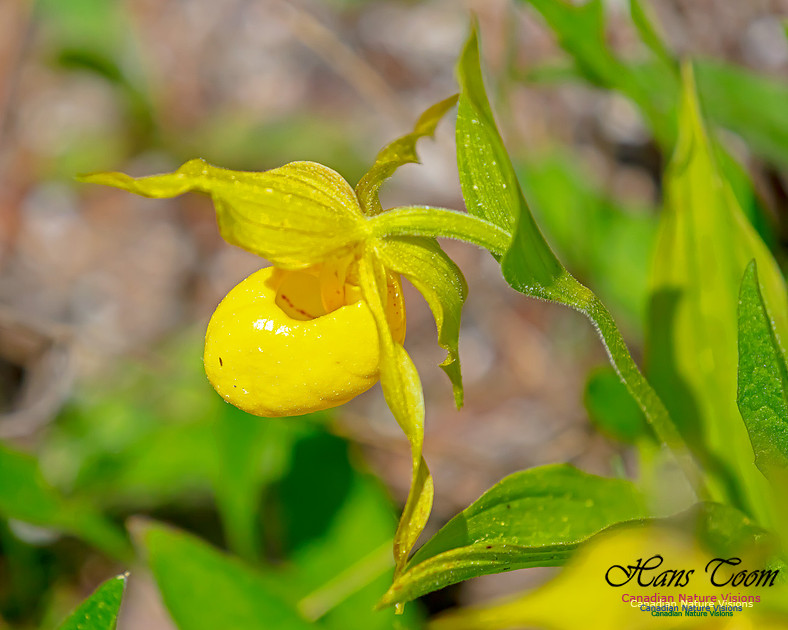
Yellow Ladies' Slipper OrchidThe Yellow Ladies' Slipper Orchid is a hard to find gem like the Ram's Head Orchid. They prefer dry alkaline soil and full sun light although they will prosper in dappled light. I found this orchid on each of my three trips searching for the Ram's Head Orchid. By my third and last trip of the year it was in bloom everywhere along the route. Yellow Ladies' Slipper Orchid
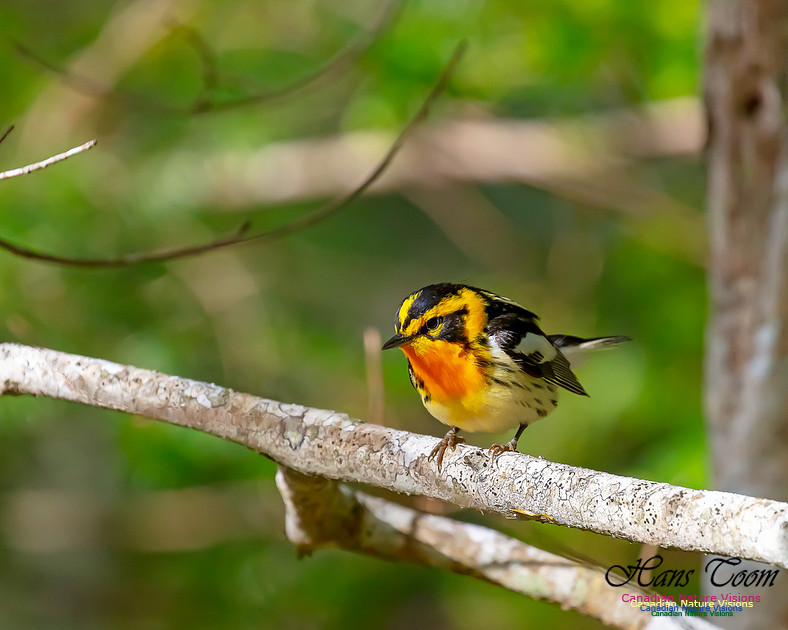
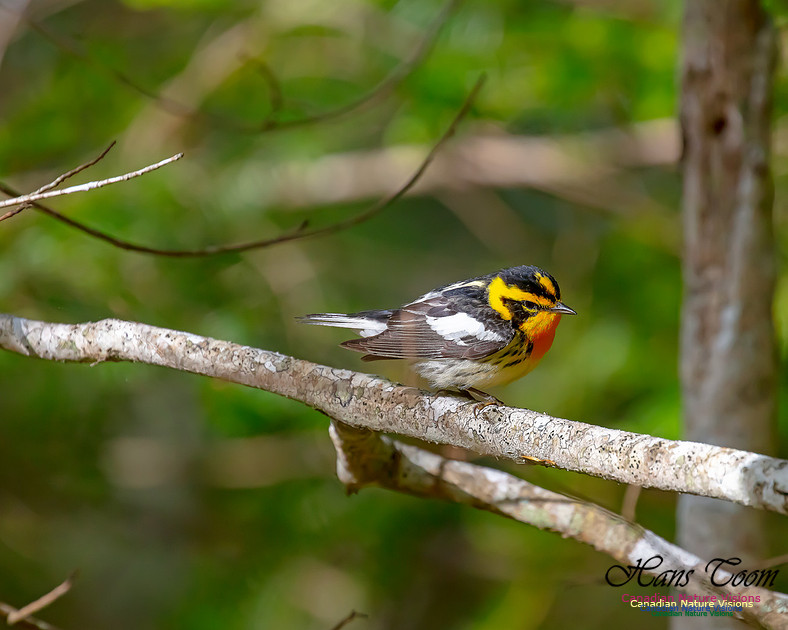
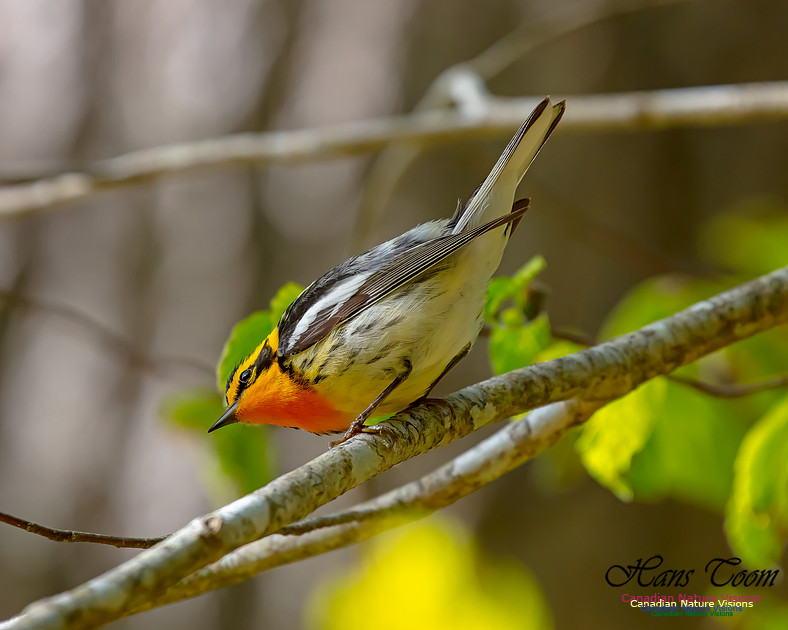
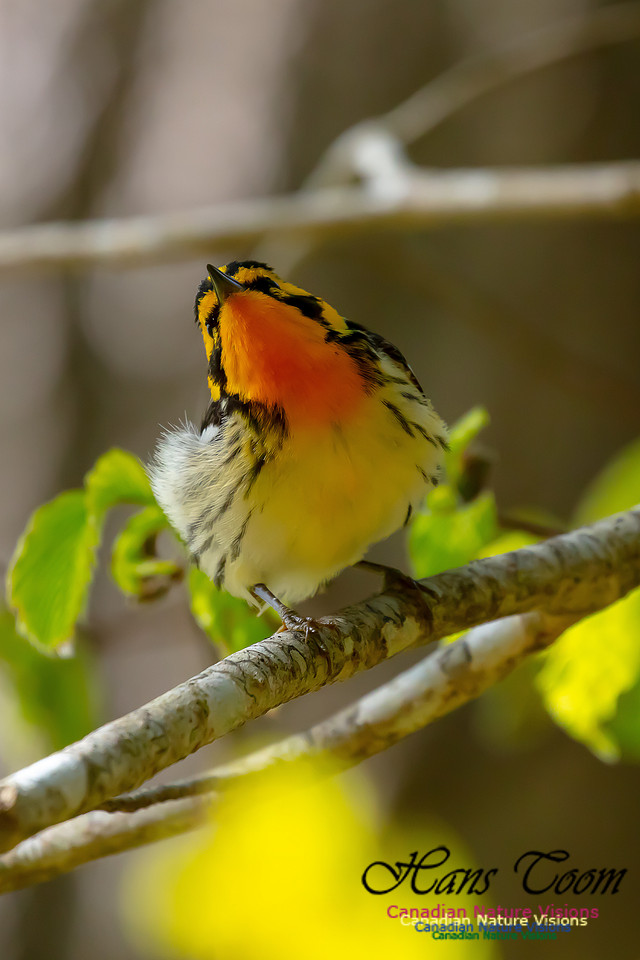
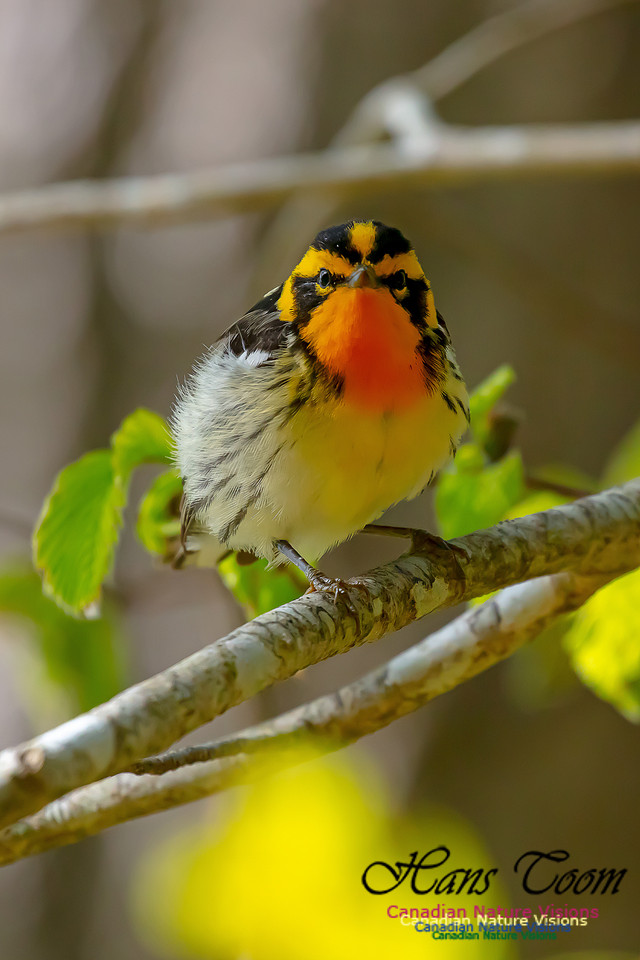
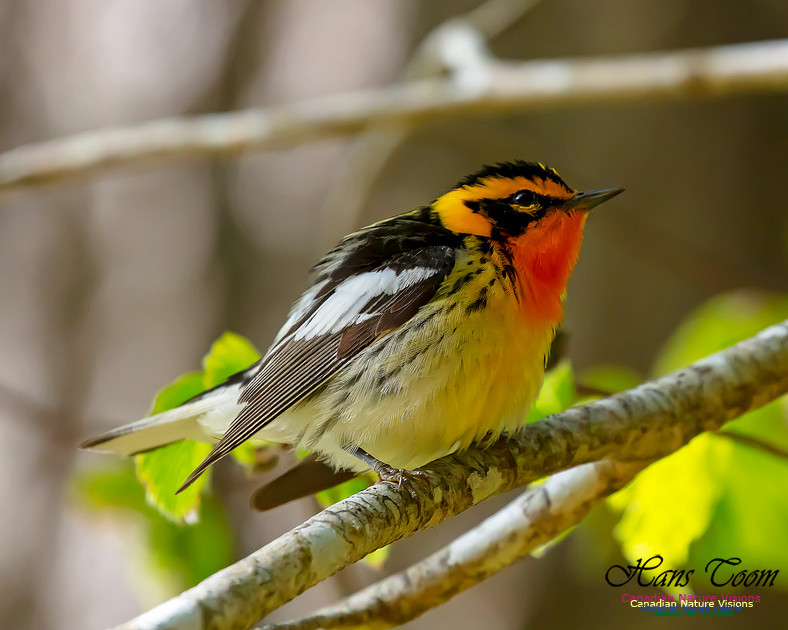
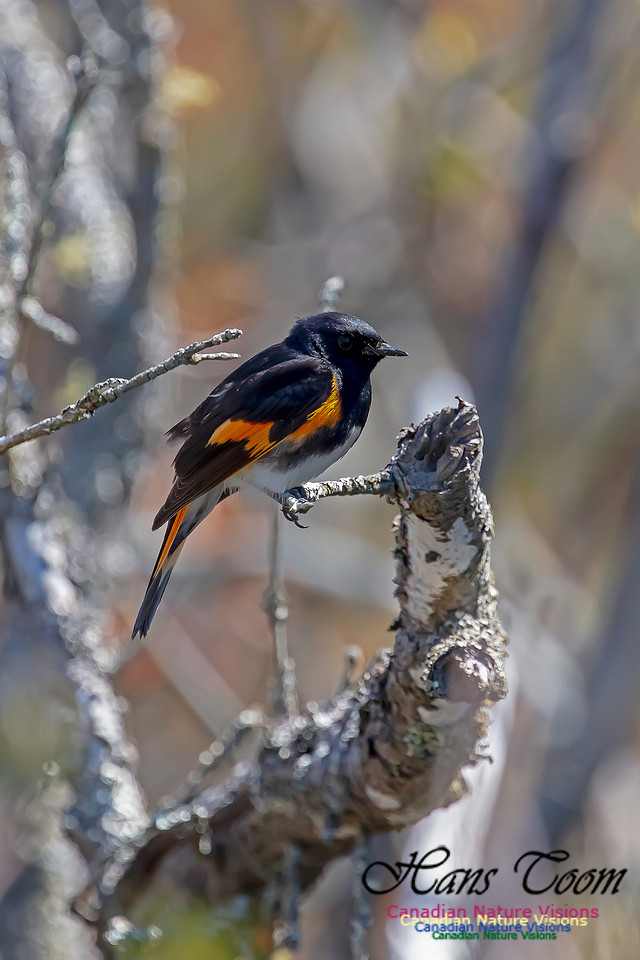
Blackburnian Warbler and American RedstartTwo warblers that make good use of colour are the American Redstart and Blackburnian Warbler. Interestingly, their songs are somewhat alike too although the American Redstart has a different tonal quality and at least 22 variations on the theme of its song often challenging beginners. Blackburnian Warbler
American Redstart
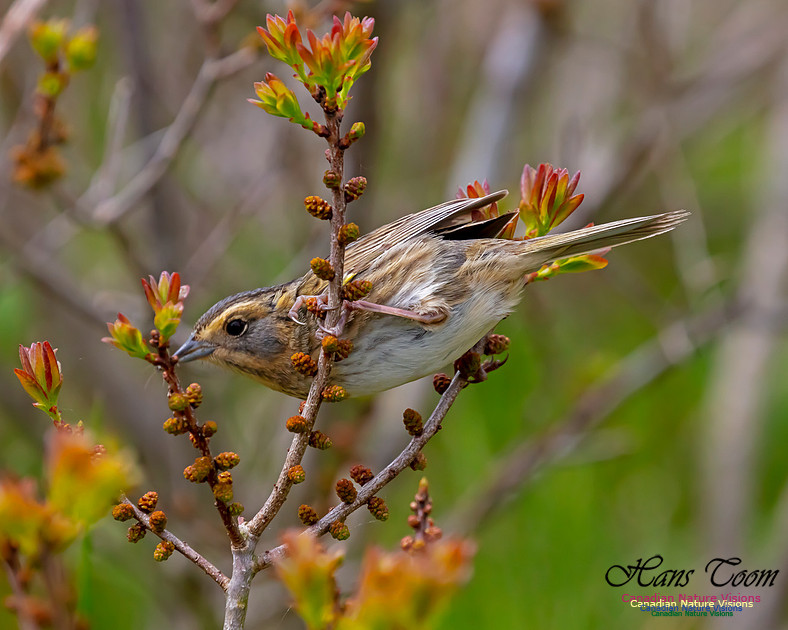
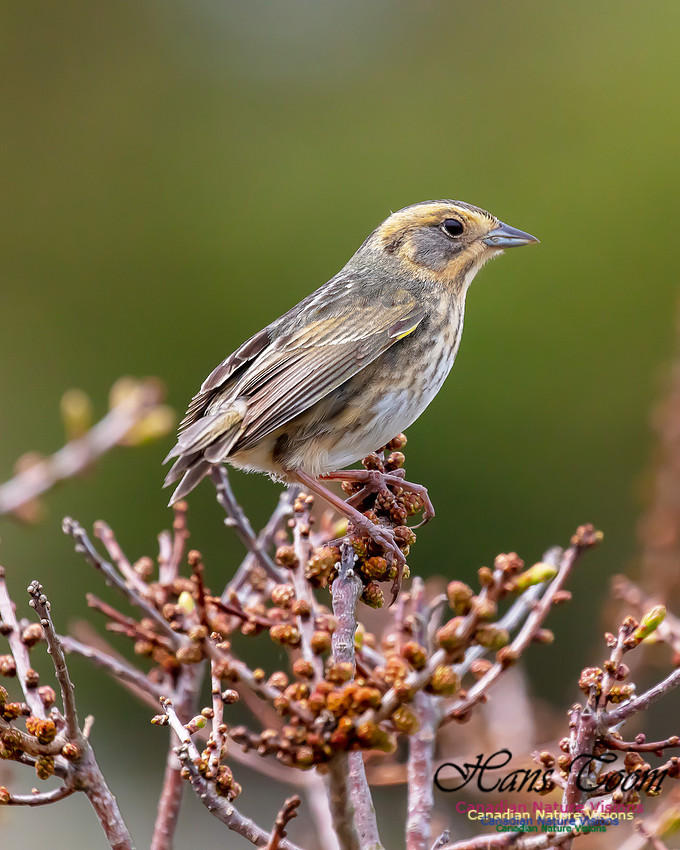
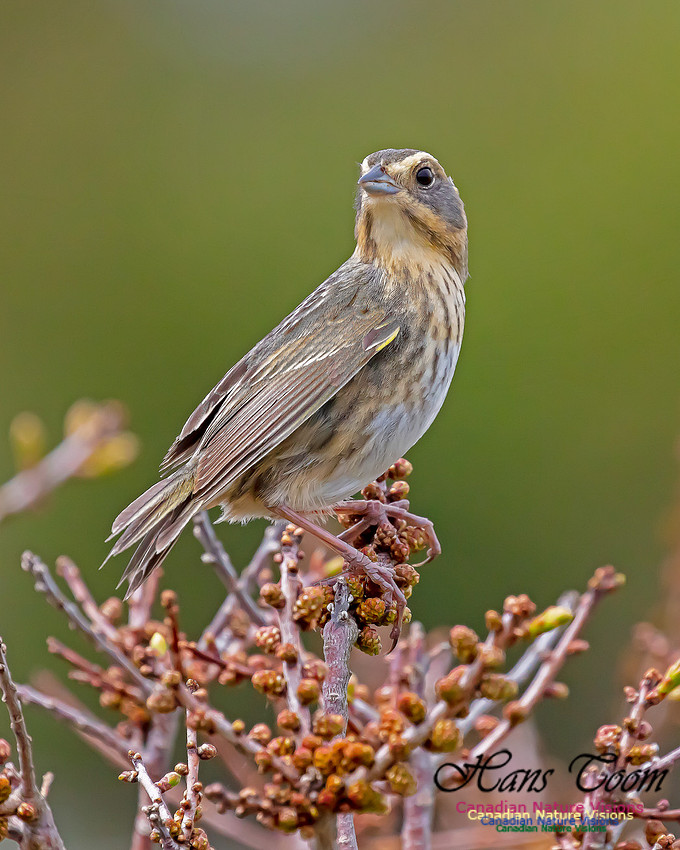
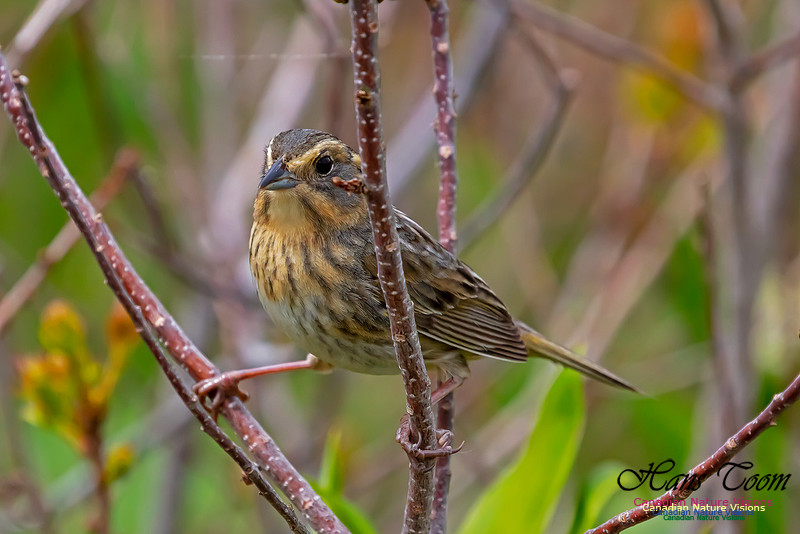
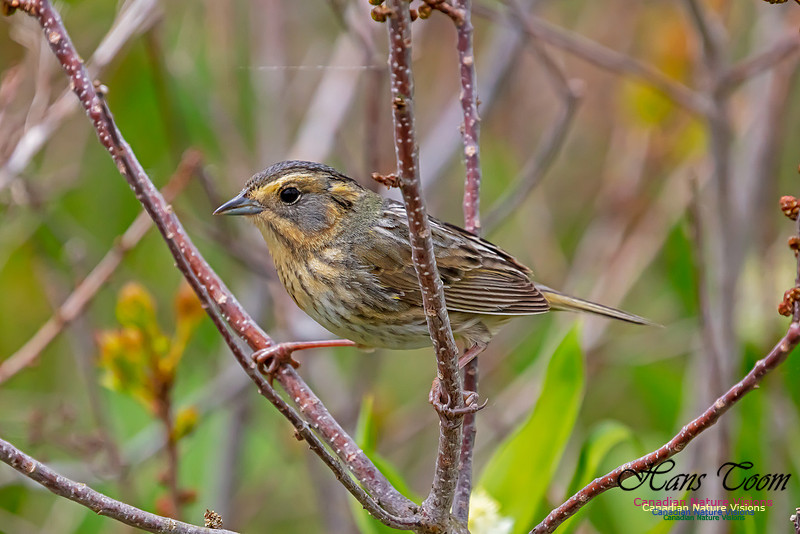
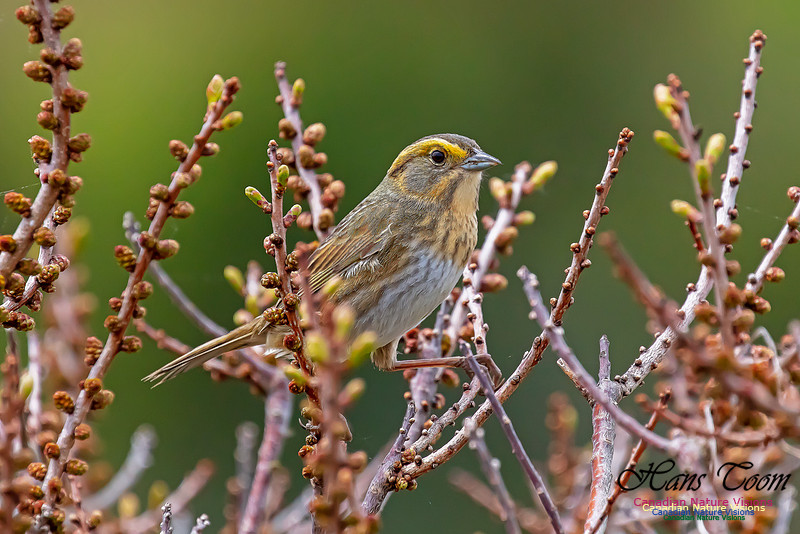
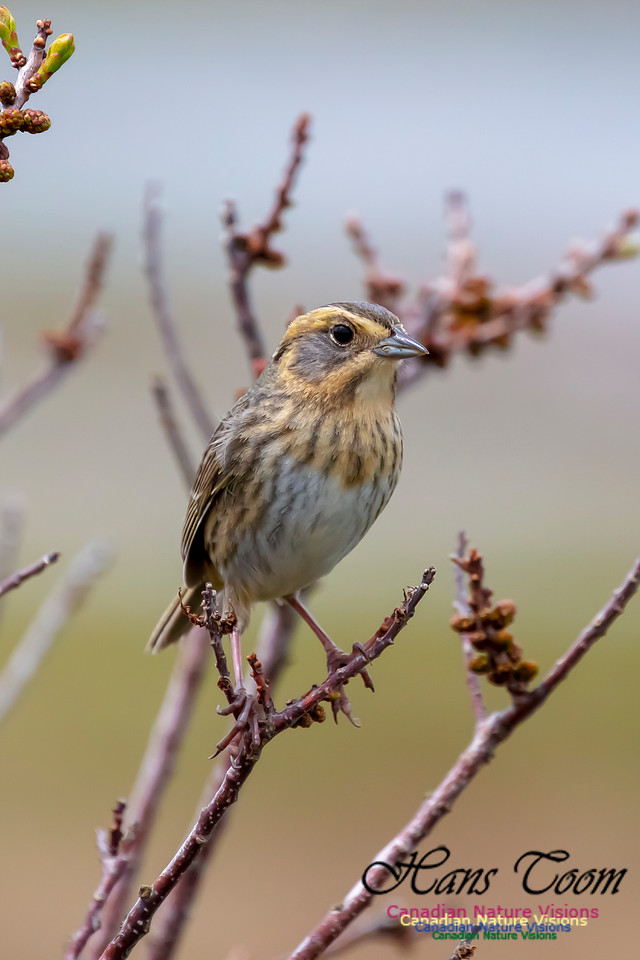
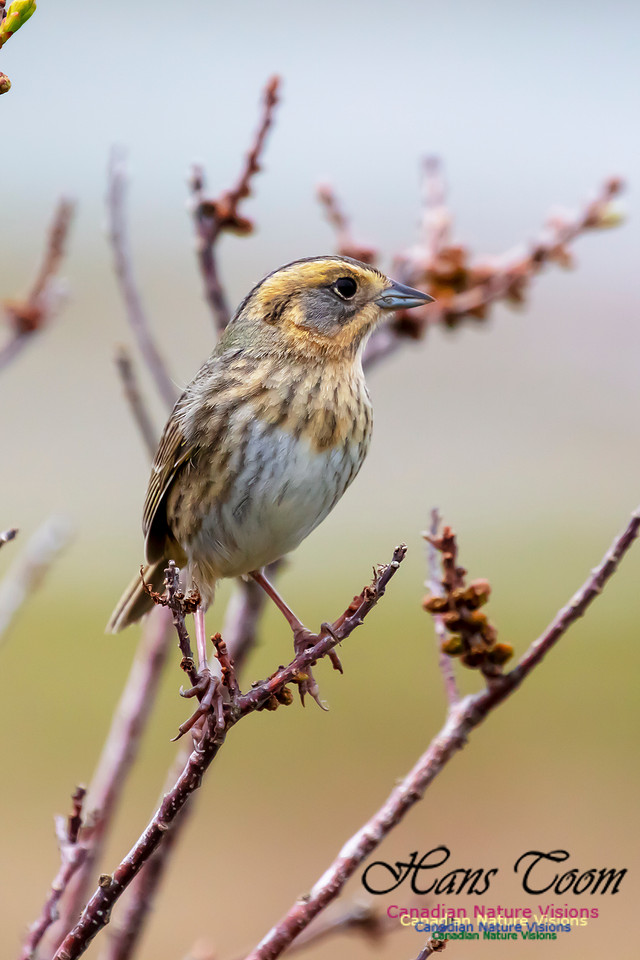
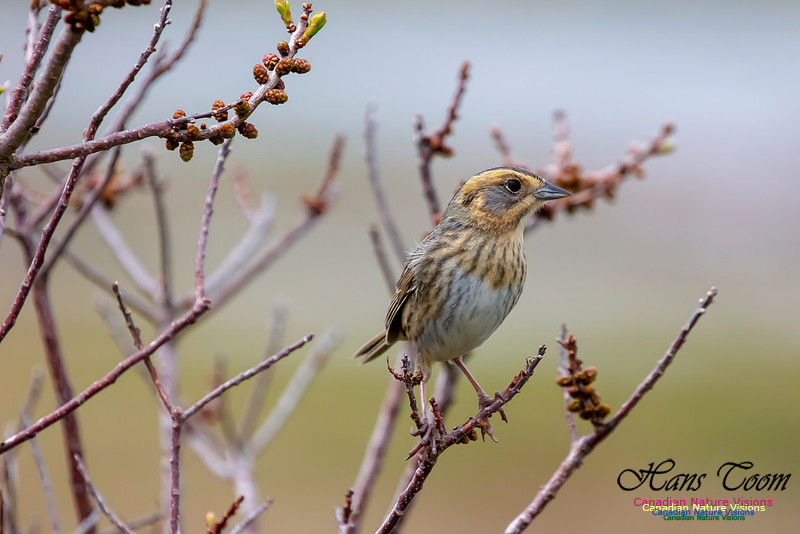
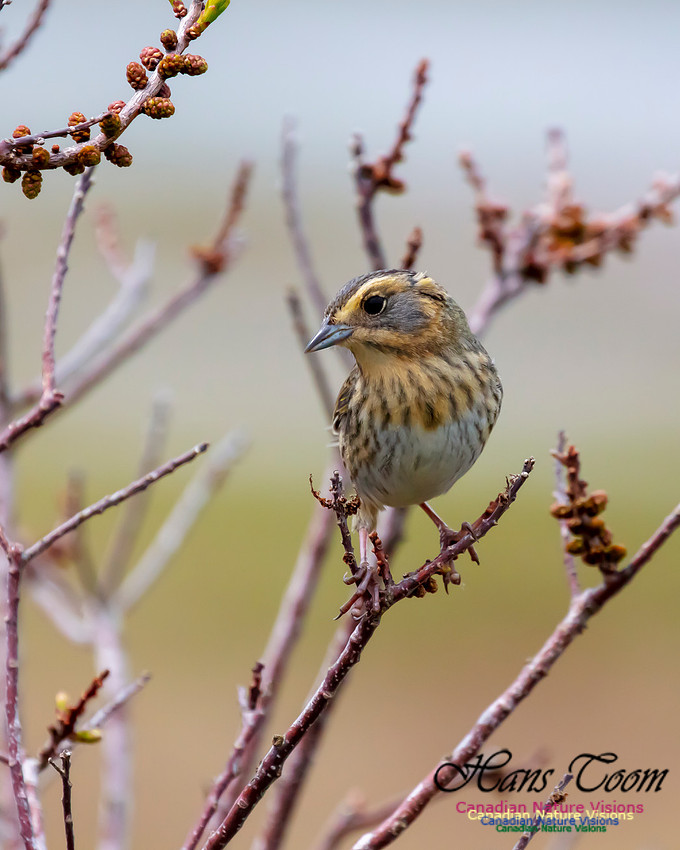
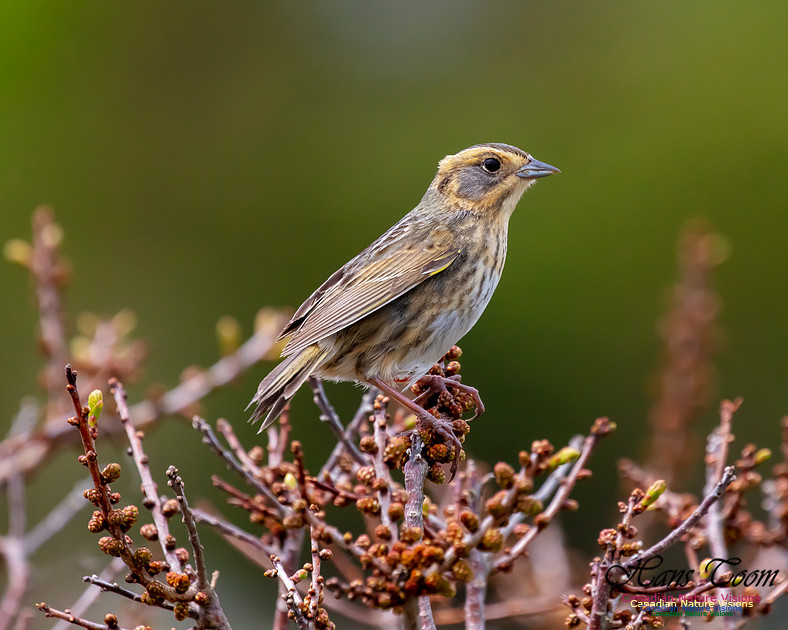
Nelson's Sparrow and Salt Marsh FriendsThe Nelson's Sparrow is a denizen of our coastal salt marshes easily located thanks to its emphatic buzz. It's a handsome bird with ochre accents on its face and chest. It's tail is short and sharply pointed. It also has a substantial bill. Nelson's Sparrow
Red-eyed Vireo It is a bird of dense woodlands. I saw this one on route to the salt marsh. Note the hooked bill reminiscent of its larger cousin the shrike.
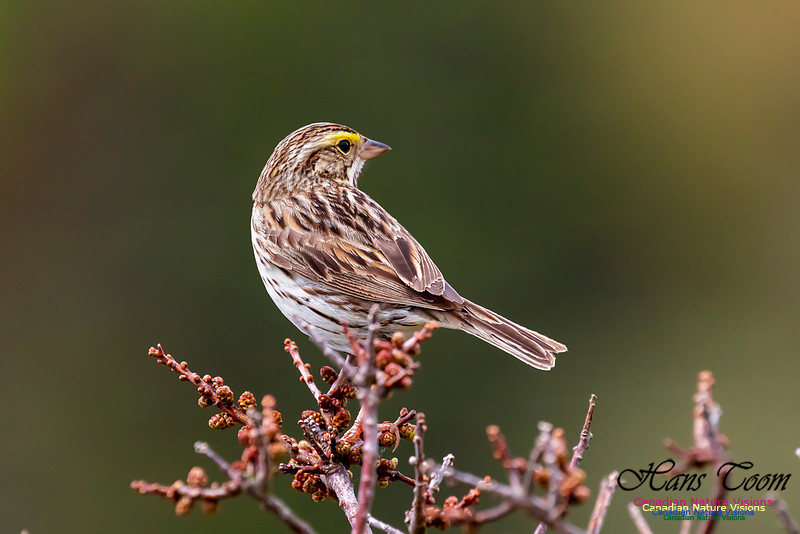
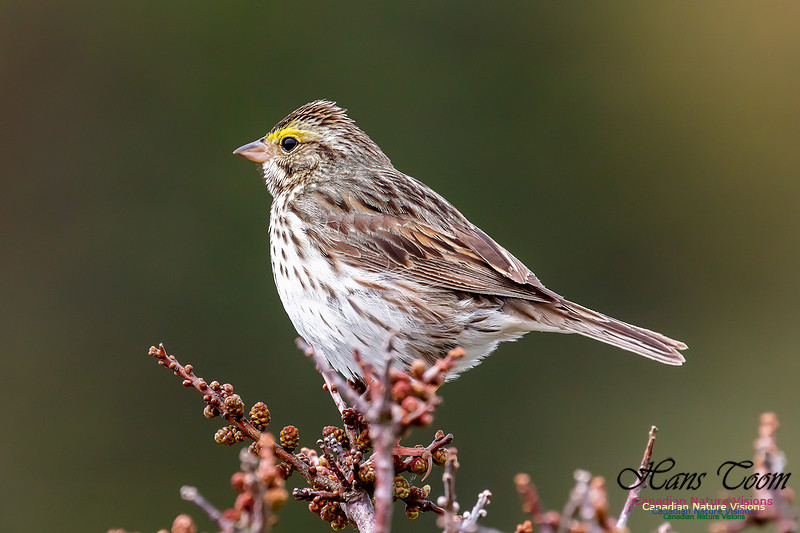
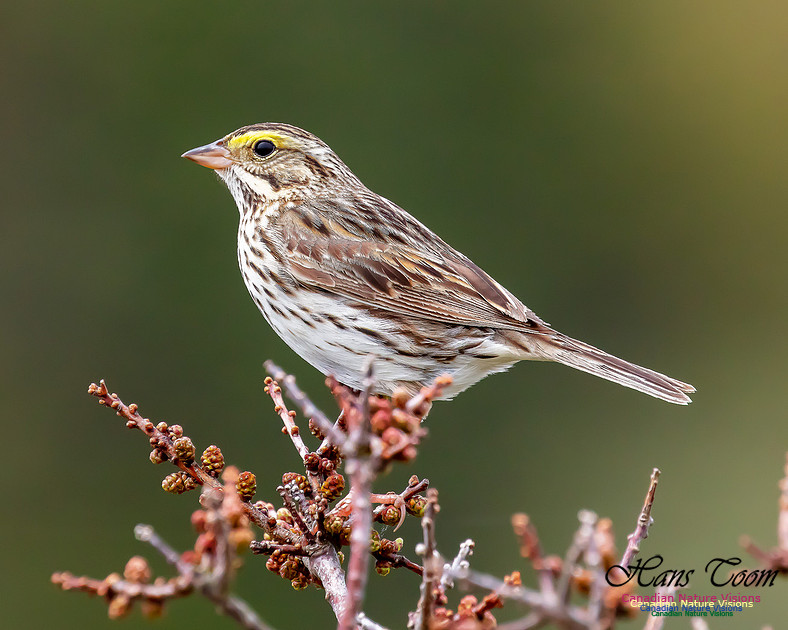
Savannah Sparrow
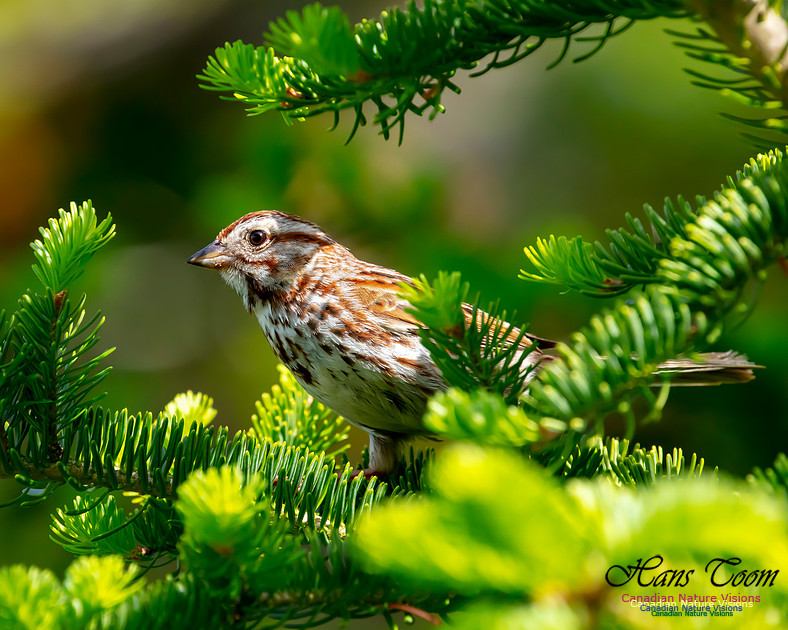
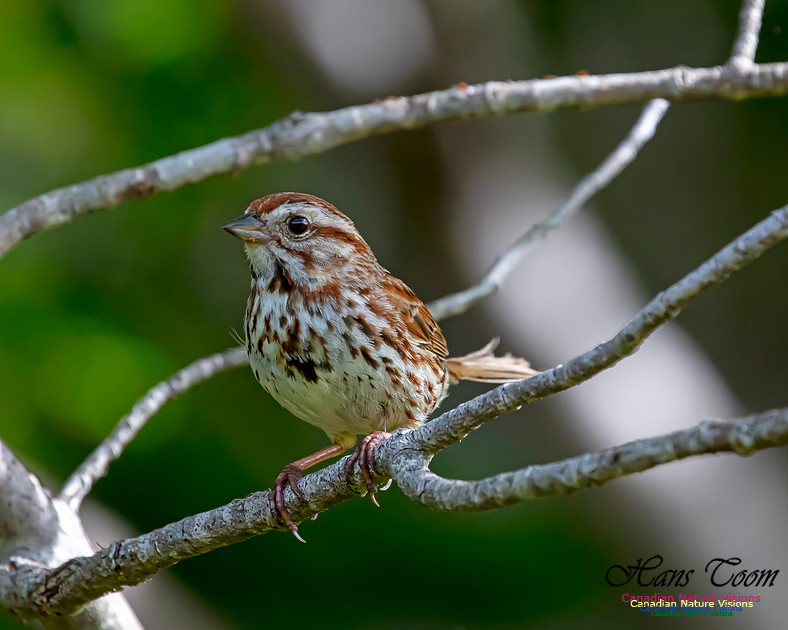
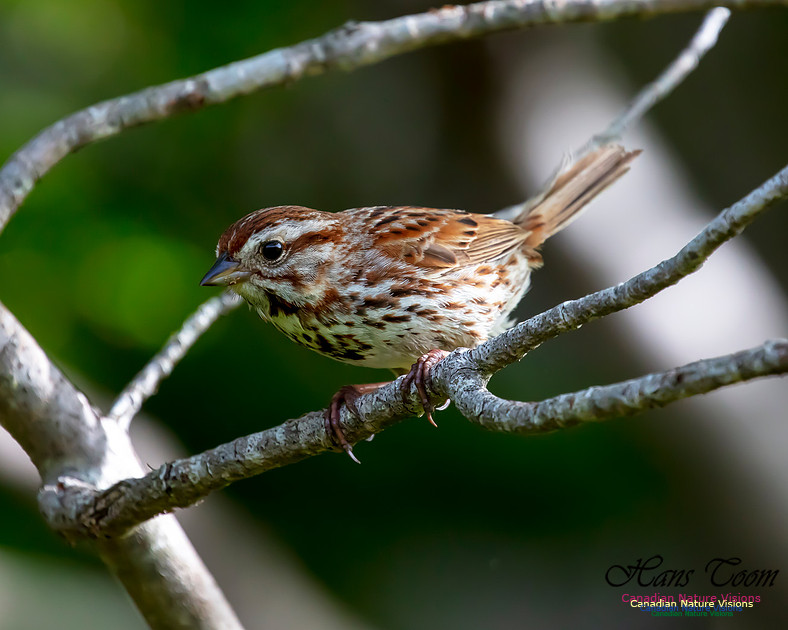
Song Sparrow
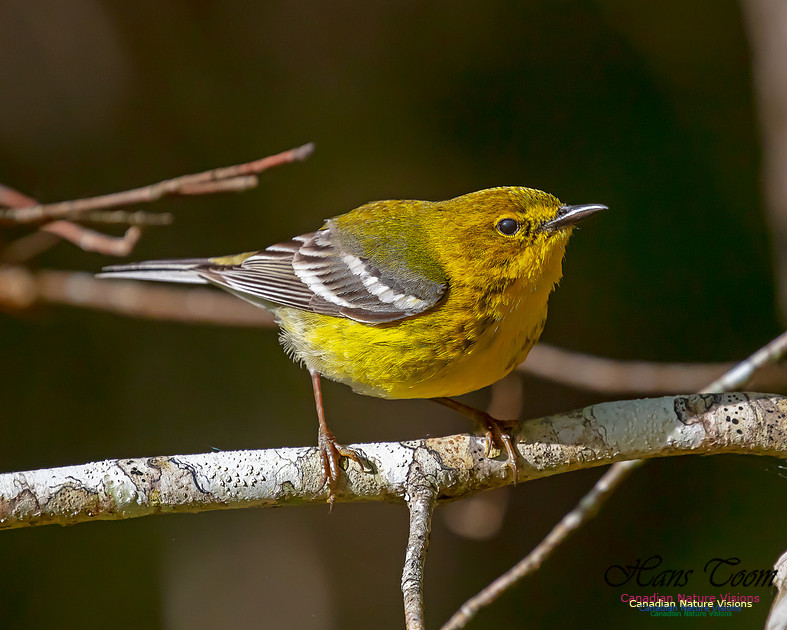
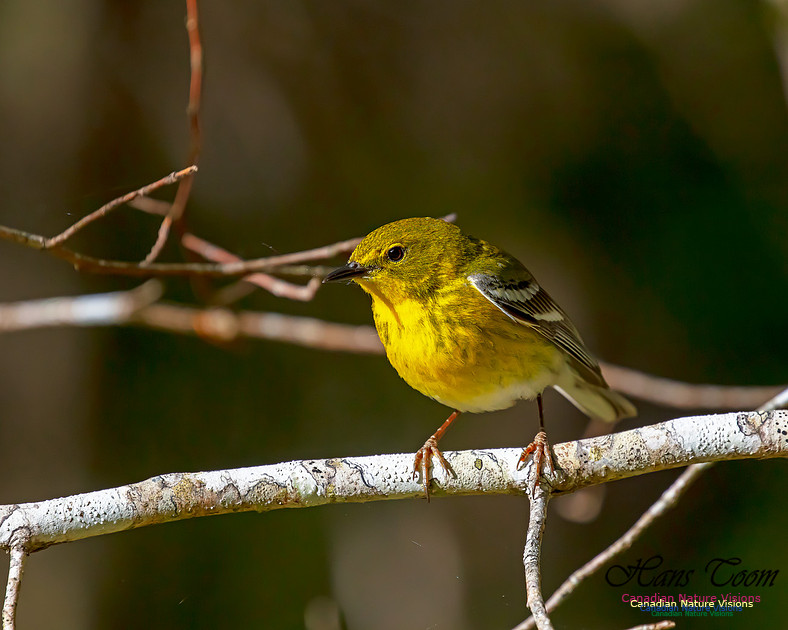
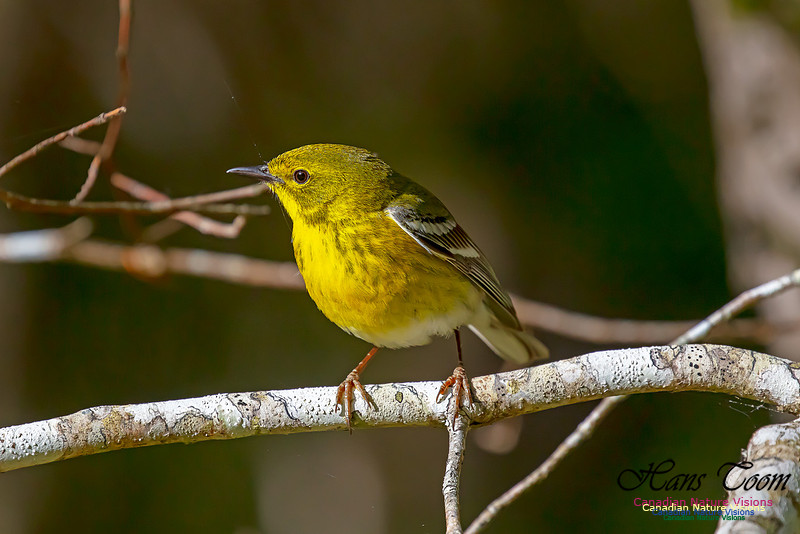
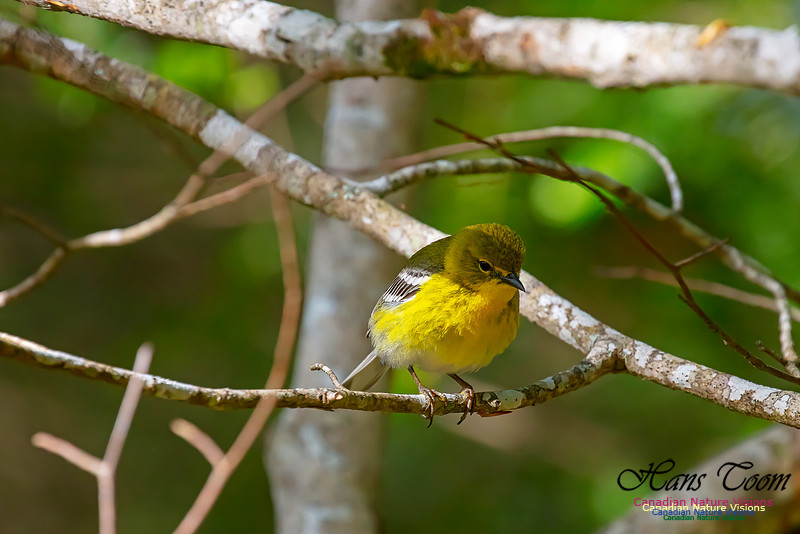
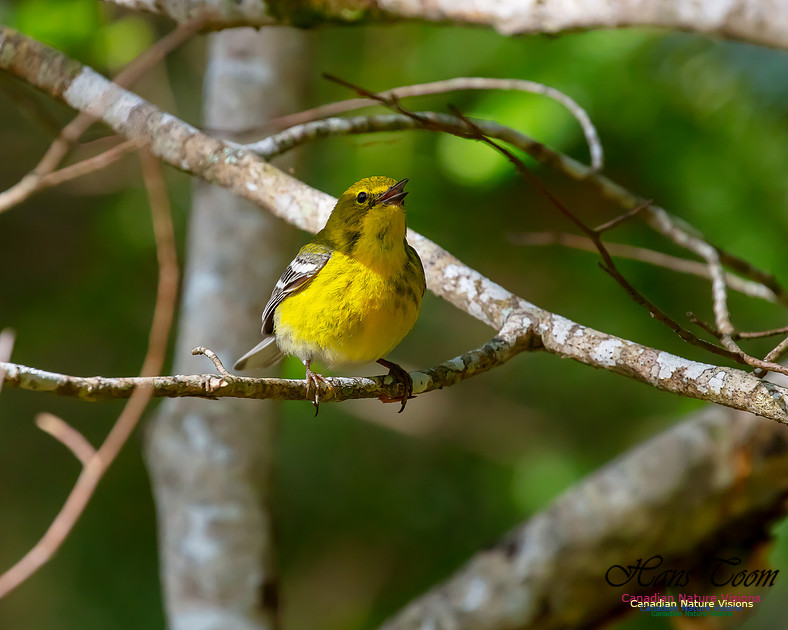
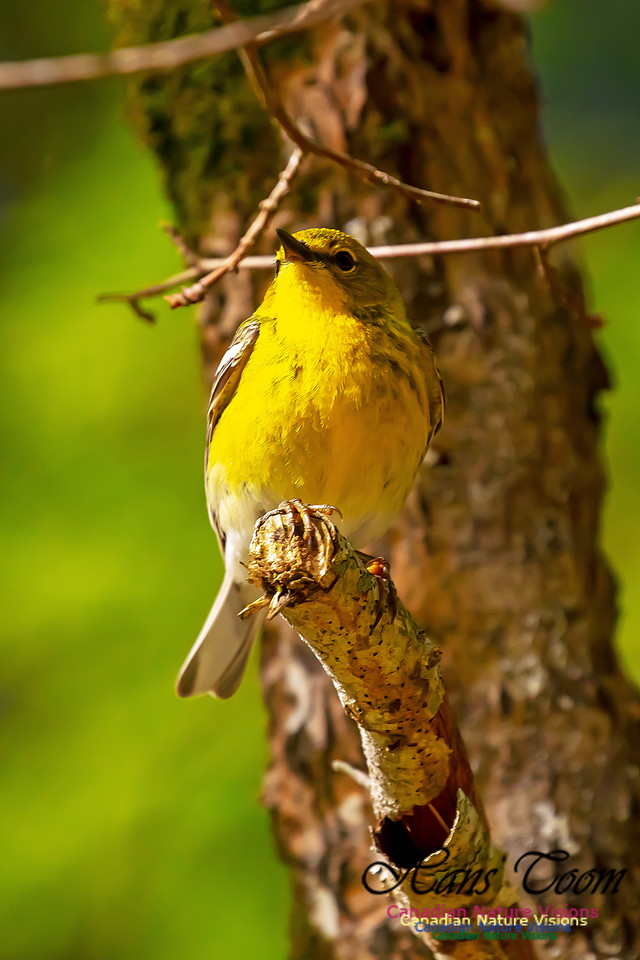
Pine WarblerThe Pine Warbler is an early arrival to its nesting grounds. You guessed it, it prefers tall mature pine trees which does make it hard to find except for its distinctive musical trill. Its also a late migrant not so much from its local haunts but stray western birds passing through the province. They come to the ocean and say, "whoops", and then turn south sometimes well into November. Pine Warbler
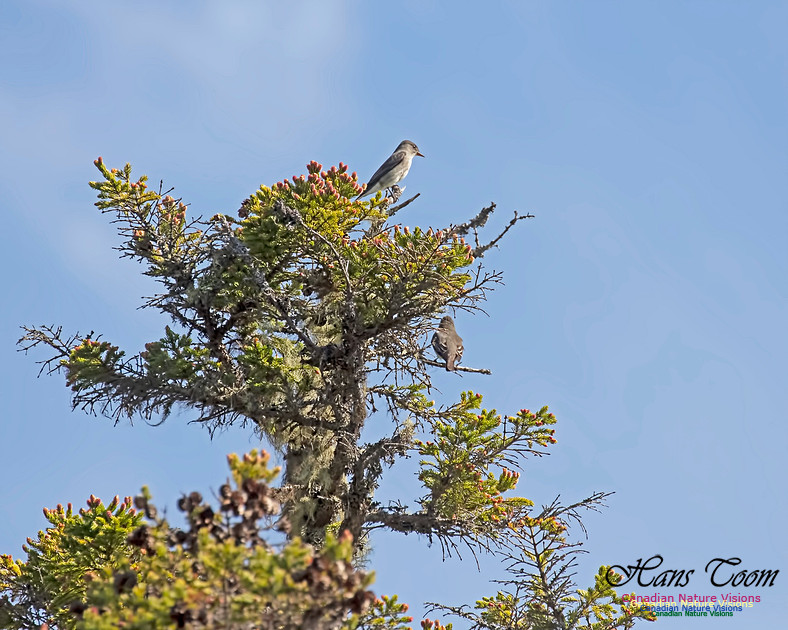
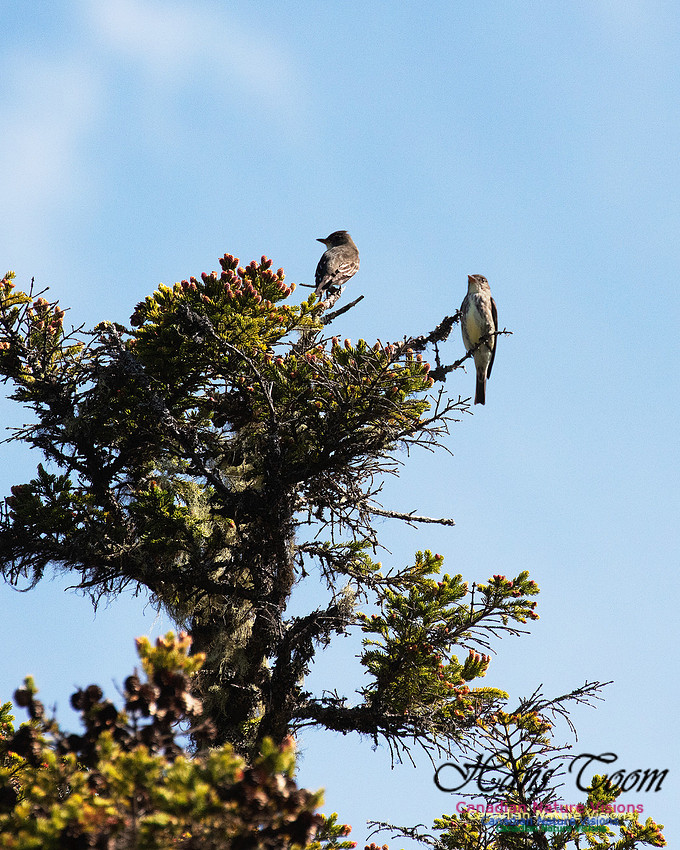
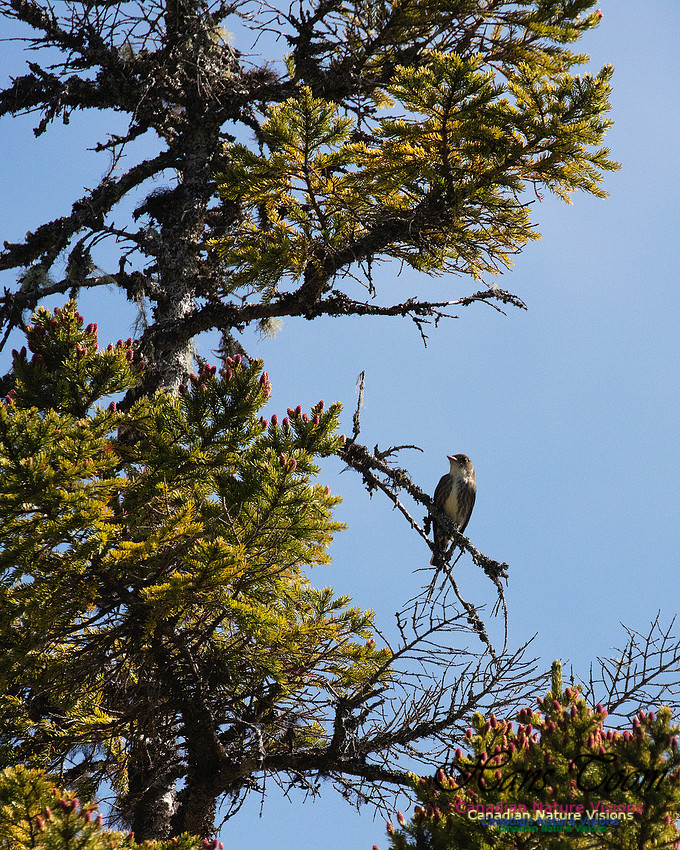
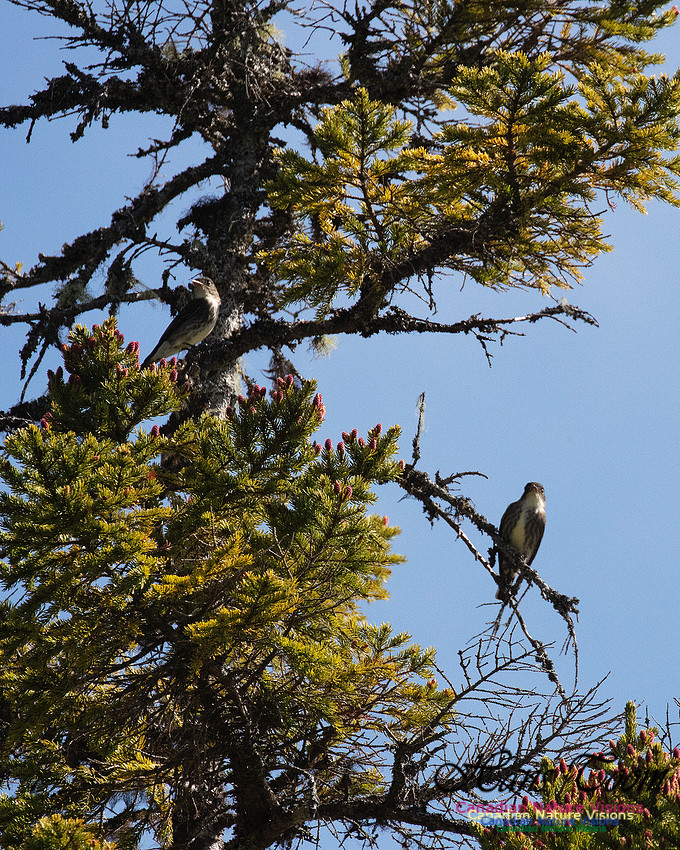
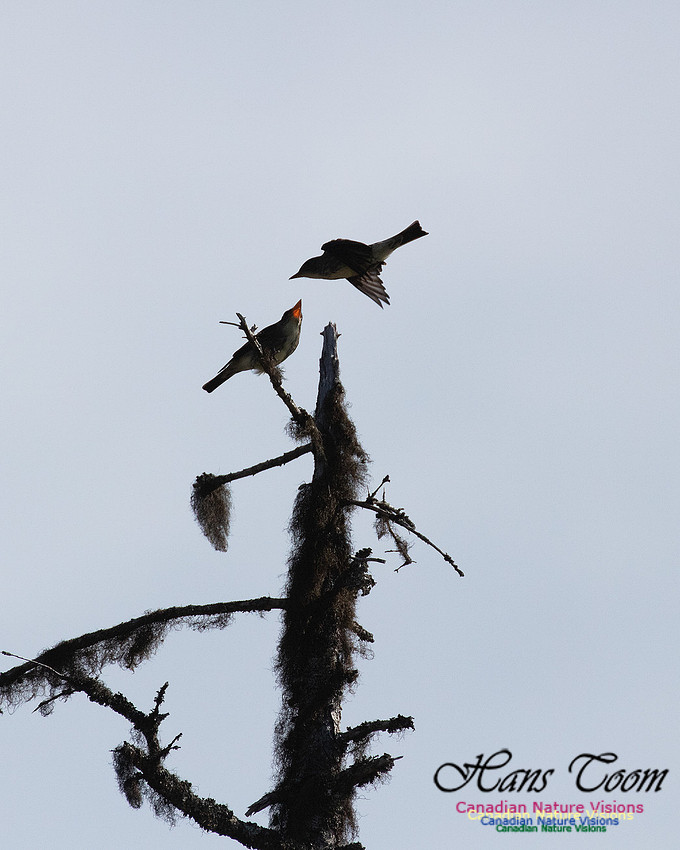
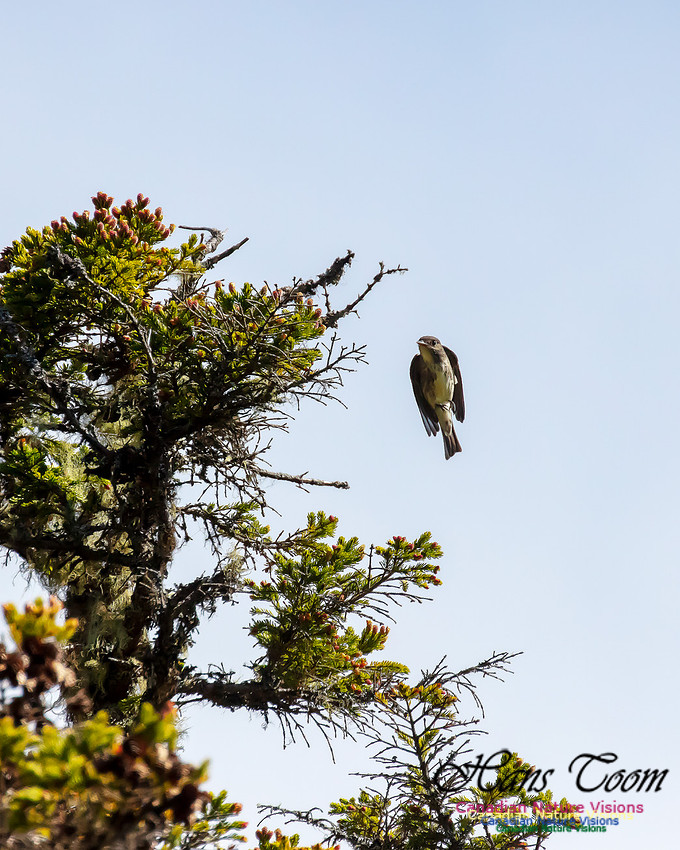
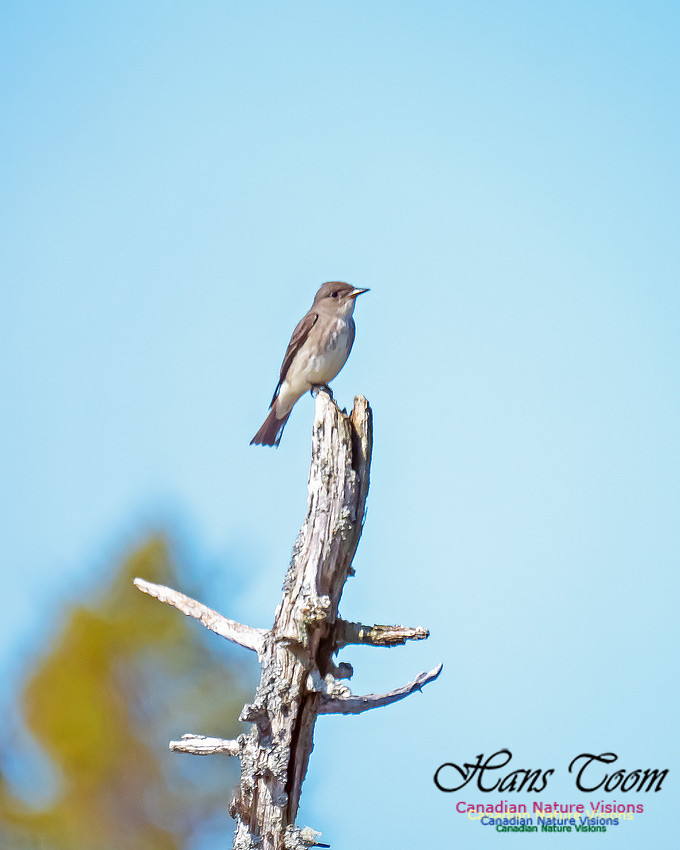
Olive-sided FlycatcherThe Olive-sided Flycatcher is an elusive bird except for its continuous telltale song, "quick-three-beers". Its a species of concern and threatened in many areas due to the reckless use of pesticides by farmers. We don't need perfect vegetables and grains! Like the Bay-breasted Warbler this flycatcher likes to sing from lofty perches not in woodlands but in marshes and beaver dam created wetlands. The distinctive open vest look is a good field mark. Olive-sided Flycatcher
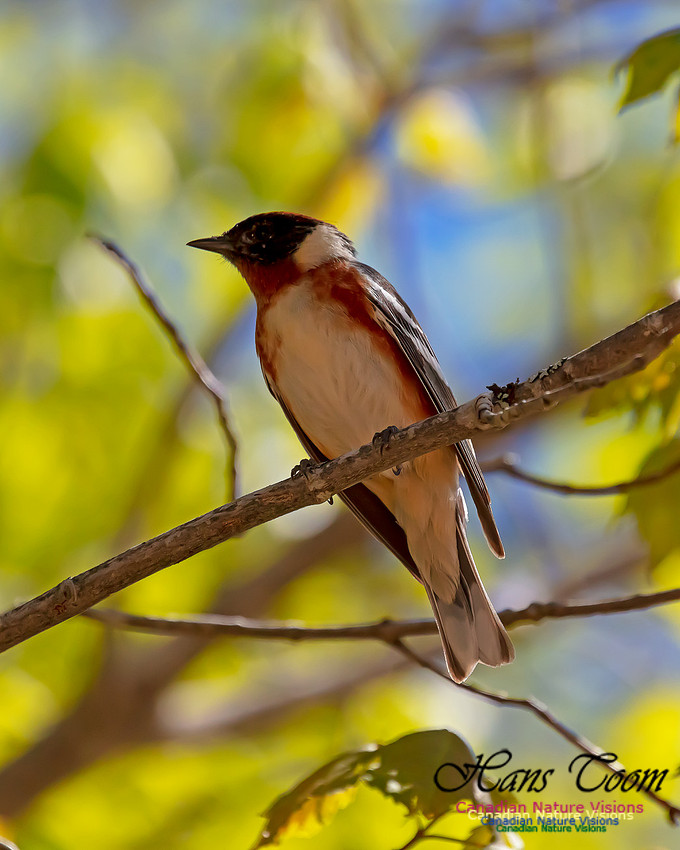
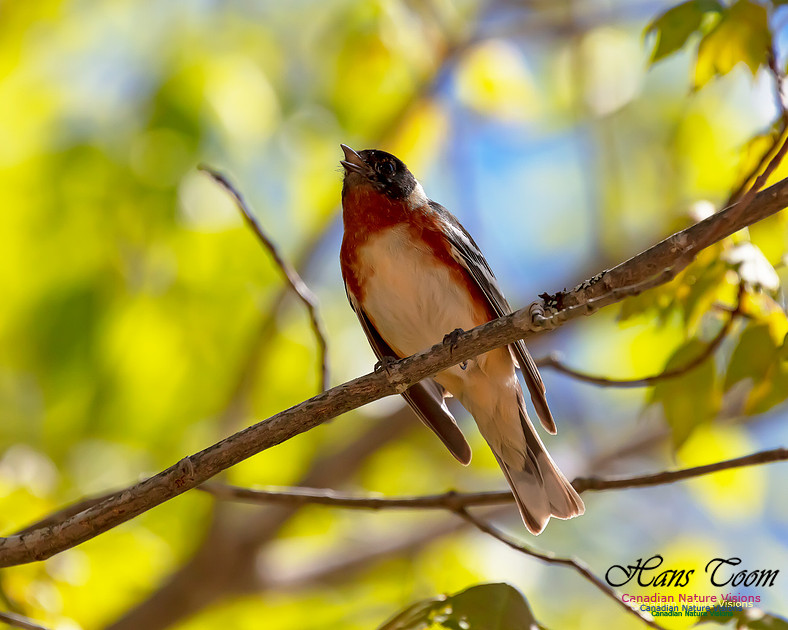
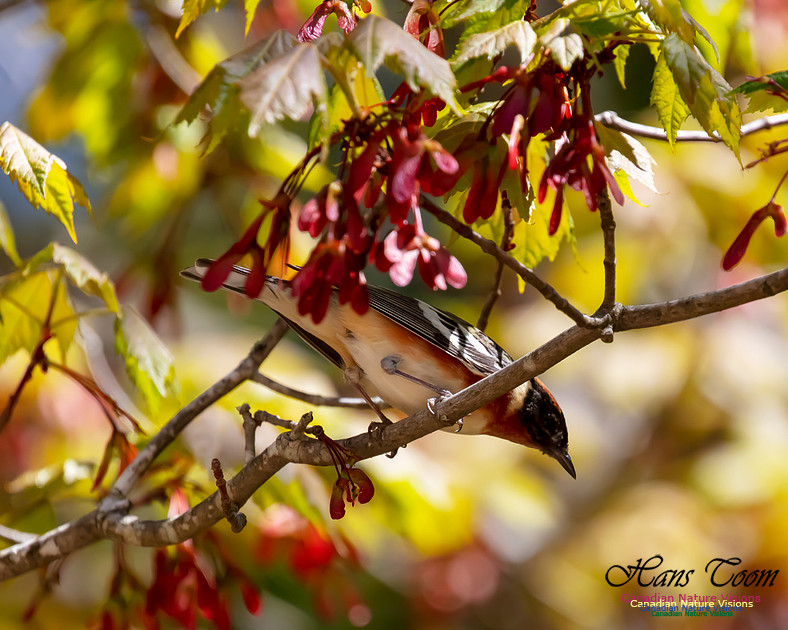
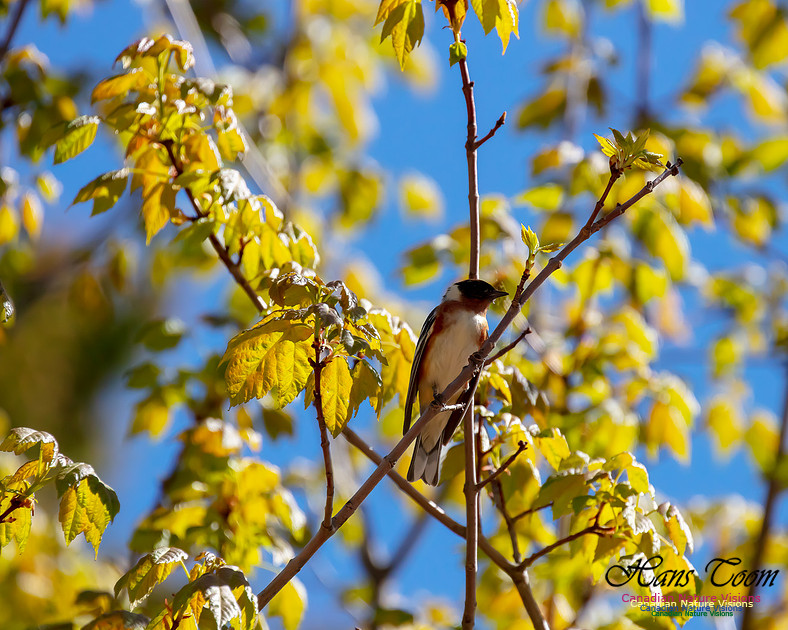
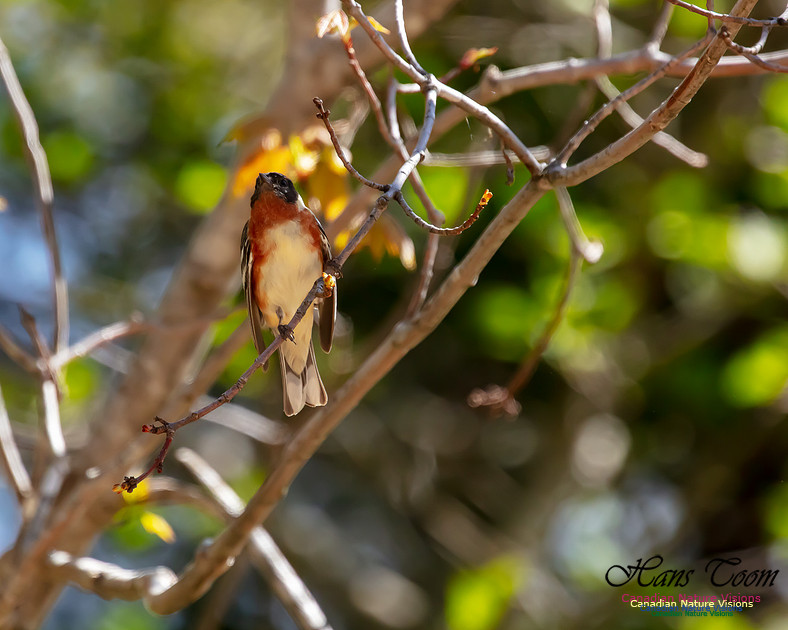
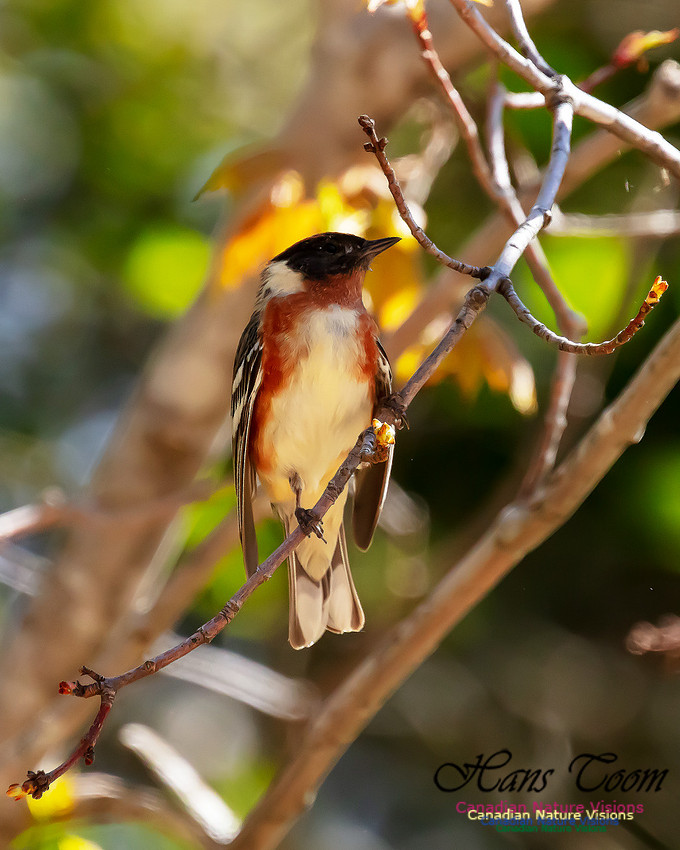
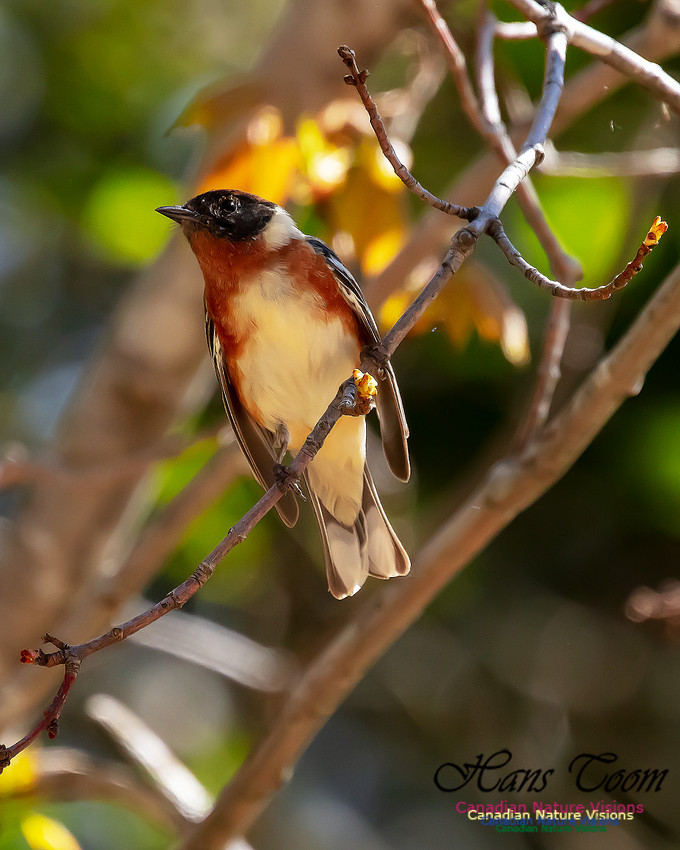
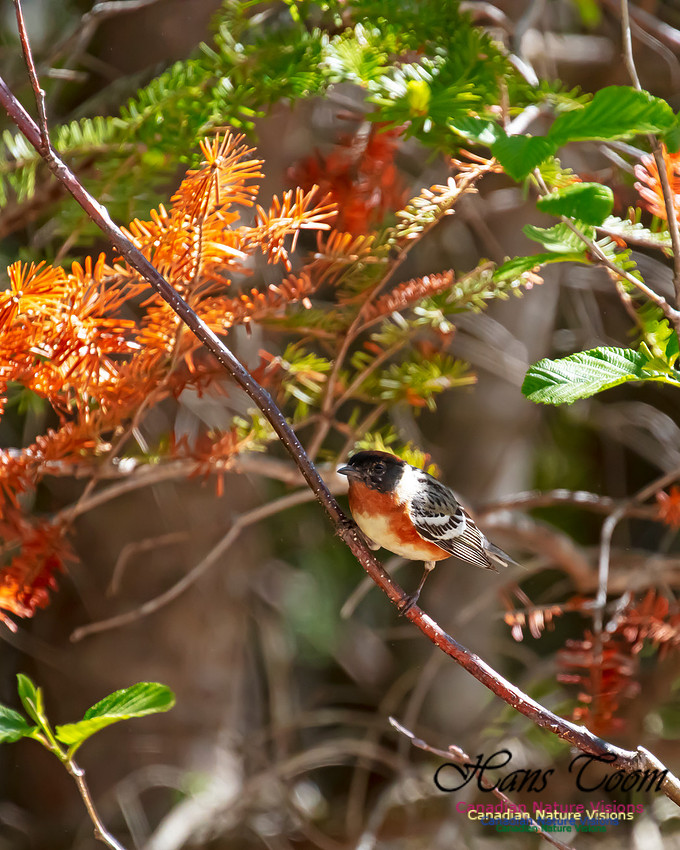
Bay-breasted WarblerThe theory of insanity was starting to show itself after I tried twice to find the Bay-breasted Warbler in the same location as in previous years. The theory being that if you keep trying the same thing and expecting a different result then you are insane. Well I tried a new location and yes the Bay-breasted Warbler was there. Hooray! This warbler likes to stay high in the canopy so getting eyeball level shots is a challenge. Bay-breasted Warbler
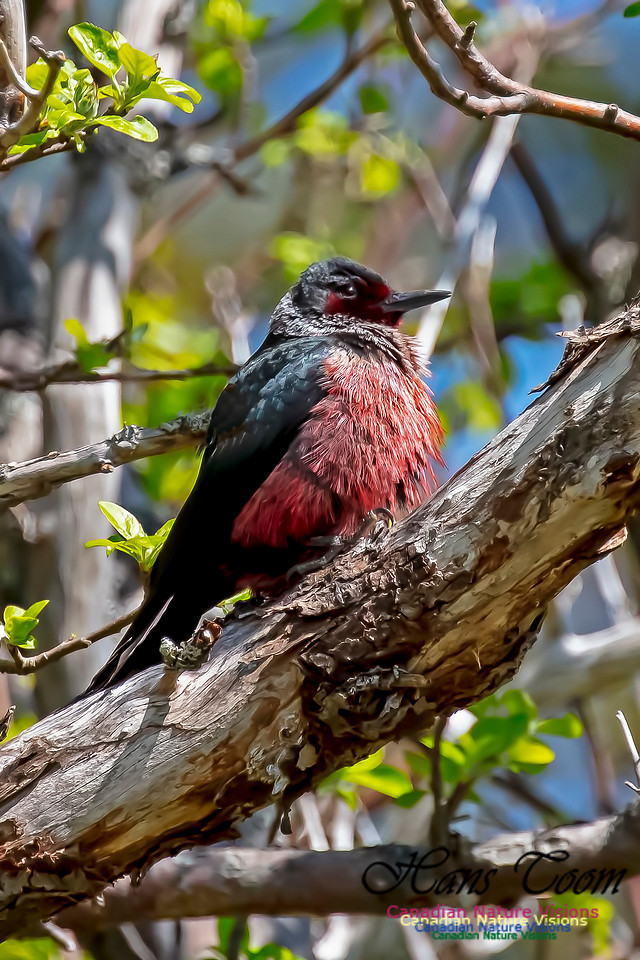
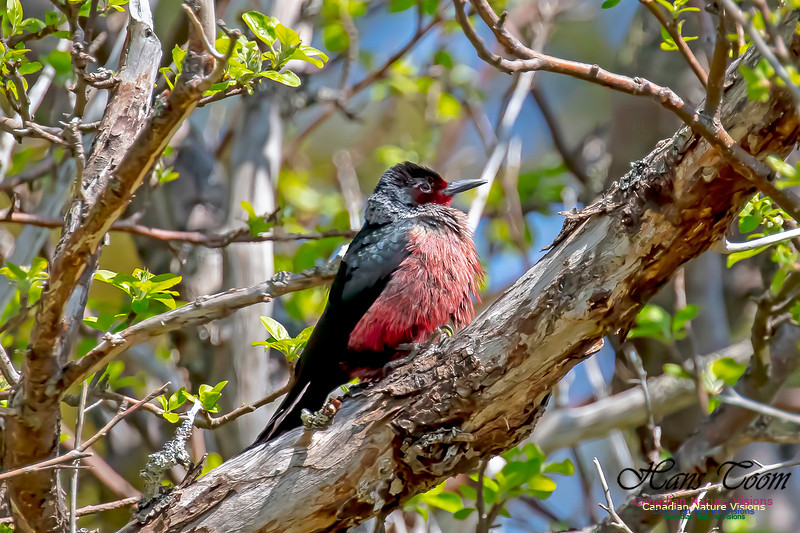
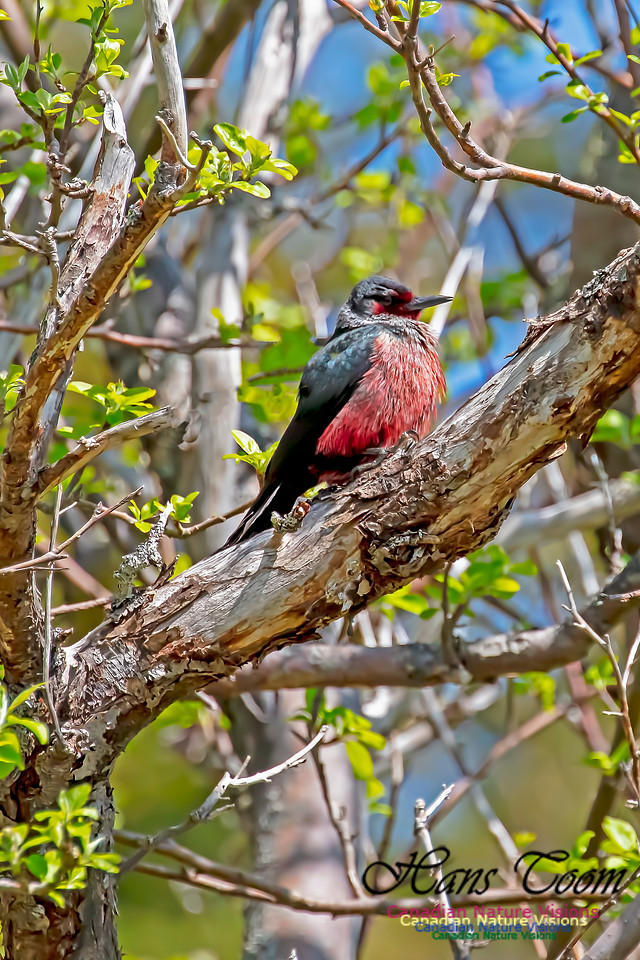
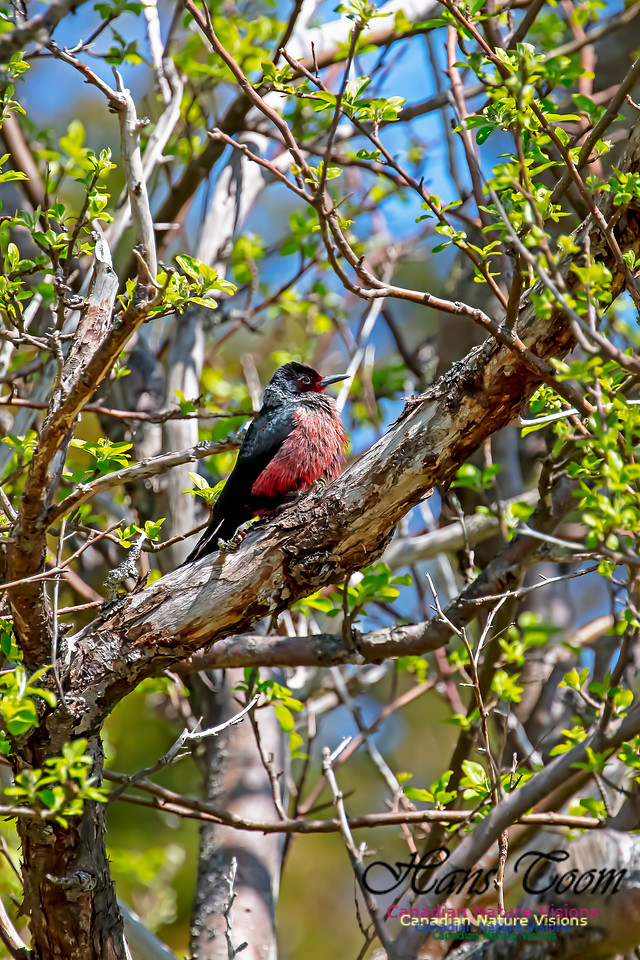
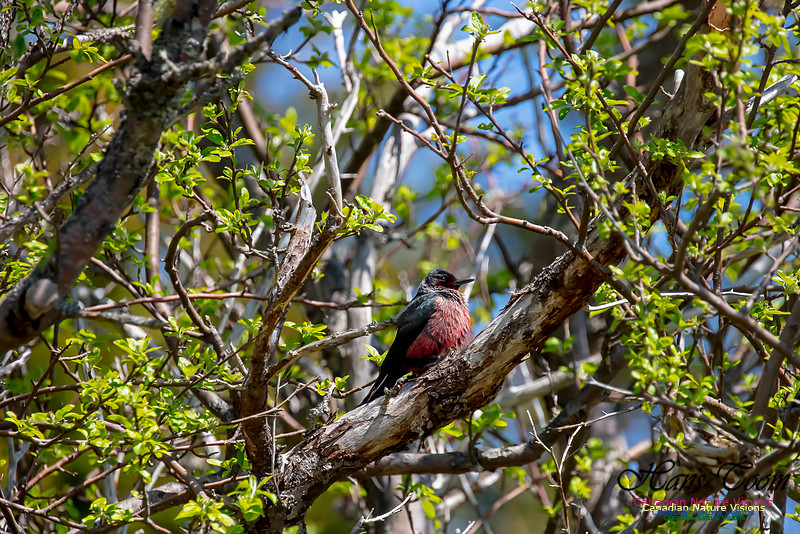
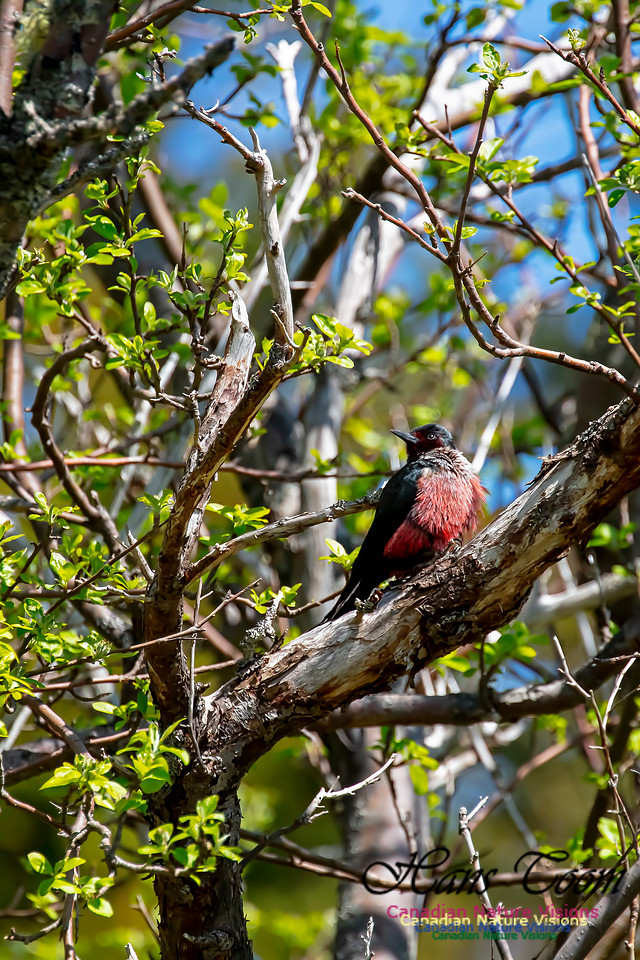
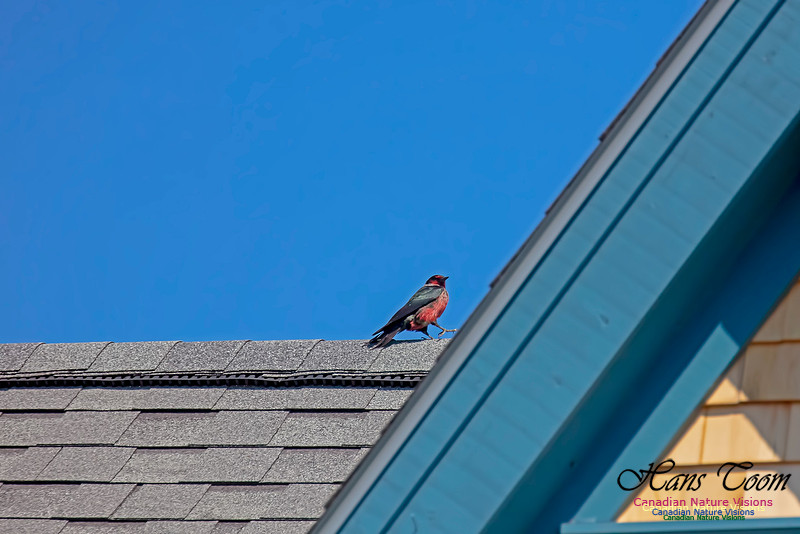
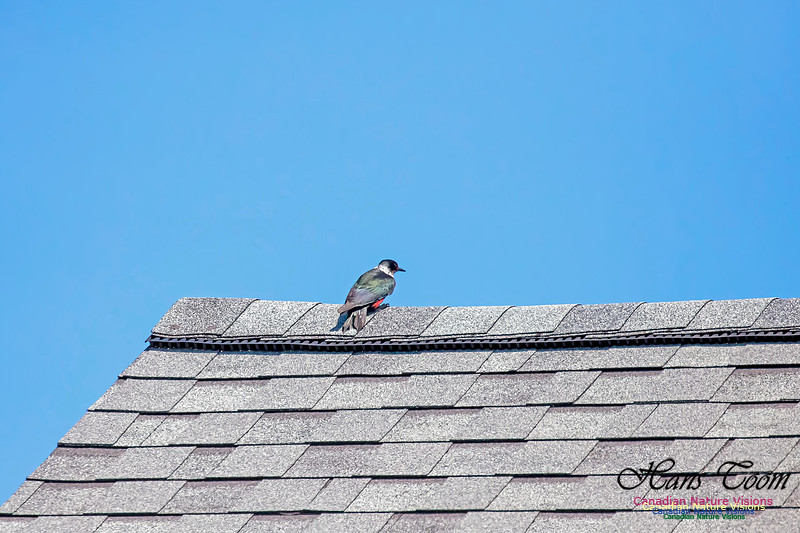
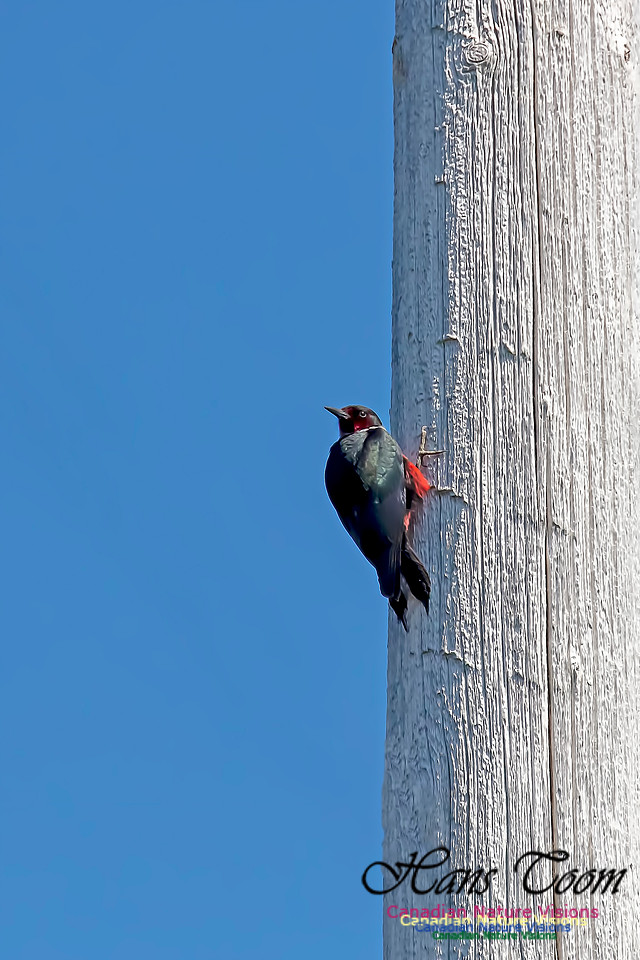
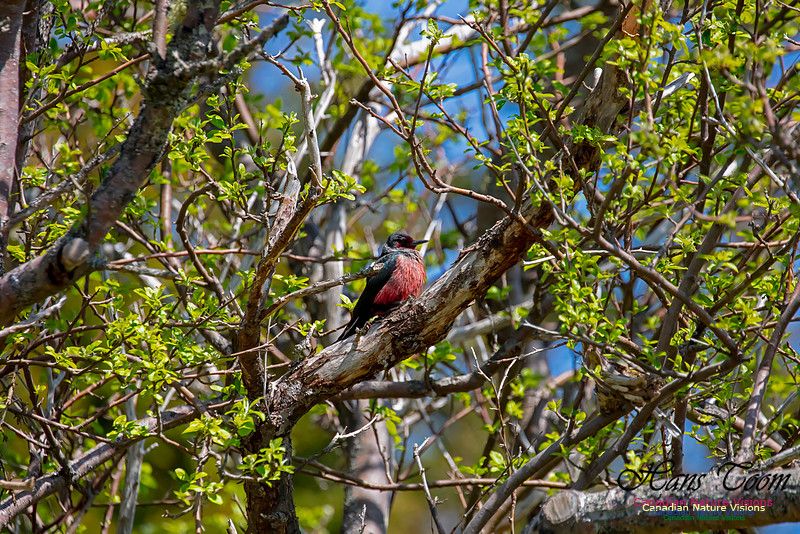
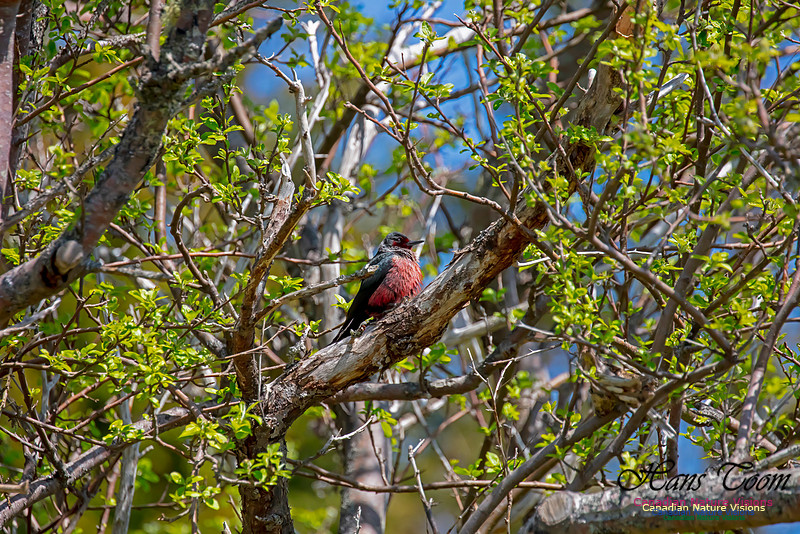
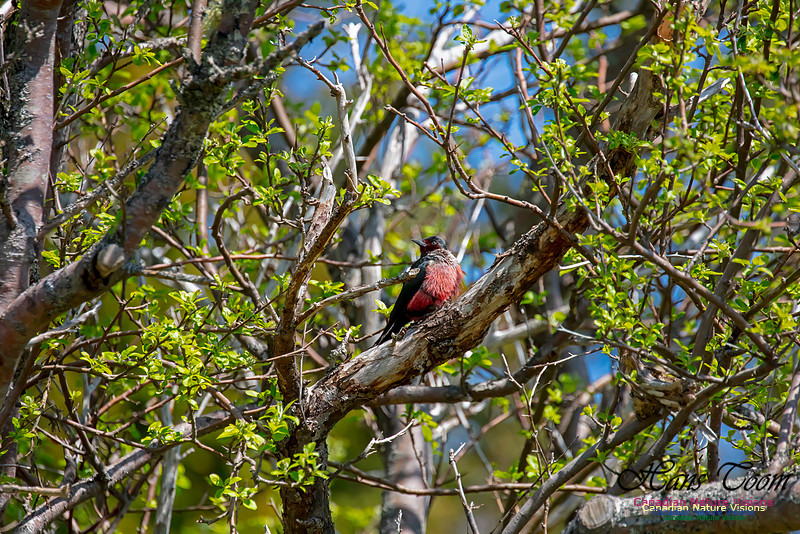
Lewis's WoodpeckerThe Lewis's Woodpecker is a resident and short distance migrant of the continental west up to British Columbia. I looked for one in early July 2004 near Elgin, Nova Scotia. How and why this bird ended up in the great white north is a mystery. The bird circled a home in Duncan's Cove, Nova Scotia, with every movement followed by a moving mass of birders. It never came close due to this birding pack so my photos are severely, I mean severely, cropped. Lewis's Woodpecker
Rose-breasted GrosbeakThis was our second adult male Rose-breasted Grosbeak of this spring. It was hungry and lingered at the feeder, a much tamer bird than the previous Rose-breasted Grosbeak. It was probably enjoying a welcome refueling stop after a long flight leg. Like our first visitor this bird stayed for about five days. Rose-breasted Grosbeak
Cape Chignecto Provincial Park ExpeditionI took an overnight trip to Chignecto Provincial Parks. My target species were Mourning Warbler and Cape May Warbler resulting in two strikes with no hits. The trip was nonetheless enjoyable with some evening rain the first day. I have a few bird photos, some remarkable images of Turkey Vulture warming their wings in the morning sun and some scenic Nova Scotia countryside. The Turkey Vultures are shown in a separate blog. American Redstart
Black-throated Green Warbler
Blackburnian Warbler
Nova Scotia Scenes
Canada Goose and Family(this is the boy scout march, leader in front, minions in the centre and the 2IC guarding the rear)
Canada Jay(also known as Grey Jay, Gray Jay-the misspelled form, Camp Robber, Whiskey Jack) This is Canada's national bird, so far unofficially)
Nova Scotia Scenes
Cape d'Or Light
Grey(sp) Catbird
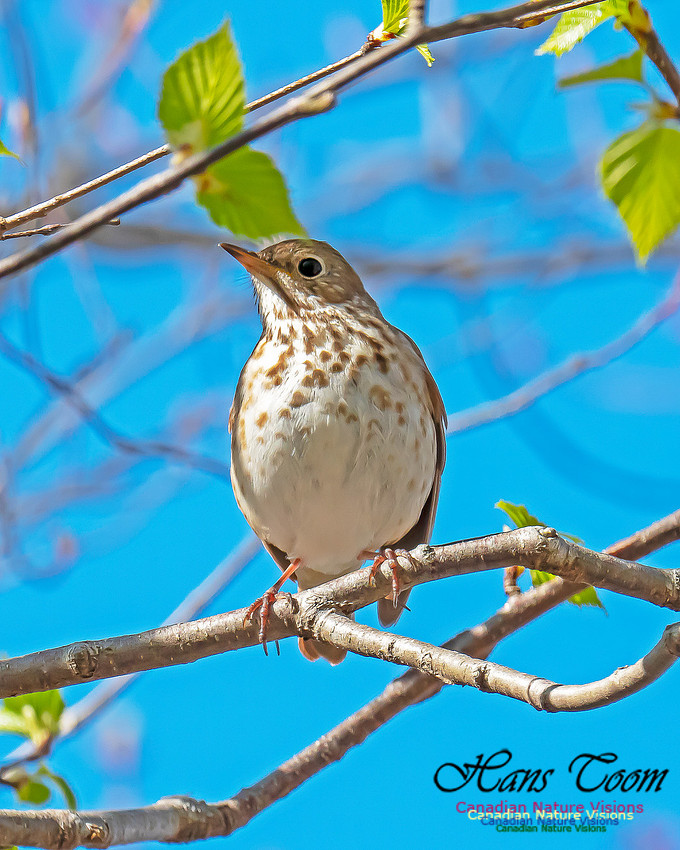
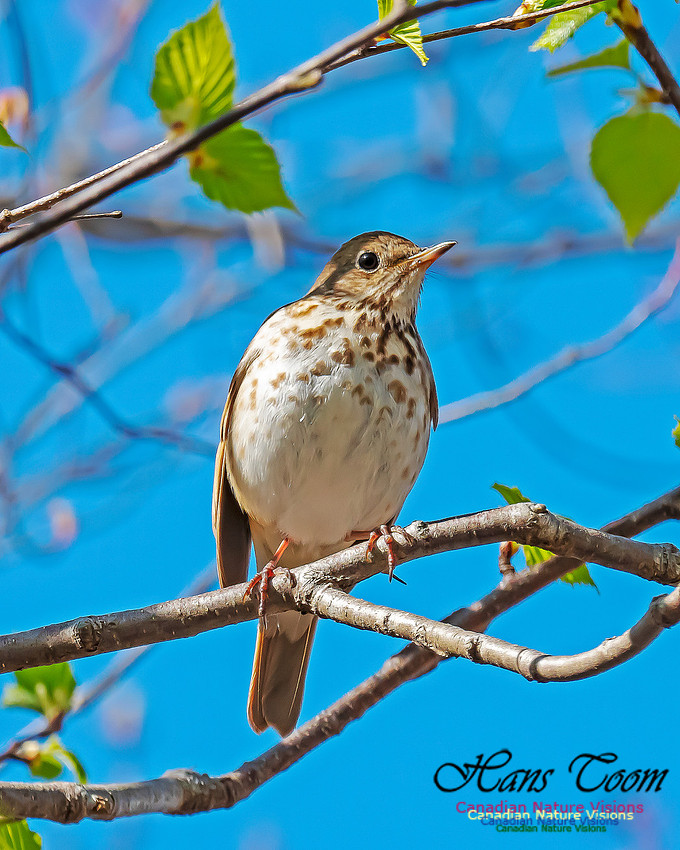
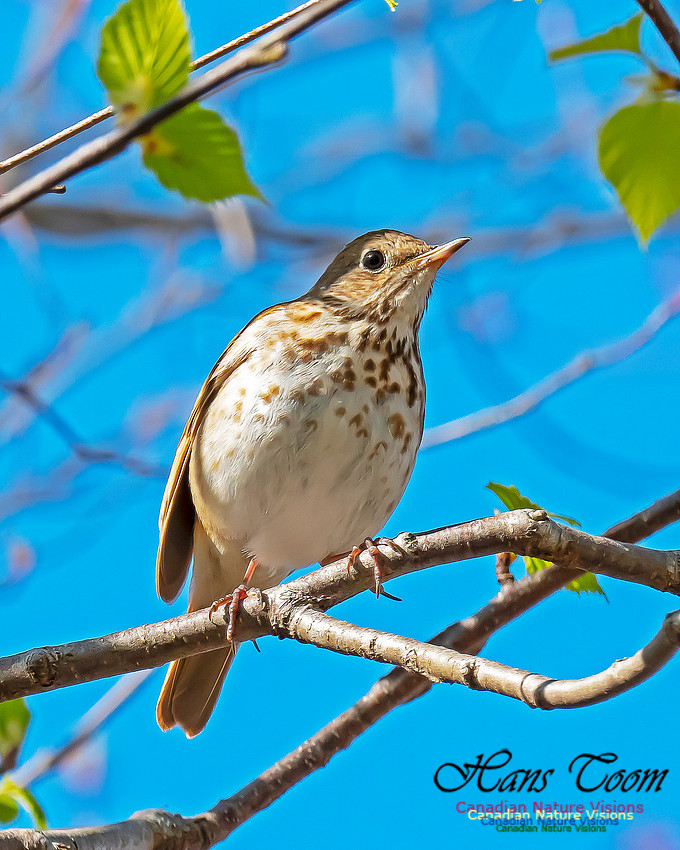
Hermit Thrush(annoyed at my presence)
Log Home-amazing! Memories-lots of them here
Ovenbird
Swainson's Thrush
Tree Swallow
Turkey Vultures(see more photos on my dedicated blog of this amazing display)
Wentworth Falls(tripod and neutral density filter not used)
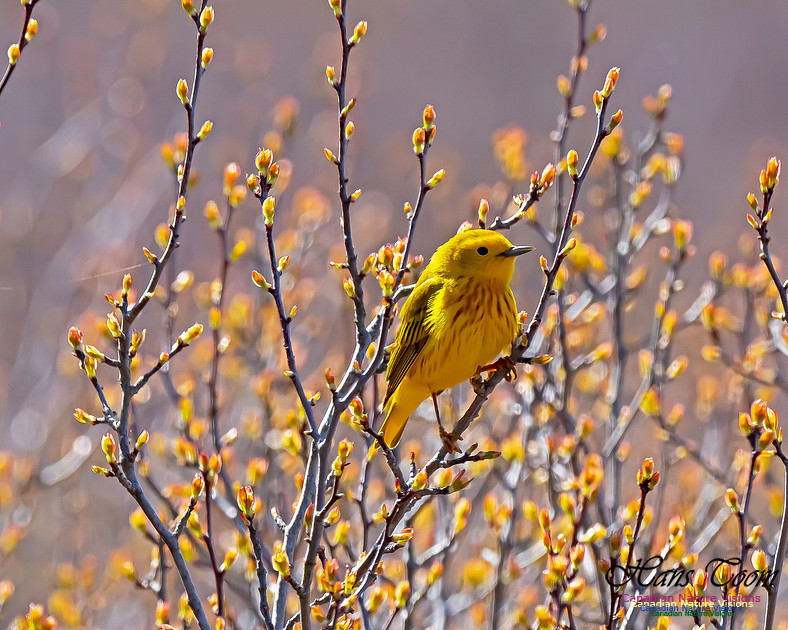
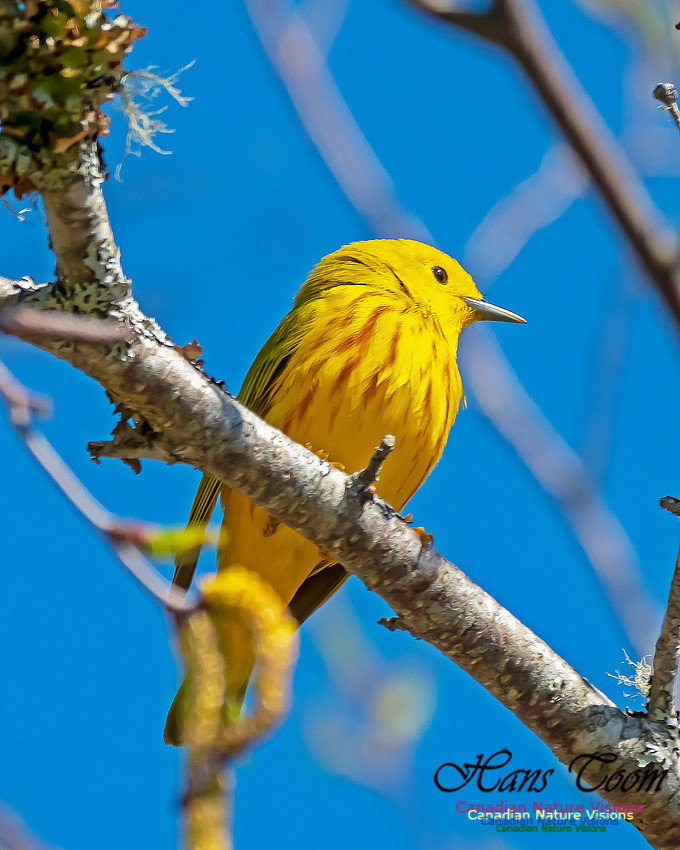
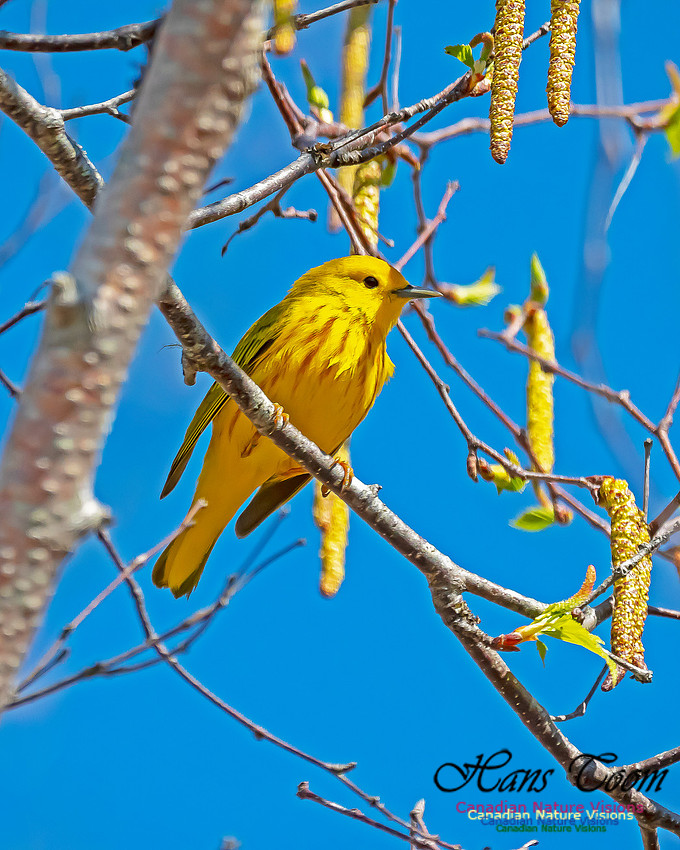
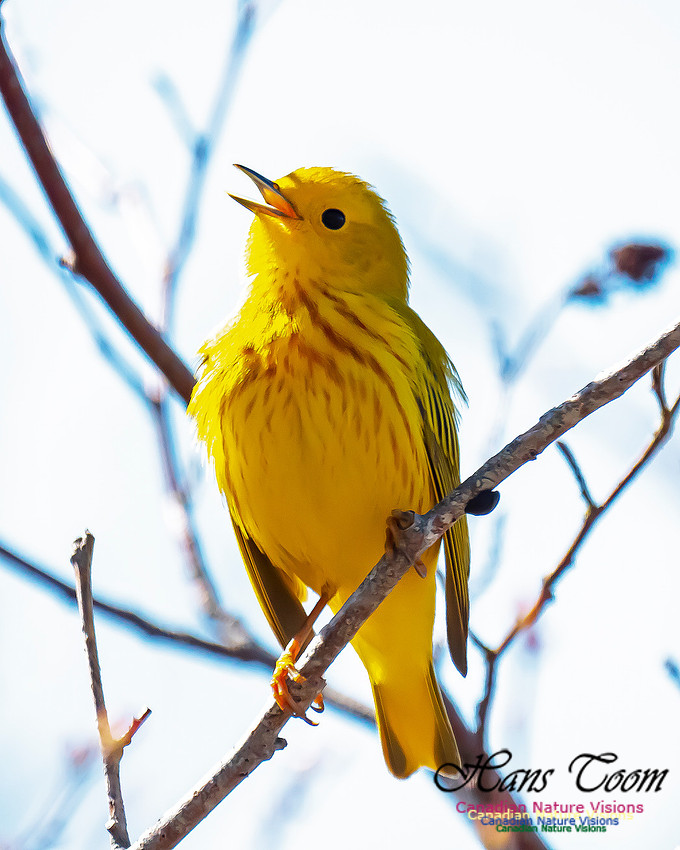
Yellow Warbler
Countryside Pastoral Scene
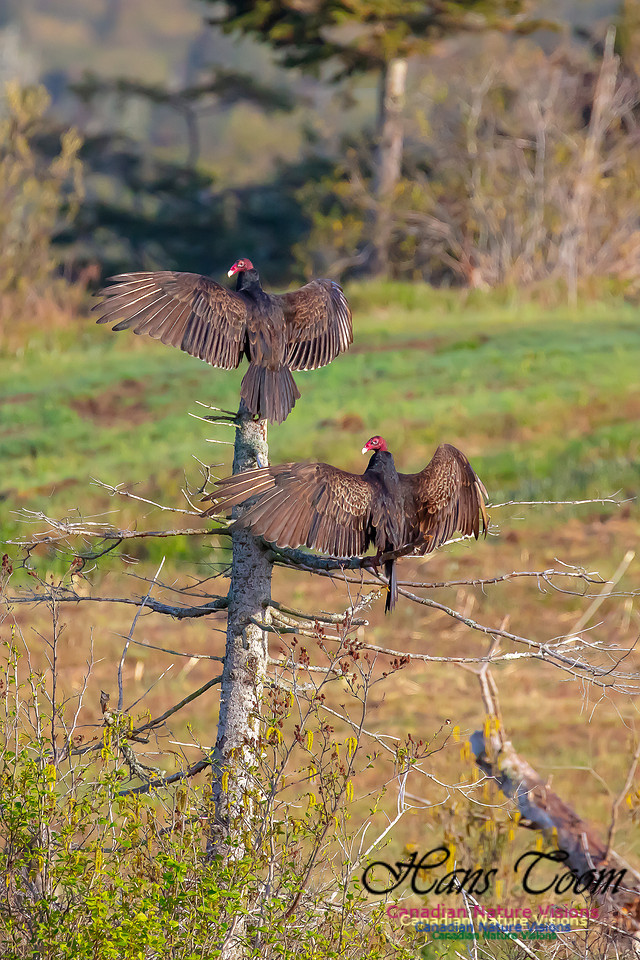
Turkey VultureI saw this pair of Turkey Vultures on my second morning of my visit to Cape Chignecto Provincial Park. I have never seen this behaviour from Turkey Vultures before although I do not see them as much as folks further to the south would. They are not swimmers so could this be a simple delight in absorbing the warmth of the morning sun-who knows?? Perhaps they are drying the overnight dew before beginning their long soaring tipsy foraging flight. Turkey Vulture
Canada JayCanada Jay There was a national competition and vote for Canada's National Bird. This bird won as it should. It is an almost exclusive Canadian bird, non migratory, with a great Canadian personality; gregarious, friendly and a loyal and protective parent.
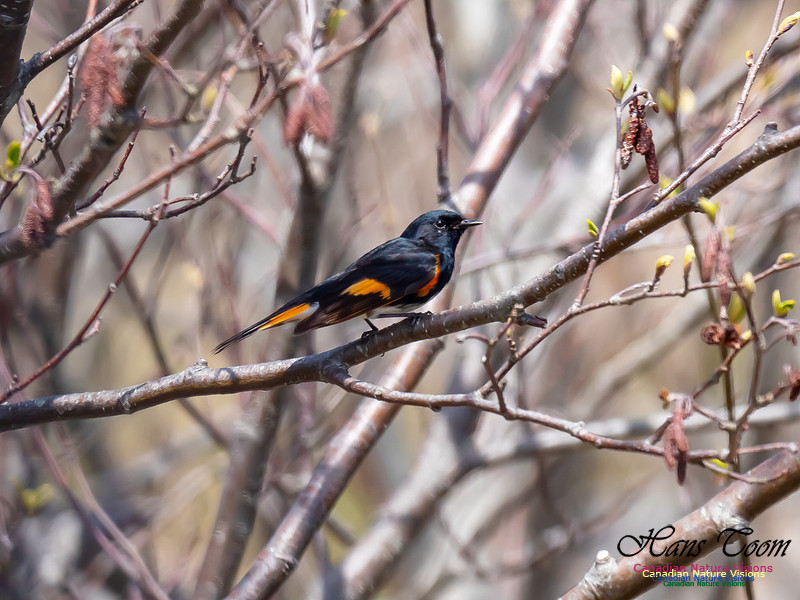
My Second Walkabout at Jerry Lawrence Provincial ParkI enjoyed my second warbler walk of the year at Jerry Lawrence Provincial Park although I had a late start and could only stay for two hours. The warbler tally is now at 16 species on territory. I did not hear or see the Canada Warbler but I do know where its nesting. The Olive-sided Warbler is now on territory and singing brightly, "quick-three beers", an unmistakable song. American Redstart
Black-capped Chickadee
Common Yellowthroat
Grey Catbird
Magnolia Warbler
Palm Warbler
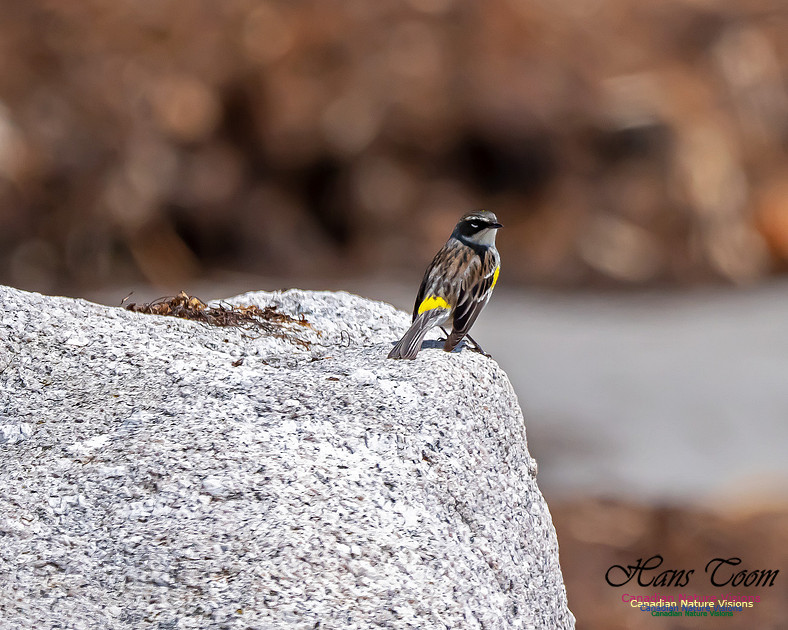
Yellow-rumped Warbler
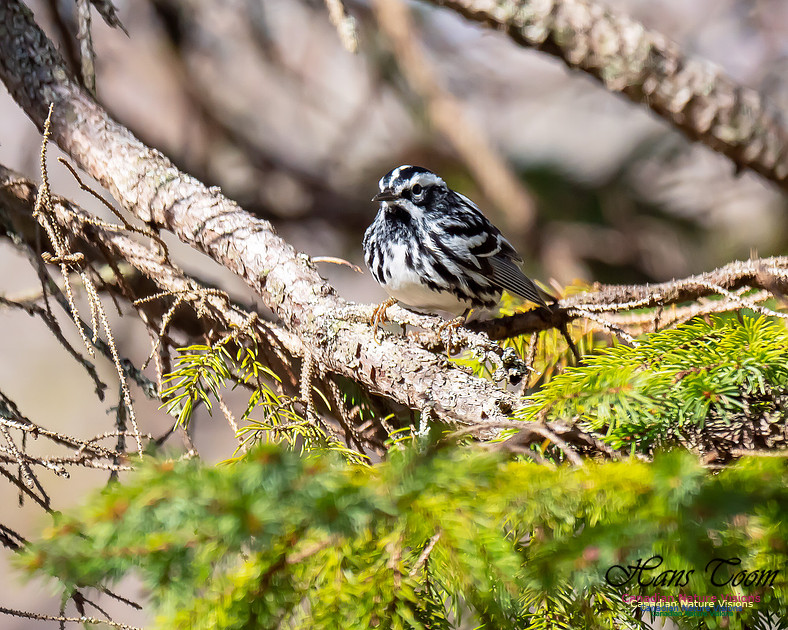
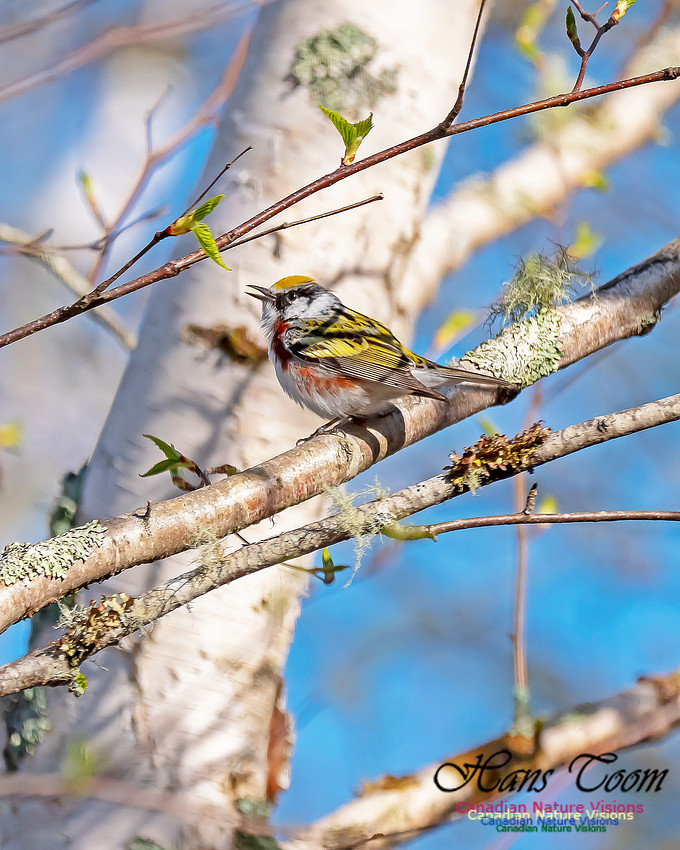
My First Walkabout of the Year at Jerry Lawrence Provincial ParkI enjoyed my first walk of the year at Jerry Lawrence Provincial Park. The weather has been so lousy even the rhodora is not blooming yet. Highlights were 14 warbler species including my beloved Canada Warbler plus an Olive-sided Flycatcher. My annual warbler walk is this upcoming Sunday at 7AM. We'll meet at the main parking lot. Bring insect repellent and water. American Redstart
Black-and-White Warbler
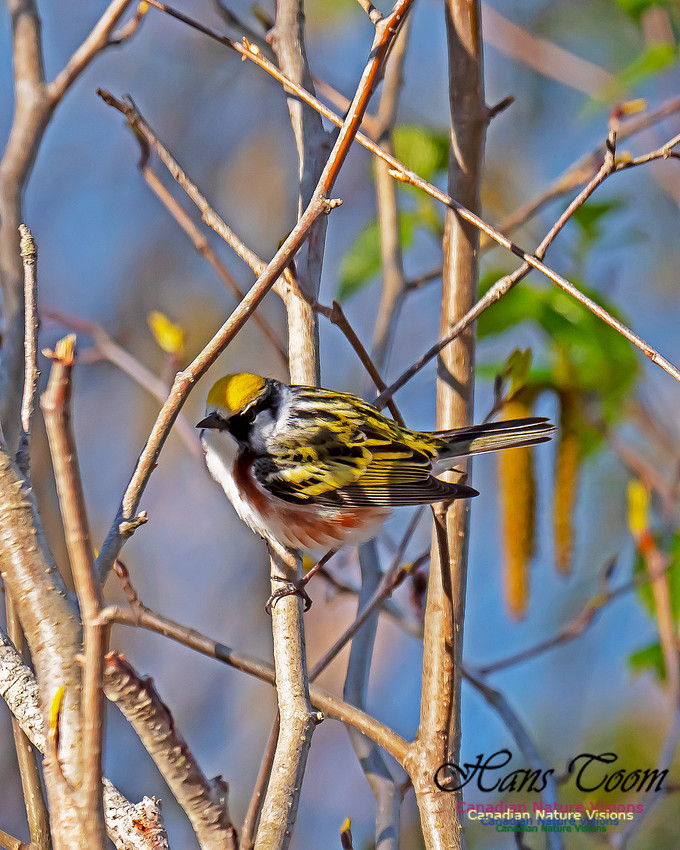
Chestnut-sided Warbler
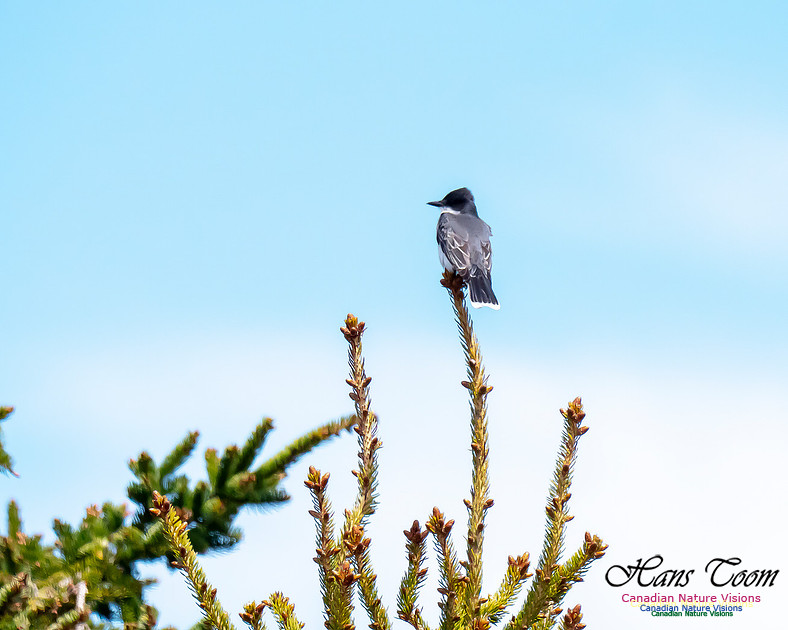
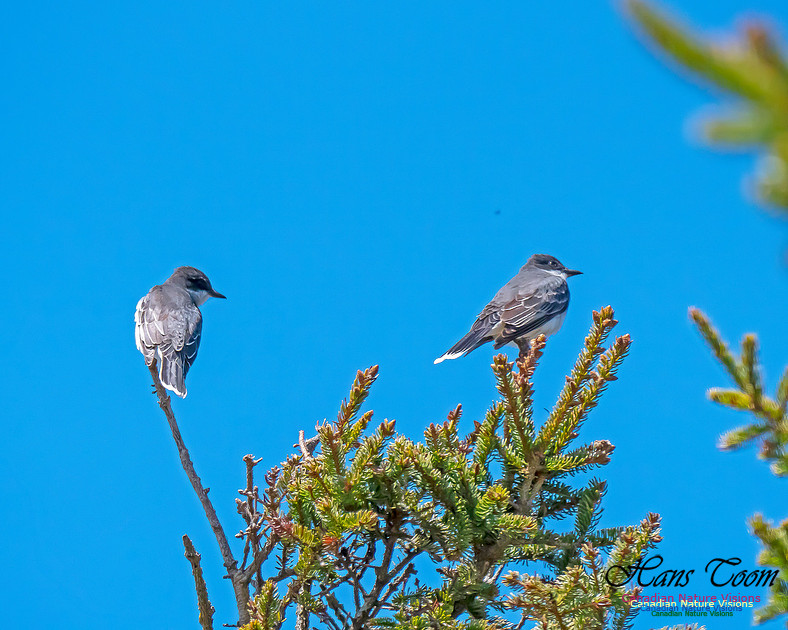
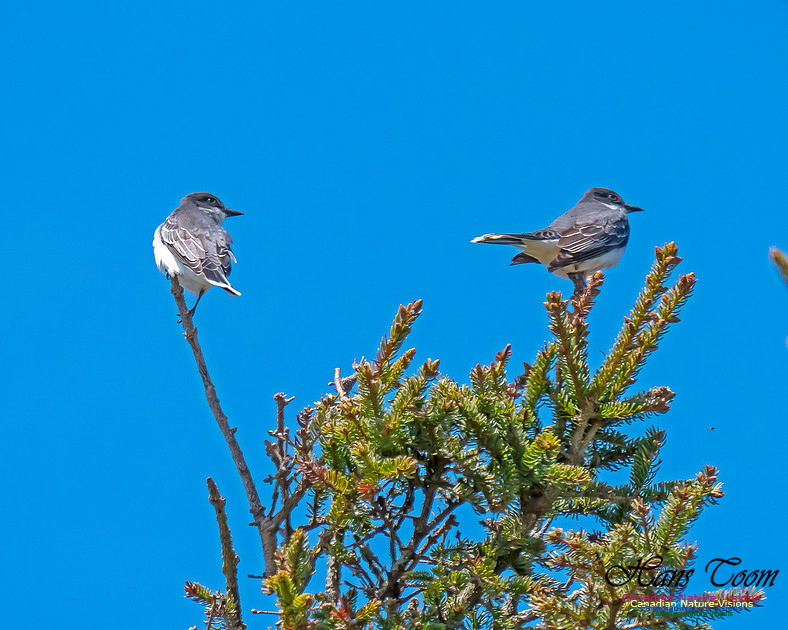
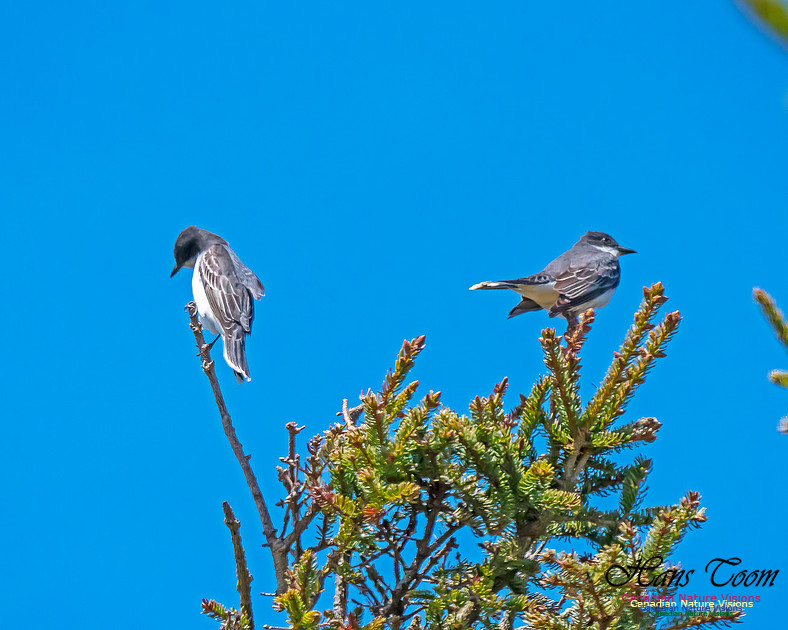
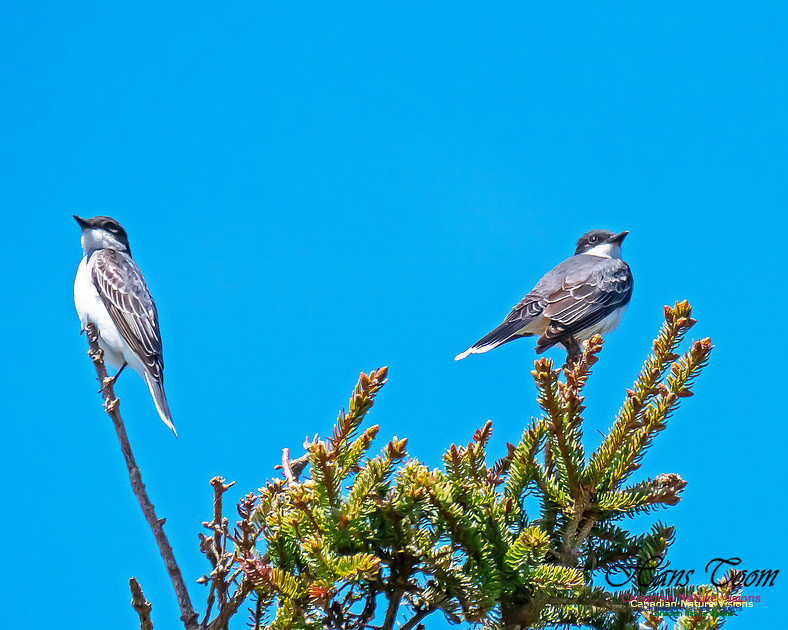
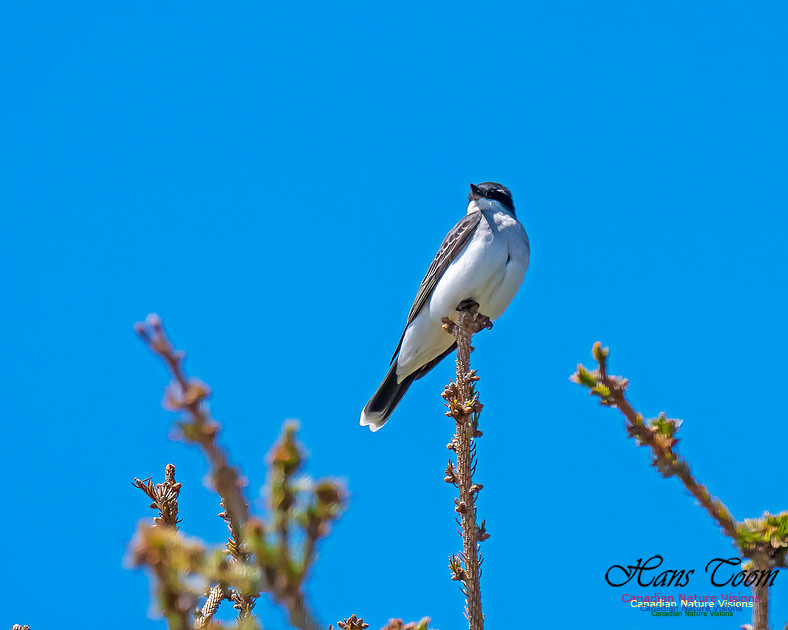
Eastern Kingbird
Hermit Thrush
Olive-sided Flycatcher
Yellow Warbler
Yellow-rumped Warbler
|