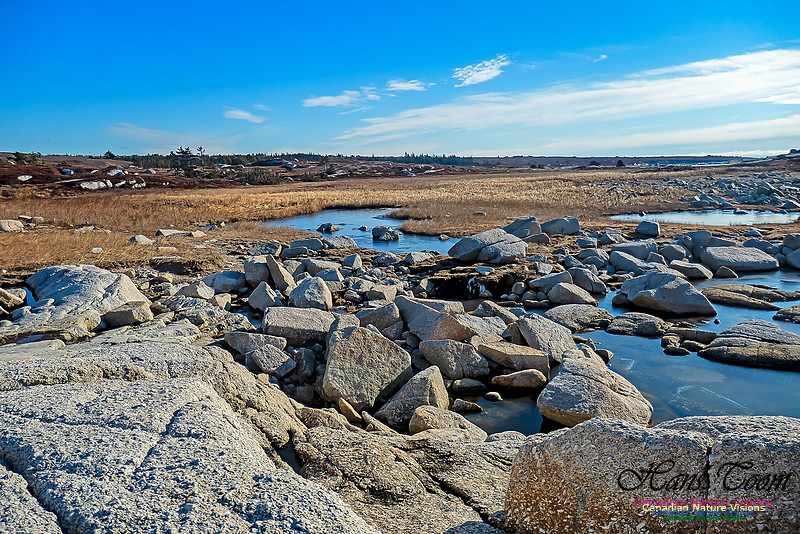
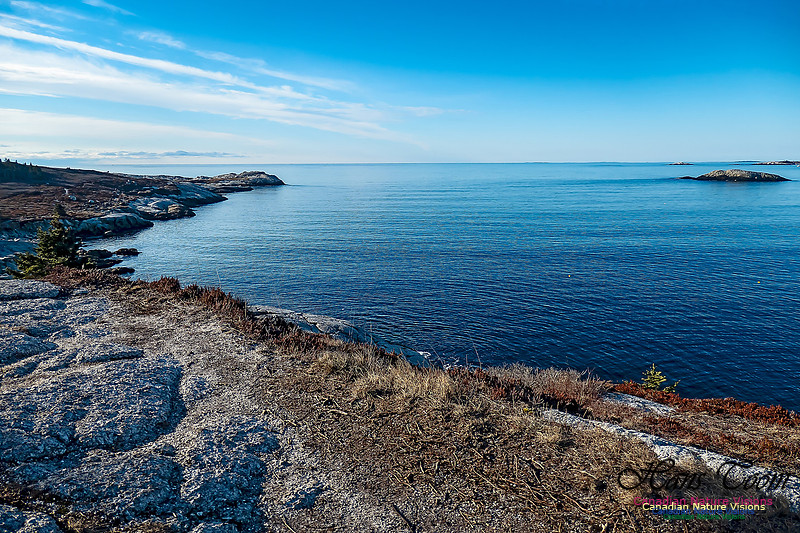
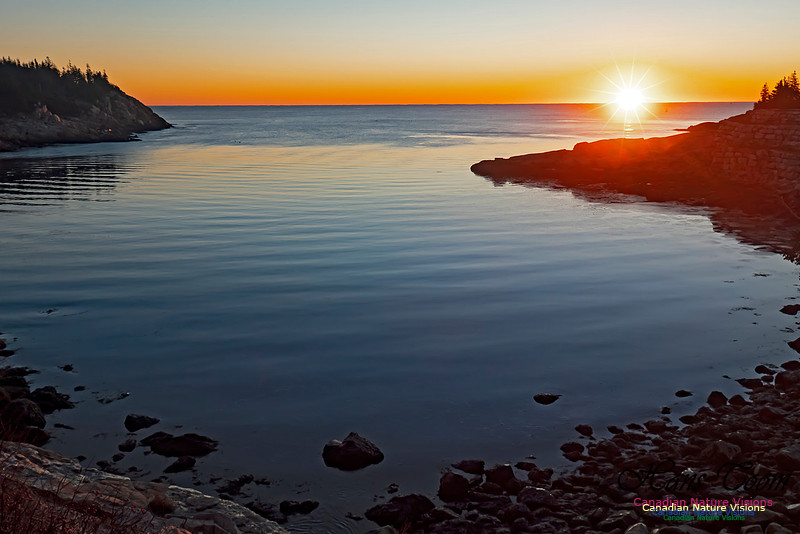
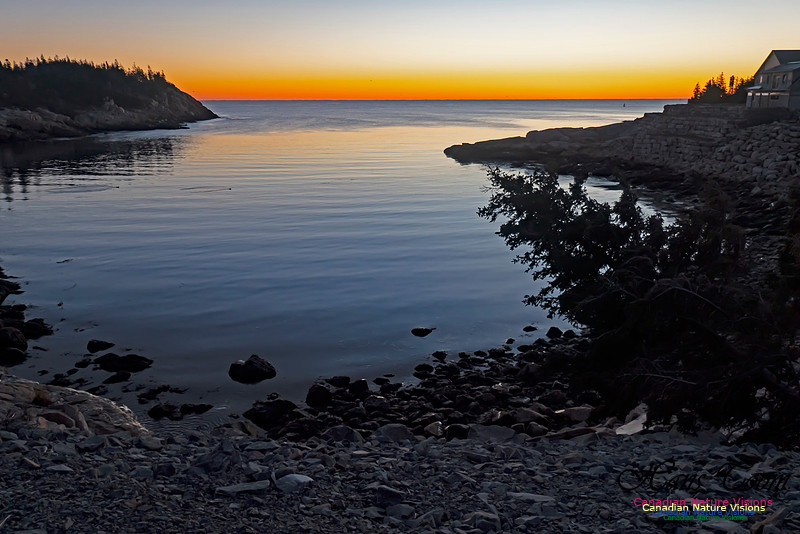
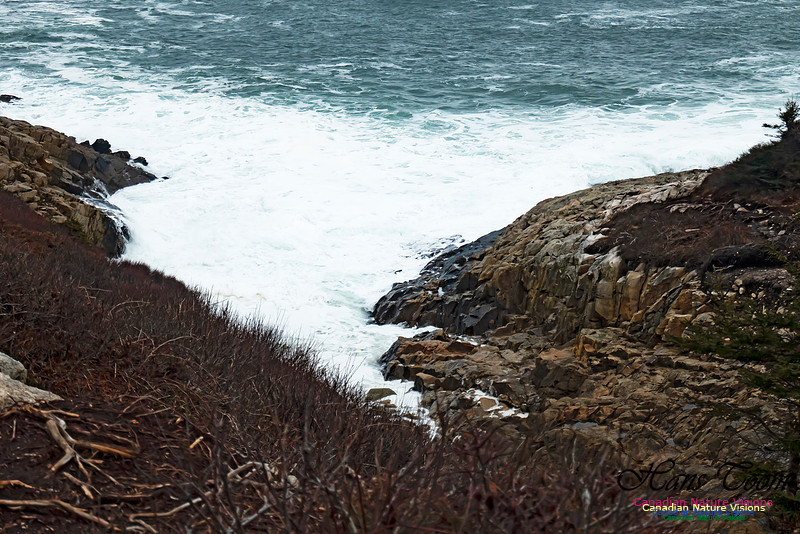
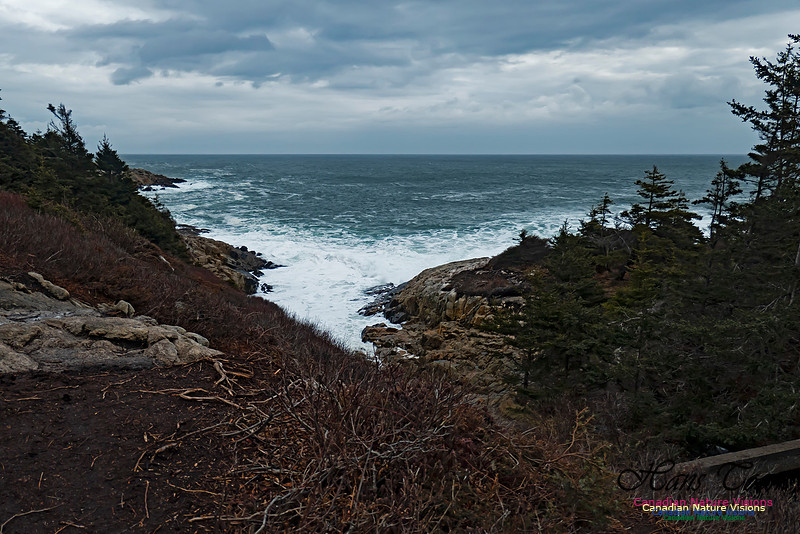
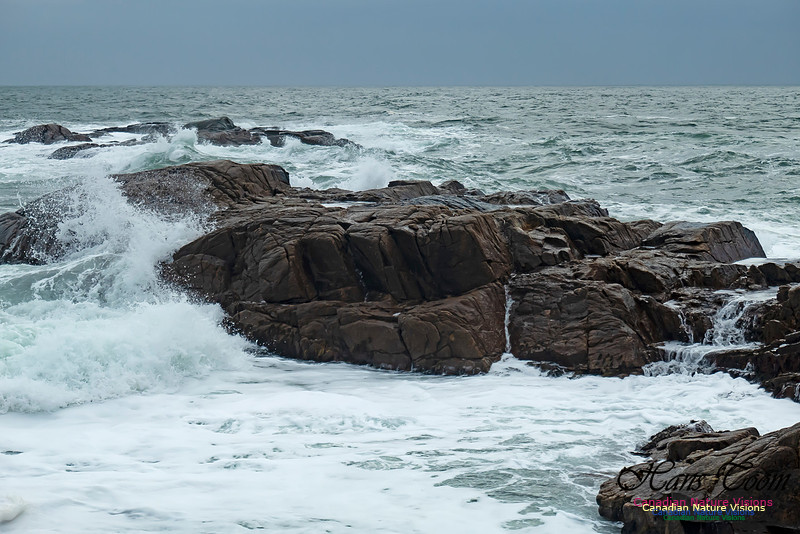
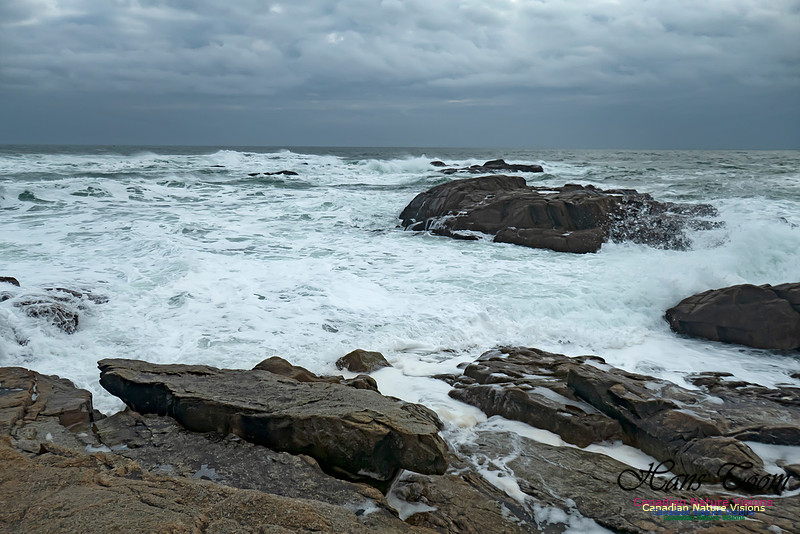
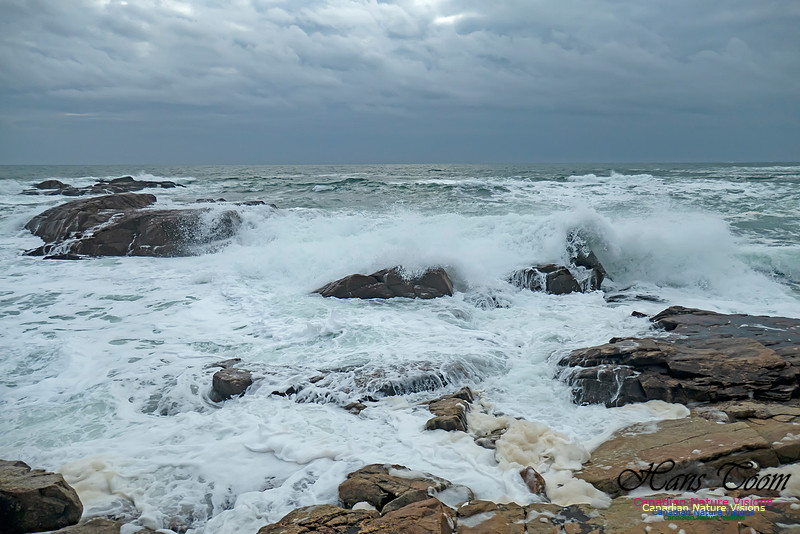
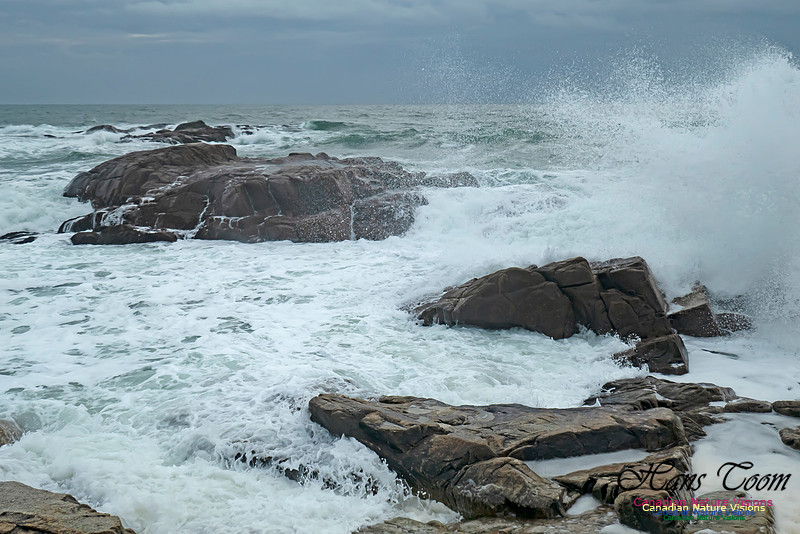
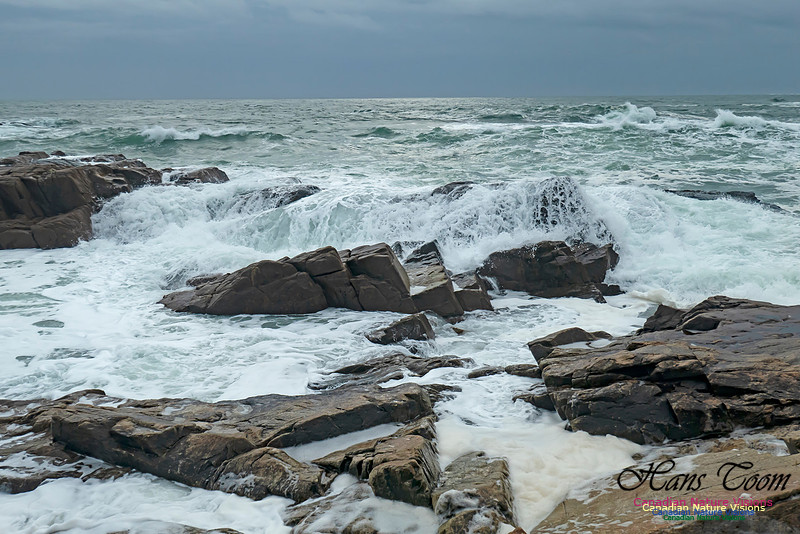
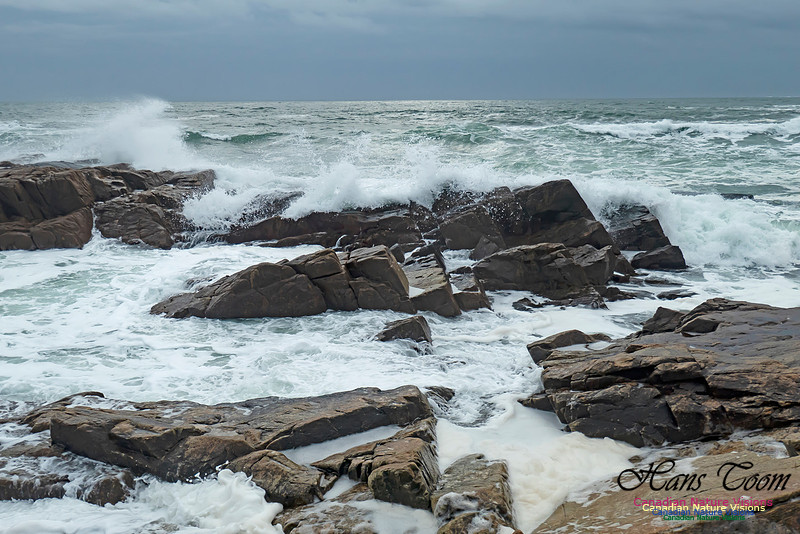
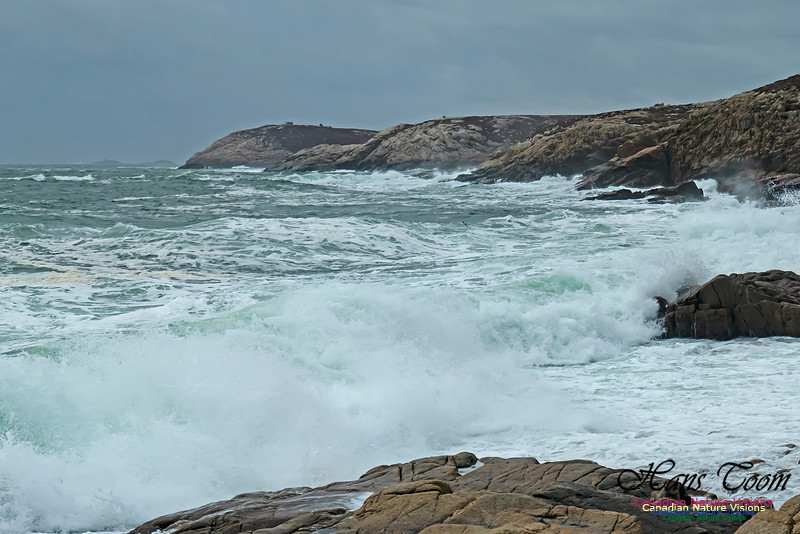
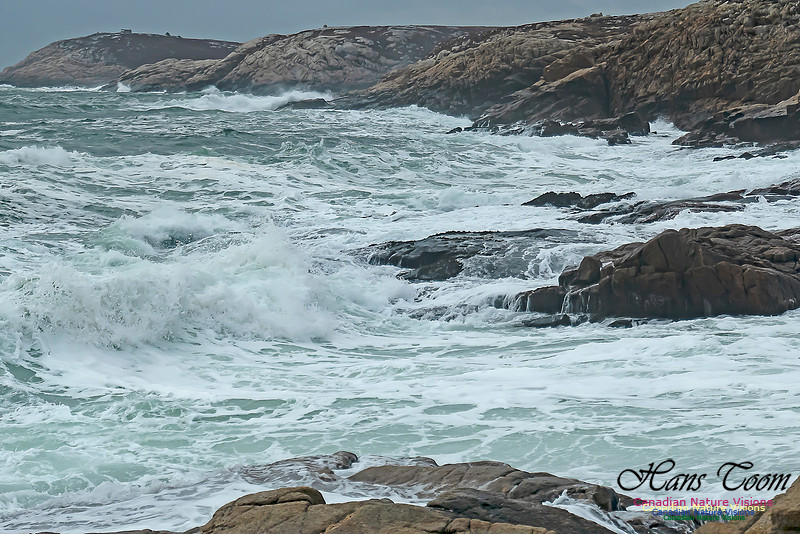
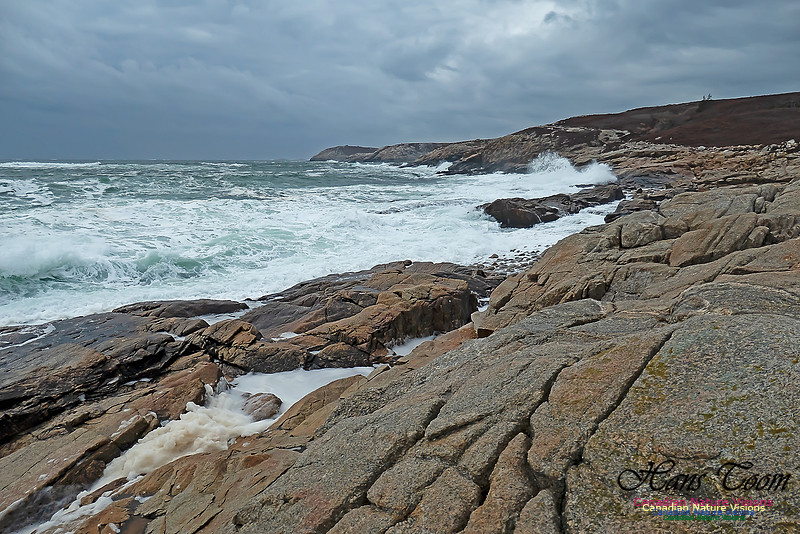
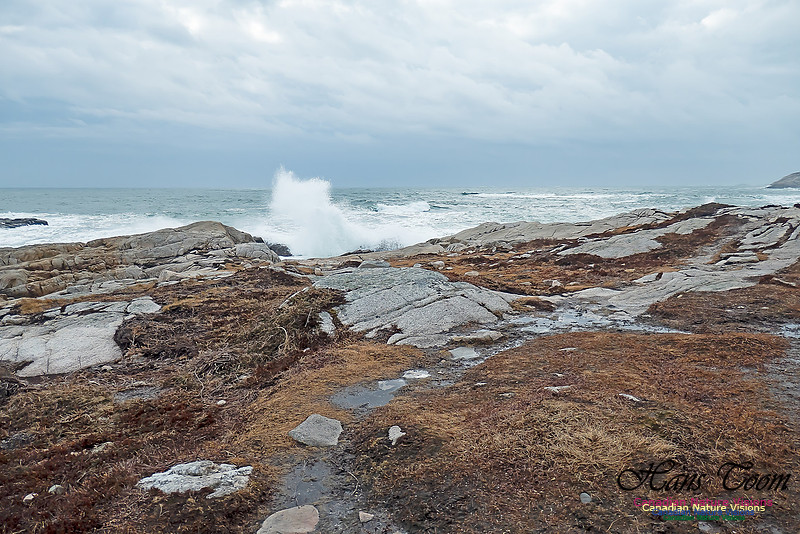
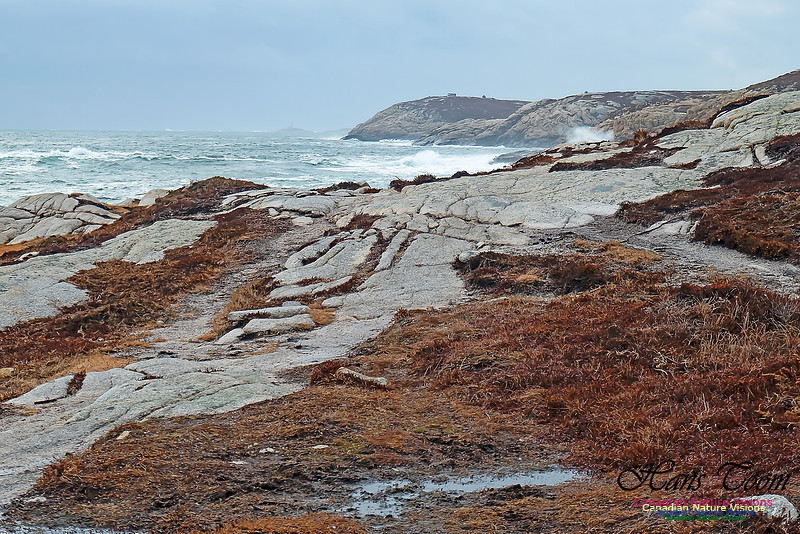
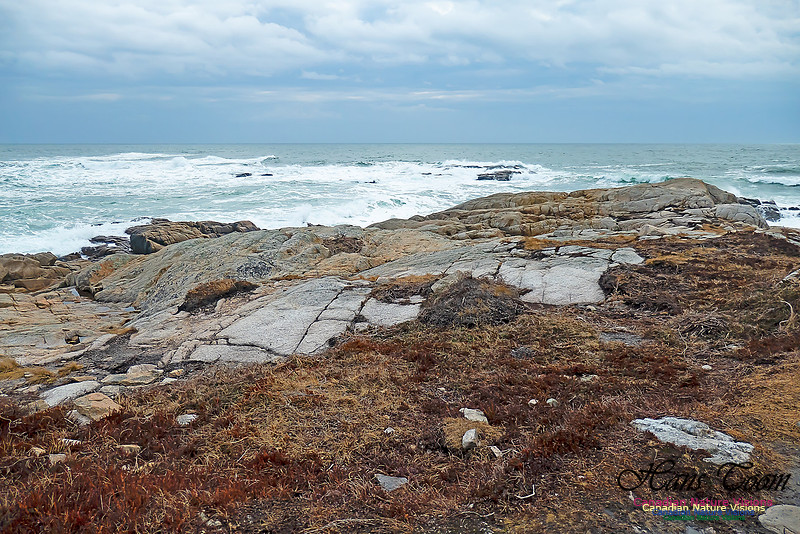
Peggy's Cove to TantallonI have not visited the Peggy's Cove area in the winter but I will return more often since the scenery as usual is spectacular. There were no foot prints on the trail to the light which is unusual but the cold weather is a deterrent. Peggy's Cove to Tantallon
Pine GrosbeakLaura and I enjoyed the antics of Pine Grosbeaks as they fed beside the road on our trip to the Annapolis Valley. They prefer boreal forests so seeing these birds in farm country was unusual. Cape Breton Island and Newfoundland are more common haunts of this elegant northern finch. In my haste to photograph this bird I did not remove my 2X lens extender so there was some loss of definition in the photos, but who cares? Pine Grosbeak
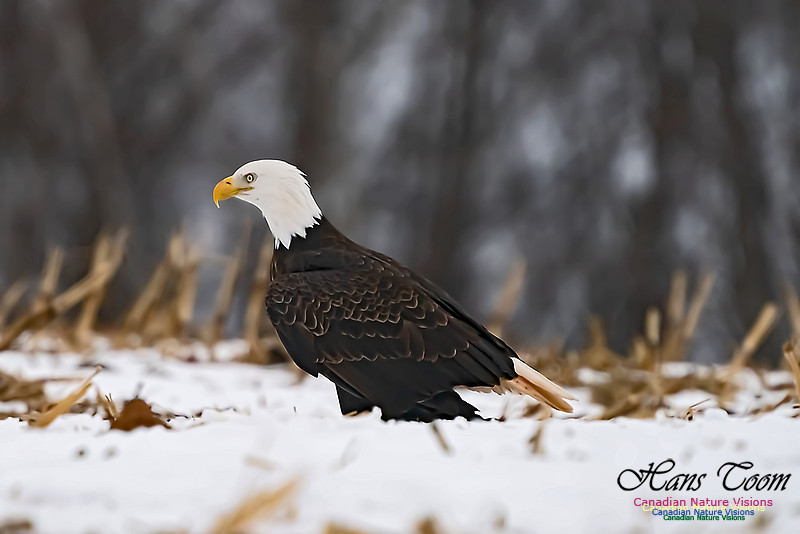
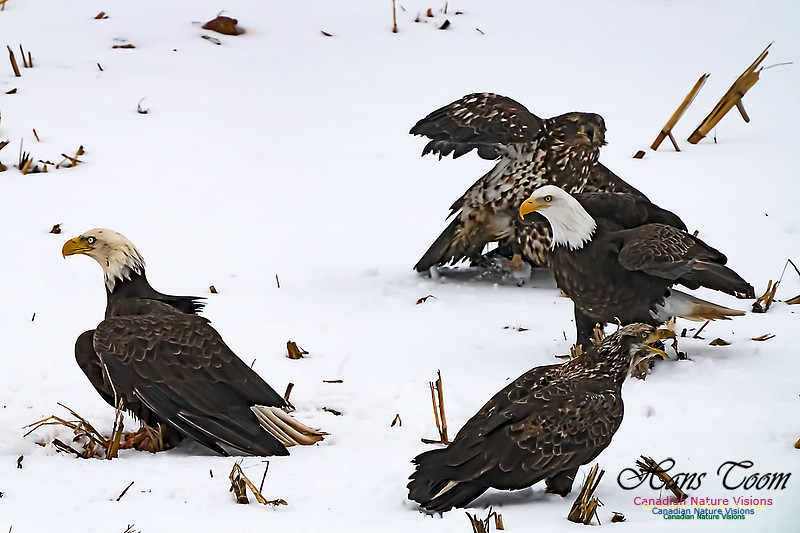
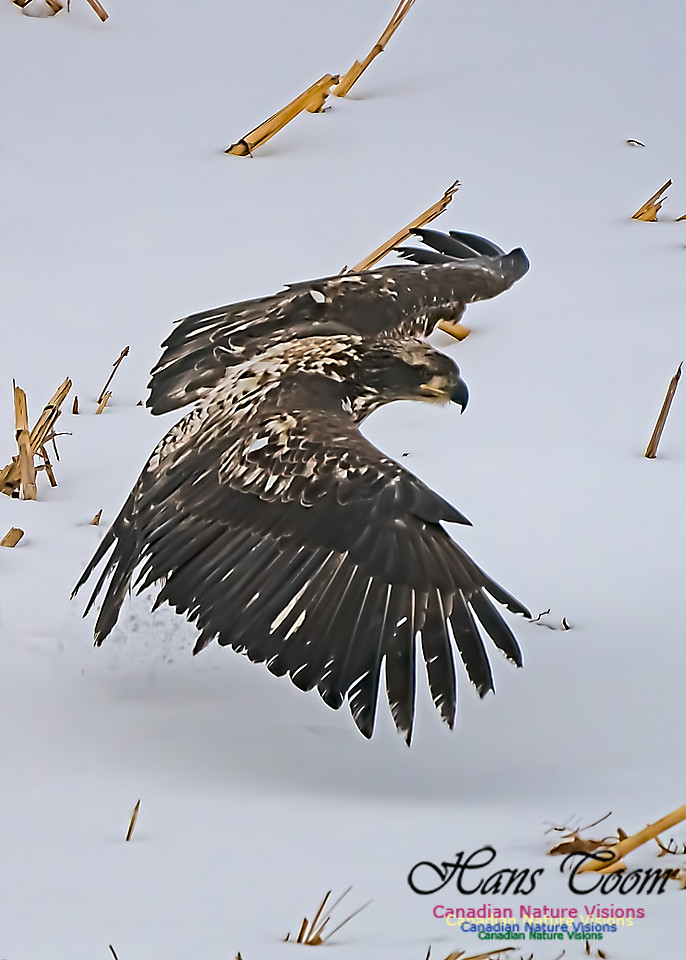
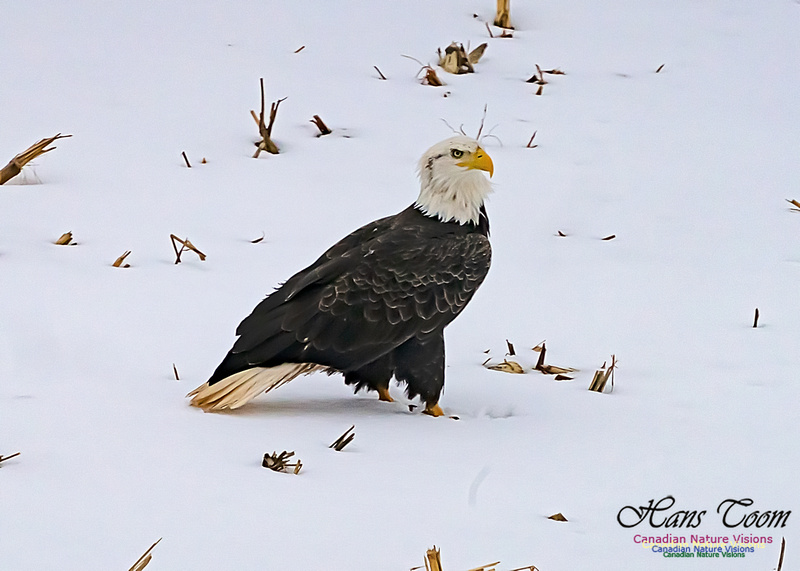
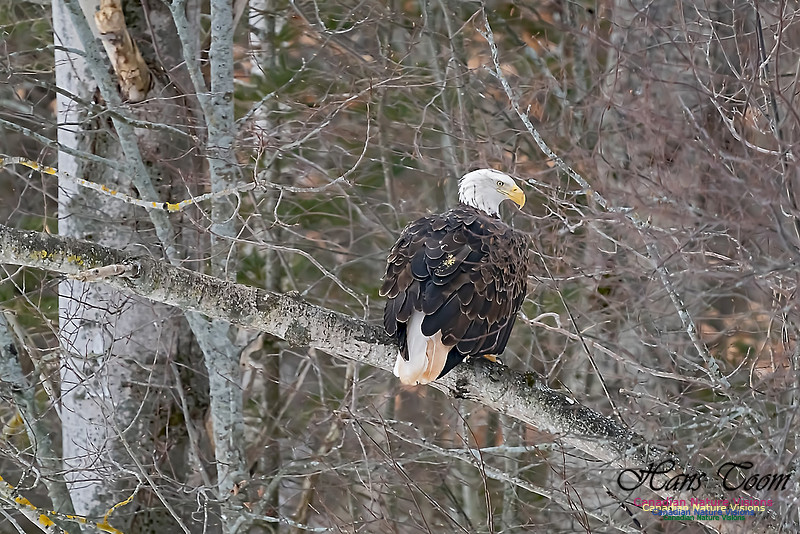
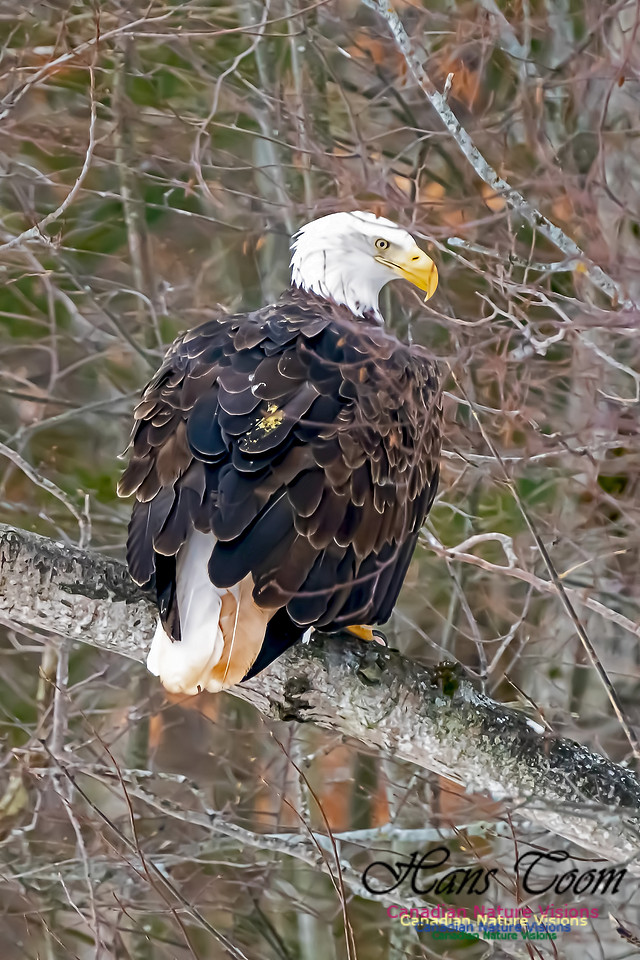
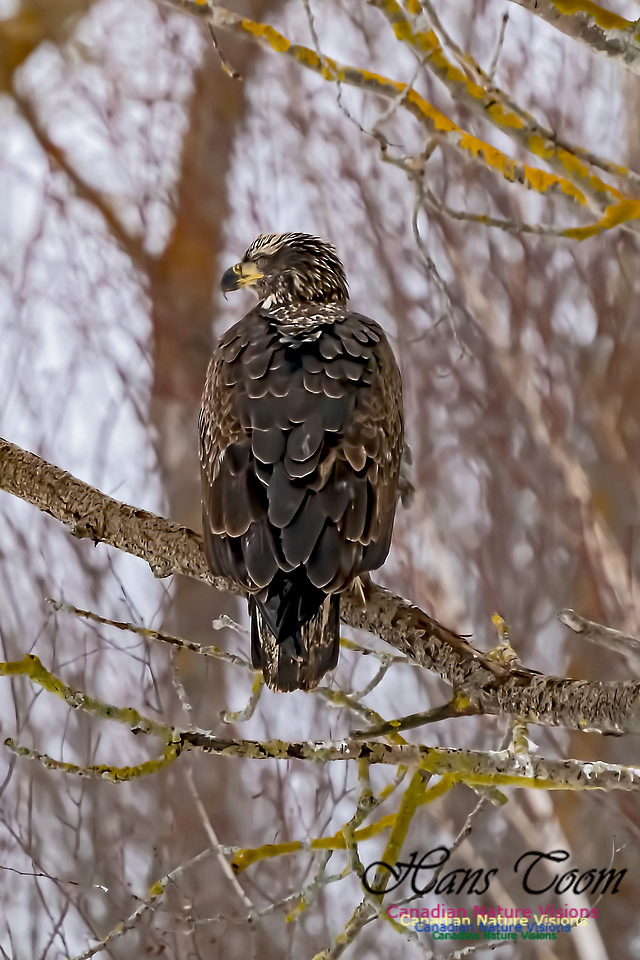
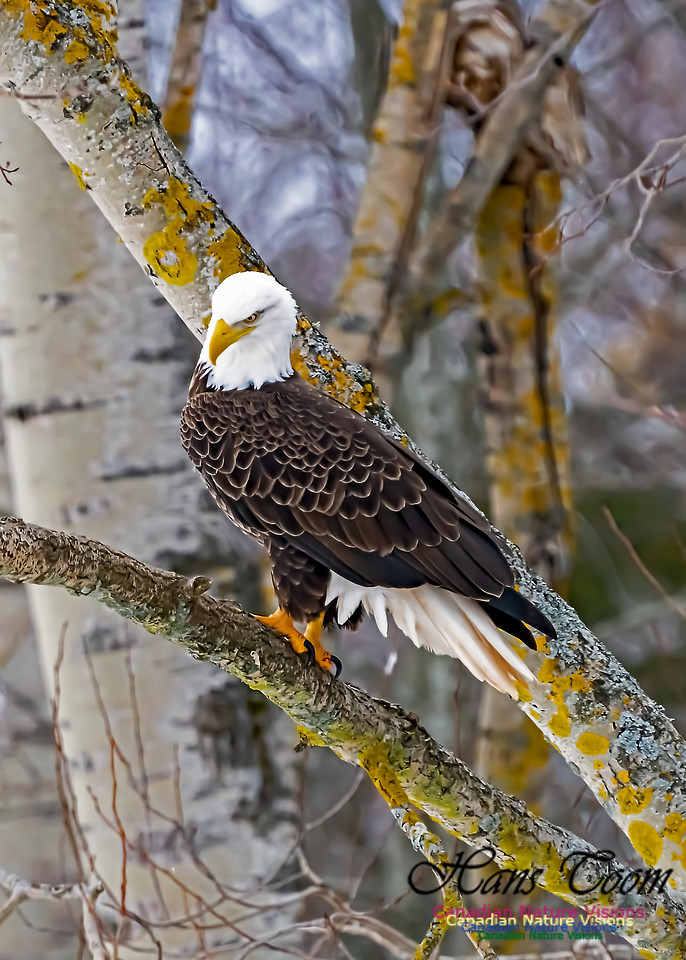
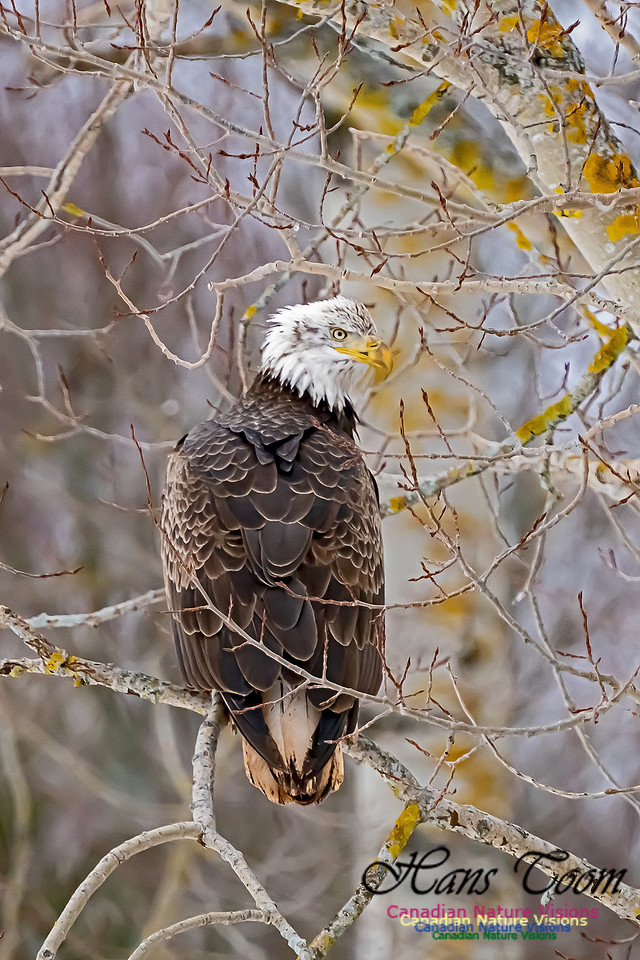
Bald EaglesA visit to the Annapolis Valley is always an opportunity to photograph Bald Eagles. Thanks to the disposal of dead chickens on the adjacent lands the Bald Eagle population has exploded in Nova Scotia. This could be harming the balance between apex predators but there is no way to be certain. Meanwhile just enjoy this magnificent bird. Bald Eagle
Tufted DuckThe Tufted Duck is a Eurasian species but it commonly nests in Iceland. It is an irregular visitor to Nova Scotia and can be considered rare. They hybridize with Greater Scaup and telling the difference can be challenging. We had one last year so this example could be the same bird that never left the Nova Scotia area. Tufted Duck or Hybrid Greater Scaup/Tufted Duck
Tufted Duck with Lesser Scaup
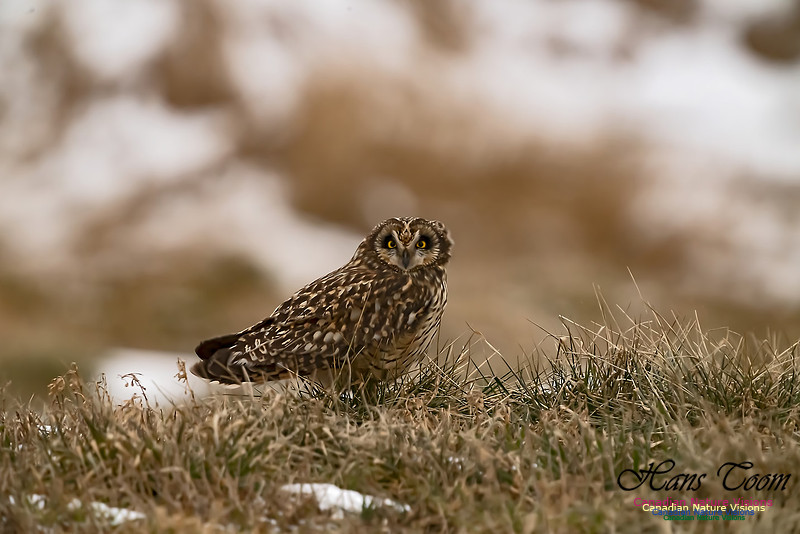
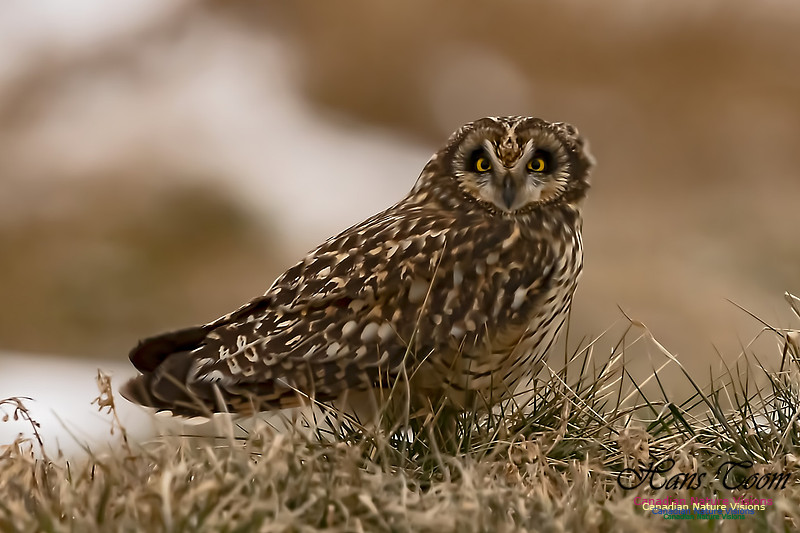
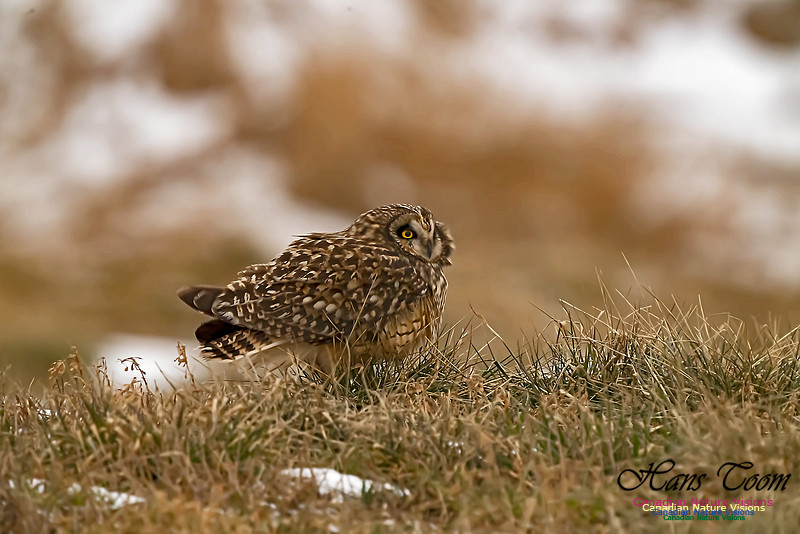
Short-eared OwlI have been trying for thirty years to get decent photos of the Short-eared Owl. They were a common site at Oak Hammock Marsh in Manitoba usually at dusk so photography with the old film cameras was a challenge. I've seen them several times sitting and in flight in Nova Scotia but I was never able to successfully photograph one. That changed today. We saw a flock of six Short-eared Owls but they scattered quickly upon our approach. Some patience allowed a chance at two sitting on the ground, and hooray I finally got some decent photos of this coveted owl. They can be tricky to see when standing still on the ground. Its best to examine every hummock. Short-eared Owl
Peregrine FalconYesterday was a very successful day of photography in the upper Annapolis Valley for Laura and me. We found Bald Eagles (easy), but also much harder to find Short-eared Owls (6) and Peregrine Falcon. All of the birds were photographed, but the flock of Horned Larks eluded my camera. An absolute delight was a flock of Pine Grosbeaks, a truly nifty bird. First up for display is some poor photos of a Peregrine Falcon. This example has characteristics of Pacific and Tundra species. The large rounded side burns suggest Pacific but the large white patch behind the side burns suggest Tundra. Perhaps this is a hybrid of the two races. You decide. Photographing at low levels across barren ground is seldom successful due to rising air currents and dust swirls. Peregrine Falcon
Snowy Scenes Early One Wintry MorningAfter our recent snowfall I enjoyed a walk and tour from the Armdale Roundabout to Sir Sanford Fleming Park and points in between. Despite the fresh snow in the parks the trails were trampled down from the previous day when it was still snowing. Fresh Snow in Halifax on a Frosty Morning
Sunrise and Snow at Herring CoveMy hopes for a combination of fresh snowfall and a clear sunrise were realized sooner than I hoped. I planned to visit several locations on this morning to enjoy the snowy scenes. I started my day with the sunrise at Herring Cove. The sea fog was a surprise that added to the luminescence of the sun's morning glow. Sunrise and Snow at Herring Cove There is sea fog in several photos.
Roof Icicles on a Sunny MorningWe were treated to back lit roof icicles this morning. This is unusual for our home since it is well insulated and has a metal roof of interlocking aluminum shingles which has a nice habit of shedding snow in sheets. Of course, one has to wear a hard hat around the danger zone until the avalanche happens:), and enjoy a second snow shoveling event. Roof Icicles on a Sunny Morning
My New Birding and Wildlife Camera and LensIts been a long time coming but I finally have my Sony A7R IV with Sony 200-600mm lens. I have also purchased the rather expensive 2X teleconverter but I do obtain acceptable 1200mm photographs and yes folks it autofocuses with ease at 1200mm. The camera has a 61mp sensor which allows me to make substantial crops and still have excellent results. The 61mp files, up to 128mp in RAW format which I normally shoot, presents challenges for my computer which already has all the RAM it can hold, but this will require verification. The teleconverter which converts my camera's reach into 400-1200mm is primarily for astrophotography although it can also be used for bird photography (if I can find the bird in the viewfinder:)). I will wait until the spring to get a "go to", tracking equatorial head. "Go to" refers to the computerized nature of the equatorial head. Once the setup is aligned to true north I can punch in a target on the keyboard and the equatorial head automatically slews to the target, and then automatically begins tracking the target. The "go to" equatorial head is about the same price as a moderate focal length lens. Bird photography has been slow this winter thanks to the fine weather which has allowed our migrants to move south in a orderly manner, so there are no trapped birds this winter, as yet. This is all good! Our usual overwintering birds are scattered in the local forests with no need of human assistance yet. So far this winter we have had at our place in Portuguese Cove; Northern Cardinal (comes and goes), White-winged Crossbills, Nashville Warbler, Swamp Sparrow, up to five male Ring-necked Pheasants and four female Ring-necked Pheasants at a time, Cooper's Hawk, Sharp-shinned Hawk, Turkey Vulture, Bohemian Waxwings, the usual overwintering sparrows, overwintering Grey Catbirds, Blue Jays, corvids (mostly Ravens), finches, doves, dozens of Tree Sparrows, White-breasted and Red-breasted Nuthatches, Hairy and Downy Woodpeckers, 50,000 Starlings and one Pine Siskin. The Grey Catbirds nest in our rose brambles every year! Sony A7R IV and Sony 200-600mm
Sunny Morning on the Prospect BarrensI enjoyed a morning hike on the Prospect Barren, west of Prospect, Nova Scotia. I came into the barrens from the west end. There were few birds about except for some chattering Snow Buntings. This is a wintering area for Harlequin Ducks but I did not venture that far east since I wanted to visit the ocean-side bluffs. There are rock climbers pins at the bluffs. A fall here would take you directly into the Atlantic Ocean. Photos taken with Lumix camera. Western Prospect Barren
Sunrise at Herring CoveI enjoyed a rare clear sky sunrise at Herring Cove although a few clouds would add to the spectacle with the reflection and diffraction of light. These photos were taken with my Lumix hiking camera since my new Sony camera does not have wide angle lenses yet. As the year progresses the sunrise will move further north, to the left of the frame, and will be in the centre in a couple of weeks. This will be a good time to revisit the sunrise especially if there is some snow. Sunrise at Herring Cove, Nova Scotia
Blustery Morning at the Coastal BarrensI try to get down to Duncan Reef and the nearby coastal barrens frequently mostly for the exercise although Harlequin Ducks do winter here. It was a dreary windy day so typical of winter in Nova Scotia. Photos taken with my Lumix camera. Coastal Barrens near Duncan Reef, Nova Scotia
Cold Moon, December 27, 2020My targets were the Orion Nebula and the Pleiades which I could see clearly from my front deck but alas my hiking camera could not display the stars or nebula in the monitor. Also, without a tracking head long exposures are iffy to impossible. I did manage to photograph the Cold Moon also known as the Ice Moon one day before it would have been full. It's handy for setting infinity focus on a manual focus setup but it lights up the sky which also diminishes the display from the Orion Nebula and the Pleiades star cluster. I've been without a professional camera since the accident with my Nikon. It took two months for those characters to tell me the camera was not economical to repair so there are further delays as I go through the insurance process. The crummy service from Nikon has given me a reason to finally switch to a higher resolution Sony mirrorless camera, hopefully my last change of systems for this life time. Cold Moon I didn't add the bluish tint. That is the way it was when I photographed it.
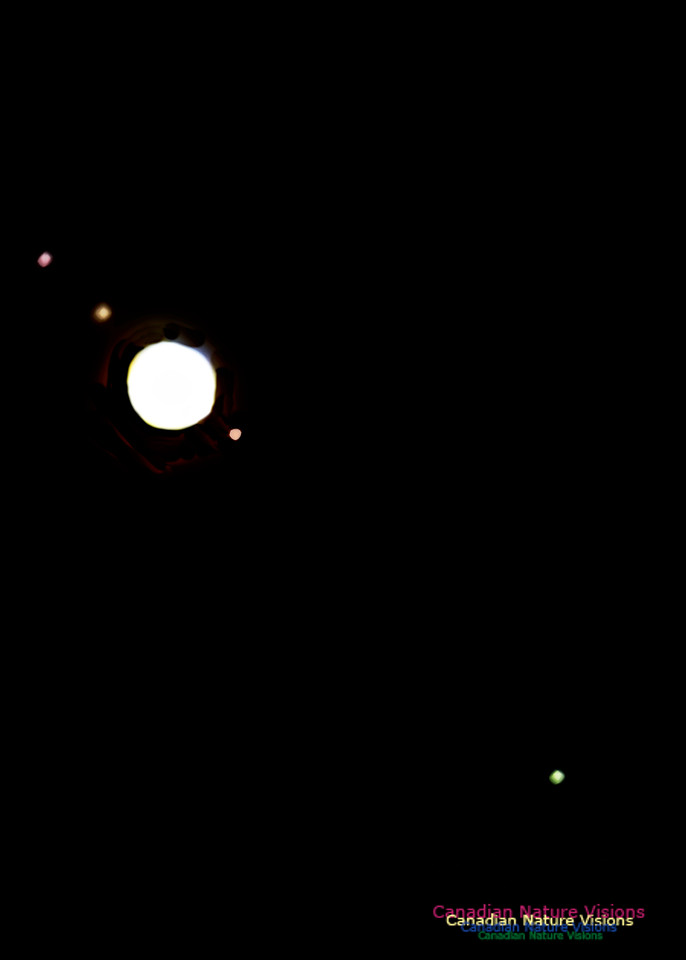
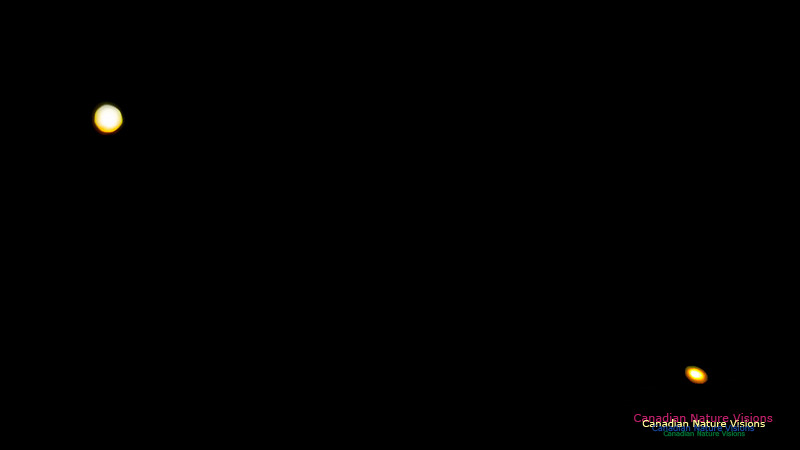
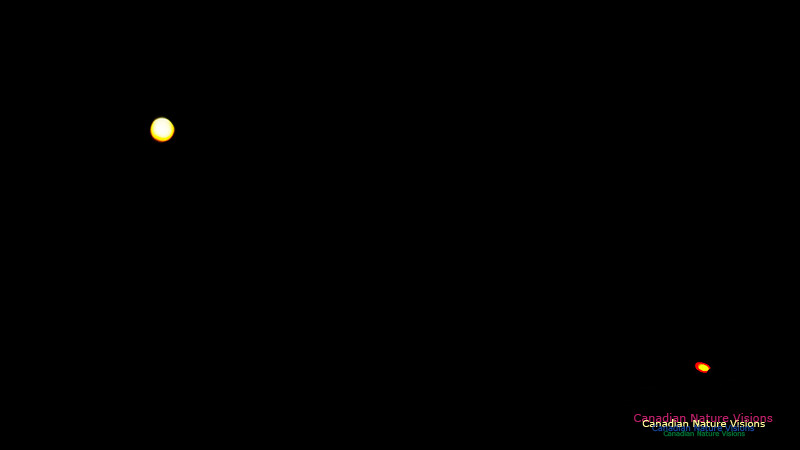
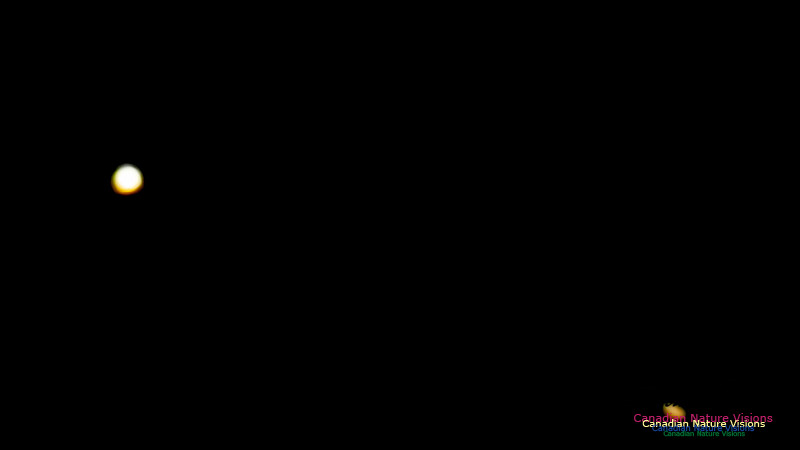
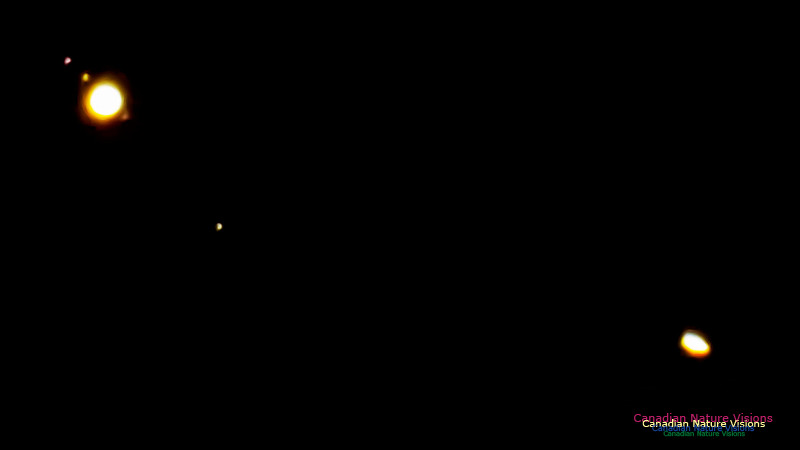
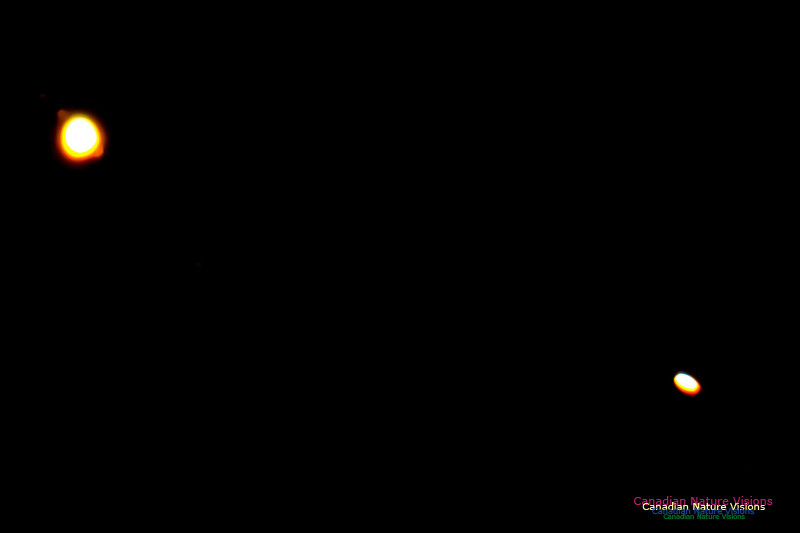
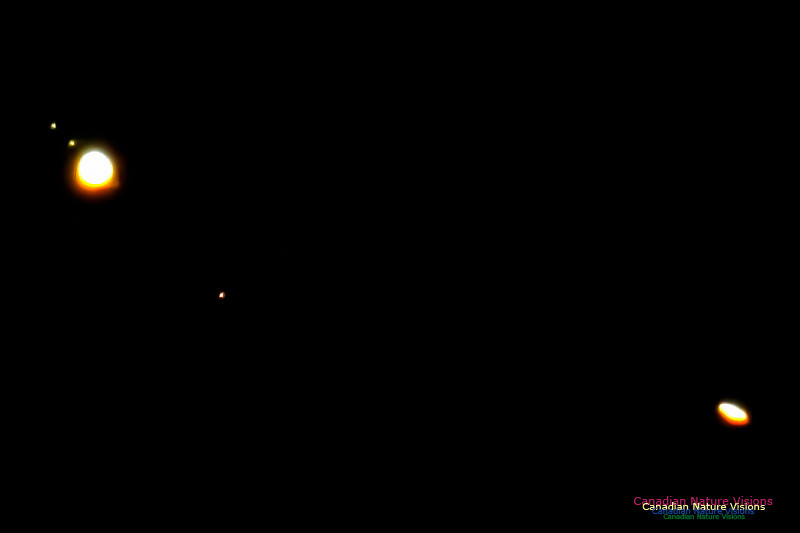
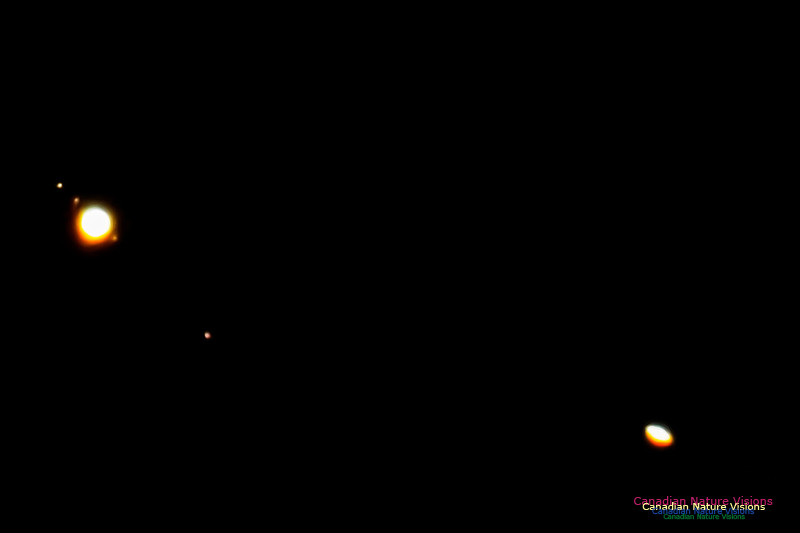
Great Conjunction of Venus and Jupiter, December 23, 2020With rain and cloud on tap for the next several days yesterday was my last opportunity to take photographs of the Great Conjunction of Venus and Jupiter. They are separating quickly now, quite a difference even from yesterday. I went directly to my chosen observing spot and took my last photographs. I shot at F8 at 3000mm from 1/4 second exposure to 1/400 second exposure, 6400 ISO. The Galilean moons were from the top; Io and Europa above Jupiter and Callisto below Jupiter. Ganymede was further below Jupiter. Saturn was tilted so with its rings it showed an oblique shape. The Great Venus Jupiter Conjunction
|