Great Conjunction of Venus and Jupiter, December 22, 2020After giving up on photographing the Great Conjunction from Peggy's Cove Light due to the gale force wind I looked for another place out of the wind. The parking lot on the eastern side of the Sou'Wester Restaurant was OK for a while until the Great Conjunction moved too low on the horizon. I relocated to the look-off at the Swiss Air Memorial and it was perfect. I didn't need my tripod since I could pile bean bags on my car's door sill, and I could stay warm (er). The reason the Hubble Space Telescope is where it is and why observation sites are high on mountain tops is due to our atmosphere which diffracts and distorts light from stars and planets. Cameras compress all the dust, high cloud and ice crystals onto the frame of the photo further degrading the image. Before Sunset at Peggy's Cove Light
The Great Conjunction the Day After the Closest Approach I grew up and obtained my education in Vancouver and still consider it my home town although where Laura and I now live in Portuguese Cove is our longest stay in any home for both of our lives. I missed the closet approach of the Great Conjunction due to cloud and rain on December 22, 2020. Yes I know that you have to be a masochist to take up astrophotography in Nova Scotia. Interestingly, and I did check, Halifax gets more cloudy days than Vancouver. The Great Conjunction of December 22, 2020 The Galilean Moons are from the top; Europa, Callisto and below Jupiter, Io and Ganymede
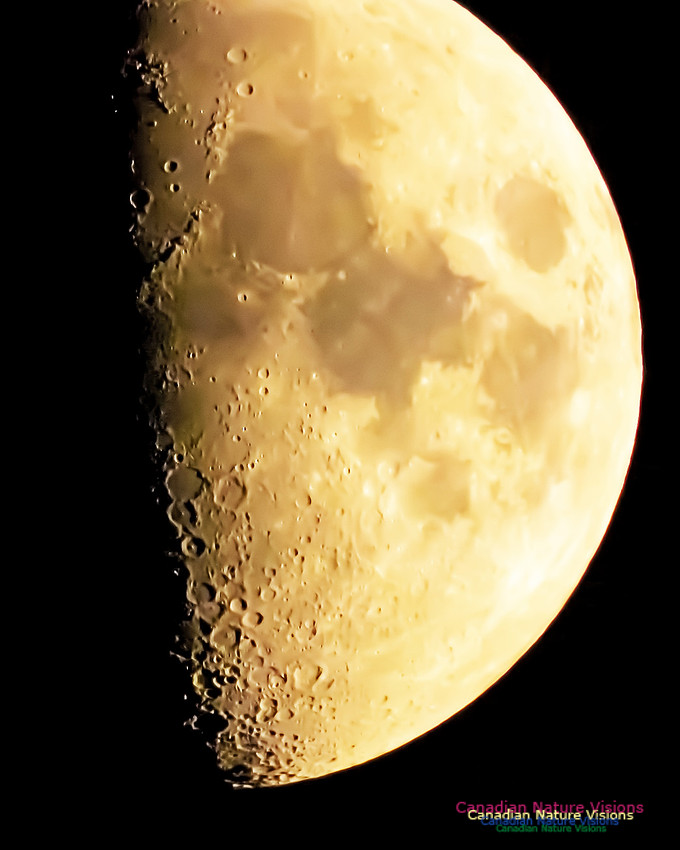
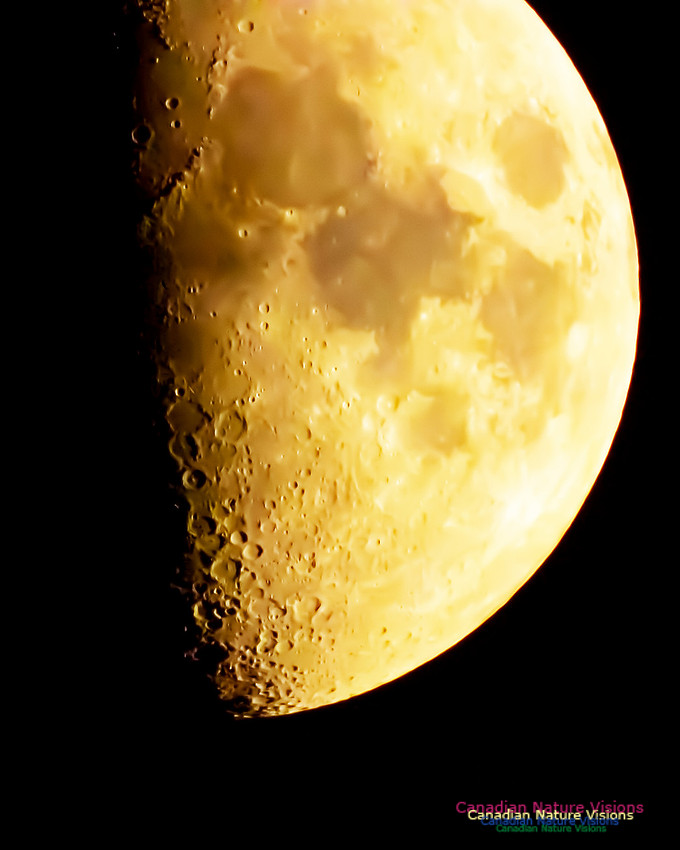
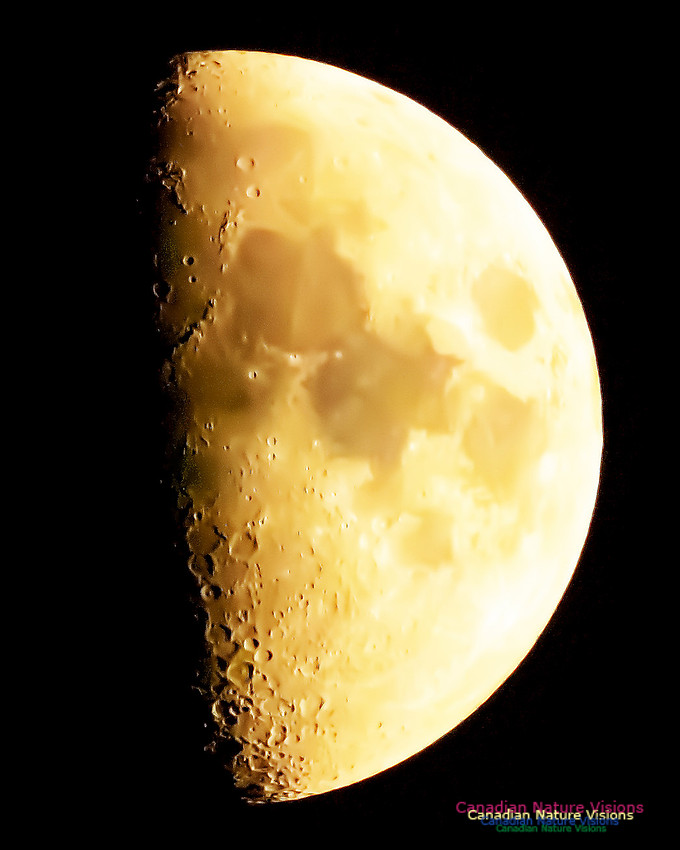
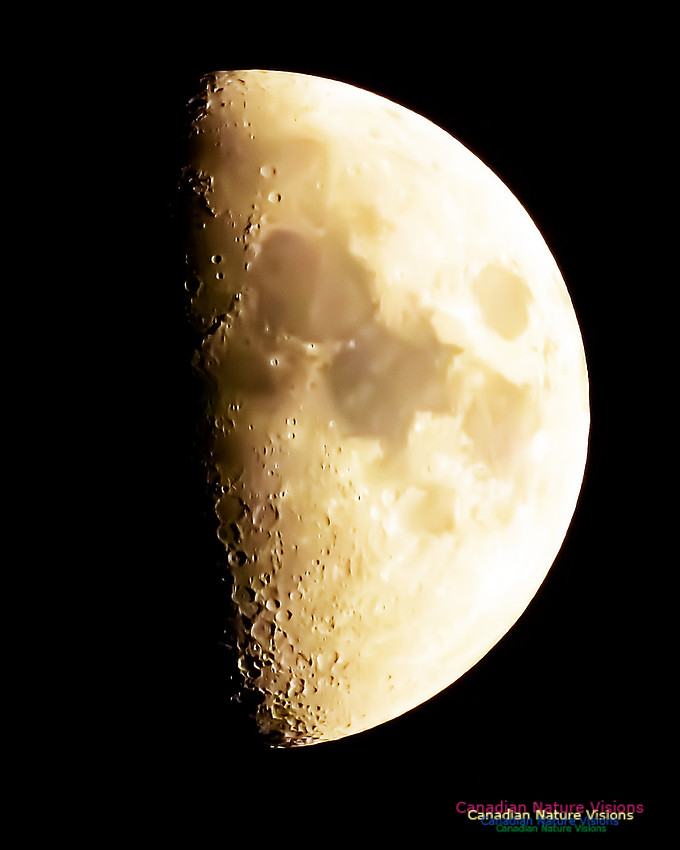
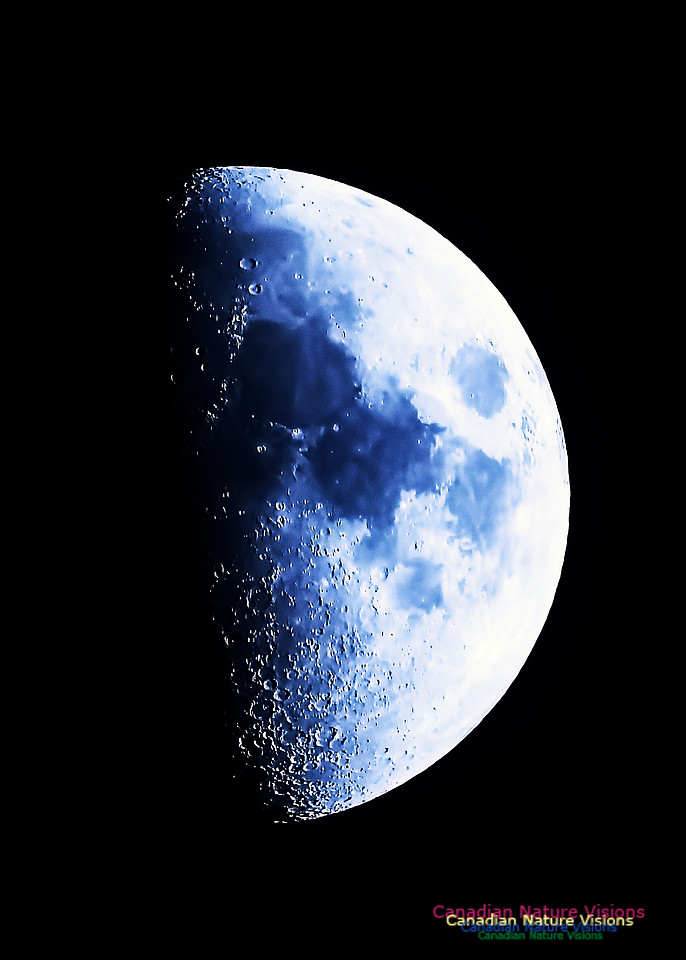
Our Moon of December 22, 2020Whilst waiting for the Great Conjunction of Venus and Jupiter I photographed our moon. Our moon makes a handy target to set ones camera lens on infinity using the convenience and reliability of auto focus since one needs to be on manual mode to photograph the Great Conjunction. I was at Peggy's Cove because it provides a fine vantage of the southern and western sky. Unfortunately, there was a gale force wind blowing which made photographing the Great Conjunction tricky unless one could find a sheltered spot behind a building. I tried standing behind Peggy's Cove Light but that didn't work because the south-western sky where the Great Conjunction would appear had me standing back in the wind again. Our moon of December 22, 2020
First Photos of the Conjunction of Saturn and JupiterI made my first effort yesterday to photograph the great Saturn-Jupiter conjunction of 2020 with the best pairing yet to come on Monday December 21. It's going to be a close call as the weather is forecast to be lousy until Monday and even Monday's forecast is partly cloudy and showers in the evening. The best time and only time to photograph this mega rare astronomical event is one to two hours after sunset on Monday. I may have to travel a bit depending on what I see on the weather radar. I have a 3000mm setup but wind and vibration will be a concern. Adding to the rarity of this event is that it is occurring on the Winter Solstice. Wow! https://www.adlerplanetarium.org/blog/jupiter-and-saturn-great-conjunction/ On December 21, 2020, Jupiter and Saturn will appear so close together that they will be about 1/10th of 1 degree apart. This very close conjunction is given a special name: a great conjunction. They won’t appear to touch each other, but the proximity of this conjunction is closer than any Jupiter-Saturn conjunction since July 1623. That particular conjunction would have been hard to see because it would have been mostly lost in the glare of the setting Sun. The last time Jupiter and Saturn appeared this close AND they were easily seen away from the Sun’s glare? March 1226. This December’s conjunction is, indeed, a rare event. If you look at Jupiter and Saturn through a moderately magnified telescope, you should be able to fit both of them in the same eyepiece view. Saturn is above Jupiter in the Photo with the Crescent Moon Below Jupiter
Deep Panuke Under TowThe Deep Panuke is seen under tow off Chebucto Head on its way to its offshore location. This is an extending legs platform suitable for shallow water work. The Atlantic Kingfisher and Atlantic Kestrel are pulling while the Atlantic Larch is the rudder. ........................and we had White-winged Crossbills today at Portuguese Cove. Hooray for the winter finches. Another surprise this winter at our place is the nightly visits of the Southern Flying Squirrels(2). No they are not the more common Eastern Flying Squirrel. They usually come an hour or two after dusk. They drive our cats to distraction. Deep Panuke
Deep Panuke, Atlantic Kestrel, Atlantic Kingfisher, Atlantic Larch
Atlantic Kestrel and Atlantic Kingfisher
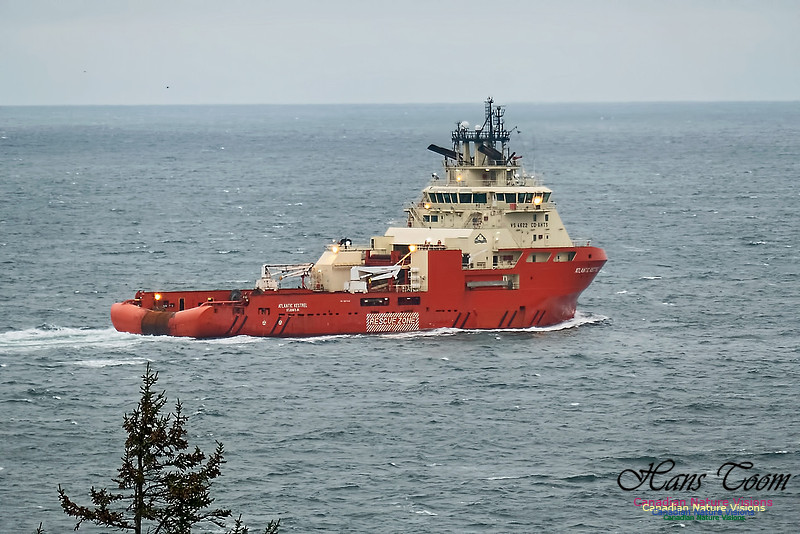
Atlantic KestrelThe Atlantic Kestrel was photographed off Chebucto Head this morning. The wind was gusting to 60mph so I struggled to stay upright and keep the camera steady. ATLANTIC KESTREL (IMO: 9557446) is a Offshore Supply Ship that was built in 2012 (8 years ago) and is sailing under the flag of Canada. It's carrying capacity is 4500 t DWT and her current draught is reported to be 7.3 meters. Her length overall (LOA) is 85.2 meters and her width is 22 meters.
Atlantic Kestrel
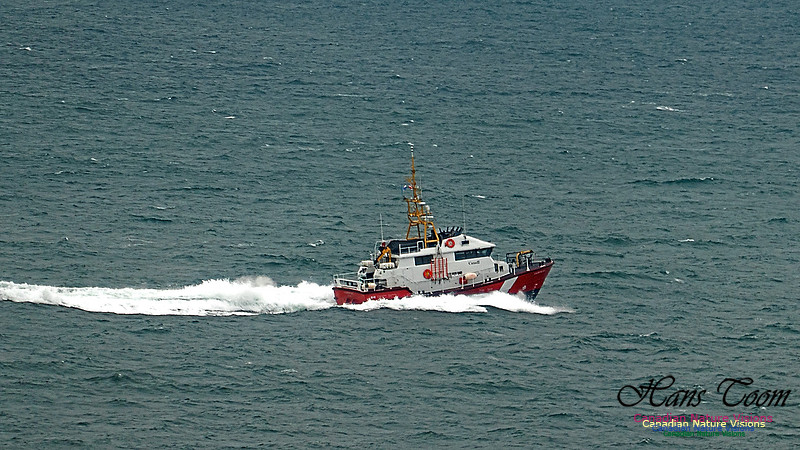
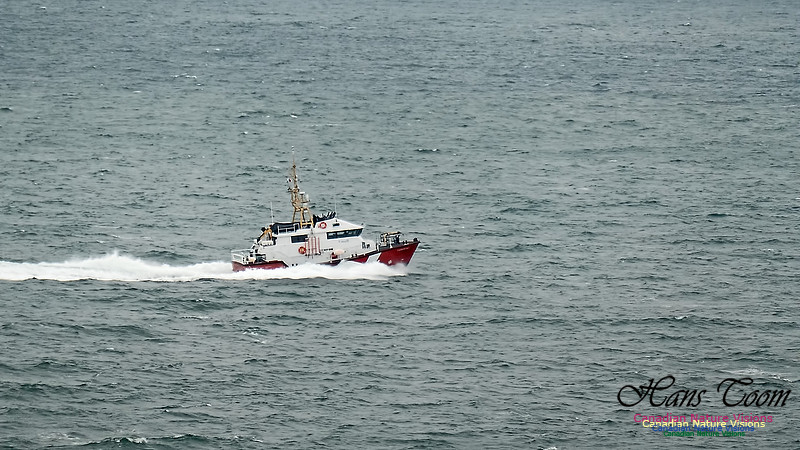
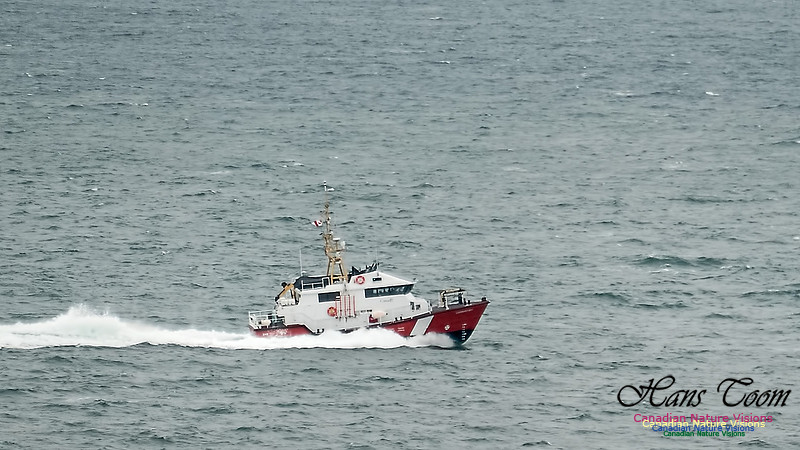
CCGS Cadboro Bay Running at 25 Knots off Chebucto HeadThe CCGS Cadboro Bay must have been at full speed or close to it at 25 knots (probably 100% continuous duty) based on my nautical experience. (Yes, I do have some). Twin 1600 hp turbo diesels had to be power limited since full out it would push the lifeboat at 36 knots well beyond its hull design speed. Like most cutters aka lifeboats it will restore itself upright if reversed in heavy seas. It's a handy maneuver if you remember to keep the doors closed:) CCGS Cadboro Bay
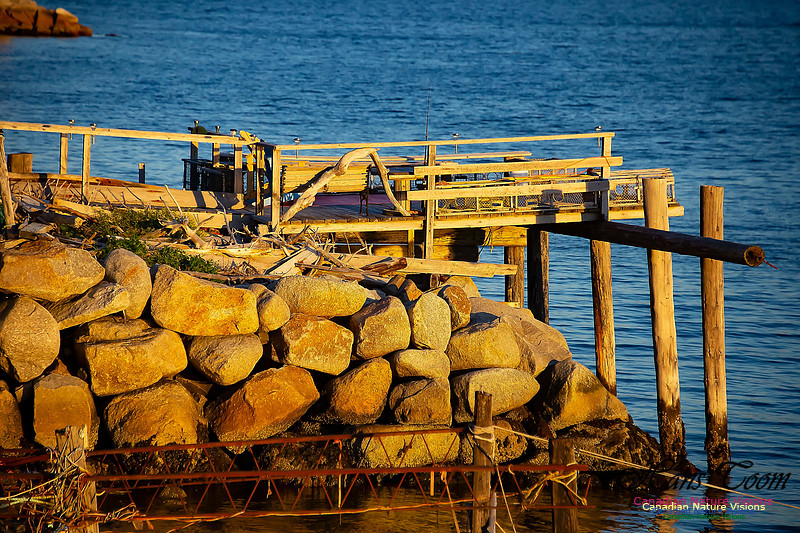
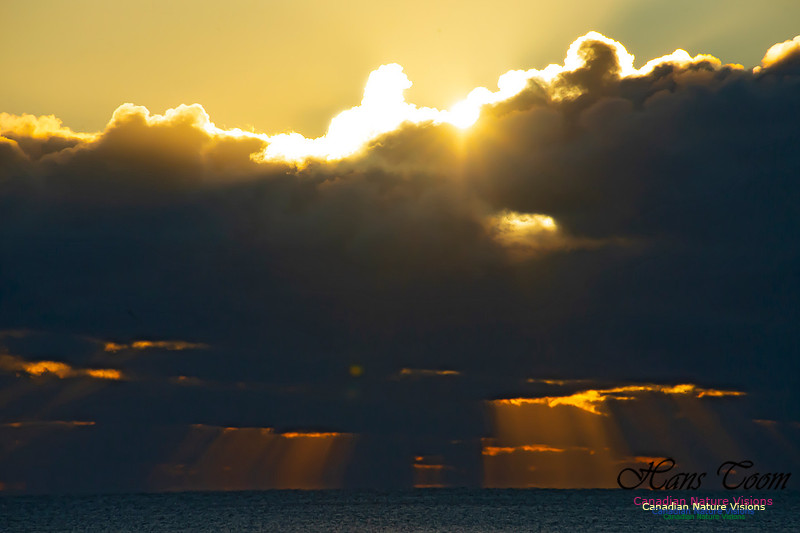
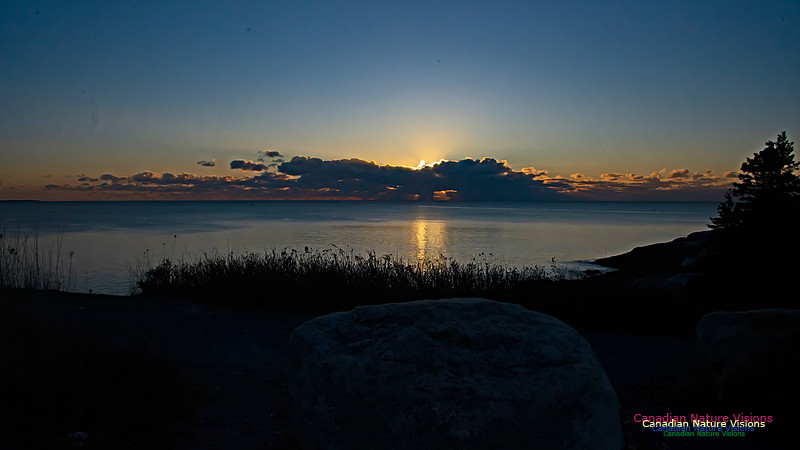
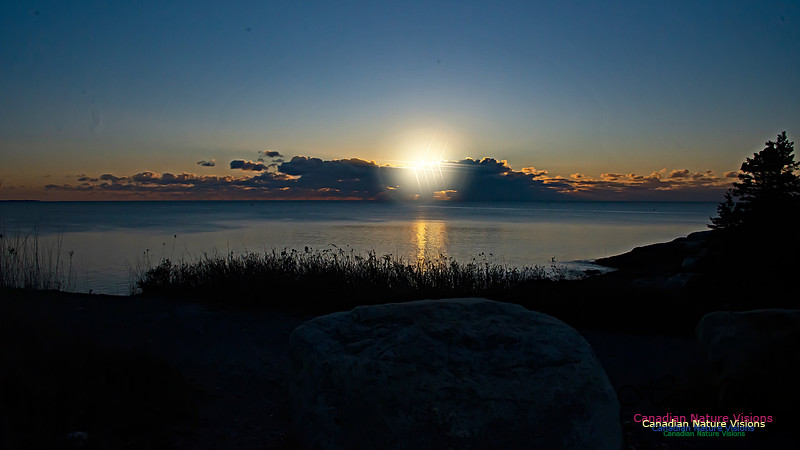
Sunrise at Herring Cove Nature Reserve and LookoffI visited Herring Cove Nature Reserve at the lookoff to photograph the sunrise. It was not a great sunrise but the light and shadow highlights on the docks and harbour cranes were interesting. Sunrise as Seen From Herring Cove Nature Reserve
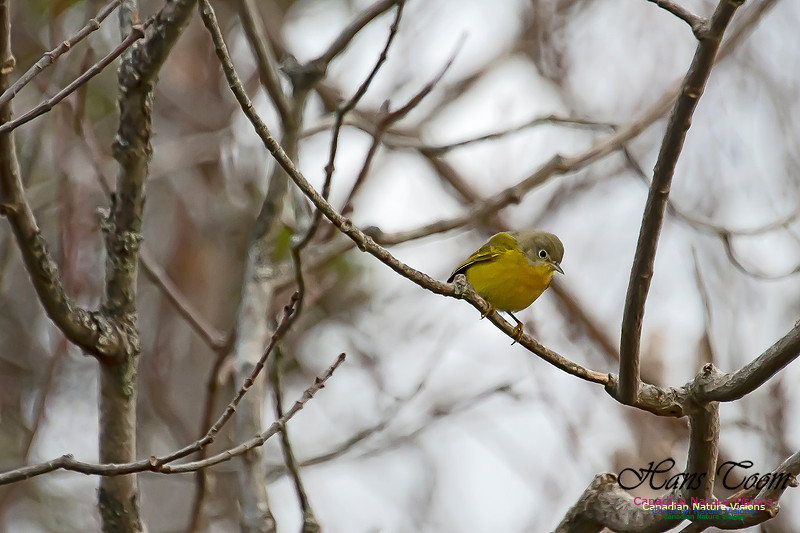
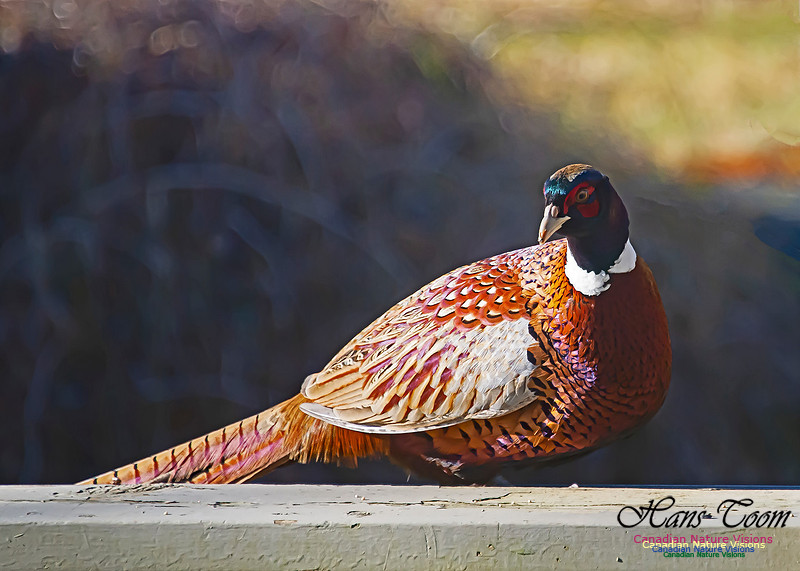
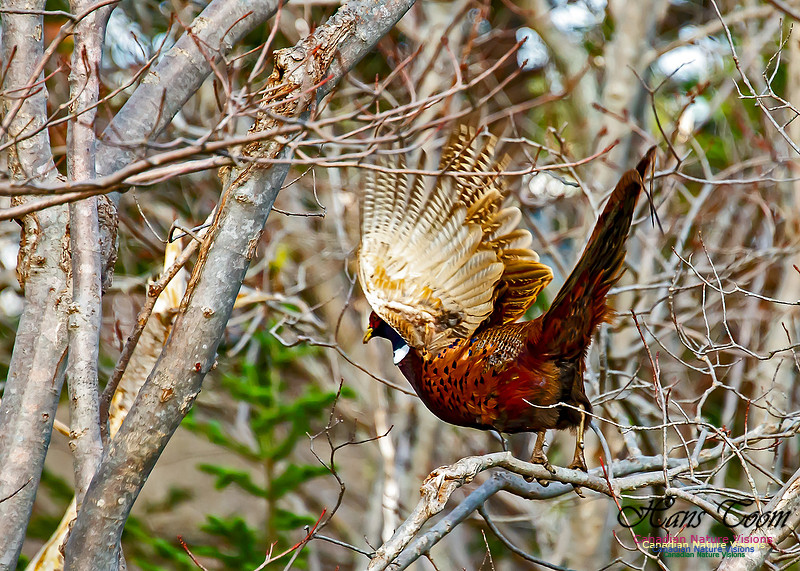
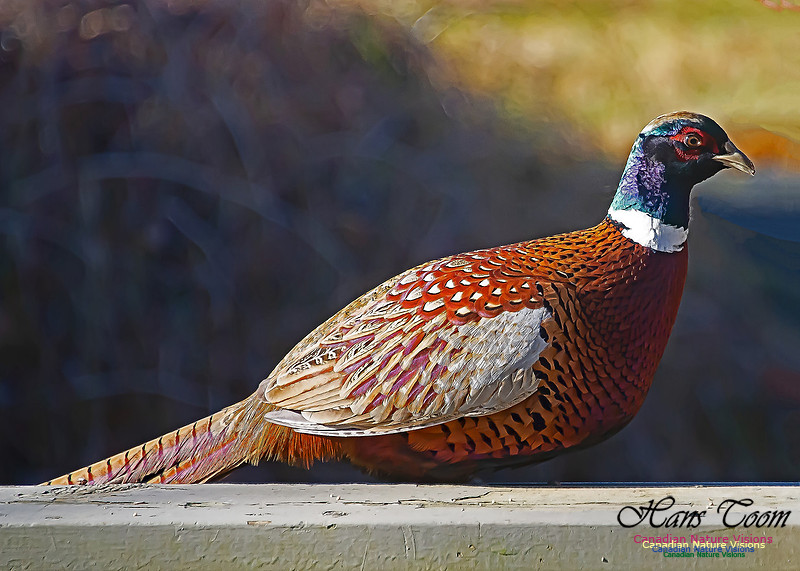
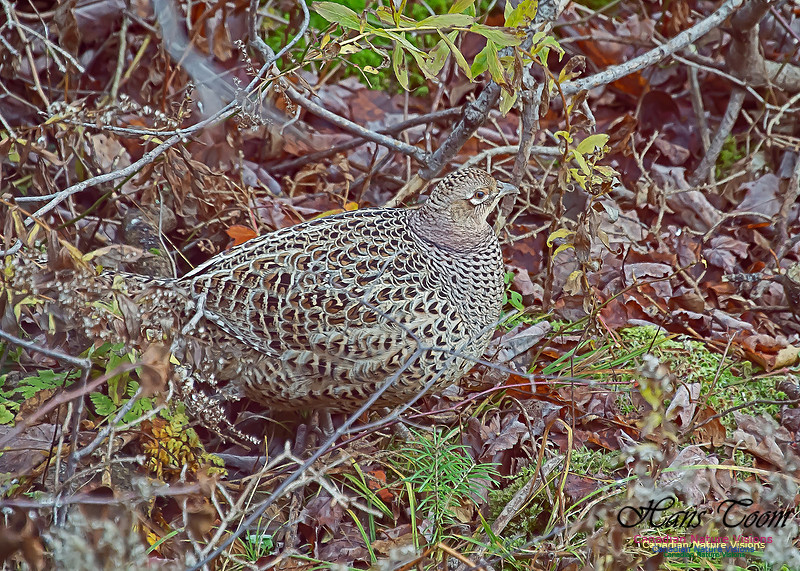
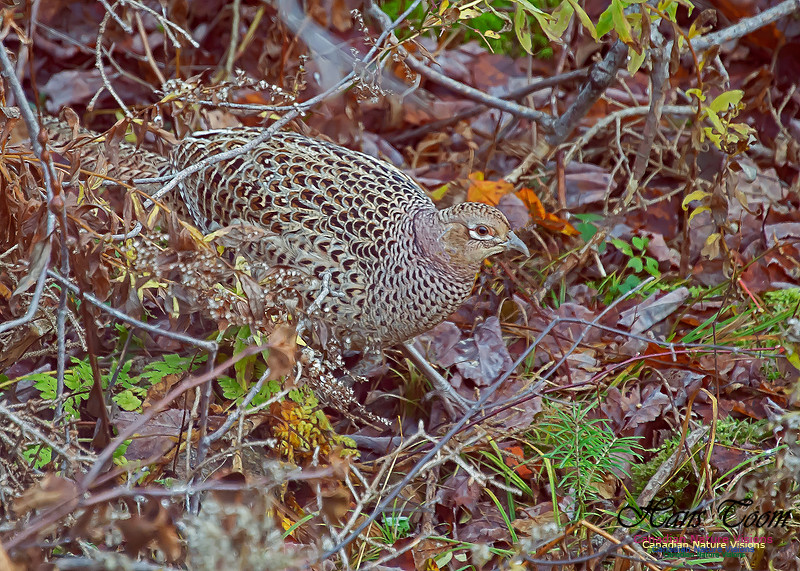
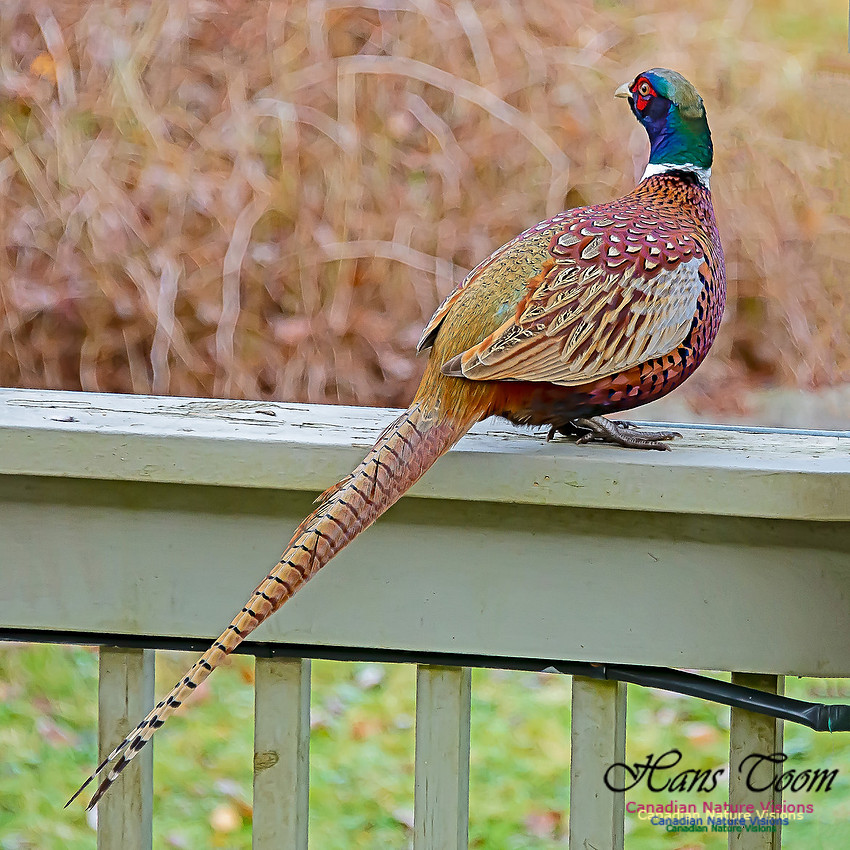
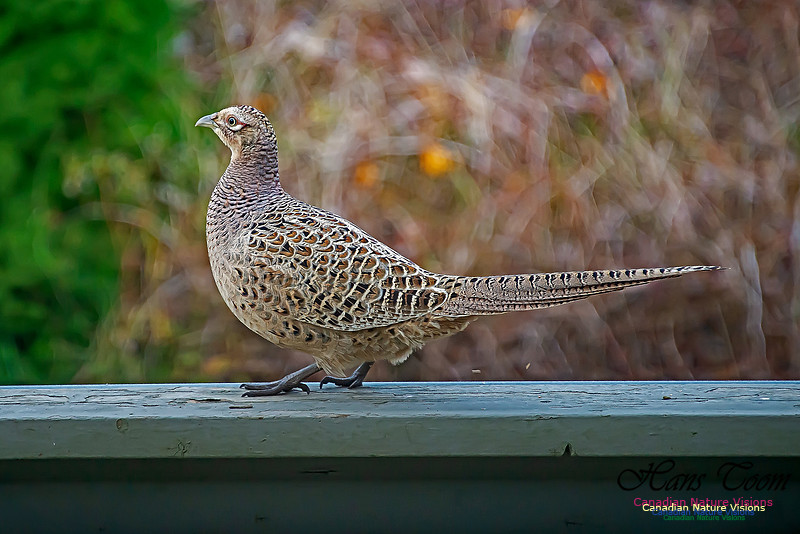
Ring-necked Pheasant and Nashville WarblerSeveral years ago a male Ring-necked Pheasant took to jumping onto our deck railing. This was during the killer winter of the flash freezes that resulted in the deaths of so many animals, all sentient creatures. The prodgeny of this original very bold and hungry pheasant have continued the tradition no doubt by example. We have at times three males and three females on the railing. We also had a visit from an unusual and very rare warbler, a Nashville Warbler (super dumb name). This bird has a trill that can be tricky to learn especially where there are similar sounding trillers. The two or three part trill can be helpful. Its a hard bird to photograph not because its shy but because it tends to sing from tall tree tops. The one I photographed was a quick snap shot through glass. Nashville Warbler
Ring-necked Pheasant
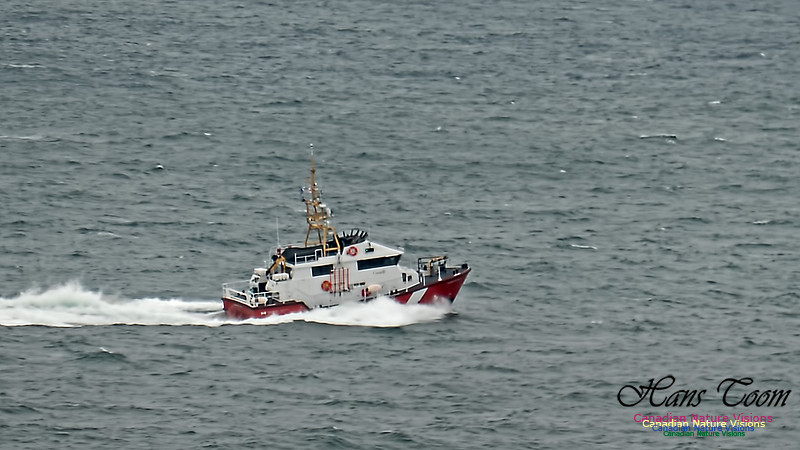
CCGS Cadboro BayThere is new Coast Guard Vessel parked at Sambro, the CCGS Cadboro Bay, parked beside the CCGS Sambro. It's a much larger lifeboat than the CCGS Sambro. There is very little information available online. Organization: HQ Ottawa., ON
All names prefixed CCGS=Canadian Coastguard Ship.
Bay-Class High Endurance Cutters (12 + 8) The rights to build a new class of Lifeboat were bought by the Canadian Coast Guard in October 2012 when the Canadian Government commissioned Robert Allen Limited (RAL) to design a new lifeboat, based on the RNLI Severn-Class hull. The boatswere ordered on 10th July 2015 and production of the 12 vessels was split between Hike Metal Products of Wheatley, Ontario and Chantier Naval Forillon of Gaspe, Quebec. The first vessel is due for delivery Autumn 2017. In April 2017 it was announced that a further 8 vessels had been ordered.
Specifications
Fleet Details
CCGS Cadboro Bay
Western Prospect BarrenI hiked the western end of the Prospect Barren in excellent weather but alas there were few birds to be found. Black Ducks, gulls and a few flocks of distant Snow Buntings were all that presented themselves. Nevertheless my heart and lungs thanked me for the effort. Exercise is more important these days with viruses that attack our lungs. At home in Portuguese Cove we have the usual late fall visitors; Pine Siskins (my spirit bird), Goldfinches, hordes of chickadees, Red-breasted Nuthatches, Hairy and Downy Woodpecker, Mourning Doves, Purple Finches and the greatly appreciated adult male Cardinal. Western Prospect Barrens
A flock of Snow Buntings never came close so this cropped photo is the best that I obtained.
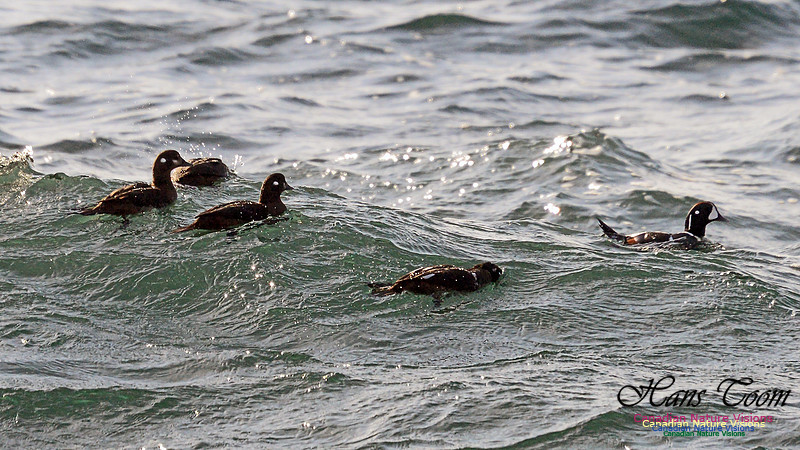
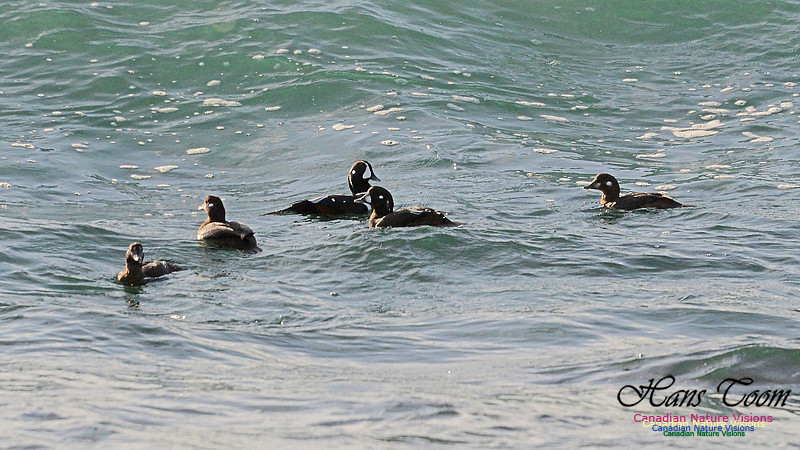
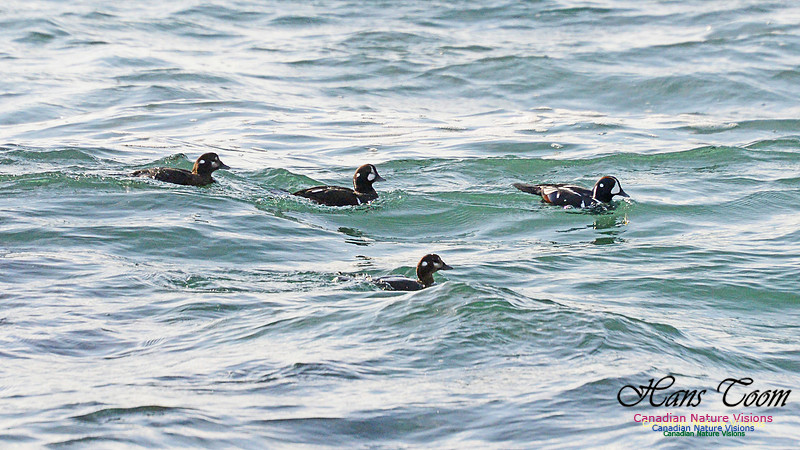
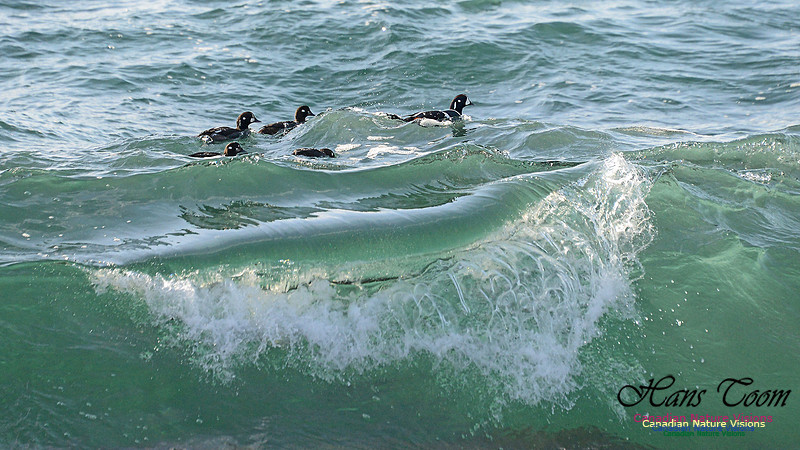
Harlequin DucksThe Harlequin Duck is a hard bird to photograph not because its shy but because its often found fishing in the surf. Slippery rocks are the demise of photographers who try to get too close so you get what you can at a distance. I had a medium zoom 28-300mm when I photographed these Harlequins. The sun was directly behind and above the birds so contrast was very high which destroyed detail. Nevertheless I am always delighted when I meet this elegant duck. It stays in and around coastal bays all winter. Harlequin Duck
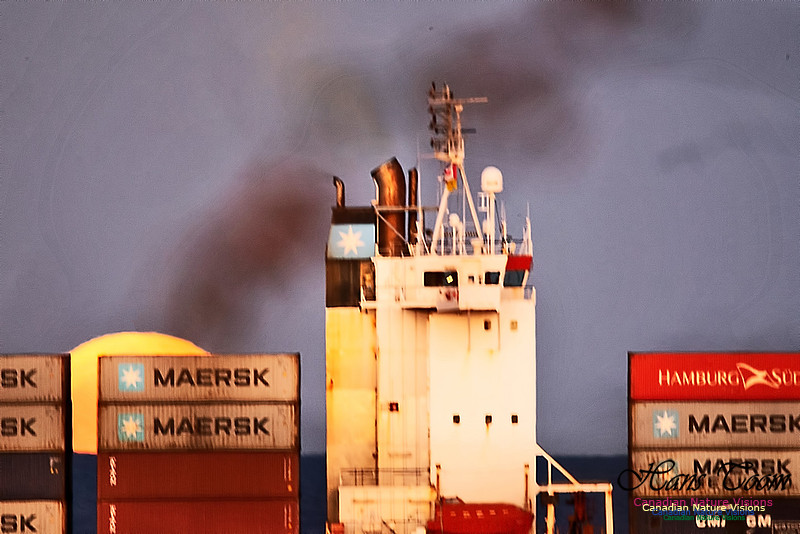
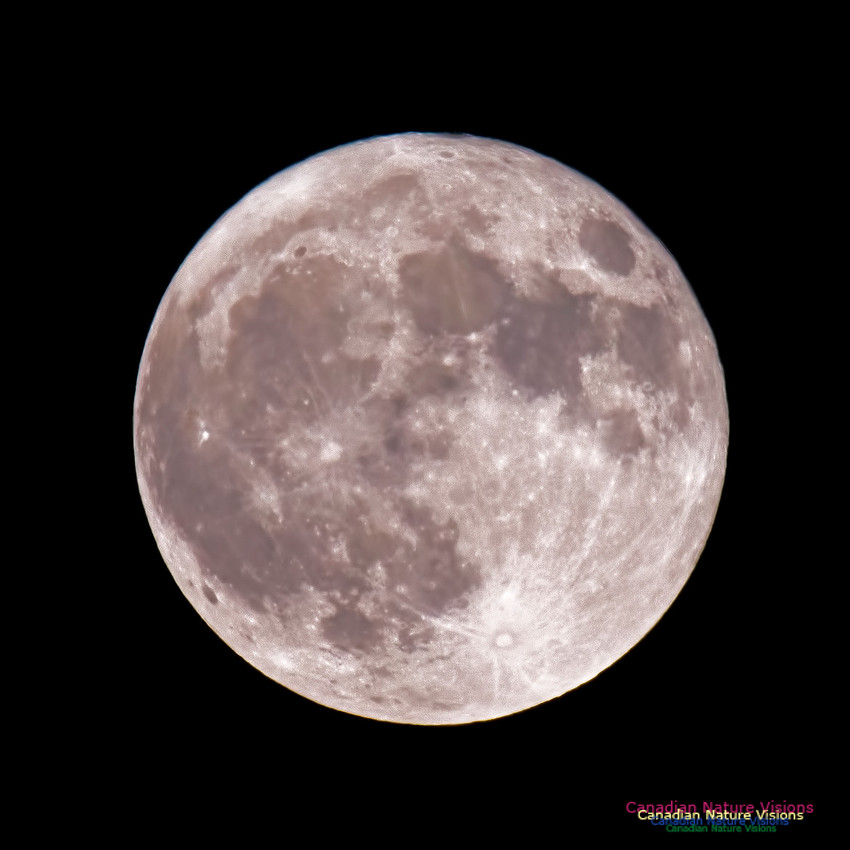
Blue Moon October 31, 2020Yesterday's blue moon was on the same day as halloween, a rare coinicidence. It certainly got our cats excited:). My problems with my tripod continued. Also the distant tree branches compromised my camera's focus. The ship sailing past was another coincidence with the blue moon rising behind it. (the second full moon in a month), Blue Moon Rising
The moon low in the sky was still refracting reds and yellows.
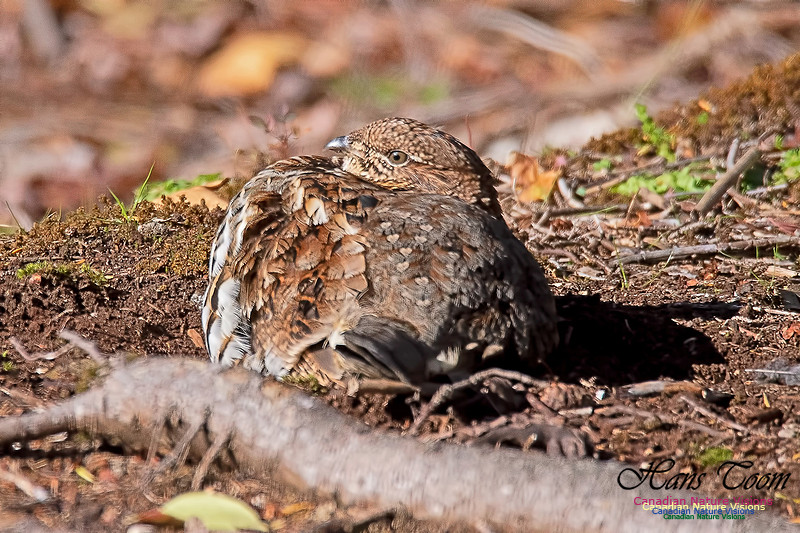
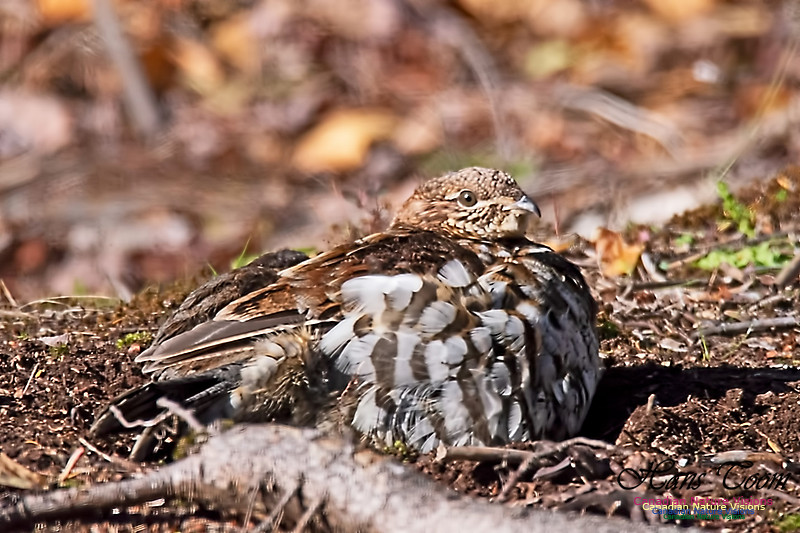
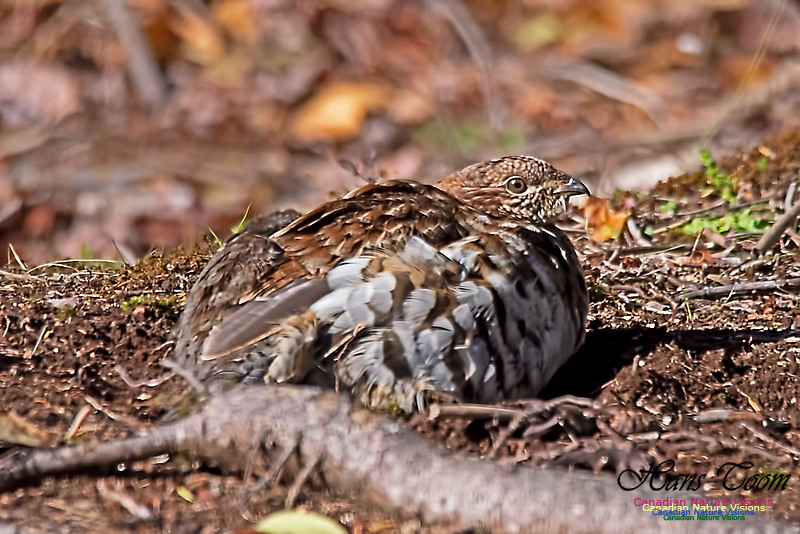
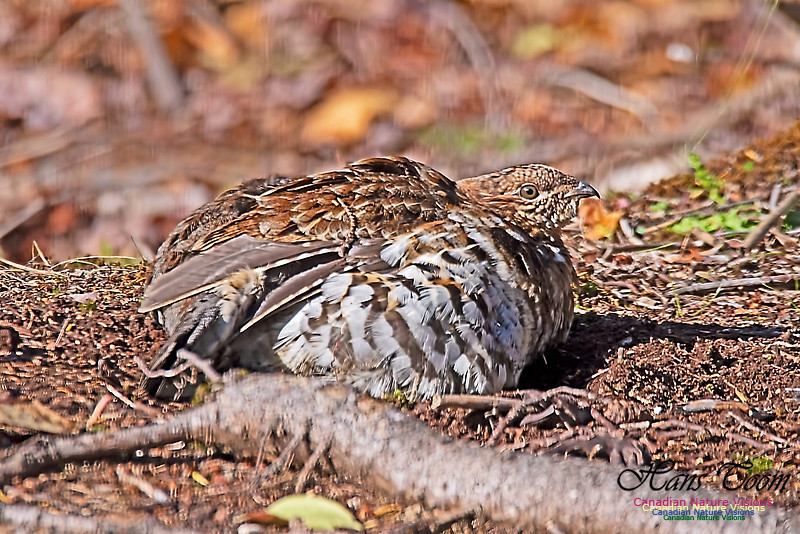
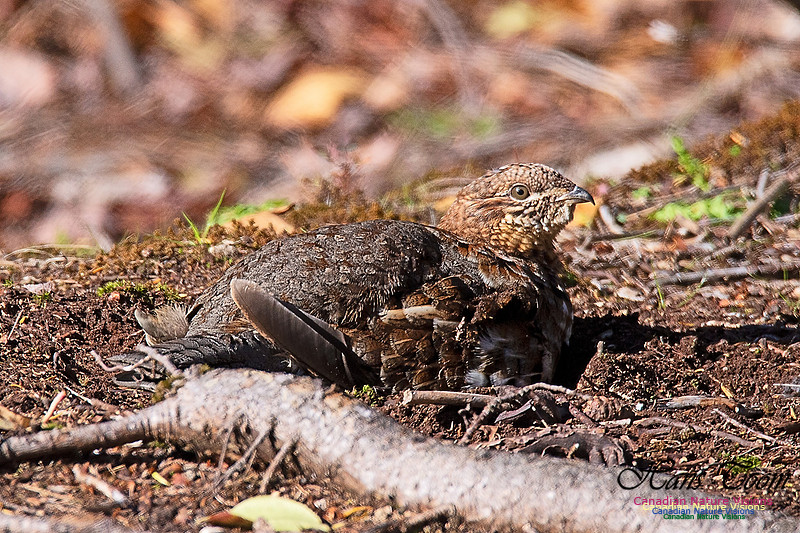
Ruffed GrouseThe Ruffed Grouse was having a sand bath near our home. I photographed the bird at 1200mm, the limit of my lens. My new tripod assembly turned out to be near to useless for this type of photography. There is no substitute for a good gimbal head to counterbalance a heavy lens and camera. Ruffed Grouse
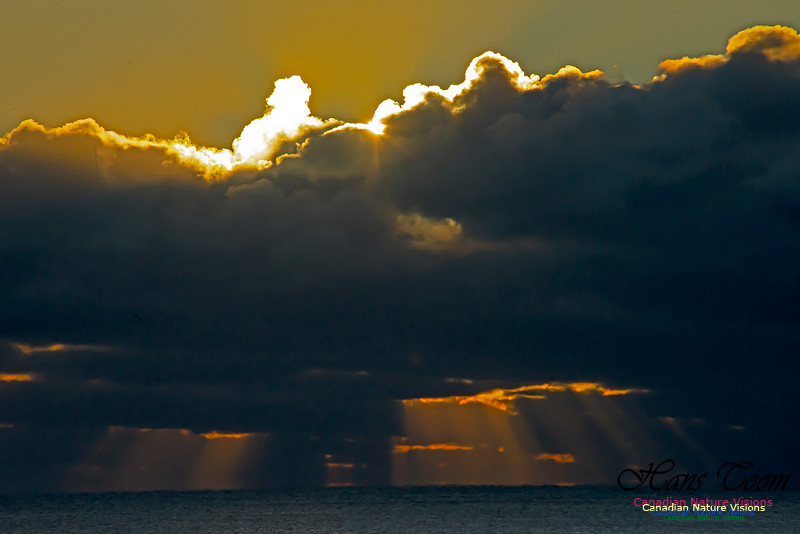
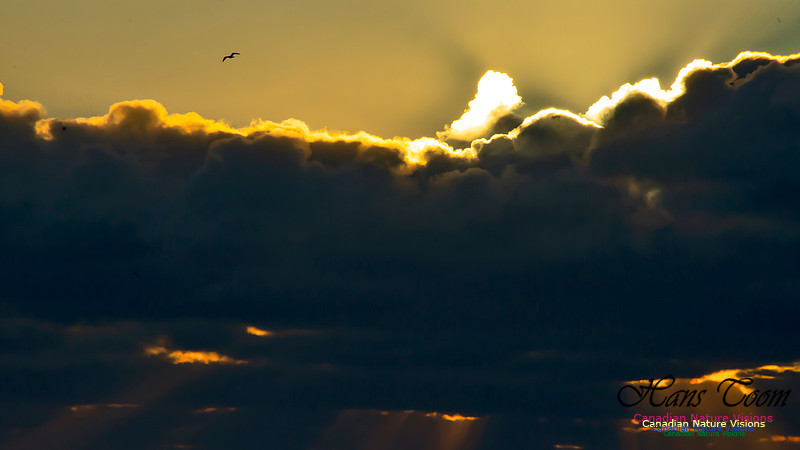
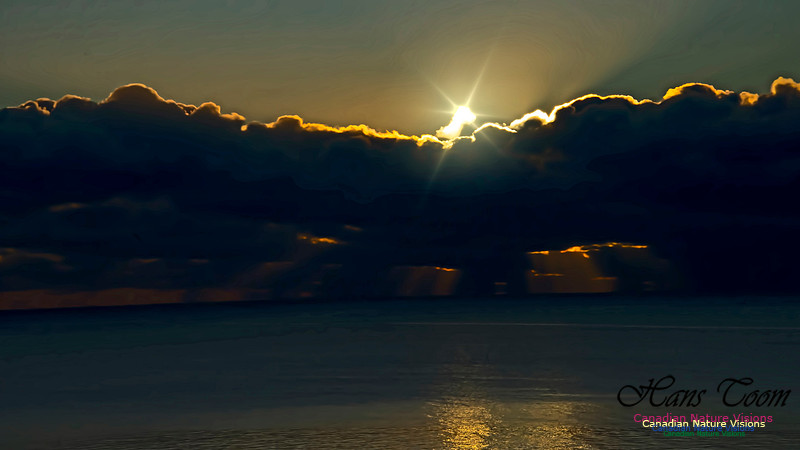
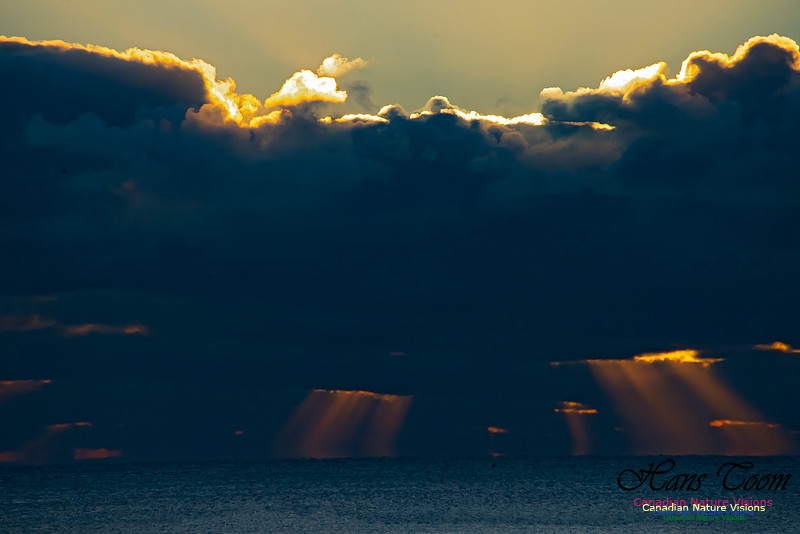
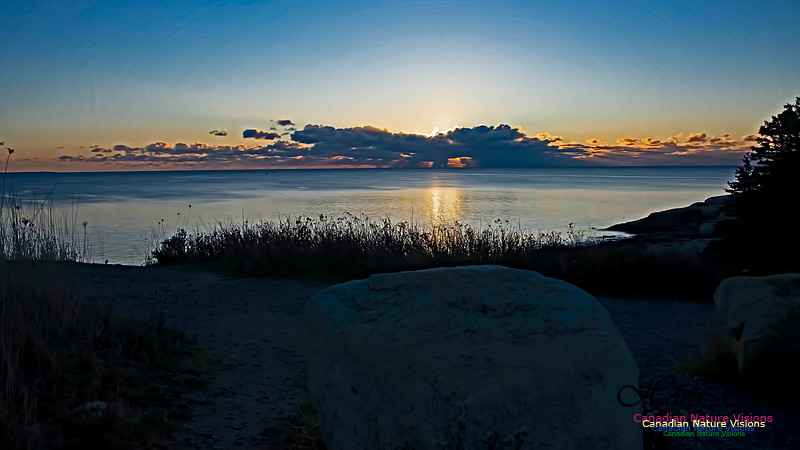
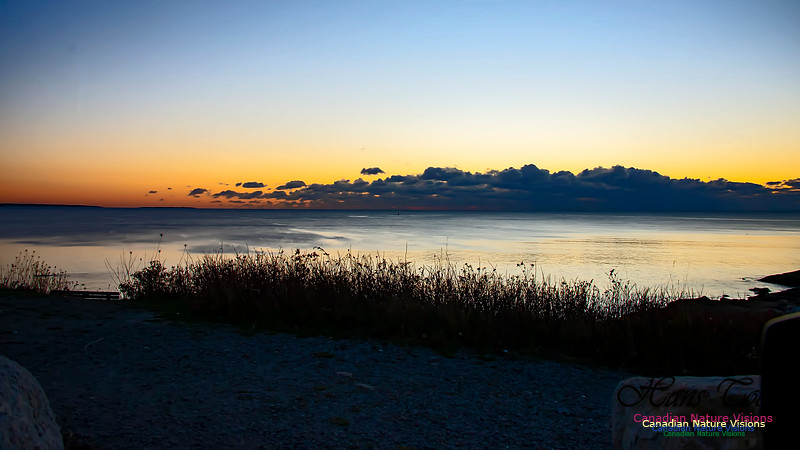
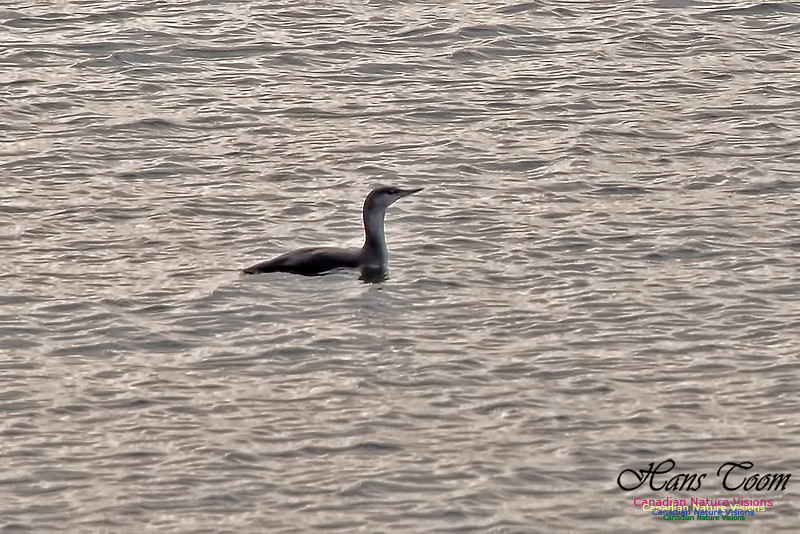
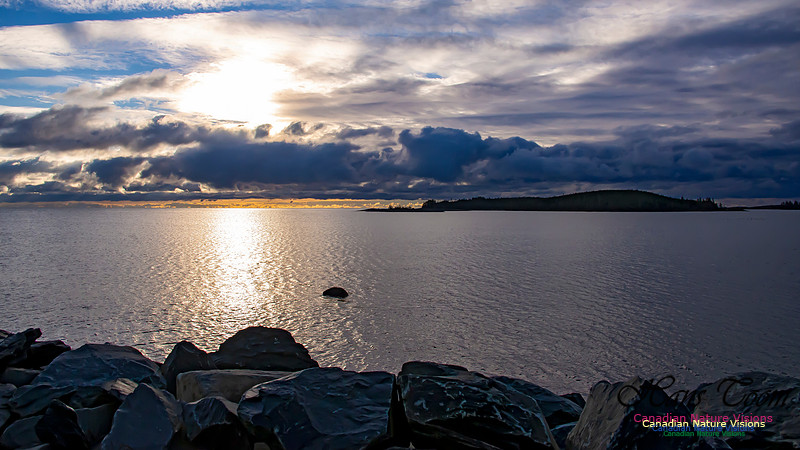
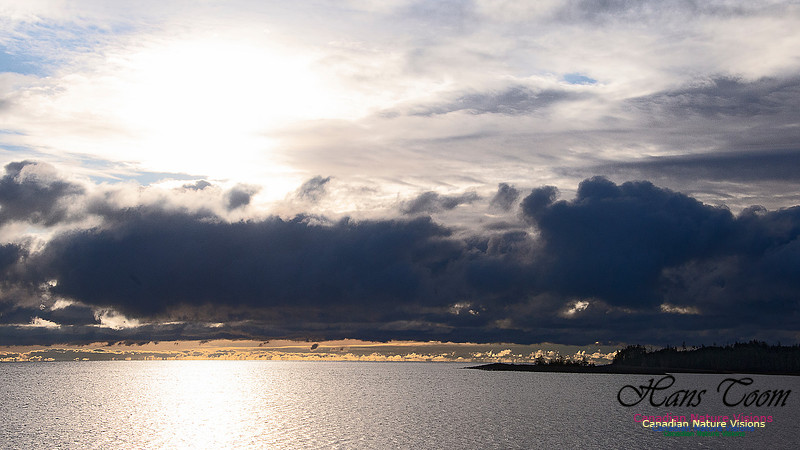
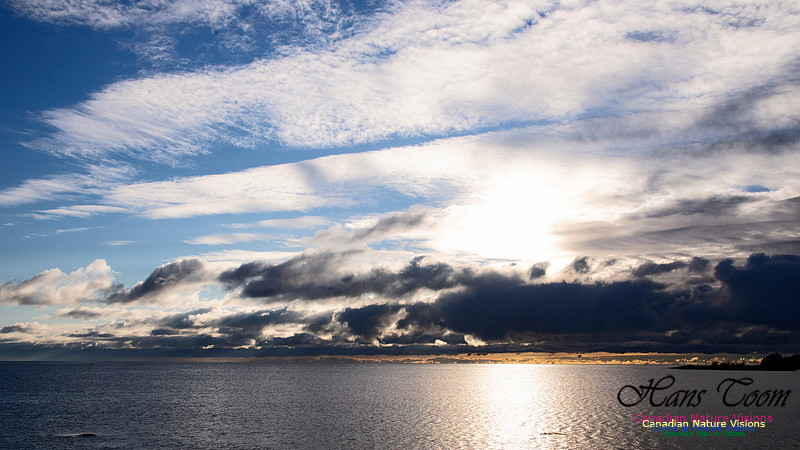
Rudleys PointA tour of the eastern shore took me to Rudleys Point and the early morning yielded a spectacular sky. Birds on hand were Red-throated Loon, Blue-winged Teal (4), Solitary Sandpiper and Cattle Egret. Red-throated Loon ....a distant bird in a severely cropped photo.
Rudleys Point
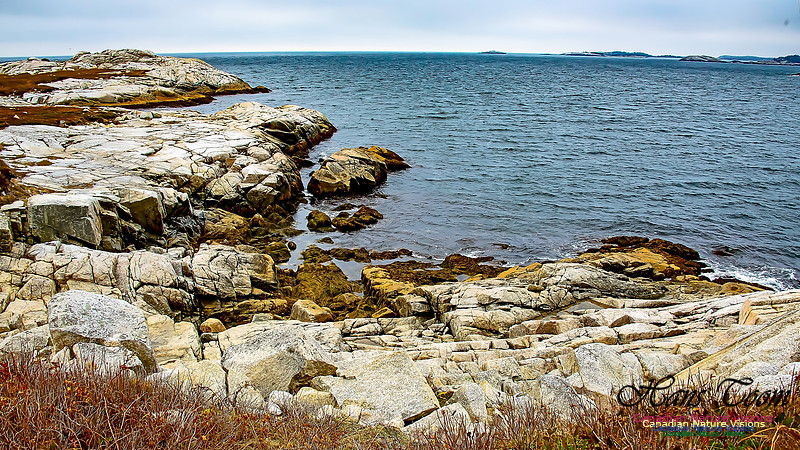
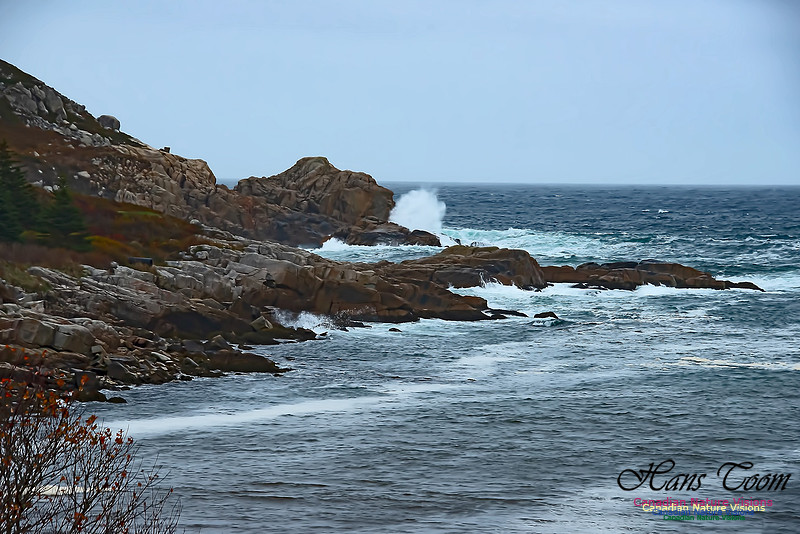
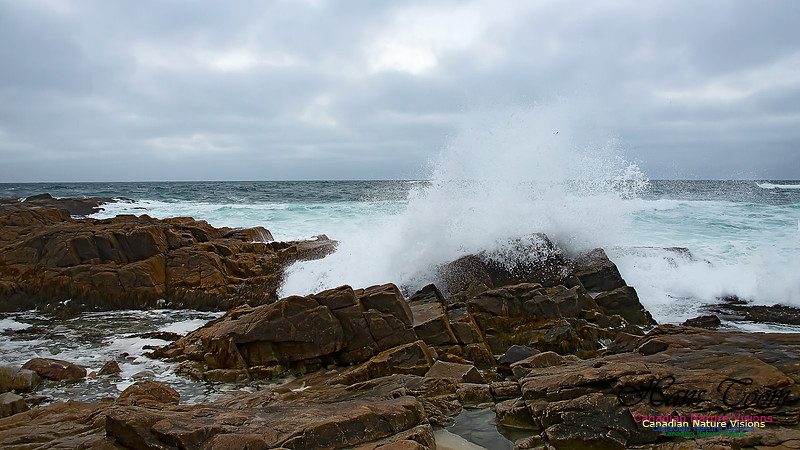
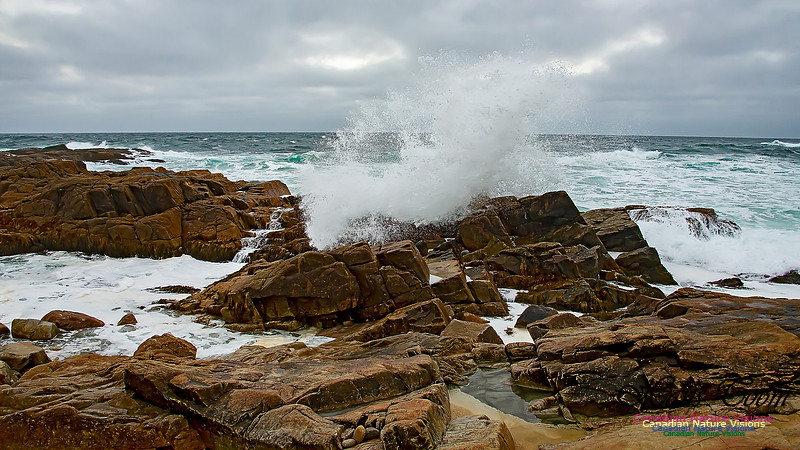
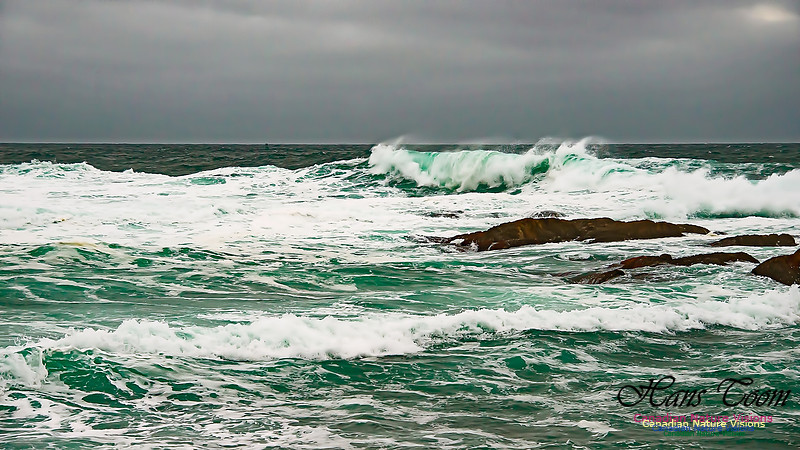
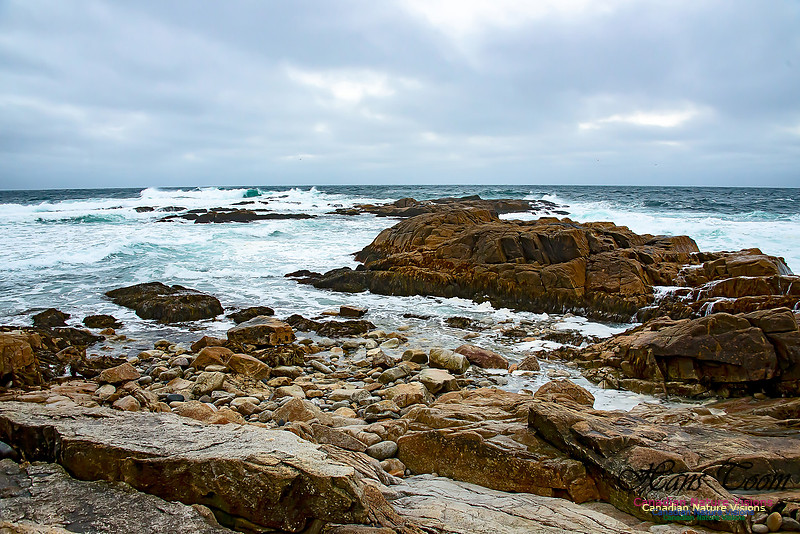
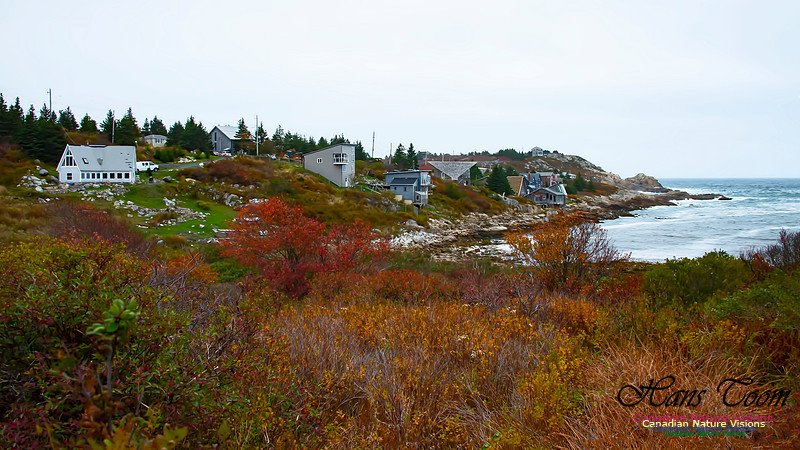
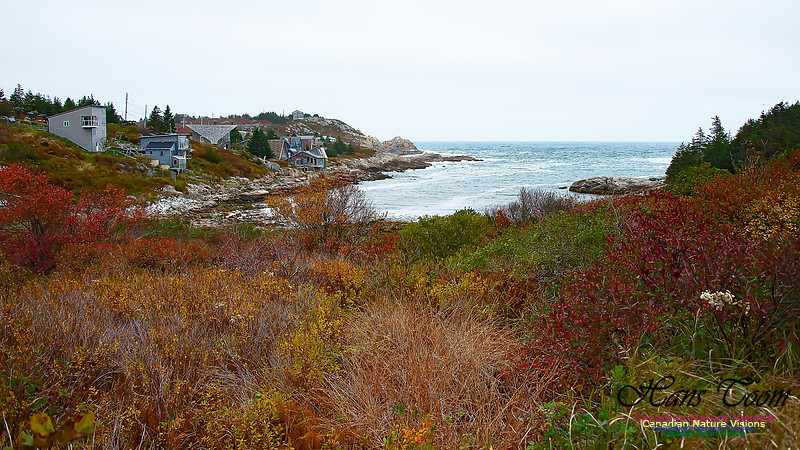
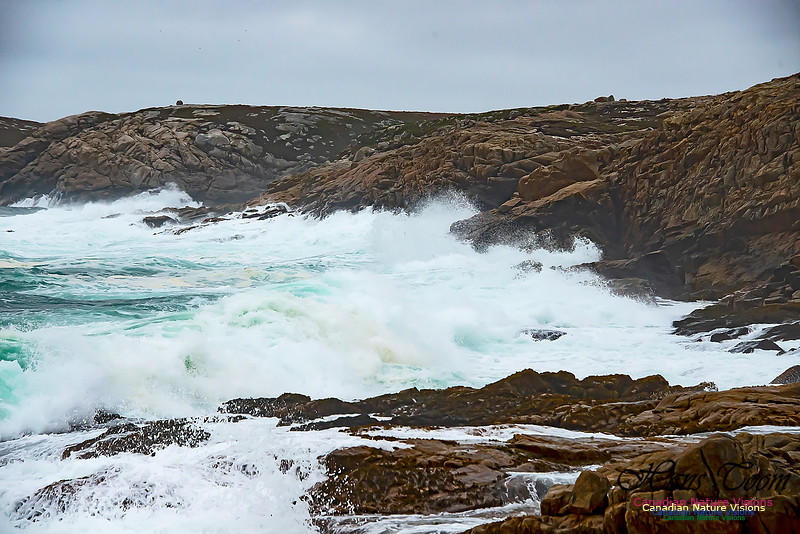
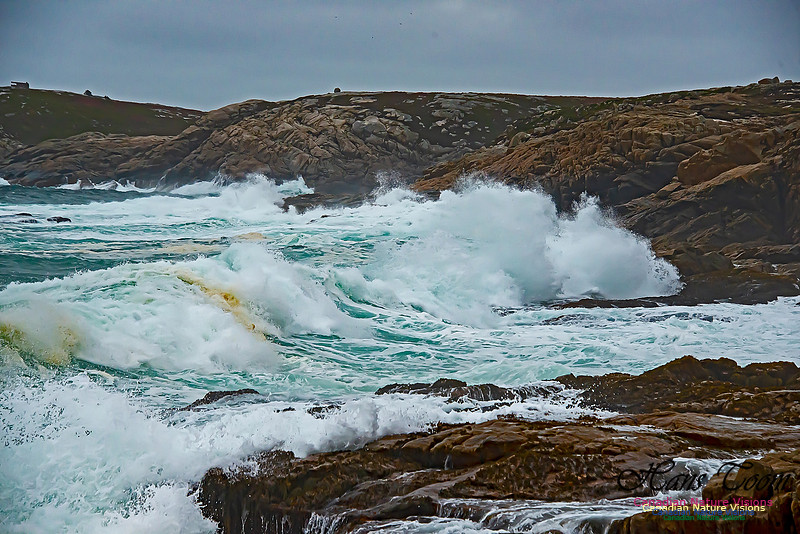
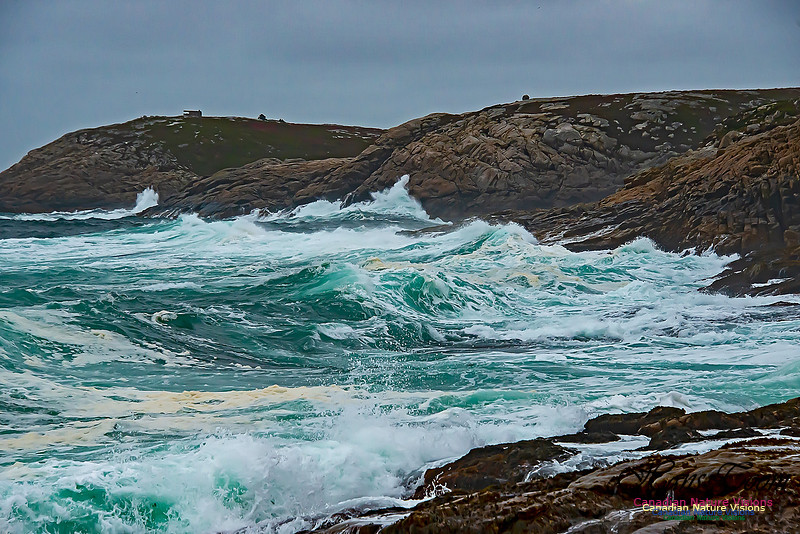
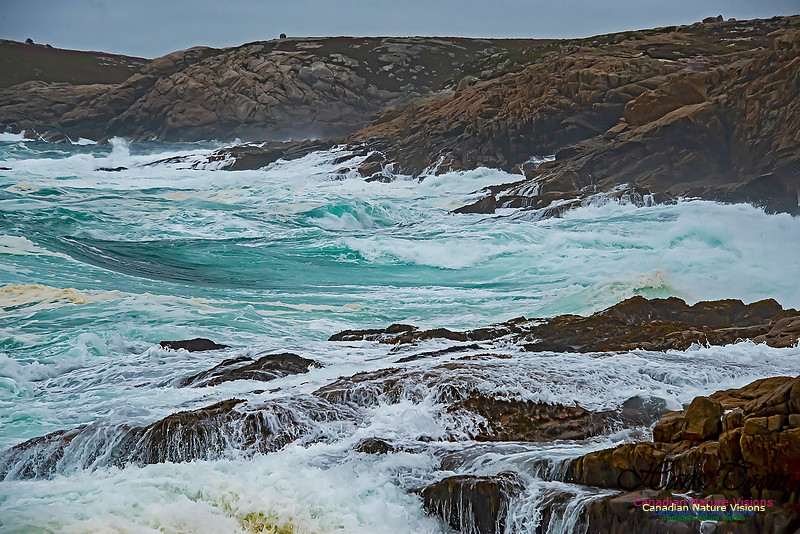
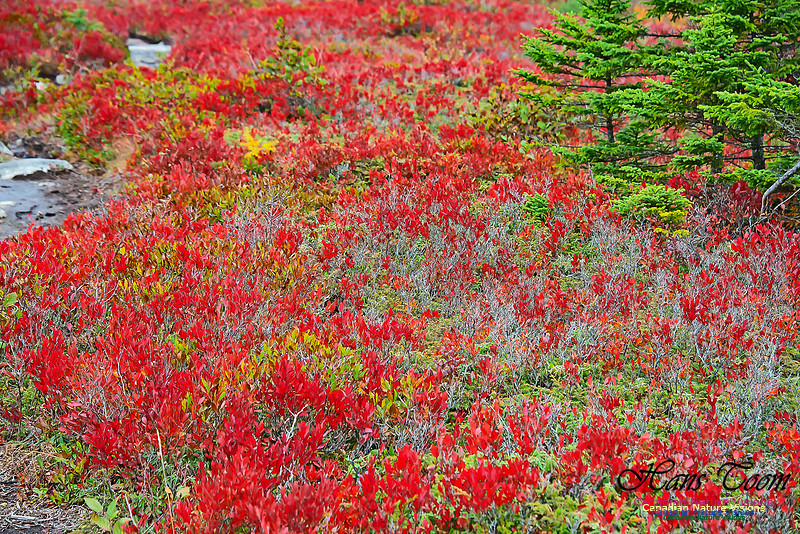
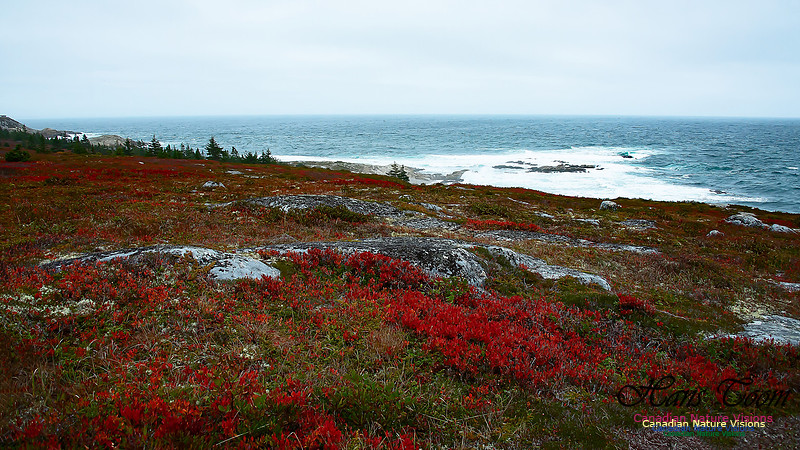
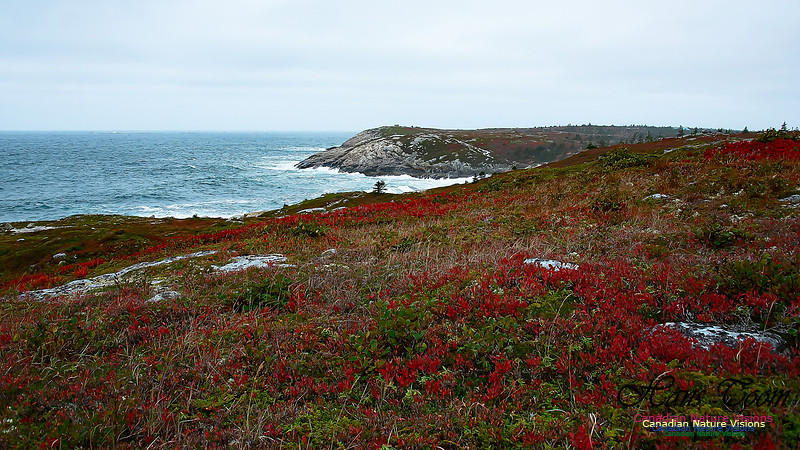
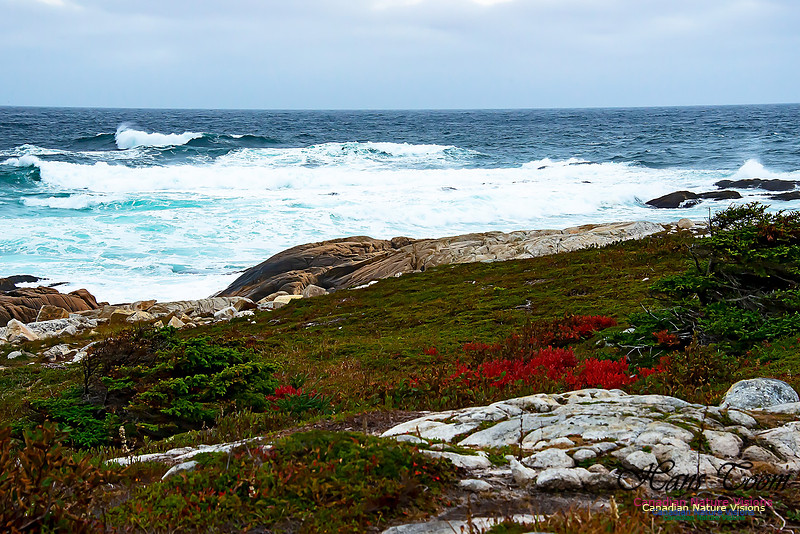
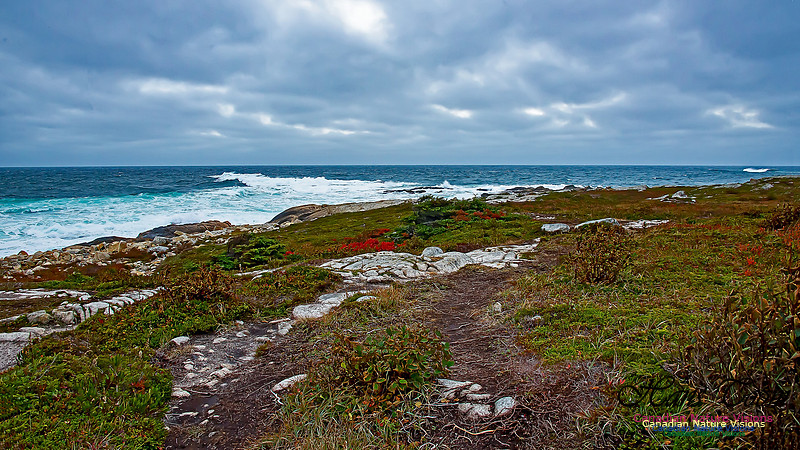
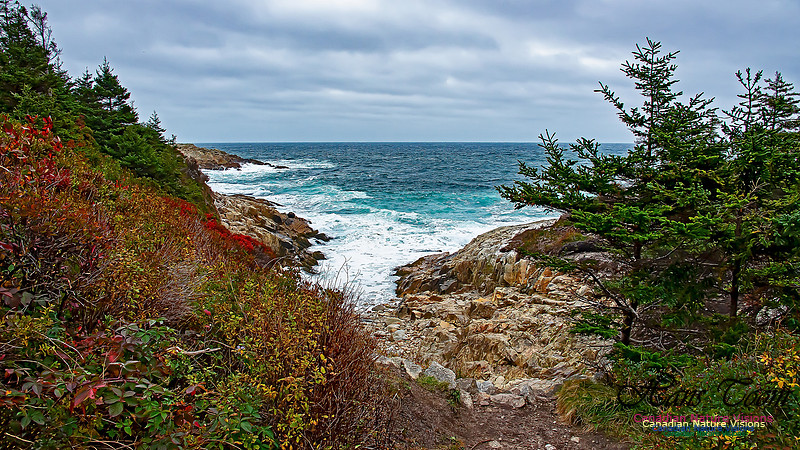
High Coastal BarrensI hiked the coastal barrens from Duncan's Cove to Duncan Reef, thence to Duck Reef and the high barrens. The fall colours were spectacular. The sea was high probably due to Hurricane Epsilon off shore. Birds were scarce probably due to the wind but I did spot a small flock of Cedar Waxwings and a pair of Northern Goshawks. High Coastal Barrens
|