Common LoonThe Common Loon(another dumb name), is the iconic bird of Canada's wilderness lakes. It arrives early and leaves late and many over-winter on Nova Scotia's Atlantic Ocean coast. The most coveted photos of this bird are when the young ones are carried on the parent's back, a photographic display that has eluded me. Camouflage yourself on a punt or zodiac and drift on a common nesting lakeside and you will succeed where I have failed. Common Loon
Smoky Sun, Crescent Moon and JupiterFirst up is the crescent moon which was fairly close to setting which is not a good time to photograph it due to the depth of sky between the lens and space, that is more pollution and haze compressed onto the image. Crescent Moon Near to Setting
I tried to photograph Jupiter and its four large moons but I only found two. I tried photographing in the open but the wind turned most of my images into mush. These photos were taken during brief letups in the wind. Timing is tricky due to the longish exposure. I have yet to find a user friendly program to identify the moons by time and location. I also have to work on my exposure times to capture detail from Jupiter. Jupiter and Two Galilean Moons
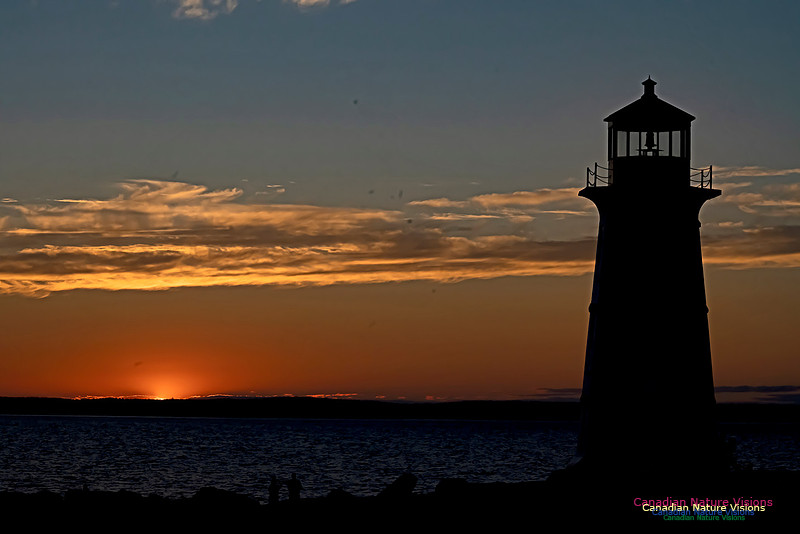
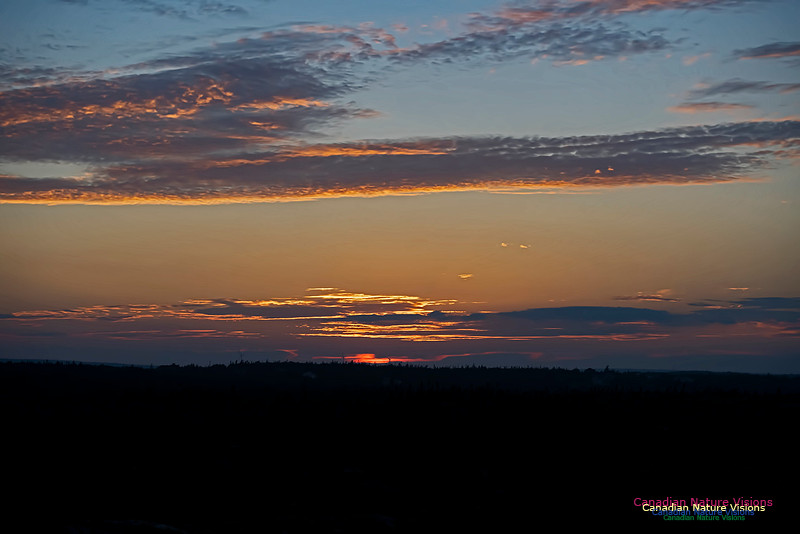
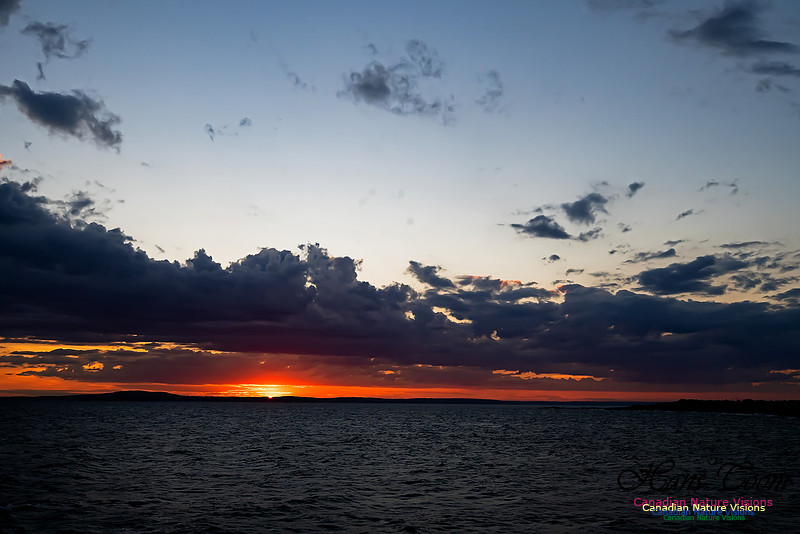
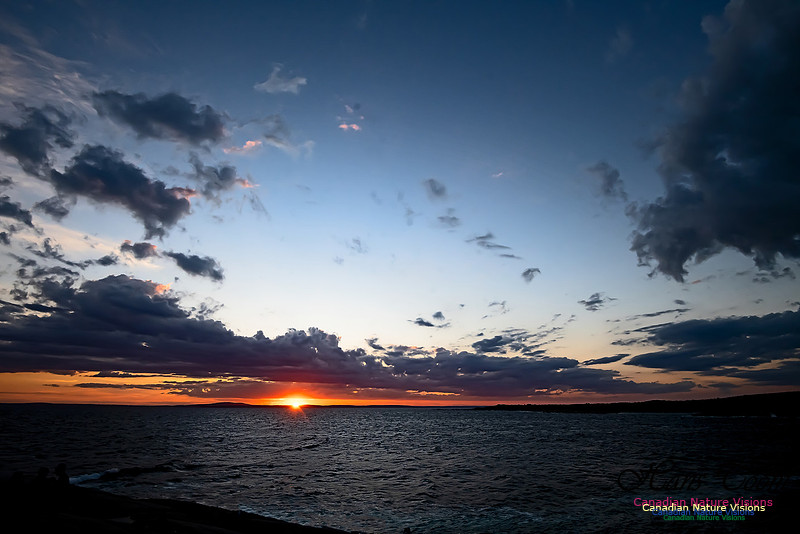
The sunset at Peggy's Cove showed how the smoke was affecting the image colour. Peggy's Cove Smoky Sunset
Field Test of Sigma 150-600mm Sport at 1200mmI've decided to expand my photographer's art into astronomical photography. I have yet to purchase a tracking equatorial mount so my options are limited to begin with. I do have a Sigma 150-600mm Sport lens which is competent for wildlife photography but in order to photograph deep sky objects I will need at least 1200mm so I purchased the Sigma 2X 2001 teleconverter. I now have in practical terms a 300-1200mm lens but optical performance is an issue. A focal length of 1200mm is almost useless for bird photography except for distant slow feeding waders and other larger birds and I will use it for that purpose from time to time but how does it perform? I took it out for a test run and took some quick photos using bean bags on the roof of the car or the window sill for stability. Foolishly I didn't turn off the image stabilizer so the auto focus wandered a bit which may have had a negative effect on image definition. I had to shoot at high ISO (1600-6400) in order to get acceptable sharpness in my subjects. This will also be the case for astronomical photography and for wildlife photography so a high quality camera is necessary. I've got that issue covered with the superb Nikon Z7. Now here's the thing which surprised me and which I needed to confirm with the test shots. The Sigma 150-600mm Sport lens at 1200mm is just as good as the best Nikon 600mm F4 or Canon 600m F4 at 1200mm. You doubt this? Well check Digital Lens Comparisons and compare the three lens setups at 1200mm shooting at two stops above wide open usually the sweet spot for most lenses. The Nikon and Canon setups would have a two stop advantage over the Sigma but this is less of an issue with modern camera bodies that can shoot competently at high ISO. ..................and yes the Sigma 150-600mm Sport lens with 2X Teleconverter autofocuses at 1200mm with the Nikon Z7. This is the side by side comparison of Nikon 600mm f/4G AF-S VR at 1200mm and Sigma 150-600mm Sport at 1200mm, unedited captures from Digital Lens Comparisons.
Field Test Photos of Sigma 150-600mm with Sigma 2X 2001 Teleconverter, 1200mm Tested Focal Length
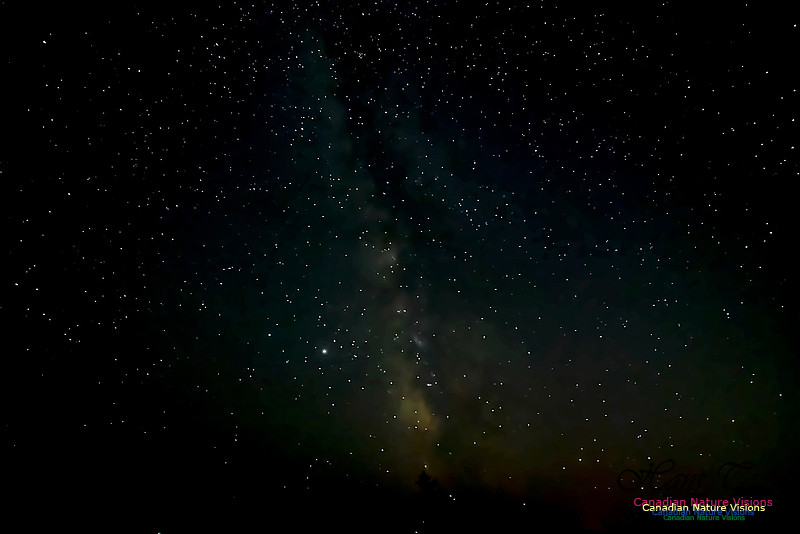
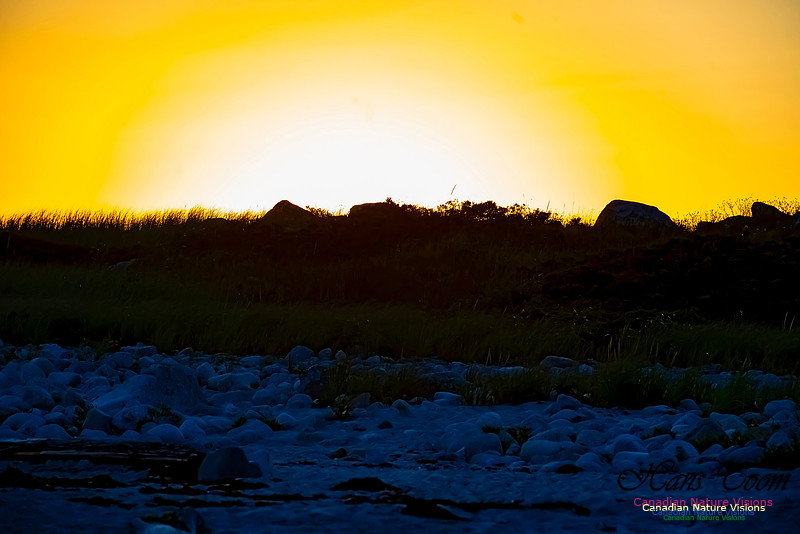
My Second Milky Way PhotosMy second attempt at photographing the Milky Way Galaxy was yesterday both at Crystal Crescent Beach Provincial Park and a private driveway. Both locations were dark enough but only the private driveway produced good images. I did get a sunset photo from Crystal Crescent Beach Provincial Park. The park was a "zoo" with hordes of people and blaring music, if you call it that. I will have to go to Kejimkujik National Park, our province's darkest sky, to do this spectacle justice. My Second Milky Way Galaxy Photos
Sunset at Crystal Crescent Beach Provincial Park
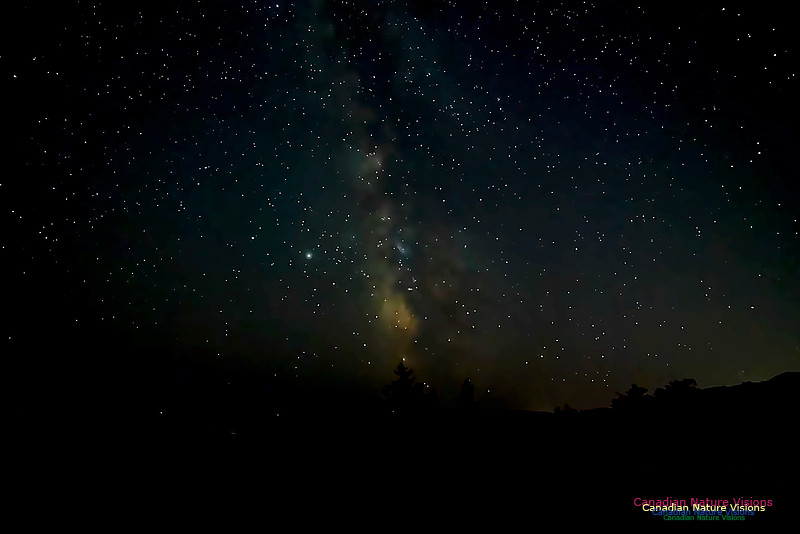
My First Milky Way PhotosI went out two nights ago to take my first astronomical photos starting as I am sure most folks do with the Milky Way Galaxy, our home galaxy. I struggled a bit with vibration distorting the images. The trick is to find a place where there is little wind and weigh down your tripod using the clip under the centre post and then use a remote shutter release if you have one (mine is toast). I picked up a number of meteors in my photos. They were all short-duration events or so it seemed. I used ISO 6400 and shutter speeds up to 15 seconds but discovered that ISO 6400 and a five-second exposure is about right. I went to four locations and only one was dark enough. It is a private driveway to a south-facing ridge which I have permission to use. The two brightest objects to the left, going east from the brightest portion of the Milky Way, are Jupiter and Saturn. My First Milky Way Photos
Horned GrebeThe Horned Grebe is a common bird, particularly in winter. It's not a shy bird but hard to photograph as it is constantly diving. It's easiest to photograph when fishing around and under bridges. Horned Grebe
Sooty ShearwaterThe Sooty Shearwater is seldom seen from the mainland but is often baited by trailing fish parts from a boat. It's an open ocean pelagic bird. I have seen them from shore off the Pennant Peninsula, Crystal Crescent Beach Provincial Park. Sooty Shearwater
Forester's TernThe Forester's Tern is primarily a bird of the central plains. It winters along both coasts but not usually as far north as Nova Scotia. Forester's Tern
Dr. Ian MclarenWhen Laura and I first came to Nova Scotia in 2000 we went on a field trip led by Ian Mclaren to Martinique Beach Provincial Park. We found early Ipswich Sparrows, a bird that was a particular love of his, and Piping Plovers. Ian wrote a book on Ipswich Sparrows with W. T. Stobo to demonstrate his belief that the Ipswich Sparrow was a species on its own merit and not a subspecies. He gracefully gave my a copy of this book and I have been convinced thereafter that he was right. I will always personally recognize the Ipswich Sparrow as a species. This magnificent bird bunches along the beaches of Nova Scotia like Martinique Beach building strength and fat reserves in preparation for their flight over the open Atlantic Ocean to Sable Island, to breed. His birder's masterwork, "All the Birds of Nova Scotia", is my go to book for any confusion I encounter on Nova Scotia Birds. I contributed a few photos so he gave a signed copy which I will always treasure. He drove from Halifax to our home in Portuguese Cove to deliver the book. What class! Ian was a gentleman who had time for everyone, time to share his experience and knowledge of Nova Scotia Birds. He was the photographic editor of Nova Scotia Birds magazine when I was the seasonal editor of Flycatchers to Thrushes so we had numerous exchanges. This man who was the best of us will be remembered by many for his contributions to science and the human experience within the natural world This is the obituary of Ian Alexander Mclaren from the Halifax Chronicle Herald newspaper of August 1, 2020.
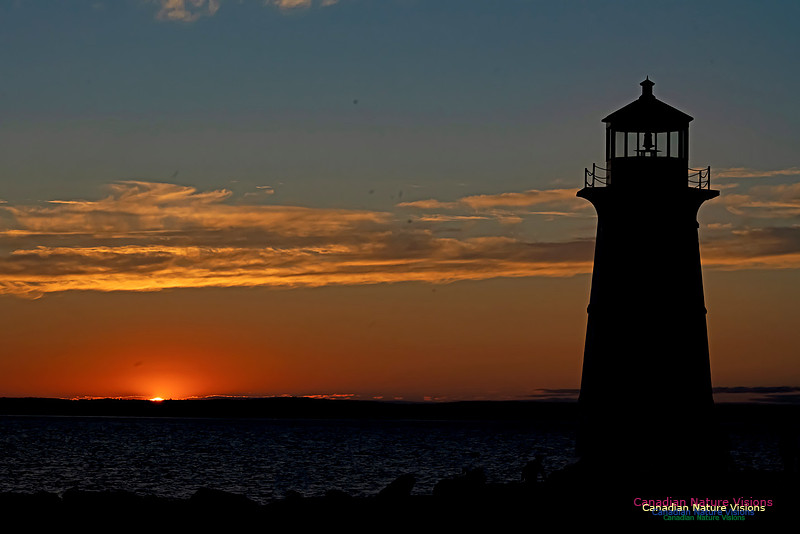
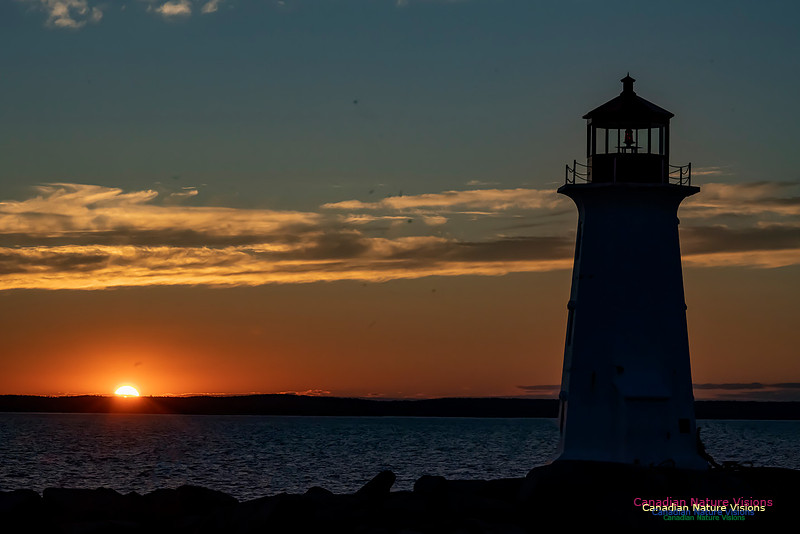
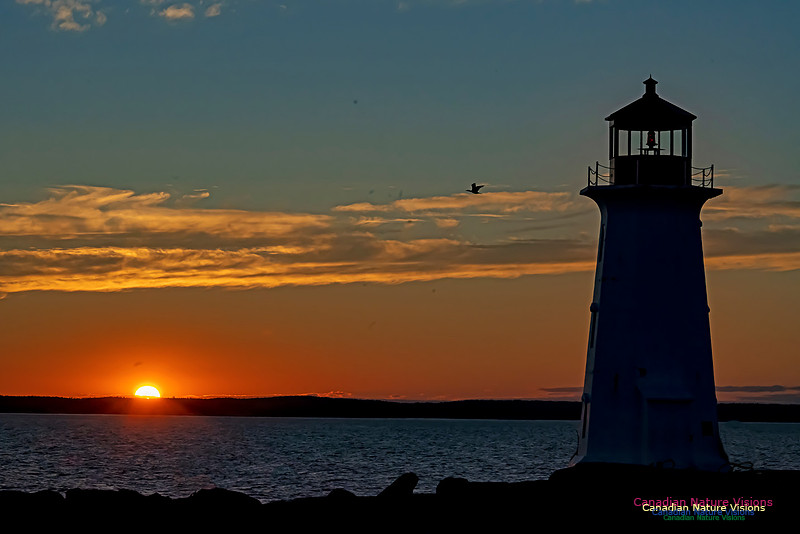
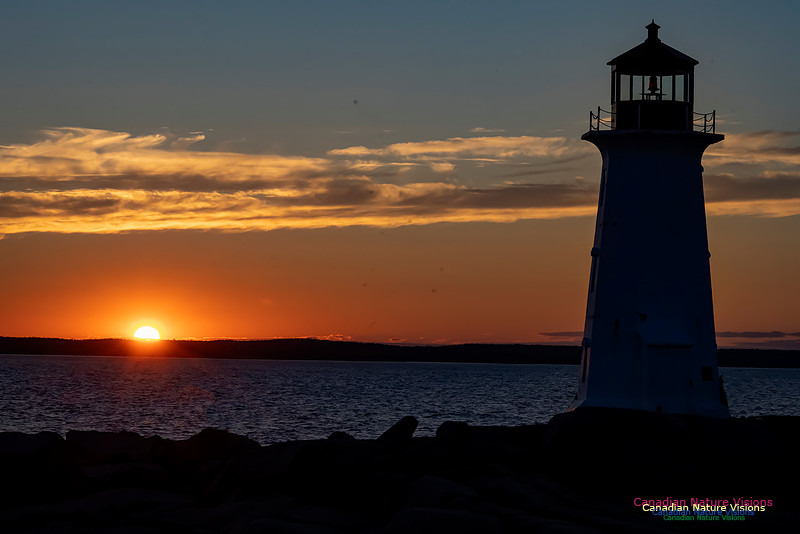
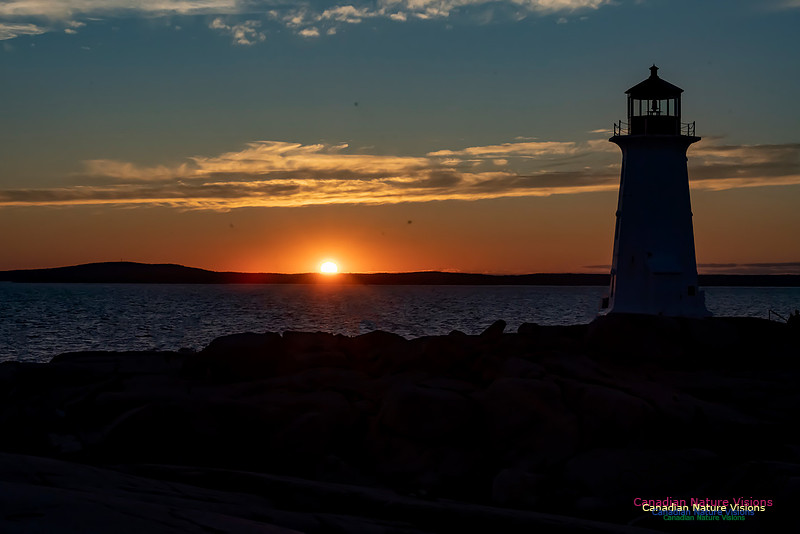
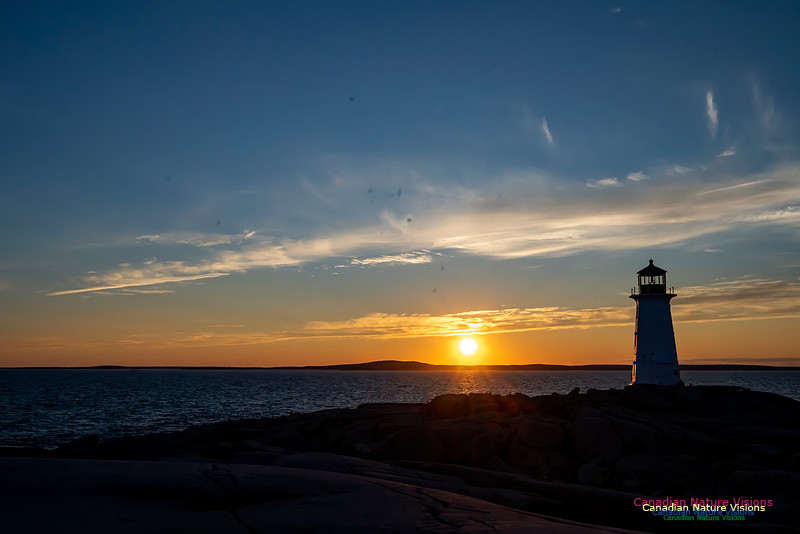
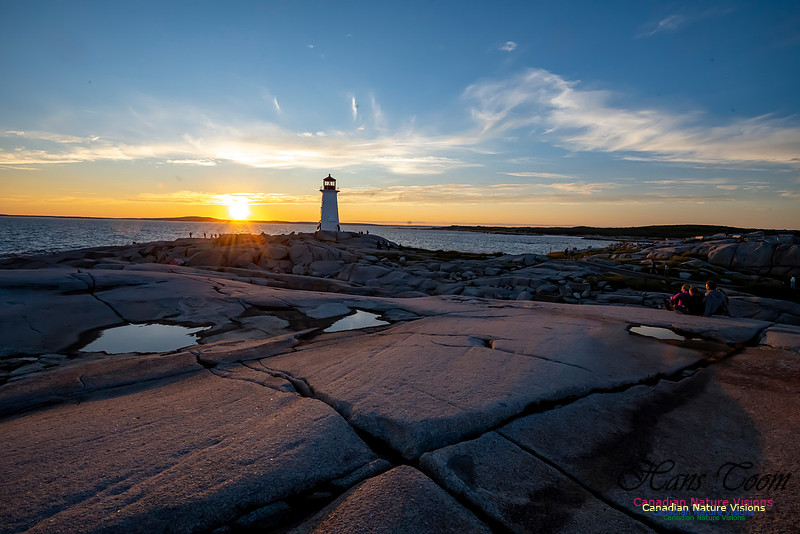
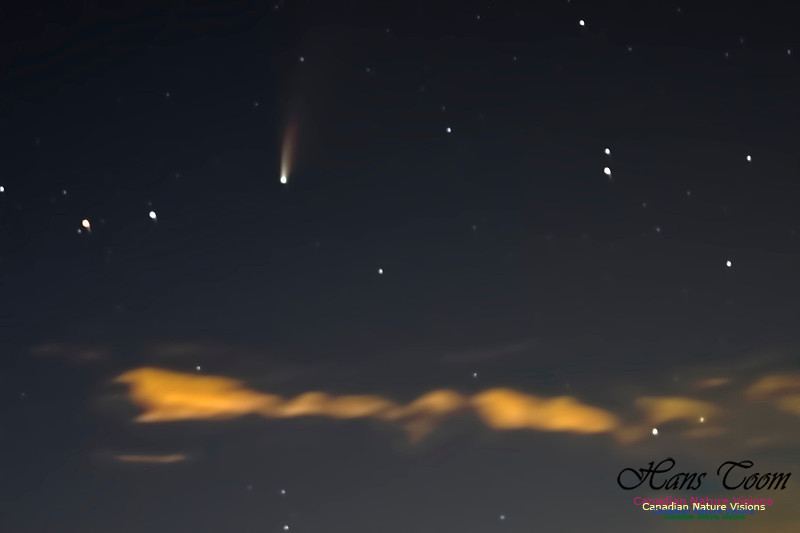
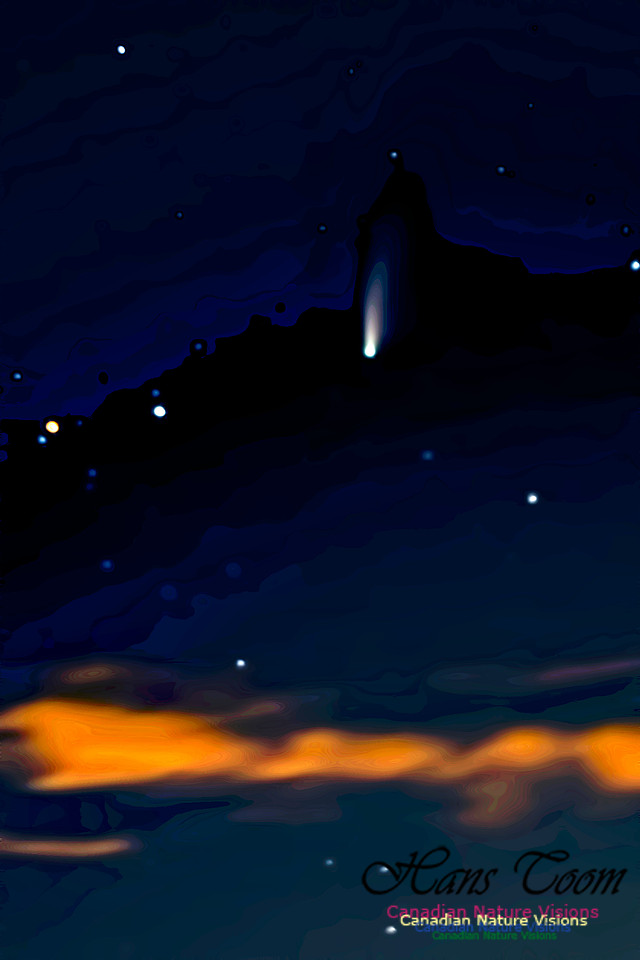
Peggy's Cove Light at SunsetI made my last foray to photograph Comet Neowise and for the second time only I was not thwarted by cloud or wind but alas the comet has moved so far away that I could not even see it with binoculars. Perhaps in 6000 years it will be more accommodating to whomever is here on planet earth. I did get more photographs of Peggy's Cove light. The comet is above the row of clouds more or less level with the top of the big dipper which was easily seen. If I had been lucky and had come here three weeks ago I could have gotten the comet and Peggy's Cove Light in one frame but one cannot be everywhere at the same time. Peggy's Cove Light
MerlinThe Merlin is our mid sized Falcon. We see them coursing overhead our property and I often see them in the late summer and fall hunting shorebirds along the coastal rocks. Merlin
Yellow-headed BlackbirdThe Yellow-headed Blackbird is thought to be rare in Nova Scotia although it is more likely an annual regular. It breeds in southern Ontario west across the great plains. It comes to feeders although Laura and I have seen them driving along highways in roadside marshes. Yellow-headed Blackbird
The TwinsLast year a doe gave birth to one fawn which grew up over the winter and as a yearling had a pair of twin fawns of her own. So, we have visitations by two mothers and three fawns sometimes all together. They are jumpy as they should be but occasionally I photograph them through a window. This is an oblique photo taken through two layers of glass and a layer of window screen hence the lack of definition. I might get lucky. The Twins
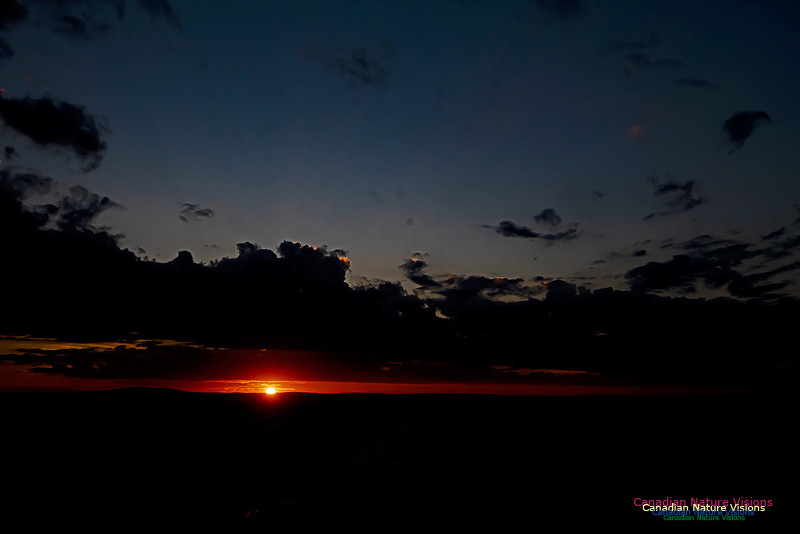
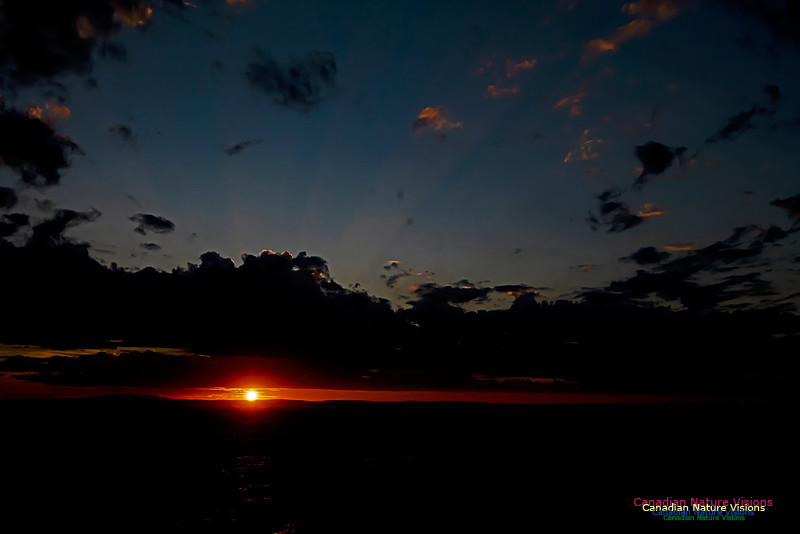
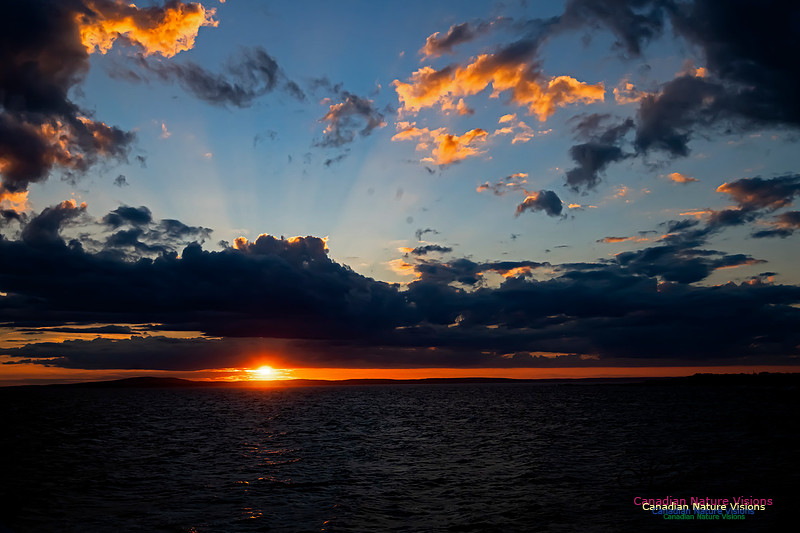
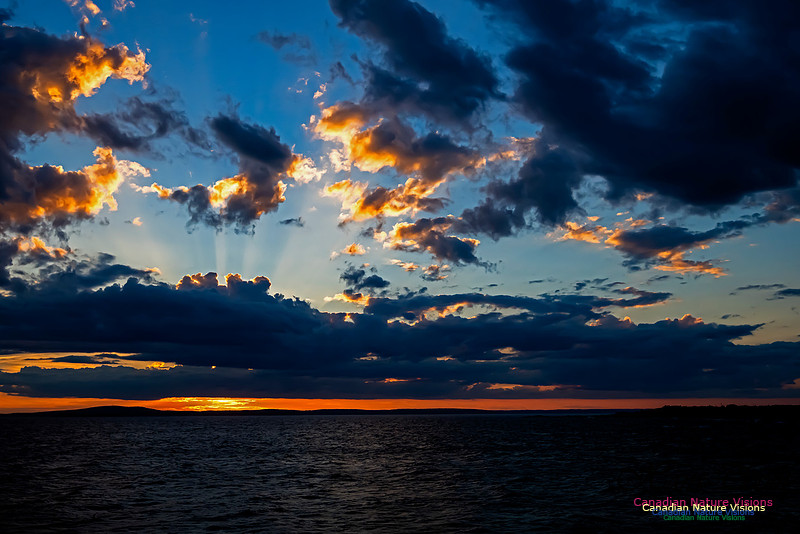
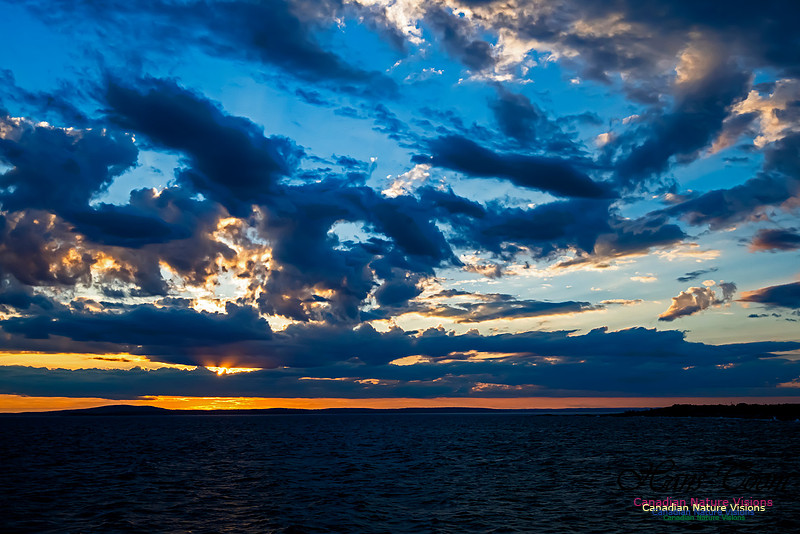
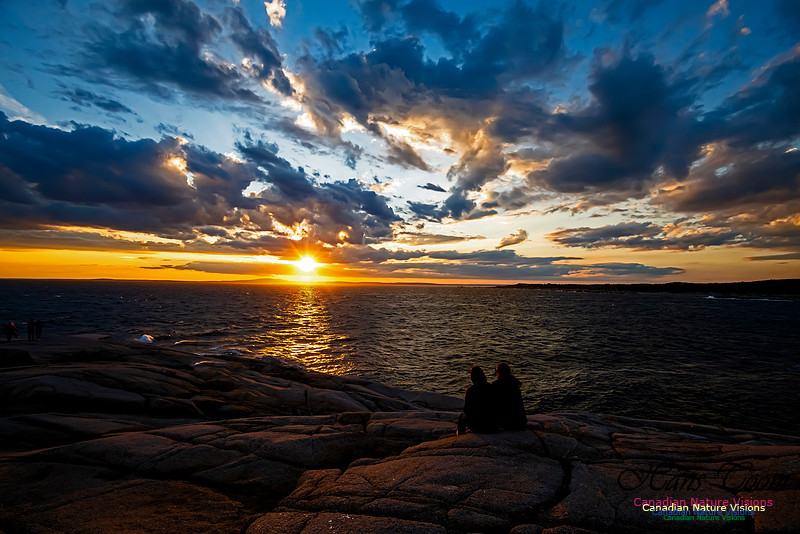
Sunset at Peggy's Cove and Shoal PointI've been looking for more opportunities to photograph Comet Neowise but I have been thwarted by cloud, wind and the moon. The Nova Scotia Atlantic coast is great for sunrises but for night sky photography not so much. Here are some sunset photos I captured while waiting in vain for a clear sky. Peggy's Cove Sunset
Shoal Point Sunset
Peggy's Cove Sunset
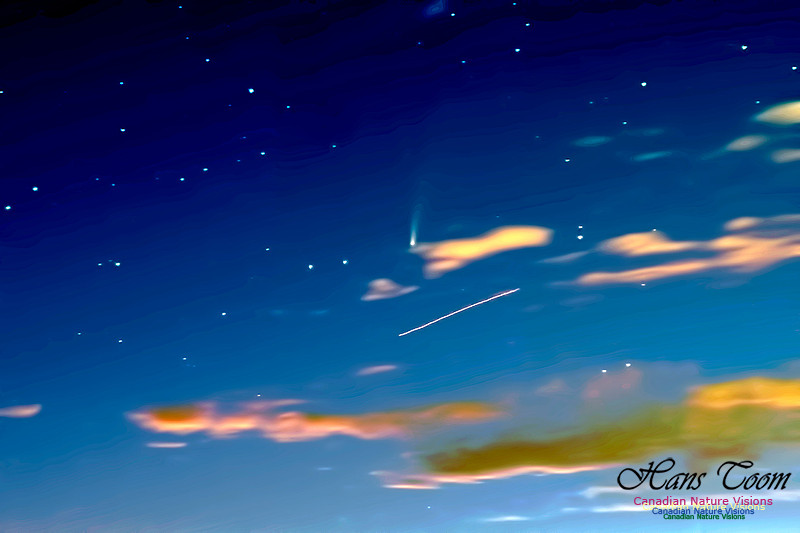
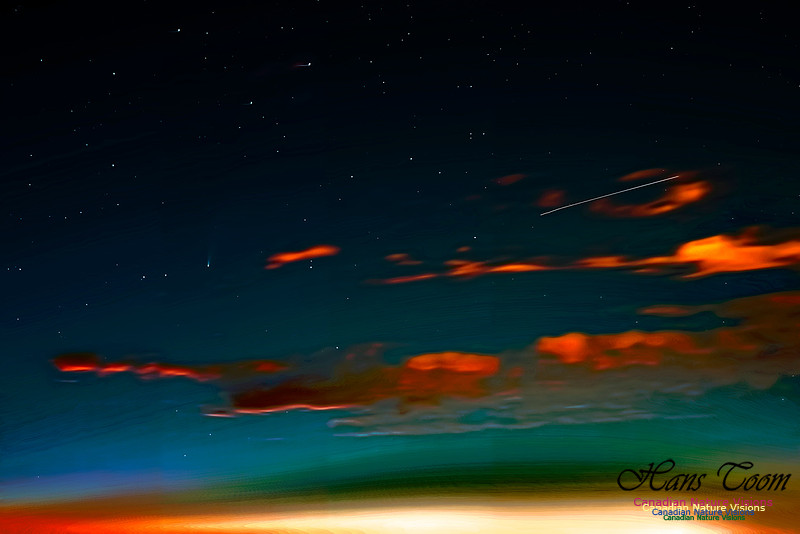
Comet Neowise and the International Space StationThese photographs are from my first encounter with Comet Neowise two weeks ago. I had hoped to catch the passing of the International Space Station below the comet and after first believing I failed another look at my photos was in order. There is always some jiggling to deal with due to wind at Shoal Point and the photographer's fumbling and excitement at trying to catch a historic event. Well as it turns out I did succeed at photographing the comet and the space station. The gleaming from the sunset is evident as is the halo of light from the City of Halifax. Comet Neowise and the International Space Station ....the space station is the streak of light below the comet
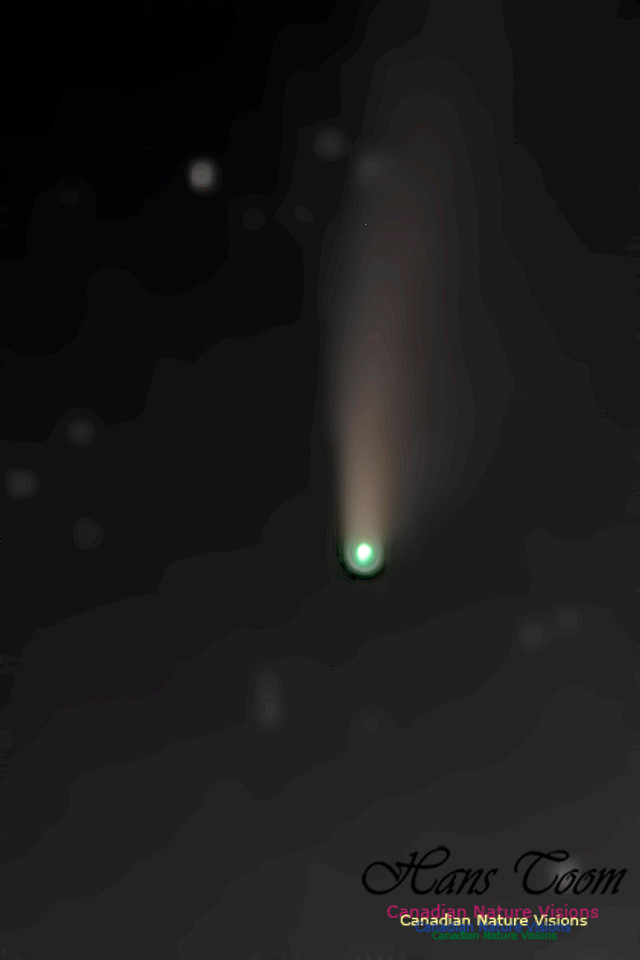
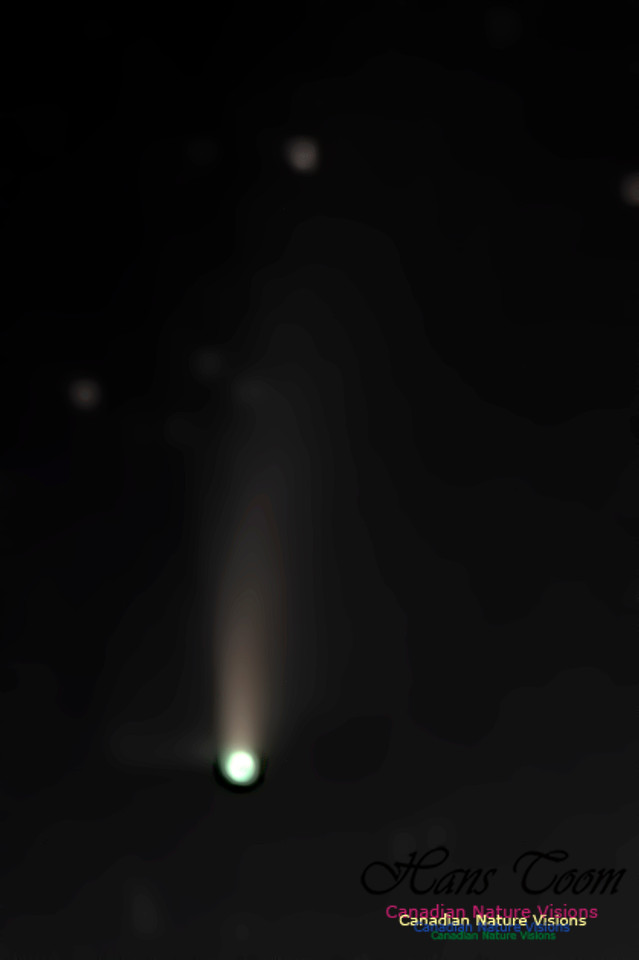
Comet Neowise ...the tail always points away from the sun
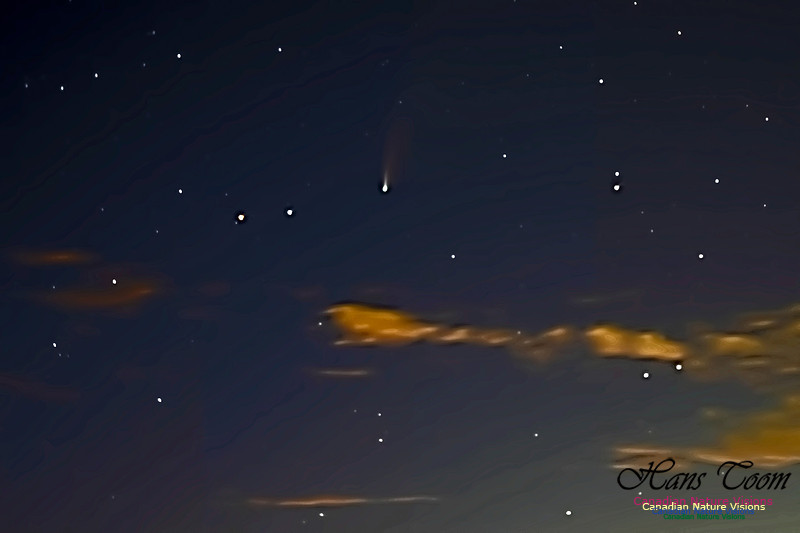
Comet Neowise and the International Space Station ...the space station is to the right of the comet in this photo. The comet is left centre with the tail somewhat harder to see in this edit but I did want to get the sunset gleaming on the clouds as well.
|