Cape Chignecto Provincial Park Adventure Day 4, July 2Yes folks, it was yet another day of fog, rain and gloom. On the up side the weather is cool, a two sweater walk this evening, and we are sleeping better than we have in a long time. We are struggling with some plant identifications so please send me a note if we got something wrong. Internet searches are slow and unreliable since many photo postings are incorrectly identified. The weather is predicted to be worse tomorrow. We have still not hiked a woodland trail where all the good stuff is; birds, plants and woodland scenes. A park officer reported a bear on the Eatonville Road. That news cut our evening walk short. High Tide at the Advocate Dock
Canada Hawkweed
Chokeberry
Evening Primrose
Fireweed
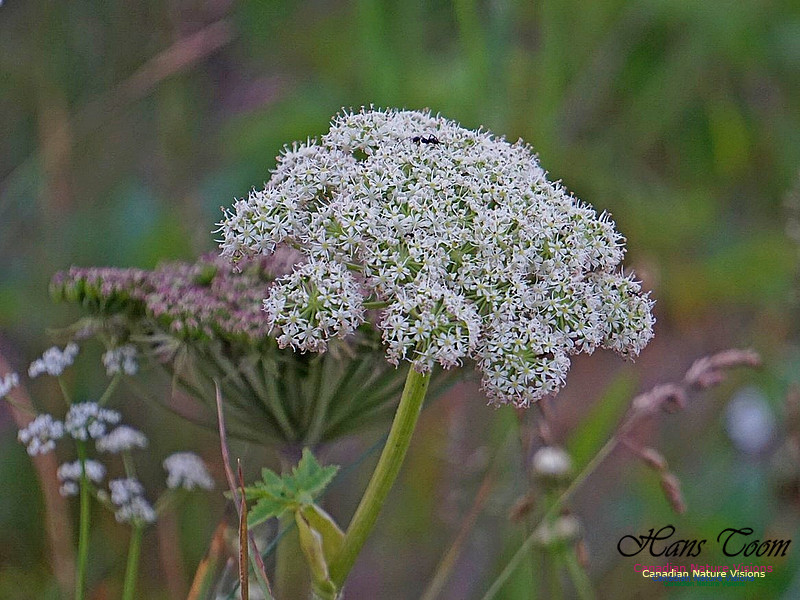
Giant Hogweed
Hop Clover
Lobster Boat at High Tide Advocate Dock
Lobster Boat at High Tide Advocate Dock
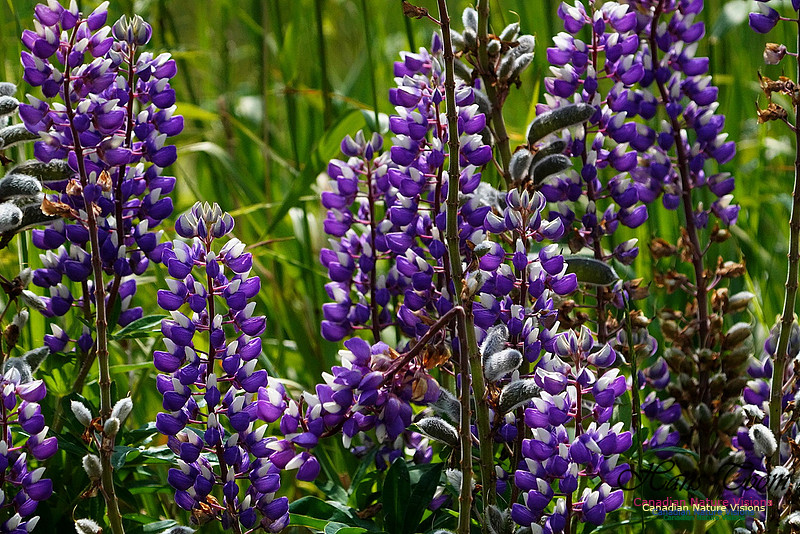
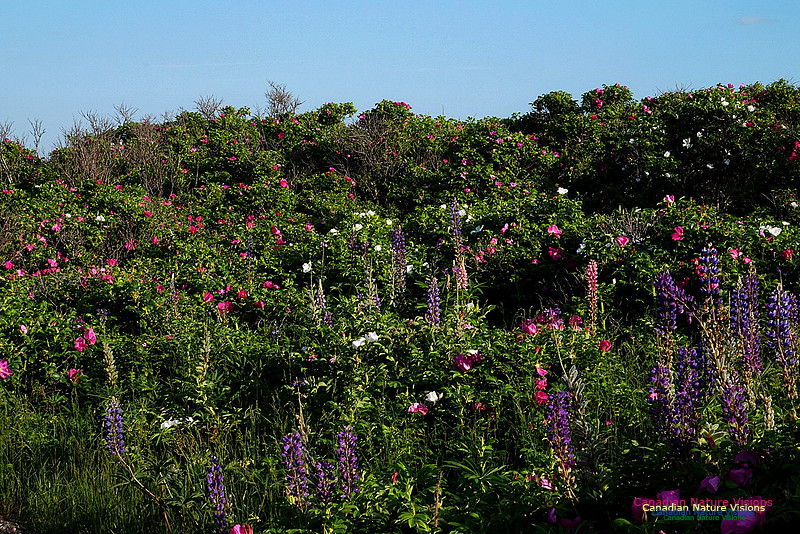
Luppin
Luppin
Hairy Beard Tongue
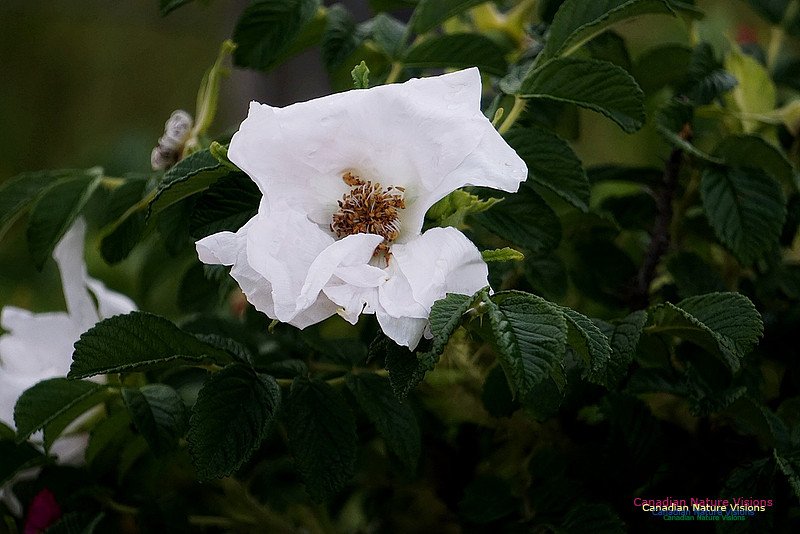
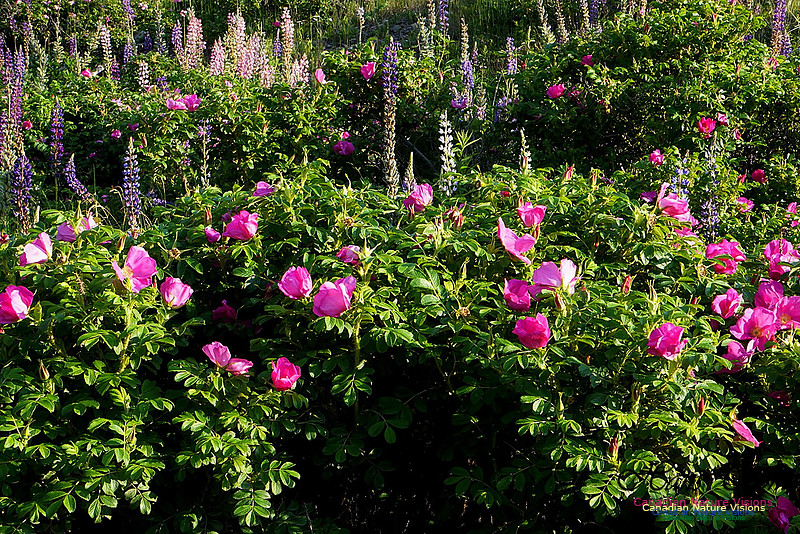
Multiflora Rose  
Pearly Everlasting
Rabbit's Foot Clover
Ragged Fringed Orchid
Seapea
St. John's Wort
Tall Meadow Rue
White Clover
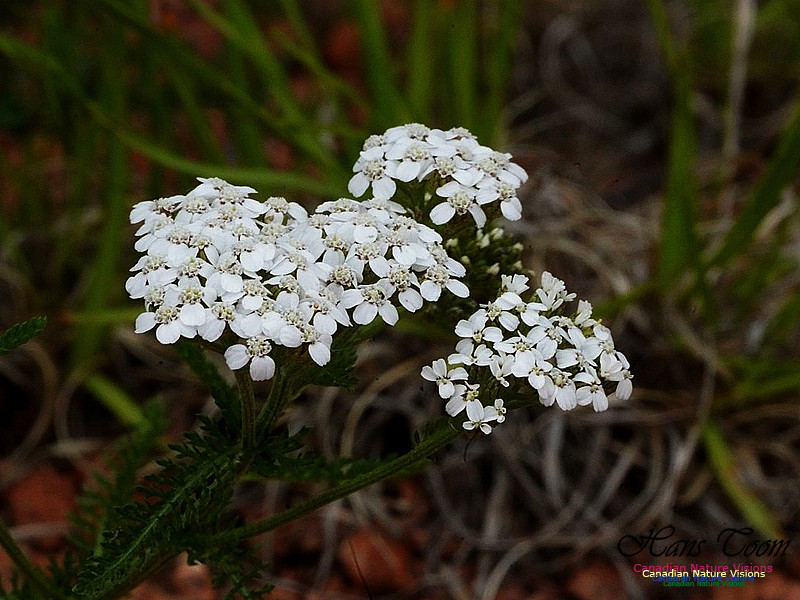
Yarrow
Yellow Rattle
Cape Chignecto Provincial Park Adventure Day 3, July 1It was another day of fog, rain and gloom. We drove to the Joggins Fossil Cliffs and Amherst for an outing but a walkabout was impractical. This evening we may take a walk up the Eatonville Road if the rain holds off. It was along this road that I shot my best Mourning Warbler photos several years ago. Advocate Dock at Low Tide
Advocate Home
Breakwater at a Home It was foolishly built at sea level.
Local Art
Advocate Dock at Low Tide
Advocate Dock at Low Tide
Advocate Dock at Low Tide
Advocate Dock at Low Tide
Advocate Dock at Low Tide
Advocate Dock at Low Tide
Montage of Fish
Grey Catbird
Advocate Dock at Low Tide
Advocate Dock at Low Tide
Memories
Red Rocks
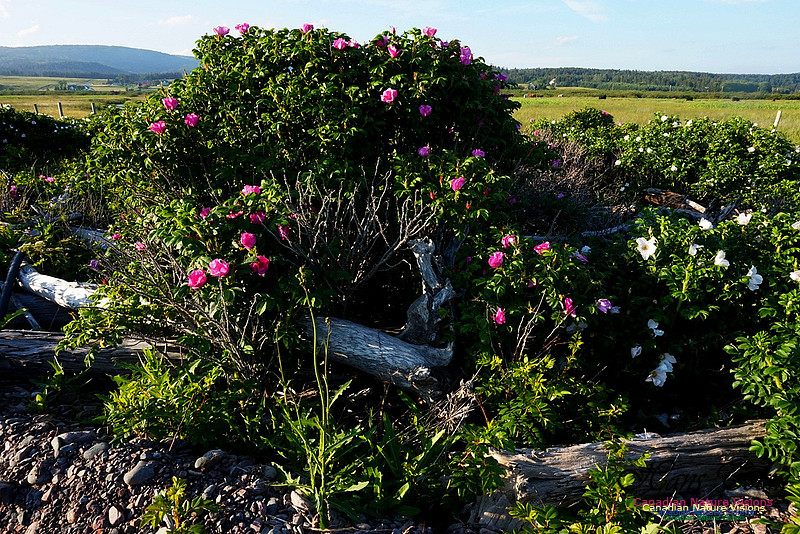
Coastal Wall of Red Roses
Cobweb at Work
Cape Chignecto Provincial Park Adventure Day 2, June 30I used to identify plants from the records on my own website but alas the internet service out here are so slow I cannot download it. We are trying to identify plants and flowers from memory. Yes, all of our nature books are packed and in storage as well. The internet doesn't help much either due to slow speeds. I now clearly understand what country folks have been complaining about having to live without high speed internet service. Times and expectations do change. The weather continues to treat us with fog, drizzle, thunder showers but cool temperatures. Angelica
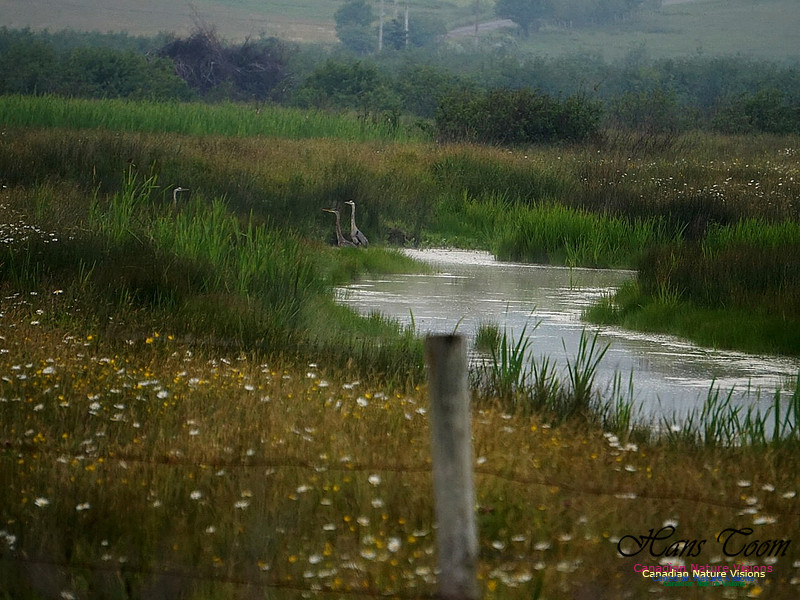
Great Blue Heron
Luppin
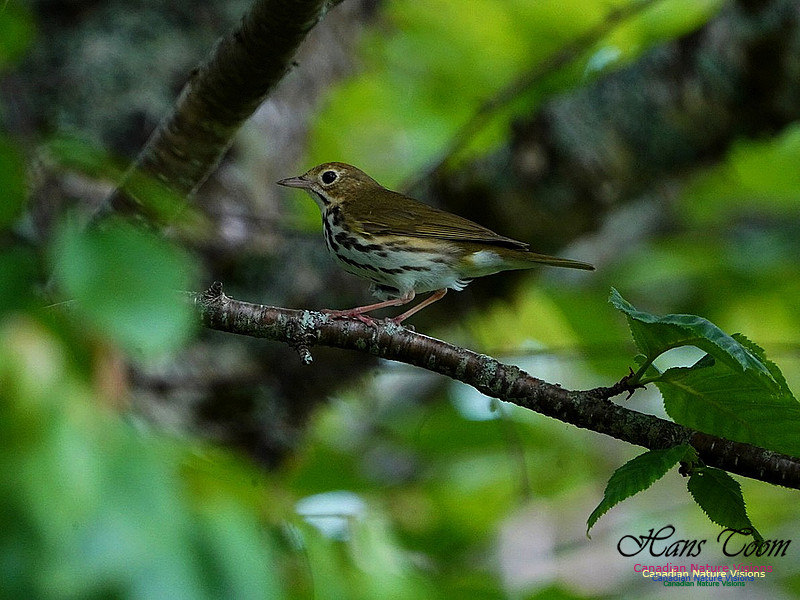
Ovenbird
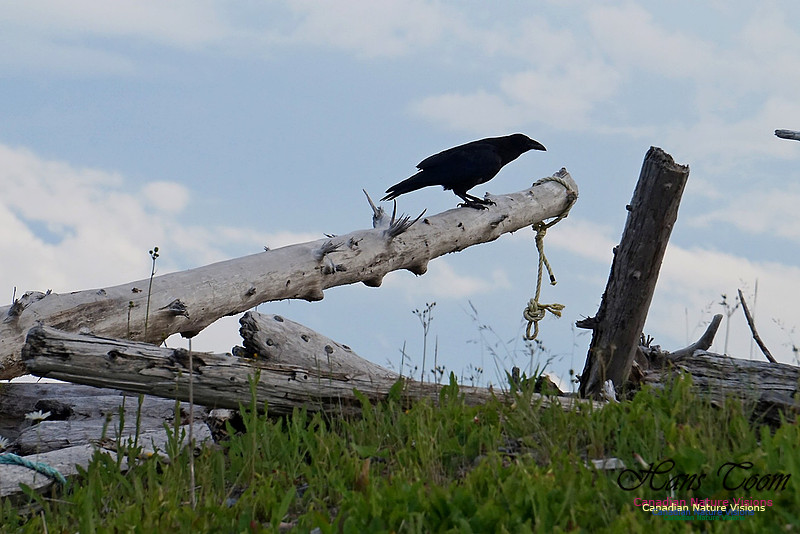
Raven
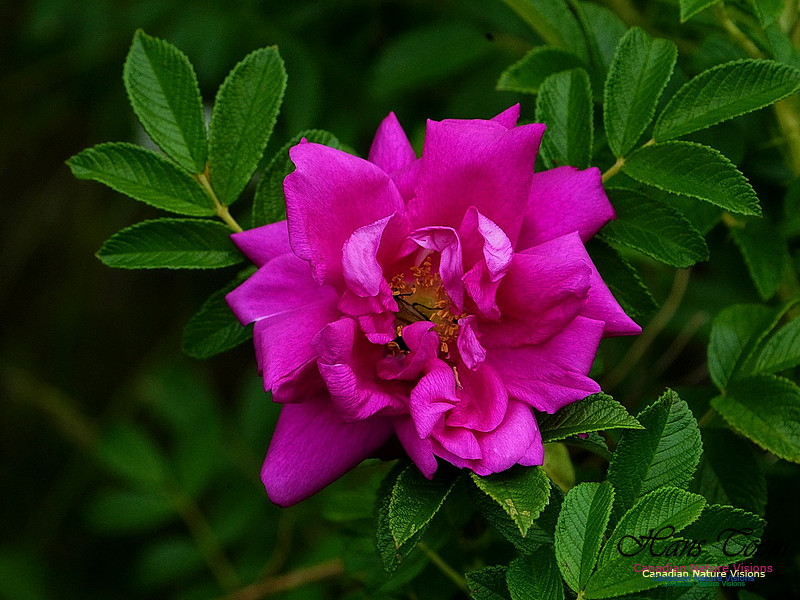
Red Rose
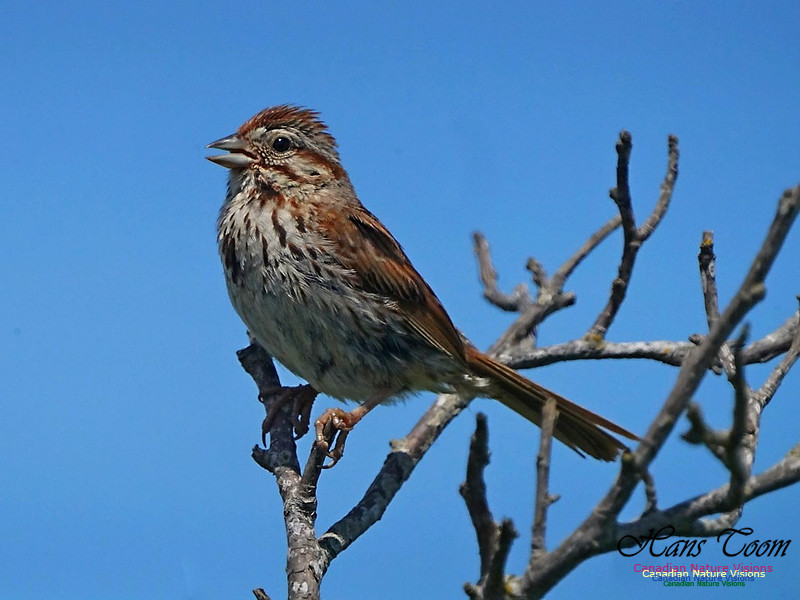
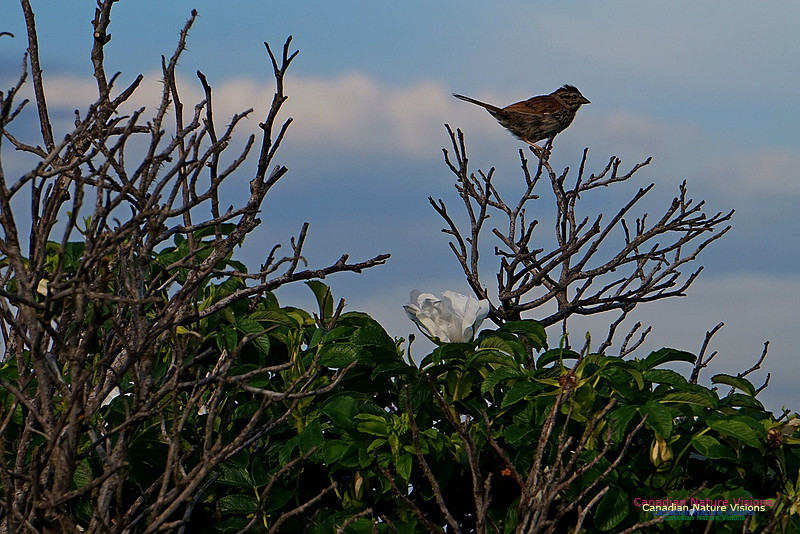
Song Sparrow
White Rose
Yarrow
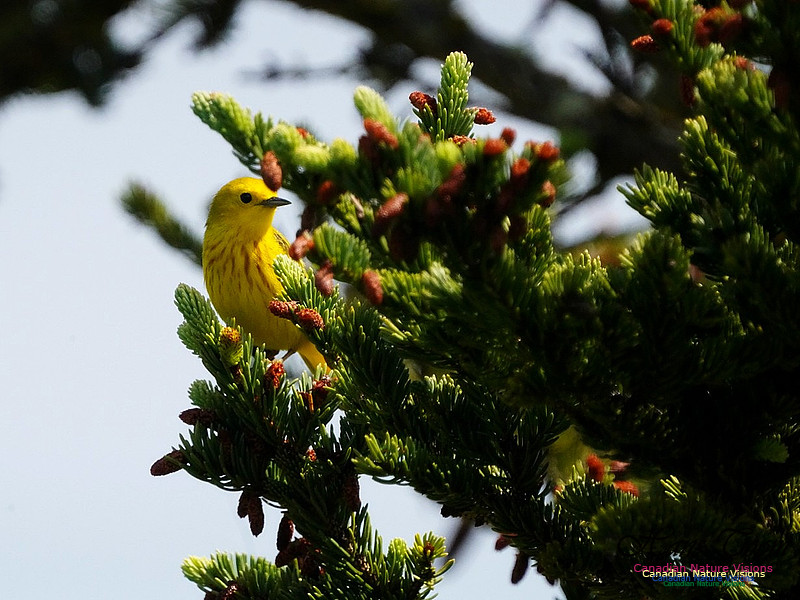
Yellow Warbler
Cape Chignecto Provincial Park Adventure Day 1 , June 29This is our first day at Advocate Harbour. The weather was mostly fog with sunny breaks. Wildflower Display
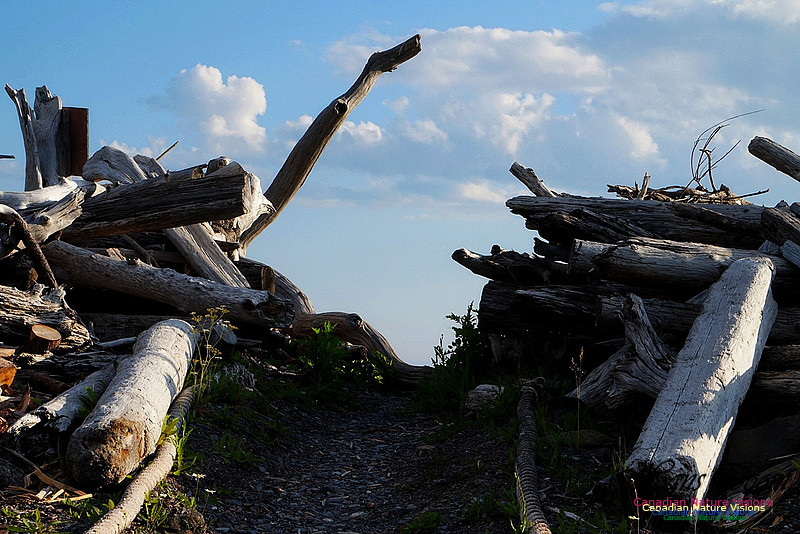
Driftwood on Beach Ridge
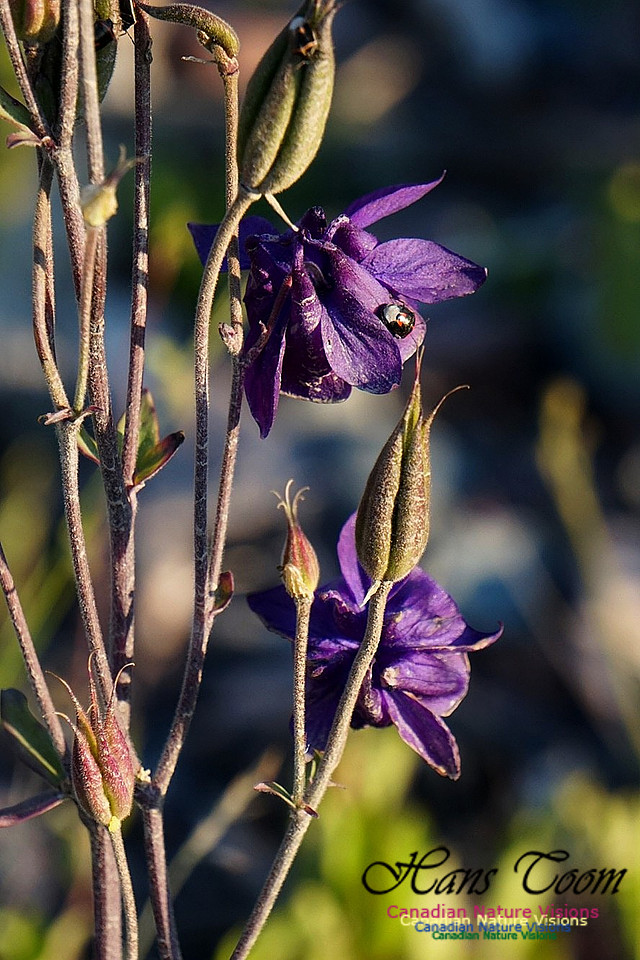
Columbine and Beatle
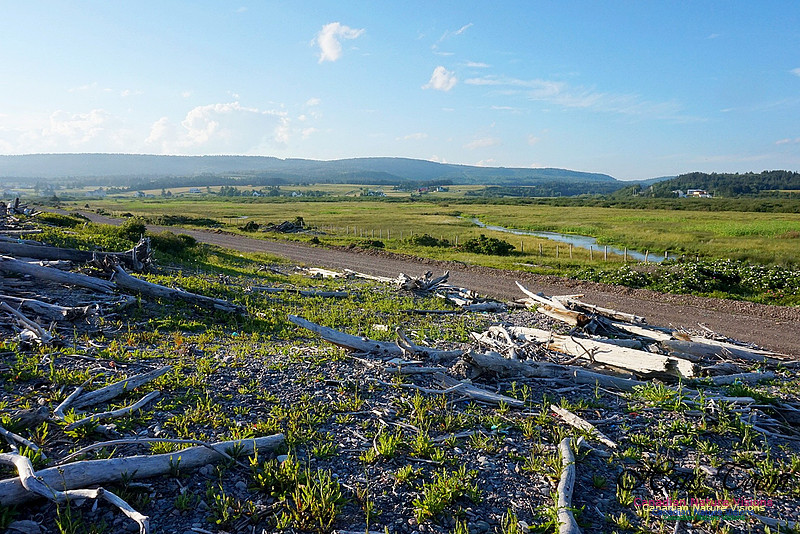
Pastoral
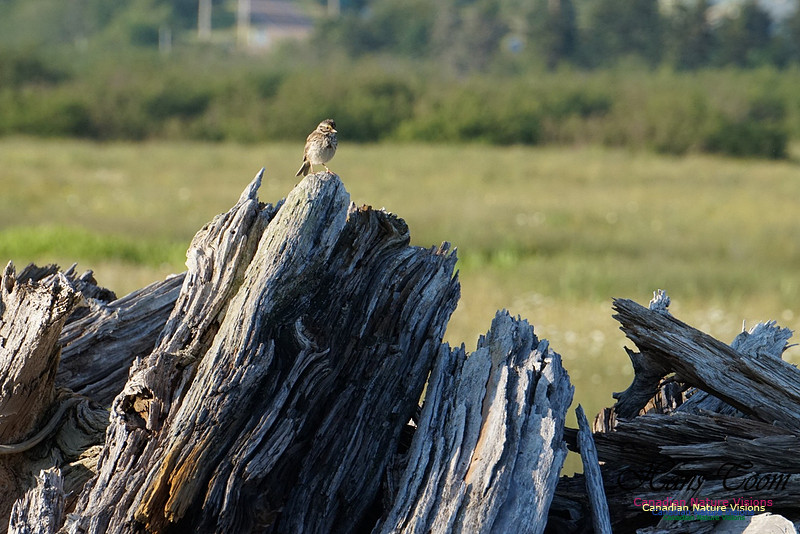
Savannah Sparrow
Wildflower Display
Wildflower Display
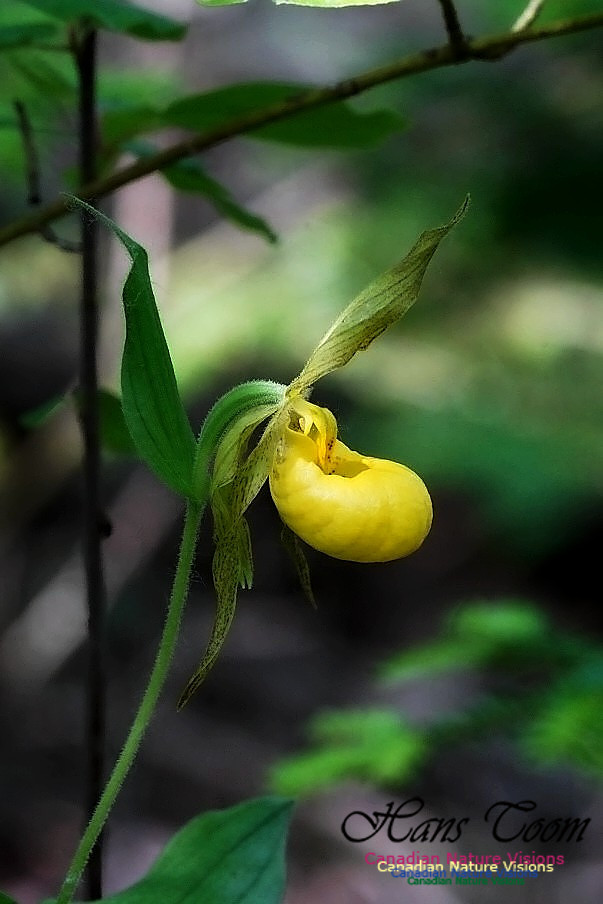
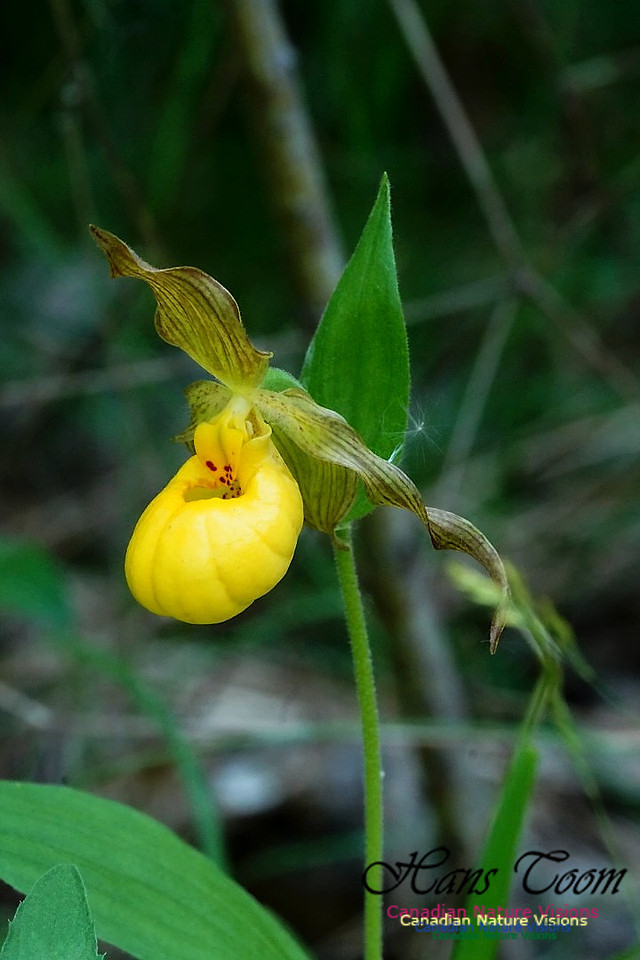
Yellow Lady's Slipper OrchidI went to the West Hants limestone lands to photograph the Yellow Lady's Slipper Orchid. Sadly the environmental terrorists have torn out more of the Yellow Lady's Slipper Orchid, a protected species. These photos are low resolution and taken a few days before our departure to Advocate Harbour. Lady's Slipper Orchid
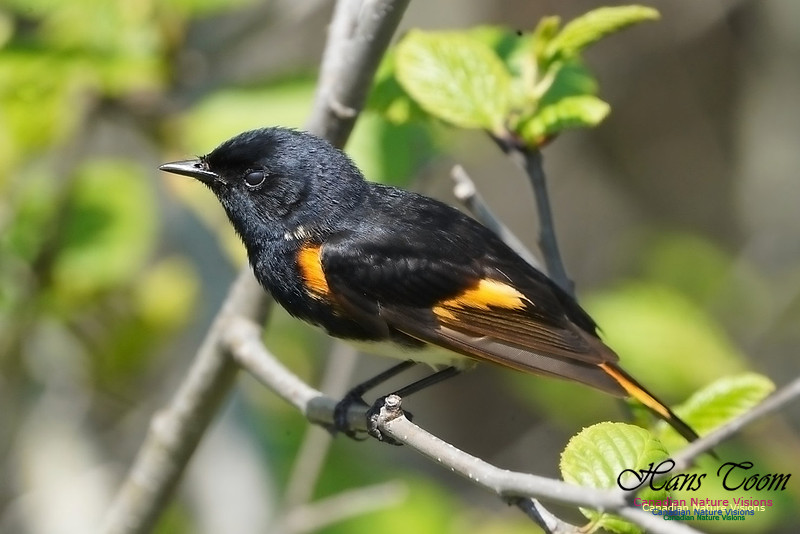
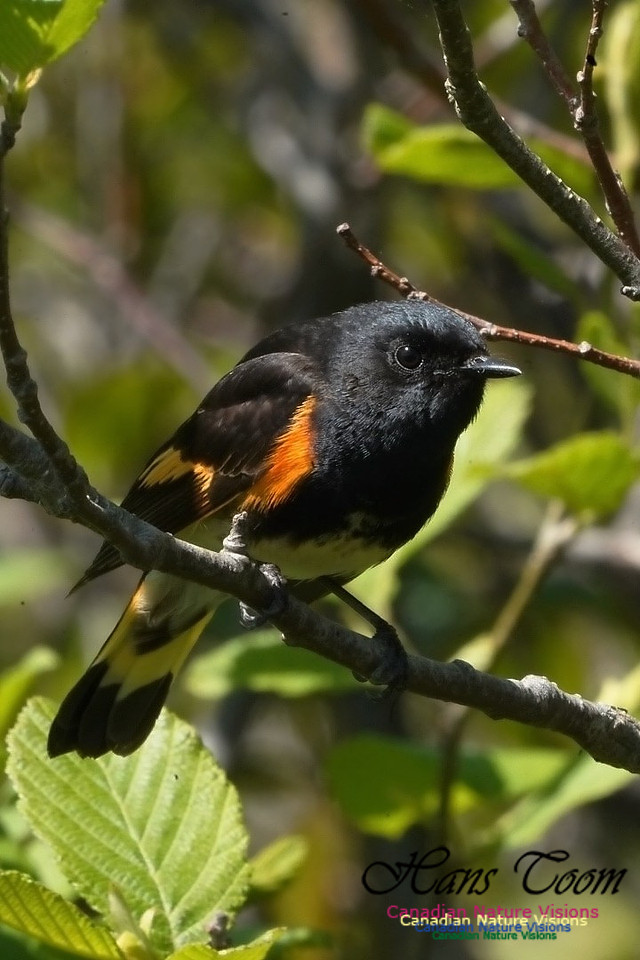
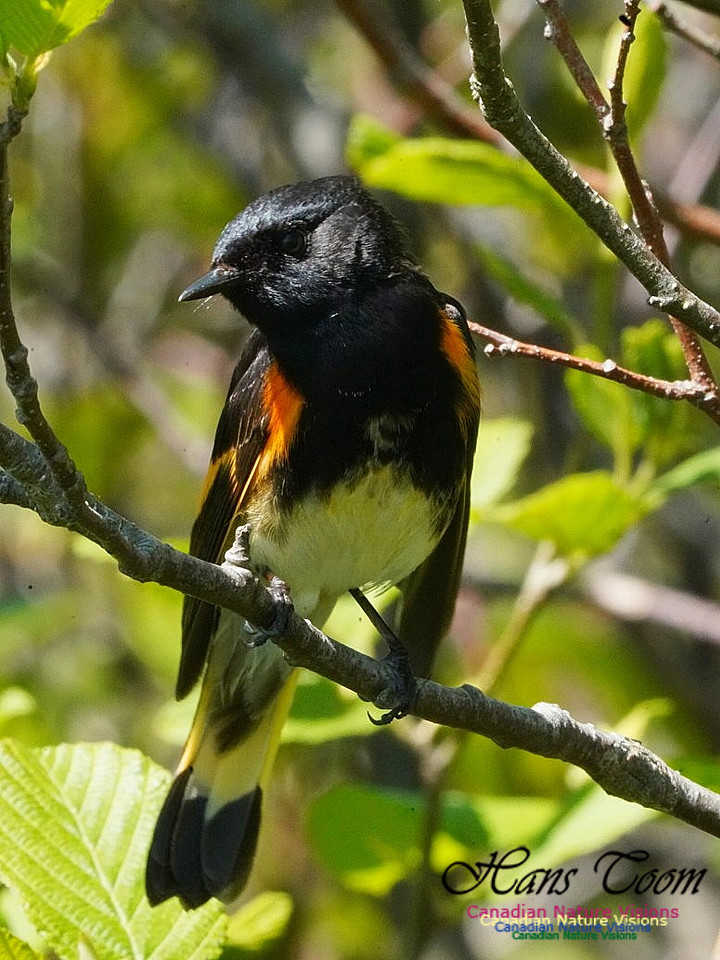
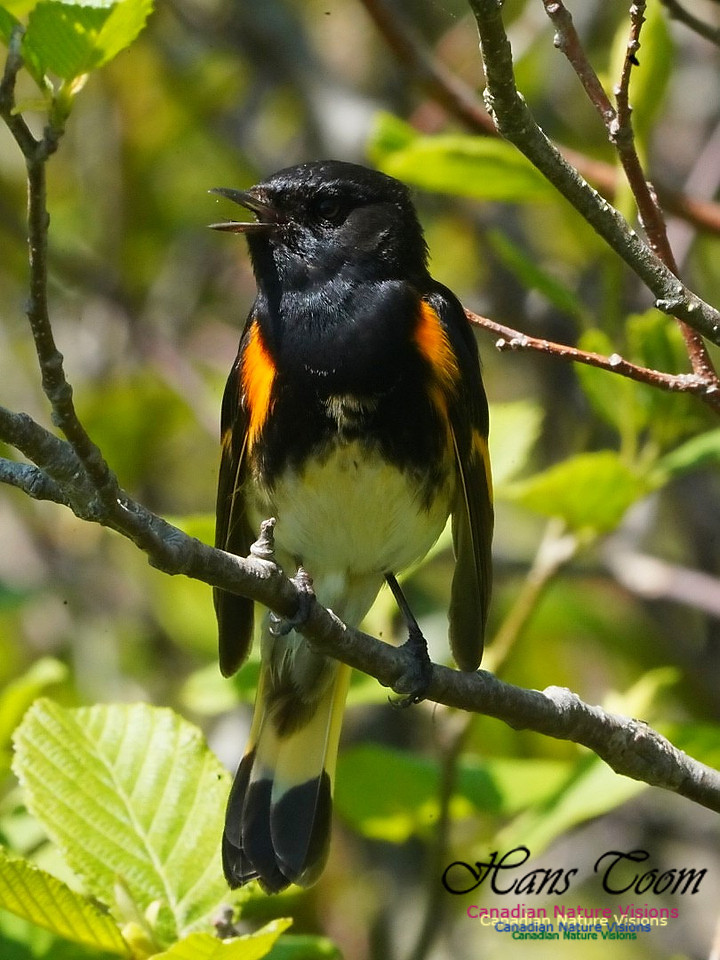
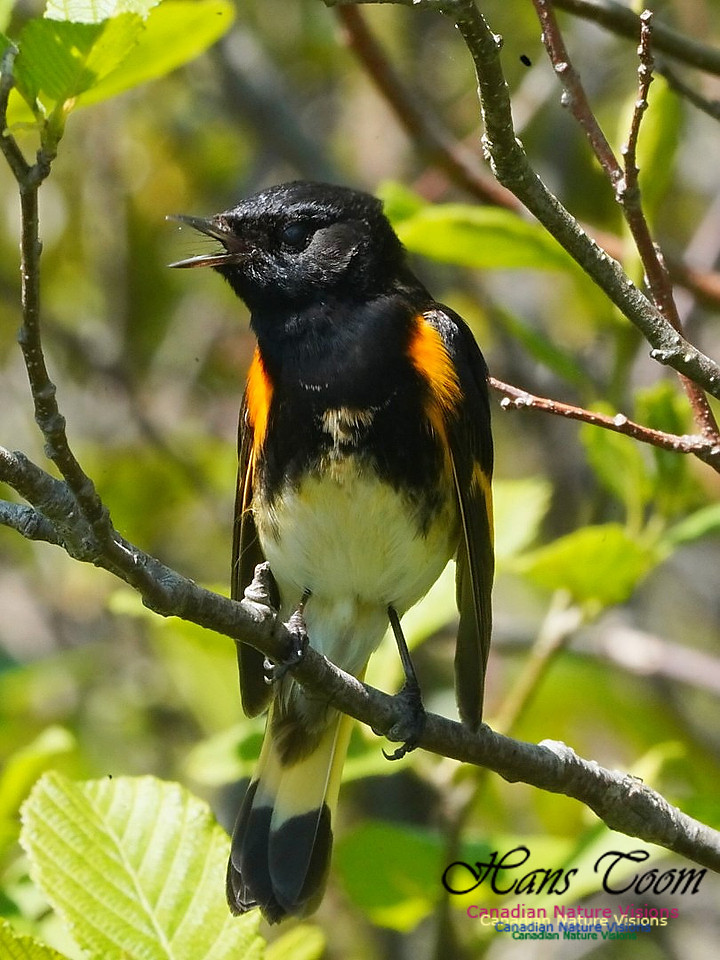
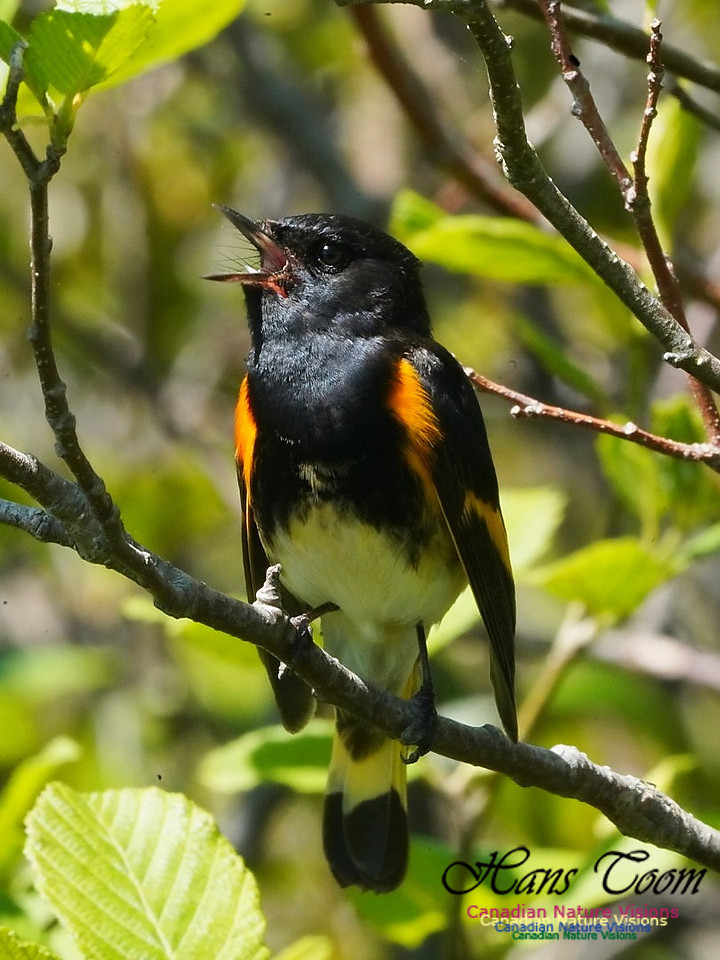
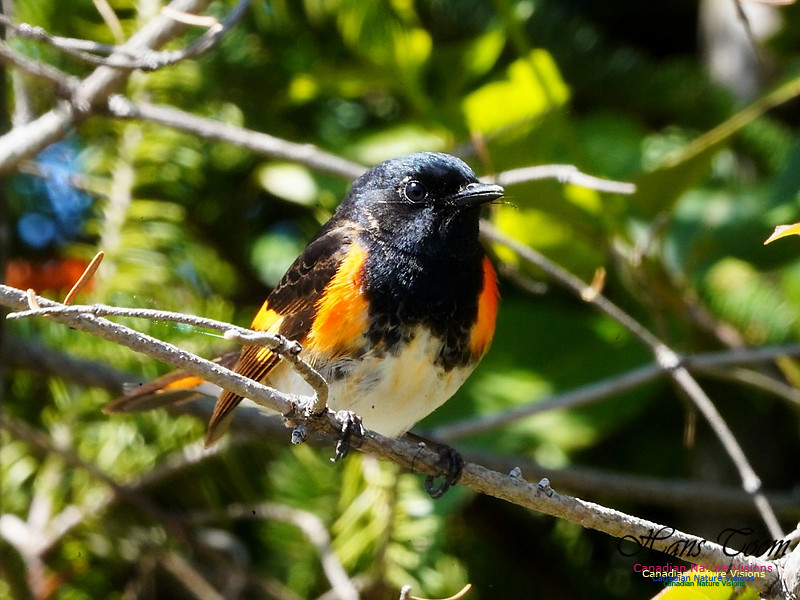
American RedstartThe American Redstart with the folk name of Butterfly Bird (an improved name) is prolific in Nova Scotia. It arrives late and leaves early since it is a long distance migrant. These are low resolution files, 250K or less. American Redstart
Cape Chignecto Provincial Park AdventureLaura and I are re-homing. We have 37 days to wait before our new place is completed so a 37 night trip to advocate Harbour is our plan. From this place we can visit: -https://parks.novascotia.ca/park/cape-chignecto -https://jogginsfossilcliffs.net/ -https://themaritimeexplorer.ca/2014/08/12/isle-haute/ -https://novascotia.ca/nse/protectedareas/wa_ChignectoIsthmus.asp -https://www.tripadvisor.com/Attraction_Review-g182200-d4597668-Reviews-Amherst_Point_Bird_Sanctuary-Amherst_Nova_Scotia.html -https://www.pc.gc.ca/en/pn-np/nb/kouchibouguac/visit/covid-19-info -https://www.pc.gc.ca/en/pn-np/nb/fundy/visit/covid-19-info -https://www.thehopewellrocks.ca/index.php/en/page/shorebirds-wildlife -https://www.natureconservancy.ca/en/blog/archive/nd-johnsons-mills.html I had to pack my computer so I cannot process my 117GB RAW files from my Sony mirrorless camera or my 40GB RAW files from my walkabout/hiking camera on my laptop computer. I will store all the RAW files on my external drive and use reduced 250K (less if cropped) files for our blog record of the trip. There will be a loss of image quality in both definition (sharpness) and colour definition. Internet is slow out this way and is through a phone line. Typing on the tiny keyboard of my laptop gets some getting used to after being trained on a full sized keyboard but I will struggle along. I will post daily updates. So far its been fog, rain and wind but the temperature is cool, thank you very much. Advocate Harbour and Area
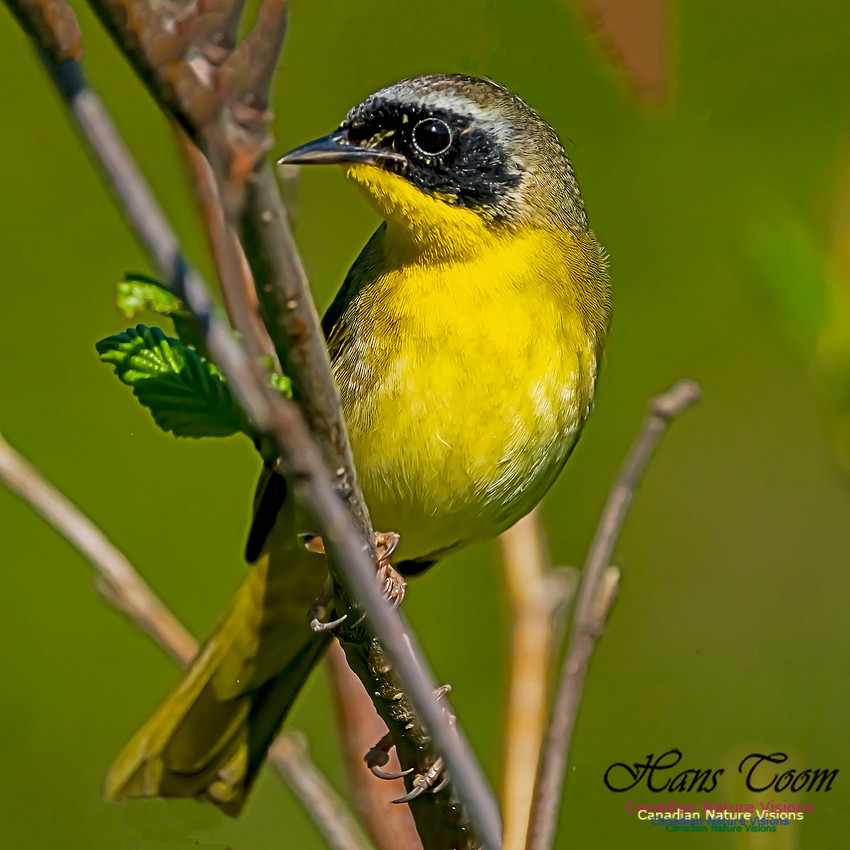
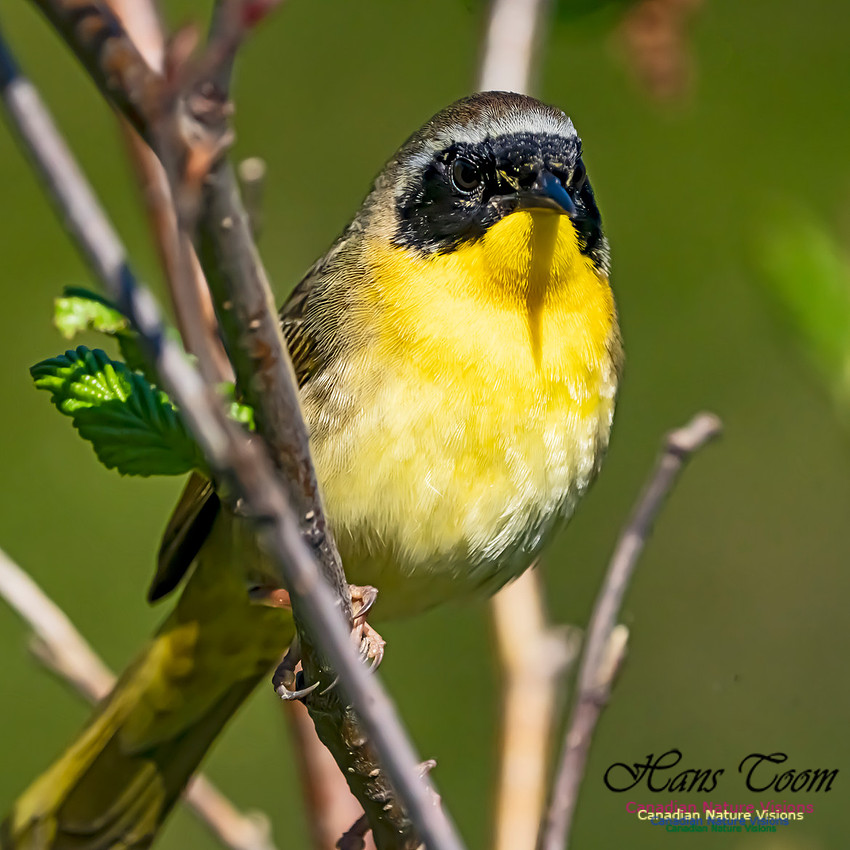
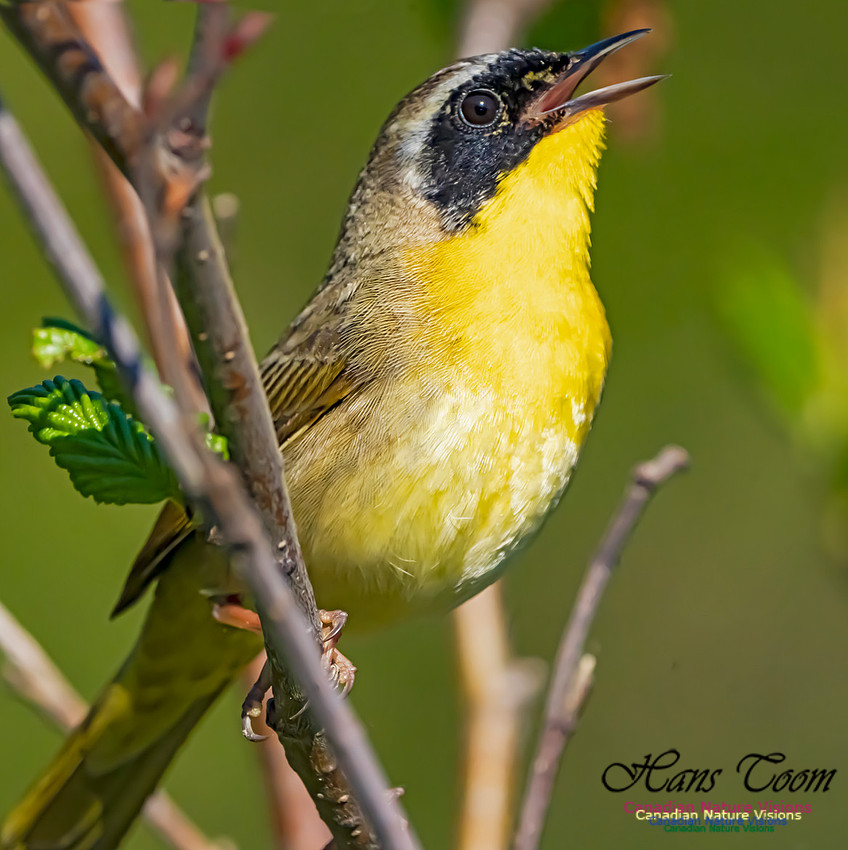
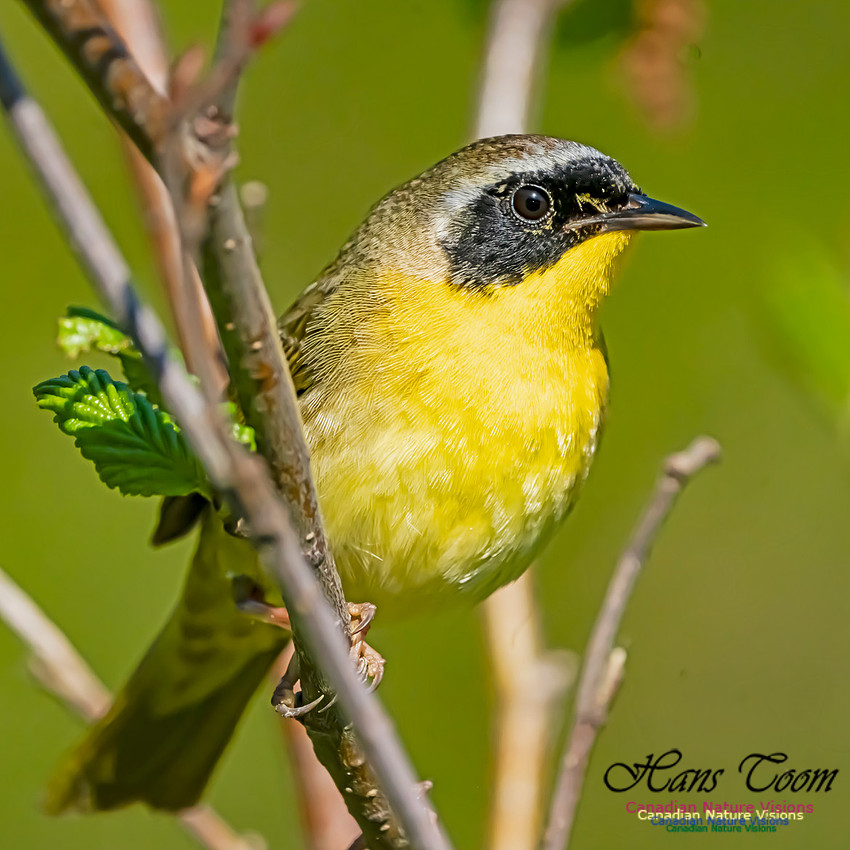
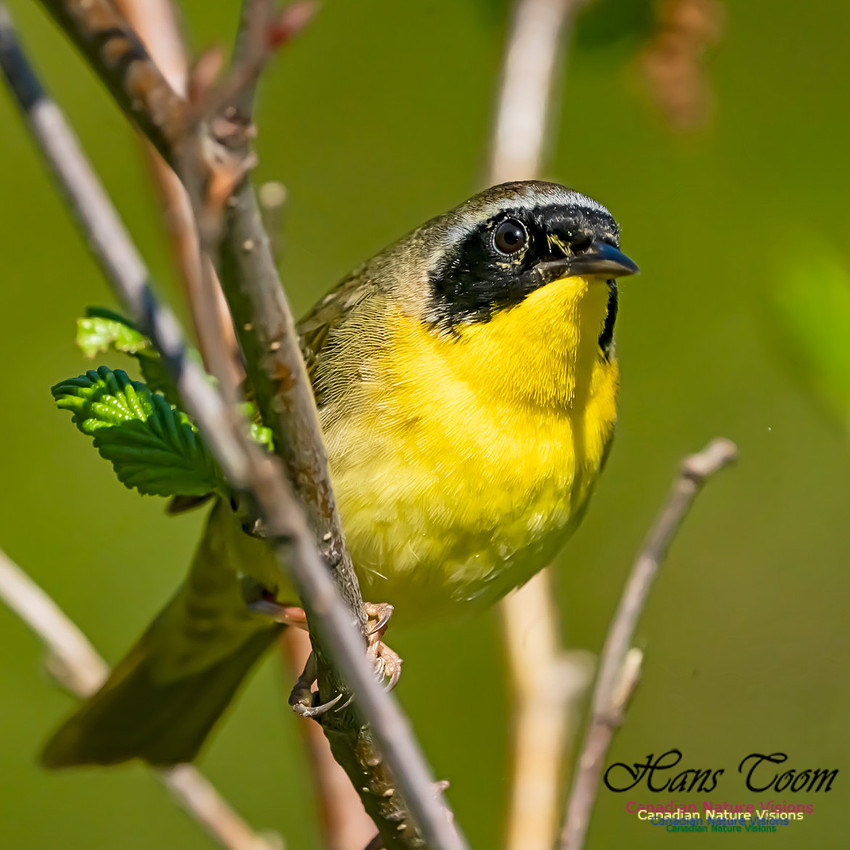
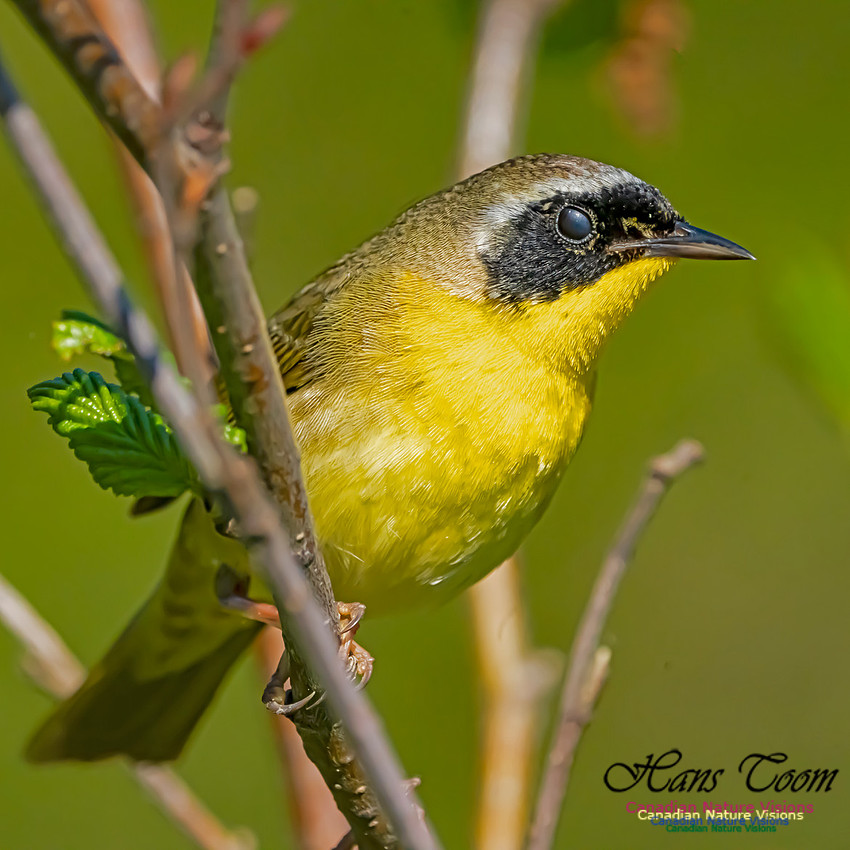
Common YellowthroatThis Common Yellowthroat was as the military expression goes, "under the guns". I was expecting a distant target so I was powered up with a 400mm-1200mm zoom lens but I had to retract to 400mm and even that was too much focal length for this bird. Needless to say image definition suffered somewhat. Common Yellowthroat
Ruffed GrouseI was bumping along a country road when I spotted a dozen or so golf ball sized Ruffed Grouse chick-lets in the centre of the road. I stopped immediately and I am sure that's when the mother uttered a warning call and the the little grouse-lets scattered and hid. I did manage a few photos of the annoyed mother but she soon settled down when she realized I was not an immediate danger. Ruffed Grouse
Blackburnian WarblerThe Blackburnian Warbler is a stunning bird. I always look forward to meeting this bird. It is easy to find in its favored habitat thanks to its distinctive song. Blackburnian Warbler
Bay-breasted WarblerNova Scotia has been under a partial lockdown in recent weeks due to Covid-19 with residents restricted to movement within their own community. This restriction was lifted today, and I was able to travel and get out to some of my favourite locations. A handshake was had between me and the Bay-breasted Warbler, a special bird friend of mine. It's common in favoured habitat but in other locations its hard to find. The song is high-pitched, but I can still hear it. Bay-breasted Warbler
Rose-breasted GrosbeakThe Rose-breasted Grosbeak is near to an annual regular at our place in Portuguese Cove. It usually stays for two or three days and then moves on looking for the mature hardwood forests. If you think this adult male is handsome just wait until you stand near it when it bursts into song. You'll be looking for your socks after that experience. The song is akin to an American Robin that has taken singing lessons. Photos are taken through windows. This is a motivator to keep the glass clean. Rose-breasted Grosbeak
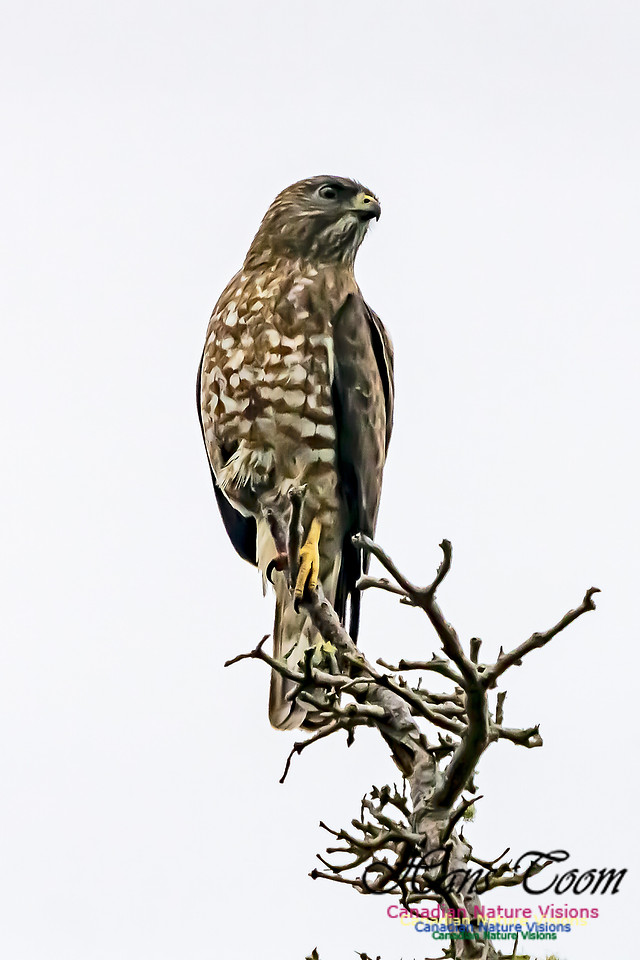
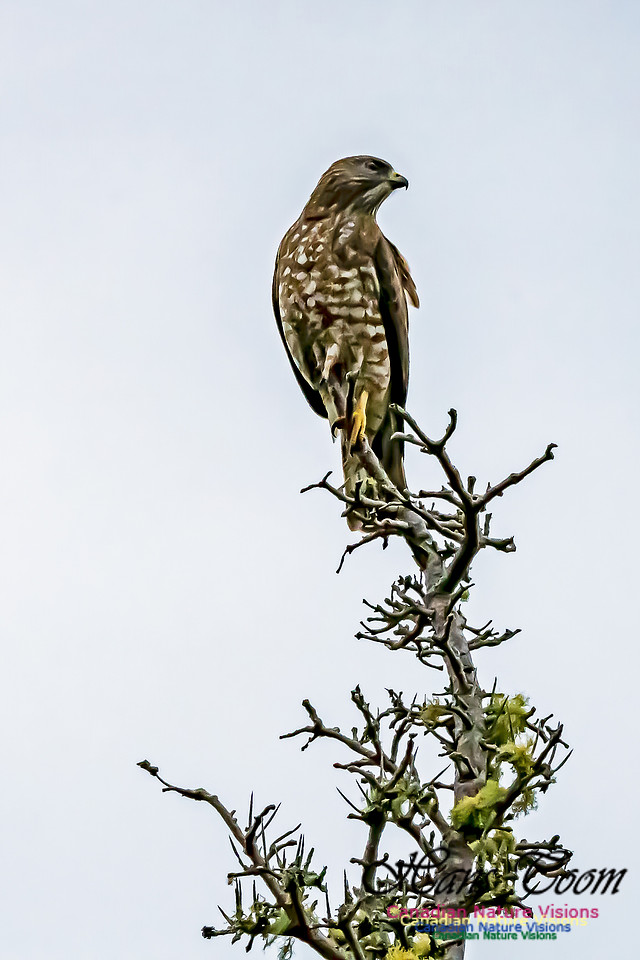
Broad-winged HawkThe Broad-winged Hawk is common in the mild seasons in Nova Scotia but uncommon in the winter after most move further south. It often returns to its same rough nest site year after year. The high pitched screech of this buteo is unmistakable. It is commonly found around water but soars widely looking for prey. Back lit high photos are typical of this species. They are found in large numbers on Brier Island, Nova Scotia, in the fall. Broad-winged Hawk
Bullock's OrioleThe Bullock's Oriole is a rare bird although it has become an annual regular to Nova Scotia. It used to be combined with the Baltimore Oriole and known as the Northern Oriole. It resides primarily from the centre of the North American continent to the west. This is a first spring male and as such is a tricky identification. When identifying birds never use Google images since about 30 percent of the identifications are wrong. Use only the accepted sources such as, "The Sibley Field Guide to Birds of Eastern (or Western) North America". Online sources such as the American Bird Association and The Cornell Lab of Ornithology do not provide enough examples or details on field marks to be useful. So I have to resort to the tried and true Sherlock Holmes method of deduction, "If you eliminate what is impossible whatever is left, no matter how improbable, is the truth". I eliminated the Orchard Oriole as a candidate because my bird is too large and has a rapier like bill. The Orchard Oriole, especially the female, is hardly larger than a warbler and has a shorter less pointed bill. Also it is yellow not orange like my candidate bird. The other candidate is the Baltimore Oriole but I can find no reliable confirmed example of a first spring Baltimore Oriole with a black chin or goatee without the associated black head. The most reliable field mark is the black line through the eye of the Bullock's Oriole and although it is faint it is visible on some images. The Baltimore Oriole does not have the black line through the eye. The lack of a pale grayish under belly is inconsistent with the first spring Bullock's Oriole and this does concern me unless it is a second spring Bullock's Oriole. The beginnings of the large white wing patch is also evident which is another field mark for Bullock's Oriole. It is also possible that it is a hybrid Bullock's/Baltimore Oriole. I will have lots more photos if the bird lingers feasting on my suet offerings. It is a yard first. Photographing through two panes of glass never produces good results so I will try to photograph it in the open. Bullock's Oriole
Ipswich SparrowThe Ipswich Sparrow is an "all Canadian bird", almost all born on Canada's Sable Island. The proper name should be Sable Island Sparrow and it should be recognized as a species in its own right. They bunch up along the coast and then make their over water sortie to Sable Island. The late Dr. Ian Mclaren was a strong proponent of this bird's nature and coauthored a book on its uniqueness. It is larger and sandier in tone than the Savannah Sparrow with a different song and certainly a very different personality something naturalists experience when they meet these birds along our Atlantic coastal shores. Ipswich Sparrow
|