


-

M. uniflora
-

Monotropa uniflora stem detail.
-

Monotropa uniflora flowering part detail.
-

Each of ten anthers open via two curving slits.
-
Flower near Kearney Ontario, Canada.
-

M. uniflora displaying its common, light pink coloring.
-

M. uniflora displaying the rare red coloration.
-

M. uniflora displaying a pink coloration.
-

M. uniflora displaying a red coloration.
-

Leaves are scale-like, without chlorophyll, alternating on a waxy stem.
-


Cape Chignecto Provincial Park Adventure Day 19, July 17It was yet another Nova Scotia summer day; mixed clouds, sunshine and moderate temperatures. Alas, we have passed mid July and the warblers are bunching up and moving so they will be harder to find but when you find one there are usually several others as well. It is remarkable that fully three quarters of our mid summer wood land birds are warblers. The cycle of life in nature is amazing. Two warblers arrive in the spring and have four offspring. Now there are six warblers and they all head south. Fours warblers perish through predation, weather events, starvation or just bad luck like flying into a building. So the following spring two warblers return to start the cycle again. This is a stable population despite the losses. Bald Eagles A species almost wiped out by human stupidity and greed.
Bluebell Species
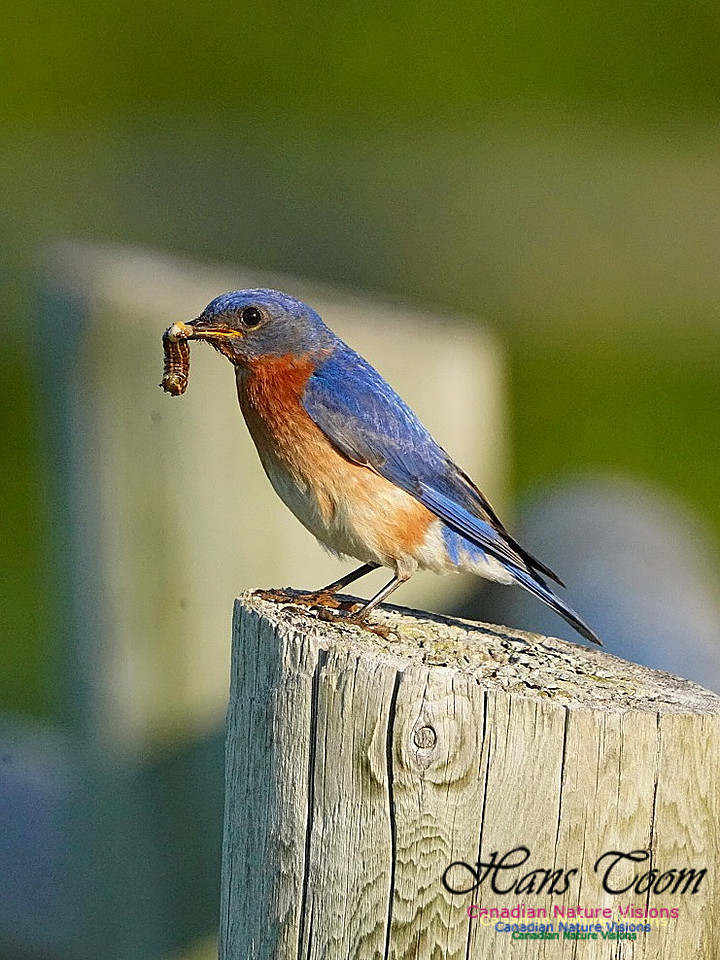
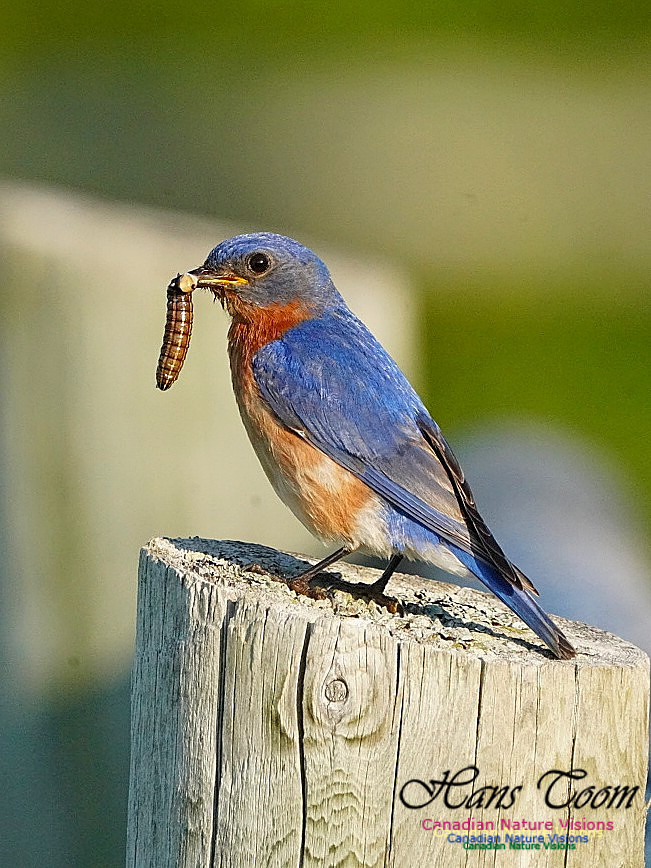
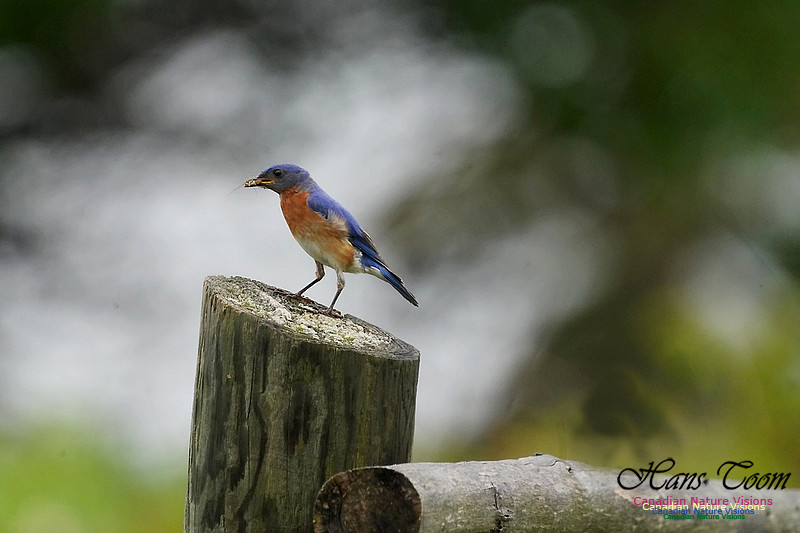
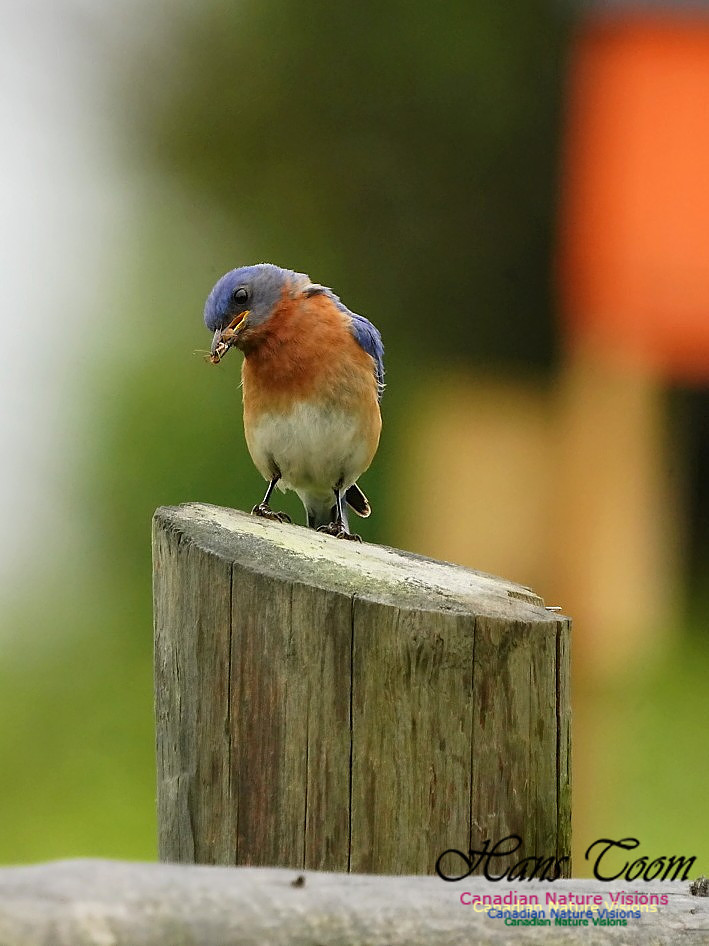
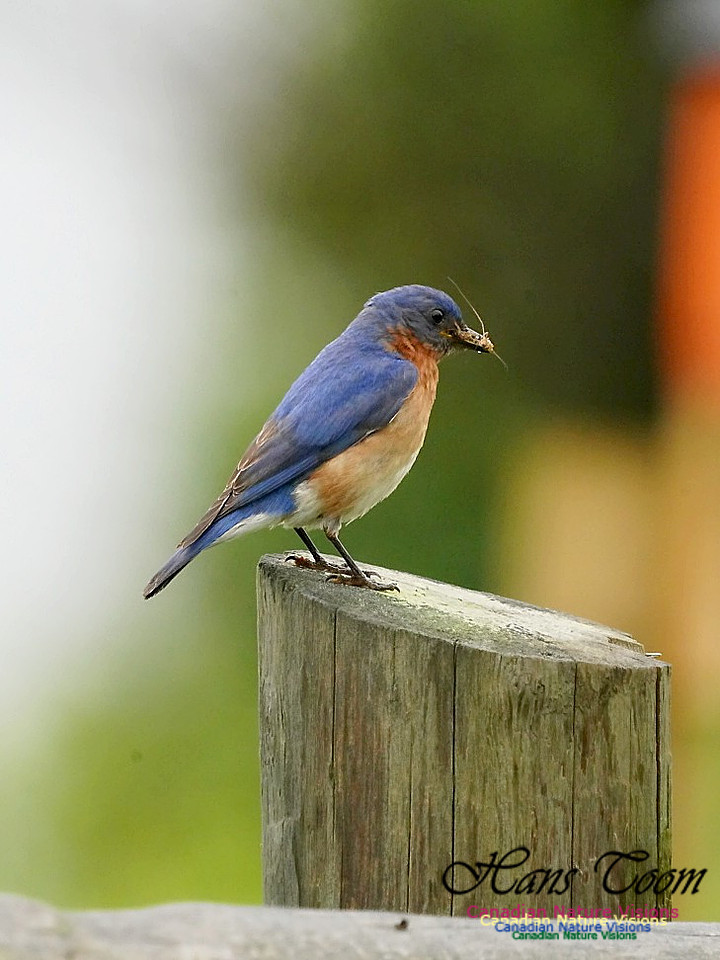
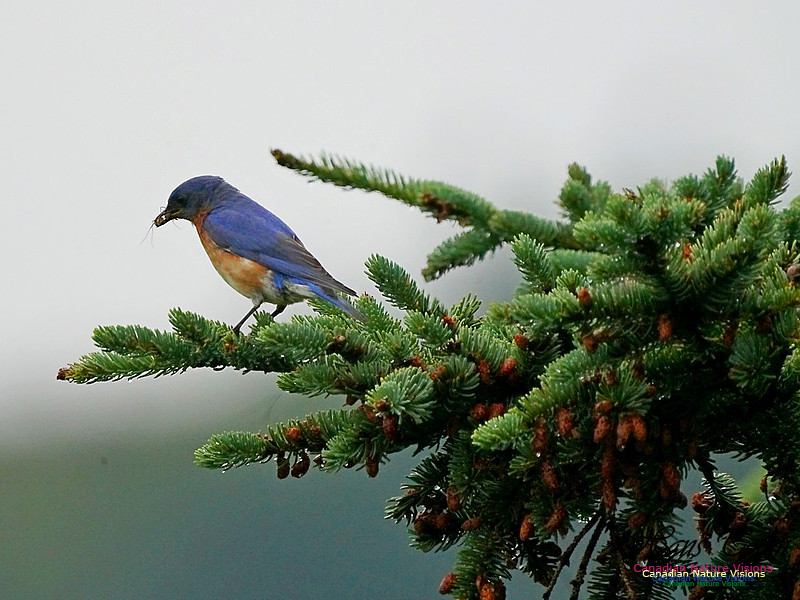
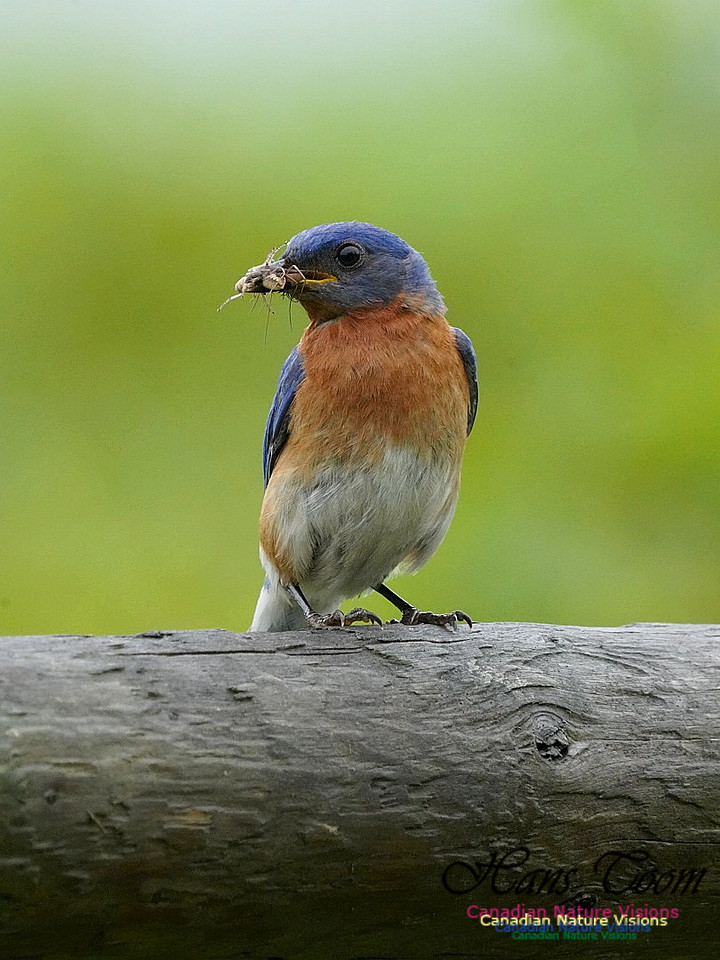
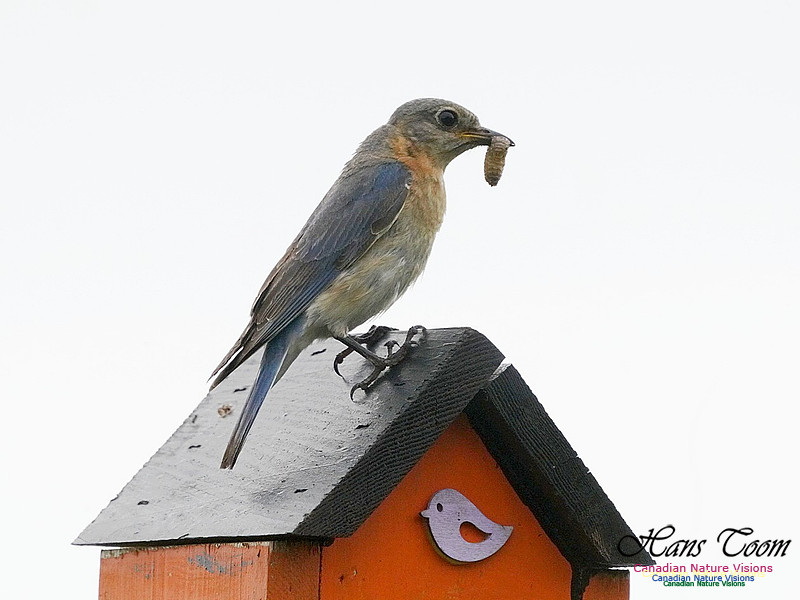
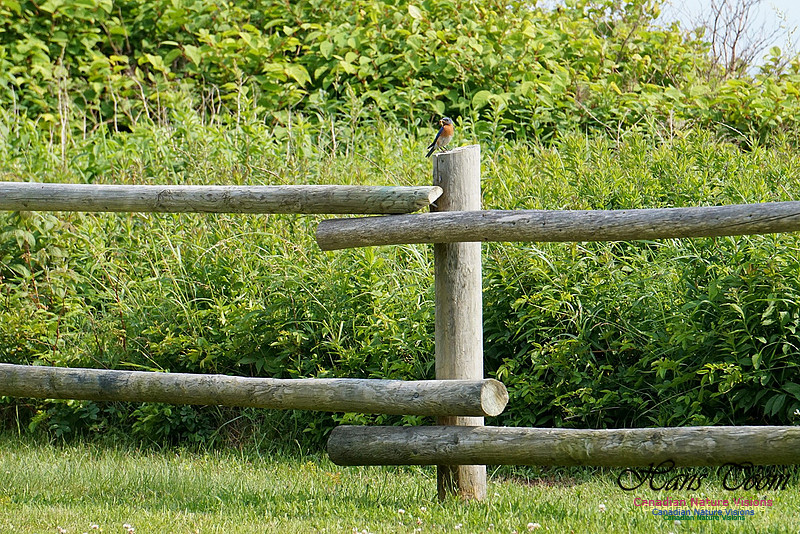
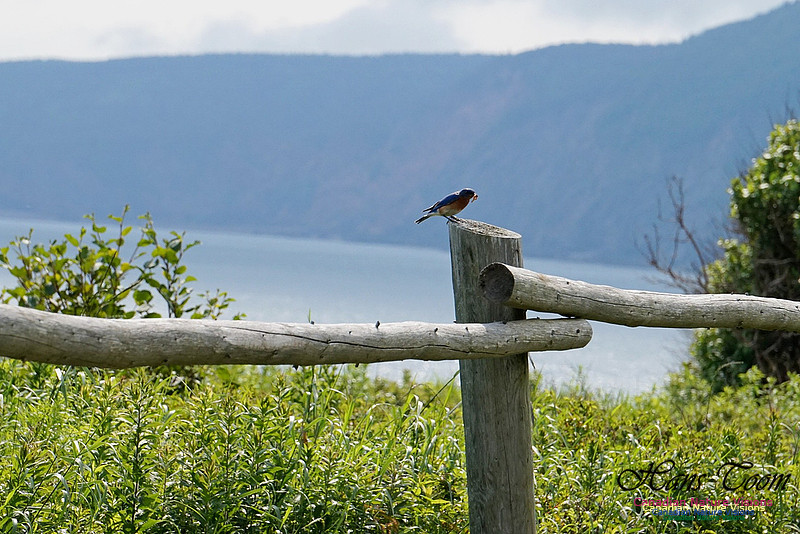
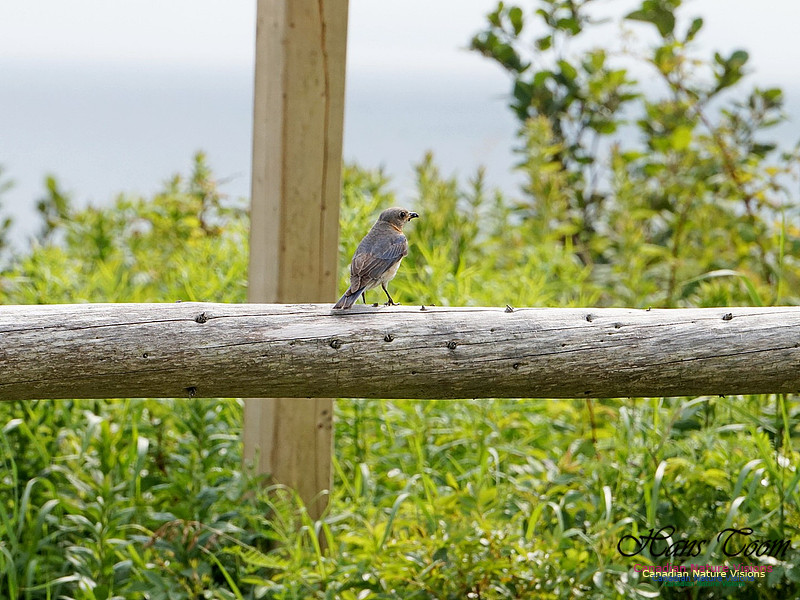
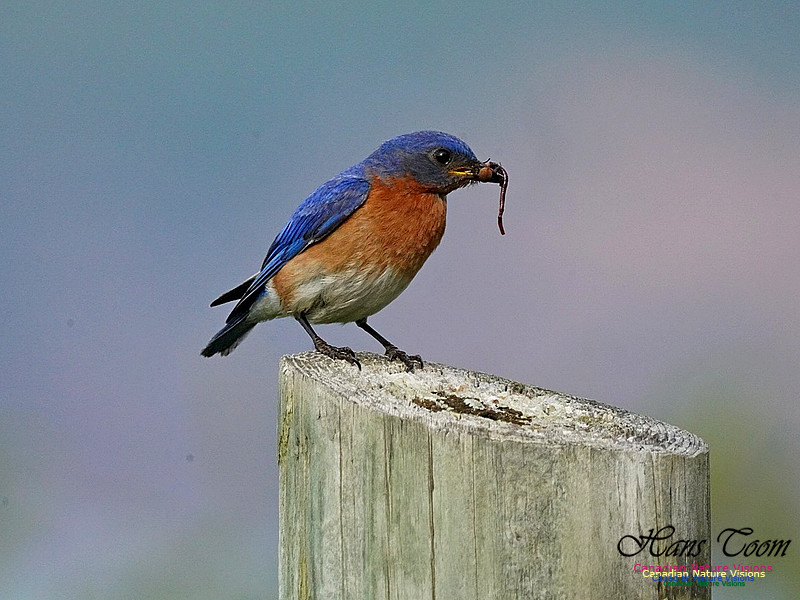
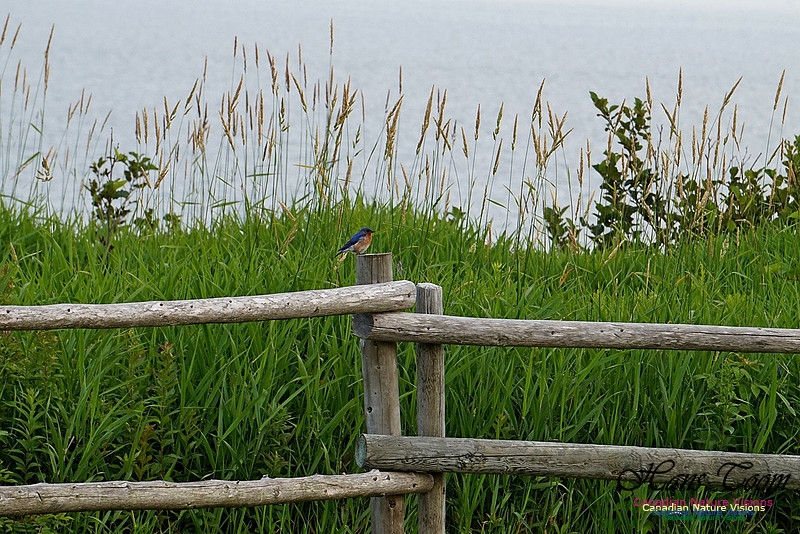
Eastern Bluebird
Moon Vine Tell these insects that the Moon Vine is not predatory.
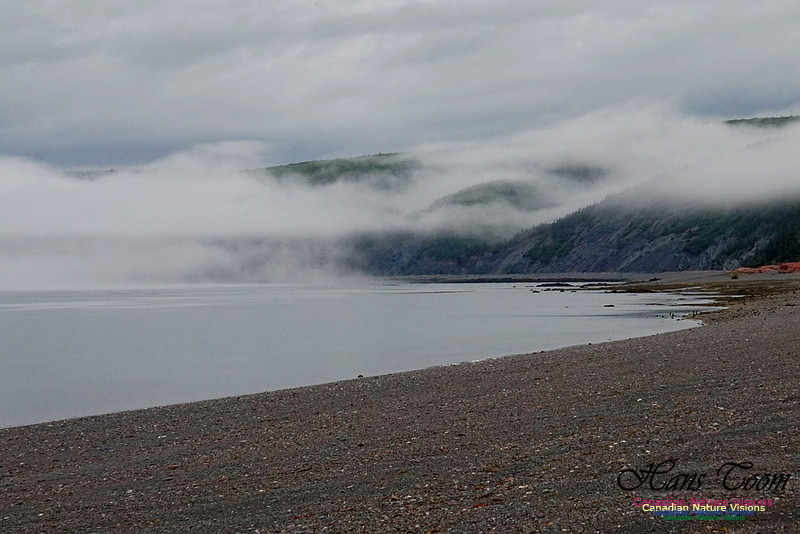
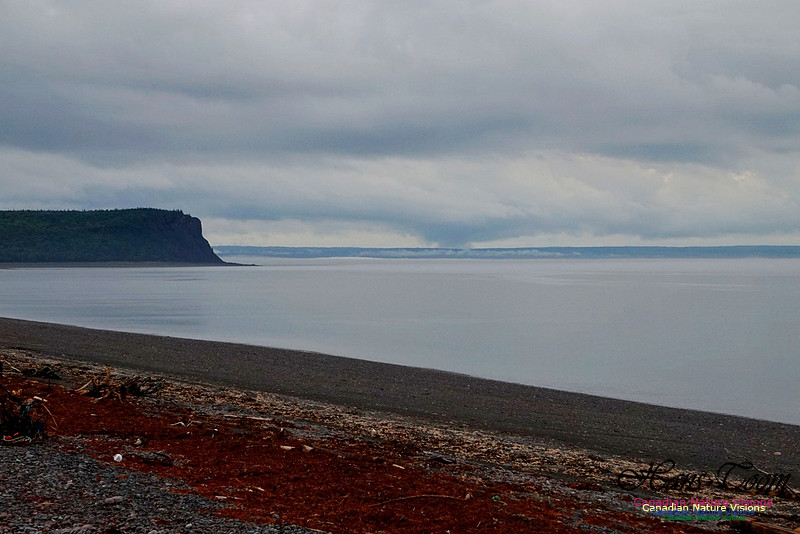
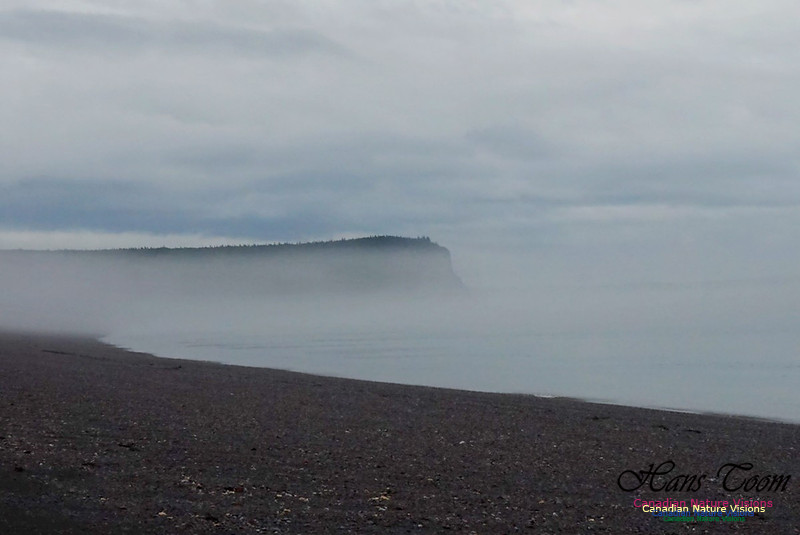
Partridge Island Beach
Cottage on Partridge Island Beach
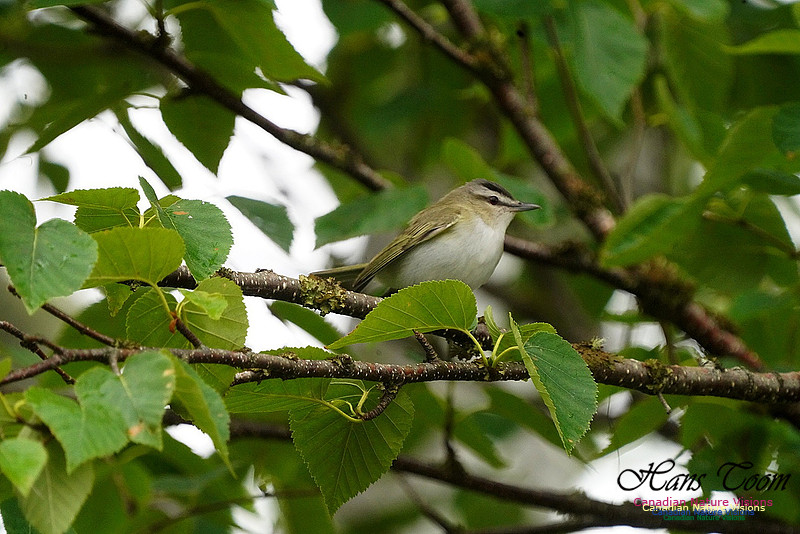
Red-eyed Vireo
Road Side Plant
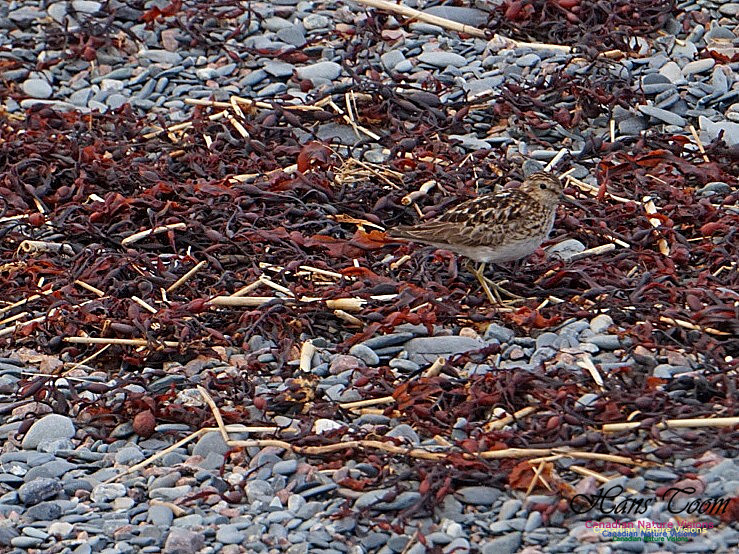
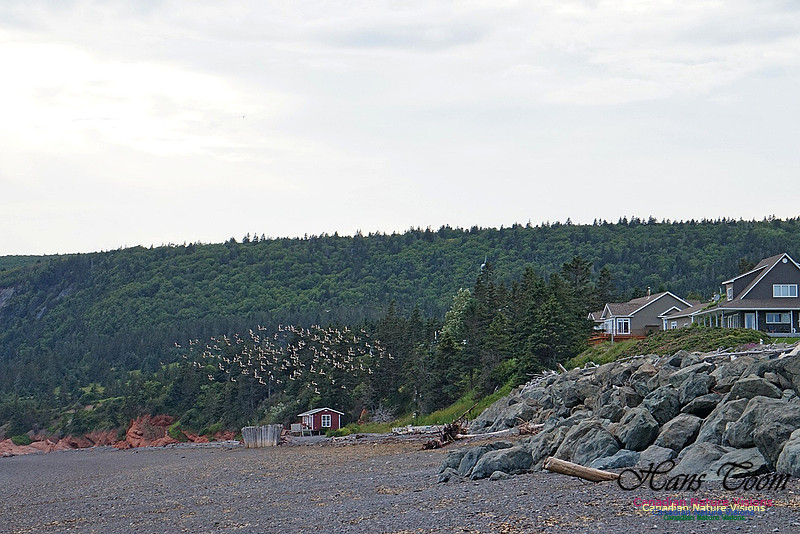
These beach runners are our third shorebird.
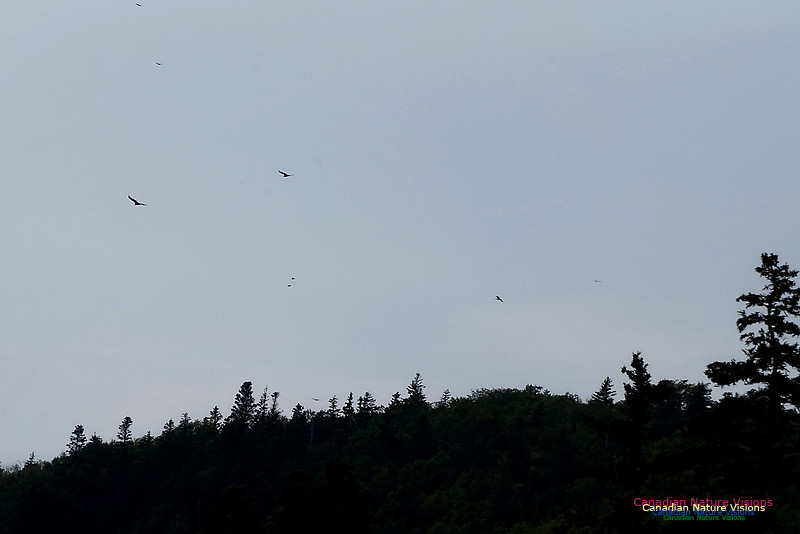
Turkey Vultures There are eight in this tree.
Cape Chignecto Provincial Park Adventure Day 18, July 16
It was a good day with a slight cloud overcast and warmer then it has been, about 26 degrees, and muggy. There was some coastal fog but it dispersed later in the morning. We decided to try the northern side of the park again for birds. The bird life is well scattered and hard to find in the central forested areas. On a high note we did hear a Long-eared Owl and Tennessee Warbler the other day but the deep forest is a hard place to photograph birds if you can find them. Our best success has been along the coastal bluffs of the north side. This is likely due to the fact that the strip loggers, old and new, cannot butcher these areas due to the hazardous conditions so the only remaining old growth forest is here especially the old growth deciduous forest. It was here on the park's north side where we found and photographed my beloved Blackburnian Warbler. Photos are below. Blackburnian Warbler
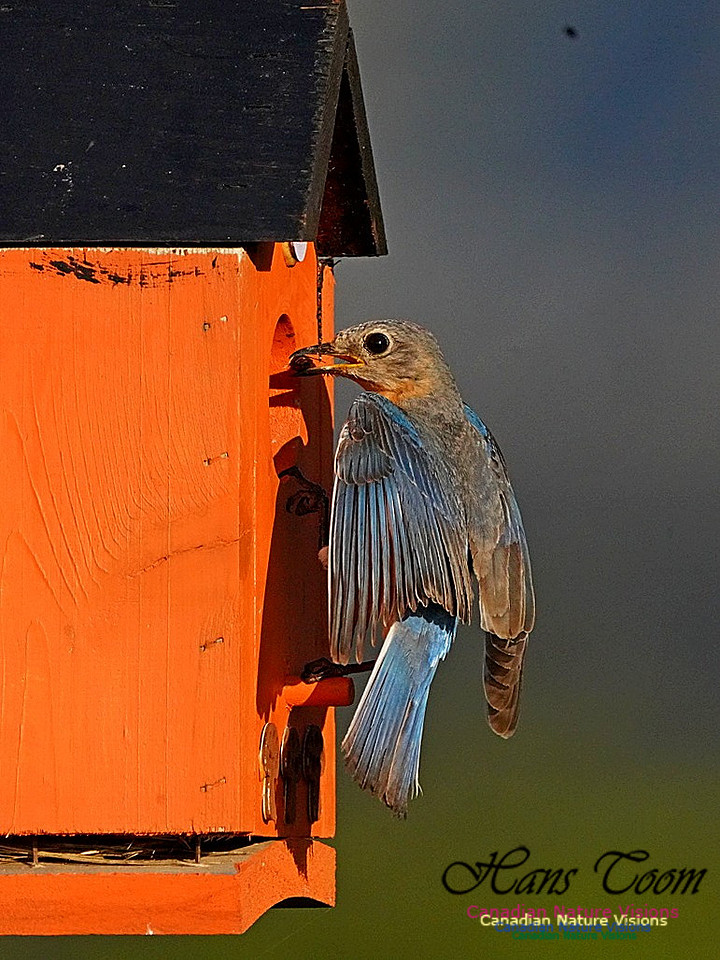
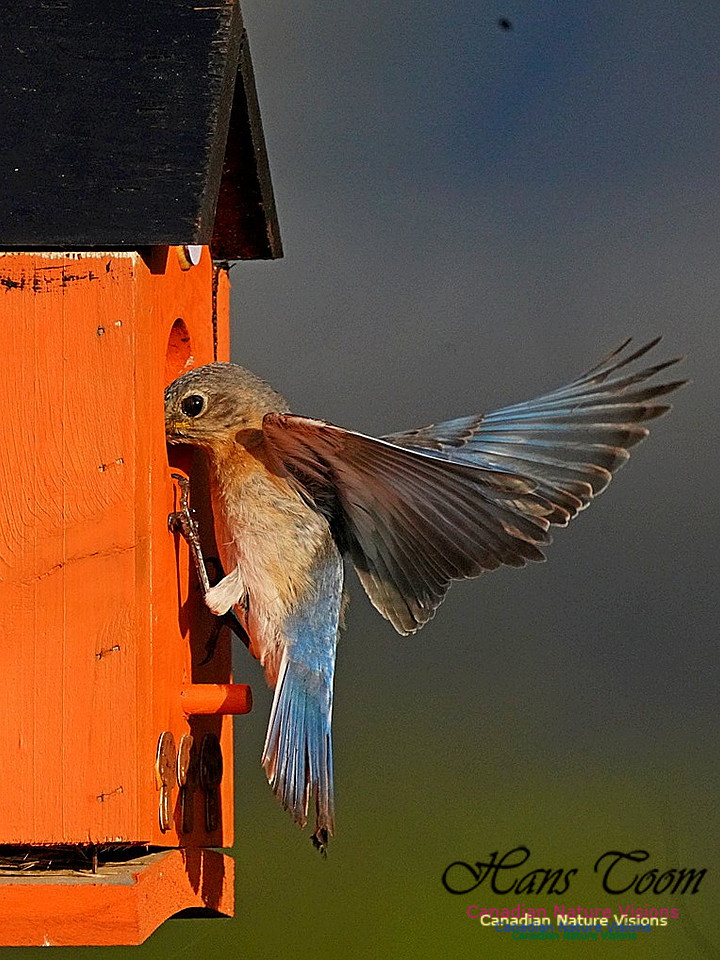
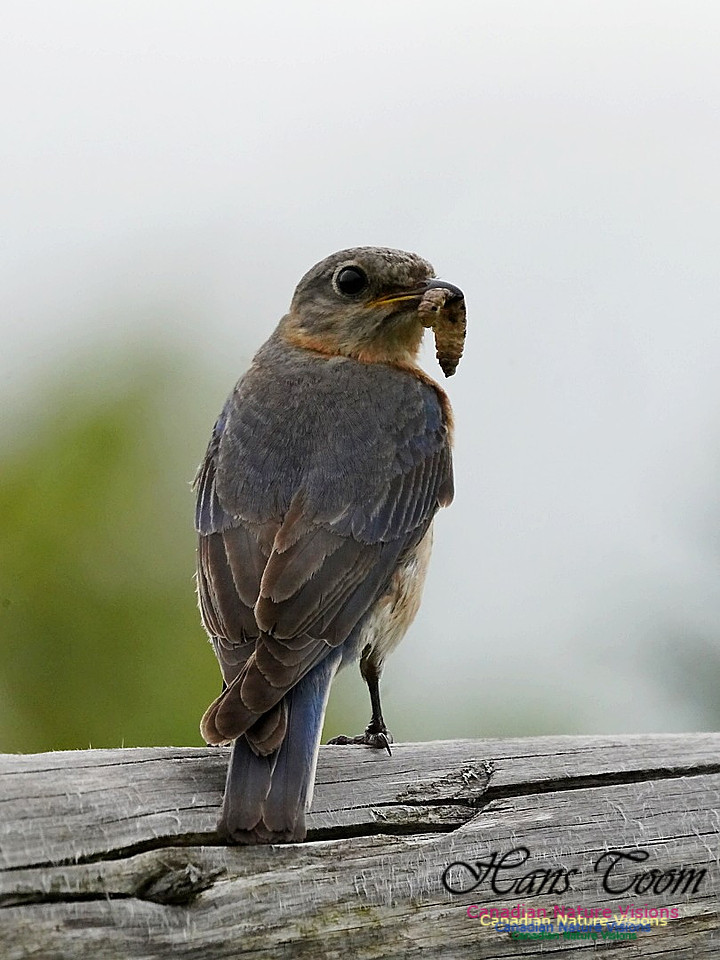
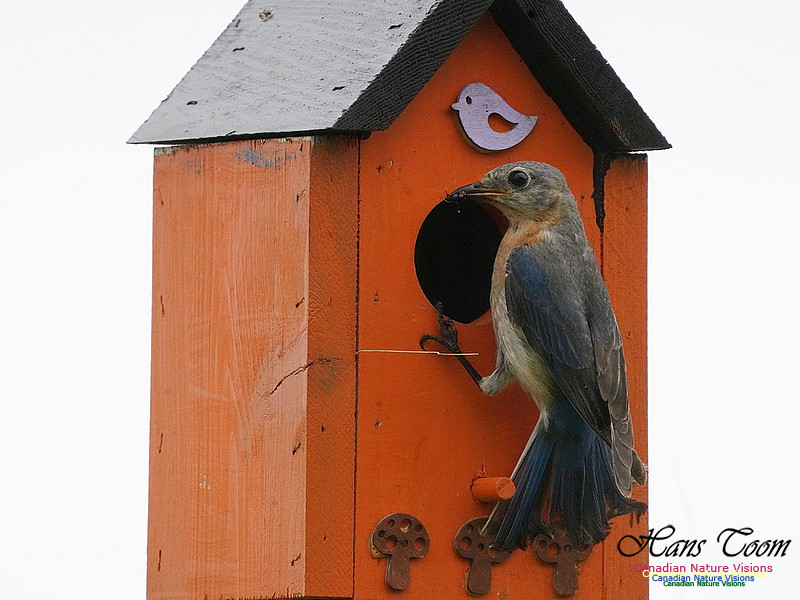
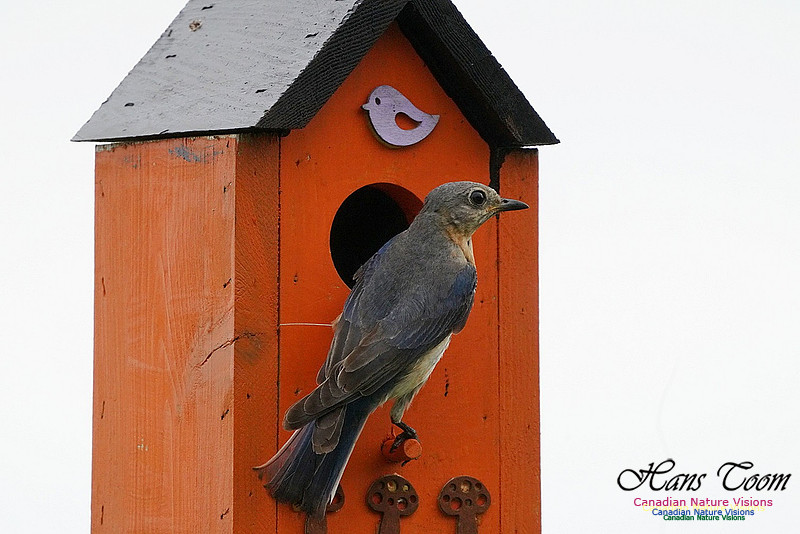
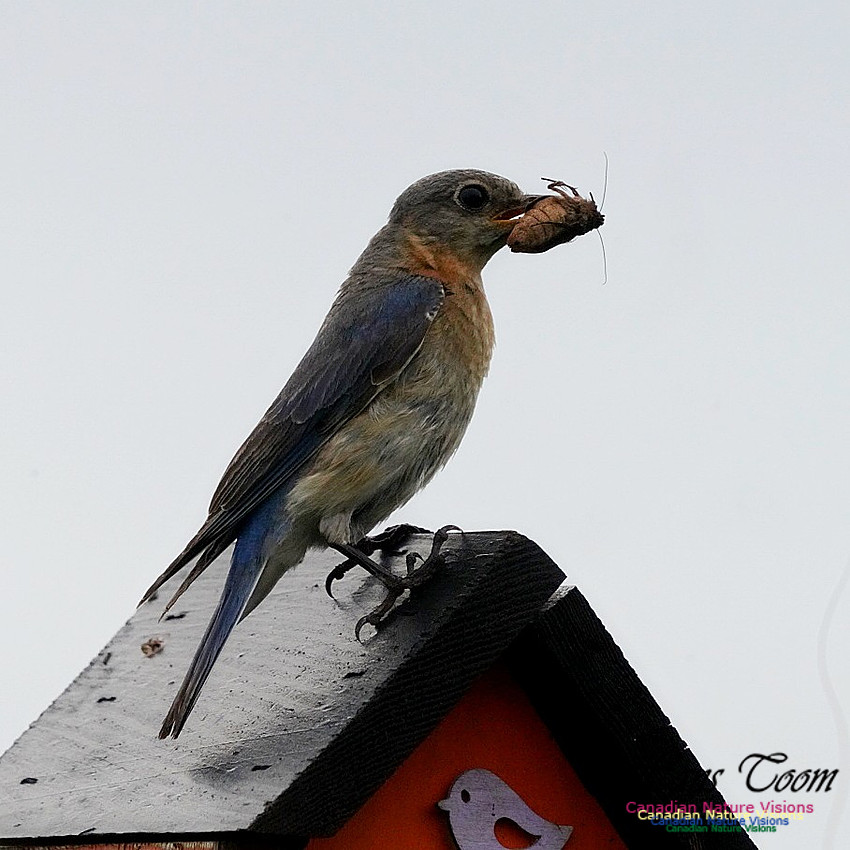
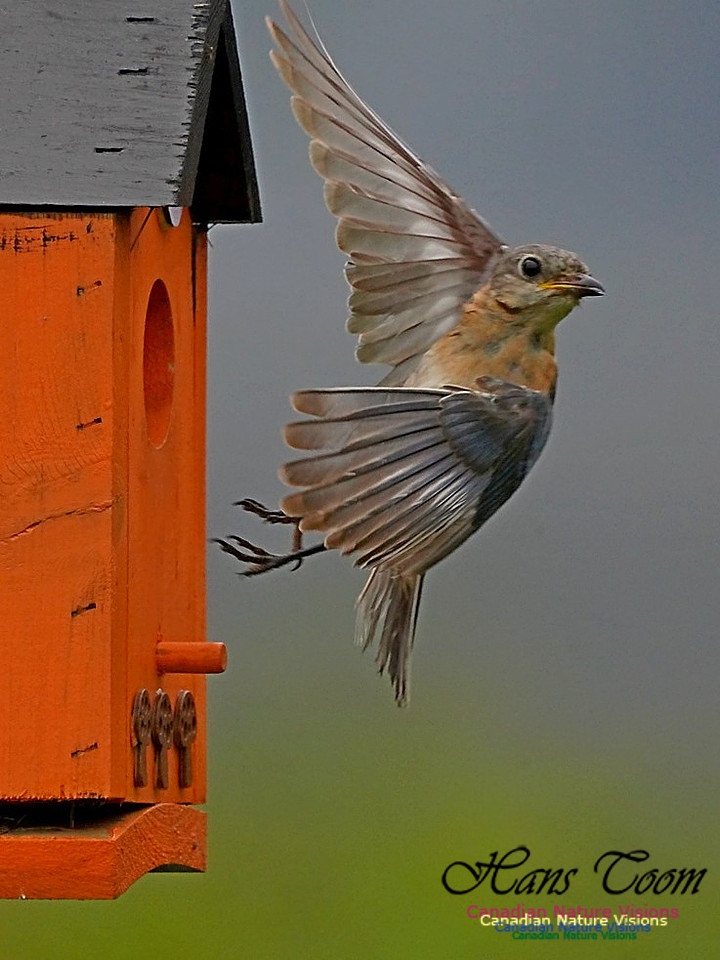
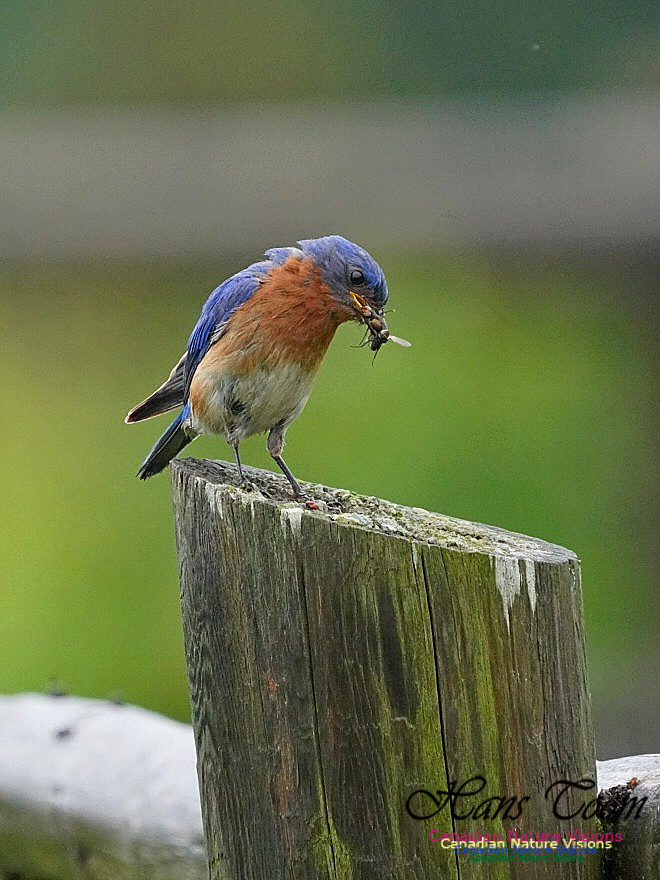
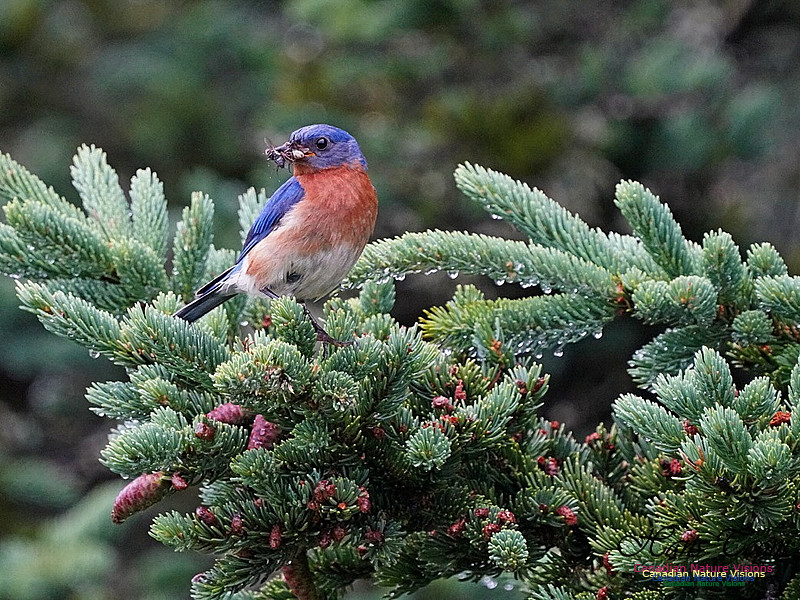
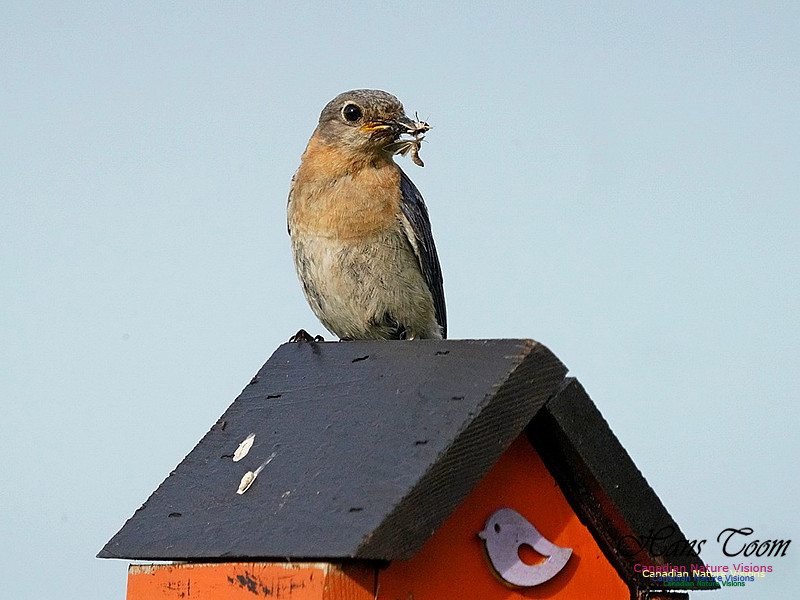
Eastern Bluebird .........will fledge this weekend.
Fritillary This is member of a family of butterflies.
Least Sandpiper
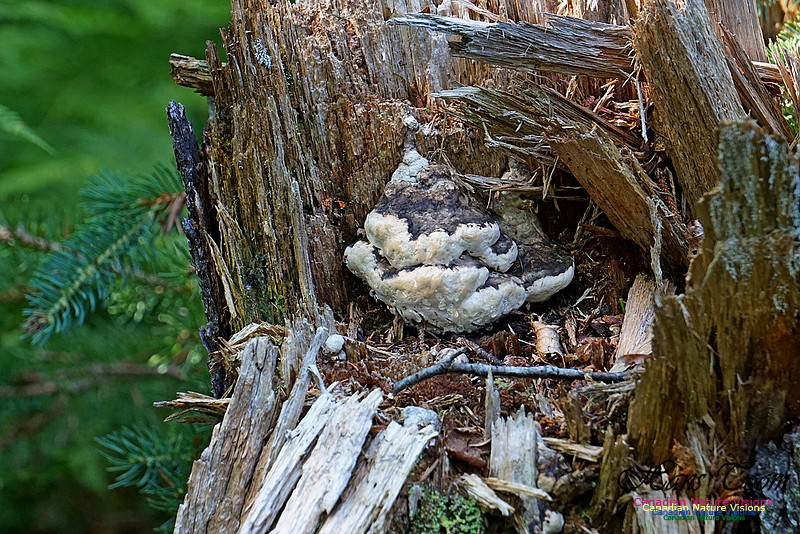
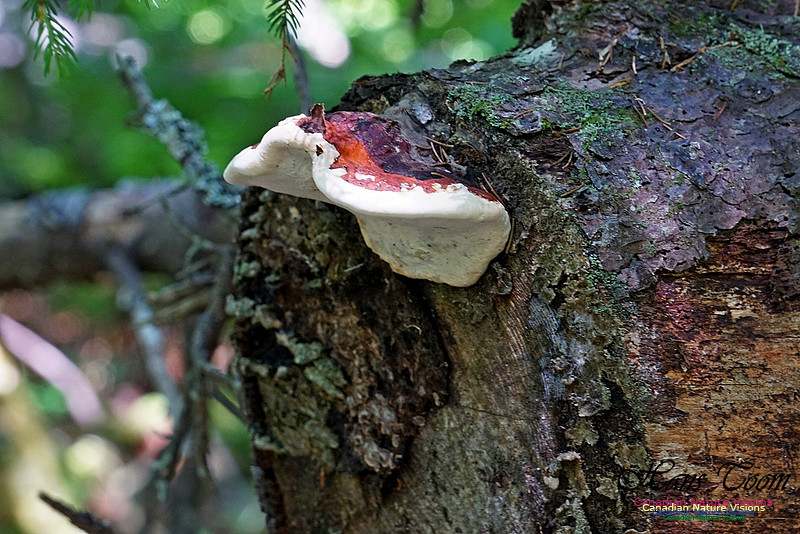
Mushroom
Beach Saltbush?
Northern Parula
Song Sparrow
Swamp Candles
Tree Swallow
Cape Chignecto Provincial Park Adventure Day 17, July 15
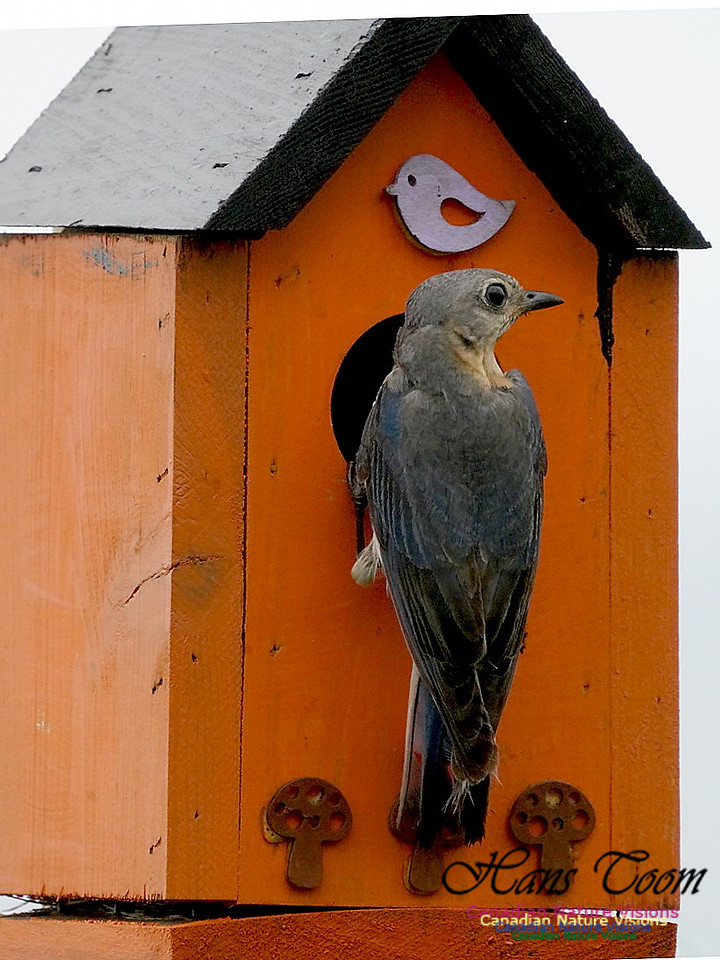
...and what a night it was! 32mm of rain fell in about 4-6 hours with almost continuous lightning and thunder. We haven't experienced active weather like this since living in Manitoba. Th entrance road to our cottage was blocked with a 20 metre wide river, perhaps 200mm deep. Since it was packed gravel underneath I drove through it with no problem. Eastern Bluebird The bluebird parents are continuing to get warier and warier suggesting an imminent emergence of young birds within a day or two.
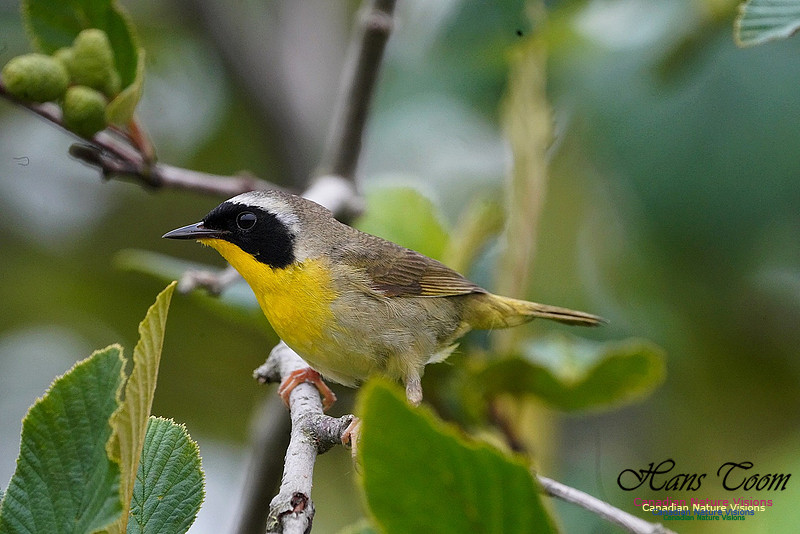
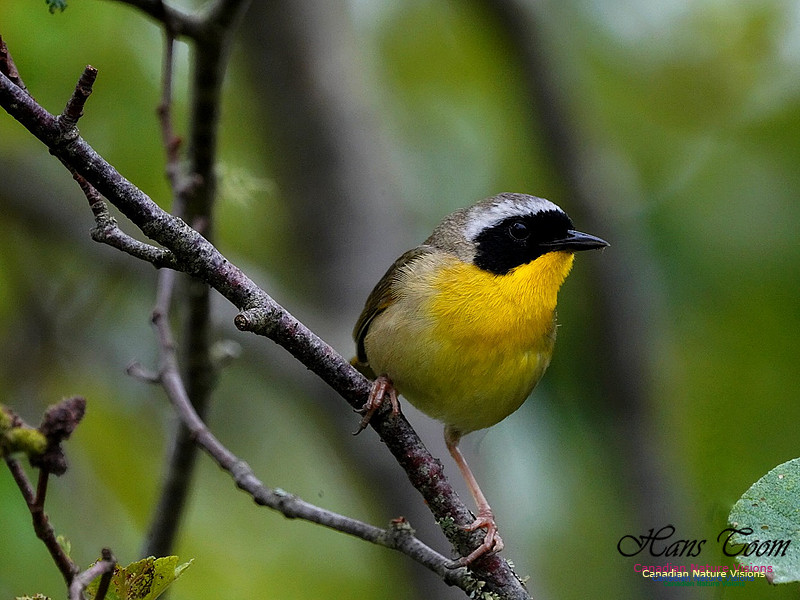
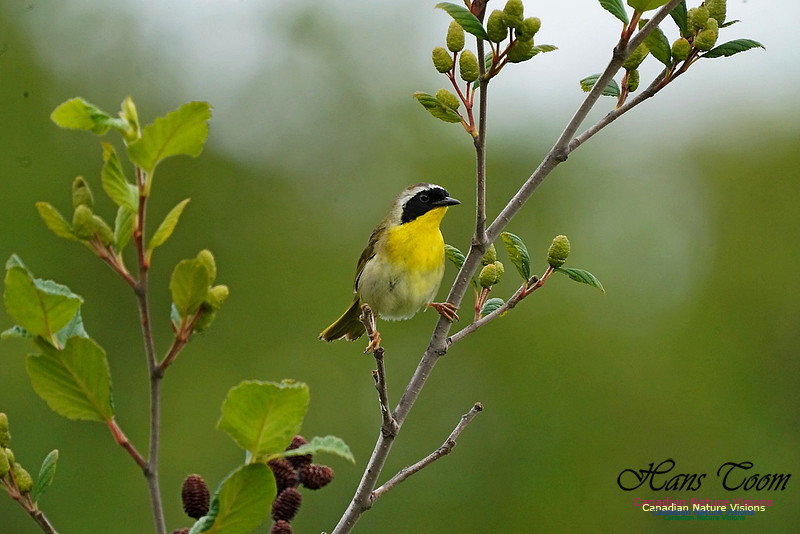
Common Yellowthroat
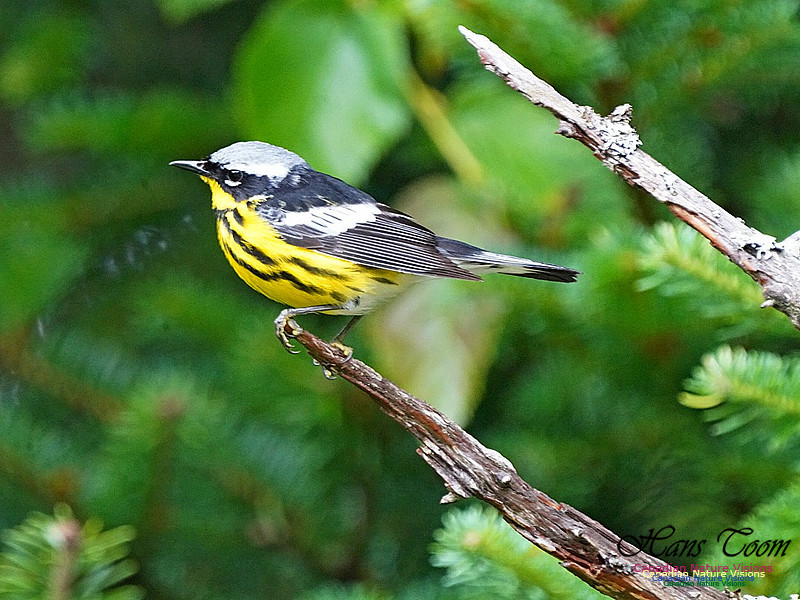
Magnolia Warbler
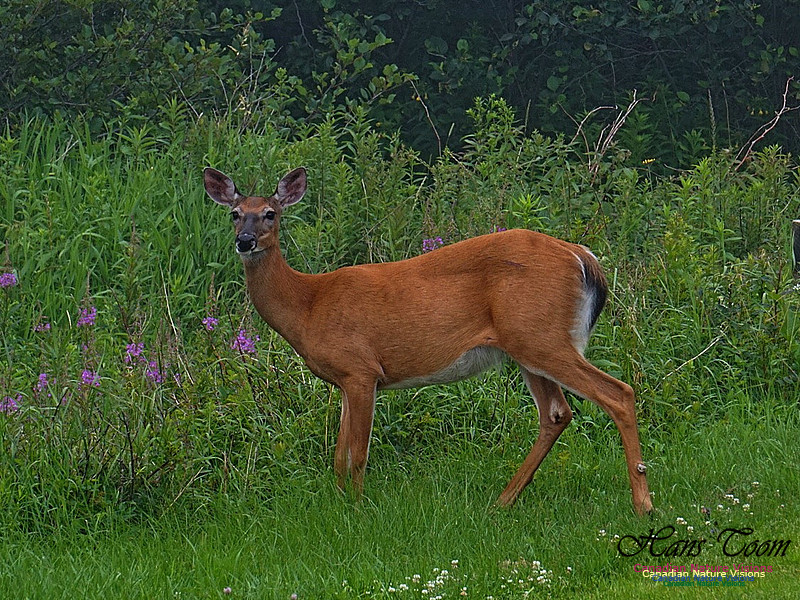
White-tailed Deer
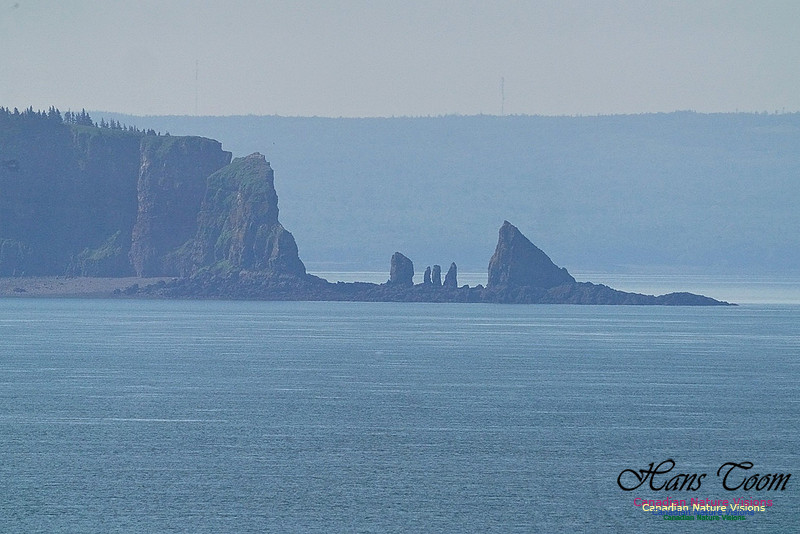
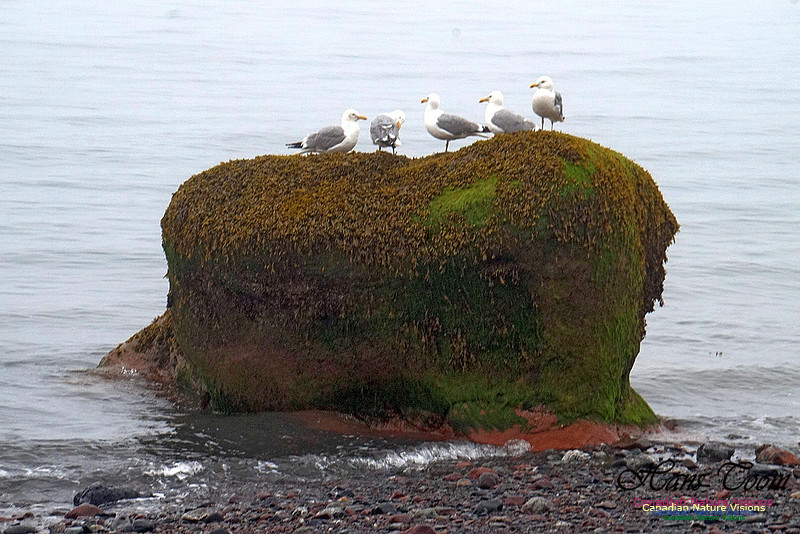
Herring Gull Rock
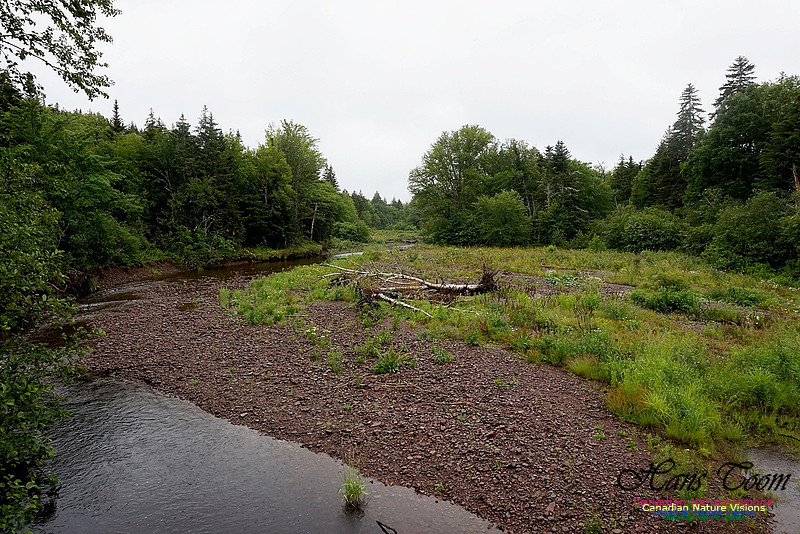
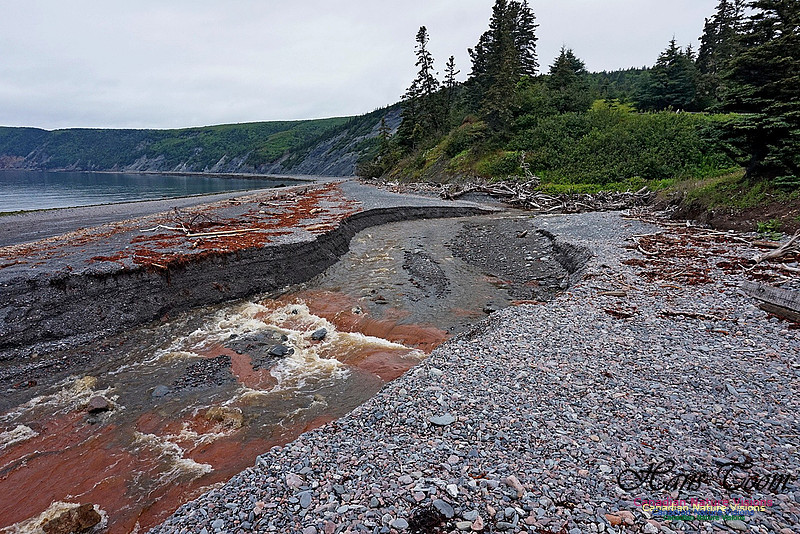
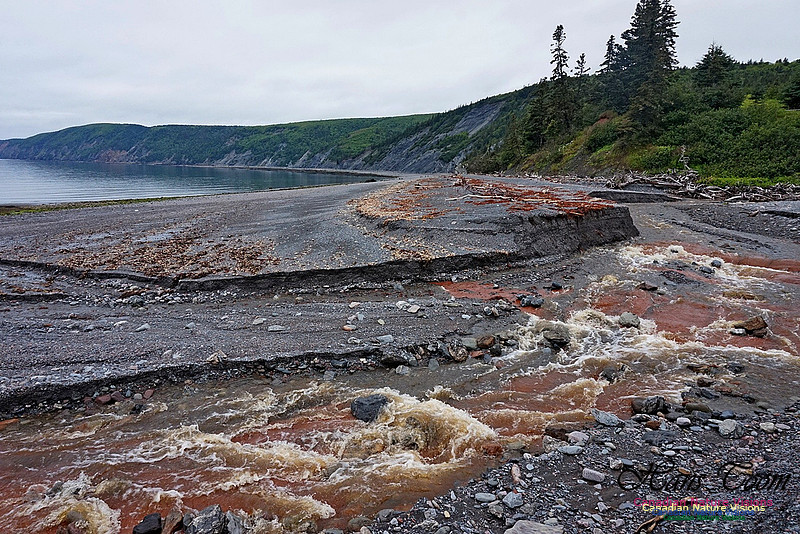
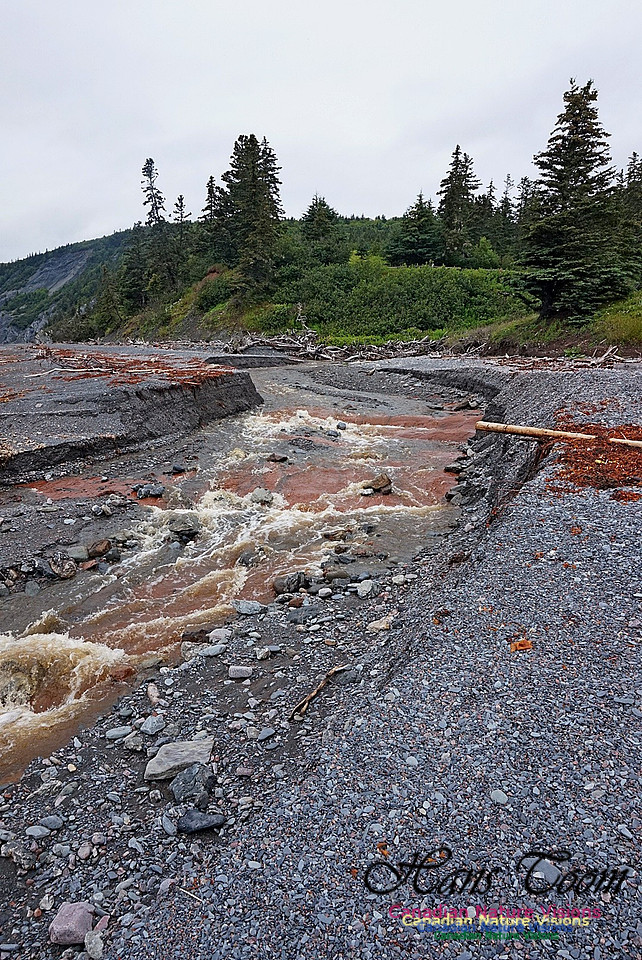
Red Rock Brook
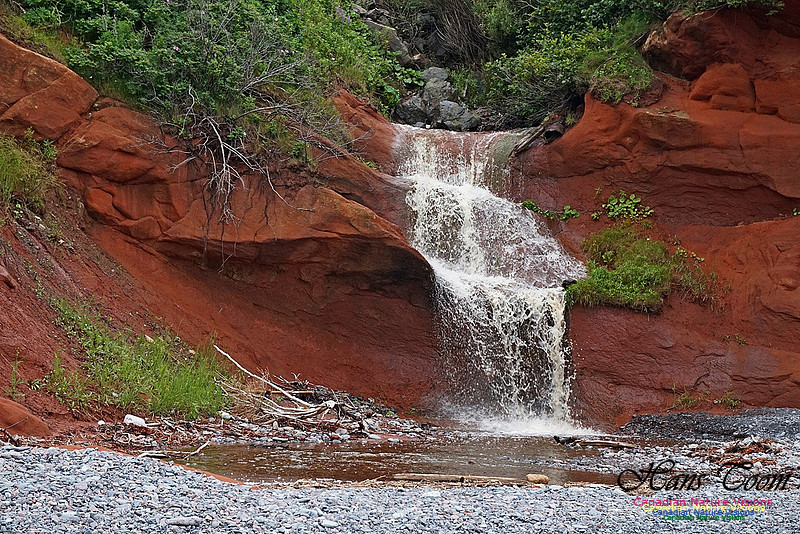
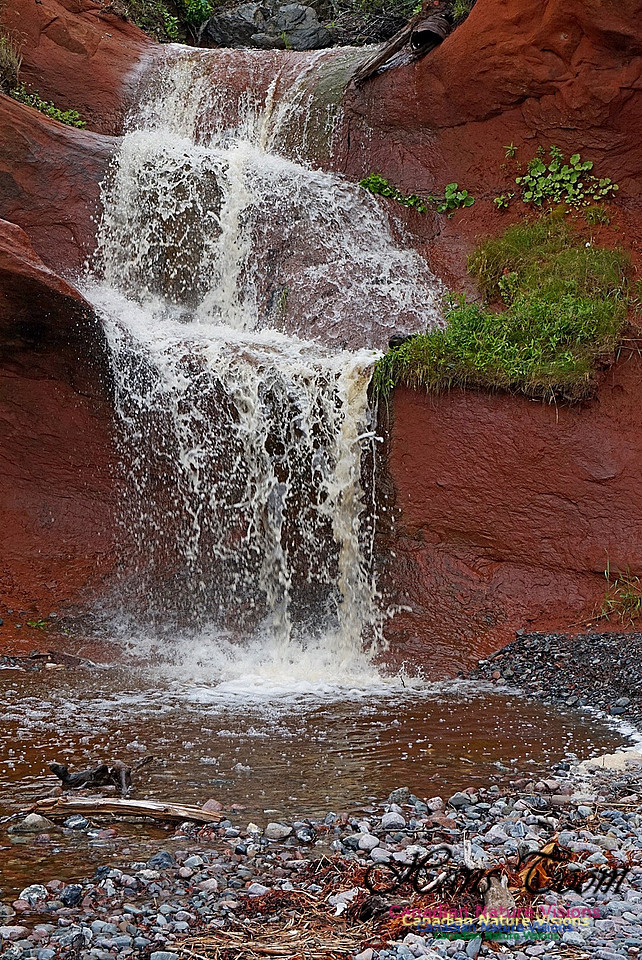
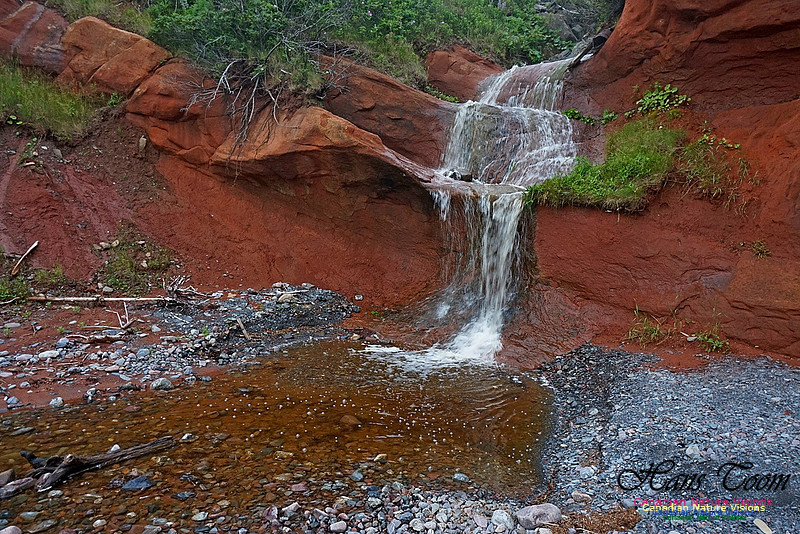
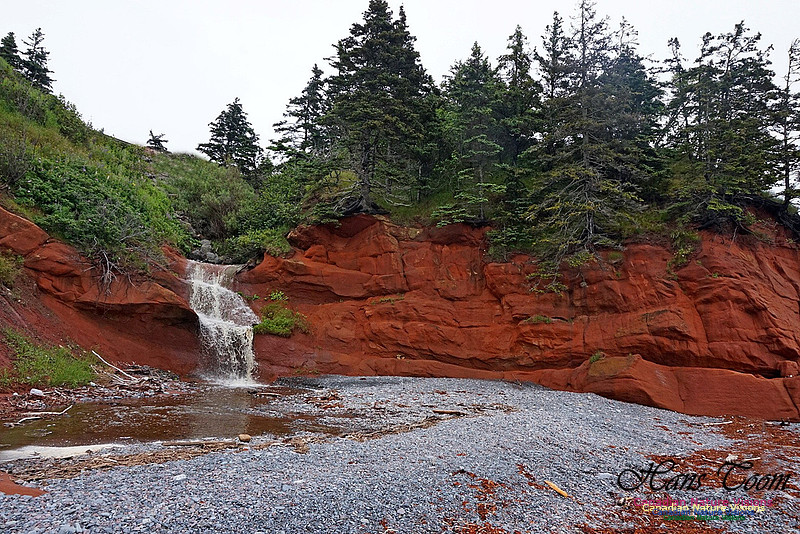
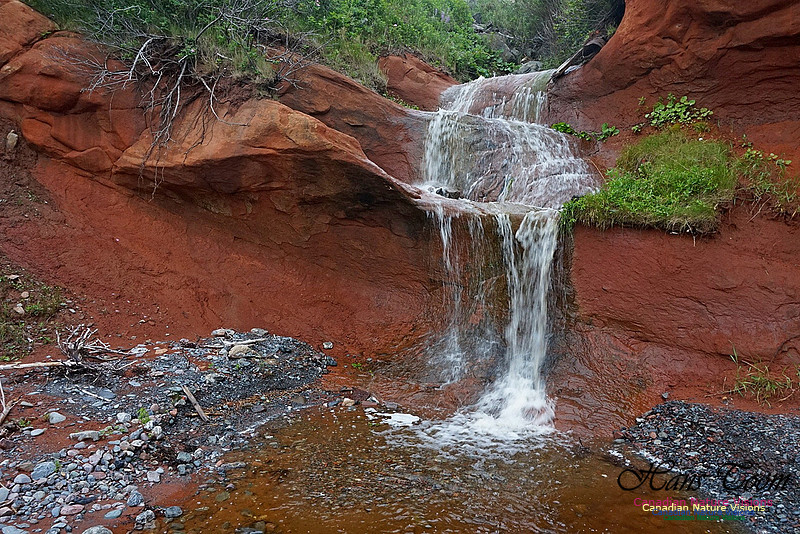
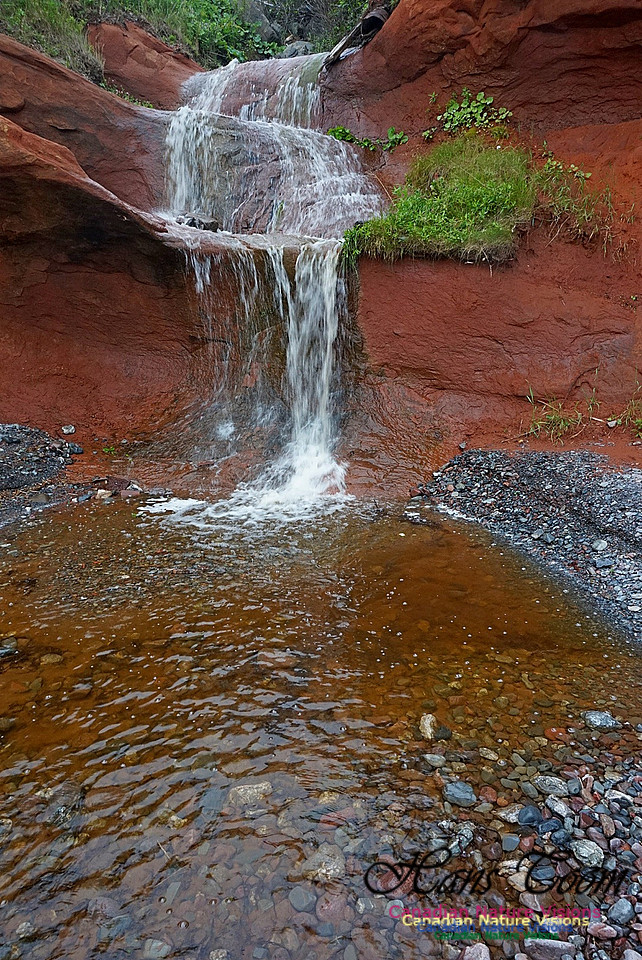
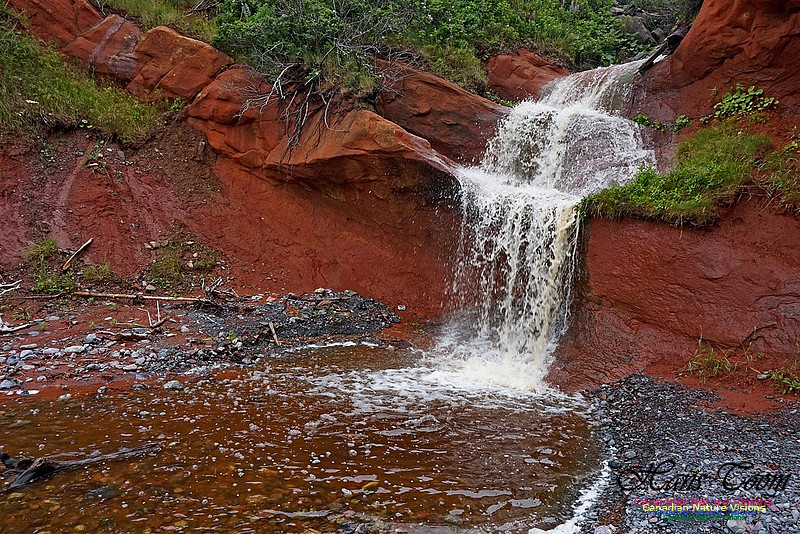
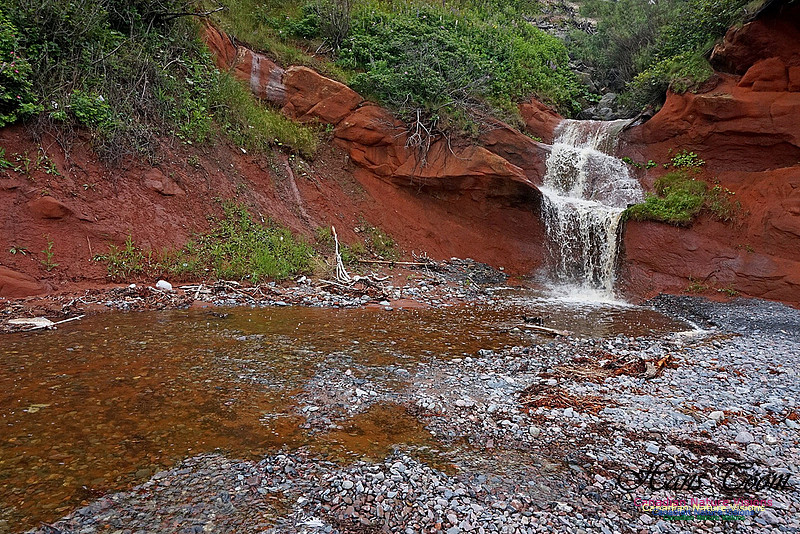
Red Rock Falls About 6 hours after the deluge.
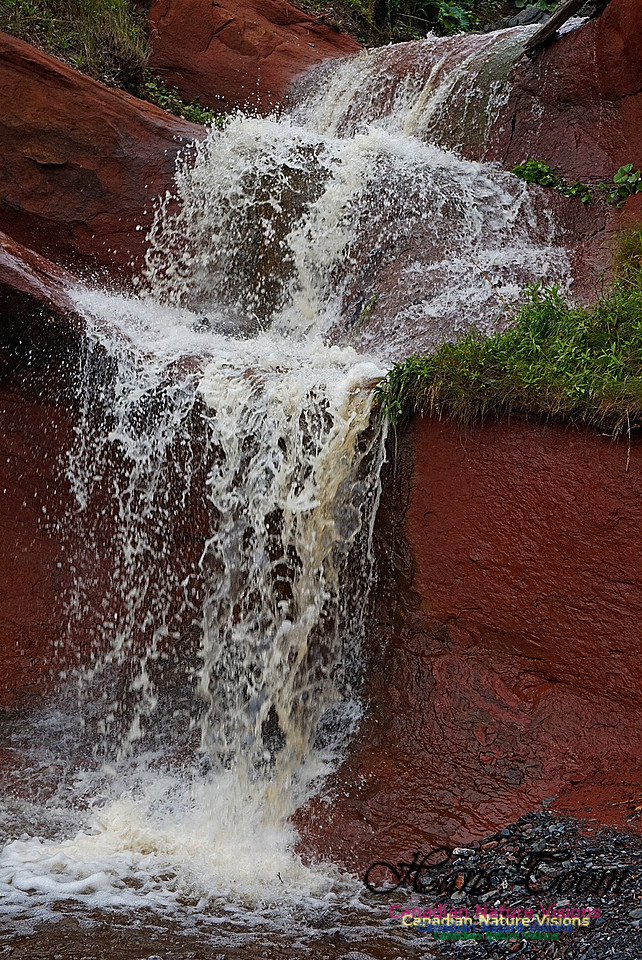
Red Rock Falls About 6 hours after the deluge.
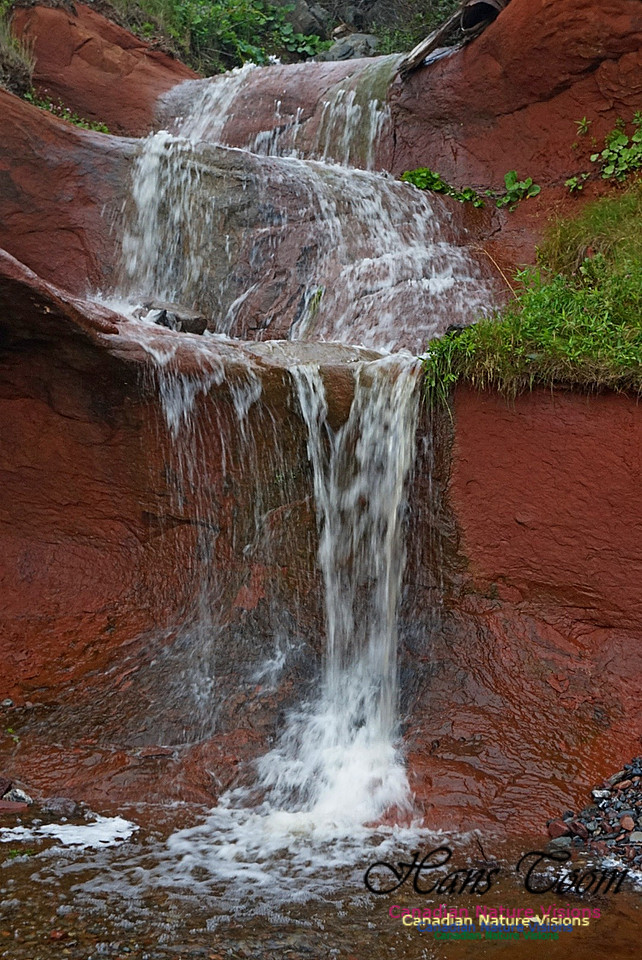
Red Rock Falls About 16 hours after the deluge. This waterfall was dry before the rain came.
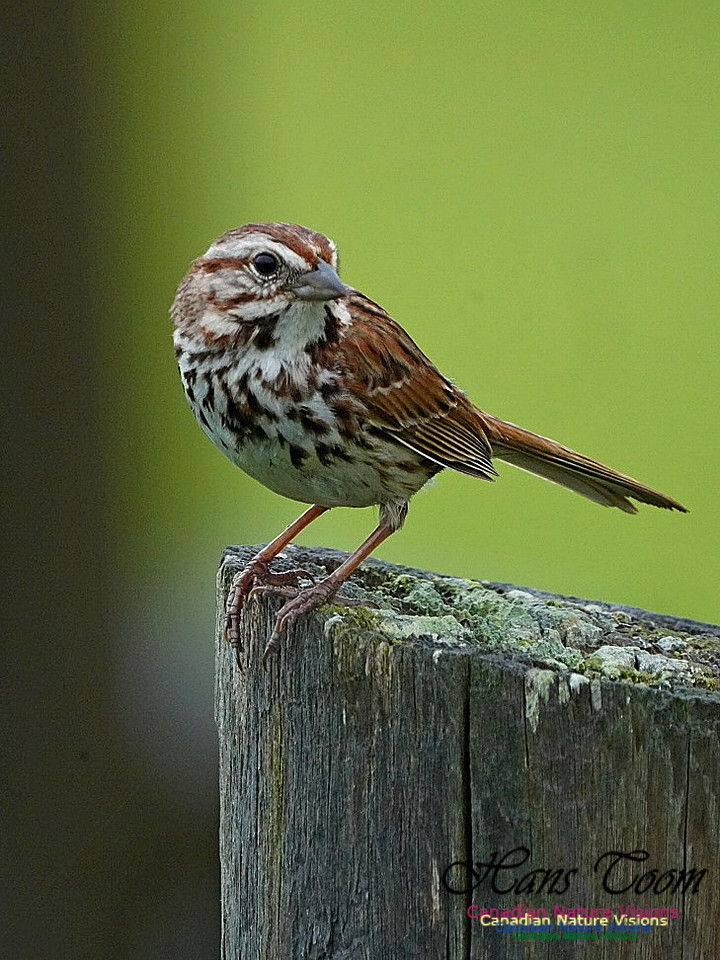
Song Sparrow
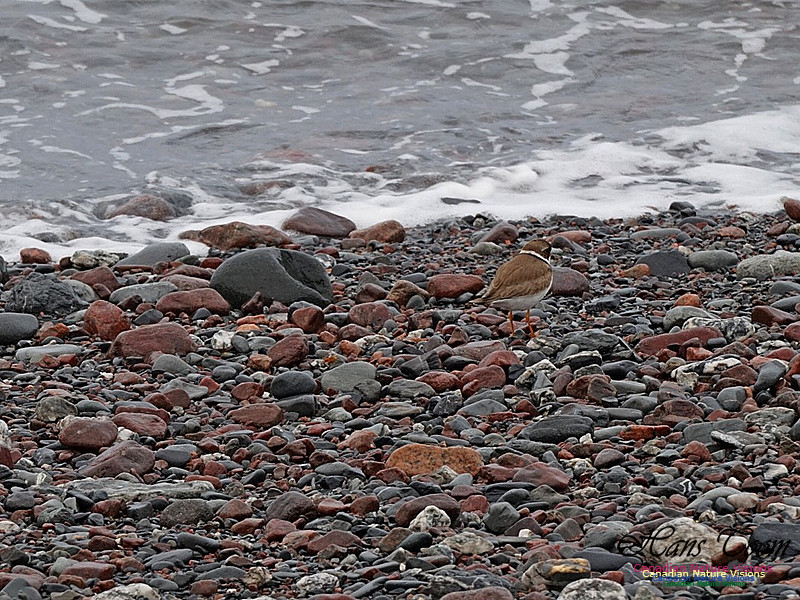
Semipalmated Plover The second of our peeps to arrive.
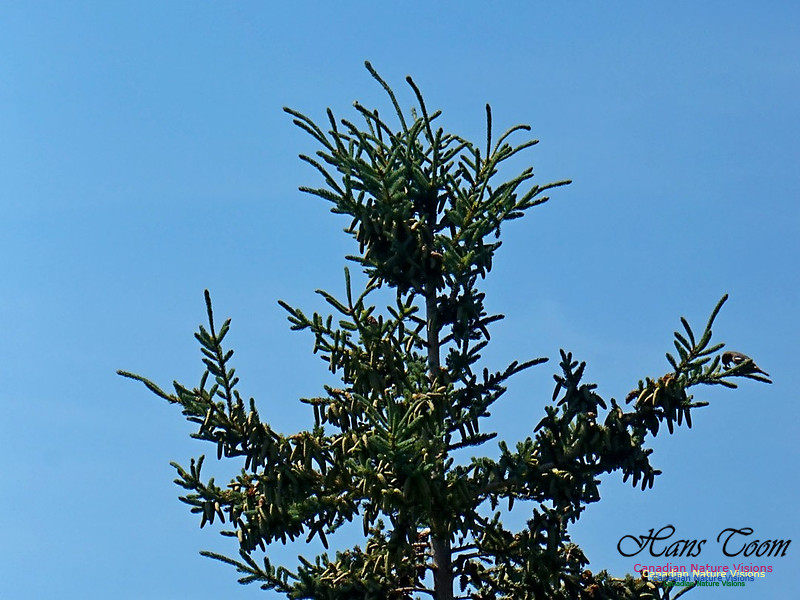
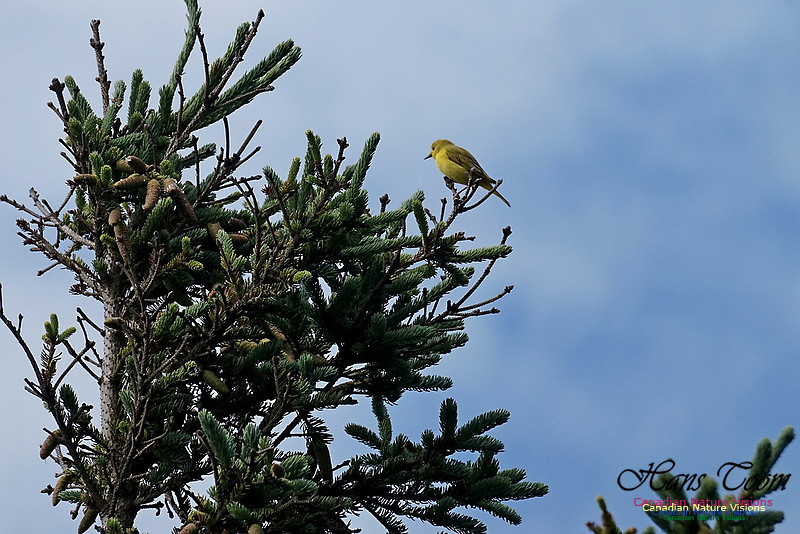
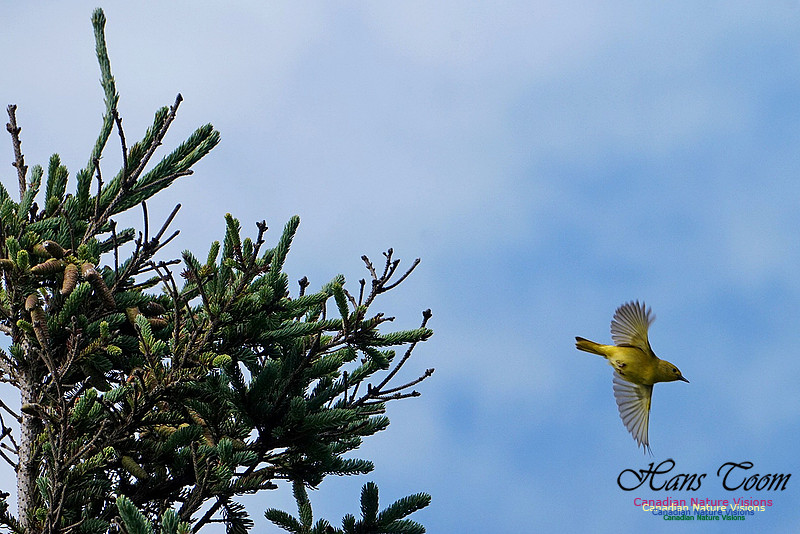
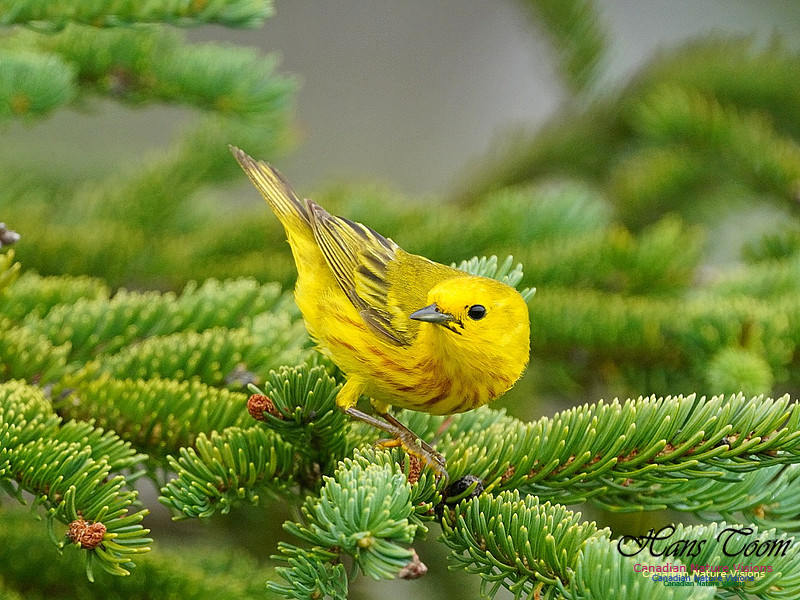
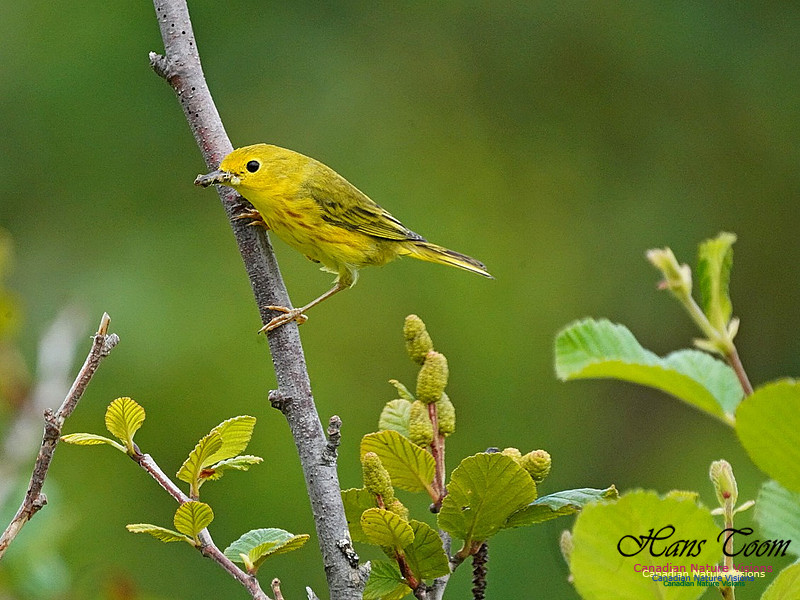
Yellow Warbler Probably feeding its second brood of the season.
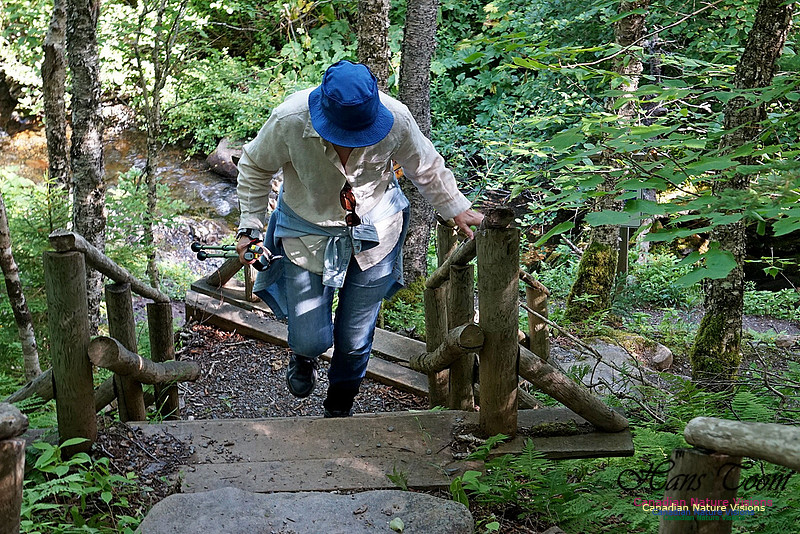
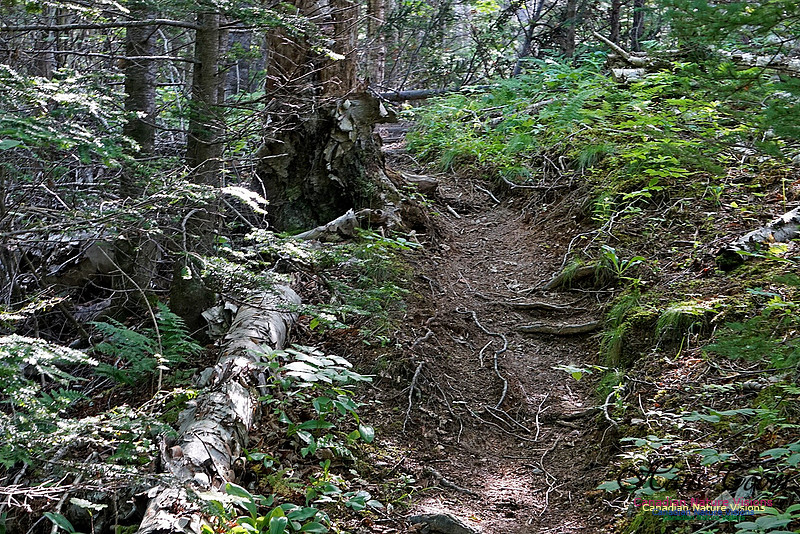
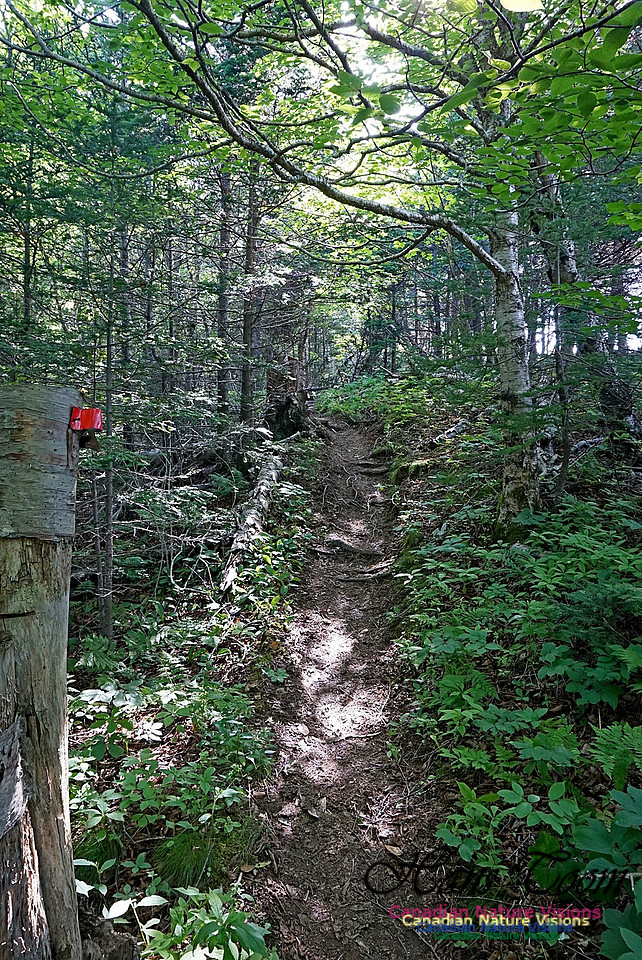
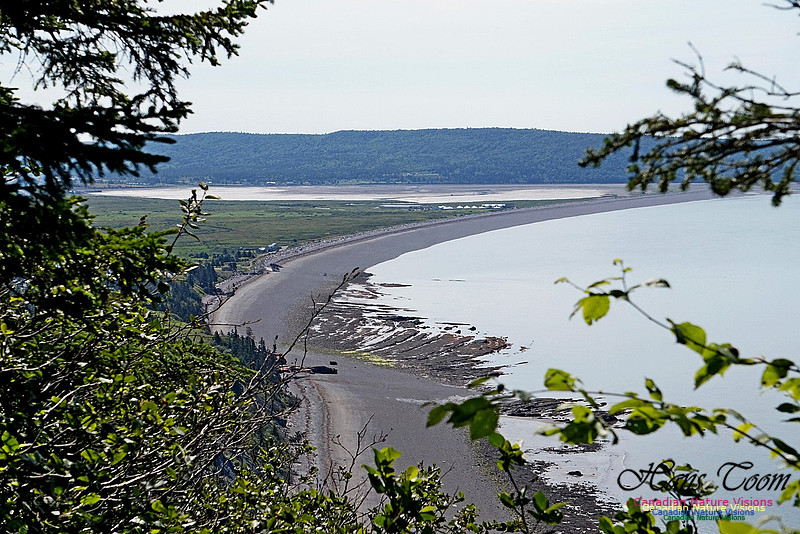
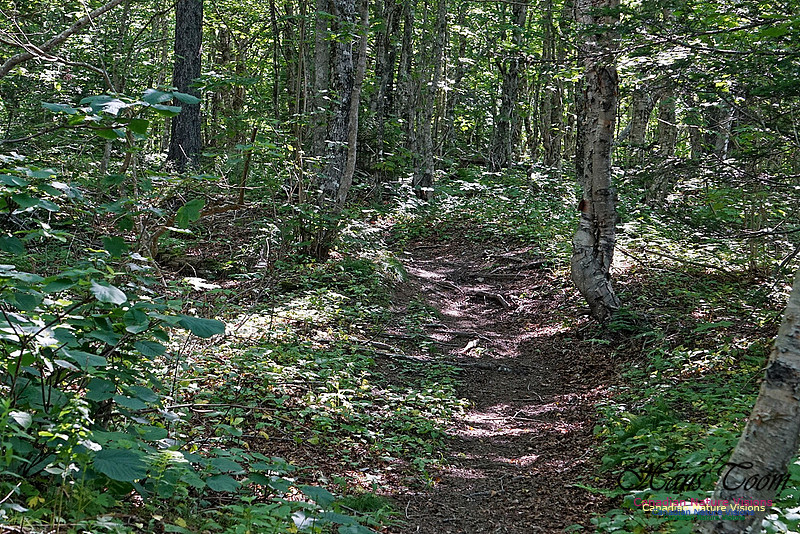
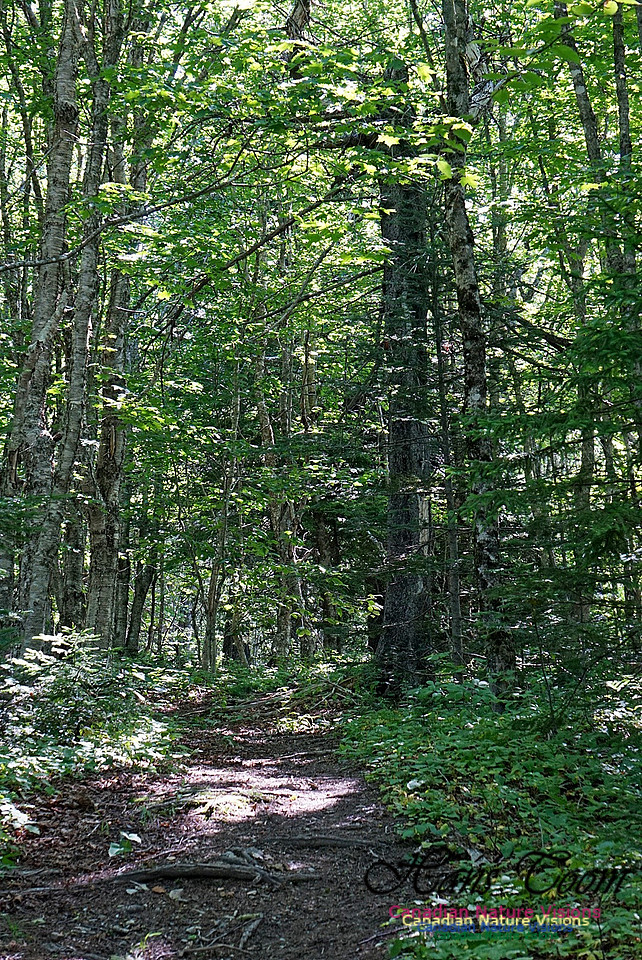
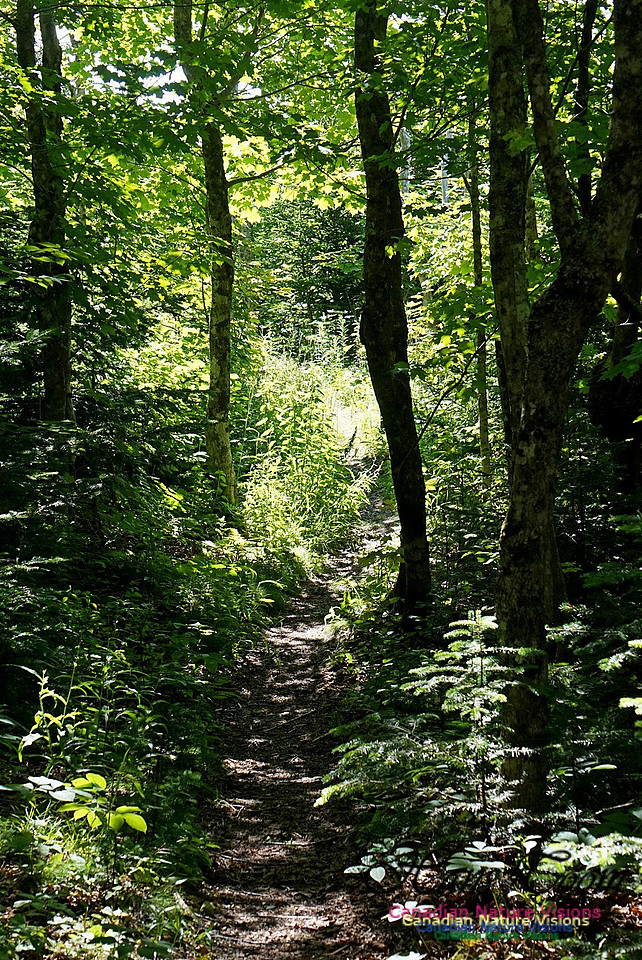
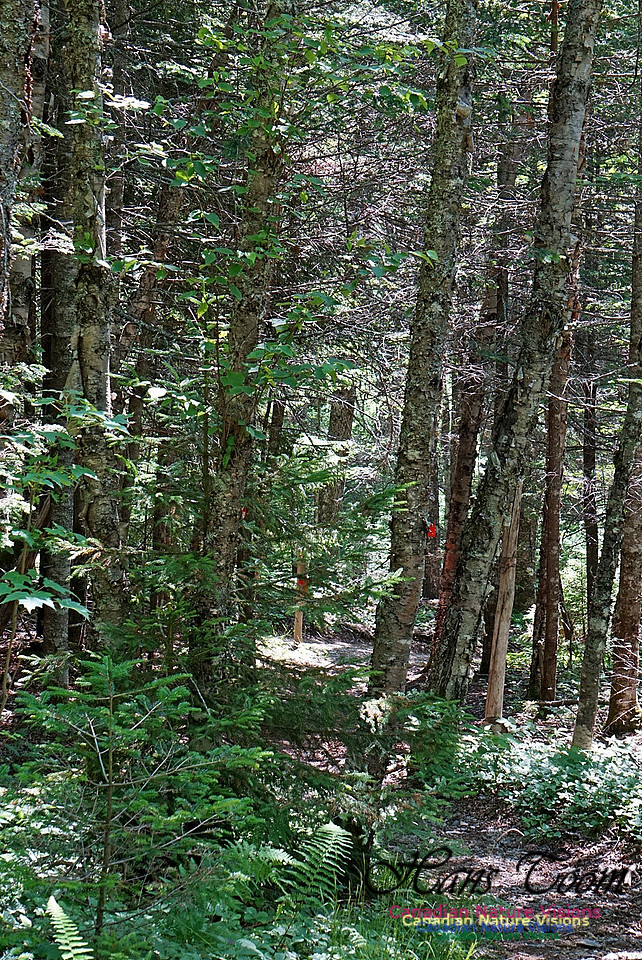
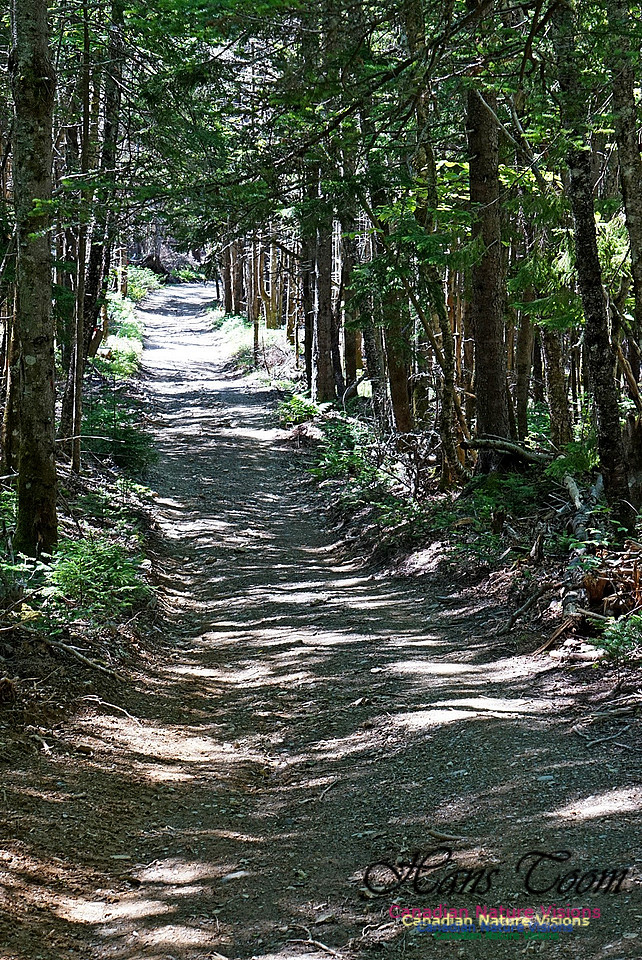
Cape Chignecto Provincial Park Adventire Day 16, July 14Today was a good day; sunshine, no fog and light winds. This is the day we did the Fundy Ridge trail, 5,.4 kilometres and a 160 metre (500 foot) vertical ascent. It was much harder than it appears. __________________________________________________________________________________________________________________ Highlights
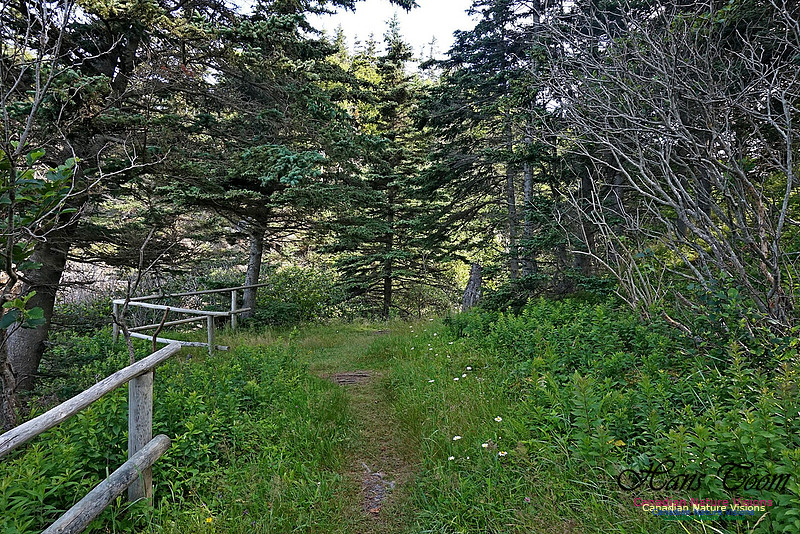
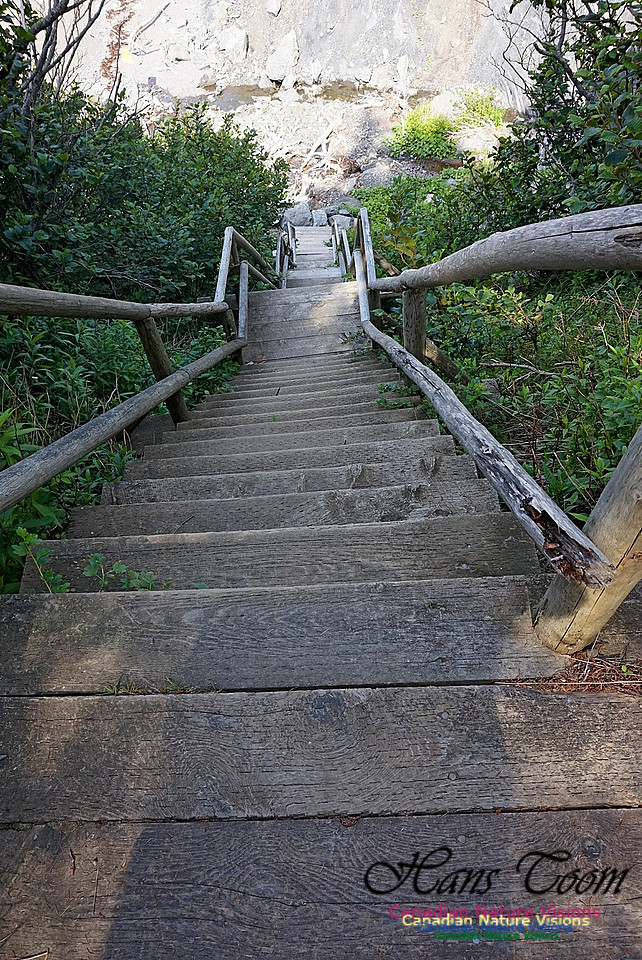
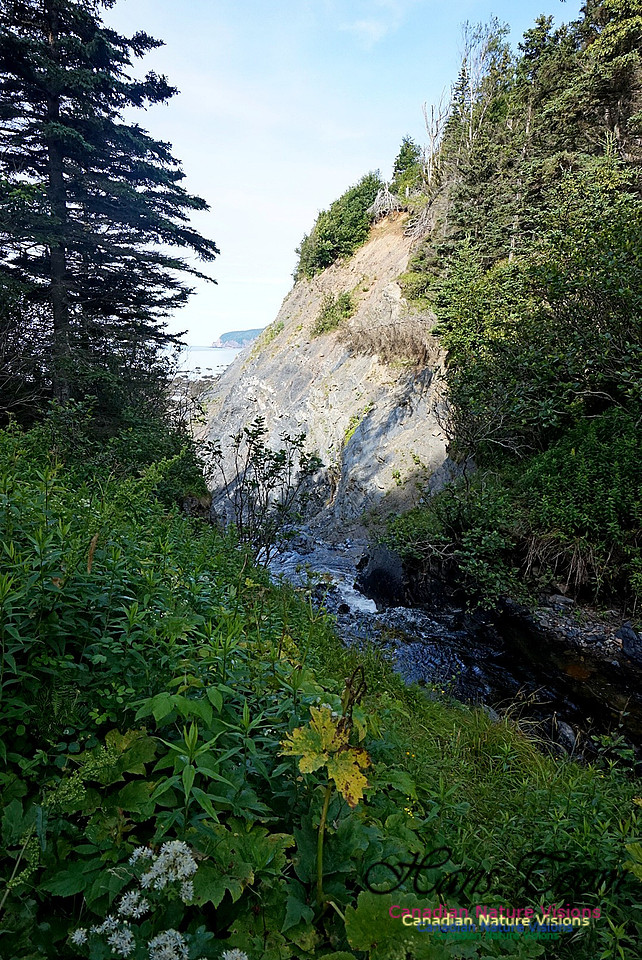
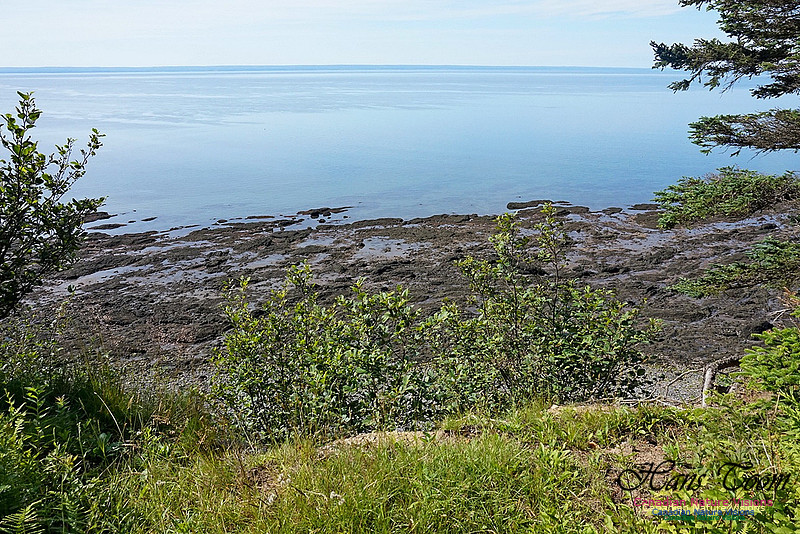
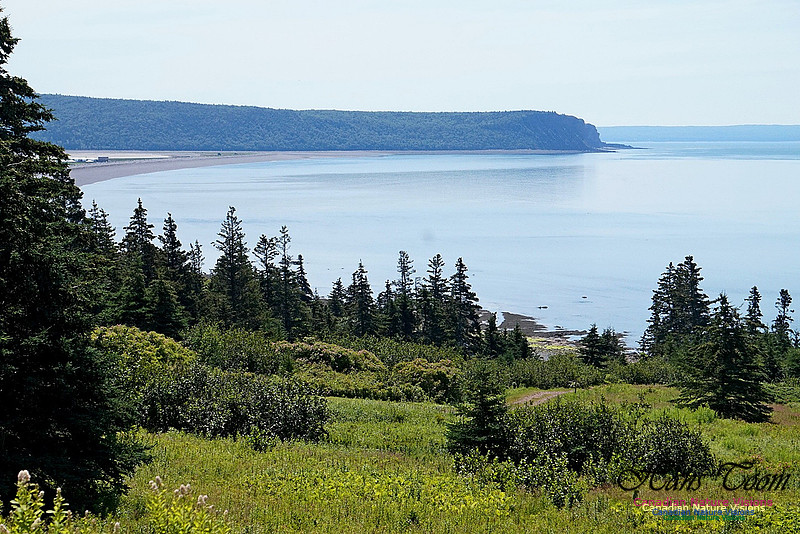
OverviewHikers will experience an old-growth forest ecosystem and breathtaking views of Advocate Bay. The trail descends at McGahey Brook with steps to the beach. It is about a 1.5-km (0.9-mi.) hike back along the shore (take note that a high tide may delay your return trip).
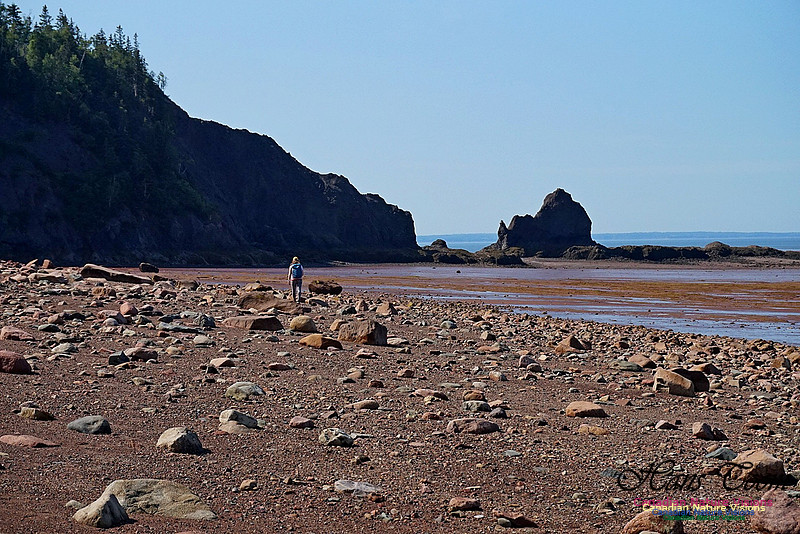
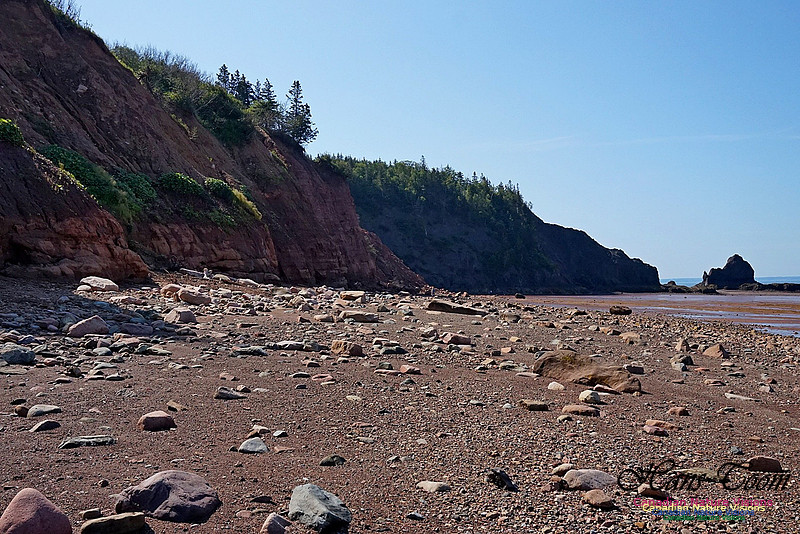
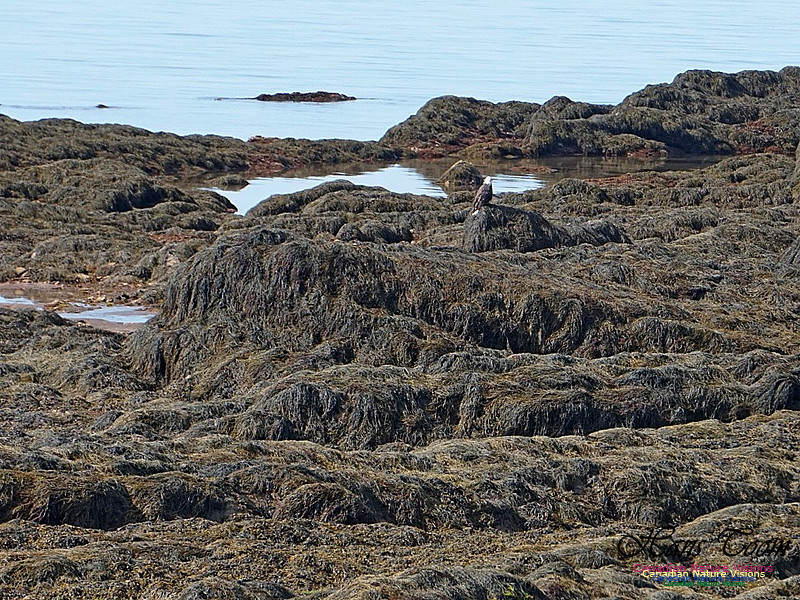
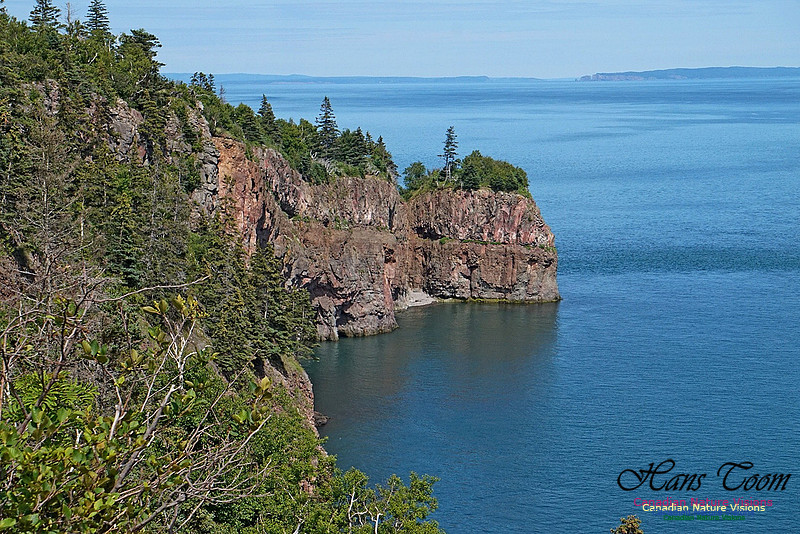
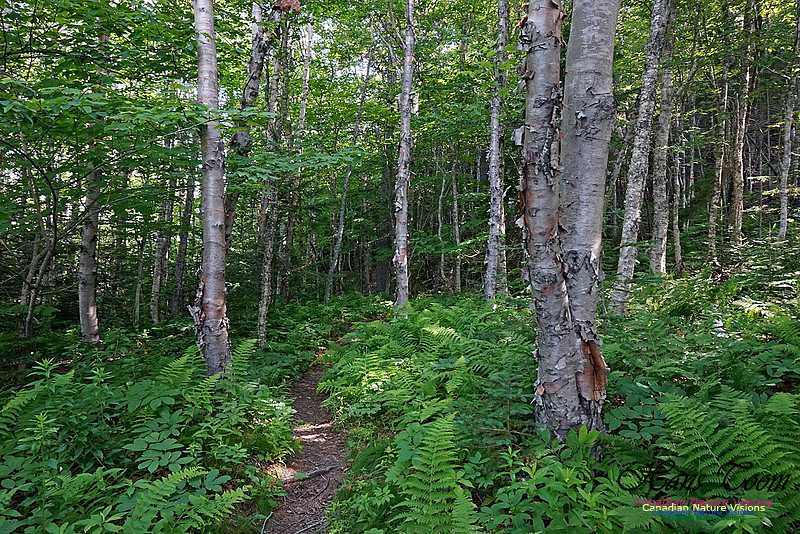
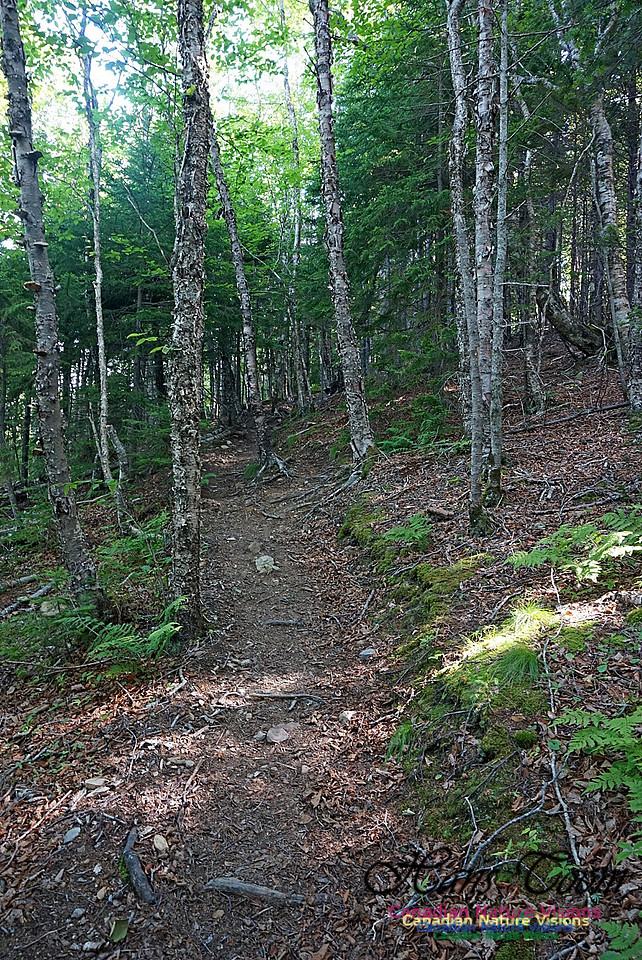
Trailhead: Red Rocks Visitor Centre Significant Feature: Old growth forests, ocean scenery, beach access Length: 5.4 kilometres (3.3 miles) return Hiking Time: 2–3 hours Elevation: 150 metres (500 feet) Cape Chignecto is a 5,951-hectare natural environment park on a dramatic coastal peninsula. This park offers you an opportunity to appreciate some of the most pristine natural features found in Nova Scotia. Towering 185-metre-high cliffs, 29 kilometres (18 miles) of coastline, some of Nova Scotia's most significant geological features, deep valleys, sheltered coves, old growth forests and the world's highest tides can all be found here. The spectacular scenery and the wilderness experience will bring you back time after time. Visitors wishing to enjoy wilderness hiking and camping must use the Red Rocks Visitor Centre entrance at 1108 West Advocate Road – GPS N45 20.975 W64 49.414. Eatonville day-use park visitors must travel the West Apple River Road to the entrance at the Eatonville Visitor Centre – GPS N45 25.300 W64 53.657. (The centre is closed until further notice; however, the trails remain open.) A park or camping permit is required and visitors must check in and out of the park so we know you are safe. The park season is from the May long weekend through to the Thanksgiving weekend in October. For your comfort and safety: • The tidal range and steep cliffs may trap unwary hikers. The tide rises and falls at a rate of 1 inch per minute. • Hiking along the beach west of McGahey Brook is not permitted. • Approach cliffs only at designated viewing areas. The cliff line is constantly eroding and may be unstable. • The Cape Chignecto ecosystem is unique and may be fragile. Do not remove or damage plants and wildlife. • No open fires are permitted at back-country campsites. Fires are only permitted at designated walk-in campsites (fire grills) at New Yarmouth. • Pack out all garbage. • Boil, filter or treat all water before consuming. • Weather may be unpredictable. Bring all-weather gear and comfortable hiking boots. • Do not approach large mammals such as moose and black bear. • For your own safety, please stay on the trail. _____________________________________________________________________________________________________________________ Bald Eagle on the Beach Near the Ascent Point to the Fundy Ridge
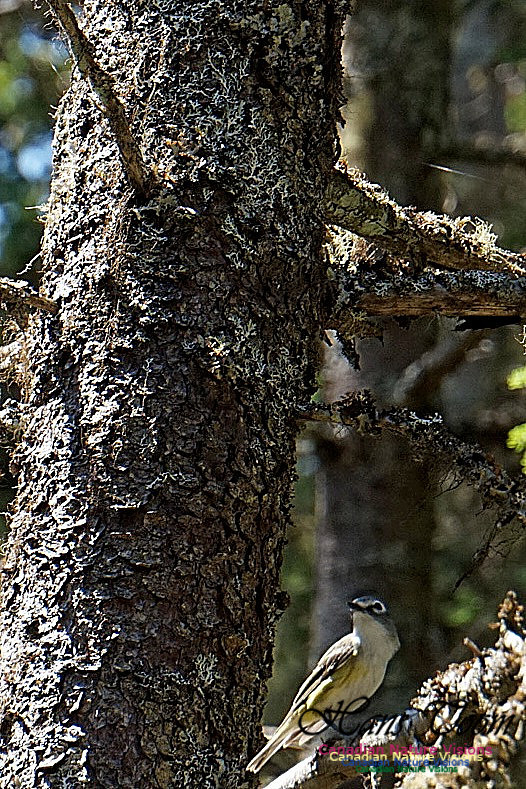
Blind Photograph of Blue-headed Vireo
Canada Hawkweed on the Trail
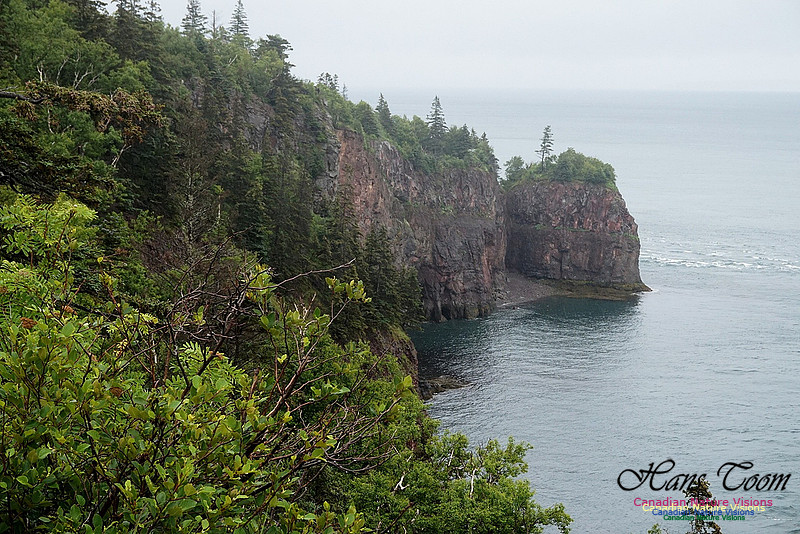
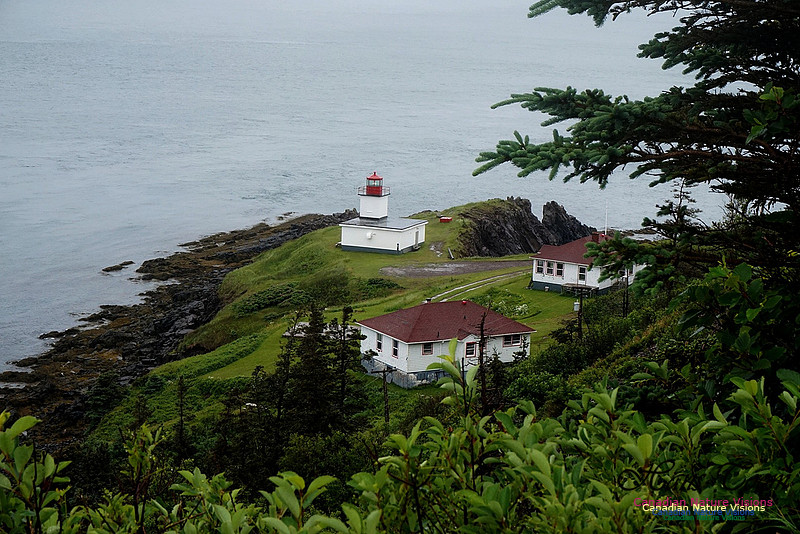
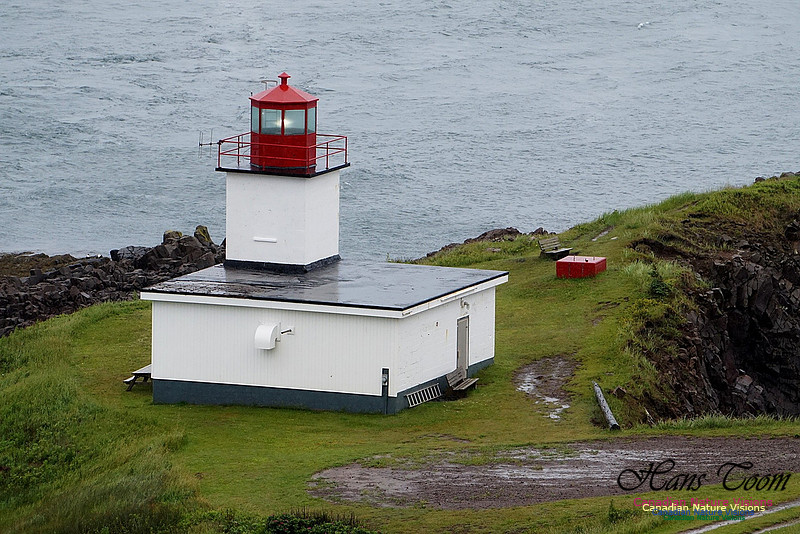
Cape d'Or Photograph Taken Later This Day
Eastern Bluebirds are Getting More Wary, Perhaps a Sign of Good Things to Come
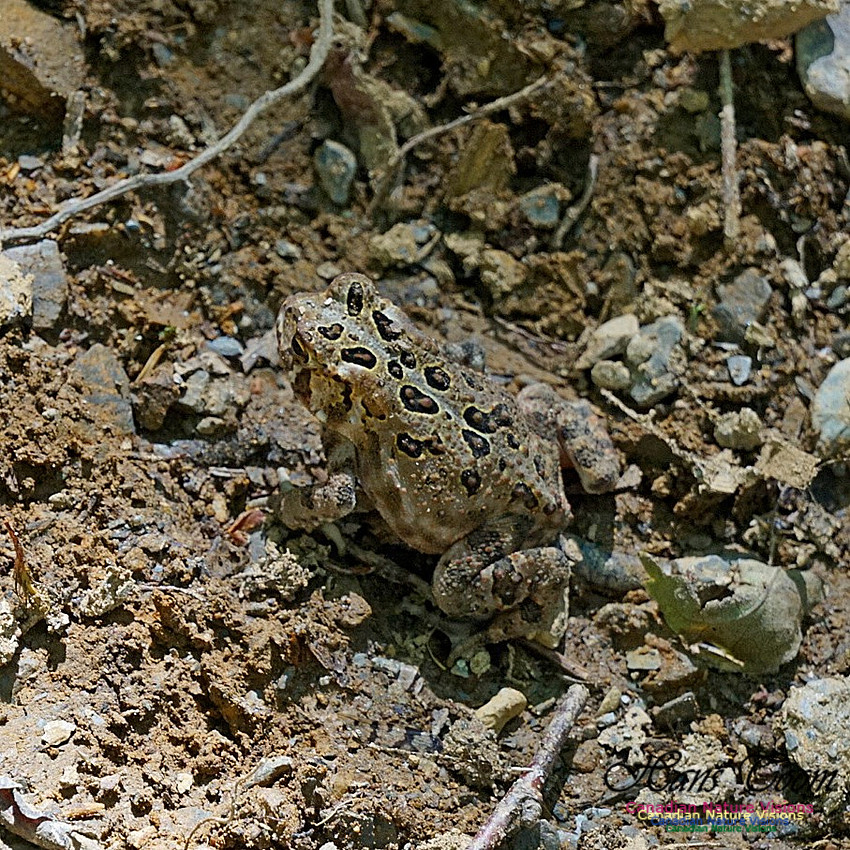
Eastern Toad on Fundy Ridge
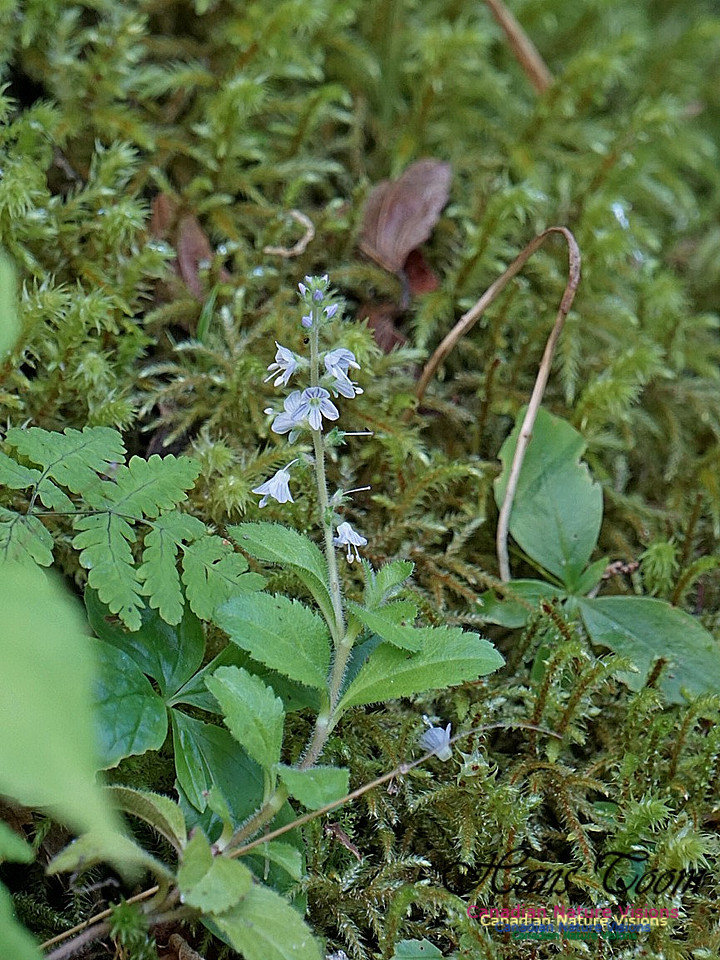
Forget Me Not
Photos in Order of Our Trek to the Fundy Ridge
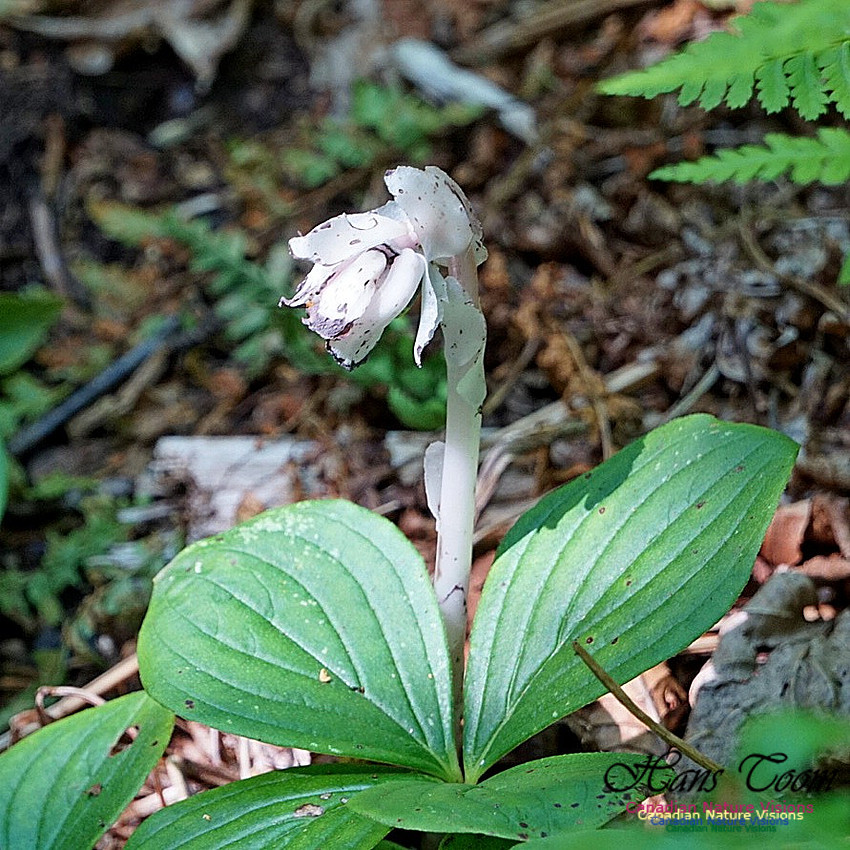
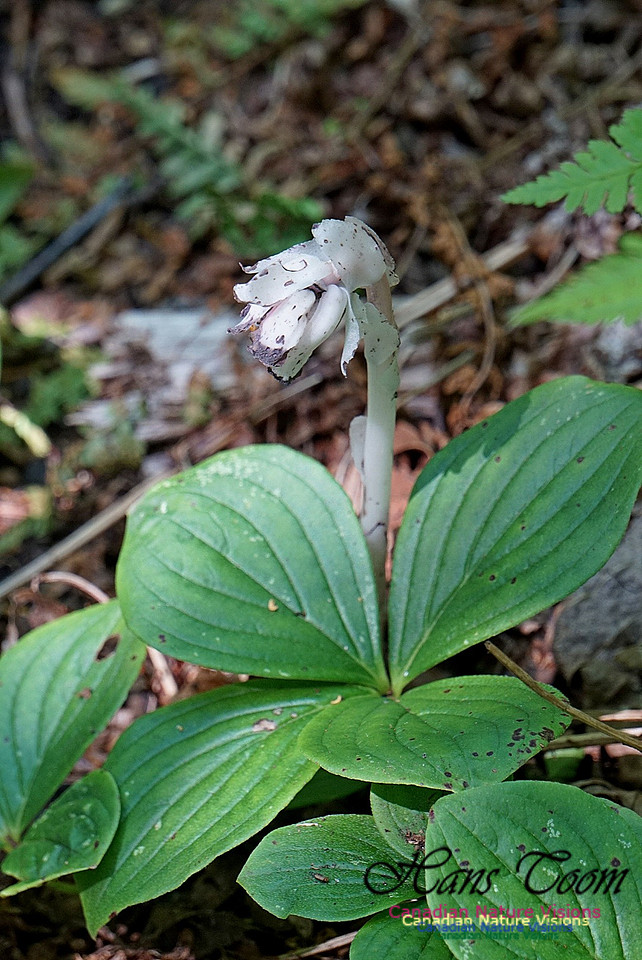
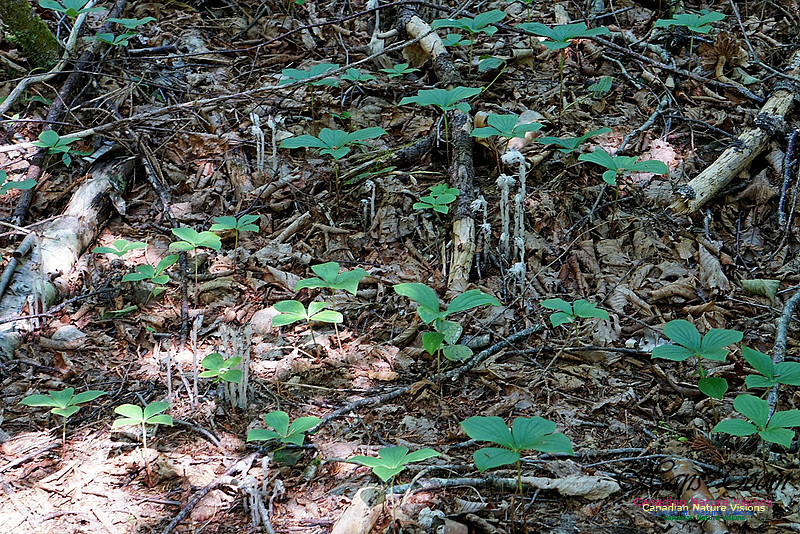
Indian Pipe, an Unusual Plant that has no Chlorophyll ___________________________________________________________________________________________________________________ Monotropa uniflora
Jump to navigation Jump to search
Monotropa uniflora, also known as ghost plant, ghost pipe or Indian pipe, is an herbaceous perennial plant native to temperate regions of Asia, North America and northern South America, but with large gaps between areas.[1][2] The plant is sometimes completely waxy white, but often has black flecks or pale pink coloration.[3] Rare variants may have a deep red color. Taxonomy and backgroundIt was formerly classified in the family Monotropaceae, but is now included within the Ericaceae. It is of ephemeral occurrence, depending on the right conditions (moisture after a dry period) to appear full grown within a couple of days. Unlike most plants, it is white and does not contain chlorophyll.[4] Instead of generating energy from sunlight, it is parasitic, and more specifically a mycoheterotroph. Its hosts are certain fungi[4] that are mycorrhizal with trees, meaning it ultimately gets its energy from photosynthetic trees. Since it is not dependent on sunlight to grow, it can grow in very dark environments as in the understory of dense forest. It is often associated with beech trees.[5] The complex relationship that allows this plant to grow also makes propagation difficult. Like most mycoheterotrophic plants, M. uniflora associates with a small range of fungal hosts, all of them members of Russulaceae.[6] DescriptionThe stems reach heights of 5–30 centimetres (2.0–11.8 in), sheathed with highly reduced leaves 5–10 millimetres (0.20–0.39 in) long, best identified as scales or bracts. These structures are small, thin, and translucent; they do not have petioles but instead extend in a sheath-like manner out of the stem. As its scientific name suggests, and unlike the related Monotropa hypopitys (but like the close relation Monotropastrum humile), the stems bear a single flower 10–20 millimetres (0.39–0.79 in) long, with 3–8 translucent petals, 10–12 stamens and a single pistil.[7][8][9][10] It flowers from early summer to early autumn, often a few days after rainfall. The fruit, an oval capsule-like structure, enlarges and becomes upright when the seeds mature, at this point stem and capsule looking desiccated and dark brown or black. The seeds of M. uniflora are small, ranging between 0.6-0.8 mm in length.[11] EcologyThe flowers of M. uniflora are visited by various bee and fly species, most commonly bumblebees.[12] Bumblebees are an important pollen dispersal agent for the plant. GeneticsMonotropa uniflora is found in three general distribution areas: Asia, North America, and Central and northern South America. DNA analysis has shown that these three populations are genetically distinct from one another.[1] Furthermore, the North American population and the Central/South American population appear to be more closely related to each other than either are related to the Asian population. M. uniflora has 48 chromosomes.[13] UsageThe plant has been used as a nervine in herbal medicine since the late nineteenth century.[14] Gallery__________________________________________________________________________________________________________________ Indian Pipe on Fundy Ridge
Late Day Clouds
Least Sandpiper, Our First Shorebirds The peeps, Least Sandpiper and Semipalmated Plover will arrive on mass the third week of July
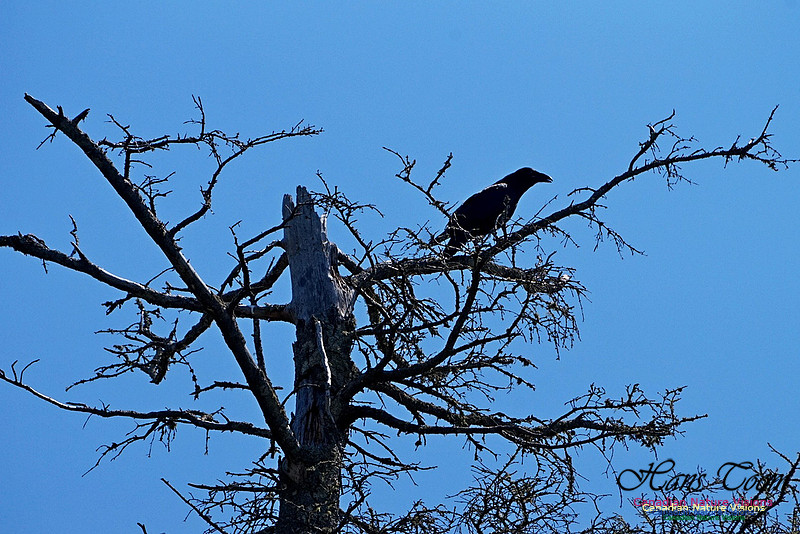
Raven
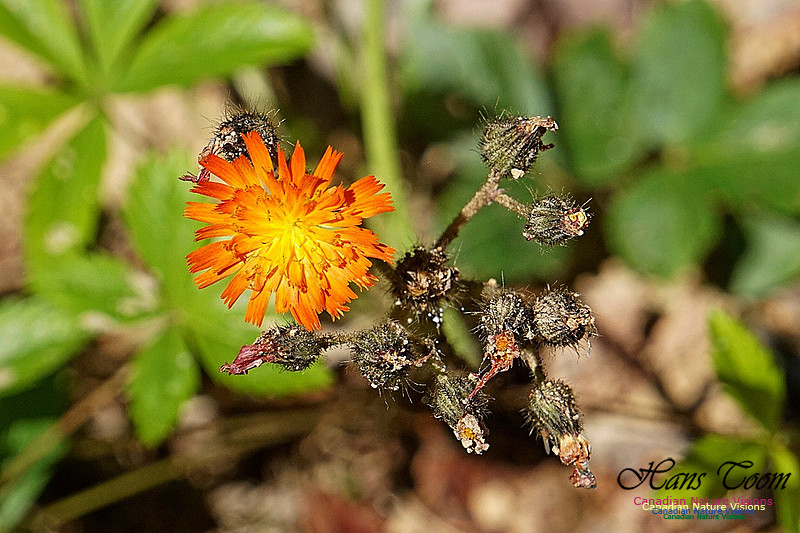
Red Hawkweed
European Starling This amazing bird is more a kin to humans than other bird species; intelligent, gregarious, aggressive, devoted to their young and highly adaptable.
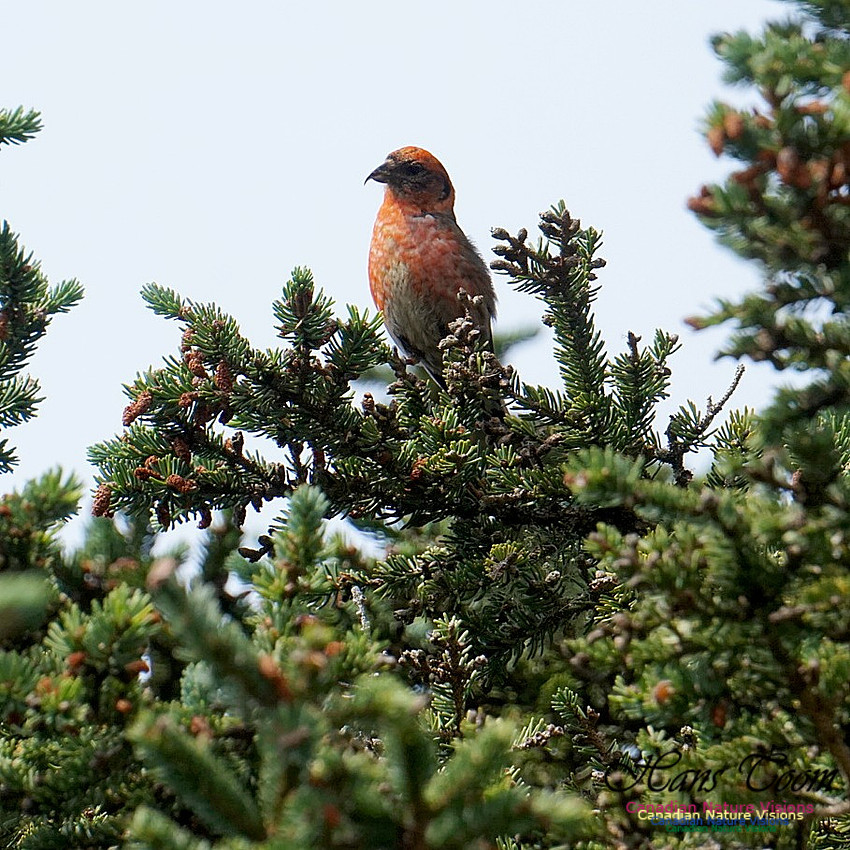
White-winged Crossbills They are everywhere now and I still have not used my big telephoto-wait for it.
Yellow Warbler
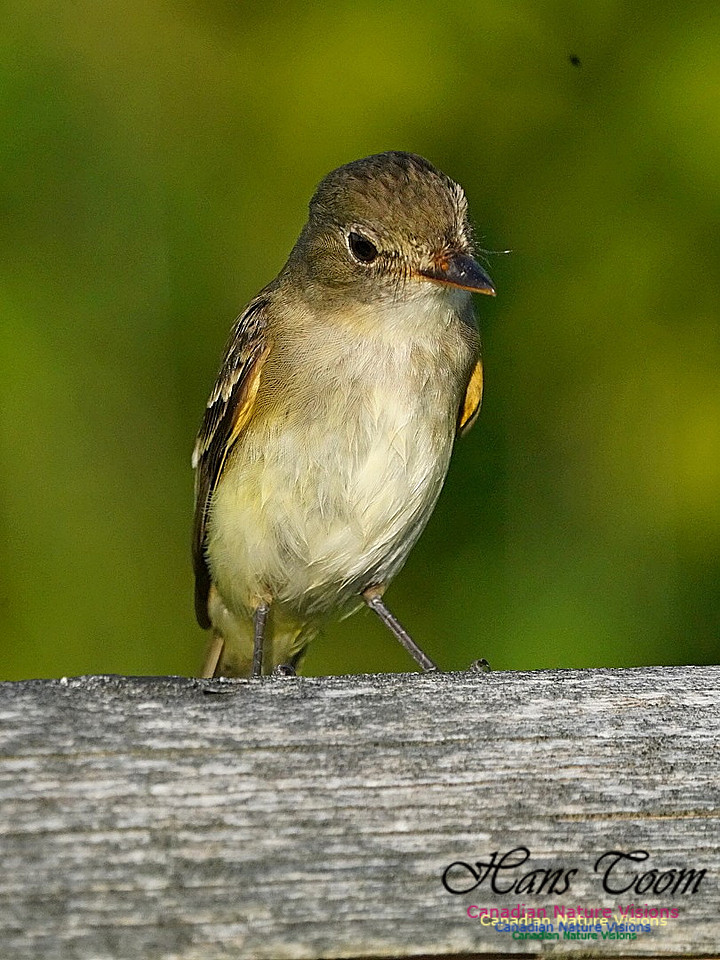
Cape Chignecto Provincial Park Adventure Day 15, July 13Laura and I traveled the coastal highway today from Advocate Harbour to Masstown to see family for the first time in two years and to enjoy some good food. The COVID pandemic has been well handled in Nova Scotia with competent leadership from our Chief Medical Officer of Health and two Premiers. Indeed all the Atlantic provinces deserve credit for their competent leadership. Highlights on route included a visit to Five Islands Provincial Park and also finding some angel wing clams. Alder Flycatcher
Angel Wing Clams It was delight to see beach walkers showing environmental responsibility by displaying these treasures and not pocketing them. __________________________________________________________________________________________________________________ Cyrtopleura costata
Jump to navigation Jump to search
Cyrtopleura costata, or the angel wing clam, is a bivalve mollusc in the family Pholadidae. It is found in shallow parts of the northwest Atlantic and also in the North Sea of Scotland coastline and west coast of the Adriatic Sea by a remote area in the Marche region in central Italy, living in the seabed, where it digs its burrows on a very slow revolving movement for years through soft sand and mud always to a max depth of 8ft but always below 3 feet (0.91 m) at the lowest tide.[2] DescriptionCyrtopleura costata has a pair of brittle, asymmetric white valves and can grow to about 7 inches (180 mm) in length. The anterior end is elongated and has a rounded point which is used for digging through the substrate. The posterior end is truncated and rounded and near the beak has an apophysis, a wing-like flange, which helps provide an attachment for the foot muscles. On the anterior side of the beak, the margin is smooth and bent slightly upwards. The whole valve has finely sculptured radial ribs which intercept with a series of concentric growth rings parallel with the margin. In the living animal, the valves are covered by the periostracum, a thin grey protective layer of protein which is part of the shell. This layer has usually been stripped away by sand and surf by the time that the empty shells are washed up on the beach, and the valves are usually found singly, because the muscles that hold them together are weak. Internally, the live mollusc has a powerful muscular foot and a pair of long, fused siphons. These siphons are unable to retract back into the shell and as a result, the two valves permanently gape apart.[3] DistributionCyrtopleura costata is found in shallow seas in the north east Atlantic Ocean between Cape Cod and the Gulf of Mexico.[1] It is also found in the West Indies, Central America and as far south as Brazil. It is commonest in the intertidal zone and just below low water mark.[2] BiologyCyrtopleura costata lives beneath the surface of the sea bed. It is able to bore through sand, mud, wood, clay and even soft rock using a twisting motion of its pointed, anterior end assisted by jets of water ejected from the mantle cavity. It is a filter feeder. The siphons extend to the surface of the substrate and water is drawn in through one and expelled through the other with microalgae and zooplankton being filtered out as the water passes through the gills. Respiration takes place at the same time. Cilia then waft the food particles to the mouth.[2][3] Spawning usually takes place in summer. Gametes are passed out of the exhalent siphon and fertilisation takes place externally. After hatching, eggs develop into veliger larvae which are planktonic. After 16 to 21 days these undergo metamorphosis into a pediveliger stage and settle out onto a soft substrate such as sand. There they become juveniles and start burrowing.[2] UsesCyrtopleura costata is used as food in Cuba and Puerto Rico. It is a fast-growing species, and it has been investigated for possible use in commercial aquaculture. Under optimal conditions it was found that the larvae were ready to undergo metamorphosis after 12 days, and settlement could be triggered by use of a dilute solution of epinephrine. The clams could reach a marketable size of 6 centimetres (2.4 in) within 6 months.[4] _______________________________________________________________________________________________________________ Angel Wing Clams
Cape Split
Eastern Bluebird
Five Islands Provincial Park
Memories
Port Grenville Beach (sailing ships were built here)
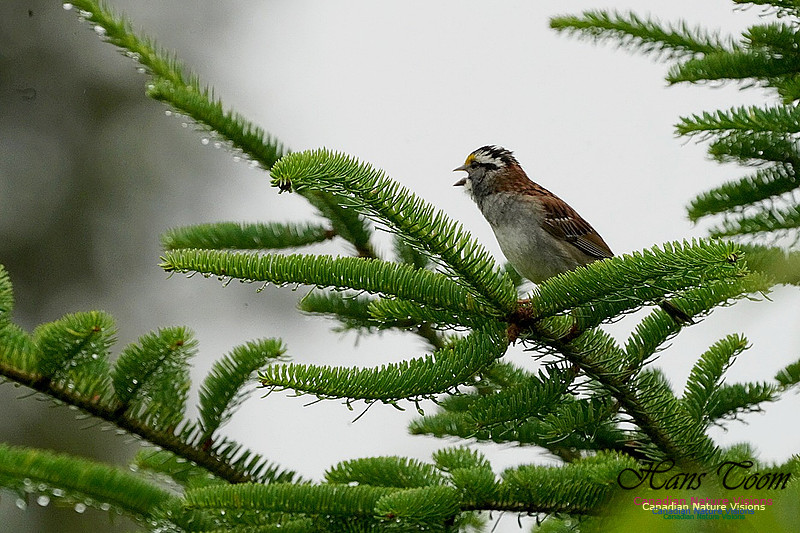
White-throated Sparrow
End of Day
Cape Chignecto Provincial Park Adventure Day 14, July 12Today was another gorgeous day; no fog, mild temperature and lots of sunshine. We did the Squally Point Trail today a companion to yesterday's Three Sisters Trail. The highlights were finding Lycopods the oldest plant species known and still growing today. Where's a botanist when you need one? Another highlight was us meeting White-winged Crossbills. The crossed bills are an adaption to feeding off cone heads. It's interesting because while I was photographing the scenery I could hear plop...plop...plop as something was falling from above. I thought it was a wind effect but after the third plop I looked up and there they were, working the pine cones and dropping bits as they worked. Anderson's Cove
Eastern Bluebird There is no sign of youngsters emerging yet.
Lycopods _______________________________________________________________________________________________________ Lycopodiopsida
Jump to navigation Jump to search
Lycopodiopsida is a class of herbaceous vascular plants known as lycopods, lycophytes or other terms including the component lyco-. Members of the class are called clubmosses, firmosses and quillworts. They have dichotomously branching stems bearing simple leaves called microphylls and reproduce by means of spores borne in sporangia on the sides of the stems at the bases of the leaves. Although living species are small, during the Carboniferous, extinct tree-like forms formed huge forests that dominated the landscape and contributed to coal deposits. The nomenclature and classification of plants with microphylls varies substantially among authors. A consensus classification for extant (living) species was produced in 2016 by the Pteridophyte Phylogeny Group (PPG I), which places them all in the class Lycopodiopsida, which includes the classes Isoetopsida and Selaginellopsida used in other systems. (See Table 2.) Alternative classification systems have used ranks from division (phylum) to subclass. In the PPG I system, the class is divided into three orders, Lycopodiales, Isoetales and Selaginellales. CharacteristicsClub-mosses (Lycopodiales) are homosporous, but the genera Selaginella and Isoetes are heterosporous, with female spores larger than the male, and gametophytes forming entirely within the spore walls. A few species of Selaginella such as S. apoda and S. rupestris are also viviparous; the gametophyte develops on the mother plant, and only when the sporophyte's primary shoot and root is developed enough for independence is the new plant dropped to the ground.[1] Club-moss gametophytes are mycoheterotrophic and long-lived, residing underground for several years before emerging from the ground and progressing to the sporophyte stage.[2] ________________________________________________________________________________________________________________________________________________________ Lycopods
Mushrooms I don't even try to ID these guys.
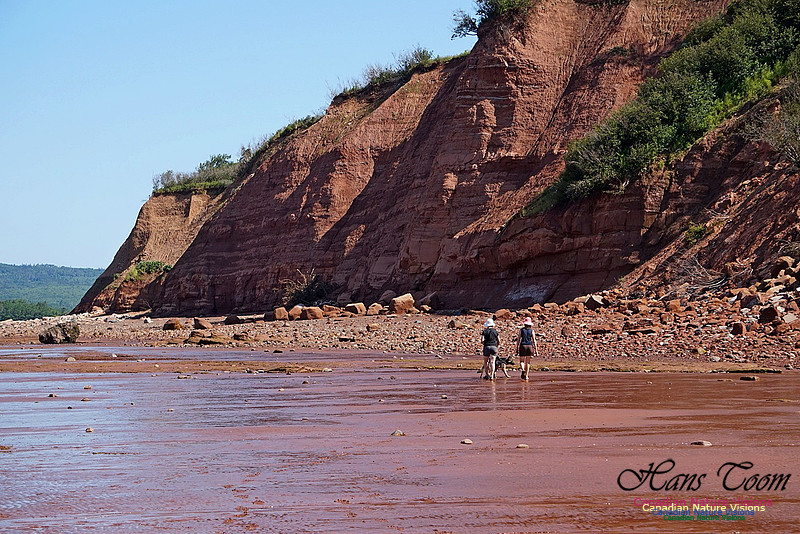
Ancient Beach Raised up by pressure probably caused by an ice age.
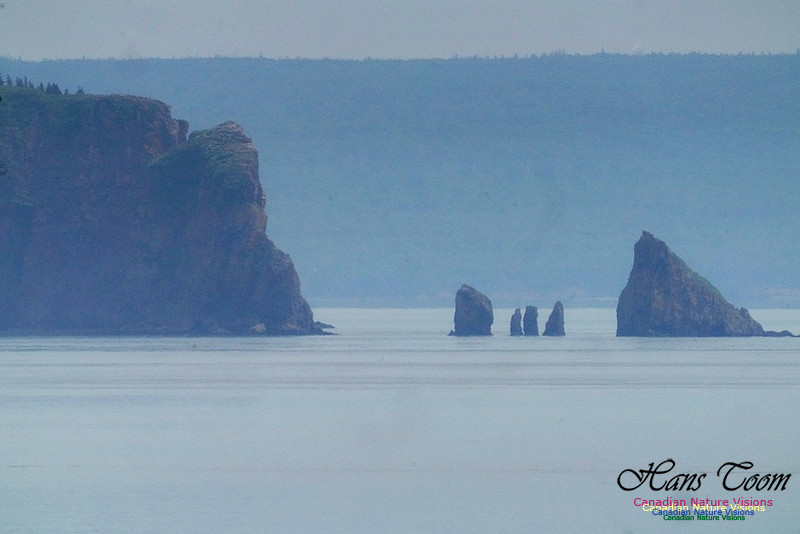
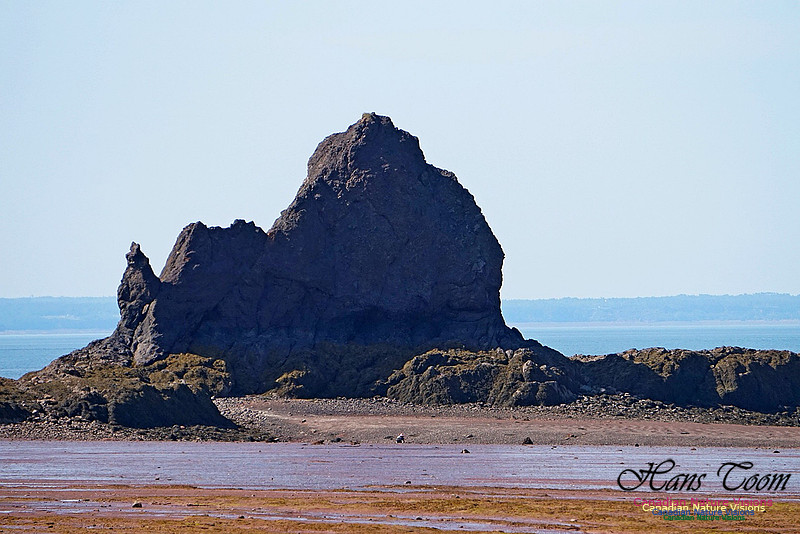
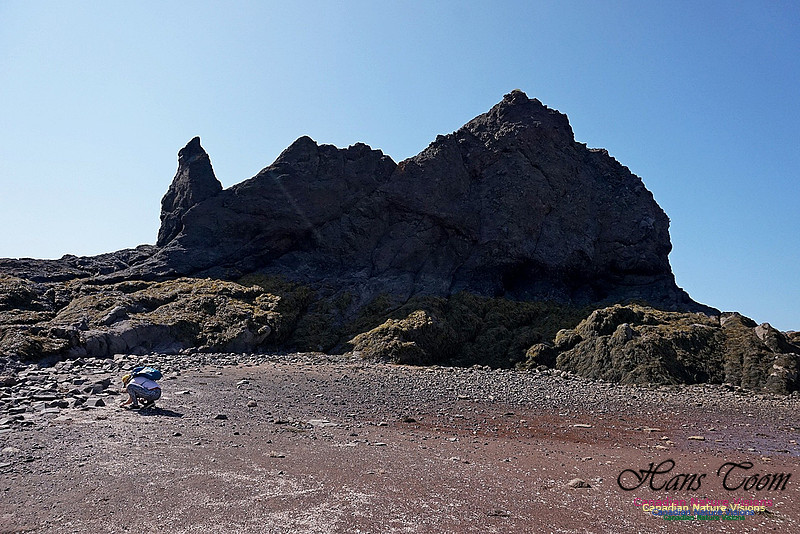
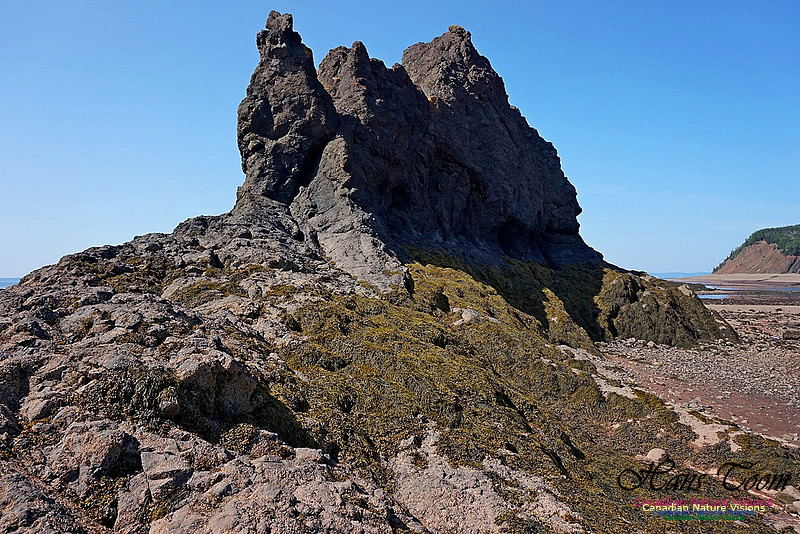
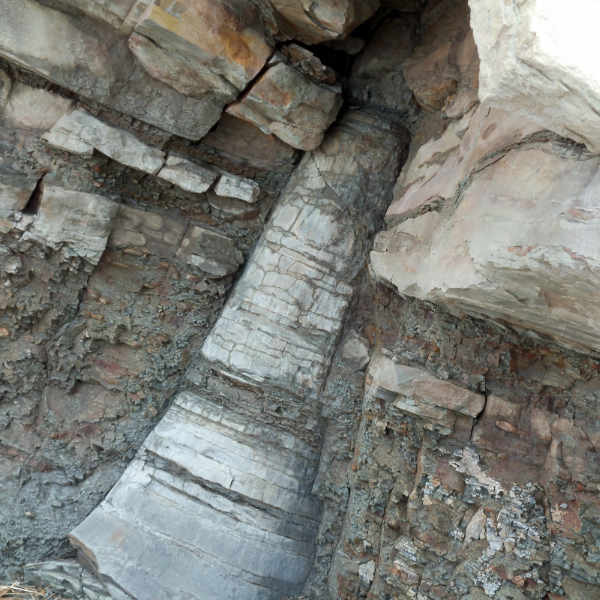
Pillars-caused by erosion of softer rock around a usually volcanic and harder centre.
Squally Point Trail
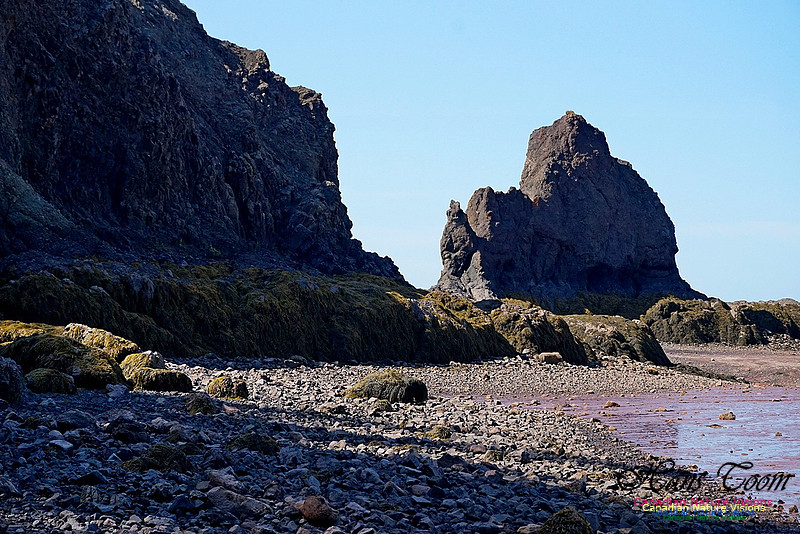
Pillars
Swamp Candles
White-winged Crossbill
End of Another Fine Day
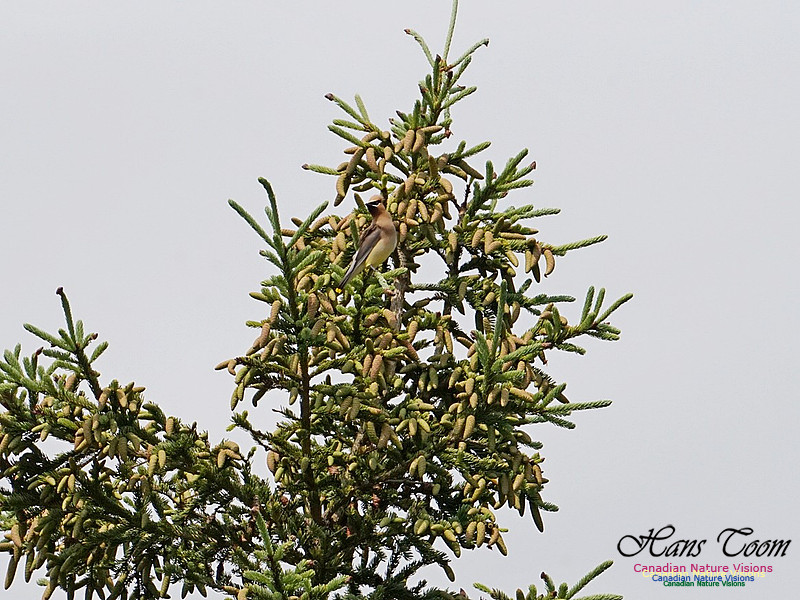
Cape Chignecto Provincial Park Adventure Day 13, July 11It was a cloudy morning but by noon the sun was shining brightly on a gorgeous day, and quite mild. Today we did the Three Sisters Trail at Cape Chignecto Provincial Park. Tomorrow it will be its companion, the Squally Point Trail, then the coast to Masstown. The highlight today was two photos of a Cedar Waxwing collecting nesting material. They are late nesters. Cedar Waxwing
Eastern Bluebird
Mill Brook Trail (the beach part)
Three Sisters Trail
Cape Chignecto Provincial Park Adventure Day 12, July 10It was another gorgeous day, mostly sunny with light winds and moderate temperatures. We visited several places with no usual bird or animal sightings. Just keep bringing on the good weather. Tomorrow we start working the park trail networks. Alder Flycatcher
Bald Eagle
Brown-eyed Susan and Daisies
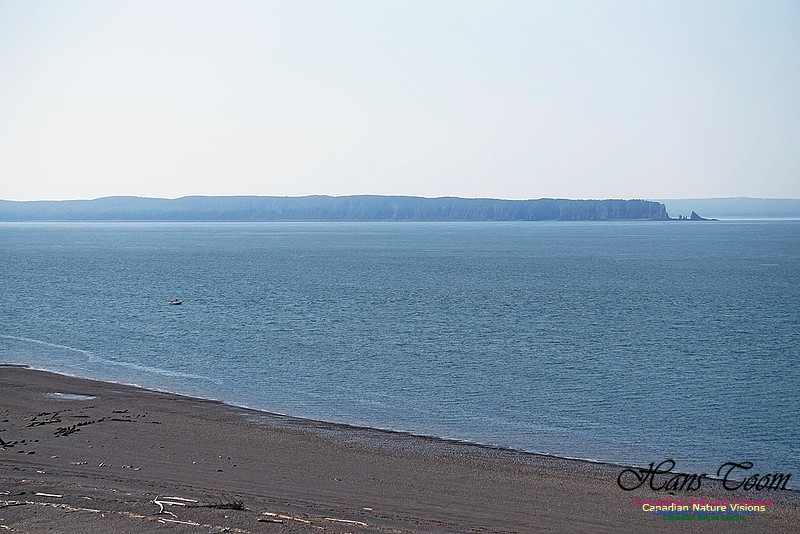
Cape d'Or
Chicory
Ceropsiss
Eastern Bluebird
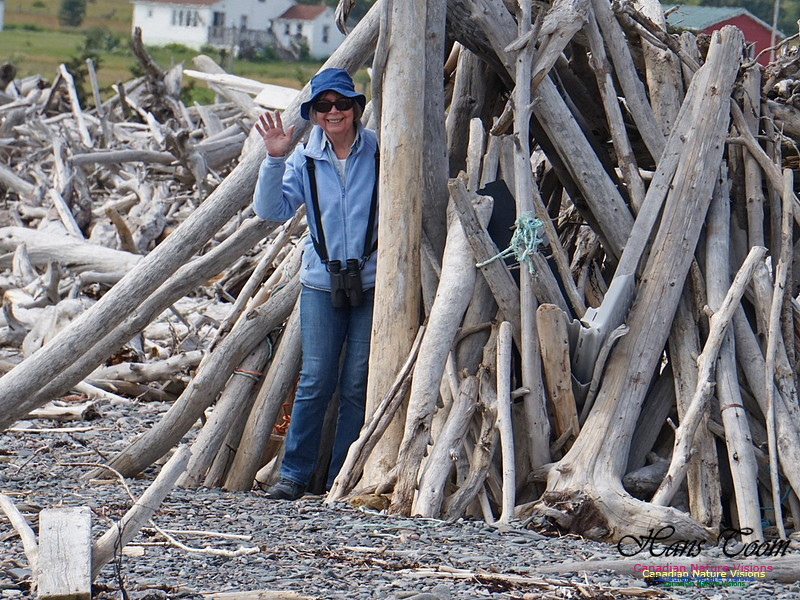
Laura
Memories
Mullien
Wildflower Bouquet
Parrsboro Light
Waterfall at the Red Rocks
Forest and Water
Song Sparrow
OK, what is it?
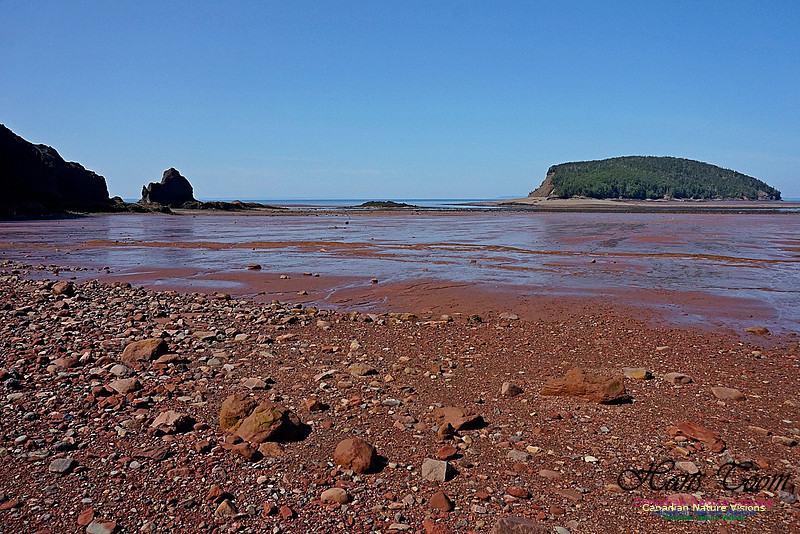
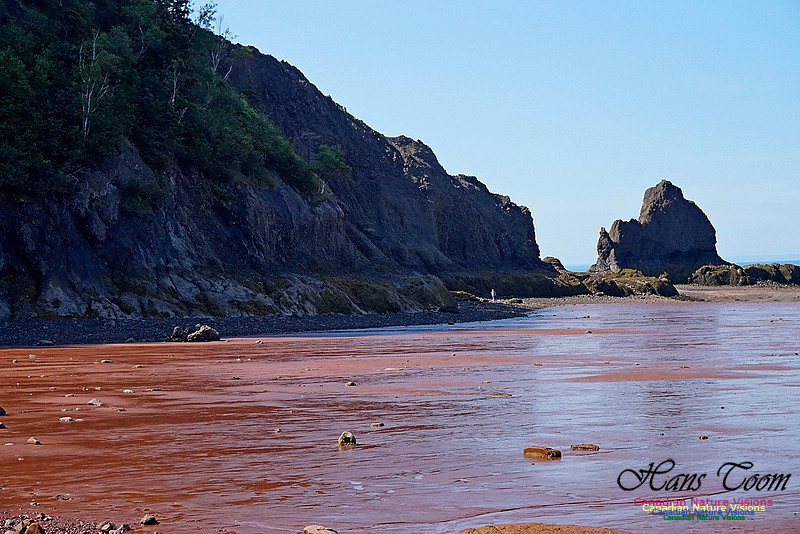
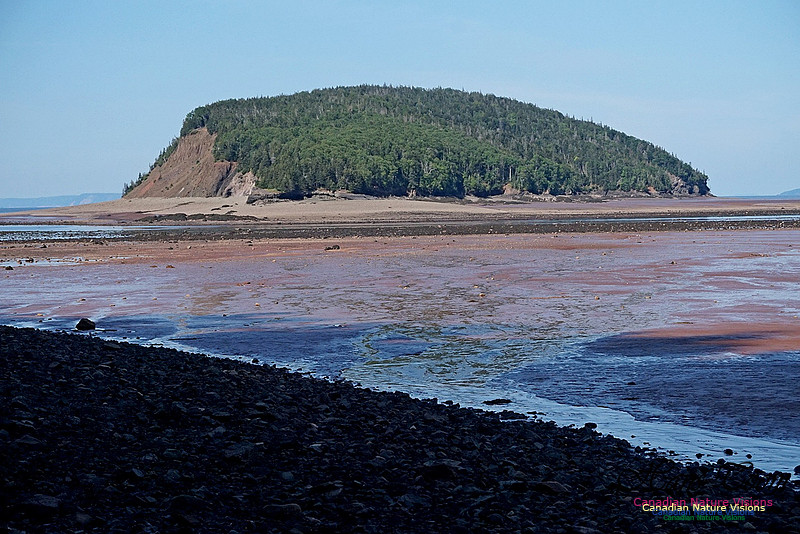
Two Islands
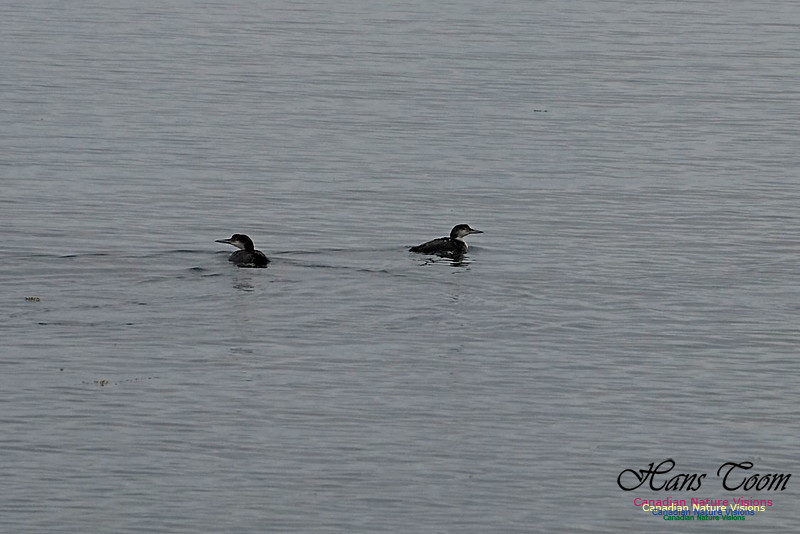
Cape Chignecto Provincial Park Adventure Day 11, July 9Tonight is the night that Post Tropical Storm Elsa hits us with all its fury. Advocate Harbour is slightly south of the projected path of the storm's centreline. Elsa's frontal boundary is apparent in some photos and there is an overall tranquil feeling of doom and foreboding. We slept through the whole event. It was mostly wind with some isolated power outages. The Eastern Bluebird's continue to feed their young with ease as both parents deliver goodies at a regular pace. Nest cleanliness is also attended to after most food deliveries. Common Loon
Common Yellowthroat
Eastern Bluebird
The Approach of Post Tropical Storm Elsa
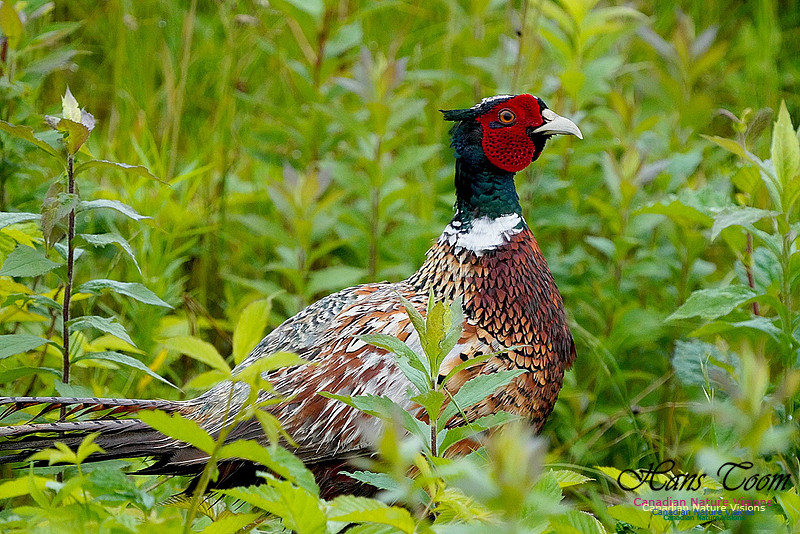
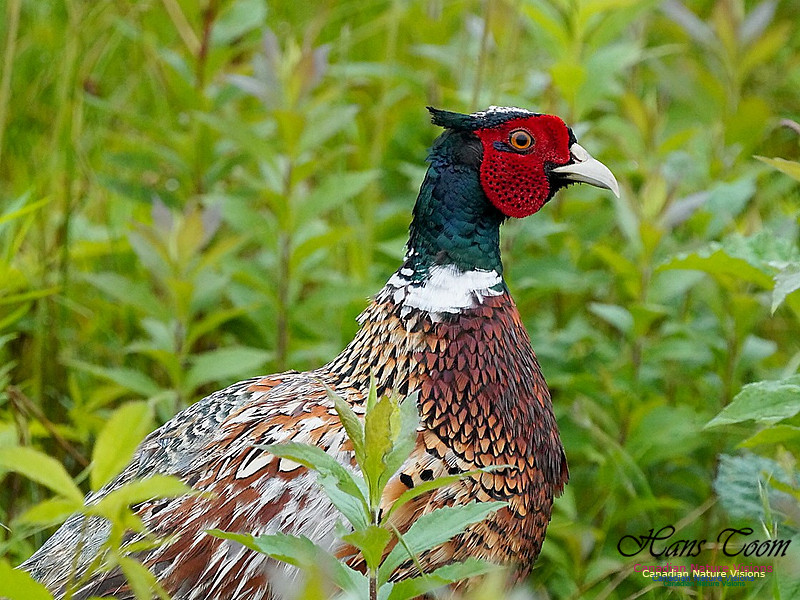
Ring-necked Pheasant
White-throated Sparrow
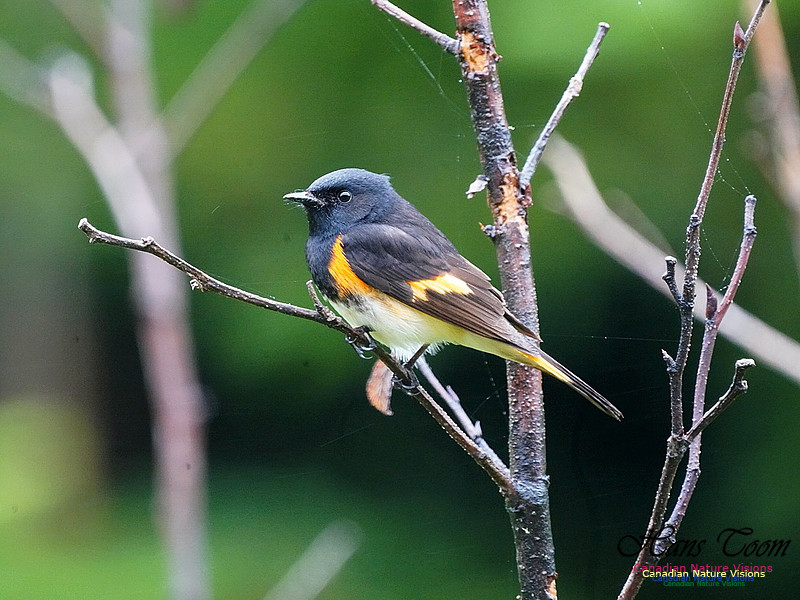
Cape Chignecto Provincial Park Adventure Day 10, July 8It was raining steadily this morning but skies improved in the afternoon as we awaited post tropical storm Elsa. Some of the wildflower photographs are of escapees but they are still wildflowers, just not native wildflowers like many birds and Eurasian races of humans are not native to this place. Since every bird and plant on these continents of North and South America were all given names thousands of years ago what gives the Eurasians like me the pretension to rename them all after cities, states or old men that came here later. All names are folk names except the scientific names which is really just a catalogue of species. American Redstart
Black-throated Blue Warbler
Bunchberry
Cape d'Or
Eastern Bluebird
Foxglove
Hairy Woodpecker
Heal-all
Heal-all
Isle Haute
Late Day Sky Over Cape Chignecto
Magnolia Warbler
Monarch Butterfly
Sheep Laurel
Stonecrop
Yellow Rocket
Cape Chignecto Provincial Park Adventure Day 9, July 7Today we visit the Joggins Fossil Cliffs, a UNISCO World Heritage Site: https://www.jogginsfossilcliffs.net/ The following is courtesy of the Joggins Fossil Institute: _________________________________________________________________________________________________________________ Where the world-famous Bay of Fundy exposes a 300-million-year-old story. Preserved in nature, uncovered by force. Explore one of nature’s most inspiring creations, where the highest tides in the world reveal the most complete fossil record of the “Coal Age,” 100 million years before the dinosaurs. Every rock holds the possibility of discovery, and our guided tours may lead you to finding a missing piece of time’s puzzle. At Joggins, our backyard may be 300 million years old but every day is different! The swamp forests produced massive quantities of organic matter that, over millions of years, created the coal deposits for which this period of history is named.
The Joggins Fossil CentreThe Joggins Fossil Centre is situated on the reclaimed site of the Old Joggins No. 7 Coal Mine overlooking the Joggins Fossil Cliffs. The Centre provides an exceptional learning experience, featuring an extensive fossil specimen collection, exhibits, and displays depicting
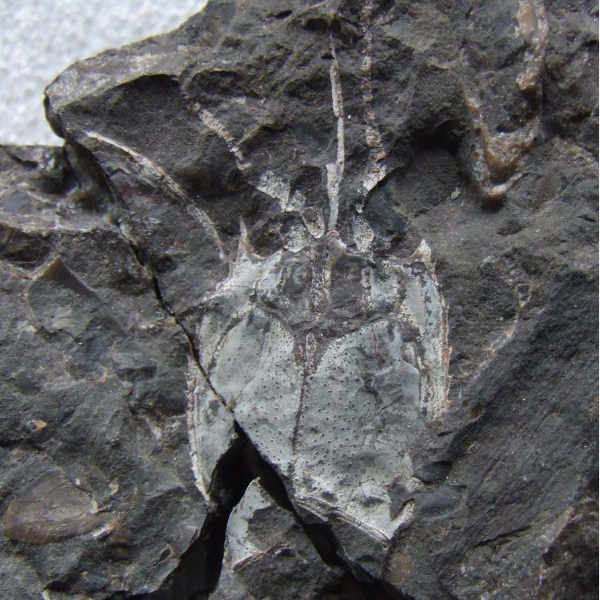
Fossils at JogginsSeason and hours
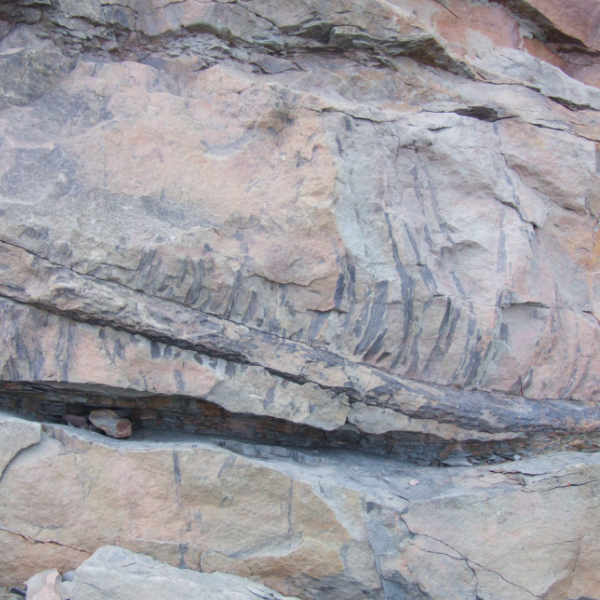
Joggins Fossil Cliffs
Song Sparrow
Sunset over Cape Chignecto
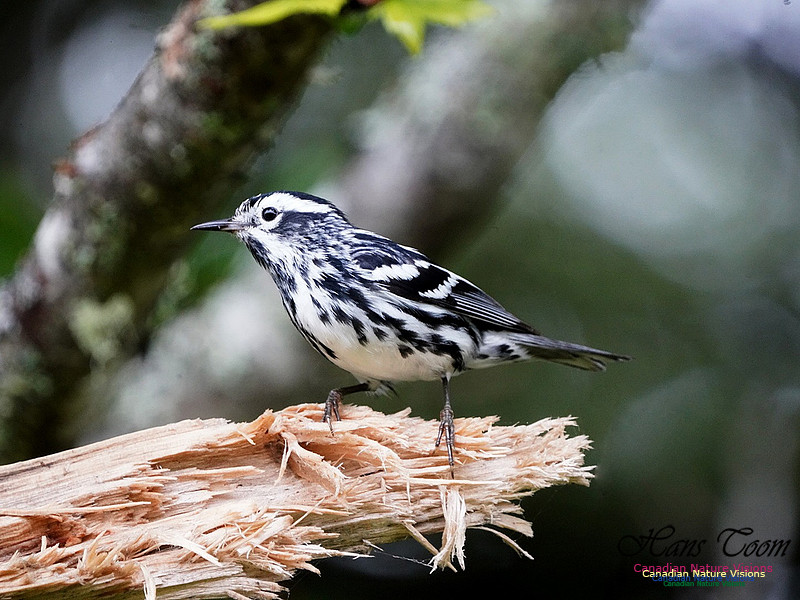
Cape Chignecto Provincial Park Adventure Day 8, July 6It was foggy and drizzling in the morning and cloudy bright in the afternoon with no sunset to photograph. I tried for some bird photography today with some success. The highlight was the Eastern Bluebird actively feeding young. I will watch this next box in hopes of photographing the fledged birds or best of all the parents feeding their young outside the bird box. In central Canada; Quebec, Ontario and Manitoba environmentalists have set up Blue Bird trails to help this threatened species recover with dozens of Blue Bird and Tree Swallow boxes. American Redstart
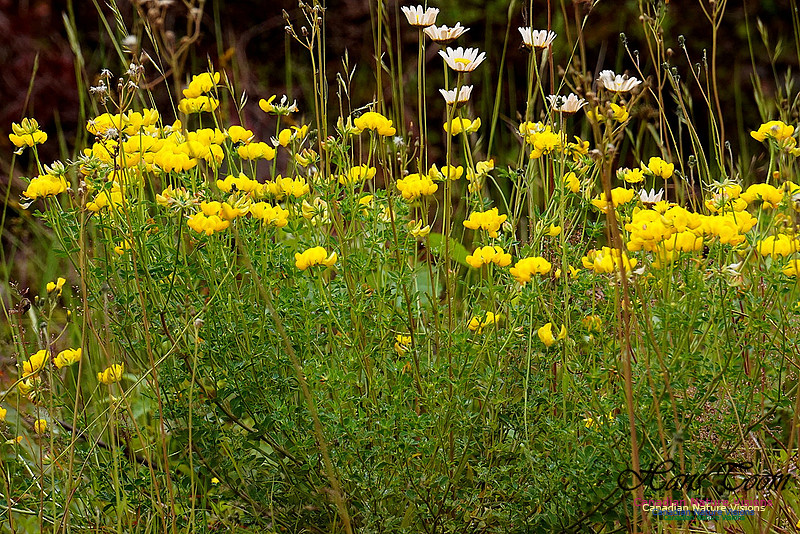
Birdsfoot Trefoil
Black-and-White Warbler
Cedar Waxwing
Common Yellowthroat
Eastern Bluebird
Laura
Turkey Vulture (9) See if you can find them all
Red Hawkweed
Red-eyed Vireo
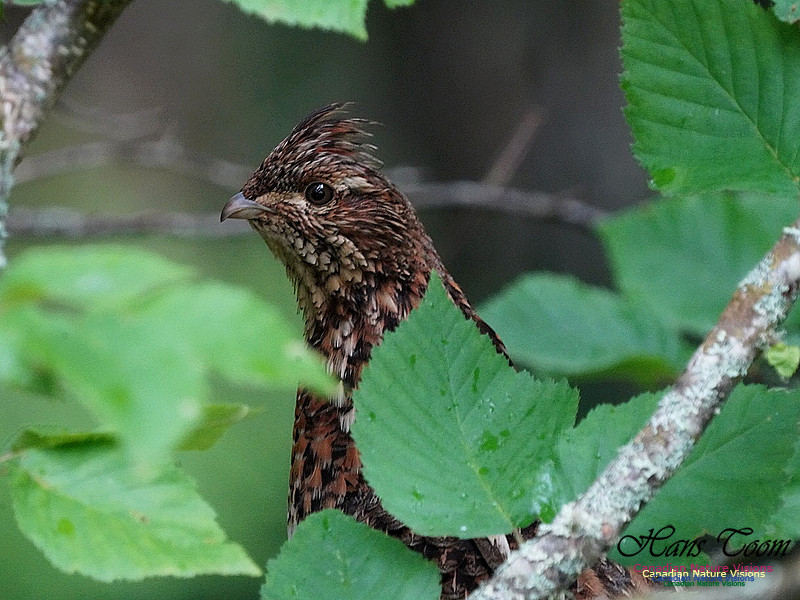
Ruffed Grouse
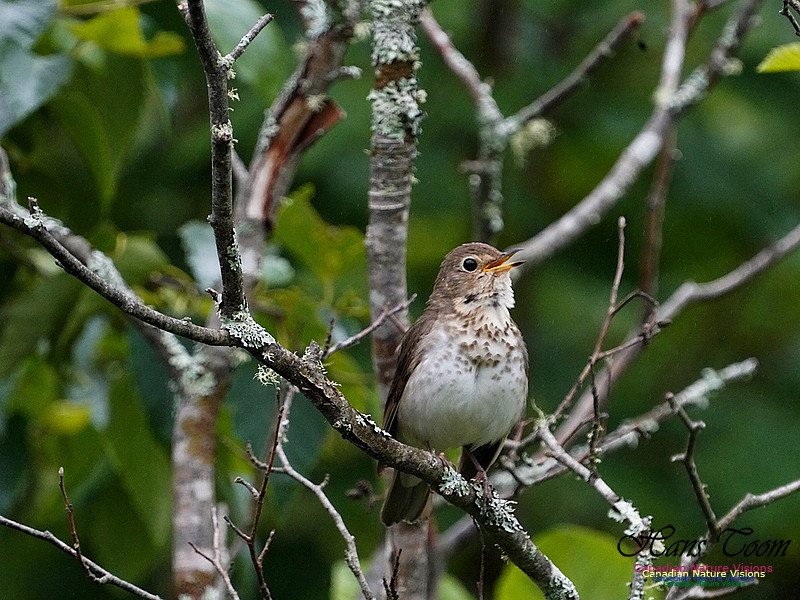
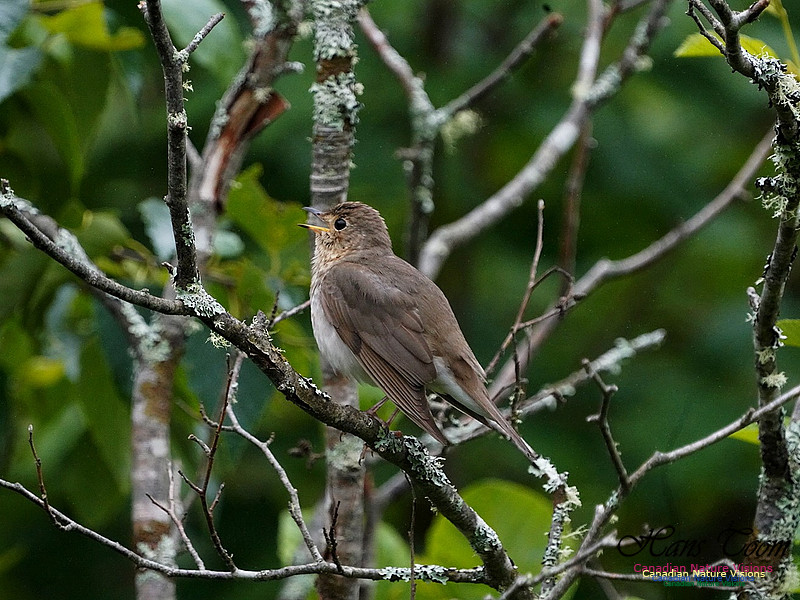
Swainson's Thrush
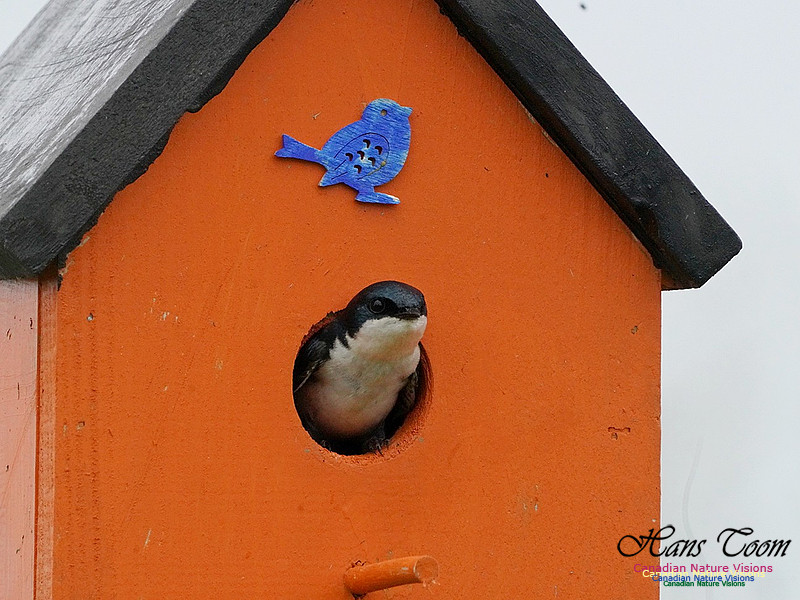
Tree Swallow
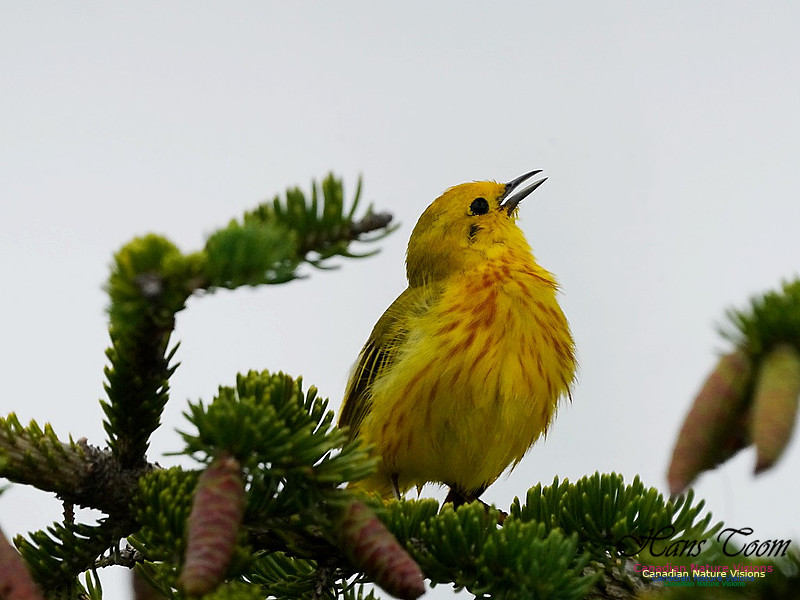
Yellow Warbler
Cape Chignecto Provincial Park Adventure Day 7, July 5This was our first day with decent weather. It was cool by the water but one heats up fast hoofing through the bush. Laura and I tried our first trail, the McGahey Brook Canyon Trail. Its was hard trudging all uphill. We heard lots of birds but I only managed a rather sad image of a beloved bird, the woodland soprano, the Winter Wren. We also enjoyed our first sunset on the trip. Alder Flycatcher
Barn Swallow
Beachfront Home
Hike Towards the Red Rocks
Late Blue Flag Iris
Bluebell
Cape Chignecto
Dumb Beach House
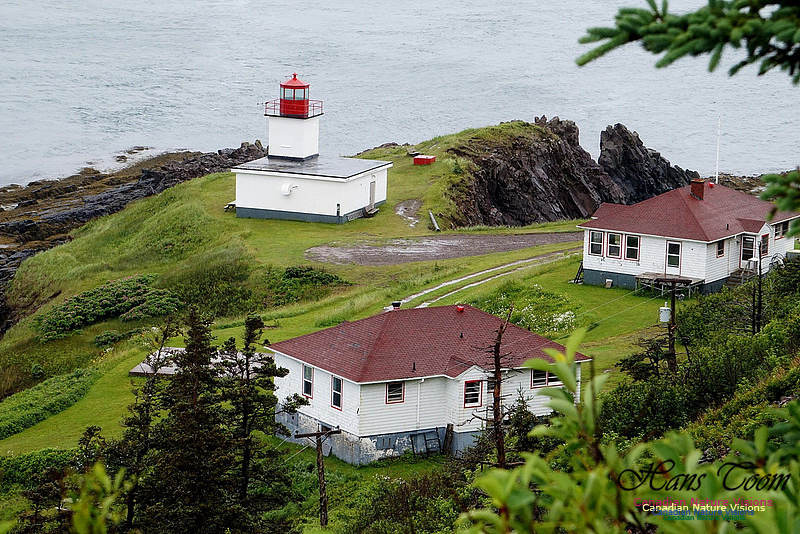
Lighthouse Home
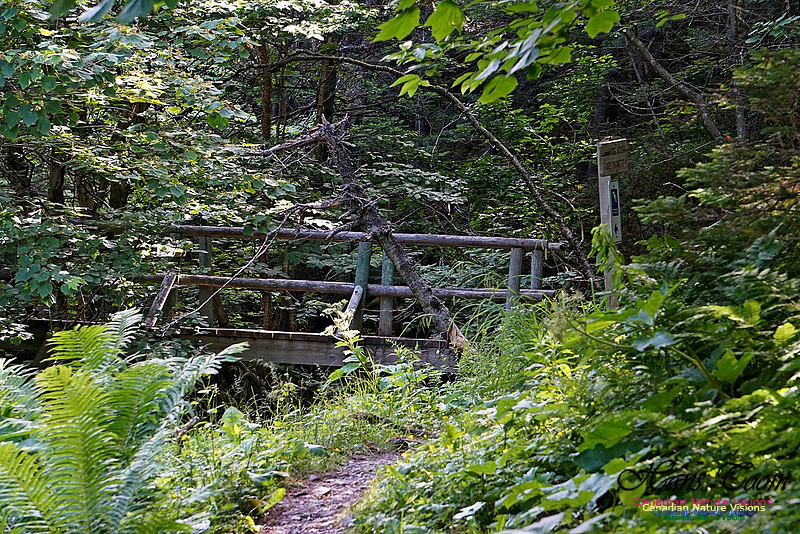
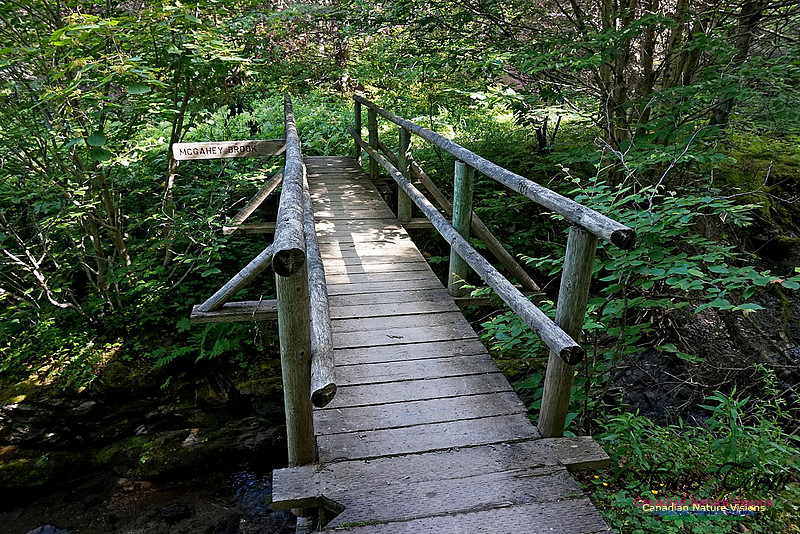
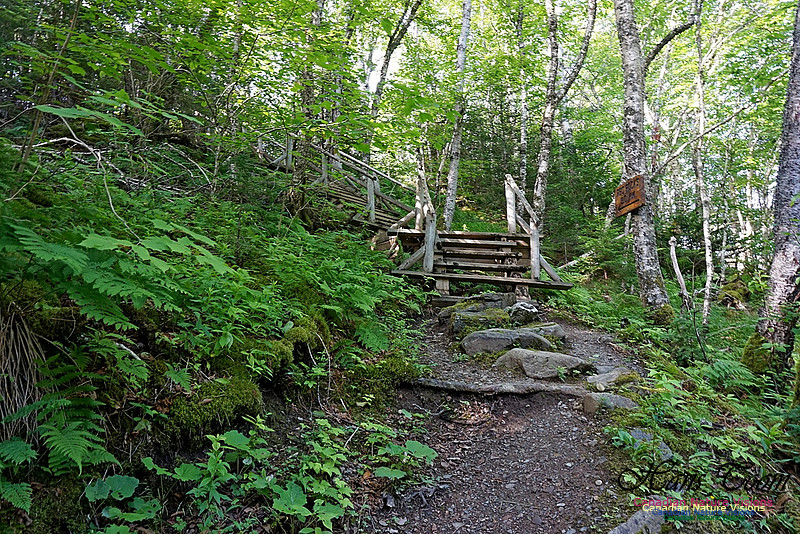
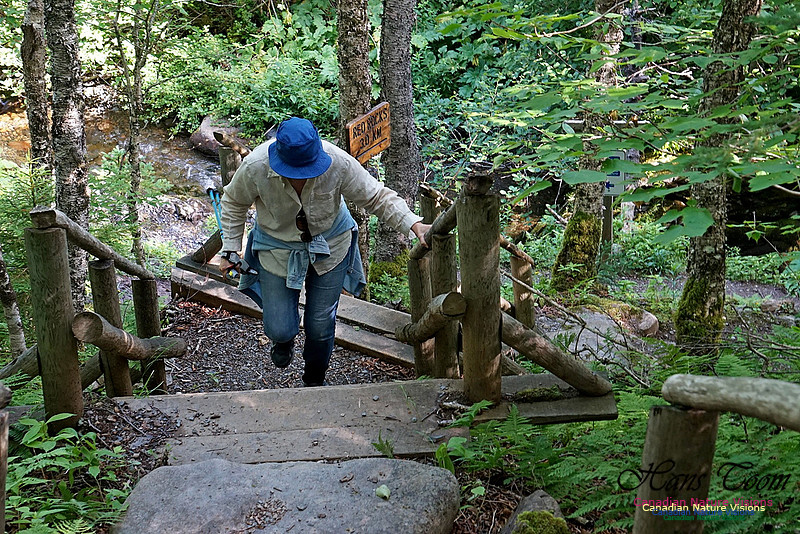
The McGahey Brook Canyon Trail
Organic Salmon Farm
Our First Sunset
Winter Wren-This was a blind shot since I Never saw the bird
Nice Patch of Daisies
Cape Chignecto Provincial Park Adventure Day 6, July 4It was the worst day yet with steady rain and wind. Ugh! What does one do on such a day? Exploring is an option and I checked out the road to Eatonville. It's broad and in good condition so I will head into the bowels of the forest and attempt a day of serious bird photography, probably on Tuesday. I checked out Cape d'Or very quickly. Two large rain splotches on my photographs were my reward for trying. Cape d'Or
Cape d'Or |Light
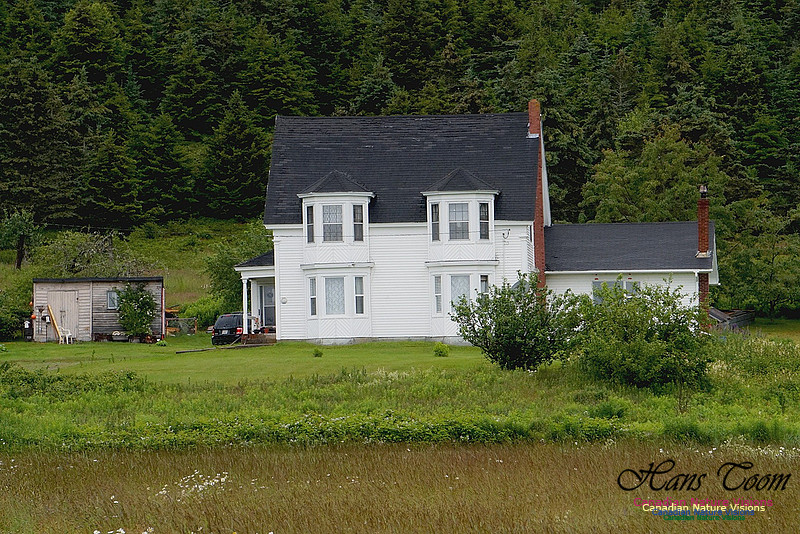
Home
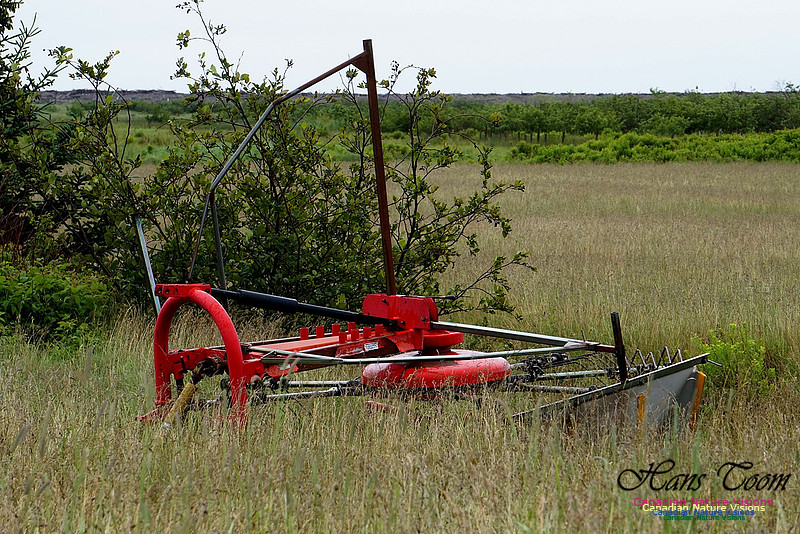
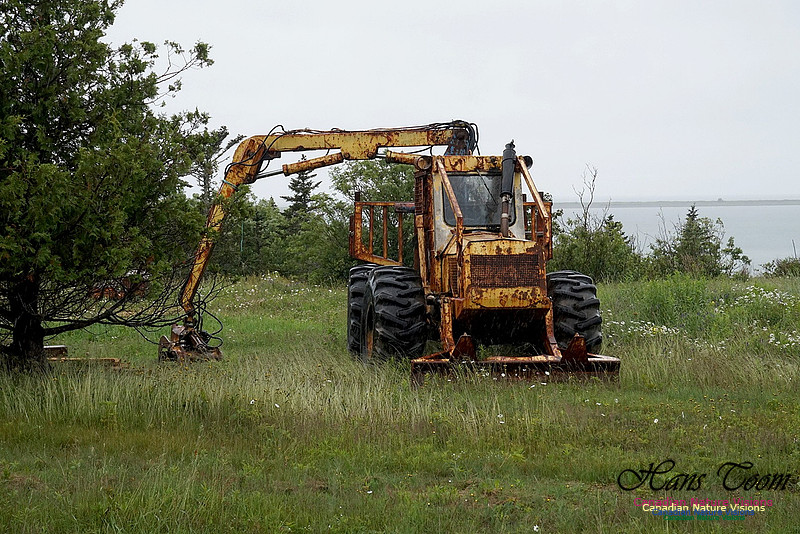
Haying Aparratus
Memories
Seaside Pond
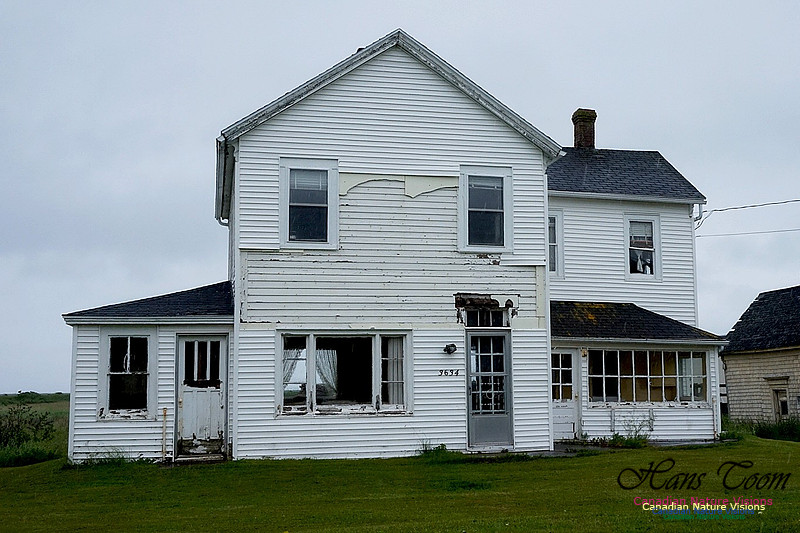
For Sale Cheap
South Branch Apple River
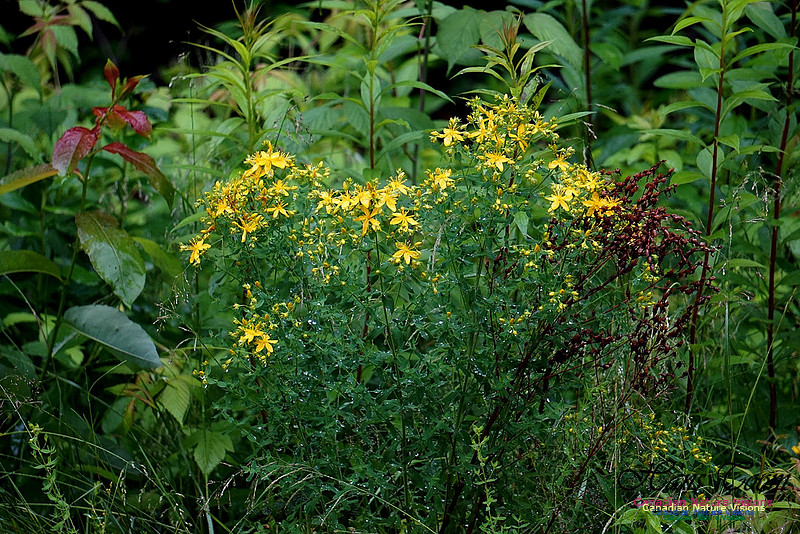
St. John's Wort
Cape Chignecto Provincial Park Adventure Day 5, July 3The weather continues as wet, windy and gloomy but the fog has lifted somewhat so Isle Haute is now clearly visible, but we have not seen a sunset yet. Birds are mostly hunkered down in this weather but we may have found a Bobolink field and that would be something considering how this species has been trashed by humans. We will look for Bobolinks when it stops raining, drizzling and misting. Fish Motif at Advocate
Blockhouse Hill Home
Canada Hawkweed
Harebell
Memories
Parrsboro Light
Partridge Island
Partridge Island
Partridge Island
Partridge Island
Partridge Island Home
Red Boat on Beach
Red Boat on Beach
Seapea
The Shed
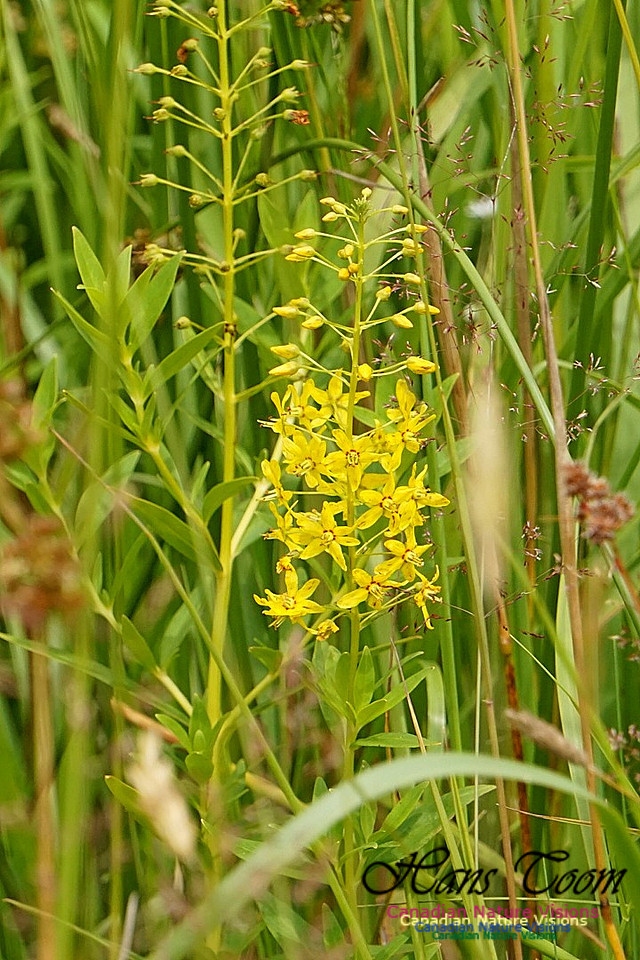
Yellow Loosestrife
Yellow Loosestrife and Red Roses
|
|||||||||||||||||||||||||||||||||||||||||||||||||||||||||||||||||||||||||||||||||||||||