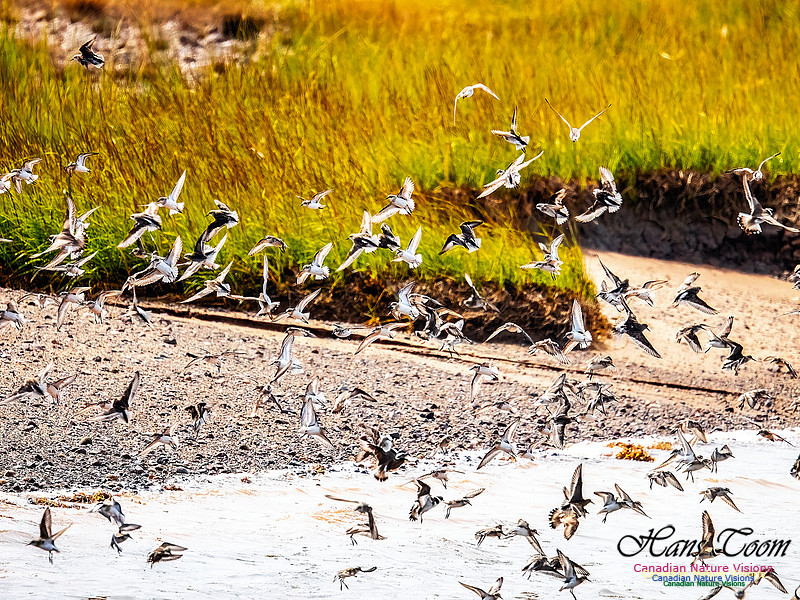
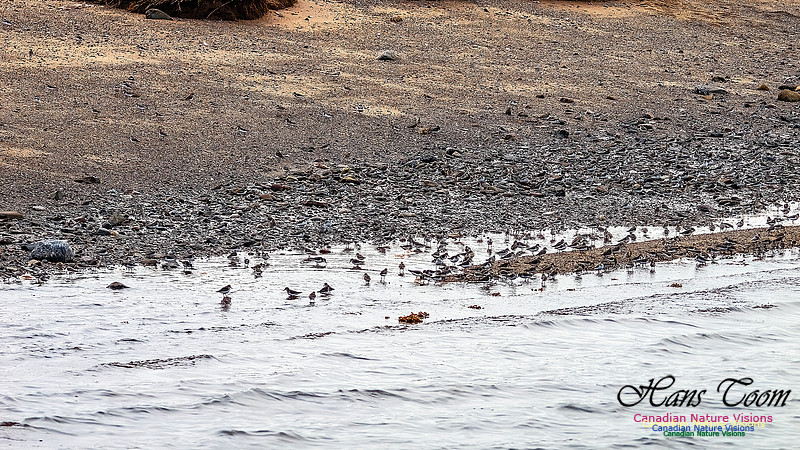
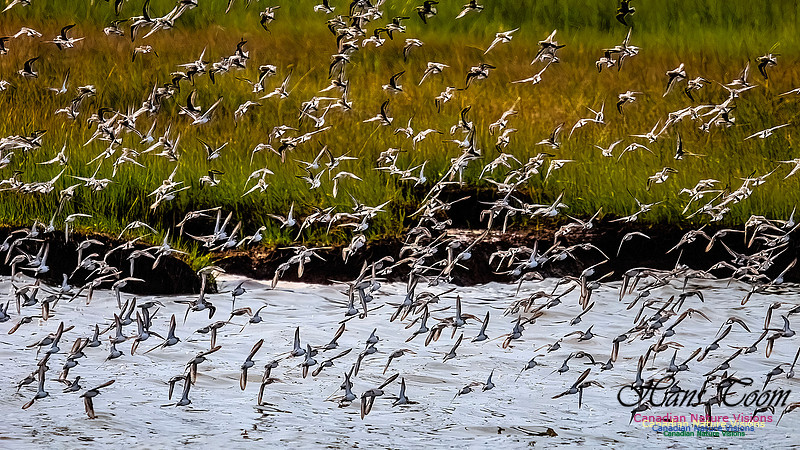
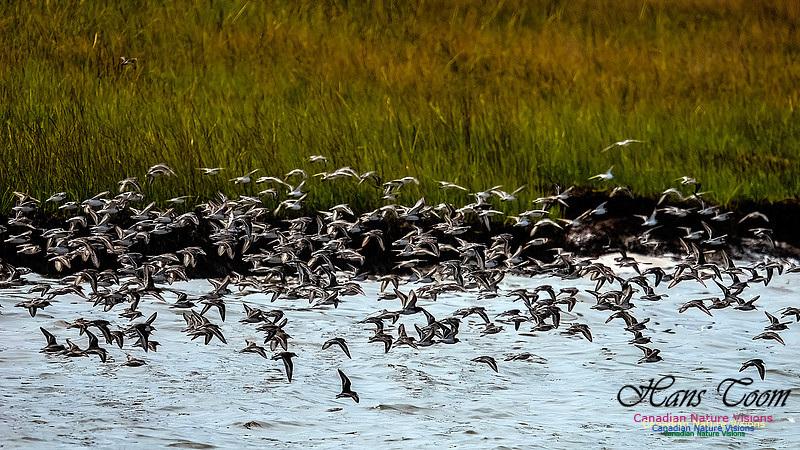
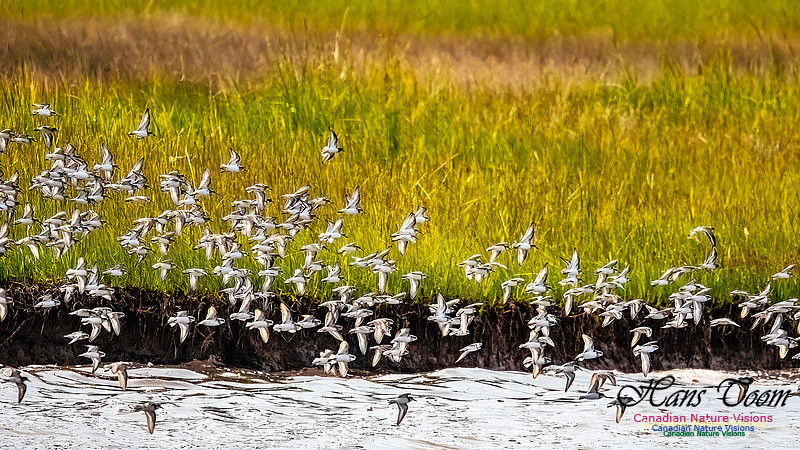
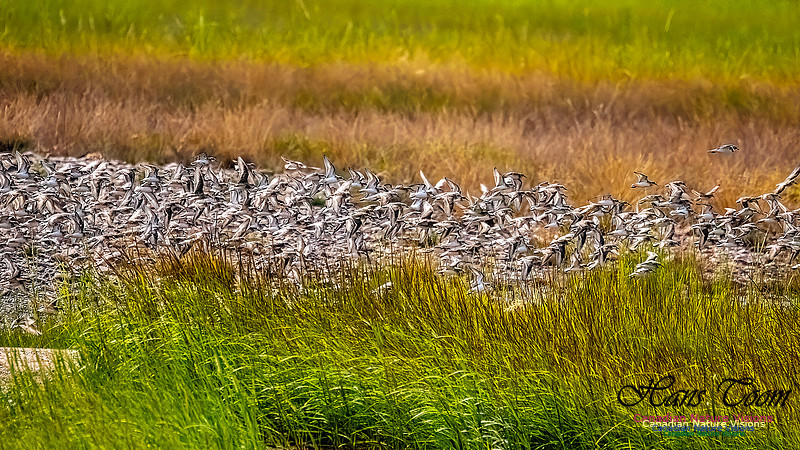
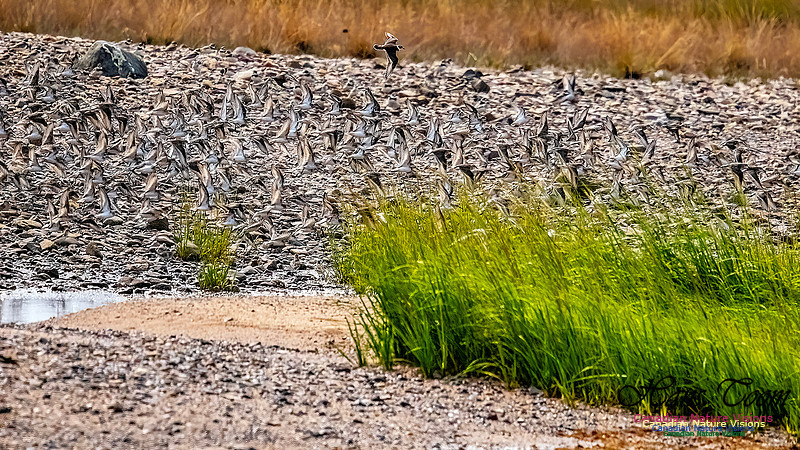
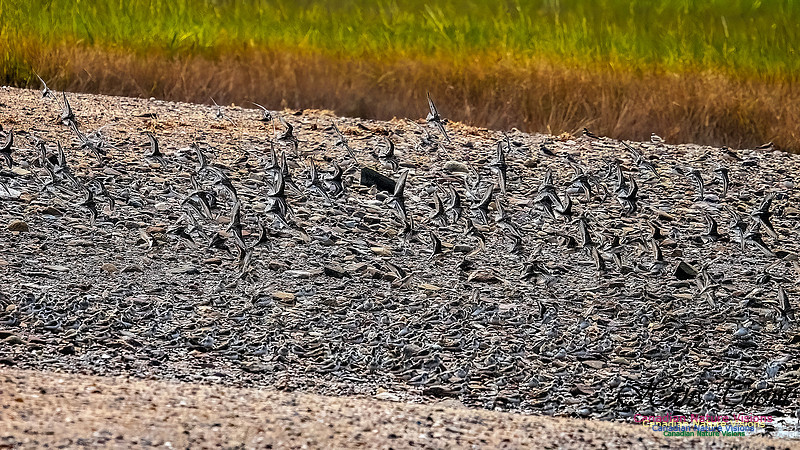
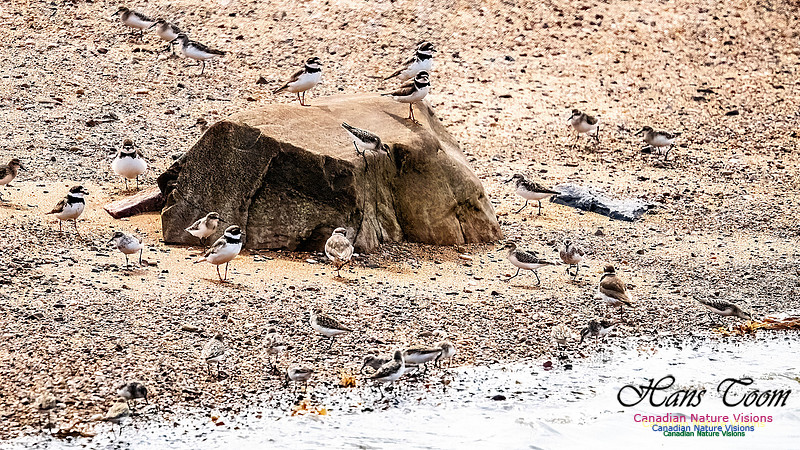
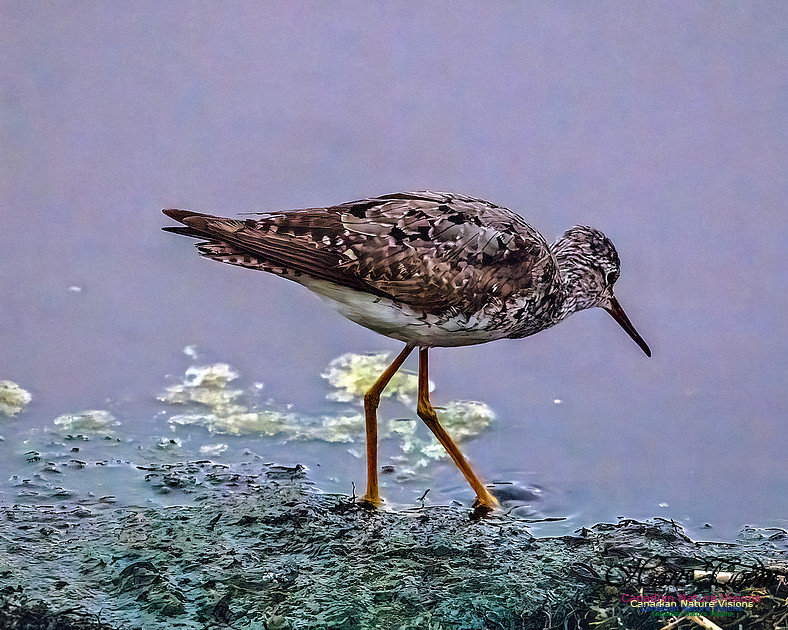
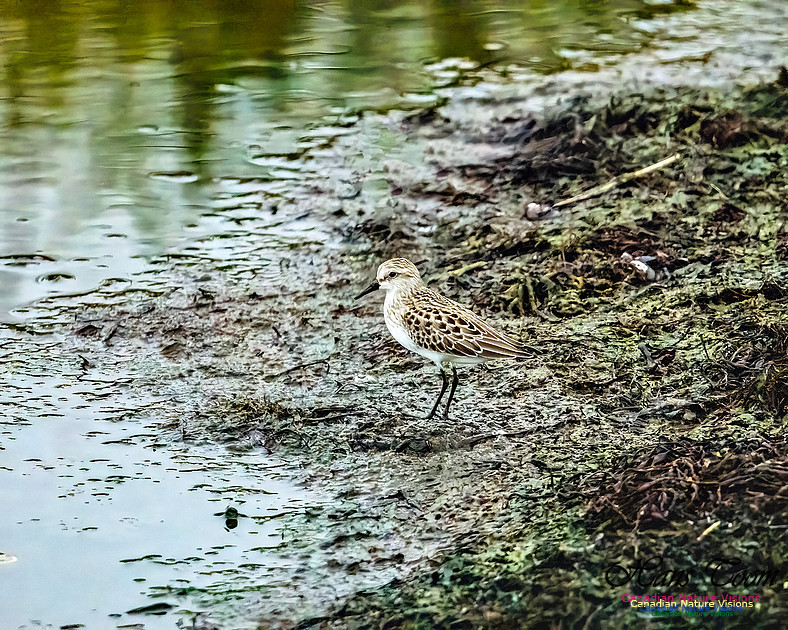
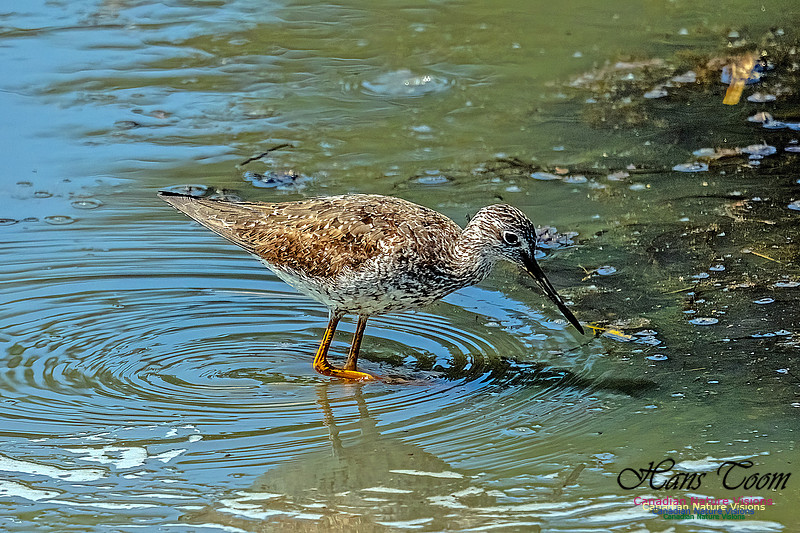
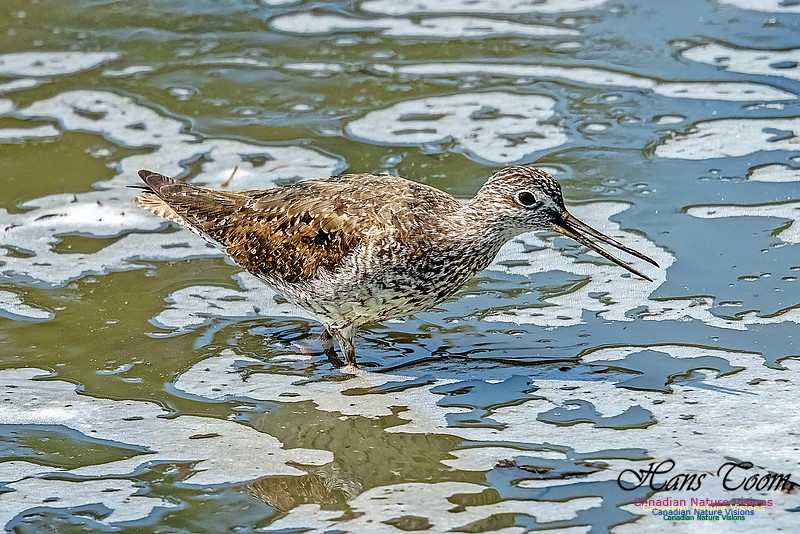
Shorebird MedleyI photographed these shorebirds at Sandy Cove, Halifax Regional Municipality. The beach and creek have not been flushed for several months so it is scummy and sandy islets are forming with vegetation growing atop. A strong south wind and heavy rain is needed to restore this habitat. Lesser Yellowlegs I have never seen such pronounced scalloping on this shore bird before.
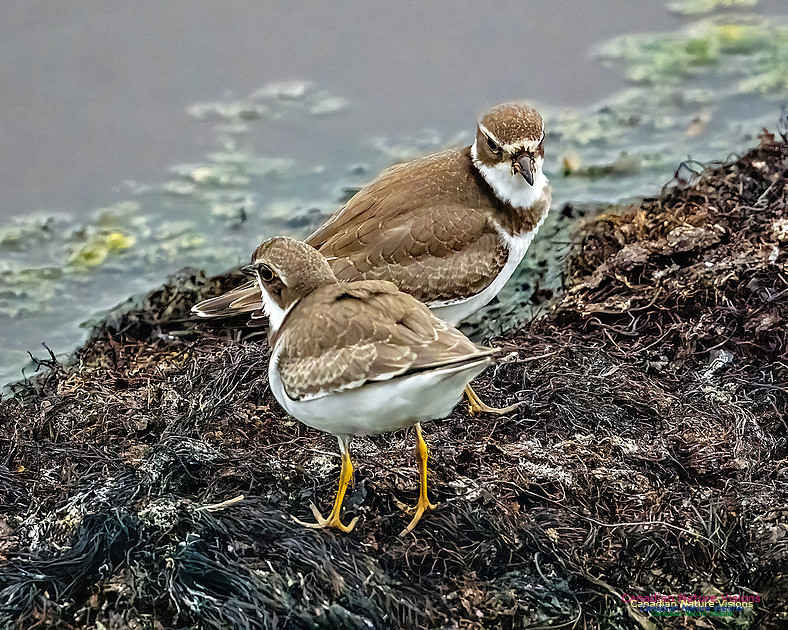
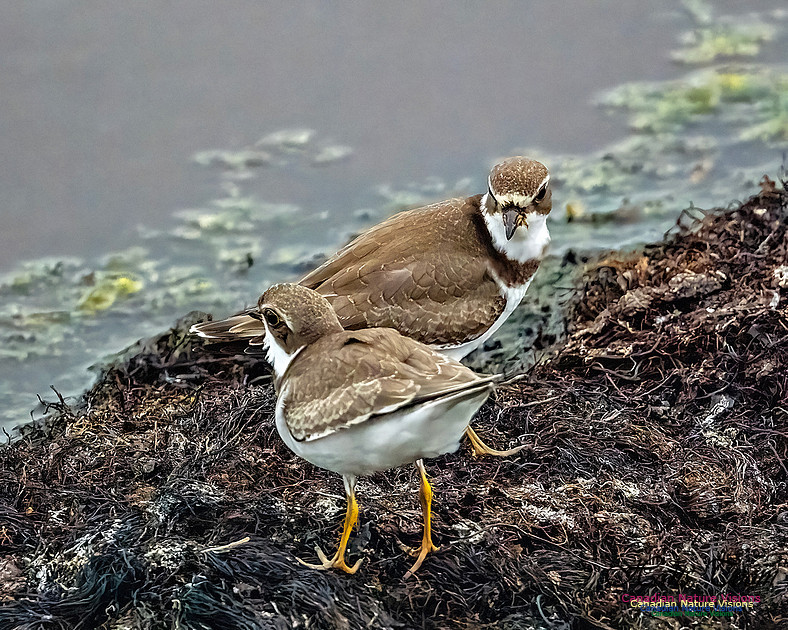
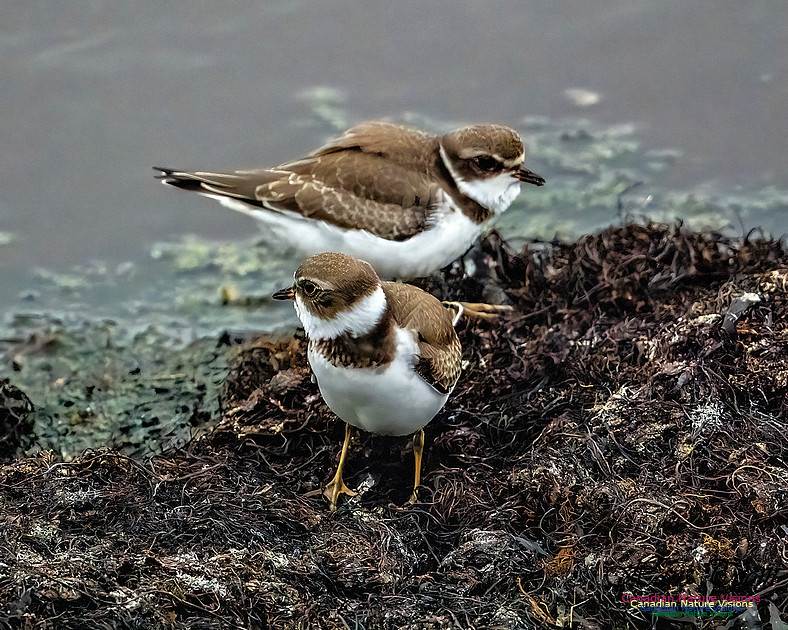
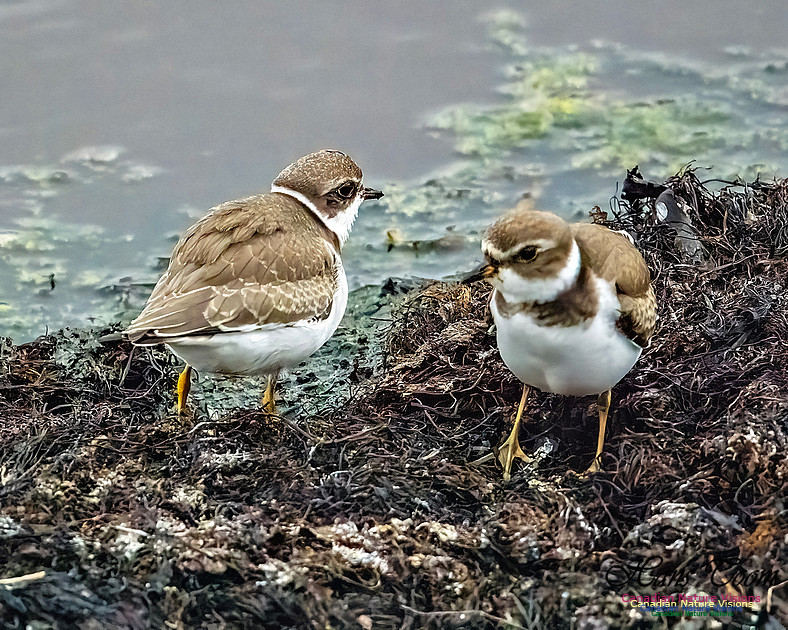
Semipalmated Plover
Semipalmated Sandpiper
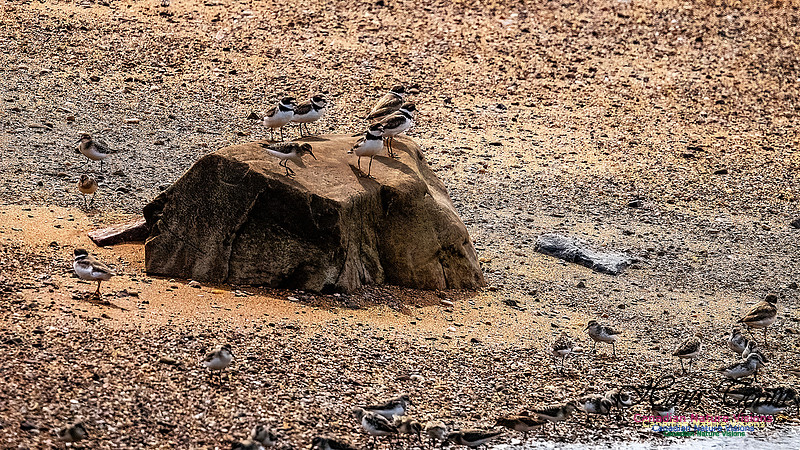
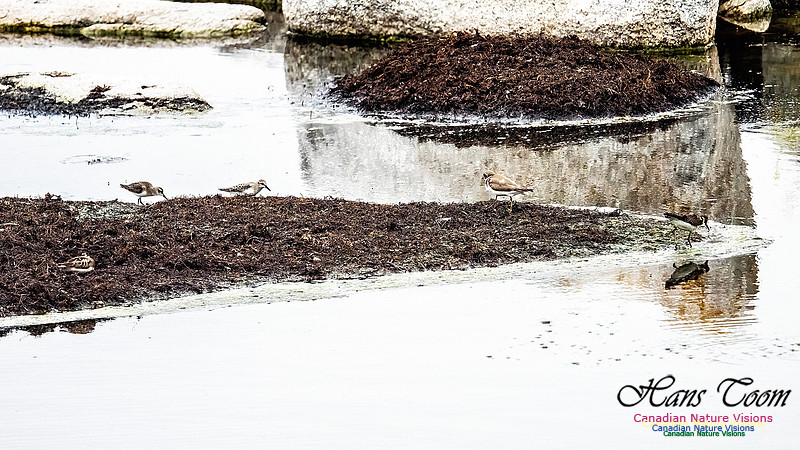
Going from left to right top shoreline; Solitary Sandpiper, Sanderling, Semipalmated Plover, Solitary Sandpiper
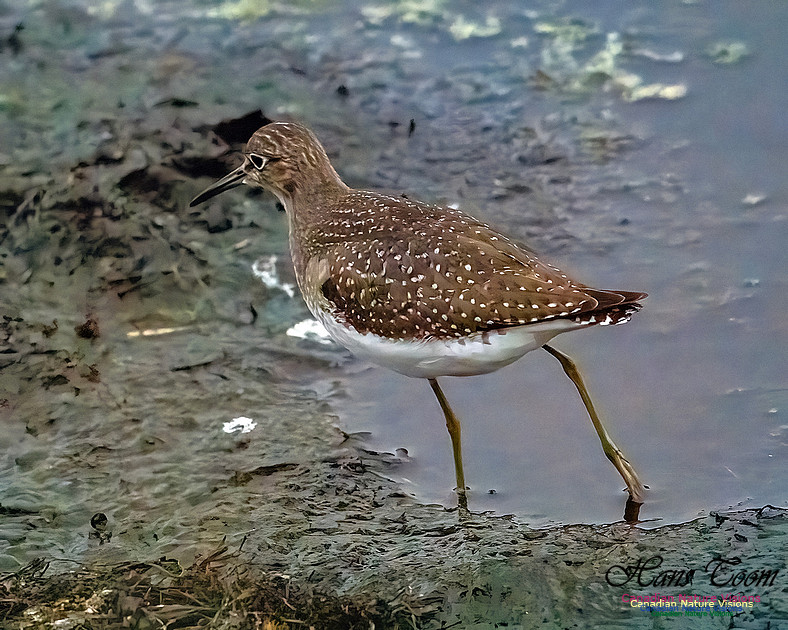
Solitary Sandpiper
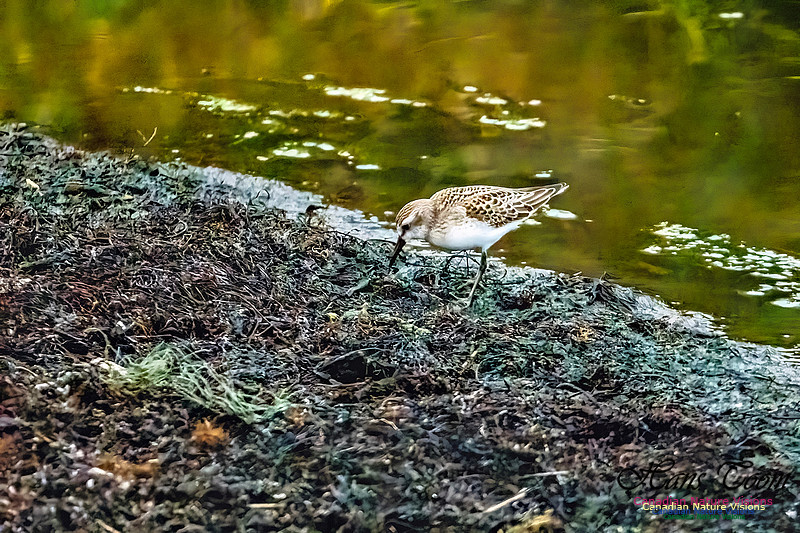
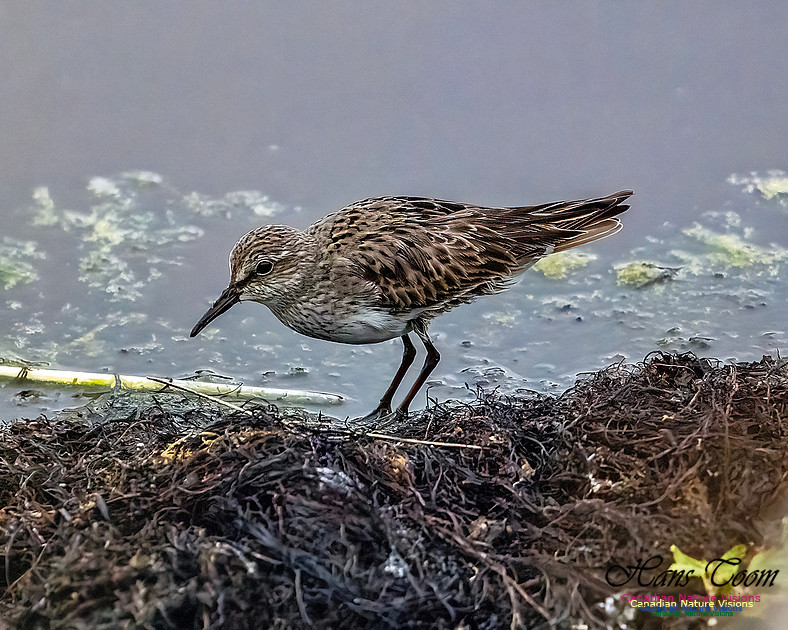
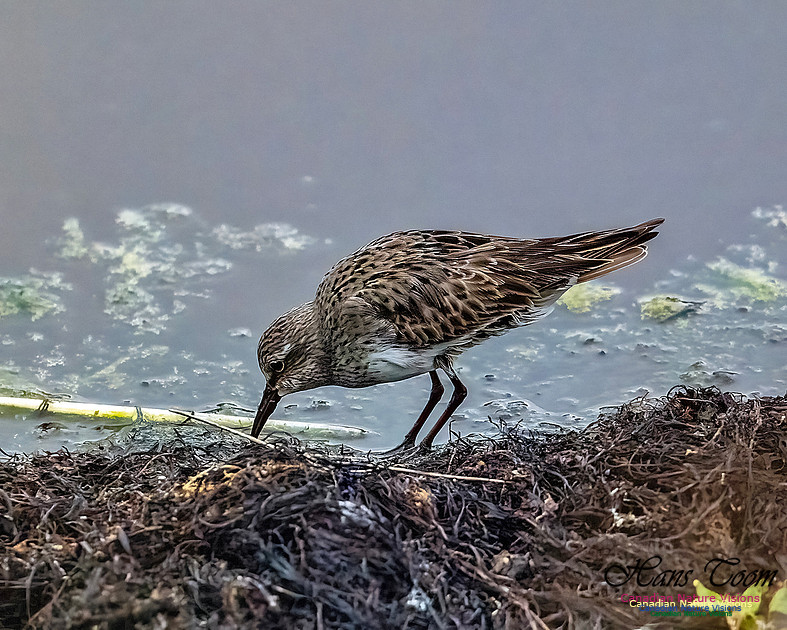
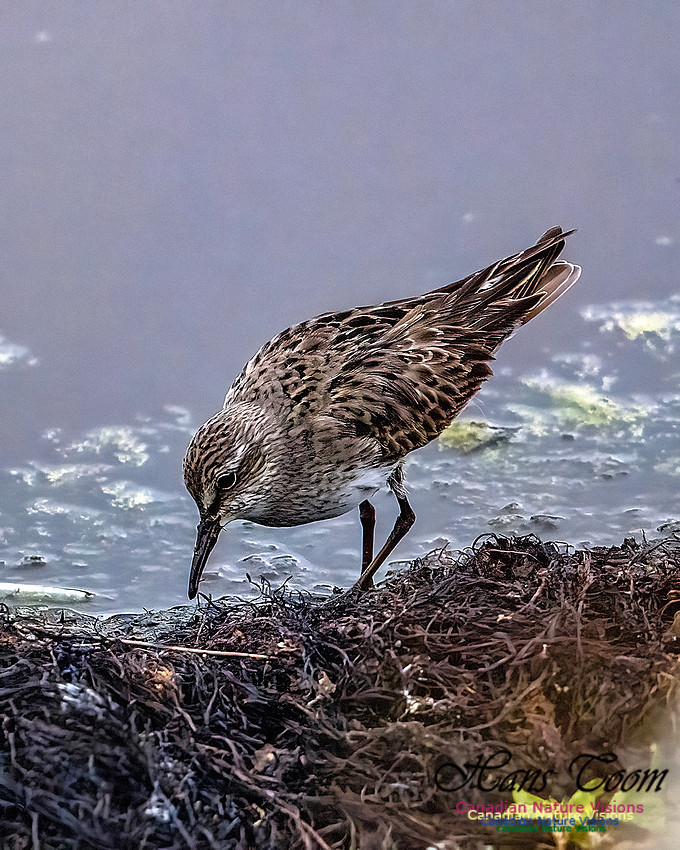
White-rumped Sandpiper I wrestled with this ID between White-rumped Sandpiper and Baird's Sandpiper. I eliminated Baird's Sandpiper due to lack of obvious ochre on the chest. This is certainly subject to peer review.
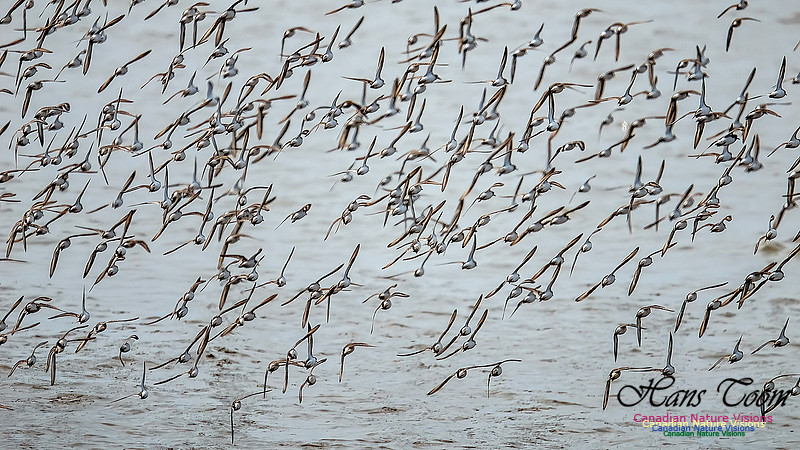
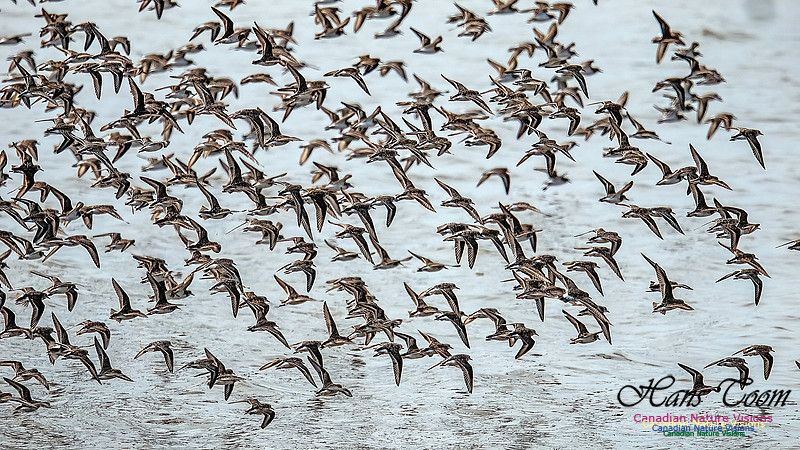
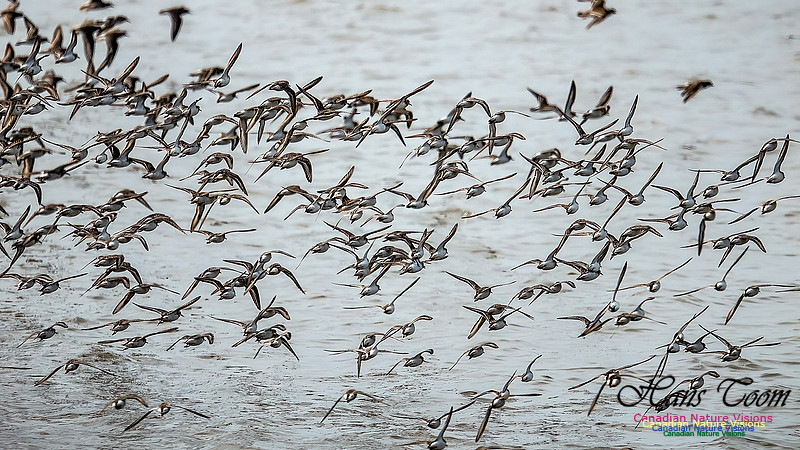
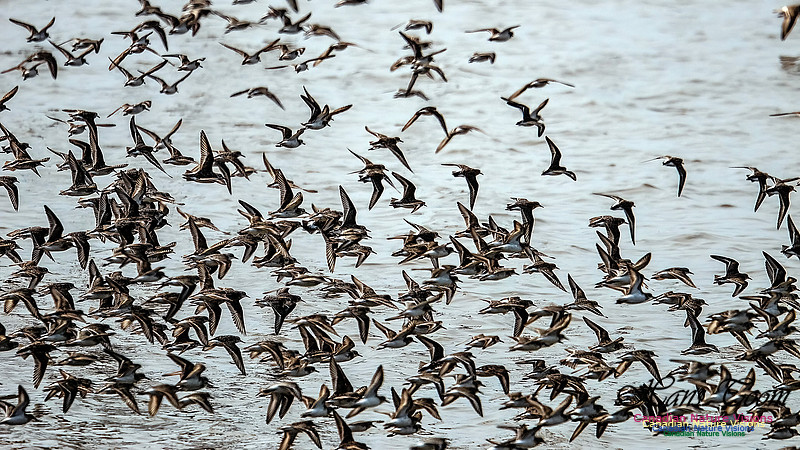
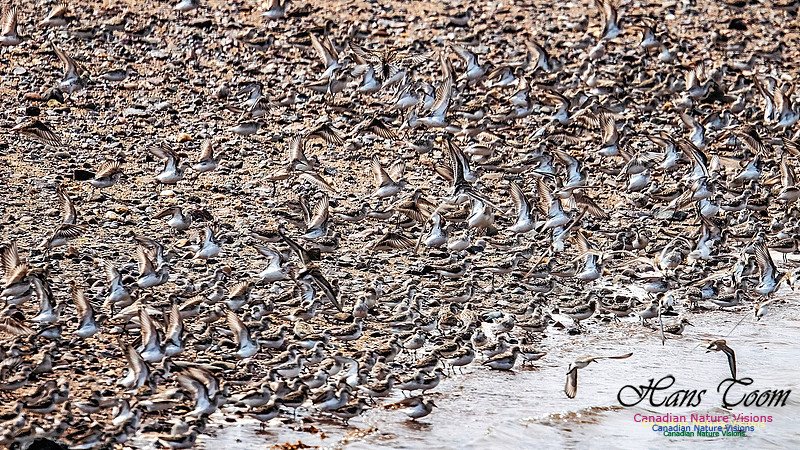
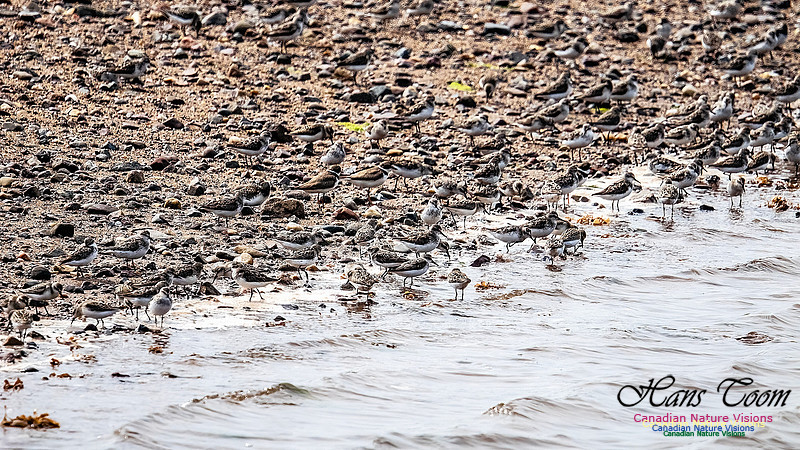
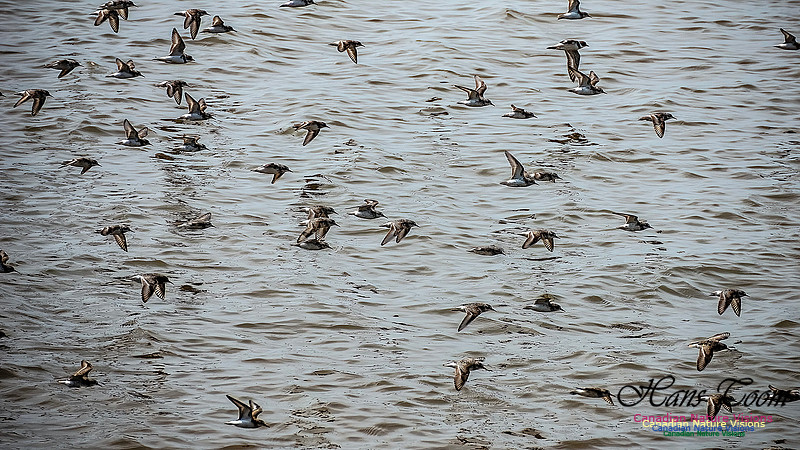
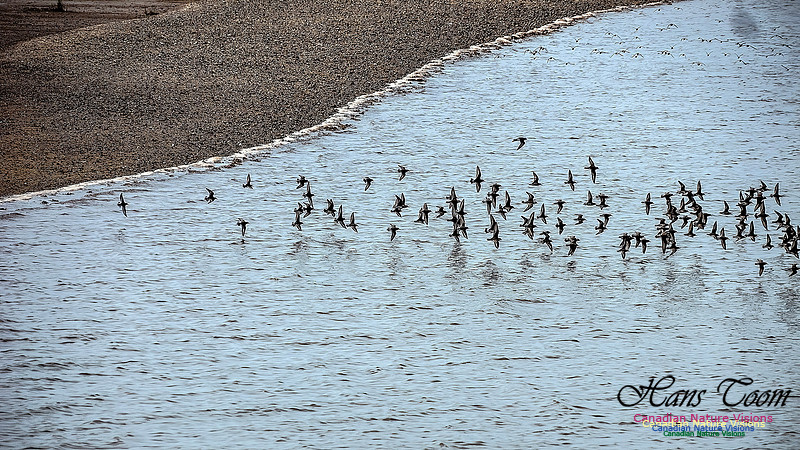
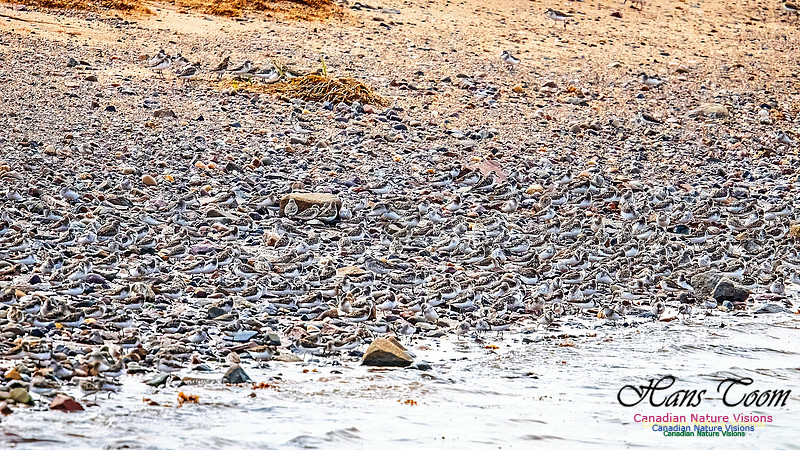
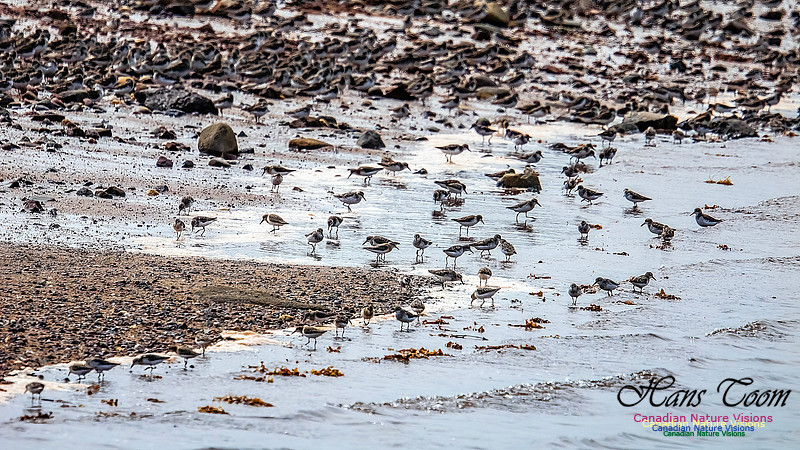
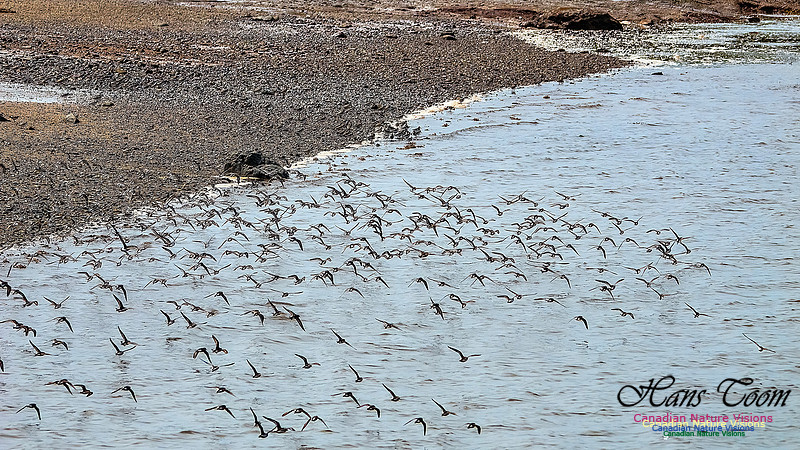
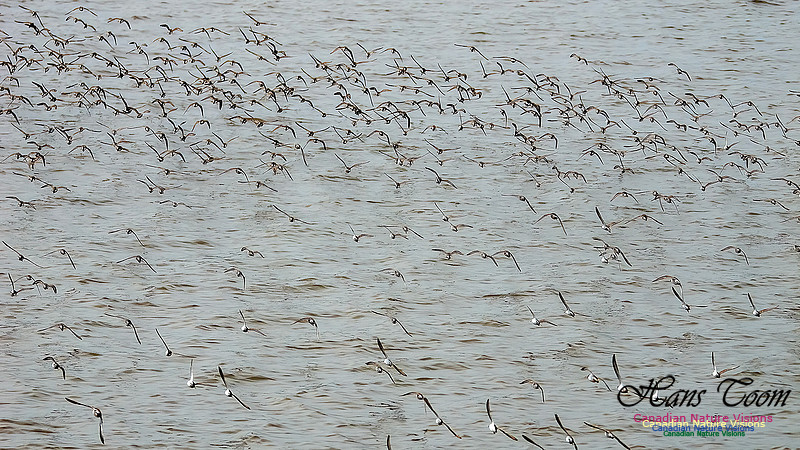
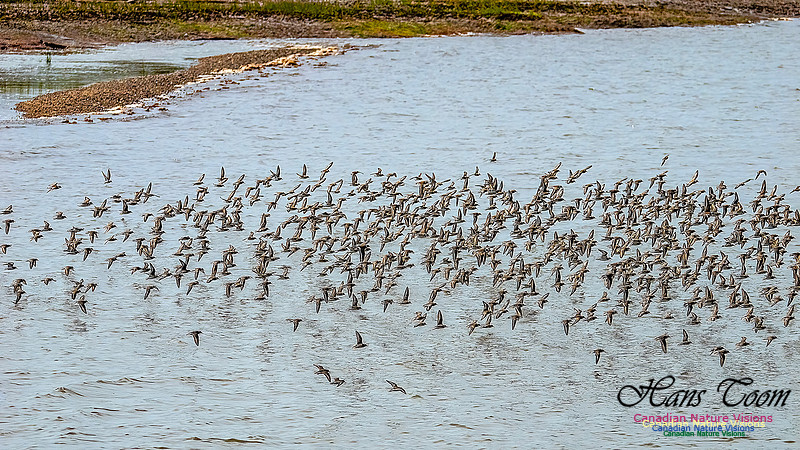
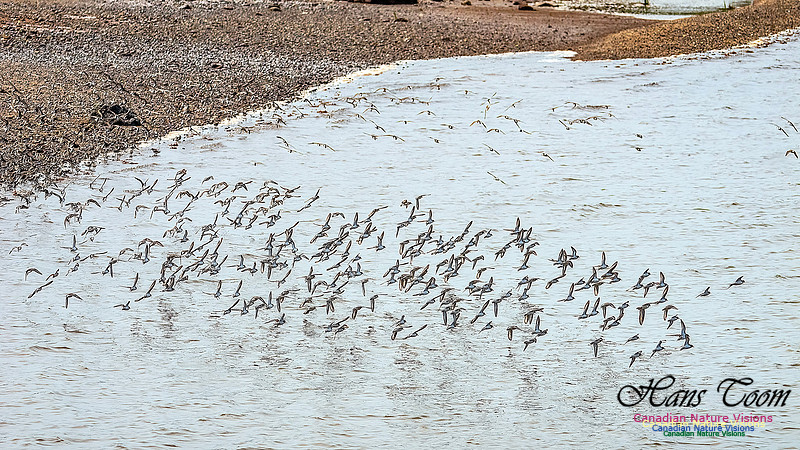
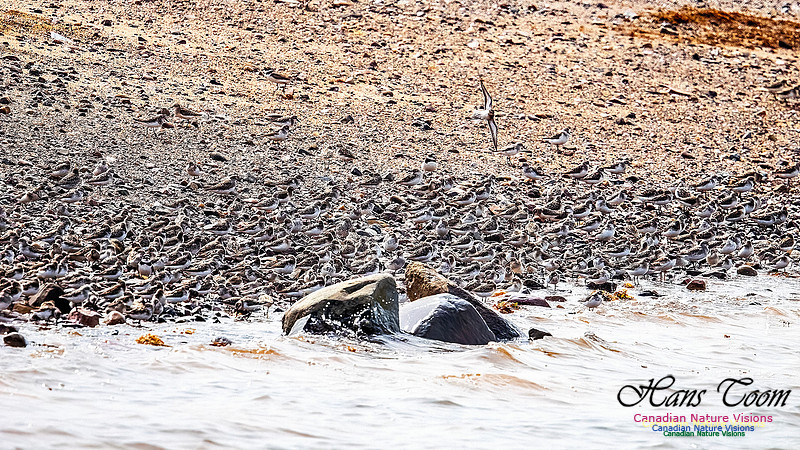
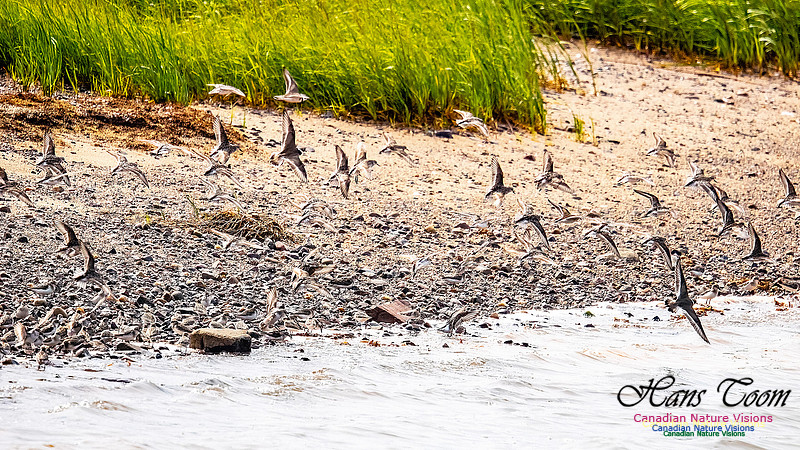
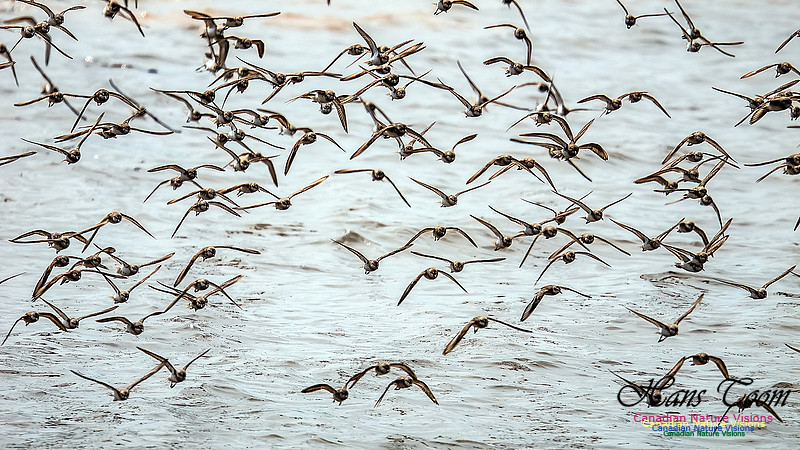
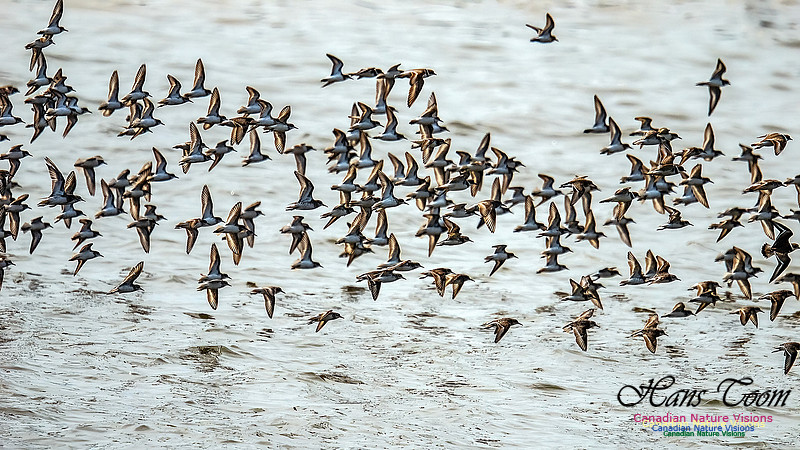
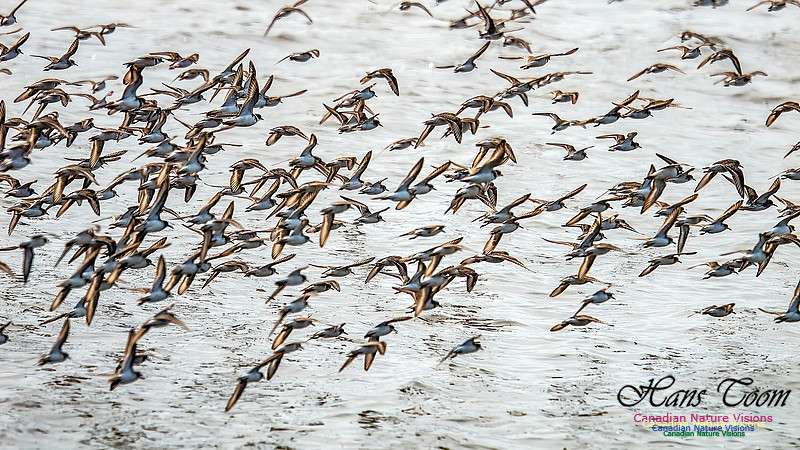
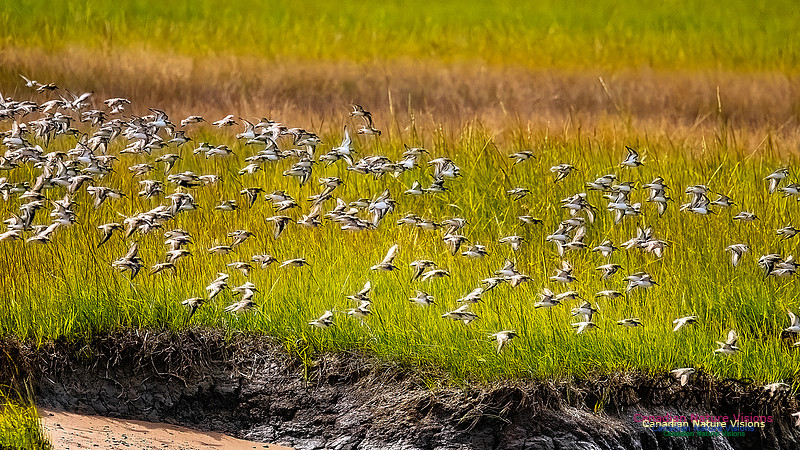
Evangeline Beach Shorebird MigrationLaura and I enjoy a couple of hours at Evangeline Beach, the Guzzle, last Sunday. The main beach was loaded up with walkers so the birds could not feed or rest there. The best time to photograph or gaze at shorebirds is the hour before high tide. On hand were; -Semipalmated Sandpipers (the majority) -Semipalmated Plovers -Least Sandpipers -White-rumped Sandpipers -Pectoral Sandpiper -Solitary Sandpiper -Ruddy Turnstone -Peregrine Falcon (one unsuccessful pass) -Bald Eagle Evangeline Beach Shorebird Migration
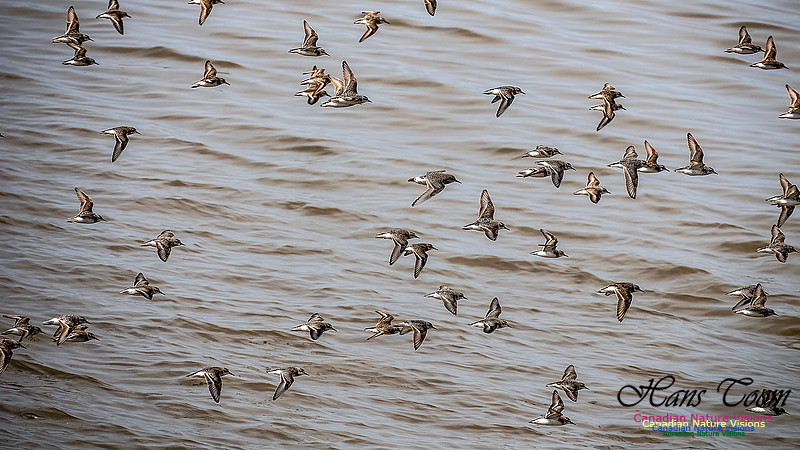
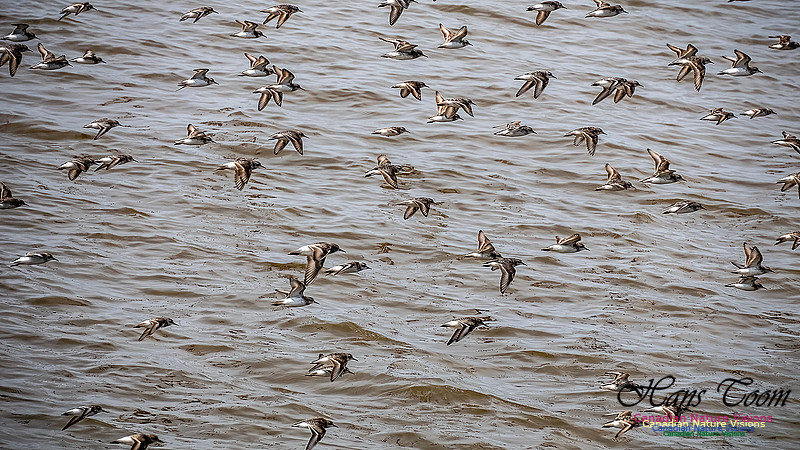
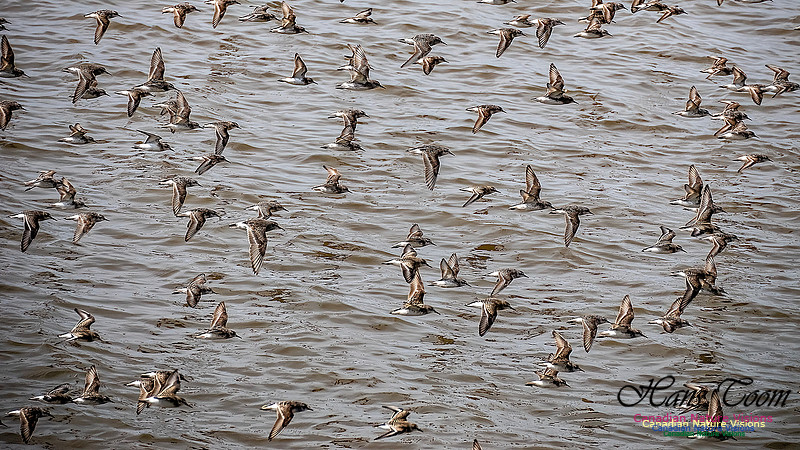
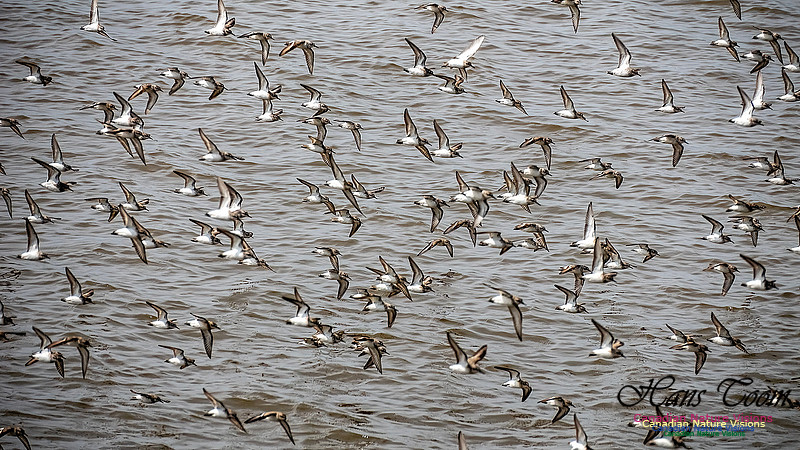
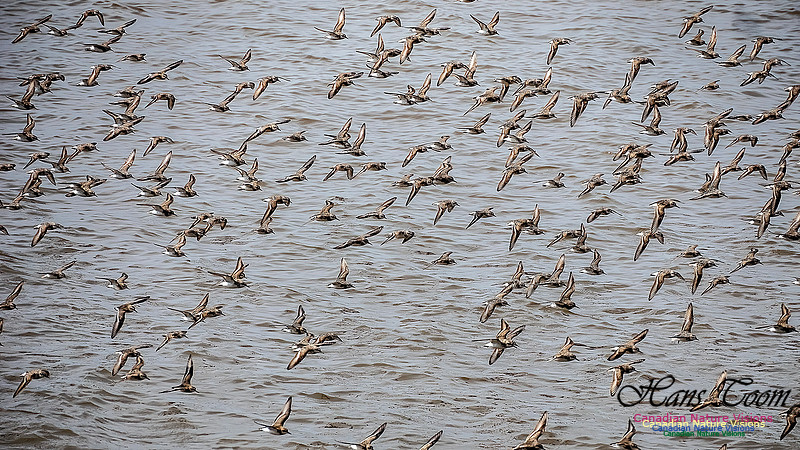
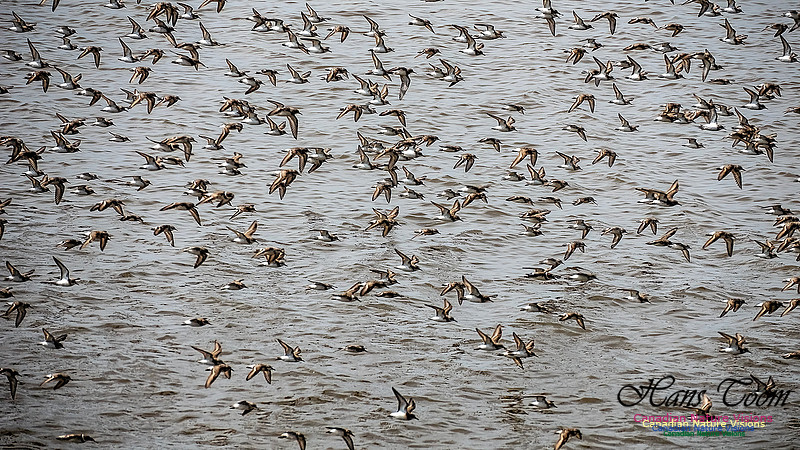
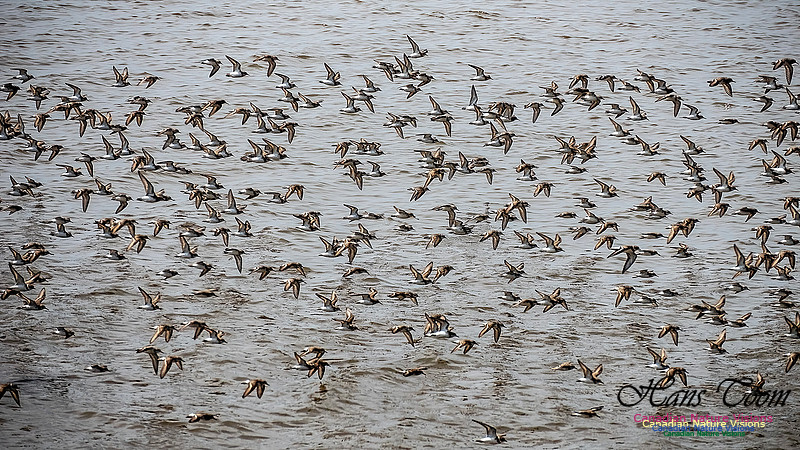
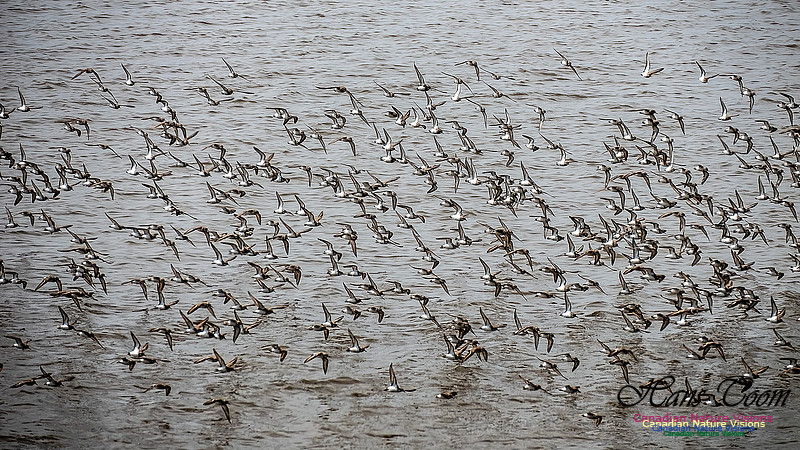
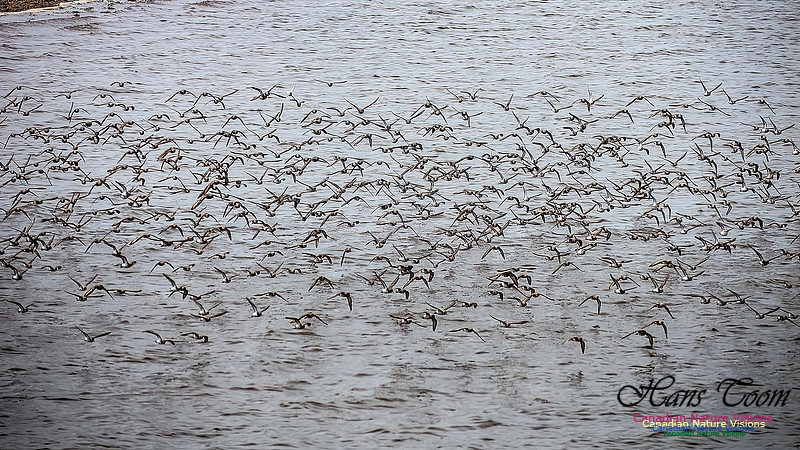
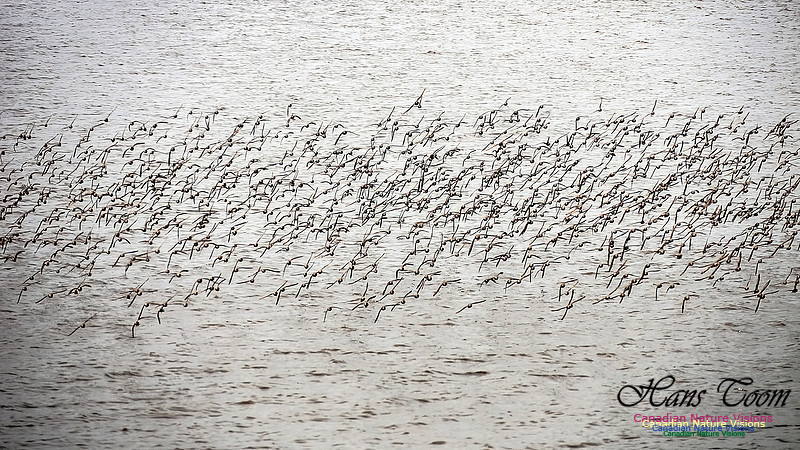
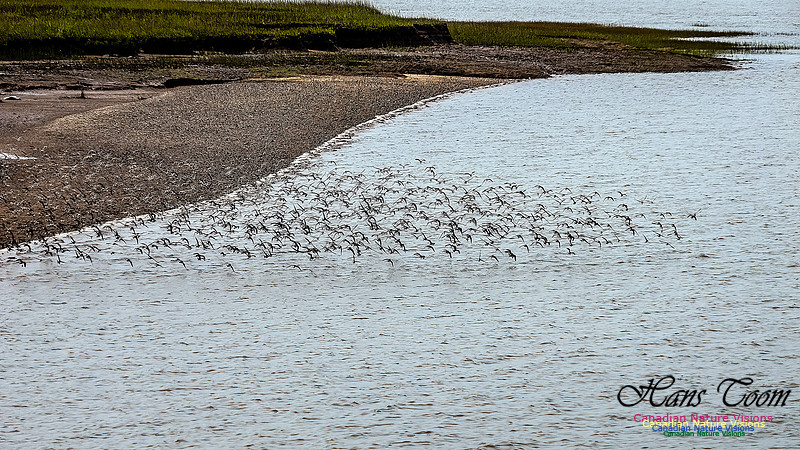
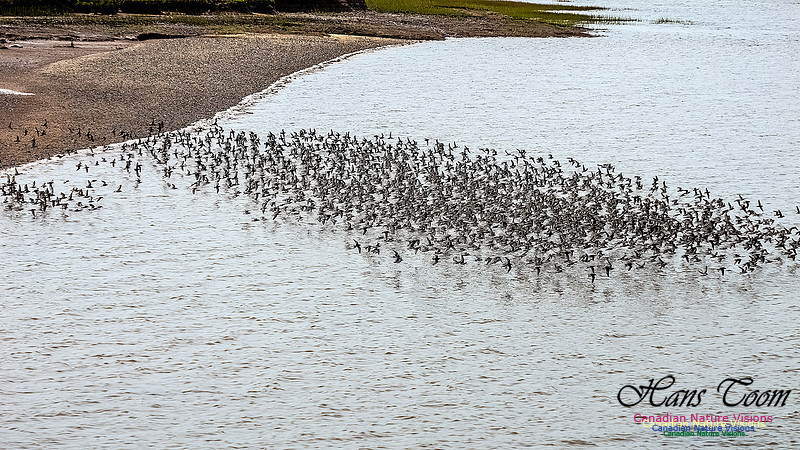
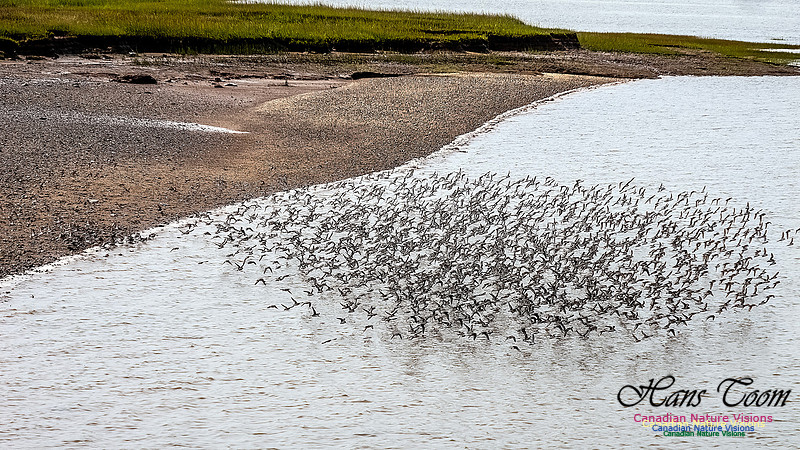
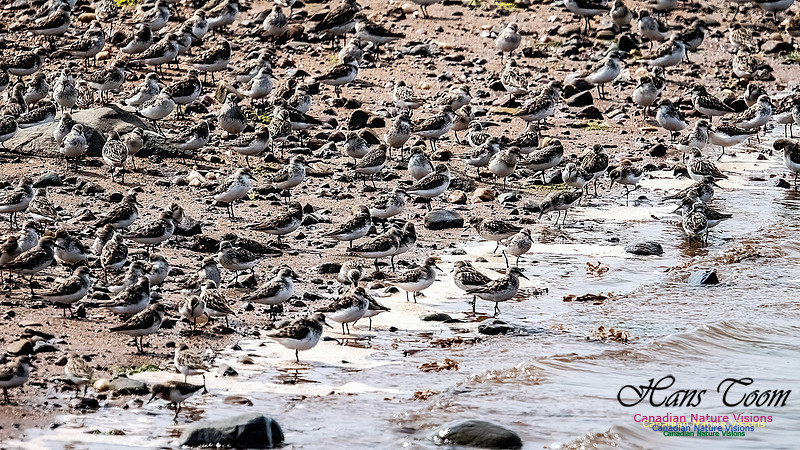
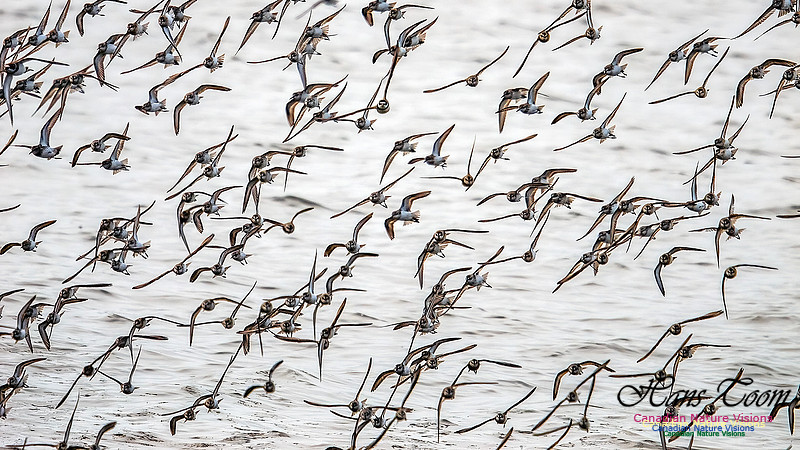
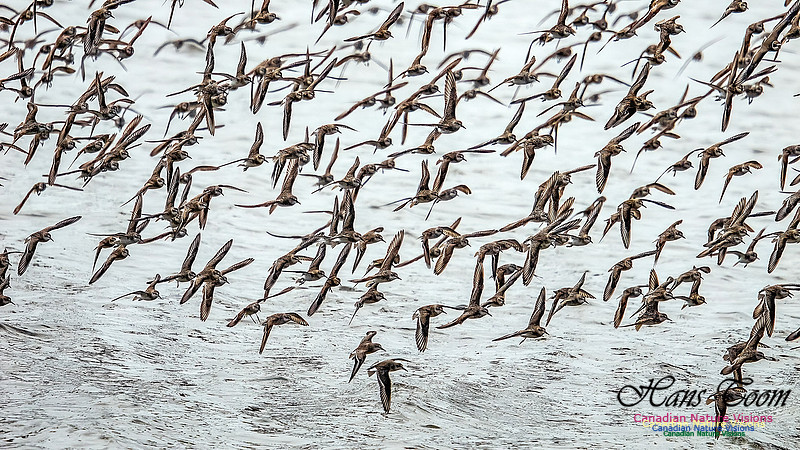
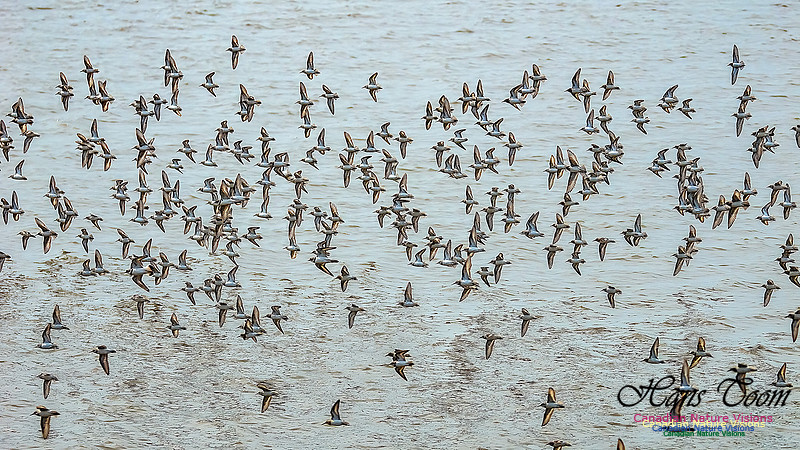
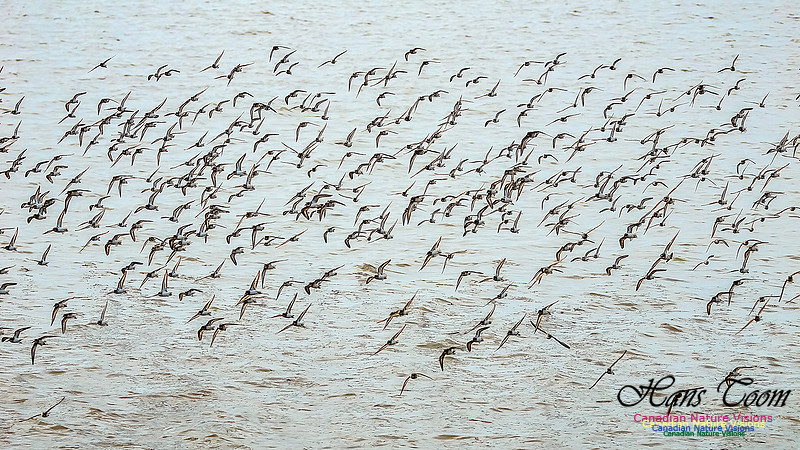
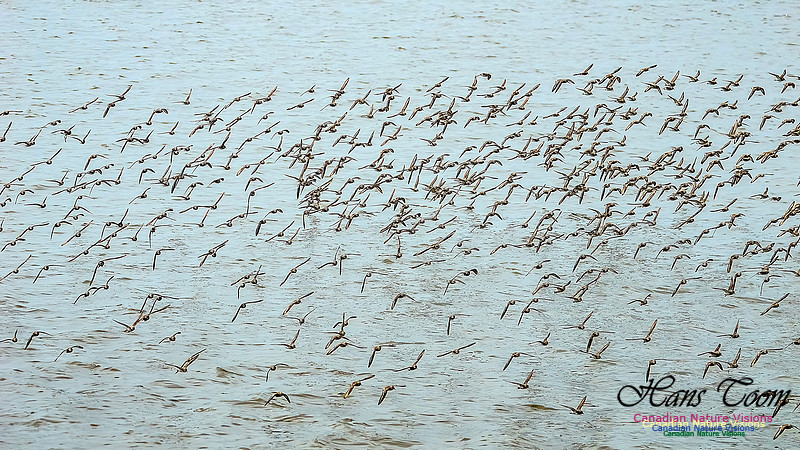
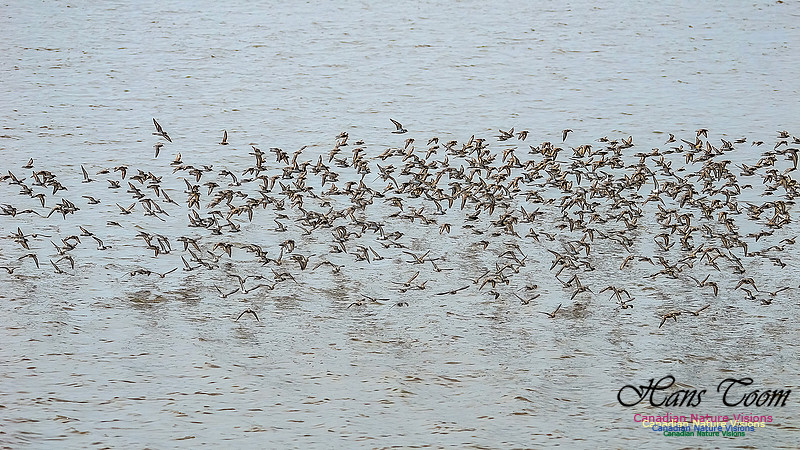
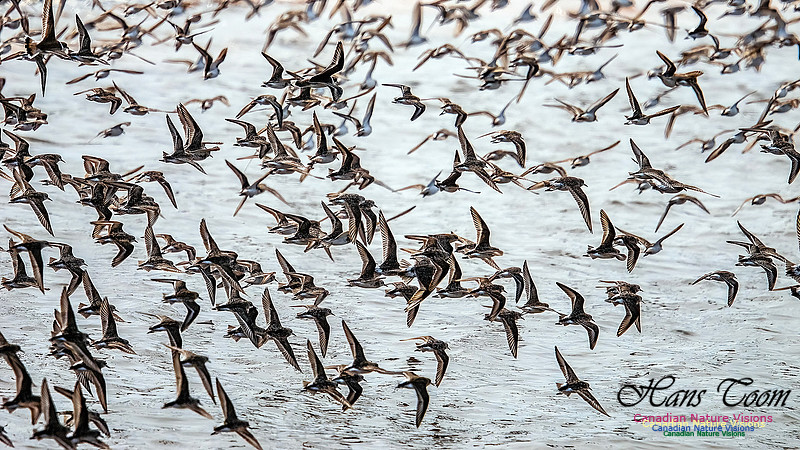
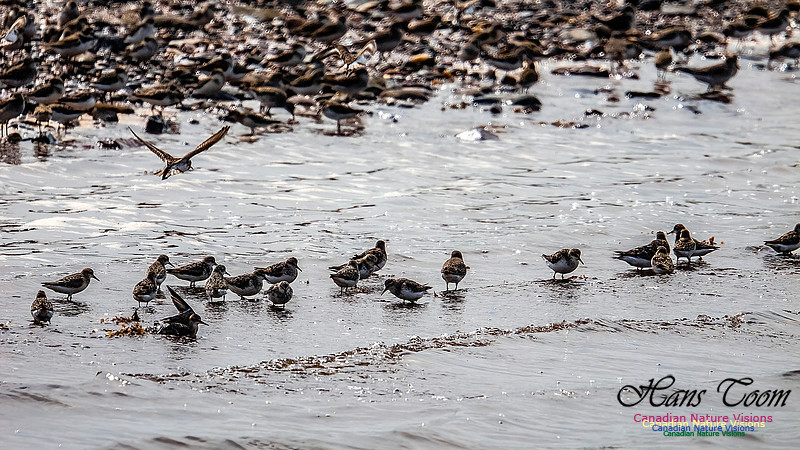
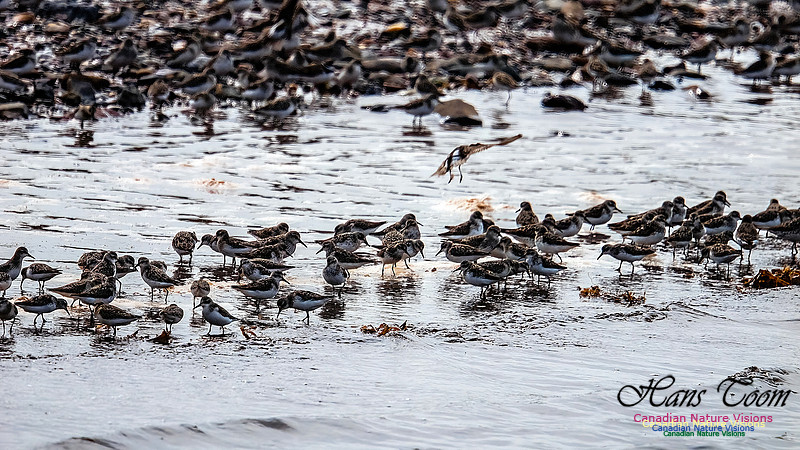
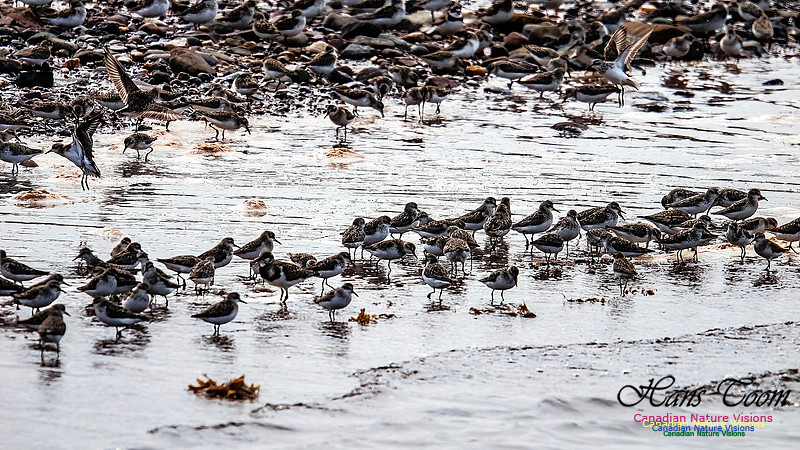
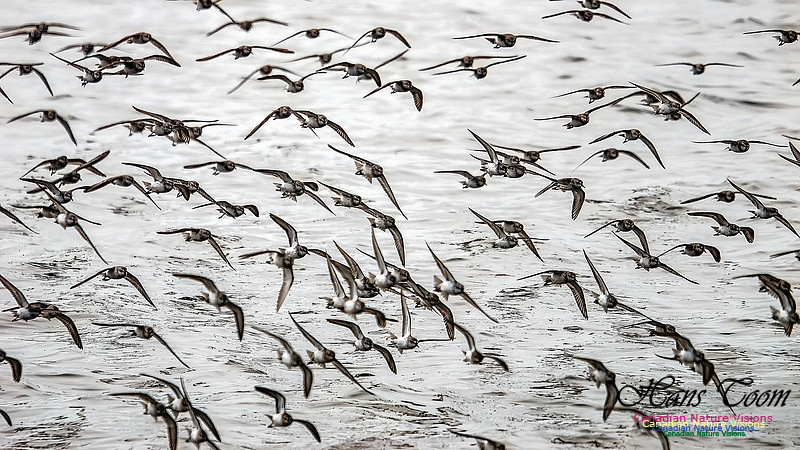
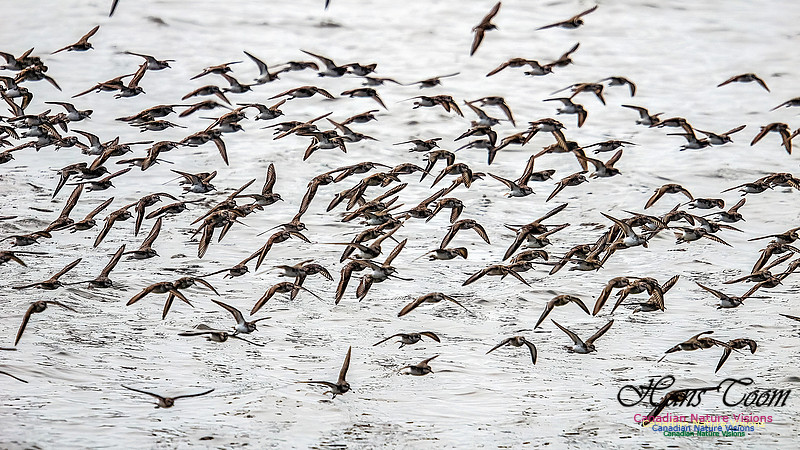
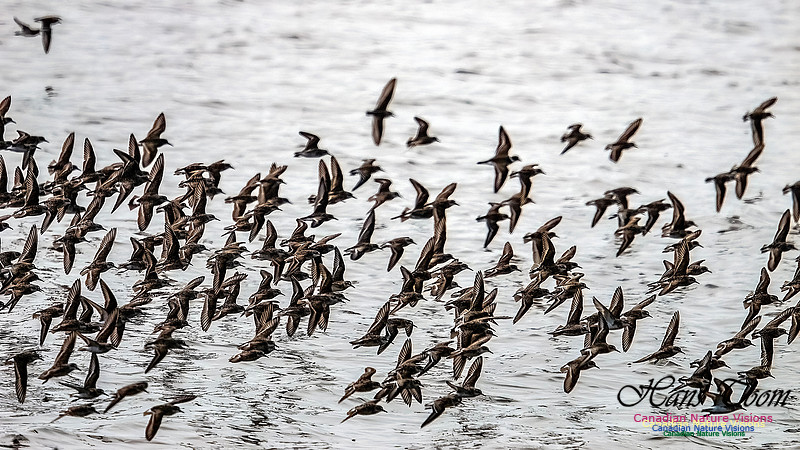
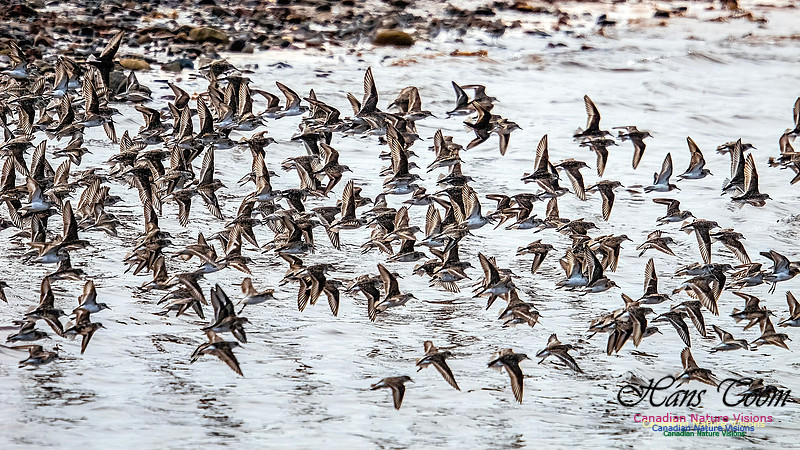
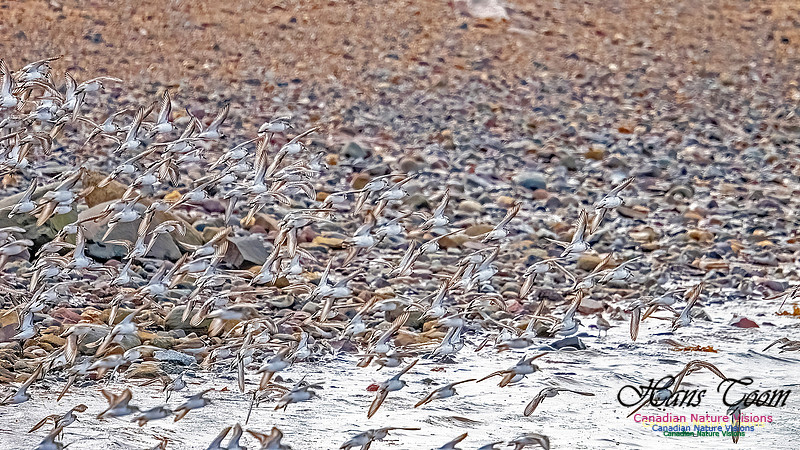
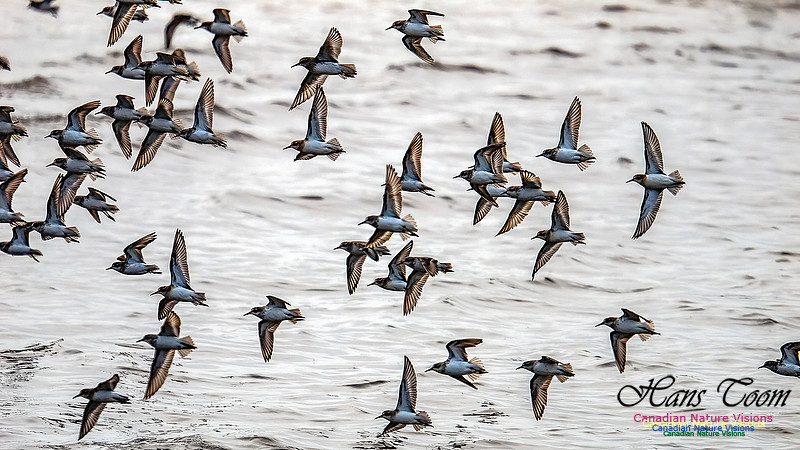
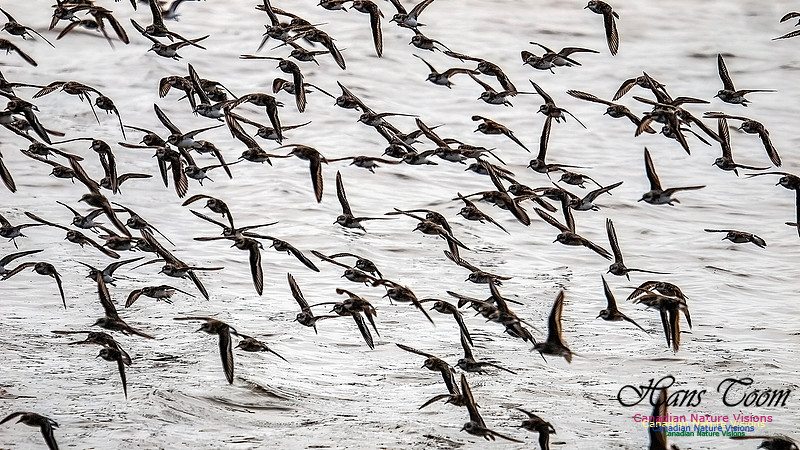
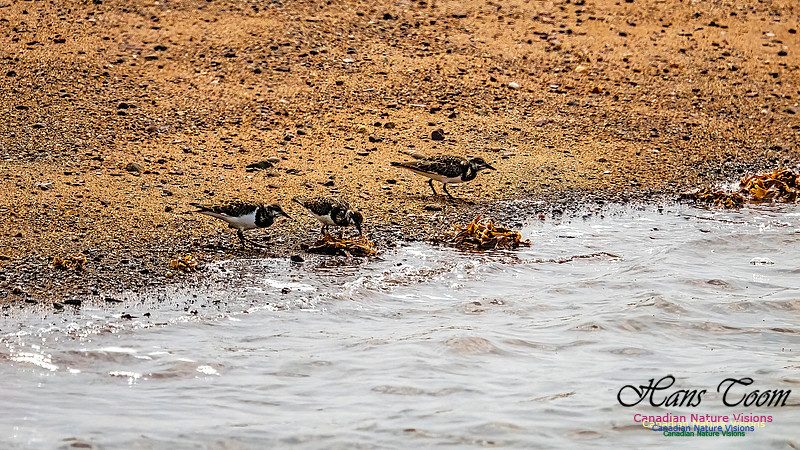
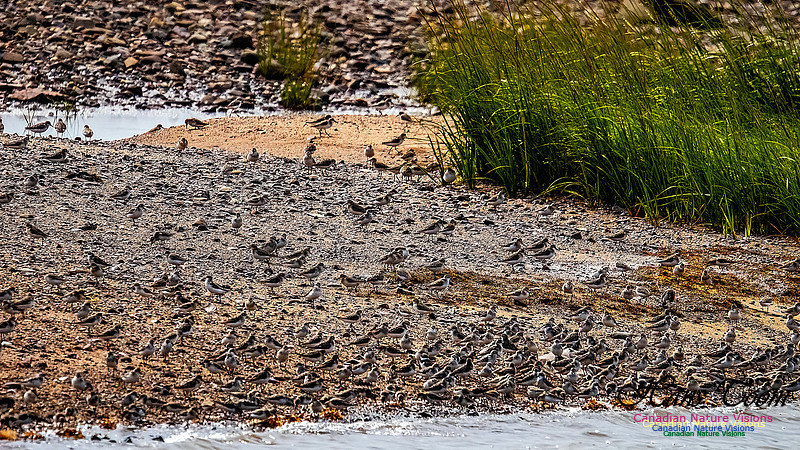
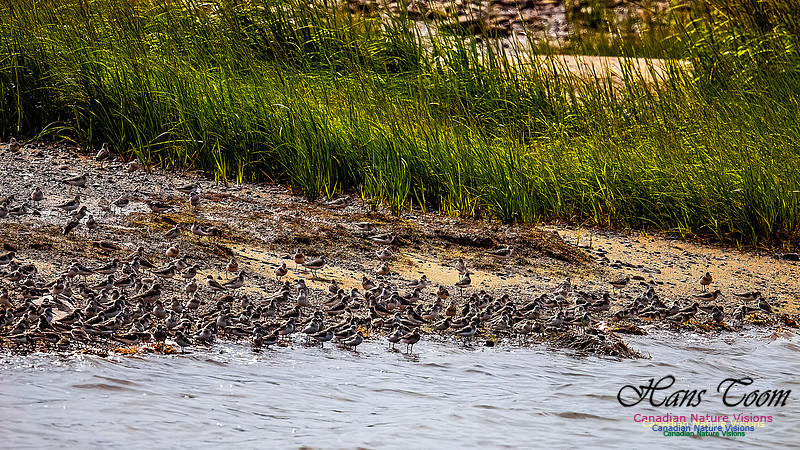
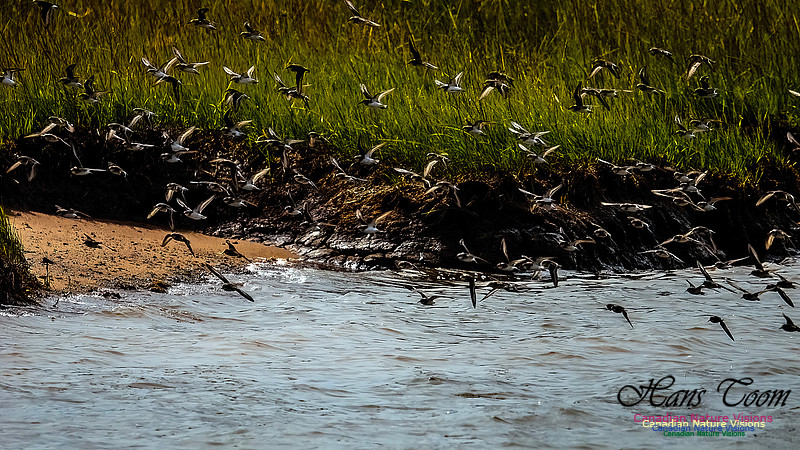
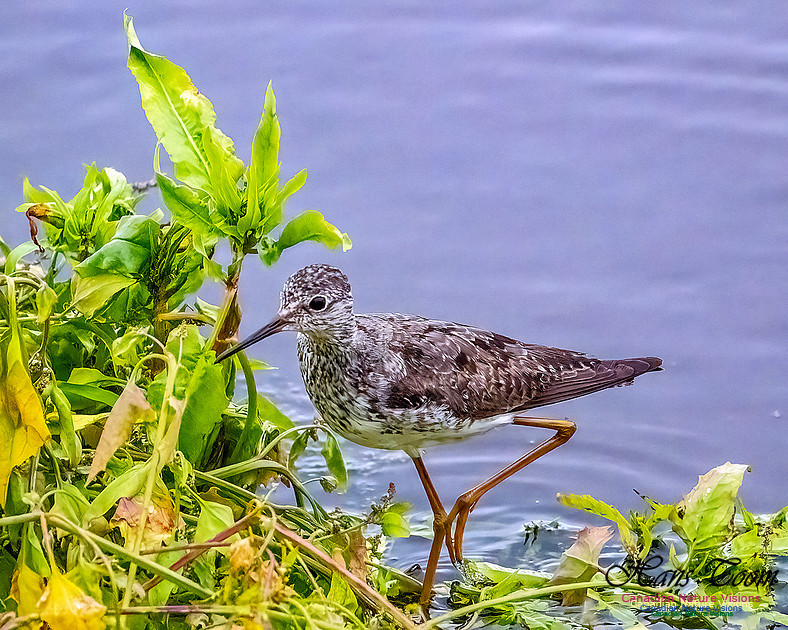
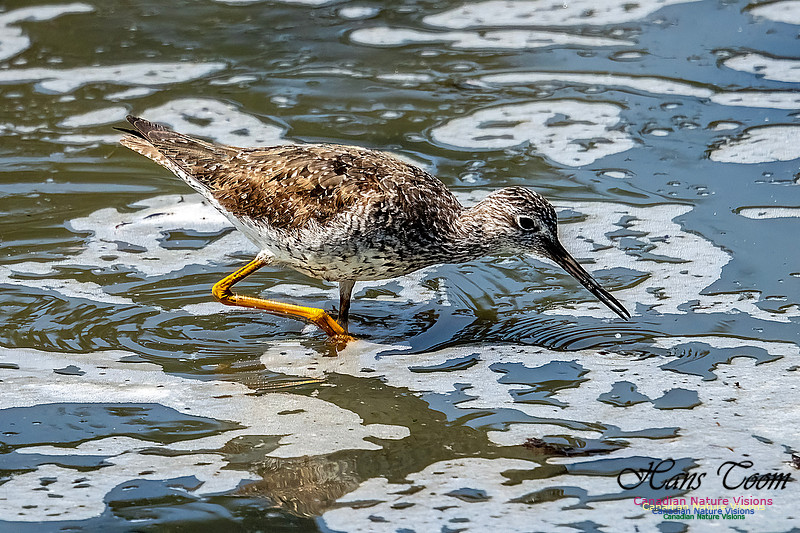
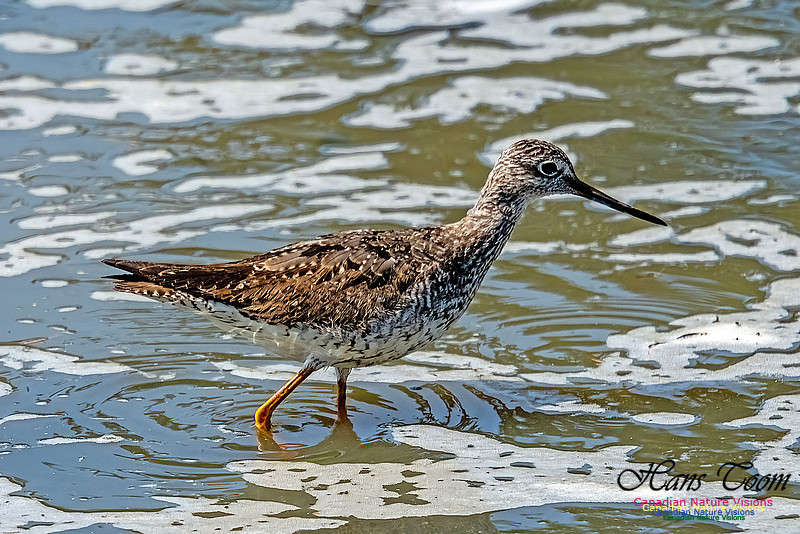
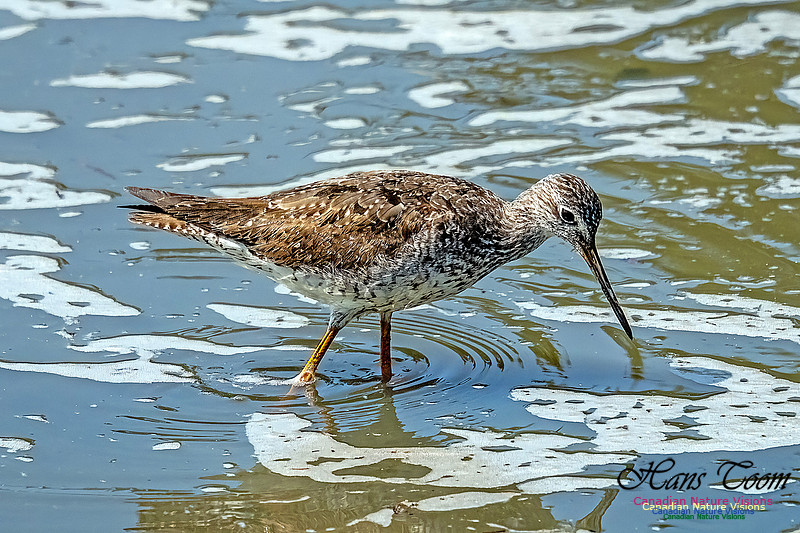
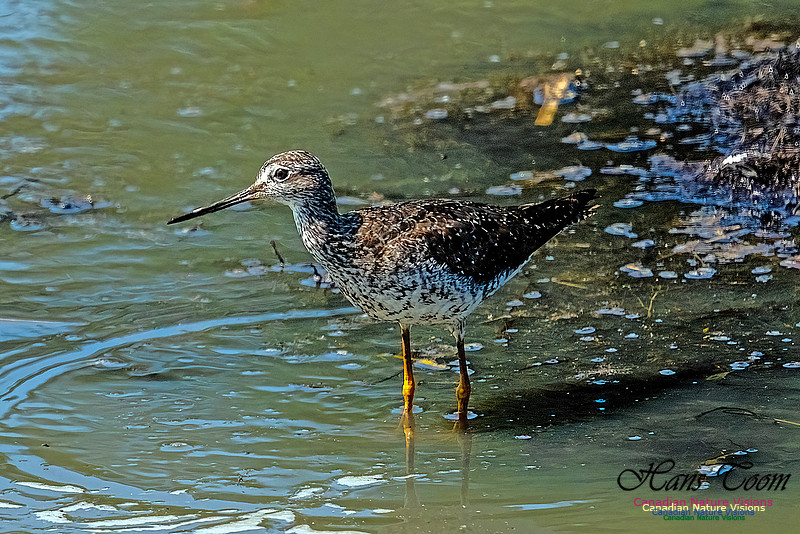
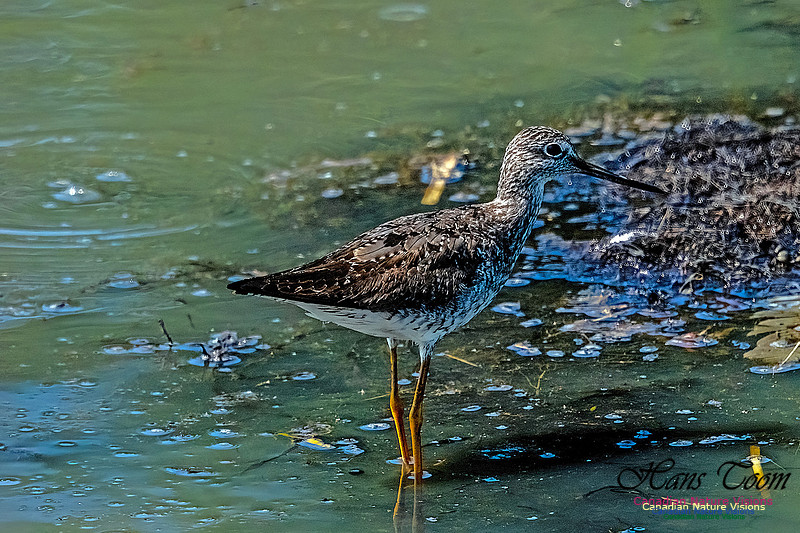
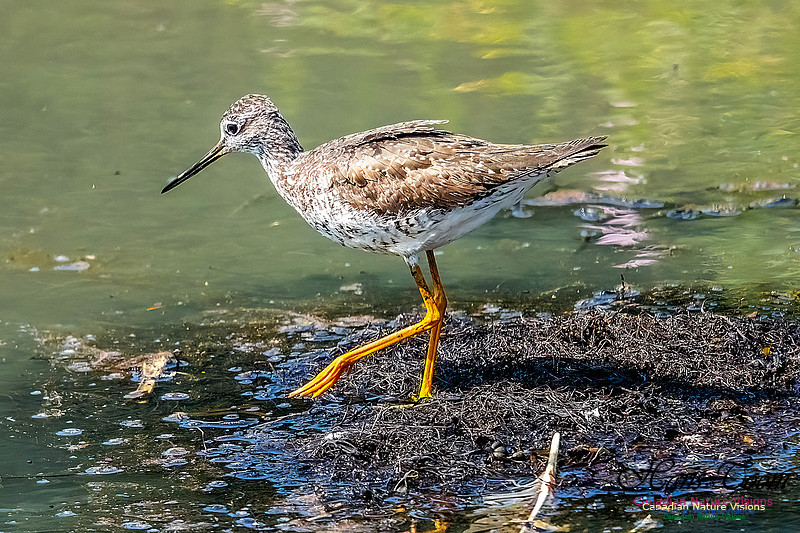
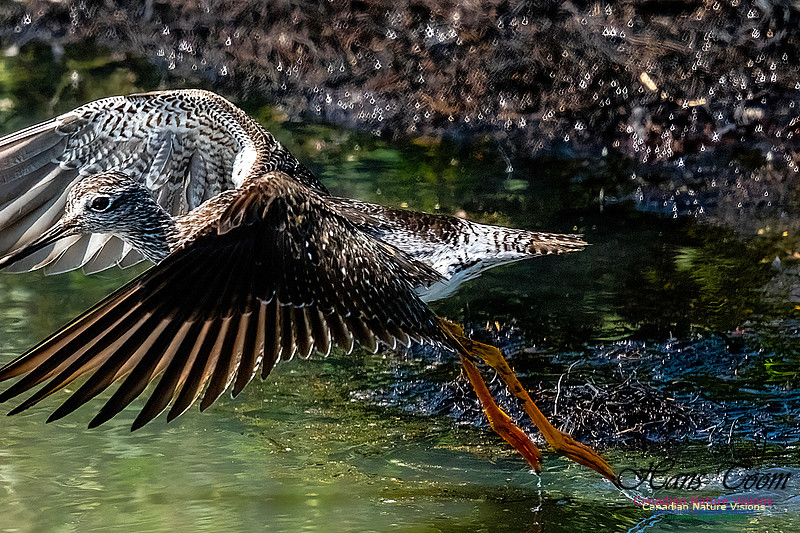
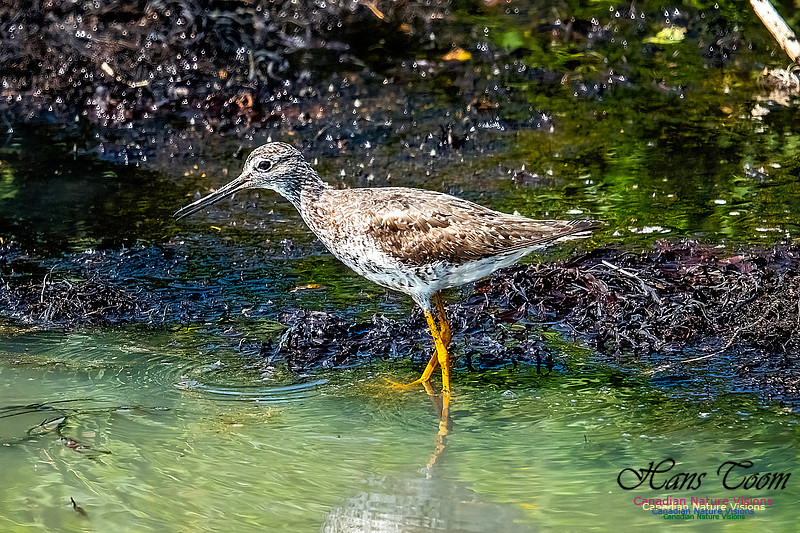
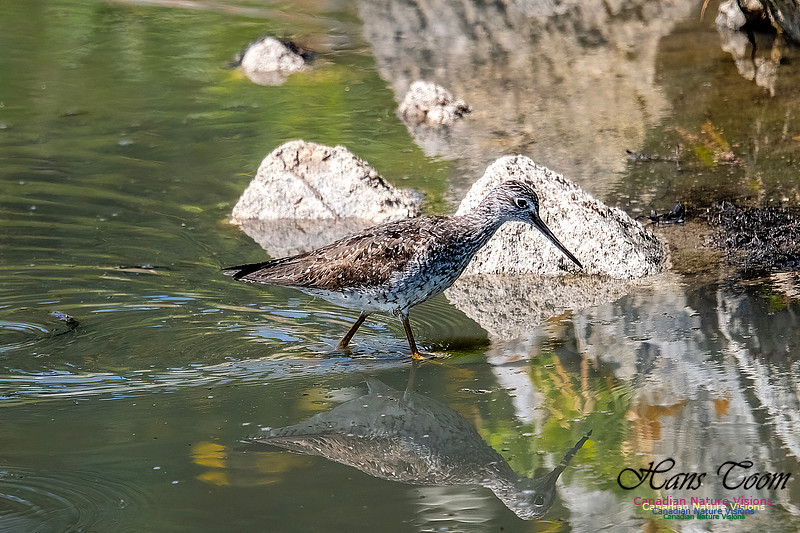
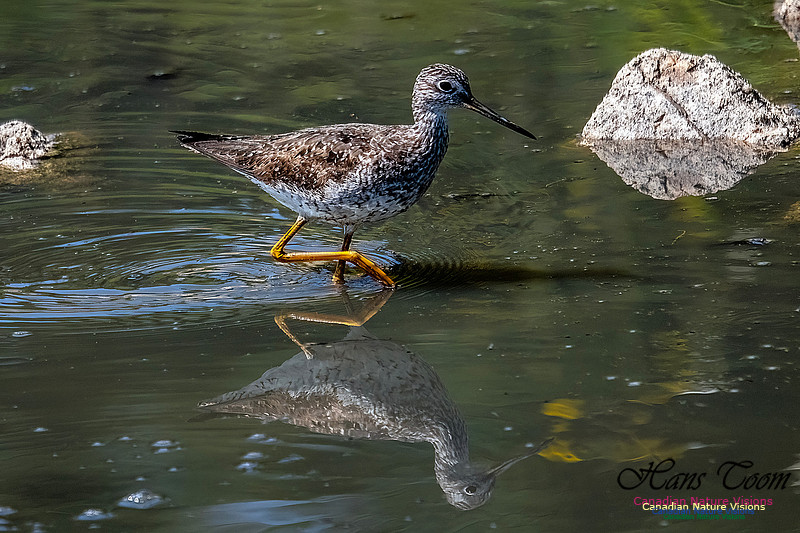
Greater YellowlegsThe Greater Yellowlegs is one of the few shorebirds to nest in Nova Scotia. It's common everywhere in Nova Scotia spring through fall. Its bill is about 50% longer than the Lessor Yellowlegs and more or less twice the length of its head whereas the Lesser Yellowlegs bill is about as long as its head, allowing for easy distinction between the species at a distance. Greater Yellowlegs
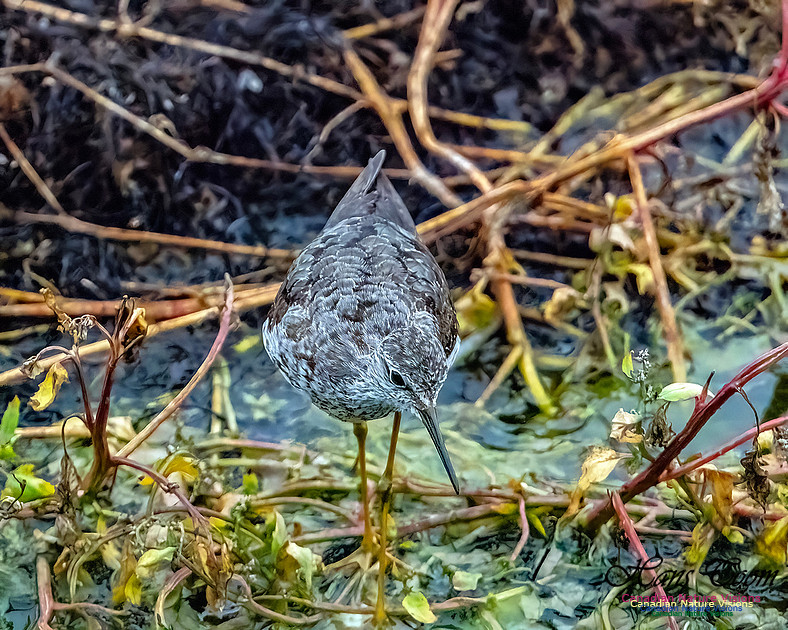
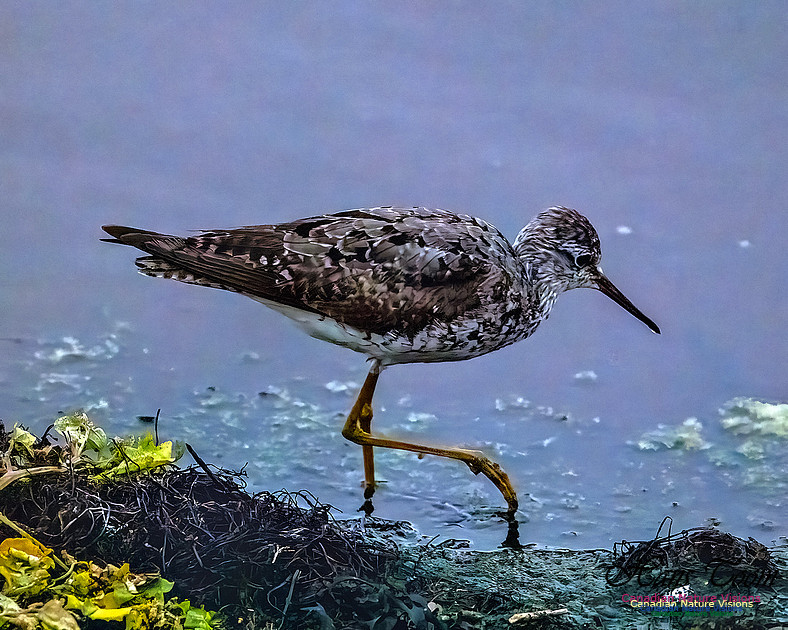
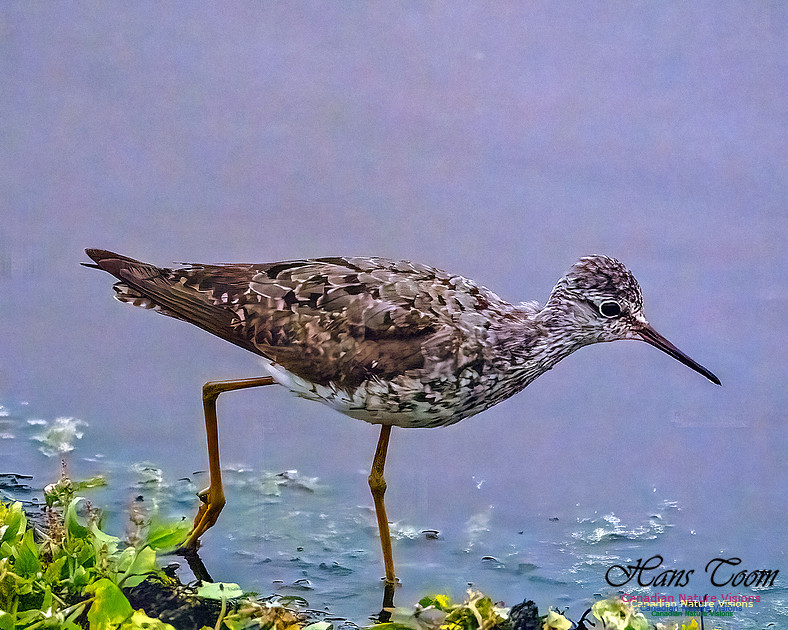
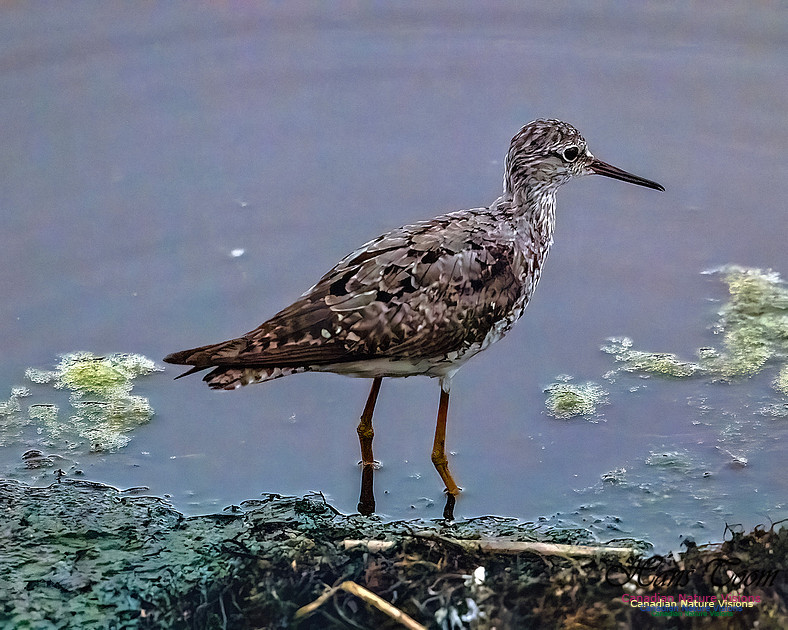
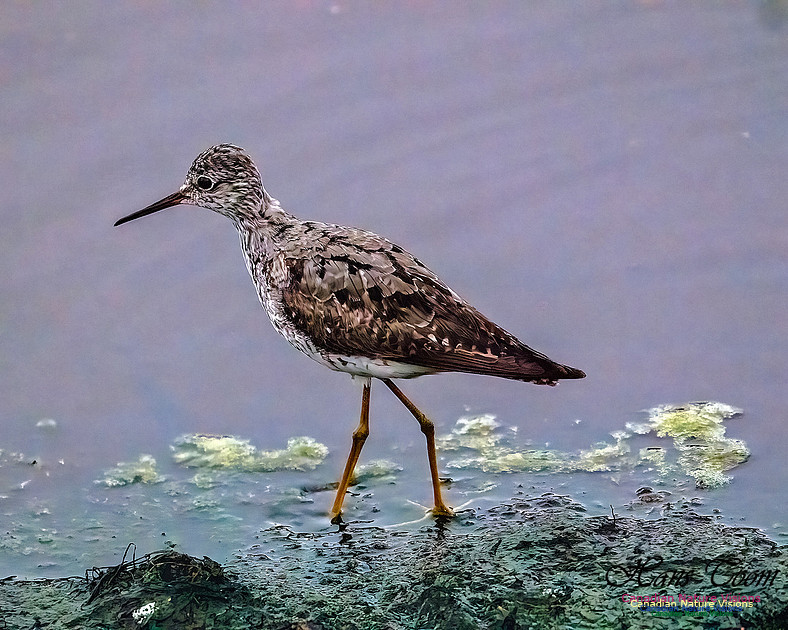
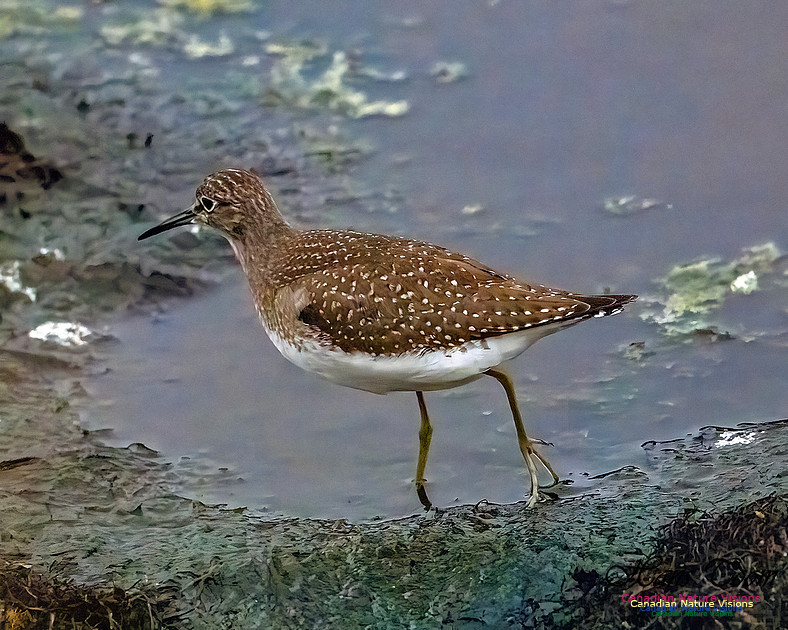
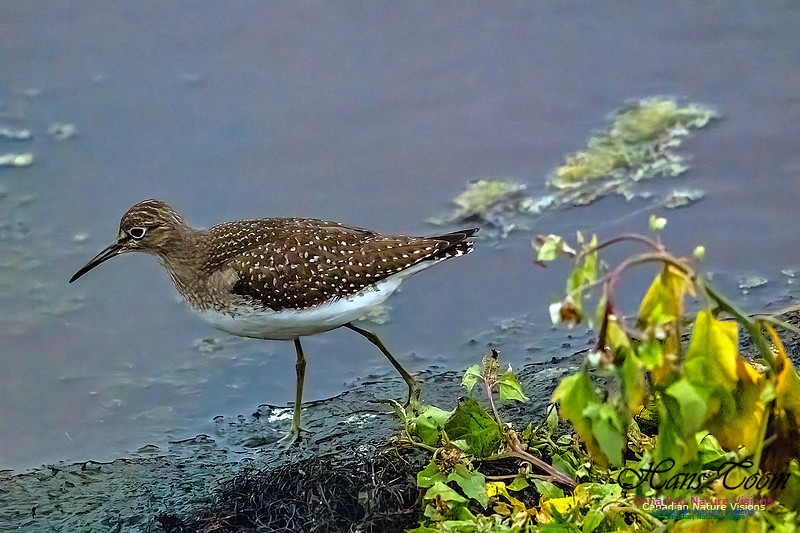
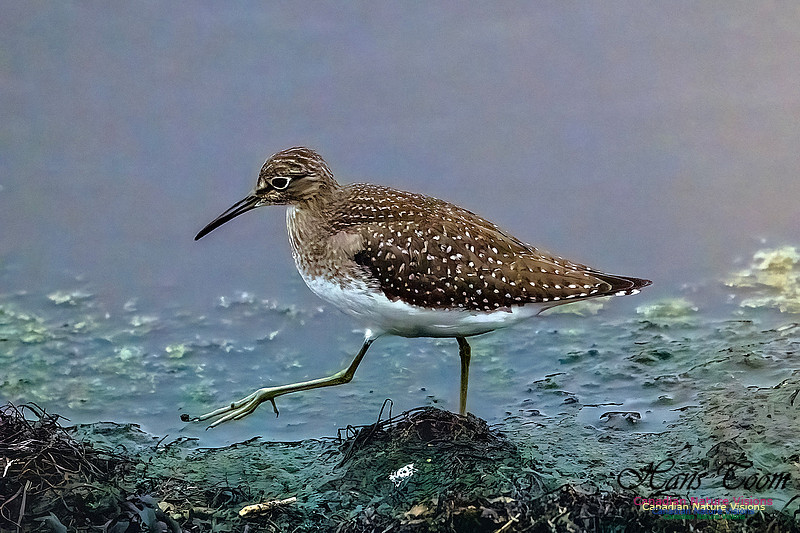
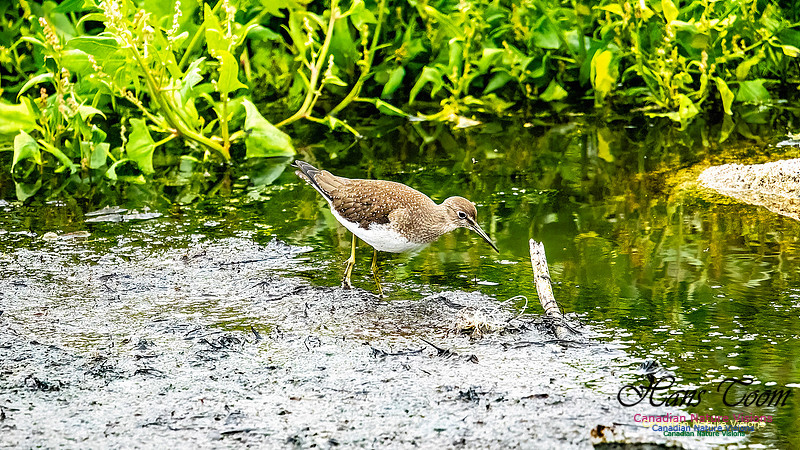
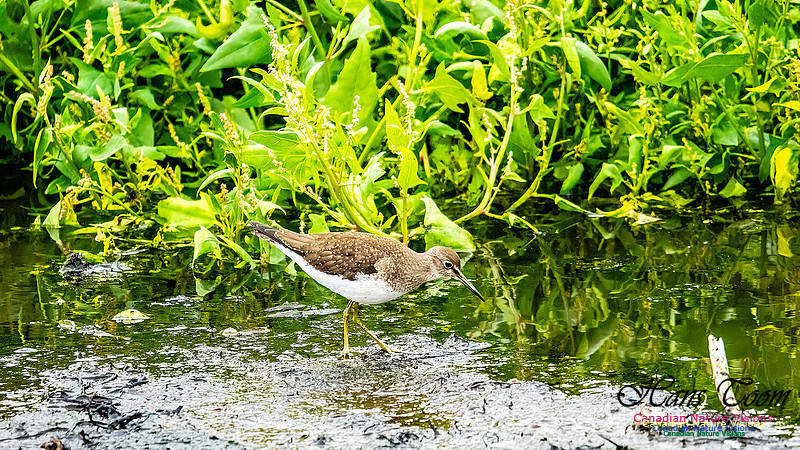
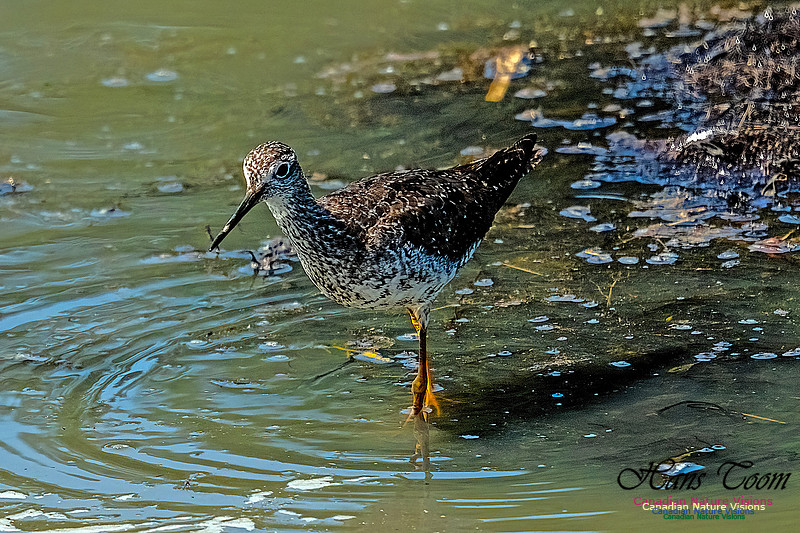
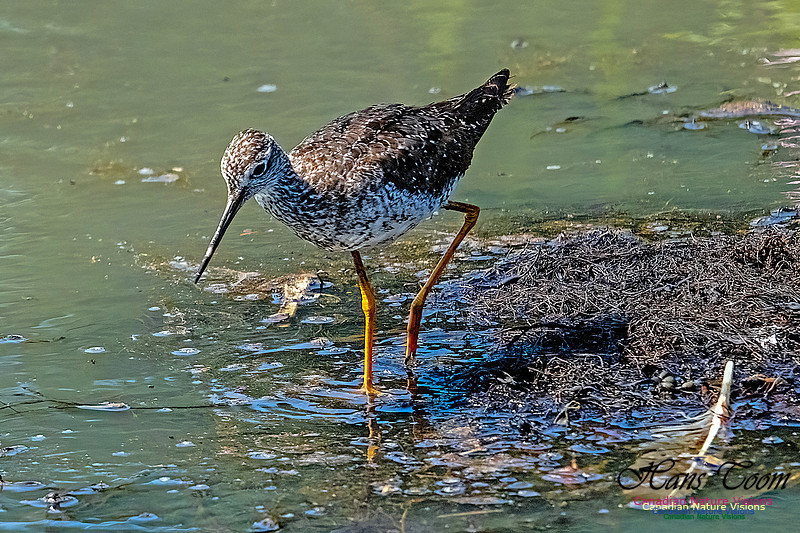
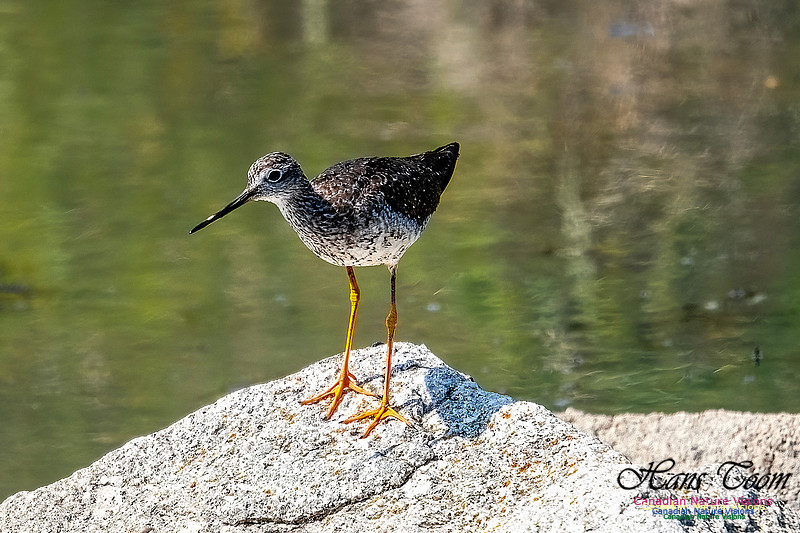
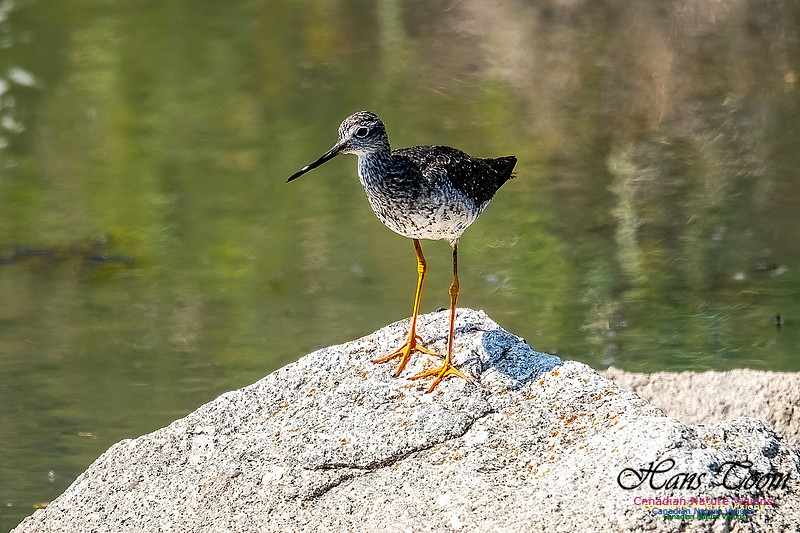
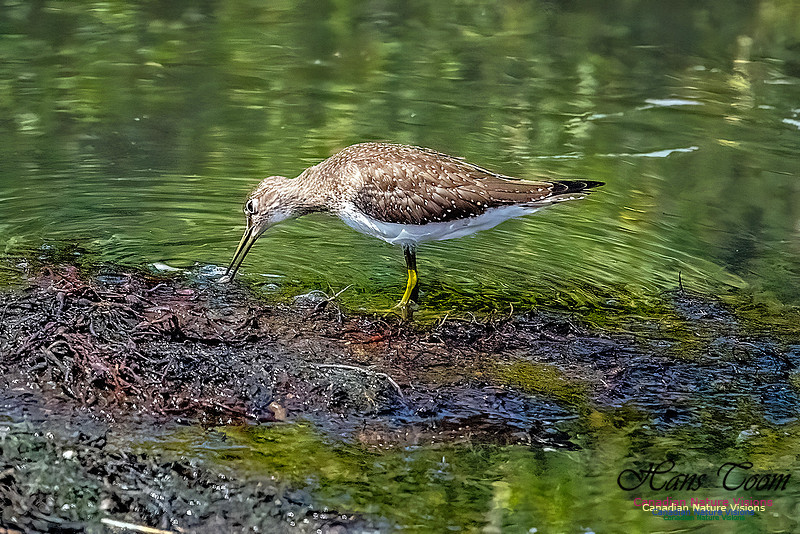
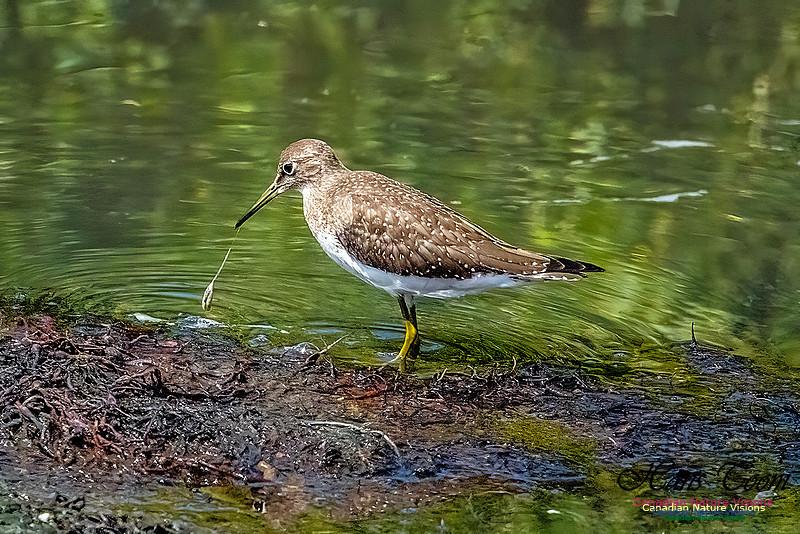
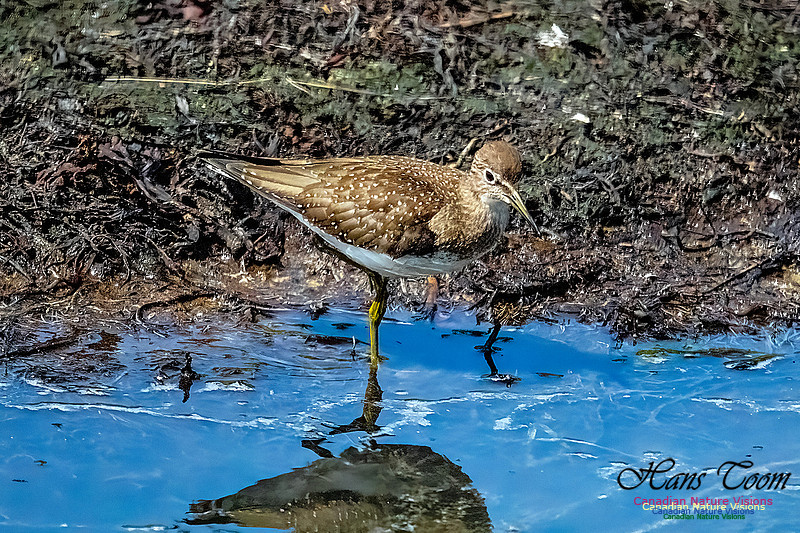
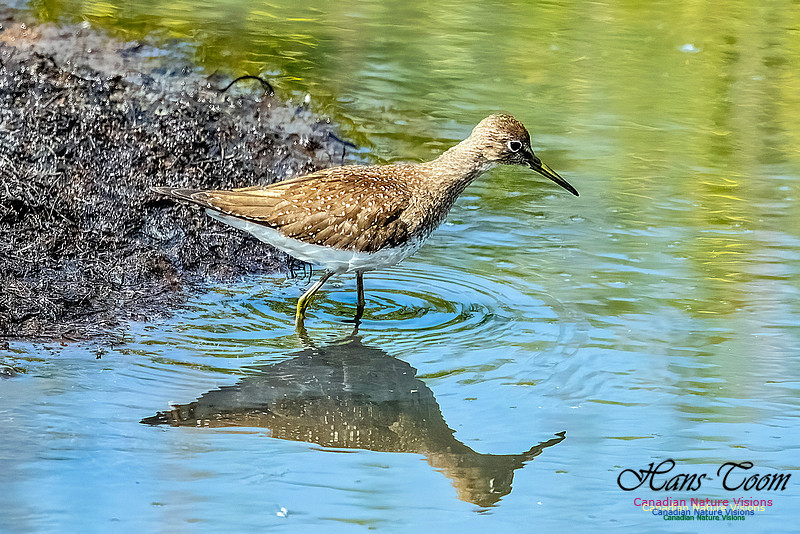
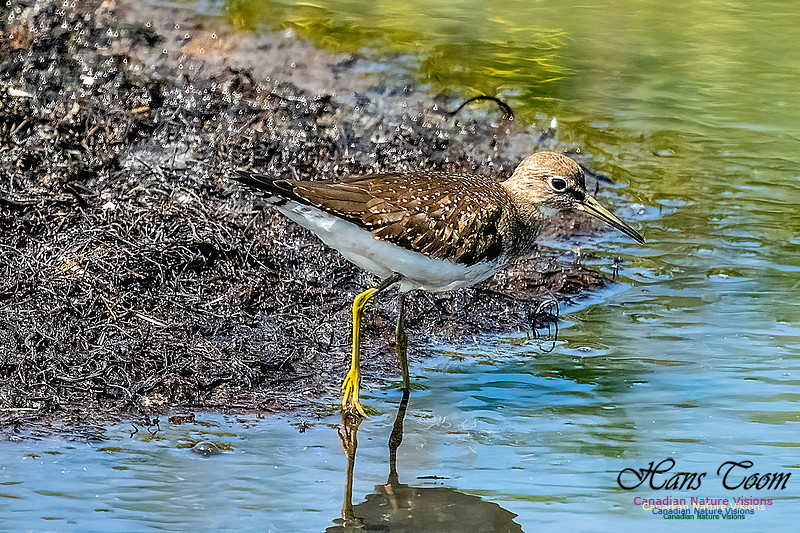
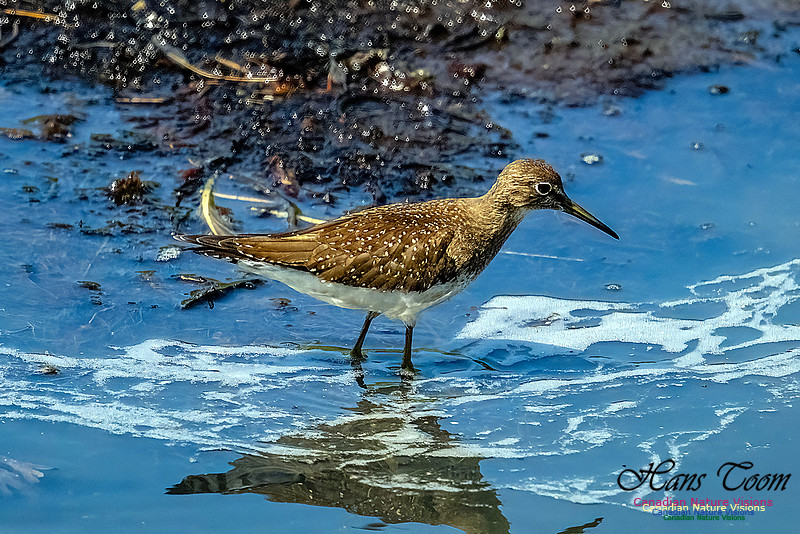
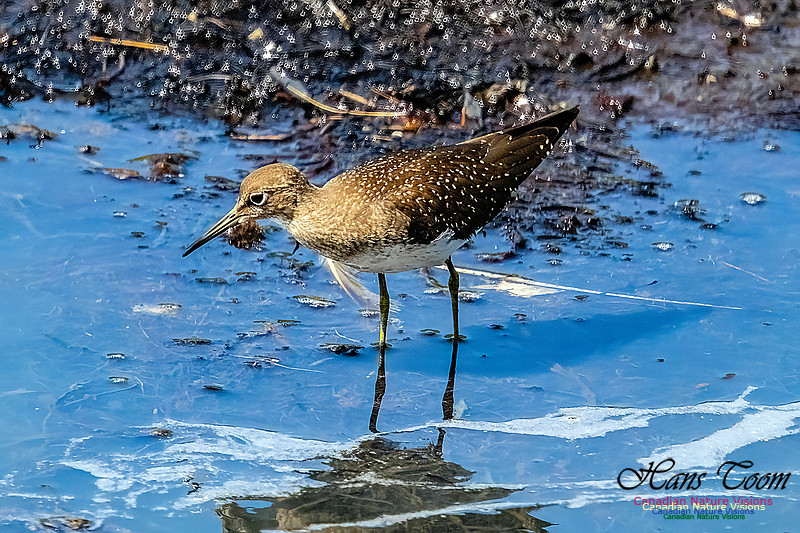
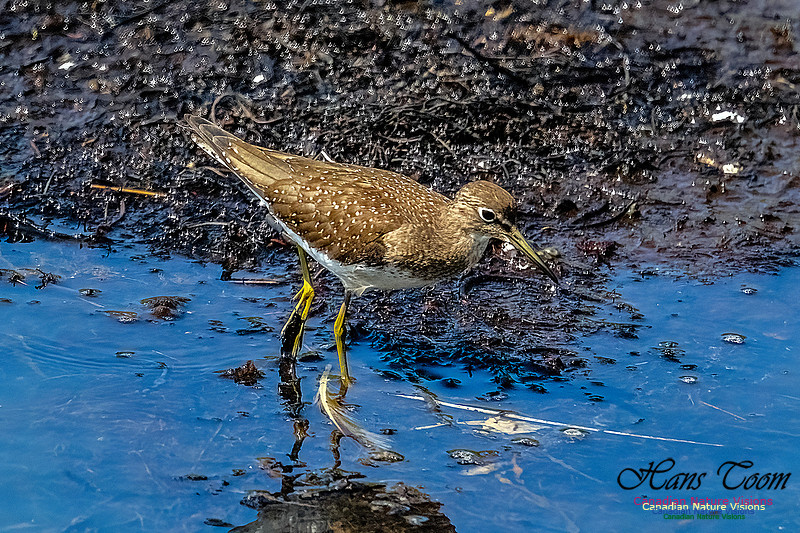
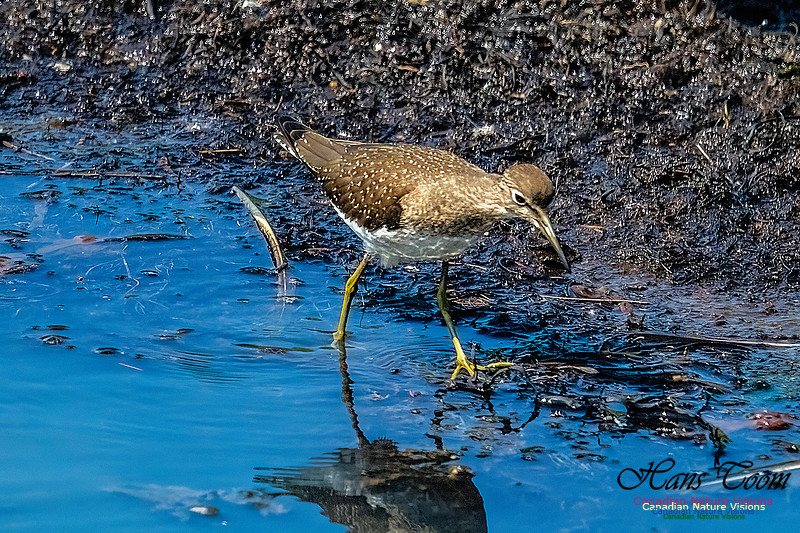
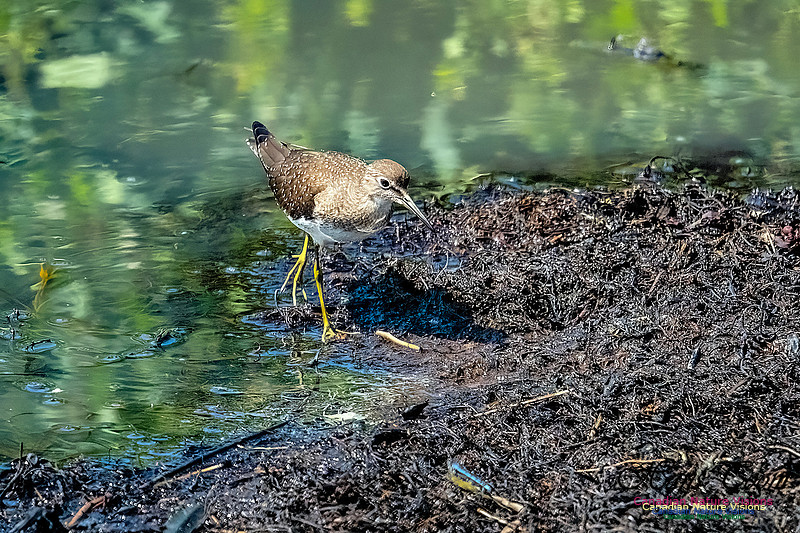
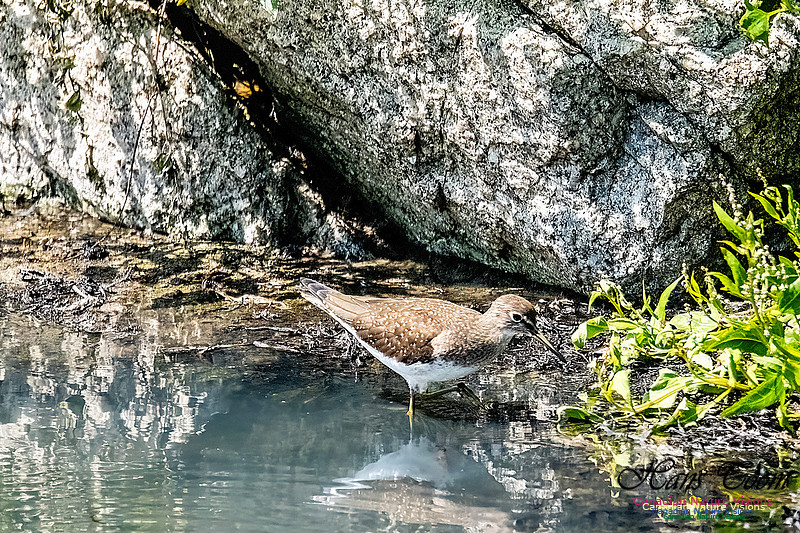
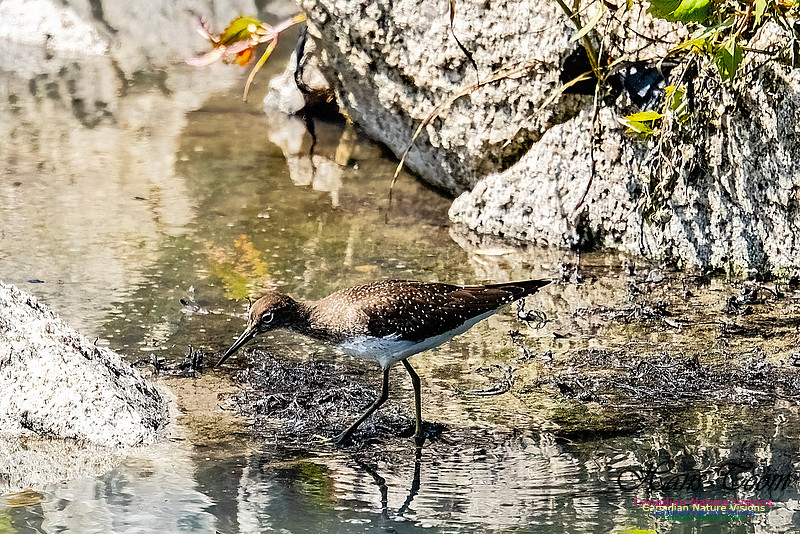
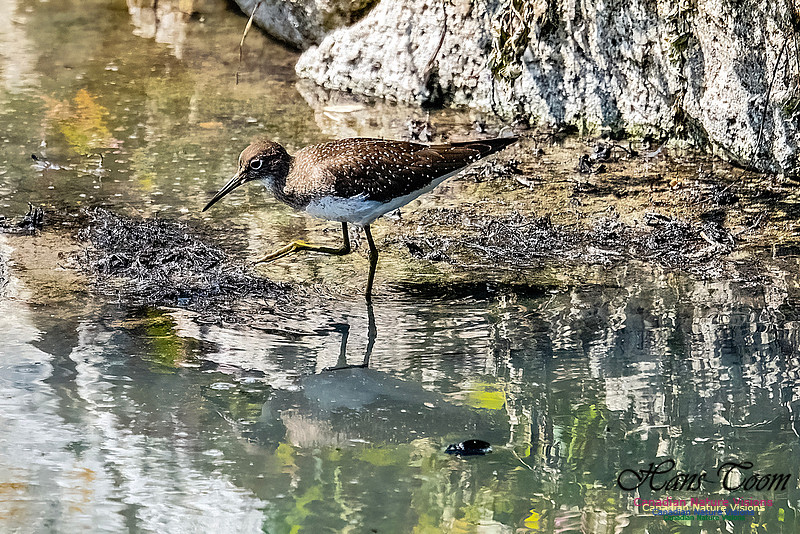
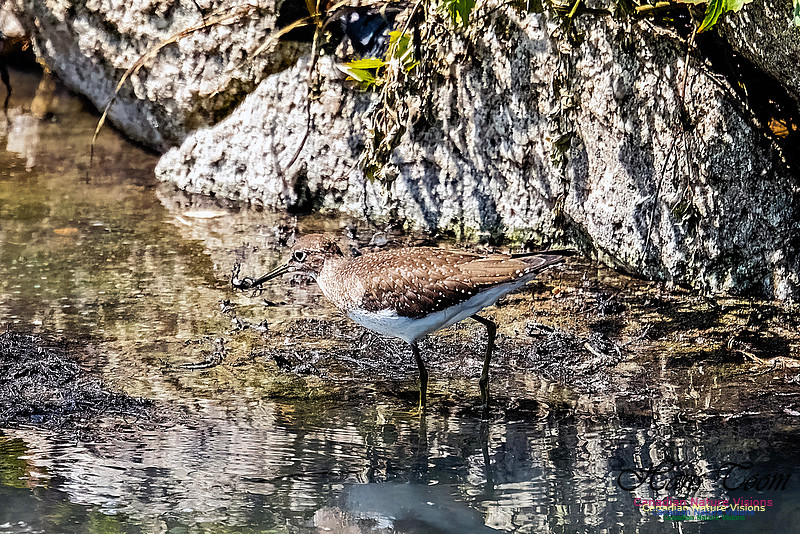
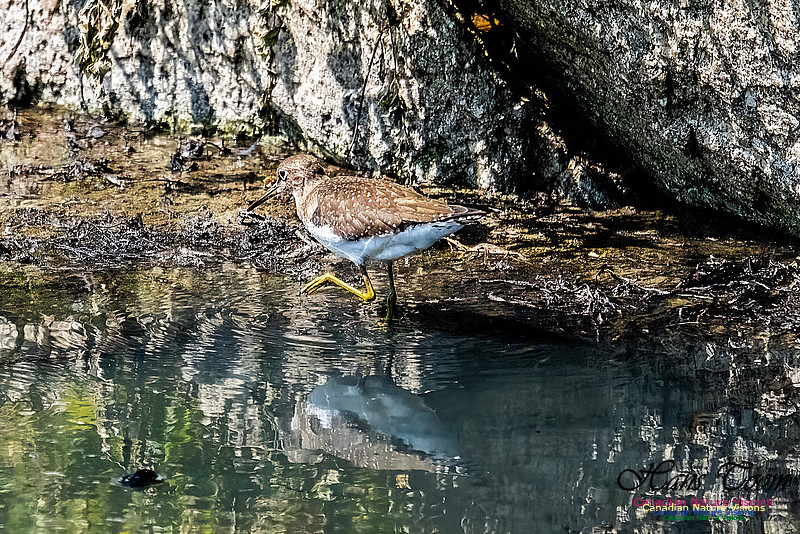
Solitary SandpiperI see the Solitary Sandpiper every year at Sandy Cove, Halifax Regional Municipality, although usually in September and October. Note the speckled appearance and dominant white eye ring which distinguishes it from the Lesser Yellowlegs. Solitary Sandpiper
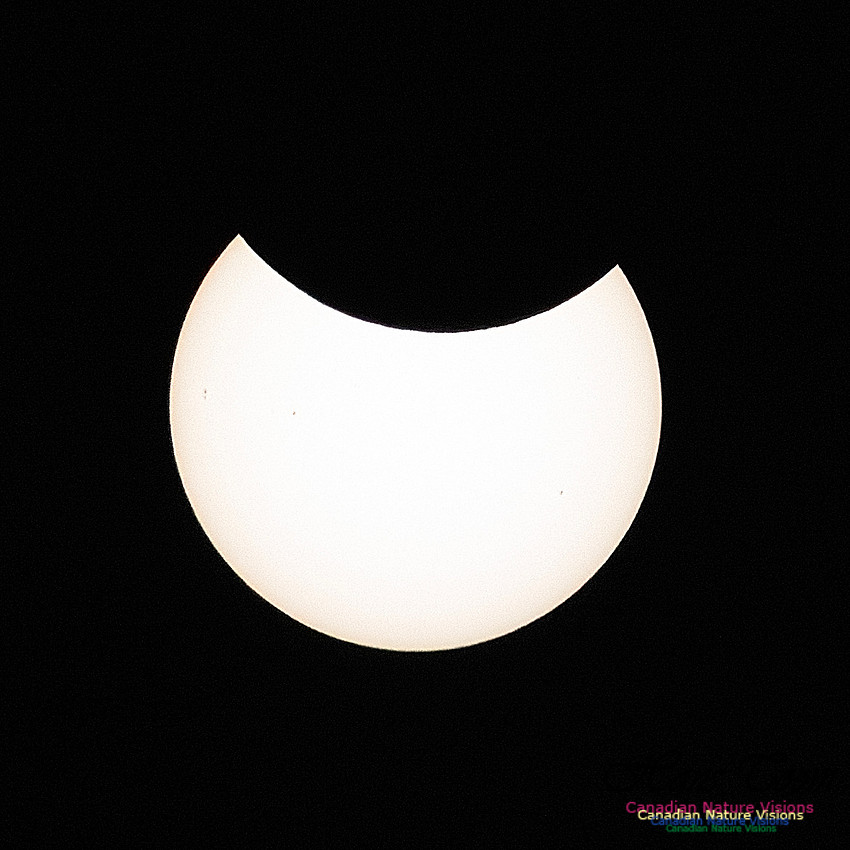
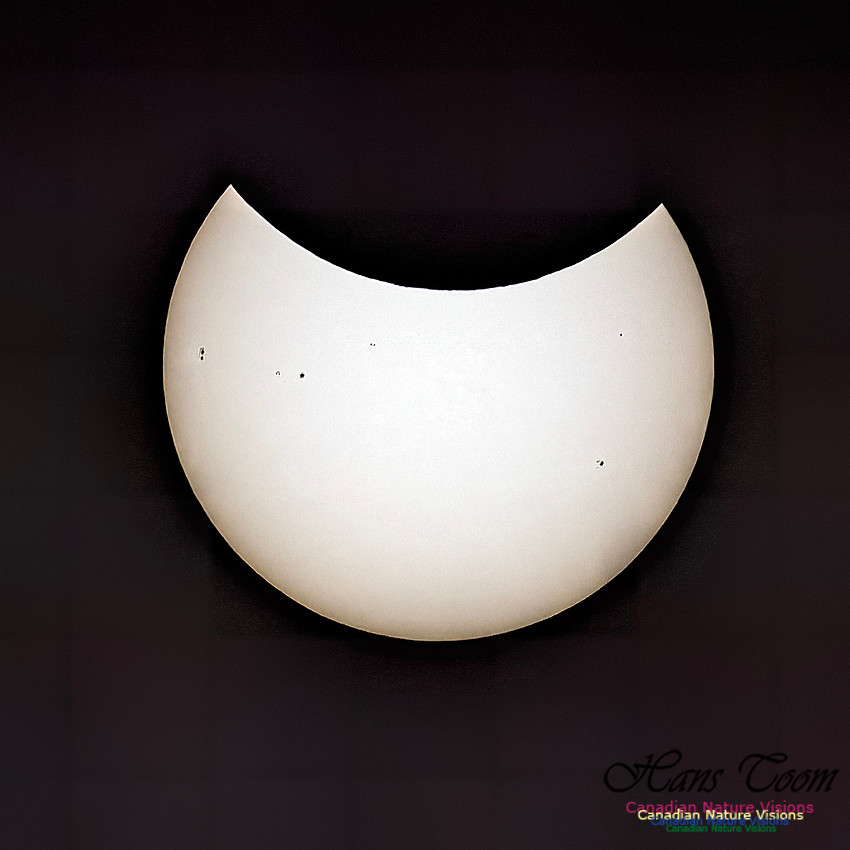
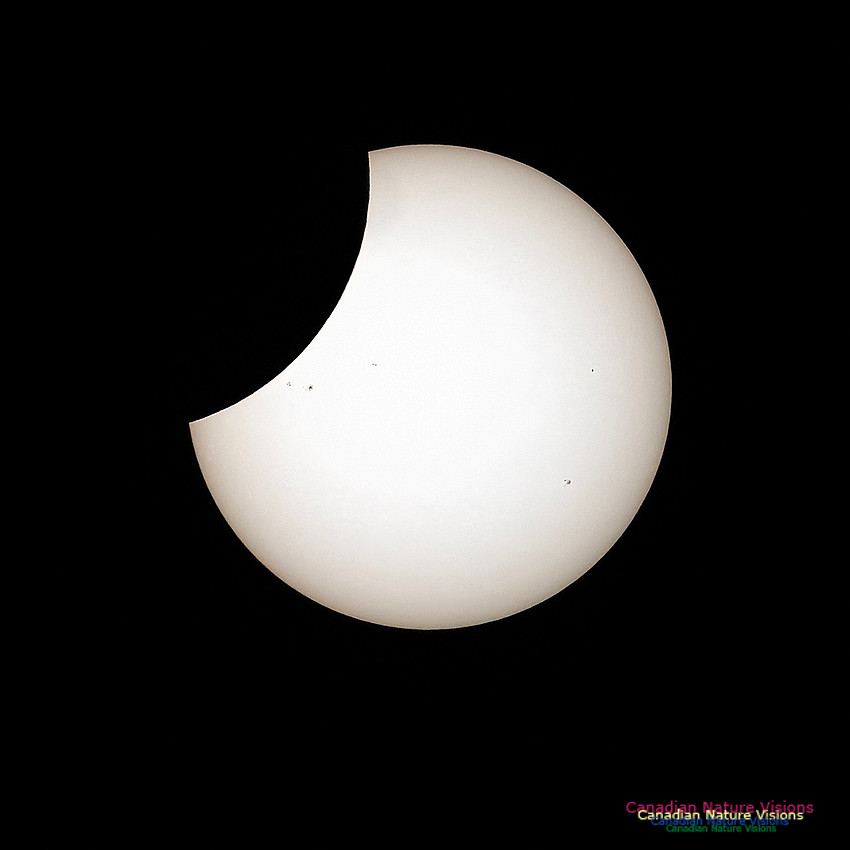
Partial Solar Eclipse August 12, 2026Partial Solar Eclipse August 12, 2026I took these photos from Hammonds Plains, Nova Scotia, using a 1200mm lens and then some cropping. I discarded many of the photos which showed the shadow enlarging over the sun because they did not show the sun spots, I know not why. I used a ND1000000 Solar filter. Overall I am satisfied with the effort. I'll do some research on how to get the sunspot detail. Two photos of the Moon's Shadow enlarging over the sun
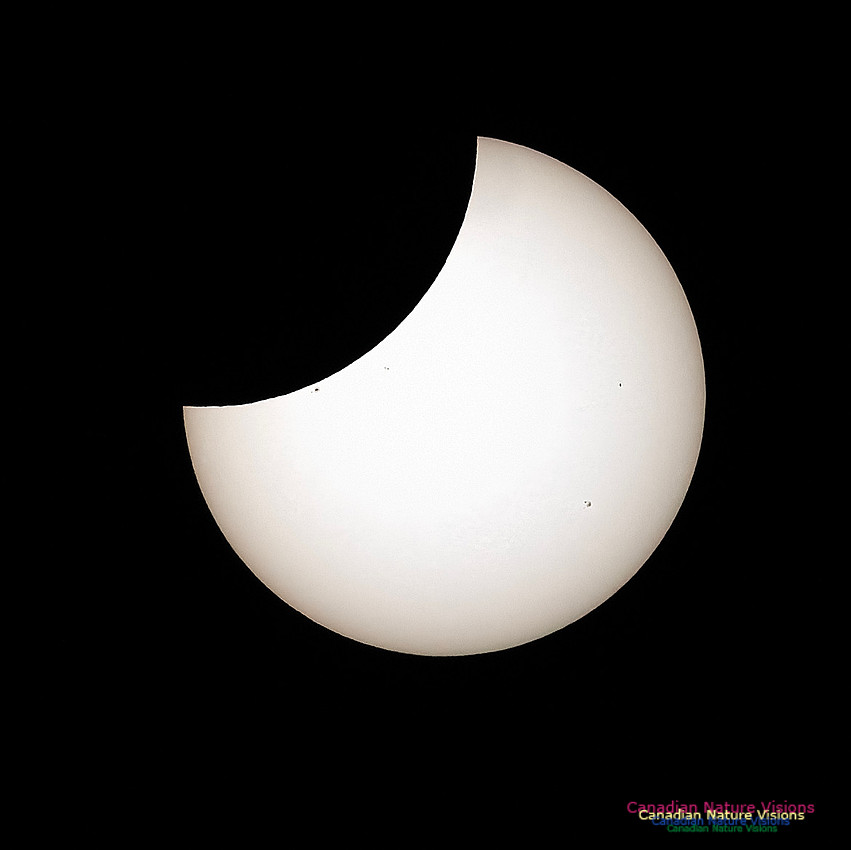
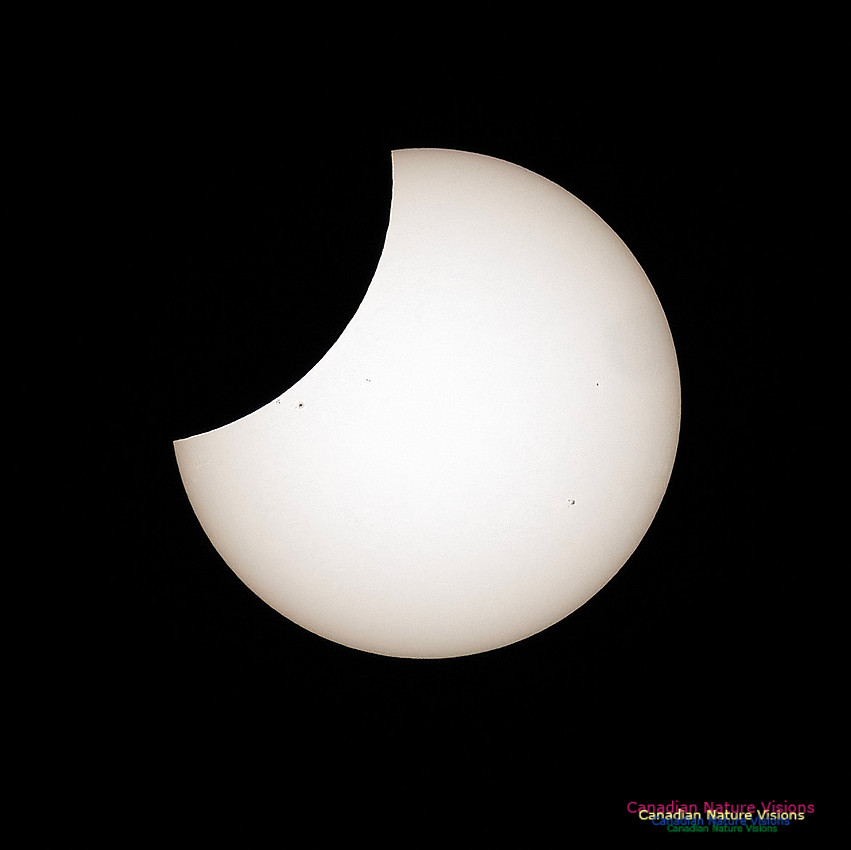
Four photos of the Moon's Shadow receding from the sun
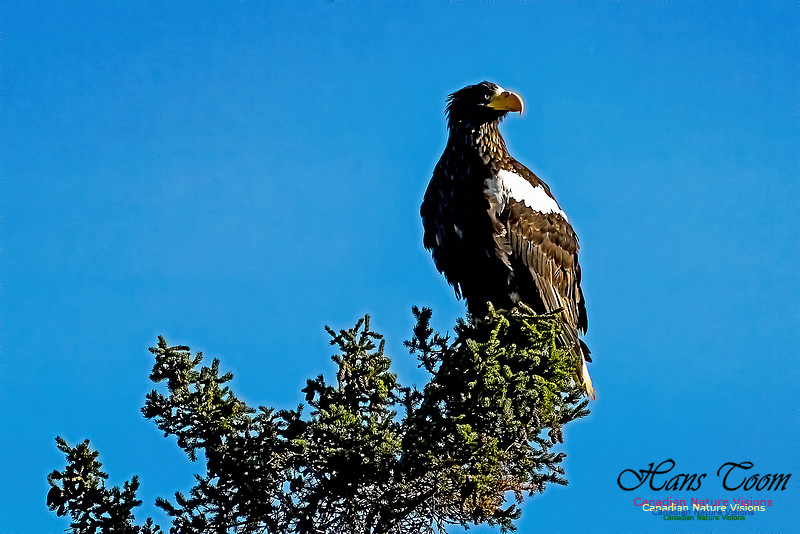
Steller's Sea EagleI was travelling the Eatonville Road in Cape Chignecto Provincial Park when I spotted a large eagle beside the road. To my surprise it was a Steller's Sea Eagle. It did not appear to be injured but was reluctant to fly suggesting a nearby kill. I approached too quickly so it scurred into the woods. Unfortunatley I was unable to take a photograph. I chose to leave it in peace rather than wait for it to come out. The photograph shown below is from a previous encounter with this rare and magnificent eagle.
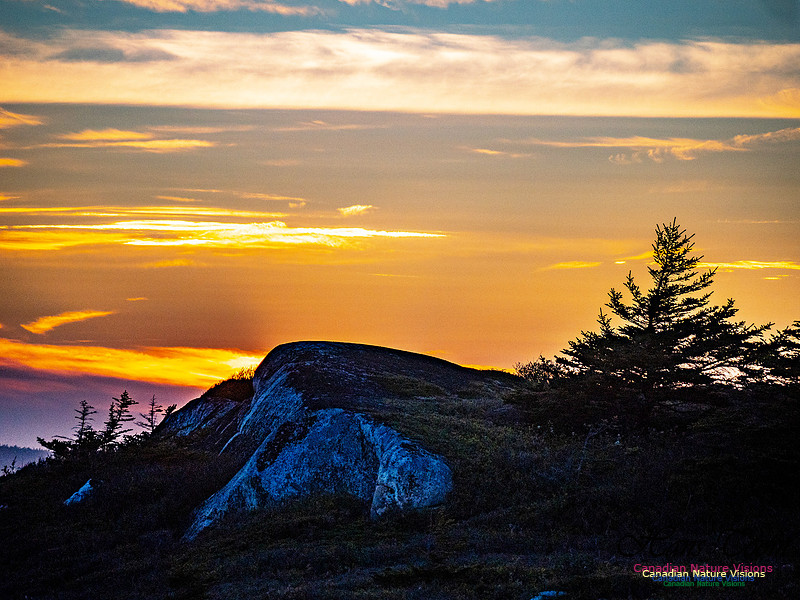
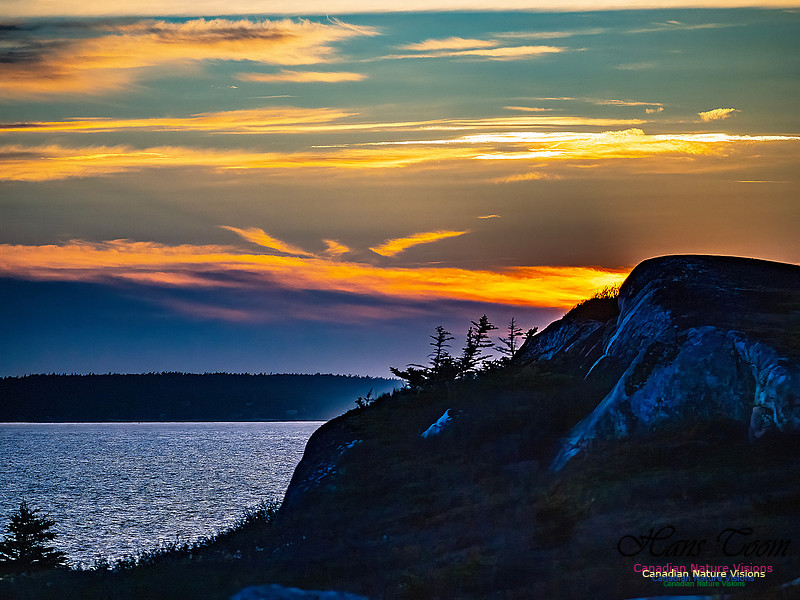
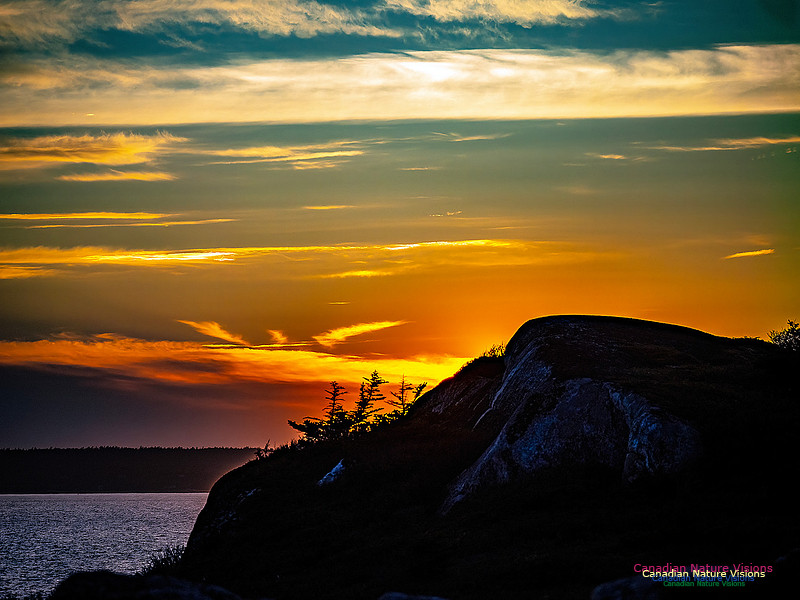
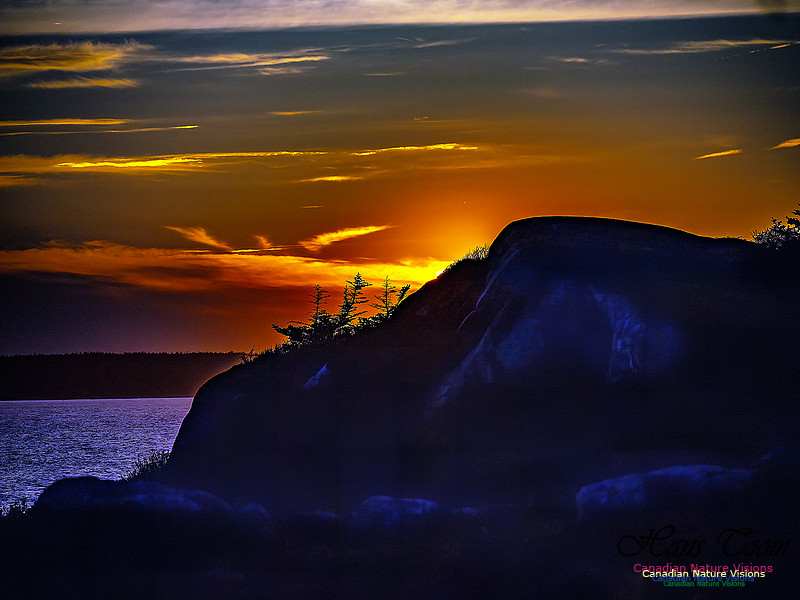
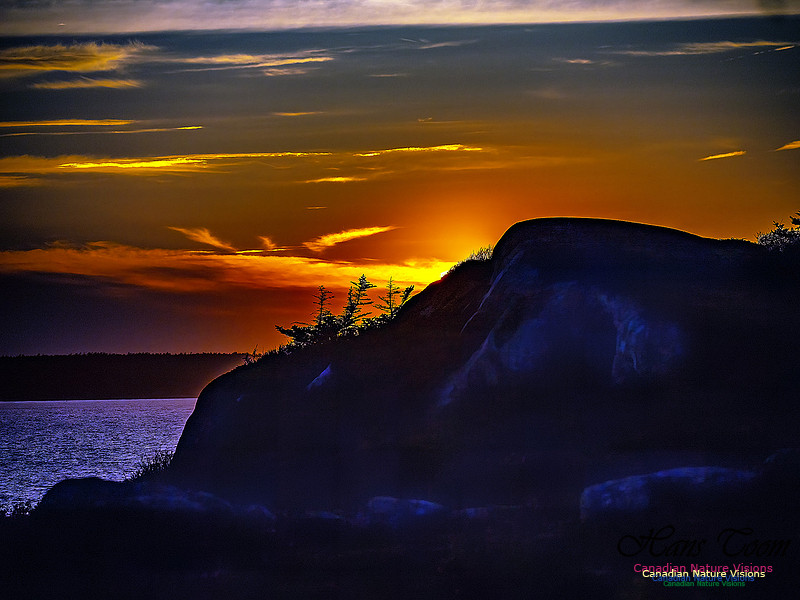
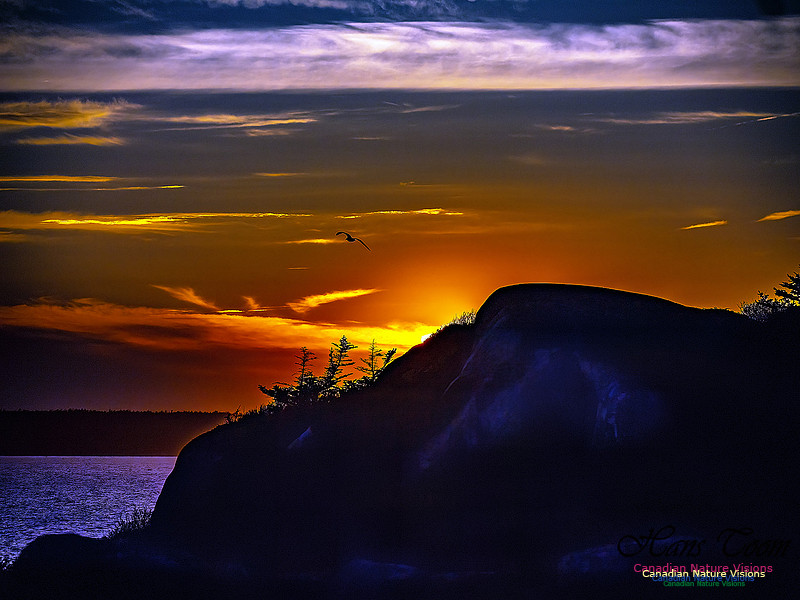
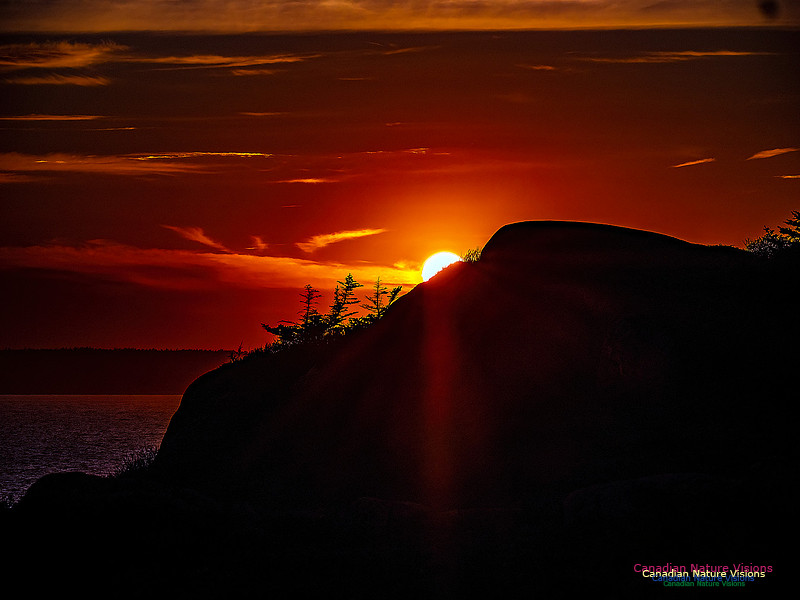
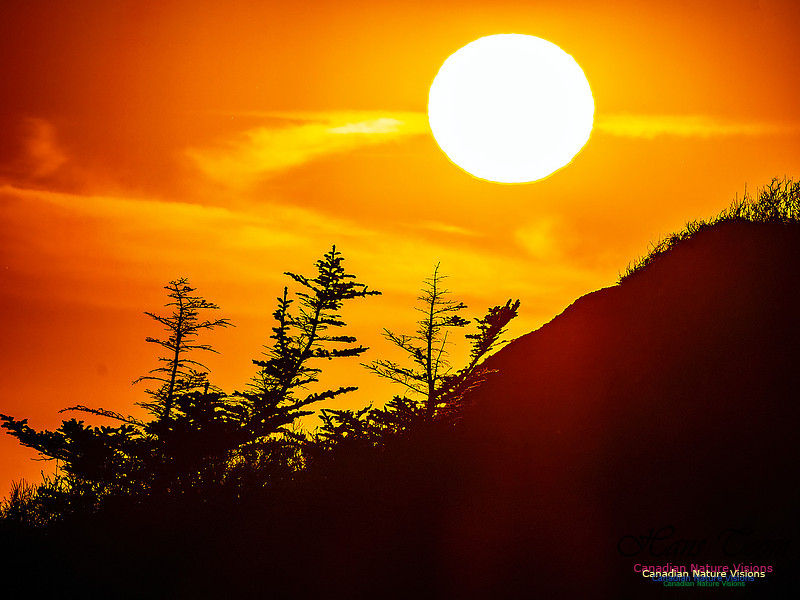
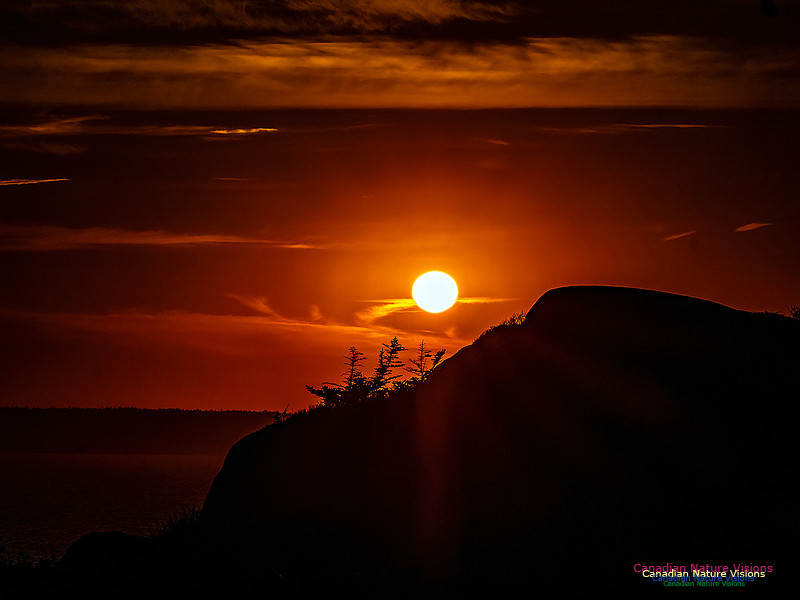
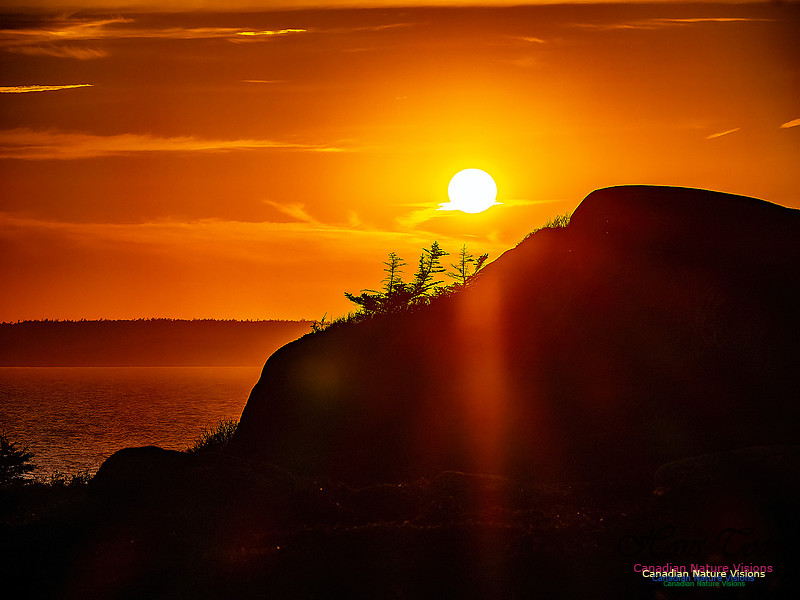
Sunset at the Swiss Air Memorial, Peggy's CoveI enjoy the sunsets at the Swiss Air Memorial at Peggy's Cove. Unfortunately, during mid summer the sun sets too far to the north-west of the location where the plane crashed south-west of St. Margaret's Bay. During the night of this tragedy Laura and I were sleeping in a cabin near Shelburne. The aircraft overflew us during that night before crashing in the ocean off Peggy's Cove. There is an internment site where many of the passengers remain on the opposite side of St. Margaret's Bay. Swissair Flight 111

Swissair Flight 111 was a scheduled international passenger flight from John F. Kennedy International Airport in New York City, United States, to Cointrin Airport in Geneva, Switzerland. The flight was also a codeshare flight with Delta Air Lines.[2] On 2 September 1998, the McDonnell Douglas MD-11 operating this flight crashed into the Atlantic Ocean southwest of Halifax Stanfield International Airport at the entrance to St. Margarets Bay, Nova Scotia, Canada, killing all 215 passengers and 14 crew members on board. The crash site was 8 kilometres (5 mi; 4 nmi) from shore, roughly equidistant from the small fishing and tourist communities of Peggys Cove and Bayswater. It is the deadliest accident in Swissair history, the deadliest involving the MD-11, and the second-deadliest aviation accident in Canada, behind Arrow Air Flight 1285R. The search and rescue response, crash recovery operation, and investigation by the Government of Canada took more than four years and cost CA$57 million.[3] The investigation carried out by the Transportation Safety Board of Canada (TSB) concluded that flammable material used in the aircraft's structure allowed a fire to spread beyond the control of the flight crew, resulting in the crash of the aircraft. Several wide-ranging recommendations were made, which were incorporated into newer US Federal Aviation Administration (FAA) standards.[4]: 253
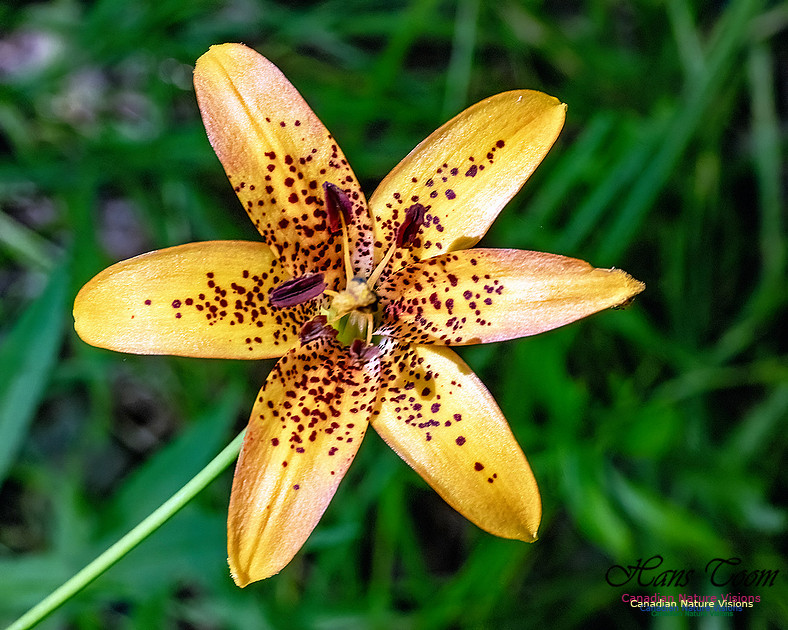
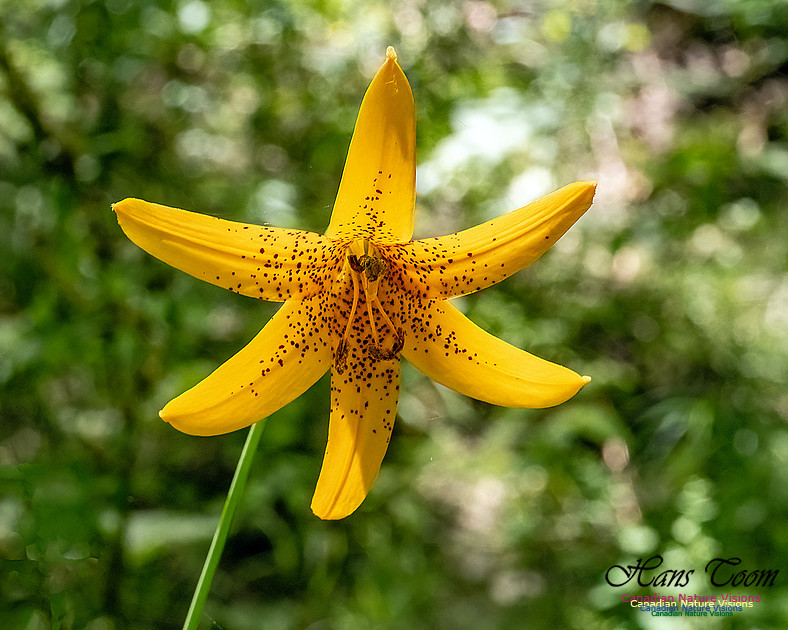
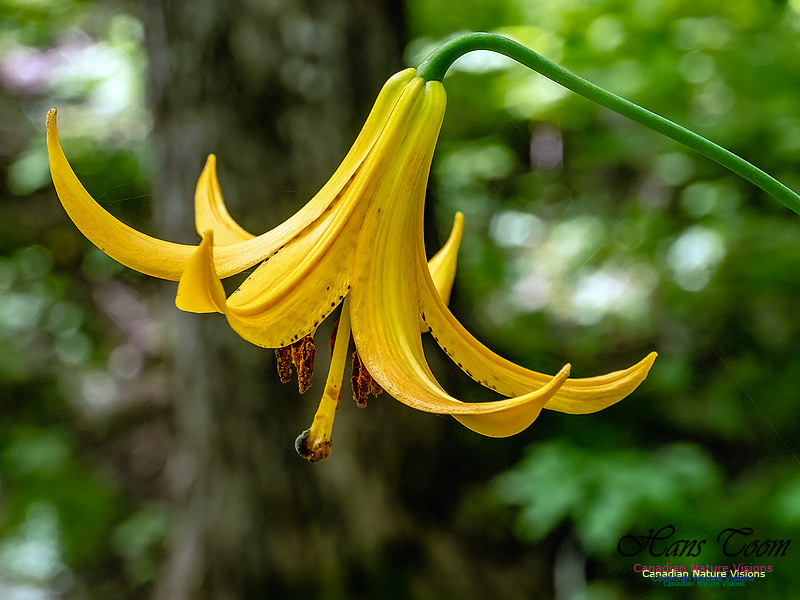
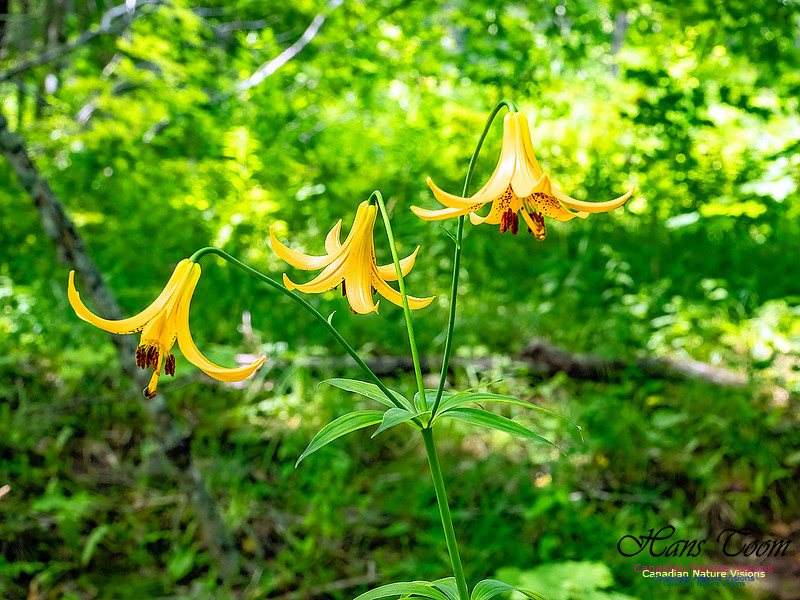
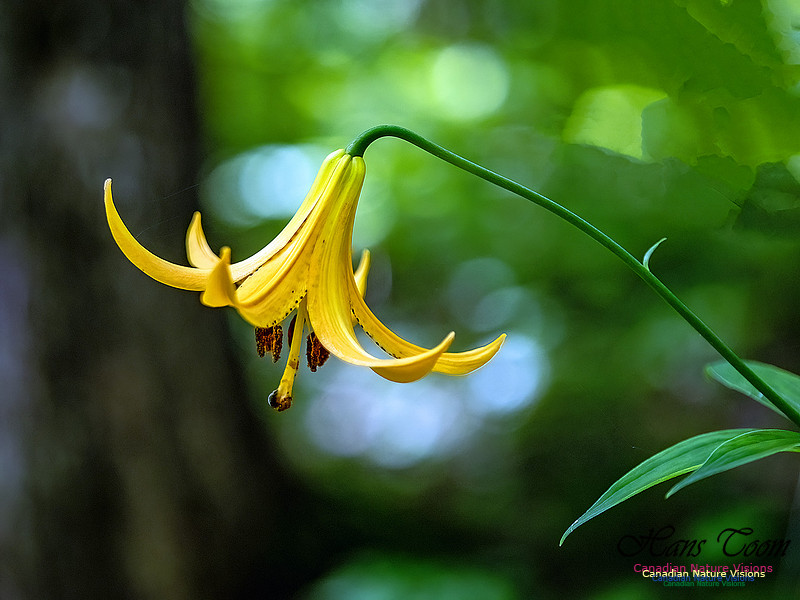
Canada LilyOne of our most beautiful native wildflowers, the Canada Lily, is disappearing from its easy to access locations due to poaching by irresponsible and inconsiderate people.
Lilium canadense
Lilium canadense, commonly called the Canada lily,[4][5] wild yellow-lily, or meadow lily, is a native of eastern North America.[6] Its native range extends from Ontario to Nova Scotia south to Georgia and Alabama. It is most common in New England, the Appalachian Mountains, and the Canadian Maritimes.[7] It is also cultivated as an ornamental in Europe and other places.[8] Flowers emerge in June. They are nodding (hanging downward), yellow, orange or red, often with darker spots. The plant has become less common in urban and suburban areas due to heavy browsing by the white-tailed deer. DescriptionThese plants usually live in moist meadows and wood margins. They can grow up to 0.5–1.5 m (1.6–4.9 ft) with yellow, orange or red flowers 50–75 mm 50–75 mm (2.0–3.0 in) wide which emerge between June and July. Culinary usesThe flower buds and roots were traditionally gathered and eaten by North American indigenous peoples.[9] Conservation status in the United StatesIt is listed Rare in Indiana, as Exploitably Vulnerable in New York (state), and as Threatened in Rhode Island and Tennessee.[10
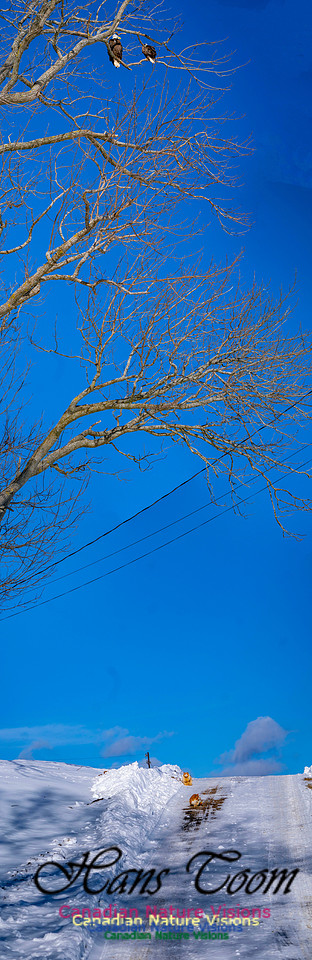
Cats and Eagles Just a Reminder of the Evil at Grand PreCats are released into the open outside the house at West Long Island Road and Evangeline Beach Road, Grand Pre. They wait in the plowed driveway for their demise. There is no way a cat can escape a raptor attack here since there is deep snow outside the sides of the plowed driveway and no shrubbery to hide under. This is the worst kind of brutality since the cats are eaten alive. I've attached a photo showing two cats on the driveway and two eagles directly above the cats. The tragic part of this brutality is that everyone along West Long Island Road and Evangeline Beach Road must know of this activity and they have done nothing. I have contacted the SPCA. There is another place further up West Long Island Road engaged in the same barbarity. Whenever you are in this are area and see cats on the ground and eagles above you have discovered the place. Please, always report this to the SPCA. This is my first exposure to pure evil and it sickens me.
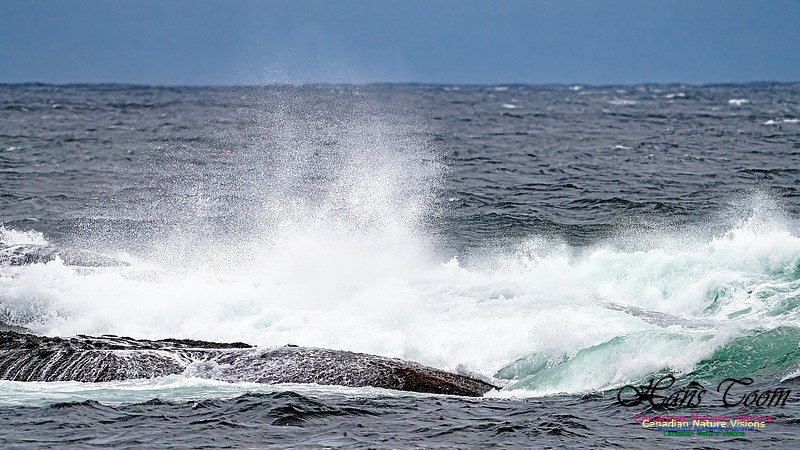
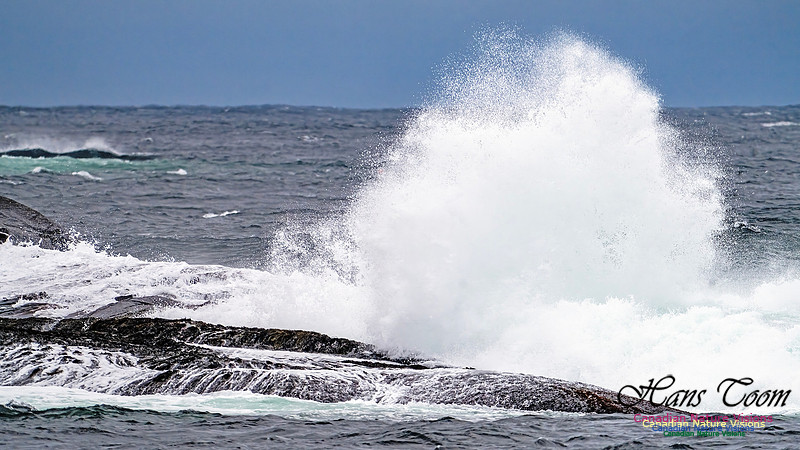
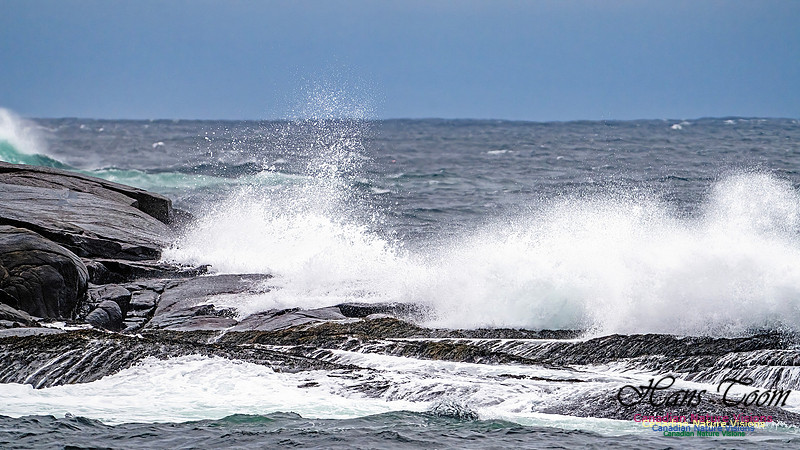
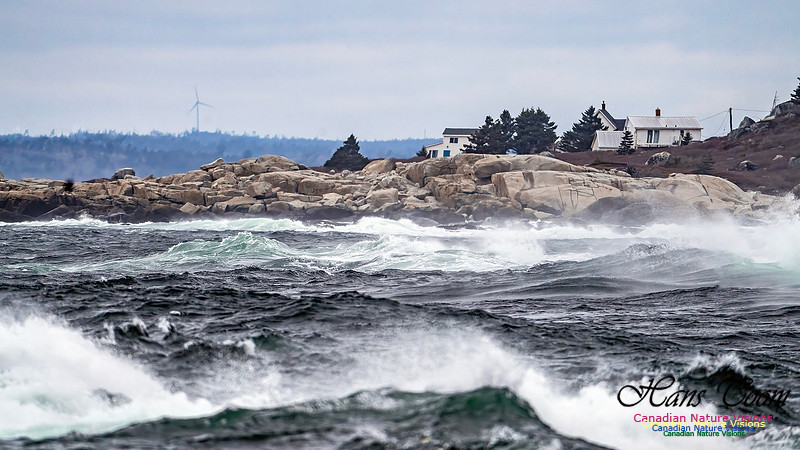
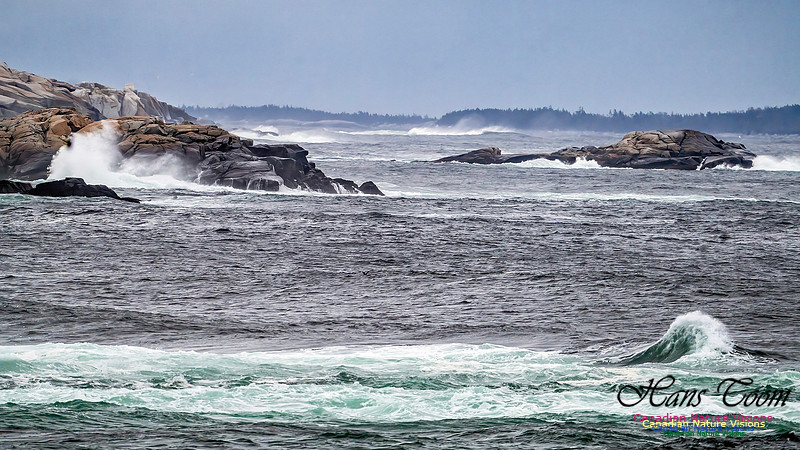
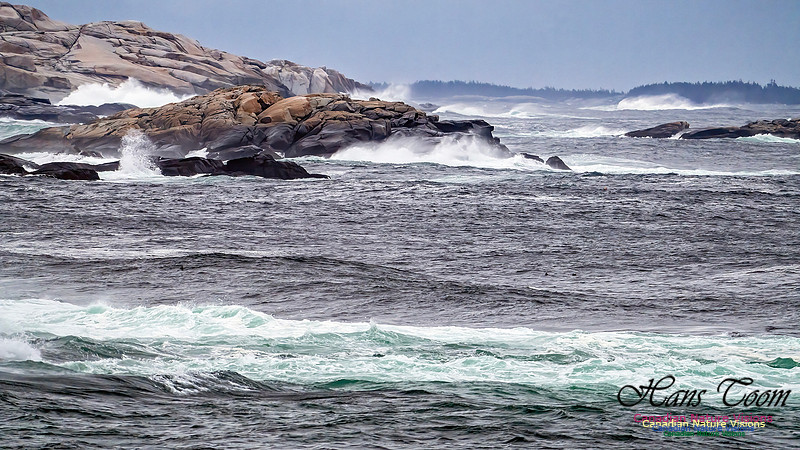
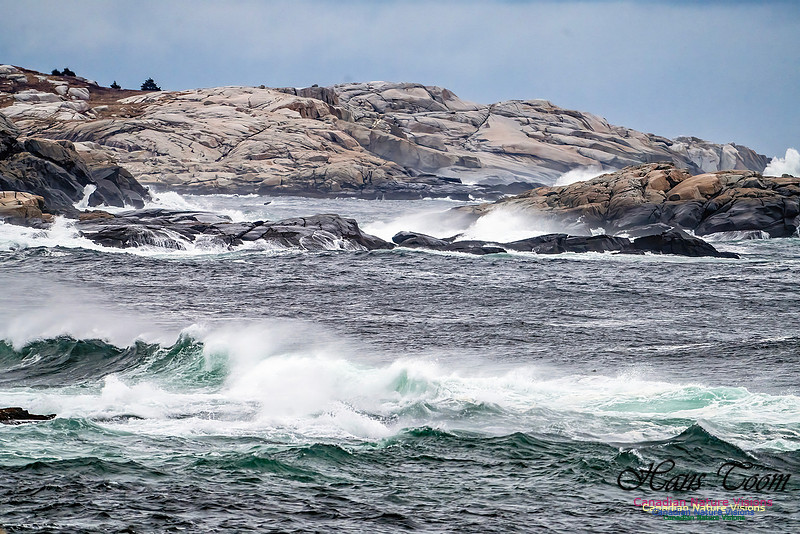
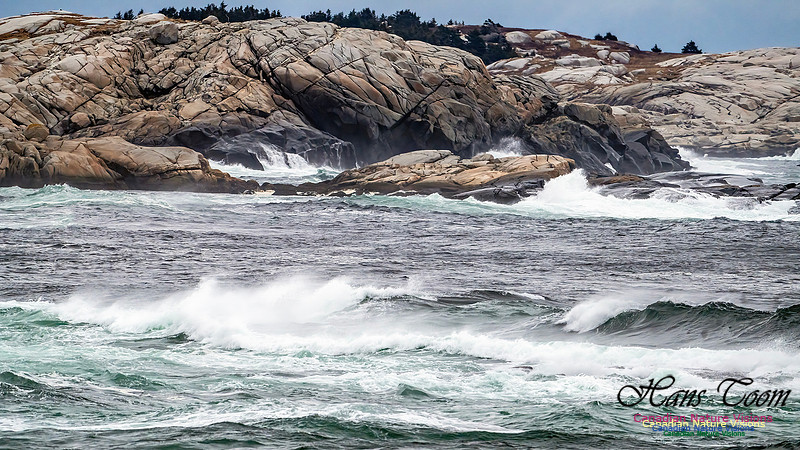
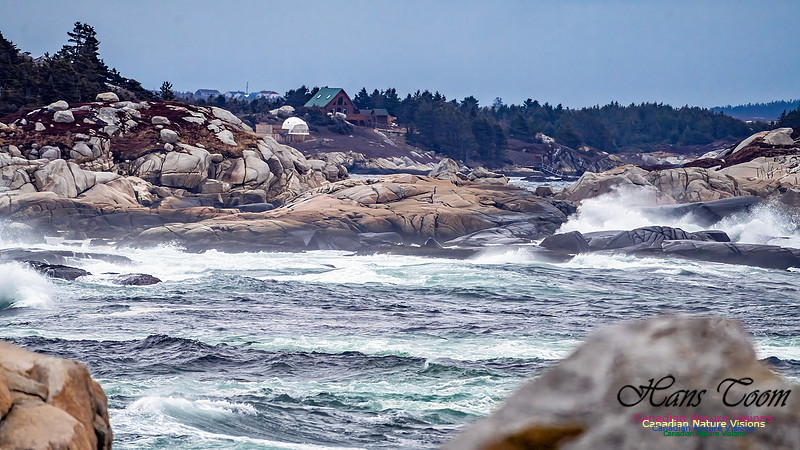
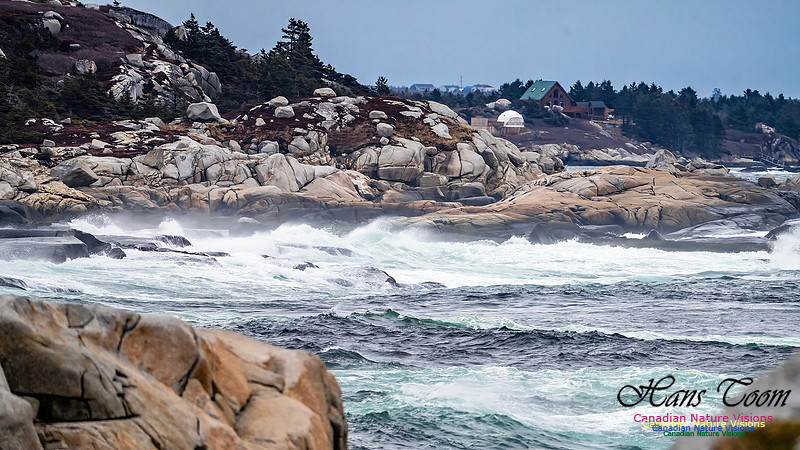
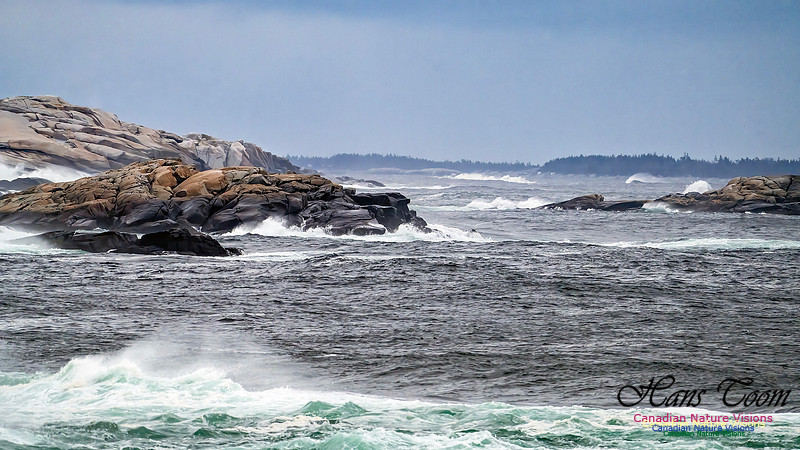
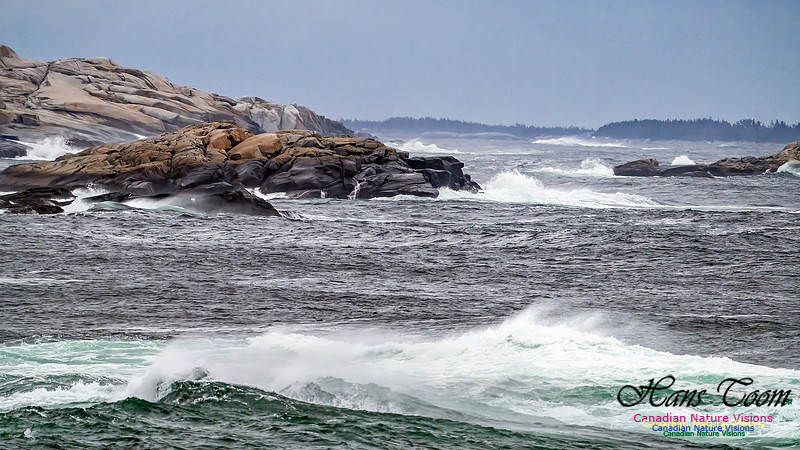
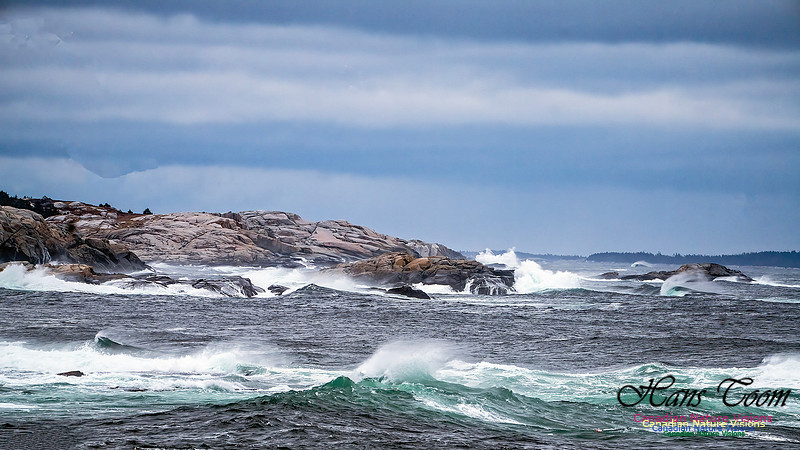
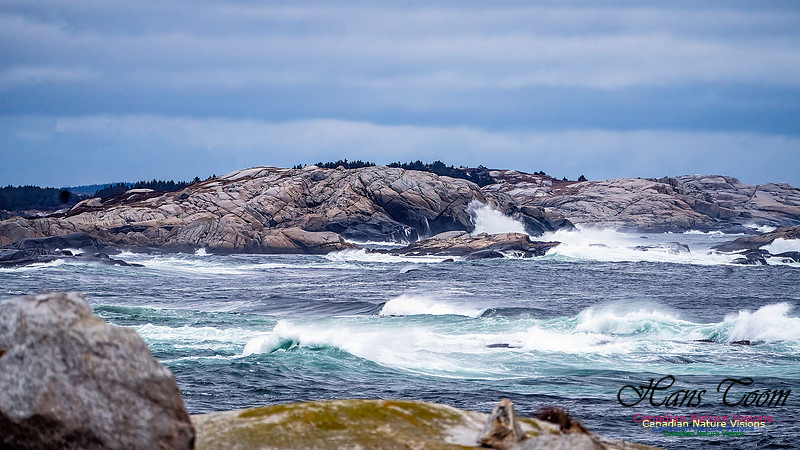
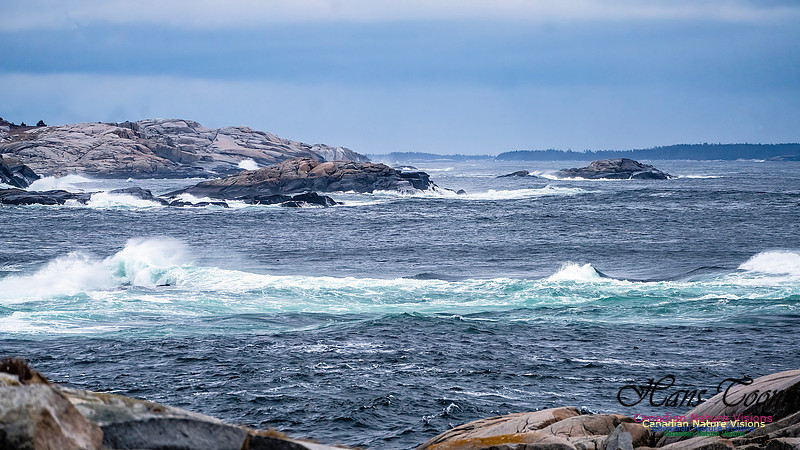
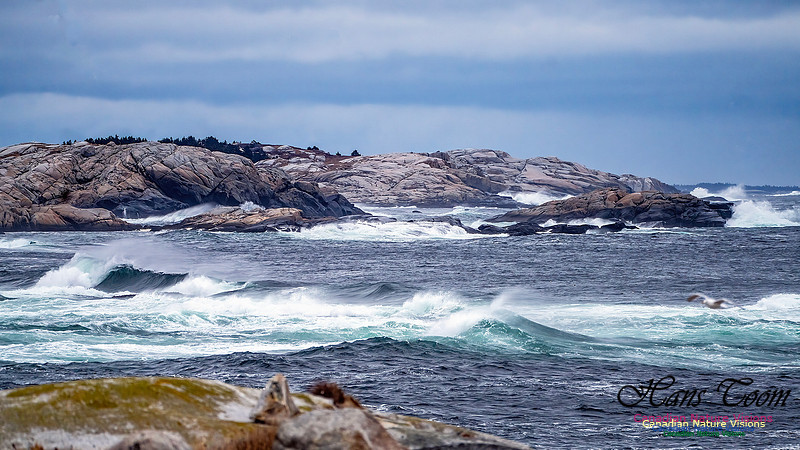
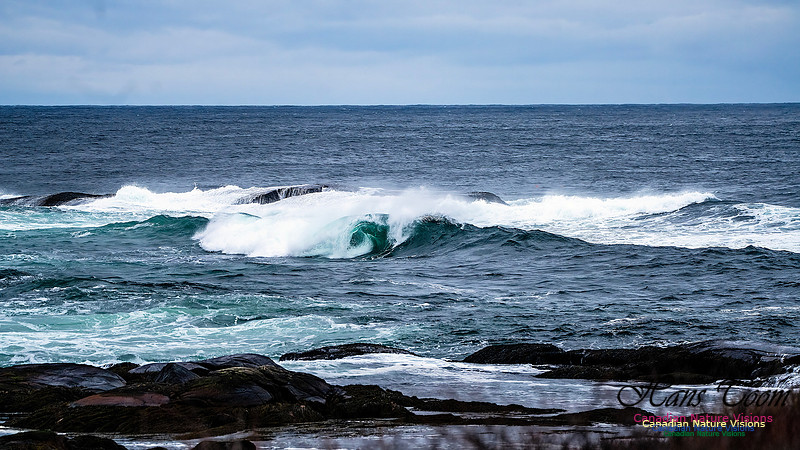
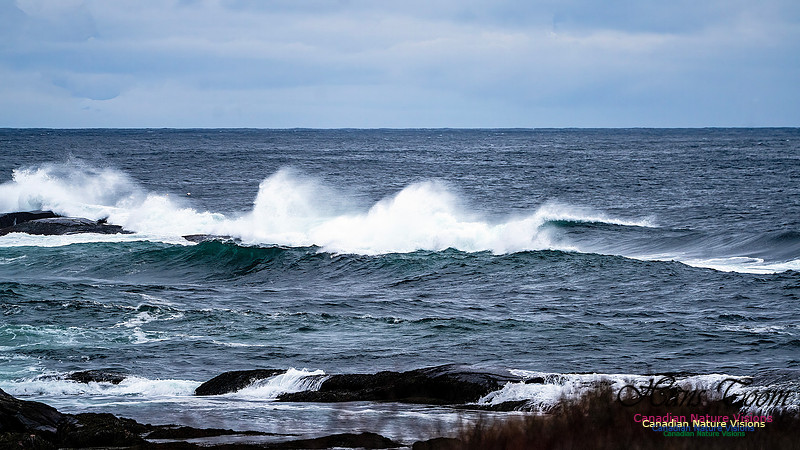
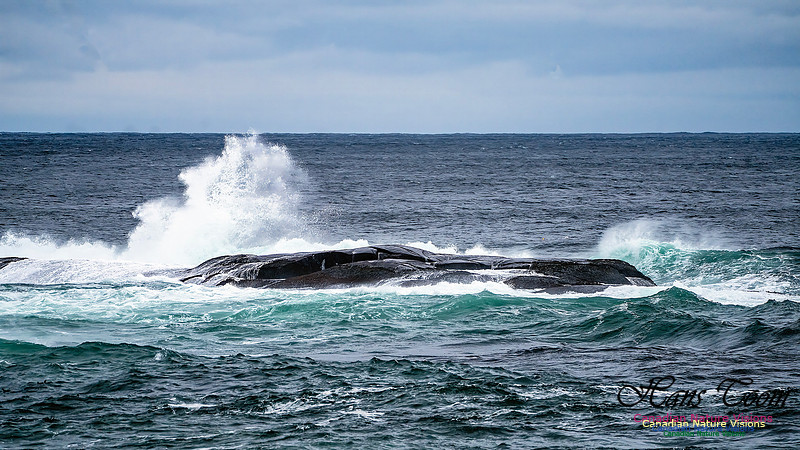
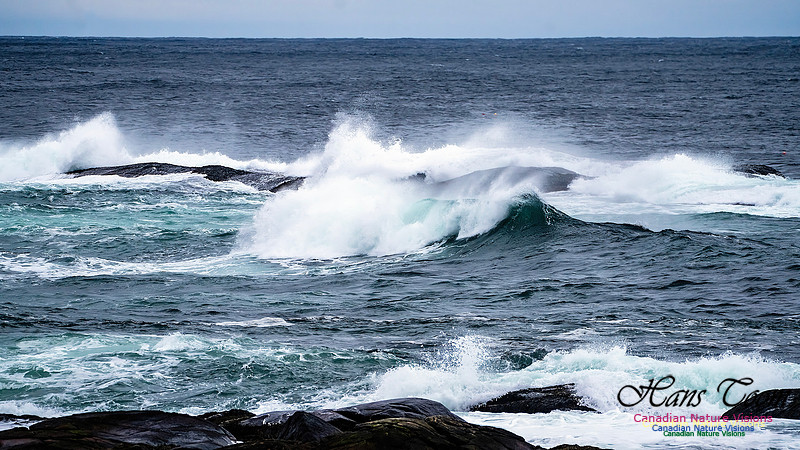
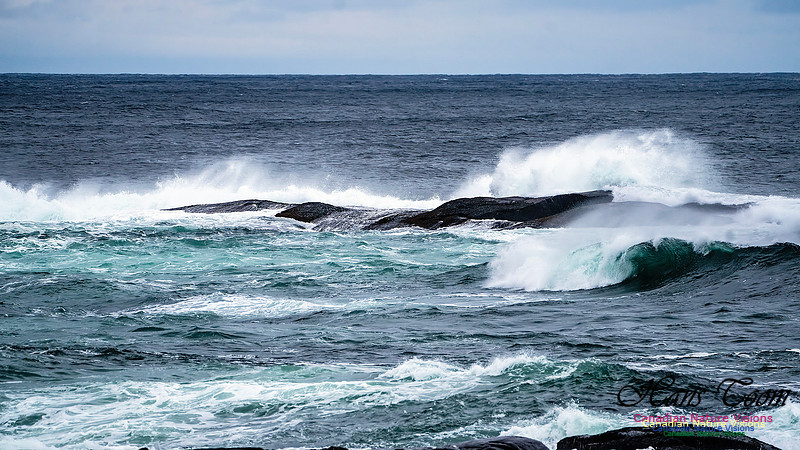
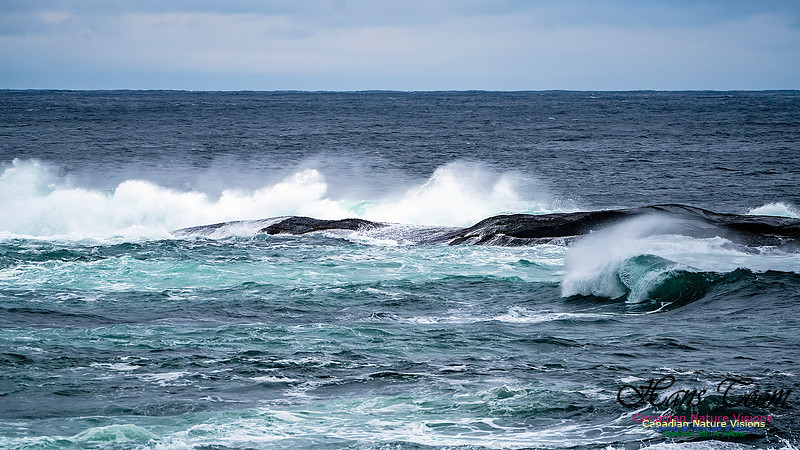
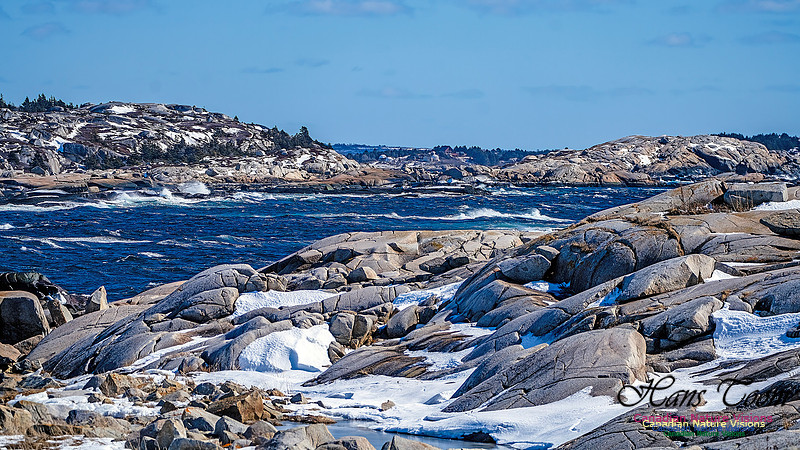
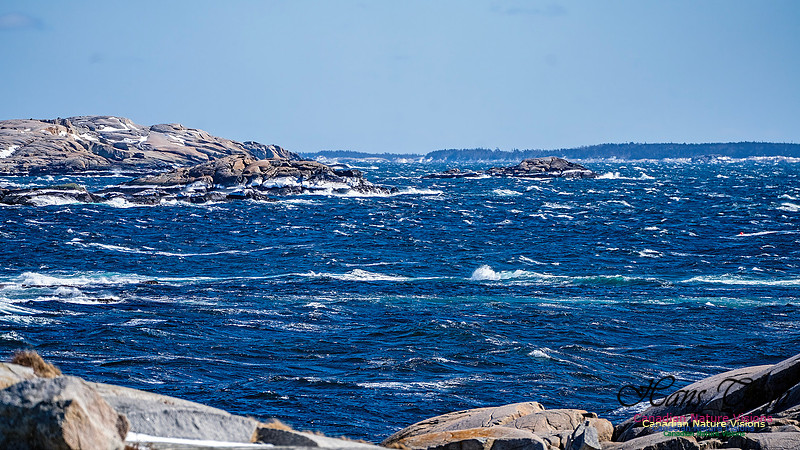
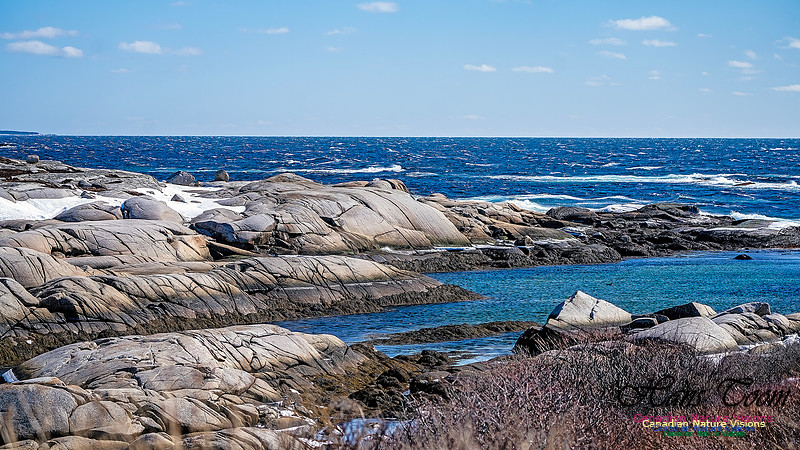
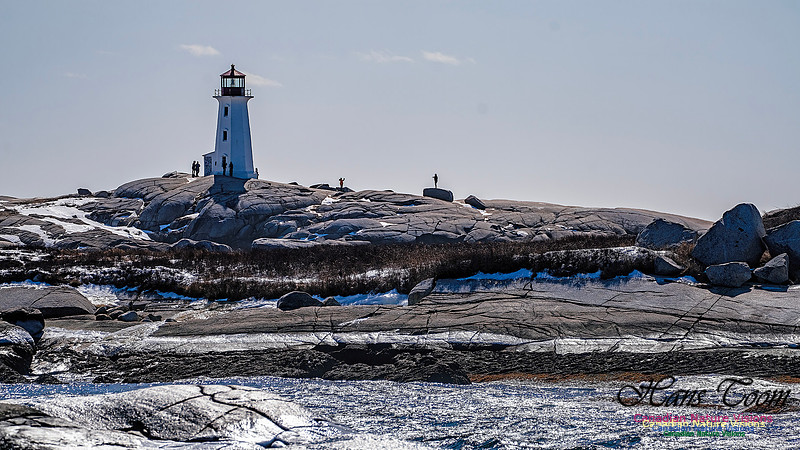
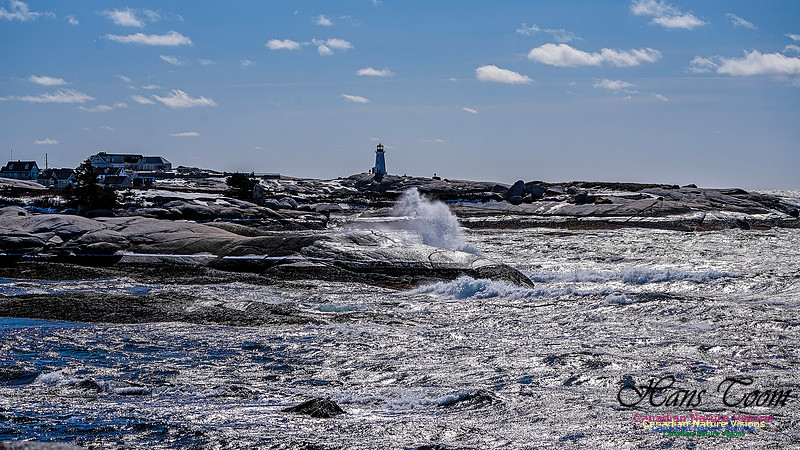
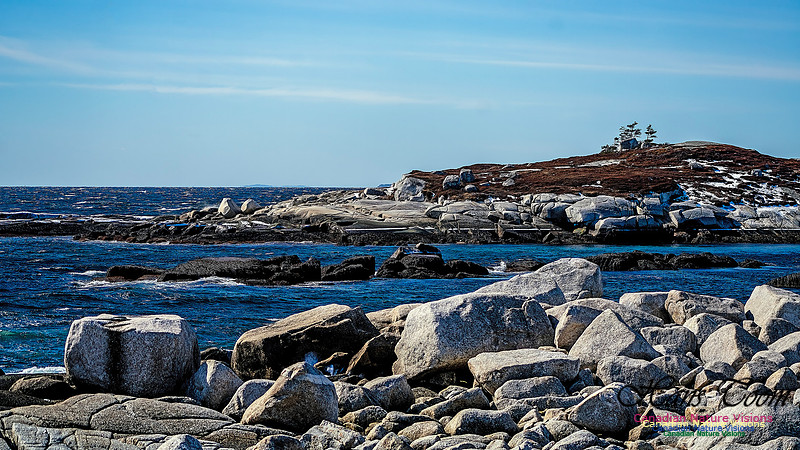
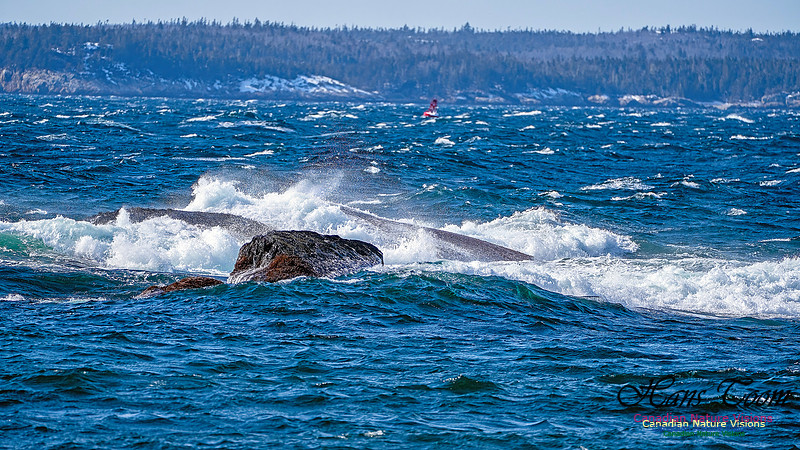
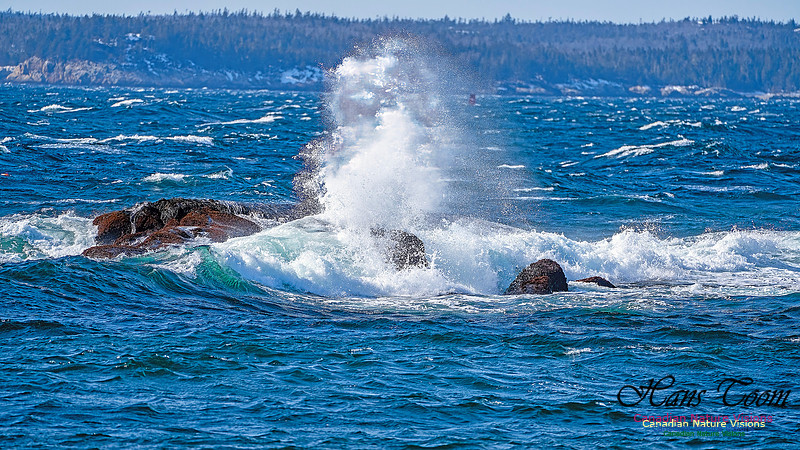
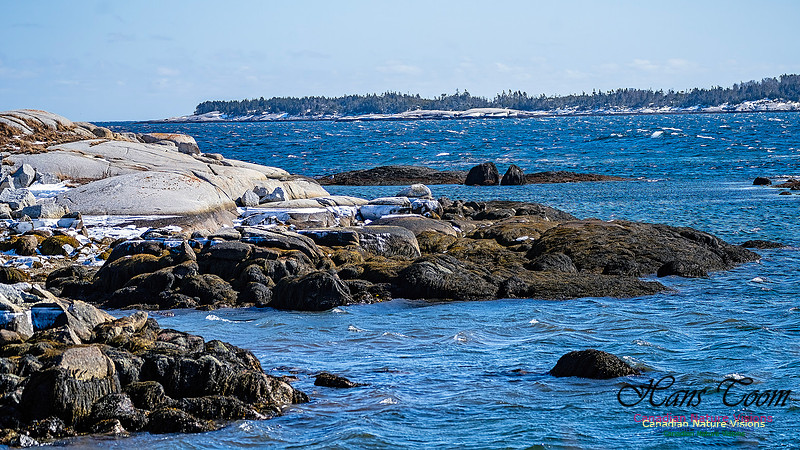
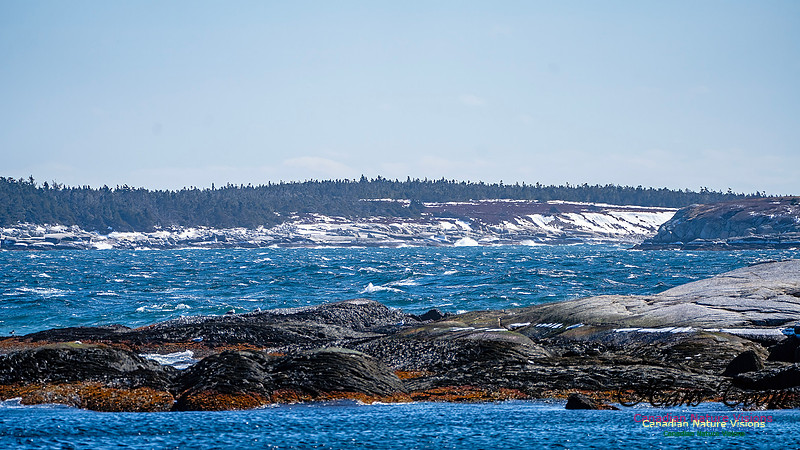
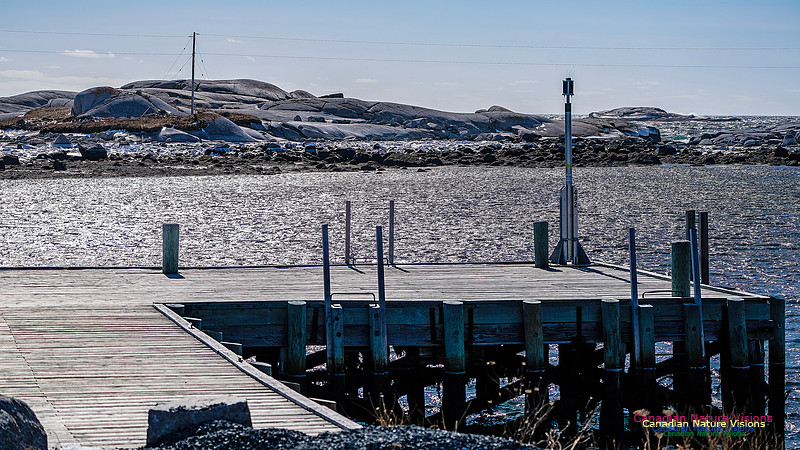
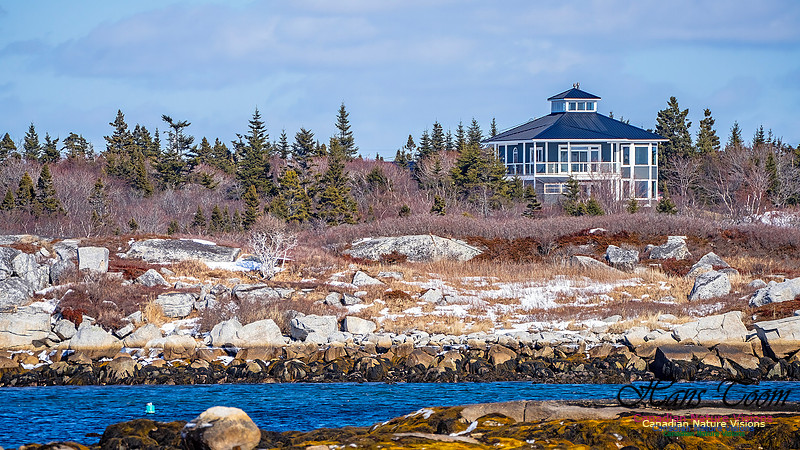
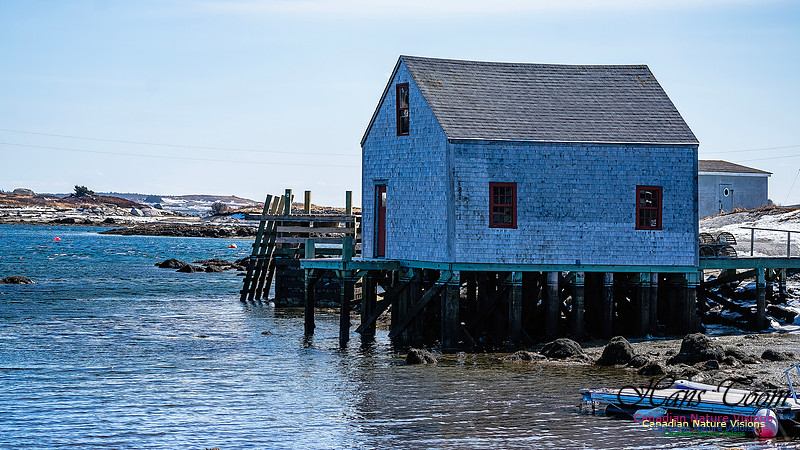
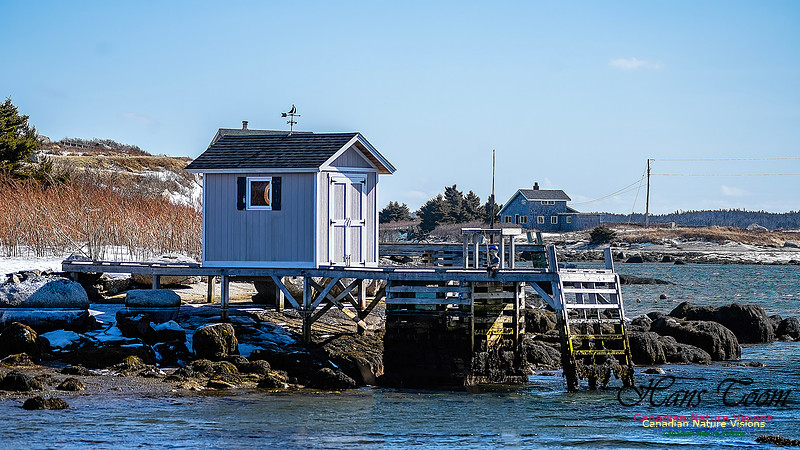
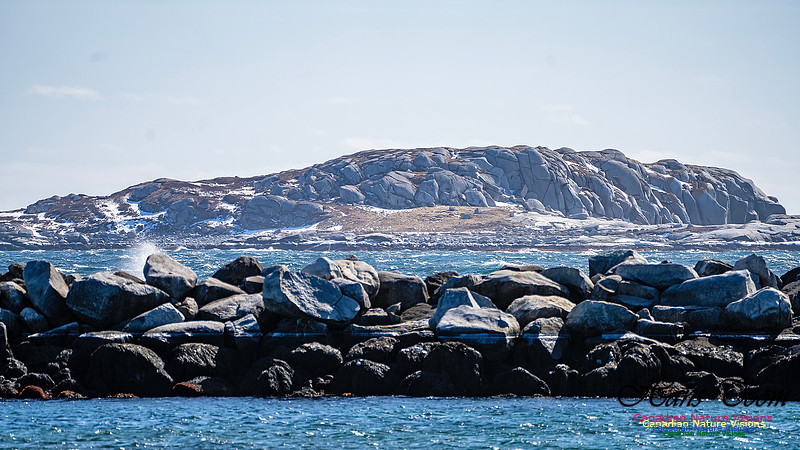
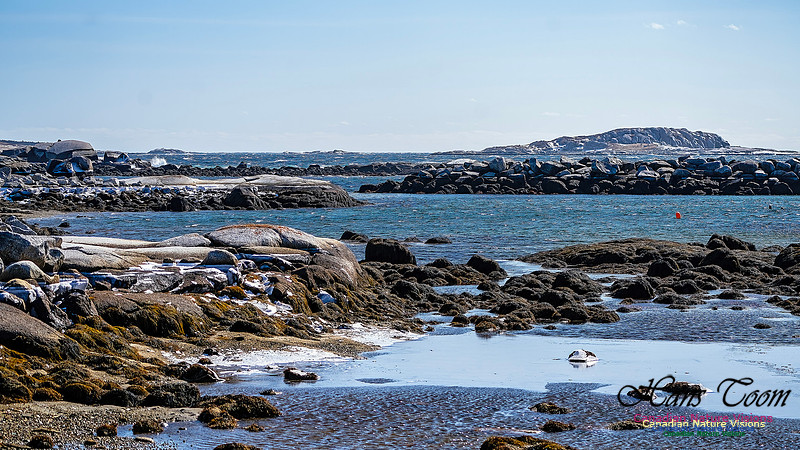
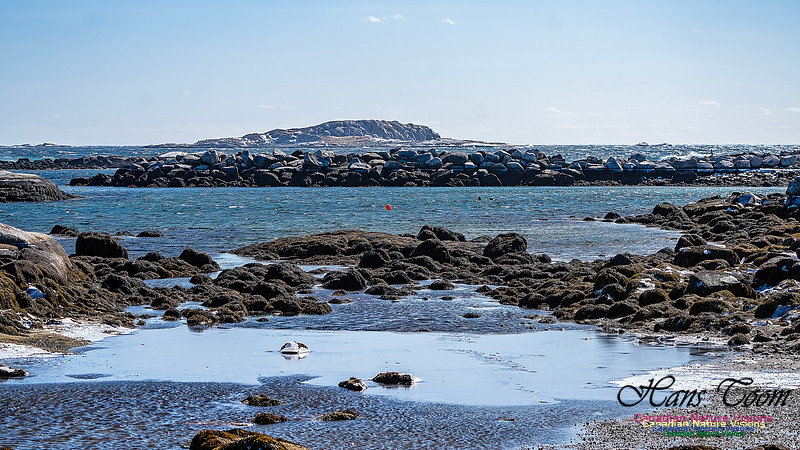
Blustery Day Along Nova Scotia CoastThe blustery day never came close to gale force status but it was a good workout for the photographer and his camera nonetheless. Blustery Day Along Nova Scotia Coast
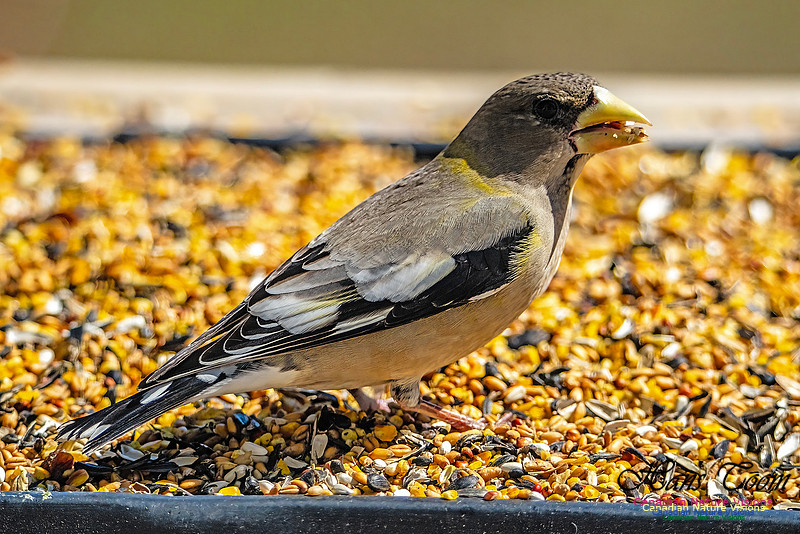
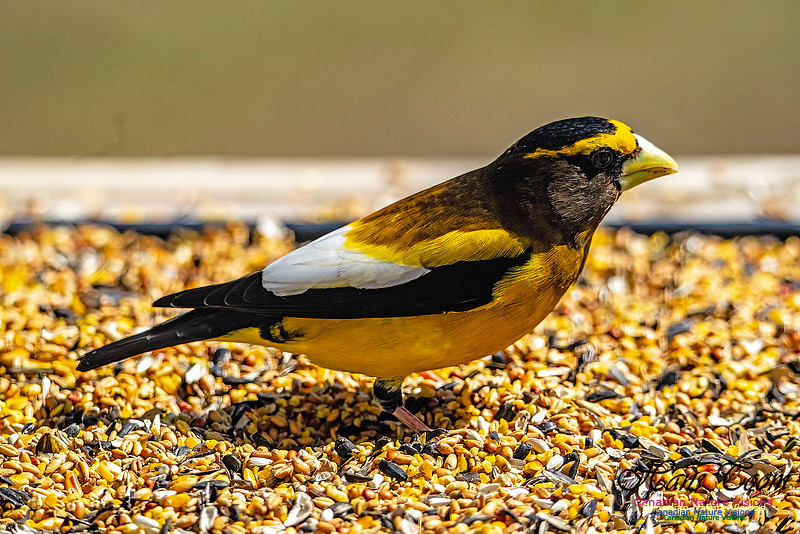
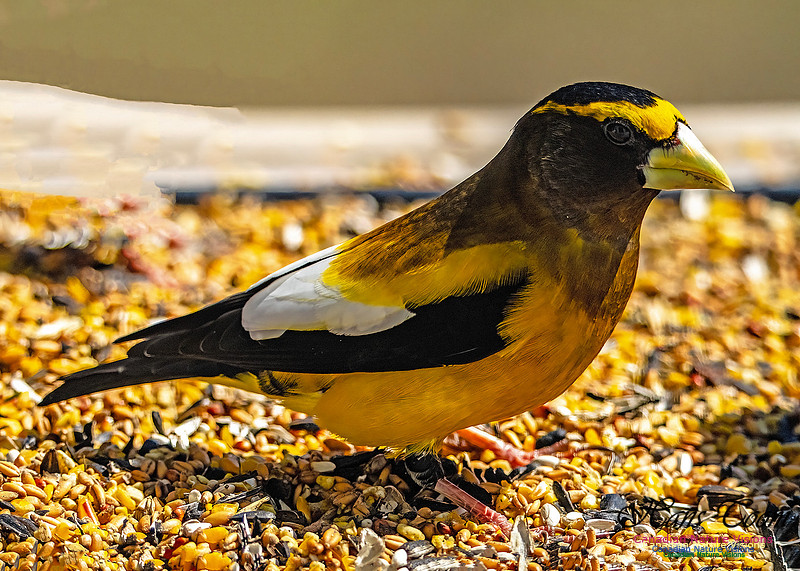
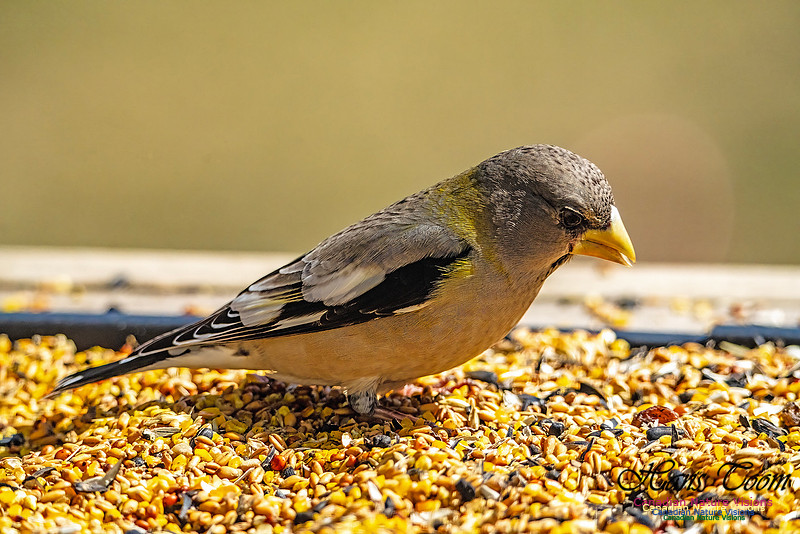
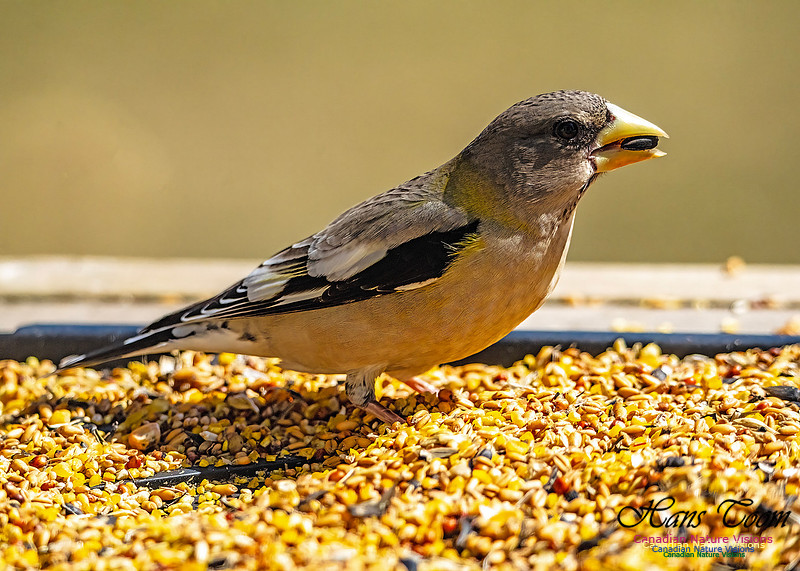
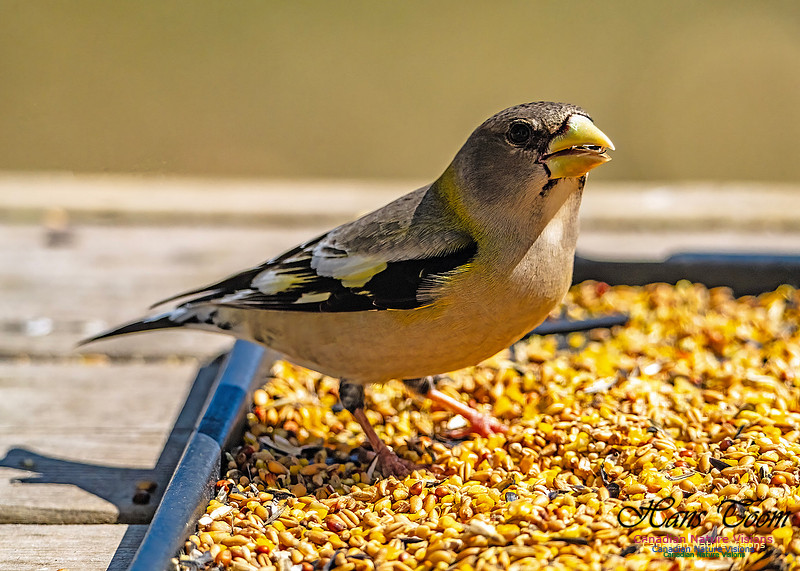
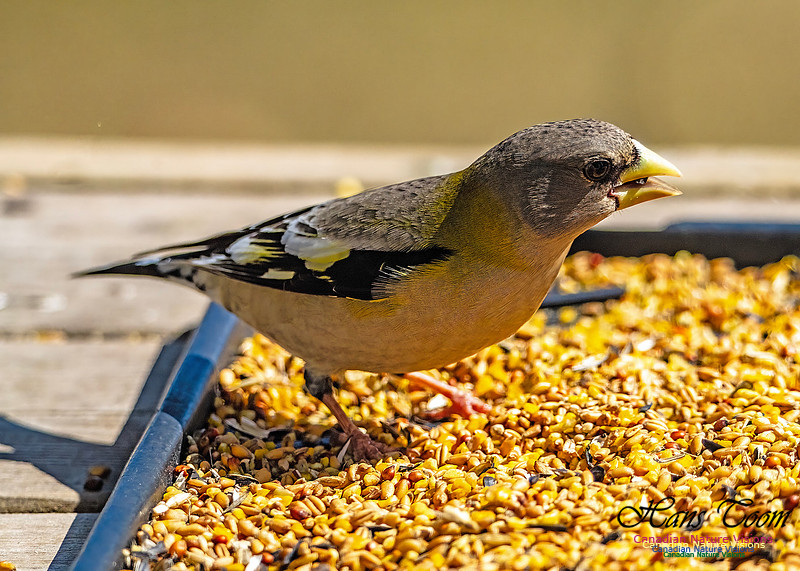
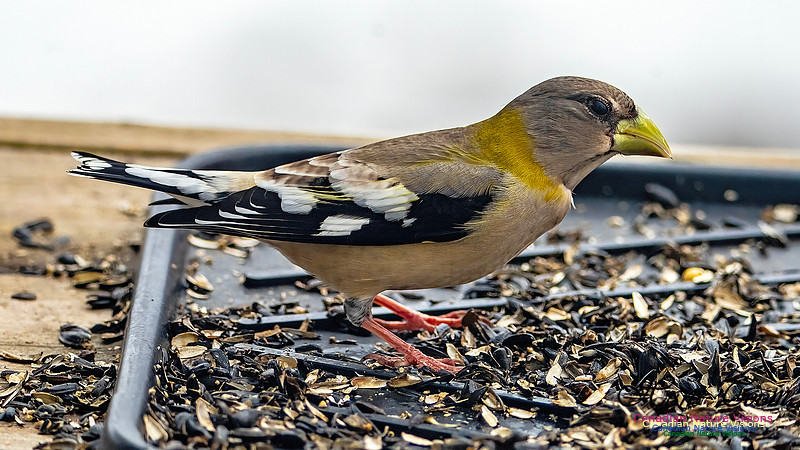
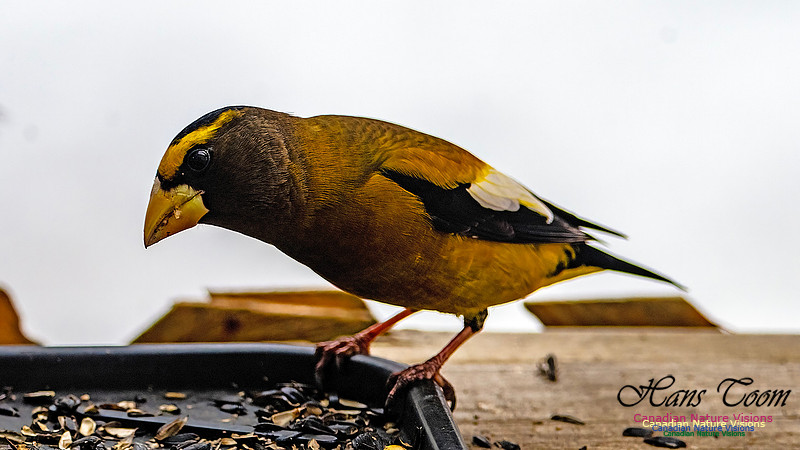
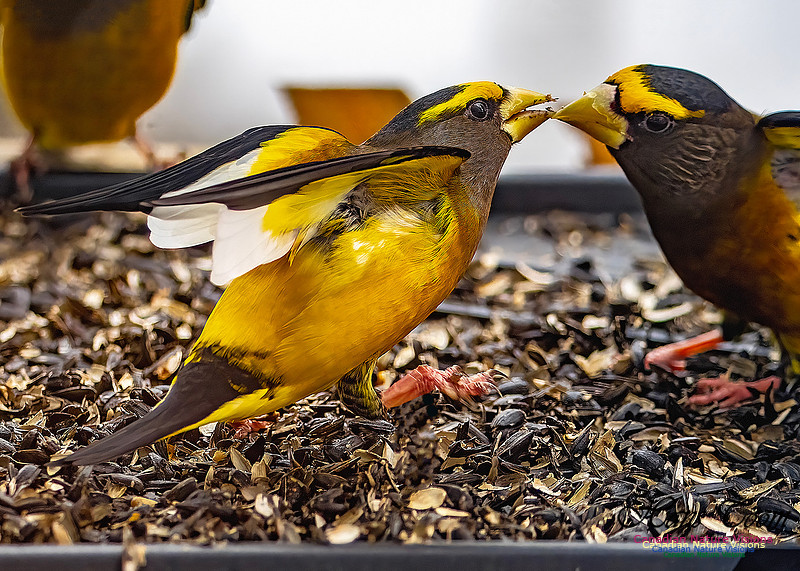
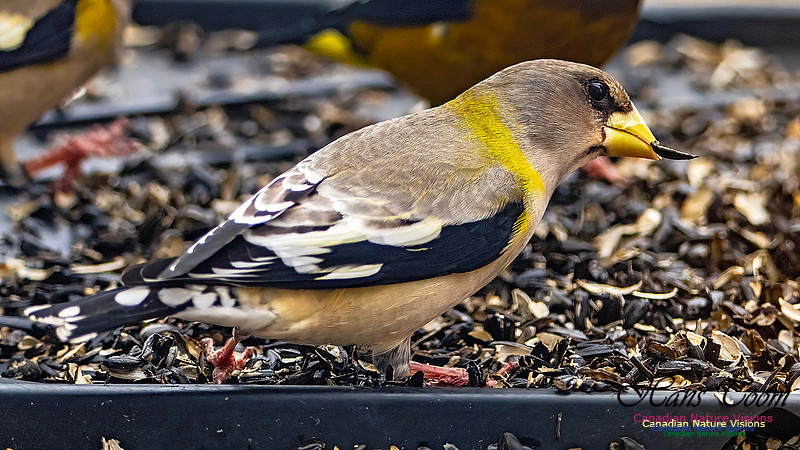
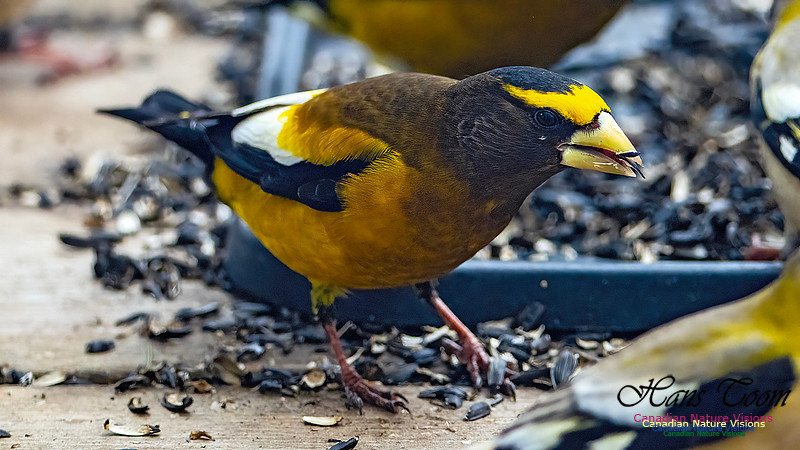
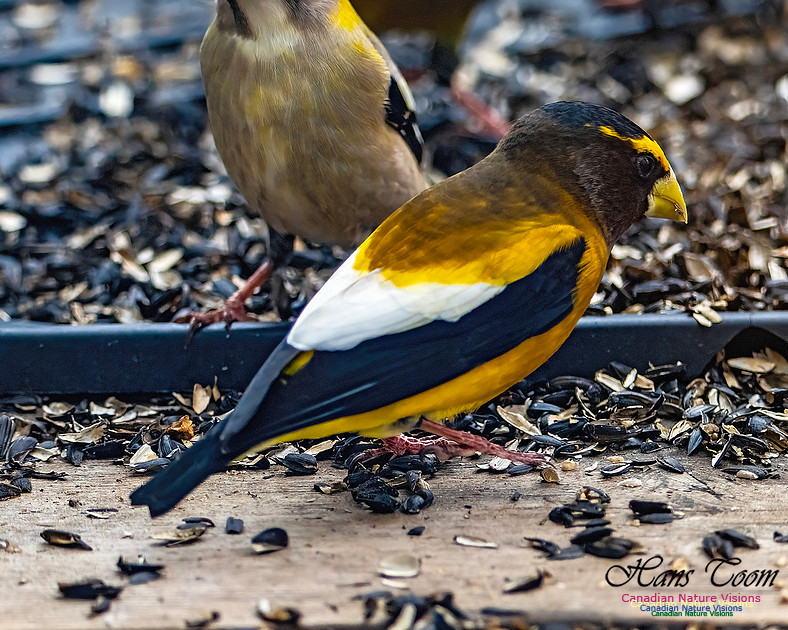
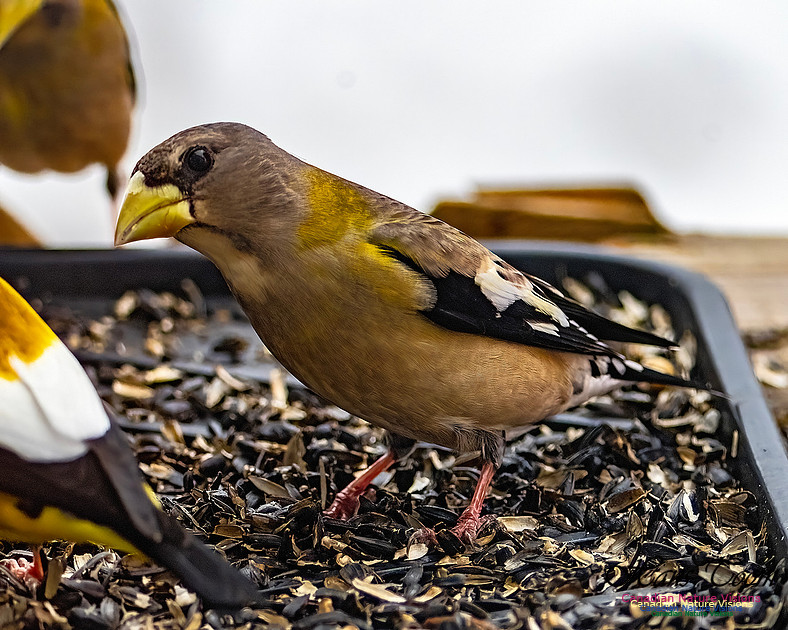
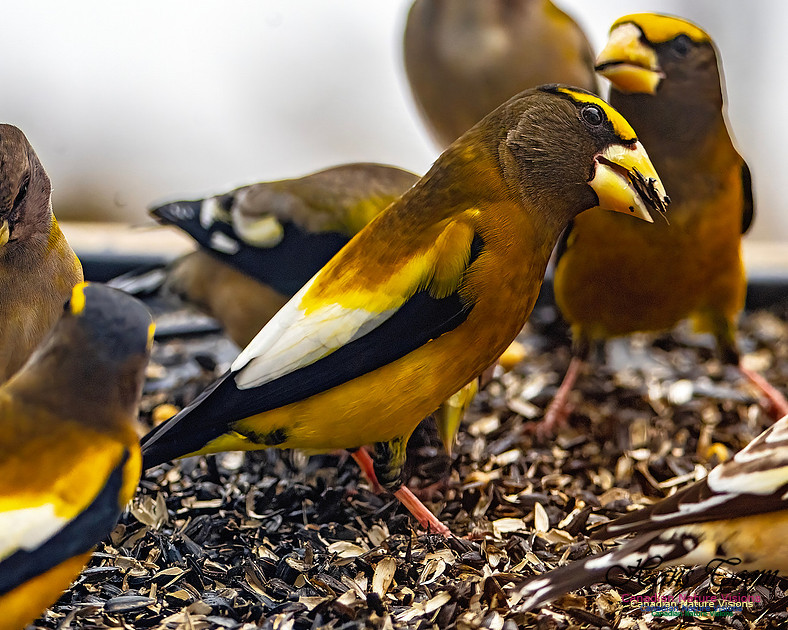
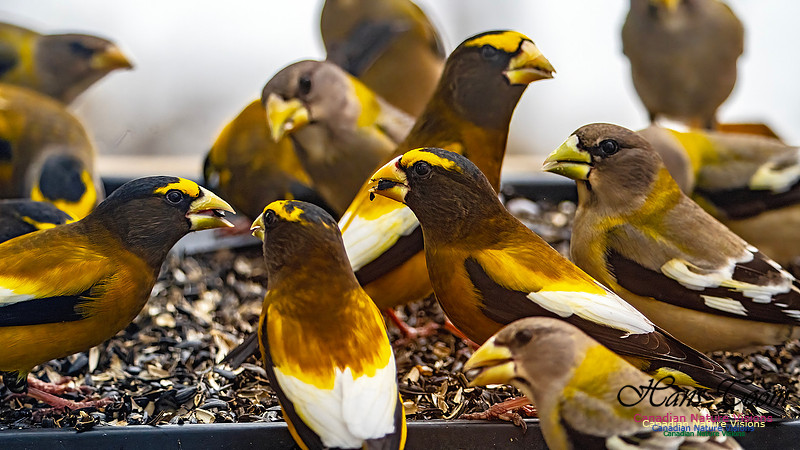
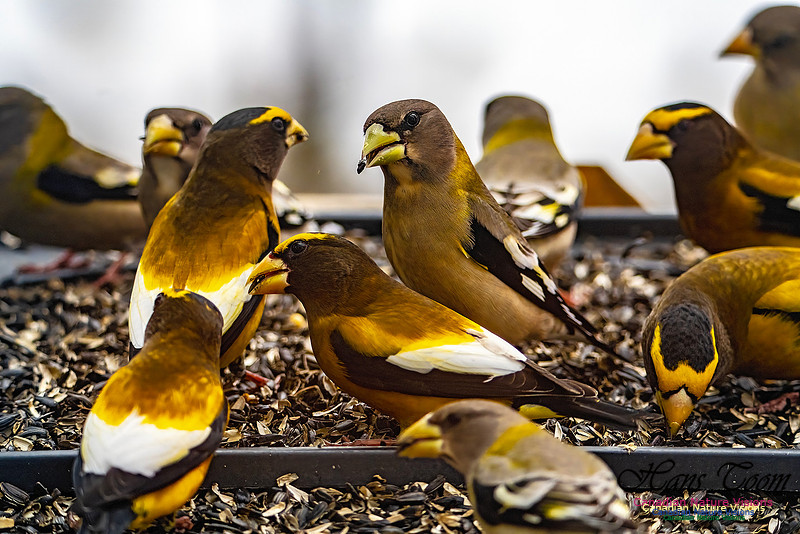
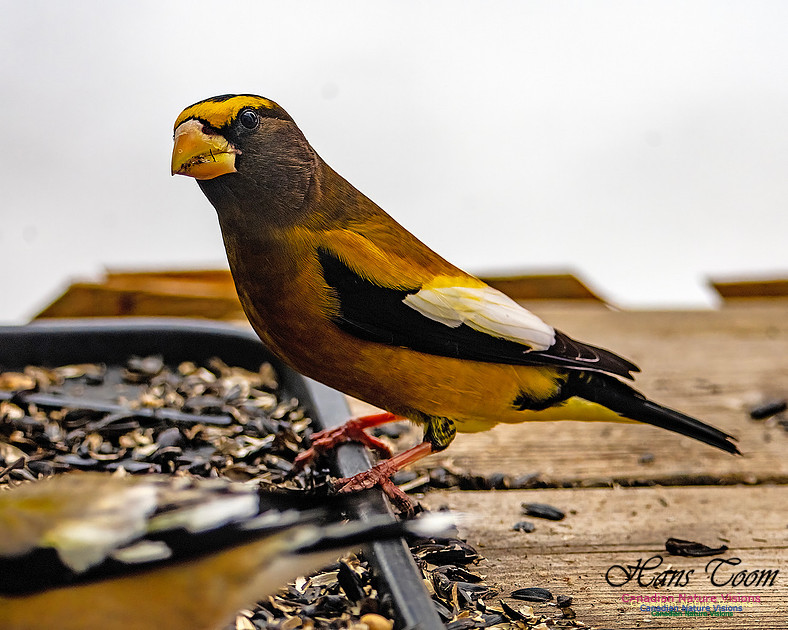
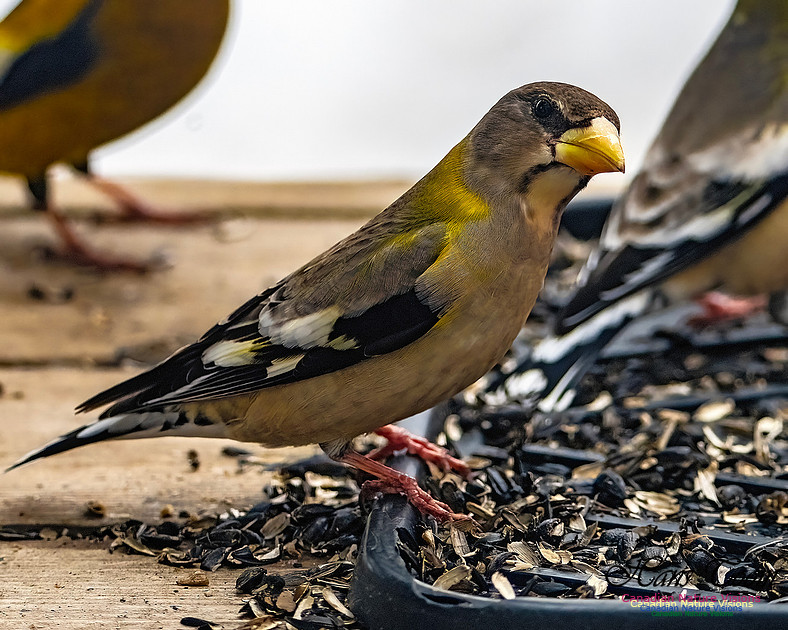
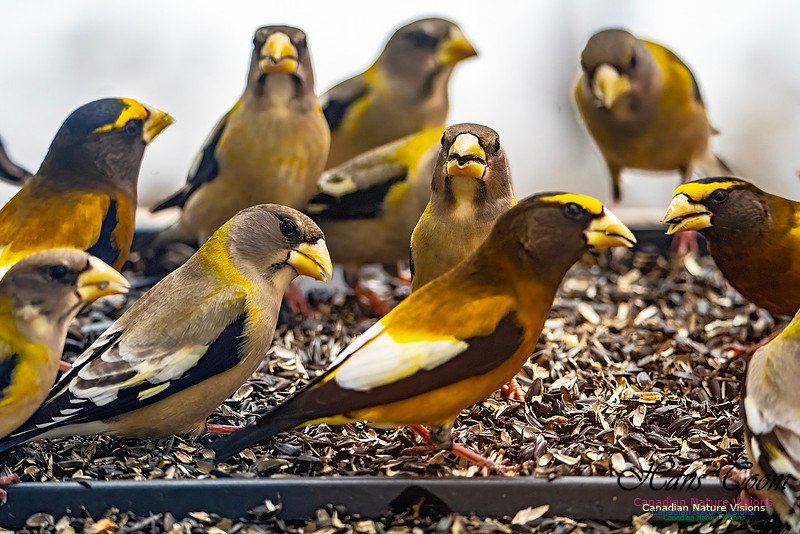
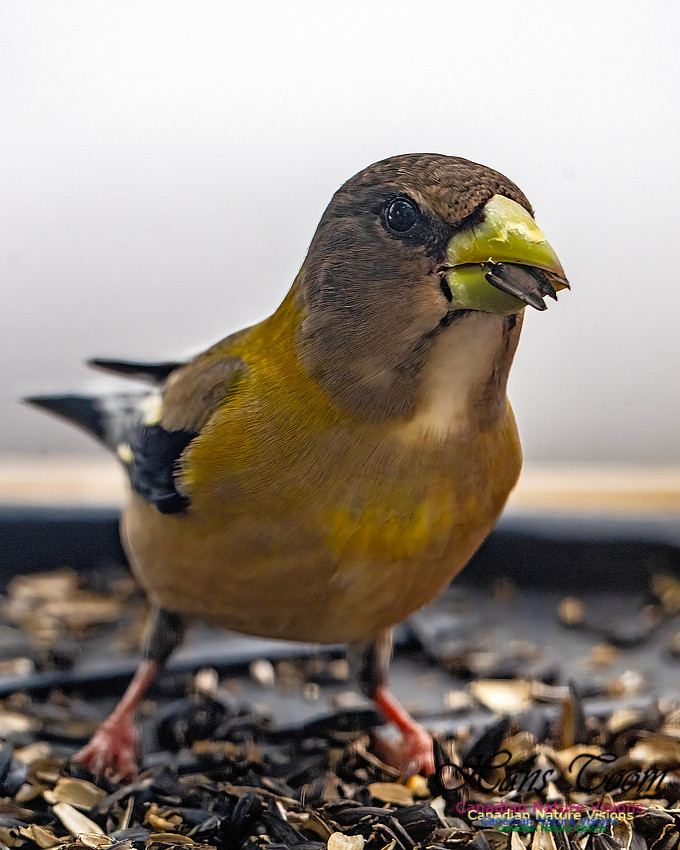
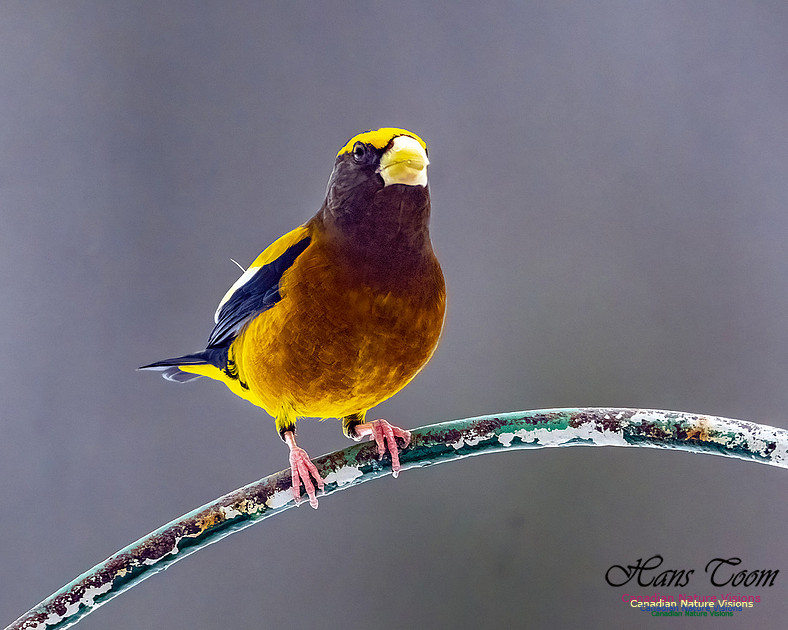
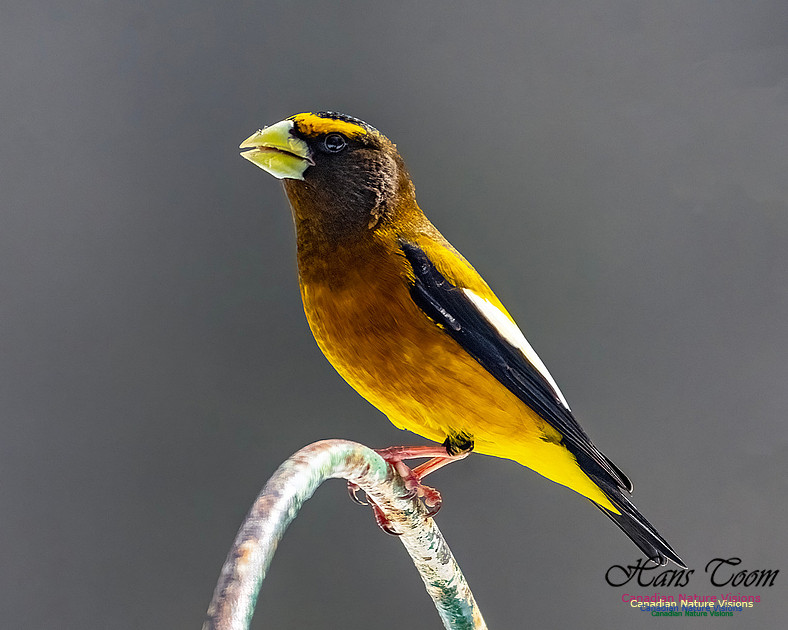
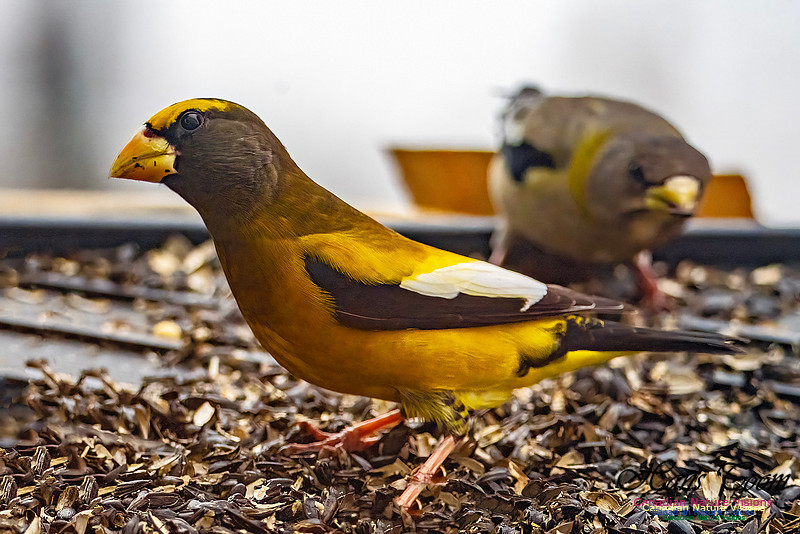
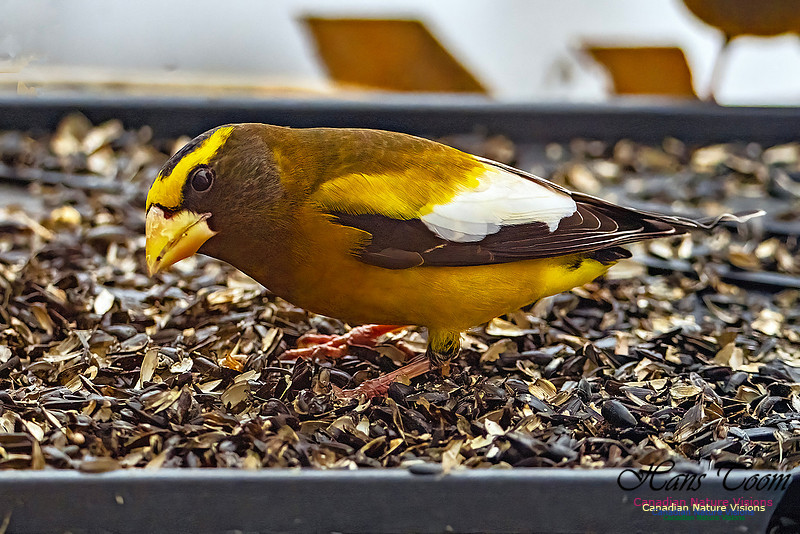
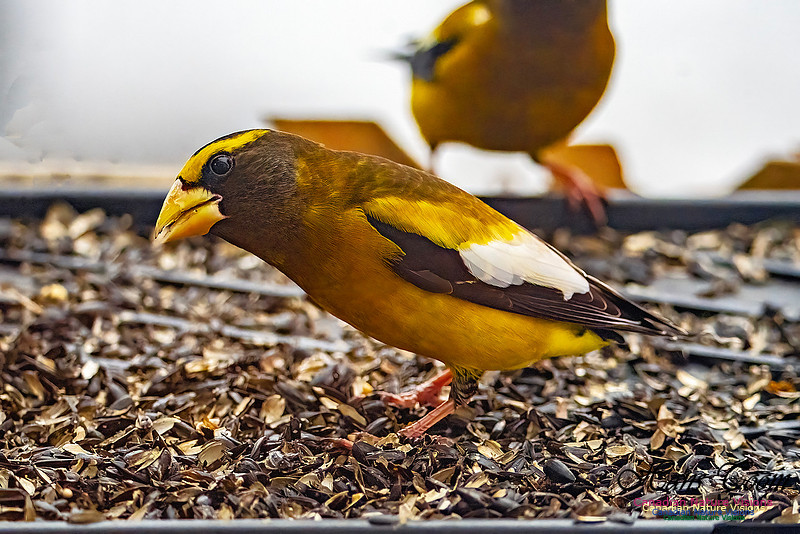
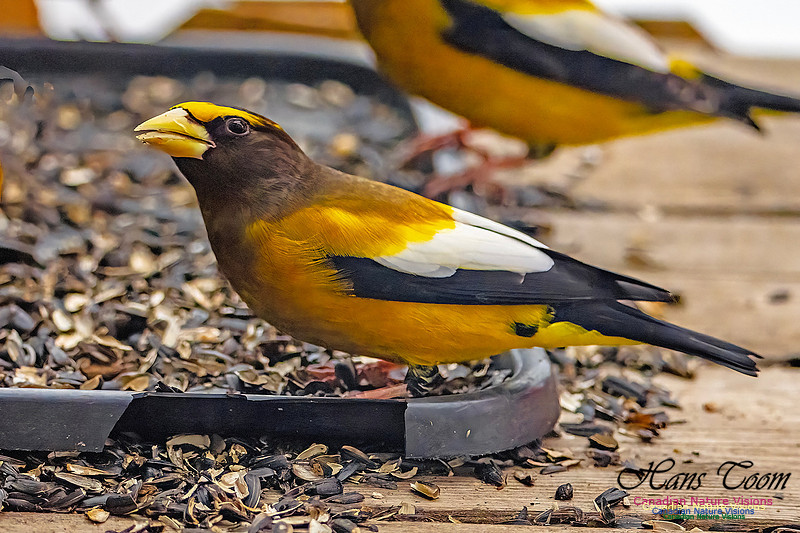
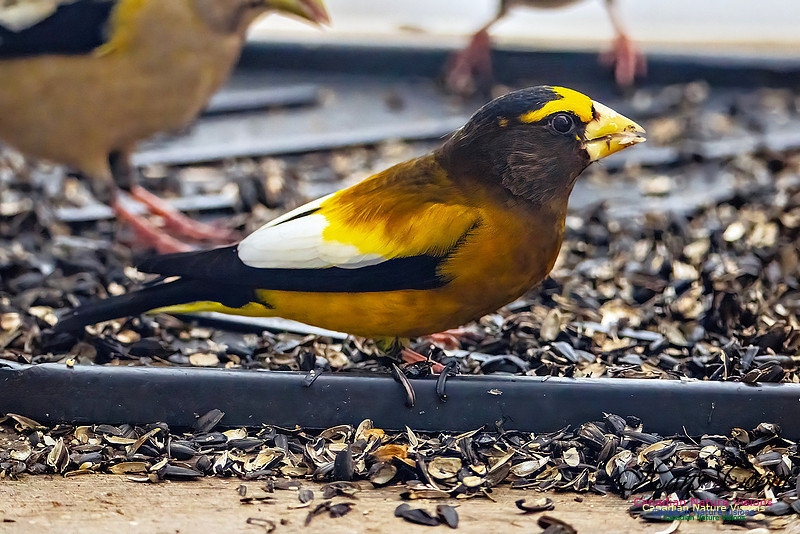
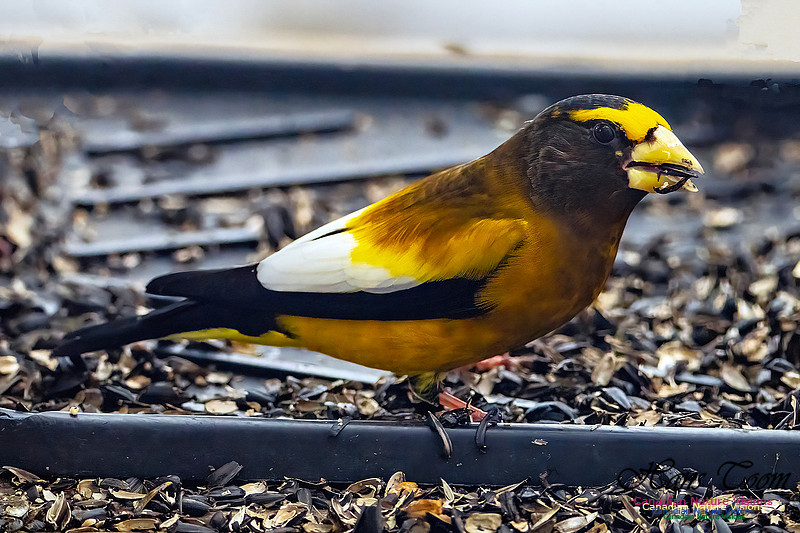
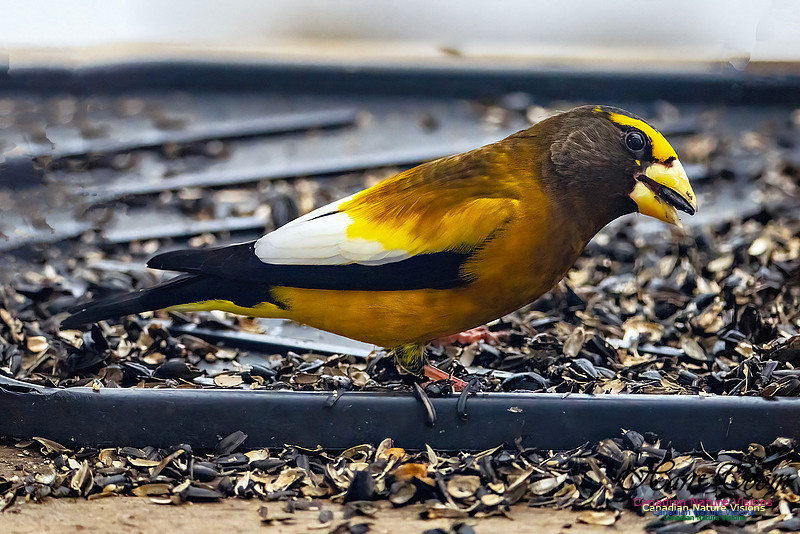
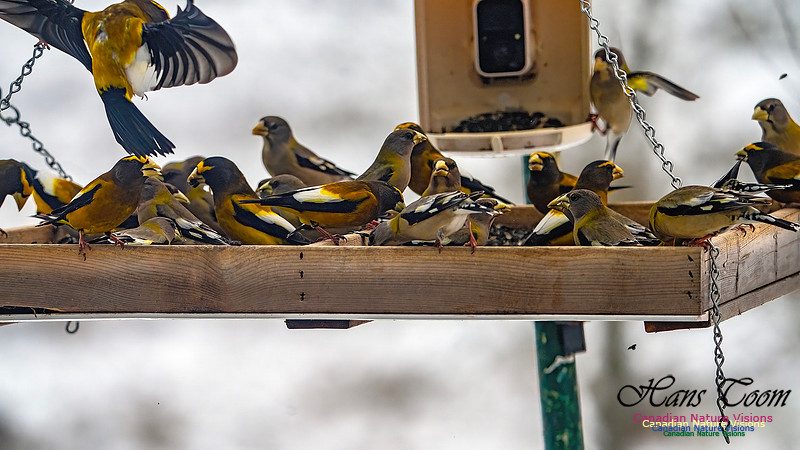
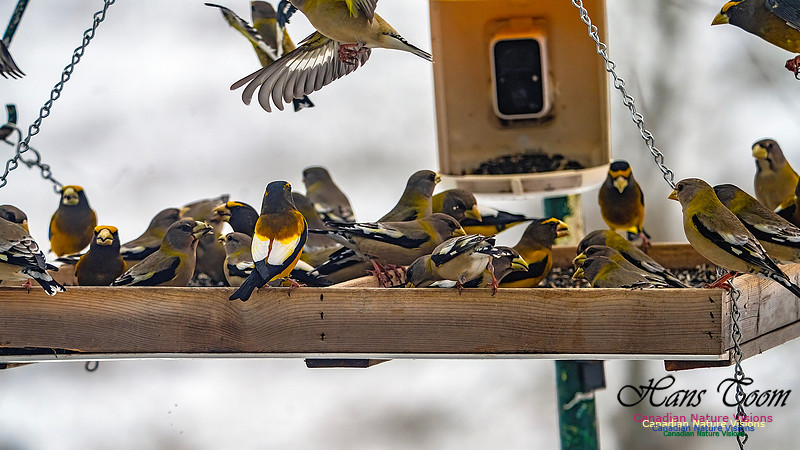
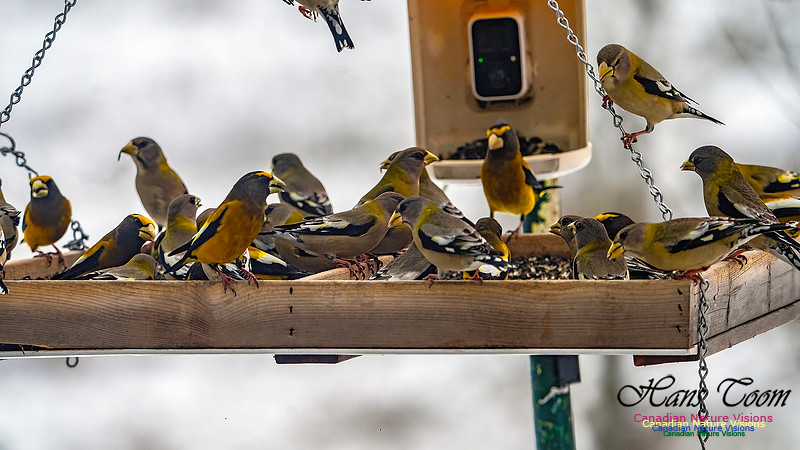
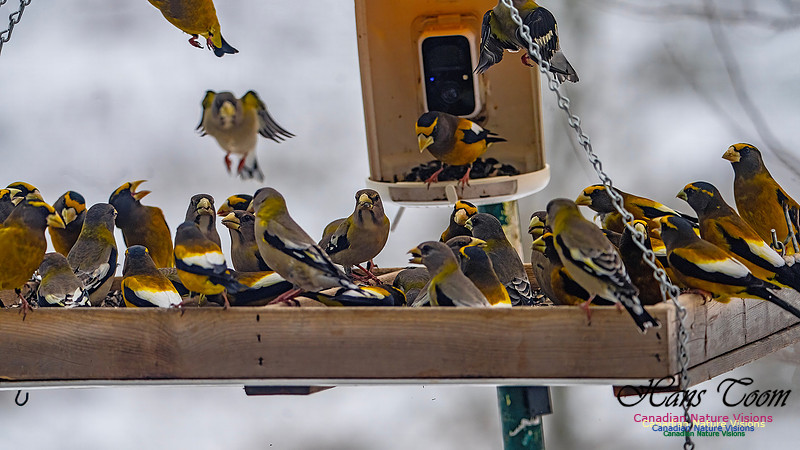
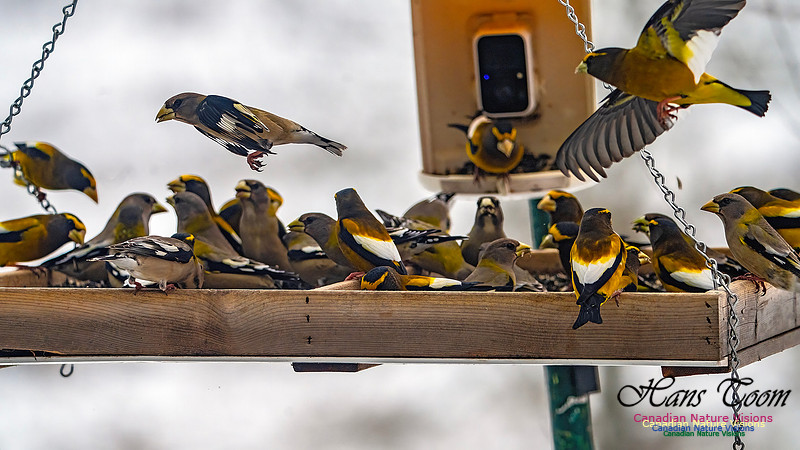
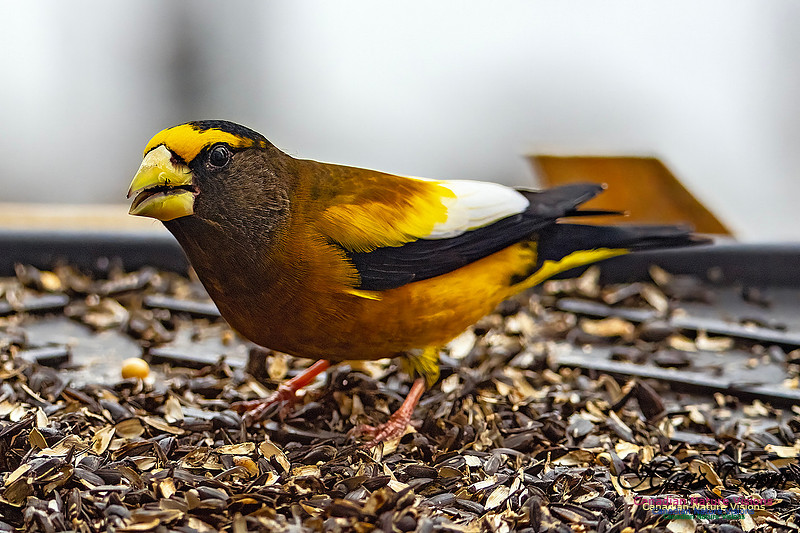
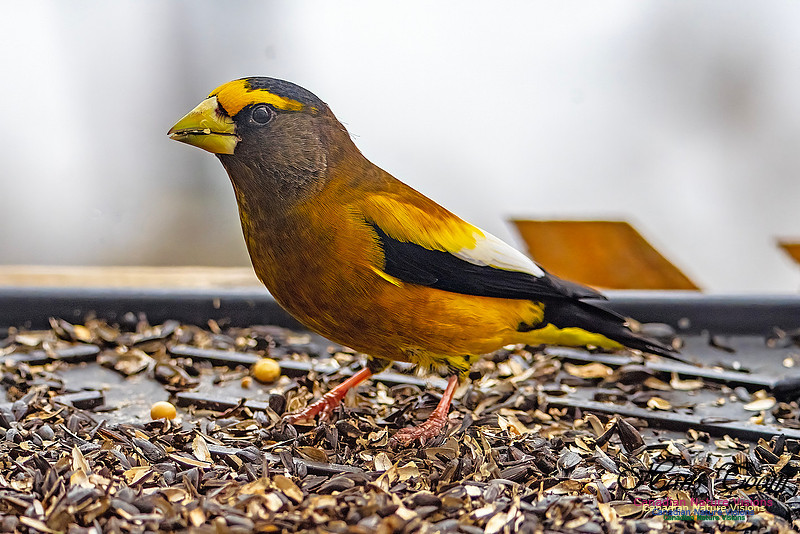
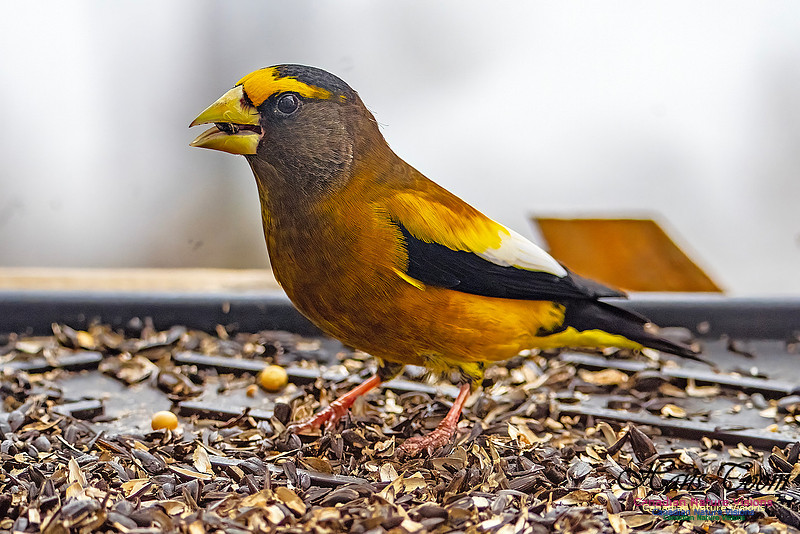
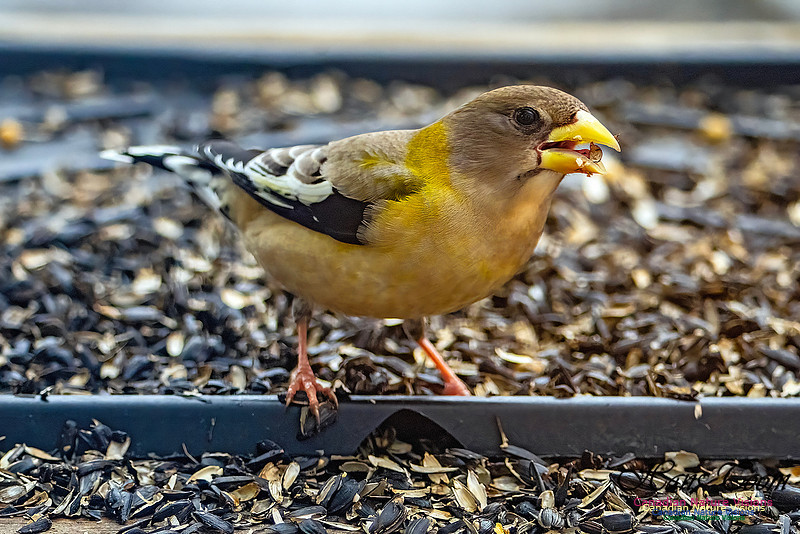
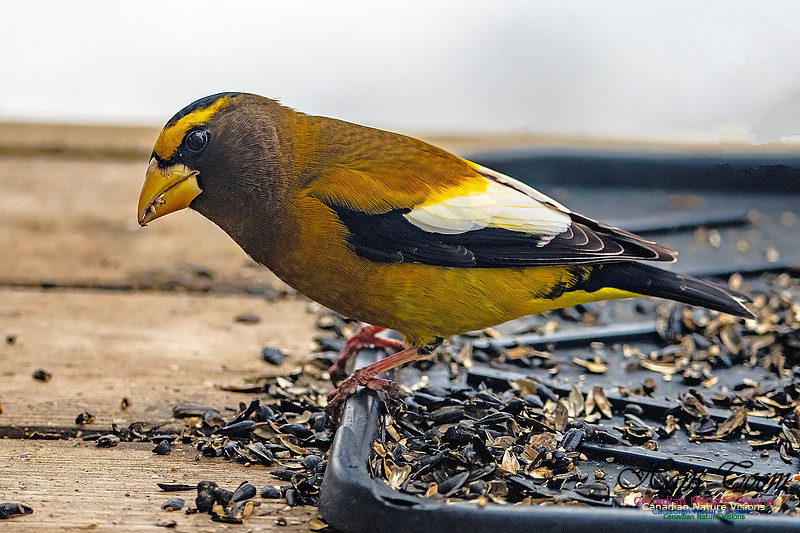
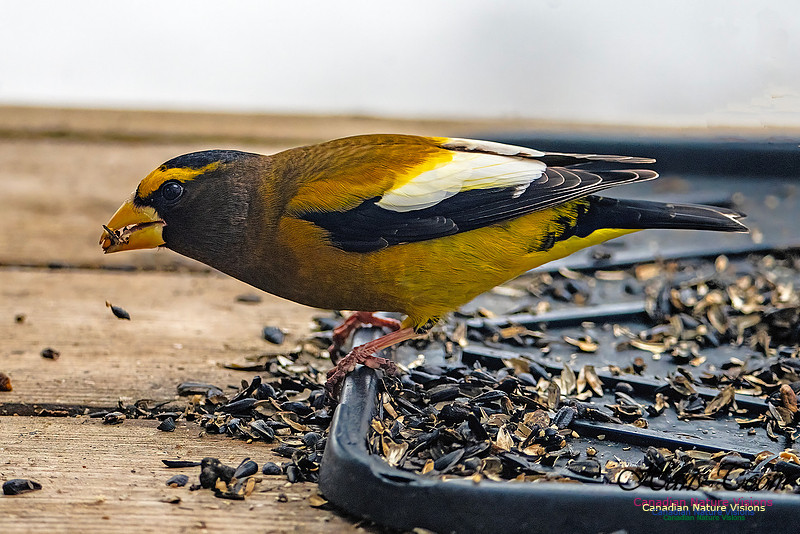
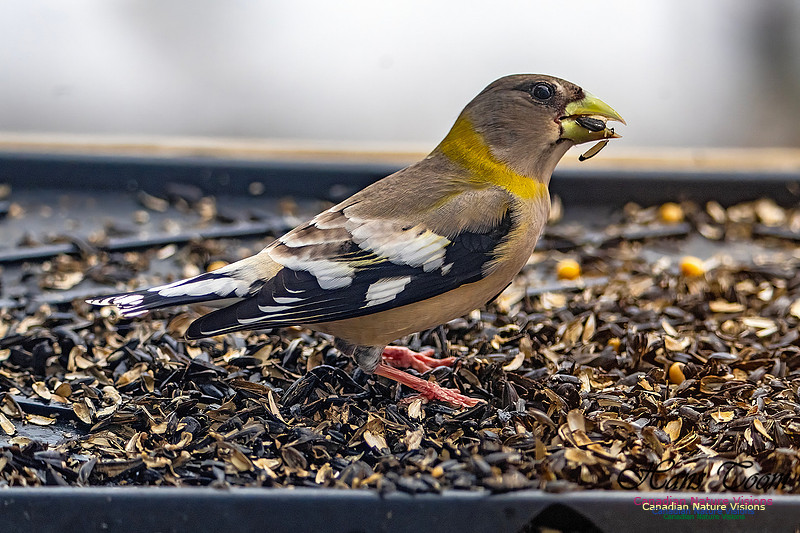
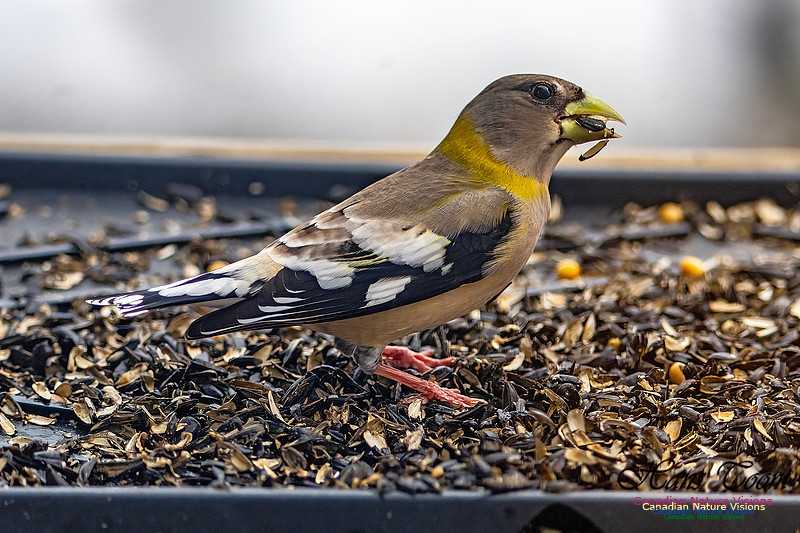
The Last of the Evening GrosbeaksWe all knew the Evening Grosbeaks would disperse as the weather improved and it is happening. Many will wish they had take bunches more photos while they were here. I think I took enough to satisfy my desire to capture this bird in photographs. Evening Grosbeak
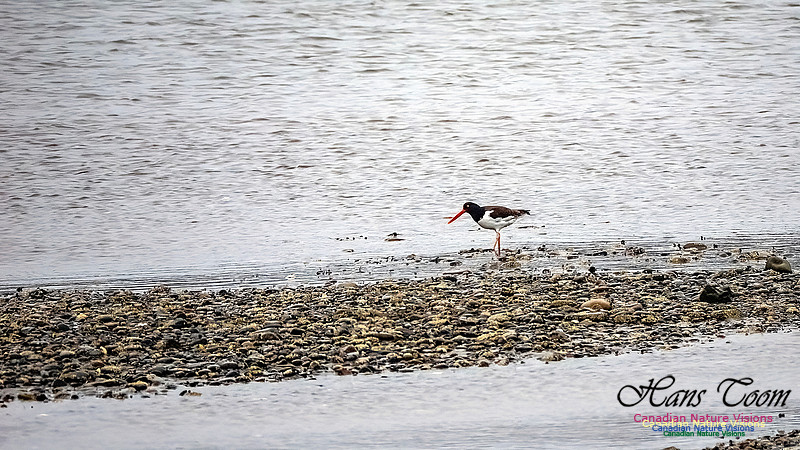
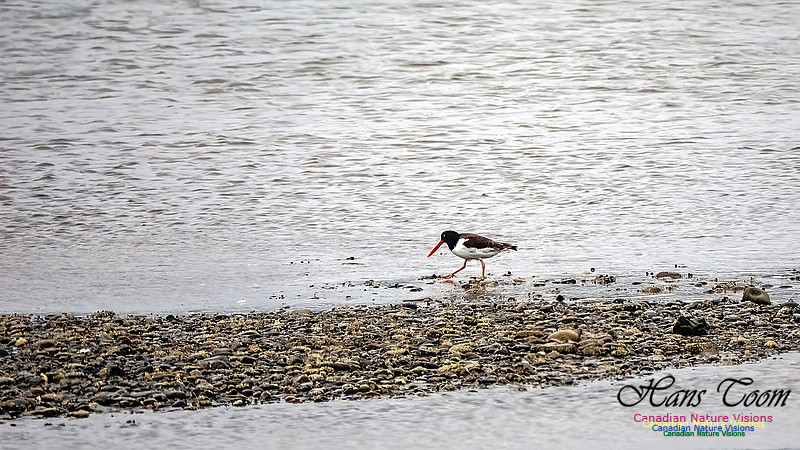
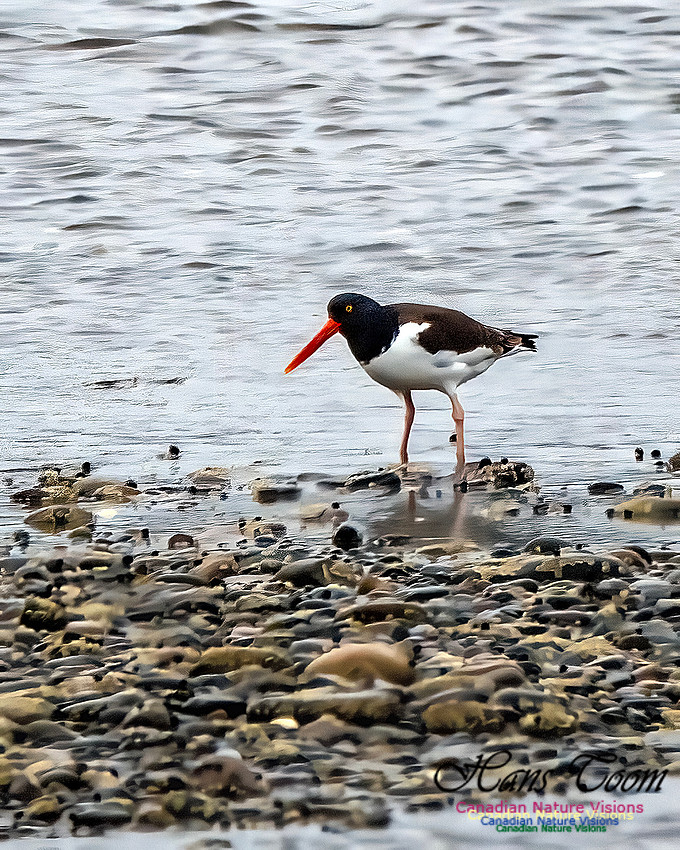
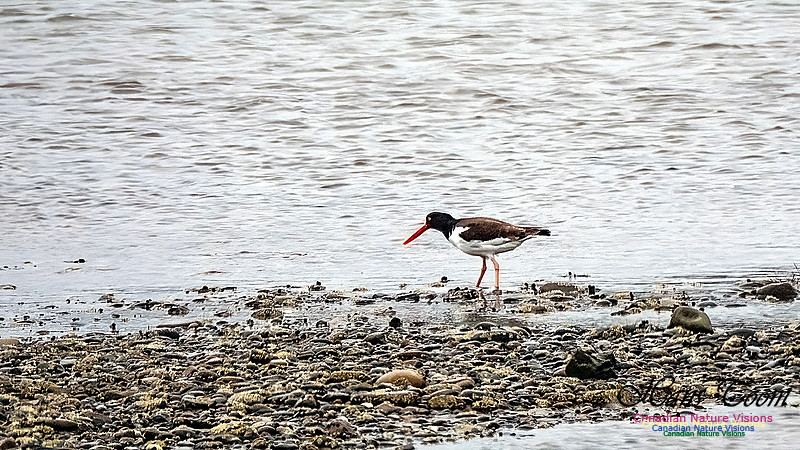
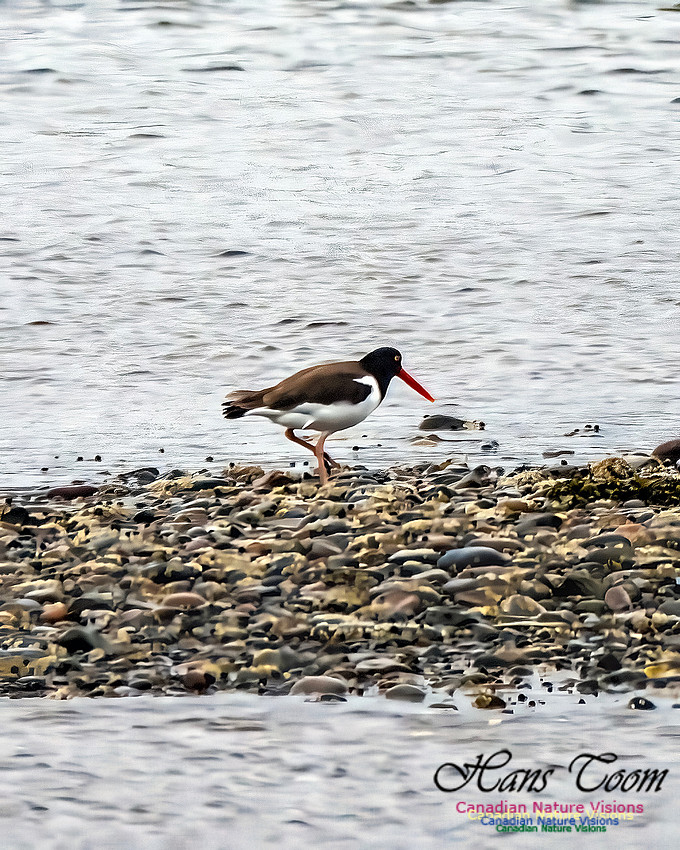
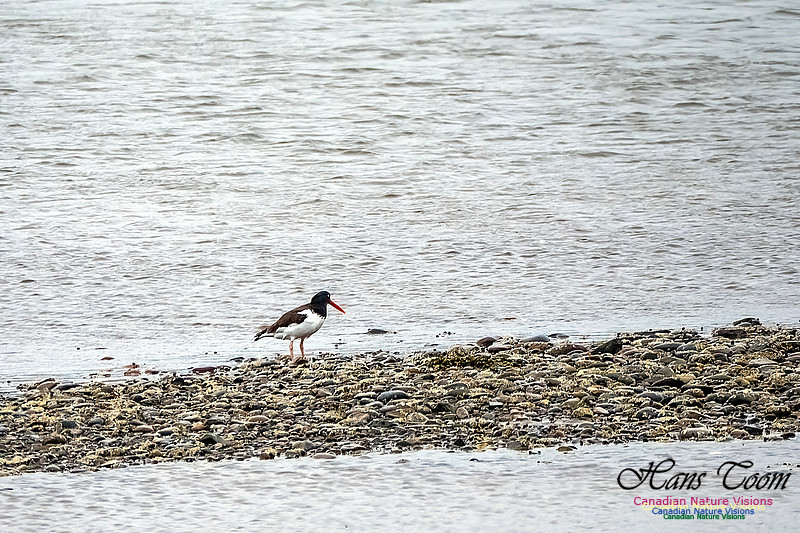
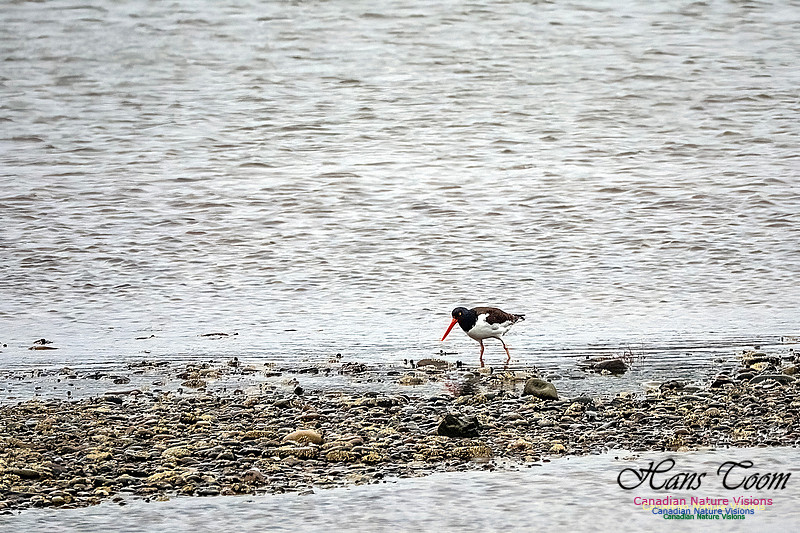
American OystercatcherUsually the American Oystercatcher is on islands south of Cape Sable Island. The last one I photographed was on Cape Sable within one kilometre of the southernmost point of Nova Scotia. This one was off the Fisherman's Reserve Causeway some distance from me. Even with an 800mm lens there was cropping, some severe. It can be considered rare this far east. American Oystercatcher
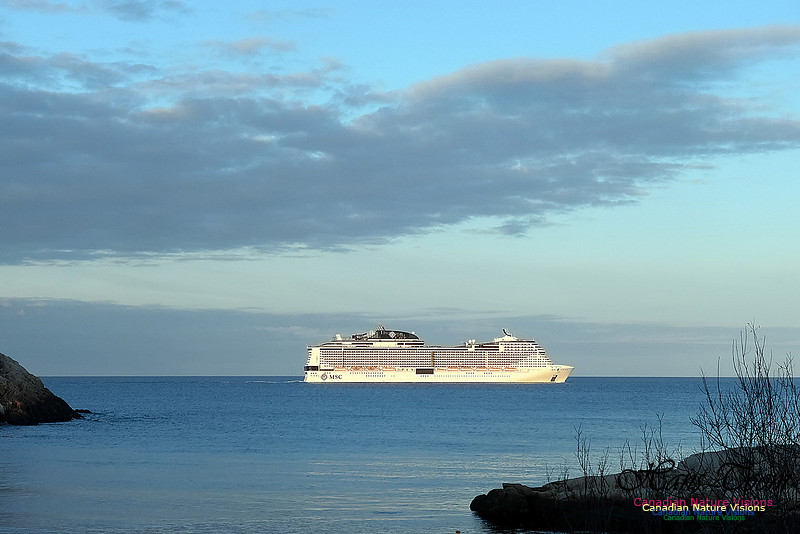
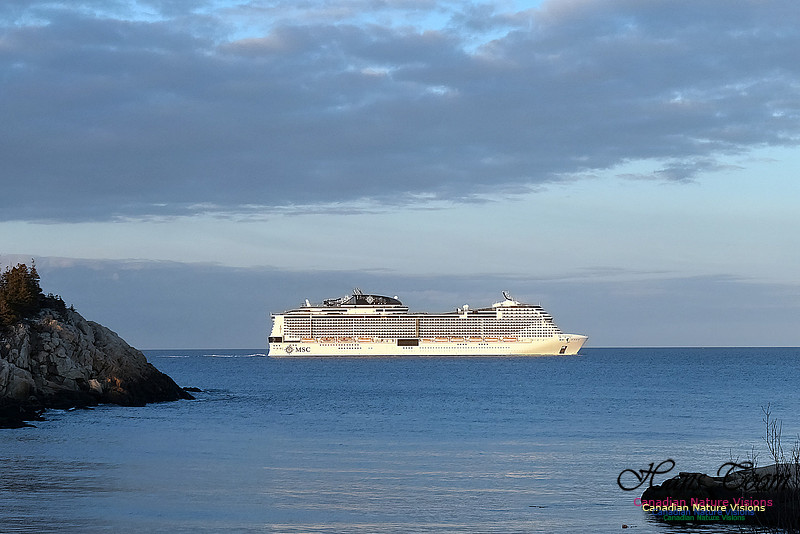
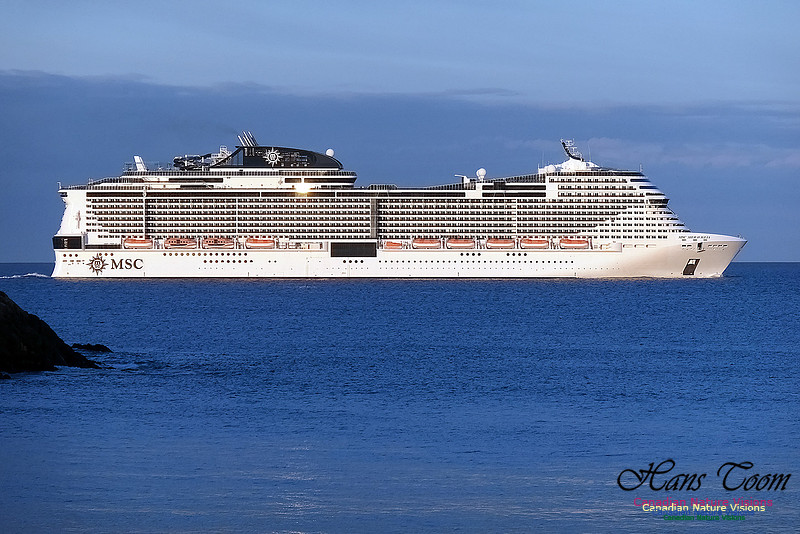
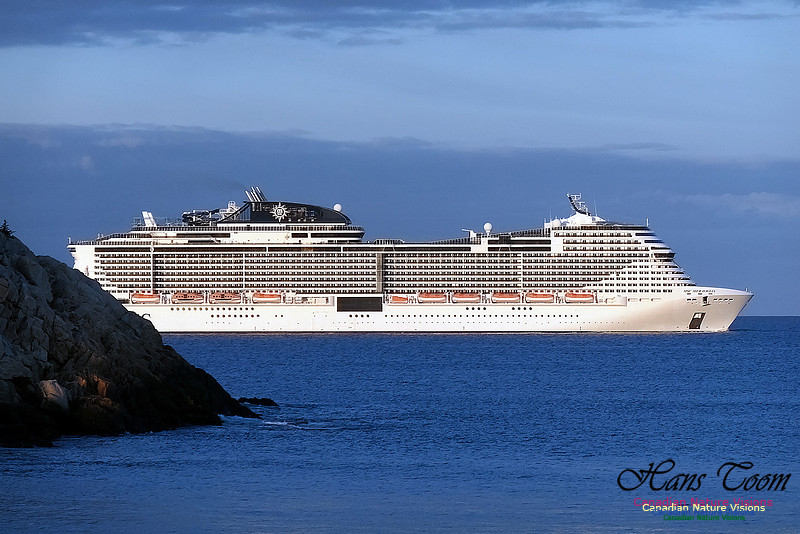
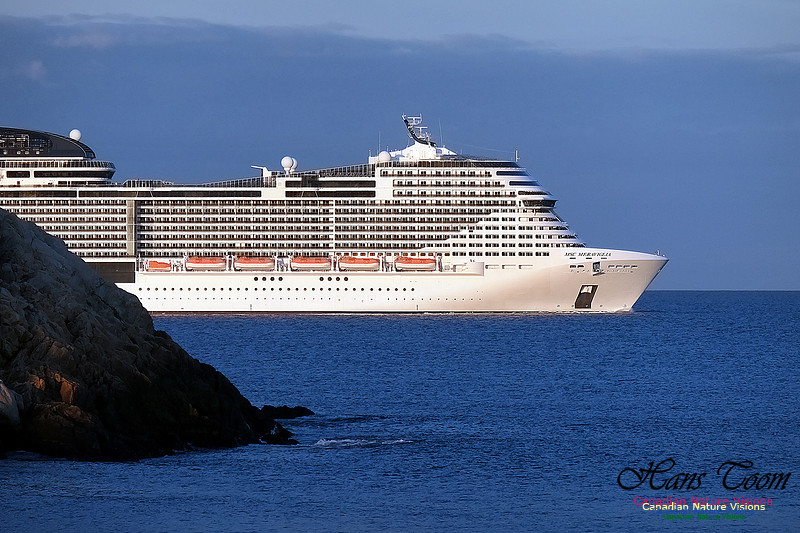
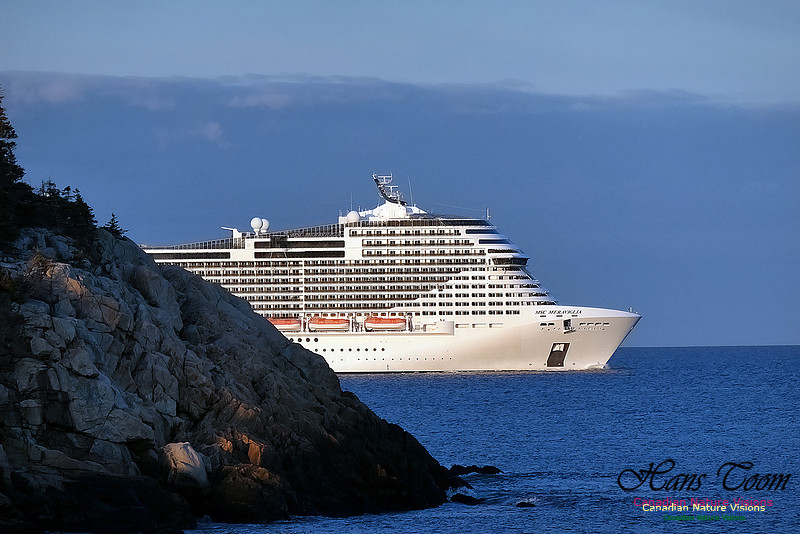
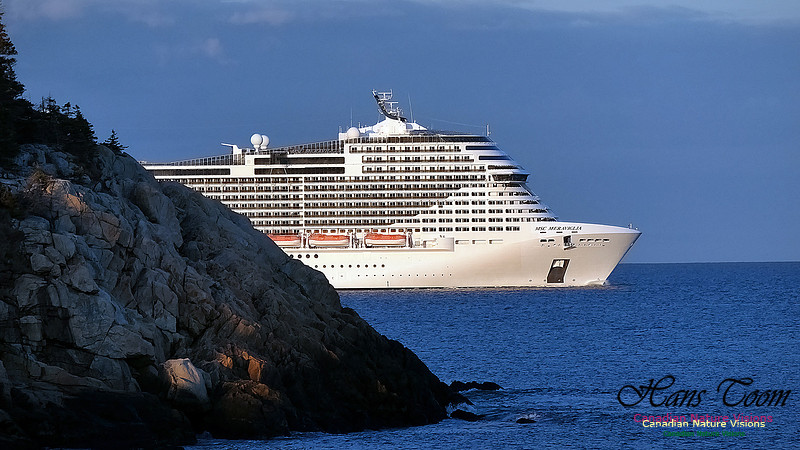
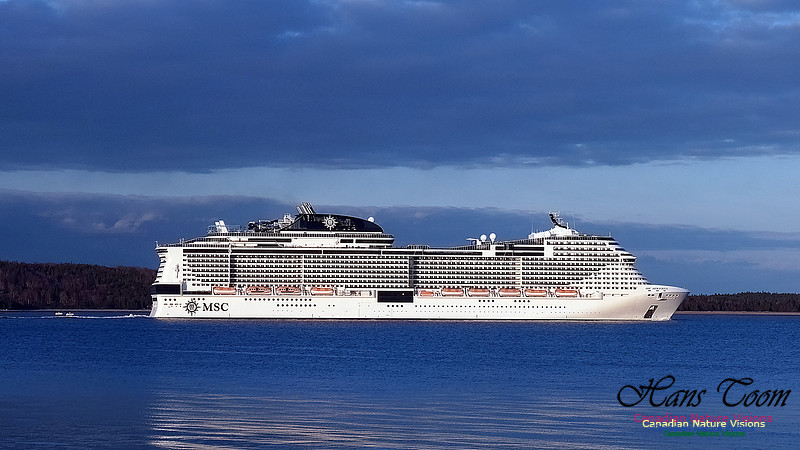
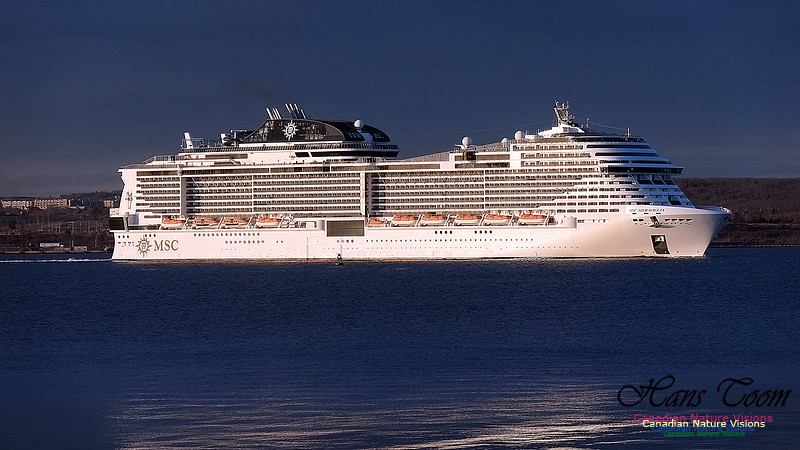
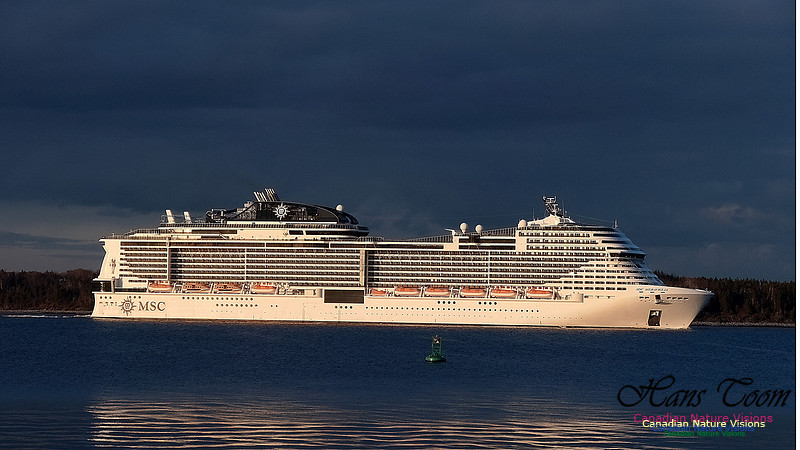
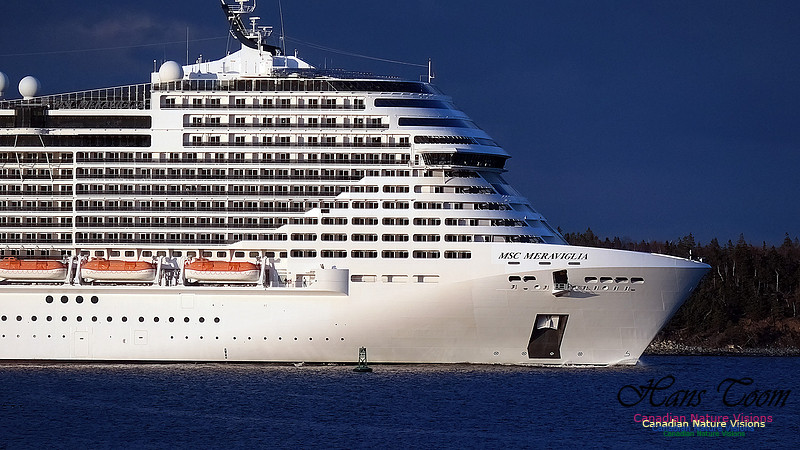
MSC MeravigliaMSC Meraviglia
I photographed this monster leaving Halifax Harbour, unbelievable size and passenger capacity.
Courtesy Wikipedia MSC Meraviglia is a cruise ship owned and operated by MSC Cruises, built at the Chantiers de l'Atlantique shipyard in Saint-Nazaire, France, by STX France. MSC Meraviglia is the lead ship of the Meraviglia class, second ship, MSC Bellissima, entering service in 2019.[8] Each vessel has a passenger capacity of 4,500. The ship design includes a large interior promenade with an LED panel ceiling. A larger Meraviglia Plus variant was later introduced[9] with MSC Grandiosa and MSC Virtuosa.[10] After entering service in June 2017, the MSC Meraviglia operated in Europe, as well as operating some cruises from Miami. In February 2020, with the outbreak of the COVID-19 pandemic, the ship was denied entry to ports in Jamaica and the Cayman Islands before being allowed to dock in Cozumel, Mexico. In April 2023, the MSC Meraviglia began year-round operations from the Brooklyn Cruise Terminal in New York City, where there was some backlash from the local community over pollution and other issues. MSC Meraviglia is ending operations from New York City in April 2026, with future plans to operate seasonal cruises from Miami, the Caribbean, and Europe.
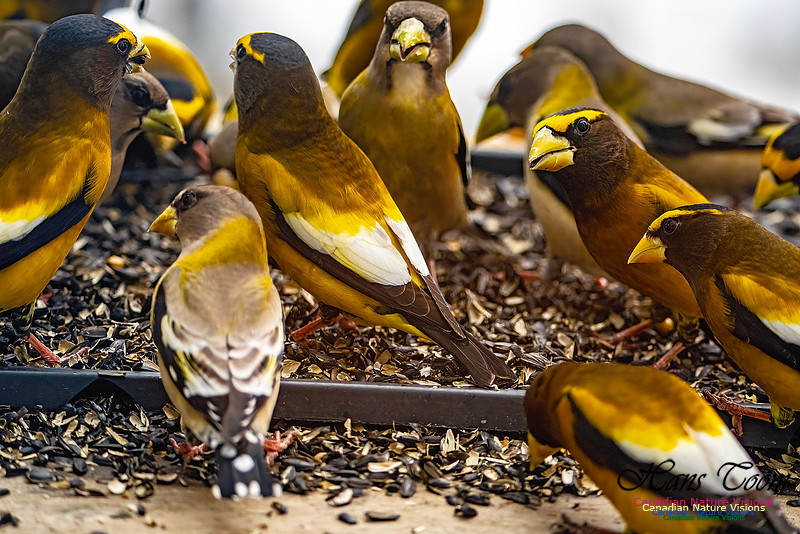
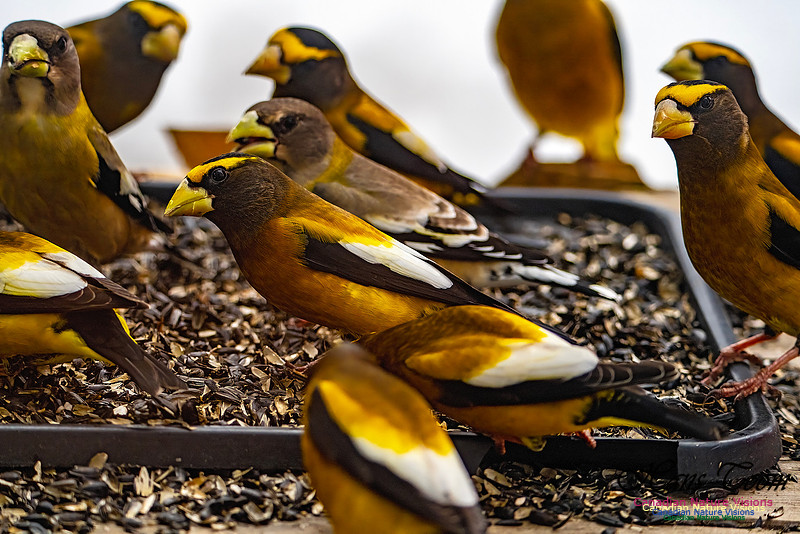
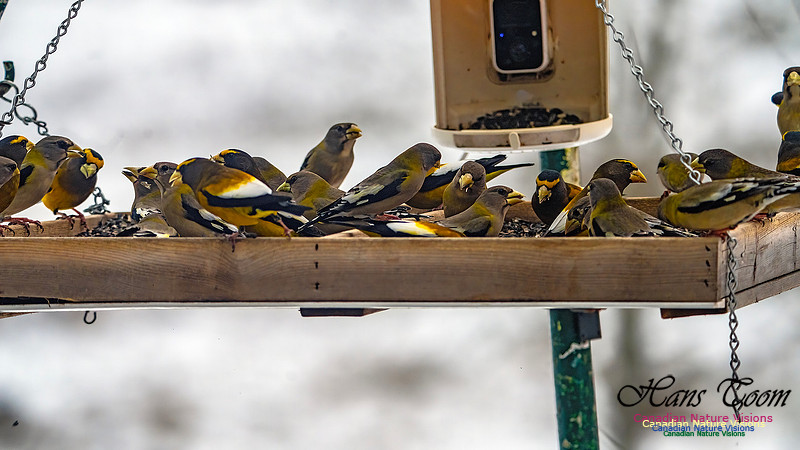
Evening Grosbeaks AplentyThe Evening Grosbeaks continue to linger at our numerous bird feeding stations. I doubt we will see another such eruption of this elegant and unique finch, burnt orange chest on male, for another 30 years so enjoy them now. Evening Grosbeaks Aplenty
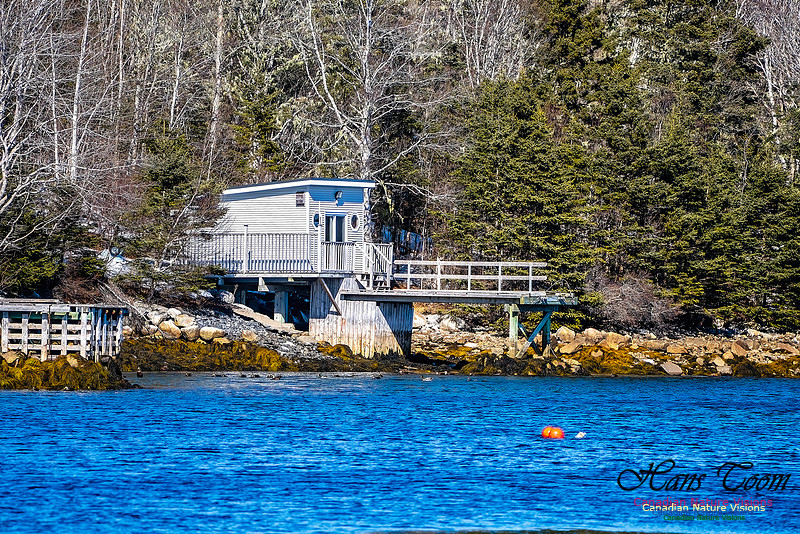
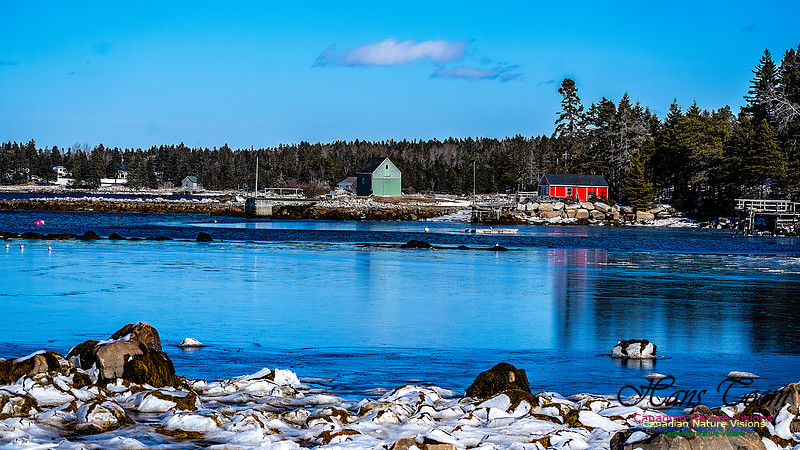
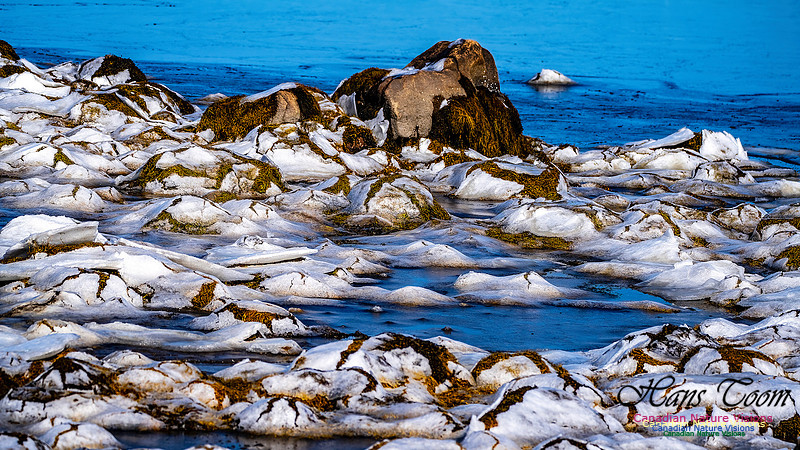
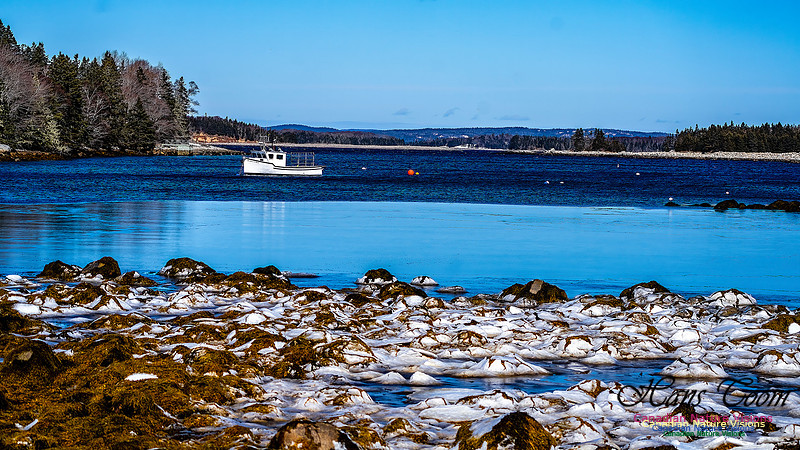
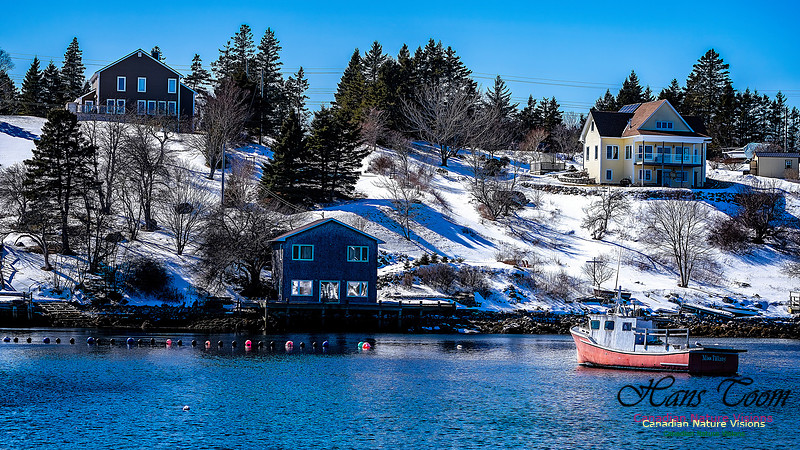
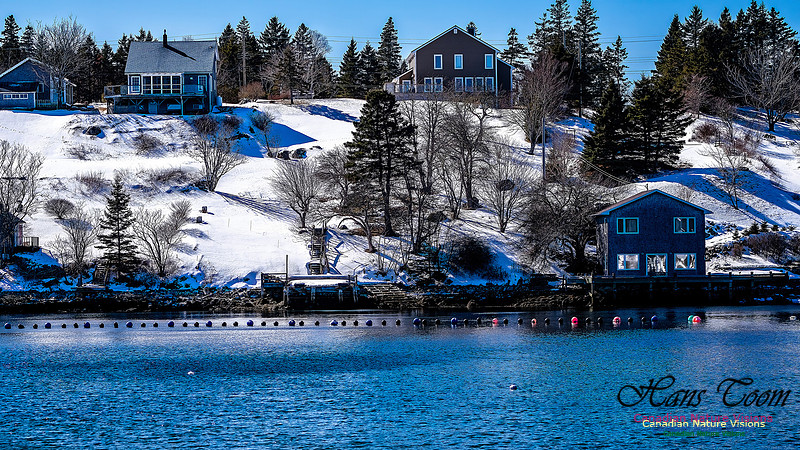
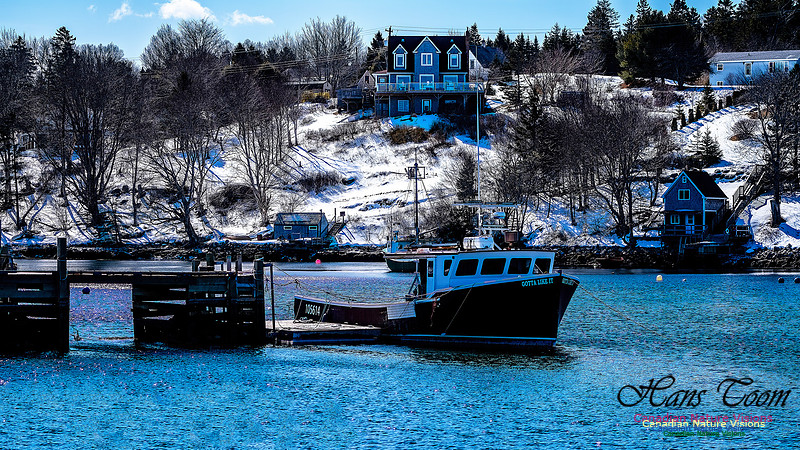
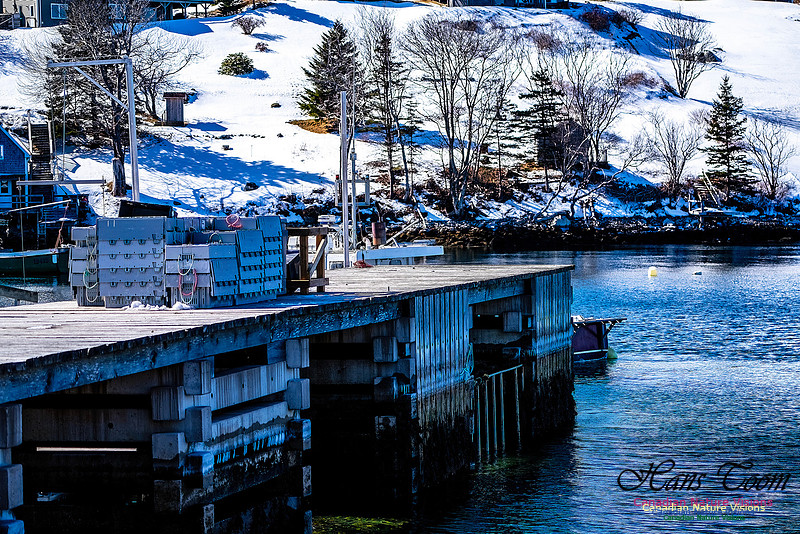
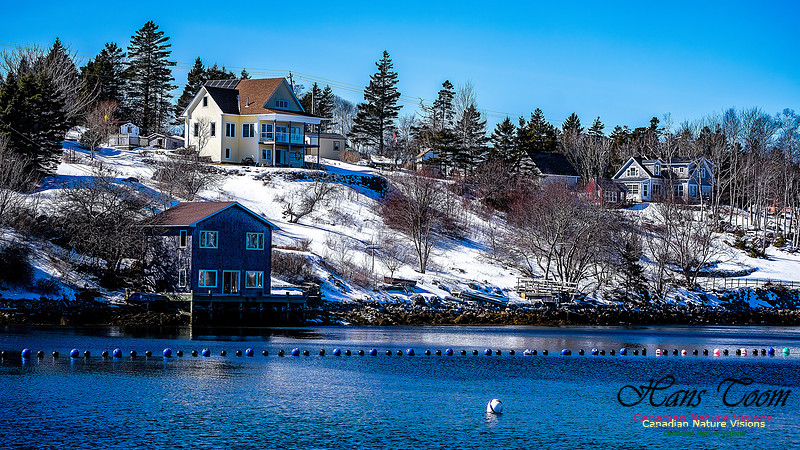
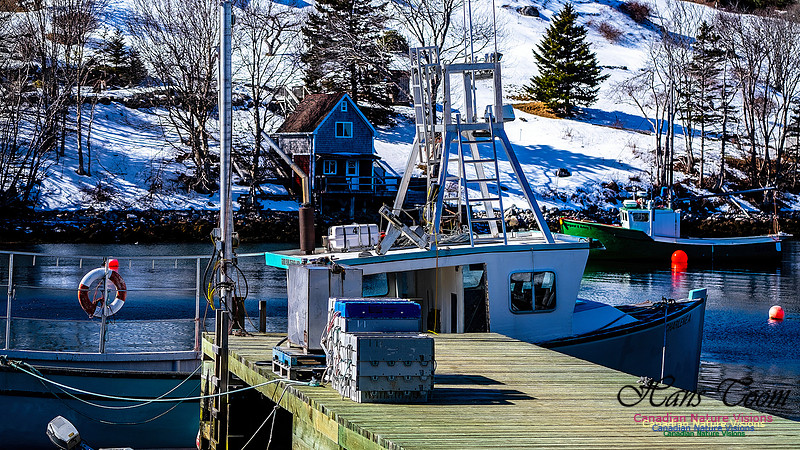
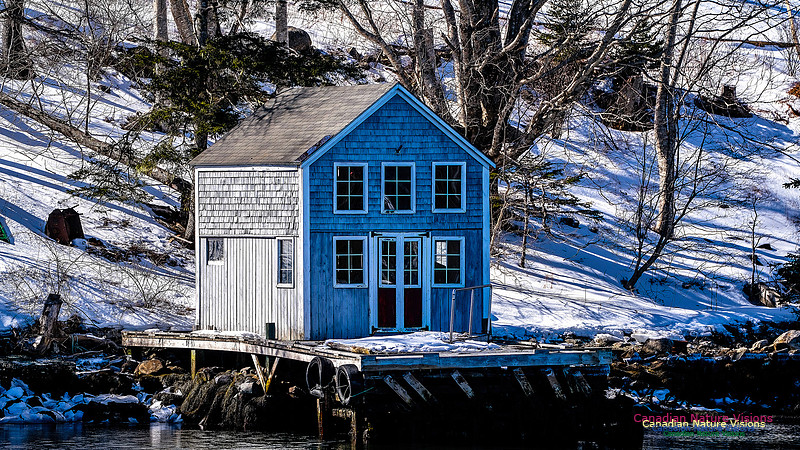
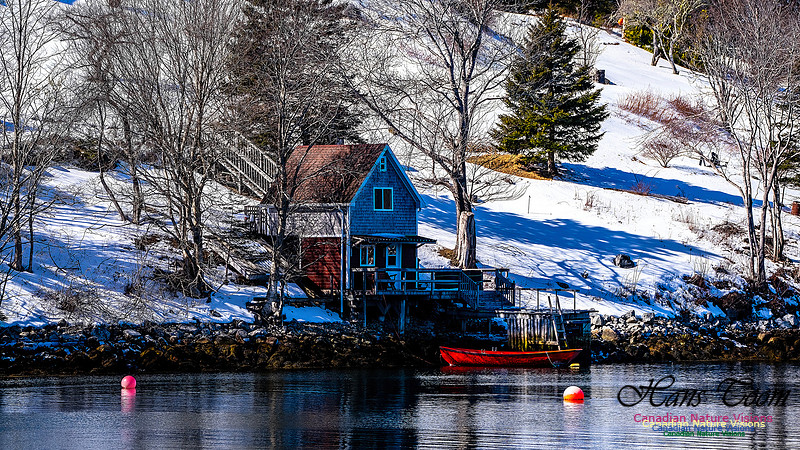
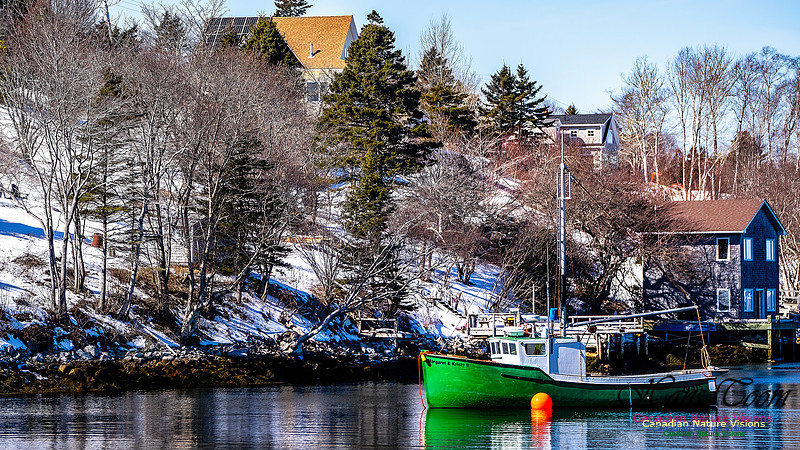
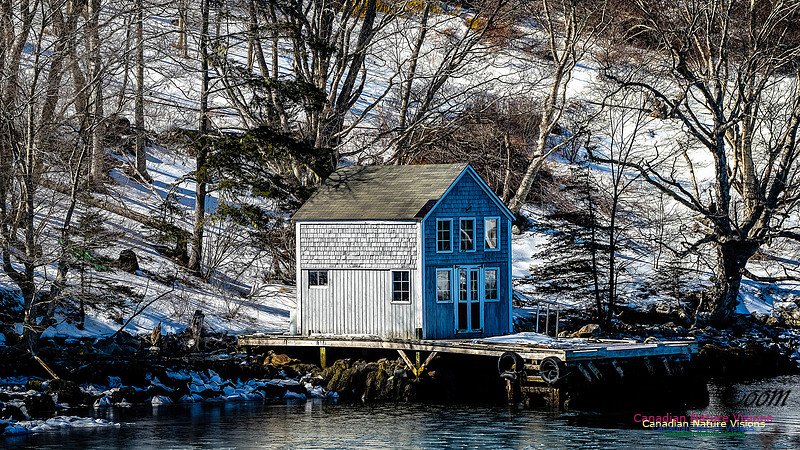
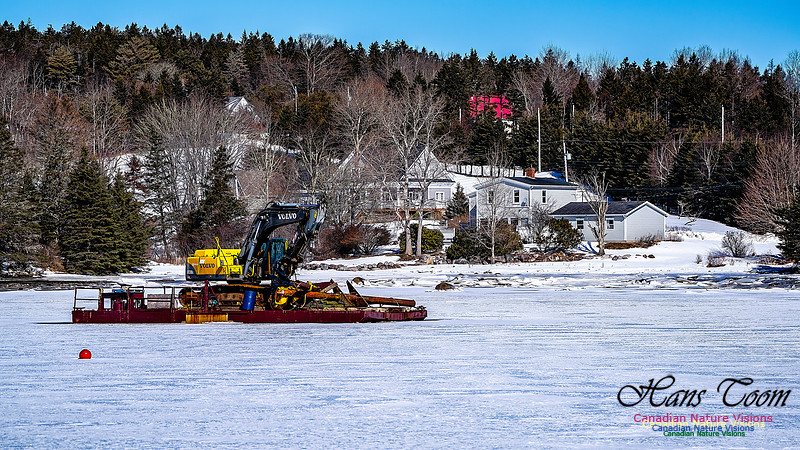
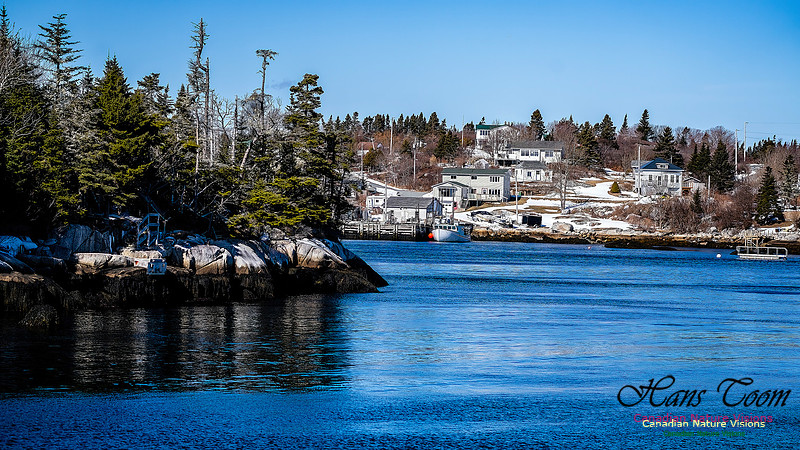
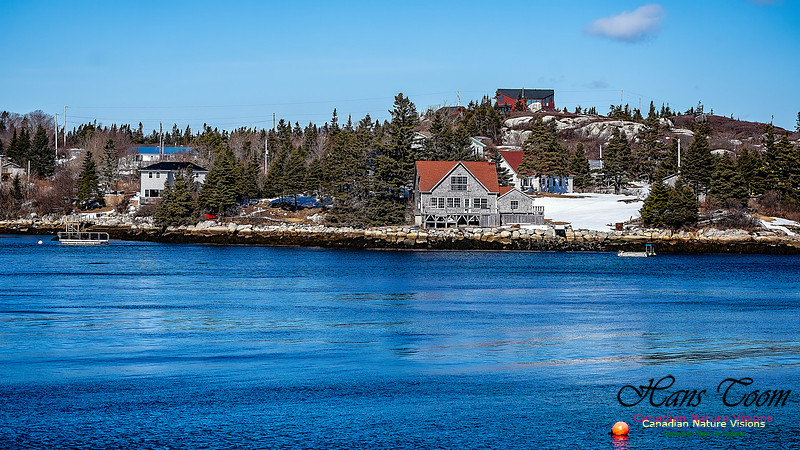
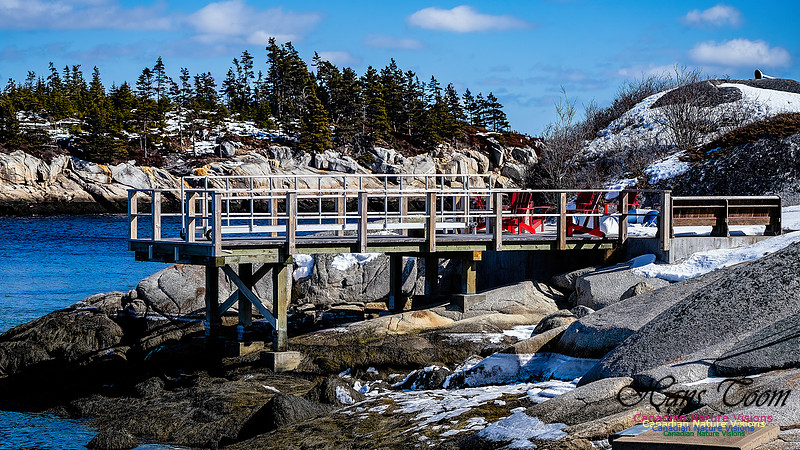
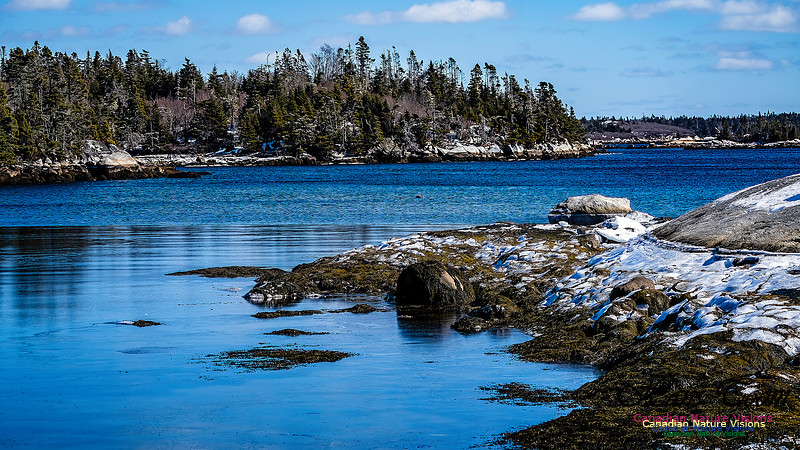
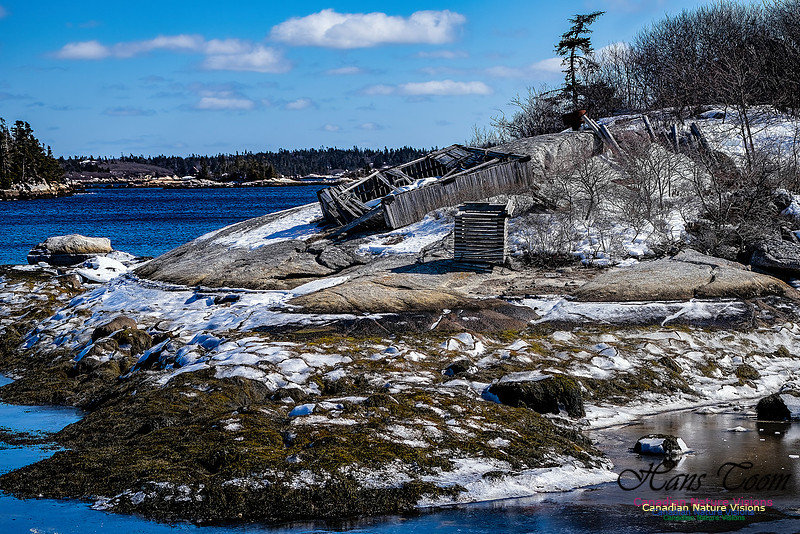
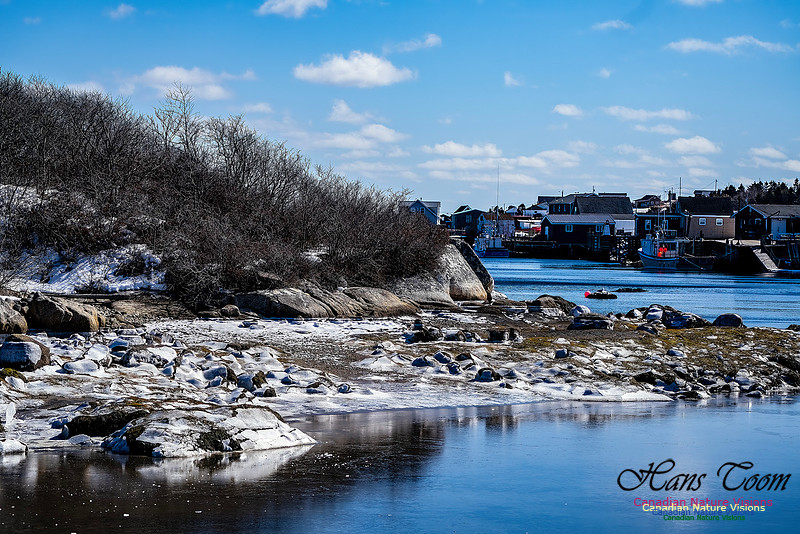
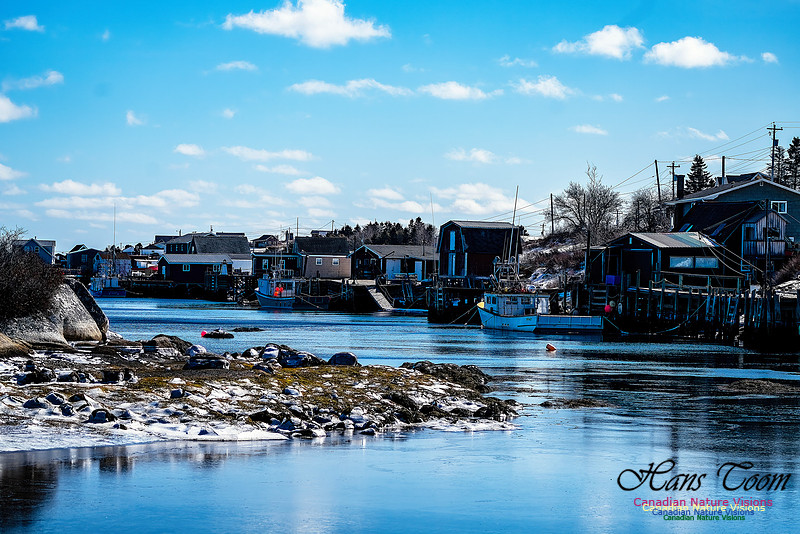
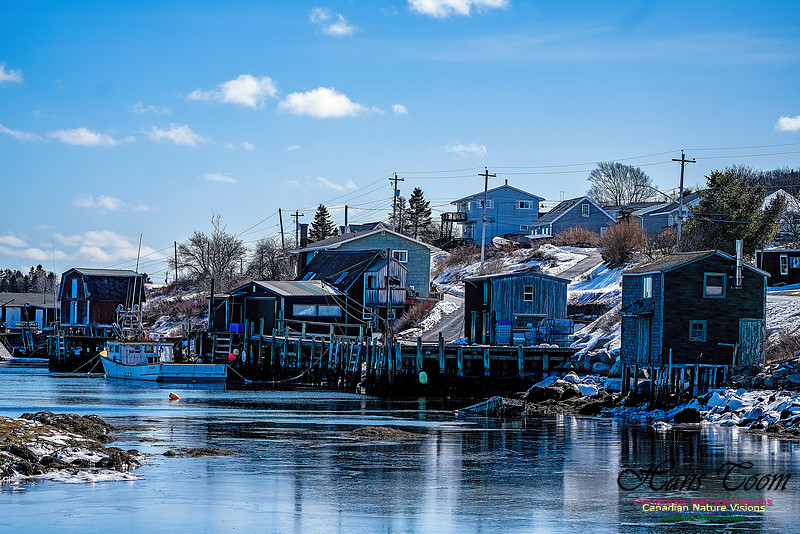
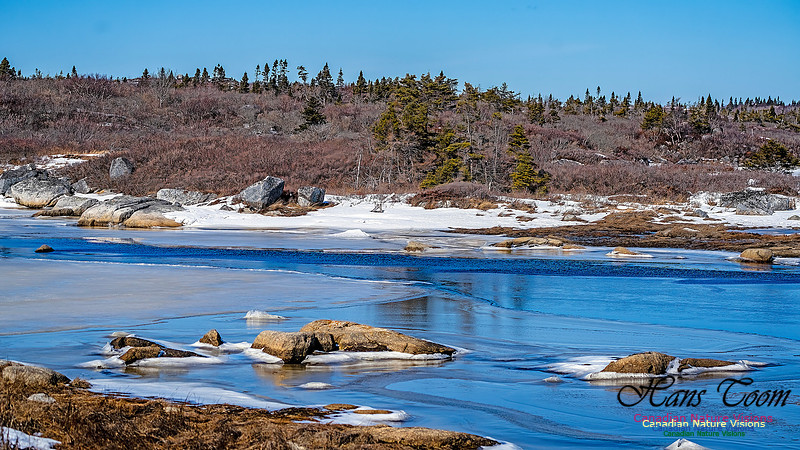
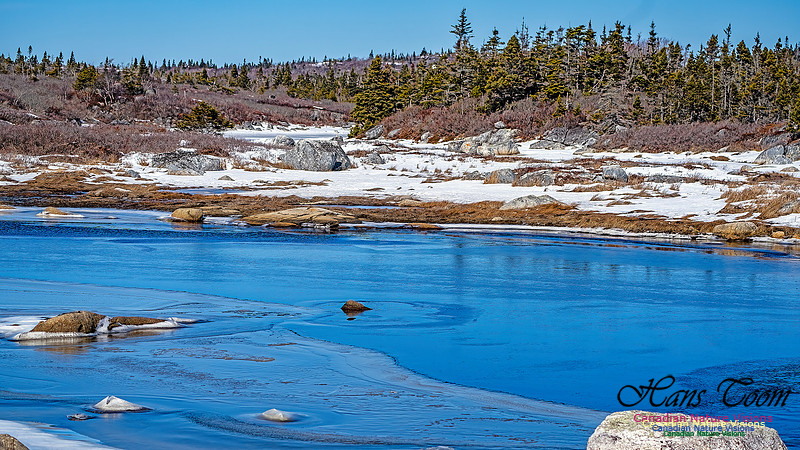
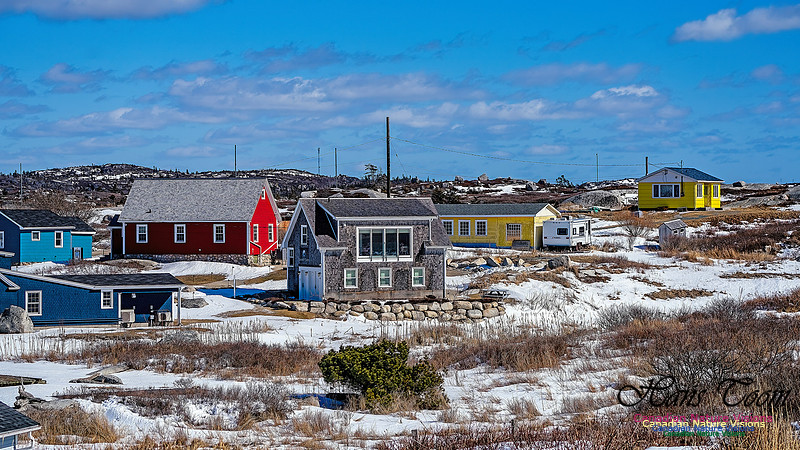
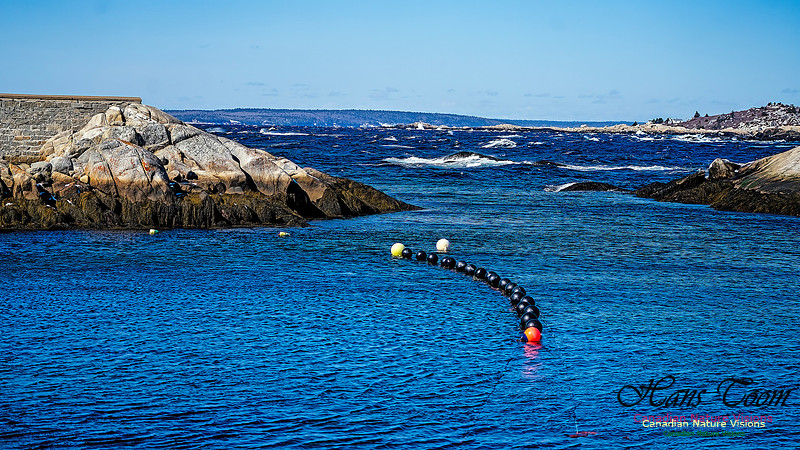
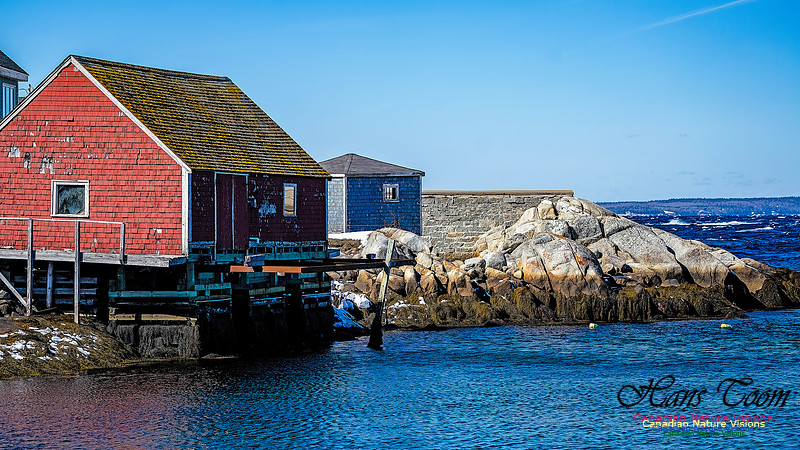
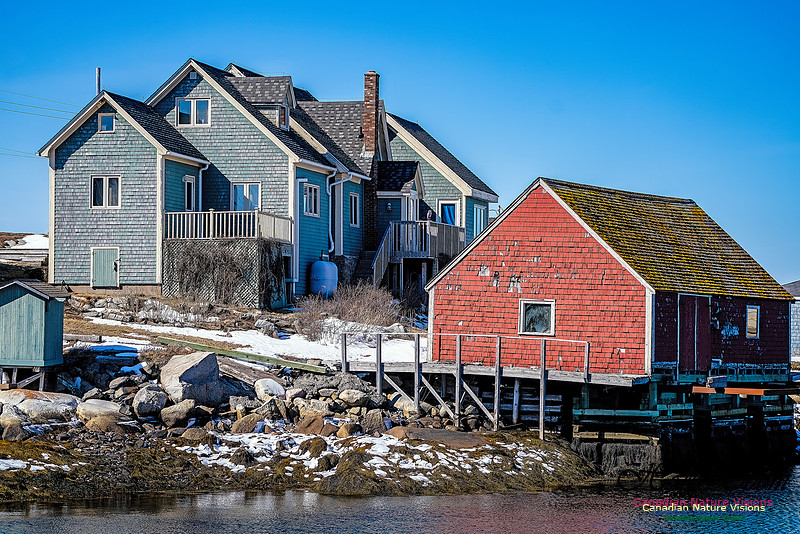
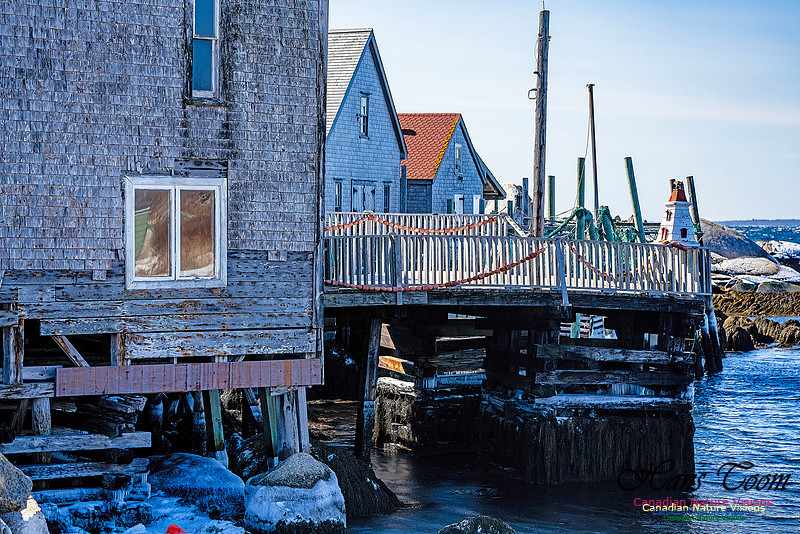
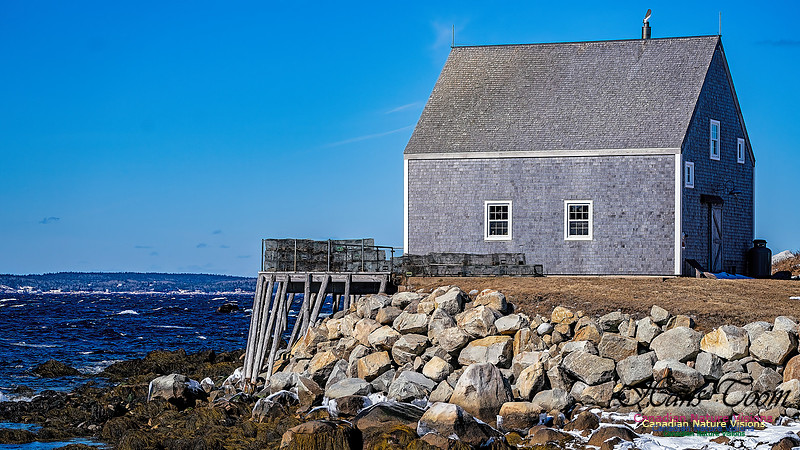
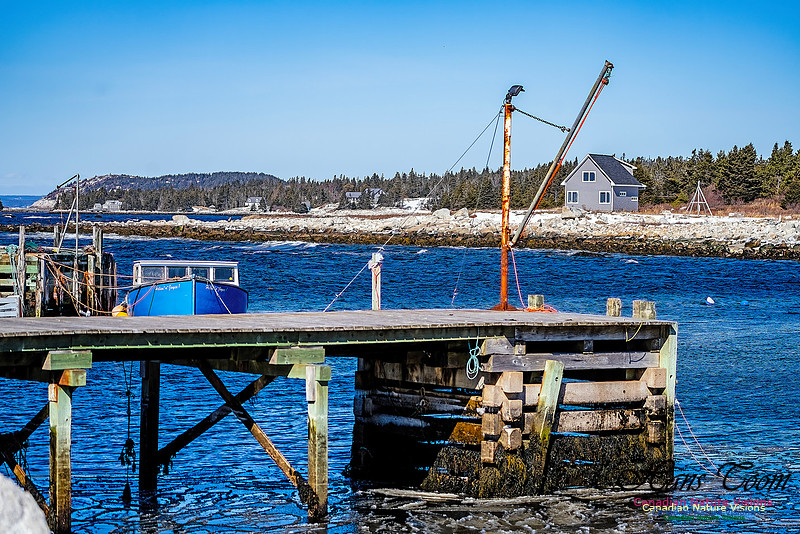
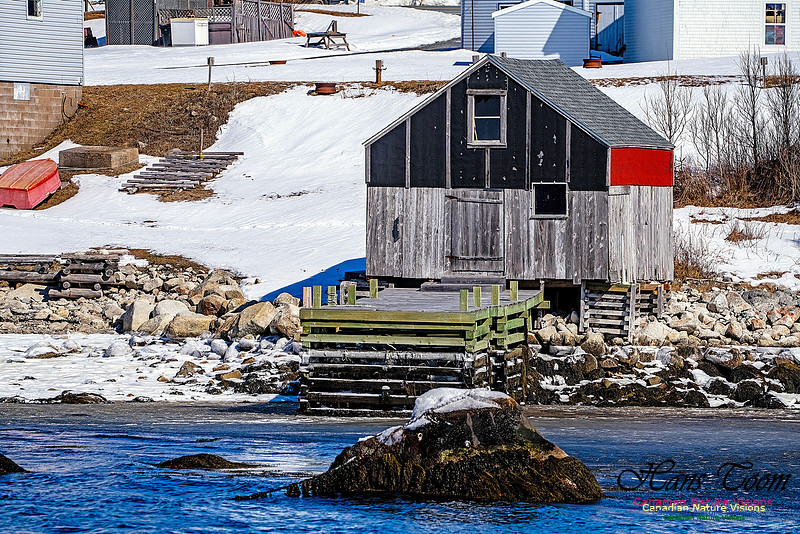
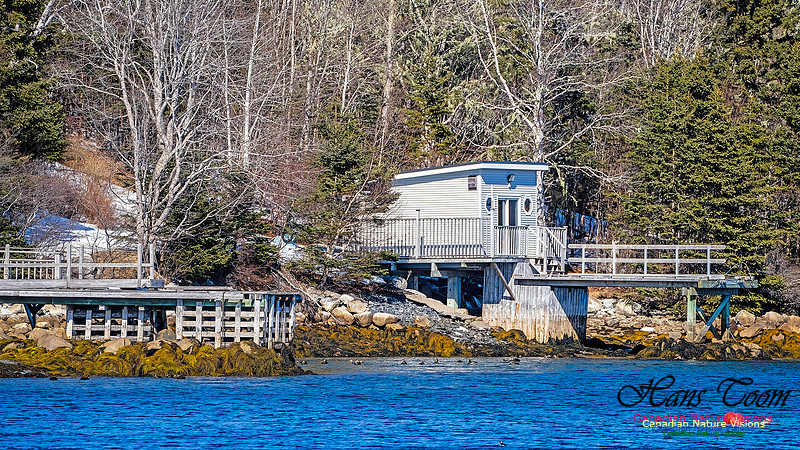
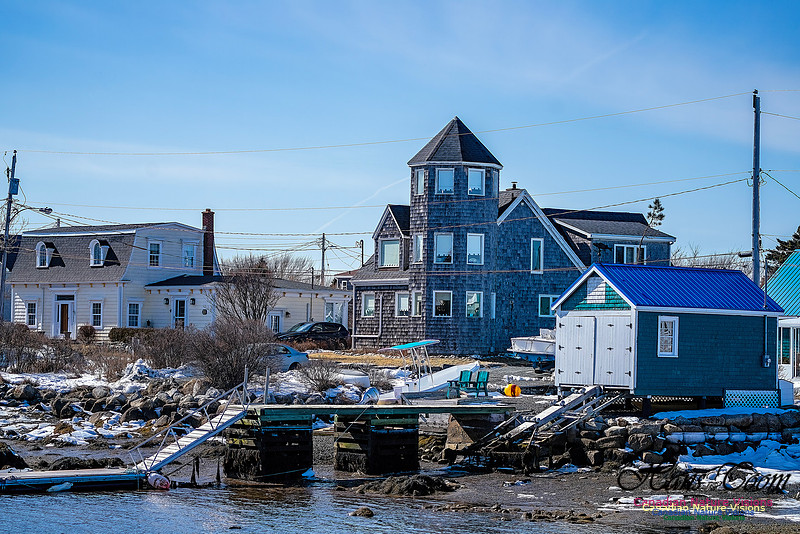
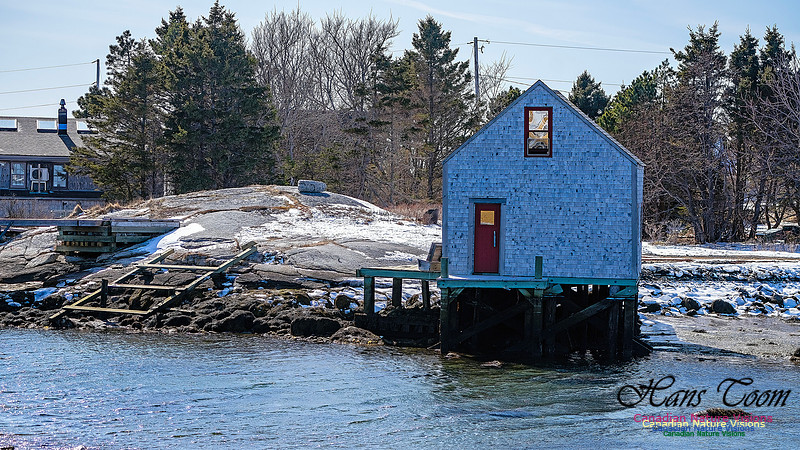
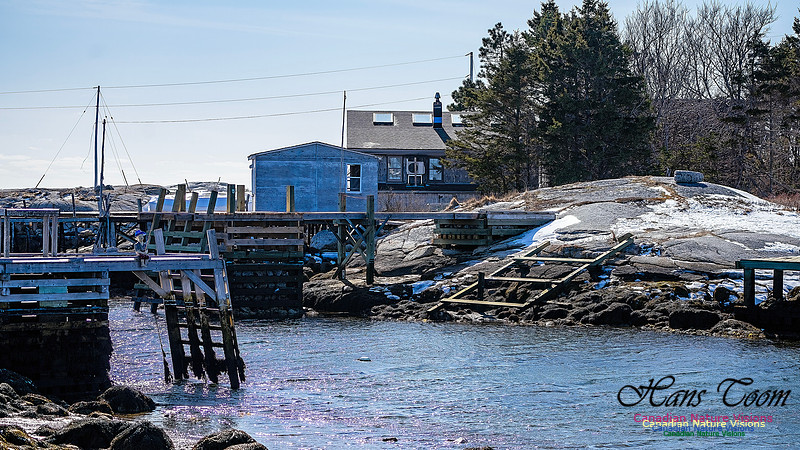
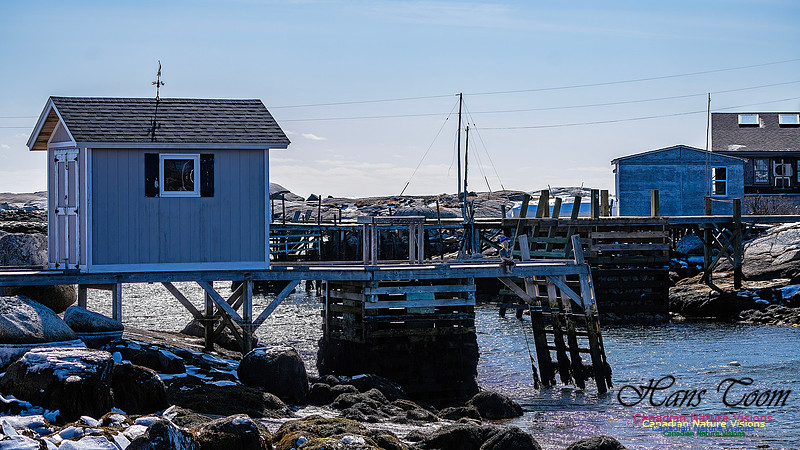
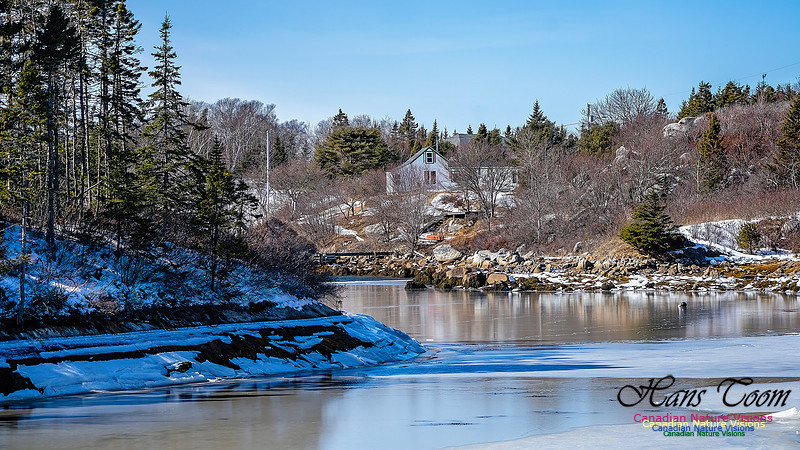
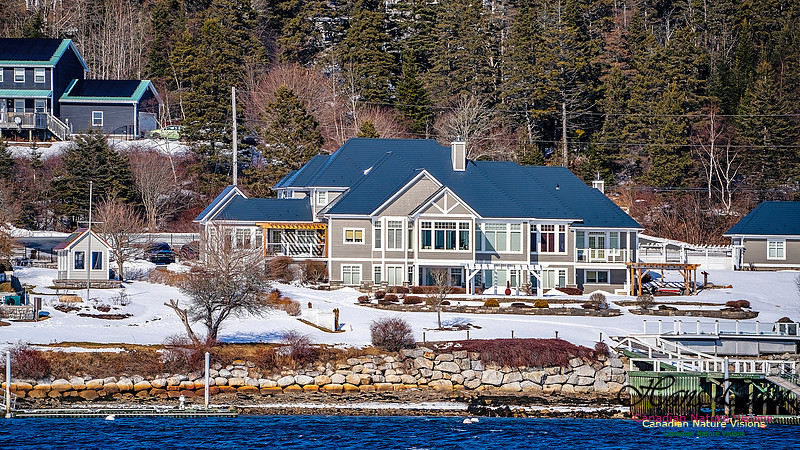
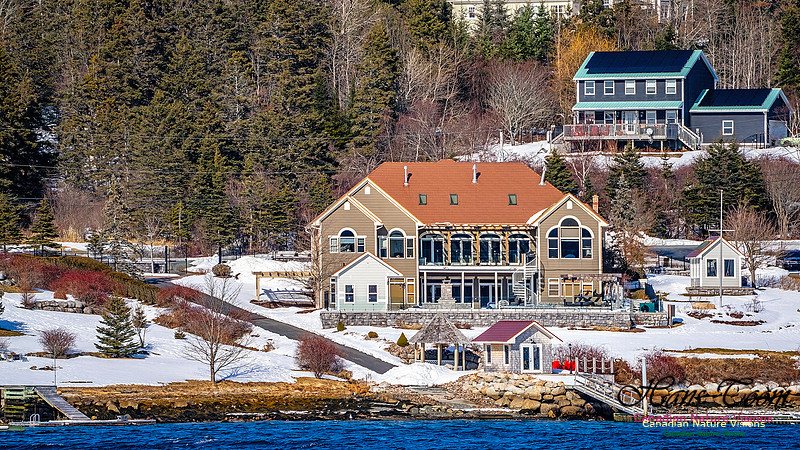
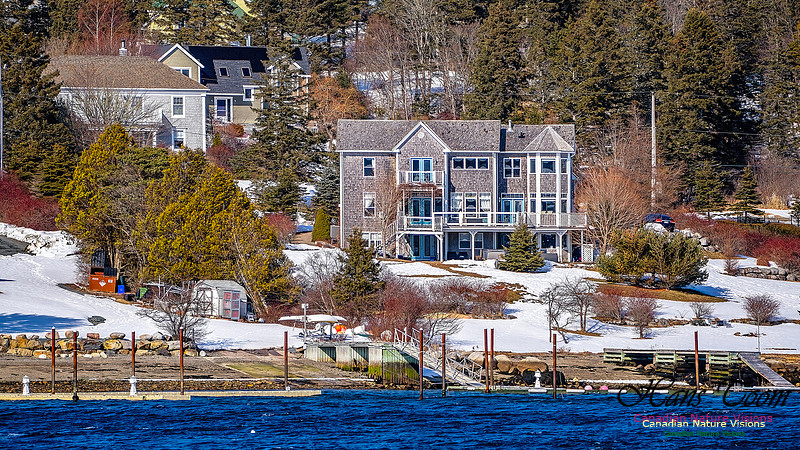
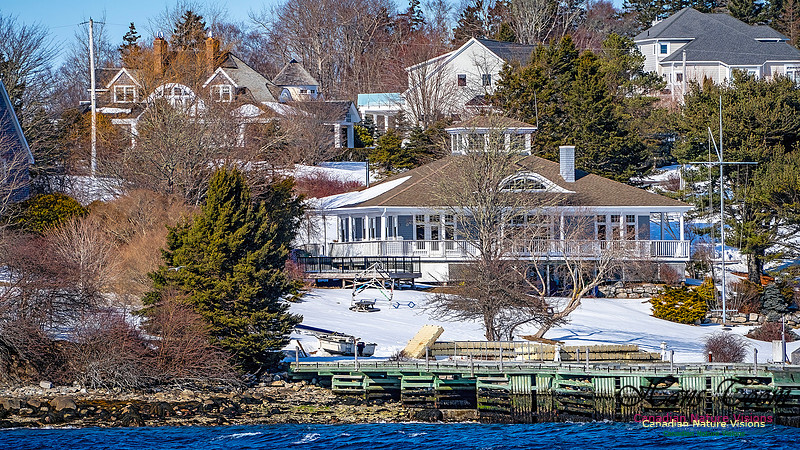
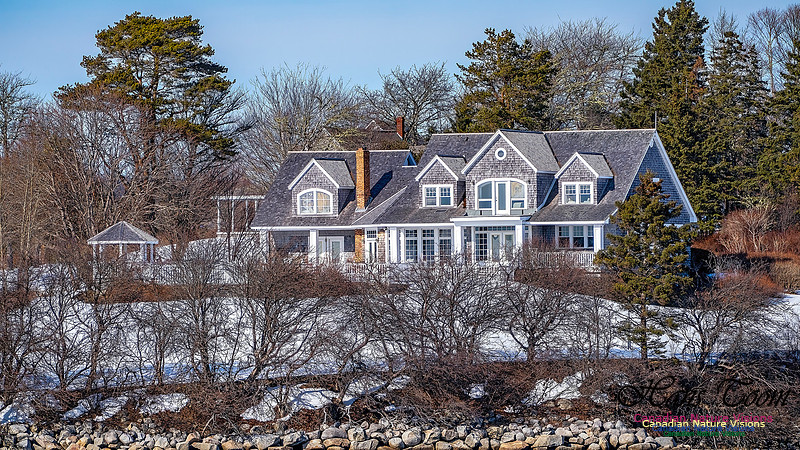
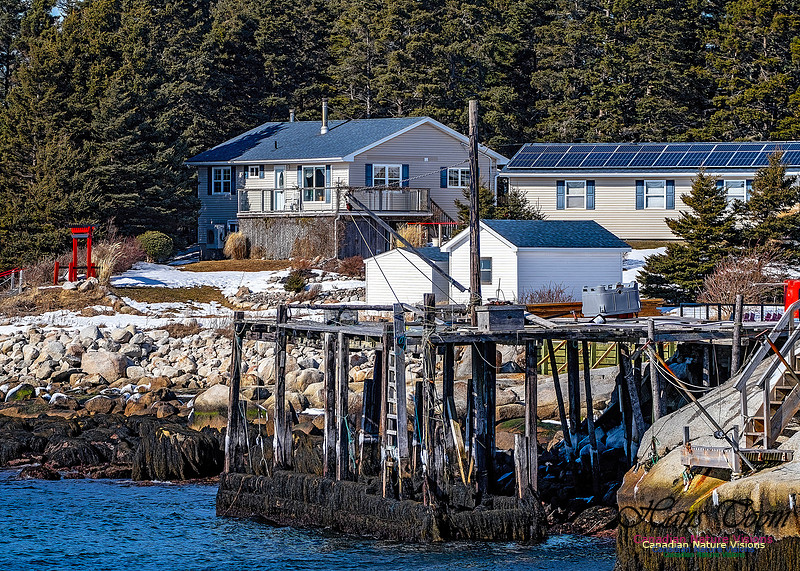
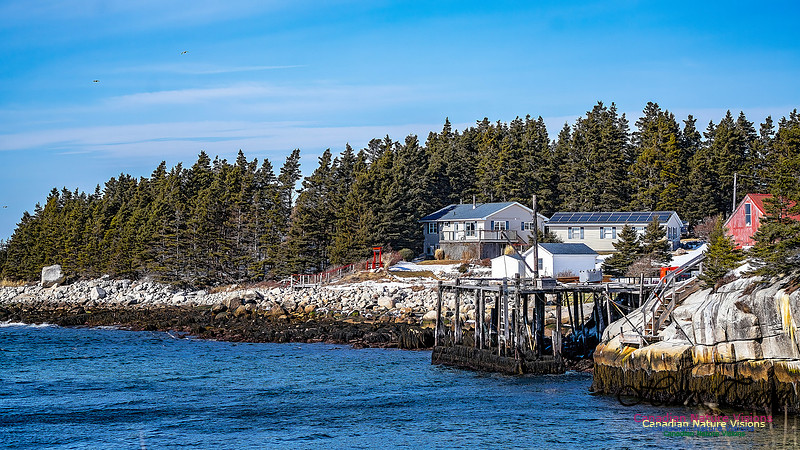
Late Winter Scenes Along the Nova Scotia CoastHere are some late winter scenes along the coast between Upper Tantallon and Prospect. Its an enjoyable drive during fair weather. All the photos were taken with a Sony a7rv camera and Sony 100-400mm lens. Yesterday I captured over 160 photos of Evening Grosbeaks. That will keep me busy for some time. Also, there is some stormy weather tomorrow, 5-7 metre swells off shore, which usually double or triple in size on reaching the coast. Late Winter Scenes Along the Nova Scotia Coast
|
|||||||||||||||||||||||||||||||||||||||||||||||||||||||||||||||||||||||||||||||||||||


.jpg)
.jpg)