Northern CardinalOur juvenile Northern Cardinal arrived in the summer and was soon joined by a juvenile female. These birds are a big deal out this way since we've only seen about a half dozen over seventeen years. I think it is safe to assume that the male has successfully survived our winter out here on the edge of the coastal barrens but alas the female disappeared. The birds had paired up and travelled everywhere together. The female may be working another nearby feeding station since I saw what I thought was a female two weeks ago fly off with the male. In any case the male has set up shop here and started singing a couple of weeks ago so another female or the same female will soon appear. This bird learned its survival skills well. It is extremely skittish and stays hunkered in the multflora bramble. I wisely placed the platform feeder directly adjacent to the multiflora shrub. It stopped coming to the window feeder in the fall, a smart move since Sharp-shinned Hawks regularly over-winter here. The hawk has little hope of trapping a bird in this shrub. I saw one try once and it was sad since it got tangled with its wings gripped tight by the barbs. It did free itself eventually just as I was donning my welding gloves to go and rescue it. Here's a photo of the male Northern Cardinal from last summer.
Here's a photo of the same bird from this morning.
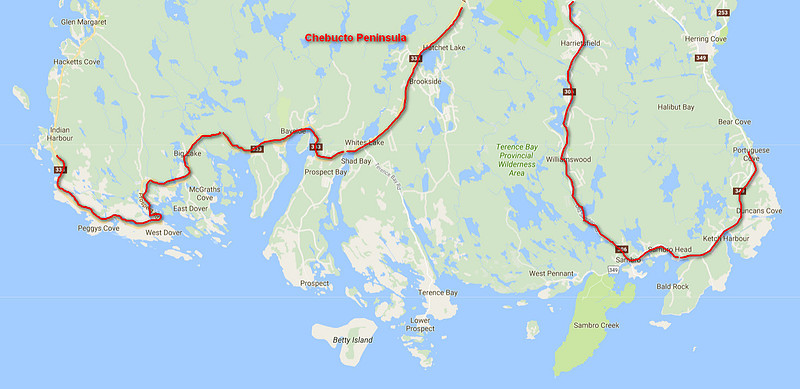
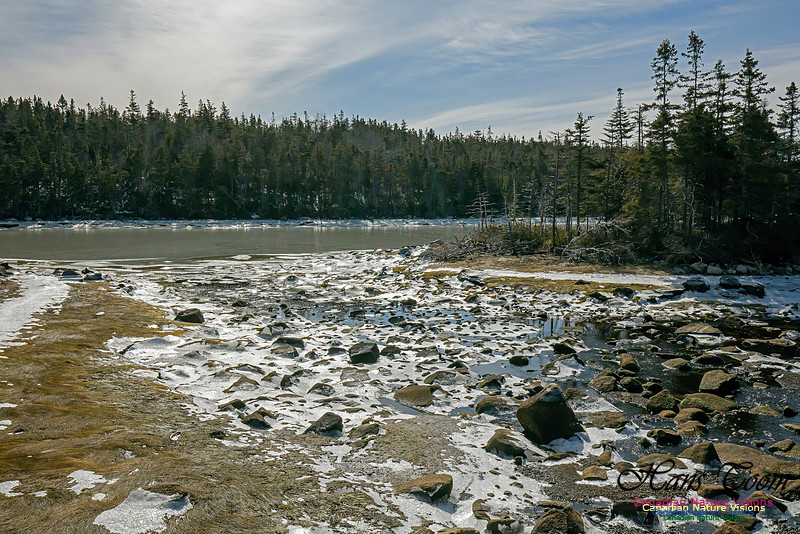
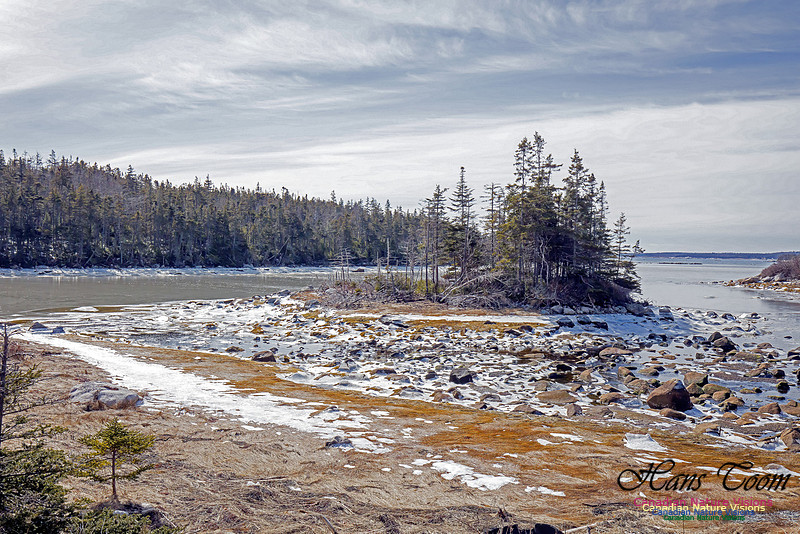
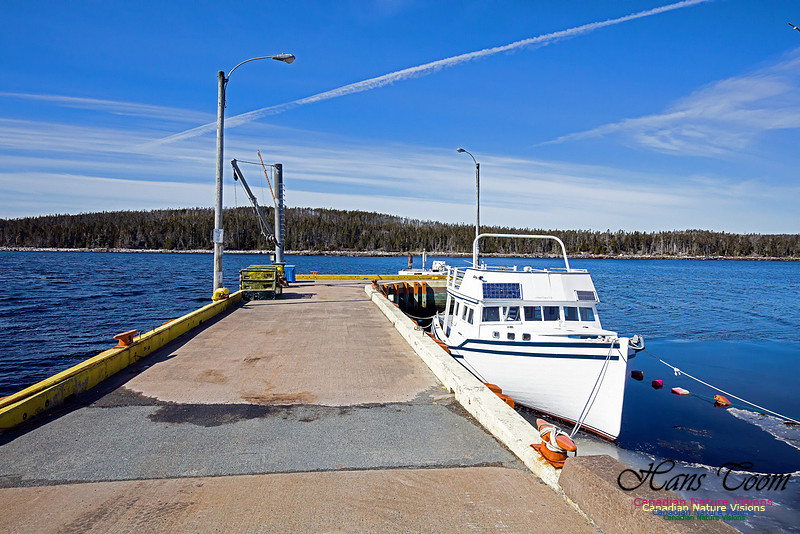
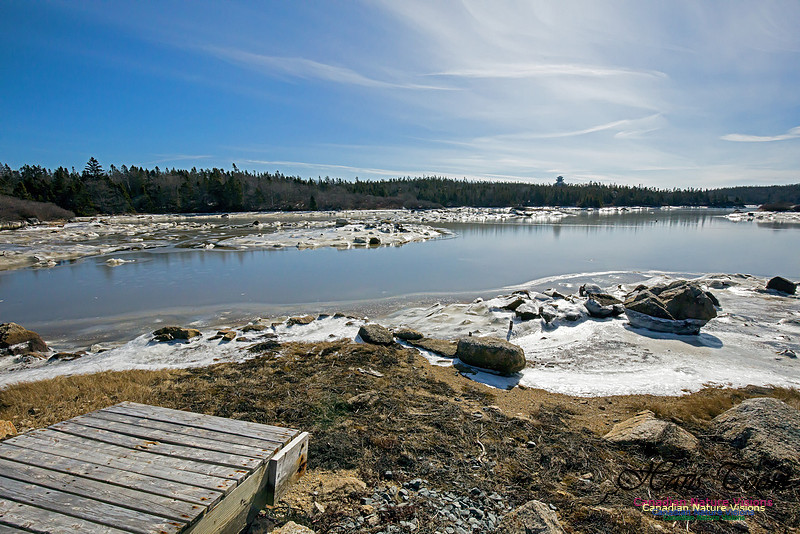
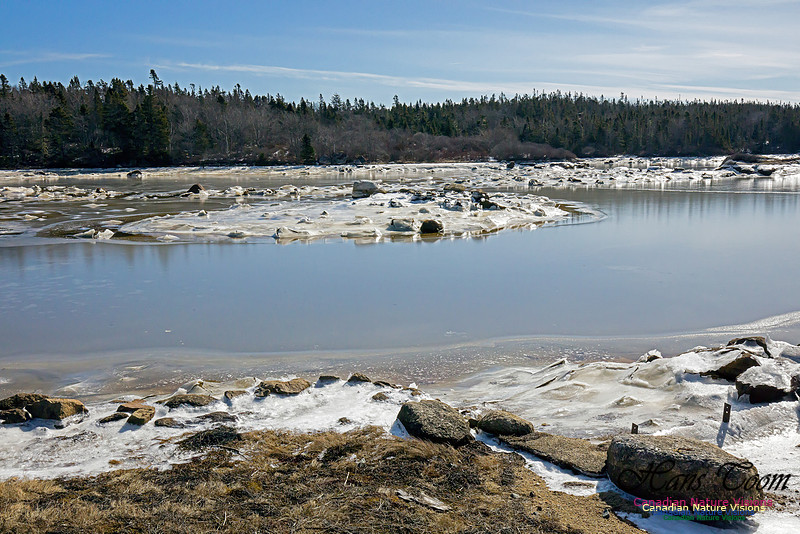
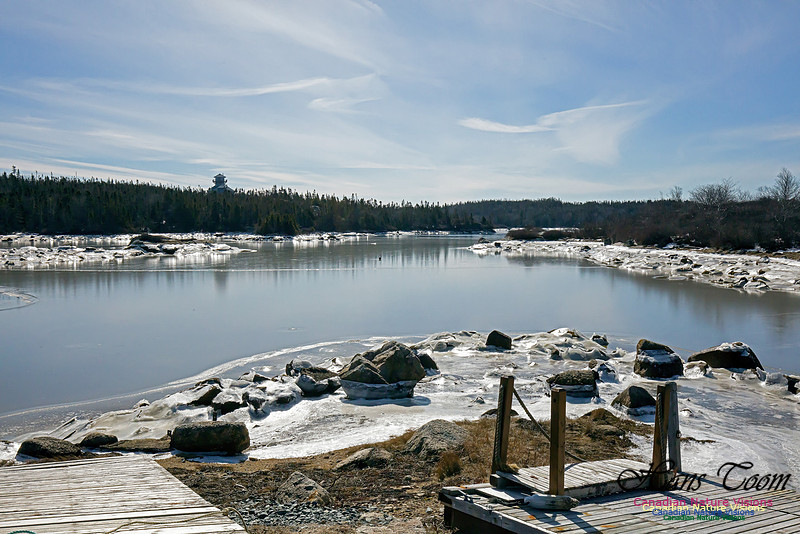
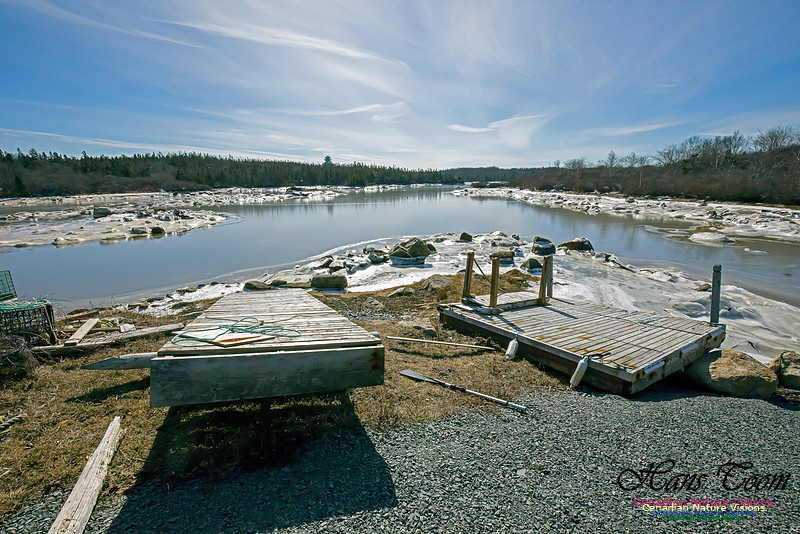
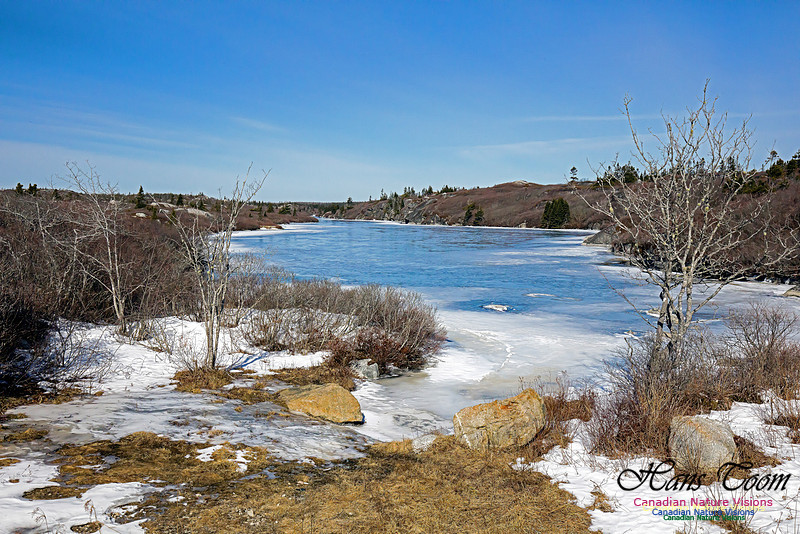
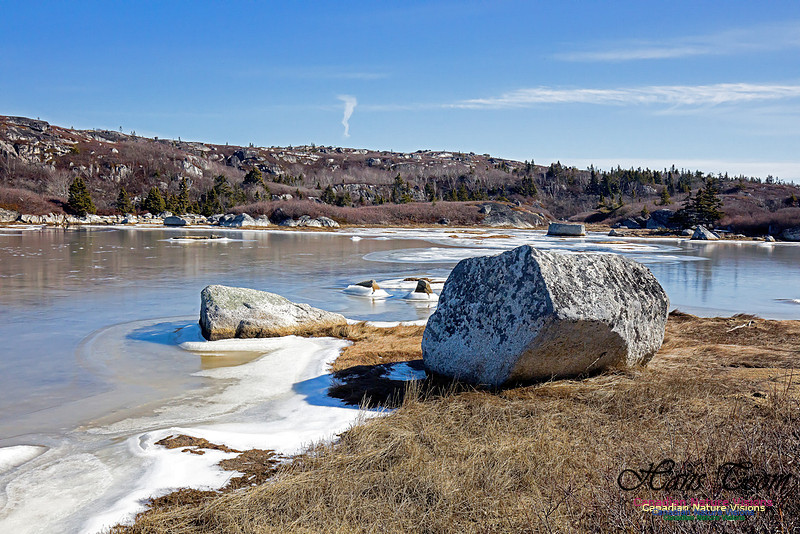
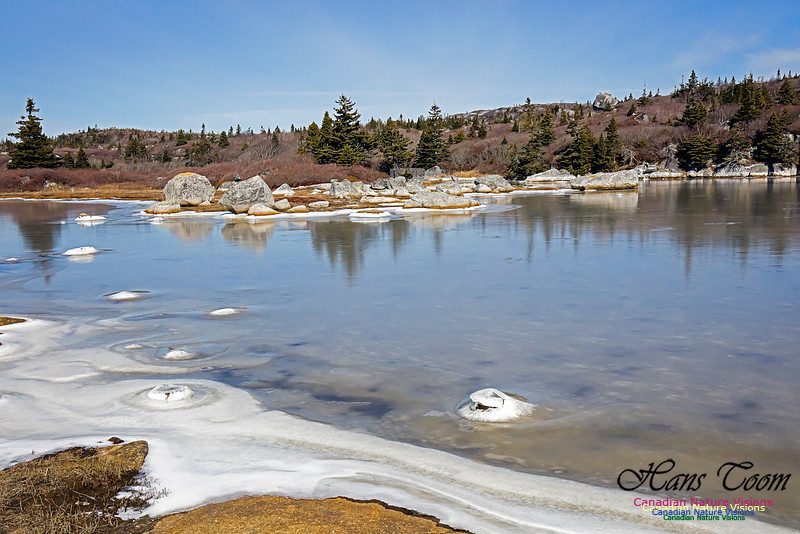
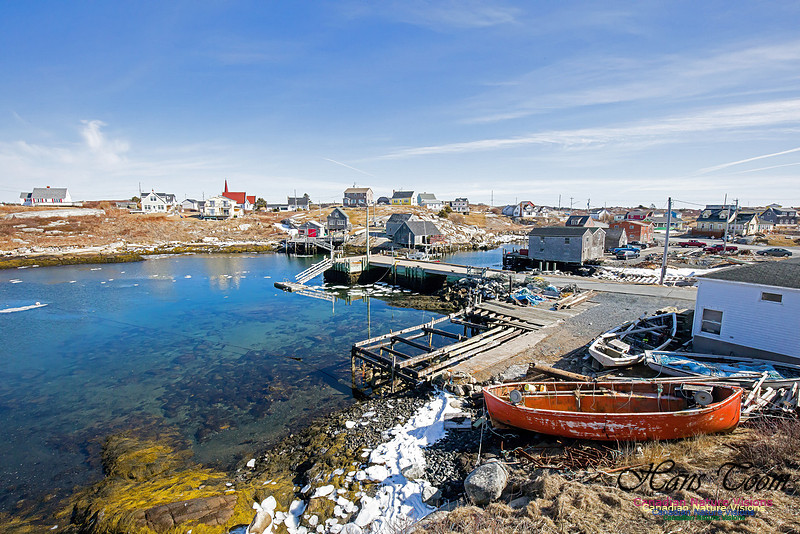
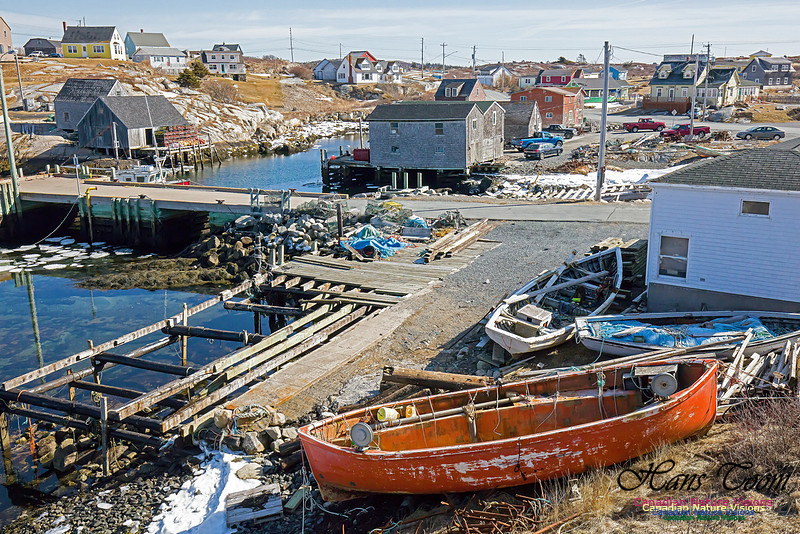
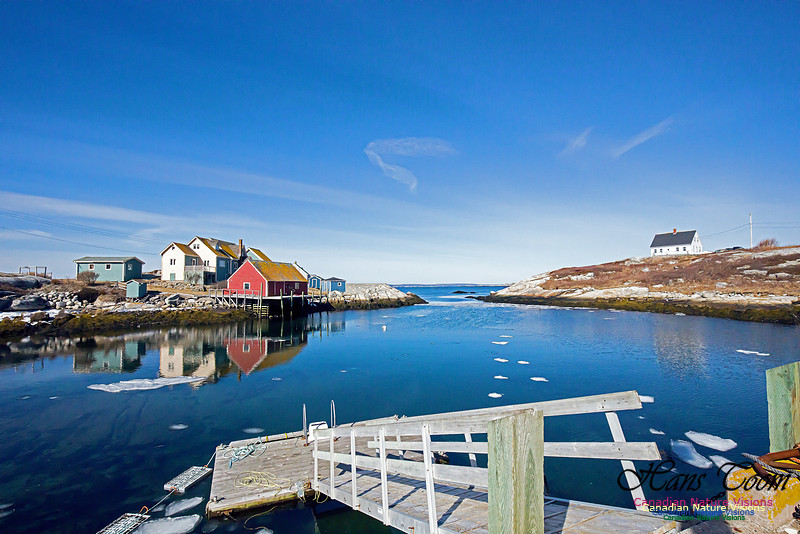
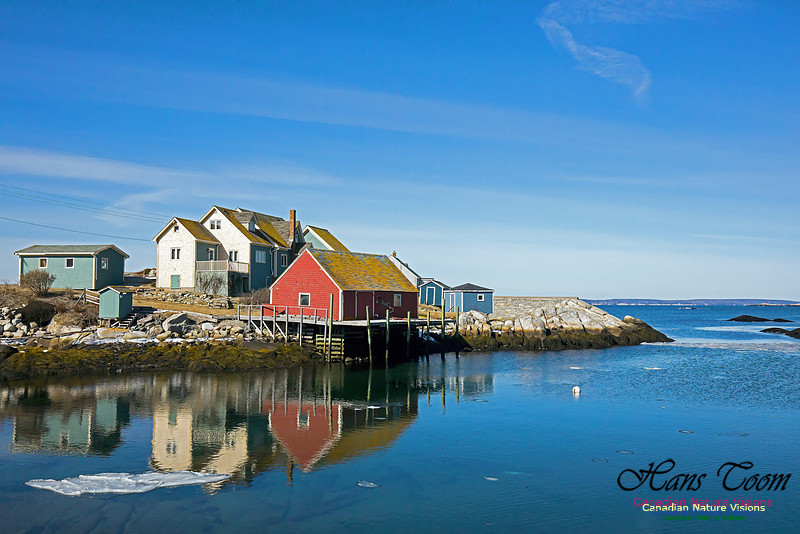
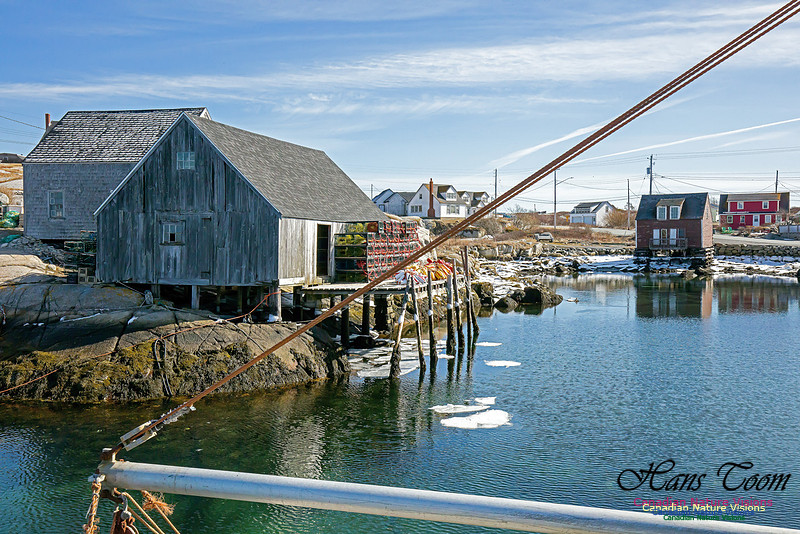
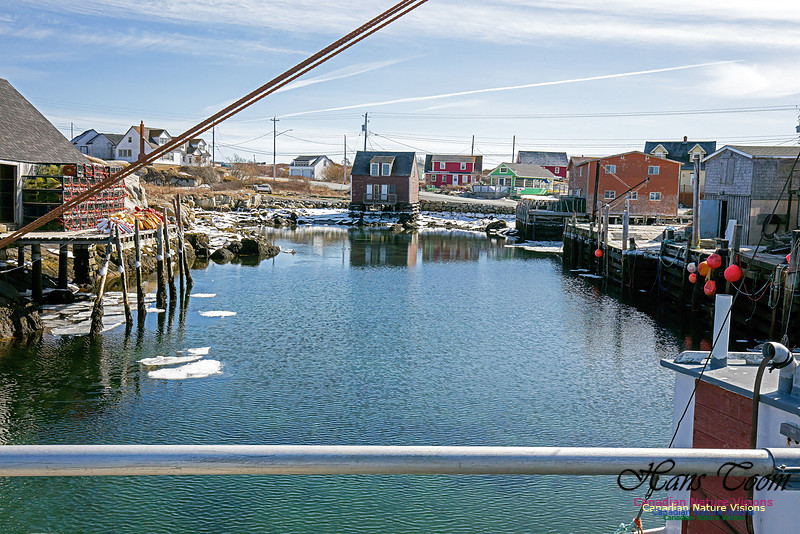
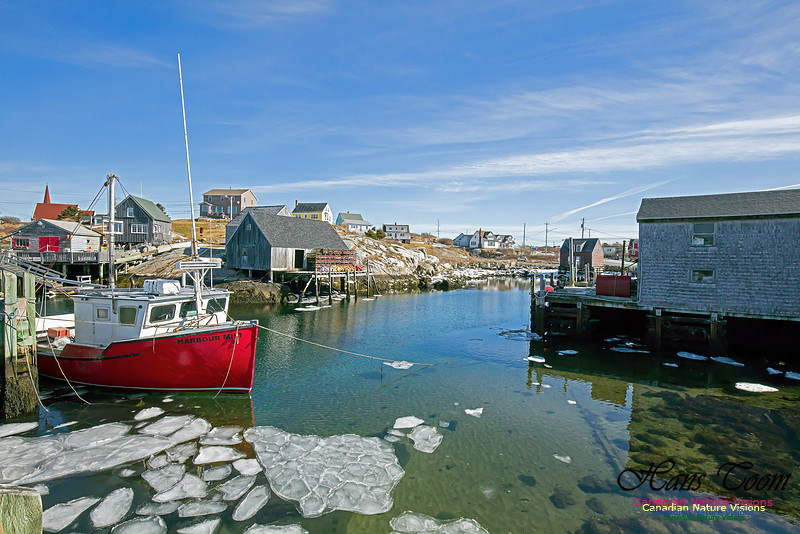
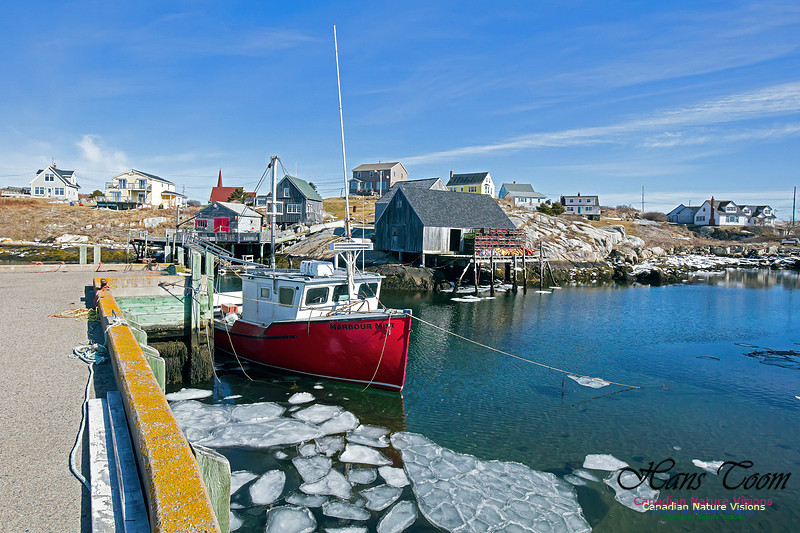
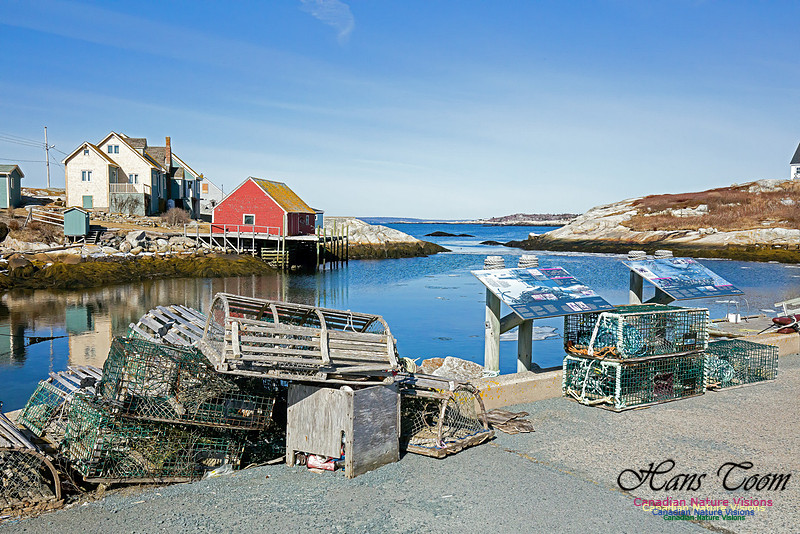
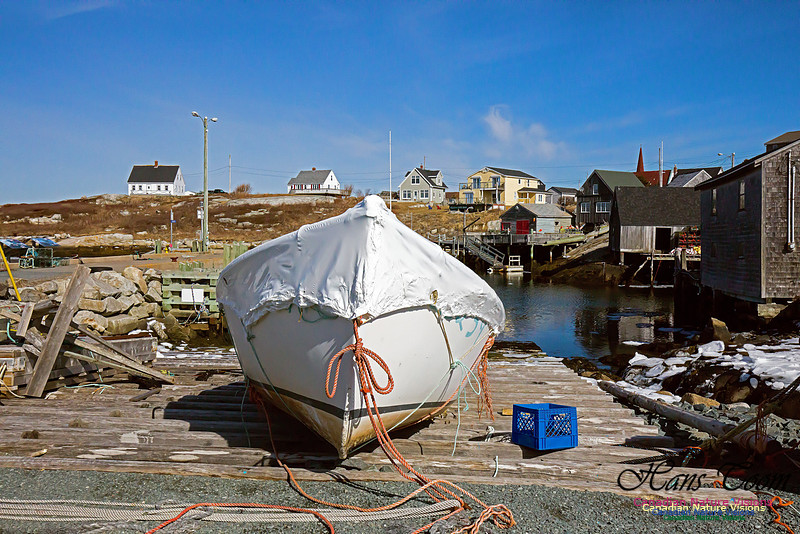
The photo above was taken at extreme range and is severely cropped. Focus and stability is iffy since the multflora tangle is introducing front focus and the shutter speed was low at 1/400 second at 840mm. Never use song playback or utter "phishing" noises to pull a bird from protective cover. This is irresponsible and could result in the death of the bird. The Coastline of the Chebucto PeninsulaI toured the coastline of the Chebucto Peninsula from Peggy's Cove to Portuguese Cove. This late winter visit was an opportunity to capture the last of the shoreline sea ice. Here's my route: Chebucto Peninsula
Sambro Head
Buoy Tangle
Peggy's Cove Light
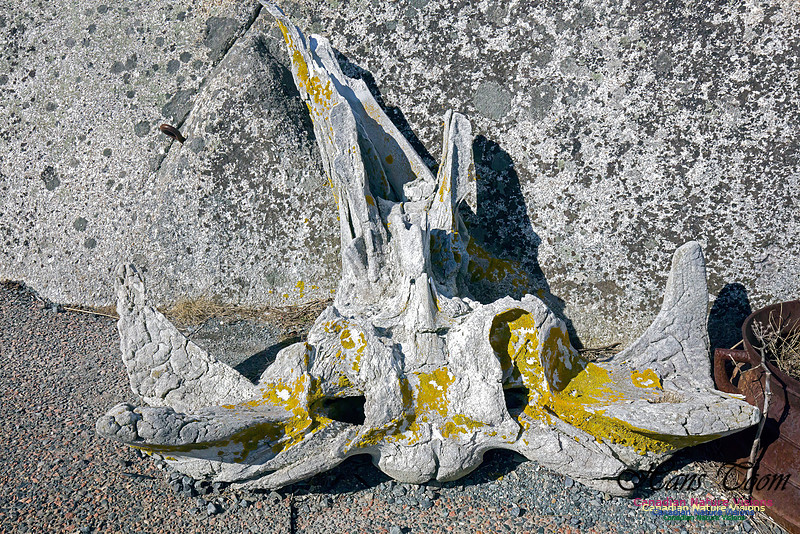
Whale Bone
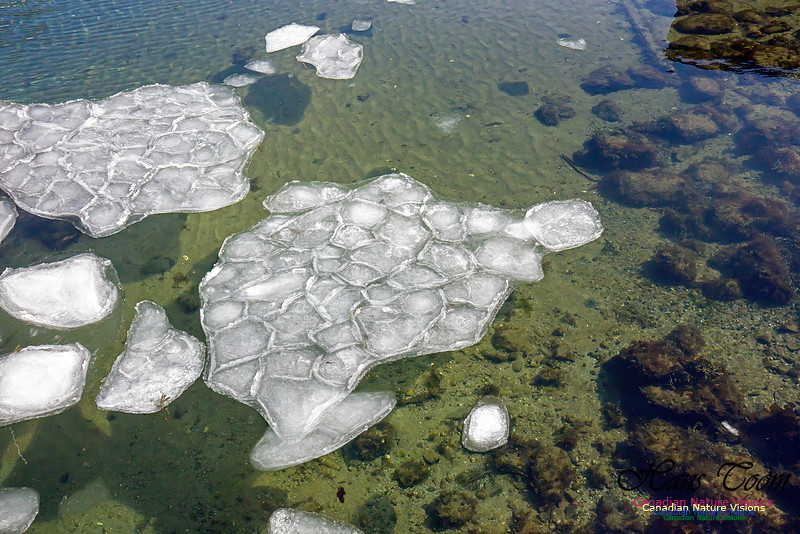
Ice Turtles?
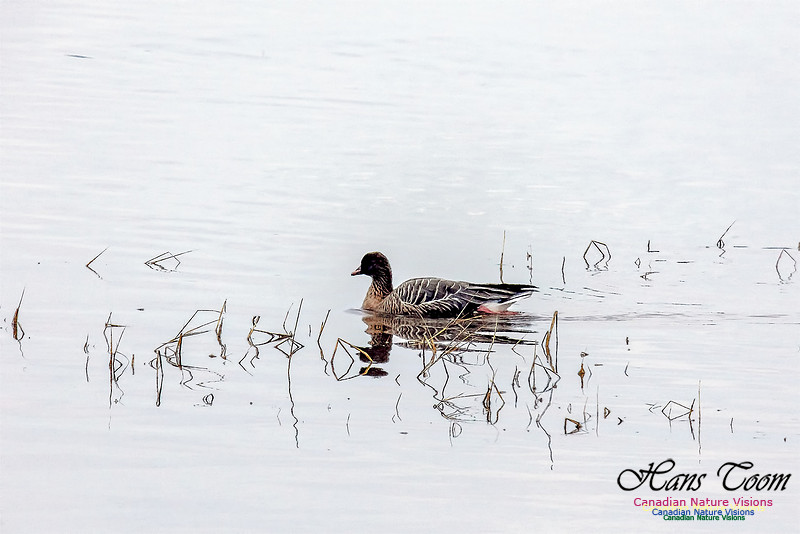
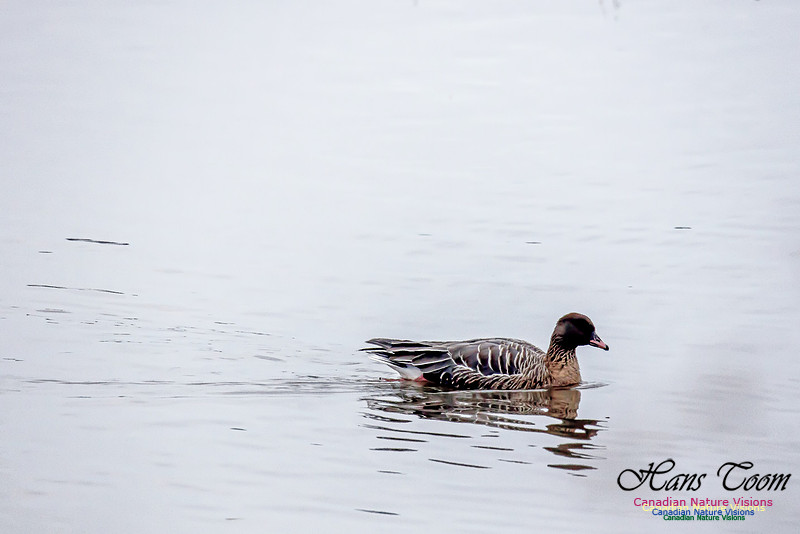
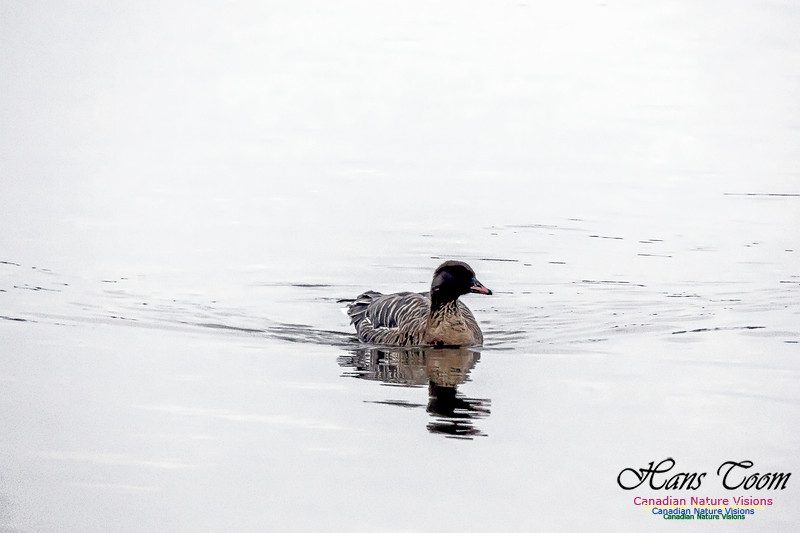
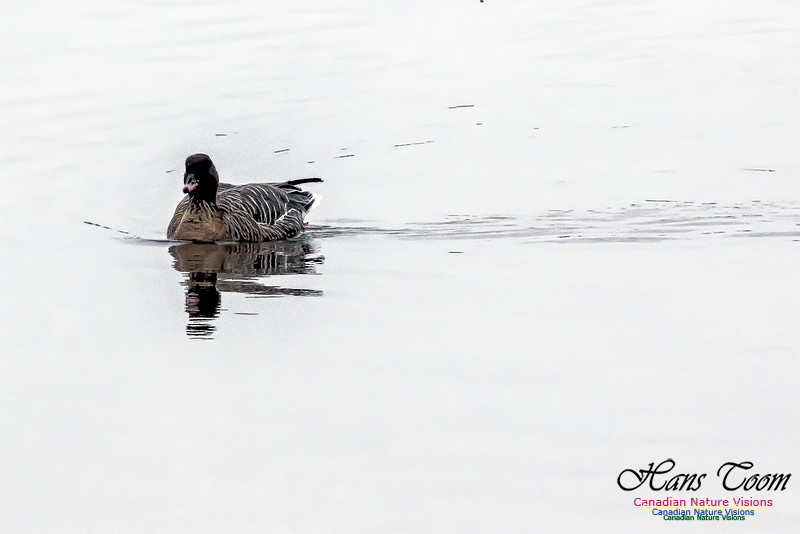
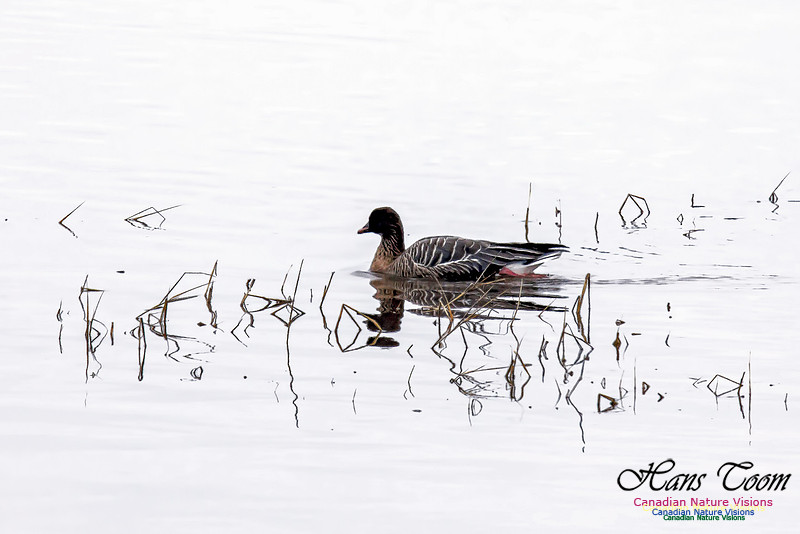
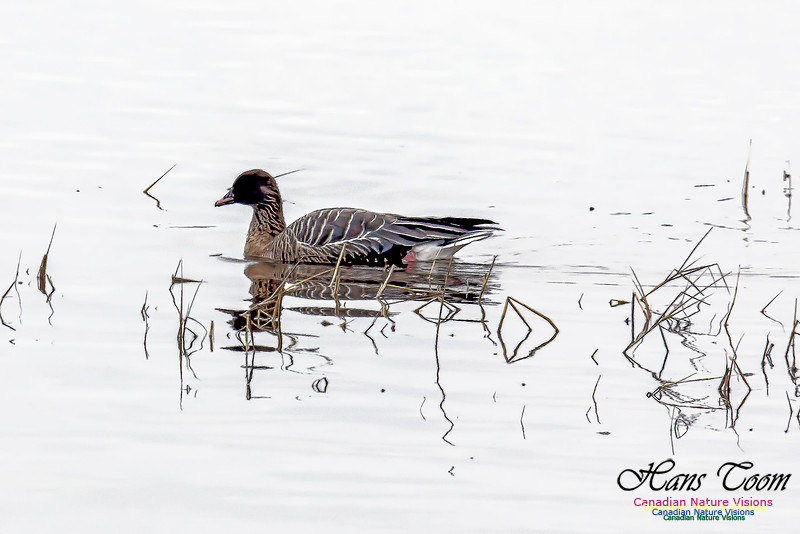
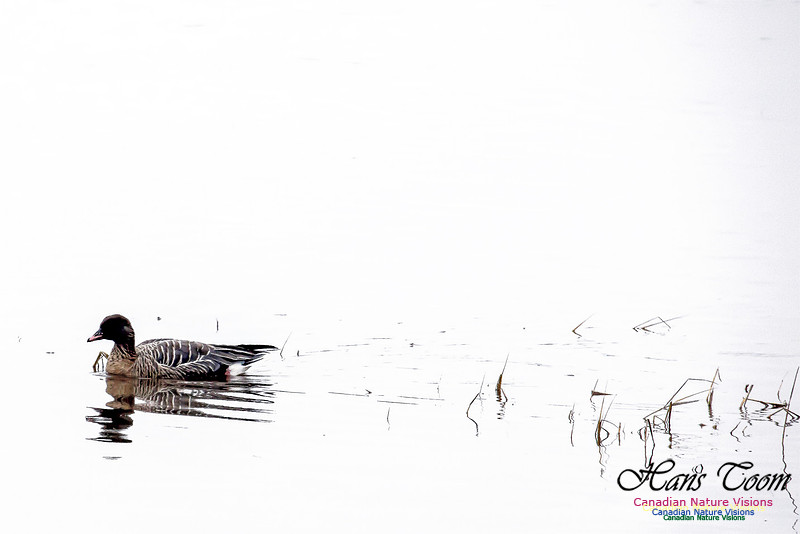
Pink-footed Goose and Red-throated LoonLaura and I enjoyed this 7 degree day by looking for the reported Pink-footed Goose and Sandhill Crane. We found the Pink-footed Goose near Grand Desert, Nova Scotia but we had no luck on the Sandhill Crane. The Pink-footed Goose is extremely rare. It breeds in Iceland and Eastern Greenland and over winters in Europe. This bird is so rare it's not even listed in The Sibley Guide to Birds of North America. Another surprise was an uncommon Red-throated Loon offshore the sandy beach on Rocky Run near Lawrencetown, Nova Scotia. Pink-footed Goose
Red-throated Loon
Warbler Walk June 4, 2017 and February, 2017, Edition of The BridgeMy annual warbler walk will be held as usual on the first Sunday morning of June, this year at 7AM, June 4, 2017, at Jerry Lawrence Provincial Park. There are nineteen warbler species that nest or have nested at Jerry Lawrence Provincial Park including the beloved and annual nesting Canada Warbler and we will be looking to see and hear as many as possible. Water, sun hat, sun screen, and insect repellent are must have travelling companions. Here is a copy of the February, 2017, edition of the Bridge, the publication of the Five Bridges Wilderness Heritage Trust: http://www.hanstoom.com/the-bridge-2017-february.pdf Canada Warbler
This is most of or group of intrepid walkers from last year.
Trudging along the St. Margaret's Bay Trail on the northern edge of Jerry Lawrence Provincial Park
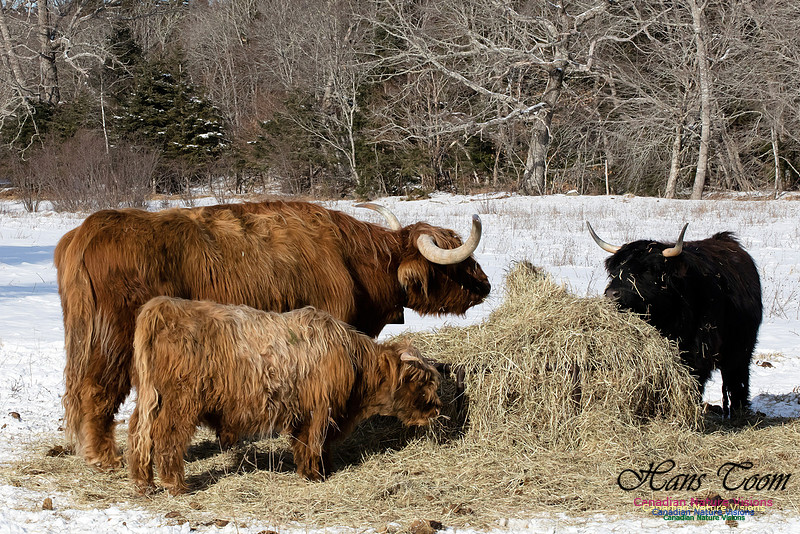
Musquodoboit Valley TourI took a tour to Sheet Harbour thence northwards to Upper Stewiacke and south to Middle Musquodoboit in search of ice and water. At Meaghers Grant I turned north again to Wyses Corner. At Meaghers Grant the bald eagles are beginning to collect around the nest sites. The Scottish Longhorns were at their usual spot quite enjoying the cold weather. Butcher's Falls West River
Musquodoboit River
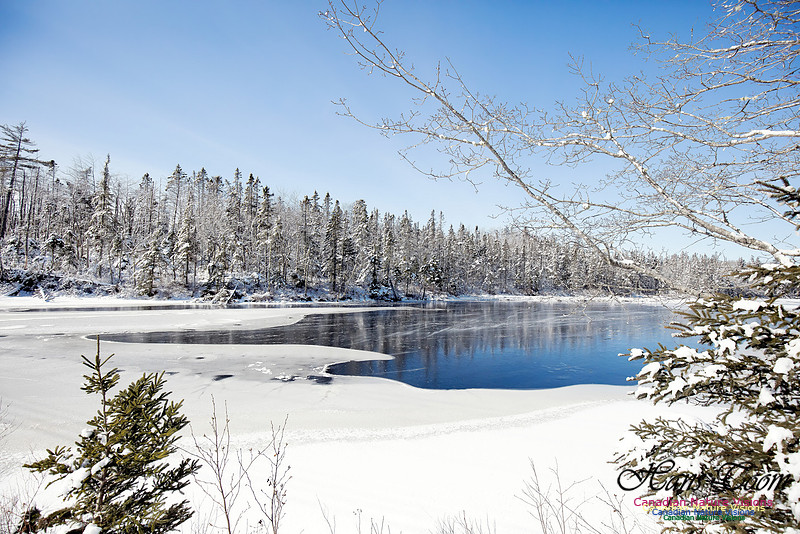
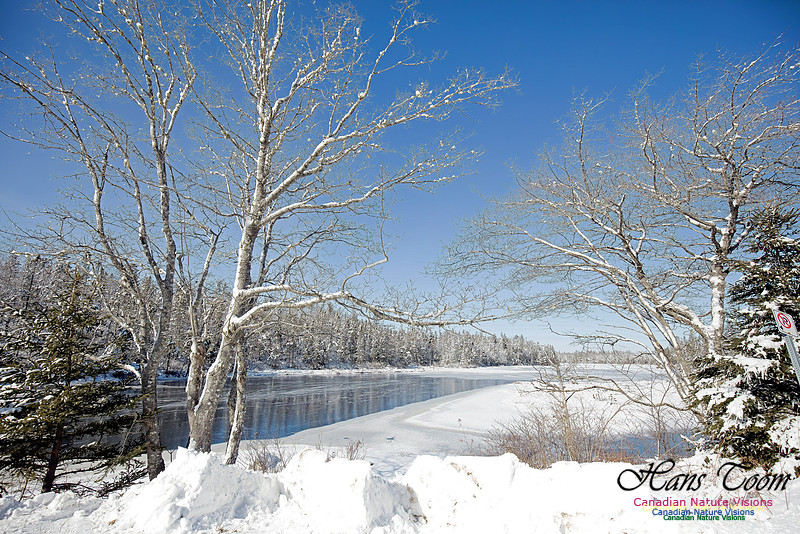
Roadside River and Pond
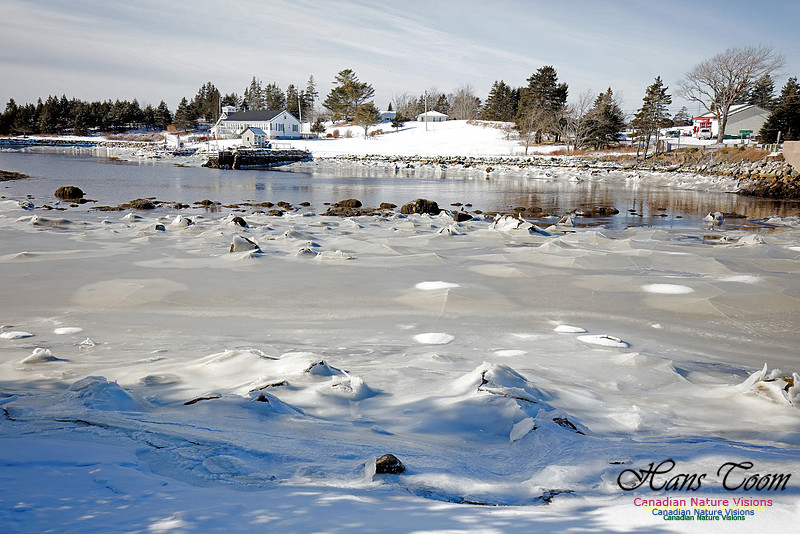
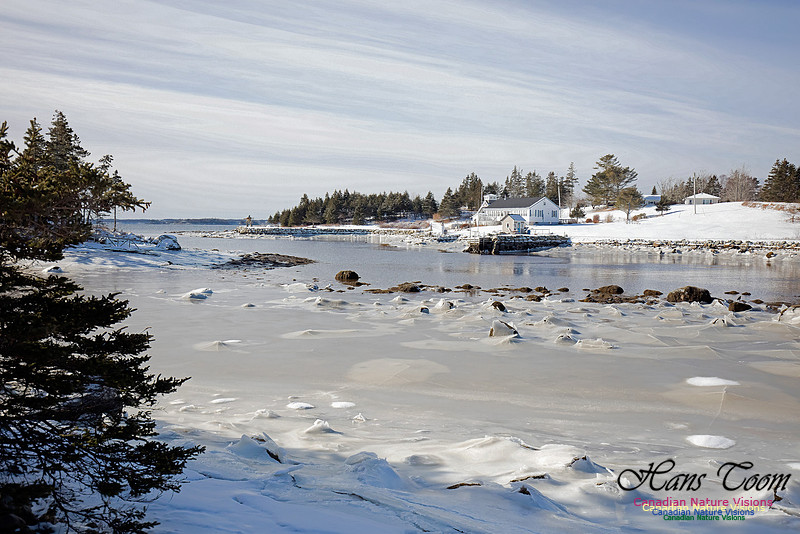
Sea Ice
Scottish Longhorn
Aspotogan PeninsulaOur long dreary winters can cause cabin fever so my remedy was a tour of the Aspotogan Peninsula on this cloudy but bright day. There were few inshore sea ducks or alcids but the scenery as always was spectacular especially the expressive clouds overhead.
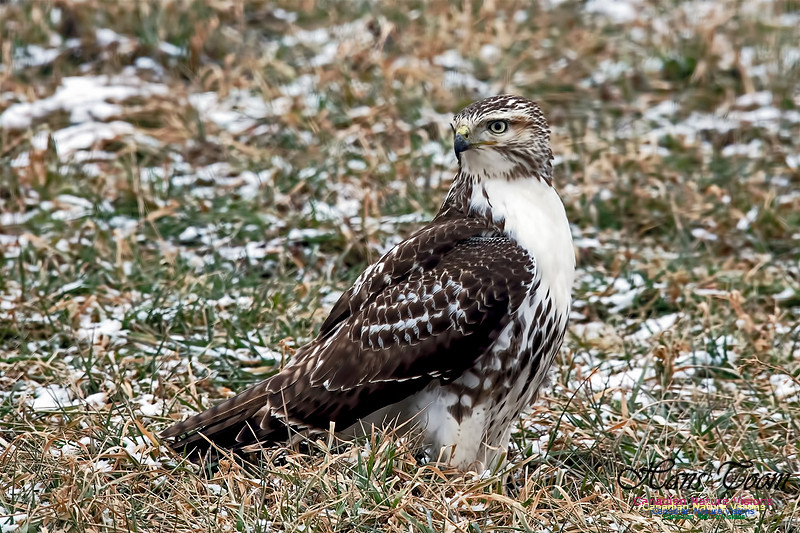
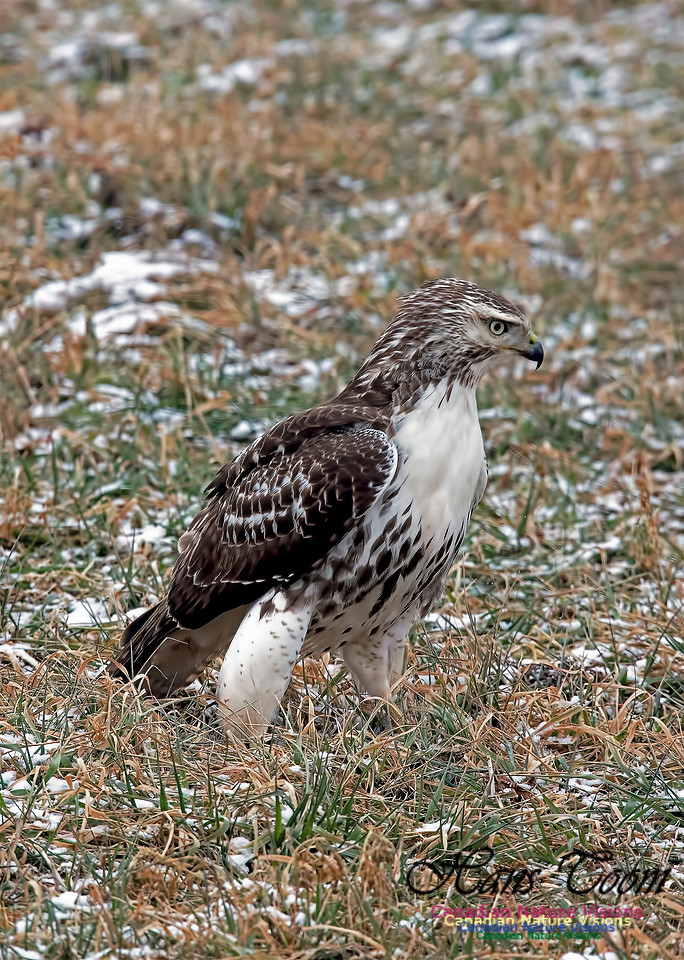
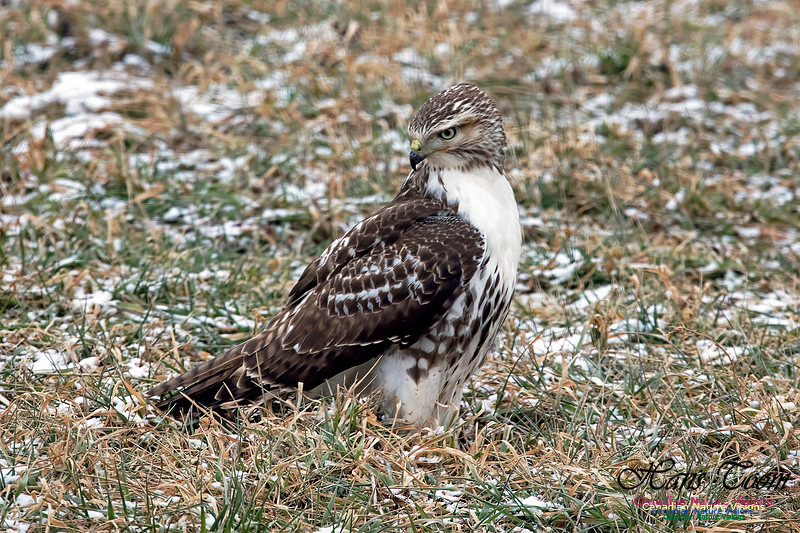
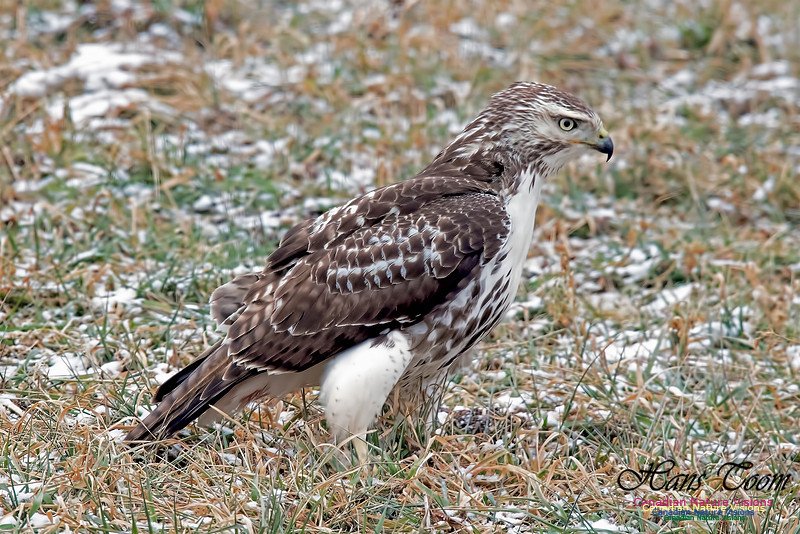
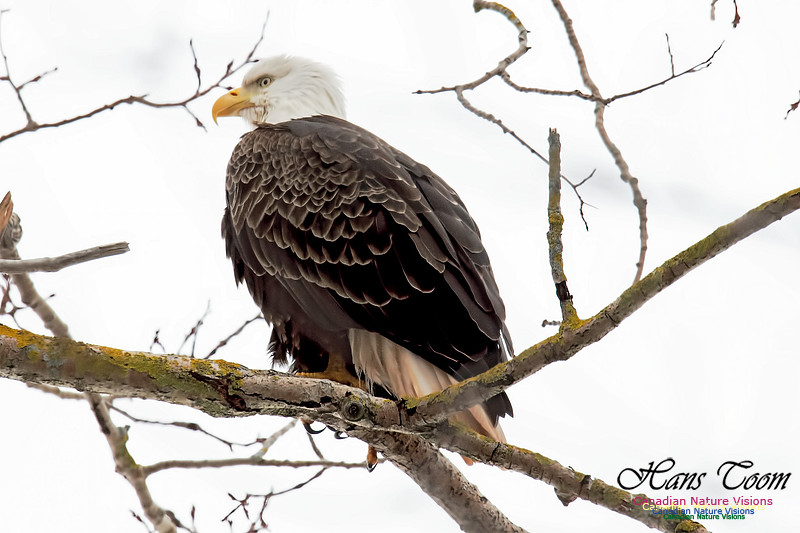
Red-tailed Hawk and Bald EagleI took a quick tour around Canning and Sheffield Mills, Nova Scotia, searching for raptors. My best photographs although severe crops were of a Red-tailed Hawk. This normally flighty bird appeared to be distracted in a field, possibly by a vole, so it allowed me some quick photographs. A Bald Eagle also posed for me. Red-tailed Hawk
Bald Eagle
Red-headed WoodpeckerI went to Bass River, Nova Scotia yesterday to find and photograph the juvenile Red-headed Woodpecker. If this handsome carpenter hangs around until spring it may have developed its amazing red top by then and worth another visit. Woodpeckers are often hard to photograph well since they are mostly high up tree trunks thus necessitating high angle shots. When they are near feeders horizontal framing is easier, a technique requiring patience and luck. The Red-headed Woodpecker is locally rare especially in winter. Indeed it is only my second Nova Scotia sighting in 16 years. Red-headed Woodpecker
I have no idea what this woodpecker is eating. It may be a sunflower seed previously stashed or some kind of insect cocoon or seed head.
Carolina WrenThe Carolina Wren is an infrequent visitor to Nova Scotia. I photographed this one in Queens County in 2010. I never loaded these photos to my website since my record copies were low resolution. I foolishly lost the originals when I changed web servers. However, thanks to emerging technologies I was able to salvage these photos. This is a beautiful adult and yes the colours are authentic. The background is lost in the images thanks to the 840mm(Minolta 600mm F4 with 1.4X) I was photographing the bird with. The story is amazing. The ground was snow covered, about a foot or so, and the wren was clearly over-wintering. It had a brilliant survival strategy. It burrowed a passage some three feet long into the fiberglass insulation under a porch roof. The facia board was missing, of course. It feasted on bugs crawling and flying in an open ended large wood shed with possibly enough goodies there to keep it fed all winter. Needless to say I have lots of these old low resolution record images to search through.
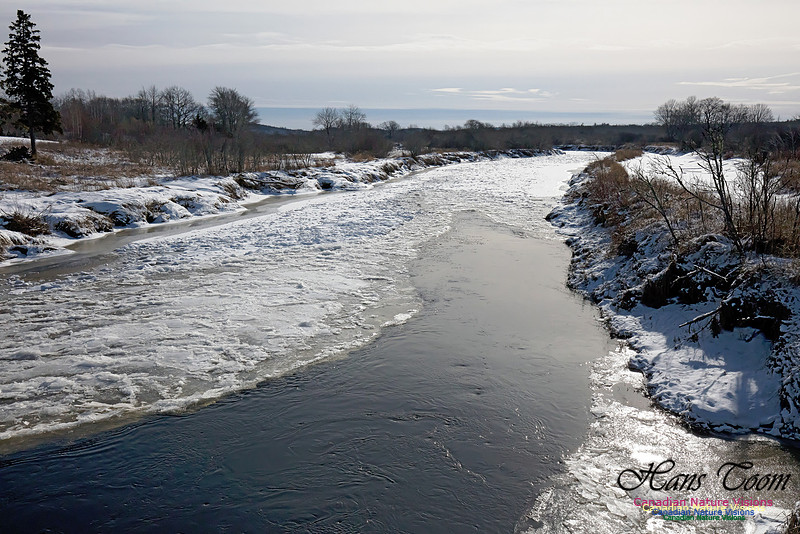
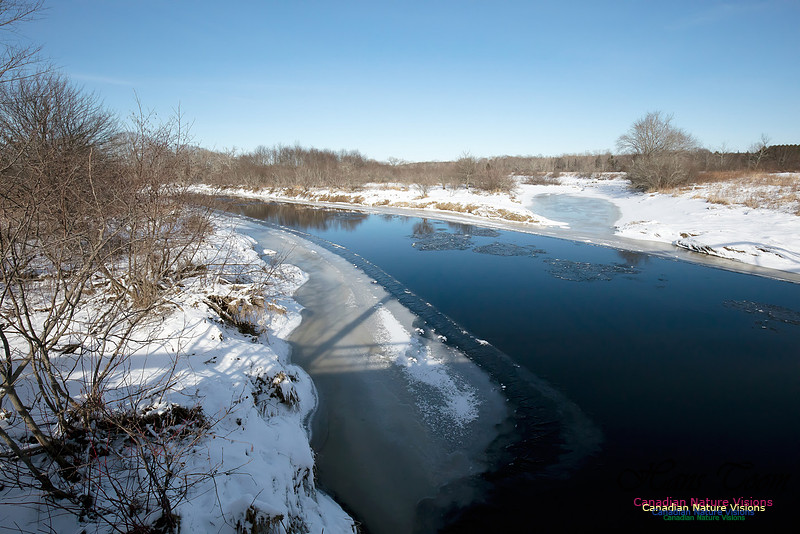
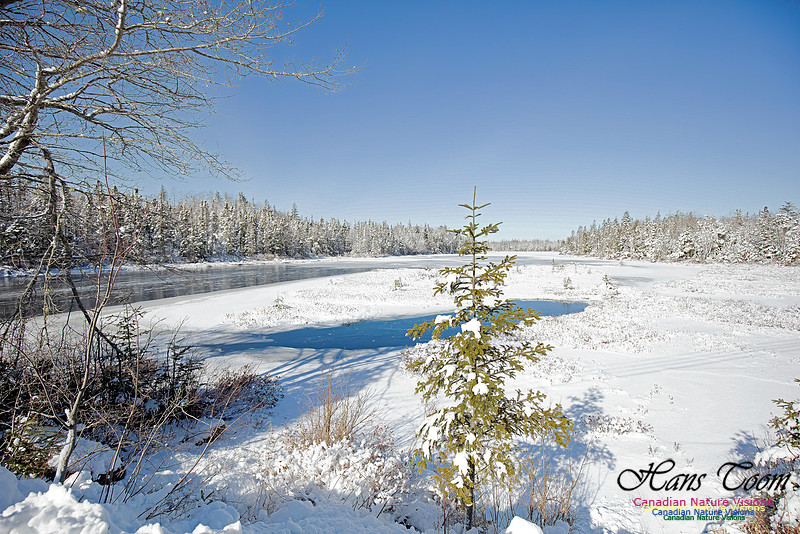
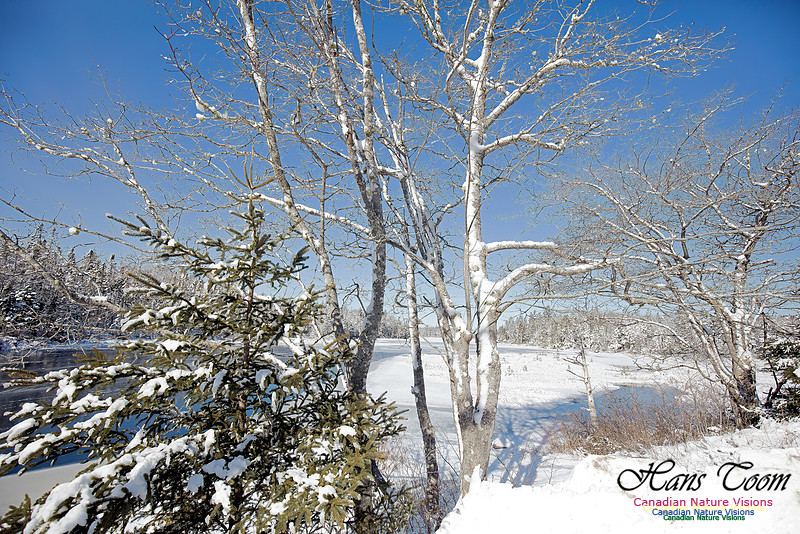
Moving WaterI visited a few of my favourite water courses for some moving water photos. These are stylized photographs at long exposures.
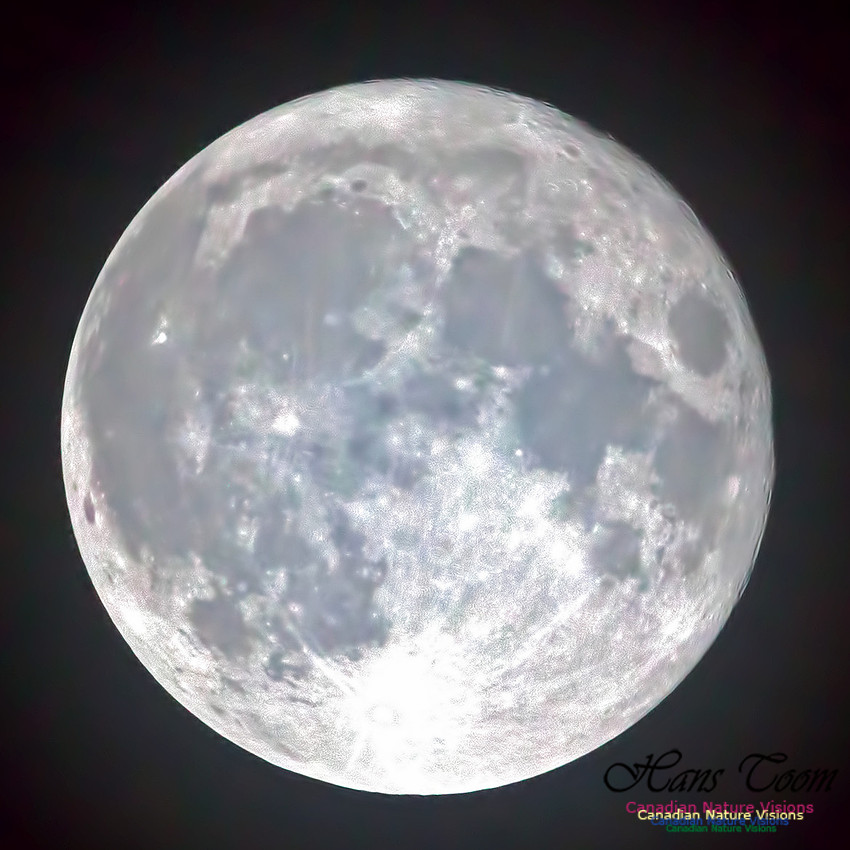
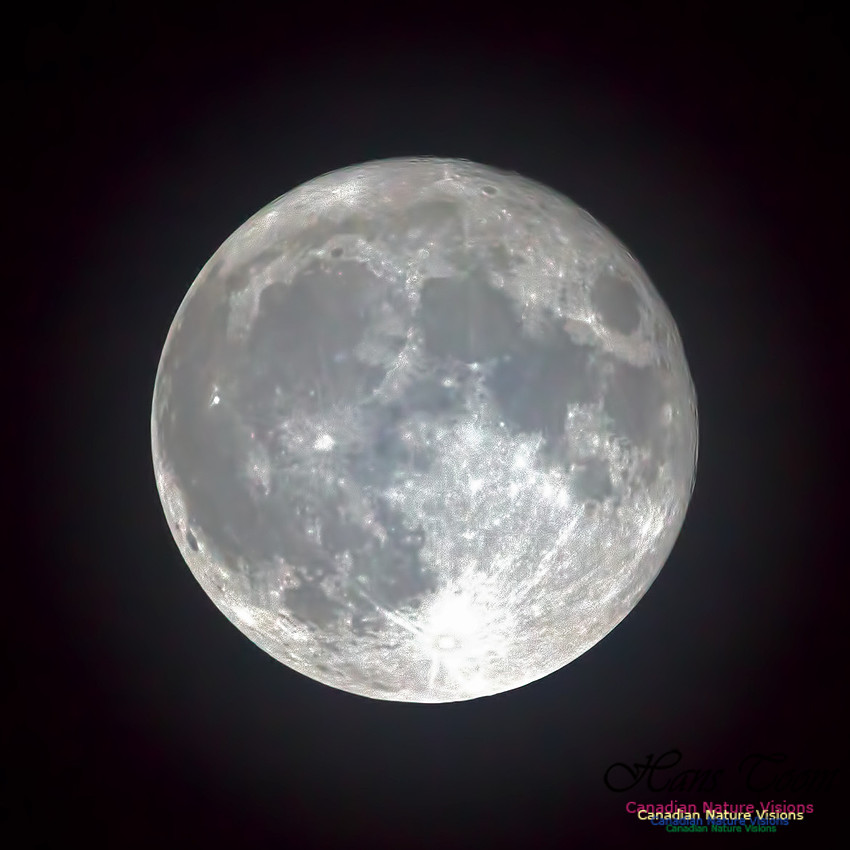
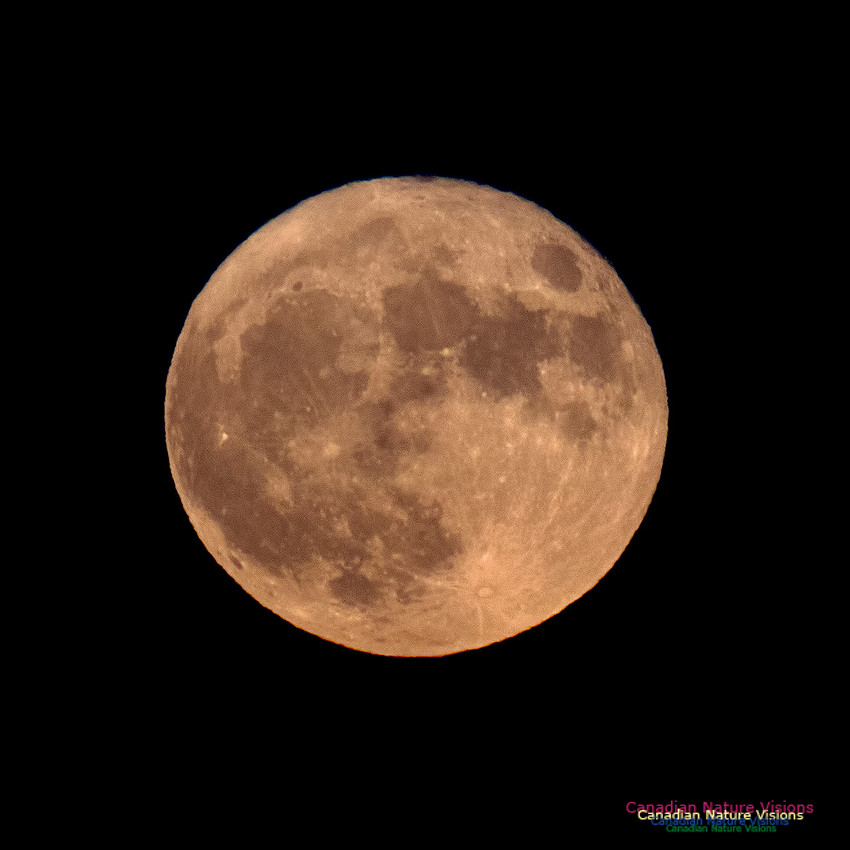
Supermoon November 14, 2016The supermoon of November 14, 2016 is the largest supermoon since 1946 and hence the closest approach to earth since then, that's 68 years, folks. That's getting close to Halley's Comet visitations of 76 years. I photographed the supermoon from our front deck in Portuguese Cove.
The night before....
SundewI am behind on my photos as this posting illustrates. Laura and I encounter this carnivorous plant on our evening walks along Sandy Cove Road, Halifax. The petals, clam shell like, remain open until activated by the sticky nodules on the end of the tentacles. Once activated by an insect the clam shells close and the meal begins. Sundew produces a small white flower in late summer that extends far beyond the plant, perhaps a form of protection for the nectar transferring insects. You don't want to trap the good guys! Notice in the photos that some of the traps are closed. Lots of details on this family of plants can be found here: https://en.wikipedia.org/wiki/Drosera
The Coastal Barrens of Nova Scotia in Late OctoberI drove the Peggy's Cove loop to photograph the coastal barrens. "Barrens" is such a poor choice of words to describe this diversified habitat of flora and fauna. The most spectacular colours are north-east of Peggy's Cove, between Peggy's Cove and West Dover.
The Fall Colours of West Hants CountyI visited West Hants County to photograph and enjoy the fall colours. The area in and around Smiley's Provincial Park is particularly spectacular this time of year. Gypsum Bluffs
Clockmakers Inn in Windsor
At Smiley's Provincial Park
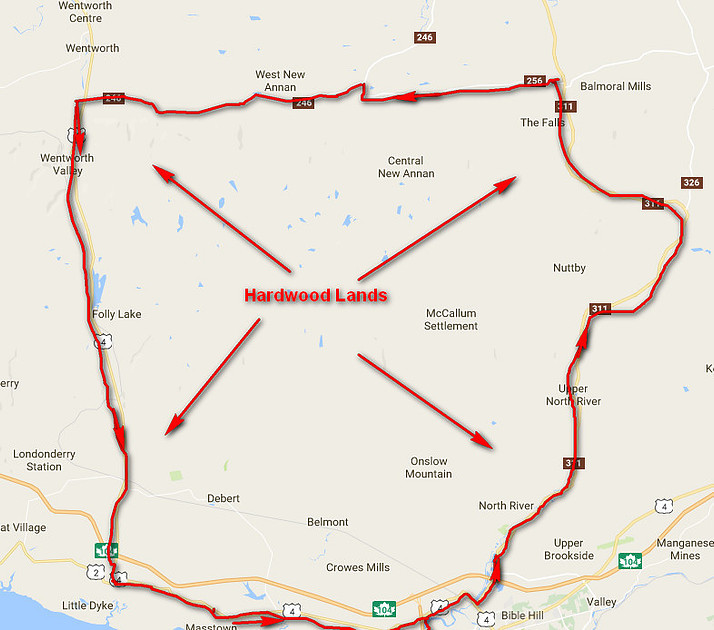
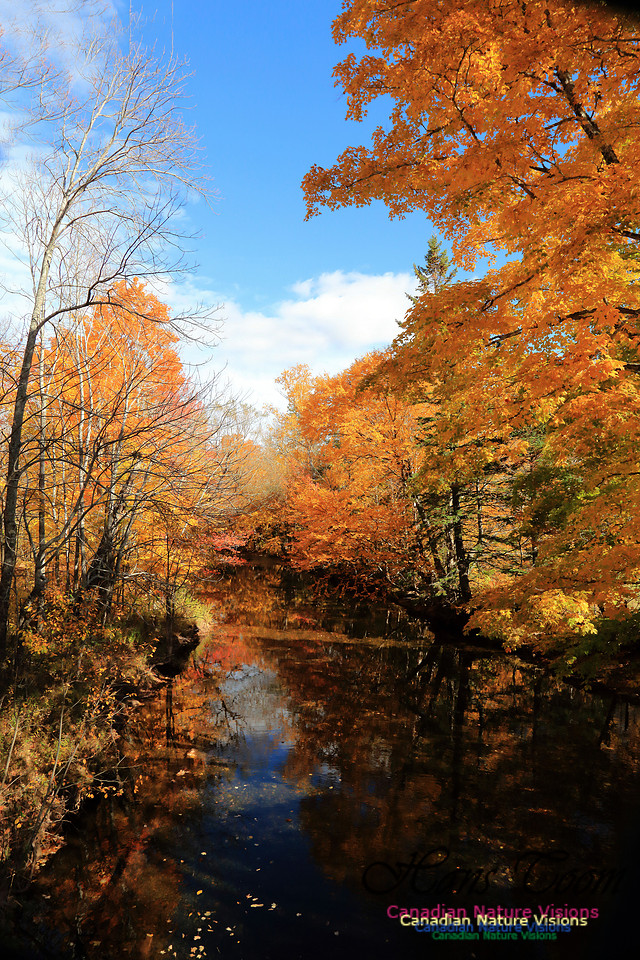
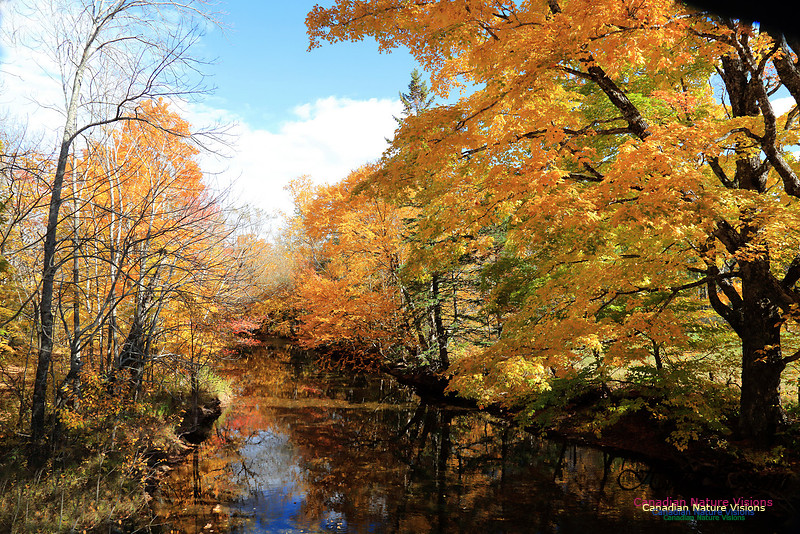
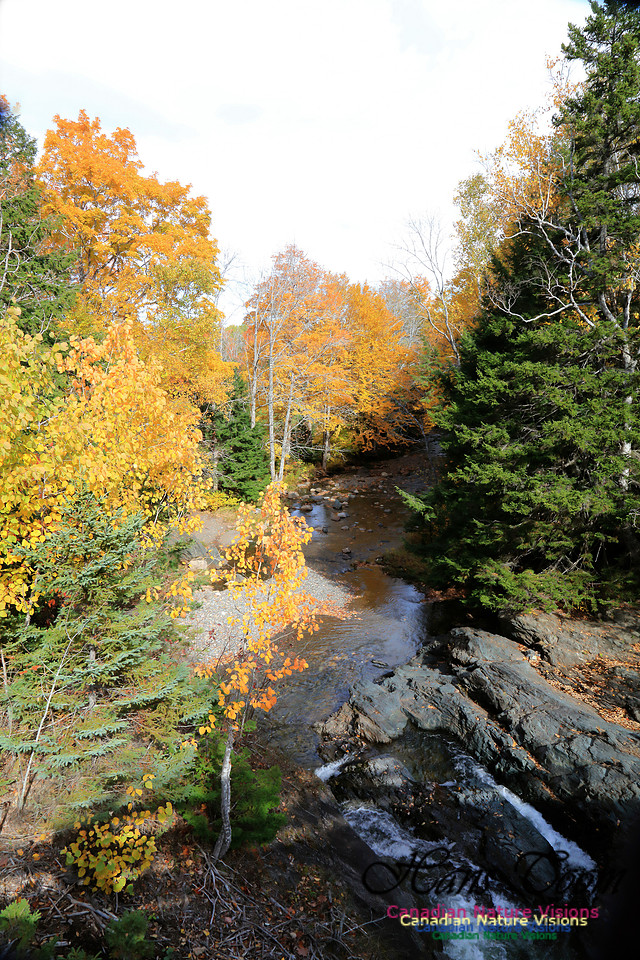
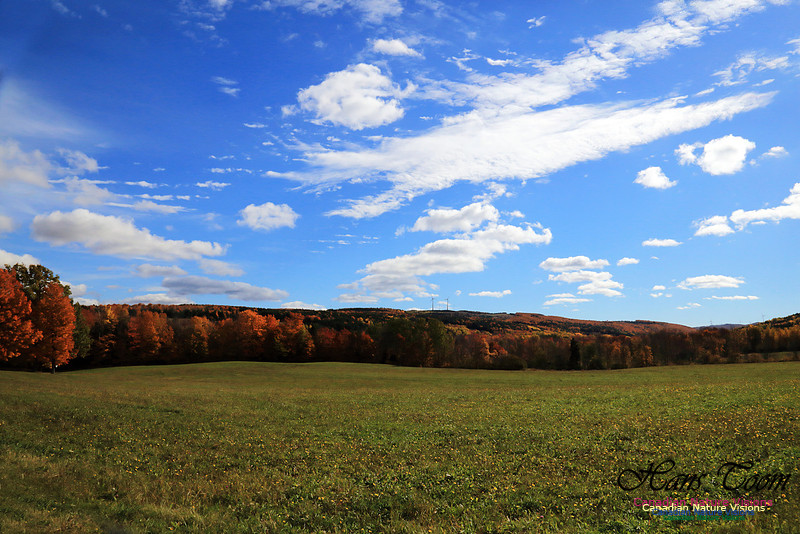
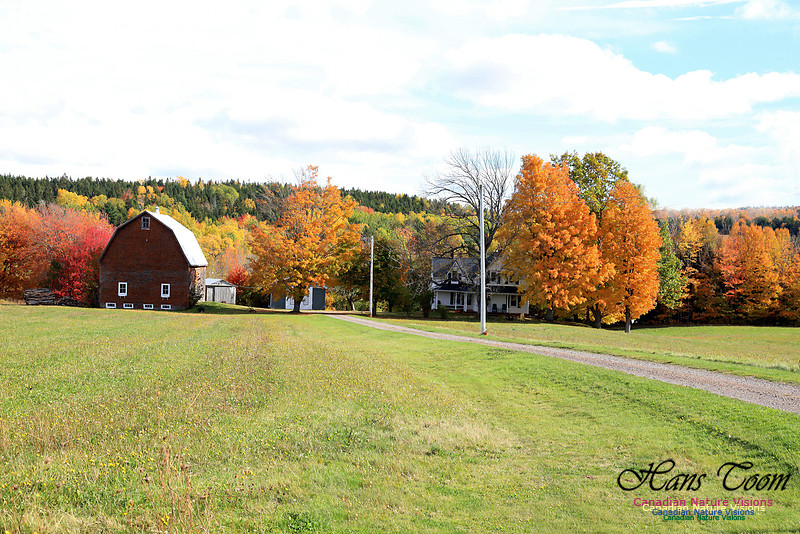
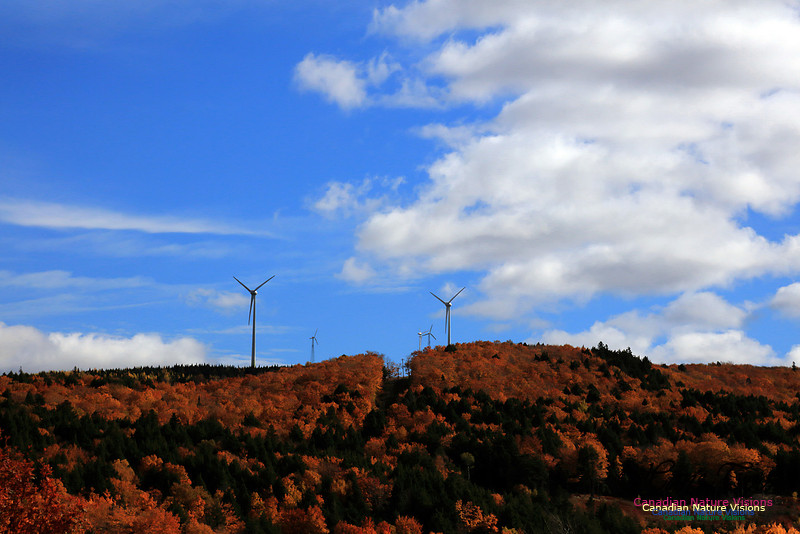
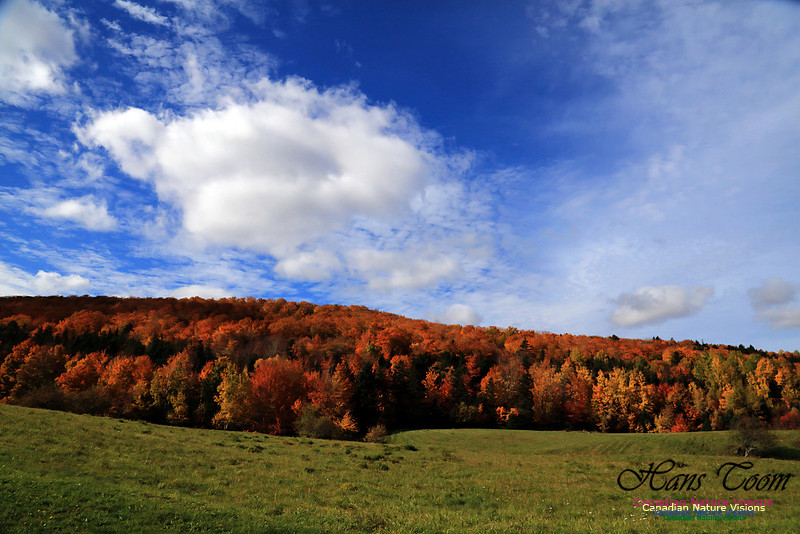
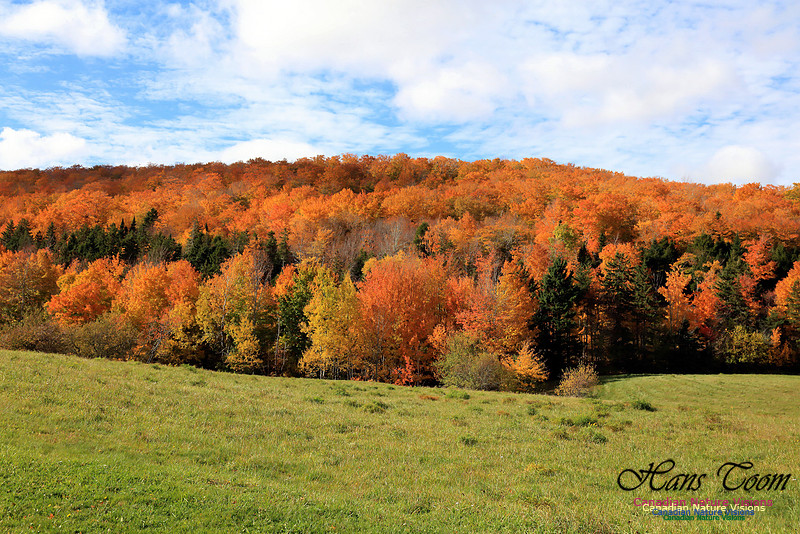
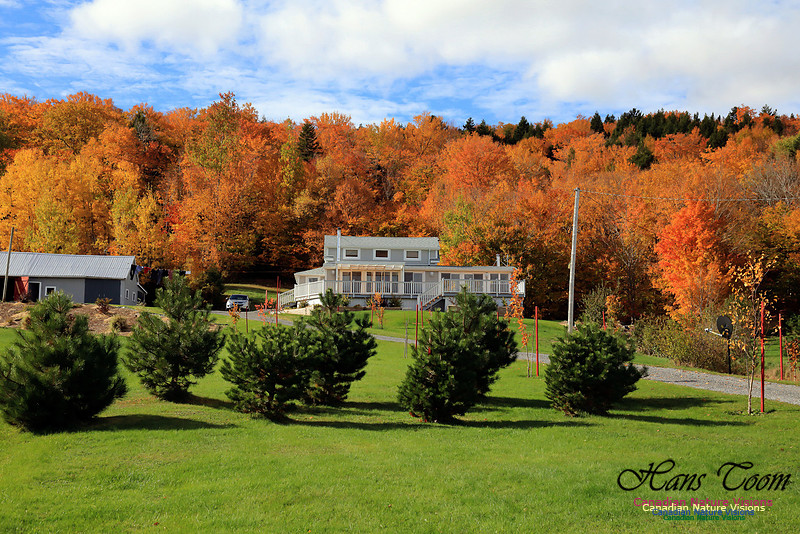
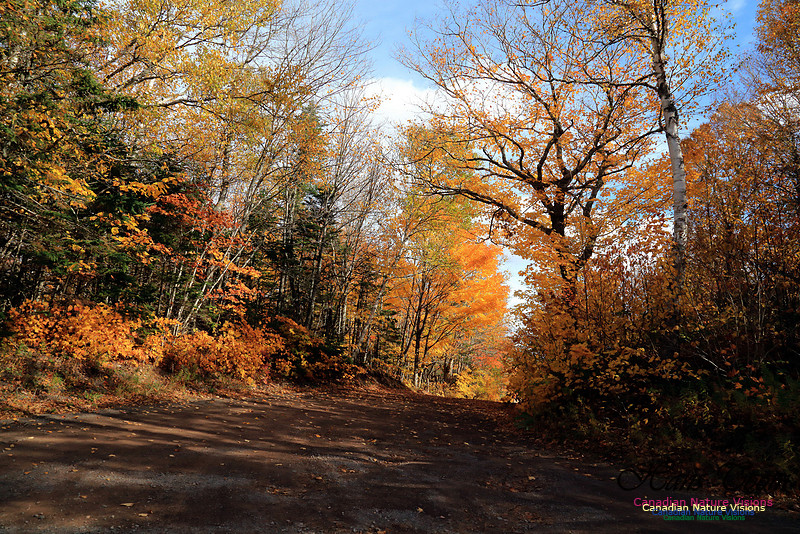
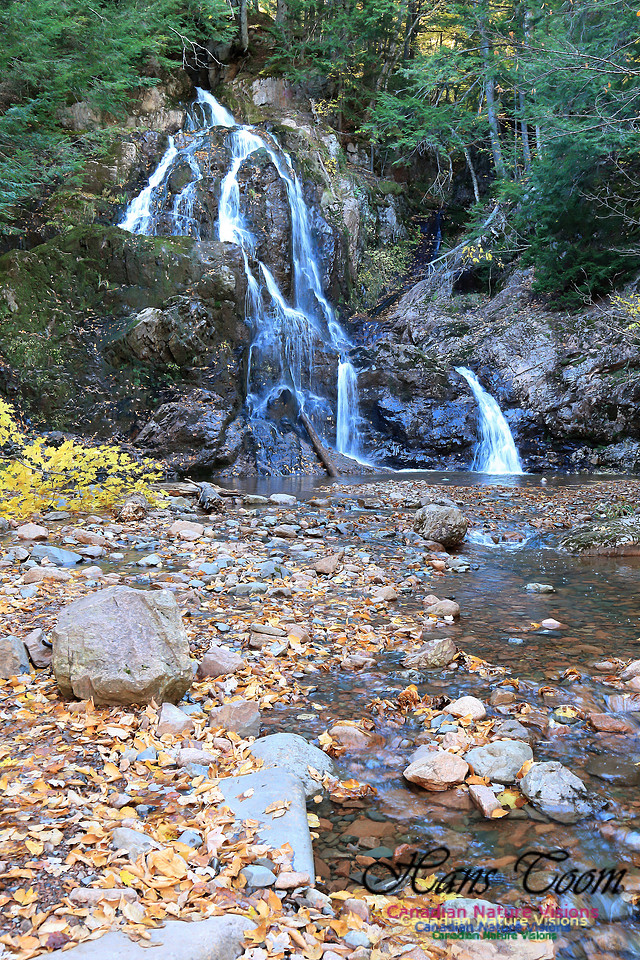
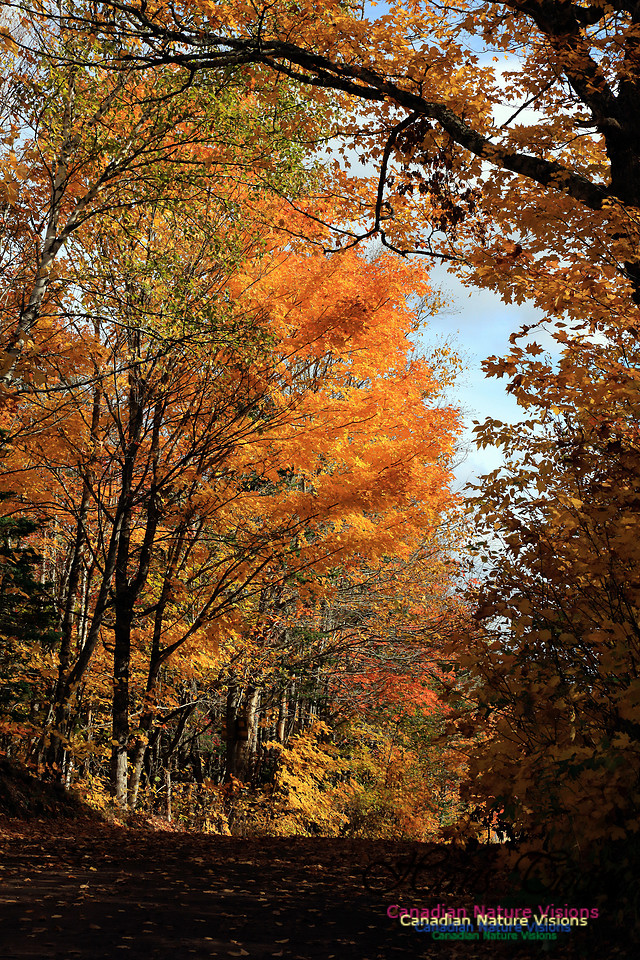
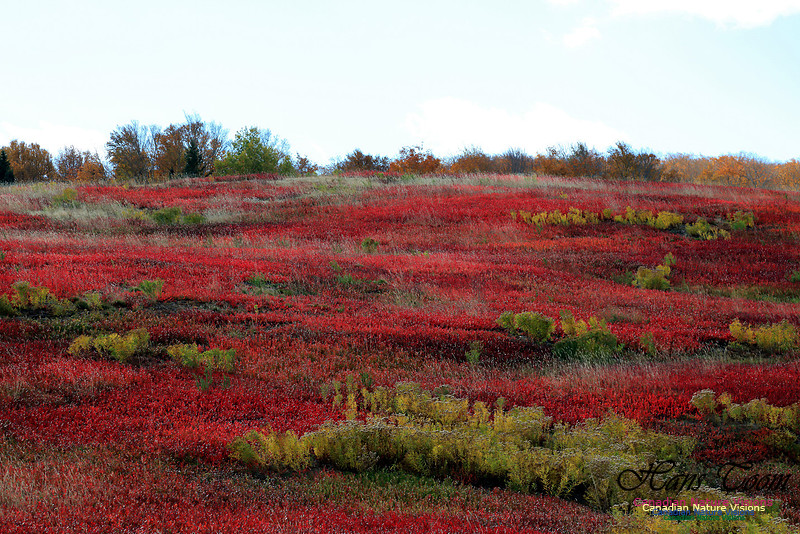
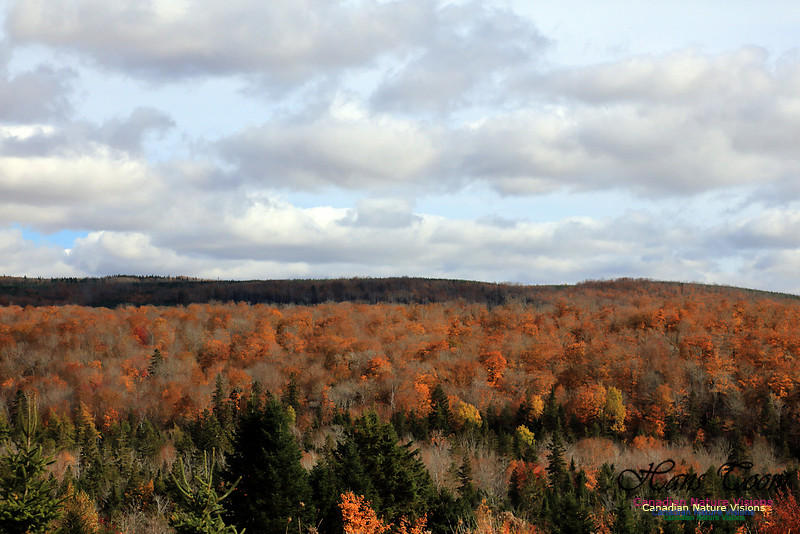
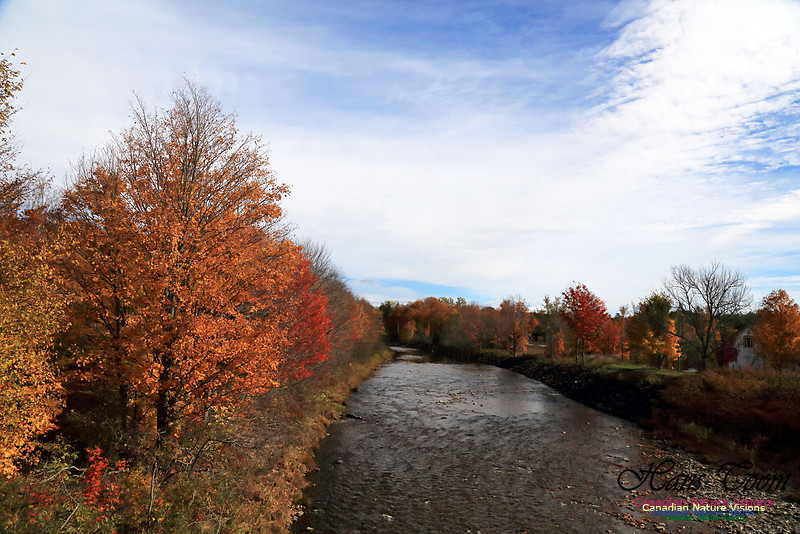
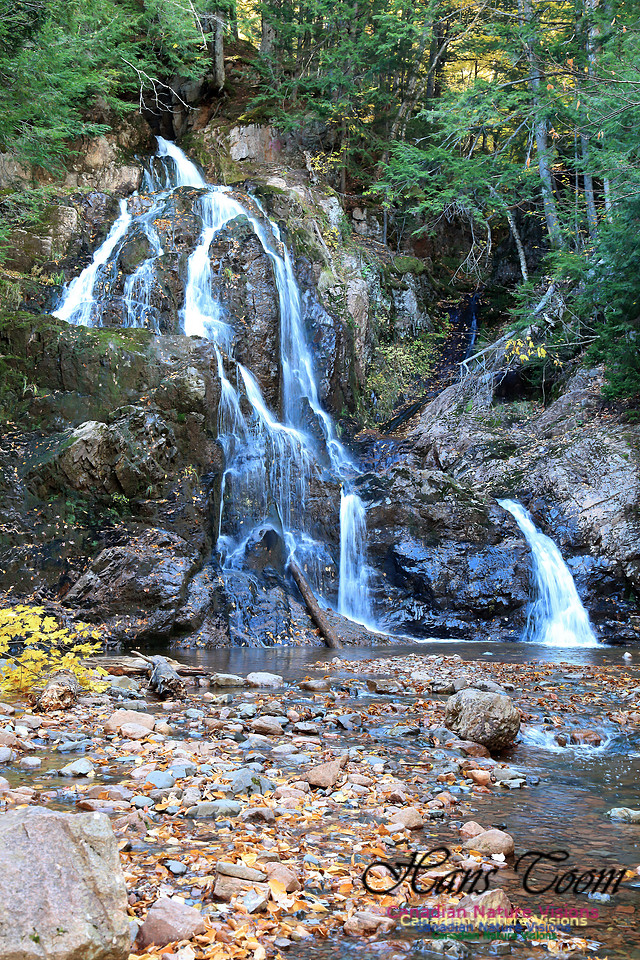
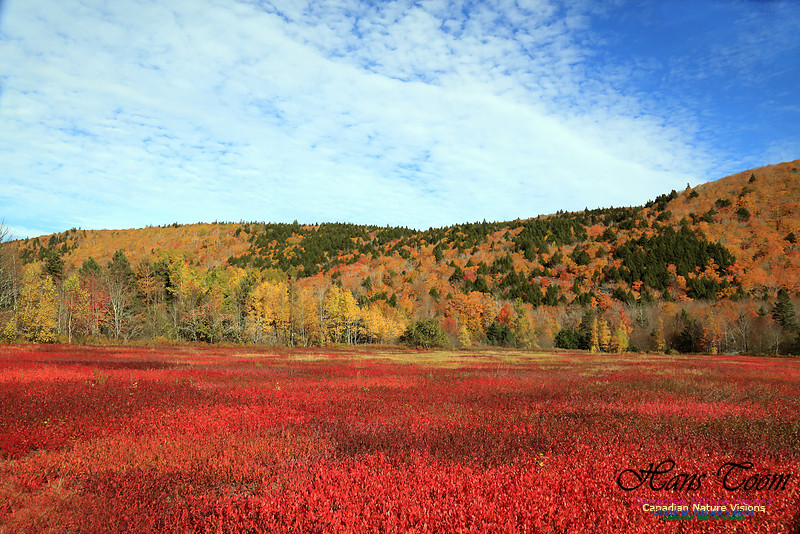
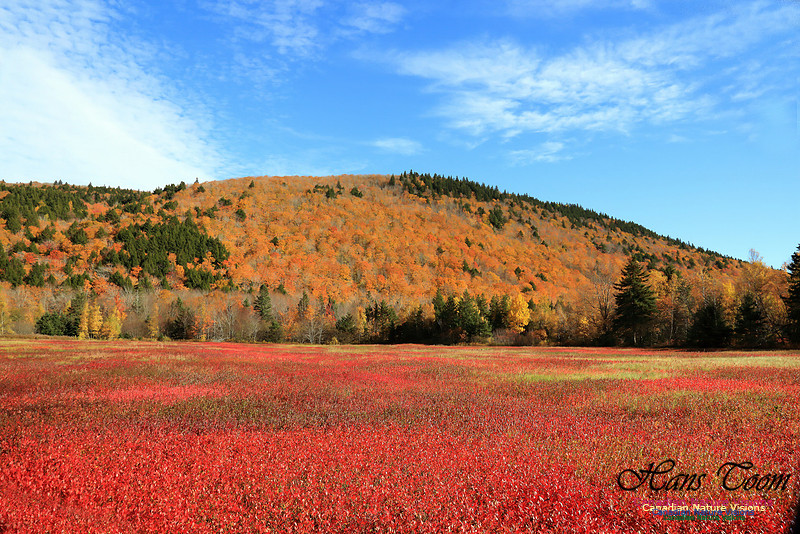
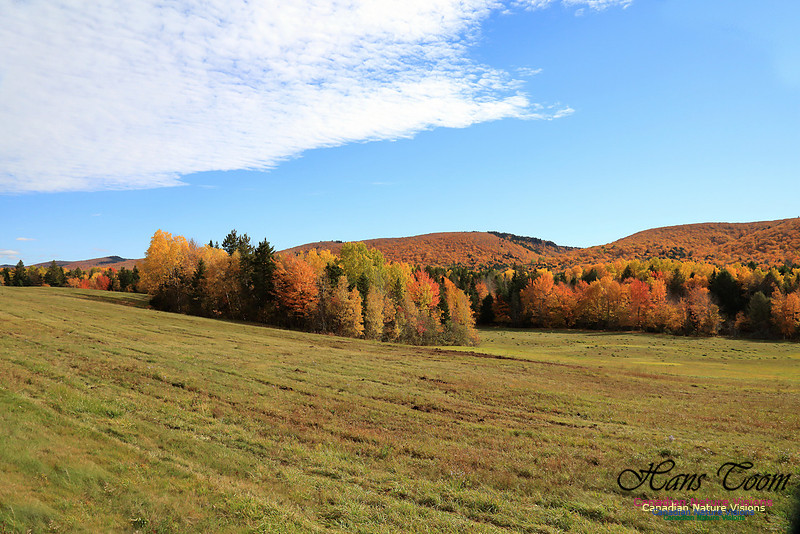
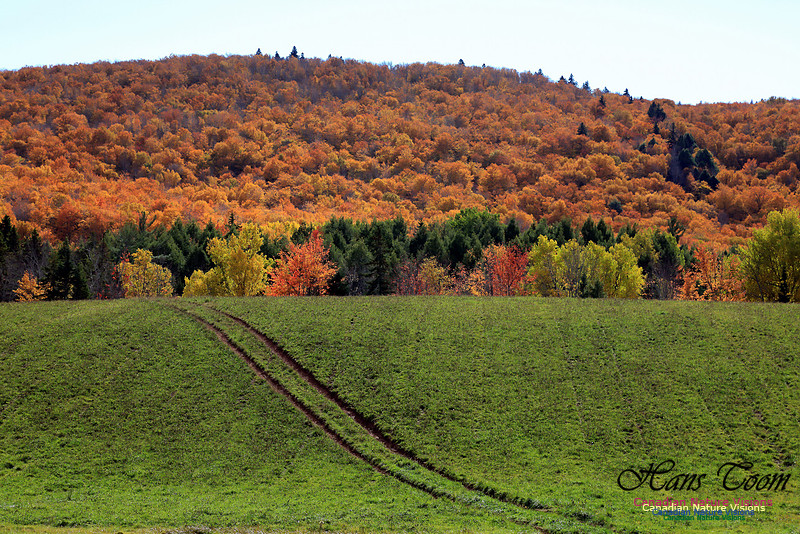
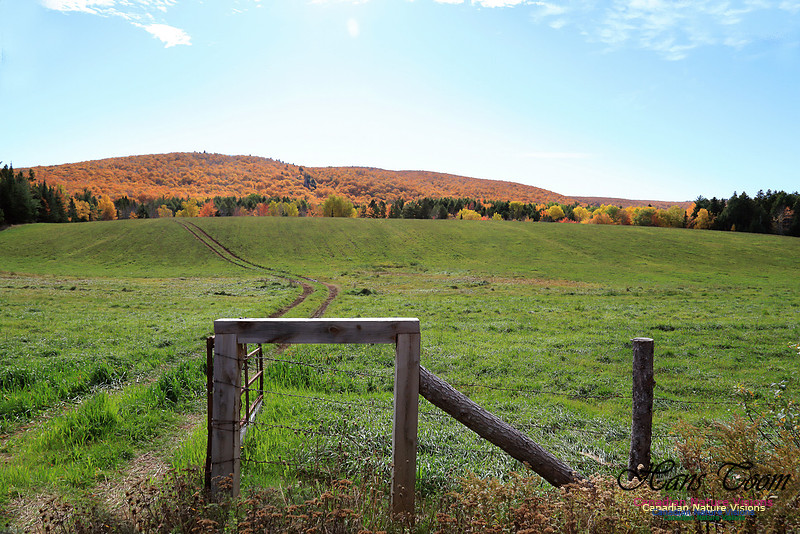
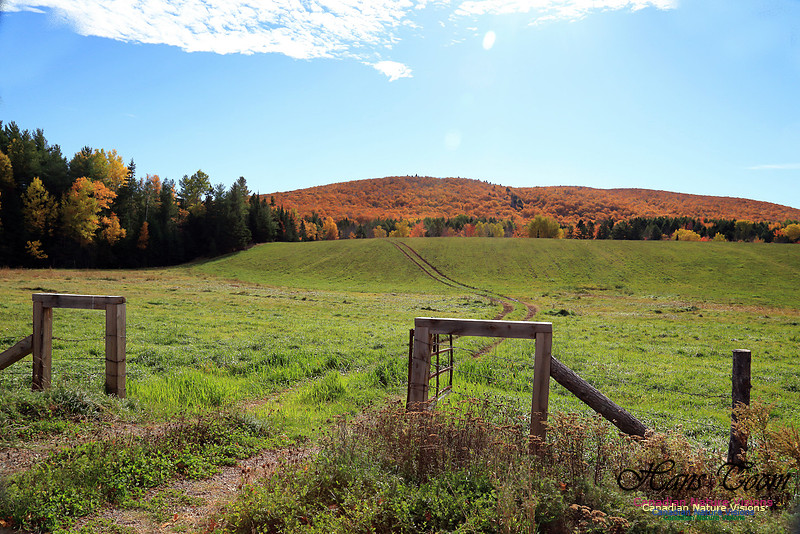
Fall Colours of the Hardwood Lands of Colchester CountyLast Thursday I toured the hardwood lands of Colchester County, Nova Scotia, to see and photograph the fall colours. These hardwood forests are renowned for their maple trees and maple syrup harvest. My Route
Wentworth Falls
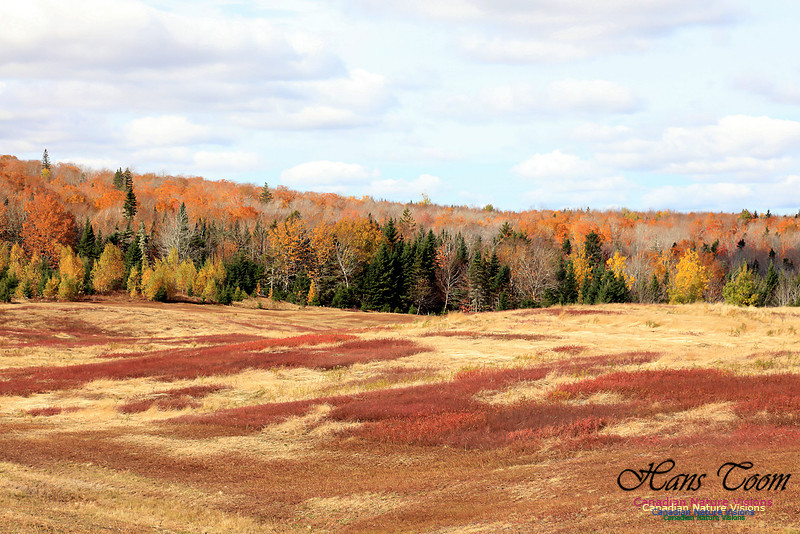
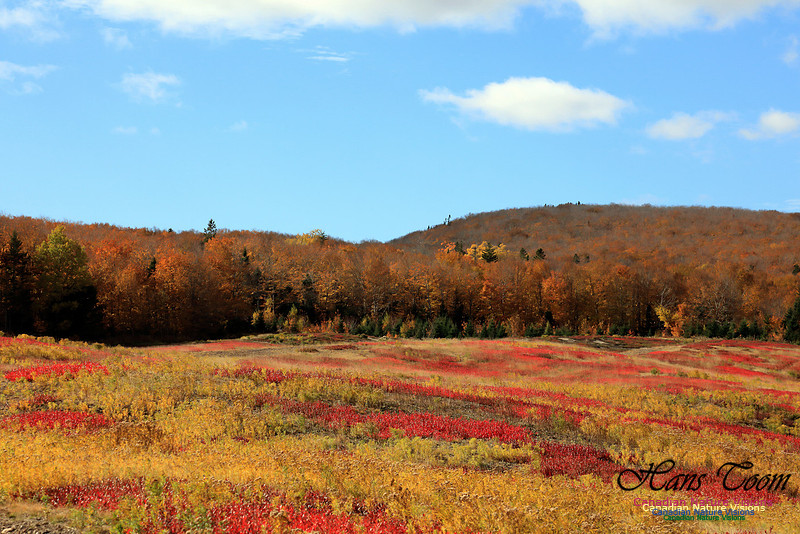
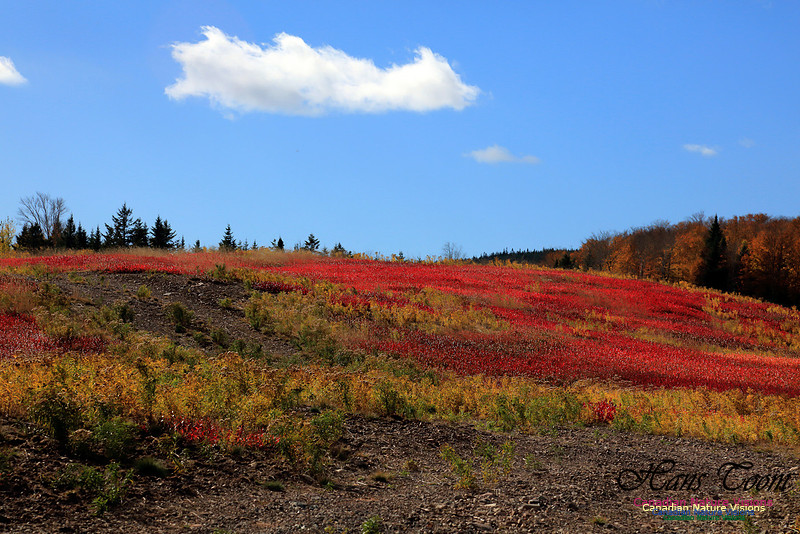
Blueberry Fields
|