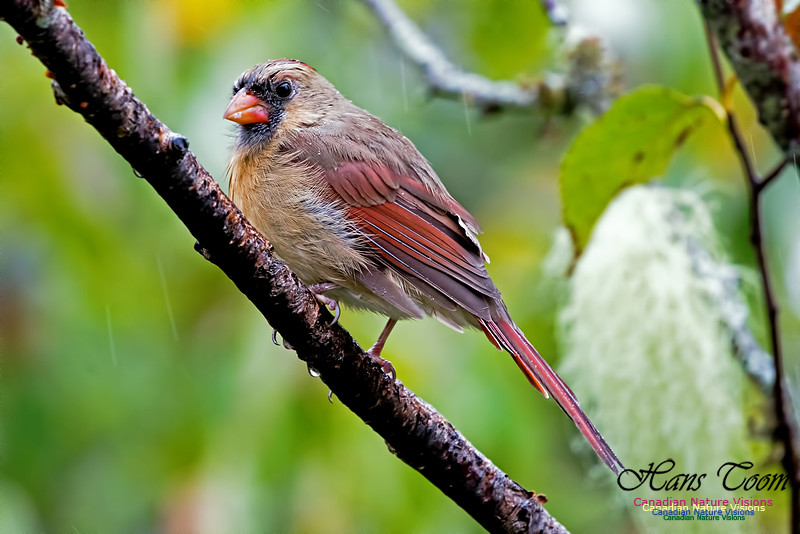
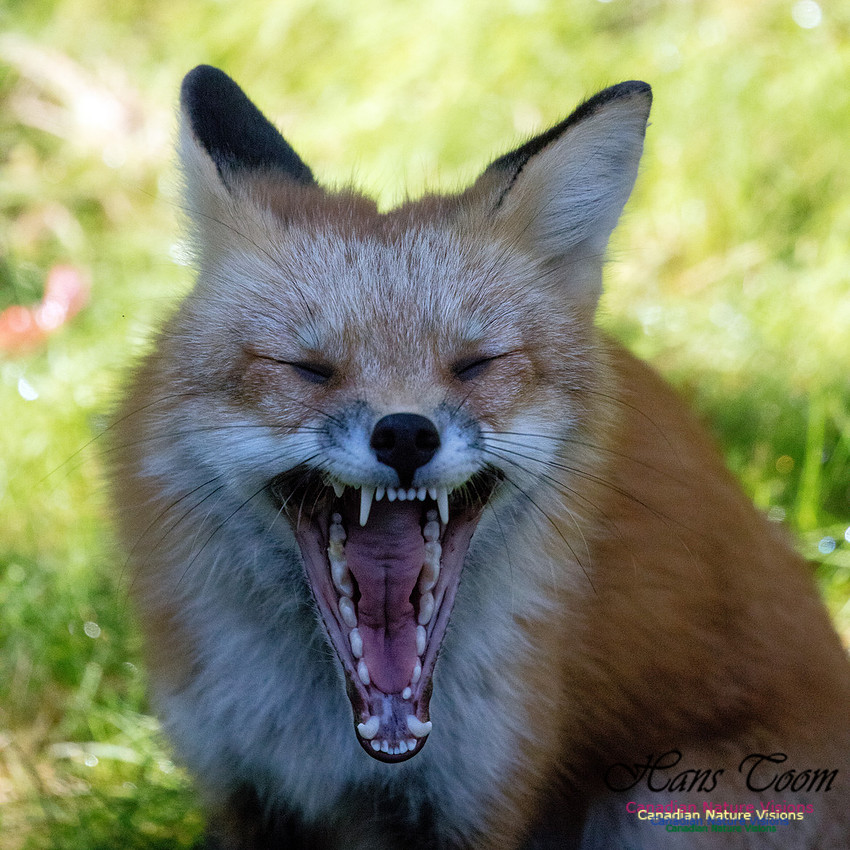
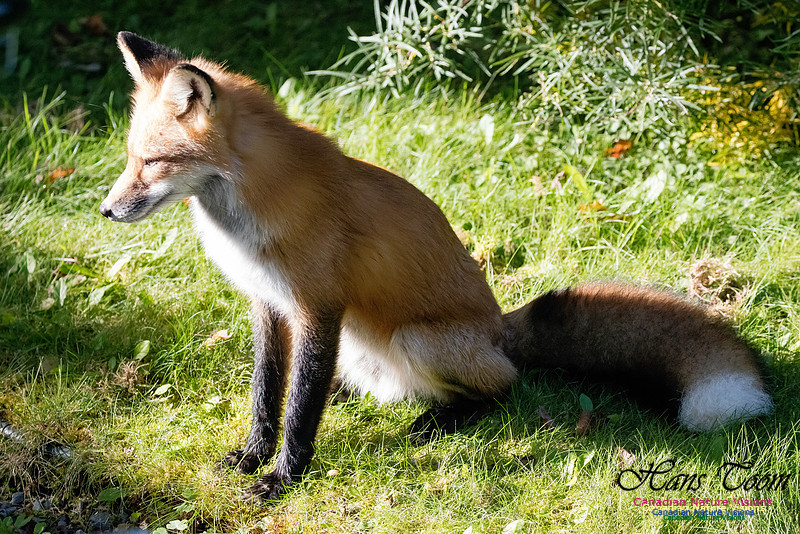
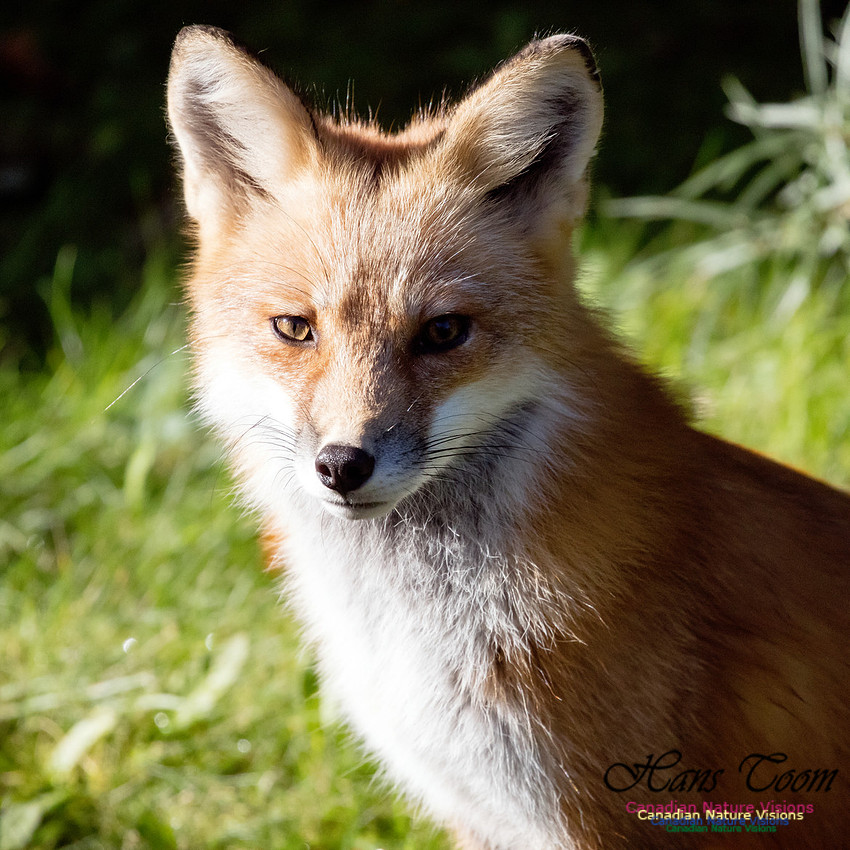
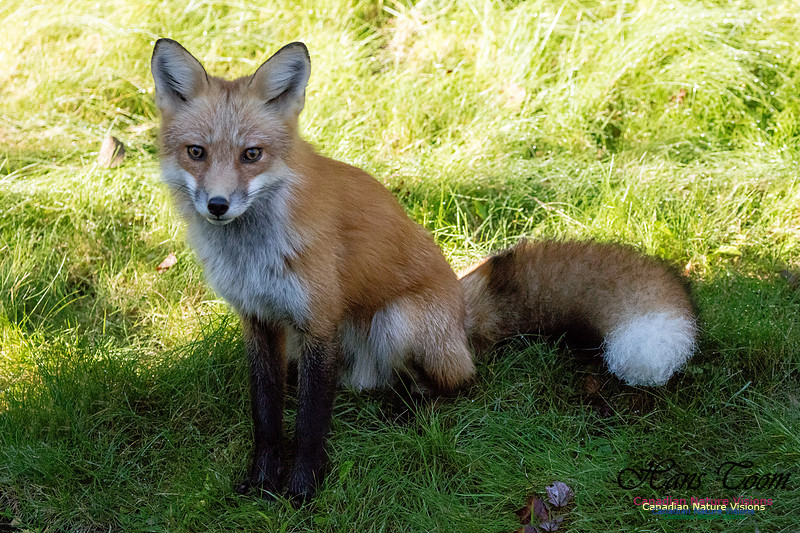
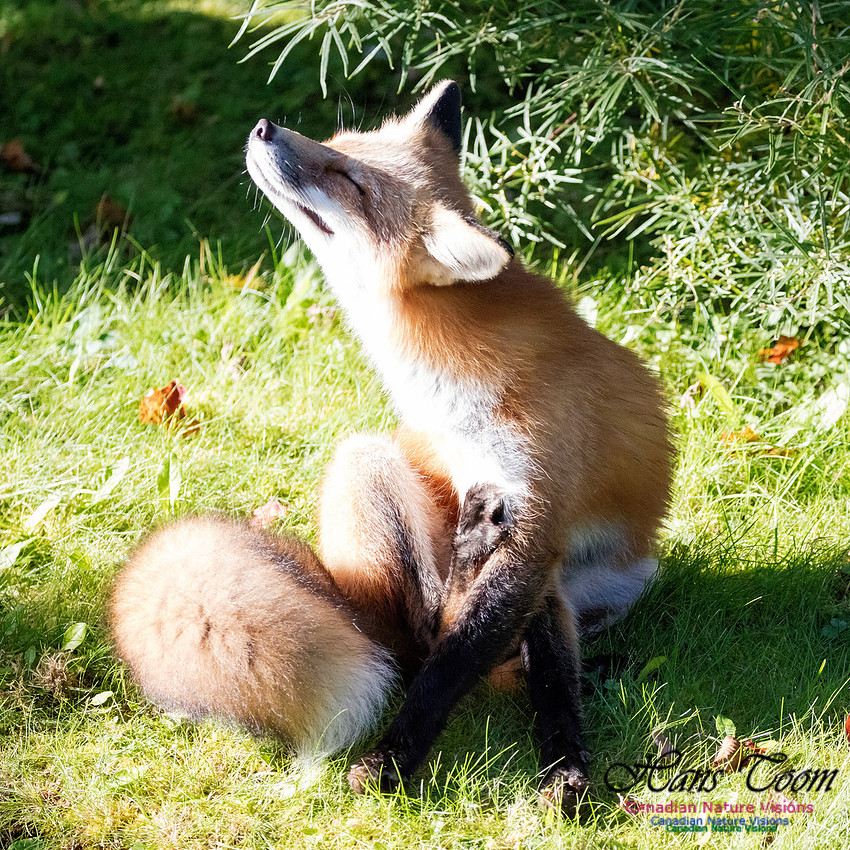
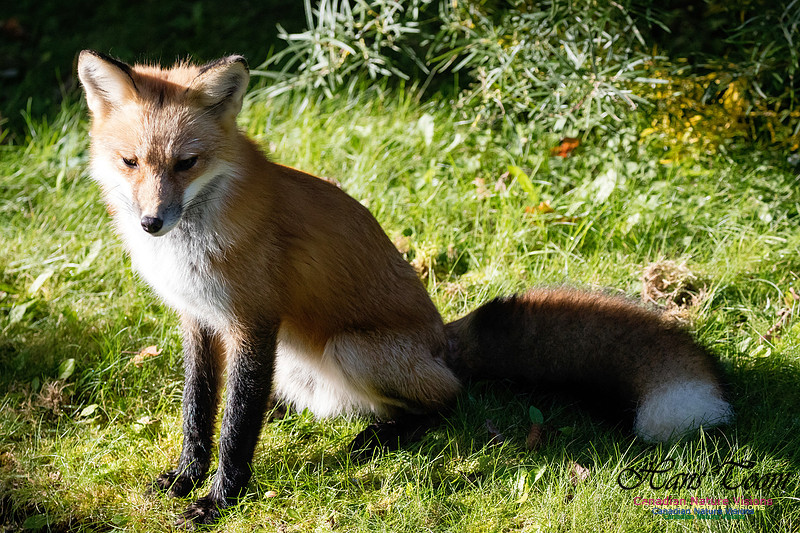
Red Fox, Northern Cardinals, Brown Thrasher and Grey-cheeked ThrushIt's been an interesting start to fall with rare birds and a Red Fox visitation. The Red Fox was a surprise as it lurked on our back deck and near the woodpile. I suspect it was looking for a chipmunk since we have several as permanent residents. In our seventeen year of living in Portuguese Cove we finally have a pair of resident Northern Cardinals. They arrived as juveniles mid summer and are now in near adult plumage. Other recent birds are Brown Thrasher and Grey-cheeked Thrush. Female Northern Cardinal in the Rain
Male Northern Cardinal
Red Fox
NATO Antisubmarine Exercise Cutlass FuryExercise Cutlass Fury was a NATO antisubmarine exercise with eleven ships, three submarines, 25 aircraft and 3000 sailors from Canada, France, Spain, the United Kingdom and the United States of America. The exercise focused on maritime interdiction operations, mine countermeasures, missile defense coordination, littoral(close to shore) combat and anti-surface and anti-submarine operations and tactics. I enjoyed the armada as they exited Halifax Harbour off Shoal Point. The sky was bright so there was a lot of contrast and shadow but a beautiful day with many of the naval ships at speed and maneuvering. FS Languedoc
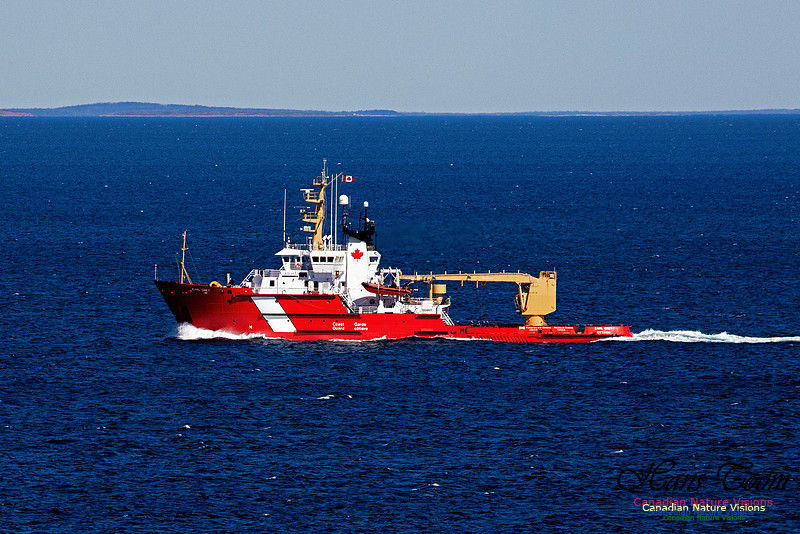
CCGS Earl Grey
HMCS Athabascan
HMCS Frederiction
HMS Monmouth
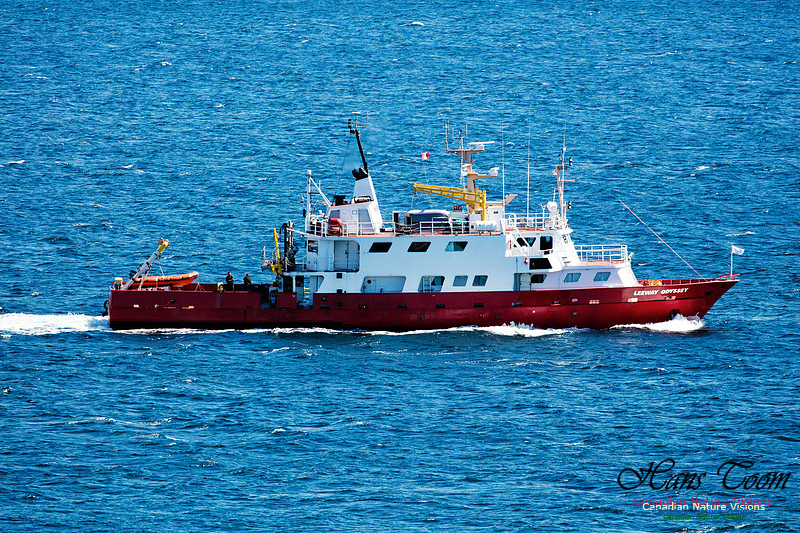
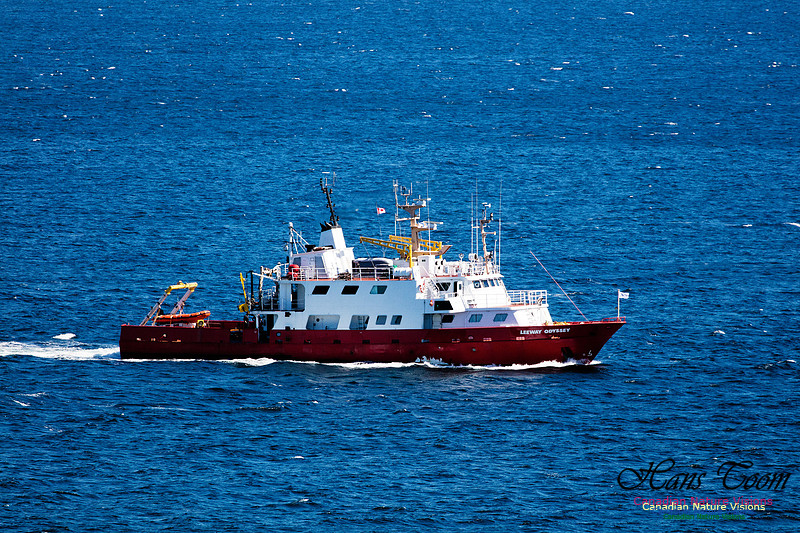
Leeway Odessey Marine support and research vessel
FS Perle Nuclear powered attack submarine,......I'm not sure about this identification. There are no visible markings. There was also a United States of America nuclear powered attack submarine in the exercise.
Sea King Helicopter There were several helicopters patrolling the outer habour.
SPS Patino
Stellar Sunrise This tanker was ordered to clear its anchorage in the outer harbour prior to the departure of the naval fleet(I think but can't confirm)
USN Robert E Peary This support ship was the first to leave the harbour. I just managed a few quick photos from my living room window.
USS Bulkeley and USS Gonzalez
USS Bulkeley
USS Gonzalez
Queen Mary 2 & Yellow Ladies' Tresses OrchidPrior to our jaunt up to Chebucto Head(Shoal Point) yesterday evening to watch this grand ship passing on its way to Southampton, Laura, Gabriela and Alzena joined me in a visit with the Yellow Ladies' Tresses Orchid. This orchid is our latest blooming, flowering up to the first frost. This orchid is very similar to the Nodding Ladies' Tresses Orchid but the 'nodding" prefers moist conditions whereas the "yellow"prefers dry conditions and usually blooms much later although they do flower together along Sandy Cove Road, Halifax. The Yellow Ladies' Tresses Orchid flower flares open like a trumpet and the lower petal droops. Yellow Ladies' Tresses Orchid
After visiting the orchids we went to our favourite looking off place and enjoyed the late evening. The Queen Mary 2 rounds Shoal Point. Queen Mary 2
Northern Cardinal and Vegetable Garden Raiding BuckNorthern Cardinal and Vegetable Garden Raiding Buck In 16 years at our place in Portuguese Cove we've never had more than a single cardinal at a time and they only stayed for a few days. The proximity to the coastal barrens is a likely deterrent but over the years our deciduous trees have grown taller and fuller. There has always been excellent roosting locations in our mature mutltiflora rose hedges and dense ornamental shrubs, plus the forest itself. Our home has always been a migrant trap. Its close to the coastal migration route of many birds and provides excellent cover. Over the years we've tallied perhaps 160+ species. I don't keep count any more but when I last did about fourteen years ago we had 126 species and a lot has happened since then. If I invested in a good telescope I could probably tally another 20-30 ocean and pelagic species but I prefer to photograph nature and invest my time and money there. Five weeks ago the cardinal situation changed when a single juvenile female arrived and stayed. Now low and behold a juvenile male arrived a few days ago and the two have become a couple so we may have resident cardinals here after all. I wish them well here or wherever they choose to set up house keeping. They will never lack for food at our place. The photos were taken through two layers of window glass so they do lack definition. Five weeks ago the cardinal situation changed when a single juvenile female arrived and stayed. Now low and behold a juvenile male arrived a few days ago and the two have become a couple so we may have resident cardinals here after all. I wish them well here or wherever they choose to set up house keeping. They will never lack for food at our place. The photos were taken through two layers of window glass so they do lack definition. Juvenile Female Northern Cardinal
Juvenile Male Northern Cardinal It just visited our sunflower seed feeder.
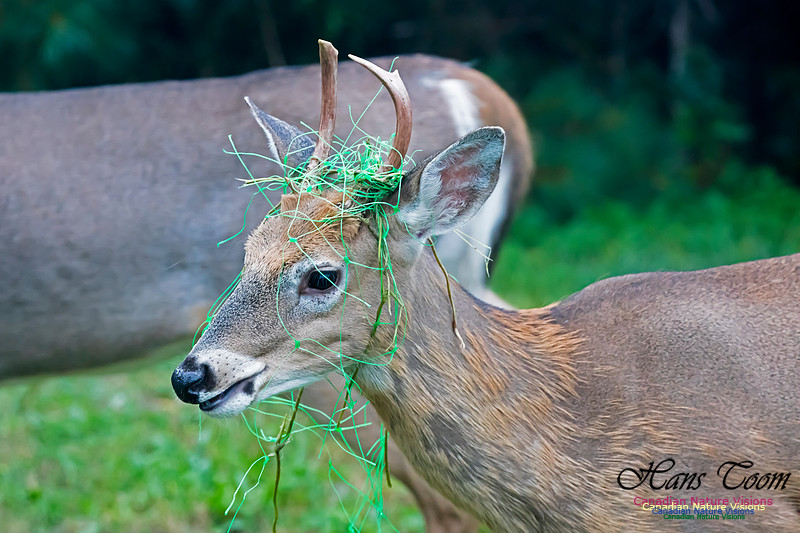
Yesterday we had a unique experience when three young bucks arrived two festooned with netting probably after a recent vegetable garden raid. To my chagrin one of the garden raiders was chowing down on my Rose of Sharon which is normally 12 feet feet high but with the weight of the blooms it was drooping down to munching height. Fortunately the netting is flimsy and will disappear over time. Vegetable Garden Raiding Young Buck
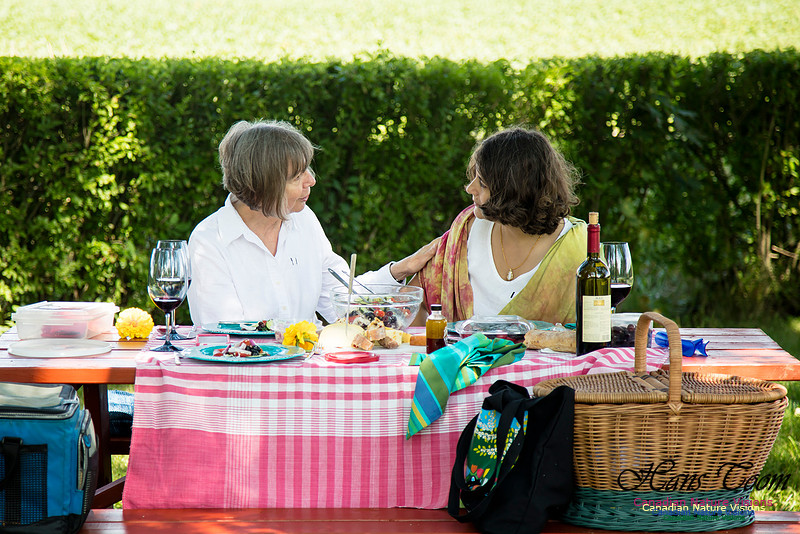
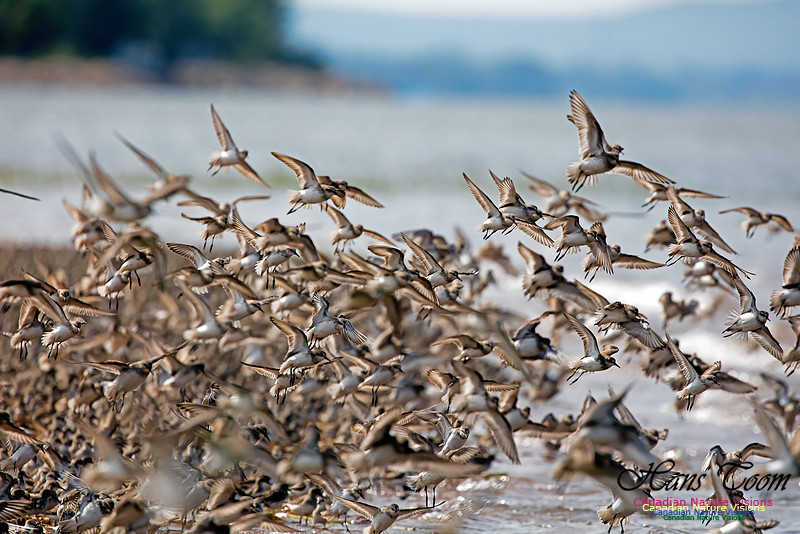
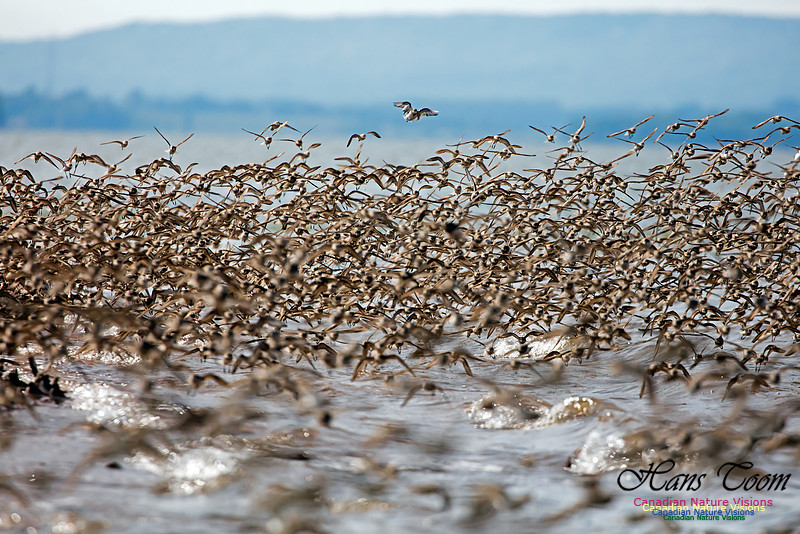
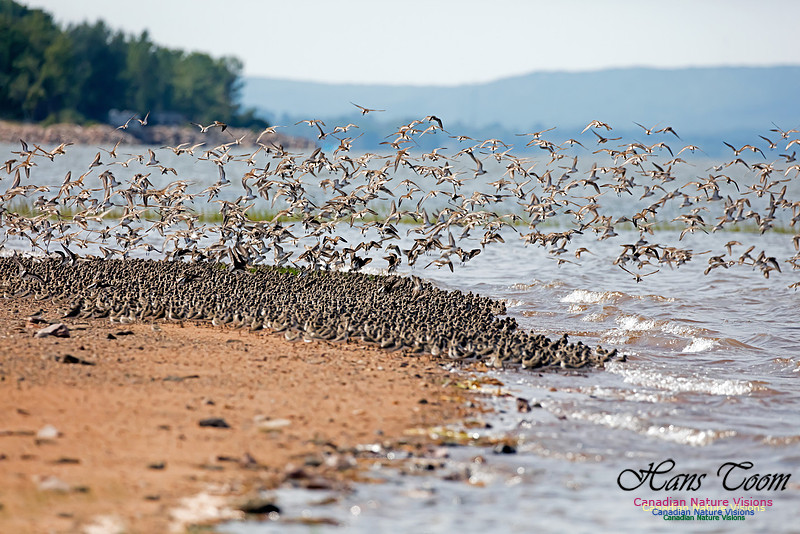
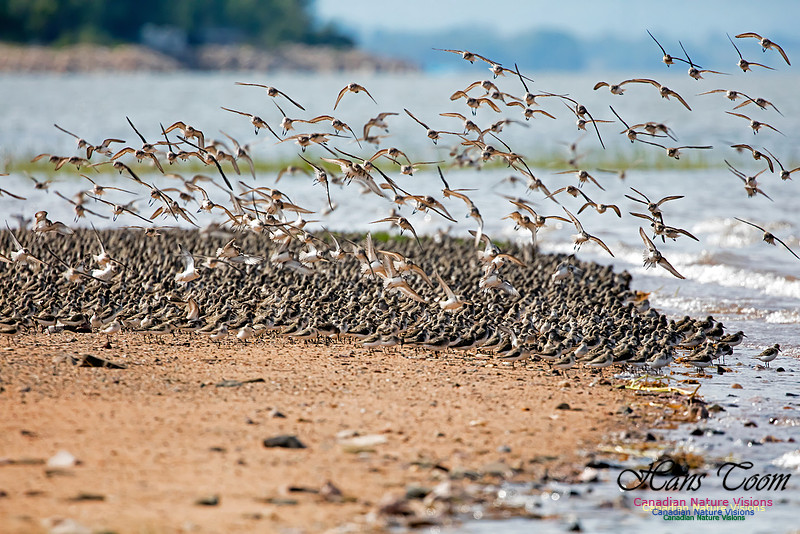
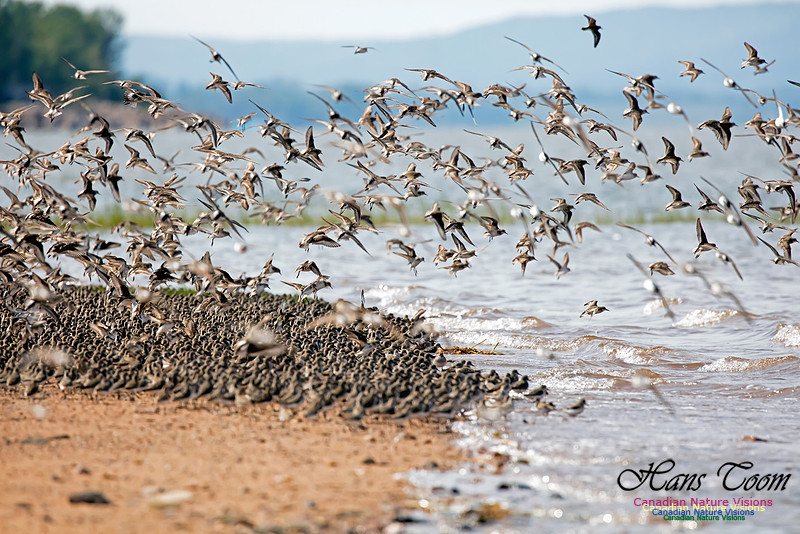
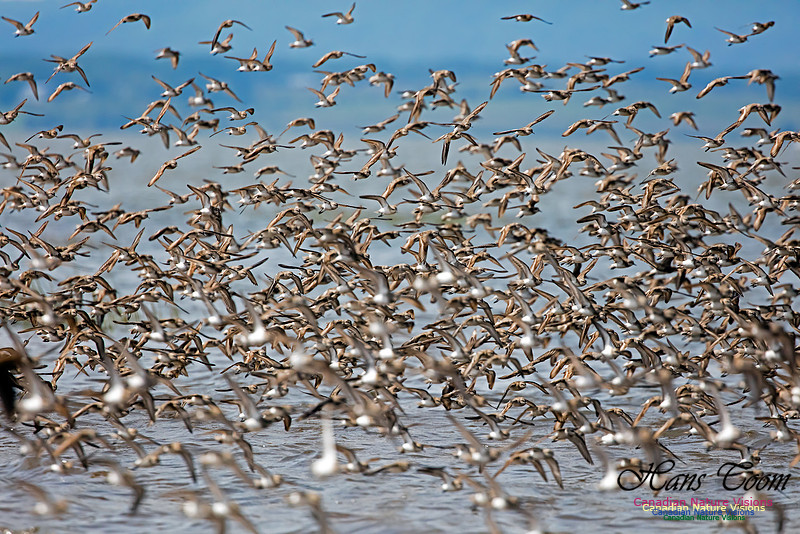
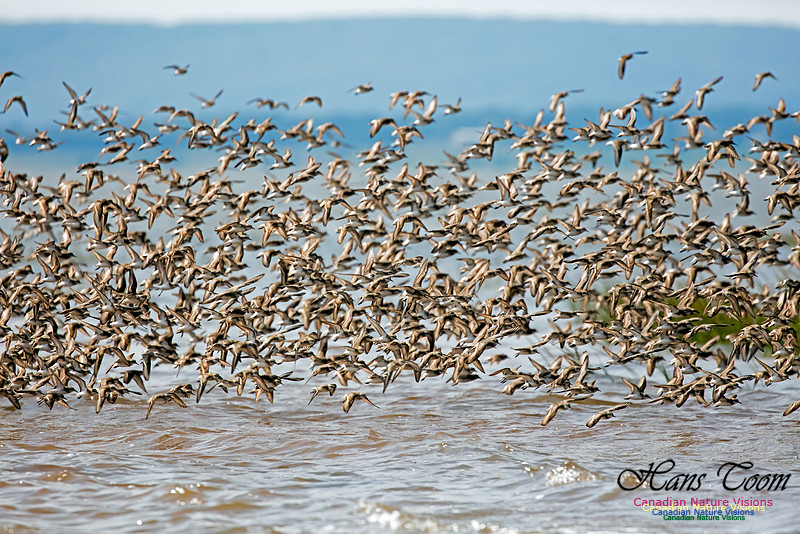
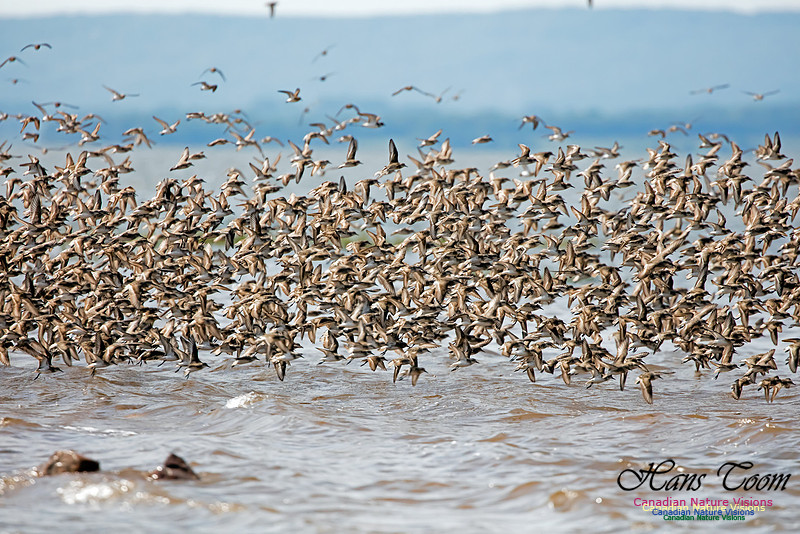
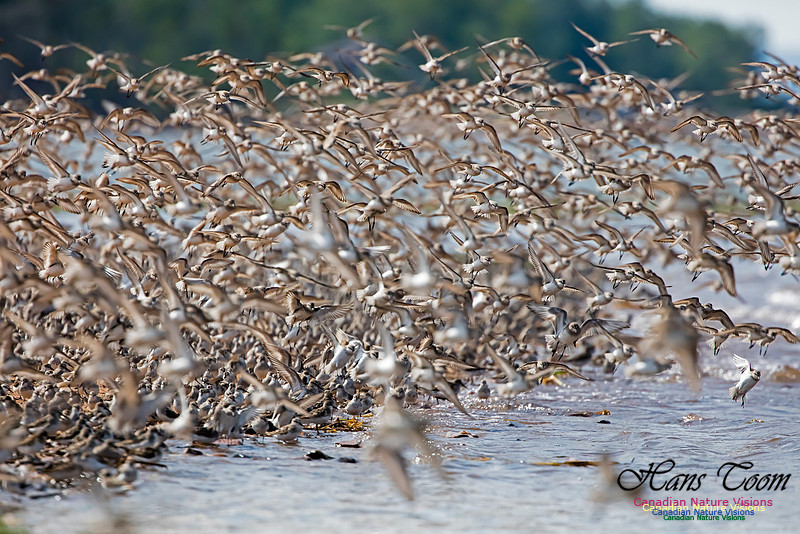
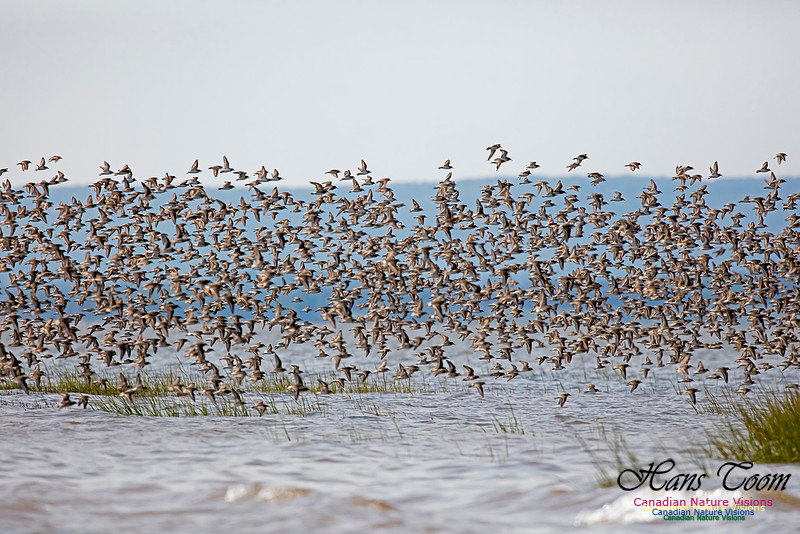
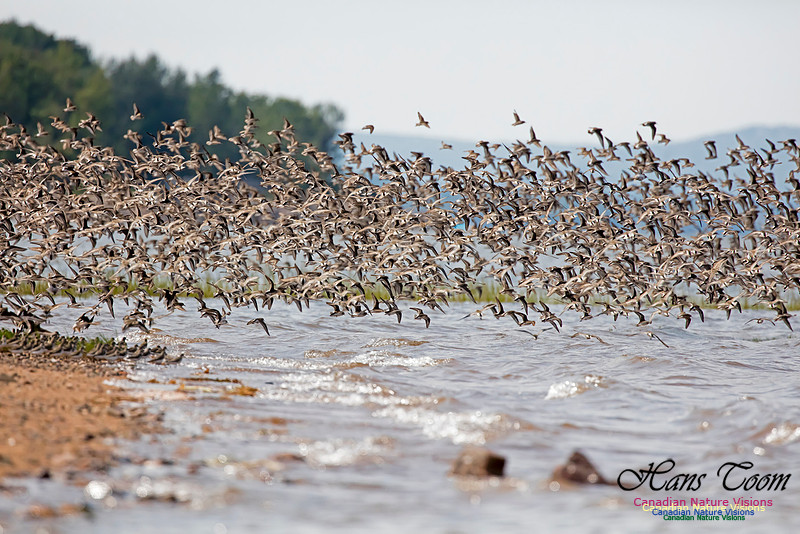
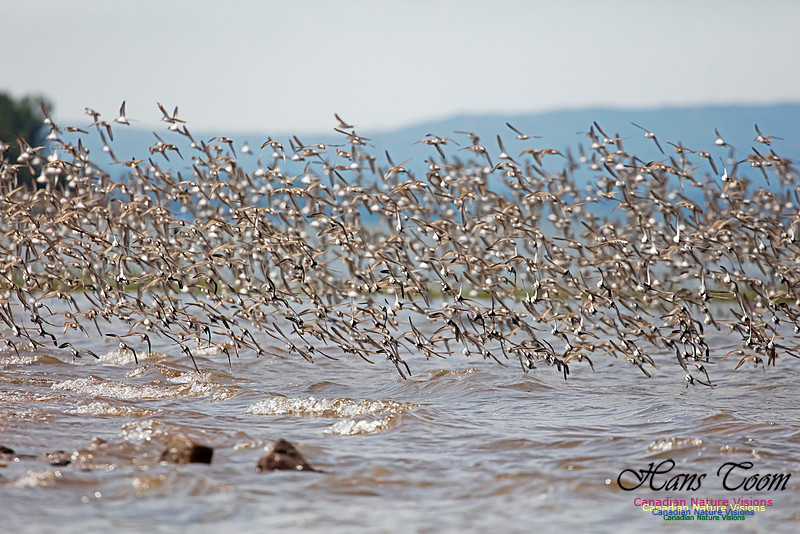
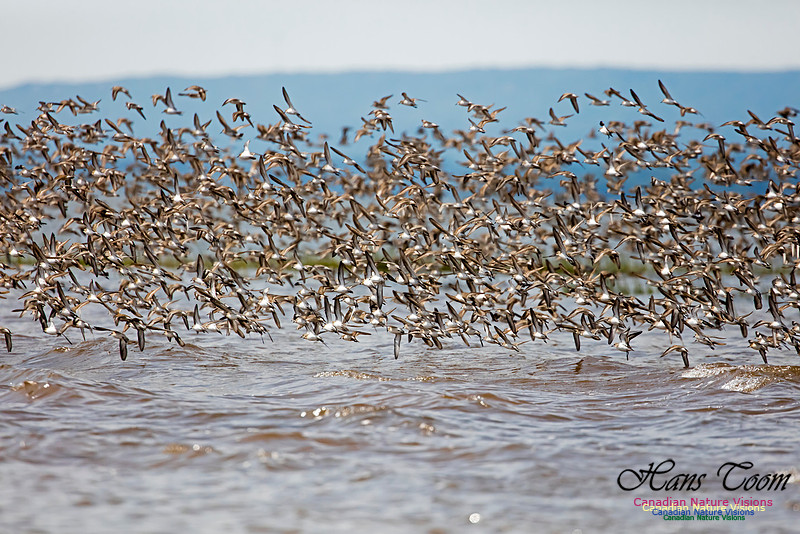
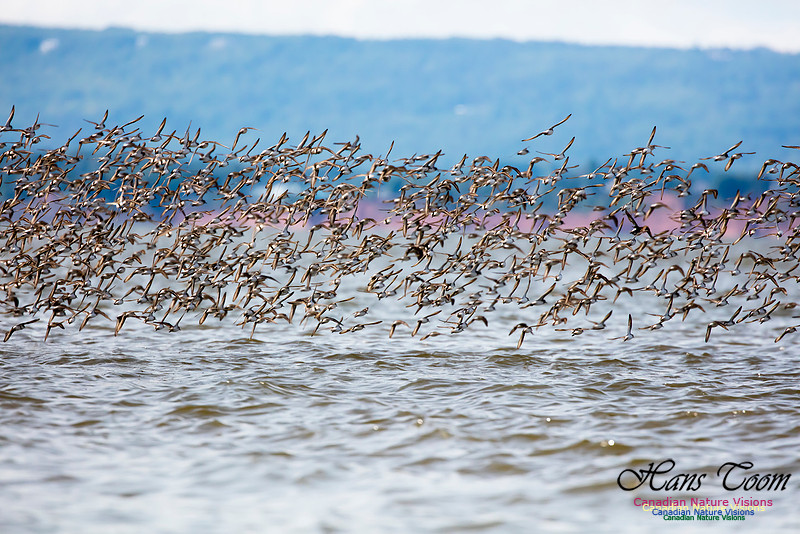
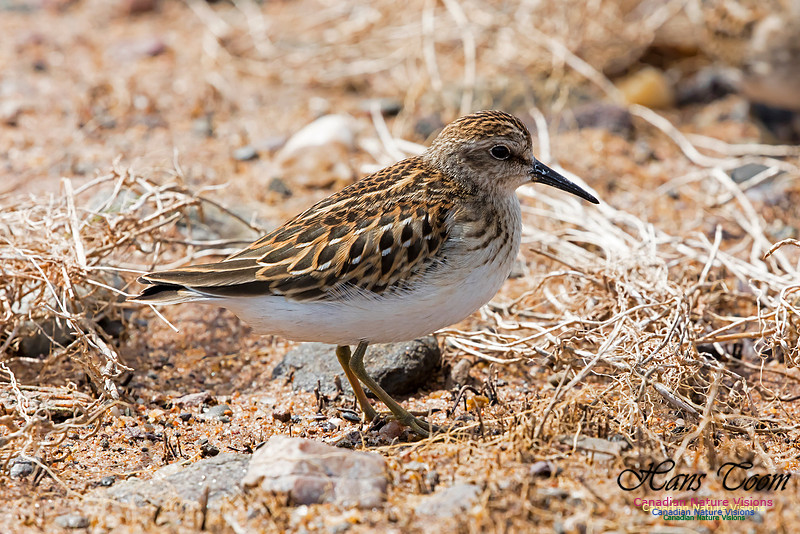
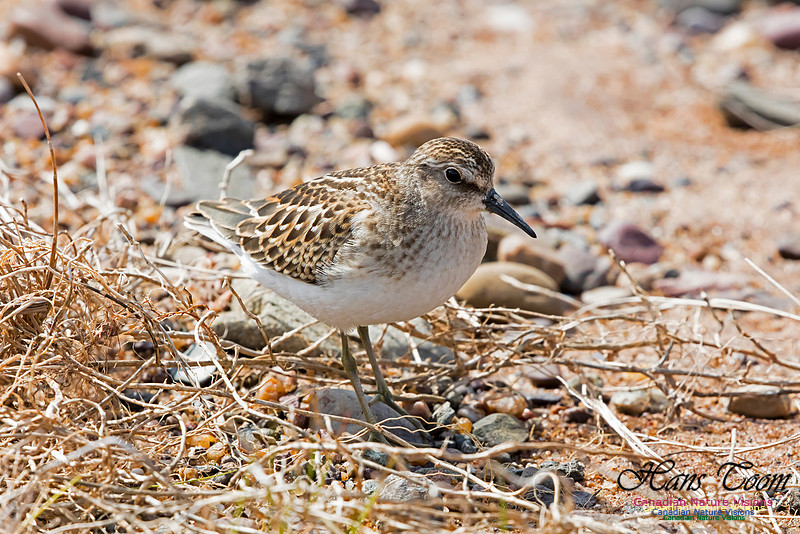
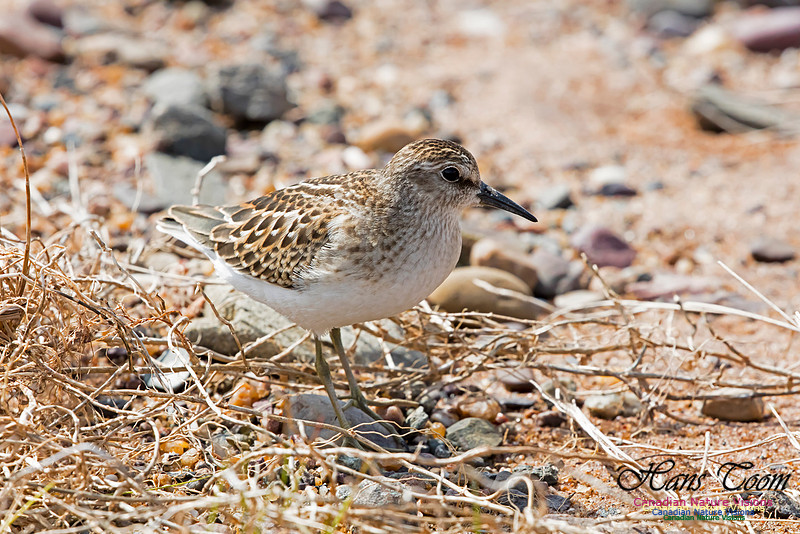
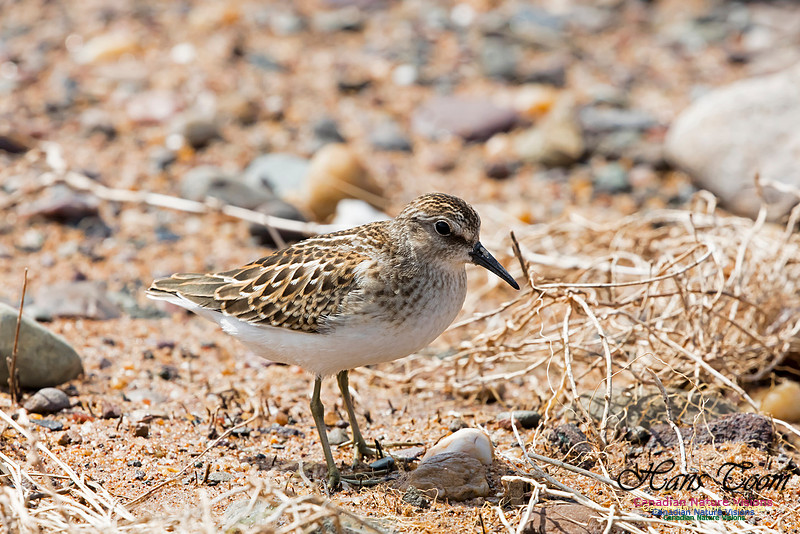
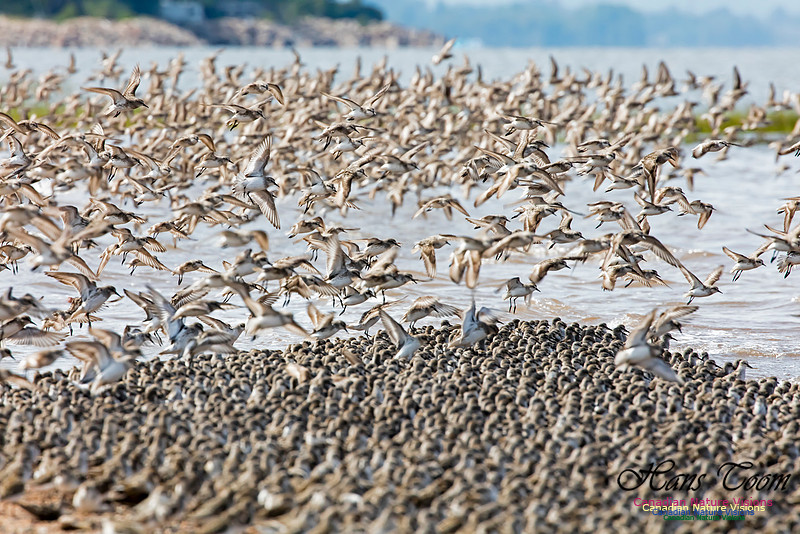
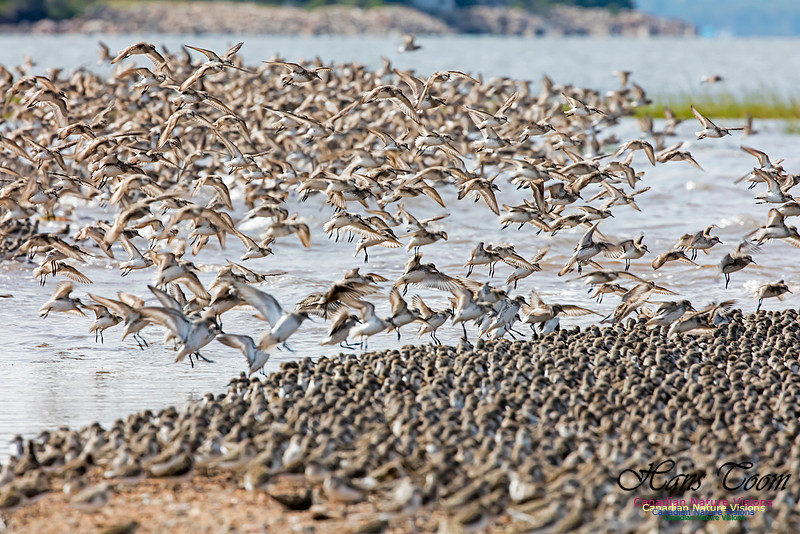
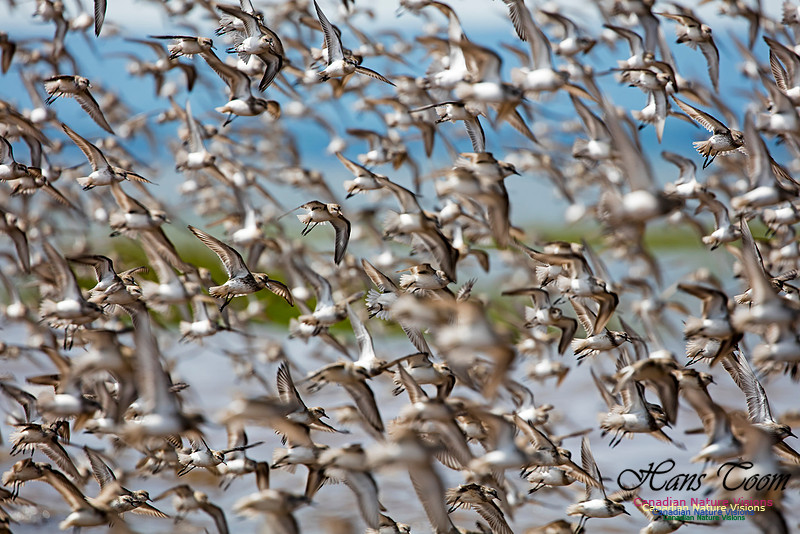
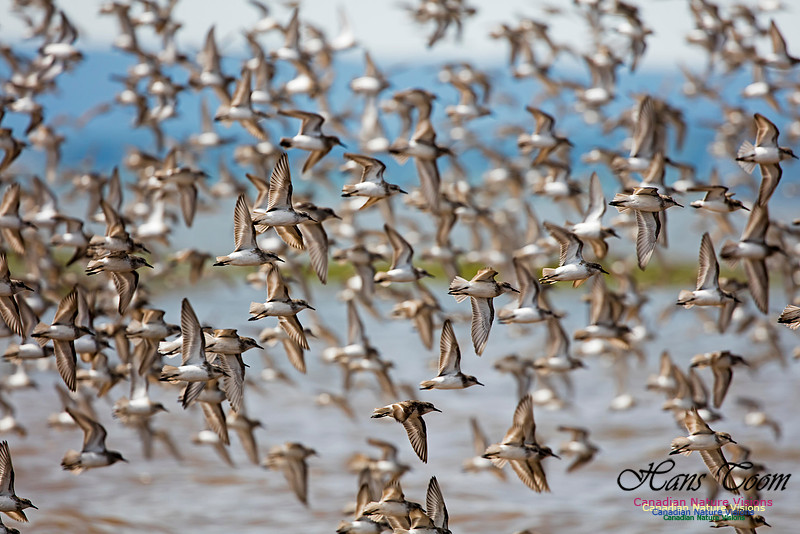
Evangeline Beach, Grand Pre', the gardens and the Church of EvangelineLaura and Gabriela joined me on the annual pilgrimage to Evangeline Beach. We visited the museum at Grand Pre, thence the gardens and the Church of Evangeline before settling down for the obligatory picnic. After our picnic we went to The Guzzle at Evangeline Beach and settled into our beach chairs to enjoy the show and what a show it was. Thousands of Semipalmated Sandpipers and several very tame Least Sandpipers that approached within two metres of our chairs. After the shorebird show we enjoyed more fly pasts at the ice cream stand, also obligatory. Do we know how to have a picnic or do we?
Semipalmated Sandpipers
Least Sandpipers
Semipalmated Sandpipers
Anthem of the SeasWe hoofed it up Chebucto Head Light, Shoal Point, yesterday to see and photograph the Anthem of the Seas. She cruises at 22 knots. She is the largest cruise ship to ever visit Halifax, basically a hotel built on a motorized barge, 169,000 gross tons and accomodation for 4900. She is a magnificent vessel but not in the same league as the Queen Mary 2, the only ocean liner in the world. The Queen Mary 2 is stronger, faster and has greater freeboard, a ship able to withstand year round trans Atlantic crossings. The Queen Mary 2 will be leaving about the same time September 10 and we will be there along with some good friends to witness and photograph the event. Anthem of the Seas
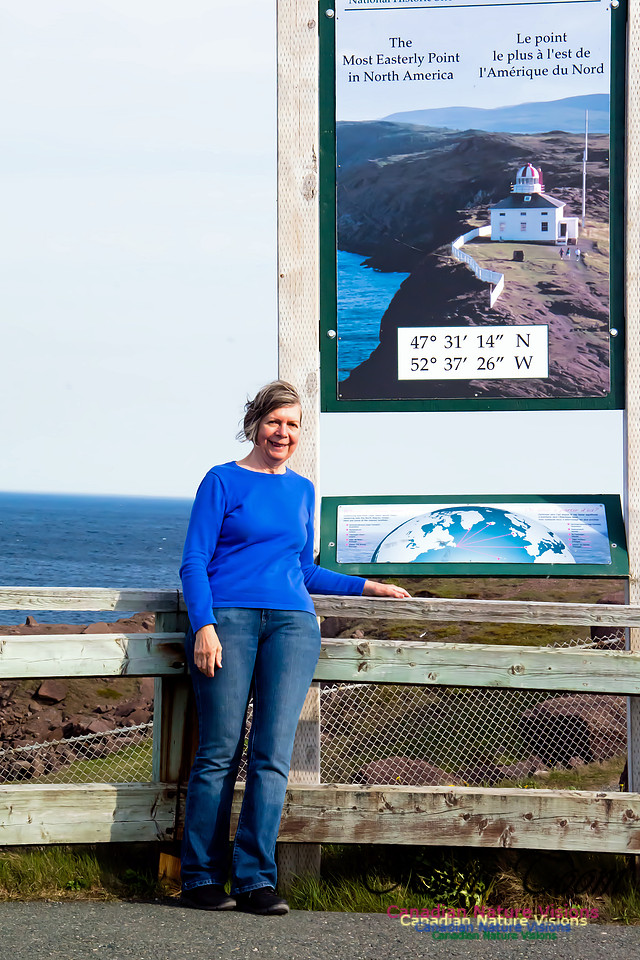
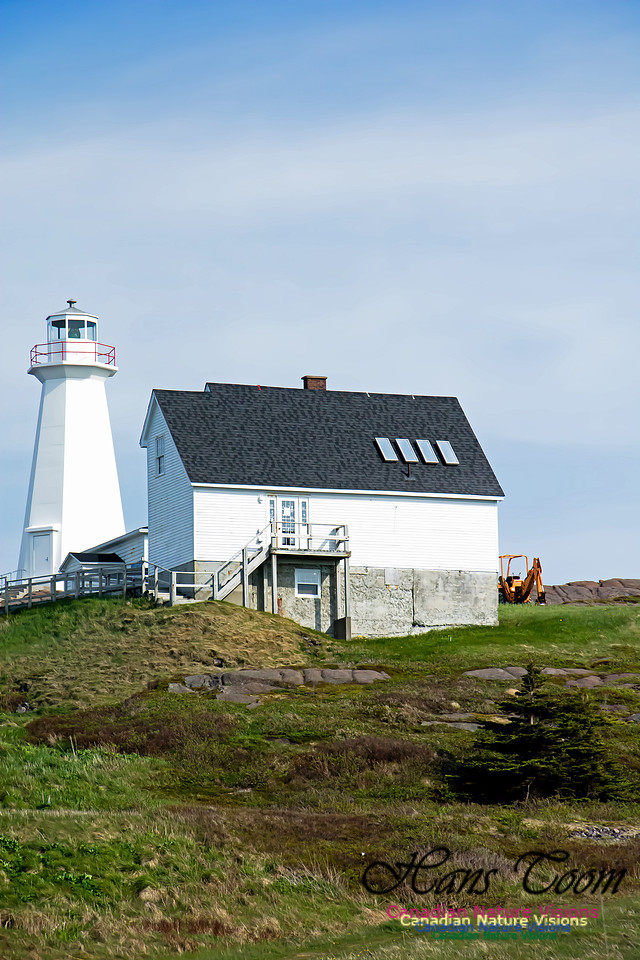
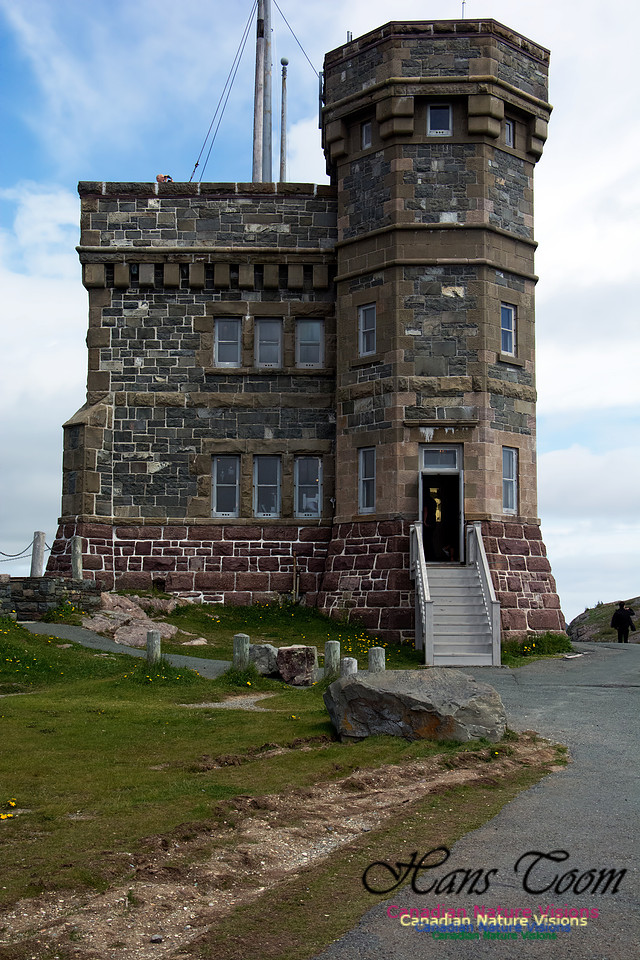
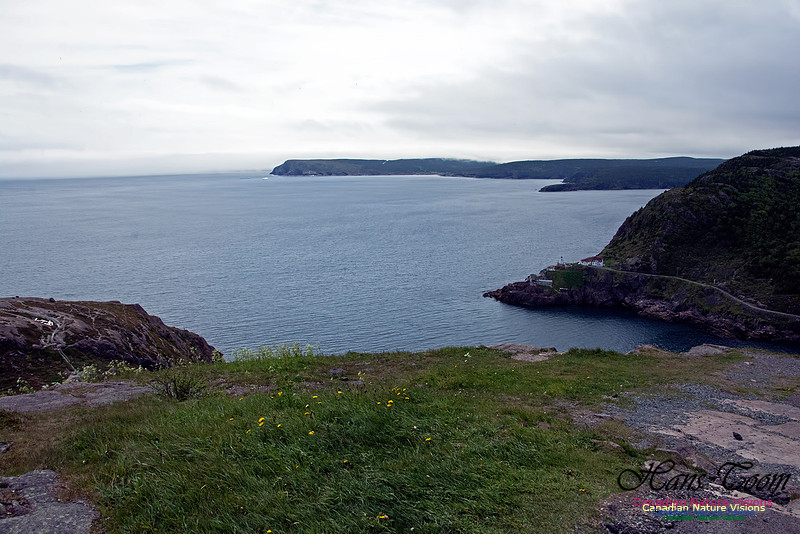
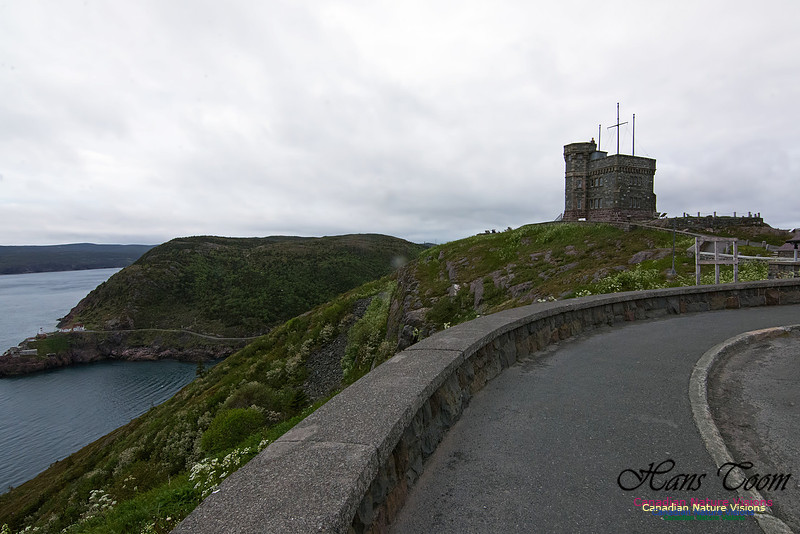
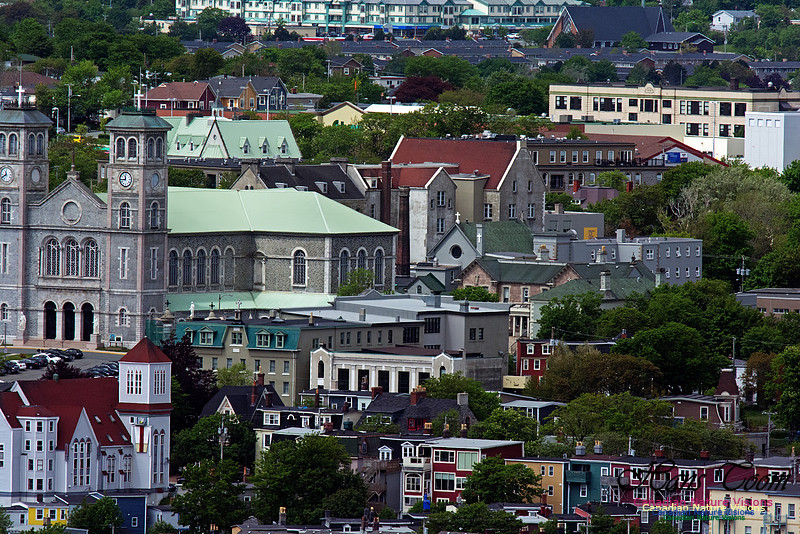
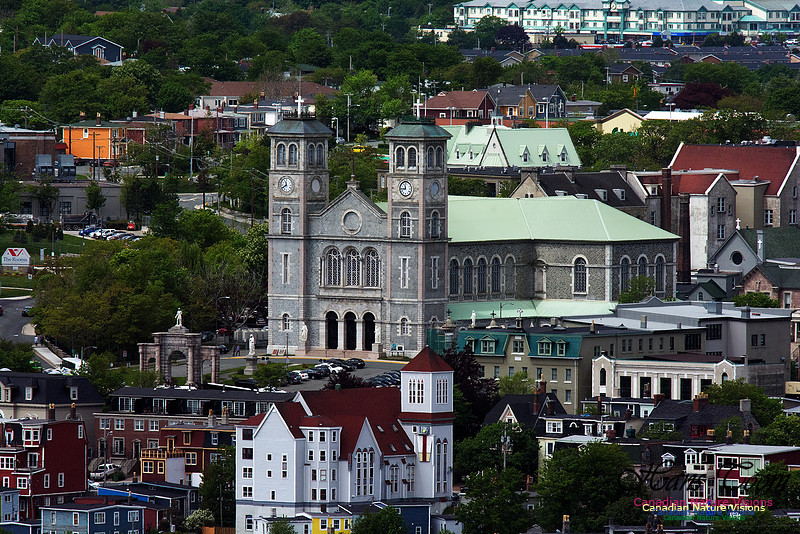
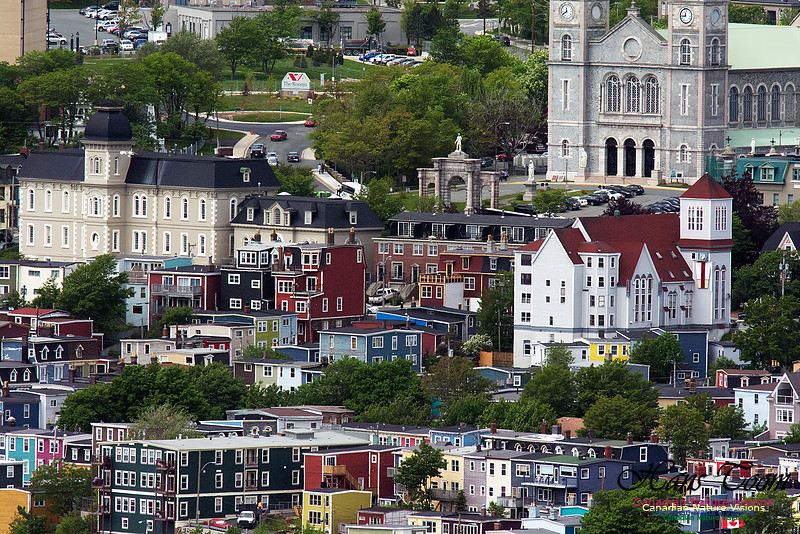
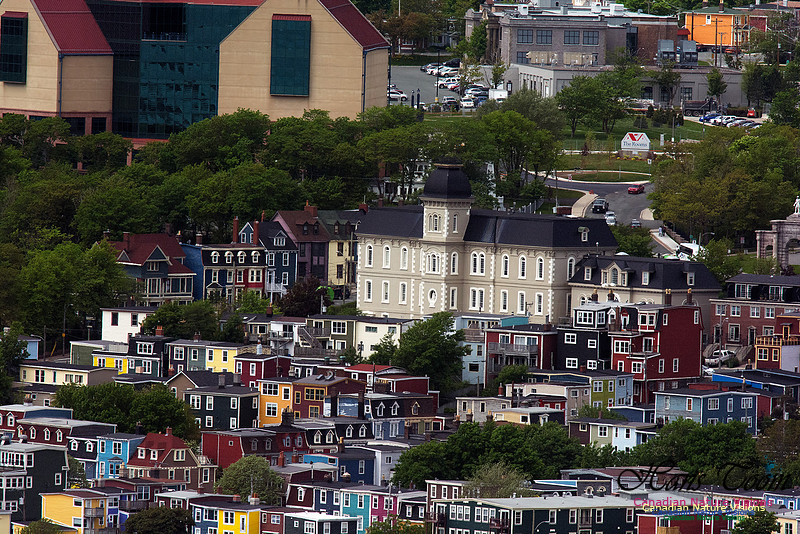
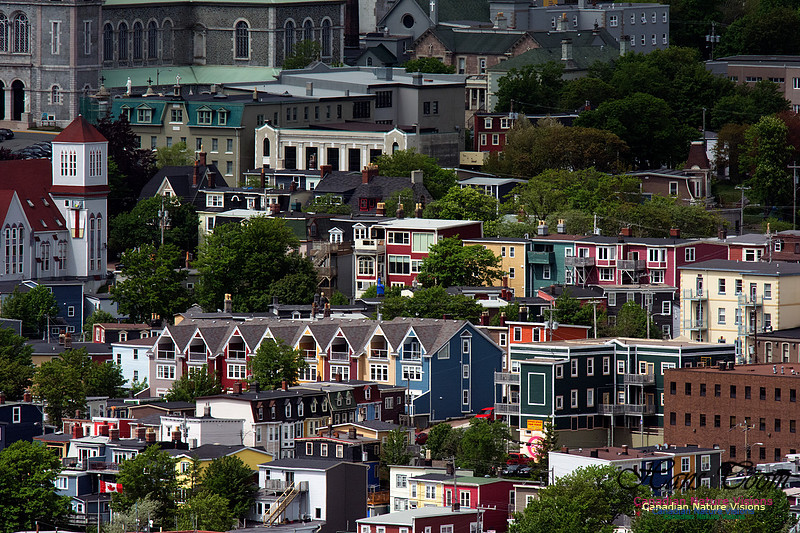
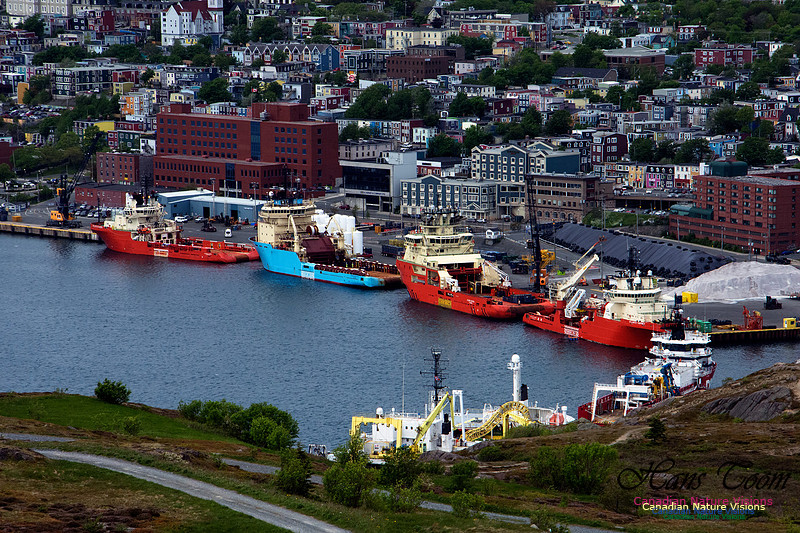
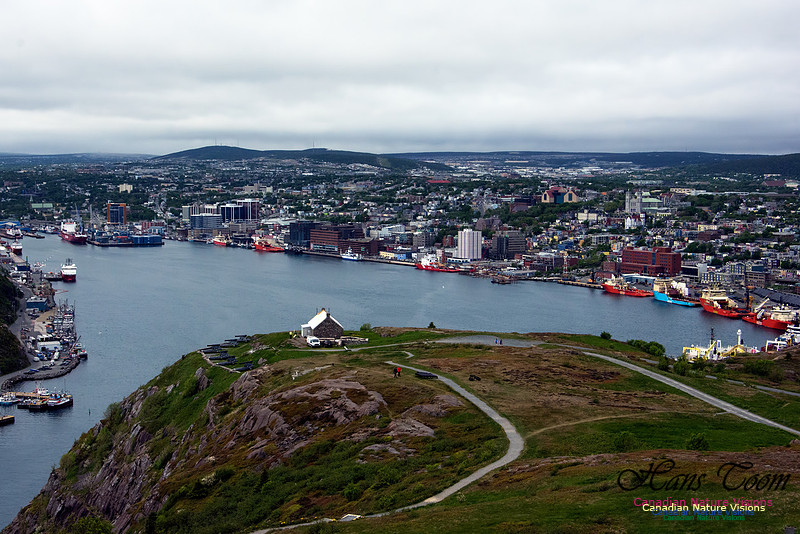
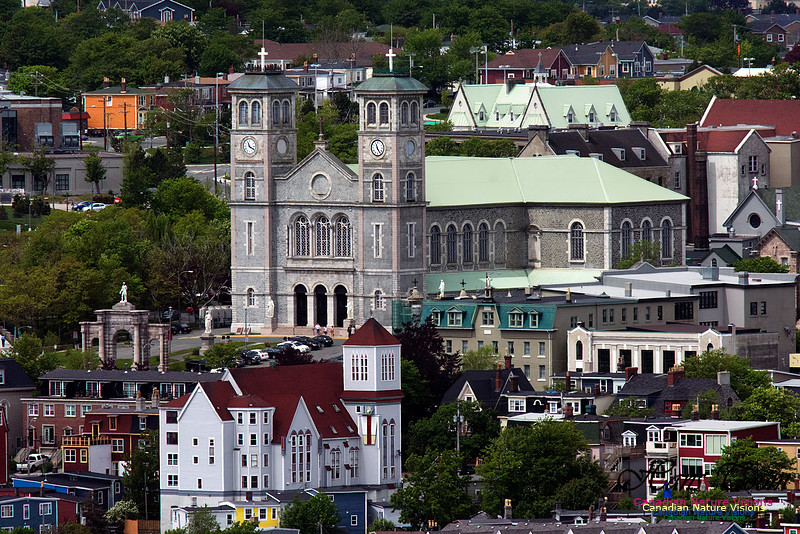
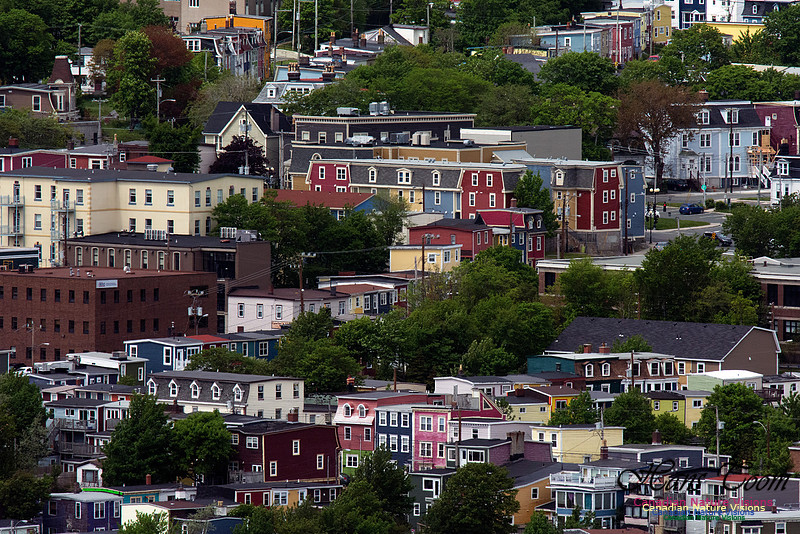
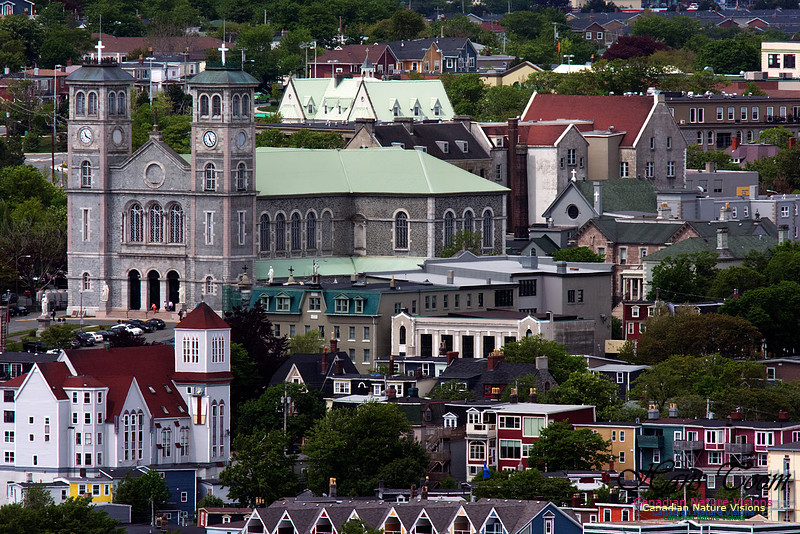
Day 8-9 of Our Newfoundland Adventure-St. John's, Cape Spear & Signal HillWe visited St. John's, Newfoundland, Cape Spear and Signal Hill. I took a series of photos of St. John's from Signal Hill. Street level photography is impossible due to the absence of parking spaces for anything larger than a subcompact. Our first stop was Cape Spear the most eastern point of North America. Cape Spear Light
Icebergs off Cape Spear
Signal Hill is visible in the distance, upper left on the far shore.
Signal Hill
Cape Spear is visible in the distance, upper left of photograph.
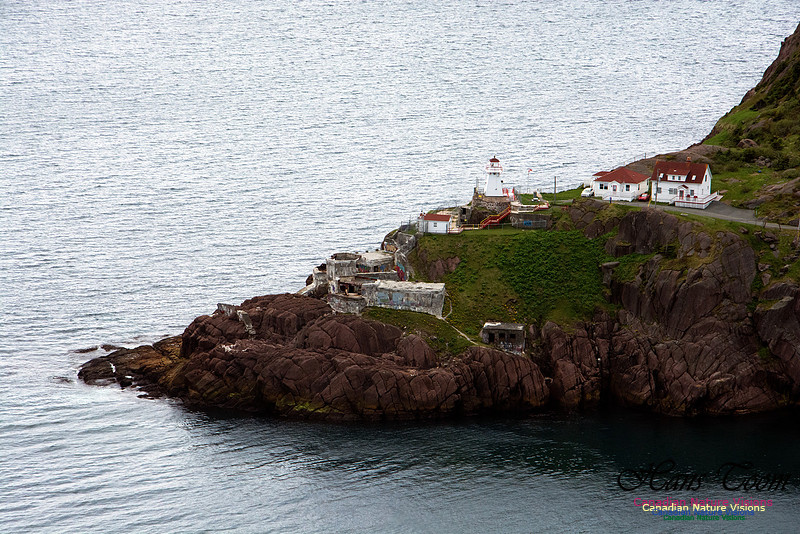
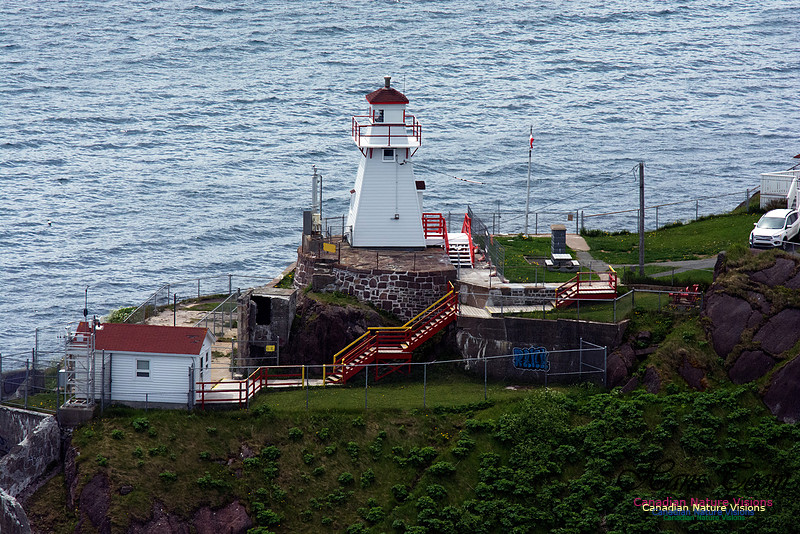
Cahill Point, Fort Amherst and Cahill Point Light At the southern entrance of St. John's harbour.
Signal Hill
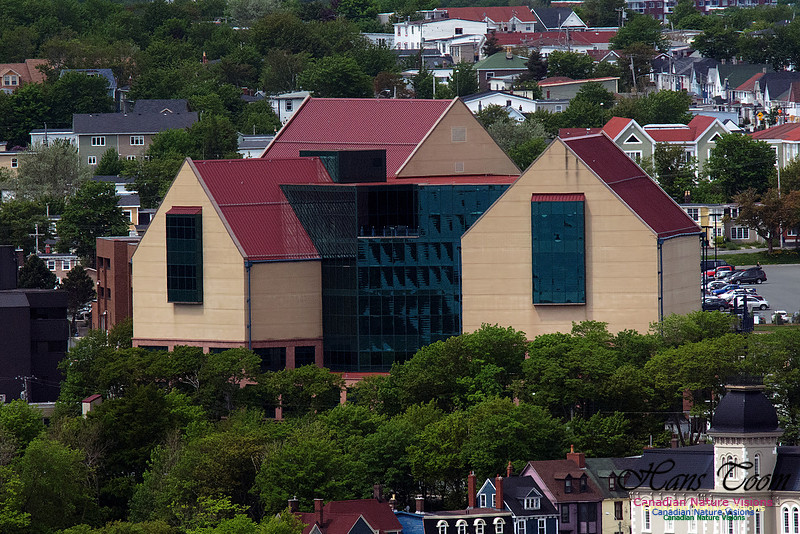
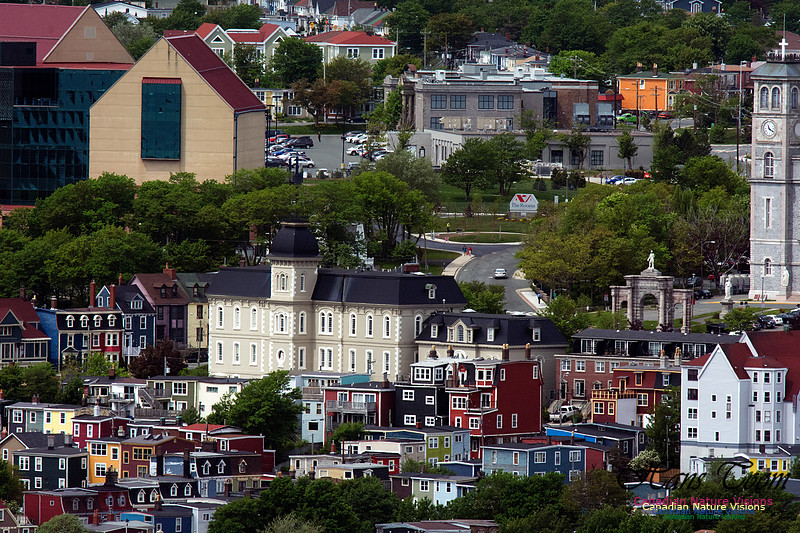
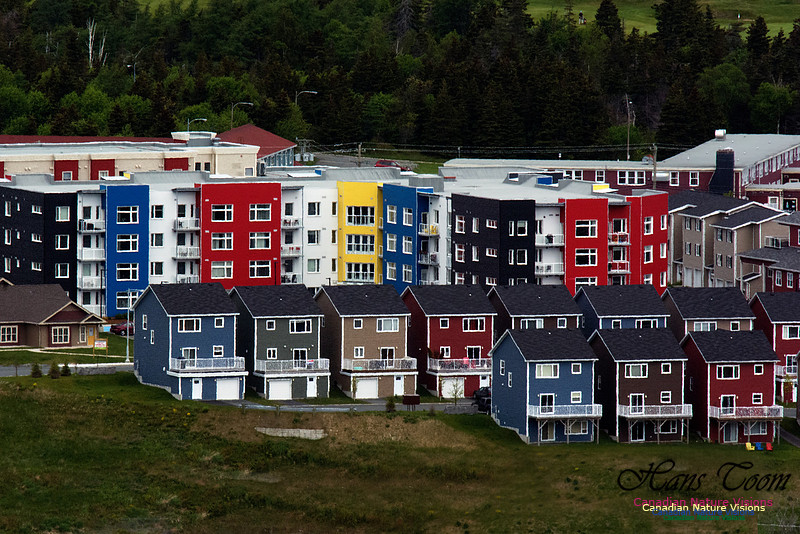
I tried to capture the colours of St. John's from Signal Hill, a city renowned for its use of vibrant colours.
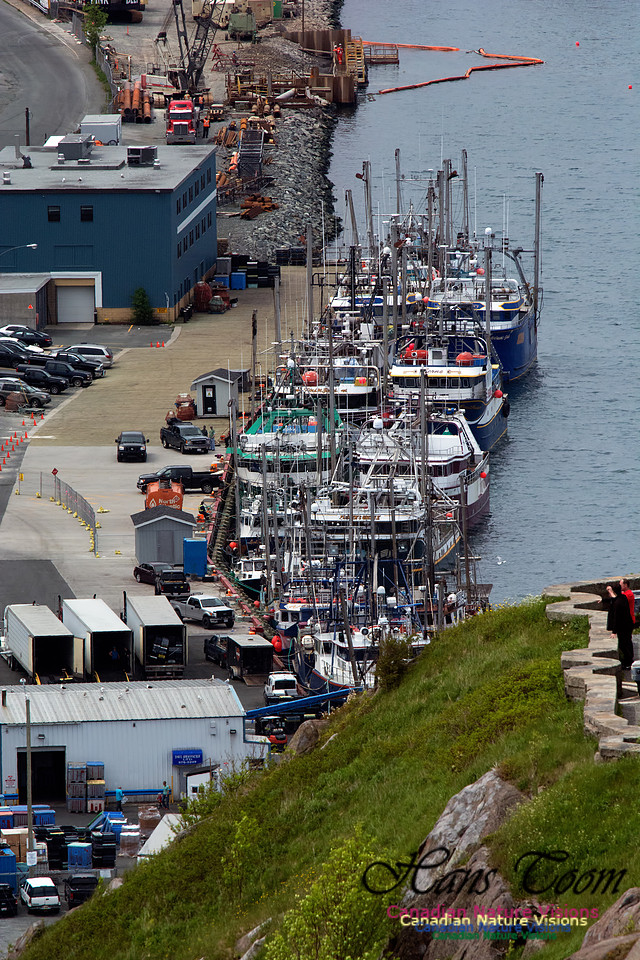
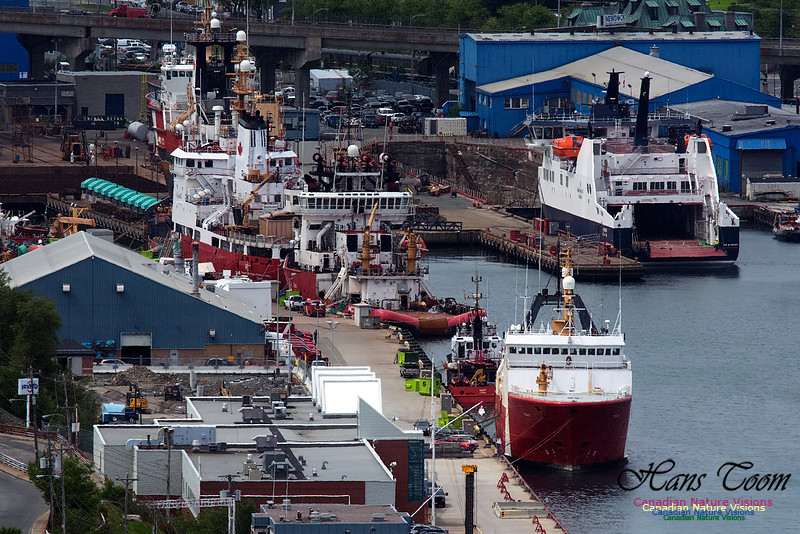
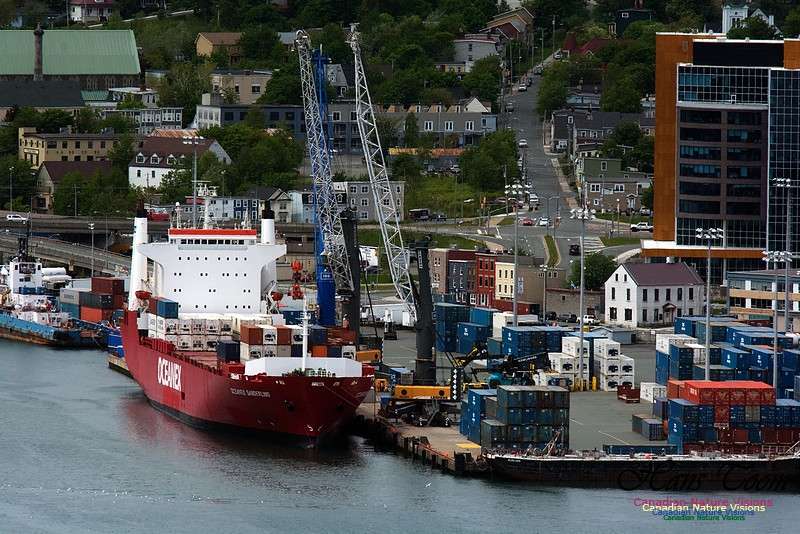
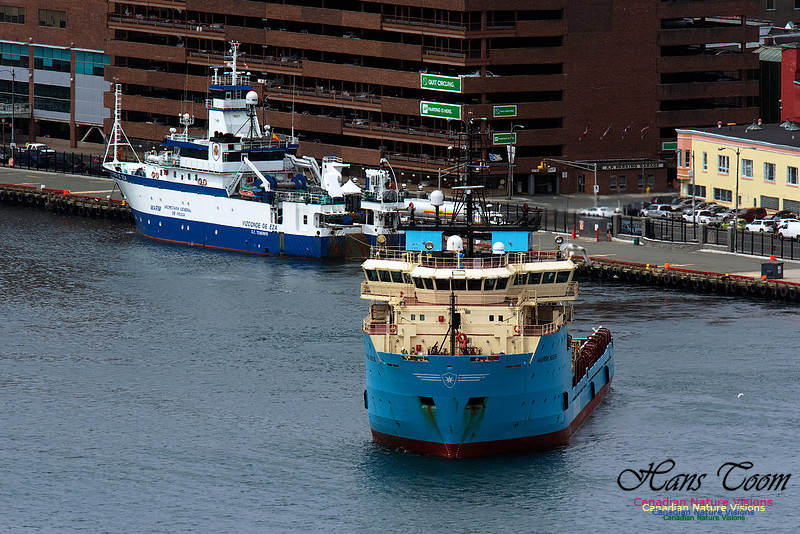
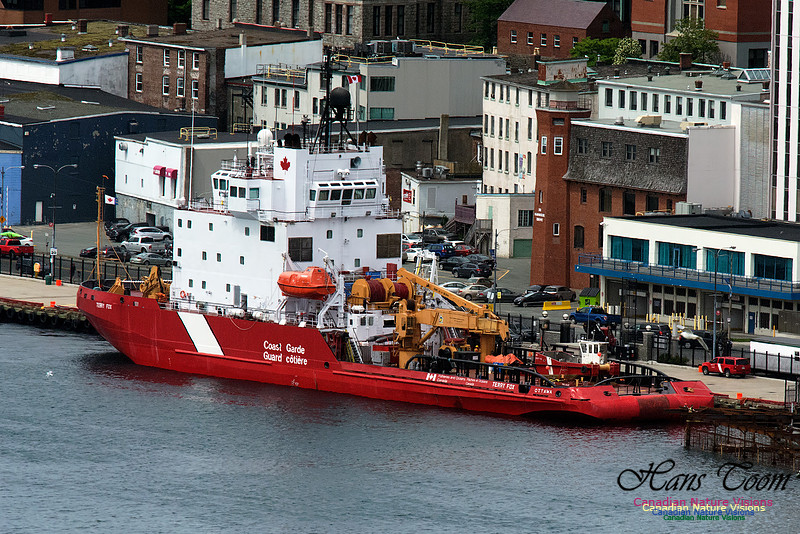
It's a small harbour but well stocked with Coast Guard Ships, offshore supply ships and fishing vessels.
Day 8 of Our Newfoundland Adventure-Cape SpearAfter visiting the Witless Bay Ecological Reserve Laura and I ascended the hill to Cape Spear, the most easterly point of Canada and North America. There were two icebergs or a single one with a calf in the bay. It's always windy up there. The Light at Cape Spear
Canada Begins or Ends Here(your choice) ....or Middle Island, Ontario or Boundary Peak, Yukon or Cape Columbia, Nunavut depending on your direction.
Laura at Cape Spear
The Icebergs
Signal Hill in the Distance
Witless Bay Ecological Reserve Day 8 of Our Newfoundland Adventure-RookeriesCommon Murres do not build nests. They simply deposit their eggs on cliff ledges. The Common Murres we saw were not nesting yet but rather standing about looking at each other and the ocean. The Black-legged Kittiwakes were nesting with nests built on sloping cliff edges, a feat of architectural design and a lot of crazy glue. Common Murre Black-legged Kittiwake
Common Murre
Common Murres and Black-legged Kittiwakes
Witless Bay Ecological Reserve Day 8 of Our Newfoundland Adventure-Aerial CloudsAerial clouds of birds are composed of Common Murres, Atlantic Puffins, Black Guillemots, Black-legged Kittiwakes and Razorbills. The worlds's second largest colony of Leach's Storm-petrel also nest here but we didn't see them on this visit. Competent photography is difficult due to the lack of depth of field of telephoto lenses. Wider angle lenses would capture more in focus birds but alas the images would look like a spray of gnats. If you study the images you might pick out birds other than the Common Murre. Good luck!
This photo has at least one Atlantic Puffin.
Black Guillemot
Common Murre
Witless Bay Ecological Reserve Day 8 of Our Newfoundland Adventure-Puffins & RazorbillsAtlantic Puffins and Razorbills are elegant birds notable for their specialized and decorated bills. The Atlantic Puffin is a small bird about eleven inches long, perhaps a tad larger than an American Robin. The serrated bill allows it continue fishing while holding onto its earlier catch. The Atlantic Puffin lives for about 30 years and does not breed until its three to six years old. It is the provincial bird of Newfoundland and Labrador. The Razorbill is the closest living relative of the Great Auk and at 17 inches in length is larger than the Atlantic Puffin. As usual both species have been decimated by man or its minions of rats and dogs introduced onto breeding islands. Atlantic Puffin
|