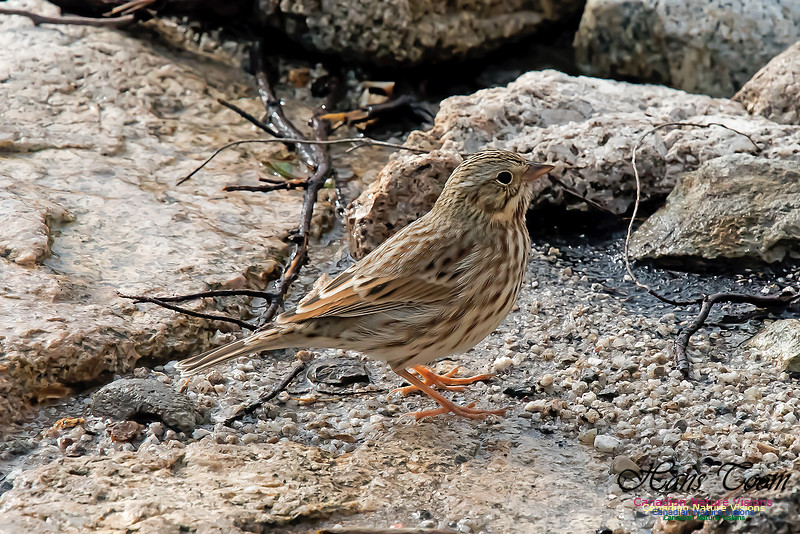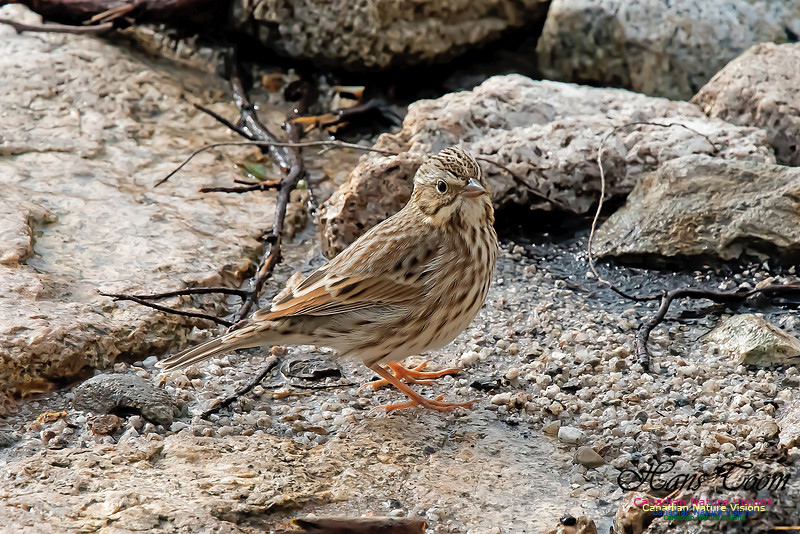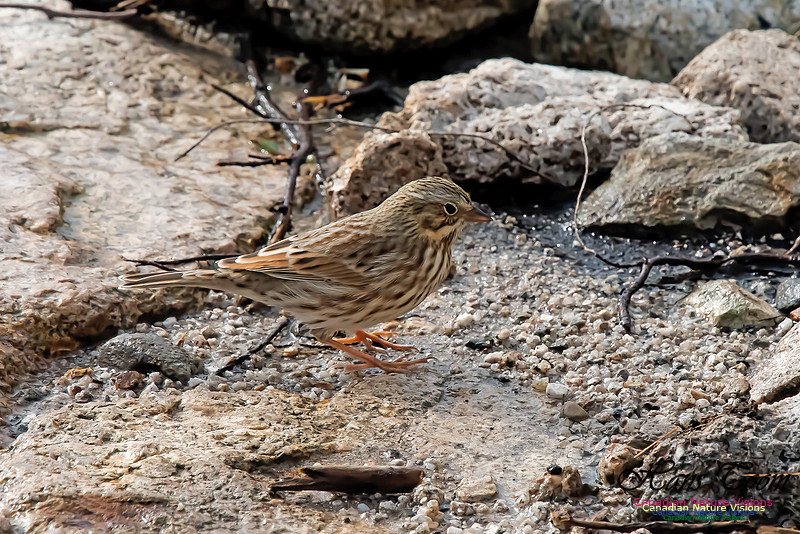
Subscribe to Blog
RSS
Archive
January February March April May June July August September October November December (2)

Sandhill Cranes

December 17, 2015  •  Leave a Comment

I found the Sandhill Cranes in Milford this morning. These are probably the same birds I first photographed August 24, 2015. They have been moving around the area between Stewiacke and Shubenacadie and appear to be moving to the south east.

I was at least one half kilometre from the eight Sandhill Cranes this morning so my technology was stretched to the limit particularly since the birds were on the hill top and back lit. Compression of air and dust is all captured on the photo image and worst of all the rising air currents also contribute to poor resolution.

I made the mistake of getting out of the car briefly and so off they flew to the south east but who knows where they will turn up next. Always stay in the car, your natural blind, as these birds are very skittish.

Here is the last known location of the cranes:

Milford Sandhill CranesMilford Sandhill Cranes

Sandhill Cranes

Sandhill CraneSandhill Crane Sandhill CraneSandhill Crane Sandhill CraneSandhill Crane Sandhill CraneSandhill Crane


Mountain Bluebirds

December 11, 2015  •  Leave a Comment

I left Portuguese Cove at 6:30AM, December 10, for the drive to Cape Sable Island on the first leg of my Mountain Bluebird loop. I found two Mountain Bluebirds in the thickets south of the church at The Hawk. After a time they moved closer to the church access road so I asked a home owner for permission to go in to her back yard to photograph the birds. Although I received permission she was visibly shaken by all the trespassing that had occurred in her back yard. The shoddy reputation of some birders and photographers is well earned.

The Mountain Bluebirds very closely resembled drab adult Western Bluebirds. Some of this resemblance is attributable to the terrible backlighting.

Mountain Bluebird Mountain BluebirdMountain Bluebird

Mountain BluebirdMountain Bluebird Mountain BluebirdMountain Bluebird Mountain BluebirdMountain Bluebird Mountain BluebirdMountain Bluebird

After visiting Cape Sable Island I continued the loop by driving the western shore to Mavillette and the Cape View Motel. I found the Mountain Bluebird immediately and this time I had better light. I saw it catch and devour a large caterpillar. This tough mountain and prairie bird of western Canada should have no problem surviving in the south of Nova Scotia.

Mountain Bluebird

Mountain BluebirdMountain Bluebird Mountain BluebirdMountain Bluebird Mountain BluebirdMountain Bluebird Mountain BluebirdMountain Bluebird

Mountain BluebirdMountain Bluebird Mountain BluebirdMountain Bluebird Mountain BluebirdMountain Bluebird Mountain BluebirdMountain Bluebird

Mountain BluebirdMountain Bluebird ...and my favourite is:

Mountain BluebirdMountain Bluebird

I arrived home at 4:45PM just as full dark was approaching, a full and succesfull day.


Blue-grey Gnatcatcher

December 08, 2015  •  Leave a Comment

On the morning of December 7 on my hike to Duncan Reef I first heard and then saw and photographed a Blue-grey Gnatcatcher. This small birdlet is off course and alone. I am saddened by its forthcoming fate unless by some miracle it can make it to the mainland and find a southerly course.

The Blue-grey Gnatcatcher is a tough little bird. I recall it as one of the first returning migrants on the northward migration in Southern Ontario. There is evidence that it has(is) nested in New Brunswick. Blue-grey GnatcatcherBlue-grey Gnatcatcher Blue-grey GnatcatcherBlue-grey Gnatcatcher Blue-grey GnatcatcherBlue-grey Gnatcatcher Blue-grey GnatcatcherBlue-grey Gnatcatcher Blue-grey GnatcatcherBlue-grey Gnatcatcher Blue-grey GnatcatcherBlue-grey Gnatcatcher Blue-grey GnatcatcherBlue-grey Gnatcatcher


White-winged Dove

December 03, 2015  •  Leave a Comment

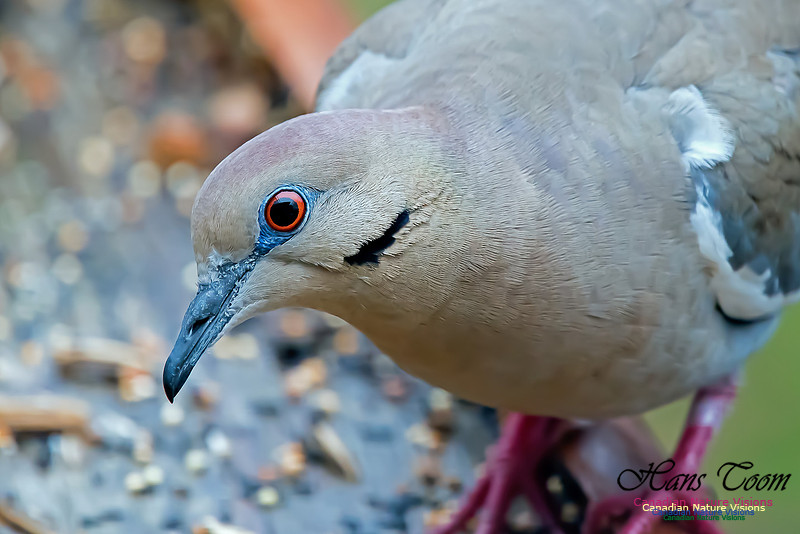
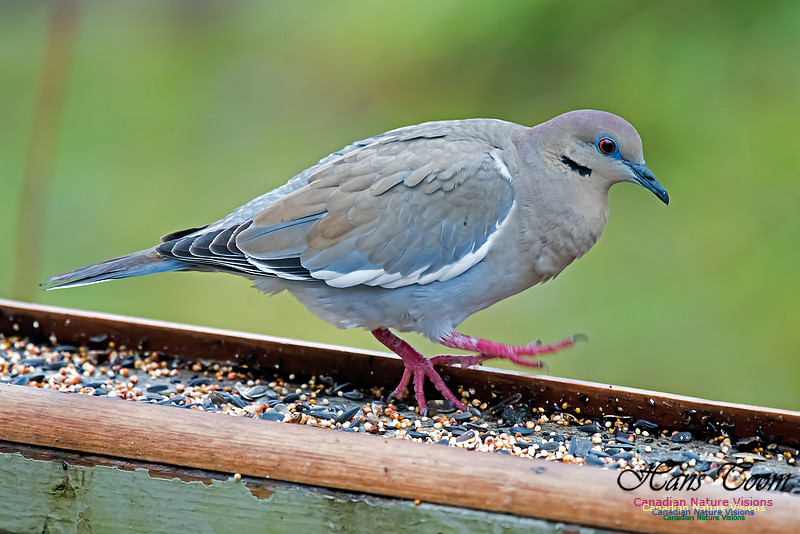
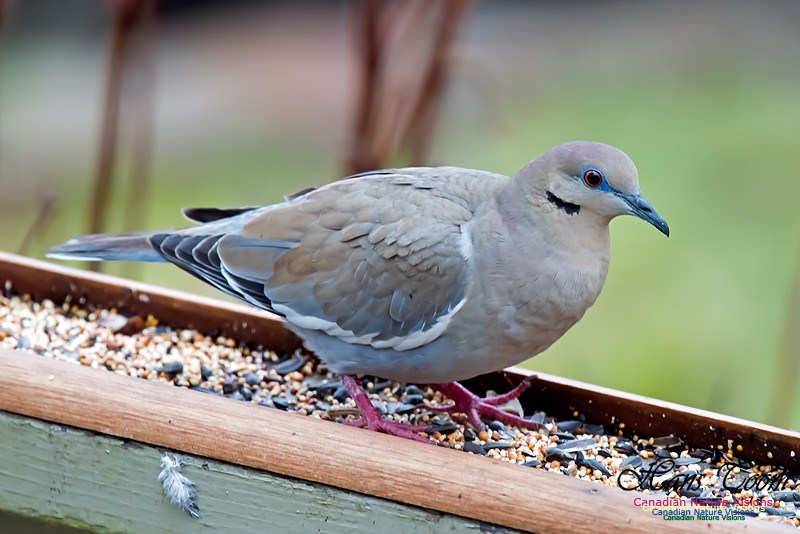
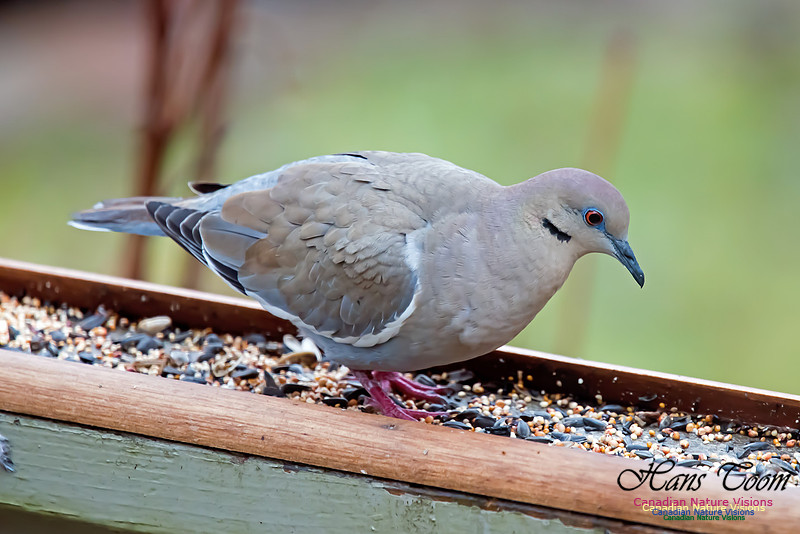
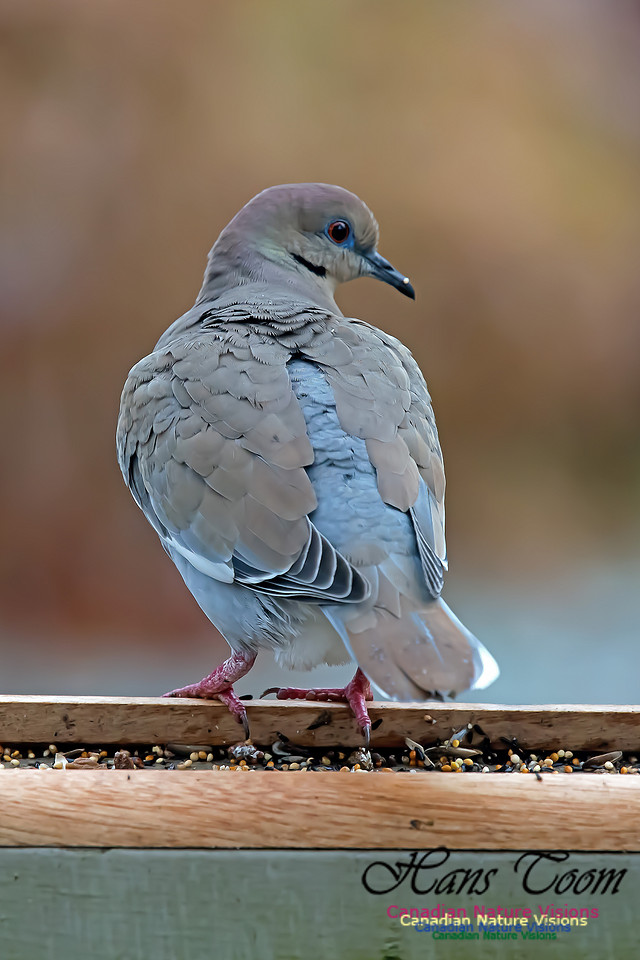
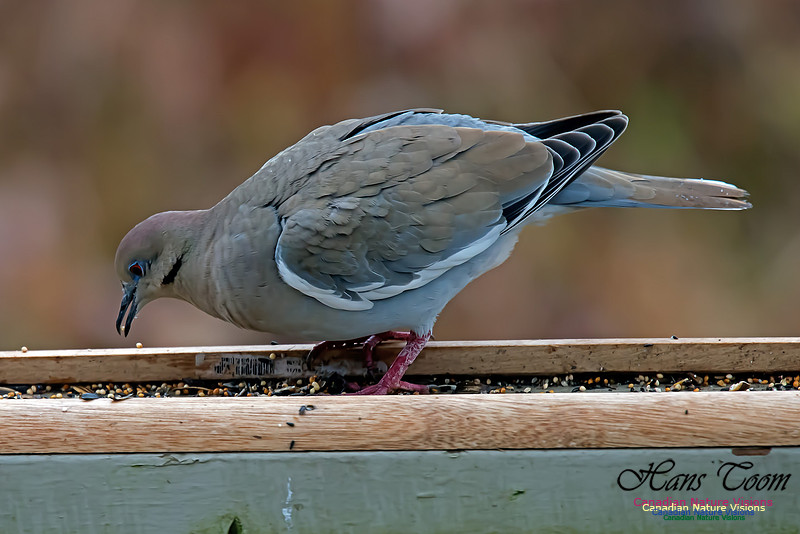
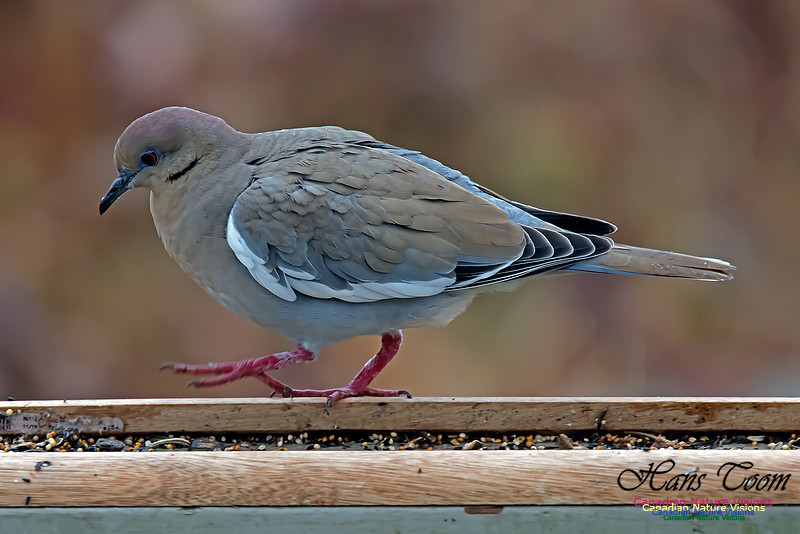
Our White-winged Dove was back again today and offered some photographic opportunities despite the rain and gloom. I photographed it through a window this time an improvement over photographing through two doors. I am delighted with the close-up of the head and shoulders. The blush on the top of the head is evident. White-winged DoveWhite-winged Dove

I took other photos but alas when I tried to open the window a few inches for an unobstructed photo it flew away even though I was out of sight. I will try using a blind tomorrow and hope for better results.

White-winged DoveWhite-winged Dove White-winged DoveWhite-winged Dove White-winged DoveWhite-winged Dove

White-winged DoveWhite-winged Dove


White-winged Dove and Tree Sparrows(Winter Sparrows)

December 02, 2015  •  Leave a Comment

Migration is four to six weeks late this year. Finally, on December 1, we had our first Tree Sparrows arrive at our place.

A special visitor this morning was a White-winged Dove. Check the white wing, the black primaries, lack of spots on the body, large bill, blue orbital ring and orange-red iris. I was forced to photograph the bird through two doors, hand held with slow shutter speeds but a few of the photos are respectable. I hope to do much better since I doubt the bird will leave anytime soon, but who knows?

White-winged Dove

White-winged DoveWhite-winged Dove White-winged DoveWhite-winged Dove White-winged DoveWhite-winged Dove


Sanford and Son(Wood Ducks)

November 25, 2015  •  Leave a Comment

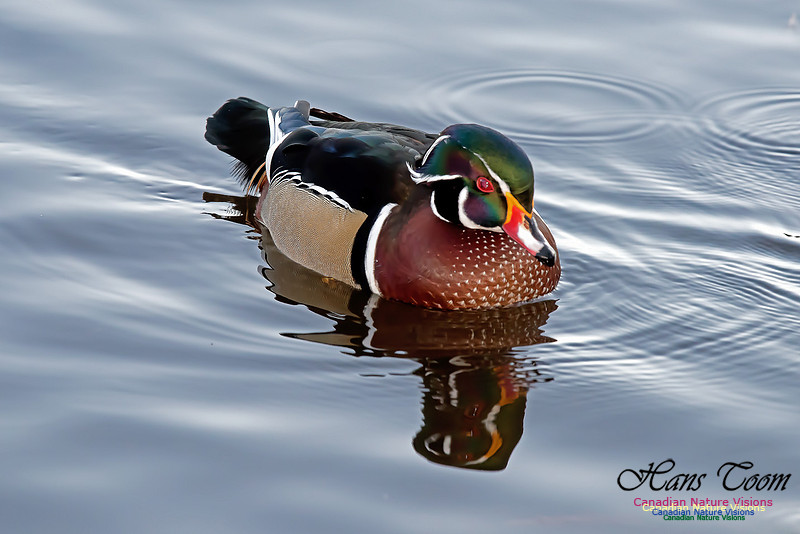
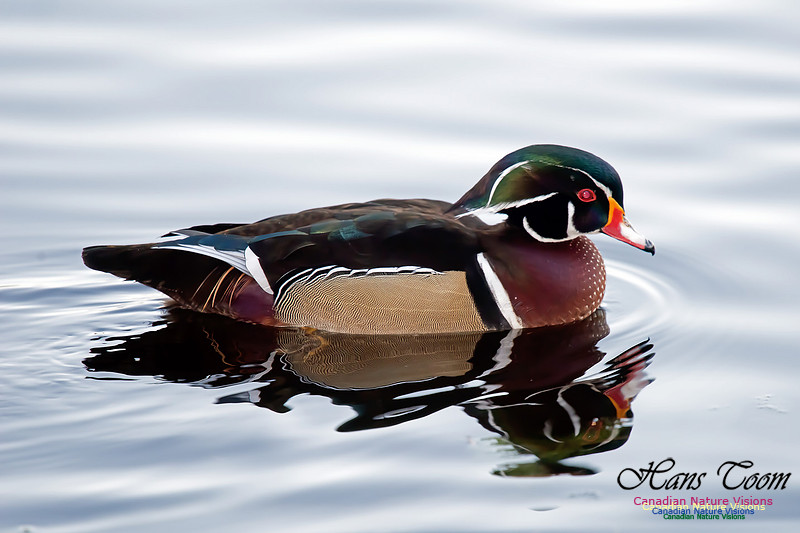
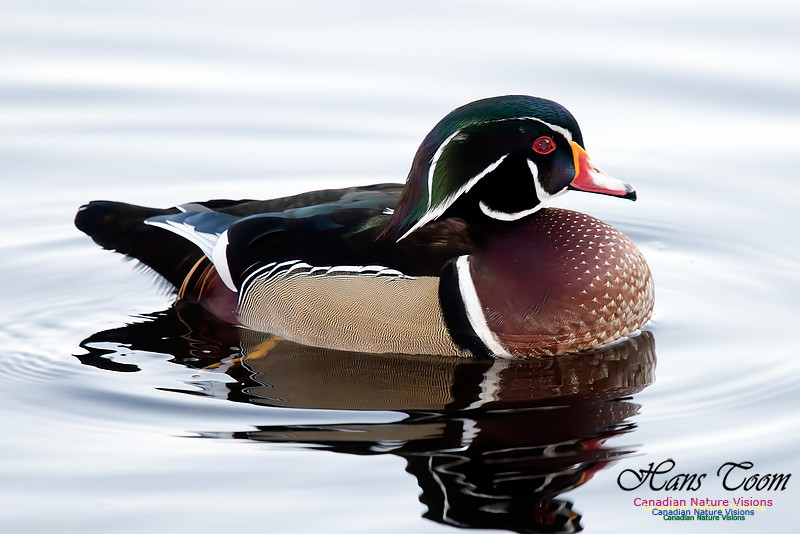
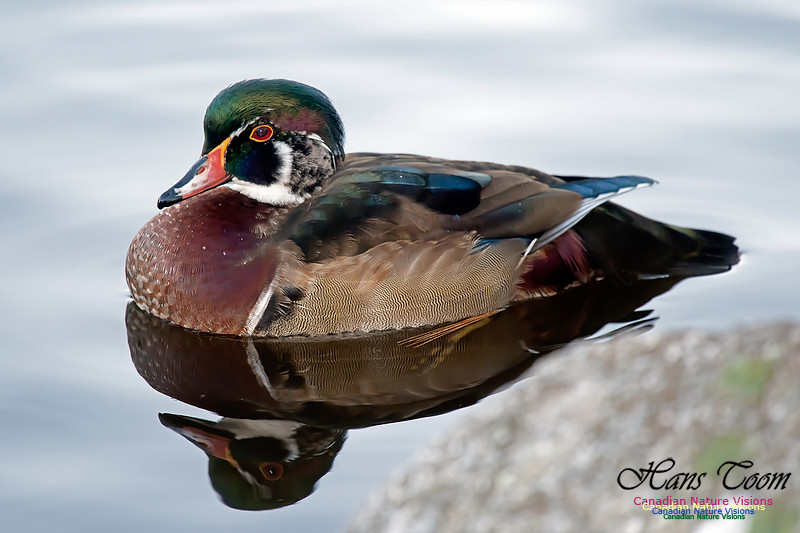
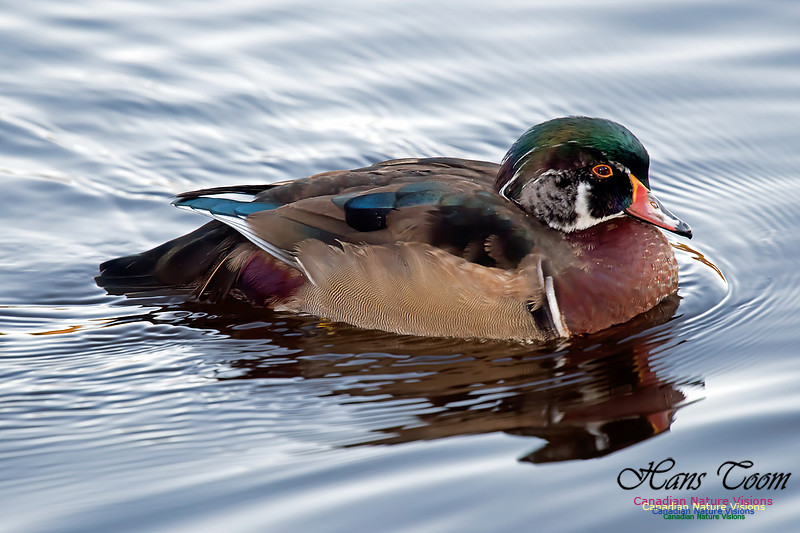
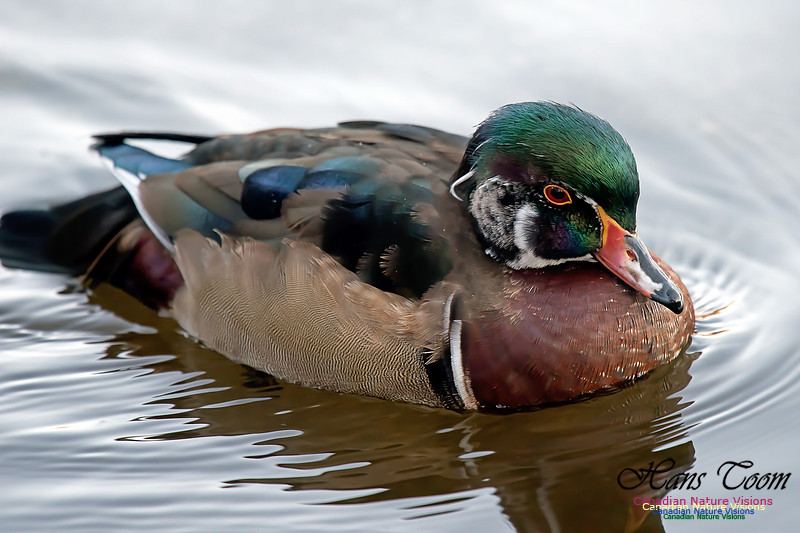
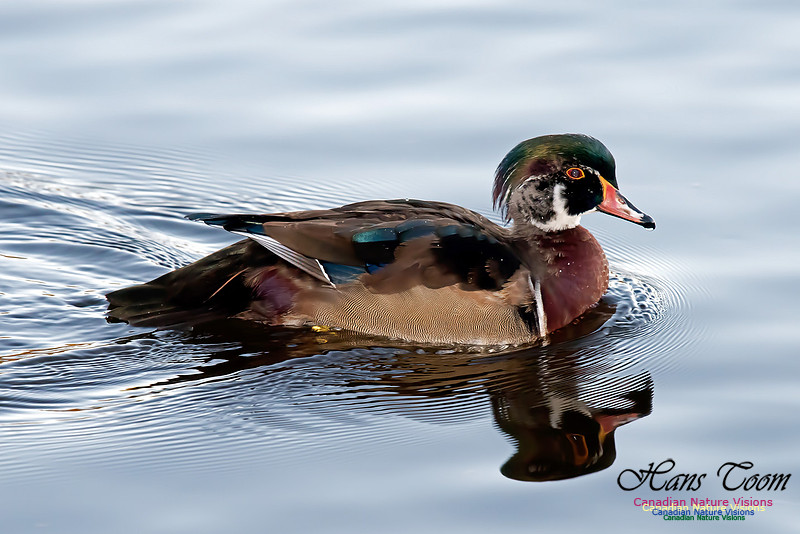
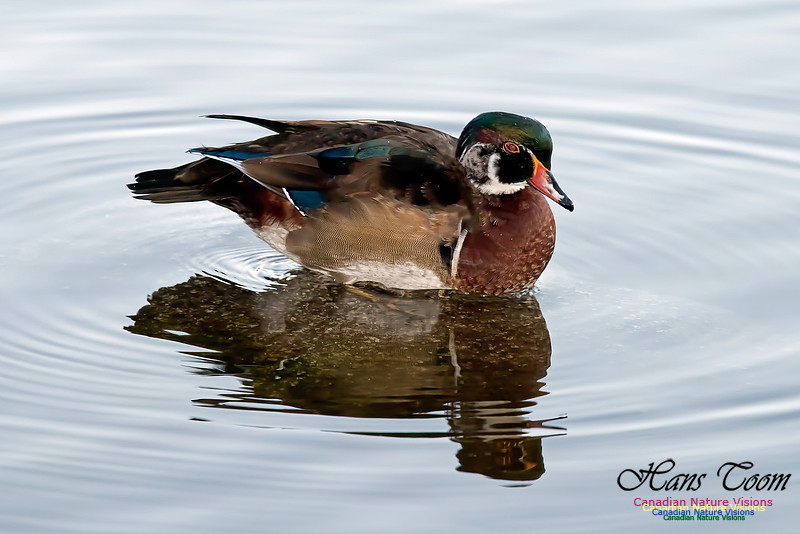
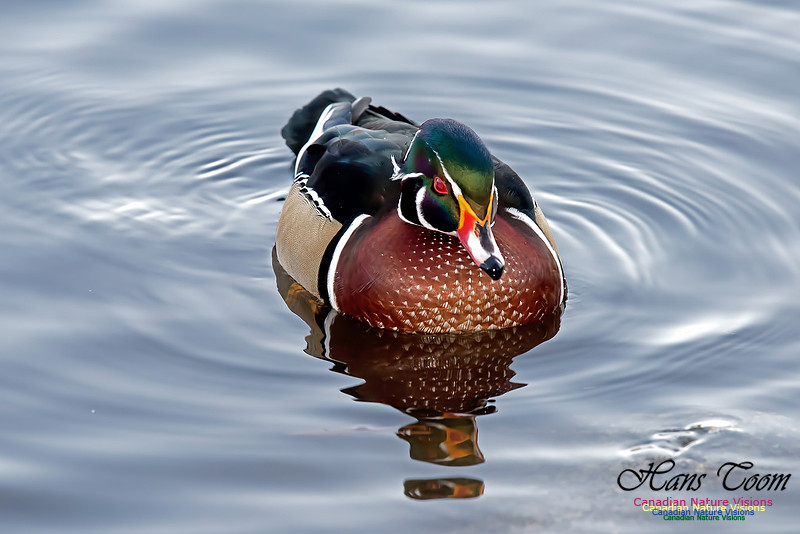
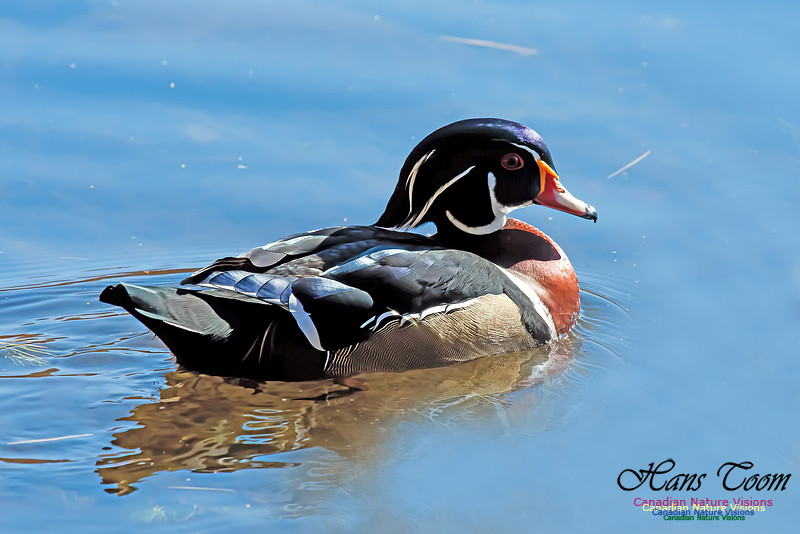
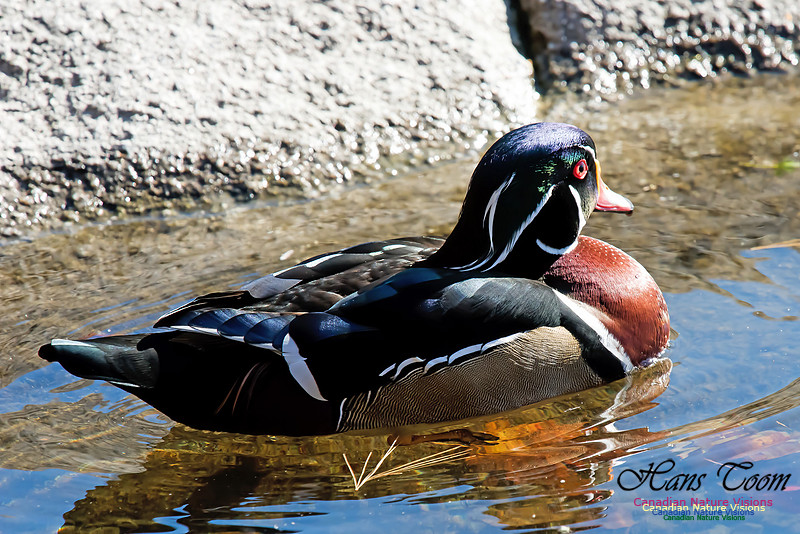
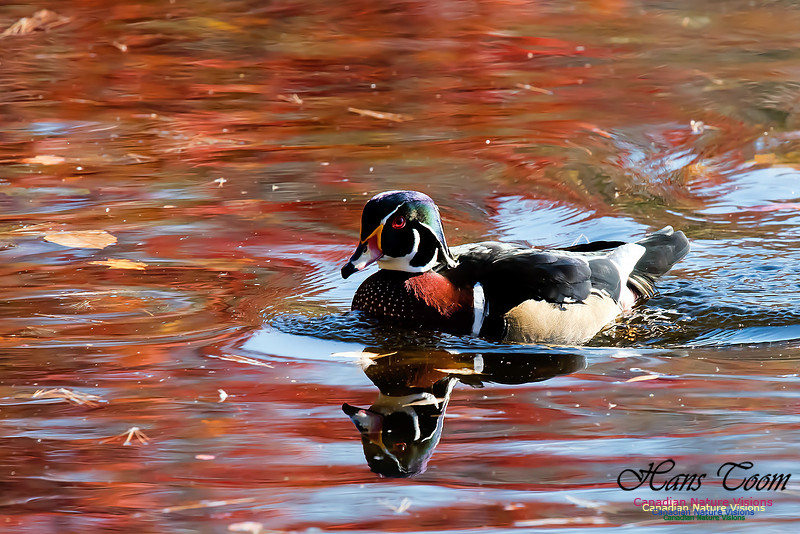
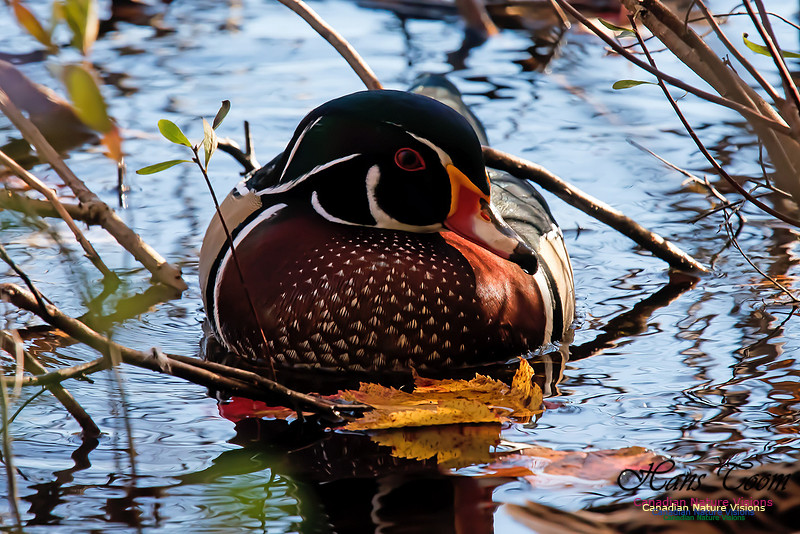
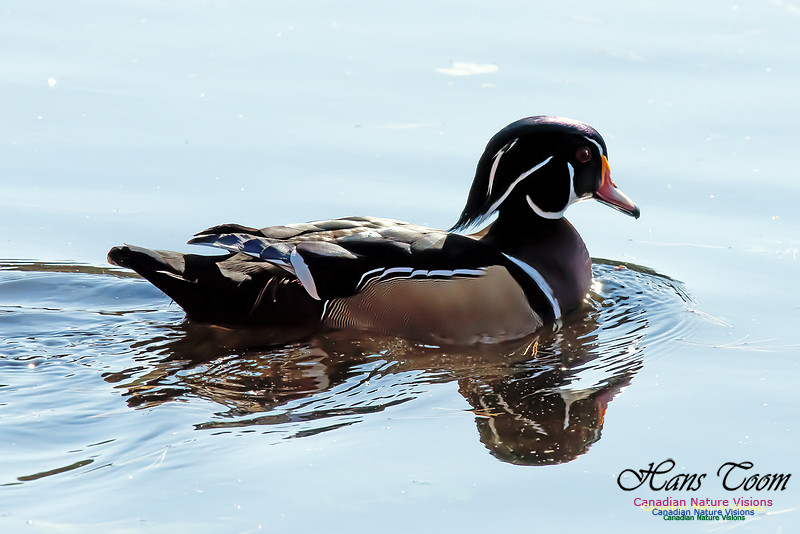
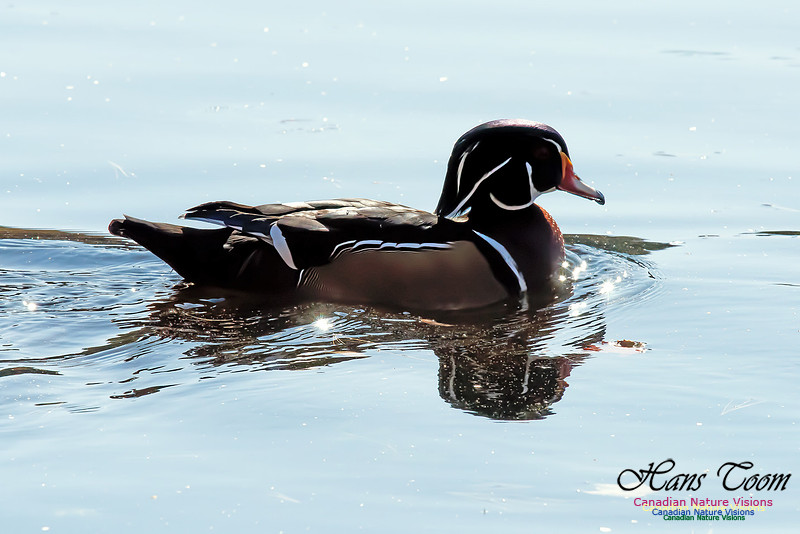
Ray Staszko alerted me this afternoon to the presence of a second male Wood Duck at the Frog Pond, Sir Sanford Fleming Park. Laura Elliott and I went for a look late in the afternoon. We arrived at about 4PM and the location was in full shade. I was compelled to use my camera's flash to obtain enough shutter speed to freeze the action since the two wood ducks were in constant motion, the younger one(son) trailing the older one(Sanford). This is a metaphor of course since I don't know if the ducks are related.

I expect everyone that's old enough recalls the television sitcom Sanford and Son which ran 1972-1977.

Wood Duck, Sanford

Wood DuckWood Duck Wood DuckWood Duck Wood DuckWood Duck

Wood Duck, the son

Wood DuckWood Duck Wood DuckWood Duck Wood DuckWood Duck Wood DuckWood Duck Wood DuckWood Duck

Wood Duck, Sanford

Wood DuckWood Duck Wood DuckWood Duck Wood DuckWood Duck


Sharp-shinned Hawk

November 23, 2015  •  Leave a Comment

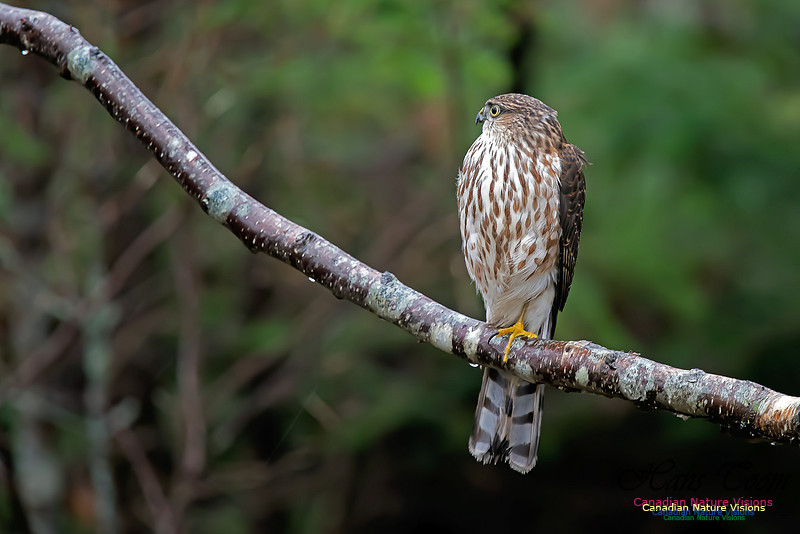
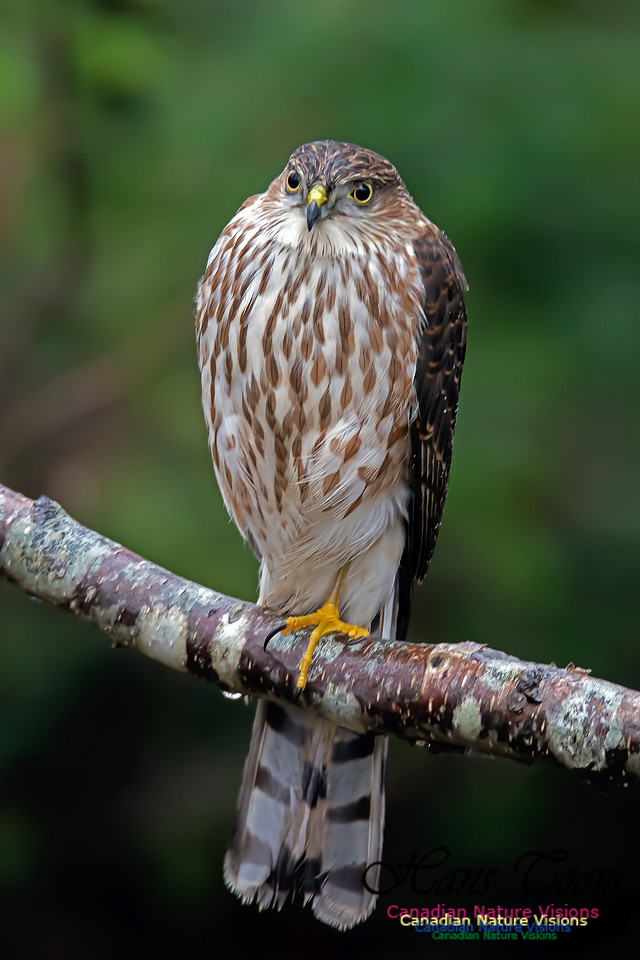
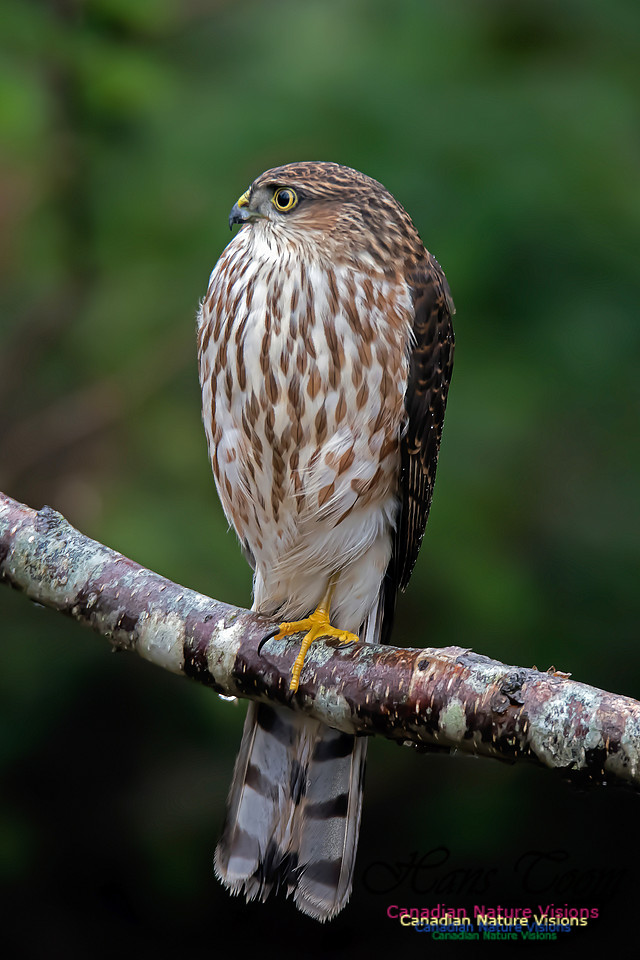
The Sharp-shinned Hawk is a regular visitor to our place in Portuguese Cove especially in the winter. These beautiful birds are as vicious as they are good looking. They do not kill their prey but eat them alive sometimes departing after their fill with the prey still alive and suffering horribly. I believe birds are sentient creatures and feel fear and suffering just like us. To call this process, "just nature", is abhorrent but as is said in the movie Jurassic Park, "they just do what they do". Last year a Sharp-shinned Hawk killed(I hope) a Northern Mocking Bird before I could save it.

Characteristic of this species is a small head and dinky legs. The square tail is not diagnostic. Interesting, I had its larger cousin the Cooper's Hawk visit very briefly last week. It was as large as a crow.

Sharp-shinned Hawk

SharpShinnedHawk8SharpShinnedHawk8 SharpShinnedHawk6SharpShinnedHawk6 SharpShinnedHawk7SharpShinnedHawk7


Purple Finches and Multiflora Berries

November 15, 2015

It's been a quiet start leading up to winter photography. Gloomy days and high winds have discouraged walkabouts. The Tree Sparrows are late returning from the north and the White-throated Sparrows are still in the deep forest not yet motivated to attend at our offerings. We usually have about 40 overwintering White-throated Sparrows and 20 overwintering Tree Sparrows, but not as yet. We do have about 30 Blue Jays and 40 Mourning Doves plus five Ring-necked pheasants that clean out two yogourt cup fulls of mixed seed before noon.

Along the coastal trails a couple of Northern Shrike have added interest while Harlequin Ducks, Razorbills, Black Guillemots, Grebes, Murres, and migrating Northern Gannets have frequented the inshore waters but all out of effective photographic range.

The highlight today was a pair of juvenile female Purple Finches working our mutlt-flora brambles. It's a challenge to get the eyes of these birds in focus with so many berries about capturing the attention of my camera's focus engine, but perhaps they will revisit tomorrow.

Purple Finches

Snow Buntings and Gale at Duncan Reef

October 31, 2015

Yesterday there was a gale at Duncan Reef. The sea was alive and so were the Snow Buntings. I sat at my usual spot snuggled up against a rock and waited for the buntings to march by and so they did.

Snow Bunting

Snow BuntingSnow Bunting Snow BuntingSnow Bunting Snow BuntingSnow Bunting Snow BuntingSnow Bunting Snow BuntingSnow Bunting

The surf was pounding against the rock bluffs of the coast. I have never encountered a rogue wave here in fifteen years. The inshore and off shore reefs tend to medicate such events but caution is always warranted. Never walk on washed or dark rocks in this kind of weather.

The Shoreline Bluffs West of Duncan Reef

Cliffs and SurfCliffs and Surf Cliffs and SurfCliffs and Surf Cliffs and SurfCliffs and Surf

The inshore surf is always the highest at Duncan Reef. I have seen it tower up to 10 to 12 metres in height during post tropical storms.

Duncan Reef Surf

Duncan Reef Gale SurfDuncan Reef Gale Surf Duncan Reef Gale SurfDuncan Reef Gale Surf Duncan Reef Gale SurfDuncan Reef Gale Surf Duncan Reef Gale SurfDuncan Reef Gale Surf Duncan Reef Gale SurfDuncan Reef Gale Surf

There always seems to be a fisherman who says "damn the torpedoes, full speed ahead" and heads out into the sea. Instead of wisely staying well off shore this fishing boat passed just beyond Duck Reef. An engine failure here could have led to disaster.

Fishing Boat at Duck Reef

Going Fishing No Matter WhatGoing Fishing No Matter What Going Fishing No Matter WhatGoing Fishing No Matter What


Ring-necked Pheasant Behaviour

October 28, 2015

Last winter, 2014-15, was a killer with two successive flash freezes that left my yard, driveway and surrounding forest with 6 inches to a foot of solid ice that stayed until late March. The suffering of birds and mammals was horrid. All of our local  white-tailed deer perished. We could tell because of their distinctive markings of which were never seen again. All ground foraging birds were desperate and most came to our backyard deck which we kept clear of snow and constantly replenished with seed. See "The Killer Winter", April 24, 2015. http://www.hanstoom.com/blog/2015/4

Unusual survival behaviour occurred with both the deer and Ring-necked Pheasants coming up on our deck to forage for seed. The Ring-necked pheasants fed on the deck and on the railing and survived. They have a good memory since they are once again coming up on the railing to feed. This is very unusual for such a wary bird. The bird is so wary that any sight of a human and they are gone. No wonder considering the ravaging they suffer in the wild at the hands of killer humans.

I cannot photograph these birds without installing my window blinds which are black cotton drapes with slits to poke a lens through. I haven't resorted to using my blinds yet so I photographed a male through two doors, my regular door and a storm door.

Ring-necked Pheasant

Ring-necked PheasantRing-necked Pheasant


Conjunction of Jupiter, Venus and Mars, October 27, 2015

October 28, 2015

I motivated myself to rise at 6:30AM on October 27, 2015 to photograph the conjunction of Jupiter, Venus and Mars. The photographs were taken without the benefit of a tracking tripod head at ASA 12,600. Jupiter is at top right, Venus is below it and Mars is at the lower left. Two moons of Jupiter are barely visible, one at the 1pm position and one at the 8am position.

"Conjunction of Jupiter, Venus and Mars, October 27, Halifax, Nova Scotia""Conjunction of Jupiter, Venus and Mars, October 27, Halifax, Nova Scotia"

"Conjunction of Jupiter, Venus and Mars, October 27, Halifax, Nova Scotia""Conjunction of Jupiter, Venus and Mars, October 27, Halifax, Nova Scotia"

I used my artistic license to introduce some flares to the planets.

"Conjunction of Jupiter, Venus and Mars, October 27, Halifax, Nova Scotia""Conjunction of Jupiter, Venus and Mars, October 27, Halifax, Nova Scotia"


Sanford the Wood Duck

October 21, 2015

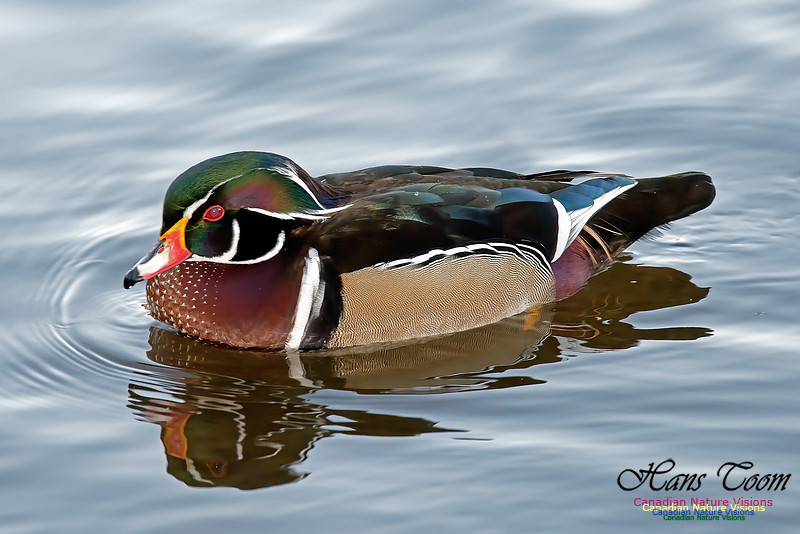
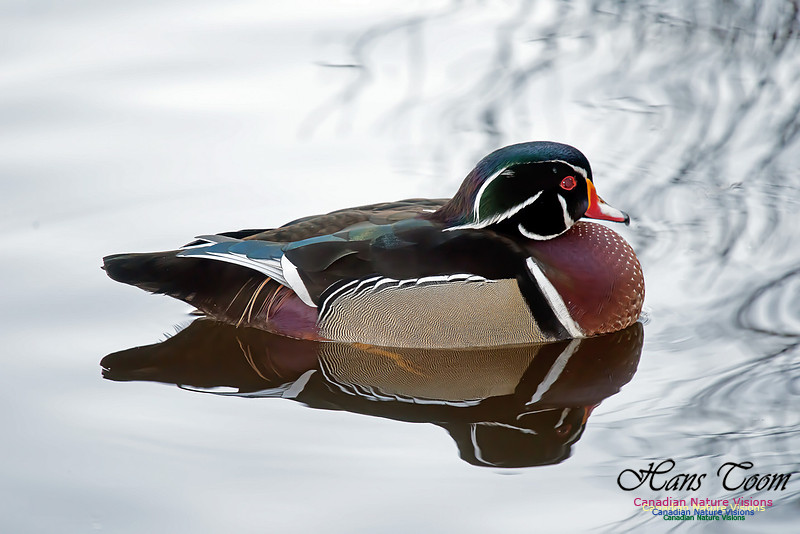
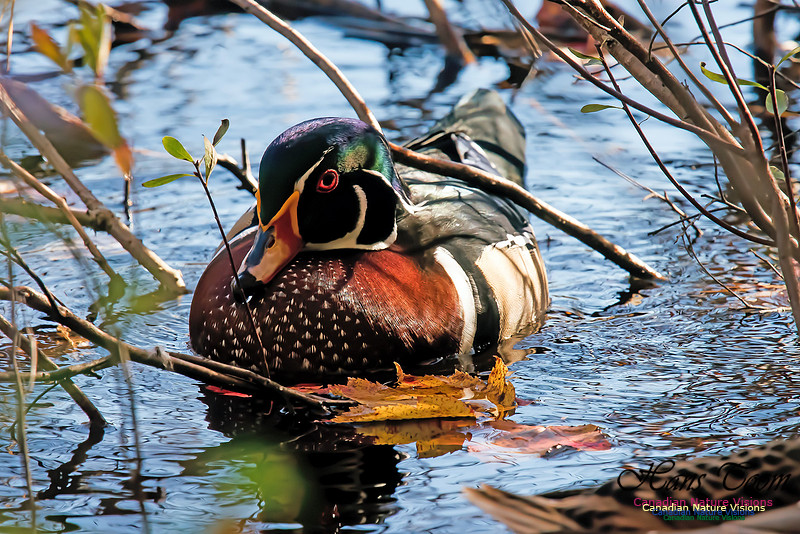
The famous Spryfield Wood Duck is back! Laura Elliott and I encountered the bird yesterday evening during a walk around the Frog Pond, Sir Sanford Fleming Park. I had no camera with me yesterday so I returned this morning to capture images of this elegant bird. I will be bold and call this Wood Duck Sanford in honour of Sir Sanford Fleming the namesake of the park. It's just as tame as ever. If it follows last year's pattern of behaviour it will relocate to The Dingle when the Frog Pond freezes. The Dingle is also a part of Sir Sanford Fleming Park.

Wood DuckWood Duck Wood DuckWood Duck Wood DuckWood Duck Wood DuckWood Duck Wood DuckWood Duck Wood DuckWood Duck Wood DuckWood Duck


Barbara Hinds

October 20, 2015

I found out recently about the passing of Barbara Hinds. We lost touch in recent years but I remember her well for grace, good will and love of adventure and the wilderness. I hope she finds lots of birds and wilderness rivers and lakes to paddle wherever she is now. I will miss her.

Barbara Hinds

Barbara HindsBarbara Hinds

Barbara Hinds, 89, was former Herald journalist

Reprinted from The Herald

JOHN DeMONT Senior Writer
Published July 16, 2014 - 7:46pm
Last Updated July 16, 2014 - 8:04pm

 
At the nursing home where she spent her final years, Barbara Hinds was known as “the bird lady” because — even when dependent upon a walker — she managed to feed the winged animals that flocked to her.

But Hinds, who died this past weekend at 89, was far more than a staunch naturalist who wrote a long-running birding column in this newspaper.

The Liverpool, U.K.-born woman was a journalist of unflagging curiosity whose interests spanned everything from science and municipal affairs to Inuit art and heritage preservation.

Hinds was courageous enough to leave her job at The Chronicle Herald to canoe through the Canadian Arctic at a time when it was still largely an untravelled wilderness for southern Canadians — and to take up spelunking (caving) back in England and embark on solo birding expeditions in the backwoods of Nova Scotia.

Throughout her life, Hinds remained deeply committed to her adopted home via organizations like Heritage Trust of Nova Scotia and Friends of the Public Gardens and a wide range of other involvements.

“She was one of those engaged citizens that Halifax needs more of and doesn’t have enough of,” says Betsy Chambers, a former Herald colleague and longtime friend.

Hinds’ early life in the United Kingdom was equally memorable. A gifted student — she took voice lessons to rid herself of her Liverpudlian accent — her education was interrupted by the Second World War.

 
In England, she worked as a customs officer as well as in the public service dealing with pensions for seniors.

Stories differ on what actually brought her to Halifax. Once here, she landed a job at The Chronicle-Herald and Mail-Star and, though never having worked in journalism before, assiduously worked her way into the newsroom where she started out doing social news before moving into the other “hard news” sections of the paper.

“She was a great woman journalist when they were still rare,” recalls Chronicle Herald associate publisher Ian Thompson, whose desk was next to Hinds’ in the 1970s. “A dignified woman in a sometimes coarse environment.”

Elegantly coiffed with an innate sense of style, she cut quite a figure in the city’s journalistic circles, recalls Lyndon Watkins, who worked at The Chronicle-Herald during the same period.

It was as a reporter, though, where Hinds made her mark.

One of her most notable successes at The Chronicle-Herald was a series of articles that led to changes in ambulance services in Nova Scotia, including allowing medical personnel to provide services while transporting patients.

Later, her writing career entered a new phase when she joined Dalhousie University’s medical school as a public relations expert. There, with a salary donated by Graham Dennis, the late publisher of The Chronicle-Herald and Mail-Star, she wrote countless articles about medical research, taking on the challenge of making the field accessible to lay readers.

Hinds, whose Canadian fiance died in the Second World War, never married. Nor, friends say, did she ever slow down. In retirement she threw herself into a number of municipal causes, although she always remained politically unaligned.

She also kept adding to her collection of Inuit art that she eventually donated to the Art Gallery of Nova Scotia.

Hinds died last Sunday after suffering a stroke days before. Details of her funeral will follow at a later date.
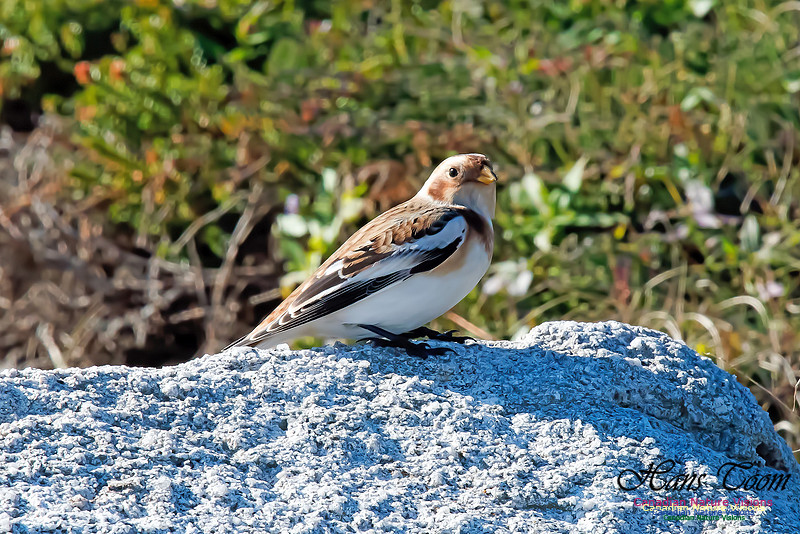


Snow Buntings and Ipswich Sparrow

October 19, 2015

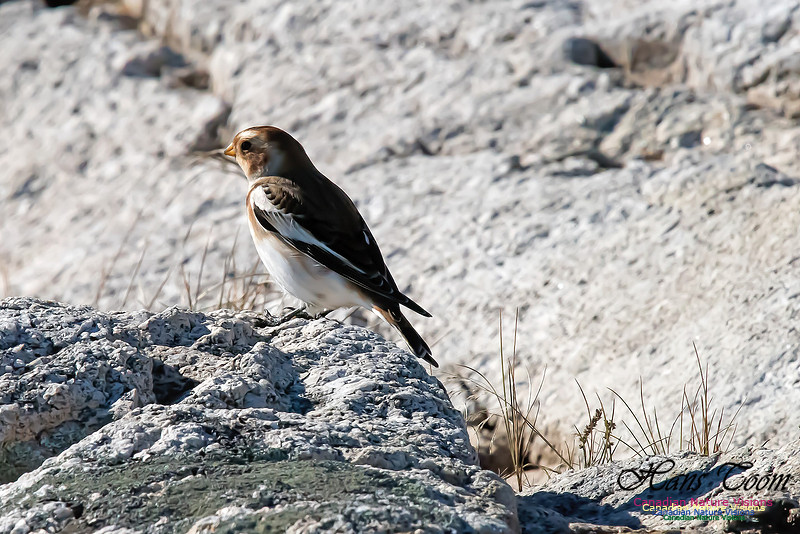
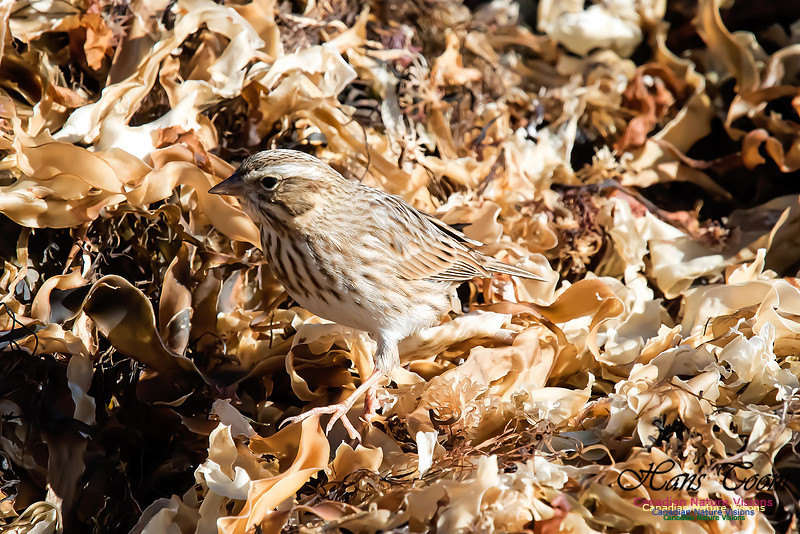
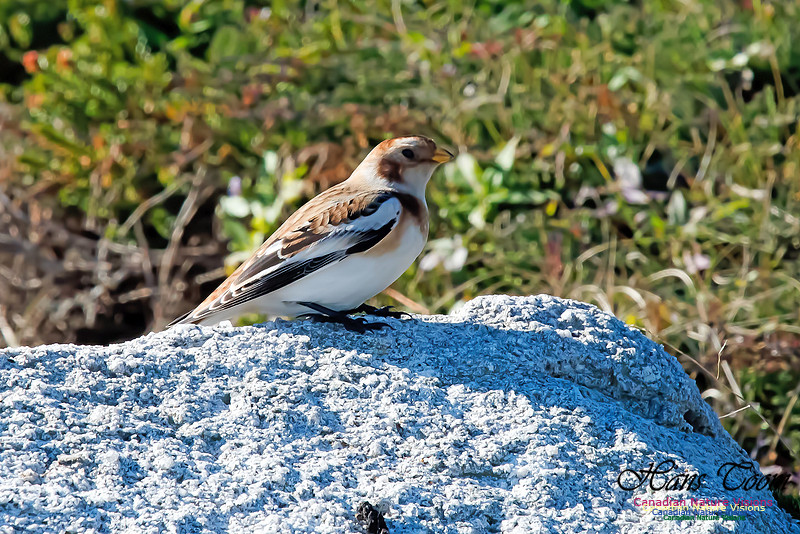
Laura Elliott and I visited Duncan Reef this afternoon and found three Snow Buntings and one Ipswich Sparrow. There was also a single Spotted Sandpiper.

Snow Bunting

Snow BuntingSnow Bunting Snow BuntingSnow Bunting Snow BuntingSnow Bunting

Ipswich Sparrow

Ipswich SparrowIpswich Sparrow Ipswich SparrowIpswich Sparrow Ipswich SparrowIpswich Sparrow


Ipswich Sparrow

October 14, 2015

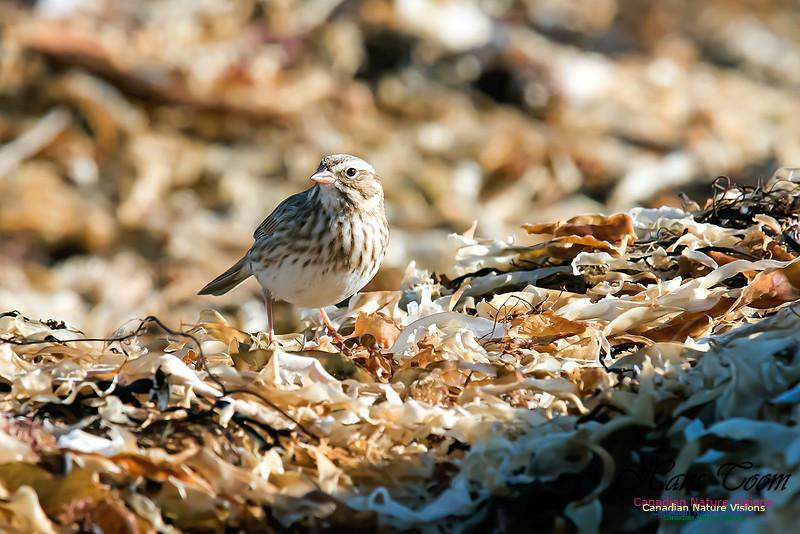
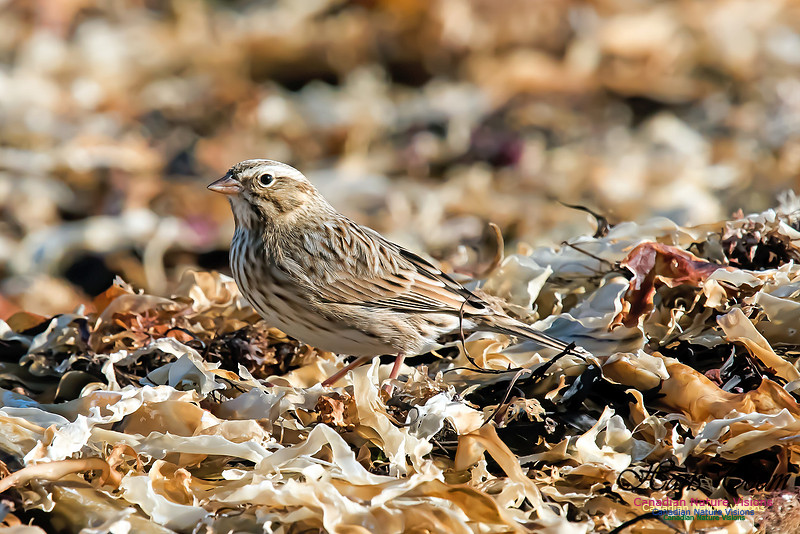
This was my first trip to Duncan Reef in two weeks thanks to a virus and lousy weather. The wind was howling from the southwest when I arrived so I had little hope but my first Ipswich Sparrow of the fall arrived and I managed some quick shots before it disappeared.

Ipswich Sparrow

Ipswich SparrowIpswich Sparrow Ipswich SparrowIpswich Sparrow Ipswich SparrowIpswich Sparrow