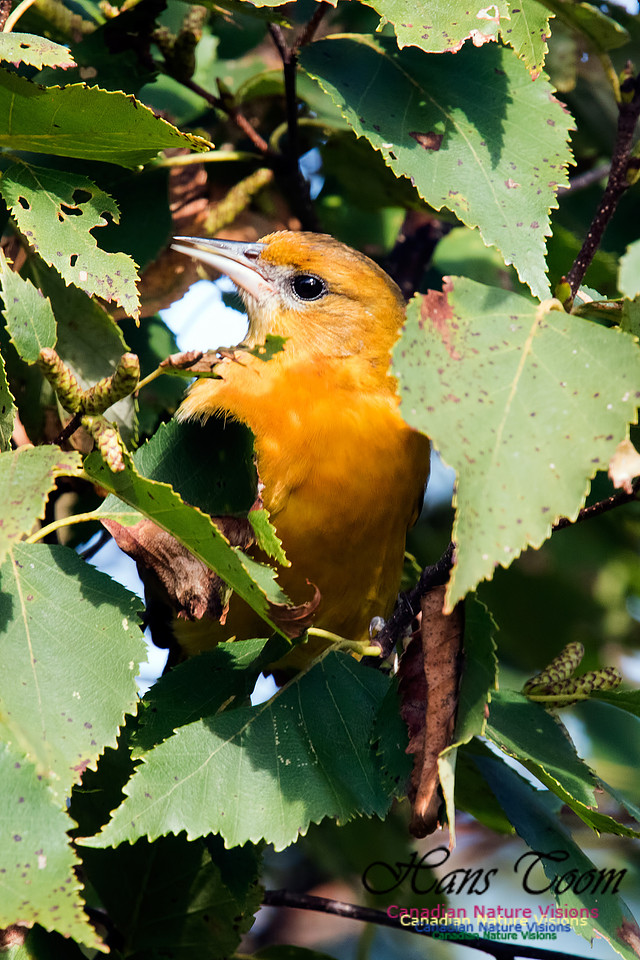
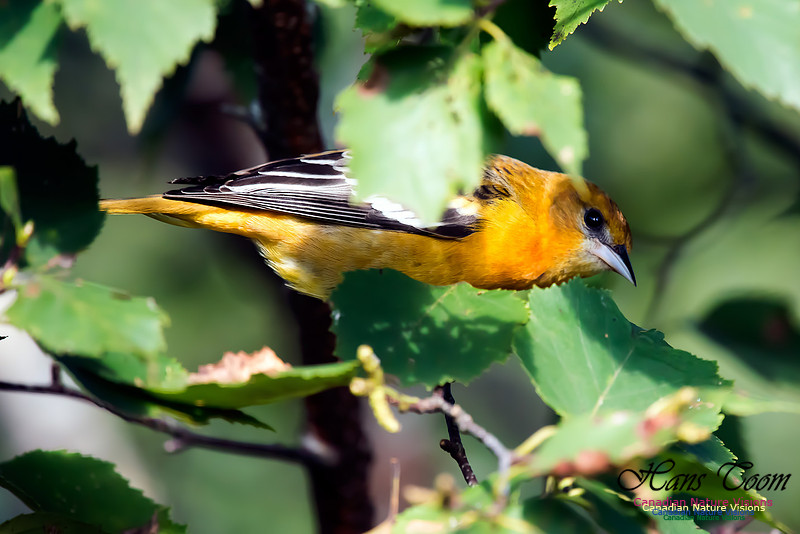
Baltimore Oriole and Indigo BuntingVisits by two recent migrants were pixel captured at our place in Portuguese Cove. I've given up trying to lower the window to take photos since it almost always results in the bird flying away. The two Baltimore Oriole photos were taken through two layers of window glass, just about the dirtiest filter you can put over a lens. Baltimore Oriole
The Indigo Bunting has been feeding at our front yard platform feeder. I had poor focus on this bird but perhaps it will stay awhile and I can try again. Indigo Bunting
Crested CaracaraLaura and I were out the door, October 14, at 6:30AM and on our way to visit the Crested Caracara at Gaspereau, Nova Scotia. We found the bird on our second pass at 8AM along Highway #1 sitting atop a utility pole. I tried to photograph the bird with a heavy hand held 850mm lens, full frame, but alas despite vibration control the images were fuzzy and useless. When I was setting up my tripod Richard Stern arrived wisely using a hand held setup. The bird flew into the trees directly into a back lit situation with the morning sun. I didn't move far enough along the road to counter the backlighting before it fly to the north east, hence all my photos were contaminated with noise. I detest noise in photos since it makes them near to useless for printing so after the noise removal process a lot of detail was lost in the images. I will revisit them later using different techniques. I have several flight photos as it flew away but unfortunately they are tiny sillouettes and not useful. Look for this bird to reappear in freshly plowed fields at Grand Pre, Windsor or along the Noel shore. On the other hand it could still be in the area. Crested Caracara
Here's a much better photo taken at Lawrencetown in September of 2013.
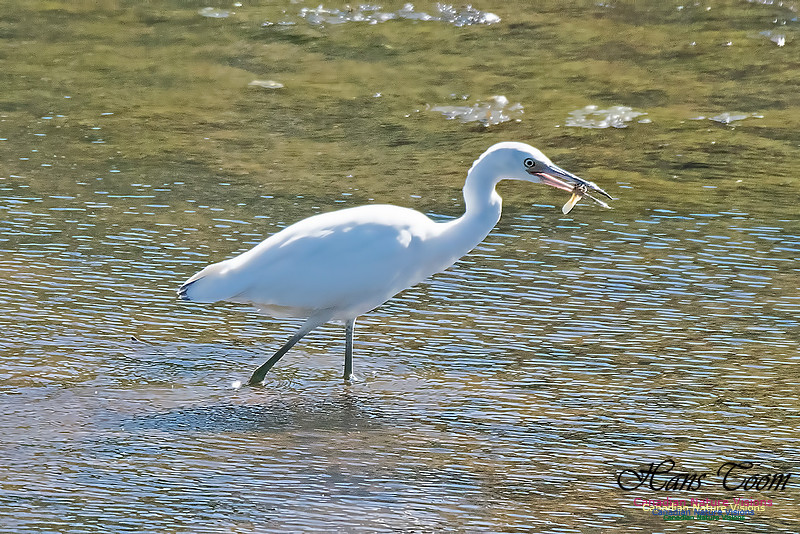
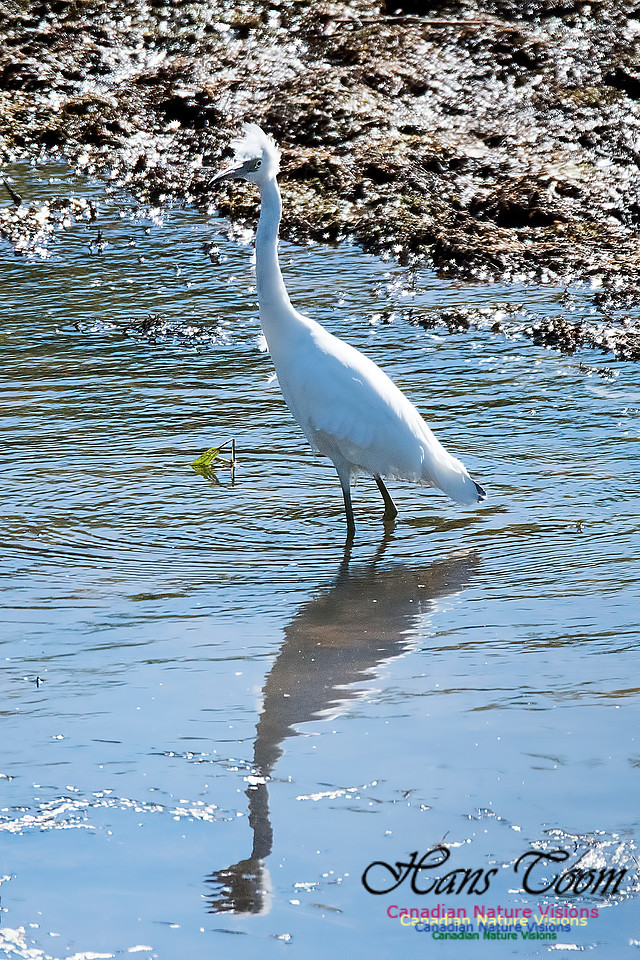
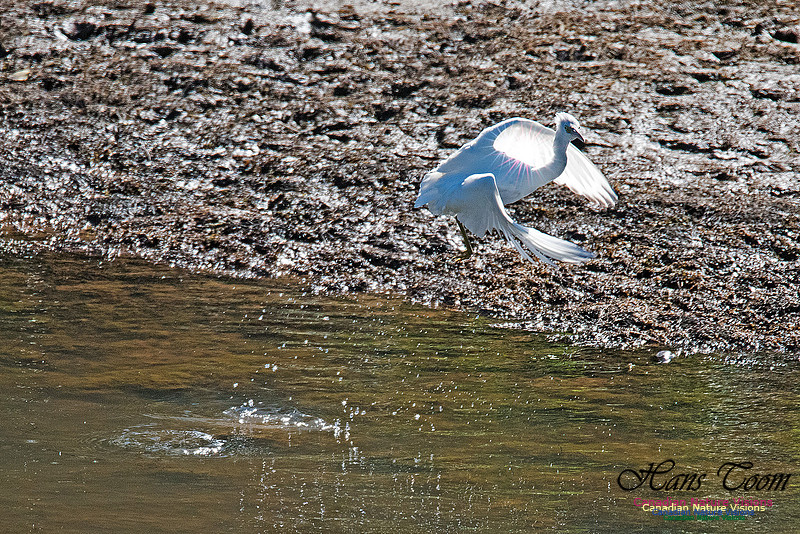
Little Blue Heron, Brookfield MarshThe highlight of my October 5 trip was finding the juvenile Little Blue Heron at Brookfield Marsh. The level line of sight and front lighting was a great improvement over the conditions at Canning where I photographed one earlier. The bird was cooperative as it lingered for over an hour. It was scooping up fish literally on each stab so at 11AM it flew east over the railroad tracks to the inaccessible area behind private property. I also saw the Wilson's Snipe which I had photographed on my last visit to the marsh but due to the high water this time there were no foraging opportunities along the marshy edge. The bird remained out of sight until I saw it fly away about 10:30AM. Little Blue Heron
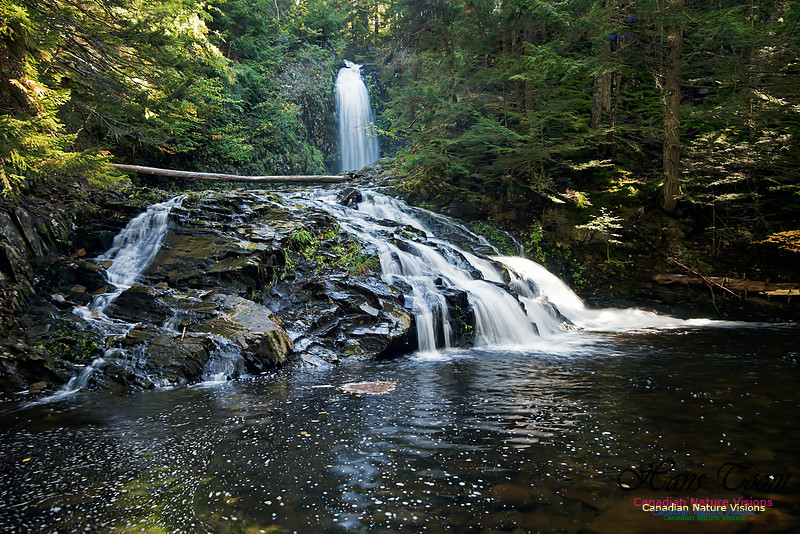
Butcher's Falls After the DelugeI visited Butcher's Falls, October 5, hoping for some spectacular photos after the deluge we had in the province. Here in Portuguese Cove we had 152mm of rain. The falls were higher but not what I had hoped. I will return in a couple of weeks on a fall colours excursion to the Musquodoboit Valley and visit the falls again. Butcher's Falls
Monge A601, French NavyPrior to leaving on my Brookfield Marsh-Butcher's Falls, October 5, excursion Laura spotted an interesting ship entering the harbour. After dropping Laura off at her friend's place I managed to catch up to the ship as it was entering Halifax harbour. The vessel is French navy, a missile range instrumentation ship. Monge A601
Here are more details on the vessel. Monge (A601)From Wikipedia, the free encyclopedia
For other ships of the same name, see Monge (surname).
The Monge (A601), named after the 18th century mathematician Gaspard Monge, is a Missile Range Instrumentation Ship of the French Navy dedicated to tracking and measuring rocket trajectories. She was built for the trials of the Submarine-launched ballistic missiles of the Navy, and is also used to monitor the launch of Ariane rockets. TechnologyThe systems in the Monge allow it to track missiles and satellites. There are two navigation radars and a DRBV 15C air surveillance radar installed. The intelligence systems are a Stratus Gascogne, two Armor-radarsystemy, two Savoie and Antares missile-tracking radars, a laser-radar, and an optical tracking unit, furthermore 14 antennas for telemetry. The ship is painted white, because the usual used darker grey of warships would heat up the ship much more and may cause malfunctions of the electronic systems inside.[citation needed]
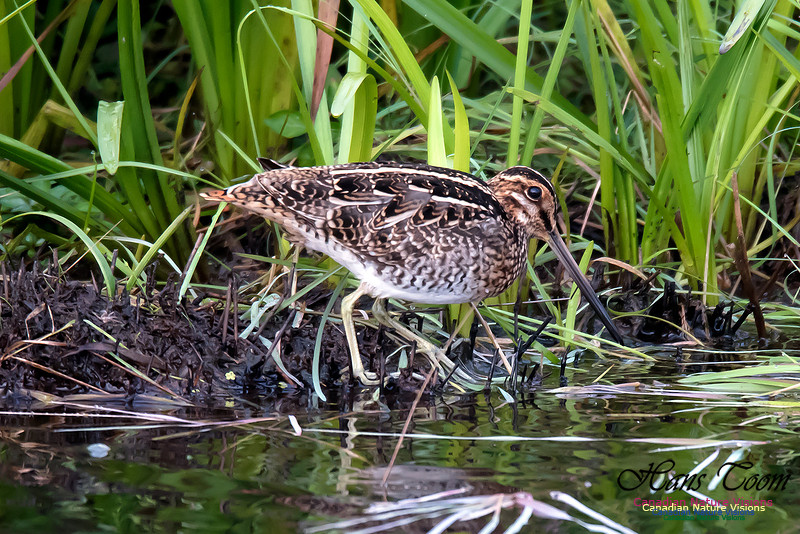
Wilson's SnipeLaura and I visited Brookfield Marsh September 30, just ahead of the deluge. We immediately spotted a juvenile Little Blue Heron circling the marsh but it landed east of the railroad tracks in an inaccessible area. Our consolation prize was an even harder to find and photograph Wilson's Snipe. We also heard two Marsh Wrens.
Off in the distance on the west side of Brookfield Marsh were the first clear signs of change of season.
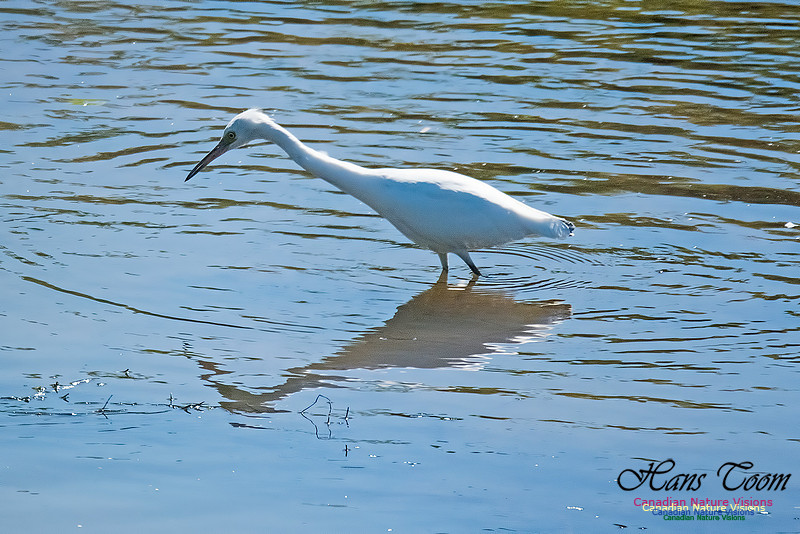
Little Blue Heron, CanningLaura and I found the juvenile Little Blue Heron September 29 in Canning, Nova Scotia. It never came close so my cropped images are severely compromised. Rising eddies of air around the water didn't help either but in this business you get what you are offered.
Supermoon Eclipse September 27, 2015I among millions of others photographed the Supermoon Eclipse of September 27, 2015. A good refractor with tracking was needed for this challenge but I worked with what I had, my camera and telephoto lens. My autofocus eventually failed with the dimming light and the moon was mostly black during the complete eclipse in my part of the sky with very little colour to display it. It was a life experience and well worth the effort. The Full Moon Soon After Its Rise
Earth's Shadow Begins to Cover the Moon
The autofocus on my camera failed here!
Full Eclipse
Diamond Ring Effect
Artist's License
Earth's shadow is leaving.
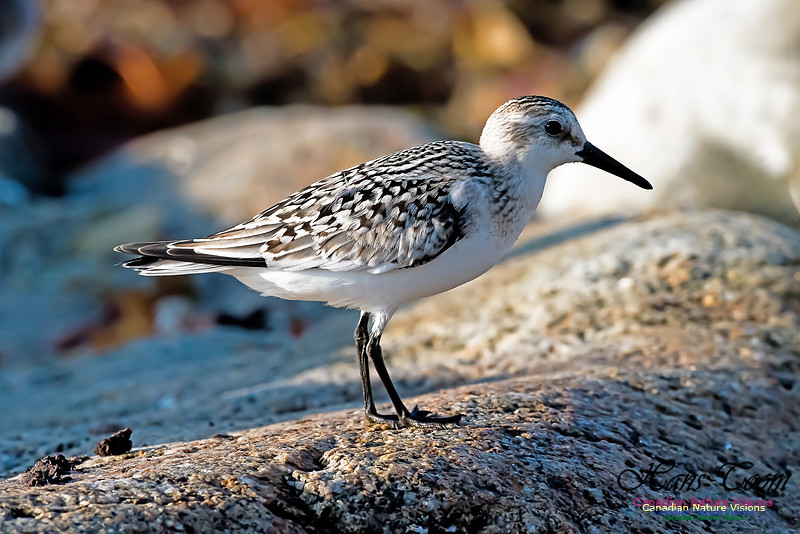
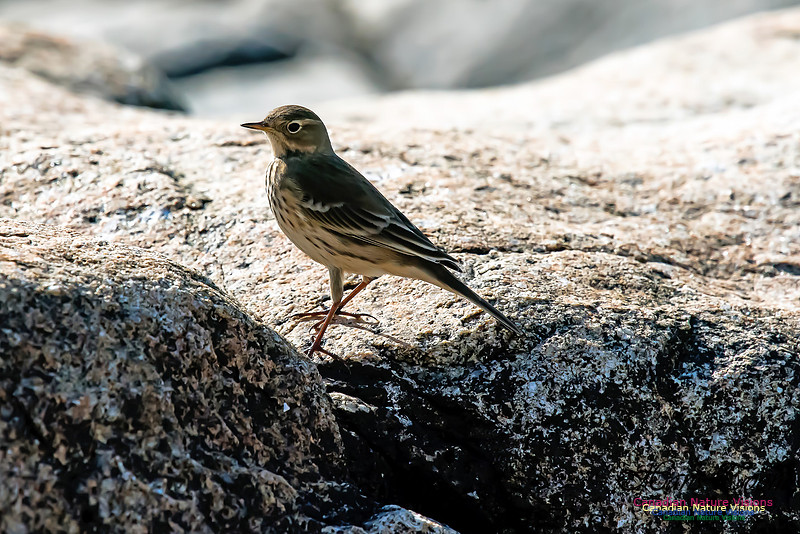
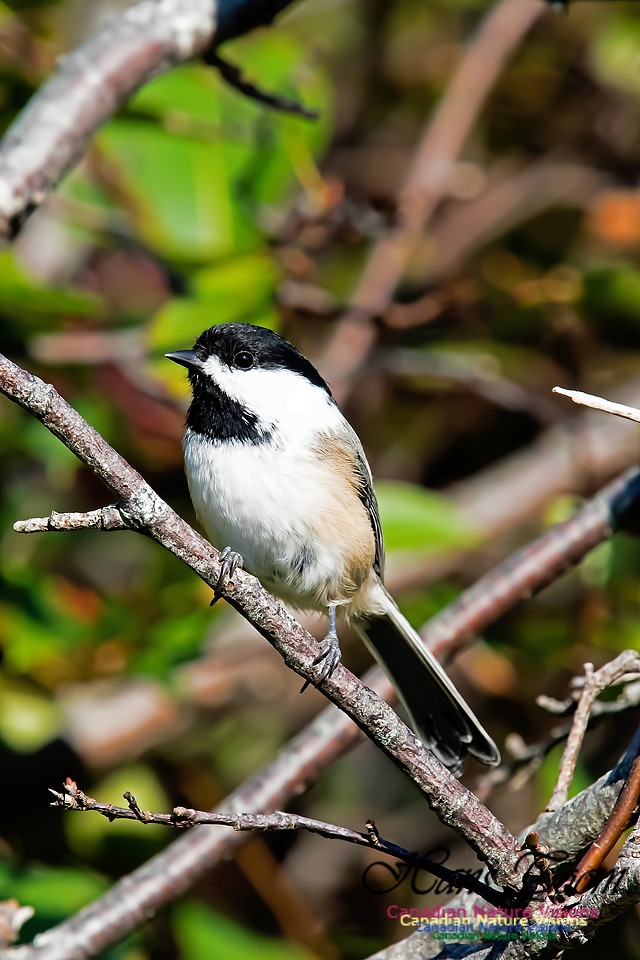
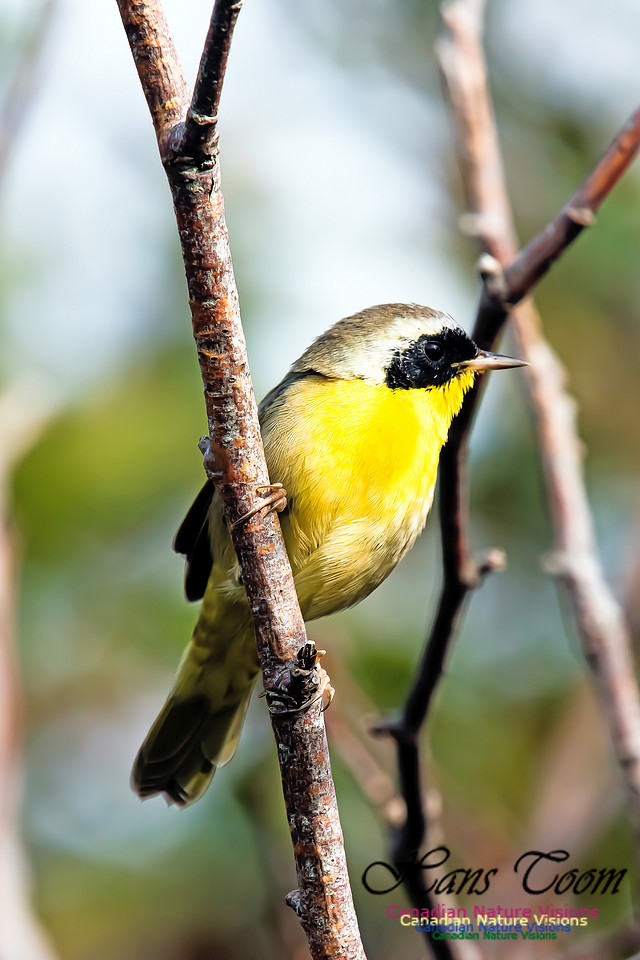
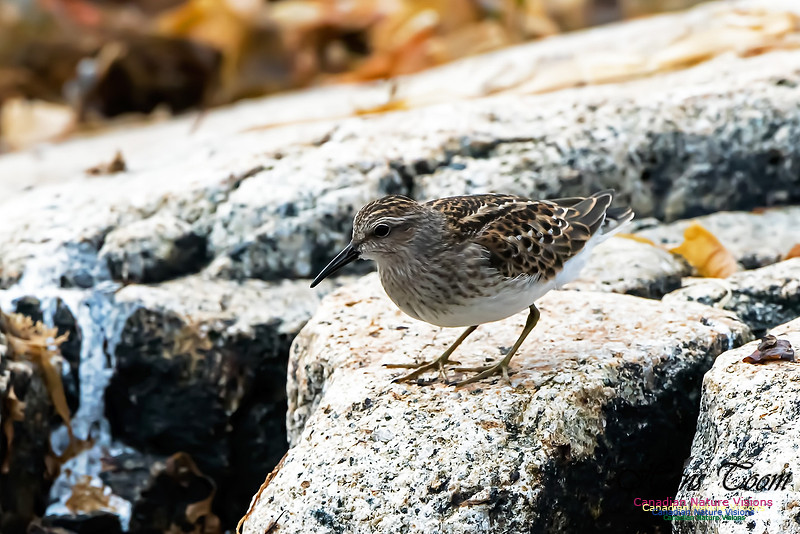
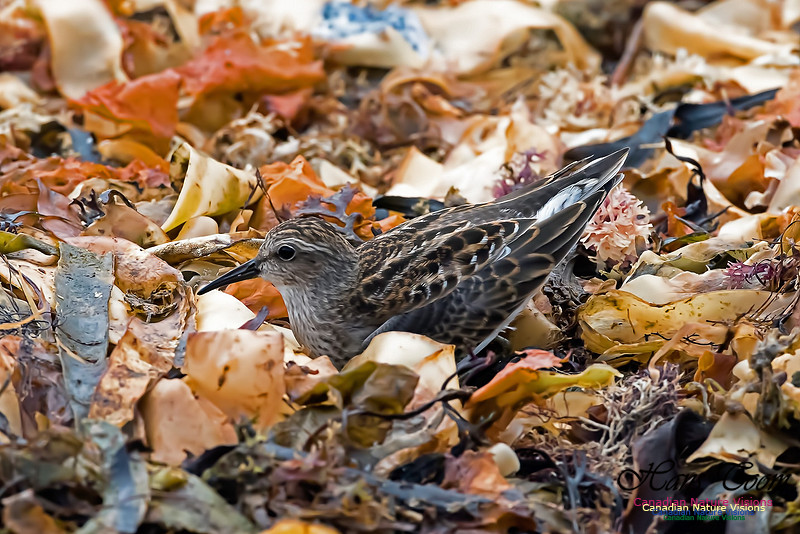
Late Summer Birds of Duncan ReefThis compendium of some of the late summer birds of Duncan Reef includes the period between the last week of August to the middle of September. The shorebirds are all gone now and the late migrants have not arrived. Ipswich Sparrow, Lapland Longspur, Snow Bunting, Horned Larks, American Pipit and the always anticipated Harlequin Ducks and Purple Sandpipers are yet to arrive, and perhaps a rarity or two. Baird's Sandpiper
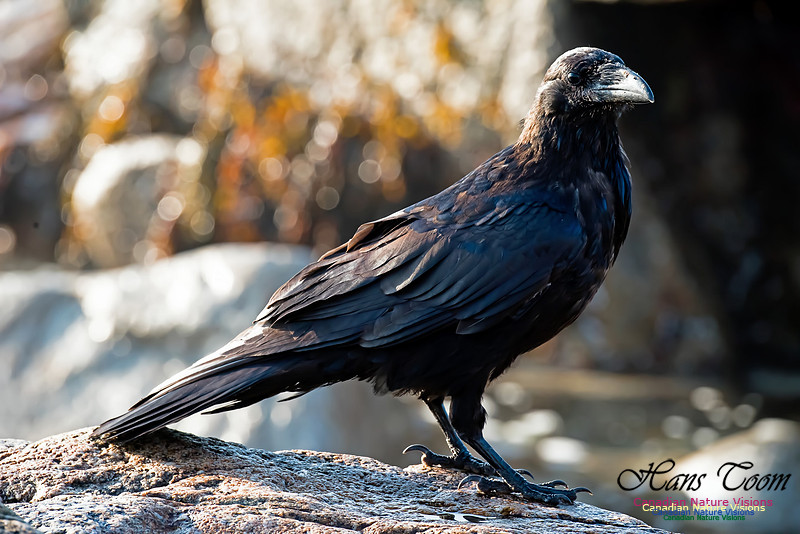
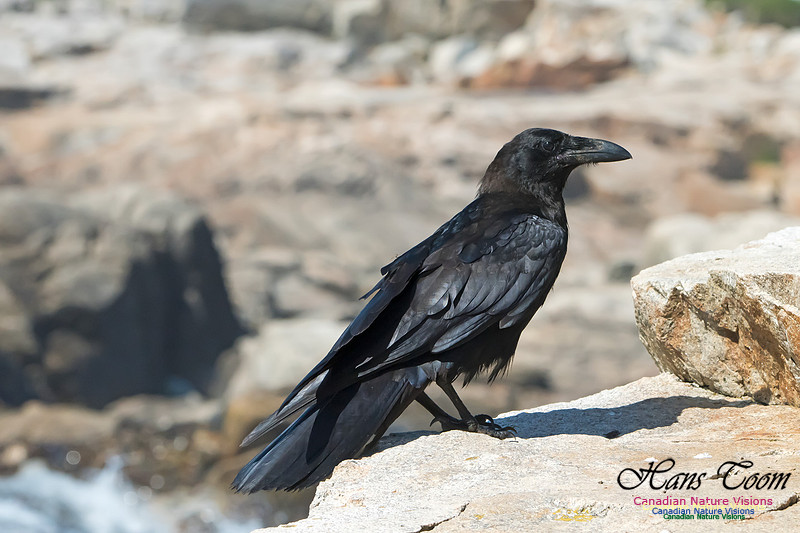
Common Raven
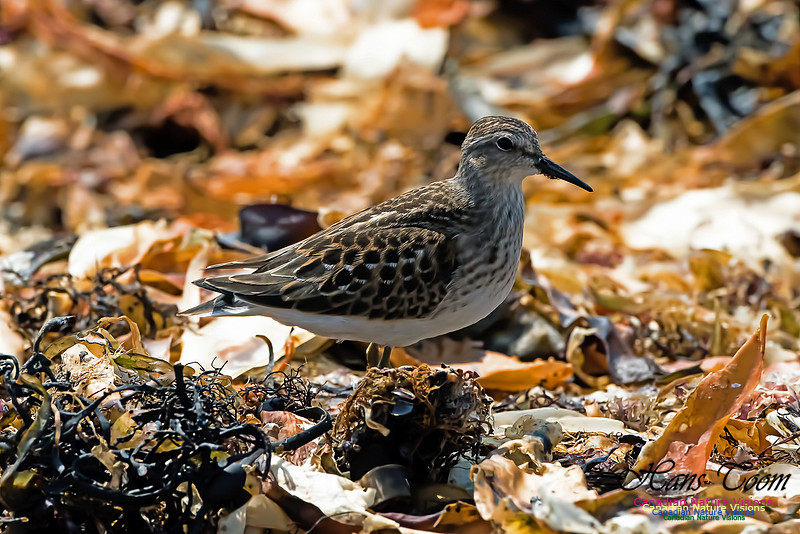
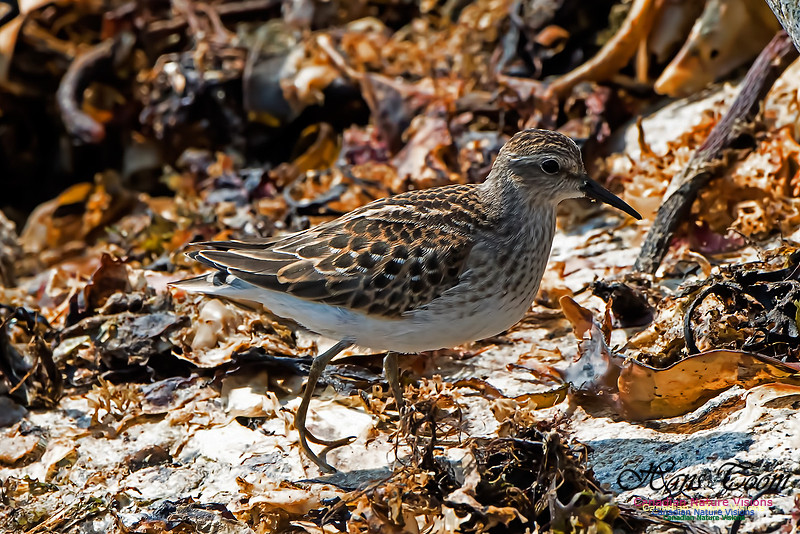
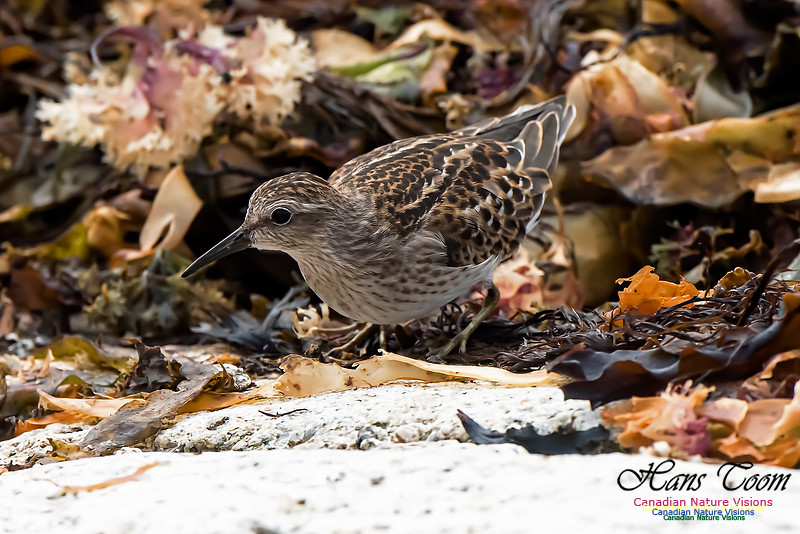
Least Sandpiper
Sanderling
American Pipit This is a lone lost leader well ahead of the horde.
Black-capped Chickadee
Common Yellowthroat
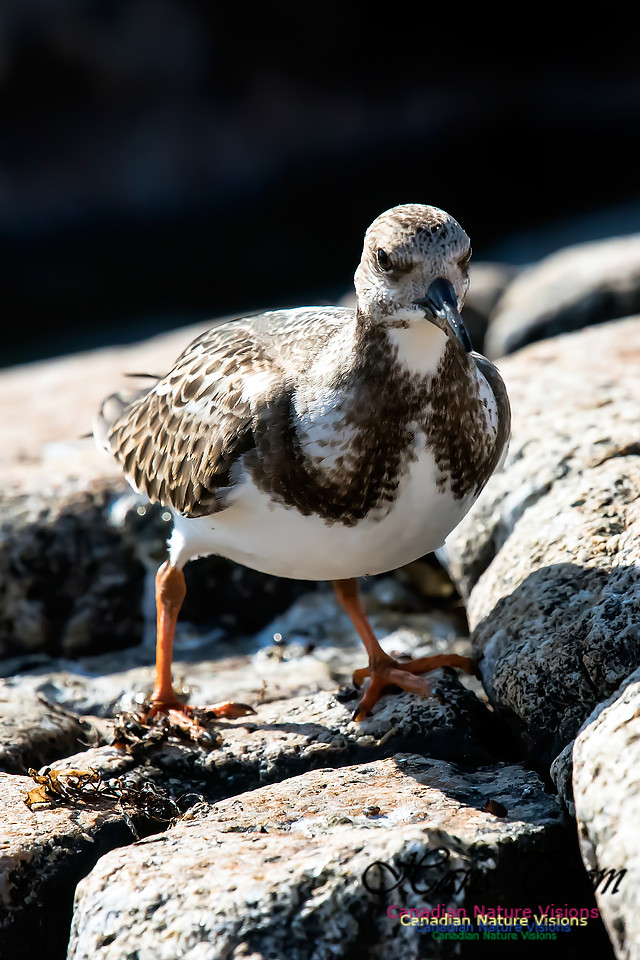
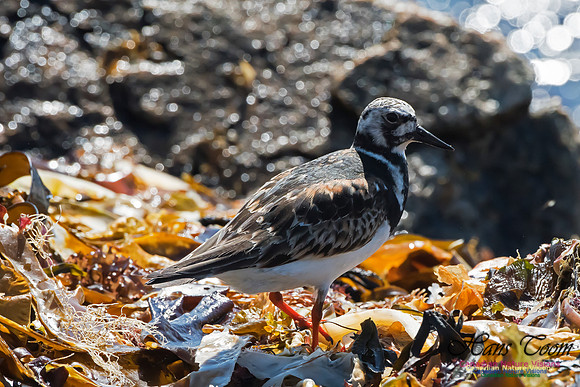
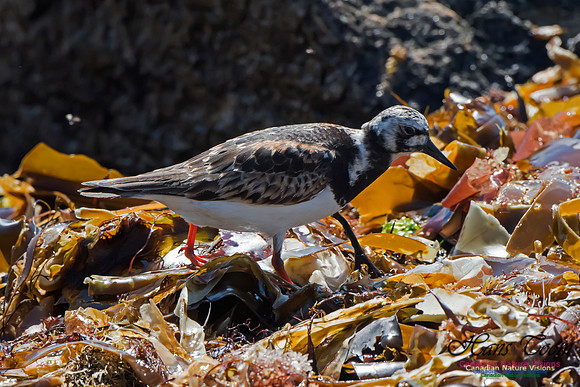
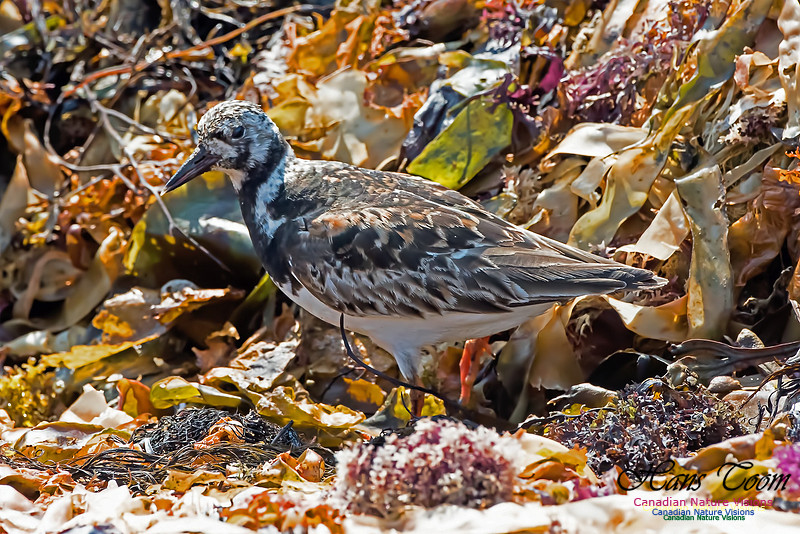
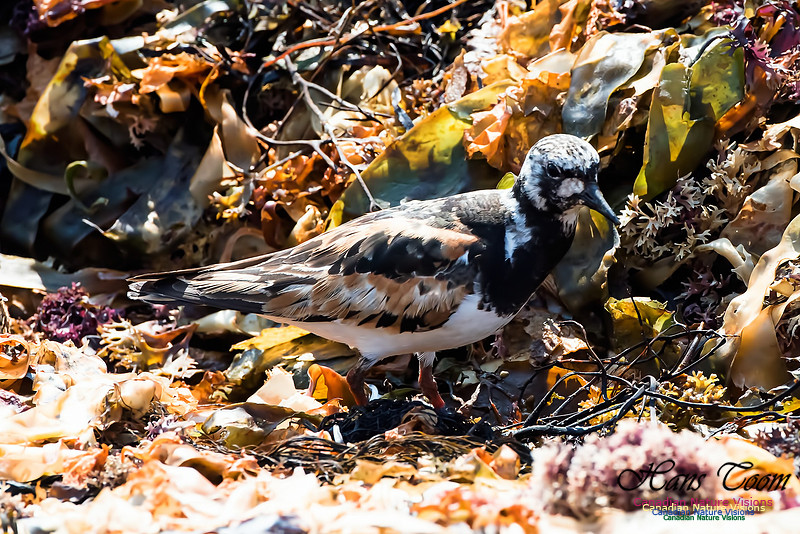
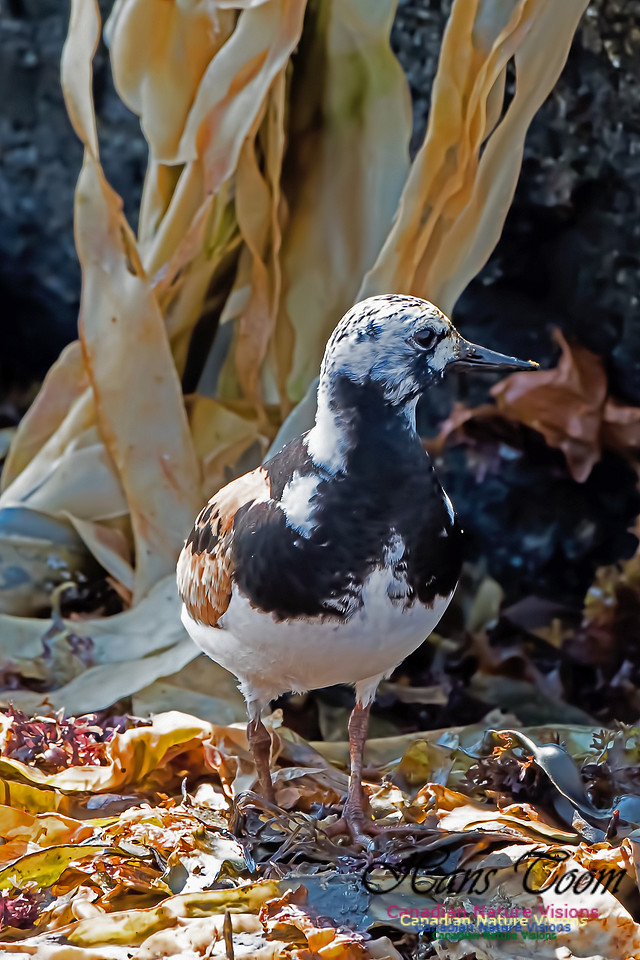
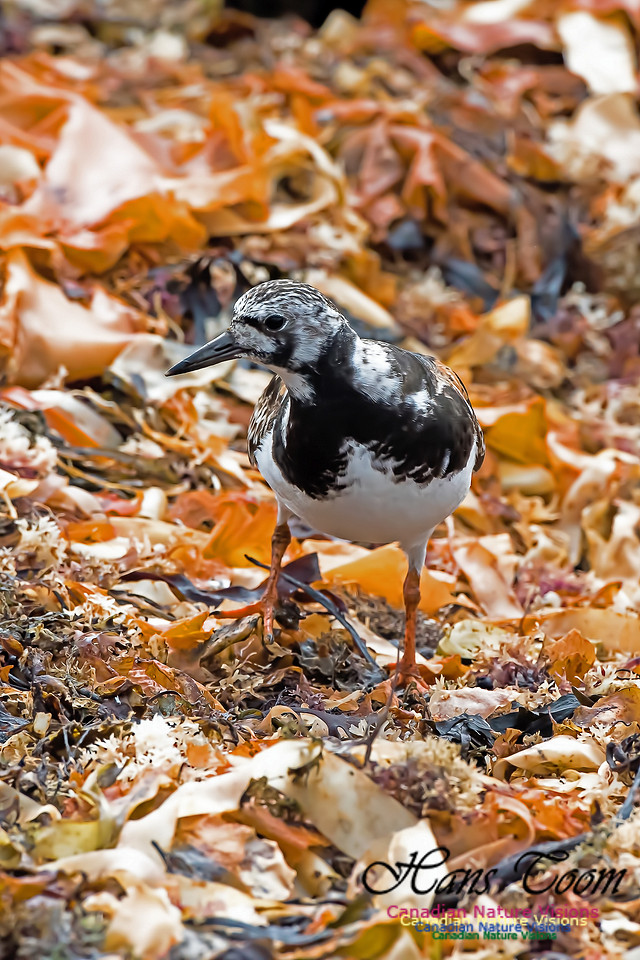
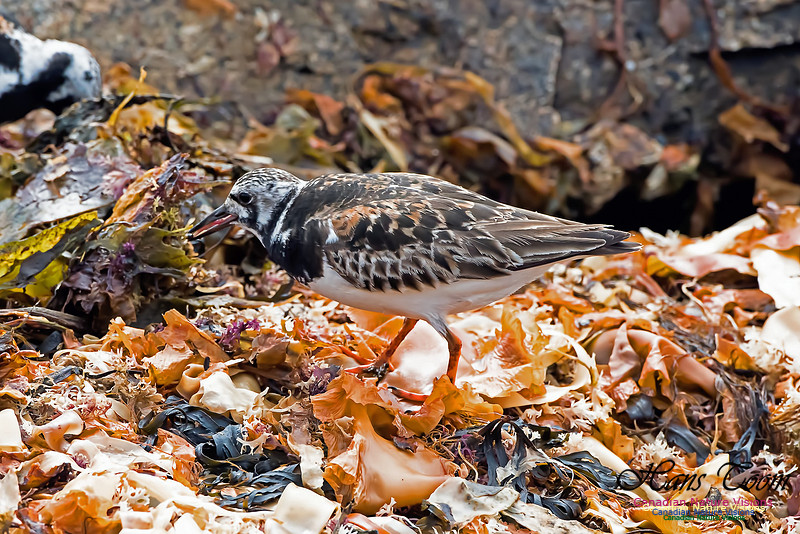
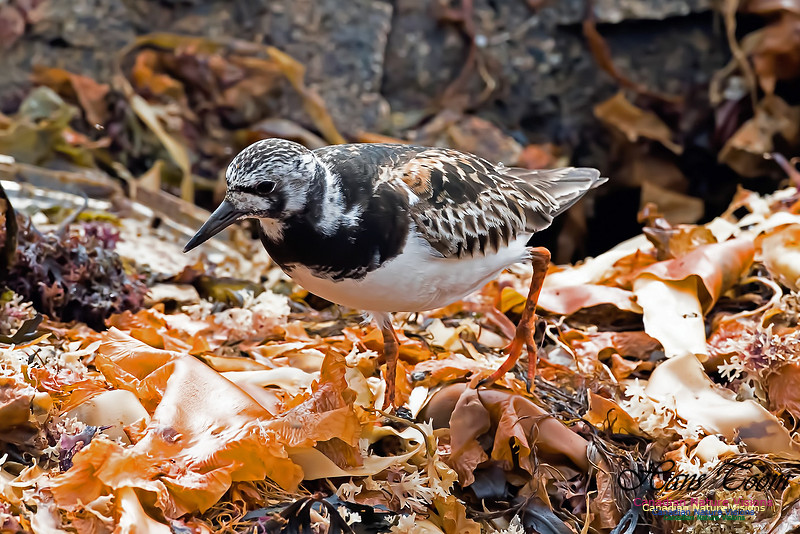
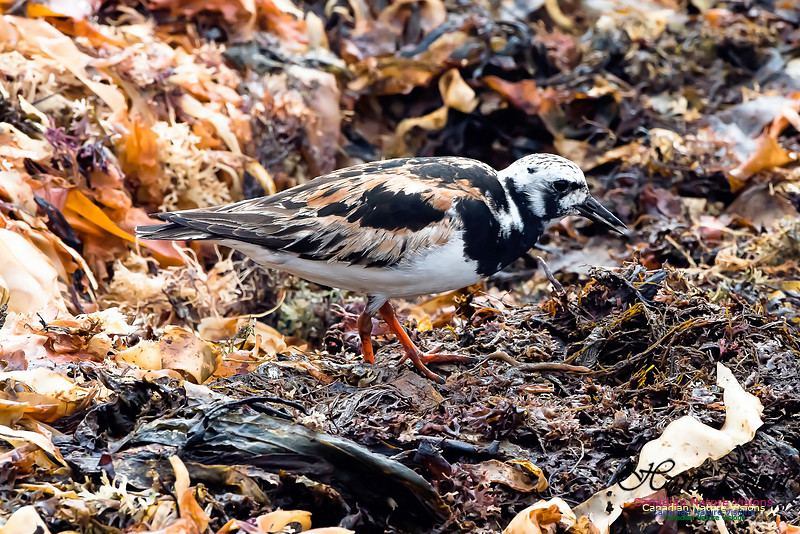
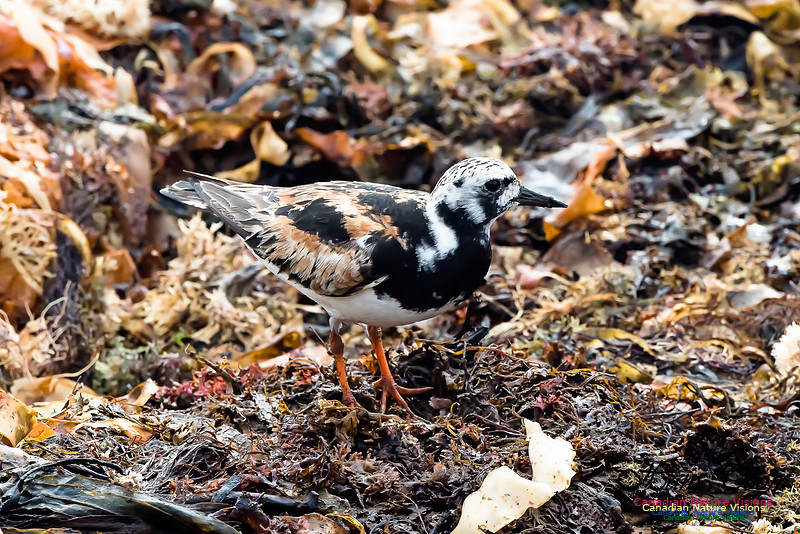
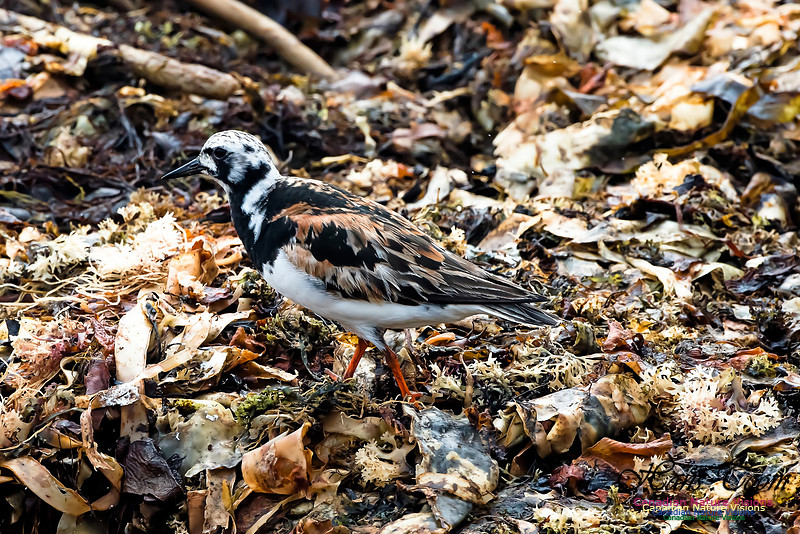
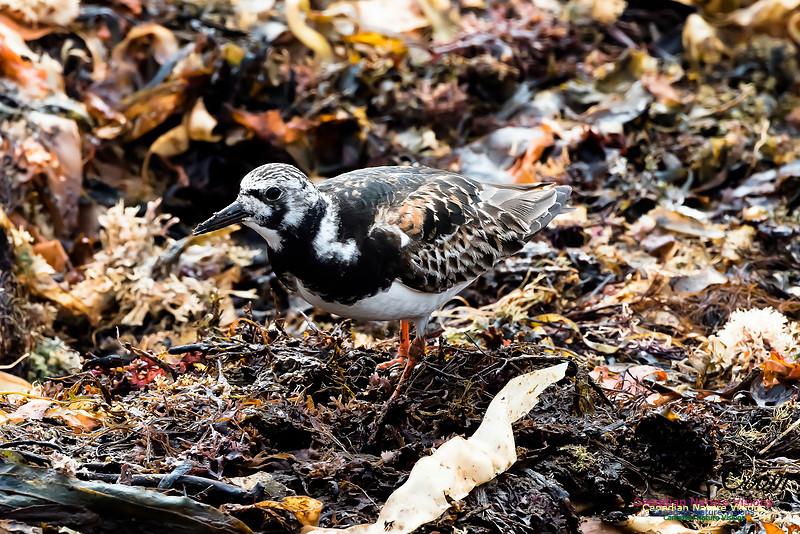
Ruddy Turnstone
Compendium of Late Summer Orchids of Nova ScotiaThis compendium of late summer orchids is from August 1 to September 15. The late summer orchids are not as elegant as the early orchids but still a treat to find and photograph. Coral Root Orchid I found the Coral Root Orchid in two places, Smiley's Provincial Park and surprisingly to me in Sir Sanford Fleming Park beside the Frog Pond trail.
Green Adder's Mouth Orchid I have found this orchid in only one place, the coastal barrens south of Shoal Point. It is a challenge to photograph well due to it's small size and constant fluttering in the wind.
Helleborine Orchid These examples were found in Smiley's Provincial Park.
Club Spur Orchid This small orchid is wide spread and found in numerous locations, especially alongside Sandy Cove Road, Halifax.
Ragged Fringed Orchid This aptly named orchid is wide spread. Good examples were found on the coastal barrens below Shoal Point, alongside Sandy Cove Road and alongside West Dalhousie Road
Yellow Nodding Lady's Tresses Orchid This orchid is wide spread on the south east end of the Chebucto Peninsula.


Butcher's Falls and Upper Burnside FallsOn September 3, I took a cross country trip through the Musquodoboit Valley to visit two waterfalls; Butcher's Falls and Upper Burnside Falls. Prior to entering the valley I had a quick look for the Sandhill Cranes south of Shubenacadie. I found the cranes but they were too distant for meaningful photographs. I went to Upper Burnside Falls first. The local community maintains a small picnic park and a steep staircase leading to the base of the falls. The "falls" are actually more of a gentle cascade. Upper Burnside Falls
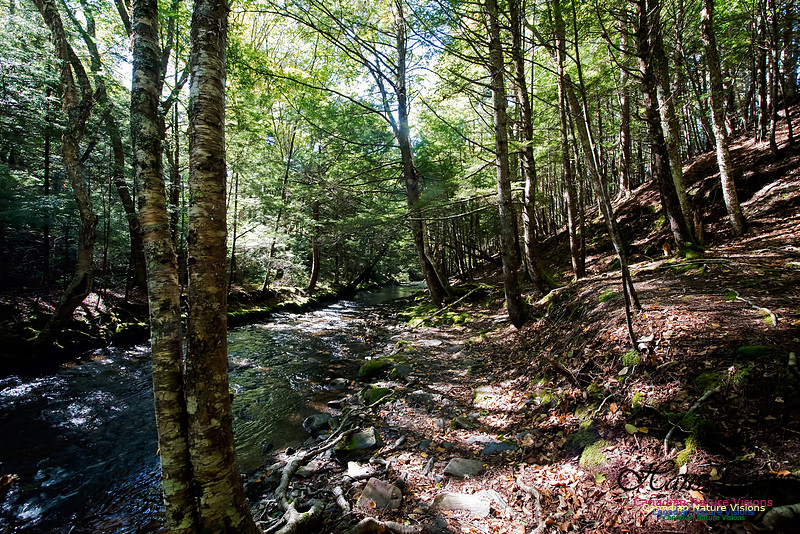
Butcher's Falls is named after a local farmer who once lived nearby. The falls were extremely low as I expected and the sunshine always compromises the images but I managed a few frames nonetheless. There are actually two waterfalls, a wide gentle sweep over the rocks and higher up the creek a steep unimpeded drop, more of a true waterfall. Despite the popularity of this place to the drinking and partying crowd the area was reasonably well maintained, always a good idea when on private property and anywhere else one ventures. Butcher's Falls
Sandhill CranesLaura and I visited the Sandhill Cranes south of Shubenacadie August 24. We found four Sandhill Cranes within a ten minute search. They reside in a large one kilometre long field west of Highway 224 and apparently move about from end to end and side to side. They have been here for about a month. The field is composed of yellow and red clovers, hawkweeds and grasses. They feed on grains, insects and small mammals. Location of Sandhill Cranes
Sandhill Cranes have been ravaged by man so they are wary by nature but tough and fearless nonetheless. They kill hunting dogs and once chased John James Audubon into water up to his neck to avoid attack. You are warned! I used a long telephoto lens and still cropped the images to obtain this batch of photos. This challenge might be better realized by digiscoping. Sandhill Cranes 
Here's more information on the Sandhill Crane: Courtesy of Wikipedia: Sandhill craneFrom Wikipedia, the free encyclopedia
The sandhill crane (Grus canadensis) is a species of large crane of North America and extreme northeastern Siberia. The common name of this bird refers to habitat like that at the Platte River, on the edge of Nebraska'sSandhills on the American Plains. This is the most important stopover area for the nominotypical subspecies, the lesser sandhill crane (Grus canadensis canadensis), with up to 450,000 of these birds migrating through annually. Contents[hide]Description[edit]Adults are gray overall; during breeding, their plumage is usually much worn and stained, particularly in the migratory populations, and looks nearly ochre. The average weight of the larger males is 4.57 kg (10.1 lb), while the average weight of females is 4.02 kg (8.9 lb), with a range of 2.7 to 6.7 kg (6.0 to 14.8 lb) across the subspecies.[2][3] Sandhill cranes have red foreheads, white cheeks and long dark pointed bills. In flight, their long dark legs trail behind, and their long necks keep straight. Immature birds have reddish brown upperparts and gray underparts.[4][5] The sexes look alike. Sizes vary among the different subspecies; the average height of these birds is around 80 to 122 cm (2 ft 7 in to 4 ft 0 in).[6][7] Their wing chords are typically 41.8–60 cm (16.5–23.6 in), tails are 10–26.4 cm (3.9–10.4 in), the exposed culmens are 6.9–16 cm (2.7–6.3 in) long and the tarsi measure 15.5–26.6 cm (6.1–10.5 in).[8] These cranes frequently give a loud trumpeting call that suggests a French-style "r" rolled in the throat, and they can be heard from a long distance. Mated pairs of cranes engage in "unison calling." The cranes stand close together, calling in a synchronized and complex duet. The female makes two calls for every one from the male. Sandhill cranes' large wingspans, typically 1.65 to 2.29 m (5 ft 5 in to 7 ft 6 in), make them very skilled soaring birds, similar in style to hawks and eagles.[7] Using thermals to obtain lift, they can stay aloft for many hours, requiring only occasional flapping of their wings and consequently expending little energy. Migratory flocks contain hundreds of birds, and can create clear outlines of the normally invisible rising columns of air (thermals) they ride.
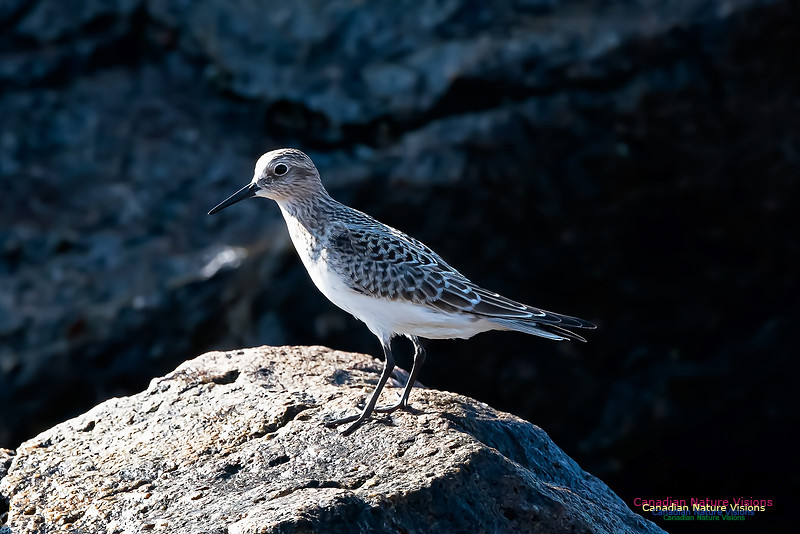
Baird's SandpiperHere are some Baird's Sandpiper photographs from August 25. I checked Duncan Reef this morning but there was no joy. This is my best photograph although the bird was not close enough for a full frame. Nevertheless, the benefits of good lighting are obvious. Baird's Sandpiper
My other photographs are not bad considering the awful morning back lighting I had to contend with.
Evangeline Beach ShorebirdsI made two trips to Evangeline Beach this year in search of peeps; Semipalmated Sandpipers, Semipalmated Plovers, White-rumped Sandpipers and Least Sandpipers. The Semipalmated Sandpiper probably comprises over 95% of the flocks. These birds are collectively known as peeps. Evangeline Beach Peeps
Two Peregrine Falcons scattered the flock on my first first visit ending the display.
Boot Island Boot Island National Wildlife Area Many if not most of the peeps reside on Boot Island Everything you need know to about Boot Island National Wildlife Area is here: https://www.ec.gc.ca/ap-pa/default.asp?lang=En&n=1AB8BA89-1https://www.ec.gc.ca/ap-pa/default.asp?lang=En&n=1AB8BA89-1
Evangeline Beach The beach is reminiscent of the surface of Mars except for the telltale fog and blue sky.
Lots and Lots of Peeps
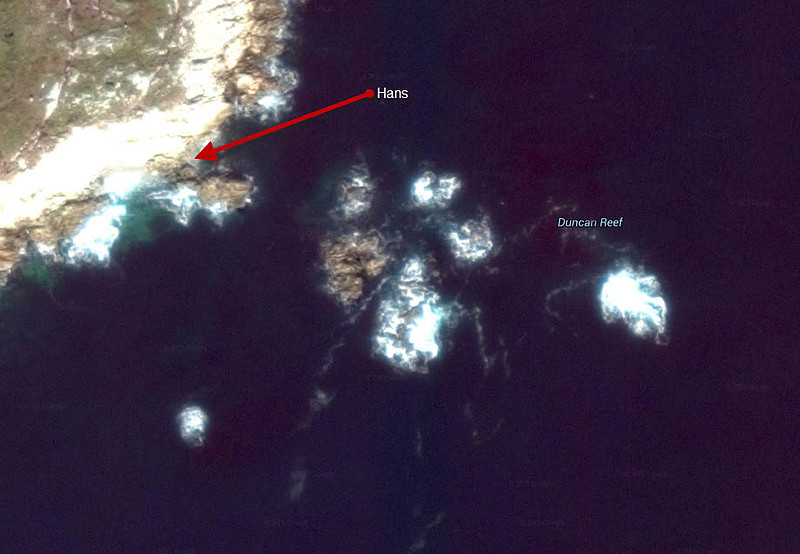
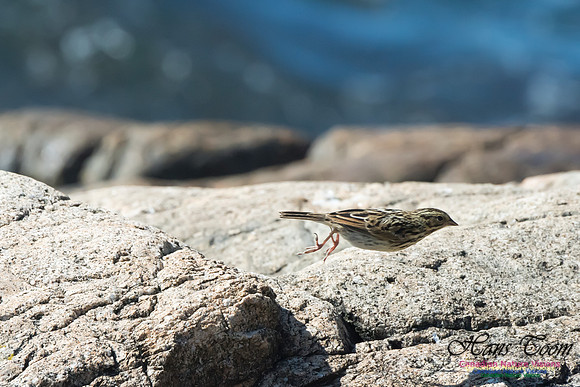
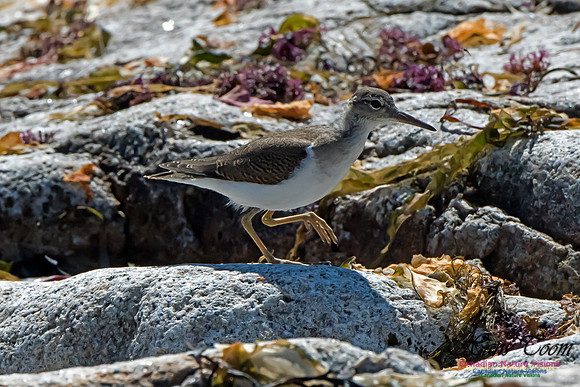
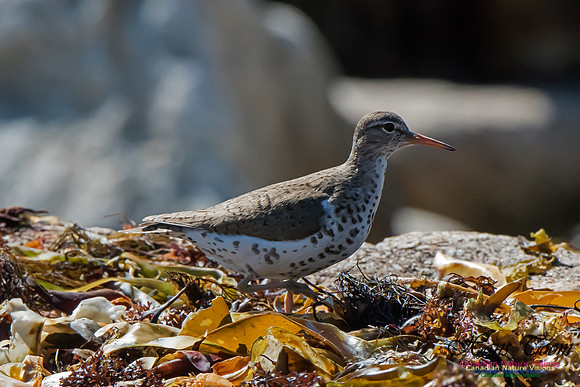
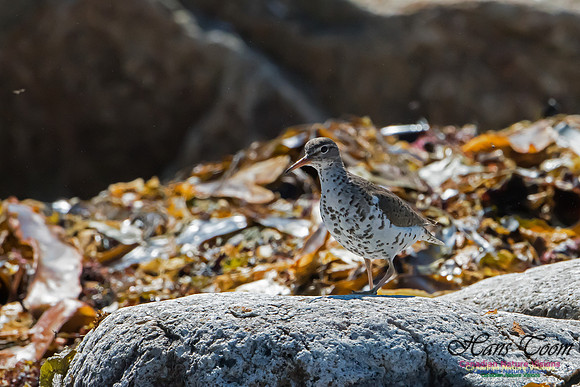
Birds of Duncan ReefAbout the middle of August shorebirds begin to migrate through the Duncan Reef area. The reef is the only hospitable piece of coastline when the birds round Chebucto Head and see Eastern Head in the distance. This time of year with favourable south-easterly winds the kelp heaps pile up along the shoreline and ripen in the sun hosting maggots and kelp flies. When I arrive here gulls, crows and ravens often keep back many of the shorebirds. They scatter when I sit down in my favourite rock nook but soon all the birds return sometimes within 3 metres of my feet. This activity and feeding will continue through December with the mix of birds changing from shorebirds to sparrows, including Ipswich Sparrow, Snow Buntings, American Pipits, Longspurs and Horned Larks. From time to time falcons and hawks will course in from the trees and scatter the feeding flock, but they soon return. Duncan Reef
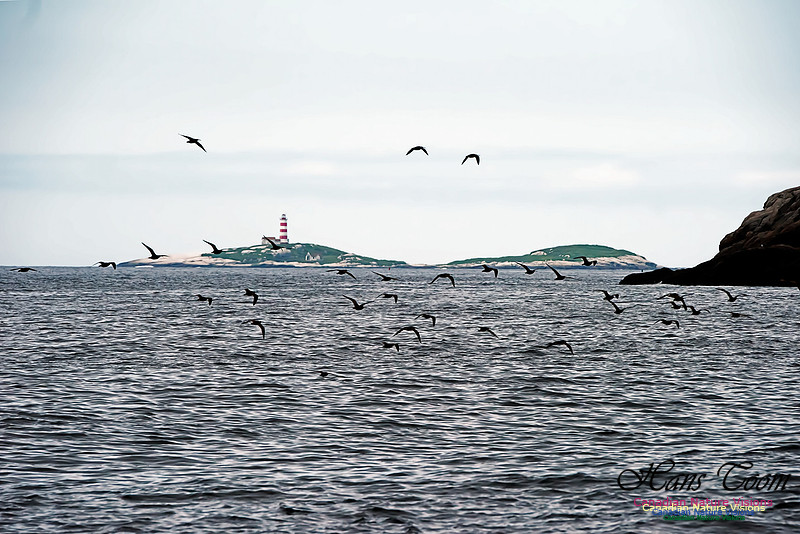
Whimbrels with Sambro Island and Eastern Head in the Background
Ruddy Turnstone
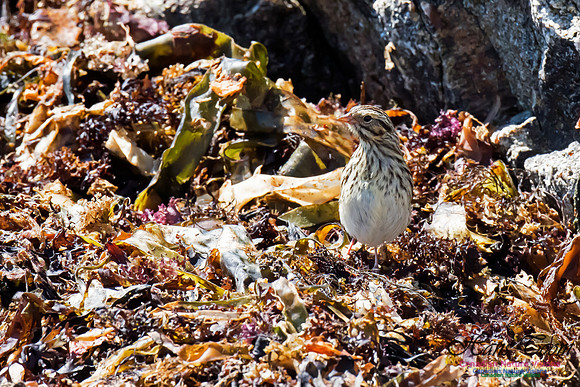
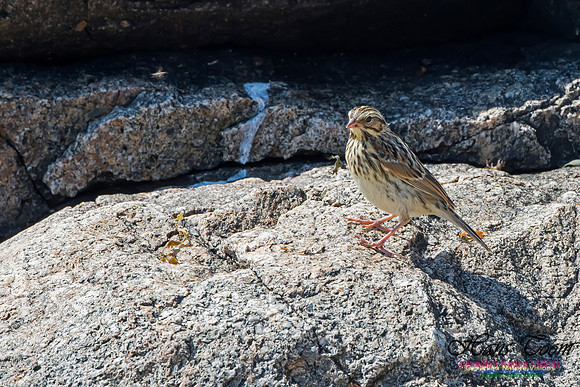
Savannah Sparrow
Spotted Sandpiper
Common Raven
Least Sandpiper
This Least Sandpiper is in an attack posture. For some reason these birds like to squabble with each other despite the abundance of good eating.
Another Least Sandpiper in attack mode.
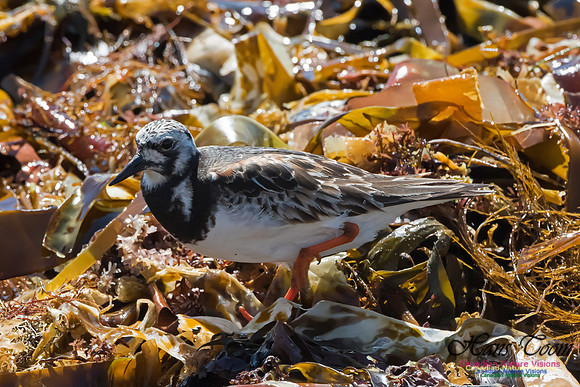
Ruddy Turnstone
The unidentified morsel in this Ruddy Turnstone's bill is a common bill of fare.
Great Black Backed Gull In an usual display of bravado the Great Black Backed Gull nips at the tail feathers of the Common Raven, a risky move I think.
Ruddy Turnstone
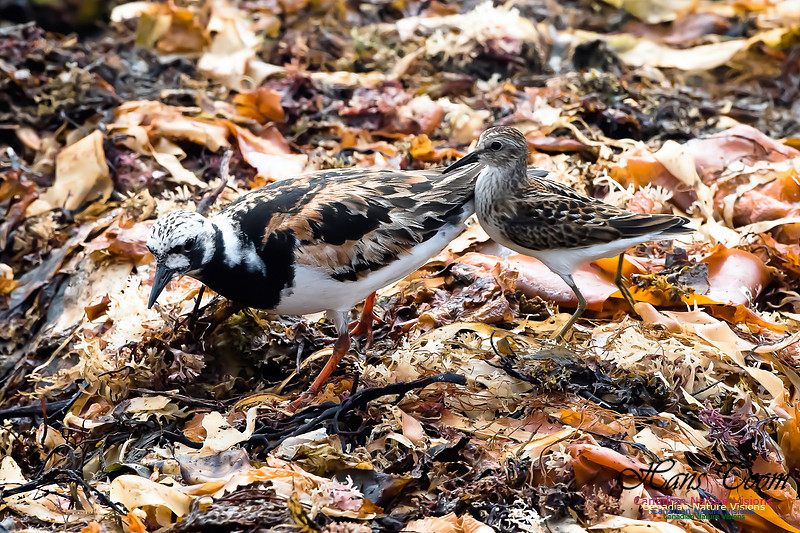
This is my favourite photo of the batch. Ruddy Turnstone and Least Sandpiper
|
|||||||||||||||||||||||||||||||||||||||||||||||||||||||||||||||||||||||||||||||||||||