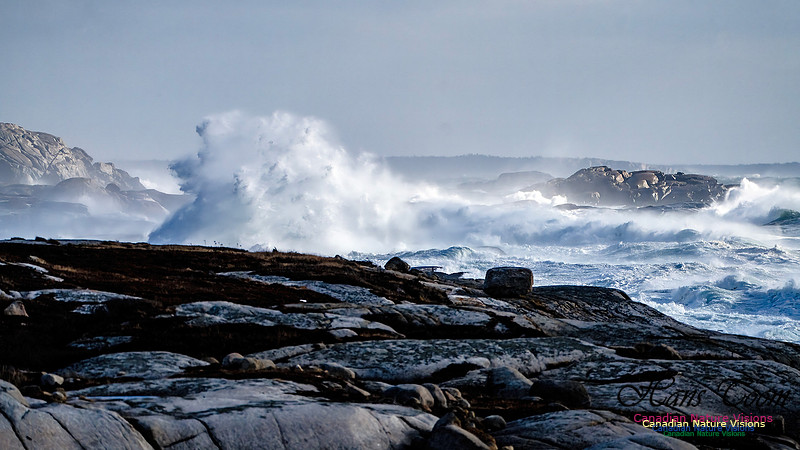
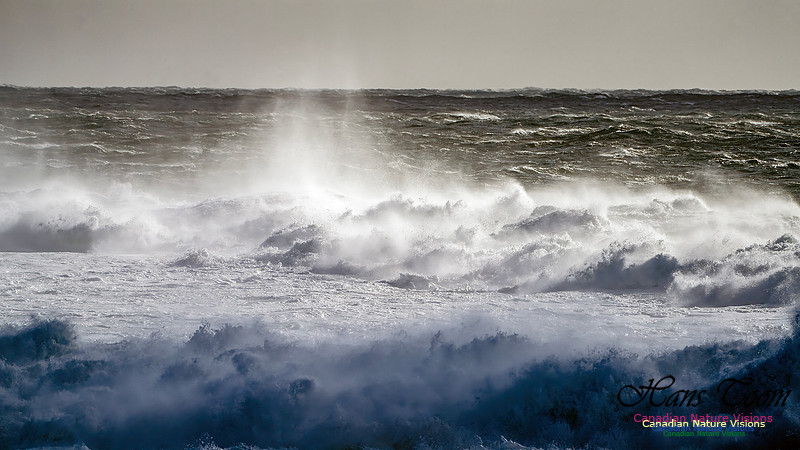
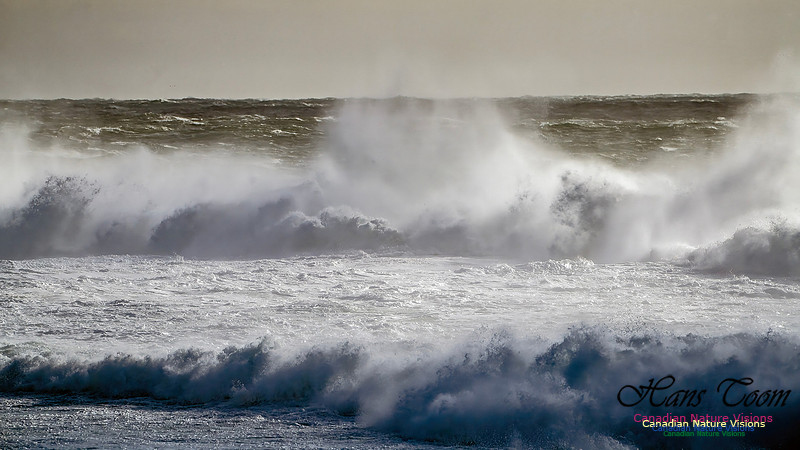
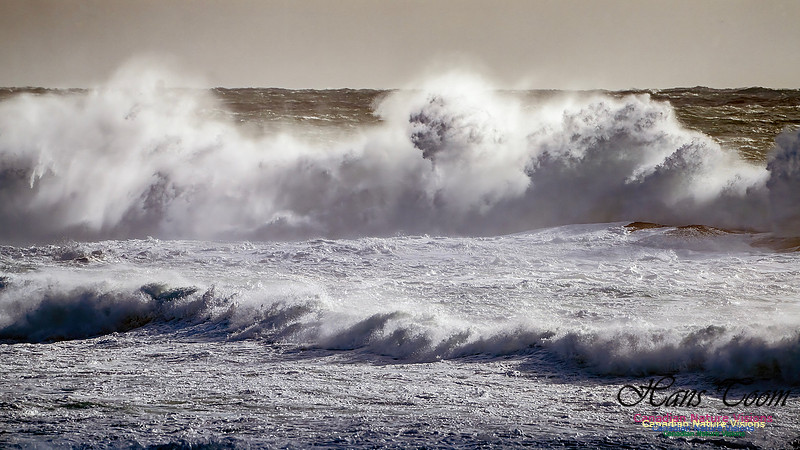
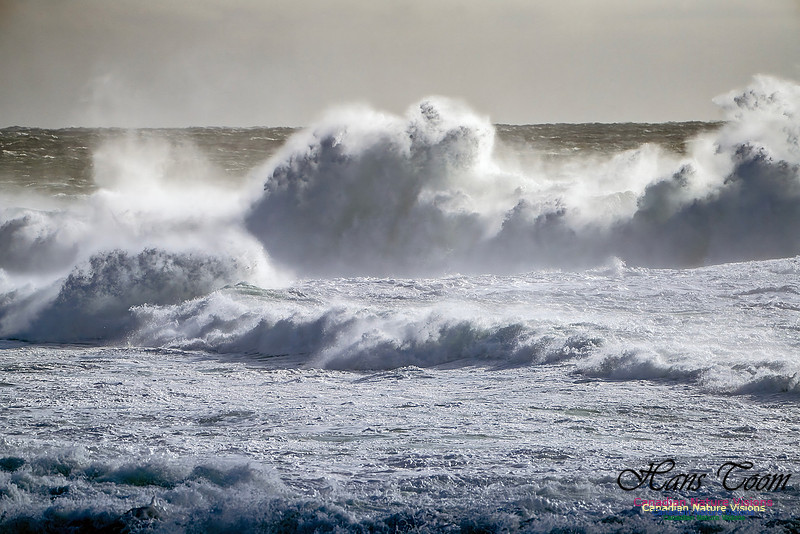
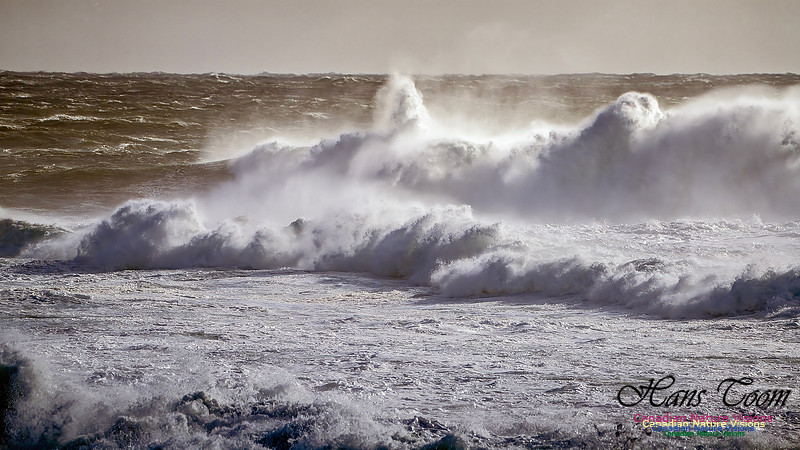
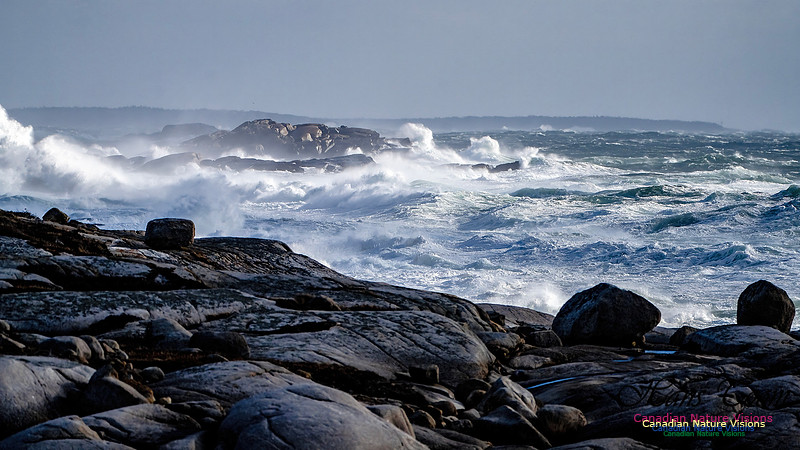
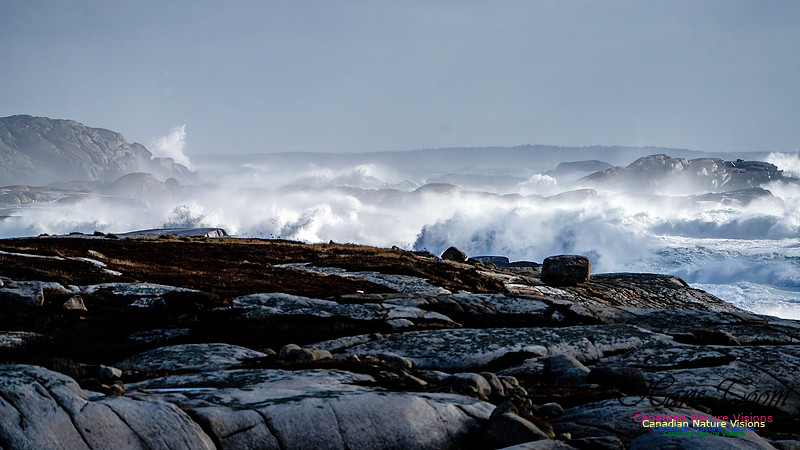
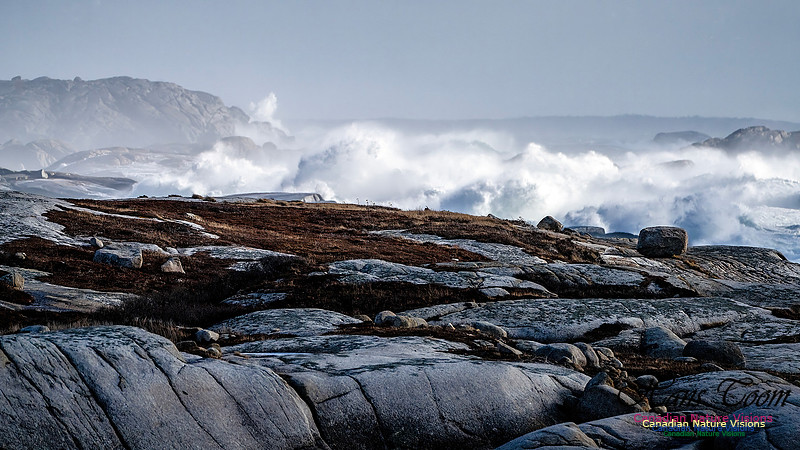
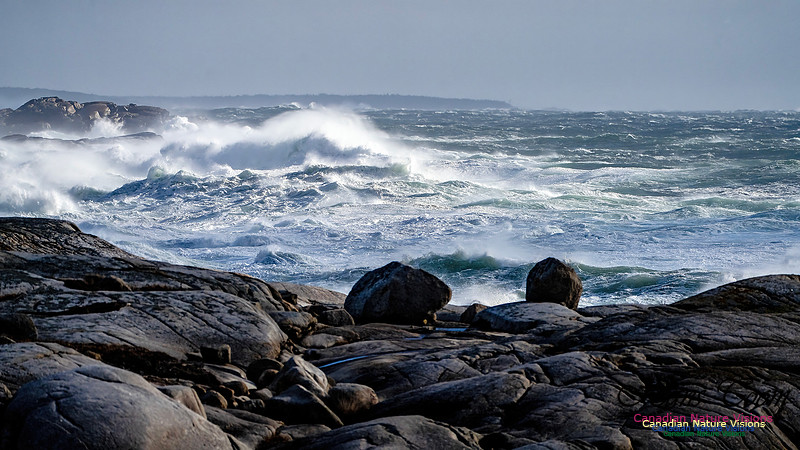
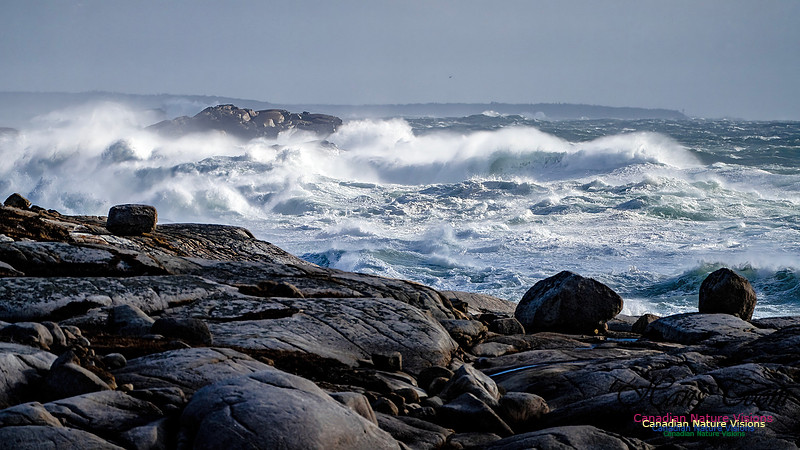
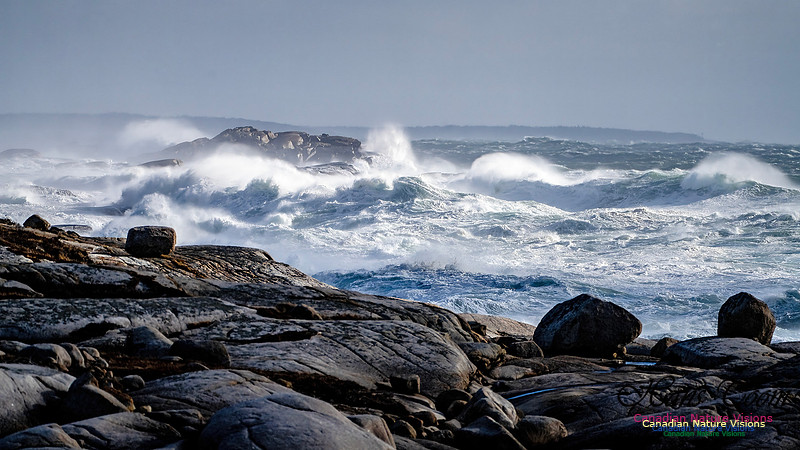
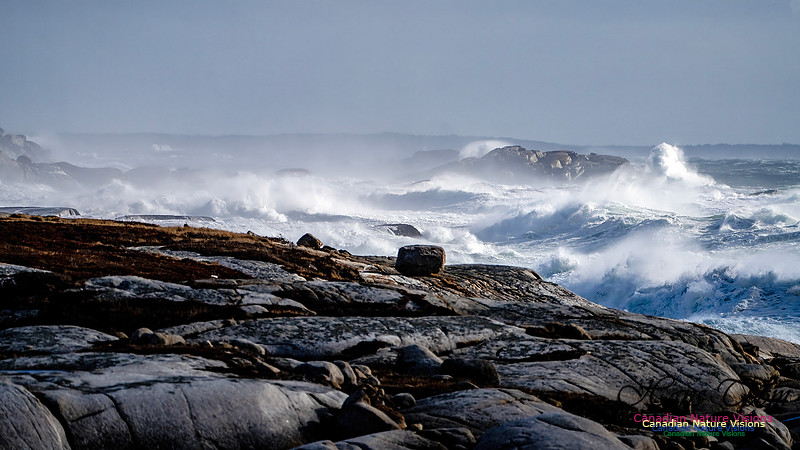
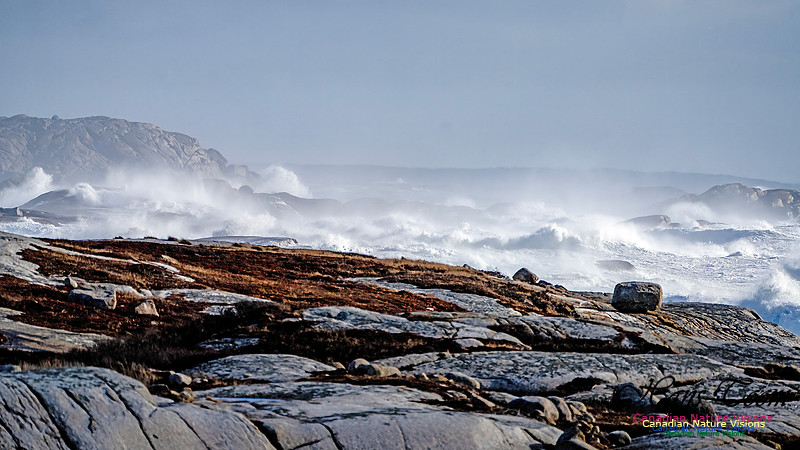
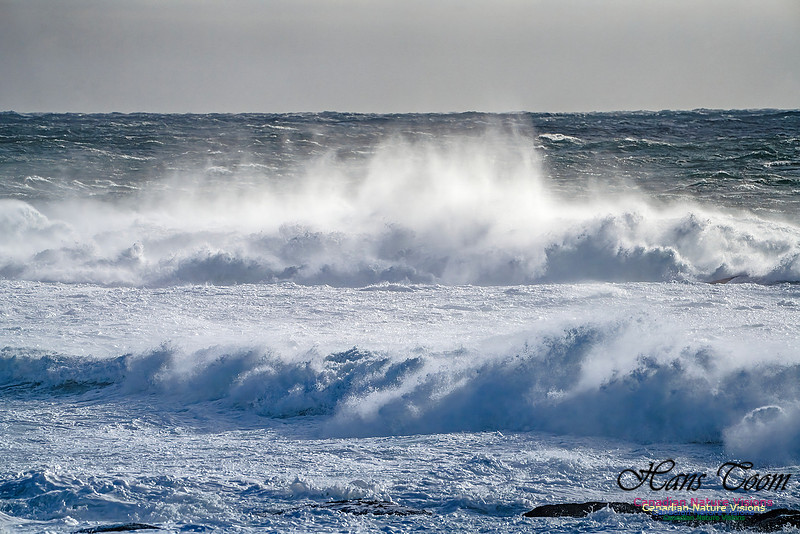
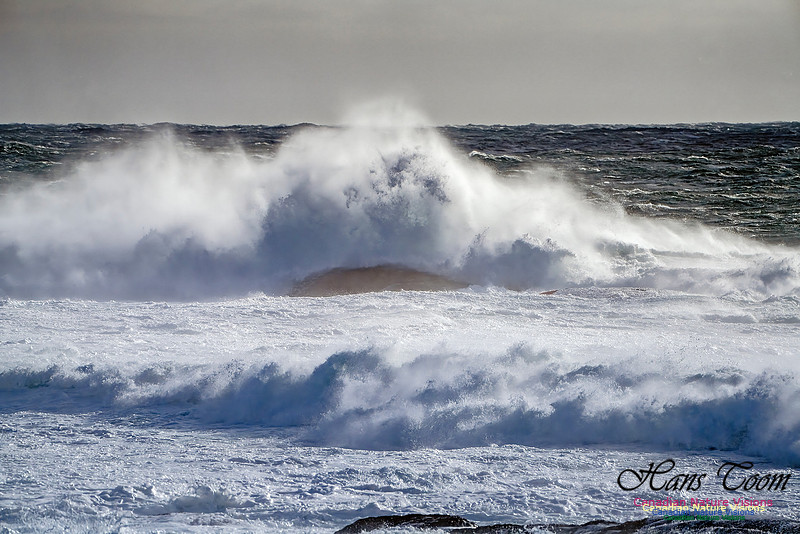
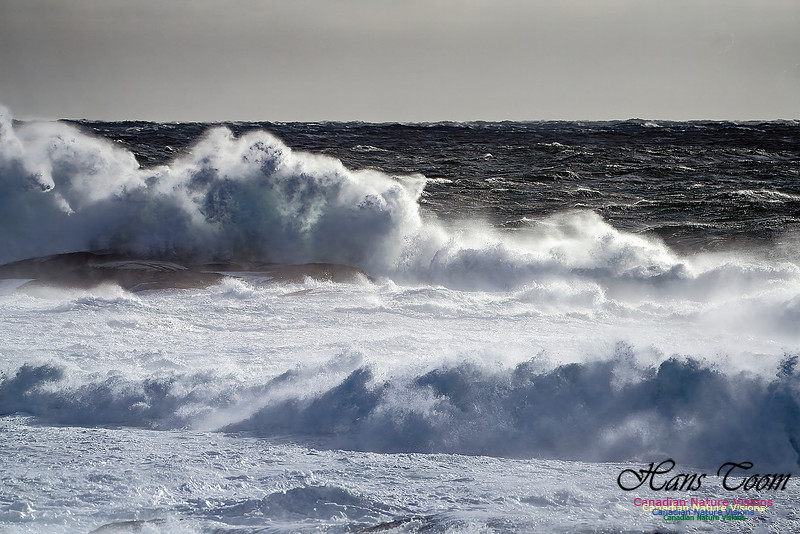
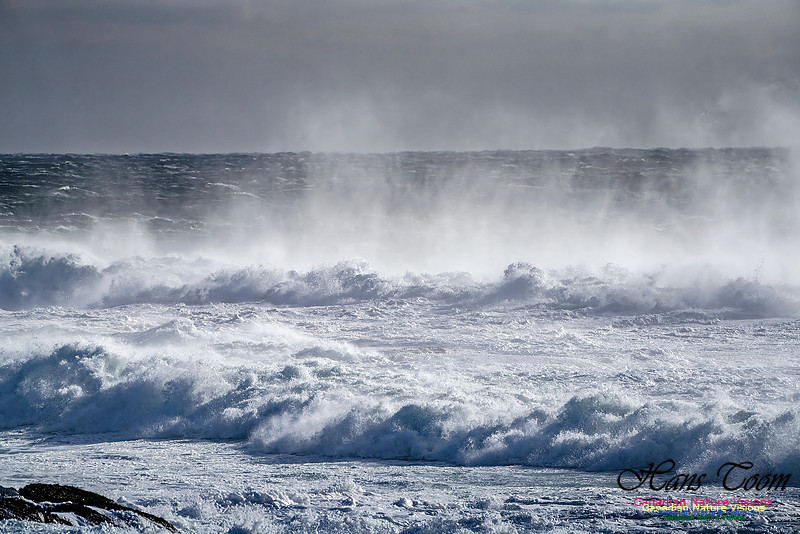
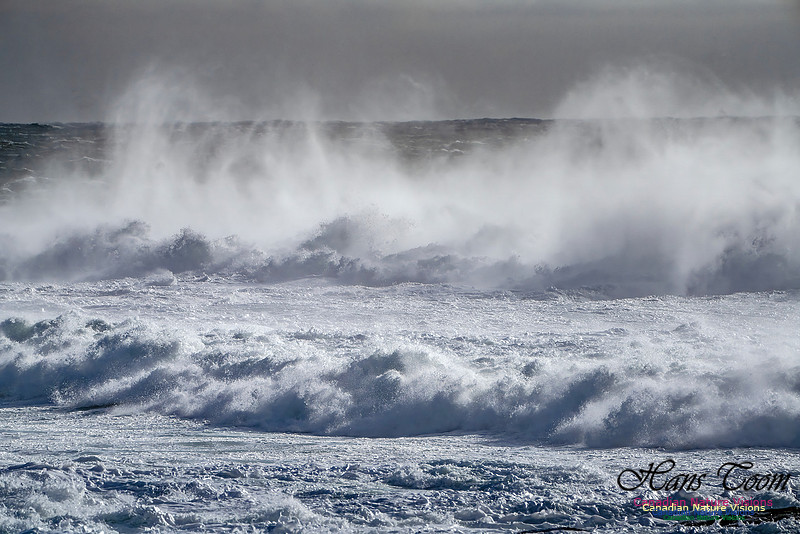
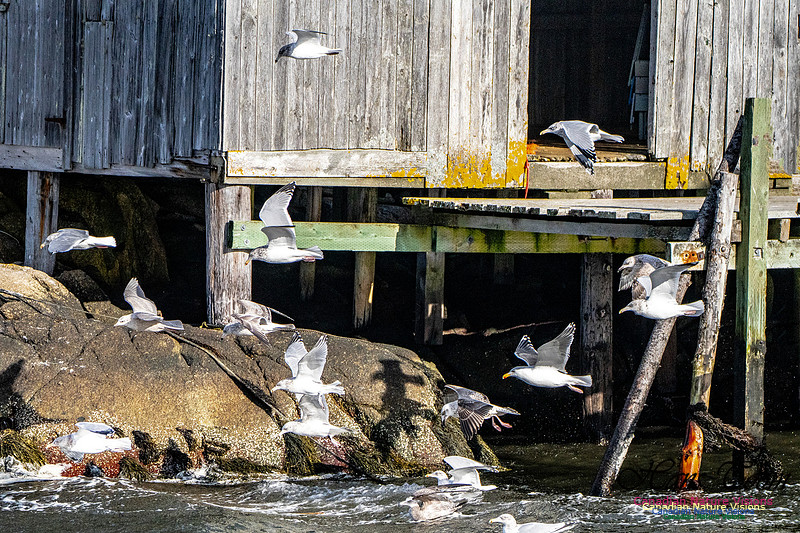
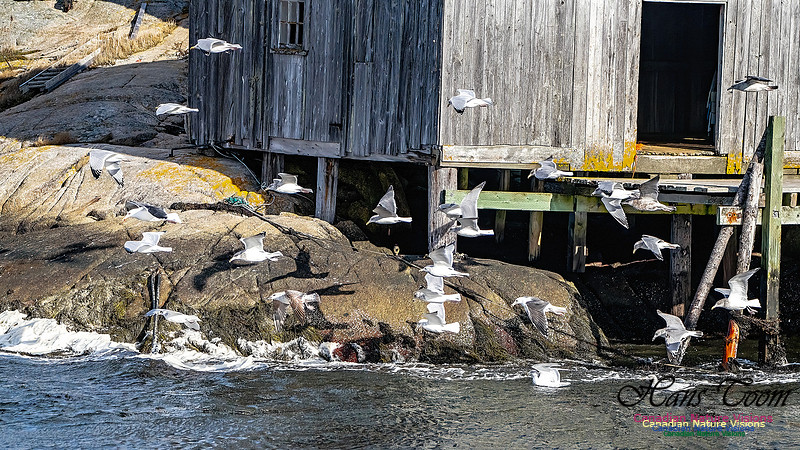
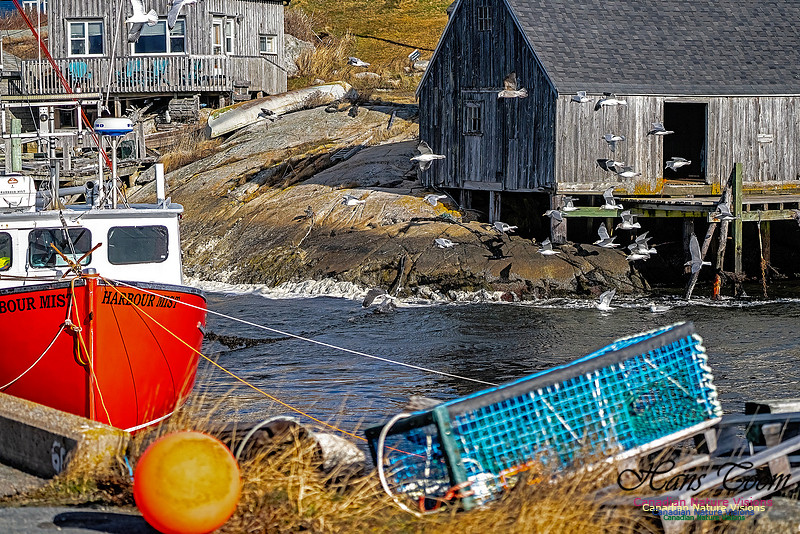
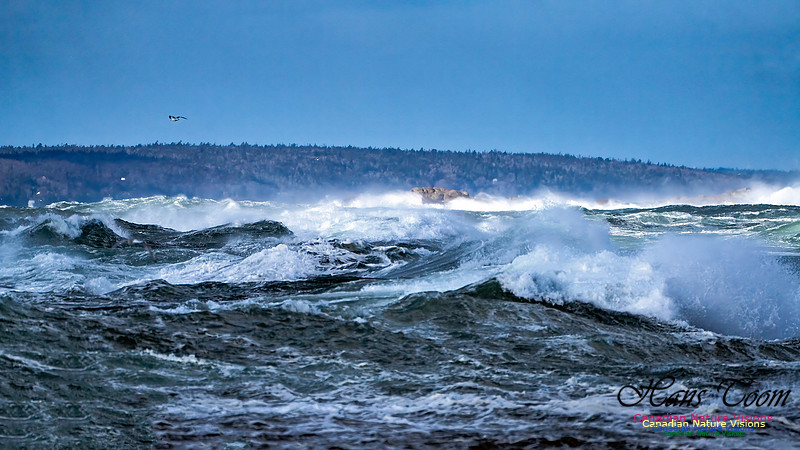
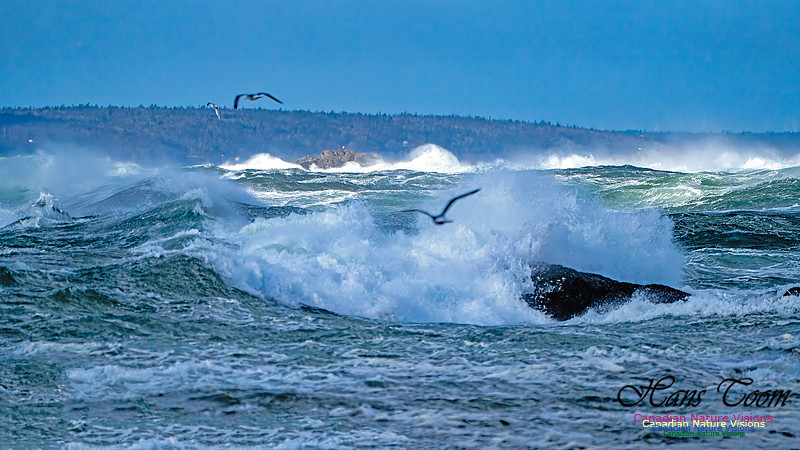
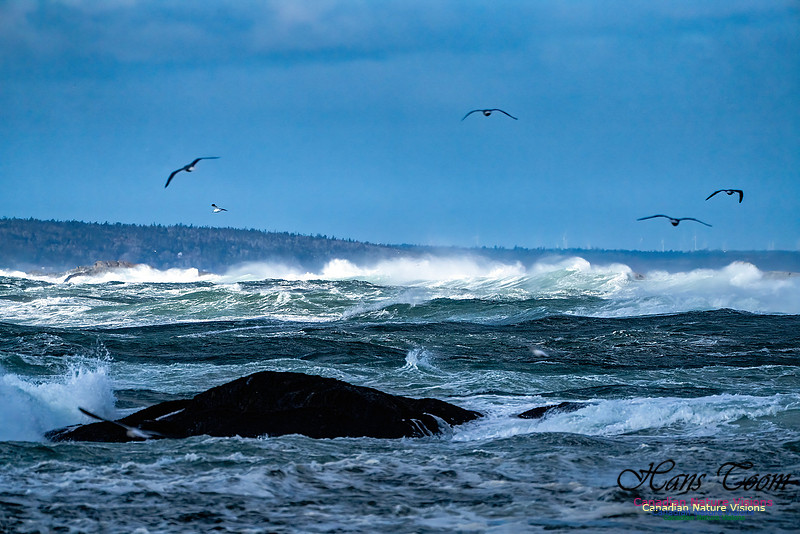
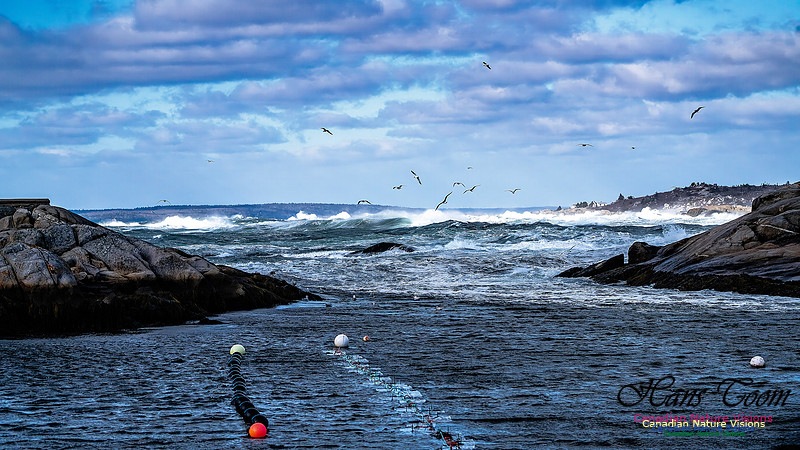
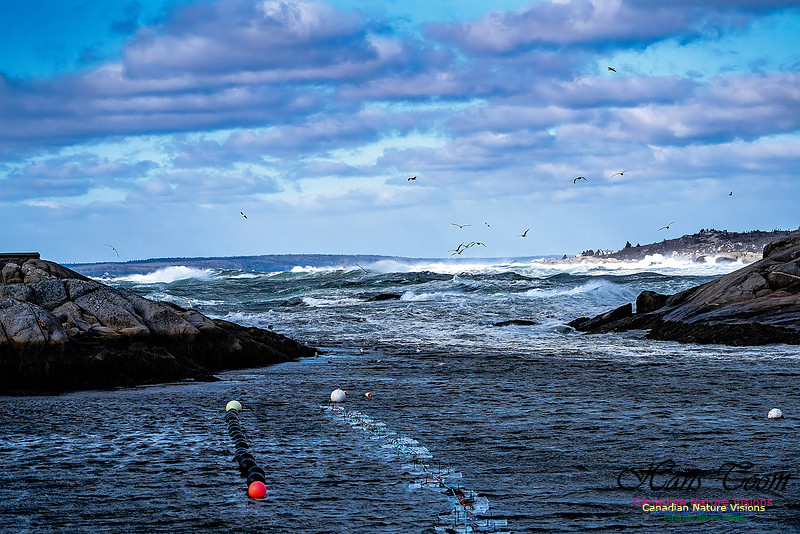
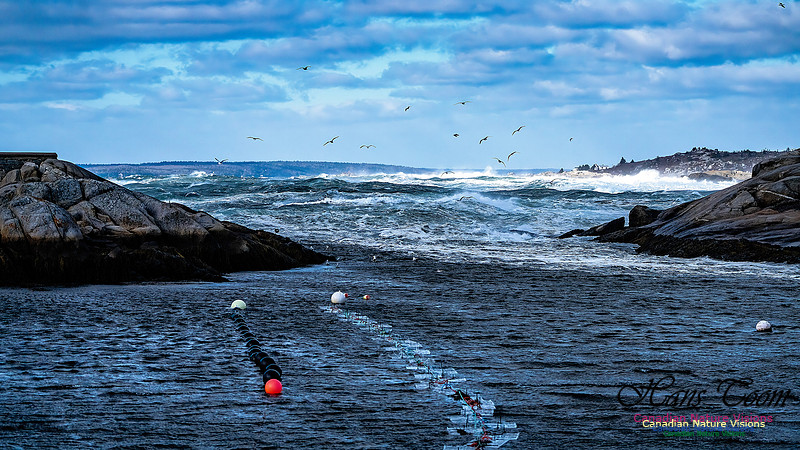
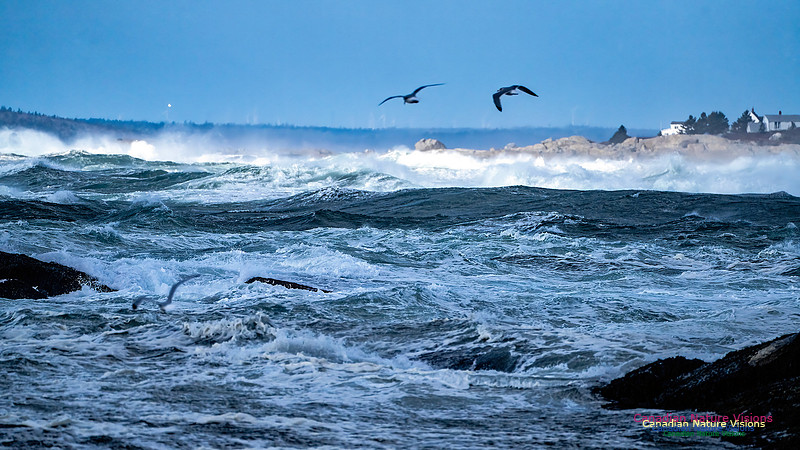
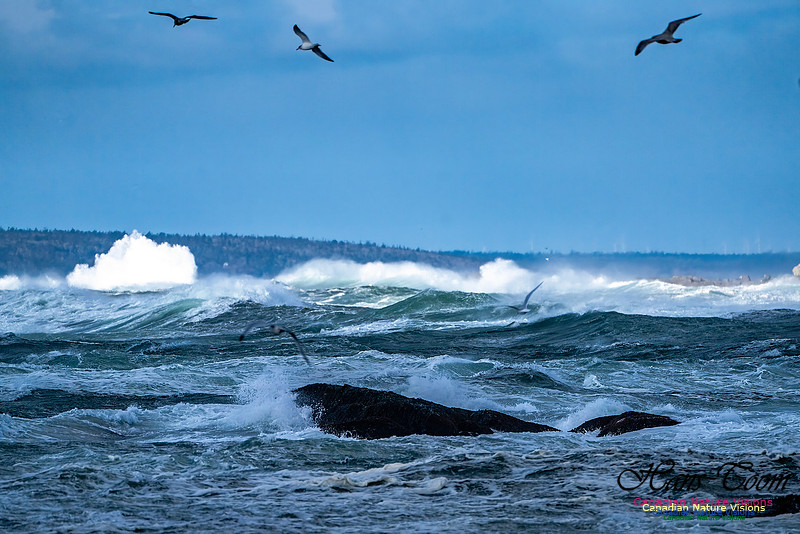
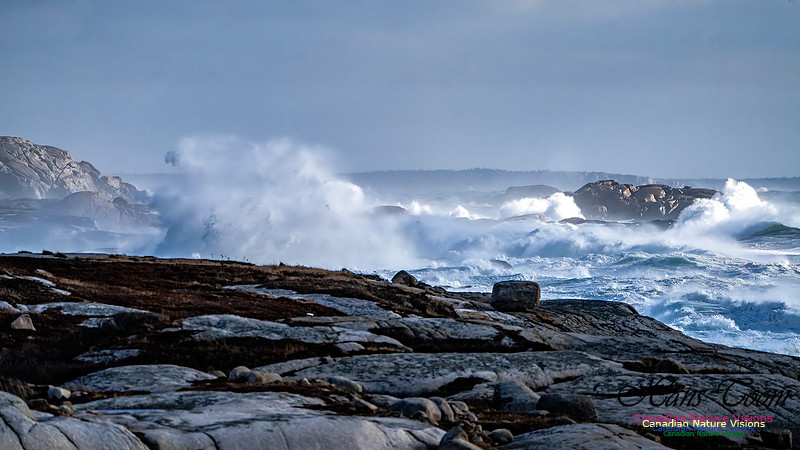
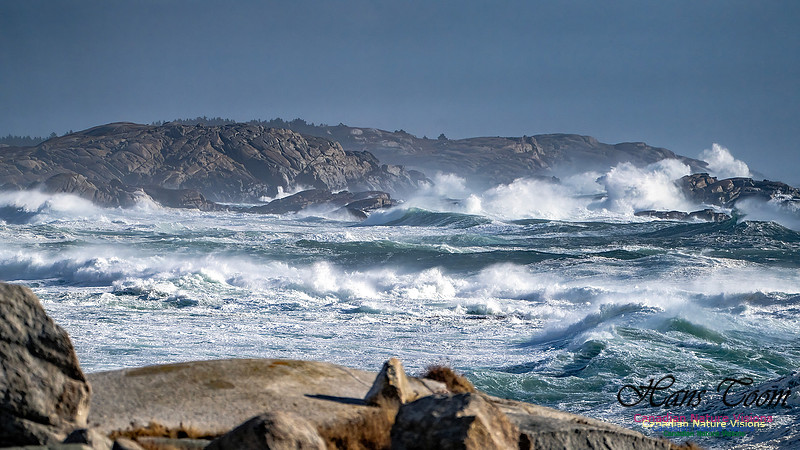
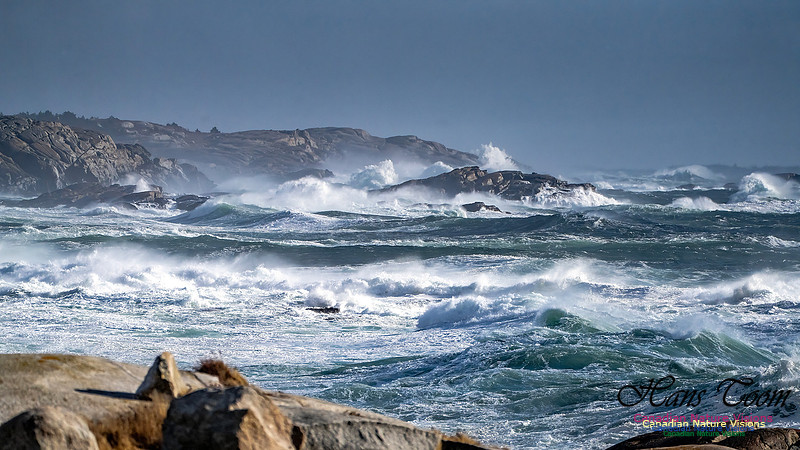
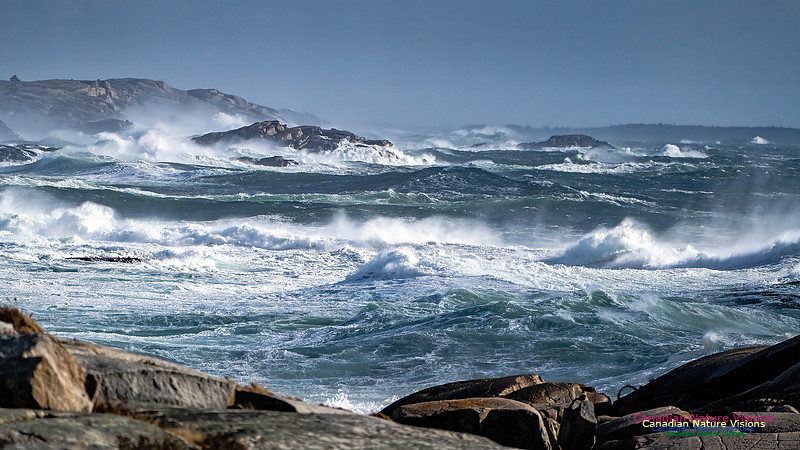
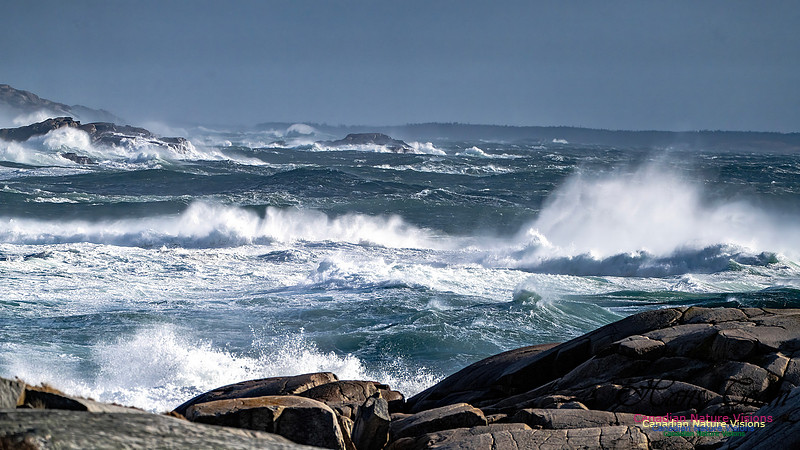
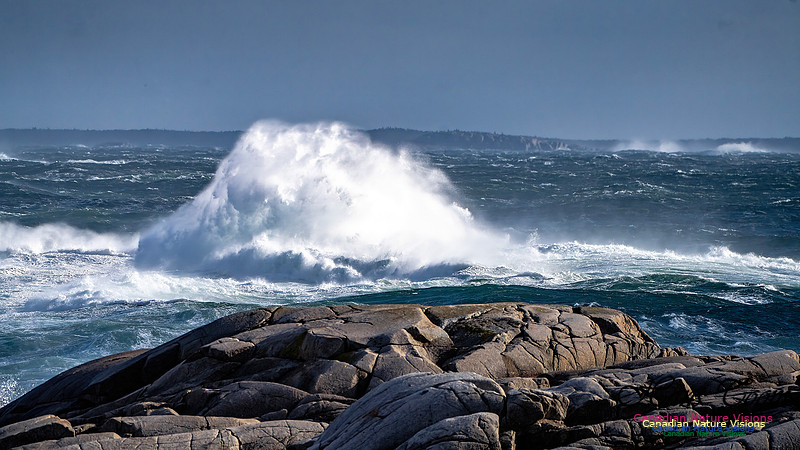
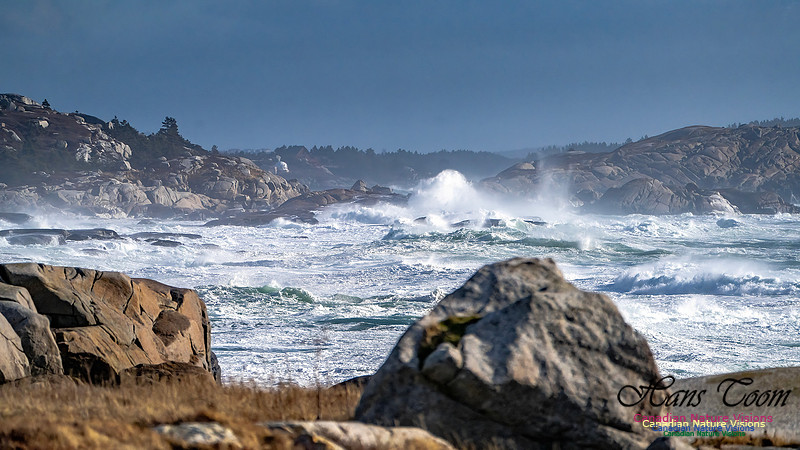
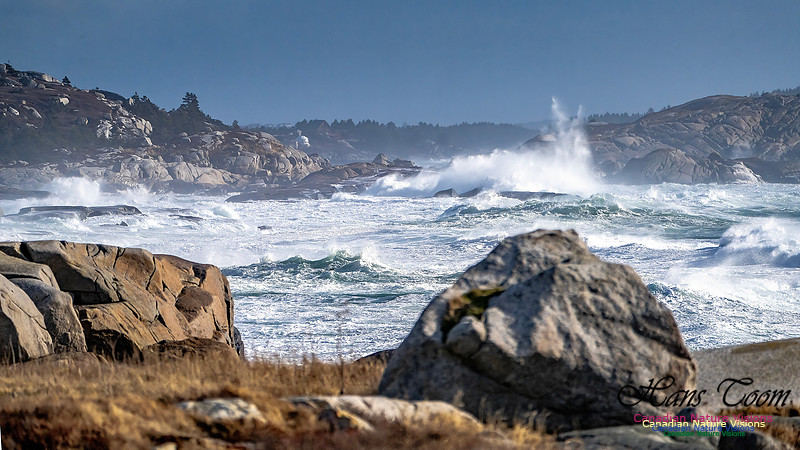
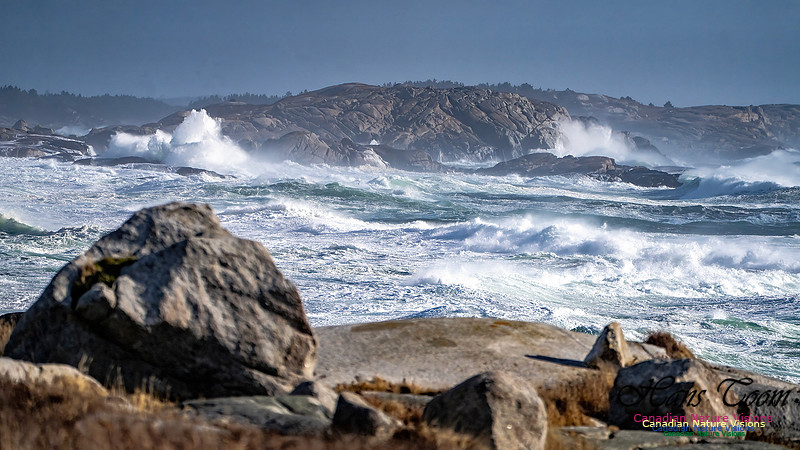
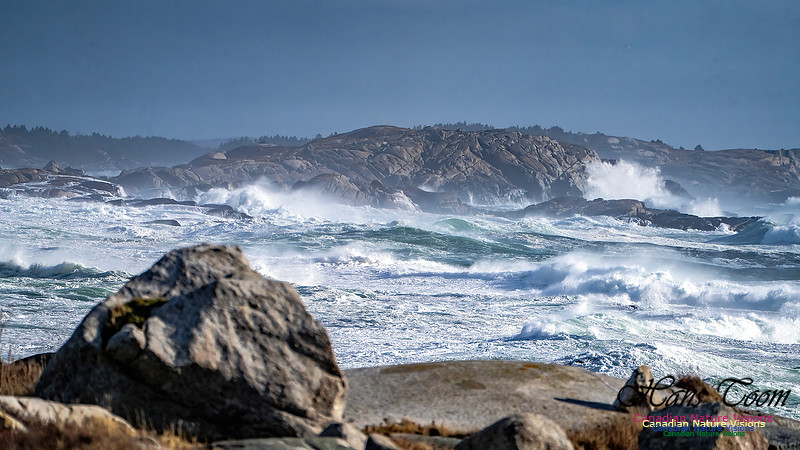
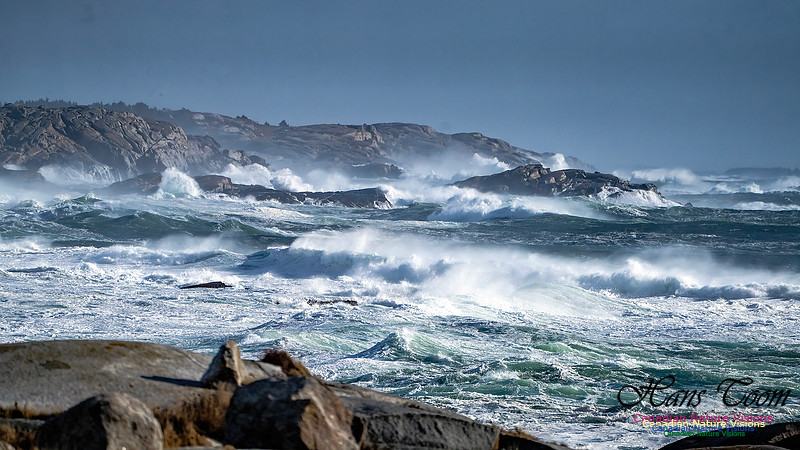
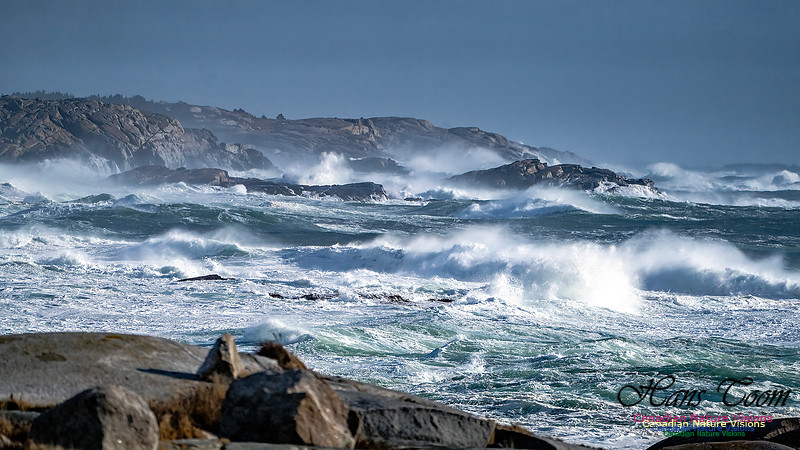
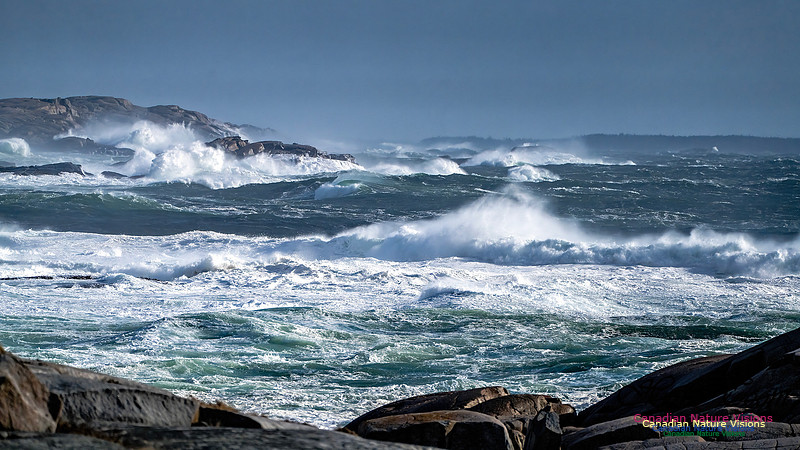
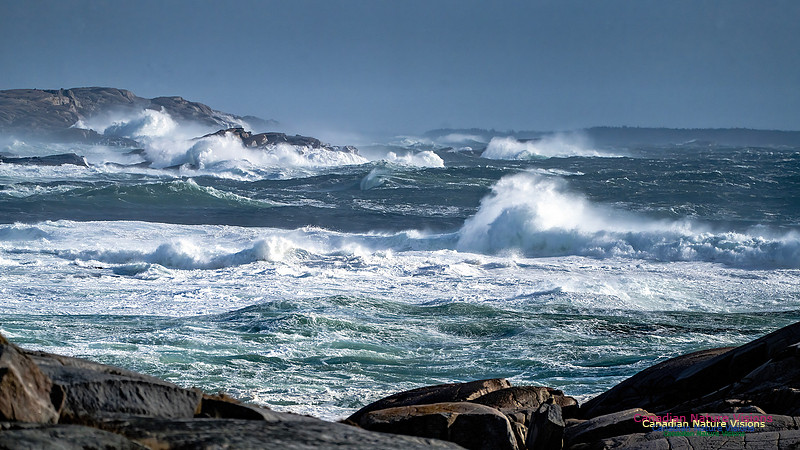
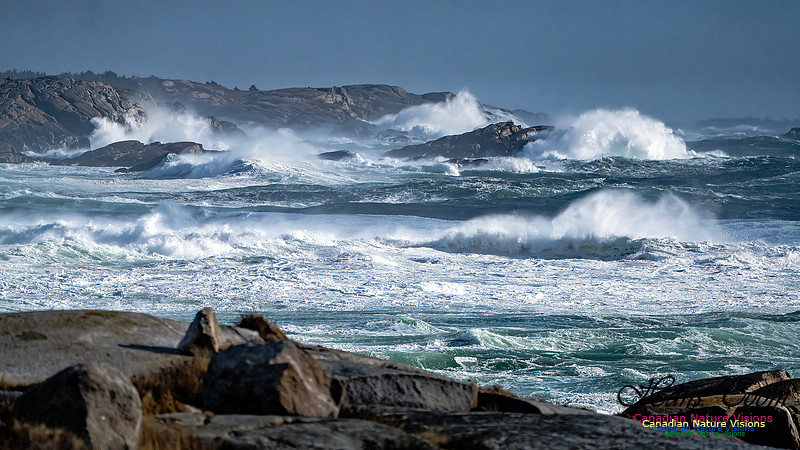
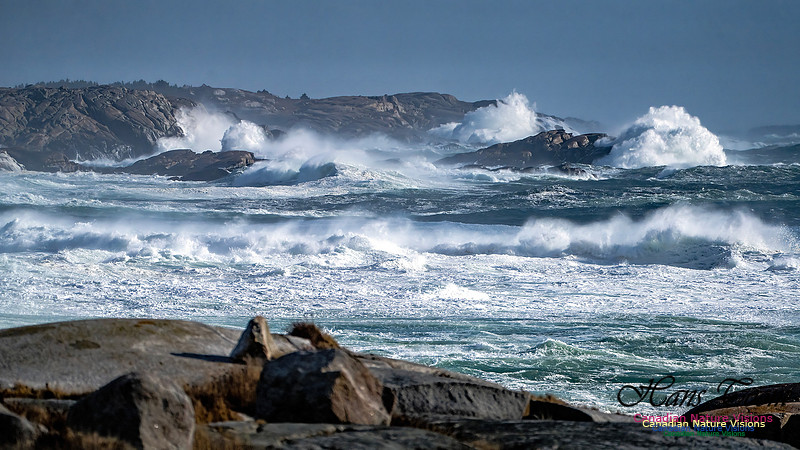
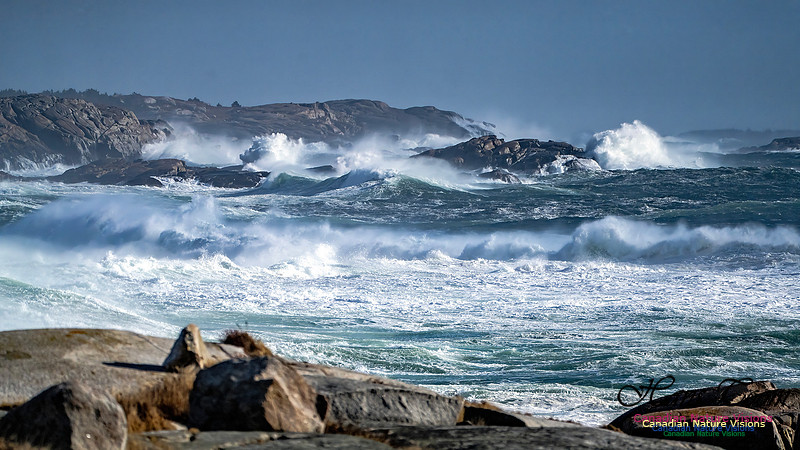
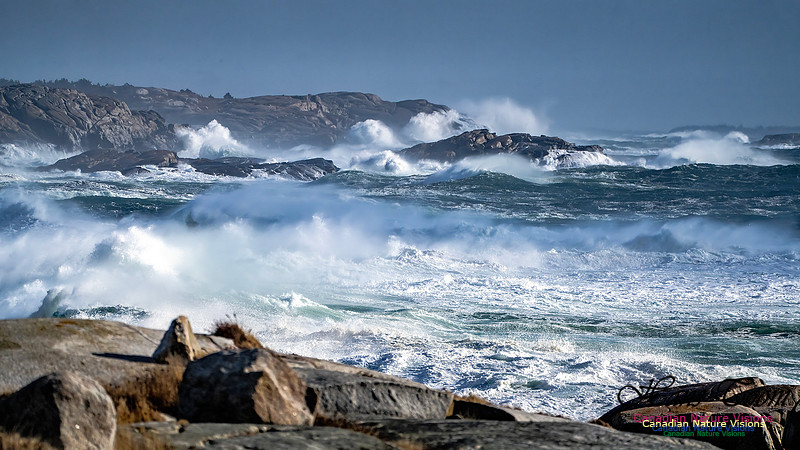
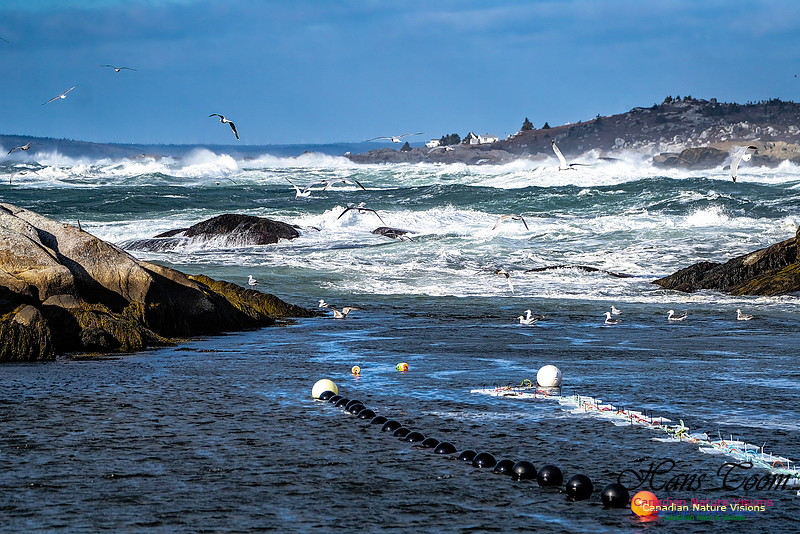
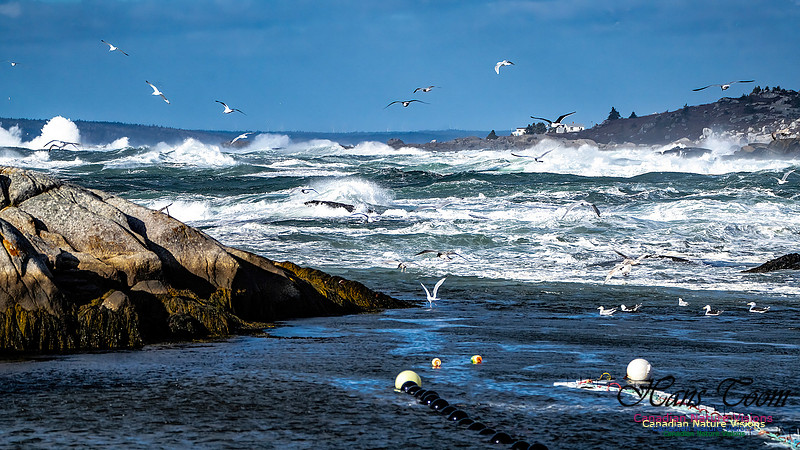
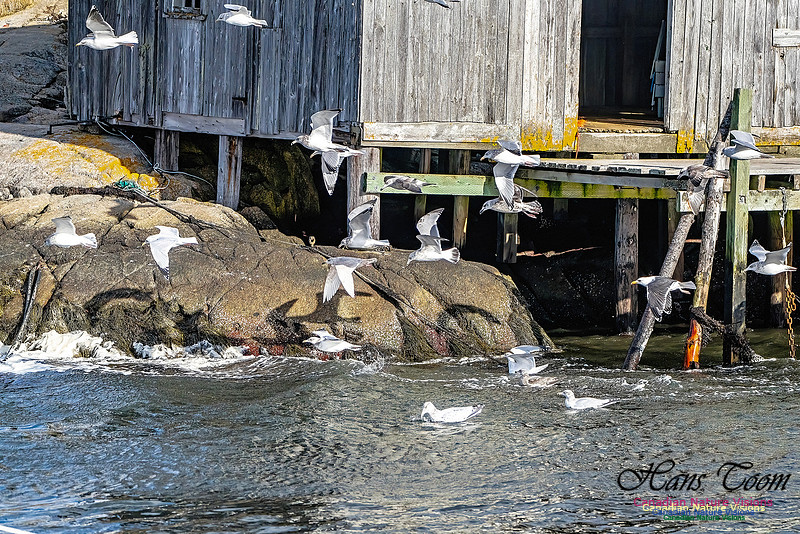
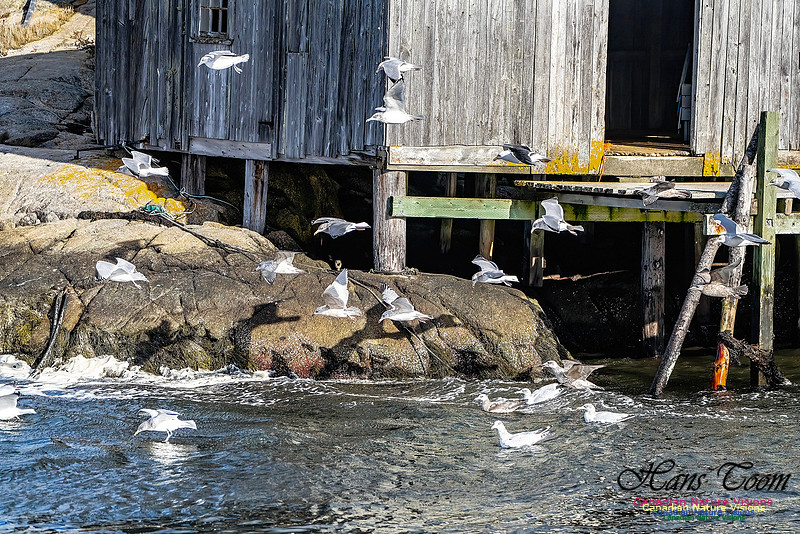
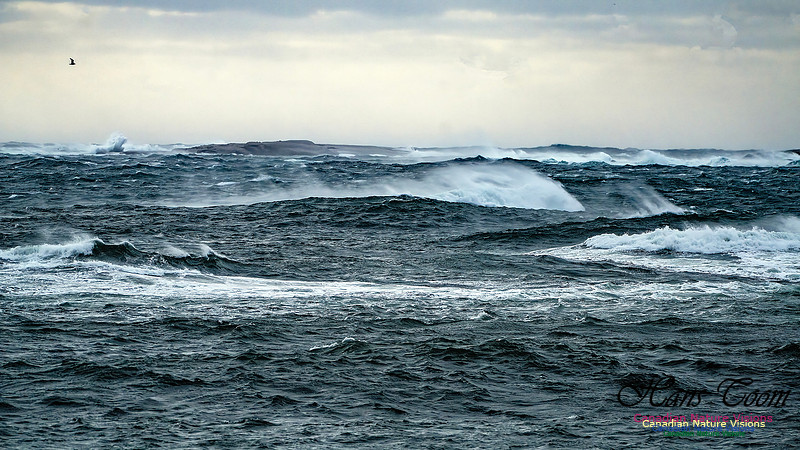
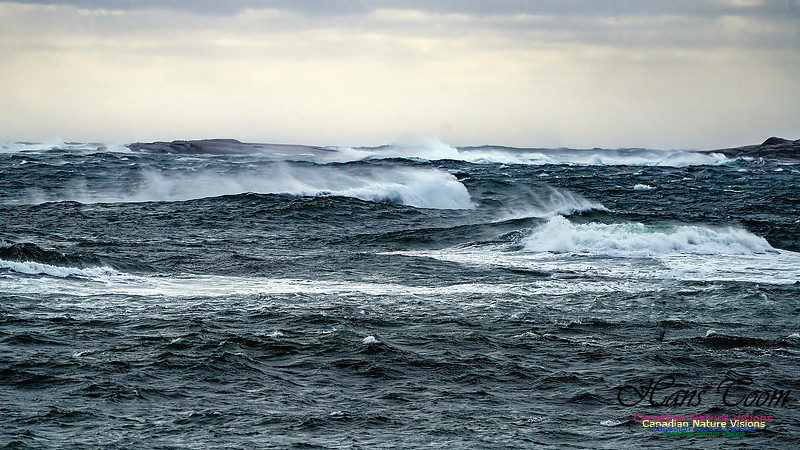
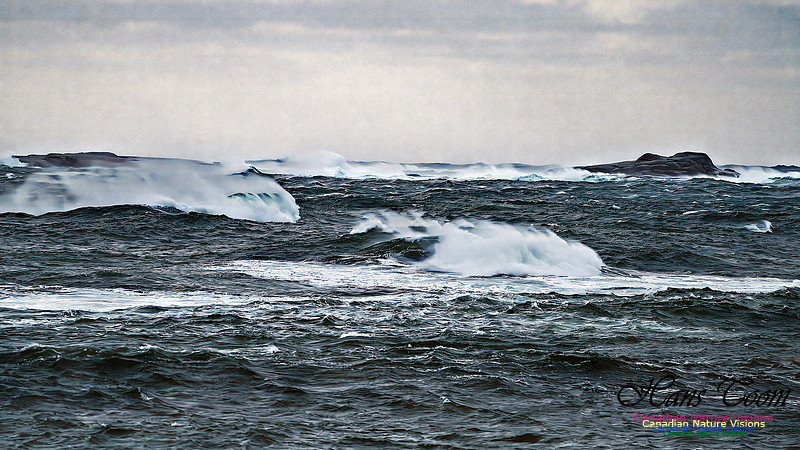
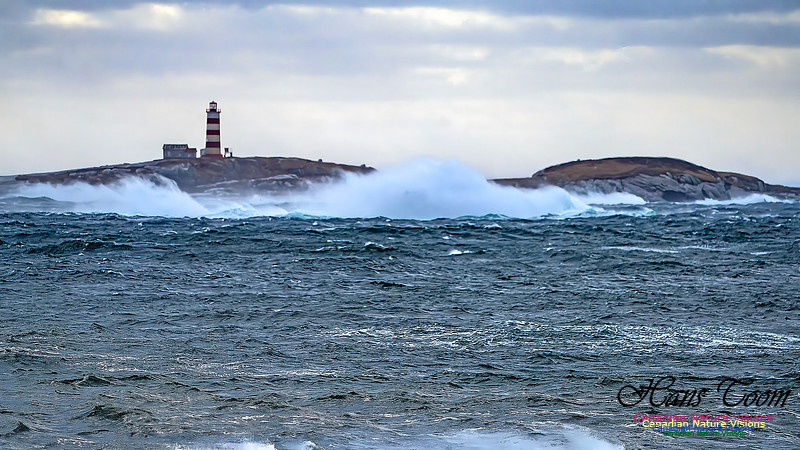
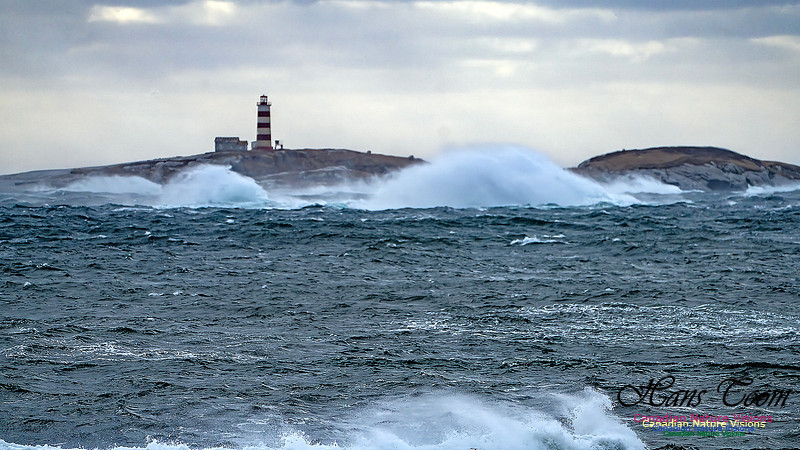
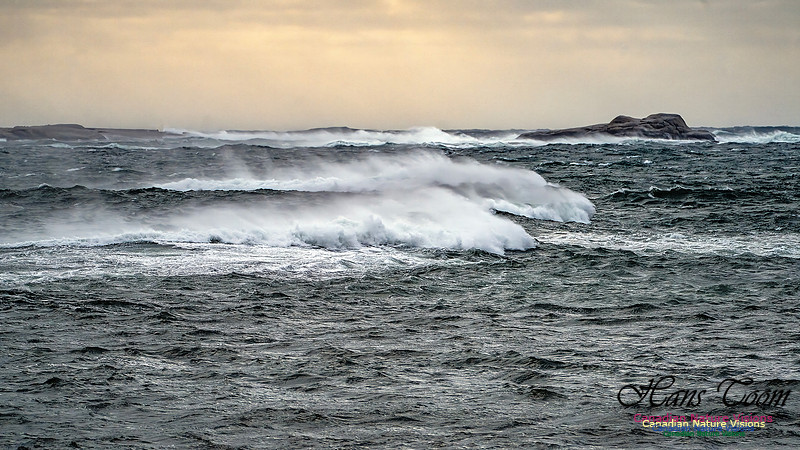
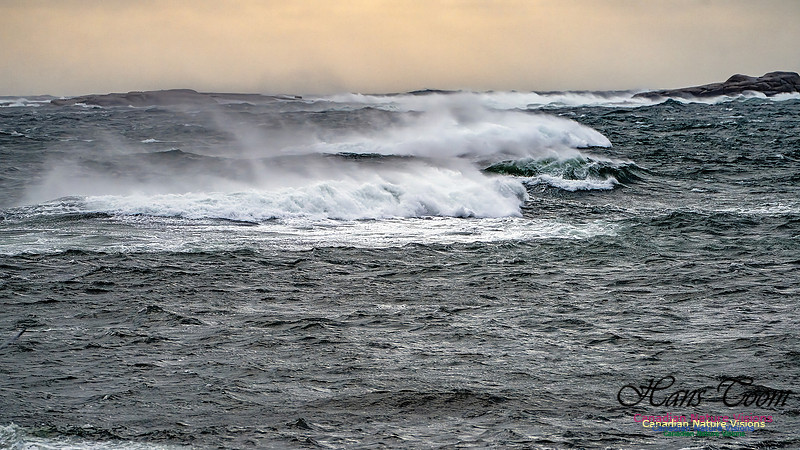
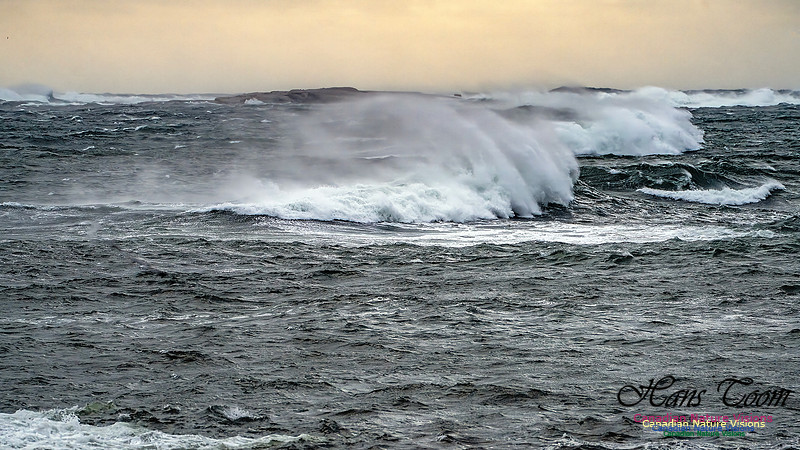
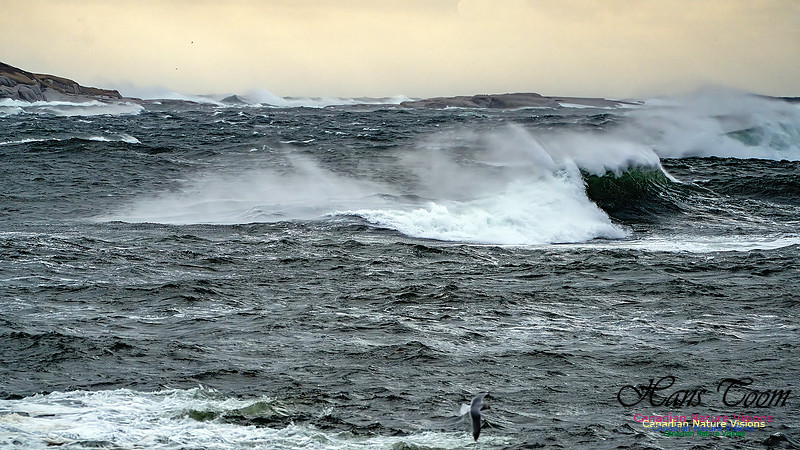
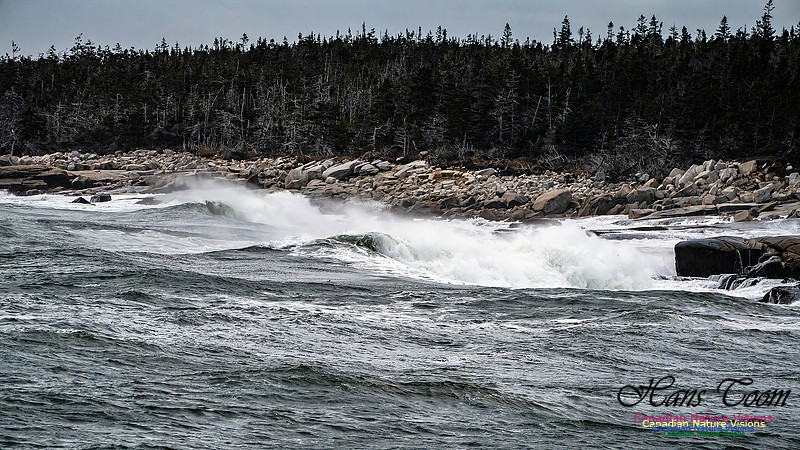
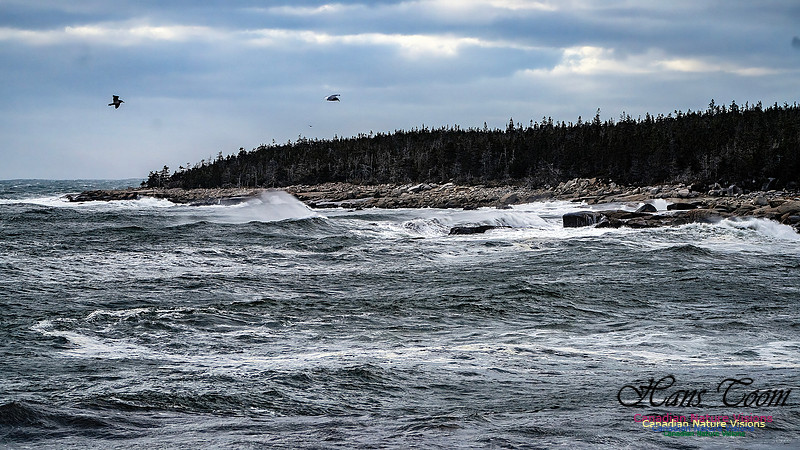
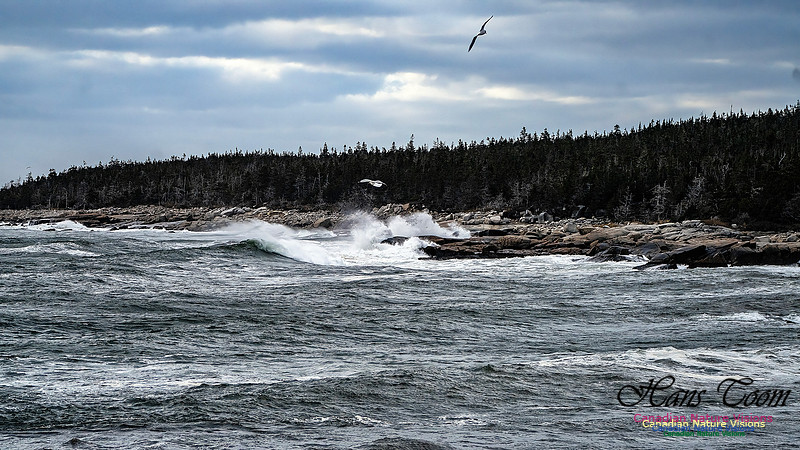
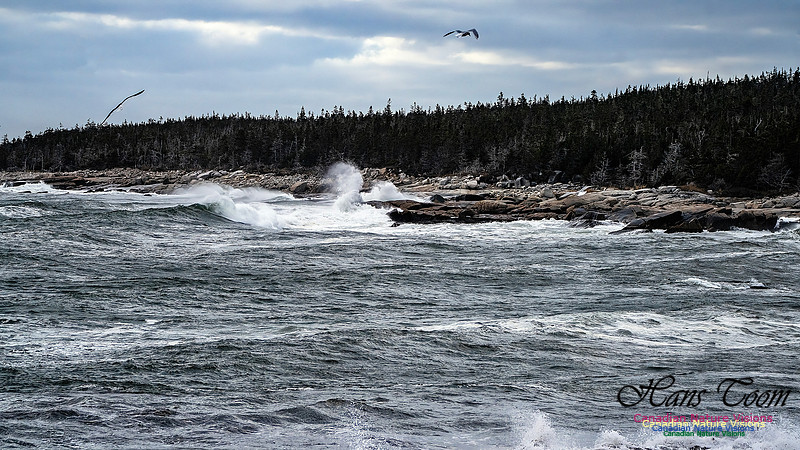
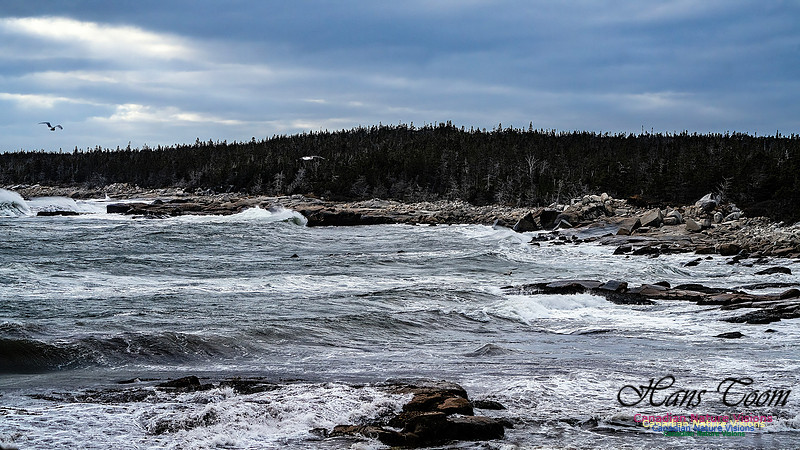
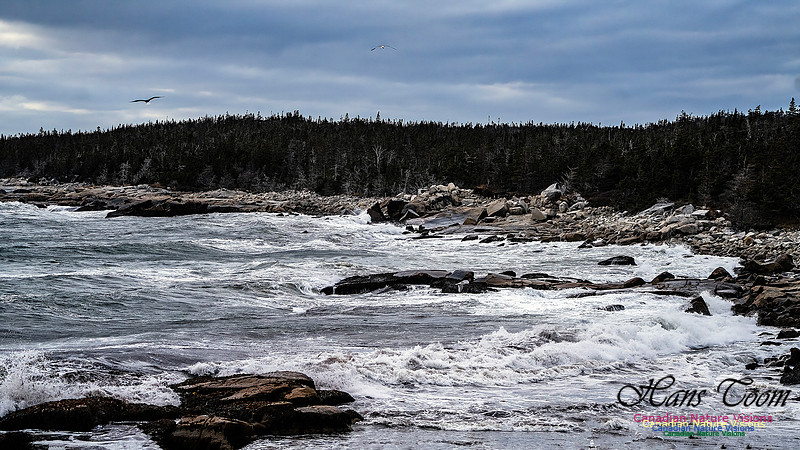
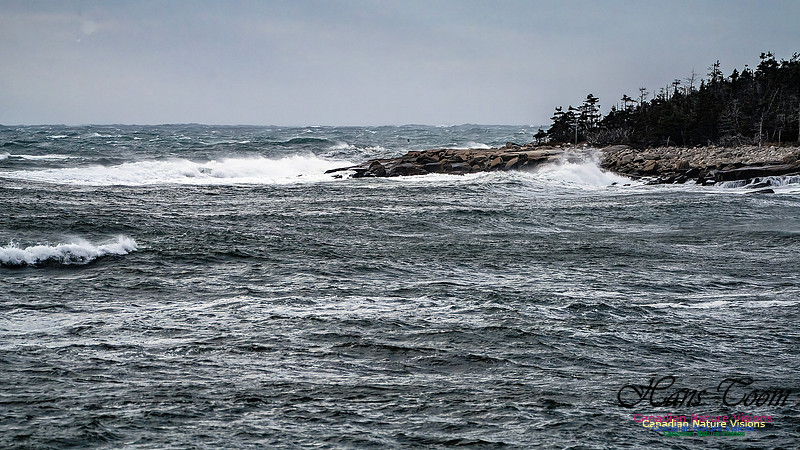
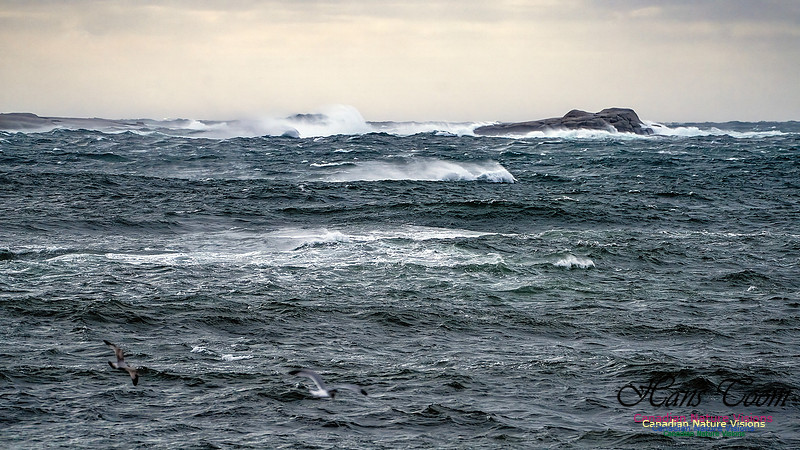
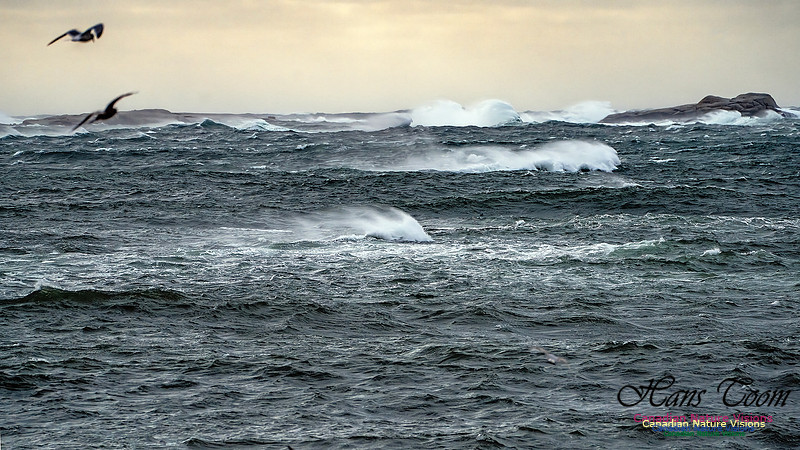
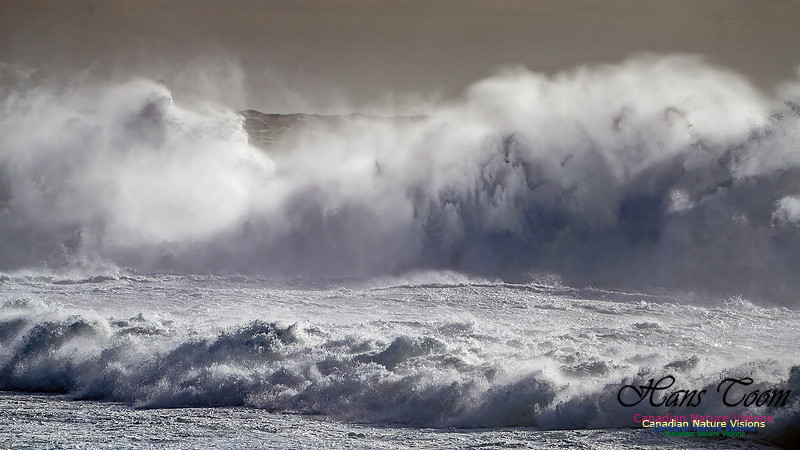
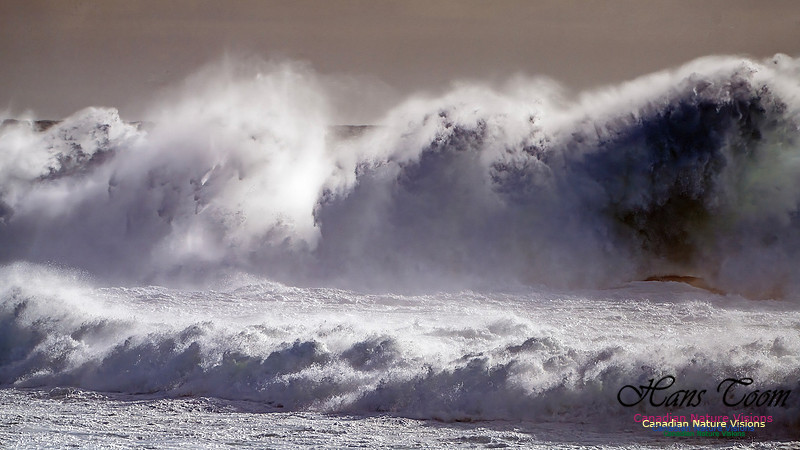
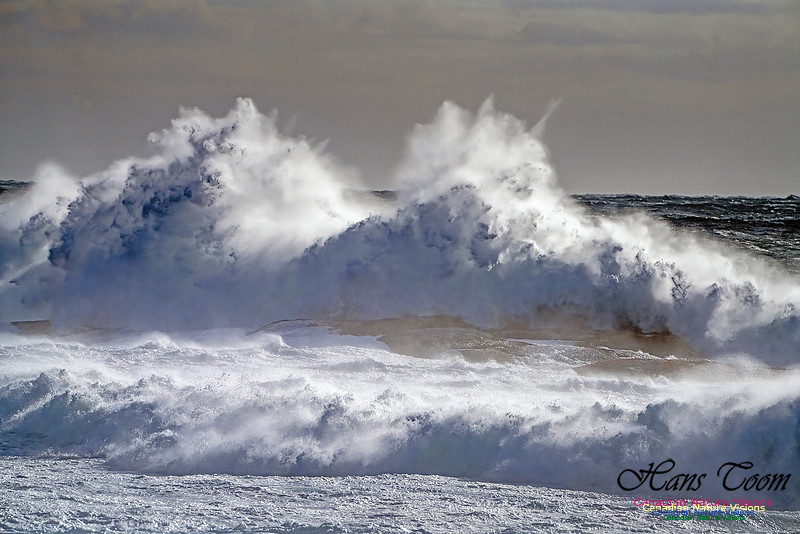
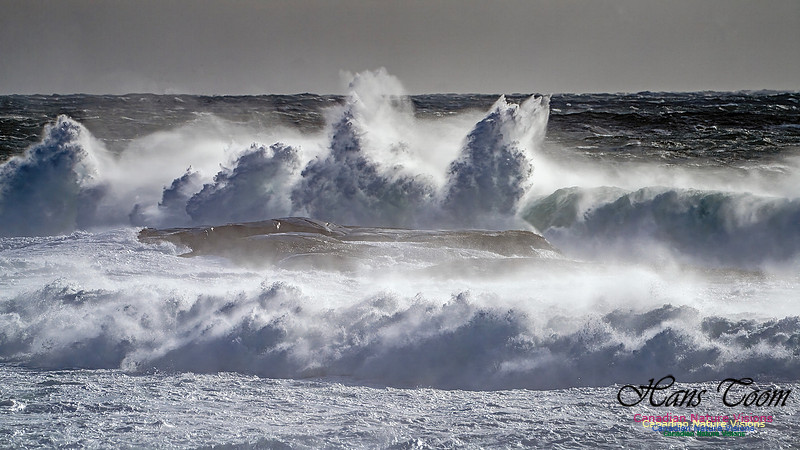
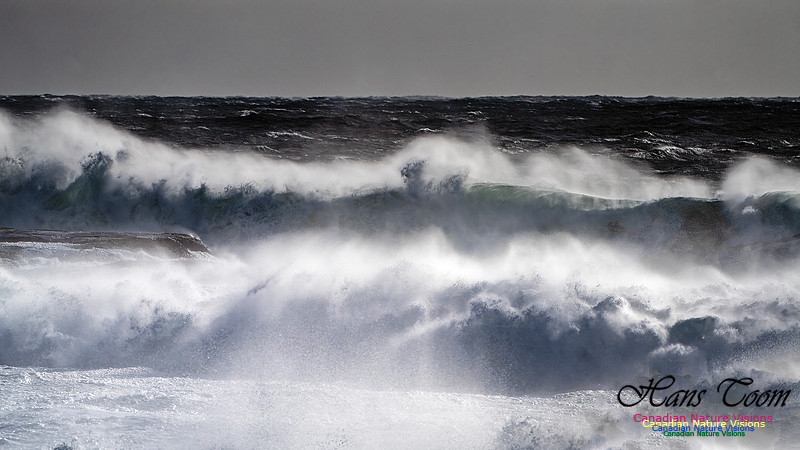
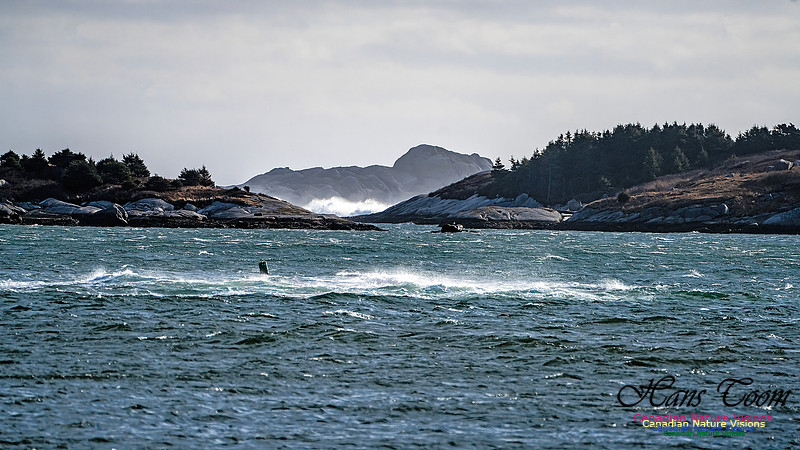
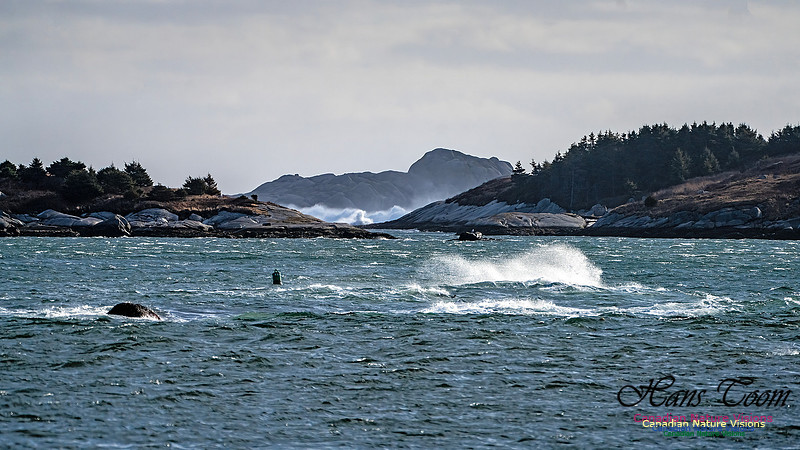
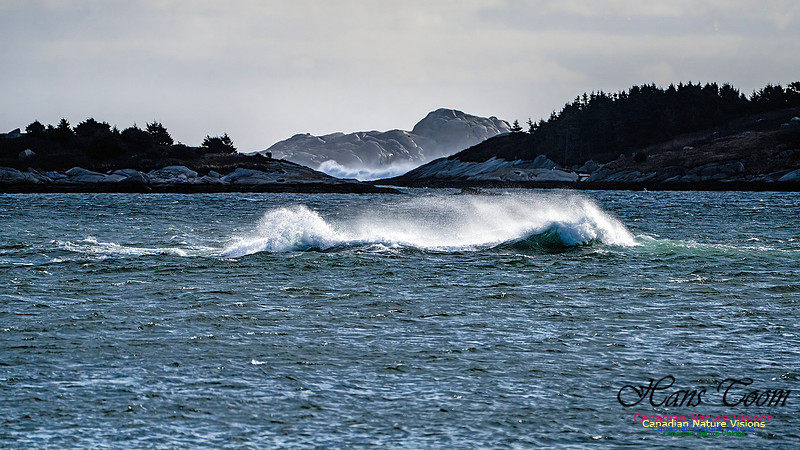
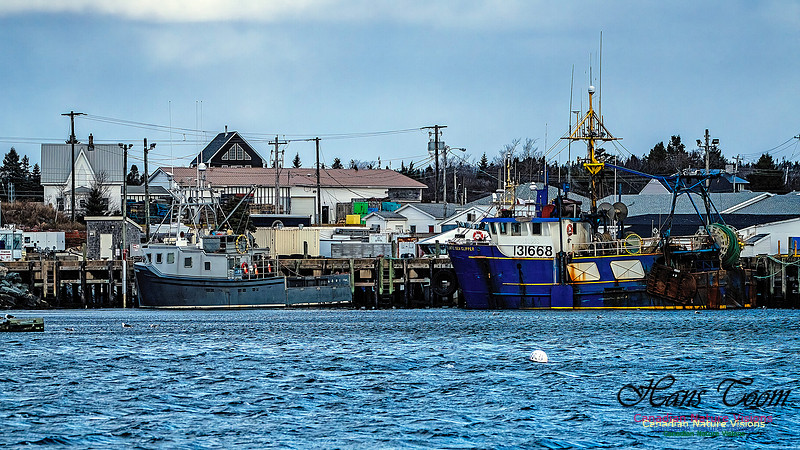
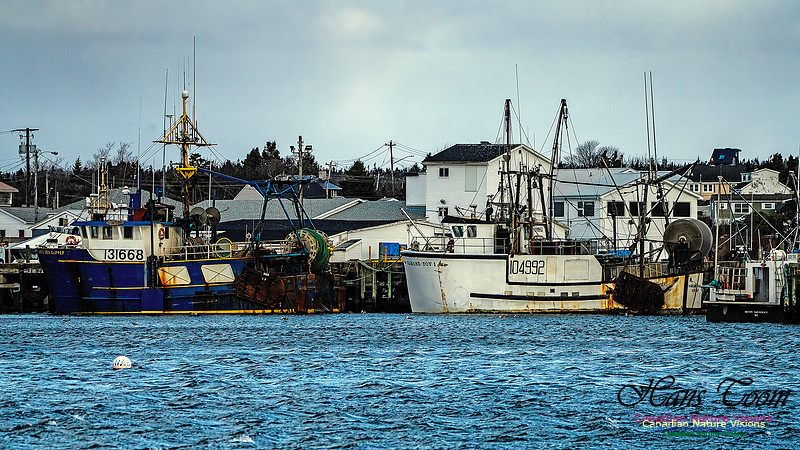
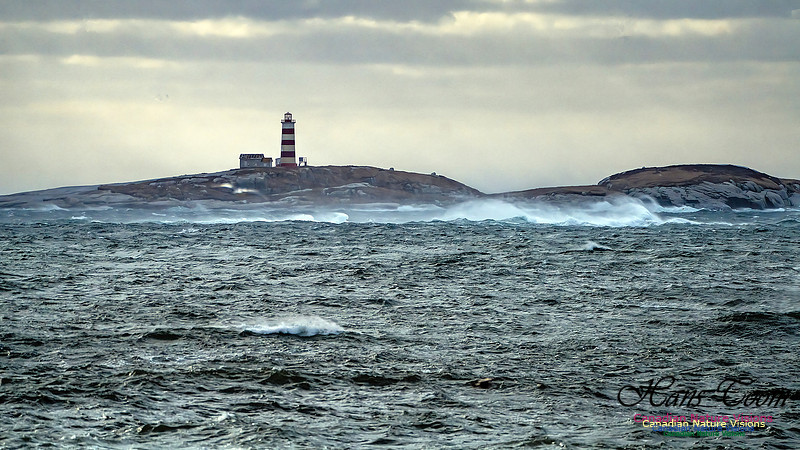
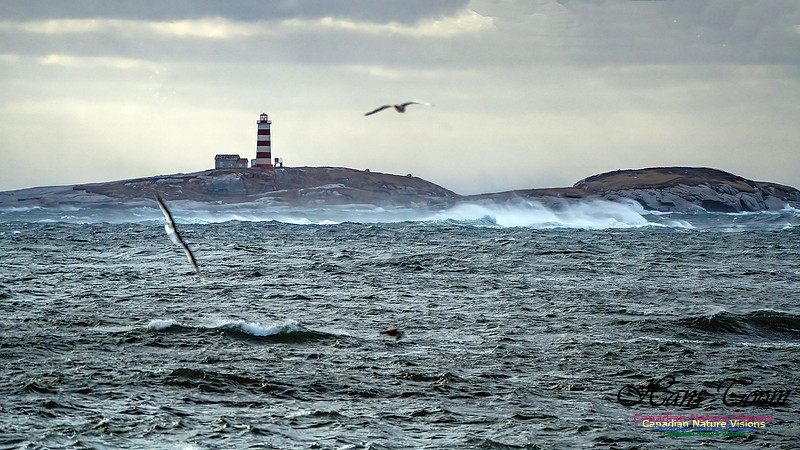
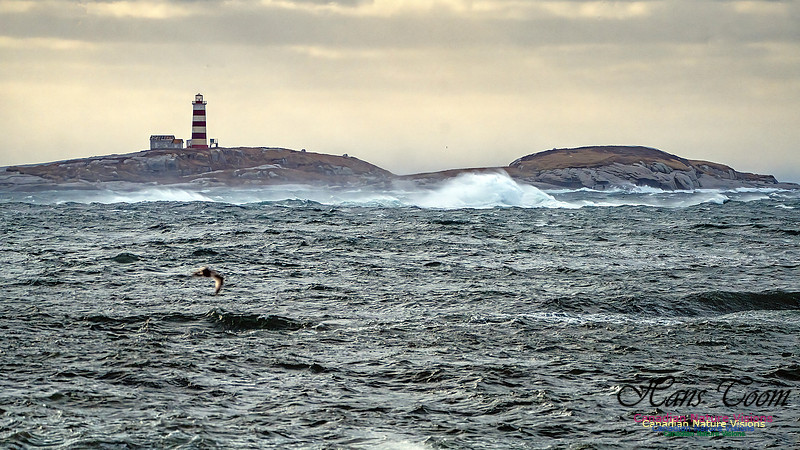
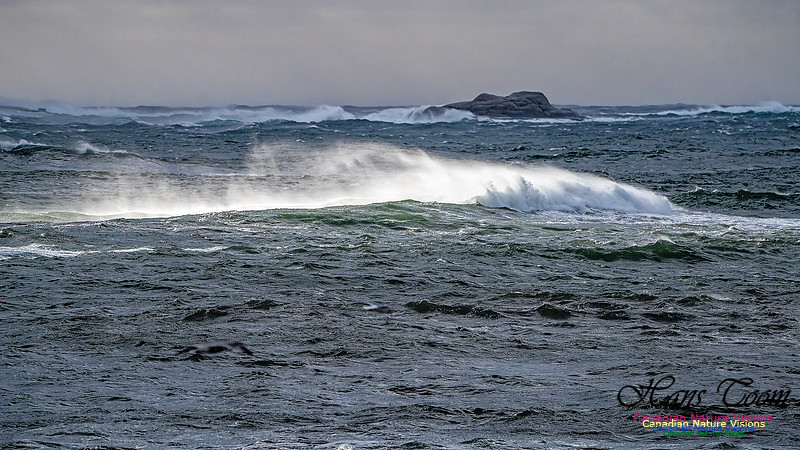
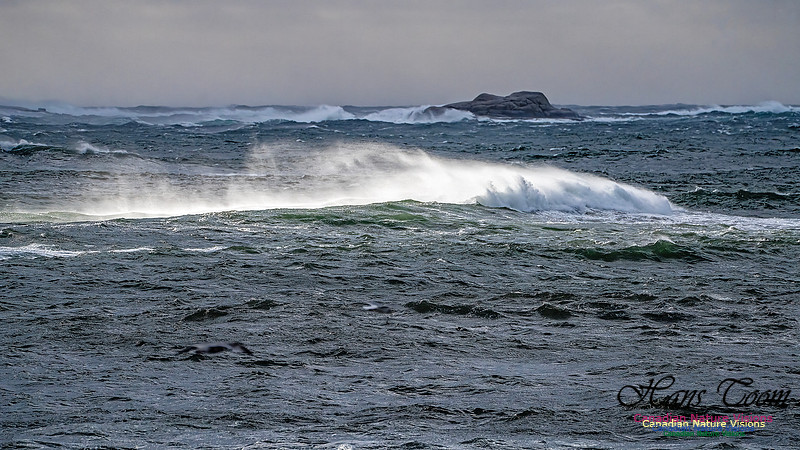
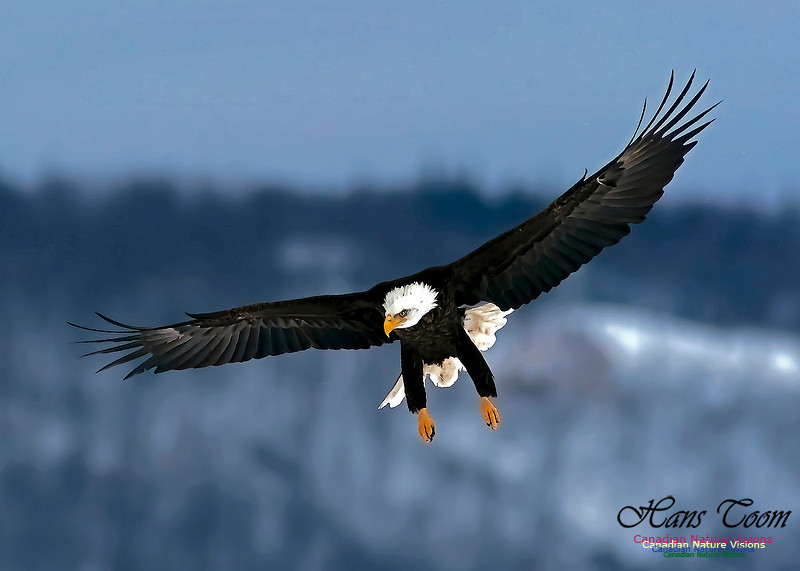
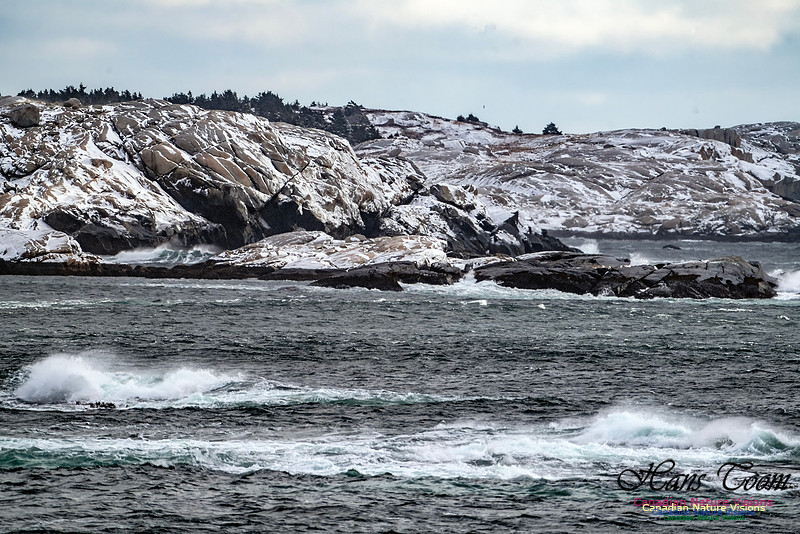
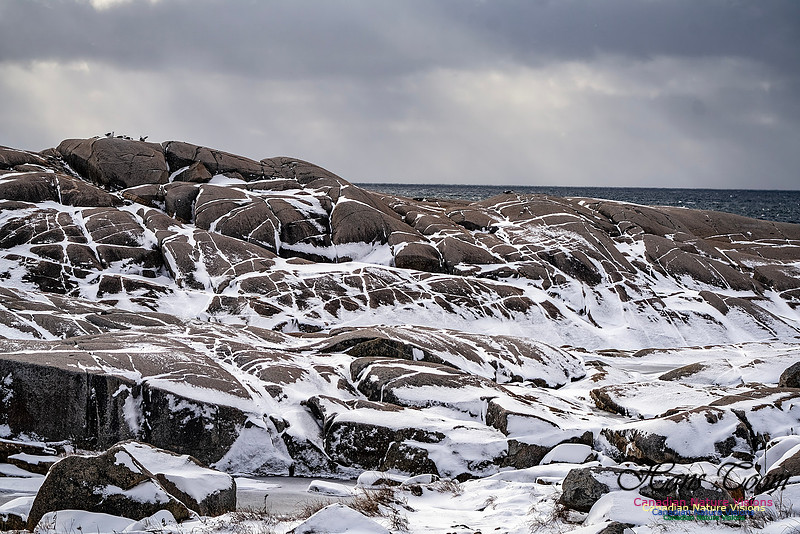
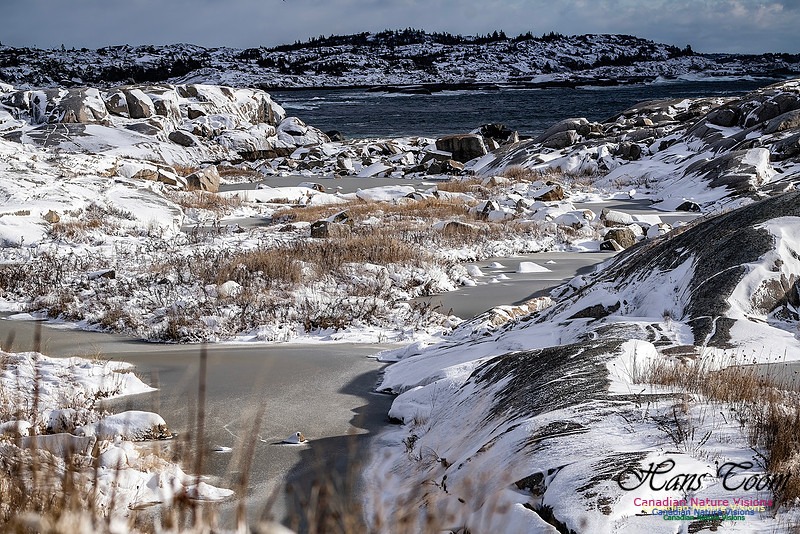
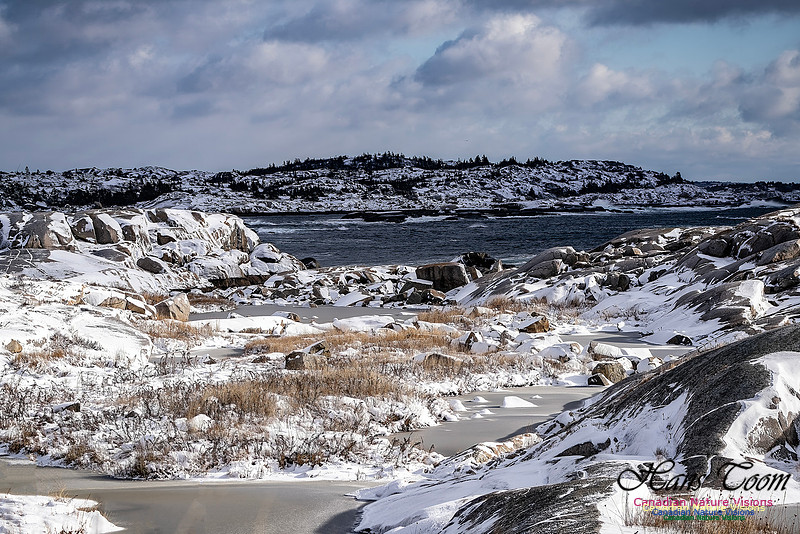
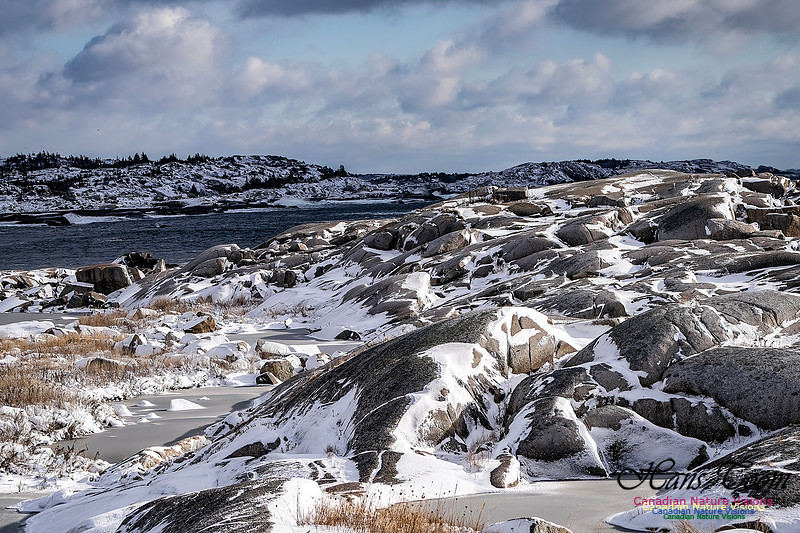
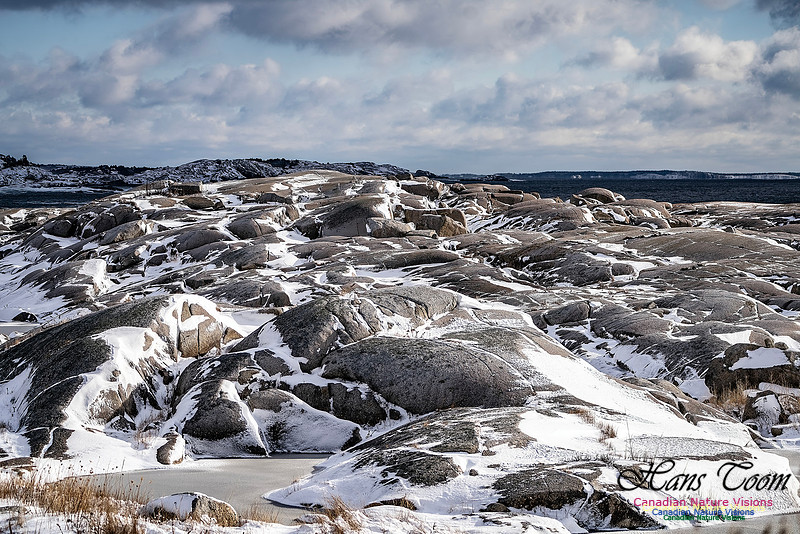
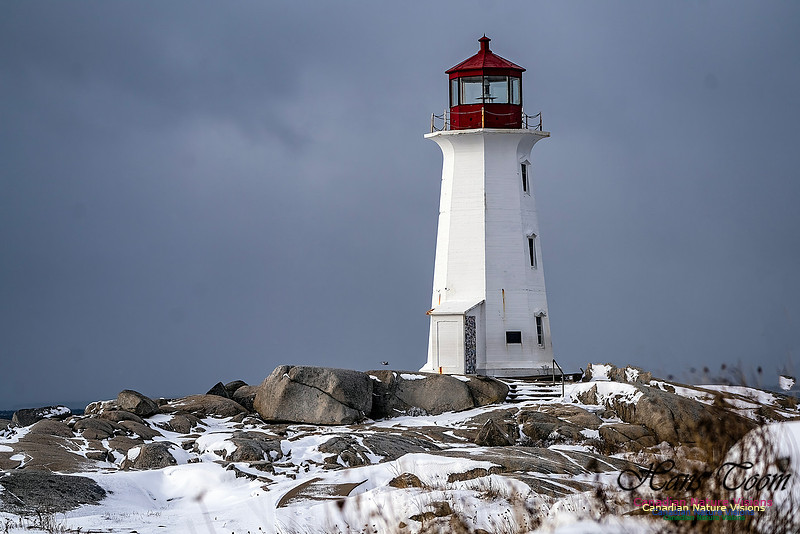
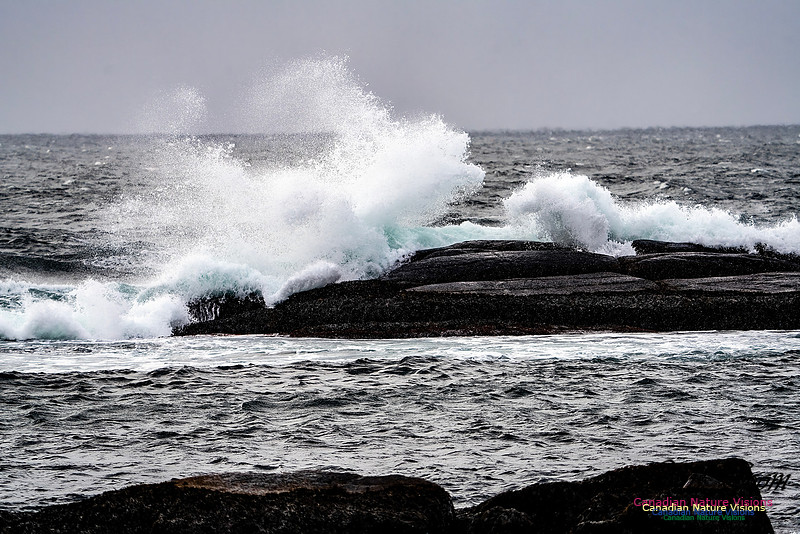
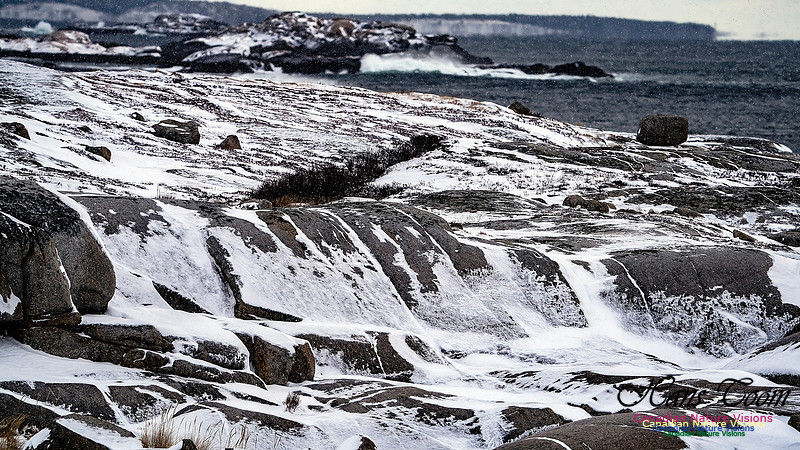
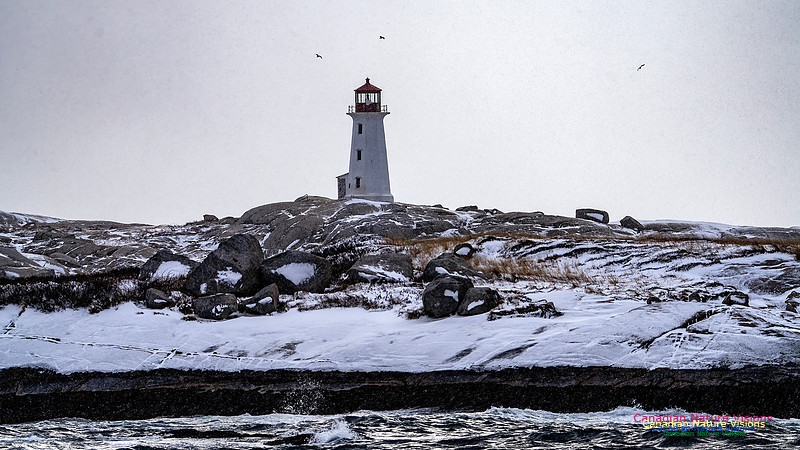
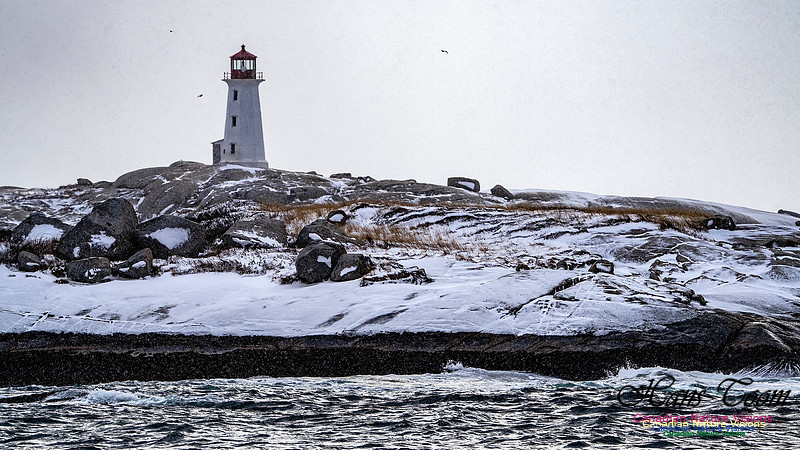
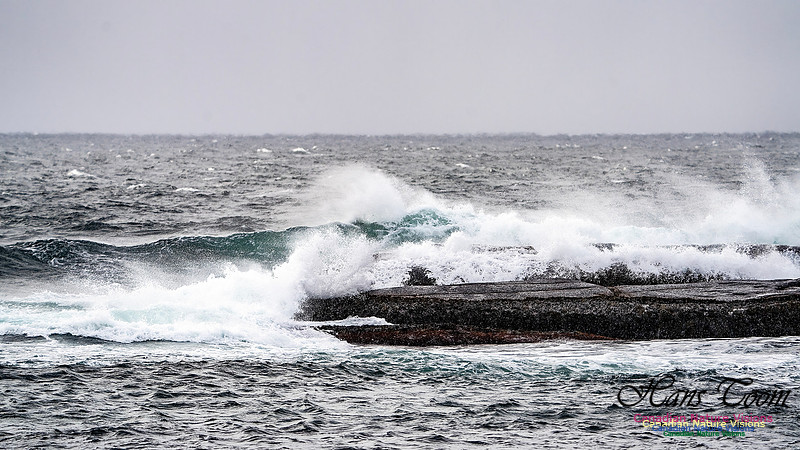
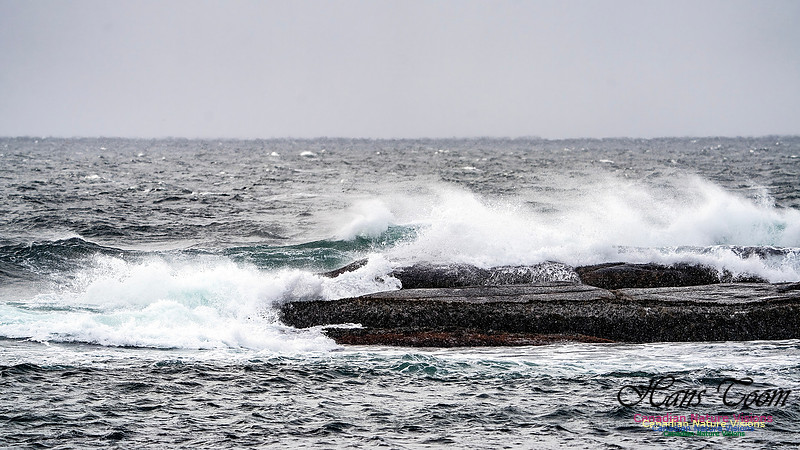
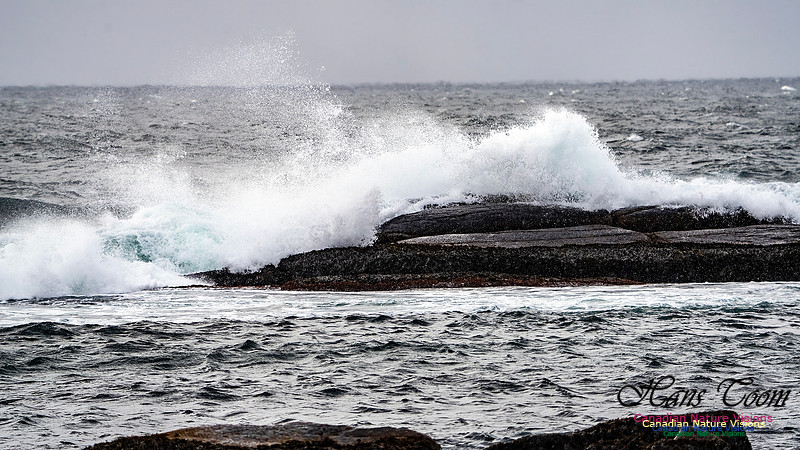
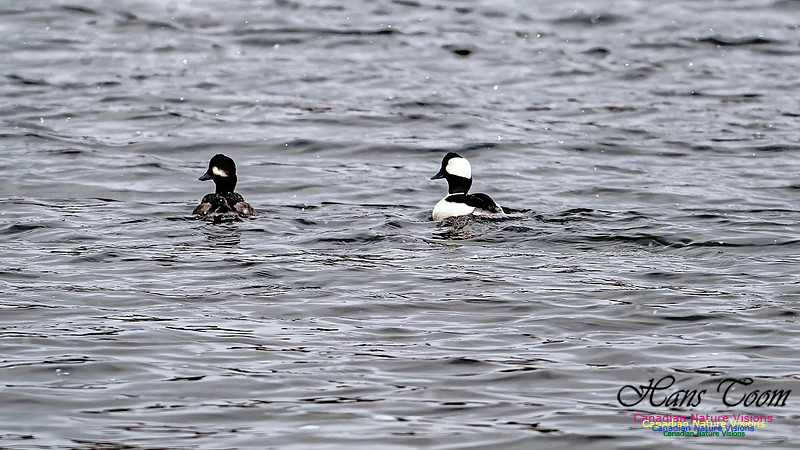
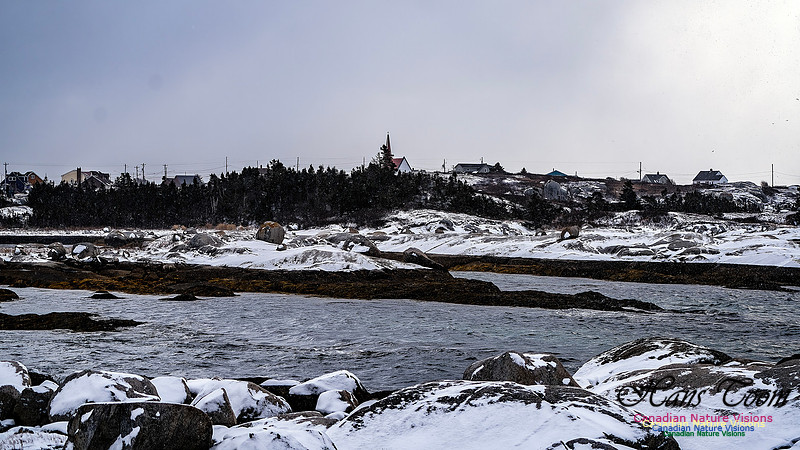
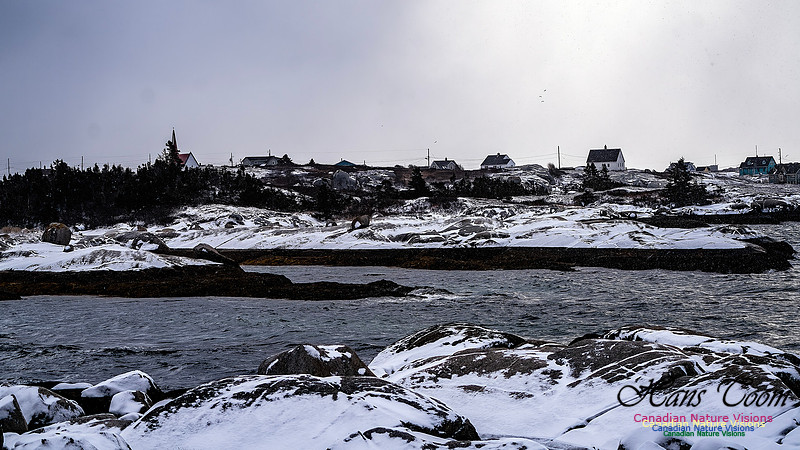
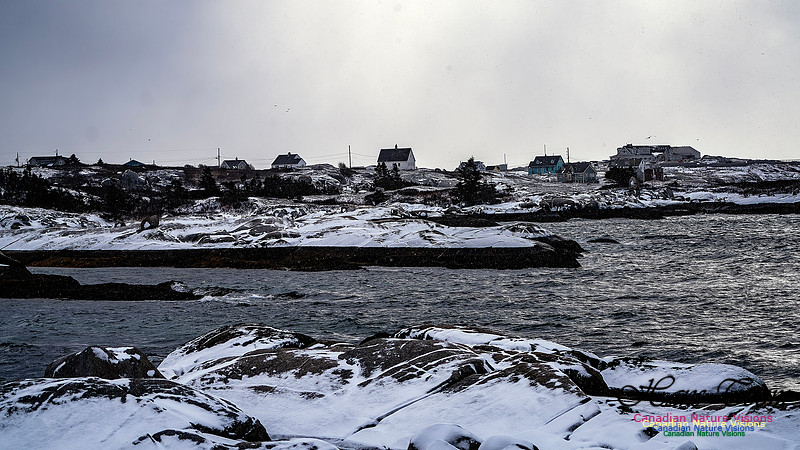
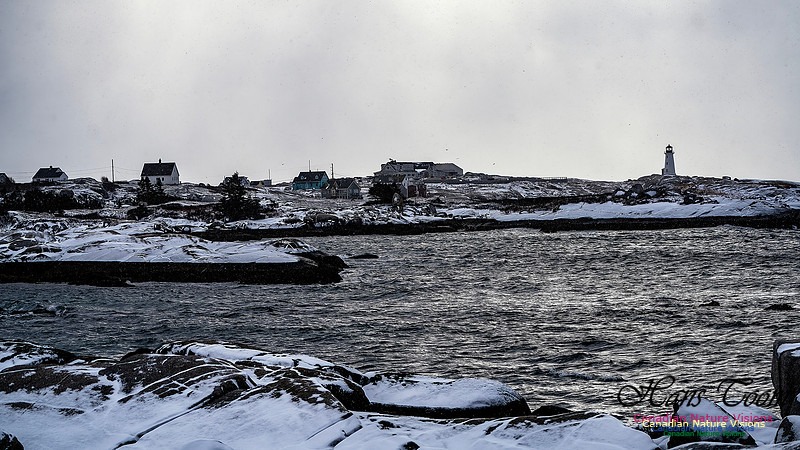
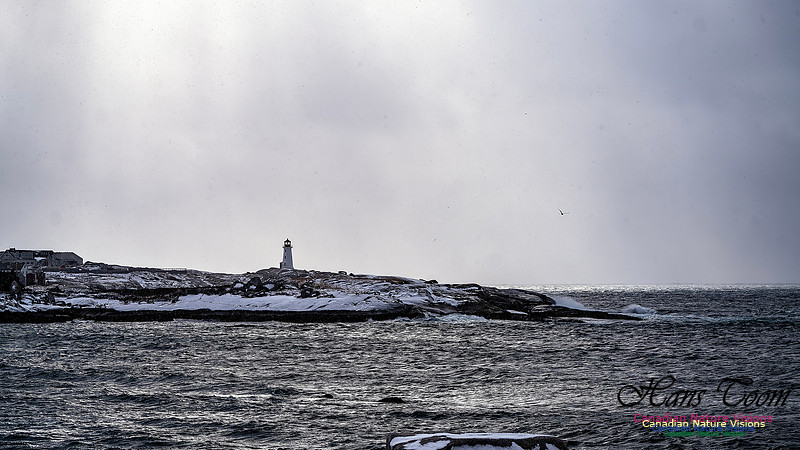
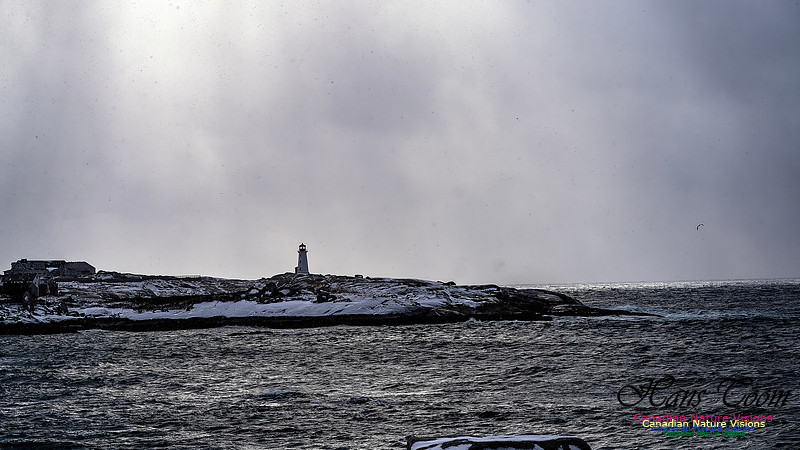
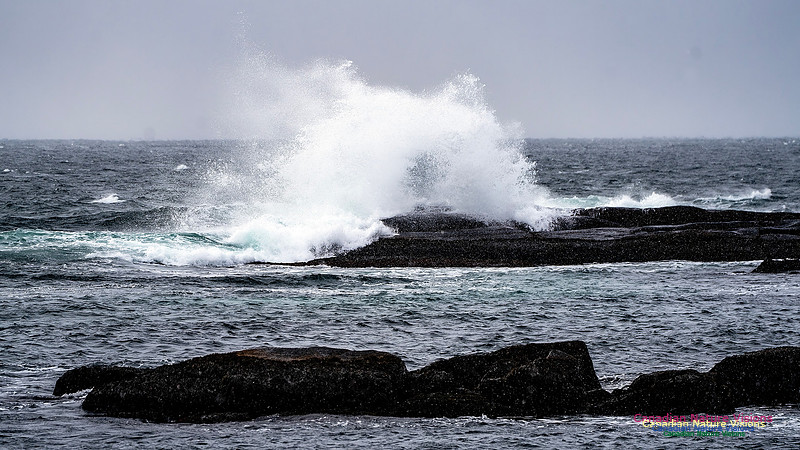
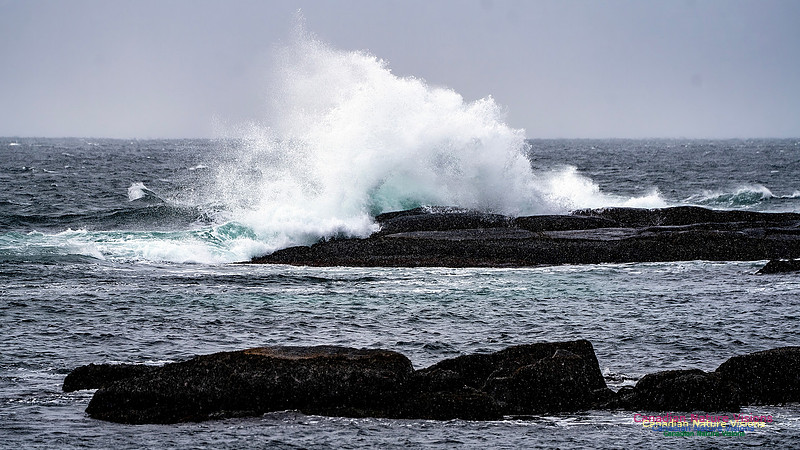
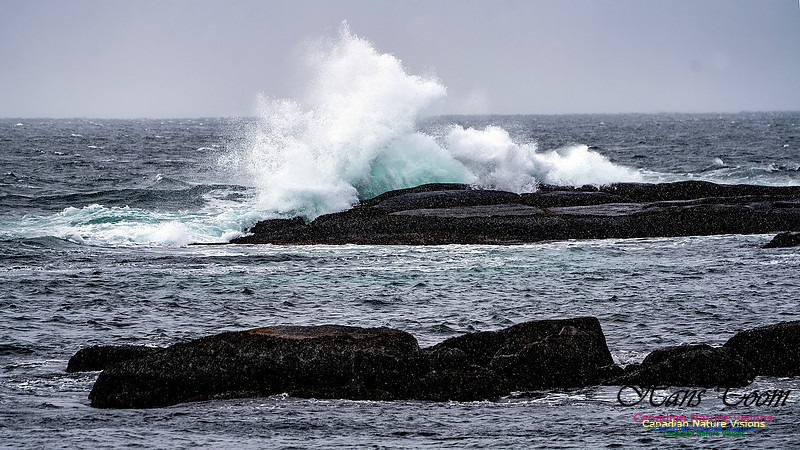
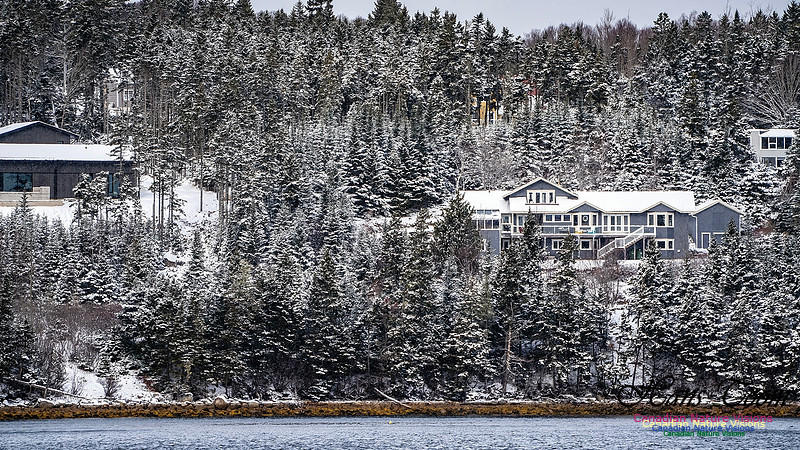
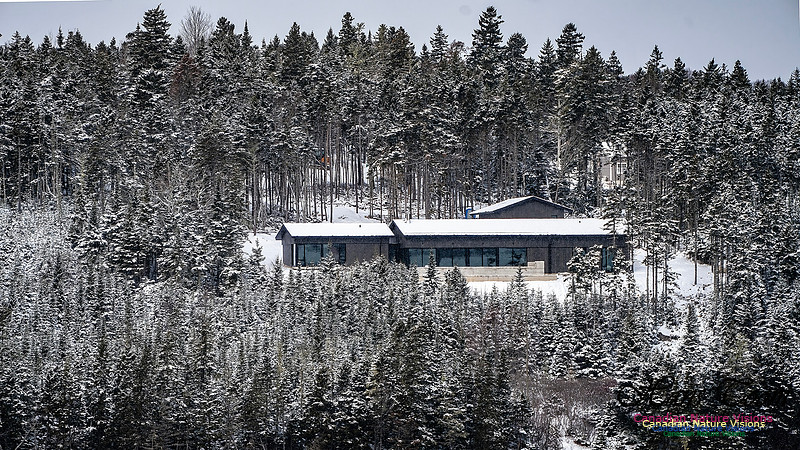
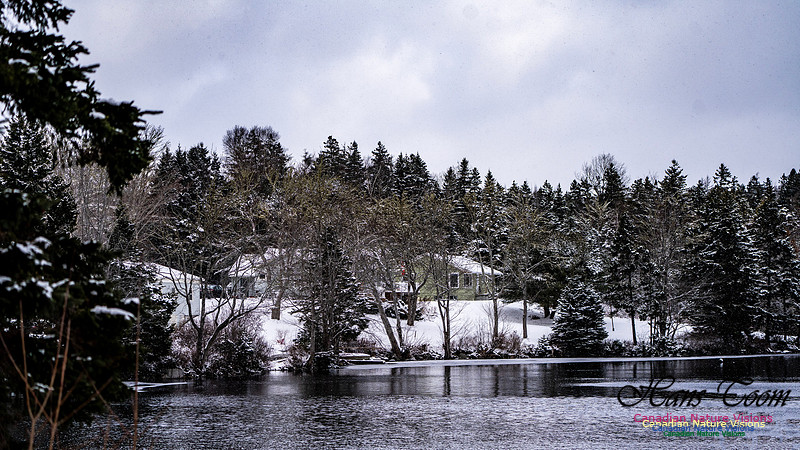
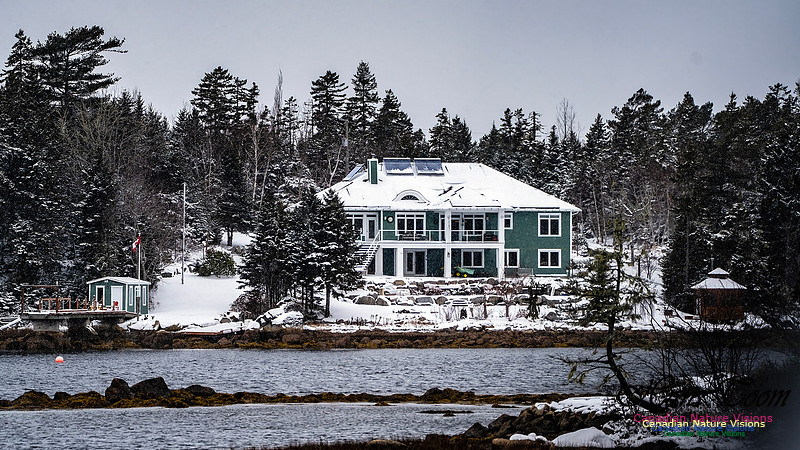
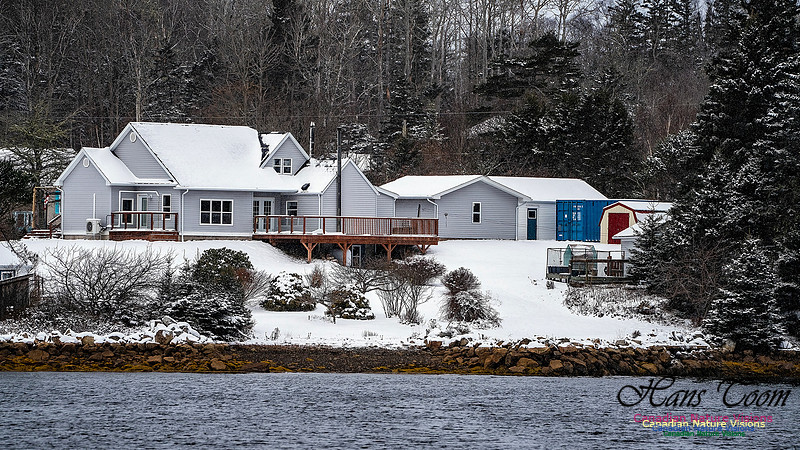
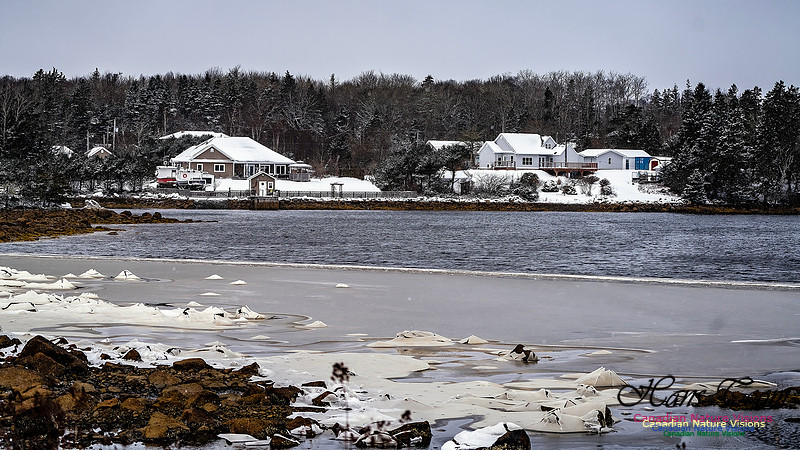
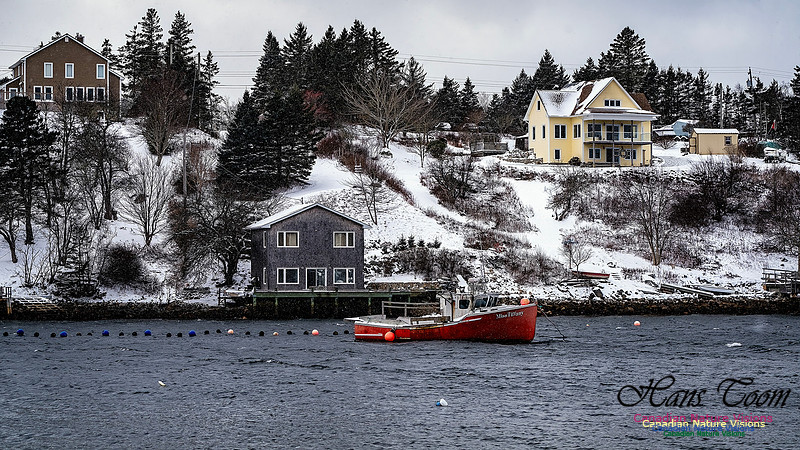
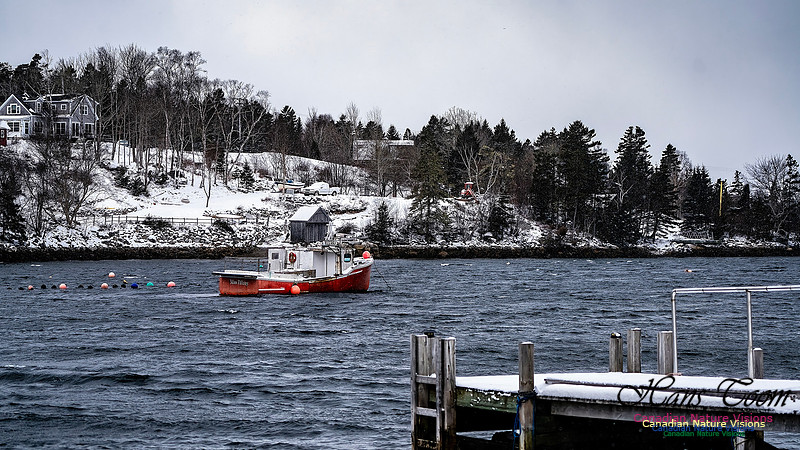
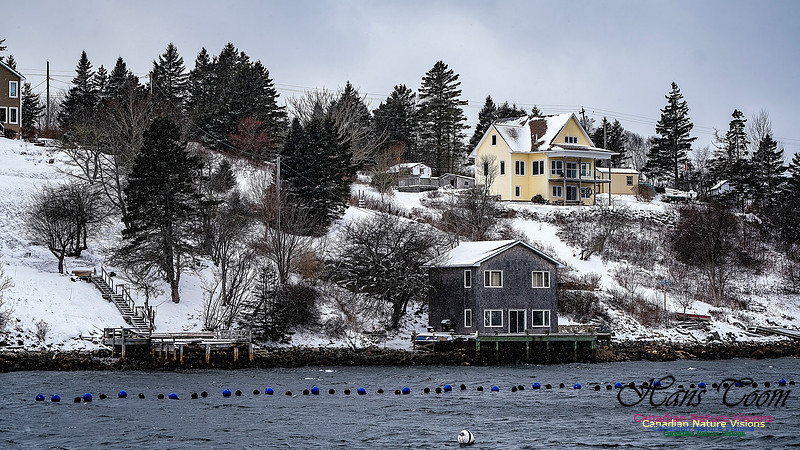
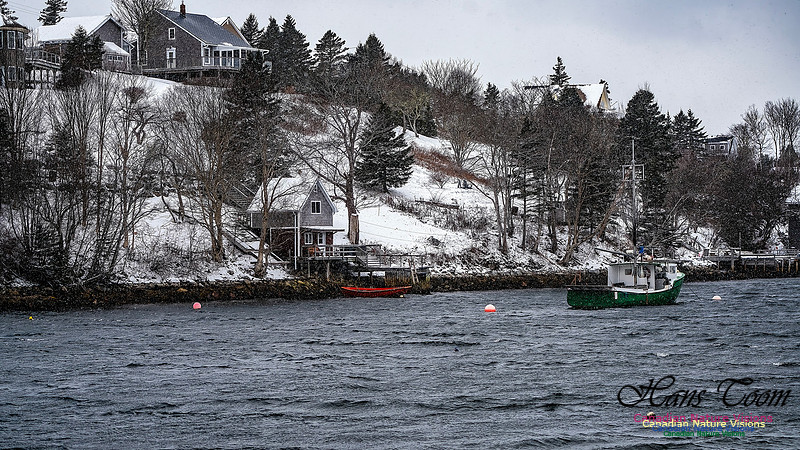
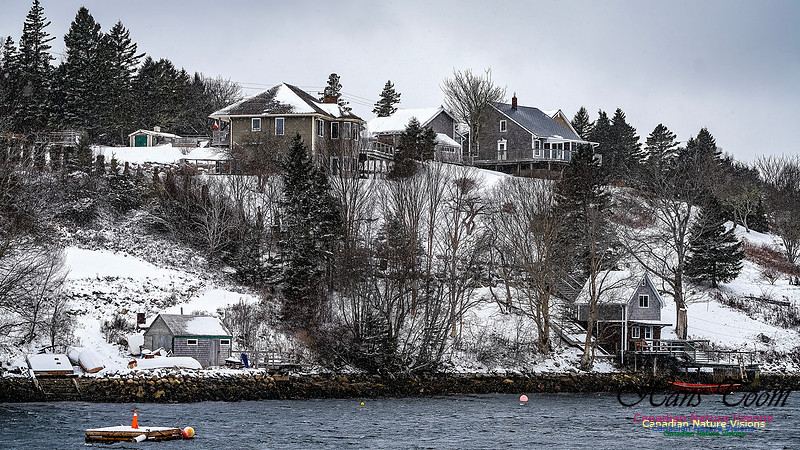
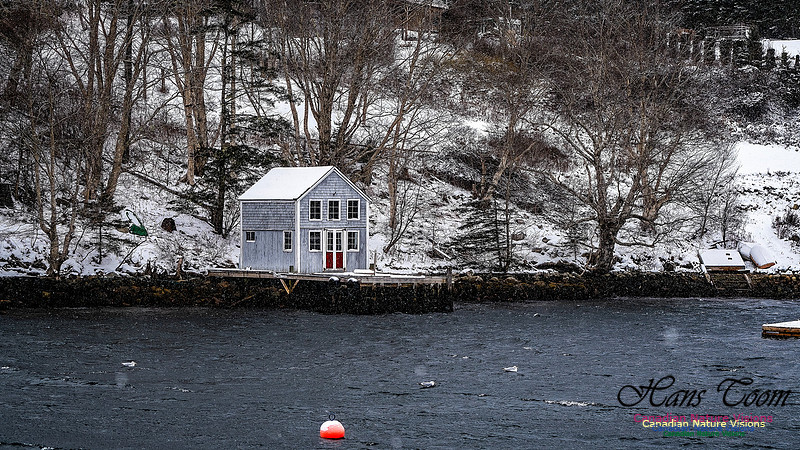
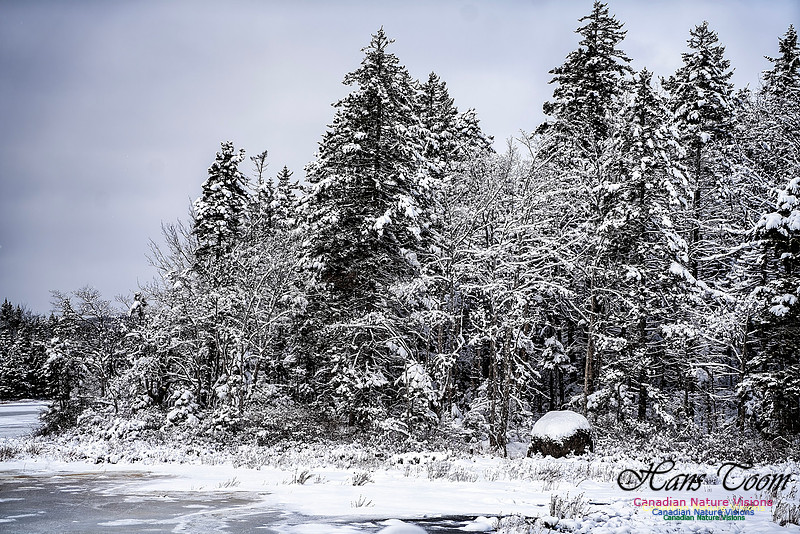
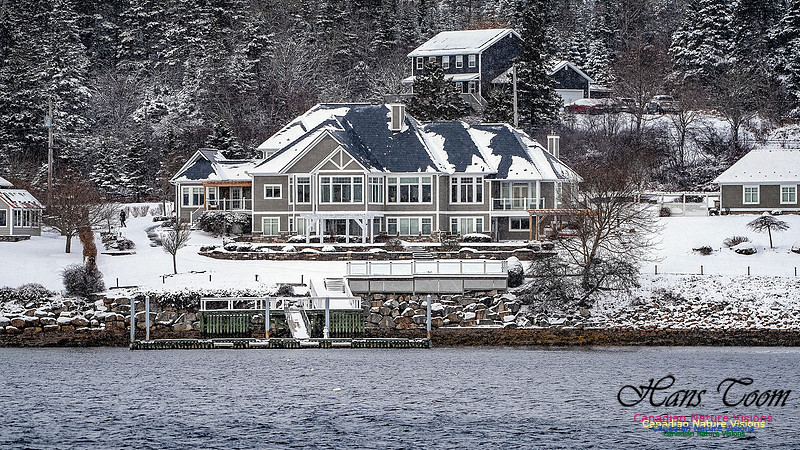
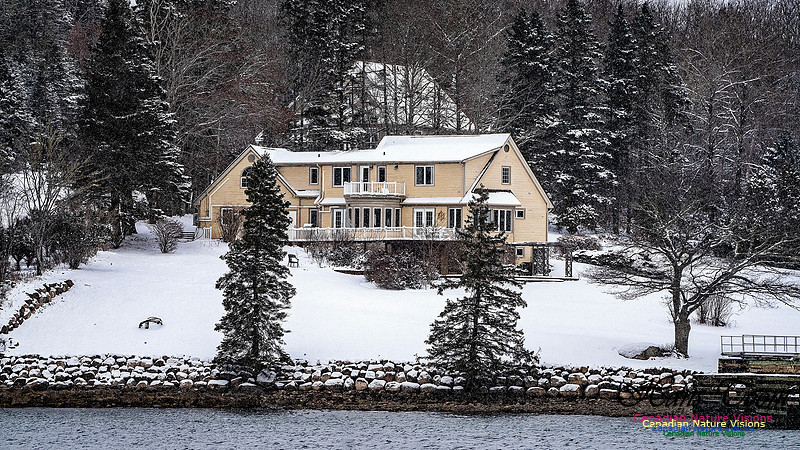
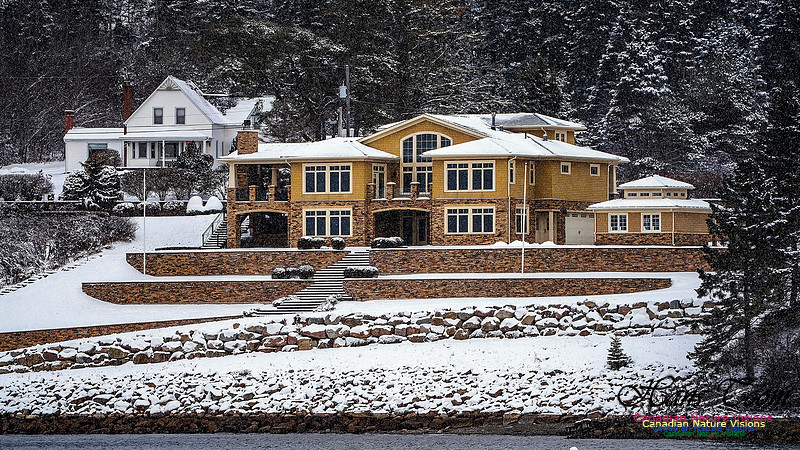
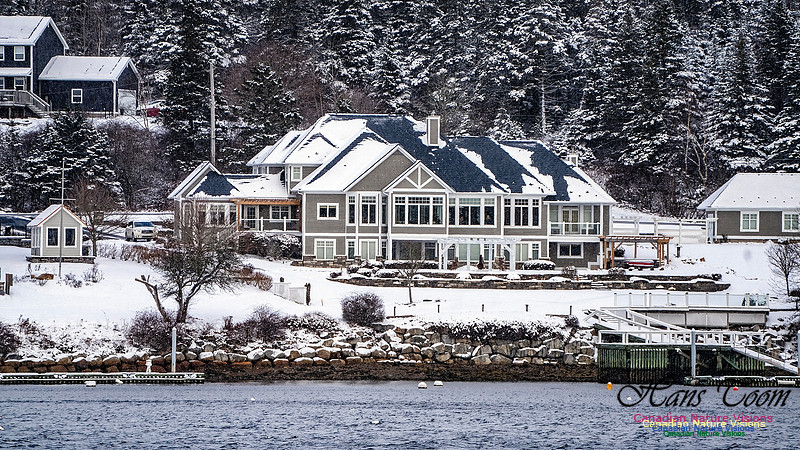
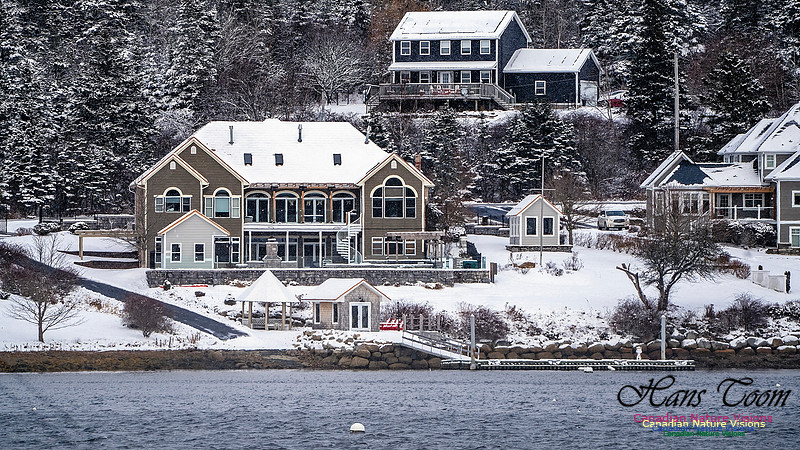
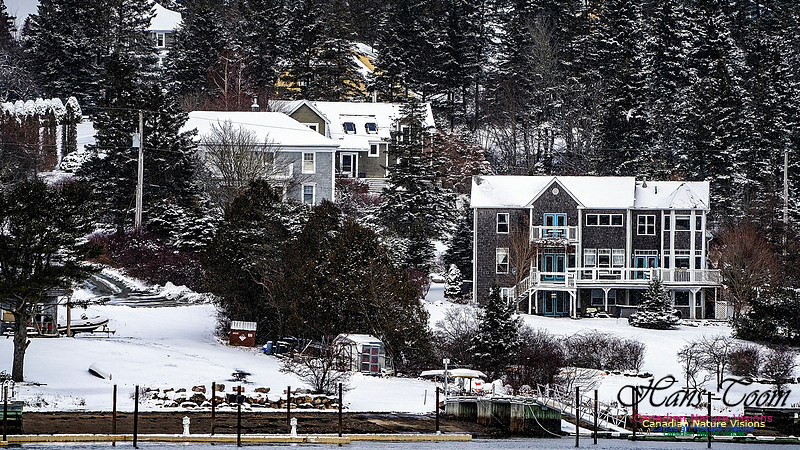
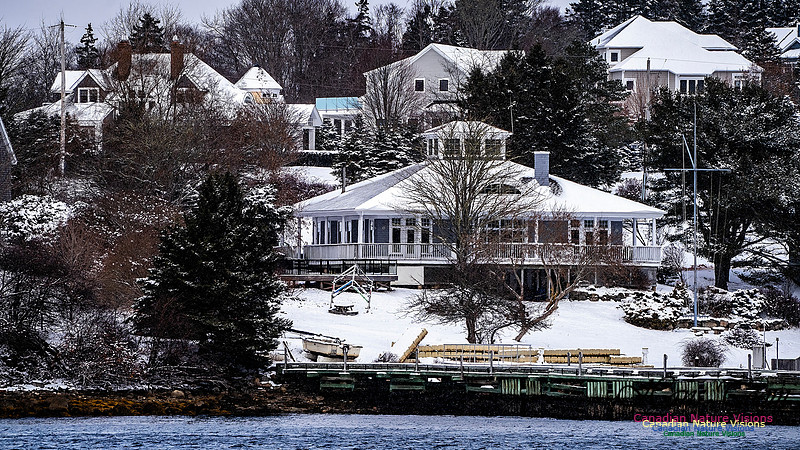
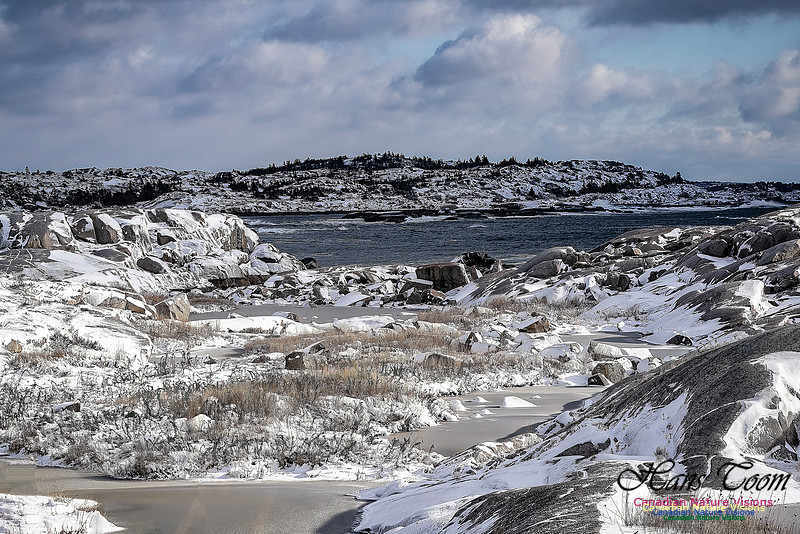
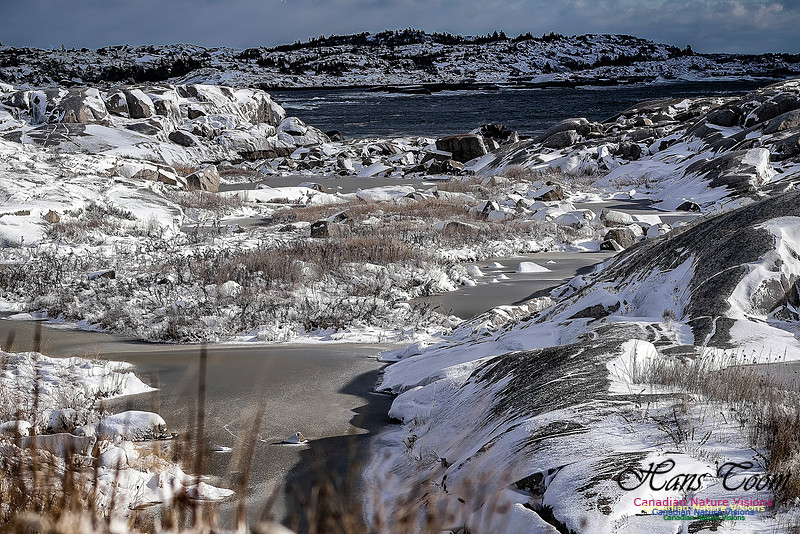
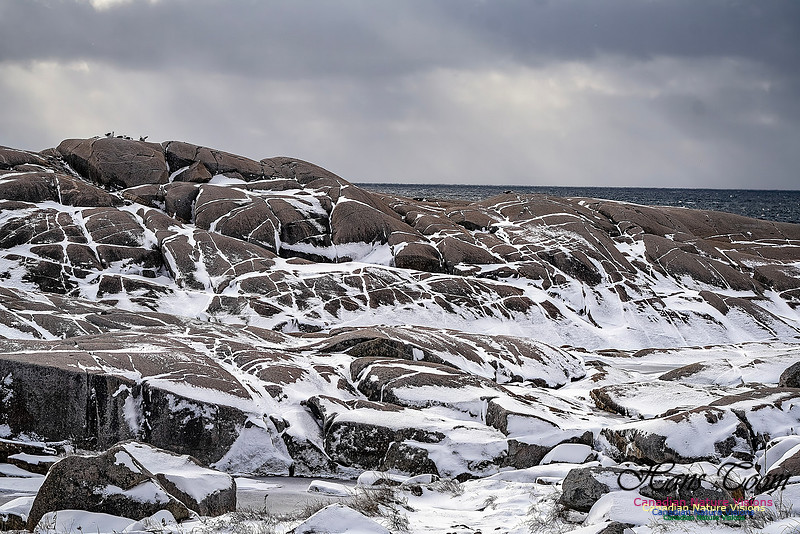
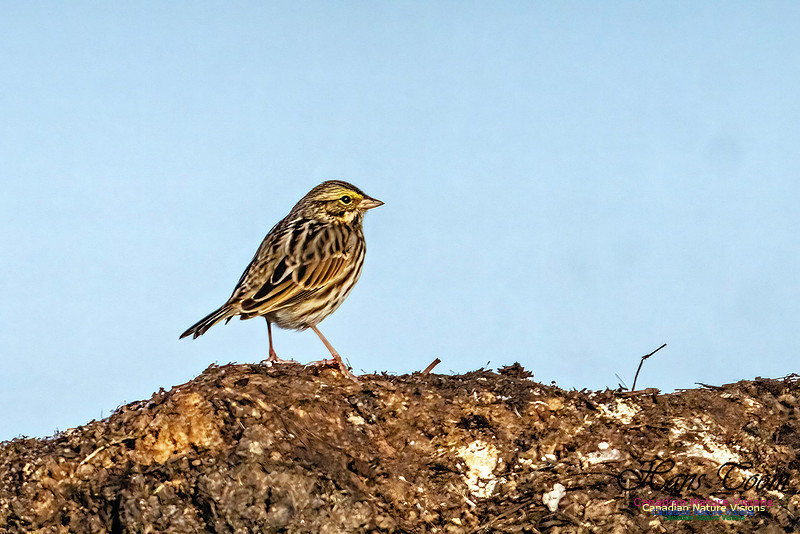
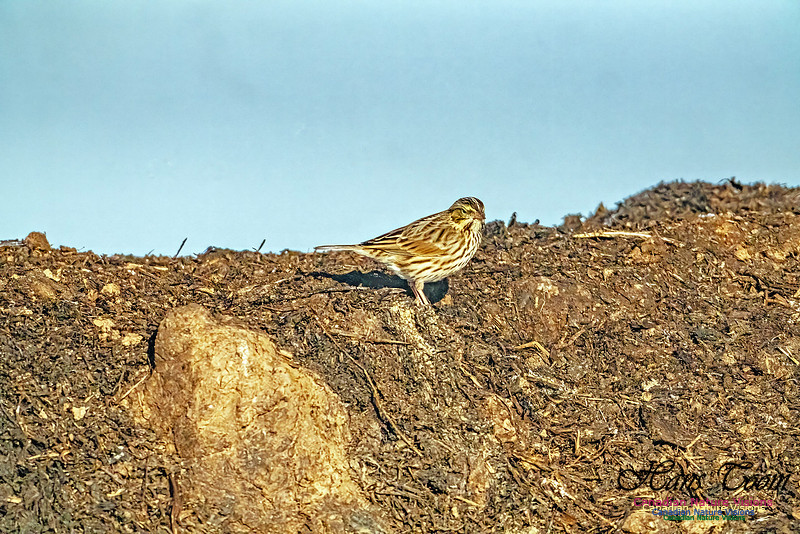
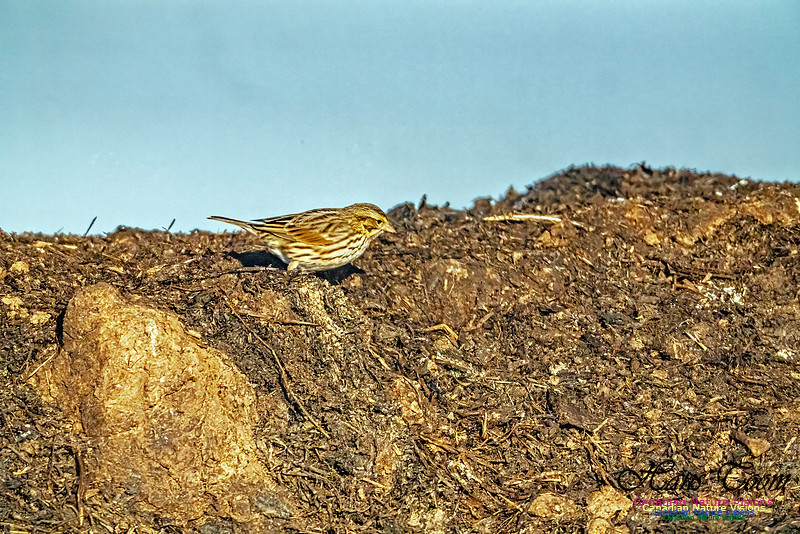
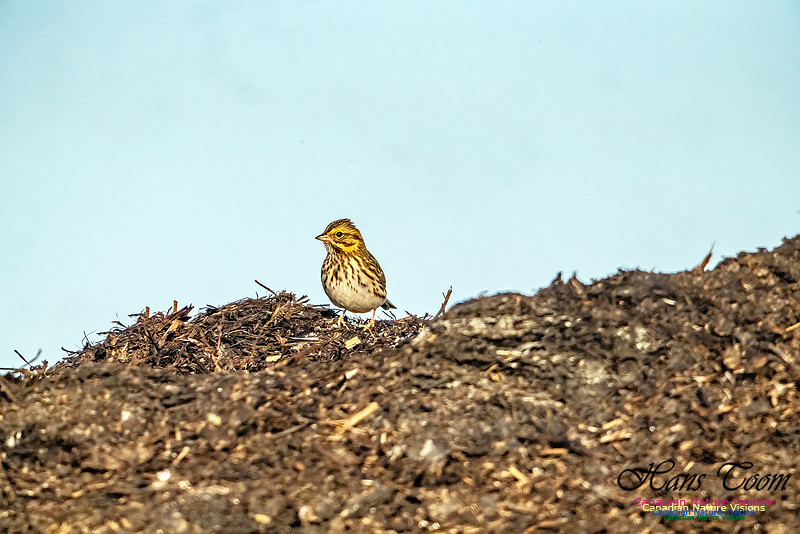
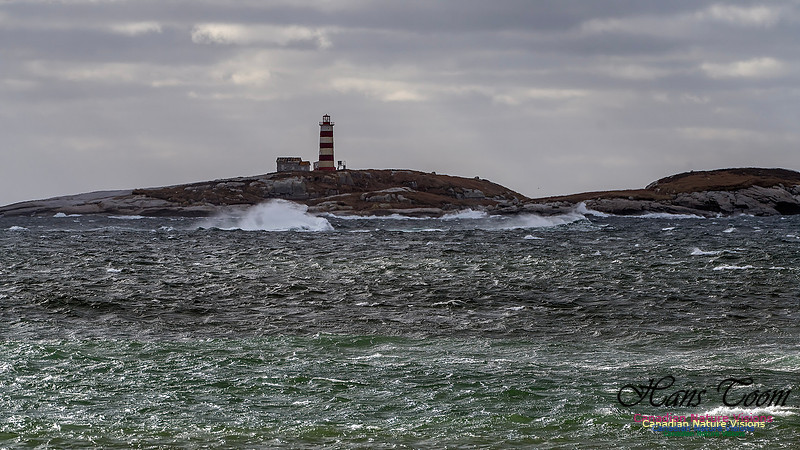
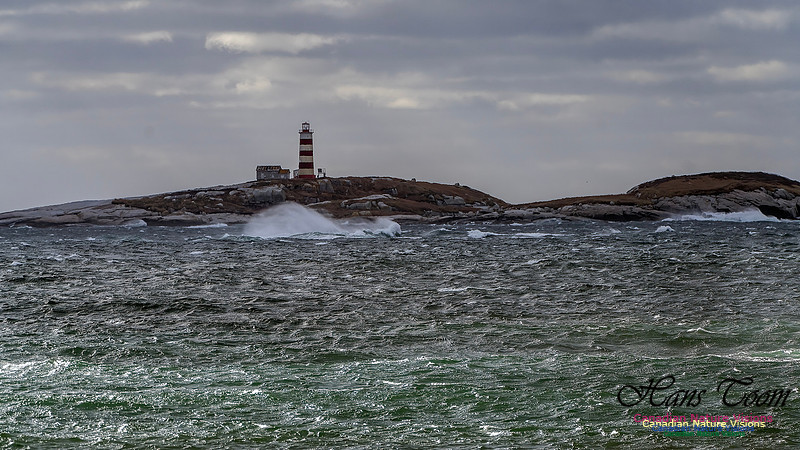
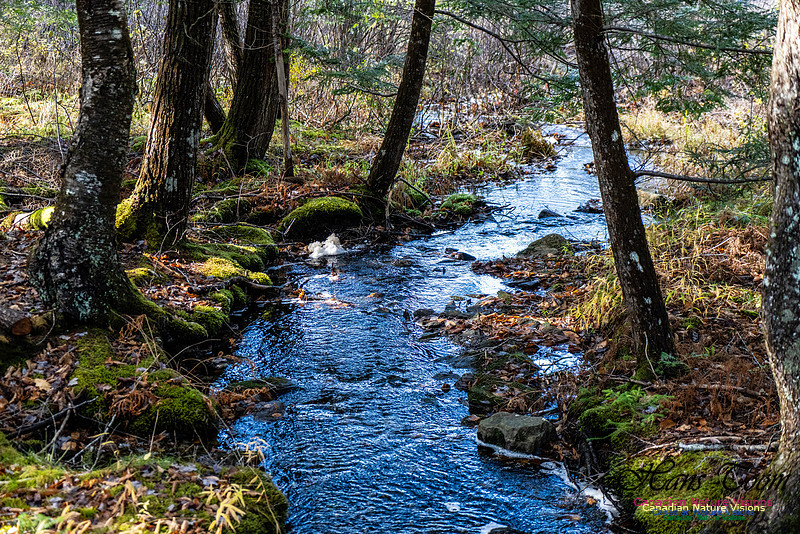
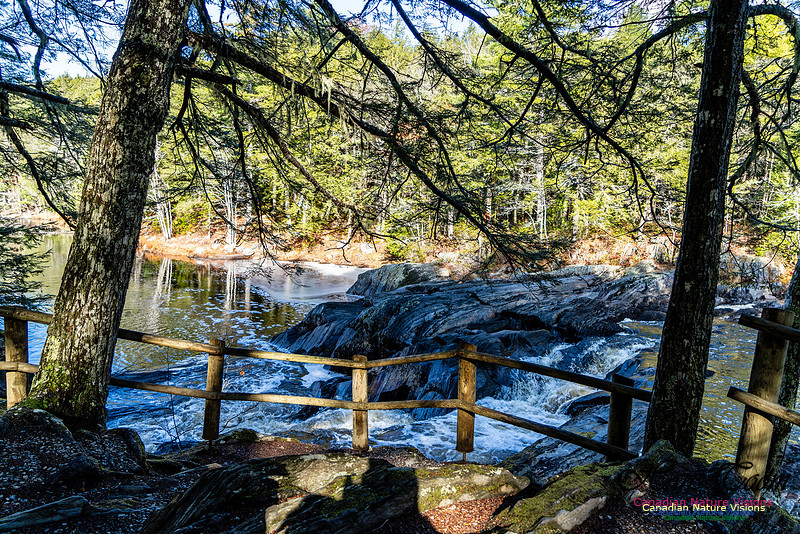
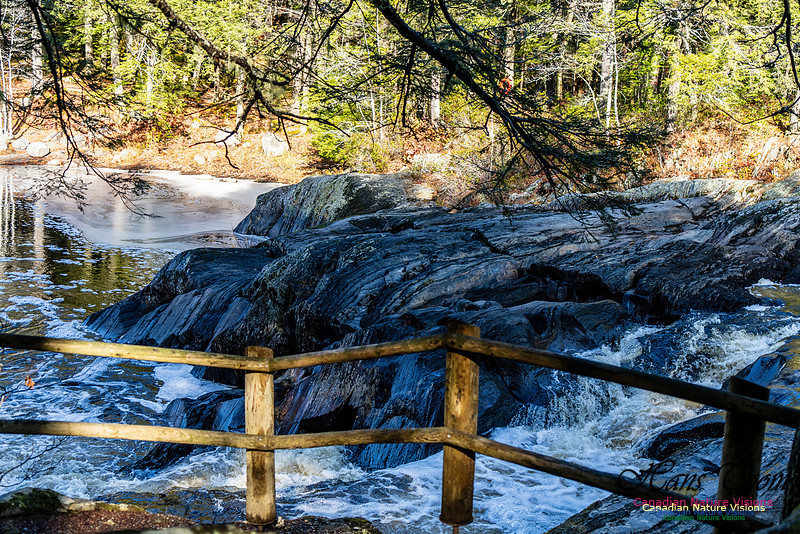
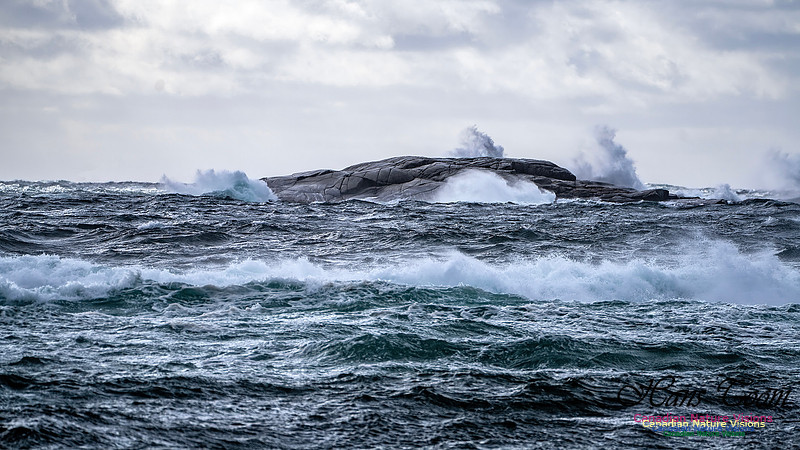
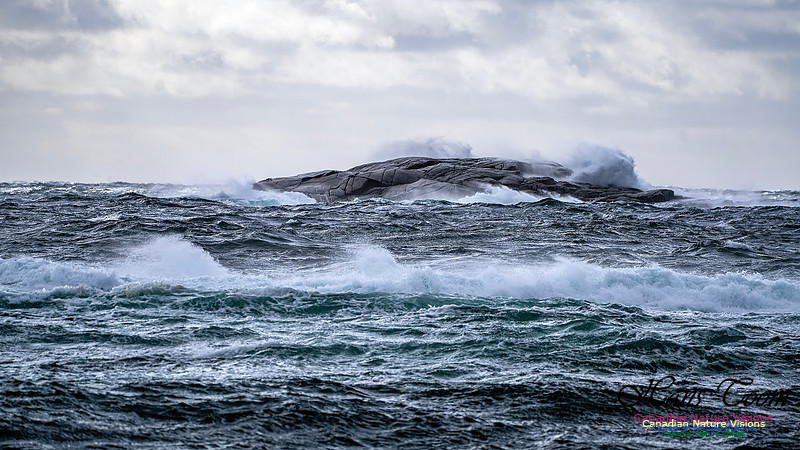
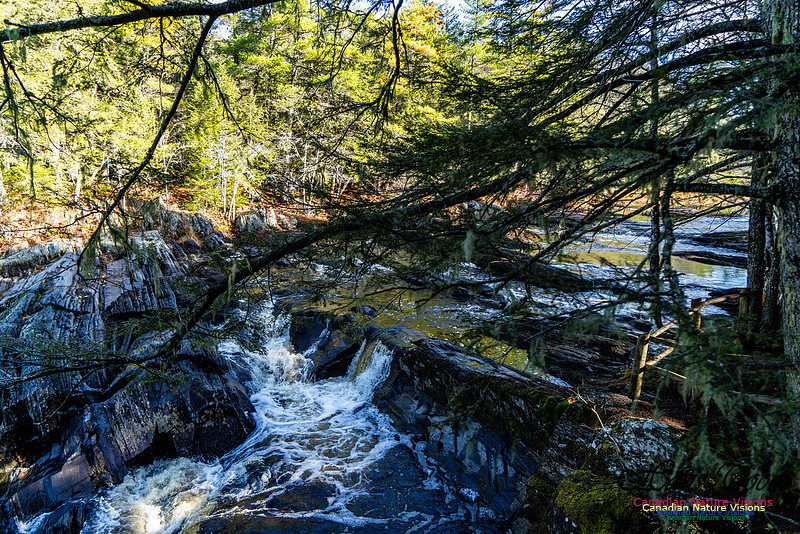
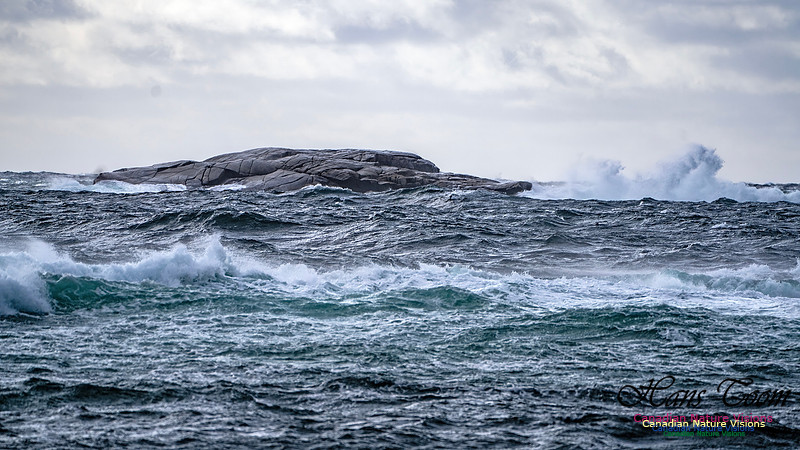
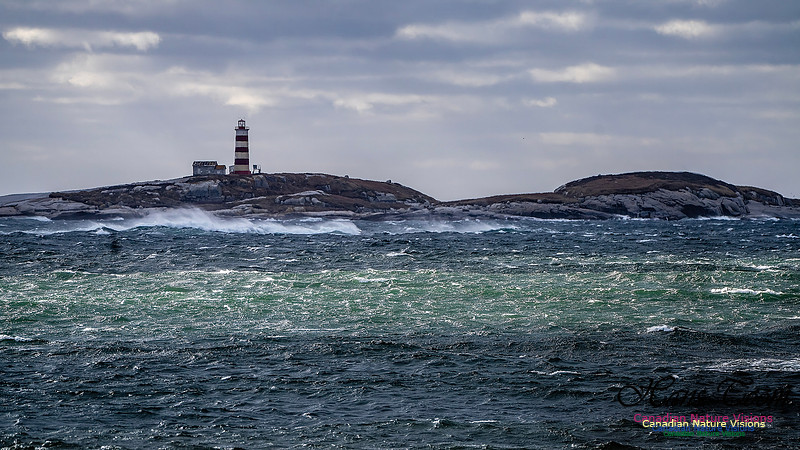
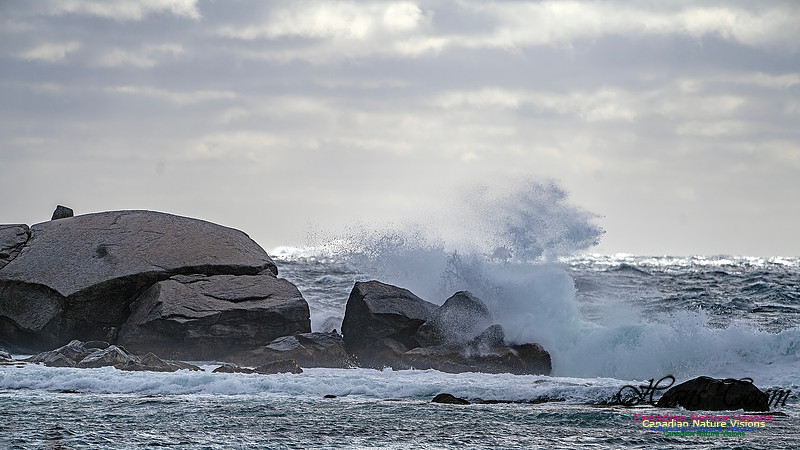
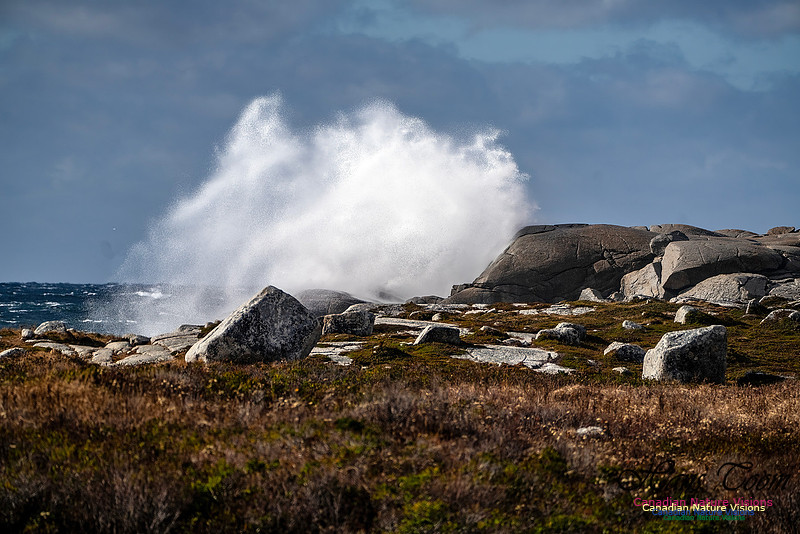
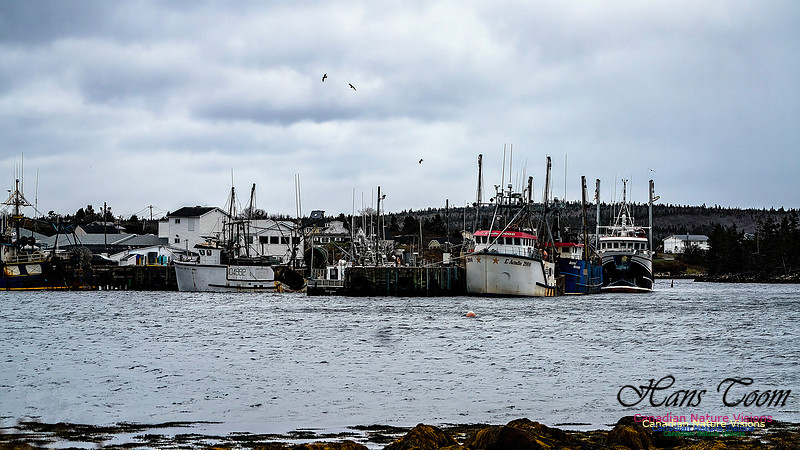
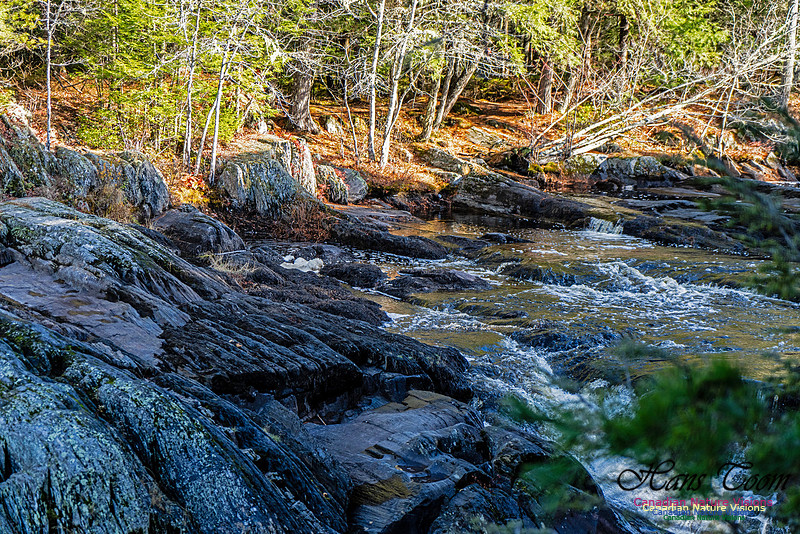
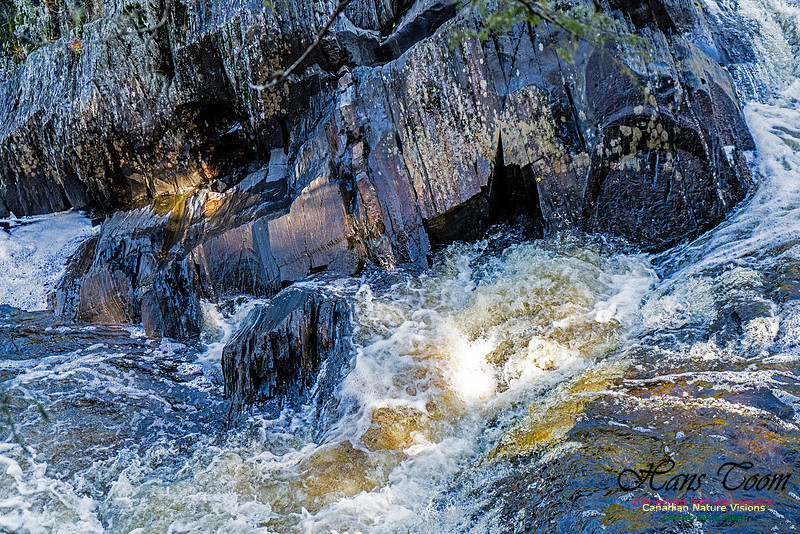
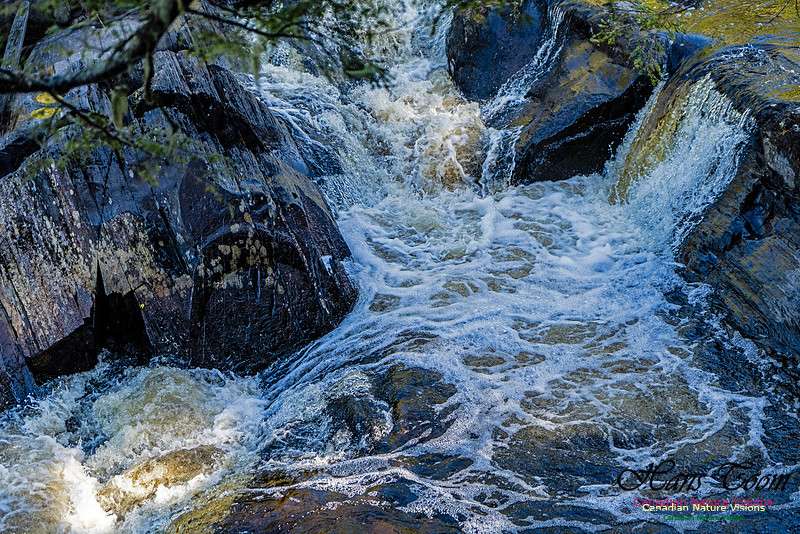
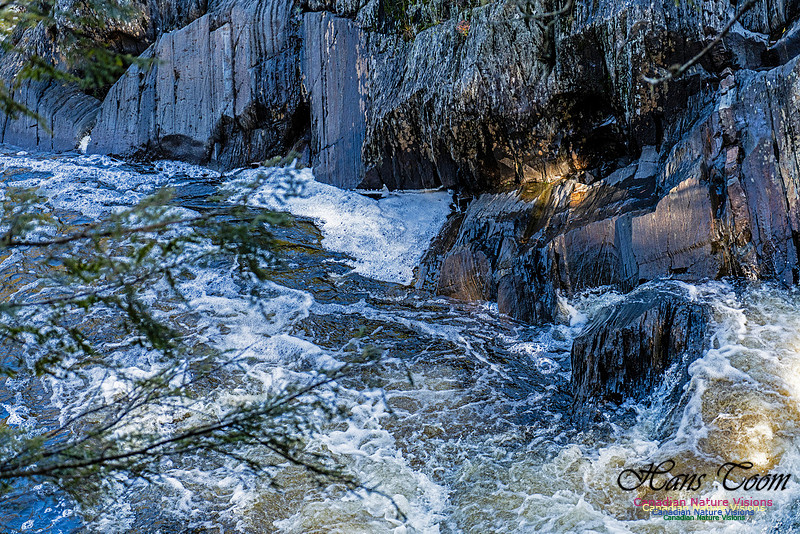
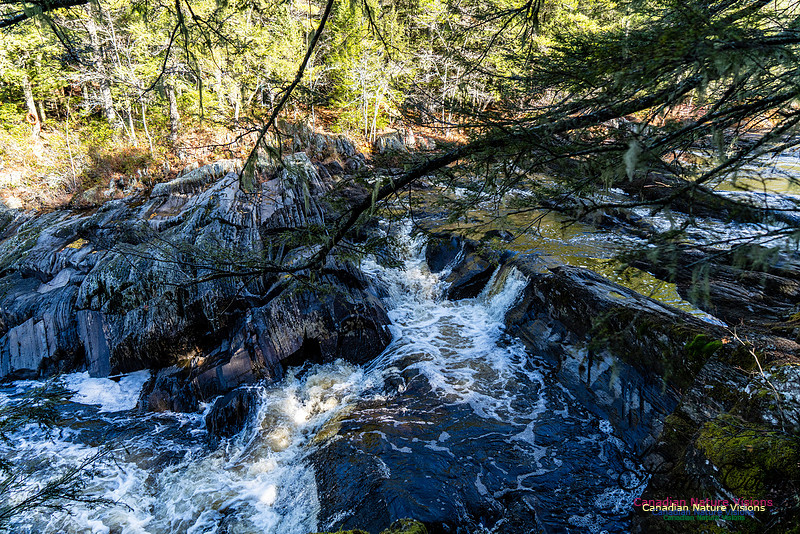
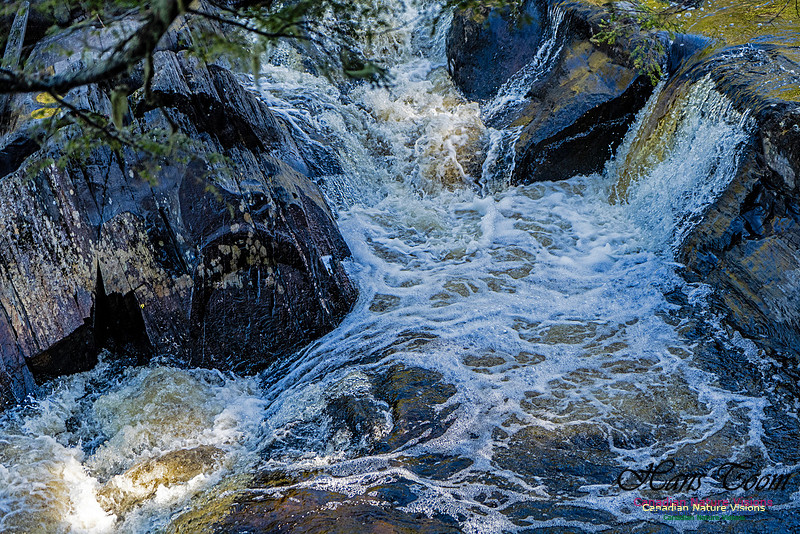
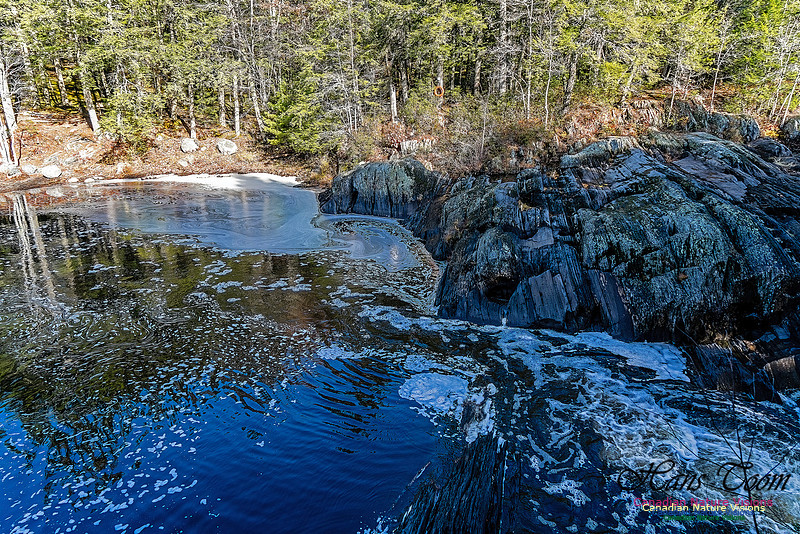
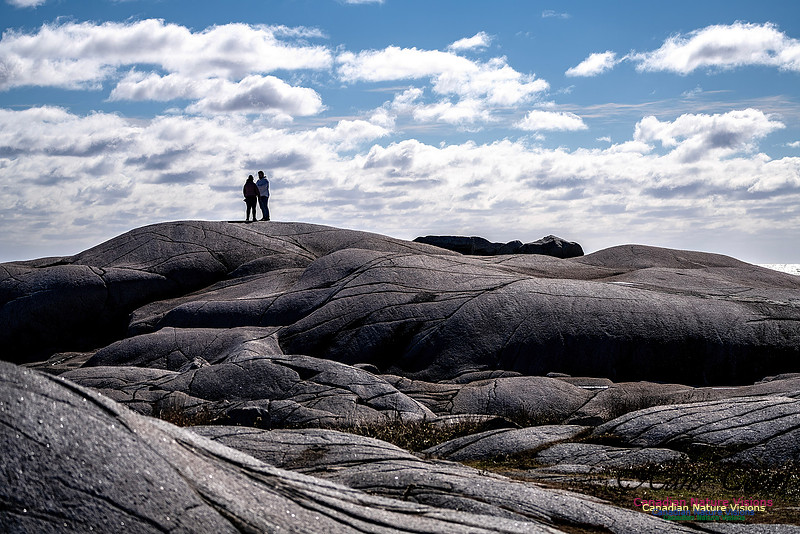
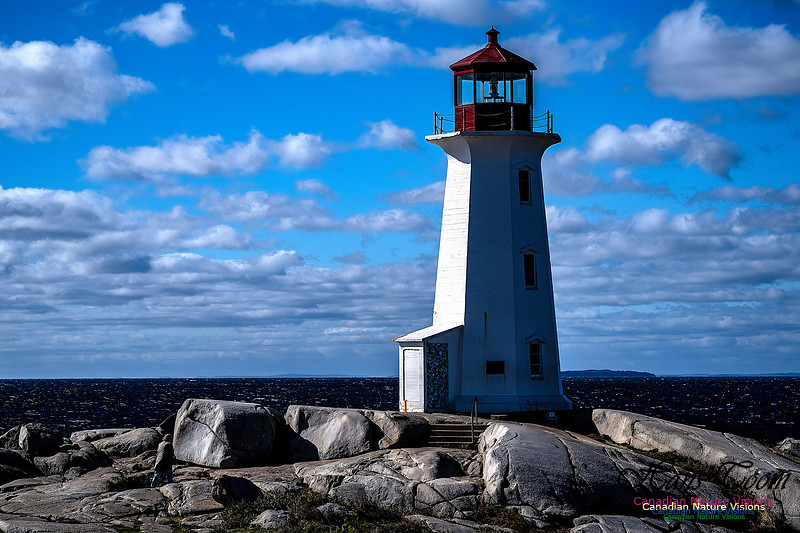
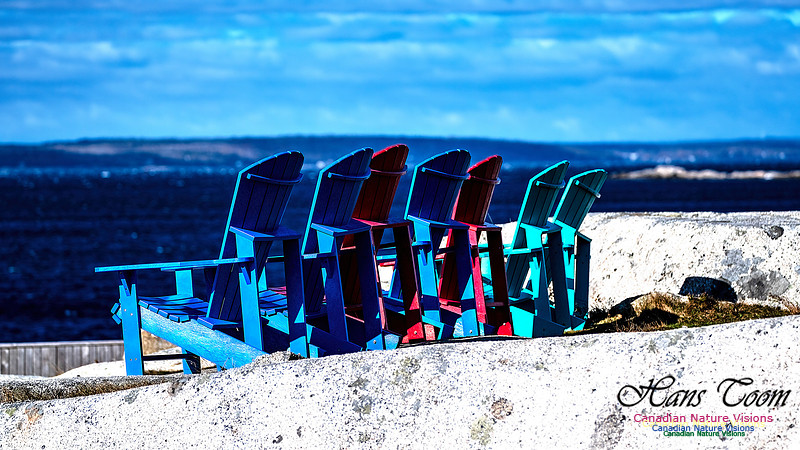
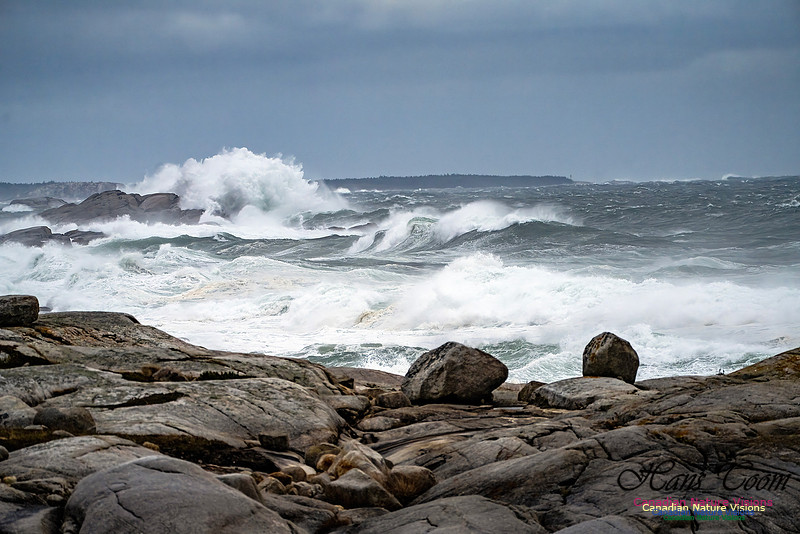
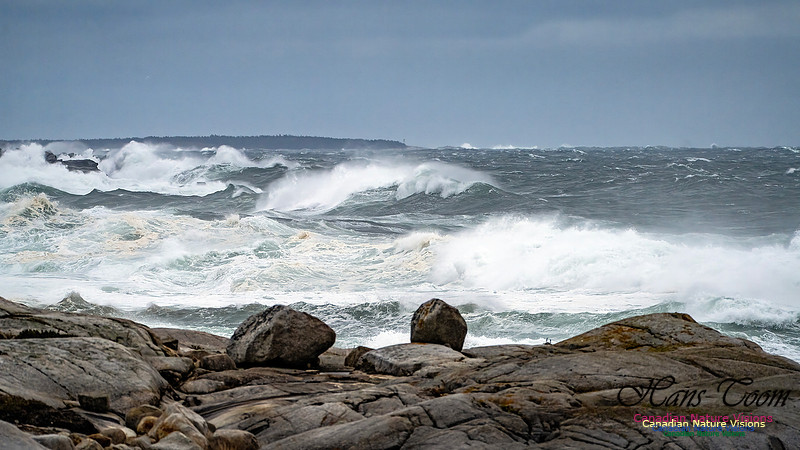
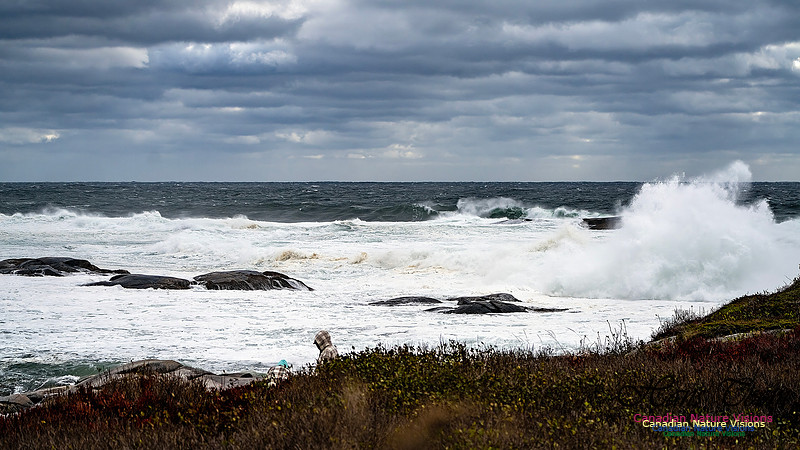
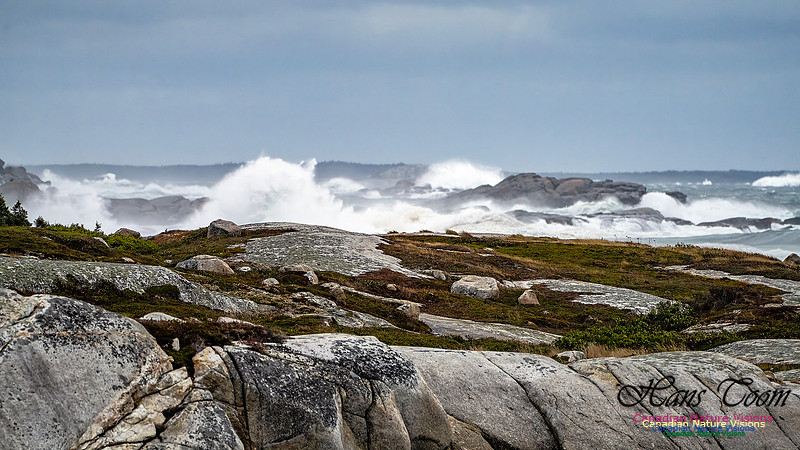
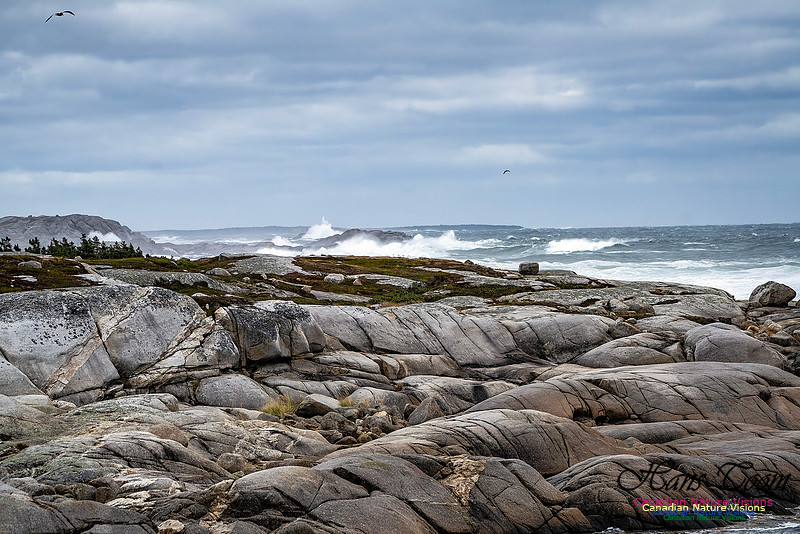
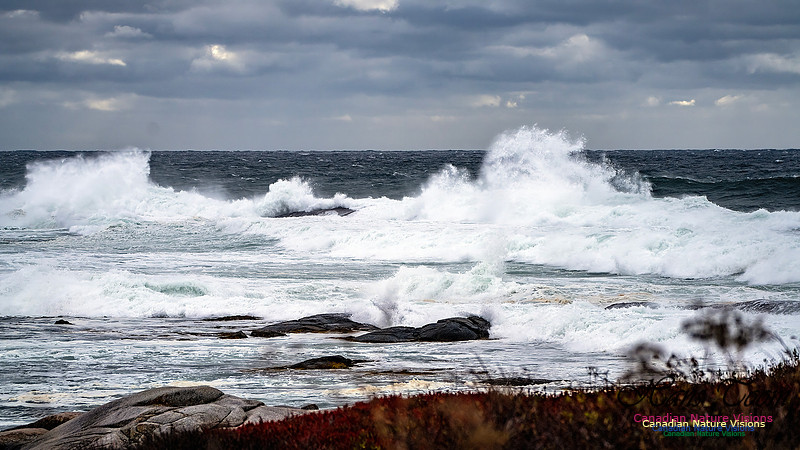
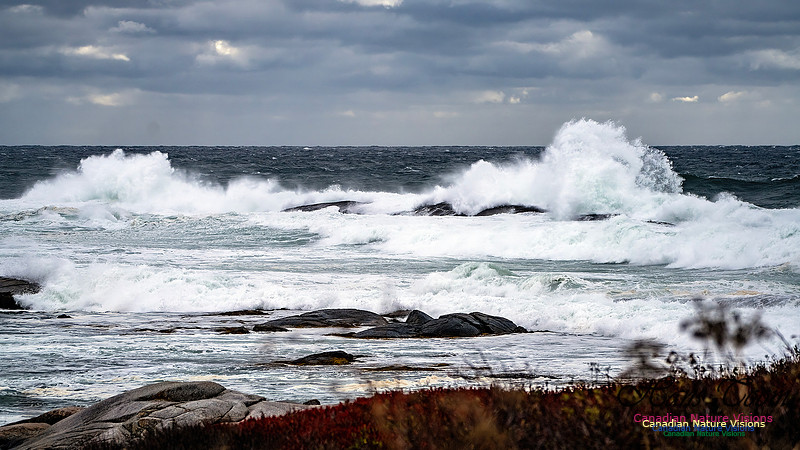
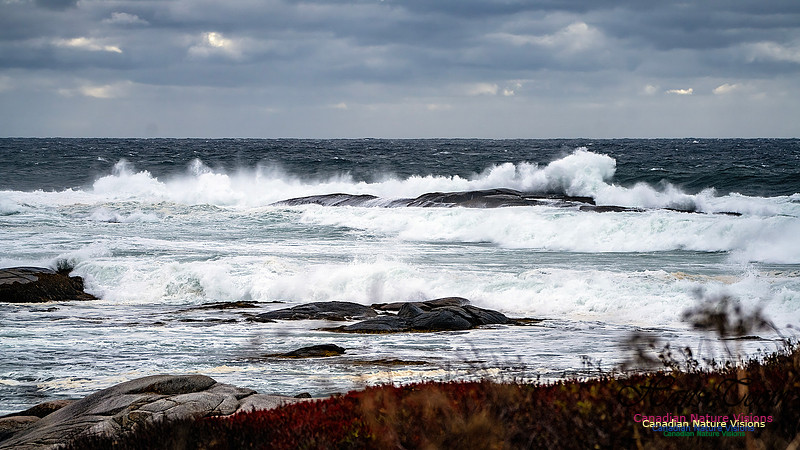
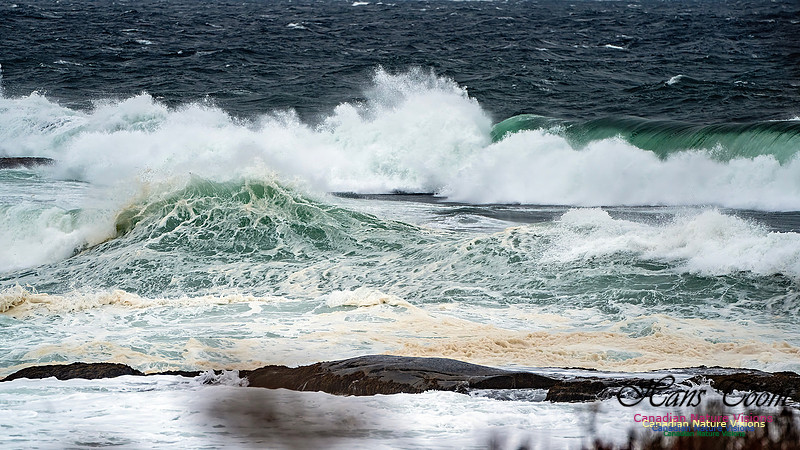
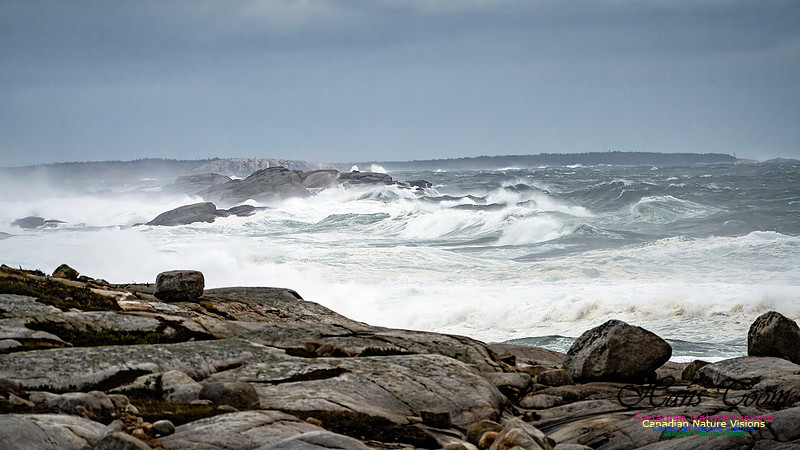
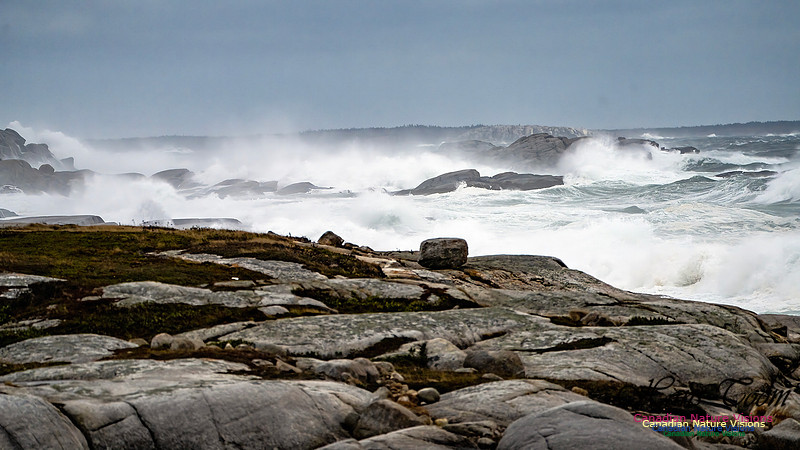
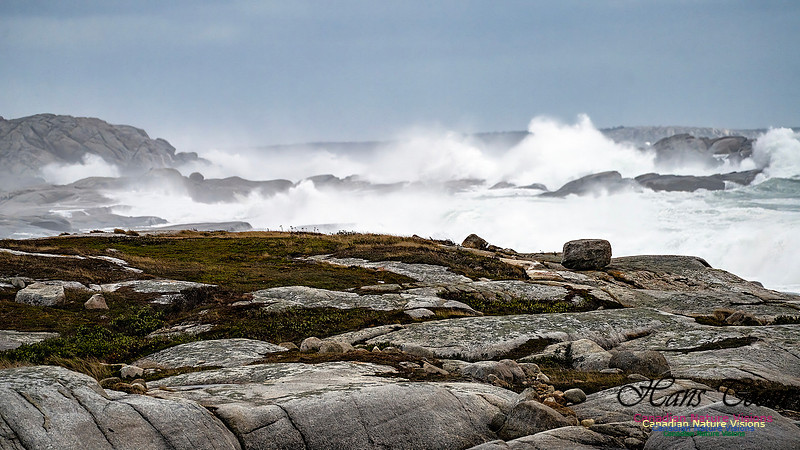
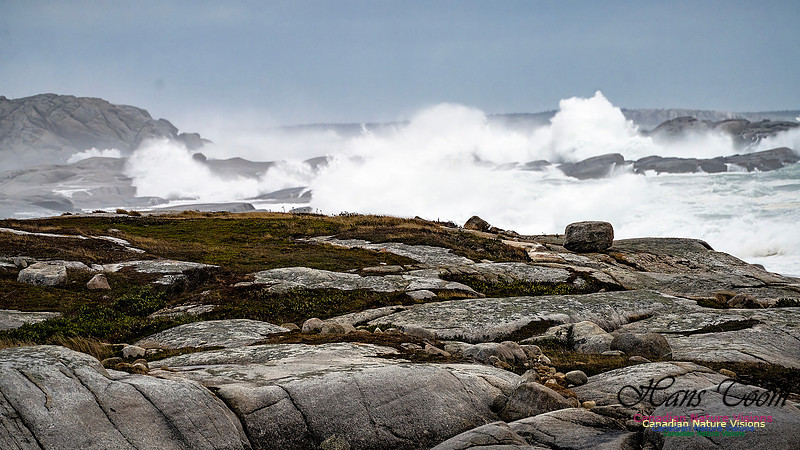
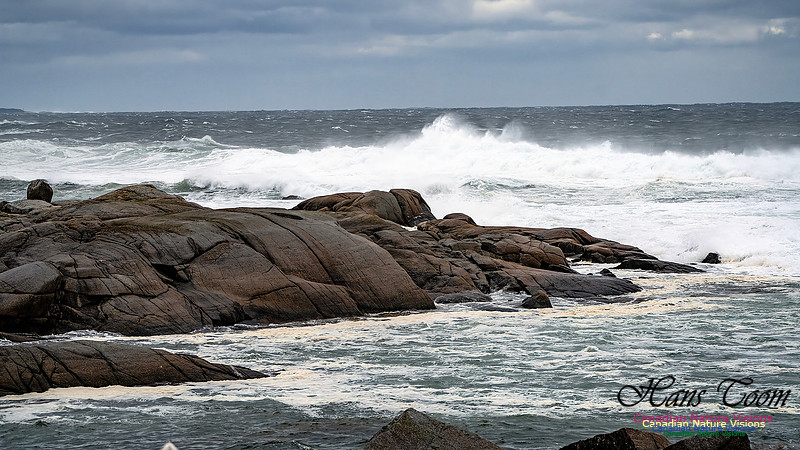
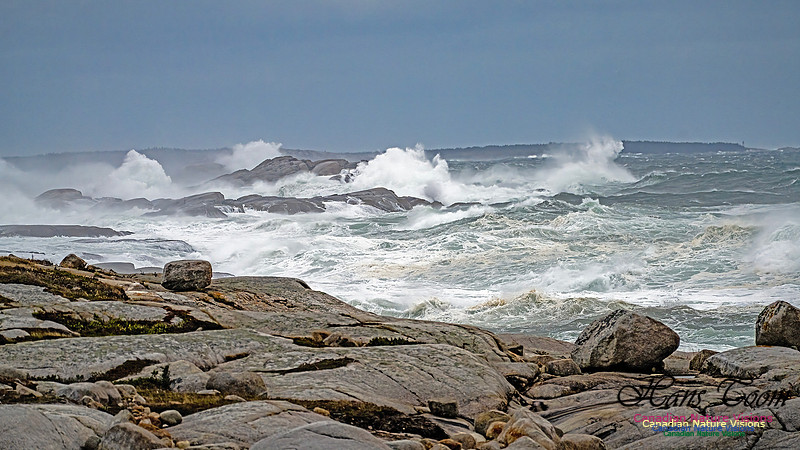
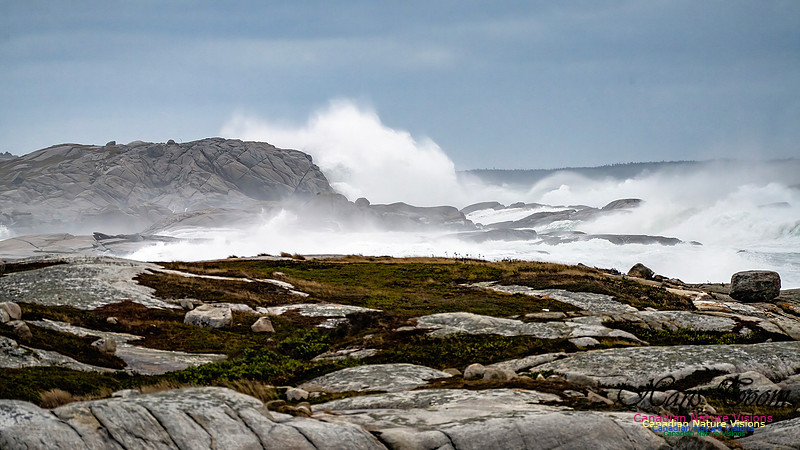
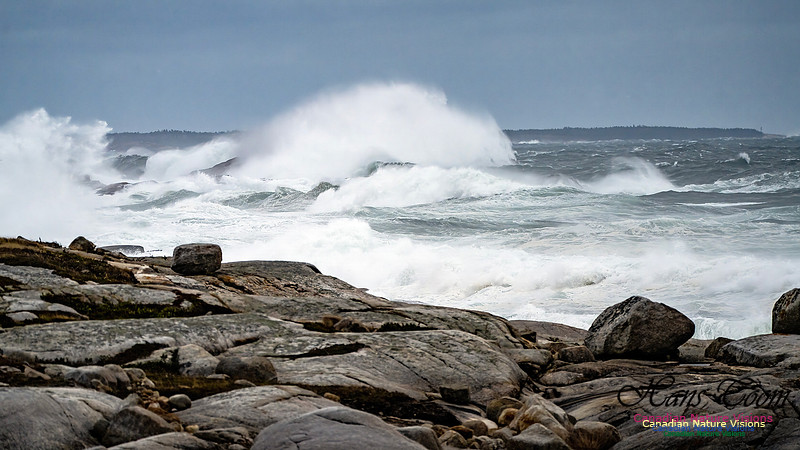
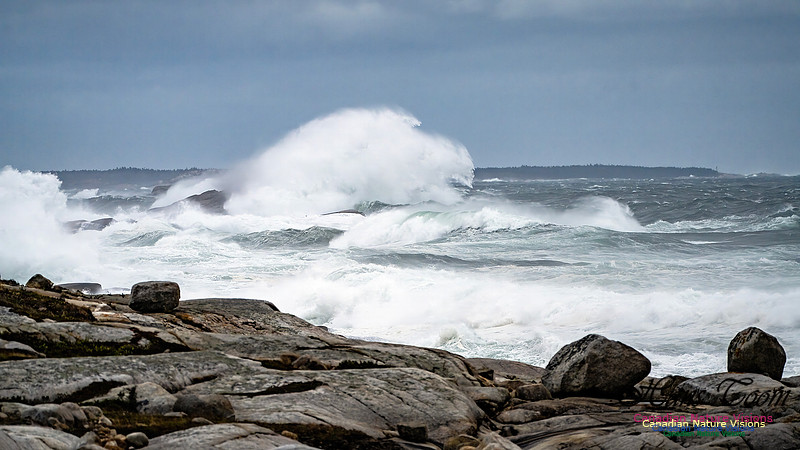
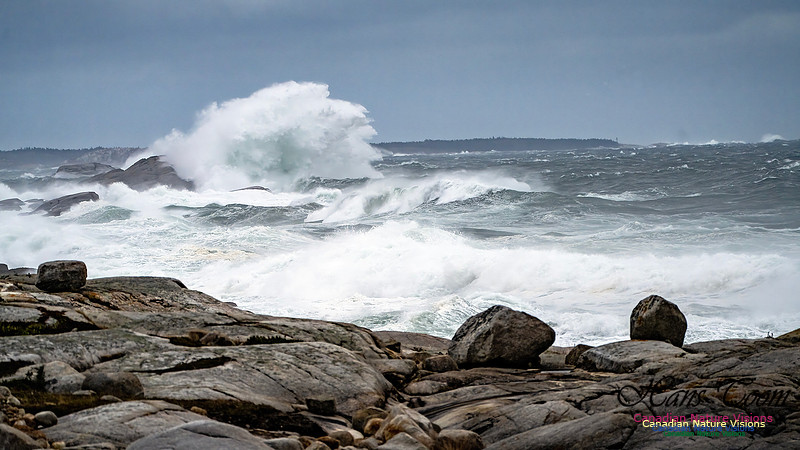
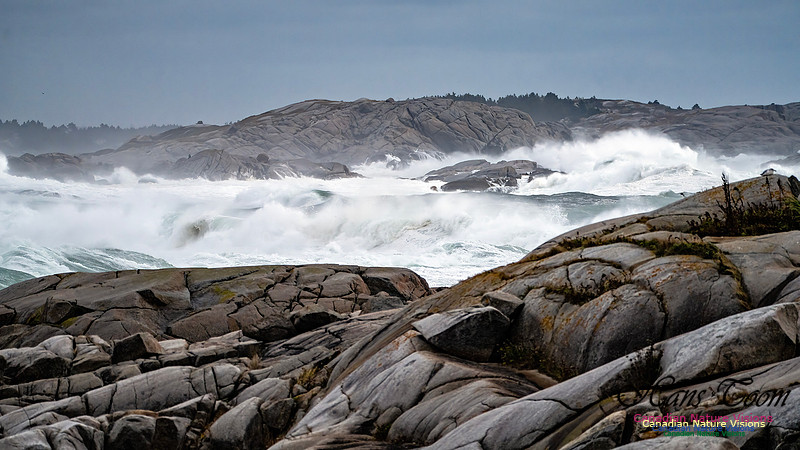
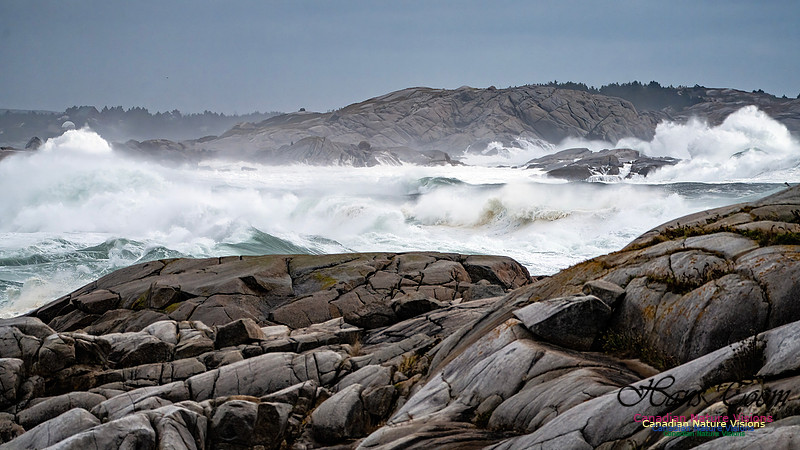
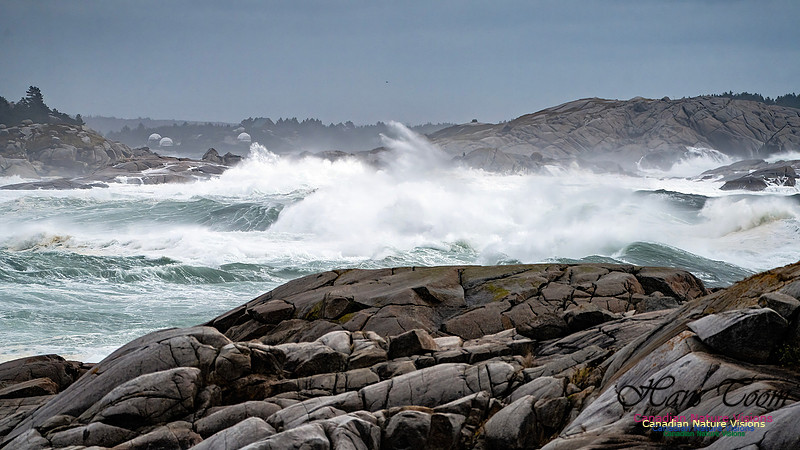
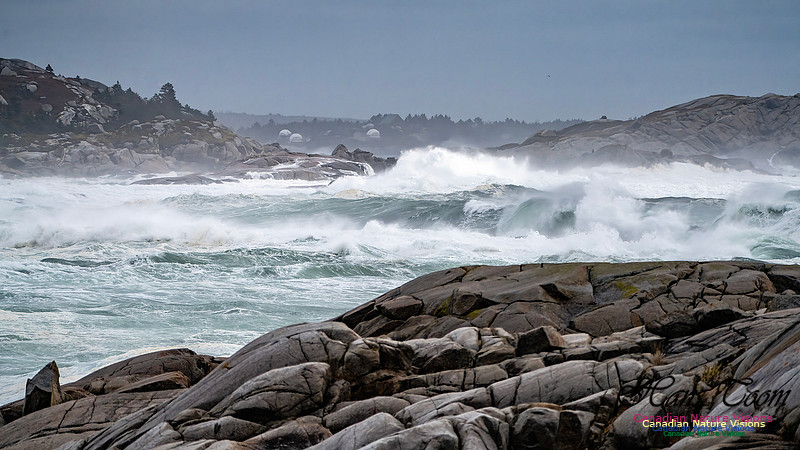
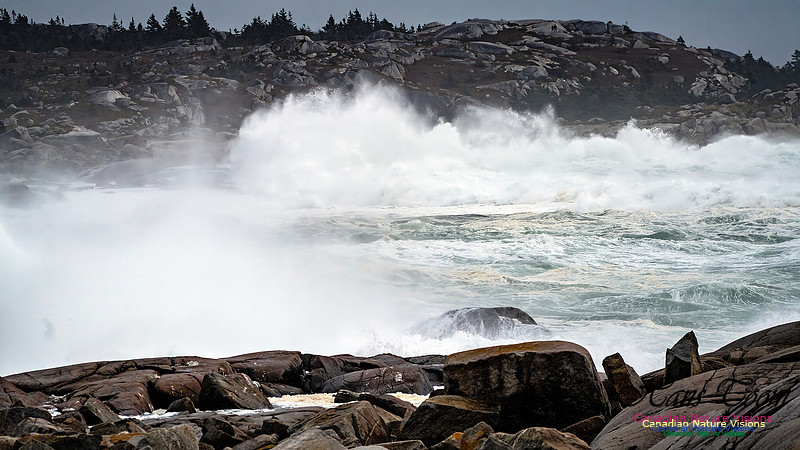
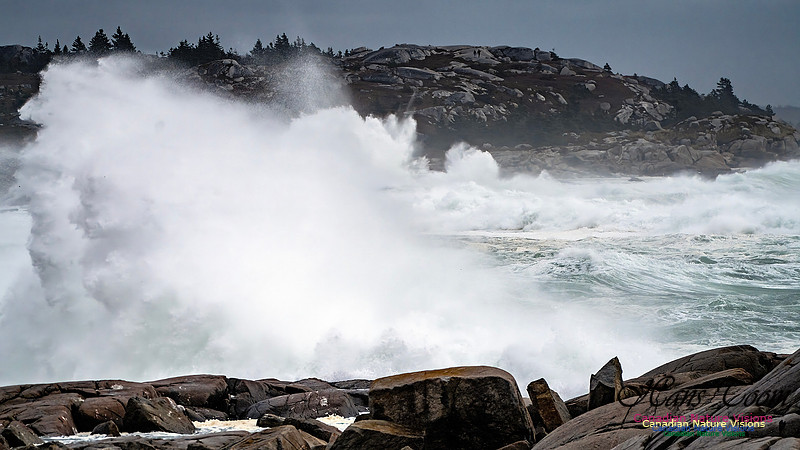
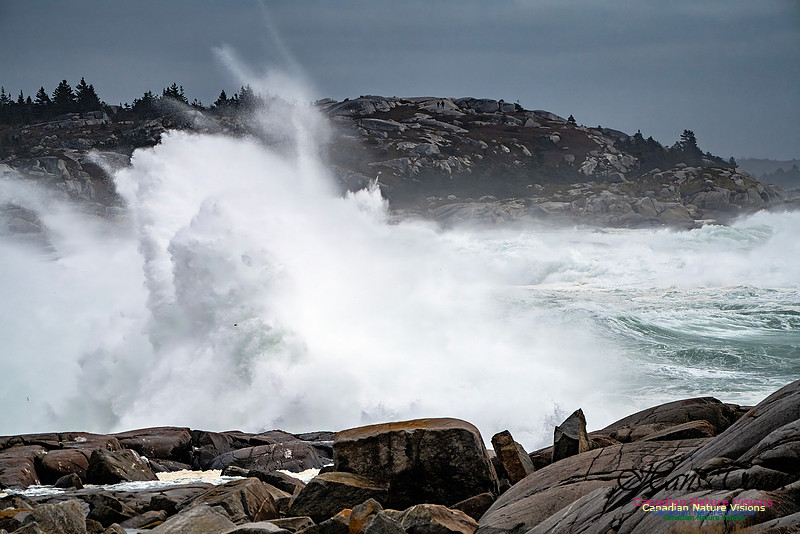
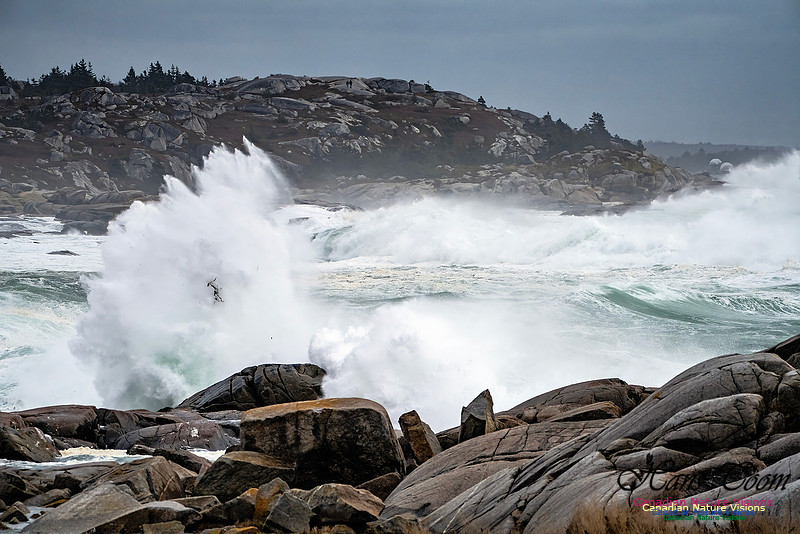
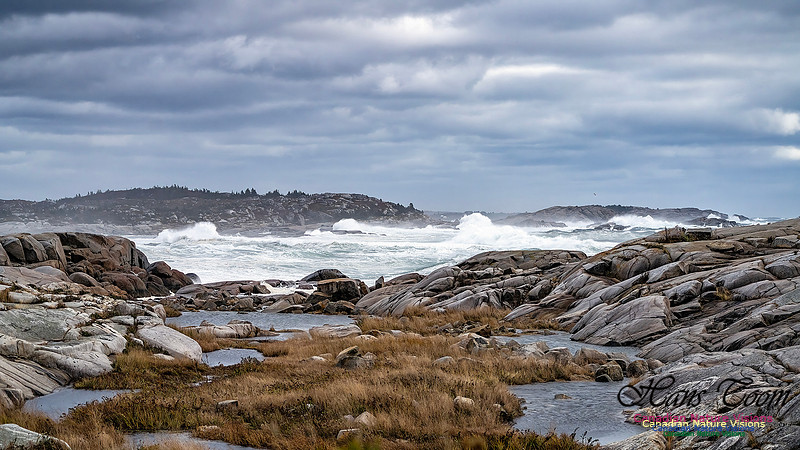
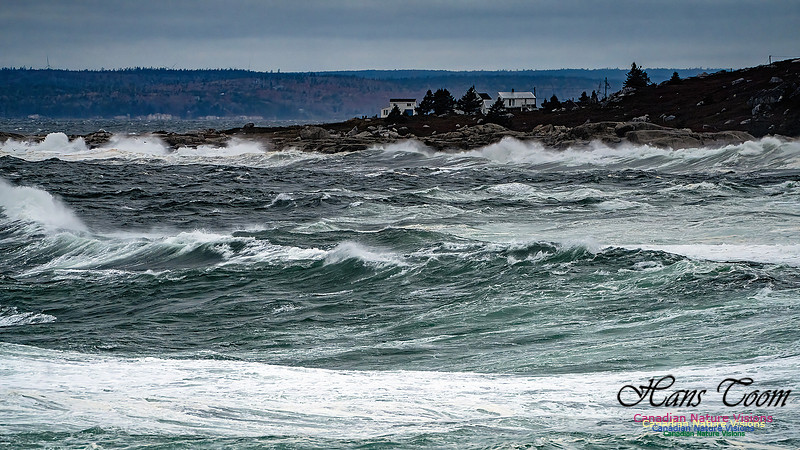
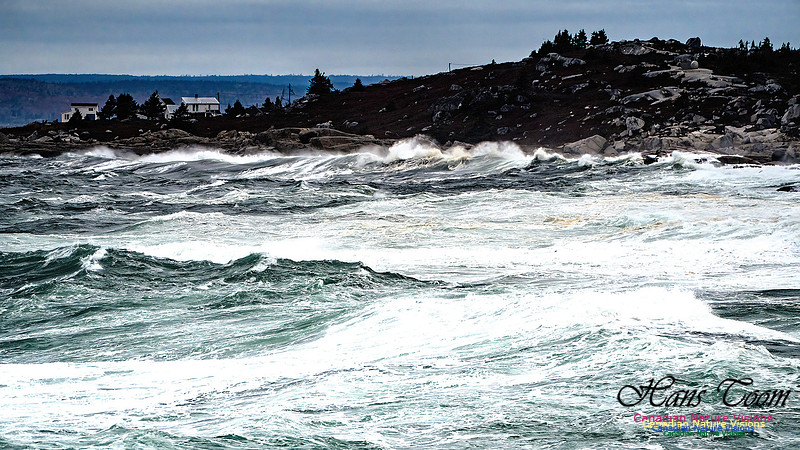
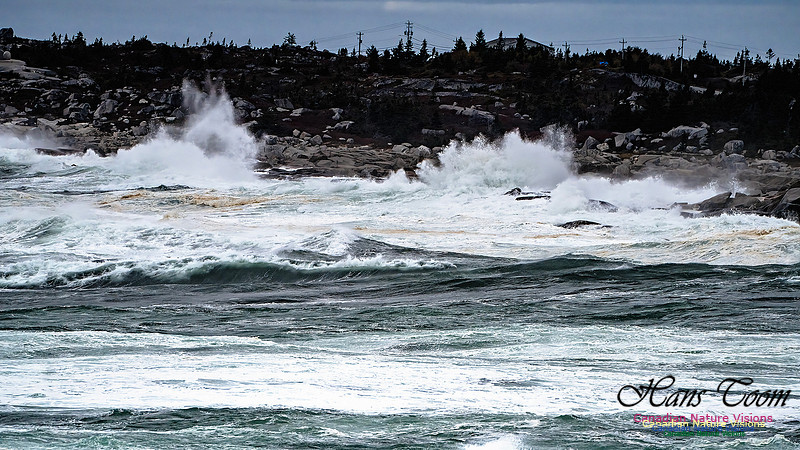
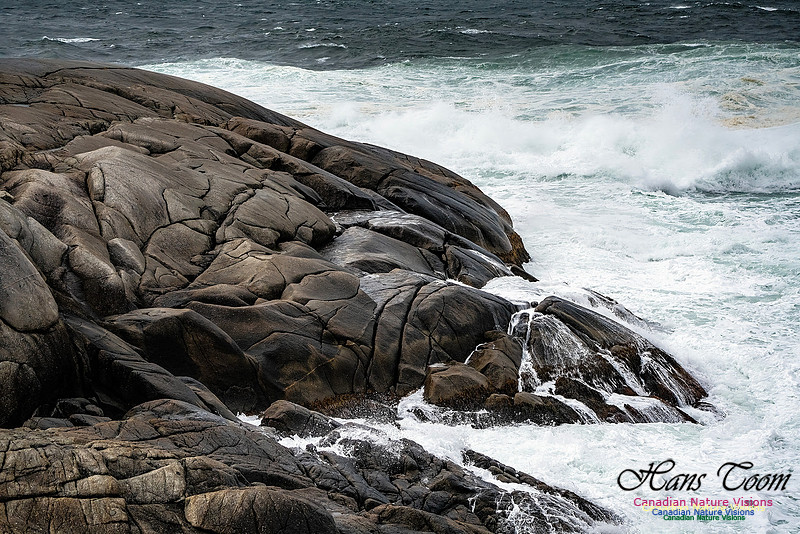
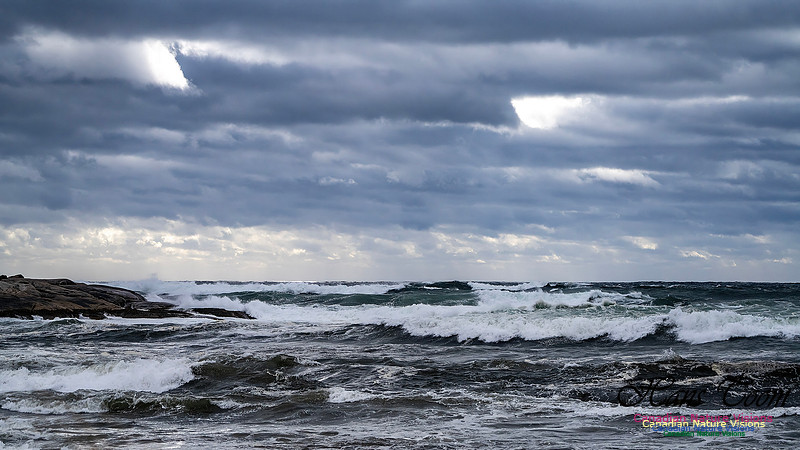
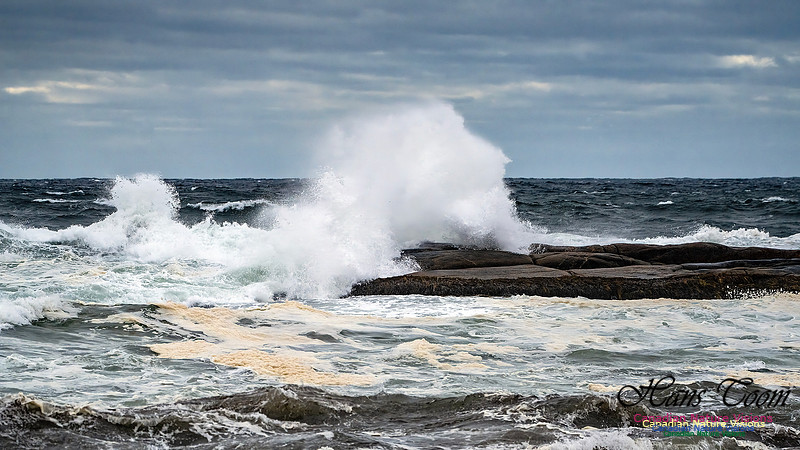
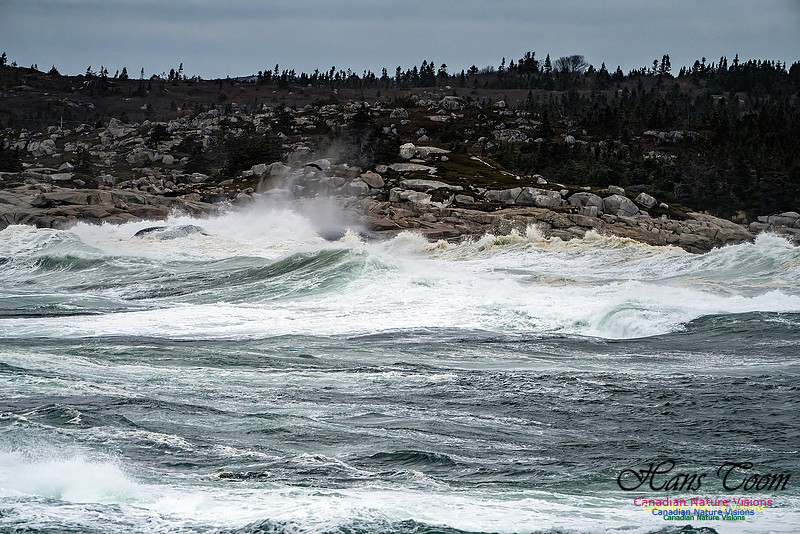
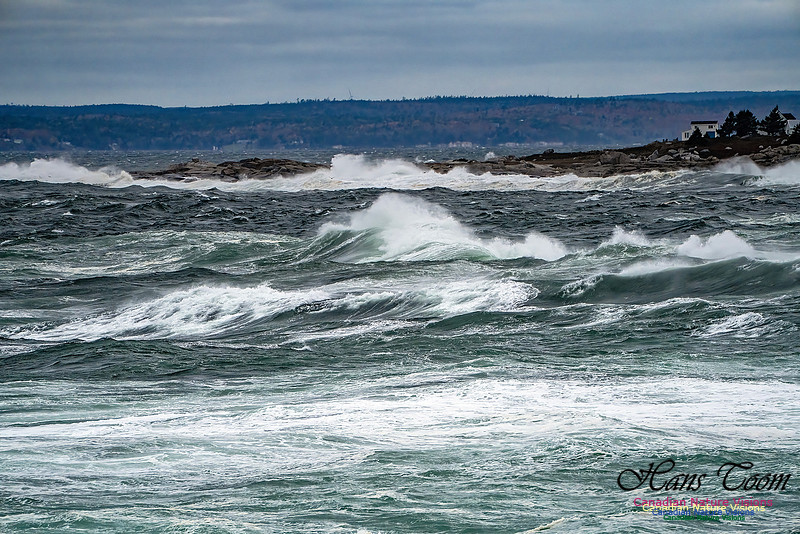
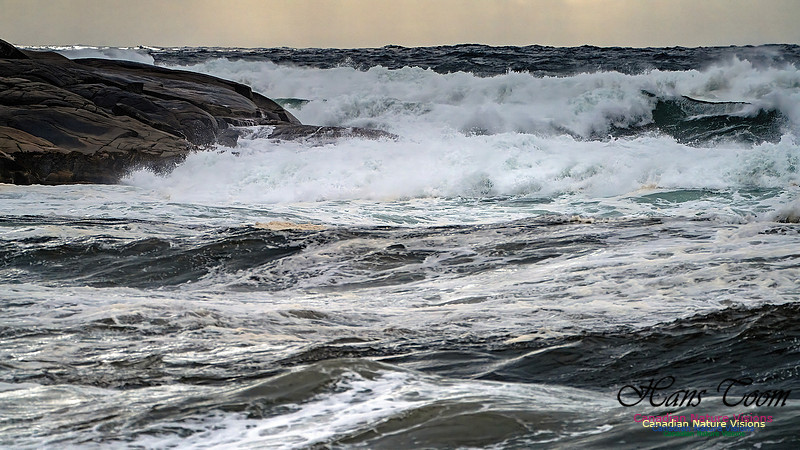
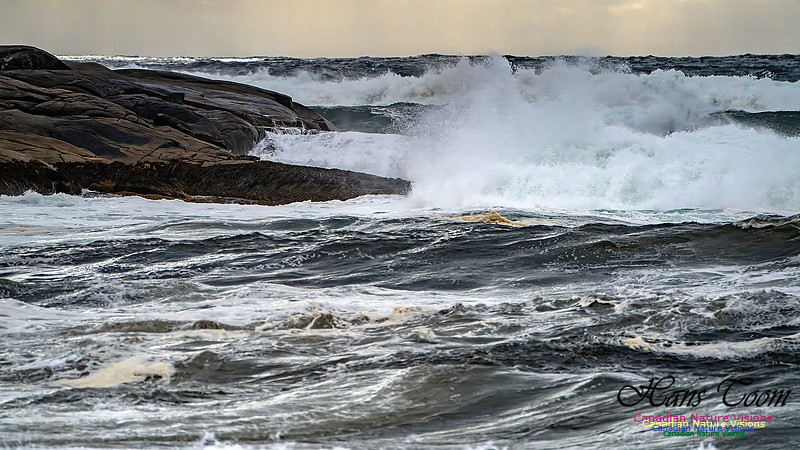
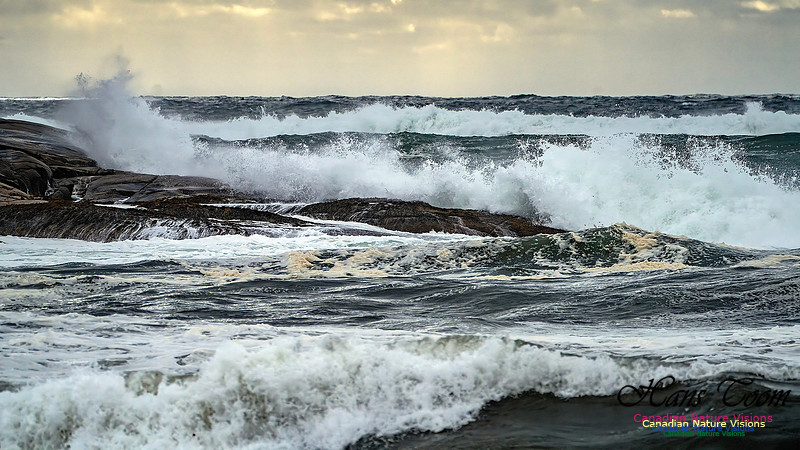
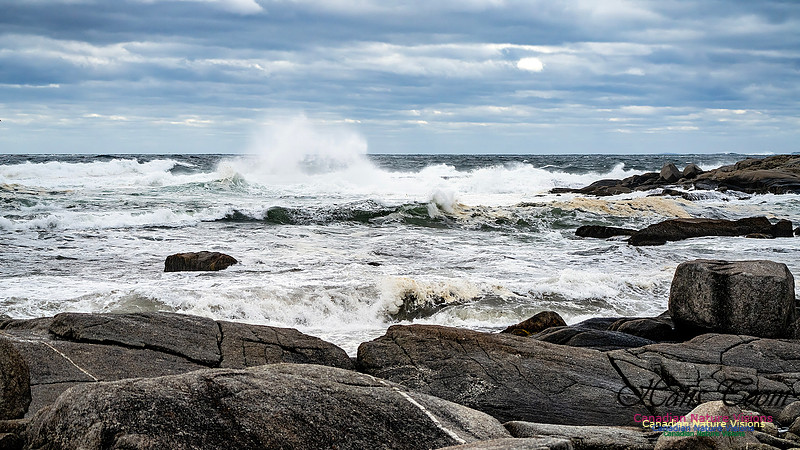
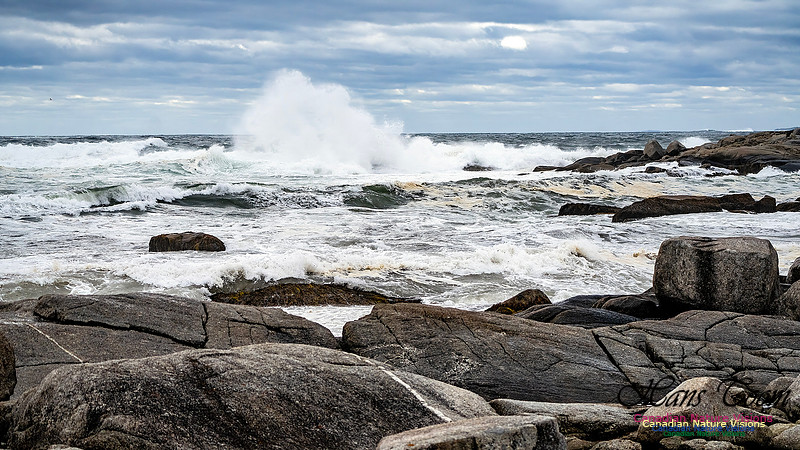
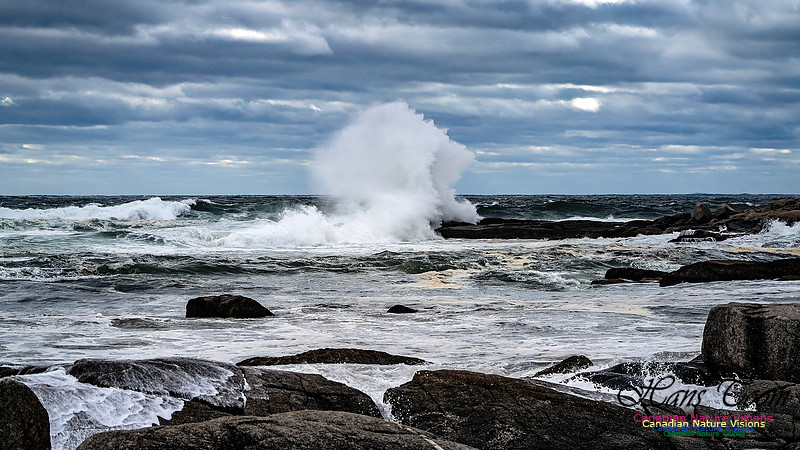
Late Spring Gale along the Chebucto Peninsula-Series TwoThis is the continuation of my photographic essay of the spring gale along the Chebucto Peninsula, series two. Late Spring Gale along the Chebucto Peninsula-Series Two
Late Spring Gale along the Chebucto Peninsula-Series OneI enjoy photographing the sea in its fury along the coastline of the Chebucto Peninsula. This is a bonding of beauty, power and terror. The direction of the wind is important. South winds are the best but south-west and south-east winds are also good for parts of the peninsula. This gale was a beauty with waves up to 8 metres on the open ocean and twice that height as they built up to meet the coast. The route I usually follow starts at Ferguson's Cove, thence to Herring Cove, Portuguese Cove, Duncan's Cove, Ketch Harbour, Sambro Head and Harbour, Sandy Cove, West Dover, Peggy's Cove and Indian Harbour. There are numerous coves and inlets to explore along this route. There are a lot of photos so I will present them in several series. Courtesy Wikipedia
The Chebucto Peninsula is a peninsula located in central Nova Scotia, Canada, entirely within the Halifax Regional Municipality on the Atlantic coast. It is bordered by St. Margarets Bay in the west, the open Atlantic Ocean to the south, and Halifax Harbour (including Bedford Basin) to the east. The peninsula also includes a sub-peninsula - the Halifax Peninsula. The majority of the central part of the Chebucto Peninsula is uninhabited and designated a protected wilderness area to prevent encroaching urban sprawl development.[2]
Late Spring Gale along the Chebucto Peninsula-Series One
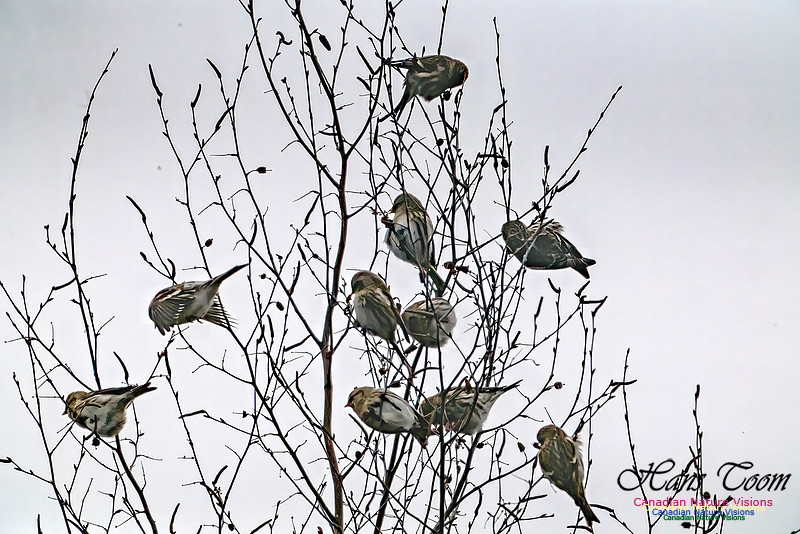
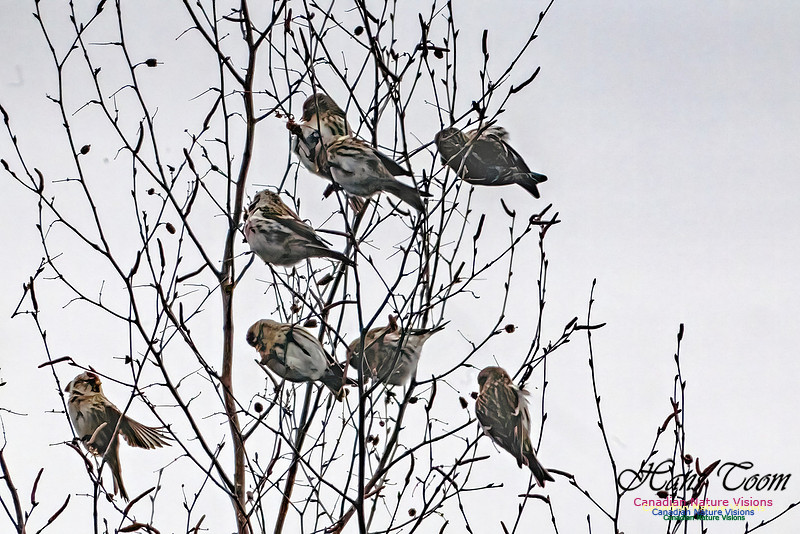
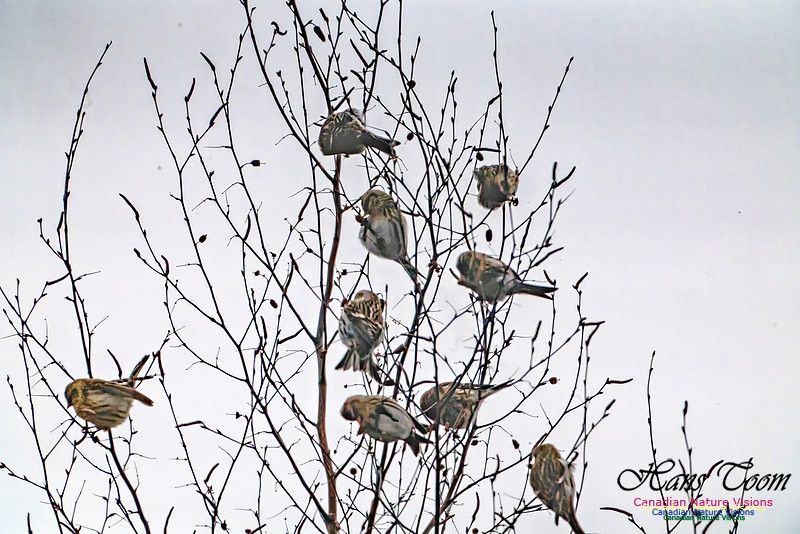
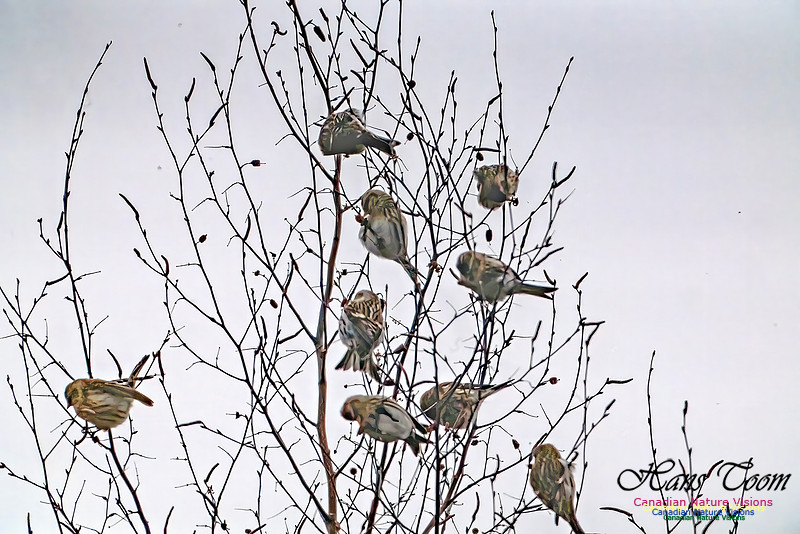
Common and Hoary RedpollsI photographed this flock of 100++ Common and Hoary Redpolls whilst driving along a dusty road. The traffic is horrific as it stirs up dust and scatters the Redpolls. The photos are strained as they are severely backlight and a ways off. I had to shoot at 1600mm which seldom produces good results due to the compression of the depth of field and reduced definition. I will try again hoping to capture these flighty birds front lit and at a lower attitude. Common and Hoary Redpolls
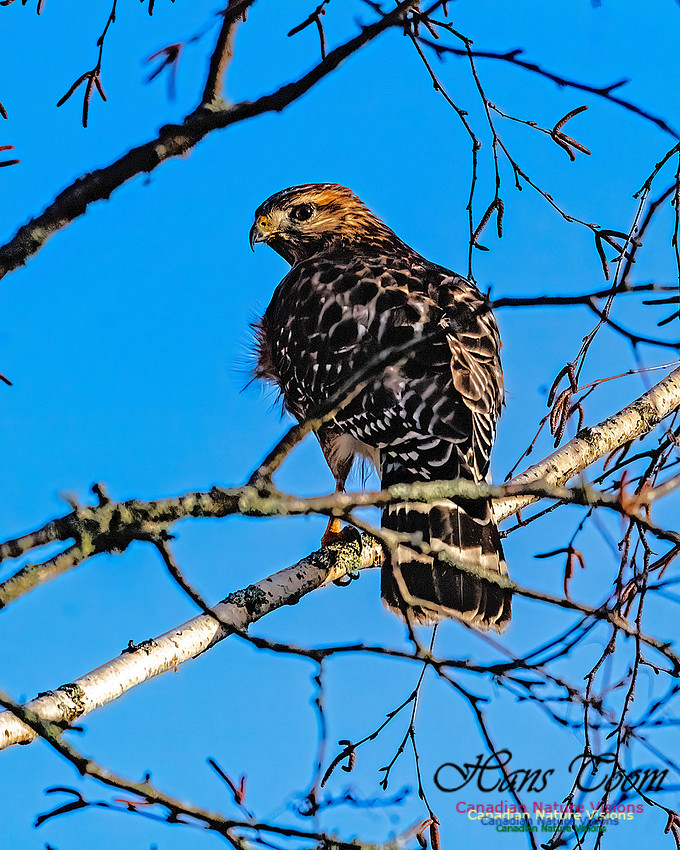
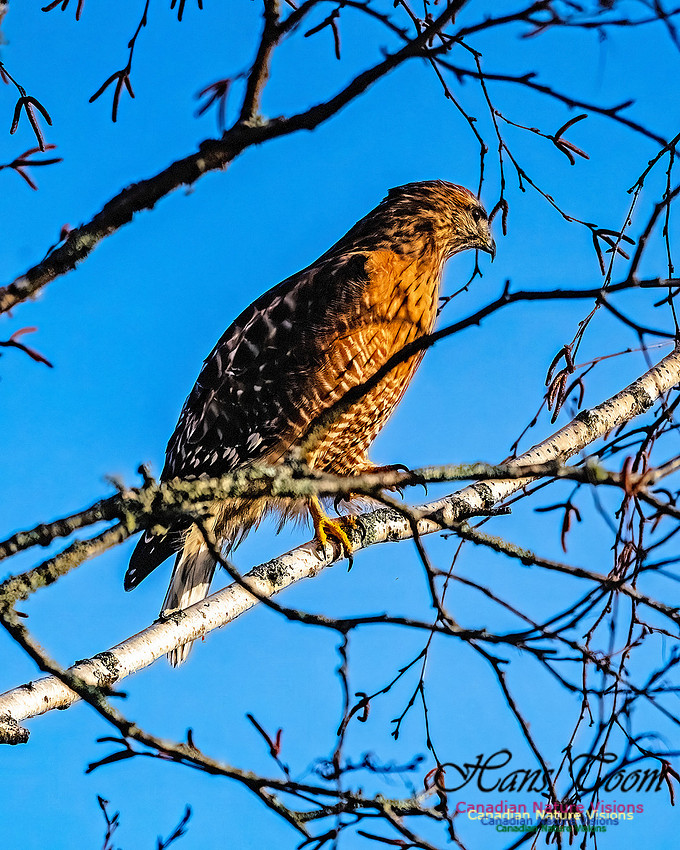
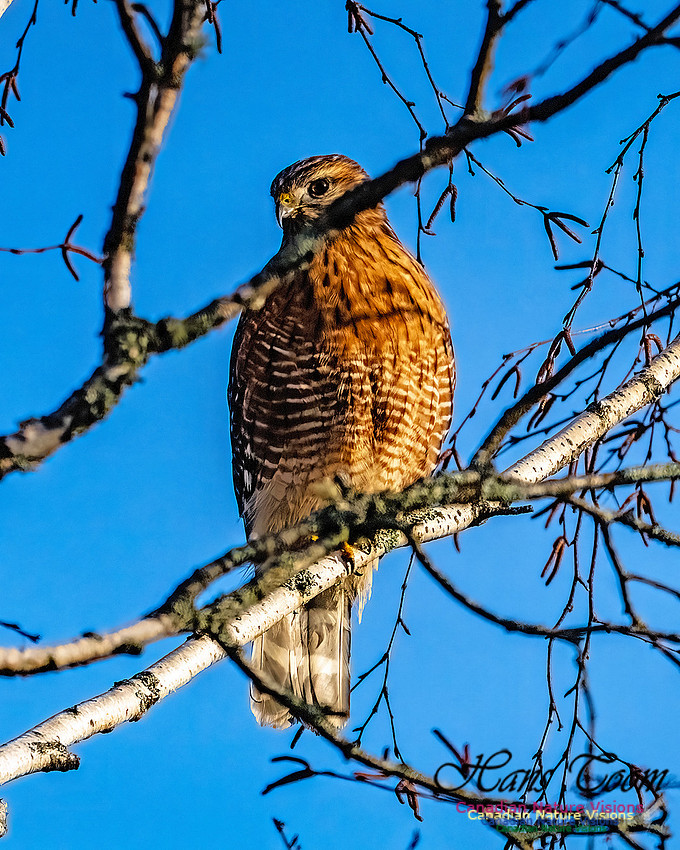
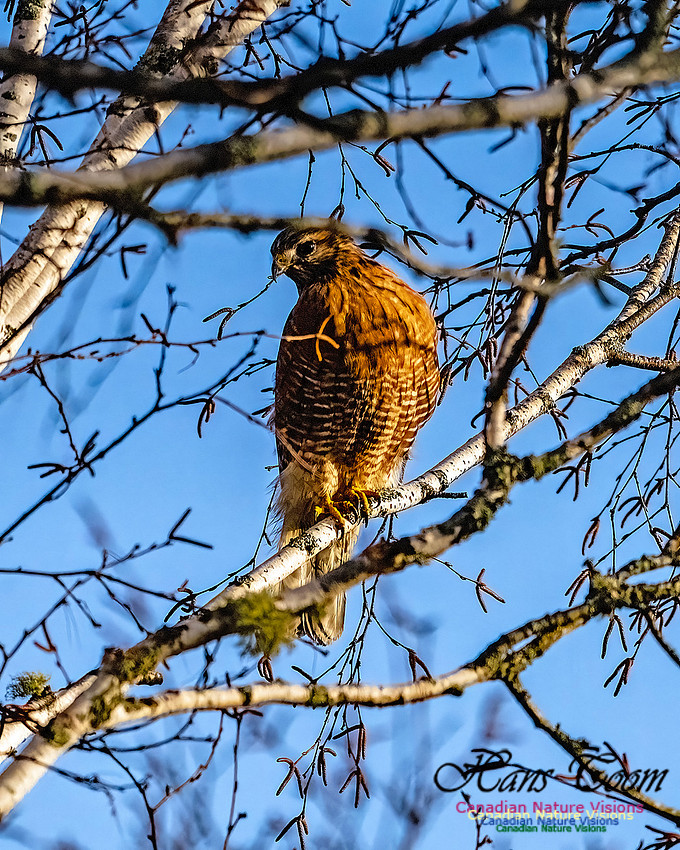
Red-shouldered Hawk at Brickton, Nova ScotiaWe were visiting family on Mt Hanley after which we decided to have a look for the Red-shouldered Hawk that has wintered in the Brickton area the last several winters. After a short look-see without luck we decided to look along Highway 1 and sure enough the eagle eyes of my driving partner spotted the bird about 200 metres past the intersection of Highway 1 and Mt Hanley Road. As usual the bird spent the few minutes of its presence sheltered behind branches. Red-shouldered Hawk
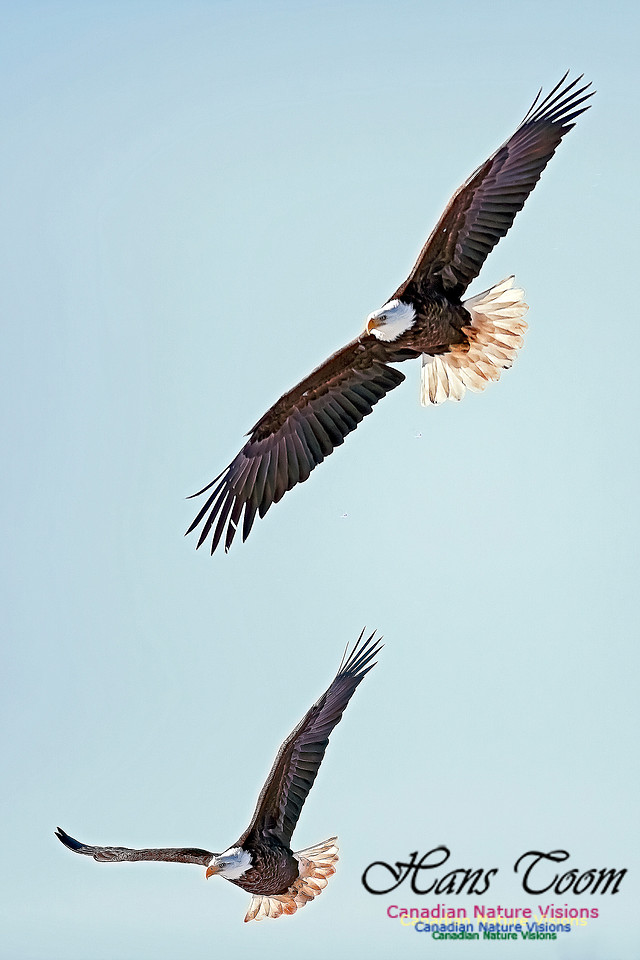
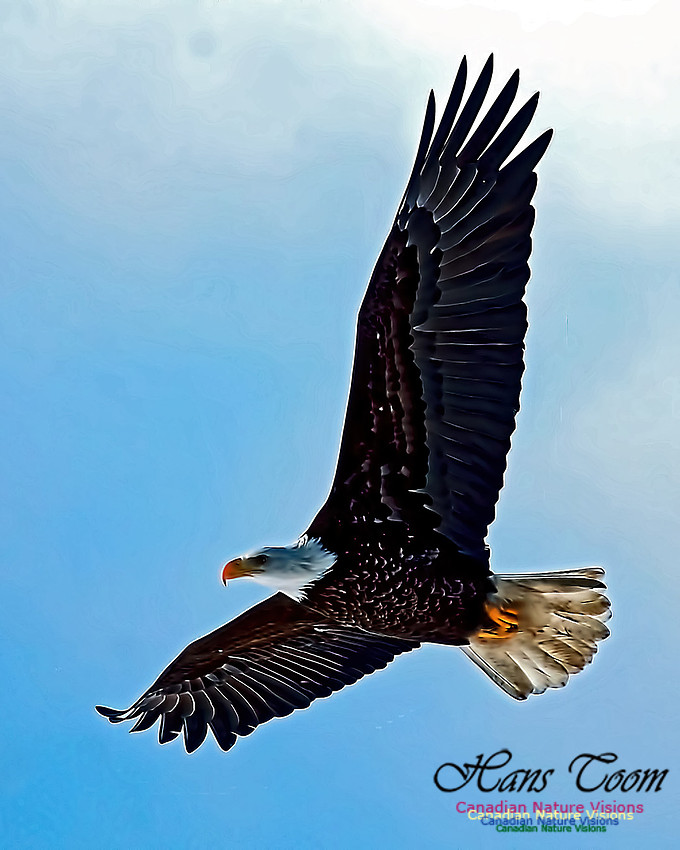
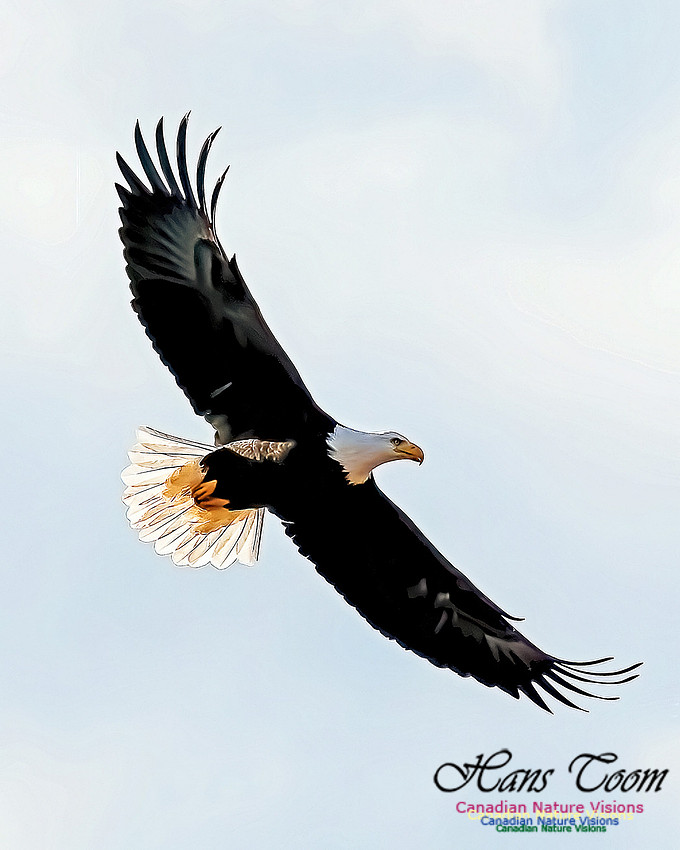
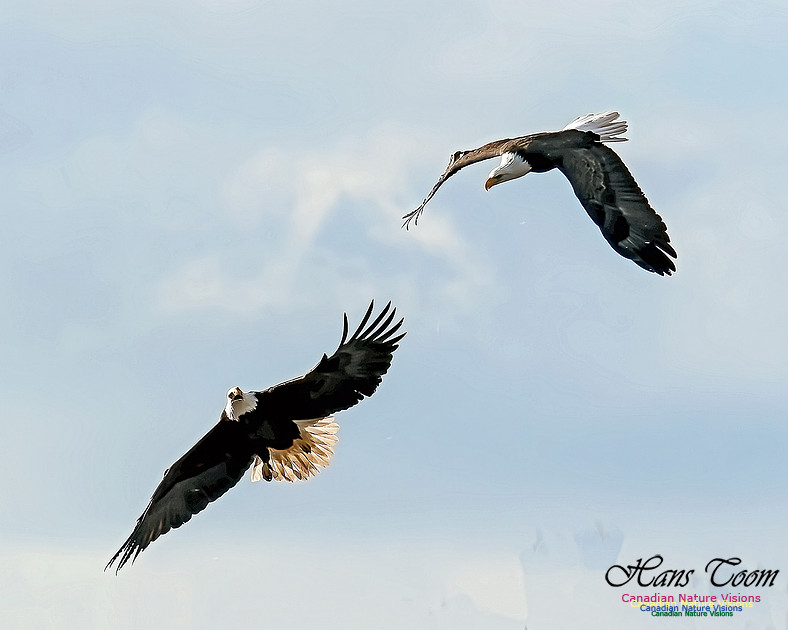
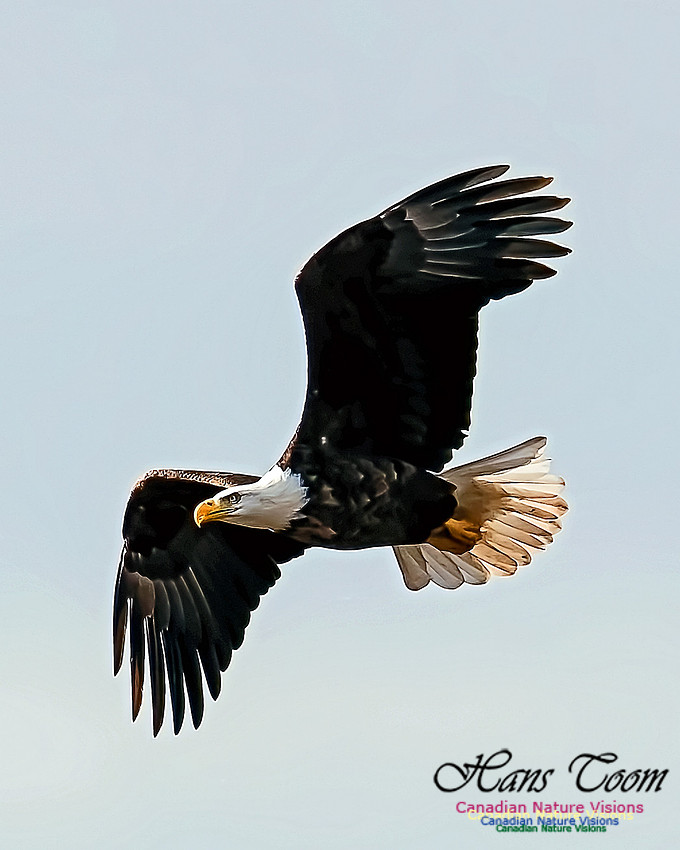
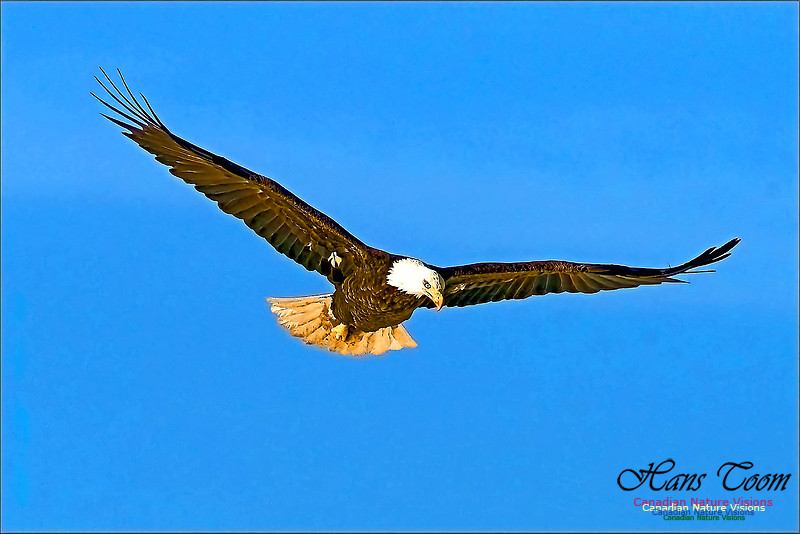
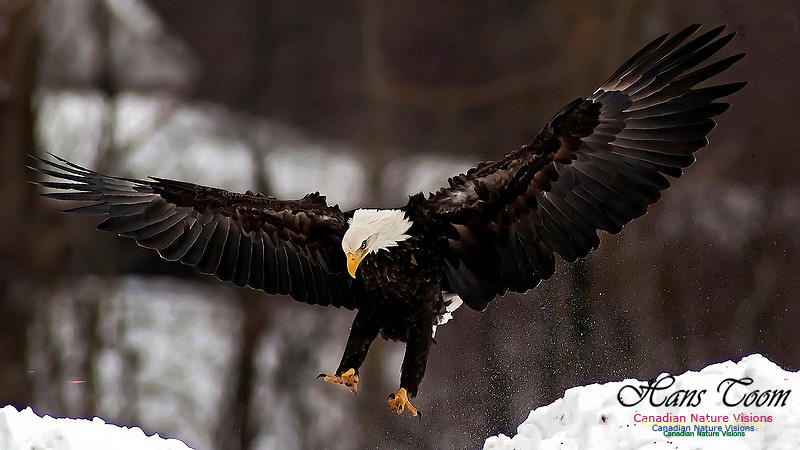
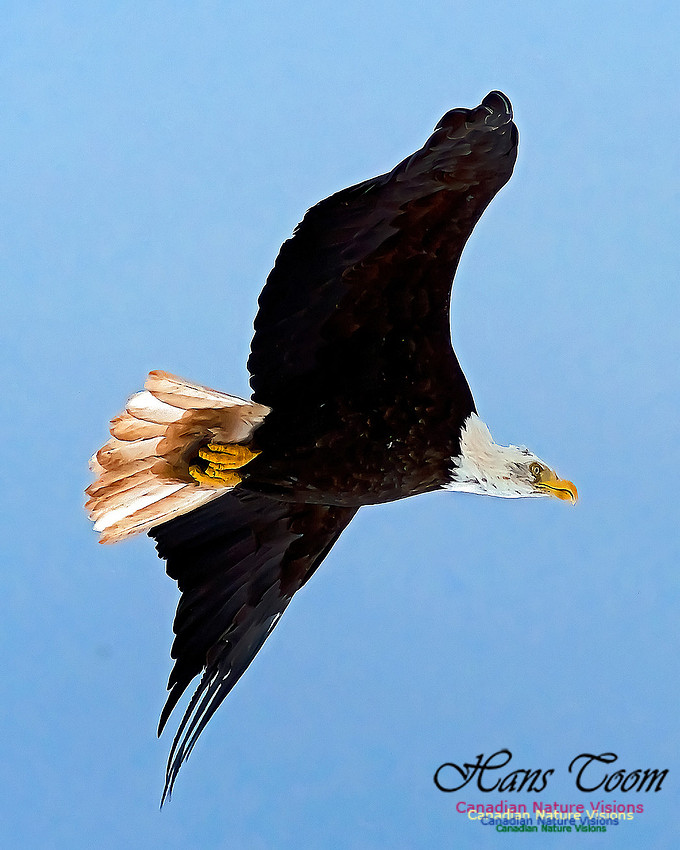
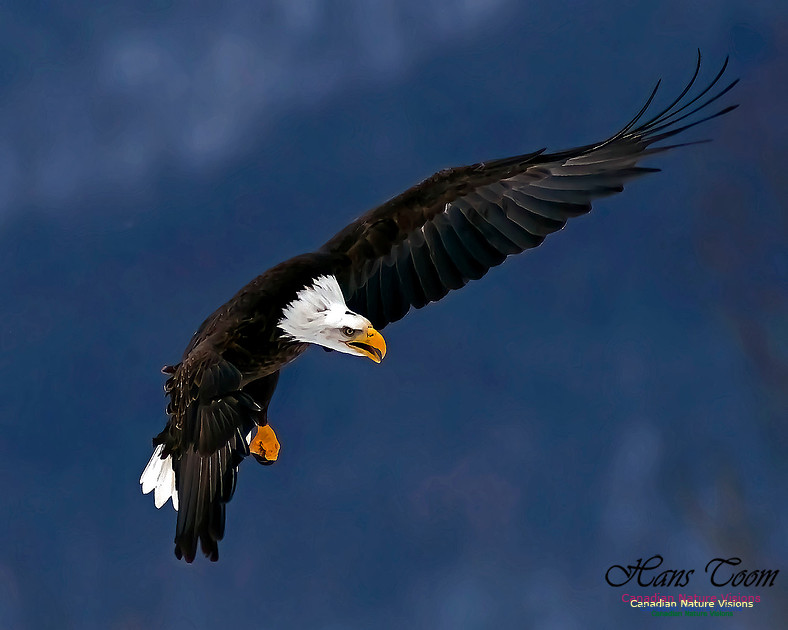
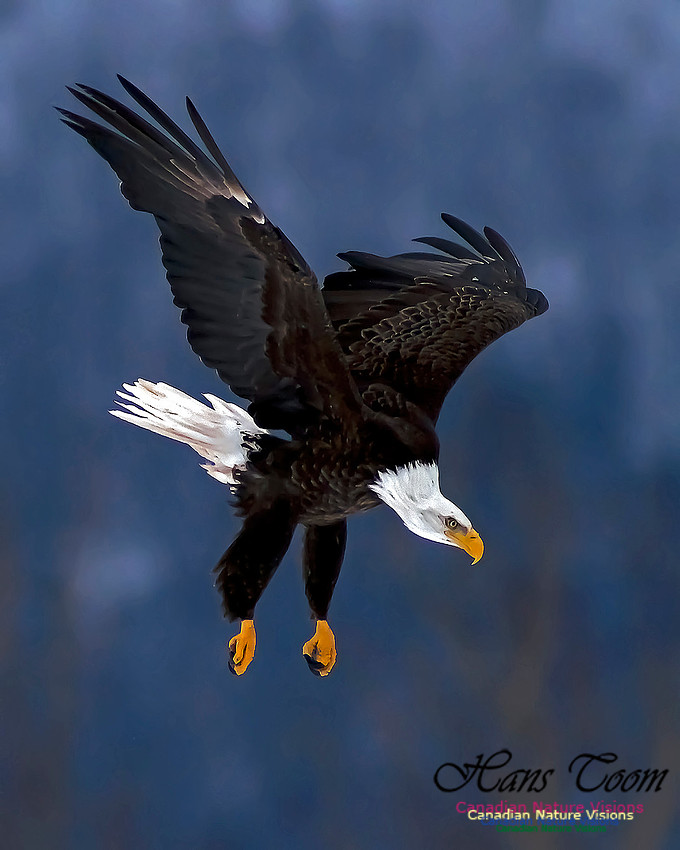
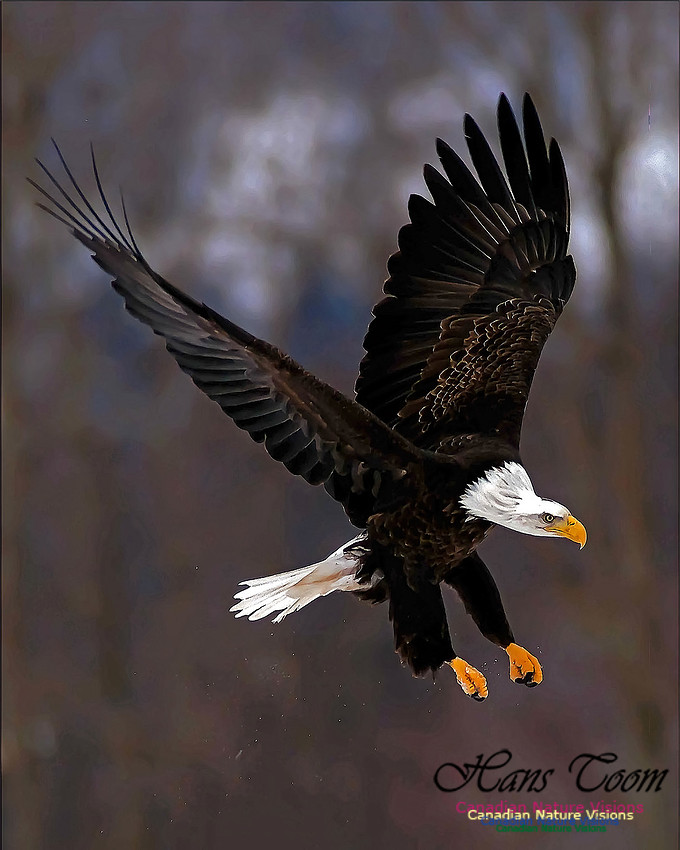
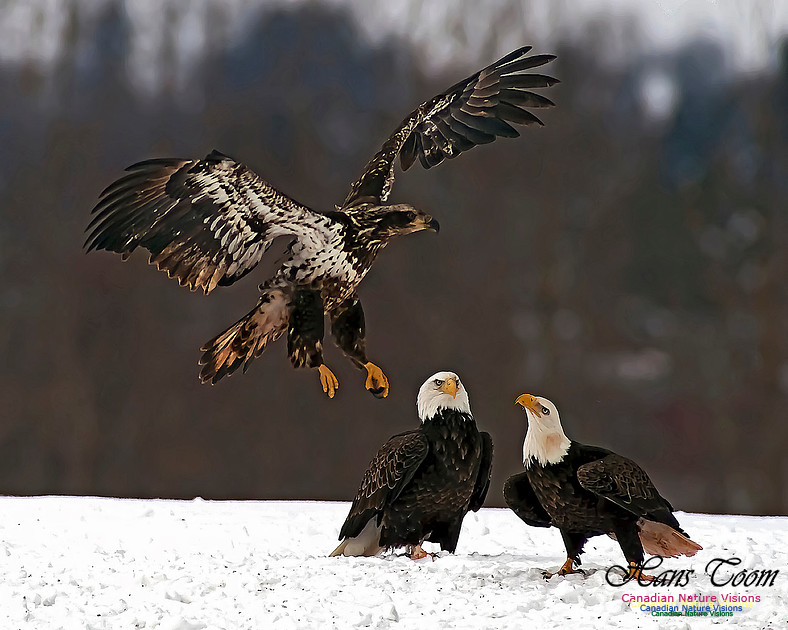
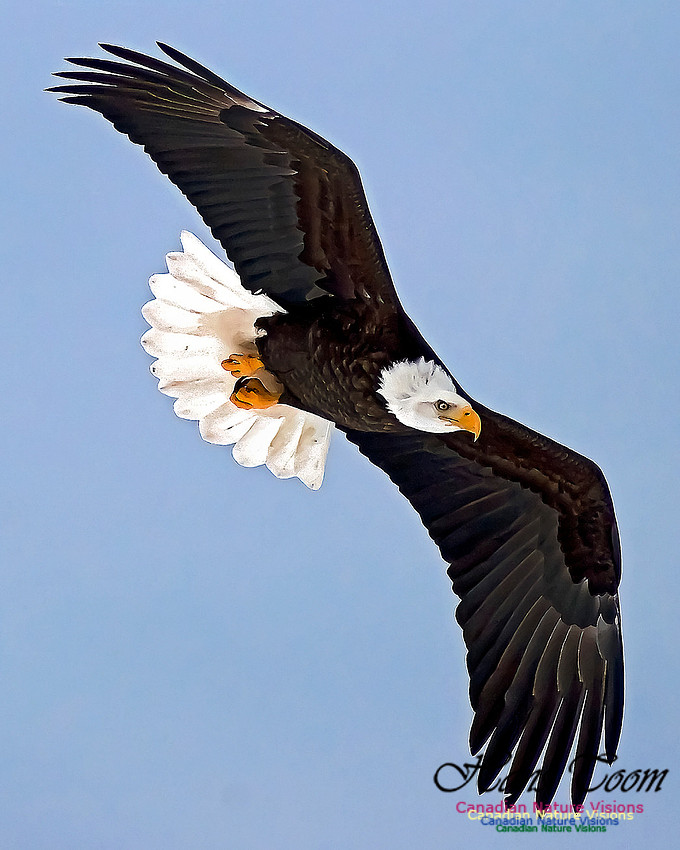
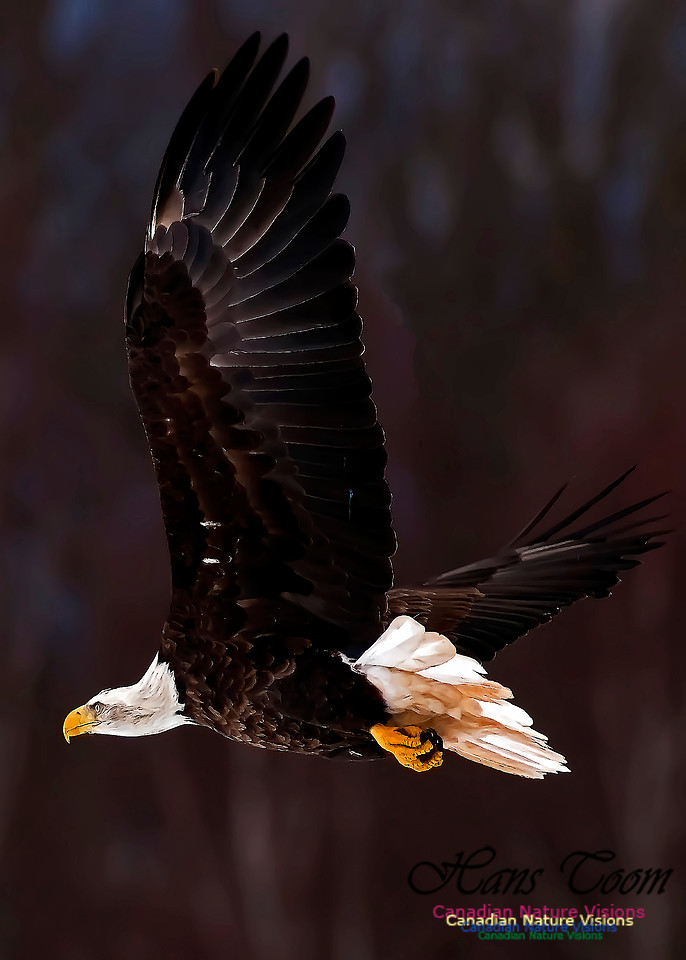
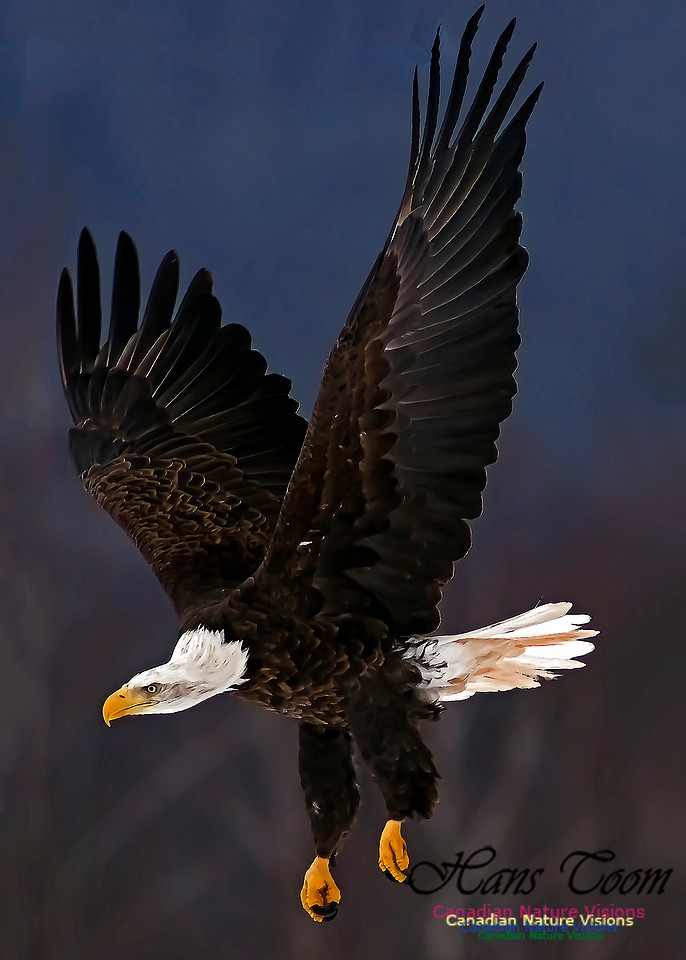
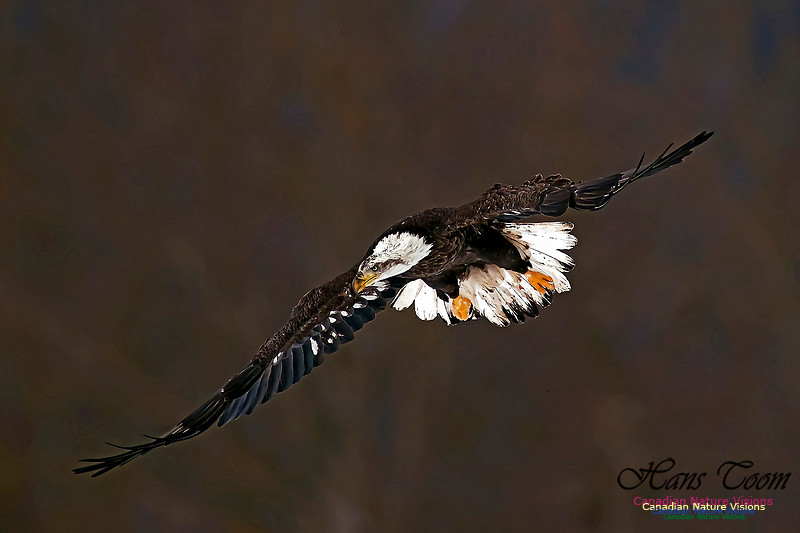
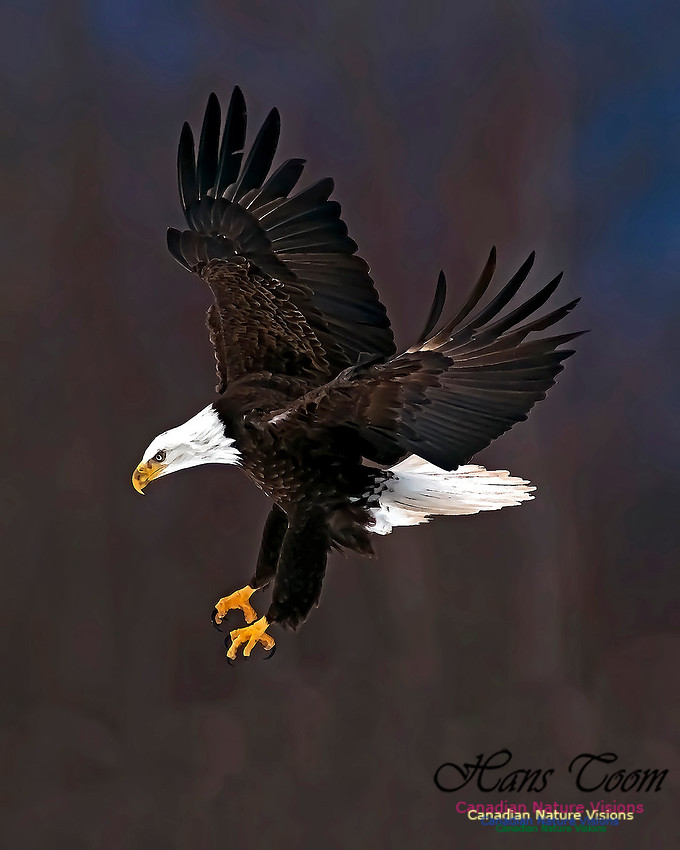
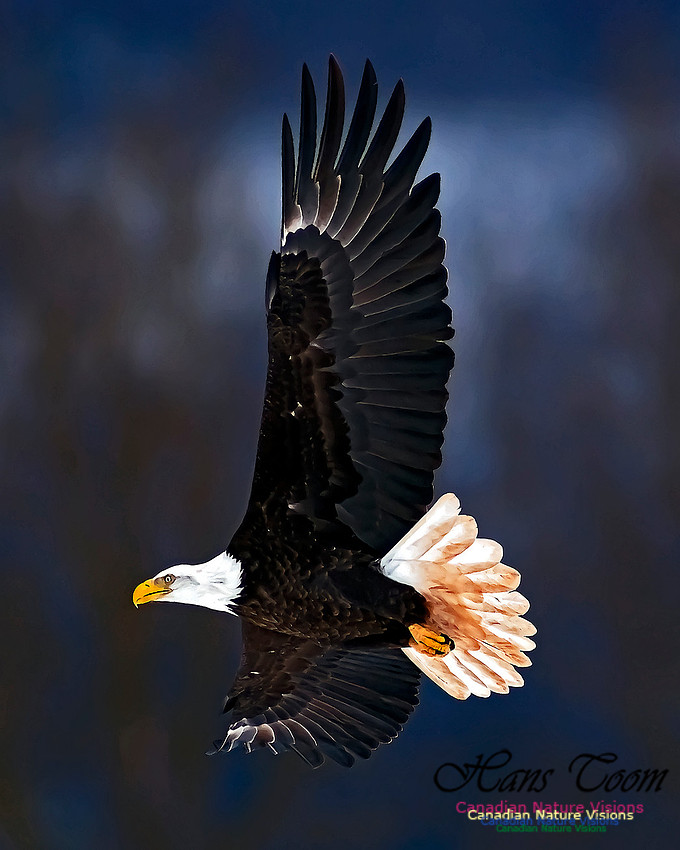
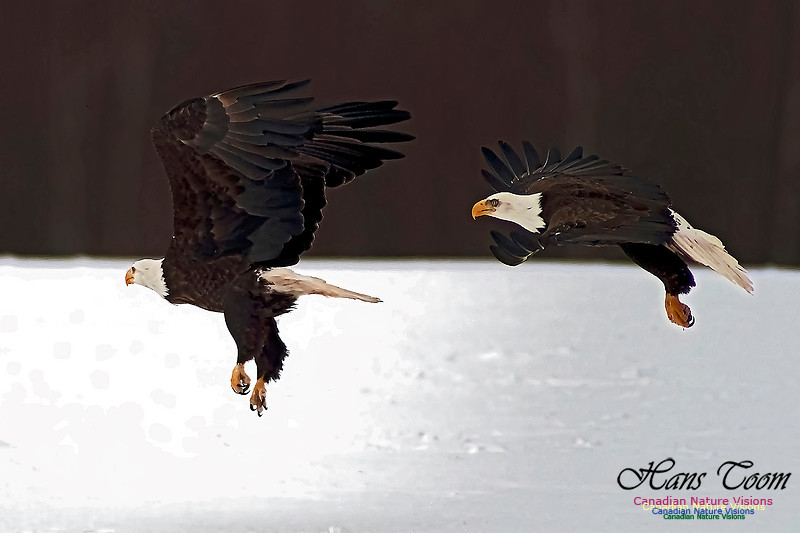
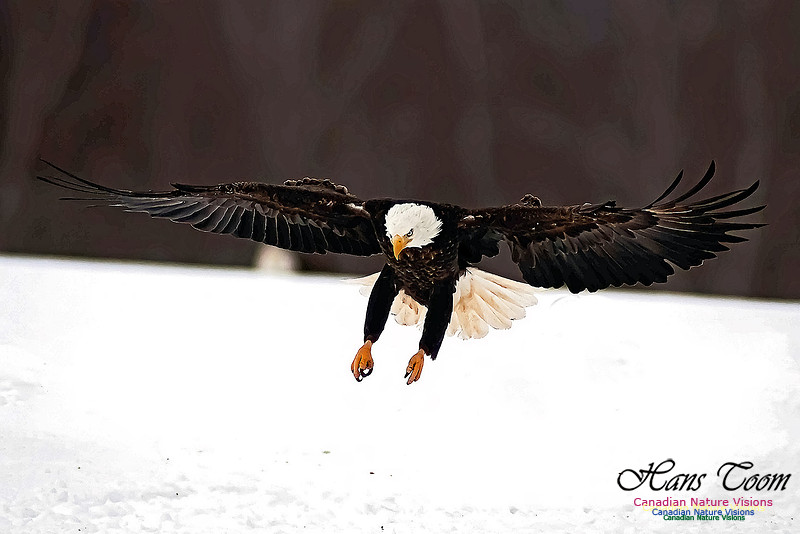
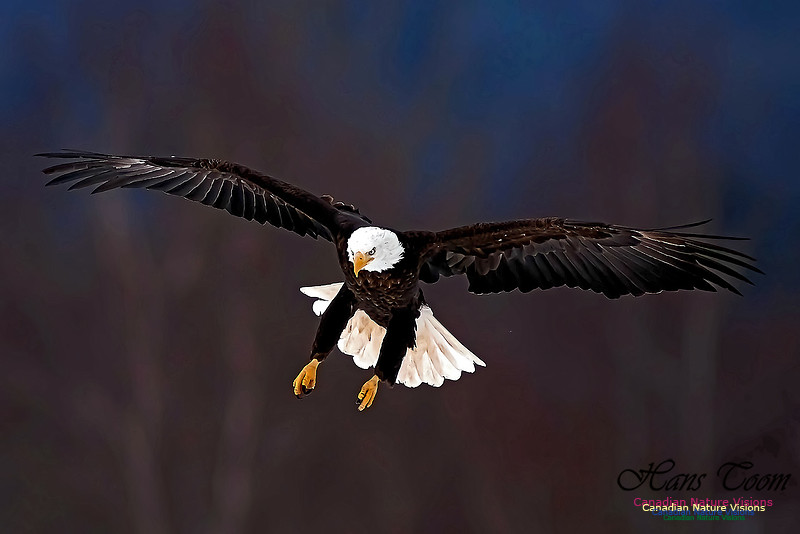
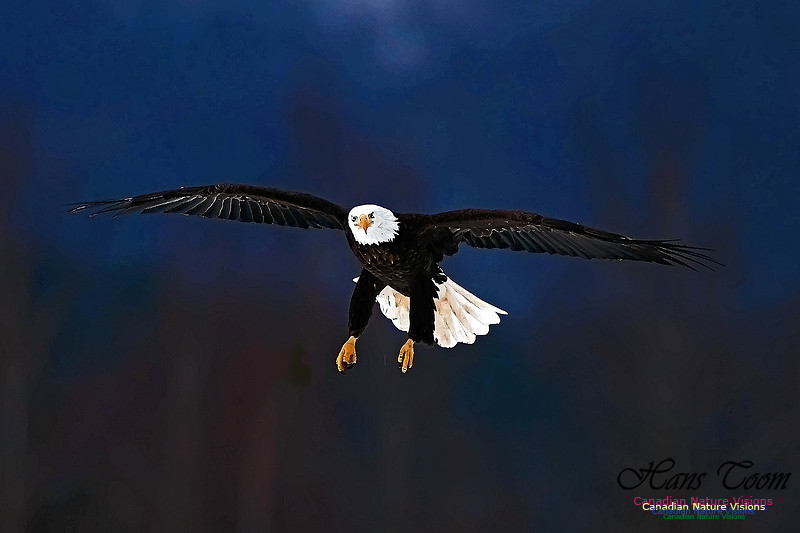
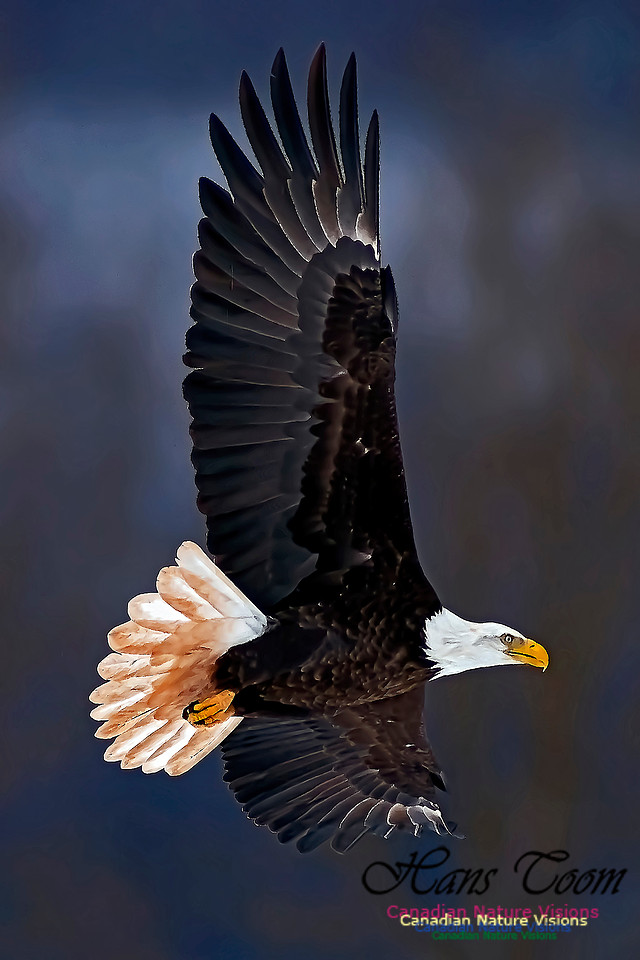
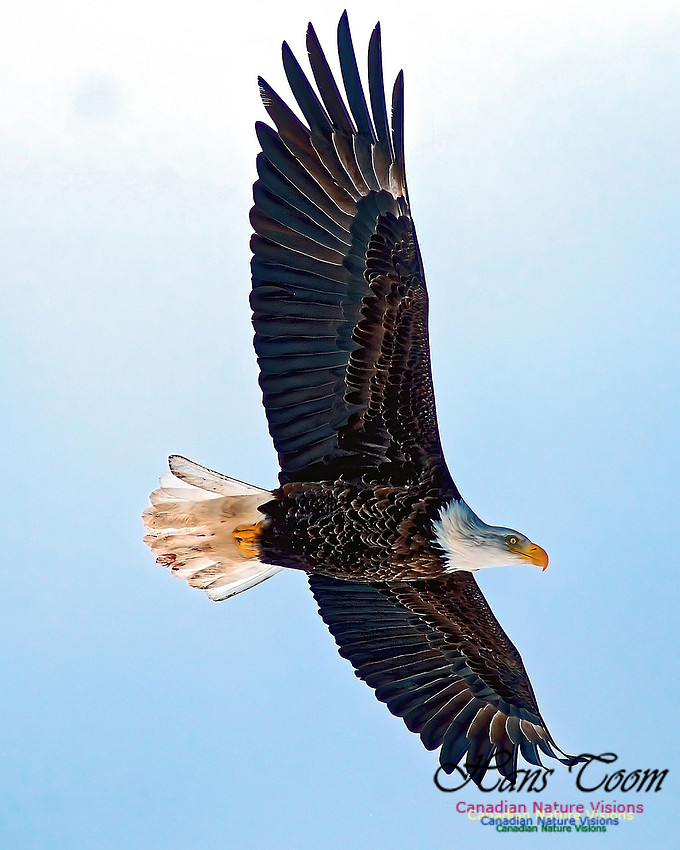
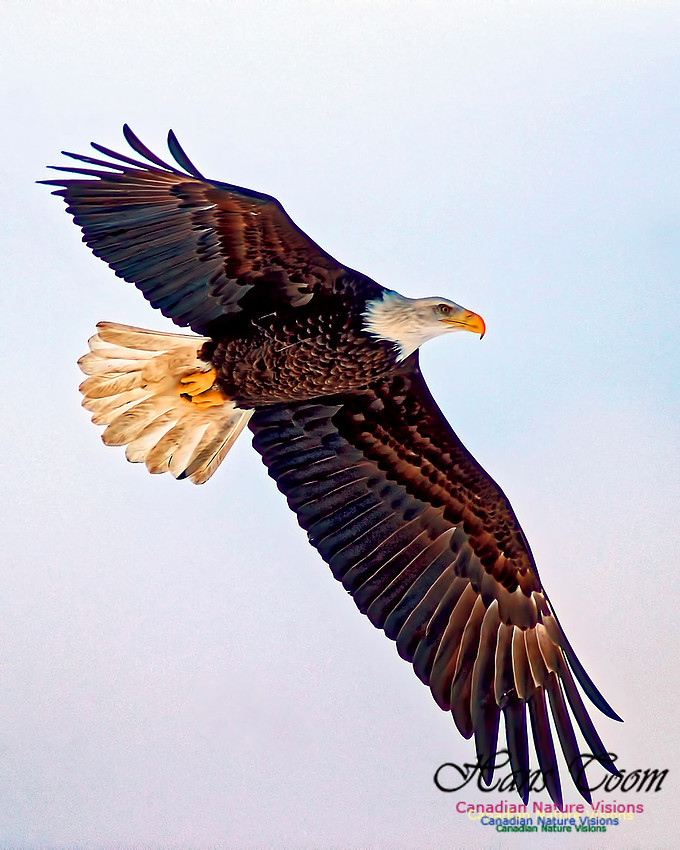
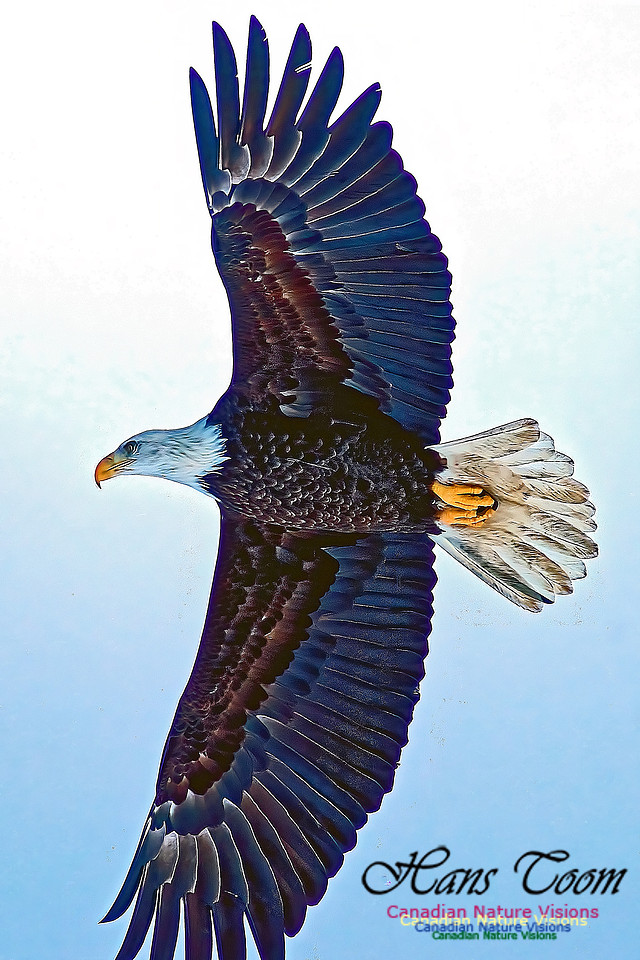
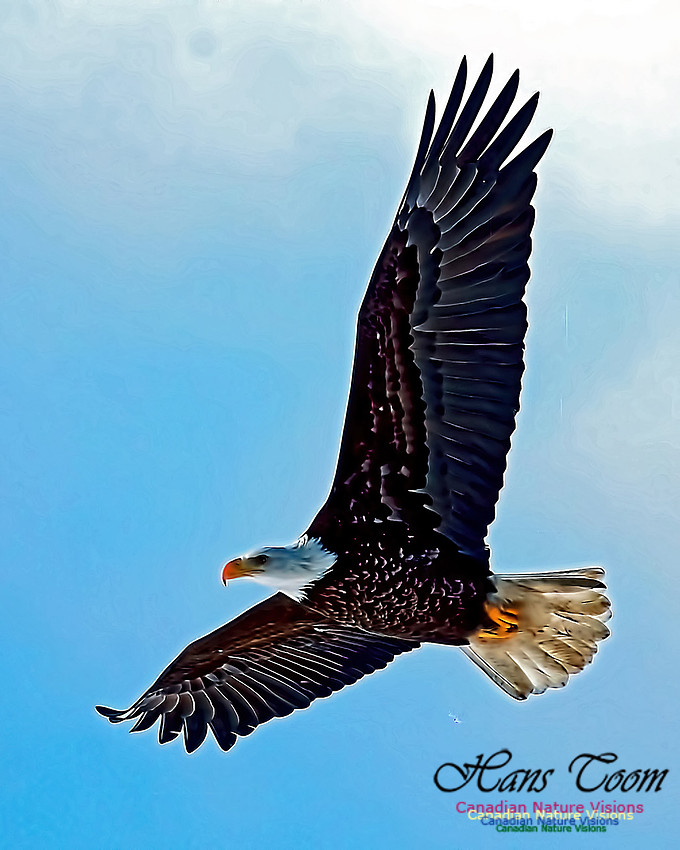
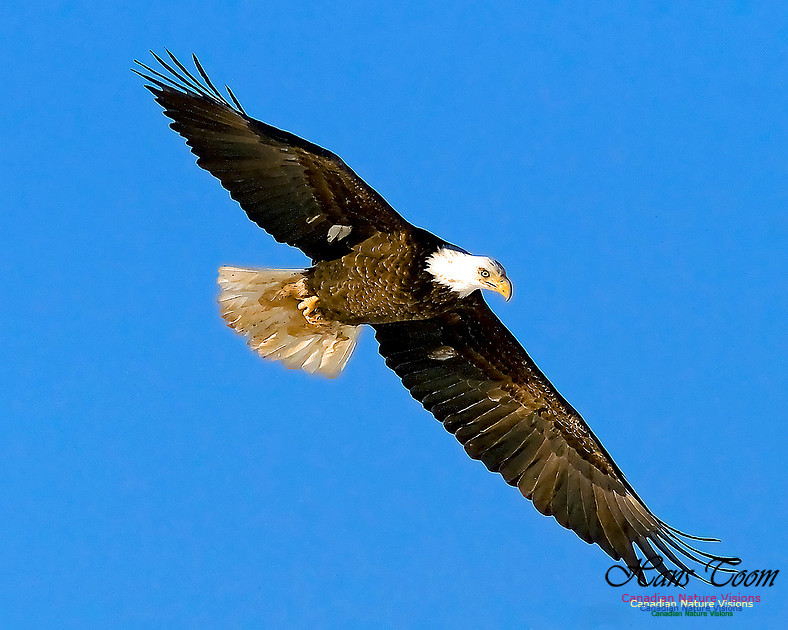
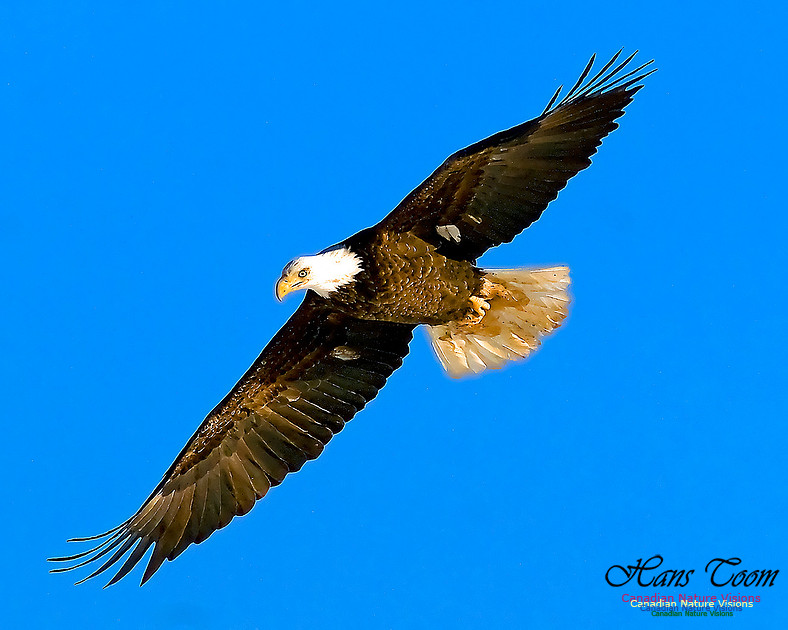
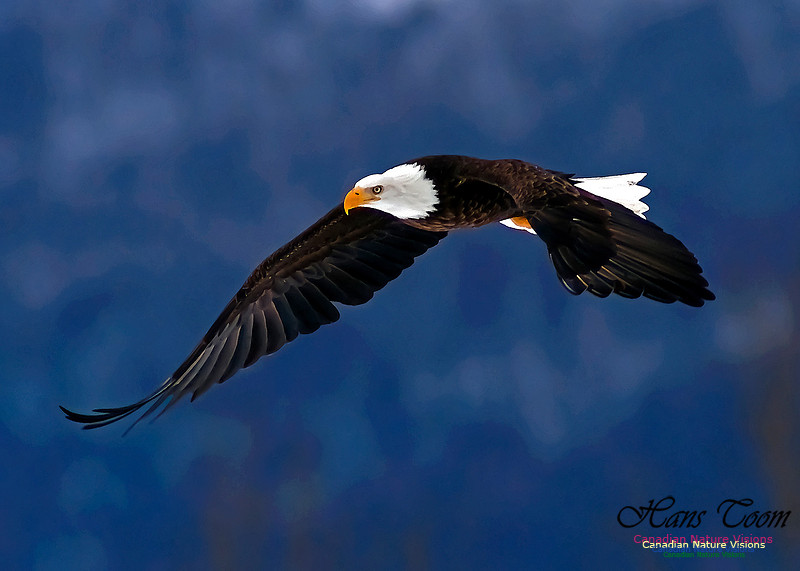
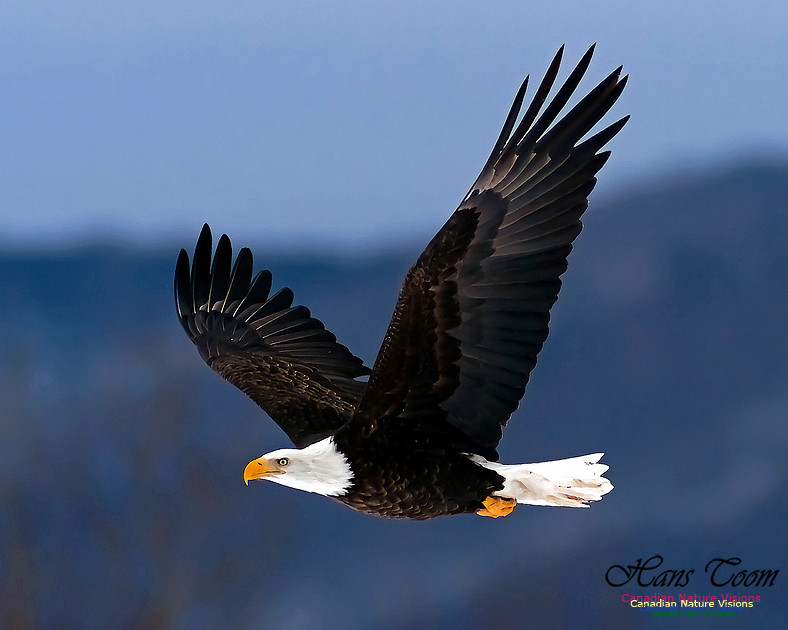
Bald Eagles in FlightI took these photos about 15 years ago using a Sony a900 camera and a Minolta 600mm F4 with a Minolta 1.4X teleconverter. Bald Eagles in Flight
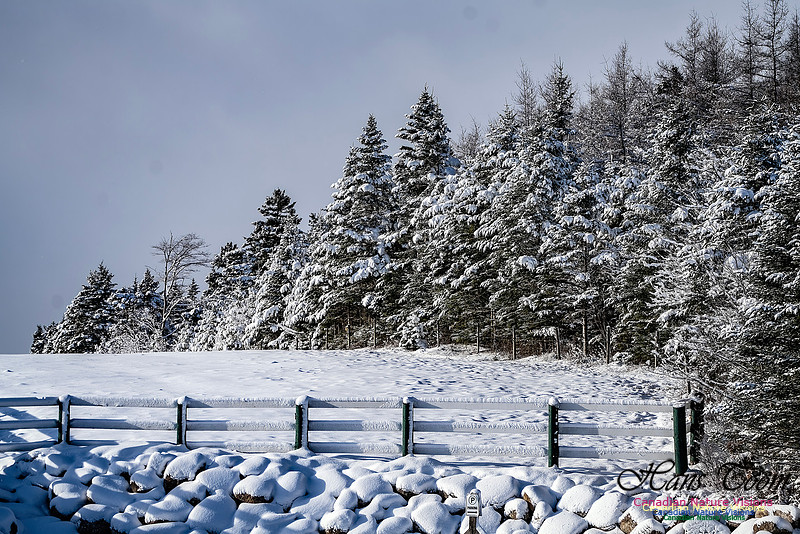
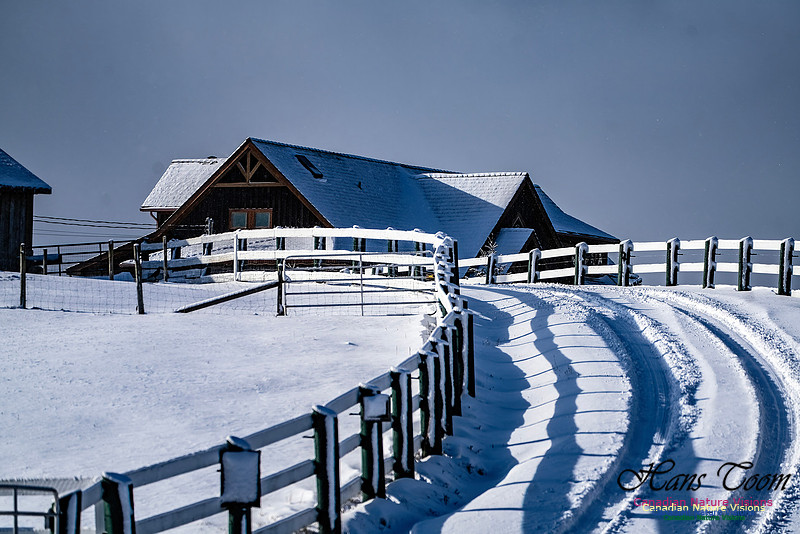
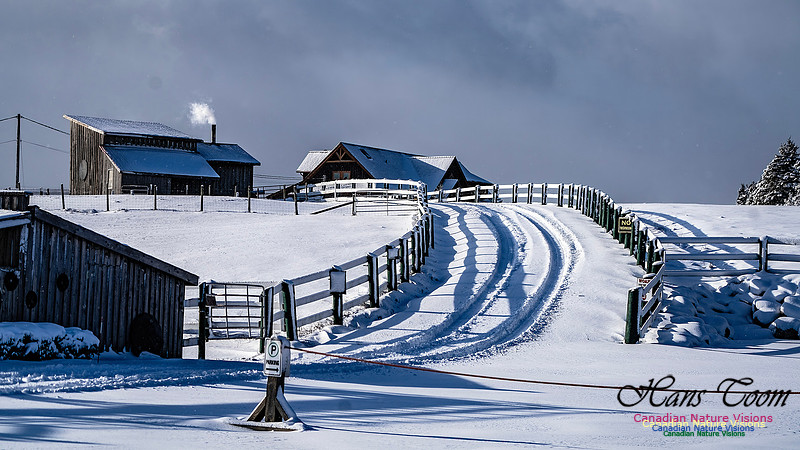
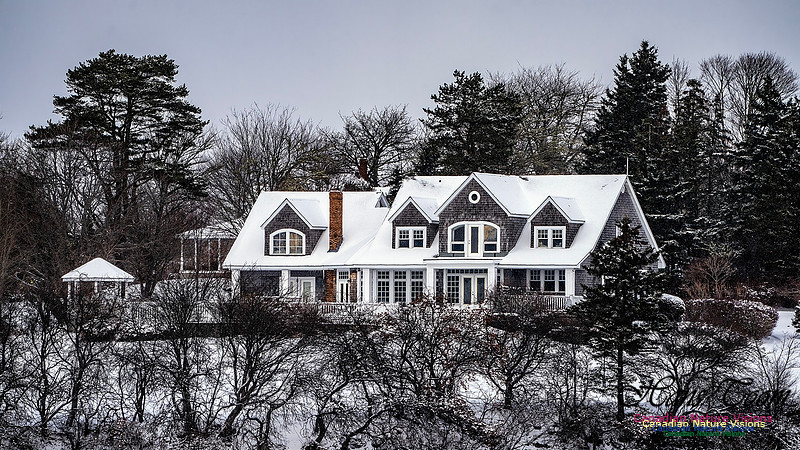
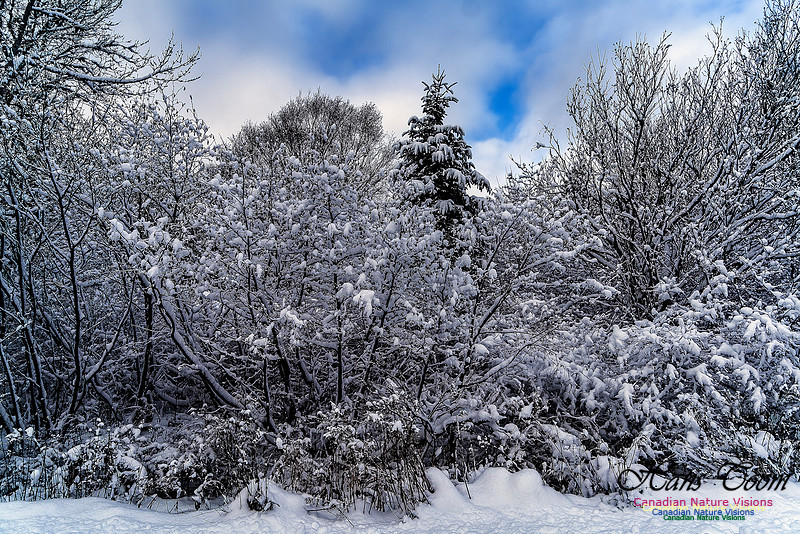
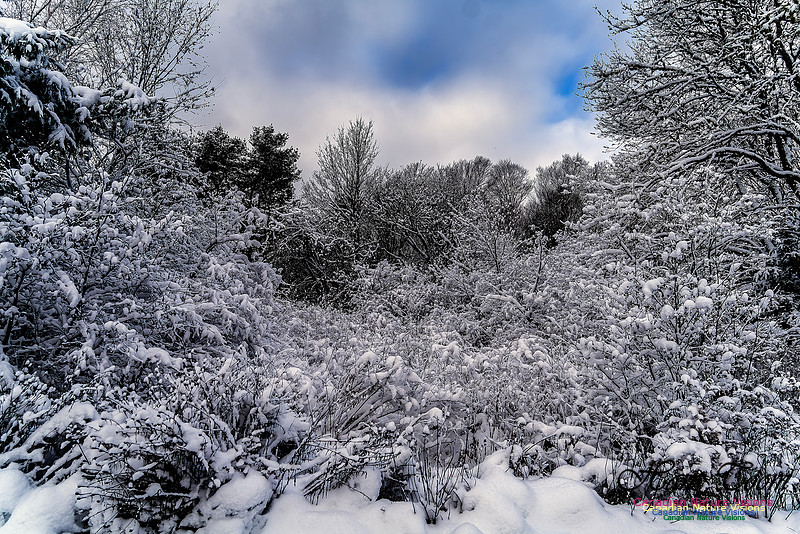
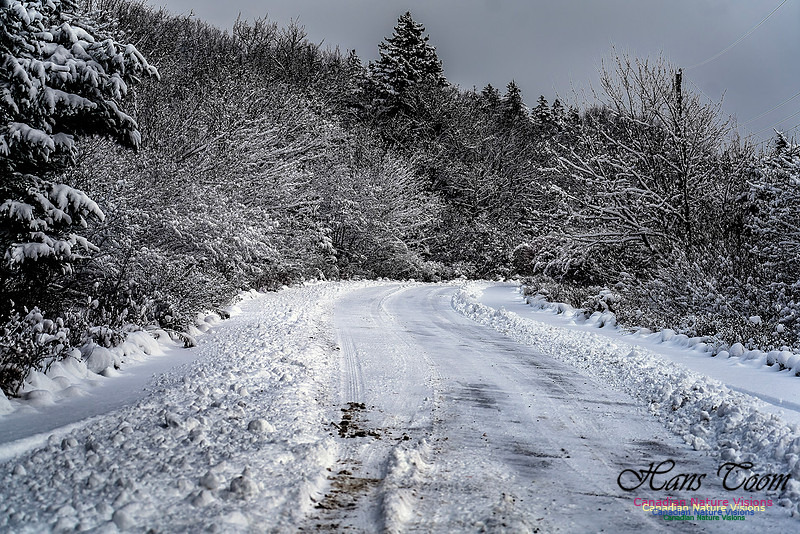
Snow Day in Nova ScotiaThis was our first significant snowfall of the year. It was earlier than recent years. Snow Day in Nova Scotia
Red-shouldered HawkThe Red-shouldered Hawk has returned for the ninth consecutive year. I photographed it eating table leavings. Red-shouldered Hawk
Harbour Tugs Returning to PortThere is no planning here. The tugs were returning from a job and I happened to photograph them from Ferguson's Cove a distance of about two kilometres to McNab's Island Light. Its pure fortuitous happenstance. Harbour Tugs Off McNab's Island Light
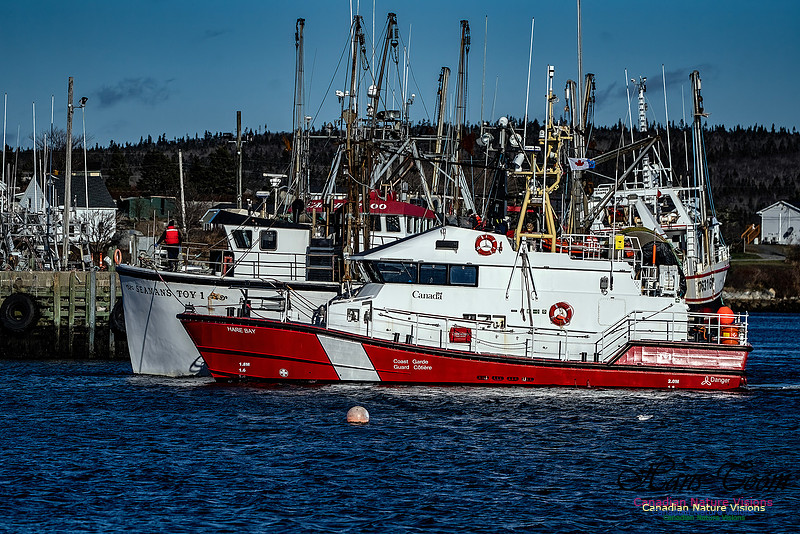
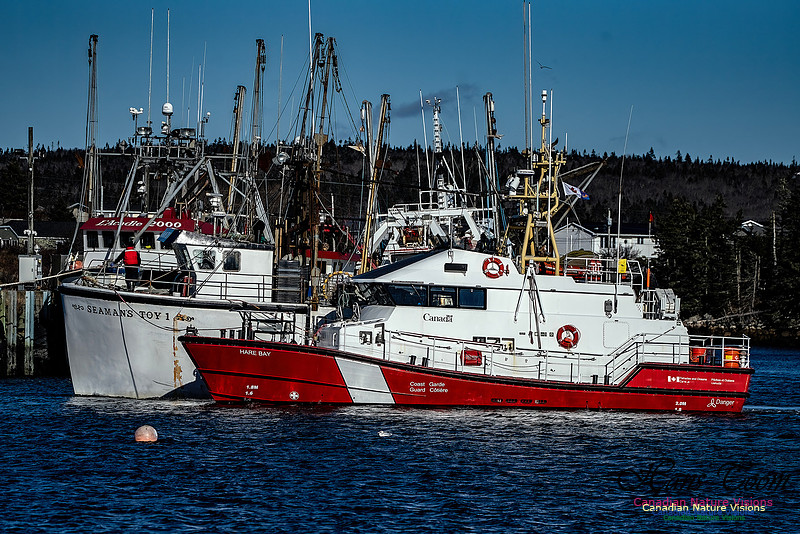
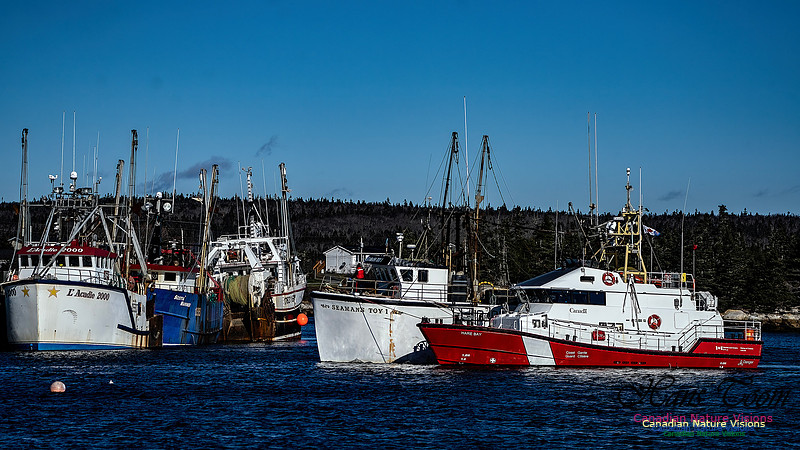
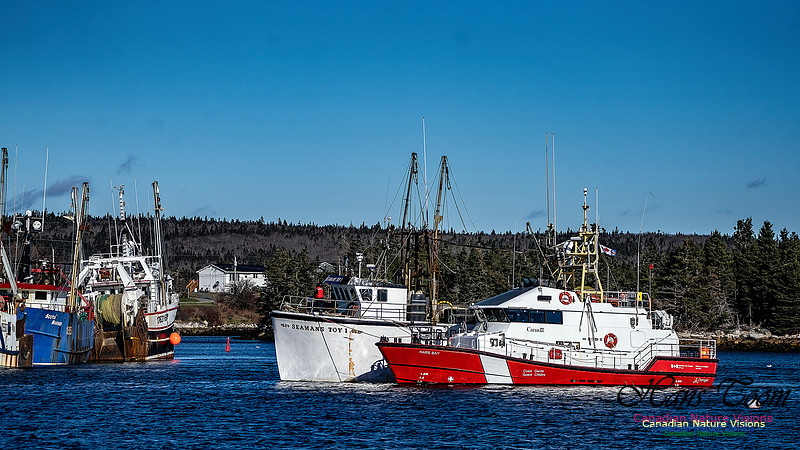
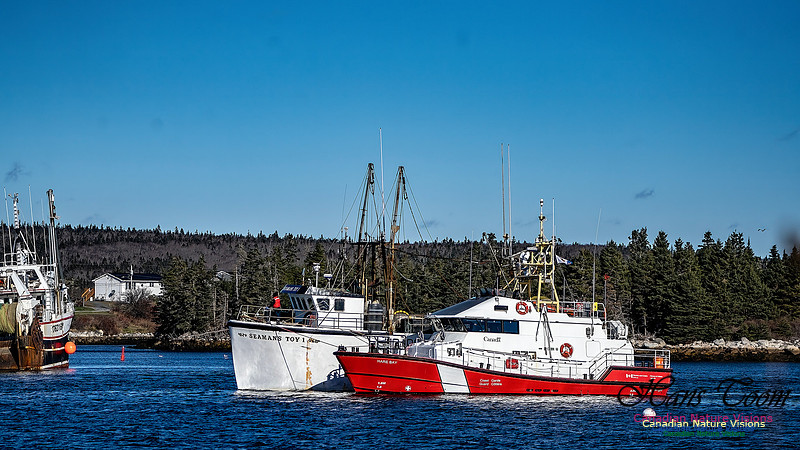
Coast Guard Rescue TowI happened upon this scene at Sambro Harbour. Although I can't be sure it appears that Seamans Toy 1 is being assisted to dock by the resident Coast Guard lifeboat the Hare Bay. It's a rare sight indeed. Seaman's Toy 1 Under Side Tow by CCGS Hare Bay
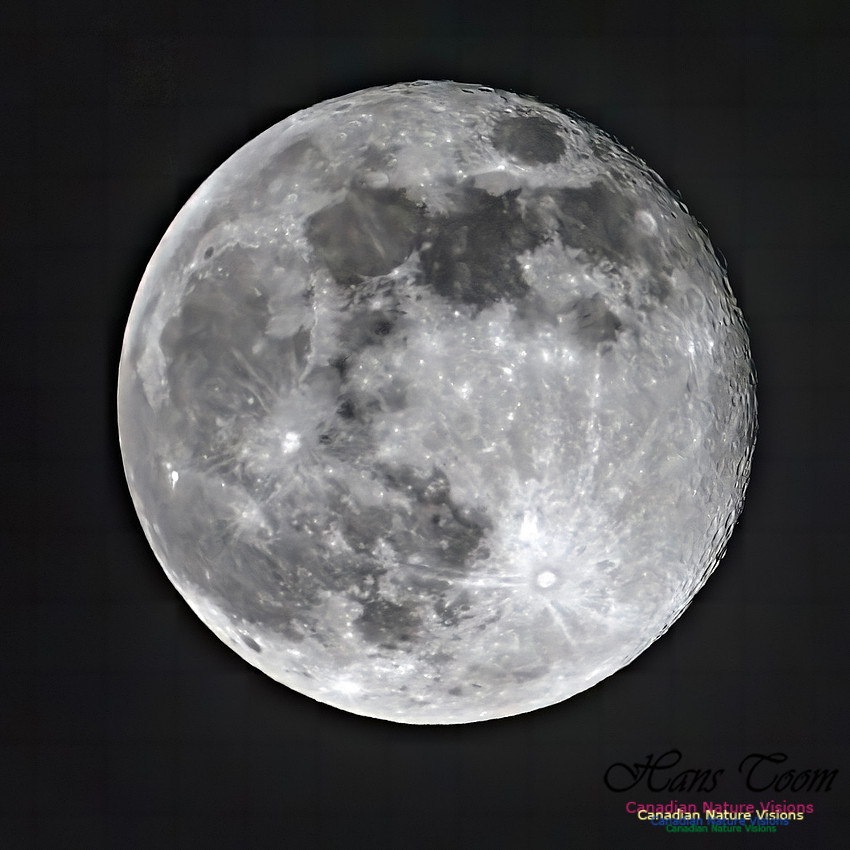
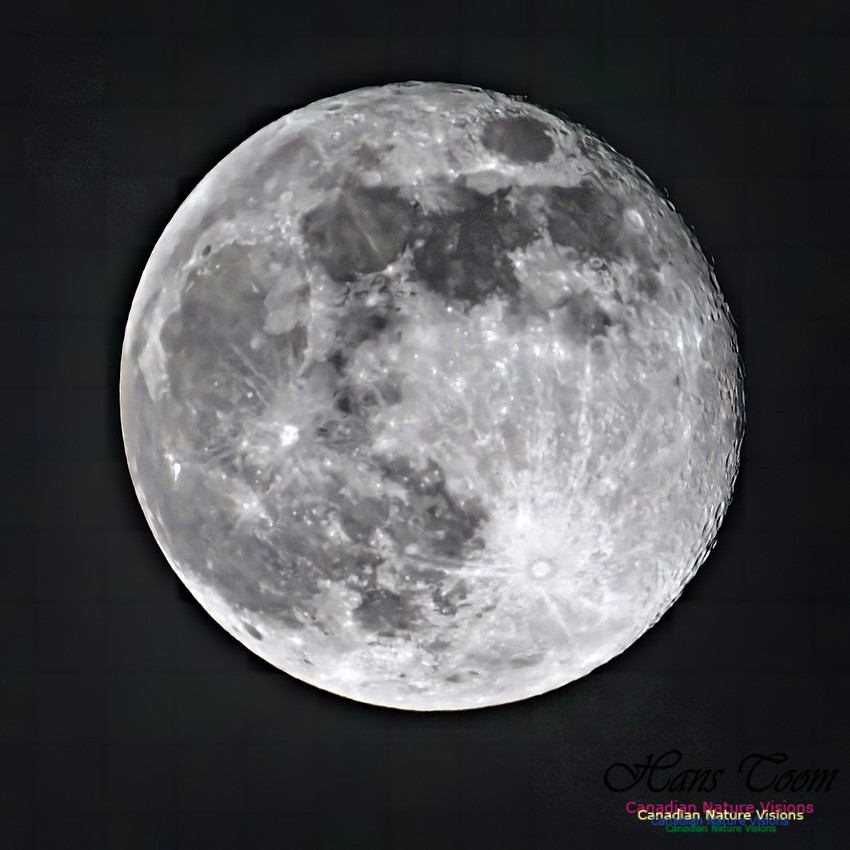
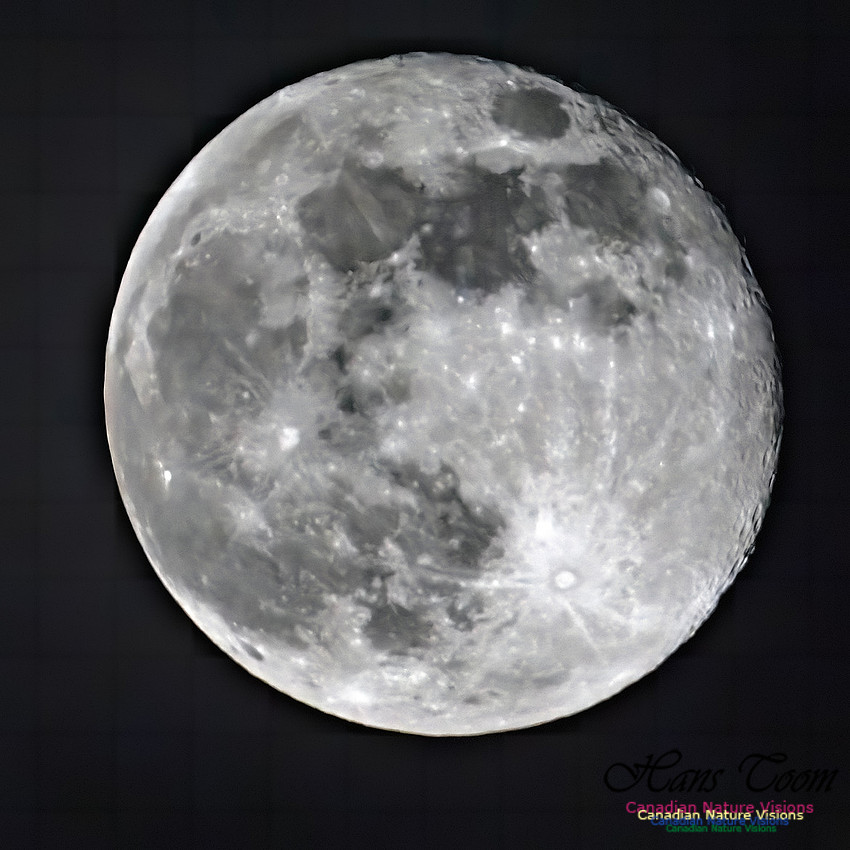
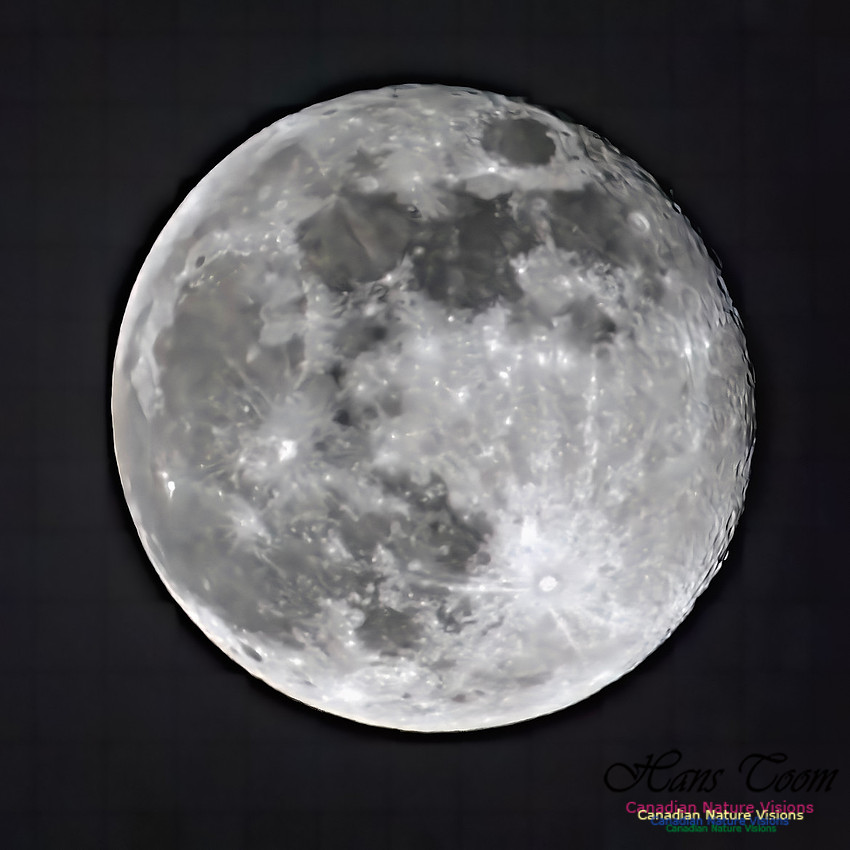
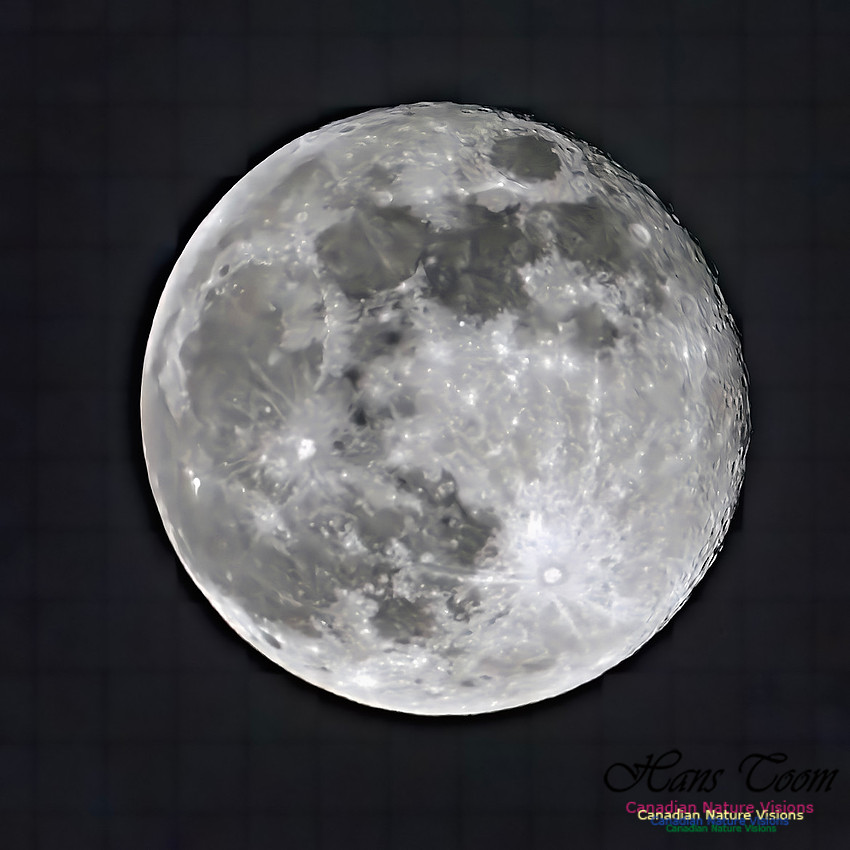
Supermoon Plus One DayI photographed the cold supermoon near where I live. The full moon never shows the detail that a partial moon does, probably due to shadows which augment the surface features. Cold Supermoon
Courtesy Forbes The cold moon will turn full at 8:20 a.m. EST on Thursday, Dec. 4. It will look full the night before and the night after, but the best time to watch it rise in North America will be at moonrise during dusk on Friday, Dec. 5, when it will appear on the eastern horizon shortly after sunset. According to EarthSky, December’s full moon can be known as the cold moon, the long nights moon, and the moon before yule, the latter of which is an old English name (yule means winter festival). The cold moon is 2025’s third supermoon in a row. The moon’s orbital path around Earth is slightly elliptical, so each month, there’s a point when it’s farthest away (apogee) and closest (perigee). If a full moon coincides — or thereabouts — with the moon’s point of perigee, it will be closer to Earth and bigger in the night sky. That scenario is also known as a supermoon. The cold moon will be 100%-lit just 12 hours after its perigee. A supermoon is defined as one that is 10% closer than the average distance. The moon's average distance from Earth is 238,900 miles (384,472 kilometers). At 221,965 miles (357,218 kilometers), the cold moon will be the second-closest full moon of the year, so the second-biggest and brightest. As well as being the earliest to rise of the year in the Northern Hemisphere, December’s cold moon is the highest-hanging full moon of the year. This happens because the full moon is opposite the sun, by definition, so it mirrors the sun’s position. With the solstice coming up on Dec. 21, the sun is at its lowest in the sky, so the full moon is therefore at its highest. In practice, that means it gets very high in the sky. A full moon always looks at its best when it first appears above the eastern horizon during dusk. The sight is at its most dramatic when the moon rises shortly after sunset, which it does this month in North America, with the cold moon rising about 25 minutes after the sun goes down.
Horned LarkThe Horned Lark is a handsome and rugged bird usually seen in late fall and early winter as it makes its way south. In these photos it is seen eating corn in the field of Grand Pre'. Most of our visitors are breeding birds from Newfoundland. They do overwinter in Nova Scotia. Look for them in the corn stubble of harvested corn fields. Horned Lark
American PipitThe American Pipit is a common fall migrant often seen working its way along the coastline especially at hot spots like Crystal Crescent Beach. It breeds in Newfoundland and is seen in Nova Scotia as it migrates south. It does not normally overwinter in Nova Scotia. American Pipit
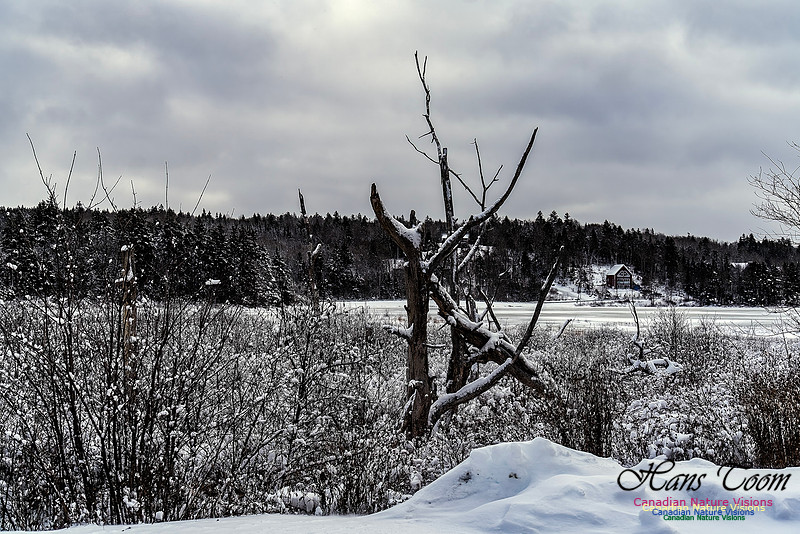
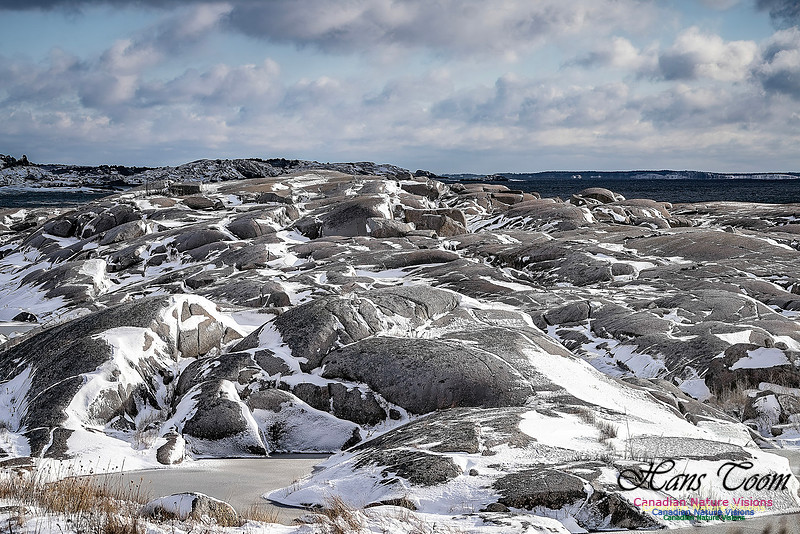
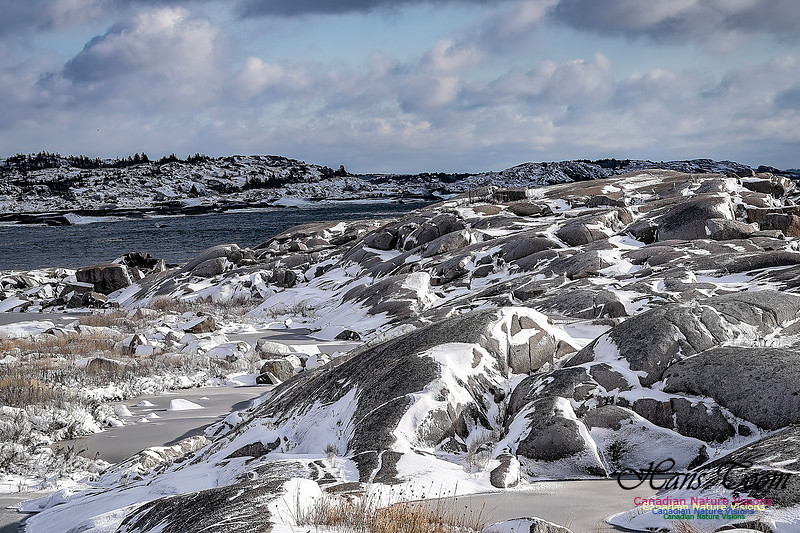
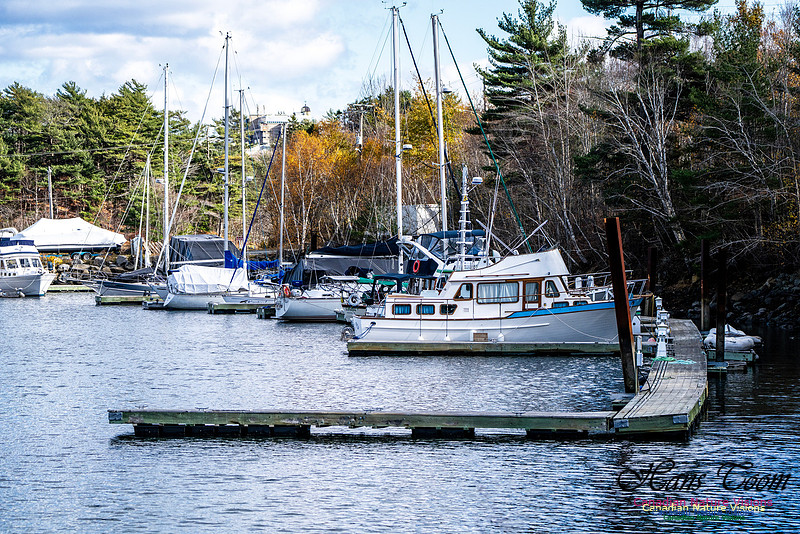
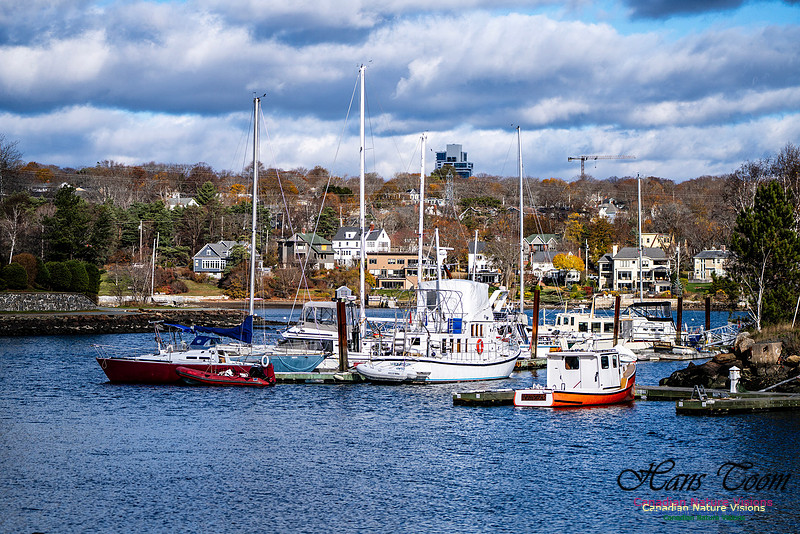
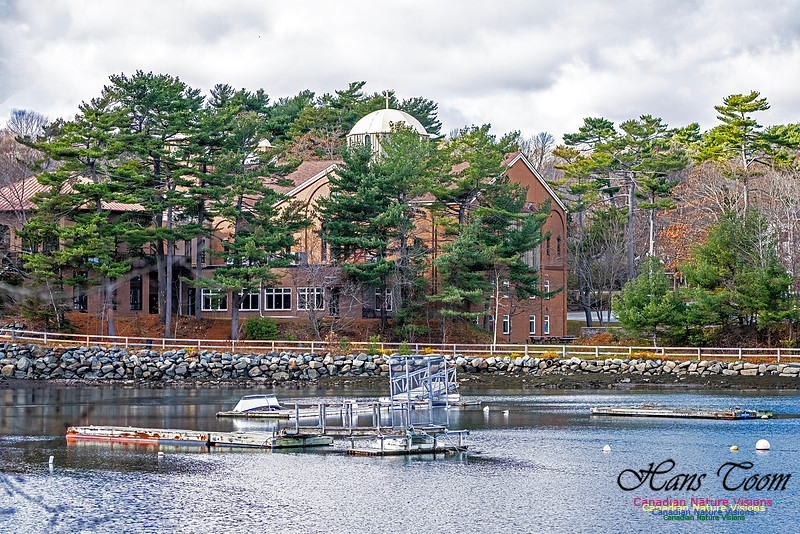
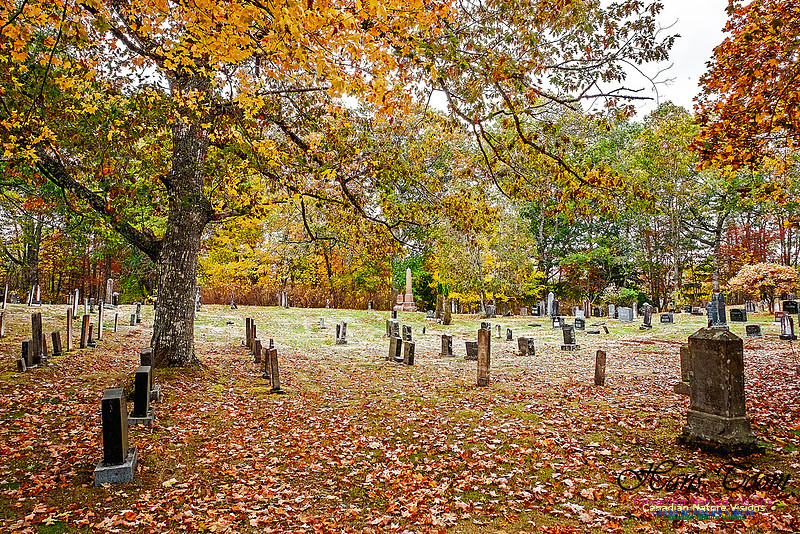
Nova Scotia ScenesDuring my travels around Nova Scotia I take photos, as I should. November and March are the two months of the year when photographic challenges are wanting. Most fall migrating birds are in warmer climes or resting up in the Carolinas on their way south. In the spring March is also slow as migrating birds have not started to return and winter scenes are giving way to barren landscapes. Nova Scotia Scenes
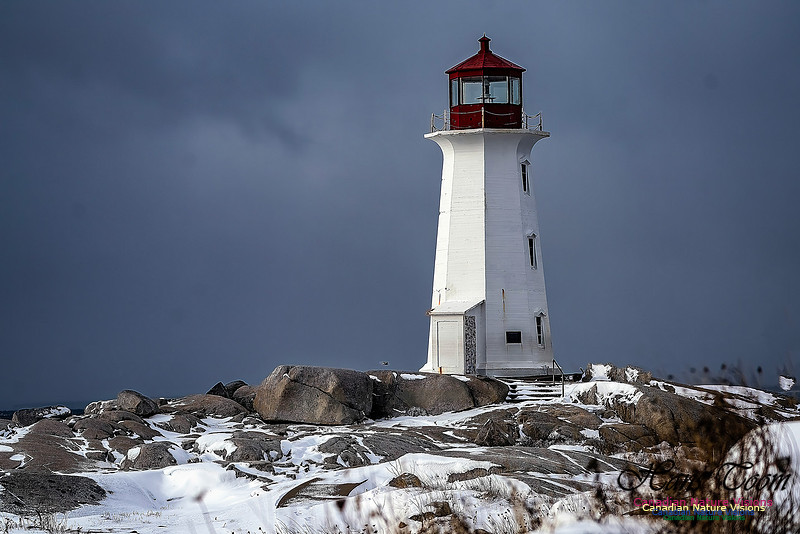
A Blustery Day at Peggy's CoveDuring the recent storm that produced up to nine metre swells I visited Peggy's Cove as a vantage to take photographs especially to the east of the Peggy's Cove light where the coastal surf is phenomenal. A Blustery Day at Peggy's Cove
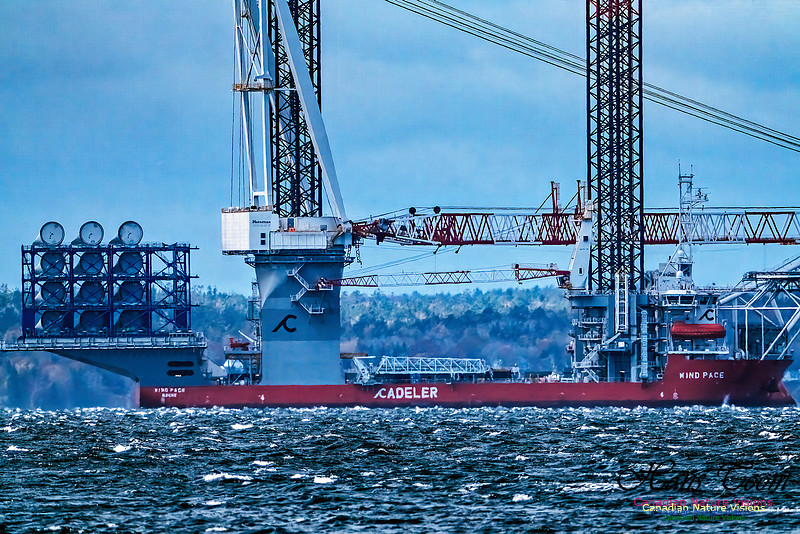
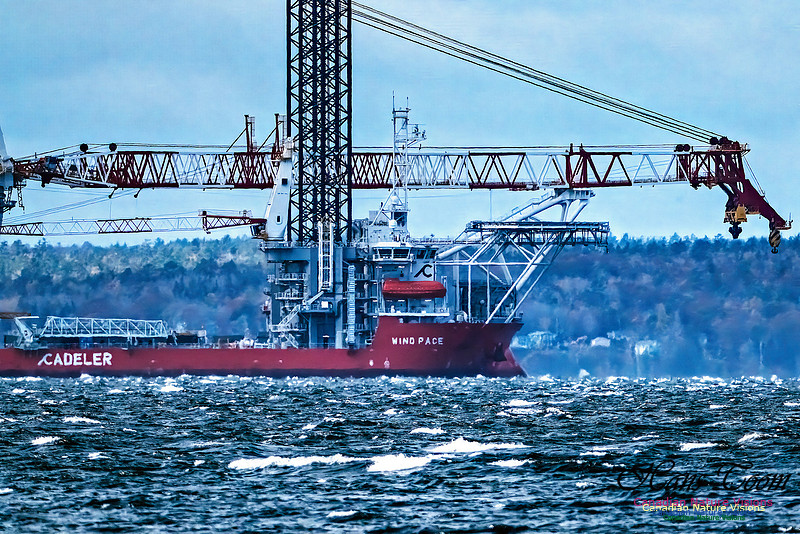
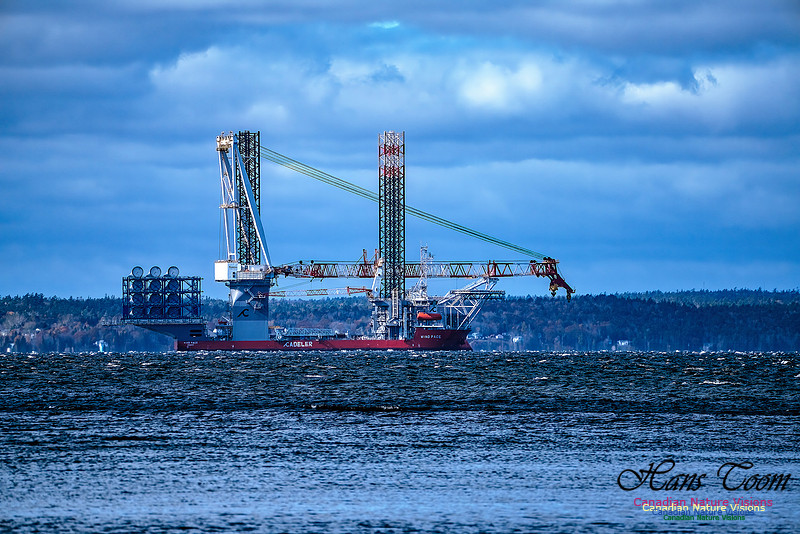
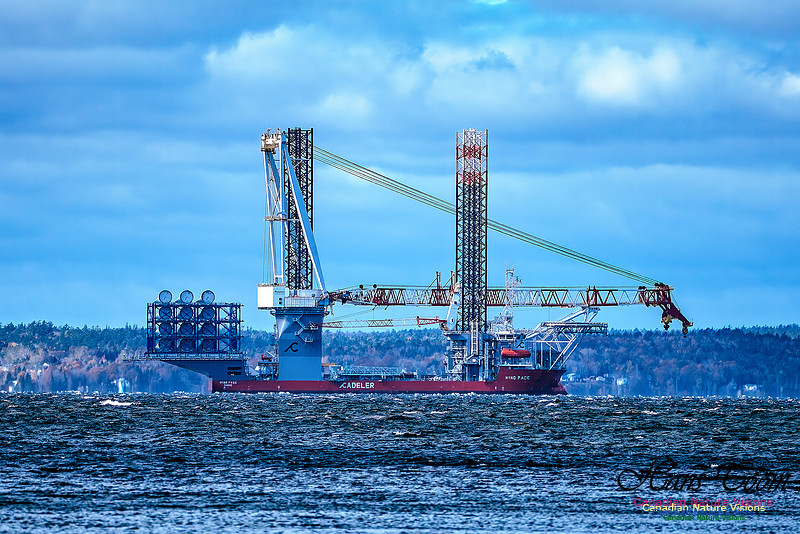
Wind PaceThe Wind Pace, an offshore support vessel, was hunkered in St. Margaret's Bay during the recent blustery winds that produced swells up to nine metres. Wind Pace
Cadeler receives Wind Pace as seventh vessel in fleetMar 26, 2025, 7:03:17 PMArticle by Plamena Tisheva
 Danish offshore wind turbine transportation and installation company Cadeler A/S (OSL:CADLR) said today it has taken delivery of jack-up wind turbine installation vessel Wind Pace.
 Image: Cadeler.This is the seventh vessel in the company’s fleet, which is in the process of being expanded. Wind Pace, built at the COSCO Shipping Heavy Industry (COSCO) shipyard in Qidong, China and named on March 12, is Cadeler’s second newbuild P-class vessel after Wind Peak, which was delivered in August 2024. Wind Peak has just embarked on its first installation project at the Sofia offshore wind farm in the UK. The two sister vessels are currently the largest in Cadeler’s fleet. They can transport and install up to seven 15-MW turbine sets or five plus-20-MW turbines per load. Wind Pace will be deployed at a US offshore wind project under a contract from the second quarter of 2025 to the first quarter of 2026.
|
|||||||||||||||||||||||||||||||||||