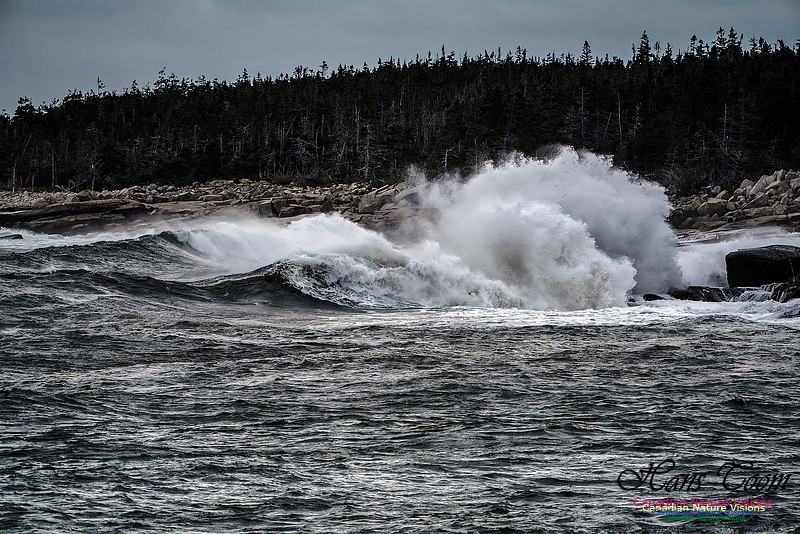
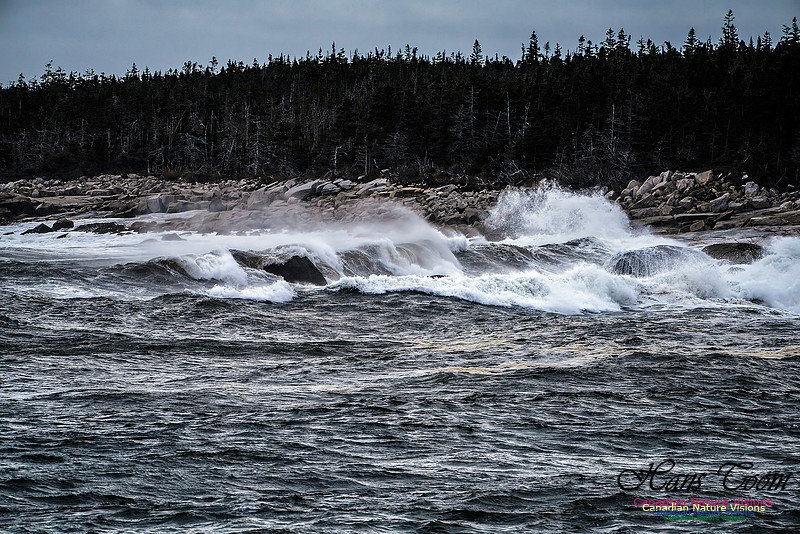
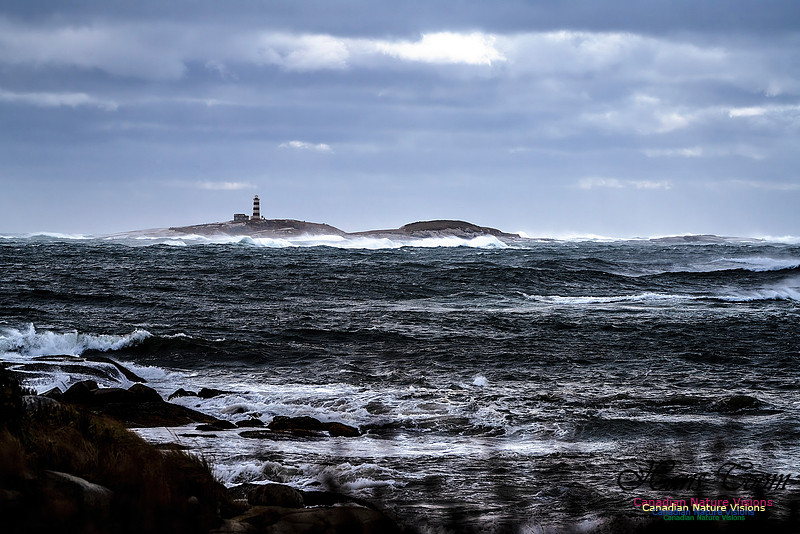
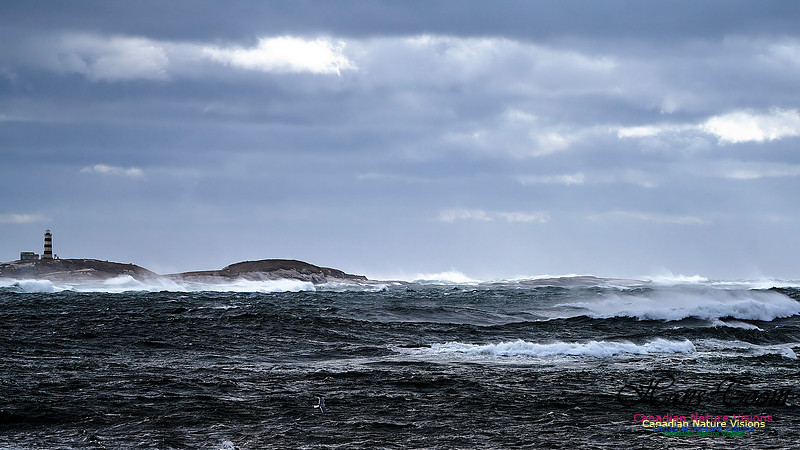
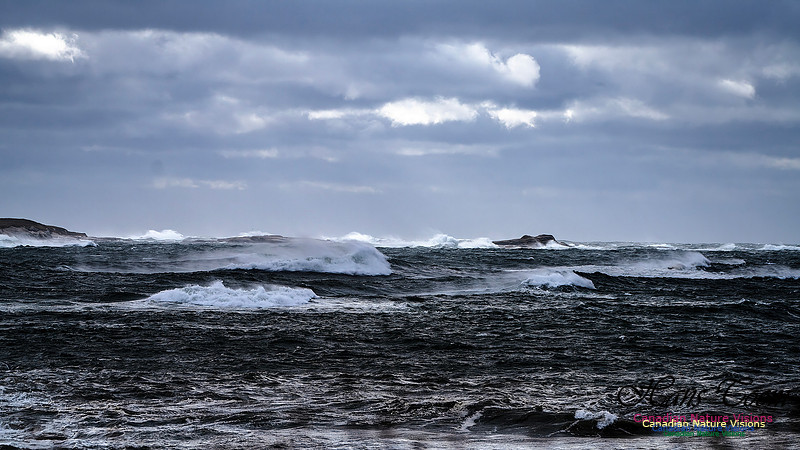
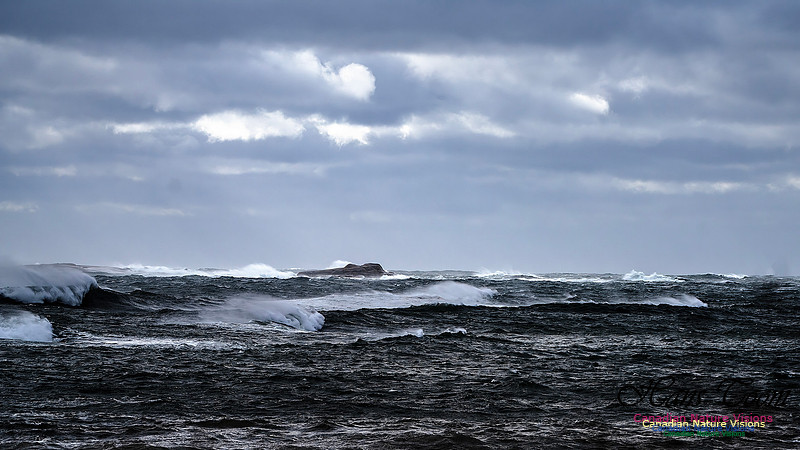
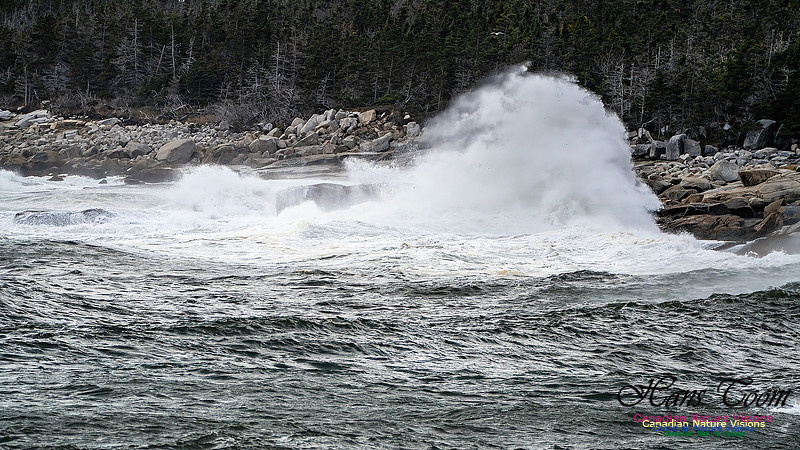
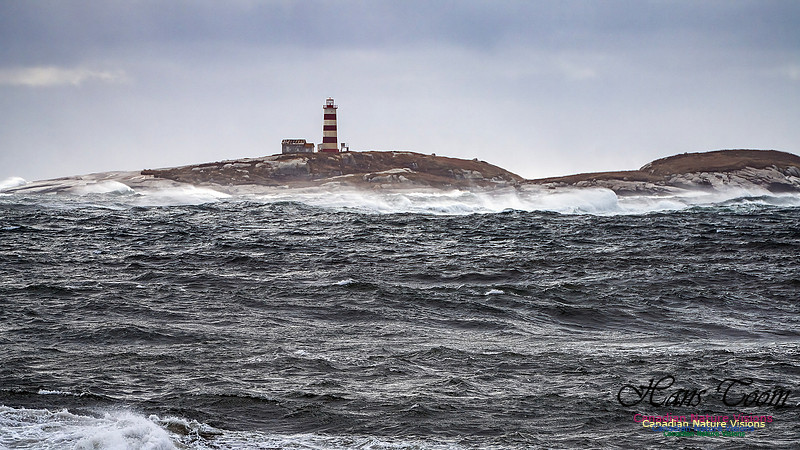
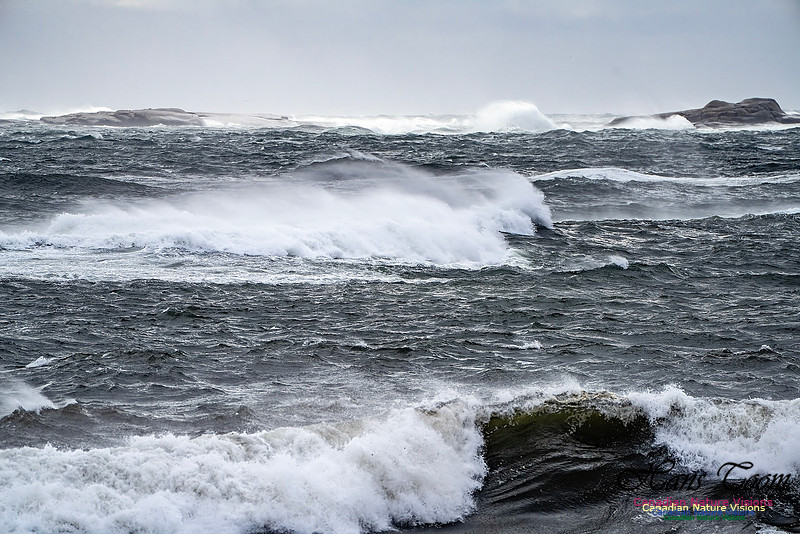
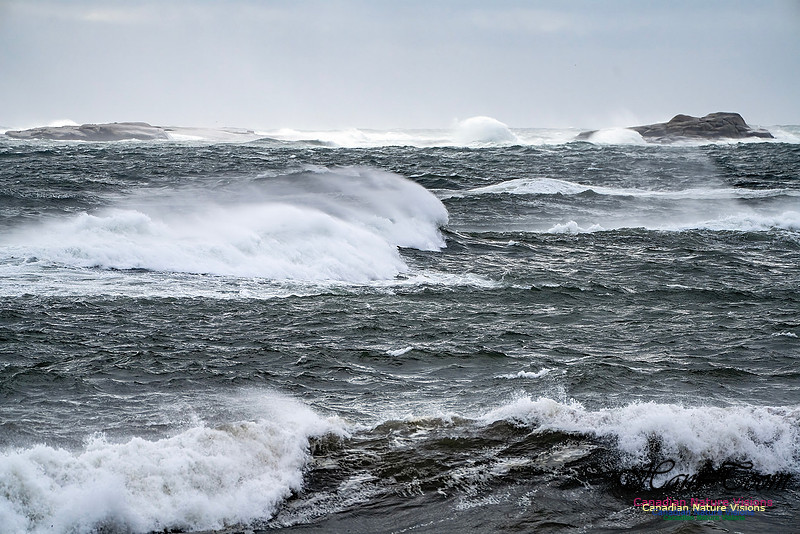
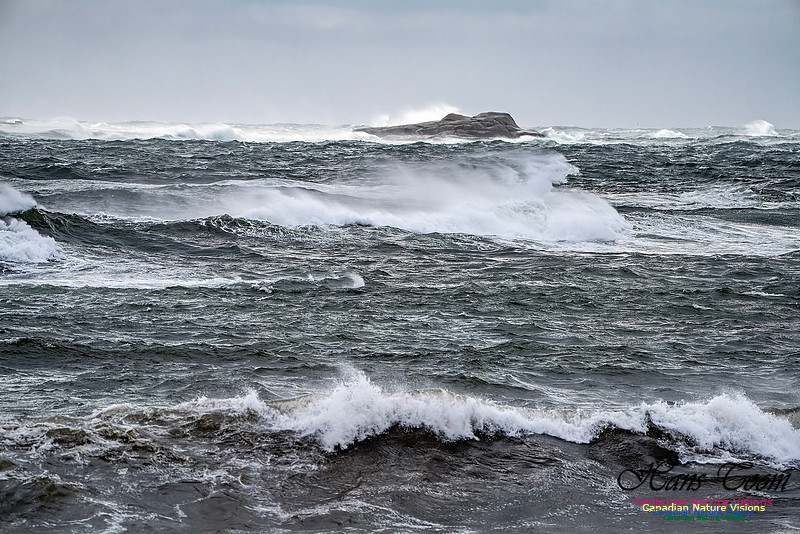
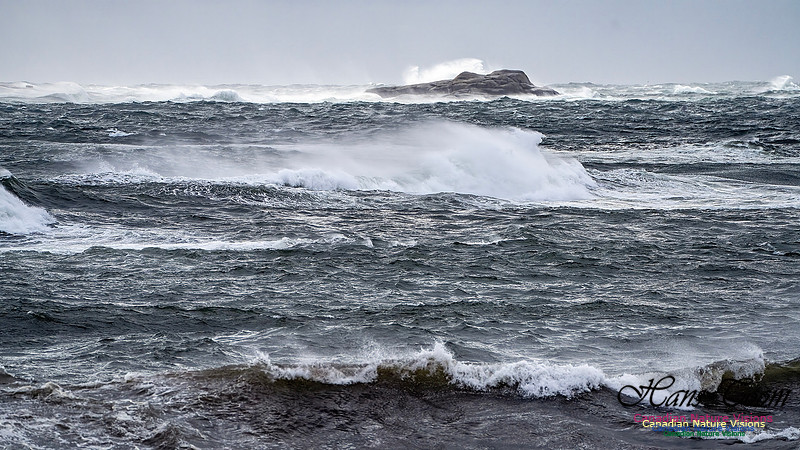
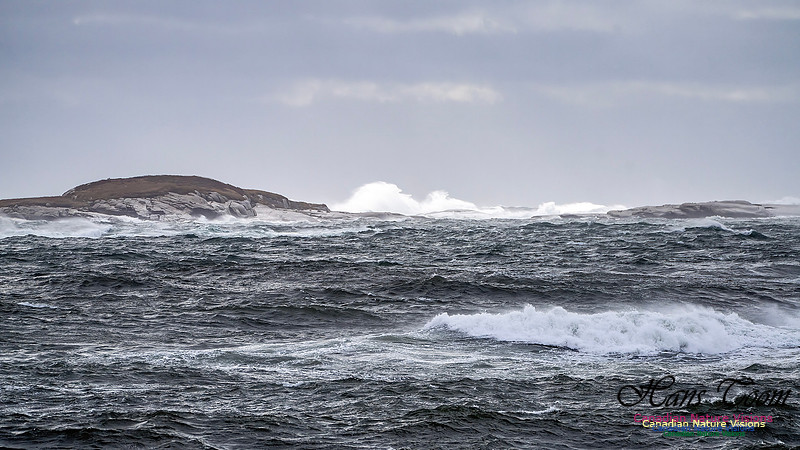
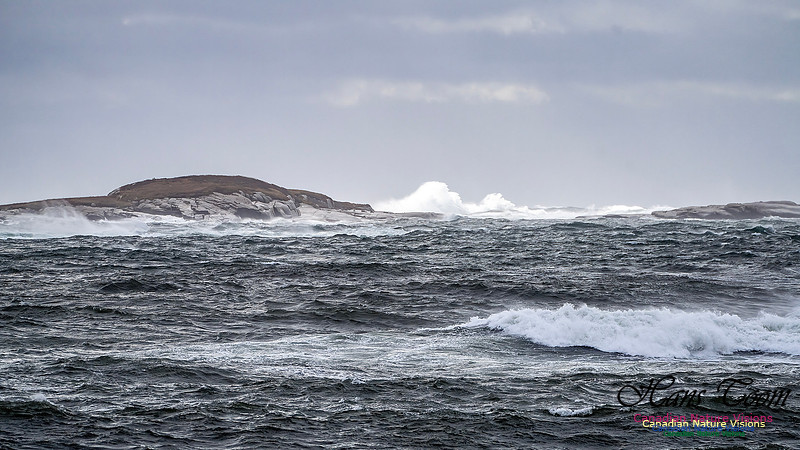
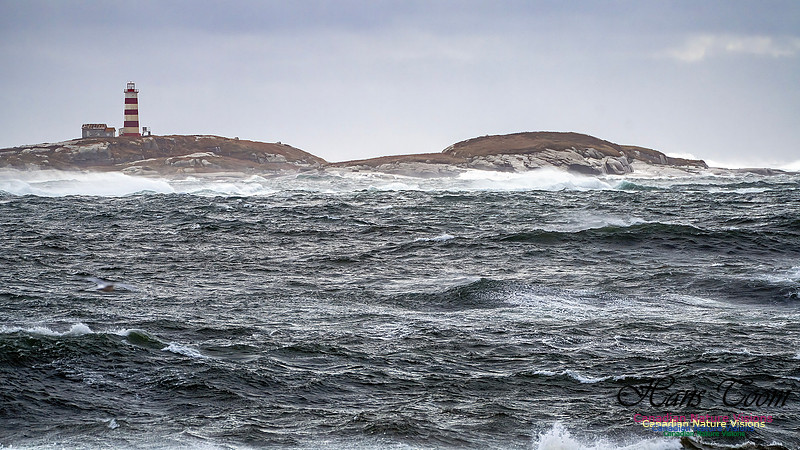
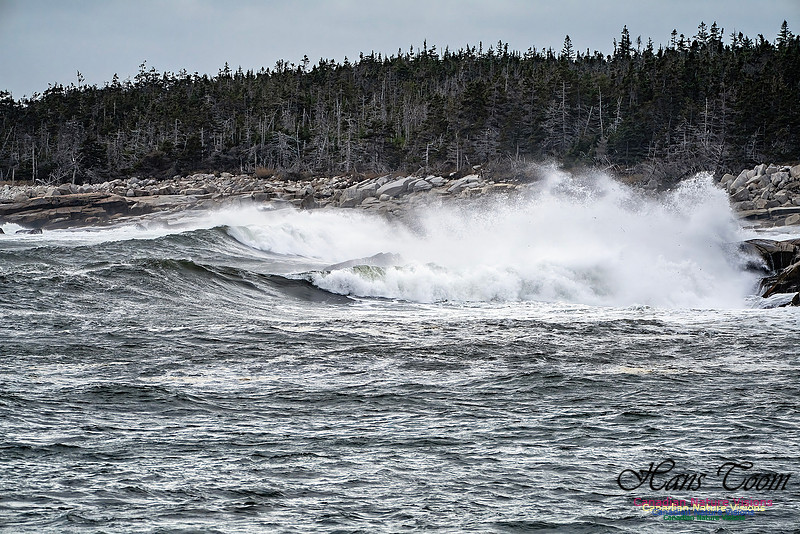
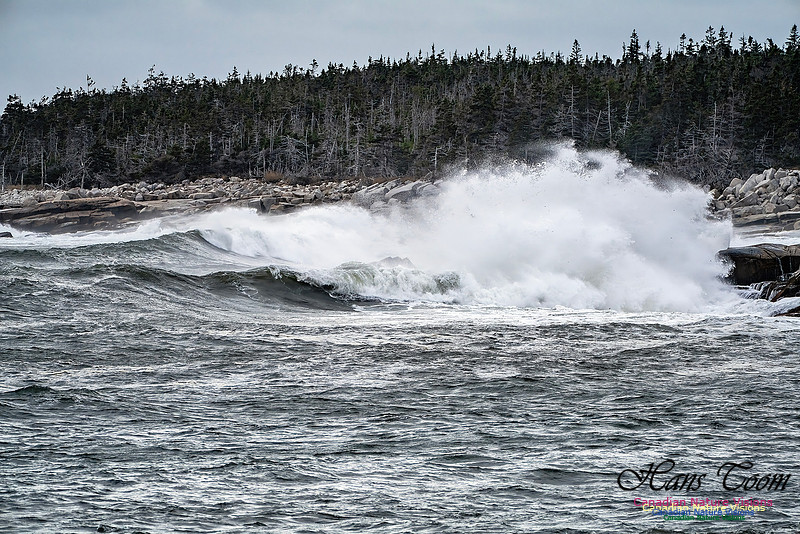
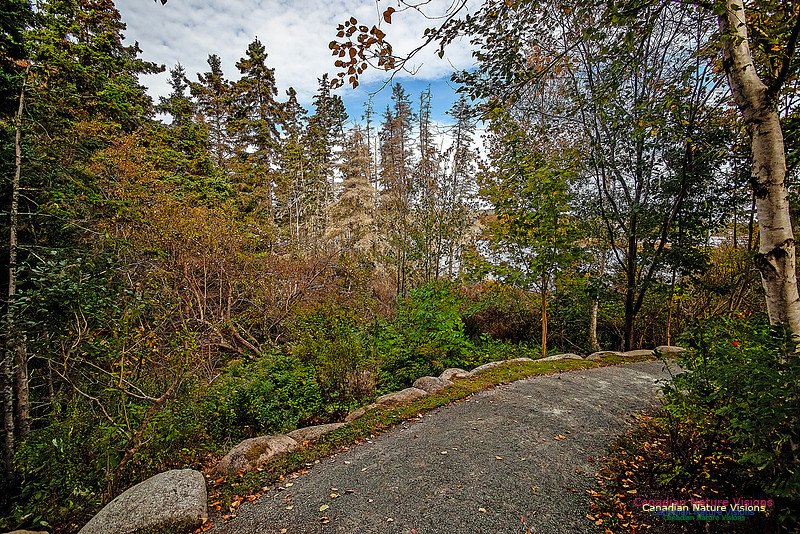
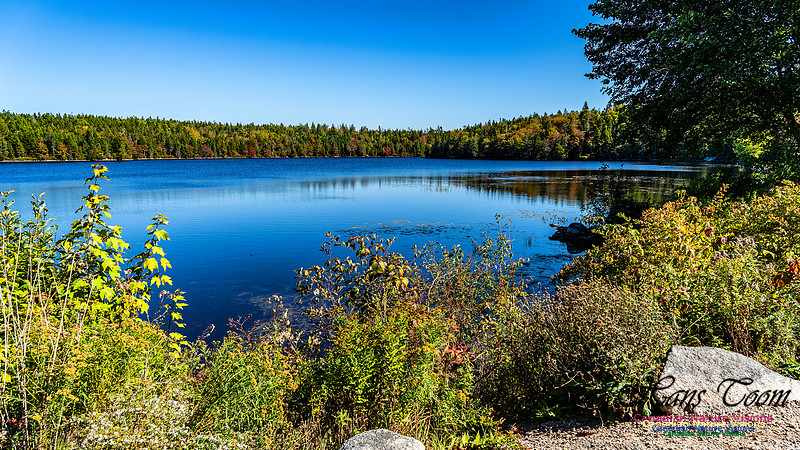
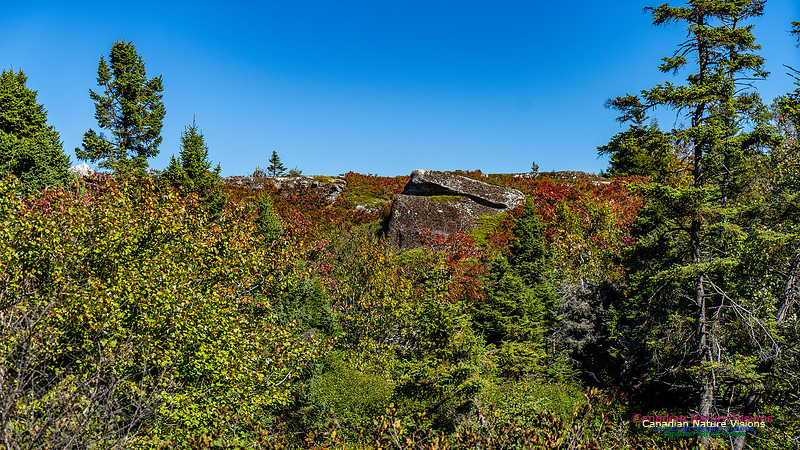
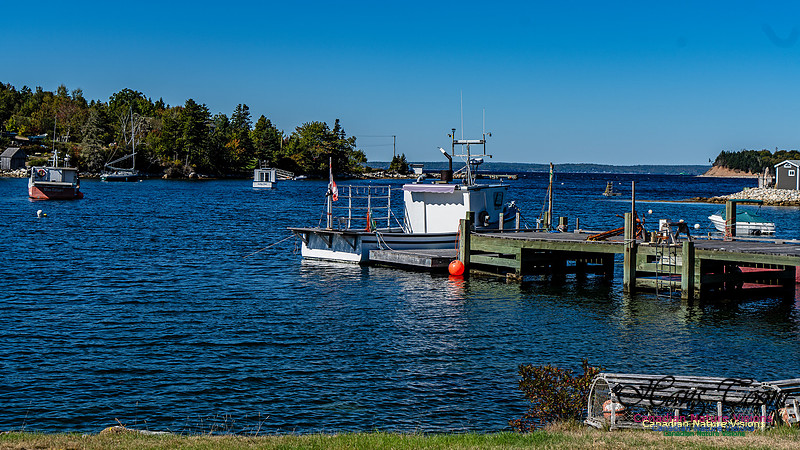
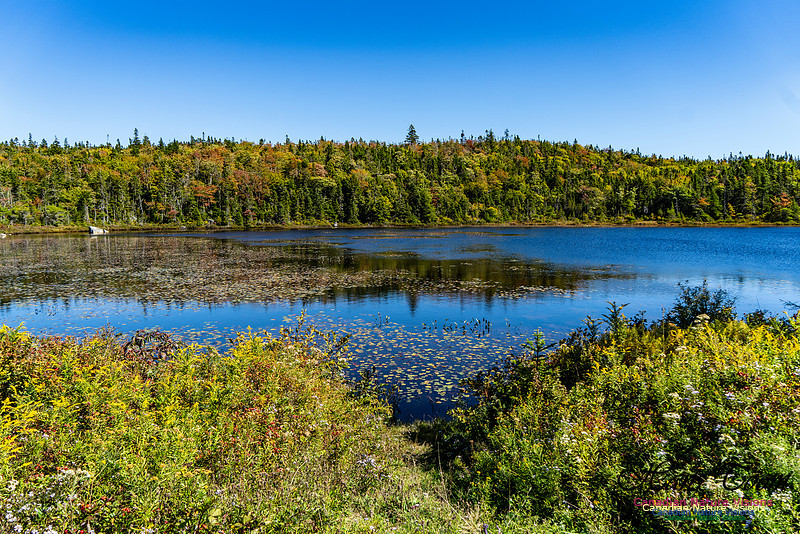
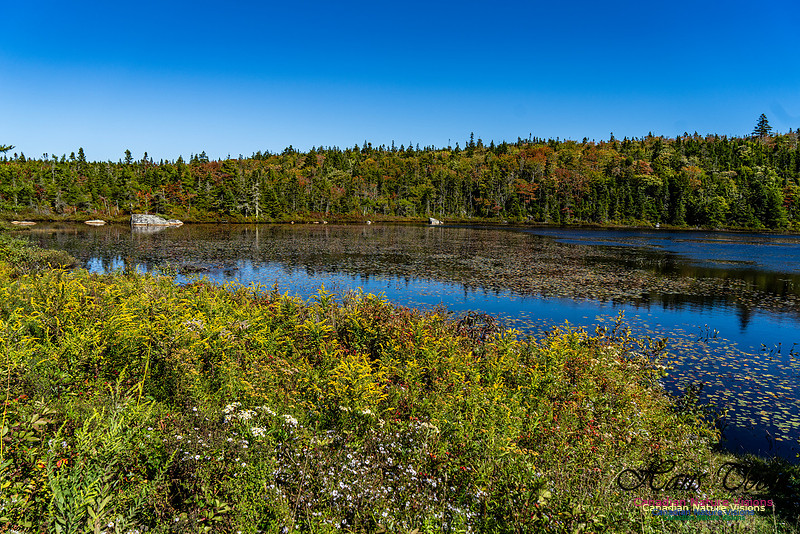
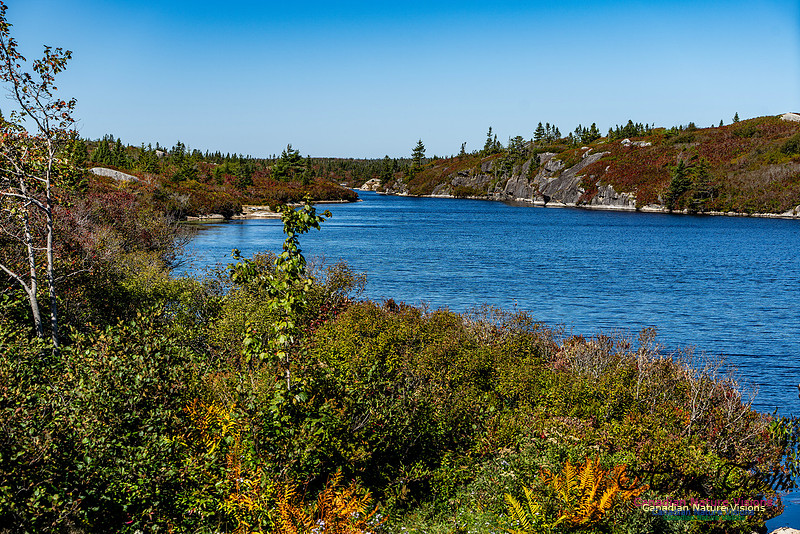
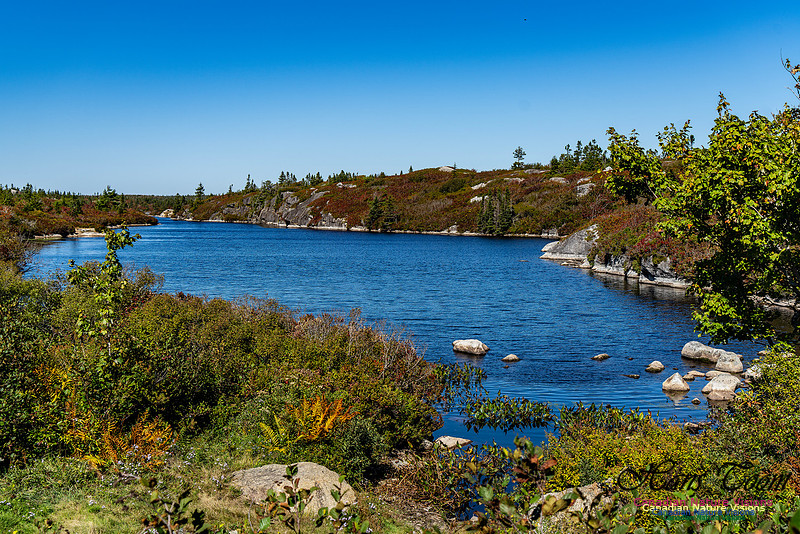
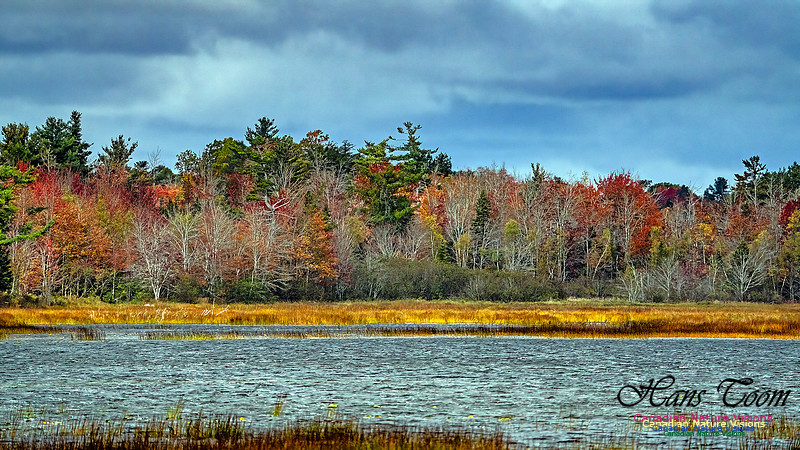
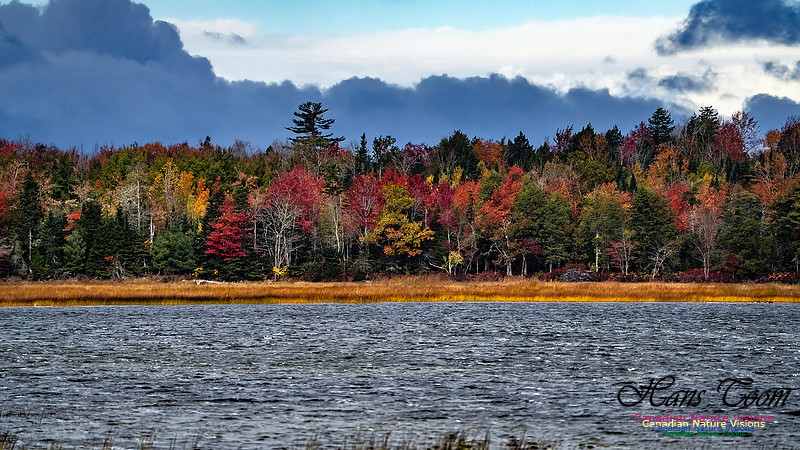
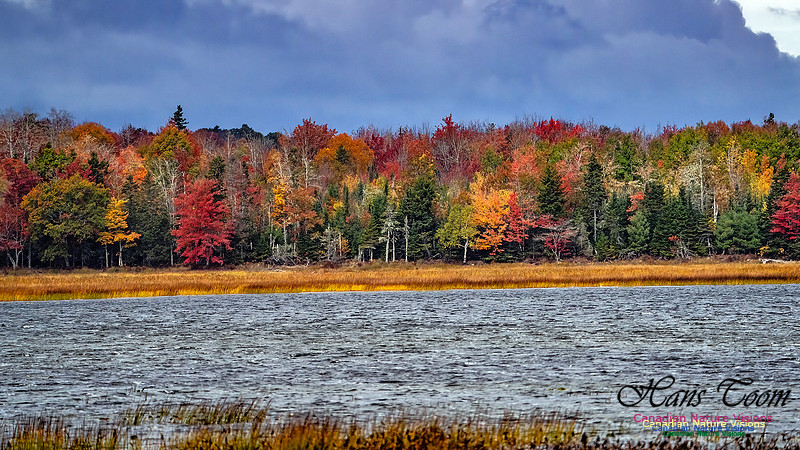
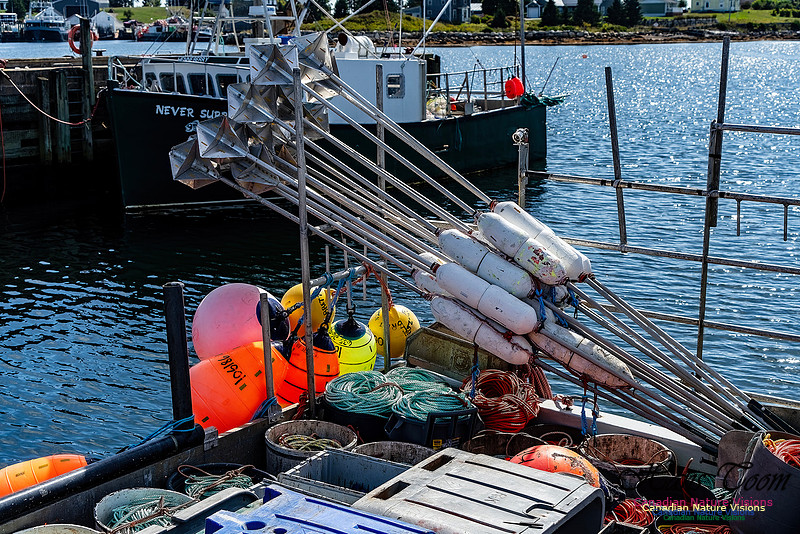
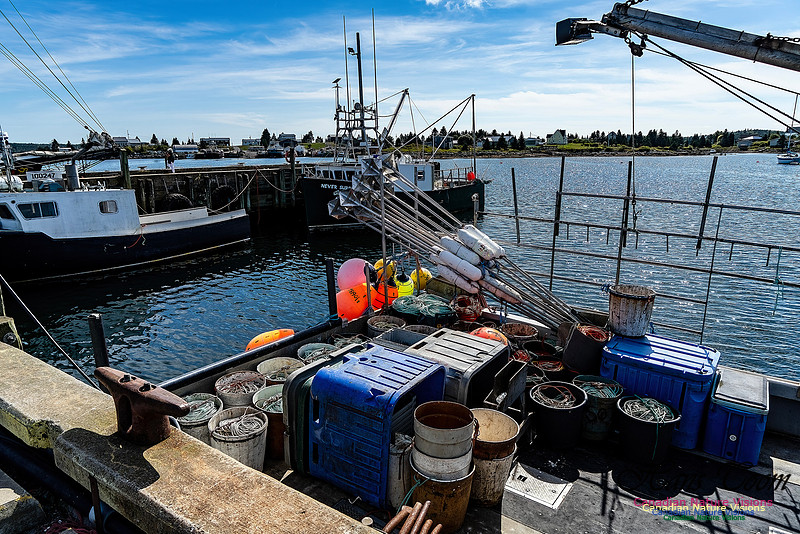
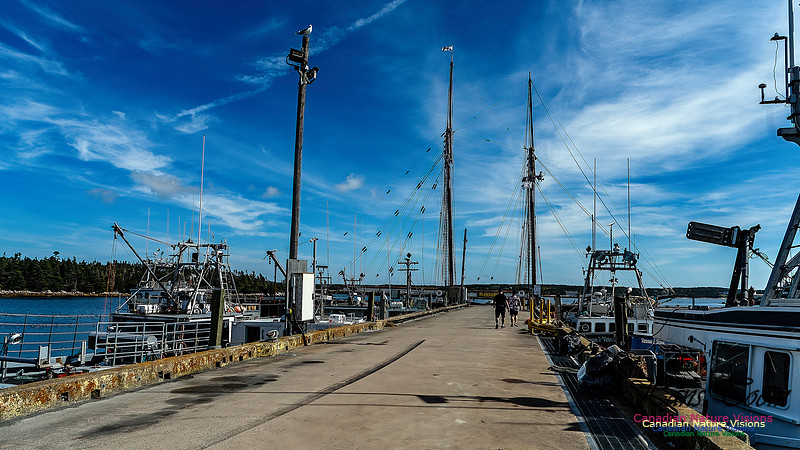
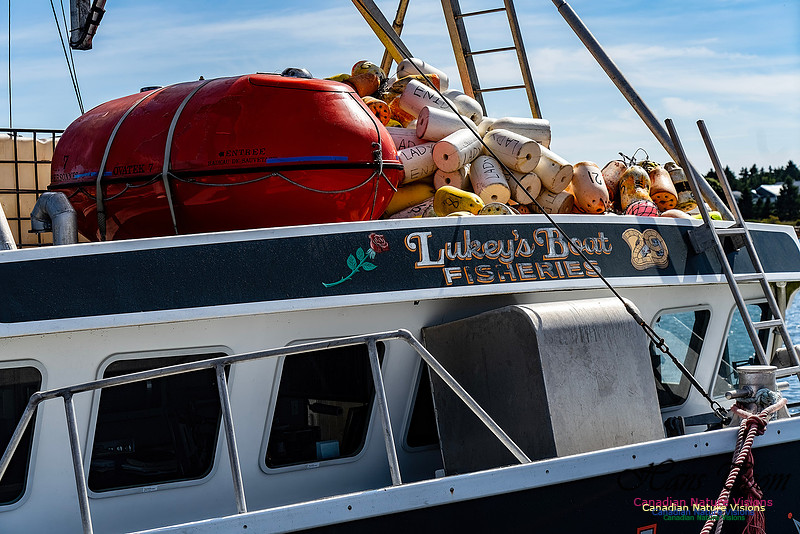
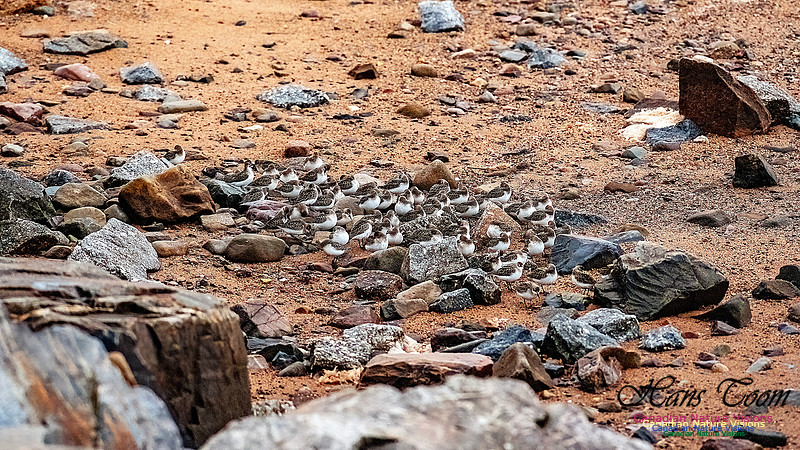
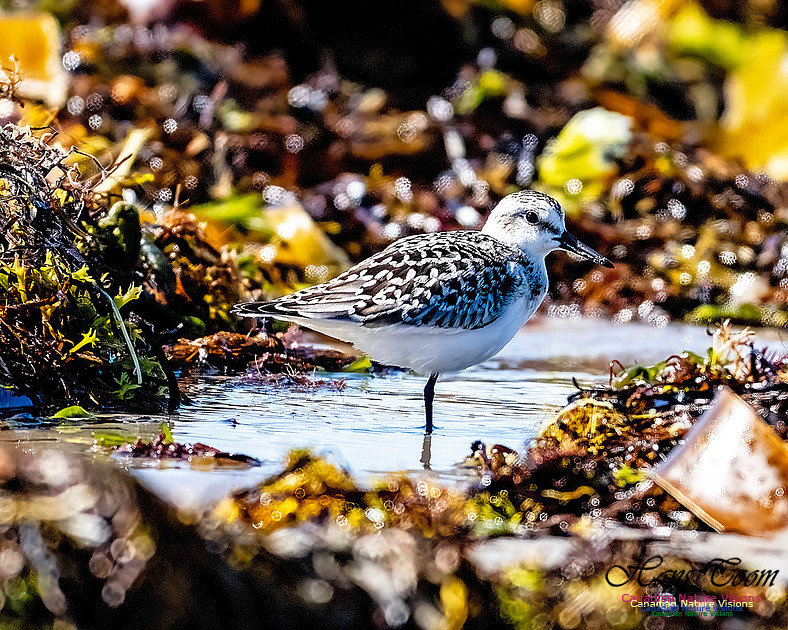
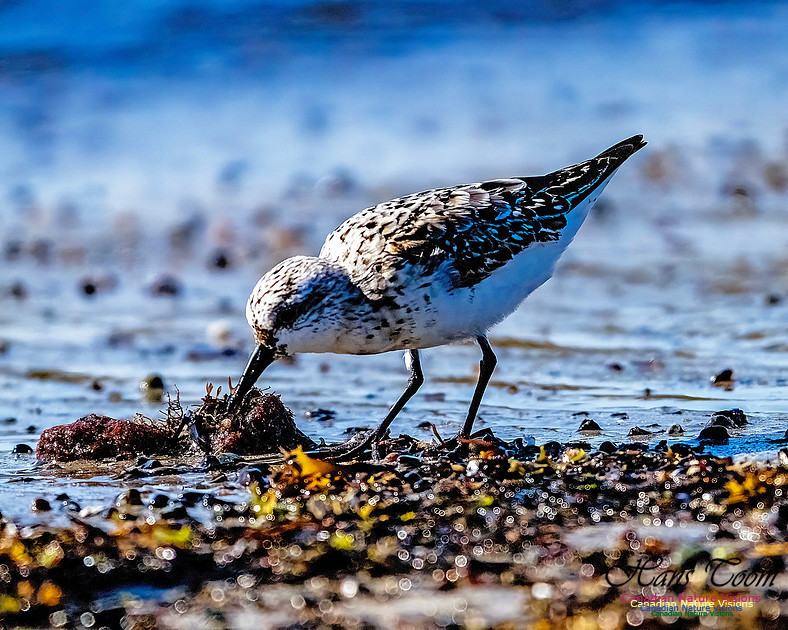
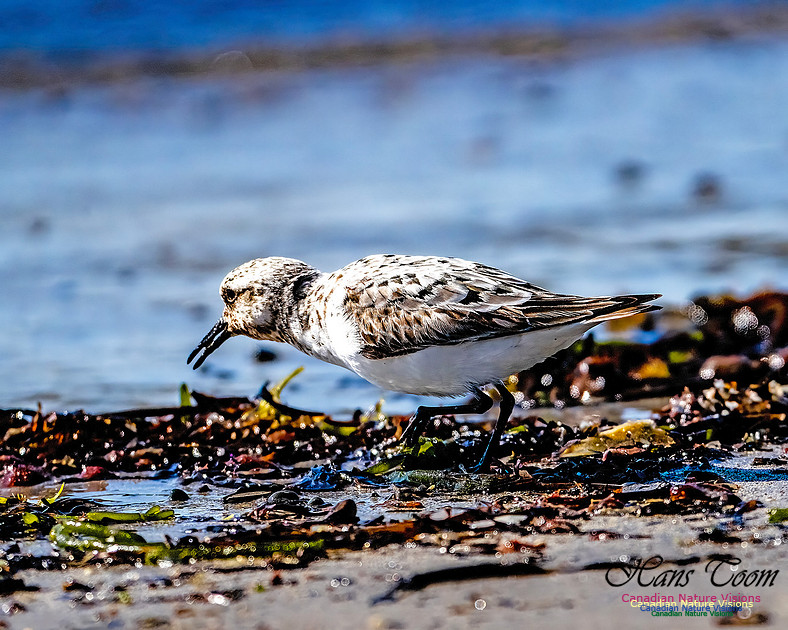
A Blustery Day at Sambro IslandSambro Island and the channel between the island and the mainland produce monstrous waves when strong south-west winds are blowing. The best place to park is just past the first gate to the National Research Council research station. A Blustery Day at Sambro Island
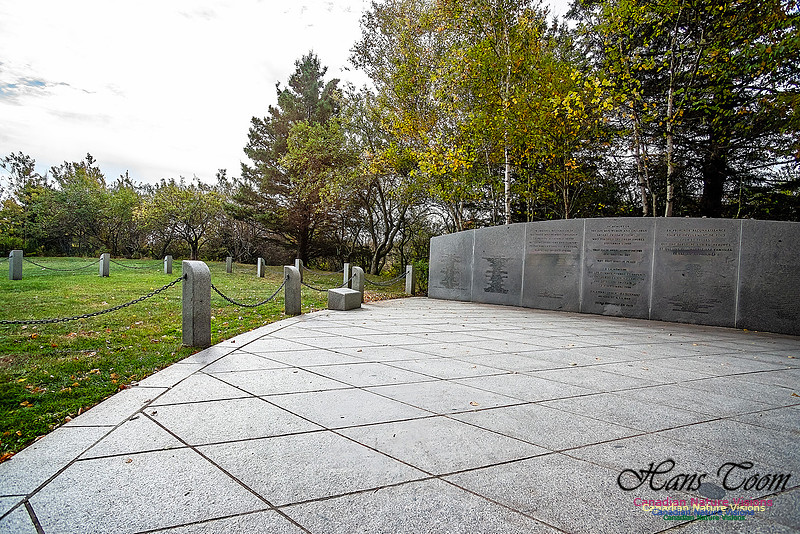
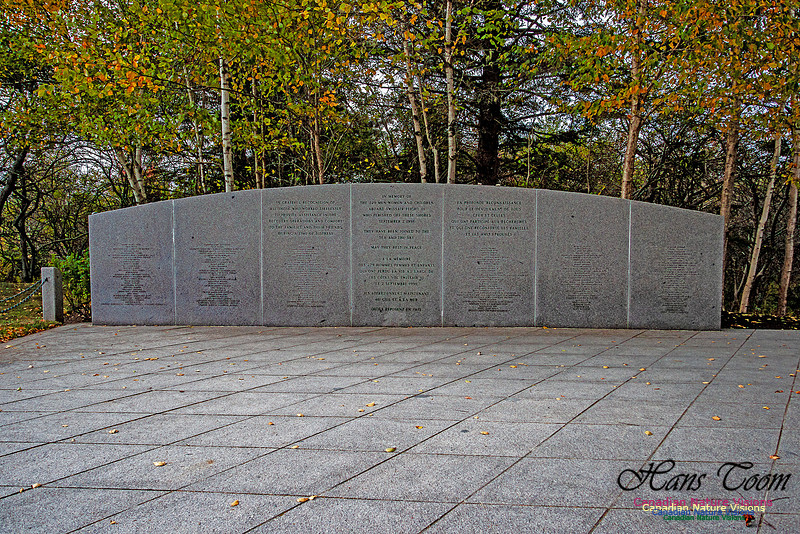
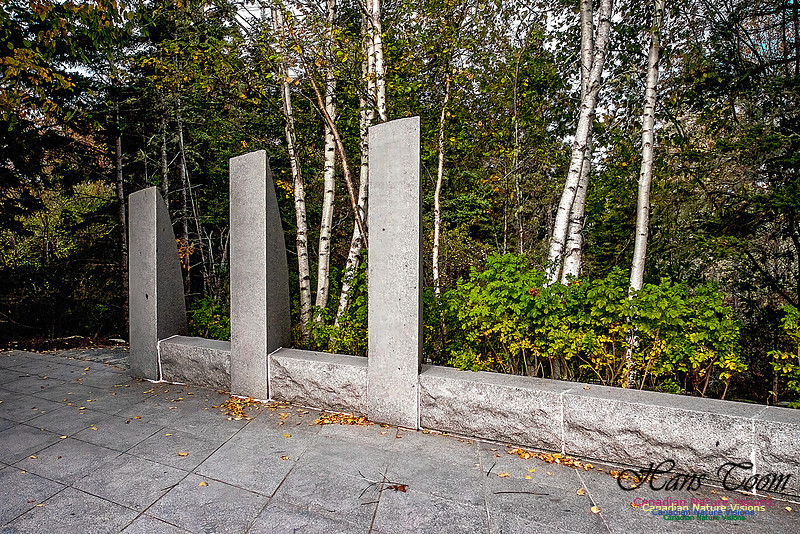
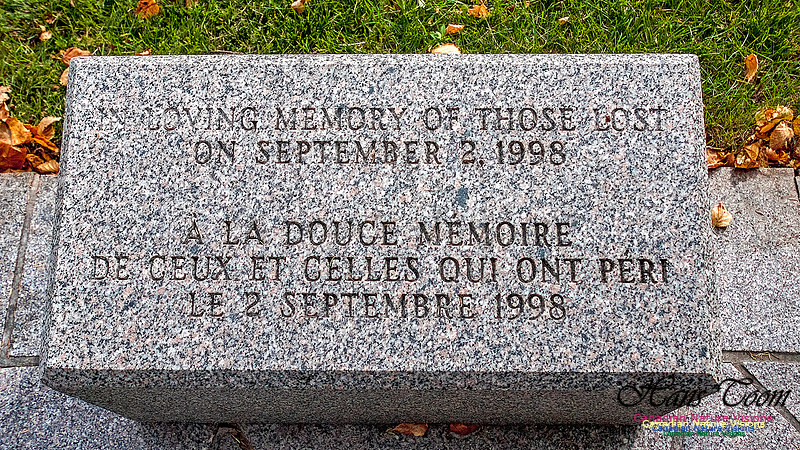
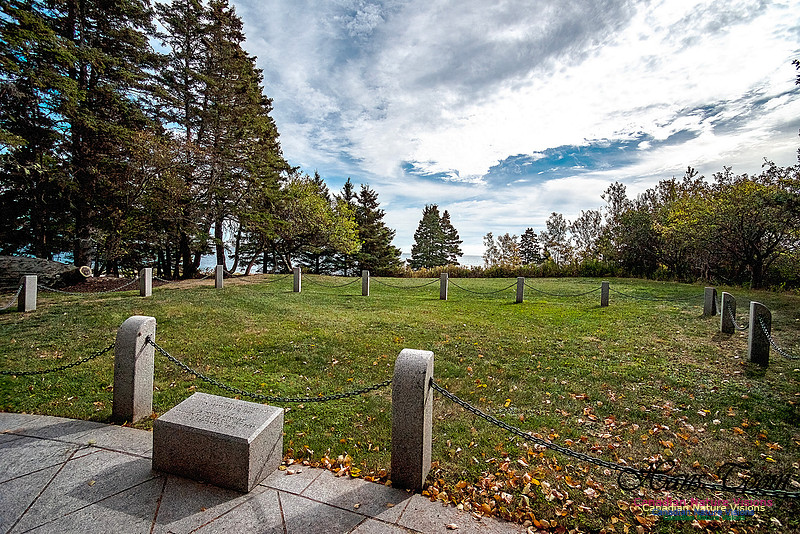
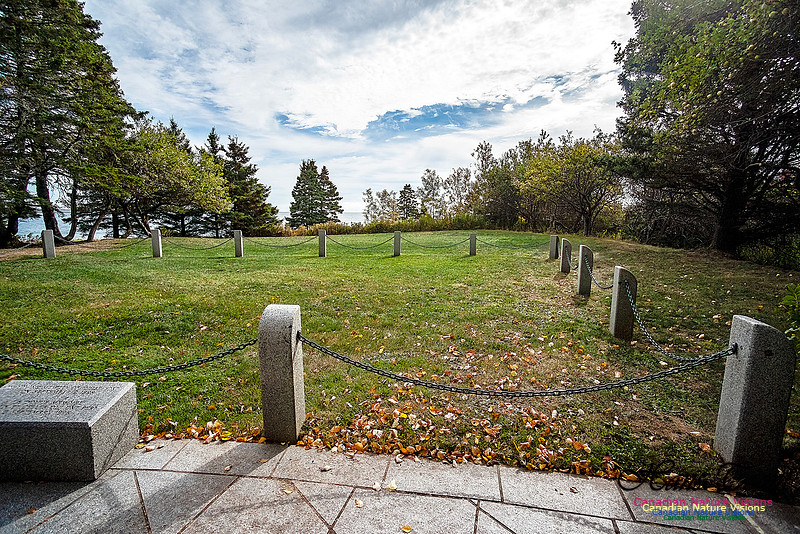
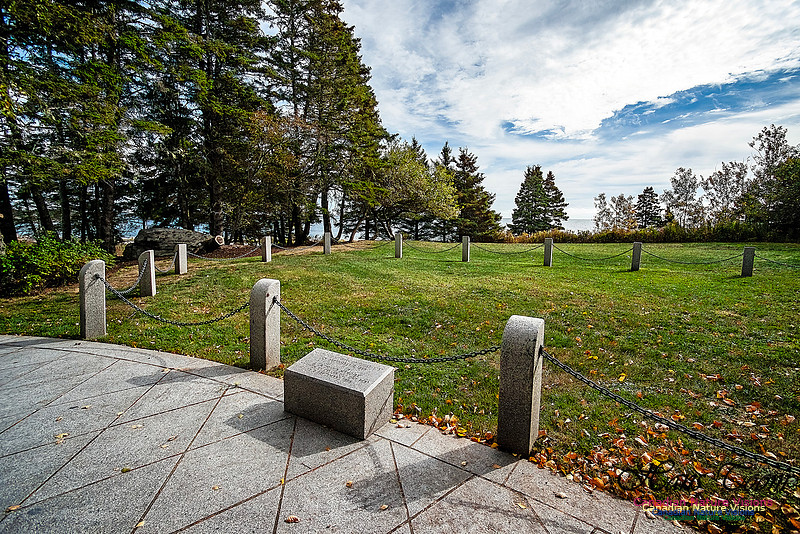
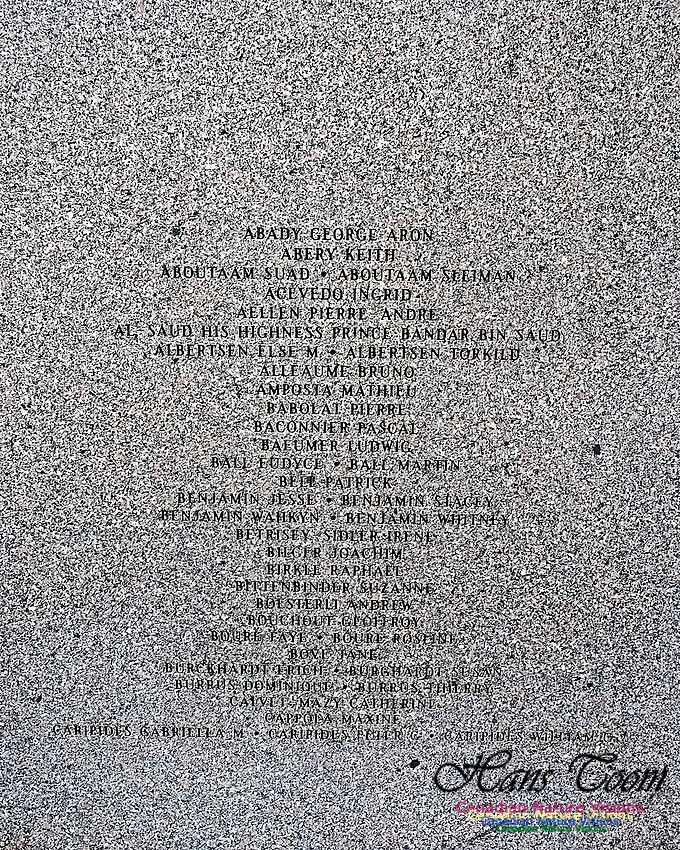
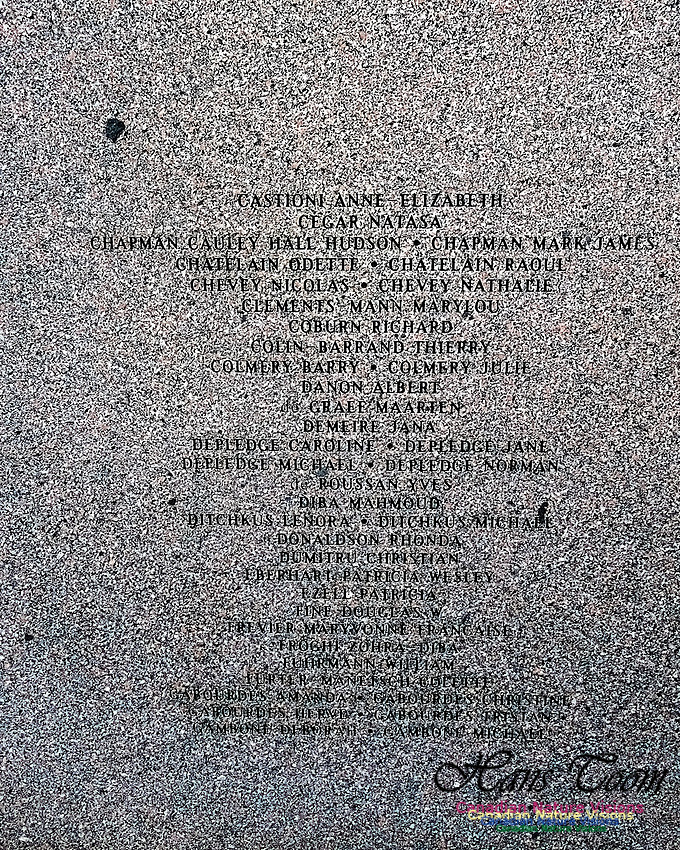
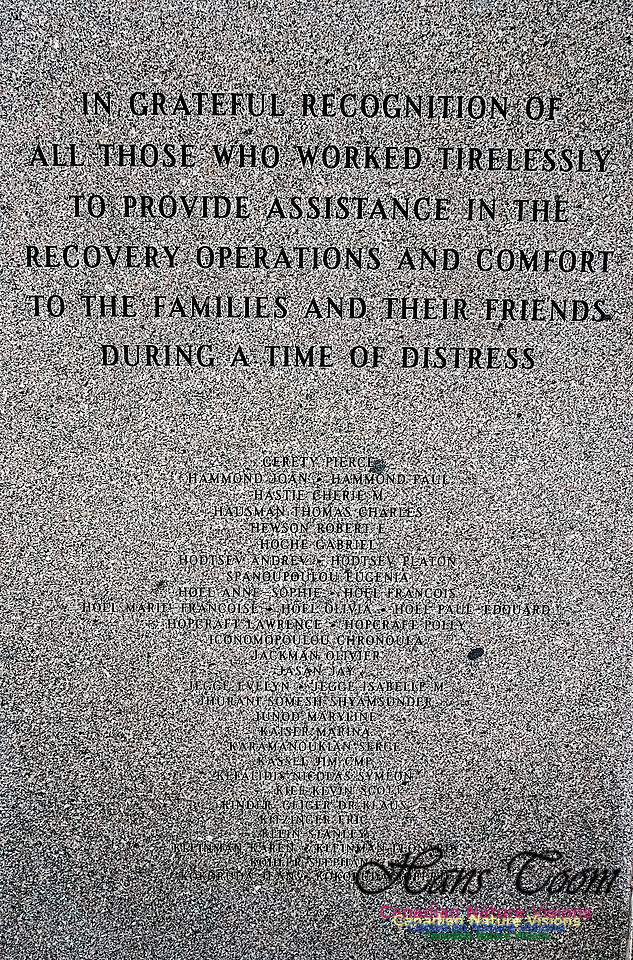
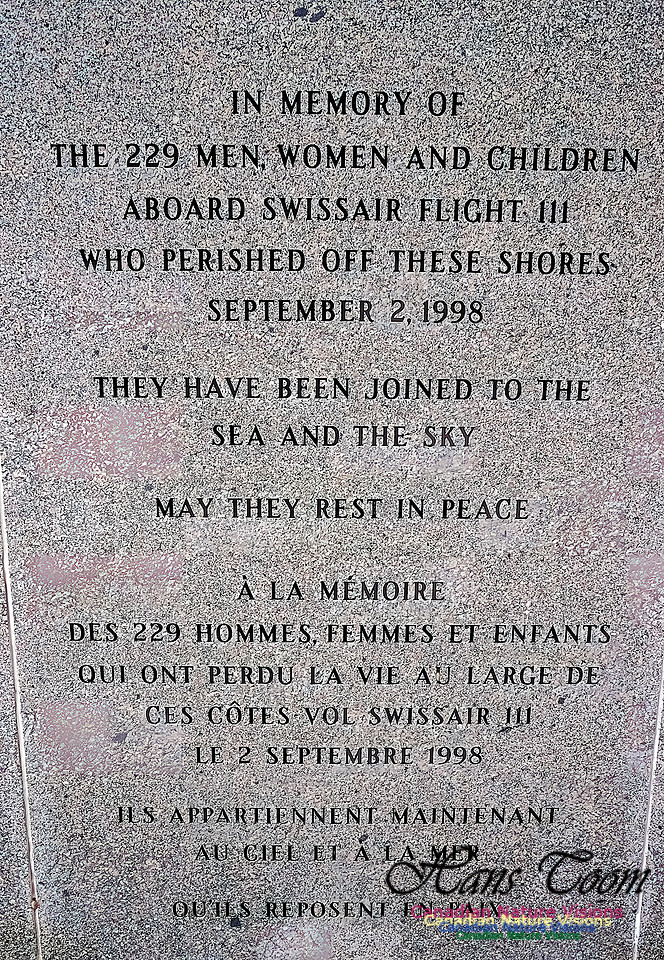
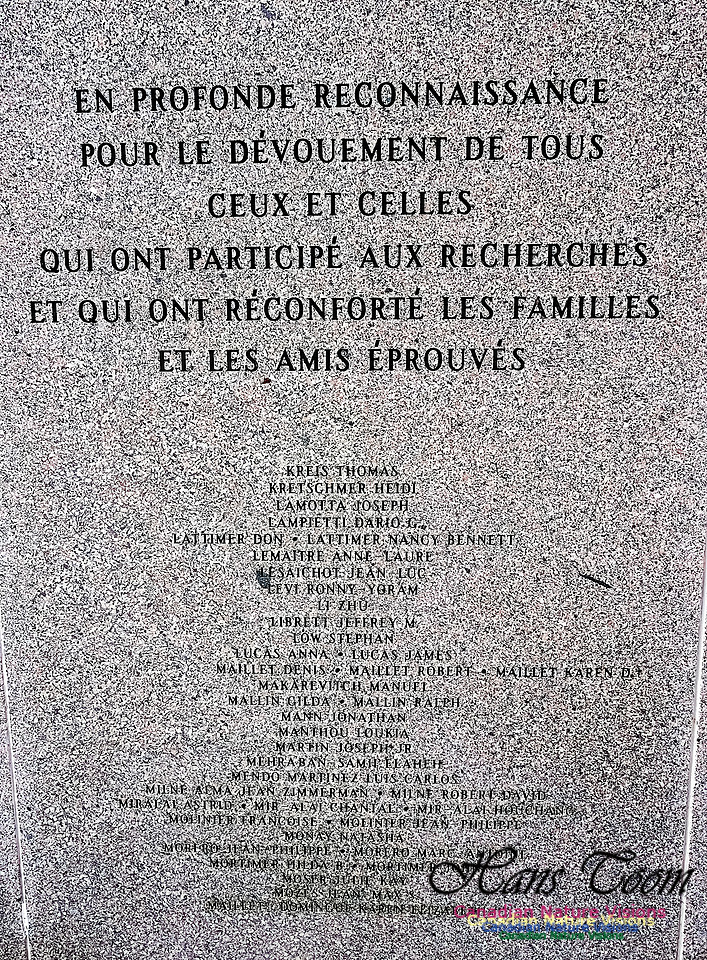
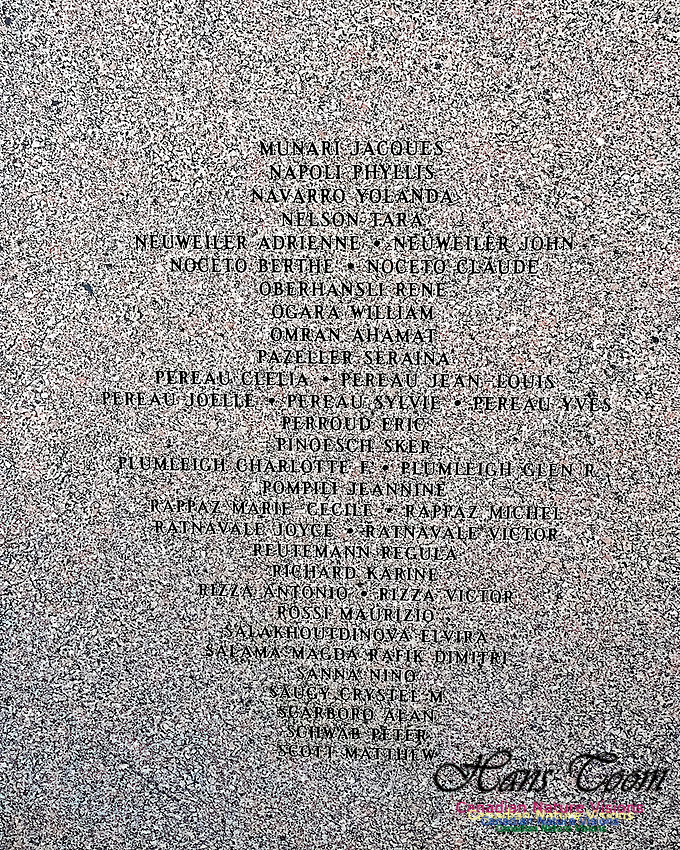
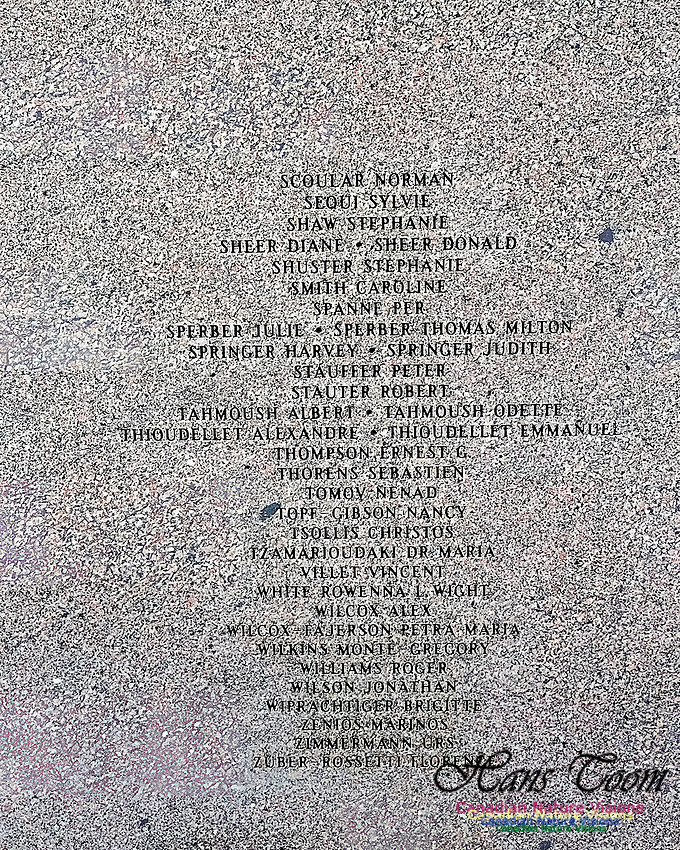
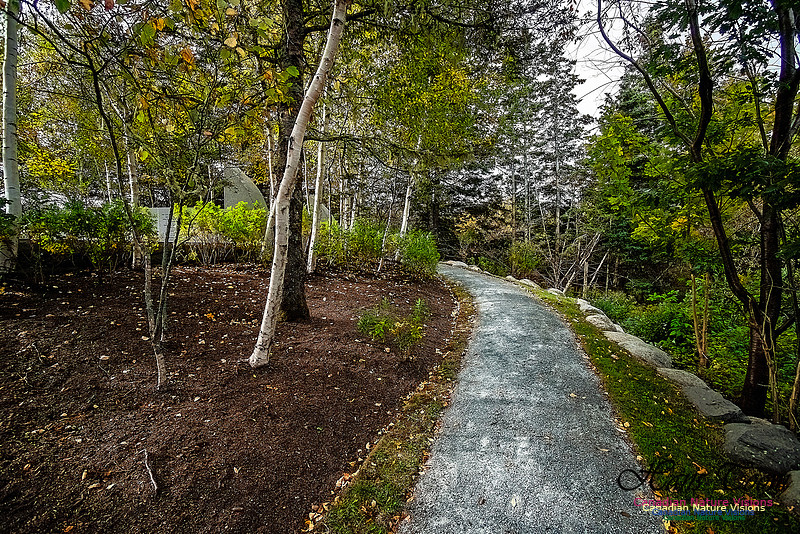
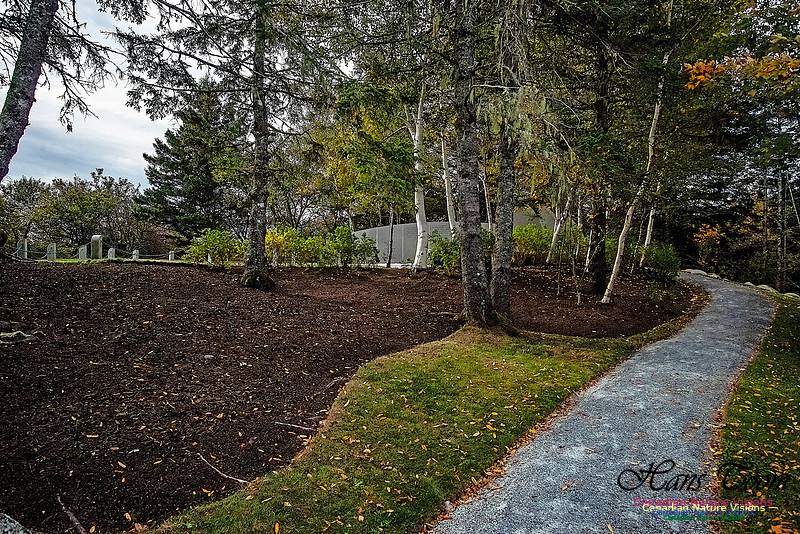
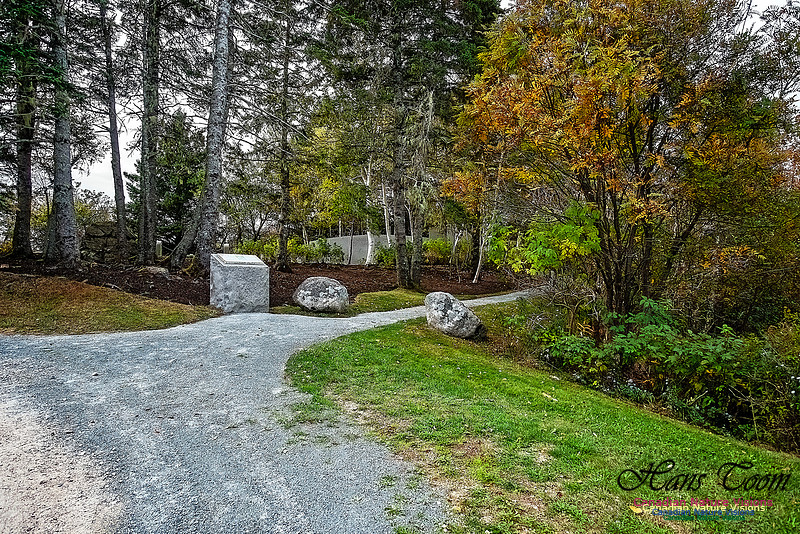
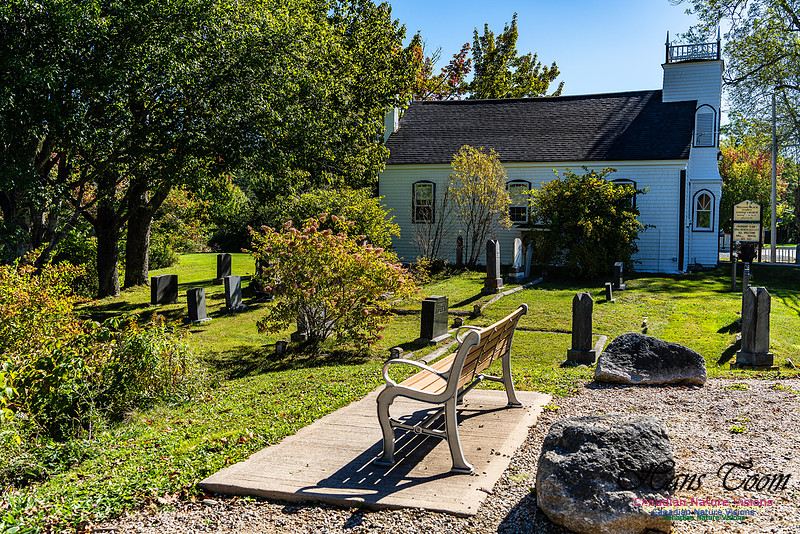
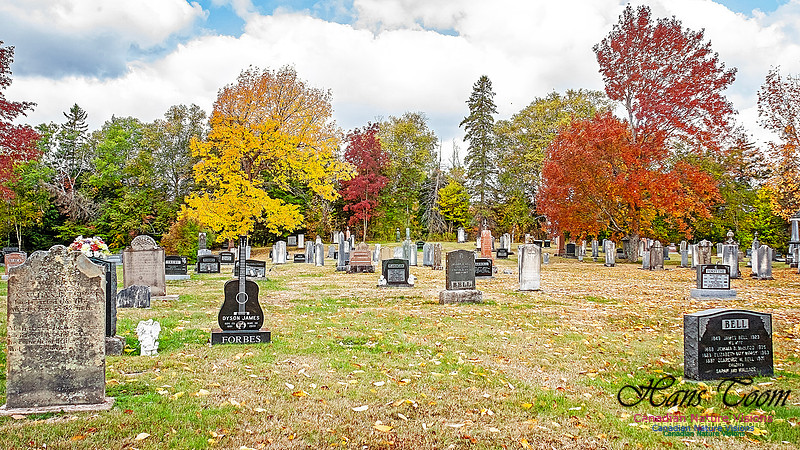
Swiss Air Flight 111 Memorial and Internment SiteLaura and I were staying in a cabin near Shelbourne, Nova Scotia when Swiss Air Flight 111 overflew us and then crashed north of us in the North Atlantic Ocean. We found out about the disaster the following morning. We've previously visited both memorial sites of the disaster but this is the first time I've taken photos of the Internment Site. Swiss Air Flight 111 Memorial and Interment Site
Courtesy of Wikipedia
Memorials and tributes


A non-denominational memorial service was held on the grounds of East St. Margaret's Elementary School in Indian Harbour on 9 September 1998. Among those in attendance were 175 relatives of the crash victims, Swiss president Flavio Cotti, Canadian prime minister Jean Chrétien, and Nova Scotia premier Russell MacLellan.[68][69][70] A memorial service was also held in Zürich on 11 September 1998.[71] The following year, another memorial was held in Nova Scotia.[72] Two memorials to those who died in the crash were established by the Government of Nova Scotia. One is to the east of the crash site at The Whalesback, a promontory 1 kilometre (0.62 mi; 0.54 nmi) north of Peggy's Cove.[73] The second is a more private, but much larger commemoration located west of the crash site near Bayswater Beach Provincial Park on the Aspotogan Peninsula in Bayswater.[74] Here, the unidentified remains of the victims are interred. A fund was established to maintain the memorials and the government passed an act to recognize the memorials.[75][76] Various other charitable funds were also created, including one in the name of a young victim from Louisiana, Robert Martin Maillet, which provided money for children in need,[77][78] and one in the name of Robert's mother, Karen E. Maillet-Domingue (also a victim), which granted. Bayswater Internment Site
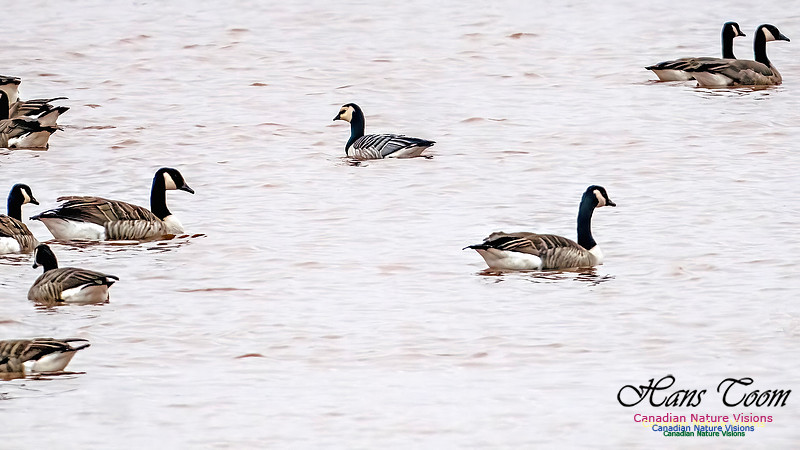
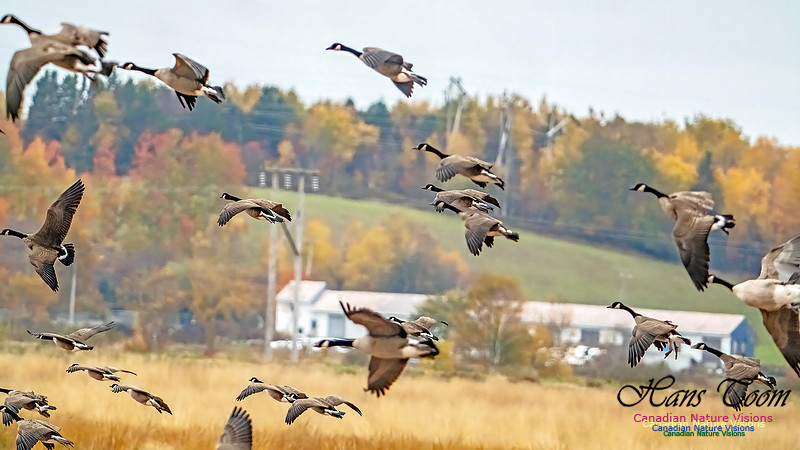
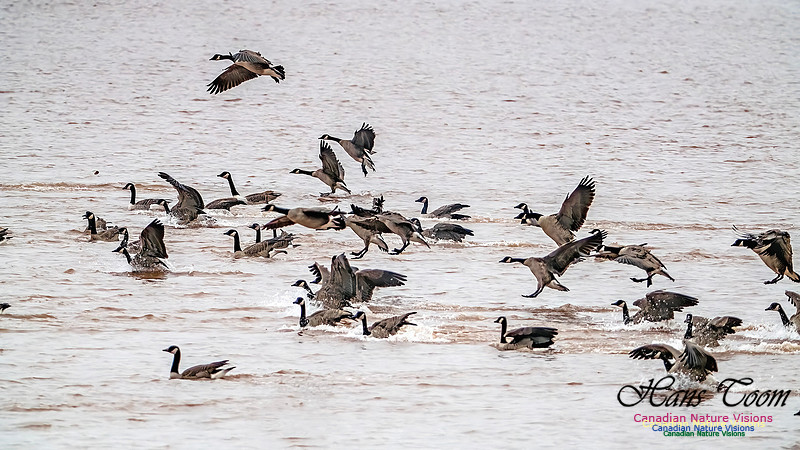
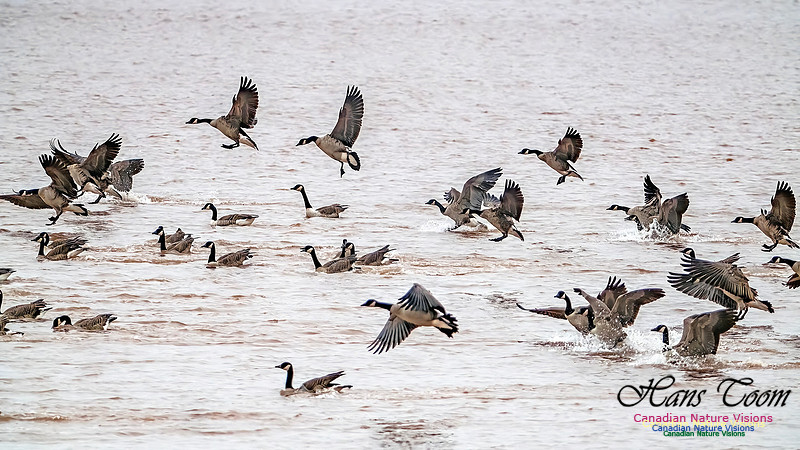
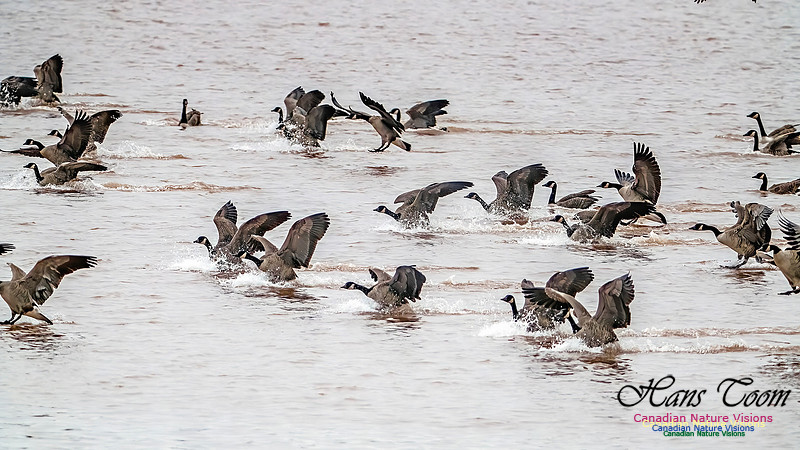
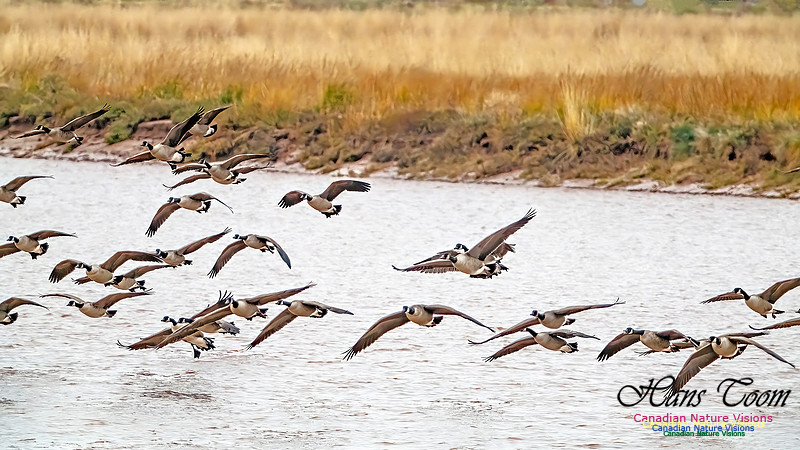
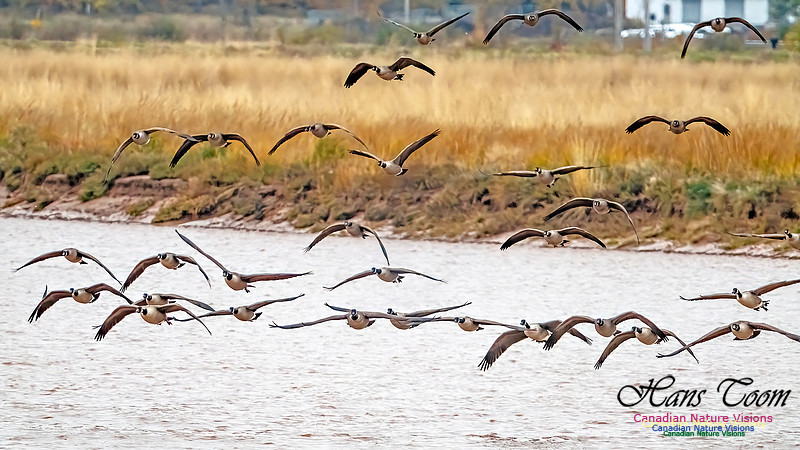
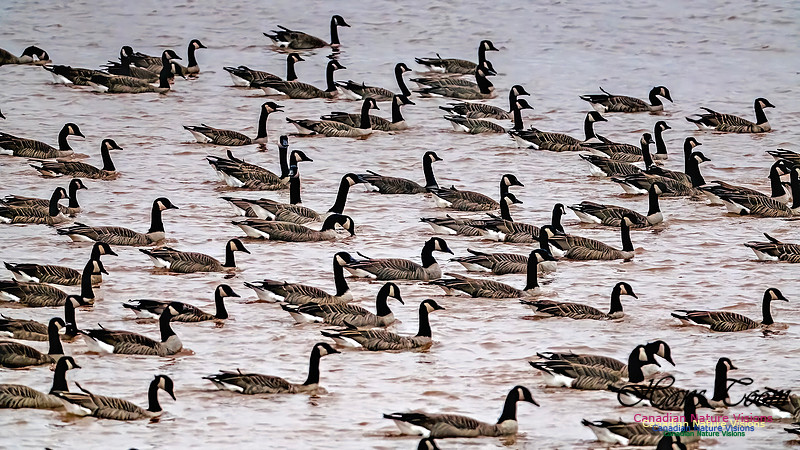
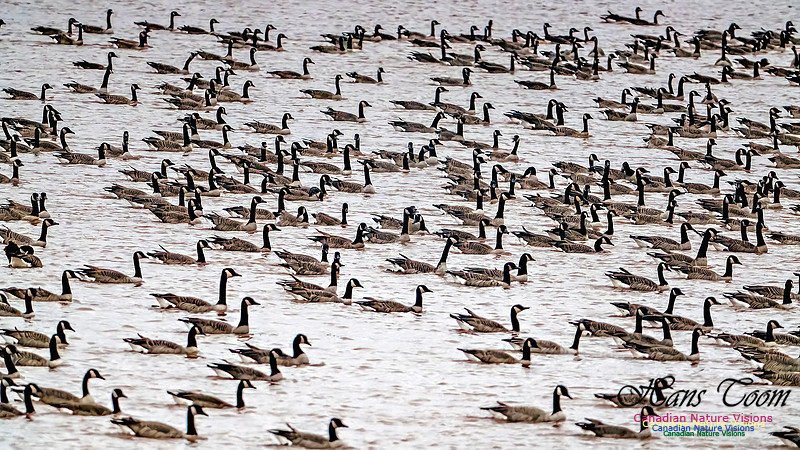
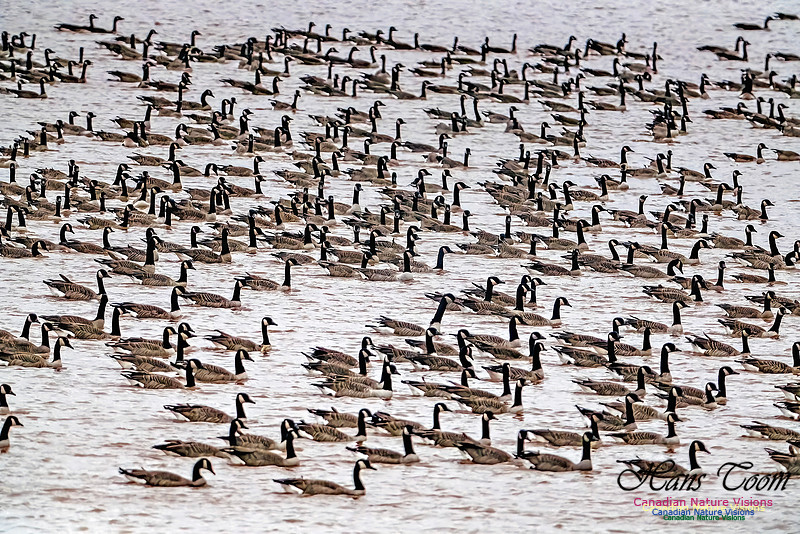
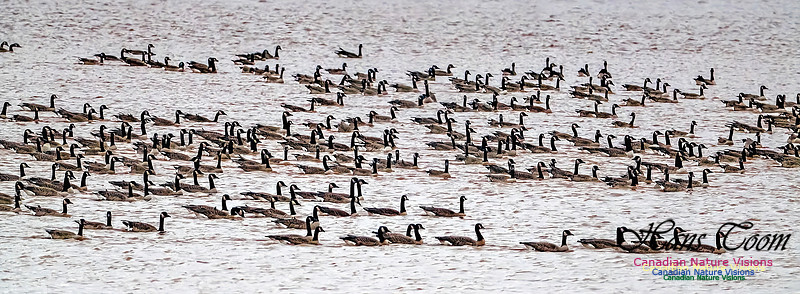
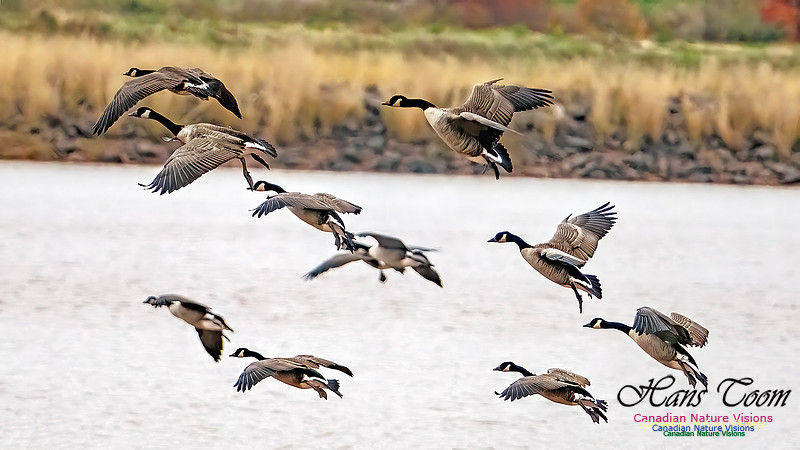
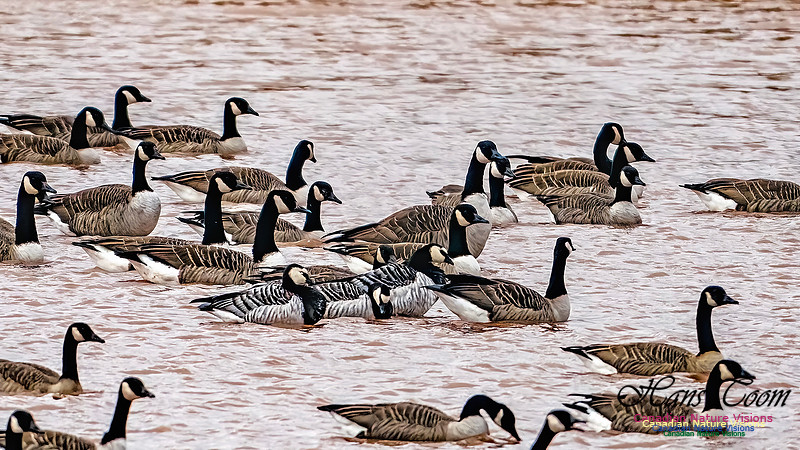
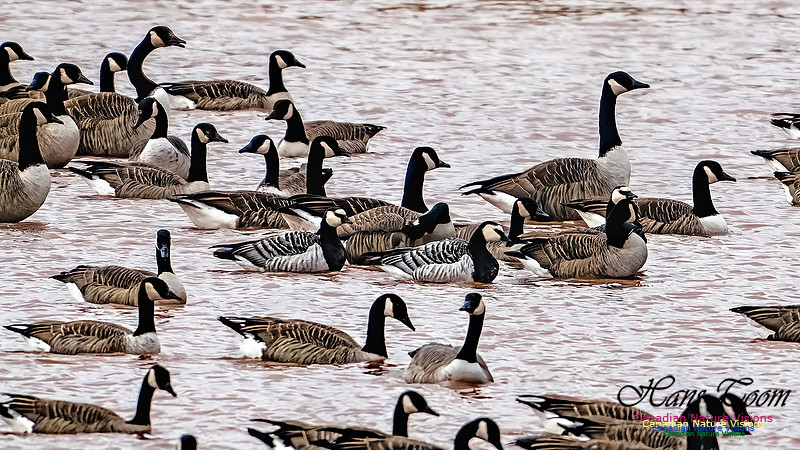
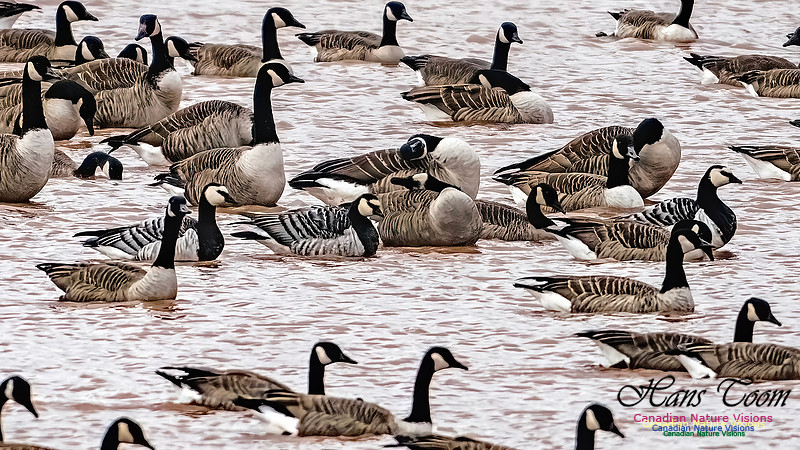
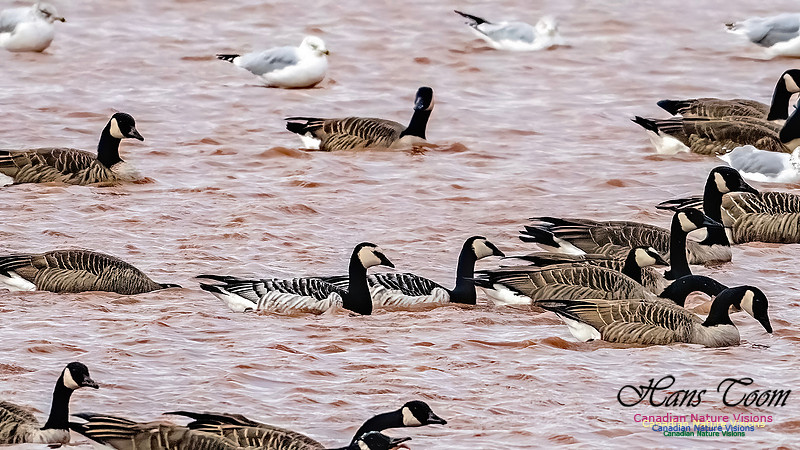
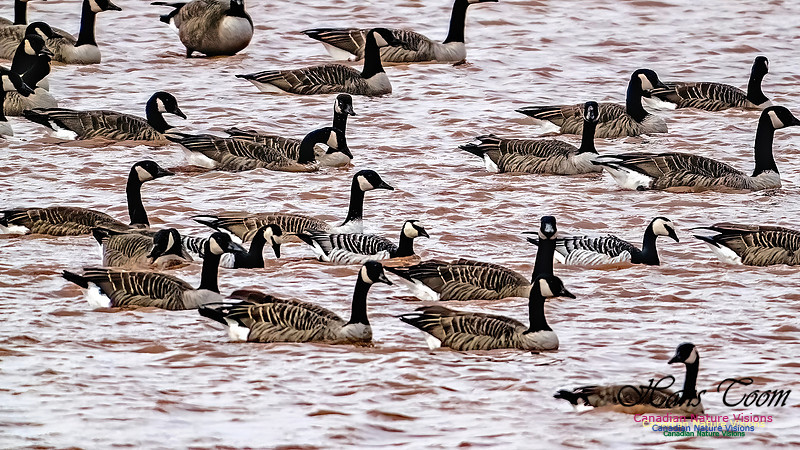
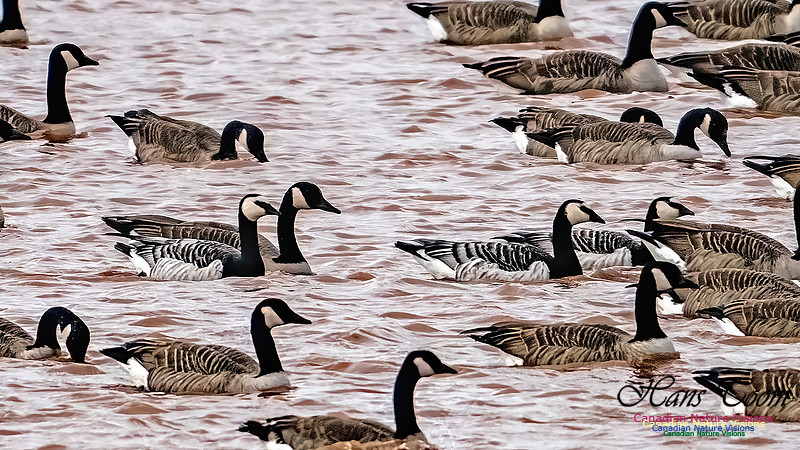
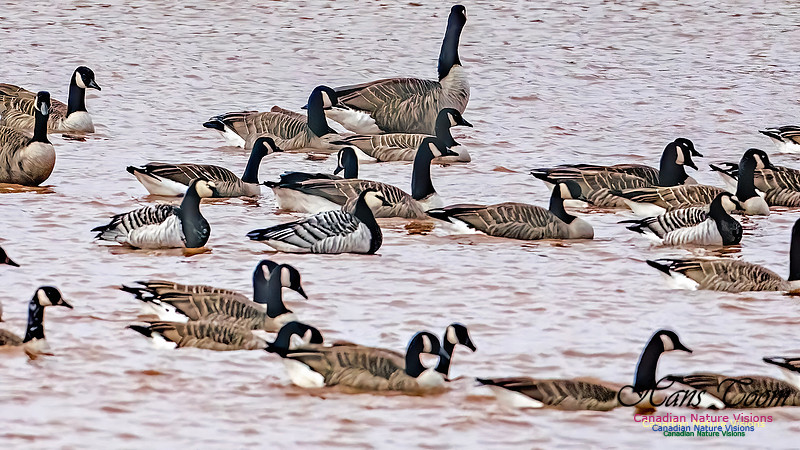
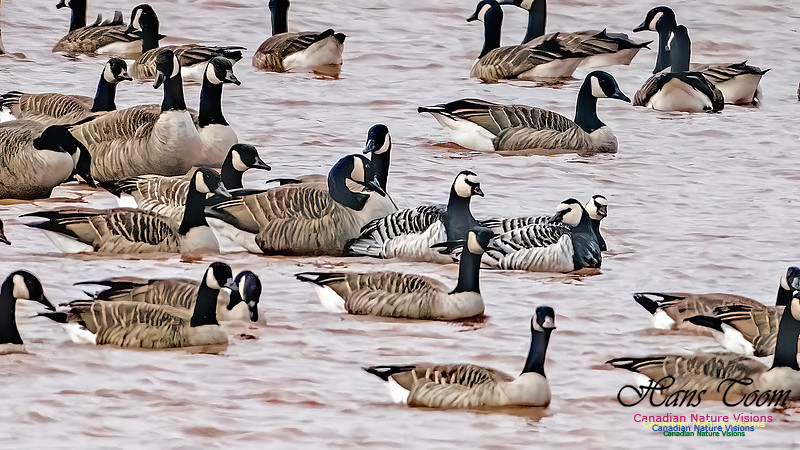
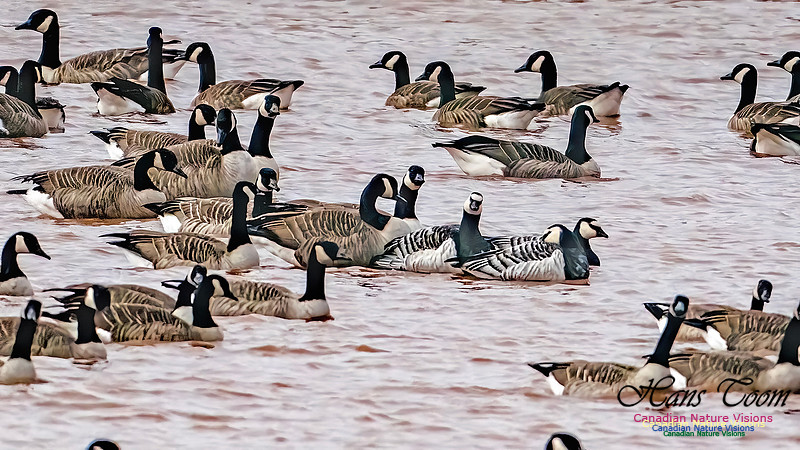
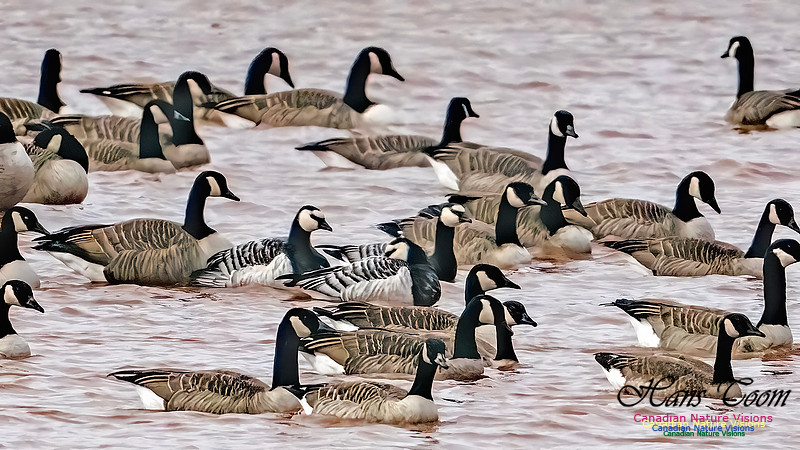
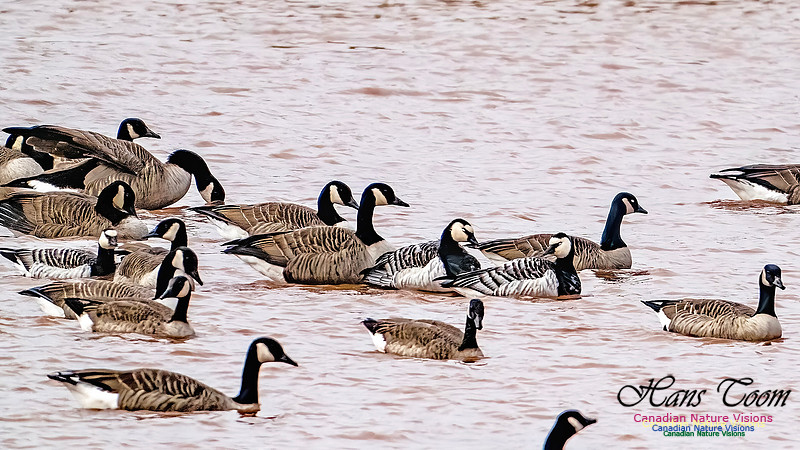
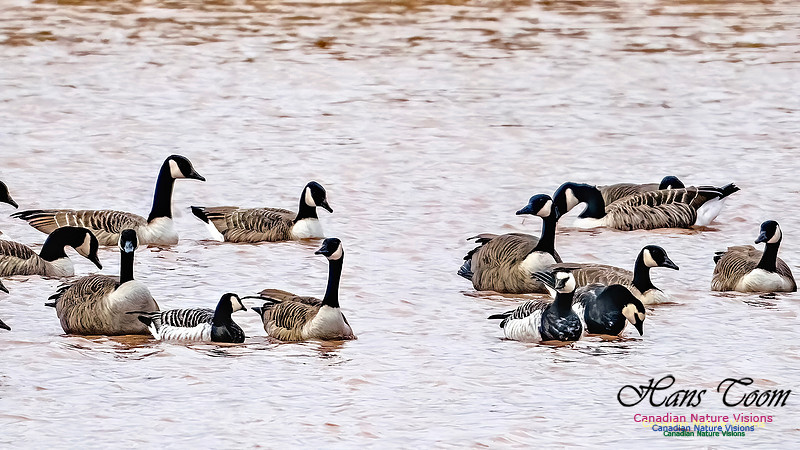
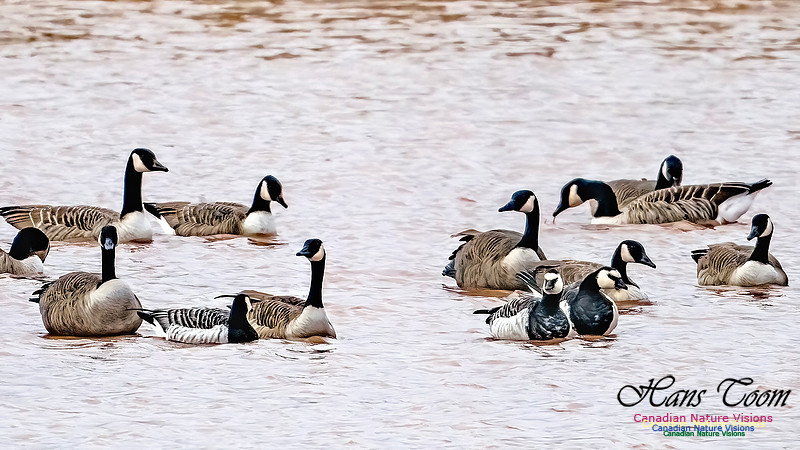
Canada Geese on DisplayI returned to the look-off over the Salmon River at 1PM yesterday and the tide was high so all the birds were floating. The Canada Geese came in by the hundreds so by 2PM picking out uncommon and rare geese became too much for me. I will return on Thursday early in the morning when all the sand bars will be exposed and my clients, at least some of them, will be walking about and hopefully posing. Canada Geese on Display I did pick out one Barnacle Goose in the melee and then promptly lost it never to be located again. Barnacle Goose
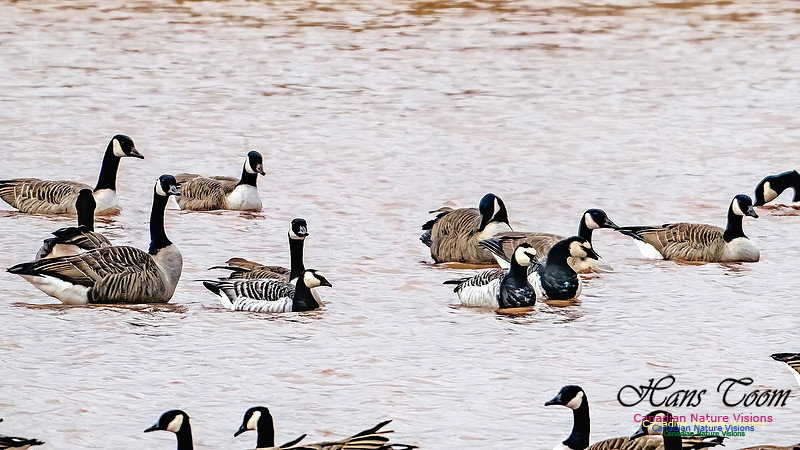
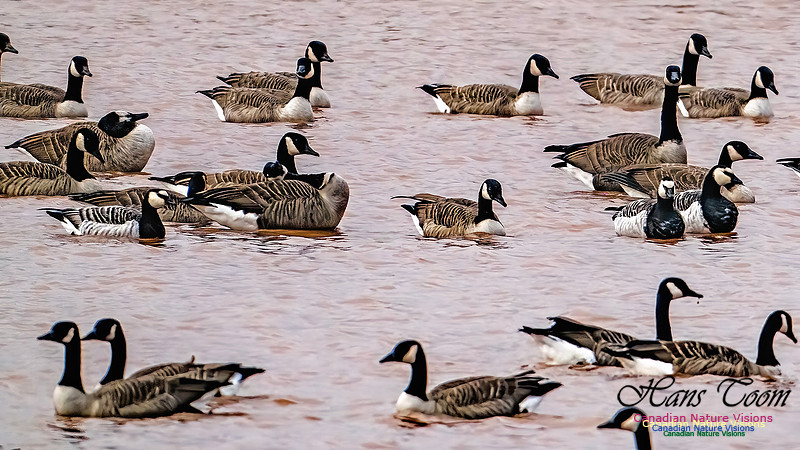
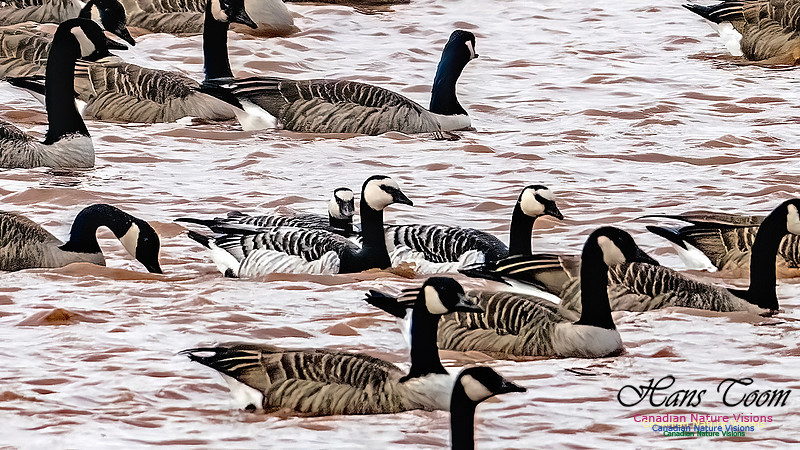
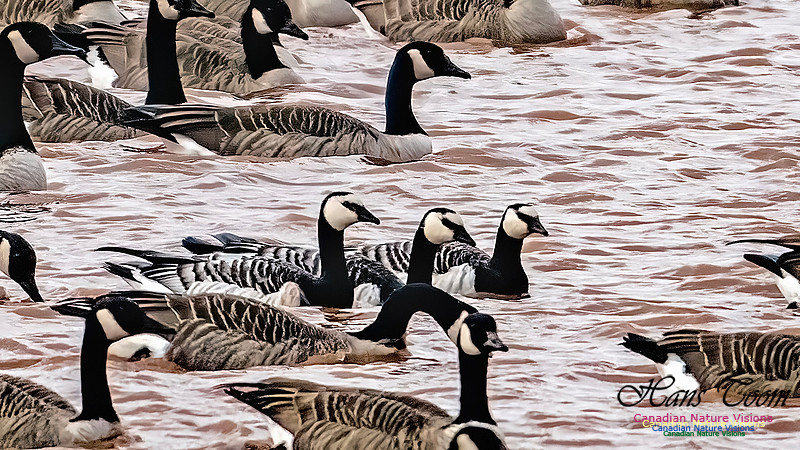
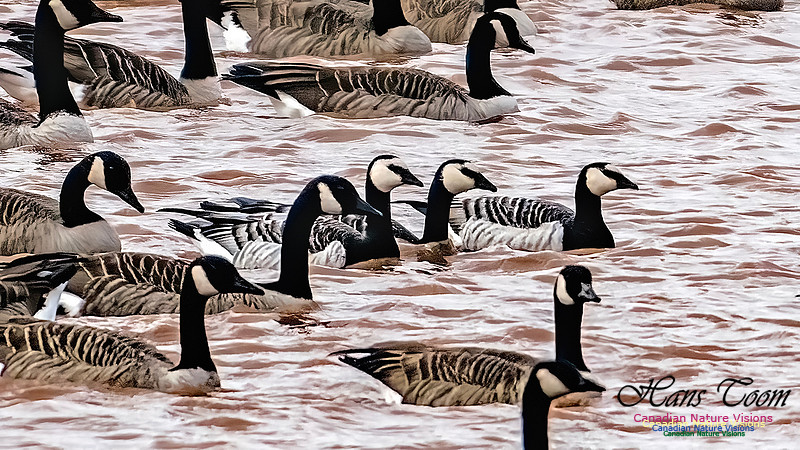
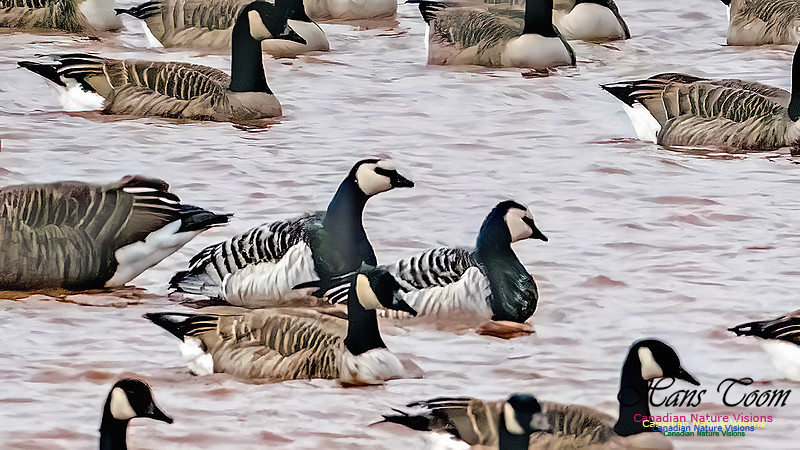
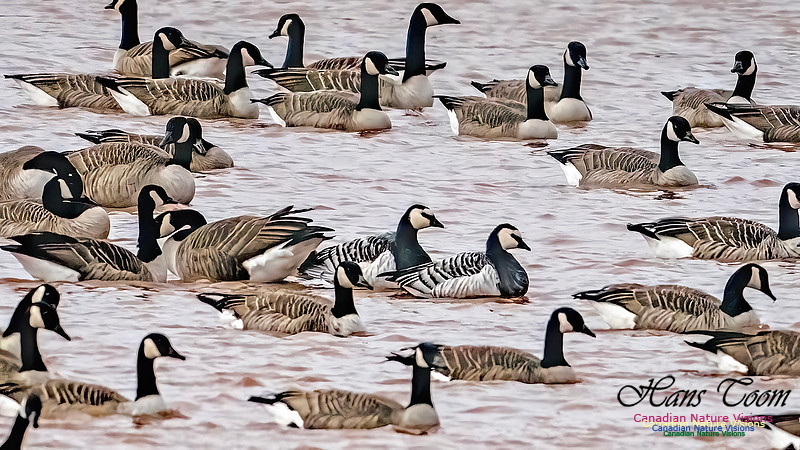
Three Barnacle GeeseWhen I arrived at the Salmon River look-off the tide was high and rising. I stayed for an hour and when I left there was no sand bar left and all the birds were floating. I had hoped for some standing on the bar but alas I will have to return at an earlier time for that opportunity. The three Barnacle Geese were together most of the time and intermingled with the Canada Geese. For listers this is a hard bird to count since there are escapees from time to time but the lateness of the year and the robustness of these Barnacle Geese would suggest that these are indeed wild birds. Three Barnacle Geese
The barnacle goose (Branta leucopsis) is a species of goose that belongs to the genus Branta of black geese, which contains species with extensive black in the plumage, distinguishing them from the grey Anser species. Despite its superficial similarity to the brant goose, genetic analysis has shown its closest relative is the cackling goose.[2] Taxonomy and namingThe barnacle goose was first classified taxonomically by Johann Matthäus Bechstein in 1803. Branta is a Latinised form of Old Norse Brandgás, "burnt [black] goose" and the specific epithet is from the Ancient Greek leukos "white", and opsis "faced".[3] In the medieval period, the barnacle goose and the similar brant goose were not distinguished, and were formerly believed to spawn from the goose barnacle.[4] This gave rise to the English name of the barnacle goose and the scientific name of the brant goose.[3] The barnacle myth can be dated back to at least the 12th century. Gerald of Wales claimed to have seen these birds hanging down from pieces of timber, William Turner accepted the theory, and John Gerard claimed to have seen the birds emerging from their shells. The legend persisted until the end of the 18th century. In County Kerry, until relatively recently, Catholics abstaining from meat during Lent could still eat this bird because it was considered as fish.[5] It is sometimes claimed that the word comes from a Celtic word for "limpet", but the sense-history seems to go in the opposite direction.[6] DescriptionThe barnacle goose is a medium-sized goose, 55–70 cm (22–28 in) long, with a wingspan of 120–145 cm (47–57 in) and a weight of 1.21–2.23 kg (2.7–4.9 lb).[7][8][9][10] It has a white face and black head, neck, and upper breast. Its belly is white. The wings and its back are silver-grey with black-and-white bars that look like they are shining when the light reflects on it. During flight, a V-shaped white rump patch and the silver-grey underwing linings are visible. They look similar to cackling geese but have grey and white instead of brown bodies, and more extensive white on the head; from Canada geese they are additionally distinguished by being smaller, and having smaller beaks. The juveniles are similar to the adults, but like with all geese, can be distinguished by the rounded rather than square-ended mantle and flank feathers.[7] Distribution and population sizeThere are three original populations of barnacle geese, with separate breeding and wintering ranges. Since the 1960s, two new breeding populations have established themselves, both located along migration routes of two of the original populations. The five populations are:
The species has been recorded as a vagrant in eastern Canada, the Northeastern United States and India; care must be taken to distinguish these wild birds from escaped individuals, as barnacle geese are popular waterfowl with collectors.[22][23]
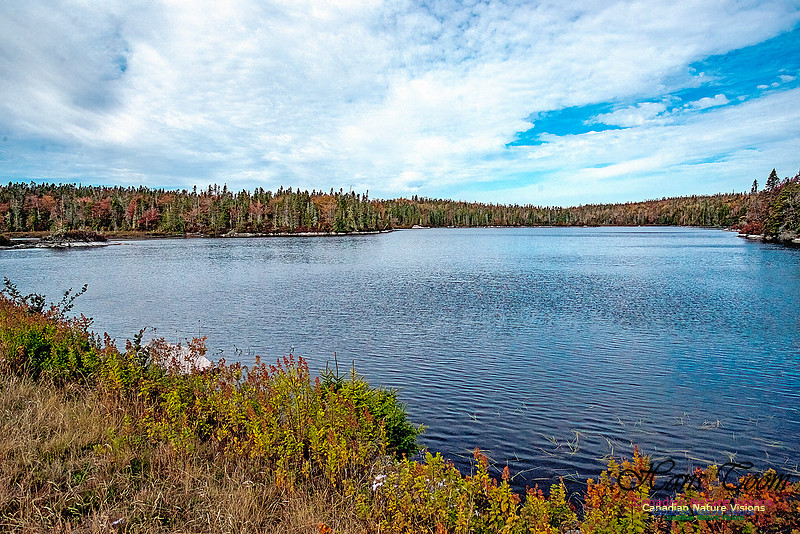
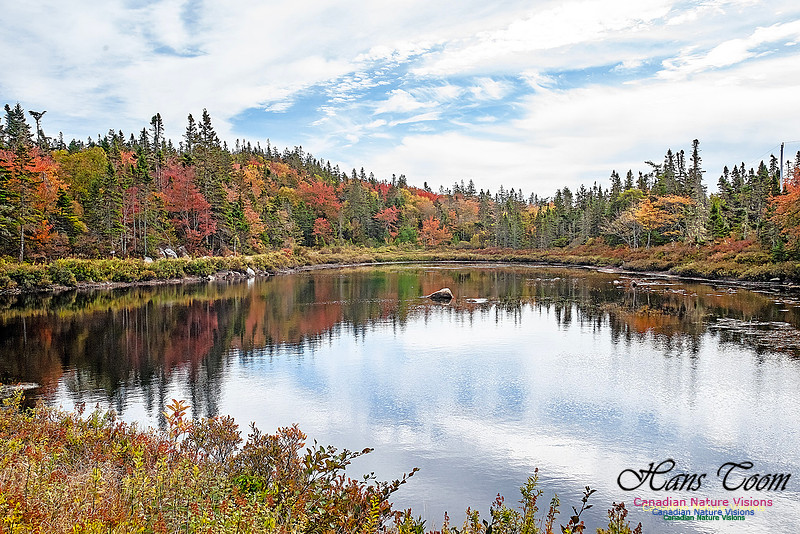
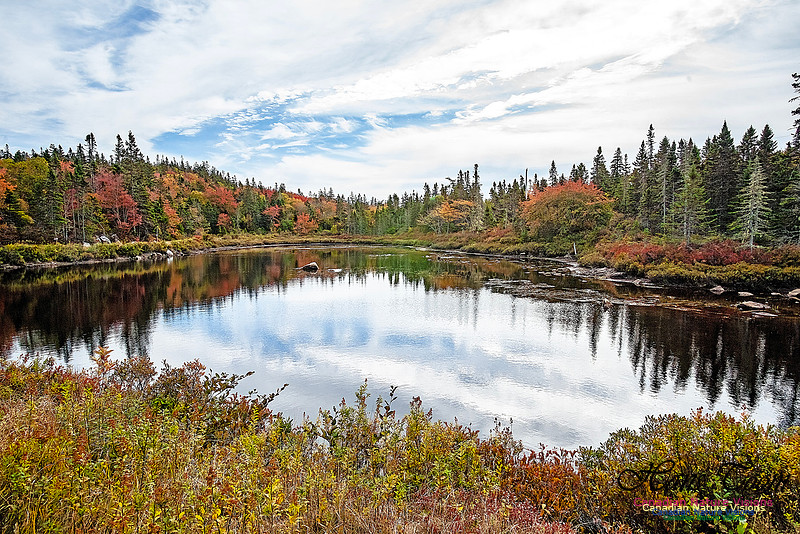
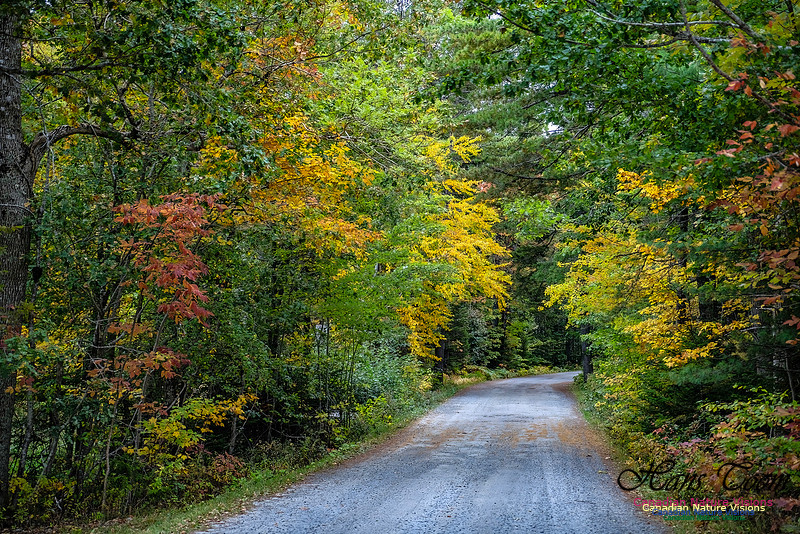
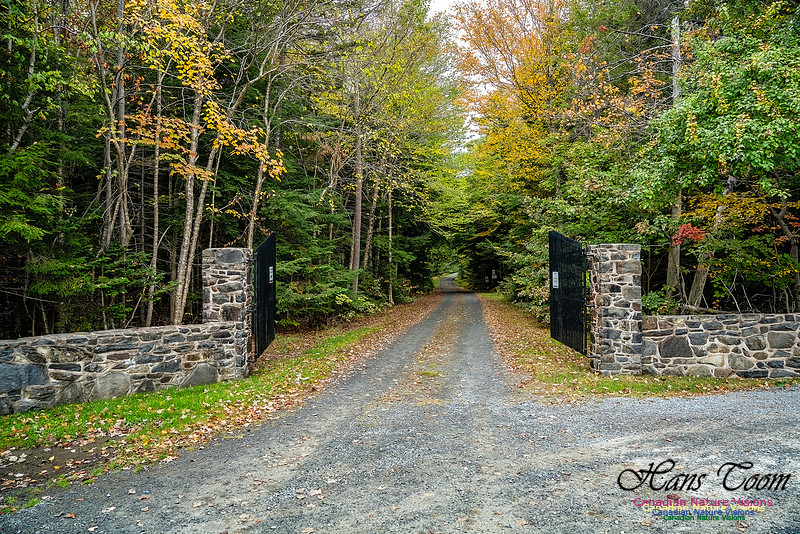
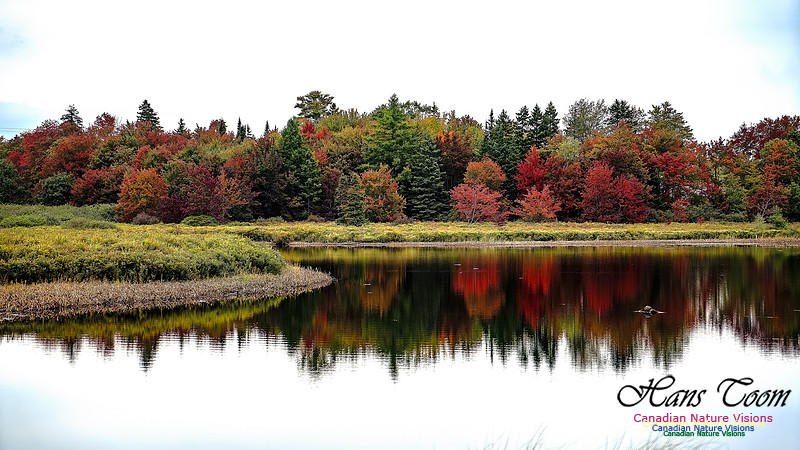
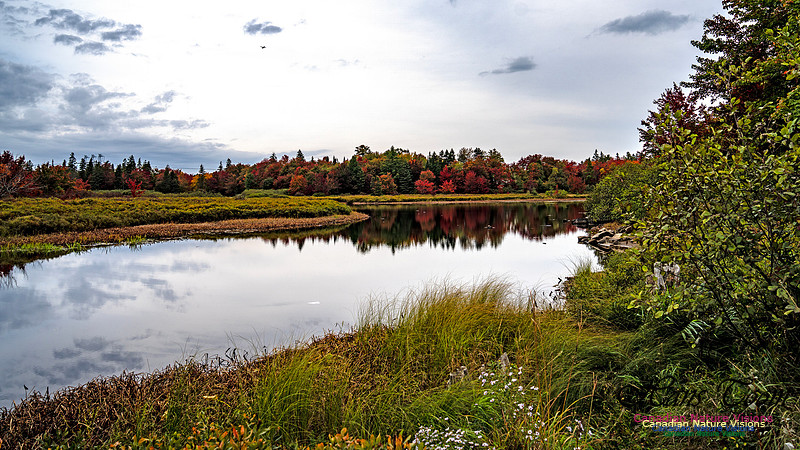
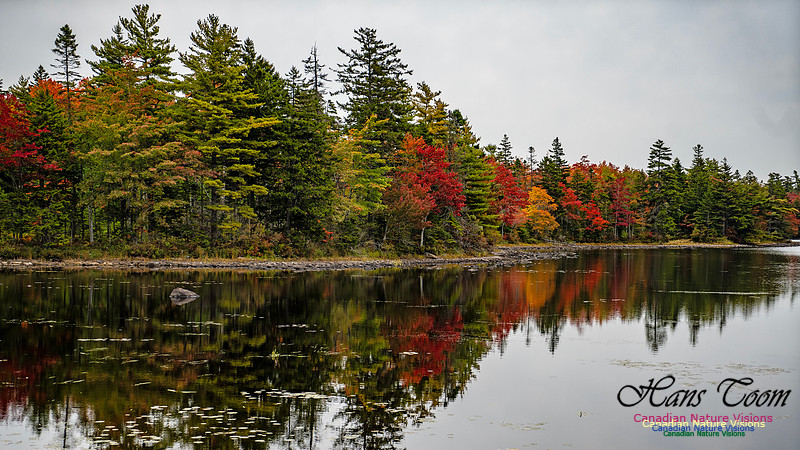
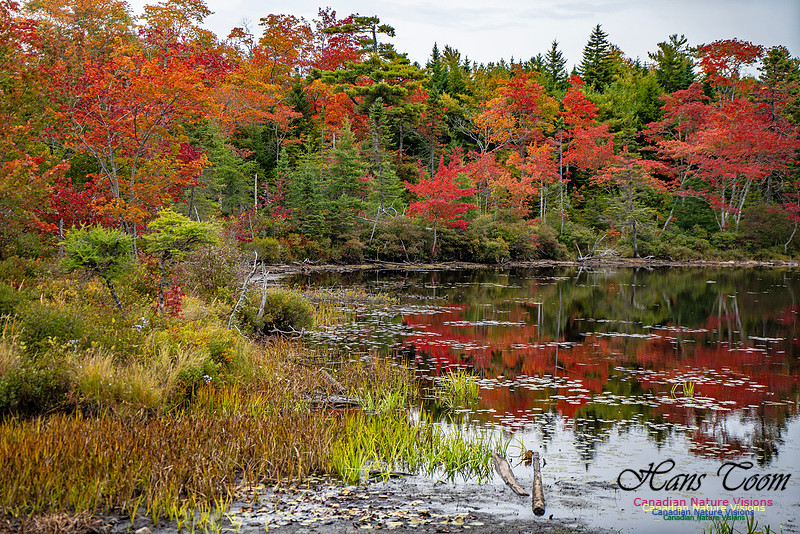
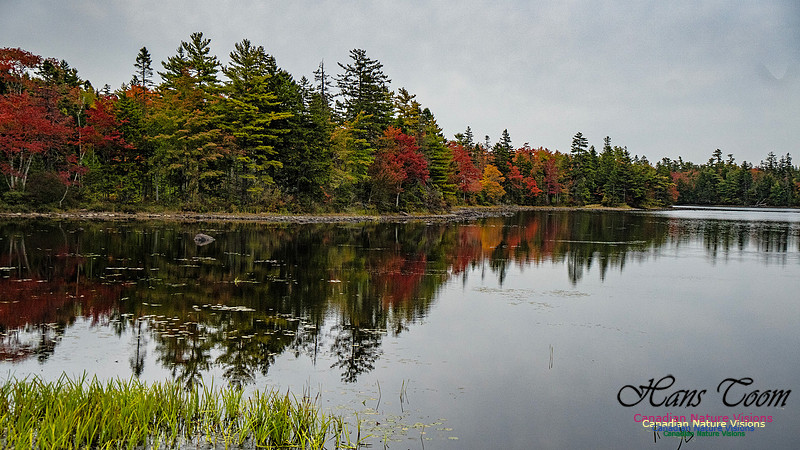
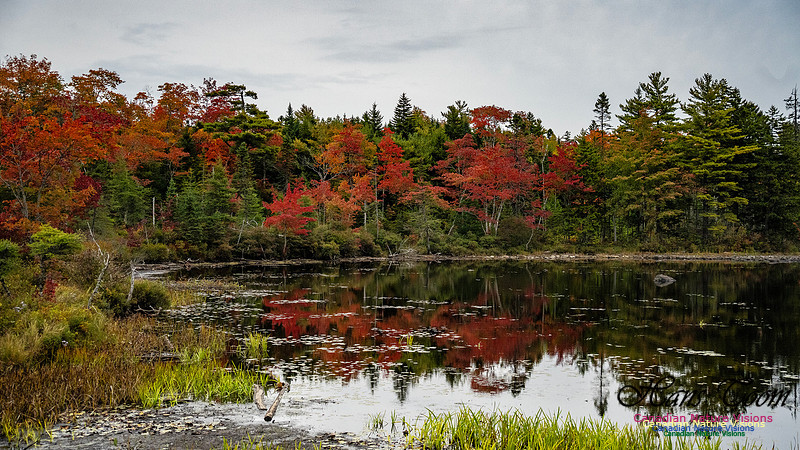
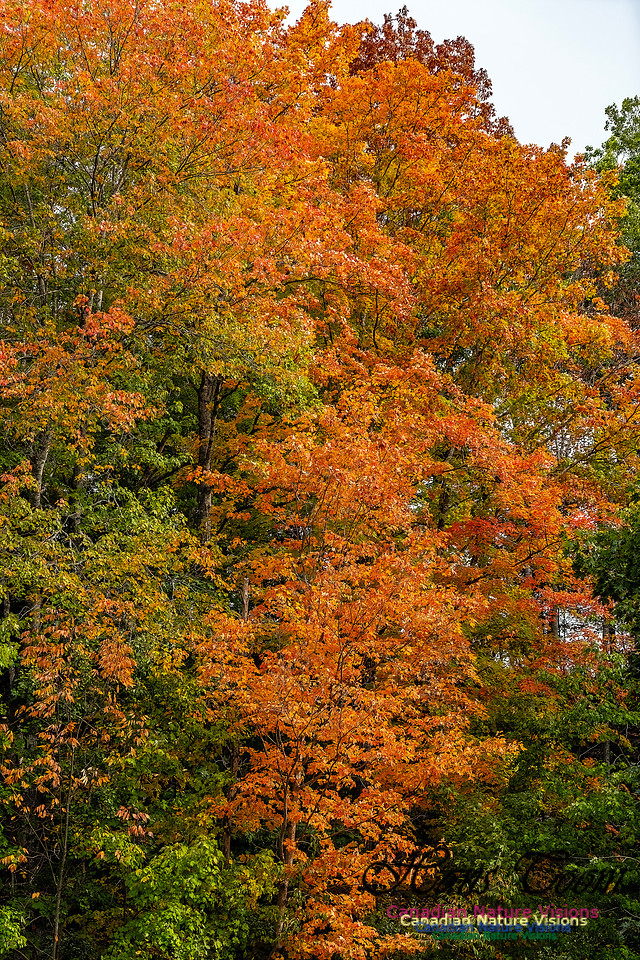
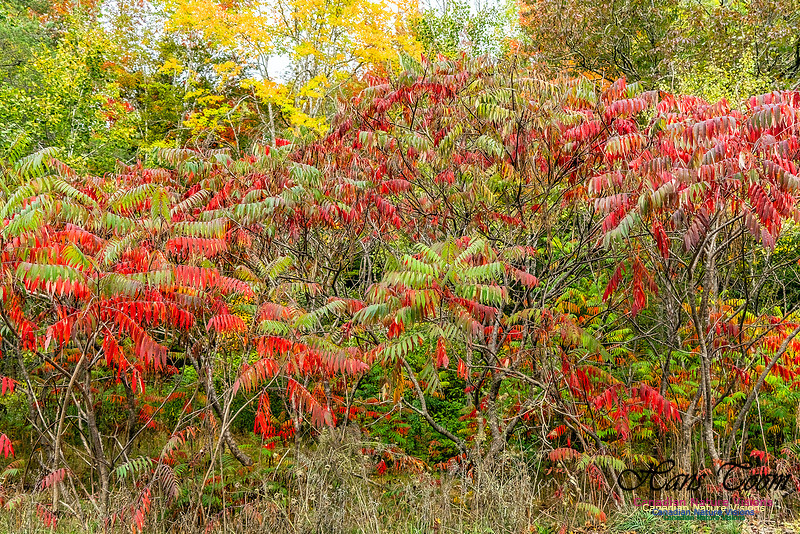
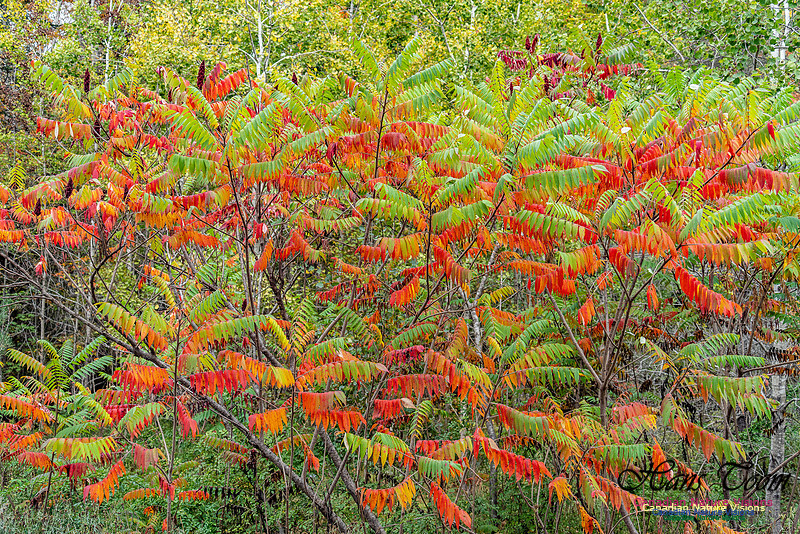
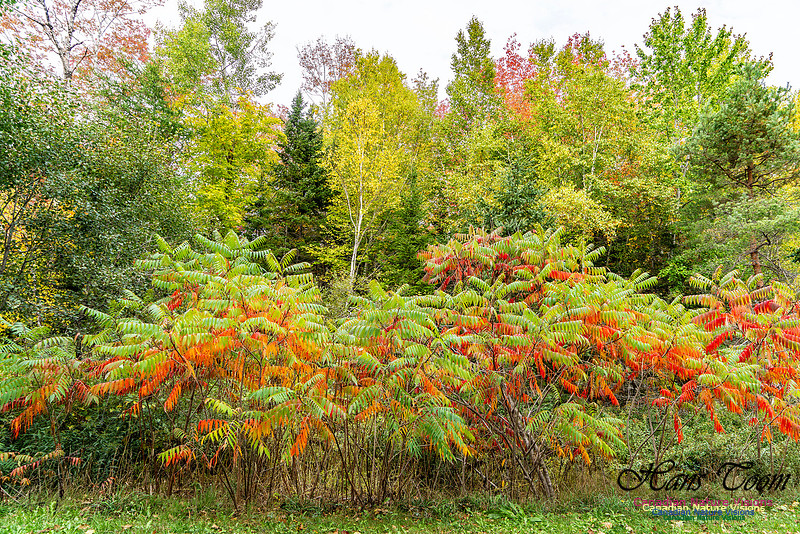
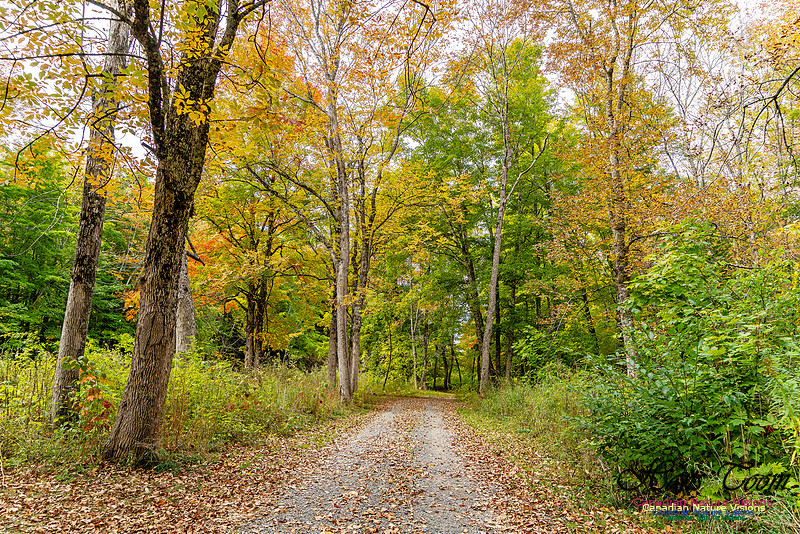
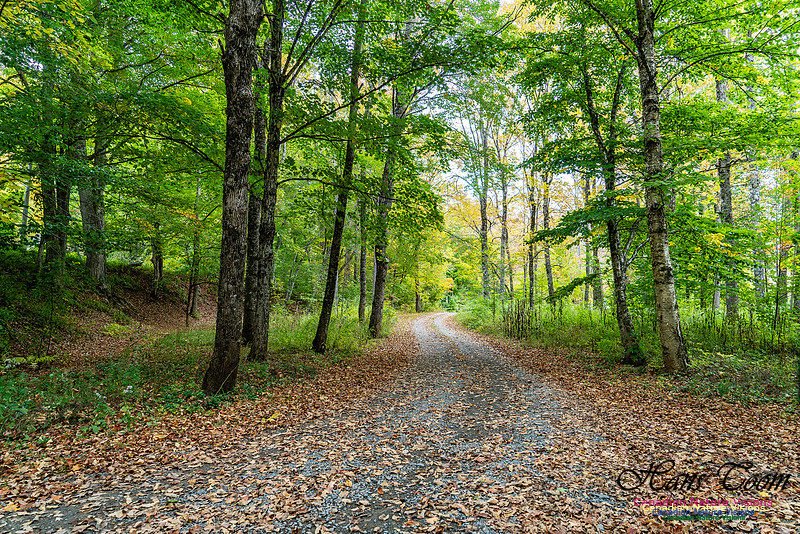
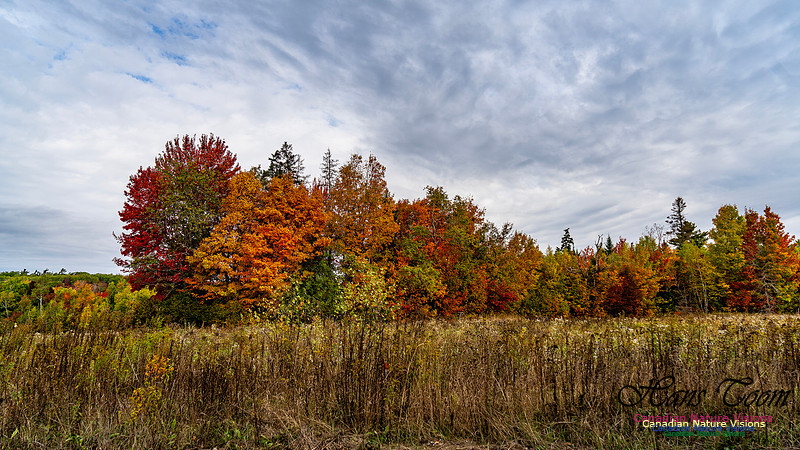
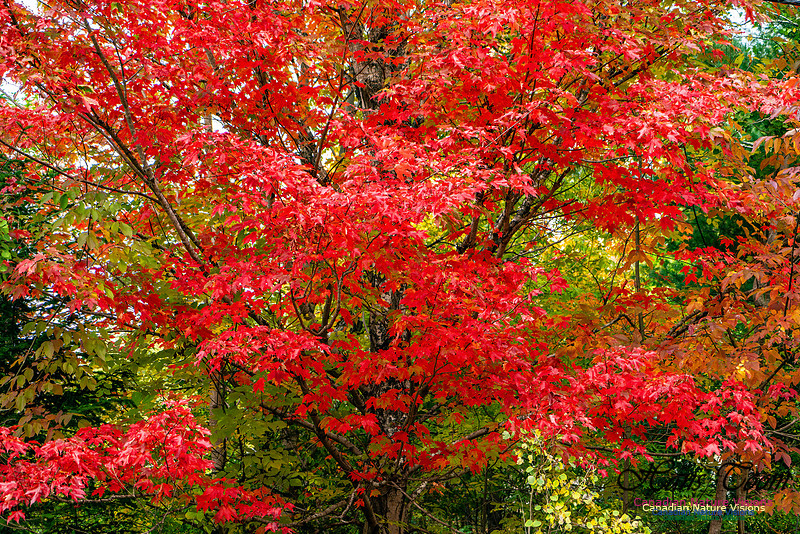
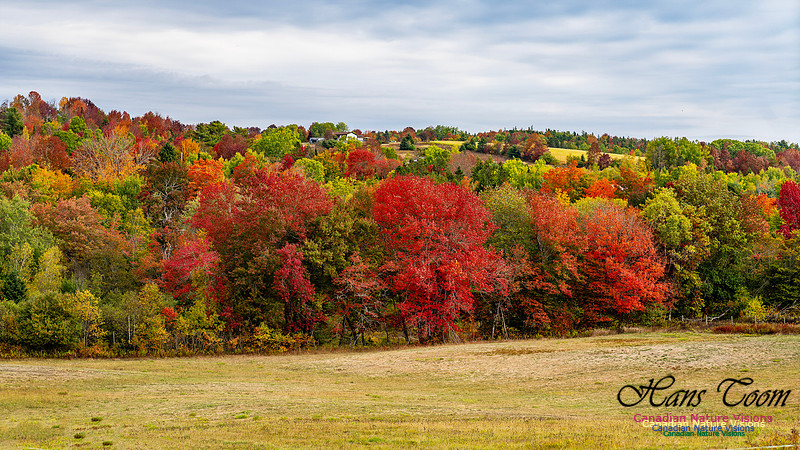
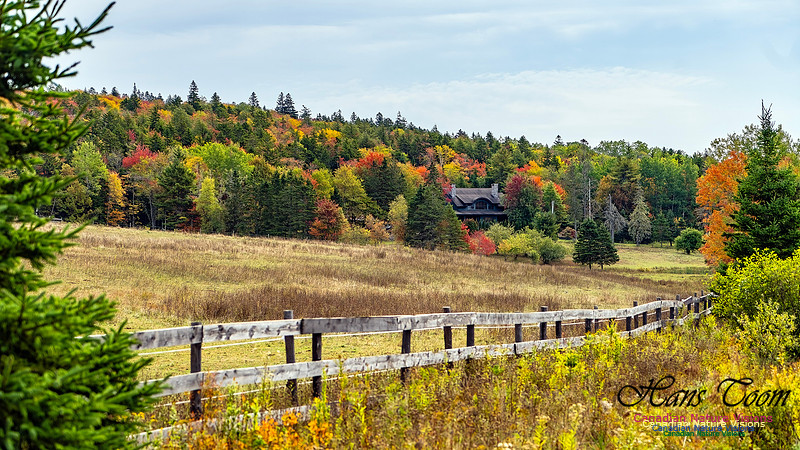
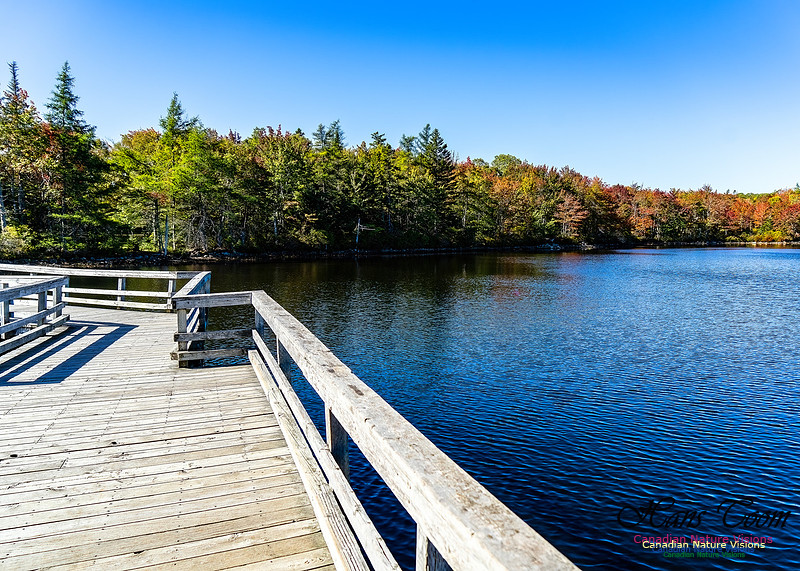
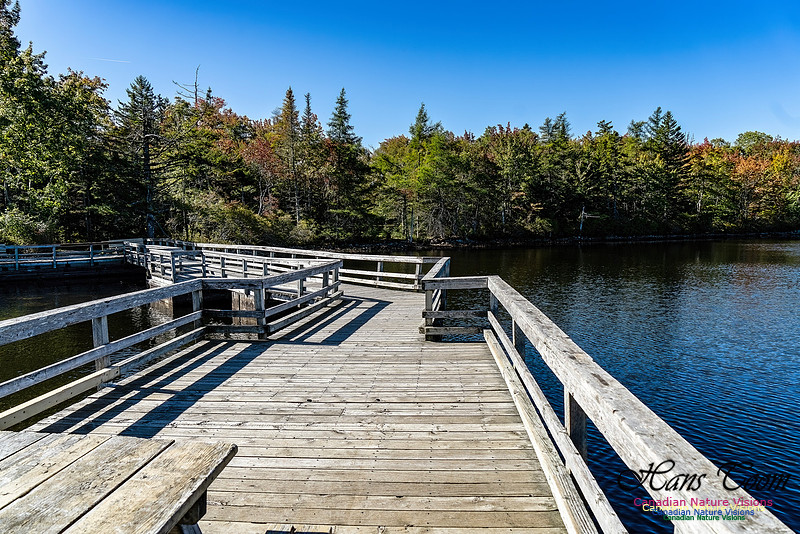
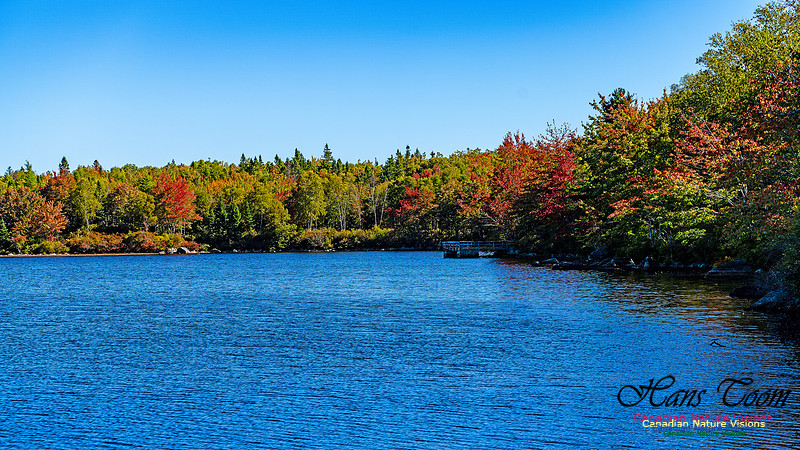
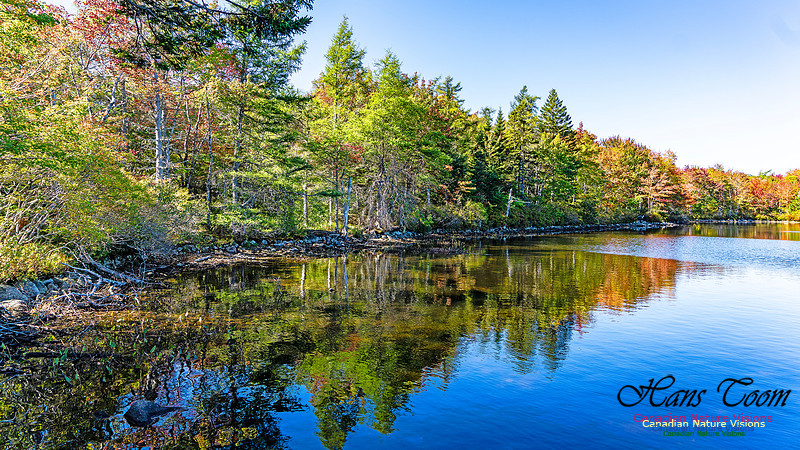
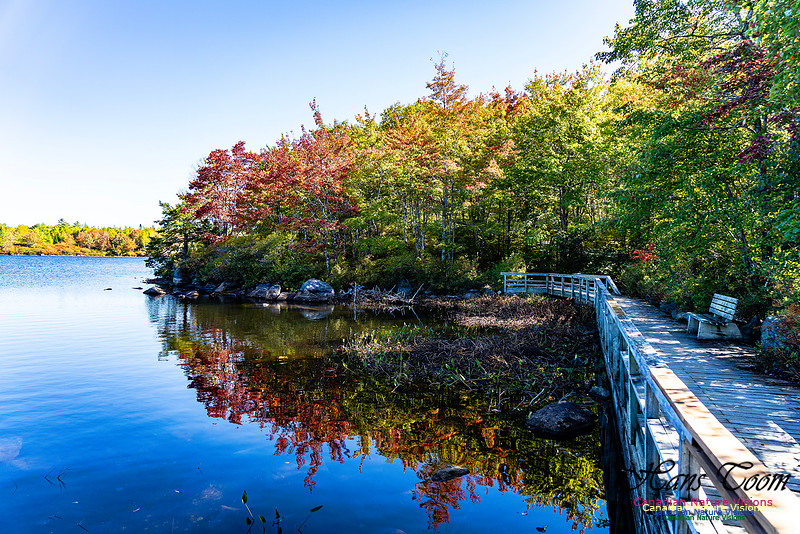
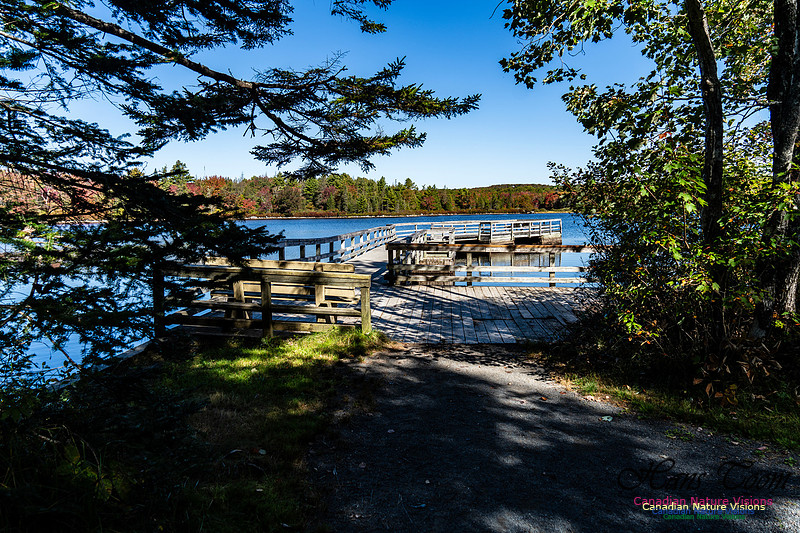
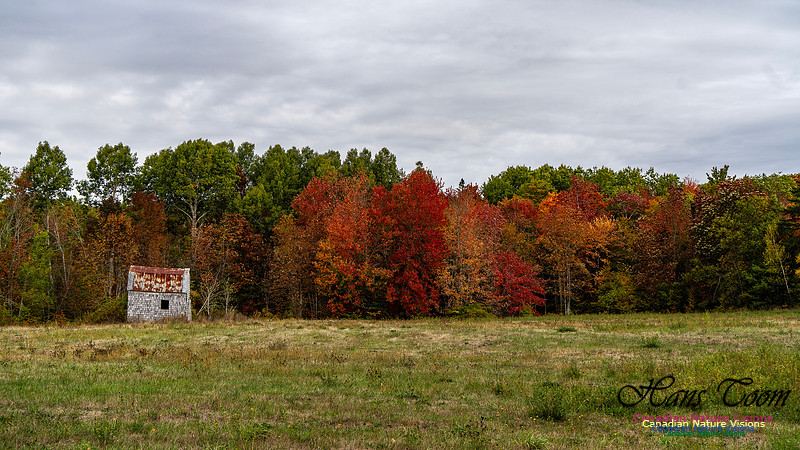
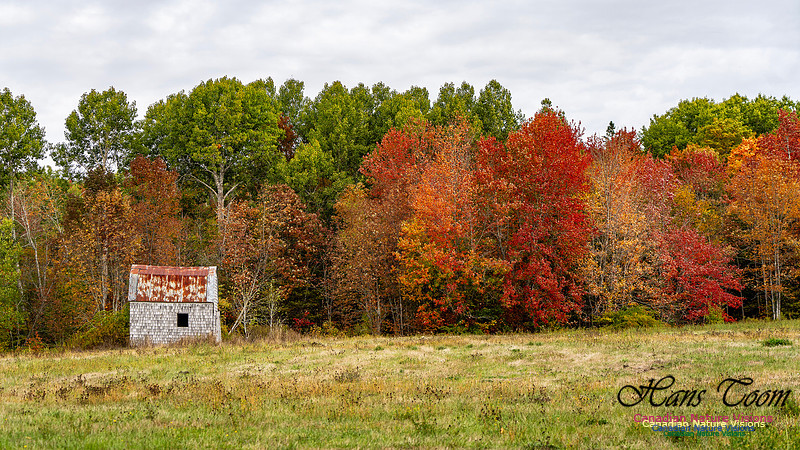
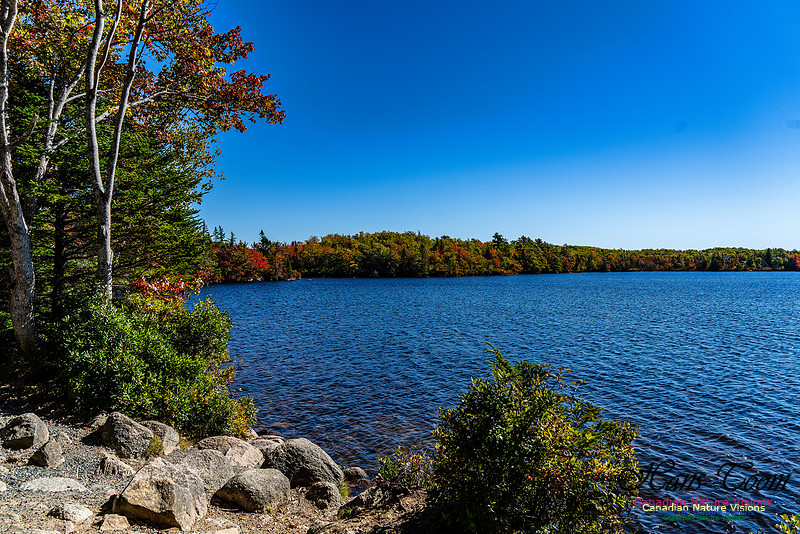
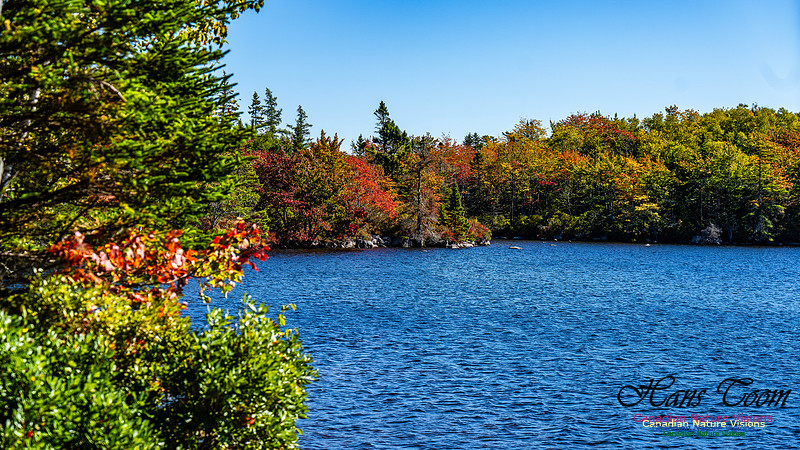
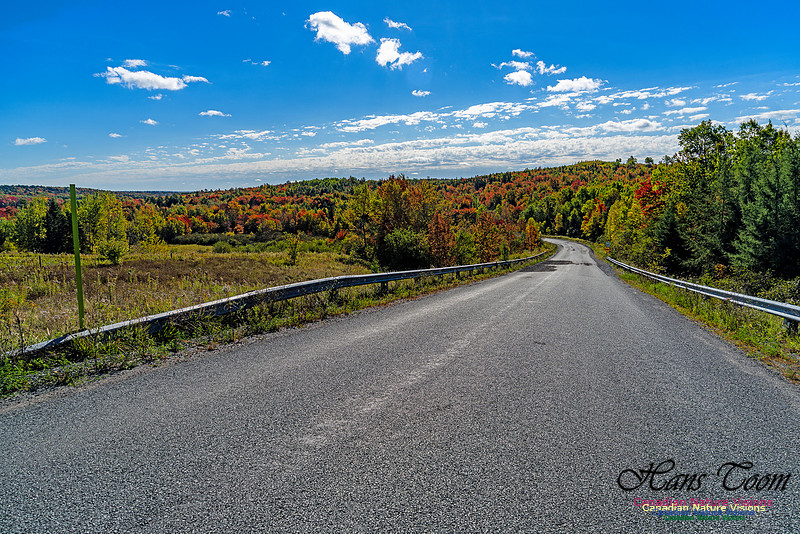
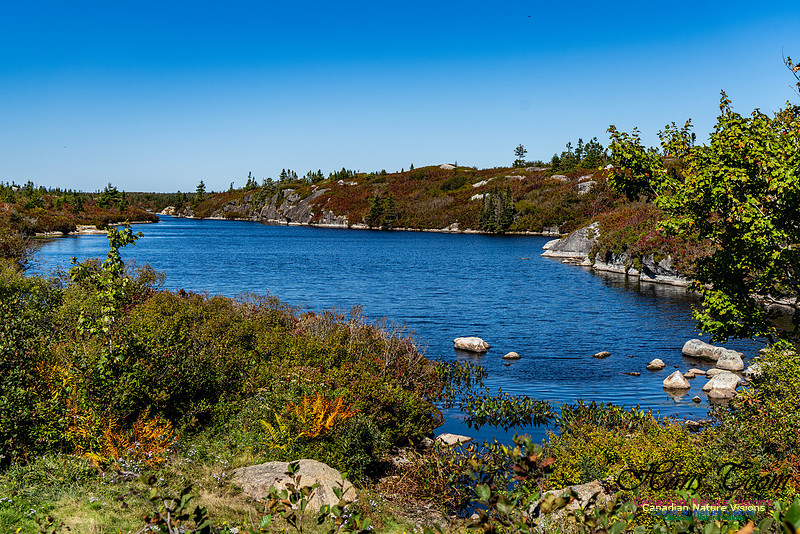
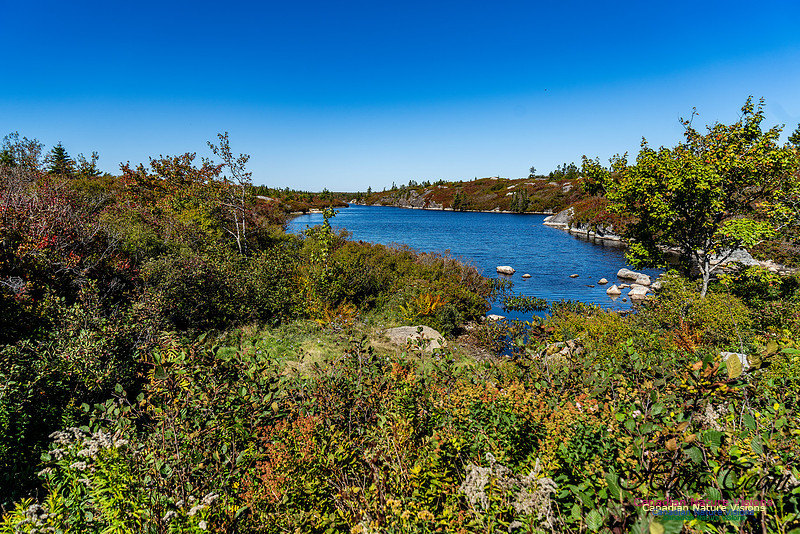
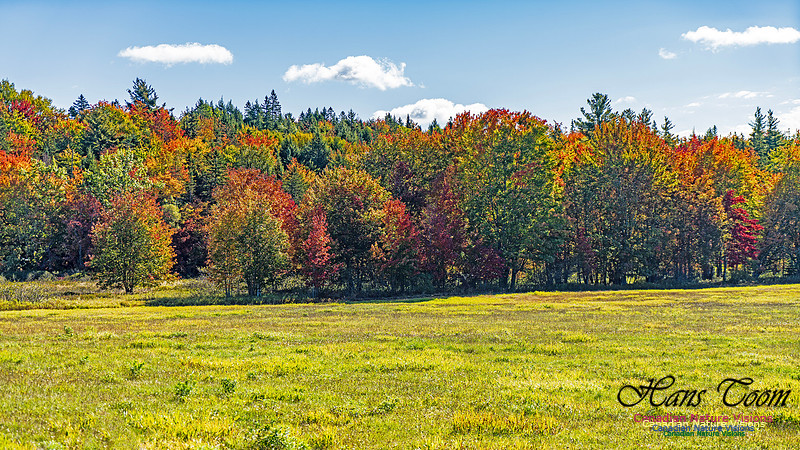
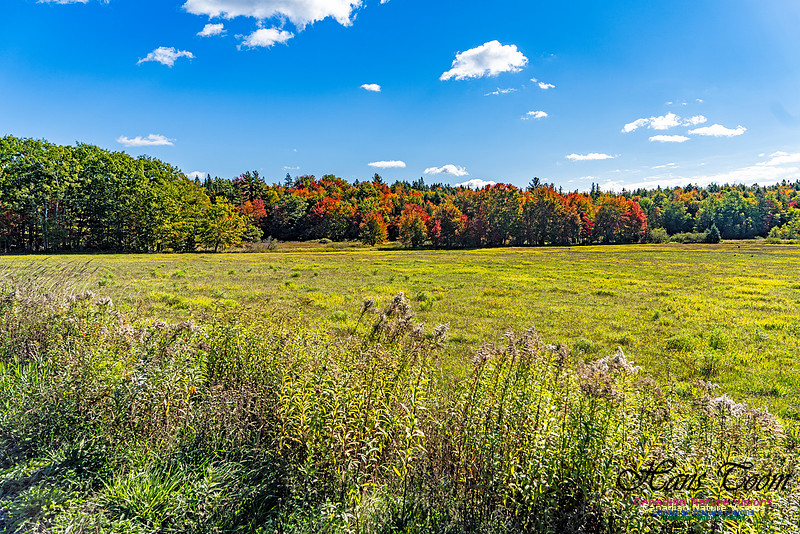
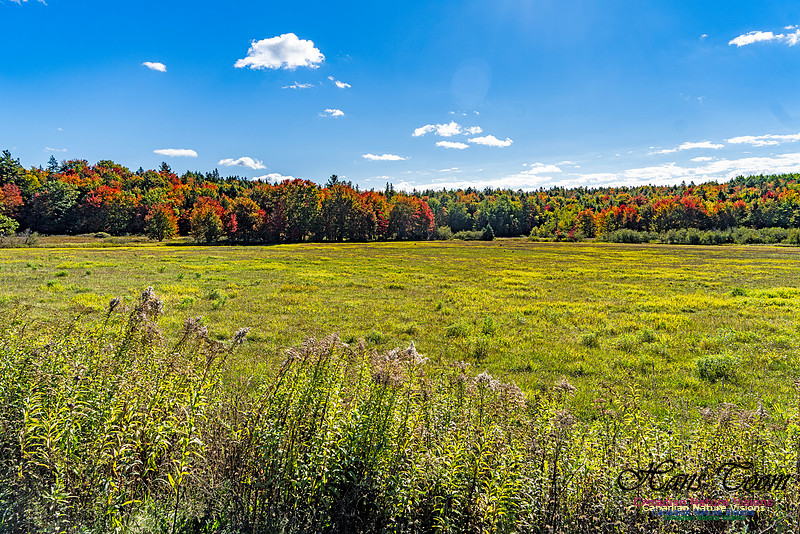
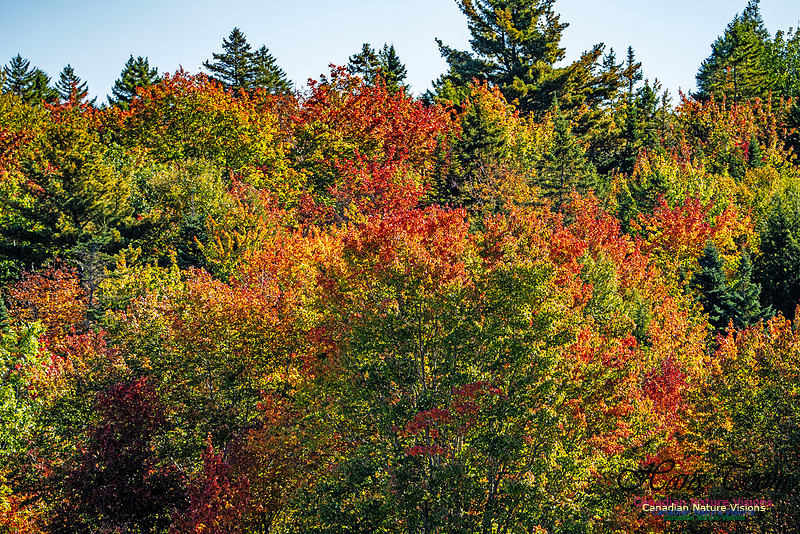
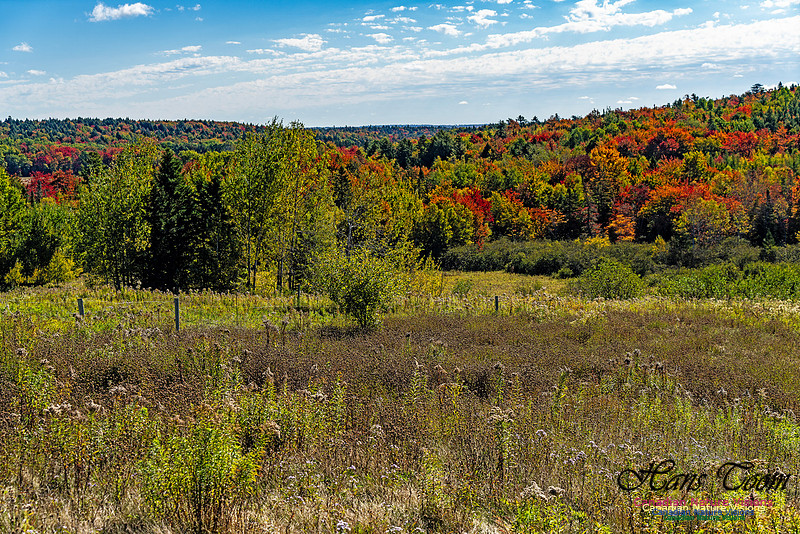
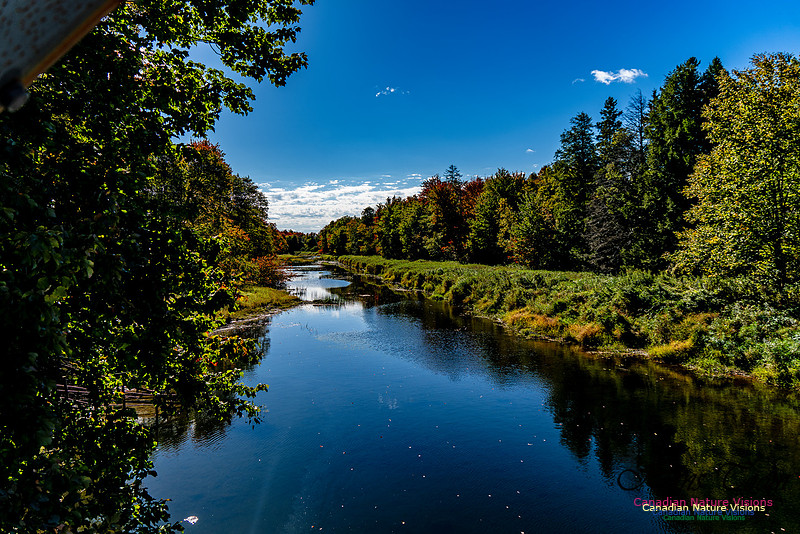
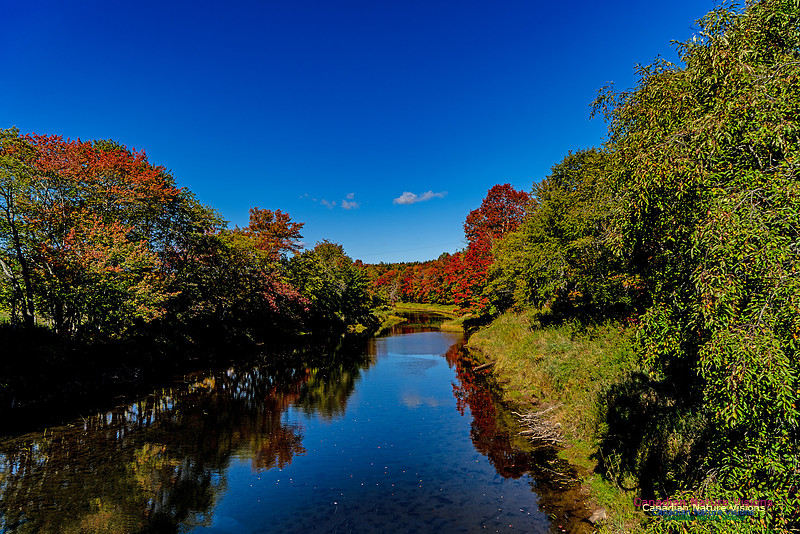
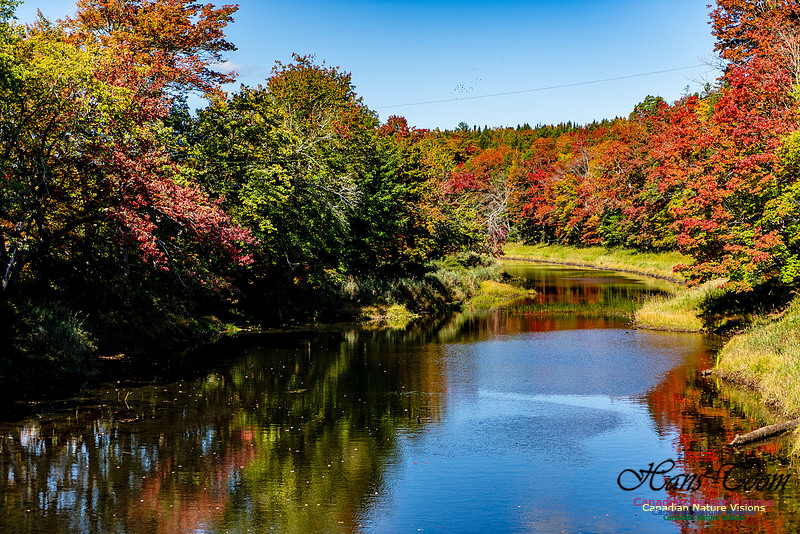
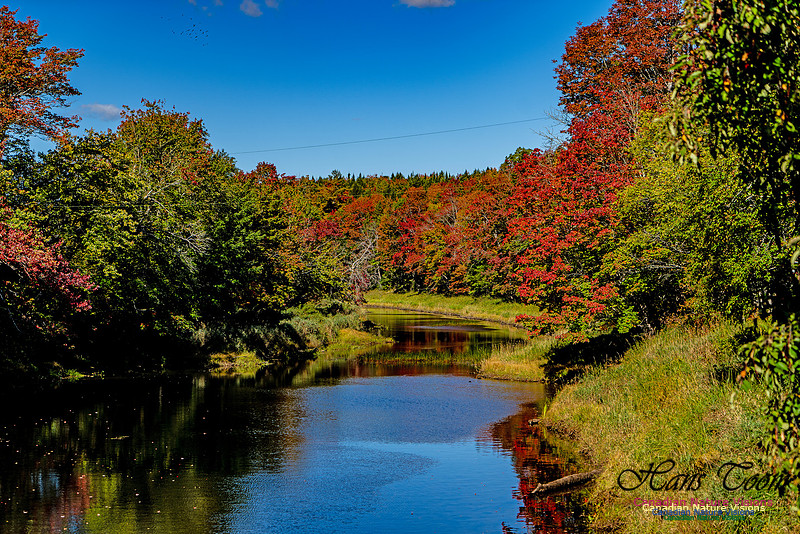
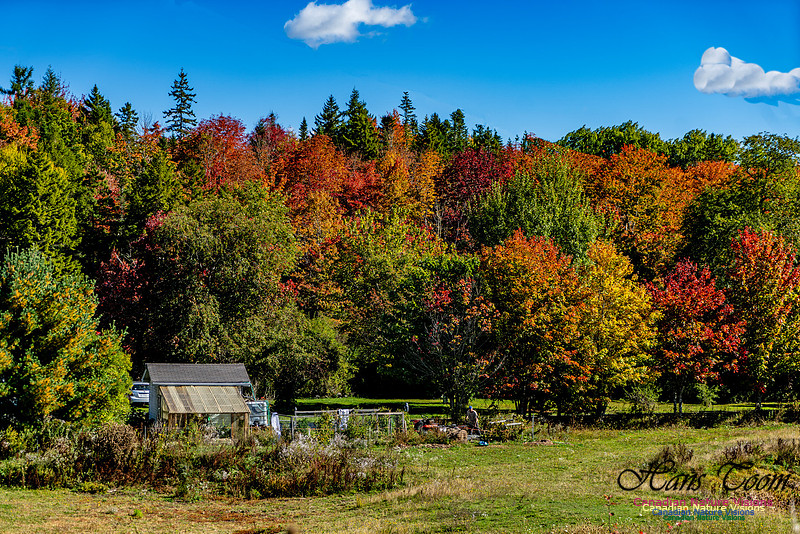
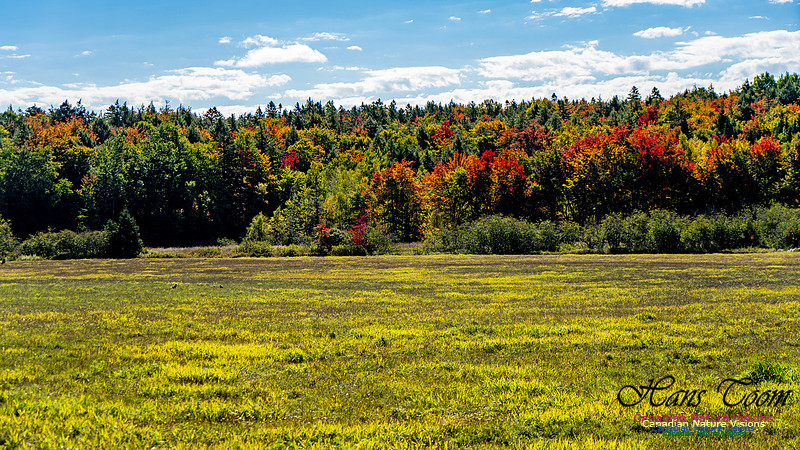
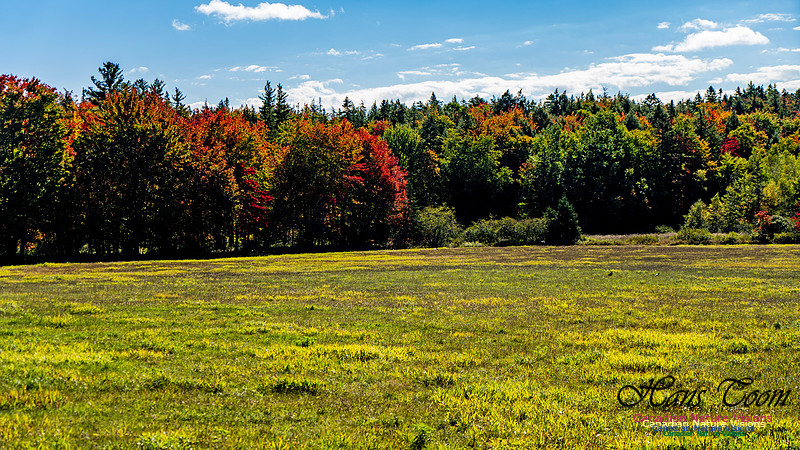
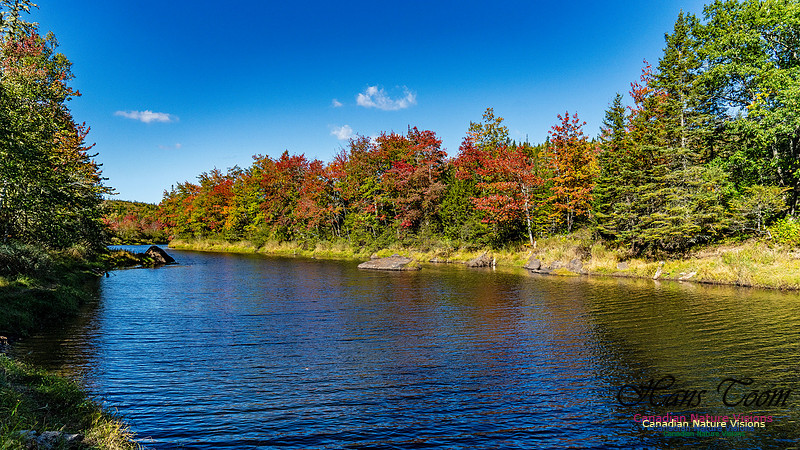
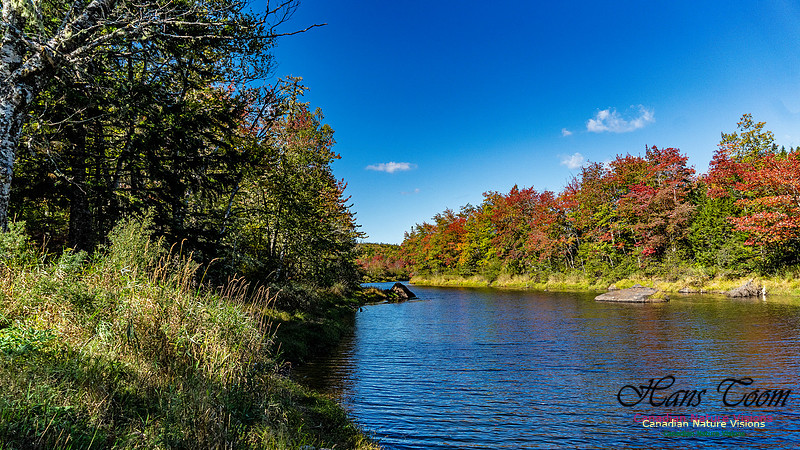
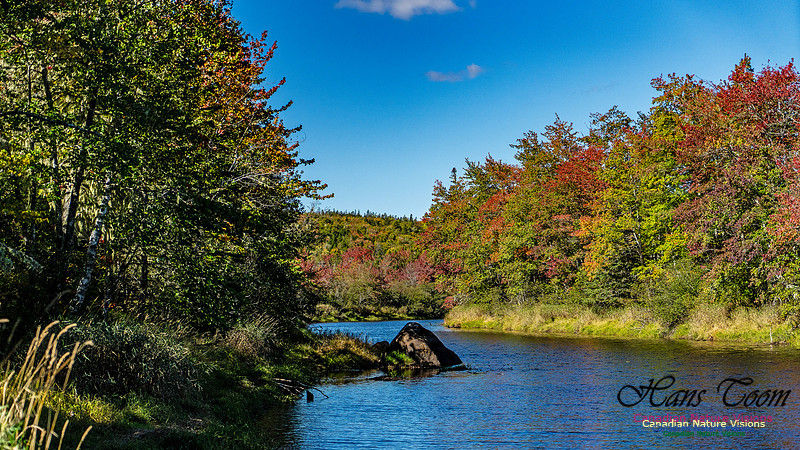
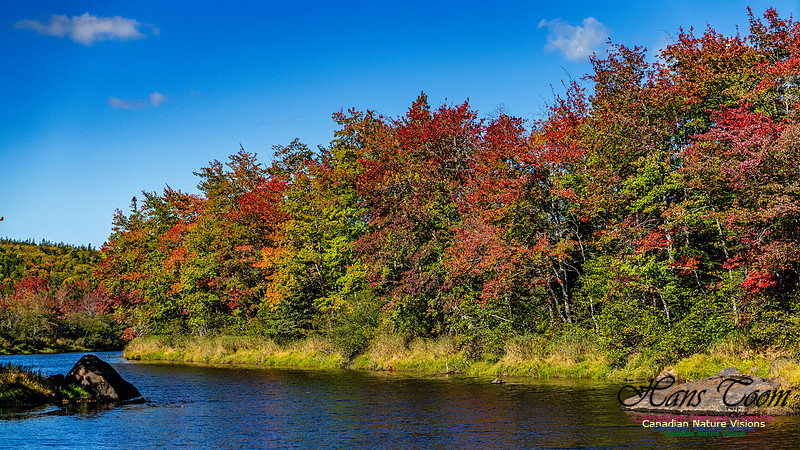
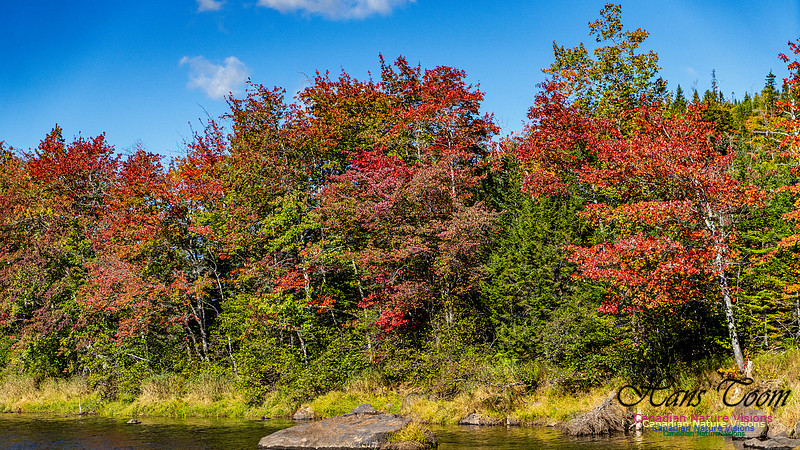
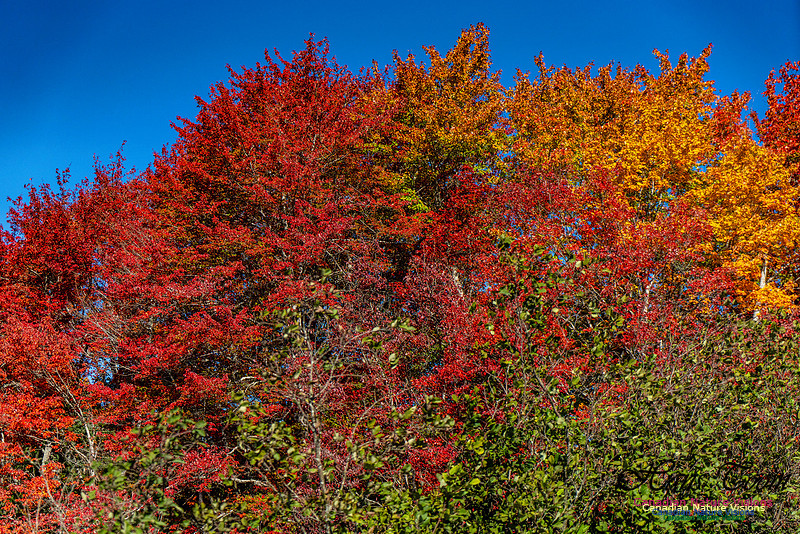
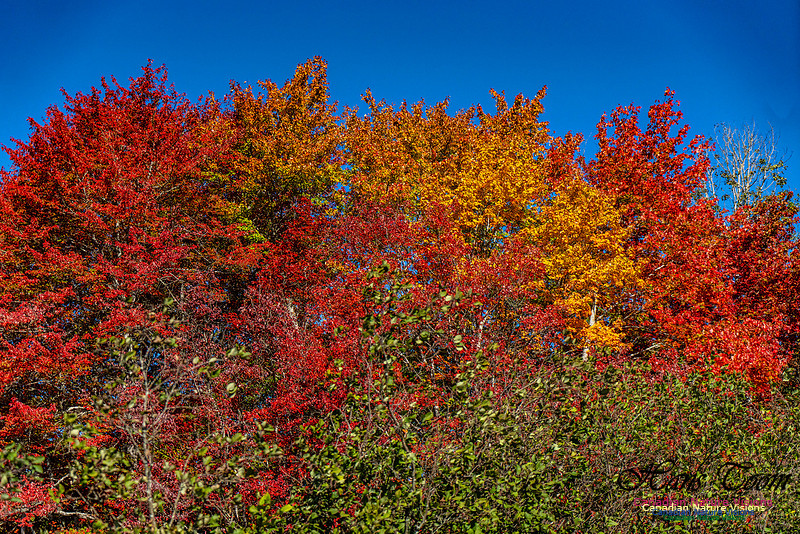
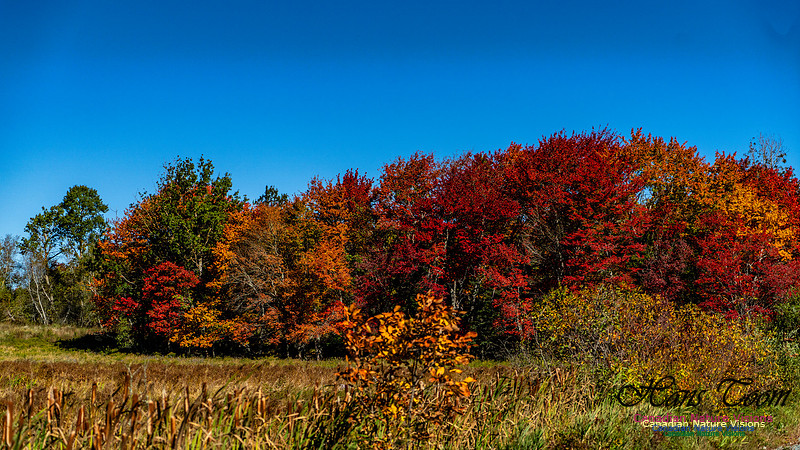
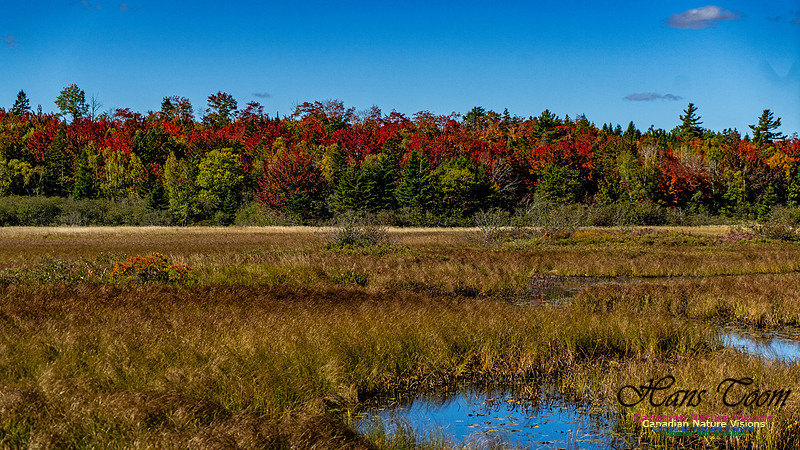
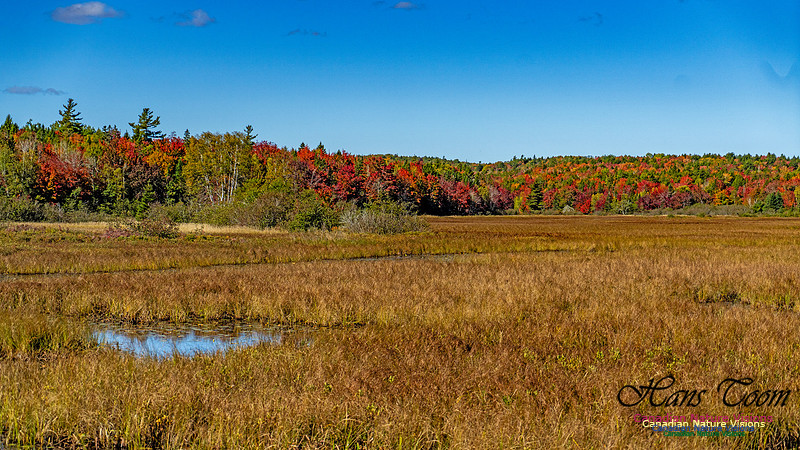
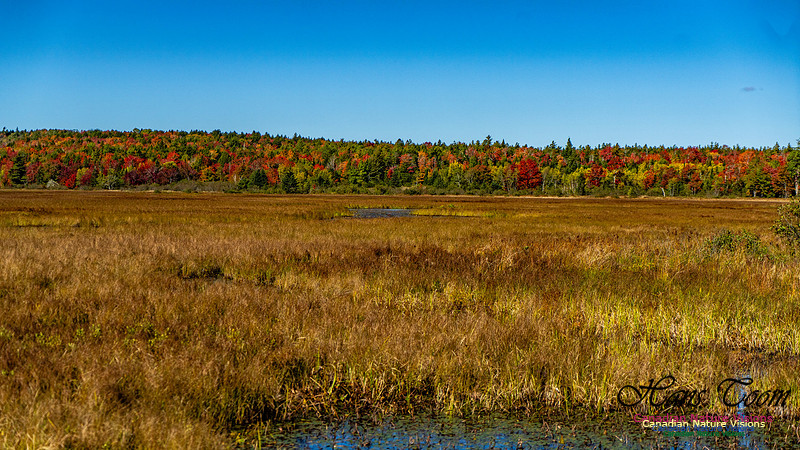
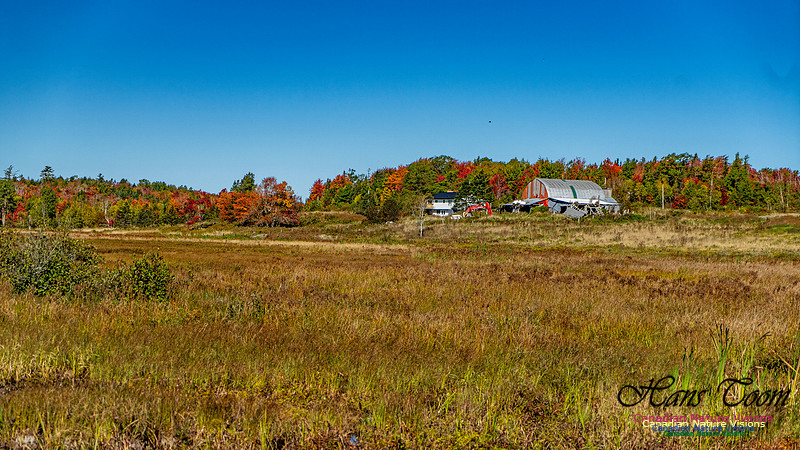
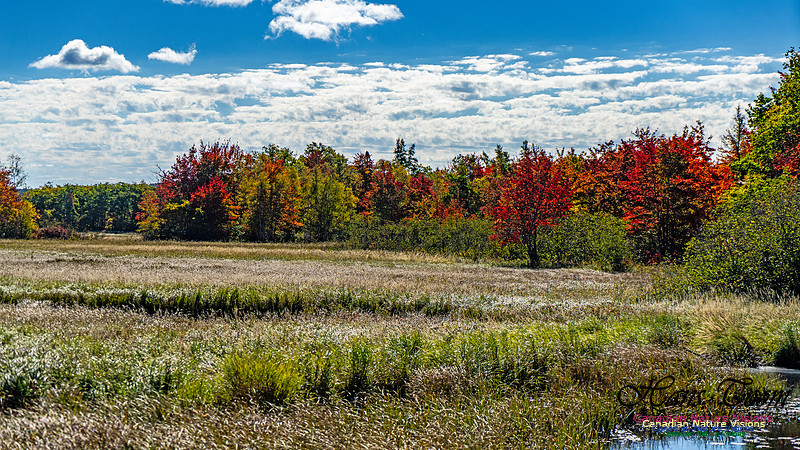
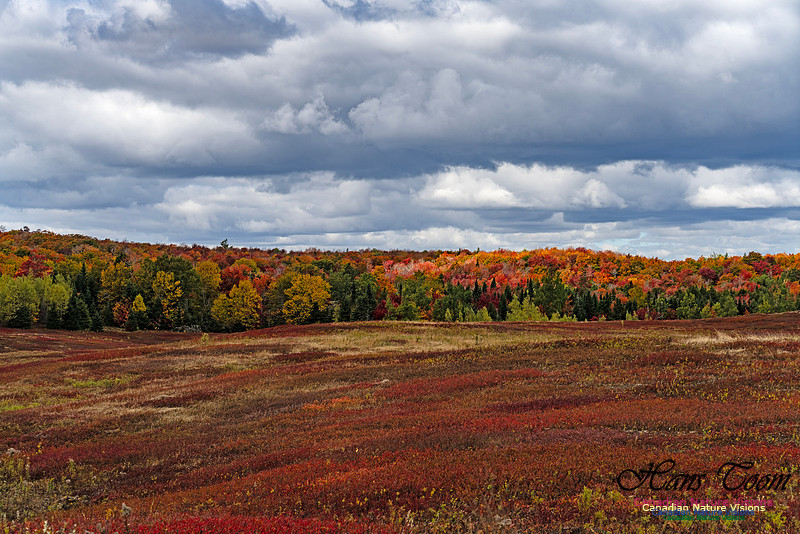
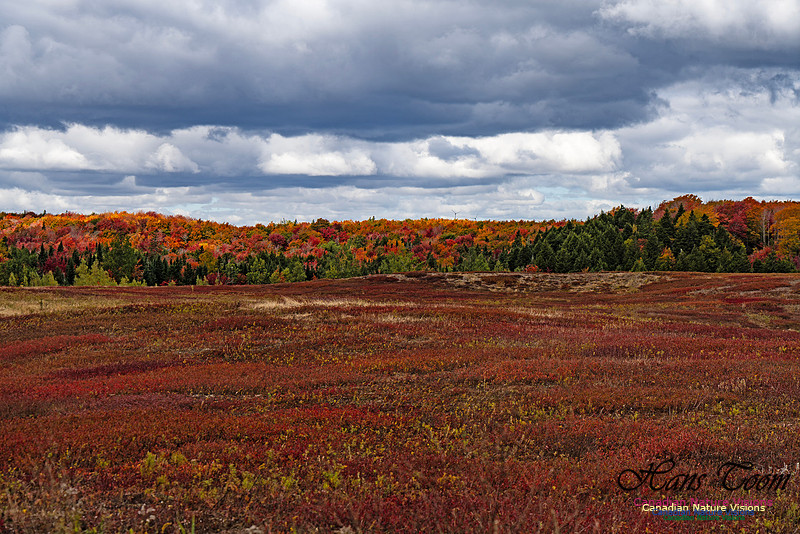
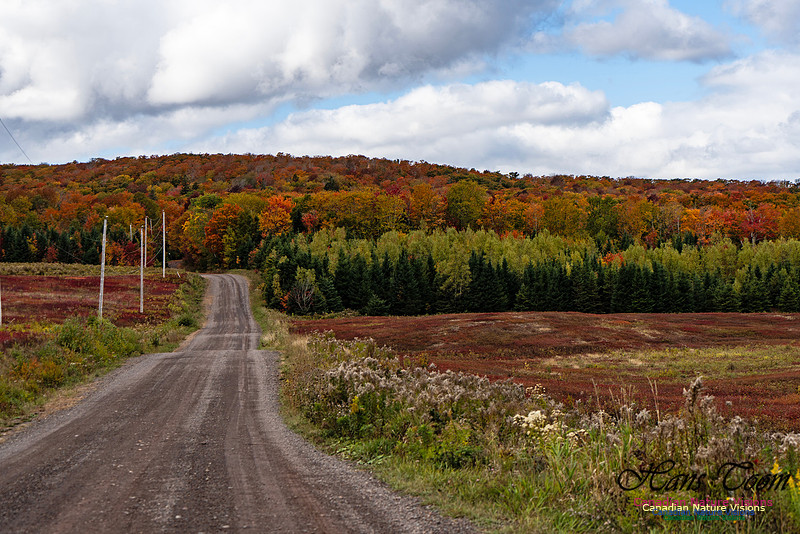
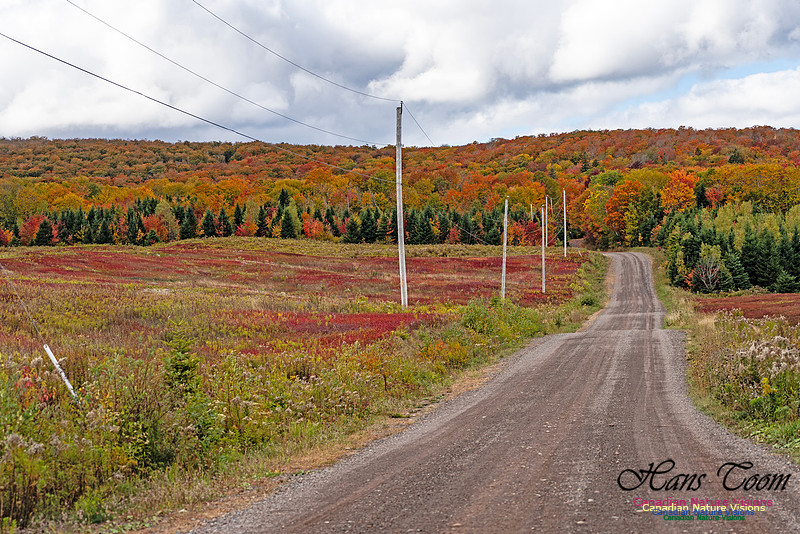
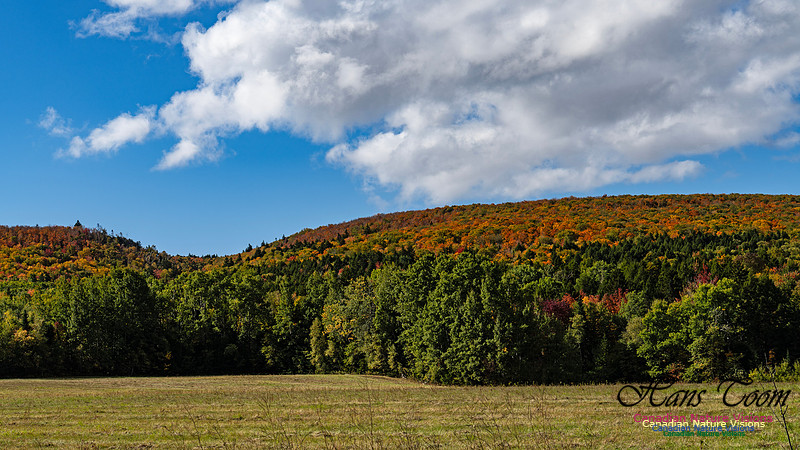
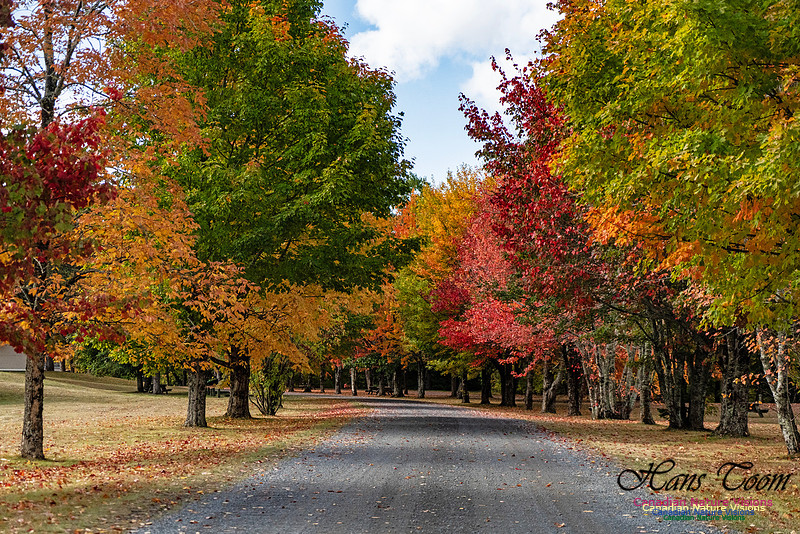
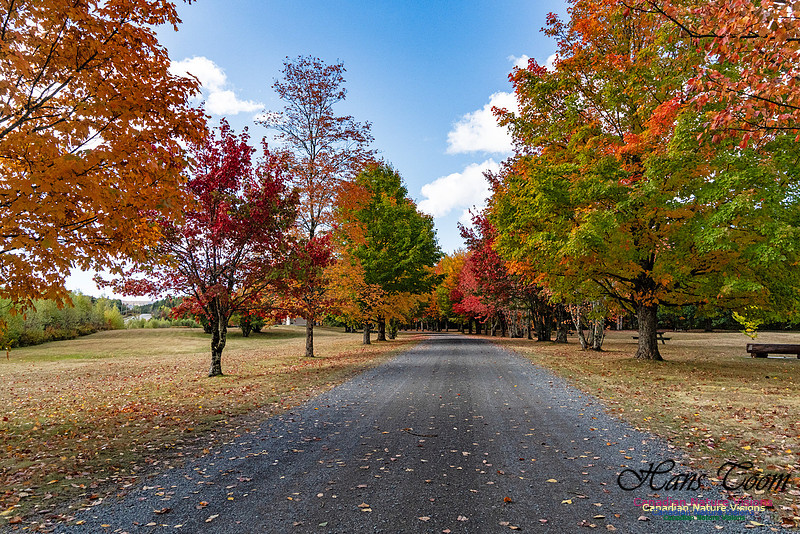
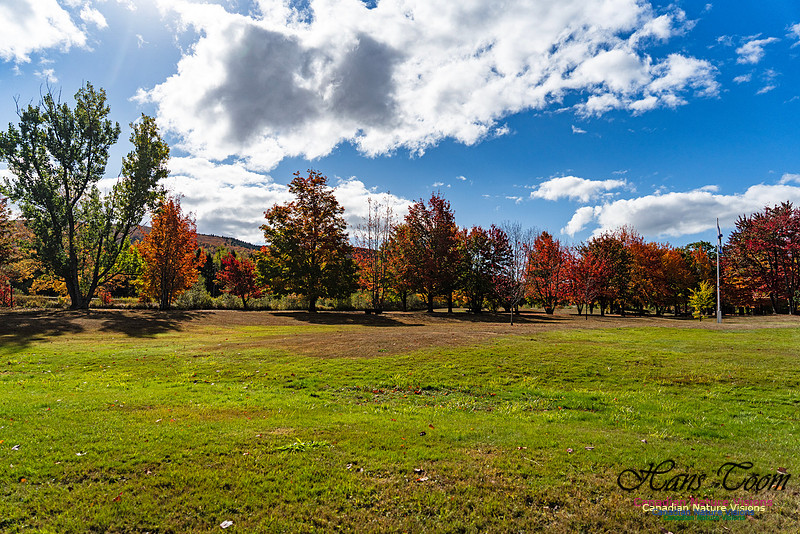
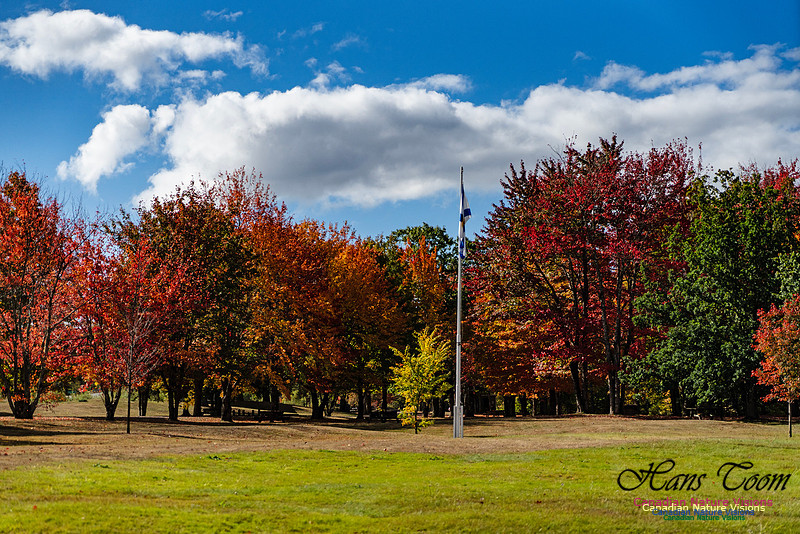
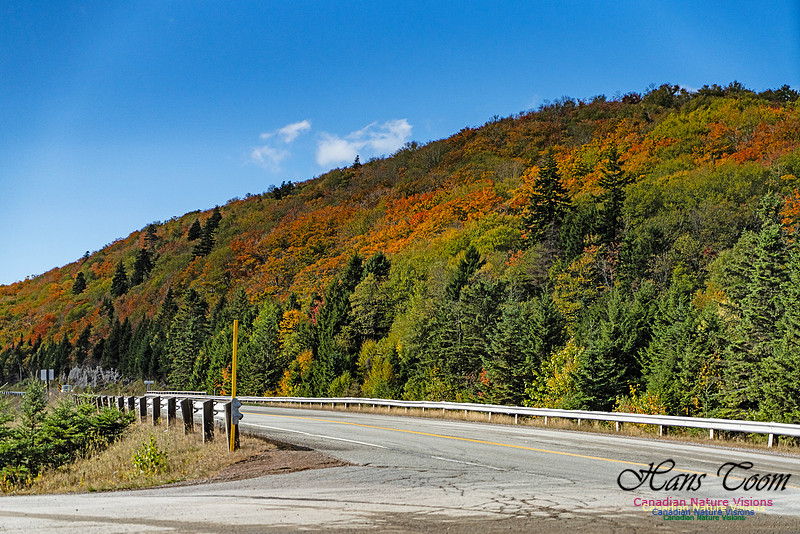
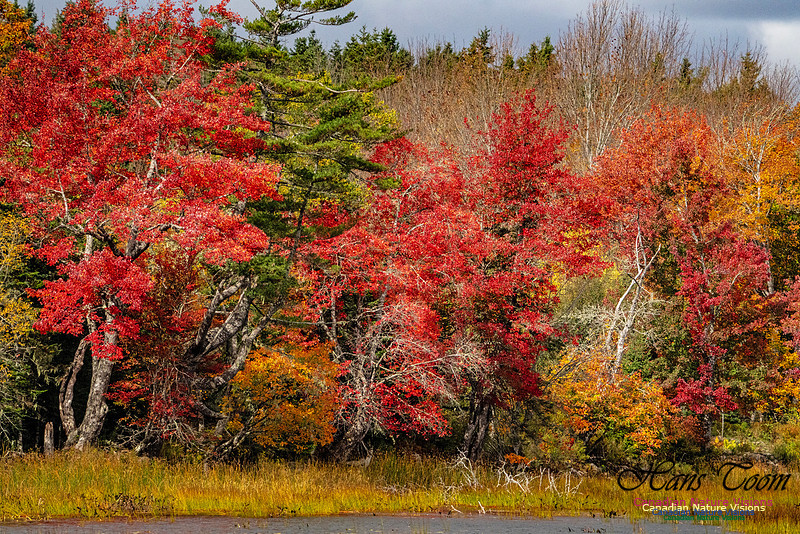
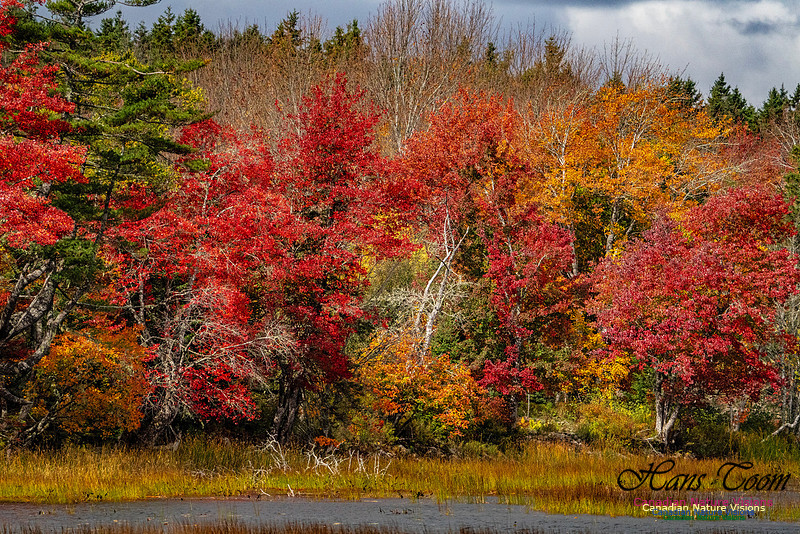
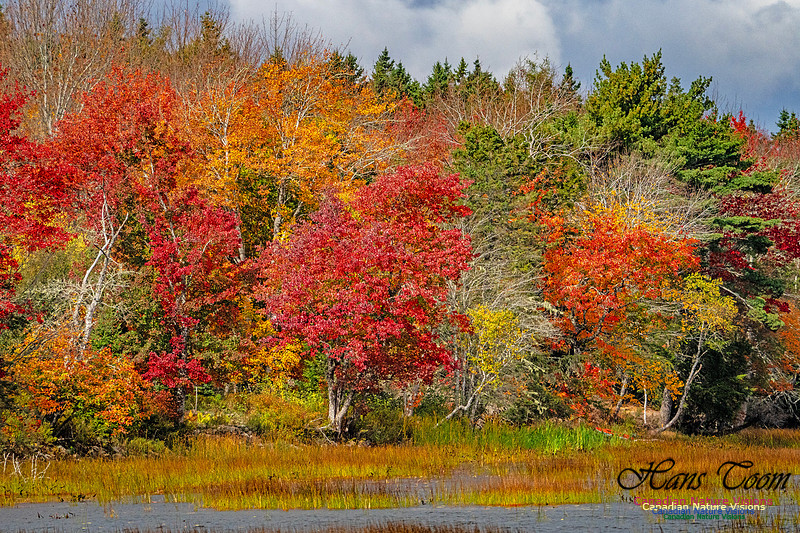
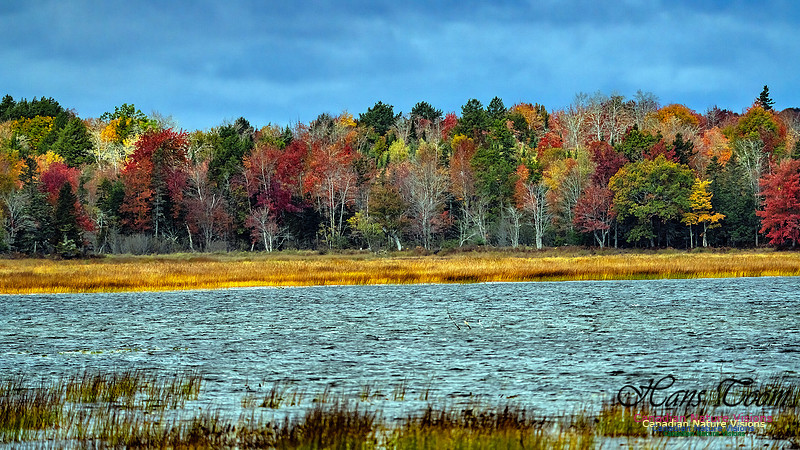
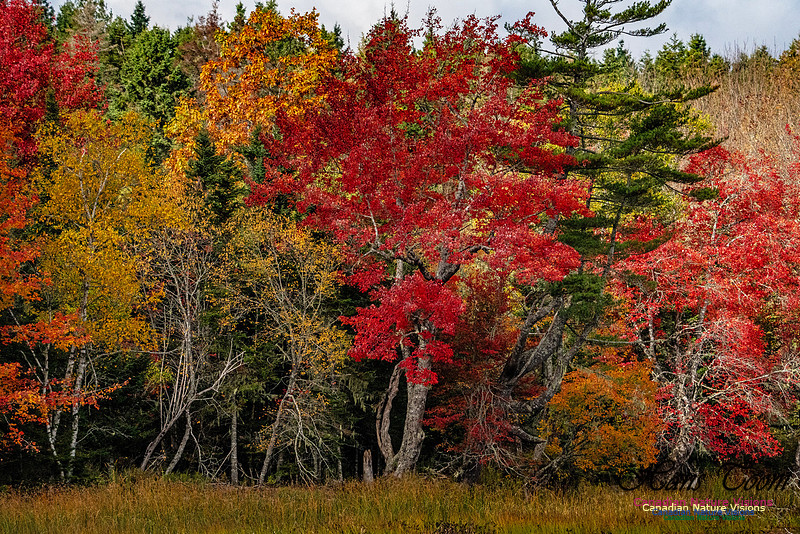
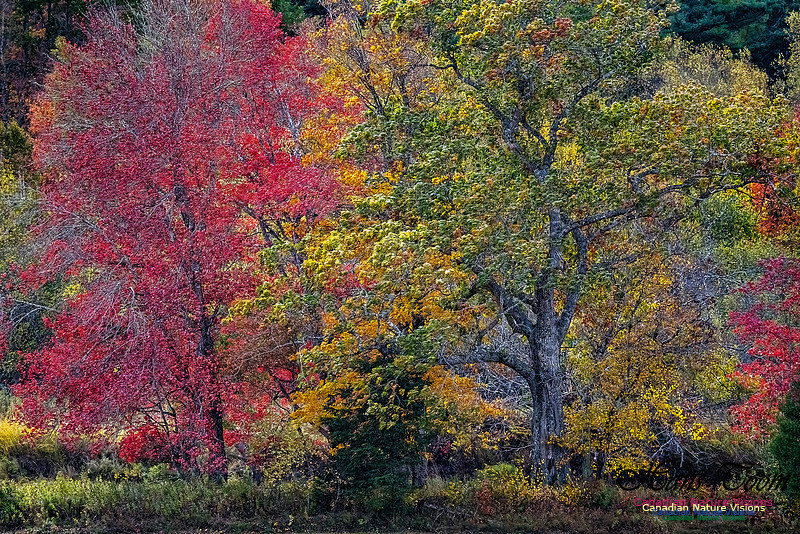
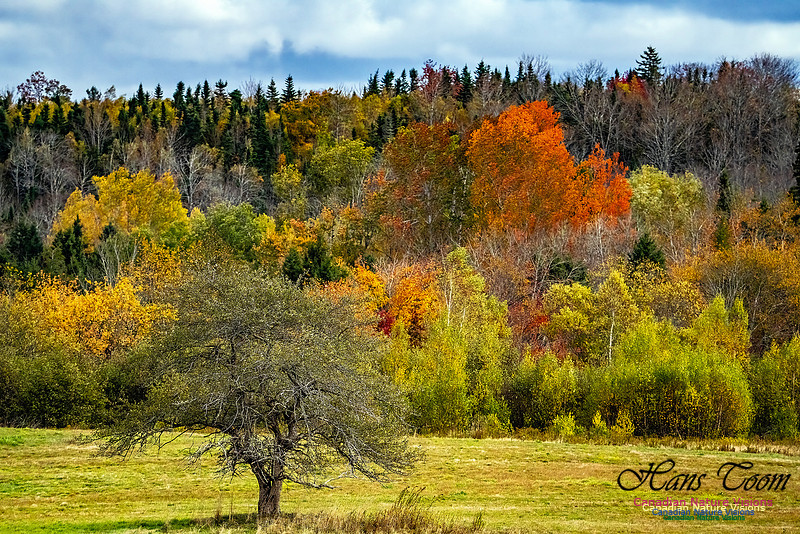
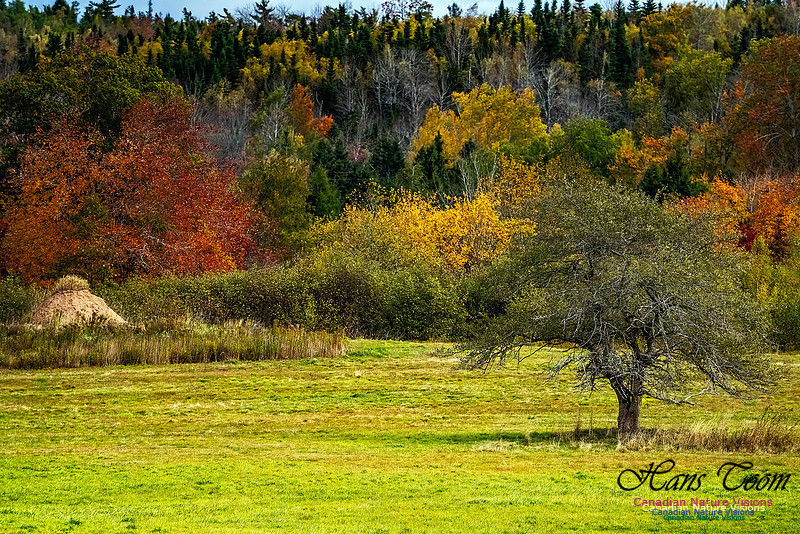
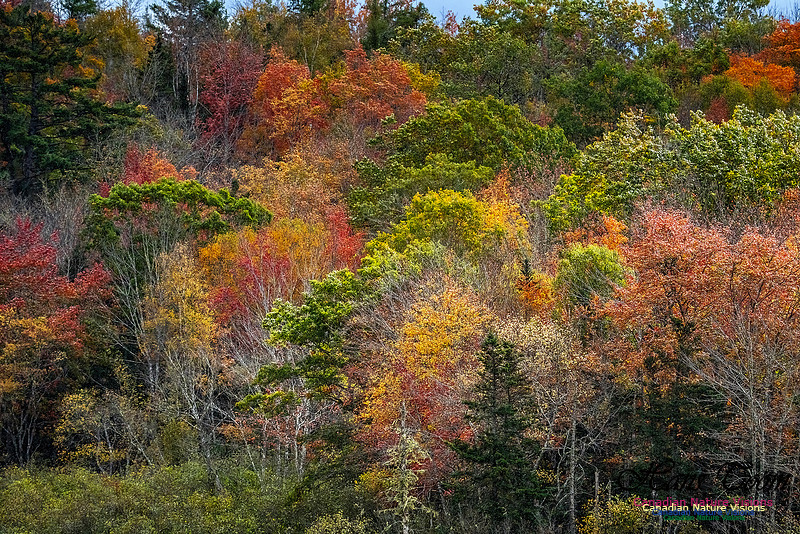
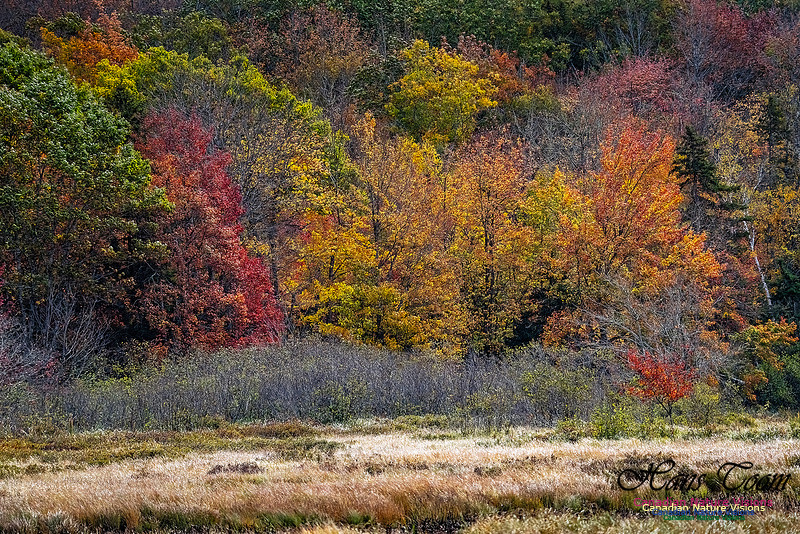
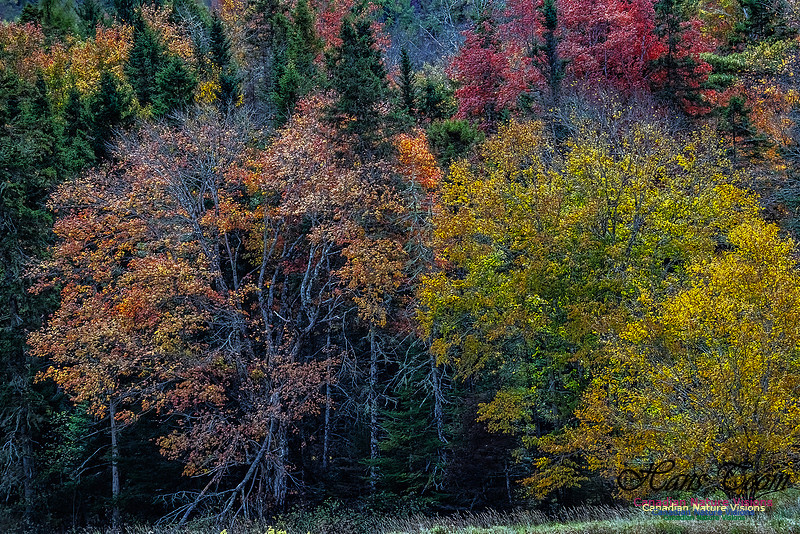
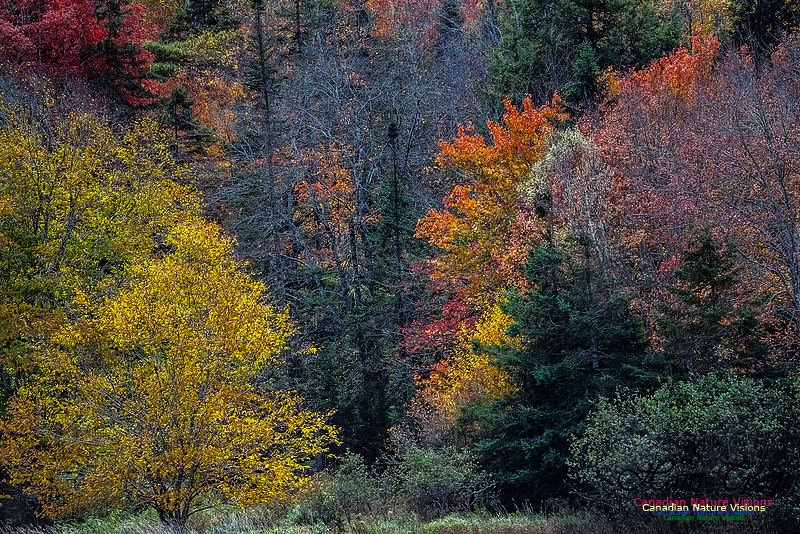
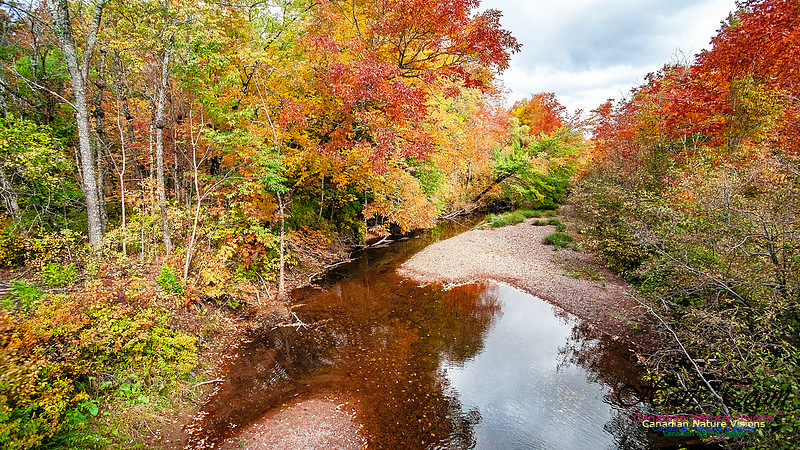
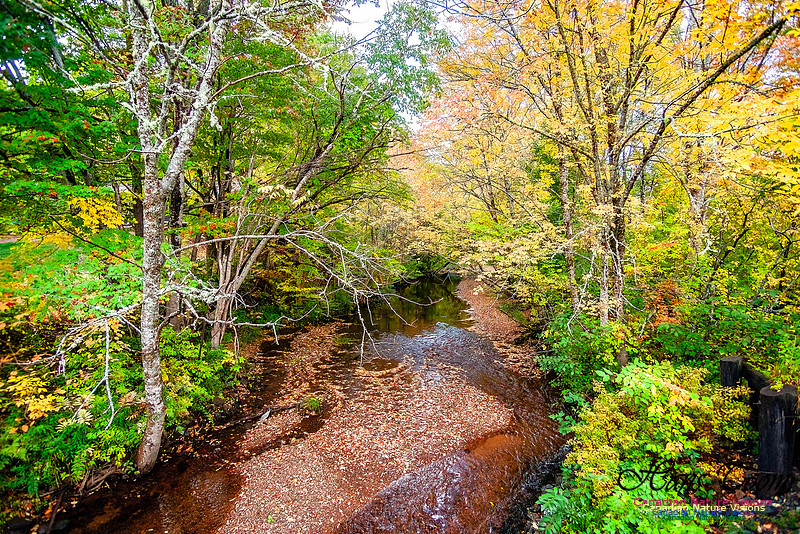
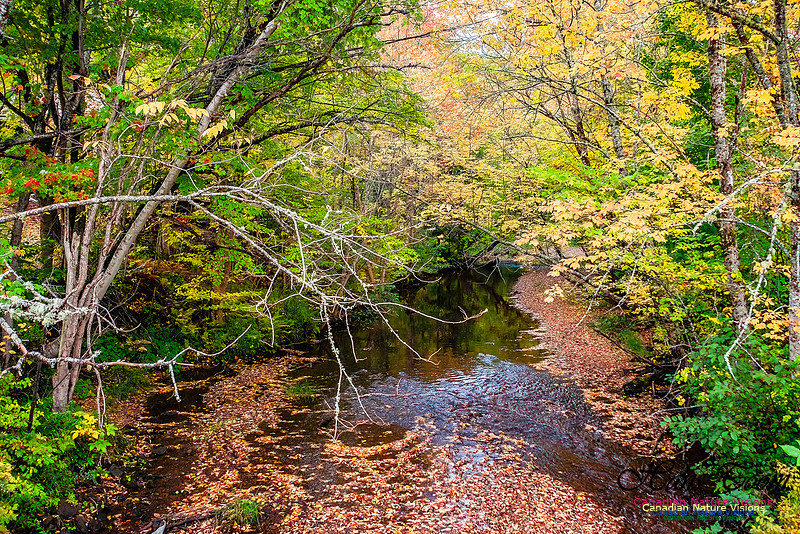
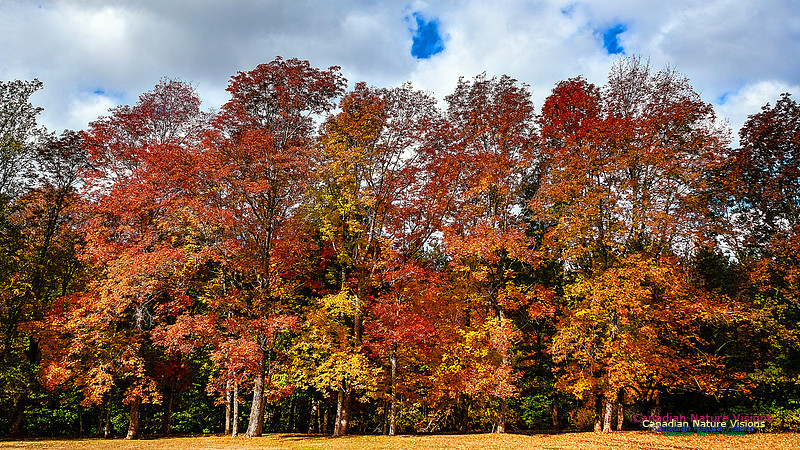
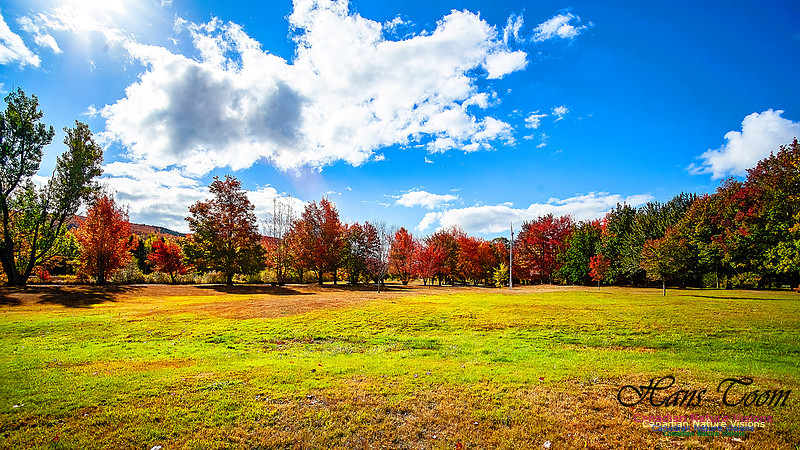
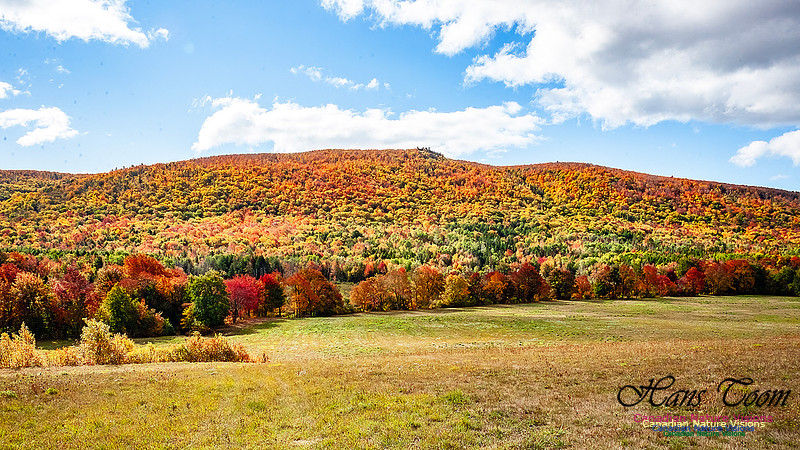
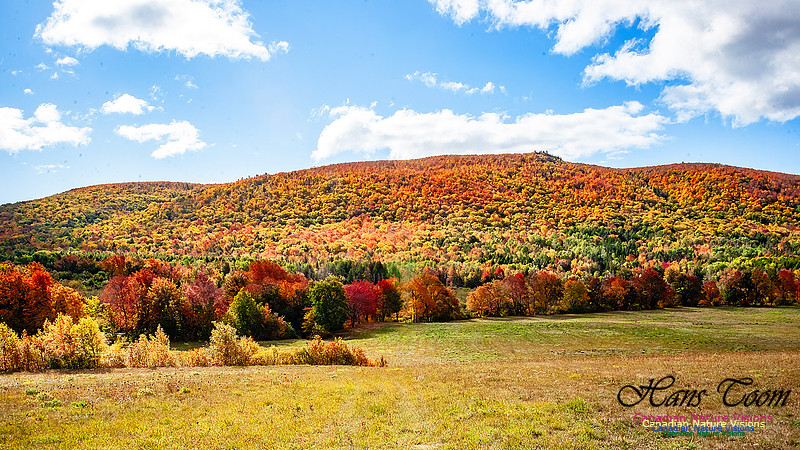
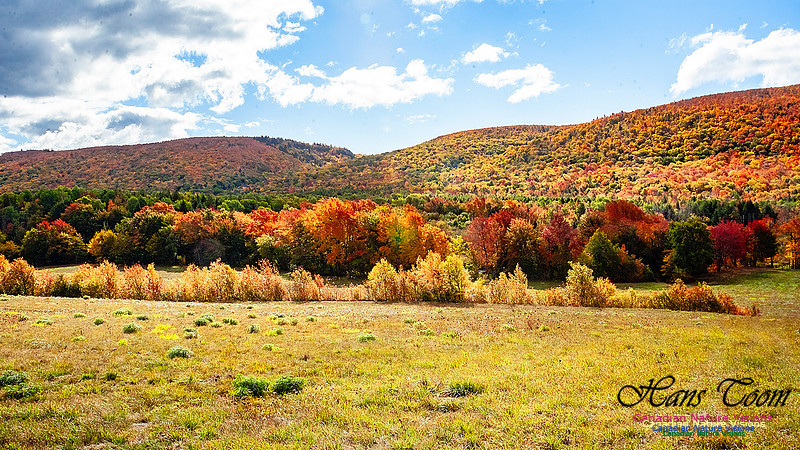
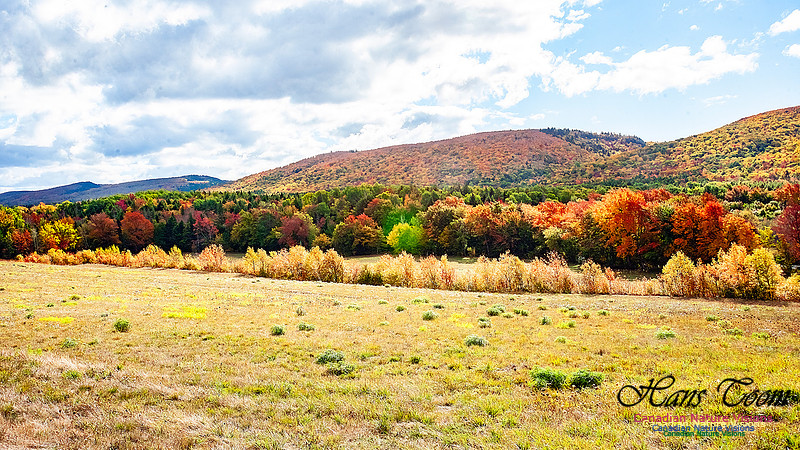
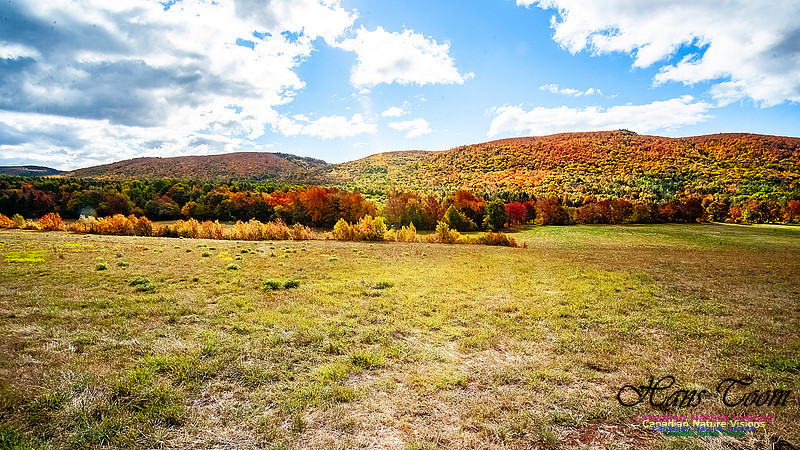
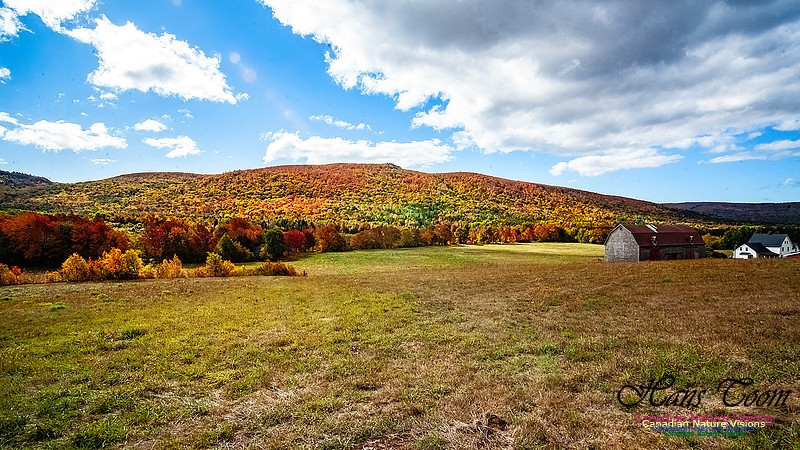
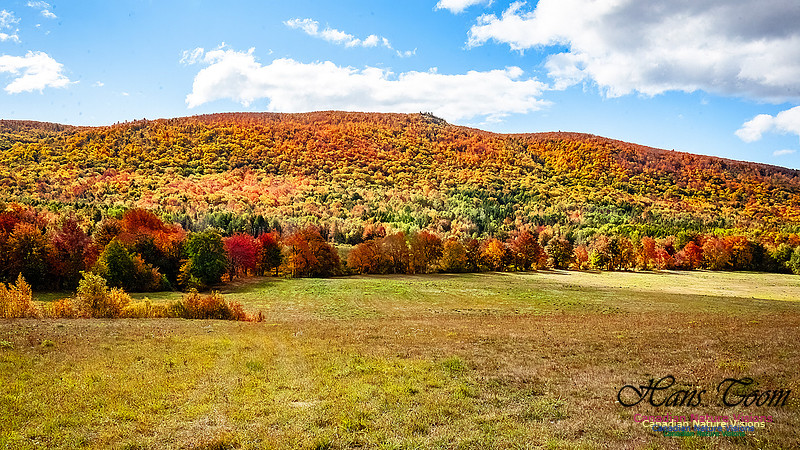
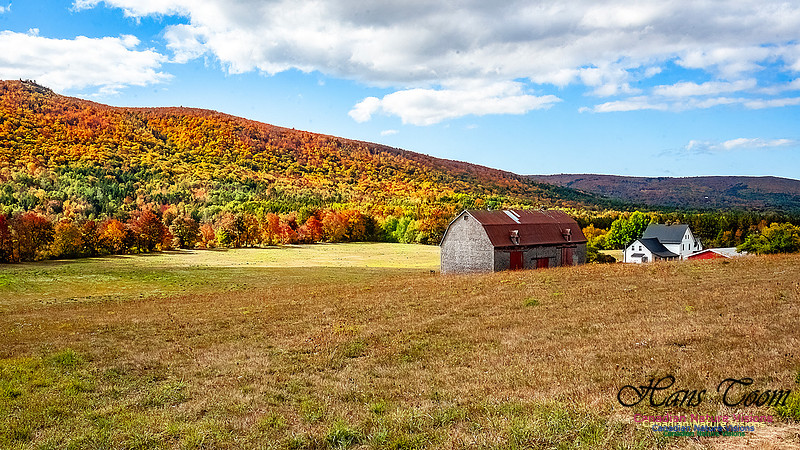
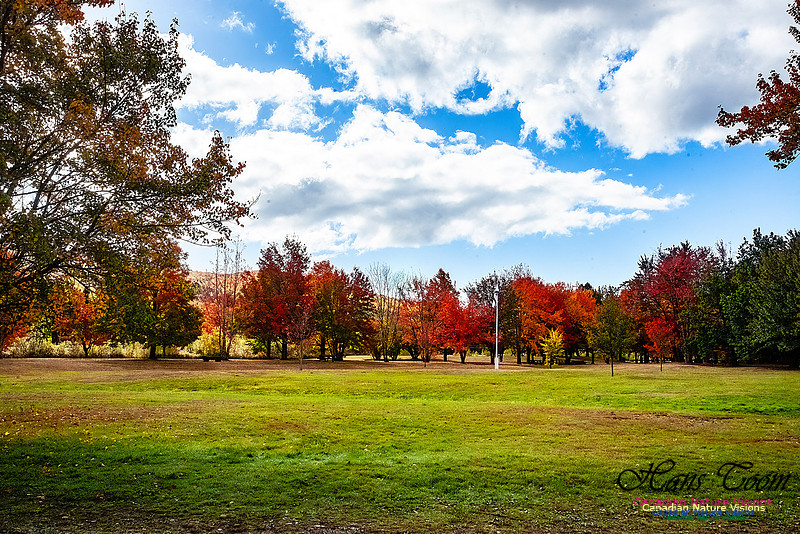
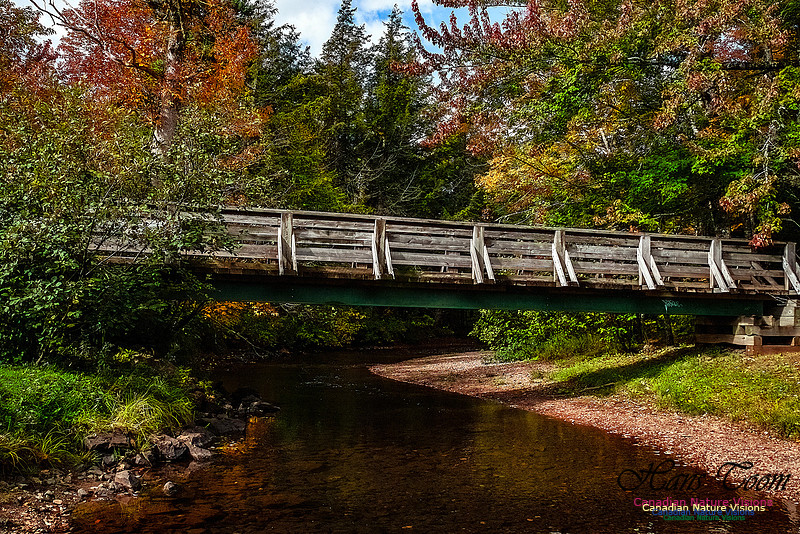
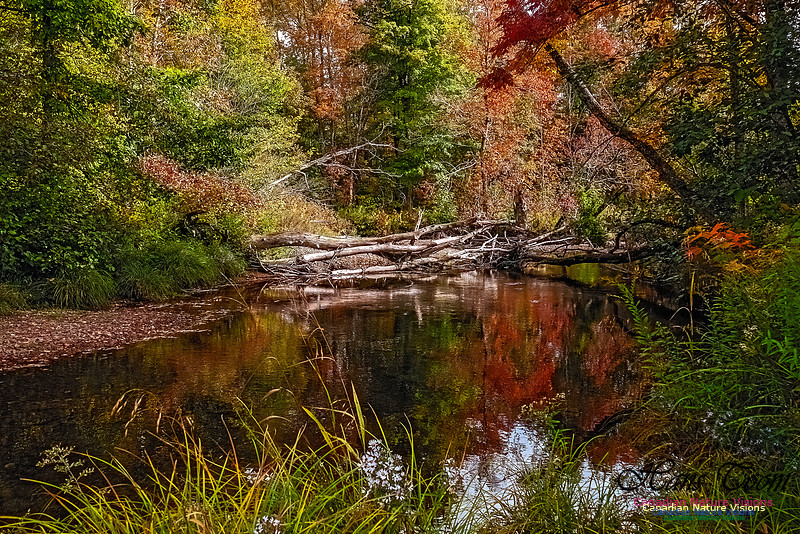
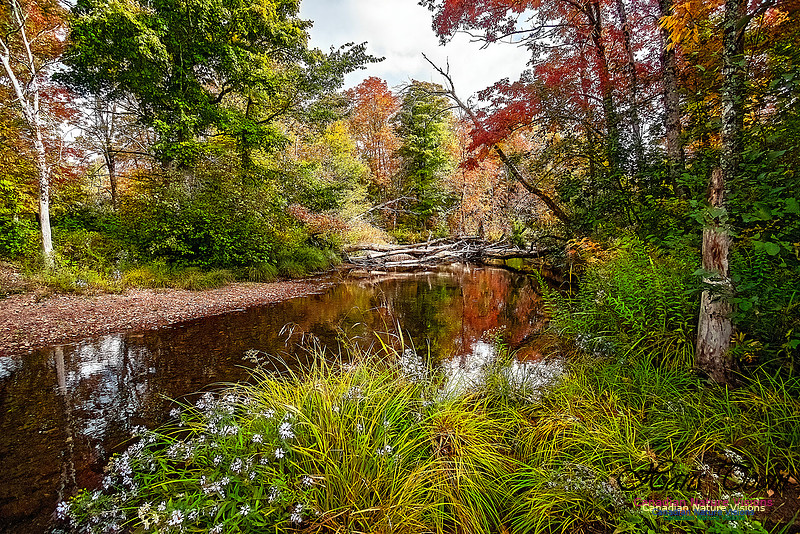
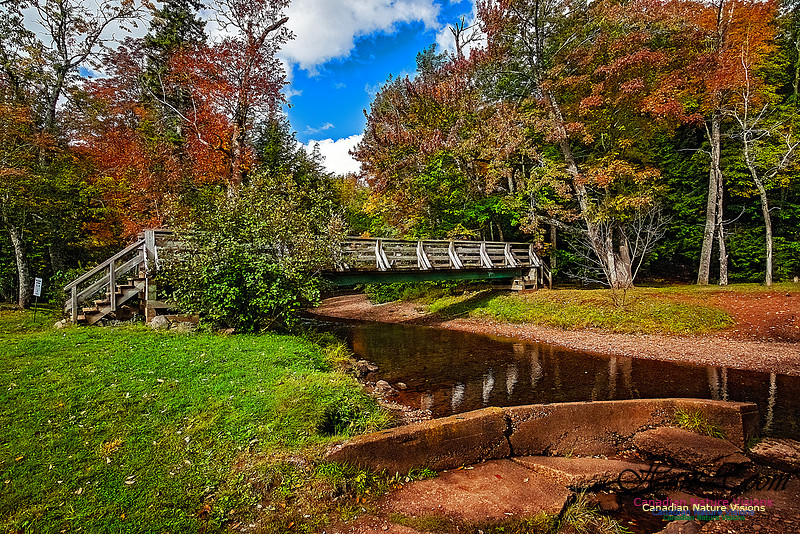
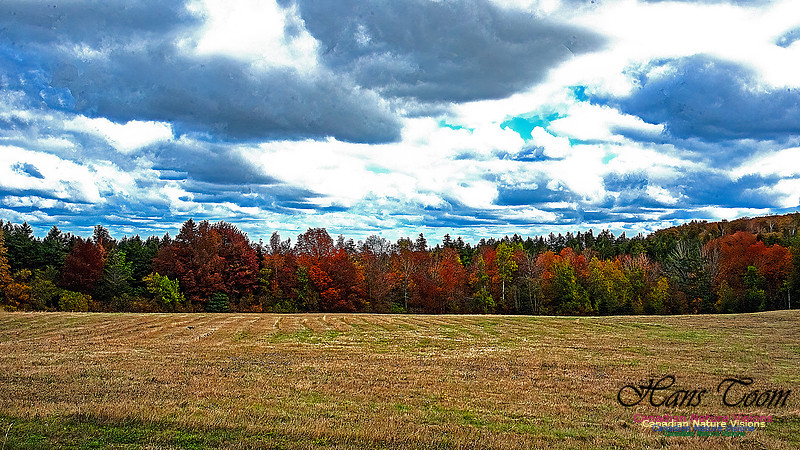
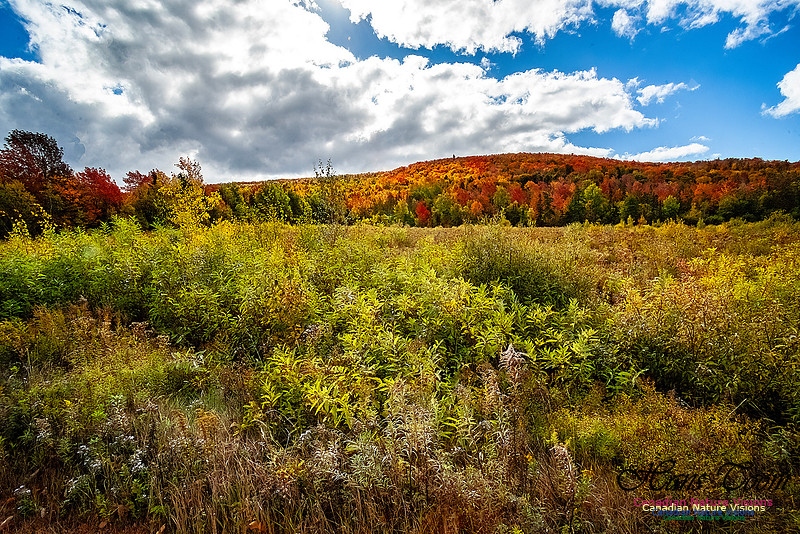
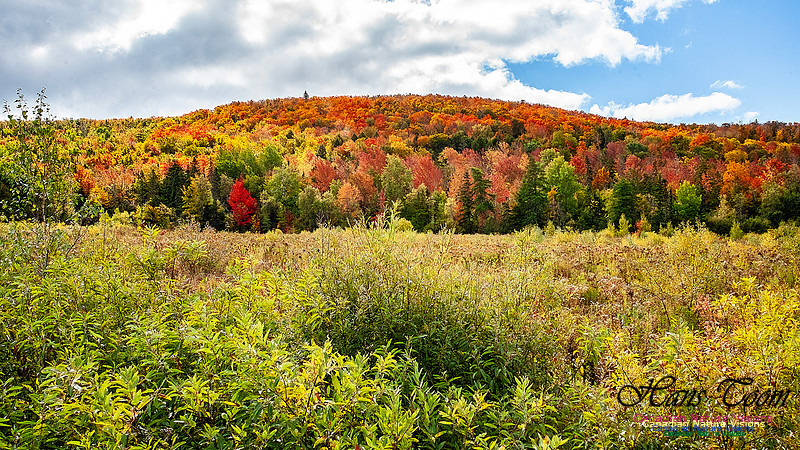
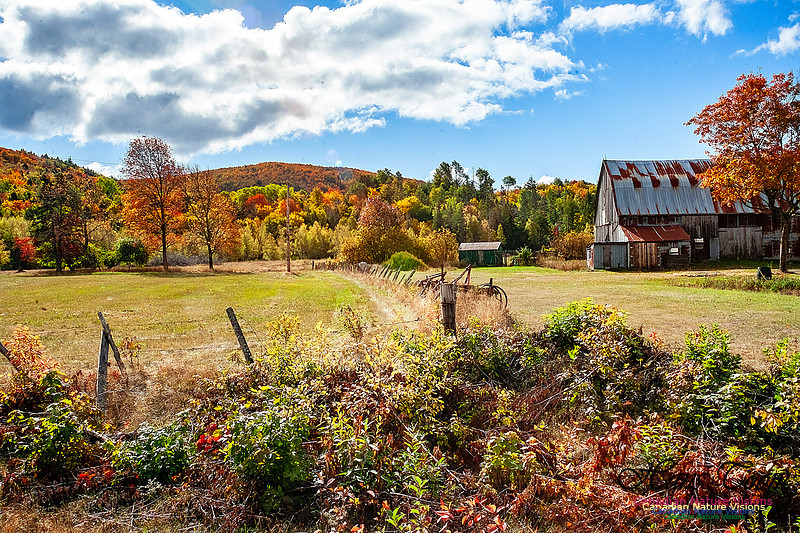
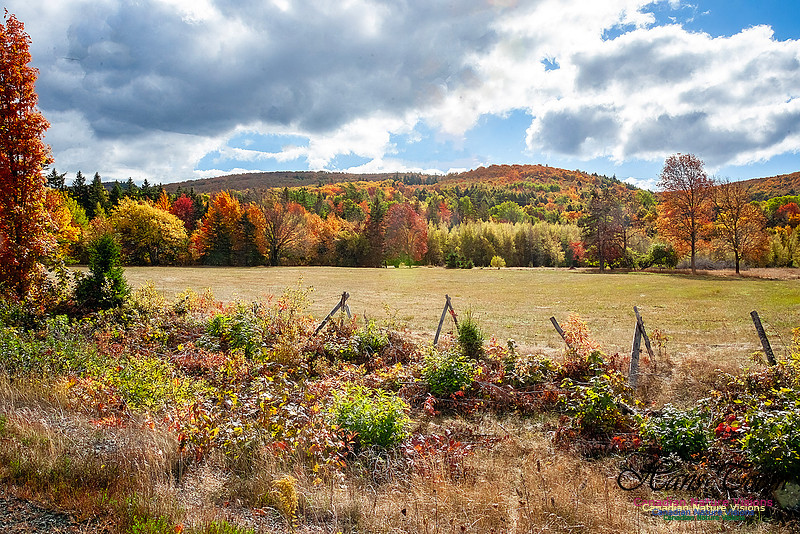
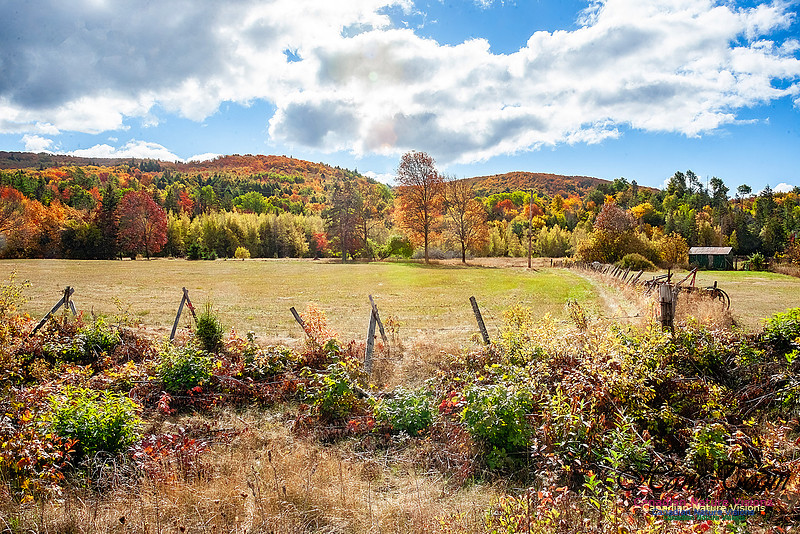
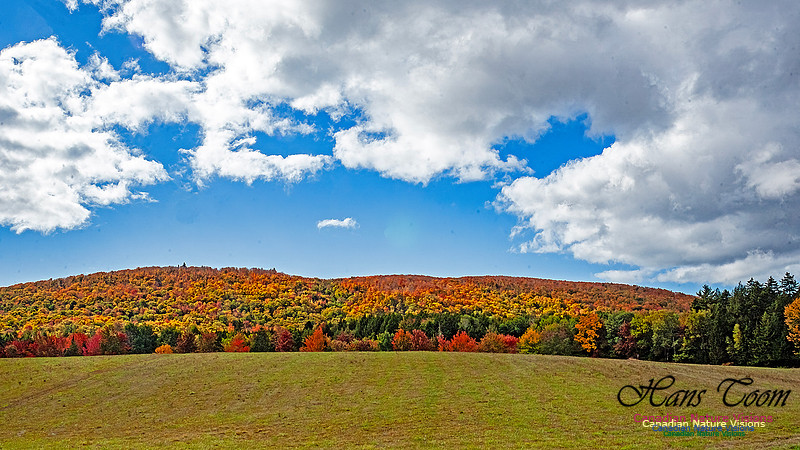
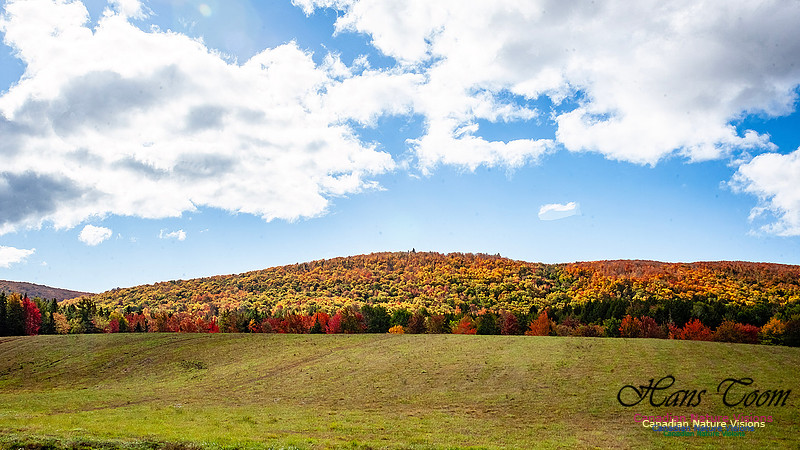
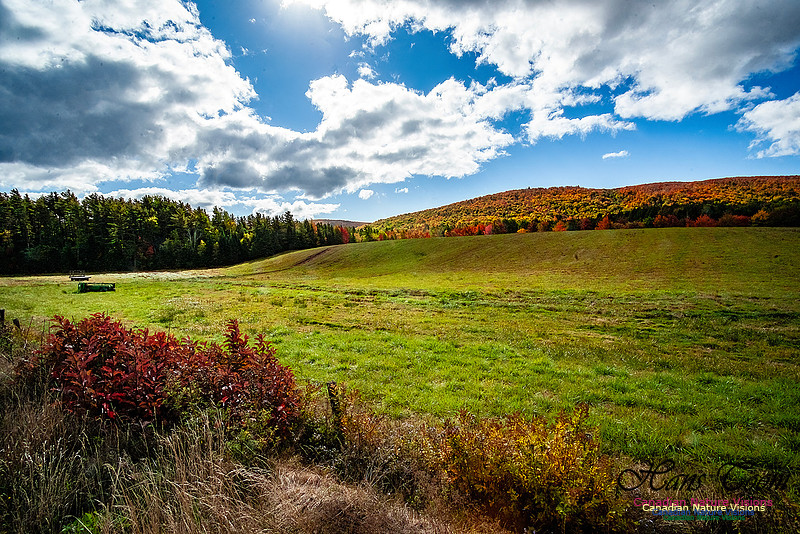
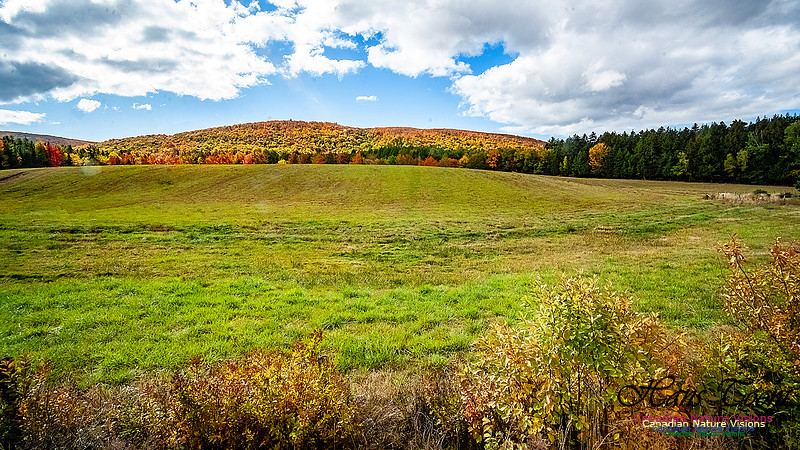
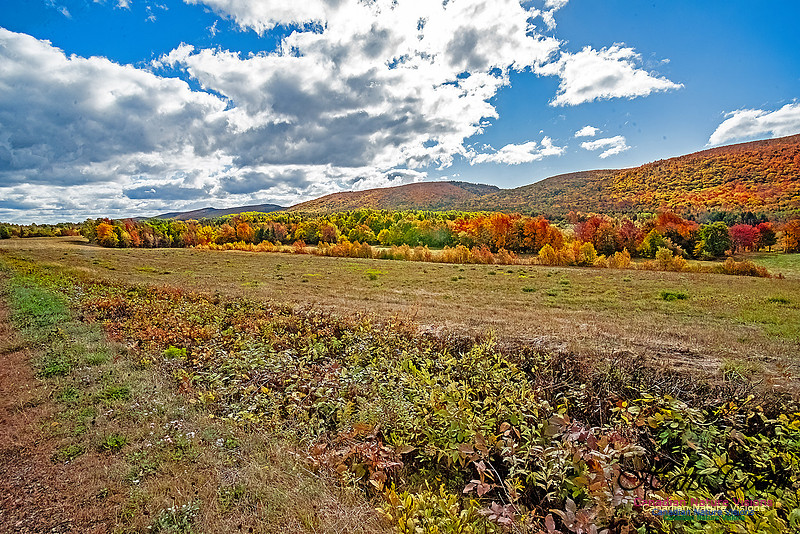
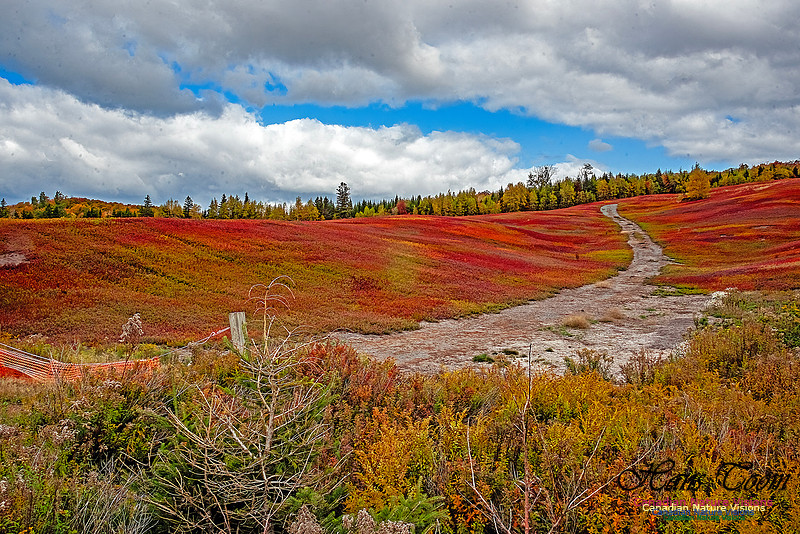
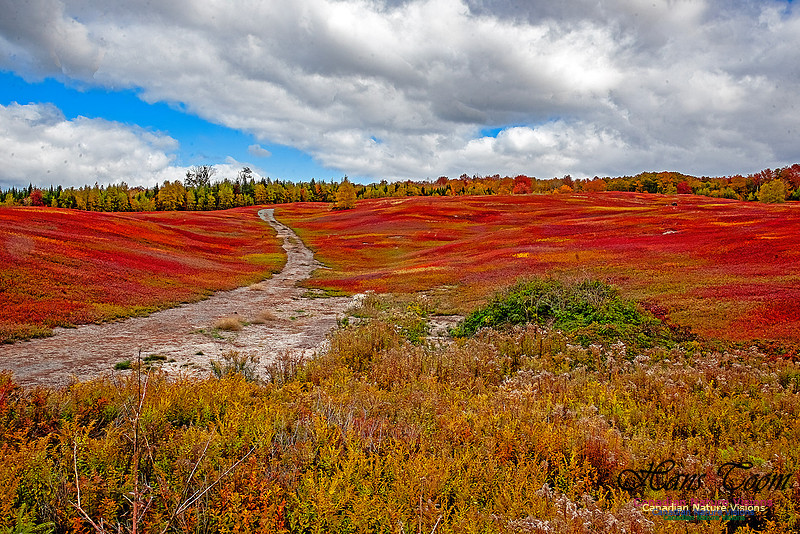
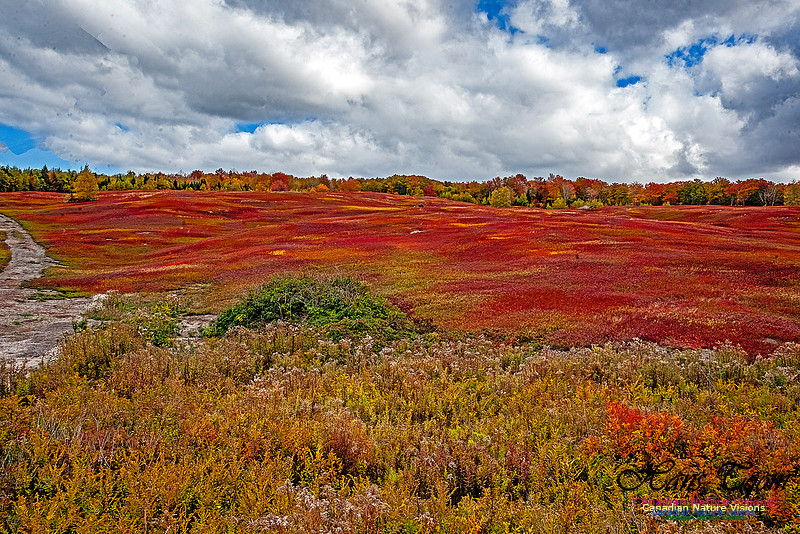
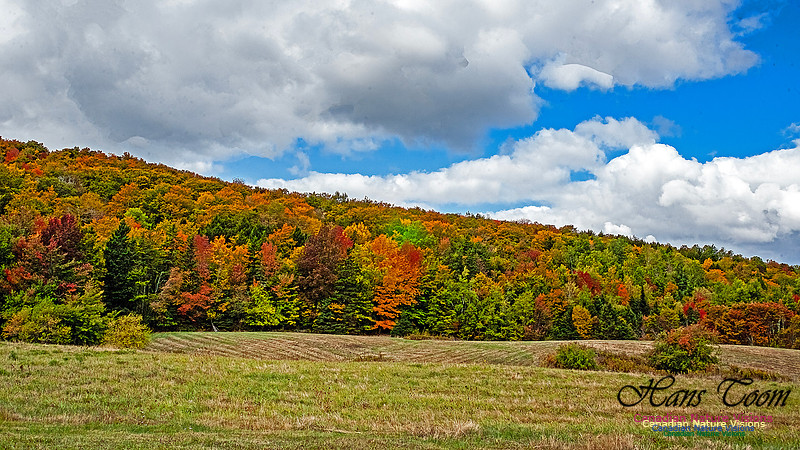
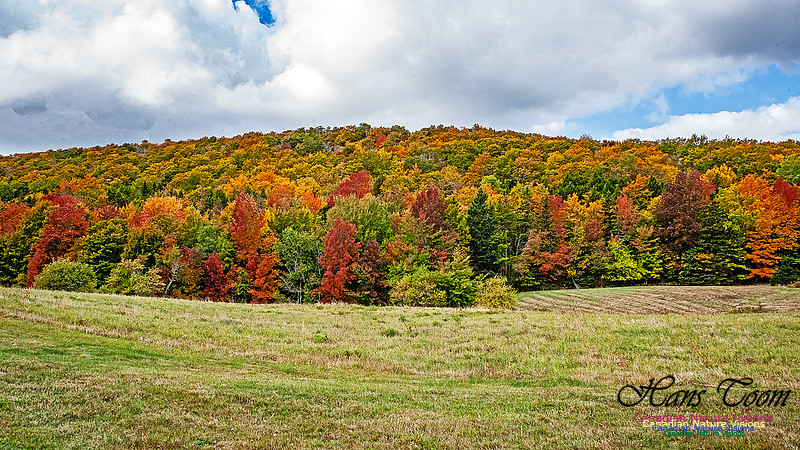
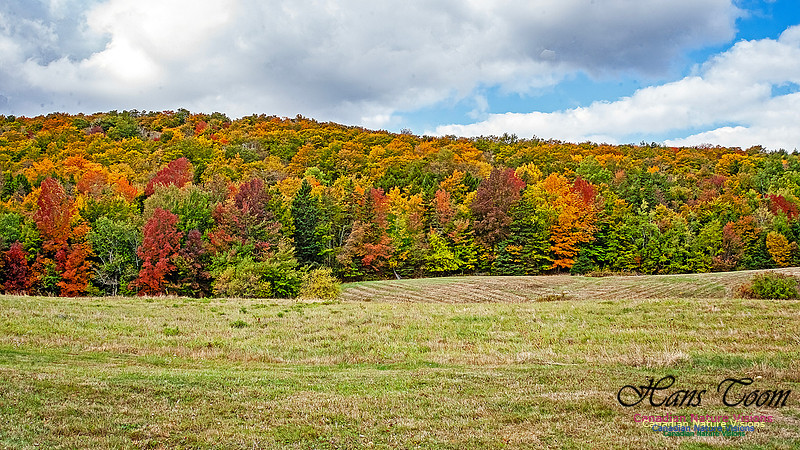
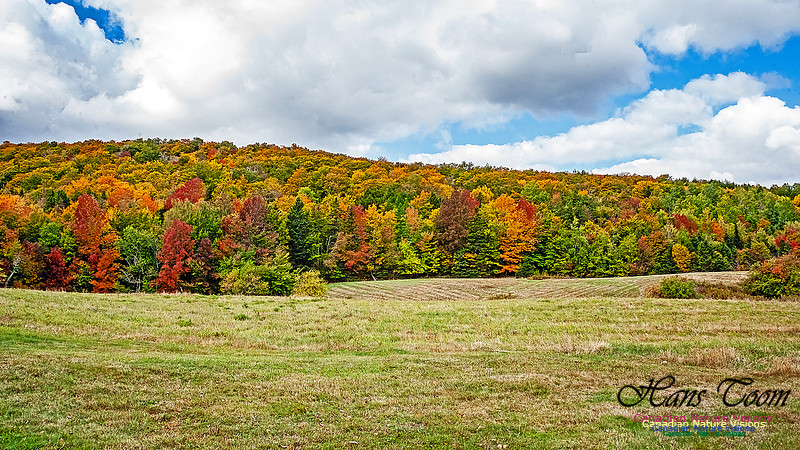
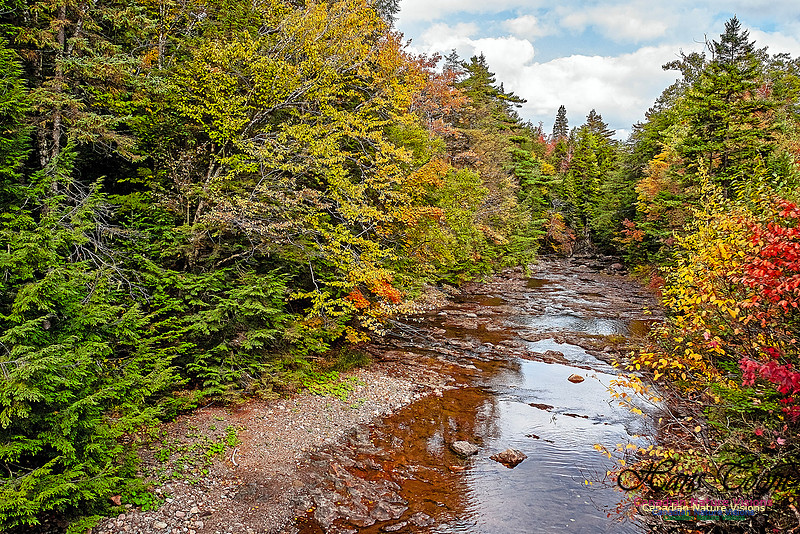
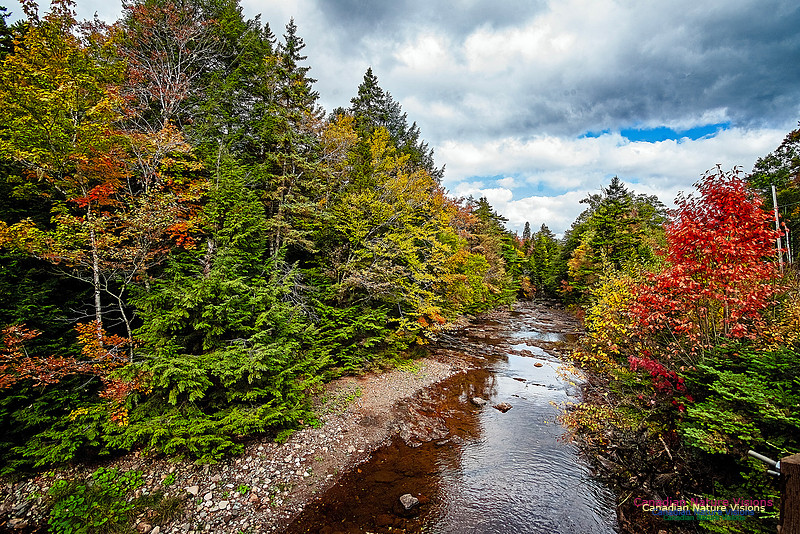
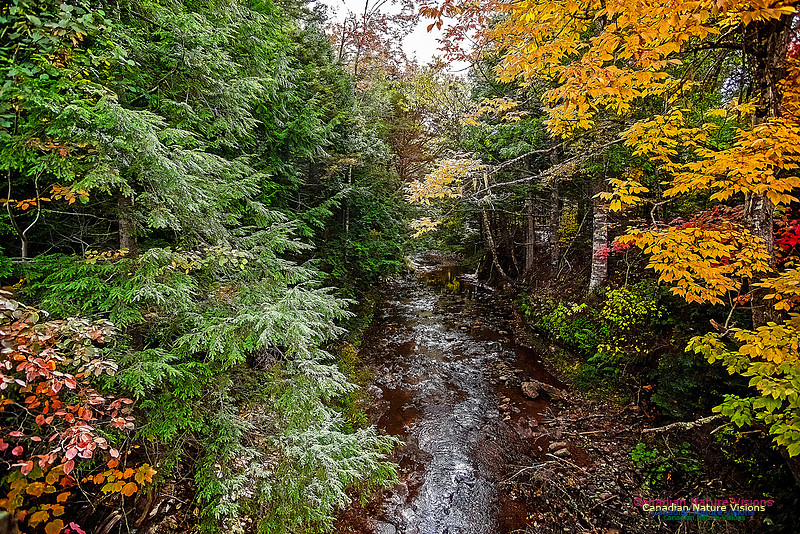
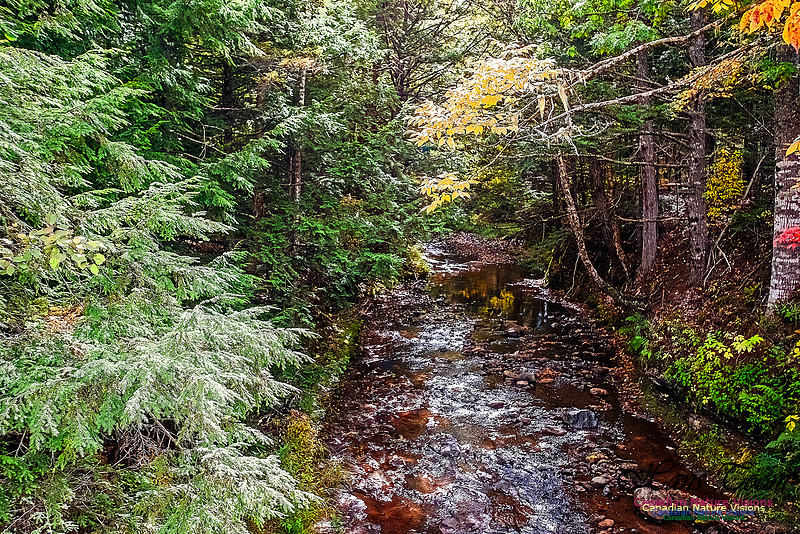
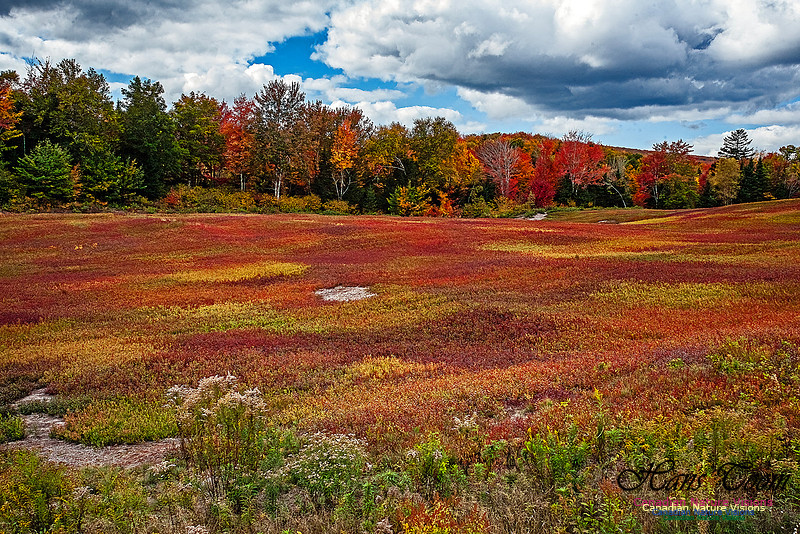
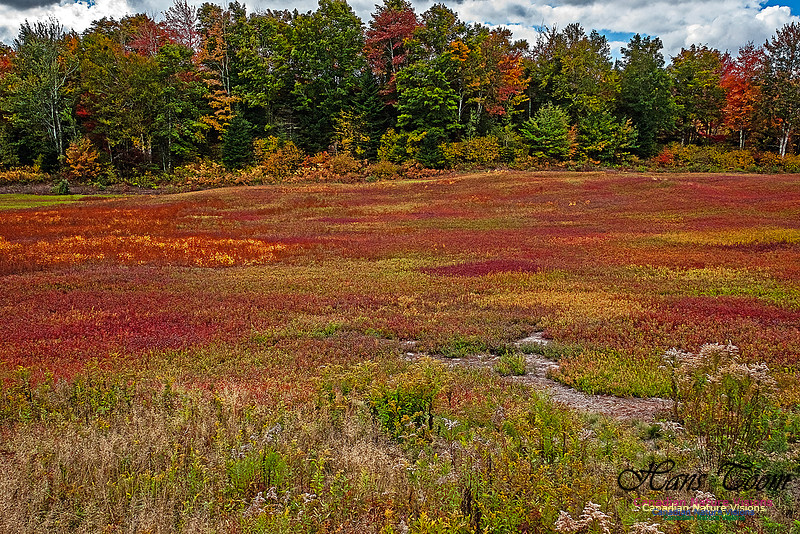
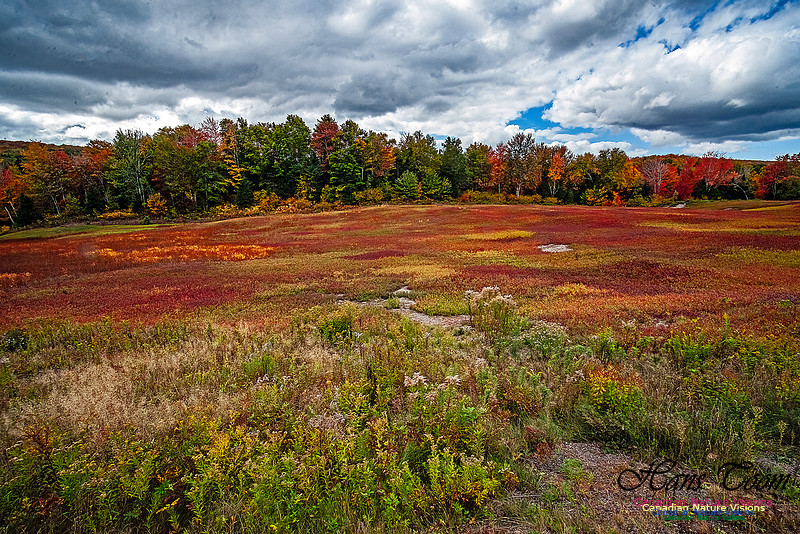
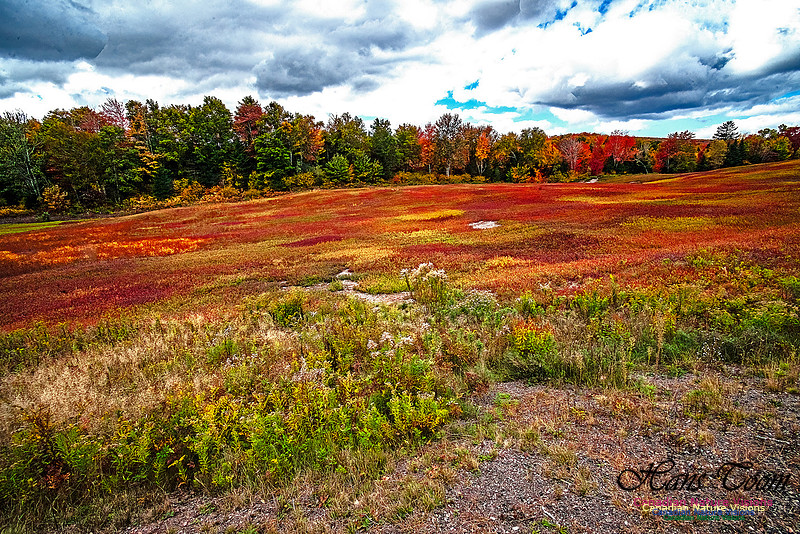
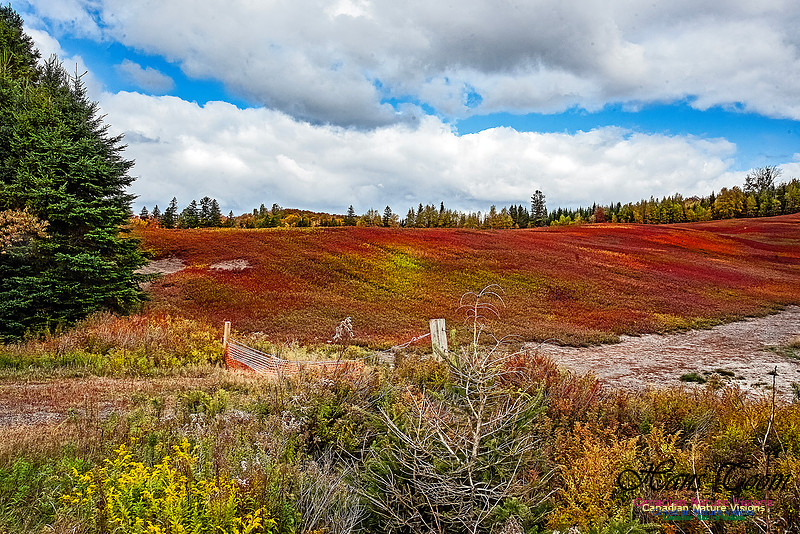
Tour of Nova Scotia Fall ColoursI toured my favourite hot spots for the colours of fall foliage. Despite the drought my province has suffered the fall colours are spectacular this year. Tour of Nova Scotia Fall Colours
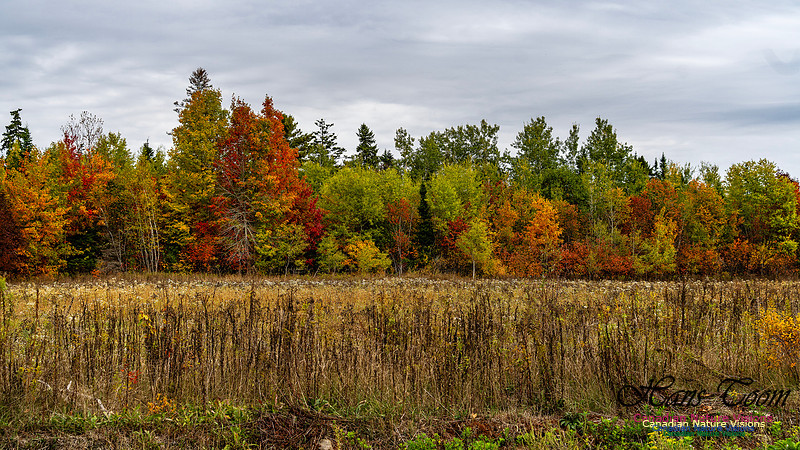
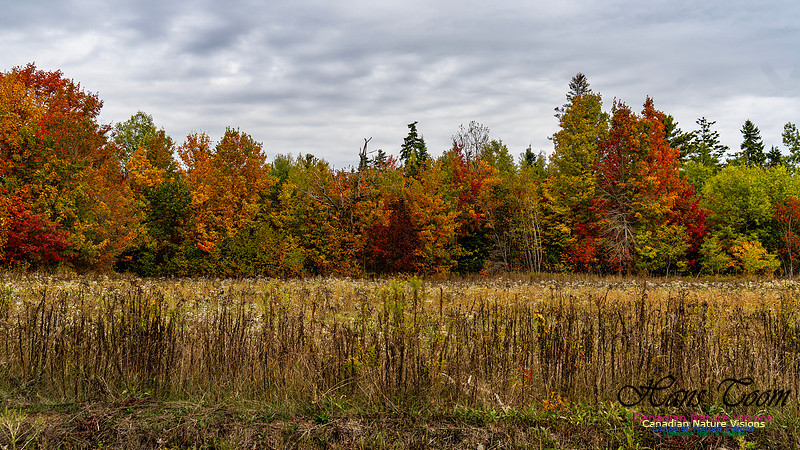
Nova Scotia in Fall ColoursMy first Sony DSLR was the a900 introduced in 2008. I was able to pick one up in excellent near new shape recently. I paired it with a Minolta 17-35mm F3.5G for a tour of the fall colours in Colchester County. Although not comparable to today's Sony mirrorless cameras it was nevertheless a milestone for Sony as it entered the world of digital photography. Sony purchased the rights to all of the Minolta lenses and for a time cloned them before stepping into mirrorless camera photography, arguably still the industry leader in the field. The photographs were OK but certainly not up to today's standards but as a backup camera it can still have a role. Nova Scotia in Fall Colours
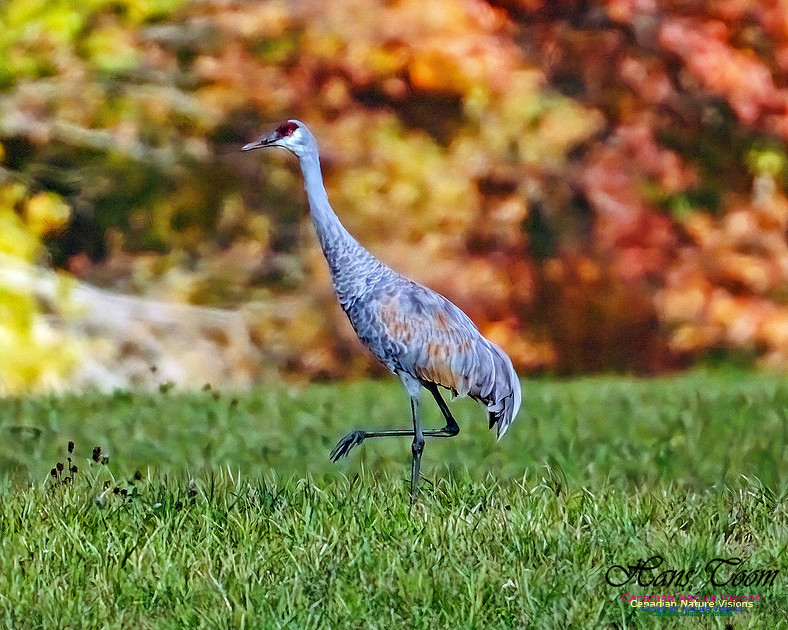
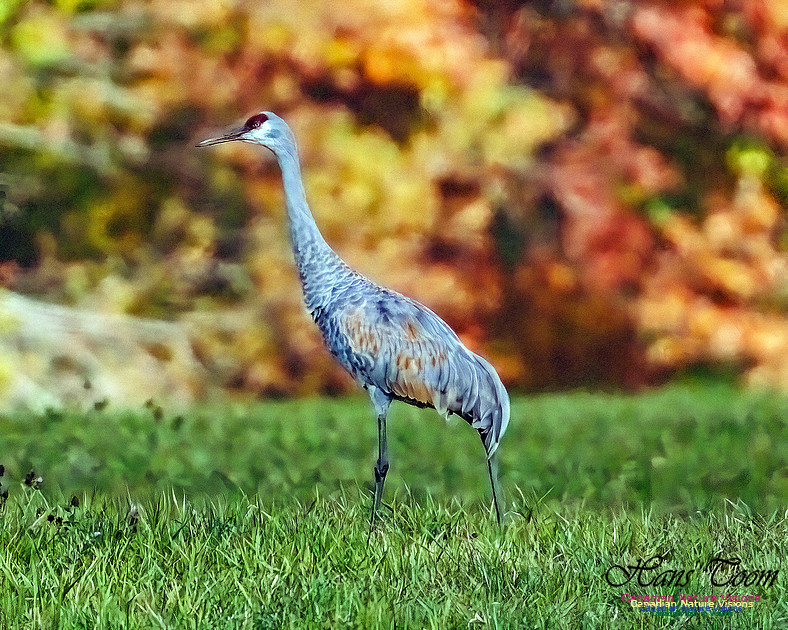
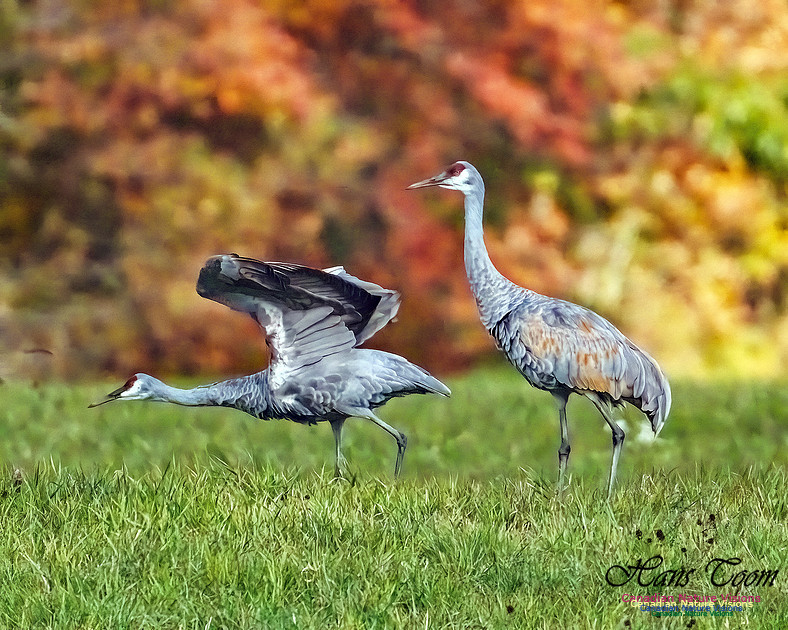
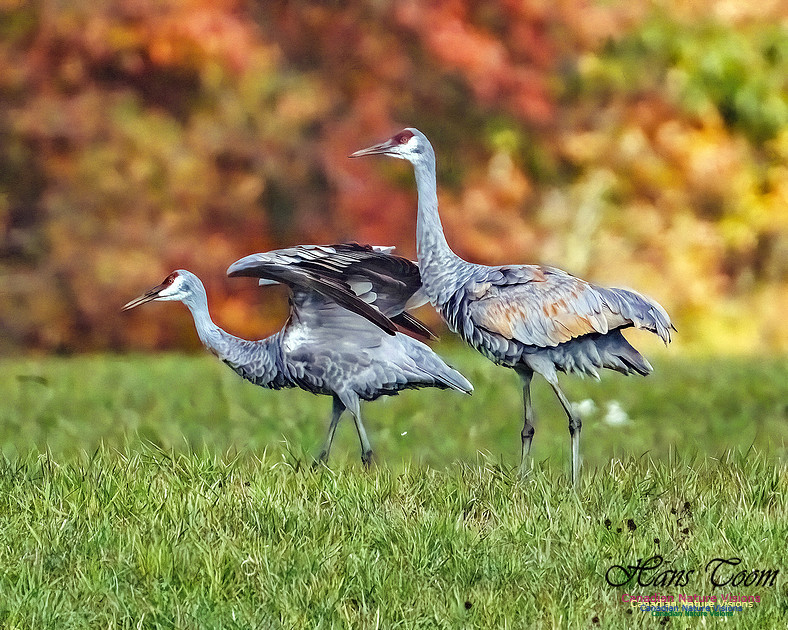
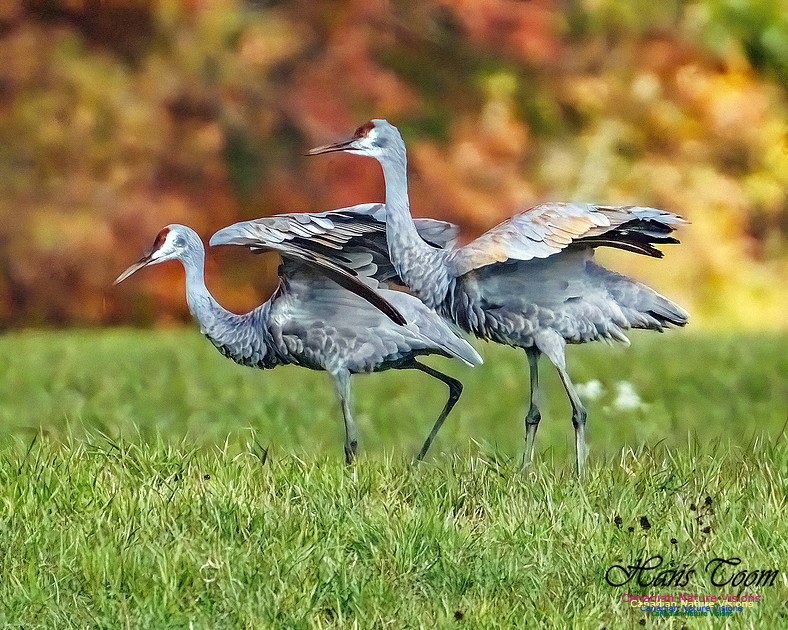
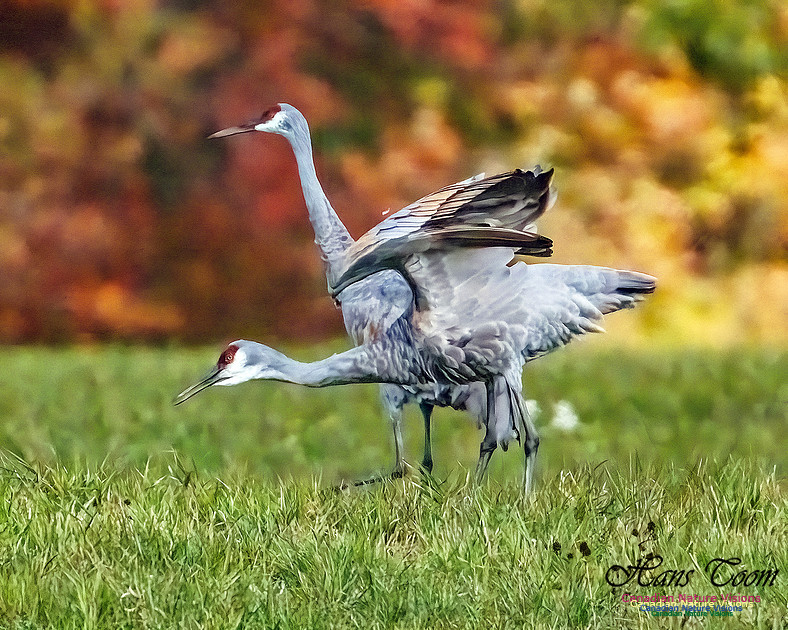
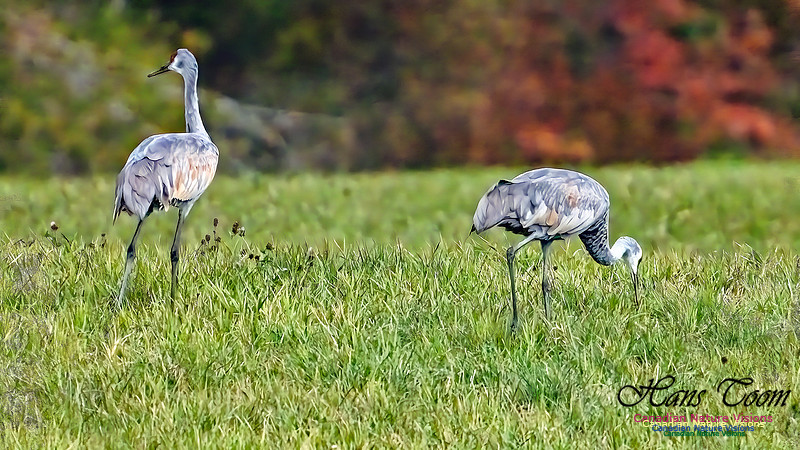
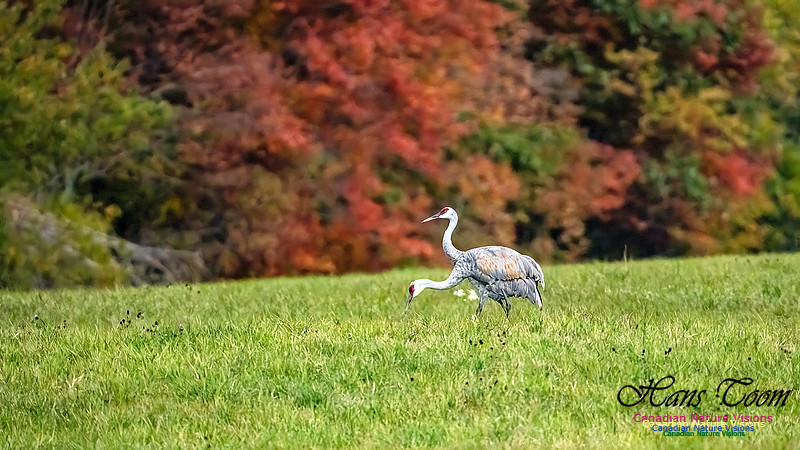
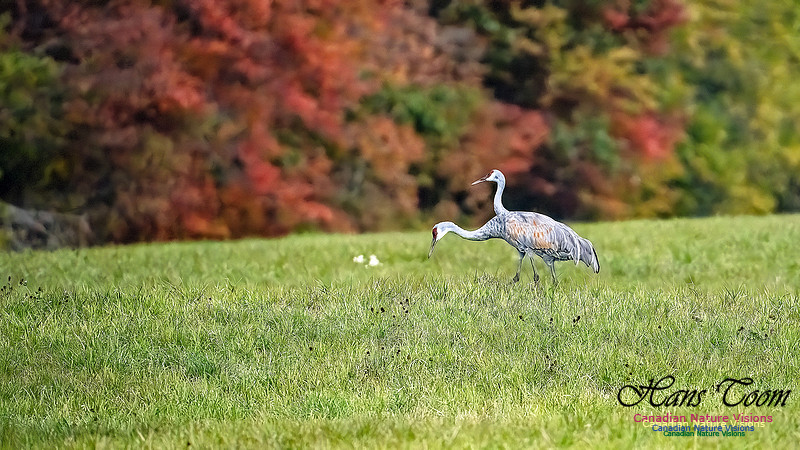
Sandhill Cranes DisplayingI was returning from a photo shoot in Colchester County when I decided to check the farmlands of East Hants County for Sandhill Cranes. I had no luck when a familiar red jeep pulled up behind me and yes indeed the occupant, a friend of mine, said he and his wife just saw a pair of Sandhill Cranes further up the road. As usual the cranes were a longs way off so I had to shoot at 1600mm which forces up the ISO (exposure speed). A by product of correcting the resultant extreme noise thus created in the exposure is a loss of detail since the processor (photoshop) doesn't know the difference between exposure noise or minute details on the subject so it all gets erased. The resultant image although not unattractive is more like a painting than a photograph. Fortunately I don't care since to me photography is art. Sandhill Crane
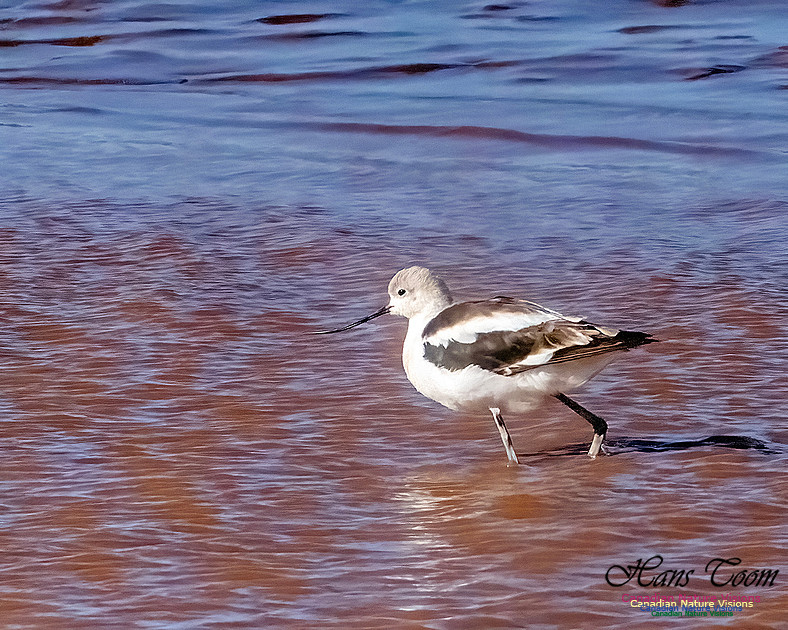
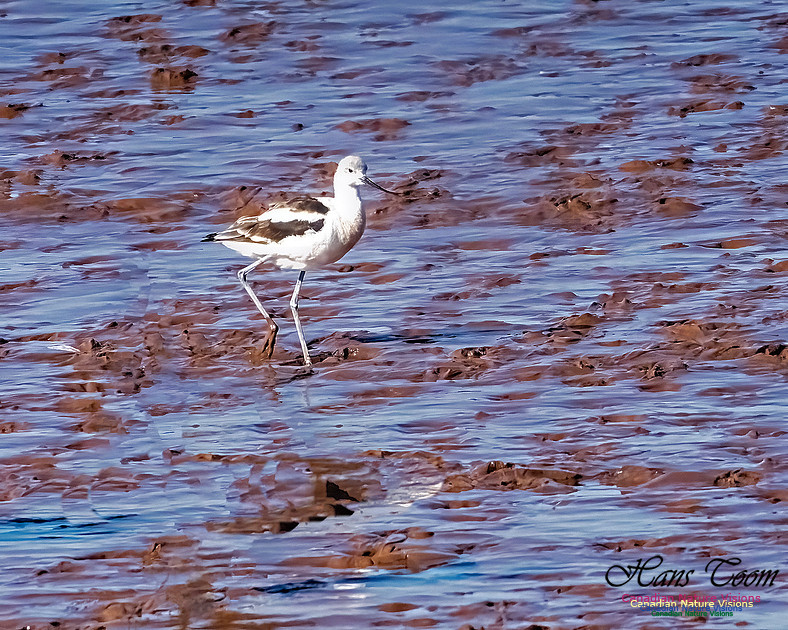
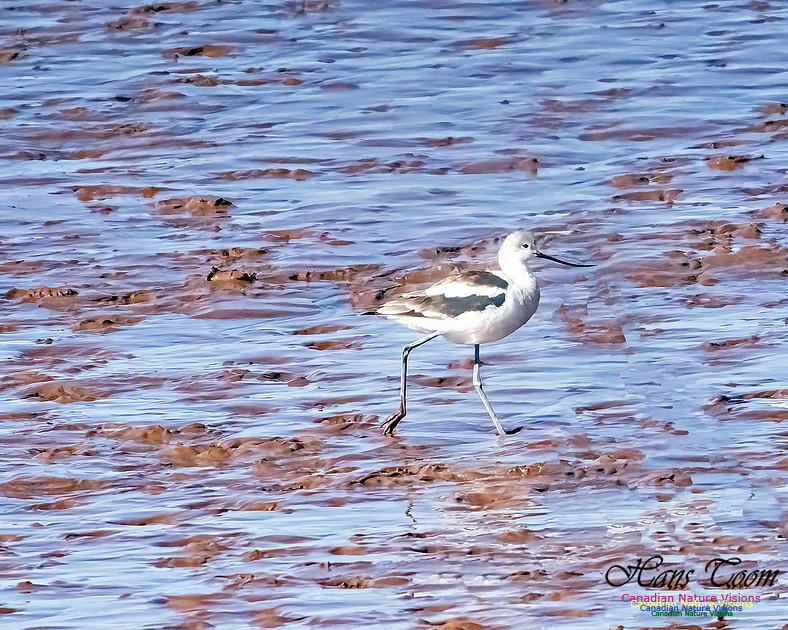
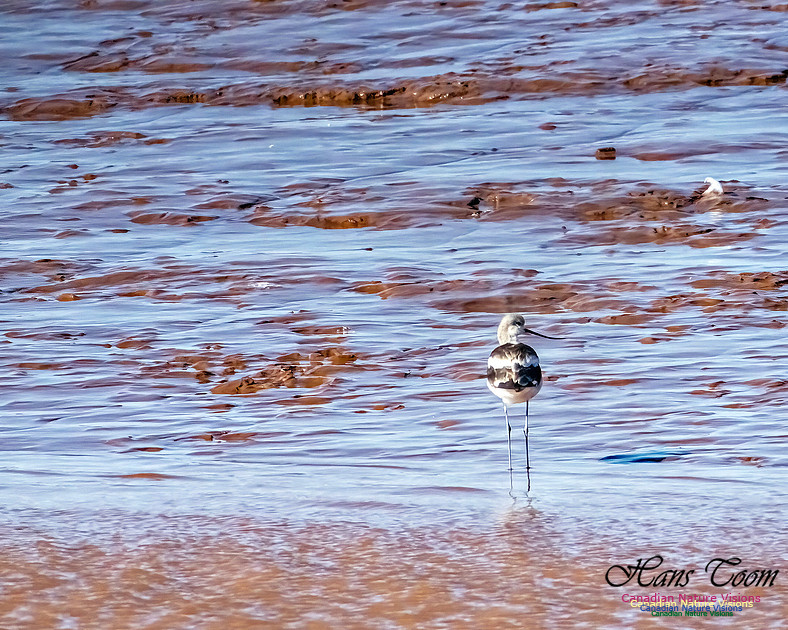
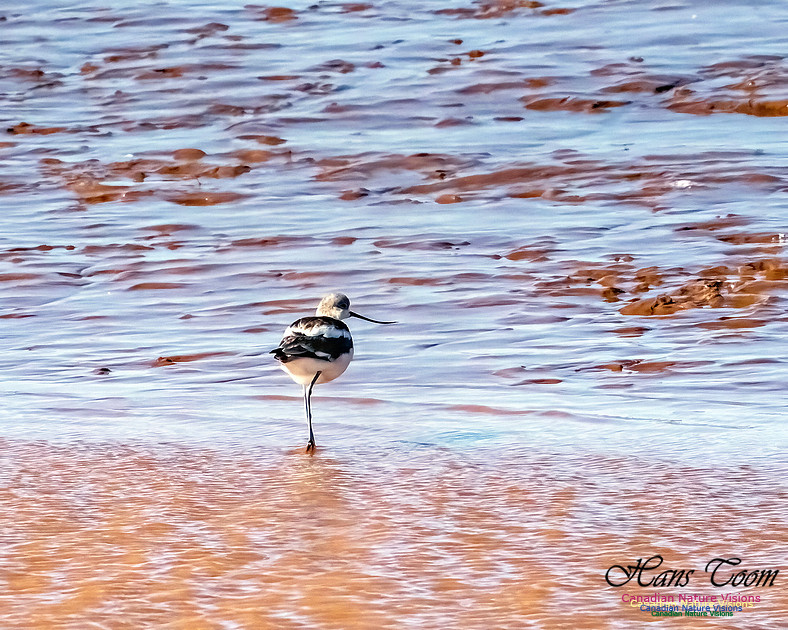
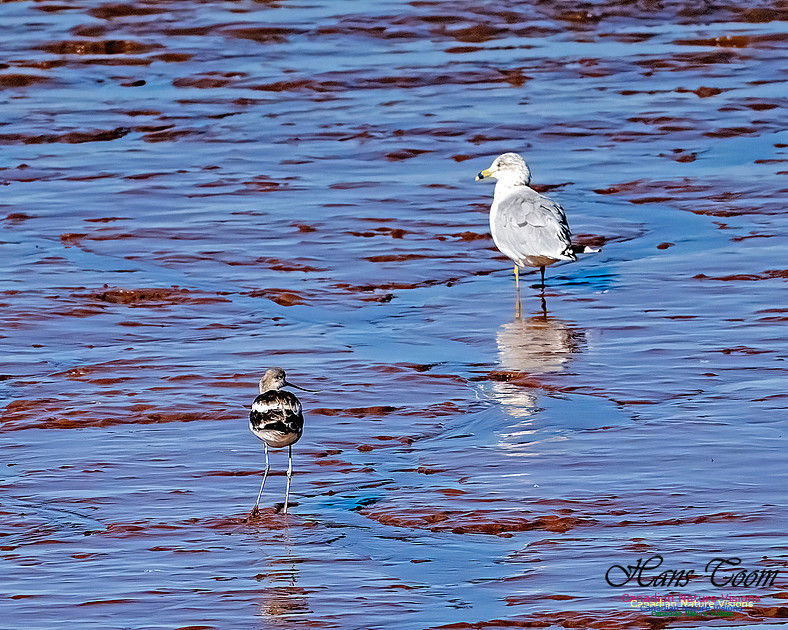
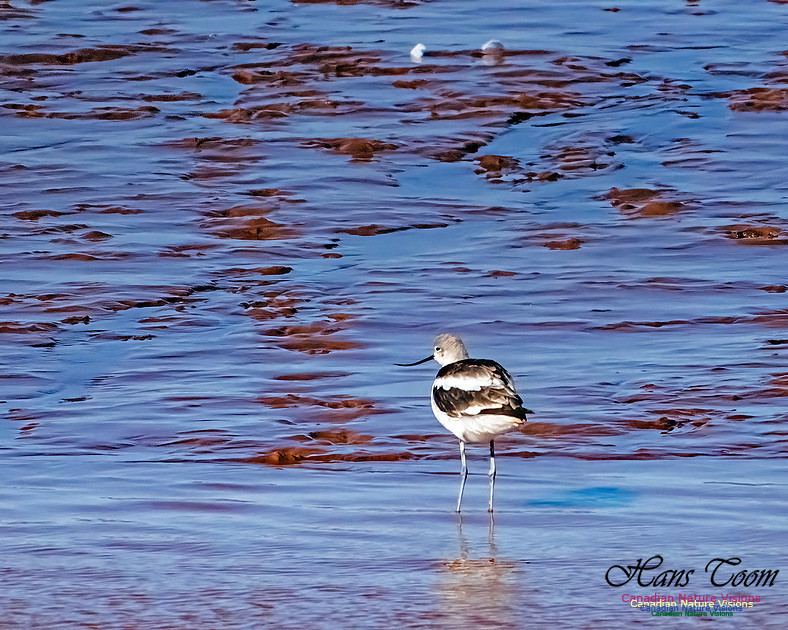
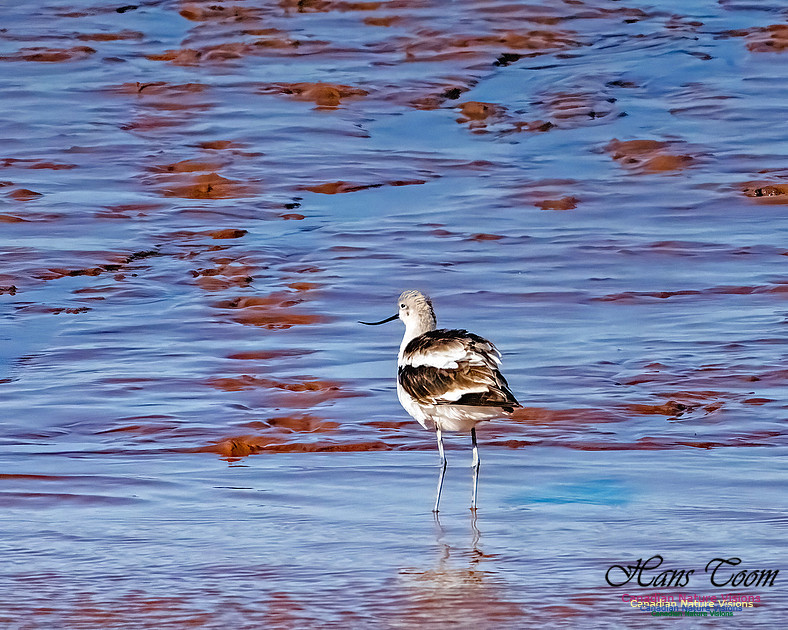
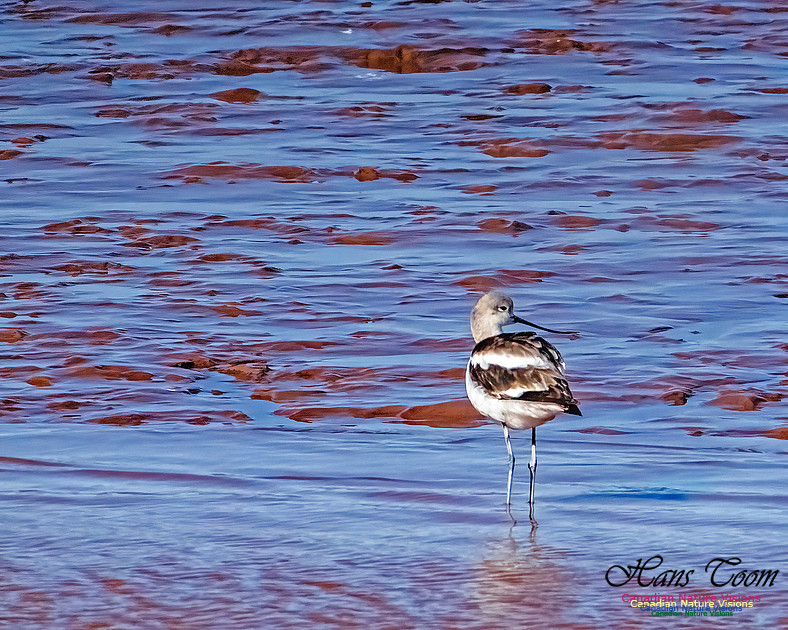
American AvocetThe Avocet was easy to find exposted on the banks of the Salmon River near Truro. The sky was blue but the wind was howling. I couldn't keep the camera steady even on a tripod but fortunately the camera has 8 stops of image stabilization. Nevertheless shooting at 1600mm at 1/8000 second shutter speed produces its own set of issues, namely mega noise. When Laura and I lived in Winnipeg we encountered the Avocet by the dozen everywhere on the central flyway of Saskatchewan and Manitoba. Here in Nova Scotia its rare but I have seen and photographed several examples over the years as it is becoming an annual regular. American Avocet
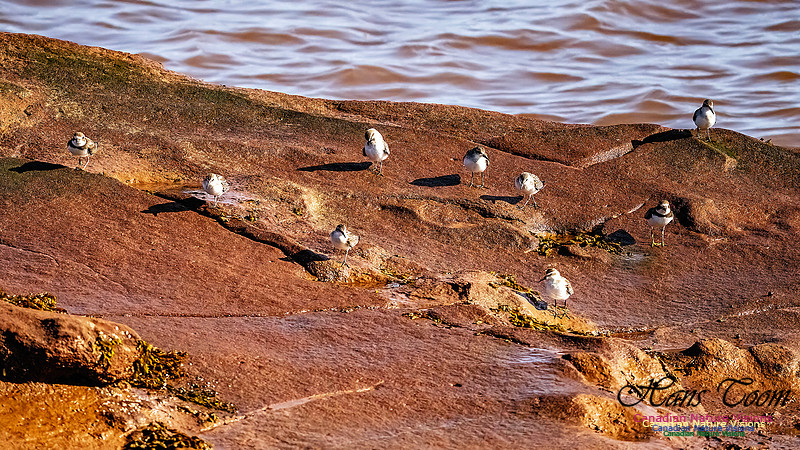
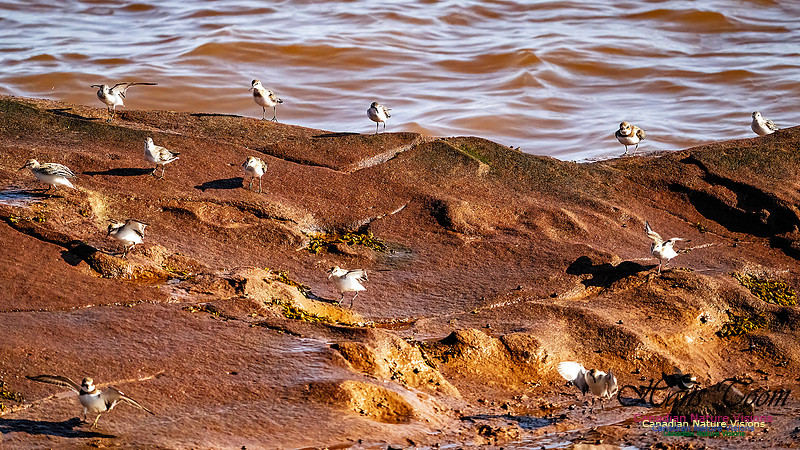
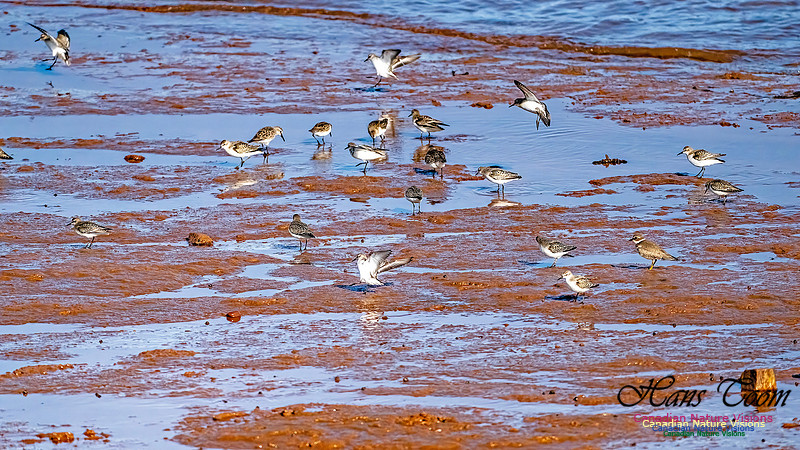
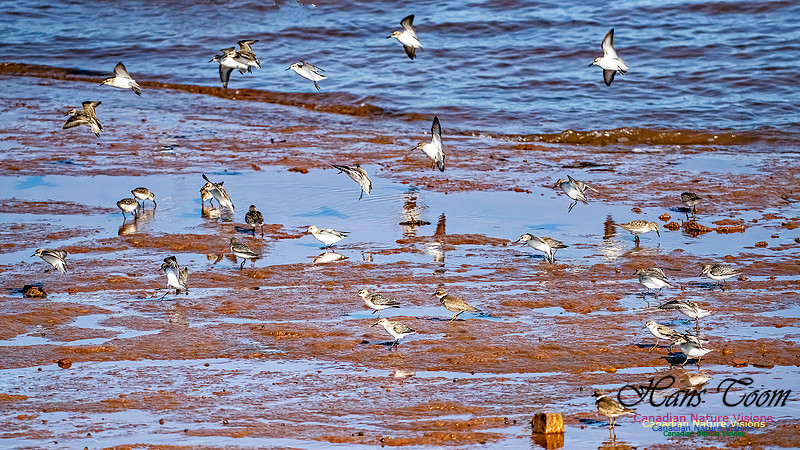
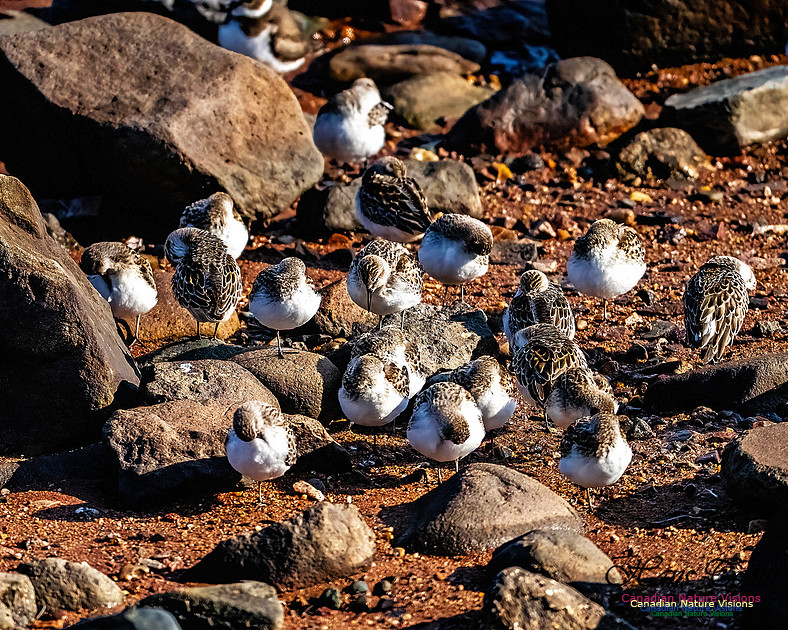
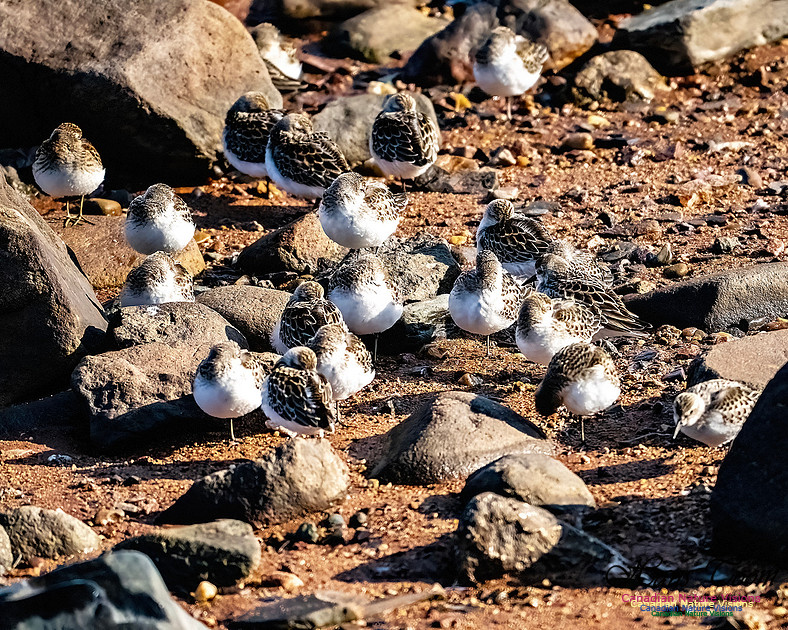
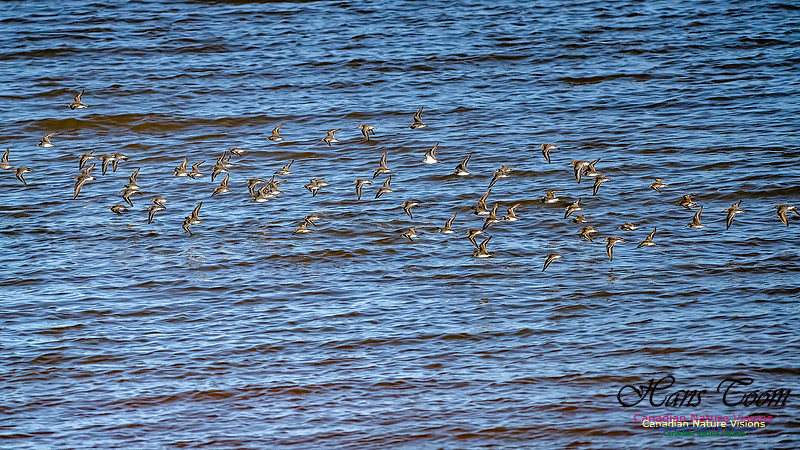
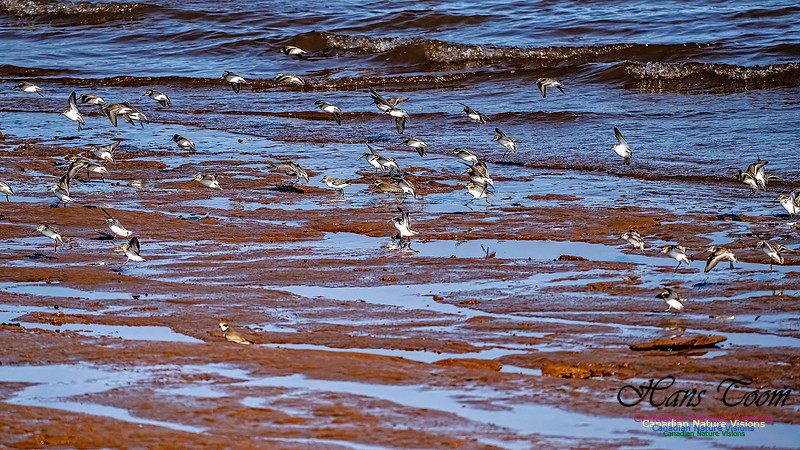
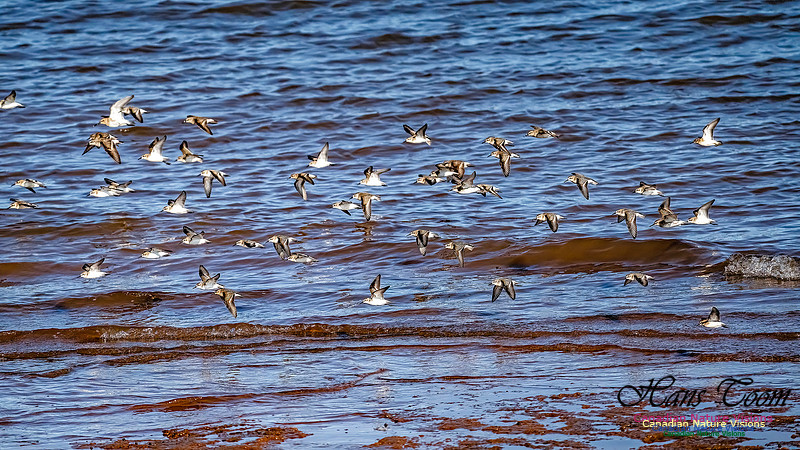
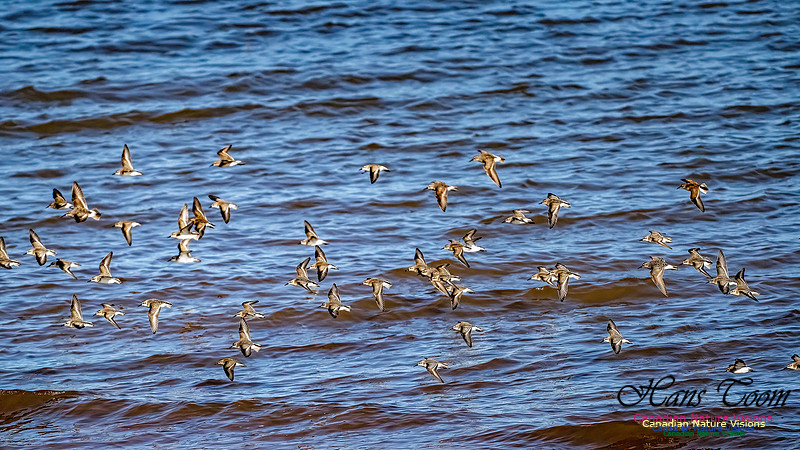
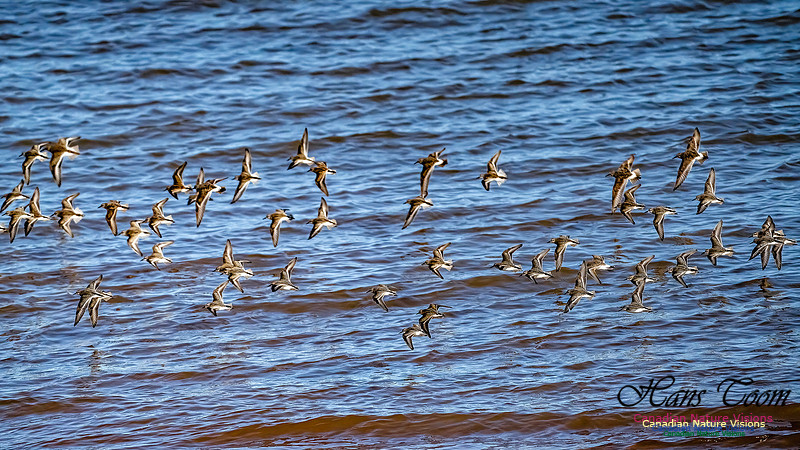
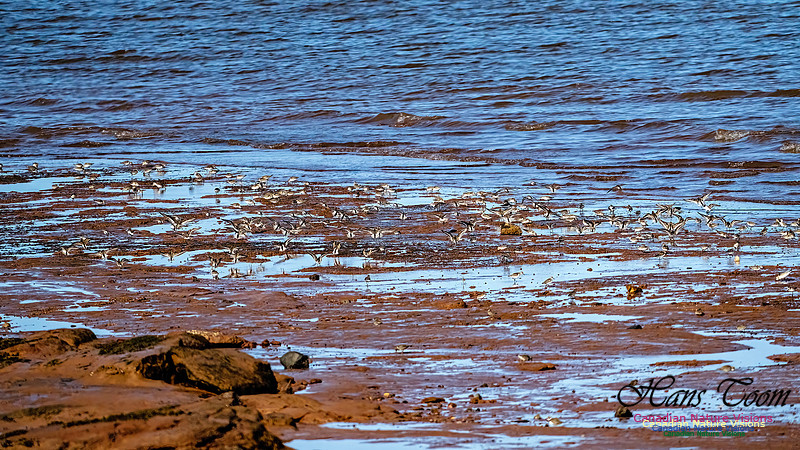
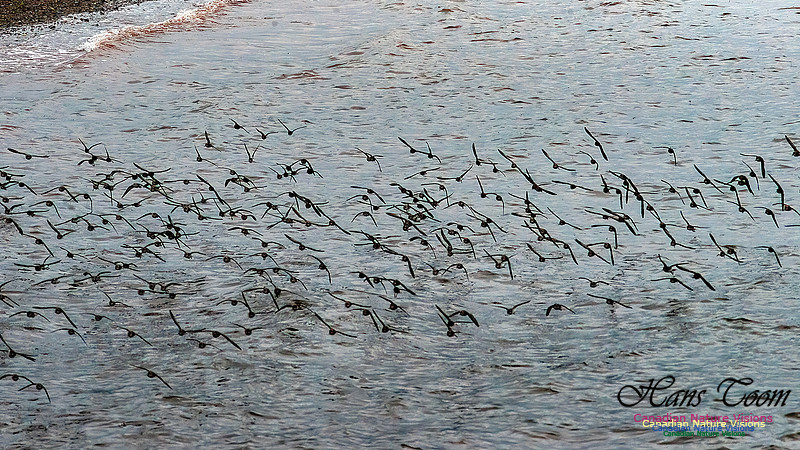
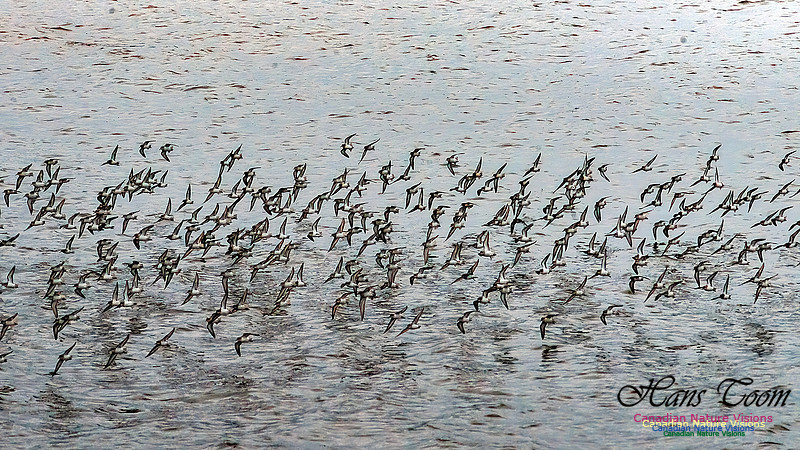
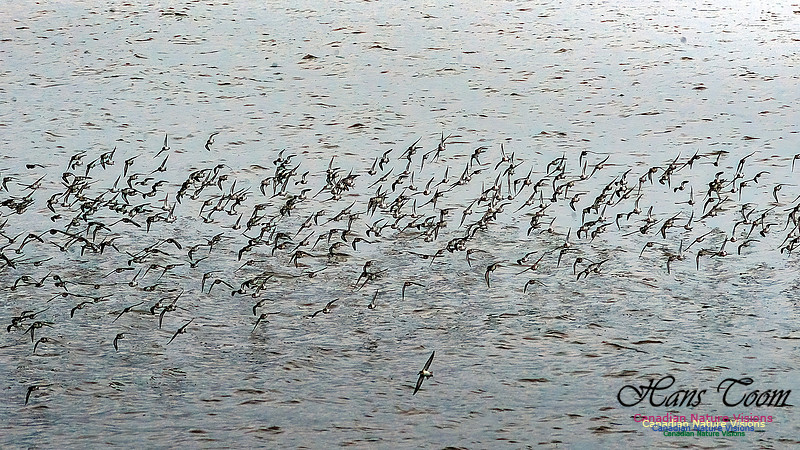
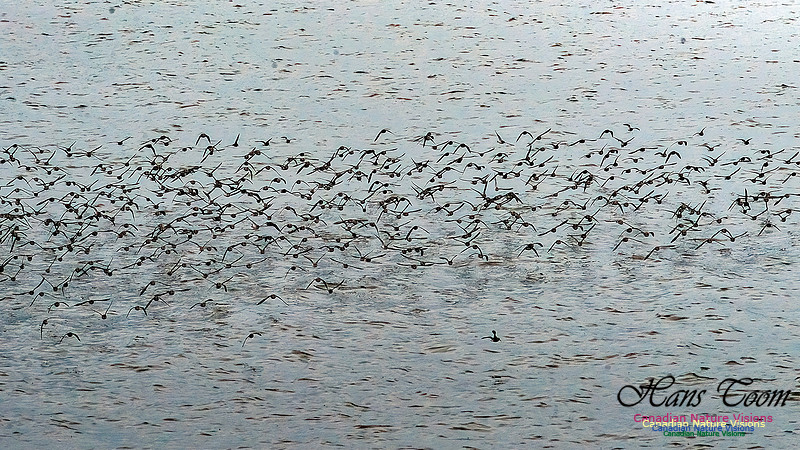
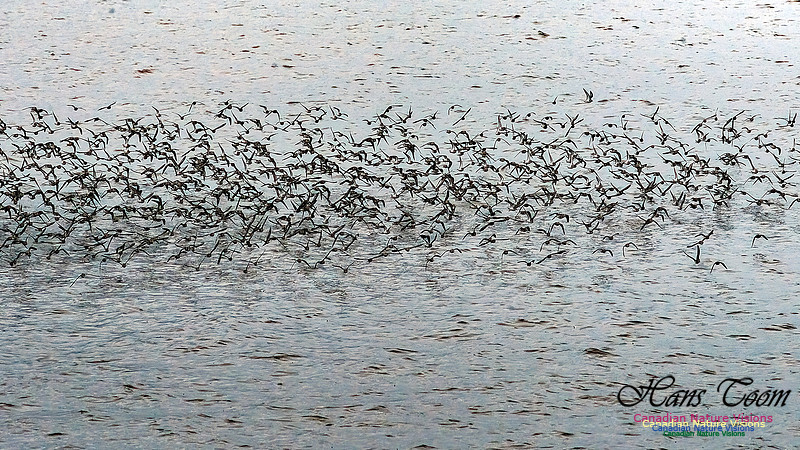
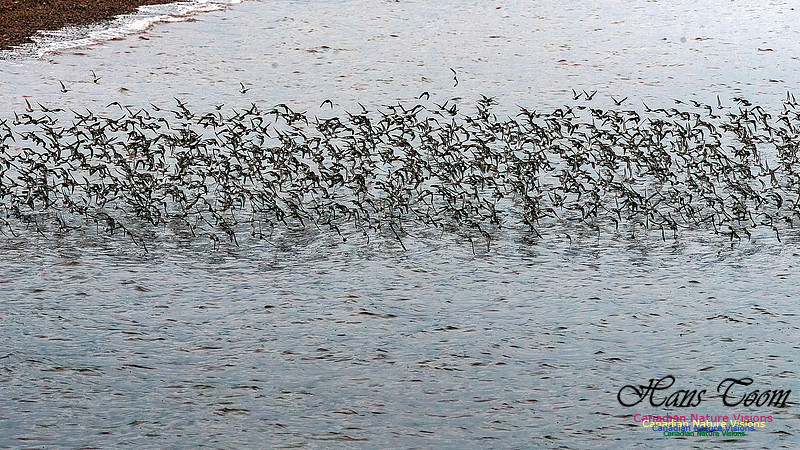
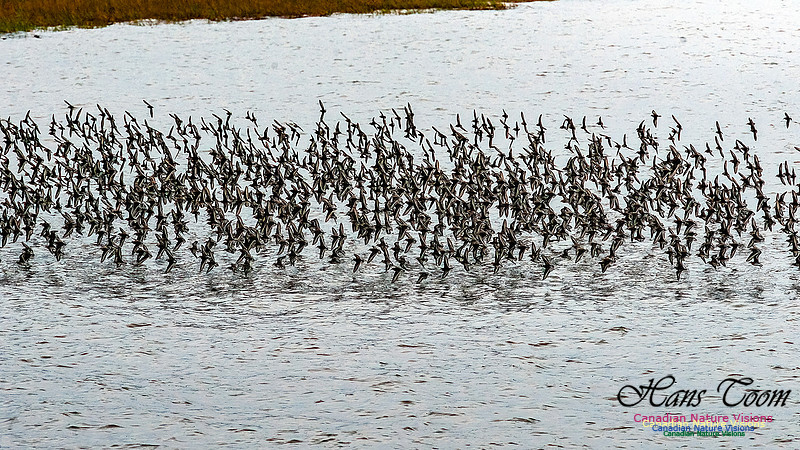
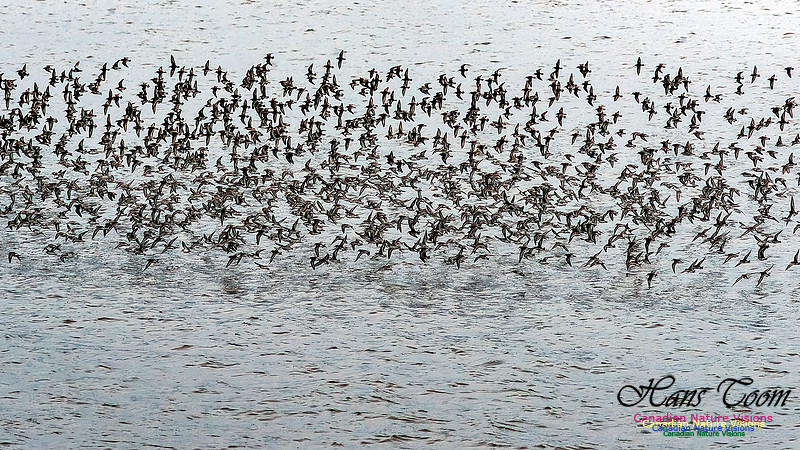
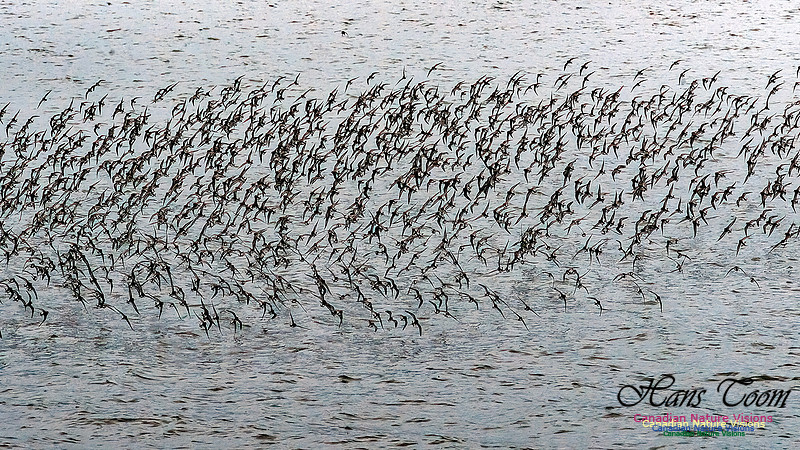
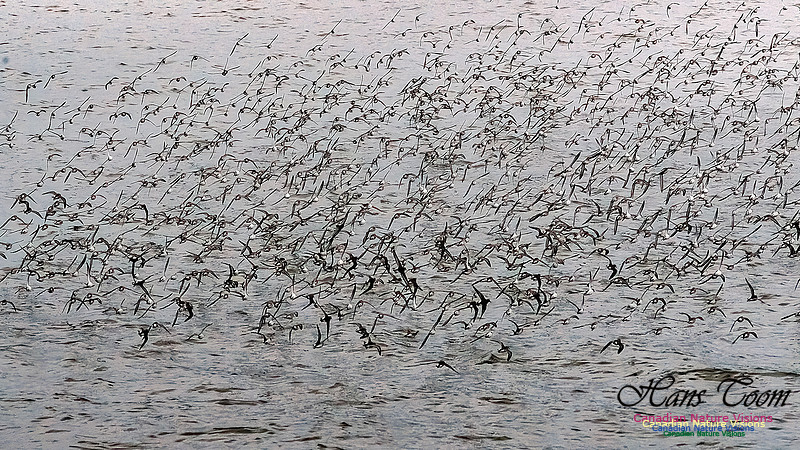
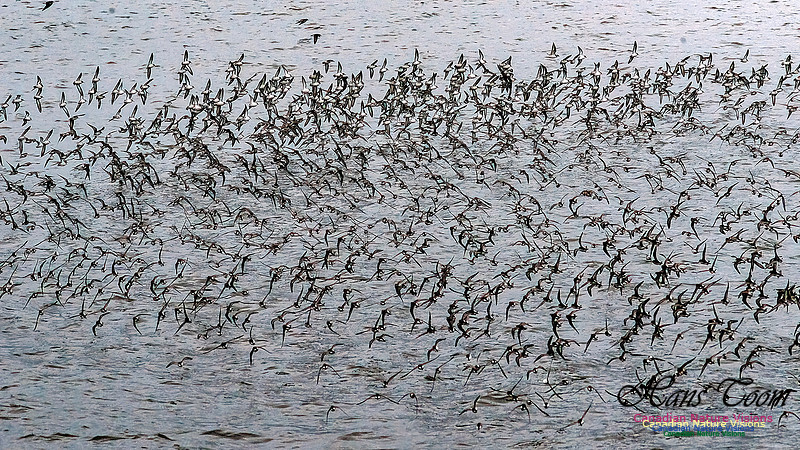
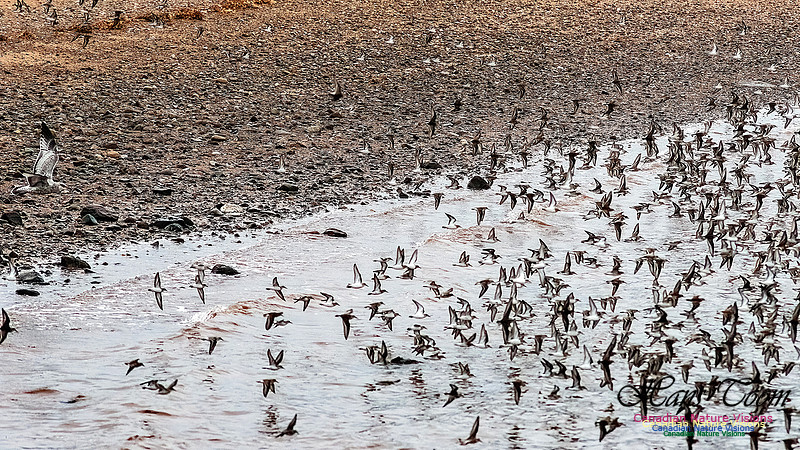
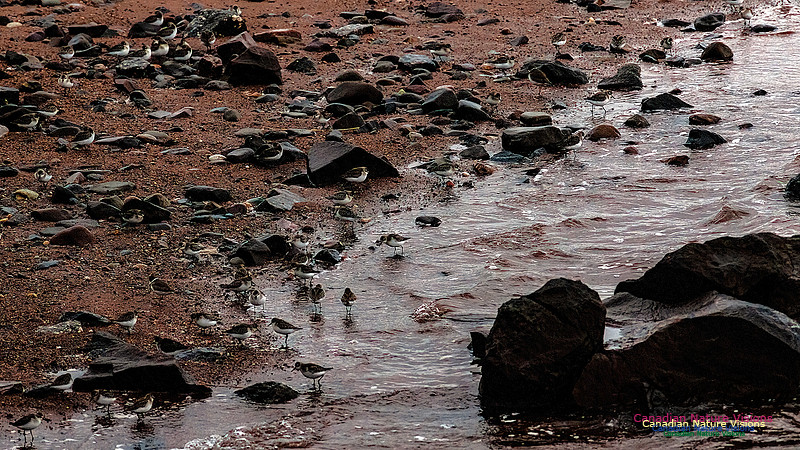
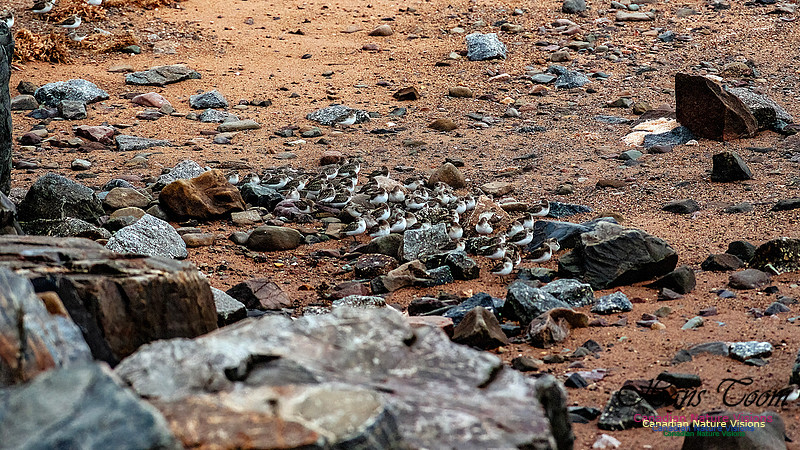
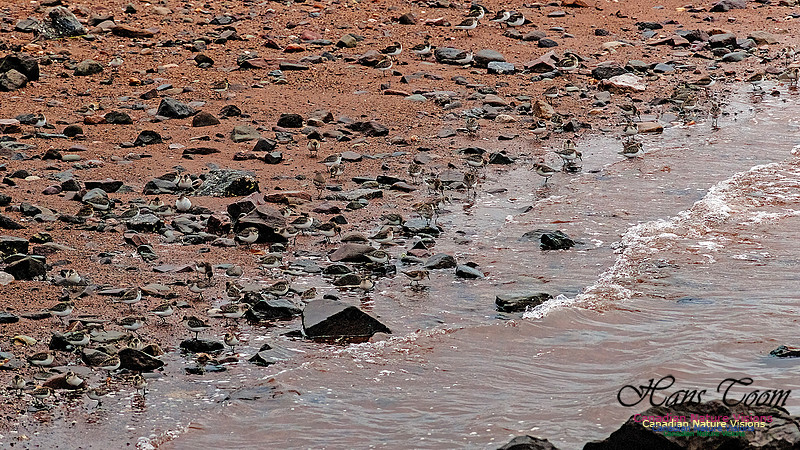
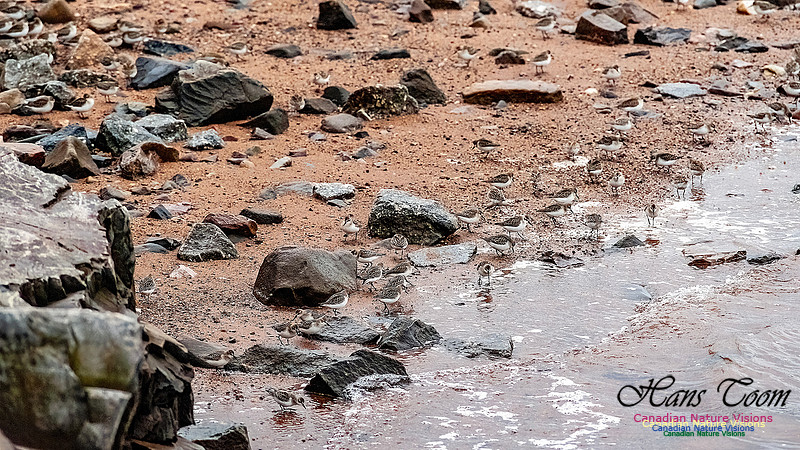
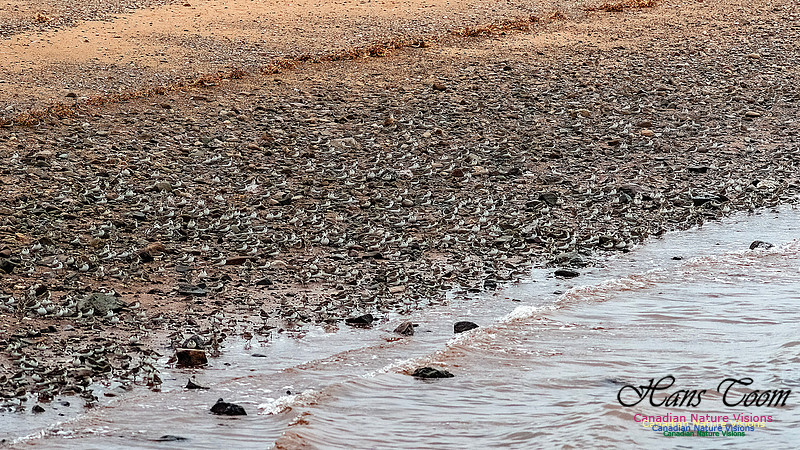
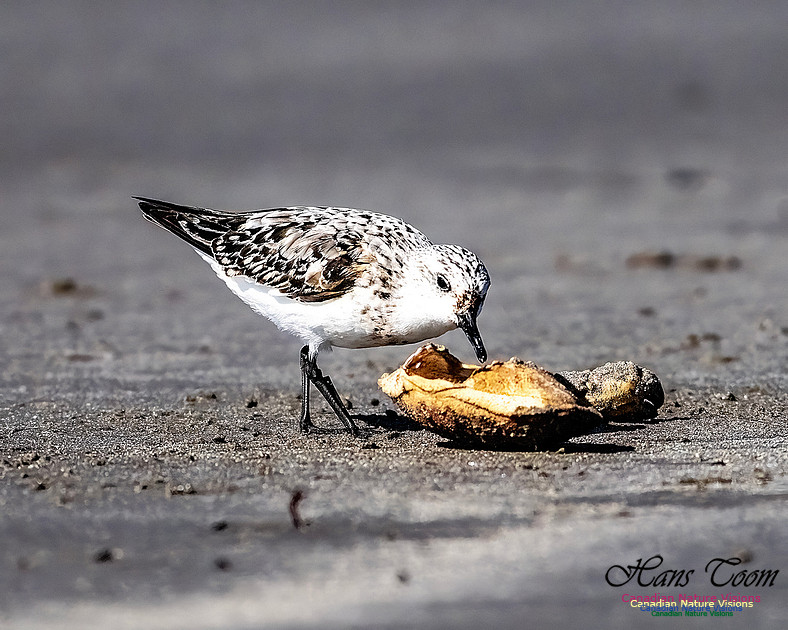
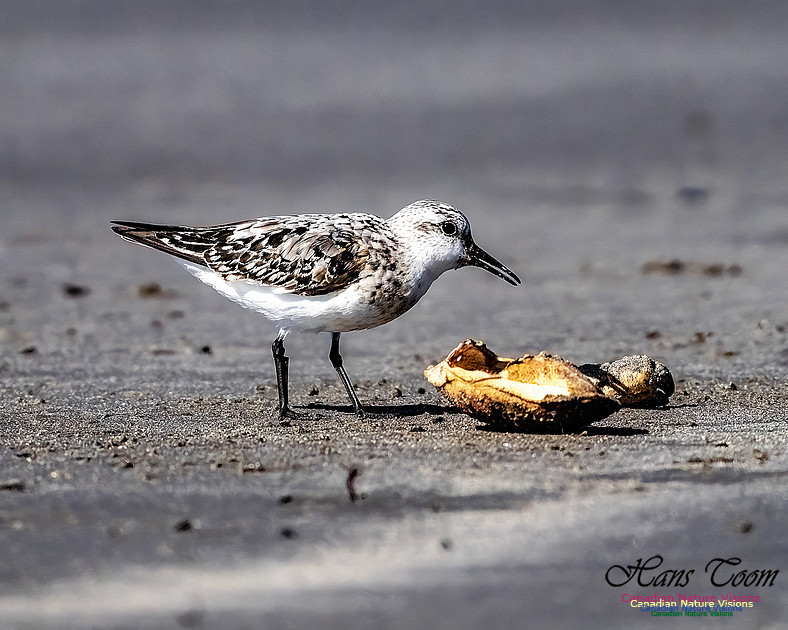
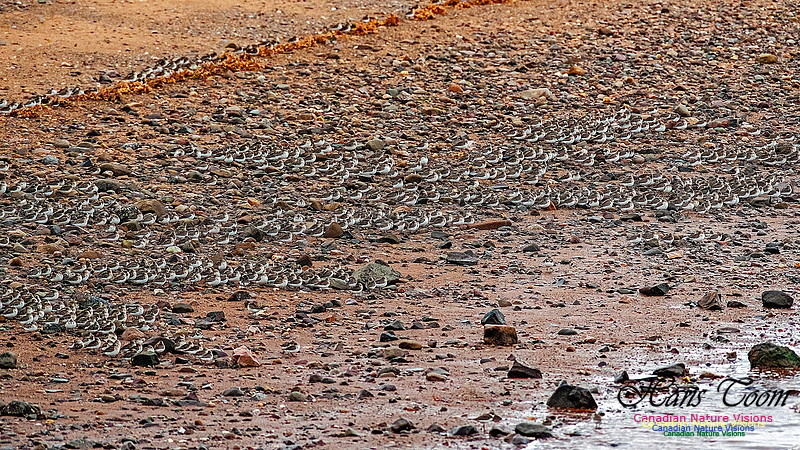
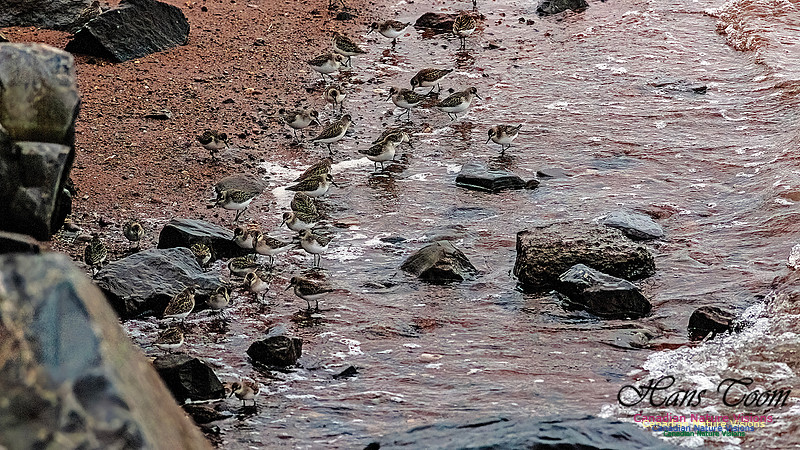
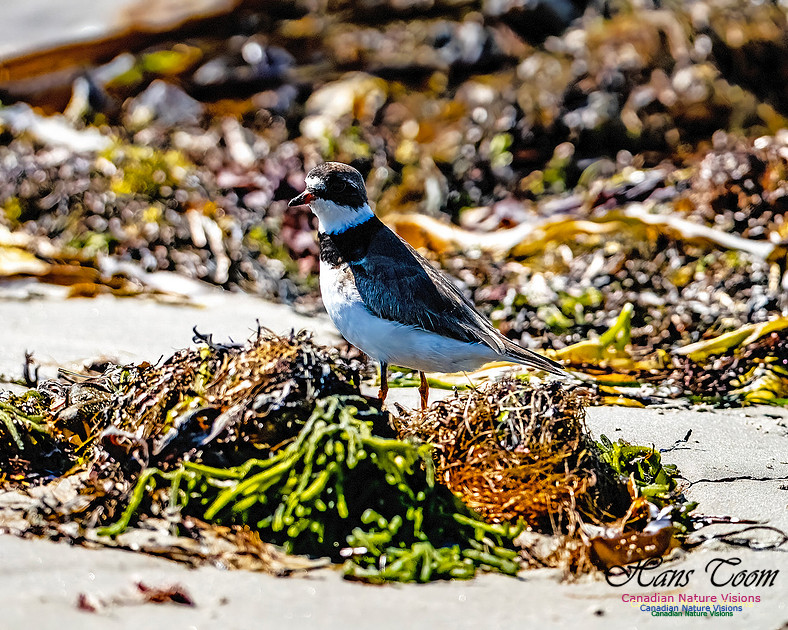
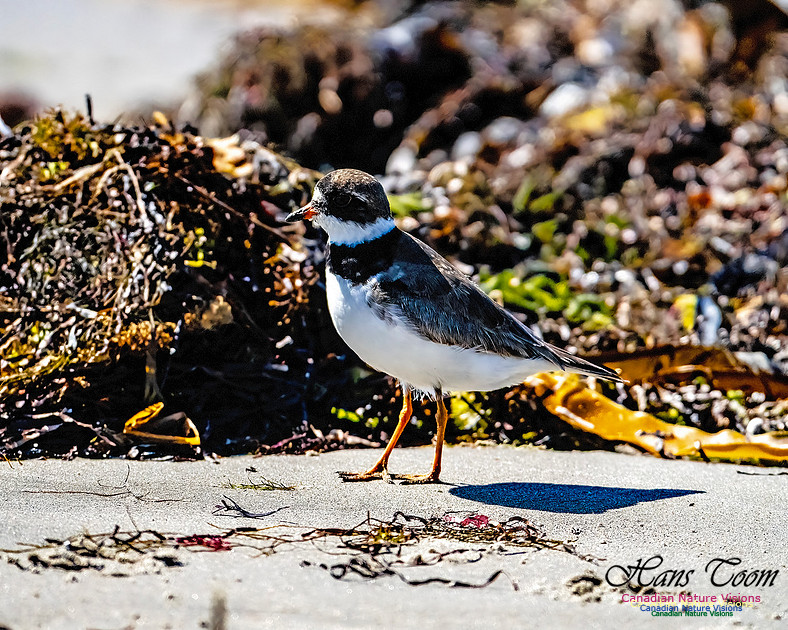
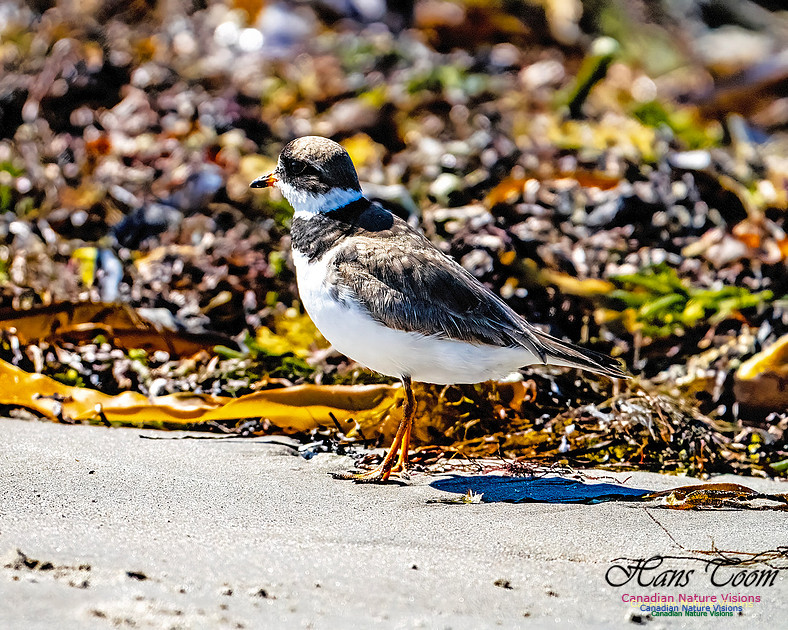
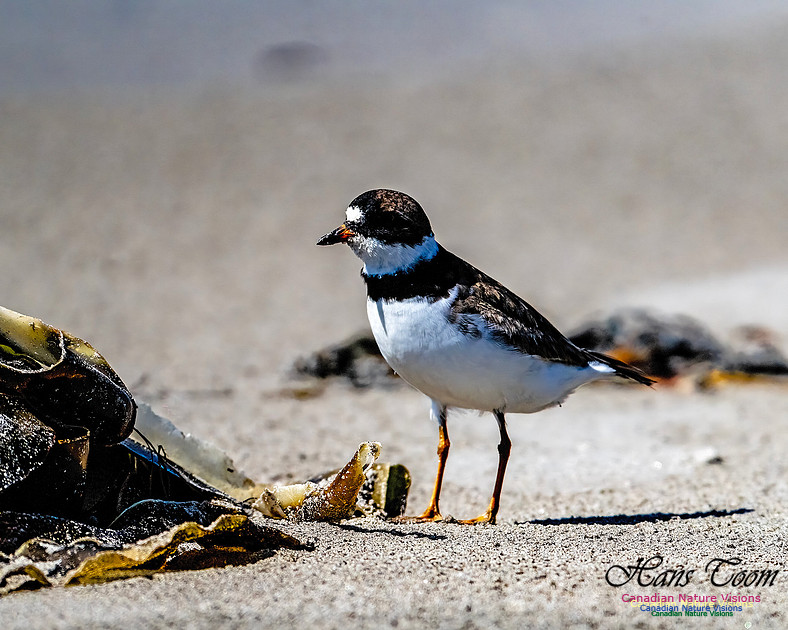
The Last of the ShorebirdsI photographed these shorebirds at Evangeline Beach a little over a week ago and two days later there was not a single bird to be seen. They will continue to be seen in smaller and smaller numbers over the next month but the "heyday" is over for this year. The Last of the Shorebirds
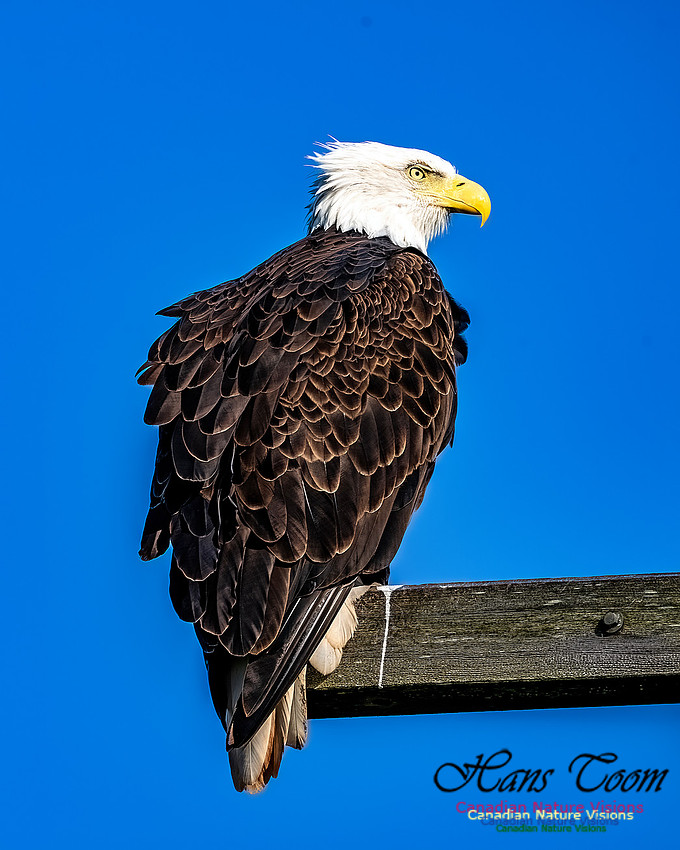
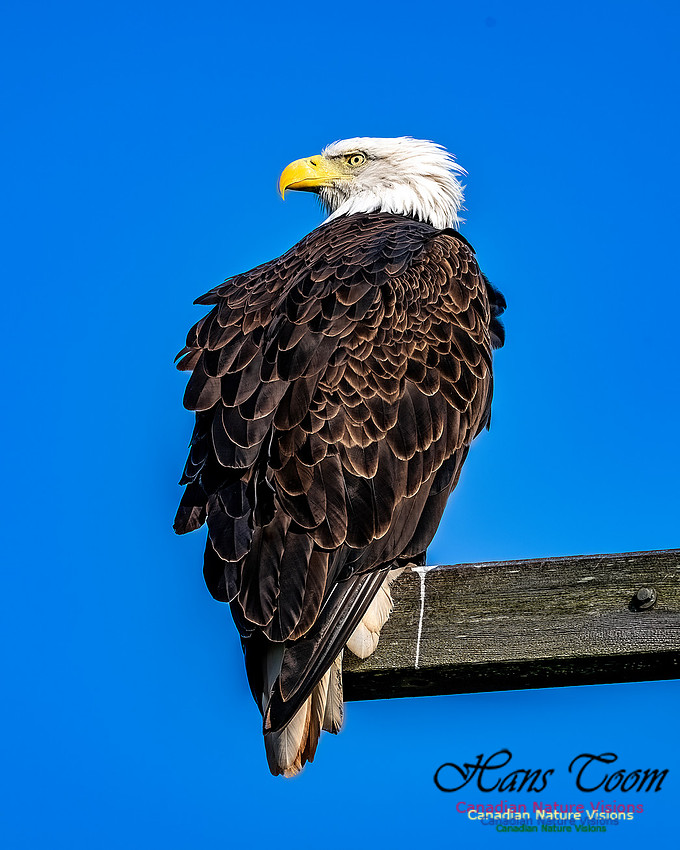
Bald Eagle
Bald Eagle
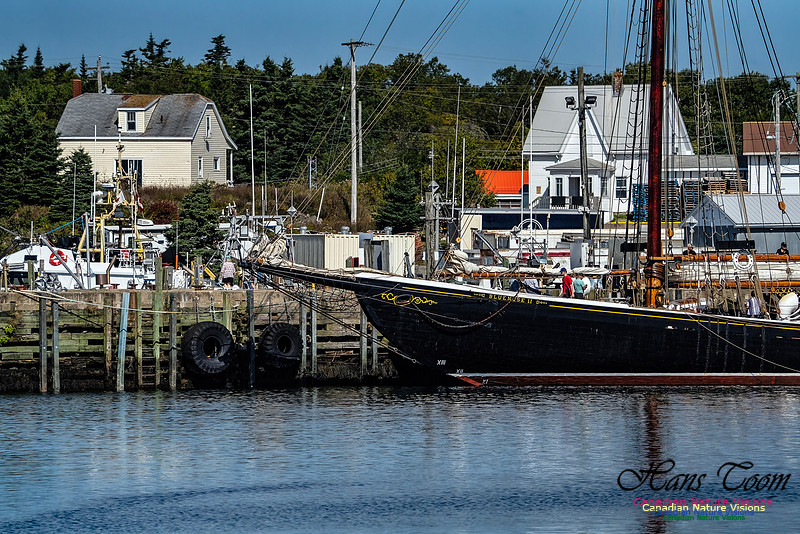
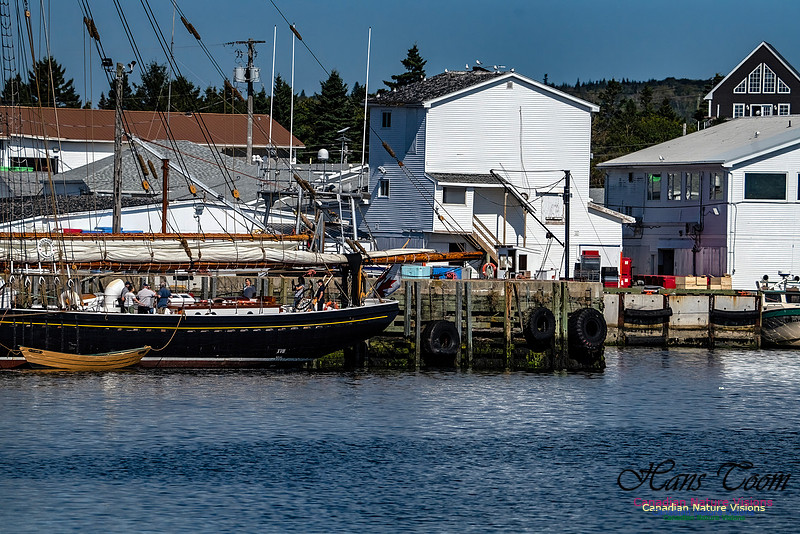
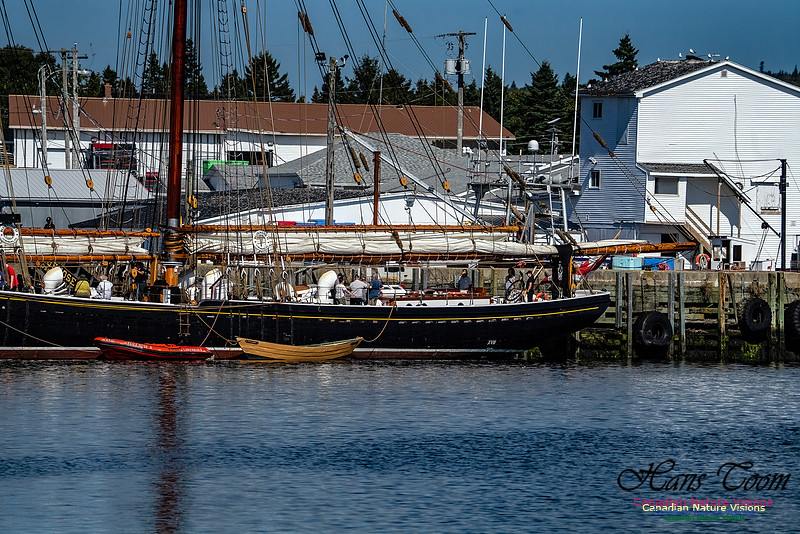
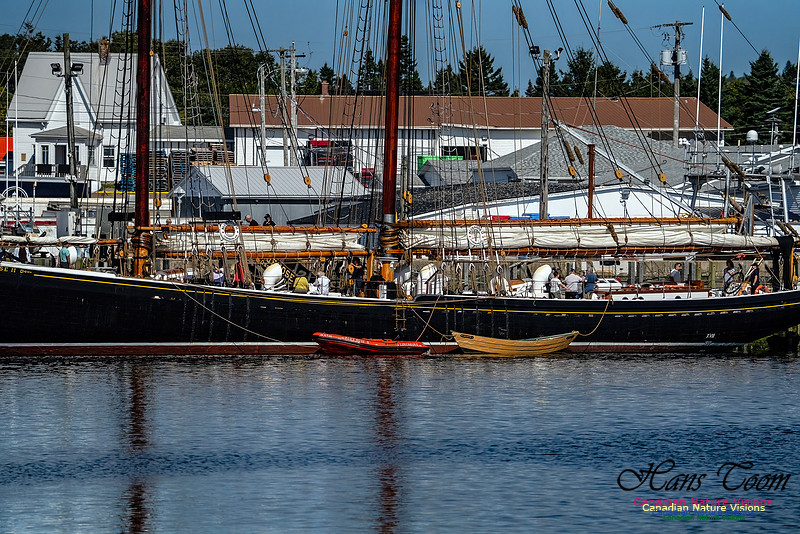
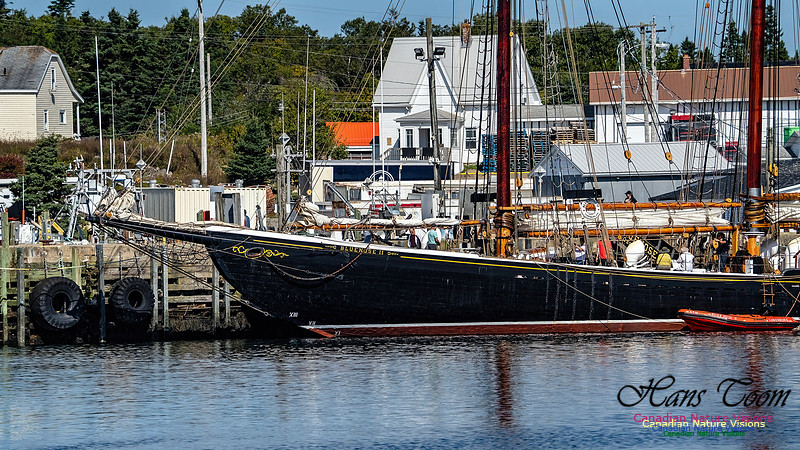
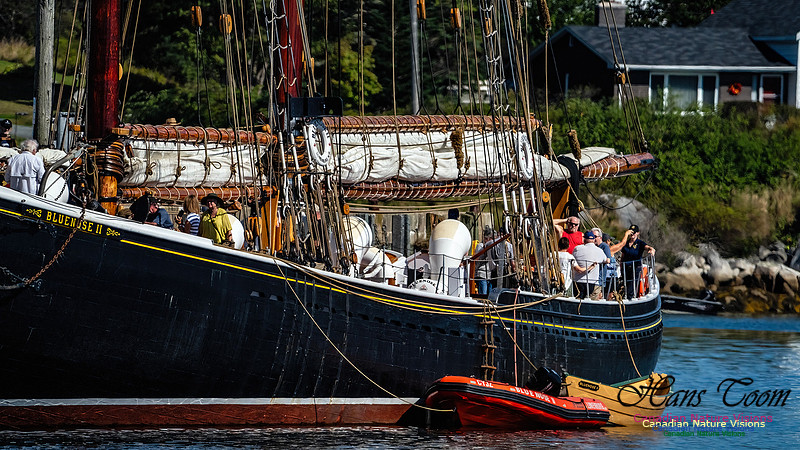
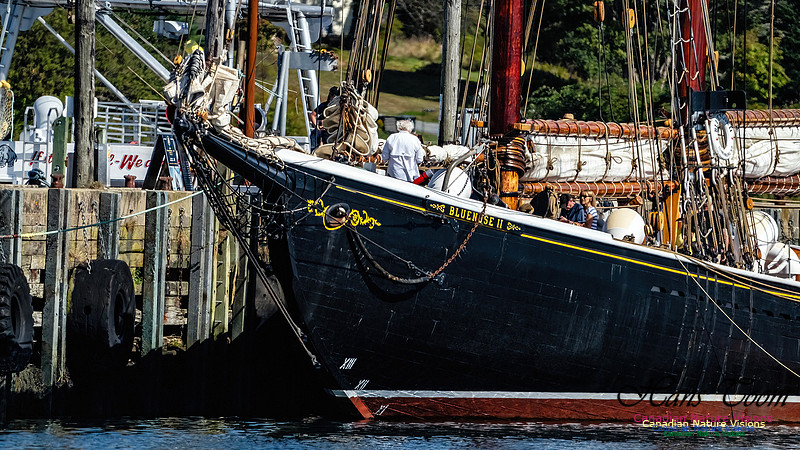
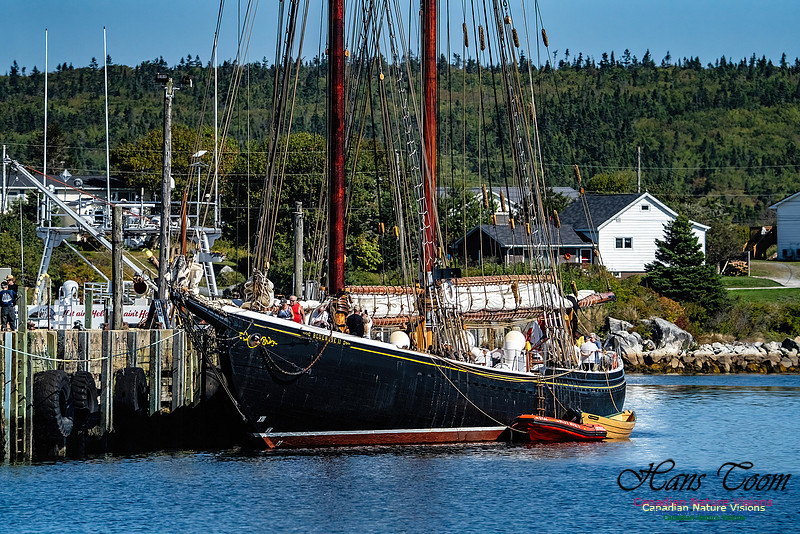
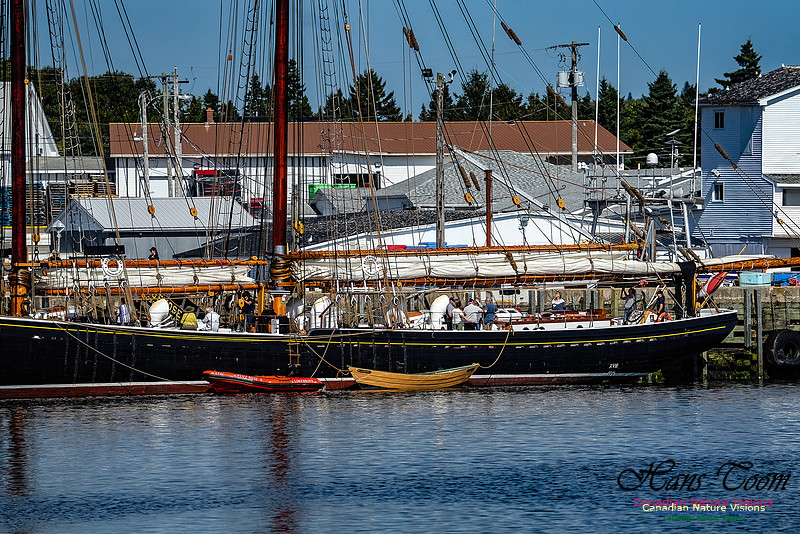
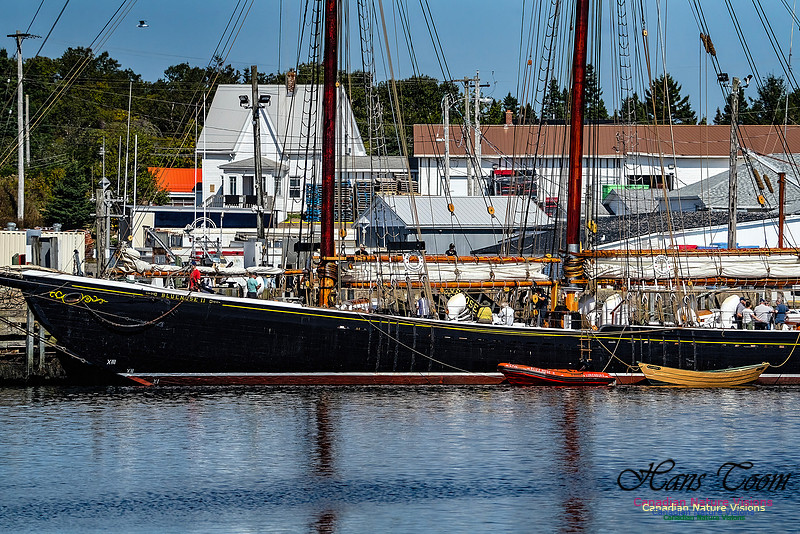
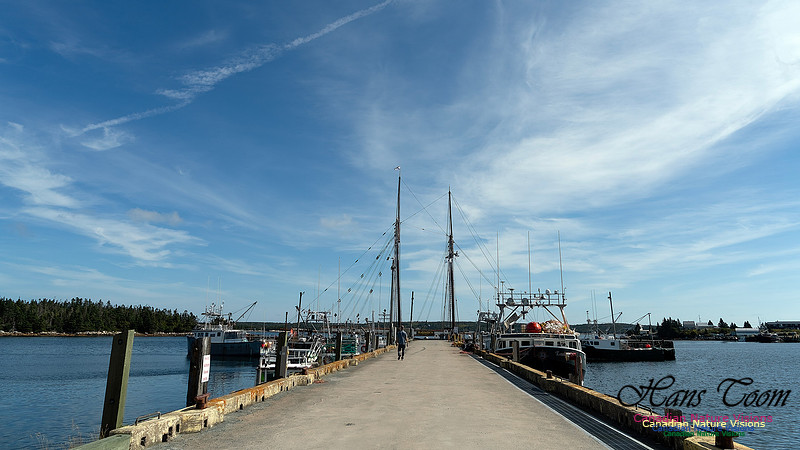
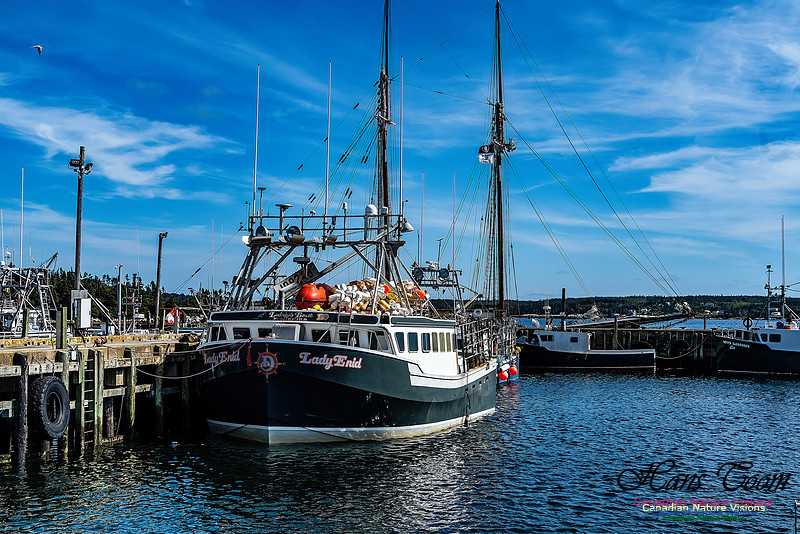
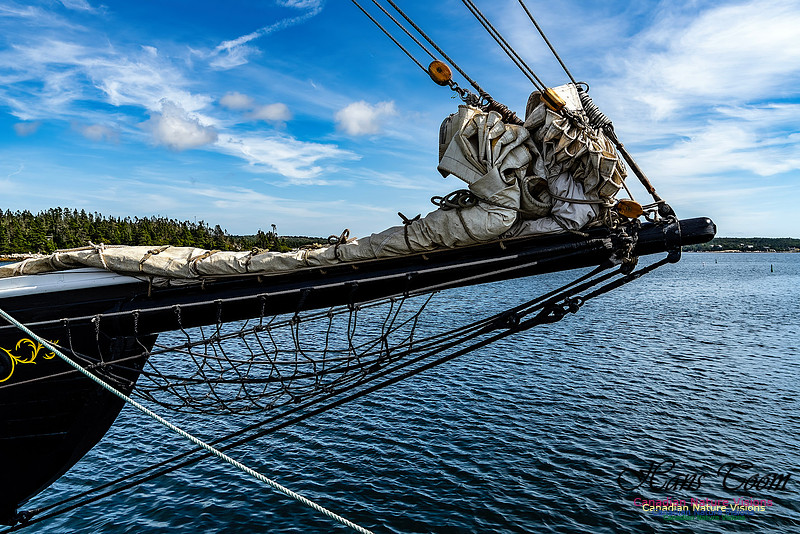
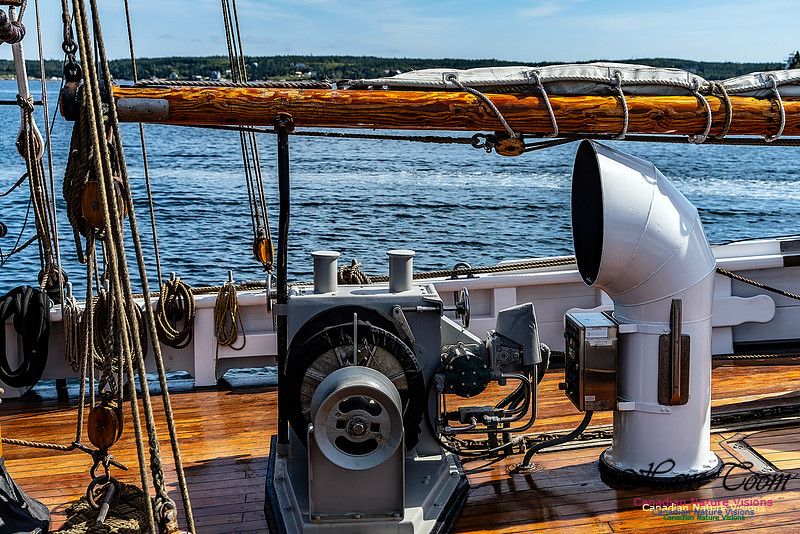
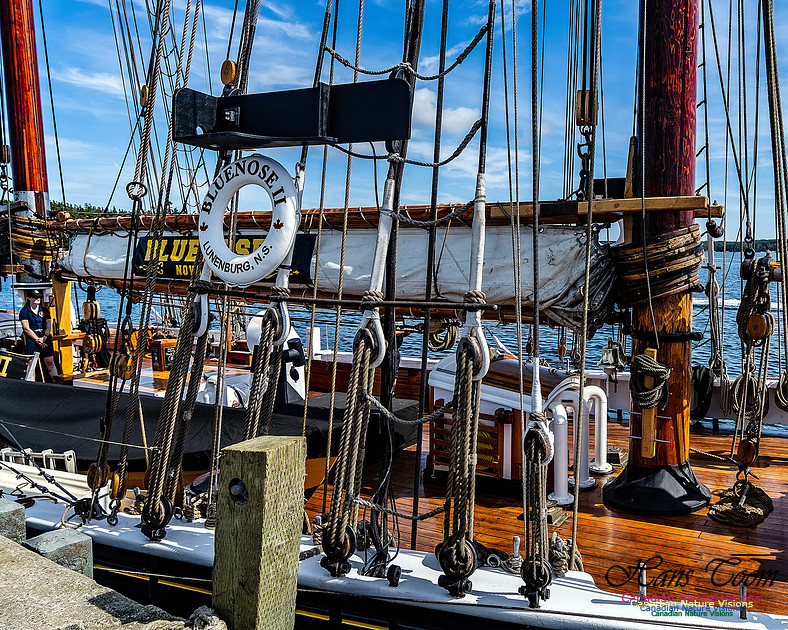
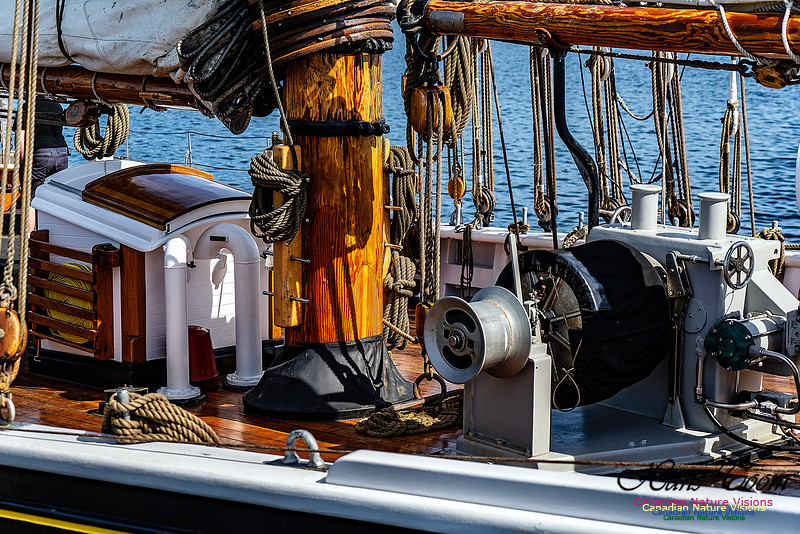
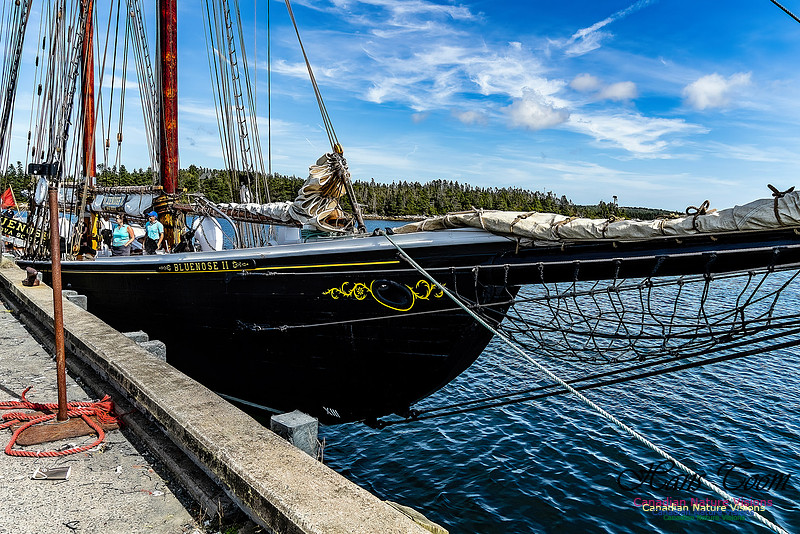
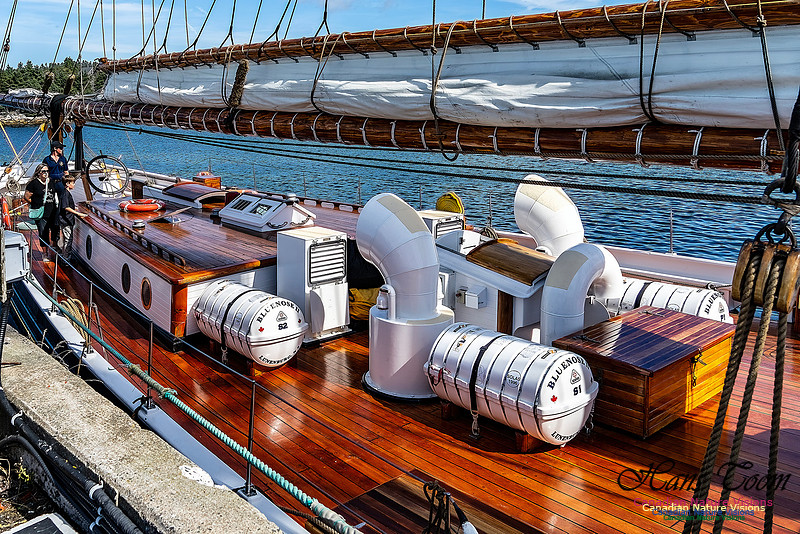
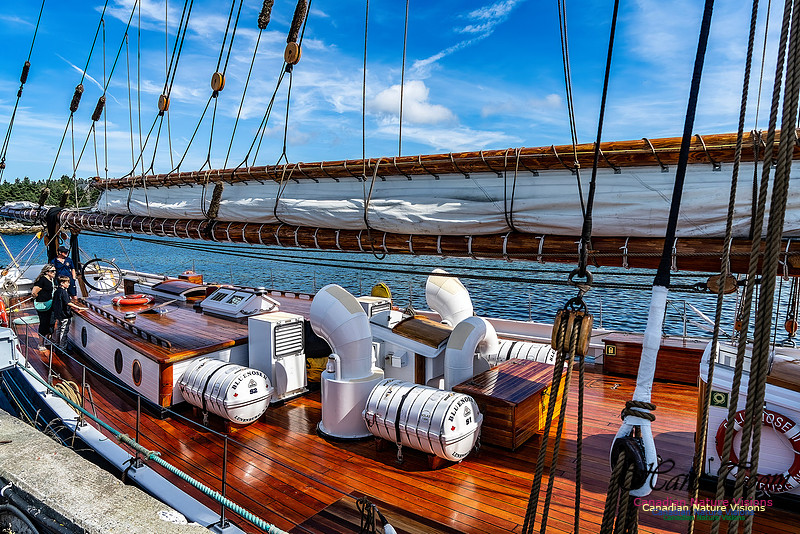
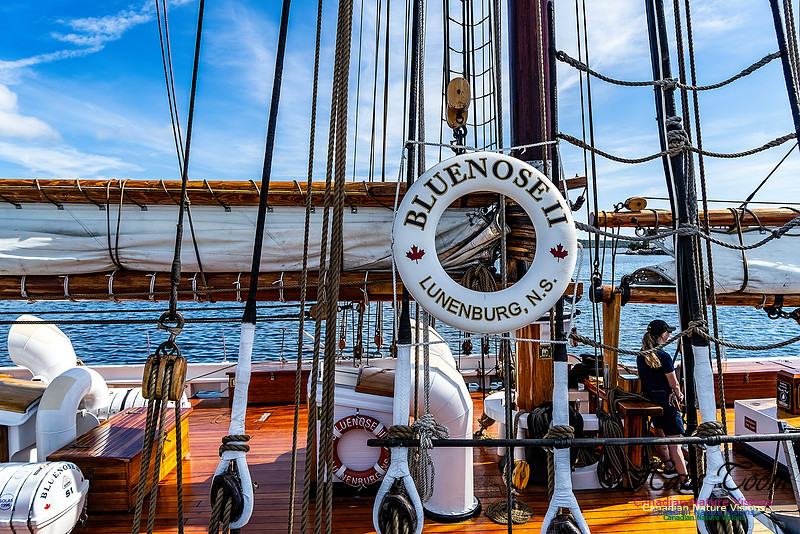
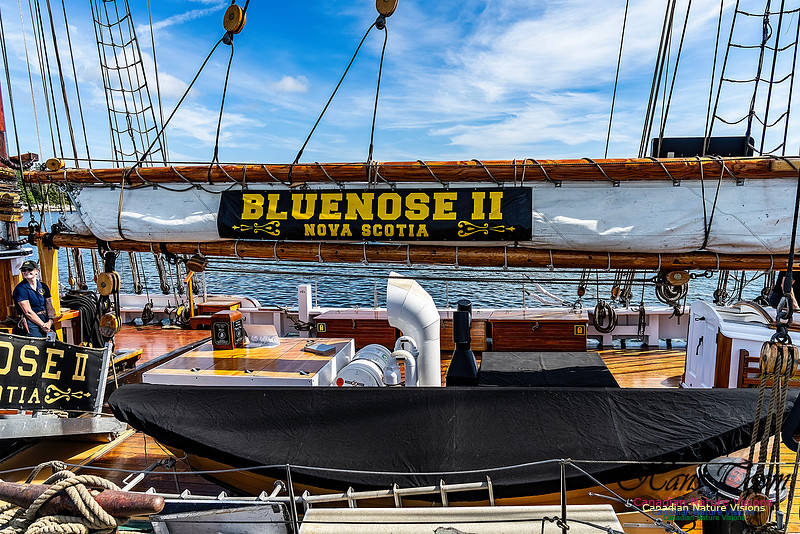
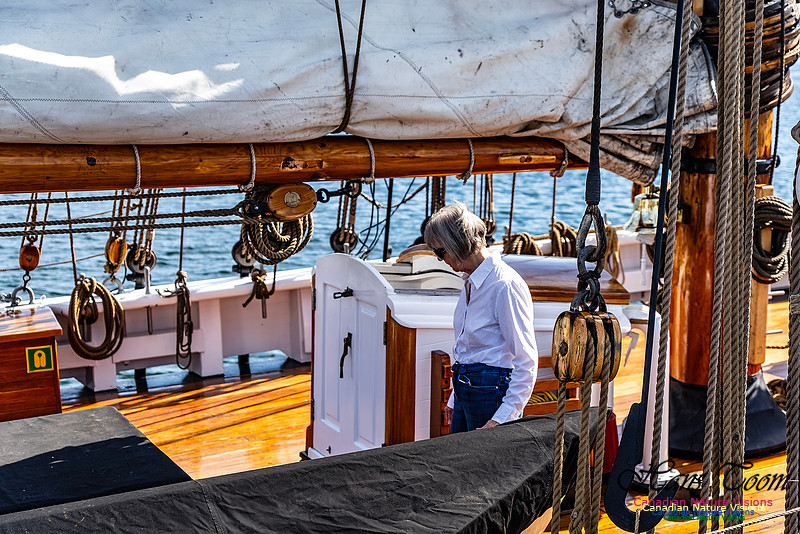
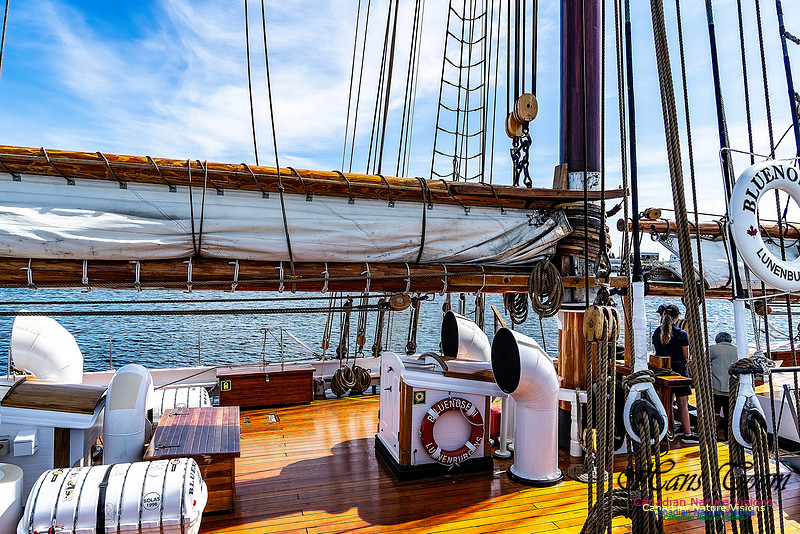
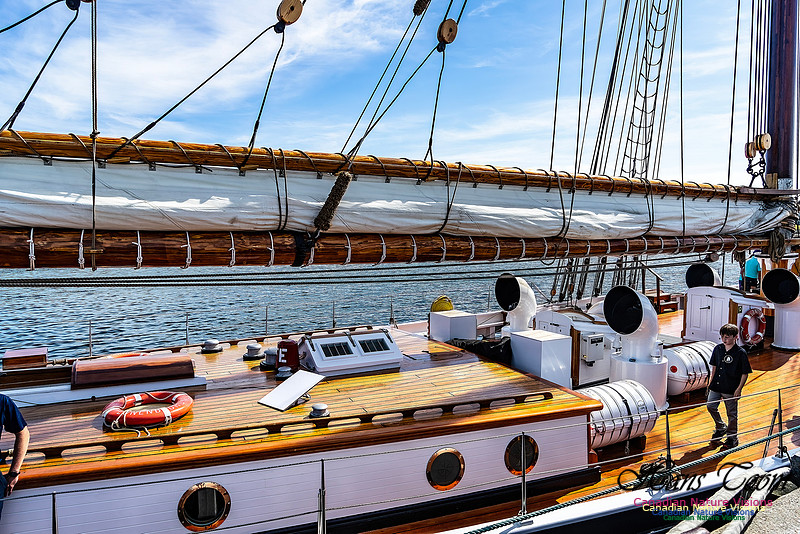
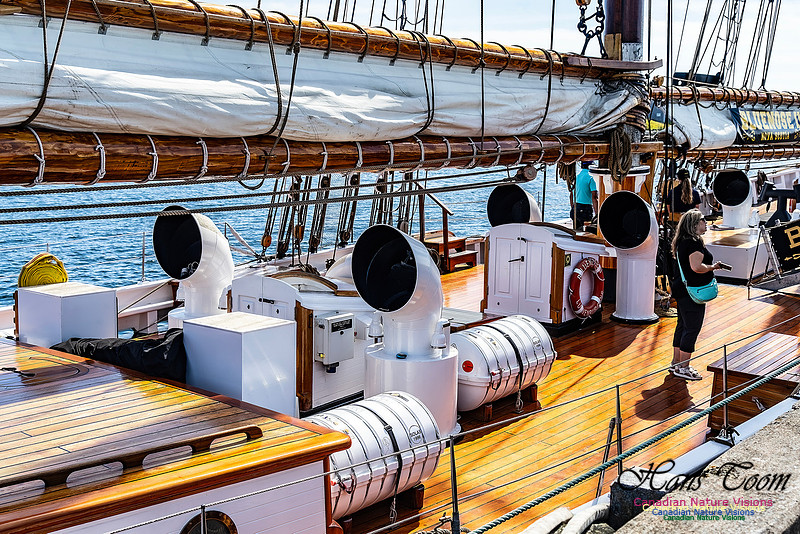
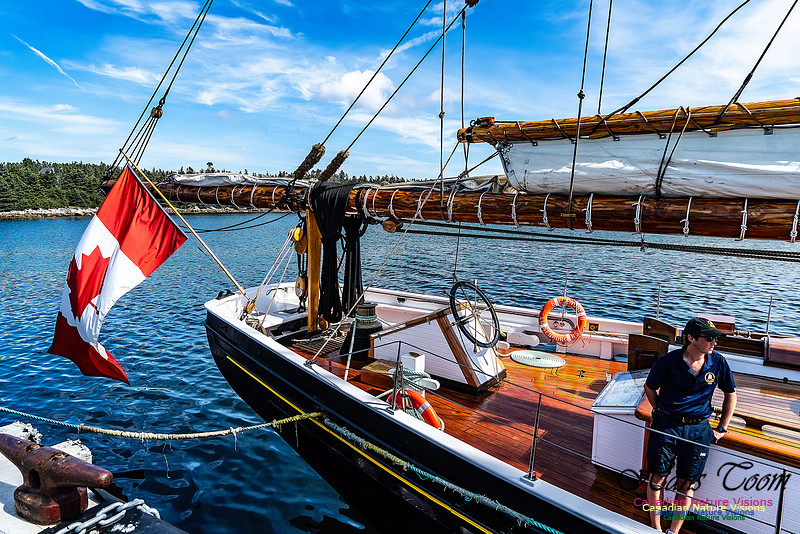
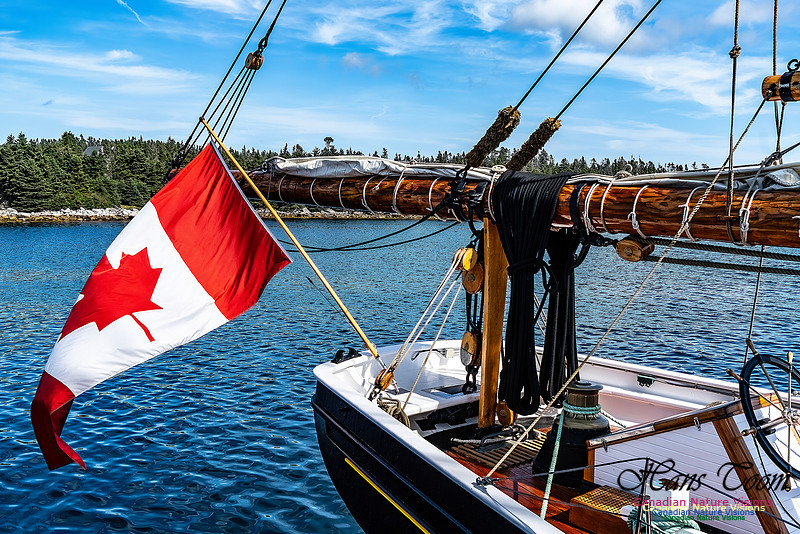
Bluenose II at Sambro Harbour WharfBluenose II at Sambro Harbour Wharf I was cruising the shoreline of the Sambro loop when I stopped in at Sambro Harbour's wharf. "And Behold", there at the end of the wharf was the Bluenose II. I didn't have any lens shorter in focal length than a 400mm lens so I was forced to photograph the ship from the opposite side of the harbour. I alerted Laura to my sighting and she wanted to see it so I had time enough to go home and get a 24-70mm lens which is perfect for the deck photographs you are about to see. Details of this iconic ship are posted after the photographs. I have lots of photos of the Bluenose II under sail. Use the search function on the cover page of my website or the upper right hand corner of the blog.
Bluenose II is a replica of the fishing and racing schooner Bluenose, commissioned by Sidney Culverwell Oland and built in 1963 as a promotional yacht for Oland Brewery. Sidney Oland donated the schooner to Nova Scotia in 1971 and it has since operated as a sailing ambassador and promotional device for Nova Scotia tourism. In honour of her predecessor's record, Bluenose II does not officially race. 
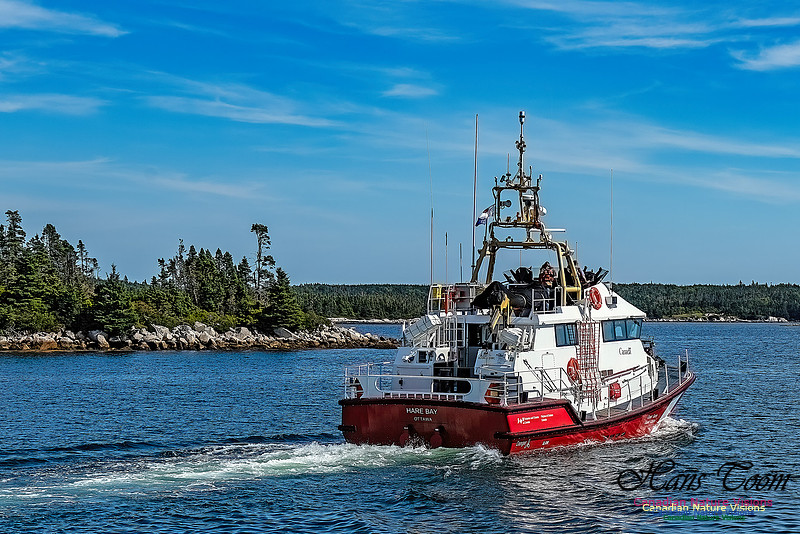
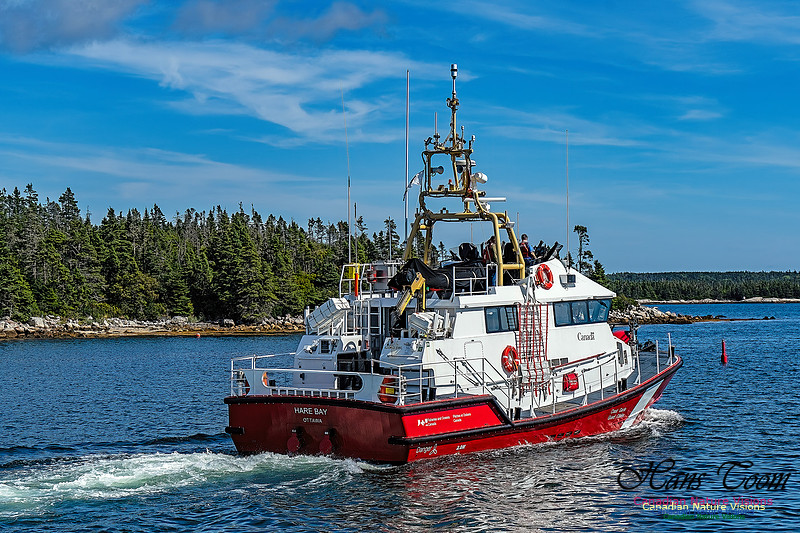
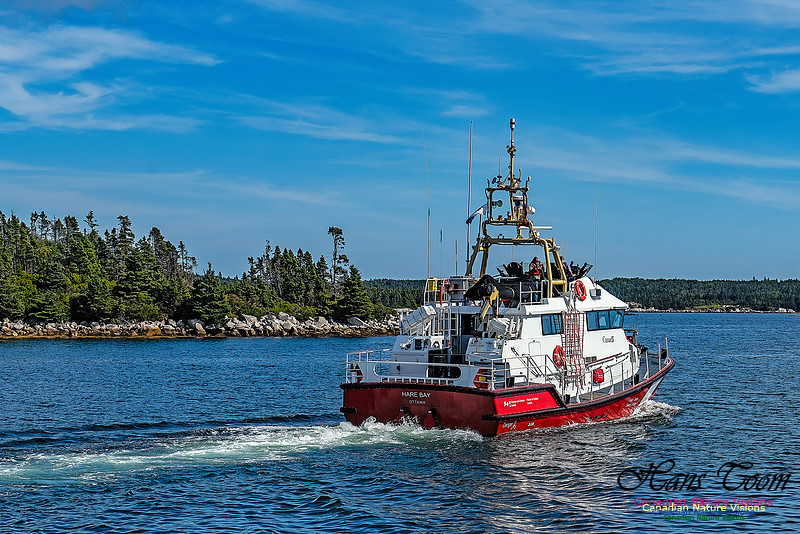
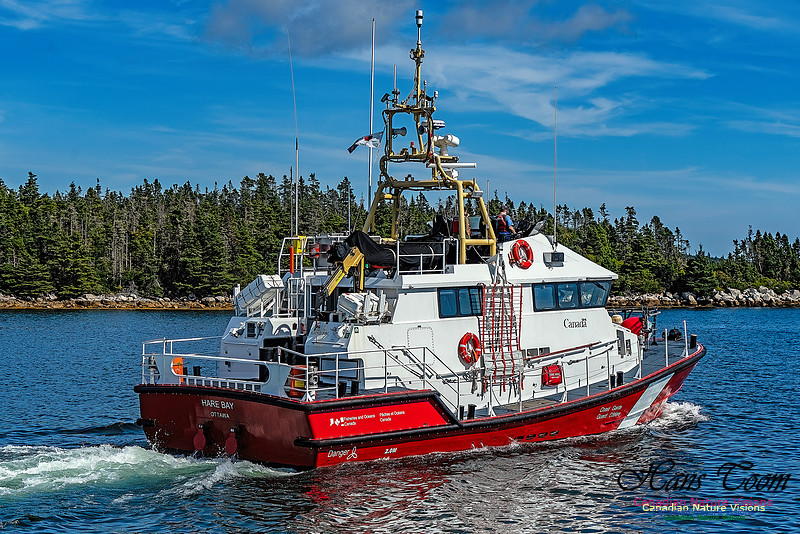
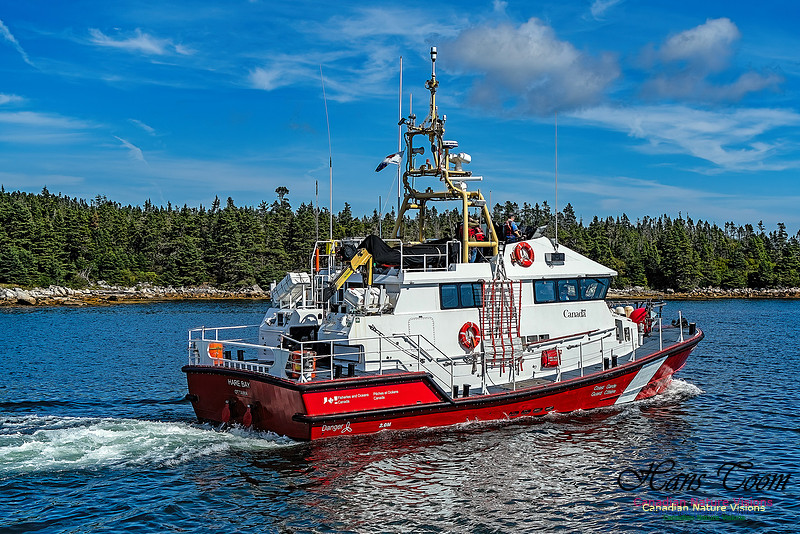
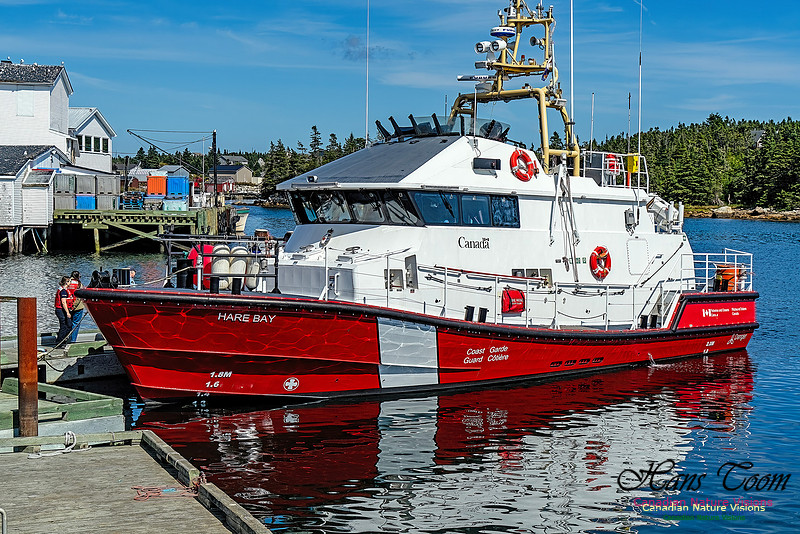
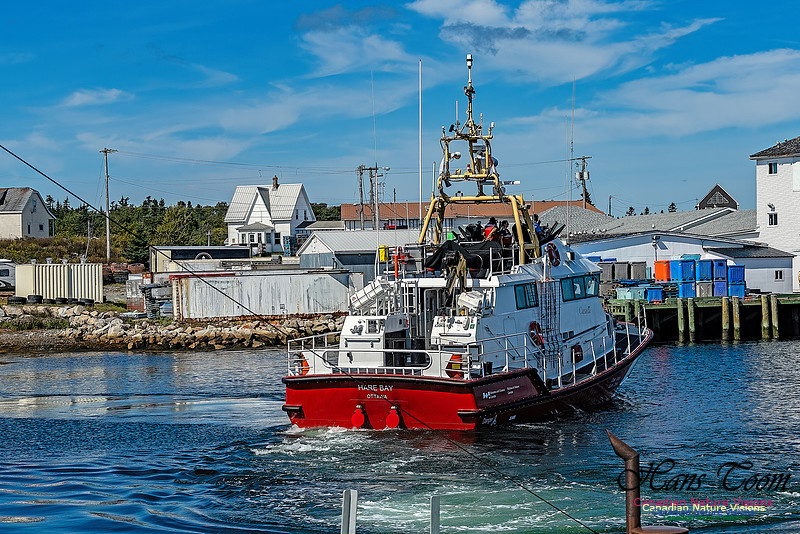
ConstructionBluenose II was launched at Lunenburg on 24 July 1963, built to original plans and by some of the same workers at Smith and Rhuland.[2] The original captain of Bluenose, Angus J. Walters, was consulted on the replica's design.[2] The replica was commissioned by Sidney Culverwell Oland for roughly $300,000 (2.5 million in 2020 Canadian dollars) as a marketing tool for their Schooner Lager beer brand.[2] The ship has one of the largest mainsails in the world, measuring 386 square metres (4,150 sq ft). She has a total sail area of 1,036 square metres (11,150 sq ft). In 2004, the Bluenose Preservation Trust, with Lex McKay and Senator Wilfred Moore, donated a piece of wood from the deck of the ship to the Six String Nation project. Parts of that material now serve multiple functions in Voyageur, the guitar at the heart of the project,[3] including two elements of the neck laminate, the top and end blocks on the guitar's interior and decorative elements on the rosette surrounding the sound hole of the instrument. CCGS Hare BayI was at Sambro Harbour to photograph the Bluenose 2 which was moored there when the Hare Bay departed the Coast Guard Station probably on a patrol. Details on this class of life boat is at the end of the photographs. They can operate in 39 foot waves (wow). CCGS Hare Bay
The Bay Class Lifeboat is a Robert Allan Ltd. modification of the shorter Royal National Lifeboat Institution's Severn-class lifeboat to meet the needs of the Canadian Coast Guard for off-shore search and rescue operations in severe conditions. They are referred to as the Bay class as each one is named after a Canadian bay.[1] ProgrammeIn 2015, the Canadian Coast Guard announced a request for proposals (RFP) to build up to ten new search and rescue lifeboats as part of Canada's National Shipbuilding Procurement Strategy. The total has now been increased to 20, with Hike Metal Products of Wheatley, Ontario and Chantier Naval Forillon of Gaspé, Quebec equally building 10 each.[2] The vessels are intended to replace the Coast Guard's ten Arun-class lifeboats, which averaged 18 years of service at the time of the RFP.[3] The new design is the work of Canadian nautical architectural firm Robert Allan Ltd. and is a modification of the Severn-class lifeboat, making the vessels more suited to the extreme weather conditions that can be found off Newfoundland and Nova Scotia.[4] Capable of 23.5 knots (43.5 km/h; 27.0 mph), the new vessels will be faster than the earlier 18.5kt Arun-class vessels.[5] They are capable of operating in 12-metre (39 ft) waves, and in wind conditions at 12 on the Beaufort scale.[6] The vessels' hulls will be aluminum, not FRC (fibre reinforced composite), as with the original Severn design.
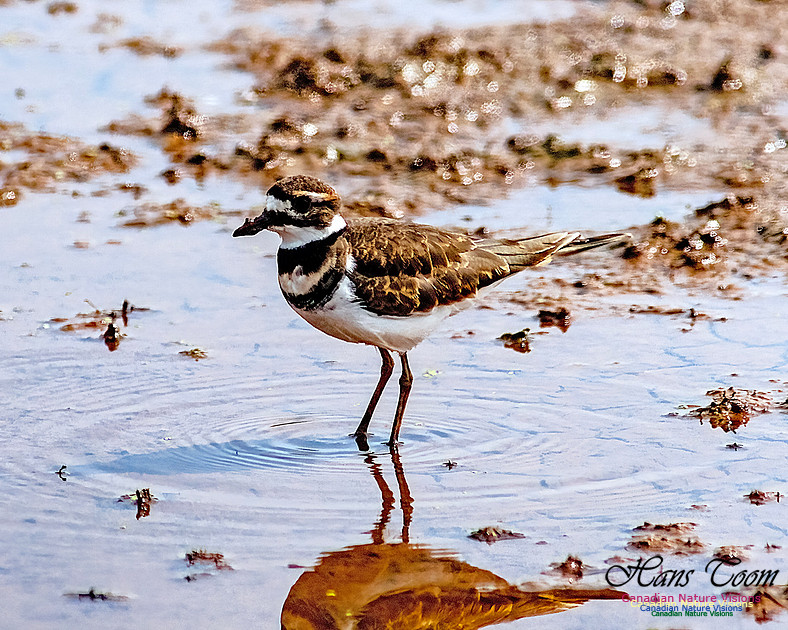
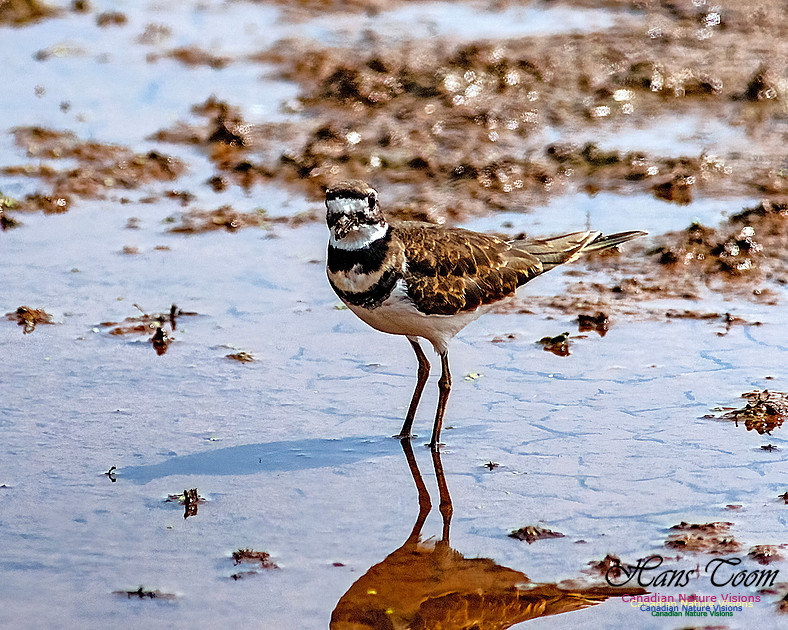
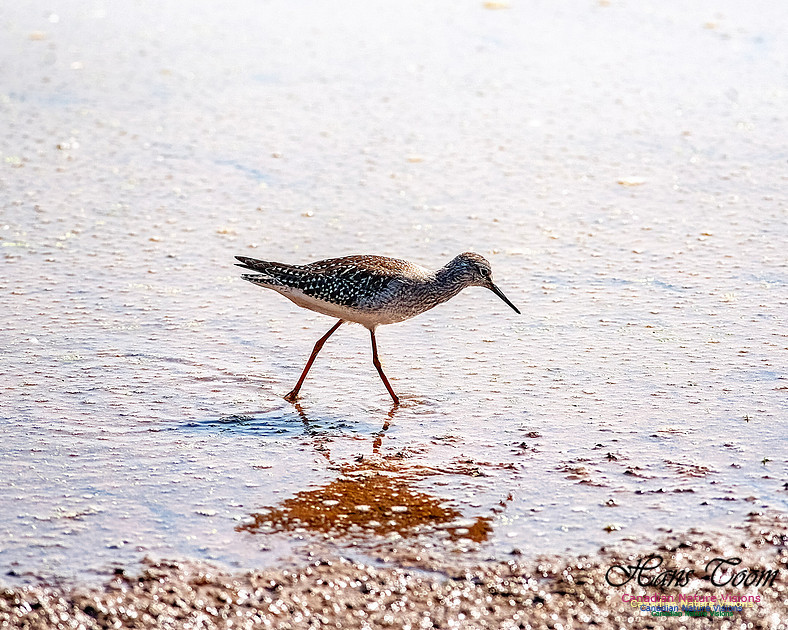
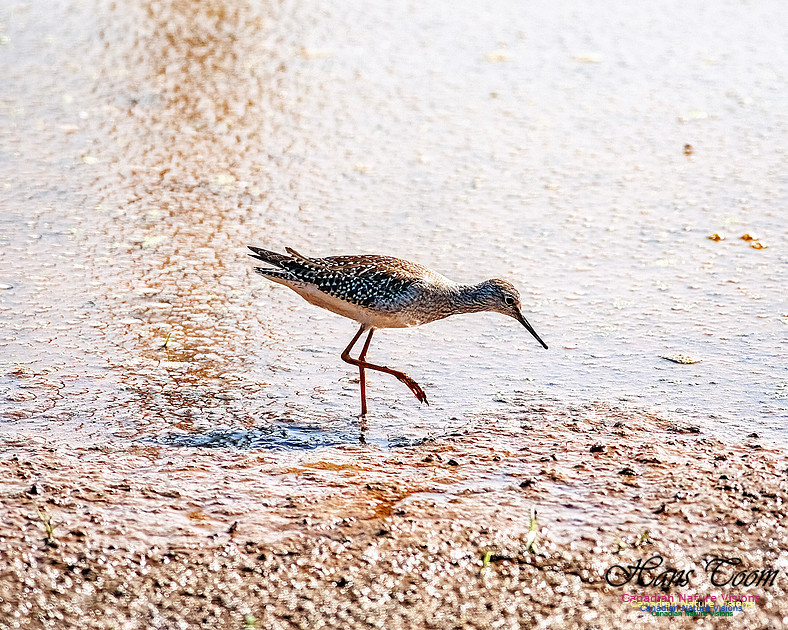
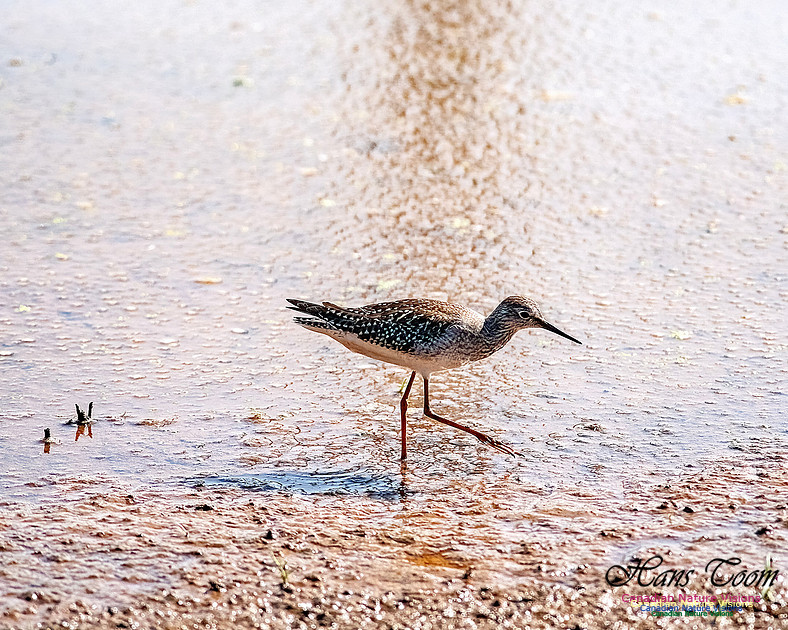
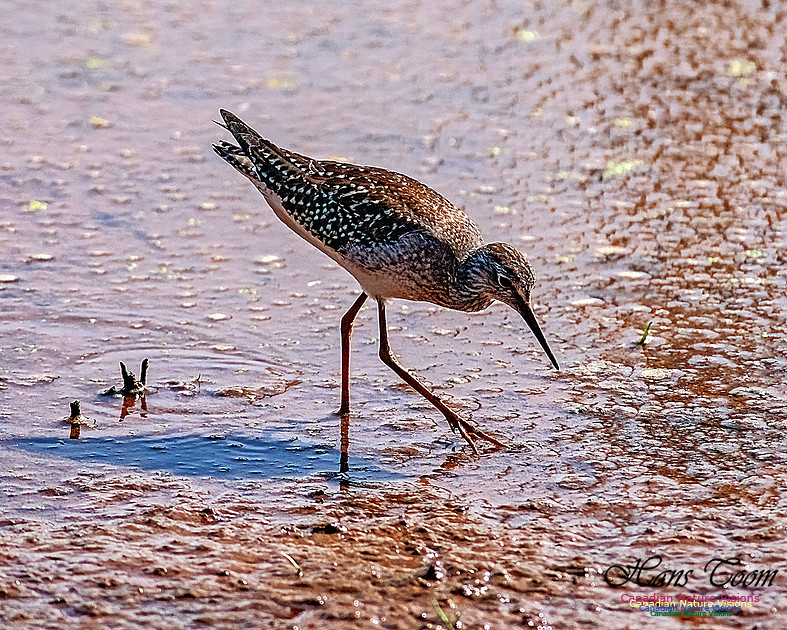
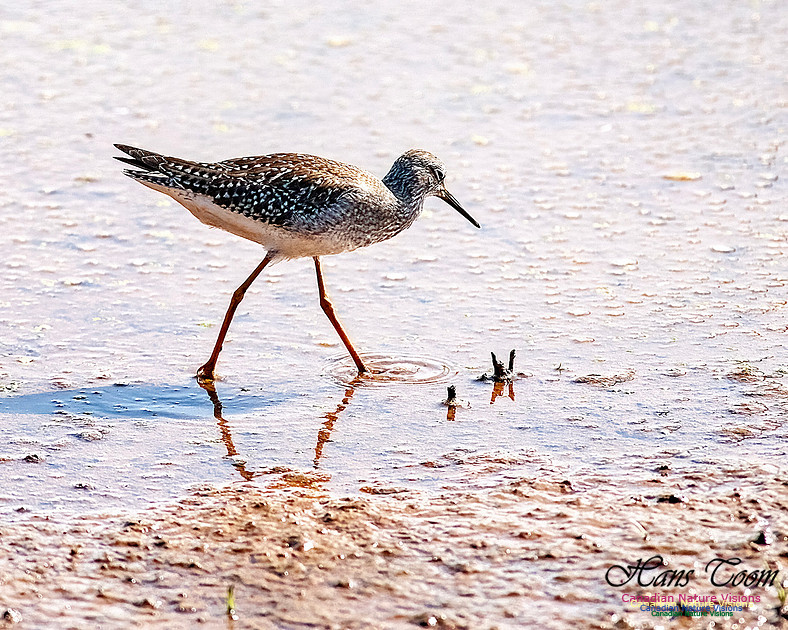
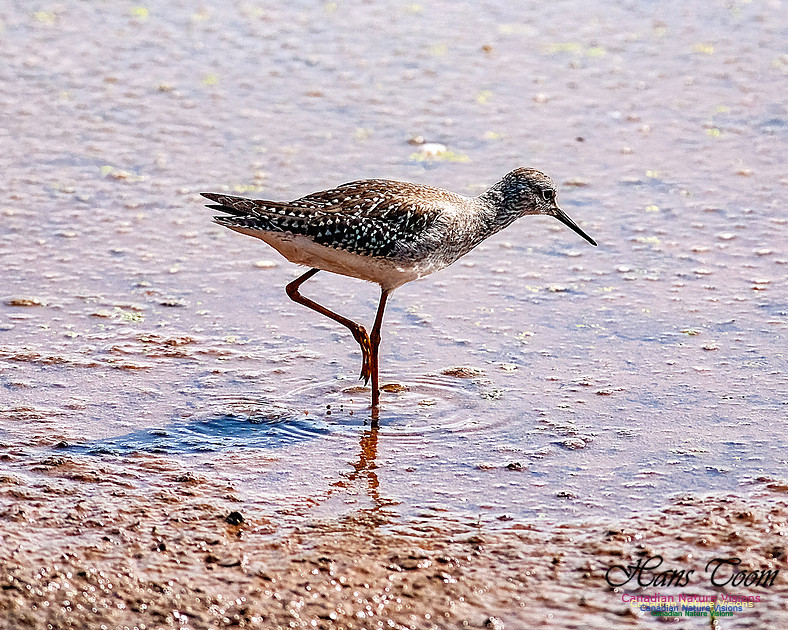
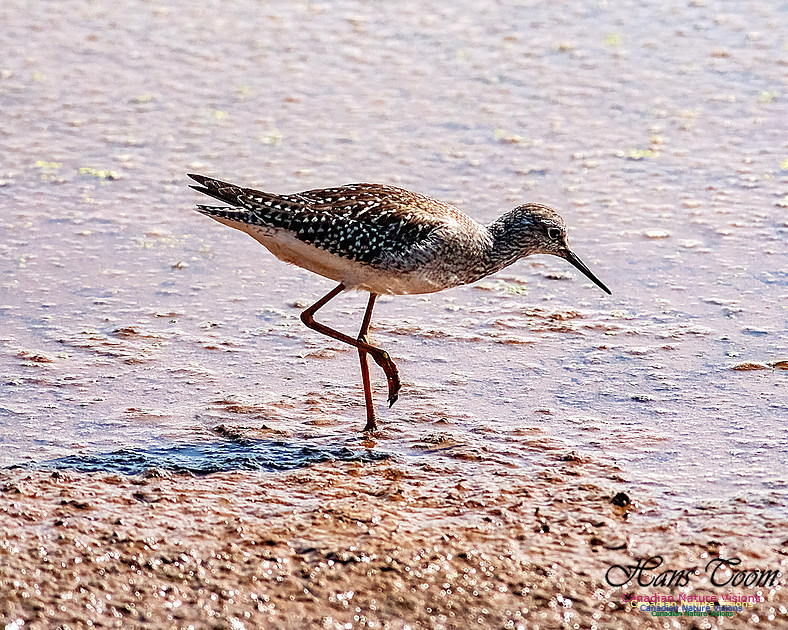
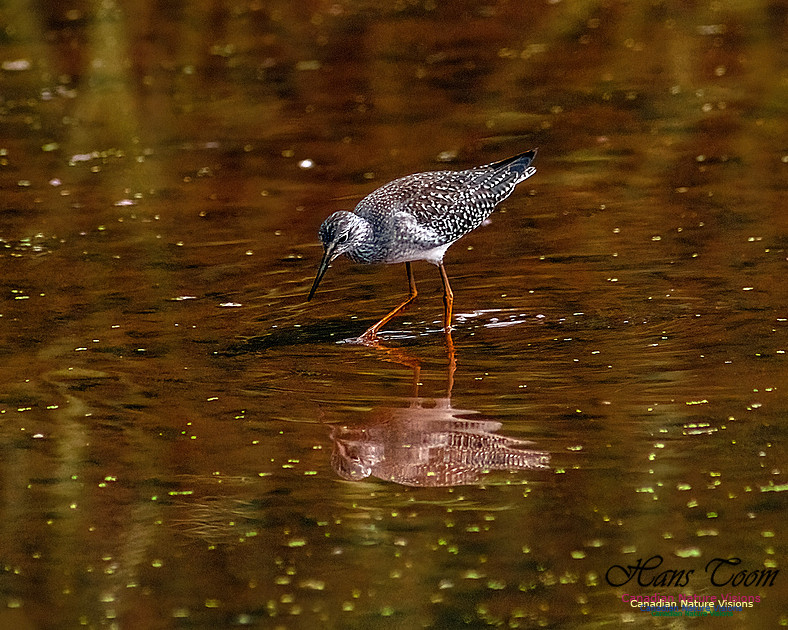
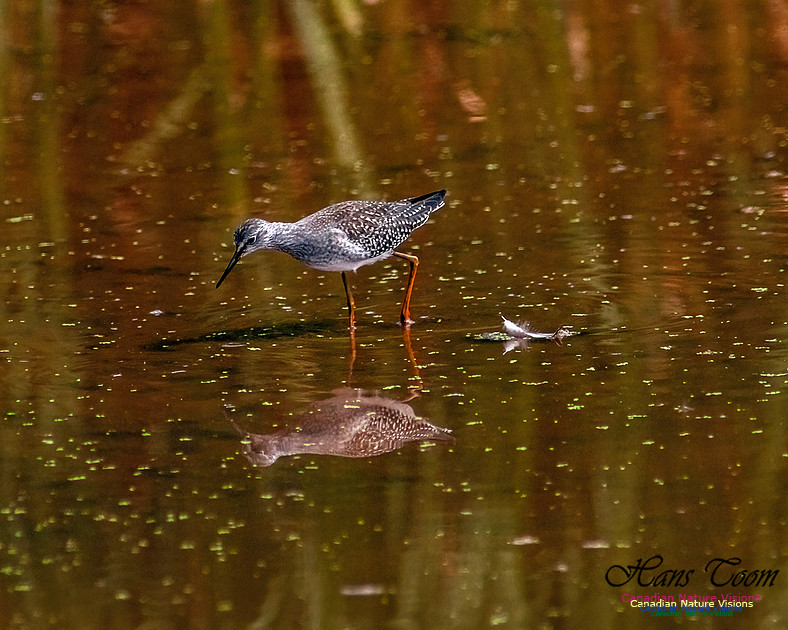
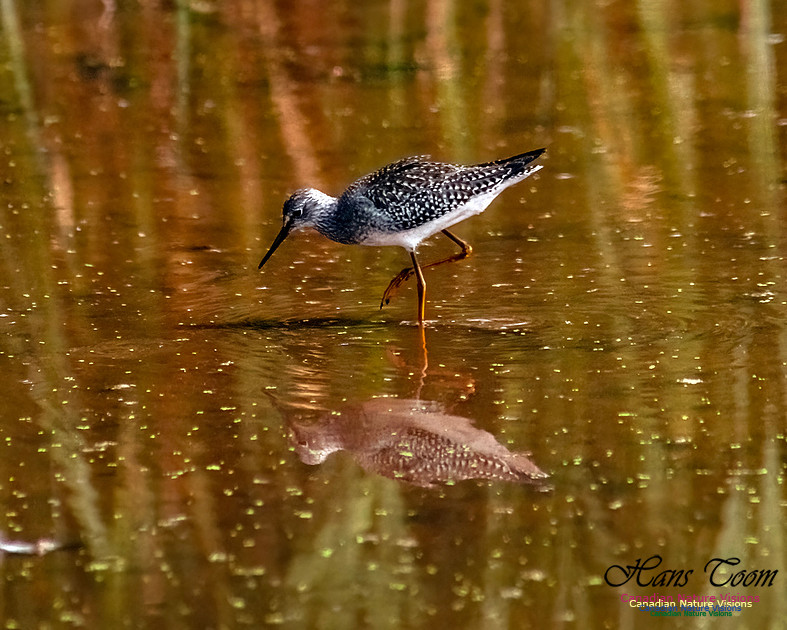
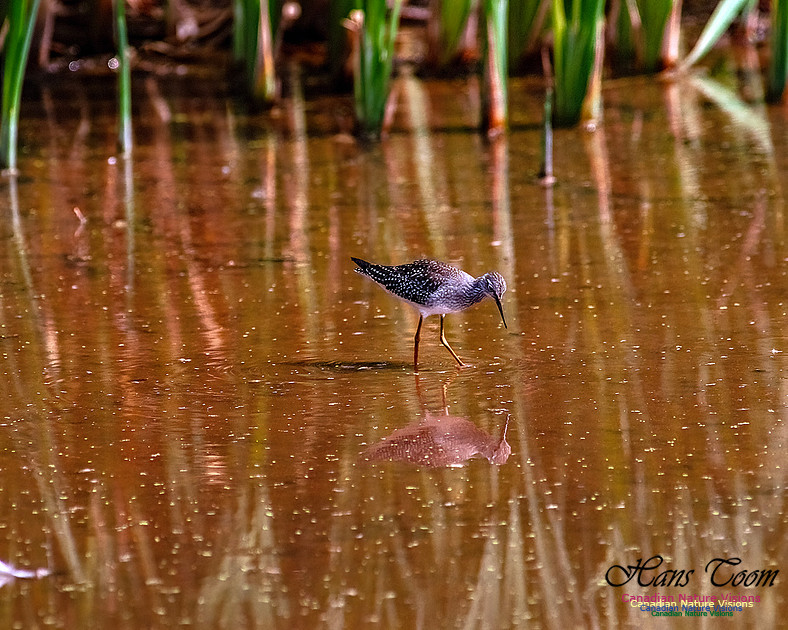
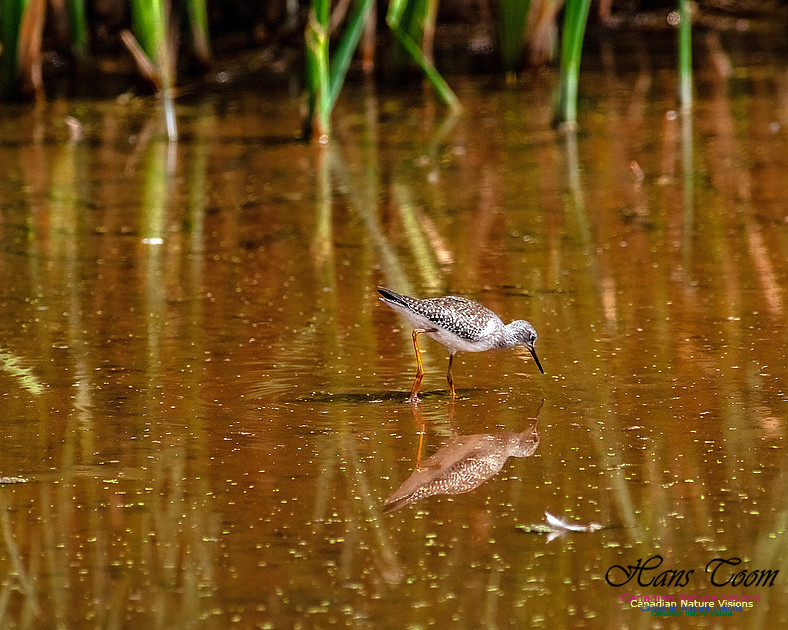
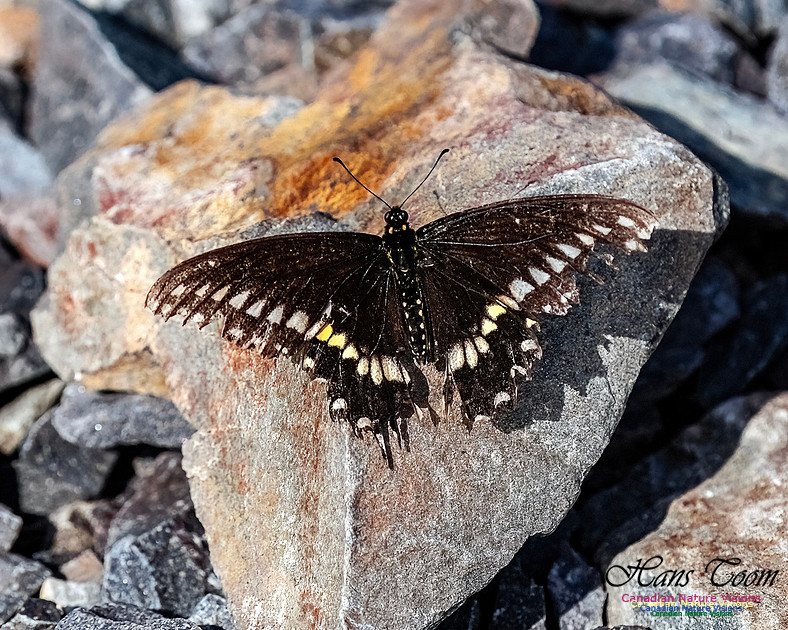
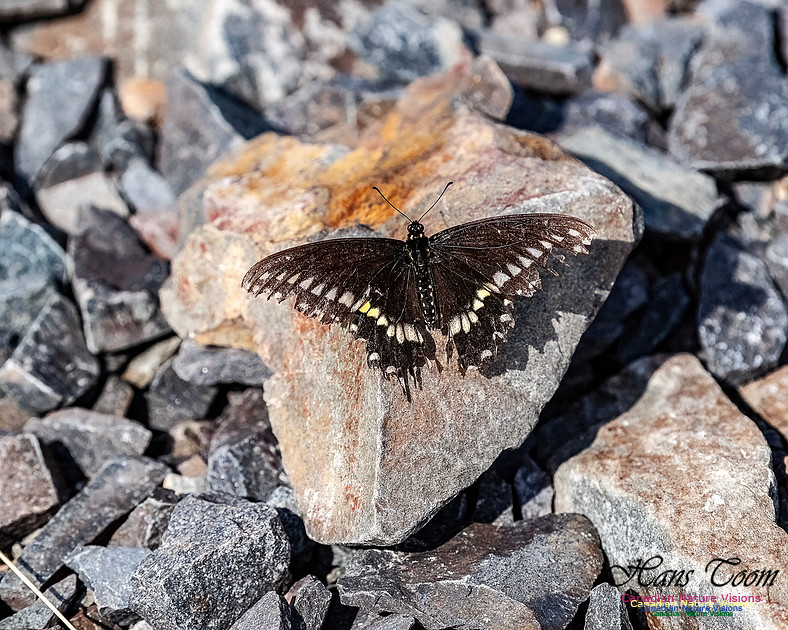
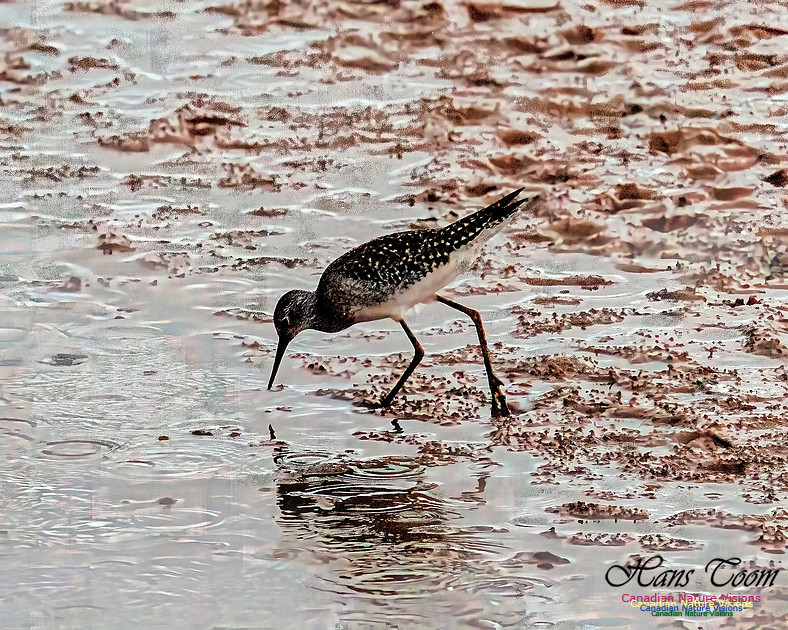
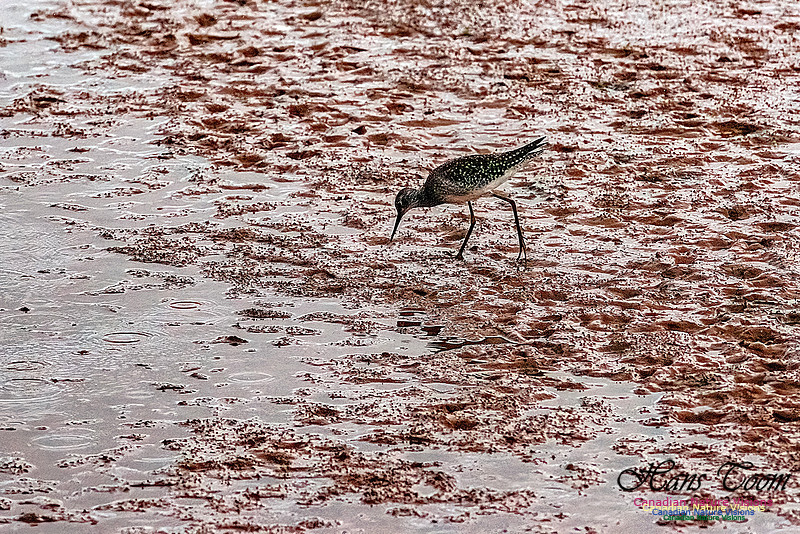
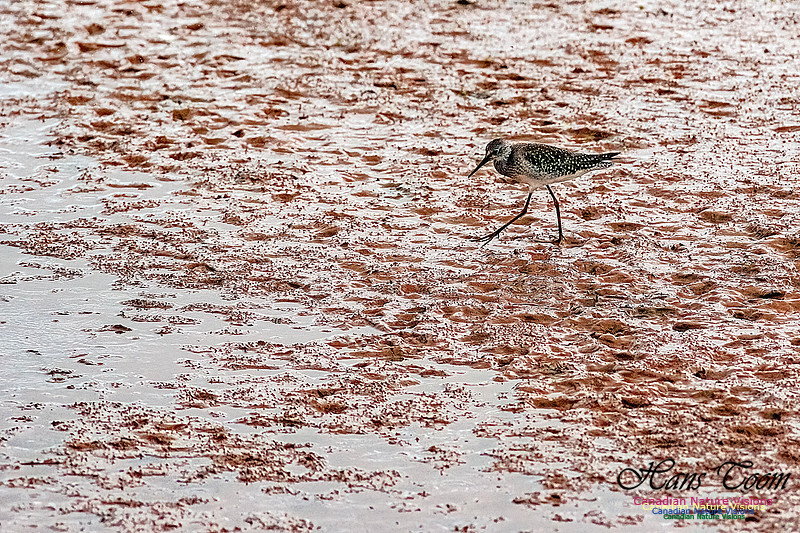
Solitary Sandpiper, Killdeer and White Admiral ButterflyThere are at least three Solitary Sandpipers and one Killdeer working the same pond at Elderkin Creek. The White Admiral butterfly was a happenstance on my visit to The Guzzle. Killdeer
Solitary Sandpiper
White Admiral Butterfly
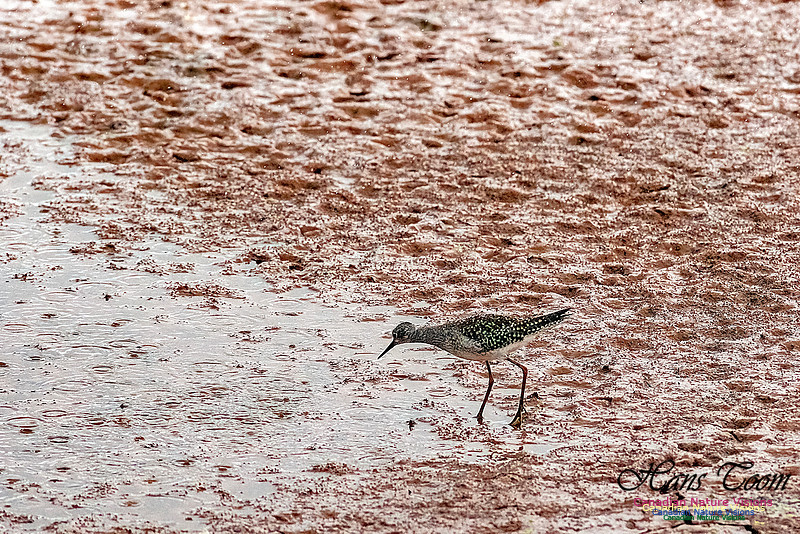
Solitary SandpiperThis photograph was taken at Elderkin Creek in terrible light, the ruination of all good potential photographs. This shorebird was common at Sandy Cove Beach in September and October but this year the pond at the oceans edge has not been cleared of the flotsam of kelp and sea weed that usually breeds kelp flies and maggots. It's like a cesspool with the flotsam all dried up due to lack of rain. The uncommon Solitary Sandpiper is easily identified by the white or silver spots on the back depending on the light. Solitary Sandpiper
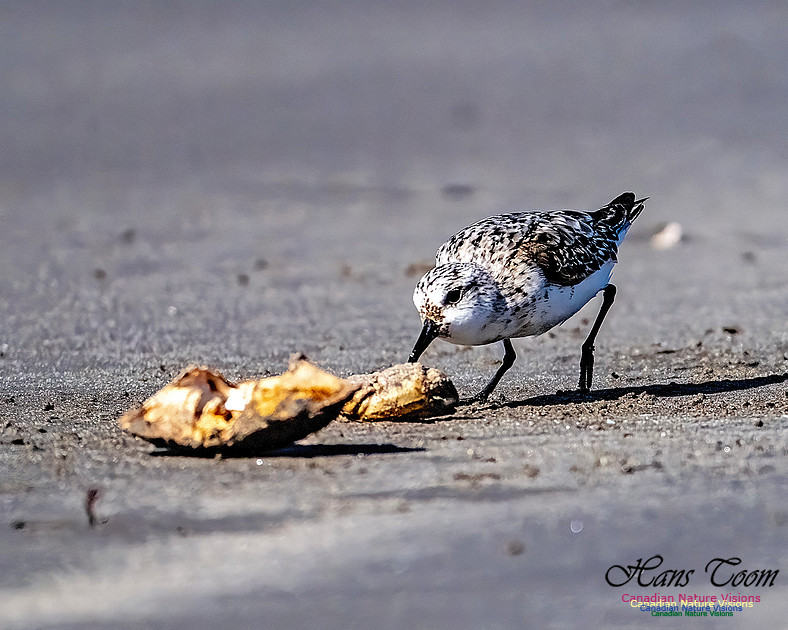
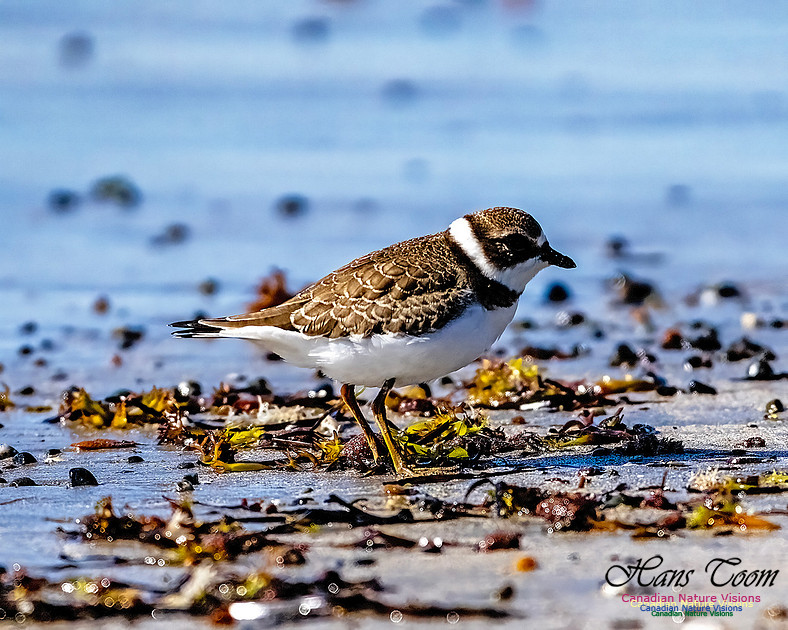
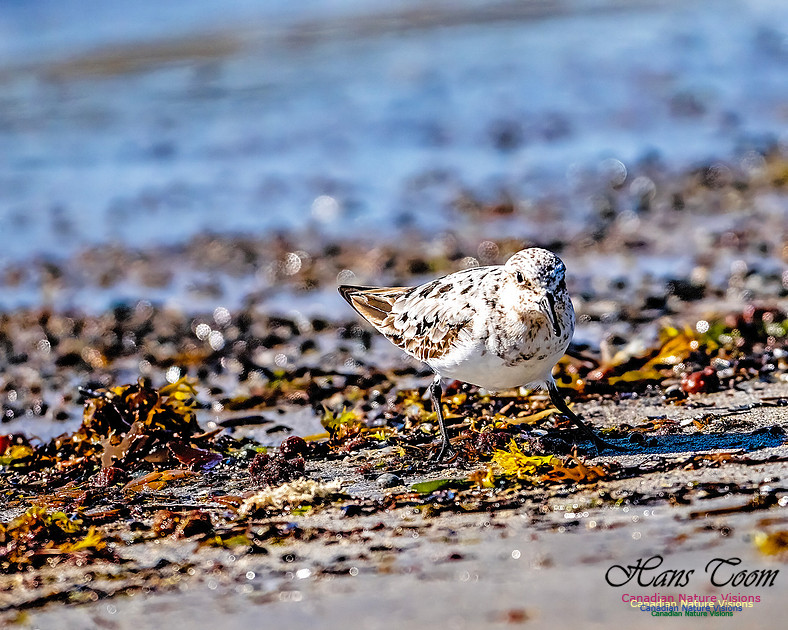
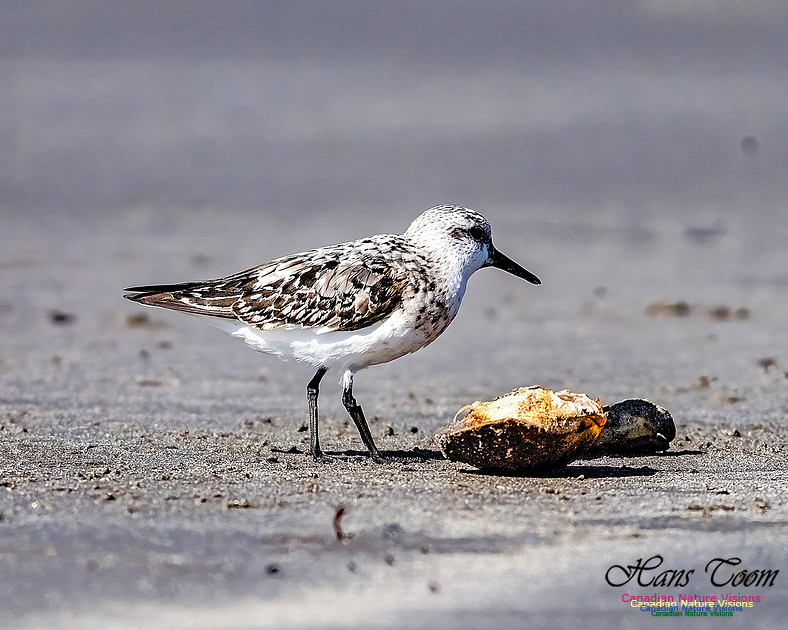
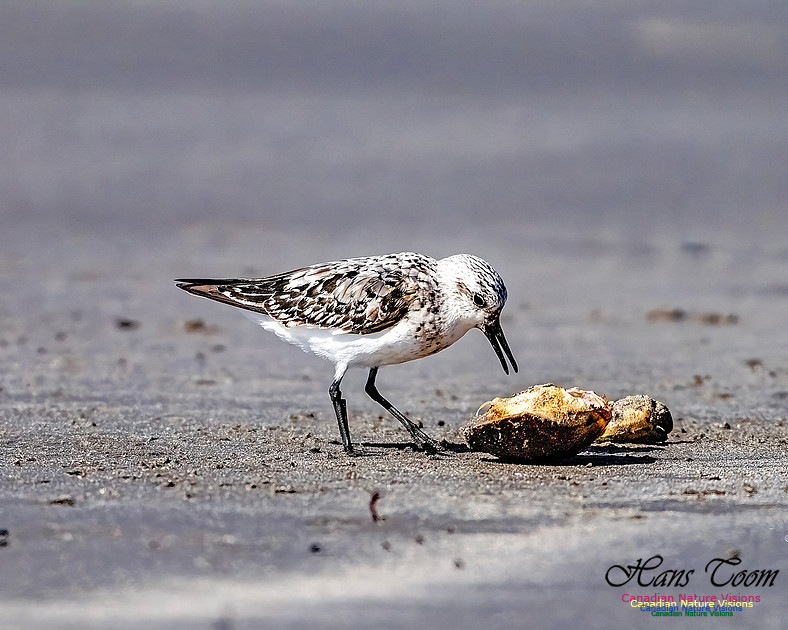
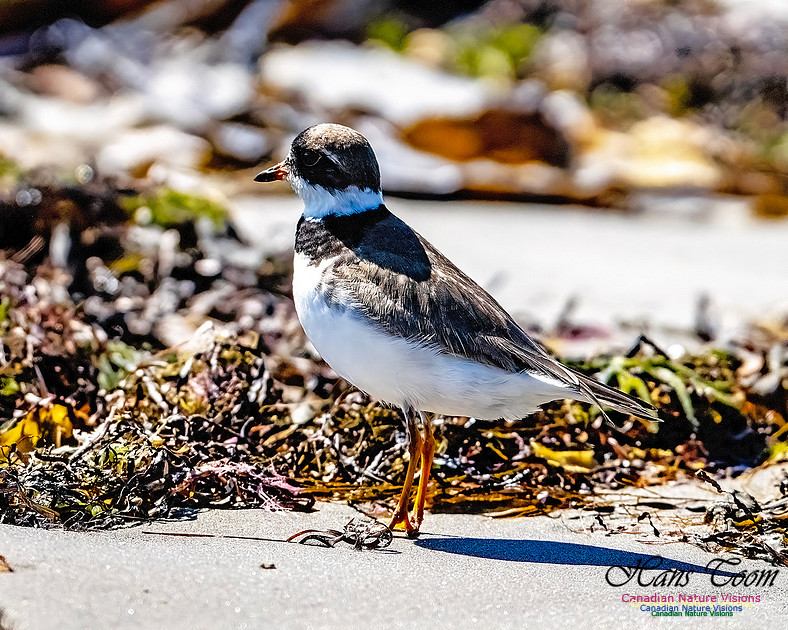
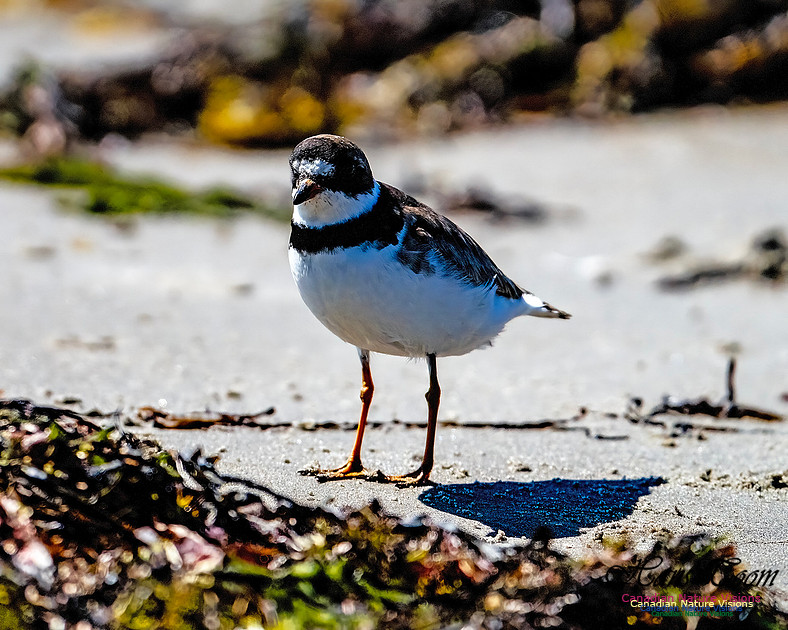
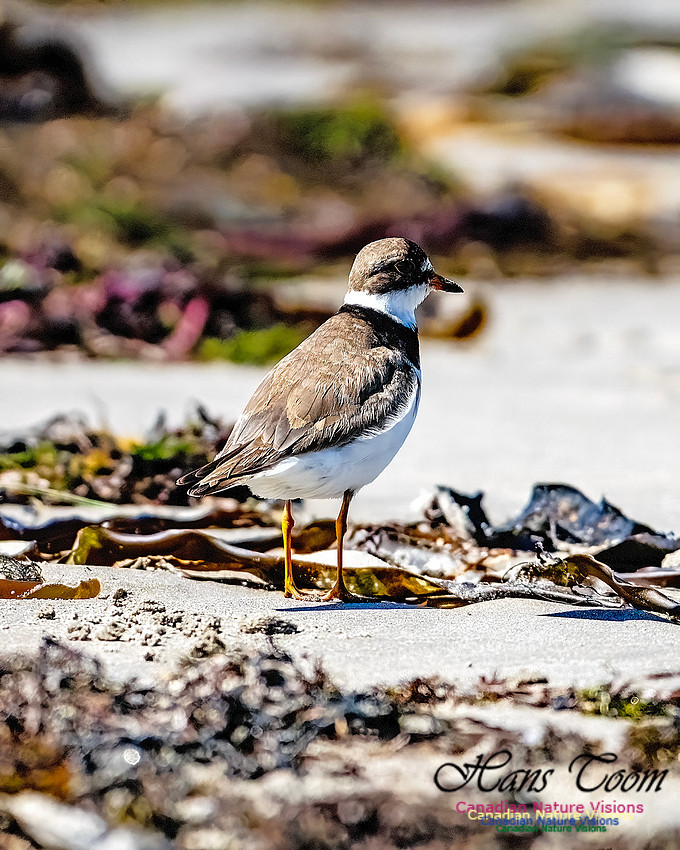
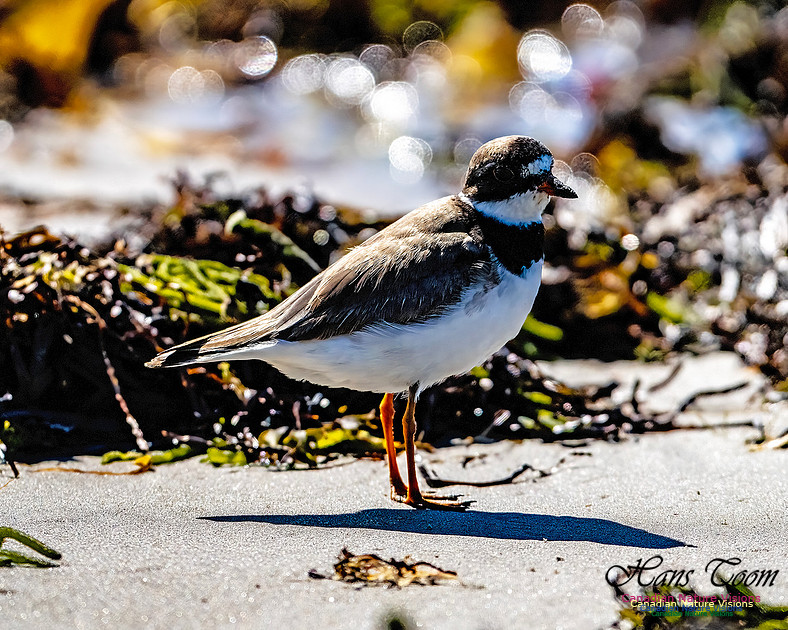
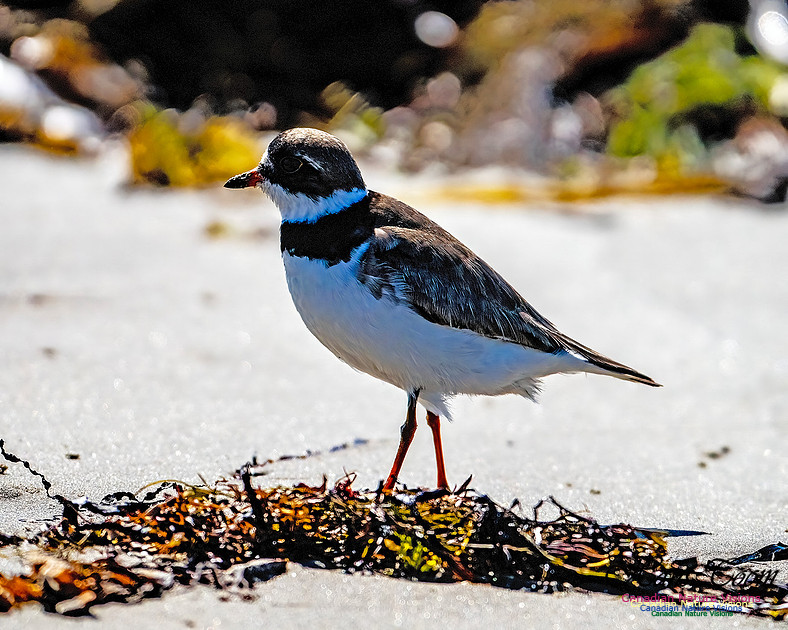
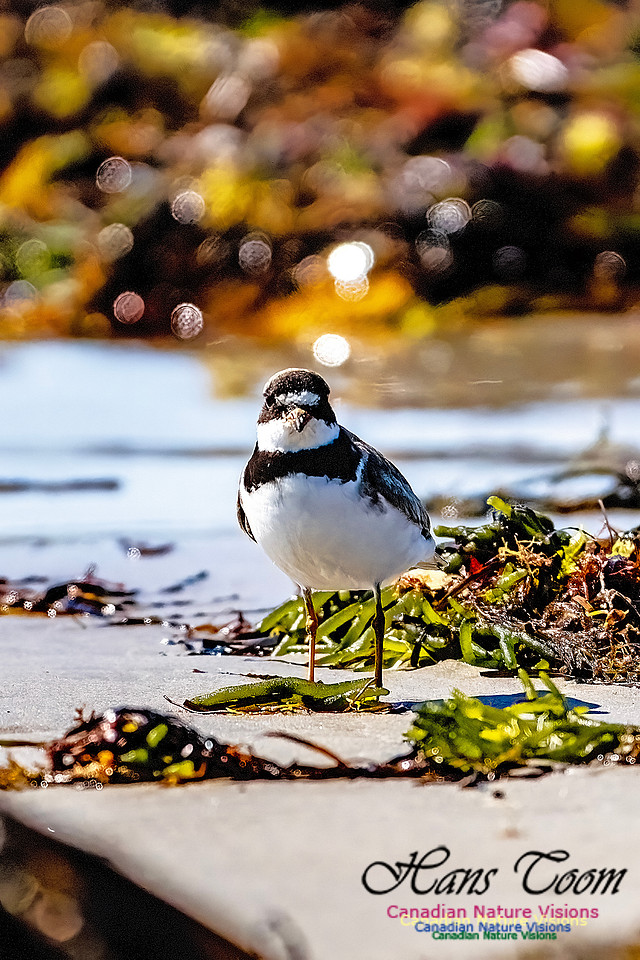
Shorebird MeleeI visited Martinique Beach, The Guzzle and Elderkin Creek for this melee of early September shorebirds. Shorebird Melee
|
|||||||||||||||||||||||||||||||||||||||||||||||||||||||||||||||||||||||||||||||||||||||||||||||||||||||||||||||||||||||