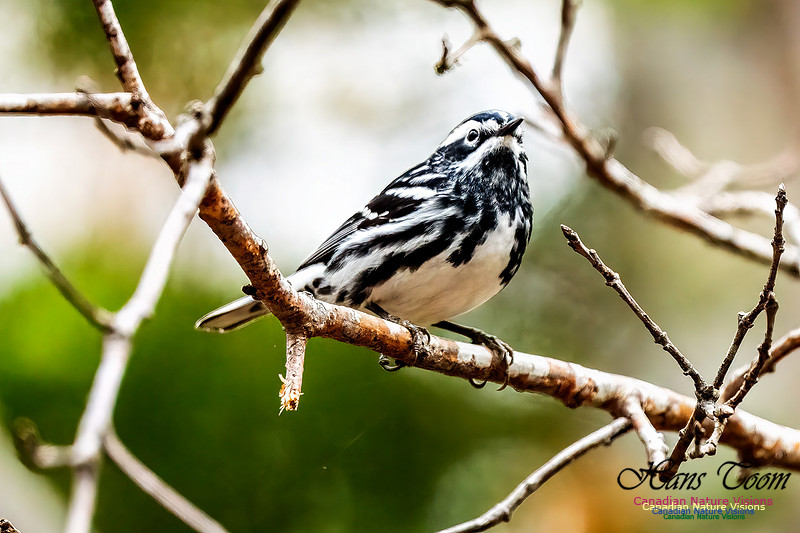
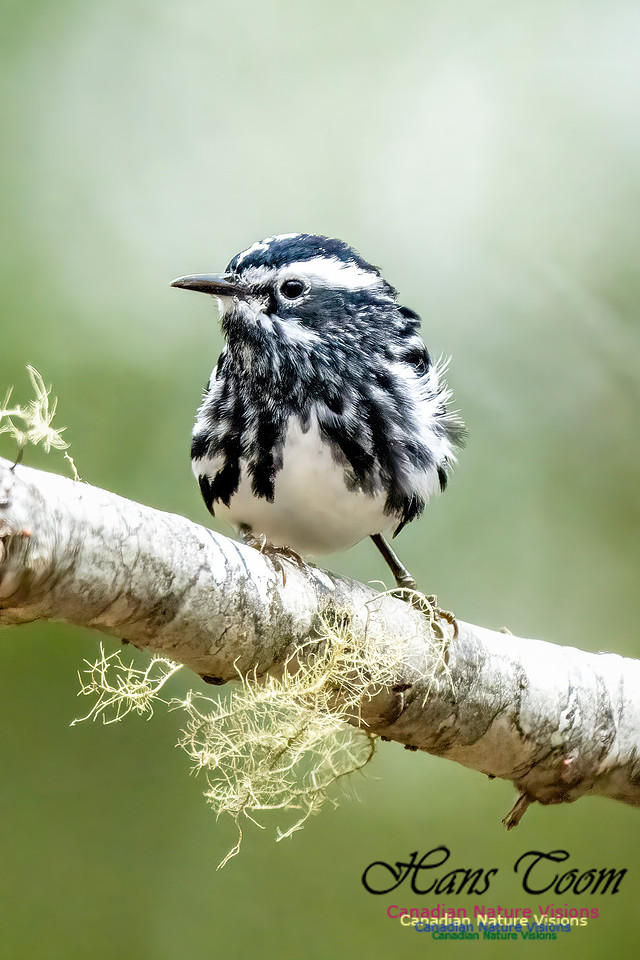
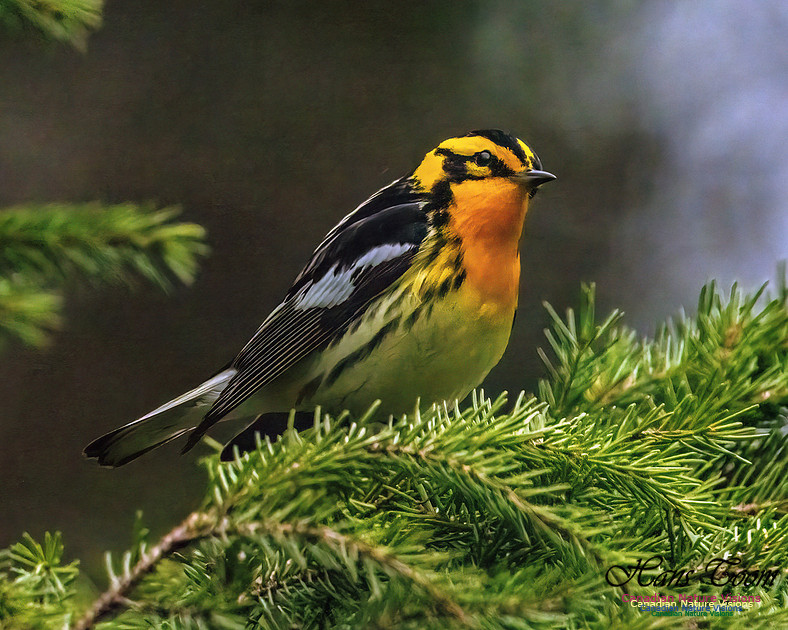
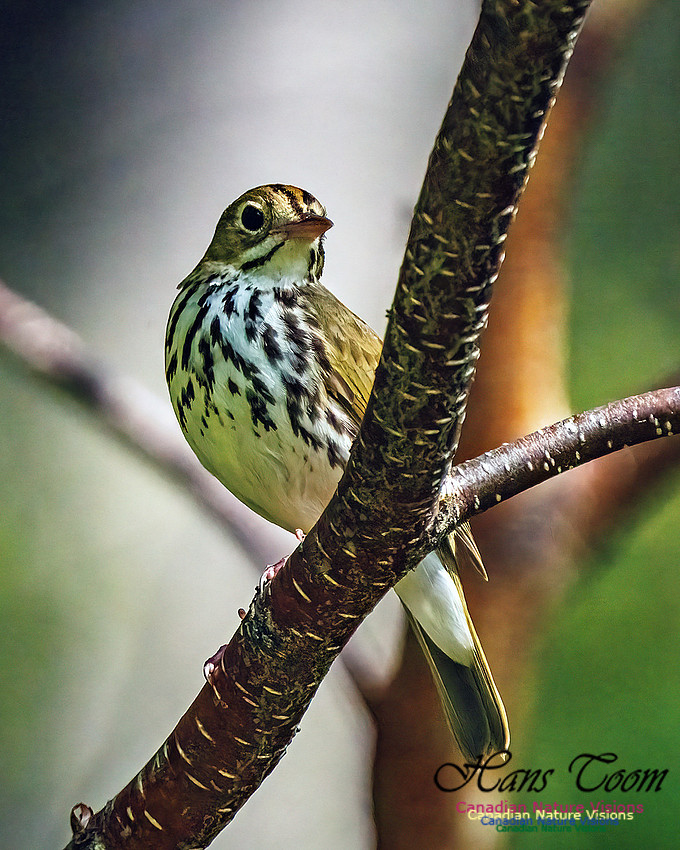
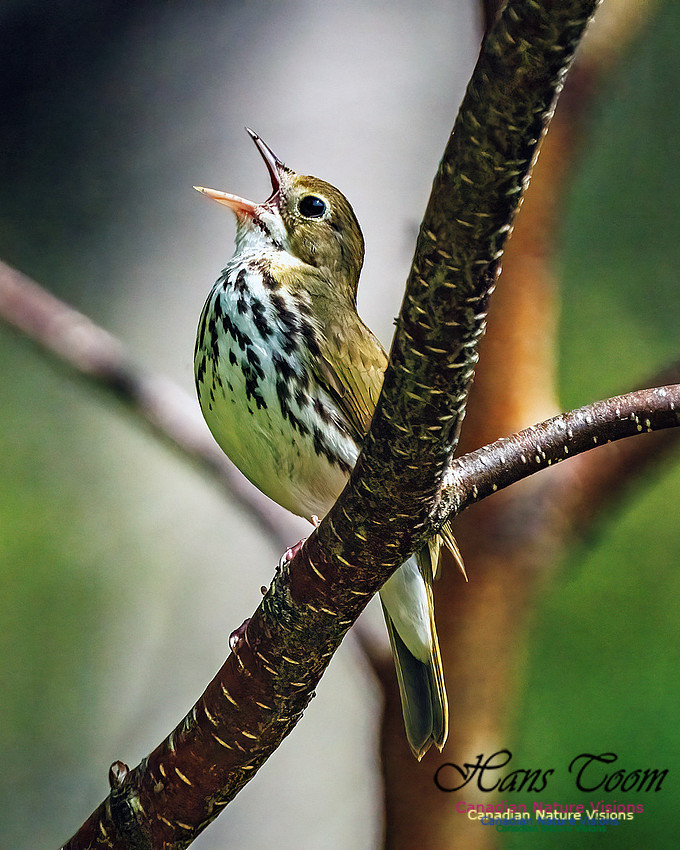
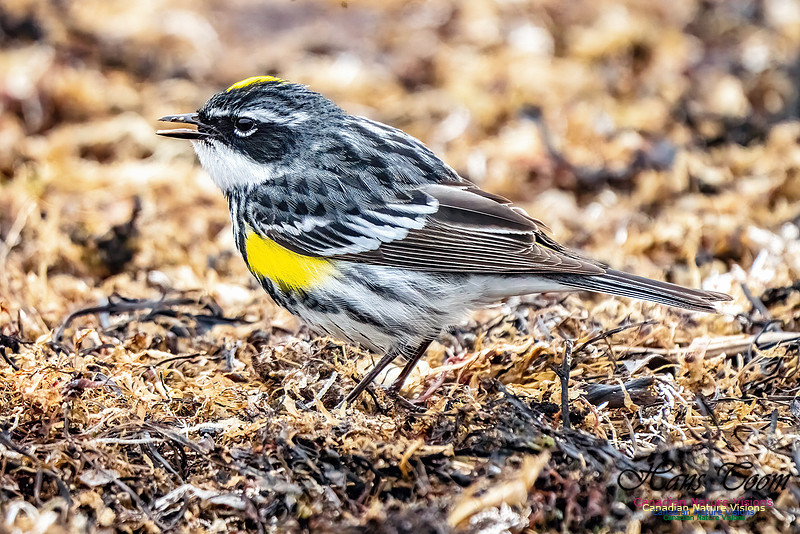
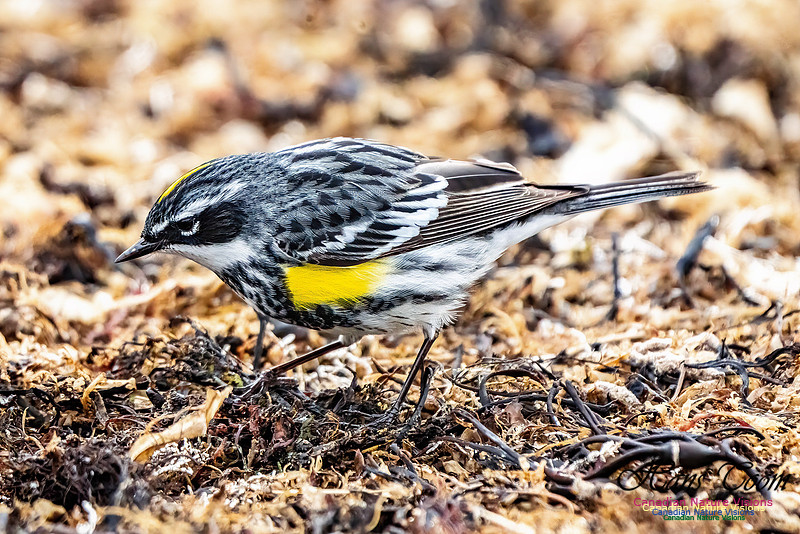
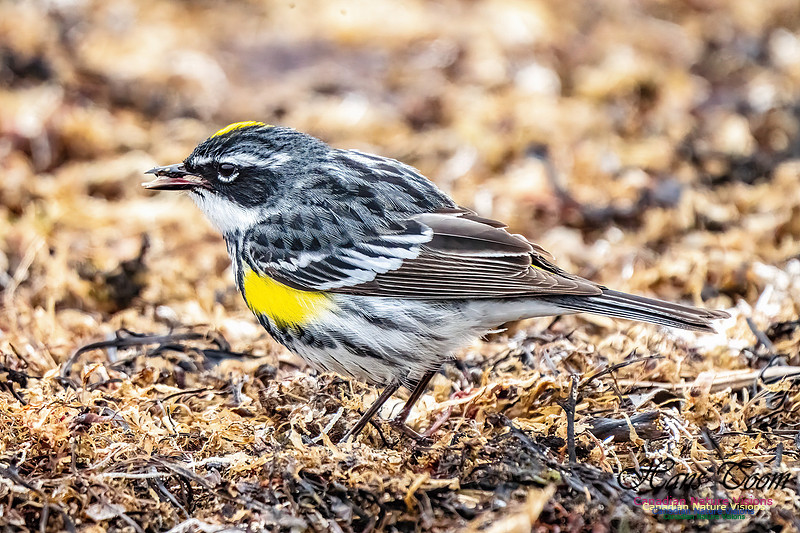
Early WarblersI enjoyed my first warbler sortie of the year looking for early spring arrivals. I went to Jerry Lawrence Provincial Park and found Palm, Yellow-rumped, Black-and-white, Blackburnian, Black-throated Green, Chestnut-sided and Northern Parula warblers in 15 minutes, all in one picnic parking spot. This park hosts 21 nesting warbler species. It's best for listening and identifying in early June, especially for beginners. Black-and-White Warbler
Blackburnian Warbler
Ovenbird
Yellow-rumped Warbler
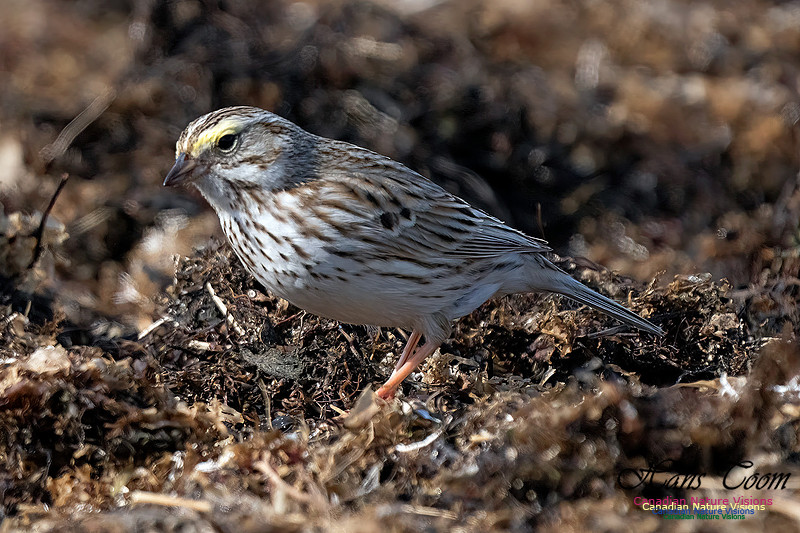
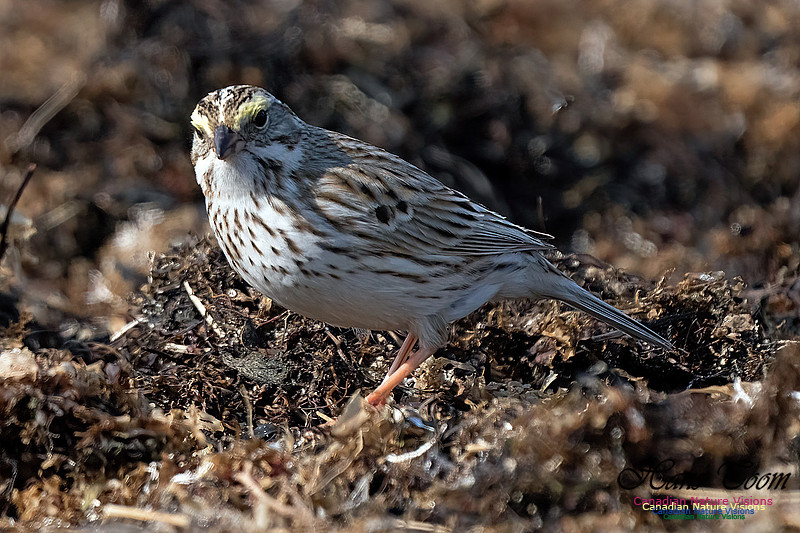
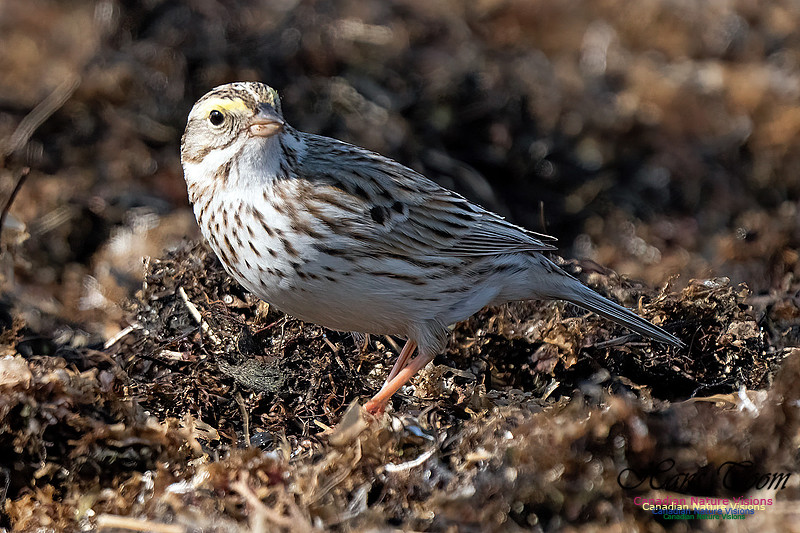
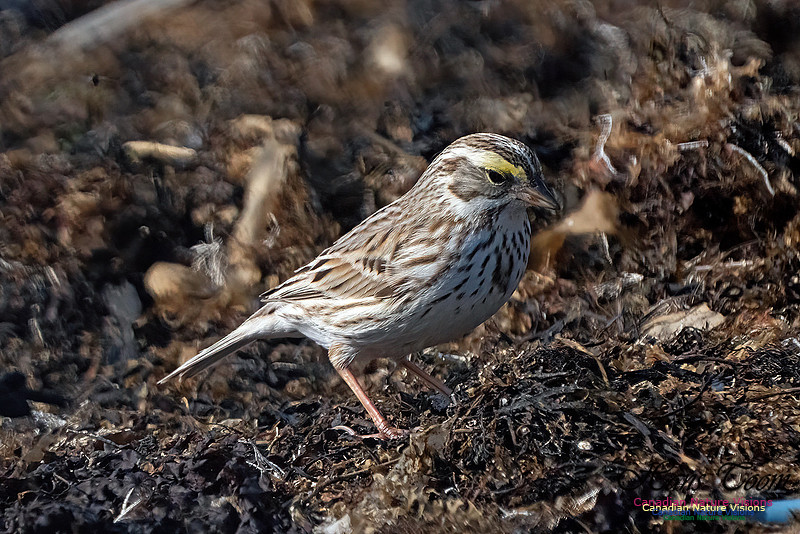
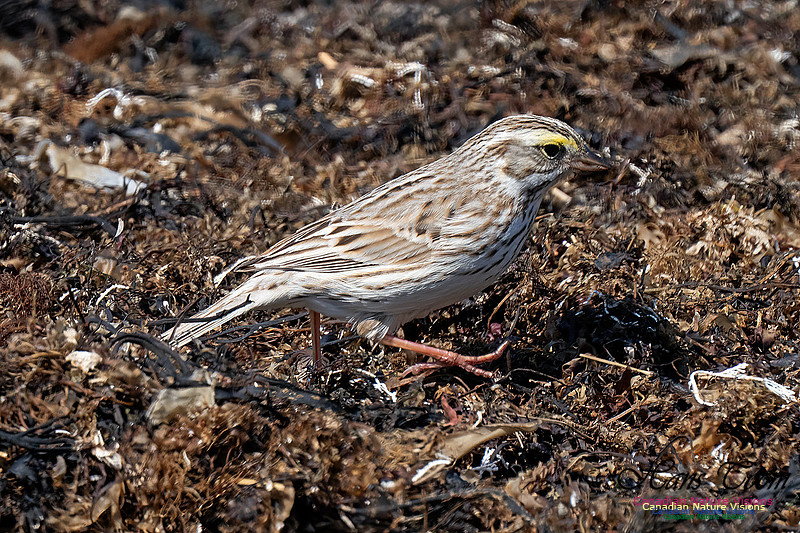
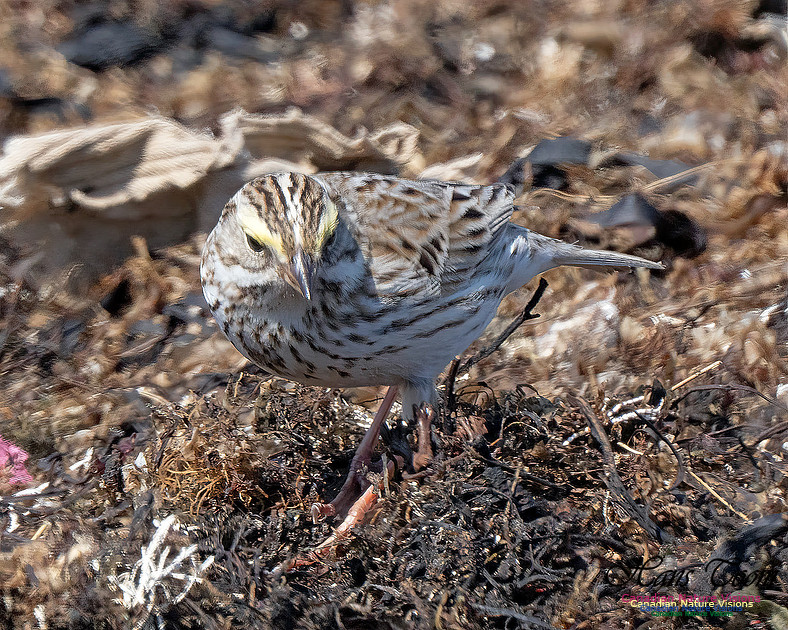
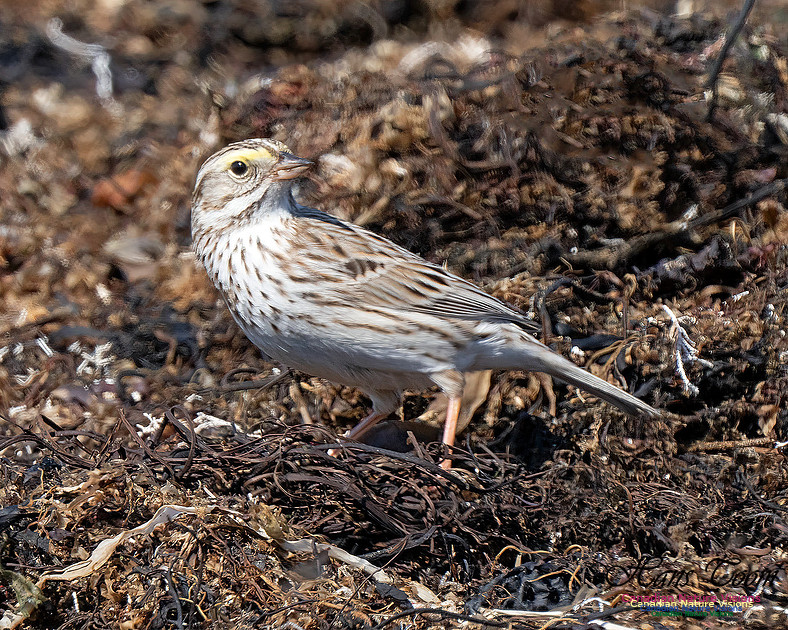
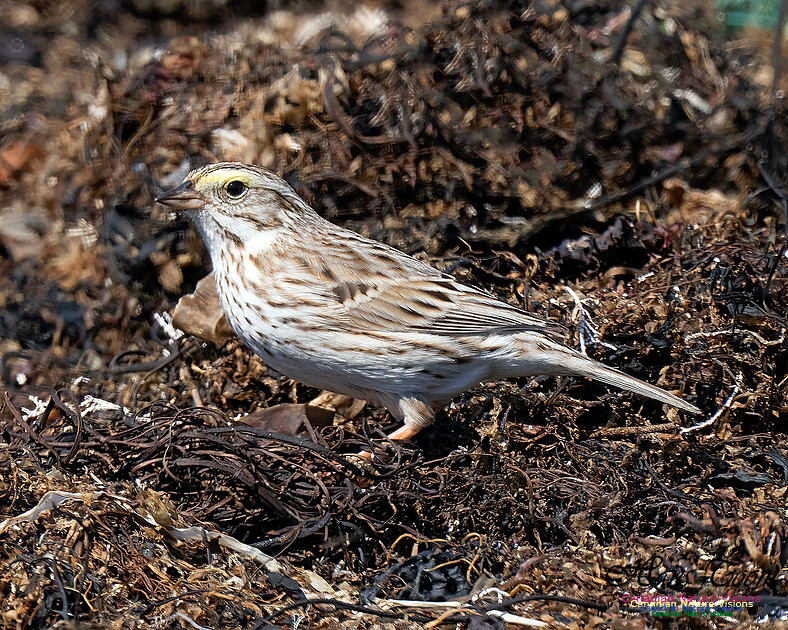
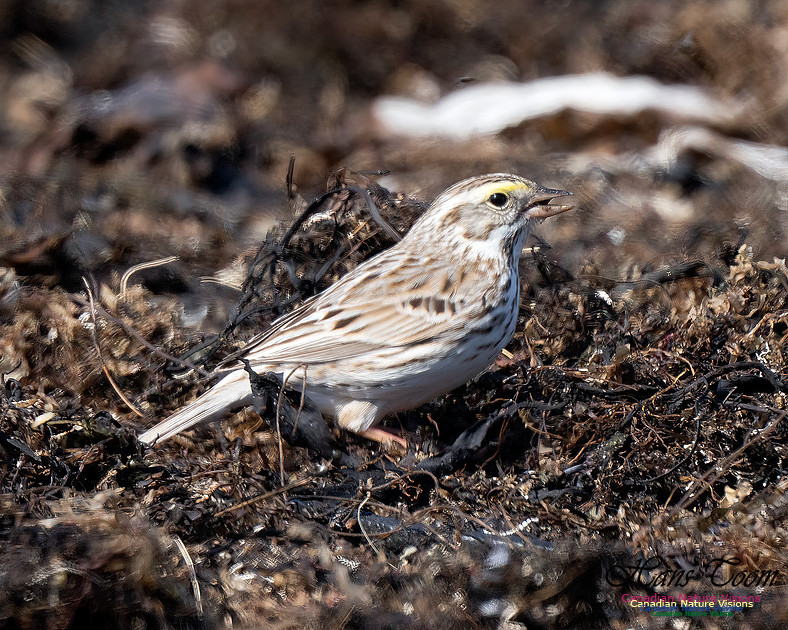
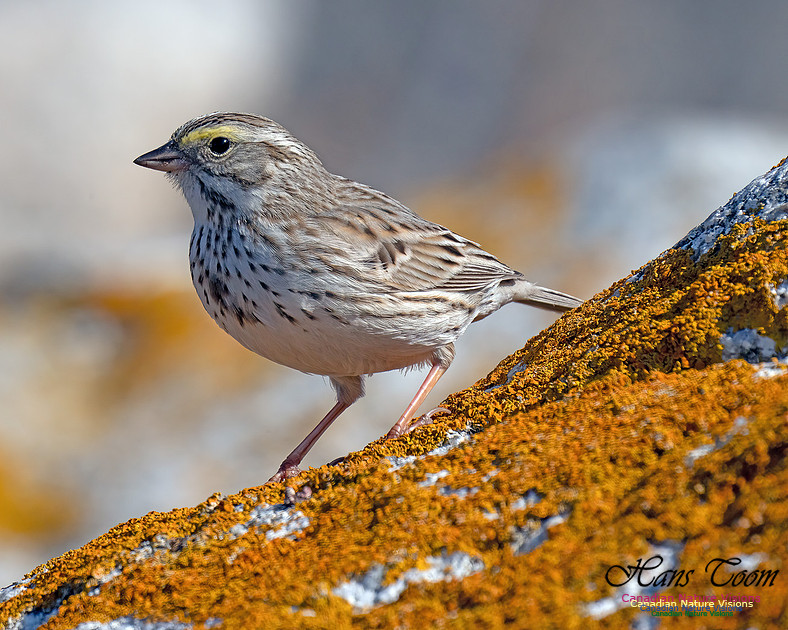
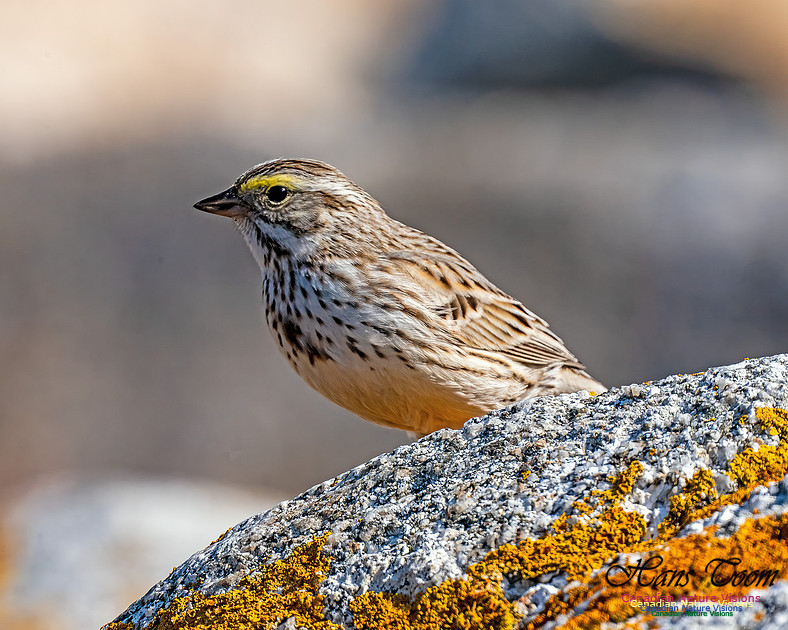
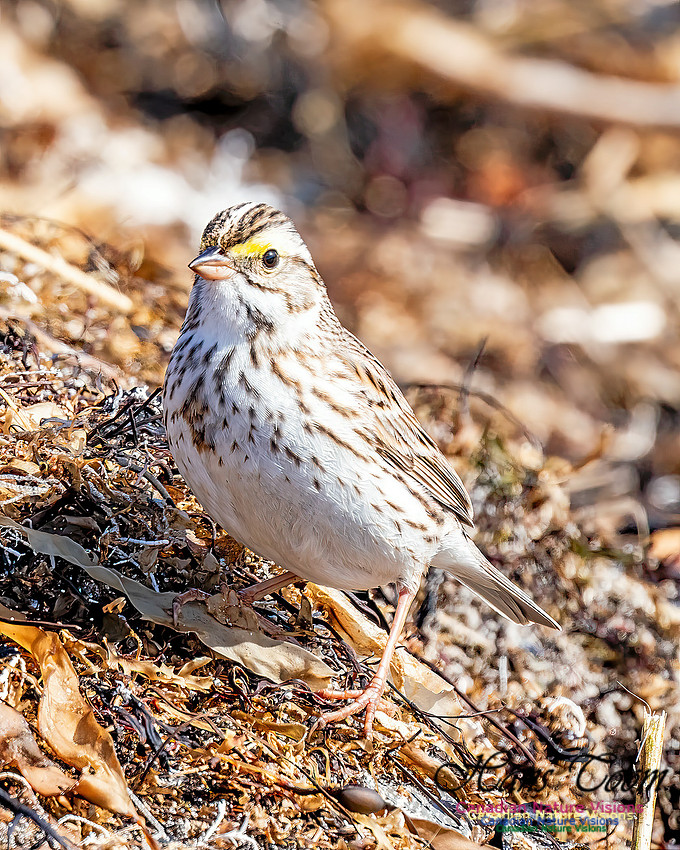
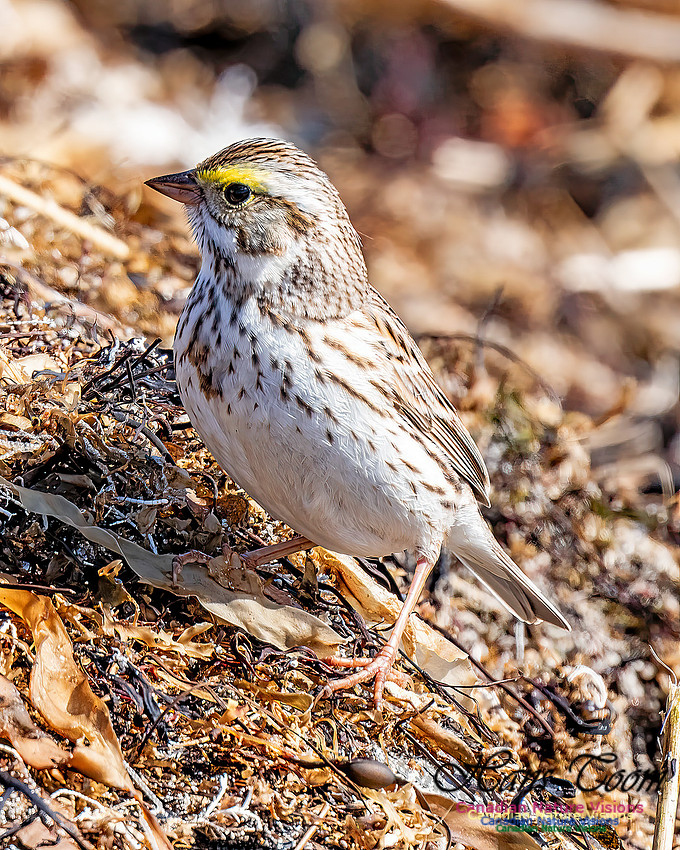
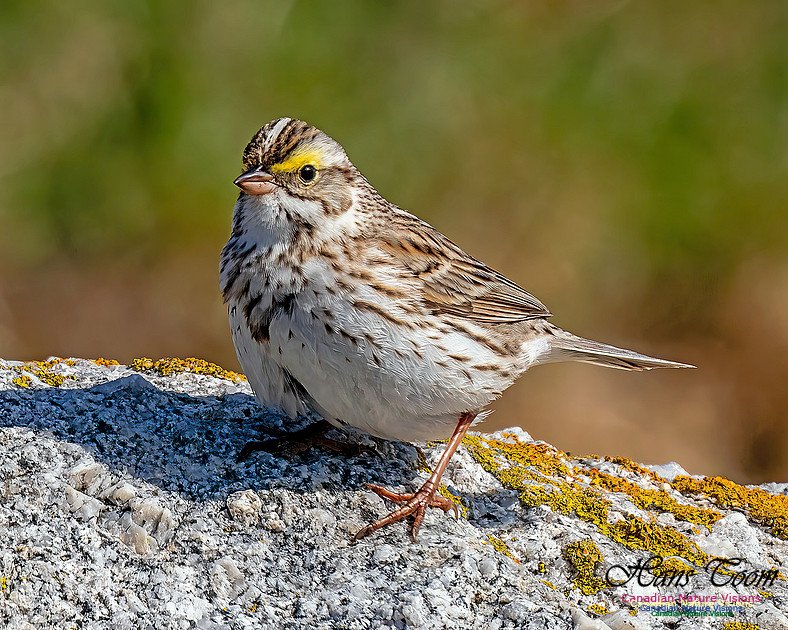
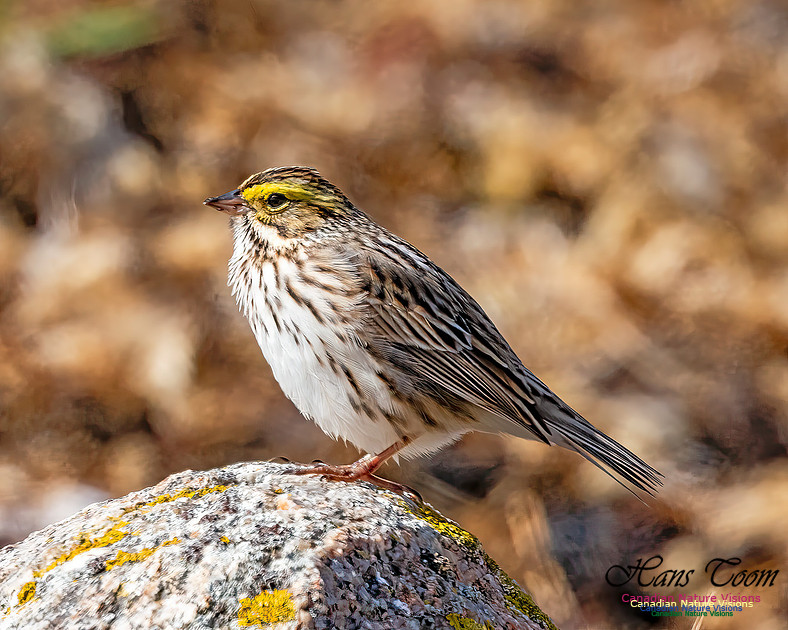
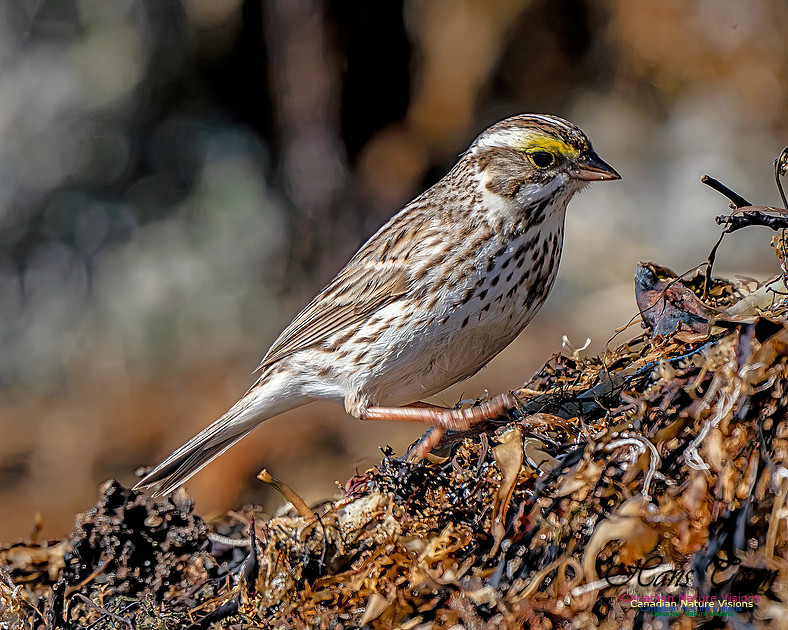
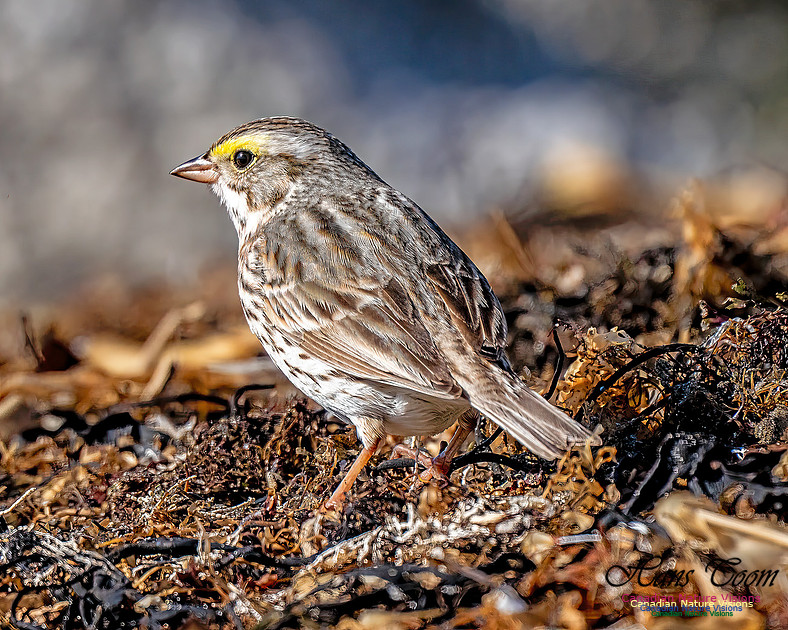
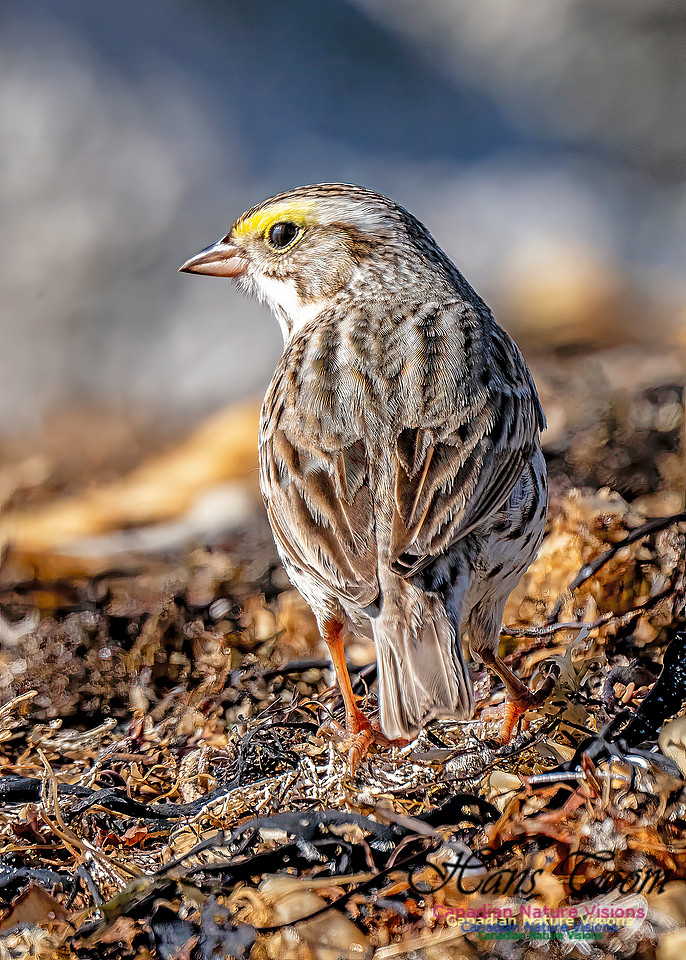
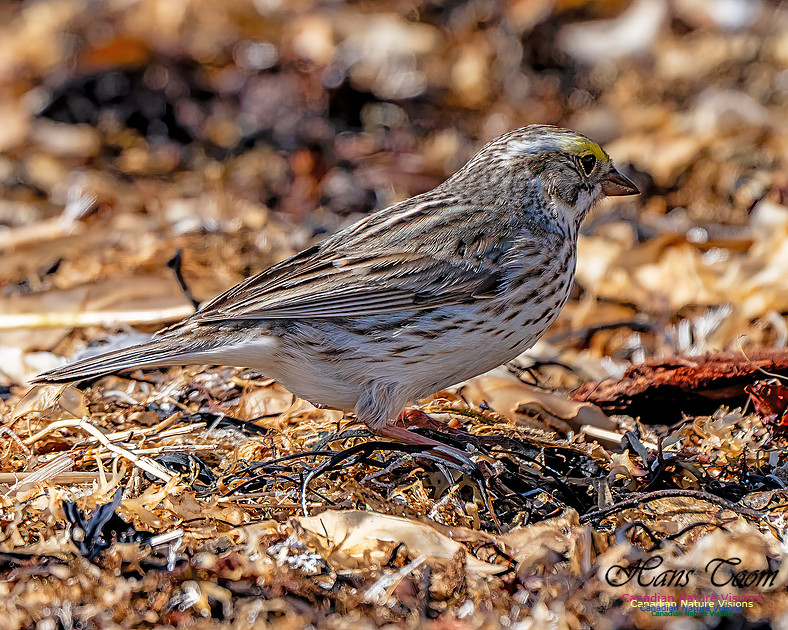
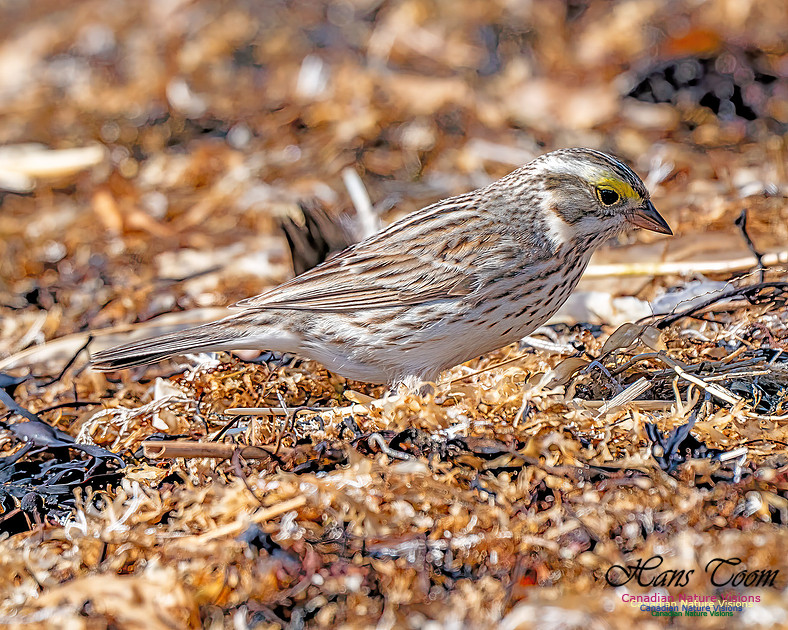
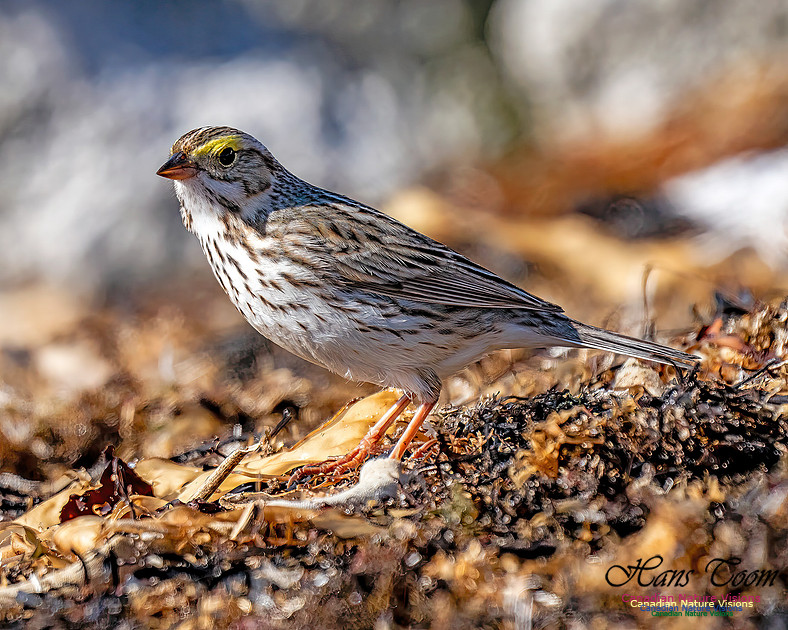
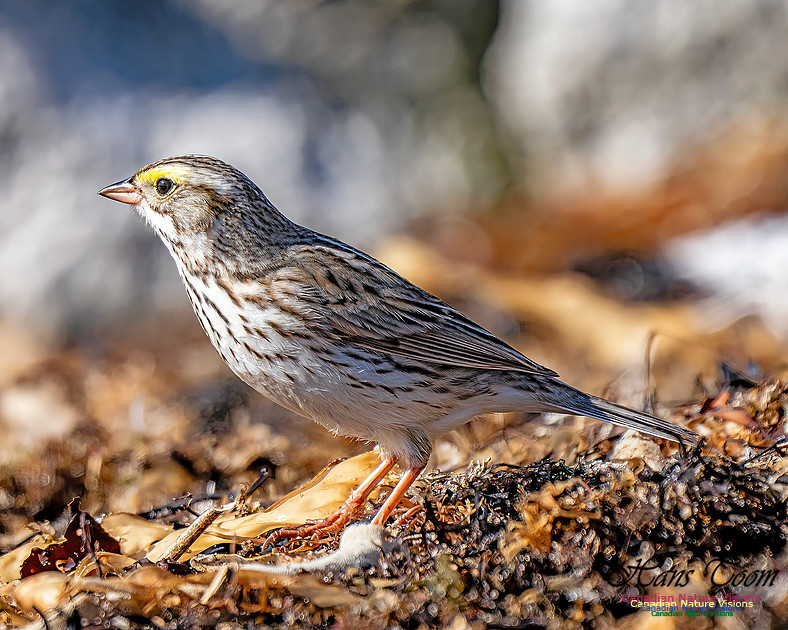
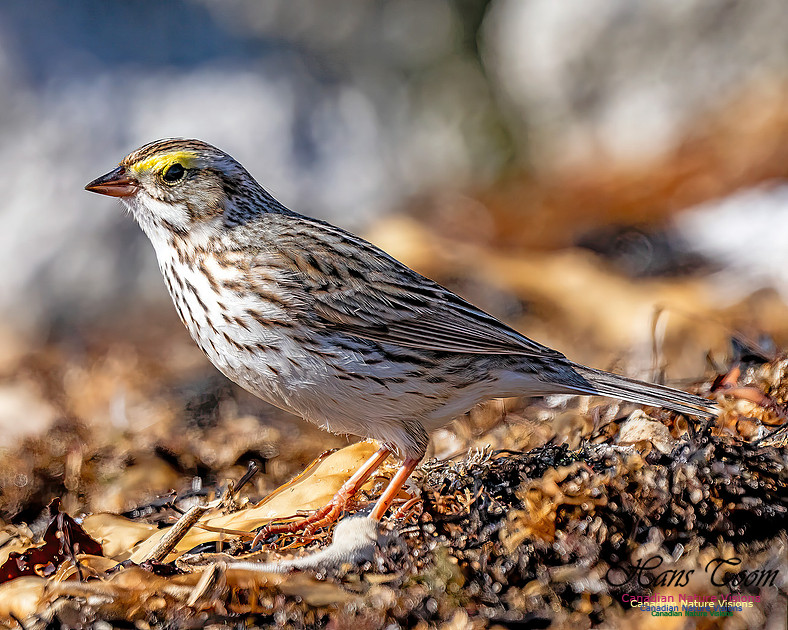
Ipswich Sparow, Bon VoyageIpswich Sparrow, Bon Voyage, as they fly to Sable Island. This is likely the last Ipswich Sparrows I will see until the fall migration, circa September-October. A few nest on the mainland of Nova Scotia but they are hard to find in the tall sages and grasses when they stop singing.
Ipswich Sparrow
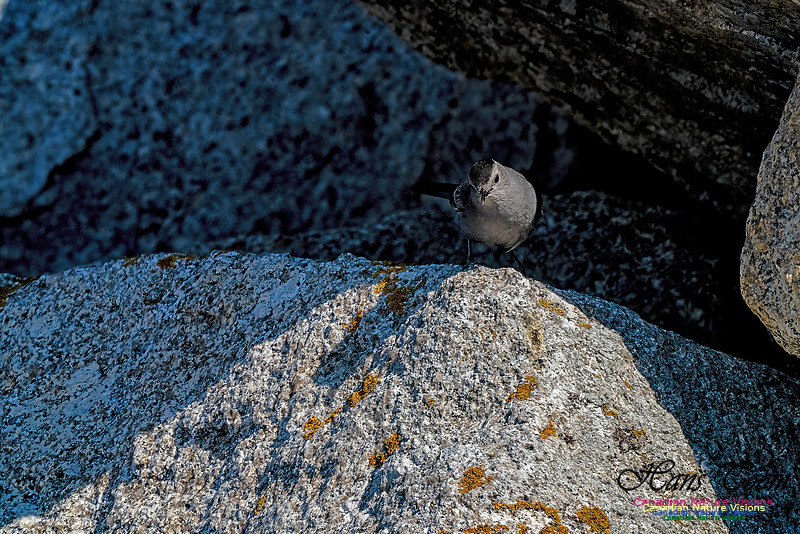
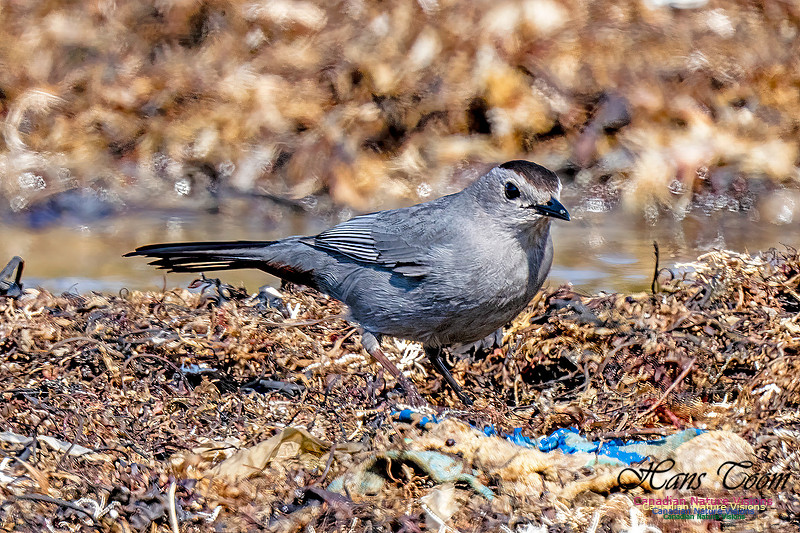
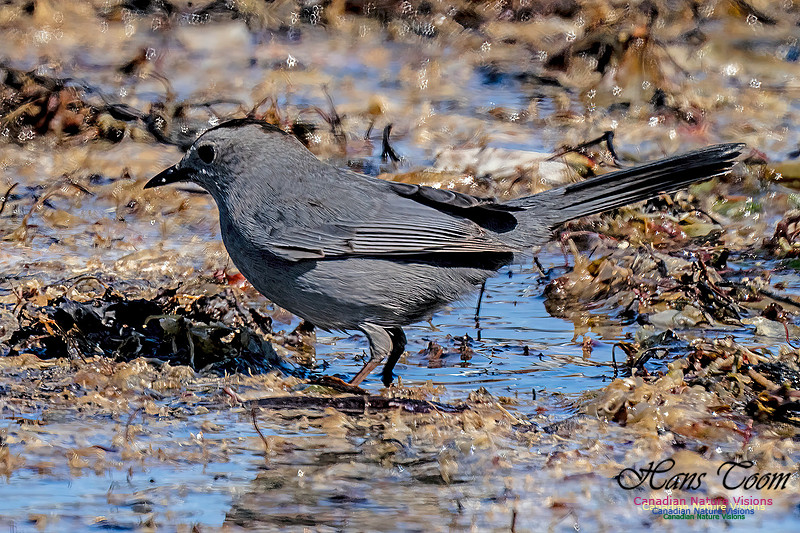
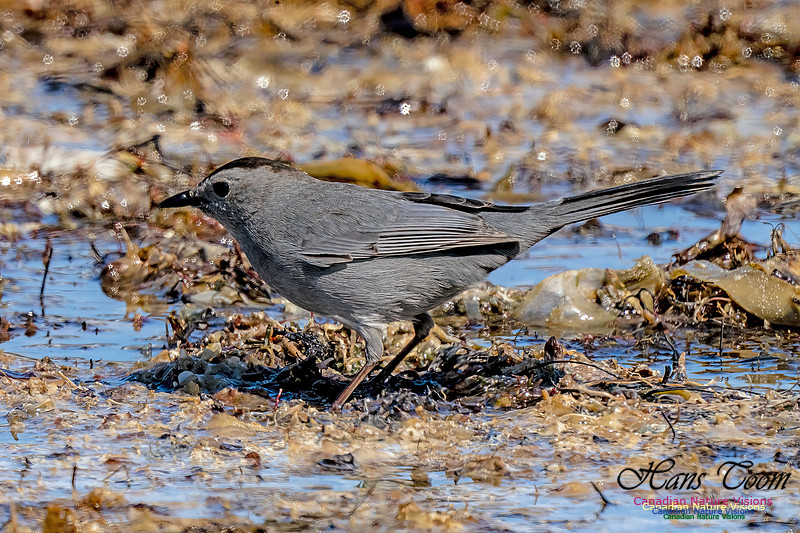
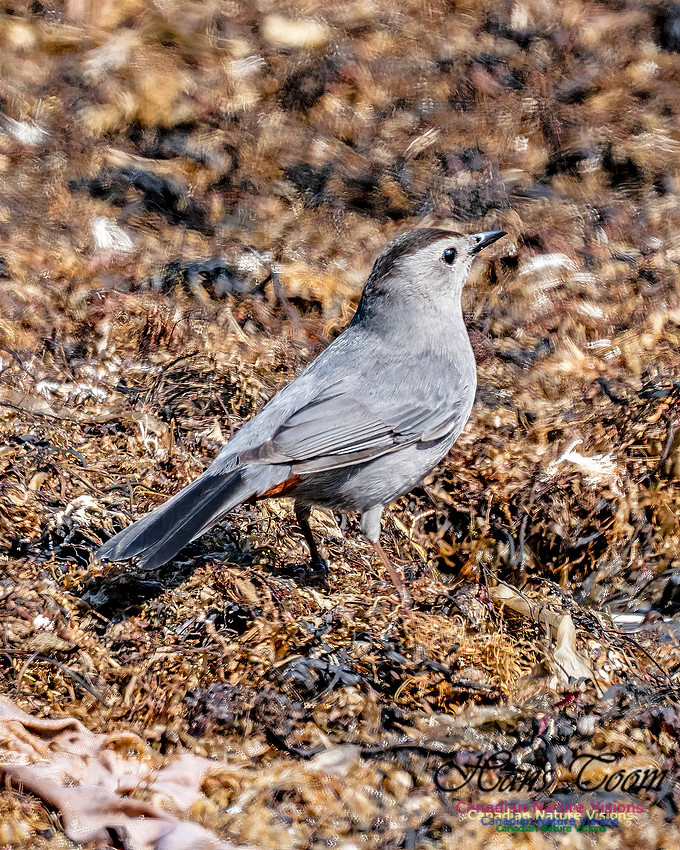
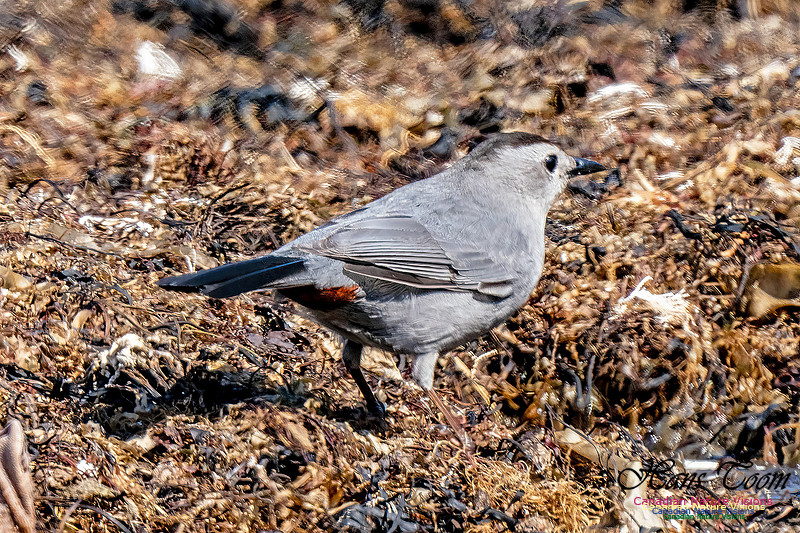
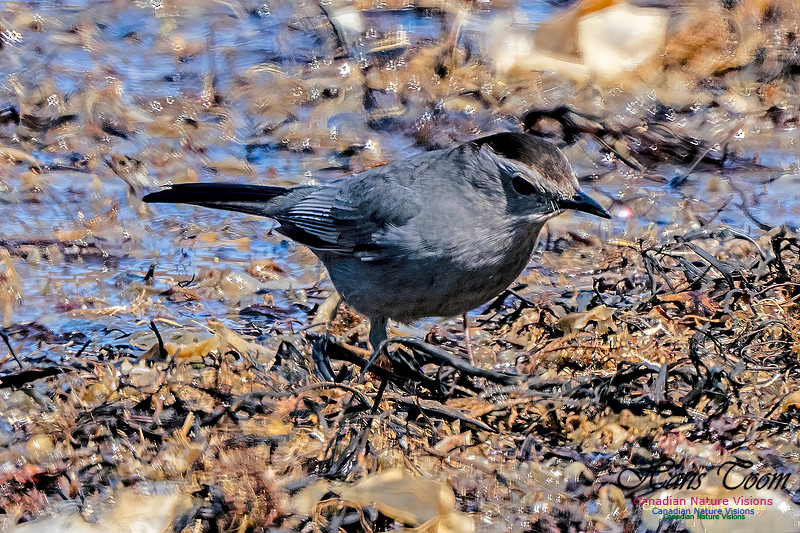
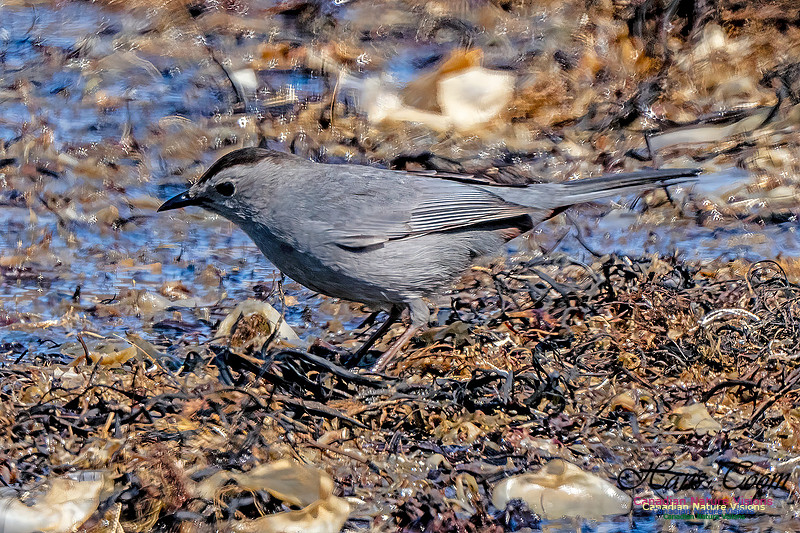
Grey CatbirdThe Grey Catbird was working the kelp heaps with the American Robins, European Starlings, Savannah Sparrows, Ipswich Sparrows, White-crowned Sparrow and Song Sparrows. The melee was rewarding for all as the offerings were continuous and it was much like a feeding trough with continuous nonstop pecking and swallowing. Grey Catbird
White-crowned SparrowI saw this White-crowned Sparrow yesterday and took a few unsatisfactory shots. I tried again this morning sitting quietly on a rock beside the kelp heaps and it showed up again albeit briefly. The challenge with this type of photography, birds dancing about on kelp heaps, leaves no time to doddle with camera settings. White-crowned Sparrow
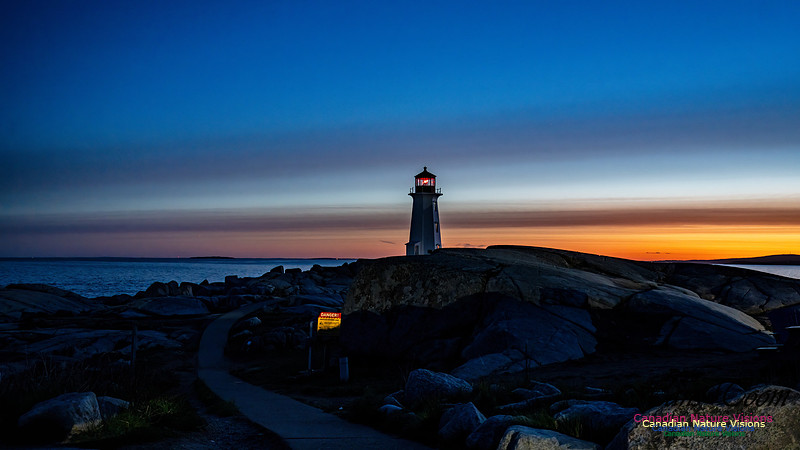
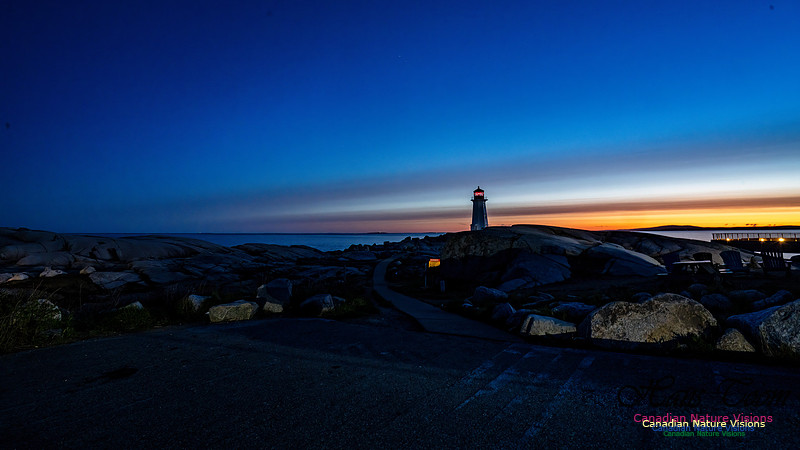
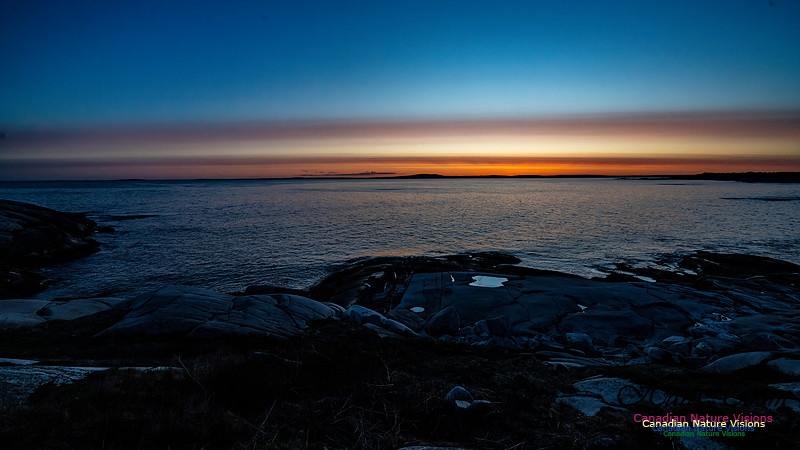
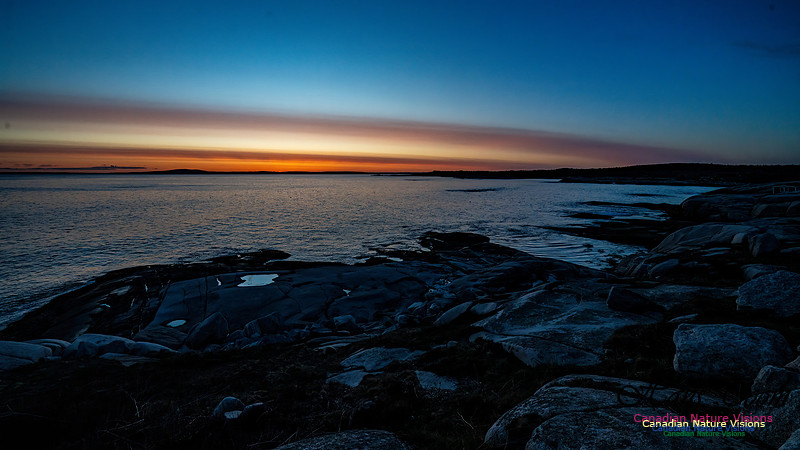
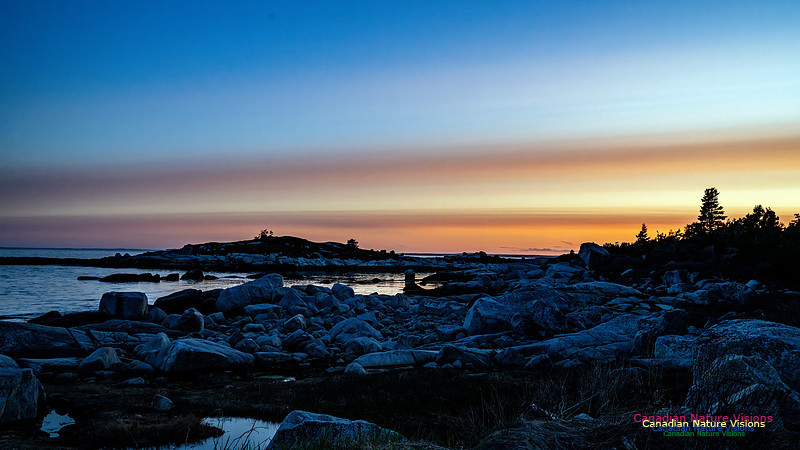
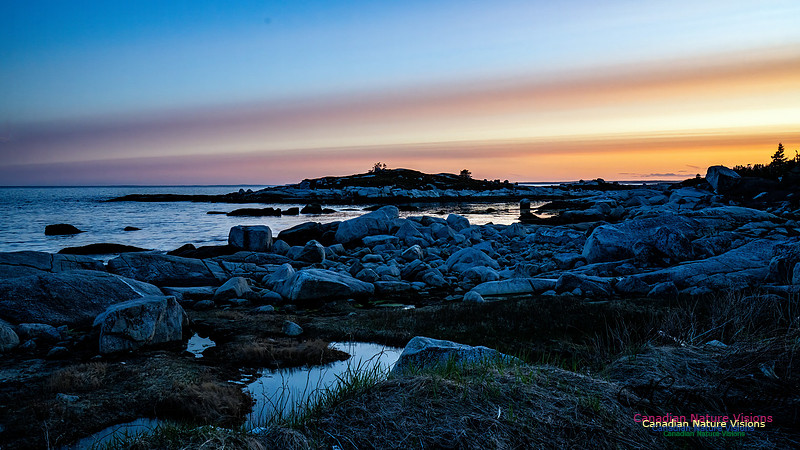
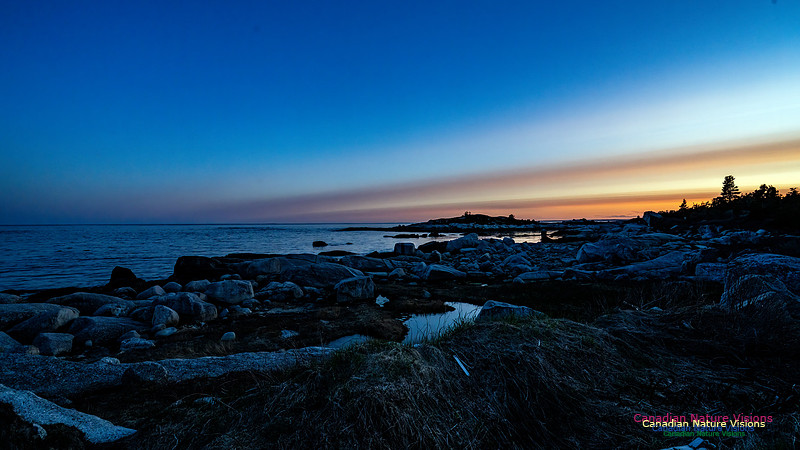
Peggy's Cove Sunset May 13, 2024I went to Peggy's Cove to view the aurora borealis last night but alas there was no joy. However, the sunset was spectacular and partly made up for the disappointment. Peggy's Cove Sunset May 13, 2024
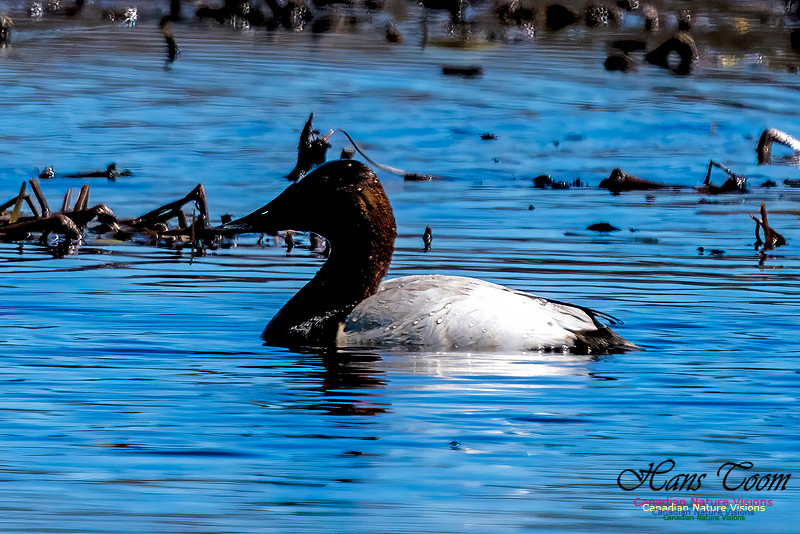
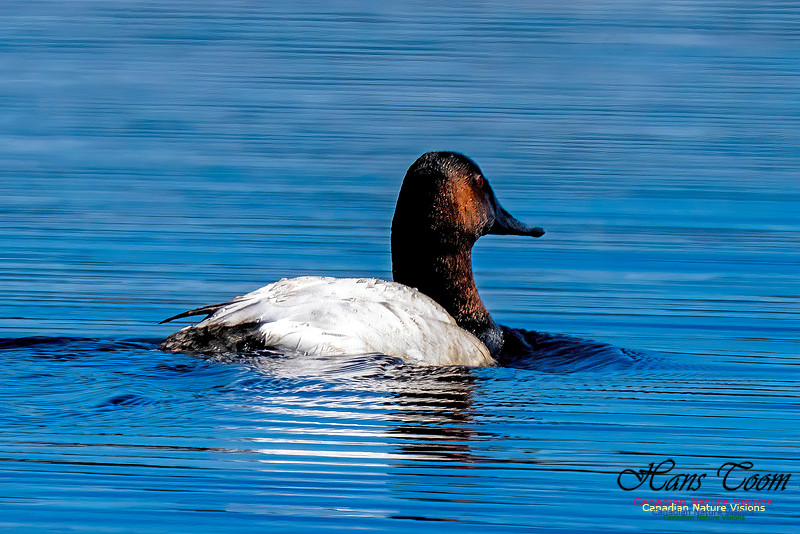
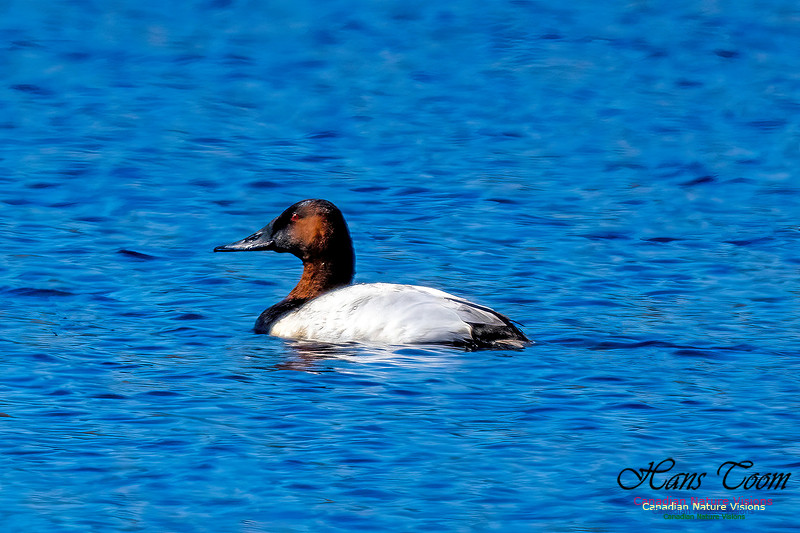
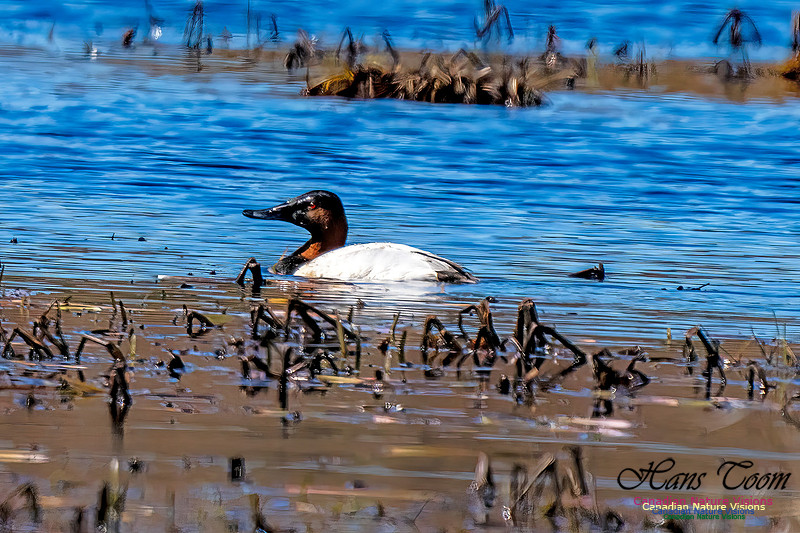
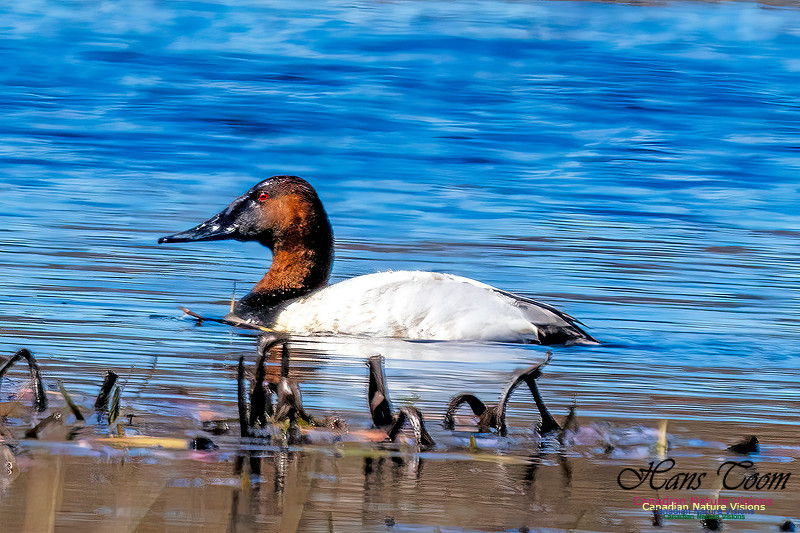
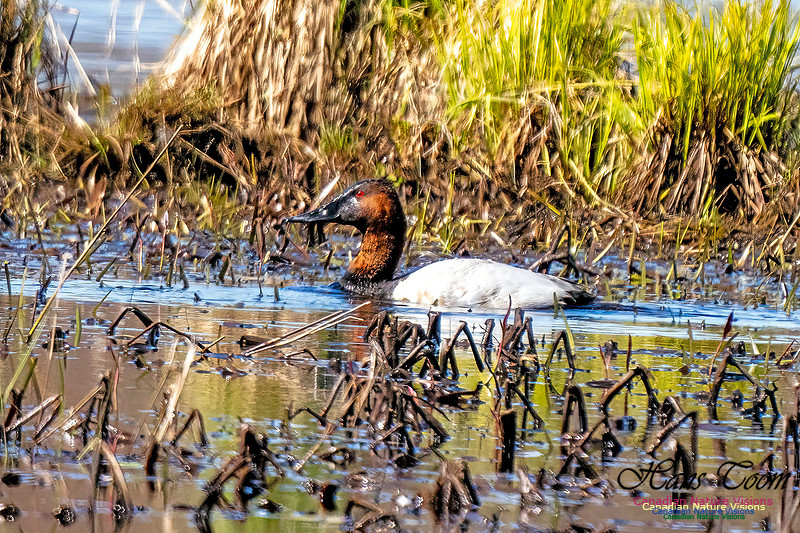
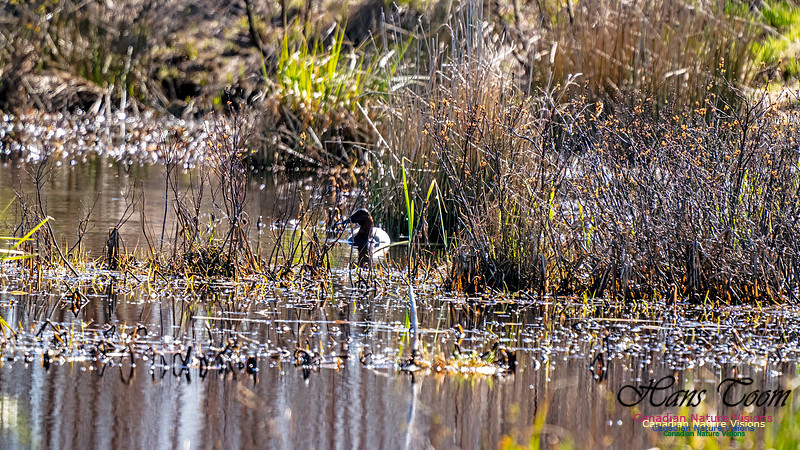
Canvasback in Better LightI returned to Brookfield Marsh to photograph the Canvasback. The light was better, a cloudy dull day. I had to shoot at 3200 ISO to stop the motion of the duck as it paddled along. Although my lens has 7 stops of image stabilization and my camera body 8 stops of image stabilization this doesn't help with the motion of the bird especially at 1200mm. In post processing I still had to significantly enlarge the image. Canvasback in Better Light
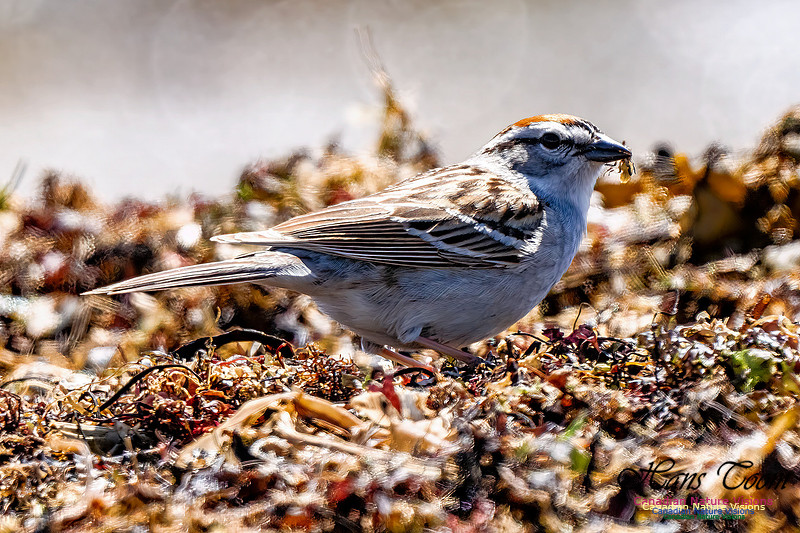
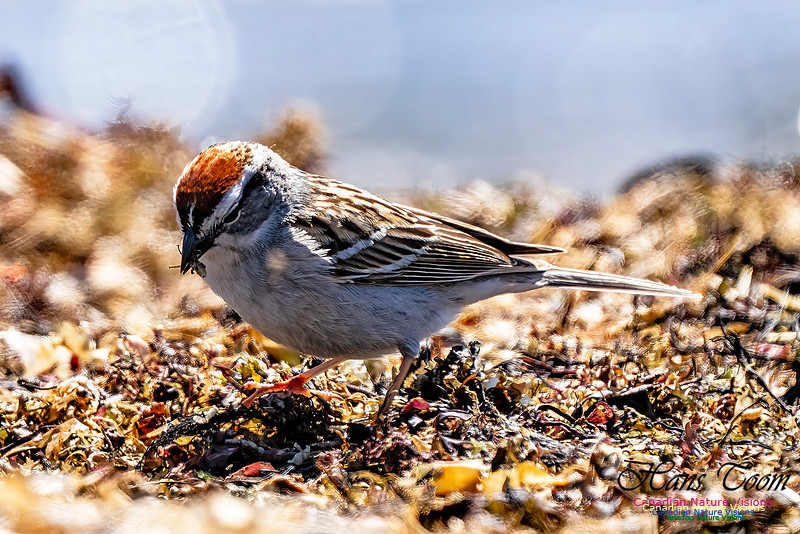
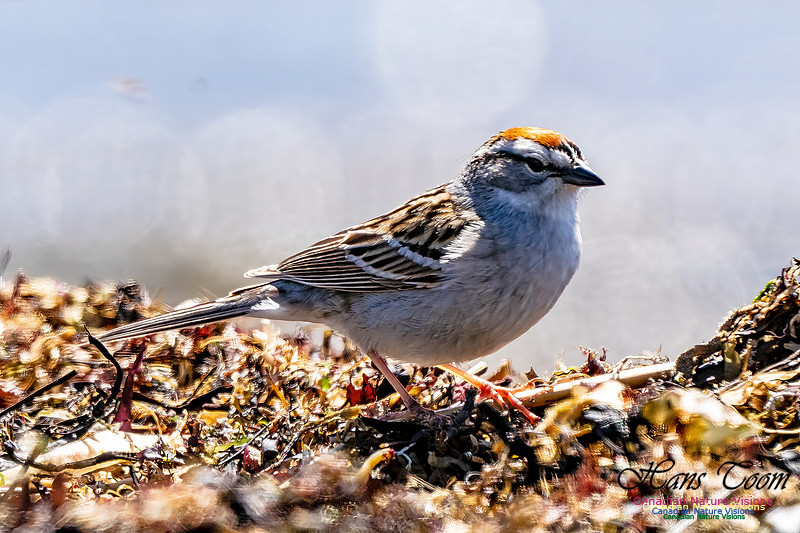
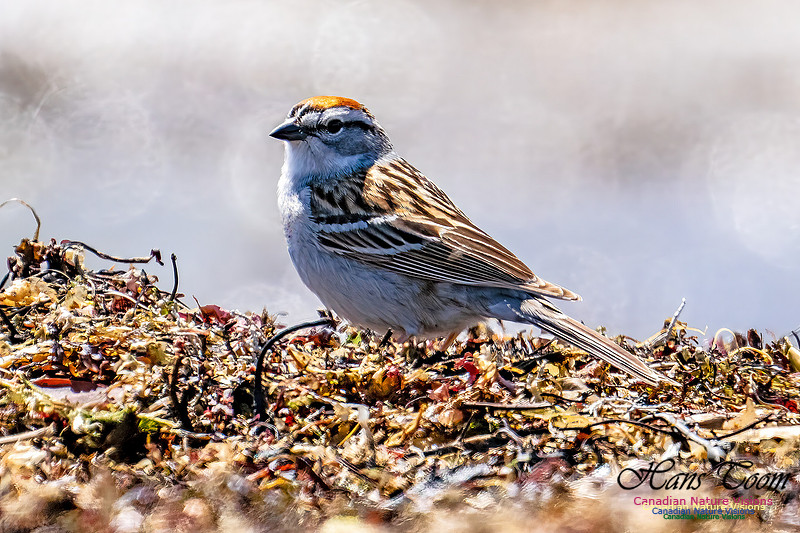
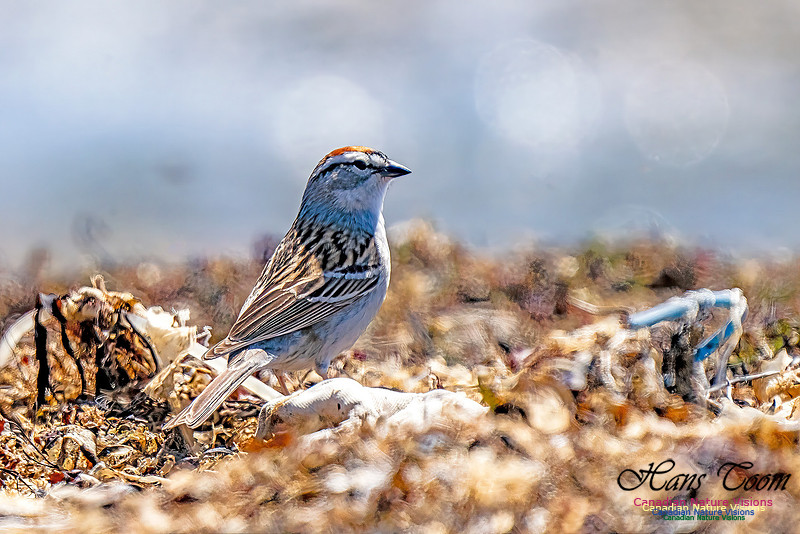
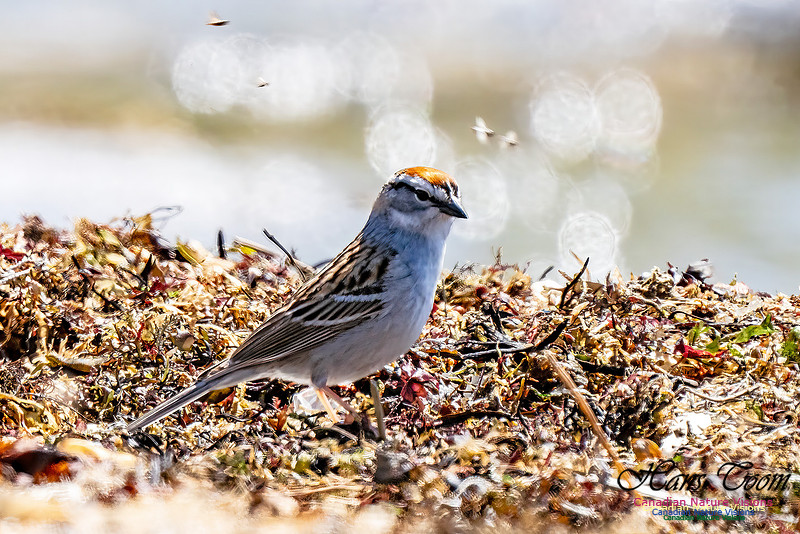
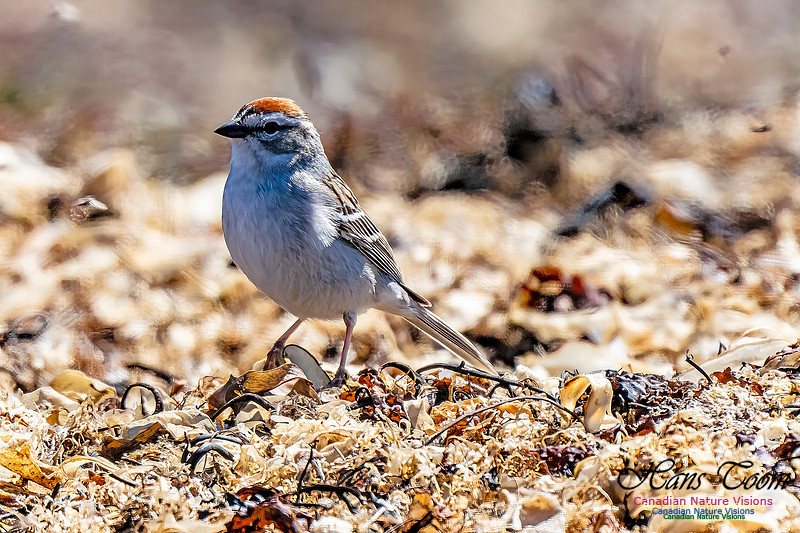
Chipping SparrowI hunkered down against a rock and waited for birds to march by on the kelp heaps. There was an abundance of kelp flies and sand flies for the birds to feast on. They were mostly American Robins and European Starlings but a surprise was a Chipping Sparrow, a bird I don't often see on the kelp heaps but the abundance of edible goodies was a major attractant for these early arriving migrants. Photographing small birds on kelp heaps has its own challenges; confusing light, shadows and focus issues. Chipping Sparrow
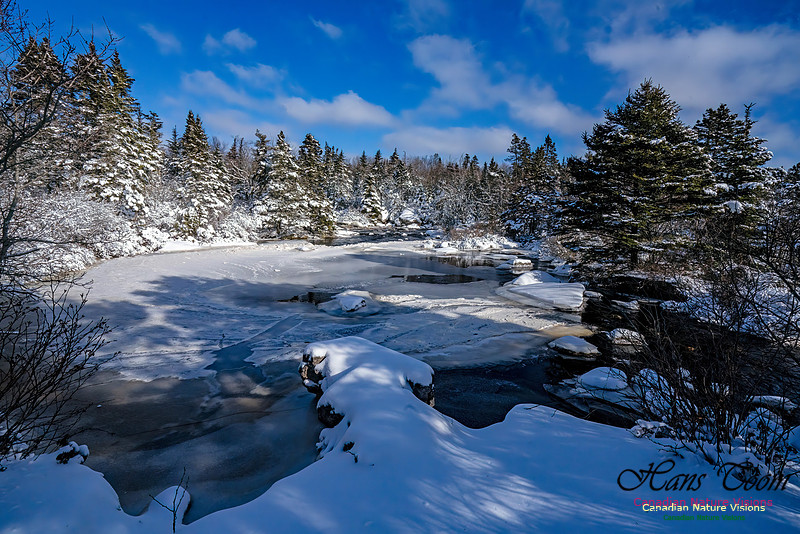
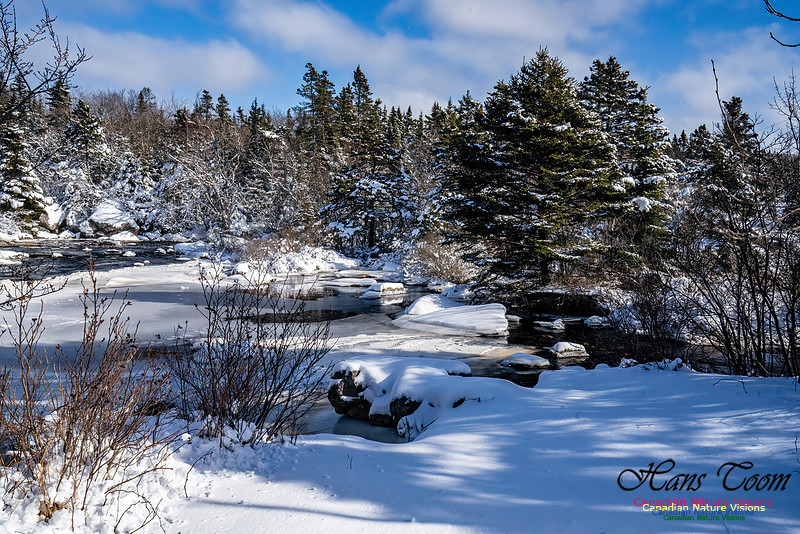
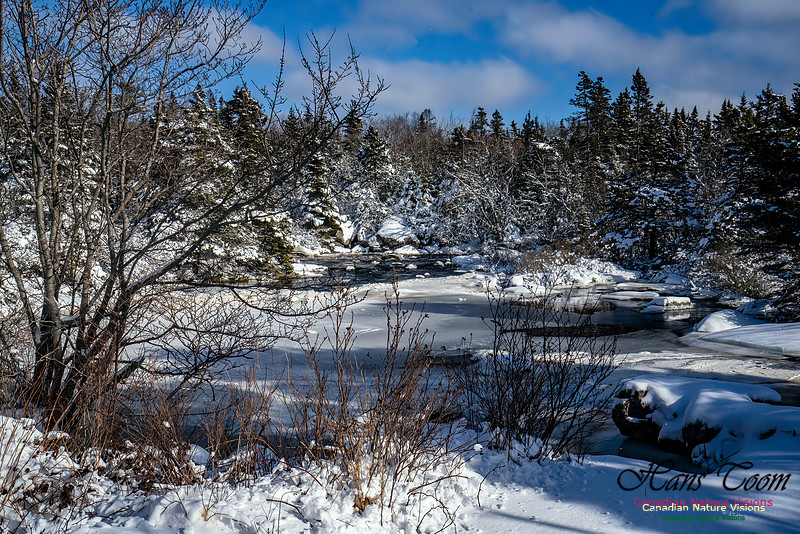
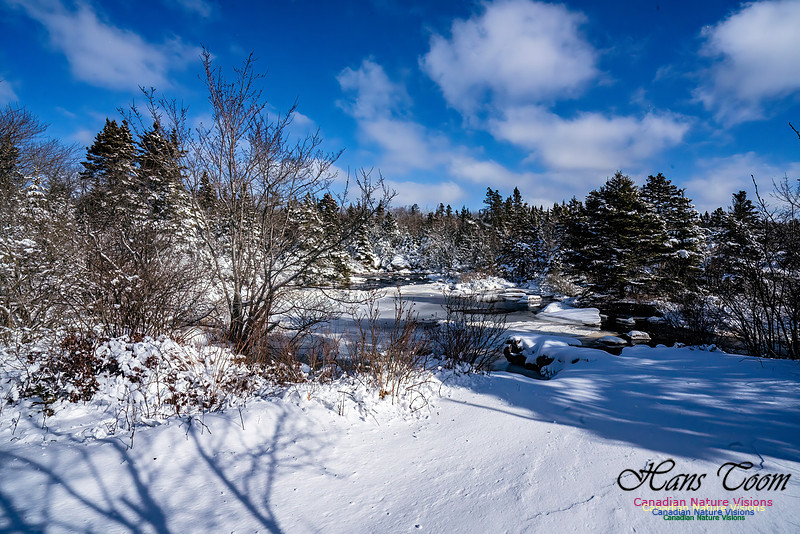
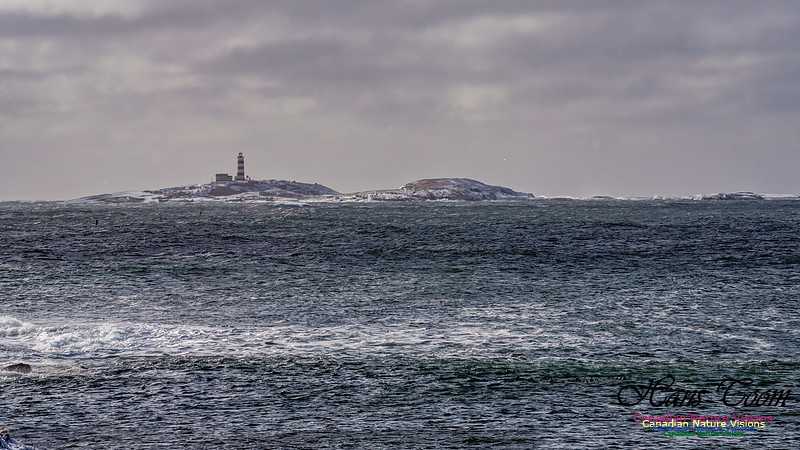
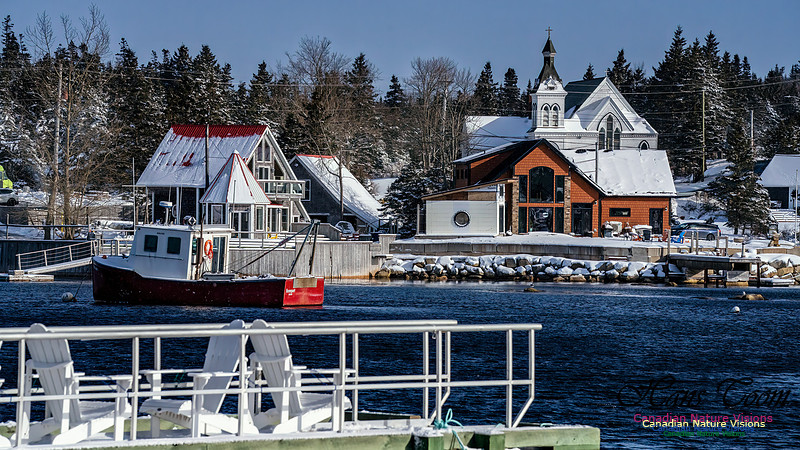
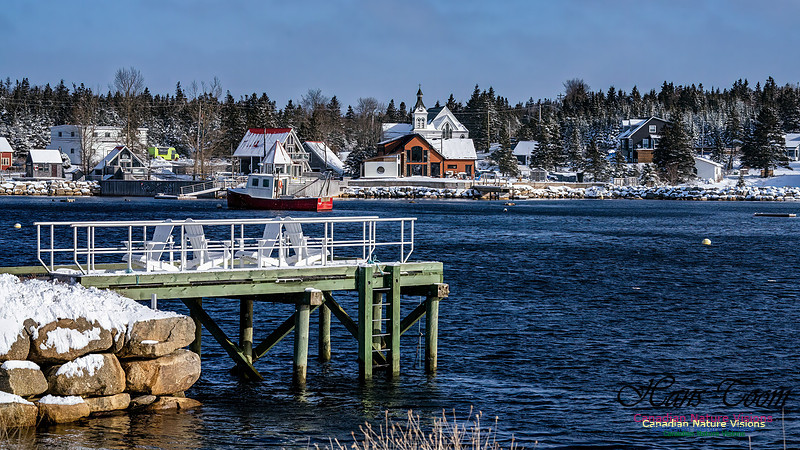
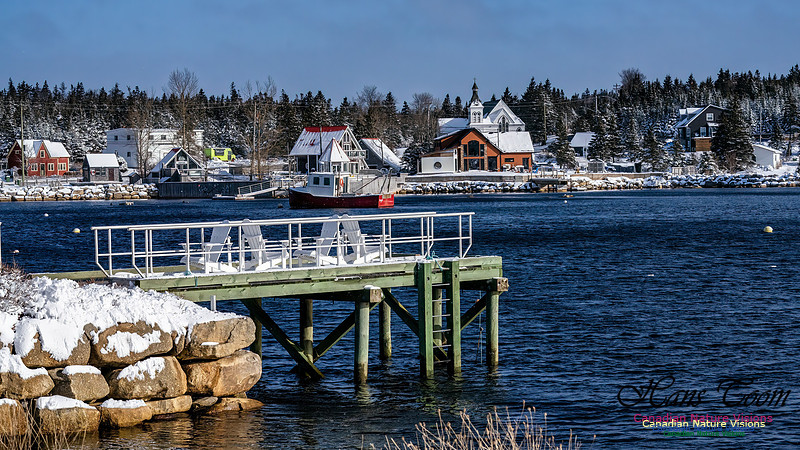
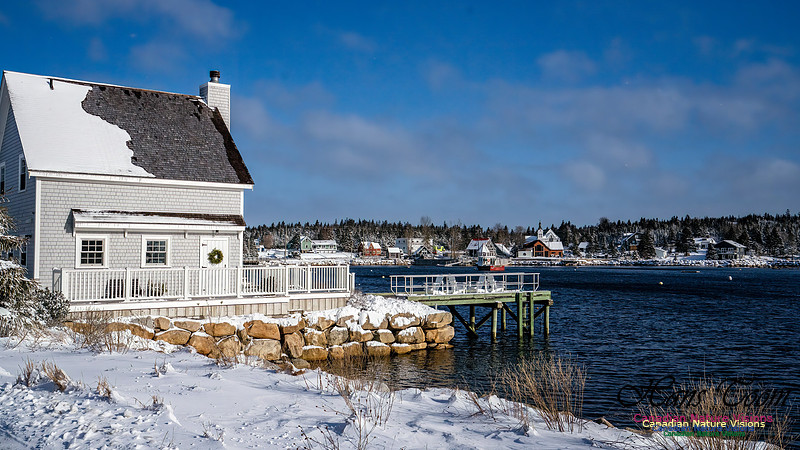
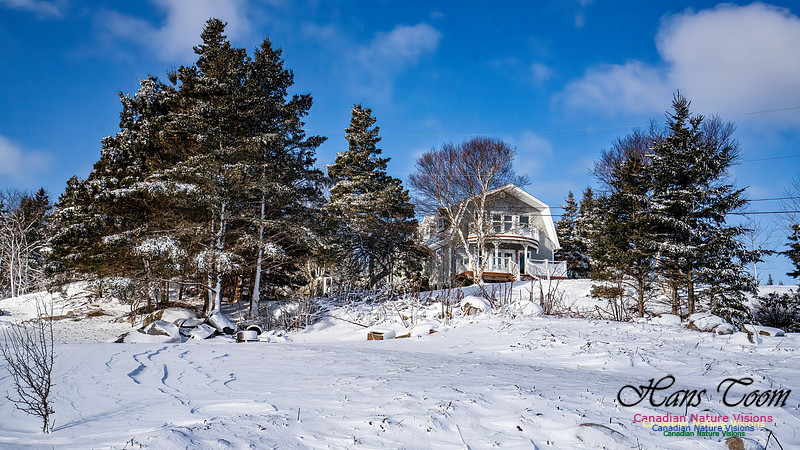
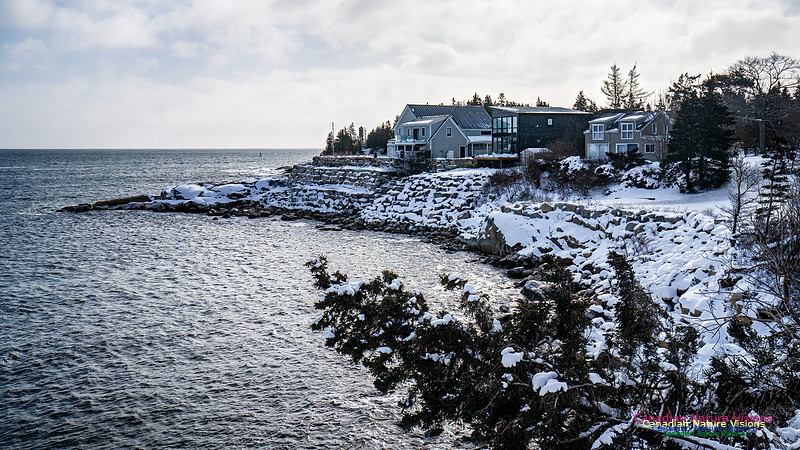
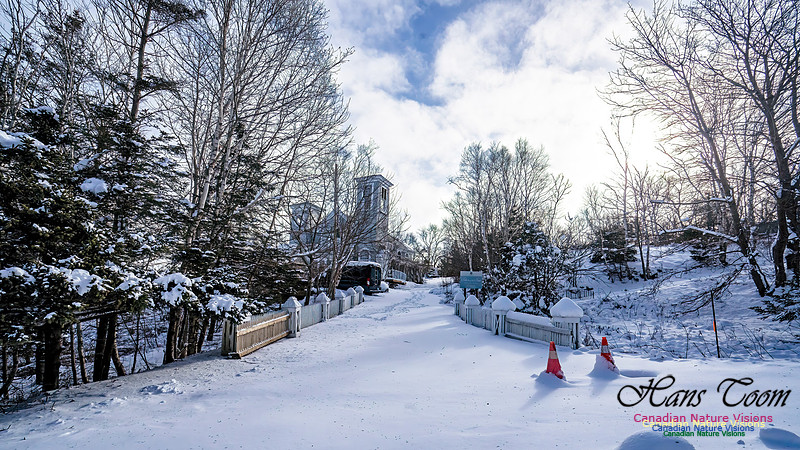
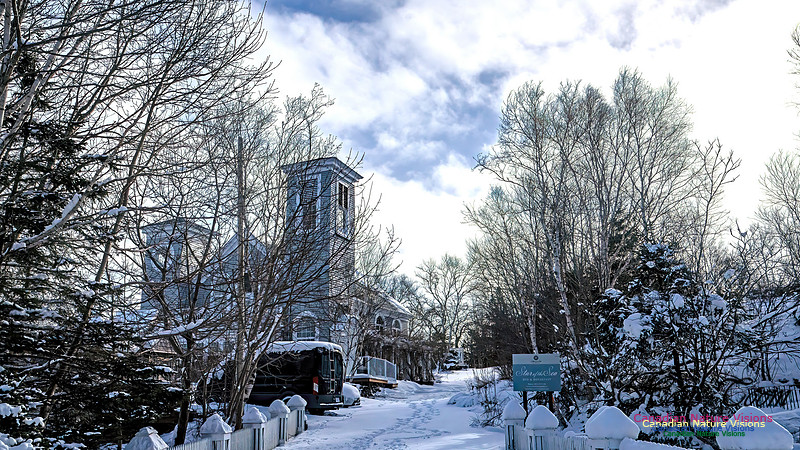
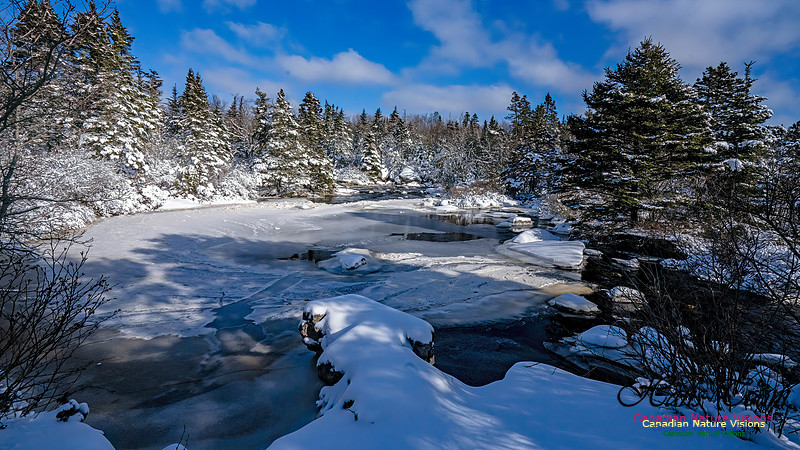
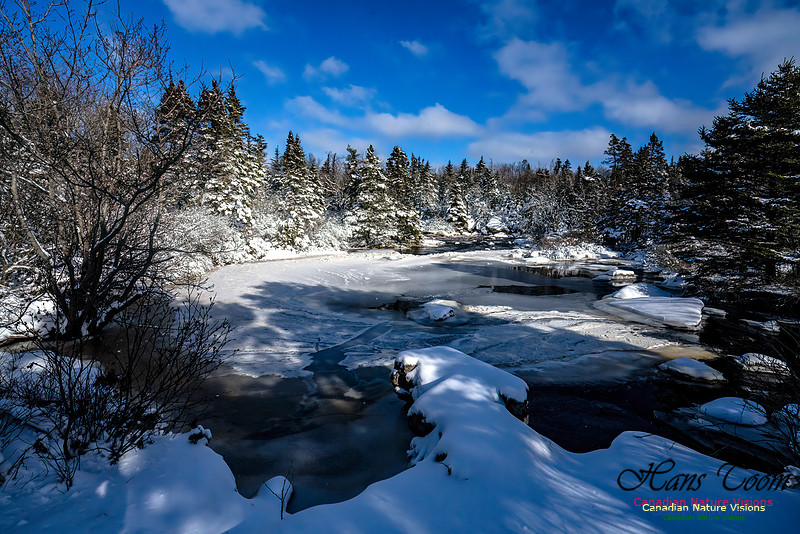
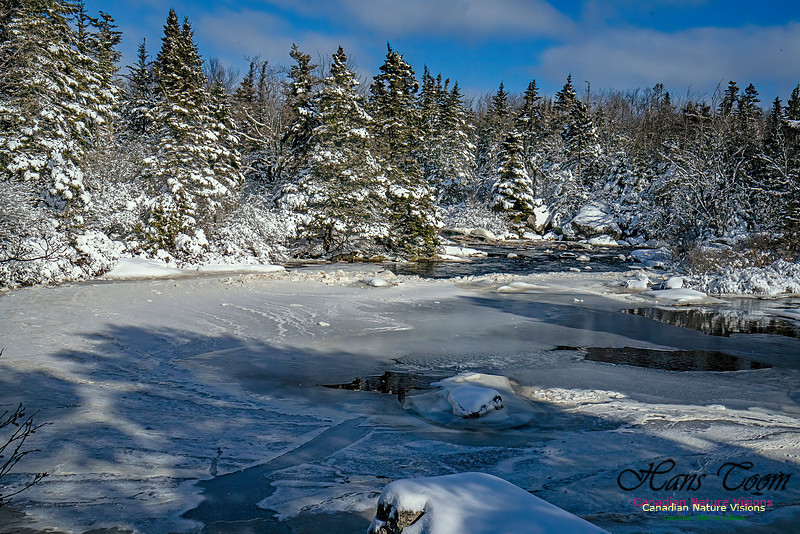
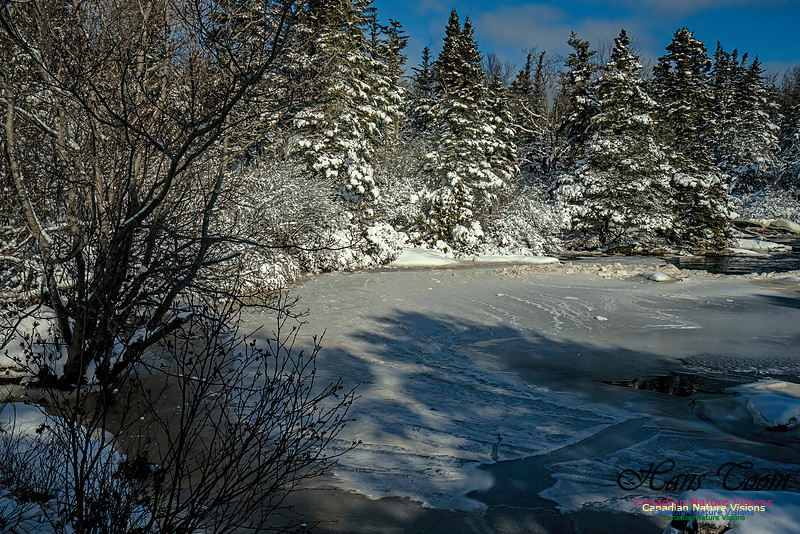
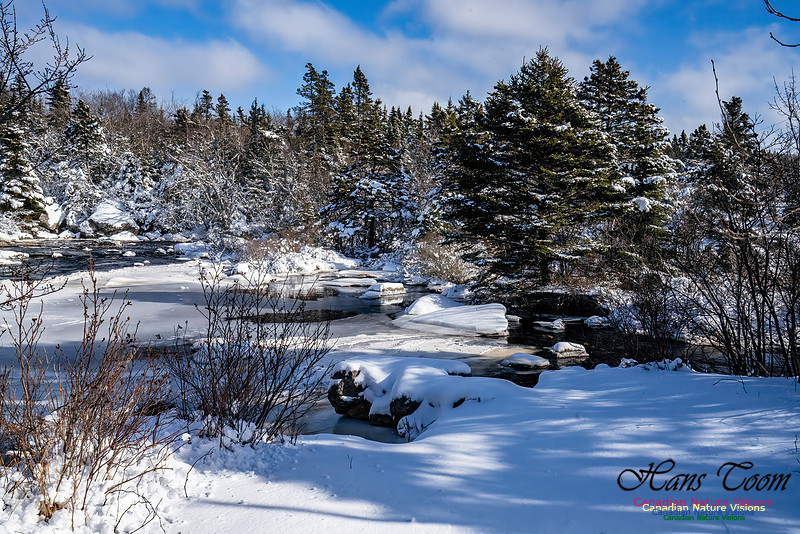
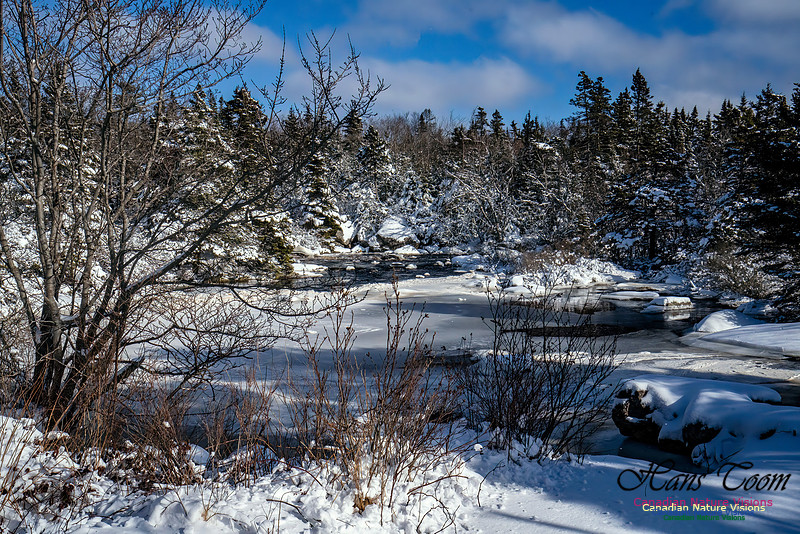
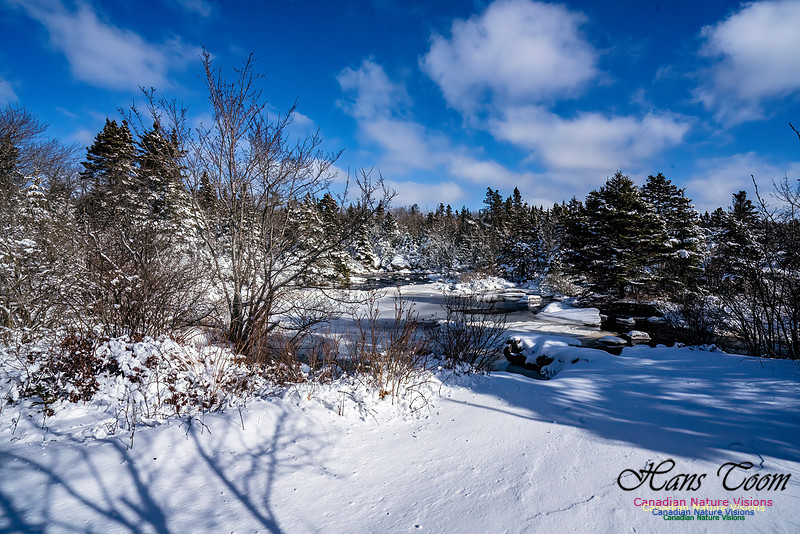
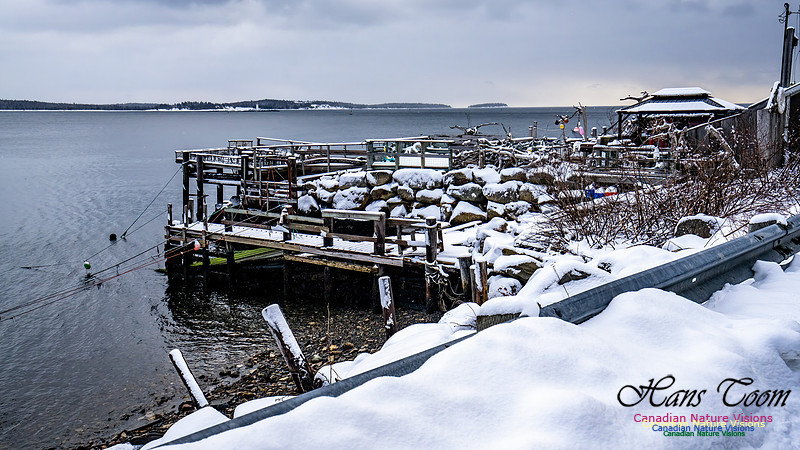
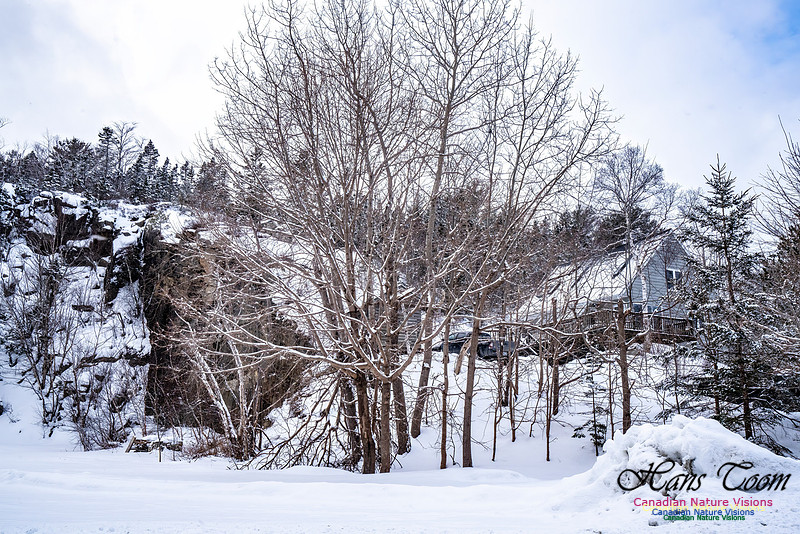
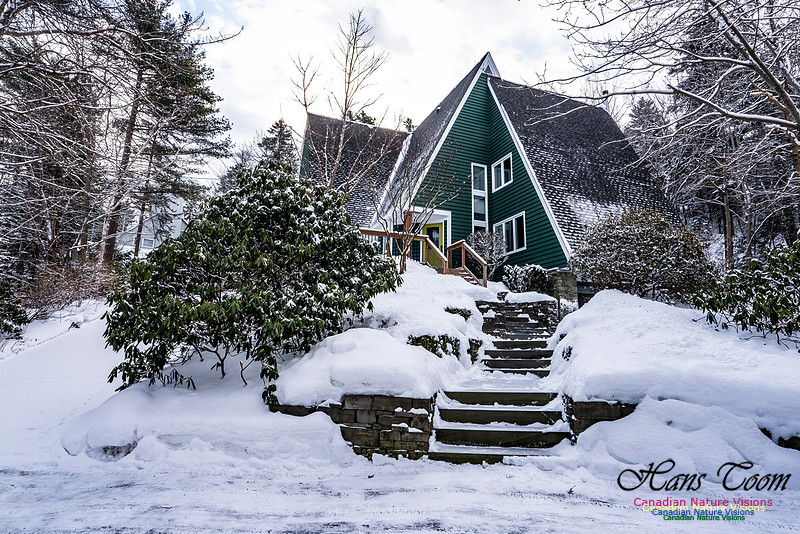
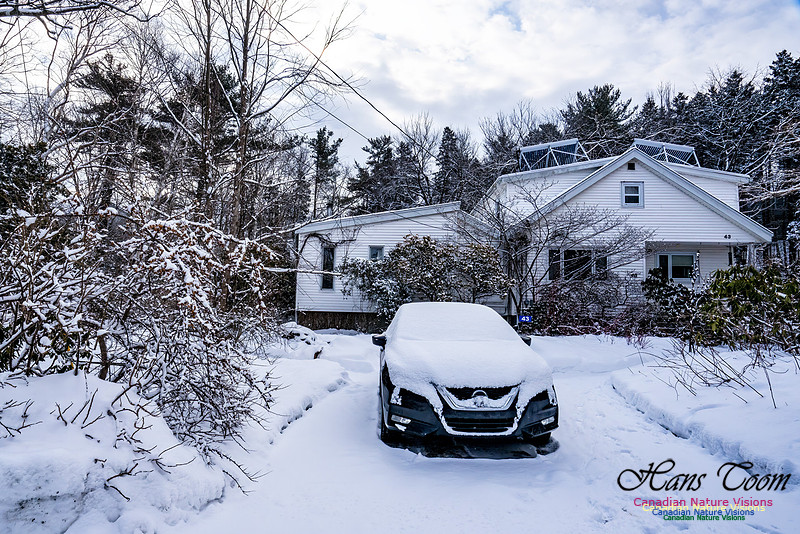
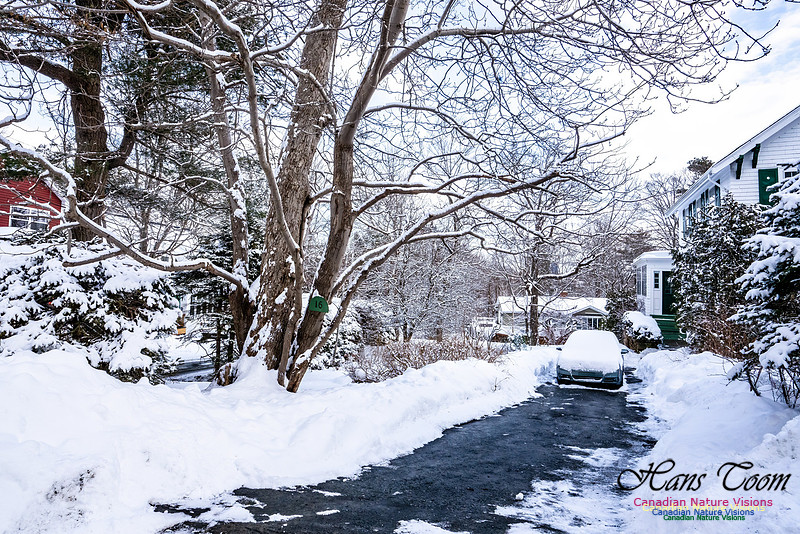
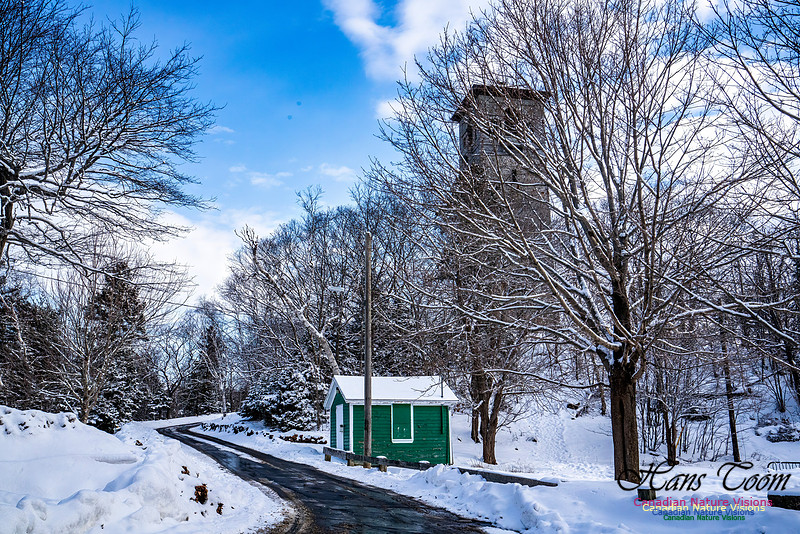
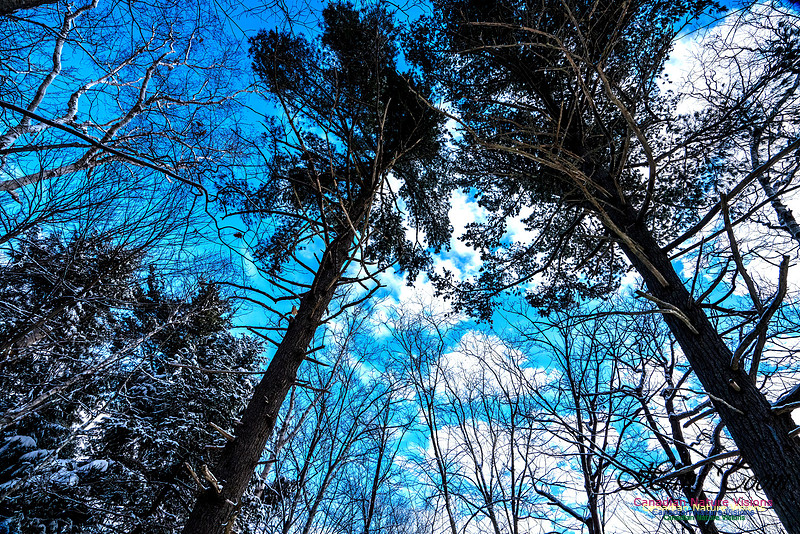
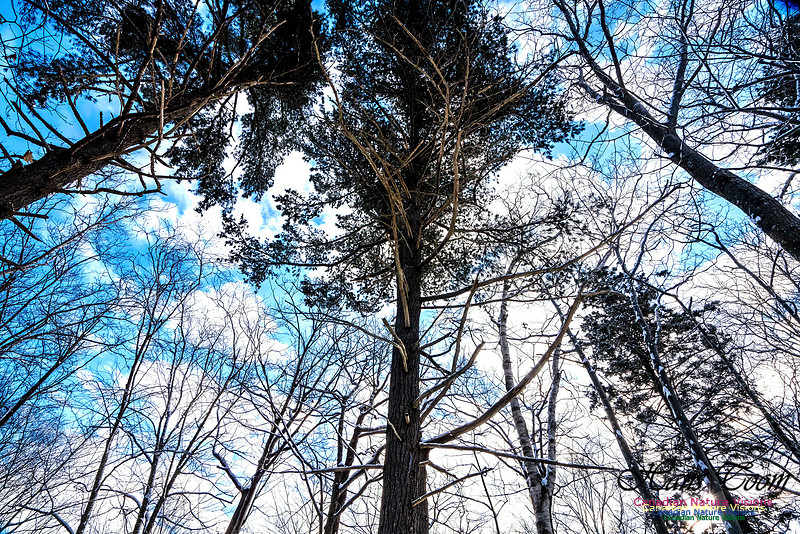
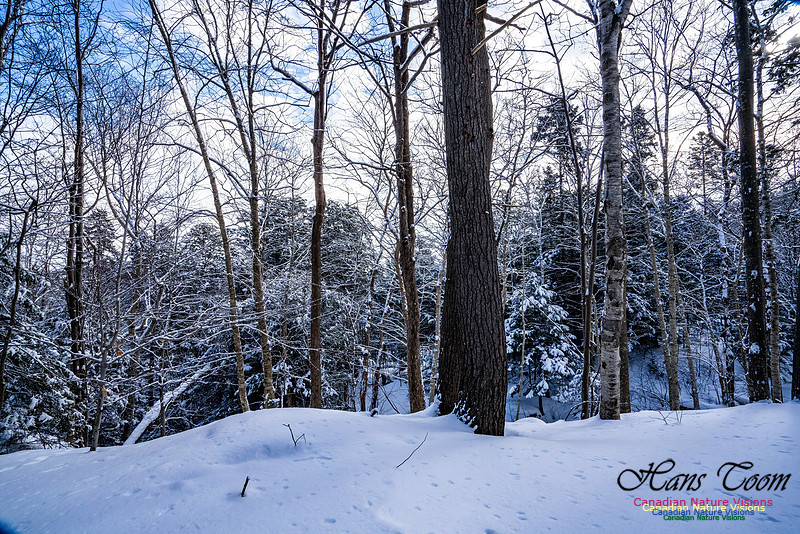
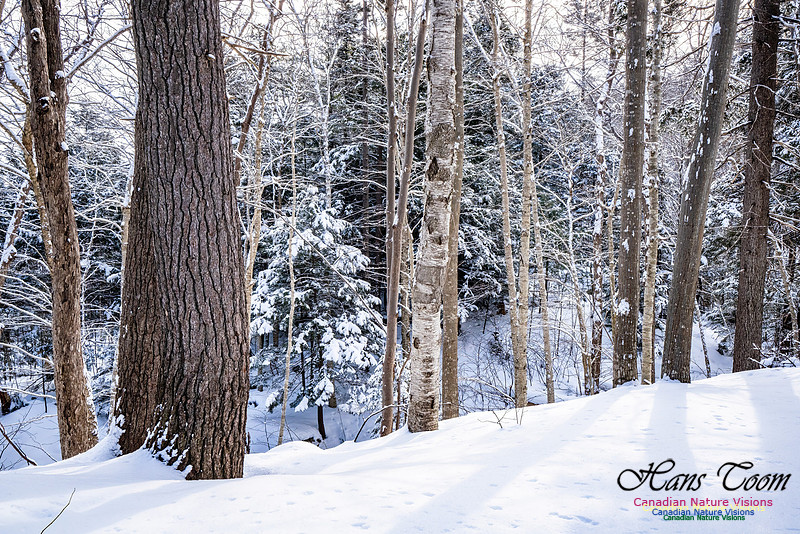
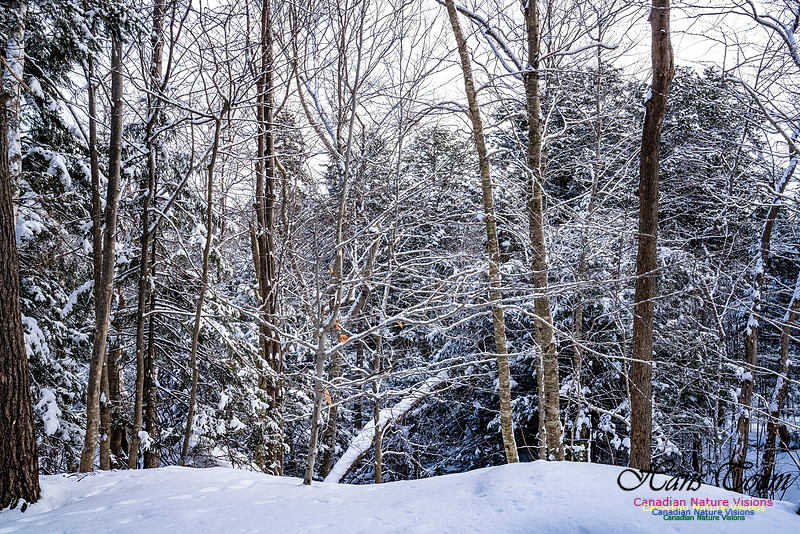
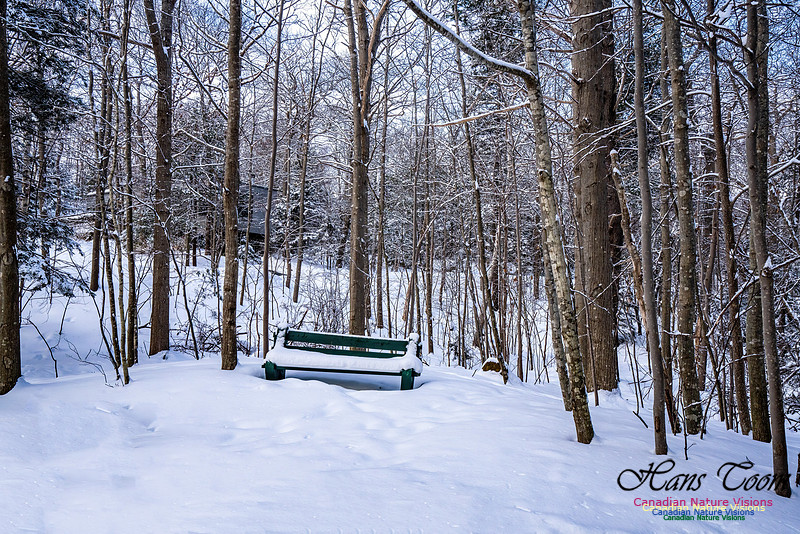
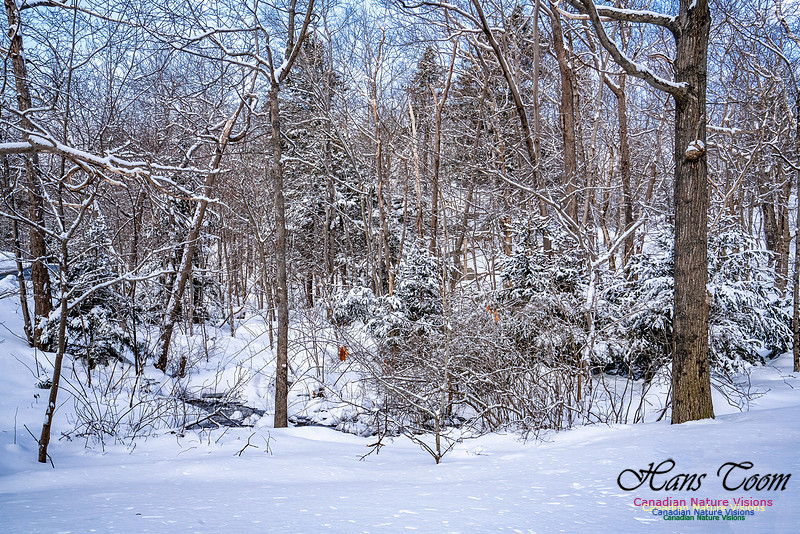
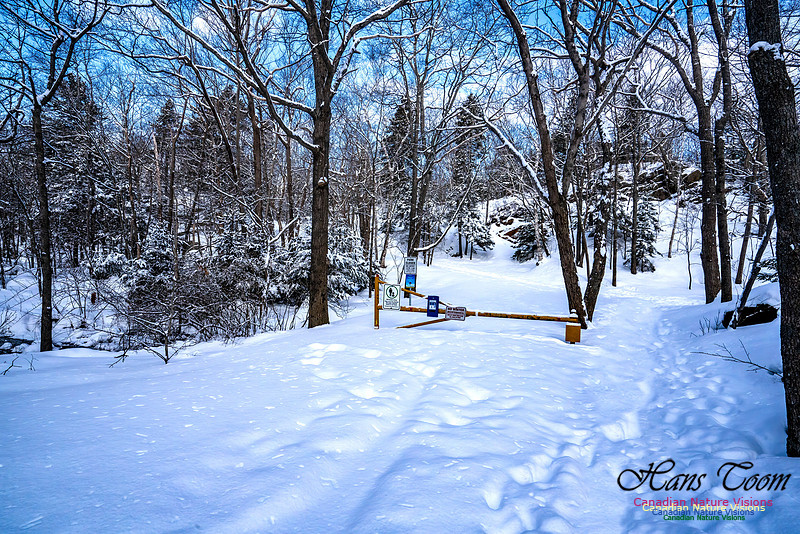
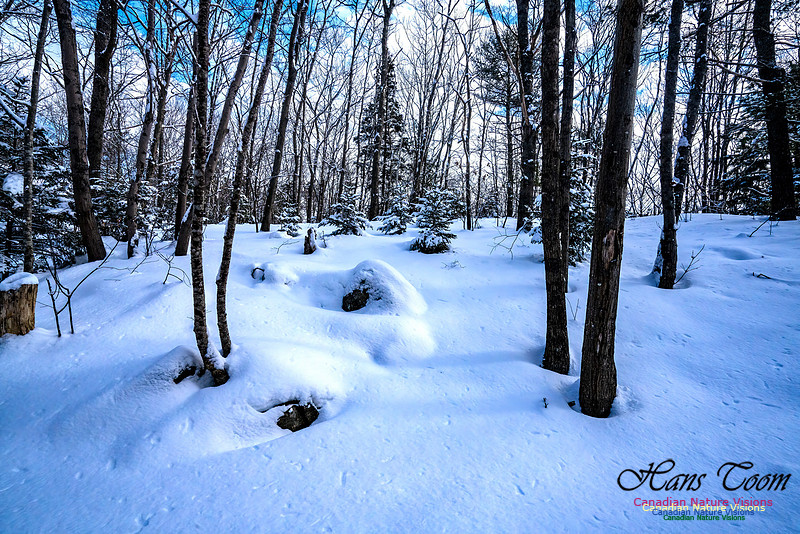
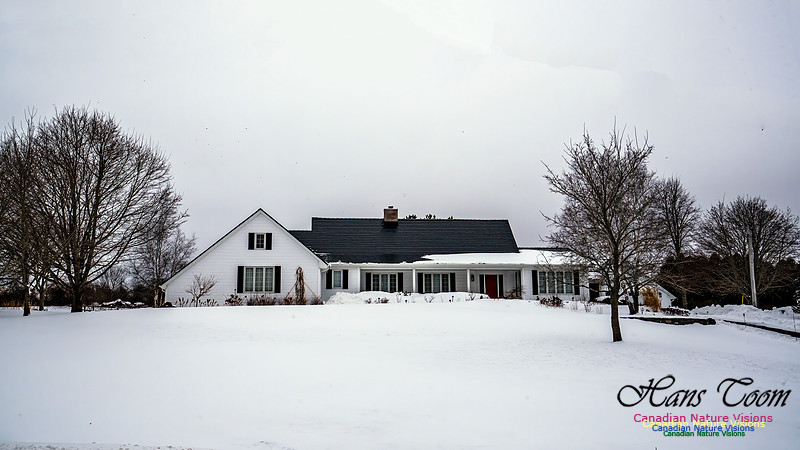
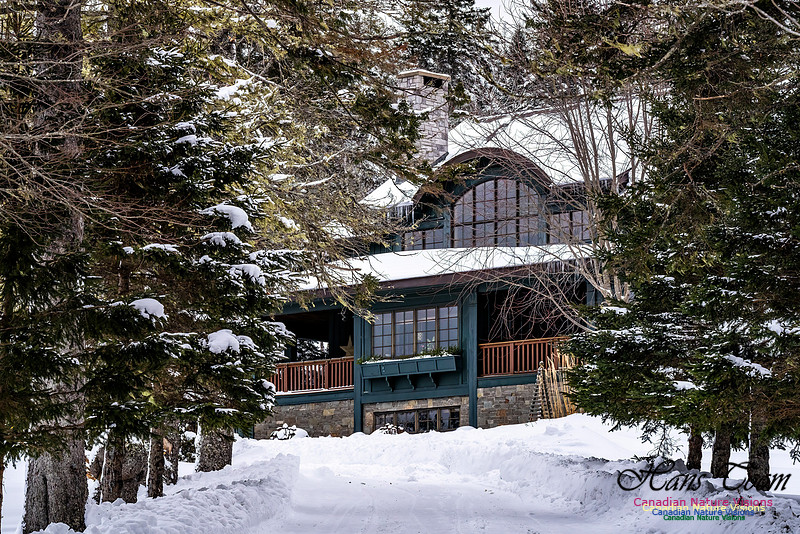
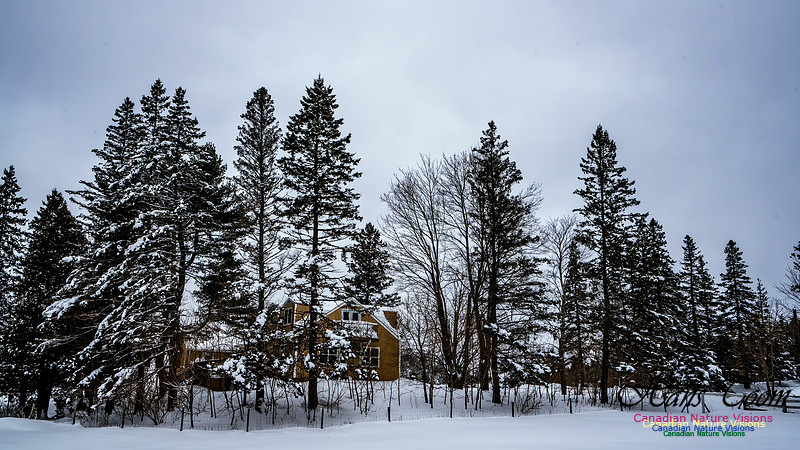
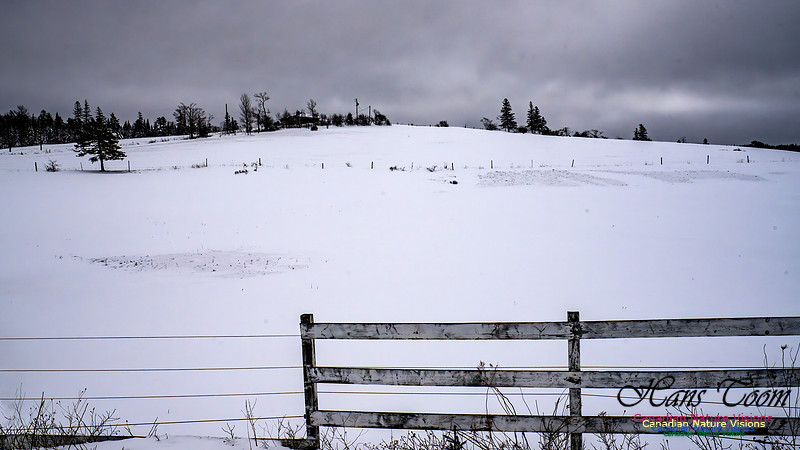
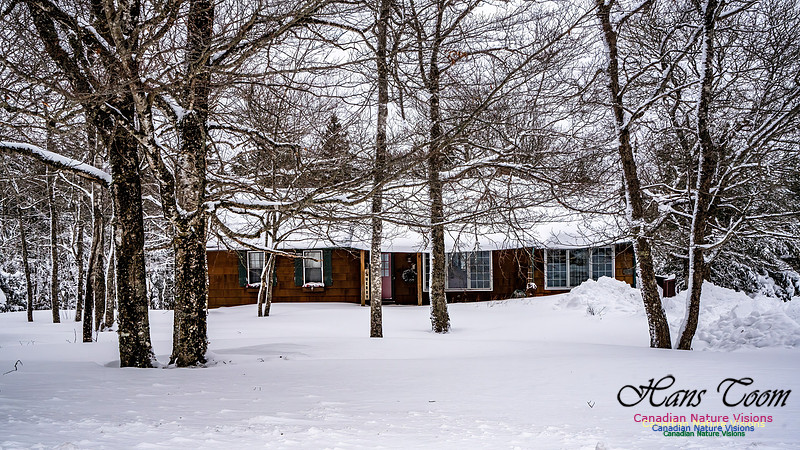
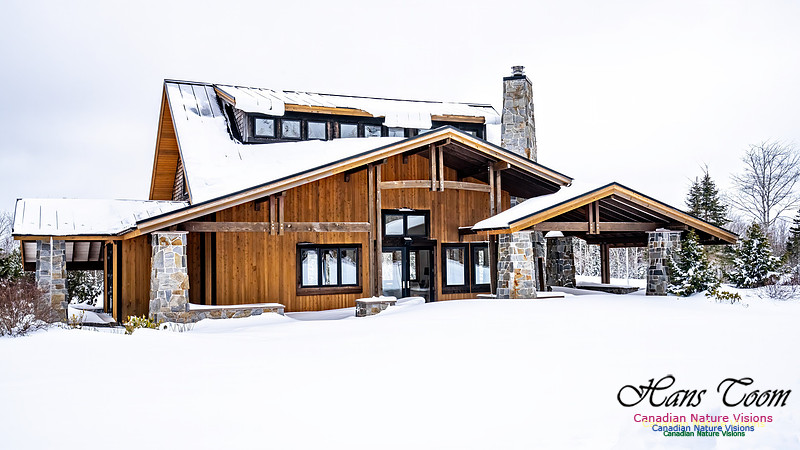
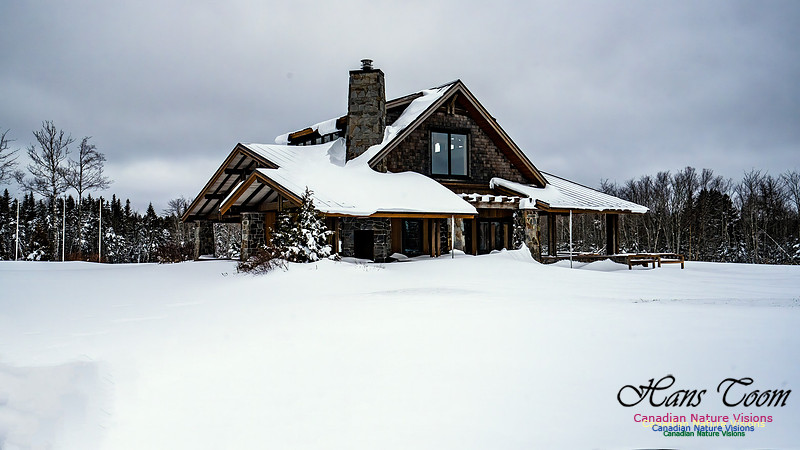
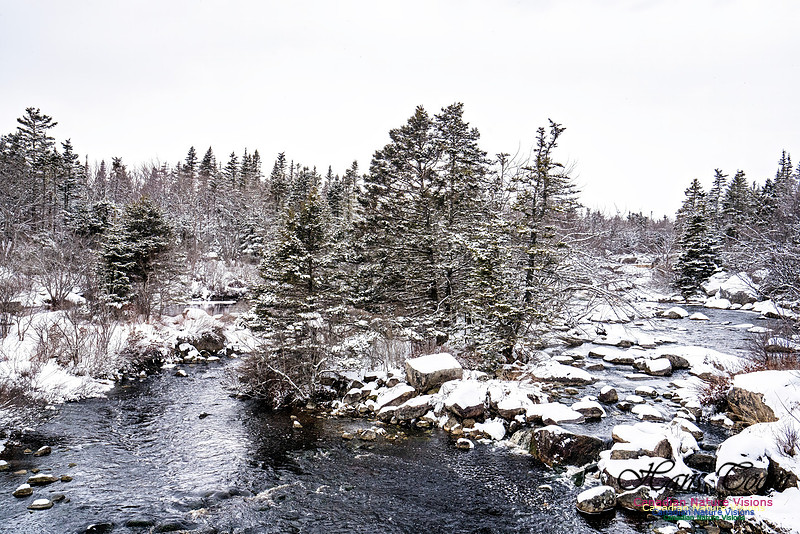
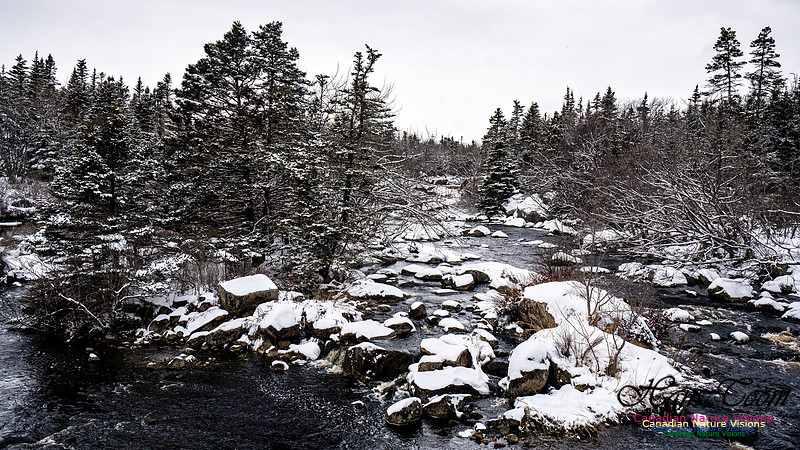
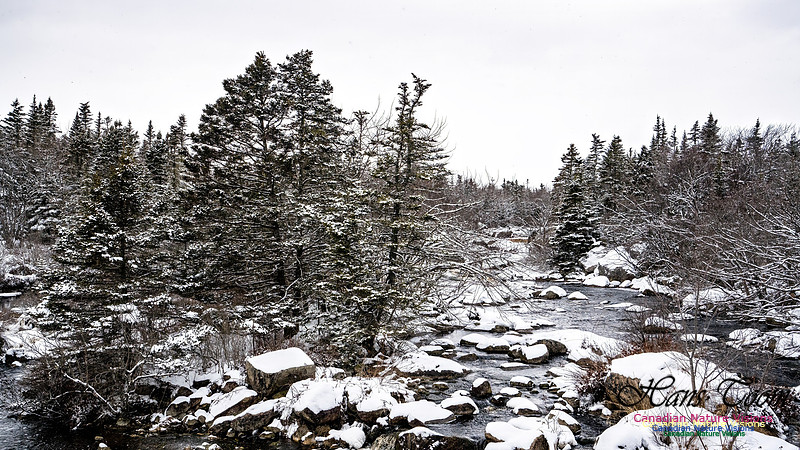
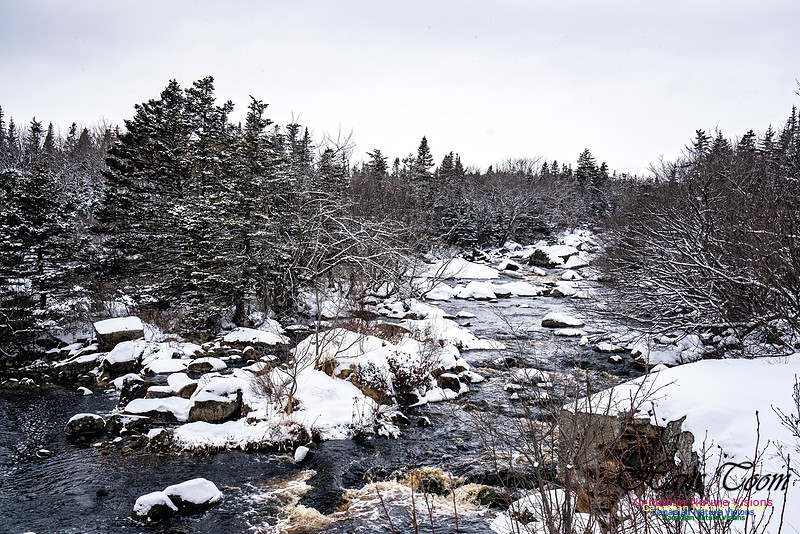
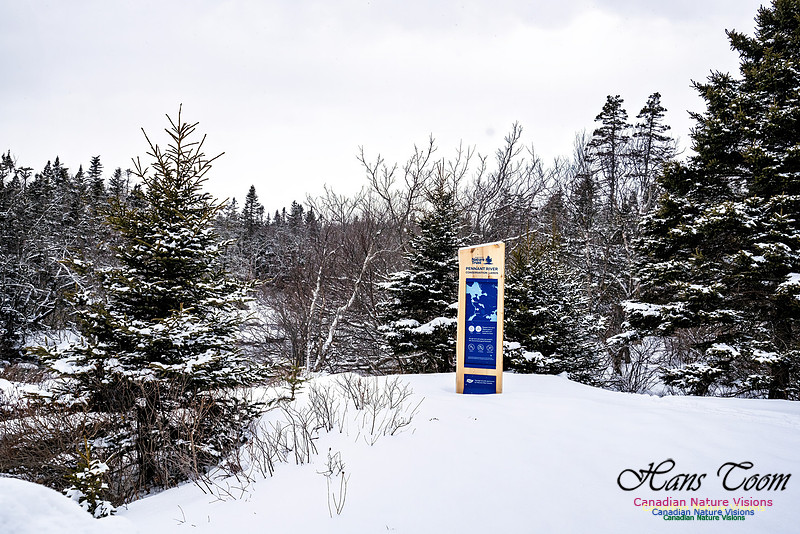
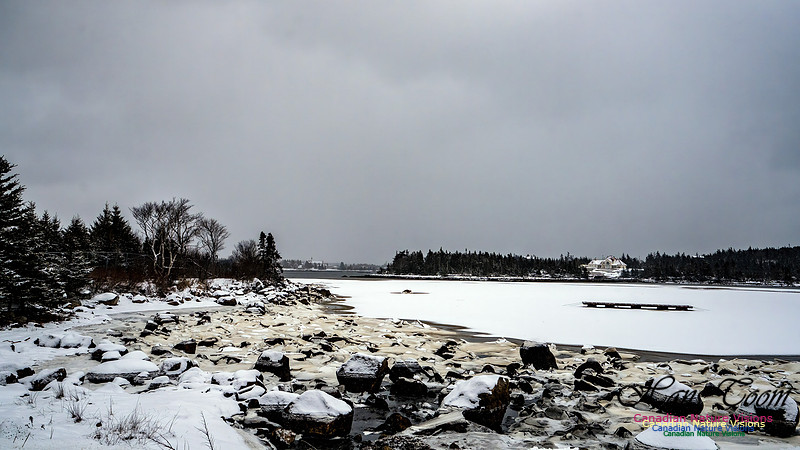
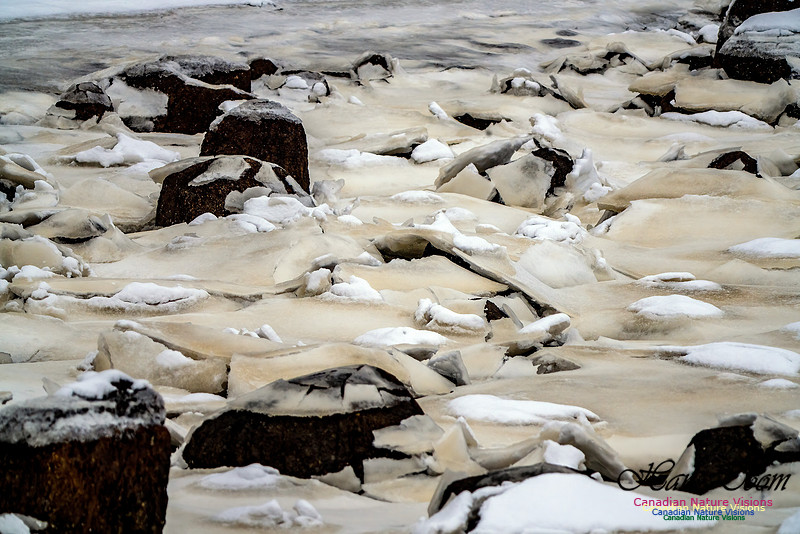
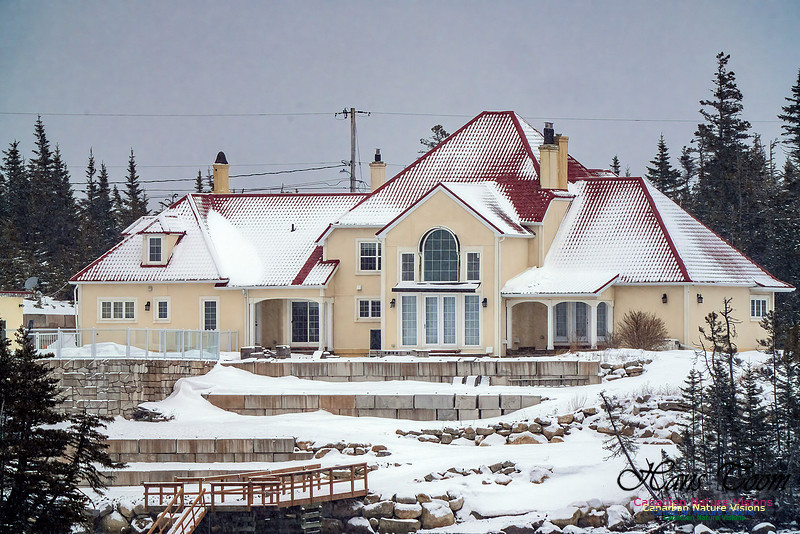
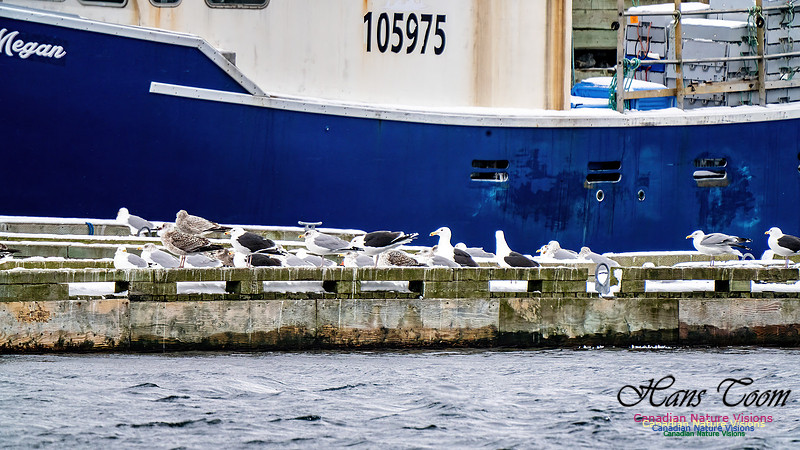
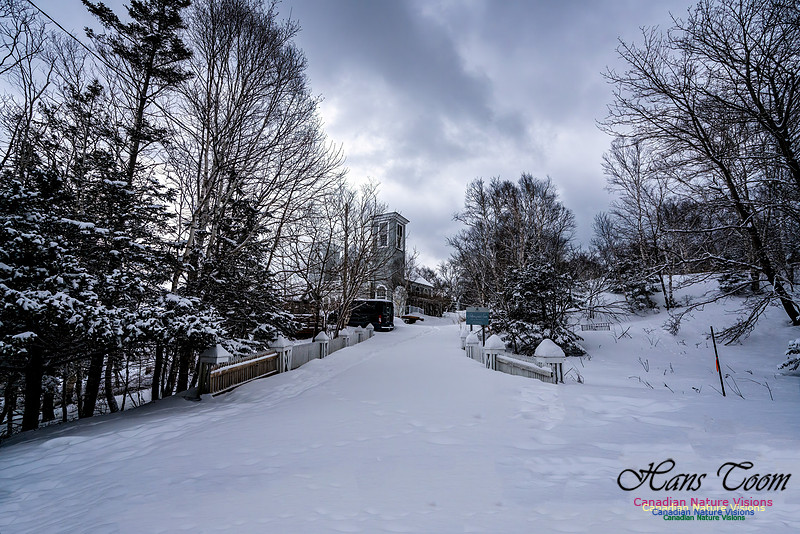
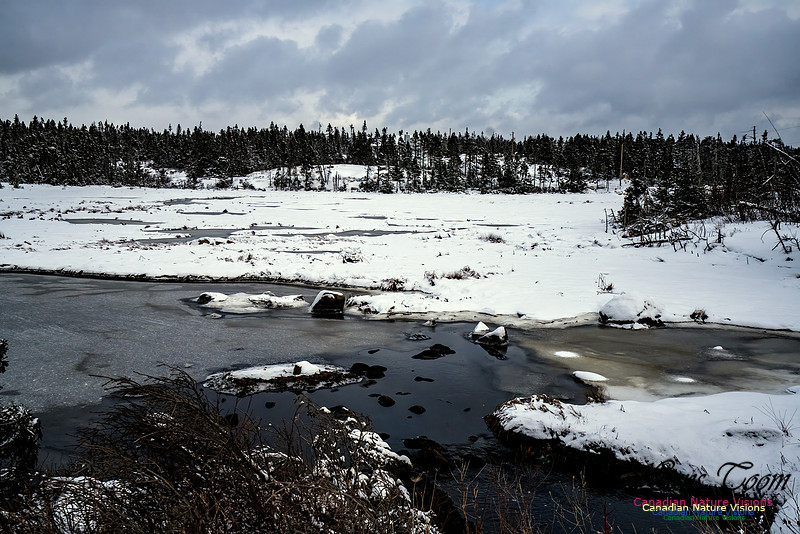
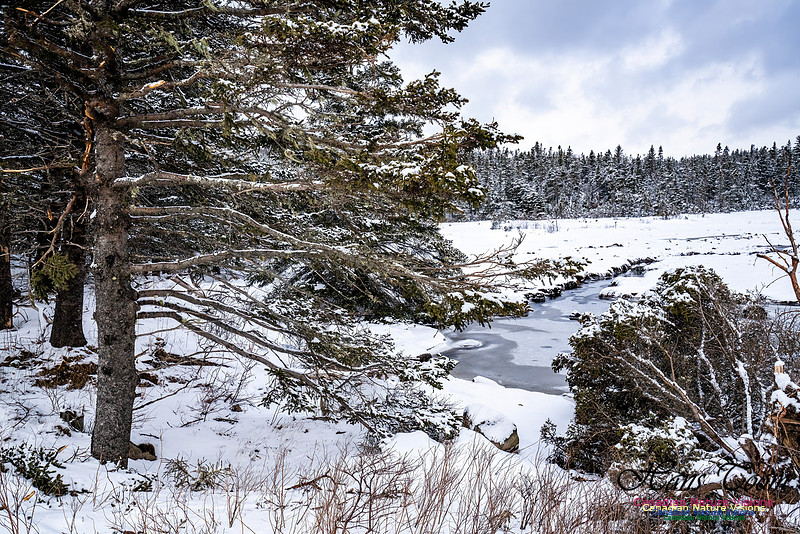
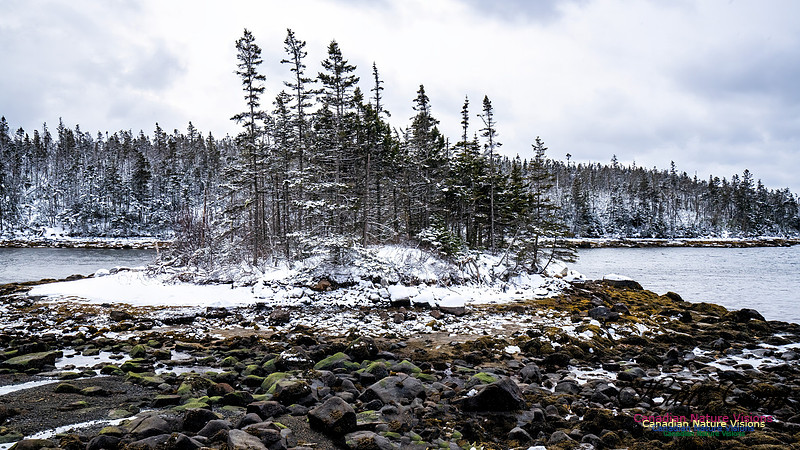
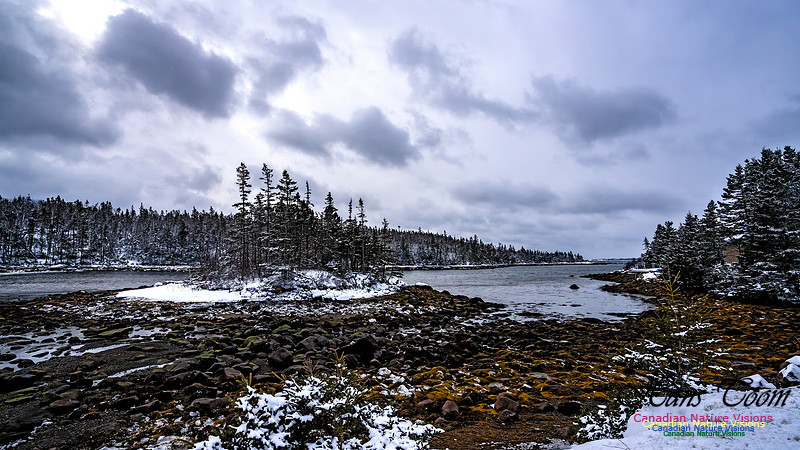
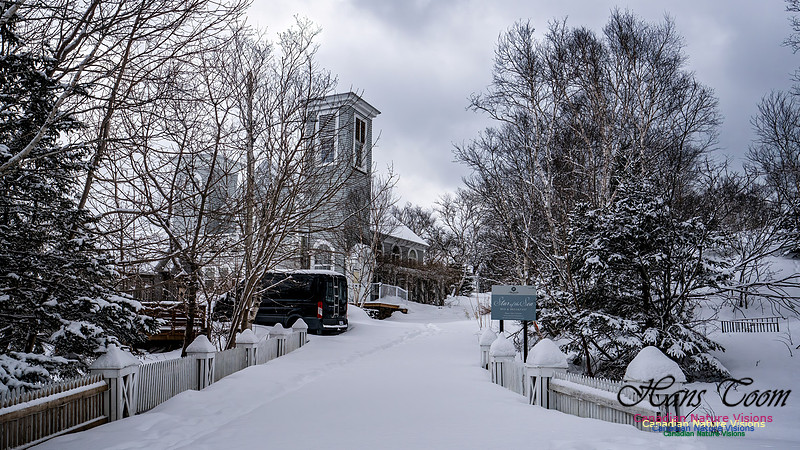
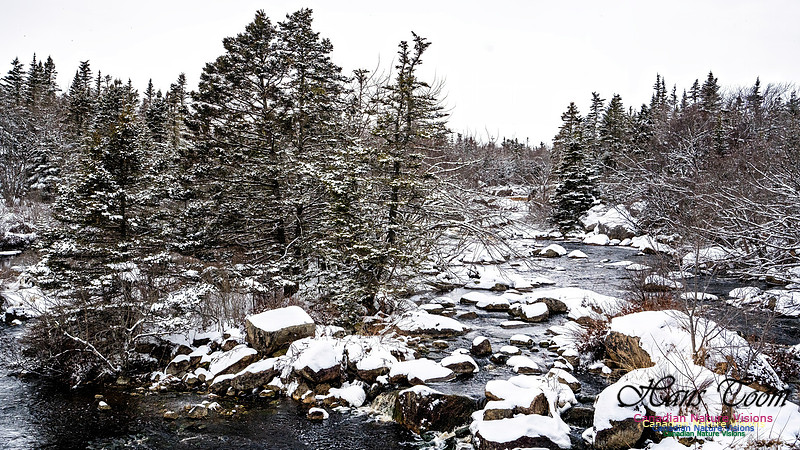
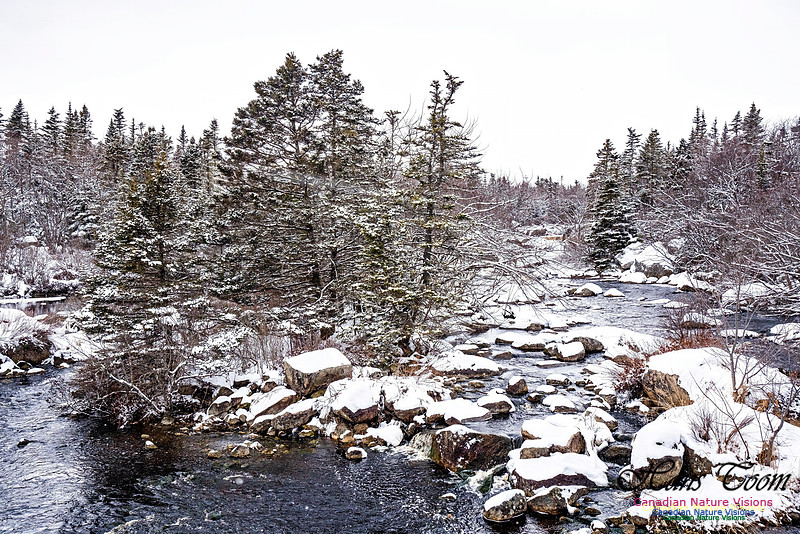
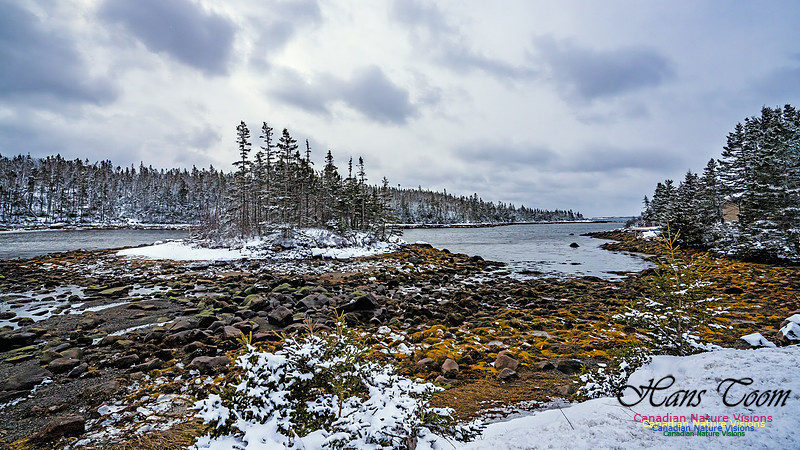
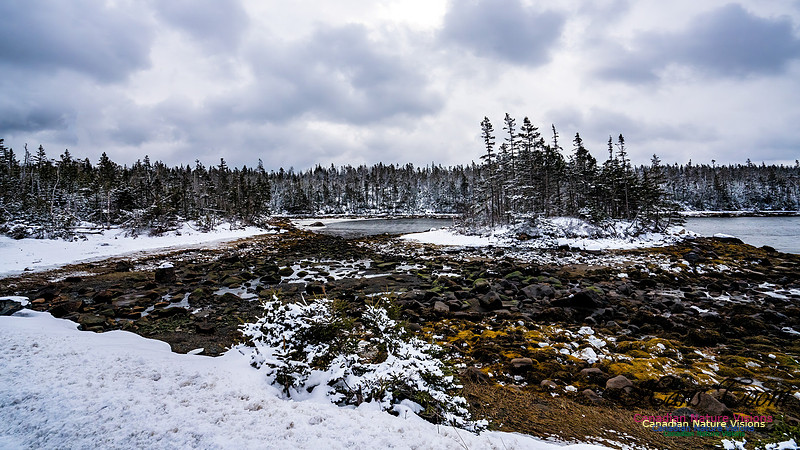
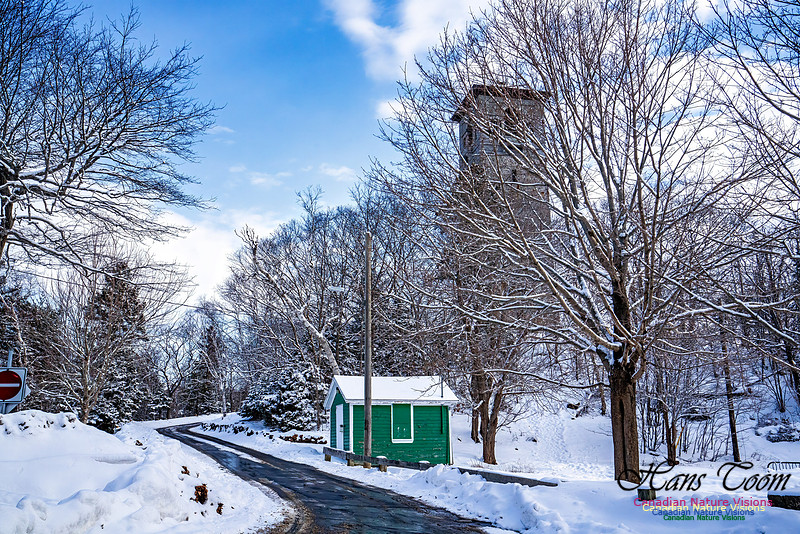
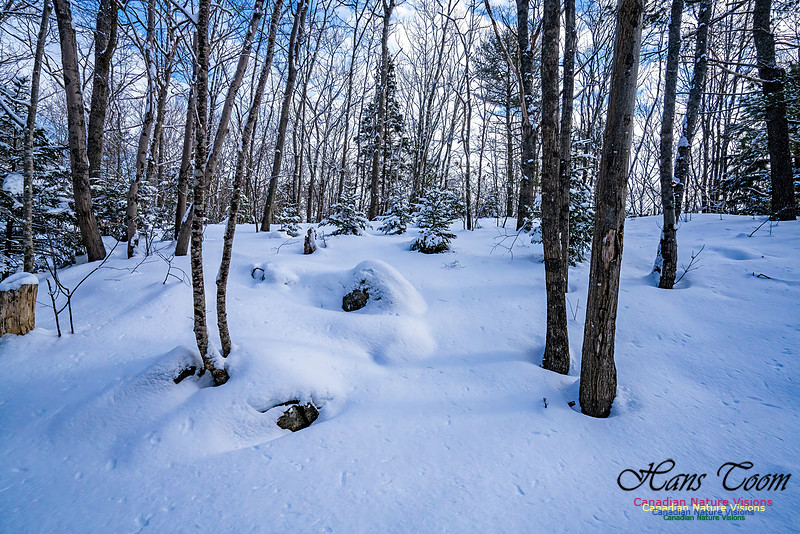
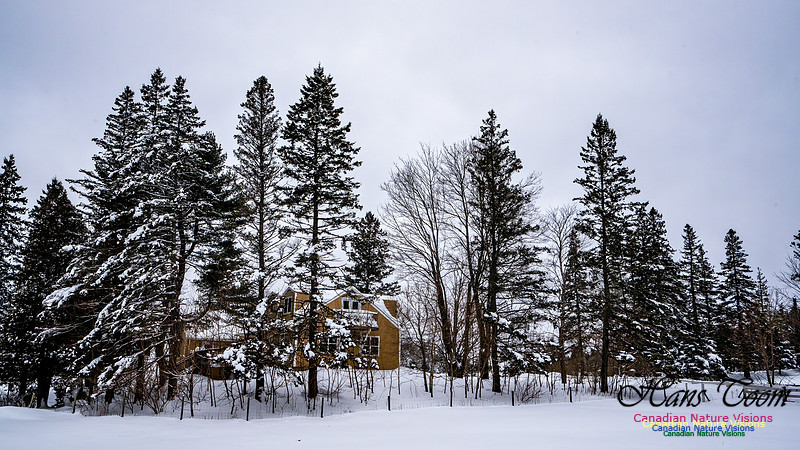
The Last of My Nova Scotia Winter 2023-2024 PhotographsThese are the last of my collection of Nova Scotia 2023-2024 winter photos. After a snowfall one has to move about quickly since the wind removes the snow from the trees quickly. The Last of My Nova Scotia Winter 2023-2024 Photographs
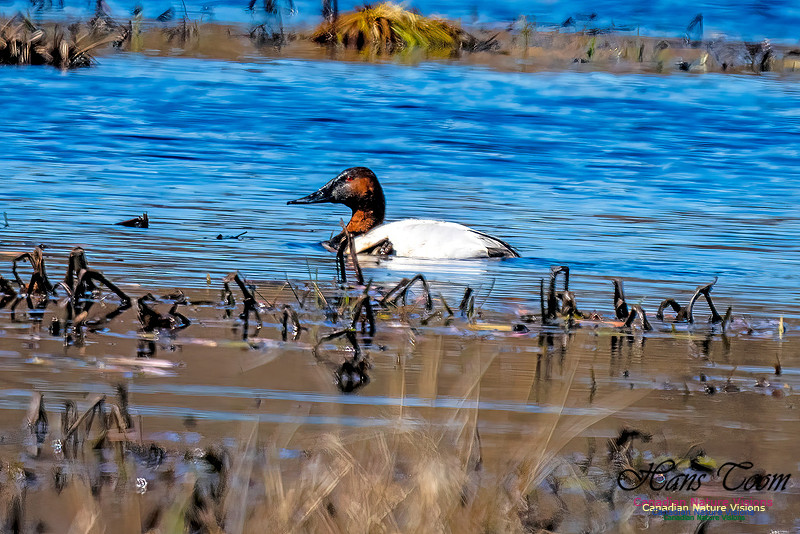
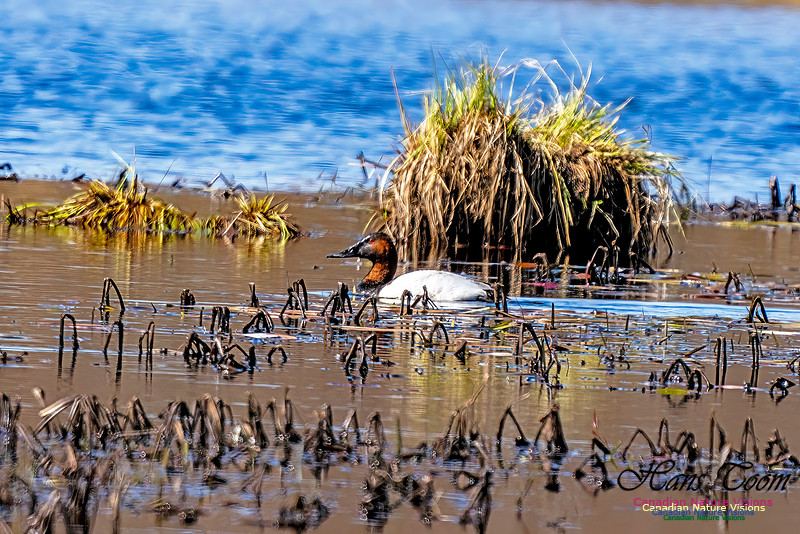
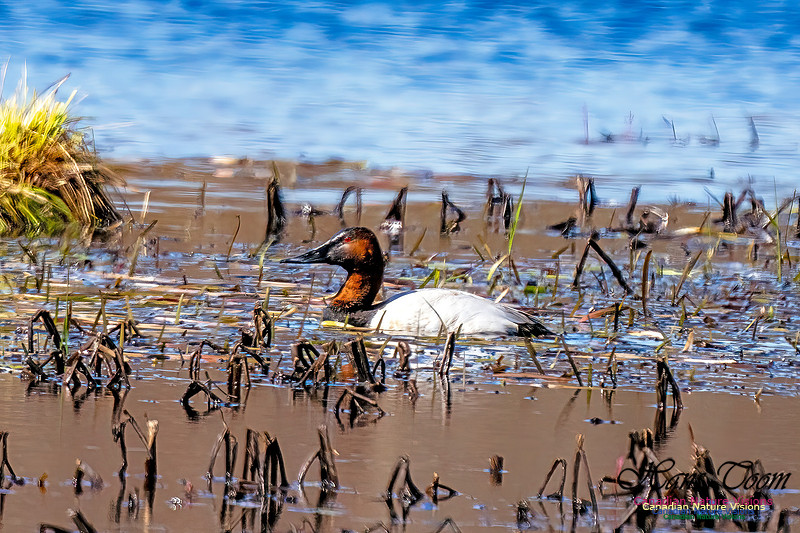
CanvasbackThe Canvasback, a western breeder, is a common diving duck of the central flyway which I often saw in Manitoba. This example of a male at Brookfield Marsh was in terrible light. I tried to move around to the other side of the marsh for better light but it just paddled further away. Prized as the "king of ducks" it was frequently sought out by marshland killers (hunters). Canvasback
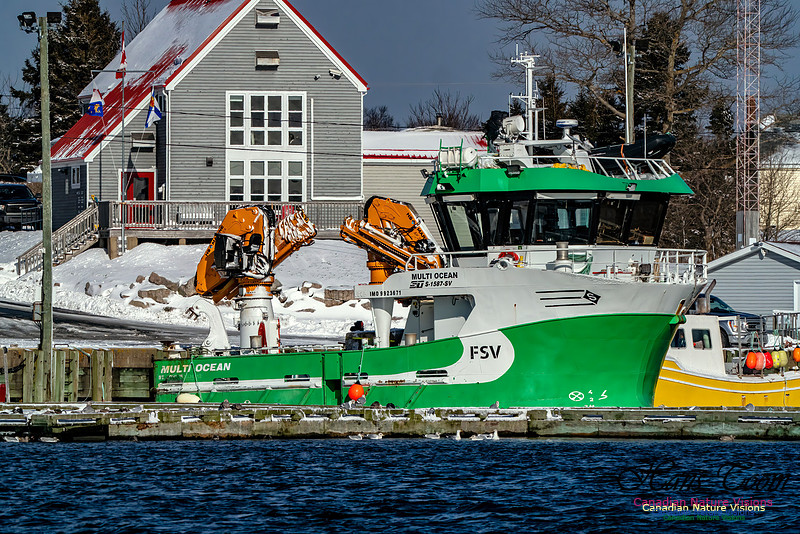
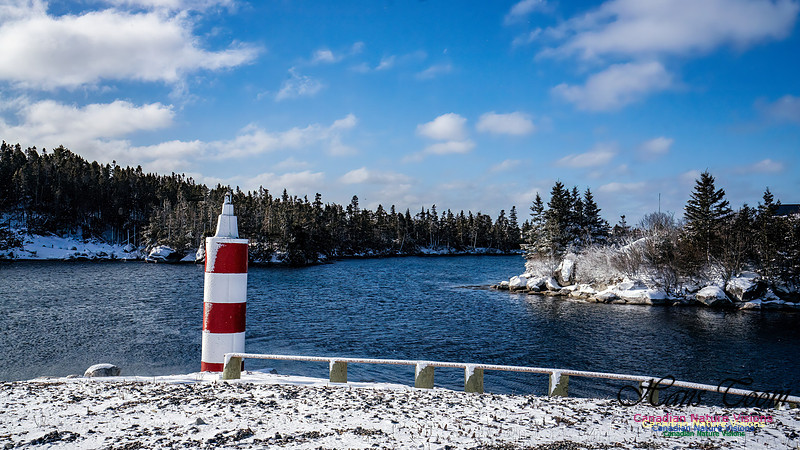
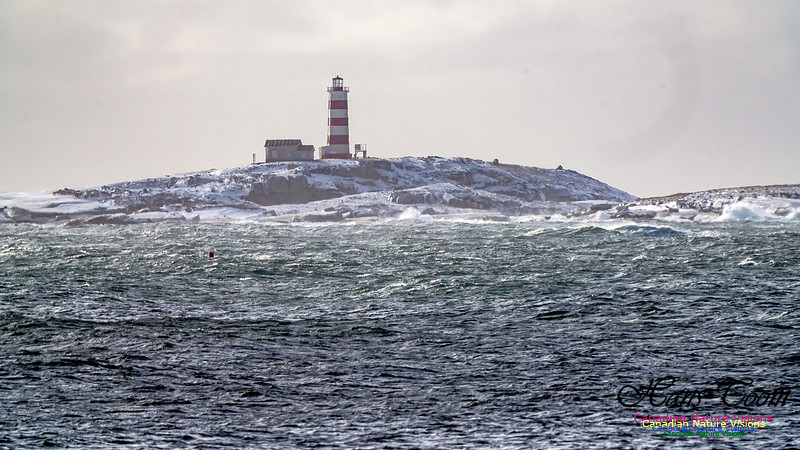
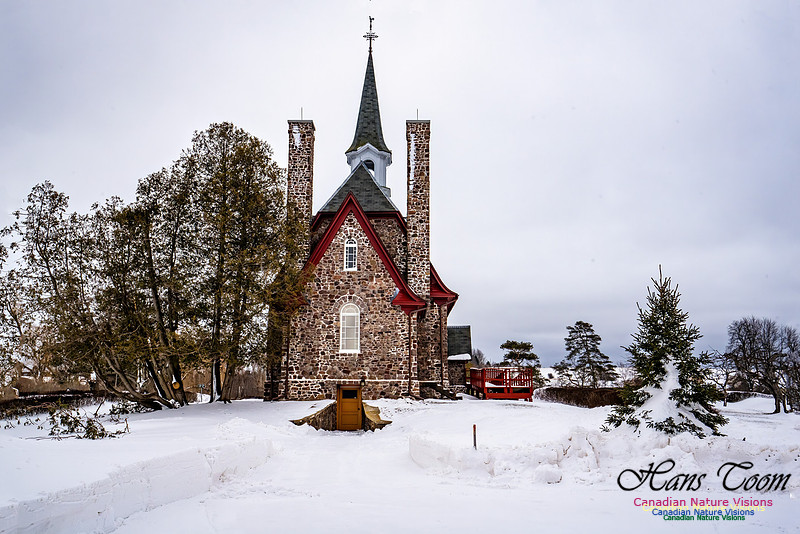
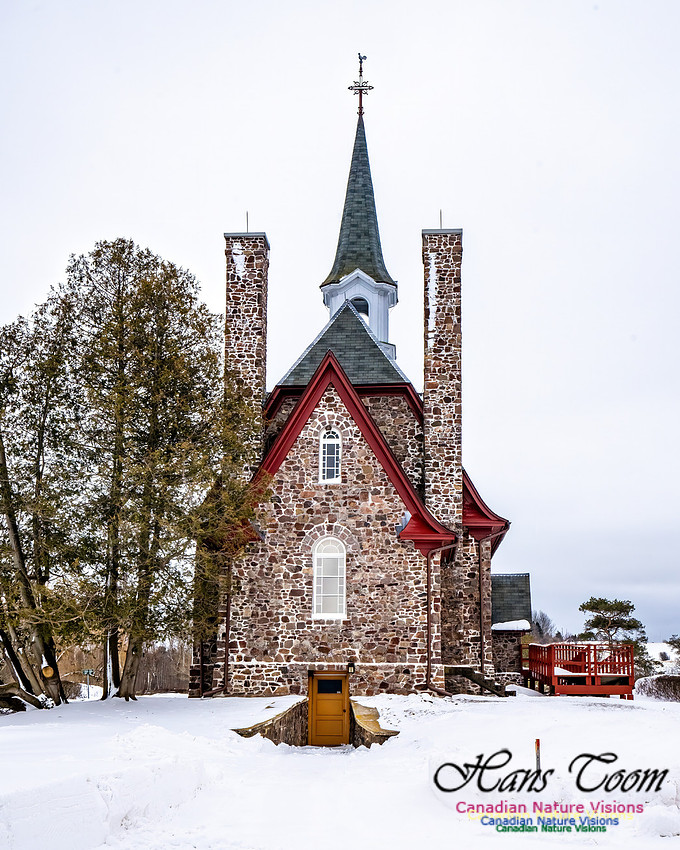
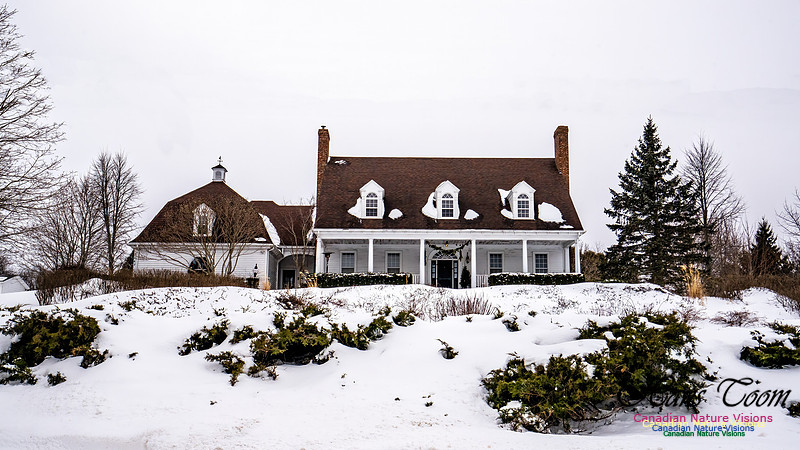
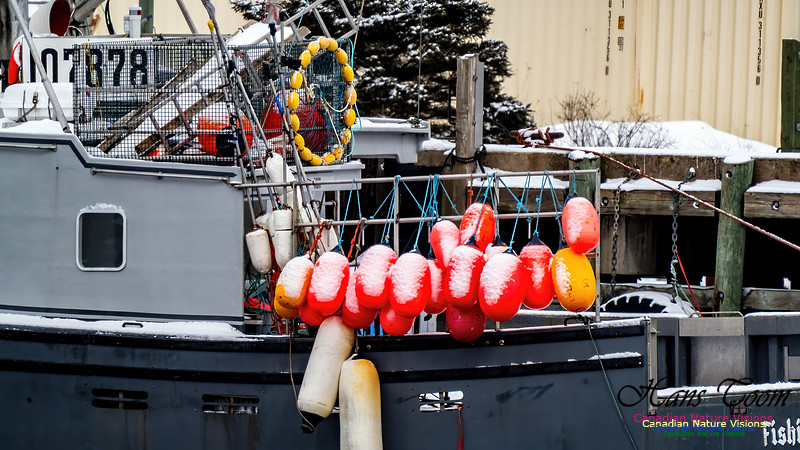
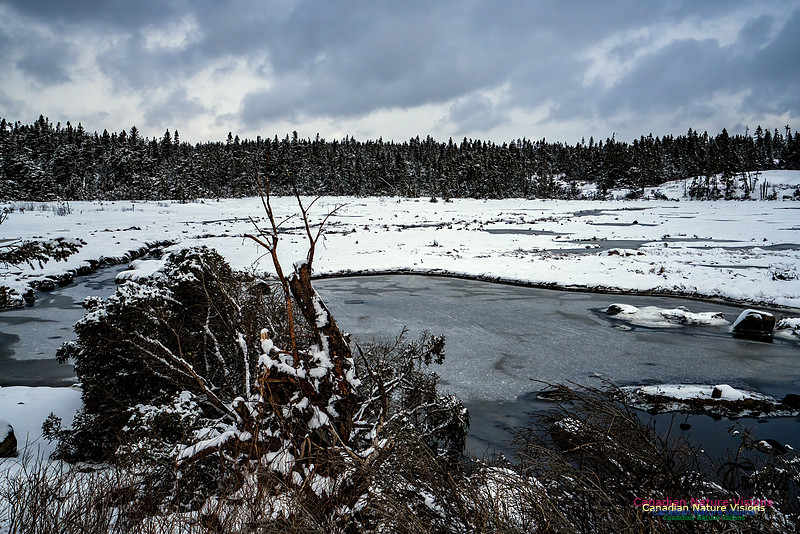
Nova Scotia Winter ScenesI started out in photography shooting film. I did my own developing and printing. Those 36 shot canisters would sometimes get misplaced as they awaited development and so it goes with digital photography. Sometimes photo shoots get get lost in the melee especially if it is a busy time. I will catch up now with photographs taken several months ago. Nova Scotia Winter Scenes
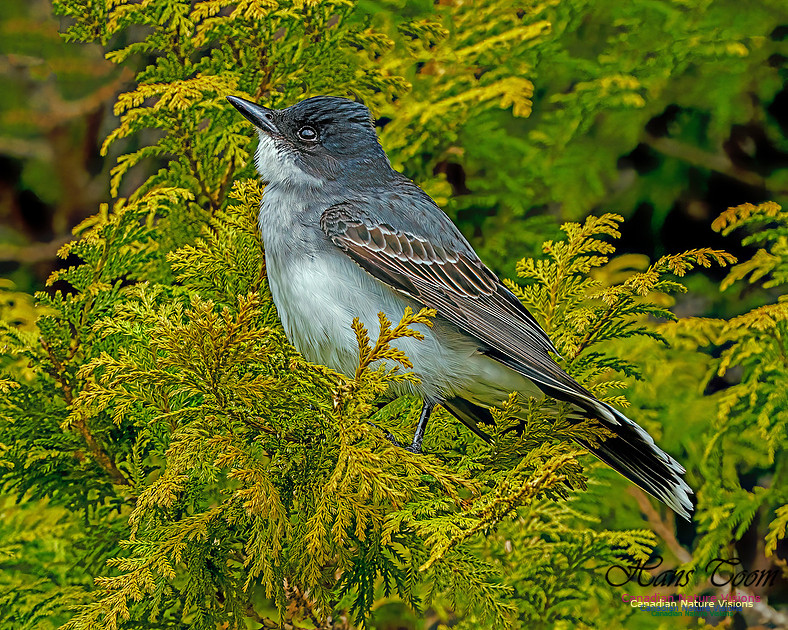
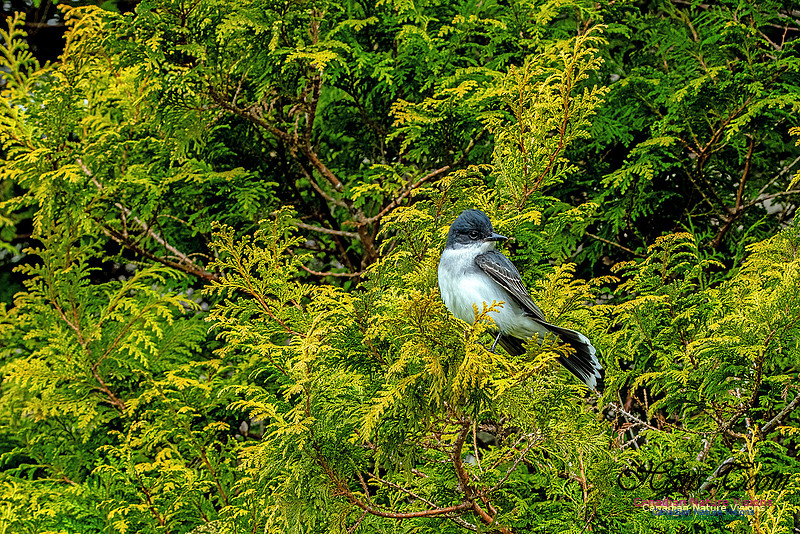
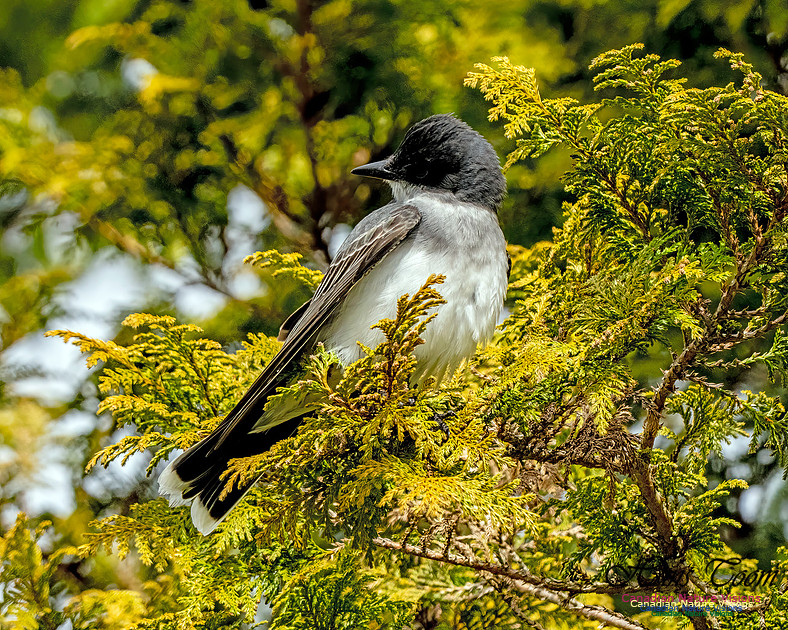
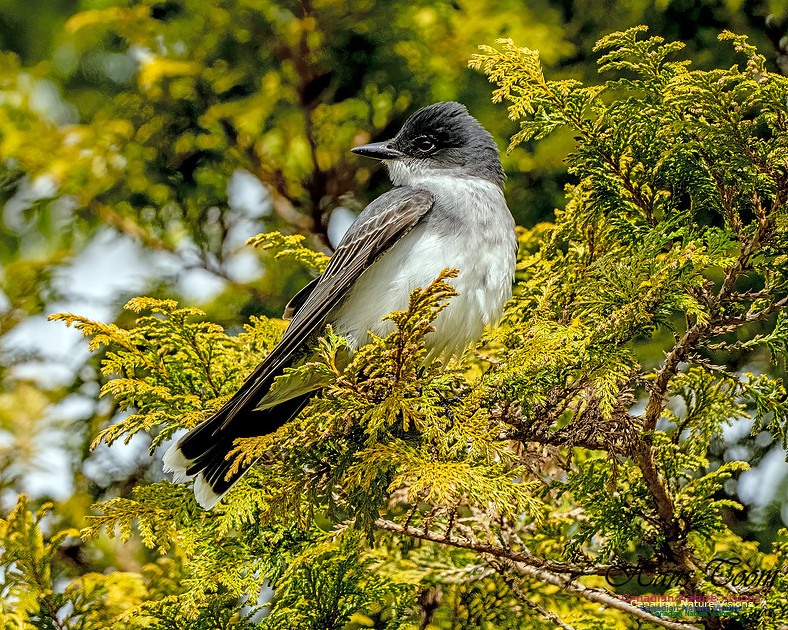
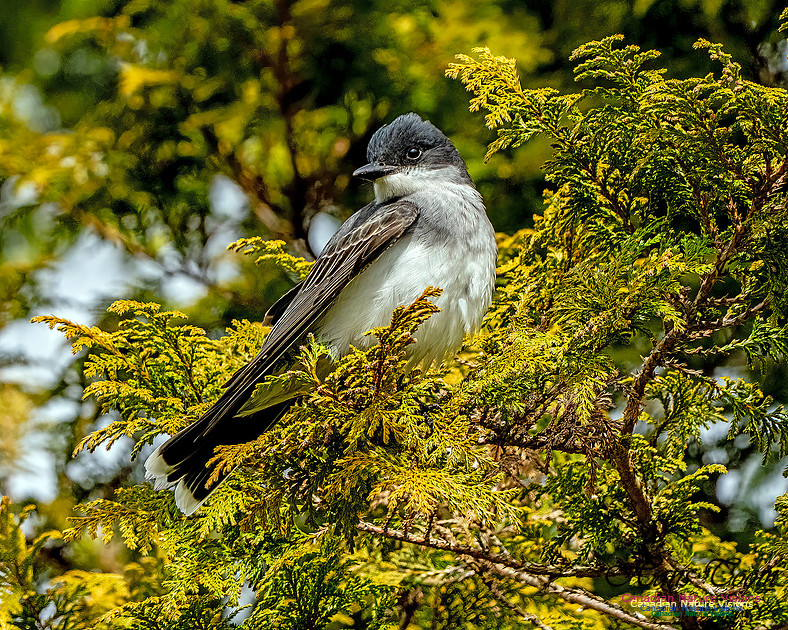
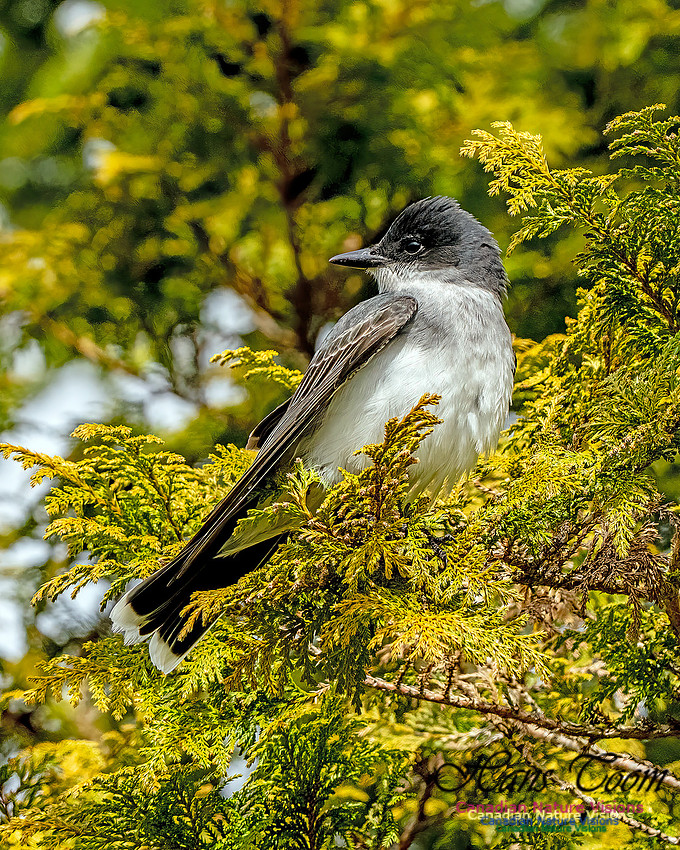
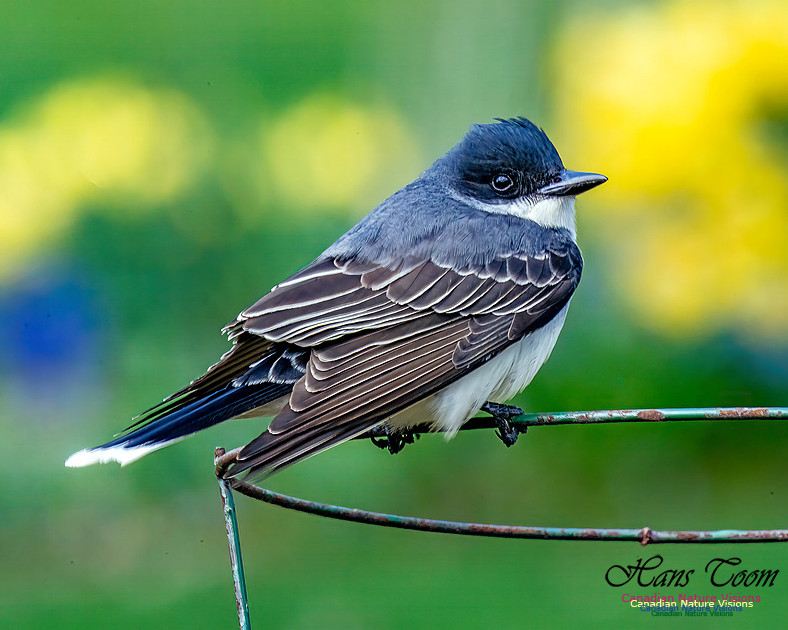
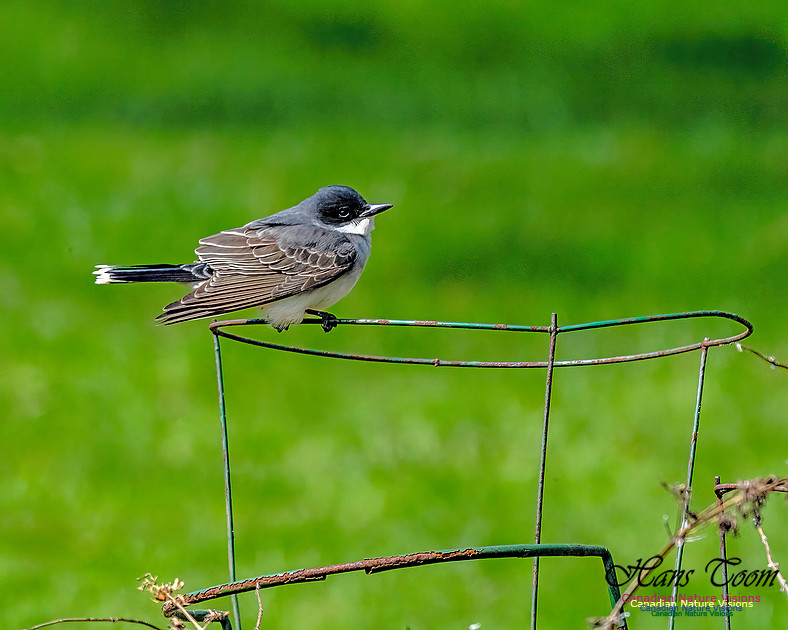
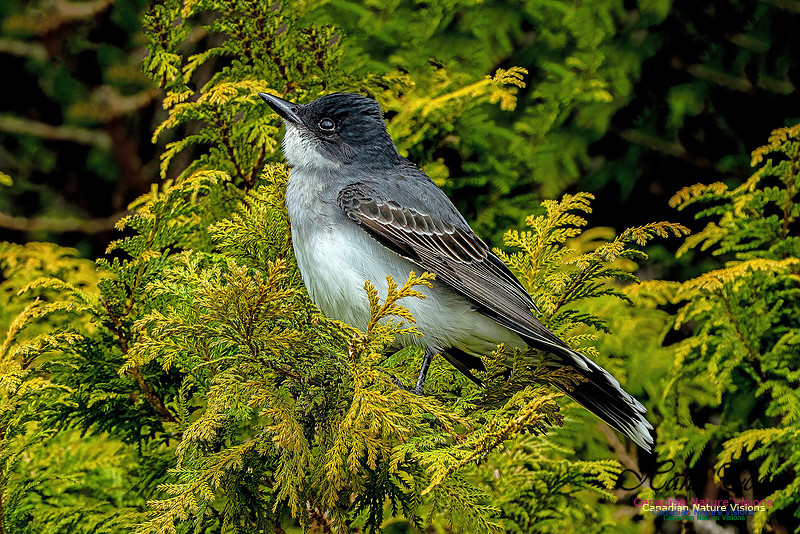
Eastern KingbirdThe Eastern Kingbird is a large common fair weather flycatcher. It's not shy but is active like all flycatchers. This arrival is a leader with most arriving in May. The Kingbirds are renowned for the fierce defence of their nest and territory, as some birder's and photographer's scalps can attest. Don't photograph their nests! Eastern Kingbird
Ipswich SparrowLaura and I first met the Ipswich Sparrow in late April 2000 on a birding trip to Martinique Beach Provincial Park led by the late Dr. Ian Mclaren. Martinique Beach Provincial Park is a major staging area for the Ipswich Sparrow where they fuel up in preparation for their long and treacherous over ocean flight to their nesting area on Sable Island. It was our second trip after moving to Nova Scotia. The first bird outing was to the Chignecto National Wildlife Area, a Parks Canada Reserve. The Ipswich Sparrow is incorrectly listed by some as a subspecies of the Savannah Sparrow. Read https://www.aba.org/birding_archive_files/v38n5p52.pdf for a fair comparison of the Ipswich Sparrow and Savannah Sparrow. Most experienced field birders can easily separate the species in the field by appearance, song, and most importantly by personality. The Ipswich Sparrow which breeds on Sable Island off the coast of Nova Scotia is inappropriately named after a town in Massachusetts, the wintering place for many Ipswich Sparrows. Birds should be named after or about the place they were born, not where they overwinter. Ipswich Sparrow
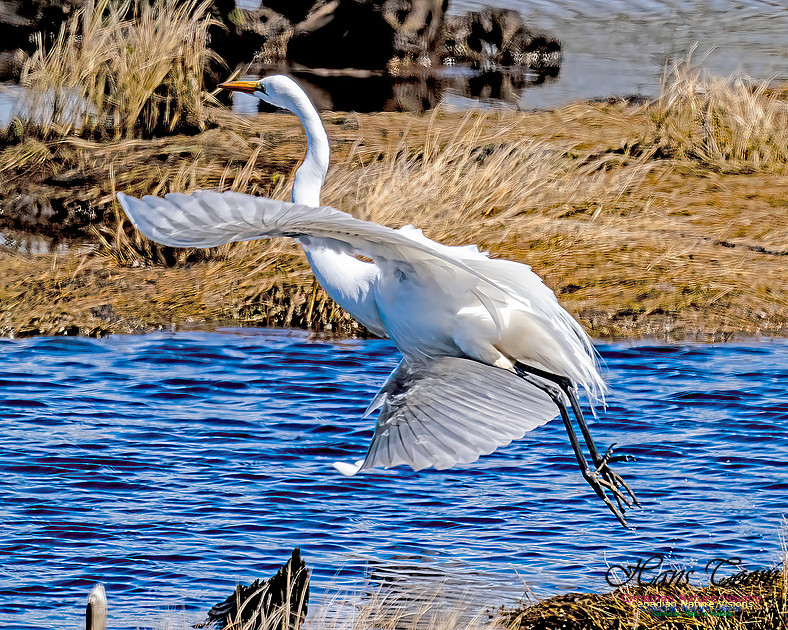
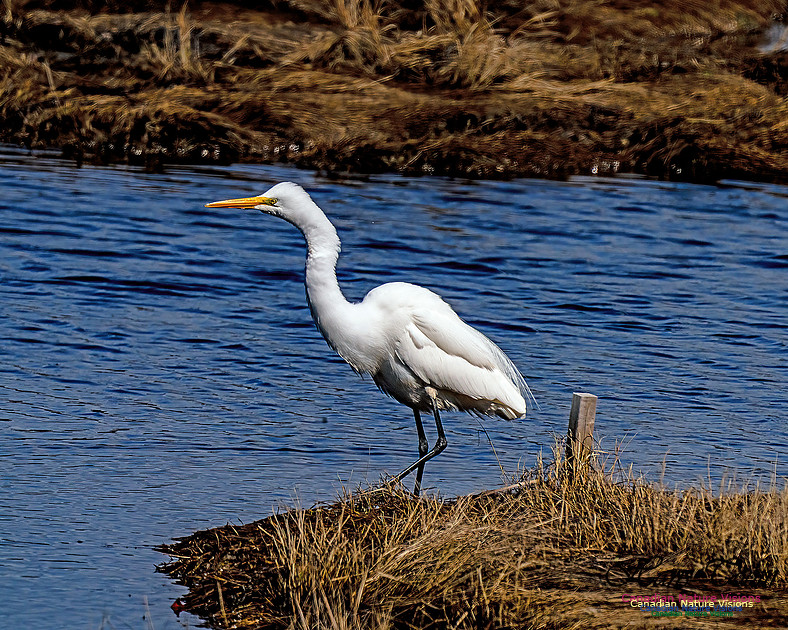
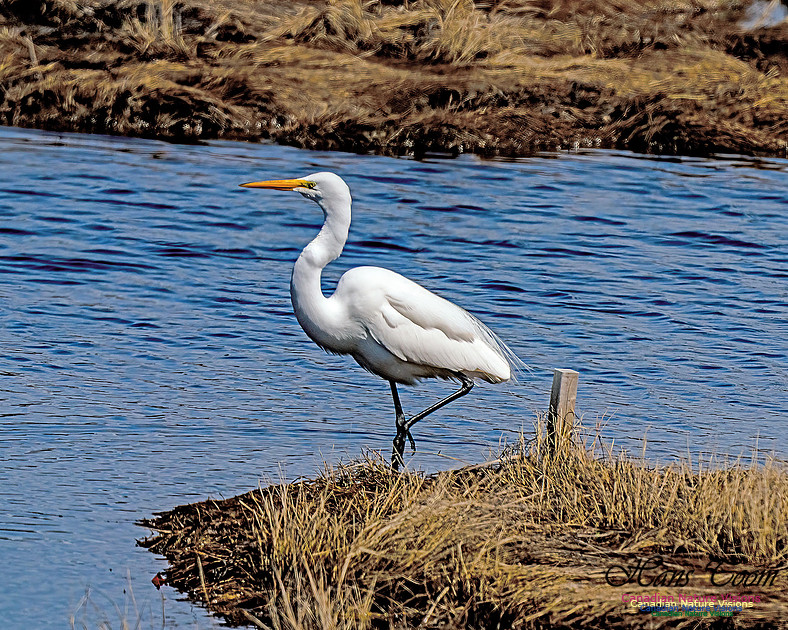
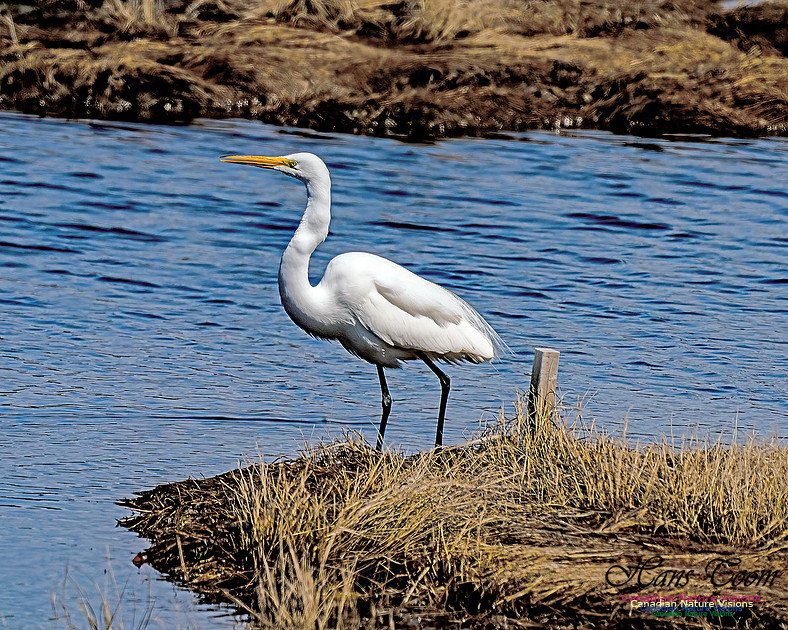
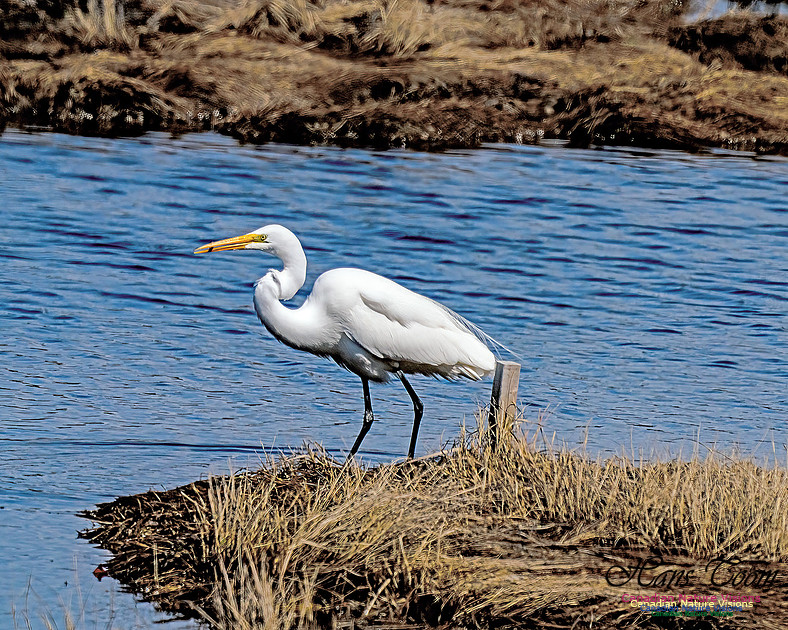
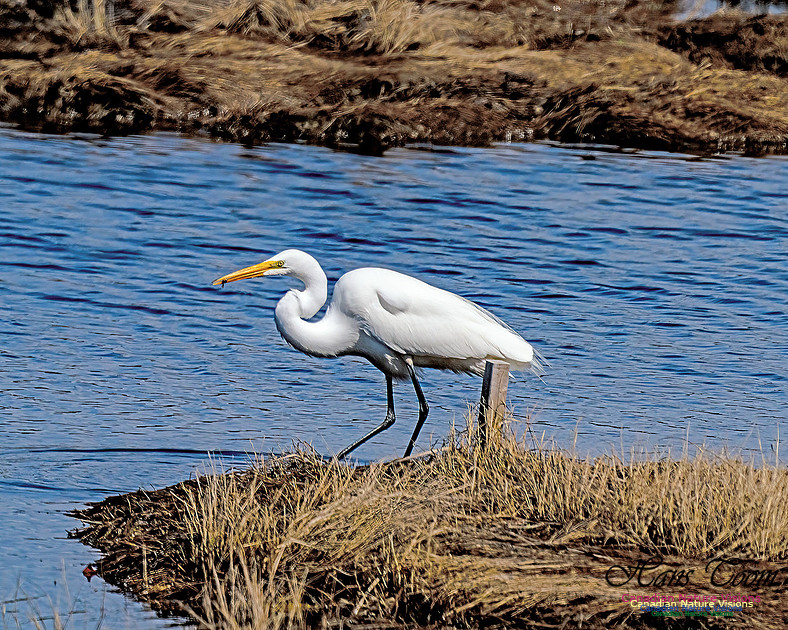
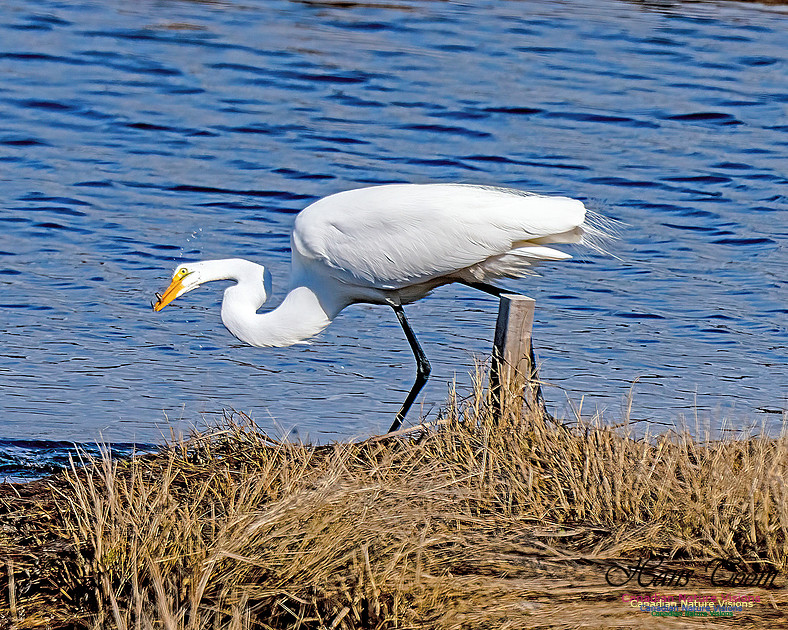
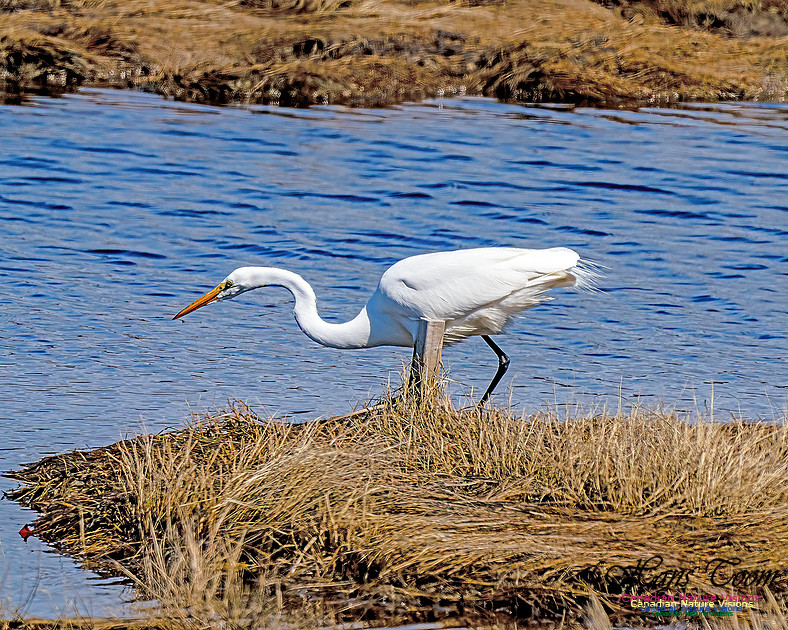
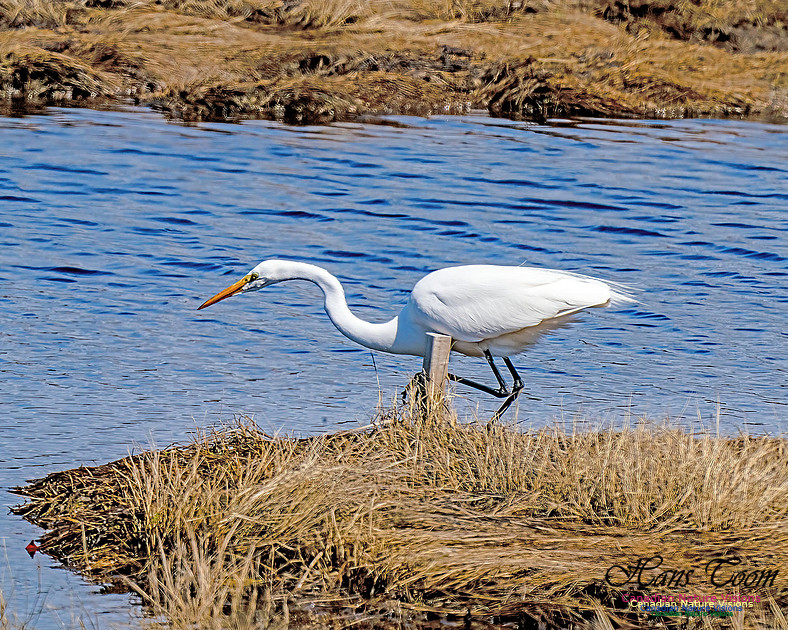
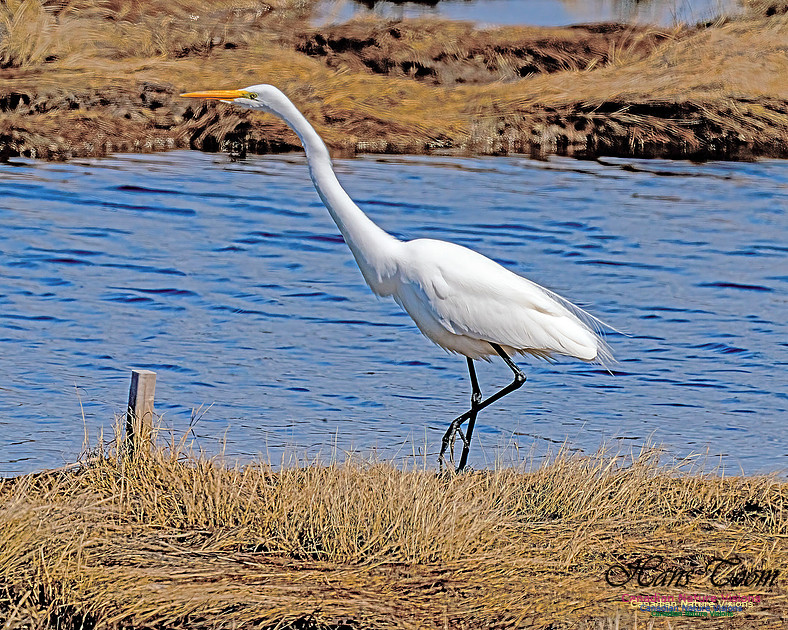
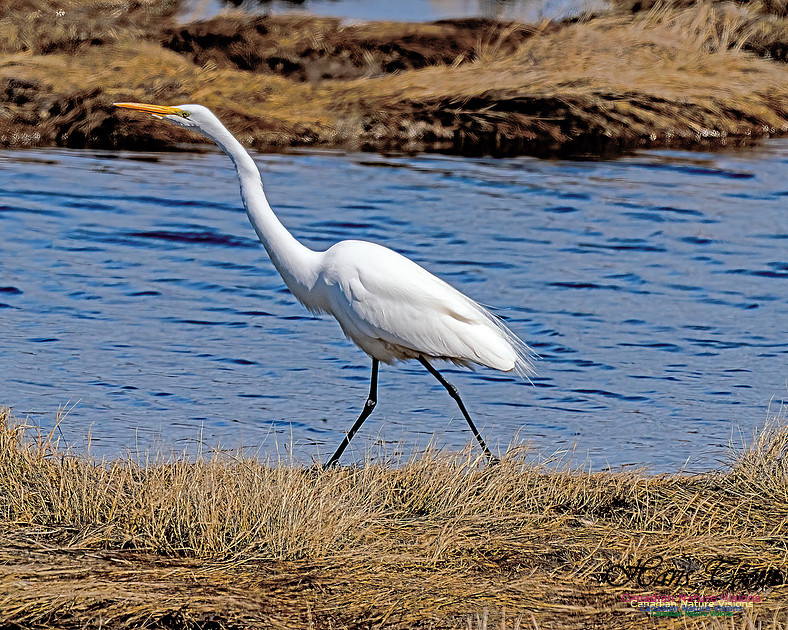
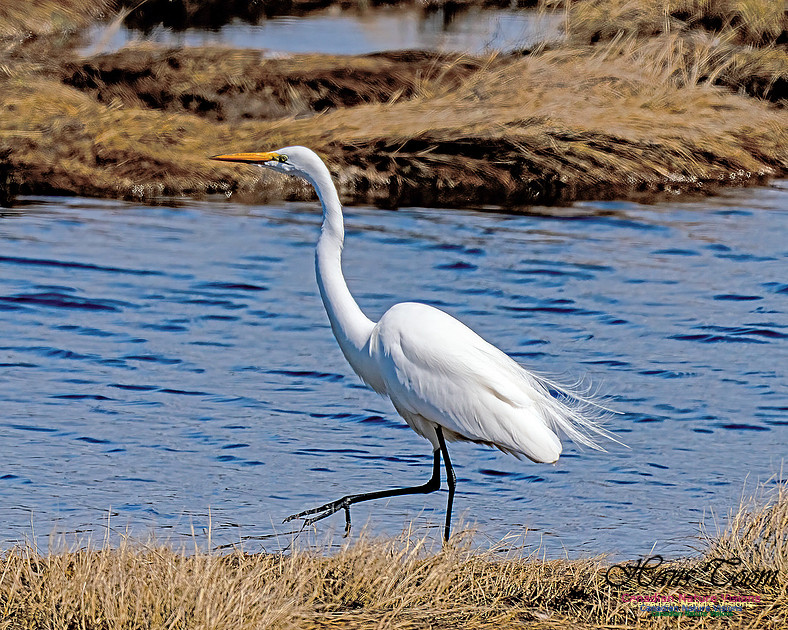
Great EgretThe Great Egret is an annual regular to Nova Scotia usually varying in numbers year over year. This one was in the Sambro Salt Marsh early yesterday morning. When I first spotted it it was a white speck on the back of the marsh so photographs were too distant to be of any value. However, when I returned later yesterday morning it was much closer and allowed for some photographs. Great Egret
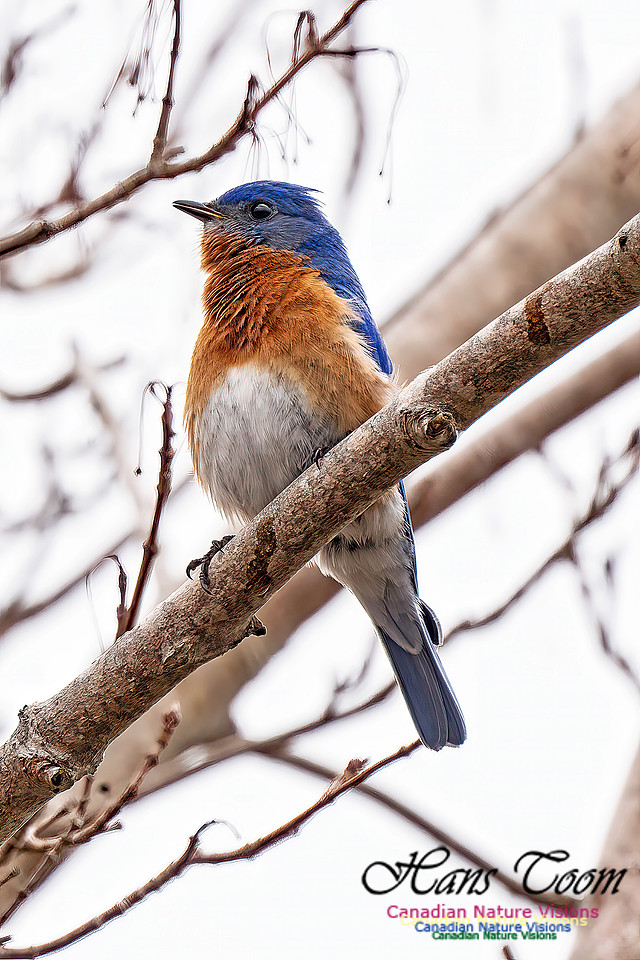
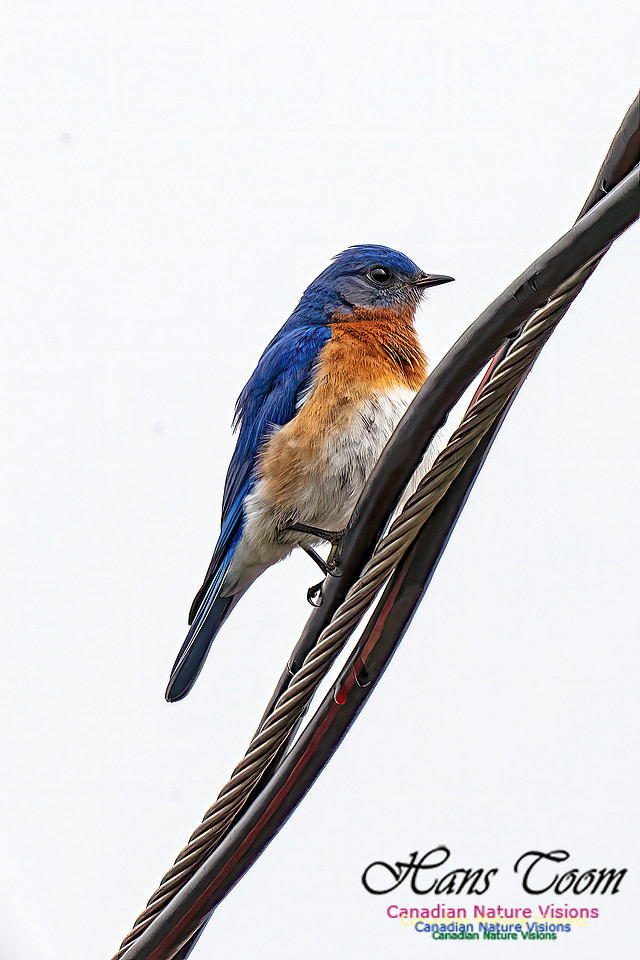
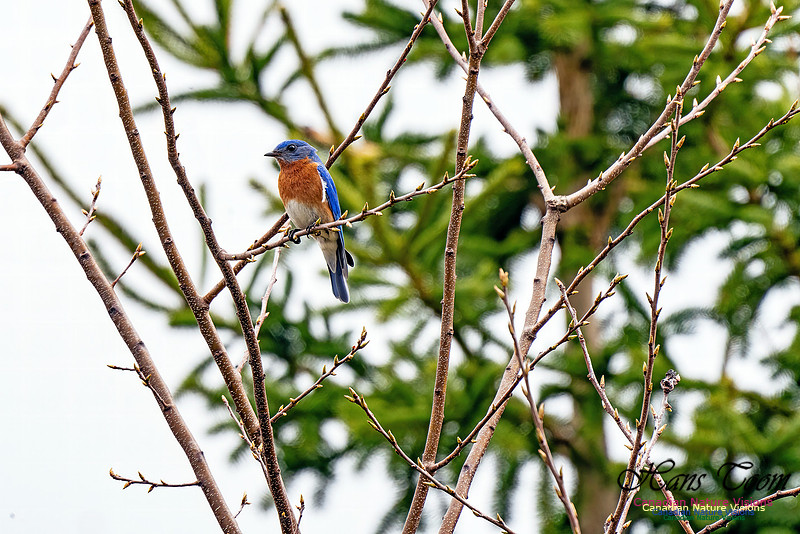
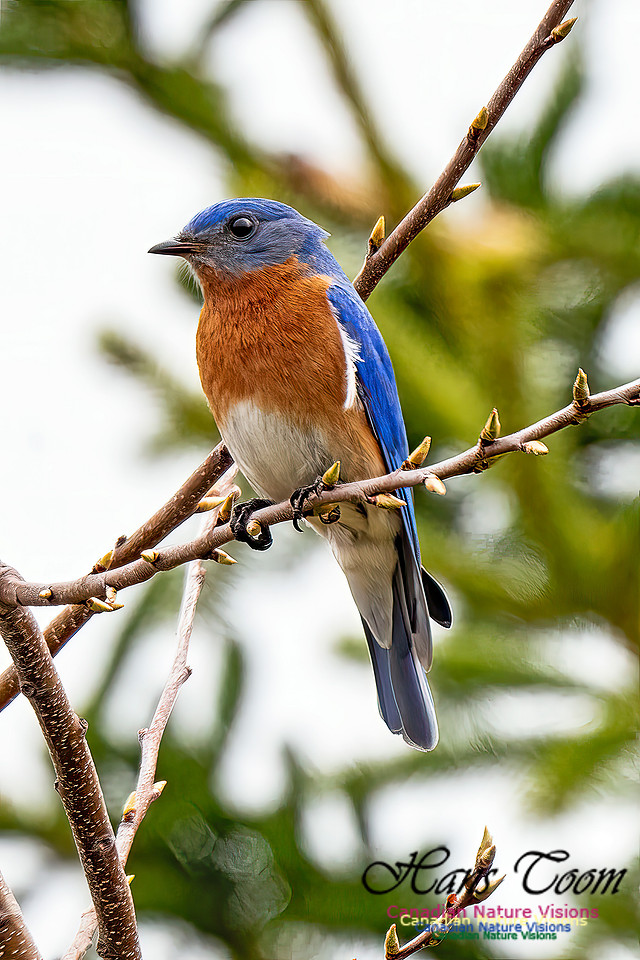
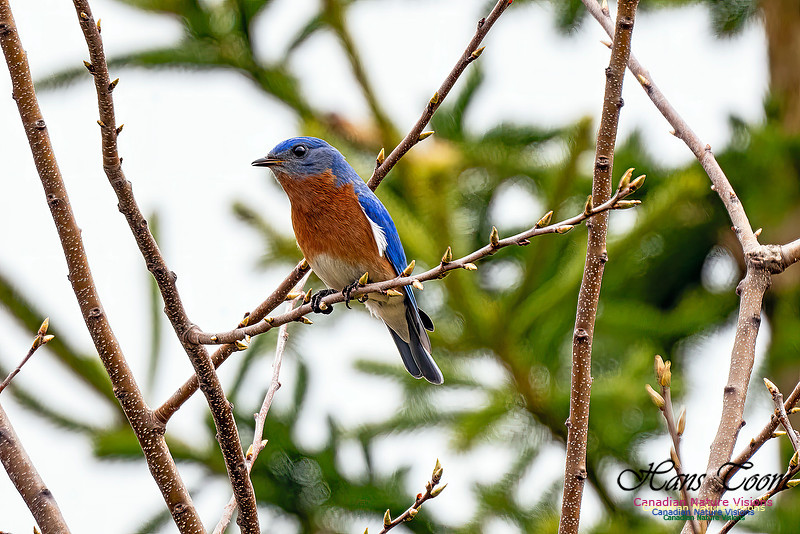
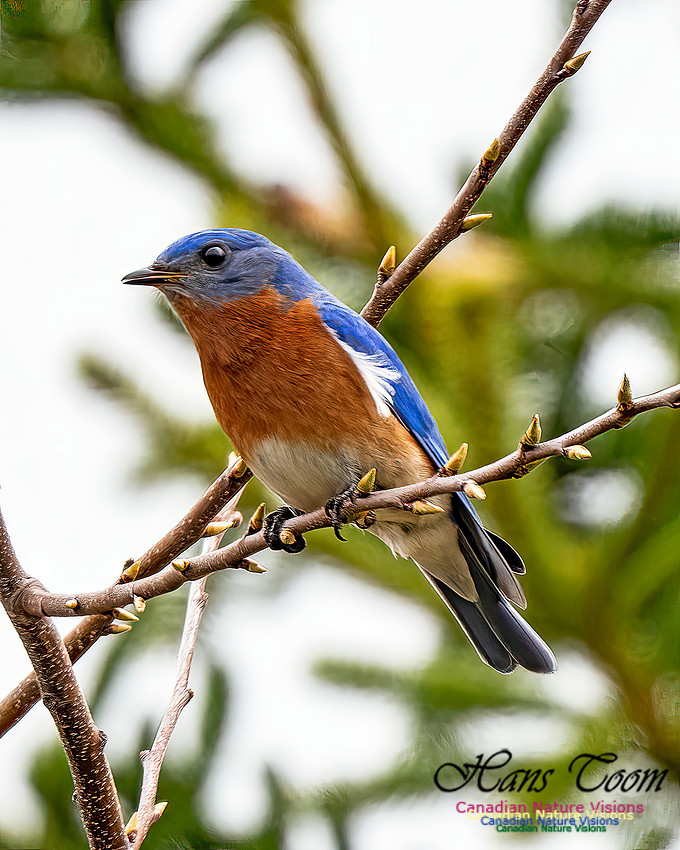
Eastern BluebirdThe Eastern Bluebird is an uncommon nesting species in Nova Scotia. This one was actively singing for a mate near a gathering of bluebird boxes. When this species was in distress a major effort to save the species was begun. When I was in Manitoba in the 1990's bluebird trails were being established to help the bluebirds find suitable nesting habitat. These trails were kilometres long with blue bird boxes every 20-30 metres of so. Many of the boxes were also used by early arriving Tree Swallows. In Manitoba there were Eastern and Western Bluebirds as well as visits from the Mountain Bluebird. Eastern Bluebird
Eastern bluebird
The eastern bluebird (Sialia sialis) is a small North American migratory thrush found in open woodlands, farmlands, and orchards. The bright-blue breeding plumage of the male, easily observed on a wire or open perch, makes this species a favorite of birders. The male's call includes sometimes soft warbles of jeew or chir-wi, or the melodious song chiti WEEW wewidoo.[2] It is the state bird of Missouri[3] and New York.[4] Taxonomy

The eastern bluebird was formally described by the Swedish naturalist Carl Linnaeus in 1758 in the tenth edition of his Systema Naturae under the binomial name Motacilla sialis.[5] The type location is South Carolina.[6] Linnaeus based his short Latin description on the earlier more detailed descriptions by the English naturalists Mark Catesby and George Edwards.[7][8] The eastern bluebird is now placed in the genus Sialia that was introduced by the English naturalist William John Swainson in 1827 with the eastern bluebird as the type species.[9][10] Seven subspecies are recognised:[10]
DescriptionEastern bluebirds measure 16–21 cm (6.3–8.3 in) long, span 25–32 cm (9.8–12.6 in) across the wings, and weigh 27–34 g (0.95–1.20 oz).[12][11] Male bluebirds have a bright head, back, and wings. Their breast is a brownish red.[12] Females are lighter with gray on the head and back and some blue on their wings and tail. In females, the breast is usually lighter in color than in males, and is more orange.[12] Distribution and habitatThe eastern bluebird is found east of the Rockies, southern Canada to the Gulf states, and southeastern Arizona to Nicaragua. The increase in trees throughout the Great Plains during the past century due to fire suppression and tree planting facilitated the western range expansion of the species.[13] as well as range expansions of many other species of birds.[14][15][16] From 1966–2015 the eastern bluebird experienced a greater than 1.5% annual population increase throughout most of its breeding and year-round ranges, with exceptions including southern Florida and the Ohio River valley.[17] Bluebirds tend to live in open country around trees, but with little understory and sparse ground cover. Original habitats probably included open, frequently burned pine savannas, beaver ponds, mature but open woods, and forest openings. Today, they are most common along pastures, agricultural fields, suburban parks, backyards, and even golf courses. Populations also occur across eastern North America and south as far as Nicaragua. Birds that live farther north and in the west of the range tend to lay more eggs than eastern and southern birds.[18] An isolated, insular subspecies of the eastern bluebird is found on Bermuda, and has a distinctive, brighter blue coloration compared to mainland populations. This population was formerly thought to have been predated the colonization of the islands (making it one of only three extant, resident pre-colonization Bermuda landbirds, alongside the Bermuda white-eyed vireo and gray catbird). However, analysis of fossil strata found no evidence for the existence of bluebirds on the islands prior to European colonization. Using simulations and molecular evidence, a 2013 study found that the Bermuda bluebirds likely descend from very small founder population from a single colonization event during the 1600s. This colonization event could either be a natural one by migratory individuals or an anthropogenic introduction by early settlers, who are known to have introduced several other eastern North American birds like the northern cardinal (Cardinalis cardinalis) to Bermuda very shortly after colonization. It is likely that the alteration to the islands' ecosystem due to the clearing of native forest facilitated this colonization by providing optimal bluebird feeding habitat, along with a lack of predators.[19][20] Behavior and ecologyEastern bluebirds are social, and will sometimes gather in flocks of over a hundred. However, they are territorial during the breeding season and may continue to defend a feeding area throughout the winter. Breeding
Mating occurs in the spring and summer. A mature female typically raises two broods each season. Nests are constructed in trees within abandoned woodpecker holes or other cavities that provide adequate protection (usually several feet above ground). Construction of the nest is done primarily by the female and takes around 10 days to complete. These nests are small, cup-like structures lined with grass, feathers, stems, and hairs. Each female lays three to seven light-blue or, rarely, white eggs. The female incubates the eggs, which hatch after 13 to 16 days. The young cannot care for themselves upon hatching. The female broods the chicks for up to seven days after hatching. Fledglings then leave the nest 15 to 20 days after hatching.[11] 
_at_nesting_box.jpg)
Both parents cooperate in raising the young, which they feed a diet consisting almost entirely of insects. Some young stay around the nest to help raise another brood. Fledglings are grayish in color, with speckled breasts. The blue color becomes much more prominent and the speckles on their breasts disappear as they mature. Bluebirds may begin breeding the summer after they are hatched.[11] Eastern bluebirds can live for 6 to 10 years. The longest recorded lifespan for a bluebird is 10 years and five months.[18] However, most bluebirds die within their first year of life. Starvation and freezing are a danger to the young, but most threats come from other animals, including humans. Natural predators of eggs and nestlings can include eastern chipmunks, flying squirrels, American black bears, fire ants, and raccoons. Bluebirds of all ages (including adults) are threatened by rat snakes, racers, American kestrels, and domestic cats. Introduced species such as European starlings and house sparrows are competitors for nesting sites. Non-nesting adults face predation by all native species of falcons, owls, and most varieties of hawks, particularly those in the genus Accipiter. When approached by a predator, the male makes a song-like warning cry. If no male is present, a threatened female will begin to sing, hoping to attract a protective male back to the territory. Both males and females also flick their wings and warble when predators are nearby.[11] Food and feedingAbout two thirds of an adult bluebird's diet consists of insects and other invertebrates. The remainder is made up of wild fruits or berries. It has a preference for grasshoppers, crickets, katydids, and beetles; and will also eat earthworms, spiders, millipedes, centipedes, sowbugs, and snails. Bluebirds feed by perching on a high point, such as a branch or fence post, and swooping down to catch insects on or near the ground. The availability of a winter food source will often determine whether or not a bird will migrate. If bluebirds do remain in a region for the winter, they group and seek cover in heavy thickets, orchards, or other areas in which adequate food and cover resources are available. ConservationEastern bluebirds thrived in the 1700s and 1800s. This flourishing is thought to be connected with the activity of settlers. Clearing forests made new habitat available for bluebirds and nesting sites were created in the increasing numbers of apple orchards and in wooden fence posts that eventually rotted.[21] It is believed that bluebirds were most abundant around 1900. However, increasing competition with the invasive species of European starlings (Sturnus vulgaris) and house sparrows (Passer domesticus) along with loss of farmland began to take a toll on bluebird populations.[21] Along with these, pesticides and scarcity of food during winter compounded to cause the number of bluebirds to fall.[22] A definite drop has been shown to have occurred between 1938 and the late 1970s.[21] Conservation efforts are seen as early as 1934 when Thomas Musselman created the first bluebird trail by setting up rows of bluebird houses along roads.[21] Also in the 1930s, William Duncan created a bluebird house design and educated others about these birds.[21] In 1964, The National Association for Protection and Propagation of the Purple Martin and Bluebirds of America was founded. After it went out of existence, the Nature Society kept up with conservation work.[21] Lawrence Zeleny's 1976 book, The Bluebird: How You Can Help Its Fight For Survival, and a National Geographic article he wrote helped make the plight of these birds well known.[21] In 1978, the North American Bluebird Society was founded.[21] If the Bermuda population of bluebirds is considered the product of natural colonization, it has also become highly endangered. Early settlers described individual flocks numbering over 50 birds each flying across the islands, but in the present only 500 individuals are thought to remain. The near-extinction of Bermuda cedar (Juniperus bermudiana) forest in the 1940s and 1950s wiped out the majority of natural nesting habitat for bluebirds, leaving it almost completely dependent on artificial nest boxes for breeding. Introduced starlings and house sparrows evict bluebirds from their nests, and introduced great kiskadees (Pitangus sulphuratus) feed on juvenile birds. They are also threatened by feral cats and pesticides.[20]
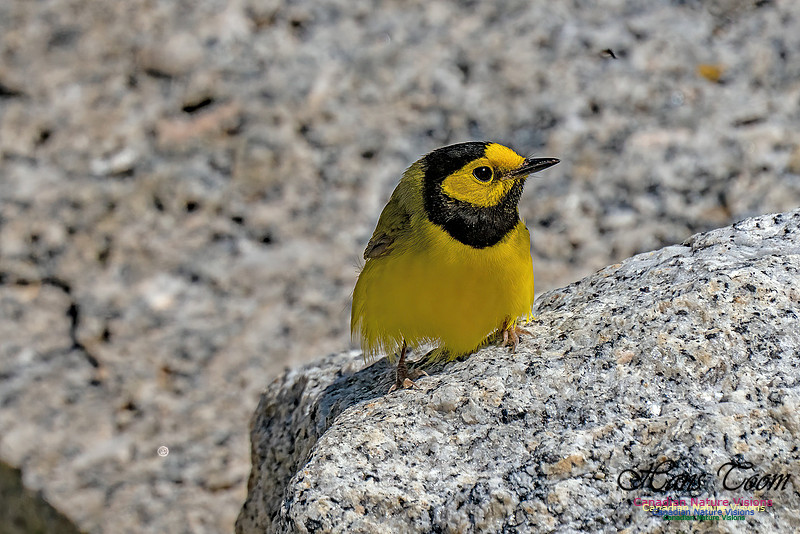
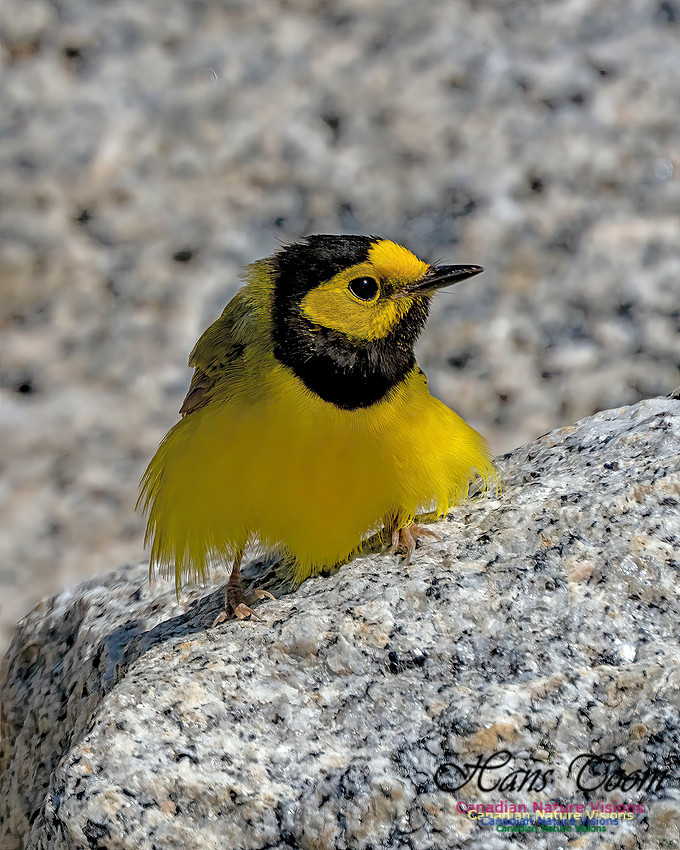
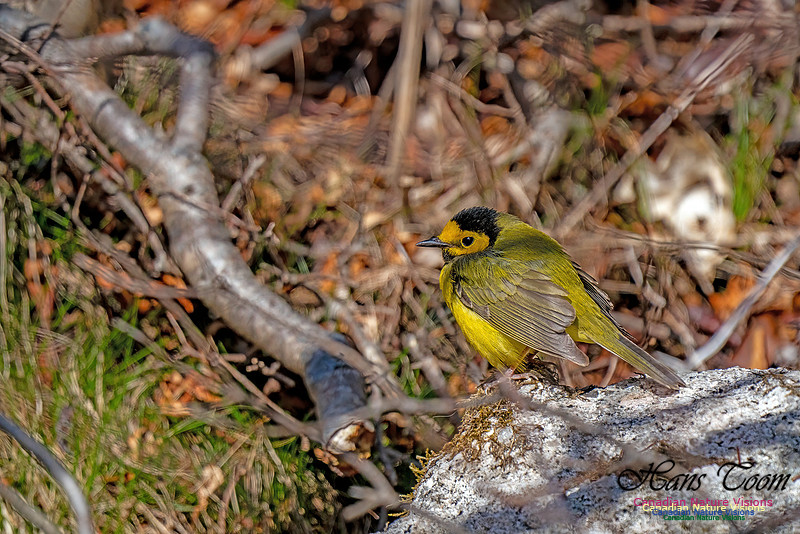
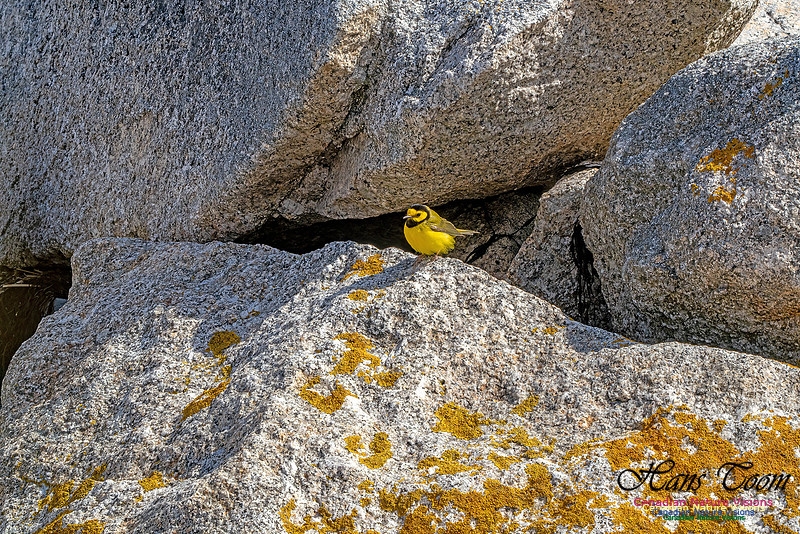
Hooded WarblerThe Hooded Warbler is an annual regular to Nova Scotia most often seen in the fall. This example of a male in breeding plumage was very active in catching sand flies and kelp flies. It is not a shy bird so is relatively easy to photograph if it holds still for a time. It has not been recorded as nestiing in Nova Scotia so far Hooded Warbler


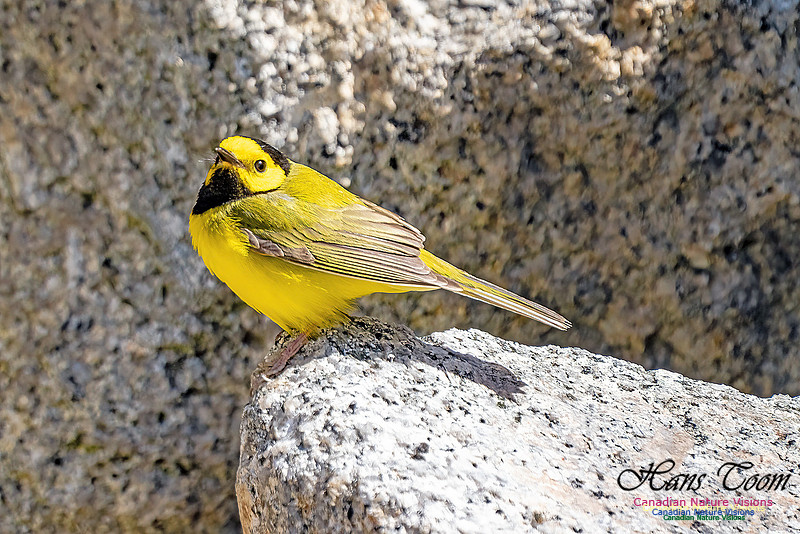
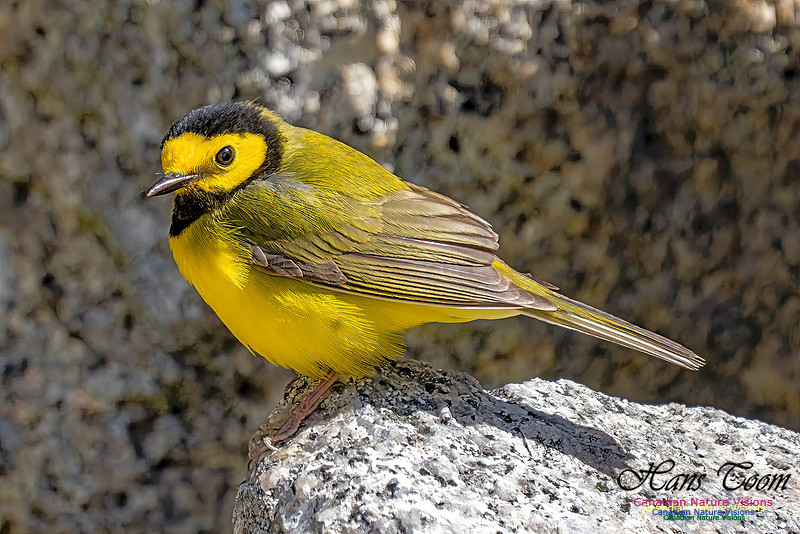
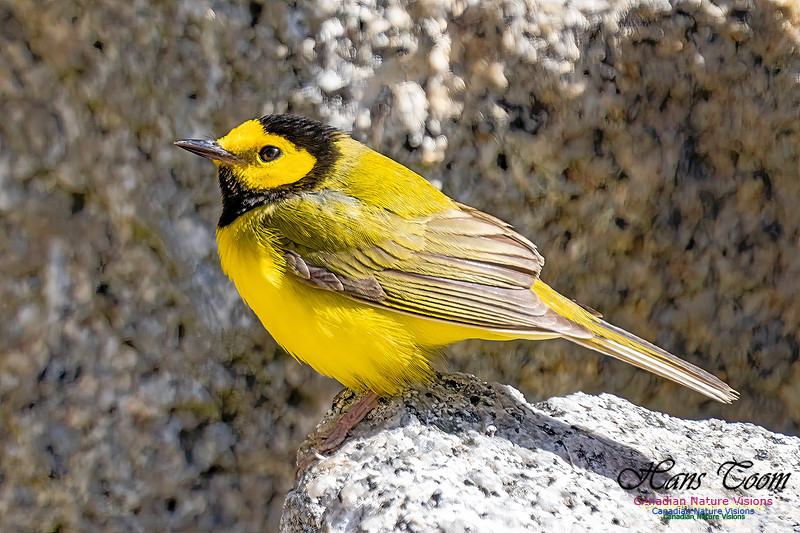
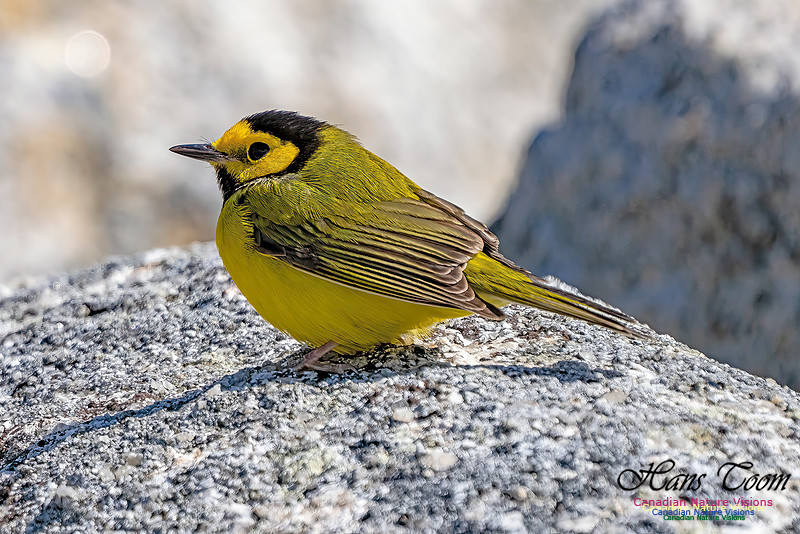
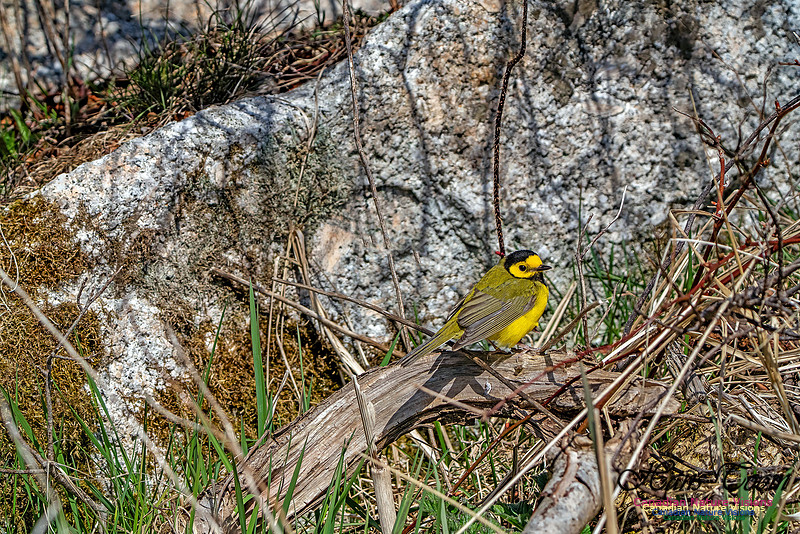

The hooded warbler (Setophaga citrina) is a New World warbler. It breeds in eastern North America across the eastern United States and into southernmost Canada (Ontario). It is migratory, wintering in Central America and the West Indies. Hooded warblers are very rare vagrants to western Europe. Recent genetic research has suggested that the type species of Wilsonia (hooded warbler W. citrina) and of Setophaga (American redstart S. ruticilla) are closely related and should be merged into the same genus. As the name Setophaga (published in 1827) takes priority over Wilsonia (published in 1838), hooded warbler would then be transferred as Setophaga citrina.[2] This change has been accepted by the North American Classification Committee of the American Ornithologists' Union,[3] and the IOC World Bird List.[4] The South American Classification Committee continues to list the bird in the genus Wilsonia. TaxonomyThe French polymath Georges-Louis Leclerc, Comte de Buffon described the hooded warbler in 1779 in his Histoire Naturelle des Oiseaux from a specimen collected in Louisiana.[5] The bird was also illustrated in a hand-coloured plate engraved by François-Nicolas Martinet in the Planches Enluminées D'Histoire Naturelle which was produced under the supervision of Edme-Louis Daubenton to accompany Buffon's text.[6] Neither the plate caption nor Buffon's description included a scientific name but in 1783 the Dutch naturalist Pieter Boddaert coined the binomial name Muscicapa citrina in his catalogue of the Planches Enluminées.[7] The hooded warbler was formerly placed in the genus Wilsonia.[8] A molecular phylogenetic study of the family Parulidae published in 2010 found that the hooded warbler was embedded in a clade that contained species then assigned to Dendroica as well as two of four species of Parula and the monotypic genera Catharopeza and Setophaga.[9] To create a monophyletic genus, all members of the clade were placed in the expanded genus Setophaga, which under the rules of the International Code of Zoological Nomenclature, had priority.[9][10] The genus Setophaga was introduced by the English naturalist William Swainson in 1827.[11] The species is monotypic; no subspecies are recognised.[10] The genus name Setophaga is from Ancient Greek ses, "moth", and phagos, "eating", and the specific citrina is Latin for citrine.[12] Description
The hooded warbler is a small bird and mid-sized warbler, measuring 13 cm (5.1 in) in length and weighing 9–12 g (0.32–0.42 oz).[13] The hooded warbler has a wingspan of 6.9 in (17.5 cm).[14] It has a plain olive/green-brown back and yellow underparts. Their outer rectrices have whitish vanes. Males have distinctive black hoods which surround their yellow faces; the female has an olive-green cap which does not extend to the forehead, ears, and throat. Males attain their hood at about 9–12 months of age; younger birds are essentially identical to (and easily confused with) females.[15] The song is a series of musical notes which sound like: wheeta wheeta whee-tee-oh, for which a common mnemonic is "The red, the red T-shirt" or "Come to the woods or you won't see me". The call of these birds is a loud chip. Life historyThese birds feed on insects, which are often found in low vegetation or caught by flycatching. Hooded warblers' breeding habitats are broadleaved woodlands with dense undergrowth. These birds nest in low areas of a bush, laying three to five eggs in a cup-shaped nest. Hooded warblers are often the victims of brood parasitism by the brown-headed cowbird, especially where the hooded warblers' forest habitats are fragmented. In areas with protected woodlands or recovering wooded habitats, the hooded warbler population is stable and possibly increasing.[13]
|
|||||||||||||||||||||||||||||||||||||||||||||||||||||||||||||||||||||||||||||||||