Swainson's ThrushThe Swainson's Thrush is a common woodland thrush in Nova Scotia. It is found in woodlands both at higher altitudes and along coastal headlands. It's the rugged outdoors type! It's song is easily recognized so the Swainson's Thrush is not hard to find. It has the most heavily spotted chest of our native thrushes. Only the Wood Thrush has more prominent chest markings but although it is an annual regular and has nested in Nova Scotia these nest sites are hard to find. Look for the Wood Thrush in the Tobiatic Wildnerness Reserve or Kejimkujik National Park if you dare. The Swainson's Thrush however can be found locally in Dollar Lake Provincial Park and along the wind swept coast. The Swainson's Thrush also has the misfortune of having a dumb name. Swainson's Thrush
Baird's SandpiperLike most Sandpipers the Baird's Sandpiper is usually seen on the southward migration. Like many of its kind its a tame bird and will approach closely if you don't move and just wait. It nests in the tundra and is a visitor to most provinces and states on its southward trek. Baird's Sandpiper
Eurasian WigeonThe Eurasian Wigeon is an annual regular to Nova Scotia often wintering in local ice free ponds and coastal bays. Its a dabbler so quite at home with our other dabbling ducks in winter ponds. Photos below show it beside the more common American Wigeon, on the left. Its golden beret is a good field mark. Eurasian Wigeon
Chestnut-sided WarblerThe Chestnut-sided warbler although primarily a forest edge warbler is also found in the deep forest. It is a successful warbler found almost everywhere. It is a boisterous singer and easily located. Its good looks is also an attract for photographers. Chestnut-sided Warbler
Cattle EgretThe Cattle Egret is the smallest of our white egrets. Its extremely tame if you can find one although it is an annual regular. They turn up in the oddest places. I photographed one alongside and on a local road. The only edibles in the area were green frogs. It is usually seen in farm yards and on the backs of large cattle where it does the host a favour by picking off insects and parasites. It forms large flocks around cattle herds or water buffalo and similar large bovids. Cattle Egret
Ruddy TurnstoneThe Ruddy Turnstone is usually seen on its southward migration often with reduced flumage highlights. It is a tame bird and easily photographed as long as you stay still and wait for it to march by. As its name implies it makes a living by picking off morsels from rocks it turns over. It also works tidal ponds. Ruddy Turnstone
American RedstartThe American Redstart breeds in Canada and the United States but mostly in Canada. The adult male is a striking bird whereas the immature male and female less so, albeit with their own subtle elegance. They are wide spread and common with a myriad of variations in their songs akin to a rambunctious Black-and-White Warbler. I find them deep in forests and forest edges. American Redstart
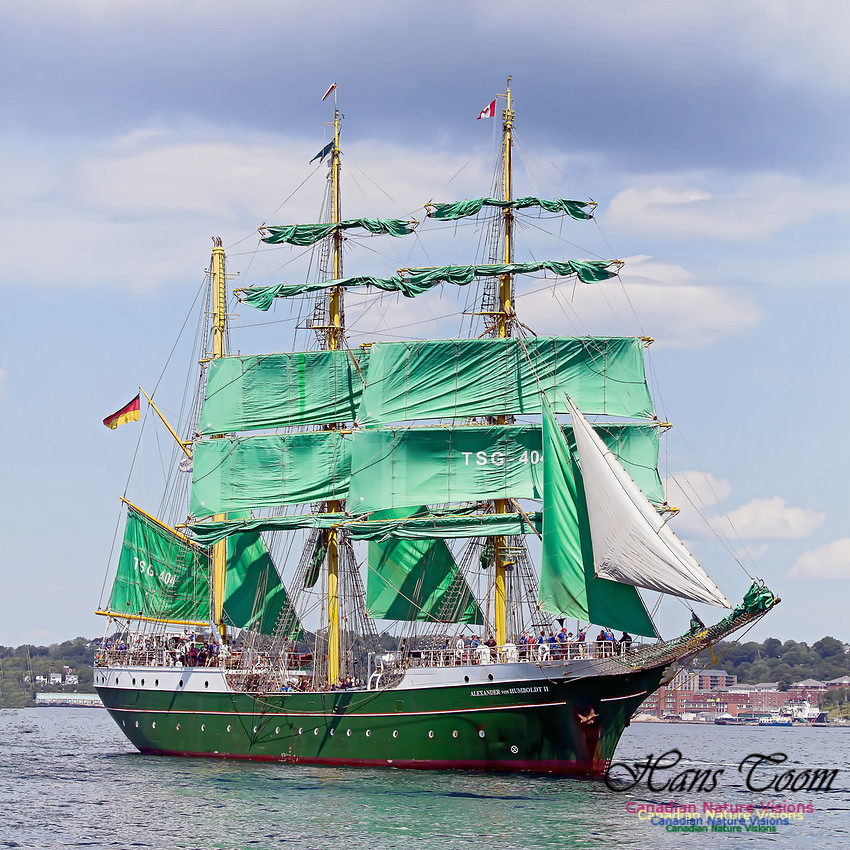
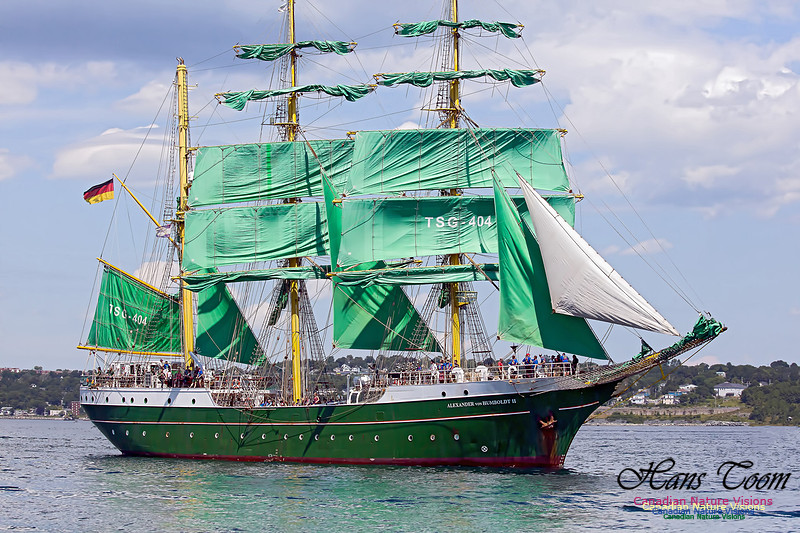
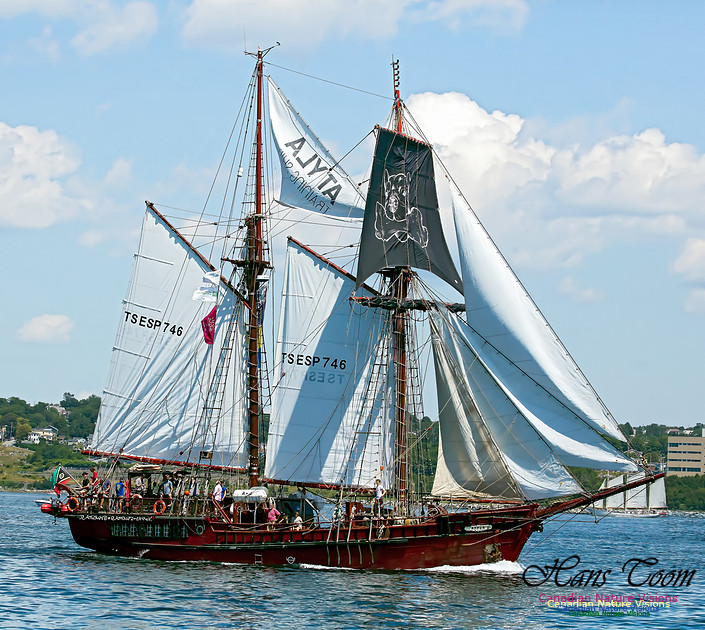
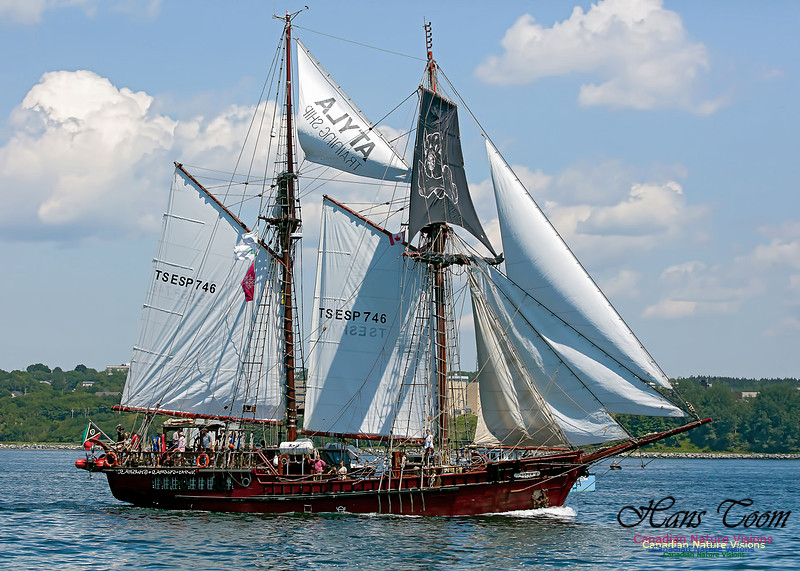
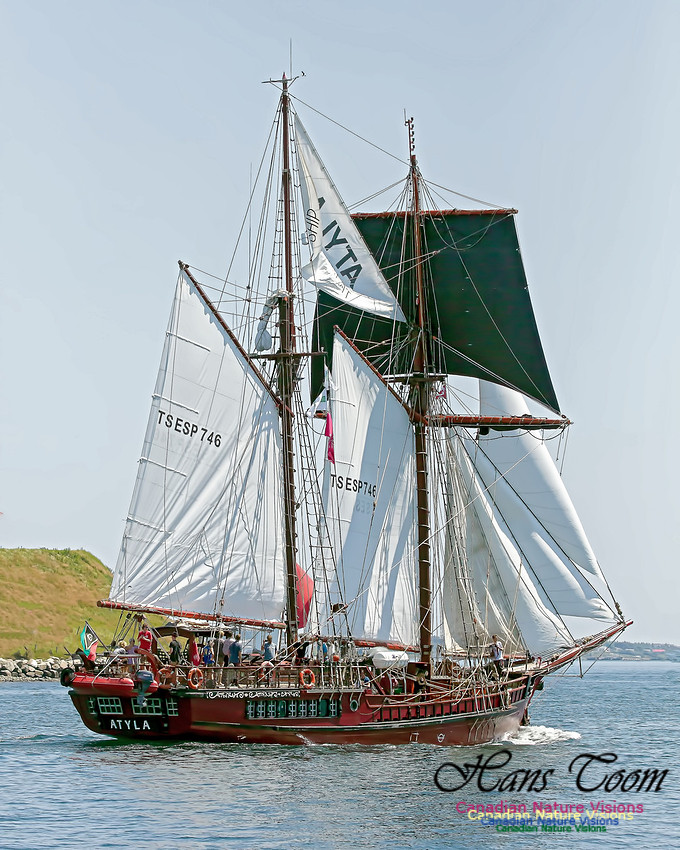
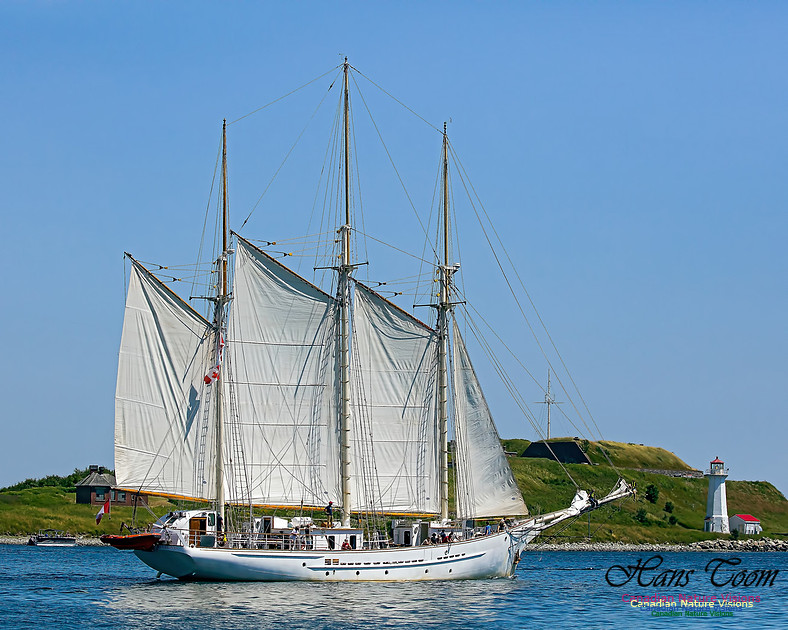
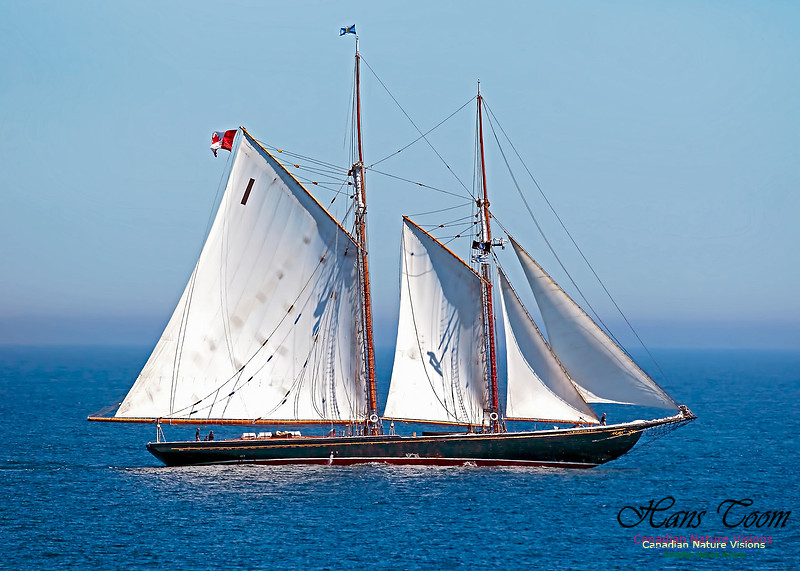
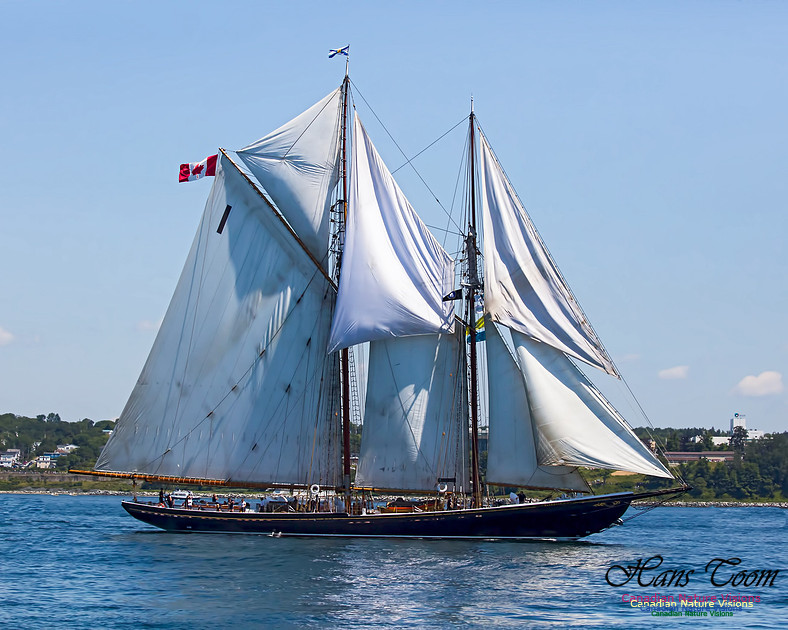
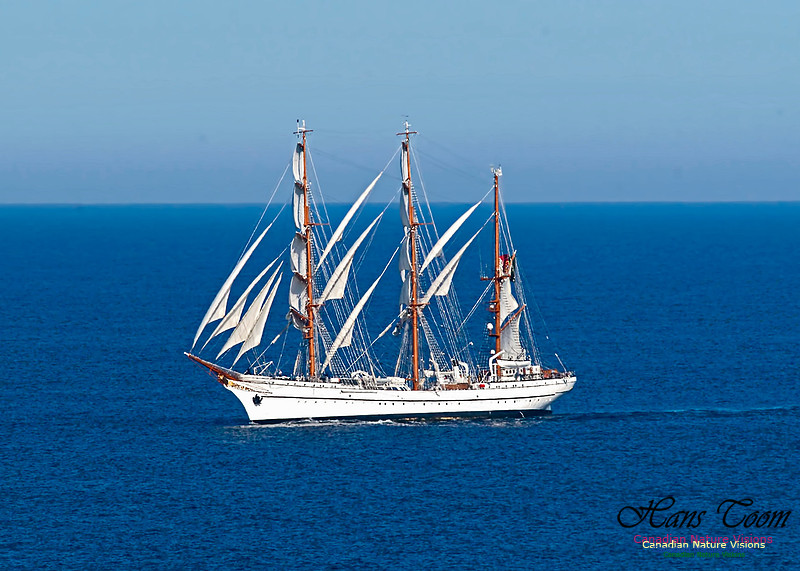
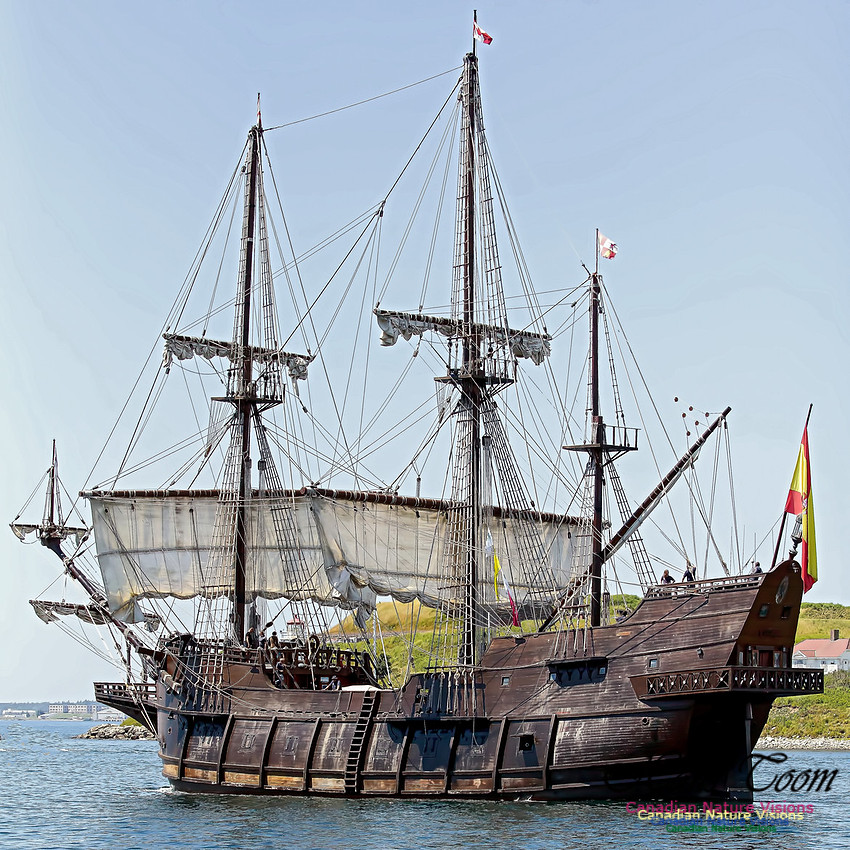
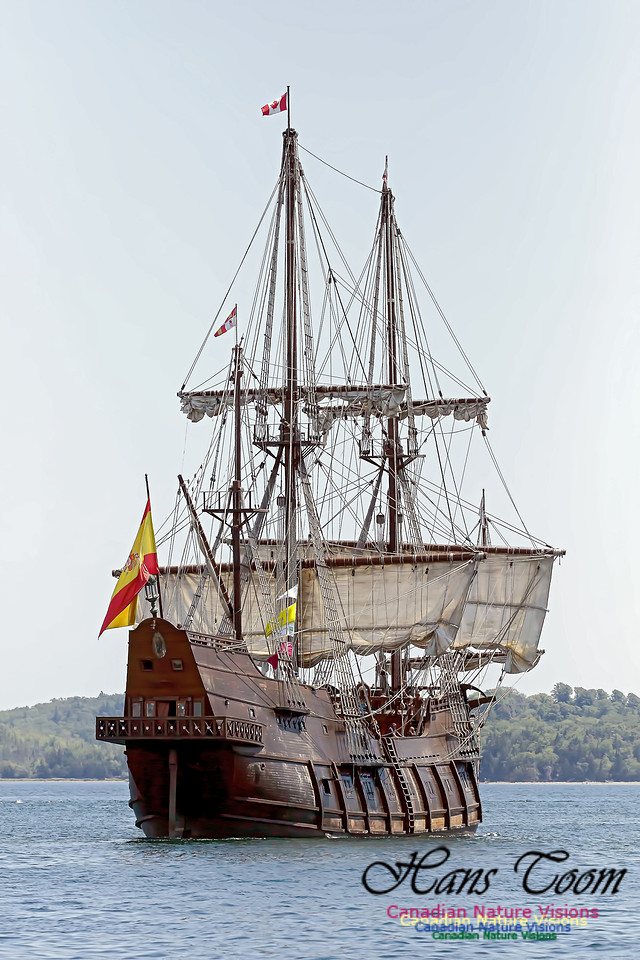
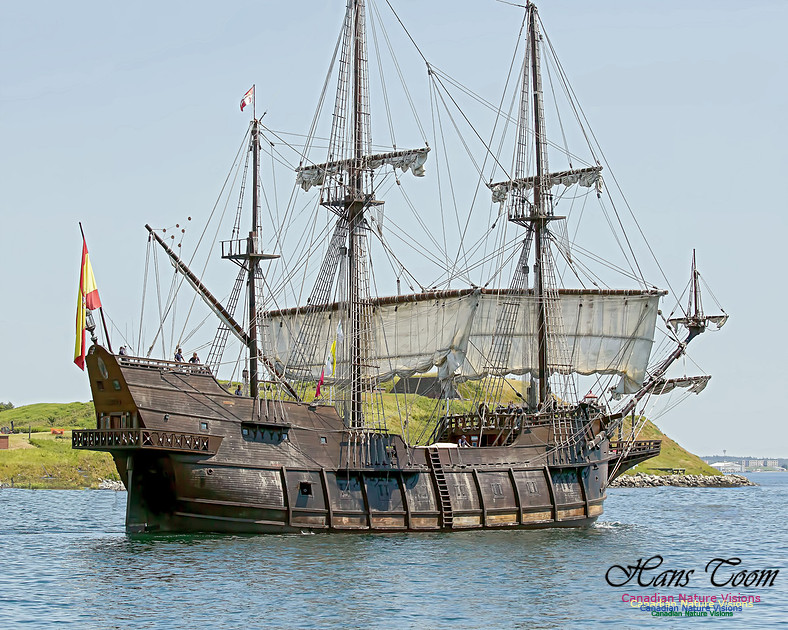
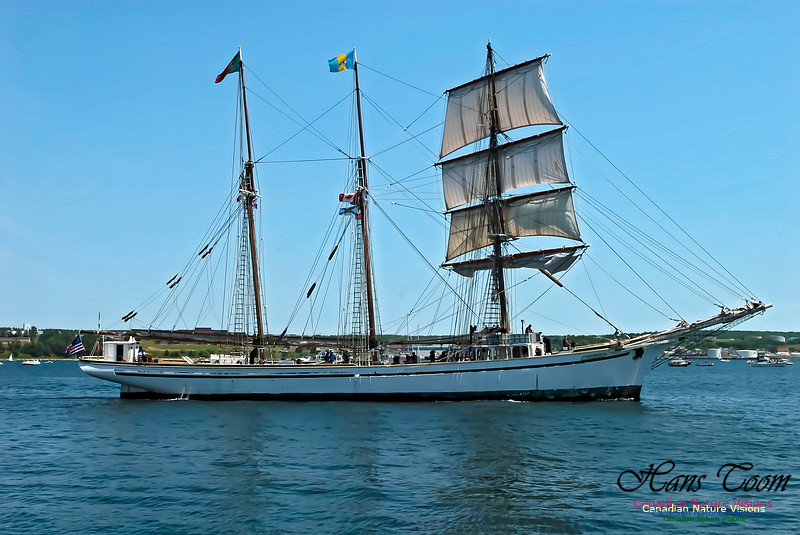
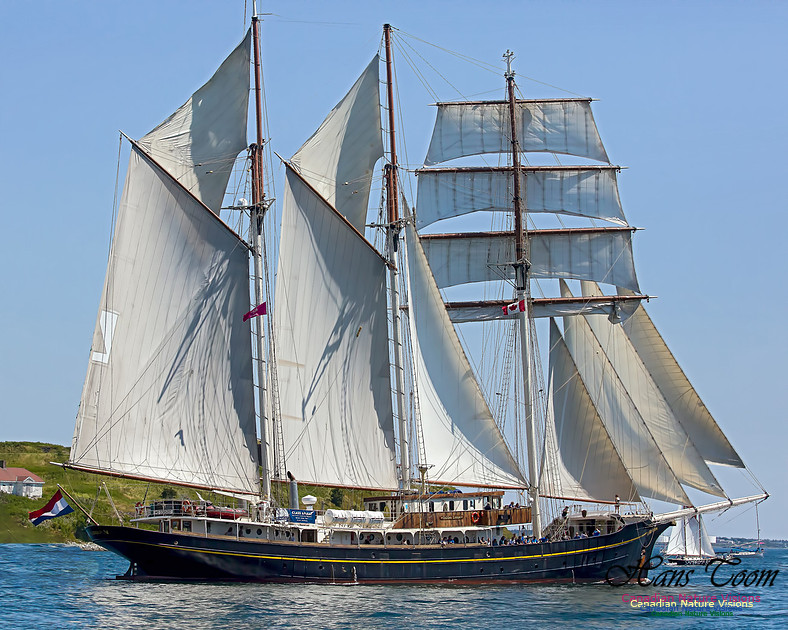
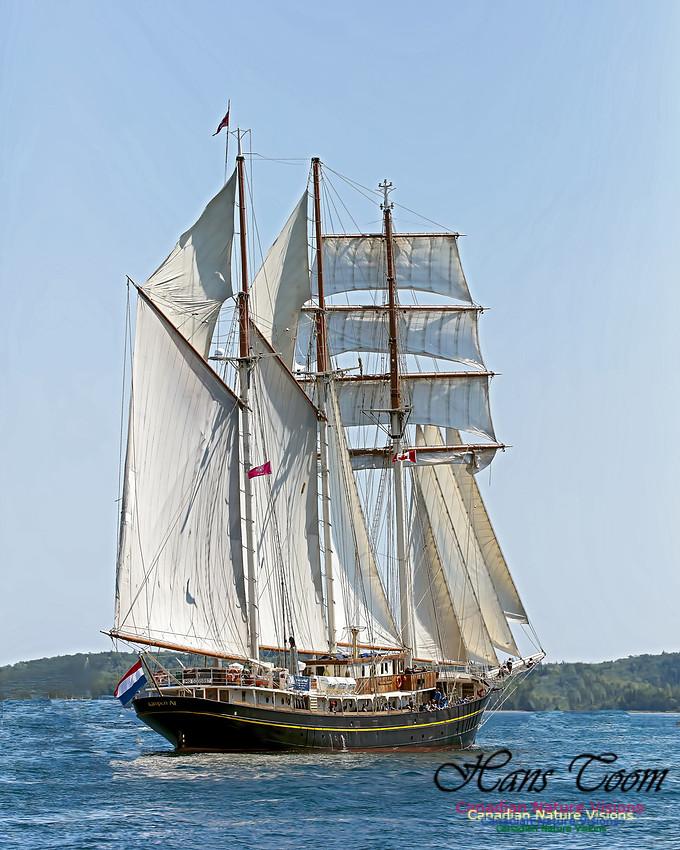
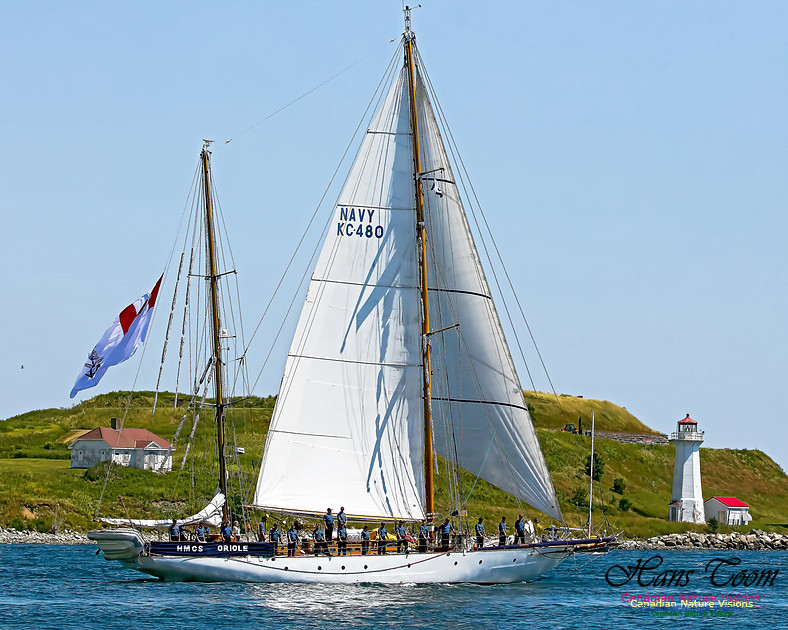
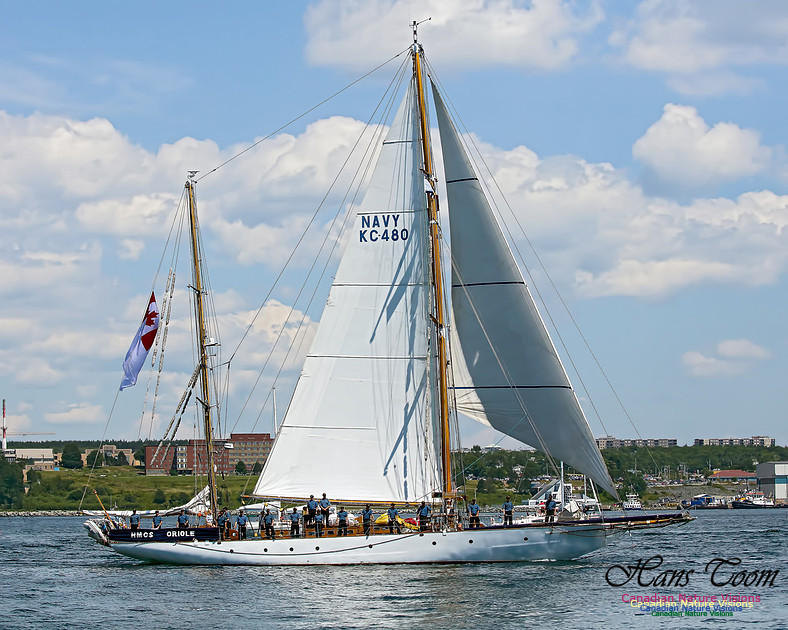
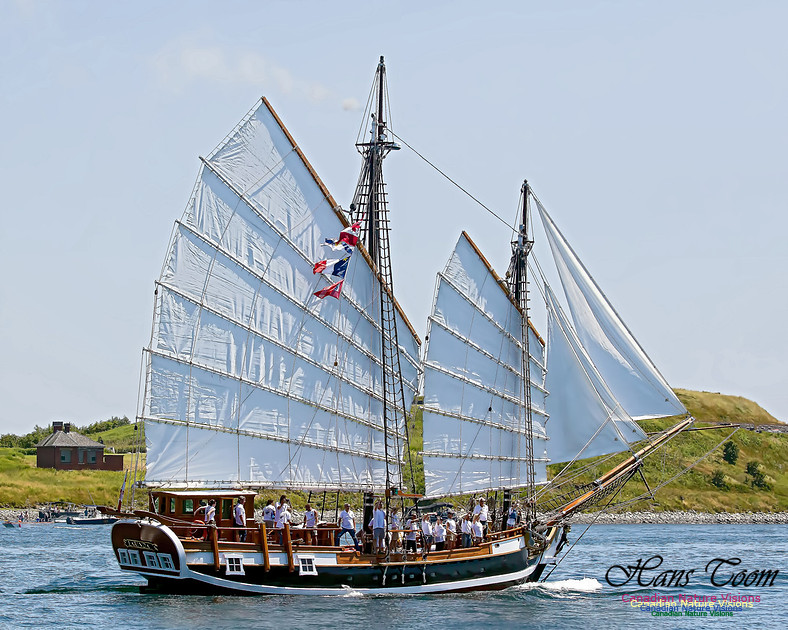
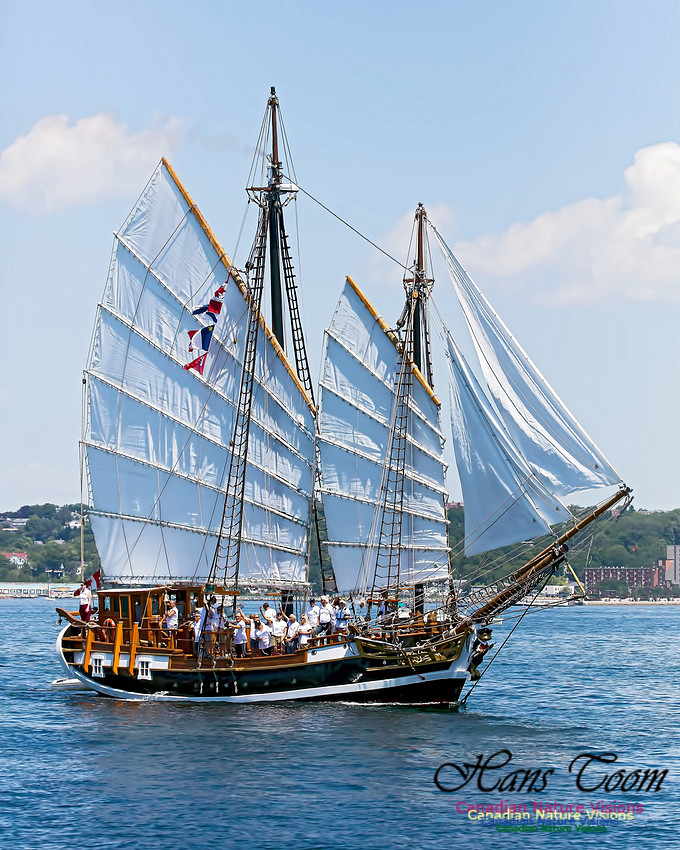
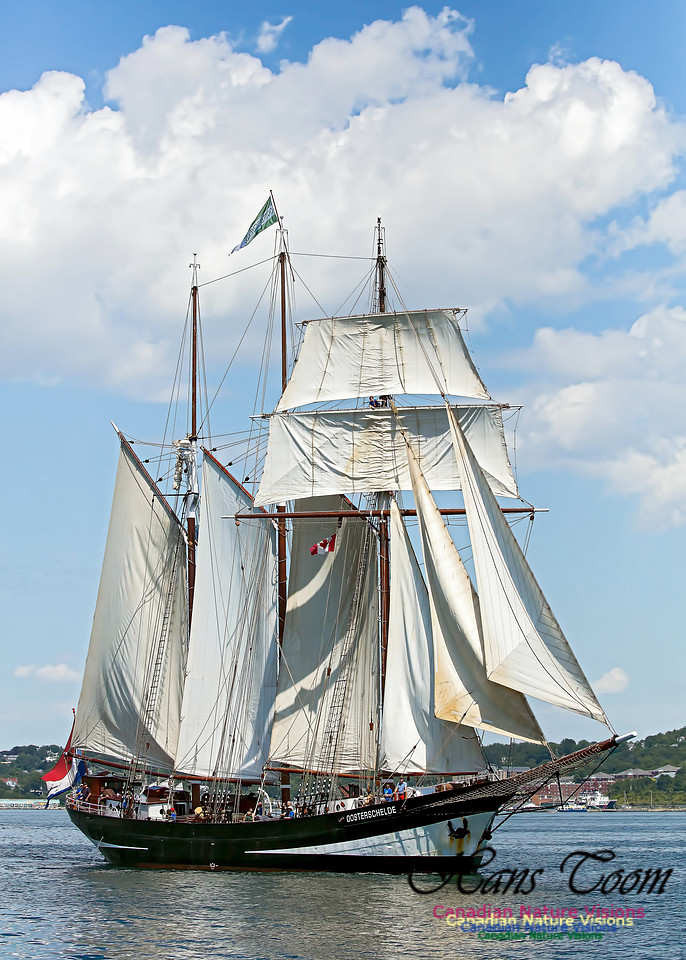
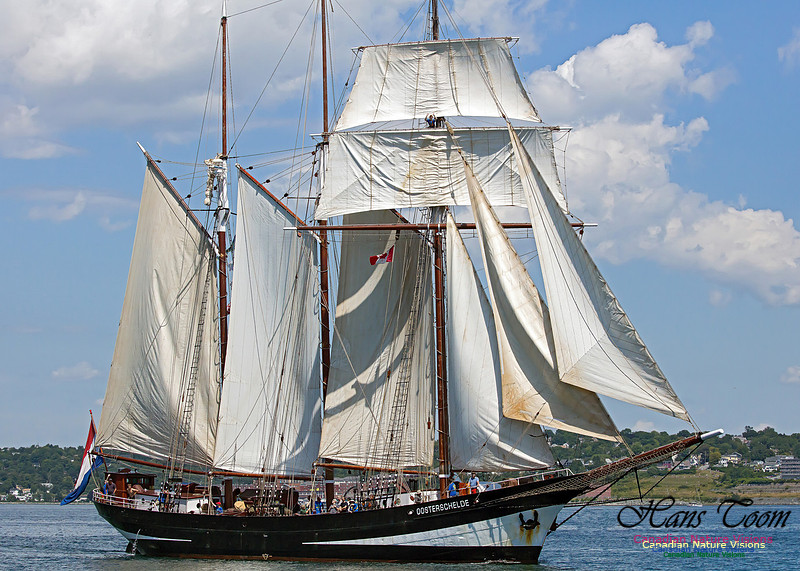
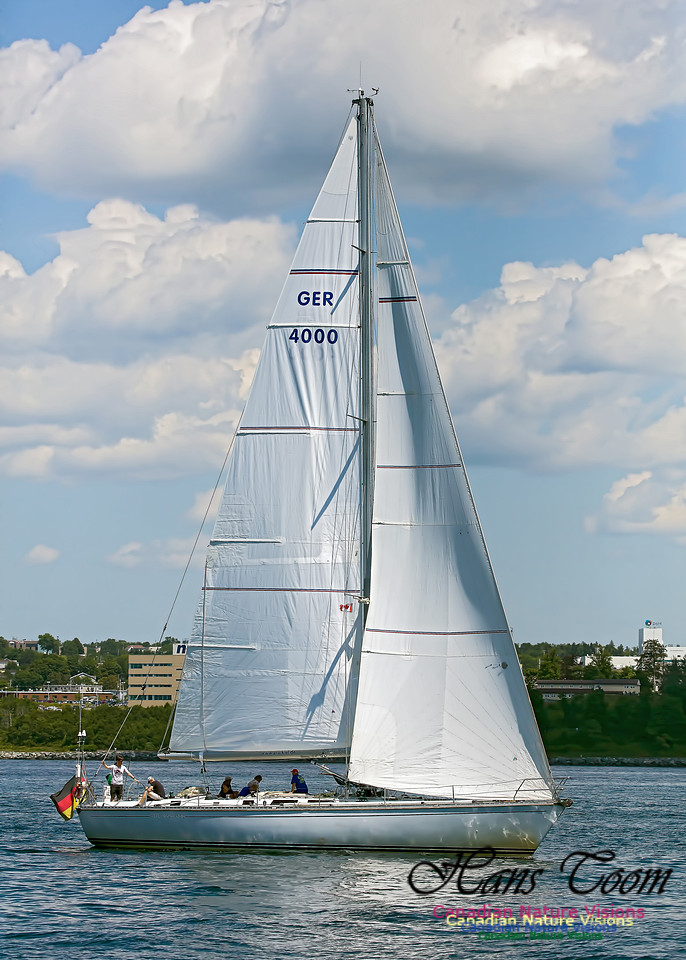
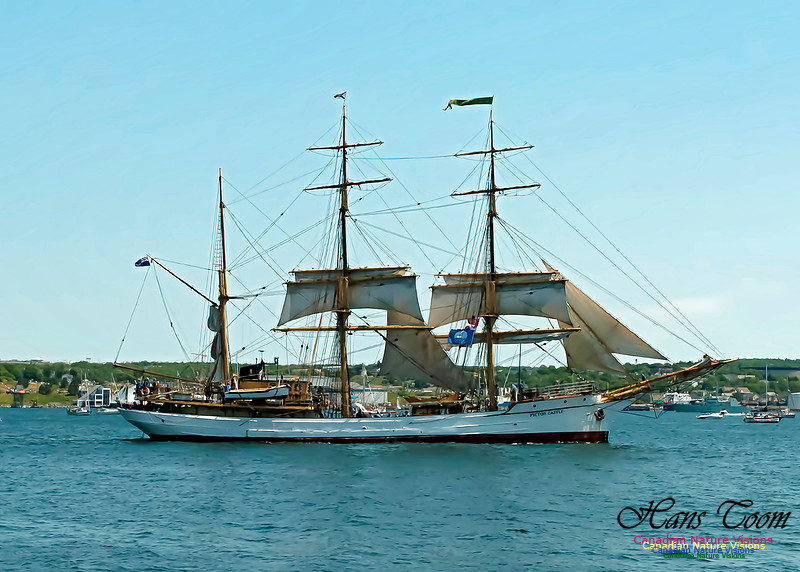
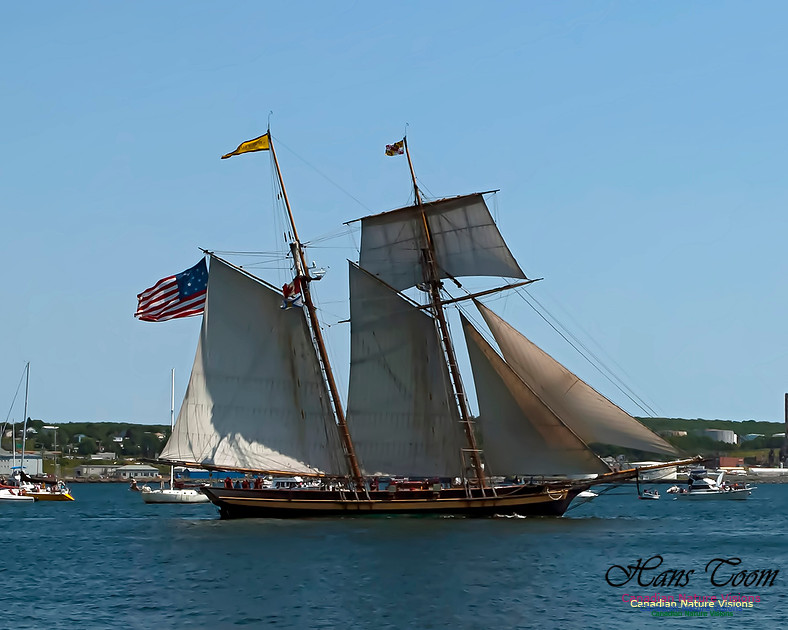
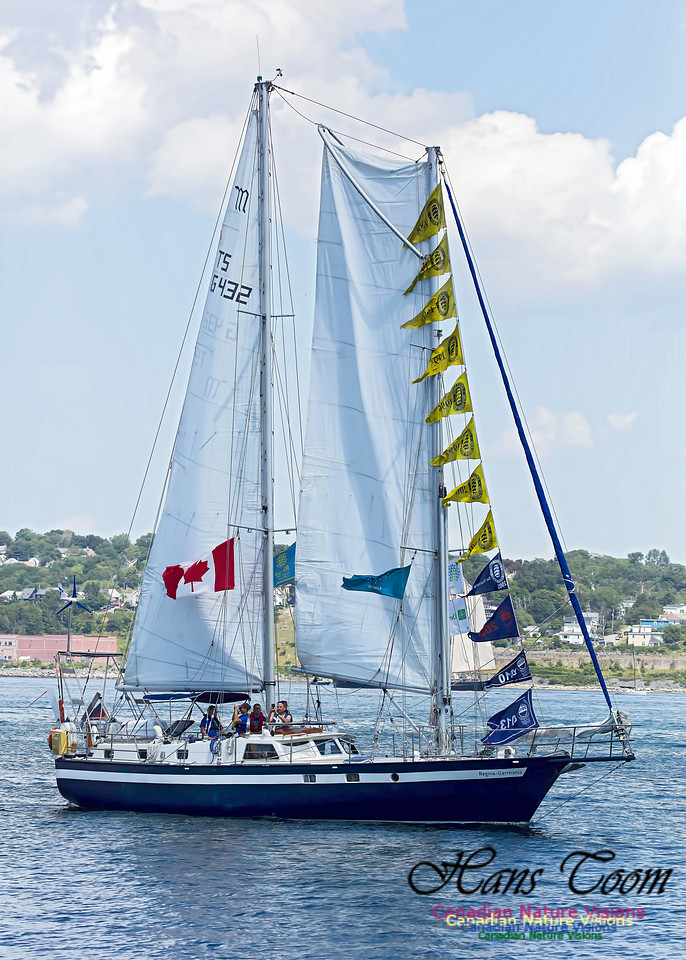
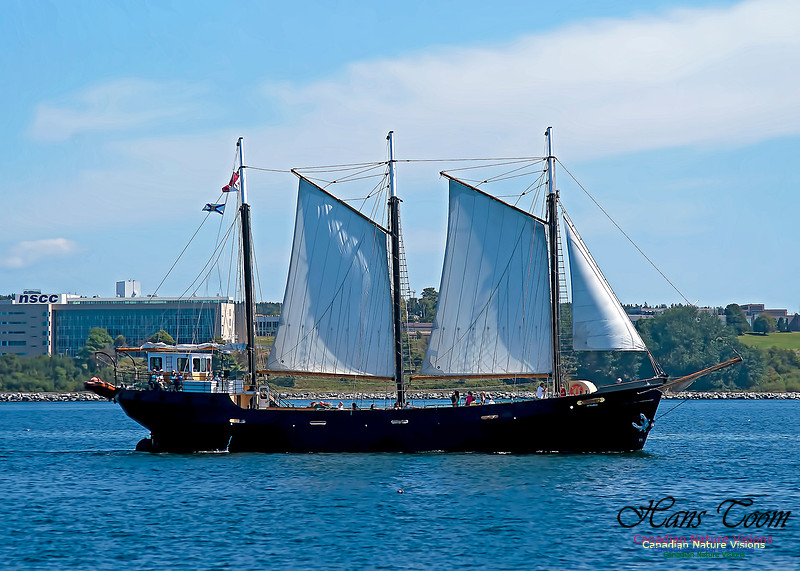
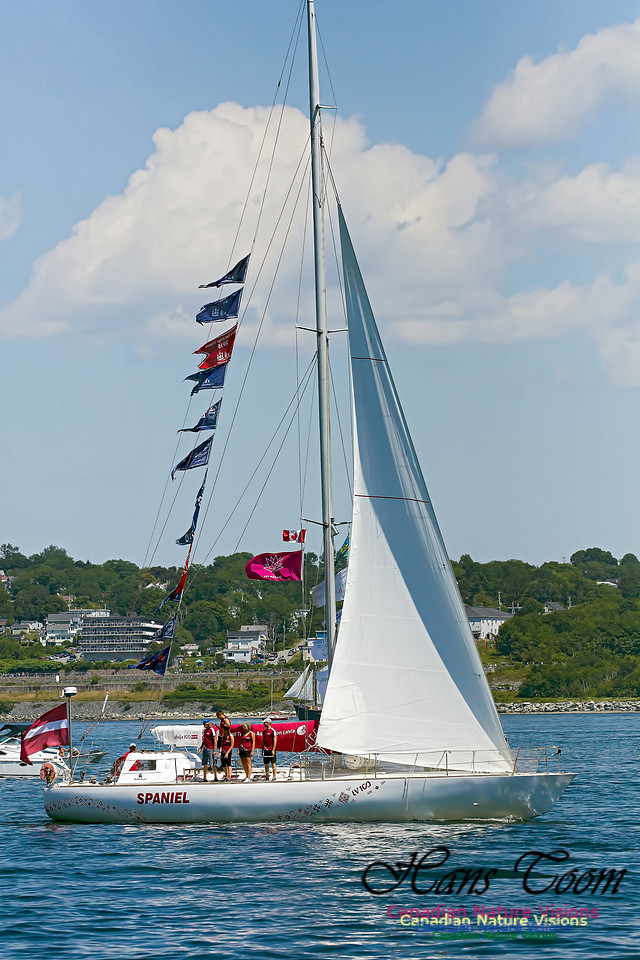
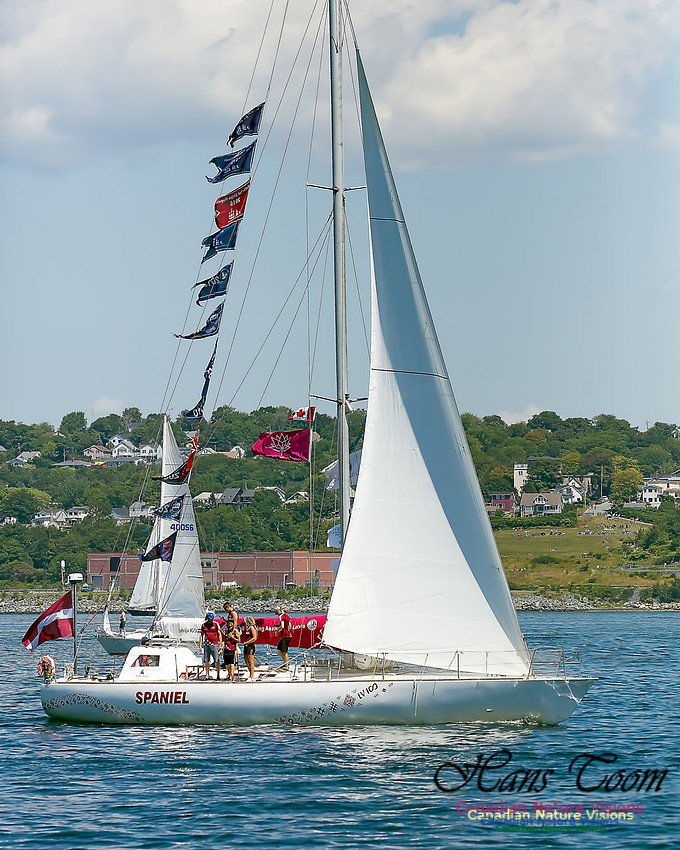
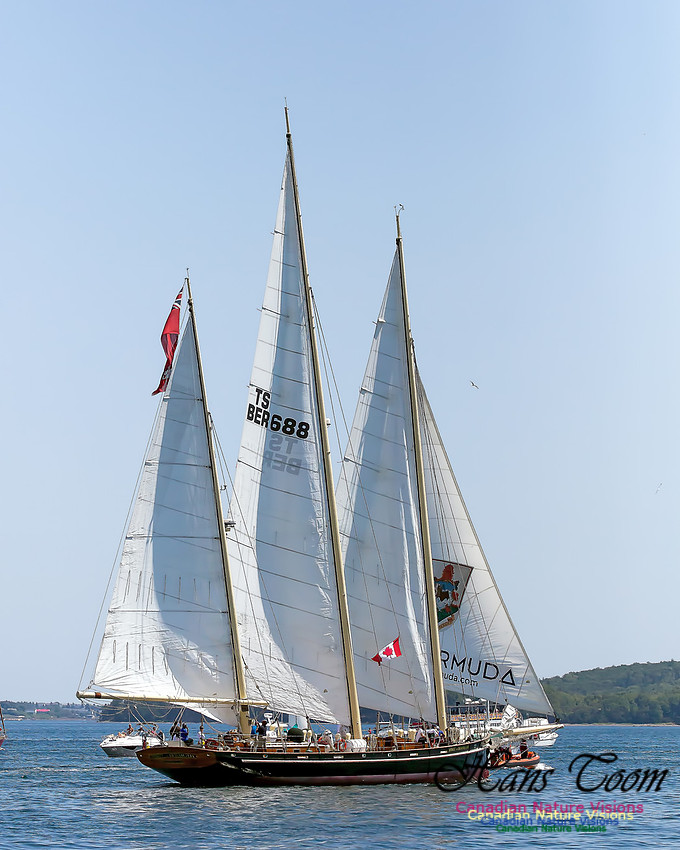
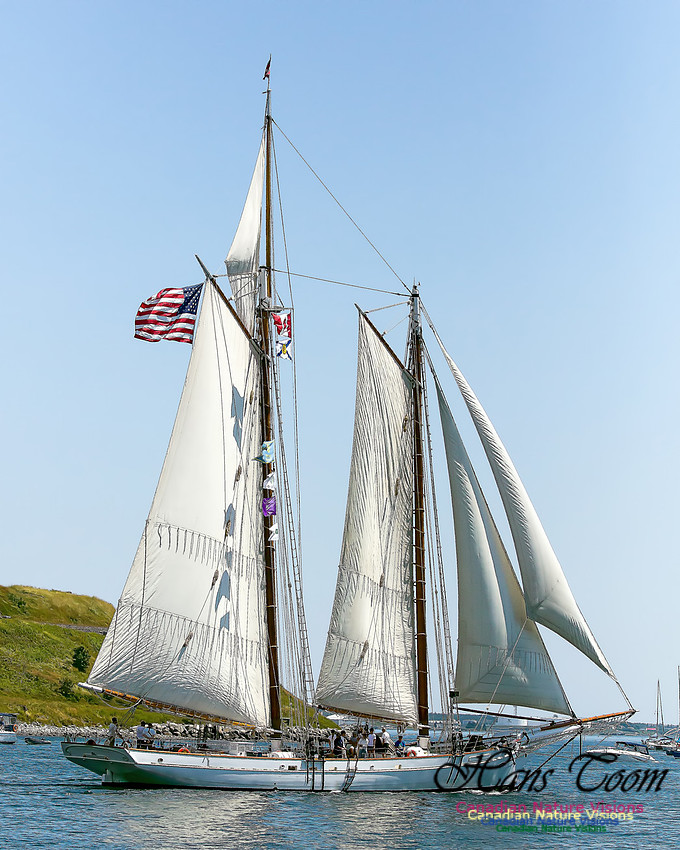
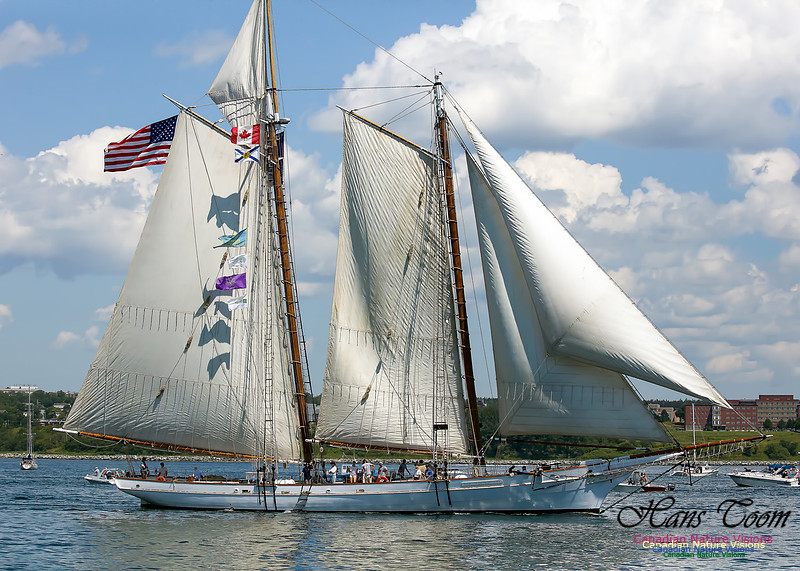
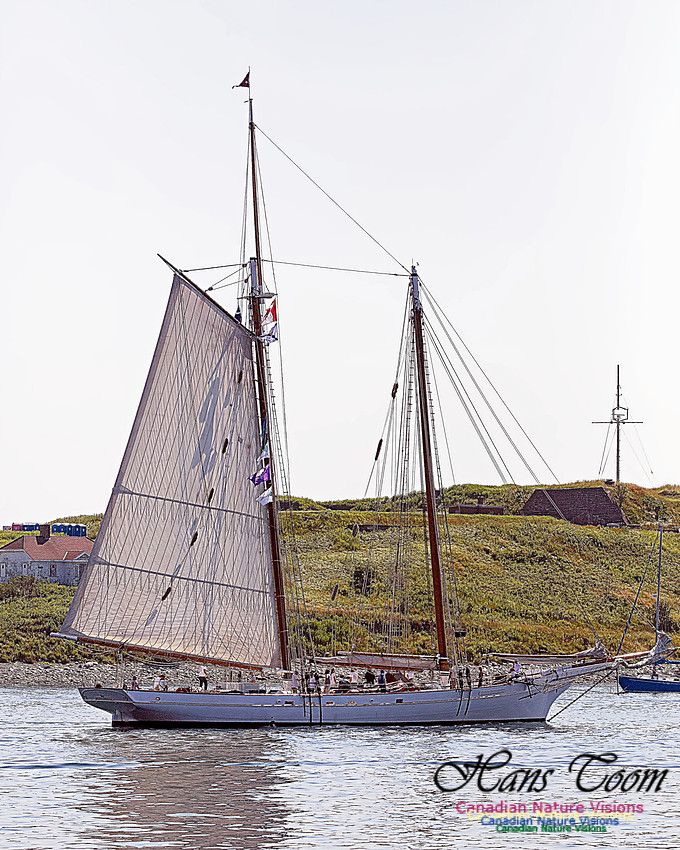
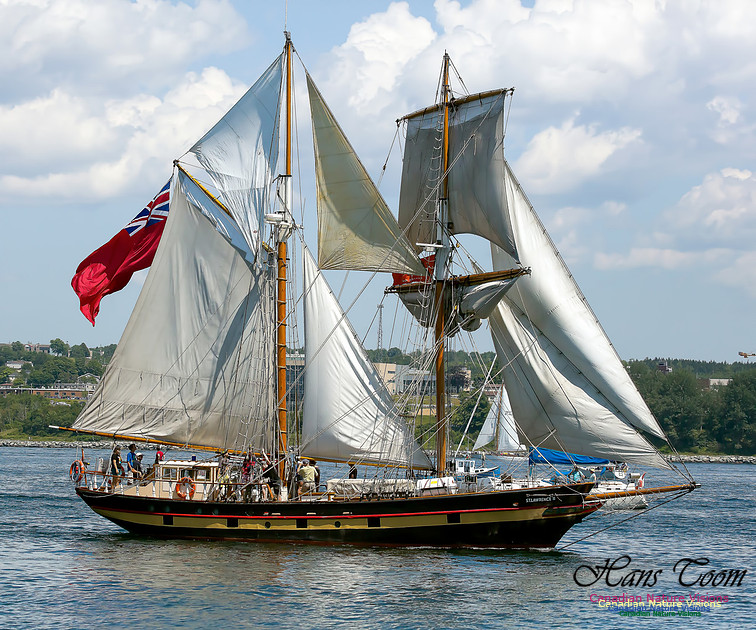
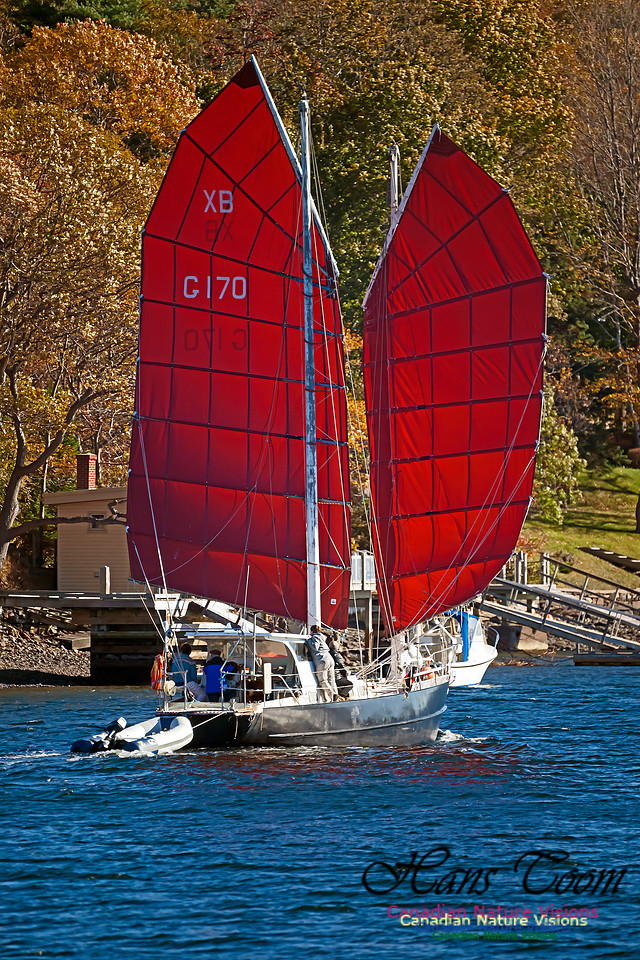
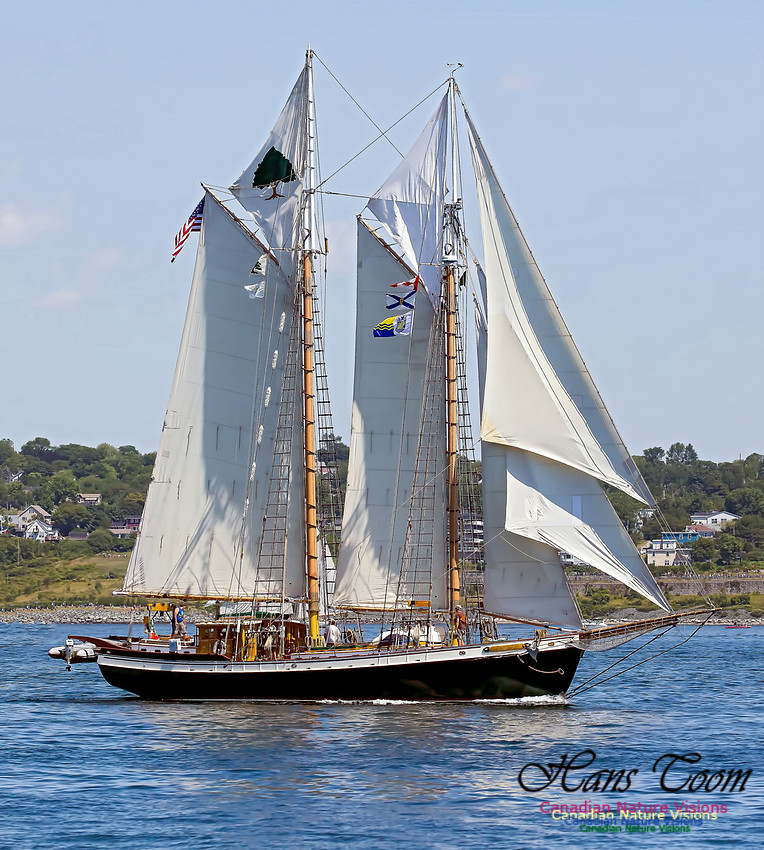
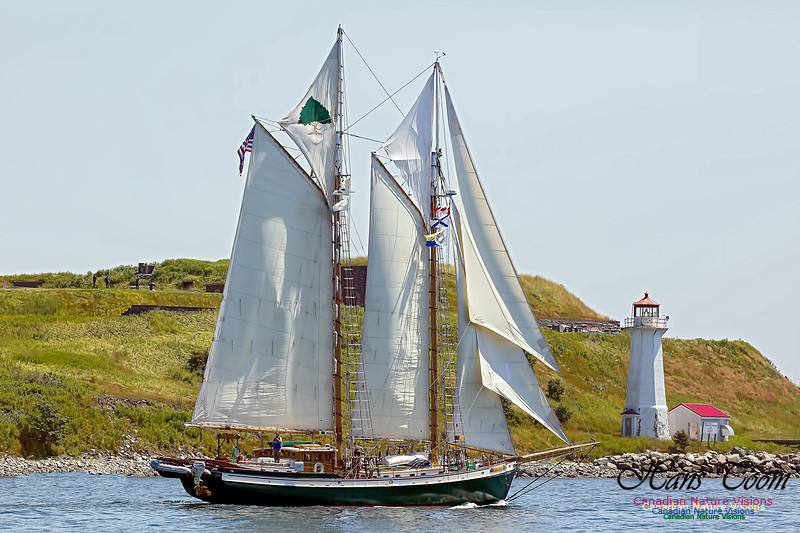
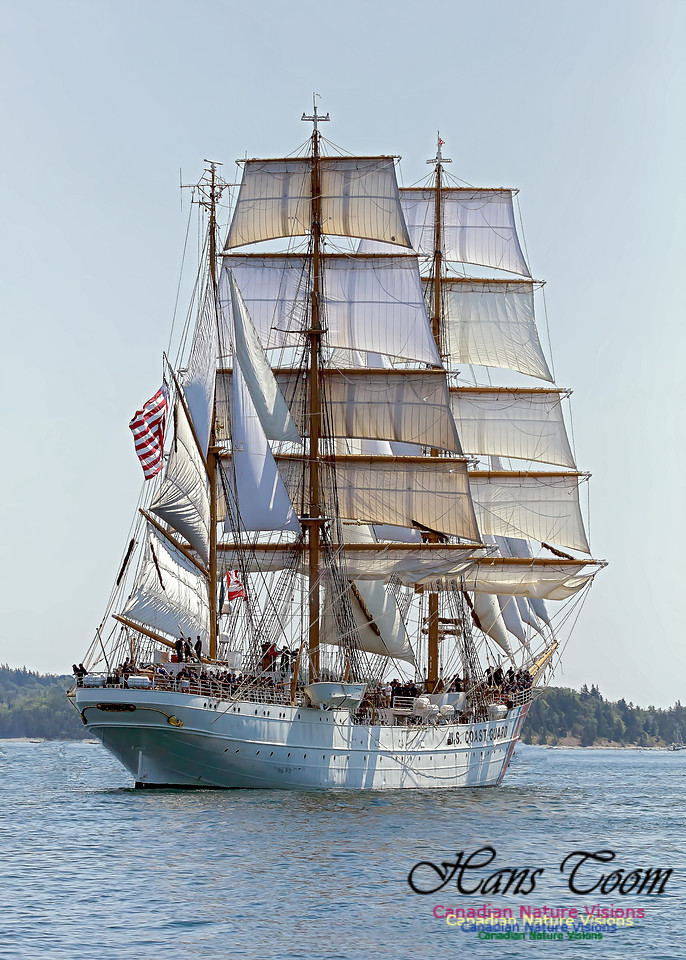
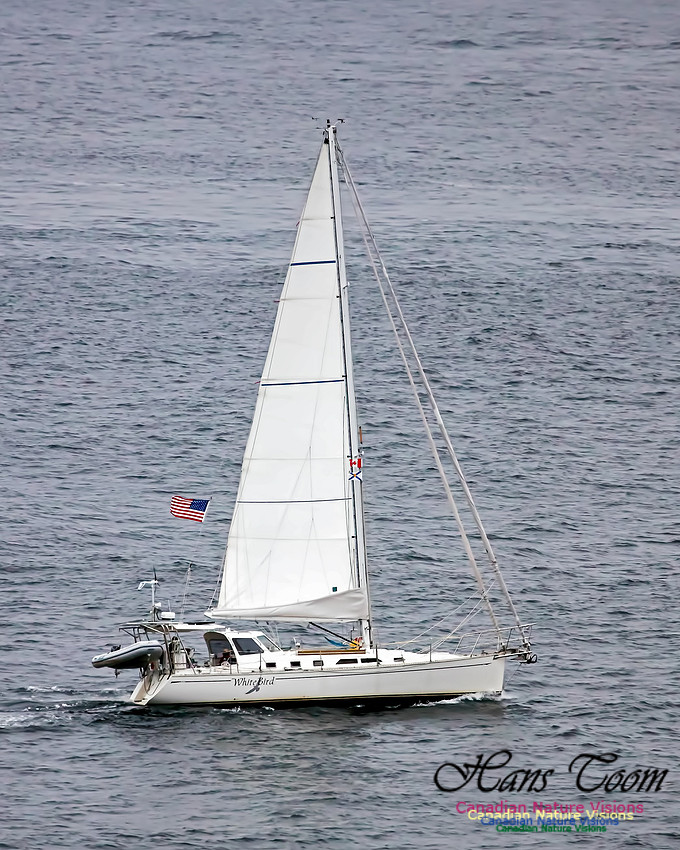
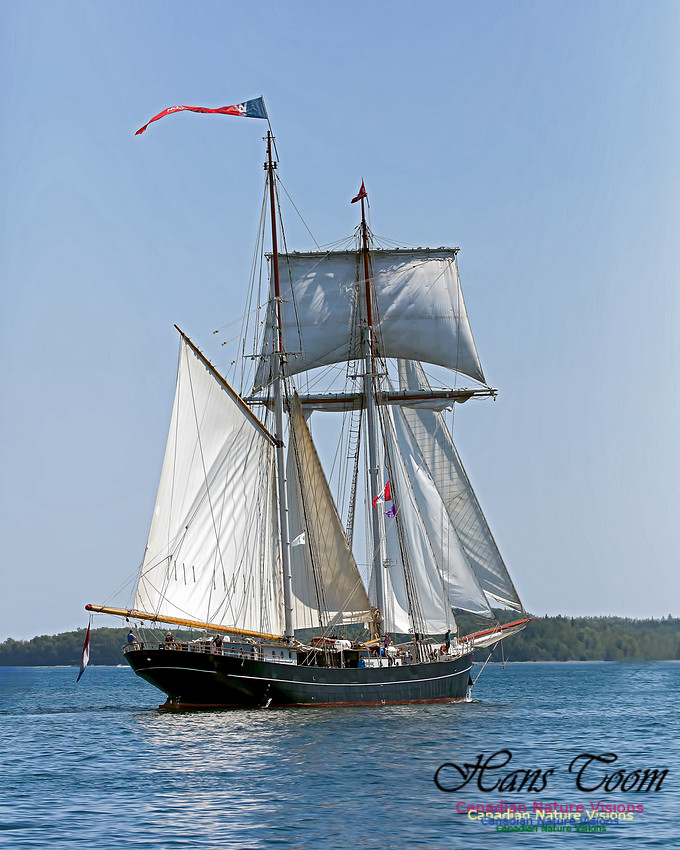
Compendium of Tall ShipsThis is a compendium of tall ships circuiting or entering Halifax Harbour. These magnificent vessels visit every few years and are always worth the wait. Set up early with a medium zoom lens like a 70-200mm f2.8 and enjoy the spectacle. Compendium of Tall Ships
Red CrossbillThe Red Crossbill behaves and looks much the same as the White-winged Crossbill except for the white wings. Like its partner the White-winged Crossbill the Red Crossbill is a large finch, quite tame and readily visits feeders. Red Crossbill
White-winged CrossbillBoth Crossbill species, the Red Crossbill and White-winged Crossbill are primarily Canadian birds and we are pleased to have them. Their specialized crossed bills are an adaption to working the cones of coniferous trees, although they frequent both fir and spruce forests. The crossbills are tame and will visit feeders dwarfing the other finches. White-winged Crossbill
Monarch ButterflyThe Monarch Butterfly is a regular in Nova Scotia sometimes occurring in large numbers. I once counted over 100 in one walk. It is easily confused with the less common Viceroy Butterfly which has a "v" on its wings below the body. Look for it alongside roadsides working the wildflowers. Milkweed is the favourite but usually only occurs where it has been planted to attract and help the Monarch Butterfly. Monarch Butterfly
Ram's Head OrchidThe Ram's Head Orchid is among Nova Scotia's rarest, if not the rarest native orchid. Unfortunately this leads to predation by humans who are stupid enough to dig up a rare and protected ochid in hopes of either selling it or trying to store it in one's garden. The Ram's Head Orchid requires alkaline well drained soil with dappled sunlight. It's fussy about its home. If you find them tell no one especially the wild flora societies since they will bring out troops of gawkers and potential raiders. It is small with the flower head about the size of your little finger nail. Ram's Head Orchid
Grass Pink OrchidThe Grass Pink Orchid is another of our backyard orchids. High rubber boots are recommended to photograph this small orchid. Like its stable mate the Dragon's Mouth Orchid they are hard to photograph well due to their boggy habitat and habit of waving in the wind which defeats depth of field settings unless you like sky high ISO settings. Grass Pink Orchid
Common Murre and Black-legged KittiwakeThe Common Murre and Black-legged Kittiwake often nest side by side. Their colonies are a sight to behold and treasure. They nest on the ledges(barely) of ocean side cliffs with large colonies in Newfoundland. Common Murre and Black-legged Kittiwake
SoraThe Sora is a common marsh bird in Nova Scotia. The winnowing call is haunting especially when heard late in the evening or early in the morning. Although wide spread the habitat of the Sora, soft marshy shoreline and lily pads, makes finding and photographing them a challenge. Time to use a punt once again. Sora
|