Peggy's Cove Light at SunsetI much prefer sunrise photos since the human traffic is much lower. Alas this is not possible at Peggy's Cove. There are always lots of folks milling about so I have to erase most of them from my photos except where they add an element of interest. It's a beautiful drive to Peggy's Cove at all times of the year whether you drive the counterclockwise route or the clockwise route with lots of photographic opportunities along the way. All these photos have been edited for my eye. Enjoy them! Peggy's Cove Light at Sunset
WaterfallsWaterfalls are certainly among my favourite subjects but alas in Nova Scotia they are hard to find in readily accessible locations. Most require trudges through mosquito and tick infested brush. The easiest to access are on Cape Breton Island. There are several books available on the wheres and whens of waterfalls. Some waterfalls actually go dry in mid summer and winter visits can be dangerous. Beulach Ban Falls
Butcher's Falls
Sambro Island SunriseThe Sambro Island sunrise is a favourite solar event of mine. The best time to see it is always in the winter when the sun rises near or directly behind the island or light. Long exposures will be necessary before the sun rises and then the exposure times will rapidly shorten as the sun get closes to appearing on the horizon. Never look directly at the sun through a telephoto lens. Use averted vision or your screen viewer. Sambro Island Sunrise
Sharp-shinned HawkThe Sharp-shinned Hawk is the smallest accipiter or bird hawk. Its an elegant bird with swift highly maneuverable flight suited to catching birds on the ground or through the woods. It is an unwelcome visitor at our place. Its hunting methods are barbaric. It eats its prey alive and will leave partly eaten but living birds behind as it moves on. Yuck! The population of this species has been increasing probably due to bird concentrations around winter bird feeding stations. Sharp-shinned Hawk
Black-backed WoodpeckerThe Black-backed Woodpecker is common and wide spread. But having said that try and find one. I know where they are and can often hear them chattering but they seldom pose in good light. Beginners use fill-in flash using fresnel lenses to focus the light but the effects are stark and unrealistic and certainly don't count as nature photos to purists. I used fill-in flash a lot in my early days. The photos are easy to spot because the background is dark to black. The best photos are in natural light, preferably in the open in a bright overcast day but bright sunlight will do as well. Look for them in the deep mixed or coniferous woods especially in the early spring when family groups increase their numbers and they also tend to be more vocal and easier to find. Black-backed Woodpecker
American RobinSometimes I feel we take the American Robin and Blue Jay for granted. European jaws drop when they see these elegant birds. The American Robin is an overwintering bird in select locations where food is readily available. The migration flocks of American Robins are a treat to see coming and going in enormous flocks, sometimes tens of thousands. We had several hundred move through our place three weeks ago. They didn't stay long since the berries are mostly gone but you can find them now all along our coast working the kelp heaps for maggots and kelp flies especially when the sun warms up the heaps. American Robin
Grey-cheeked ThrushThe Grey-cheeked Thrush has the most haunting song of any bird I've heard, except maybe for the Varied Thrush in the deep rain forests of British Columbia. The Grey-cheeked Thrush is a hard bird to find in Nova Scotia. Your best chance is in the highlands of Cape Breton Island. The mega rare Bicknell's Thrush is a close relative and for a long time was considered the same species. Laura and I were parked in our motorhome in a provincial park at the northern tip of the Great Northern Peninsula of Newfoundland when one sang from the thick brush nearby. My heart pounded and I so wanted to see it but it never revealed itself. Grey-cheeked Thrush
Sunrise at Martinique BeachThe trick with these photos is to combine sunrise, low tide and scattered clouds at the same time. This is a tricky combination and certainly requires an early rise. Rubber boots are a must since my tripod legs were awash in the Atlantic Ocean. On a less happy matter due to the covid-19 pandemic I will not be leading any birding trips anywhere. Sadly, I will be birding and taking photographs alone with the birds this spring and maybe into the summer or even longer but I will share the photographs with everyone. I wish everyone the best and stay at home,....please! I went grocery shopping at 6 AM yesterday and I got through a big store in a short period of time with only about five other customers around. Do it. Martinique Beach Sunrise
Canada JayThe Canada Jay is our national bird even if the Governor General of Canada hasn't as yet said so. She will eventually. It toughs out our winters with us and much more since it doesn't retreat to Florida during the coldest weather. It nests very early and is a devoted parent since it stores rations in the fall just for this occasion. It's a playful bird. If your lucky enough to meet a family group just sit, listen and watch the antics. Canada Jay
Tufted DuckThe Tufted Duck is a rare visitor to Nova Scotia although it is an annual regular. The adult male can be confused with the adult male Ring-necked Duck at a distance although the ringed bill of the Ring-necked Duck is unmistakable and diagonistic. The tuft of the Tufted Duck is not easily seen as it is usually,....well, tucked. I photographed my first Tufted Duck in Ontario in about 2002, north of Point Pelee National Park, using the rather poor early digital camera equpment. Tufted Duck
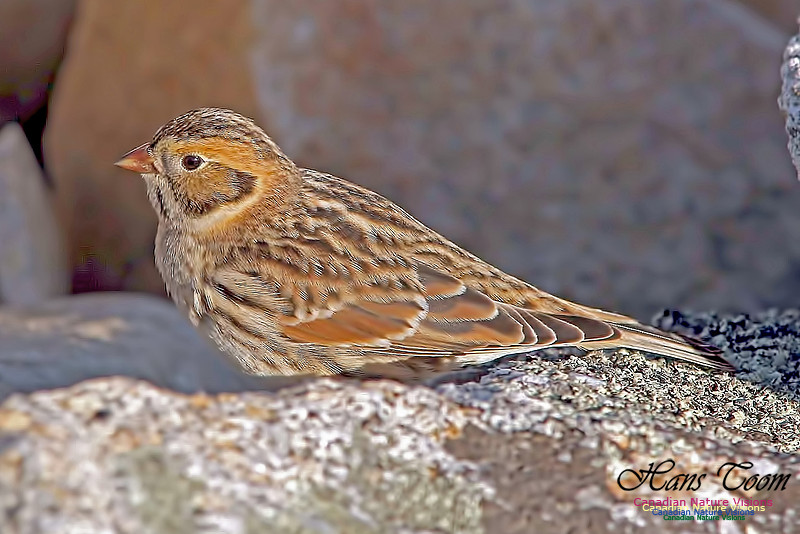
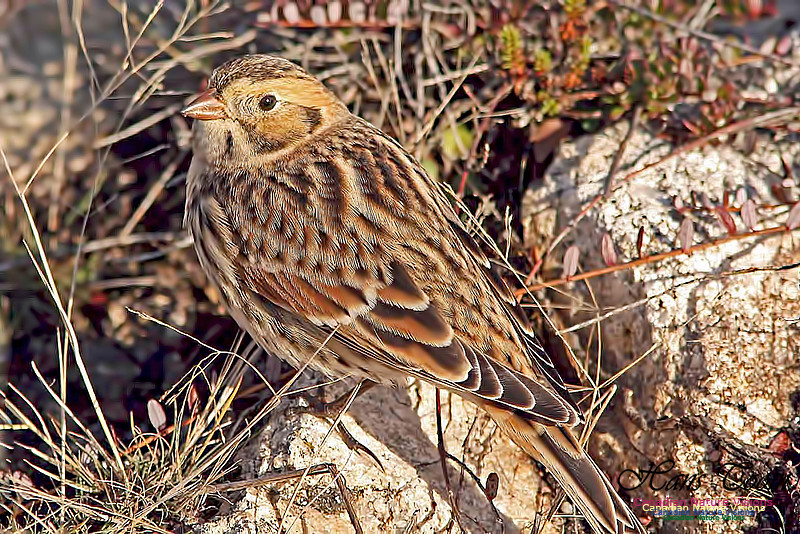
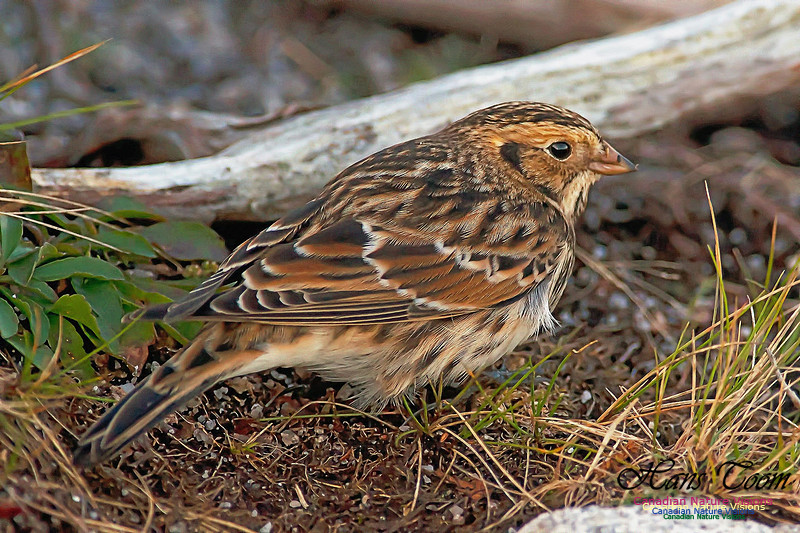
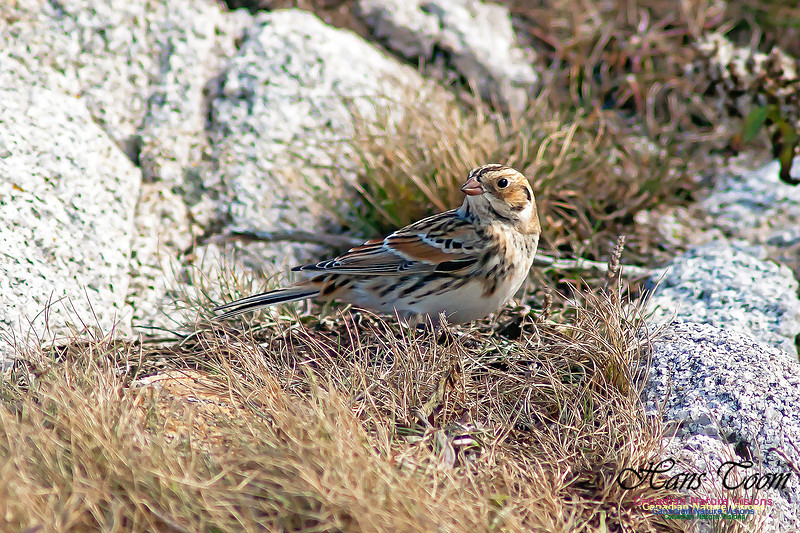
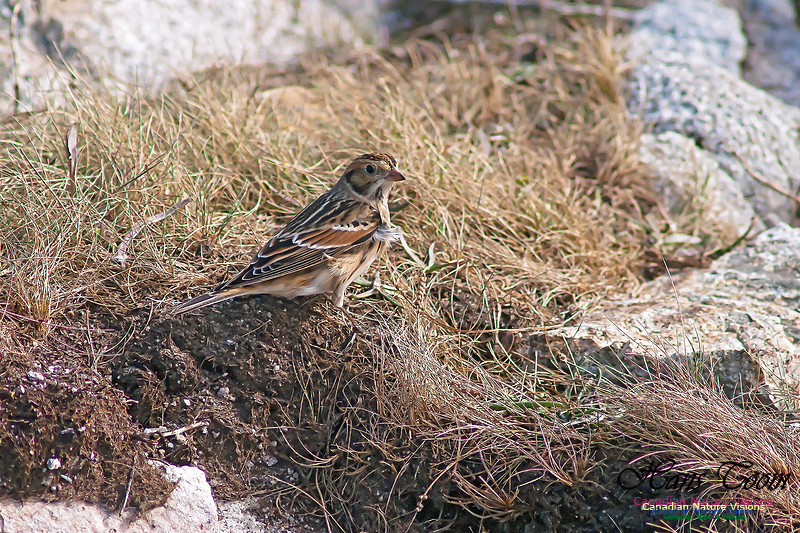
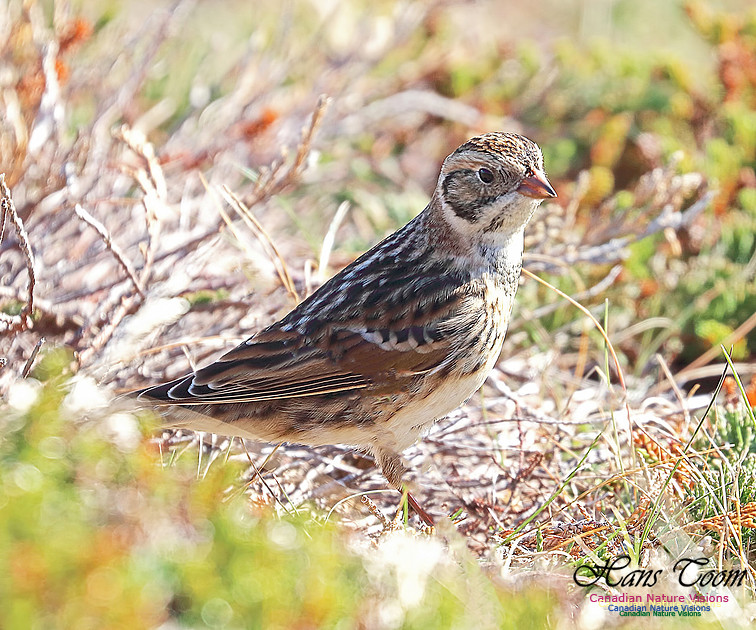
Lapland LongspurThe Lapland Longspur is a welcome find on the coastal barrens in my area. I usually find them heading south in November/December rather than when they are heading north. Some birds use the central flyway to their nesting grounds on the barrens at or near the tree line and coastal routes on their return migration. They nest in abundance in open country in Newfoundland. I have found them here in my area of Portuguese Cove in mid summer. They are not a shy bird but they do keep their distance. Lapland Longspur
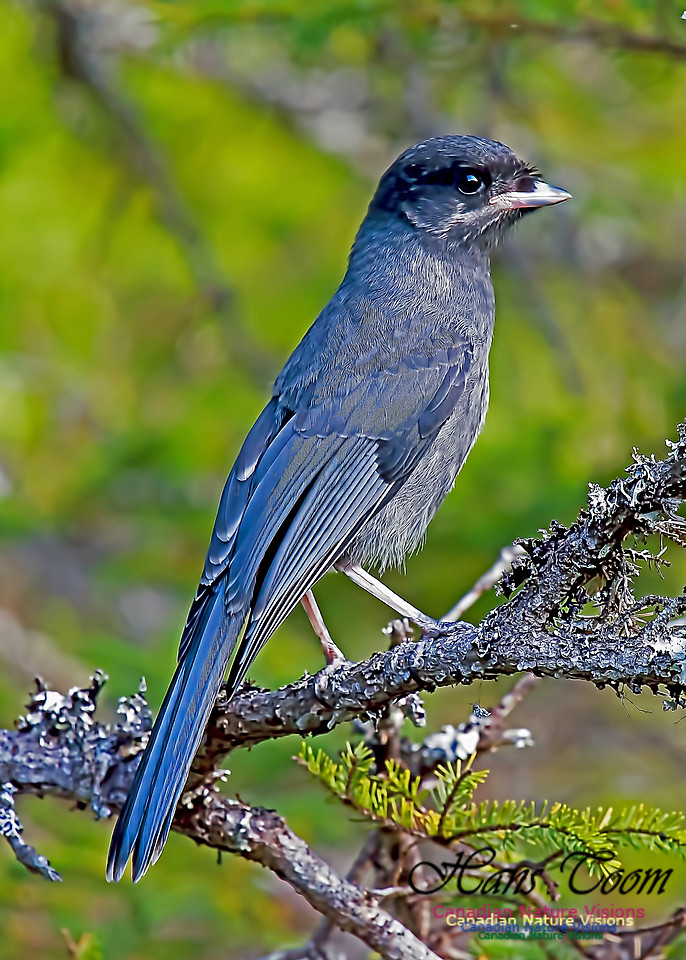
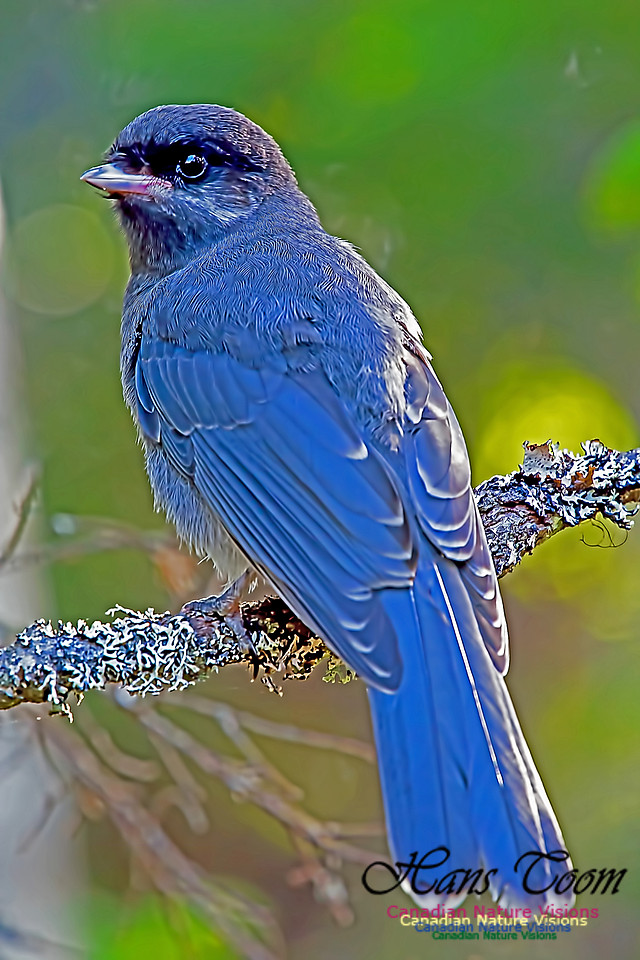
Canada Jay(juvenile)OK, I was baffled by this bird for a while then bingo, the lights lit, a recently fledged Canada Jay. The Canada Jay is a common and widespread denizen of our woodlands, usually boreal or subalpine forests. It is one of the earliest nesting birds having stashed food during the fall for use through the winter. It is almost exclusively a Canadian bird with some ranging south into the United States, especially into the Coastal and Rocky Mountains. It is non migratory and maintains a territory year round. It is a relatively tame bird and will eat out of your hand like a giant chickadee if that's your thing and you have enough patience. However, It's best to let them forage in their own way. please!! Juvenile Canada Jay
Bald EagleThe Bald Eagle has exploded in population in Nova Scotia thanks to the chicken ranchers who started putting out their dead chicken decades ago when the Bald Eagle and other raptors were threatened species. Humans had introduced poisons like DDT into the environment which concentrated itself in apex predators. Humans learned nothing from that experience since we still continue to add poisons to this day in various other ways. Look at the decline in our insectivores like flycatchers and warblers as evidence. All this to make a perfect head of lettuce. Although the Bald Eagle population has exploded, certainly a great success, it is time to stop the practise of feeding them since this has now created an imbalance in the natural world with far too many apex predators in one location. This is unlikely since many local interests treat this spectacle as a cash cow drawing in photographers from near and far. None of the photos thus obtained are nature photos since they are the result of bird baiting an unnatural practise. Bird baiting or feeding although beneficial in many cases, especially our small backyard feeders, creates unnatural photographic opportunities that unethical photographers cash in on, for example, these head on photos you see in nature magazines of owls flying at the camera are created by some idiot tossing dead rats as bait. There are some lines to be drawn in the sand. For example I have planted and expanded my mutltiflora rose bramble hedges. They provide food and protection for birds year round and are themselves a form of bait or attractant. Is this still baiting?? How about back yard feeders?? Certainly what happens in the Annapolis Valley in late January and early February is baiting. OK, I'll stop the griping. Here are some photos of Bald Eagles, many taken from the "field of dreams" at Canning, Nova Scotia. and others taken throught Nova Scotia. Bald Eagle
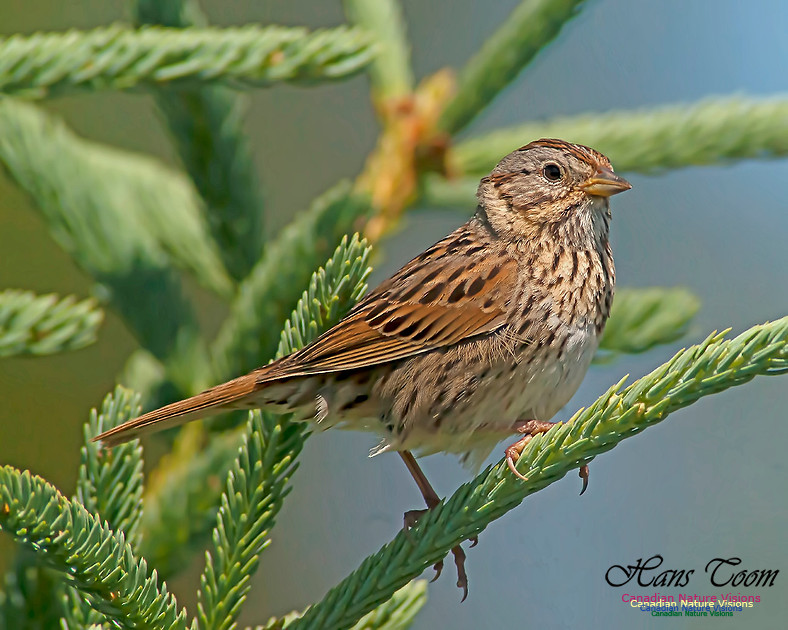
Our Overwintering BirdsIt's been a quiet winter with not much avian diversity in our yard but like every year since we moved here in 2000 we have one at least one rarity, indeed this year its a mega rarity. a Lincoln's Sparrow. This handsome sparrow is wide spread and easily located in the spring by its marvelous melodic song, so melodic that its song stirs the hair on my head. A sparse winter for rarities means it was an orderly migration in the fall with no major weather events to stall birds on their trek south. The Lincoln's Sparrow hardly ever overwinters and I cannot find another confirmed record of it happening although as with all bird reports you can only count them if someone reports them and the winter Lincoln's Sparrow is easily confused with the Song Sparrow. Look for the thin striping through the small white throat patch and the usual ochre wash across the chest. Lincoln's Sparrow
Here' the summary of this winter's birds, counting January and February only(don't count December birds in a winter bird count since late migrants will be included that way), although its not over yet: Mourning Dove-10-120 daily depending on weather events. Snow storms bring in the most doves; Rock Pigeon-5-30 irregular usually flying over; American Robin- 0- 200 irregular usually flying over although a few stop to feast on the remaining mutlflower berries; Grey Catbird-1-2 irregular(have to be outside to hear them); Canadian(American) Tree Sparrow-30 all day, all winter. These ones never go south of the Canadian border; Song Sparrow-20 all day, all winter; White Throated Sparrow-40 all day, all winter; Black-capped Chickadee-5-10 daily; Boreal Chickadee-1-2 irregular; Red Breasted Nuthatch-1-2 irregular; Lincoln's Sparrow-2 irregular; Dark-eyed Junco- 30 all day, all winter; American Goldfinch-10-20 daily, all winter; European Starling-2-200 irregular depending on weather events; Blue Jay- 20-50 all day, every day; American Crow- 5-10, iregular; Northern Raven-5-10- all day, every day; Purple Finch-1-5, irregular; Downy Woodpecker-2 daily; Hairy Woodpecker-1-2, irregular; Northern Flicker-1-2, irregular; Turkey Vulture-1 irregular, overhead; Sharp-shinned Hawk-1 irregular; Ring-necked Pheasant-1-4, irregular; Ruffed Grouse-1 irregular; Herring Gull-1-10 daily but irregular overhead; Greater Black-backed Gull-1-10 daily but irregular overhead; Overall 27 species, 50- 300 in total daily depending on weather events, plus another 15-30 species if I took the trouble to scope the ocean and the sky. It was a quiet winter with our birds seldom severely stressed as much as this human can tell.
Yellow-breasted ChatThe Yellow-breasted Chat is our largest warbler although by simply looking at it it seems more likely to be related to a cuckoo. Although it has a varied diet it does not like cold weather. I am sure some survive the winter although it has not been witnessed yet, at least not by those folks that report birds. I've fed them red grapes, grape jelly and peaunt butter suet. I even went to the trouble one winter of keeping a supply of food heated through the night so they could start their day with a warm breakfast. Yellow-breasted Chat
|