Hebridean SkyHebridean SkyJump to navigation Jump to search
Hebridean Sky is a cruise ship owned by London-based cruise company Noble Caledonia. As an ice-rated vessel she has operated as an expedition cruise ship in Antarctica and in the Arctic. She was also known under the names Renaissance VII, Regina Renaissance, Renai I, Sun, Island Sun, Corinthian II, Sea Explorer, Sea Explorer I. Hebridean Sky I photographed the Hebridean Sky off Chebucto Head, Halifax, Nova Scotia. This is a dream ship for many of us, a transport to remote and exotic places.
Canada Day July 1, 2018, Halifax WaterfrontLaura and I enjoyed a late afternoon with friends at the Halifax waterfront on Canada Day. The weather was hot but quite bearable. Canada Day July 1, 2018, Halifax Waterfront
Showy Ladies' Slipper Orchid July 4, 2018I enjoyed my annual but quick visit to the Showy Lady's Slipper Orchid patch yesterday in sweltering heat. To my delight none of the orchids have been trampled this year. It's not a good idea to bring dogs in here leased or not because these elegant orchids are easily damaged. Showy Lady's Slipper Orchid
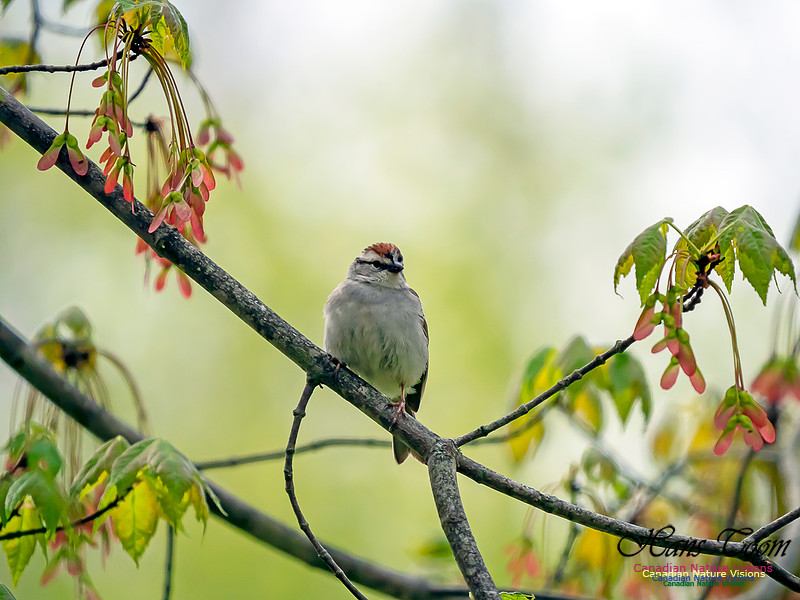
Flycatchers, Sparrows and VireosThe Eastern Wood-Pewee appears in my experience to be declining. Many of the locations where I used to find them are now uninhabited by this species. It is easy to identify thanks to its magical woodland song. Eastern Wood-Pewee Chipping Sparrow
Red-eyed Vireo
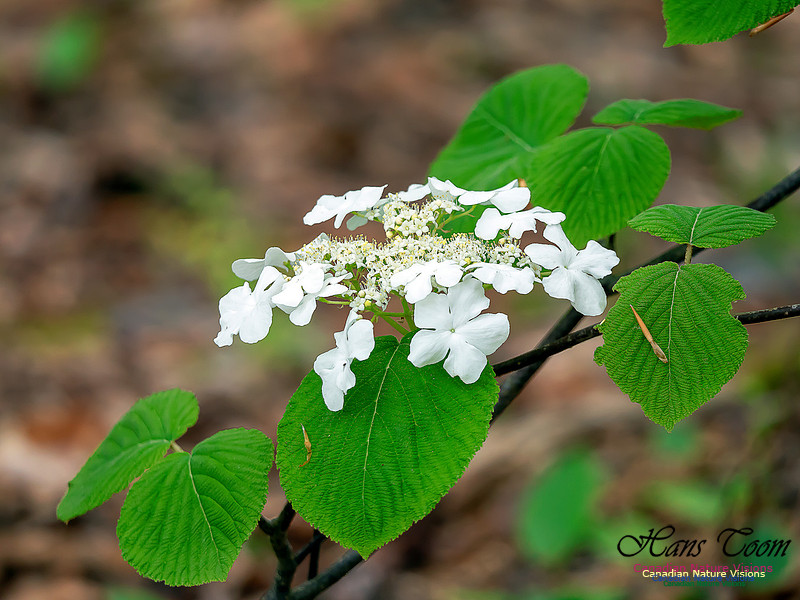
Early Wildflowers of Nova ScotiaWildflowers are always special; a treat to see and smell, a boon to birds and bees, and a reminder of how it used to be everywhere before the strip loggers arrived. Dogwood
Golden Heather The Natural Resources Department(the strip loggers) does very little good but one thing they did do right was designating the semi-wilderness barrens and scrub forest of the south-eastern Chebucto Peninsula as a nature reserve. One of the reasons had to be the abundance of the semi-arctic Golden Heather.
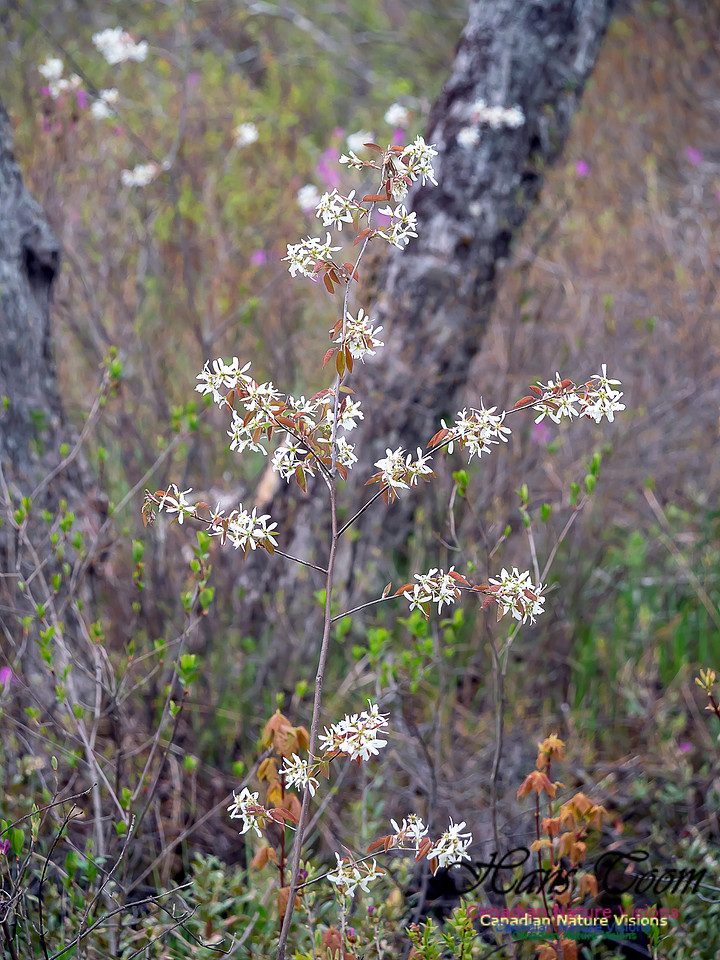
Indian Pear
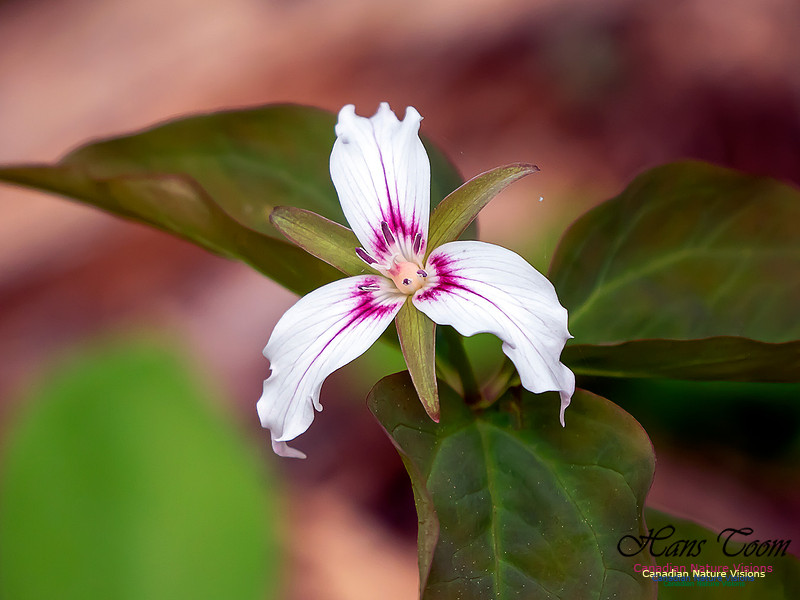
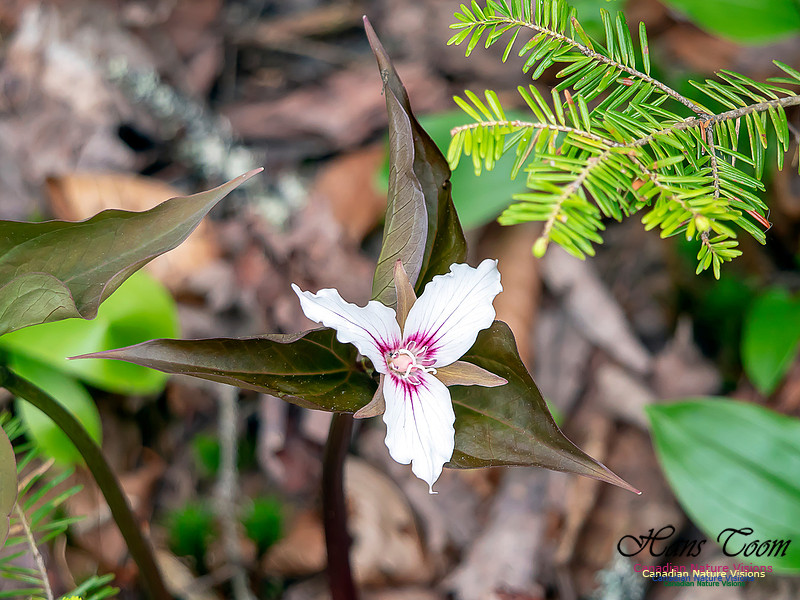
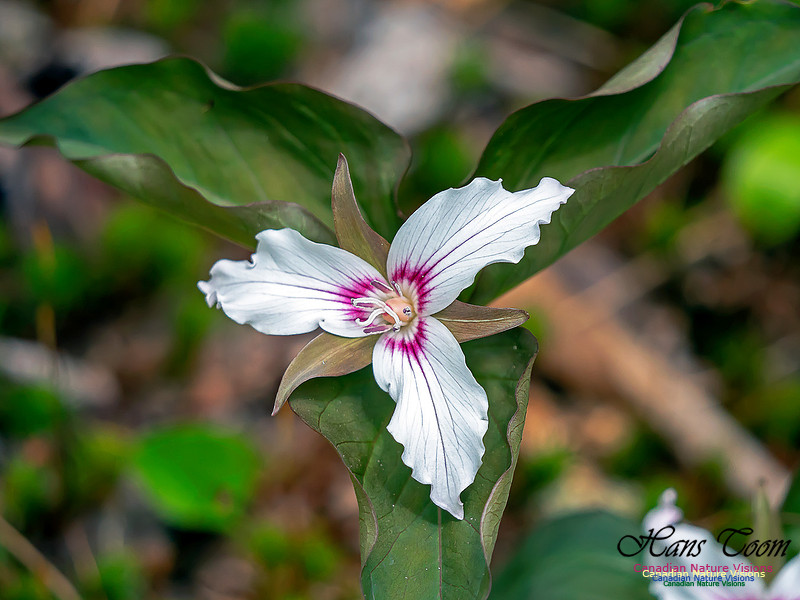
Painted Trillium
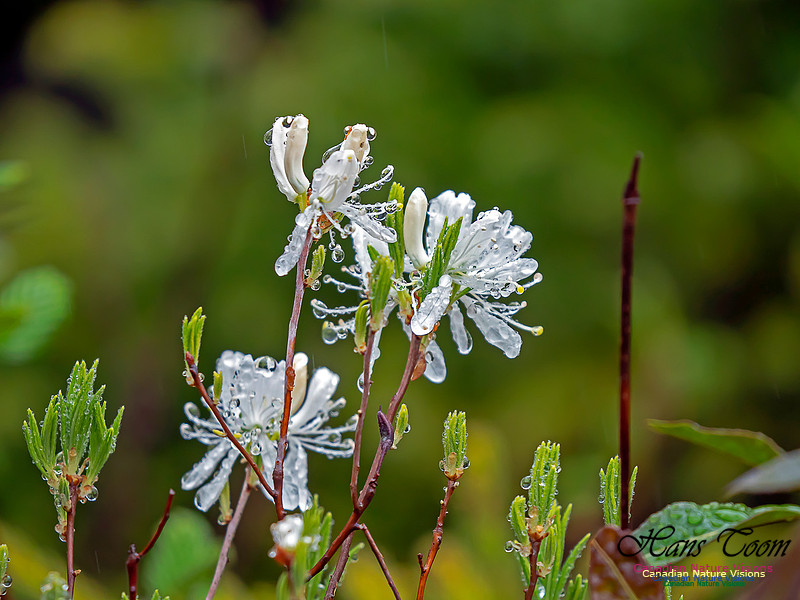
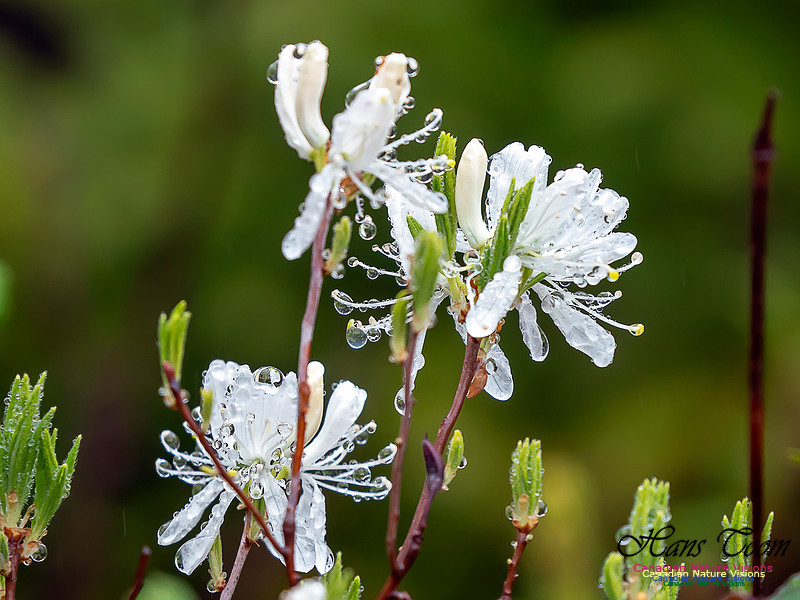
Rhodora
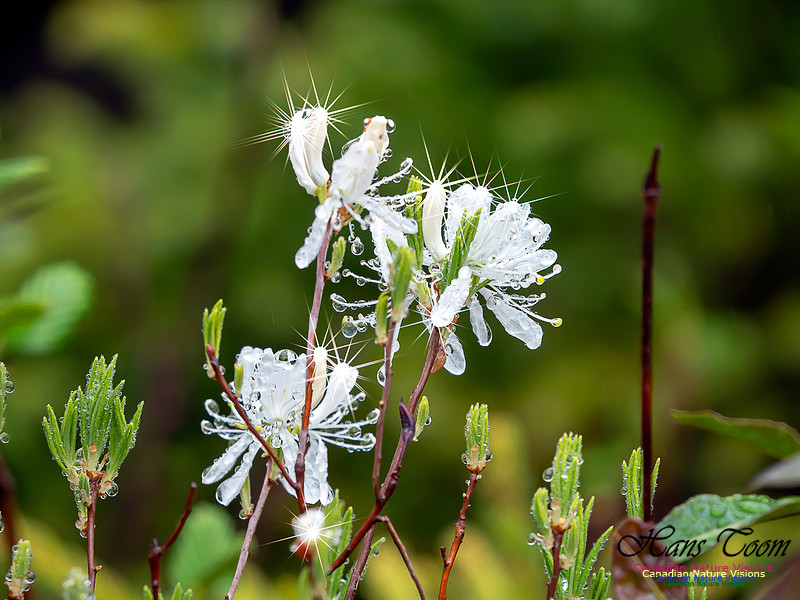
White Rhodora Rare with a very short flowering period
June Warblers of Nova ScotiaWarblers are a tricky bird to photograph. I can usually identify about 95% by song, peeps and tweets can be tricky, see about 15% and photograph about 5% with maybe 1% remaining as usable photographs. Thank goodness for the ear! Warblers are being devastated by habitat destruction. Nova Scotia, Canada, is a fine example of third world forestry as the countryside is stripped clean like a moonscape. It's shameful. American Redstart The name should be America's Redstart
Female American Redstart-usually stumps beginners.
Black-and-White Warbler
Black-throated Blue Warbler
Black-throated Green Warbler
Blackburnian Warbler
Blackpoll Warbler
Canada Warbler I have no good photographs of this elegant warbler this year(so far) but I post what I have here because the bird is so special
Chestnut-sided Warbler
Common Yellowthroat
Northern Parula
Ovenbird
Pine Warbler
Yellow Warbler
Yellow-rumped Warbler
Early Orchids of Nova ScotiaI visited my usual locations for early orchids. Unfortunately members of flora groups and their friends have torn out most of the rare orchids. Indeed I could not find a single Ram's Head Orchid. Social media will ensure the end of all rare plants and birds. Locations are posted on line for all to see and unethical(most are) photographers and gawkers stampede to the locations and with pails and shovels remove the plants which don't even survive the move in most cases. Photographers use recorded bird song to pull female birds off the nest to expose the nest to predators or bait birds especially raptors. Unethical nature magazines still post photographs of baited owls flying toward the camera and think it's great and even give rewards to the photographers. Sick! Ram's Head Orchid
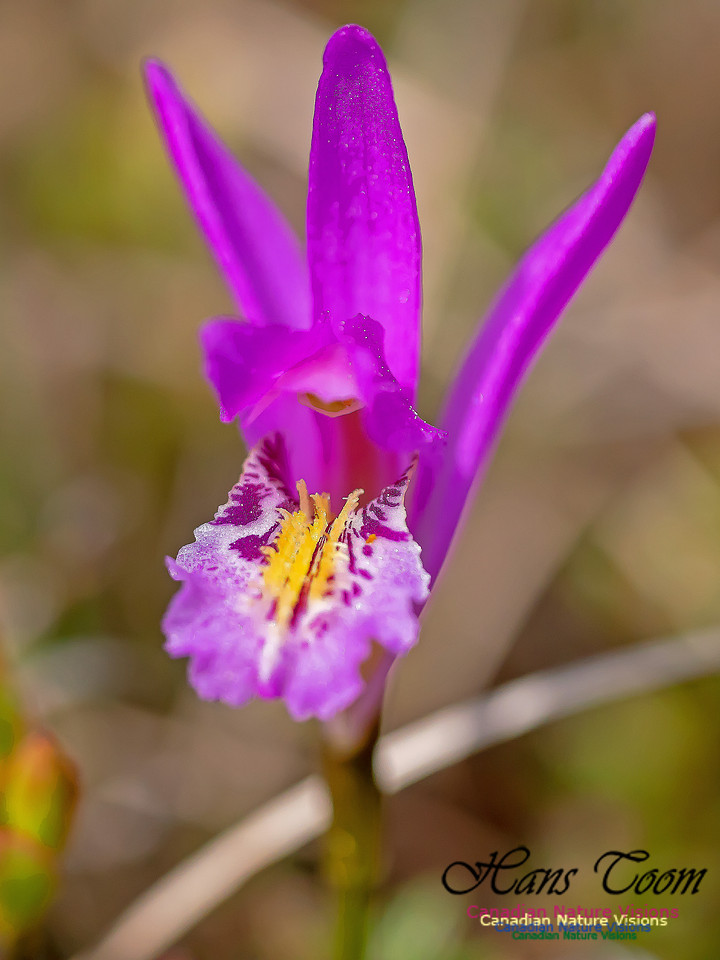
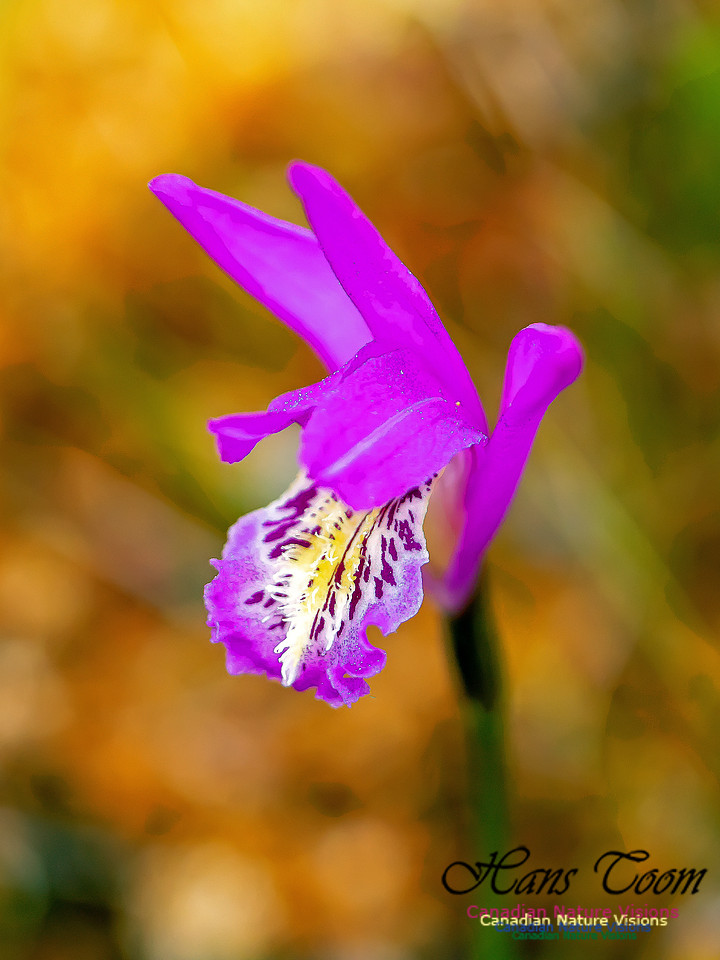
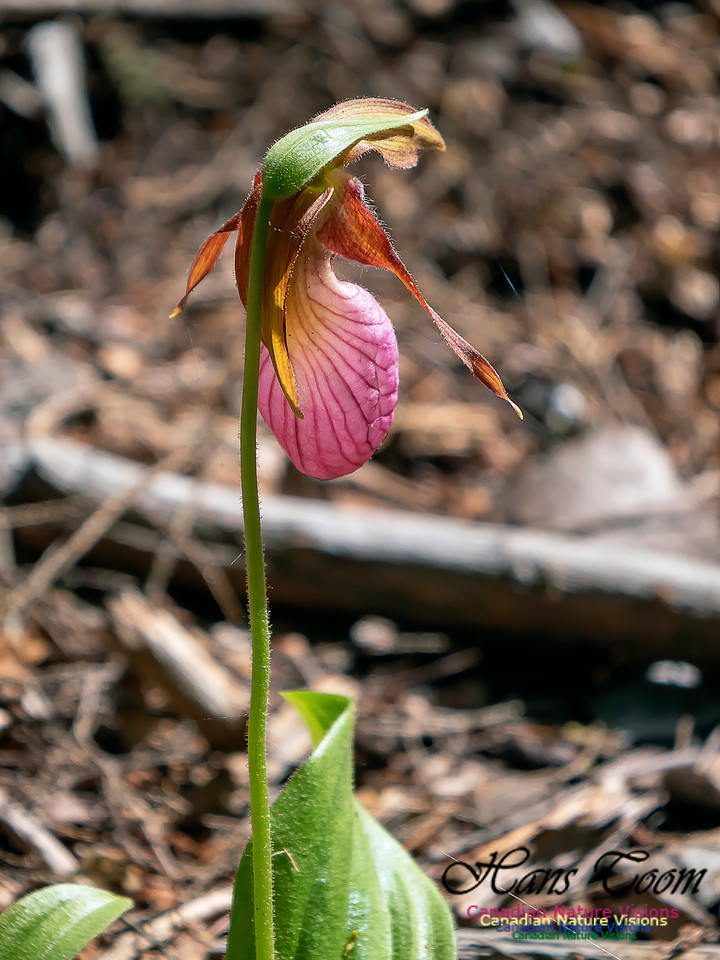
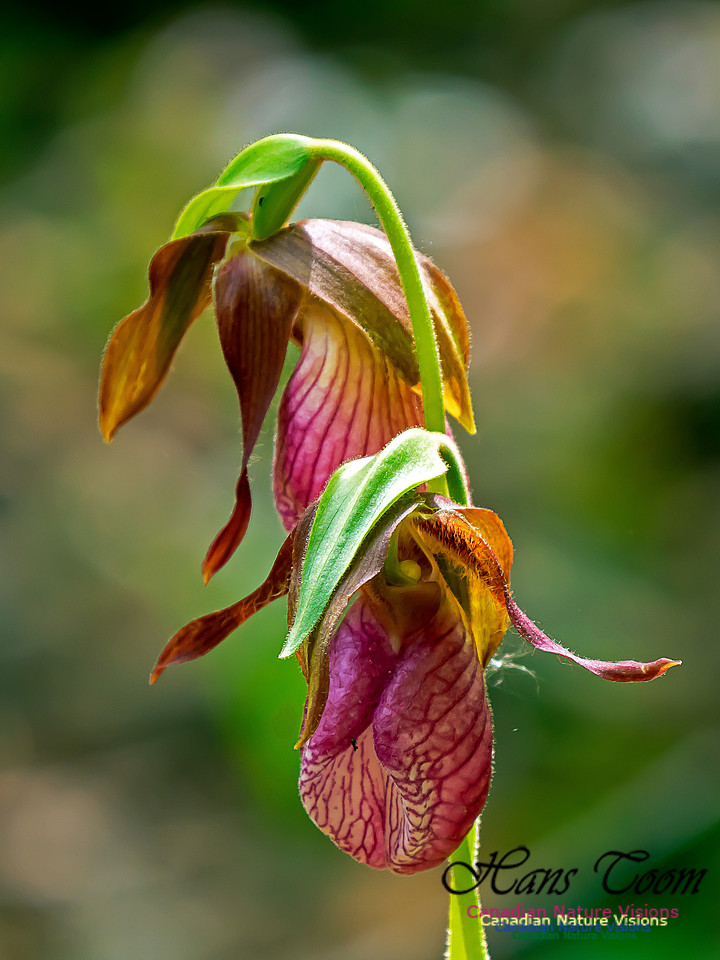
Pink Ladies' Slipper Orchid
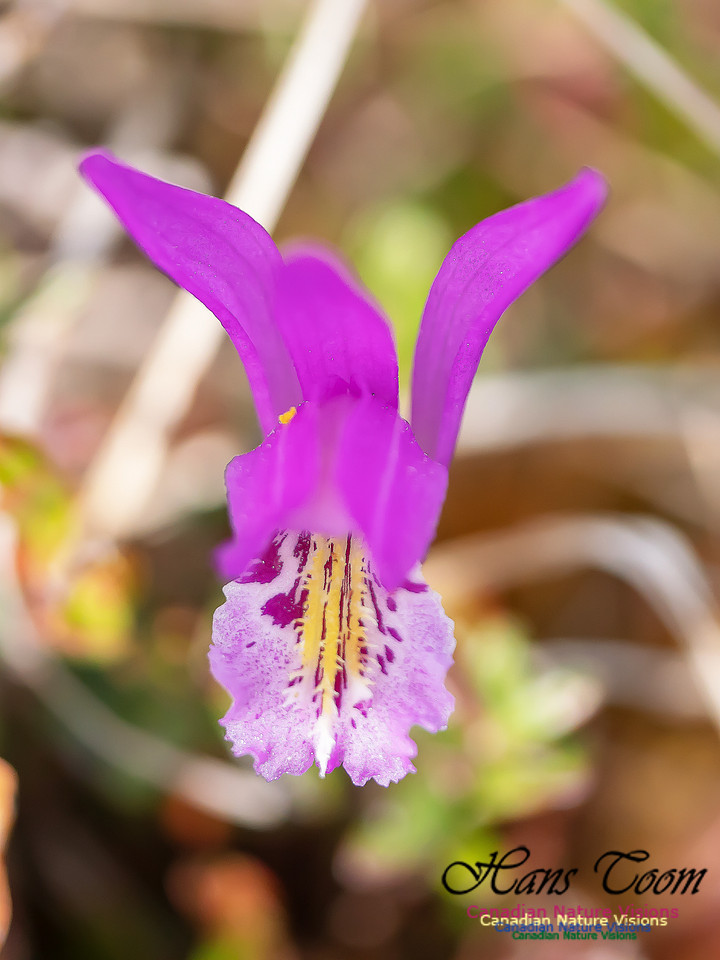
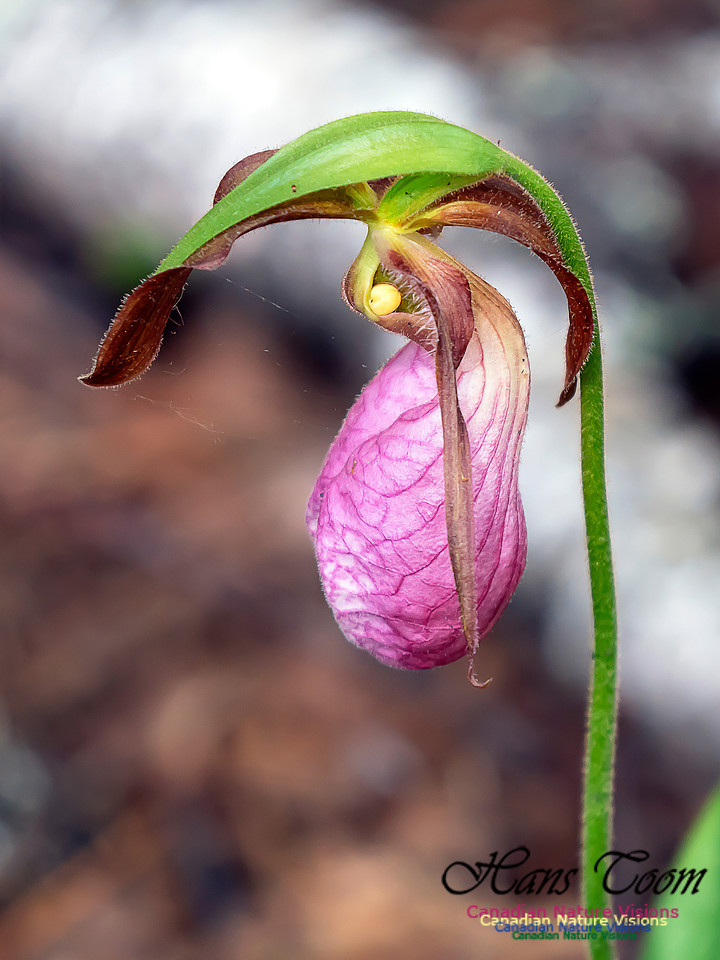
Pink Ladies' Slipper Orchid, White Variant Less common but still easily found
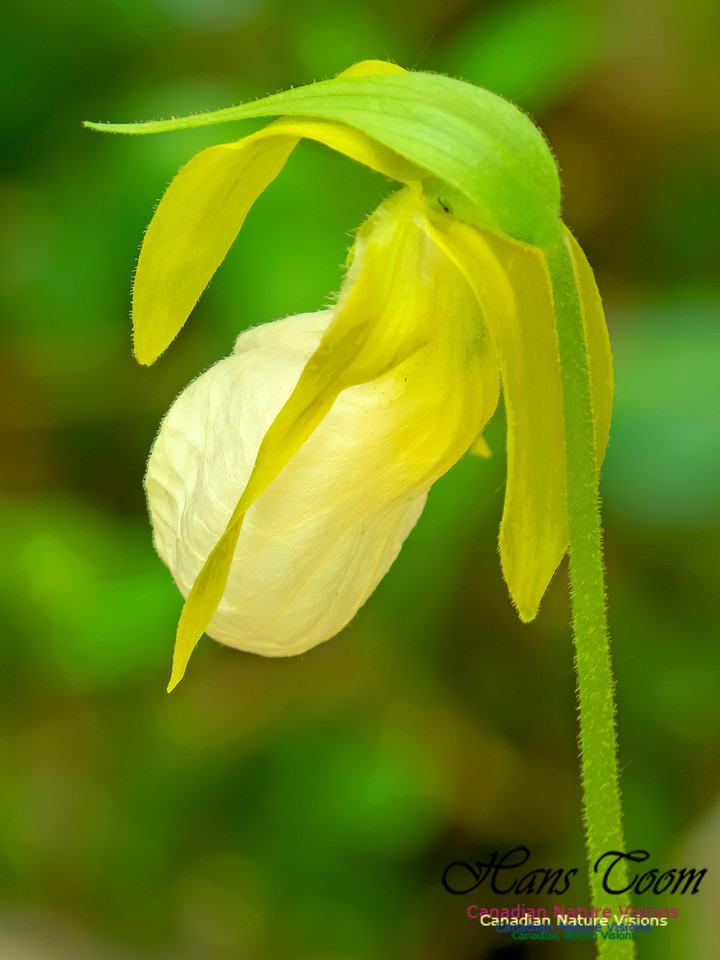
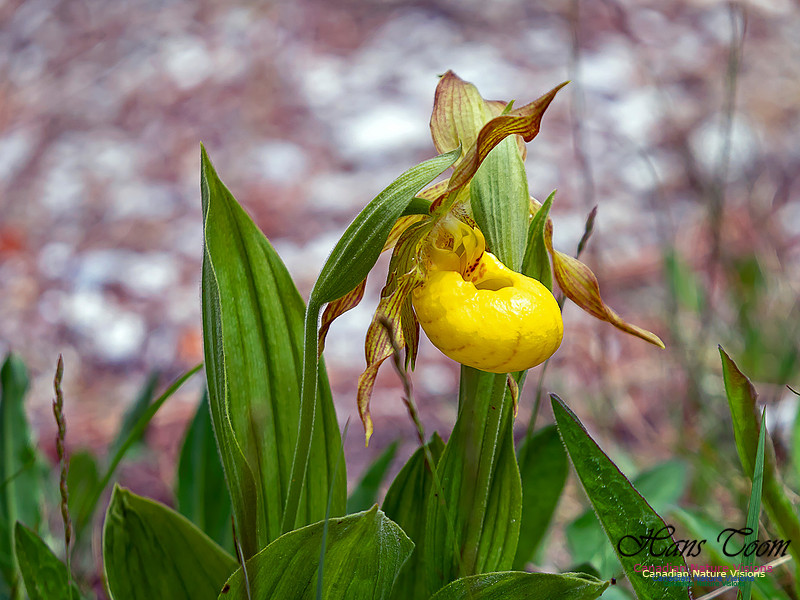
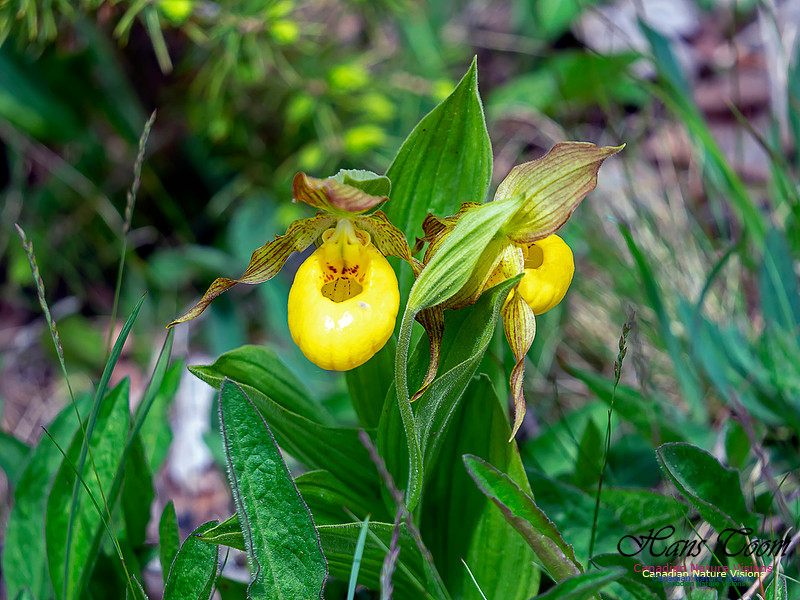
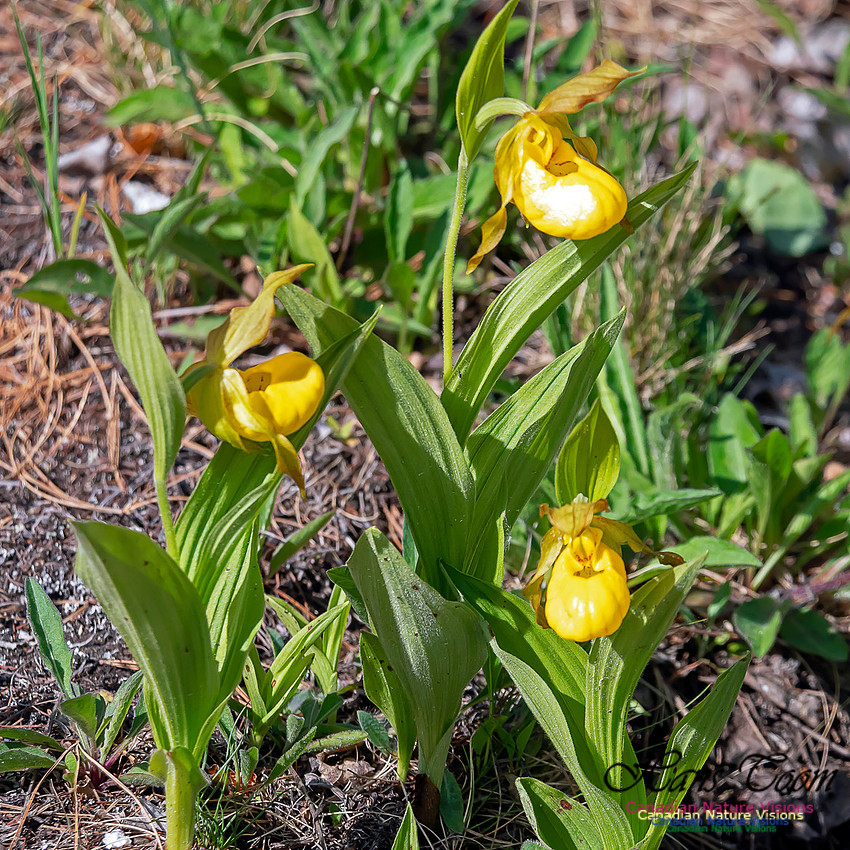
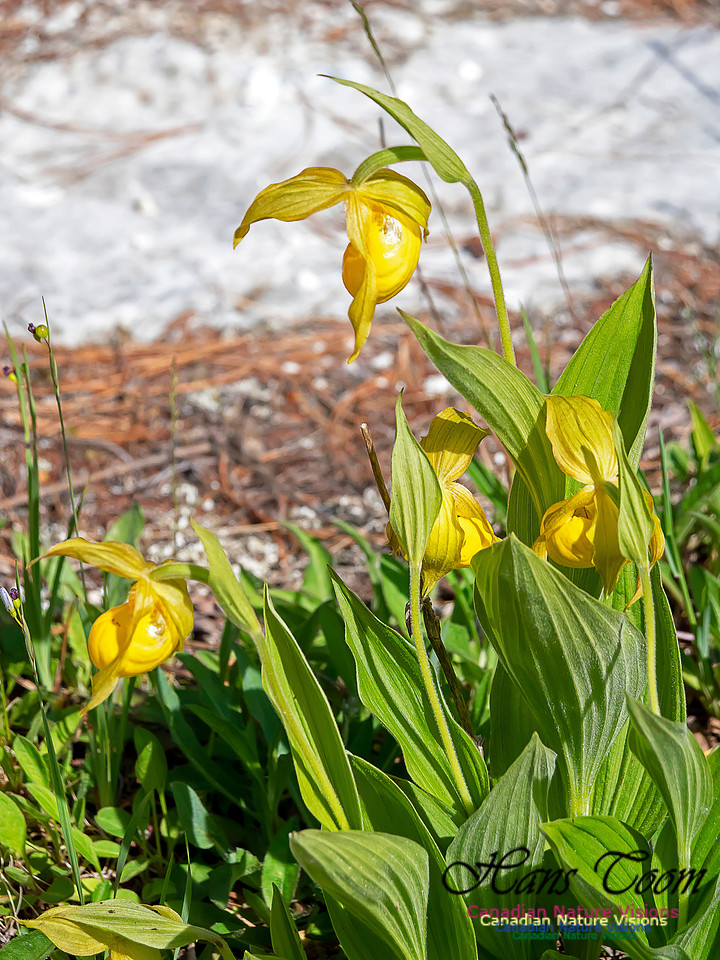
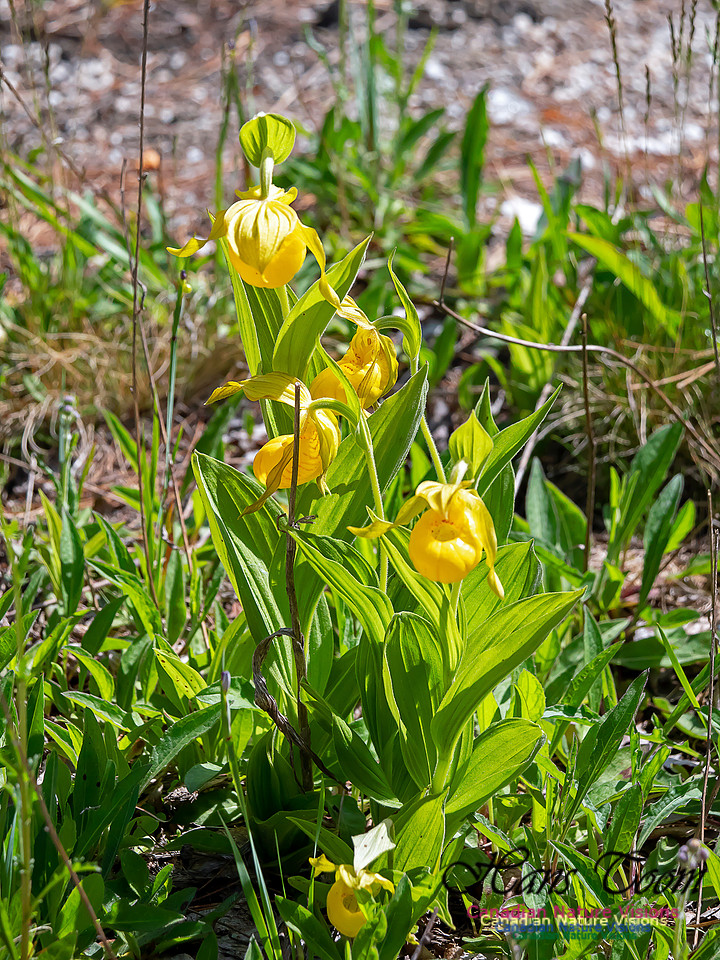
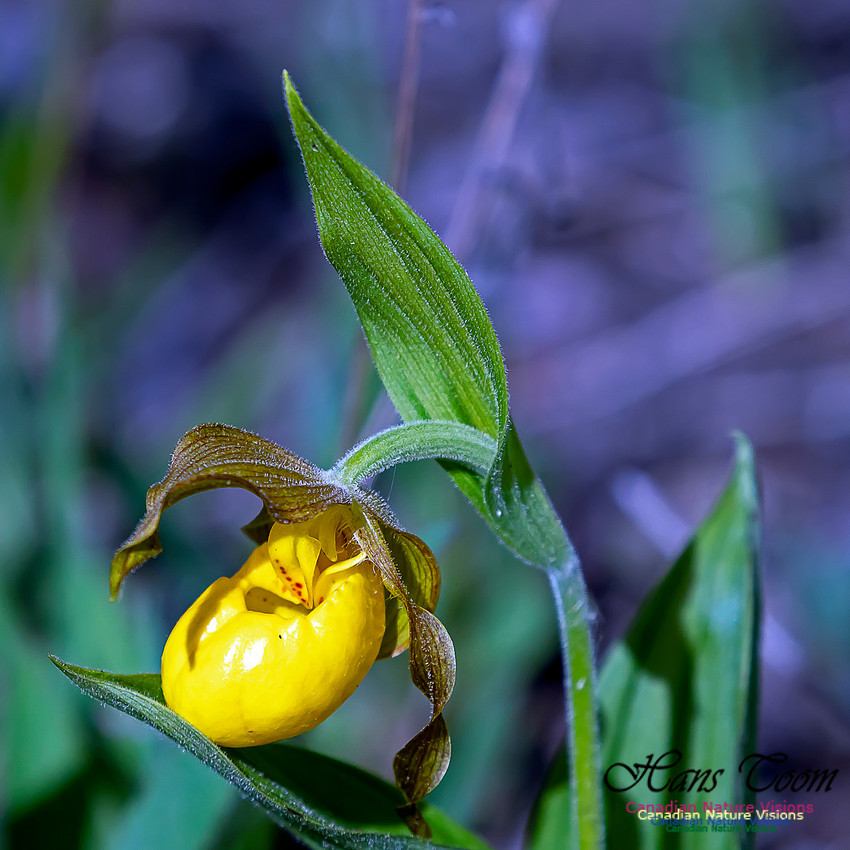
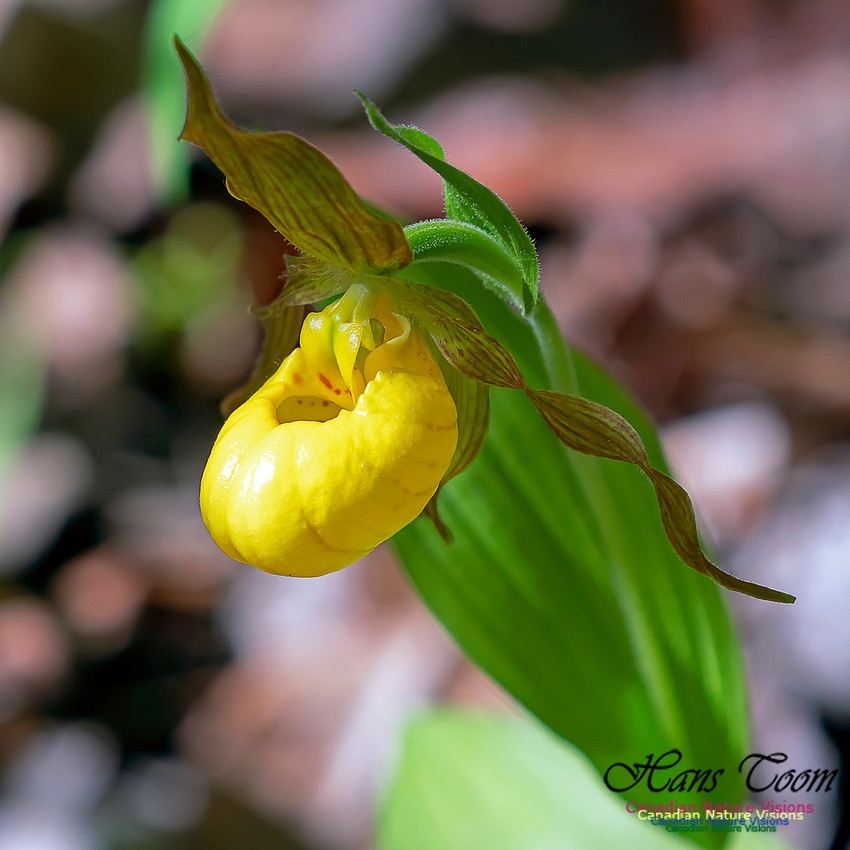
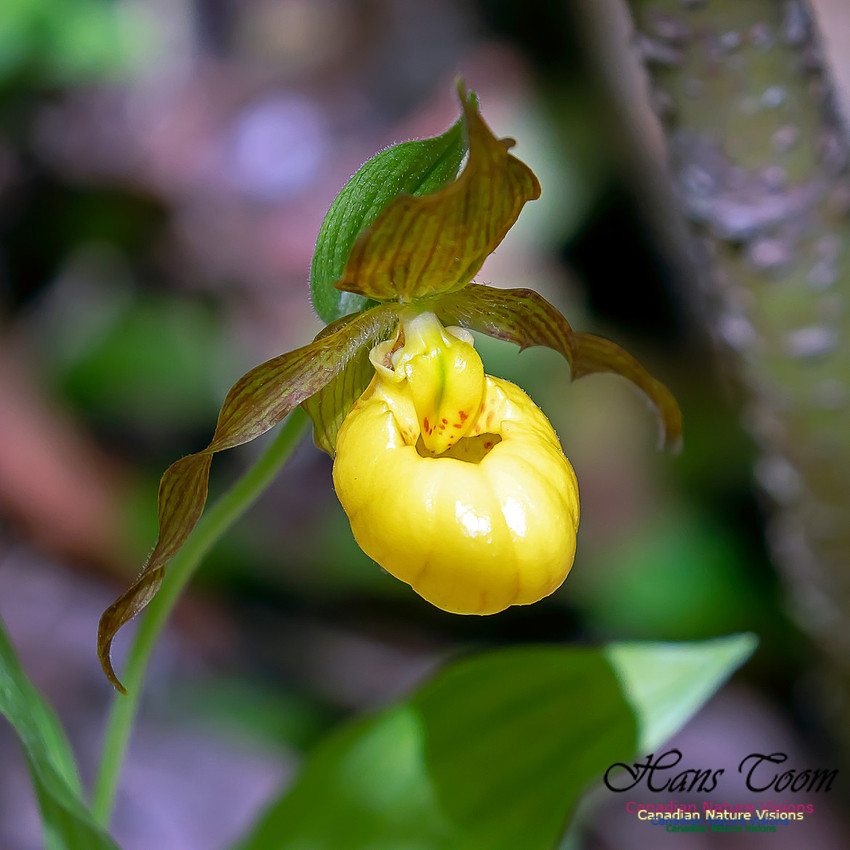
Yellow Ladies' Slipper Orchid
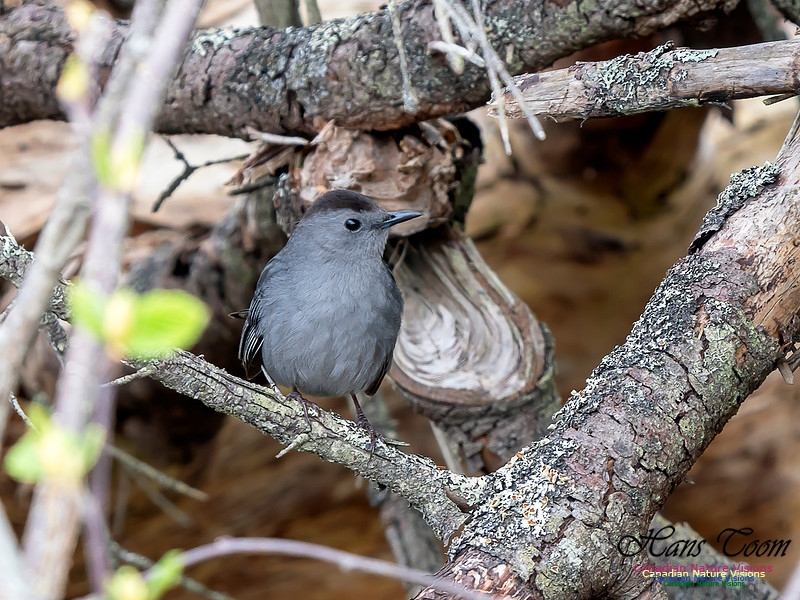
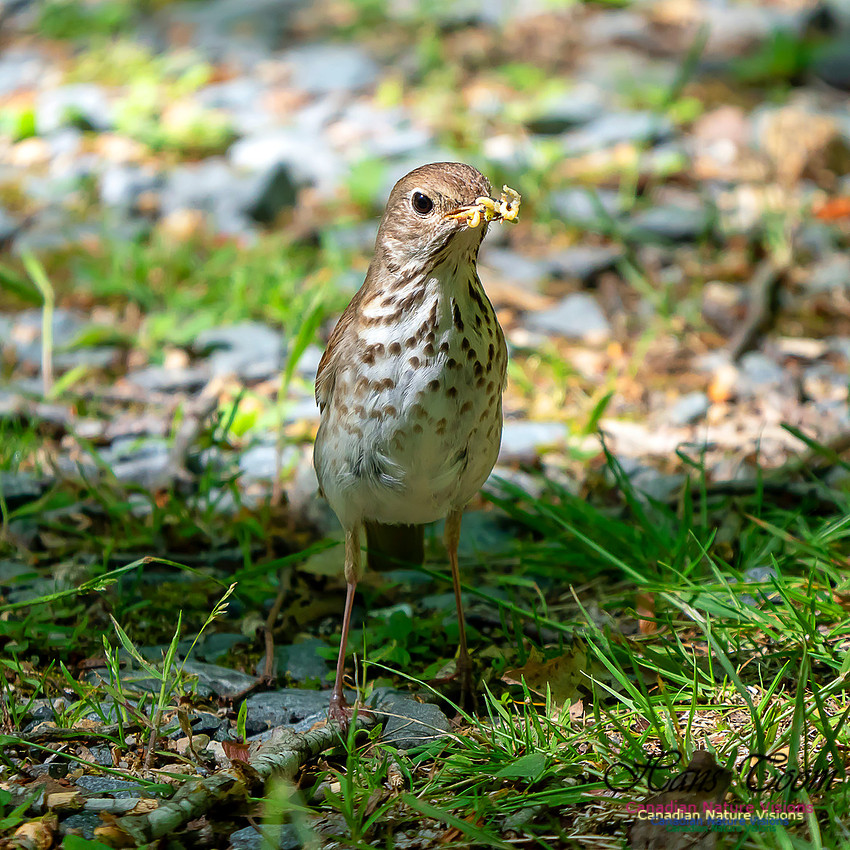
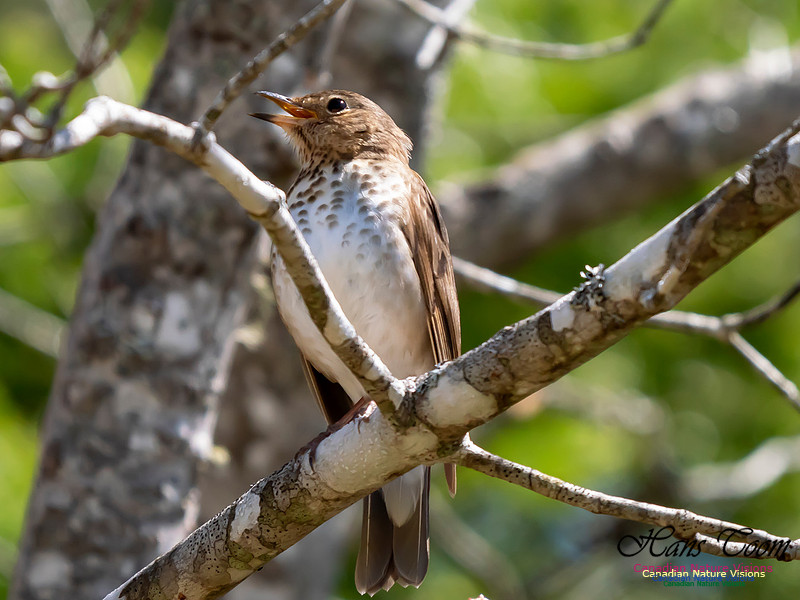
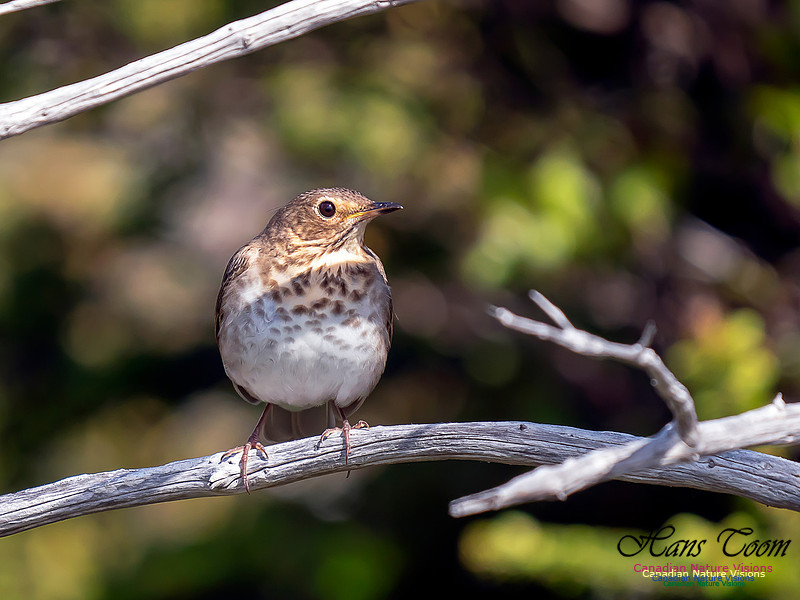
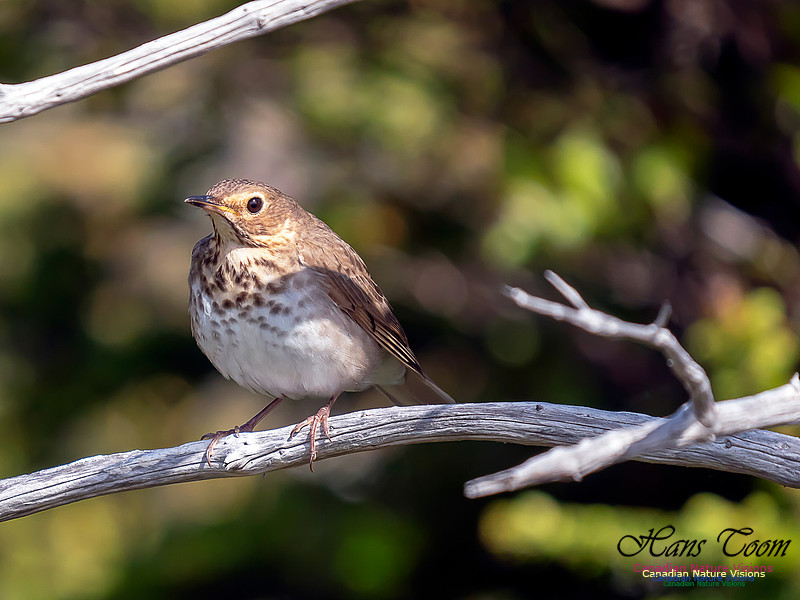
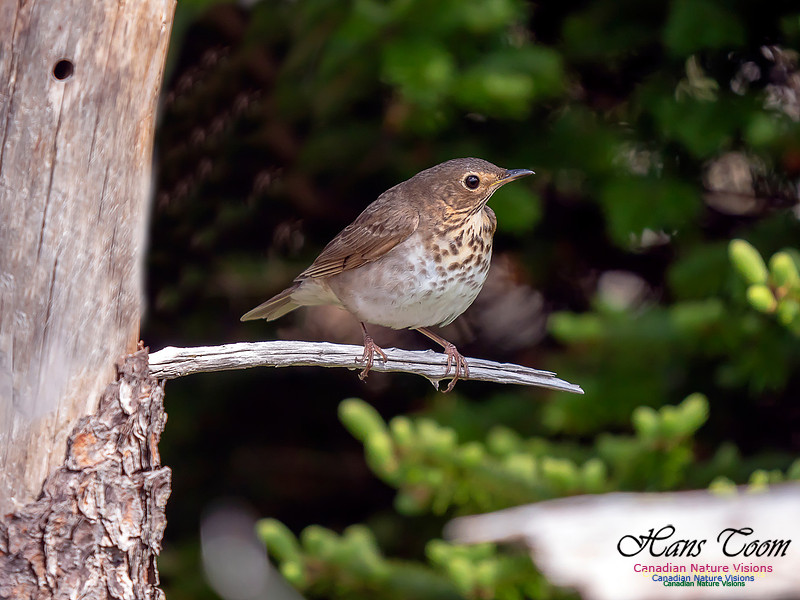
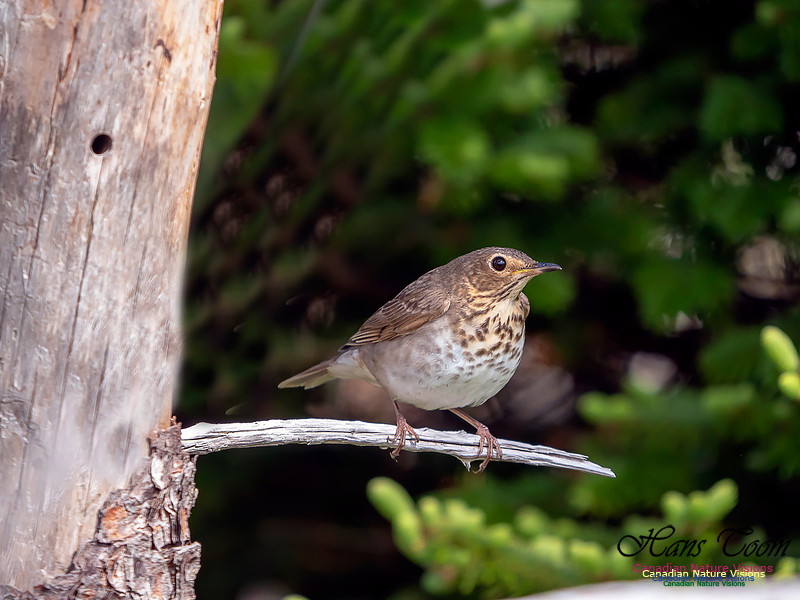
Sambro Island OminousI see Sambro Island and Light almost every day yet it seldom shows such an ominous look as in this series of photographs. I played around with variations in the photographs but as usual the best photograph is the one that came right out of the camera. Sambro Island and Sambro Island Light in Ominous Light Thrushes and Mimic ThrushesI visited my usual locations to find and photograph the Swainson's thrush. The Hermit Thrush just appeared in front of me as I was packing up to leave Jerry Lawrence Provincial Park. It was gathering food for its nestlings. The Grey Catbird nests in our front yard rose bramble every year. We see it early in the year up to late May and later into the summer and sometimes all winter. It remains silent when nesting. Grey Catbird
Hermit Thrush
Swainson's Thrush
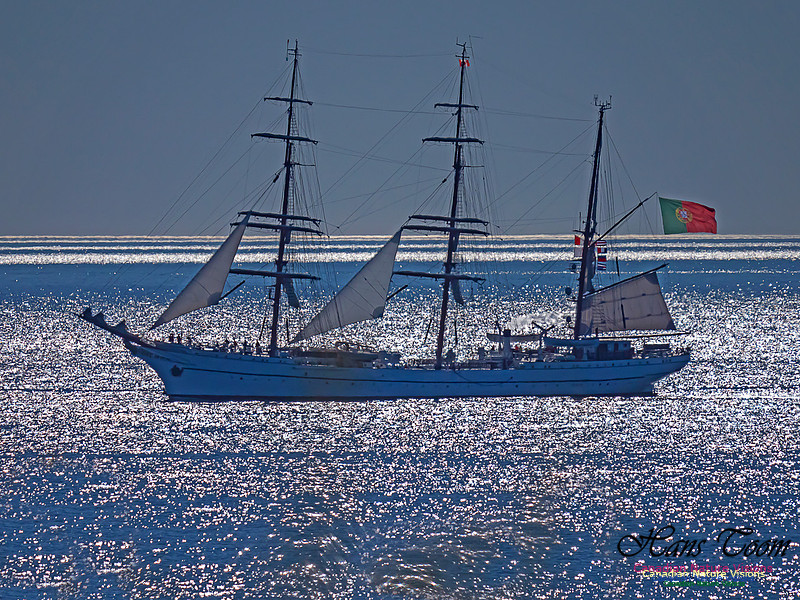
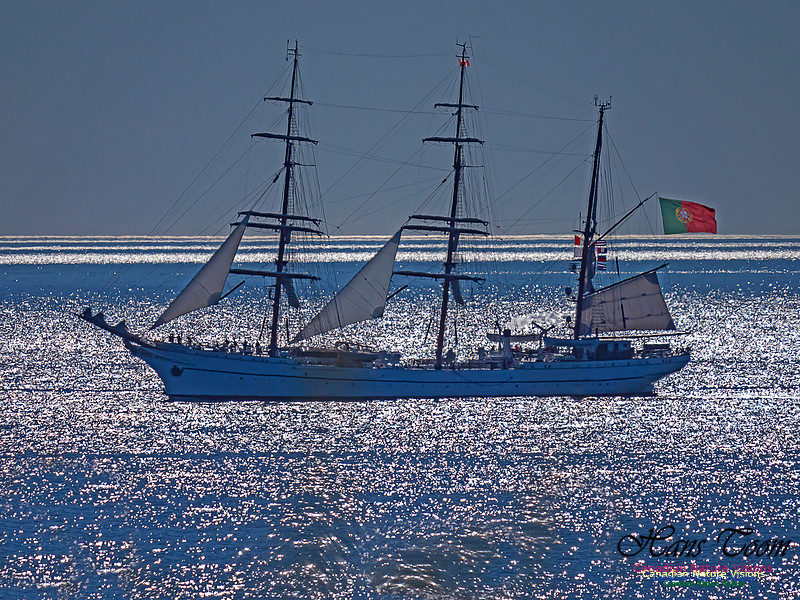
Tall Ship NRP Sagres Visits HalifaxNRP Sagres (1937)
Jump to navigation Jump to search
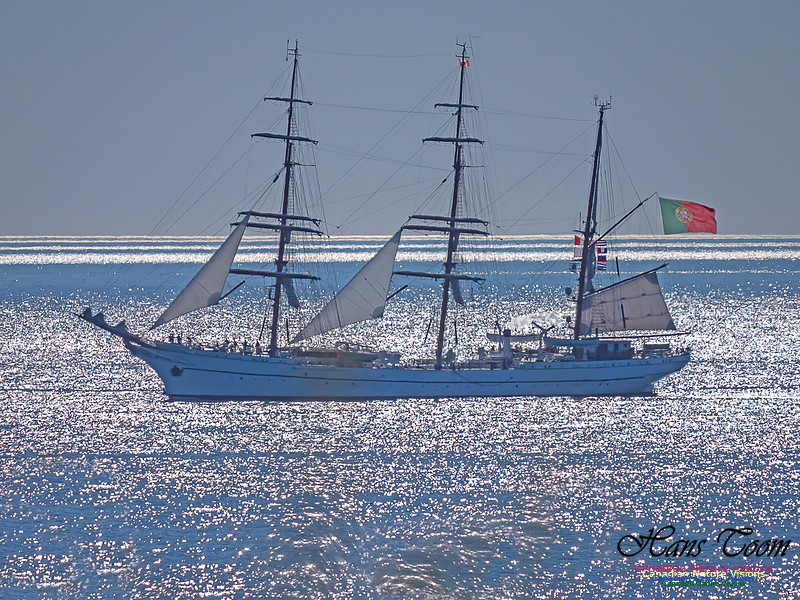
The NRP Sagres is a tall ship and school ship of the Portuguese Navy since 1961. As the third ship with this name in the Portuguese Navy, she is sometimes referred to as Sagres III. 
Line art of the NRP Sagres
ContentsDesign and specificationsThe ship is a steel-built three masted barque, with square sails on the fore and main masts and gaff rigging on the mizzen mast. Her main mast rises 42 m (138 ft) above the deck. She carries 22 sails totaling about 2,000 m2 (22,000 sq ft) and can reach a top speed of 17 kn (31 km/h; 20 mph) under sail. She has a sparred length of 89 m (292 ft), a width of 12 m (39 ft), a draught of 5.2 m (17 ft), and a displacement at full load of 1,755 long tons (1,966 short tons). Ship historyThe three-masted ship was launched under the name Albert Leo Schlageter on 30 October 1937 at Blohm & Voss in Hamburg for Nazi Germany's Kriegsmarine. The ship was named after Albert Leo Schlageter, who was executed in 1923 by French forces occupying the Ruhr area. Her first commander was Bernhard Rogge. Sagres is a sister ship of the Gorch Fock, the Horst Wessel, and the Romanian training vessel Mircea. Another sister, Herbert Norkus, was not completed, while Gorch Fock II was built in 1958 by the Germans to replace the ships lost after the war. Following a number of international training voyages, the ship was used as a stationary office ship after the outbreak of World War II and was only put into ocean-going service again in 1944 in the Baltic Sea. On 14 November 1944 she hit a Soviet mine off Sassnitz and had to be towed to port in Swinemünde. Eventually transferred to Flensburg, she was taken over there by the Allies when the war ended and finally confiscated by the United States. 
The Sagres at OpSail 2000

Sagres at dock in Mar del Plata, Argentina, February 2010
In 1948, the U.S. sold her to Brazil for a symbolic price of $5,000 USD.[1] She was towed to Rio de Janeiro where she sailed as a school ship for the Brazilian Navy under the name Guanabara. In 1961, Ambassador Teotónio Pereira of Portugal, who was also a man of the sea, loved sailing ships, and had been an organizer of the first Tall Ships’ Race, persevered in his mediations and the Portuguese Navy bought the Guanabara to replace the previous school ship Sagres (which was transferred to Hamburg, where she is a museum ship under her original name Rickmer Rickmers). The Portuguese Navy renamed Guanabara as Sagres (the third ship of that name), where she remains in service to this day. In 2010, the ship performed her longest voyage, a round the world trip performing an approximate total of 35000 miles, under the command of CMG Pedro Proença Mendes. The ship left Lisbon on 19 January and returned on 24 December, having participated in Velas Sudamerica 2010, a historic Latin American tour by eleven tall ships to celebrate the bicentennial of the first national governments of Argentina and Chile.[2] She also took part in the Expo Shanghai, among other events during that year. The ship has sailed under the Portuguese flag since 1962. For that reason, in 2012 there were major commemorations of her 75th anniversary and 50 years in the service of the Portuguese navy. Sister ships
See also
NRP Sagres I managed a few quick snaps from my living room as it entered Halifax Harbour.
Pine WarblerThe Pine Warbler is a recent nesting species in Nova Scotia. We have visited and confirmed our colony by song and photograph for the seventh year in a row. Its invasion began through New Brunswick and then crossed over into Nova Scotia. This is Nova Scotia's twenty third(23) confirmed regular nesting species although I am sure there are others we have not yet discovered. Pine Warbler
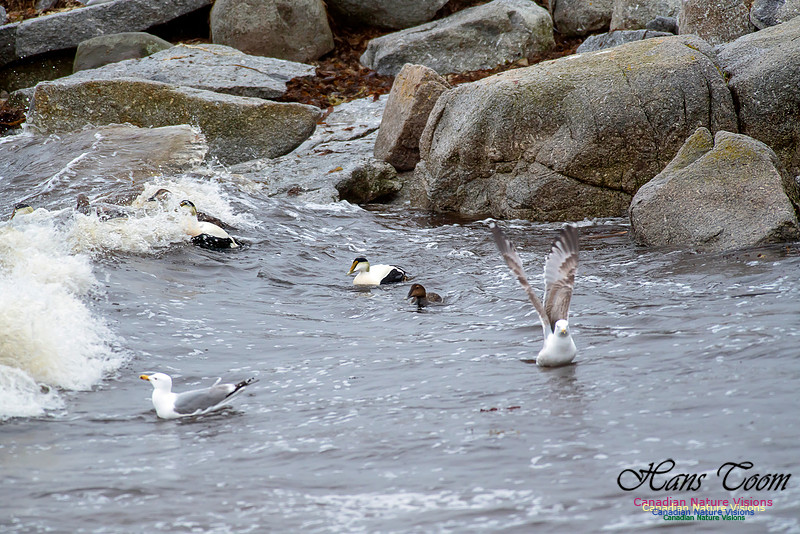
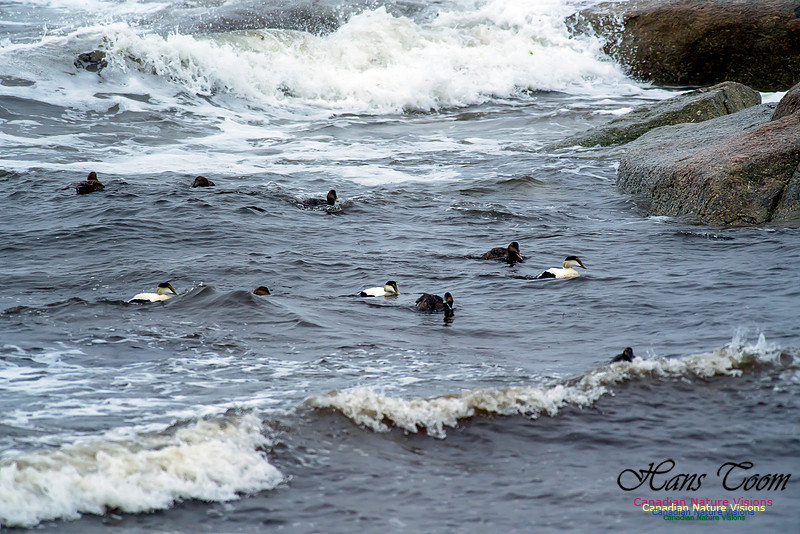
Surfing Common EidersThese Common Eiders were surfing into Sandy Cove's beach, Halifax, an unusual activity for them. I snapped a few quick photos. Surfing Common Eiders
Cruise Ship FramThe Fram is a specialized ship designed for nature experiences in exotic and cold locations. I snapped this photo(s) from my front window. I had a telephoto lens mounted so I was unable to capture the ship in one frame. This photo is four photos stitched together. It was leaving Halifax at the time. The other photos are the Fram entering Halifax harbour. Fram
Duck Reef Loop at Duncan Reef, Nova ScotiaA favorite walk and hike of mine is the Duck Reef loop at Duncan's Cove/Duncan Reef. Park your car at the Duncan's Cove parking area and proceed past the steel gate on the road leading up to the white monolith aka mansion at the top of the hill. This mansion was the location and building of the communications centre of the harbour defenses for Halifax during WW ll. Below the mansion and by the trail is the Champagne Dam the source of war time water. Location and Route of the Duck Reef Trail
The road is public access and proceeds through several waterfront lots, mostly undeveloped. At the top of the hill hill turn right for the clockwise loop or proceed along the barrens for the counterclockwise loop. The route is wet at times so be prepared.
This is the trail sign you will meet on the counterclockwise loop. The barrens here host Whimbrels, Ruffed Grouse, coyotes and white-tailed deer. The wet areas provide habitat for nesting Lincoln's Sparrow, Song Sparrow, Savannah Sparrow and Palm Warbler.
This view is towards the coastal gun battery from WW ll, about the halfway point of the loop. At the gun battery proceed downhill towards the ocean, or soak up the spectacular view.
Northern Redbelly Snake
The colorful interior of the gun implacements, and great shelter from thunder storms.
Duncan Reef, the site of many ship wrecks.
Duck Reef to the left with no breaking water at high tide.
This is Duncan Reef at high tide. I've seen thirty foot breakers here with southwestern gale winds.
Champagne Dam This was the water supply for the communications centre, now the white monolith above.
The Duncan's Cove Nature Reserve sign as seen on the clockwise loop.
Duncan's Cove
This is the route to the trail. The concrete works to the right are the WW ll water supply pump house which pressurizes the water from Duncan's Pond. It now services the community of Duncan's Cove, originally an artist's colony.
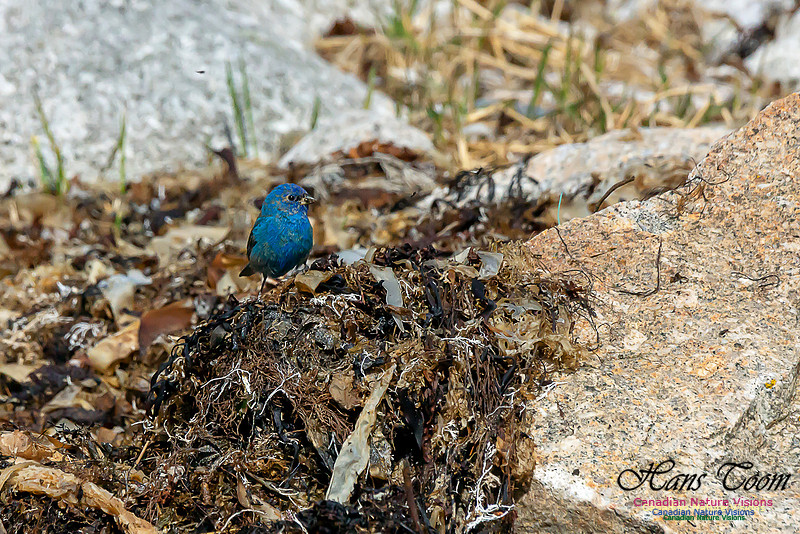
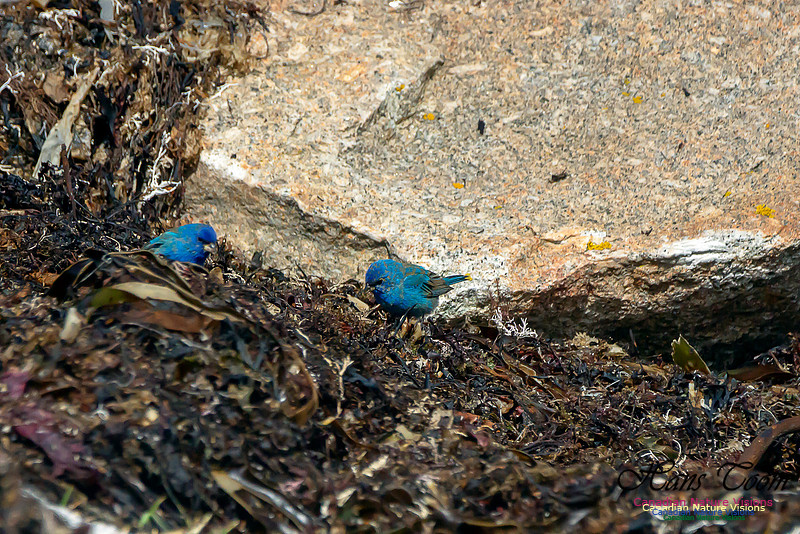
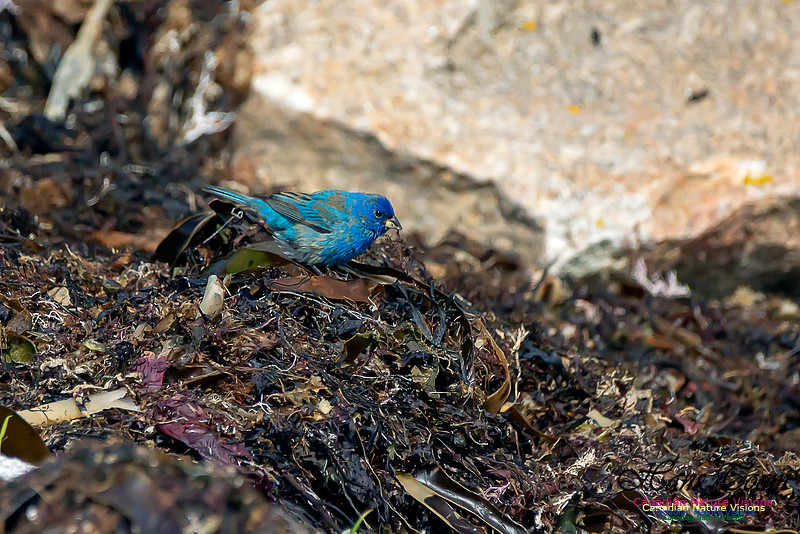
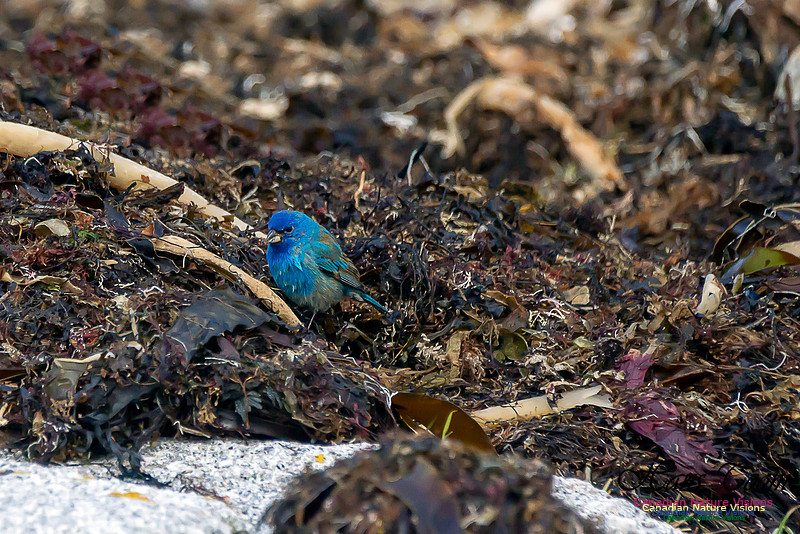
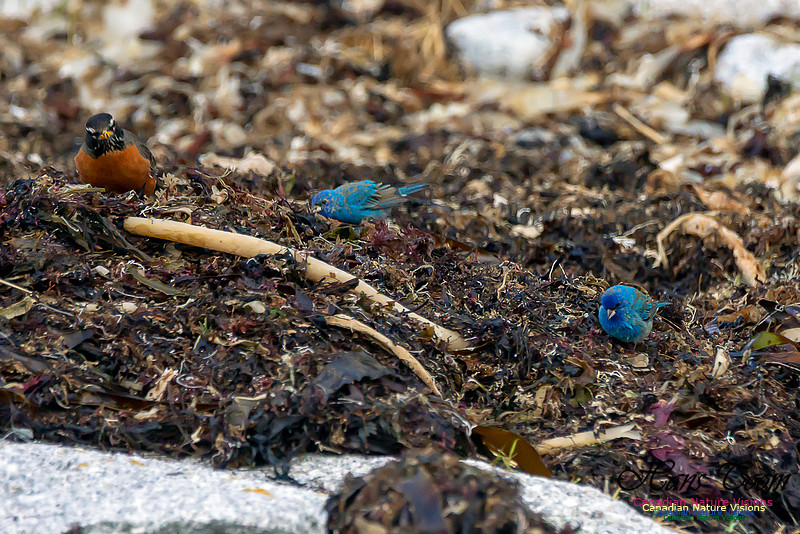
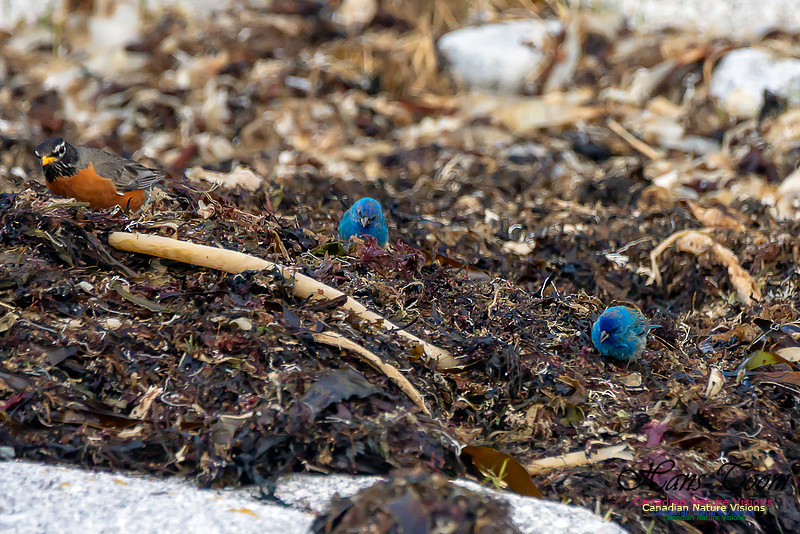
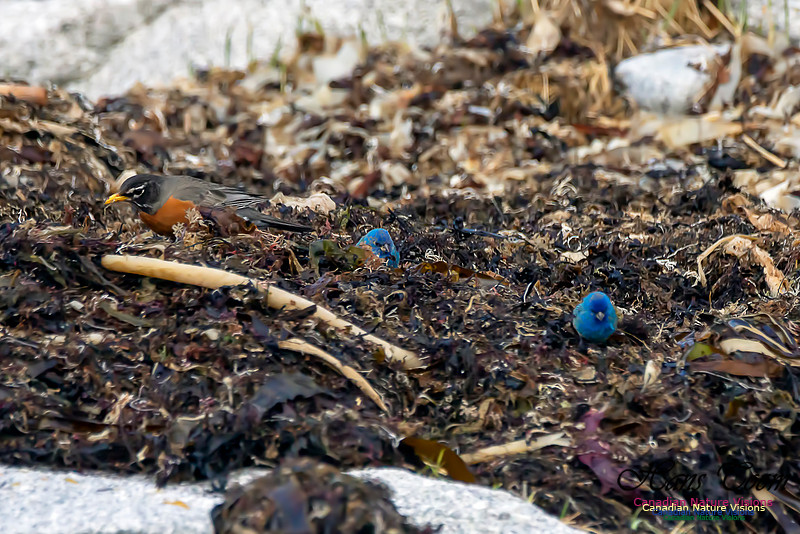
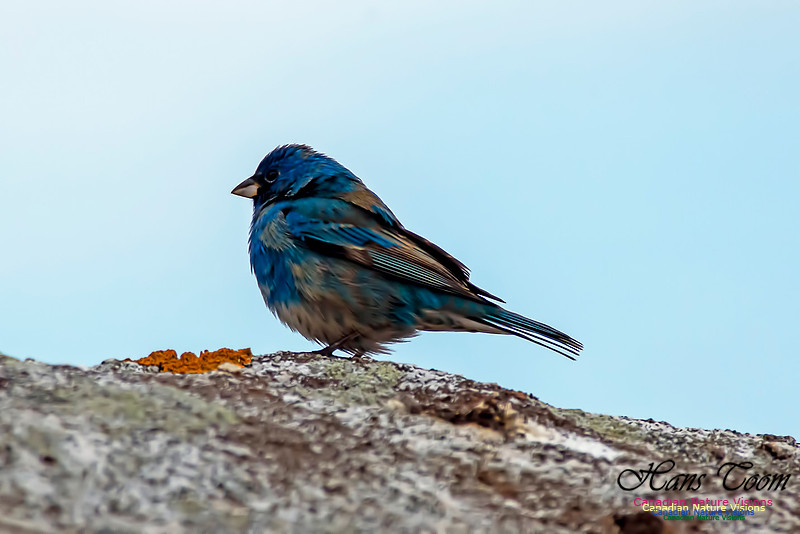
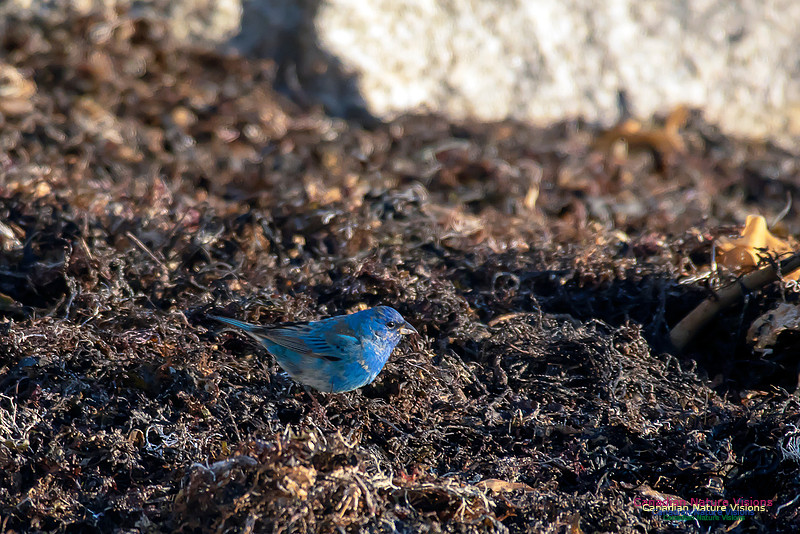
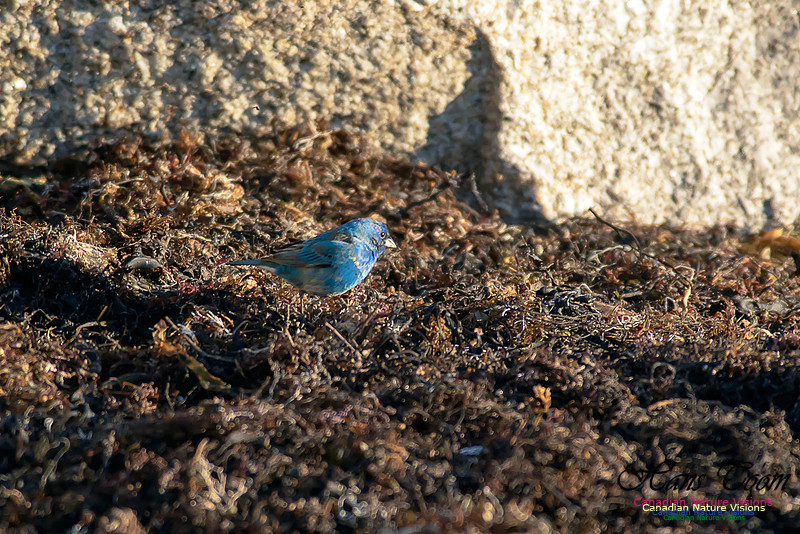
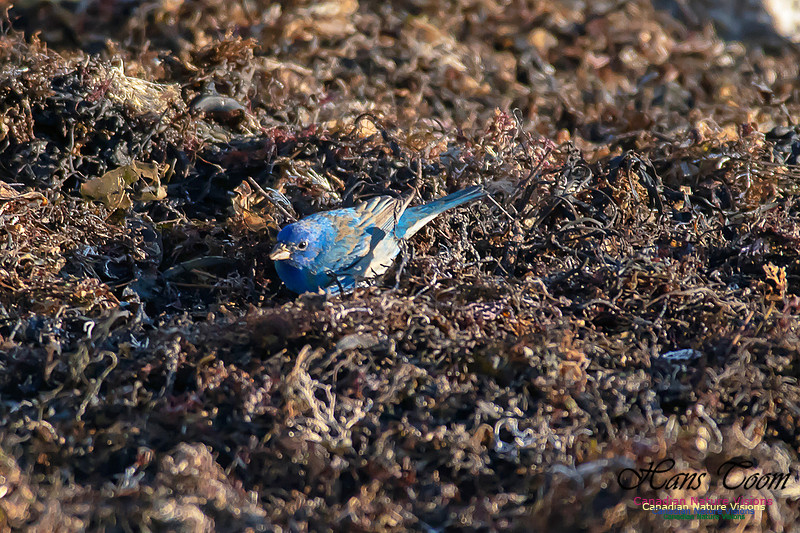
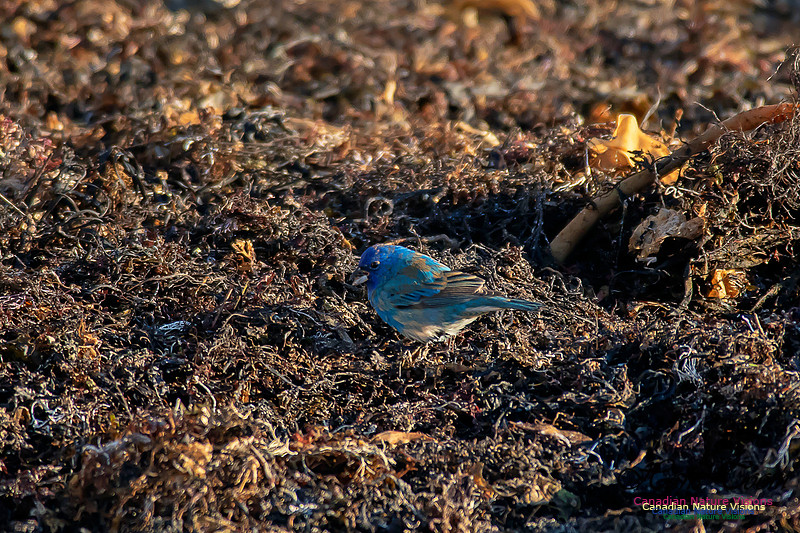
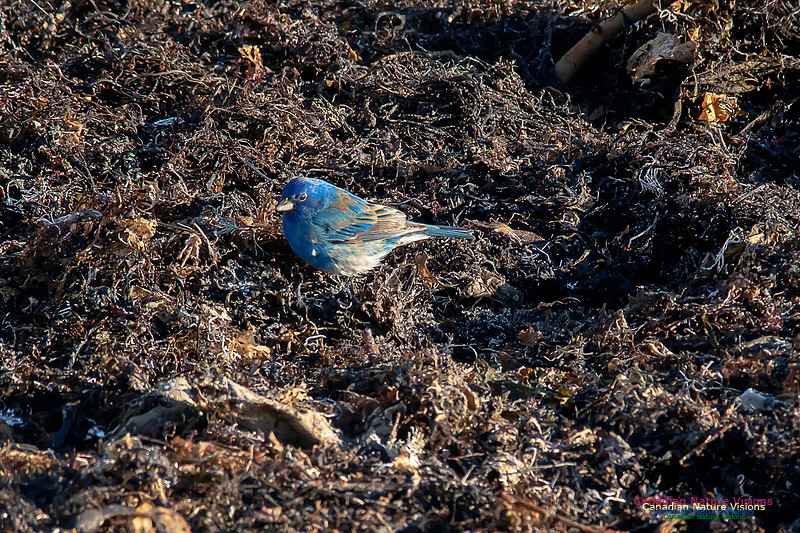
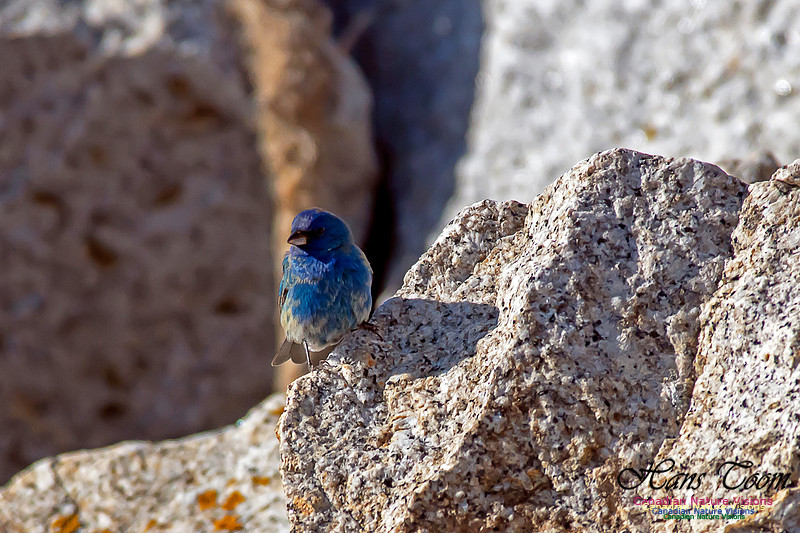
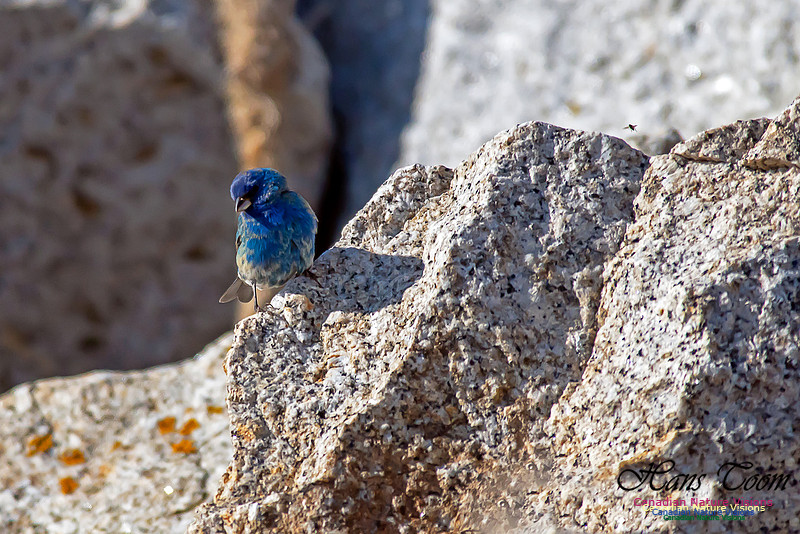
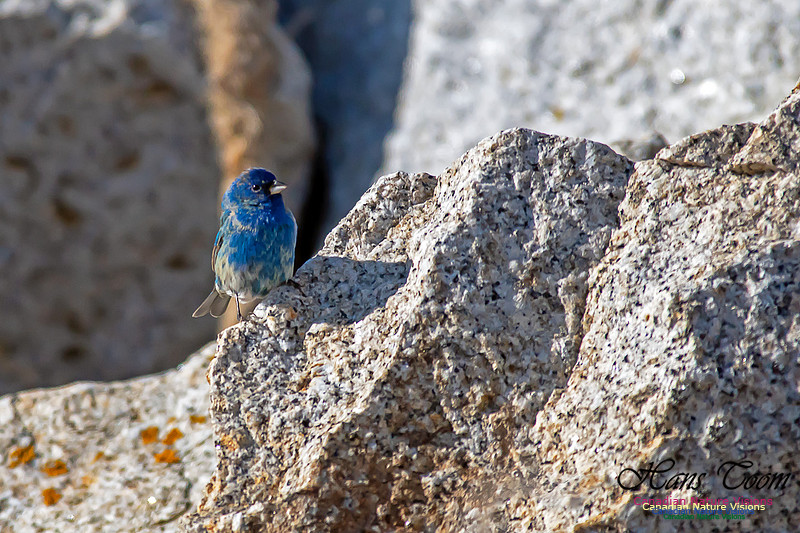
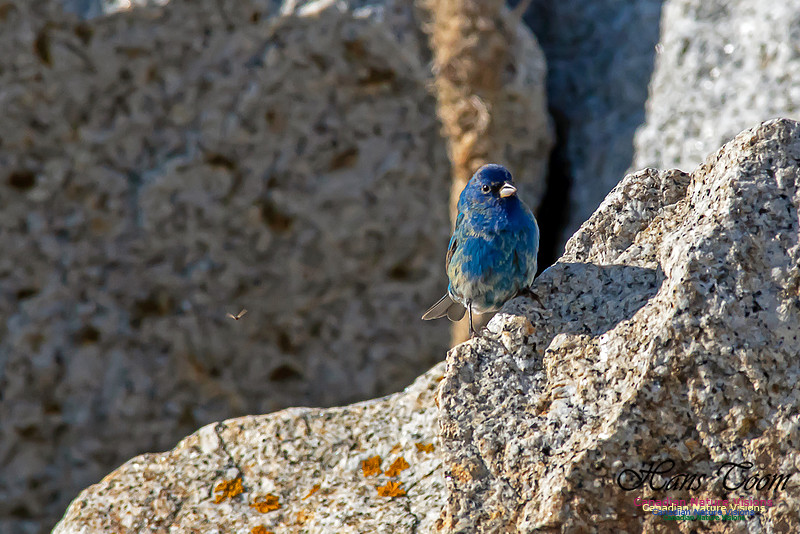
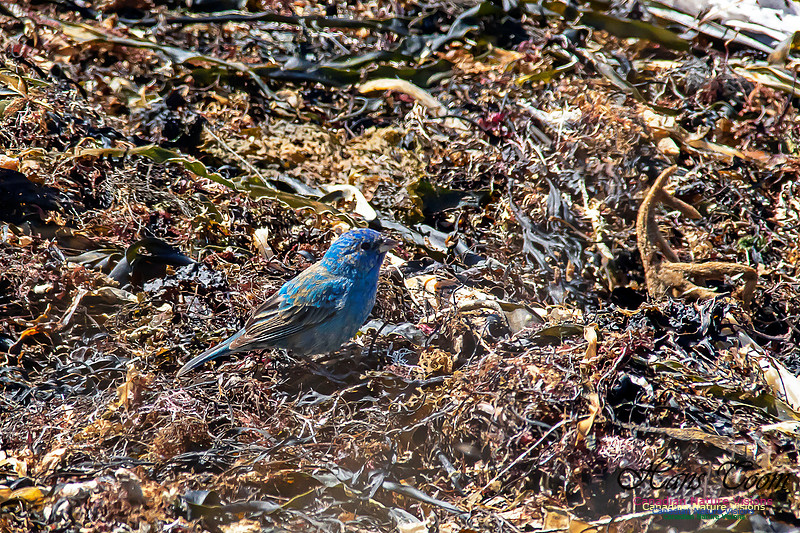
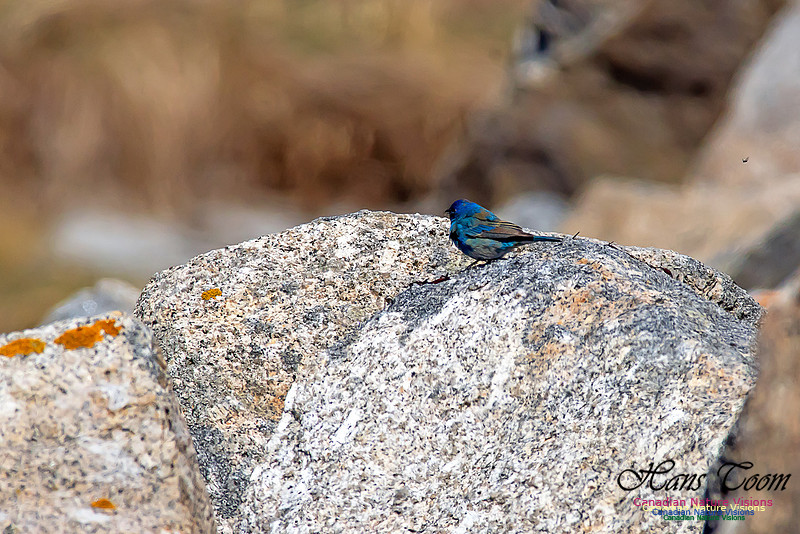
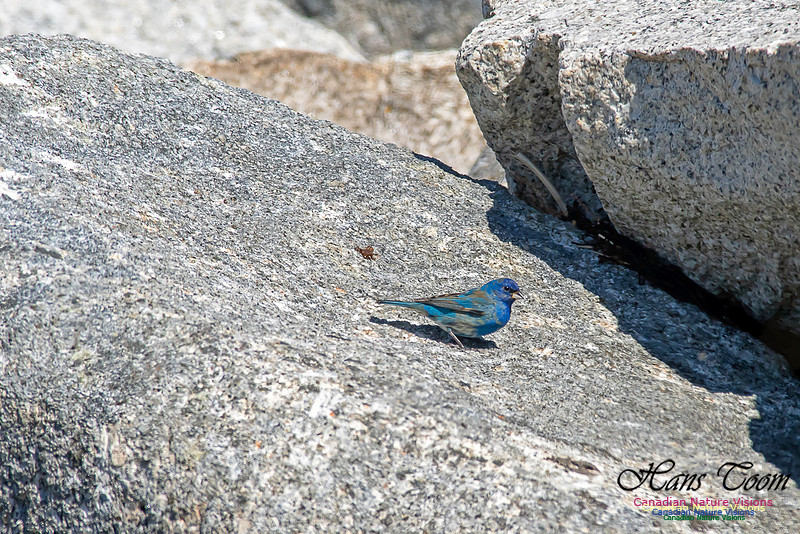
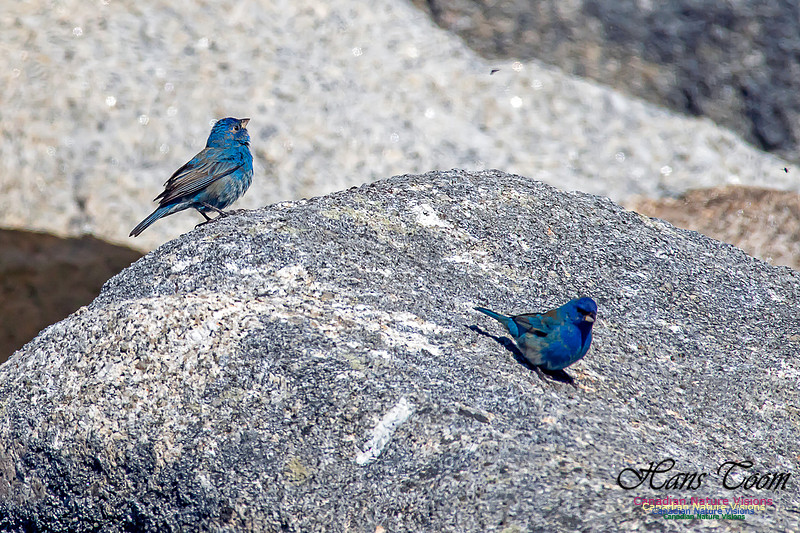
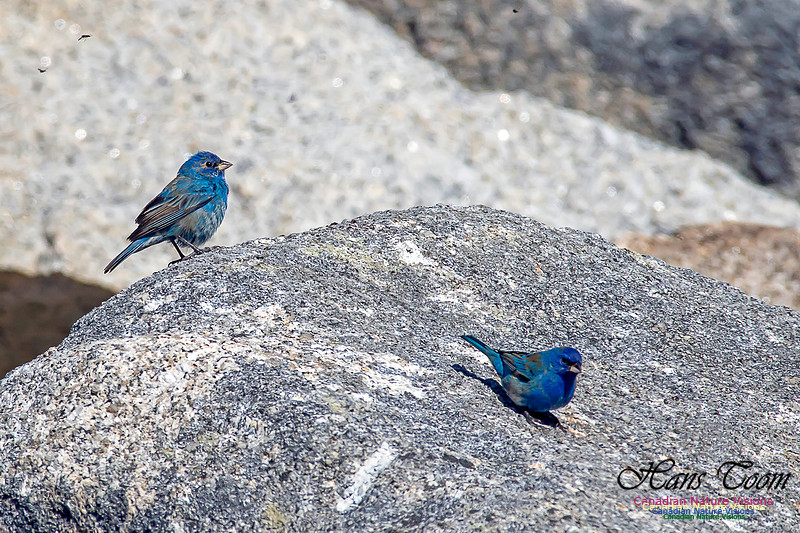
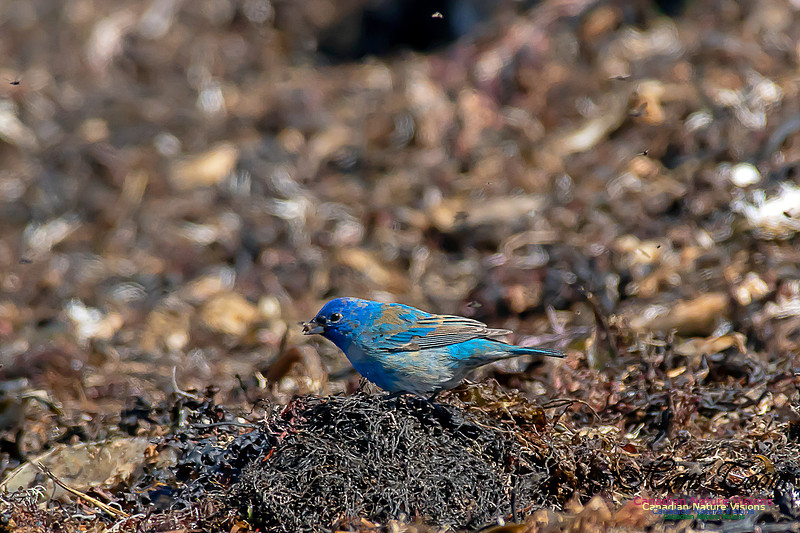
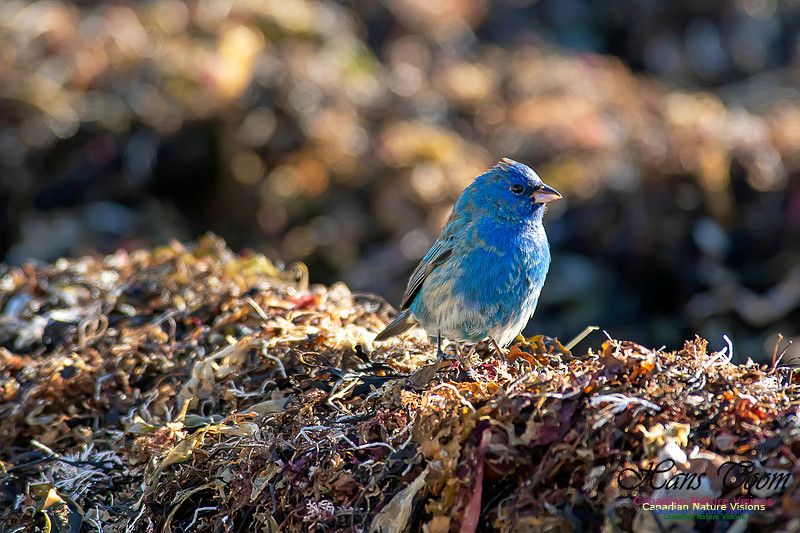
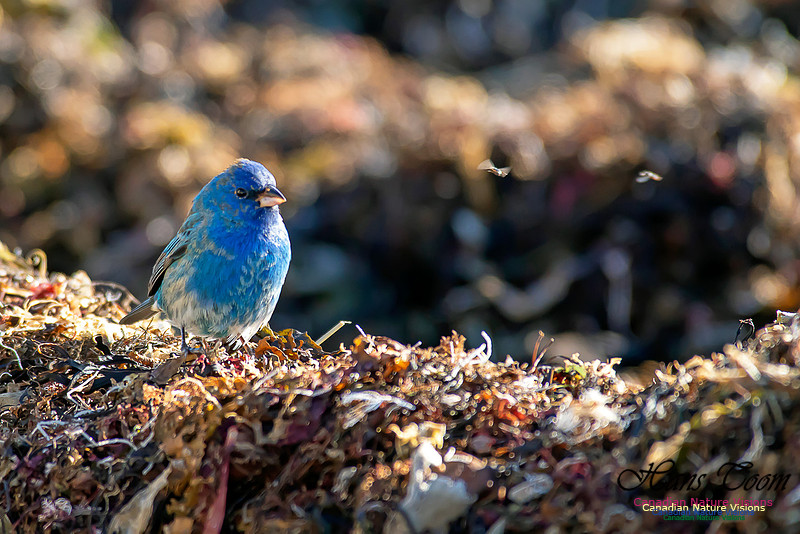
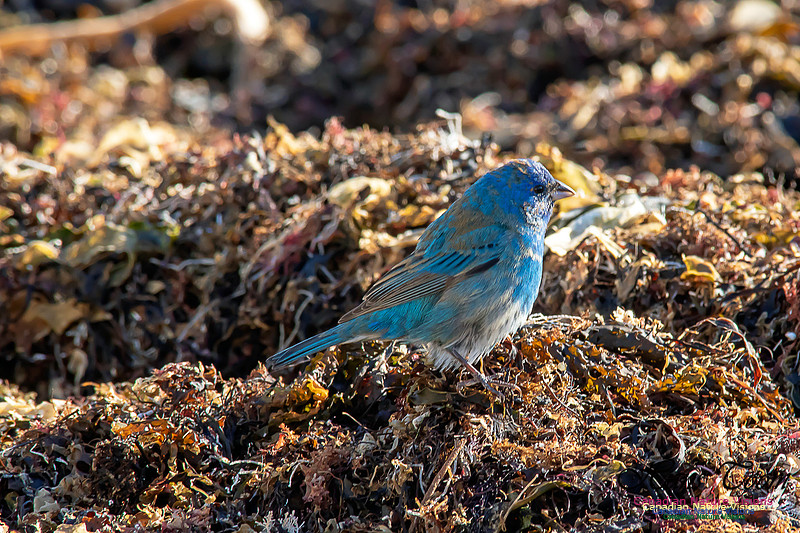
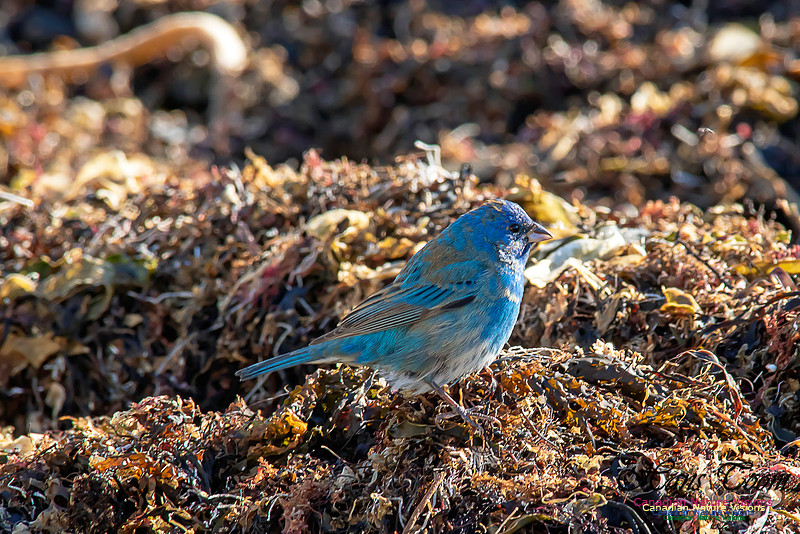
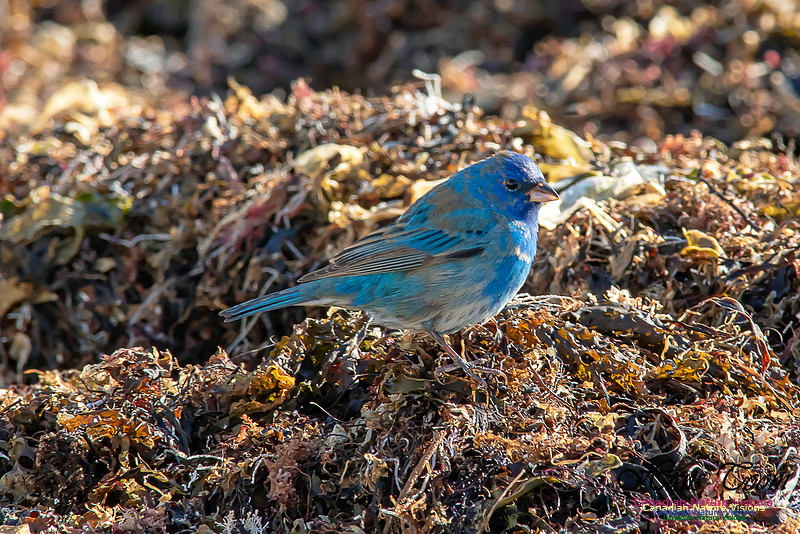
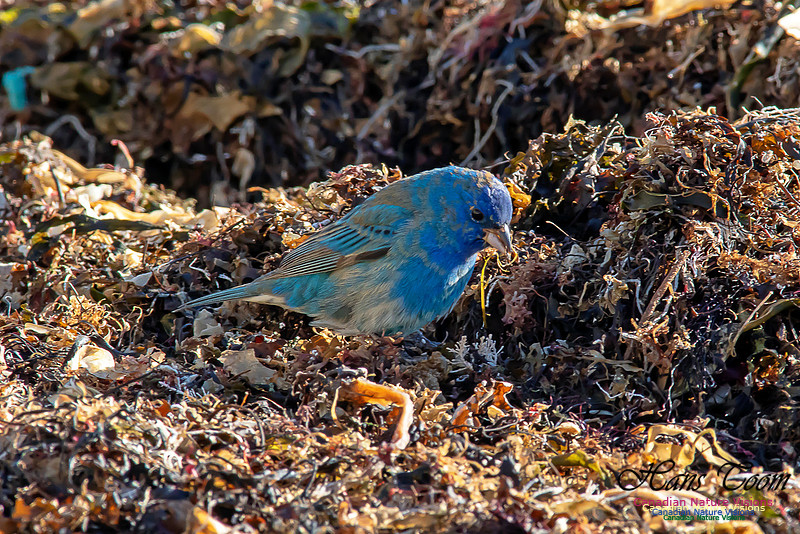
Indigo BuntingThis Indigo Bunting was at Sandy Cove's beach, Halifax municipality. This location is a local hot spot as it entices migrating birds to feed on the maggots and flies among the rock weed and kelp washed up on the shore. There were two Indigo Buntings and they were quite shy. I tried sitting and waiting but my usual technique did not work so my photographs are distant and cropped. Photographed with the Sony a99ii, 400mm F4.5 and 1.4X II, hand held. Indigo Bunting
|
||||||||||||||||||||||||||||||||||||||||||||||||||||||||||||||||||||||||||||||||||||||||||||||||||||||||||||||||||||