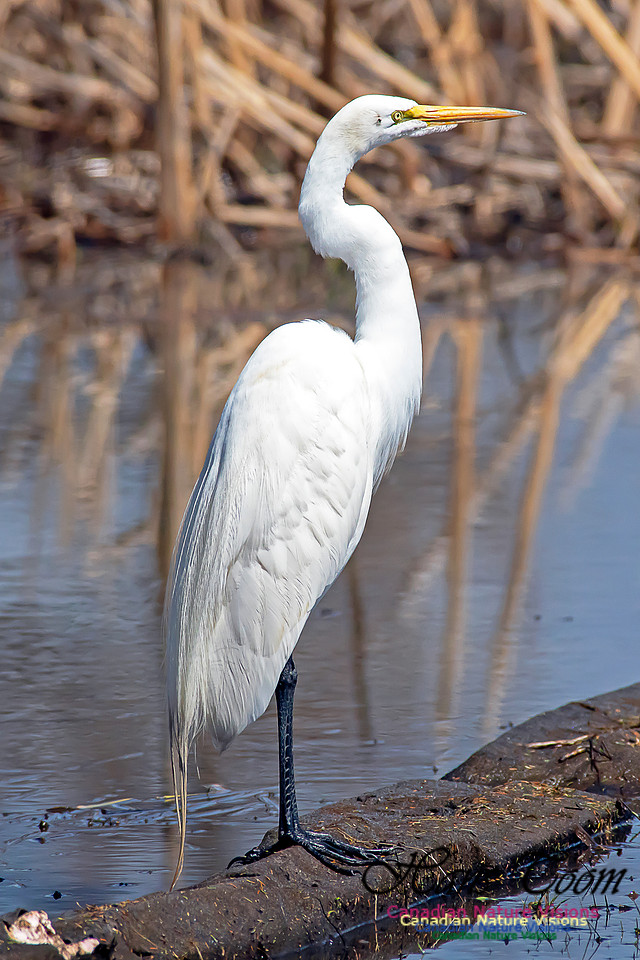
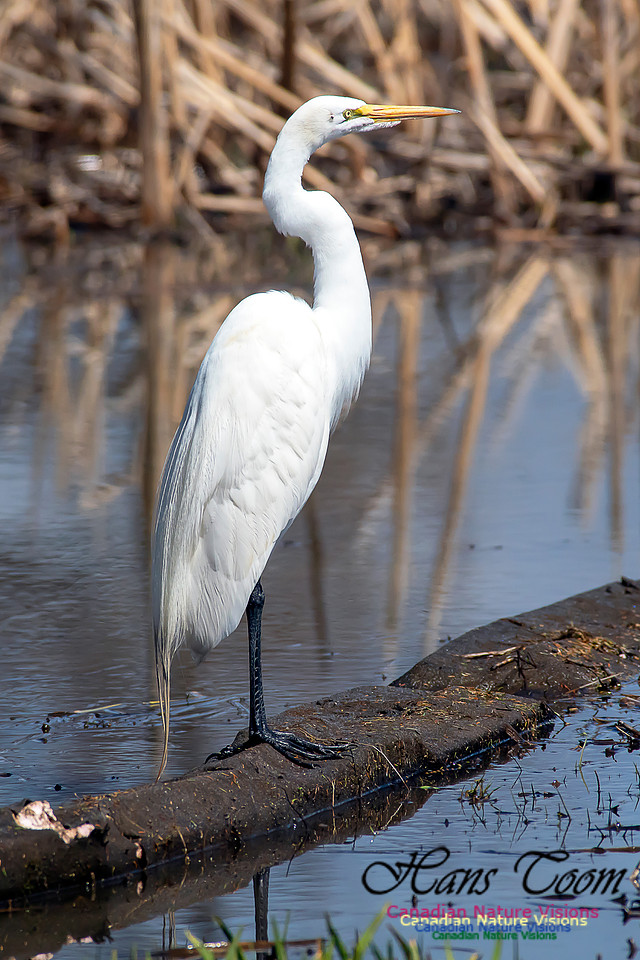
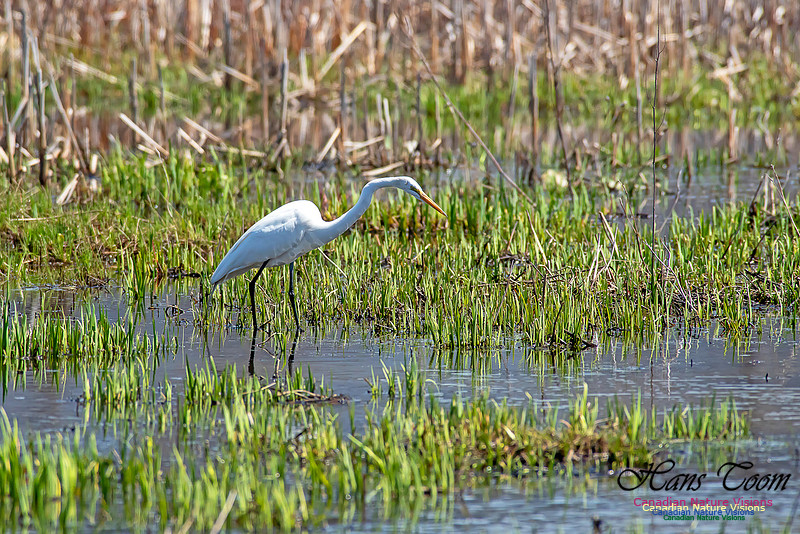
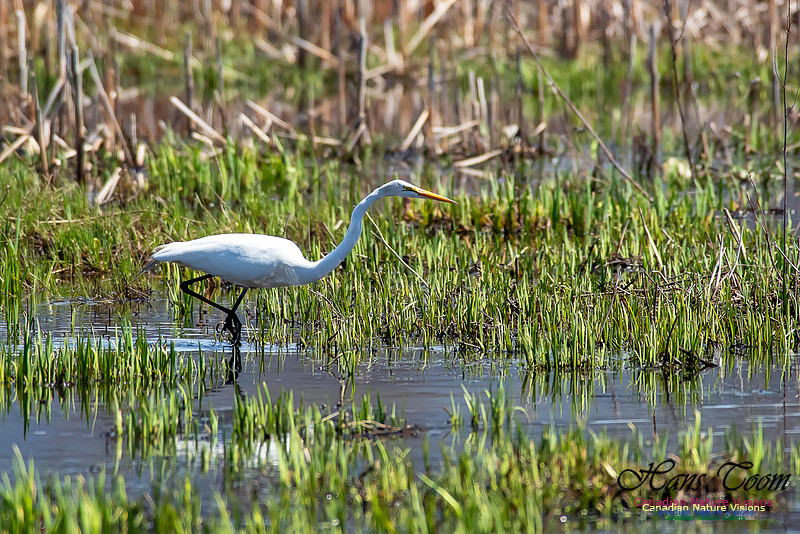
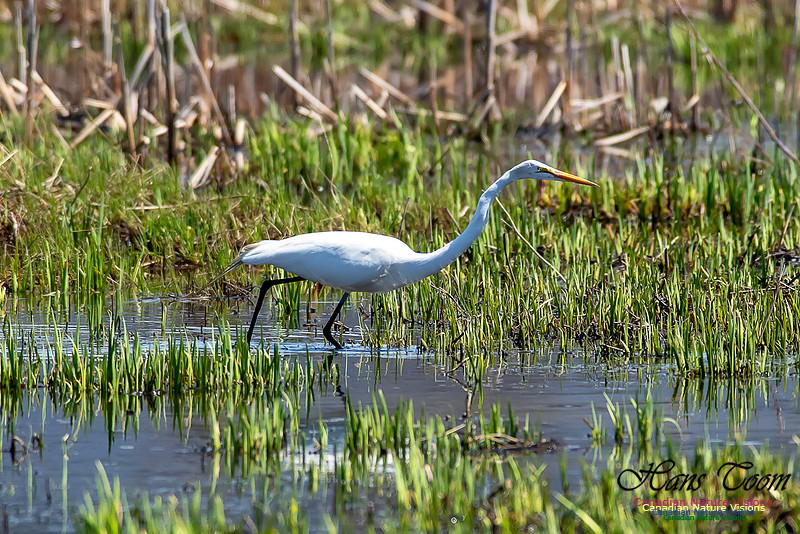
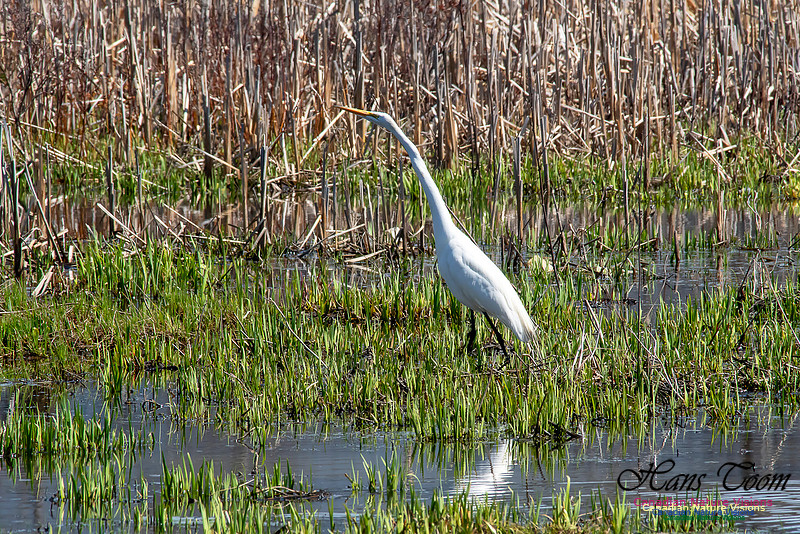
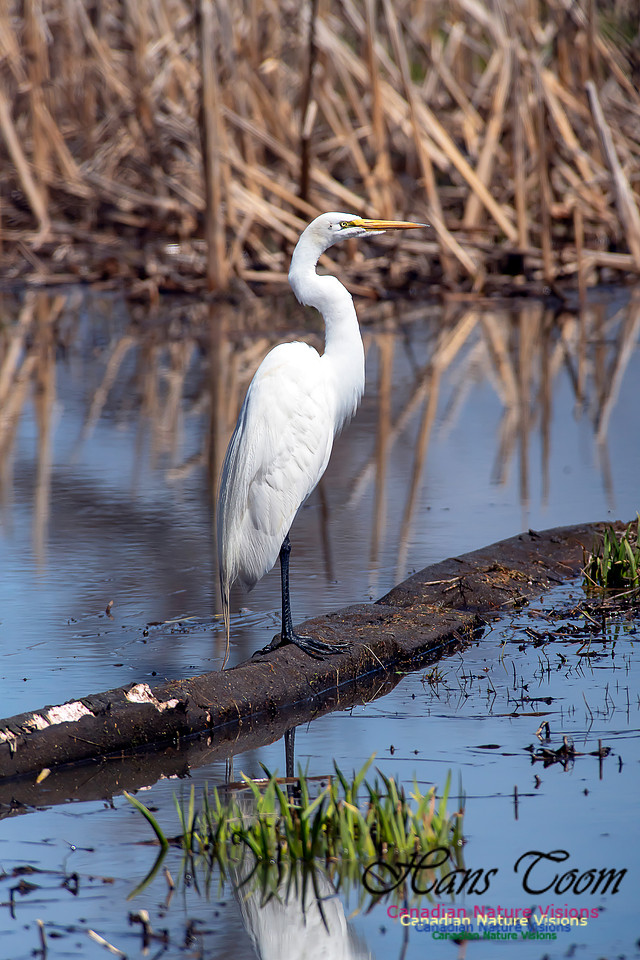
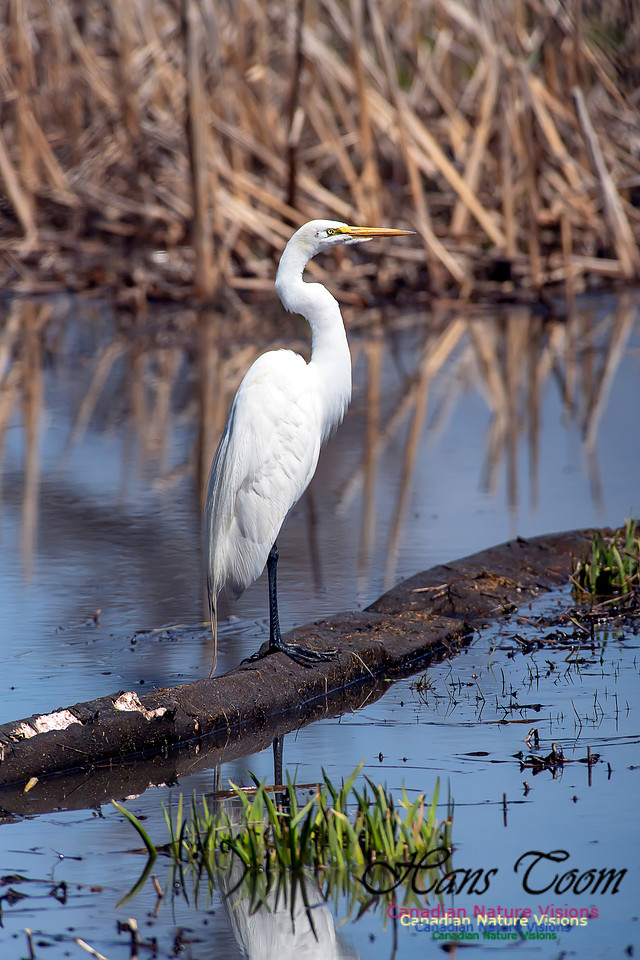
Great EgretThe Great Egret is a photographer's dream, elegant and majestic. Although common in the American south it is uncommon here in Nova Scotia with substantial variation in numbers year over year. Photographed at Russell Lake, Dartmouth, Nova Scotia with Sony a99ii and 400mm F4.5 and 1.4X II, hand held. Great Egret
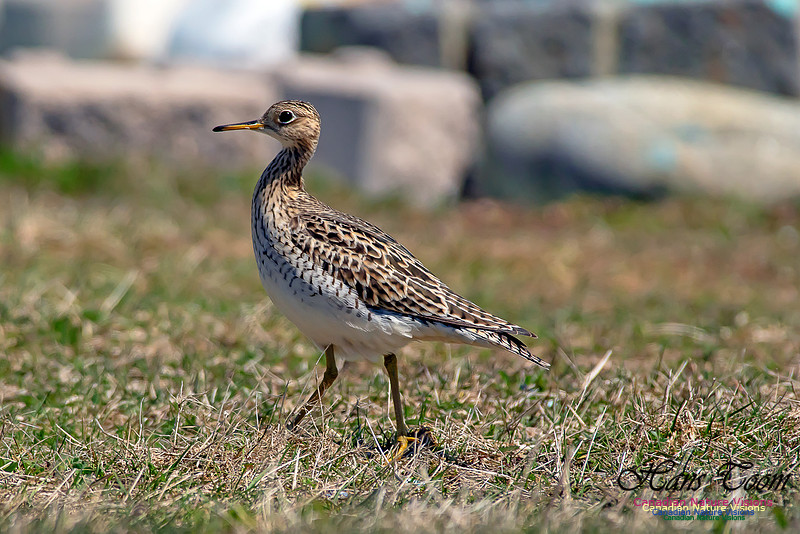
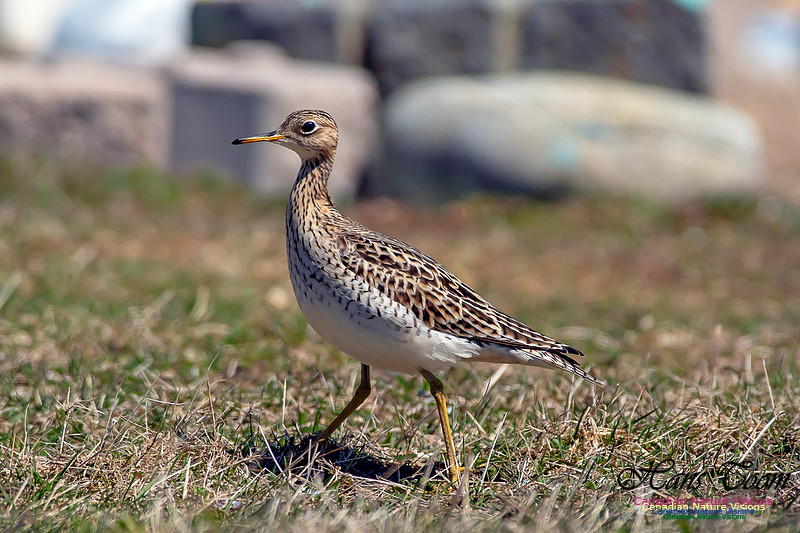
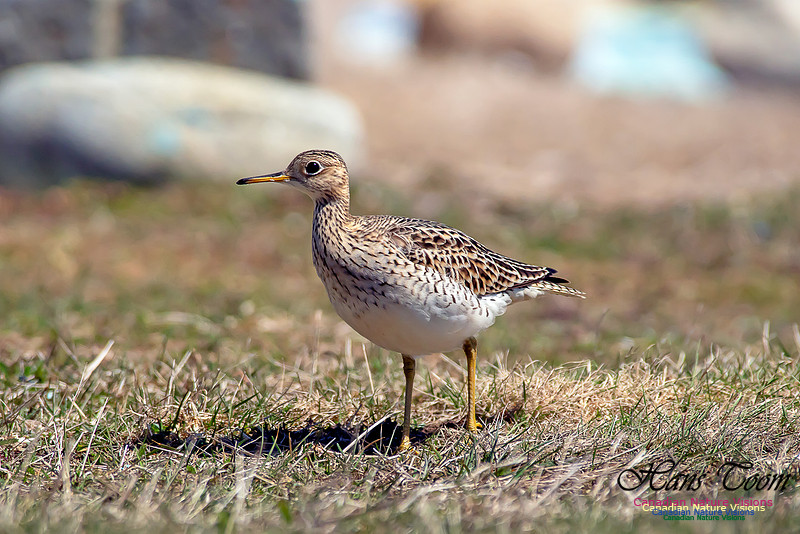
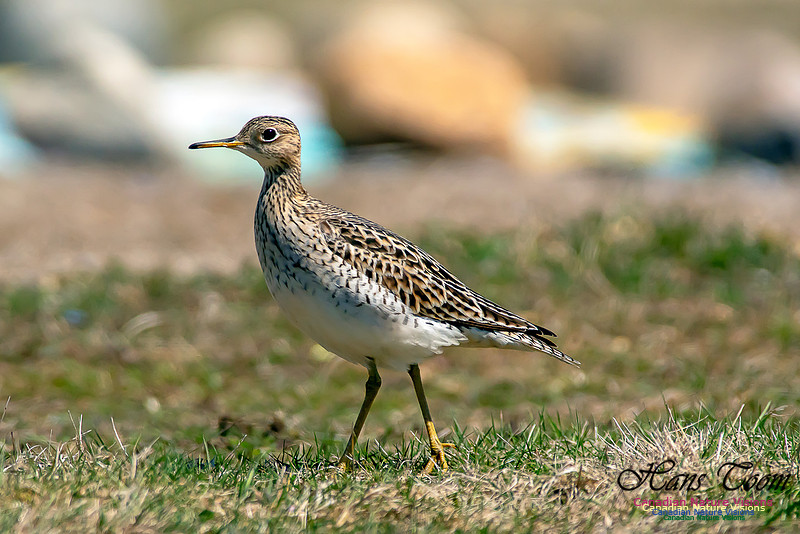
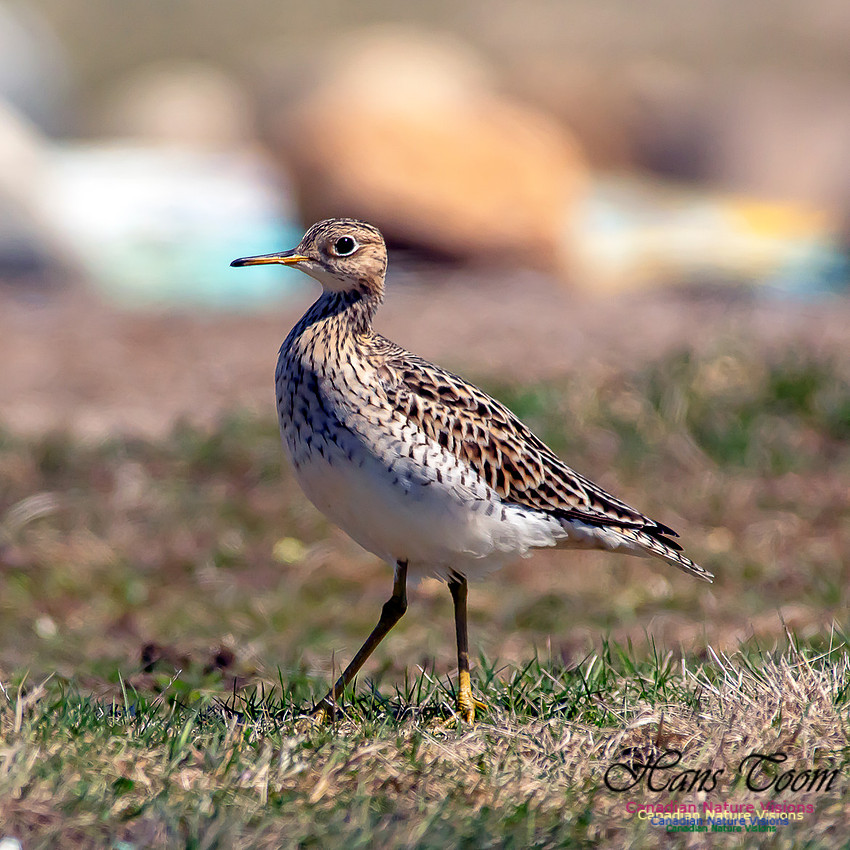
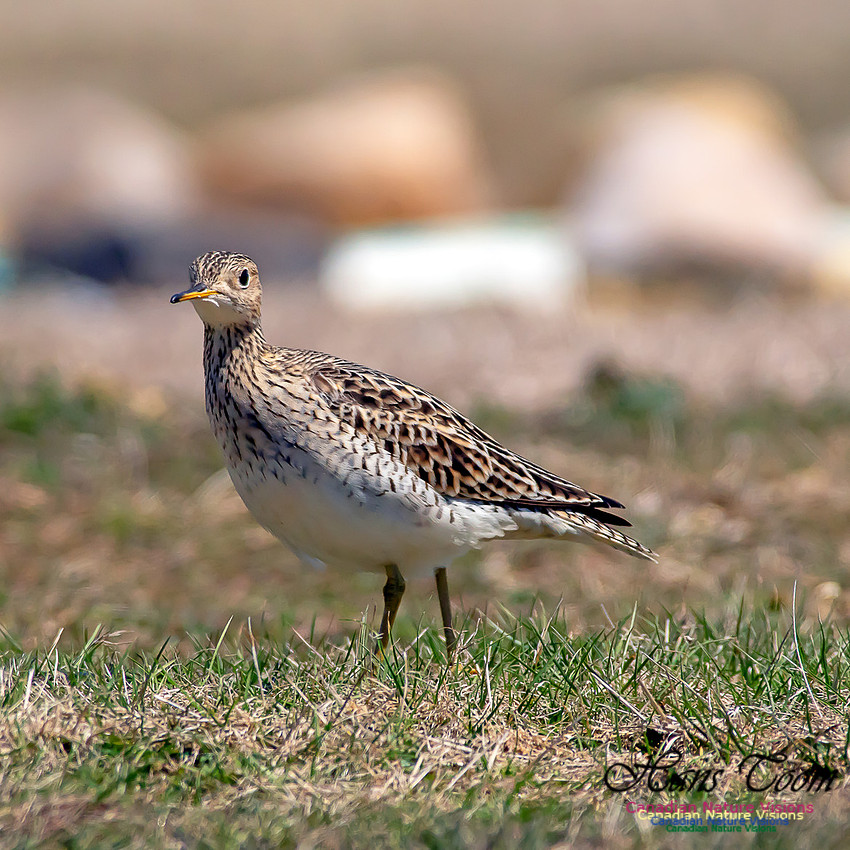
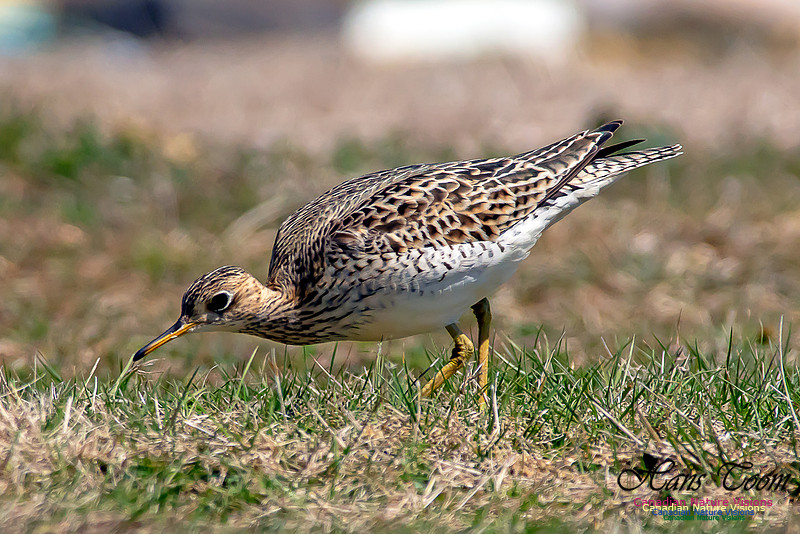
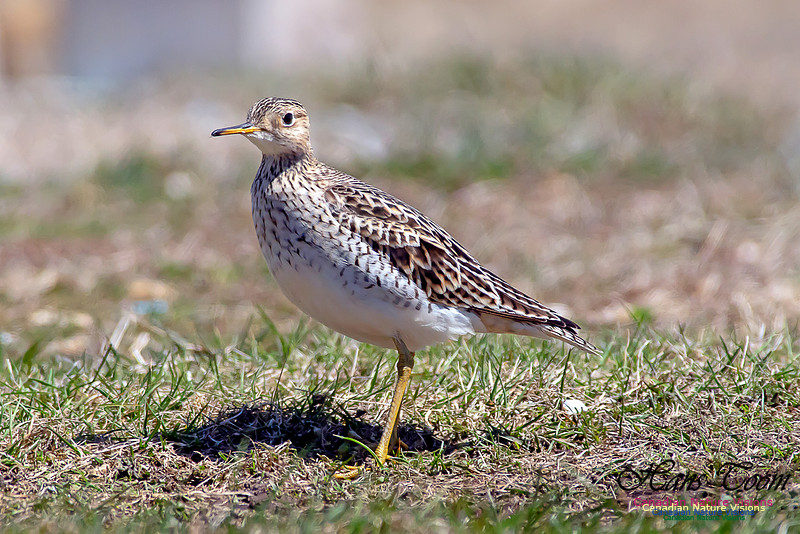
Upland SandpiperThe Upland Sandpiper is a favourite bird of mine well remembered from my years living on the Canadian prairies. We often saw this bird calmly sitting on fence posts. It's song is an unforgettable, "wolf whistle". Photographed with Sony a99ii and 400mm F4.5 with 1.4x II, hand held. Upland Sandpiper
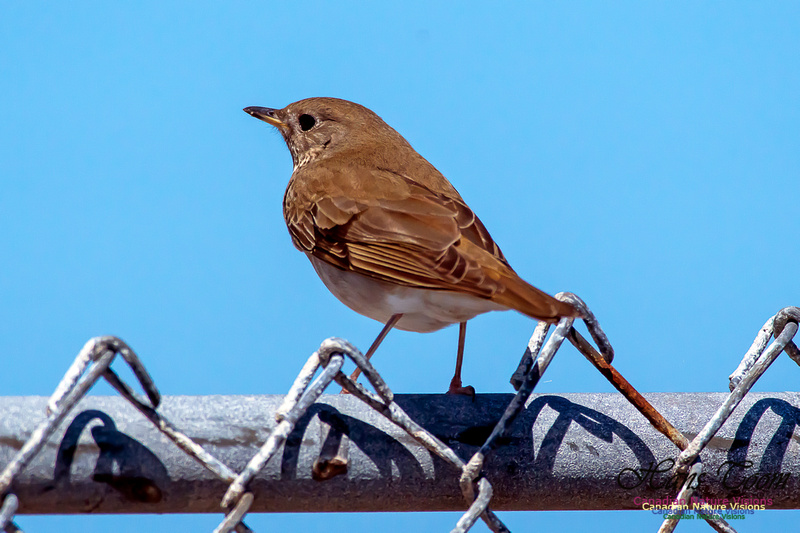
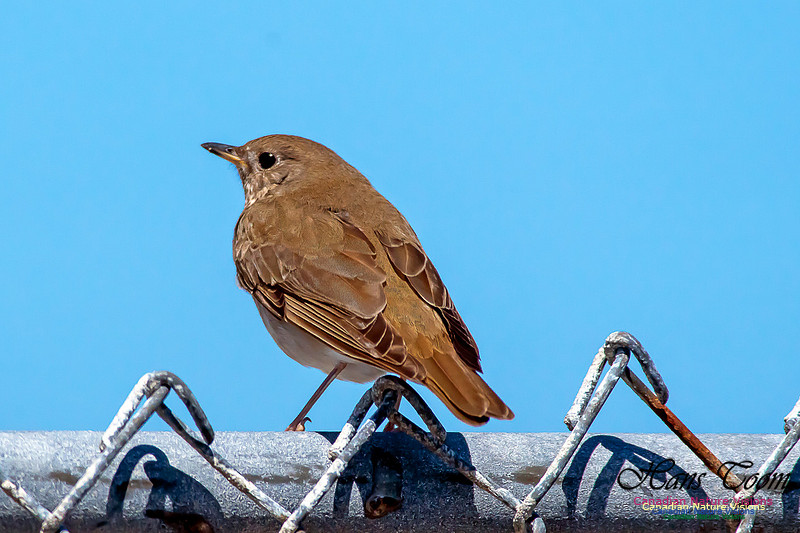
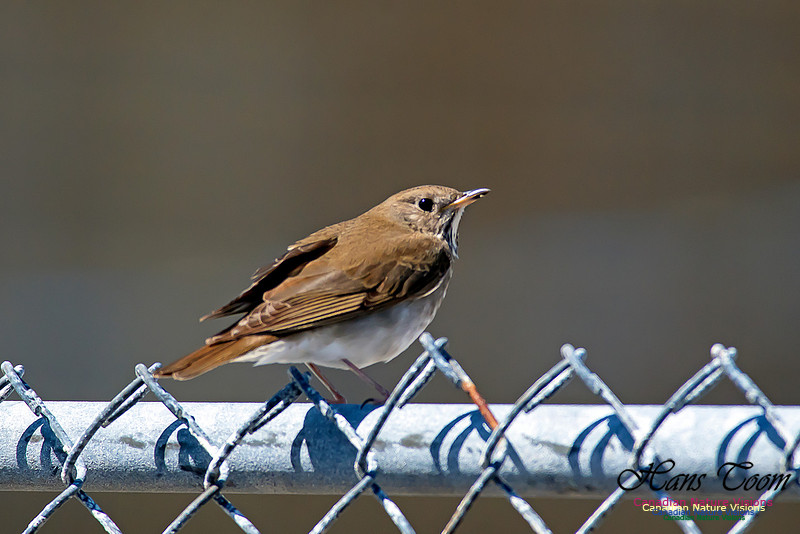
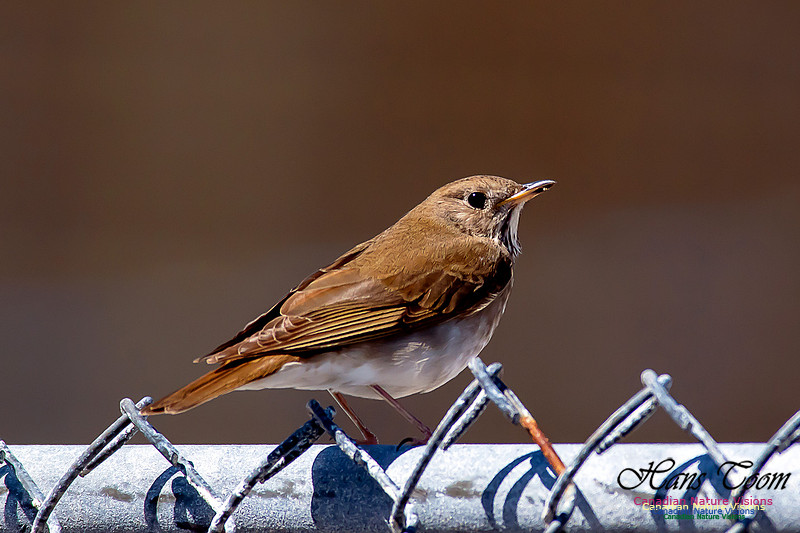
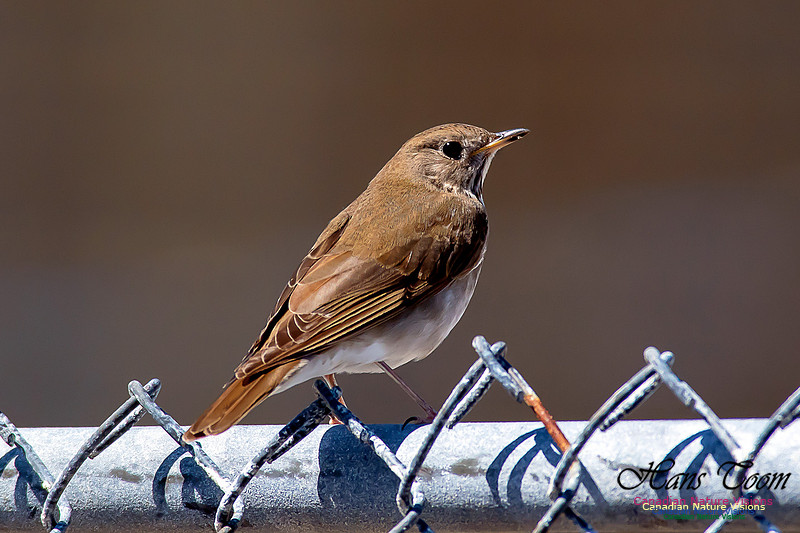
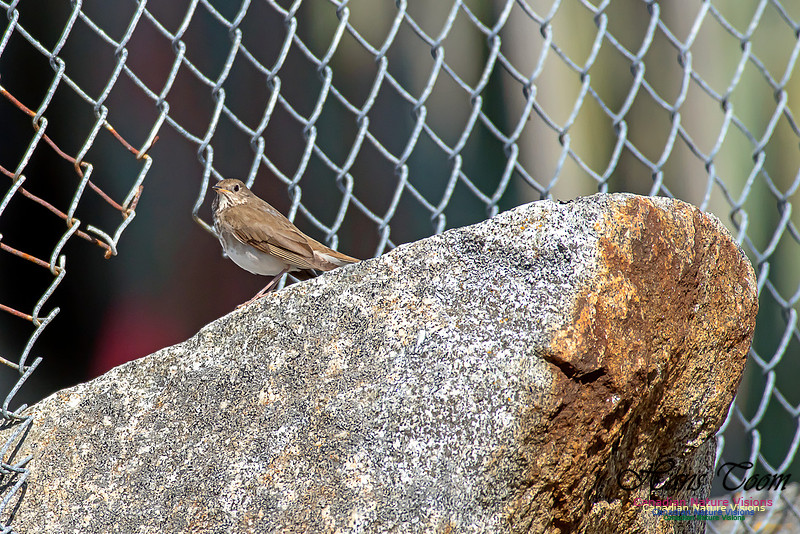
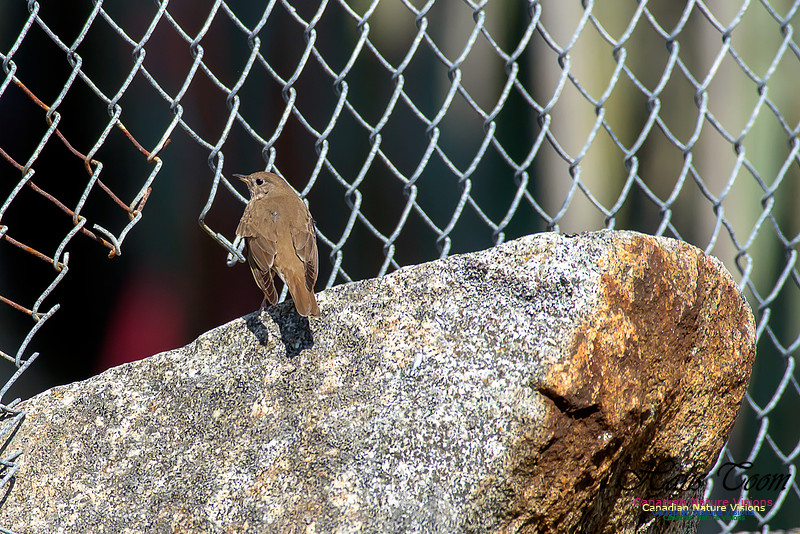
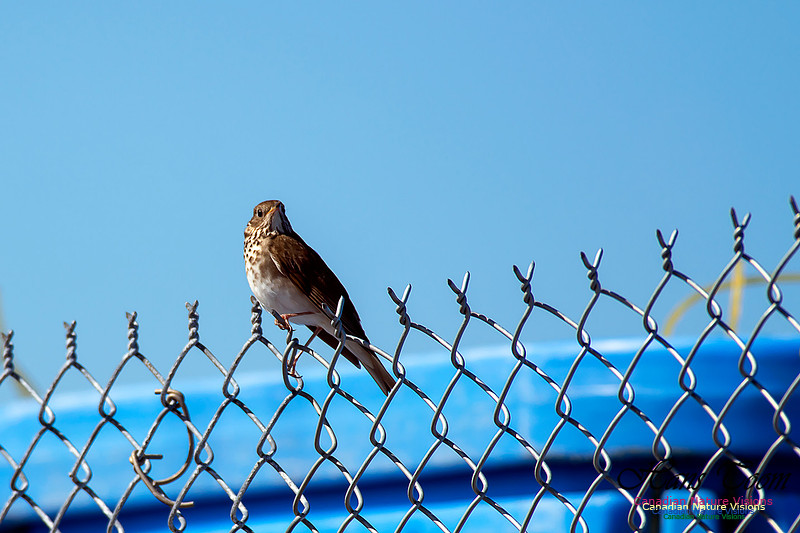
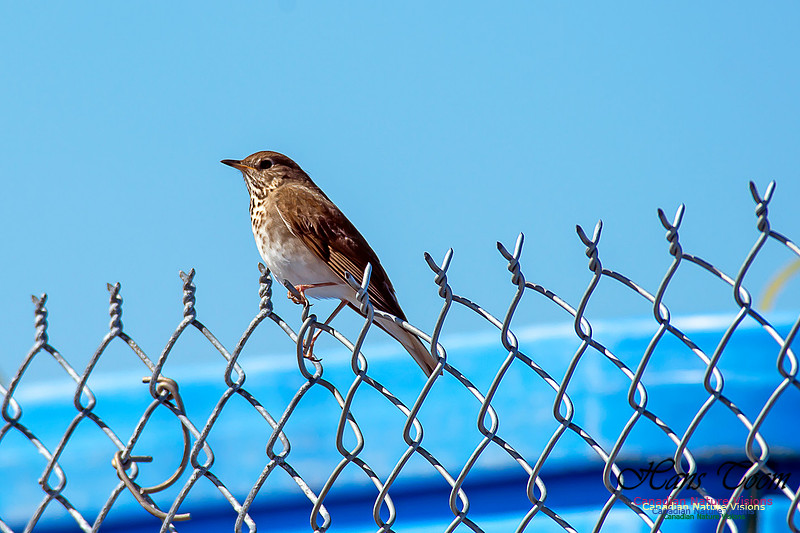
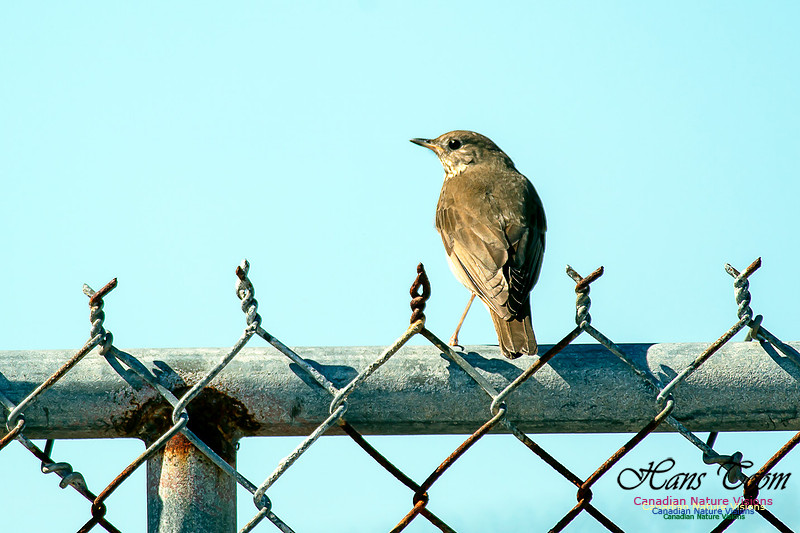
Grey-cheeked ThrushThis Grey-cheeked Thrush was on Cape Sable Island. It's very similar to the much rarer Bicknell's Thrush found on Cape Breton Island in the northern highlands. The two thrushes are very difficult to separate in the field. A recording of the song and a good photograph are helpful during migration. Photographed with Sony a99ii and 400mm F4.5 and 1.4Xii lenses, hand held. Grey-cheeked Thrush Note: I use the English spelling for grey(colour) rather than the incorrect gray(a proper noun or name) used by the ABA.
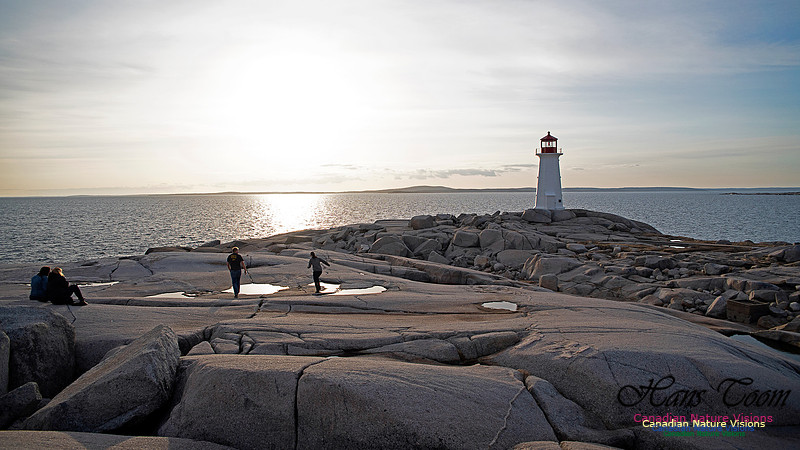
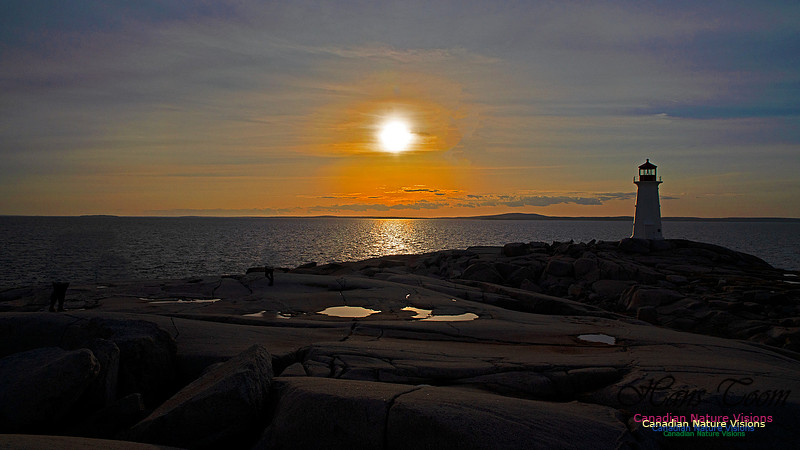
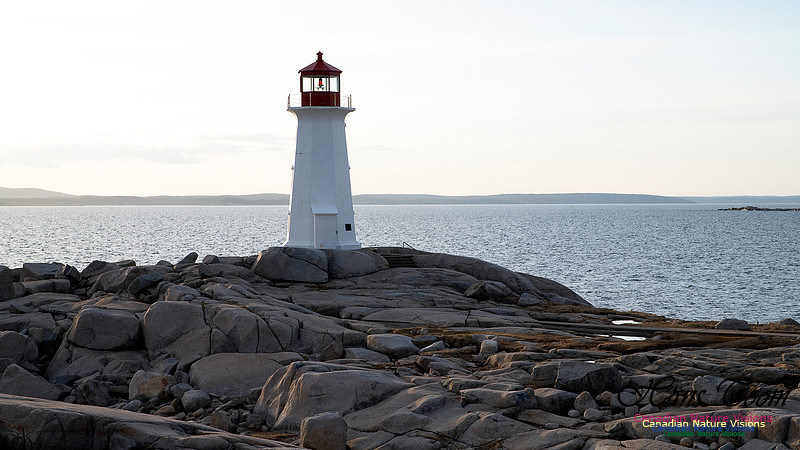
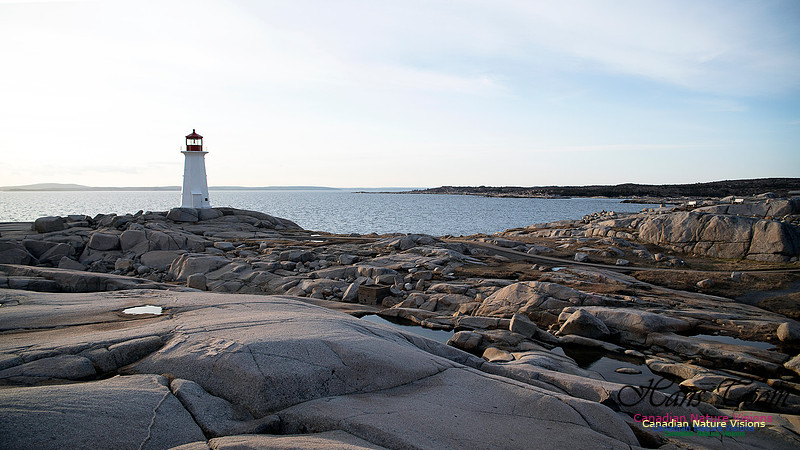
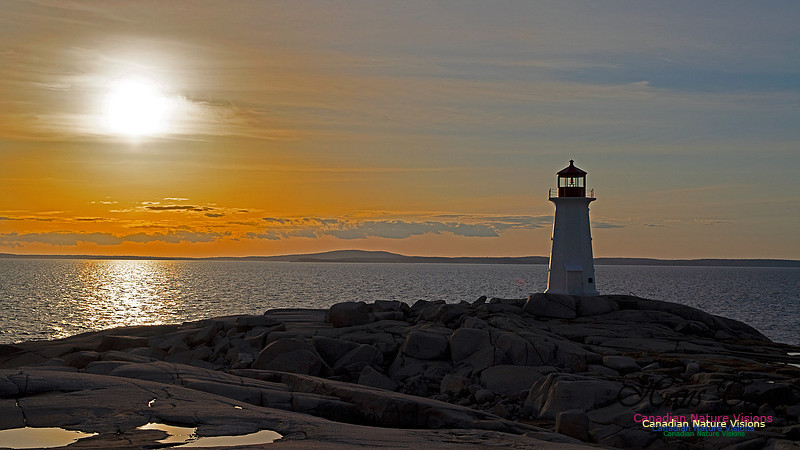
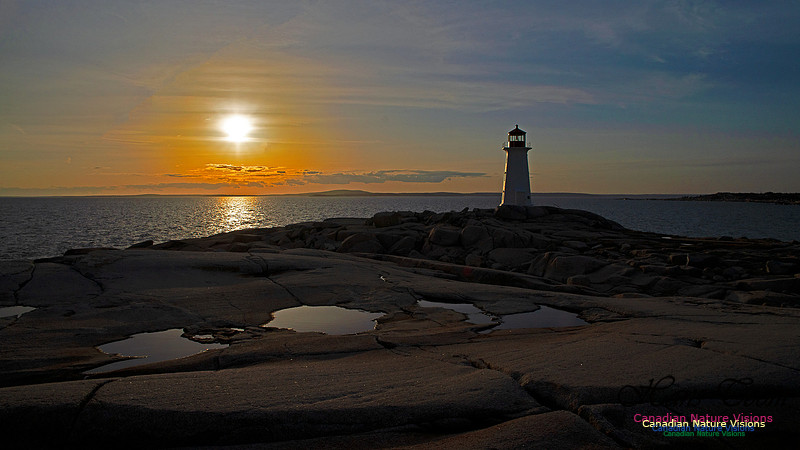
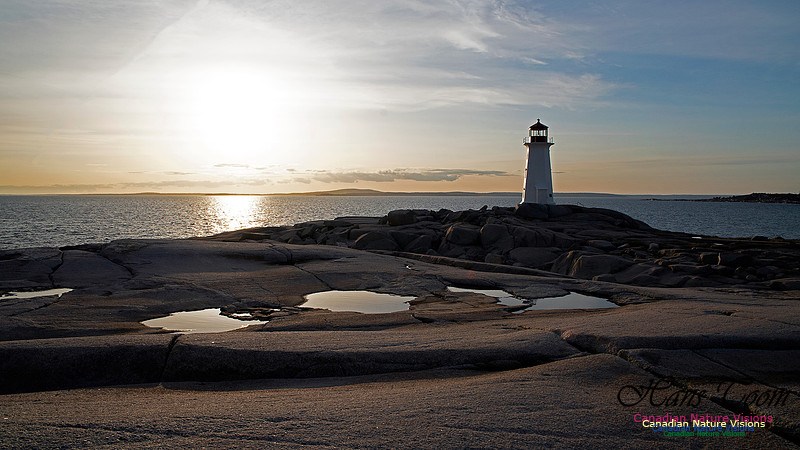
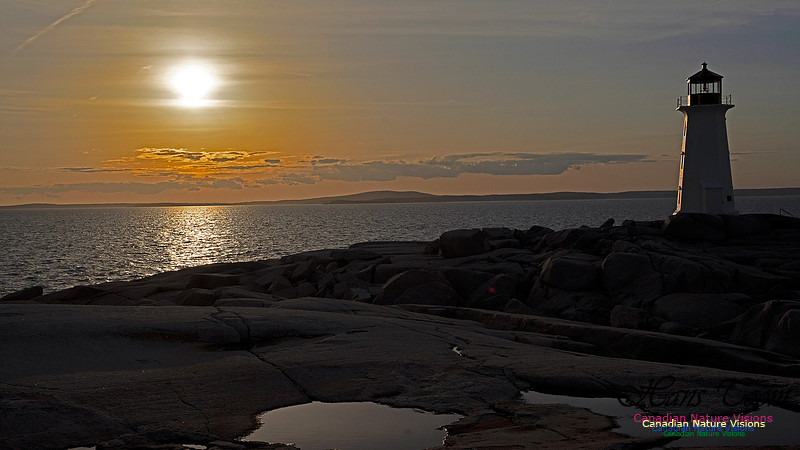
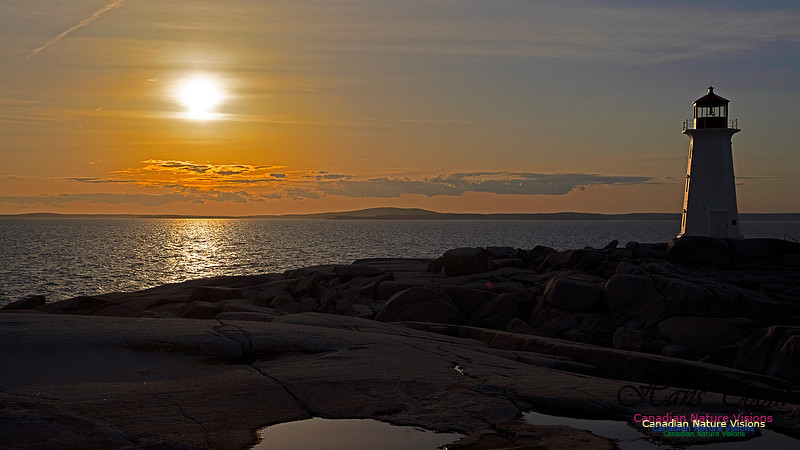
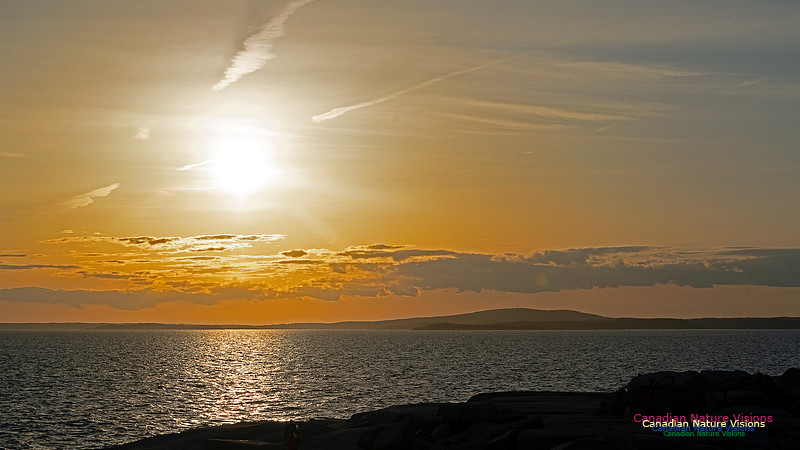
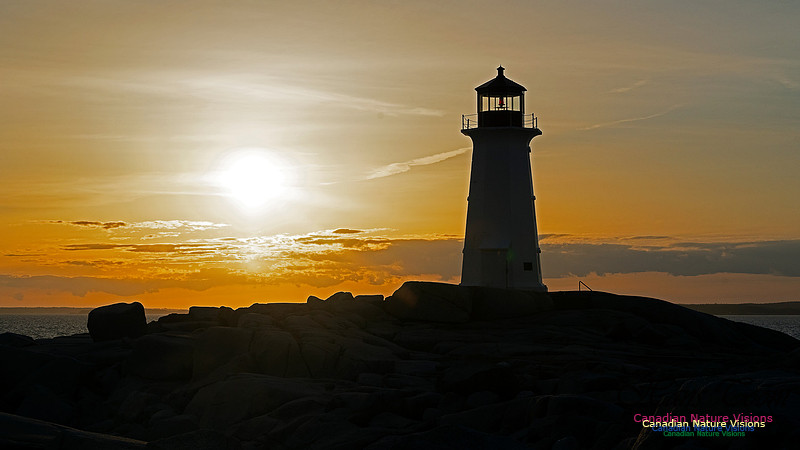
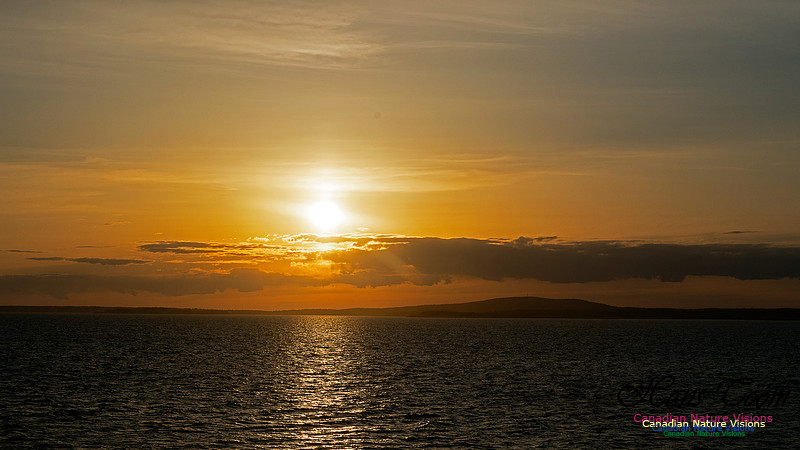
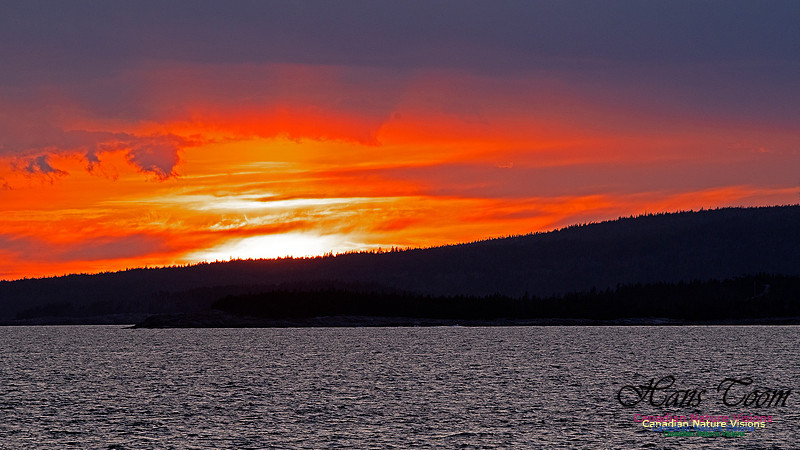
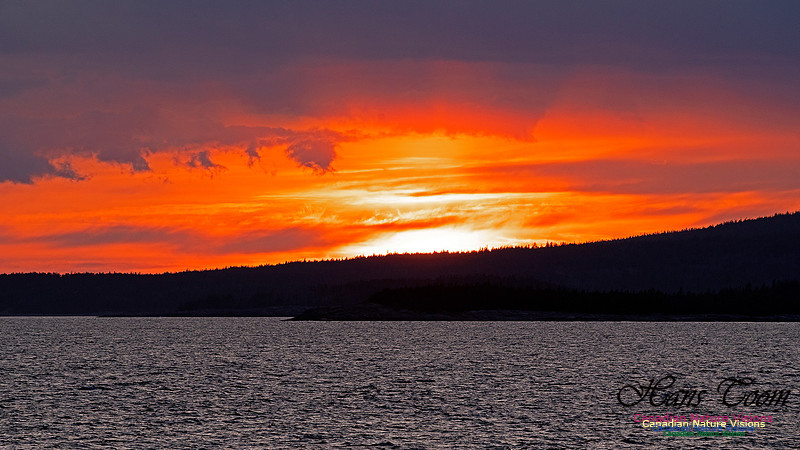
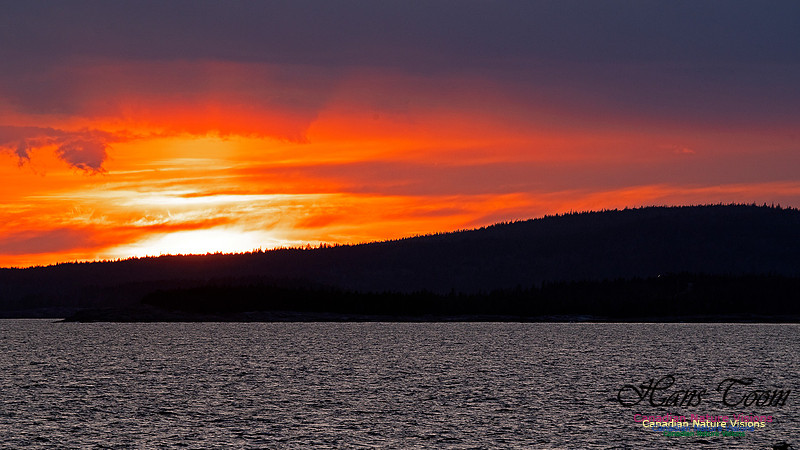
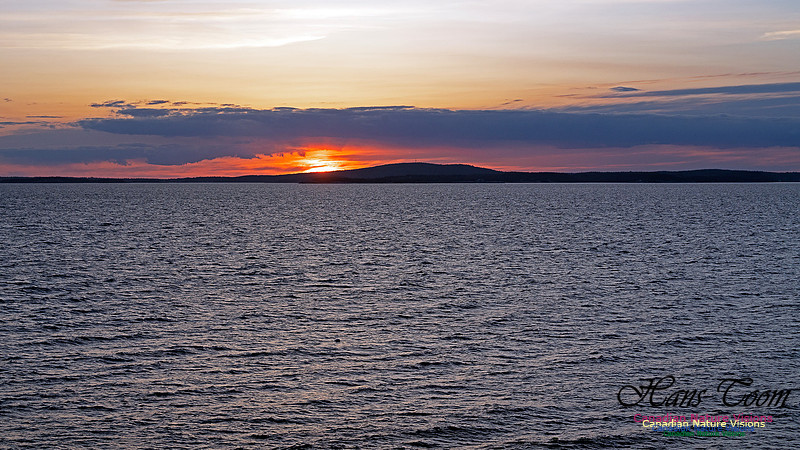
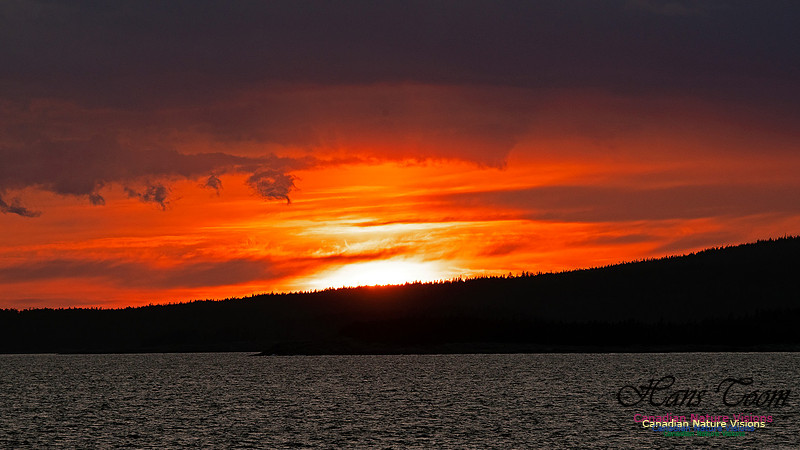
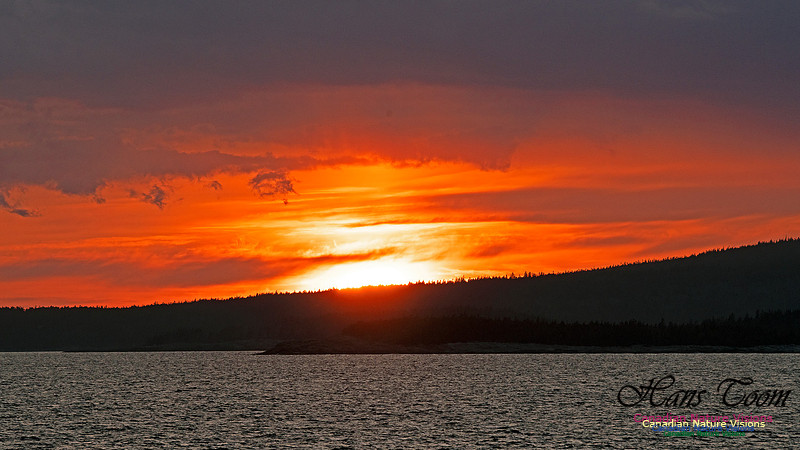
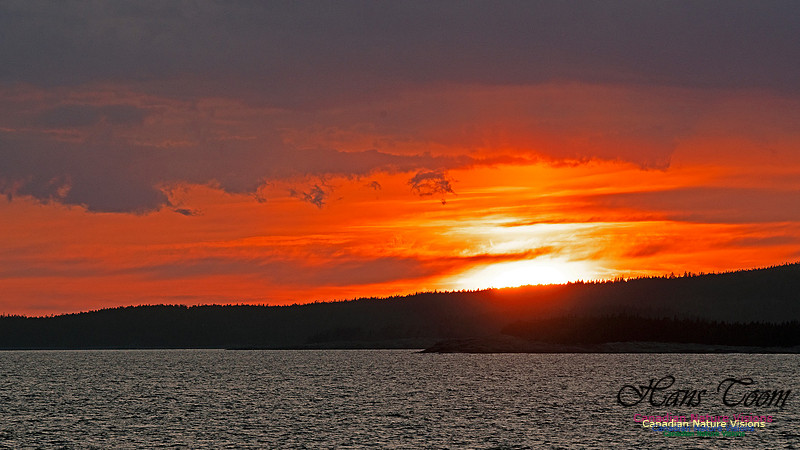
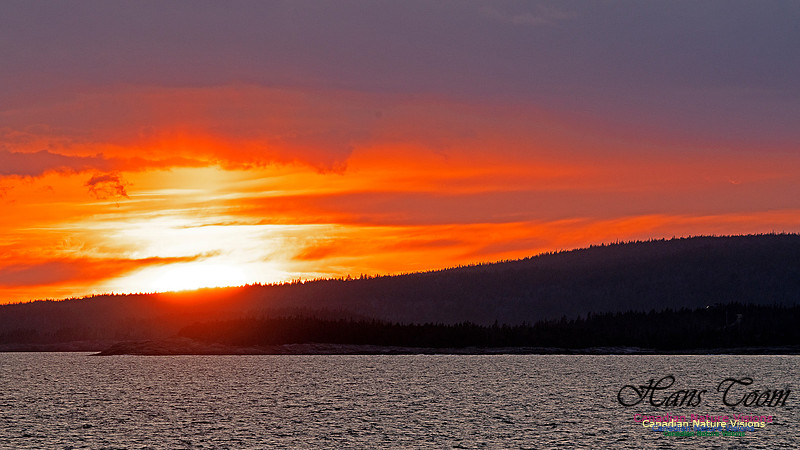
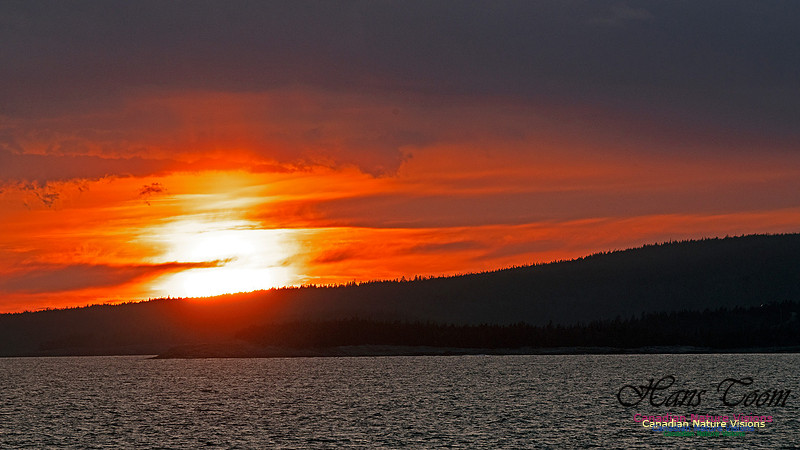
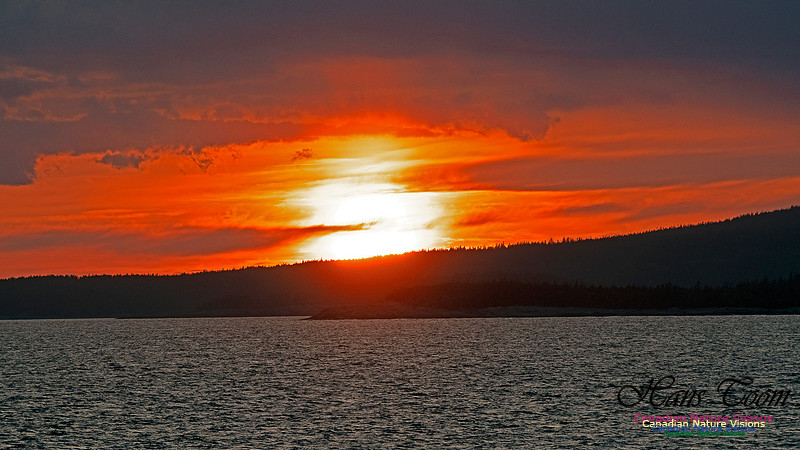
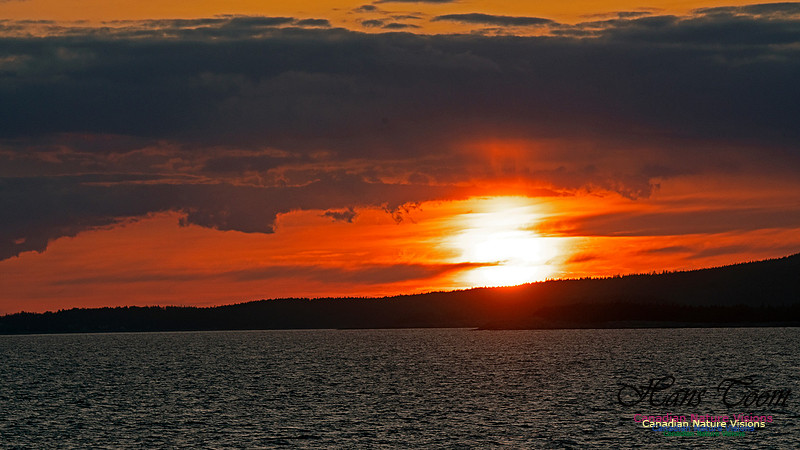
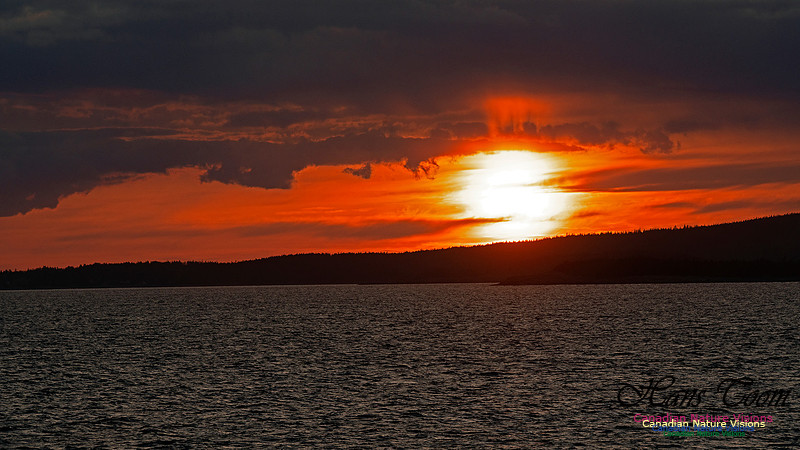
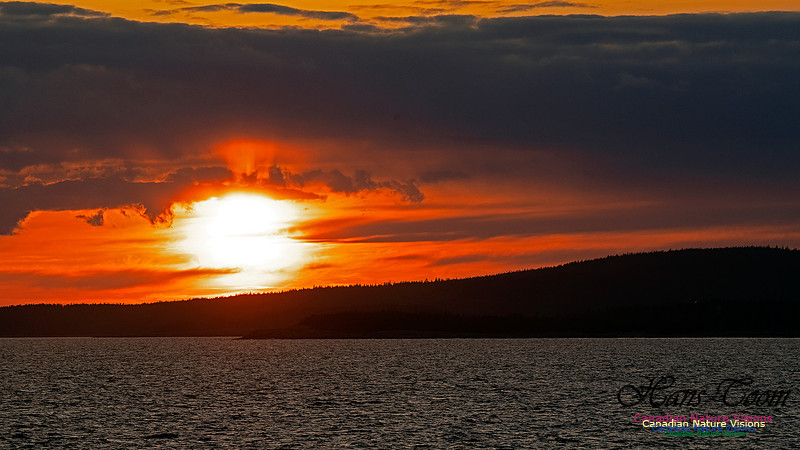
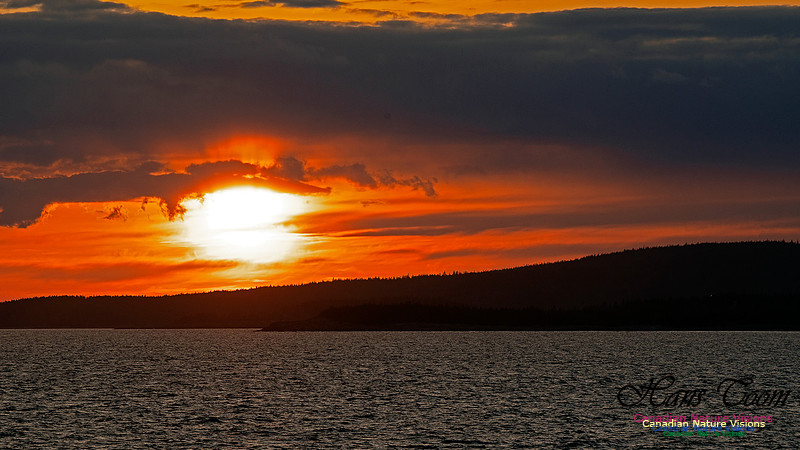
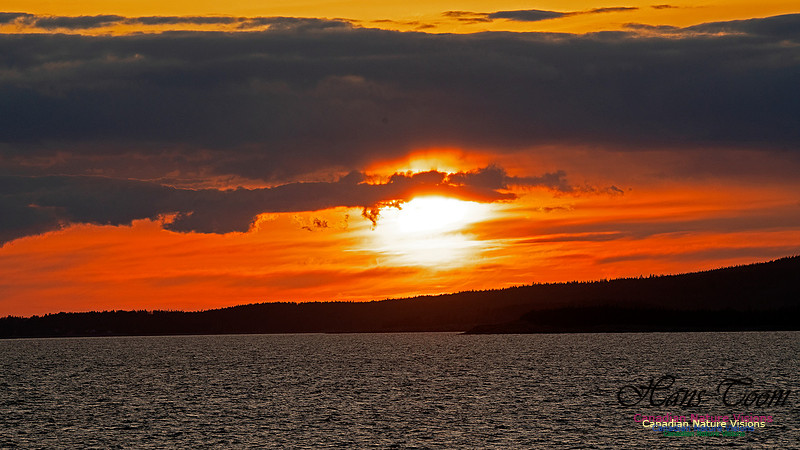
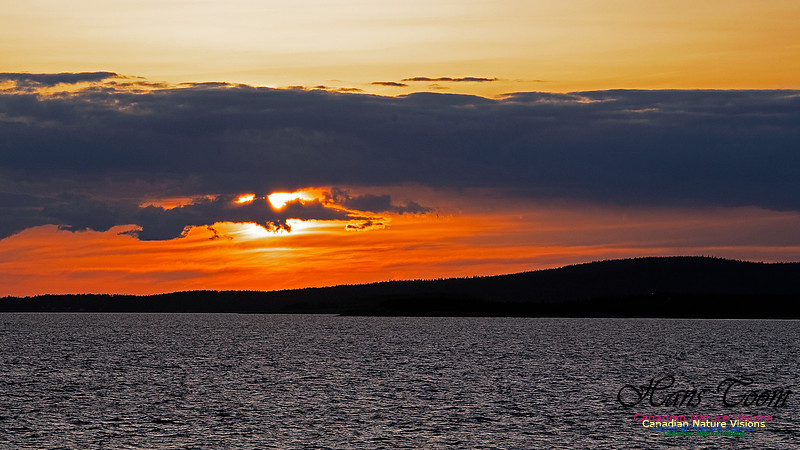
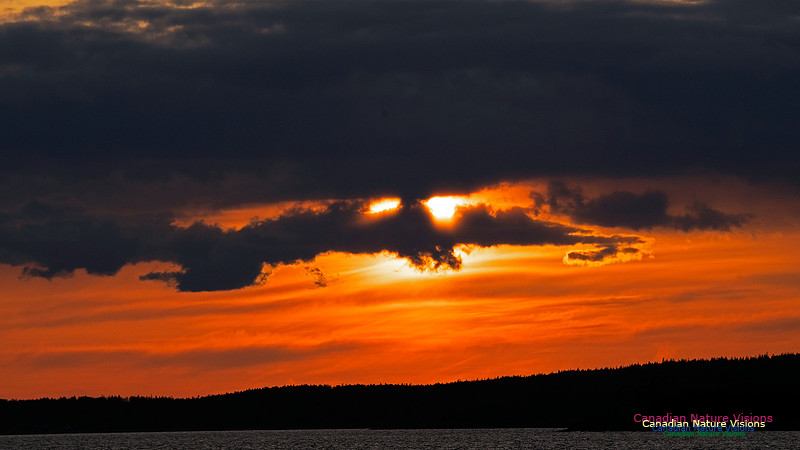
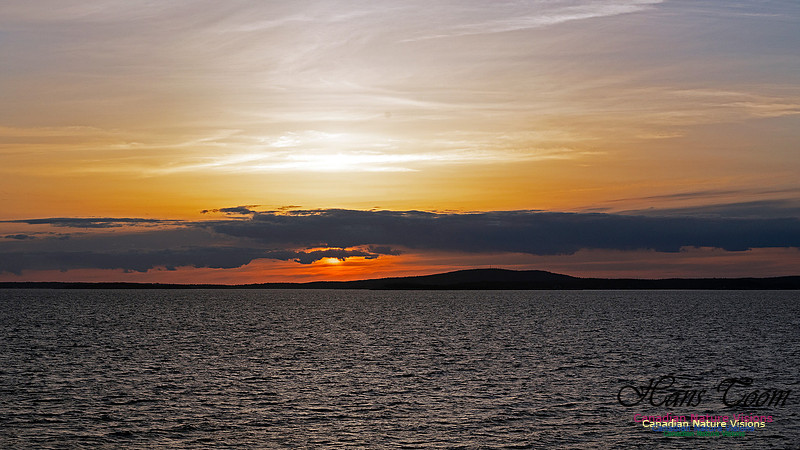
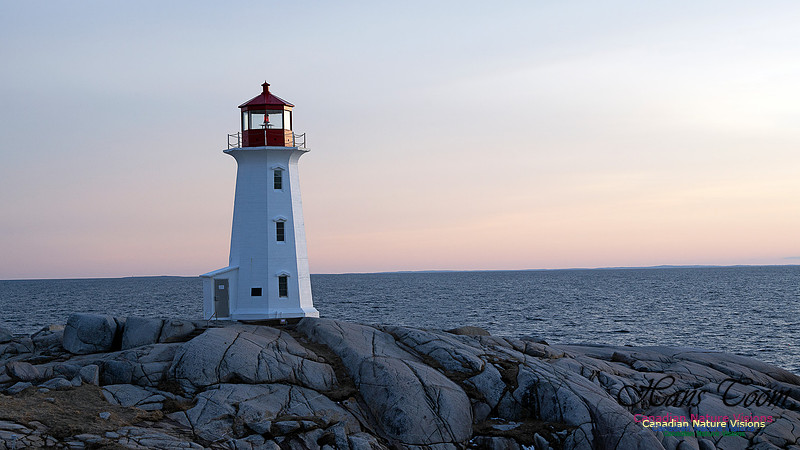
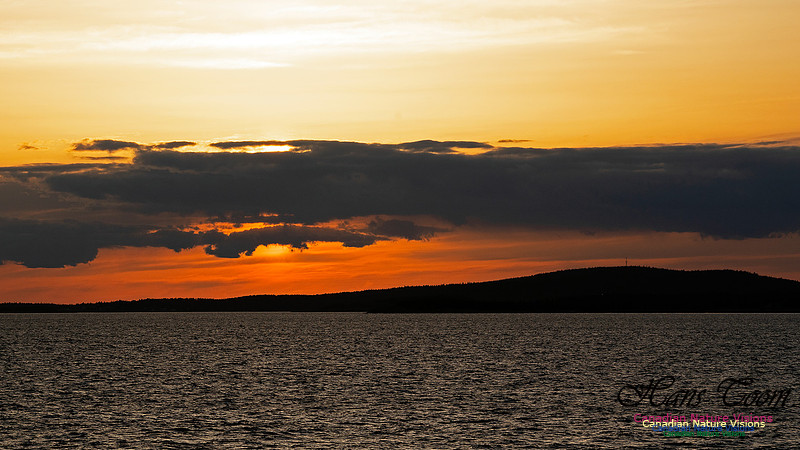
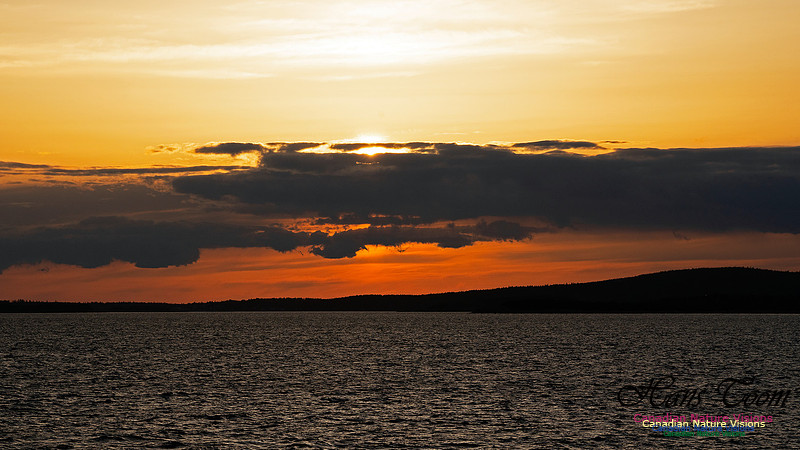
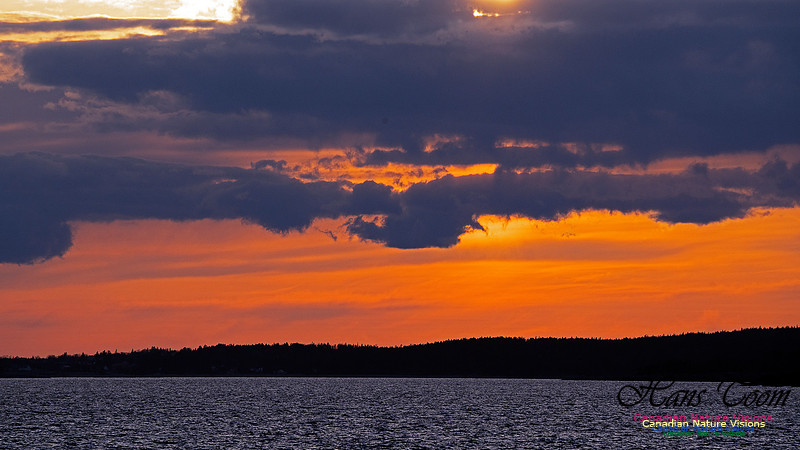
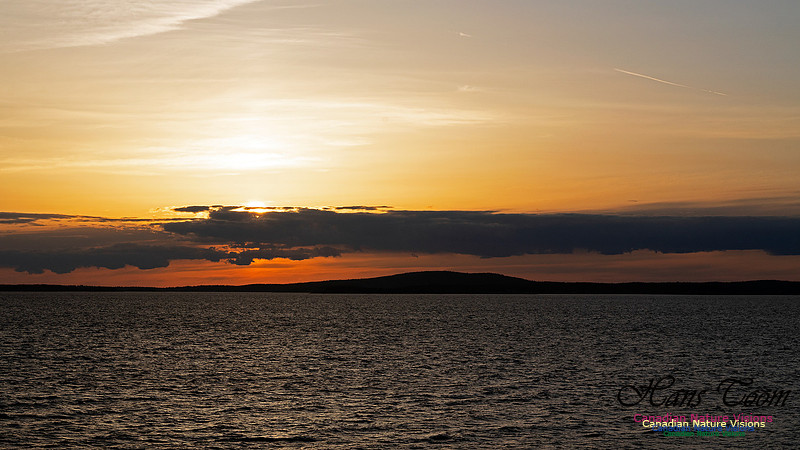
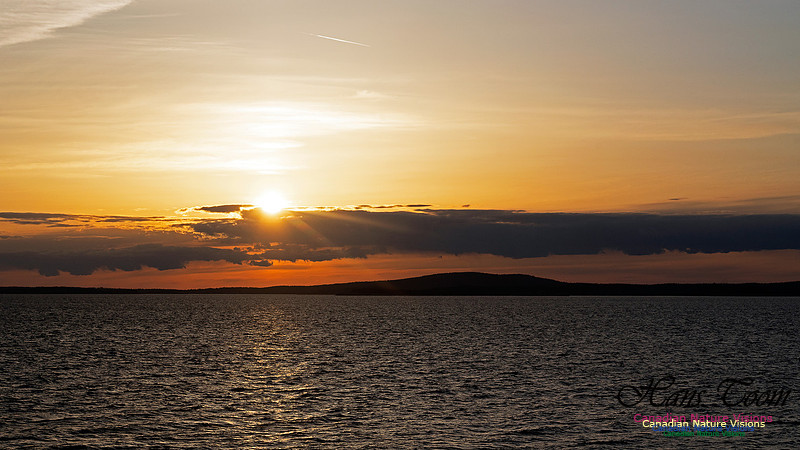
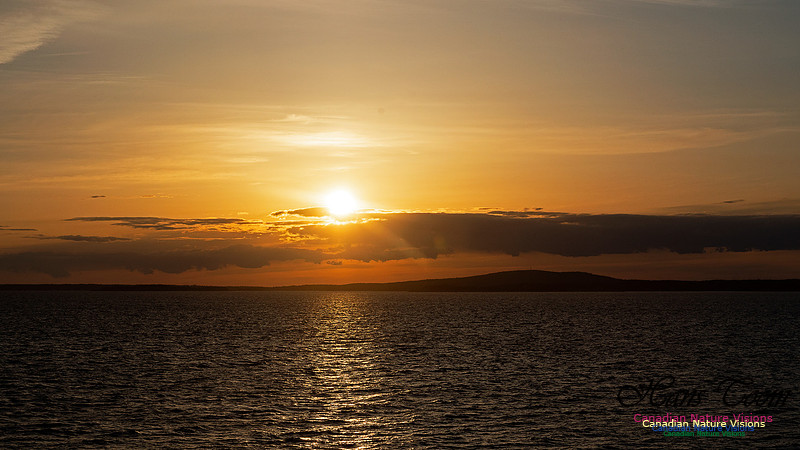
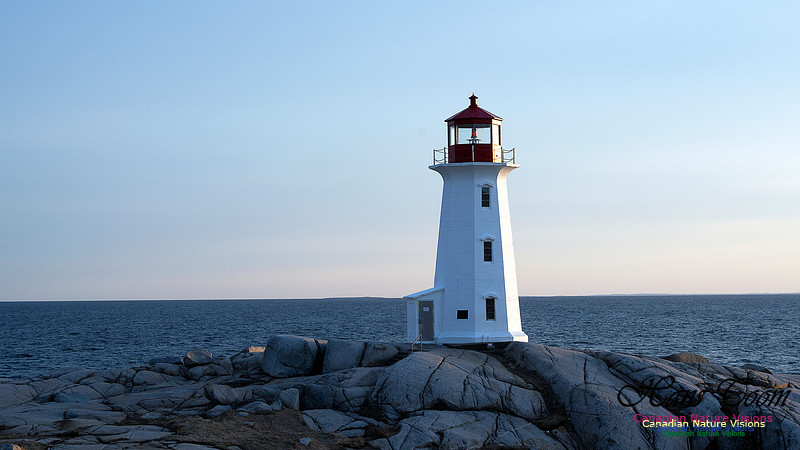
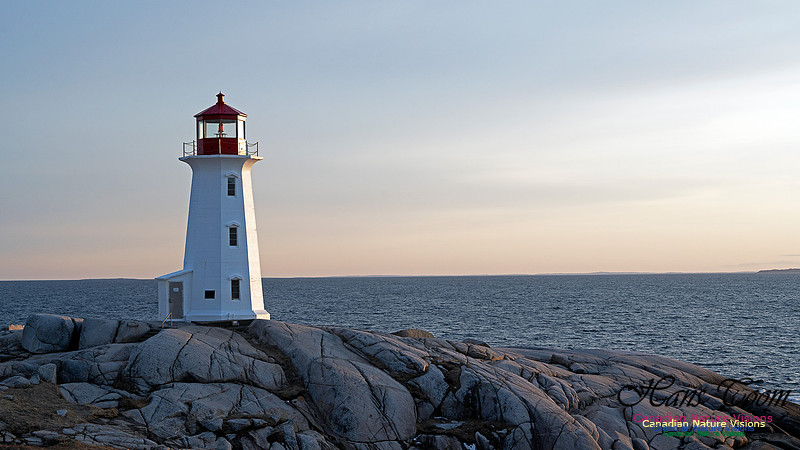
Peggy's Cove Sunset, April 11, 2018.I went to Peggy's Cove the evening of April 11 to photograph the sunset. It was brutally cold for the time of year but I persevered. I used my Sony A99ii, Sony 70-400mm G2 and Sigma 24-70mm. Some of the photographs demonstrate artistic license.
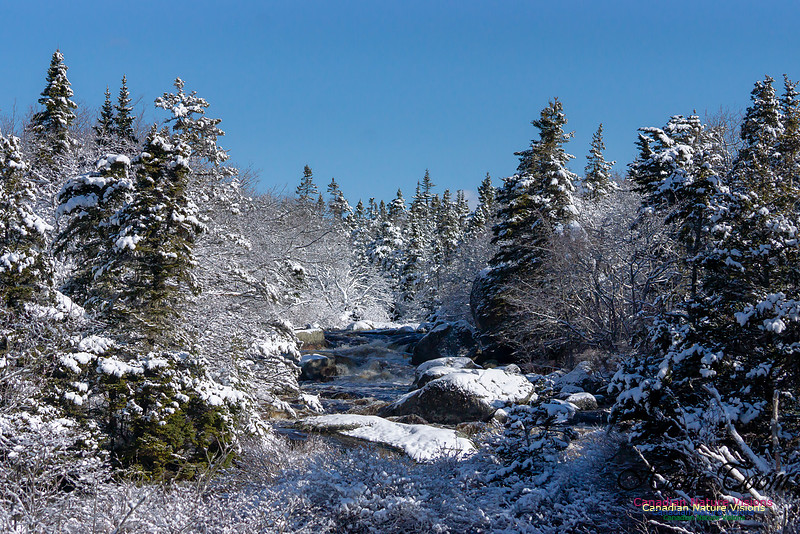
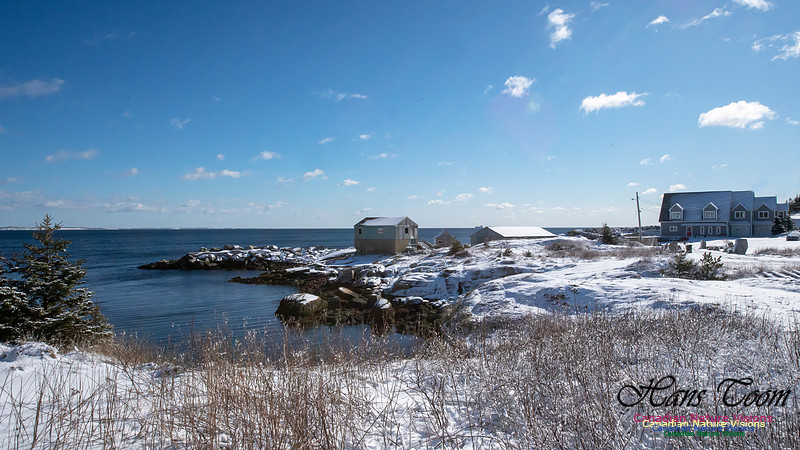
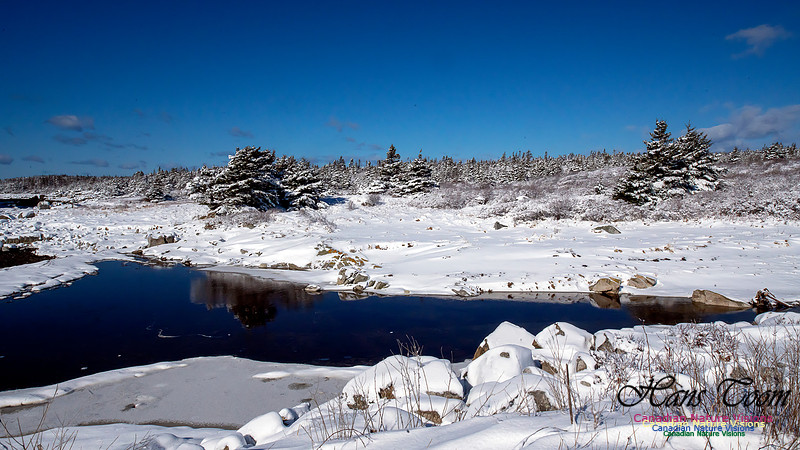
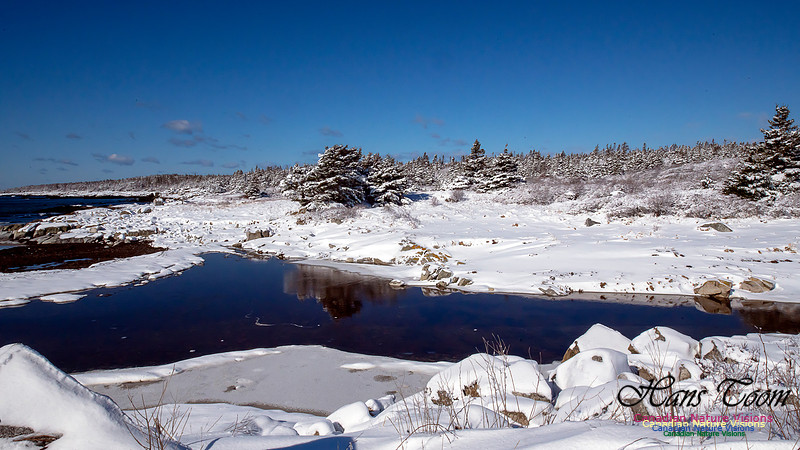
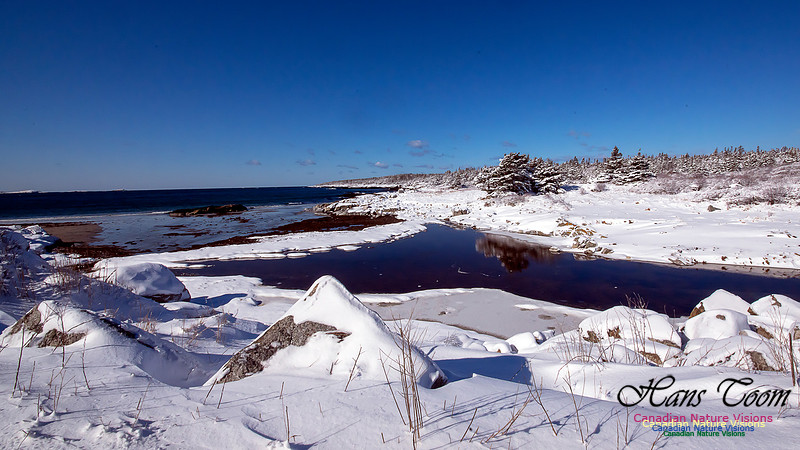
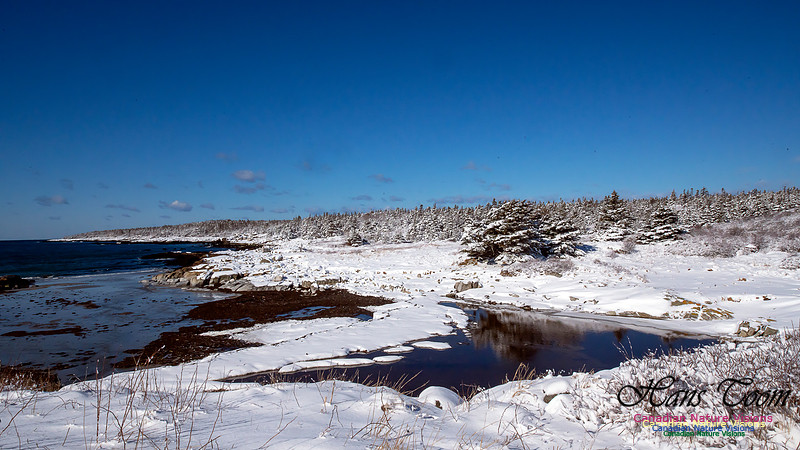
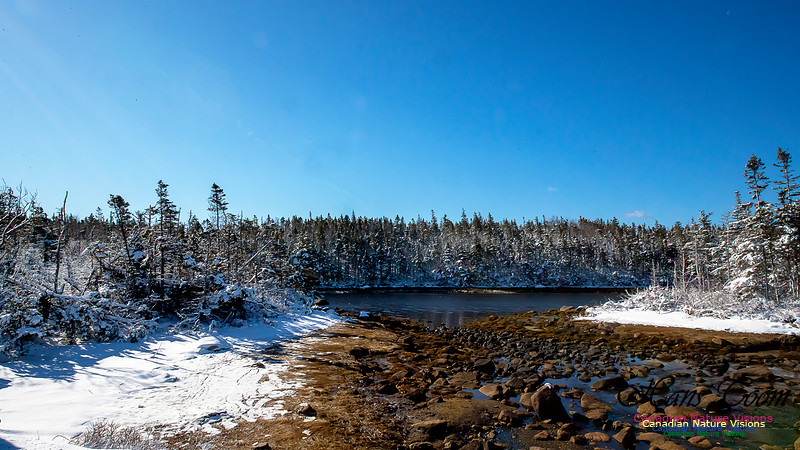
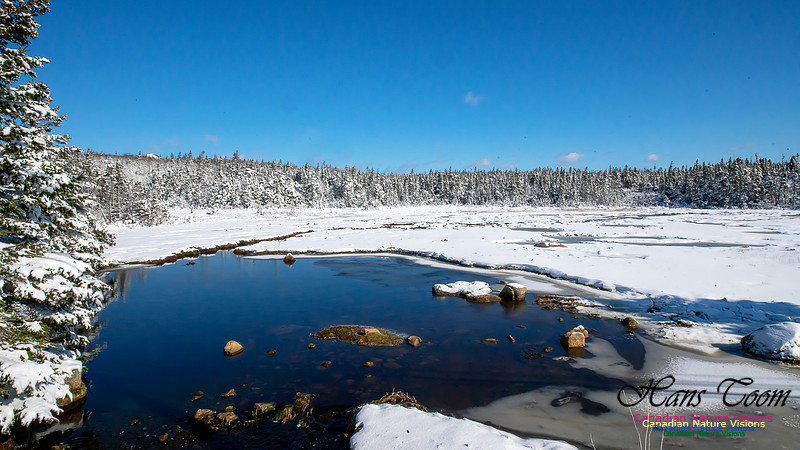
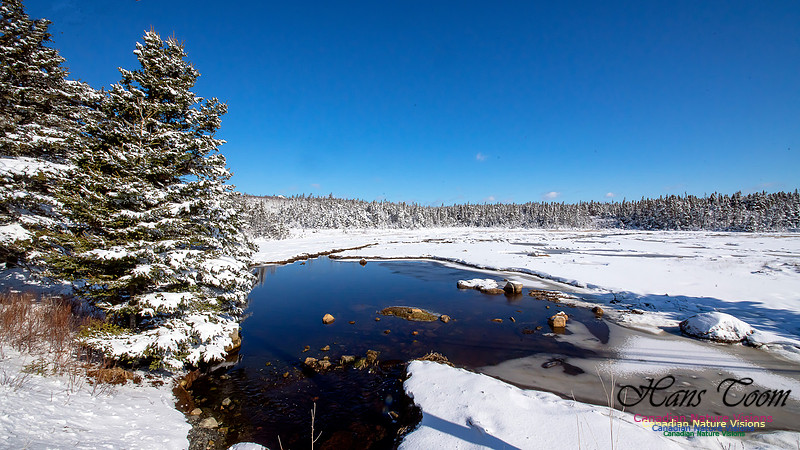
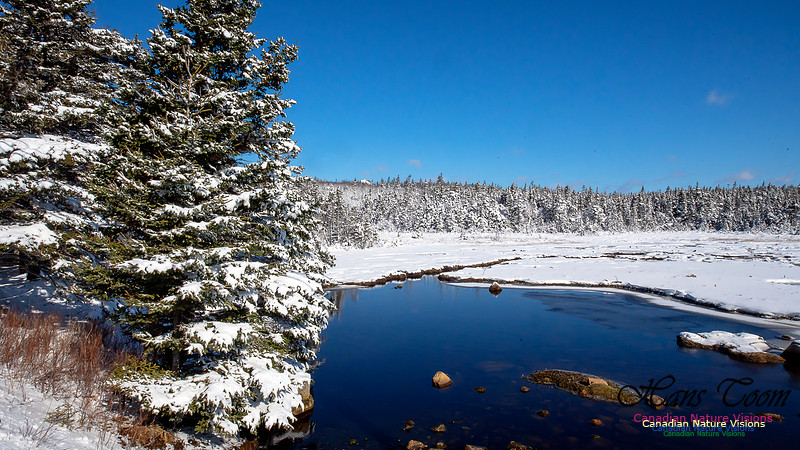
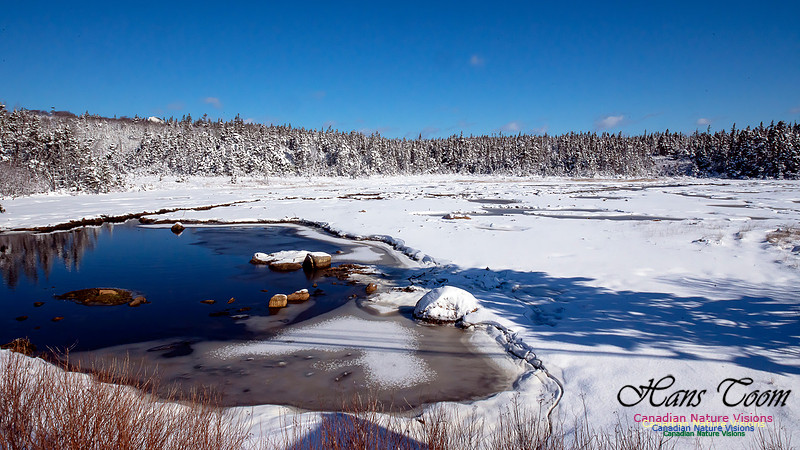
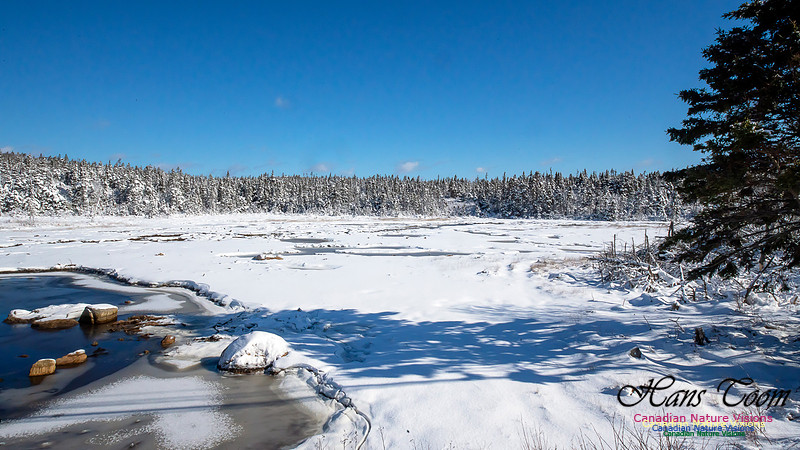
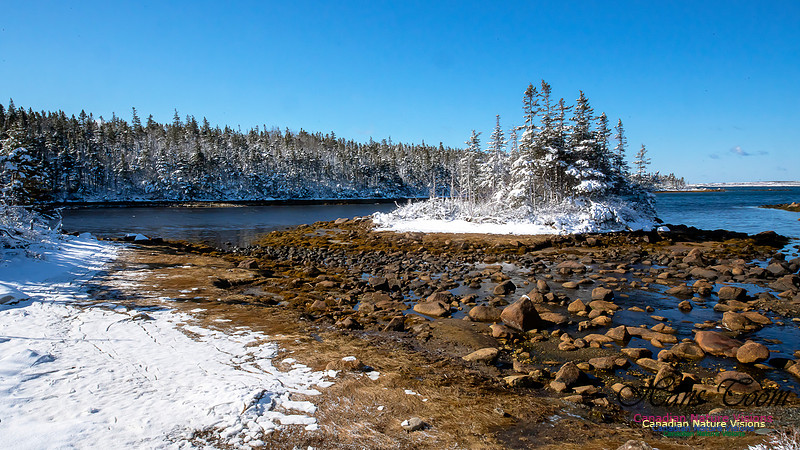
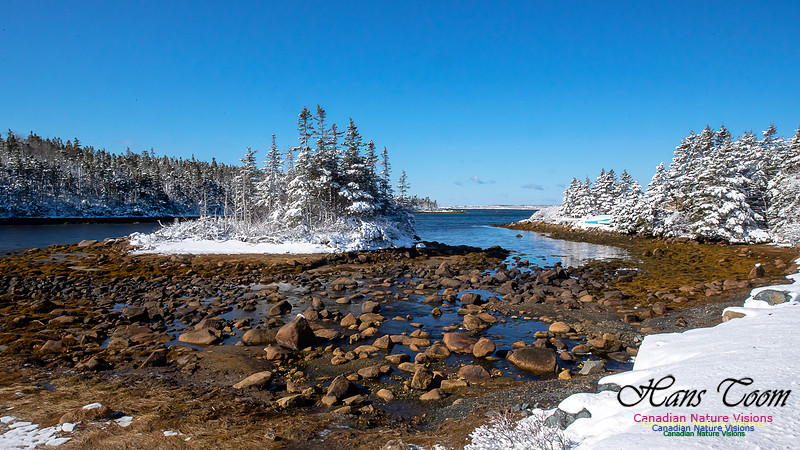
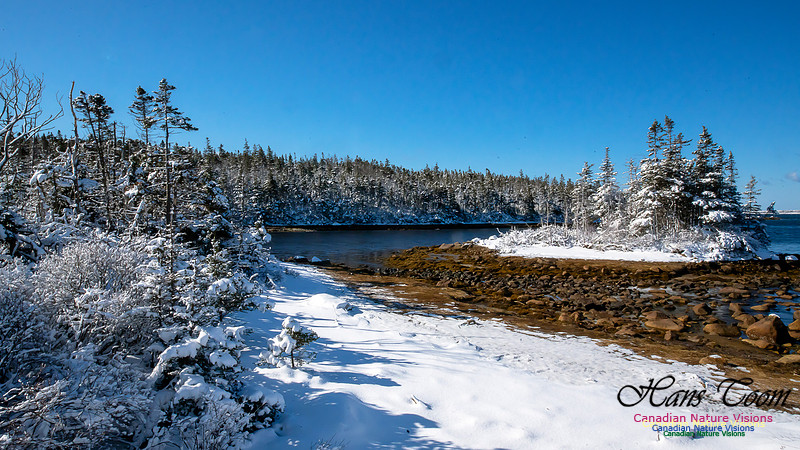
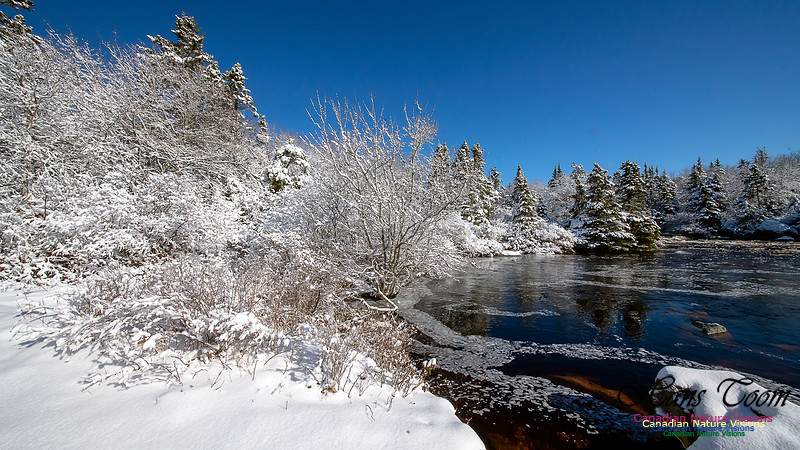
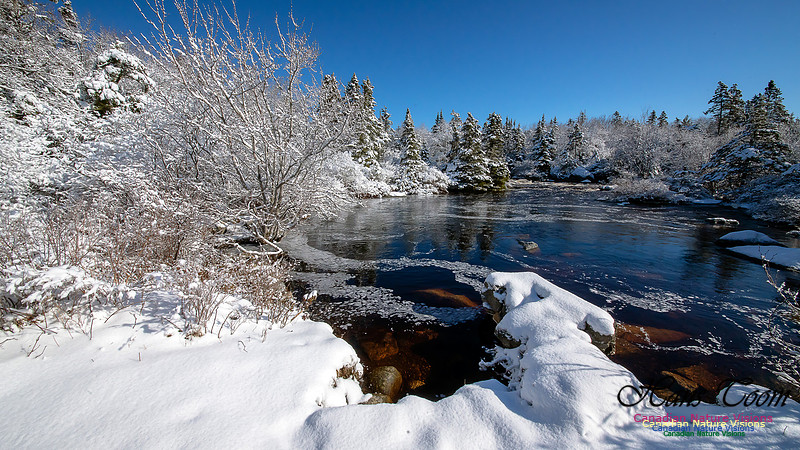
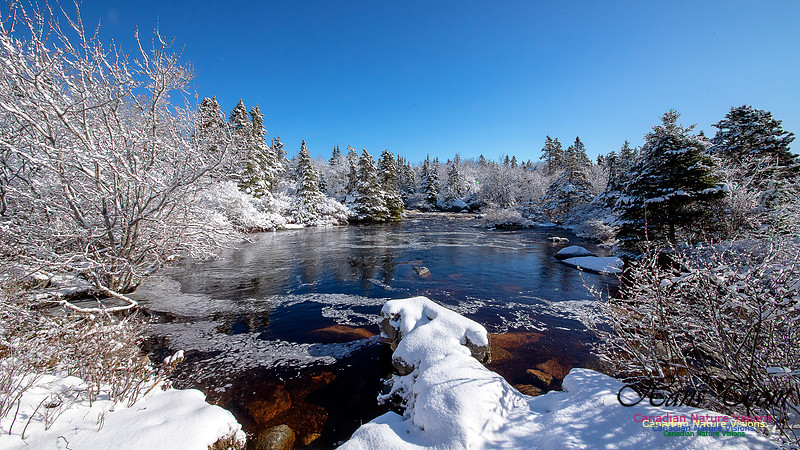
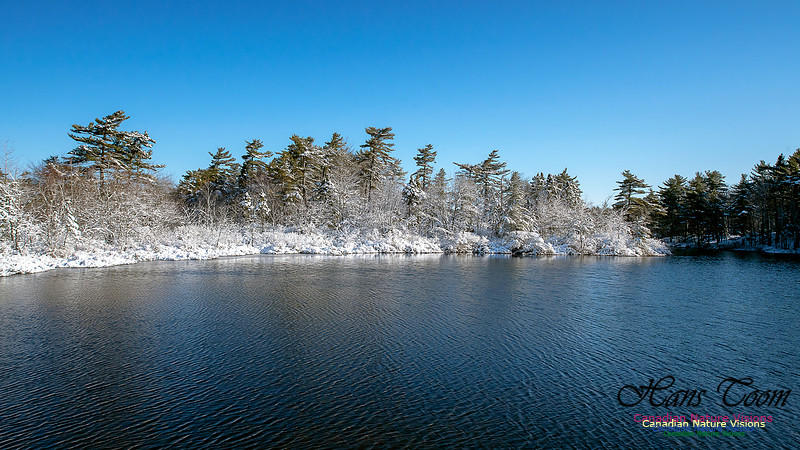
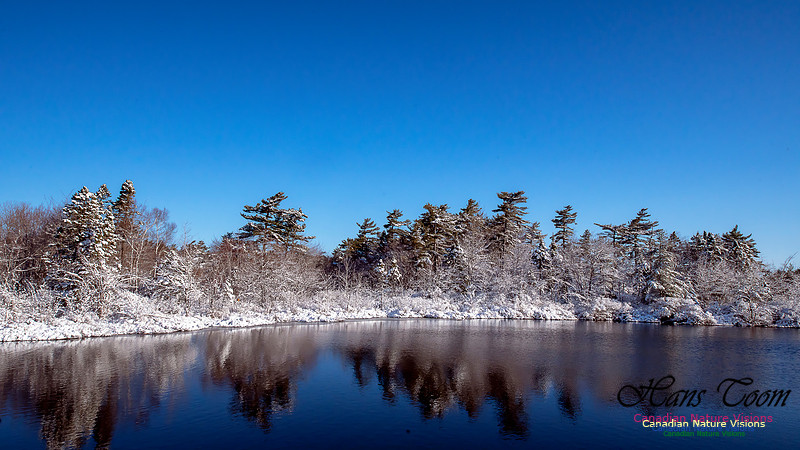
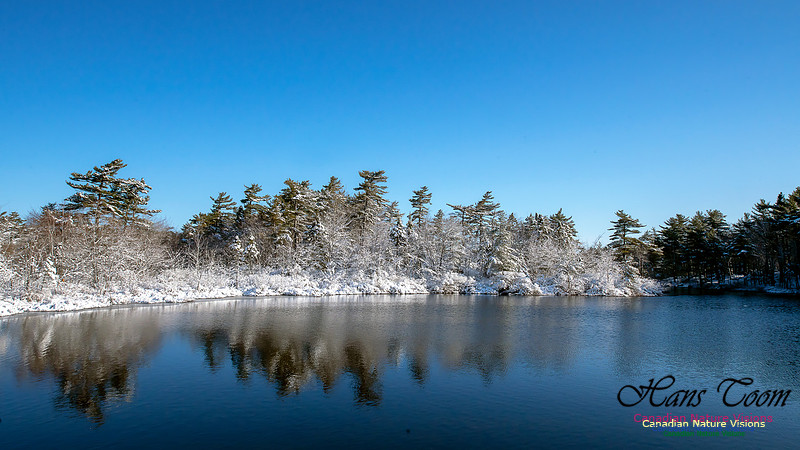
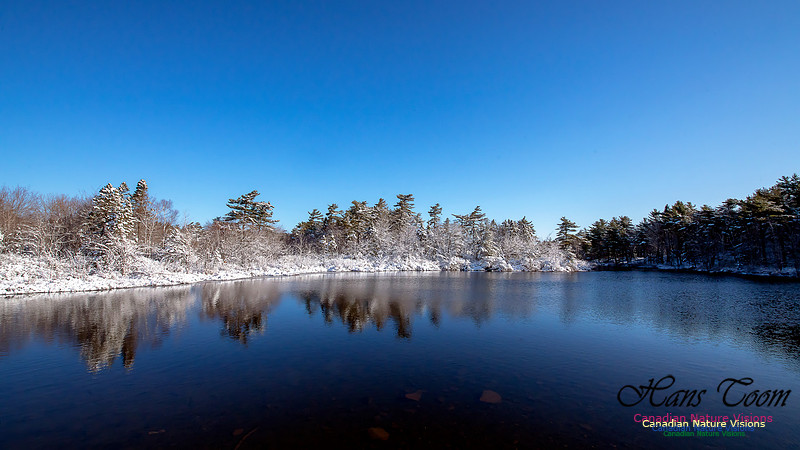
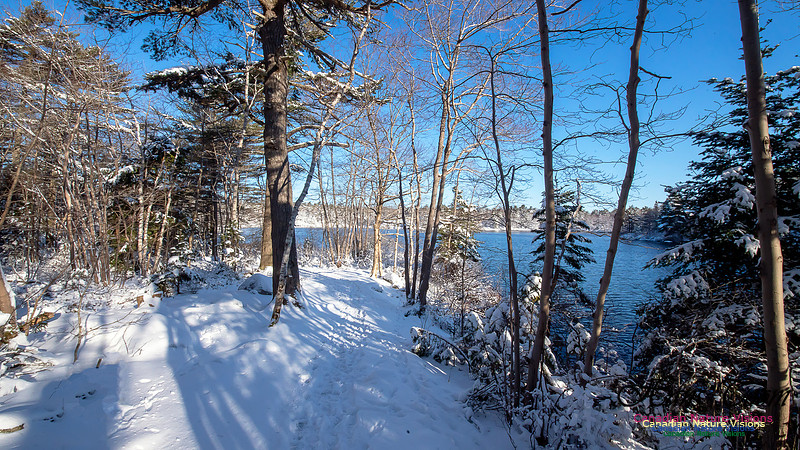
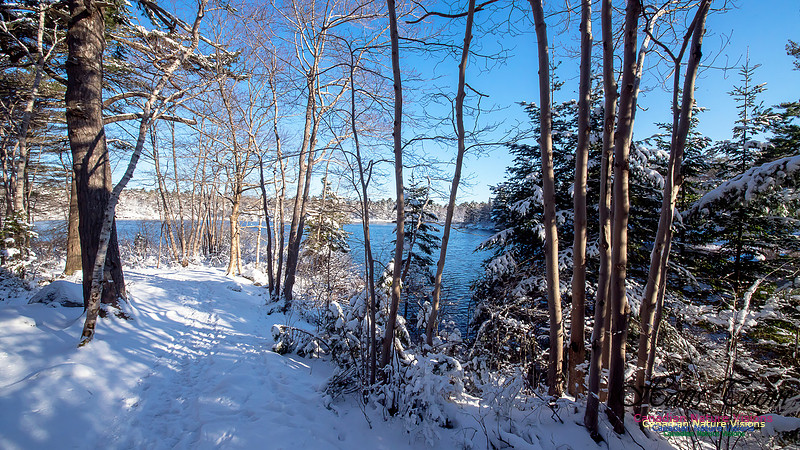
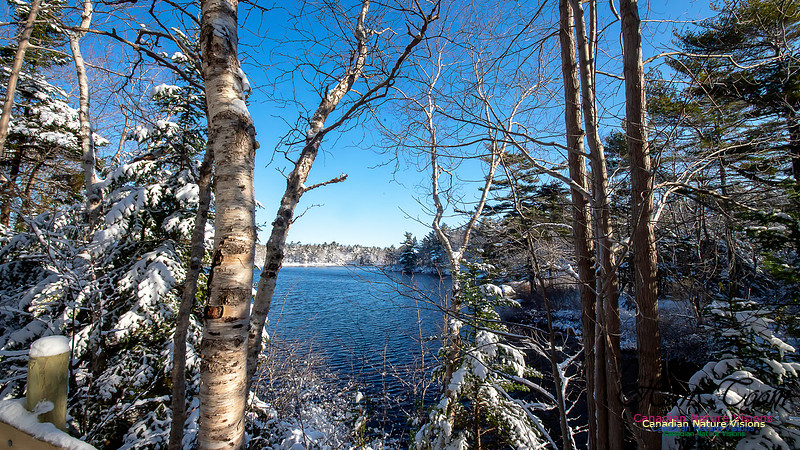
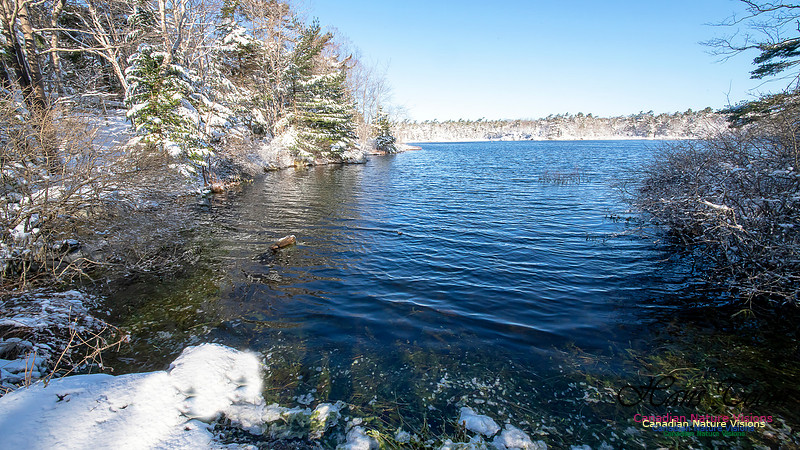
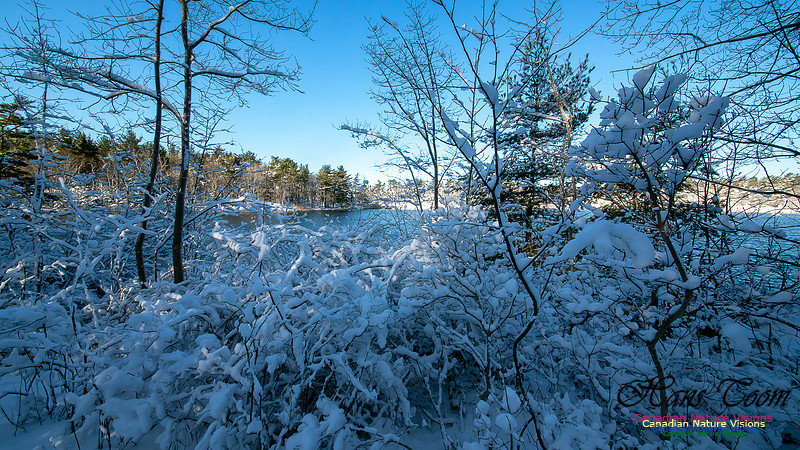
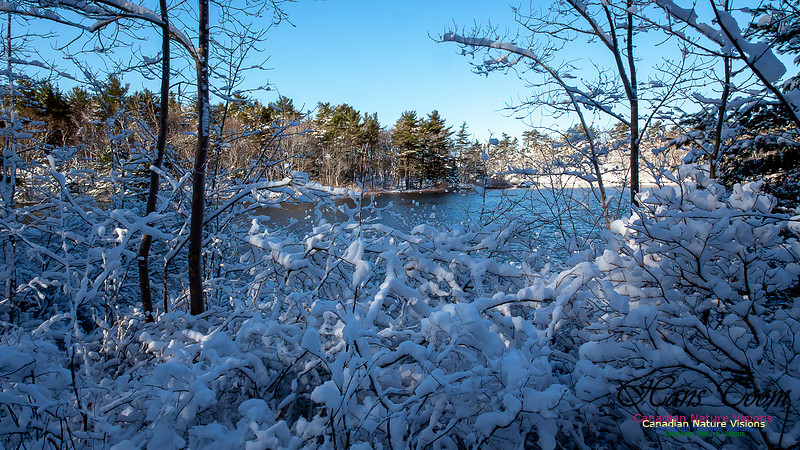
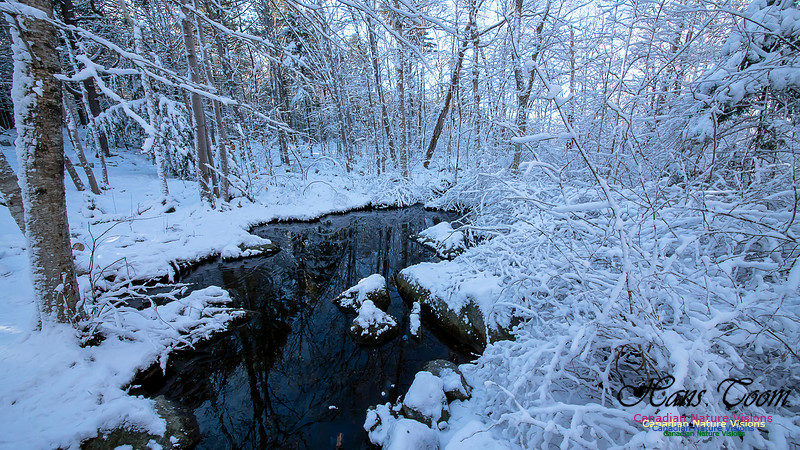
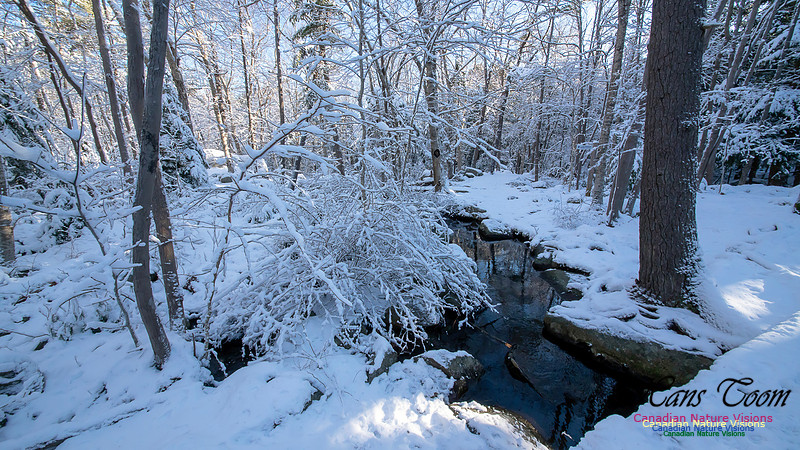
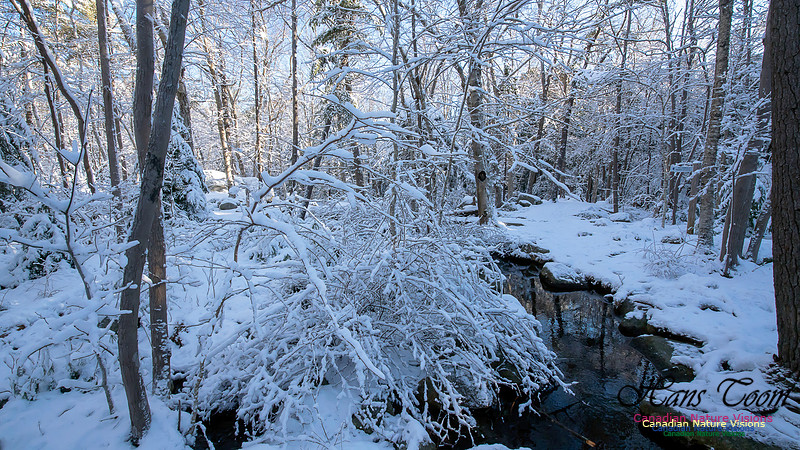
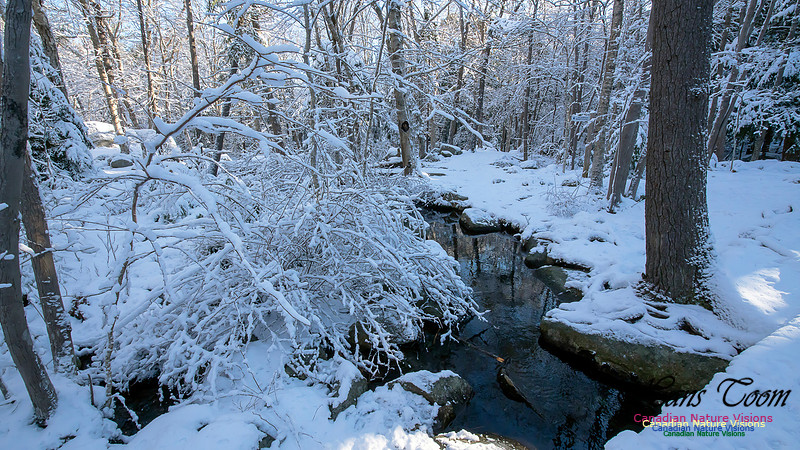
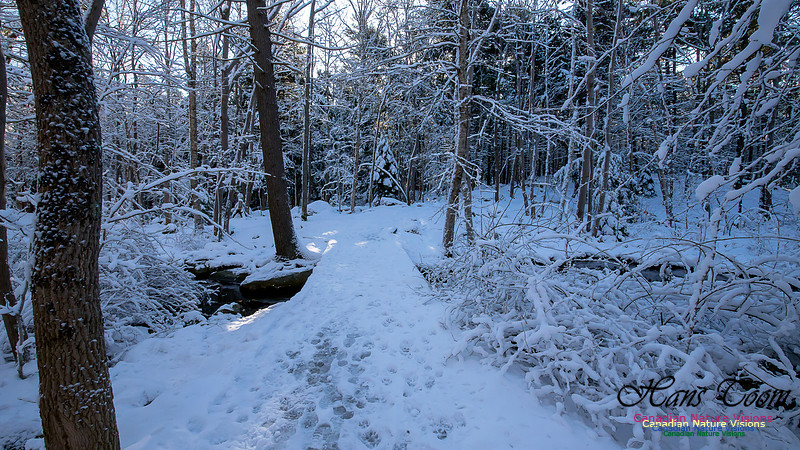
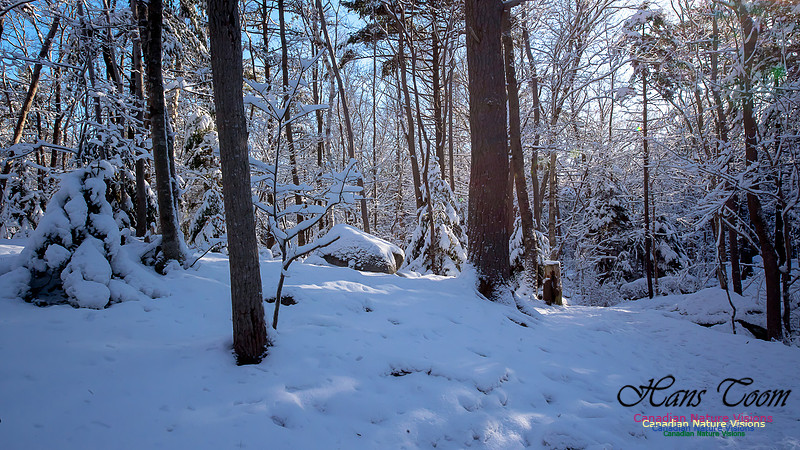
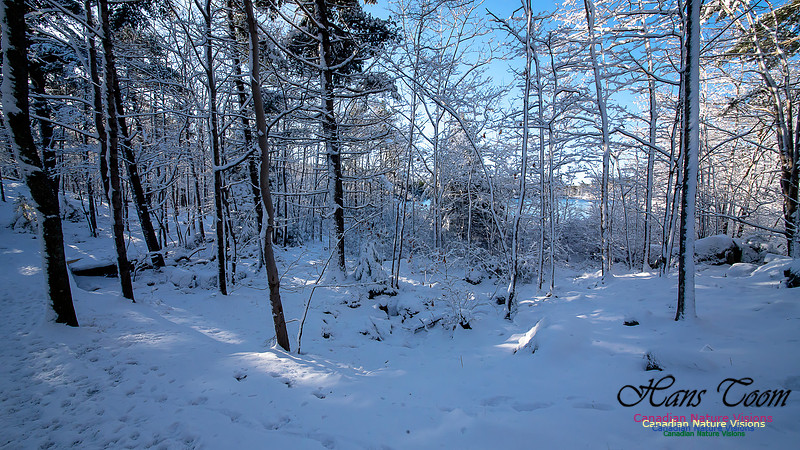
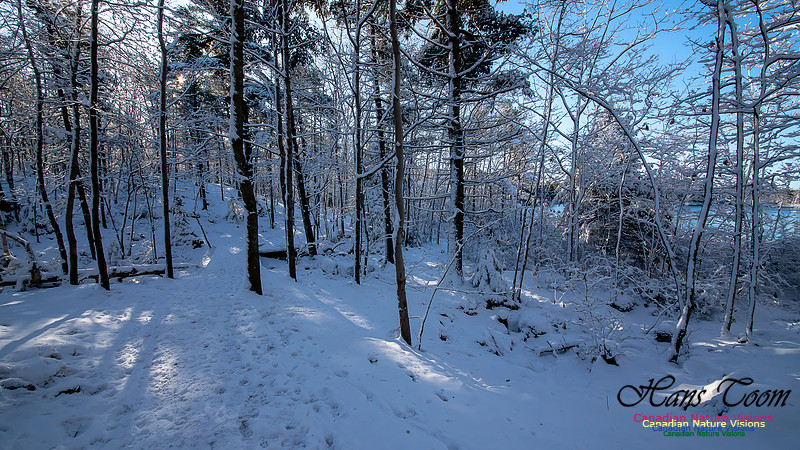
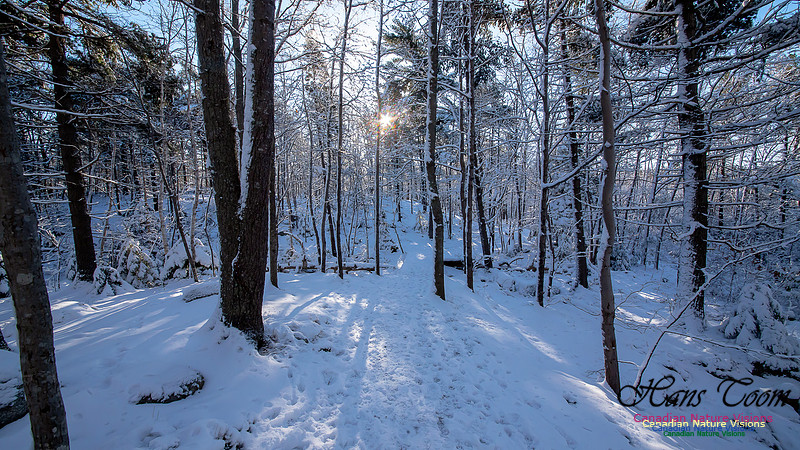
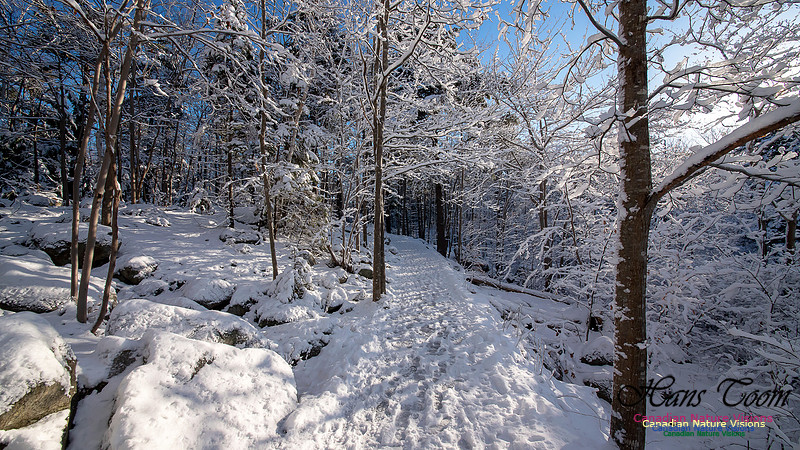
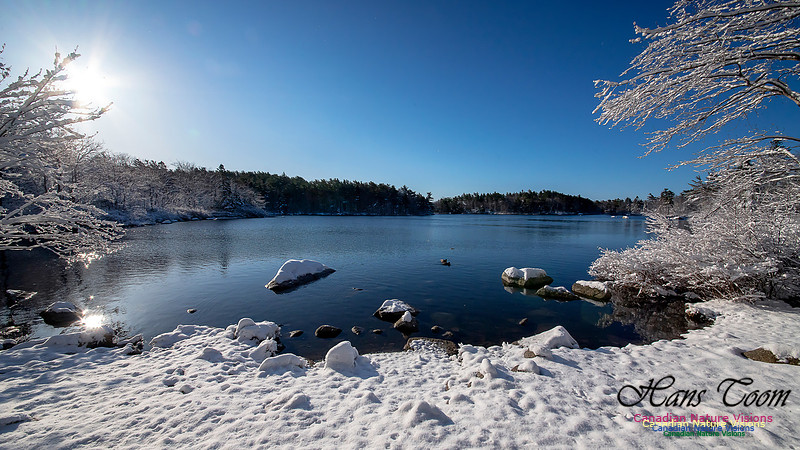
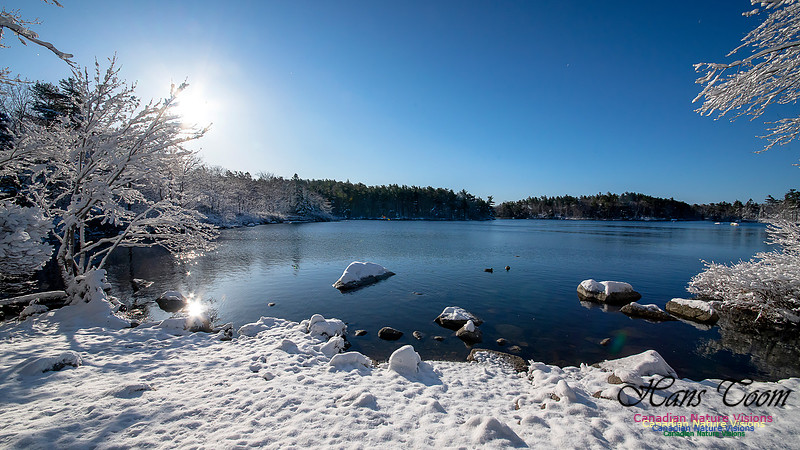
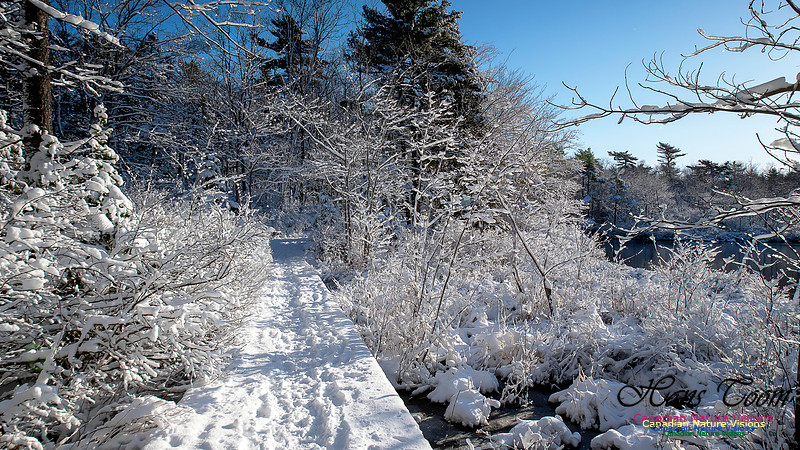
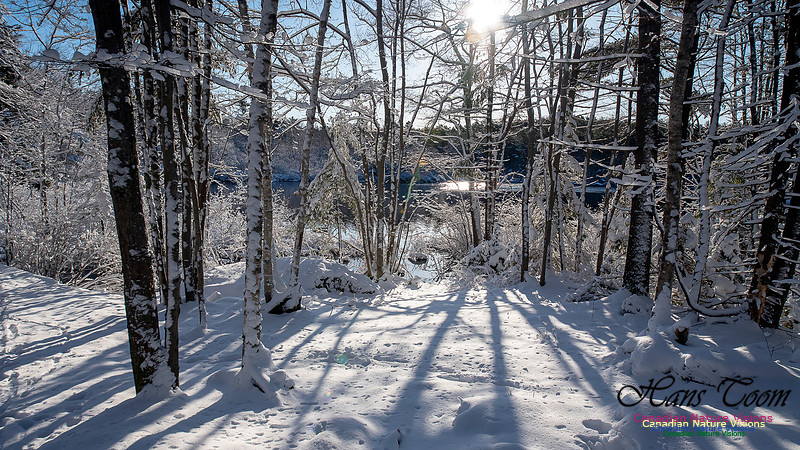
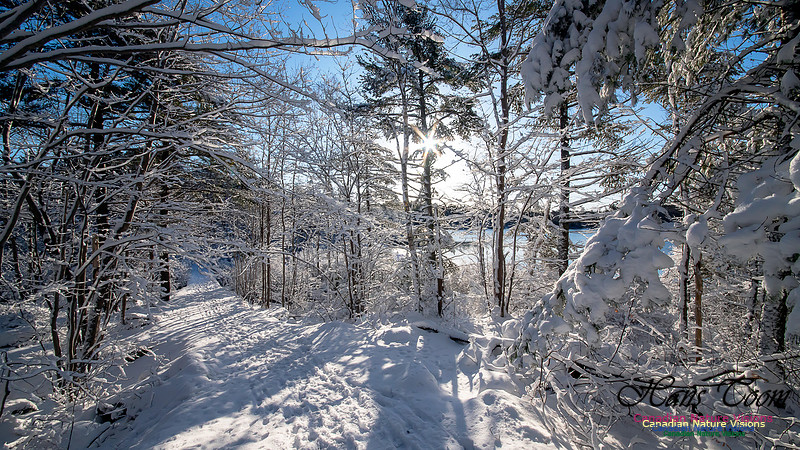
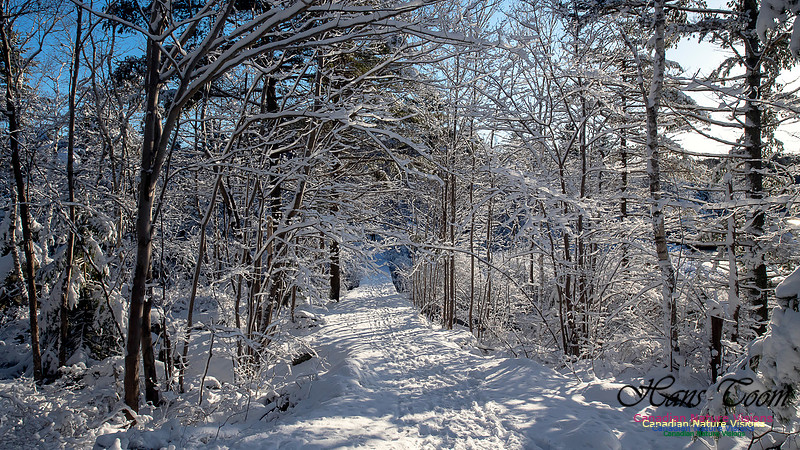
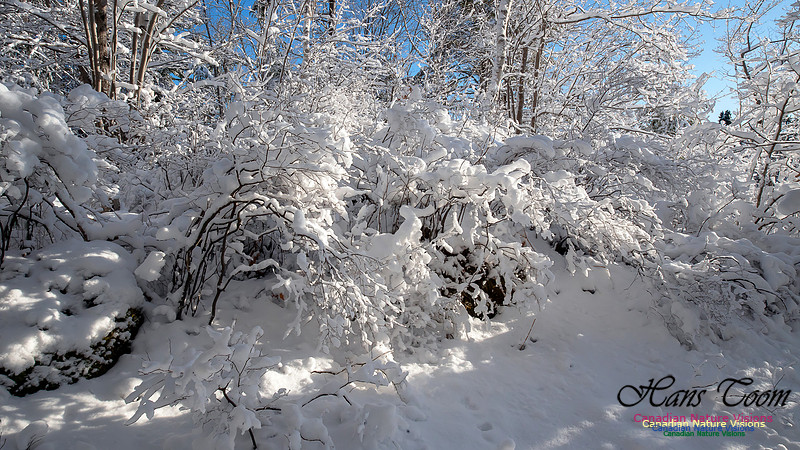
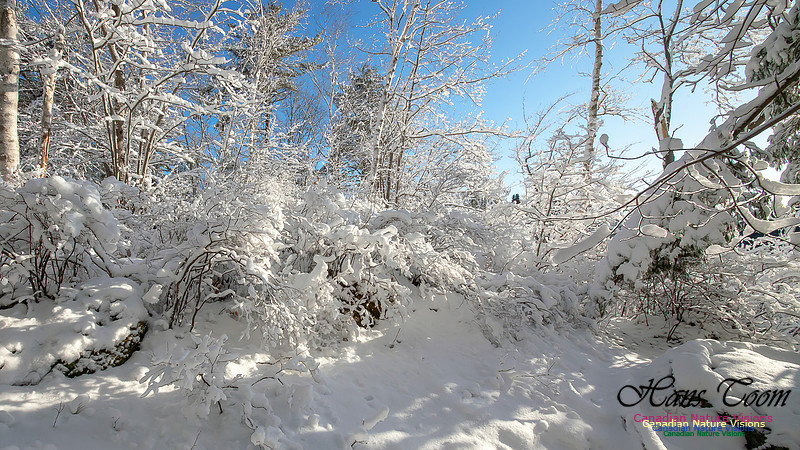
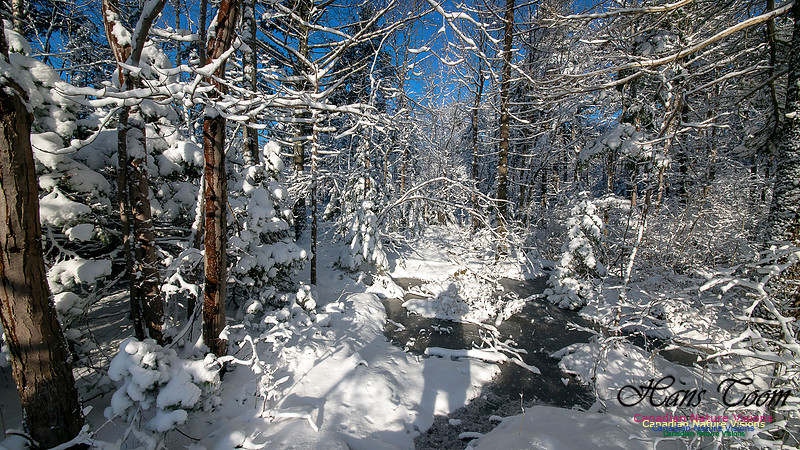
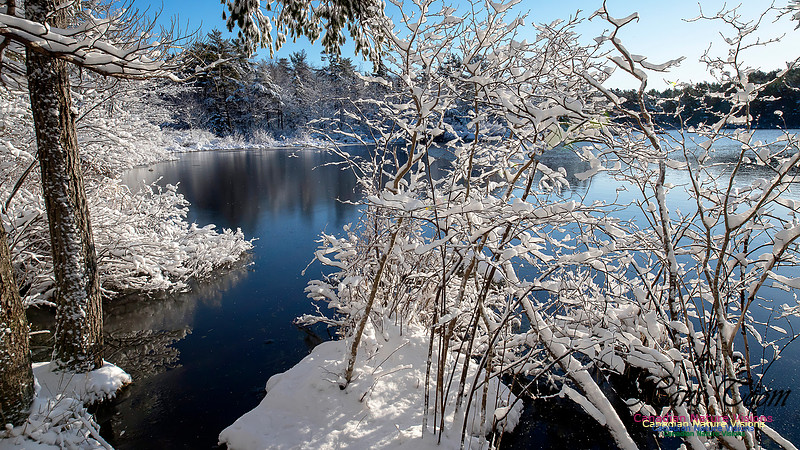
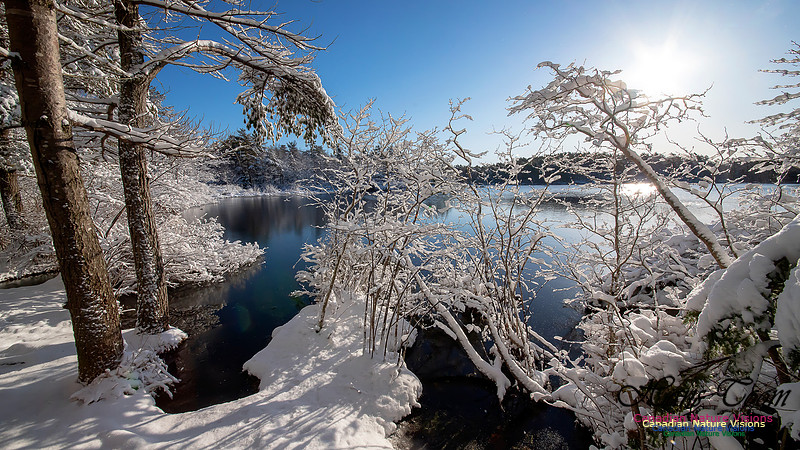
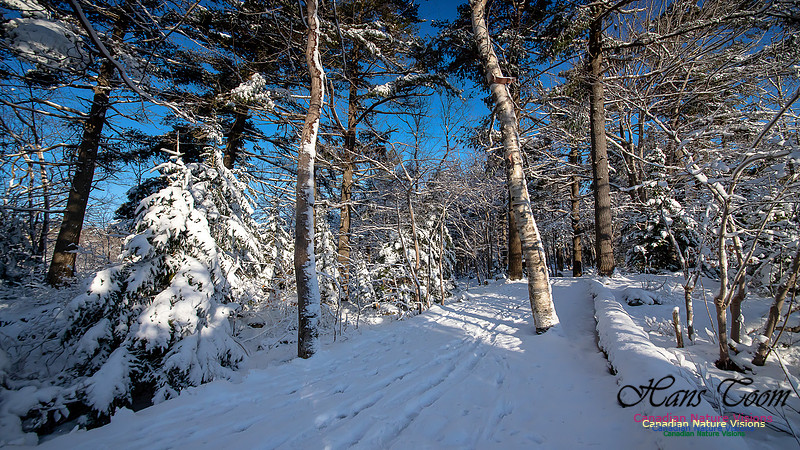
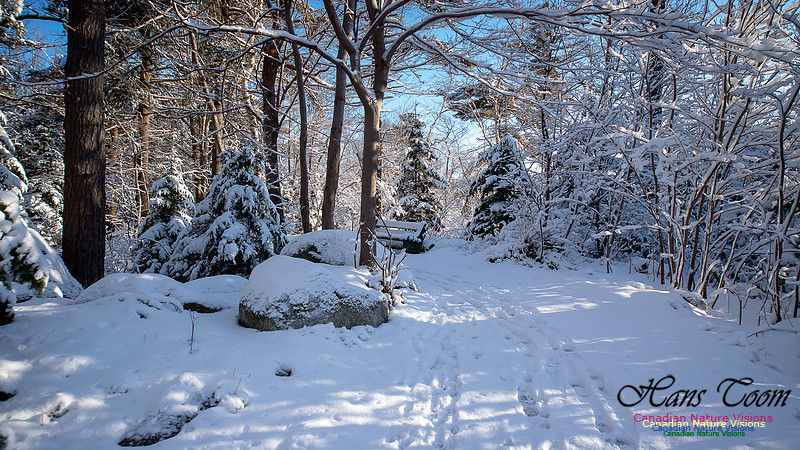
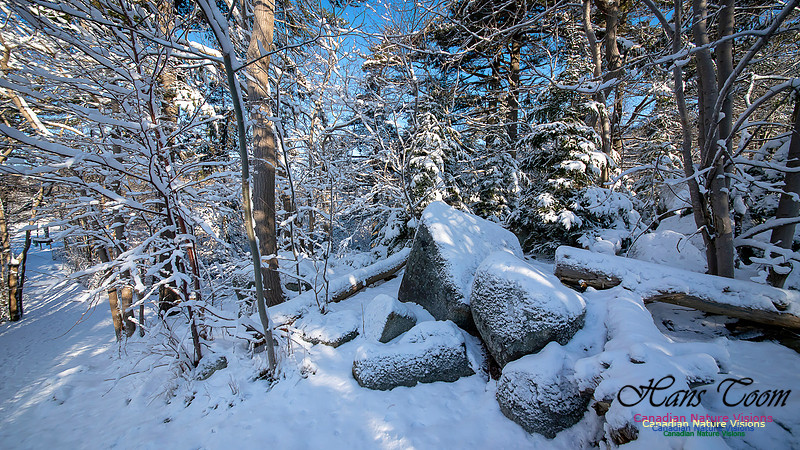
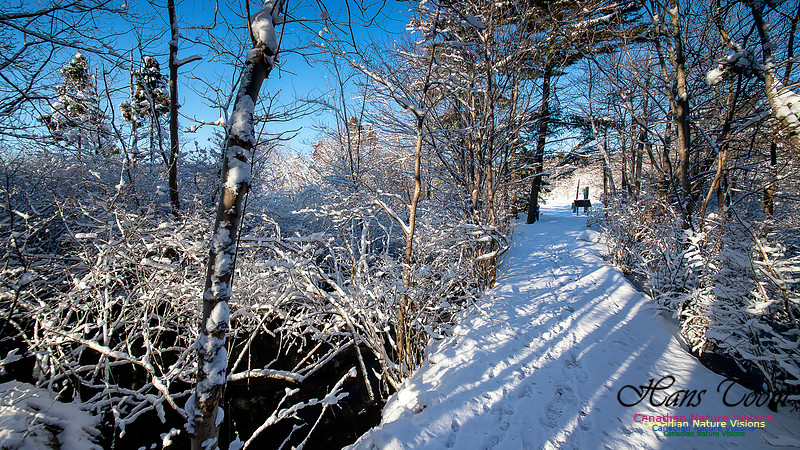
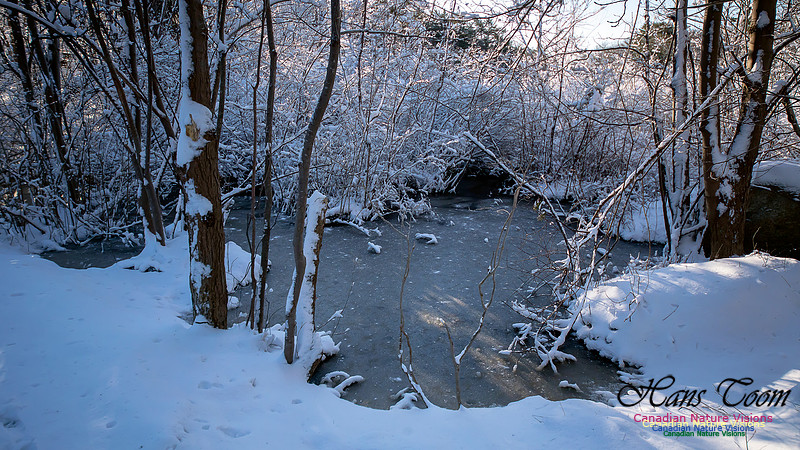
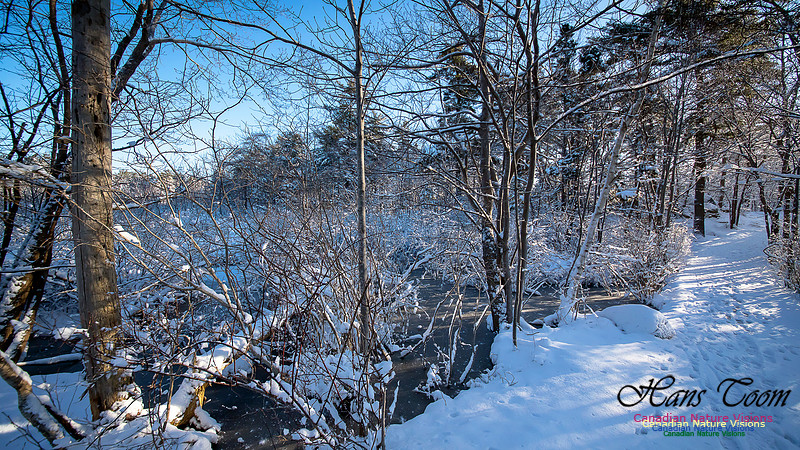
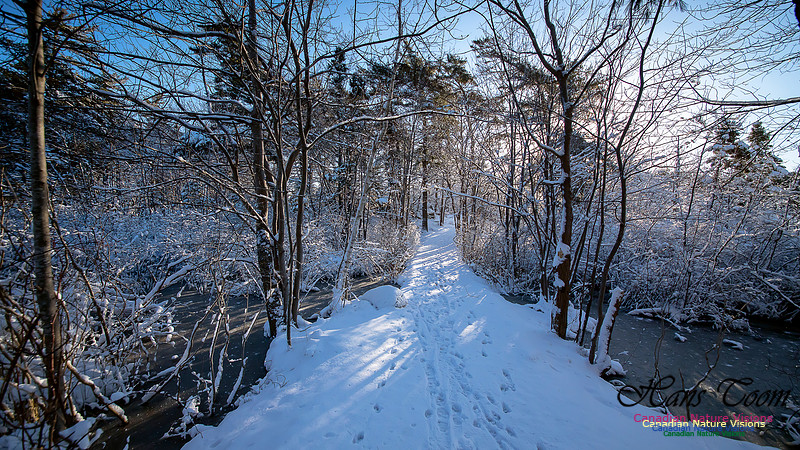
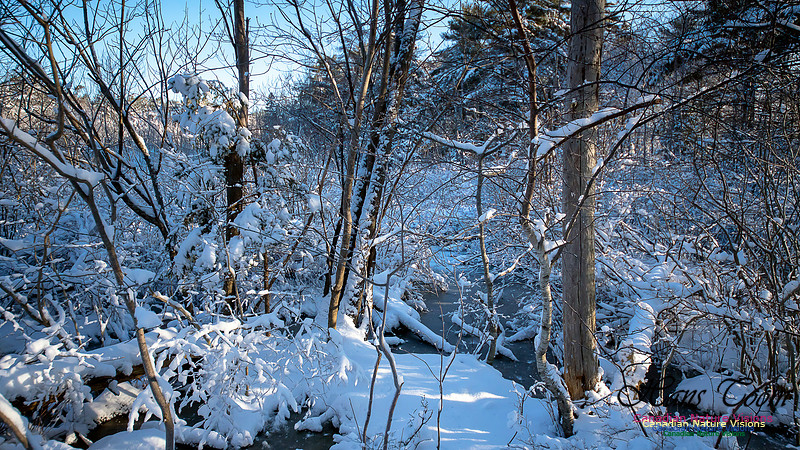
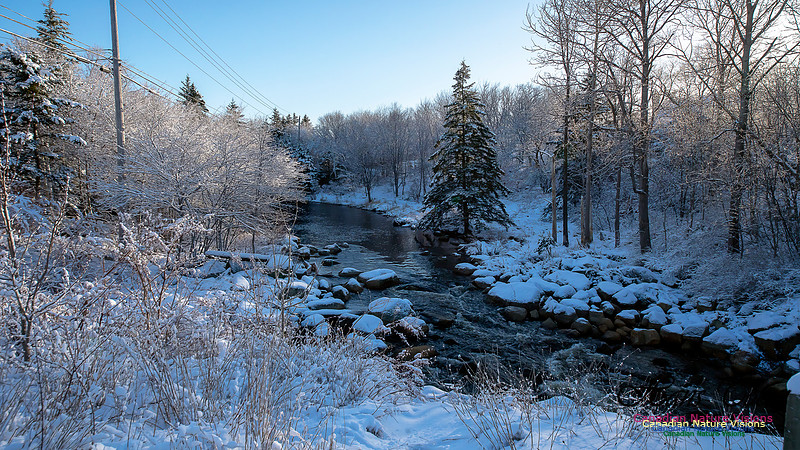
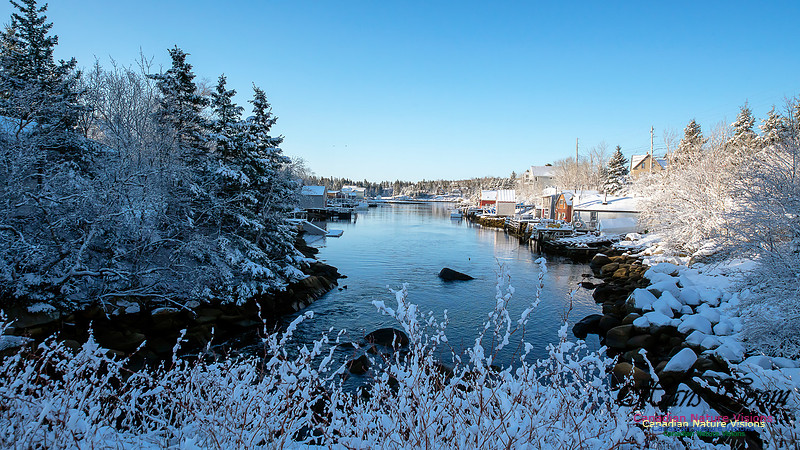
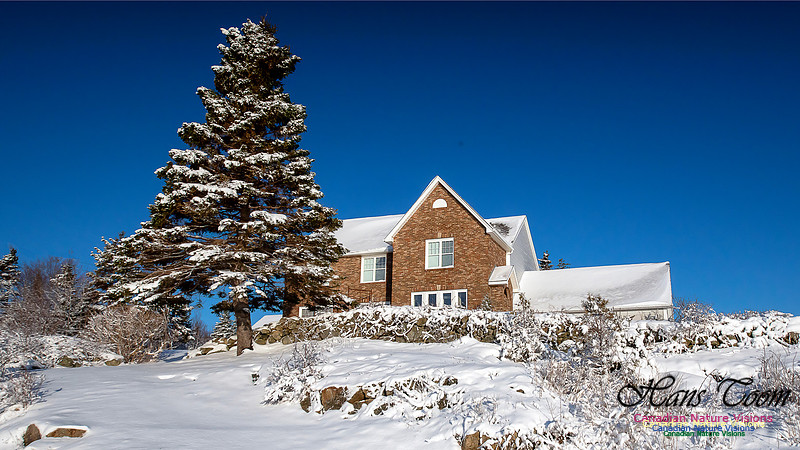
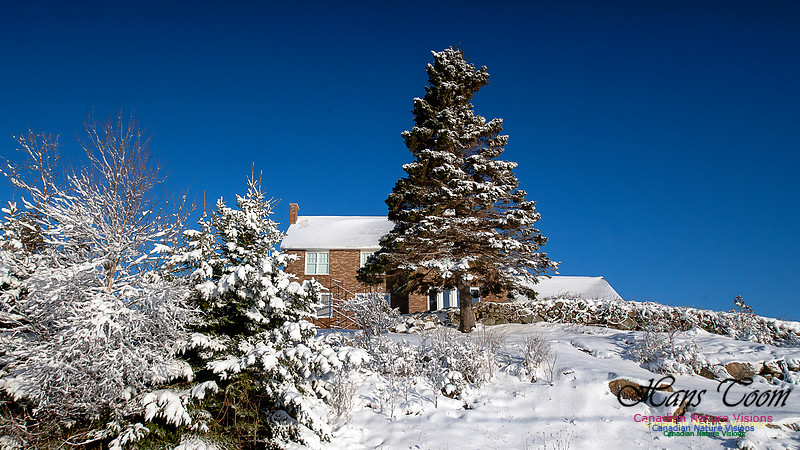
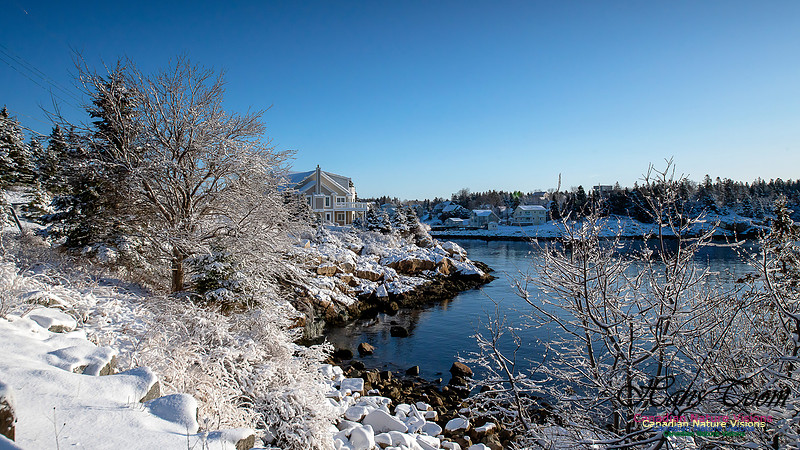
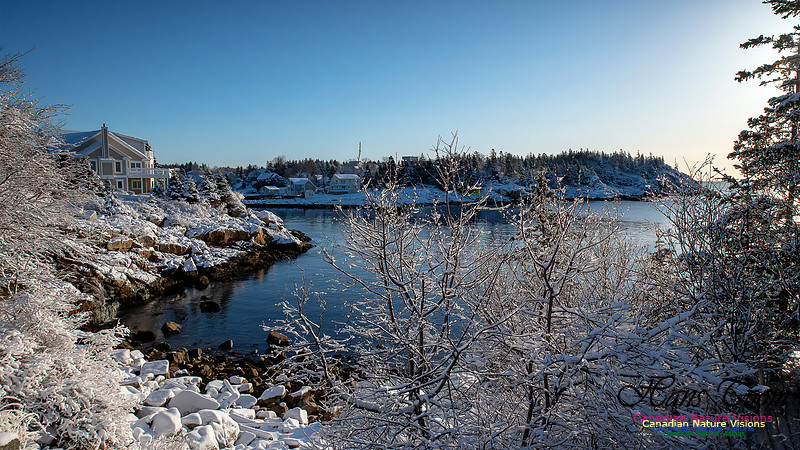
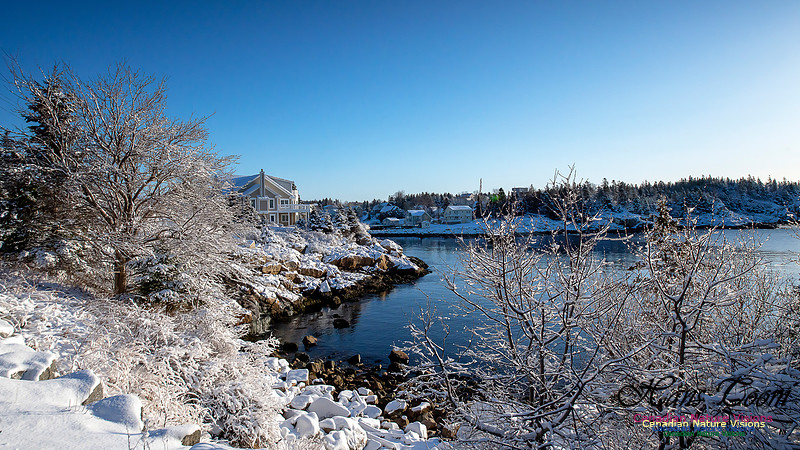
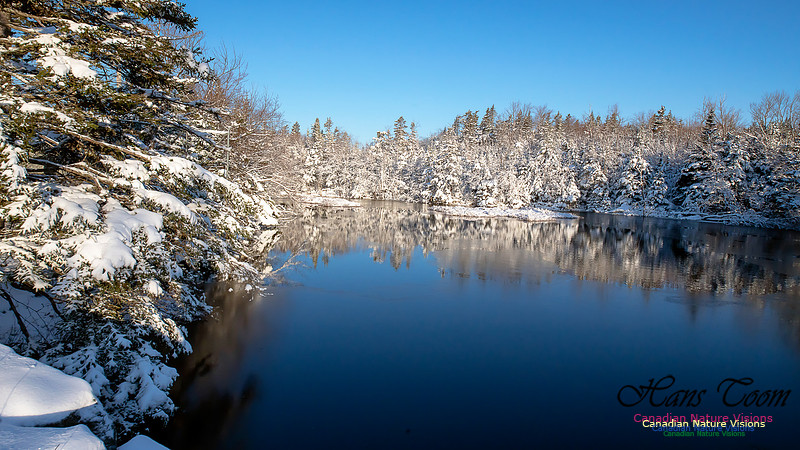
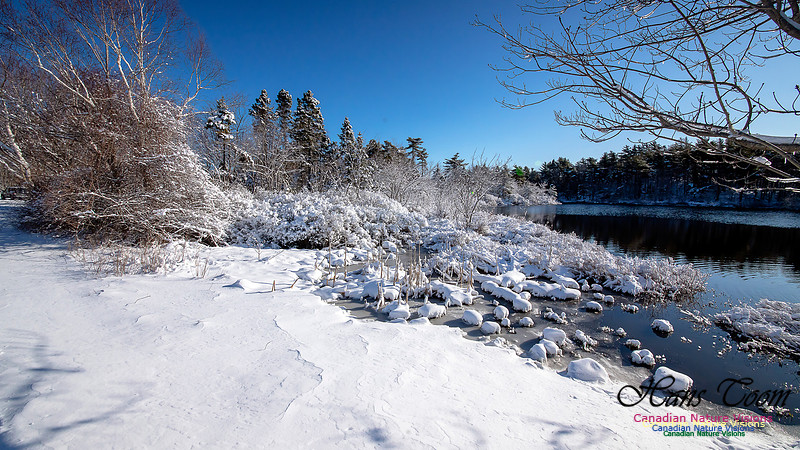
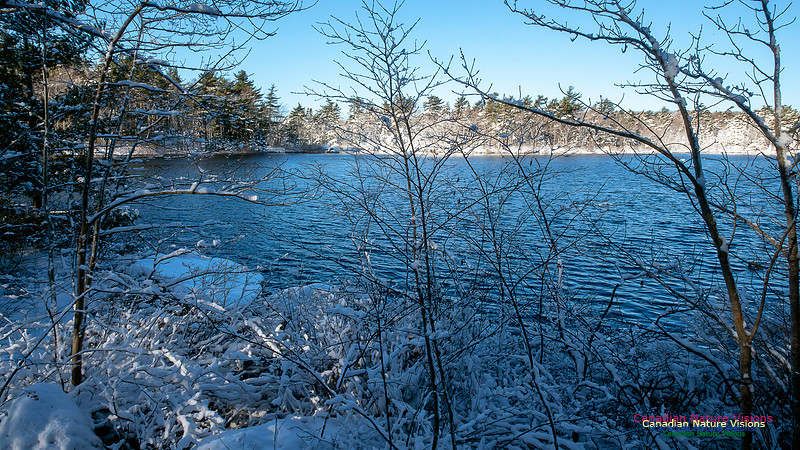
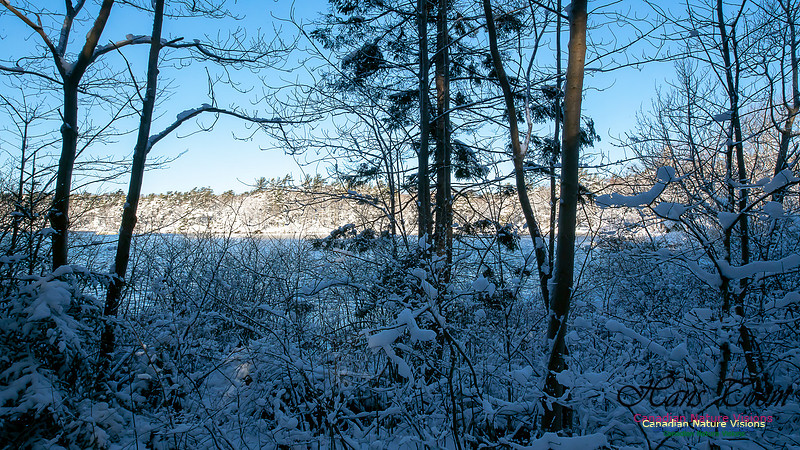
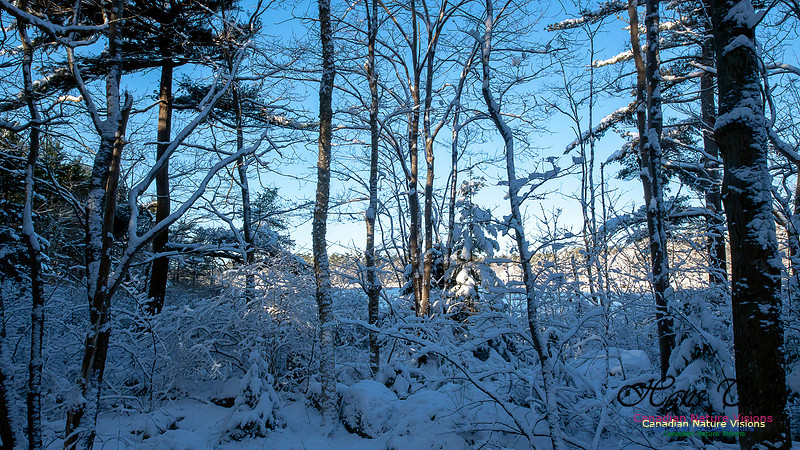
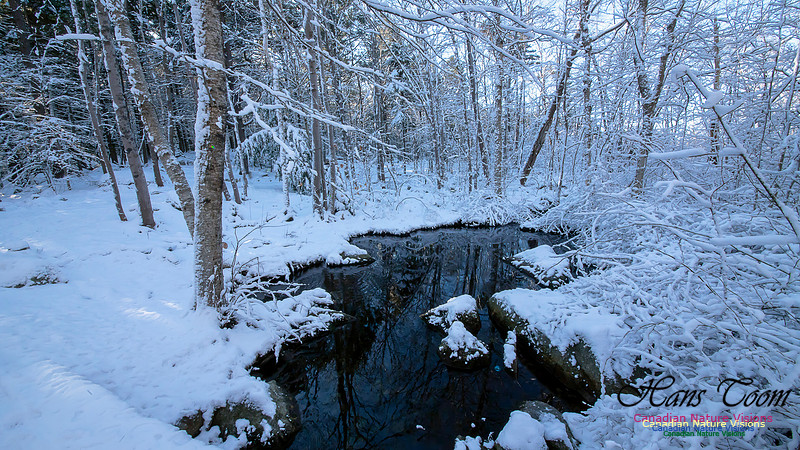
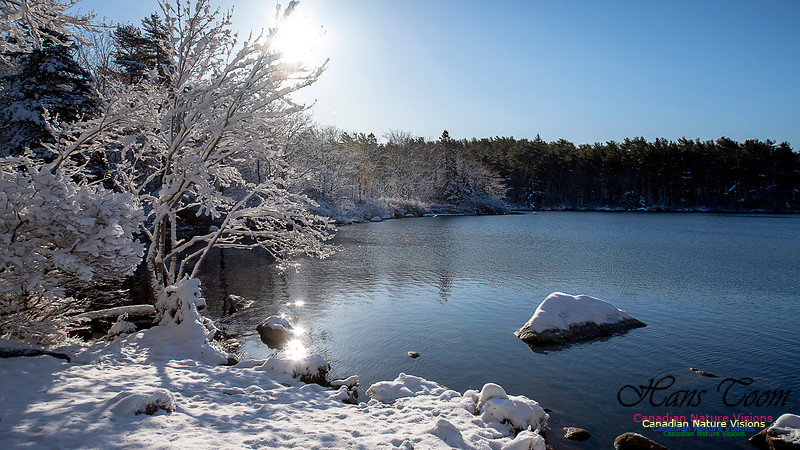
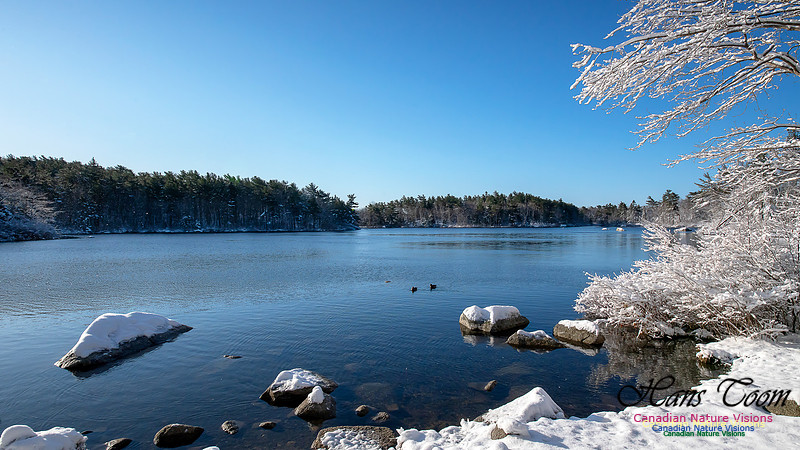
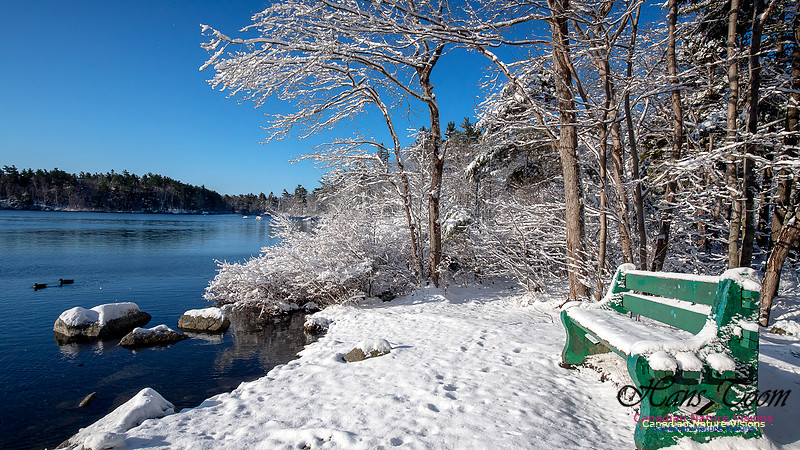
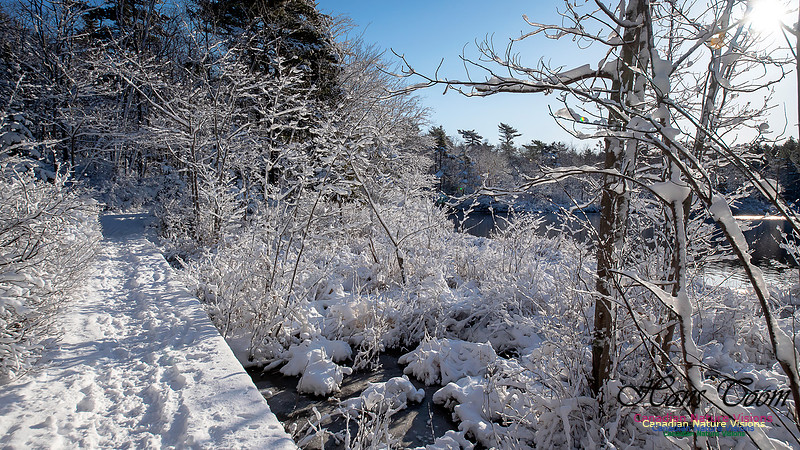
The Day After the Great April 8, 2018 Snow StormHere in Nova Scotia we had an early spring snow storm after glorious weather for most of the winter. So despite my preference for sleeping in I ventured forth for a three hour tour, firstly in Sir Sanford Fleming Park, in Halifax and thence along the ocean coastline of the Chebucto Peninsula. I only used my Sony A99ii and Sigma 12-24mm for this trip. This combination of camera and lens is hard to beat for woodland and coastline photography. The fresh snowfall was a major bonus. The Chebucto Peninsula After the April 8, 2018 Snowfall
Searching for the Best Pocket CameraI've been searching for the ideal pocket camera for a couple of years. I've tried most brands and sensor sizes. Leica is the best by far but unfortunately for most of us unless its our prime camera its far too expensive as a second or third camera in one's kit. A pocket camera must be just that, a camera that fits comfortably in a shirt pocket, sometimes a big pocket. Point and shoot cameras are not for serious photographers. Despite the robust advertising their image quality is awful with poor resolution, washed out colours and low contrast,.... and they will not fit in a shirt pocket. I've tried working with these small sensor images in photoshop but there is not much that can be done to make the images respectable. So I looked at the 1" sensor cameras. Not bad for image quality and most do fit in a shirt pocket but alas the sensor is still too small and they are mostly fixed lenses. The mirrorless cameras are good to excellent for image quality in the 1.5X and full frame sizes. The camera body fits in a shirt pocket alright but not with a lens attached. Indeed the lenses for mirrorless cameras in 1.5X and full frame are just as big and heavy as the lenses for the digital single lens reflex cameras. Finally I settled in on the 4:3 or 2X cameras. I field tested the Panasonic Lumix DMC-GX85K and am generally satisfied with the performance although I only have the low end kit lenses to work with. Eventually I will get the Leica 15mm lens to hang on the end of my Lumix and I will have a true shirt pocket camera that can take professional photographs on the street or in the bush. I already have the Sony A99ii 42mp full frame and Sony A77 24mp 1.5X for nature photography but for those nature hikes and walks around my city the Lumix is the ticket, at least for me. First Field Test of Panasonic Lumix DMC-GX85K with Kit Lenses
Ipswich SparrowThe Ipswich Sparrow is an "all-Canadian bird", born and raised mostly on Sable Island, Nova Scotia, Canada. It's adapted to living on and raising young on broad sandy beaches, hence its light presentation. An appropriate name for this bird would be Sable Sparrow. Some believe it is a variant of the Savannah Sparrow, yet another dubious name for a bird since it has nothing to do with Savannah. Others believe it is a separate species. The Ipswich Sparrow is larger and lighter toned than the Savannah Sparrow, has a different song, and most importantly has a very different personality. How long after a species splits from the main line does it become a species of its own? I used my tried and true technique for photographing the Ipswich Sparrow. I sat on a rock and waited for it to approach. Most birds adapt well and become accustomed to an interloper that makes no threatening moves or noises, such as playing bird song from an ipod. Ipswich Sparrow
Moving WatersI took a trip to one of our natural cascades here in Nova Scotia. Water scenes are always a challenge since slow exposures will show motion well and faster exposures show detail such as individual droplets of water. Each method has its advantages but these photos were mostly taken at a shutter speed of 1/8 second. Usually I use both techniques. Using fast exposures to freeze droplets of water and photographing with close up lenses can have spectacular results combined with back light reflections and refractions. Next time! Moving Waters
Tricoloured Heron PortraitsMy cameras images' natural ratios are 3:2 and 4:3 since this is the ratio of their sensors. The Tricoloured Heron was photographed with these two cameras at 16:9 and 3:2. I found that many of the photographs framed nicely at 5:4 and are presented here that way. Portions of the camera sensor is not used when cropping at different ratios but the presentation and quality of the image is nonetheless more aesthetically pleasing. Tricoloured Heron
Little Blue HeronThis Little Blue Heron did not want to pose. It remained at the back of the salt marsh until it abruptly flew off. I managed a few distant, cropped 1260mm photos, but I never complain. Just seeing this elegant bird is a treat. Little Blue Heron
Blue Moon March 31, 2018The Blue Moon of March 31, 2018 is the second blue moon within 29 days. There were four full moons in three months, two in each of January and March(the latter moon is the blue moon of January and March) and none in February. Despite the preceding rainy few days it cleared just in time here in Portuguese Cove for the clear sky event. Blue Moon Rising Over the Ocean
Tricoloured Heron in the Ultimate PoseI obtained my best photos of the Tricoloured Heron last Wednesday evening. I went to the Sambro Head Salt Marsh at about 5PM ADT and joined my friend in a secluded spot behind a group of spruce but providing a clear vantage to the area of the salt marsh that the Tricoloured Heron was frequenting. We watched the heron walk along the water course of the marsh all the way to the water side of the spruce grove we were lurking behind. Eventually the heron emerged from the water and to our amazement and delight landed right in front of us not twenty feet distant, and to further enhance the photographic opportunity it jumped onto a leaning stump and posed. Tricoloured Heron
This is my new cover photo for my website.
Tricoloured Heron and Great EgretWhile I was at the Sambro Head Salt Marsh this morning the Great Egret and the Tricoloured Heron decided quite obligingly to pose together. I was stretching the limits of my equipment when I photographed the pair at 1260mm and then did severe crops as well. They were almost as far back in the marsh as the tree line. Cars make excellent blinds but unfortunately beginning or inconsiderate birders and photographers still approach these birds in the marsh scaring them off when the poor critters are hunkered down in the cold wind. It is always best to use one's car as a blind and wait for the birds to approach on their own terms. Tricoloured Heron and Great Egret Tricoloured HeronYesterday after photographing the Great Egret I returned to the marsh and immediately found a Tricoloured Heron. It was comfortable and feeding until a dog walker blundered into the marsh with a cell phone and it flew off. The Tricoloured Heron was formerly known as the Louisiana Heron and is much smaller than the Great Egret. It's about the same size as a Snowy Egret.
Great EgretI photographed a Great Egret at Sambro Head Salt Marsh yesterday and today. This marsh has been a favorite of waders since we've known of the place. Waders found here over the years include Great Great, Snowy Egret, Little Egret, Great Blue Heron, Little Blue Heron, American Bittern, Yellow-Crowned Night-Heron and Tricoloured Heron. Cattle Egret and Green Heron although not found in the marsh itself have been seen nearby. Great Egret
|