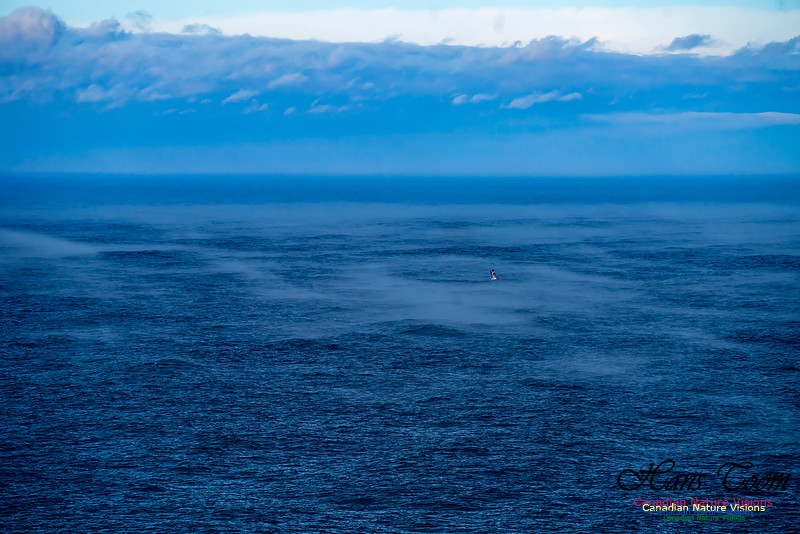
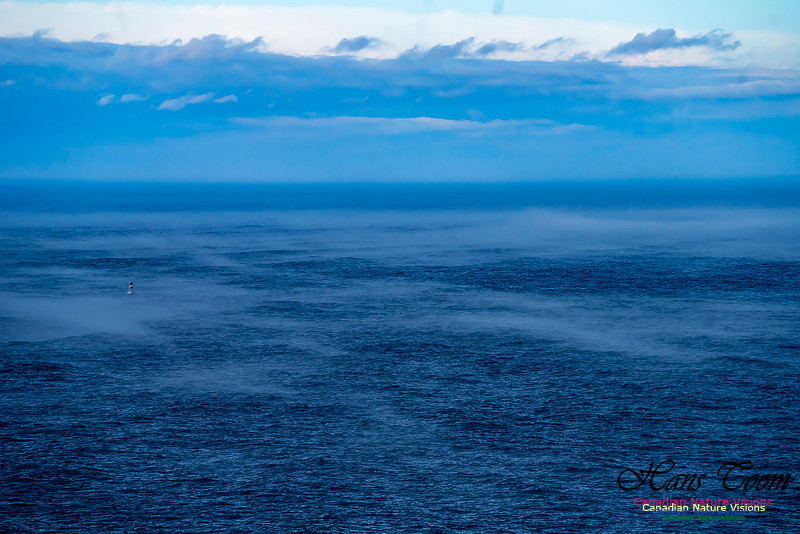
Adventure of the SeasDuring our hike along the coastal barrens between Shoal Point and Chebucto Head I photographed the Adventure of the Seas, a cruise ship that often visits Halifax. ____________________________________________________________________________________________________________________ Details from Wikipedia: Adventure of the Seas is a Voyager-class cruise ship operated by Royal Caribbean International. The vessel was launched and entered service in 2001. Registered in the Bahamas, Adventure of the Seas has cruised from ports in the United States and Europe to sites in the Caribbean Sea, Baltic Sea, Mediterranean Sea, Canada and Europe. The ship has a 138,193 GT and is 311.1 meters (1,020 ft 8 in) long with capacity for 3,807 guests. Design and descriptionAdventure of the Seas is the third of five Voyager-class cruise ships[3] measured at 138,193 gross tonnage (GT), 108,644 net tonnage (NT) and 11,033 tons deadweight (DWT). The vessel is 311.1 meters (1,020 ft 8 in) long with a beam of 38.6 m (126 ft 8 in) at the waterline and 49.1 m (161 ft 1 in) at the extreme.[4][5] The vessel has a draft of 9.1 m (29 ft 10 in) and a depth of 11.7 m (38 ft 5 in).[4][a] The vessel is powered by a diesel-electric system composed of six 12,423-kilowatt (16,660 hp) Wärtsilä 12V46 engines for a total of 74,538 kW (99,957 hp) driving three 3 MW (4,000 hp) ABB Azipods and four bow thrusters.[5][6] This gives the cruise ship a maximum speed of 22.5 knots (41.7 km/h; 25.9 mph).[5] The ship has 15 decks of which 14 are passenger decks with capacity for a maximum of 3,807 guests. The Voyager-class ships have a four-deck-high horizontal promenade, called the Royal Promenade. The length of the promenade is roughly 120 metres (393 ft 8 in), and situated at each end is an 11-deck high atrium, called the Centrum.[3] The passengers are spread out over 1,557 staterooms of which 765 are balcony, 174 are along the outside with 618 along the inside. 565 come with a 3⁄4th berth and 26 are accessible for persons with disabilities. 138 are located along the promenade.[6] Adventure of the Seas comes equipped with an outdoor movie screen, an Aqua Park, cyclone and typhoon water slides, as well as a FlowRider.[7] The ship has a crew of 1,185.[6] __________________________________________________________________________________________________________________________________________________________ Adventure of the Seas
Peggy's Cove SunsetFrom time to time I visit Peggy's Cove for the sunset. Often there is fog or dense cloud that prohibits a nice presentation but not so this time. The sunset although not spectacular was excellent. Peggy's Cove Sunset
Canada Lily in RainI returned to my Canada Lily colony just after a rain storm in order to capture this elegant flower without shadows and with rain drops accenting the flower head. To my horror and disappointment in just the two days between my last visit and this visit the colony had been raided by the wild flora terrorists who had dug up entire plants or cropped the flowers at their base. The damage done to our natural world by these folks is reprehensible. They are usually directed to the locations of rare birds or flora by postings or field trips by well meaning but naive organizations like the Nova Scotia Bird Society and the Wild Flora Society. It is a well established principle held by responsible naturalists that locations of rare or endangered birds or plants should never be publicly posted especially on electronic media. The worst abuses of birds I've ever witnessed has been by members of the Nova Scotia Bird Society. Canada Lily after a rainfall
White Water LilyThis display of White Water Lilies is the most impressive I've ever seen. The lake is loaded up with them from end to end. There is no camera lens that can capture this display effectively due to depth of field restrictions. The only way to truly capture this vista is to take several photographs, bottom to top and stitch together the in focus sections. White Water Lily
12 Spotted SkimmerDragonflies and butterflies are getting harder to find thanks to the reckless use of insecticides and herbicides by farmers. Unfortunately this carnage works its way up the food chain to birds. 12 Spotted Skimmer
The ArchesI visit this park on my way up the Great Northern Peninsula of Newfoundland. It's worth the stop because of the abundance of arctic and alpine wildflowers that grow along the shoreline here. Unfortunately there were no wildflowers this year which meant I visited too early. I will return next year two weeks later. The Arches Provincial Park is a public park on the western coastline of Newfoundland and Labrador, Canada that features a photogenic rock formation. The park is north of Gros Morne National Park near Parson's Pond along the Viking Trail, and includes a parking lot, boardwalk, and picnic area. The rock formation is composed of Ordovician aged dolomitic conglomerates of the Daniels Harbour Member of the Cow Head Group which has been eroded by sea wave action. These porous conglomerates can be oil-bearing, and areas near The Arches Provincial Park have seen some oil exploration activity. The Arches
Canada LilyThe Canada Lily is an elegant native wildflower which is hard to find but worth the effort. Abuse of this plant is evident as wild flora terrorists dig up or crop the plant for selfish and personal use. The one colony I visit annually is getting smaller and smaller and will soon disappear.
Jump to navigation Jump to search
Lilium canadense, commonly called either the Canada lily,[3][4] wild yellow-lily, or the meadow lily, is a native of eastern North America.[5] Its native range extends from Ontario to Nova Scotia south to Georgia and Alabama. It is most common in New England, the Appalachian Mountains, and the Canadian Maritimes.[6] It is also cultivated as an ornamental in Europe and other places.[7] Flowers emerge in June. They are nodding (hanging downward), yellow, orange or red, often with darker spots. The plant has become less common in urban and suburban areas due to heavy browsing by the white-tailed deer. DescriptionThese plants usually live in moist meadows and wood margins. They can grow up to 0.5-1.5m with yellow, orange or red flowers 50–75 mm wide which emerge between June and July. Culinary usesThe flower buds and roots traditionally gathered and eaten by North American indigenous peoples.[8] Conservation status in the United StatesIt is listed Rare in Indiana, as Exploitably Vulnerable in New York (state), and as Threatened in Rhode Island and Tennessee.[9] Canada Lily
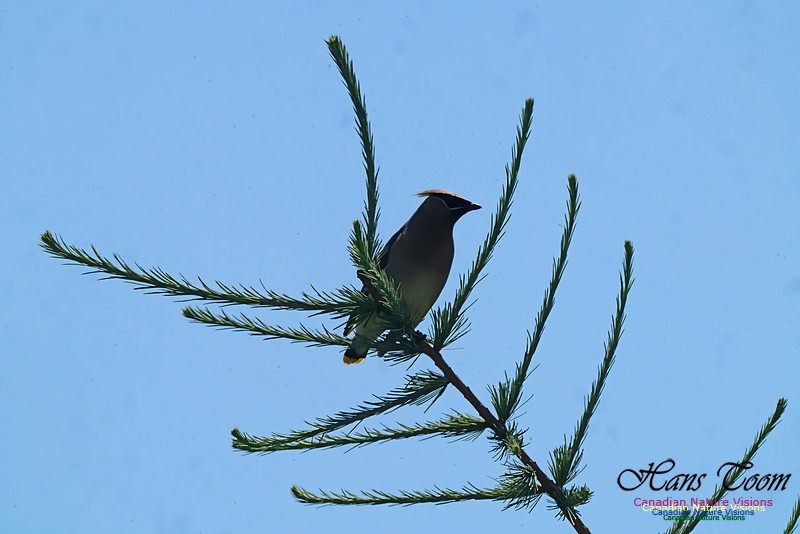
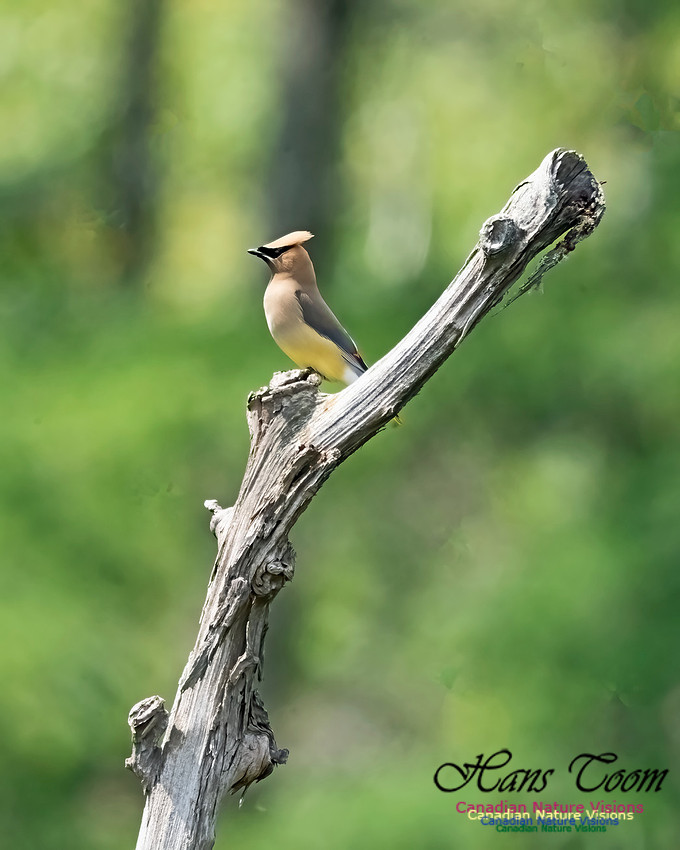
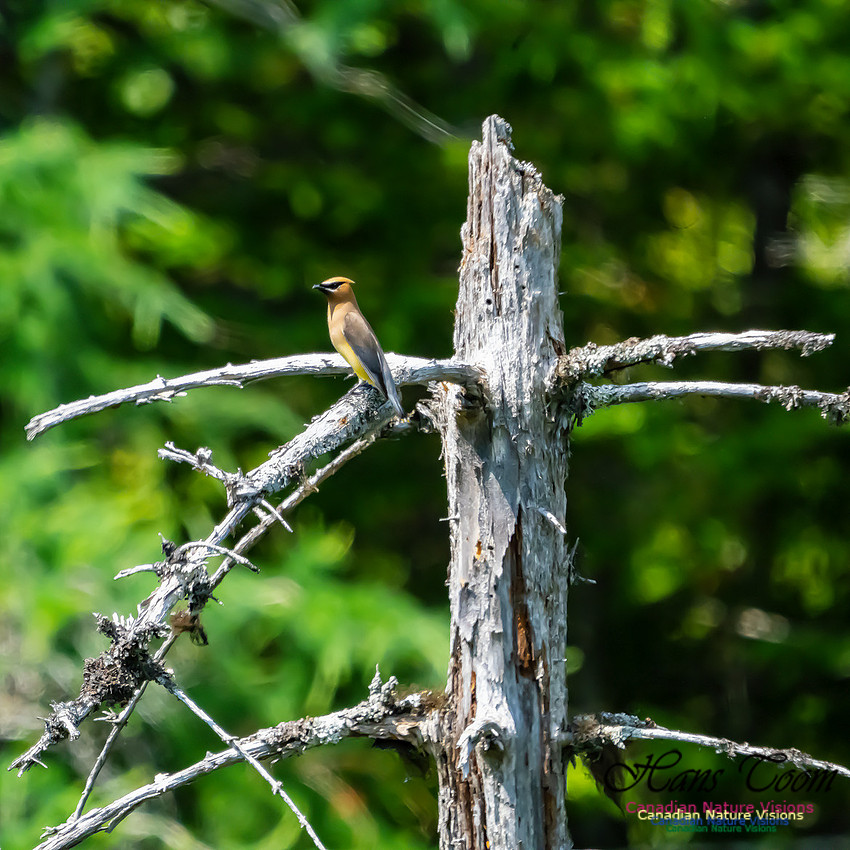
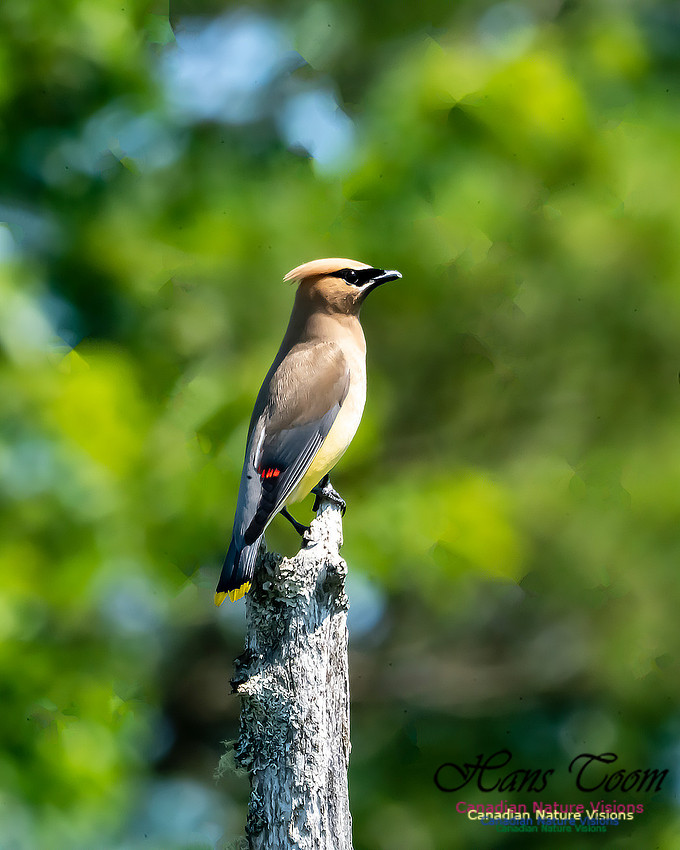
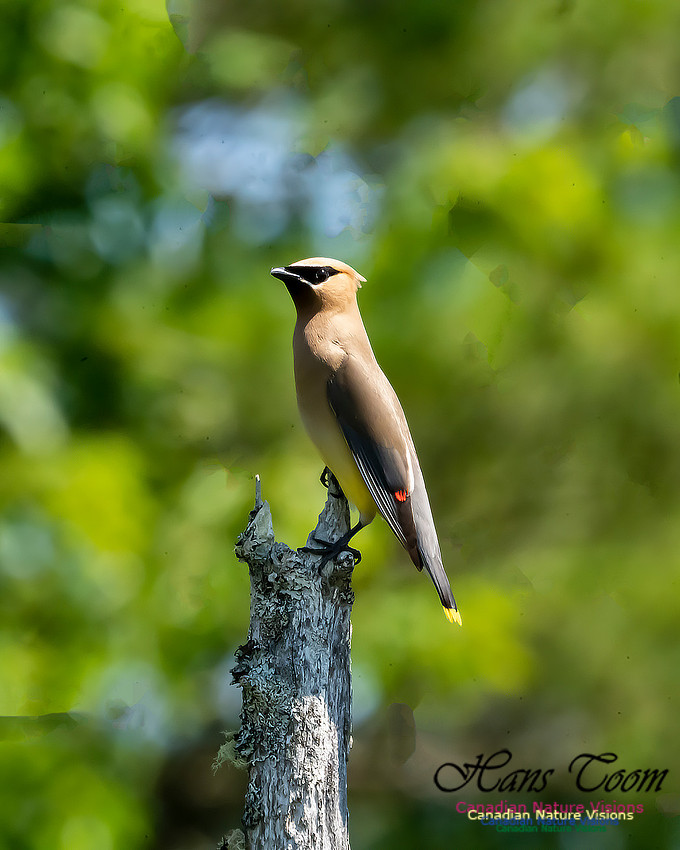
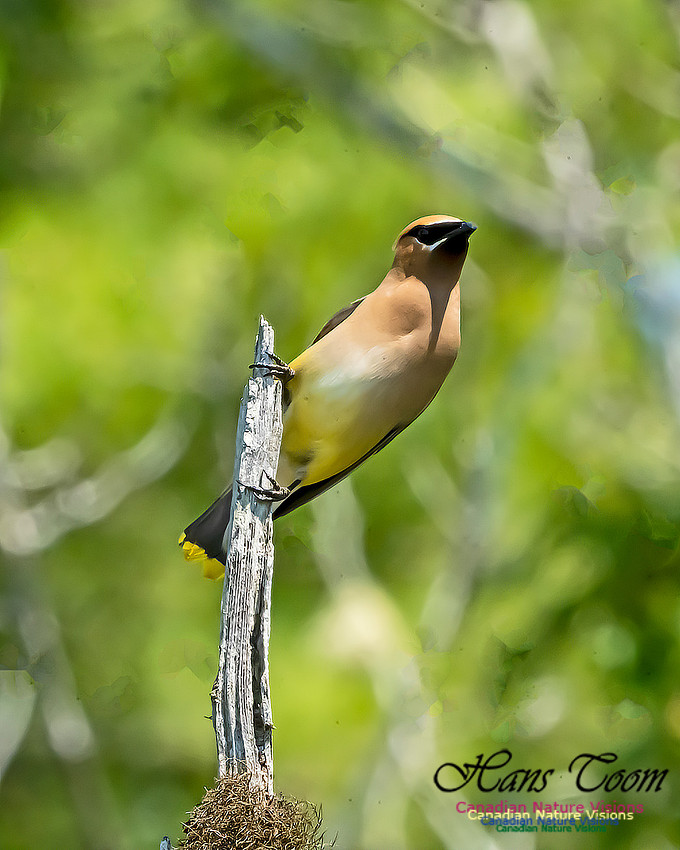
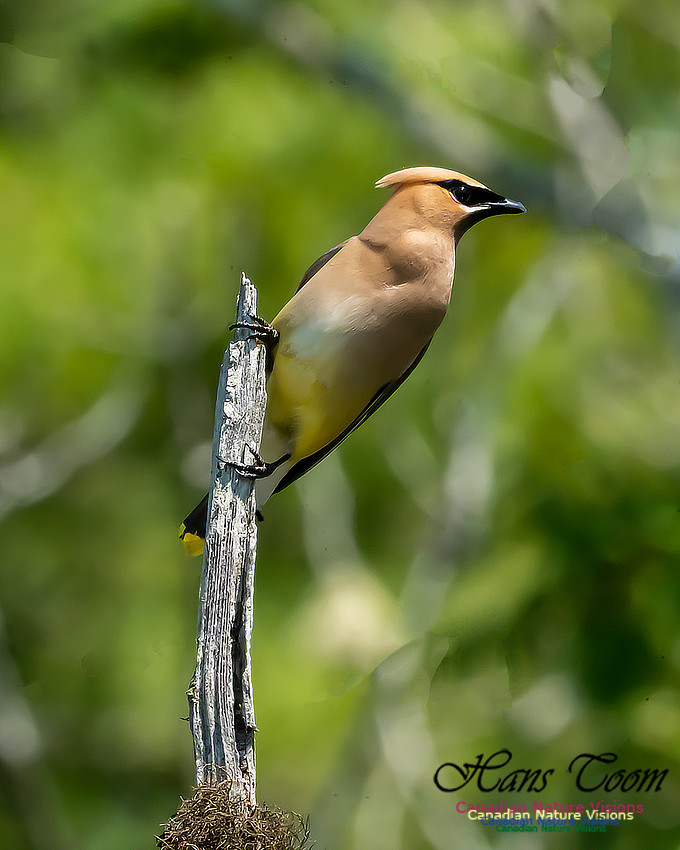
Cedar WaxwingThe Bohemian Waxwing is the most elegant bird in North America and its smaller cousin the Cedar Waxwing is not far behind in the scoring. Sure there are gaudier birds like the buntings or tanagers but if I can make a human comparison the Bohemian Waxwing is the Audrey Hepburn of birds. The Bohemian Waxwing is primarily a north-western Canadian breeder save for the Alaskan population so don't look for them in the summer but they do turn up in our winter especially in boreal or boreal like forests. The Cedar Waxwings are late nesters so look for them around sources of food usually around wetlands especially beaver floods where they share their catch with the flycatchers. Cedar Waxwing
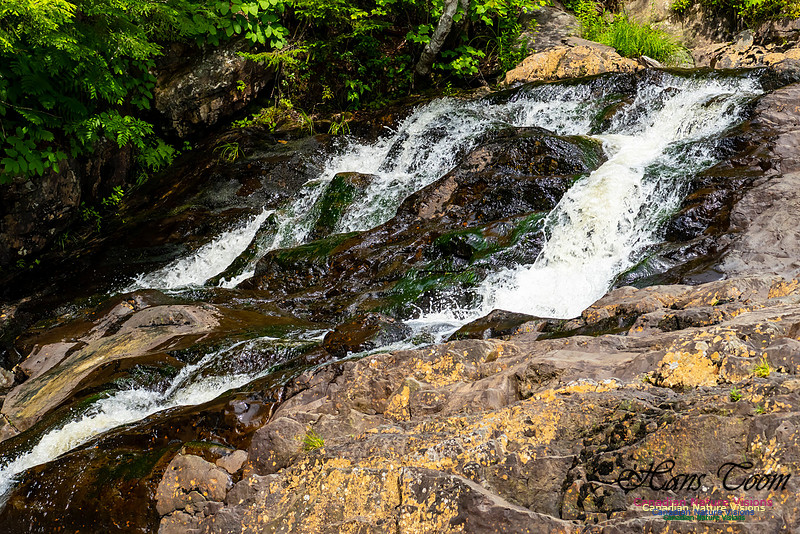
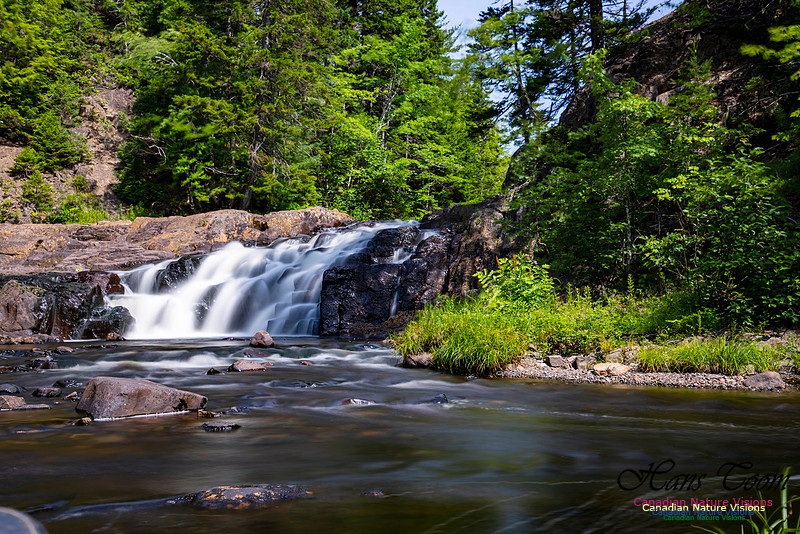
Upper Burnside FallsI hadn't visited Upper Burnside Falls for several years, say ten or so. My body paid the price hiking up the steep staircase. Going down was not so bad:) The river was higher than I expected so the falls were spectacular. I used a 10 stop neutral density filter for the long exposure shots. Comparing them with normal photographs and choosing a preference is a personal choice. Personally I find the long exposure waterfall shots a bit hokey, a bit too contrived for my taste. Many folks prefer the long exposures of water motion so I will continue with this technique. Here's a tip for beginners. Leave your tripod in your car. It's useless for 10+ second exposures due to wind vibration. I usually just place my camera on a convenient rock. It's "rock steady" and easy to use especially with a tilting monitor. Upper Burnside Falls
Queen Mary 2The Queen Mary 2 is unique among ocean going vessels since it is the only ocean liner in the world. It is capable of year round crossings of the North Atlantic ocean, no slight feat. It's faster at 30+ knots and much stronger than the cruise ships. Most cruise ships can barely best 20+ knots. I never miss an opportunity to photograph this magnificent vessel when it visits Halifax. This evening was a cliff hanger with rain and fog forecast but I checked the weather radar and it looked like it might clear off for the Queen Mary 2's departure at 6PM. As fortune happens the ship was an hour late leaving so the fog was all gone and there was no rain and the sky and ocean conditions were perfect to photograph the ship. The late day sun lit up the superstructure and the clouds were perfect with blue sky showing in places. It couldn't have been better. Queen Mary 2
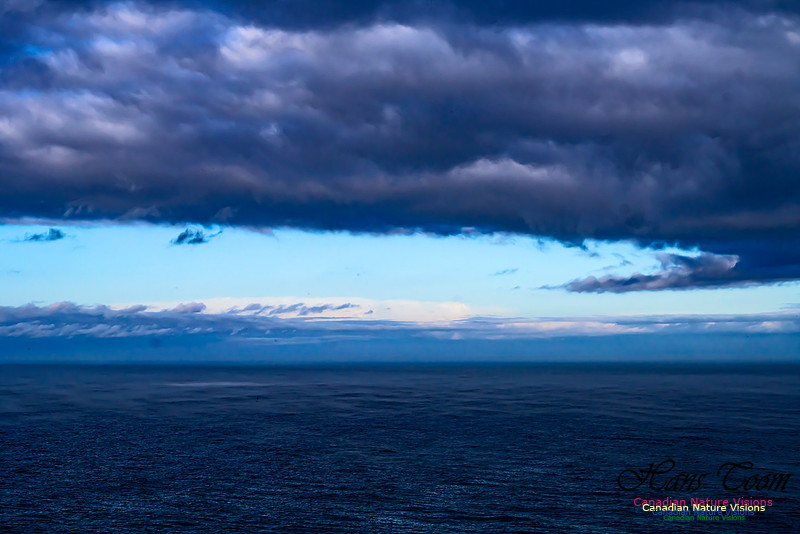
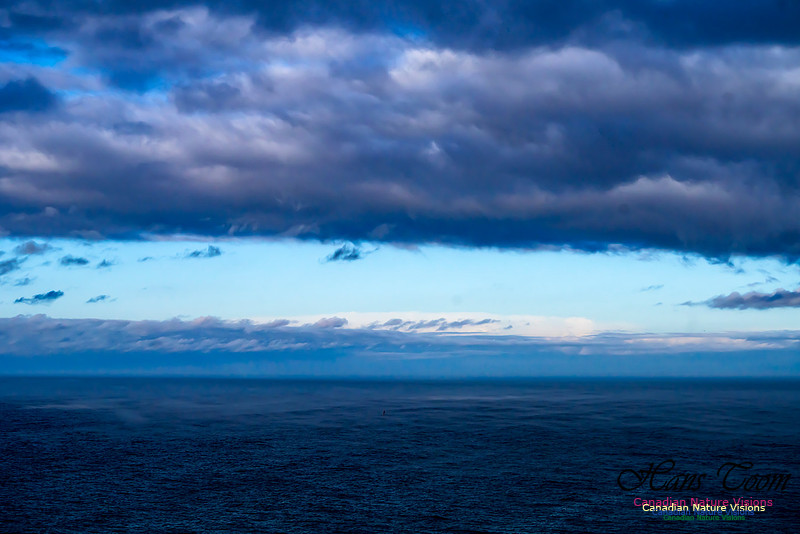
Aura of the OceanThe Atlantic Ocean off Chebucto Head was magical on this evening. The surface fog was just a few metres above the ocean creating an ethereal scene. Aura of the Ocean
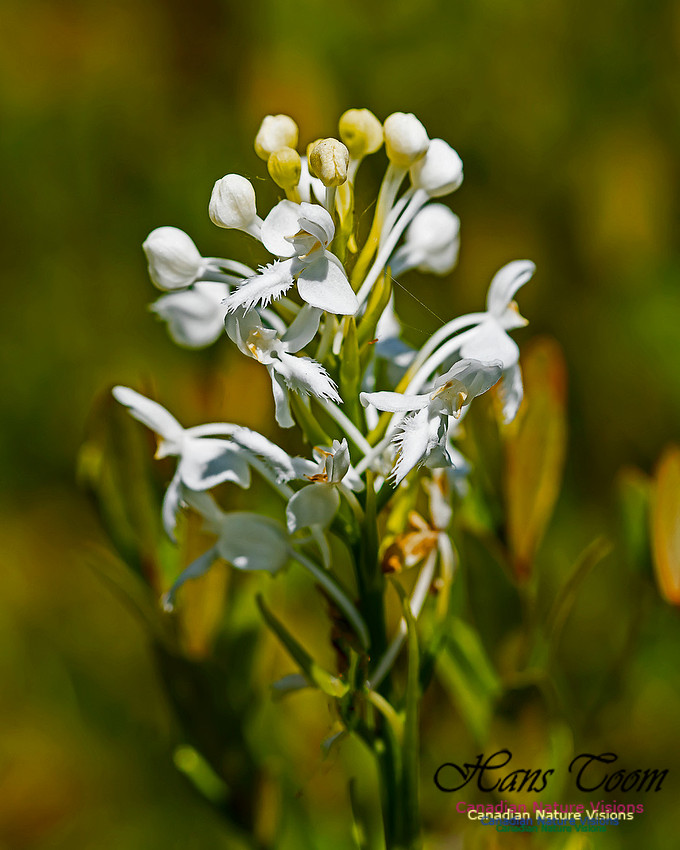
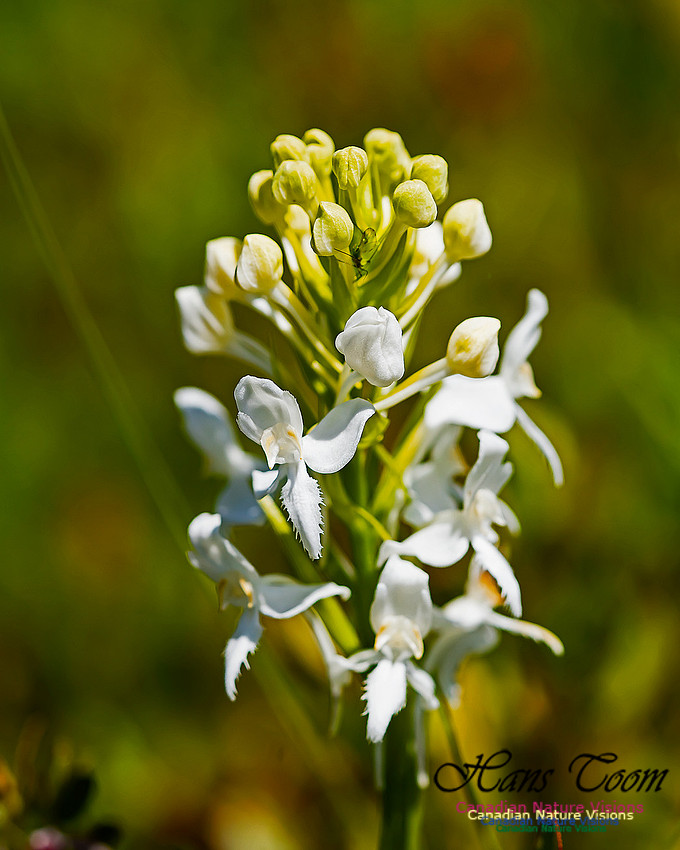
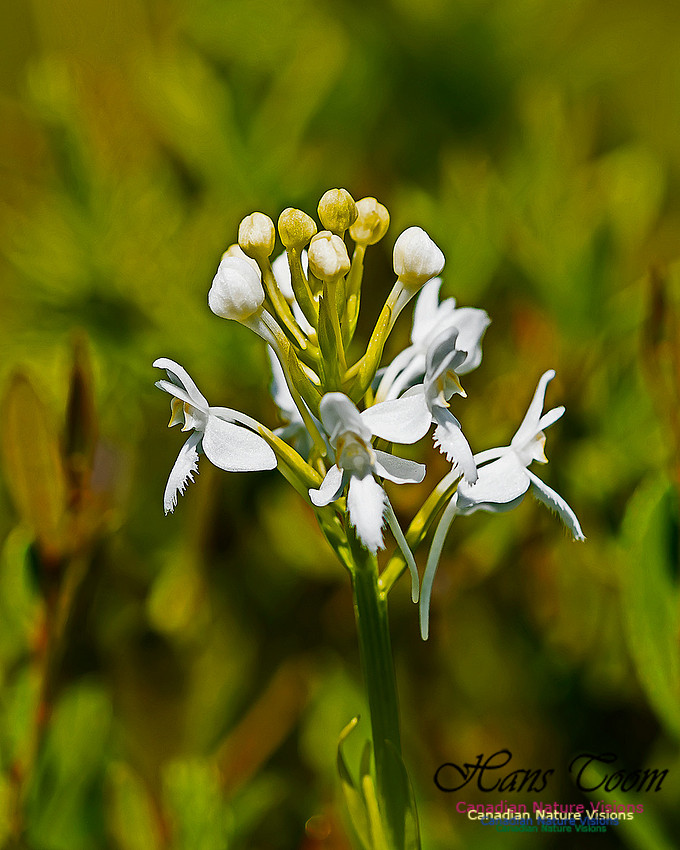
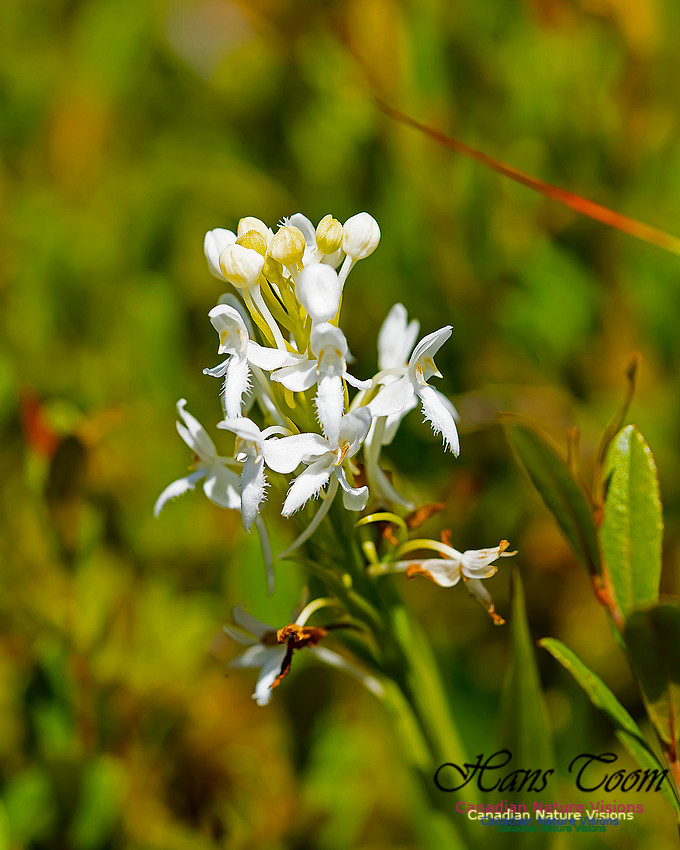
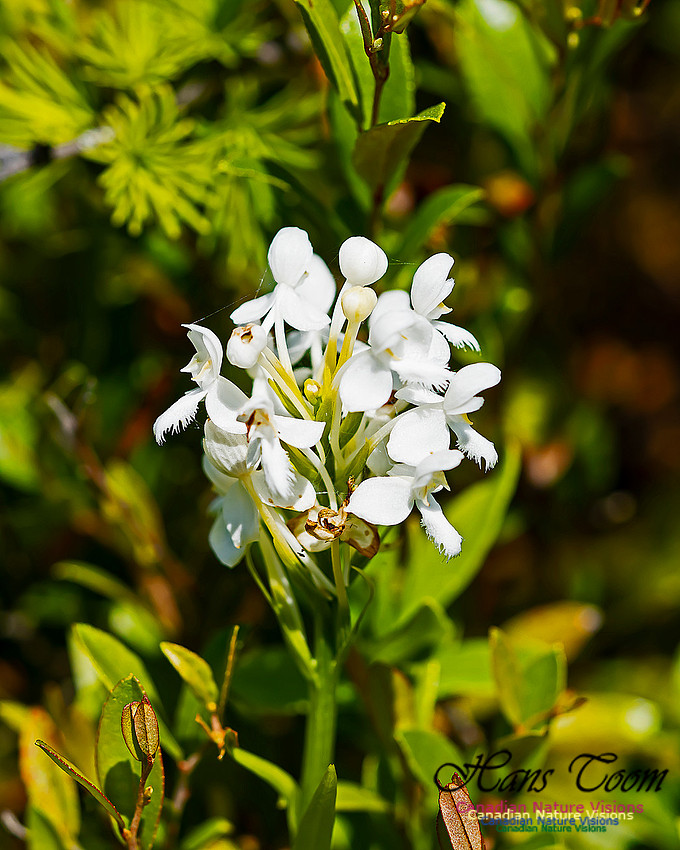
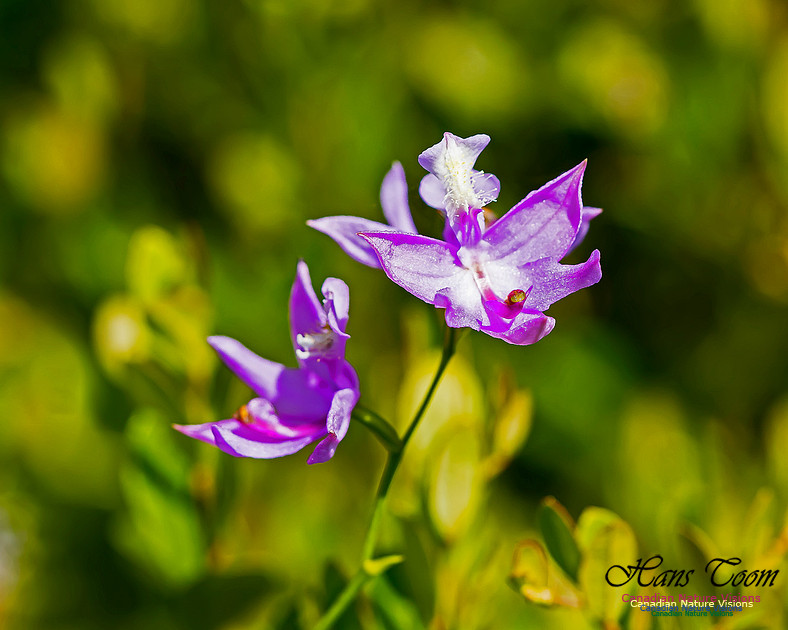
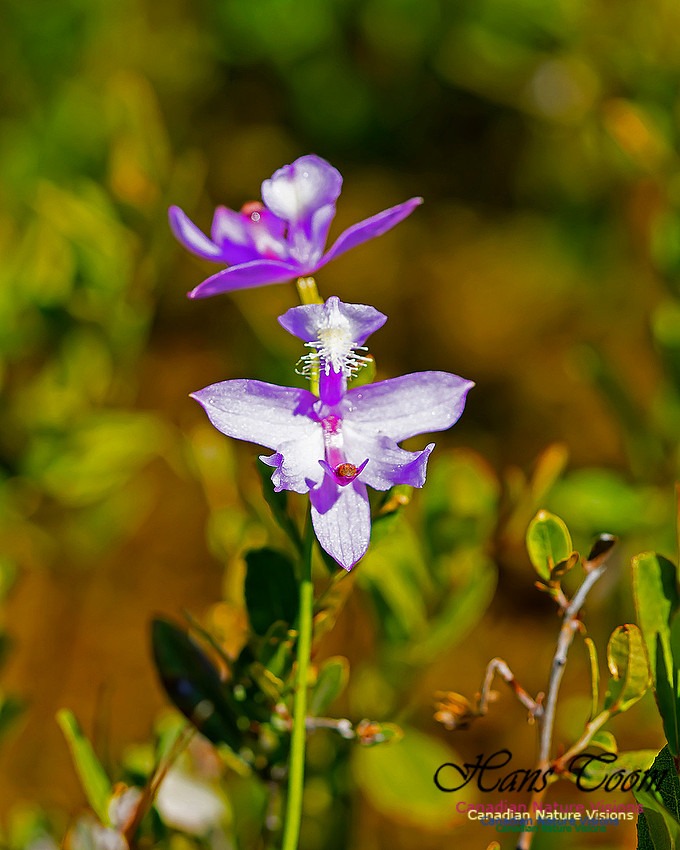
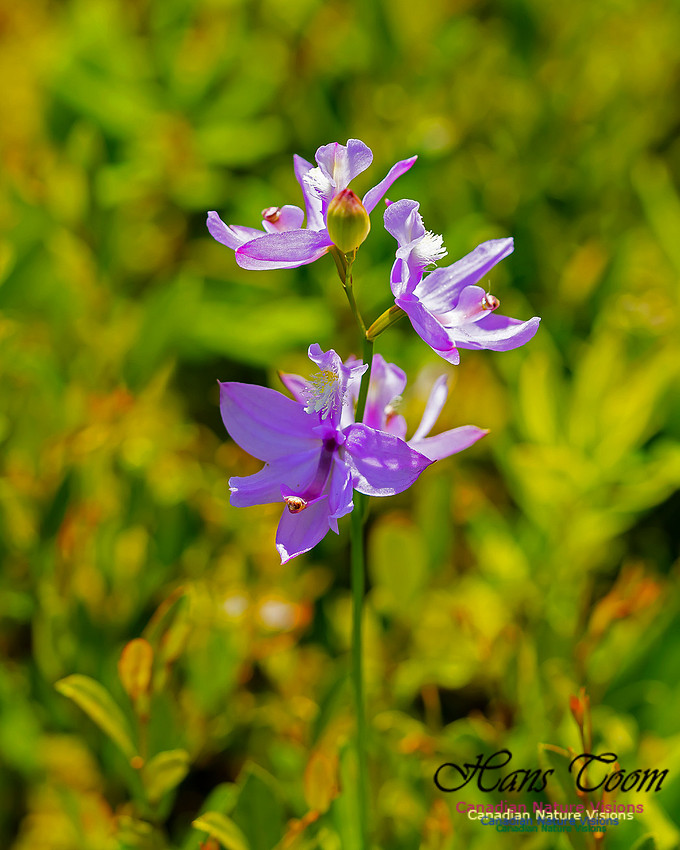
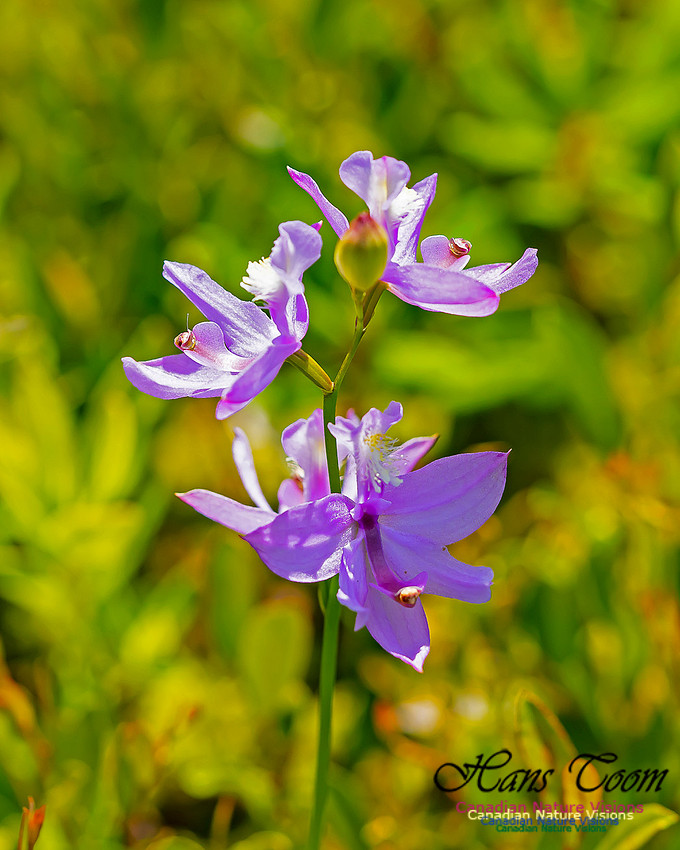
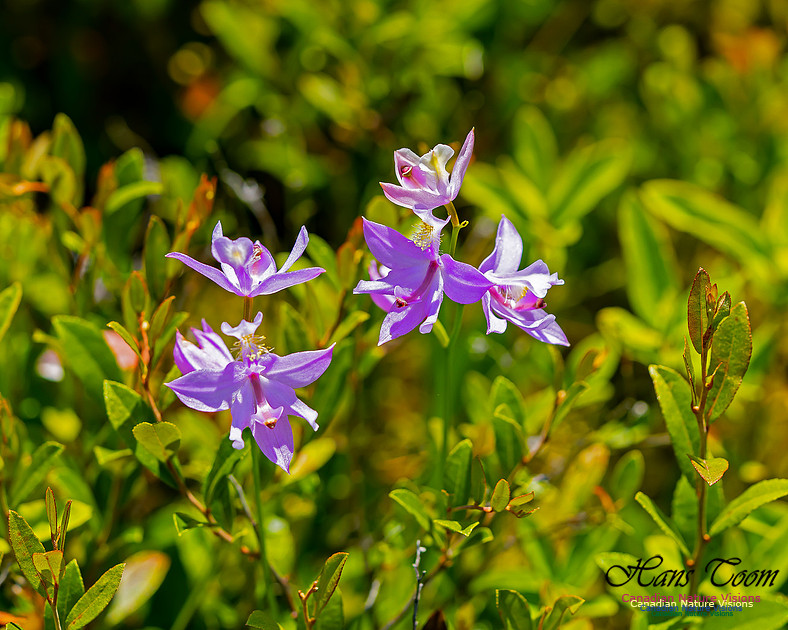
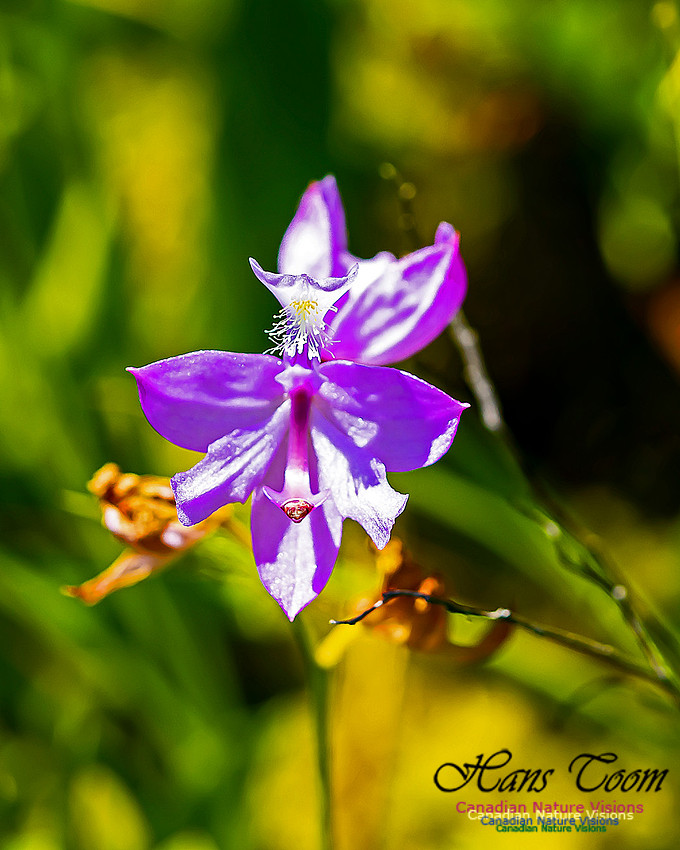
Grass Pink and Fringed White OrchidsLaura and I tried for orchids and had some luck. These orchids require wading in bogs so rubber boots are a requirement. The Fringed White Orchid was just beginning to bloom whilst the Grass Pink Orchid was in full bloom. Standing steady in bogs is tricky so bring a walking staff. The bright sunshine which pleases the humans does make photographing all white orchids a challenge. I'll go back to these photos and try some different techniques to bring out the detail. Fringed White Orchid
Grass Pink Orchid
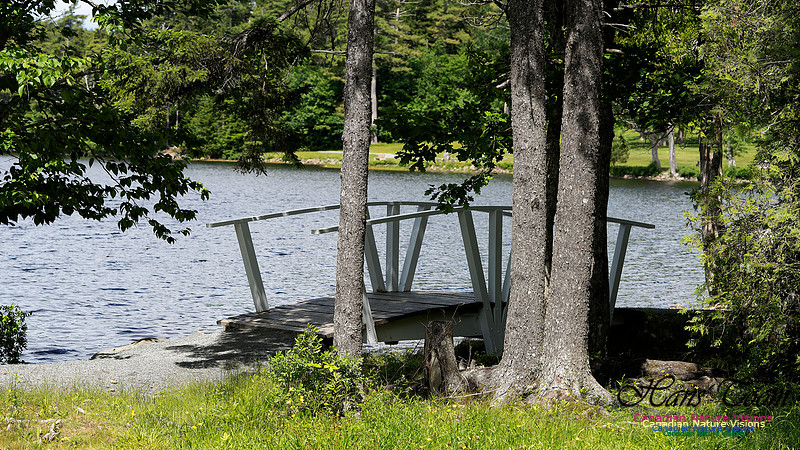
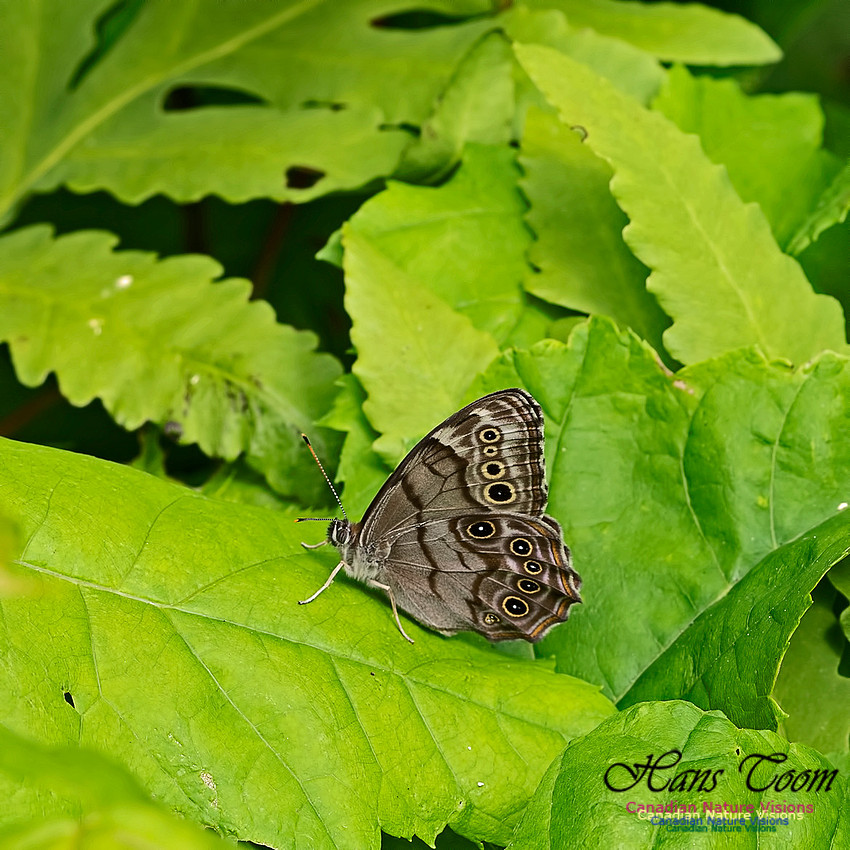
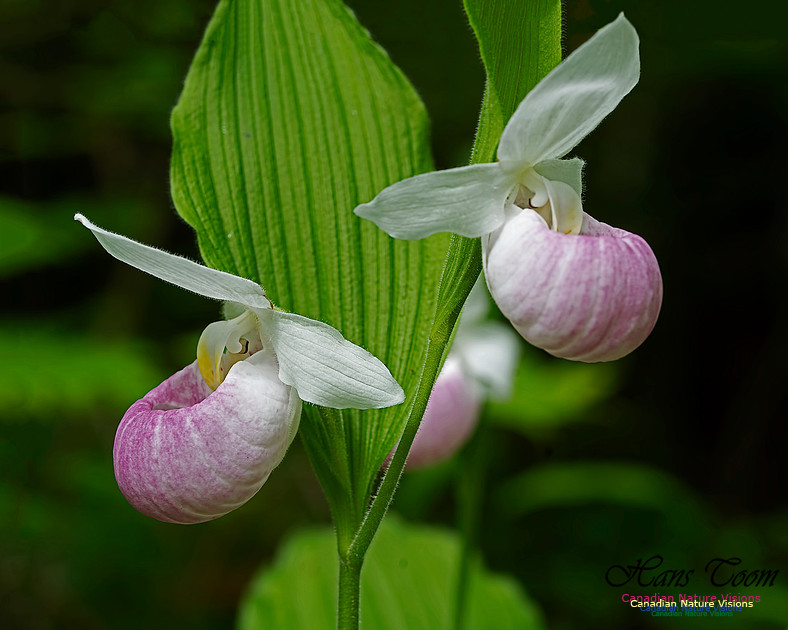
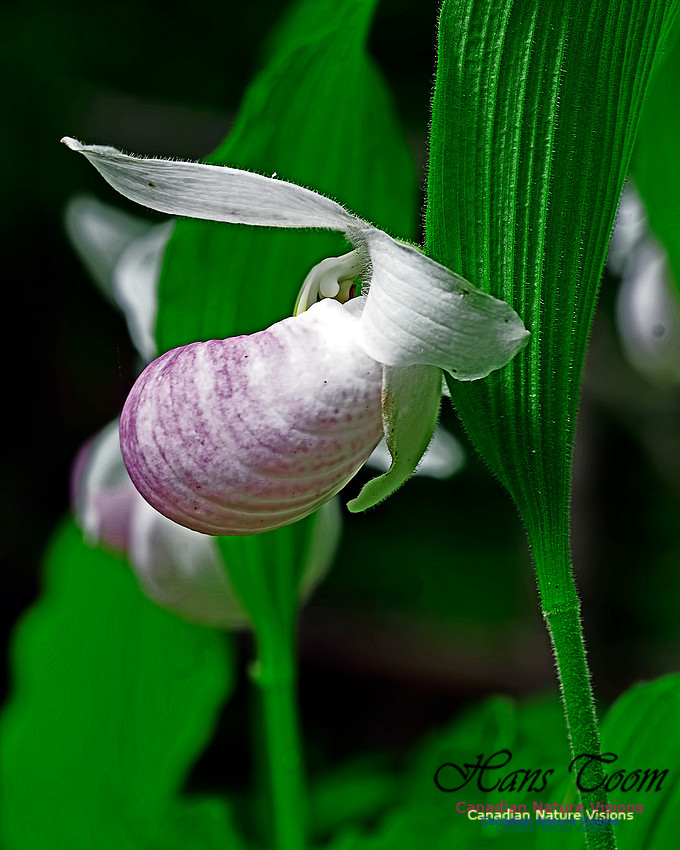
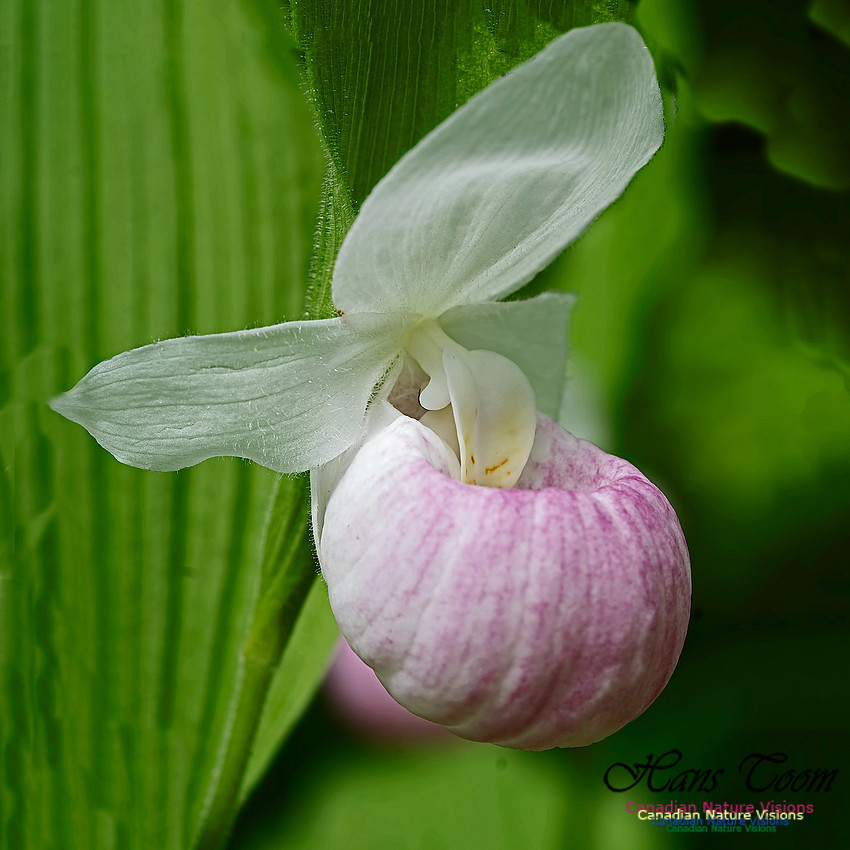
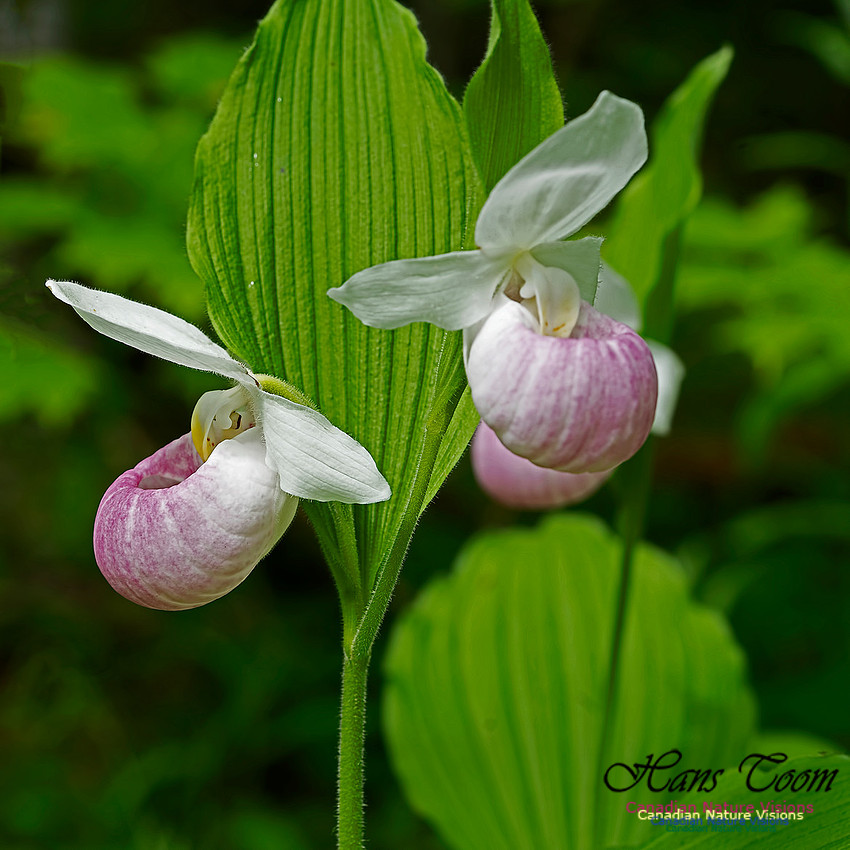
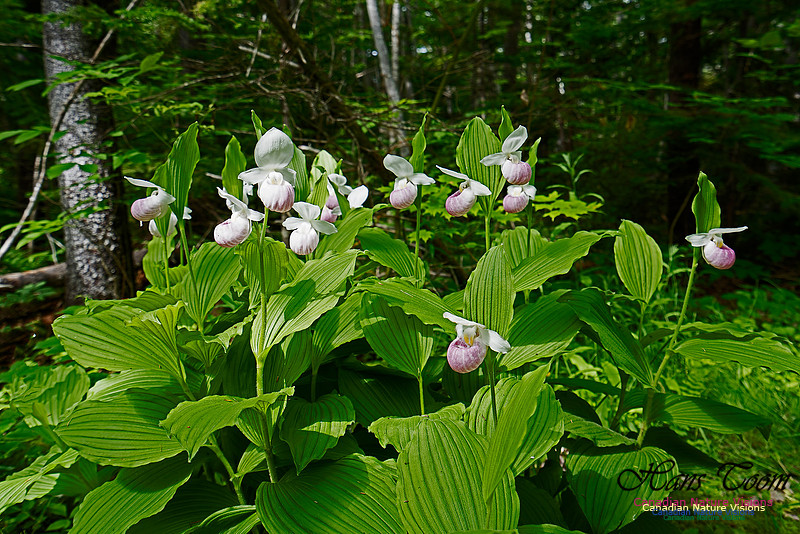
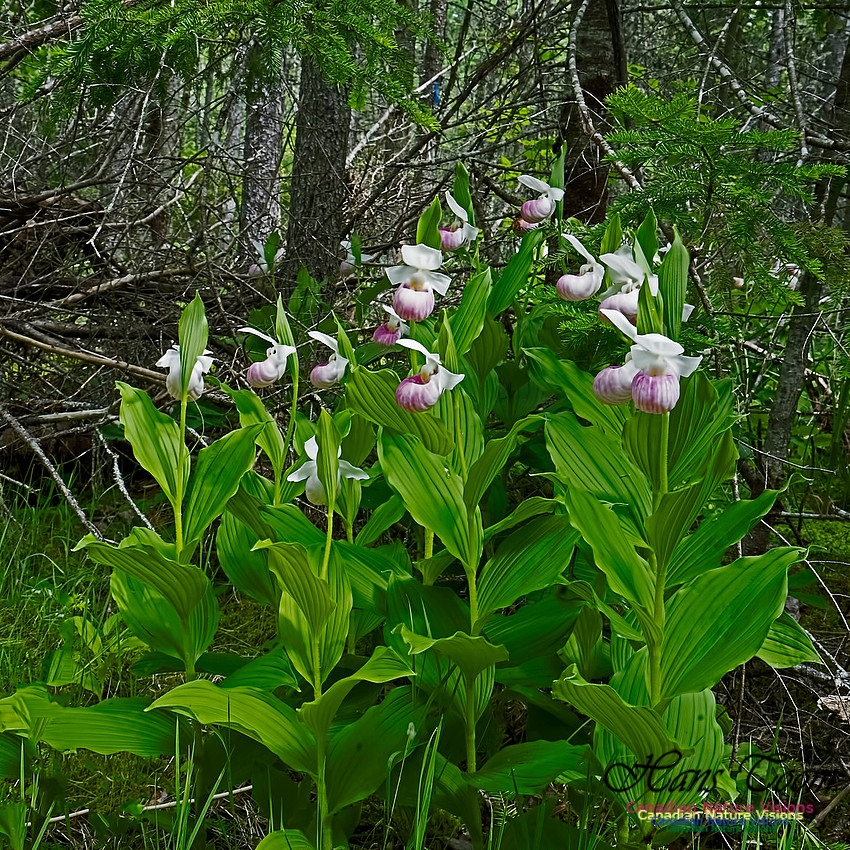
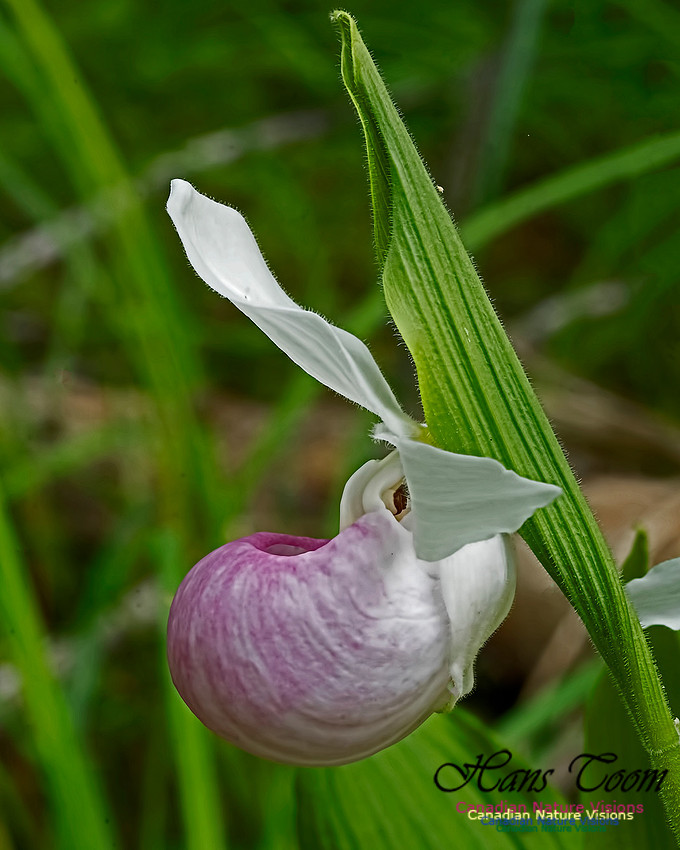
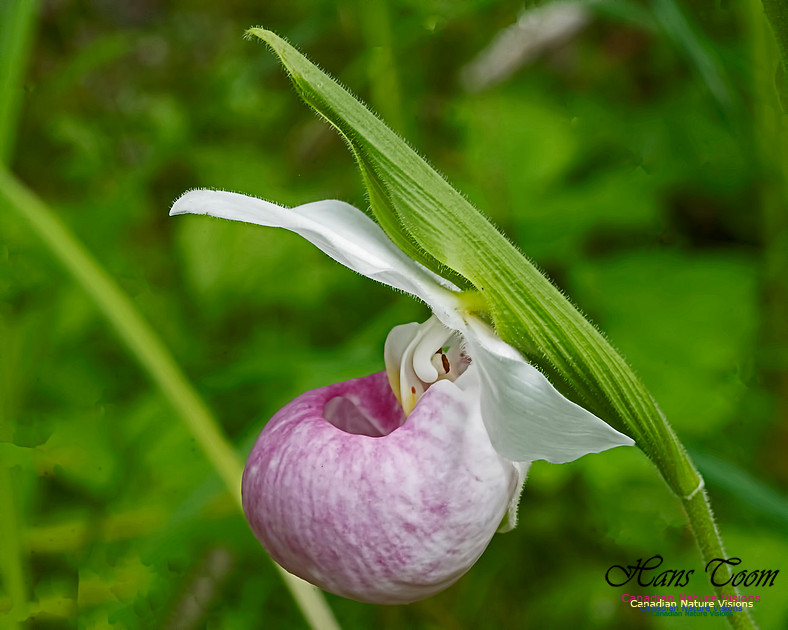
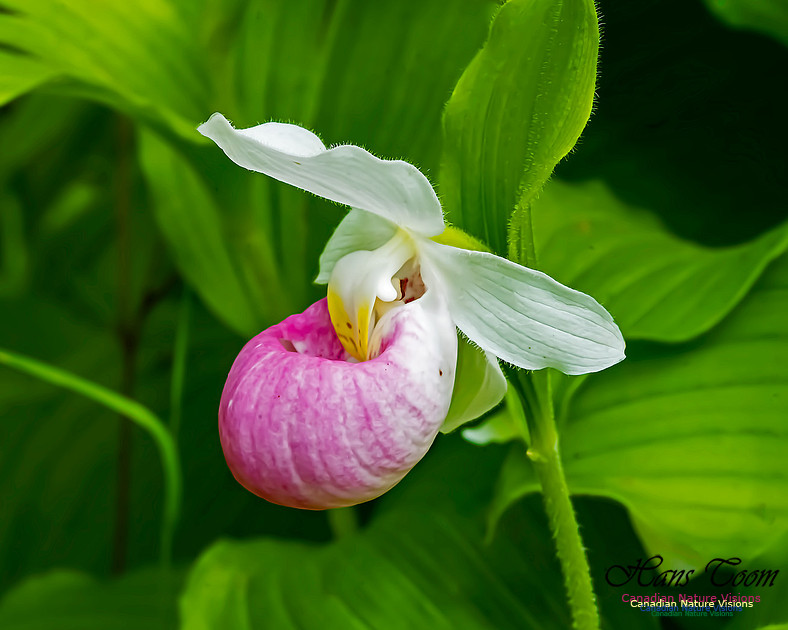
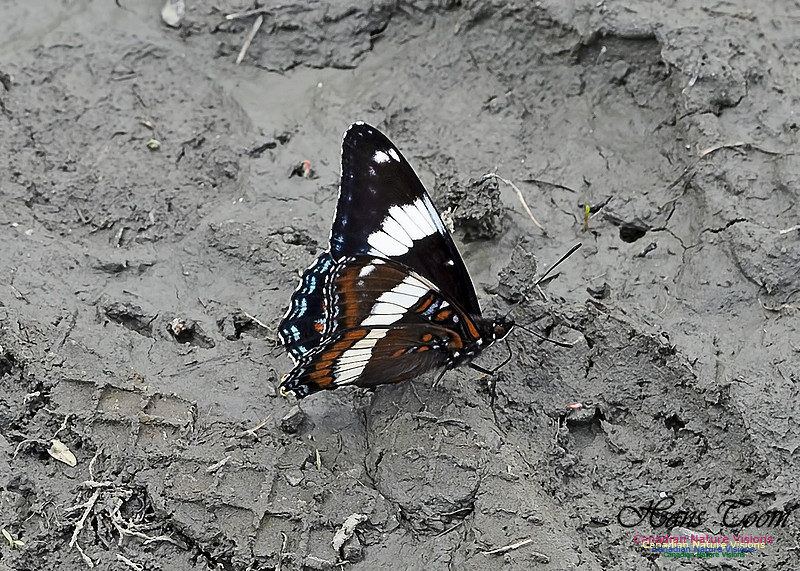
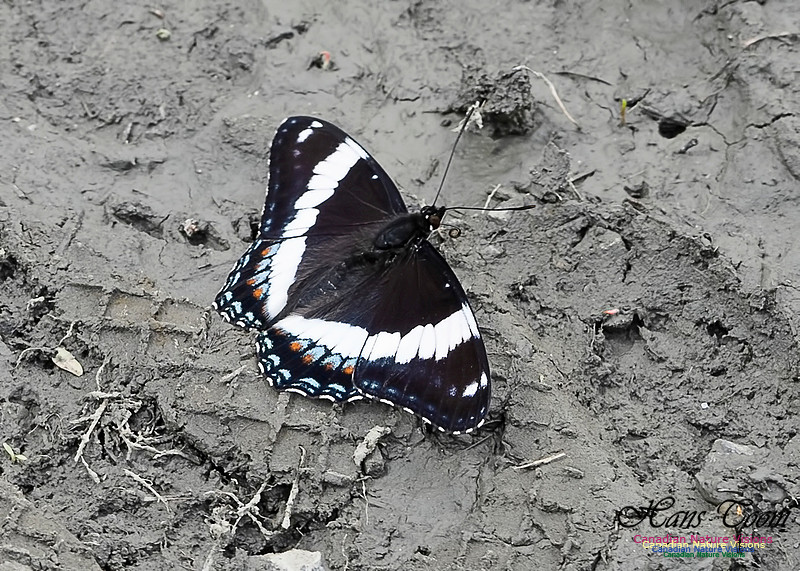
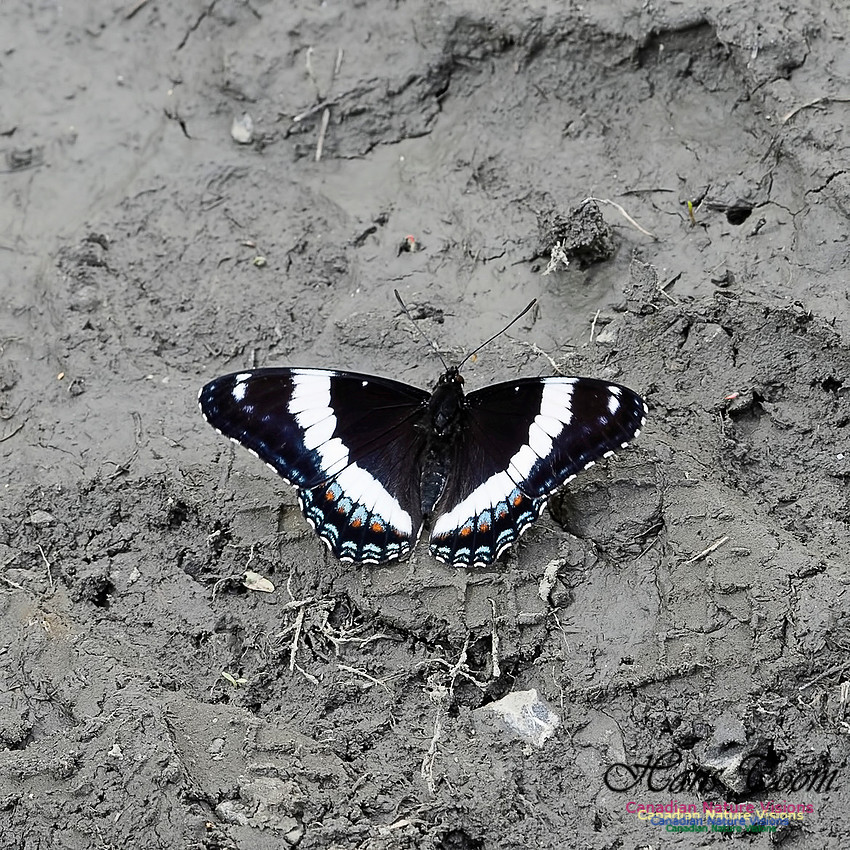
Showy Lady's Slipper ExpeditionLaura and I enjoyed our Showy Lady's Slipper expedition although the Canada Lily is still not in bloom. We returned via Mount Uniacke Museum Estate in hopes of finding some butterflies but little luck there except for the White Admiral and Northern Pearly Eye Butterfly. Unfortunately I did not bring a suitable lens for butterflies. I only had my 90mm macro lens for orchid photography so the butterflies only covered about 2-5% of the frame. Mayor cropping was required which does compromise image definition. Mount Uniacke Museum Estate
Northern Pearly Eye Butterfly
Showy Lady's Slipper Orchid
White Admiral Butterfly
Cape Chignecto Provincial ParkI visit Chignecto Provincial Park annually in my continuing and failed quest to find and photograph the Cape May Warbler and the Mourning Warbler. Occasionally I troop up to Amherst Point Migratory Bird Sanctuary and although I have seen Cape May Warbler here in the past I have not in recent years. The high pitched song of the Cape May Warbler makes it doubly hard to find since high frequencies do not carry far and are unidirectional. I did photograph the Mourning Warbler several years ago. It is a stunning bird! Chignecto Provincial Park is a treasure and should be taken over by Environment Canada and converted into a national park, whilst simultaneously buying up surrounding land and kicking out the loggers that are devastating the local area. American Redstart
Treasure Trove of Wildflowers
Black-and-White Warbler
Black-throated Green Warbler
Blackburnian Warbler
Canadian Tiger Swallowtail (yes, it is a different species than the Tiger Swallowtail)
Cape Chignecto
Cape d'Or
Luppin
Columbine
Common Yellowthroat
Daisy
Dark-eyed Junco
Grey Catbird
Ovenbird
Red Hawkweed
Cape Chignecto The clouds are always striking here probably due to the cool waters of the Head of the Bay of Fundy meeting the warm bluffs of Cape Chignecto causing an up welling of air currents and the subsequent formation of clouds.
Red Rocks, Red Rock Beach and Red Rock Falls
Red-eyed Vireo
Savannah Sparrow
Song Sparrow
Swainson's Thrush
The Three Sisters Lookoff
The Beach Trailhead
White-throated Sparrow
Yellow Warbler
Bay-breasted WarblerThere are three warbler species that are hard to find and photograph, in order of difficulty; Cape May Warbler (yet another stupid name considering 98% breed in Canada), Mourning Warbler and Bay-breasted Warbler. Fortunately the Bay-breasted Warbler breeds nearby so I am able to obtain photographs every year. I will have to add Canada Warbler to this list thanks to recent population declines. Up until recently I was able to find and photograph the Canada Warbler annually but thanks to the devastation wrought by farmers and loggers this is no longer the case. I have photographed Cape May Warbler during its migration. Bay-breasted Warbler
|
|||||||||||||||||||||||||||||||||||||


.jpg)