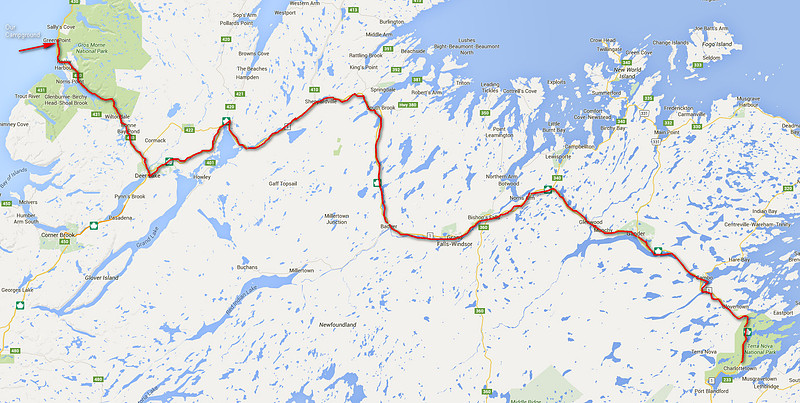
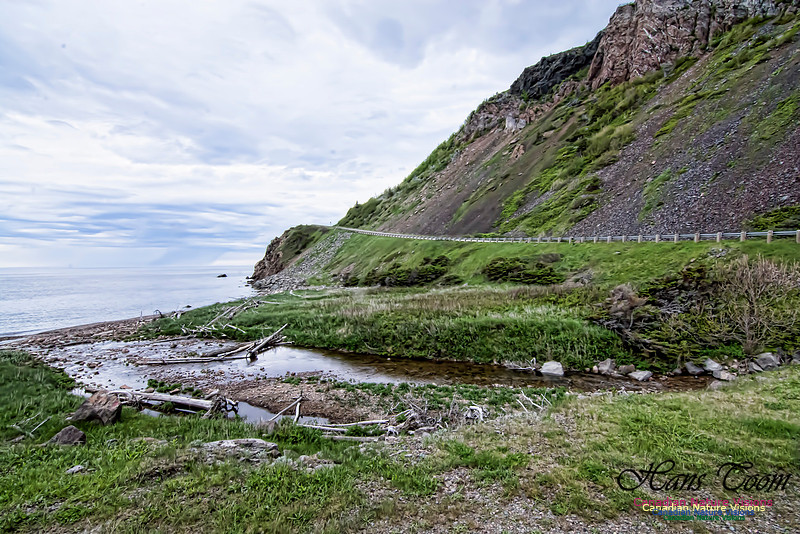
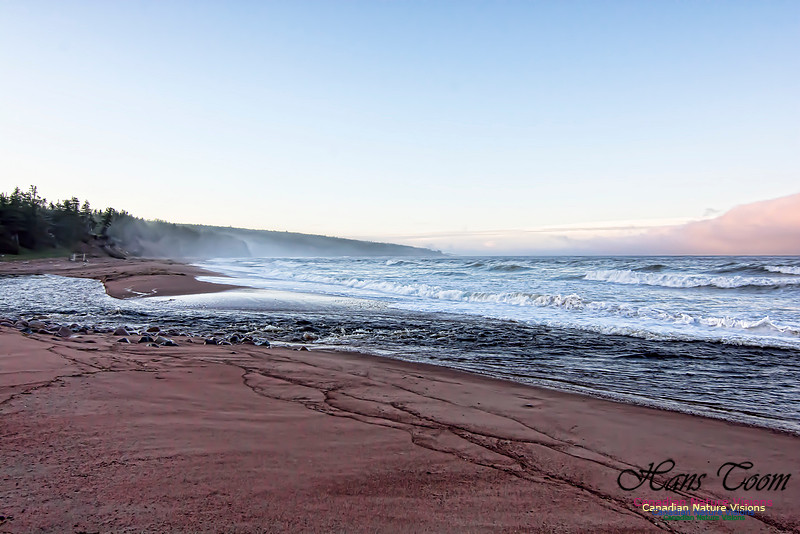
Cape St. Mary's Ecological Reserve Day 7 Morning of Our Newfoundland AdventureLaura and I woke early at Terra Nova National Park and headed south full of promise for an exciting morning and afternoon at Cape St. Mary's Ecological Reserve. Although the sky was clear and the sun bright this is not an indication of conditions at Cape St. Mary's which is notorious for continuous and thick summertime fog. When we arrived it was delightfull with bright blue skies and stiff winds. These are the best conditions one could expect. Our Route South
Everything you need to know and more is on the website for the ecological reserve. I've copied a summary here: Located about 200 km southwest of St. John's, Cape St. Mary's Ecological Reserve also known as "the Cape" is one of Newfoundland and Labrador's major seabird colonies. During the breeding season, it is home to 24,000 Northern gannet, 20,000 black-legged kittiwake, 20,000 common murre, and 2,000 thick-billed murre. In addition, more than 100 pairs of razorbill, more than 60 pairs of black guillemot, plus double-crested and great cormorant, and Northern fulmar nest there. What makes it so spectacular, however, is that all these birds can be seen from land, as close as 10 metres away.
Most of the Northern gannets, for example, make their nests on "Bird Rock"—a 100-metre-tall stack of sandstone that is separated from the viewing area by a chasm only a few metres wide. The gannets' courtship, nesting, and feeding behaviours, interactions, and delicate flying manoeuvres over the crowded sea stack are endlessly fascinating and easily observed from the natural, cliff-top viewing area. Bird Rock is reached by a 1-km footpath through the open meadows that top steep cliffs, where wild iris grow and sheep sometimes graze. Cape St. Mary's is within the Eastern Hyper-oceanic Barrens ecoregion Particularly in the early part of the breeding season (April through June), the weather at Cape St. Mary's can be damp, foggy, and cool. The average temperature in July is 14º C and there are 200 days of fog a year, on average, at the Cape. On such days, the attractions of the modern, bright Interpretive Centre are particularly strong. The birds and their environment are interpreted inside. Access to the Reserve and Interpretation Centre is free of charge. The building is located near the parking lot and Coast Guard operated lighthouse, which was originally built in 1860.
Visitors should take care when walking in the fog, particularly near cliffs and when and where the trails are slippery. Check with staff at the Interpretive Centre for trail conditions before setting out. Cape St. Mary's Ecological Reserve covers 64 km2; 54 km2 of this is the marine portion. The waters offshore are an important wintering site for thousands of sea ducks, including harlequin, common eider, scoter, and long-tailed duck. Cape St. Mary's was established as an ecological reserve in 1983. http://www.env.gov.nl.ca/env/parks/wer/r_csme/ I have 450 photos of this event so condensing them into a single blog is too difficult. Instead I will post four blogs of this experience; 1)the colony, 2)gannets in flight, 3)murres, razorbills and black-legged kittiwakes and 4)gannets nesting. Here's the colony where the photos speak for themselves.
We finished our day by driving to La Manche Provincial Park which would become our centre of operations for three excursions in the coming days.
Gros Morne National Park Day 6 of Our Newfoundland Adventure- Going EastAfter visiting Berry Hill Pond we headed east to Terra Nova National Park where we saw three bears. After overnighting at Terra Nova National Park we will set off for Cape St. Mary's one of the most remarkable breeding colonies of sea birds in the world; Northern Gannets, Thick-billed Murre, Common Murre, Razorbill and Black-legged Kittiwake. All the photographs below are taken in Gros Morne National Park, mostly scenery. The Route East
Lobster Cove Head Light
The Grandeur of Gros Morne National Park
Rocky Harbour
Southeast Brook Falls
Gross Morne National Park Day 6 of Our Newfoundland Adventure- Berry Hill PondOn this day we began our long drive east to Terra Nova National Park, the jumping off place for Cape St. Mary's but first we visited my favourite place for woodland birds in Gros Morne National Park, the Berry Hill Pond trail. I had several targets for the Berry Hill Pond trail. These targets are all northern warblers and sparrows plus one flycatcher. I scored on three of these birds; Lincoln's Sparrow, Wilson's Warbler and my favourite the Northern Waterthrush. White-crowned Sparrow, Tennessee Warbler and Yellow-bellied Flycatcher were misses but to do this trail right requires several successive morning walkabouts. Lincoln's Sparrow
Wilson's Warbler
Rhodora
This is my favourite photograph of the walk and will always be treasured. Northern Waterthrush
American Redstart
American Robin
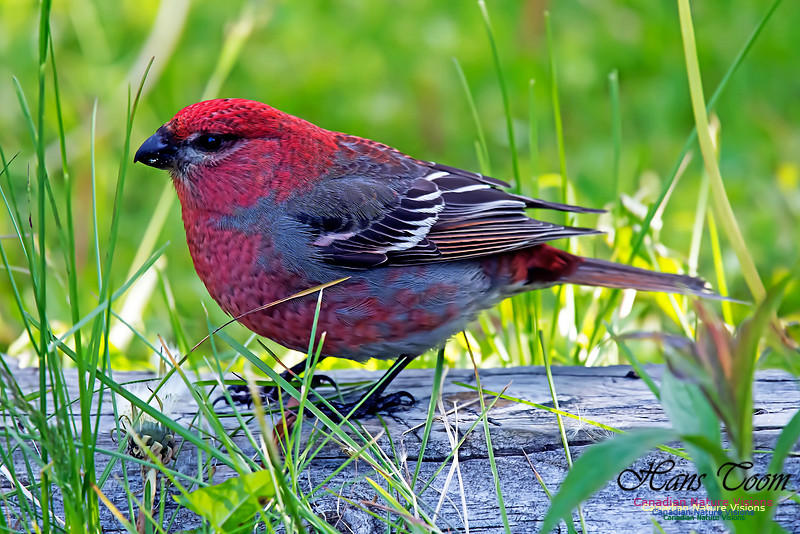
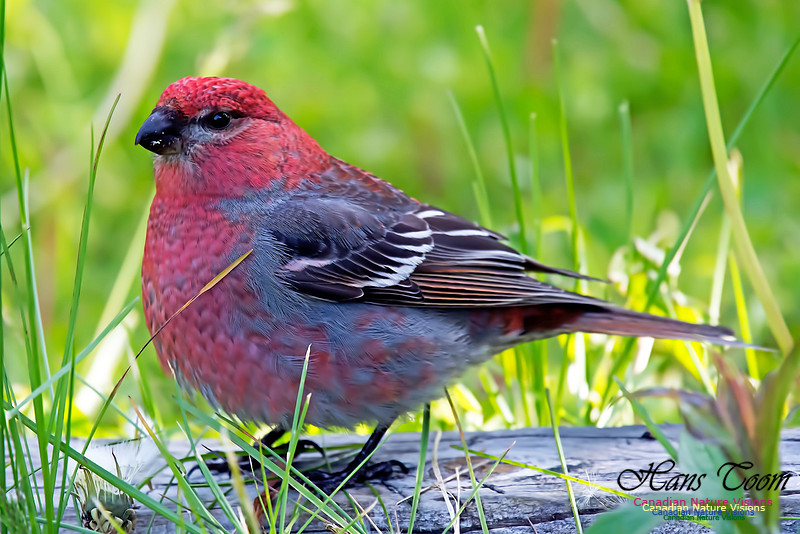
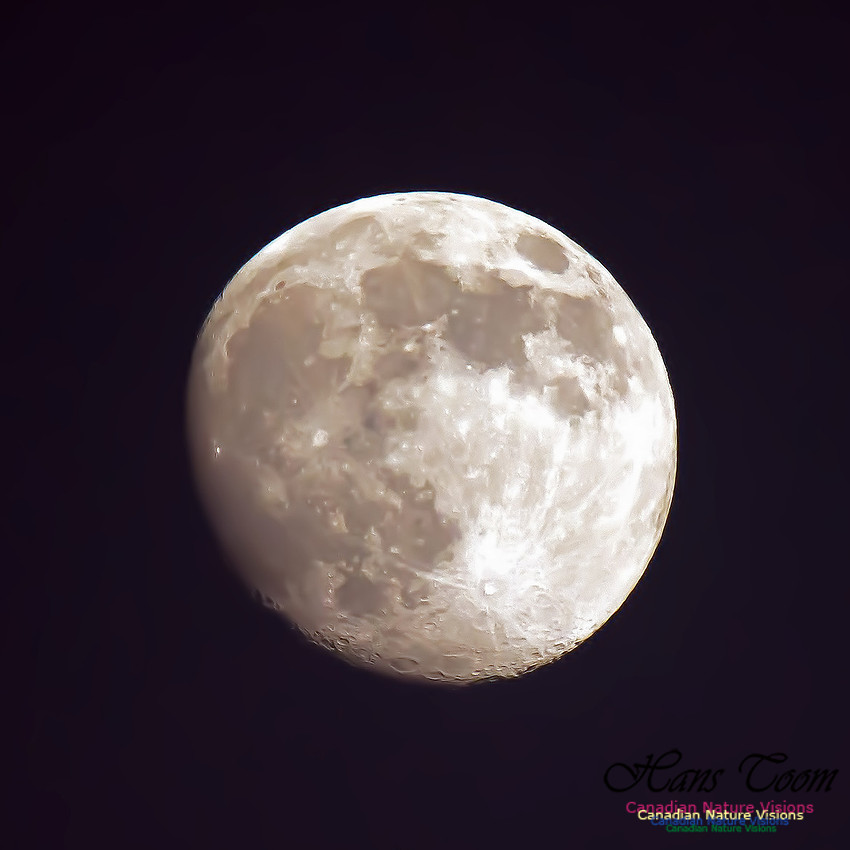
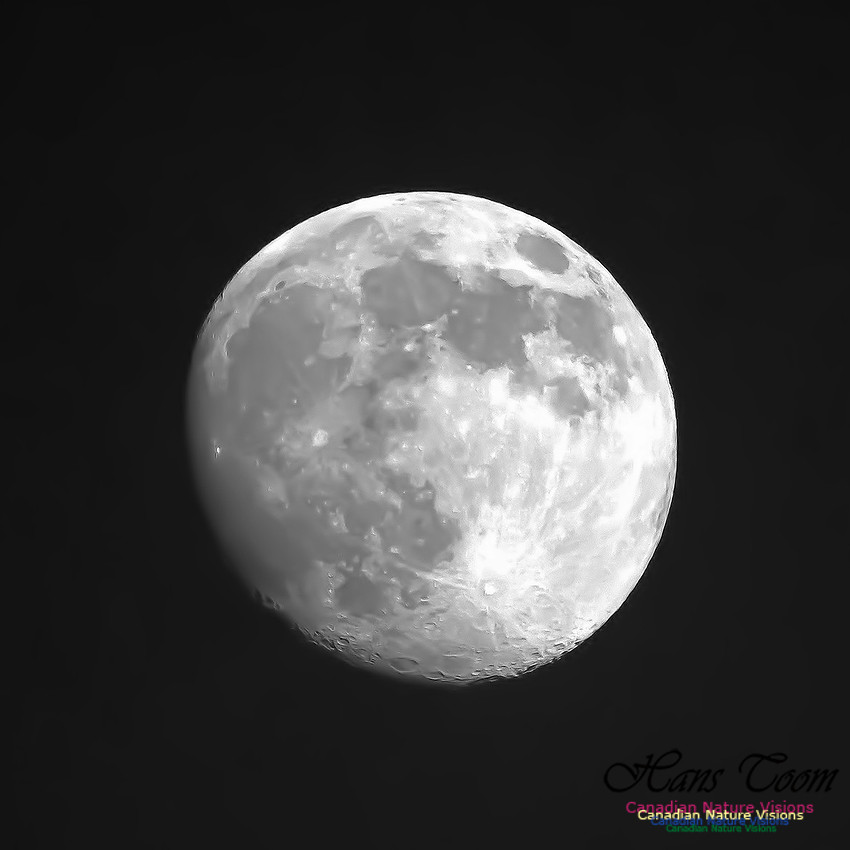
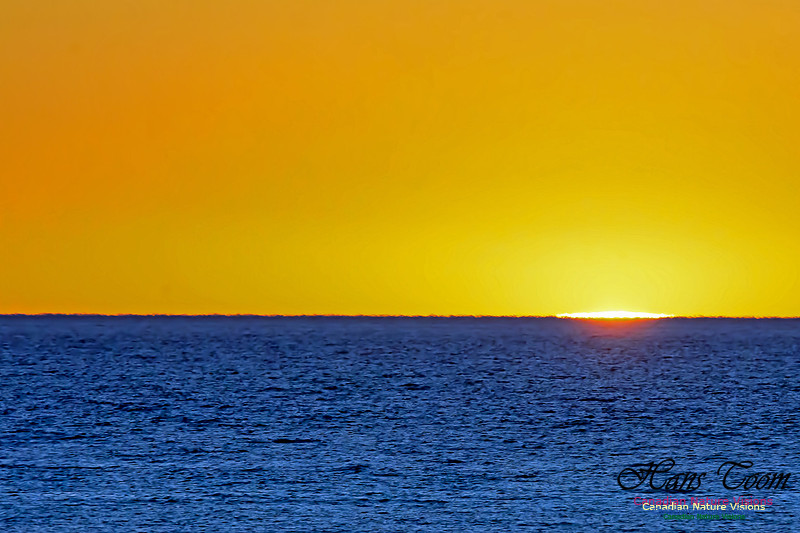
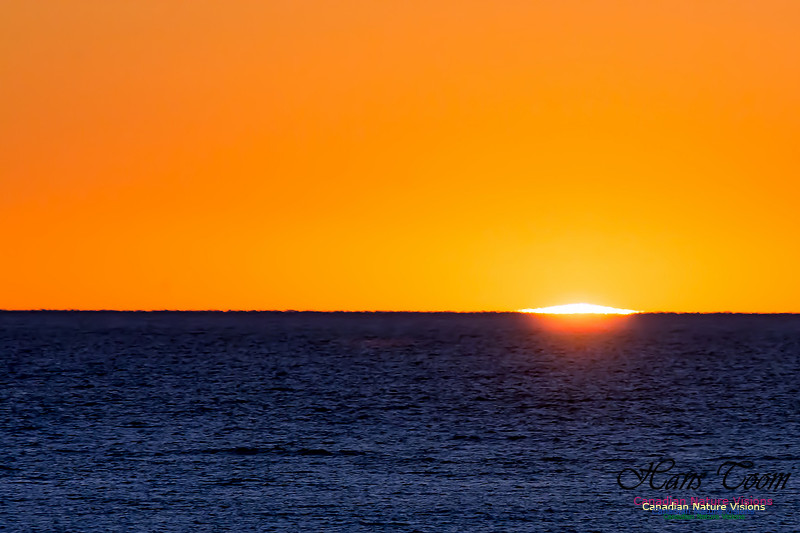
The Great Northern Peninsula Day 5 of Our Newfoundland Adventure-Green PointWe arrived at the Green Point Campground, Gros Morne National Park, with daylight to spare. Laura spotted a pair of Pine Grosbeak eating seed heads and I jumped at the chance to photograph this elegant bird. Most of my photos were obscured by the grass they were working but the male jumped onto a log and for a few seconds allowed some clear photographs. A walk before sunset turned up lots of warblers and Swainson's and Hermit Thrush but only the wildflowers posed for me. I was briefly startled by a Boreal Owl but there was no chance for a photo. After dinner we enjoyed the rising moon and the setting sun. Pine Grosbeak
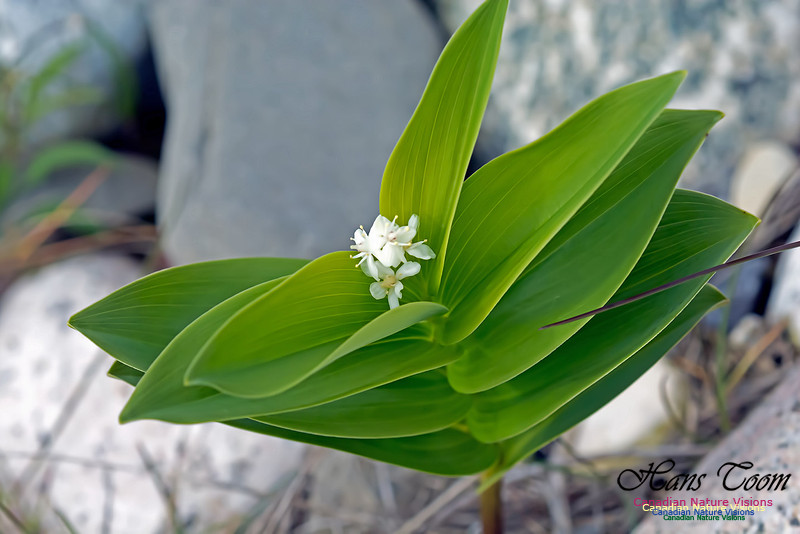
Blue-bead Lily
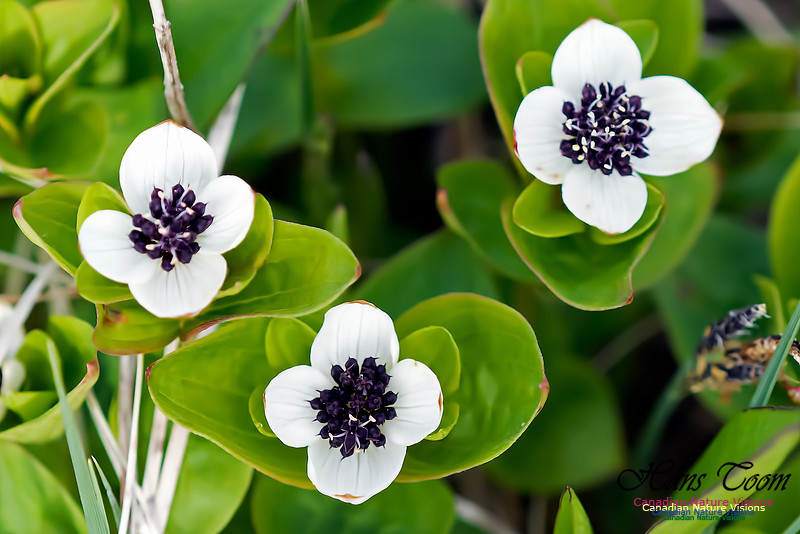
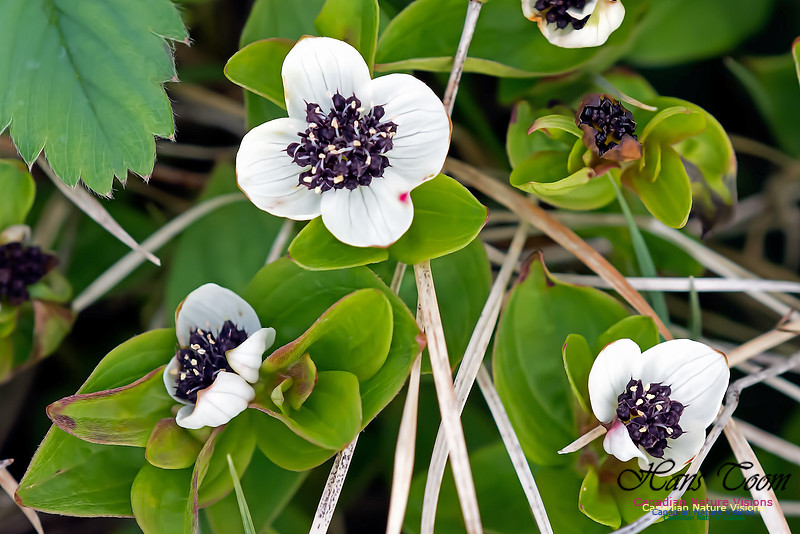
Swedish Bunchberry
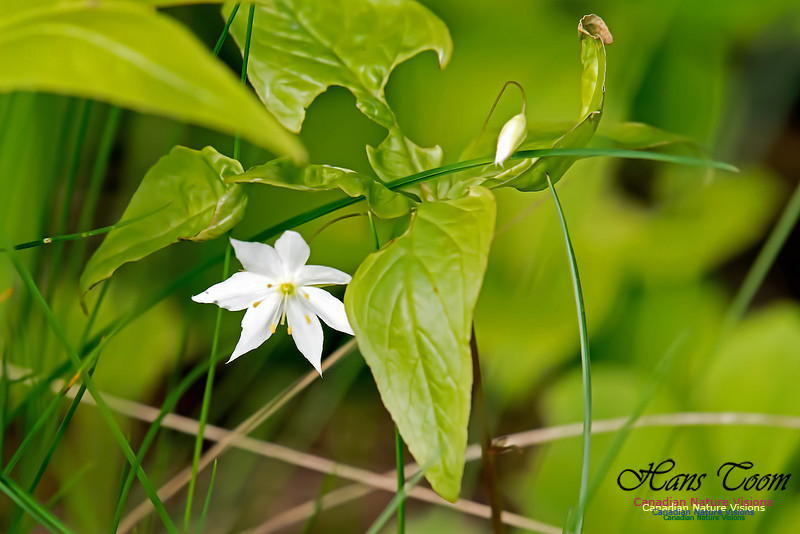
Starflower
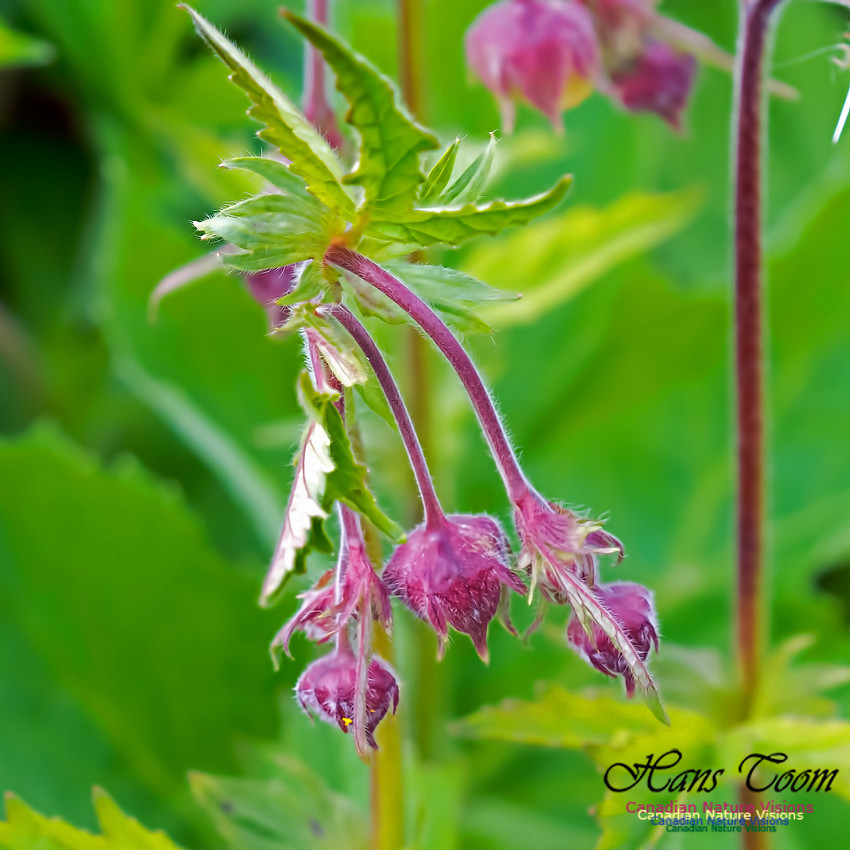
Unknown
Three Flowered Aven
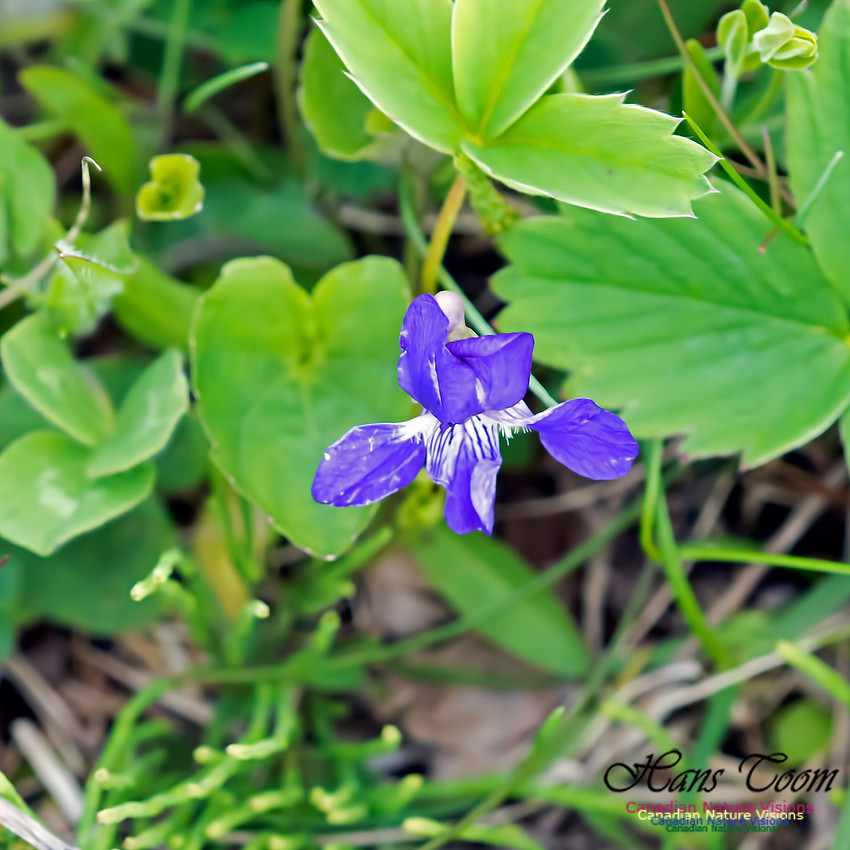
Common Blue Violet
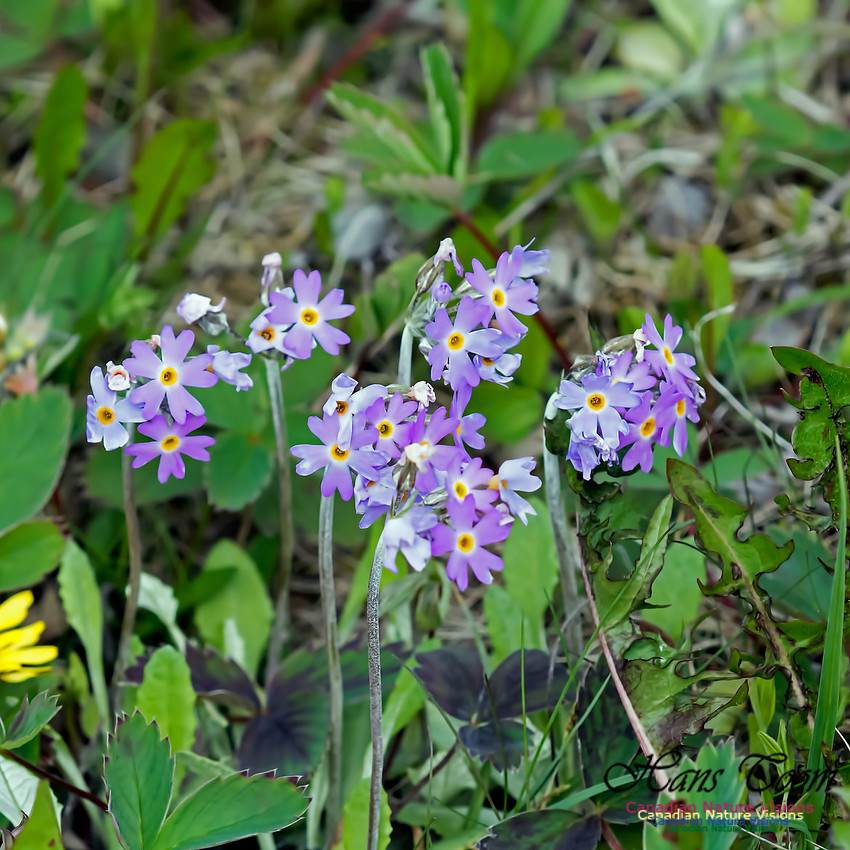
Unknown
Unknown
The Rising Moon(colour and black and white)
Setting Sun
Does this remind you of anything? Eye of HAL 9000
The Great Northern Peninsula Day 5 of Our Newfoundland Adventure-The ArchesWe visited Arches Provincial Park on our way south to Green Point Campground, Gross Morne National Park. This provincial park hosts a pair of arches carved out of rock by the ocean. It also has a nice display of coastal wildflowers and in a sign of things to come my first bird photograph in Newfoundland, the Veery, a woodland thrush named for its eerie "veeeer" call. On our way south Laura spotted Yellow Lady's Slippers growing in clusters but alas the roads here have such a narrow shoulders I could not stop. This first photo is of a bleached coastal forest.
The staircase leading down to The Arches.
Hooray, here is my first bird photo in Newfoundland, the Veery. It's a distant severely cropped image but I'll take it.
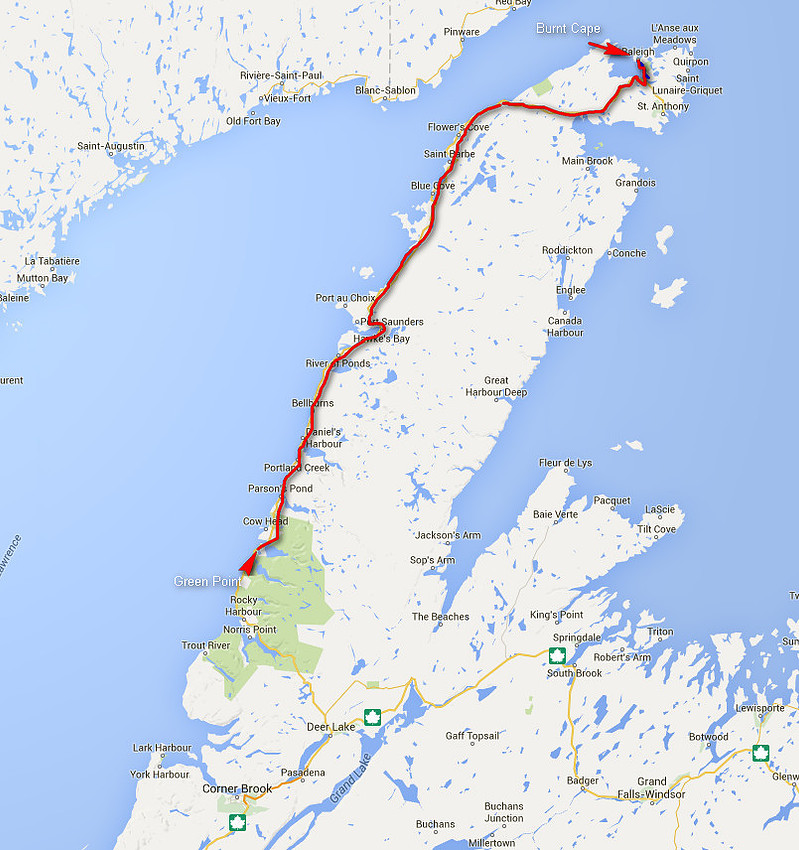
The Great Northern Peninsula Day 5 of Our Newfoundland Adventure-ThrombolitesWe headed south on the Great Northern Peninsula after visiting Burnt Cape. We saw more icebergs and made our first stop at the Thrombolites. We need an palenotologist to speak to this so I have to parrot a summary from the site sign. These structures represent the earliest forms of microbial life on earth, from 3.5 billion to 650 million years ago. These structures only occur at two places on earth, here in Newfoundland and at Shark Bay, Australia. It poured rain on us when we visited the site. This is our southern route from the morning's adventure at Burnt Cape south to Green Point Campground in Cape Breton Highlands National Park.
The are lots of photos of Marsh Marigold appropriately photographed in the rain.
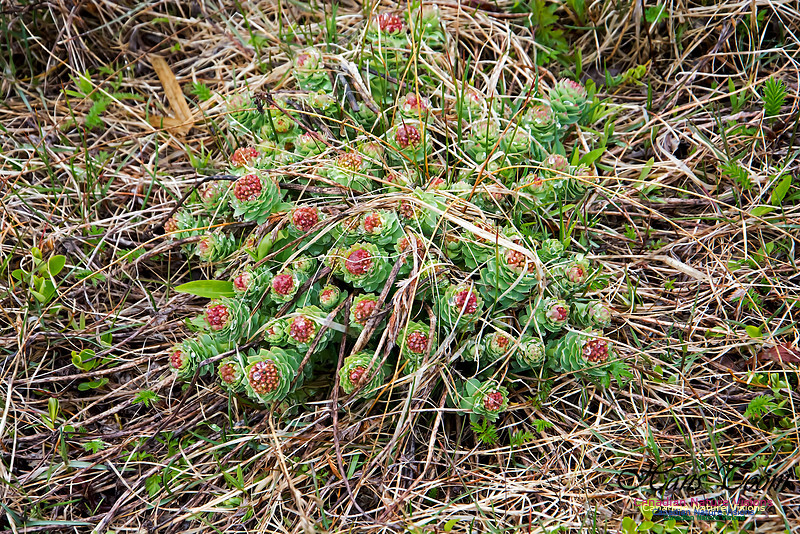
Rose Root
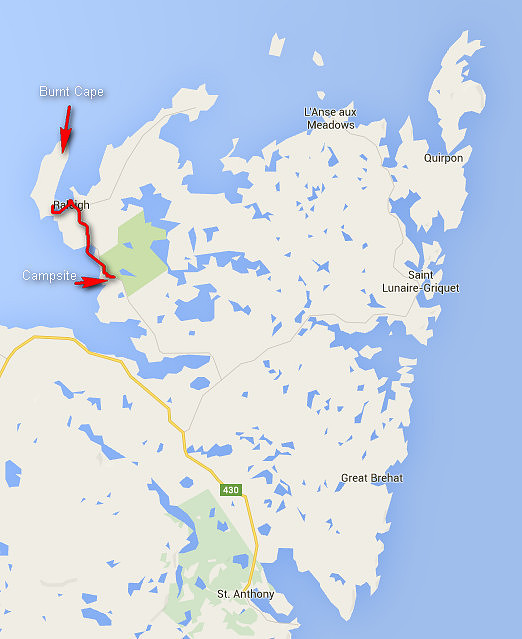
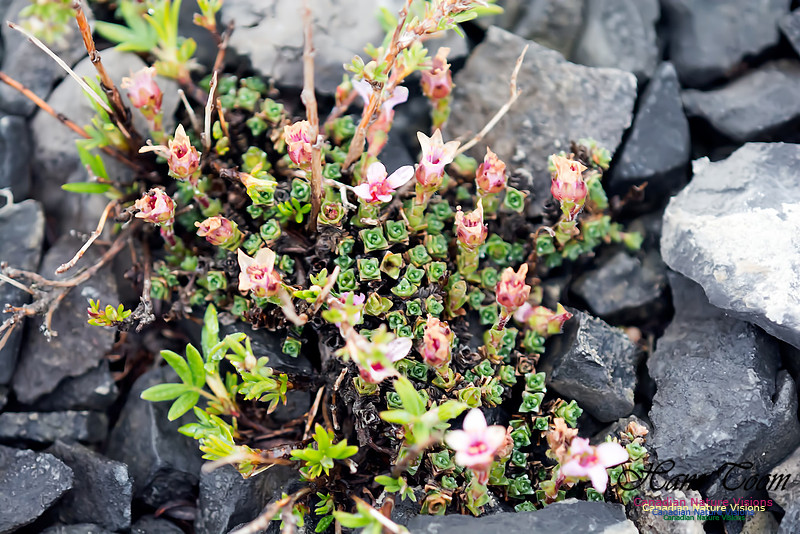
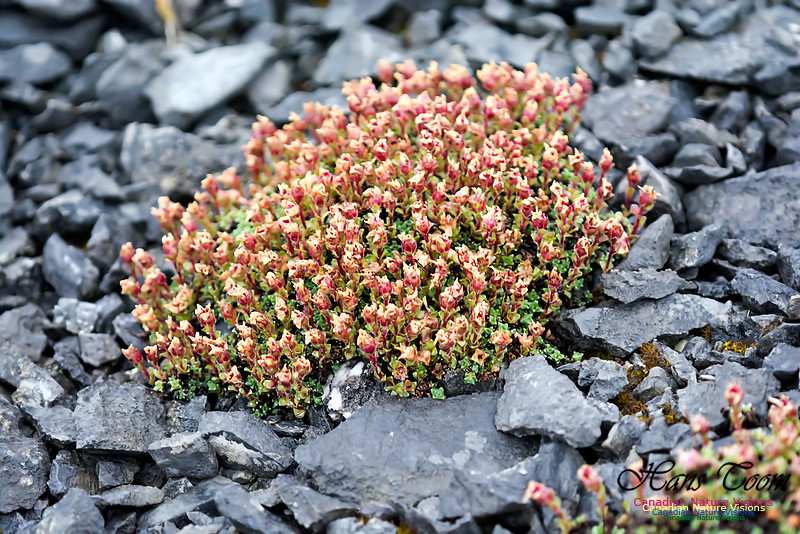
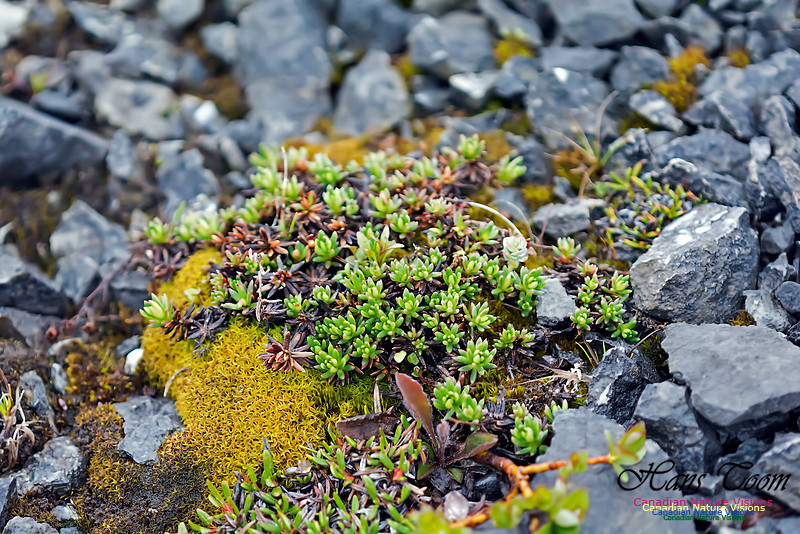
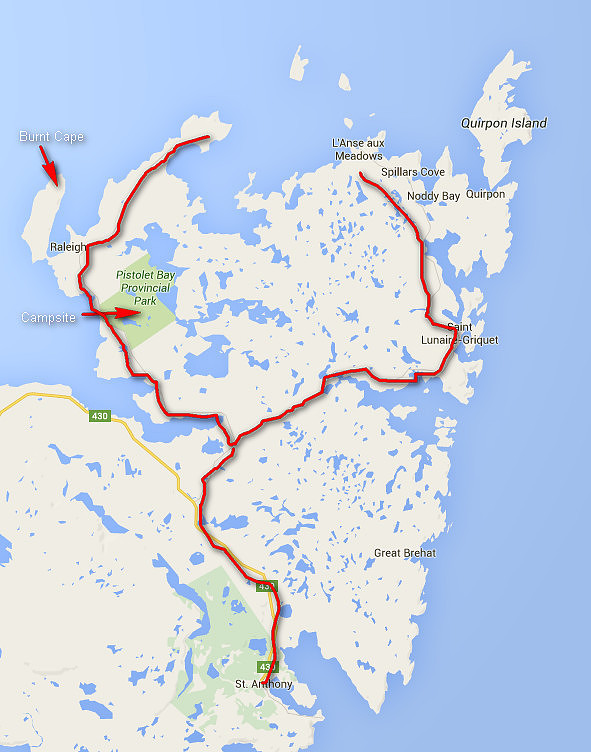
The Great Northern Peninsula Day 5 of our Newfoundland Adventure- Burnt CapeWe started the day with the long awaited trip to Burnt Cape, renowned for arctic wildflowers. It was a fifteen minute drive from our campsite to Raleigh. This took us directly to a T junction at the water's edge. We turned left and followed the coastline and part way up the hill to Burnt Cape. We couldn't risk going further in our motorhome so we continued on foot. Fortunately, it didn't rain although it was overcast. My tale of woe relates to my Nikon 200mm micro lens(brand new) supposedly the best available from anyone, according to the "fan boys"**. The lens is a door stop in disguise. The autofocus locks and takes photos even when the subject is out of focus and the focus limiter has no lock so it moves with a slight jar ensuring a row of useless photos since it takes out of focus photos anyways. The good news is despite the shoddy performance of my lens we enjoyed our hike and the wildflowers were abundant and everywhere. ** "Fan boys" is a derogatory name for those that mindlessly parrot the virtues of a particular make or model of photo gear. Route to Burnt Cape from Pistolet Provincial Park is shown here.
Laura posing beside our motorhome on Burnt Cape.
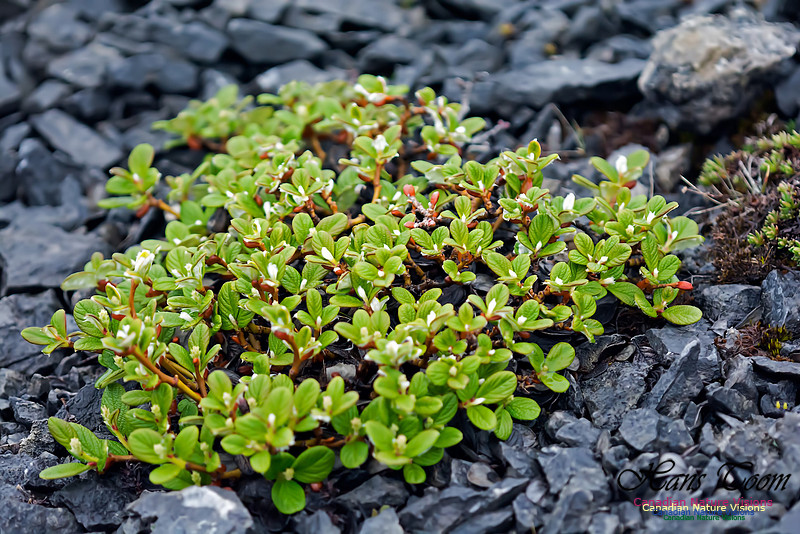
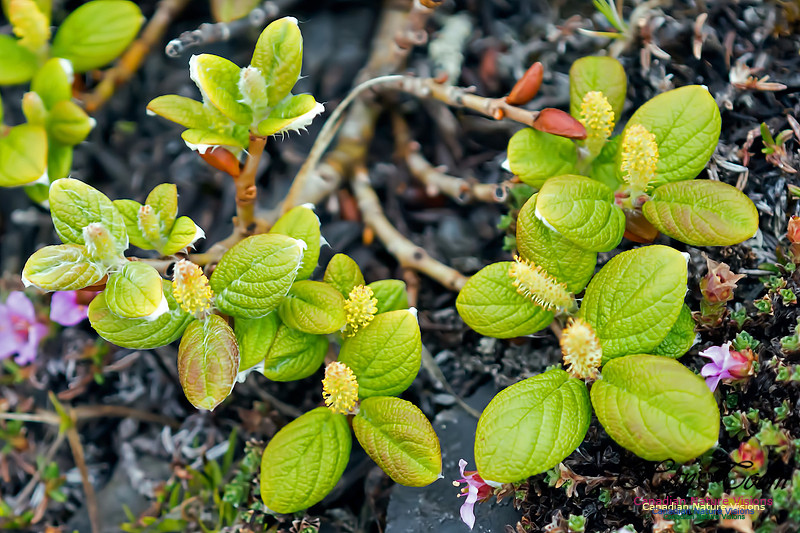
I won't identify the wildflowers until a later time but here is a good website for wildflowers of Newfoundland: http://bitstop.ca/wildflowers-of-newfoundland/
This photograph is looking back towards Raleigh from Burnt Cape.
Laura is near the top of Burnt Cape.
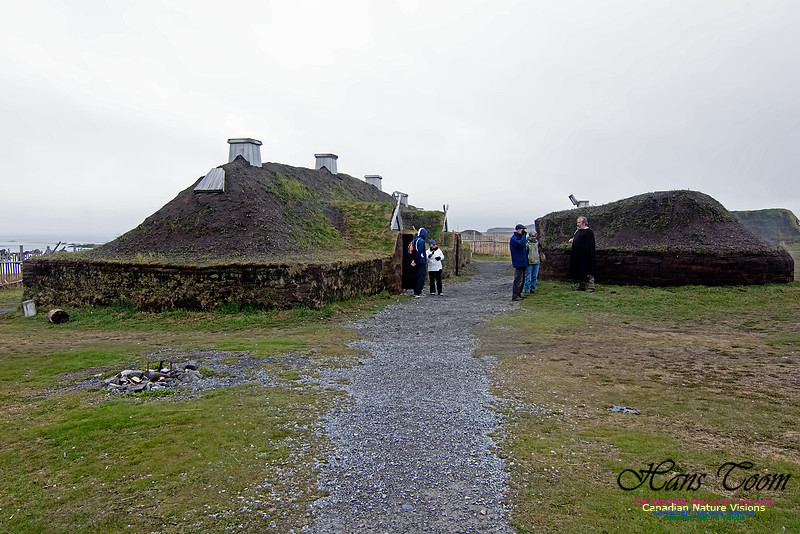
The Great Northern Peninsula Day 4 of our Newfoundland Adventure, L 'Anse aux MeadowsL 'Anse aux Meadows was the first of four targets for our Newfoundland trip. The second is Burnt Cape for arctic wildflowers which we will do tomorrow, third is Cape St. Mary's for alcids and Northern Gannets and fourth is Witless Bay for more alcids especially the Atlantic Puffin and Humpback Whales. We expect to see many more icebergs everywhere. L 'Anse aux Meadows was a way stop for norsemen on their way to New Brunswick to pick grapes. Apparently, this uncommon grape is only found in New Brunswick and remnants of the grape were found at L 'Anse aux Meadows. The norsemen sure liked their wine. More information on the place can be found here: https://en.wikipedia.org/wiki/L%27Anse_aux_Meadows This photo is Laura posing at the sculpture at the entrance to L 'Anse aux Meadows. Her attire is an indication of the weather conditions, cold and windy but the rain did let up for our walkabout.
The sculpture is a commissioned work.
The boardwalk to the site, about a one kilometre leisurely walk.
The palisade around the compound.
There are several photographs of the interior of the structures; sleeping areas, food preparation and storage, foundry, weaving and outer ware.
The Visitor Centre
Aloha!
The Great Northern Peninsula Day 4 Afternoon of Our Newfoundland AdventureWe spent the afternoon of day 5 exploring the local coastline looking for more wildflowers, icebergs and moose. We had seen lots of moose but they were wary and would scurry off into the woods at our approach. I did manage a couple of decent photos but you have to act fast and stay hidden. Here's a safety tip. Never drive at night or the predawn hours in Newfoundland. The moose come to roadsides to lick the previous winter's salt.
This iceberg was off St. Anthony.
This is a nordic theme restaurant where you eat with your hands and big wooden spoons. There are no vegetarians here.
Local gardeners corral their plots on public lands beside the roadside.
The Great Northern Peninsula Day 4 Morning of Newfoundland AdventureThis is our fourth day of the trip and things will start to get exciting now. We spent two nights at Pistolet Bay Provincial Park. The park staff were wonderfull, very friendly and helpfull. We spent the morning exploring the local scenes and finding a route to Burnt Cape and the arctic wildflowers. We will visit L'Anse aux Meadows National Historic Site plus lots more icebergs in the afternoon The map below shows the area we traversed in the morning. Fog, rain and wind still prevailed but less so with the sky brightening from time to time.
The coastline was spectacular as usual.
This cemetery and surrounding area had us encountering our first arctic flowers. Arctic flowers often grow further south particularly in the higher altitudes of the western mountain ranges. Mid July is not a good time for arctic wildflowers but our timing was predicated on the visits to Cape St. Mary's and Witless Bay for the nesting sea bird displays. The Cemetery
Roseroot
Unidentified so Far
Moss Campion
Roseroot
Unidentified so Far
This monster was photographed with a serious telephoto lens.
This iceberg may have blocked the harbour.
We saw lots of moose but this is the first one I managed to photograph.
Serendipity Indeed
Newfoundland Ferry Day 2 of Newfoundland AdventureWe started the second day of our Newfoundland adventure by rising at Broad Cove, Cape Breton Highlands National Park. We drove to North Sydney to catch the ferry to Channel-Port aux Basques. We arrived on time at 10:30 AM for a 12:30 departure but the ferry was three hours late departing due to rough seas on the previous crossing. The six hour ferry ride without a stateroom got us to Channel-Port aux Basques just in time to get us to JT Cheesman Provincial Park at dusk. The only highlight of the long day was nesting Double-crested Cormorants and Common Terns at the North Sydney harbour mooring blocks platform. This map shows our route with five hours sitting at the parking lot at North Sydney waiting to board the ferry and six hours riding the ferry.
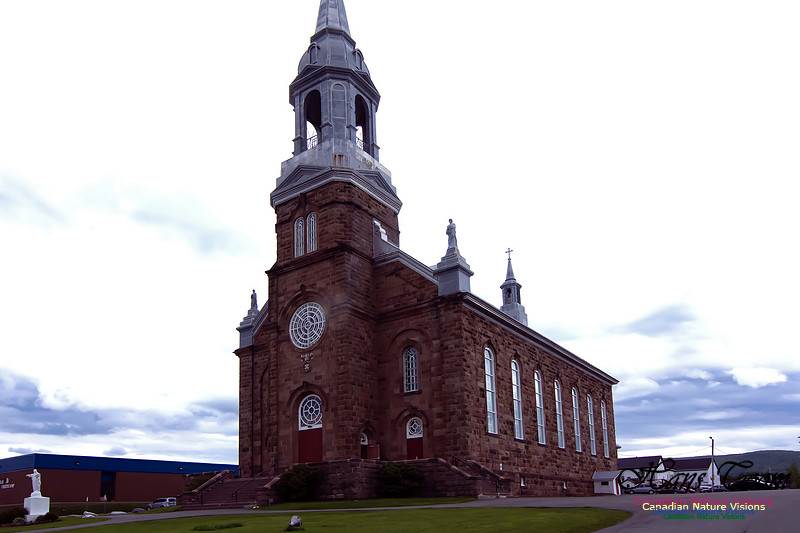
I like churches. This one was on the route from Broad Cove to North Sydney.
This is the bridge of our ferry photographed by a bored Hans.
Nesting Double-crested Cormorants at North Sydney
The overcast sky continues into the afternoon.
Common Terns nesting on the mooring platform with each pair scratching out a nest from the meager clumps of grass.
Even a Black-backed Gull found a spot to nest.
The Double-crested Cormorants are not fussy about where they build their nests.
This Common Tern caught a fish and circled the colony several times proudly displaying its accomplishment.
Mother is waiting!
Please give me that fish.
Finally at sea a view of the mast.
Early Summer Orchids and Other WildflowersWhen I first got into photography it was mostly about birds. Now its birds, animals, butterflies, wildflowers, orchids, flowering shrubs, scenery and people. There is so much to see and enjoy out in our natural world. We have at least six orchid species on our local coastal barrens plus fireflies. Blackberry
Yellow Water Lily(Bullhead Lily)
Dragon's Mouth Orchid
Grass Pink Orchid
Pitcher Plant(Carnivorous)
Showy Lady's Slipper Orchid(lots and lots of photographs but who can blame me?)
Yes, it did actually rain that morning. The orchids were not sprayed.
Cape Breton Highlands Day 1 of Newfoundland AdventureLaura and I started our Newfoundland expedition by way of Cape Breton Highlands National Park on June 13, 2016. We had four high points that would make the trip a success; Lance aux Meadows and Burnt Cape, Cape St. Mary's and Witless Bay, all in Newfoundland. As it happens even with lots of rain, fog and wind our four high points were a success with excellent viewing and photographic opportunities. The conditions just happened to improve when wanted. It was serendipity! The first day was all Nova Scotia with a tour of the Cape Breton Highlands. We stayed overnight at Broad Cove, Cape Breton Highlands National Park.
Our transport for the adventure, the Ford 350 turbo diesel Genini, was economical and comfortable with a rear slide out for a double bed. Be warned buying diesel fuel in Newfoundland is tricky with spotty service and even when you find diesel the nozzle is often too large!
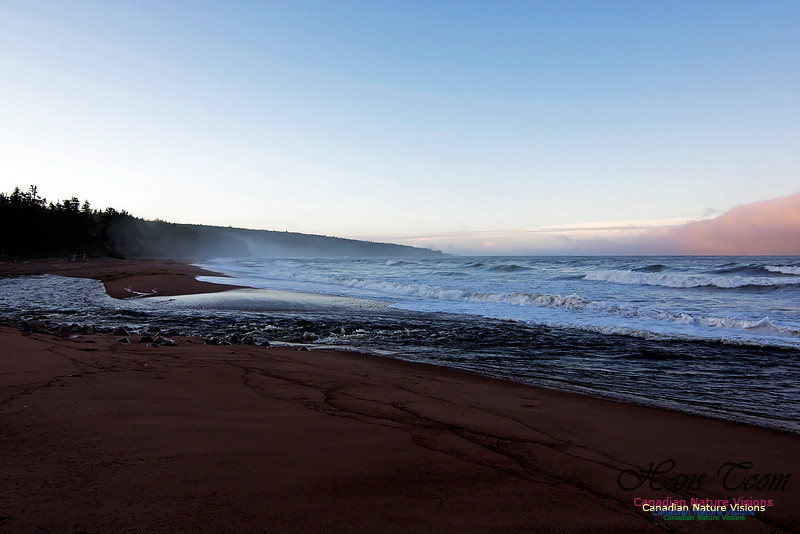
The beach at Broad Cove near sunset.
There was considerable damage to the seawall at Broad Cove.
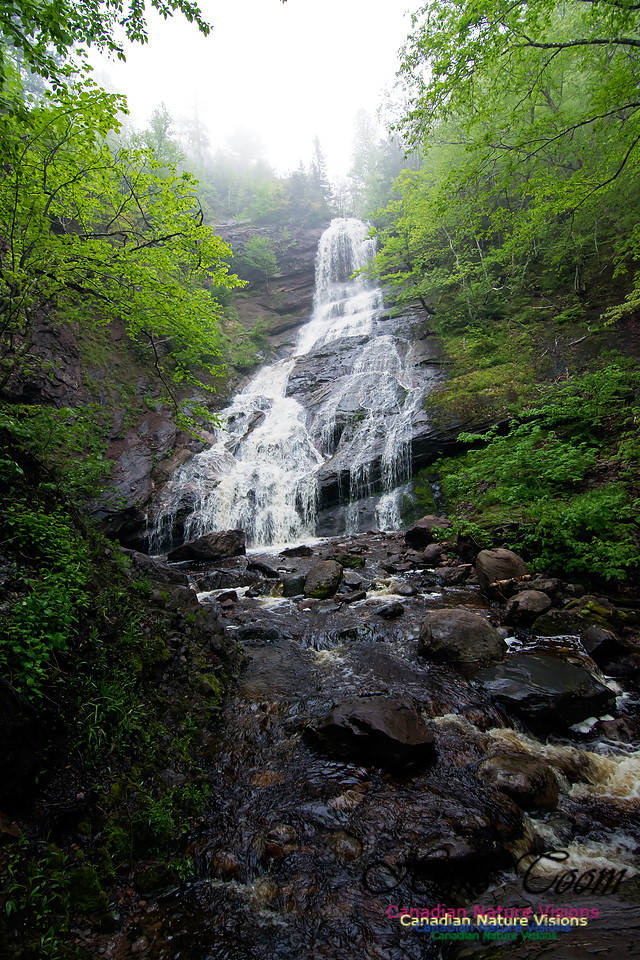
Beulach Watefall
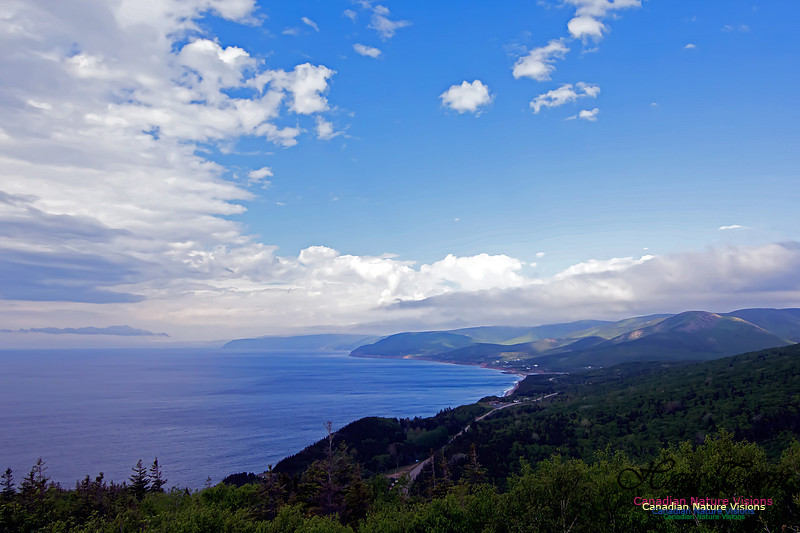
The Highlands
Yes, the Rhodora is here, as well.
Bog Rosemary
Bog Buckbean
You talking to me bud, eh?
Bog Buckbean
Bog Laurel
Rhodora
Canso Causeway was built from these hillside rocks
Indian Pear
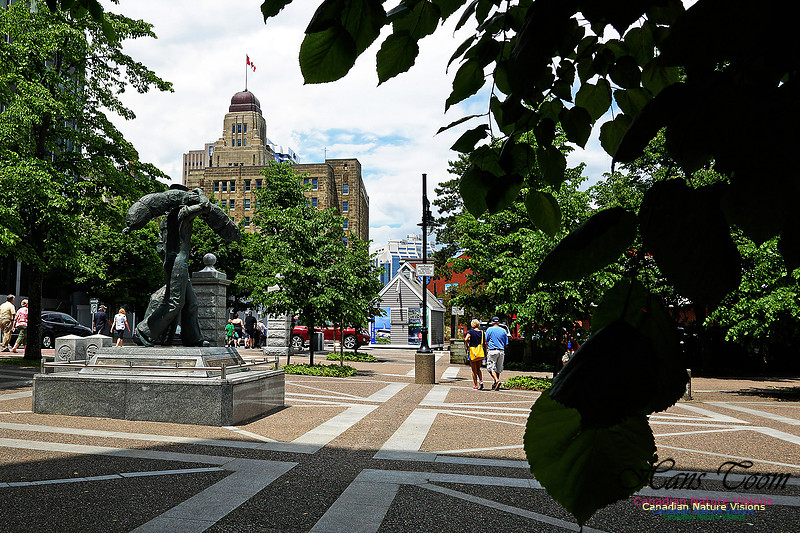
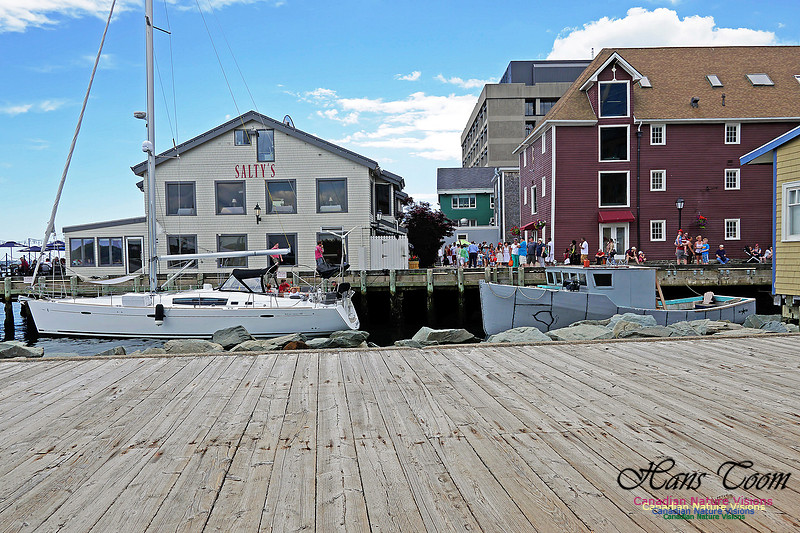
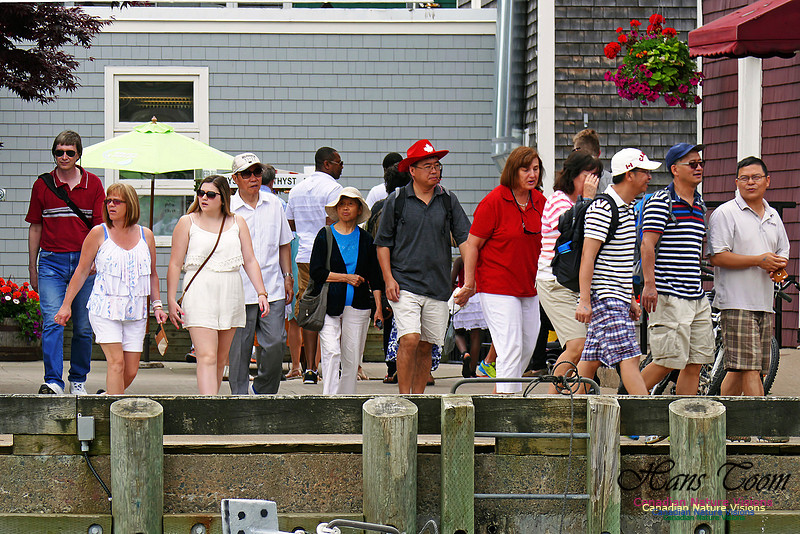
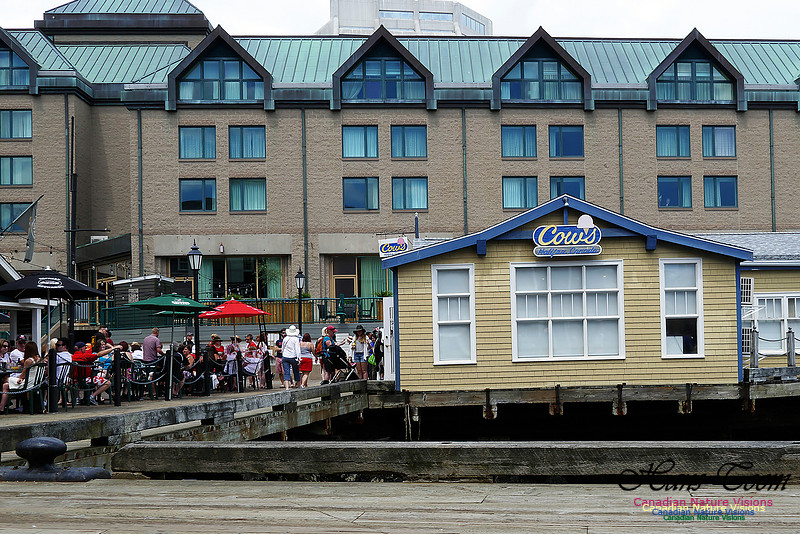
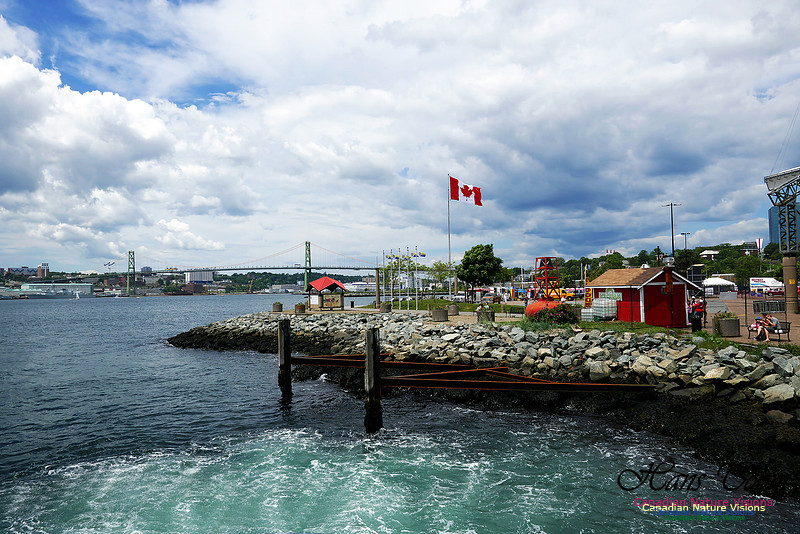
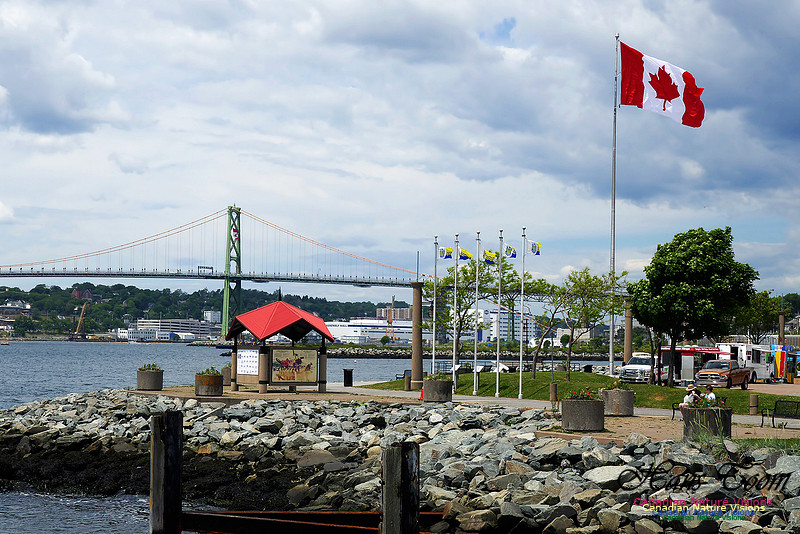
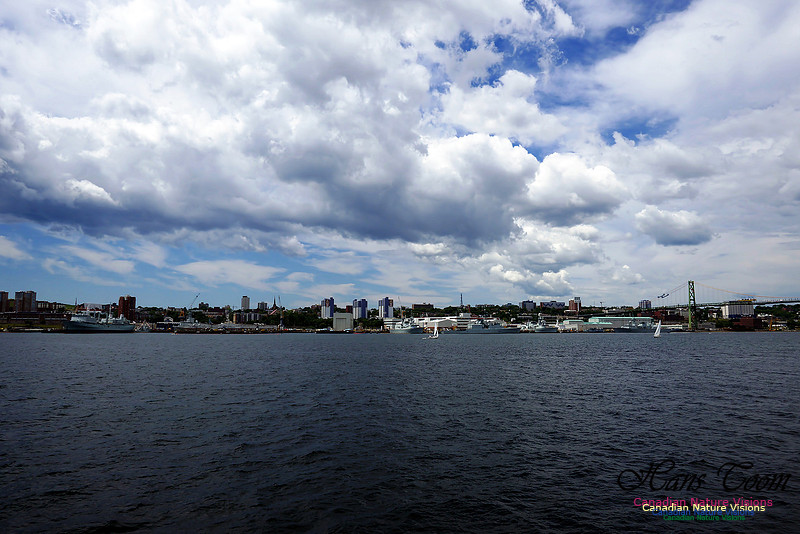
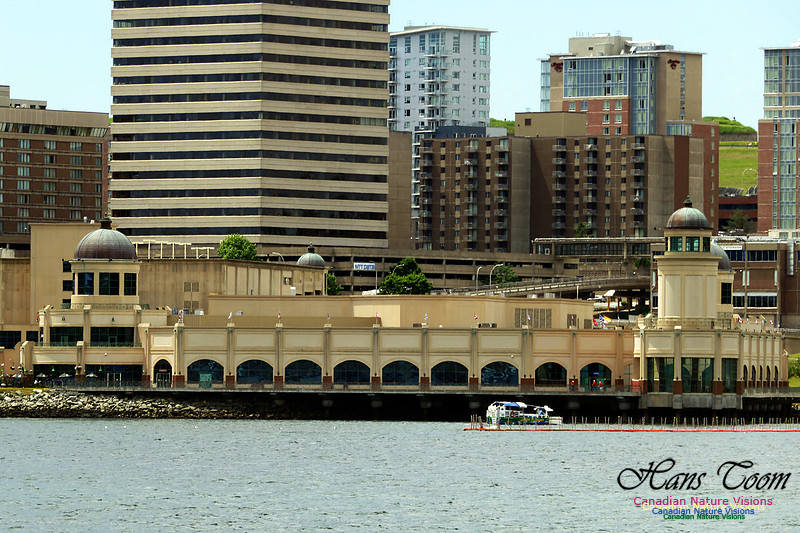
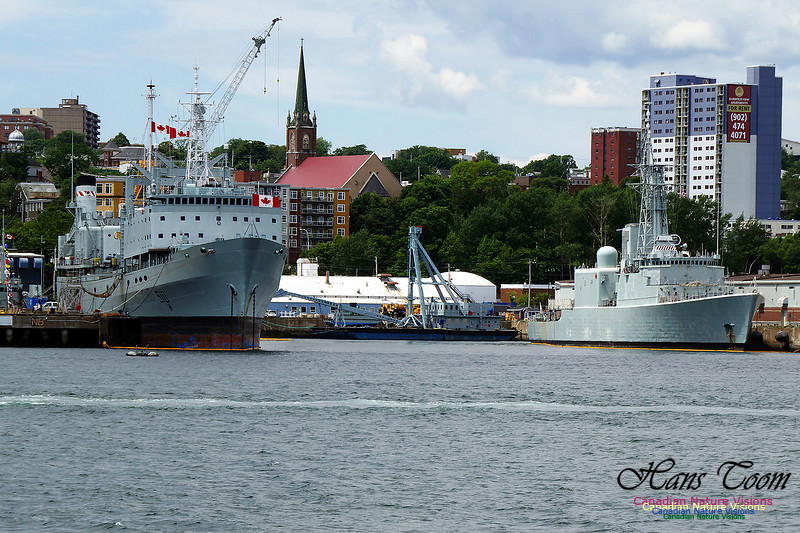
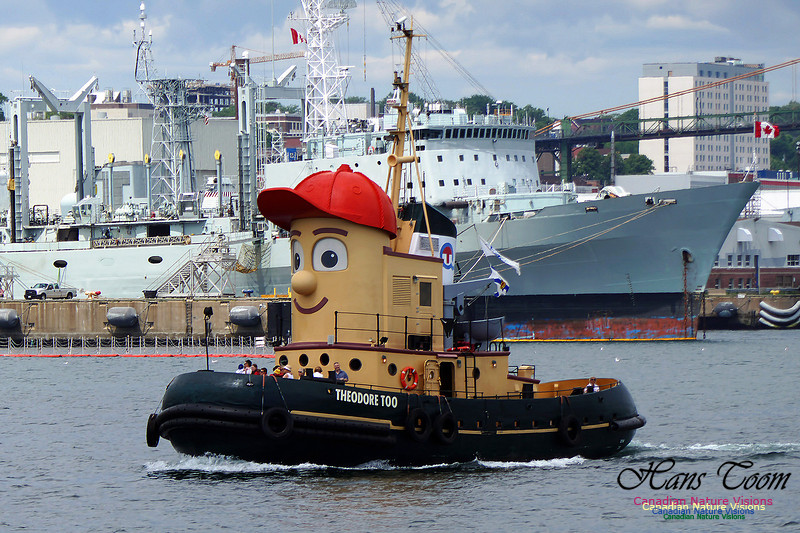
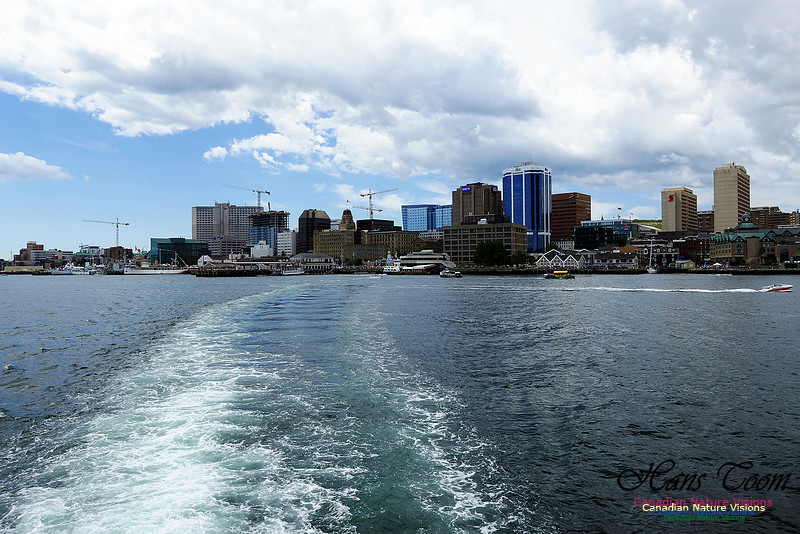
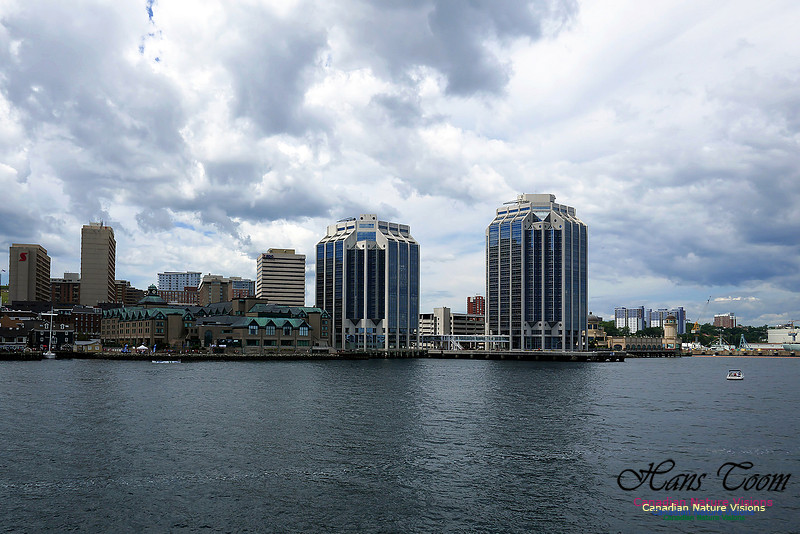
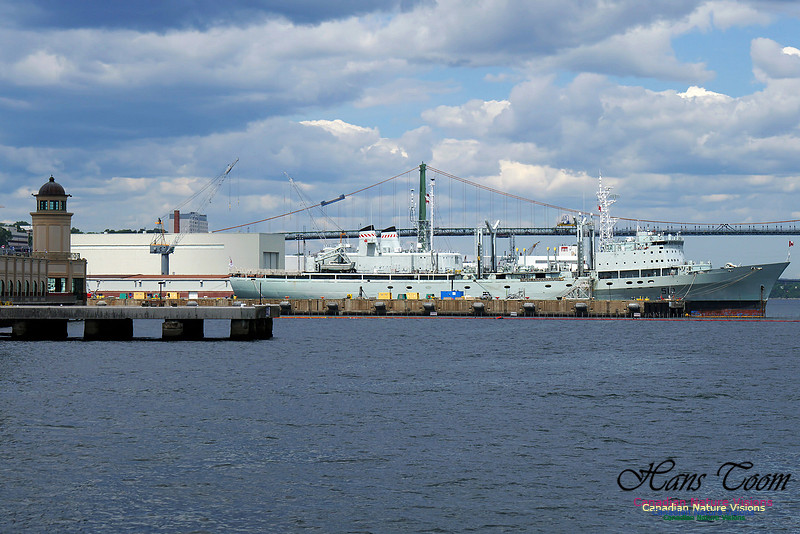
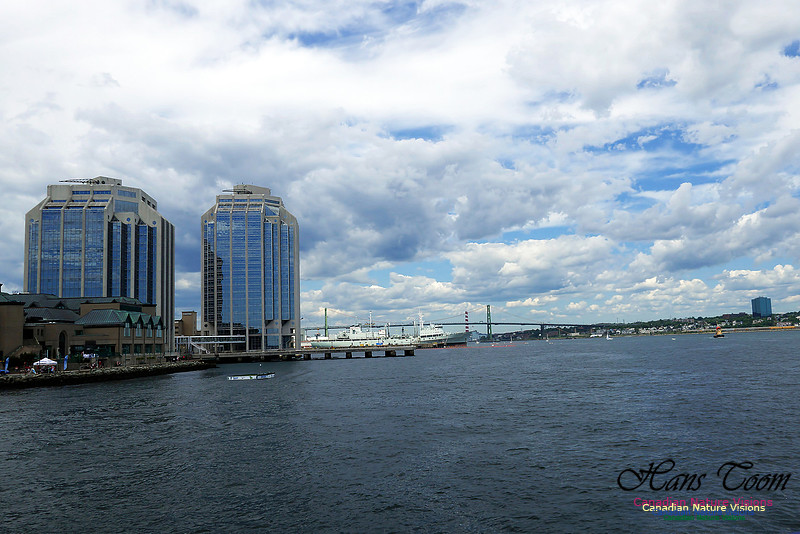
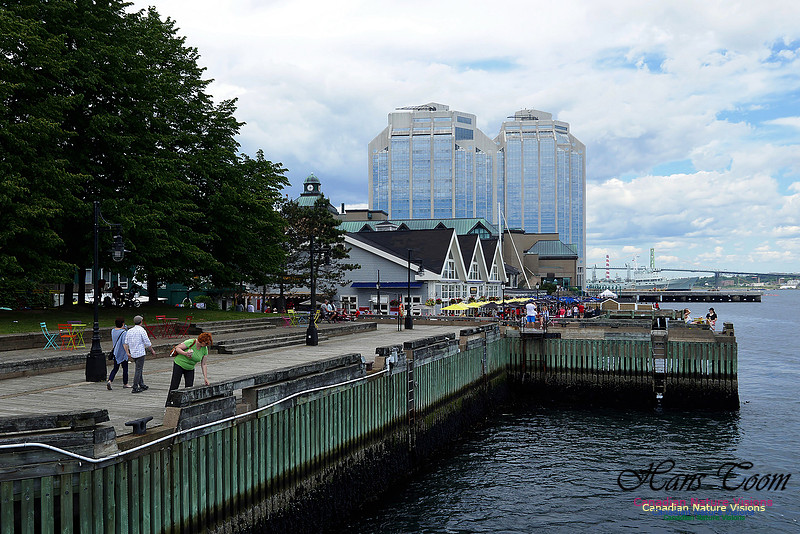
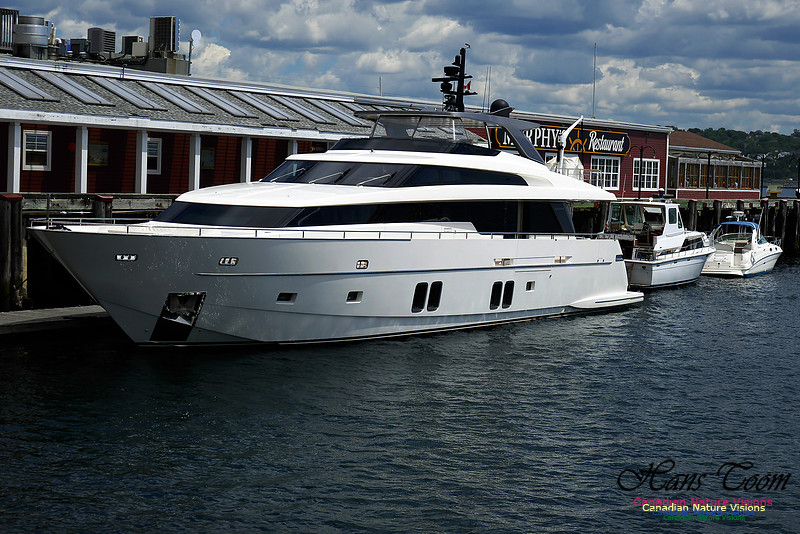
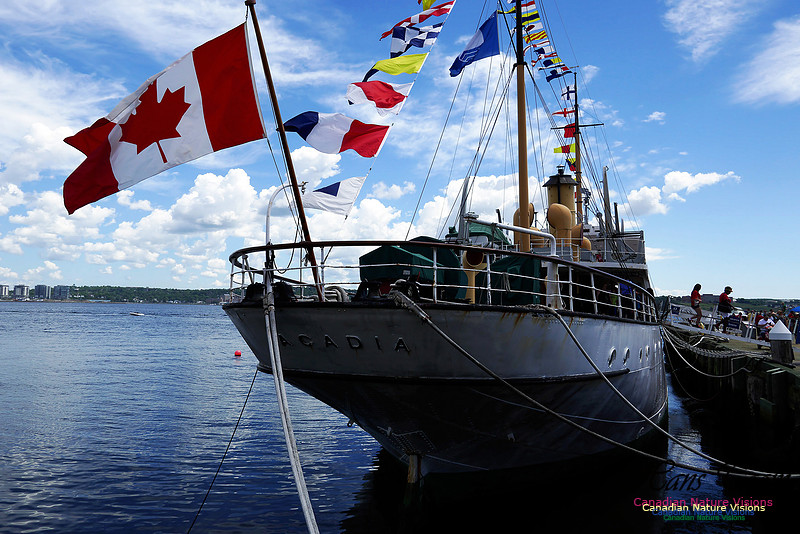
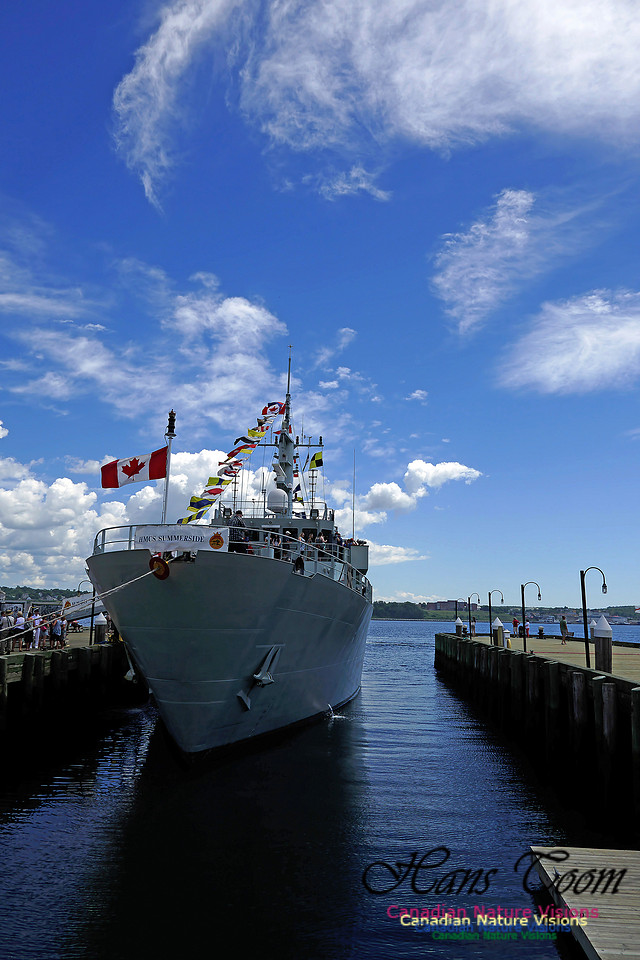
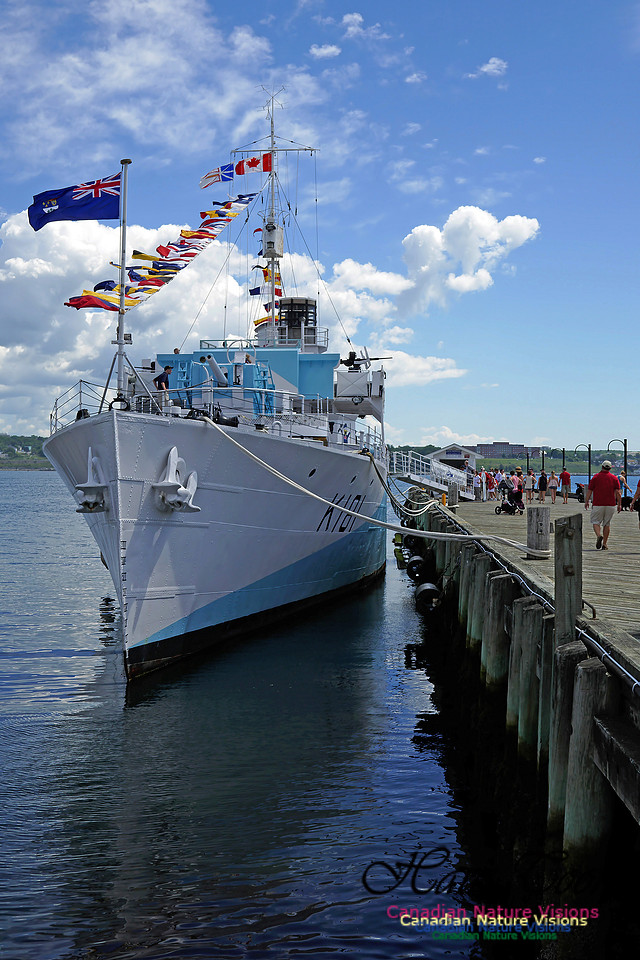
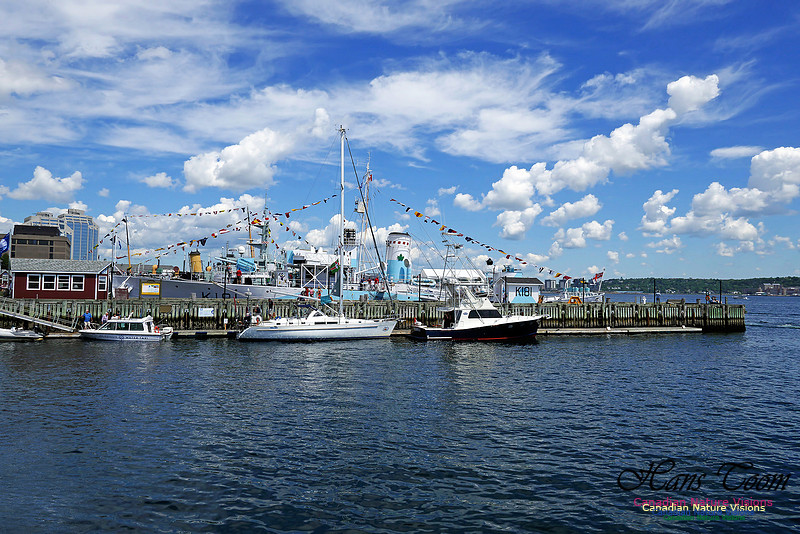
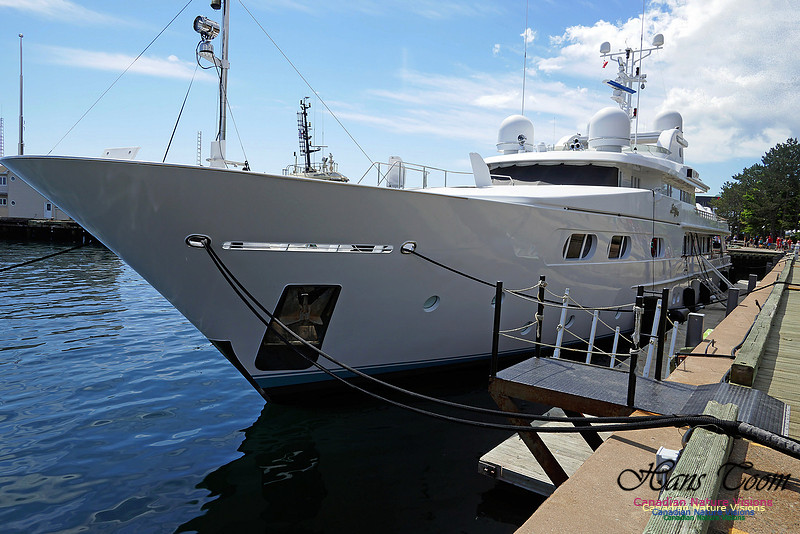
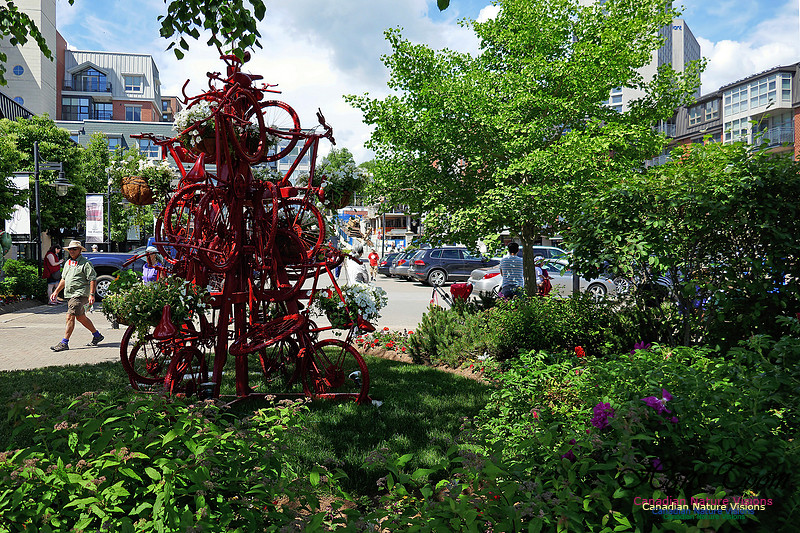
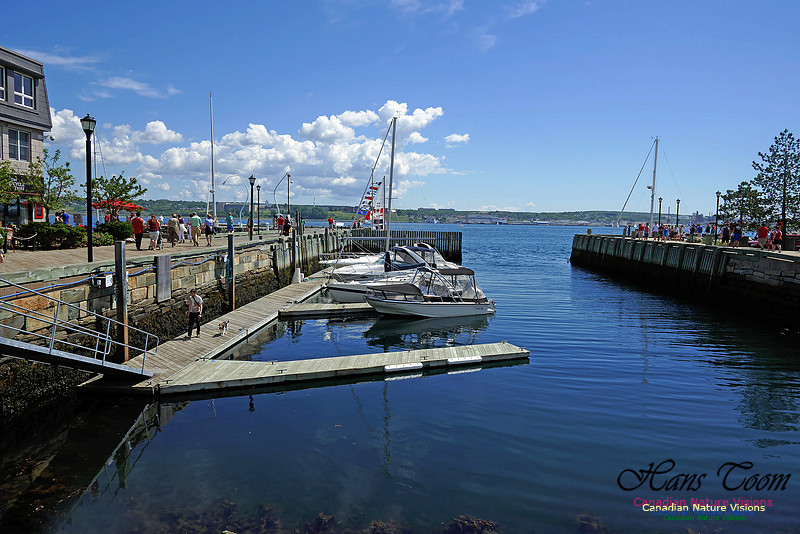
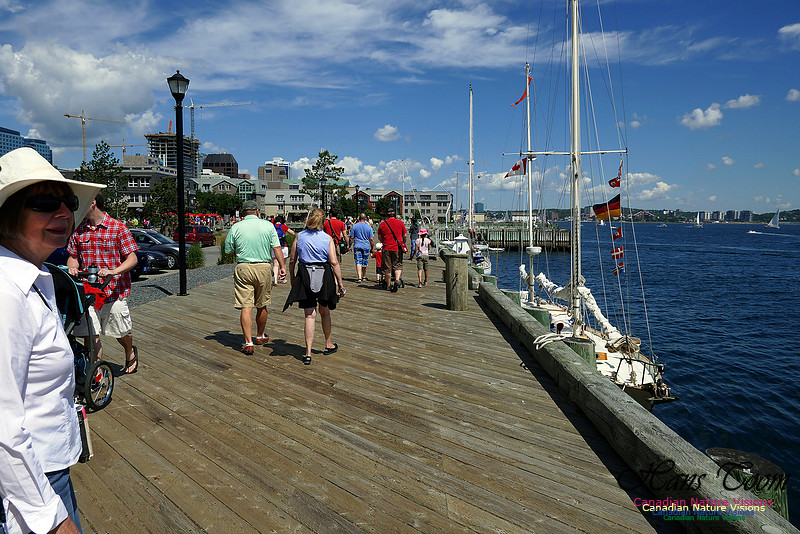
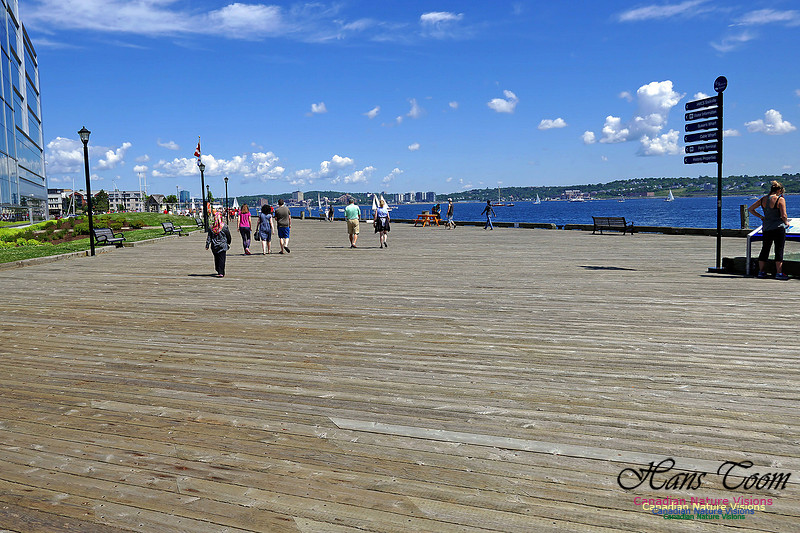
Canada Day July 1, 2016, Halifax WaterfrontLaura and I spent Canada Day, July 1, 2016, at the Halifax waterfront. The weather was perfect, mostly sunshine, some clouds and lots of people. Cow's ice cream was a must have.
Yellow Lady's-slipper OrchidPrior to our departure on June 13 for the Newfoundland adventure, other wise known as, "wind, rain and fog", I took two friends on a walk in the West Hants County's gypsum lands to look for Yellow Lady's-slipper Orchid and Ram's Head Orchid. The Ram's Head Orchid had disappeared with no trace of the flower head at all which is surprising since they were fully open and vibrant at this time last year and present here two weeks earlier. I suspect they were torn out by a rogue gardener or collector. Such people have no respect for nature, the plant's natural propagation, the enjoyment of others or themselves. I am two weeks behind on all my photos with another 3000 images from Newfoundland to sort, delete, crop, enlarge and edit. There is lots of work to do but stay tuned since among all that stuff I have remarkable photos of a North Atlantic Right Whale corraling feed fish against a cliff face. Blue Flag Iris
The Marsh There is a breeding pair of Killdeer here every year.
Unidentified Moss Yes, I know, I know it's time for Hans to get a moss and lichen identification book.
Canadian Tiger Swallowtail This butterfly just appeared in front of Gabriela and I allowing for leisurely photography.
Yellow Lady's-slipper Orchid
|


 (861 KB), one of the world's most southerly expanses of sub-Arctic tundra. Mosses, lichens, alpine wildflowers, and low-growing shrubs carpet the seemingly treeless plateau over which visitors walk. The area has ponds, bogs, brooks-and sheer cliffs plunging down to the sea. Offshore, during the summer, whale spouts can often be spotted.