Nelson's GullThe Nelson's Gull is a hybrid between a Glaucous Gull and a Great Black-backed Gull. It took a great deal of head scratching to identify this example and its probably still up for debate. This much is certain. This hybrid is equal in size to a Glaucous Gull/Great Black-back Gull so hybridization with smaller gulls such as; Lesser Black-backed Gull, Ring-billed Gull and Iceland Gull can be ruled out. Note also the massive bill typical of a Glaucous Gull. Nevertheless hybrids are always tricky. Nelson's Gull
Great EgretThe Great Egret is not a rare bird in Nova Scotia but certainly hard to find at imes. It's usually more numerous in the spring migration but can turn up almost anywhere without pattern save for its love of marshes, salt and fresh. It's quite numerous in southern Ontario especially between Point Pelee National Park and Windsor. Here's a collection from the years as they say in the movie biz, "remastered". Great Egret
Purple SandpiperThe Purple Sandpiper is a nifty bird. It spends its summers further north and winters along our coast although some can be found locally year round. They work the kelp and seaweed attached to the rocks when the tide falls. Some folks think this bird is skittish but this is not so at all. The problem is approaching it when its feeding without falling on rocks or into the Atlantic Ocean. As you will see from the following photographs it is on slippery and slimy rocks, some even coated with a sheet of ice, so photographing the bird requires patience, slow movement and studded footware. I've gotten to within two metres of these shorebirds and they just ignore me and get on with their business. Purple Sandpiper
Carolina WrenThe Carolina Wren is an absolute stunner of a bird. This one was a treat to visit in its snowy home. It resided in a wood shed during the day where an ample supply of insects were on hand to be caught and eaten. At night it slept underneath the roof of a doorway. It burrowed a cavity about one metre long into the insulation. The home owner confirmed this with a judicious use of a flashlight at night. This bird was a survivor. I photographed it about twelve years ago and stored the written record on my hard drive which subsequently crashed. I still have the hard drive and a replacement for it but I have to employ a software guru to retrieve and transfer the files. All my old Yahoo records are on this drive as well. This is an excellent argument to get an external drive which you can plug in and out as required. It's much more secure than "the cloud", just ask Jennifer Lawrence. Carolina Wren
Spotted TowheeThe Spotted Towhee, a mega rare bird, was recognized as a seperate species from the Eastern Towhee(Chestnut-sided Towhee). Both versions of the towhee were previously seen in Nova Scotia but the Spotted Towhee was likely unconfirmed by modern standards as almost all rare birds are now unconfirmed without photographic or audio evidence. This Spotted Towhee appeared about ten years ago, November 2009, and was quite cooperative if one showed patience. Photographing colourful birds in snowy evironments is always a treat. I used the superb Sony A900 camera, with image stabilized body, and Minolta 600mm F4 lens with 1.4X extender. Sony never improved on this camera and lens combination and eventually gave up to switch to mirrorless, a dumb move, and also developed a poor Sony 500mm F4 lens at three times the price of the Minolta 600mm F4. Spotted Towhee
Buff-breasted SandpiperThe Buff-breasted Sandpiper is my favourite shorebird. It's uncommon, not rare, but hard to find in its usual weedy locals. I was lucky to find this one out in the open about 15 years ago. They are my best photographs of this bird. Sadly, in my early days of digital photography I did not keep RAW files(digital negatives of original photographs). To add insult to injury I had to downsize these photographs to accomodate the requirements of the Yahoo web site I was using at that time. My best advice is to never use Yahoo for anything and always keep RAW files of your photographs. I currently use a 5TB external drive to store photos. These drives are relatively inexpensive but be sure to develop a good filing system so you can find stuff in future years Buff-breasted Sandpiper
White PelicanThis post is about my continuing series of old photographs from the early days of digital photography. The White Pelican is the most magnificent flying bird Laura and I have ever seen. We used to visit Lockport north of Winnipeg and enjoy lunch while watching the White Pelicans soar over the dam. They would catch an updraft and gracefully circle in sprirals higher and higher until they were out of sight all this without moving a wing, an effortless rise to a height from where they could glide again without effort to their distination. They would fish in the bubbling pools at the base of Lockeport dam. Sadly there is a story of slaughter inflected upon this magnificent bird. Some fisherman working Lake Winnipeg will visit the White Pelican nesting colonies and smash all the eggs. It never occurs to these butchers that its the fishing by them that is depleting the lake's fish harvest, not the White Pelicans. White Pelican These White Pelicans are resting at the base of the Lockeport Dam. These communal feeders use a schooling tactic to corral the fish to scoop them up in bunches into their ample pouches on their lower bill.
This White Pelican was photographed in Nova Scotia, a local rarity!
Swainson's HawkDuring long periods of lousy weather I rumage through old files to see what I can find. This photograph of a Swainson's Hawk is interesting not so much for its presentation, which is lacking, but rather as an example of a reconstitued photograph from the very early days of digital photographs. I believe I took this photo about 2003, or so, during one of my cross Canada drives. If a drive from Pacific Rim National Park, BC, to Cape Spear, NFL is not on your bucket list I highly recommend you add it. The drive from Banff National Park to Jasper along the road through Jasper National Park is the most soul filling experience of a lifetime. You do have to like Bighorn Sheep, Grizzley Bear, Blue Grouse, Willow and White-tailed Ptarmigan and my favourite the Steller's Jay. The Steller's Jay was named after a German ignoring indigenous people's names, as usual. Back in those days I was using lousy digital cameras, about 6.2mp, and lousy zoom lenses typically 75-300mm or the like. The results were terrible compared to the performance of current equipment and imaging software. I took this photo in a Saskatchewan Provincial Park near dusk. I have several in the set but this one is the best. I am sure the Cree, Dakota, Dene (Chipewyan), Nakota (Assniboine) and Saulteaux peoples had named and loved this bird thousands of years before the "white man" arrived so why did we name it after an englishman? Swainson's Hawk
Killdeer and Boreal ChickadeeThe Killdeer is a mid-sized shore bird and quite skittish except when guarding its nest where it often uses the broken wing ploy to ward off interlopers. It is a early arriving and late leaving shorebird. I have seen them at the end of December, definitely not wise if survival is the plan. The Boreal Chickadee is a year round non migrating member of the chickadee clan. It's raspy song is easily recognized but its locals are spotty since like all chickadees they tend to move around a lot. We had some visiting last winter, all winter, often in company with White-breasted and Red-breasted Nuthatches. I used a mirrorless camera for these photos, always a bad idea. The mirrorless technology has a long way to go to match DSLR cameras. Killdeer
Boreal Chickadee
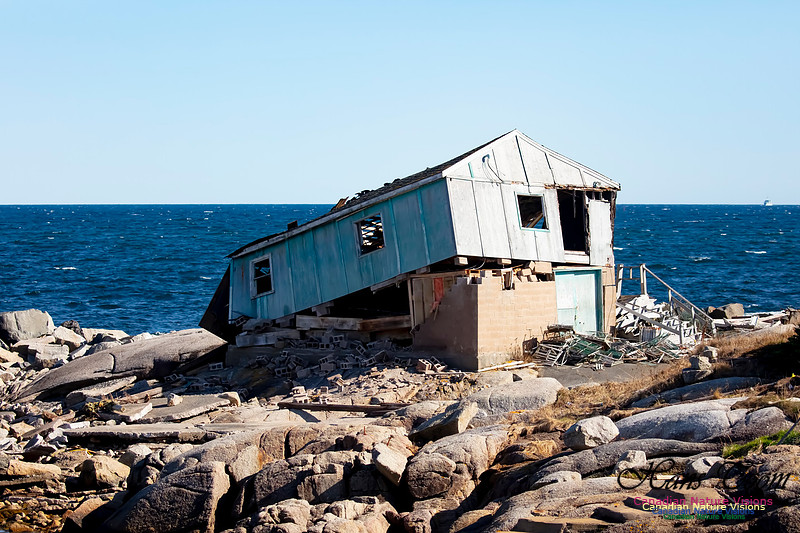
Brewer's Blackbird, Northern Wheatear, Warbling Vireo and Other HighlightsThe Brewer's Blackbirds(2), very rare, were walking on the lawn in our back yard. I tried to get photos but lost them as they went below my line of sight. They were all black, no epulets, no rusty streaks and a square tail which was much shorter than a Common Grackle's wedged tail. The Northern Wheatear, a rare bird, was also unphotographed as it flew from distant rock top to rock top. I should have approached the barrens from the western end to meet them coming rather than watch them leaving in the direction I was trudging. Next time. I did photograph the Warbling Vireo, uncommon, but alas they were record quality photos only due the spray of branches between my camera lens and the bird. Beach House at Portuguese Cove
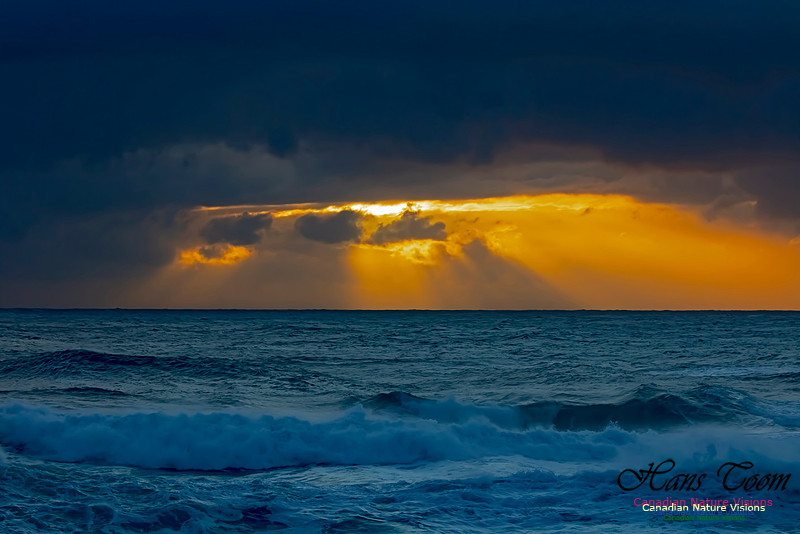
Early Day's Sun at Duncan Reef
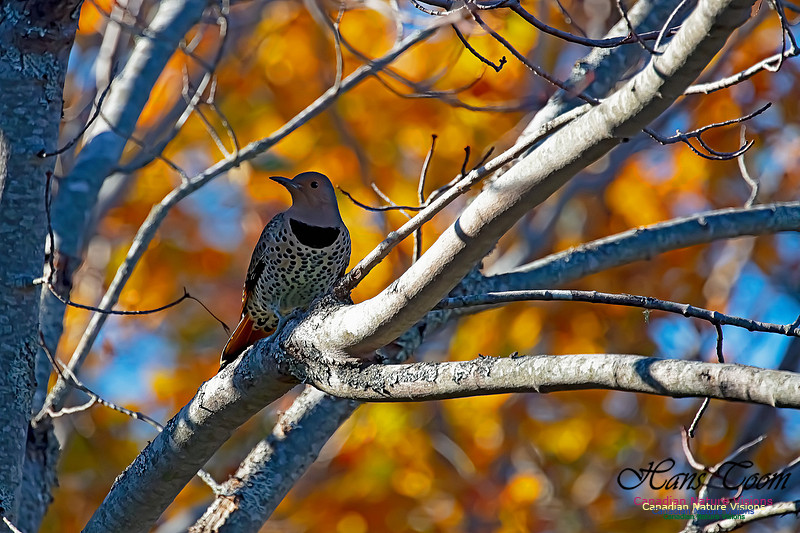
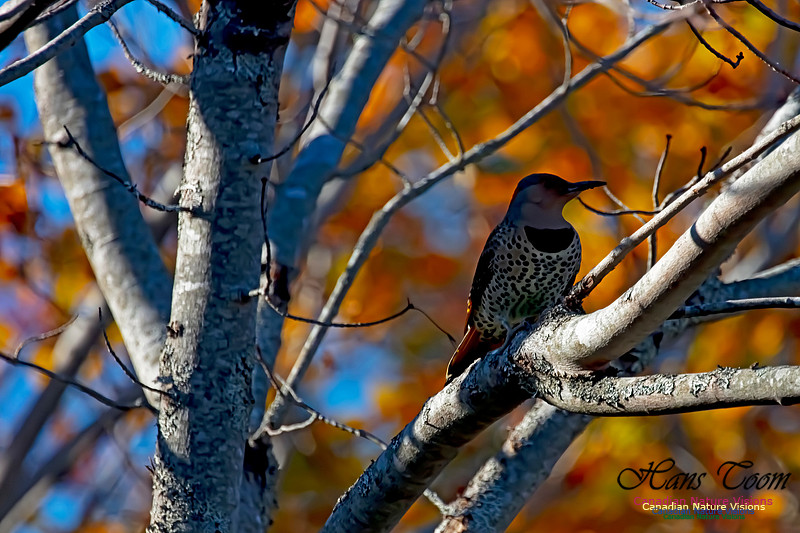
Northern Flicker in the Shadows
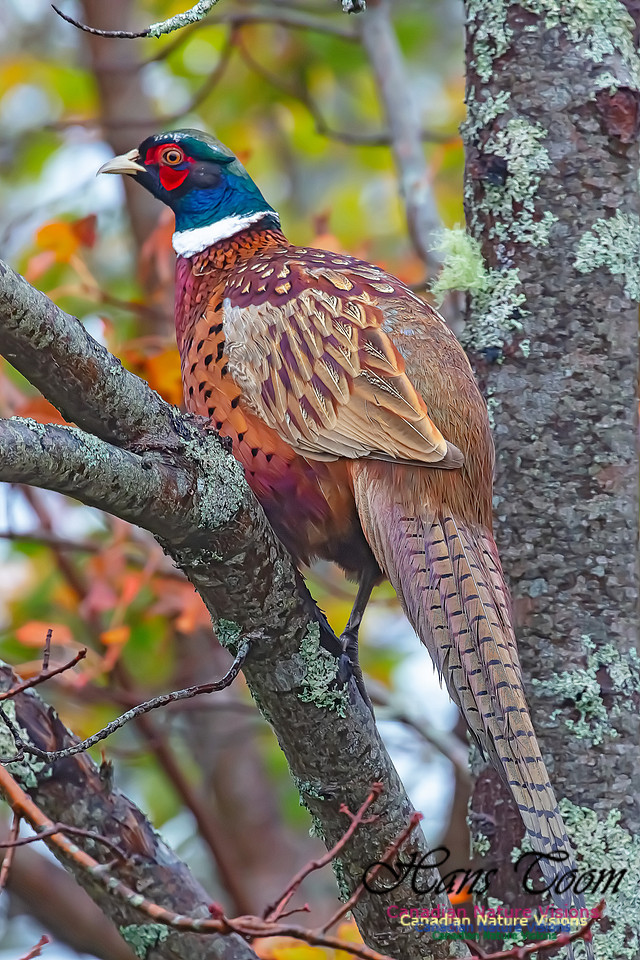
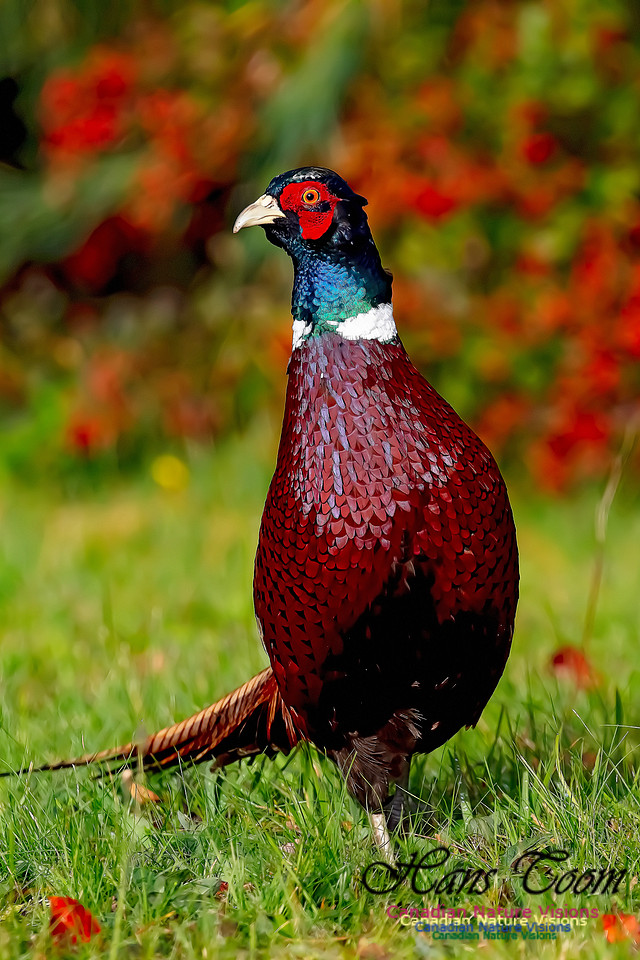
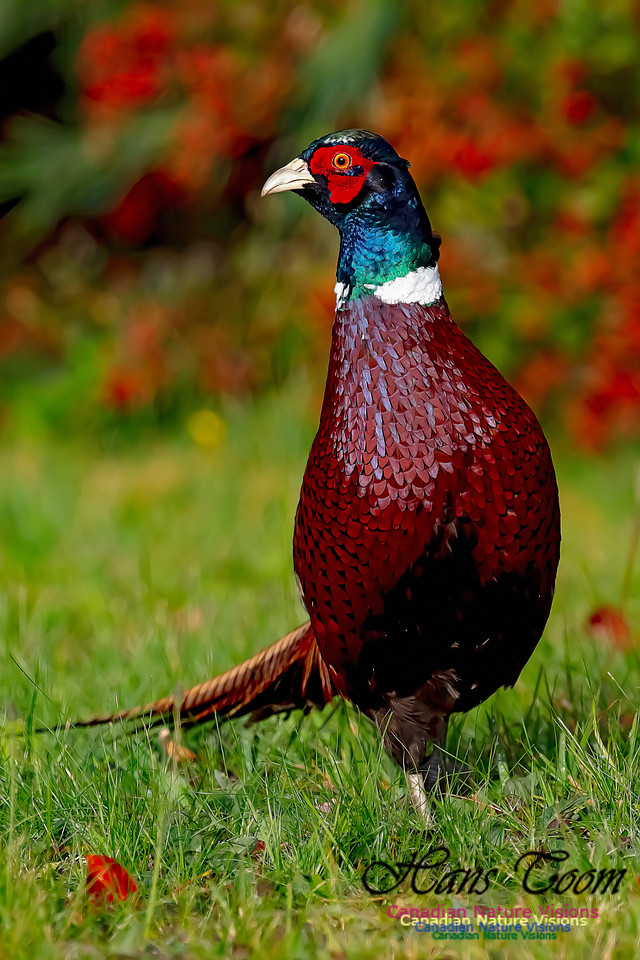
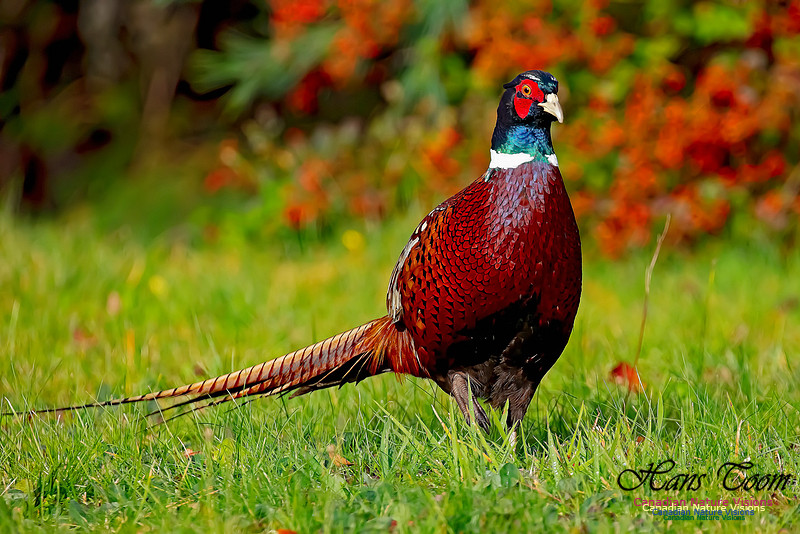
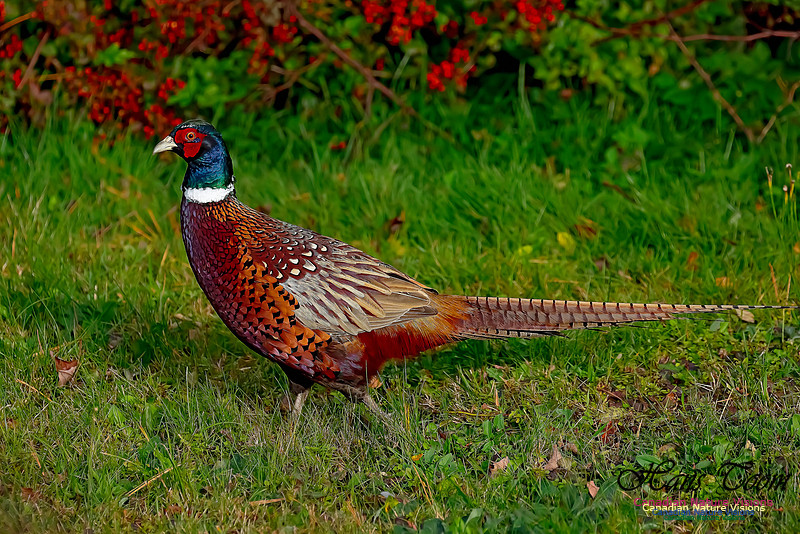
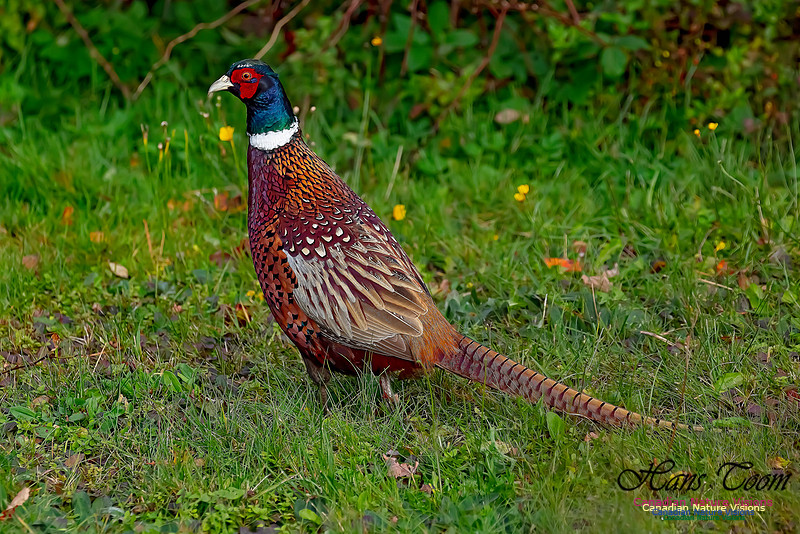
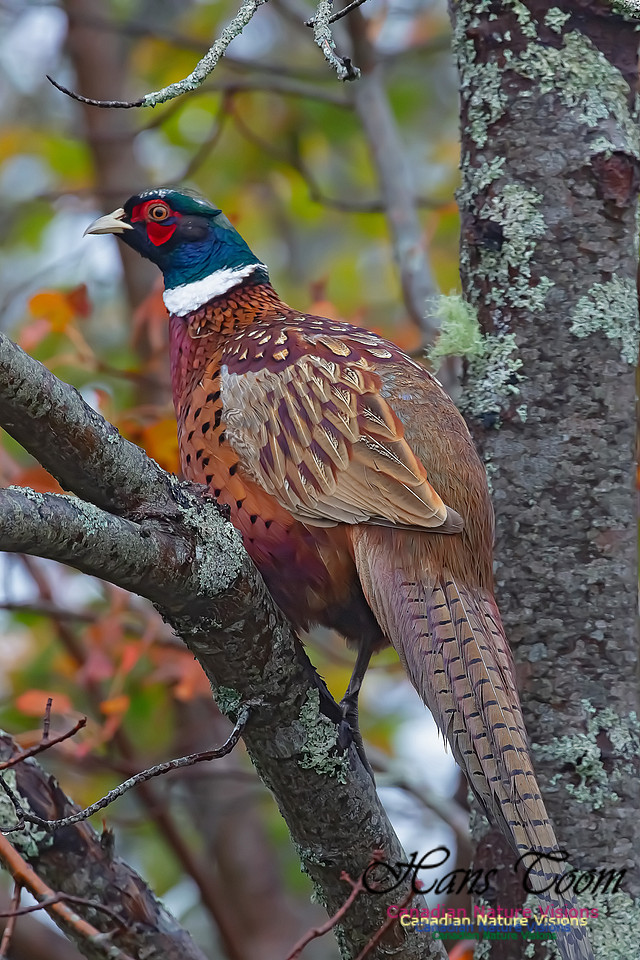
Ring-necked Pheasant
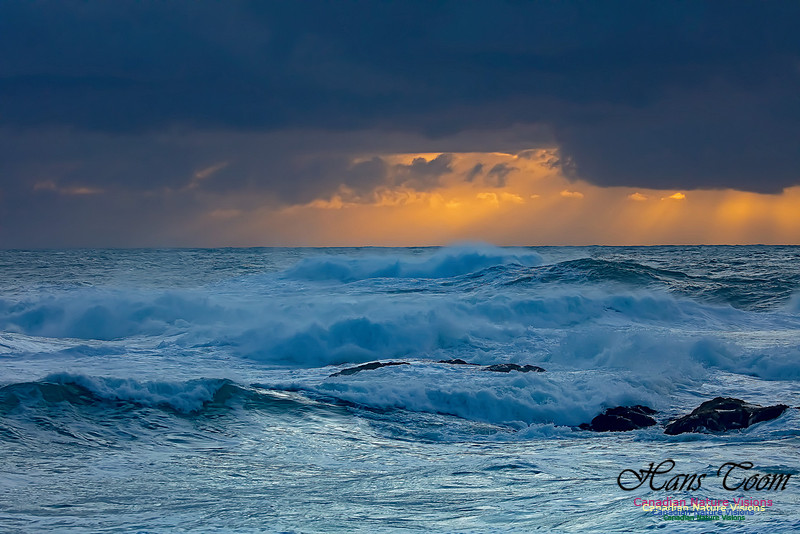
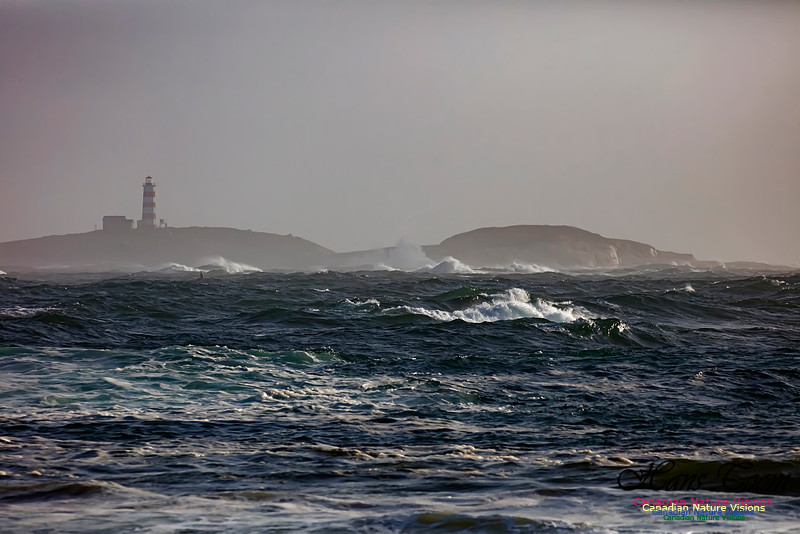
Sambro Island in a Gale
Greater YellowlegsGreater Yellowlegs is among our latest shorebirds. Foolishly, Spotted Sandpipers and Killdeer often remain longer. I have seen Killdeer and Black-bellied Plover in late December but these birds are usually trapped by diminishing food supply and body fat reserves. November and December are not happy times for many birds or birders who have empathy for their plight. Greater Yellowlegs
Fall in Nova ScotiaNova Scotia has some spectacular fall foliage especially when set off against calm water and broken clouds in partially sunny skies. Unfortunately this combination of events is hard to come by so you get what you get. Fall in Nova Scotia
MV AsterixThe MV Asterix is a Royal Canadian Navy replenishment ship. It is was privately converted and leased to the navy with a civilian crew which is unusual.
The ship was selected for the Royal Canadian Navy's Project Resolve, where in conjunction with Davie Shipbuilding of Quebec, a ship would be leased by the RCN and converted for use as a naval auxiliary supply vessel. The work converting the ship was initially to be done partially at the AECON shipyard in Pictou, Nova Scotia before being completed at Davie Shipbuilding in Quebec;[14] instead, the ship was sent directly to Davie Shipbuilding.[15] Pending an official agreement between the shipyard and the Canadian government, the vessel was to be ready by mid-2017.[16] The ship is planned to be under contract with the Royal Canadian Navy until 2021 when the second of the two Protecteur-class support ships (renamed from the Queenston class) would be completed.[17] The ship was reportedly acquired for $20 million.[18] In September 2015, it was announced that L-3 MAPPS (a subsidiary of L-3 Communications) was selected as partner in the conversion for its Integrated Platform Management System.[19] Hepburn Engineering was chosen to provide new state of the art Replenishment at Sea equipment.[15] OSI Maritime Systems was chosen by Davie Shipyards to install their integrated navigation and tactical system aboard the converted ship.[20] In November 2015, the Liberal government delayed final approval of the $700 million seven-year deal for two months.[21] On 30 November 2015, the Liberal government reversed that decision and gave final approval for the project, allowing Davie to go ahead with the conversion.[22] As of October 2016, the conversion was ahead of schedule, with 60% of the conversion completed.[23] On 20 July 2017 Davie Shipbuilding unveiled Asterix in a public ceremony with the traditional breaking of a bottle of champagne. This honour was performed by Pauline Théberge, spouse of J. Michel Doyon, the Lieutenant Governor of Quebec.[24] The vessel was re-launched on 15 October 2017 at Quebec City. Sea trials were scheduled to begin on 16 November in Gaspé Bay.[25] The vessel arrived at Halifax, Nova Scotia on 27 December 2017 to embark naval complement to begin training in January 2018.[26] While shifting position within Halifax Harbour in preparation for a storm, the ship lost power. No damage was done to Asterix and the vessel made it safely to the new position.[27] The vessel completed sea trials and was formally accepted into service with the Royal Canadian Navy in January 2018.[28] MV Asterix
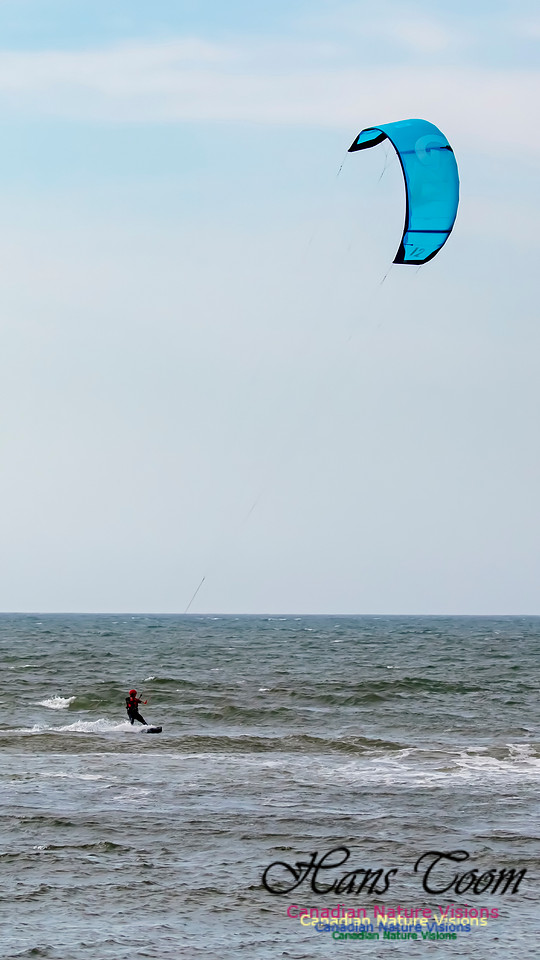
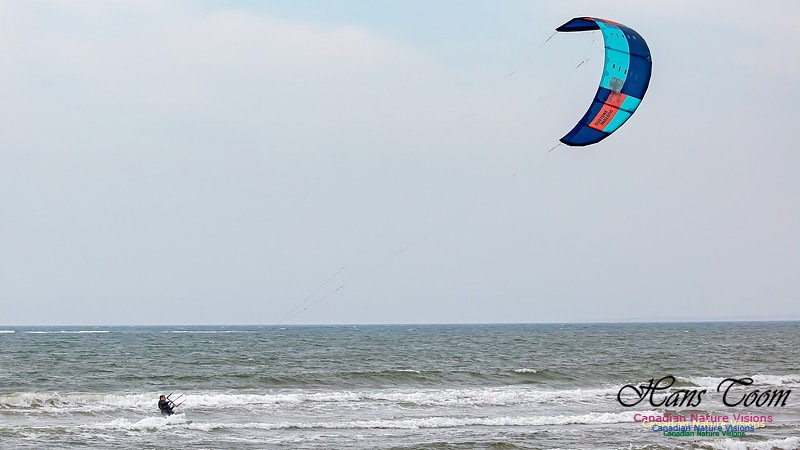
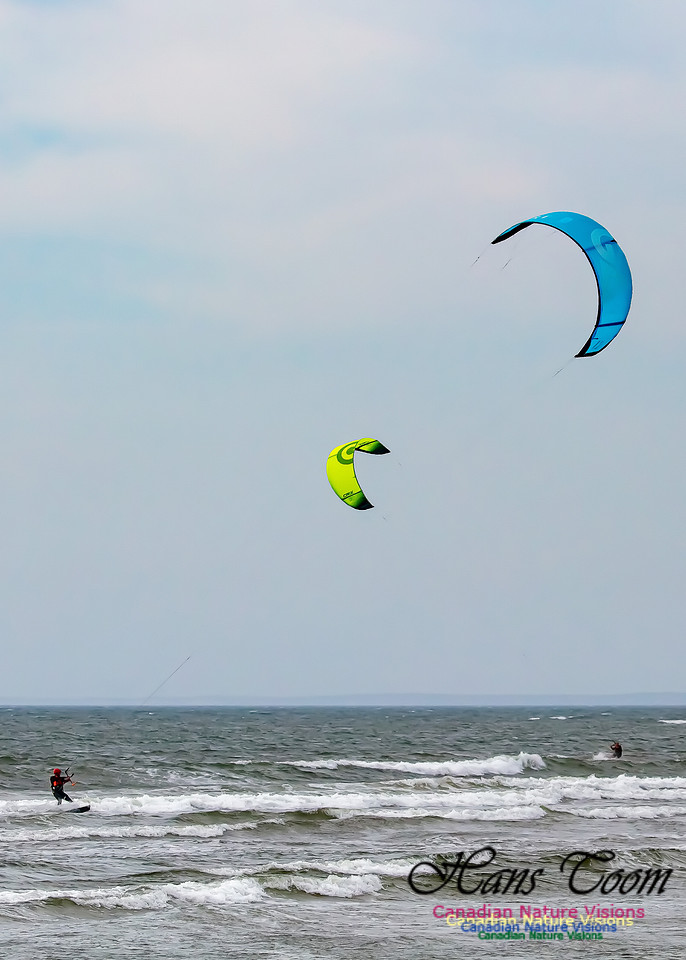
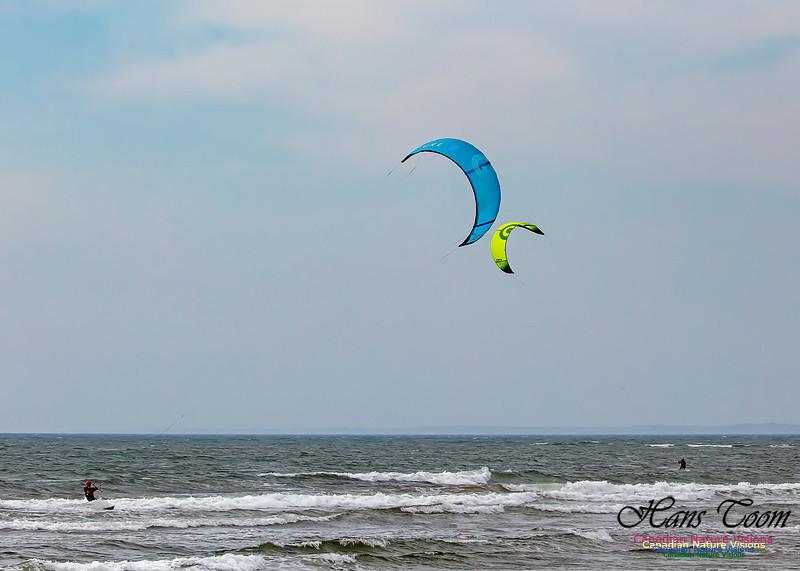
Kite SurfingKite Surfing is a challenging way to travel at high speeds along the wave tops. The tide and wind have to be just right to facilitate this sport. Kite Surfing
Late Bird MigrantsMigrants are getting harder to find as the weather hardens. The Common Grackle, American Robin(better known as the Canadian Robin", Red-winged Blackbird and many sparrows are still holding on. Magnolia Warbler The Magnolia Warbler is one of Nova Scotia's most common warblers. This one was kind enough to pose behind a fall leaf.
Common Yellowthroat The Common Yellowthroat is another common summer warbler that often hangs on until the last, sometimes into November(not a good plan).
Canada Goose This quintessential Canadian bird leaves its mark all over the continent. Some actually over-winter without difficulty scratching edibles from corn stubble, golf courses and beaches. They are also not above dabbling like a a dabbling duck.
Common Yellowthroat
Greater Yellowlegs
Western Willet The Western Willet is an annual regular. Some consider it a separate species from our Willet which is an early migrant often all gone by the end of September.
Red-breasted Nuthatch The Red-breasted Nuthatch is a short distance migrant and often successfully over-winters in Nova Scotia.
|